Moyna MacGill was born in Belfast in 1995. She was the daughter of a solicitor. She acted on the London stage and in British films. In 1940 she was a widow and to protect her children from the London bombings she moved with them to New York. She then went to Hollywood where she worked as a sterling character actress in such films as “Green Dolphin Street”, “The Picture of Dorian Gray” and on many television programmes. She died in 1975. Moyna MacGill was the mother of Angela Lansbury. Blog on Moyna McGill can be accessed here.
“Wikipedia” entry:
Born in Belfast, she was the daughter of a wealthy solicitor who was also a director of the Grand Opera House in Belfast, a position that sparked her interest in theatrics. She was still a teen when she was noticed riding the London Underground by director George Pearson, who cast her in several of his films. In 1918, she made her stage debut in the play Love in a Cottage at the West End‘s Globe Theatre.
Encouraged by Gerald du Maurier to change her name to Moyna Macgill (which invariably was misspelled as “MacGill” or “McGill”, and on at least one occasion, the film Texas, Brooklyn and Heaven, as “Magill”), she became a leading actress of the day, appearing in light comedies, melodramas, and classics opposite Herbert Marshall, John Gielgud, and Basil Rathbone, among others.
Twenty-six-year-old Macgill was married with a three-year-old daughter, Isolde (who later married Sir Peter Ustinov), when she became involved romantically with Edgar Lansbury, a socialist politician, who was a son of the Labour MP and Leader of the Opposition George Lansbury. Her husband, actor Reginald Denham, named Lansbury as co-respondent when he filed for divorce. A year after it was finalized, Macgill and Lansbury married and with Isolde settled into a garden flat in London‘s Regent’s Park.
Macgill temporarily set aside her career following the birth of daughter Angela and twin sons Edgar, Jr., and Bruce (both went on to becomeBroadway producers, but Bruce is better known for his work on television, such as the series The Wild Wild West, Mission: Impossible, and his sister’s Murder, She Wrote), although music and dance were prevalent in their upbringing. When they moved into a larger house in suburban Mill Hill, she turned their home into a salon for actors, writers, directors, musicians, and artists, all of whom left an impression on young Angela and were instrumental in directing her interests towards acting.
The above “Wikipedia” entry can also be accessed online here.
Brian Keith obituary in “The Independent” in 1997.
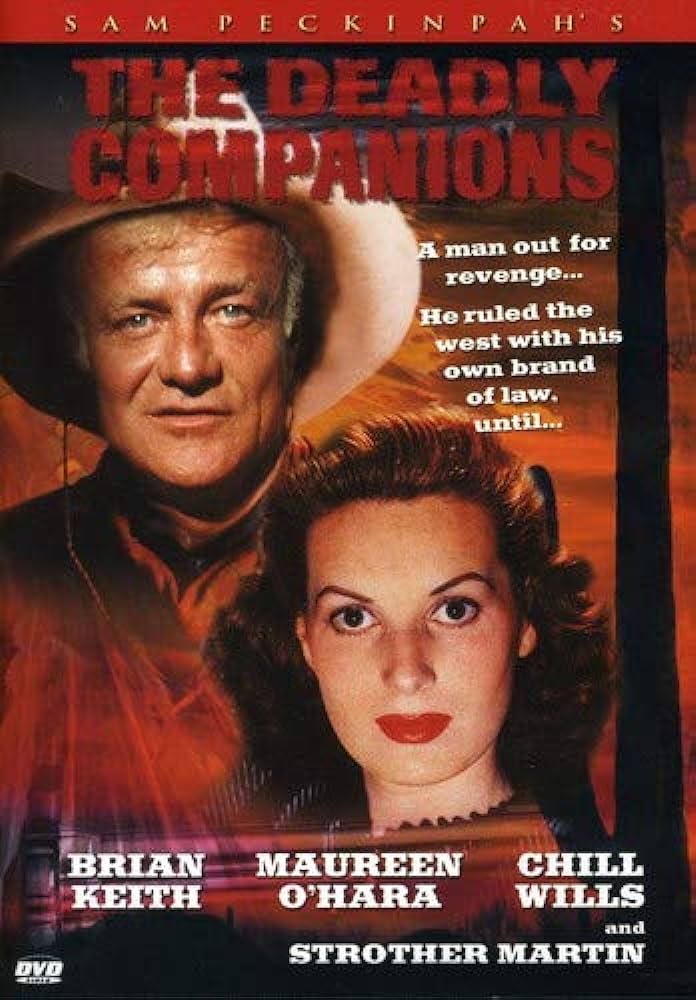
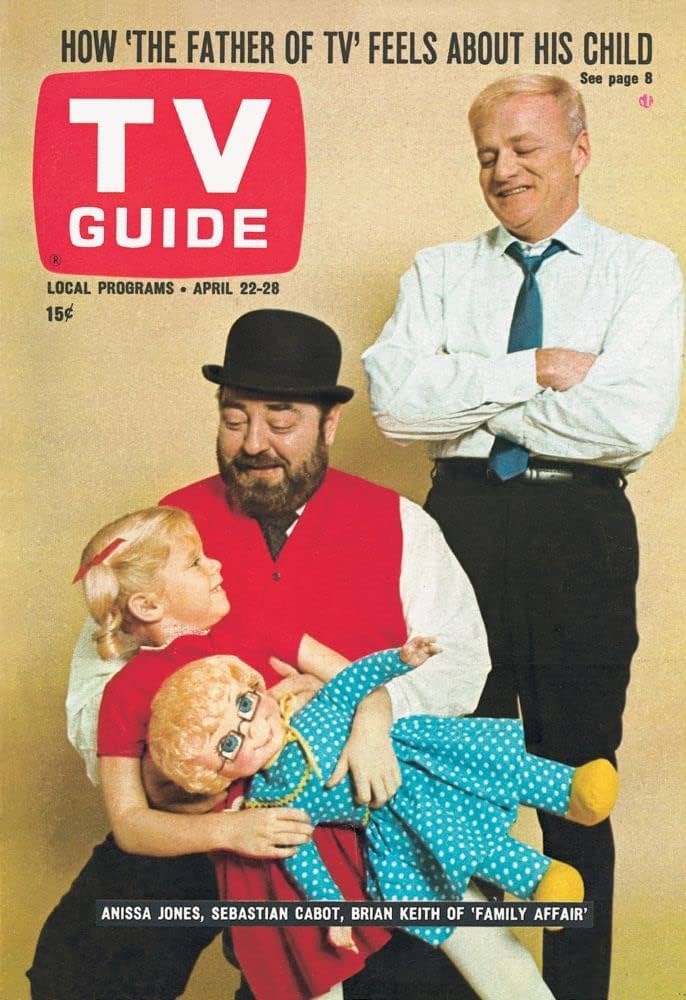
Brian Keith was a burly veteran of over 100 films, in which he appeared with such stars as Doris Day, Burt Lancaster, Charlton Heston, Roger Moore, Elizabeth Taylor and Gene Tierney.
Keith’s parents were both actors. His father, Robert Keith, starred in such films as The Wild One (1953), Young at Heart (1954), Love Me or Leave Me (1955) and Guys and Dolls (1955), but Brian, despite having appeared in a silent film at the age of three, initially had no acting ambitions.
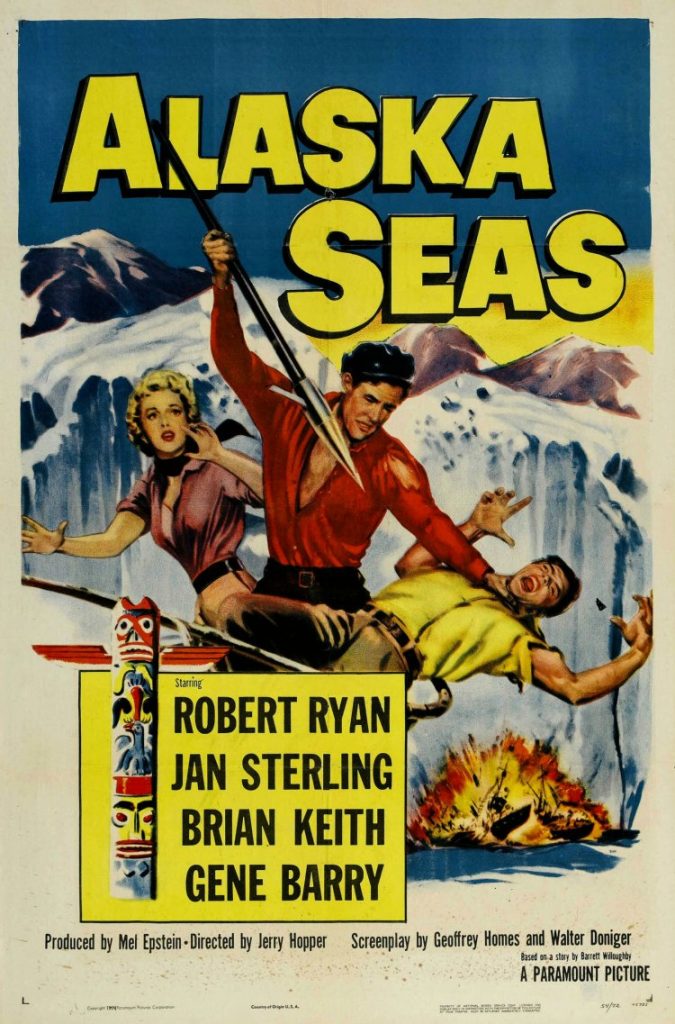
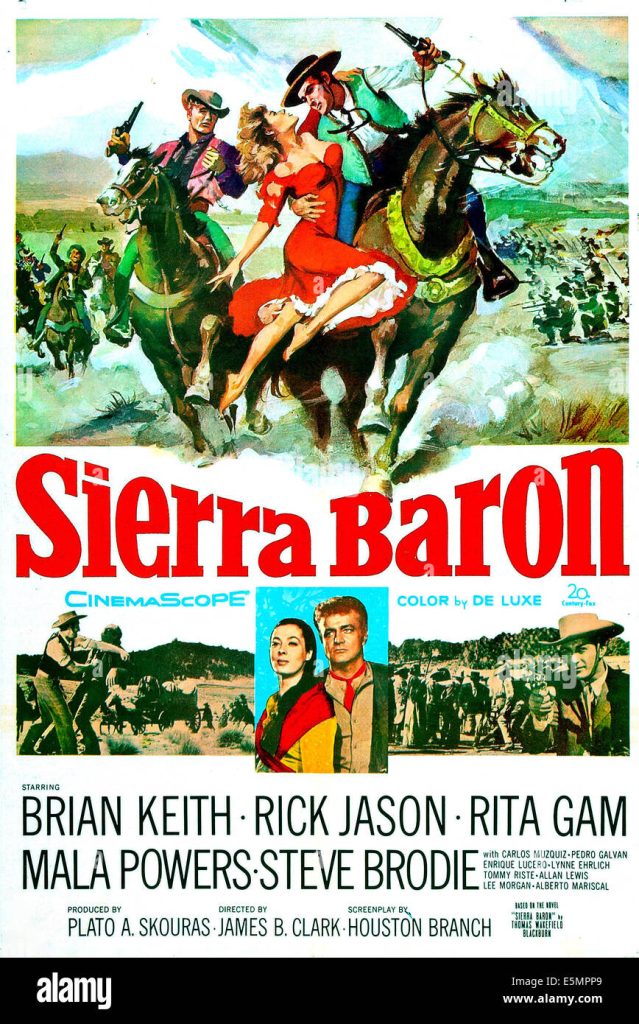
During the Second World War he served with the US Marine Corps as a machine gunner. After his release from the service, he finally succumbed to family tradition; his first adult screen role was with Charlton Heston in Arrowhead (1953). For the rest of the 1950s he darted from studio to studio, appearing in such action films as Alaska Seas (1954), The Violent Men (1955), Run of the Arrow (1957) and Fort Dobbs (1958).
In the television series The Westerner (1960) Keith played Dave Blassingame, a stony-faced adventurer roaming the Mexican border accompanied by a mongrel called Brown. That same dog had played the title role in the Disney film Old Yeller three years earlier.
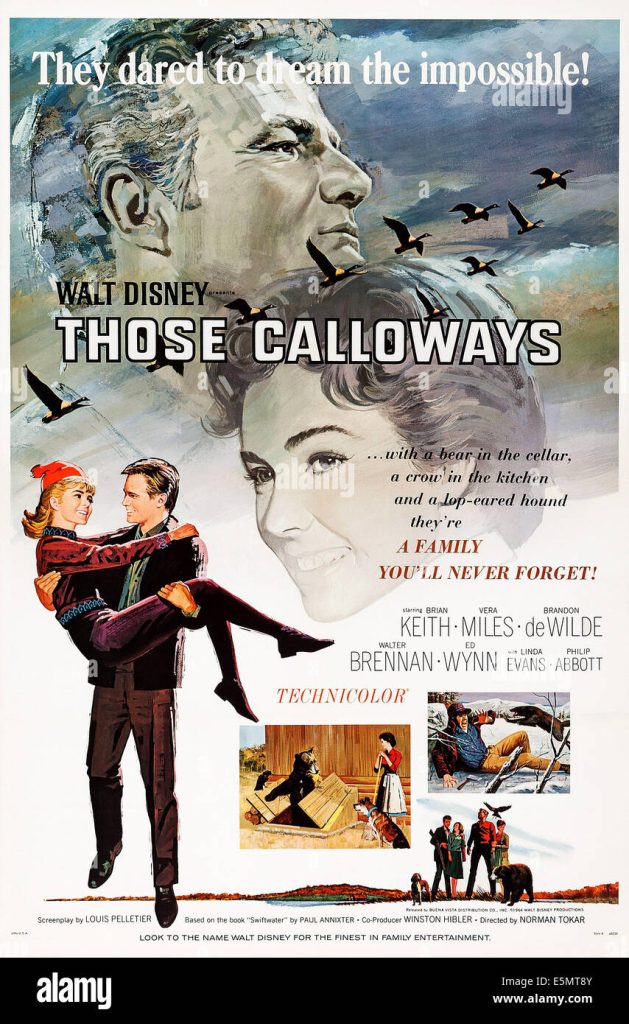
Coincidentally, the Disney organisation offered Keith his next film; in The Parent Trap (1961), he and Maureen O’Hara were the divorced parents of twins, both played by Hayley Mills. The plot concerned the siblings’ efforts (successful, of course) to reunite their parents. After The Parent Trap Keith suddenly found himself playing more sympathetic roles; in Disney’s Those Calloways (1965) he played a likeable eccentric who, with the help of his adoring family, battles to save a lake on which he intends to make a bird sanctuary.
Television producers too saw him in a different light, and he was starred in the sitcom Family Affair (1966-71), in which he played a carefree, wealthy bachelor whose life is suddenly complicated when three lovable young orphans are thrust upon him. His next sitcom, The Little People (later The Brian Keith Show), was filmed in Hawaii. The story of a father and daughter team of paediatricians running a clinic on a tropical island, it ran from 1972 until 1974. Thereafter, Keith regarded Hawaii as his adopted state and visited there as often as possible.
He made a personal success as President Teddy Roosevelt in the film The Wind and the Lion (1975) and appeared with Roger Moore in the James Bond film Moonraker (1979). He acted with Burt Reynolds in Hooper (1978), directed by Hal Needham. In 1981 he appeared in Sharkey’s Machine, directed by Reynolds himself. Keith played an army officer, involved in an adulterous affair with Elizabeth Taylor, in John Huston’s disastrous film Reflections in a Golden Eye (1967). Two years later, Keith appeared in another cinematic flop, Krakatoa, East of Java; the quality of which can best be summed up by the fact that Krakatoa is actually west of Java.
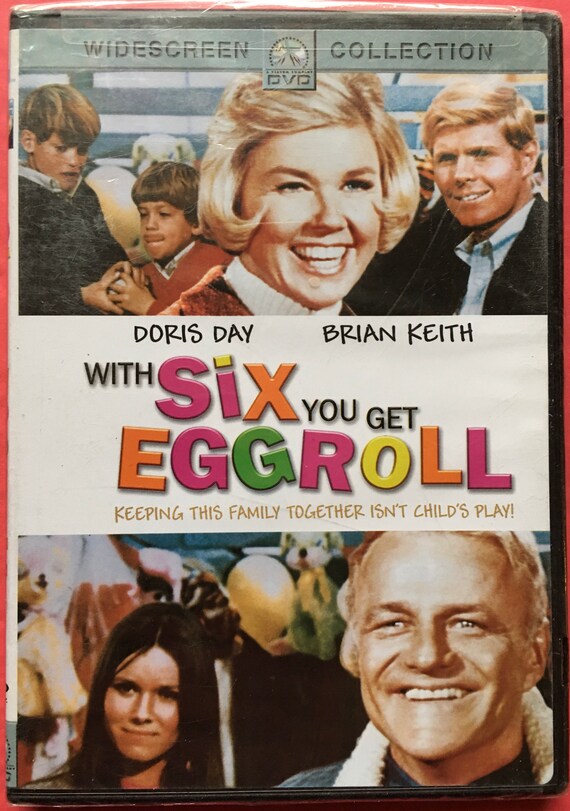
After the failure of the Peter Ustinov comedy Charlie Chan and the Curse of the Dragon Queen (1981), Keith joked, “I only did the picture because it had a long title, and I seem to specialise in those” (he had previously appeared in The Russians are Coming, The Russians are Coming, 1966, With Six You Get Egg Roll, 1968, and Suppose They Gave a War and Nobody Came, 1970).
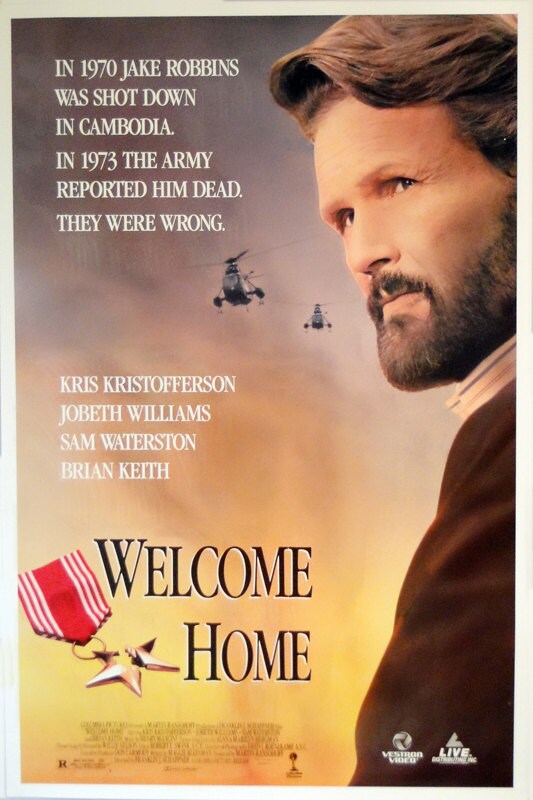
Brian Keith’s most recent film appearances were in Young Guns (1988) and Welcome Home (1989).
Robert Brian Keith, actor: born Bayonne, New Jersey 14 November 1921; married first Frances Helm, second Judith London, third Victoria Young; died Los Angeles, California 24 June 1997.
Brian Keith was a burly veteran of over 100 films, in which he appeared with such stars as Doris Day, Burt Lancaster, Charlton Heston, Roger Moore, Elizabeth Taylor and Gene Tierney.
Keith’s parents were both actors. His father, Robert Keith, starred in such films as The Wild One (1953), Young at Heart (1954), Love Me or Leave Me (1955) and Guys and Dolls (1955), but Brian, despite having appeared in a silent film at the age of three, initially had no acting ambitions.
During the Second World War he served with the US Marine Corps as a machine gunner. After his release from the service, he finally succumbed to family tradition; his first adult screen role was with Charlton Heston in Arrowhead (1953). For the rest of the 1950s he darted from studio to studio, appearing in such action films as Alaska Seas (1954), The Violent Men (1955), Run of the Arrow (1957) and Fort Dobbs (1958).
In the television series The Westerner (1960) Keith played Dave Blassingame, a stony-faced adventurer roaming the Mexican border accompanied by a mongrel called Brown. That same dog had played the title role in the Disney film Old Yeller three years earlier.
Coincidentally, the Disney organisation offered Keith his next film; in The Parent Trap (1961), he and Maureen O’Hara were the divorced parents of twins, both played by Hayley Mills. The plot concerned the siblings’ efforts (successful, of course) to reunite their parents. After The Parent Trap Keith suddenly found himself playing more sympathetic roles; in Disney’s Those Calloways (1965) he played a likeable eccentric who, with the help of his adoring family, battles to save a lake on which he intends to make a bird sanctuary.
Television producers too saw him in a different light, and he was starred in the sitcom Family Affair (1966-71), in which he played a carefree, wealthy bachelor whose life is suddenly complicated when three lovable young orphans are thrust upon him. His next sitcom, The Little People (later The Brian Keith Show), was filmed in Hawaii. The story of a father and daughter team of paediatricians running a clinic on a tropical island, it ran from 1972 until 1974. Thereafter, Keith regarded Hawaii as his adopted state and visited there as often as possible.
He made a personal success as President Teddy Roosevelt in the film The Wind and the Lion (1975) and appeared with Roger Moore in the James Bond film Moonraker (1979). He acted with Burt Reynolds in Hooper (1978), directed by Hal Needham. In 1981 he appeared in Sharkey’s Machine, directed by Reynolds himself. Keith played an army officer, involved in an adulterous affair with Elizabeth Taylor, in John Huston’s disastrous film Reflections in a Golden Eye (1967). Two years later, Keith appeared in another cinematic flop, Krakatoa, East of Java; the quality of which can best be summed up by the fact that Krakatoa is actually west of Java.
After the failure of the Peter Ustinov comedy Charlie Chan and the Curse of the Dragon Queen (1981), Keith joked, “I only did the picture because it had a long title, and I seem to specialise in those” (he had previously appeared in The Russians are Coming, The Russians are Coming, 1966, With Six You Get Egg Roll, 1968, and Suppose They Gave a War and Nobody Came, 1970).
Brian Keith’s most recent film appearances were in Young Guns (1988) and Welcome Home (1989).
Robert Brian Keith, actor: born Bayonne, New Jersey 14 November 1921; married first Frances Helm, second Judith London, third Victoria Young; died Los Angeles, California 24 June 1997.
Christopher Jones obituary in “The Daily Telegraph” in 2014.
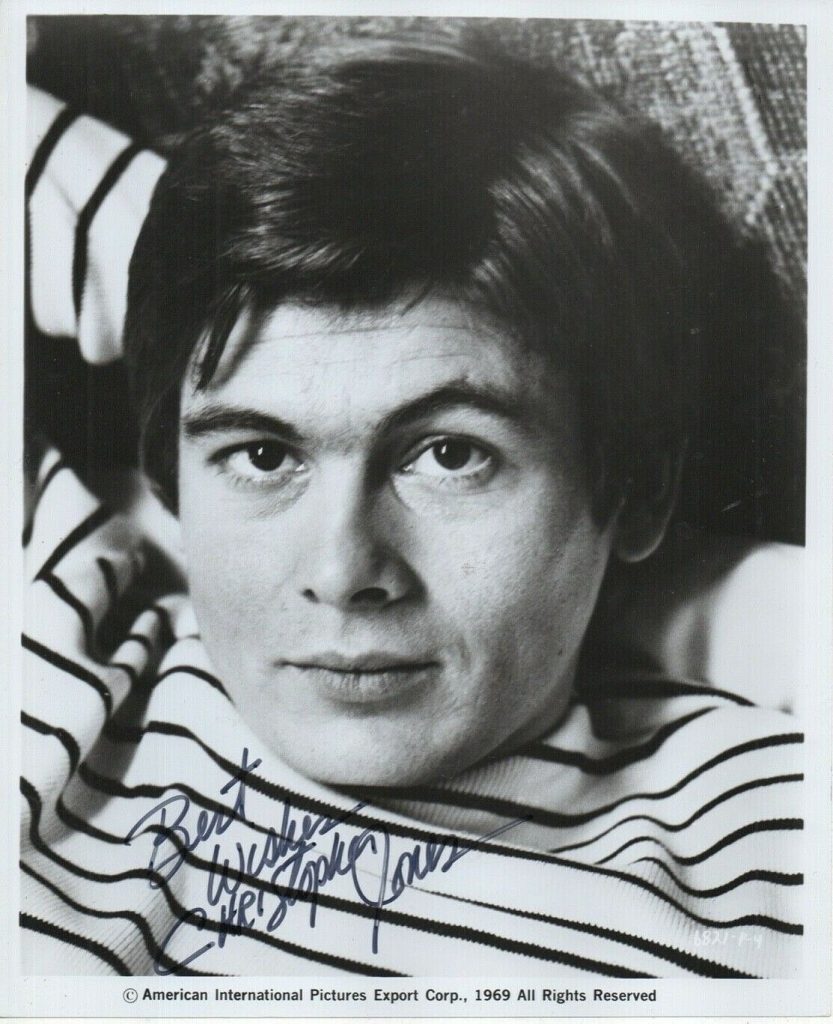
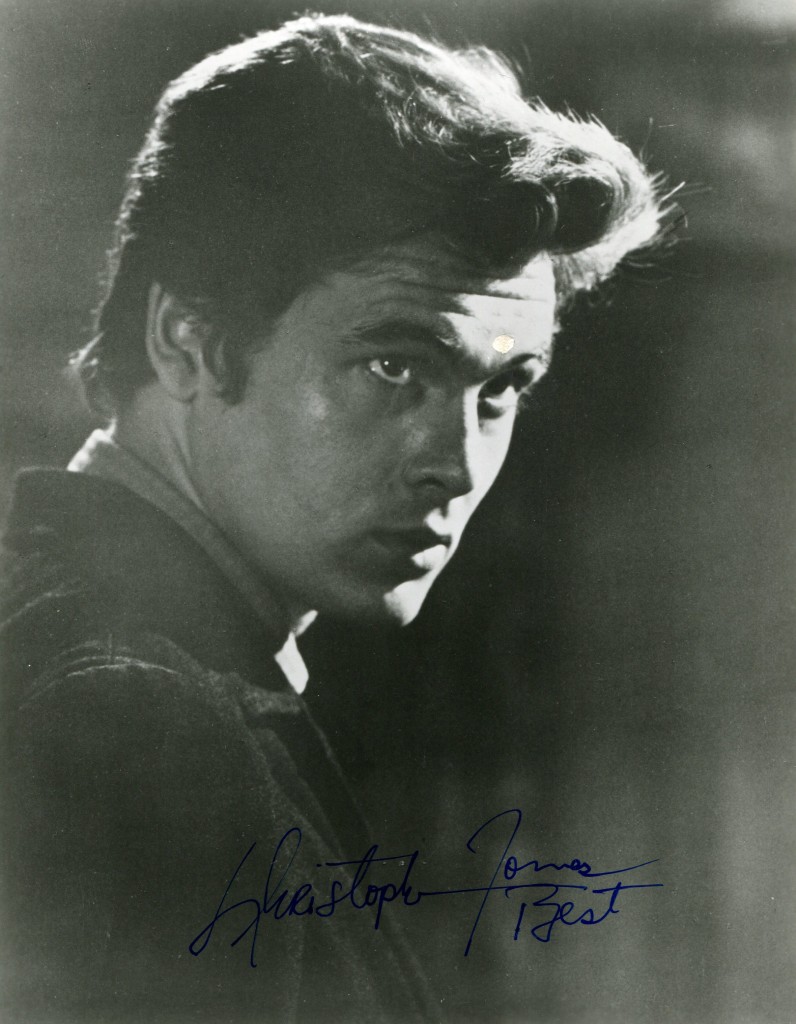
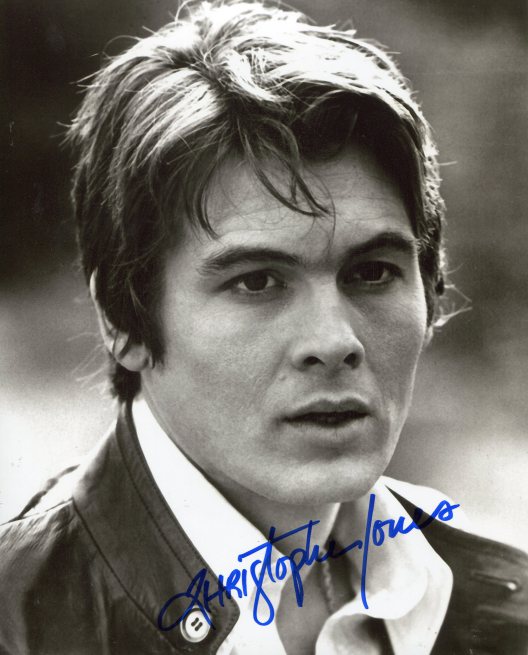
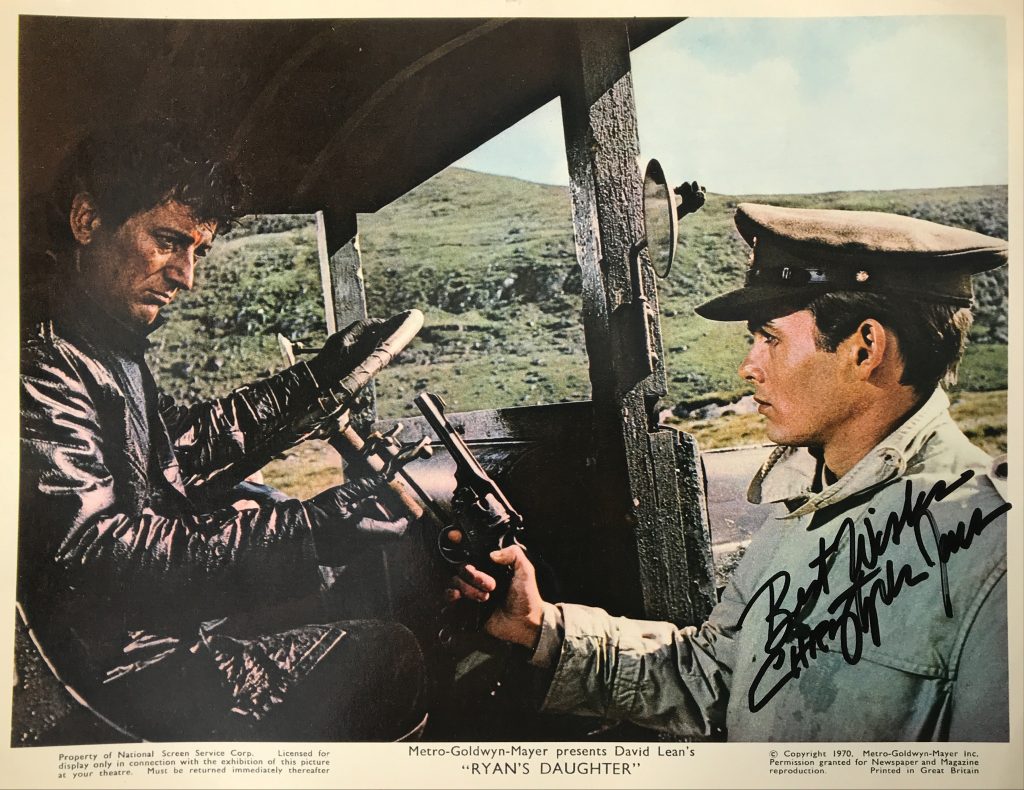
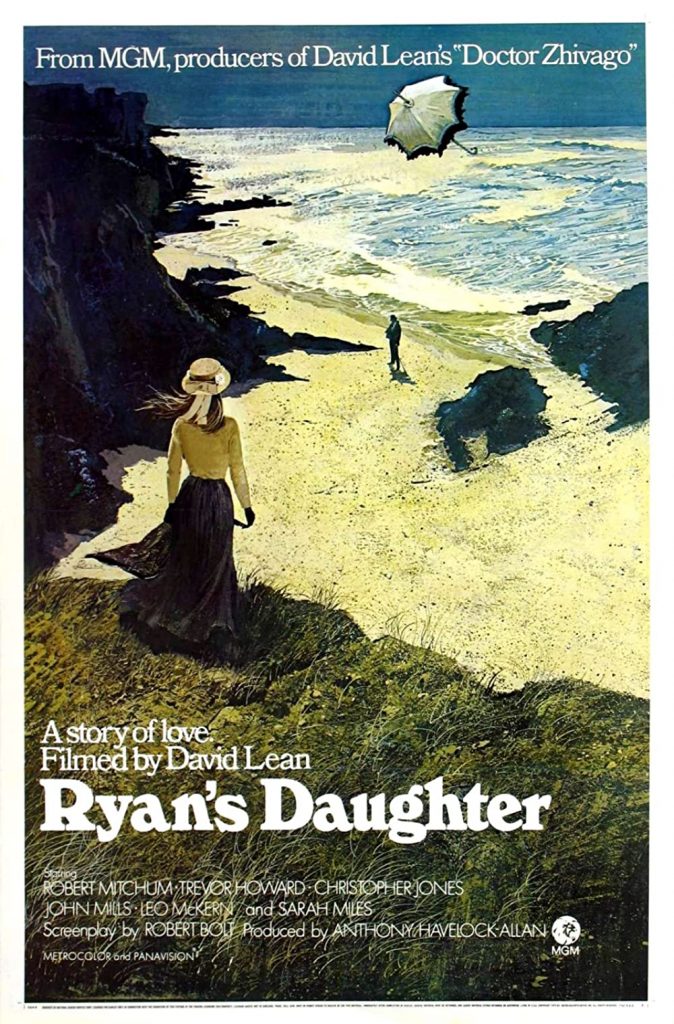
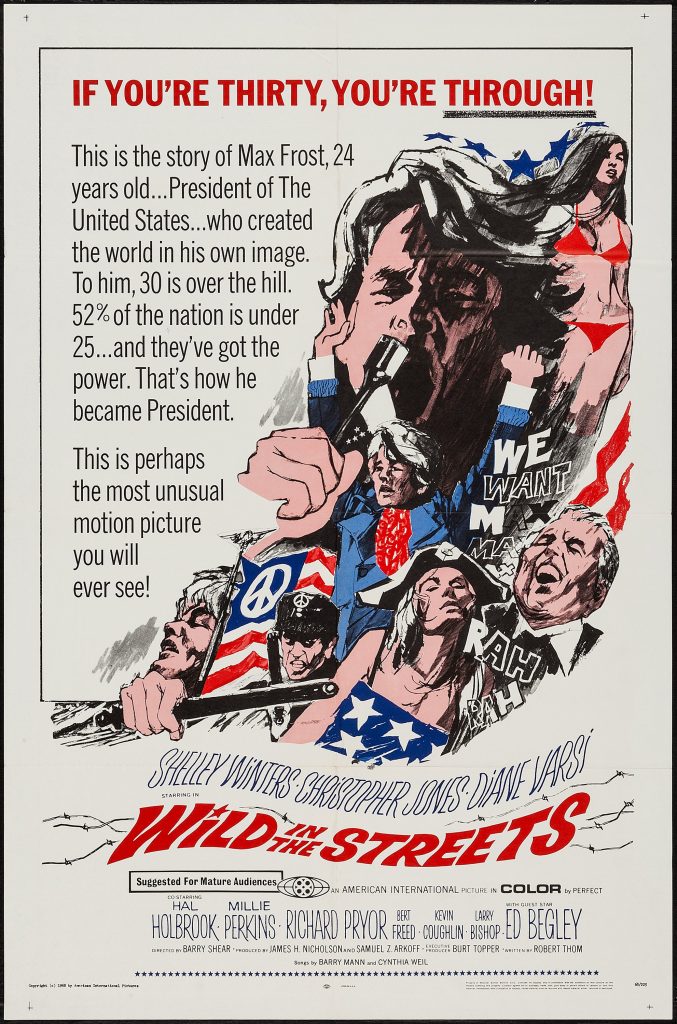
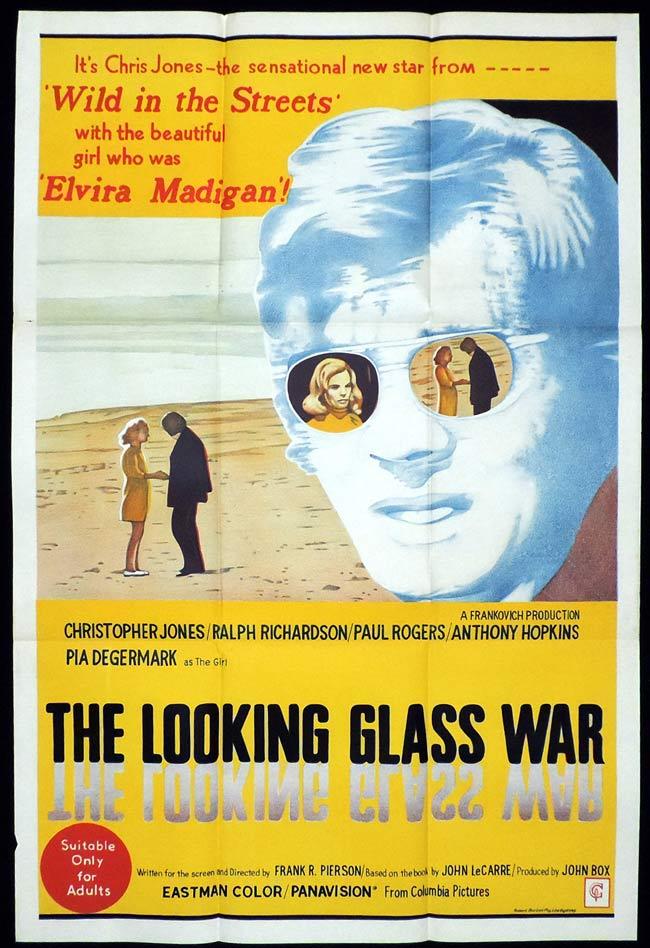
Christopher Jones was born in Jackson, Tennessee in 1941. He was very similar in looks to the late James Dean and was promoted as such on film and television. In 1965 he starred in “The Legend of Jesse James” on television. He starred in the cult classic “Wild in the Streets” in 1968. In Europe he made “The Looking Glass War”. In 1969 he came to the West of Ireland to make David Lean’s “Ryan’s Daughter” with Sarah Miles and Robert Mitchum. For whatever reason, this proved to be his last fim for years. He disappeared from public view. Quentin Tarentino tried to persuade him to return to film acting by offering him a role in “Pulp Fiction”. However he refused the offer. He did though make a comeback in 1996 in “Mad Dog Time”. This film seems to be his last film. He died in January 2014. His obituary in “The LA Times” can be accessed here.
“Telegraph” obituary:
Christopher Jones, the actor, who has died aged 72, was tipped in the late 1960s to be James Dean’s successor as the idol of the Odeons. However, on the cusp of international fame, and with a life riven by tragedy, he turned his back on Hollywood shortly after completing his most famous role, the romantic lead in David Lean’s Ryan’s Daughter.
Original Cinema Quad Poster – Movie Film PostersOriginal Cinema Quad Poster – Movie Film Posters
He faced two major traumas. First, he struggled to cope with his mother’s mental breakdown and early death in a Tennessee asylum. Then, as big roles finally materialised and the industry lay at his feet, he was irrevocably disturbed by the murder of Sharon Tate (Roman Polanski’s wife) with whom he was having an affair. Shaken by the events and his mauling by the critics on the release of Lean’s epic, he retired from acting in 1970.
Billy Frank Jones (known professionally as Christopher) was born on August 18 1941 in Jackson, Tennessee, into straitened circumstances. His family lived above the grocery store where his father was a clerk. When Jones was four, his mother was confined to a psychiatric hospital, where she remained until her death in 1960. “I can remember her picking me up once,” recalled Jones, “but I can’t remember what she looked like.” He was passed between relatives and a boys’ home and frequently separated from his brother. In his early twenties he joined the Army but went Awol two days after signing up (for which he was briefly jailed).
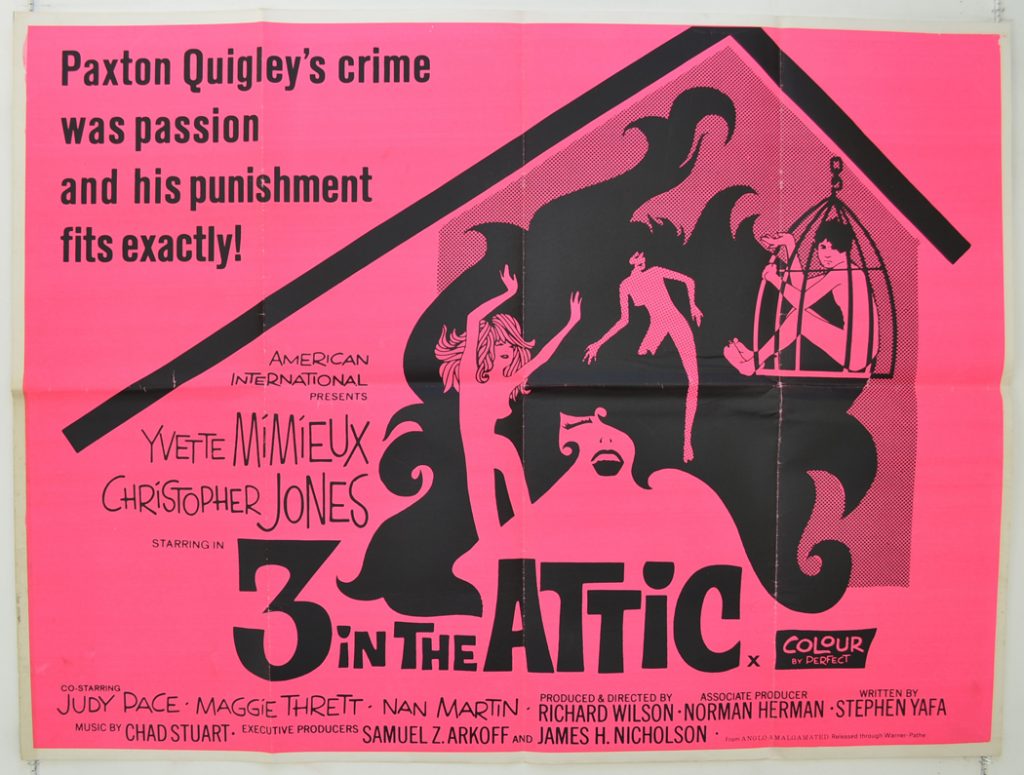
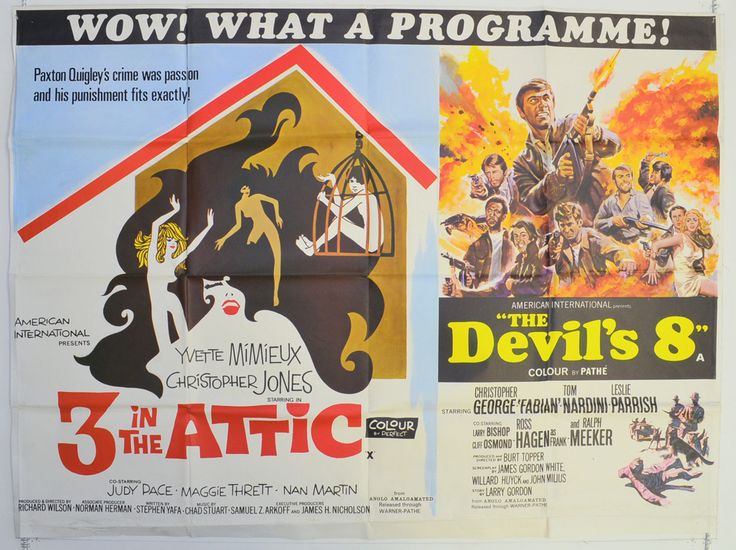
His acting trajectory was a blueprint for 1960s matinee stars. He lit up Broadway in The Night of the Iguana (1961) and auditioned at the celebrated Actors Studio in New York – he even married Susan Strasberg, the daughter of its director, Lee Strasberg. Television roles included the cult classic Wild in the Streets (1968) and the titular outlaw in The Legend of Jesse James (1965-66). Hollywood beckoned. He took on swinging farce in Three in the Attic (1968), and The Looking Glass War (1969) saw him in a John le Carré thriller.
This rise led to his role in Ryan’s Daughter. Jones played Major Randolph Doryan, the English commander of an Army base on Ireland’s Dingle Peninsula, who has an affair with Rosy (Sarah Miles), the wife of a local schoolmaster. The casting was unlikely. The shoot dragged on for a year and relations between Lean and Jones became strained. A lack of chemistry between Jones and Miles provoked the crew to drug him in order to “help matters” in the love scenes. The lack of authenticity didn’t end there – Jones’s dialogue was dubbed in post-production.
Celebrity, however, brought with it the attentions of some of the world’s most beautiful actresses, including Pia Degermark and Olivia Hussey. “My manhood is my soul,” he once claimed. Bette Davis disagreed. “I tried to jiggle her,” admitted Jones, “but I wasn’t sophisticated enough.” One of his lovers was the English starlet Susan George who, he recalled “came up to my apartment when I was staying in London and the next day moved her toothbrush in, so I had to say: ‘No way’”.
However, it was his short-lived affair with Sharon Tate that was to affect him most deeply. The pair’s dalliance took place in 1969 in Rome, where Jones was filming and Sharon Tate was visiting. She was pregnant with Polanski’s baby at the time and Jones was involved with Pia Degermark.
On the evening of August 9 1969, while Jones was filming in Ireland, members of Charles Manson’s cult broke into Sharon Tate’s home in Los Angeles and stabbed her to death. “I loved Sharon and she loved me,” stated Jones (who only talked of the events in 2007 “partly because I want to see if God strikes me dead”). When the news reached him at his hotel in Ireland he experienced a breakdown and, as Sarah Miles described in her memoir, his behaviour became increasing erratic.
After Ryan’s Daughter he gave up acting – “I realised I hated it” – and lived off the proceeds of his film career, taking up painting and sculpture. “He was big, and with the right person directing, he could still be as big as anybody,” noted Quentin Tarantino in the 1990s. However, in 1994 Jones turned down the director’s offer to play the part of Zed the “Gimp” in Pulp Fiction (1994). His then girlfriend called the role “disgusting”. A late return to acting in the 1996 crime caper Trigger Happy failed to fan the embers of a once blazing career.
Jones’s marriage was dissolved. He is survived by his partner, Paula McKenna, and seven children.
The above “Telegraph” ob ituary can also be accessed online here.
Gary Brumburgh’s entry:
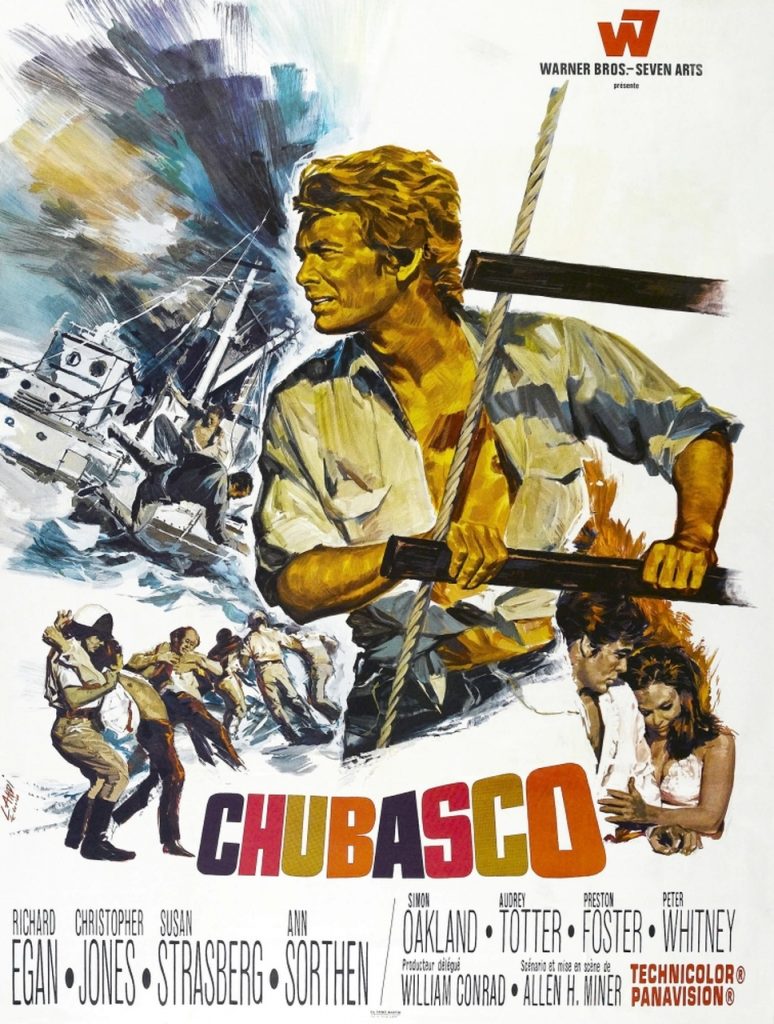
Christopher Jones was a brief cult star of the late 60s counterculture era and a would-be successor to James Dean had he wanted it. Born Billy Frank Jones amid rather impoverished surroundings to a grocery clerk in Jackson, Tennessee in 1941, his artist mother had to be institutionalized when Chris was 4. She died in a mental facility in 1960 and this was always to haunt him. Shifted back and forth between homes and orphanages and placed in Boys Town at one point to straighten out his life, Chris joined the service as a young adult but went AWOL two days later. After serving out his time on Governor’s Island for this infraction, he moved to New York and studied painting, meeting a motley crew of actors and artists. Friends were startled by his uncanny resemblance to James Dean – his brooding good looks and troubled nature were absolutely eerie. Encouraged to try out for the Actor’s Studio, he was accepted and eventually won a role on Broadway in “The Night of the Iguana” in 1961. He ended up marrying acting coach Lee Strasberg’s daughter, Susan, in 1965 but his erratic behavior sent her packing within three years. Chris’ undeniable charisma led him to Hollywood for a role in Chubasco (1967) with wife Susan, and then brief cult stardom in Wild in the Streets (1968) as a rock star who becomes president. This popular satire, in turn, led to international projects such as The Looking Glass War (1969) and Ryan’s Daughter (1970). But the trappings of success got to him. Numerous entanglements with the Hollywood “in crowd” took its toll, including those with Pamela Courson (Jim Morrison’s girlfriend at the time), the ill-fated Sharon Tate, one-time co-star Pia Degermark and Olivia Hussey (who rushed into a marriage with Dean Paul Martin shortly after Chris turned his back on marriage). The work load left him emotionally spent and Tate’s brutal murder left him devastated. He split the scene but ended up a victim of Sunset Strip drug culture. Little was heard of Chris until decades later when Quentin Tarantino offered him a part in Pulp Fiction (1994). The now reclusive and eccentric Jones refused the role, but this was not the case with a lower profile role in Mad Dog Time (1996) a couple of years later. This proved to be only a minor comeback or not has yet to be determined.
– IMDb Mini Biography By: Gary Brumburgh / gr-home@pacbell.net
Career overview of Christopher Jones
Christopher Jones (1941–2014) is one of the most striking examples of a “lost” or unrealised star of late-1960s Hollywood—a performer whose intense screen presence and unconventional persona briefly aligned with a changing industry, only for his career to collapse almost as quickly as it emerged. His legacy is less about a large body of work than about potential, misalignment, and myth.
Early career: television beginnings and emerging persona (mid-1960s)
Jones first gained visibility through television, particularly:
The Legend of Jesse James
Critical observation:
Even early on, Jones projects:
Brooding intensity
Emotional opacity
His acting relies more on:
Presence
Physicality than on verbal expressiveness
Insight: He fits into a lineage of actors influenced by the post-James Dean model—charismatic but inward, resistant to articulation.
Film breakthrough: countercultural alignment (late 1960s)
Jones’s most significant roles came during a moment when Hollywood was shifting toward youth-oriented, anti-establishment narratives:
Wild in the Streets
Chubasco
Wild in the Streets: generational rebellion
Critical analysis:
Jones plays a rock star turned political revolutionary
His performance is:
Energetic
Charismatic
Slightly unrefined
He captures:
The volatility of youth culture
The fusion of celebrity and political power
Limitation:
The performance lacks:
Technical precision
Consistent emotional control
Insight: Jones is effective when his natural intensity aligns with the material, but struggles when greater nuance is required.
Major opportunity and breakdown: Ryan’s Daughter (1970)
Jones was cast in:
Ryan’s Daughter (directed by David Lean)
This was intended as his transition to major international stardom.
Critical analysis of the performance
Jones plays a traumatised British officer
The role requires:
Emotional complexity
Internalised suffering
Outcome:
His performance is widely considered:
Inexpressive and uneven
Lacking the depth needed for the character
Industrial context:
Jones reportedly refused to dub his own voice, leading to it being replaced
Critical insight: This role exposes the central limitation of his acting:
A reliance on presence without sufficient technical or emotional range to sustain complex roles.
Collapse of career and withdrawal
Following Ryan’s Daughter, Jones’s career rapidly declined. He made few further appearances and effectively withdrew from acting.
Factors include:
Difficulties on set
Resistance to direction
Limited adaptability
Result: He becomes a symbol of squandered potential, often cited in discussions of actors who failed to transition into the New Hollywood era.
Acting style and screen persona
Jones’s acting is characterised by:
Physical intensity and visual charisma
Minimalist, often hesitant dialogue delivery
Emotional opacity
His persona includes:
Rebellion
Vulnerability
Alienation
Strength:
Highly effective in roles requiring:
Instinctive energy
Youthful volatility
Limitation:
Struggles with:
Verbal complexity
Sustained character development
Critical analysis of his career
1. The problem of raw presence
Jones exemplifies an actor whose appeal lies in:
Natural charisma
But:
Lacks the craft to:
Shape performances
Adapt to different directorial demands
2. Misalignment with industry transition
He emerges during:
The shift from studio system → New Hollywood
Paradox:
His persona fits the new era
But his technique does not meet its demands for:
Psychological realism
Versatility
3. The myth of the “lost star”
Jones’s brief career has generated a certain mythology:
What might he have become?
Critical caution:
His limitations were not only circumstantial
They were also intrinsic to his acting approach
4. Comparison with contemporaries
Compared to actors like:
Jack Nicholson
Dustin Hoffman
Jones:
Shares outsider energy
But lacks:
Technical discipline
Range
5. Persona without evolution
Jones’s career shows:
Strong initial identity
No opportunity—or ability—to develop it
Overall evaluation
Strengths:
Powerful screen presence
Alignment with late-1960s counterculture
Memorable in specific, limited contexts
Limitations:
Limited acting range
Lack of technical control
Inability to sustain complex roles
Short, fragmented career
Conclusion
Christopher Jones’s career is a case study in potential without consolidation:
He possessed the qualities needed to become a major star
But lacked the craft and adaptability to sustain that trajectory
Ultimately:
He remains a compelling “what if” figure—an actor whose brief moment of alignment with cultural change was not enough to overcome deeper artistic and professional limitations
Christopher Knight was born in St. Louis, Missouri. He had the lead role in the movie of James Farrell’s “Studs Lonigan” in 1960 in which Jack Nicholson had a supporting part. Christopher Knight then in 1962 supported Sandra Dee and Bobby Darin in “If a Man Answers”. There are no other credits available for Christopher Knight. Christopher Knight died in 2006.
Tab Hunter was born in New York in 1931 of German parents. His first film in 1952 was “Island of Desire” opposite Linda Darnell. By the mid-50’s he was a teenage favourite in the U.S. He won acclaim for his performance as a marine in “Battle Cry”. He starred in the musical “Damn Yankees”. He had a world wide No 1 Hit Selling Song in 1957 with “Young Love”. From the mid-60’s onwards he also acted on stage and on television. He published his autobiography in 2005 entitled “Tab Hunter Confidential”.
Gary Brumburgh’s entry:
Dreamy Tab Hunter goes down in the film annals as one of the hottest teen film idols of the 50s era. With blond, tanned, surfer-boy good looks, he was artificially groomed and nicknamed “The Sigh Guy” by the Hollywood studio system, yet managed to continue his career long after his “golden boy” prime. He was born Arthur Kelm in New York City on July 11, 1931, the younger of two sons of Charles Kelm and Gertrude Gelien. His childhood was marred by an abusive father and, following his parents’ divorce, his mother moved the children to California, changing their last names to her maiden name of Gelien. Leaving school and joining the Coast Guard at age 15 (he lied about his age), he was eventually discharged when the age deception was revealed. Returning home, his life-long passion for horseback riding led to a job with a riding academy. His fetching handsomeness and trim, athletic physique eventually steered the Californian toward the idea of acting.
An introduction to famed agent Henry Willson had Tab signing on the dotted line and what emerged, along with a major career, was the stage moniker of “Tab Hunter.” Willson was also responsible with pointing hopeful Roy Fitzgerald towards stardom under the pseudonym Rock Hudson. With no previous experience Tab made his first, albeit minor, film debut in the racially trenchant drama The Lawless (1950) starring Gail Russelland Macdonald Carey. His only line in the movie was eventually cut upon release. It didn’t seem to make a difference for he co-starred in his very next film, the British-madeIsland of Desire (1952) co-starring a somewhat older (by ten years) Linda Darnell, which was set during WWII on a deserted, tropical South Seas isle. His shirt remained off for a good portion of the film, which certainly did not go unnoticed by his ever-growing legion of female (and male) fans. Signed by Warner Bros., stardom was clinched a few years later with another WWII epic Battle Cry (1955), based on the Leon Uris novel, in which he again played a boyish soldier sharing torrid scenes with an older woman (this timeDorothy Malone, playing a love-starved Navy wife). Thoroughly primed as one of Hollywood’s top beefcake commodities, the tabloid magazines had a field day initiating an aggressive campaign to “out” Hunter as gay, which would have ruined him. To combat the destructive tactics, Tab was seen escorting a number of Hollywood’s lovelies at premieres and parties. In the meantime he was seldom out of his military fatigues on film, keeping his fans satisfied in such popular dramas as The Sea Chase (1955), The Burning Hills (1956) and The Girl He Left Behind (1956)–the last two opposite the equally popular Natalie Wood.
At around this time Hunter managed to parlay his boy-next-door film celebrity into a singing career. He topped the charts for over a month with the single “Young Love” in 1957 and produced other “top 40” singles as well. Like other fortunate celebrity-based singers such as Shelley Fabares and Paul Petersen, his musical reign was brief. Out of it, however, came the most notable success of his film career top-billing as baseball fan Joe Hardy in the classic Faustian musical Damn Yankees! (1958) opposite Gwen Verdon andRay Walston, who recreated their devil-making Broadway roles. Musically Tab may have been overshadowed but he brought with him major star power and the film became a crowd pleaser. He continued on with the William A. Wellman-directed Lafayette Escadrille(1958) as, yet again, a wholesome soldier, this time in World War I. More spicy love scenes came with That Kind of Woman (1959), an adult comedy-drama which focused on soldier Hunter and va-va-voom mistress Sophia Loren demonstrating some sexual chemistry on a train.
Seldom a favorite with the film critics, the 1960s brought about a career change for Tab. He begged out of his restrictive contract with Warners and ultimately paid the price. With no studio to protect him, he was at the mercy of several trumped-up lawsuits. Worse yet, handsome Troy Donahue had replaced him as the new beefcake on the block. With no film offers coming his way, he starred in his own series The Tab Hunter Show (1960), a rather featherweight sitcom that centered around his swinging bachelor pad. The series last only one season. On the positive side he clocked in with over 200 TV programs over the long stretch and was nominated for an Emmy award for his outstanding performance opposite Geraldine Page in a Playhouse 90 episode. Following the sparkling film comedyThe Pleasure of His Company (1961) opposite Debbie Reynolds, the quality of his films fell off drastically as he found himself top-lining such innocuous fare as Operation Bikini(1963), Ride the Wild Surf (1964) (1965), City in the Sea (1965) [aka War-Gods of the Deep], and Birds Do It (1966) both here and overseas. As for stage, a brief chance to star on Broadway happened in 1964 alongside the highly volatile Tallulah Bankhead inTennessee Williams‘s “The Milk Train Doesn’t Stop Here Anymore.” It lasted five performances. He then started to travel the dinner theater circuit.
Tab Hunter
Enduring a severe lull, Tab bounced back in the 1980s and 1990s — more mature, less wholesome, but ever the looker. He gamely spoofed his old clean-cut image by appearing in delightfully tasteless John Waters‘ films as a romantic dangling carrot to heavyset transvestite “actress” Divine. Polyester (1981) was the first mainstream hit for Waters and Tab went on to team up with Allan Glaser to co-produce and co-star a Waters-like western spoof Lust in the Dust (1985). He is still working as a film producer at age 70+ in Southern California. Tab also “came out” with a tell-all memoir on his Hollywood years in October of 2005.
– IMDb Mini Biography By: Gary Brumburgh / gr-home@pacbell.net
Career overview of Tab Hunter
Tab Hunter (1931–2018) is one of Hollywood’s most revealing examples of the 1950s studio-system “manufactured ideal” male star, whose career combined genuine screen appeal, carefully managed public image, and the later collapse of that image under shifting cultural and industrial conditions. His trajectory moves from engineered teen idol masculinity → genre actor in decline → late-life cultural reassessment as a closeted Hollywood figure whose career was shaped by studio-era control of identity.
Early career: discovery and Warner Bros. star construction (early–mid 1950s)
Hunter was discovered and signed by Warner Bros., which actively shaped him into a clean-cut leading man.
Early films include:
Island of Desire
Battle Cry
The Girl He Left Behind
Critical analysis: the “manufactured golden boy”
Warner Bros. constructed Hunter as:
Physically idealized (blond, athletic, youthful)
Morally safe and emotionally legible
A heterosexual romantic ideal for postwar audiences
Performance traits:
Straightforward emotional delivery
Limited psychological ambiguity
Strong reliance on physical attractiveness and presence
Key insight: Hunter’s early career exemplifies the studio system’s ability to manufacture desire through controlled masculinity, where acting range was less important than image consistency.
Peak fame: teen idol and romantic lead (mid–late 1950s)
Hunter became one of the most visible male stars of his generation, especially among younger audiences.
Key film:
Damn Yankees
Critical analysis: charisma over complexity
In Damn Yankees:
Hunter plays Joe Hardy, a young athlete transformed into a charismatic baseball star
The role emphasizes:
Youthful physicality
Musical lightness
Wholesome romantic appeal
Insight: His appeal is less dramatic than iconographic—he functions as a visual and affective ideal rather than a psychologically developed character.
Image control and hidden identity: studio-era constraint
A crucial aspect of Hunter’s career is the strict control of his public image. Like many mid-century stars, his personal life was managed to align with studio expectations.
Critical context:
His homosexuality was concealed during his active Hollywood years
Public persona was constructed as strictly heterosexual romantic ideal
Key insight: This created a structural tension:
his career depended on performing an identity that the studio system rigidly enforced but could not acknowledge as constructed.
This tension would later become central to his cultural reinterpretation.
Career shift: genre films and European work (1960s–1970s)
As studio-era stardom declined, Hunter moved into lower-budget genre films and European productions.
Notable appearances:
The Pleasure of His Company
Lover Come Back
Critical analysis: devaluation of the studio idol
During this phase:
The teen idol system collapses
New Hollywood favors psychological realism and anti-heroes
Hunter’s persona becomes less culturally central
Performance shift:
He remains competent but increasingly conventional
Roles emphasize charm over depth or reinvention
Key insight: Hunter becomes emblematic of a broader Hollywood transition:
from image-driven stardom to character-driven performance systems
Late career: cult rediscovery and autobiography
In later decades, Hunter experienced a cultural reassessment, especially after openly discussing his sexuality and publishing his autobiography Tab Hunter Confidential.
He also worked in:
Television guest roles
Stage performances
Nostalgia-driven appearances
Critical analysis: recontextualized stardom
The late-career perception of Hunter shifts dramatically:
Early image: “clean-cut heterosexual ideal”
Later interpretation: “closeted star shaped by studio control systems”
Key insight: His career becomes a lens through which critics reassess:
Hollywood masculinity
Studio-era image fabrication
The hidden realities behind mid-century stardom
Acting style and screen persona
Hunter’s acting is defined by:
Physical attractiveness as primary expressive tool (early career)
Straightforward emotional delivery
Limited psychological complexity in studio-era roles
Charm-based rather than method-based performance style
His screen persona:
Youthful
Wholesome
Idealized masculinity
Later reinterpreted as carefully constructed and socially constrained
Critical analysis of his career
1. The studio system’s ideal male image
Hunter represents a key postwar archetype:
the commercially engineered heterosexual male ideal
His success depended on:
Visual consistency
Controlled personality projection
Absence of ambiguity
2. Limits of image-based stardom
Unlike actors whose careers evolved through psychological range:
Hunter’s persona was fixed early and tightly managed
This limited later artistic reinvention
Insight: His career demonstrates how image-driven stardom can produce both rapid ascent and structural rigidity.
3. Comparison with contemporaries
Compared with actors like:
Rock Hudson
Tony Curtis
Hunter differs in that:
Hudson transitioned more successfully into adult roles and television longevity
Curtis pursued broader stylistic experimentation
Hunter remained more closely tied to his initial teen-idol construction
4. Reinterpretation through cultural history
Modern analysis of Hunter often focuses less on performance range and more on:
Studio control of sexuality
Manufactured masculinity
The hidden labour of image maintenance
Key insight: His significance lies not only in his films but in what his career reveals about Hollywood’s management of identity itself.
Overall evaluation
Strengths:
Strong visual charisma and screen presence
Effective in light romantic and musical roles
Highly successful studio-era marketability
Later-life cultural relevance as a case study in Hollywood image construction
Limitations:
Limited dramatic range in psychologically complex roles
Over-reliance on physical image rather than interpretive transformation
Difficulty adapting to post-studio acting styles
Conclusion
Tab Hunter’s career is best understood as a study in the construction, maintenance, and eventual unraveling of studio-era masculine idealization:
He was created as a controlled romantic image
Achieved major success within that system
But struggled when Hollywood shifted toward psychological realism and deconstructed stardom
Ultimately:
Hunter’s legacy is dual: he remains both a successful 1950s screen idol and a later symbol of how tightly Hollywood once controlled—and distorted—the identities of its own stars
Susan Strasberg obituary in “The Independent” in 1999.
Susan Strasberg was born in New York City in 1938, the daughter of the reknowned Lee Strasberg. She made her film debut in 1955 in “Picnic” as Milly bratty teenage sister of Kim Novak followed by a role in Vincente Minnelli “The Cobweb”. opposite John Kerr. She then retunred to Broadway to win enormous acclaim for the title performance in “The Diary of Anne Frank”. She returned to Hollywood and had a leading role in “Stage Struck” opposite Henry Fonda. Susan Strasberg then made several films in Europe and internationally. She became a very reliable supporting player on film and television. She died in 1999. Article in “Vanity Fair” on Susan Strasberg can be viewed here.
Tom Vallance’s obituary of Susan Strasberg in “The Independent”:The daughter of Lee Strasberg, proponent of the Method and founder of the famed Actors’ Studio, and his wife Paula, who achieved notoriety as Marilyn Monroe’s coach, Susan Strasberg was starring on Broadway in The Diary of Anne Frank at the age of 17; two years later she had the plum role of an aspiring actress in a screen remake of Morning Glory, which in 1933 had won an Oscar for Katharine Hepburn.
It had seemed as if the beautiful, dark-haired actress might have an impact equal to that made by Jean Simmons and Audrey Hepburn as ingenues, but, though she continued acting in films, theatre, and particularly television, Strasberg’s career never fulfilled its early promise, and her story is one of the sadder ones of show business, both her personal and professional life suffering what the actress herself later referred to as “vicissitudes in fortune”.
Original Cinema Quad Poster – Movie Film PostersPsych-out, poster, Susan Strasberg, 1968. (Photo by LMPC via Getty Images)
Born in New York City in 1938, she attended the High School of Music and Arts, the High School of Performing Arts and the Professional School, and did some modelling before making her stage debut in an off-Broadway play, Maya, at the age of 14. “As far as I can see,” she later said, “about the only thing I’ve missed is a college education.”
In 1953 she made her television debut in Catch a Falling Star on the Goodyear Playhouse, and the following year won praise as Juliet in a live telecast of Romeo and Juliet. Also in 1954, she had a regular role in a fondly remembered though short-lived situation comedy series, The Marriage, which starred Hume Cronyn as a lawyer and Jessica Tandy as his wife with Strasberg as their 15-year-old daughter – the show has the distinction of being the first network series to be telecast in colour.
Strasberg made her screen debut in Vincente Minnelli’s The Cobweb (1955), a static and unpopular portrait of life in a psychiatric clinic, though the scene in which Strasberg and John Kerr (also making his screen debut), as two patients suffering from claustrophobia who give each other courage when they go to a cinema together, was a highlight. The actress was also effective as Kim Novak’s book-worm younger sister in Picnic (1955).
Both films were awaiting release when she was cast as Anne Frank in Frances Goodrich and Albert Hackett’s dramatisation of the young girl’s diaries, a role that brought stardom. Brooks Atkinson in The New York Times called her “a slender, enchanting young lady with a heart-shaped face, a pair of burning eyes and the soul of an actress”. Her parents had stayed away from rehearsals and allowed her to be directed by Garson Kanin, and Lee Strasberg stated,
When we saw Susie in action, we were all amazed at her great sensitivity. I just don’t know how she picked it all up. She’s never had any formal training.
Within three months her name was in lights above the title, though Noel Coward, after seeing her wistfully appealing performance, wrote in his diary:
She plays it well, very well indeed, but she knows too much. Poor child, in future years it is to be hoped that she learns to know less.
Strasberg herself, though her childhood had been spent surrounded by theatre folk, had been too young to attend her father’s classes, then after her success did not find the time. “There are so many things I want to do,” she said, “I’m lucky I started young.”
During the two-year run of the play, Strasberg formed a close friendship with Marilyn Monroe, who had been studying with Lee Strasberg and who had come heavily under the influence of Paula Strasberg. “Marilyn used to tell me she envied me having a mother and father,” said the actress. “She said she missed having a home life and parents who cared.” Later Strasberg wrote a book about the friendship, Marilyn and Me – sisters, rivals and friends (1992).
Susan Strasberg’s major chance to attain screen stardom came with her casting as Eva Lovelace, the small-town girl who comes to New York determined to fulfil her destiny as a great actress, in Stage Struck (1955), based on Zoe Akins’s play Morning Glory. Sidney Lumet’s film successfully captured the atmosphere of the incestuous world of the New York theatre, but Strasberg’s mannerisms alienated more viewers than they entranced. (The opposite had been true in 1933, when Hepburn’s equally pronounced mannerisms had annoyed a minority but generally bewitched the public, who flocked to the film, which won her her first Academy Award.)
Strasberg was then bitterly disappointed not to be given the role of Anne Frank in George Stevens’s film of the play, and she later suggested that it was because Stevens was afraid of Paula Strasberg, who was a strong influence on her daughter and who had become intensely disliked in Hollywood because of the trouble she had caused working as a coach for Marilyn Monroe. (Shelley Winters has stated that she went with Stevens to see the play near the end of its two-year run when Strasberg had become “tired and stilted” and this deterred the director. Two years later, with the film nearing production, Winters urged the actress to go to Hollywood and beg to be tested, but she refused in order to stay in New York with her lover Richard Burton.)
Strasberg had returned to the theatre to star with Helen Hayes and Burton in Jean Anouilh’s romantic play Time Remembered (1957), and promptly fell in love with her leading man.
Strasberg and Burton did take an apartment together in New York, but the short-lived affair ended with the actress heart-broken. She confessed later that she had cared too much for the actor, notorious for romancing his leading ladies. Strasberg retained warm memories of Hayes, though: “I was young,” she said. “Miss Hayes really took me under her wing as a woman and actress – and she was fun!” Hayes also had reservations, echoing Coward, of talent blossoming too soon without formal training or the time to accumulate the experience and technique required to sustain a long career.
Strasberg next appeared in Shadow of a Gunman (1958) with a group of Actors’ Studio players, though she had still not attended the studio herself. “I could stand it, but I don’t know if my father could,” she said. She was part of the New York City Centre production of Saroyan’s The Time of Your Life that played at the Brussels World Fair in 1958 before becoming a memorable Armchair Theatre presentation on ITV, its cast including Ann Sheridan, Dan Dailey and Franchot Tone besides Strasberg, and the following year she toured with Tone in Caesar and Cleopatra.
In 1961 she was in a British horror film, playing the wheelchair-bound heroine of Seth Holt’s A Taste of Fear, co-starring with Ann Todd, who later commented, “I thought it was a terrible film. I didn’t like my part and I found Susan Strasberg impossible to work with, all that `Method’ stuff.” In The Adventures of a Young Man (1962), based on the autobiographical short stories of Ernest Hemingway, Strasberg was the ill-starred nurse with whom the wounded hero falls in love during the First World War, then she returned to Broadway to play Marguerite Gautier in Franco Zeffirelli’s lush production of The Lady of the Camelias (1963), but her performance was considered wan compared to the indelible memories of Garbo.
Disappointed in her career, Strasberg began to use a variety of drugs, and in 1965, despite having once said, “I’d rather not marry an actor because there isn’t room in the house for two egos”, she married the quixotic young actor Christopher Jones, who was taking LSD. The couple had a daughter, Jennifer, who was born with a congenital birth defect which the actress blamed on the drug-taking. Strasberg and Jones were divorced after just one year of marriage.
She returned to England to appear as Dirk Bogarde’s love interest in Ralph Thomas’s story of anti- British terrorists in 1954 Cyprus, The High Bright Sun (1966), after which her film career became undistinguished, including some youth exploitation movies for American International (The Trip, Psych-Out) and some films in Italy, where she lived for a while, becoming noted for the poker sessions she held in her large apartment. (“At the beginning, when they thought me a novice, I cleaned out a couple of the boys,” she remarked later.)
An independently produced horror film, Who Fears The Devil? (1973), has acquired a cult reputation as an off-beat tale of hill-billies battling the devil, but The Manitou (1978), in which Strasberg sprouted a foetus on her neck, wasted her talents along with those of such veterans as Tony Curtis, Ann Sothern and Burgess Meredith. Her most prolific work was on television, with countless guest appearances in shows including McMillan and Wife, Streets of San Francisco, The Rockford Files, Cagney and Lacey and Murder She Wrote. In 1980 she wrote an autobiography, Bitter Sweet, because, she said later, her career was “stalled”:
It seemed totally untenable to me, acting for 25 years – I had played Juliet, Cleopatra and Anne Frank – and there I was, sitting in Hollywood just waiting for somebody to want me.
She criticised her father for being preoccupied with his acting classes and her mother for alienating prospective employers with the strong supervisory stance she adopted over her daughter’s work. (Knowing that her father had a crush on Jennifer Jones, the 16-year-old Strasberg had aspired to please her father by emulating Jones’s dark hair and eyebrows. “When I saw photos of myself,” she said later, “I realised with a shock that I resembled a young Jennifer Jones.”)
Among Strasberg’s last films were The Delta Force (1986), in which she was a passenger on a hijacked plane, and Prime Suspect (1989) with Frank Stallone.
Back in 1959, when asked about her future, Strasberg had talked excitedly of plans to do The Wild Duck with Sir Laurence Olivier. But that was just four years after the first night of The Diary of Anne Frank when her triumph had been so emphatic that – Lee, Paula, Susan and Marilyn Monroe having taken their places in Sardi’s restaurant after the show, and before the newspapers had appeared – Franchot Tone stood and asked all the patrons to join him in a toast, saying, “Little Susan, you have been launched on a long and glittering career . . .”
Tom Vallance
Susan Strasberg, actress: born New York 22 May 1938; married 1965 Christopher Jones (one daughter; marriage dissolved 1966); died New York 21 January 1999.
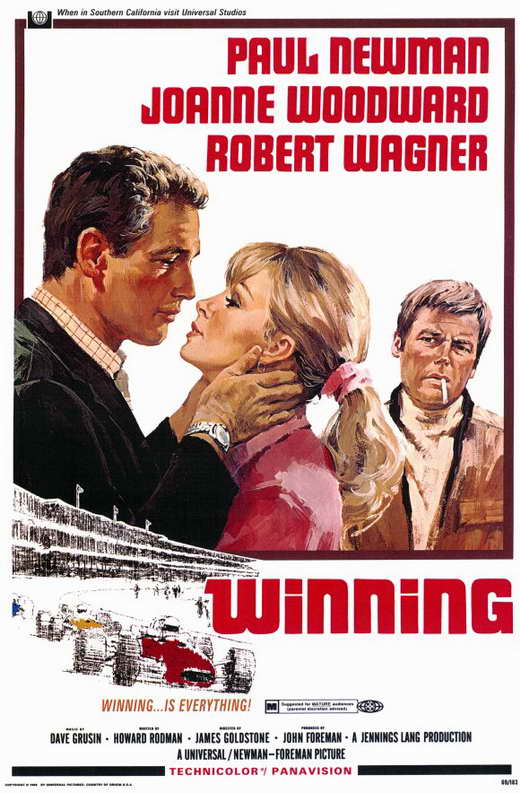
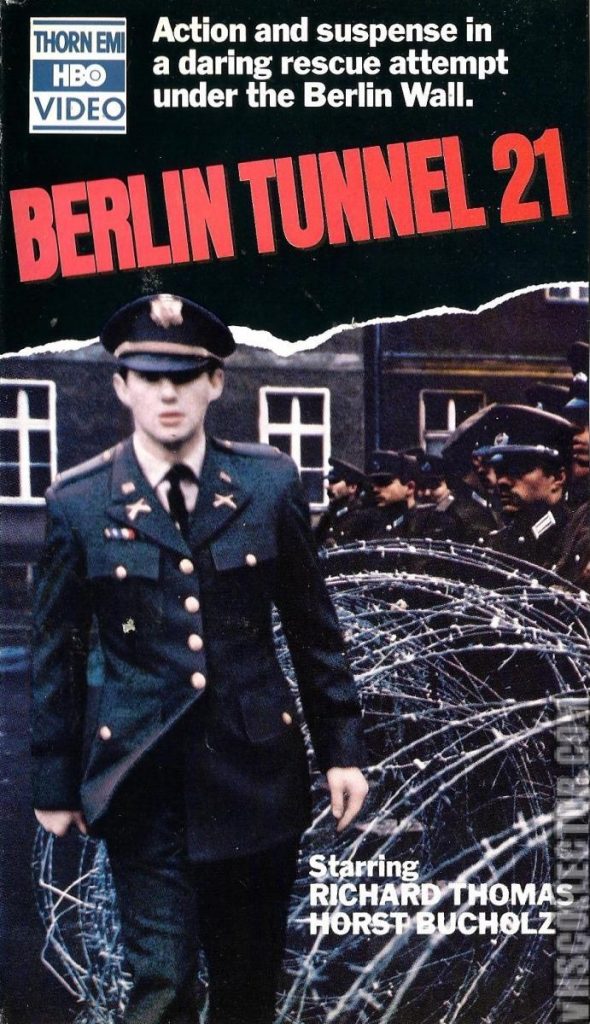
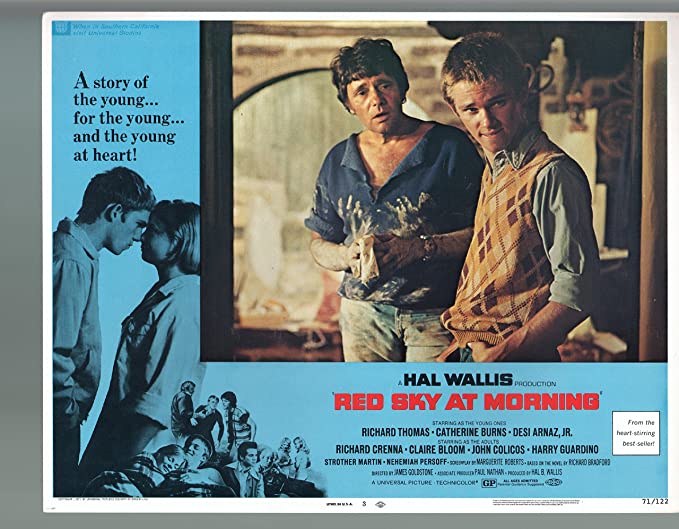
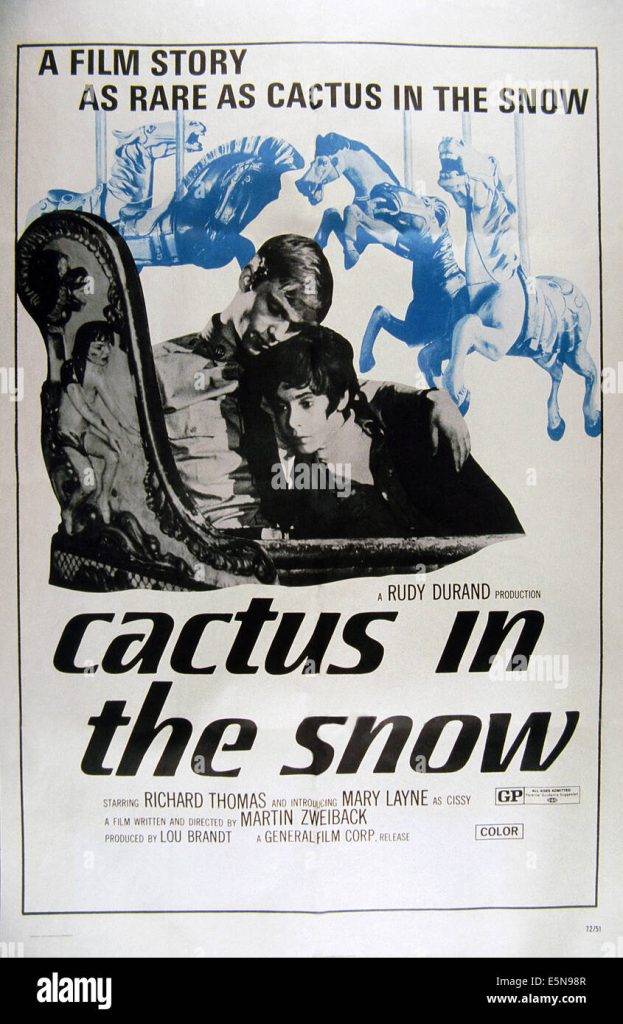
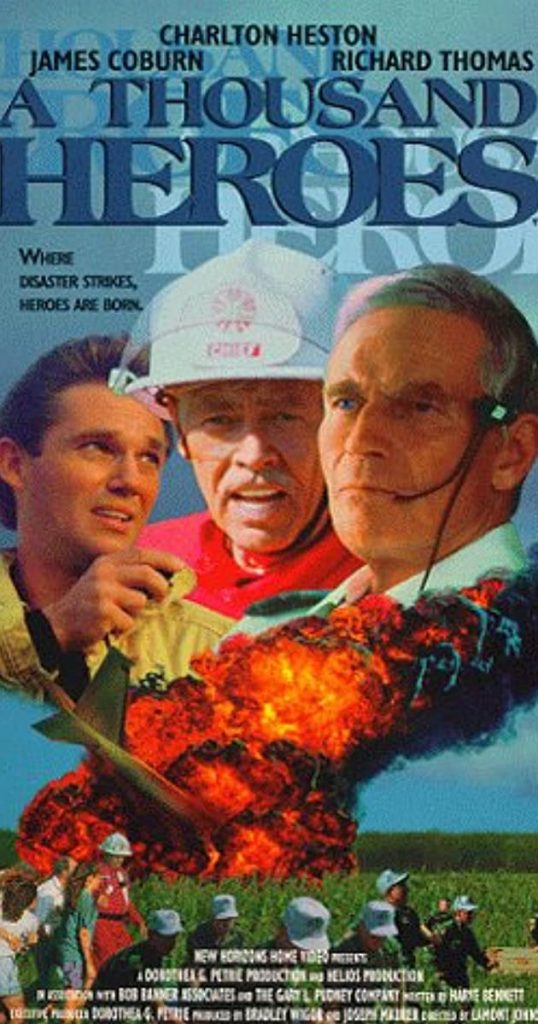
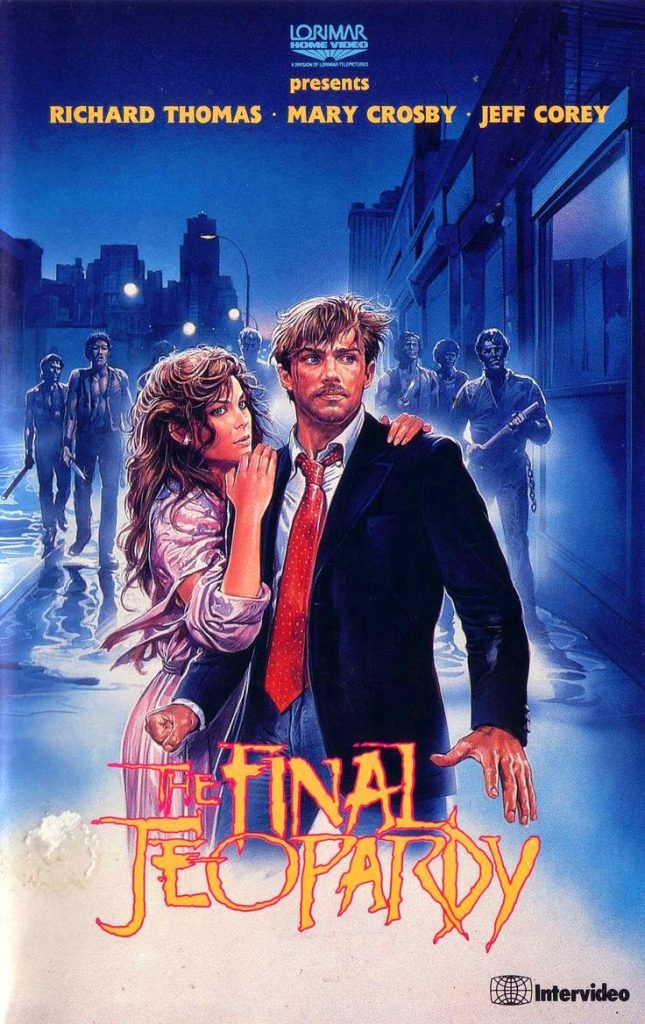
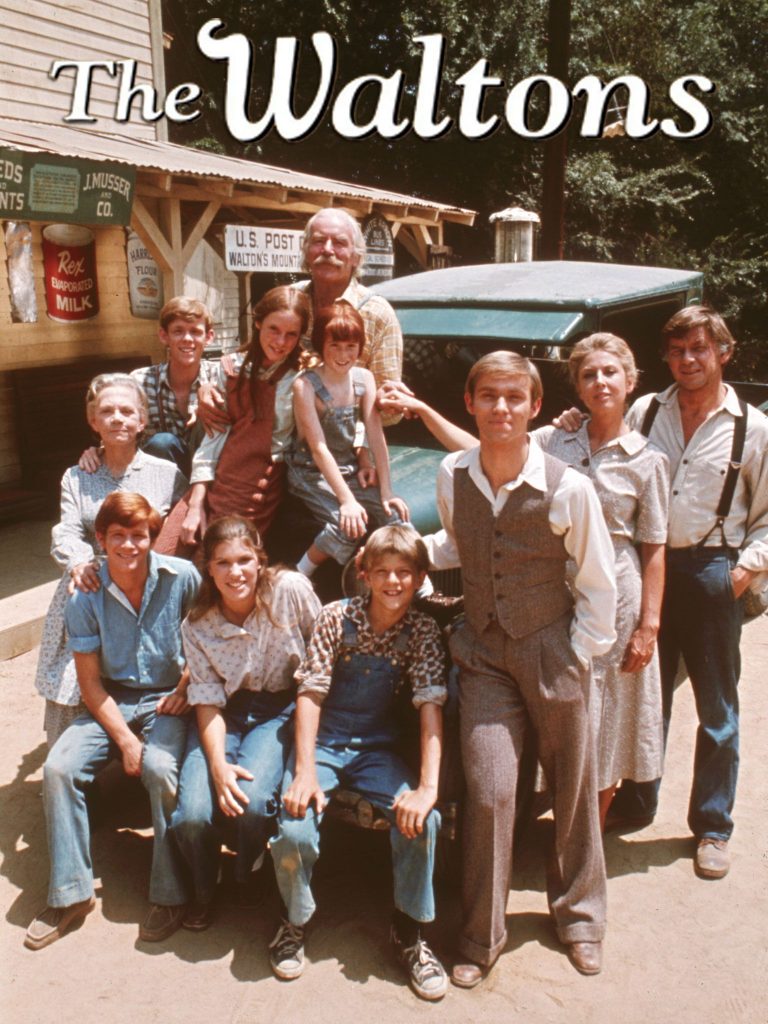
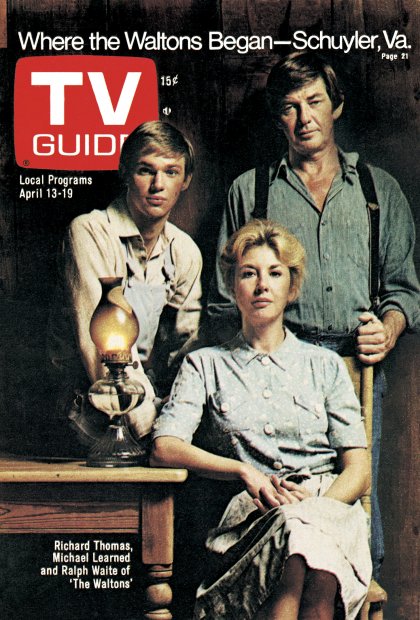
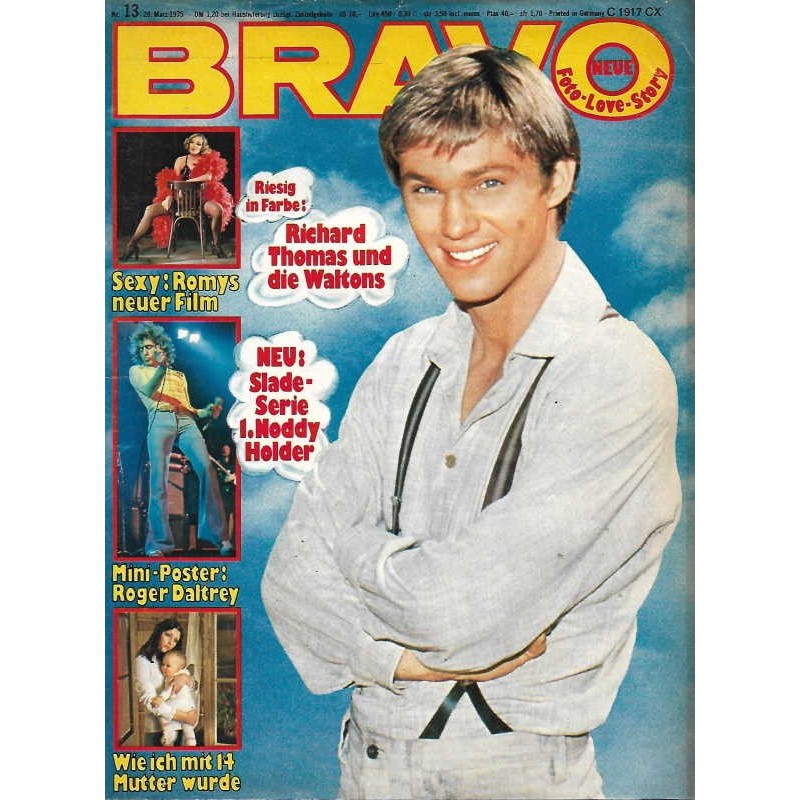
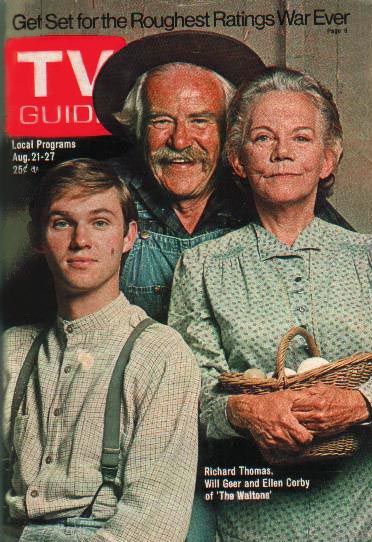
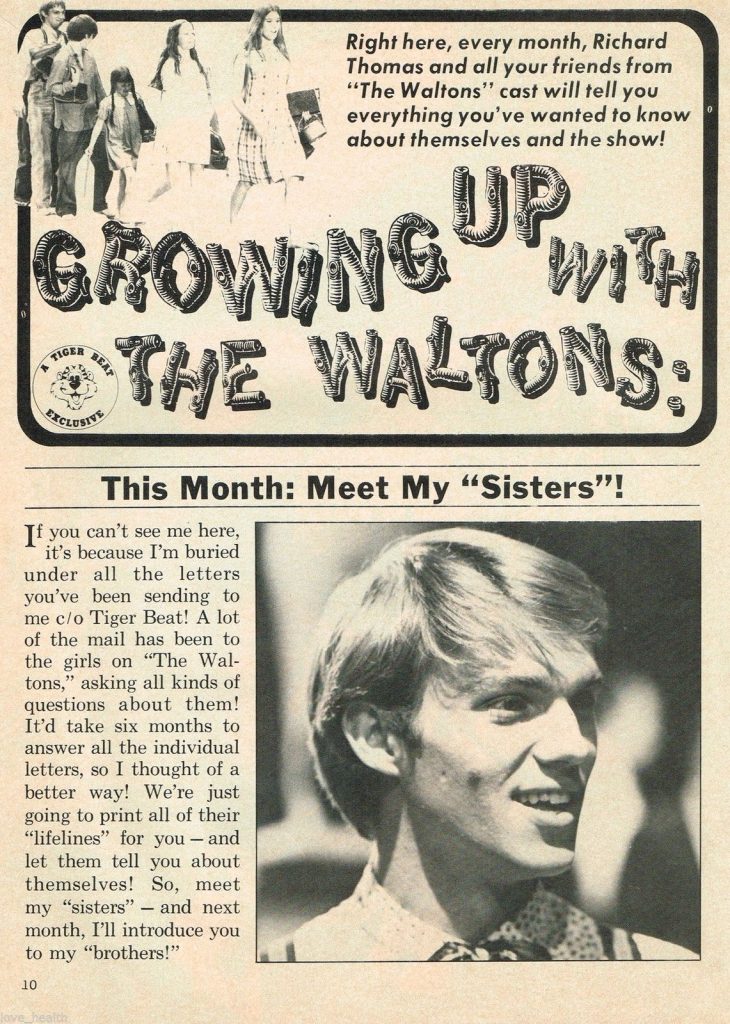
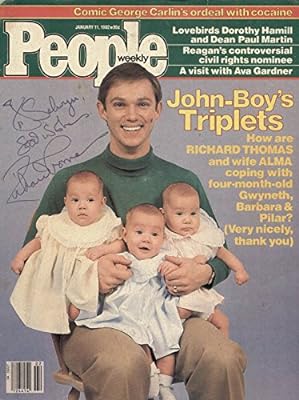
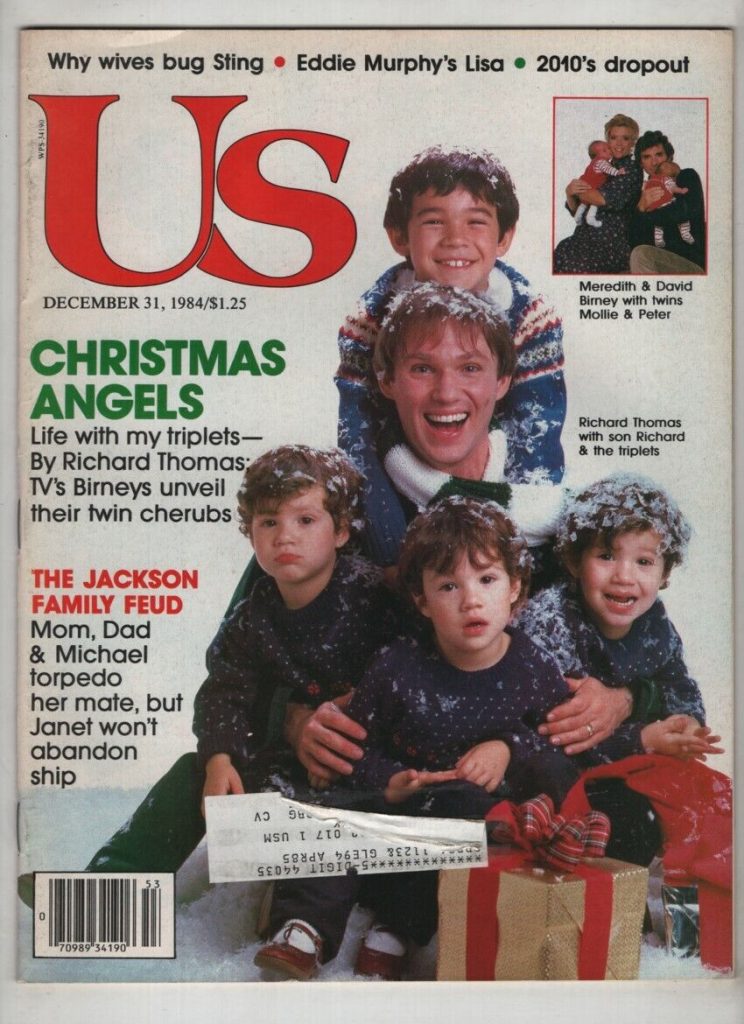
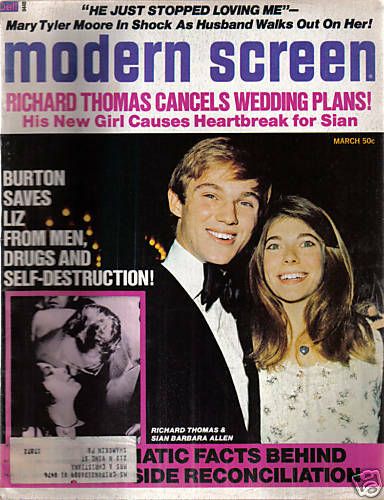
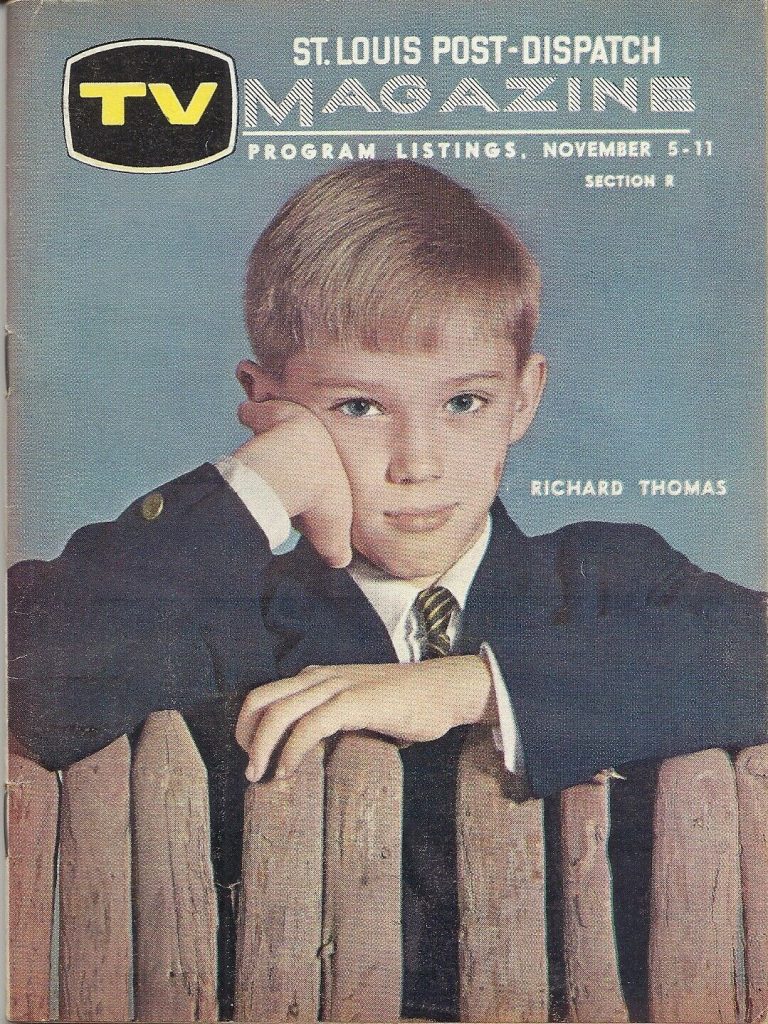
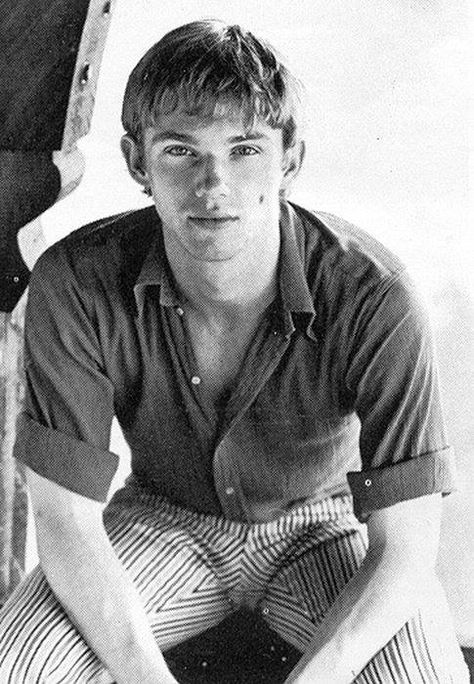
Richard Thomas was born in New York City in 1951. His parents were dances with the New York School of Ballet. He made his Broadway debut in “Sunrise at Campbello” at the age of seven. In 1969 he won his first major film role as the son of Joanne Woodward in “Winning”. In 1971 he began working on his most famous role as John-Boy in the hugely popular television series “The Waltons”. In recent years he has tended to act more on the stage. A website on Richard Thomas can be found here.
TCM Overview:
Armed with a lifetime of talent and training with which to battle against Hollywood typecasting, actor Richard Thomas would, nonetheless, be forever identified with John-Boy, the earnest eldest son of “The Waltons” (CBS, 1972-1981)
. Born into a New York show business family, he made his Broadway debut at the age of seven, and later on film opposite Paul Newman in “Winning” (1969).
Photo Credit: Julieta Cervantes
The 20-year-old actor was already gaining modest notoriety as a gifted young star in films like “Last Summer” (1971) by the time his leading role in “The Waltons” made him a bona fide television star. When Thomas left the show in 1977 in order to pursue other roles, it proved difficult to shed the lingering image of the somewhat naïve John-Boy.
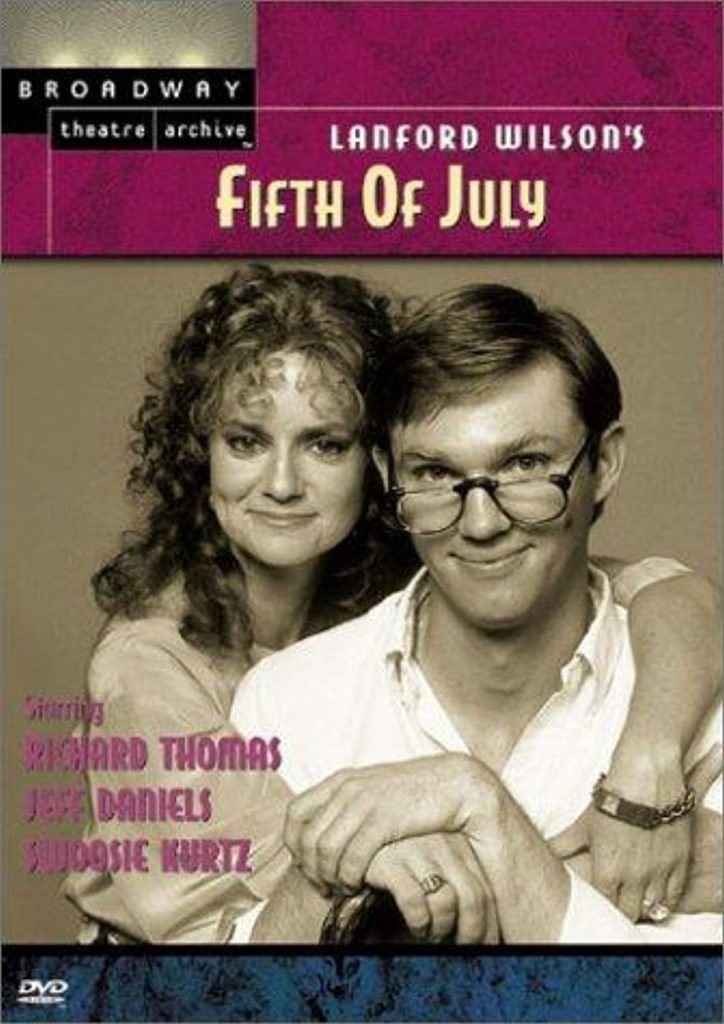
Campy genre work in films like Roger Cormanâ¿¿s “Battle Beyond the Stars” (1980) was balanced out by more rewarding efforts on stage in such Broadway productions as “Fifth of July.” Thomas garnered accolades for his titular role in the music biopic “Living Proof: The Hank Williams, Jr. Story” (NBC, 1983) and as a man haunted by a childhood terror in “It” (ABC, 1990).
Continuing to mix television work with his theatrical endeavors, he took part in such lauded stage productions as “The Stendhal Syndrome” in 2004 and “Race” in 2009. Decades after leaving Waltons Mountain, Thomas appeared both content with his television legacy and determined to continually seek out new challenges as an actor.
The above TCM Overview can also be accessed online here.
Richard Thomas (b. 1951, New York City) has sustained one of the most wide‑ranging and continually evolving American acting careers of the past half‑century. Emerging as a child performer in the early 1960s, he became a fixture of U.S. television through The Waltons (1972–81), then parlayed that early fame into a versatile adult career encompassing Broadway and national‑tour theatre, feature films, television movies, and voice work. Across all media, critics have noted the intelligence, emotional transparency, and craft discipline that have made his longevity possible.
Career Overview
Early training and first roles
Born to performing‑arts parents—his father a Broadway actor, his mother a dance teacher—Thomas began acting at seven, making his stage debut in the 1958 Broadway play Sunrise at Campobello
. Television soon followed: commercials, anthology dramas, and the soap As the World Turns (1962) introduced his technical steadiness in live‑TV environments
Breakthrough – The Waltons
In 1972 Thomas became a household name as John‑Boy Walton, the aspiring writer‑son in CBS’s Depression‑era drama The Waltons. The role earned him an Emmy and two Golden Globes, defining the series’ moral and emotional core
. His portrayal balanced youthful earnestness with intellectual curiosity, giving television one of its most enduring depictions of coming‑of‑age integrity. Contract fatigue and a wish for broader challenges led to his 1977 departure
Transition and reinvention
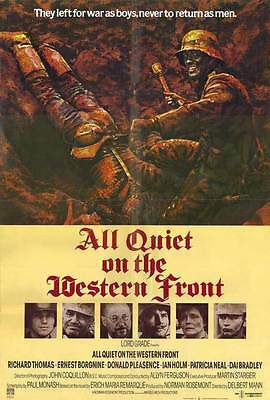
Rather than replicate John‑Boy, Thomas sought range. During the 1980s and 1990s he worked continuously in prestige TV movies and miniseries—Roots: The Next Generations, All Quiet on the Western Front (1979), Hobson’s Choice (1983), It (1990)—and began directing television episodes. He also built an extensive stage résumé: Shakespearean leads (Hamlet, Richard III, Peer Gynt) at Hartford Stage and major Broadway revivals such as The Little Foxes (2017, Tony nomination)
In the 2000s–2020s Thomas re‑emerged as a respected character actor on high‑profile television, from The Americans to The Good Wife, NCIS, Rizzoli & Isles.
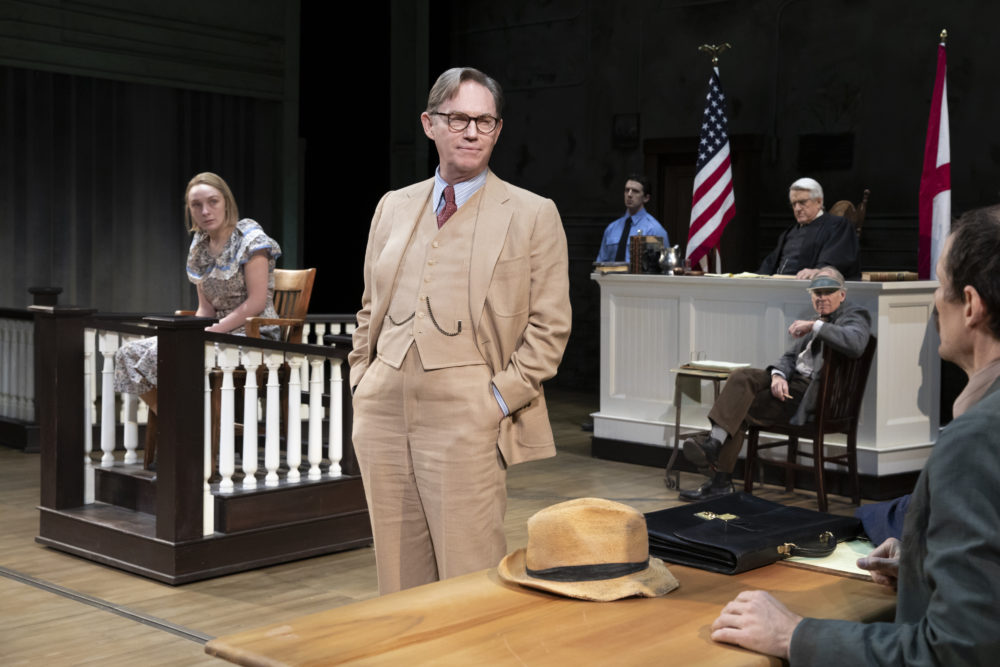
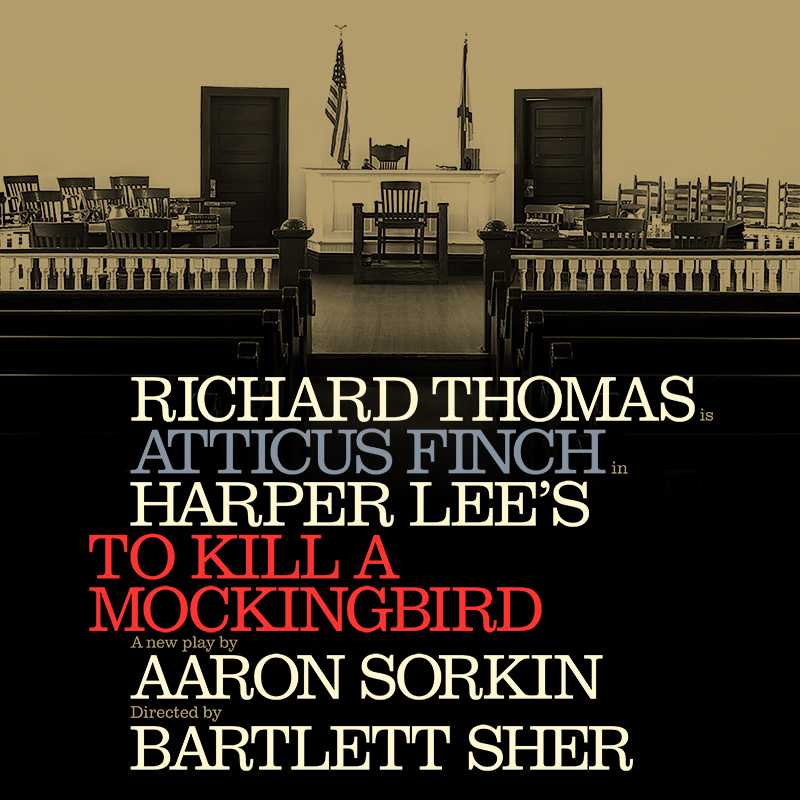
. Onstage he earned critical praise touring as Atticus Finch in Aaron Sorkin’s To Kill a Mockingbird (2023–24), bringing seasoned empathy to an American moral archetype
. Parallel work as an audiobook narrator—over 340 titles—has made his measured, articulate voice one of the most recognizable in contemporary narration.
Critical Analysis
Performance style and strengths
- Honesty and restraint: Thomas’s hallmark is emotional precision; he externalizes inner conflict without melodrama, sustaining credibility across idealistic and flawed characters alike.
- Technical assurance: Years of live television and theatre produced meticulous diction, timing, and adaptability, allowing him to shift fluidly between classic verse and naturalistic dialogue.
- Intellectual intelligence: Even when playing ordinary men, he reads as reflective and morally curious, qualities that anchor both heroes (John‑Boy, Atticus Finch) and quietly unsettling figures (his bureaucrat in The Americans).
- Longevity through range: He turned early fame into a foundation for varied work rather than a nostalgic burden, embracing ensemble roles, villains, and mentors with equal commitment.
Evolution of persona
His signature as the earnest idealist gradually matured into portraits of flawed fathers, professionals, and seekers—a natural aging of “John‑Boy’s conscience” into nuanced middle‑aged decency. Later roles often interrogate that virtue: Thomas plays mentors with shadowed pasts or moral fatigue, revealing depth beneath his wholesome image.
Limitations
Some critics have noted a certain gentleness that can undercut menace in darker roles. His intellectual clarity occasionally reads cerebral rather than visceral; he excels in empathy more than volatility. Yet that consistency of truthfulness is central to his appeal.
Artistic and cultural significance
- Television naturalism: Alongside peers like Michael Landon, Thomas helped shift U.S. family drama from idealized melodrama toward behavioral realism, proving that sincerity could be dramatically compelling.
- Stage contribution: His leadership roles at Hartford Stage and Broadway revivals reaffirmed his stature as a classical actor rooted in rigorous craft.
- Model of durability: Thomas’s seamless navigation among theatre, television, film, and narration demonstrates how a performer can build an entire life in acting without dependency on stardom.
Overall Assessment
Richard Thomas’s career reflects continual reinvention grounded in craftsmanship rather than celebrity. From the moral clarity of The Waltons to the introspective complexity of The Americans and the humane authority of To Kill a Mockingbird, he has traced an arc of American acting that prizes empathy, literacy, and integrity over flash. His longevity and adaptability make him a rare figure whose artistry connects generations
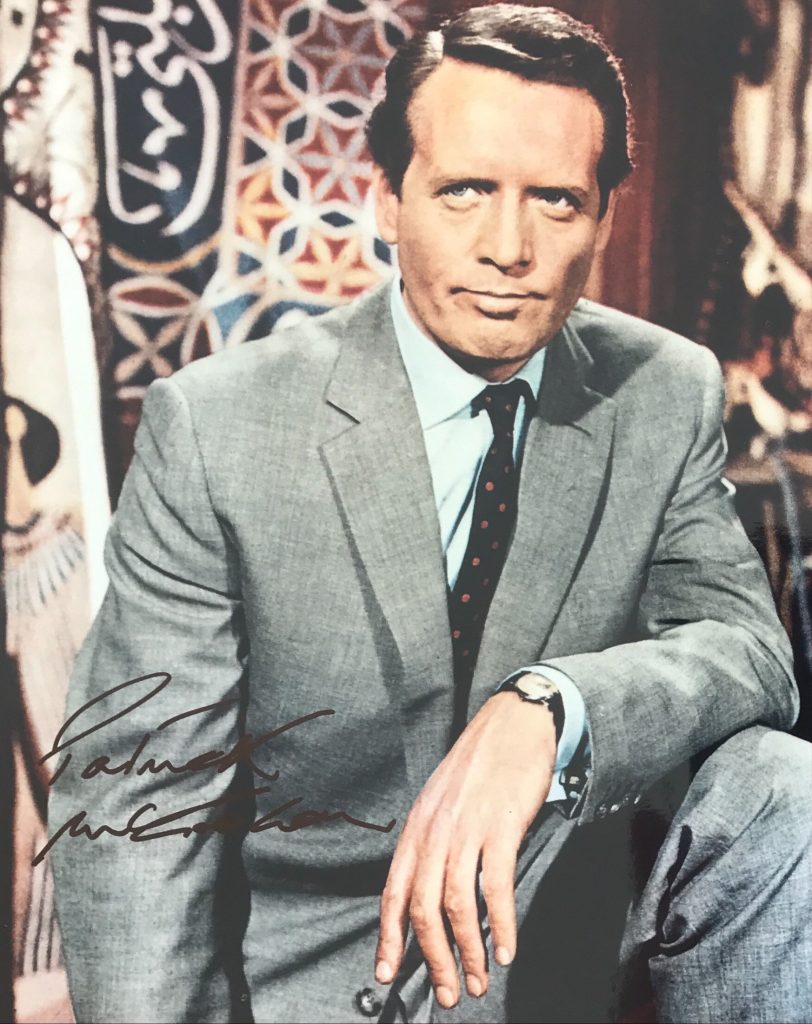
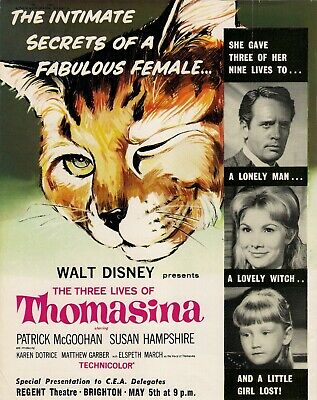
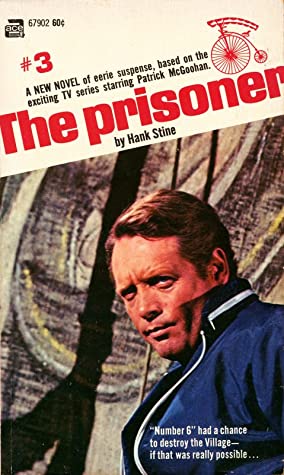
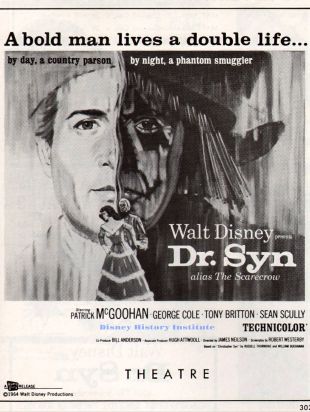
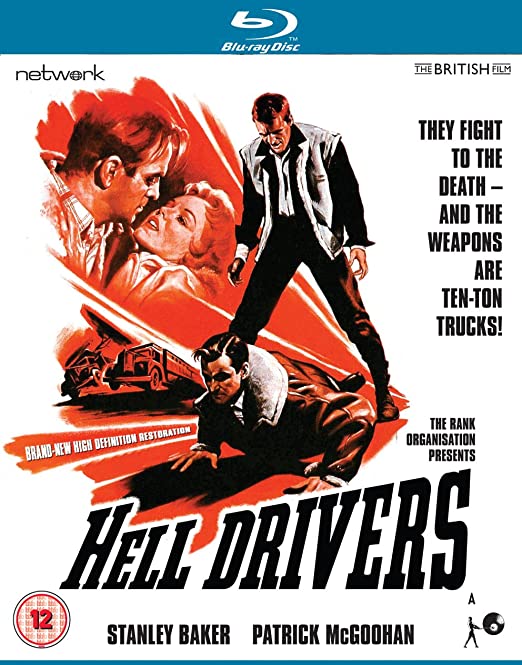
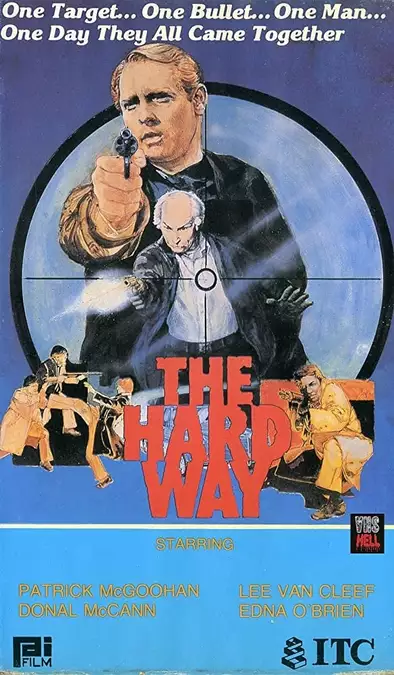
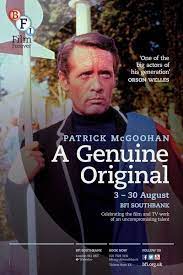
Patrick McGoohan acheived immortal television fame through his lead role in two cult British series of the 1960’s – “Dangerman” and “The Prisoner”. He was born in New York in 1928 and raised in Co. Leitrim, Ireland and then in Sheffield in the UK. He commenced his career on British films such as “Nor the Moon by Night” and “Hell Drivers”. In 1967 he went to Hollywood to make “Ice Station Zebra”. He made many high profile television appearances in the U.S. in the 70’s and 80’s and in 1995 he starred with Mel Gibson in “Braveheart”. He died in 2002.
“Guardian” obituary:
The handsome and steady-eyed Patrick McGoohan, who has died aged 80, was the star, co-writer and sometimes director of one of British television’s most original and challenging series of the 1960s, The Prisoner. In it, he played Number Six, a mysterious, resigned former secret agent who is always trying to escape from the Village, an apparently congenial community which is in fact a virtual prison for people who know too much. They are allowed to be comfortable there only if they conform completely and do not try to escape.
McGoohan was at the time, 1967, the highest earning British TV star, paid £2,000 a week through appearing in a highly successful secret agent series called Danger Man, in which he was John Drake, a European security man who – on McGoohan’s own insistence – never carried a gun or seduced a woman. But he was becoming disenchanted with the series, whose American purchasers from Lew Grade’s British television company ITC were pressing for more stock banalities such as car chases, shoot-outs and sex scenes.
He was invited to lunch with one American executive, who explained that they wanted pictures of him on the screen with glamorous girls – or, as McGoohan himself put it, “the corny showbusiness formula, the publicity machine grinding away”. He declined, and the lunch lasted only six minutes.
McGoohan, who had his own production company, Everyman Films, suggested to Grade a different, seven-part series for which he and others had prepared scripts, called The Prisoner. Grade cheerfully admitted that he had not understood a word of what McGoohan proposed, but had so much confidence in him that he agreed to fund it immediately.
Grade’s chief international customer, however, wanted a longer series. There were 17 Prisoner programmes, each of them loaded with mysterious psychological nuances, and set in an ideally artificial Village – in reality Portmeirion, an experimental community with exotic buildings designed by the architect Sir Clough Williams-Ellis, in north Wales.
From the opening titles, the programme was no easy ride. An angry secret agent drives into London in his fashionable Lotus 7 as a storm threatens, bursts into his boss’s office, throws his resignation down on to his desk, and storms out again. At home later, he finds an undertaker at his door. Gas comes through the keyhole, and he collapses as he packs his bags to go away. He wakes up in the Village, and no one will tell him where he is or why he is there, only that he is Number Six. ” I am not a number, I am a free man!” is his answer – and battle was joined in 17 attempted escapes.
In the series McGoohan met several sinister Number Twos but could never find out who Number One was until the last episode, improvised by McGoohan and his large writing team at the last moment, when Number One’s false face was pulled off to reveal a monkey’s underneath. When that too was pulled off, it revealed the face of McGoohan’s Number Six himself.
The implication that human beings can imprison themselves was timely in the swinging 60s, while at the same time the notion of the security services as the real enemy was seeping its way into fiction that had previously existed in more black and white terms. The programme achieved cult status for both itself and McGoohan personally, who had involved himself in all aspects of the productions in a way his colleagues thought obsessive. He became a darling of the campuses, but found that The Prisoner was a difficult act to follow.
In 1974, Everyman Films went bankrupt with debts of £63,000, at least half of it owed to the Inland Revenue. By the 1980s, McGoohan had recovered, The movie Kings and Desperate Men (1981) was praised by British critics and he starred on Broadway in Hugh Whitemore’s Pack of Lies.
The cosmopolitan variety of his professional interests owed something to his background. He was born in New York to parents who were once Irish farmers. His father, though barely literate, had an ear for Shakespeare, so that when Patrick read plays to him, he would remember and recite whole passages months later.
The family returned to Ireland when he was six months old and then, when he was eight, moved to Sheffield. Patrick later won a scholarship to Ratcliffe college in Leicester, where he played Lear in a school production. Leaving school at 16, he went to work in a wire mill, rising from the factory floor to the offices and then leaving to work in a bank.
This made him feel caged, so he set up instead as a chicken farmer, until an attack of bronchial asthma put him in bed for six months. He walked around Sheffield looking for work and eventually tried the Sheffield Repertory Company, for which he became assistant stage manager. When members of the cast were off sick, he was asked to step in, and found that he was best in the lighter Shakespeare plays, gaining praise for his Petruchio.
McGoohan stayed for four years, by which time he had appeared in 200 plays, including a touring production of The Cocktail Party in a small mining town, lit by miners’ lamps when the electricity failed. He met and married the actor Joan Drummond, with whom he had three daughters.
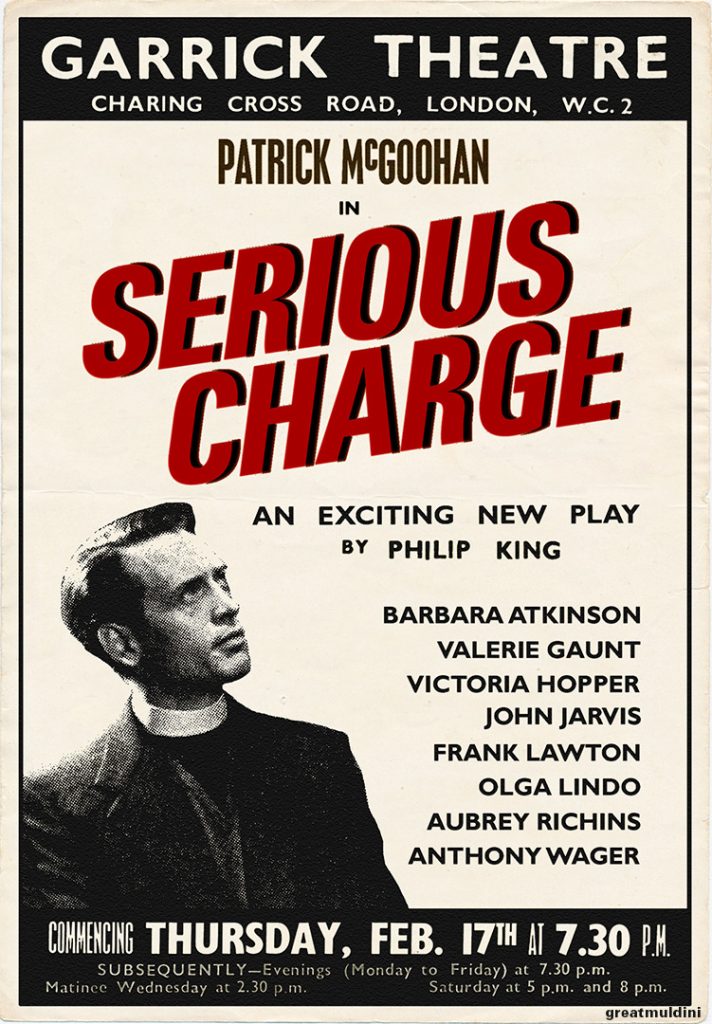
He made his first appearance in the West End in 1955 as the lead in Serious Charge. Orson Welles saw him there and asked him to play Starbuck in his production of Moby Dick Rehearsed. At the same time he stood in for Dirk Bogarde during a screen test, and was offered a five-year contract with Rank. But the studio’s “charm school” approach irked him and the contract petered out after four films.
After this, he turned more towards television and appeared in a production of Clifford Odets’s The Big Knife, about a paranoid Hollywood producer and the protege actor who he thinks has betrayed him. It was seen by Grade, who thought McGoohan ideal for John Drake in the Danger Man scripts. From 1960, McGoohan played in 86 episodes. At around this time, he turned down the chance to play James Bond in the first Bond movie, Dr No, seeing the Bond character as a stock gunman who treated women badly.
In 1968, when The Prisoner series was ending, McGoohan left Mill Hill, north London, to live in Switzerland after the local council refused him permission to fence his house off from prying eyes. In 1973 he moved to Pacific Palisades in California. There he wrote poetry, a novel and television scripts. He appeared in, wrote or directed some of the Columbo films in which his American friend Peter Falk appeared as the deceptively ruffled detective.
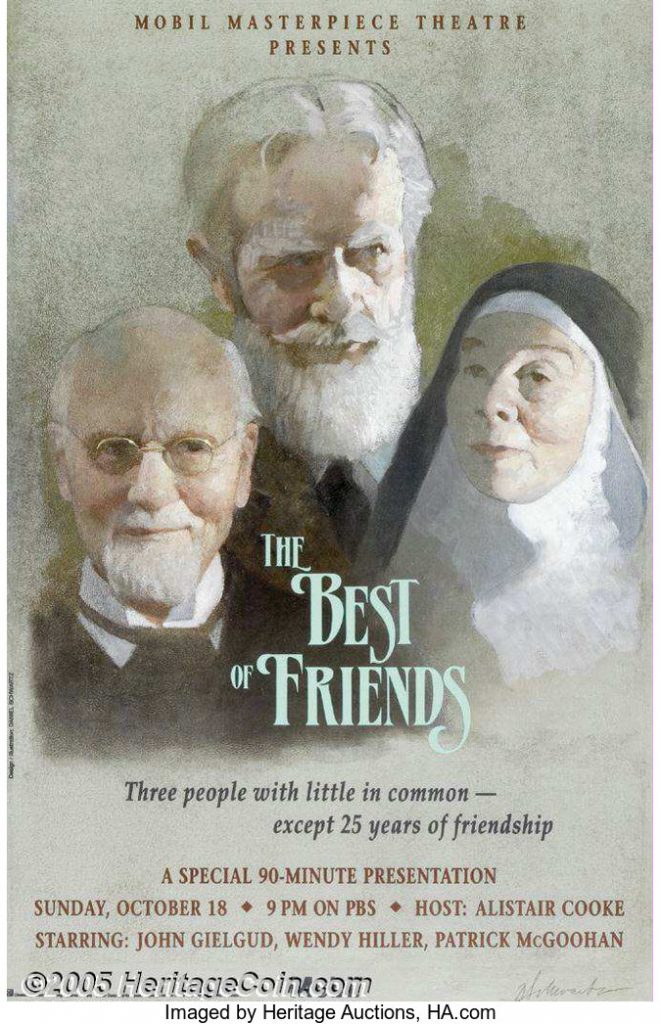
This redoubtable enemy of dumbing-down remained a highly individual operator into the 1990s. In 1991 he came to London to make the TV version of Whitemore’s play The Best of Friends, in which he played with considerable plausibility and élan another Irishman not frightened to swim against the tide, George Bernard Shaw. In 1995 he was cast as Edward I in Mel Gibson’s Braveheart.
In 2000, he provided the voice of Number Six for an episode of The Simpsons, and gained his last film credit in 2002 as the voice of Billy Bones in Treasure Planet. A proposed film version of The Prisoner has yet to make it to the screen, but a remake of the TV show has recently been filmed by ITV, with the US actor James Caviezel as Number Six, and is due to be transmitted later this year.
McGoohan is survived by his wife, three daughters and five grandchildren.
Patrick Joseph McGoohan, actor, writer and director, born 19 March 1928; died 13 January 2009
• This article was amended on Thursday 15 January 2009. Portmeirion is in north, not south, Wales. This has been corrected.
Dennis Barker’s obituary in “The Guardian” can be accessed here.
Rhonda Fleming was one of the most beautiful women ever on film. Both herself and Maureen O’Hara shared the title “Queen of Technicolour”. She was born in 1923 in Hollywood. Her cinema peak was in the late 40’s and throughout the 1950’s. She starred opposite nearly every leading man of the time including Ronald Reagan, Glenn Ford, Dick Powell, Bob Hope, Bing Crosby and Burt Lancaster. Rhonda Fleming died in 2020.
“The Telegraph” obituary in 2020:
Rhonda Fleming, who has died aged 97, was a film star of the 1940s and 1950s whose startling flame-haired beauty and reliable screen presence saw her proclaimed “the Queen of Technicolor”.
Though she had made an impressive start at the age of 22, working with Alfred Hitchcock and beginning a lengthy career in westerns, it was the rise of colour films that showed her to her best advantage.
In 1949 her first Technicolor role, opposite Bing Crosby in A Connecticut Yankee in King Arthur’s Court, launched her as a leading lady. She would appear in two dozen films over the next decade. But Rhonda Fleming initially disliked the technology, considering it “far too unnatural. If you eyes were green, they were really green, and your skin was so pinky white. I just wanted to prove that I was a good actress.”
Rhonda Fleming and director Alfred Hitchcock on set filming Spellbound, 1945 CREDIT: Alamy
Born Marilyn Louis on August 10 1923 in Hollywood, California, she belonged to a showbusiness family. Her mother, Effie Graham, had been a celebrated New York model and actress, her grandfather, John Graham, an actor in Utah.
The young Marilyn initially aspired to a singing career, taking lessons at Beverly Hills High School; but at 17 her fortunes took a different turn when a car that had been circling the block drew up alongside her. Its occupant was Henry Willson, an agent who would later work for David Selznick’s subsidiary company, Vanguard Pictures. “Young lady”, he said, “have you ever thought of being in motion pictures?”
Willson introduced her to Selznick, who offered her a seven-year contract and a feature role in Alfred Hitchcock’s Spellbound (1945), alongside Ingrid Bergman and Gregory Peck. Her character, Mary Carmichael, is a hysterical nymphomaniac, doubling as a scantily clad “kissing bug” for a dream sequence designed by Salvador Dali.
Her appearance provoked the disapproval of the Production Code Administration, which insisted that she be substantially “more covered” for the final cut, but the sexual subtext mostly passed her by.
She had grown up in a devout Mormon household, and neither she nor her family were quite prepared for Hollywood’s crude depiction of the newly fashionable discipline of psychoanalysis; she recalled how, when describing the role to her mother, “we had to look the word up in a dictionary, we had no idea what a nymphomaniac was.”
Out Of The Past, a classic film noir with Robert Mitchum, Jane Greer, Kirk Douglas and Rhonda Fleming, 1947 CREDIT: LMPC via Getty Images
On set with Hitchcock, she learned fast. The director loved to shock his actors, and would confront her in the middle of shooting, whispering “How’s your sex life?”. Selznick hired Anita Colby – known as “The Face” for her hugely successful modelling work – to teach Rhonda how to walk like a bona fide film star. She struggled with a lisp throughout, but the performance earned her widespread critical acclaim.
During the same year she played a supporting role in Robert Siodmark’s The Spiral Staircase, released in 1946.
With Robert Mitchum in Out Of The Past aka Build My Gallows High, directed by Jacques Tourneur, 1947 CREDIT: Silver Screen Collection/Getty Images
In 1947, as the femme fatale in Jacques Tourneur’s Out of the Past (known in the UK as Build My Gallows High), she involved Roger Mitchum’s hero Jeff in a web of deception, described by the film critic Roger Ebert as “so labyrinthine it’s remarkable even the characters can figure out who is being double-crossed, and why”.
She would again portray a double-dealing beauty in a film noir four years later, with star billing about the title, opposite Dick Powell in Cry Danger.
The Great Lover (1949), seven months after the release of A Connecticut Yankee in King Arthur’s Court, was her second leading role, this time alongside the actor and comedian Bob Hope. Hope hired her on the set of A Connecticut Yankee, and the pair remained great friends throughout Hope’s life, appearing together in several of his television specials.
With Bob Hope in a scene from The Great Lover CREDIT: AFP/Getty
Rhonda Fleming left Selznick International Pictures in 1950 and starred in The Eagle and the Hawk, though her natural liveliness as an actress was somewhat inhibited by her costumes, the heaviest of which weighed 12 pounds. But she acquitted herself well enough to play the lead in The Redhead and the Cowboy the following year.
Co-starring with Glenn Ford, she was required in one scene to ride at full-pelt towards a hilltop, and then rear up. Though she was an experienced rider, the stunt nearly ended disastrously when the horse fell back on top of her and knocked her unconscious. Later, Ford required hospital treatment when she accidentally struck him in the eye during a fight scene.
Her second film of that year, The Last Outpost, was her first and arguably her best collaboration with Ronald Reagan. Grossing $1,225,000 upon its release, the film was the biggest commercial success to emerge from Pine-Thomas Productions.
She and Reagan worked together on three further occasions, the last being Tennessee’s Partner in 1955. They remembered each other with great affection. To Rhonda, Reagan was “a wonderful peacemaker”, capable of soothing even the most irascible directors. On a visit to the White House many years later she greeted the newly-inaugurated President of the United States with an embrace and the words “Hi, Tennessee’s partner.”
Rhonda Fleming and Margaret Thatcher: the actress worked with Ronald Reagan CREDIT: Bei/Shutterstock
In 1966 she retired from acting following her fourth marriage, to the producer Hall Bartlett. But before long the couple were estranged from each other. They divided up the rooms of their Los Angeles home and established a rota for use of the kitchen and swimming pool, before finally agreeing upon a divorce in 1972.
Rhonda soon discovered that Hollywood loyalties were fleeting. After six years away from the industry, she struggled to find work, and turned instead to Broadway, making her stage debut in the 1973 revival of Clare Boothe Luce’s The Women. Her film career never regained its former momentum, and she was mainly remembered, albeit fondly, as a relic of Hollywood’s golden era, an impression given further credence in one of her few roles of the period, a cameo as “Rhoda Flaming” in Michael Winner’s 1976 spoof Won Ton Ton, the Dog Who Saved Hollywood.
In 1990, following the death of her sister Beverly from ovarian cancer, Rhonda Fleming retired for good. She dedicated her remaining years to charitable pursuits, with a particular focus on cancer research. The Rhonda Fleming Mann Clinic for Women’s Comprehensive Care opened at the UCLA Medical Center in 1991. A second facility followed three years later, the Rhonda Fleming Mann Resource Center for Women with Cancer, dedicated to providing support and information for families affected by the illness.
Intensely religious from the age of 18, Rhonda was a close associate of Media Fellowship International, an organisation dedicated to nurturing Christian values in the entertainment industry.
Rhonda Fleming married, first, in 1940, to Thomas Lane, an interior decorator. The marriage was dissolved and in 1952, she married, secondly, Dr Lew Morrell. They divorced in 1958, and she married the actor Lang Jeffries two years later. Her fourth marriage, to Hall Bartlett, was dissolved in 1972. In 1978 she married the producer Ted Mann. He died in 2001, and in 2003 she married Darol Wayne Carlson, who died in 2017. She is survived by a son from her first marriage.
Rhonda Fleming, born August 10 1923, died October 14 2020
Rhonda Fleming (born Marilyn Louis) was a prominent Hollywood actress whose career spanned roughly from the early 1940s to 1990. She appeared in over 40 films and became one of the defining faces of postwar studio-era cinema, particularly in the 1940s–50s period.
She is most widely remembered as the “Queen of Technicolor,” a label reflecting both her striking visual presence (red hair, fair complexion) and her frequent casting in colour films at a time when the industry was transitioning from black-and-white to colour cinematography.
1. Early Career and Studio System Formation
Fleming’s career began under the powerful producer David O. Selznick, who signed her without a screen test—typical of the vertically integrated studio system that manufactured stars.
Her early roles were small but strategically placed in prestige productions such as:
These early performances reveal Fleming as a supporting player within auteur-driven cinema, rather than a star shaping narrative direction. In Spellbound, for instance, she plays a psychologically unstable character—suggesting early potential for complex roles—but she remained secondary to leads like Ingrid Bergman and Gregory Peck.
Key limitation: The Selznick system did not fully develop her as a dramatic actress, instead positioning her as part of ensemble storytelling.
2. Breakthrough and Star Image (Late 1940s–Early 1950s)
These roles established her as a leading lady and showcased her singing ability as well as her screen charisma.
Critical Analysis
This phase marks the construction of Fleming’s star persona:
Glamorous, poised, and self-assured
Often cast as romantic or decorative leads
Marketed heavily through Technicolor aesthetics
However, this branding had consequences. Fleming herself later acknowledged that she was pushed into “lesser films for good money”, suggesting a lack of artistic control.
Core tension:
She achieved stardom, but not artistic prestige.
3. Genre Versatility: Noir, Westerns, and Adventure Films
Throughout the 1950s, Fleming worked extensively across popular genres:
Fleming’s genre work demonstrates professional adaptability, but also highlights structural constraints:
Strengths
Comfortable across genres (noir, western, musical)
Played women with agency and confidence
Strong screen presence suited to widescreen colour cinema
Weaknesses
Often confined to supportive or decorative roles
Rarely the narrative centre of films
Many projects were mid-tier “B” productions
Scholars often note that her career reflects the industrial logic of Hollywood rather than auteur-driven artistry: she was valuable as a bankable presence, not as a transformative performer.
4. The “Technicolor” Phenomenon
Fleming’s nickname—“Queen of Technicolor”—is central to understanding her career.
Critical Perspective
Technicolor amplified her visual appeal, but also typecast her:
Producers prioritised her appearance over dramatic depth
She became associated with spectacle rather than substance
Her image was tied to the economics of colour filmmaking
As she later reflected, studios focused on how she looked rather than the roles she could play.
Interpretation:
Fleming exemplifies a broader phenomenon in classical Hollywood:
actresses whose careers were shaped—and limited—by emerging visual technologies.
5. Decline, Diversification, and Later Career
By the late 1950s and 1960s:
Film roles diminished in quality and prominence
She transitioned into television (guest roles across major series)
She pursued stage and nightclub singing, especially in Las Vegas
She effectively semi-retired by 1960, focusing on business ventures and live performance.
Critical Analysis
Unlike many contemporaries, Fleming:
Avoided the sharp career collapse typical of aging actresses
Successfully diversified into other entertainment forms
Maintained financial independence through investments
However, her film legacy remained tied to her earlier period.
6. Overall Critical Evaluation
Achievements
A major Technicolor-era star with strong visual identity
Versatile across genres (noir, western, musical)
Worked with leading directors and actors of the era
Sustained a long, multi-platform career
Limitations
Lack of association with “canonical masterpieces”
Frequent casting in formulaic studio productions
Underutilised acting range due to typecasting
She herself noted regret at not starring in a defining classic comparable to Casablanca.
7. Legacy
Rhonda Fleming’s legacy is best understood not through individual masterpieces, but through her embodiment of:
The studio-era star system
The aesthetic shift to Technicolor cinema
The gendered constraints of mid-20th-century Hollywood
She remains a key figure in discussions of how visual style, industrial practice, and star image intersected in classical Hollywood