
Hollywood Actors

Collection of Classic Hollywood Actors

Hayley Mills
Hayley Mills

Hayley Mills. (Wikipedia)

Hayley Mills is an English actress. The daughter of Sir John Mills and Mary Hayley Bell, and younger sister of actress Juliet Mills, Mills began her acting career as a child and was hailed as a promising newcomer, winning the BAFTA Award for Most Promising Newcomer for her performance in the British crime drama film Tiger Bay (1959), the Academy Juvenile Award for Disney’s Pollyanna (1960) and Golden Globe Award for New Star of the Year – Actress in 1961. During her early career, she appeared in six films for Walt Disney, including her dual role as twins Susan and Sharon in the Disney film The Parent Trap (1961). Her performance in Whistle Down the Wind (a 1961 adaptation of the novel written by her mother) saw Mills nominated for BAFTA Award for Best British Actress.

During the late 1960s Mills began performing in theatrical plays, and played in more mature roles. The age of contracts with studios soon passed. For her success with Disney she received the Disney Legend Award. Although she has not maintained the box office success or the Hollywood A-list she experienced as a child actress, she has continued to make films and TV appearances, including a starring role in the UK television mini-series The Flame Trees of Thika in 1981, the title role in Disney’s television series Good Morning, Miss Bliss in 1988, and as Caroline, a main character in Wild at Heart (2007–2012) on ITV in the UK.

Mills was born in MaryleboneLondon. She was 12 when she was discovered by J. Lee Thompson, who was initially looking for a boy to play the lead role in Tiger Bay, which co-starred her father, veteran British actor Sir John Mills. The movie was popular at the box office in Britain.

Bill Anderson, one of Walt Disney‘s producers, saw Tiger Bay and suggested that Mills be given the lead role in Pollyanna.  The role of the orphaned “glad girl” who moves in with her aunt catapulted Mills to stardom in the United States and earned her a special Academy Award (the last person to receive the Juvenile Oscar). Because Mills could not be present to receive the trophy, Annette Funicello accepted it for her.

Disney subsequently cast Mills as twins Sharon and Susan who reunite their divorced parents in The Parent Trap. In the film, Mills sings “Let’s Get Together” as a duet with herself. The film was a hit around the world, reaching number 8 on a US TOP TEN list.

Mills received an offer to make a film in Britain for Bryan ForbesWhistle Down the Wind(1961), about some children who believe an escaped convict is Jesus. It was a hit at the British box office and Mills was voted the biggest star in Britain for 1961.

Mills was offered the title role in Lolita by Stanley Kubrick but her father turned it down. “I wish I had done it,” she said in 1962. “It was a smashing film.”

Mills returned to Disney for an adventure film, In Search of the Castaways (1962) based on a novel by Jules Verne. It was another popular success and Mills would be voted the fifth biggest star in the country for the next two years.

In 1963 Disney announced plans to film I Capture the Castle, from the novel by Dodie Smith, with Hayley Mills in the role of Cassandra. However, Disney never produced the film.

Her fourth movie for Disney did less well though was still successful, Summer Magic (1963), a musical adaptation of the novel Mother Carey’s Chickens.

Ross Hunter hired her for a British-American production, The Chalk Garden (1964), playing a girl who torments governess Deborah Kerr. Back at Disney she was in a film about jewel thieves, The Moon-Spinners (1964), getting her first on screen kiss from Peter McEnery.

Mills had a change of pace with Sky West and Crooked (1965), set in the world of gypsies, written by her mother and directed by her father.  It was not very popular. In contrast, her last film with Disney, the comedy That Darn Cat!, did very well at the box office.

During her six-year run at Disney, Mills was arguably the most popular child actress of the era. Critics noted that America’s favourite child star was, in fact, quite British and very ladylike. The success of “Let’s Get Together” (which hit No. 8 on the Billboard Hot 100 singles chart, No. 17 in Britain and No. 1 in Mexico) also led to the release of a record album on Disney’s Buena Vista label, Let’s Get Together with Hayley Mills, which also included her only other hit song, “Johnny Jingo” (Billboard No. 21, 1962). In 1962 British exhibitors voted her the most popular film actress in the country.

For Universal, Mills made another movie with her father, The Truth About Spring (1965), co-starring Disney regular James MacArthur as her love interest. It was mildly popular. However The Trouble with Angels (1966), was a huge hit; Mills played as a prankish Catholic boarding school girl with “scathingly brilliant” schemes, opposite screen veteran Rosalind Russell, and directed by another Hollywood veteran, Ida Lupino. She then provided a voice for The Daydreamer (1966).

Shortly thereafter, Mills appeared alongside her father and Hywel Bennett in director Roy Boulting’s critically acclaimed film The Family Way (1966), a comedy about a couple having difficulty consummating their marriage, featuring a score by Paul McCartney and arrangements by Beatles producer George Martin. She began a romantic relationship with Roy Boulting, and they eventually married in 1971.

She then starred as the protagonist of Pretty Polly (1967), opposite famous Indian film actor Shashi Kapoor in Singapore.

Mills made another movie for Boulting, the controversial horror thriller Twisted Nerve in 1968, along with her Family Way co-star Hywel Bennett. She made a comedy, Take a Girl Like You (1970) with Oliver Reed, and made her West End debut in The Wild Duck in 1970. She worked for Boulting again on Mr. Forbush and the Penguins (1971), replacing the original female lead.

In 1972 Mills again acted opposite Hywel Bennett in Endless Night along with Britt EklandPer Oscarsson and George Sanders. It is based on the novel Endless Night by Agatha Christie. She made two films for Sidney HayersWhat Changed Charley Farthing? (1974) and Deadly Strangers (1975). After The Kingfisher Caper in 1975, co-written by Boulting, Mills dropped out of the film industry for a few years.

In 1981 Mills returned to acting with a starring role in the UK television mini-series The Flame Trees of Thika, based on Elspeth Huxley‘s memoir of her childhood in East Africa. The series was well received, prompting Mills to accept more acting roles. She then returned to America and made two appearances on The Love Boat.

Always welcomed at Disney, Mills narrated an episode of The Wonderful World of Disney, sparking renewed interest in her Disney work. In 1985, Mills was originally considered to voice Princess Eilonwy in Disney’s 25th animated feature film The Black Cauldron but was later replaced by the veteran British voice actress Susan Sheridan. Later, Mills reprised her roles as twins Sharon and Susan for a trio of Parent Trap television films: The Parent Trap IIParent Trap III, and Parent Trap: Hawaiian Honeymoon. Mills also starred as the title character in the Disney Channel-produced television series Good Morning, Miss Bliss in 1987. The show was cancelled after 13 episodes and the rights were acquired by NBC, which reformatted Good Morning, Miss Bliss into Saved by the Bell. In recognition of her work with The Walt Disney Company, Mills was awarded the Disney Legends award in 1998.

Mills recalled her childhood in the 2000 documentary film Sir John Mills’ Moving Memories which was directed by Marcus Dillistone and written by her brother Jonathan. In 2005 Mills appeared in the acclaimed short film, Stricken, written and directed by Jayce Bartok. In 2007 she began appearing as Caroline in the ITV1 African vet drama, Wild at Heart; her sister Juliet Mills was a guest star in series 4 of the drama.

In 2010 Mills appeared in Mandie and the Cherokee Treasure, based on one of the popular Mandie novels of Lois Gladys Leppard.

Mills made her stage debut in a 1966 West End revival of Peter Pan. In 2000 she made her Off-Broadway debut in Sir Noël Coward‘s Suite in Two Keys, opposite American actress Judith Ivey, for which she won a Theatre World Award. In 1991 she appeared as Anna Leonowensin the Australian production of The King and I. In December 2007, for their annual birthday celebration of “The Master”, The Noël Coward Society invited Mills as the guest celebrity to lay flowers in front of Coward’s statue at New York’s Gershwin Theatre, thereby commemorating the 108th birthday of Sir Noel.

In 1997, Mills starred in the U.S. national tour of Rodgers and Hammerstein’s The King and I.

In 2012 Mills starred as Ursula Widdington in the stage production of Ladies in Lavender at the Royal & Derngate Theatre, before embarking on a national UK tour.

In 2015, Mills toured Australia with sister Juliet Mills and Maxwell Caulfield in the comedy Legends! by James Kirkwood.

Mills starred in the 2018 Off-Broadway run of Isobel Mahon’s Party Face at City Center.

Juliet, Mary, Jonathan & Hayley Mills

In 1966 while filming The Family Way, the 20-year-old Mills met 53-year-old director Roy Boulting. The two married in 1971, and owned a flat in London’s Chelsea. They later purchased Cobstone Windmill in IbstoneBuckinghamshire. Their son, Crispian Mills, is the lead singer and guitarist for the raga rock band Kula Shaker. The couple divorced in 1977.

Mills later had a second son, Jason Lawson, during a relationship with British actor Leigh Lawson.

Mills’ partner since 1997 is actor and writer Firdous Bamji, who is 20 years her junior.

Mills had involvement with the International Society for Krishna Consciousness (the “Hare Krishna” movement).  She wrote the preface to the book, The Hare Krishna Book of Vegetarian Cooking, published in 1984. However, in a 1997 article of People magazine, Mills stated that “she is ‘not a part of Hare Krishna’, though she delved into Hinduism and her own Christianity for guidance.”

In 1988 Mills co-edited, with Marcus Maclaine, the book My God, which consisted of brief letters from celebrities on their beliefs, or lack thereof, regarding God and the afterlife. Mills has been a pescetarian since the late 1990s.

On 18 April 2008, Mills was diagnosed with breast cancer. She had surgery and started, but quickly abandoned, chemotherapy after only three sessions due to the severity of side effects. Mills credits her survival to the alternative treatments she tried out. She told Good Housekeeping magazine in January 2012 that she had fully recovered.

Mills is a trustee of the children’s arts charity Anno’s Africa.

References to Mills sometimes appear in fiction and music. The 1985 song ‘Goodbye Lucille’ by the British band Prefab Sprout refers in passing to Mills.

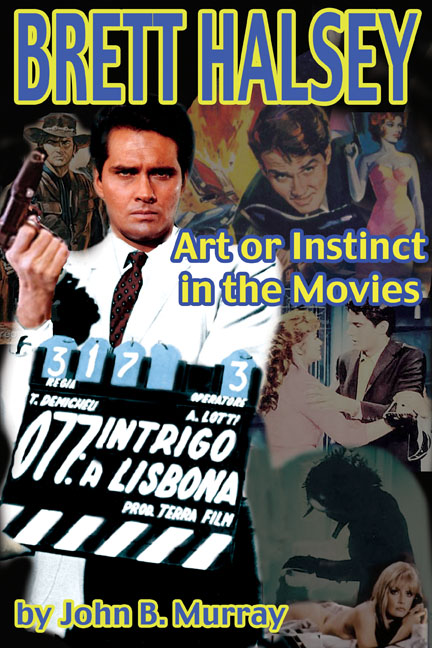
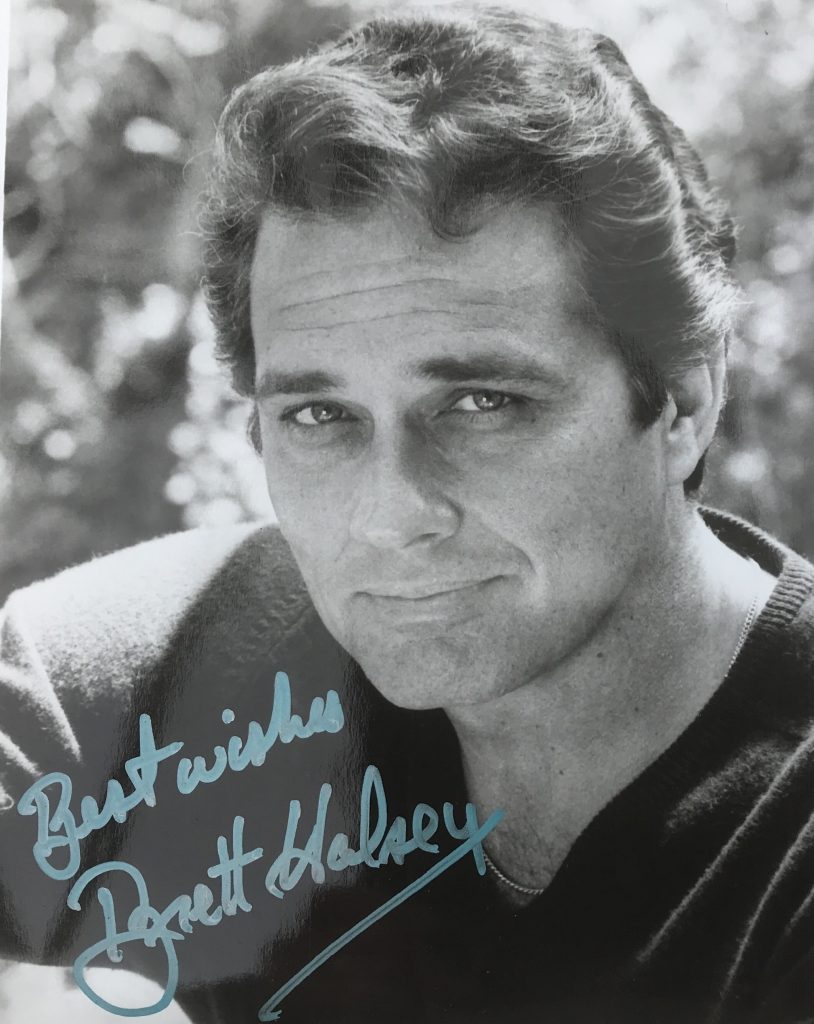
Brett Halsey
Brett Halsey

Brett Halsey. (Wikipedia)

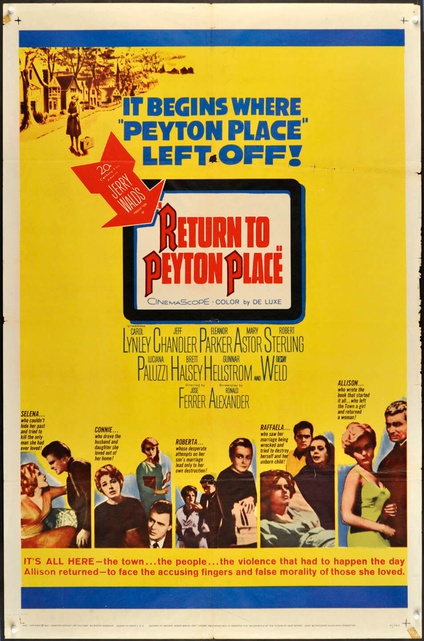
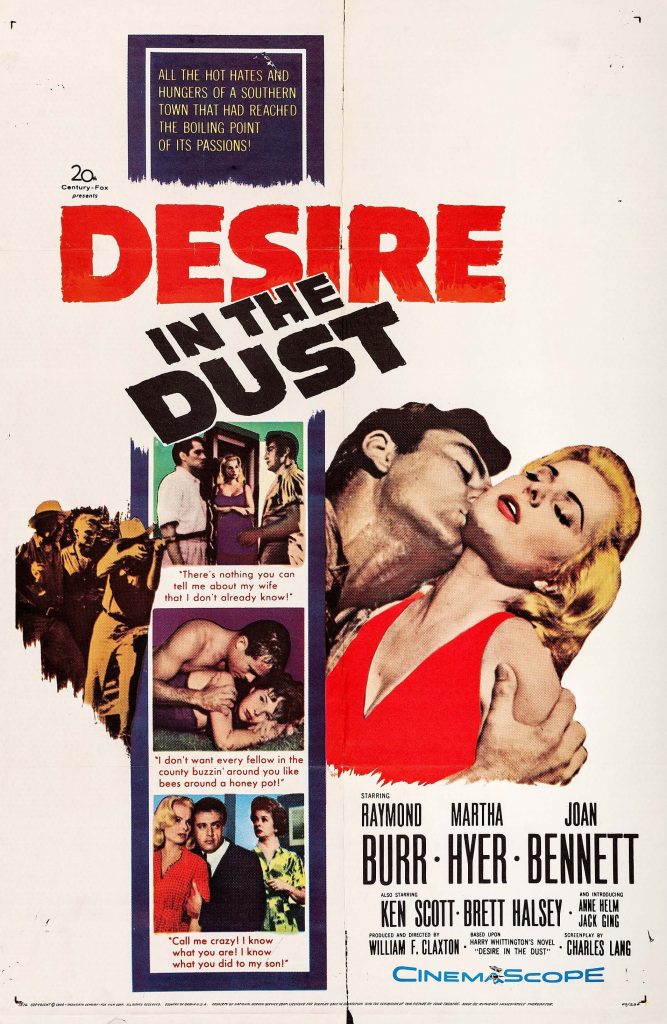
Brett Halsey was born in 1933 in Santa Ana in California.   In his late teens he won a contract with Universal studios where me met another aspiring young actor Clint Eastwood.   Brett Halsey starred in a number of B movies during the 50’s e.g. “High School Hellcast” and “Cry Baby Killer”.   In the late 1950’s he won a 20th Century Fox contract and appeared in such prestigious movies as “The Best of Evertthing” and “Return to Peyton Place”.   He also played the lead in “Return of the Fly”.  

In 1961 he was in the television series “Follow the Sun”.   At the end of that decade he went to Italy where he made a series of spagatti Westerns and some spy movies.   In more recent years he has become a published author.

Brett Halsey was born in 1933 in Santa Ana, California and is an American film actor, sometimes credited as Montgomery Ford. He had a prolific career in B pictures and in European-made feature films. He originated the role of John Abbott on the soap opera The Young and the Restless, a role he filled only from May 1980 to March 1981, when he was replaced by Jerry Douglas.

Halsey is a great-nephew of the United States Navy Admiral William F. Halsey, Jr., also known as Bull Halsey, commander of the Pacific Allied naval forces during World War IIUniversal Pictures selected Brett Halsey’s acting name from the admiral.
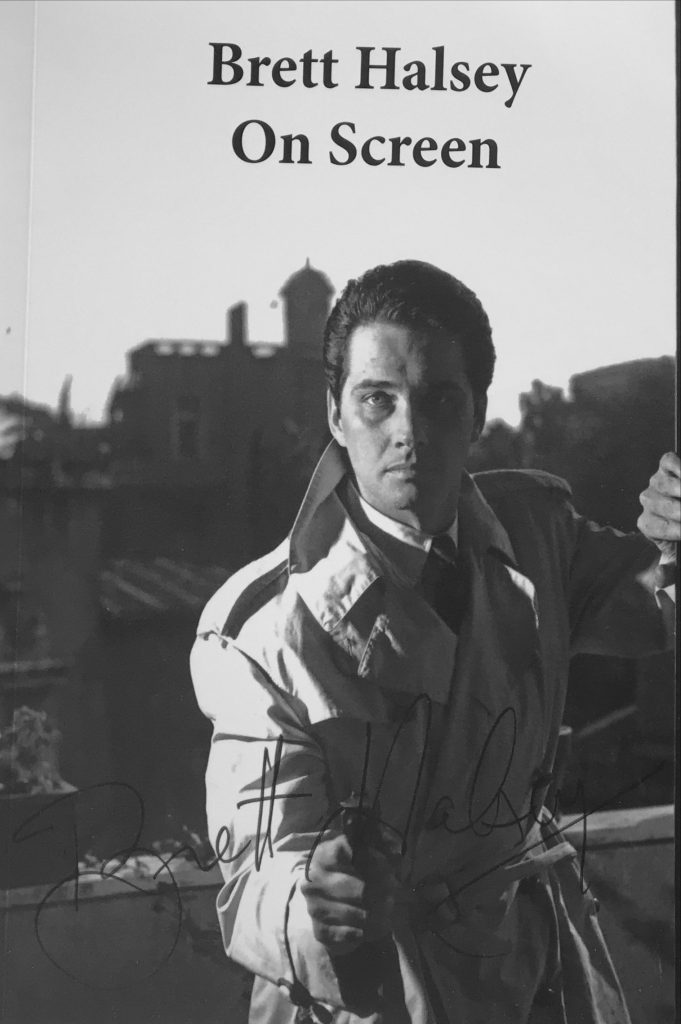
Interested in acting since he was a child, young Brett was employed as a page at CBSTelevision studios, where he met Jack Benny and Benny’s wife, Mary Livingstone, who presented him to William Goetz, the head of Universal Pictures, who placed him in a school with other aspiring actors for the studio.

Halsey appeared as Swift Otter, a Cheyenne Indian in the 1956 episodes “The Spirit of Hidden Valley” and “The Gentle Warrior” of the CBS western series, Brave Eagle, starring Keith Larsen as a young Indian chief.

In 1958, Halsey guest-starred several times as Lieutenant Summers in Richard Carlson‘s syndicated western series, Mackenzie’s Raiders, a fictional account of cavalry Colonel Ranald S. Mackenzie, set at Fort ClarkTexas. That same year, Halsey had the lead role of a life-saving sailor in an episode of another syndicated series, Highway Patrol. He also appeared in Harbor Command, a military drama about the United States Coast Guard. He appeared as Robert Finchley in the 1958 Perry Mason episode, “The Case of the Cautious Coquette”, and starred in the Roger Corman teen flick The Cry Baby Killer. In 1959, he had a co-starring role in the science-fiction film The Atomic Submarine. Halsey appeared in the episode “Thin Ice” in 1959 of Five Fingers.

From 1961–1962, Halsey starred with Barry CoeGary Lockwood, and Gigi Perreau in the ABC adventure television series Follow the Sun, a story of two free-lance magazine writers living in Honolulu, Hawaii.

In 1961, Halsey won the Golden Globe Award for “New Star of the Year”. His Follow the Sun co-star, Barry Coe, had won the same honor in 1960. The award was discontinued in 1983.

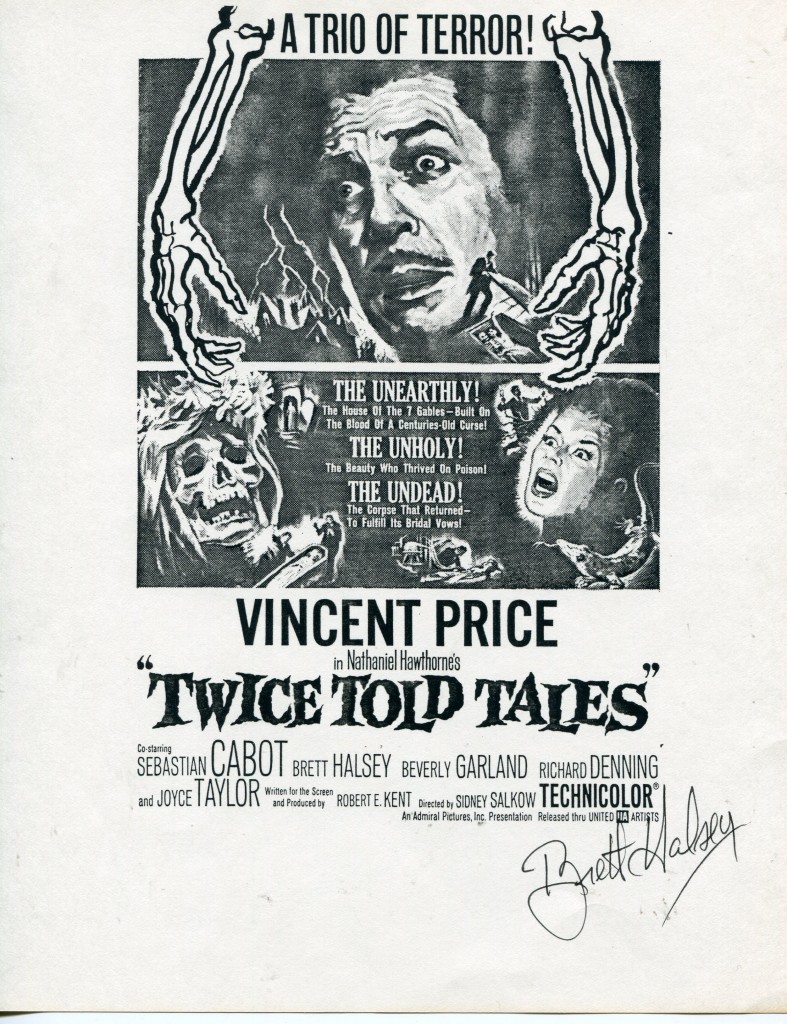
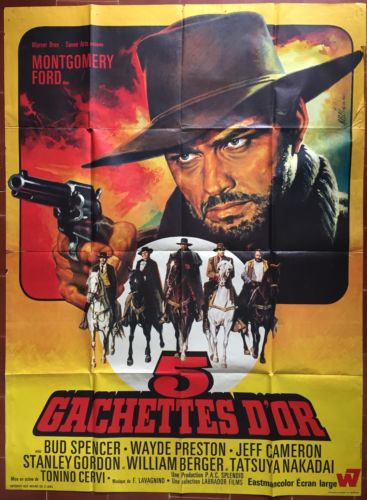
Halsey played supporting and co-starring roles in Hollywood, having appeared in such films as Return of the Fly (1959), Jet Over the Atlantic (1959), The Best of Everything (1959), Return to Peyton Place (1961) and Twice-Told Tales (1963). By the early 1960s, he relocated to Italy where he found himself in demand in adventurous films such as Seven Swords for the King (1962) or The Avenger of Venice (1964), being often cast a swashbuckling hero. He also appeared in a few Spaghetti Westerns and Eurospy films, including Espionage in Lisbon (1965), Kill Johnny Ringo (1966), Today We Kill, Tomorrow We Die! (1968), All on the Red (1968), Twenty Thousand Dollars for Seven (1969) and Roy Colt and Winchester Jack (1970), sometimes using the name Montgomery Ford.

He returned to the United States in the early 1970s and worked in film and television. He appeared in the soap operas General Hospitaland Love Is a Many Splendored Thing, and films such as Where Does It Hurt? (1972) with Peter Sellers. He had supporting roles in higher-profile films such as Ratboy (1986) and The Godfather Part III (1990), and worked with Italian horror director Lucio Fulci on The Devil’s Honey (1986), Touch of Death (1988),[5] A Cat in the Brain (1990) and Demonia (1990). He also appeared as the captain of a luxury space liner in the Buck Rogers in the 25th Century episode “Cruise Ship to the Stars”, and the Columbo episode “Death Lends a Hand”. Other later roles include the 1992 film Beyond Justice, starring Rutger Hauer, the 1995 action film Expect No Mercy, and the 1999 TV movie Free Fall.

Brett Halsey is a fascinating case study in the “Transatlantic Leading Man.” His career represents the intersection of the fading Hollywood Studio System and the burgeoning European “Genre Explosion” of the 1960s. While he began as a clean-cut Universal starlet, he reinvented himself as a sophisticated, rugged icon of Italian cinema.

Critically, Halsey’s work is defined by adaptability. He possessed a “Golden Age” handsomeness that allowed him to play the hero, but he often infused his roles with a modern, slightly cynical edge that made him a favorite of cult directors.


The Analytical Overview: From Hollywood to Cinecittà

1. The Universal/Fox Contract Era (1950s)

Starting in the mid-50s, Halsey was the quintessential “Contract Player.” He was physically fit, dependable, and possessed a classic, Gable-esque charm.

  • The Fly (1958) & Return of the Fly (1959): As Philippe Delambre, Halsey had the difficult task of anchoring a “high-concept” horror premise with emotional sincerity.

  • Critical Analysis: In these early roles, Halsey demonstrated a “quiet masculine stability.” While the films were driven by spectacle, he provided a grounded, human center. Critics noted that unlike many “pretty boy” actors of the era, Halsey had a natural authority that suggested a maturity beyond his years.

2. The European Reinvention (1960s)

In 1961, Halsey moved to Italy, a move that transformed his career from “dependable lead” to “International Genre Star.” Working under the name Montgomery Ford, he became a pillar of the Peplum (Sword-and-Sandal) and Eurospy genres.

  • The Seven Swords of Tyrant (1962): He showcased an impressive physical prowess and a flair for “swashbuckling” charisma.

  • Critical Analysis: Halsey brought a specific “American Professionalism” to Italian productions. He treated even the most outlandish genre scripts with a straight-faced commitment that elevated the material. His presence added a layer of “Hollywood Gloss” to low-budget European films, making them internationally marketable.

3. The Spaghetti Western & Roy Colt (1970)

Halsey’s collaboration with the legendary Mario Bava in Roy Colt and Winchester Jack is a critical highlight.

  • The Role: Roy Colt.

  • Critical Analysis: This film was a departure from the “Man with No Name” archetype. Halsey played Roy Colt with a mercurial, comedic energy. He subverted his own “hero” image, playing a character driven by greed and a slapstick sense of rivalry. It proved that Halsey had a “meta” understanding of his own persona—he was able to parody the very “tough guy” roles that had made him famous.

4. The “Mature Professional” & Return to US TV (1980s–1990s)

Halsey successfully transitioned into the “Silver Fox” era, becoming a fixture on American television and soaps.

  • The Godfather Part III (1990): As Douglas Michelson, he brought a weathered, high-status dignity to Coppola’s epic.

  • General Hospital & The Young and the Restless: As John Abbott (briefly) and other patriarchs, he utilized his “melodic authoritative” voice to command the screen.

  • Critical Analysis: In his later years, Halsey’s acting became more economical. He relied on his “presence”—a mixture of old-school Hollywood poise and European world-weariness—to convey authority without needing heavy dialogue.


Critical Summary: The “Genre Chameleon”

Feature Brett Halsey’s Style
Physicality Athletic and poised; a master of the “action-hero” silhouette.
Acting Mode Sincere and grounded; he rarely “winked” at the camera, even in campy genre films.
The Transition One of the few actors to successfully bridge the gap between 1950s Hollywood and 1960s European cult cinema.
Legacy The “Reliable Professional” who brought dignity to every frame, regardless of the budget.

The “Writer-Actor” Influence

Critically, it is worth noting that Halsey is also an accomplished novelist (The Magnificent Strangers). This intellectual curiosity often bled into his performances; he tended to find the internal logic of his characters, even in poorly written scripts. He didn’t just play the “spy” or the “cowboy”—he played a man who thought his way through those situations

Alex Cord
Alex Cord

Alex Cord IMDb

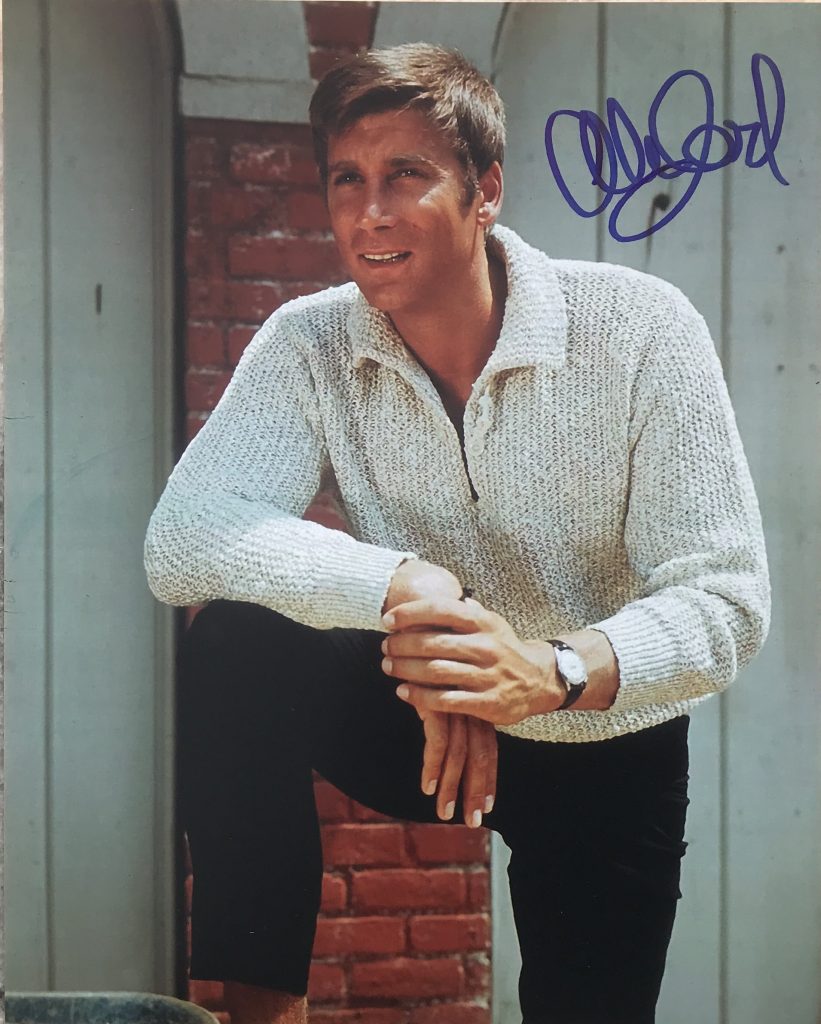
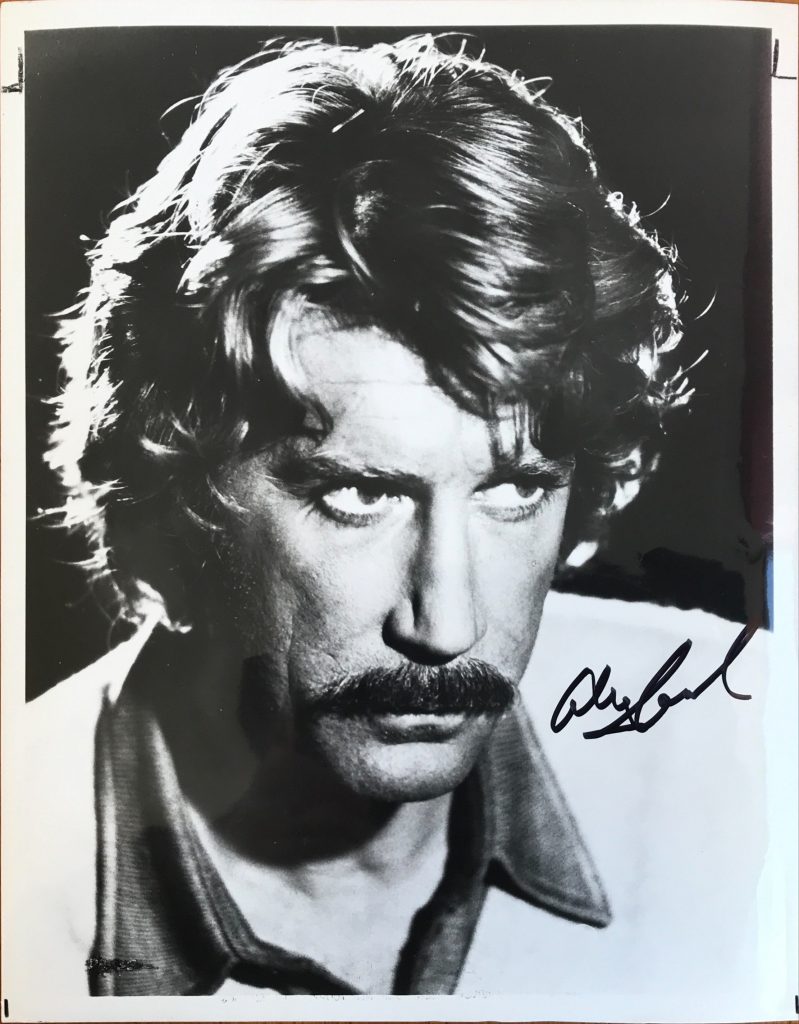
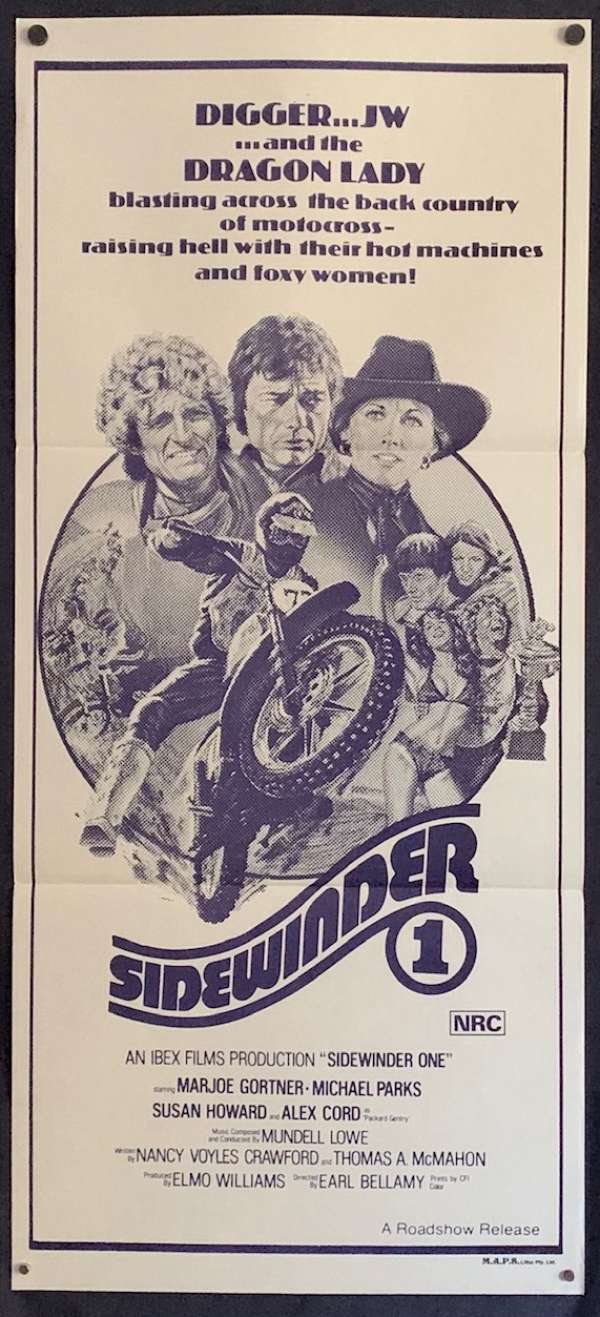
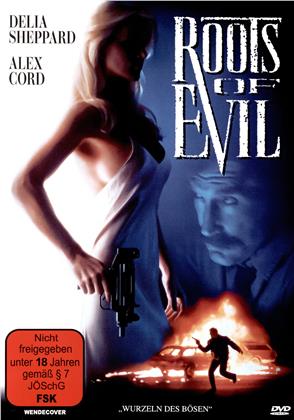
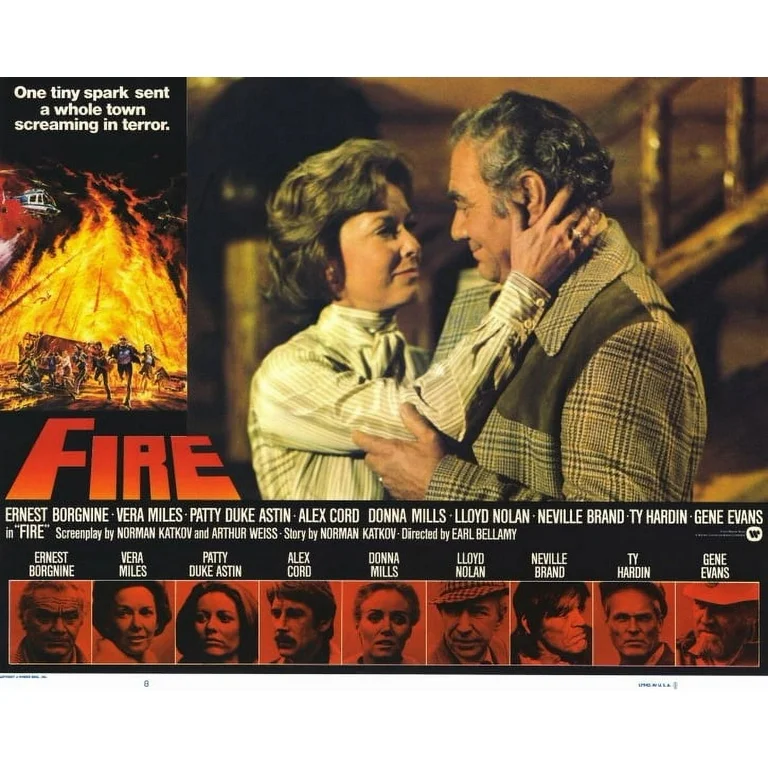
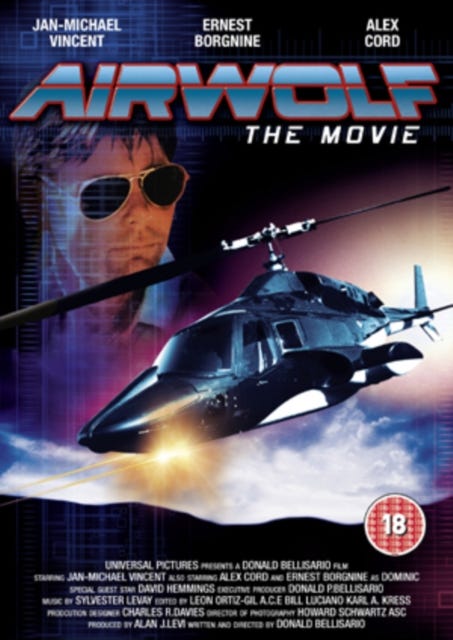
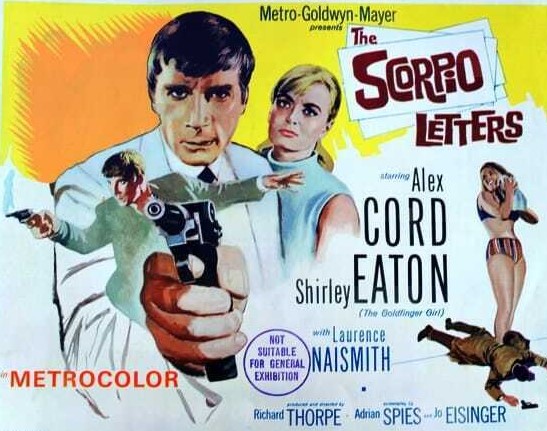
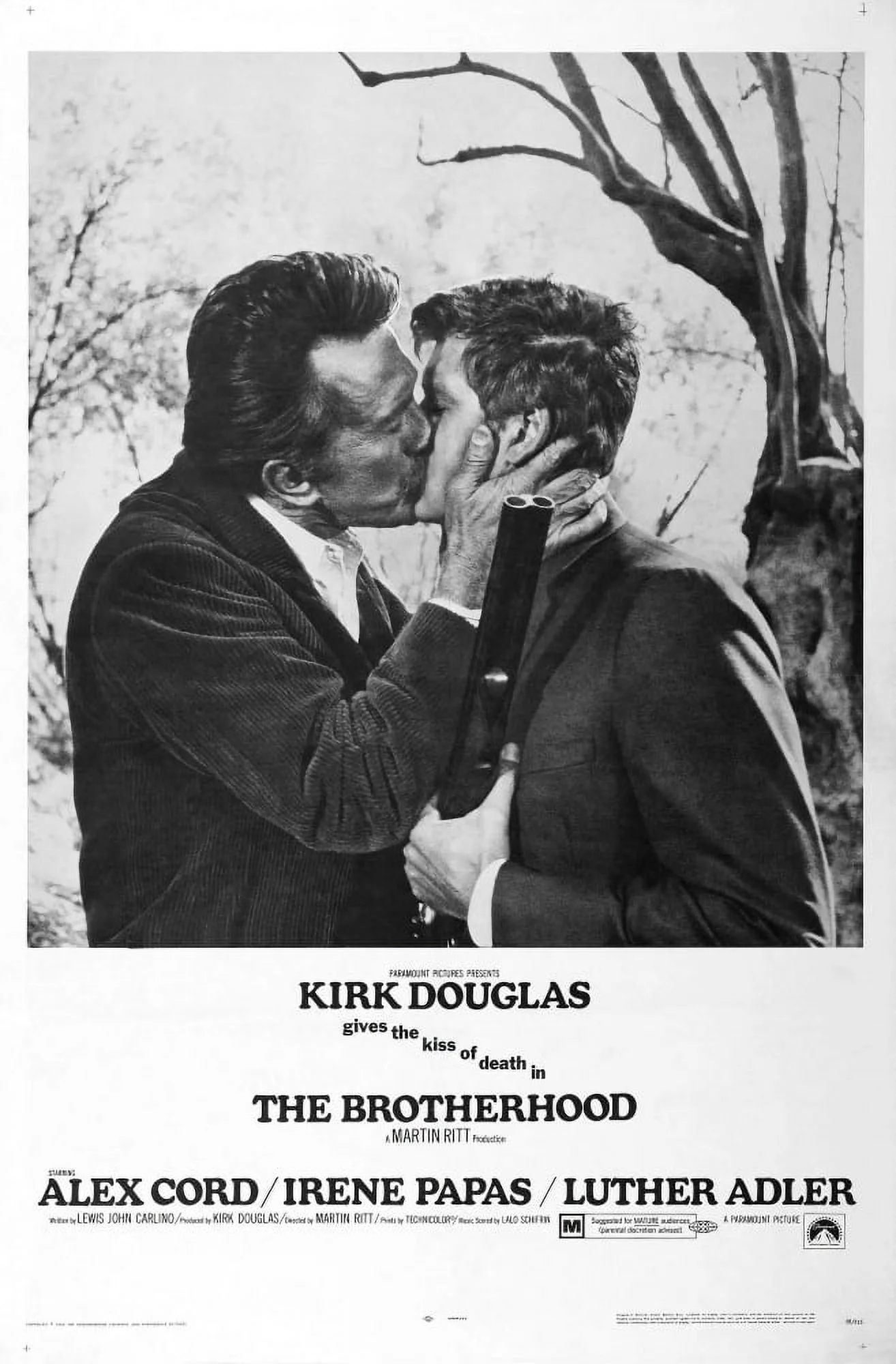
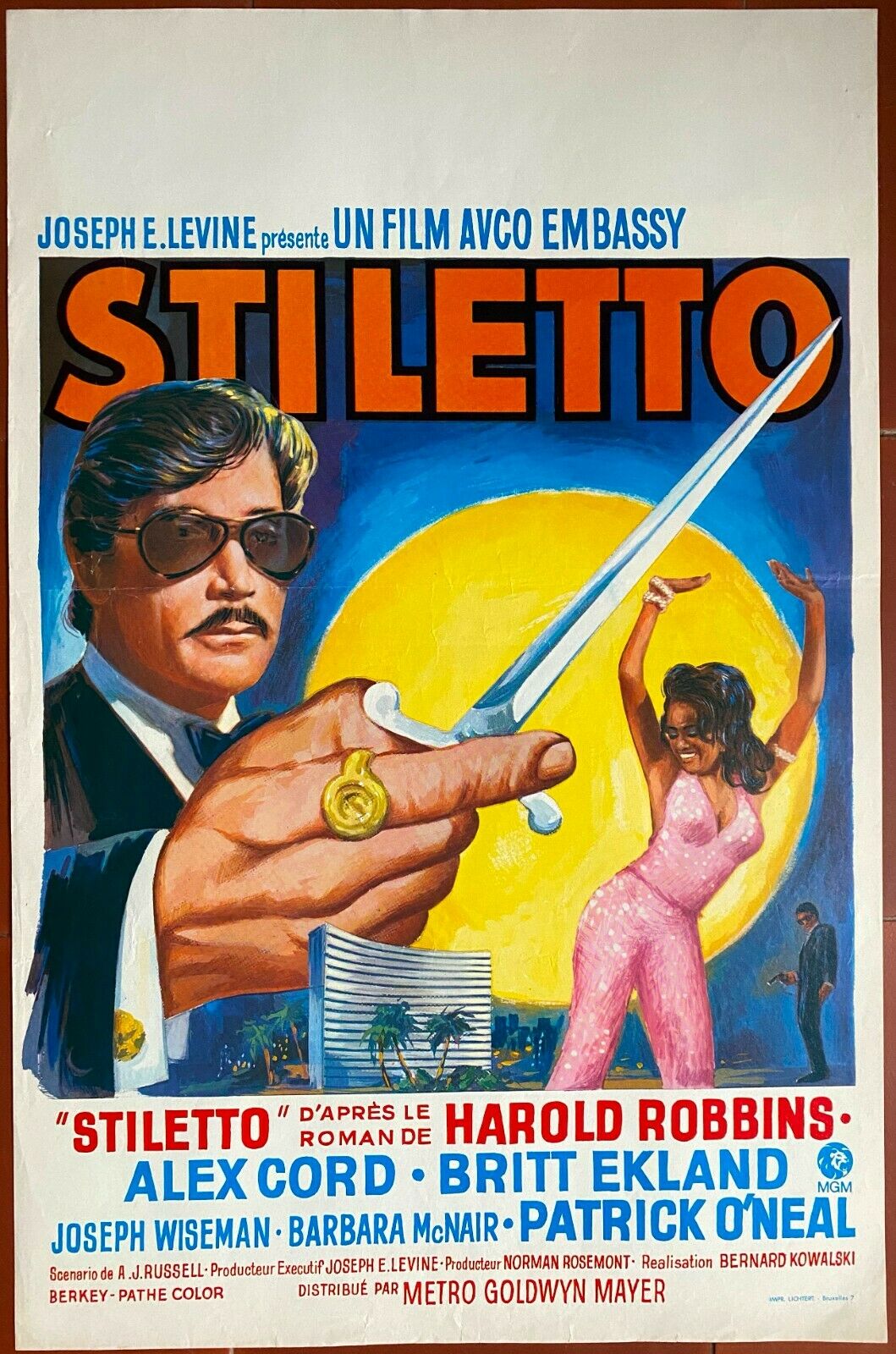
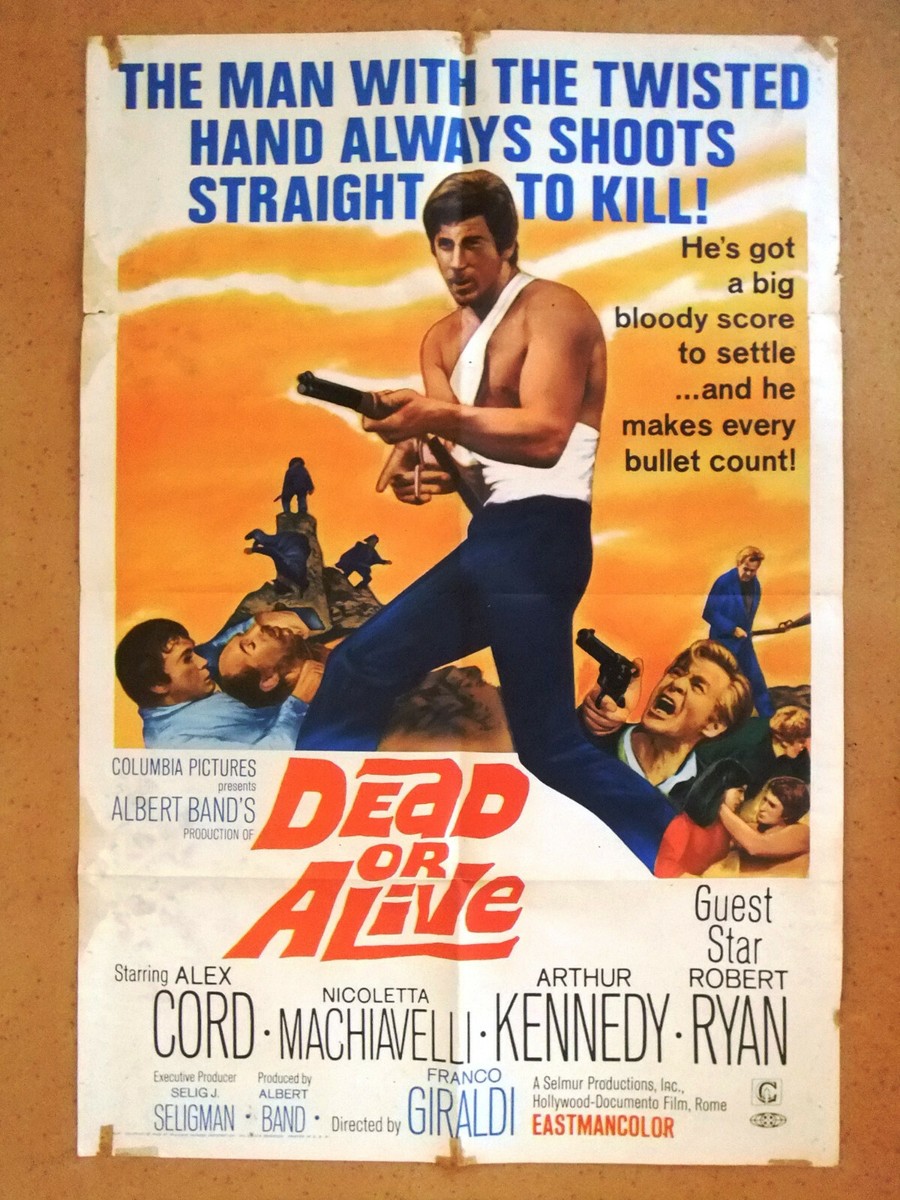
Alex Cord was born in 1933 in Floral Park, New York.   He had a brief run as a leading man on film in the late 1960’s and early 70’s.   He played Kirk Douglas’s brother in “The Brotherhood” and was also in “Stiletto” and “The Scorpio Letters” with Shirley Eaton.   His best remembered role though was on television as Archangel in “Airwolf”.   Alex Cord’s website can be accessed here.

His IMDB entry:

Tall (6 foot) in the saddle, brawny, ruggedly handsome, and very much oriented towards outdoor life, actor Alex Cord became best known in Hollywood for his 60s and 70s work in action adventure. Born Alexander Viespi in Long Island, New York in 1933, he was riding horses from the age of 2. Stricken with polio at the age of 12, he was confined to a hospital and iron lung for a long period of time before he overcame the illness after being sent to a Wyoming ranch for therapy. He soon regained his dream and determination of becoming a jockey or professional horseman.

A high school dropout at the age of sixteen, he was too tall to become a jockey so he joined the rodeo circuit and earned a living riding bulls and bareback horses. During another extended hospital stay, this time after suffering serious injuries after being thrown by a bull at a rodeo in New York City’s Madison Square Garden, he contemplated again the direction of his life and decided to finish his high school education by way of night school. A voracious reader during his long convalescence, he later studied and received his degree in literature at New York University.

Prodded by an interest in acting, Alex received dramatic training at the Actors Studio and began his professional career in summer stock (The Compass Players in St. Louis, Missouri) and at the American Shakespeare Festival in Stratford, Connecticut where he played “Laertes” in a production of “Hamlet”. A British producer saw his promise and invited him to London where he co-starred in four plays (“Play With a Tiger”, “The Rose Tattoo”, “A Midsummer Night’s Dream” and “The Umbrella”). He was nominated for the “Best Actor Award” by the London Critics’ Circle for the first-mentioned play.

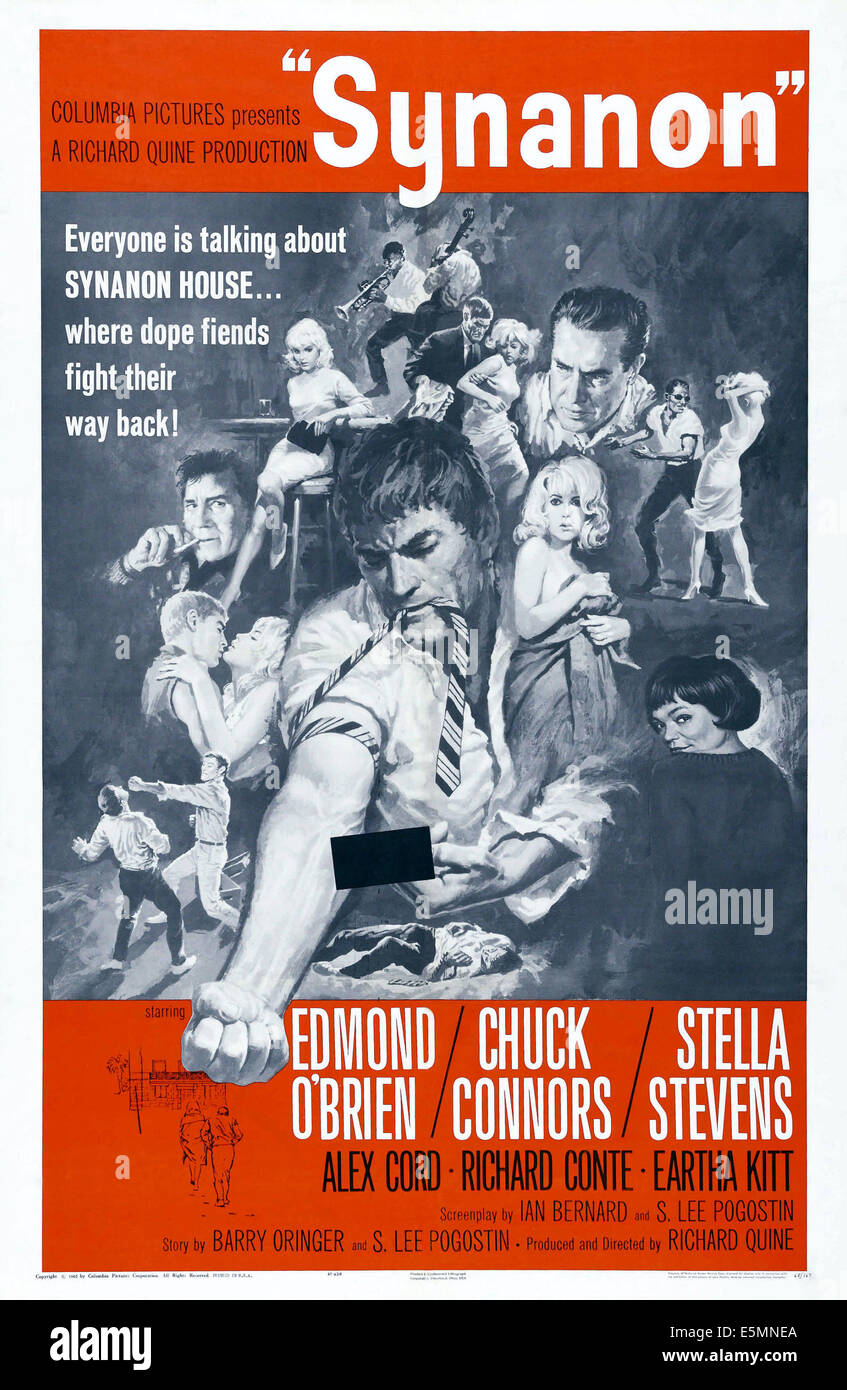
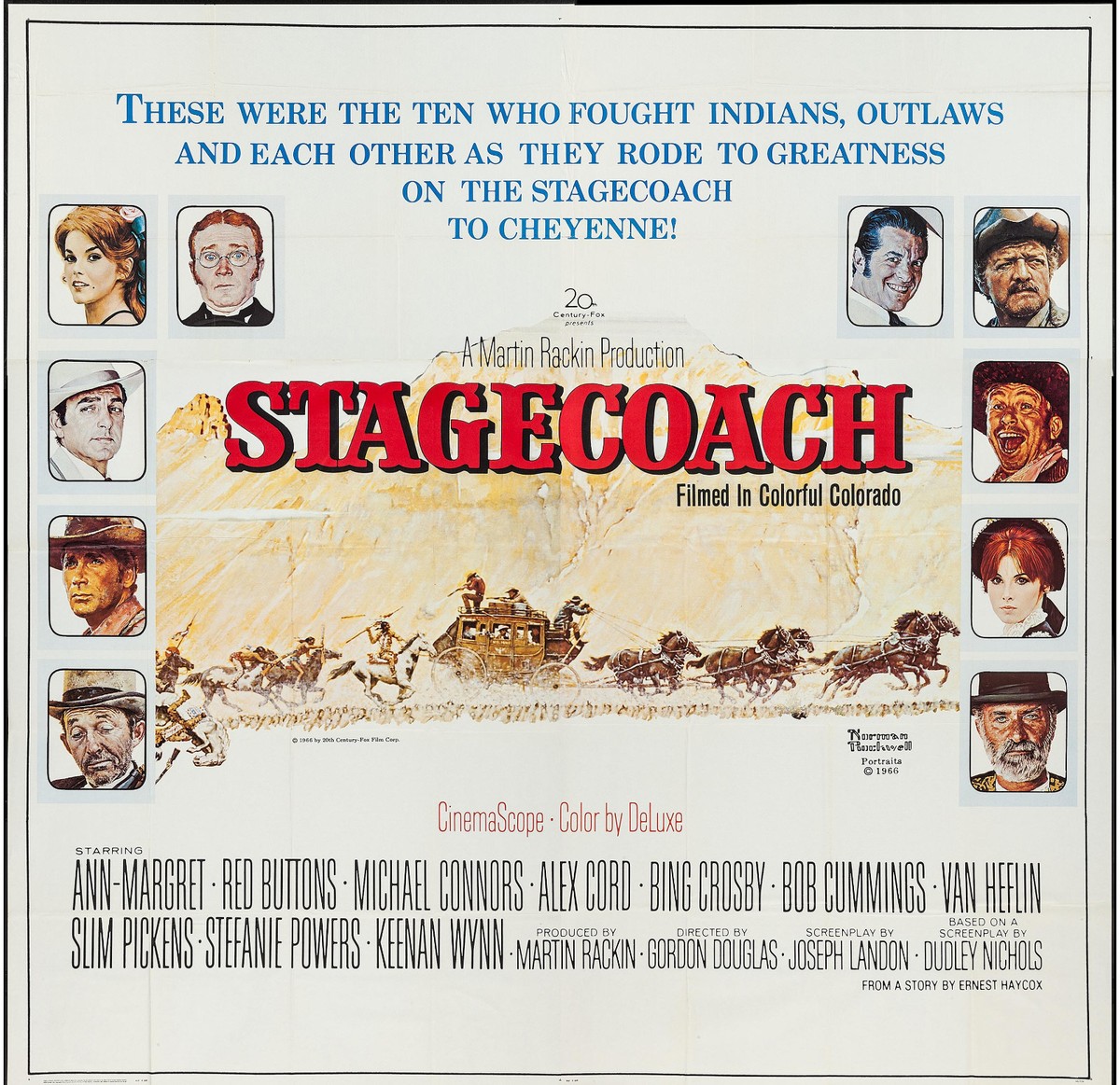
The strapping, light-haired, good-looker eventually sought a Hollywood “in” and found one via his equestrian prowess in the early 60s. Steady work came to him on such established western TV series as Laramie (1959) and Branded (1965) and that extended itself into roles on crime action series (Route 66 (1960) and Naked City (1958)). Gaining a foothold in feature films within a relatively short time, Alex starred or co-starred in more than 30 movies, a number of them opposite Hollywood’s loveliest of lovelies. He peaked at the very beginning as a dope addict in Synanon (1965) with Stella Stevens, as a cowboy in the remake of John Wayne‘s Stagecoach (1966) with Ann-Margret, and as a jet-setting hitman in Stiletto (1969) with Britt Ekland. Co-starring with Kirk Douglas in the mafia drama The Brotherhood (1968), he wound up marrying beautiful actress Joanna Pettet that same year. The couple had one child, then divorced in 1976.

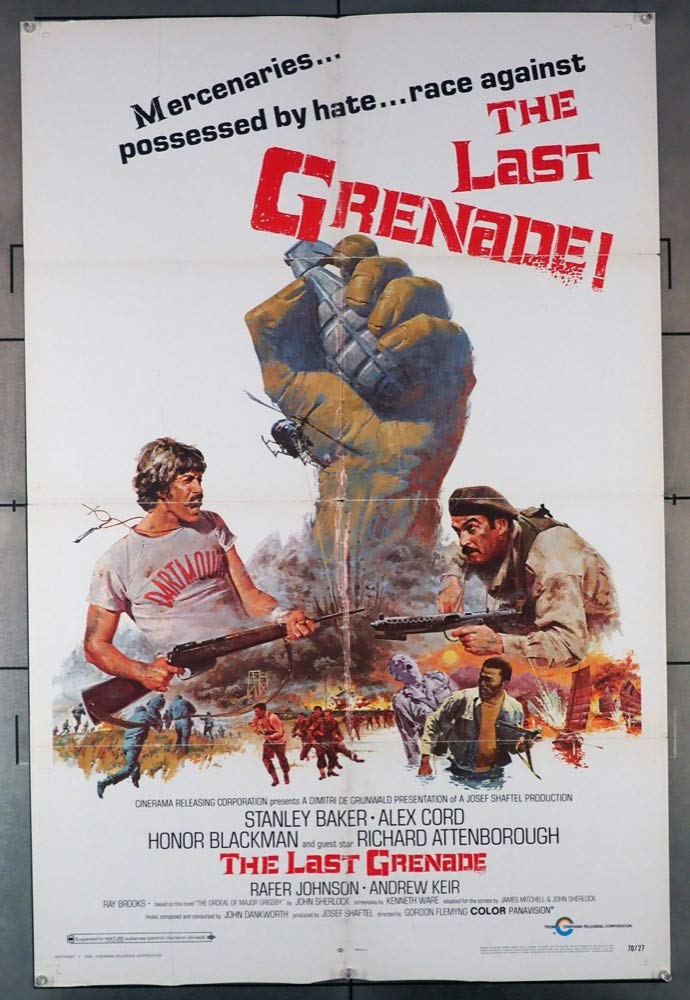
When his American filmload sharply declining in the late 60s and 70s, he turned to action adventure overseas with the “spaghetti western” Un minuto per pregare, un instante per morire (1968) [A Minute to Pray, A Second to Die] and the British war drama The Last Grenade (1970) with Stanley Baker and Richard Attenborough. Around that time as well, he played the murderer opposite Sam Jaffe‘s old man in Edgar Allan Poe‘s dramatic short,The Tell-Tale Heart (1971).

It was TV, however, that provided more career stability for Alex, appearing in more than 300 shows, among them Hotel (1983), Fantasy Island (1977), Simon & Simon (1981),Jake and the Fatman (1987), Mission: Impossible (1966), Walker, Texas Ranger (1993) and Murder, She Wrote (1984). He also situated himself in a number of series, notablyAirwolf (1984), in which he co-starred with Jan-Michael Vincent and Ernest Borgnine as the mysterious white-suited, eye-patched, cane-using “Michael Archangel”.

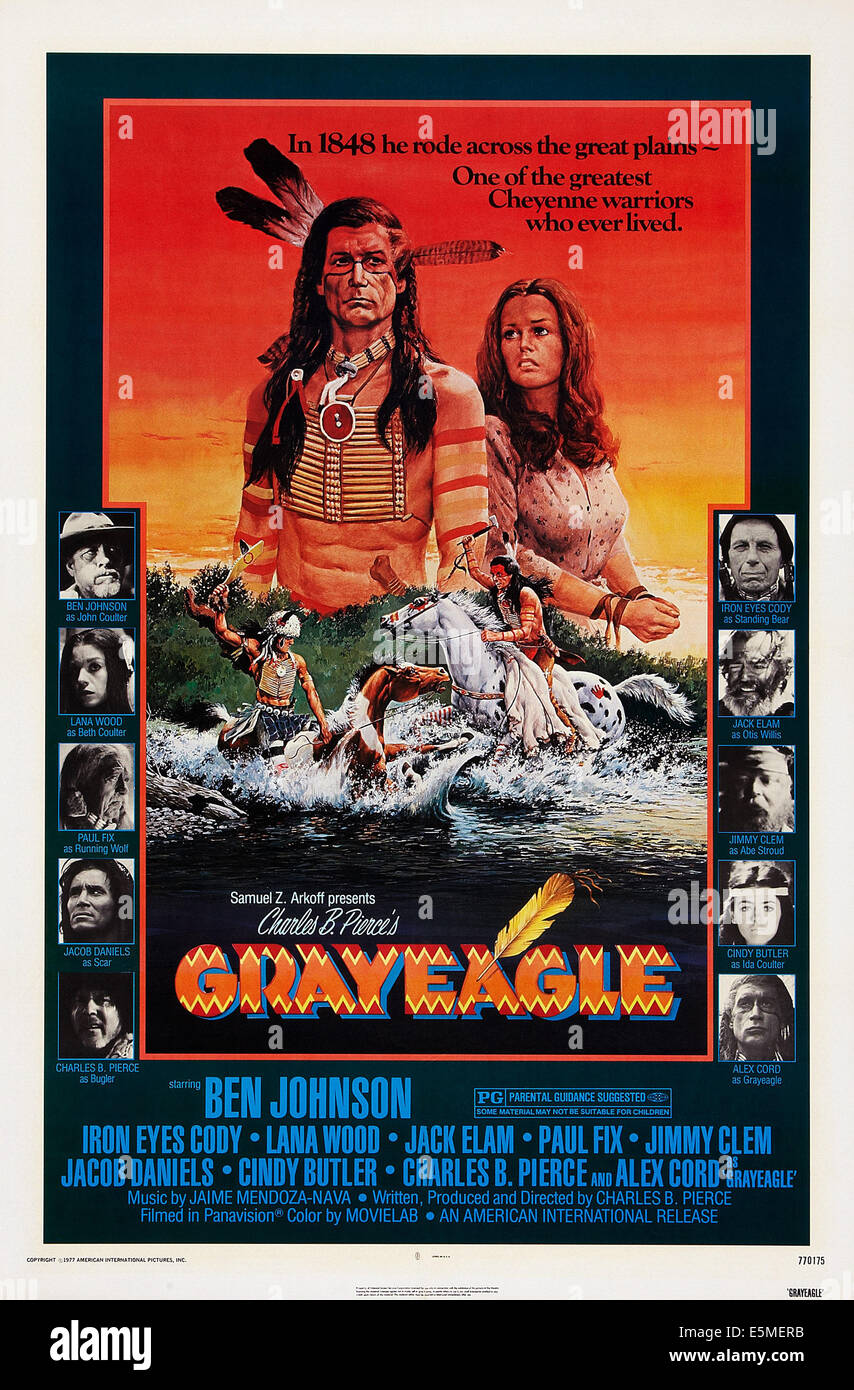
Later interest in Alex was drawn from his title role in Grayeagle (1977), a viable remake of the John Wayne film, The Searchers (1956), in which he played the Indian kidnapper ofBen Johnson‘s daughter. Lana Wood, sister of star Natalie Wood (who appeared in the original), also co-starred in this film. Alex can still be seen from time to time in lowbudget film entries and a TV episode or two, but other interests have now taken up his time.

Outside of the entertainment field, his ultimate love for horses extended itself into work for numerous charities and benefits. He was a regular competitor in the Ben Johnson Pro-Celebrity Rodeos that raised money for children’s charities, and he is one of the founders of the Chukkers for Charity Celebrity Polo Team which has raised more than $3 million for worthy causes. He also chairs “Ahead with Horses”, an organization that provides therapeutic riding programs for the physically and emotionally challenged. Alex and his second wife, Susannah, are both actively involved on their horse ranch in north Texas where she is a dressage trainer and he ropes and rides cutters. Alex also turned to writing, thus far publishing two novels: “Sandsong” and “A Feather in the Rain”. A third book, “Harbinger”, was never printed. He has written and sold three screenplays, as well. Of his two children, daughter Toni Aluisa and son Damien Zachary Cord, his son (by Ms.Joanna Pettet) died tragically in 1995 of a heroin overdose at the age of 26. Alex, more recently, became a grandfather of twins, a boy and a girl. Alex Cord died in August 2021 aged 88.
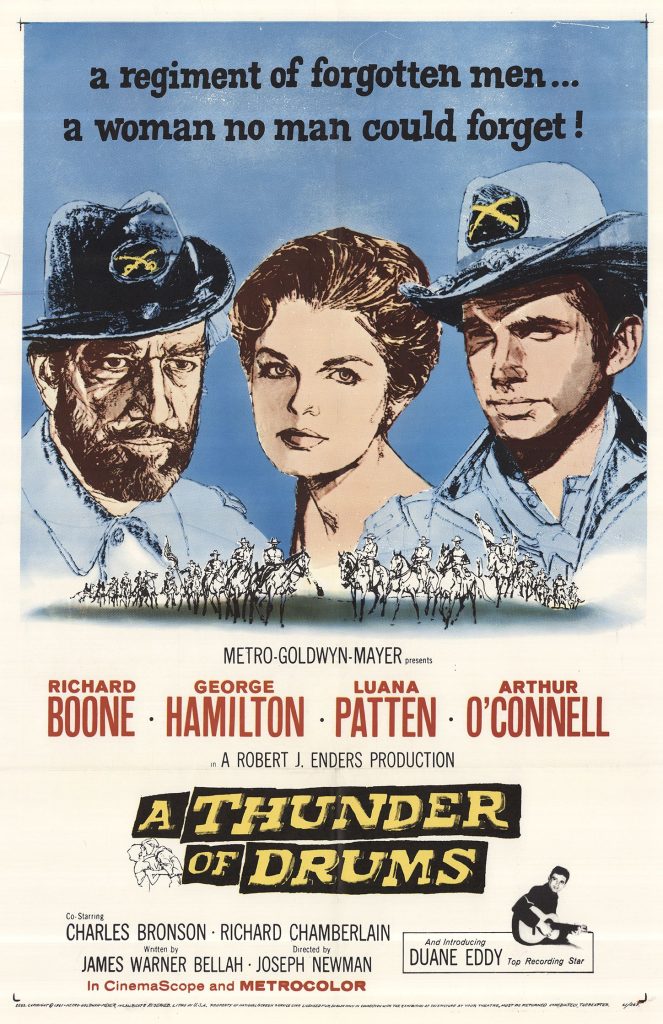
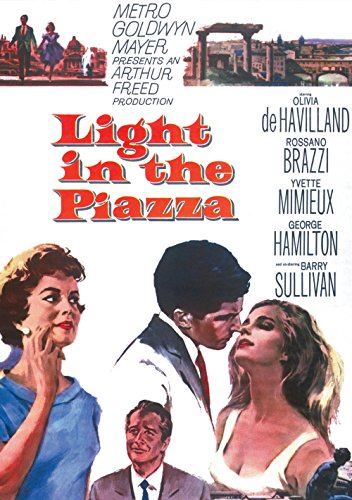
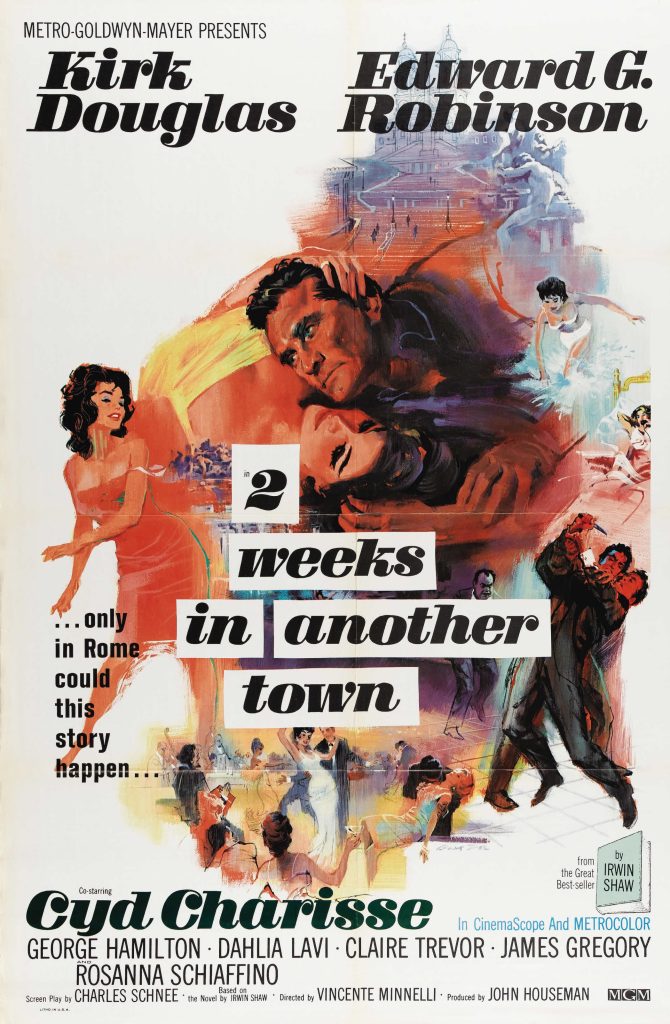
Obituary

Alex Cord, who co-starred with Jan-Michael Vincent and Ernest Borgnine in the 1980s attack-helicopter series Airwolf and had a long career onscreen, died Monday morning at his home in Valley View, TX. He was 88.

His talent agent and friend of 20 years, Linda McAlister, confirmed the news to Deadline.

Cord had been working in films and TV for more than 20 years before he landed his signature role as the mysterious, eyepatch-sporting Archangel on Airwolf. The CBS drama debuted in 1984 — the year all three broadcast networks bowed helicopter dramas following the theatrical success of Blue Thunder. Airwolf starred Vincent as Stringfellow Hawke, a brooding loner who was tasked with recovering the titular attack copter from its creator, who had stolen the craft with plans to sell Airwolf to Libya.

Cord was his contact at the Firm, an ultrasecret government group that recruited Hawke. Nattily dressed in crisp white suit, cane and that eyepatch, Archangel teamed with an old war buddy, Dominic Santini (Borgnine) on missions for the Firm. The midseason-replacement series never really clicked in its Saturday night slot, failing to make the year-end Top 30 primetime shows in the three-network universe. CBS canceled the show in July 1986, and it went on to air for a season on USA Network with a new cast.

While that would be Cord’s signature role, he had scores of others — ranging from guest slots on such classic series as Route 66, Night Gallery, Gunsmoke, Mission: Impossible, Police Story and The Six Million Dollar Man to a lead in the short-lived 1978 NBC primetime soap W.E.B. He played Jack Kiley, the no-nonsense programming chief at Transatlantic Broadcasting System, a fictional TV network whose behind-the-scenes drama fueled the series. It lasted for about a half-dozen episodes.

He also was a regular on Cassie & Company,Angie Dickinson’s follow-up series to Police Story. Cord played her ex-husband and DA Mike Holland on the NBC detective drama, which aired 13 episodes in 1982.

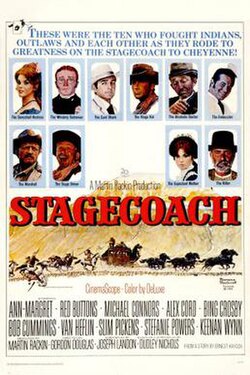
He also appeared in films, starring alongside Ann-Margret, Mike Connors, Bing Crosby and others in 1966’s Stagecoach. Other film roles included Synanon, The Last Grenade The Brotherhood, Stiletto and The Dead Are Alive!

Born on May 3, 1933, on Long Island, Cord battled polio as a child and became a prolific horseman. He parlayed those skills into acting gigs in the popular Western genre of the late 1950s and early ’60s.

Cord continued to work onscreen throughout the 1980s and ’90s, guesting on such hit dramas as Murder, She Wrote, Simon & Simon, Jake and the Fatman and Walker, Texas Ranger

David Dukes
David Dukes
David Dukes

David Dukes. TCM Overview.

David Dukes was a very reliable young   character actor who was born in San Francesco in 1945.   He is best remembered for his role as  ‘Leslie Slote’ in the dual television miniseries “The Winds of War” and “War and Rememberance”.   He also played major roles onstage in such plays as “Dracula”, “Amadeus”, “M Butterfly” and “Bent”.   His first film was “The Strawberry Statement” in 1970.   Among his other films were “Without a Trace” and “Gods and Monsters”.  He died suddenly of a heart attack while on location making the TV film “Rose Red” .   Tribute to David Dukes by his wife can be accessed here.  

TCM Overview:

This classically-trained American repertory actor has gone on to a busy career as a leading man in Broadway shows, TV and films. Since the 1970s, David Dukes has often played diplomats, surgeons and other high-powered professionals and bluebloods. He is particularly remembered for his portrayal of low-level career diplomat Leslie Slote, who finds inner courage, in the ABC miniseries based on the Herman Wouk novels “The Winds of War” (1983), and “War and Remembrance” (1988). Dukes also spent three seasons as the wealthy doctor husband of Swoosie Kurtz’s Alex on the NBC drama series “Sisters.” seasons of the NBC series “Sisters.”

The son of California highway patrolman, the handsome, dark-haired actor trained at the American Conservatory Theatre and had appeared in 37 professional productions before making his Broadway debut at age 25 in Moliere’s “School for Wives.” Dukes’ subsequent Broadway work has included playing Horst, a gay concentration camp inmate who dares to love a fellow prisoner (Richard Gere) in Martin Sherman’s “Bent” (1979), succeeding Ian McKellen as Salieri in Peter Shaffer’s award-winning “Amadeus” (1982) and replacing John Lithgow as the diplomat protagonist of David Henry Hwang’s “M. Butterfly” (1988).

Dukes made his TV debut as the son of a wealthy Irish-American family in “Beacon Hill” (CBS, 1975), a lavish soap set in the 1920s. His subsequent TV credits of note include “Harold Robbins’ ’79 Park Avenue'” (NBC, 1977) as immigrant Mike Koshko, “Mayflower: The Pilgrim’s Adventure” (CBS, 1979), as Miles Standish, “Portrait of a Rebel: Margaret Sanger” (CBS, 1980), as the husband of the pioneer for contraceptive rights, “Sentimental Journey” (CBS, 1984), as clothing manufacturer Levi Strauss, “The Josephine Baker Story” (HBO, 1991), as orchestra leader Jo Bouillon, the husband of the celebrated music hall performer, and the Emmy-winning “And the Band Played On” (HBO, 1993), as a medical researcher.

In 1996, he played playwright Arthur Miller in the HBO film “Norma Jean & Marilyn.” His most notorious TV guest shot came in 1977 on a special hour-long episode of “All in the Family” wherein he played a would-be rapist who detains Edith (Jean Stapleton) at gunpoint in her living room while friends and family await her at her 50th birthday party. Dukes also worked in the Norman Lear stable in the short-lived 1977 syndicated serial “All That Glitters,” playing a male-rights activist (the series reversed gender power). More recent TV series have not proven successful, nor given Dukes roles through which he could shine. He was husband to Marilyn Kentz in the short-lived bomb “The Mommies” (NBC, 1993), and in 1997 was father to Pauly Shore on the equally short-lived Fox sitcom “Pauly.”

In feature films, Dukes had a rare lead role in “The First Deadly Sin” (1980), as a psychotic killer pursued by detective Frank Sinatra. He was Kate Nelligan’s estranged husband in the missing child drama “Without a Trace” (1983), and Marsha Mason’s playwright former lover in “Only When I Laugh” (1981). Dukes played a stiff college professor in “The Men’s Club” (1986), a poorly received talkfest about a men’s encounter group and was Alice Krige’s pianist husband in “See You in the Morning” (1989). Most of his 90s credits have been in direct-to-video releases, except for “Fled” (1996), in which he played a prosecuting attorney and 1998’s “Gods and Monsters” which featured him as the lover of famed early Hollywood horror director James Whale.

The above TCM Overview can also be accessed online here.

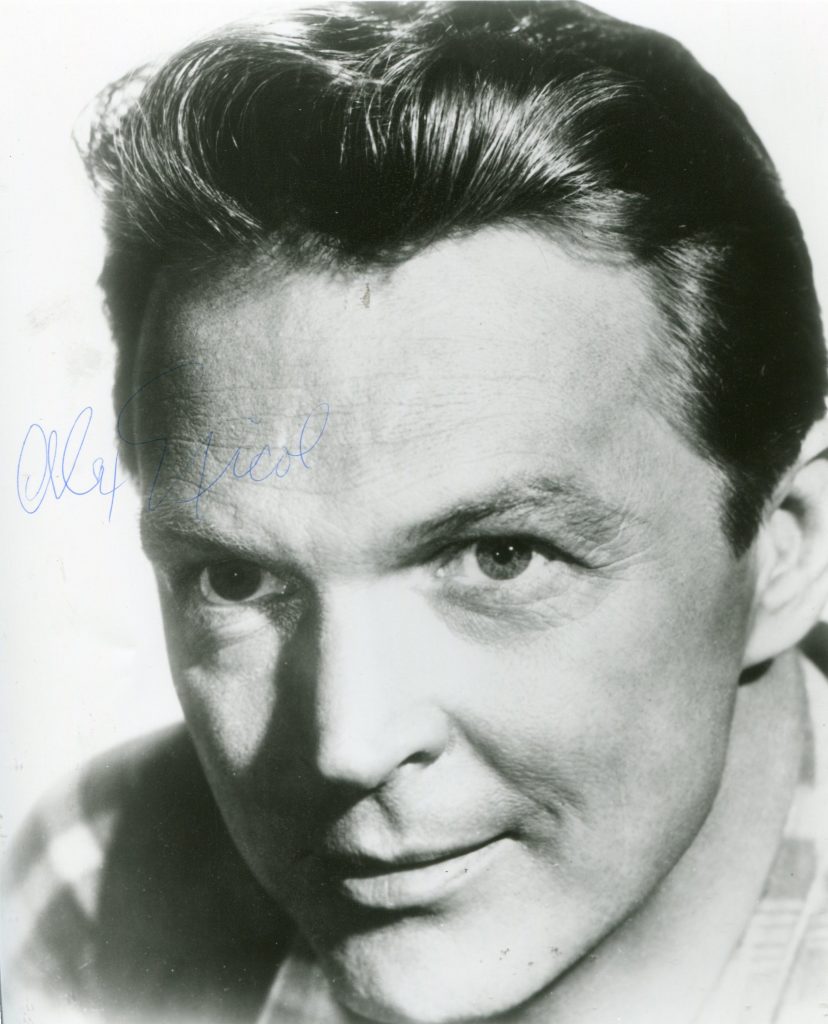
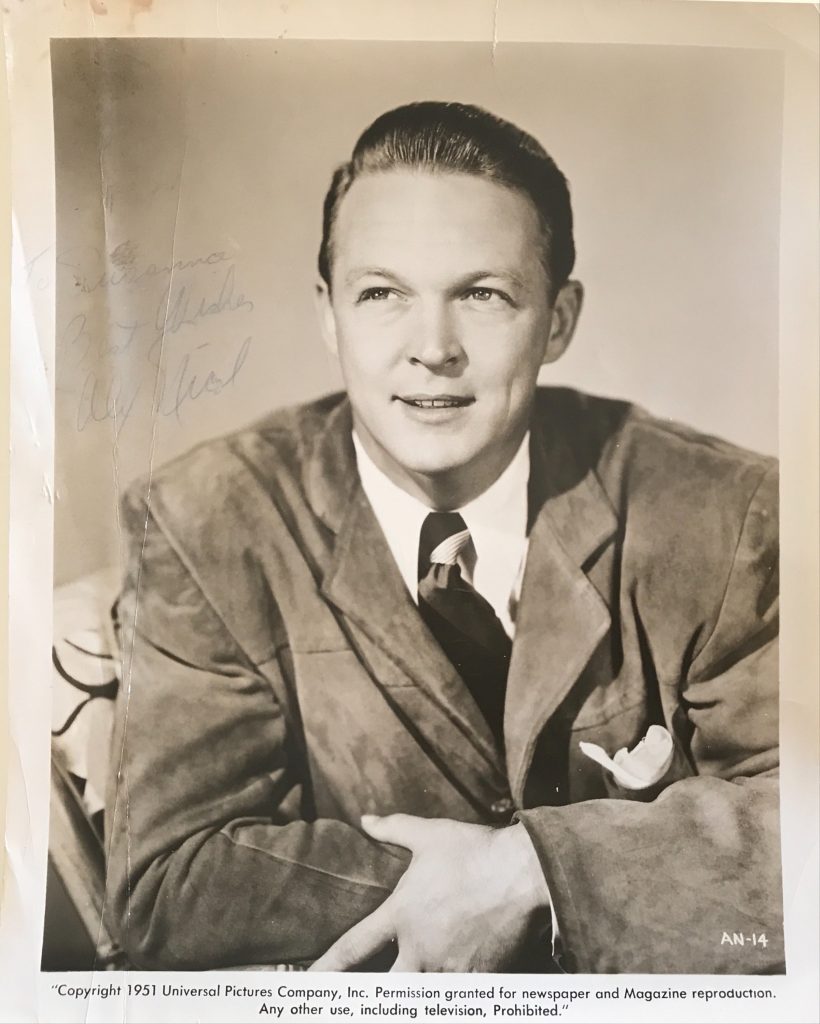
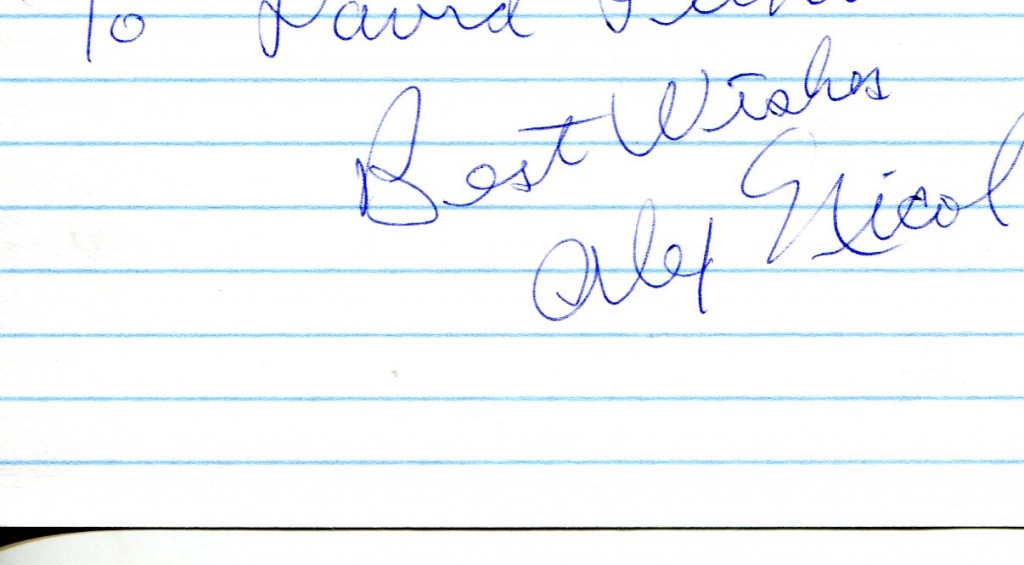
Alex NIcol
Alex Nicol.
Alex Nicol.
Alex Nicol obituary in “The Independent” in 2001.

His “Independent” obituary:

Alexander Livingston Nicol, actor: born Ossining, New York 20 January 1916; married 1948 Jean Fleming (two sons, one daughter); died Montecito, California 29 July 2001.

The actor Alex Nicol played occasional leading roles on screen, for which his fair-haired good looks and sturdy physique seemed to qualify him, and when, on stage, he played Brick in Tennessee Williams’s Cat on a Hot Tin Roof, Williams wrote that Nicol captured the part exactly as he had conceived it. But it was as a character actor that he spent most of his career, with a particular flair for portraying villains with a weak or pathological nature, epitomised by his fine performance in the western The Man From Laramie. He also directed several films, and appeared frequently on television.

Alex Nicol

He was born Alexander Livingston Nicol Jnr, in Ossining, New York, in 1916, though when his movie career started 34 years later he was astute enough to adjust the year to 1919. “I was a little older than some of the other people under contract so I thought, ‘Well, I’ll cure that right now’,” he later confessed. His father was a prison warden at Sing Sing and his mother a head matron at a women’s detention centre, so it was ironic that he studied at the Fagin School of Dramatic Arts before joining Maurice Evans’ theatrical company, with whom he made his Broadway début with a walk-on in Henry IV Part One (1939).

His career was interrupted by a five-year spell in the army, in which he served with the National Guard and Cavalry Unit and attained the rank of Technical Sergeant, after which he enrolled at the Actor’s Studio. “With Evans, I was the least important member of the cast. I was learning my craft in public. Then it all got put on hold until the end of the war, after which I became one of the original members of the Actor’s Studio. Marty Ritt and Elia Kazan were running the Studio then.” Nicol returned to Broadway in a revival of Clifford Odets’ potent pro-union dramaWaiting for Lefty (1946), followed by roles in Sundown (1948) and Forward the Heart (1948).

Alex Nicol
Alex Nicol

He was part of the original cast of Rodgers and Hammerstein’s classic musical South Pacific (1949), playing one of the marines, but after a few weeks in the show he successfully auditioned to replace Ralph Meeker as the sailor Mannion in the hit playMister Roberts, and was also made understudy to the play’s star Henry Fonda:

But I never made it! He never missed a performance! Henry’s wife at the time killed herself during the run of the show and he still didn’t miss the performance. We were one minute from curtain time when Fonda walked in, in costume, and he just walked right out, hit his mark and played the performance as though nothing had happened.

(Fonda’s proprietorial approach to the part became legendary. After he heard that James Stewart had expressed a willingness to replace him when he left the show, he stayed with it for the entire three-year Broadway run and subsequent tour, a total of nearly 1,700 performances.)

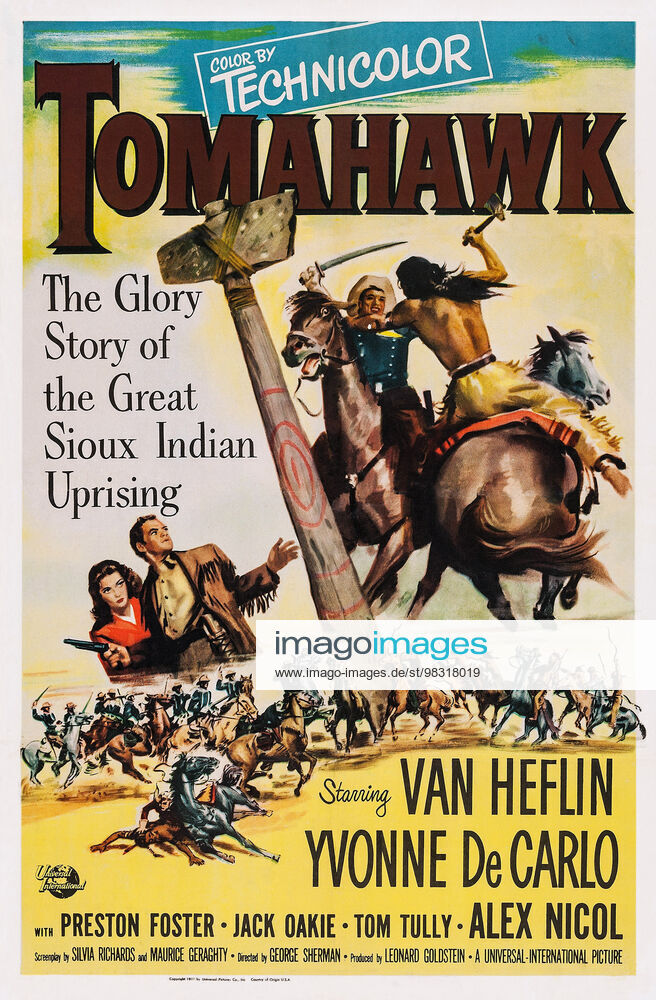
While acting in Mister Roberts, Nicol was seen by the Universal director George Sherman, who was in New York to prepare The Sleeping City (1950), to be filmed entirely on location. He cast Nicol as a young doctor who commits suicide after stealing drugs to pay off gambling debts. “It was a very showy, flashy part,” said the actor. “The whole thing was shot in a really grim, Neo-Realist style.” Nicol was given a contract by Universal, and Sherman also directed his second film, Tomahawk (1951), in which he played a cavalry officer with a hatred of Indians.

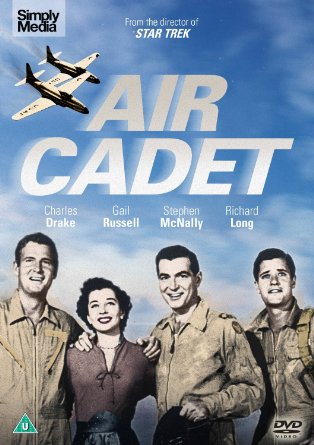
Roles as a prisoner-of-war in Target Unknown (1951) and a trainee pilot in Air Cadet (1951) preceded Nicol’s first major part, co-starring with Frank Sinatra and Shelley Winters in the musical drama Meet Danny Wilson (1952). Winters wrote, “Alex Nicol was a very mature, menschie guy (for an actor). He was great fun and lovely to work with.” As the lifelong protector and best friend of a bumptious singer (Sinatra), Nicol handled a difficult part with conviction. However, in his next film he was cast as a heavy again, causing Loretta Young to be wrongly sent to prison, then blackmailing her on her release, in Because of You (1952), and he was a troublesome sergeant in Red Ball Express (1952), directed by Budd Boetticher. “A talented guy,” said Nicol, “but he was the only director in my whole career whom I couldn’t get along with. He had a very big ego.”

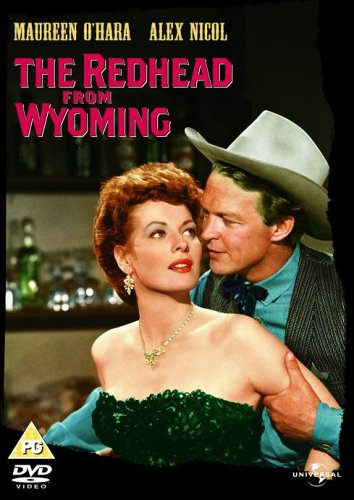
Nicol’s first starring role was opposite Maureen O’Hara in The Redhead from Wyoming (1953), a lacklustre western directed by Lee Sholem:

“Roll ‘Em Sholem” they used to call him. All he would say before every scene was “Roll ‘Em!” And then when you got to the end of the scene he’d say “Cut!” and then he’d look at the script clerk and say, “Did they say all the words?”, and if she said “Yes” then that was it. When the picture was over I went to the front office at Universal and asked to be released from my contract. They thought I was crazy. But I thought, “If this is my big break, then I’m not going very far.”

As a freelance, Nicol was directed by the former Actor’s Studio teacher Daniel Mann in About Mrs Leslie (1953) starring Shirley Booth and Robert Ryan. “The script wasn’t as strong as it might have been, but it was a great cast.” He returned to Universal (at a much larger fee than he had been getting as a contract player) to appear in two George Sherman films, Lone Hand (1953) andDawn at Socorro (1954). “George was really a fan of mine and always wanted to work with me, so he kept bringing me back to Universal.” Nicol then made three films in England, most notably Ken Hughes’s The House Across the Lake (1954), in which he was a failed novelist who becomes involved in crime:

It was a great script, and Sidney James, a wonderful actor, was in it, along with Hillary Brooke. Eventually I got back to the United States and I was glad to come back. Those British pictures kept me working, but they were really fast, really cheaply budgeted.

Anthony Mann directed Nicol in his role as a pilot in Strategic Air Command (1955), and it was Mann who then gave the actor his best- remembered role, that of the weak, psychopathic son of a patriarch rancher (Donald Crisp) in the darkly compelling western (allegedly inspired by King LearThe Man from Laramie (1955), starring James Stewart. “Tony was very creative, great to work with, and I admired him.”

Jacques Tourneur’s Great Day in the Morning (1956) was another superior western, but it became apparent to Nicol that his Hollywood career was not progressing, and in 1956 he returned to Broadway to replace Ben Gazzara in the leading role of Brick, the former athlete who has become a guilt-ridden alcoholic in Cat on a Hot Tin Roof. It brought the accolade from Williams and when the Broadway run ended Nicol starred in the tour.

He had the chance to create a role on stage when he was starred with Shelley Winters in the play Saturday Night Kid (1958), but it closed in Philadelphia without reaching Broadway and he returned to Hollywood where he made his first film as a director,The Screaming Skull (1958), in which he also starred:

I wasn’t doing the kind of films as an actor that I wanted to do, so I thought, “Well, I’ll try directing.” We shot the picture in six weeks and it did very well, so I was happy with that.

Nicol travelled to Italy when the director Martin Ritt gave him a role in Five Branded Women (1959), and while there he was offered parts in other European movies, so he settled there for two years with his family. (In 1948 he married the actress Jean Fleming and they had three children.)

We lived in Rome; God, it was beautiful. We did a lot of films very quickly, with backing from Italian and Yugoslavian finance sources. It was one of the happiest times of my life.

Returning to the United States in 1961, he played Paul Anka’s father in the thriller Look in Any Window (1961), then produced and directed a war film in Rome, Then There Were Three (1961), in which he co-starred with the American expatriate Frank Latimore. Subsequent acting roles included two spaghetti westerns, The Savage Guns (1962) and Gunfighters of the Casa Grande (1964), and Roger Corman’s gangster movie based on the life of criminal Ma Barker, Bloody Mama (1969), in which Nicol played the husband of Shelley Winters.

Nicol had made his television début in 1949 in Lux Video Theater. Other shows included Studio OneAlfred Hitchcock PresentsTwilight Zone and The FBI, and he directed episodes of Daniel Boone and The Wild Wild West. The last film in which he acted was A*P*E (1976), an independent movie made by a friend of the actor.

In 1996 Nicol told the interviewer Wheeler Winston Dixon,

Starting in the 1960s, I started putting money aside to buy a couple of apartment houses, which was the smartest move I ever made because I’m living on that money now. I like it here in Santa Barbara, living in a rather elegant area. I’m winding up pretty much the way I wanted to.

Tom Vallance

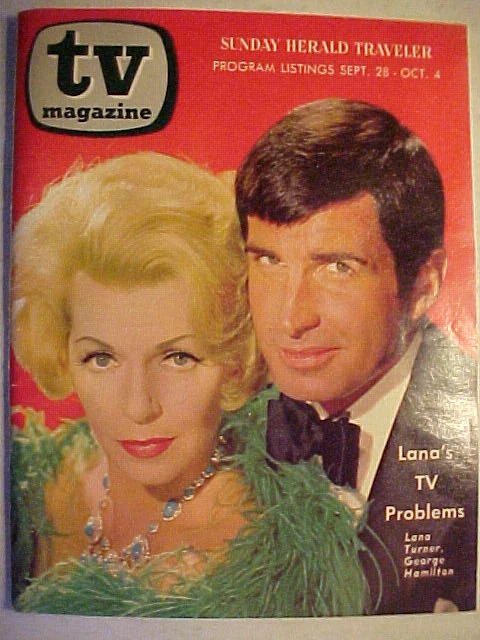
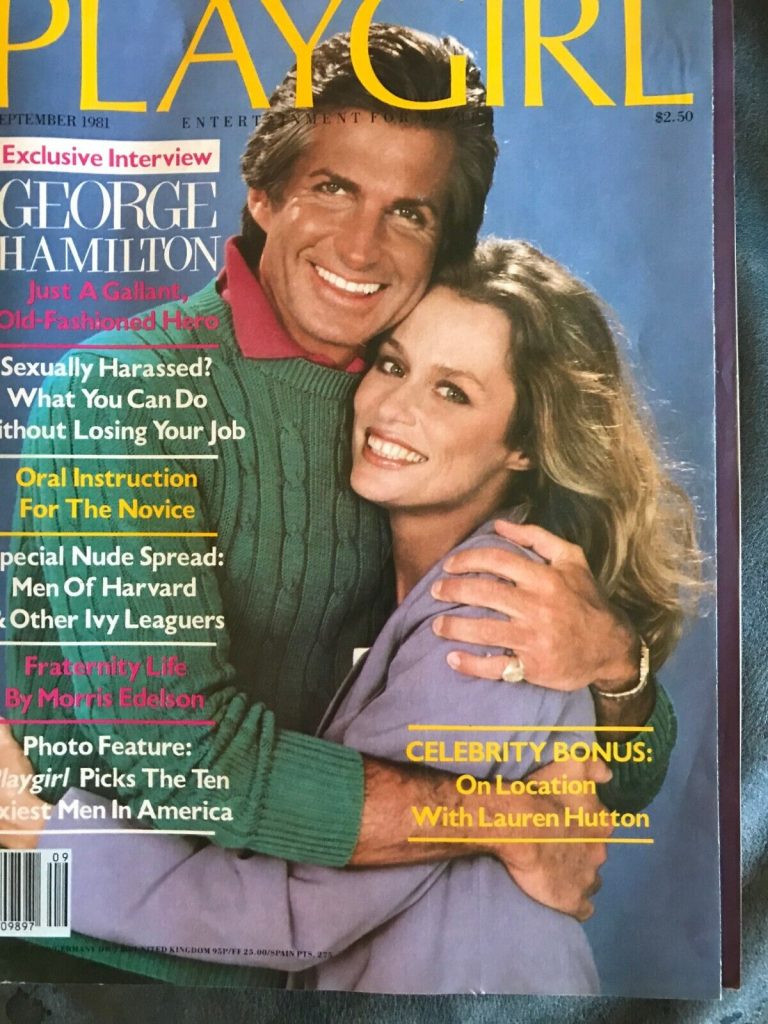
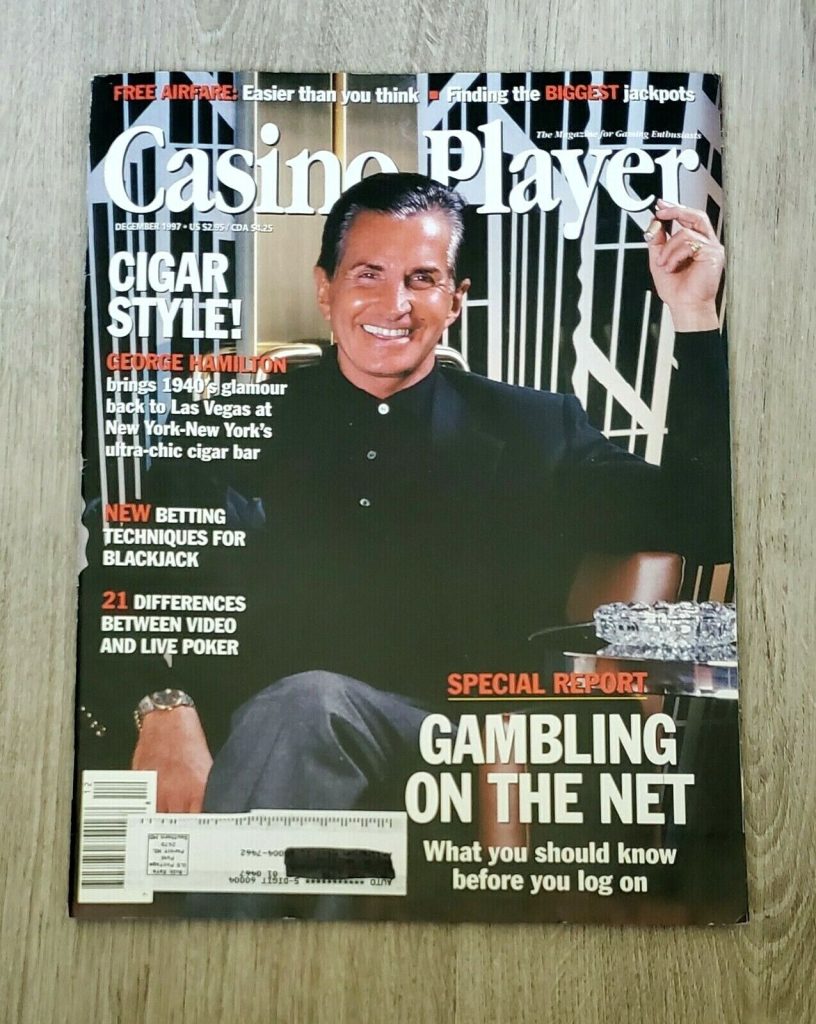
George Hamilton
George Hamilton
George Hamilton
George Hamilton


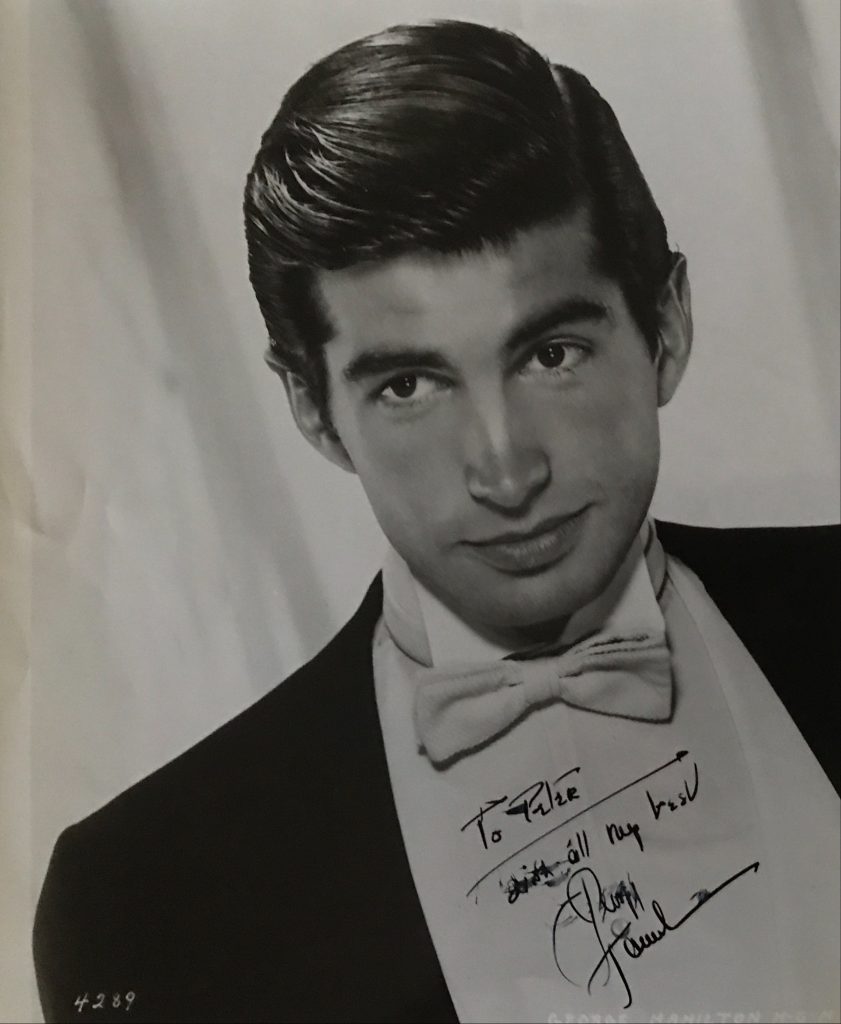
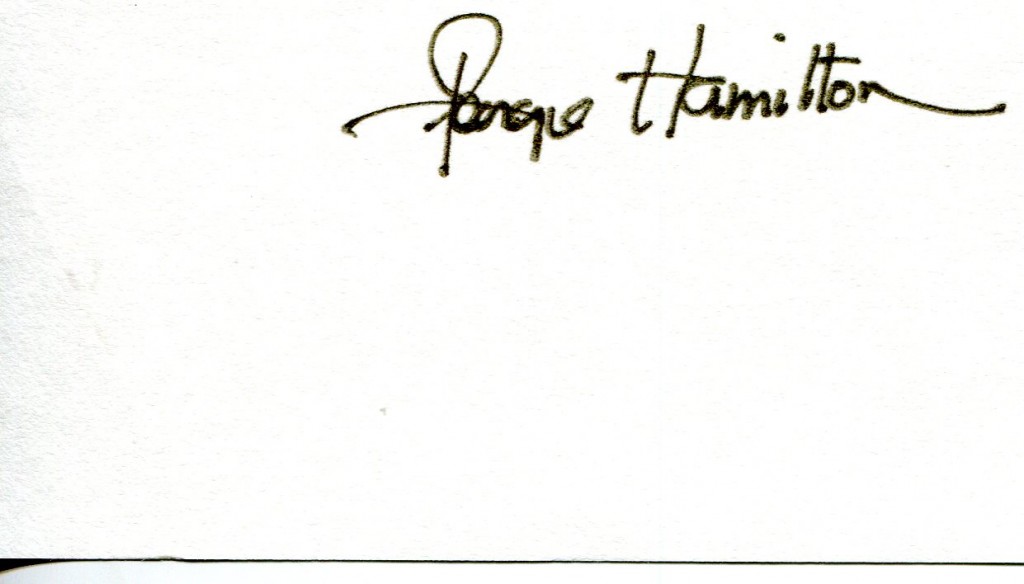
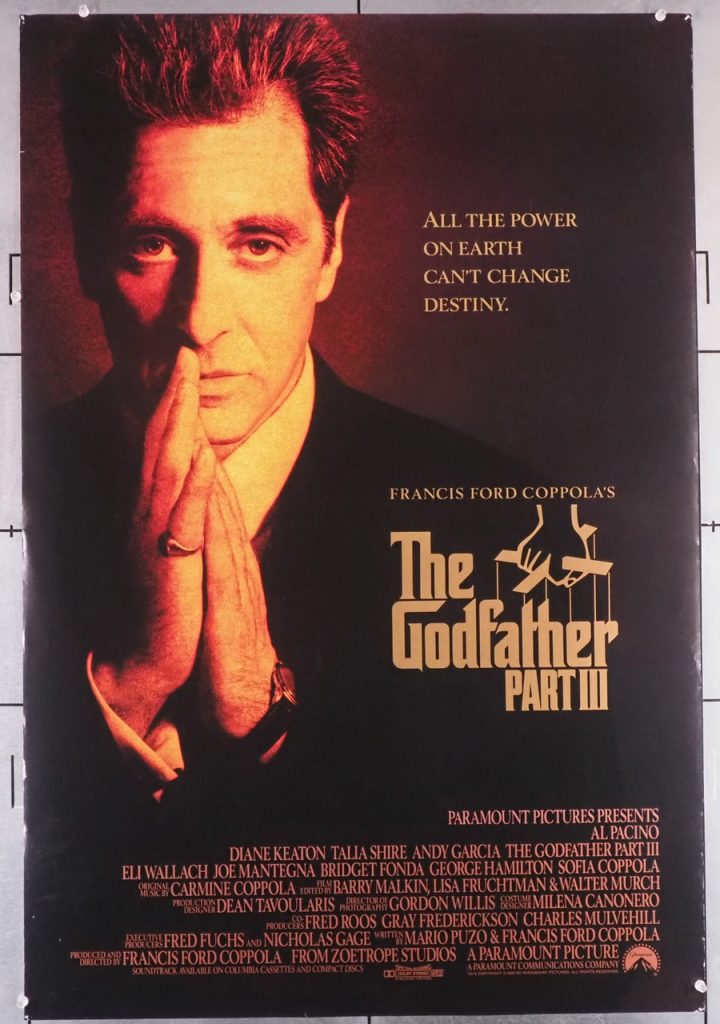
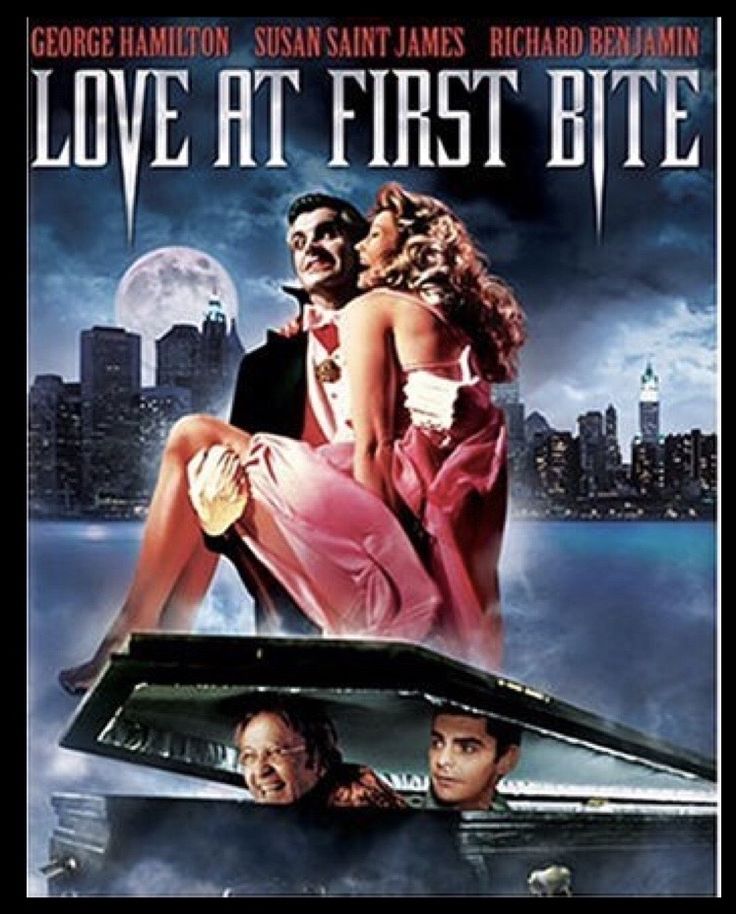
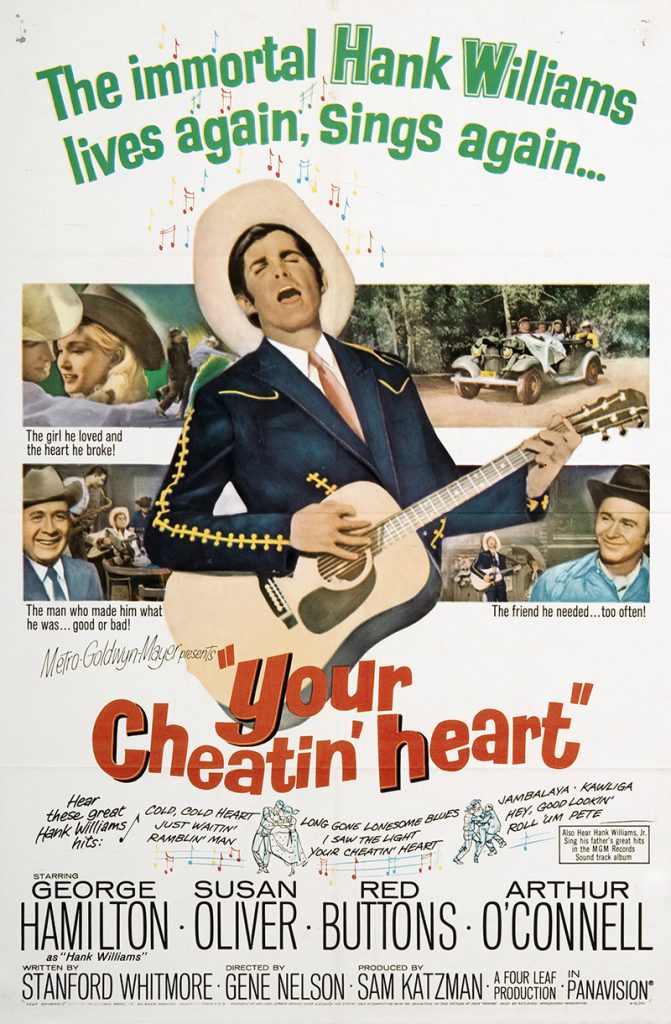
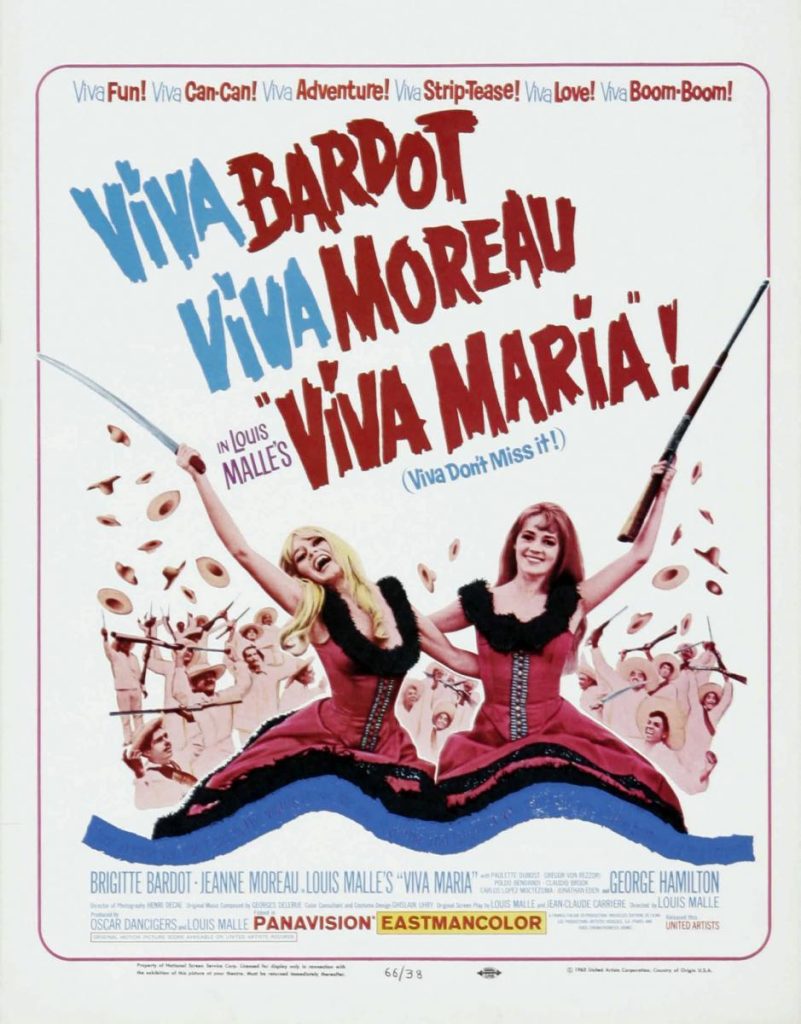
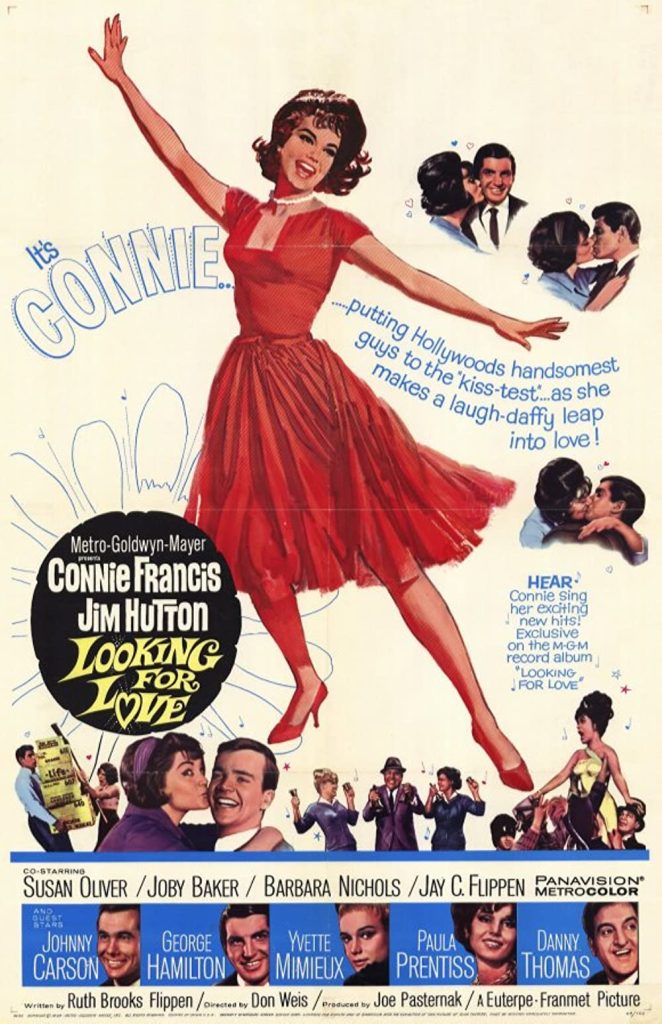
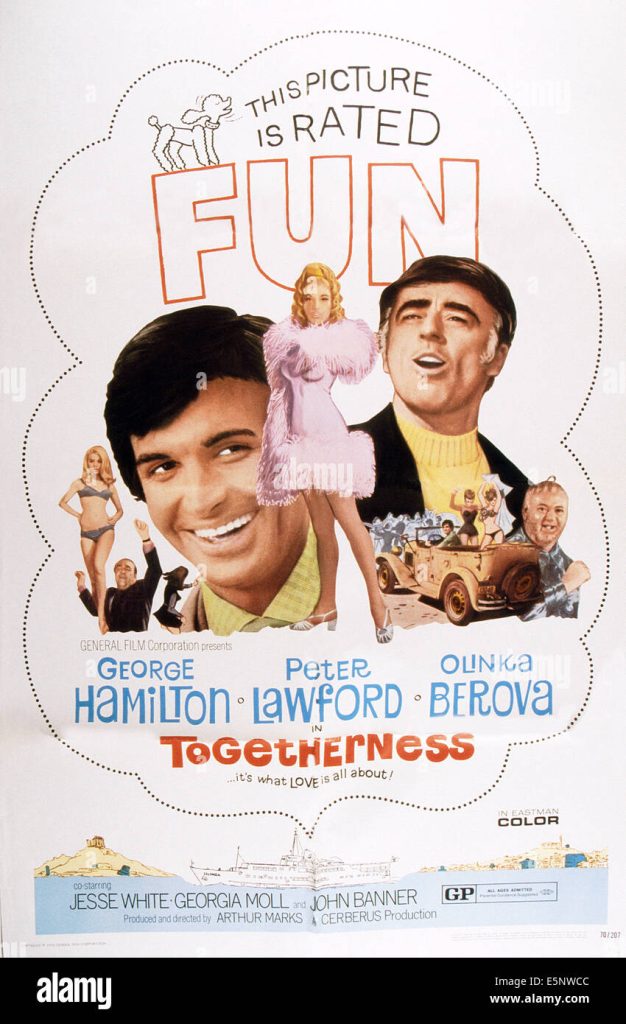
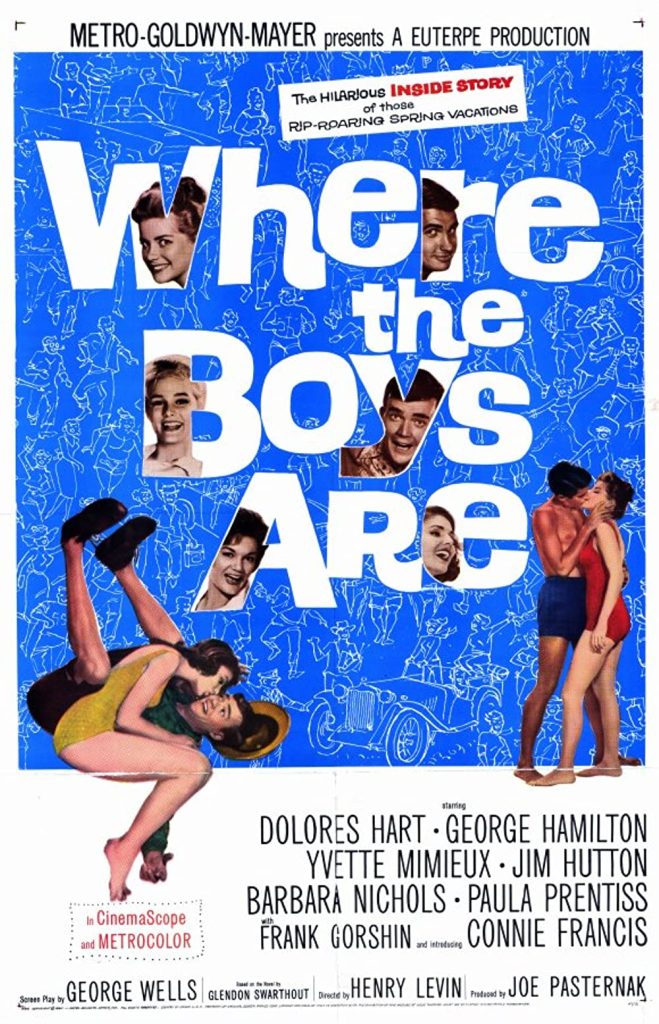
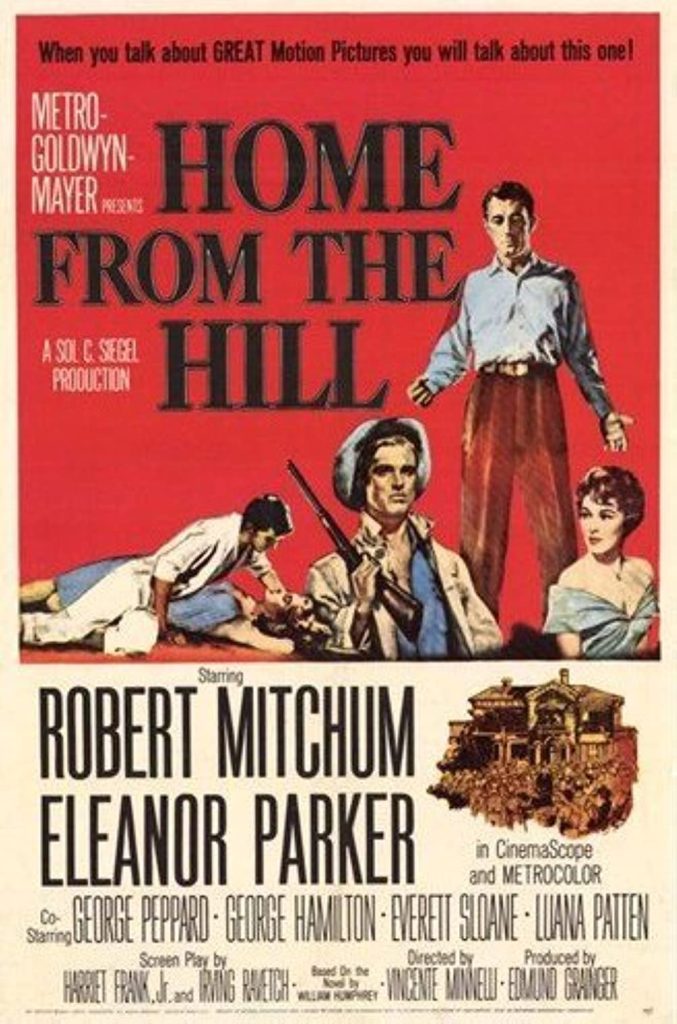
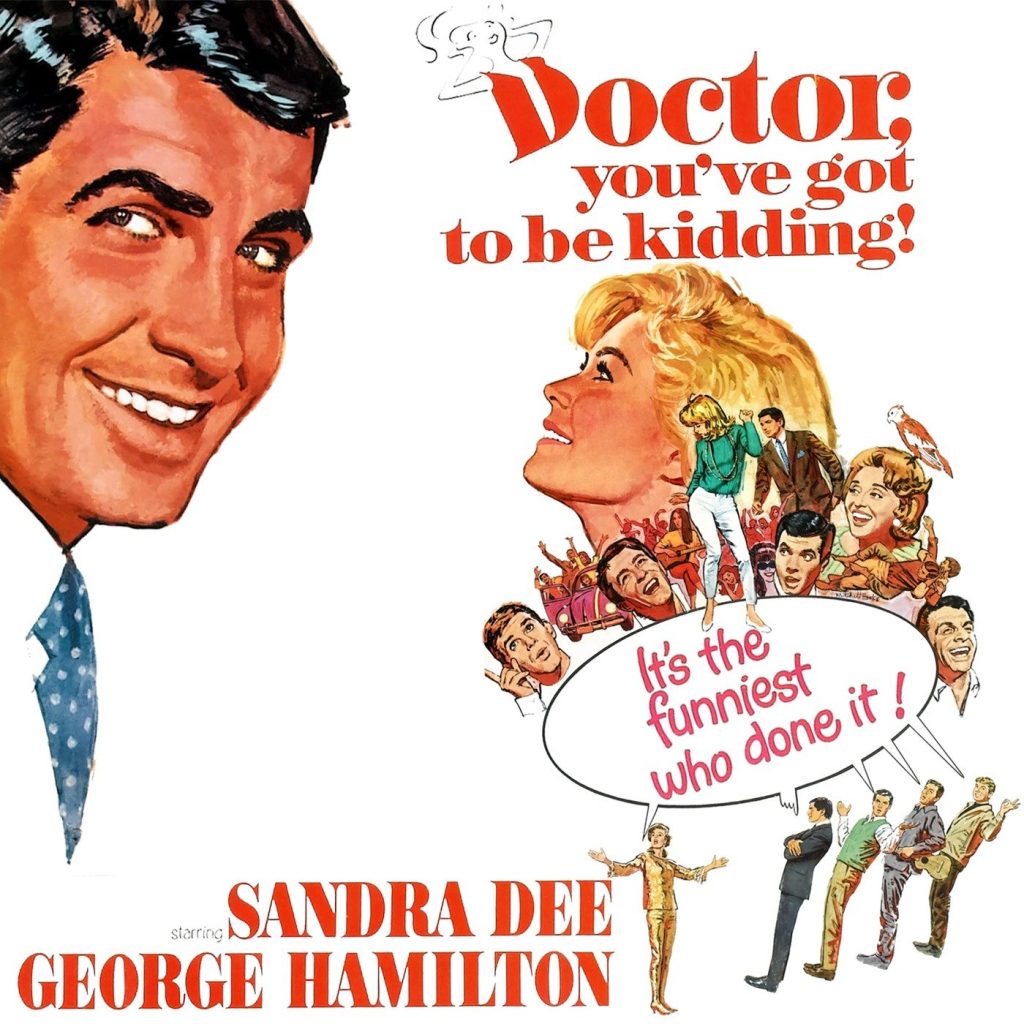
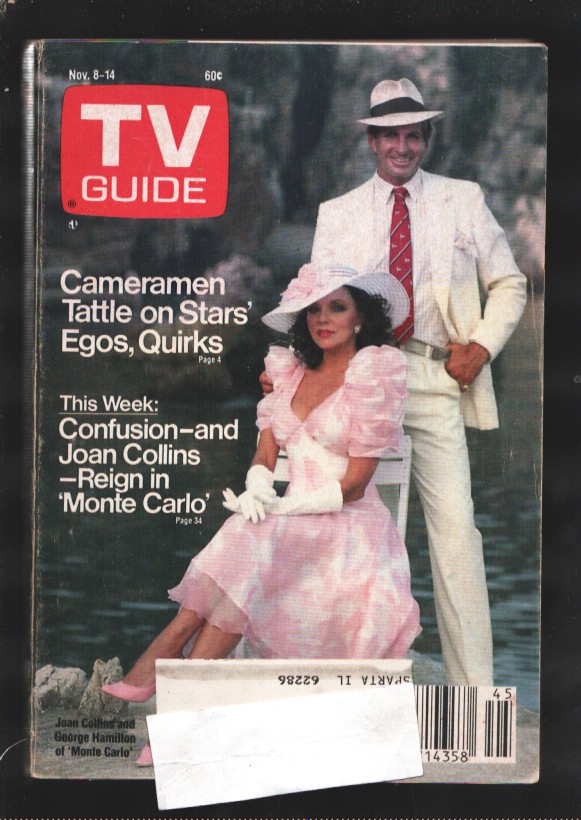
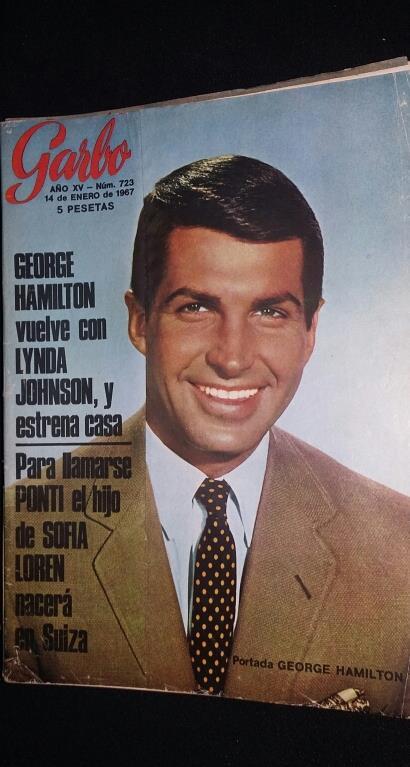
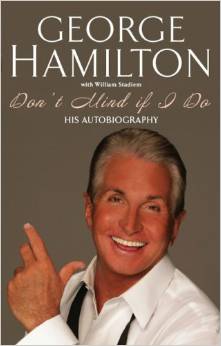
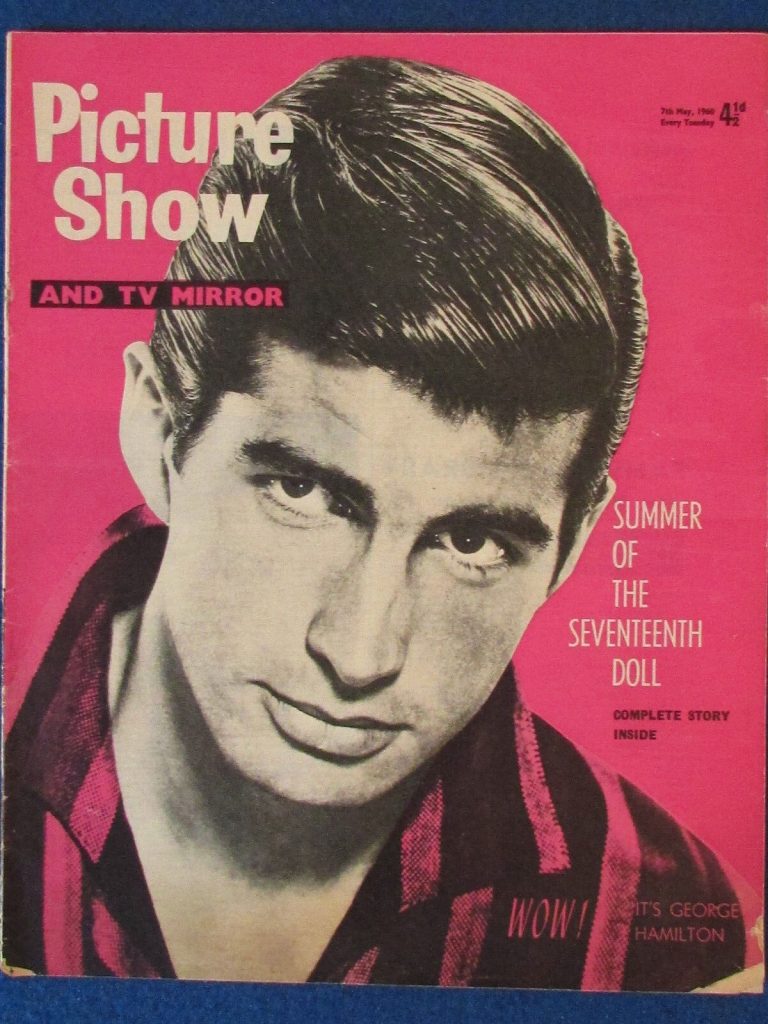
George Hamilton was born in Memphis in 1939.   “Whwrw the Boys Are” released in 1960 ith Dolores Hart and Connie Francis was his first film lead role to achieve major recognition.   He was also noticed in “Home from the Hill” a lurid melodrama where he was the weakish son of Robert Mitchum and Eleanor Parker.   In 1979 he had an un expected major hit with “Love at First Bite” a spoof of the Dracula films.    He followed this movie with another succesful film “Zorro the Gay Blade”.   However he did not sustain his career momentum as a leading man and began to take television roles.   In 1990 he was featured in “The Godfather Part 3”.   He has recently published his autobiography “I’m a Celebrity, Get Me Out of Here” which won praise for it’s self-deprecating humour.  A “MailOnline” interview with George Hamilton can be accessed here.

Gary Brumburgh’s entry:

Noted these days for his dashing, sporting, jet-setter image and perpetually bronzed skin tones in commercials, film spoofs and reality shows, George Hamilton was, at the onset, a serious contender for dramatic film stardom. Born George Stevens Hamilton IV in Memphis, TN, on August 12, 1939, the son of gregarious Southern belle beauty Ann Potter Hamilton Hunt Spaulding, whose second husband (of four) was George Stevens “Spike” Hamilton, a touring bandleader. Moving extensively as a youth due to his father’s work (Arkansas, Massachusetts, New York, California), young George got a taste of acting in plays while attending Palm Beach High School. With his exceedingly handsome looks and attractive personality, he took a bold chance and moved to Los Angeles in the late 1950s.

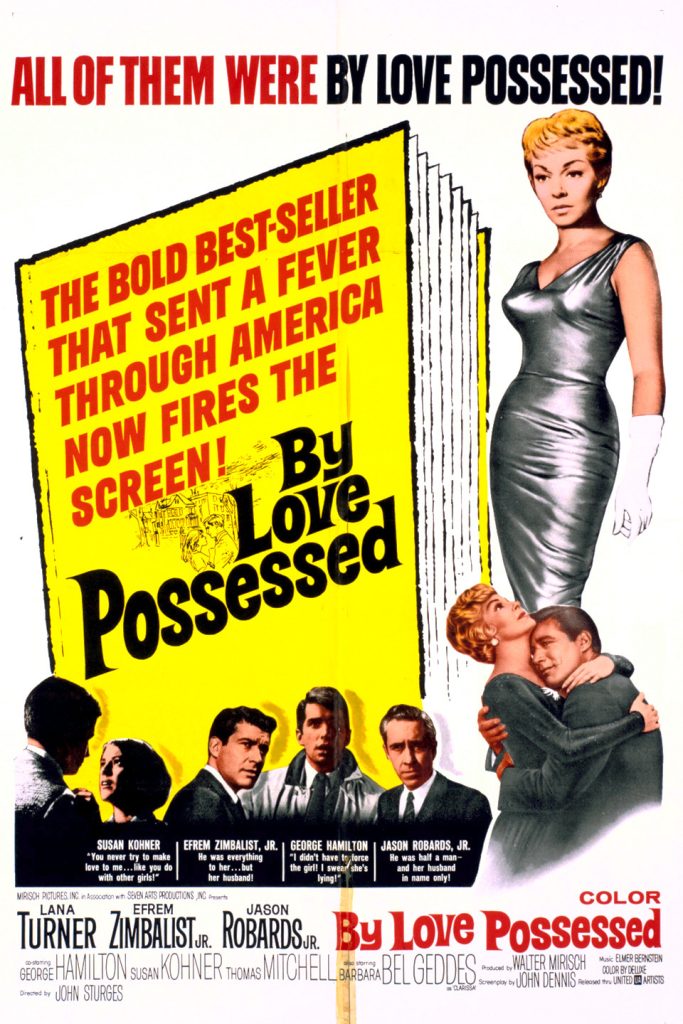
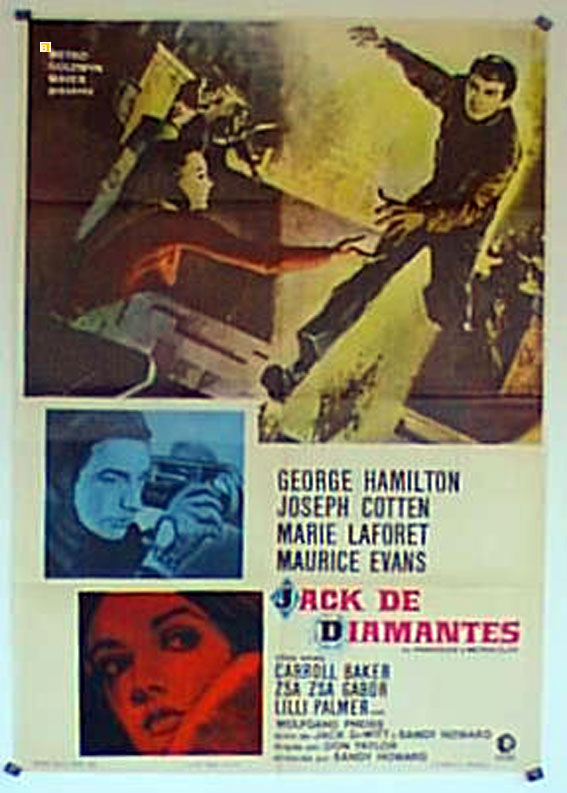
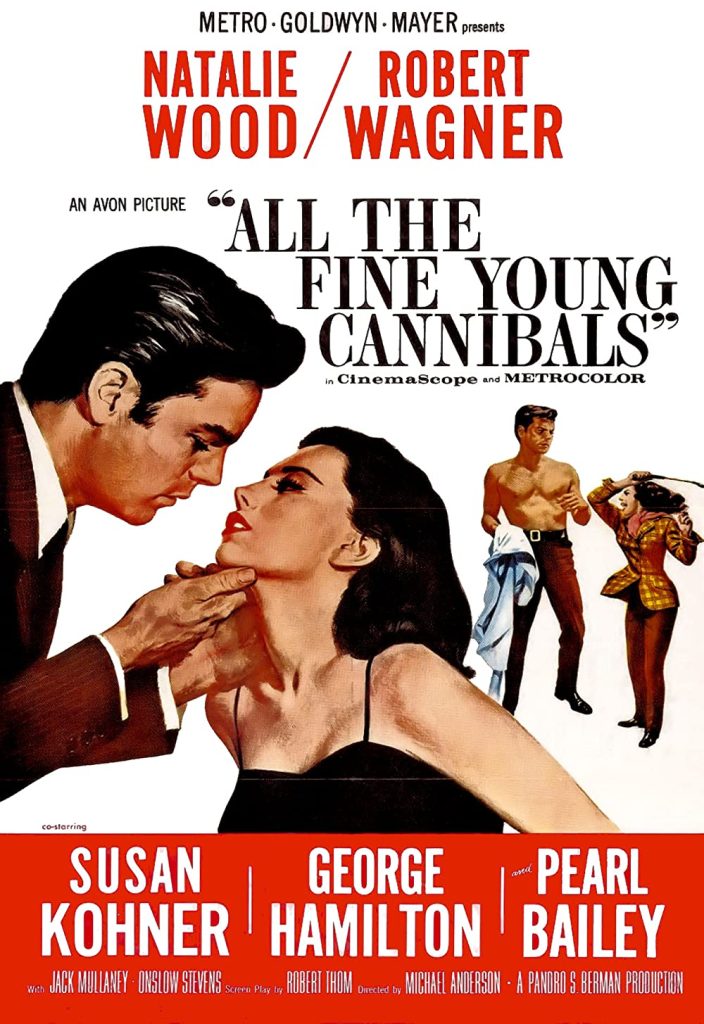
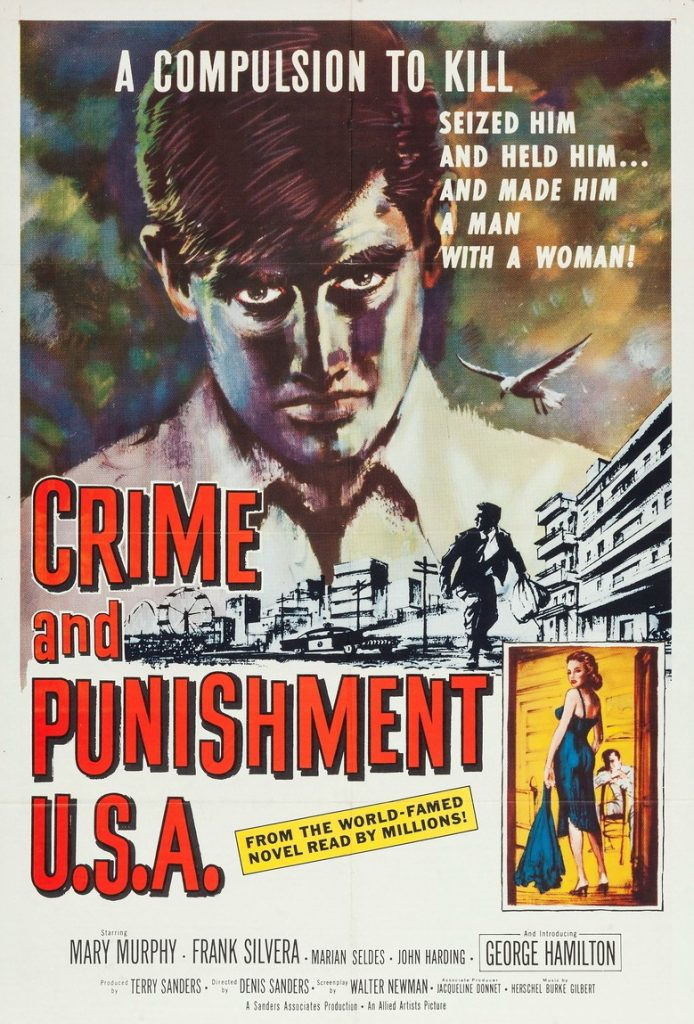
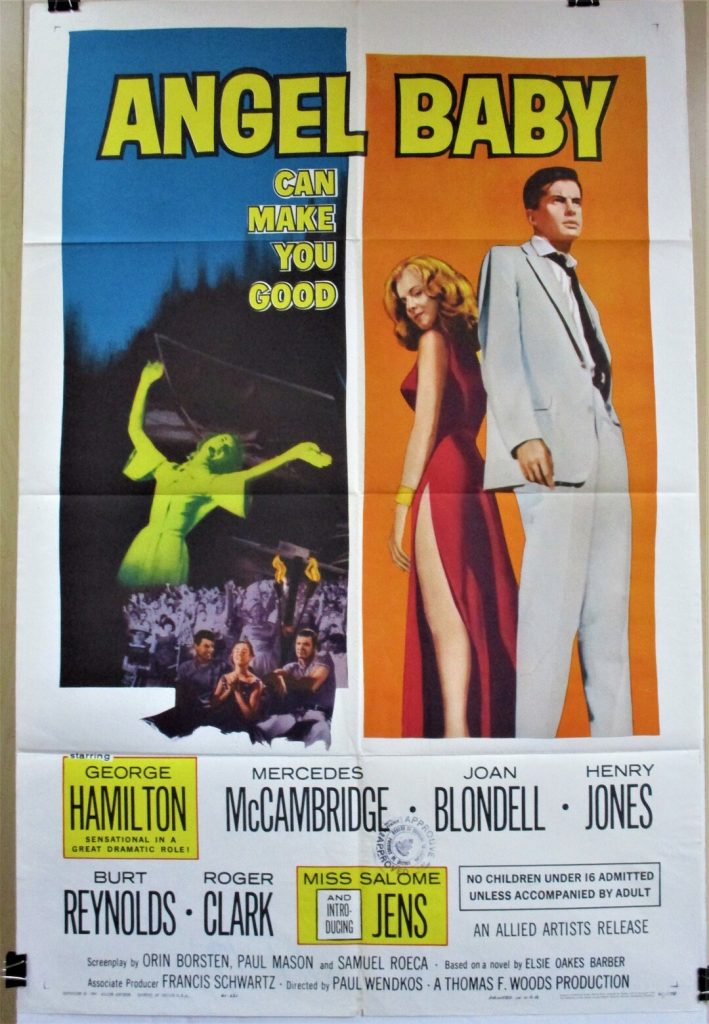
MGM (towards the end of the contract system) saw in George a budding talent with photogenic appeal. It wasted no time putting him in films following some guest appearances on TV. His first film, a lead in Crime & Punishment, USA (1959), was an offbeat, updated adaptation of the Fyodor Dostoevsky novel. While the film was not overwhelmingly successful, George’s heartthrob appeal was obvious. He was awarded a Golden Globe for “Most Promising Newcomer” as well as being nominated for “Best Foreign Actor” by the British Film Academy (BAFTA). This in turn led to an enviable series of film showcases, including the memorable Southern drama Home from the Hill (1960), which starred Robert Mitchum and Eleanor Parker and featured another handsome, up-and-coming George (George Peppard); Angel Baby (1961), in which he played an impressionable lad who meets up with evangelist Mercedes McCambridge; and Light in the Piazza (1962) (another BAFTA nomination), in which he portrays an Italian playboy who falls madly for American tourist Yvette Mimieux to the ever-growing concern of her mother Olivia de Havilland. Along with the good, however, came the bad and the inane, which included the dreary sudsers All the Fine Young Cannibals (1960) and By Love Possessed (1961) and the youthful spring-break romps Where the Boys Are (1960), which had Connie Francis warbling the title tune while slick-as-car-seat-leather George pursued coed Dolores Hart, and Looking for Love (1964), which was more of the same.

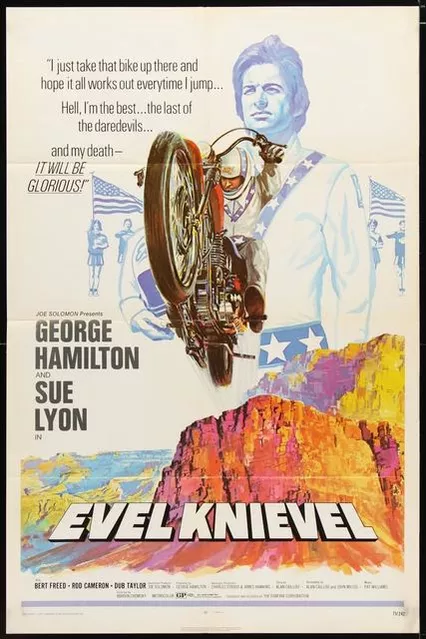
Not yet undone by this mixed message of serious actor and glossy pin-up, George went on to show some real acting muscle in the offbeat casting of a number of biopics — asMoss Hart in Act One (1963), an overly fictionalized and sanitized account of the late playwright (the real Moss should have looked so good!), as ill-fated country star Hank Williams in Your Cheatin’ Heart (1964), and as the famed daredevil Evel Knievel (1971).

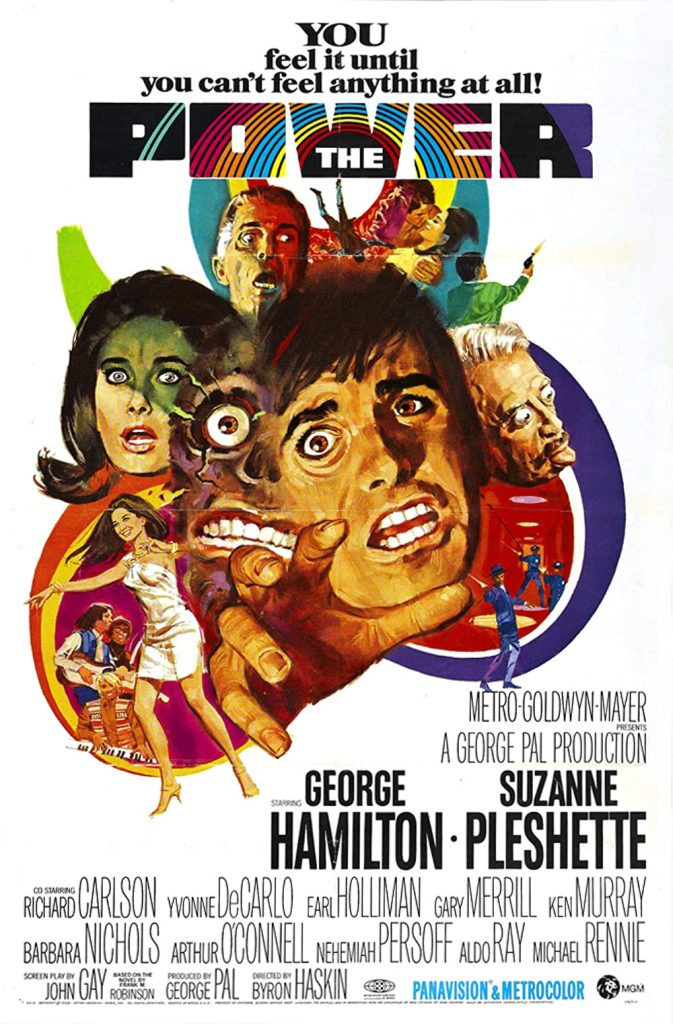
The rest of the ’60s and ’70s, however, rested on his fun-loving, idle-rich charm that bore a close resemblance to his off-camera image in the society pages. As the 1960s began to unfold, he started making headlines more as a handsome escort to the rich, the powerful and the beautiful than as an acclaimed actor — none more so than his 1966 squiring of President Lyndon Johnson‘s daughter Lynda Bird Johnson. He was also once engaged to actress Susan Kohner, a former co-star. Below-average films such as Doctor, You’ve Got to Be Kidding! (1967), A Time for Killing (1967) and The Power (1968) effectively ended his initially strong ascent to film stardom.

From the 1970s on George tended to be tux-prone on standard film and TV comedy and drama, whether as a martini-swirling opportunist, villain or lover. A wonderful comeback for him came in the form of the disco-era Dracula spoof Love at First Bite (1979), which he executive-produced. Nominated for a Golden Globe as the campy neck-biter displaced and having to fend off the harsh realities of New York living, he continued on the parody road successfully with Zorro: The Gay Blade (1981) in the very best Mel Brooks tradition.

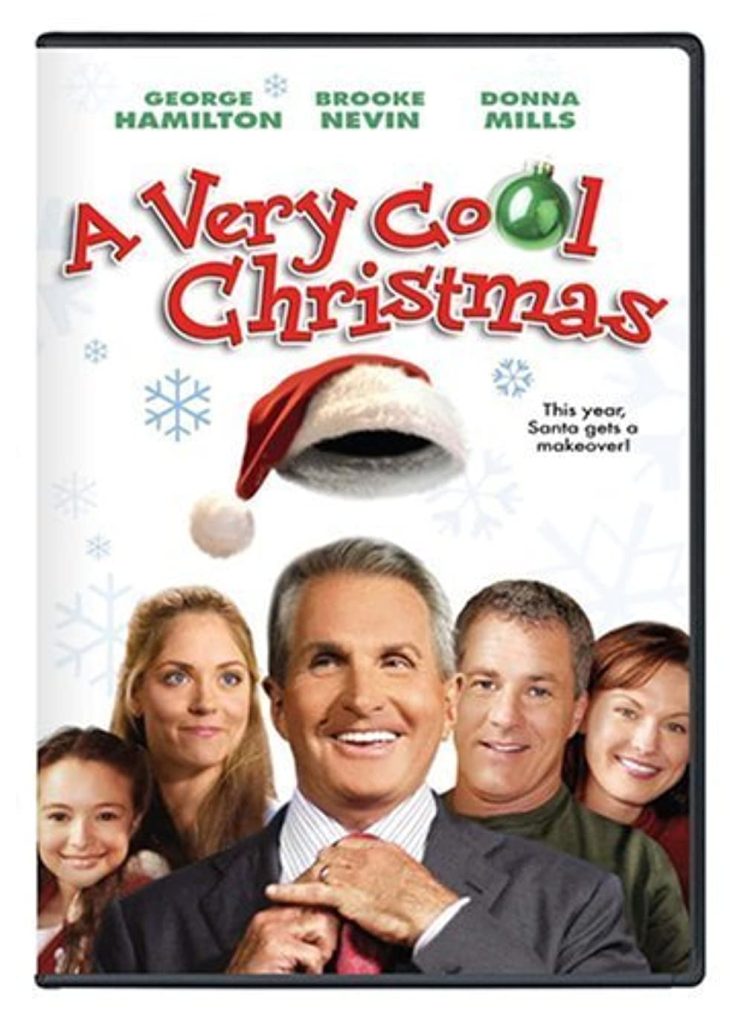
This renewed popularity led to a one-year stint on Dynasty (1981) during the 1985-1986 season and a string of fun, self-mocking commercials, particularly his Ritz Cracker and (Toasted!) Wheat Thins appearances that often spoofed his overly tanned appearance. In recent times he has broken through the “reality show” ranks by hosting The Family(2003), which starred numerous members of a traditional Italianate family vying for a $1,000,000 prize, and participating in the second season of ABC’s Dancing with the Stars(2005), where his charm and usual impeccable tailoring scored higher than his limberness. On the tube he can still pull off a good time, whether playing flamboyant publisher William Randolph Hearst in Rough Riders (1997), playing the best-looking Santa Claus ever in A Very Cool Christmas (2004), hosting beauty pageants or making breezy gag appearances.

– IMDb Mini Biography By: Gary Brumburgh / gr-home@pacbell.net


Geoffrey Horne
Geoffrey Horne
Geoffrey Horne
Geoffrey Horne
Geoffrey Horne

Geoffrey Horne. (Wikipedia)

Geoffrey Horne was born in 1933 and is an American actor, director, and acting coach at the Lee Strasberg Theatre and Film Institute. His screen credits include The Bridge on the River KwaiBonjour TristesseThe Strange OneTwo PeopleThe Twilight Zone episode “The Gift” in 1962, and as Wade Norton in “The Guests” episode of The Outer Limits.

Horne was born in Buenos Aires of American parents (his father was a businessman in the oil trade). When he was five he went to live with his mother in Havana. Ten years later he was sent to “a little school in New England for troubled children,” in his words. He attended the University of California, where he decided to be an actor.

Horne moved to New York where he appeared in an off-Broadway flop, then began to get regular work on television, including an adaptation of Billy Budd. He also joined the Actor’s Studio.

In July 1956, Horne successfully auditioned for a small role in The Strange One (1957), whose cast was composed entirely Actors’ Studio alumni. The film was not a huge hit but was widely acclaimed; it was marked the film debut of Ben Gazzara and George Peppard.

The film was produced by Sam Spiegel who then cast Horne in a role in Bridge on the River Kwai in January 1957.

Spiegel also signed Horne to a long term contract – one film a year for five years. “I know Sam wouldn’t send me down the river,” said Horne. “He’s a man of great taste and talent. And the best of the independents to be linked up with, what with all the old-time studio executive types on the way out… I’m not sure I have what it takes to be a star… Time will tell.”

Otto Preminger borrowed him for a role in Bonjour Tristesse but he would make no further films with Spiegel. He then made Tempest in Yugoslavia.[6]

A life member of the Actors Studio, Horne was almost cast as Bud Stamper in Splendor in the Grass by the film’s director, Studio co-founder Elia Kazan, but the role eventually went instead to Warren Beatty. Around the same time, Horne was also auditioned by Federico Fellini for the lead in La Dolce Vita, which ultimately went to Marcello Mastroianni.

In 1980, he appeared in a New York production of Richard III. In 1981, he joined the cast of Merrily We Roll Along, and became the oldest cast member. He appeared as Dr. Bird in The Caine Mutiny Court Martial produced by the Stamford Center for the Arts in 1983.

Grant Williams

Grant Williams is best rememberd for his lead performance in the cult science-fiction classic “The Incredible Shrinking Man” which was released in 1957.   He was born in 1931 in New York City and began acting as a student with the Actor’s Studio.  

His other films of interest was “Four Girls in Town”, “Written on the Wind” and “Susan Slade”.   Grant Williams died in 1985 aged 53.   To view article on Grant William’s career, please click here.

Grant Williams
John Drew Barrymore

John Drew Barrymore obituary in “People” magazine.

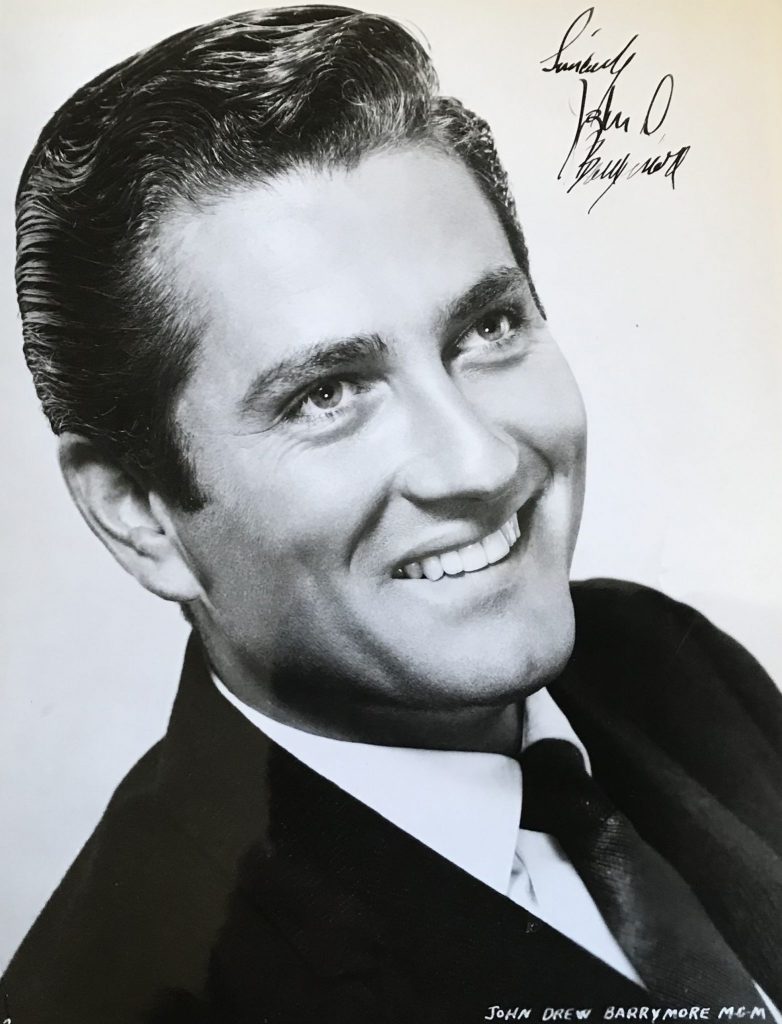
Sporadic actor John Drew Barrymore, perhaps best known as the absentee father of Drew Barrymore, died Monday in Los Angeles. He was 72.

No cause or details of his passing were released.

In a statement issued by her publicist, Drew, 29, said: “He was a cool cat. Please smile when you think of him.”

John Drew Barrymore’s parents were actress Dolores Costello and the fabled John Barrymore, who was part of a stage and screen dynasty that included brother Lionel Barrymore and sister Ethel Barrymore.

Drew’s grandfather was the colorful Barrymore – as famous for his magnificent profile as he was for his boozing. He died of pneumonia and cirrhosis of the liver in 1942, though, by then, he had been divorced from Costello since 1935, when their son was barely 3. John Drew, sometimes known as John Jr., claimed he saw his father only once.

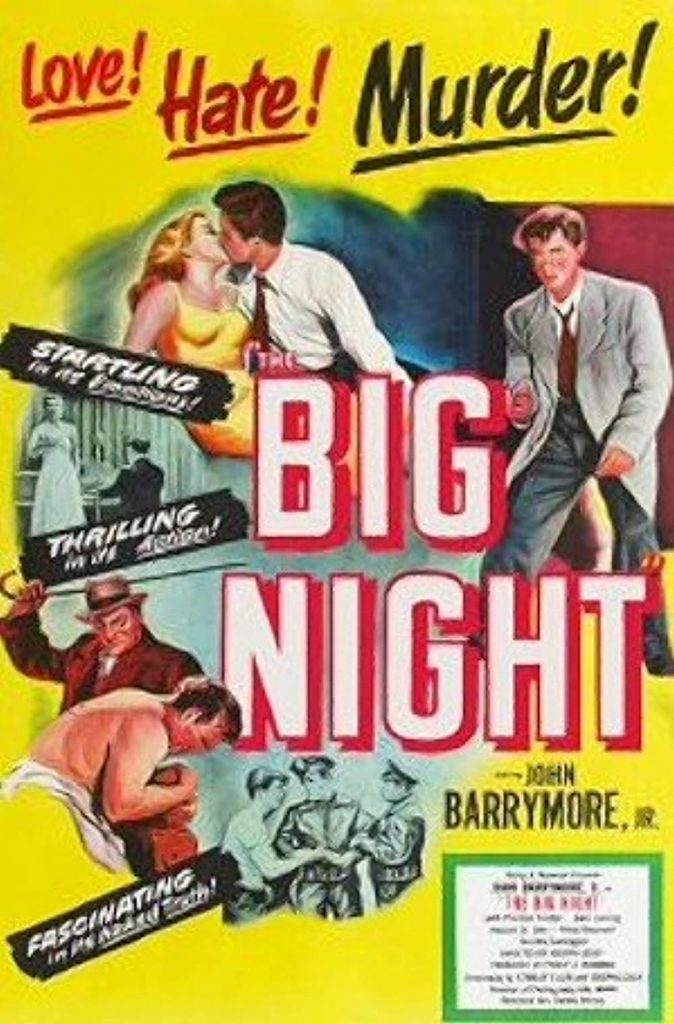
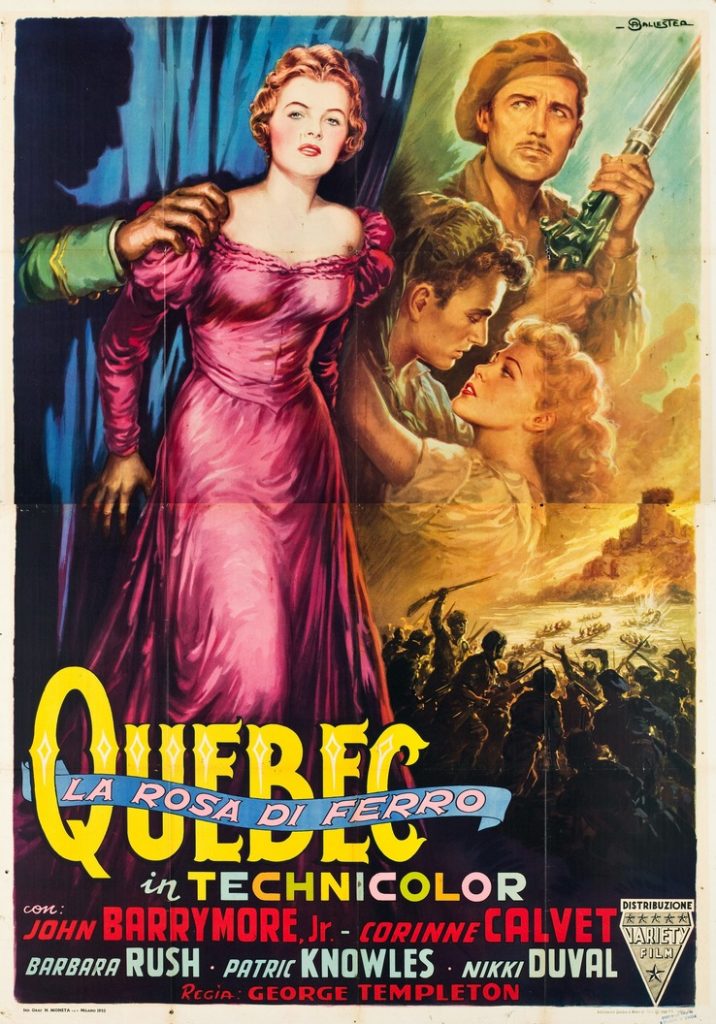
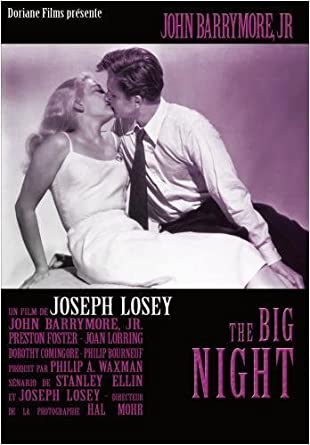
In the ’50s, John Drew, already battling well-publicized liquor and drug problems, appeared in such movies as The Sundowners, High Lonesome, Quebec, The Big Night, Thunderbirds andWhile the City Sleeps.

He frequently dropped out of projects, however, or arrived on the set late and unprepared. There were also problems with drunken driving and domestic violence. “I’m not a nice, clean-cut American kid at all,” he told the Associated Press in 1962, by which time he had left Hollywood to make movies in Europe. “I’m just a human being. Those things just happen.”

Drew Barrymore was his daughter by his third wife, Ildiko Jaid Barrymore. He is also survived by John D. Barrymore, a son by his first wife, actress Cara Williams (the 1960 sitcom Pete and Gladys). Barrymore’s second wife was Gaby Palazzolo. All three unions ended in divorce.