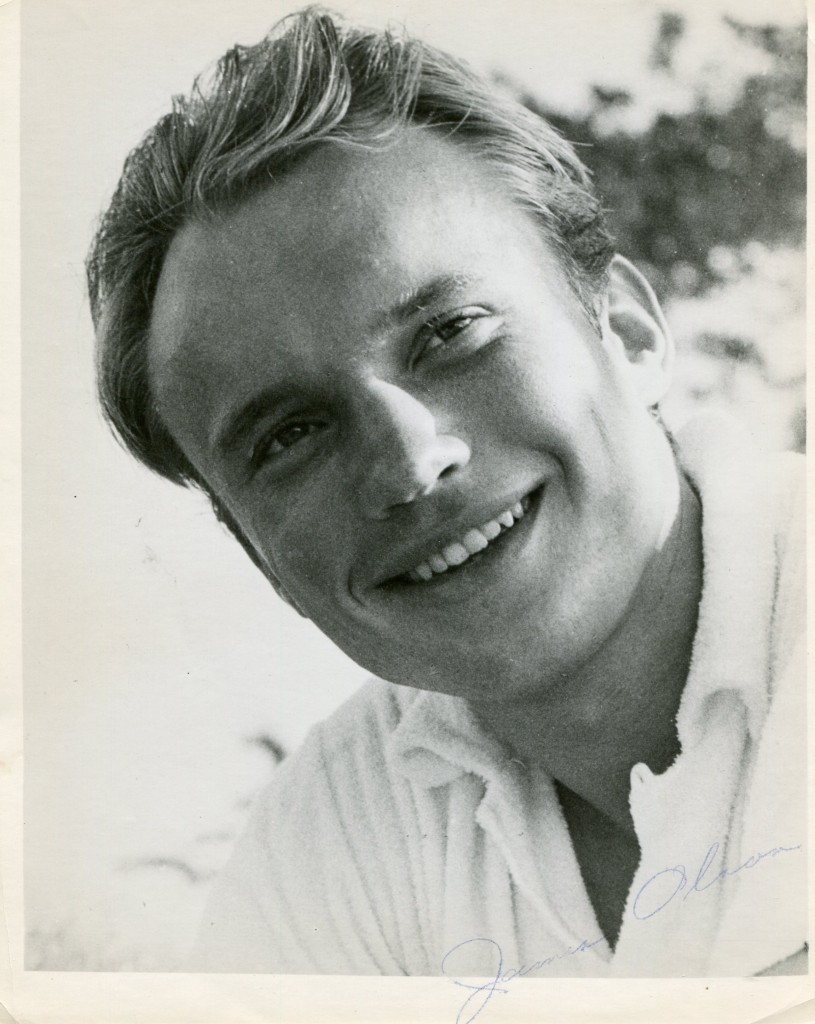
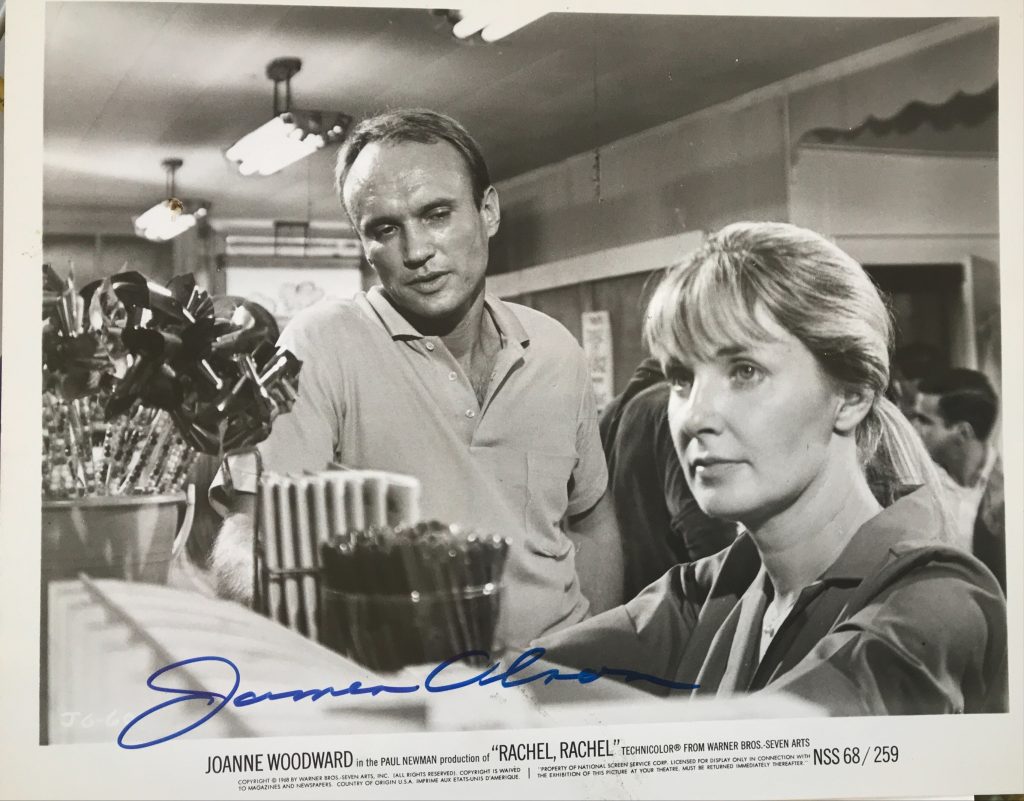
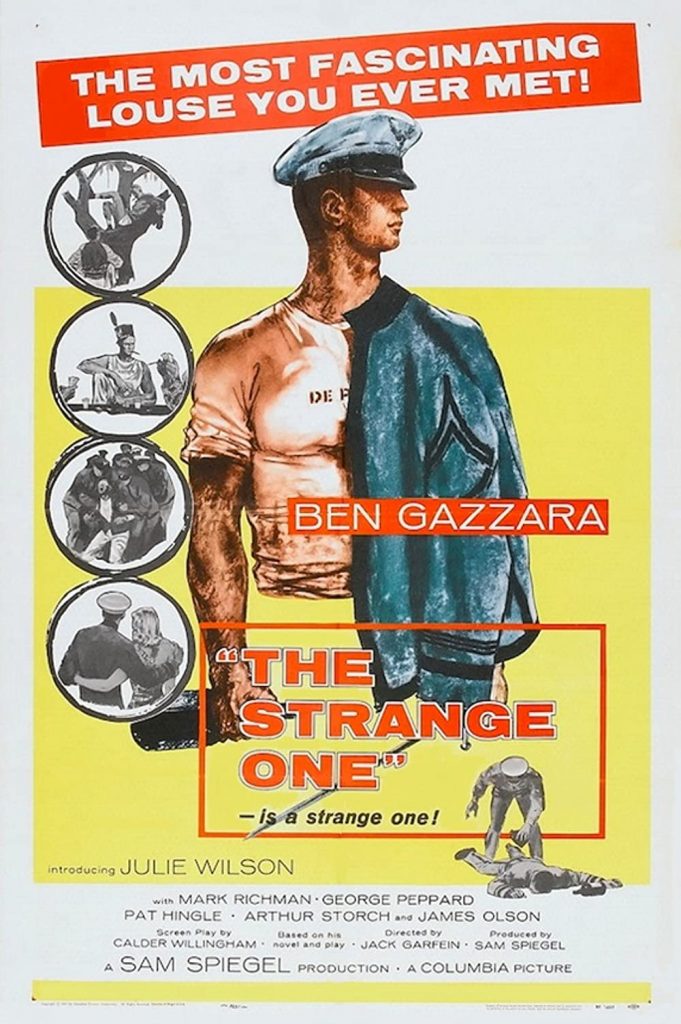
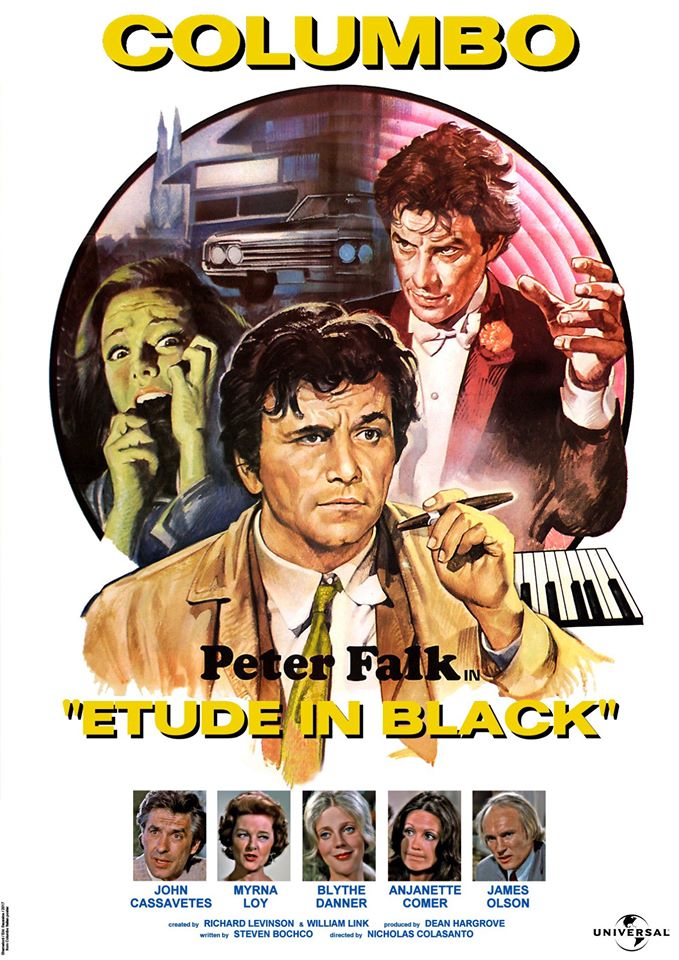
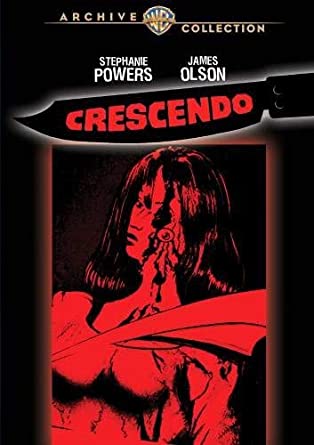
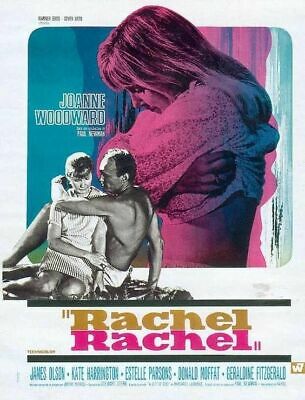
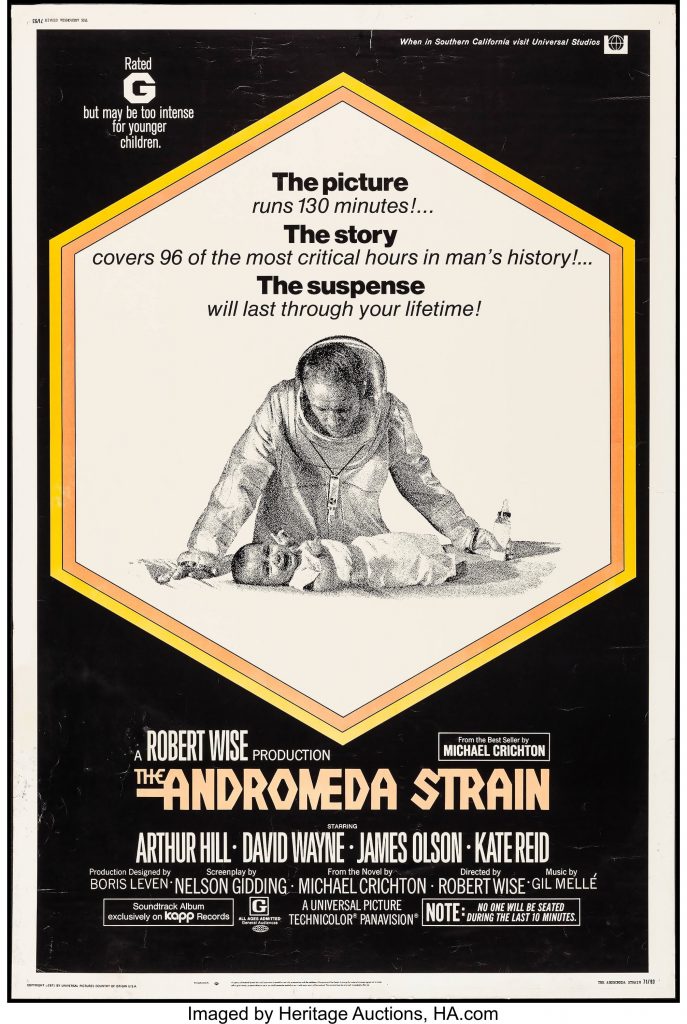
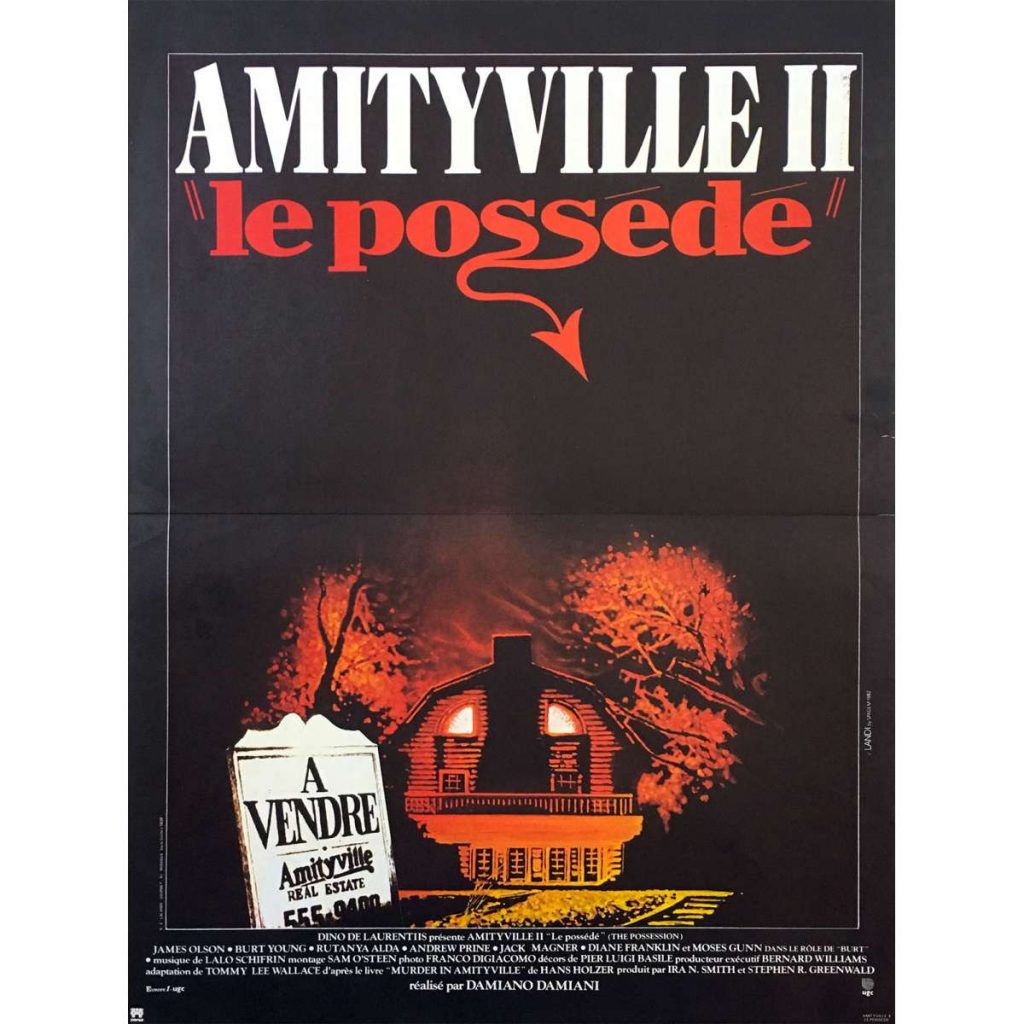
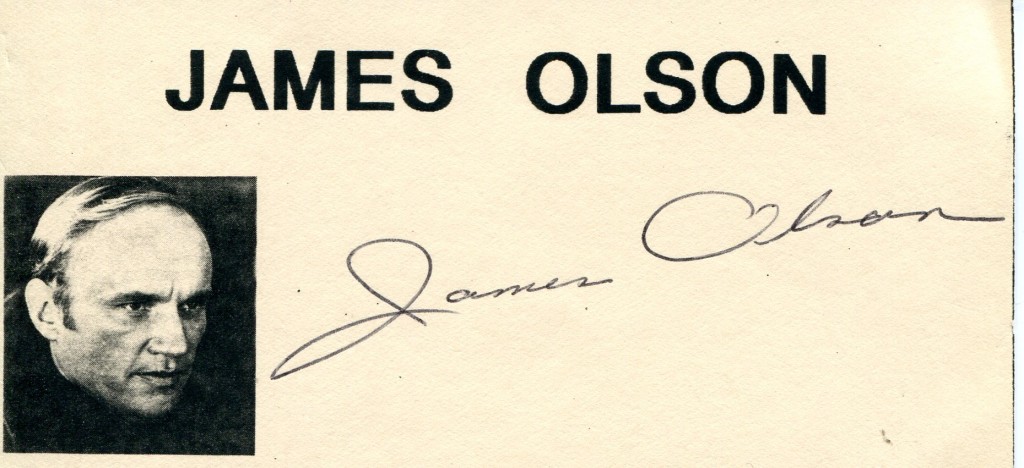
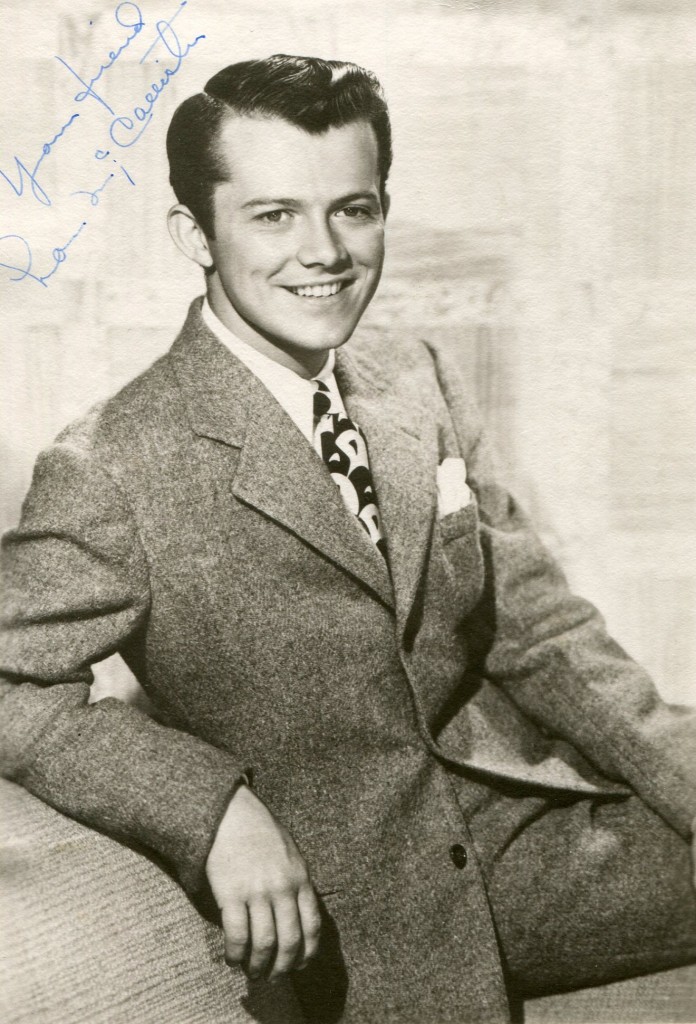
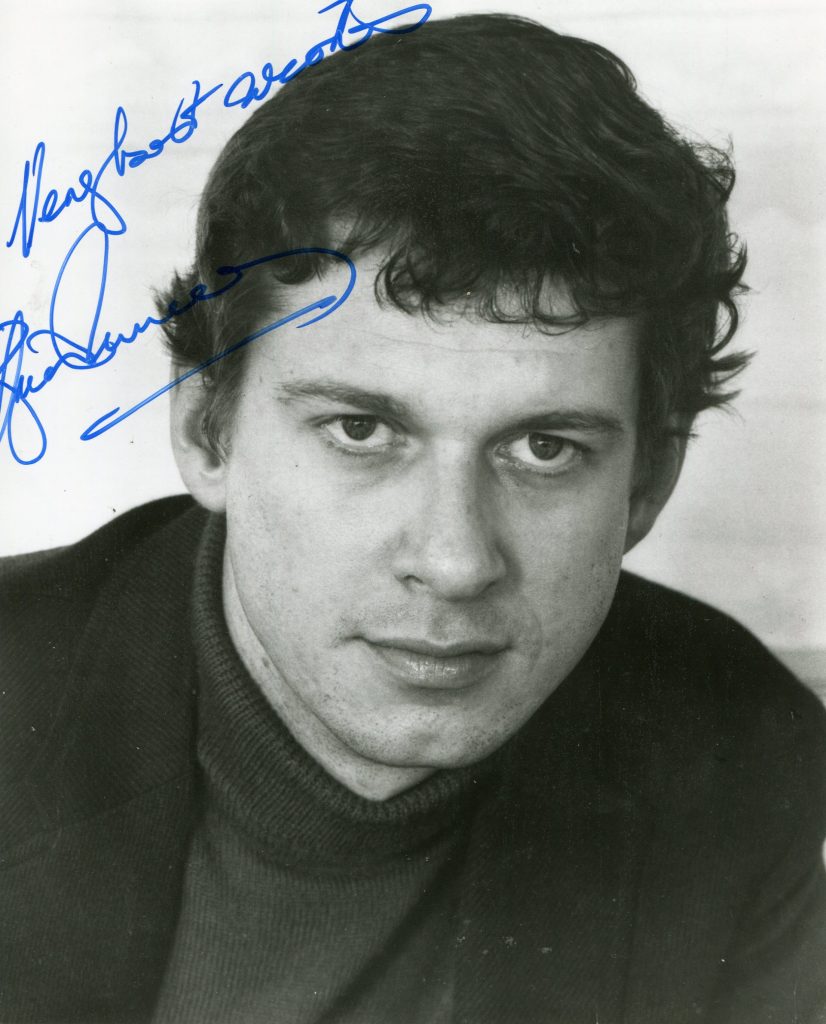
James Olson was born in 1930 in Evanston, Illinois. He is a graduate of Northwestern University. His first film was “The Strange One” with Ben Gazzara in 1957. He us especially remembered for his performance opposite Joanne Woodward in “Rachel, Rachel”. His last TV performance was in a 1990 episode of “Murder She Wrote”.
Gary Brumburgh’s entry:
He was a Chicago-based stage actor by the time he began his film career in the forgettable action drama The Sharkfighters (1956).
A reedy, sensitive-looking blond, James Olson showed an understated power in his performances that often received critical applause, but also a taciturn personality that kept audiences at bay.
His performance as Joanne Woodward’s suitor in Rachel, Rachel (1968) gained him the best reviews of his career and it seemed he had finally earned his stripes, but despite impressive parts in The Andromeda Strain (1971) and Ragtime (1981), not to mention the TV-movies The Family Nobody Wanted (1975) and “The Court-Martial of George Armstrong Custer (1977), he never made a name for himself.
James Olson
A durable talent, he remained a reliable presence for years with TV guest spots, but by the 1990s he had all but disappeared.
– IMDb Mini Biography By: Gary Brumburgh / gr-home@pacbell.net
James Olson died in 2022.
Obituary in 2022:
Olson was born in Evanston, Illinois, and graduated from Northwestern, where he first joined the theater. He is survived by two nieces, a nephew, and three grandnephews
James Olson (1930–2022) was the quintessential “actor’s actor.” While he never became a household name on the level of his contemporaries like Paul Newman or Robert Redford, he possessed a chillingly precise, cerebral screen presence that made him a favorite of elite directors.
He was often cast as the intellectual, the high-ranking official, or the “cold” professional—characters whose interior lives were guarded by a stiff upper lip and a sharp mind.
Key Career Highlights
Work
Role
Significance
The Andromeda Strain (1971)
Dr. Mark Hall
His most iconic role; the “surgeon with the key” who anchors the hard sci-fi realism.
Rachel, Rachel (1968)
Nick Kazlik
Directed by Paul Newman; Olson plays the catalyst for Joanne Woodward’s emotional awakening.
The Moon-Spinners (1964)
Mark Camford
A rare turn as a romantic/adventure lead for Disney opposite Hayley Mills.
The Great White Hope (1970)
Kid Francis
Showcased his ability to hold his own in high-intensity ensemble dramas.
Star Trek (1968)
Kelinda (“By Any Other Name”)
A cult-classic guest appearance as an alien Kelvan.
Critical Analysis of His Craft
1. The “Ice-Cold” Intellectualism
Olson’s greatest strength was his minimalism. In an era where many actors were leaning into the explosive “Method” style, Olson often went the other way. In The Andromeda Strain, he portrays Dr. Mark Hall not as a swashbuckling hero, but as a weary, slightly cynical professional. His performance is built on technical accuracy and a reserved temperament, which grounded the film’s high-concept premise in believable reality.
2. The Vulnerability Beneath the Starch
His performance in Rachel, Rachel is arguably his best character work. He plays a man who is worldly and perhaps a bit manipulative, yet Olson manages to inject a sense of genuine human connection that makes the heartbreak palpable. He was a master at playing men who were uncomfortable with their own emotions, making the moments they did break through all the more impactful.
3. The Character Actor in Leading Man’s Clothing
Olson had the jawline and stature of a traditional leading man, but his sensibilities were those of a character actor. He lacked the “everyman” warmth required for superstardom in the 1970s, which often resulted in him being cast as:
The Bureaucrat: High-ranking military or government officials.
The Antagonist: Not a “mustache-twirling” villain, but a logical, often cold-blooded adversary.
The Specialist: Doctors, scientists, or experts whose brilliance isolated them from others.
The Legacy of the “Quiet Professional”
James Olson’s career serves as a masterclass in understatement. He belonged to a generation of theater-trained actors who transitioned to film with a profound respect for the text.
“Olson didn’t need to shout to command a room; his silence was often his most powerful tool. He represented a specific type of mid-century American masculinity: educated, repressed, and intensely capable.”
While he retired from acting in the early 1990s, his work—particularly in the realm of science fiction and psychological drama—remains a benchmark for actors who wish to project intelligence without saying a word
James Olson was a staple of the “Golden Age” of episodic television. While he never headlined his own long-running series, his presence was often a signal to the audience that they were watching a “prestige” episode. He specialized in playing men of high intelligence who were often compromised by ego, clinical detachment, or a singular, dangerous obsession.
The “Guest Star” Archetypes
In guest roles, Olson typically fell into three distinct categories:
1. The Superior Alien or “Other”
Olson’s naturally regal, somewhat detached bearing made him perfect for non-human roles.
Star Trek: “By Any Other Name” (1968): As Rojan, the leader of the Kelvans from the Andromeda Galaxy. This is perhaps his most famous guest role. He played Rojan not as a monster, but as a hyper-logical conqueror who eventually discovers (and is overwhelmed by) human emotion. It is a masterclass in shifting from robotic stiffness to vulnerable confusion.
Battlestar Galactica: “The Gun on Ice Planet Zero” (1978): Playing Thane, a cynical convict whose expertise is needed for a suicide mission. He brought a “hard-boiled” noir energy to a space opera setting.
2. The High-Stakes Intellectual Antagonist
Olson was frequently cast as the man who was “too smart for his own good,” often serving as the intellectual foil to the show’s hero.
Columbo: “Étude in Black” (1972): As Paul Rifkin. In this classic episode, he plays the “victim-side” antagonist—the man whose murder (or involvement) triggers the investigation. He matched Peter Falk’s eccentricity with a sharp, brittle arrogance.
Hawaii Five-O: He appeared multiple times (most notably in “A Hawaiian Nightmare”), often playing meticulous criminals or men with technical expertise whose plans were undone by a single human variable they failed to calculate.
3. The Authority Figure with a Secret
His “stiff-upper-lip” persona made him a go-to for military or government roles where the character was hiding either a moral lapse or a mental breakdown.
The Bionic Woman / Wonder Woman / The Six Million Dollar Man: In these 70s action staples, he often played the “Specialist” or “Director”—the man in the suit who knows more than he’s letting on.
The Missiles of October (1974): As McGeorge Bundy. In this highly acclaimed TV movie/docudrama, Olson’s ability to portray high-level bureaucratic tension was used to great effect during the Cuban Missile Crisis.
Critical Analysis: Why He Worked
Olson’s television work was effective because he understood the economy of movement. On 1970s television, which often featured “big” acting and theatrical villains, Olson was a ghost.
The “Cold” Gaze: Olson had a way of looking through other actors. This made him genuinely intimidating in an intellectual sense. When he played a villain, you didn’t fear he would hit you; you feared he had already outthought you three steps ago.
Voice as an Instrument: He possessed a precise, mid-Atlantic accent that sounded authoritative and academic. He rarely raised his voice, which made his rare emotional outbursts (like Rojan’s frustration in Star Trek) feel like a seismic event.
The Tragic Arc: He was at his best when playing characters who believed they were in total control, only to have their logic fail them. His “guest star” career is essentially a long series of portraits of the “Hubris of Man.”
Notable “One-Off” Must-Watches
Little House on the Prairie: A rare chance to see him in a period drama, playing a character with more overt warmth than his usual “cold scientist” roles.
The F.B.I. / Cannon / Barnaby Jones: If you watch any 70s procedural, you will eventually find Olson playing a white-collar criminal who almost—but not quite—gets away with it.
James Olson was the actor you hired when the script required a character to be “the smartest person in the room,” but also the loneliest. He brought a cinematic weight to the small screen that elevated every production he joined
Lon McCallister obituary in “The Guardian” in 2005.
Ronald Bergan” “Guardian” obituary:
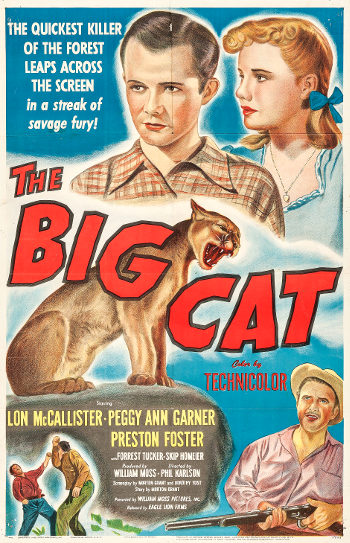
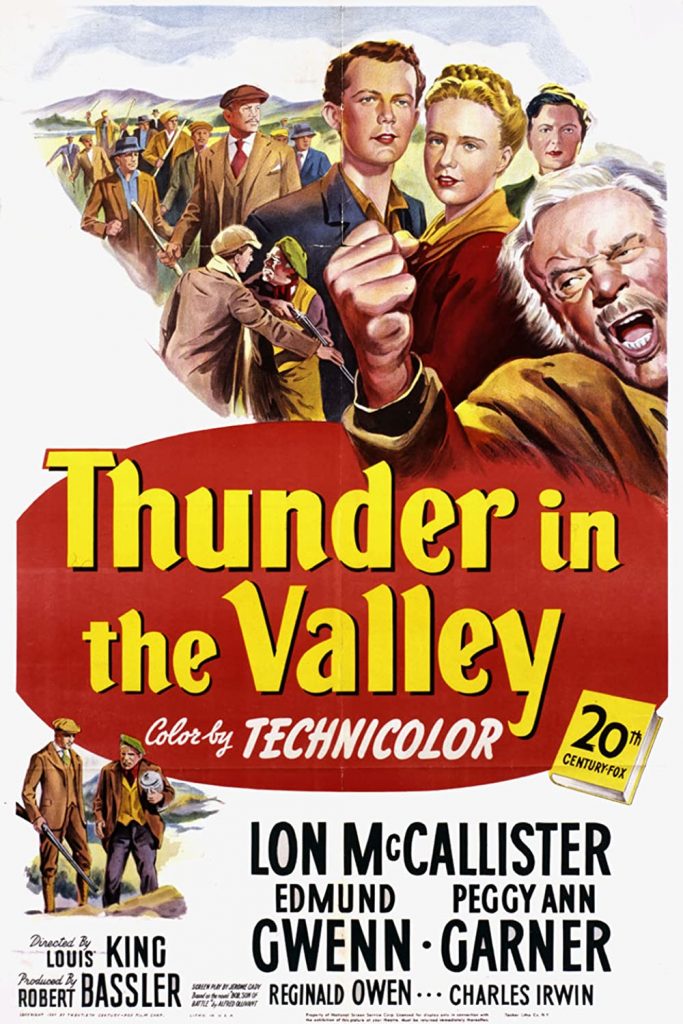
In the 1940s, it seemed every Hollywood horse-racing yarn – such as Home In Indiana (1944) and The Story Of Seabiscuit (1949) – starred Lon McCallister, who has died aged 82. He also appeared in bucolic romances in which animals featured prominently: Thunder In The Valley (1947) – boy falls for sheepdog – and The Big Cat (1949) – boy rescues community from mountain lion.
The “boy” McCallister was over 20 at the time, although cherubic looks and small stature allowed him to play adolescents almost until his retirement from acting in 1953 at the age of 30. “Being a movie star was great,” McCallister said in a 1992 interview “but I wanted to be myself, to go where I pleased without causing a traffic jam. “
He was the son of a real estate broker, born in Los Angeles. After taking singing and dancing lessons, he had dozens of bit parts in the seven years after his 13th birthday. One of the first was in George Cukor’s Romeo And Juliet (1936), where he was seen in close-up in the first scene, during the fight between the Capulets and the Montagues.
Cukor described McCallister as “the perfect choirboy”, and later cast him as a pilot in the morale-boosting Winged Victory (1944). Cukor held Sunday salons for his gay friends at his west Hollywood home. McAllister was among the up-and-coming stars invited.
McCallister’s first real break came in Stage Door Canteen (1943), as the shy recruit called California, who gets the chance to act the balcony scene from Romeo and Juliet with Katherine Cornell as a great lady of the theatre. He was a hit with bobby-soxers, and gossip columnist Hedda Hopper called him “the cutest boy the movies have hauled up out of obscurity since Mickey Rooney”.
After war service, McCallister landed a 20th Century-Fox contract. In Home In Indiana, he trains a blind filly with his “whispering hands” to win a big trotting race; he also drives the rig. In The Story Of Seabiscuit, he played the jockey of America’s most famous racehorse with 23-year-old has-been Shirley Temple as the human love interest. McCallister also trained a horse to win the big race in The Boy From Indiana (1950). Two mules were his preoccupation in Scudda Hoo! Scudda Hay! (1948), the film in which Marilyn Monroe made a fleeting debut.
One of the few chances McCallister had away from this Technicolored fare was in Delmer Daves’s The Red House (1947). He and Allene Roberts played inquisitive teenagers who find out a secret hidden for years by dour farmer Edward G Robinson.
McCallister’s last film was a low-budget Korean war picture, Combat Squad (1953) after which he decided to go into real estate speculation in Malibu, California. He lived for 10 years with an actor and fellow Fox contractee William Eythe, with whom he produced travel films until Eythe’s death at the age of 39. McCallister is survived by a brother and a sister.
· Lon (Herbert Alonzo) McCallister, actor, born April 17 1923; died June 11 2005
Scudda Hoo! Scudda Hay!, poster, (aka SUMMER LIGHTNING), US poster, June Haver (center), right: June Haver, Lon McCallister, 1948. (Photo by LMPC via Getty Images)
Lon McCallister (1923–2005) occupied a unique niche in the 1940s Hollywood landscape as the definitive “boy next door.” While his career was brief—effectively ending by age 30—he was a significant star during the WWII era, embodying a specific brand of American innocence that provided a vital cultural tonic during the war years.
Career Overview
McCallister’s trajectory was defined by his remarkably youthful appearance.Despite being in his 20s during his peak years, his slight stature (5’6″) and “cherubic” features allowed him to play teenagers and young GIs with a level of sincerity that resonated with family audiences.
The Juvenile Apprentice (1936–1942): He spent years in uncredited bit parts, including a brief appearance in George Cukor’s Romeo and Juliet (1936), where Cukor’s mentorship proved pivotal.
Wartime Stardom (1943–1945): His breakout came in “Stage Door Canteen” (1943), playing a star-struck soldier.This was followed by his most iconic lead role in the horse-racing drama “Home in Indiana” (1944).
Post-War Transition & Retirement (1947–1953): After serving in the Army, he returned to a changing Hollywood.While he headlined several “animal” features like The Red House and The Story of Seabiscuit, he found it difficult to transition into mature leading-man roles.He retired in 1953 to become a highly successful real estate investor.
Critical Analysis of His Work
1. The Aesthetic of “Aggressive Innocence”
McCallister’s primary contribution to cinema was his ability to project a pure, almost radical naivety. In a decade defined by the cynical shadows of film noir, McCallister represented the “Home Front” ideal.
Analysis: In Stage Door Canteen, critics noted he “stole the film” with his bashful smile. His acting wasn’t about complex psychological layering; it was about transparency. He became the cinematic surrogate for the “American Boy” that soldiers were fighting to protect, making his performances emotionally patriotic without being overtly political.
2. The Rural Romanticism and “Horse Films”
Much of his critical legacy is tied to the “outdoor” genre. Movies like Home in Indiana, Thunder in the Valley, and The Big Cat utilized his small frame to make him appear more “at one” with the animals and the landscape.
Analysis: Critically, these roles showcased his physical empathy. He possessed “whispering hands” on screen—a gentleness that made his connection with animals feel authentic. However, this also pigeonholed him; he became so synonymous with rural, adolescent sincerity that the industry struggled to imagine him in a suit, in a city, or in a position of authority.
3. The Noir Outlier: The Red House (1947)
Perhaps his most interesting performance for modern film scholars is in the psychological thriller “The Red House”, starring Edward G.Robinson.
Analysis: Here, McCallister’s innocence is weaponized. Playing against Robinson’s simmering madness, McCallister’s “goodness” acts as a catalyst for the film’s tension. It is one of the few instances where a director (Delmer Daves) used McCallister’s boyishness to create a sense of genuine dread, proving he was capable of more than just “homespun sentiment.”
4. The Challenge of Longevity
The central critical conflict of McCallister’s career was the “Peter Pan” trap. As he entered his 30s, his face remained that of a 17-year-old.
Analysis: Unlike contemporary Alan Ladd, who used a similar stature to play “tough,” McCallister’s features were too soft for the burgeoning cynicism of the 1950s. His retirement at 30 was a rare act of Hollywood self-awareness; he recognized that he was an actor “out of time.”
Key Filmography for Study
Film
Year
Role
Significance
Stage Door Canteen
1943
“California” Jack
The breakout role that turned him into a wartime sweetheart.
Home in Indiana
1944
‘Sparke’ Thornton
His definitive lead role; established the “boy and his horse” archetype.
The Red House
1947
Nath Storm
A rare foray into dark, psychological melodrama.
Scudda Hoo! Scudda Hay!
1948
Snug Dominy
Notable for his top billing (and a tiny cameo by an unknown Marilyn Monroe).
The Story of Seabiscuit
1949
Ted Knowles
Co-starring with Shirley Temple; marked the twilight of his leading-man era.
In summary: Lon McCallister was the face of American “Goodness” during its most turbulent decade. While he didn’t have the range of a character actor, he had a crystalline screen presence that defined an era of family-centric storytelling. He remains a fascinating example of a star who chose a graceful exit over a faded decline
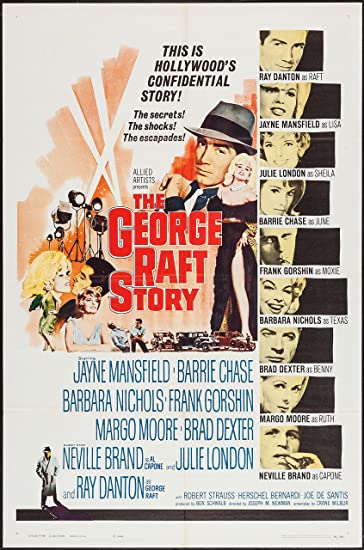
Barrie Chase was a beautiful American singer and actress who became Fred Astaire’s last dancing partner. They appeared on television specials together. She was born in Long Island, New York in 1933. She appeared in the chorus of many a Hollywood musical iuncluding “White Christmas”,”Hans Christian Andersen”, “Brigadoon” and “Pal Joey”. She had dramatic roles in “Cape Fear”and “The George Radt Story”. She retired from show business for domestic life in 1972. Clipon “Youtube” of Fred Astaire and Barrie Chase here.
“Wikipedia” entry:
When she was six, her father, writer Borden Chase, moved the family to California so he could begin a career as a screenwriter. She grew up in Encino and studied ballet. She abandoned her intention to become a ballerina in New York to stay in Los Angeles and help support her mother, pianist Lee Keith, after her parents’ divorce. Her brother was screenwriter Frank Chase. She danced on such live TV programs as The Colgate Comedy Hour and The Chrysler Shower of Stars. It was while she was working as Jack Cole’s assistant choreographer at MGM that Fred Astaire asked her to be his dancing partner on An Evening with Fred Astaire. She made four television appearances as Astaire’s partner in his television specials between 1958 and 1968. The two danced on Hollywood Palace in 1966. During this period, she dated Astaire, a widower.
In 1972, Chase retired from performing to devote herself to her own family. Twice divorced, she is currently married to James Kaufman; the couple has one child.
Barrie Chase (born 1933) is a singular figure in the history of dance, best known as the final and most technically athletic dance partner of Fred Astaire. While she began her career in the traditional Hollywood chorus system, she eventually became a central architect of the “Television Special” era, bridging the gap between Golden Age elegance and mid-century modernism.
Career Overview
Chase’s career is defined by a rapid ascent from the background to center stage, driven by a rare combination of classical ballet training and “cool jazz” sensibilities.
The Chorus Years (1952–1957): Chase spent her early 20s as a “reliable” dancer in major MGM musicals, including Silk Stockings, Pal Joey, and Les Girls.During this time, she worked closely with legendary choreographer Jack Cole, whose high-tension, jazz-influenced style deeply informed her movement.
The Astaire Partnership (1958–1968): Her breakthrough came when Astaire, seeking a new partner for his move into television, plucked her from the chorus.They headlined four award-winning specials, starting with An Evening with Fred Astaire (1958).
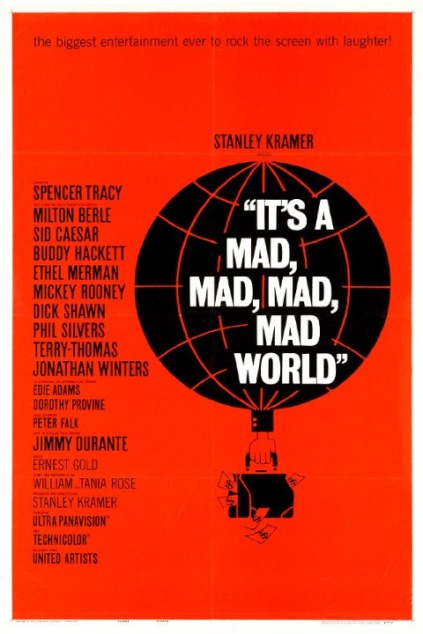
Film and Character Work (1960s): While she continued to dance, she transitioned into acting roles that often utilized her “siren” or “femme fatale” physicality, notably in It’s a Mad, Mad, Mad, Mad World (1963) and the thriller Cape Fear (1962).
Critical Analysis of Her Work
1. The “Modern” Partner: Athleticism vs. Elegance
Historically, Astaire’s partners fell into two categories: the ethereal (Ginger Rogers) or the technically superior (Cyd Charisse). Chase represented a third category: the Athletic Modernist.
Analysis: Unlike previous partners, Chase brought a lean, muscular precision that felt distinctly 1960s. In their “St. James Infirmary” routine, she displayed a flexibility and a “percussive” style of movement that Rogers never possessed. Critics often note that while Rogers followed Astaire, Chase pushed him, forcing the aging legend to adopt a more contemporary, jazz-inflected energy.
2. The Jack Cole Influence
Much of Chase’s critical acclaim stems from her “cool” demeanor, a hallmark of Jack Cole’s training.
Analysis: Her dancing was characterized by “isolated movements”—the ability to move her hips or shoulders independently of her frame with surgical precision. This made her the perfect foil for the television camera, which favored tight shots and high contrast. She didn’t just dance; she projected a “mood” of sophisticated detachment that defined the “Space Age” aesthetic of the early 1960s.
3. Subverting the “Bikini Girl” Trope: It’s a Mad, Mad, Mad, Mad World
In her most famous film role, Chase plays the dancing girlfriend of Dick Shawn’s character, Sylvester.
Analysis: While the role was written as a comedic “bimbo” archetype, Chase’s performance is critically praised for its sheer physical commitment. She dances with a frenetic, almost absurdist intensity that becomes the highlight of the scene. She used her body as a comedic tool, proving that her technical skill could be leveraged for satire just as easily as for romance.
4. The Challenge of the “Last Partner” Legacy
Critically, Chase is sometimes overshadowed by the sheer weight of the Astaire legacy.
Analysis: Because she was his last major partner, she is often viewed through the lens of “The End of an Era.” However, a deeper analysis of her solo work on variety shows like The Hollywood Palace reveals a dancer who was far more experimental than the “Astaire Partner” label suggests. She was one of the few dancers who successfully transitioned the language of 1940s MGM into the “Mod” era of the late 60s.
Key Performances for Study
Work
Year
Role
Significance
An Evening with Fred Astaire
1958
Partner
Won 9 Emmys; transformed her into a national star overnight.
It’s a Mad… World
1963
Sylvester’s Girlfriend
A masterclass in “comedic dancing” and physical satire.
Cape Fear
1962
Diane Taylor
A non-dancing role that showcased her range as a dramatic “victim” actress.
The Hollywood Palace
1966
Guest Performer
Her solo and duo work here defined the “Cool Jazz” dance aesthetic of the 60s.
White Christmas
1954
Chorus Girl
Famous for the one-liner, “Mutual, I’m sure,” showing her early comedic timing.
In summary: Barrie Chase was more than just Fred Astaire’s final partner; she was a bridge between the classical and the contemporary. Her work is a study in how traditional ballet training can be “deconstructed” into the sharp, rhythmic, and coolly detached style that would eventually lead to the Broadway works of Bob Fosse
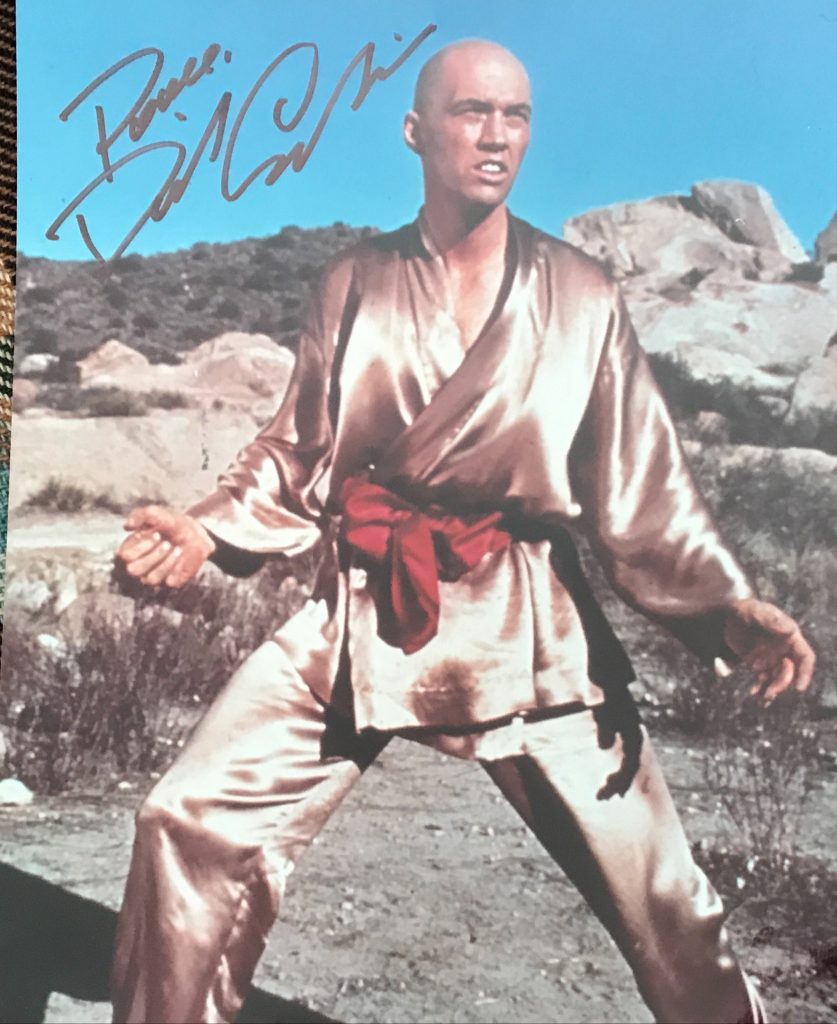
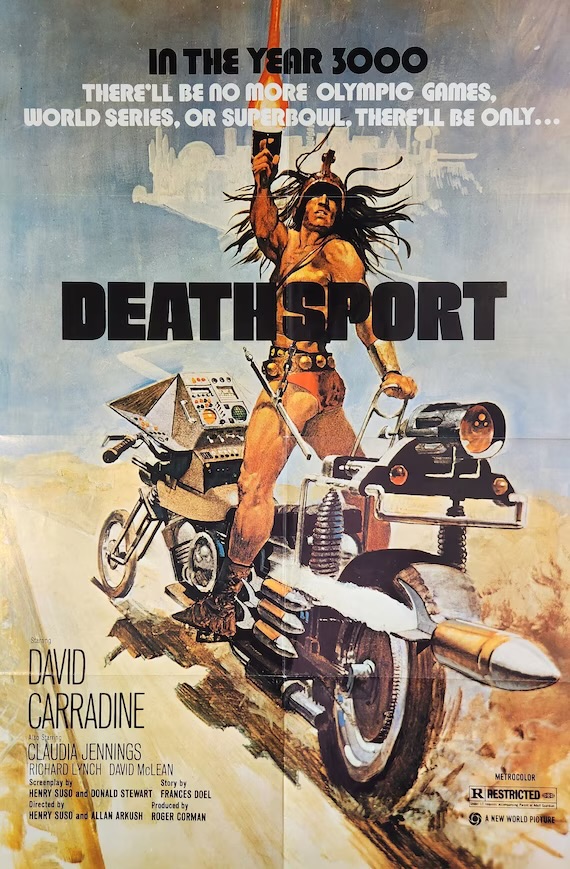
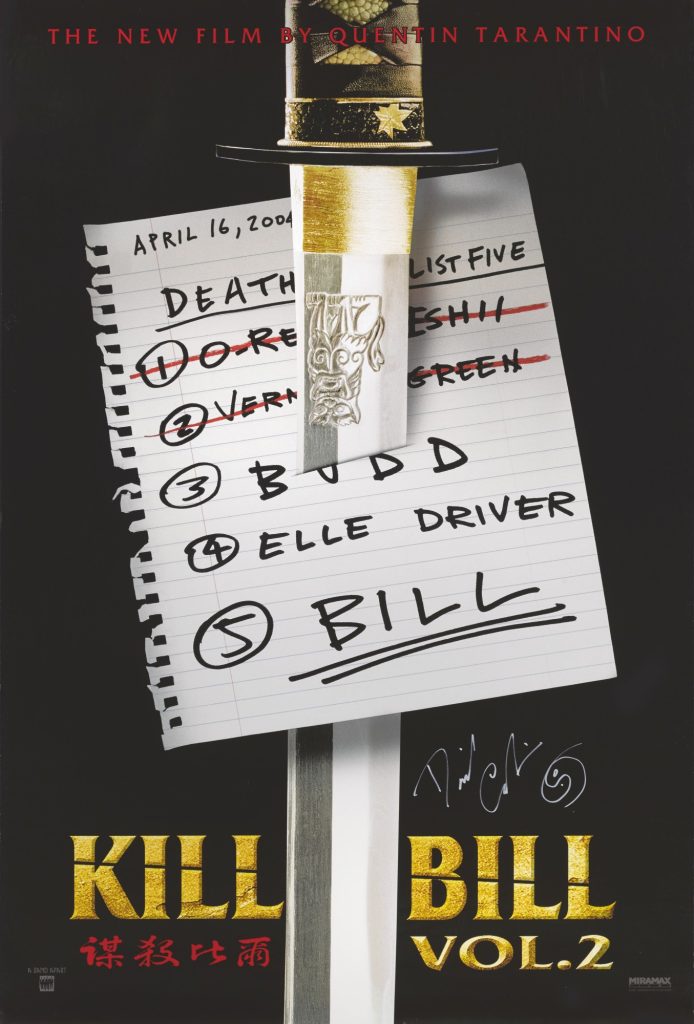
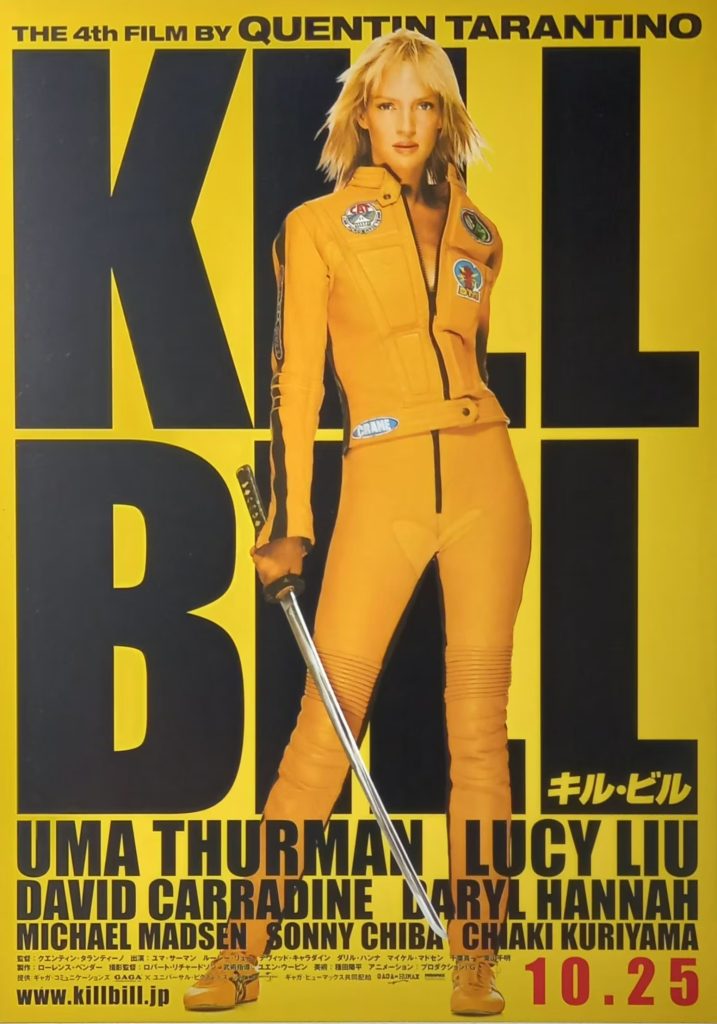
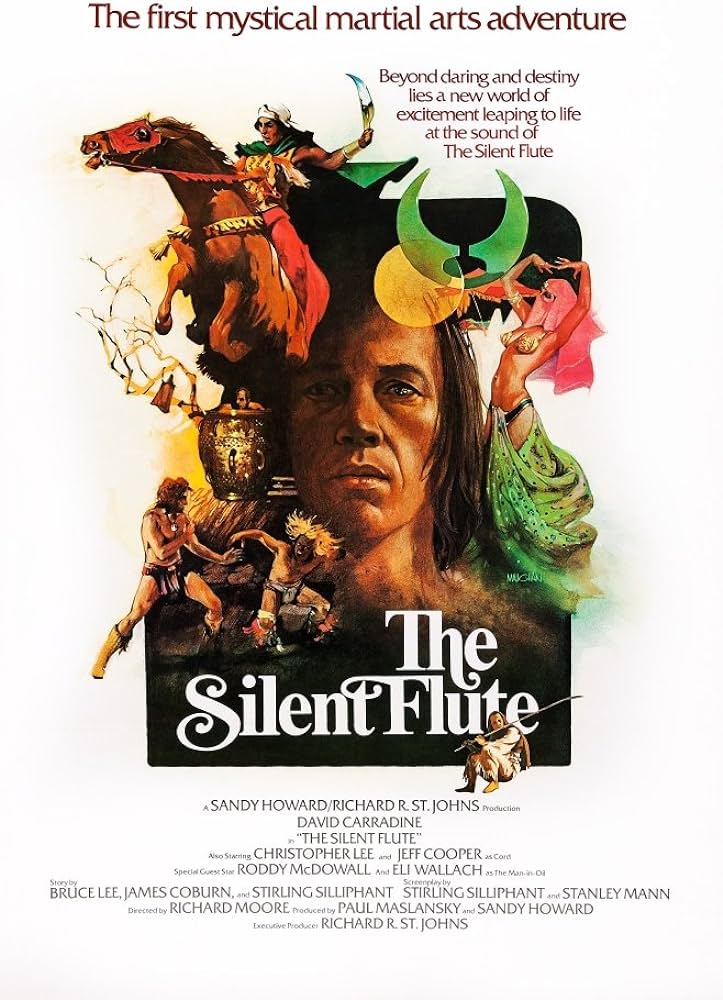
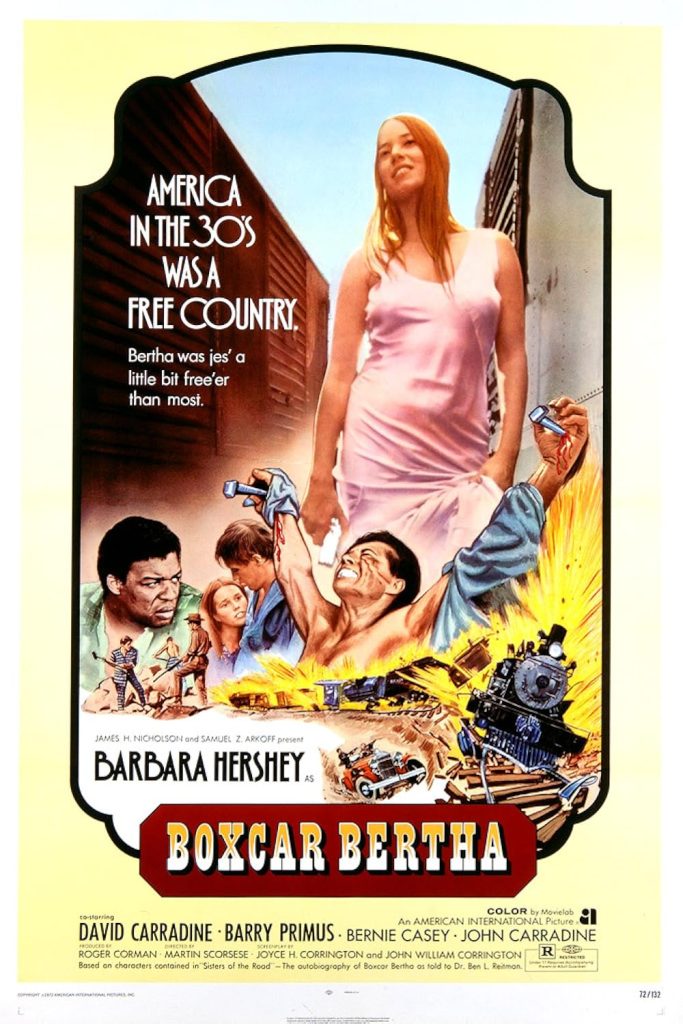
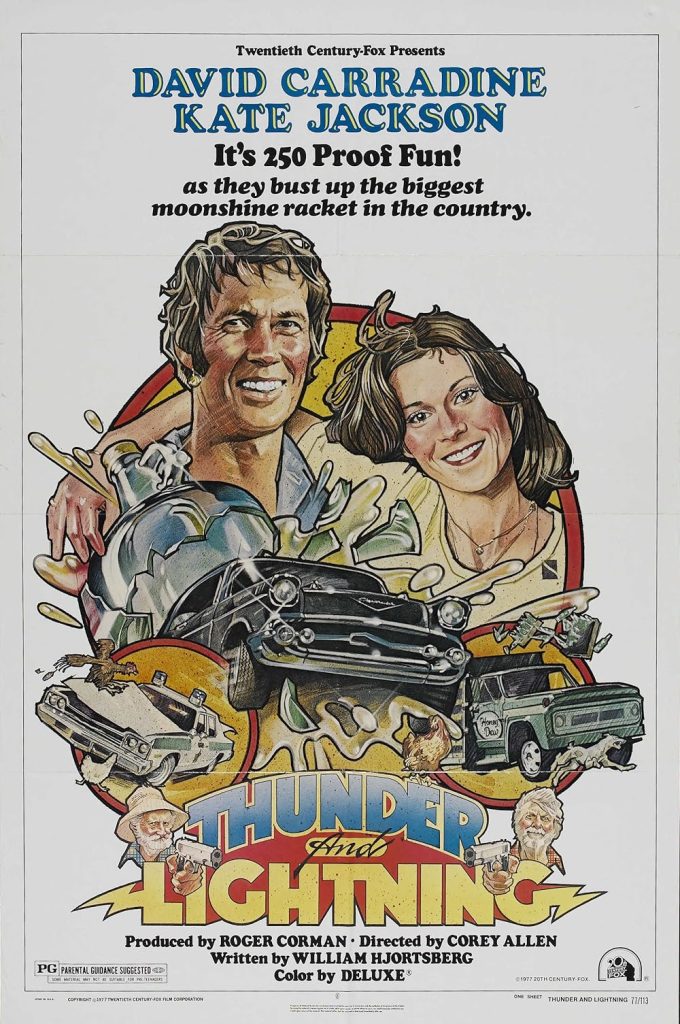
David Carradine was a gifted actor with a decidedly wild streak. He was one of the sons of the great character actor John Carradine. His other actors brothers are Keith Caddadine and Robert Carradine. David was born in 1936 in Hollywood. He appeared in over 100 films. His first major acting break came when he was cast in the stage production of “The Royal Hunt of the Sun”. In 1972 Martin Scorsese cast him in “Boxcar Bertha” and his film career got underway. Between 1972 and 1975 he starred on TV in the very popular “Kung Fu” series as a Shaolin monk. In 1980 he starred with his brothers and Stacy & James Keach in “The Long Riders”. His career was revived in a major way with Quentin Tarentino’s “Kill Bill”. Sadly David Carradine died in Bangkok in 2009 while on location filming.
“Guardian” obituary:
A member of a distinguished Hollywood family, the actor David Carradine, who has been found dead at the age of 72, was never exactly a star, but had a sporadically interesting film and television career.
The first, and biggest, of his career peaks came with the television series Kung Fu (1972-75), a huge cult hit, mixing western action with eastern philosophy – a long and abiding interest for the actor – in a way that was novel at the time. His character, Kwai Chang Caine, was a Shaolin monk wandering the American west. It was a sad irony that Carradine was to die in the Buddhist centre of Bangkok, Thailand, in what is believed to be a suicide. Originally a TV movie, Kung Fu grew into a show that lasted for 46 episodes.
By the time the series began, Carradine was already 36. After leaving San Francisco State College, he had been a soldier, commercial artist and stage actor. He had appeared in Shakespearean rep and on Broadway, notably in Royal Hunt of the Sun (1965), as the Inca chief Atahualpa. From the early days, he played a variety of races, and his counter-cultural credentials were established with roles in Martin Scorsese’s first film, Boxcar Bertha (1972), and (uncredited) in the director’s celebrated Mean Streets (1973) as a memorable drunk in a ruckus in a bar.
A co-star in the former was Barbara Hershey, his partner in the Kung Fu days. This was a hippie affair – she changed her name to Barbara Seagull, and their child was named Free. They never married, but Carradine was to wed five times. There were two other children and four divorces before his final wife, Anne Bierman.
Though he was born John Arthur Carradine in Hollywood, the name David distinguished him from his actor father John Carradine, a grand old man of Hollywood who claimed to have appeared in more movies than any contemporary. David was his eldest son. When Walter Hill came to make The Long Riders, a 1980 film about the James and Younger gangs, he drew on four different acting families. David topped the bill as Cole Younger, alongside his half-brothers, Keith and Robert.
Carradine’s career took in more than 200 film and TV credits. He started mainly in westerns, playing the title role in a series based on the hit film Shane in 1966. Other memorable movies included Robert Altman’s radical reworking of The Long Goodbye (1973, again uncredited), and the lead in the exploitation film Death Race 2000 (1975), also starring Sylvester Stallone. He was nominated for a Golden Globe for his portrayal of Woody Guthrie in Bound for Glory (1976), which also showcased his abilities as a singer, a talent shared with his brother Keith, who played a country singer in Nashville (1975).
David was in Ingmar Bergman’s The Serpent’s Egg (1977), but his star waned after the 1970s, assisted by a gonzo reputation. In 1989 he served 48 hours in jail for drink-driving. Q: The Winged Serpent (1982) gave him a rare interesting part, and he appeared in 12 episodes of the TV mini-series North and South (1985-86), which brought him another Golden Globe nomination. He was to revisit his Kung Fu character again from time to time, in Kung Fu: The Movie (1986) and the TV series Kung Fu: The Legend Continues (1993-97). “Every day,” he once said of the role, which won him several Emmys, “at least six people will come up to me and say ‘Your show changed my life’.”
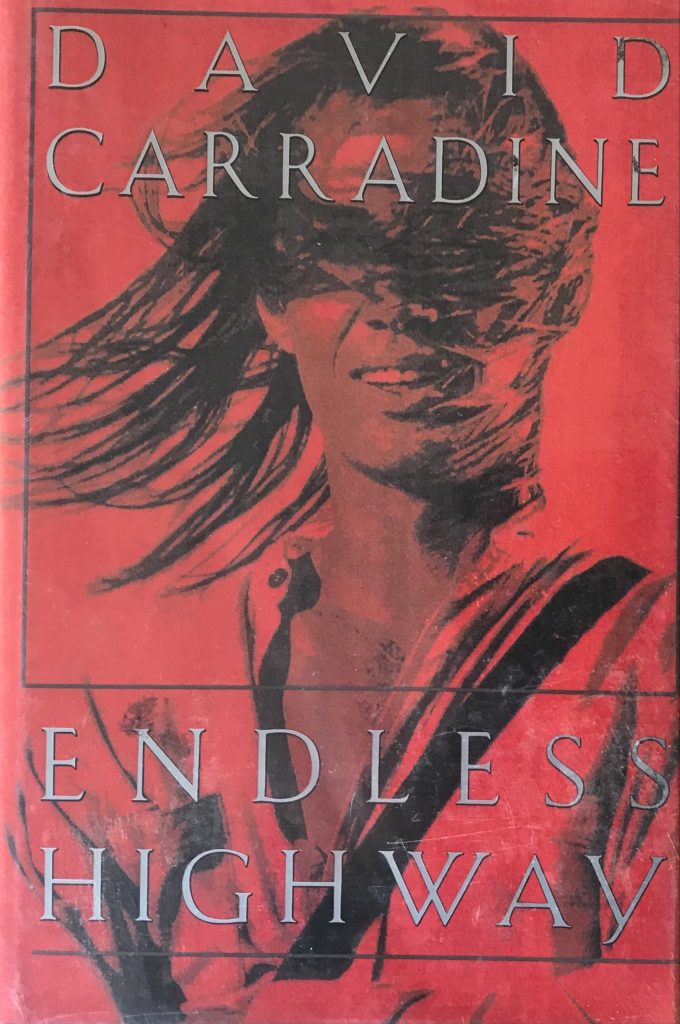
The actor also turned his hand to directing, initially on the Kung Fu series and in three other feature films, You and Me (1975), Mata Hari (1978) and Americana (1983). But his career had been in the doldrums for some time when the celebrated occupation-reviver Quentin Tarantino cast him in the title role of Kill Bill, Vol 1 and 2 (2003-04), a demonic character that leaned heavily on a screen personality that was freewheeling, laconic, always tending towards the maverick outsider. Carradine said it was as close to him as any part he had played, and it provided him with another onscreen musical number, The Legend of Pai Mai. The director had thought of him for some time: “He wanted it to be a revelation to the world that he would show me like people don’t know me,” Carradine explained. Tarantino drew inspiration from Carradine’s huge autobiography, Endless Highway (1995).
More recently, he was a kung-fu master in a Jonas Brothers video and played a 100-year-old Chinese gangster in the just released Crank: High Voltage. The role, like all of his memorable parts, fitted his personality as an Irish-American with a little Cherokee blood. “I’m like a renegade and that rubs people wrong,” he said.
He is survived by Annie; two daughters, Calista and Kansas, by his first two wives; and Free, later known as Tom.
• David (John Arthur) Carradine, actor, born 8 December 1936; died 4 June 2009
His “Guardian” obituary can also be accessed here.
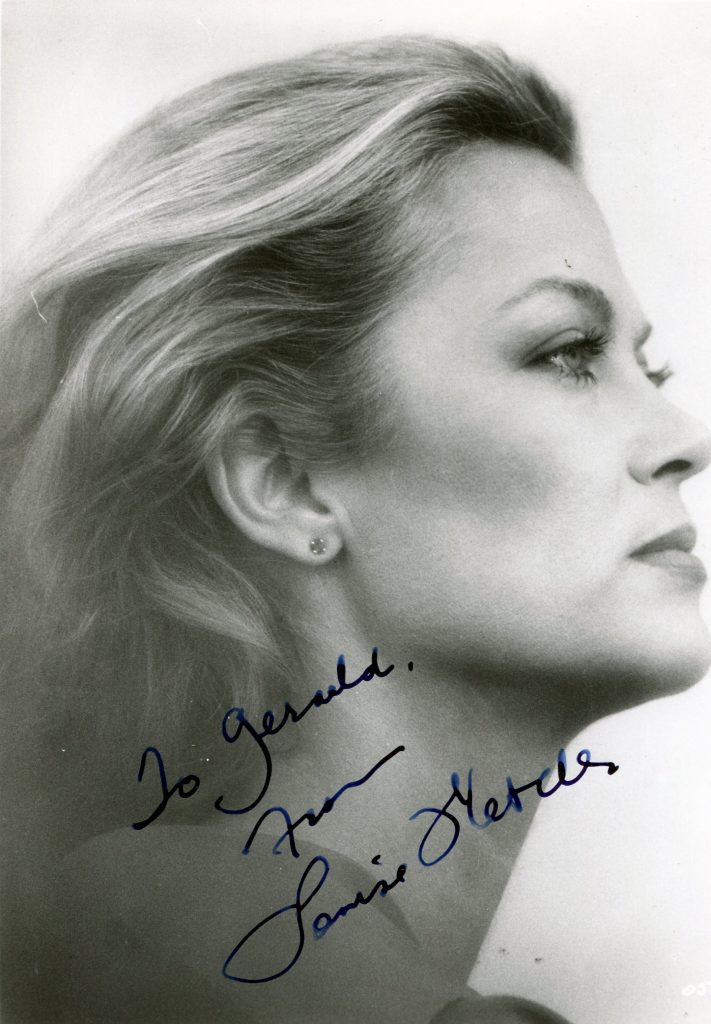
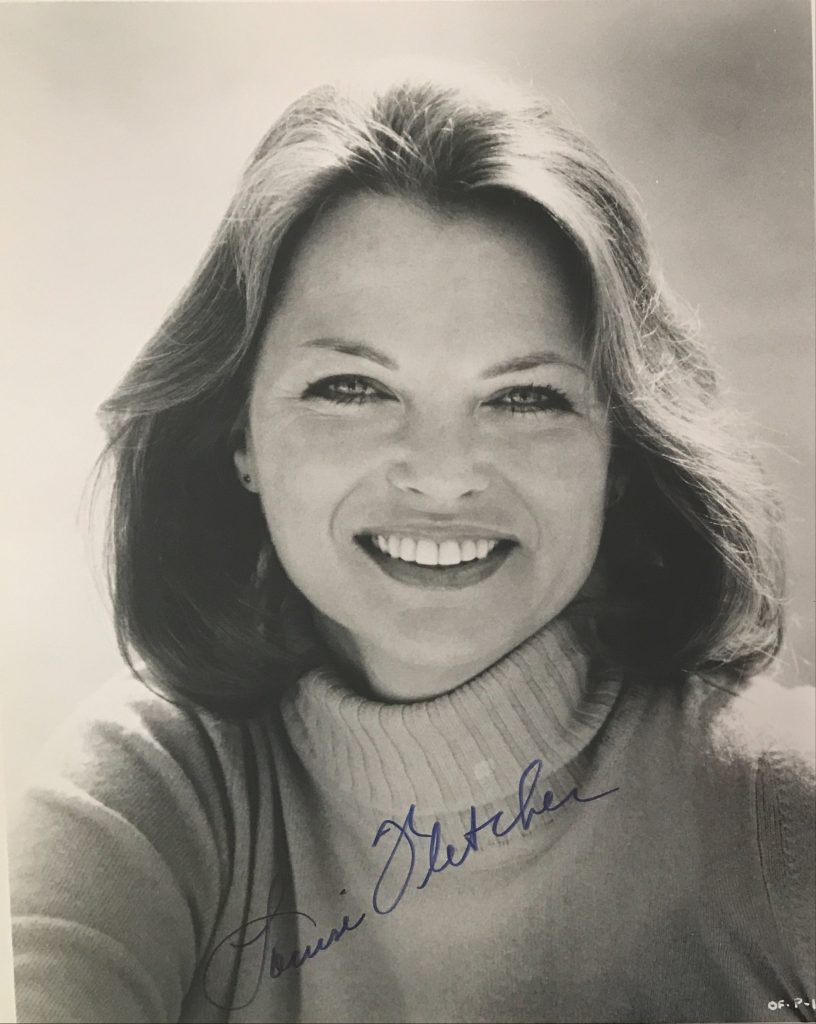
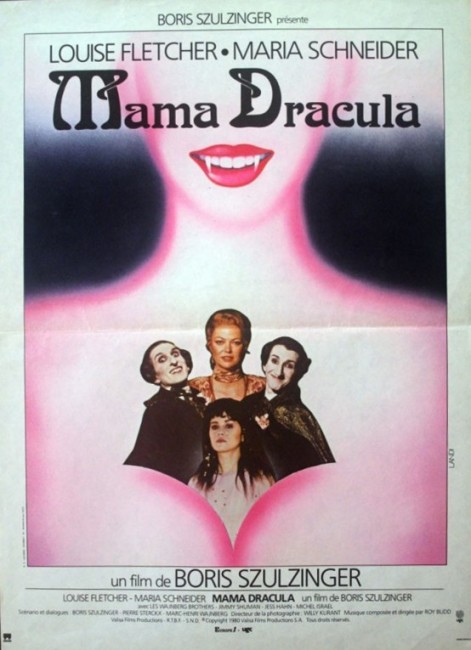
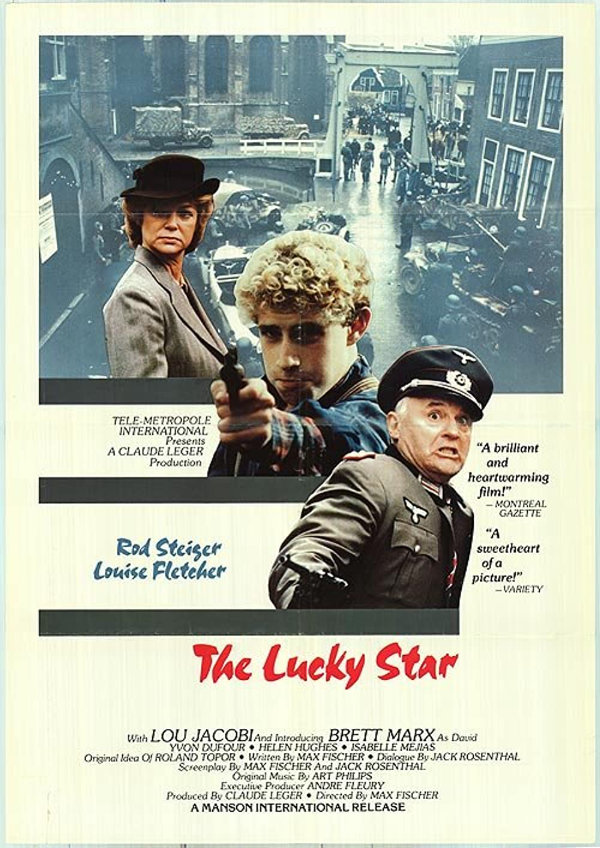
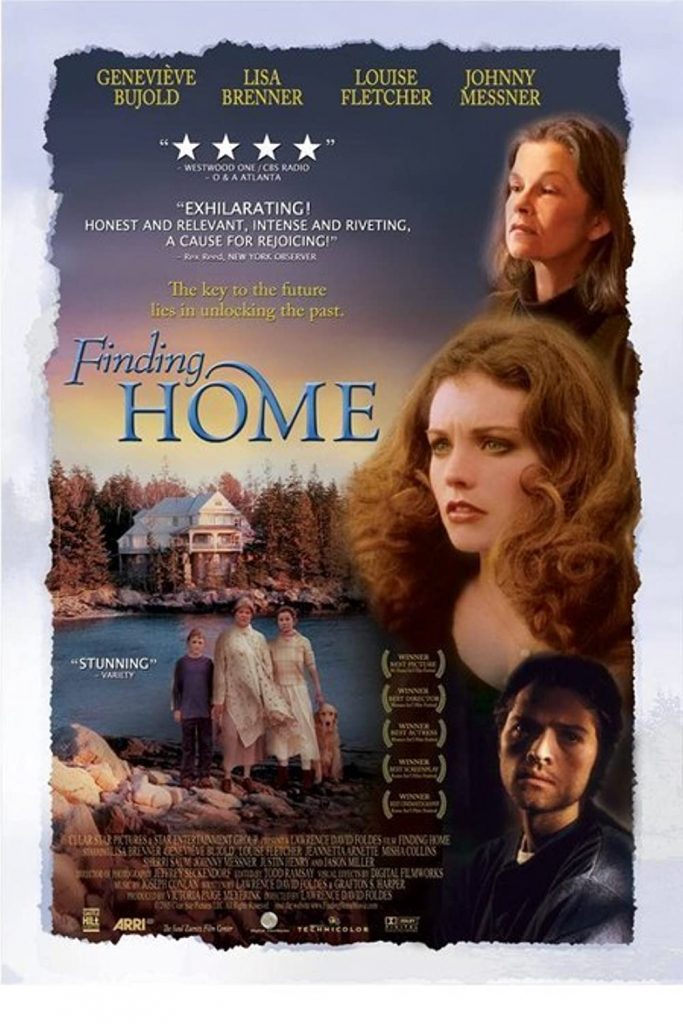
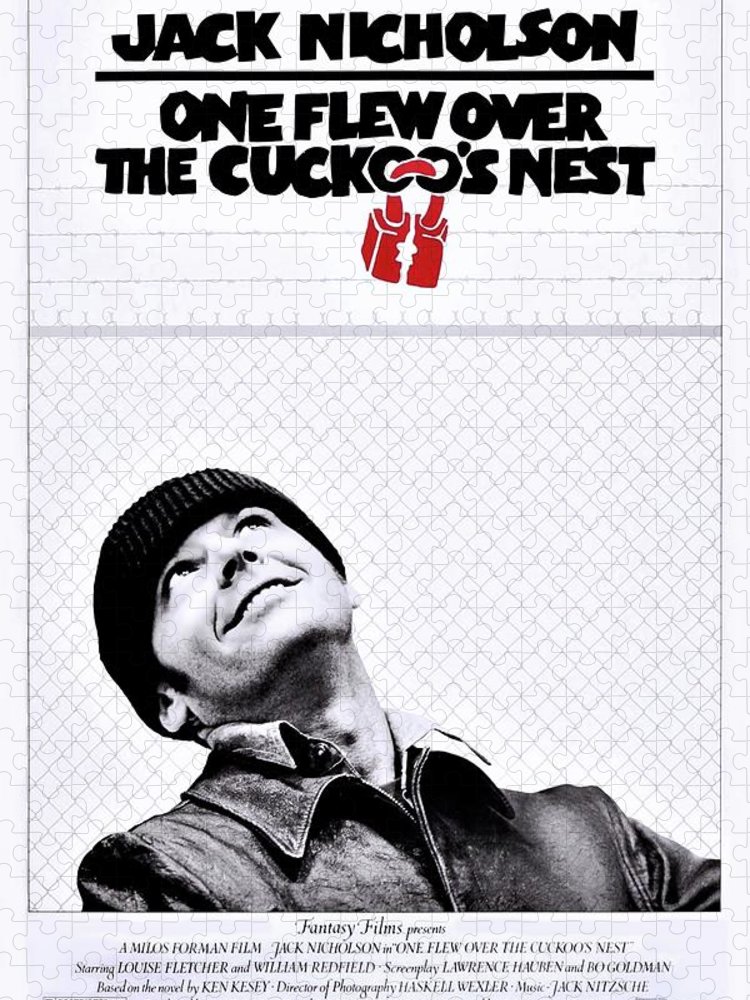
There were for a while so few good roles for women in films that the selectors of Oscar nominees had a job to come up with five names. When Louise Fletcher was nominated for “One Flew Over the Cuckoo’s Nest” the previous year’s winner Ellen Burstyn appeared on TV to ask the members of the Academy not to vote in this category – since in fact she said the five nominees had all played supporting roles. In the case of Miss Fletcher this may strictly speaking be true, but her superb portrayal of ‘Nurse Ratched’ seemed to dominate the film. It was a notably well acted movie but Flecher’s performance had it been on the stage, was one that you would want to tell your grandchildren about.” – David Shipman in “The Great Movie Stars – The International Years”. (1972)
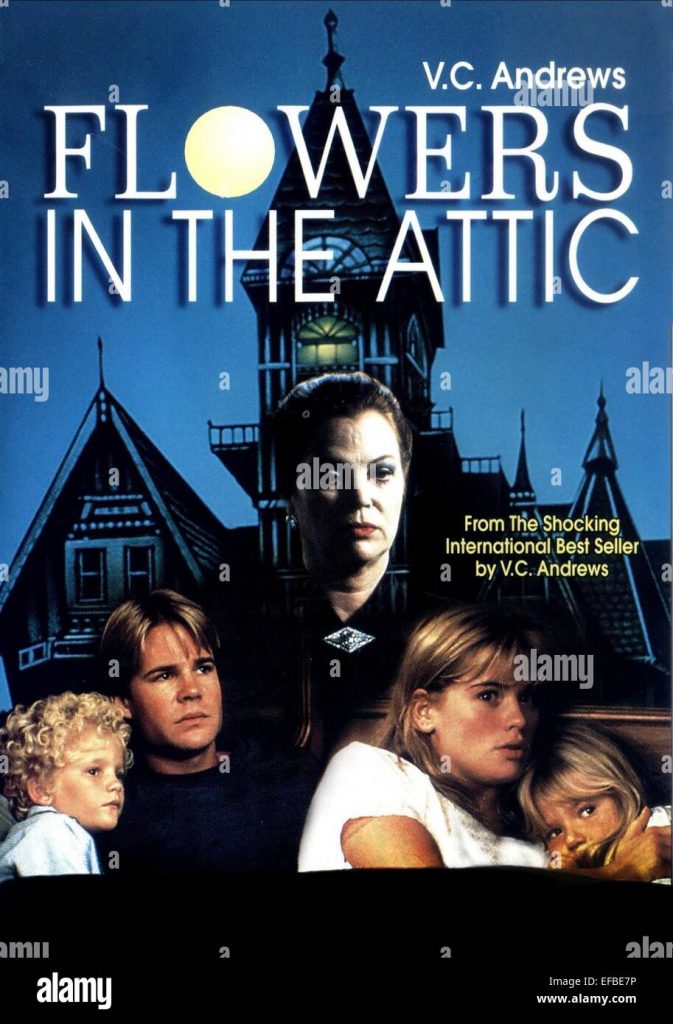
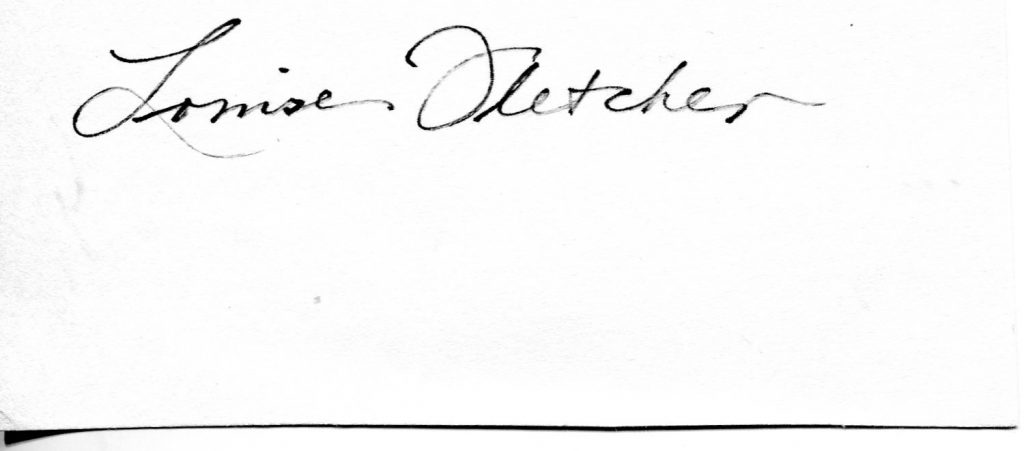
Louise Fletcher won an Academy Award for her first major film role as Nurse Ratched in “One Flew Over the Cuckoo’s Nest”. She was born in 1934 in Birmingham, Alabama. Her father was a Episcopal minister and bother her parents were deaf. Her first film role was in 1963 in the military air-force drama “A Gathering of Eagles” where she shared a scene with the leading lady Mary Peach. She did not make another film for nine years when she made “Thieves” in 1974. Director Milos Forman saw her in the film and offered her the role of Nurse Ratched. She has worked consistently but mainly in supporting roles. Her other films include “Brainstorm” with Christopher Walken, Natalie Wood and Cliff Robertson and “Flowers in the Attic”. Her most recent film is “The Last Sin Eater”. Her Oscar acceptance clip can be viewed here.
TCM overview:
An American film and television actress of considerable and quiet strength, Louise Fletcher won the Academy Award in 1975 as the unforgettable, iron-willed Nurse Ratched in Milos Forman’s “One Flew Over the Cuckoo’s Nest.” The role and subsequent honors were seen by the press as the high point of Fletcher’s screen career, since none of the projects that followed, which included “Exorcist II: The Heretic” (1979), “Brainstorm” (1983) and “Invaders from Mars” (1987) matched its box office or critical returns. However, Fletcher worked steadily after “Cuckoo’s Nest,” earning Emmy nominations for television turns and accepting the notion of “the Oscar curse” with patience and good humor, confident in the knowledge that she had created one of cinema’s most enduring villains.
Born Estelle Louise Fletcher in Birmingham, AL on July 22, 1934, she was one of four children by Episcopal minister Robert Capers Fletcher and his wife, Estelle Caldwell. Both of Fletcher’s parents were deaf, though she and all of her siblings were born without hearing loss. She was taught to speak by a hearing aunt, who also introduced her to acting. After graduating from the University of North Carolina at Chapel Hill with a degree in drama, she traveled to the West Coast with her roommates, and eventually found herself in Los Angeles without the funds to return home. Fletcher took a job as a receptionist, which paid for acting classes.
Fletcher made her onscreen debut in the late 1950s, landing guest roles on such popular series as “Maverick” (ABC, 1957-1962) and “The Untouchables” (ABC, 1959-1963). However, she left the business in 1963 to raise two sons by her marriage to producer Jerry Bick. A decade passed before she returned to acting, first in the 1974 TV movie “Can Ellen Be Saved” (ABC), and then as bank robber Bert Remsen’s duplicitous sister in “Thieves Like Us” (1974), a remake of the 1948 film directed by Robert Altman and co-produced by her husband. Altman later tailored the role of country singer Linnea Reese for Fletcher – the role even called for her to have two deaf children – but after a falling out with Bick, Altman cast Lily Tomlin as Reese.
Back stage at the ceremony, Forman told Fletcher that after the success of “Cuckoo’s Nest,” he and his cast would next make major flops. Unfortunately, his prediction came true. Forman’s next film was the sprawling historical epic “Ragtime” (1980), while Fletcher was cast as a scientist in John Boorman’s critically reviled “Exorcist II: The Heretic” (1979). Its failure seemed to set the tone for Fletcher’s subsequent career, which was spent largely in forgettable features like “The Magician of Lublin” (1979) and Lewis Teague’s “The Lady in Red” (1979), which cast her as Anna Sage, the madam who helped the FBI track down John Dillinger. In the 1980s, she settled into a series of roles in several cult science fiction films, including Michael Laughlin’s unsettling “Strange Behavior” (1981), its semi-sequel “Strange Invaders” (1983) and Douglas Trumbull’s “Brainstorm” (1983), which was all but forgotten in the scandal surrounding the death of its star, Natalie Wood, who drowned during production in November 1981.
There were a number of missed opportunities for Fletcher in the 1980s. She was originally considered for Shirley MacLaine’s role in “Terms of Endearment” (1983) and her scenes were deleted from Sergio Leone’s “Once Upon a Time in America” (1984). She instead settled for character parts in largely forgettable efforts like “Nobody’s Fool” (1986), Tobe Hooper’s woebegone remake of “Invaders from Mars” (1986), and the lurid film version of V.C. Andrews’ pulp Gothic novel, “Flowers in the Attic” (1987), which earned her a Saturn Award nomination as the film’s villain, a religiously fanatical grandmother who tormented her daughter and grandchildren, the former of which were kept prisoner in her mansion’s attic for years. Her turn in “Invaders from Mars” earned her a Razzie nomination from the Golden Raspberry Awards, which gave her the dubious distinction of earning laurels from Hollywood’s most celebrated and least desired award groups.
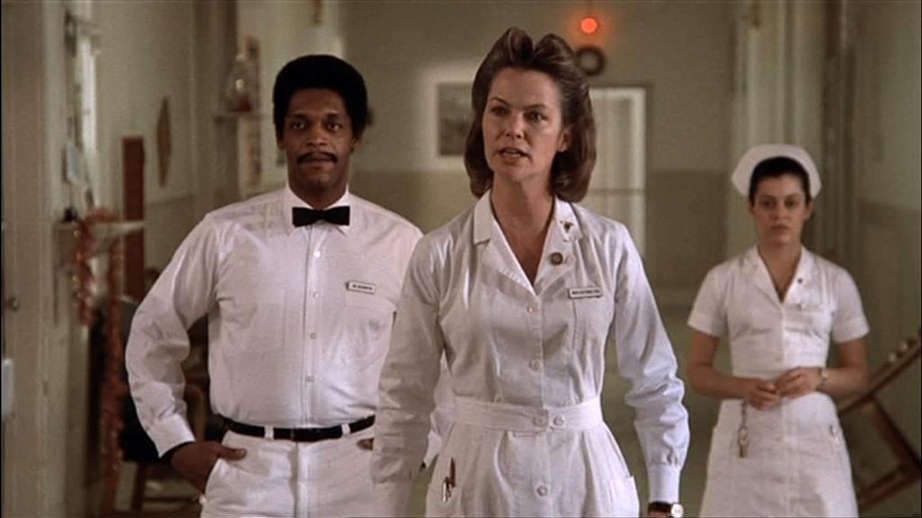
However, director Milos Forman had seen Fletcher in “Thieves” and wanted her for a major role in his next picture, an adaptation of Ken Kesey’s novel “One Flew Over the Cuckoo’s Nest.” Forman made Fletcher audition repeatedly over a six-month period, during which nearly every major actress in Hollywood refused the part of Nurse Ratched, the martinet-like head nurse at a mental hospital. Fletcher eventually won the role, and collaborated closely with Forman to shape the character into a three-dimensional person, rather than the monster as depicted on the page. Fletcher’s turn brought a level of humanity and vulnerability to Ratched, which earned critical acclaim, as well as an Oscar nomination for Best Actress. When Fletcher won the award, she thanked her parents for their support in American Sign Language, creating an enduring moment of genuine emotion in Oscar history. Fletcher also collected a Golden Globe and BAFTA for her iconic performance.
Louise Fletcher
The 1990s saw Fletcher working steadily in both low-budget efforts and Hollywood features. Most were again largely dismissible, though she did earn a following as a steely spiritual leader in numerous episodes of “Star Trek: Deep Space Nine” (syndicated, 1993-99). There was also an Emmy nomination for guest appearances on “Picket Fences” (CBS, 1992-96) as Marlee Matlin’s estranged mother, and a Satellite nod for the HBO drama “Breast Men” (1997) as lead David Schwimmer’s mother. In 2004, Fletcher earned her second Emmy nomination as an embittered piano teacher who still harbored regrets over her failed music career on the religious-themed series, “Joan of Arcadia” (CBS, 2003-05). Television continued to provide her with choice roles in subsequent years, including the physician mother of Deanne Bray’s Emma Coolidge, who could turn sound into physical force on “Heroes” (NBC, 2006-2010), William H. Macy’s incarcerated and irascible mother on “Shameless” (Showtime, 2011- ) and Tim Daly’s mom on “Private Practice” (ABC, 2007- ). The above TCM overview can also be accessed online here.
Louise Fletcher, the imposing, steely-eyed actress who won an Academy Award for her role as the tyrannical Nurse Ratched in “One Flew Over the Cuckoo’s Nest,” died on Friday at her home in Montdurausse, France. She was 88.
The death was confirmed by her agent, David Shaul. He did not cite the cause.
Ms. Fletcher was 40 and largely unknown to the public when she was cast as the head administrative nurse at an Oregon mental institution in the 1975 film version of “Cuckoo’s Nest.” The film, directed by Milos Forman and based on a Ken Kesey novel, won a best actress trophy for Ms. Fletcher and four other Oscars, including for best picture, for Mr. Forman as best director and for Jack Nicholson as best actor.
Ms. Fletcher’s acceptance speech stood out that night, not only because she teasingly thanked voters for hating her but also because she used American Sign Language in thanking her parents for “teaching me to have a dream.”
The American Film Institute later named Nurse Ratched as one of the most memorable villains in film history and the second most notable female villain, surpassed only by the Wicked Witch of the West in “The Wizard of Oz.”
But at the time of the “Cuckoo’s Nest” release, Ms. Fletcher was frustrated by the buttoned-up nature of her character. “I envied the other actors tremendously,” she said in a 1975 interview with The New York Times, referring to her fellow cast members, many of whom were playing mental patients. “They were so free, and I had to be so controlled.”
Estelle Louise Fletcher was born on July 22, 1934, in Birmingham, Ala., one of four hearing children of Robert Capers Fletcher, an Episcopal minister, and the former Estelle Caldwell, both of whom had been deaf since childhood. She studied drama at the University of North Carolina and moved to Los Angeles after graduation.
She later told journalists that she had trouble finding work because she was so tall — 5 feet 10 inches — and was often cast in westerns, where her height was an advantage. Of her first 20 or so screen roles in the late 1950s and early ’60s, about half were in television westerns, including “Wagon Train,” “Maverick” and “Bat Masterson.”
Ms. Fletcher married Jerry Bick, a film producer, in 1959. They had two sons, and she retired from acting for more than a decade to raise them.
She returned to movies in Robert Altman’s 1974 film “Thieves Like Us” as a woman who coldly turns in her brother to the police. It was her appearance in that film that led Mr. Forman to offer her the role in “Cuckoo’s Nest.”
“I was caught by surprise when Louise came onscreen,” he recalled of watching “Thieves Like Us.” “I couldn’t take my eyes off her. She had a certain mystery, which I thought was very, very important for Nurse Ratched.”
Reviewing “Cuckoo’s Nest” in The New Yorker, Pauline Kael declared Ms. Fletcher’s “a masterly performance.”
“We can see the virginal expectancy — the purity — that has turned into puffy-eyed self-righteousness,” Ms. Kael wrote. “She thinks she’s doing good for people, and she’s hurt — she feels abused — if her authority is questioned.”
Ms. Fletcher is often cited as an example of the Oscar curse — the observed phenomenon that winning an Academy Award for acting does not always lead to sustained movie stardom — but she did maintain a busy career in films and on television into her late 70s.
She had a lead role as the Linda Blair character’s soft-spoken psychiatrist in “Exorcist II: The Heretic” (1977) and was notable in the ensemble comedy “The Cheap Detective” (1978), riffing on Ingrid Bergman’s film persona. She also starred with Christopher Walken and Natalie Wood as a workaholic scientist in “Brainstorm” (1983). But she seemed to be relegated to roles with limited screen time, especially when the character was very different from her Nurse Ratched persona.
After a turn as an inscrutable U.F.O. bigwig in “Strange Invaders” (1983), she appeared in “Firestarter” (1984) as a fearful farm wife; the police drama “Blue Steel” (1990) as Jamie Lee Curtis’s drab mother; “2 Days in the Valley” (1996) as a compassionate Los Angeles landlady; and “Cruel Intentions” (1999) as Ryan Phillippe’s genteel aunt.
Only when she played to stereotype, as she did in “Flowers in the Attic” (1987), as an evil matriarch who sets out to poison her four inconvenient young grandchildren, did she find herself in starring roles again. That film was “the worst experience I’ve ever had making a movie,” she told a Dragoncon audience in 2009. She had told the director that she didn’t want her character to be a heavy.
Later in her career, she played recurring characters on several television series, including “Star Trek: Deep Space 9” (she was an alien cult leader from 1993 to 1999) and “Shameless” (as William H. Macy’s foulmouthed convict mother). She also made an appearance as Liev Schreiber’s affable mother in the romantic drama “A Perfect Man” (2013).
Her survivors include her two sons, John and Andrew Bick; her sister, Roberta Ray; and a granddaughter. Ms. Fletcher and Mr. Bick divorced in 1977.
In addition to her home in Montdurausse, a town in southern France, Ms. Fletcher had a home in Los Angeles.
Ms. Fletcher, whose most famous character was a portrait of sternness, often recalled smiling constantly and pretending that everything was perfect when she was growing up, in an effort to protect her non-hearing parents from bad news.
Pretending wasn’t all bad, however, she acknowledged, at least in terms of her profession. That same year she told the journalist Rex Reed, “I feel like I know real joy from make-believe
Louise Fletcher (1934–2022) was an American actress whose career begins in 1950s television and peaks with a single, towering performance—Nurse Ratched in One Flew Over the Cuckoo’s Nest (1975)—that redefined her from a working character actress into an Oscar‑winning film icon. Over the following decades, she continued to work steadily in film and television, often as a formidable authority figure or cool‑headed professional, but critical attention remained anchored to that one role, which both elevated and constrained her later career.
Early career and TV grounding
Fletcher began in the late 1950s and early 1960s with small guest roles on American series such as Lawman, Maverick, and The Untouchables, where she was often cast in Western‑adjacent roles that suited her tall, poised presence. She later appeared in 1970s TV movies and genre films, including horror and sci‑fi, building a CV of reliable, understated supporting turns rather than breakout stardom. This early phase gave her a firm grounding in naturalistic, dialogue‑driven acting, which served her particularly well when she later moved into intense psychological material.
Her return to film in the mid‑1970s, starting with Robert Altman’s Thieves Like Us (1974), brought her to the attention of Milos Forman and laid the groundwork for her most famous role. In that low‑key Southern crime drama, she plays a small but memorable part with a quiet, lateral kind of strength, suggesting that she could inhabit complex human behavior without having to “perform” in a showy way.
One Flew Over the Cuckoo’s Nest and the Ratched phenomenon
Fletcher’s international fame rests almost entirely on her portrayal of Nurse Mildred Ratched, the head administrator of the psychiatric ward in One Flew Over the Cuckoo’s Nest(1975). She won the Academy Award for Best Actress, along with a BAFTA and a Golden Globe, becoming only the third actress at the time to sweep all three major awards for a single performance. Critics have described her work as “masterly,” noting that she conveys Ratched’s repressed rage and self‑righteousness through slight shifts in posture, gaze, and vocal tone rather than through overt histrionics.
From a critical‑analysis perspective, Fletcher’s Ratched is remarkable for several reasons:
She plays the character as outwardly polite, almost pleasant, which makes her control feel more insidious and believable.
Her stillness and restraint heighten the contrast with Jack Nicholson’s McMurphy, so that the power struggle between them feels less like a cartoon skirmish and more like a struggle over the soul of the institution itself.
Many feminist‑oriented readings either condemn or complicate Ratched as a “perversion of femininity” or a figure of male dread about women in power; Fletcher’s performance gives those readings something to chew on because she never lets Ratched become a simple caricature.
In this role Fletcher does not play a camp‑style villain; she plays a bureaucrat who genuinely believes she is doing good, making her both more chilling and more psychologically plausible than the novel’s more cartoony depiction.
Post‑Oscar career and typecasting
Despite her Oscar, Fletcher’s career in the late 1970s and 1980s is often described in terms of the “Oscar’s Curse”: high‑acclaim followed by a return to typecasting and lower‑profile work rather than a steady run of equally strong leading roles. She appeared in horror and genre films such as Exorcist II: The Heretic (1977), the sci‑fi Brainstorm (1983), and the supernatural thriller Firestarter (1984), often playing doctors, authority figures, or cool‑headed professionals rather than the emotional center of the story.
Critics and commentators note that her performances in these films are consistently competent and grounded, but they rarely challenge or expand her persona beyond the controlled, adult‑professional mould she had already established. In Exorcist II she plays a skeptical priestly figure, and in Brainstorm she is a cerebral scientist; in both, she lends gravitas without being given the kind of rich interior‑life writing that Ratched afforded.
Her later work includes:
Flowers in the Attic (1987), where she plays the chilling, manipulative mother/materfamilias, a role that critics often read as a kind of Ratched‑lite in a gothic melodrama context.
2 Days in the Valley (1996) and Cruel Intentions (1999), where she plays tough or emotionally distant matriarchal figures, underlining her continued association with controlled, somewhat severe women.
These roles show that filmmakers increasingly saw her as a shorthand for “intelligent, formidable woman in charge,” a type that she inhabits with calm credibility but without the thick, layered writing that had made Ratched iconic.
Television resurgence and later recognition
In the 1990s and 2000s, Fletcher found a second major phase of visibility on television, most notably as the Cardassian religious leader Kai Winn in Star Trek: Deep Space Nine and later as cult‑leader Gwen DeMarco in the cult‑film adaptation Galaxy Quest (1999). In Deep Space Nine, Kai Winn is a complex, politically ambitious leader who slowly reveals her ruthlessness and fanaticism; Fletcher plays her with a mix of piety, calculation, and quiet menace, allowing the character to evolve from a pious elder stateswoman into a religious‑power‑mad antagonist.
Critics of the series praise her performance for its ability to blend bureaucratic gravitas with genuine menace, echoing the same power‑politics sensibility she brought to Ratched even in a science‑fiction context. Her work on TV and in Galaxy Quest demonstrates that she could still modulate between sincere seriousness and sly, self‑aware humour, keeping her relevant to different audiences beyond the 1970s‑film canon.
Critical reputation and performance style
Fletcher is widely regarded as a master of minimalism: she can communicate volumes through a change in eye focus, a slight tightening of the mouth, or a shift in vocal pitch, rather than through dramatic gestures or heightened line‑delivery. Her strength lies in playing intelligent, morally complex women who are convinced of their own rectitude, even when they are doing harm; this makes her particularly effective as institutional figures—nurses, nuns, scientists, and politicians—whose authority is justified by systems larger than themselves.
At the same time, her career is often read as a case study in how a single, perfect‑fit performance can both define and limit an actress’s legacy. Nearly every major overview of her work circles back to One Flew Over the Cuckoo’s Nest, and later roles are frequently compared to Ratched, intentionally or not. Yet, even within that shadow, Fletcher’s later work shows that she remained a quietly indispensable presence: a performer who could steady a film or series, tighten the moral temperature, and make systems of power feel real rather than theatrical
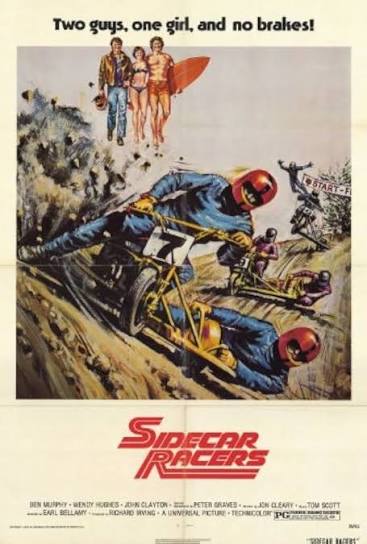
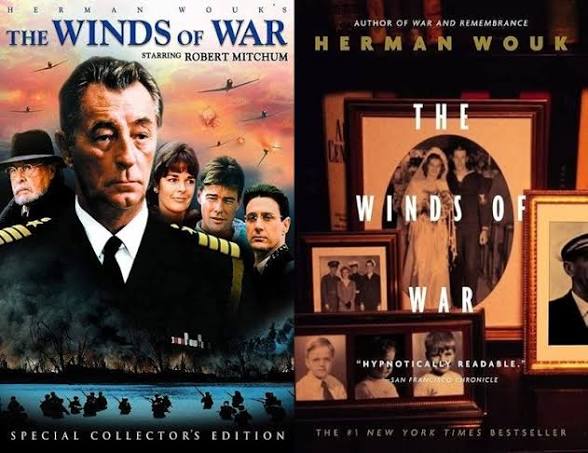
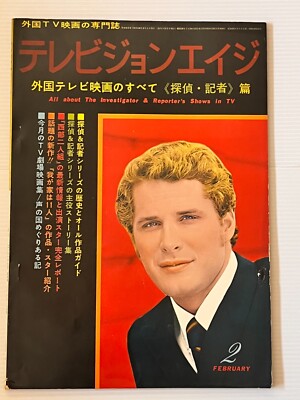
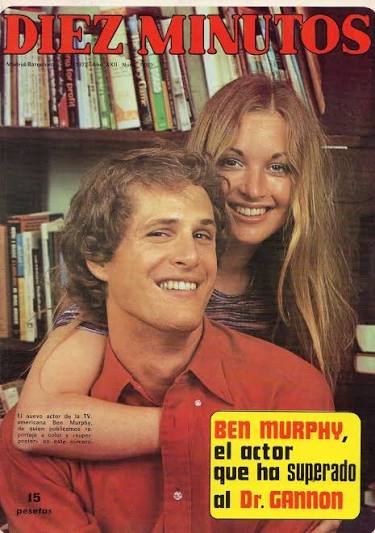
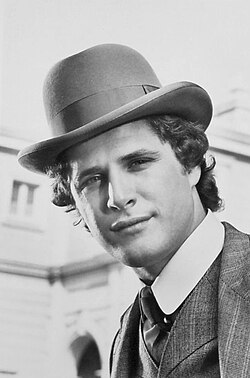
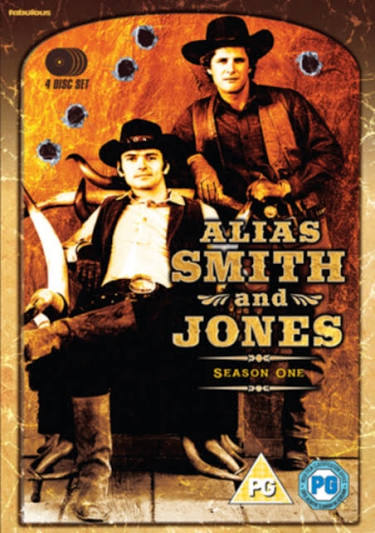
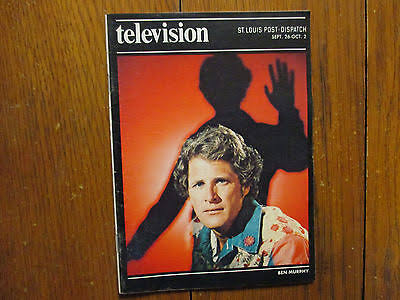
Ben Murphy is best known for the very popular television series “Alias Smith & Jones” with the late Pete Duel which ran from 1972 to 1973. He was born in Arkansas in 1942. When the series filded, he starred in several other shows. In 1983 he starred in the very popular TV mini-series “The Winds of War”. His film career has not been extensive but he was in “The Graduate”, “Your’s Mine and Ours” and “To Protect and Serve”. Ben Murphy’s website can be accessed here.
“Wikipedia” entry:
Ben Murphy was born in Jonesboro, Arkansas, to Nadine (Steele) and Benjamin E. Castleberry. When his mother remarried in 1956, Ben was adopted by his stepfather, Patrick Henry Murphy.[3] Murphy grew up in Clarendon Hills, Illinois, a suburb of Chicago.[1] An alumnus of Benet Academy in Lisle, Illinois,[citation needed] he attended eight colleges before deciding to pursue an acting career.
Murphy appeared in a supporting role in The Name of the Game, a series featuring a rotating leading cast including Tony Franciosa,Gene Barry, and Robert Stack. Murphy played a semi regular role as ‘Joseph Sample’ assistant to Robert Stack’s leading character ‘Dan Farrell’ in Stack’s segments of the show. From 1971 to 1973, he starred in Alias Smith and Jones with Pete Duel (1971–72) andRoger Davis (1972–73). After Alias Smith and Jones, Murphy joined Lorne Greene in the 1973 ABC crime drama Griff. He played detective S. Michael “Mike” Murdock, assistant to Greene’s character, Wade “Griff” Griffin, a Los Angeles retired police officer turned private eye. The series had some notable guest stars but folded after thirteen weeks. In the 1983–84 season, Murphy co-starred with Marshall Colt in the ABC drama series Lottery!. Murphy played Patrick Sean Flaherty, the man who informed lottery winners of their stroke of fortune, and Colt, formerly with James Arness on NBC‘s short-lived crime drama,McClain’s Law, portrayed the Internal Revenue Service agent, Eric Rush, who made sure the winners pay the U.S. government up front.
In 1985, Murphy co-starred as department store heir, Paul Berrenger, on the short-lived drama, Berrenger’s. His character was at odds with his former wife, Gloria (Andrea Marcovicci) and his own father, Simon (Sam Wanamaker) due to his romance with executive, Shane Bradley (Yvette Mimieux). Murphy starred in his own series Gemini Man, in which he played a secret agent who could become invisible for 15 minutes a day through the use of a special wristwatch. However, the show did not run beyond a single season. Murphy has since appeared in guest-starring parts, including having been a murder suspect in CBS‘s Cold Case.
The above “Wikipedia” entry can also be accessed online here.
Ben Murphy is an American television and film actor best known for his work on 1970s and 1980s network television. Though his name may not carry the same global recognition as some of his contemporaries, Murphy represents a key figure within a transitional era in American TV—bridging the classic network Westerns of the 1960s and the emerging antihero dramas of the 1970s. His career is emblematic of the television star system of the period: contract-based, genre-flexible, and defined by charm, dependability, and adaptability rather than auteur-driven artistic reinvention.
Career Overview
Early Life and Entry into Acting
Born Benjamin Edward Murphy in 1942 in Jonesboro, Arkansas, Murphy’s path to acting was not an inevitable one. He attended several universities (including the University of Illinois), studying political science and economics before turning to acting in the mid-1960s. This intellectual background would later inform the measured intelligence behind many of his screen personas: witty, skeptical, and self-aware men navigating unstable moral terrain.
Like many actors of his generation, Murphy honed his craft through guest spots on television series, including The Name of the Game, The F.B.I., and Alias Smith and Jones. These supporting appearances coincided with a Hollywood undergoing generational turnover—shifting from the studio contract model to the television network system. Murphy’s early work demonstrated the composite qualities networks sought in leading men: good looks, a touch of irony, and a capacity to inhabit both Western and contemporary roles with casual credibility.
Breakthrough: Alias Smith and Jones (1971–1973)
Murphy’s defining role came when he starred opposite Pete Duel (and later Roger Davis) in the ABC series Alias Smith and Jones, a Western influenced by the tone and wry humor of Butch Cassidy and the Sundance Kid (1969). Murphy played Kid Curry—also known as Thaddeus Jones—a reformed outlaw seeking amnesty alongside Duel’s Hannibal Heyes.
This role captured Murphy’s core screen persona: handsome yet approachable, morally ambiguous yet fundamentally decent. His chemistry with Duel was essential to the show’s charm—their easy banter and warmth framed outlaws as likable rebels rather than villains. When Duel’s tragic death ended their partnership, Murphy carried the series forward alongside Davis with professionalism and sensitivity, though critics often noted that the show lost some of its initial magic without Duel’s counterbalance.
Critically, Alias Smith and Jones positioned Murphy as a representative of a new masculine ideal: the charming antihero rendered palatable for network audiences. He brought urban irony to the Western genre, softening the frontier myth with humor and empathy—traits that would become fixtures of his career.
Diversification and Television Work (Mid-1970s–1980s)
Following the end of Alias Smith and Jones, Murphy leaned into the breadth of American TV acting, appearing in a series of popular genre shows and TV movies:
Griff (1973–74), where he co-starred with Lorne Greene as an investigator.
Gemini Man (1976), a short-lived science fiction series where he played an agent who could turn invisible—a clear product of 1970s network experimentation with high-concept premises.
Numerous guest roles in The Love Boat, Fantasy Island, Murder, She Wrote, and L.A. Law.
Though these projects often lacked long-term cultural endurance, they demonstrated Murphy’s utility player versatility—he could inhabit the action hero, romantic lead, or detective archetype with credibility and ease. His screen presence was characterized less by intensity than by charm and rhythm: a conversational pacing and relaxed composure that suited episodic television’s quick production turnover.
Televisual Context and Industry Position
To appreciate Murphy’s career, it’s important to situate him within the television ecosystem of his era. Unlike film stars who cultivated auteur partnerships, many television actors in the 1970s were professional stabilizers—anchors for rapidly shifting network schedules. Murphy’s reliability made him both prolific and somewhat typecast: the genial, good-looking, pragmatic lead who could carry a show’s premise without dominating it.
He was, in that sense, an archetypal “network-era performer”—valued more for adaptability than personal authorship. Murphy also benefited from, but was constrained by, the limitations of the made-for-TV format: strong character acting often in service of mid-tier writing and short project lifespans.
Later Work and Semi-Retirement
By the late 1980s and early 1990s, as serialized narratives and cable networks began reshaping television, Murphy’s career slowed. He appeared periodically in projects such as Time Express (1979) and guest roles in Cold Case and The Bold and the Beautiful. Over time, he shifted focus to other pursuits outside acting, though his legacy persisted among fans of classic television and Westerns who appreciated Alias Smith and Jones’ witty tone and moral subtext.
Critical Analysis
Strengths:
Screen warmth and wit: Murphy’s performances invite identification rather than awe. His subtle irony allows audiences to trust him even in morally grey contexts.
Genre adaptability: Moving from Westerns to action to light comedy, he mastered the mid-range tonal balance crucial to 1970s series acting.
Collaborative energy: His chemistry with co-stars carried much of his best work; he excelled in duo formats (e.g., Duel in Alias Smith and Jones, Greene in Griff).
Limitations:
Underdeveloped film crossover: Despite charisma and skill, Murphy never broke into major cinematic roles, likely due to timing and the strong network identification he bore.
Typecasting: His association with boyish heroes limited access to darker or more complex dramatic roles.
Industry shifts: The post-1980s shift toward serialized “prestige TV” marginalized the kind of actor-centered, episodic star vehicle he thrived in.
Artistic Identity and Legacy
Ben Murphy’s career illuminates a transitional moment in American entertainment history: the fading of the Western as national myth and the rise of the ironic, self-aware television hero. His work in Alias Smith and Jones exemplifies the American TV antihero sanitized for mass appeal—rebellious yet moral, humorous yet sincere.
While not often discussed in critical film studies, Murphy’s body of work resonates through televisual naturalism—a performative mode built on charm, composure, and rhythm rather than deep psychological deconstruction. In this respect, his performances prefigure later American TV leads who navigate irony and integrity simultaneously.
Summary
Ben Murphy’s career may not have yielded a marquee filmography, but it offers a revealing cross-section of late-20th-century American television. His blend of instinctive likability, understated humor, and moral ambivalence reflected broader cultural shifts—from classical heroism toward relatability. In the context of TV acting craft, Murphy stands as a case study in how charisma and steadiness can anchor volatile narrative worlds, giving audiences consistency in an era defined by rapid change
Brian Hyland was born in 1943 and is an American pop singer and instrumentalist who was particularly successful during the early 1960s. He continued recording into the 1970s. Allmusicjournalist Jason Ankeny says “Hyland’s puppy-love pop virtually defined the sound and sensibility of bubblegum during the pre-Beatles era.”Although his status as a teen idol faded, he went on to release several country-influenced albums and had additional chart hits later in his career.
Hyland was born in Woodhaven, Queens, New York City. He studied guitar and clarinet as a child, and sang in his church choir. When aged 14 he co-founded the harmony group the Delfis, which recorded a demo but failed to secure a recording contract. Hyland was eventually signed by Kapp Records as a solo artist, issuing his debut single, “Rosemary”, in late 1959. The label employed the Brill Buildingsongwriting duo of Lee Pockriss and Paul Vance to work with Hyland on the follow-up, “Four Little Heels (The Clickety Clack Song)”, which was a minor hit, and the songwriting duo continued to work with Hyland
Thus in August 1960, Hyland scored his first and biggest hit single at the age of 16, “Itsy Bitsy Teenie Weenie Yellow Polkadot Bikini“, written by Vance and Pockriss. It was a novelty song that reached #1 on the Billboard Hot 100chart, (#8 in the UK) and sold almost a million copies in the first two months of its release, and over two million copies in total. It got rewarded a RIAA certification as a golden disc.
Hyland moved on to ABC-Paramount Records, where he began working with the songwriting and production team of Gary Geld and Peter Udell, and further hits followed with “Let Me Belong to You” and “I’ll Never Stop Wanting You”.[1]
Hyland’s other major hit during this period was 1962’s “Sealed with a Kiss“, which reached #3 in 1962 on both the American and UK Singles Chart.[4][6] It stayed on the US pop chart for eleven weeks and got rewarded as a Recording Industry Association of America golden disc too. Another 1962 hit was “Ginny Come Lately”, which reached #21 on the U.S. chart and #5 in the UK.[4][6] Hyland’s 1962 Top 30 hit “Warmed-Over Kisses (Leftover Love)” incorporated elements of country music into his work, which continued with singles including “I May Not Live to See Tomorrow” and “I’m Afraid to Go Home” and on the 1964 album Country Meets Folk. This approach was out of step with the changes brought about by British Invasion bands. Hyland’s commercial success became limited, but he continued that in vein and had further hits with “The Joker Went Wild” and “Run, Run, Look and See”, working with producer Snuff Garrett and sessionmusicians including J. J. Cale and Leon Russell.
Hyland appeared on national television programs such as American Bandstand and The Jackie Gleason Show, and toured both internationally and around America with Dick Clark in the Caravan of Stars. The caravan was in Dallas, Texas on the day of the assassination of President Kennedy in 1963.[7][8] To commemorate the event, Hyland wrote the song “Mail Order Gun”, which he recorded and eventually released on his 1970 eponymous album.
From 1963 through 1969, Hyland scored several minor hits, but none reached higher than #20 (“The Joker Went Wild”) on the U.S. pop chart. An album released in 1964 featured numbers that hearkened back to the 1950s including such hits as “Pledging My Love” and “Moments to Remember”—at a time when The Beatles were sweeping the pop music world with a very different style. Hyland afterward shifted into a phase of recording country music and folk rock styles. Songs such as “I’m Afraid To Go Home” and “Two Brothers” had an American Civil War theme. Hyland played harmonica on a few numbers.
Hyland attempted several departures from the norm, including the psychedelic single “Get the Message” (#91 on the U.S. pop chart), and “Holiday for Clowns” (#94), but despite their more contemporary arrangements, they failed to get much airplay. He went on to chart just two more Top 40 hits, both cover versions, in 1971: “Gypsy Woman” a 1961 hit for The Impressions written by Curtis Mayfield, and “Lonely Teardrops“, a 1959 hit for Jackie Wilson. Hyland recorded them in 1970, and Del Shannon produced the tracks. “Gypsy Woman” reached #3 on the 1970 U.S. pop chart, making it the second-biggest hit of his career, selling over one million copies, and being certified gold by the RIAA in January 1971. Two of his previous hits, “Itsy Bitsy Teenie Weenie Yellow Polkadot Bikini” and “Sealed with a Kiss” were also awarded gold discs.
In 1975, “Sealed With A Kiss” became a hit again in the UK (#7) and Hyland performed the song on Top Of The Pops on July 31 of the same year. By 1977, he and his family had settled in New Orleans, and in 1979 the In a State of Bayou album, on which he had worked with Allen Toussaint, was issued by the Private Stock label.
In June 1988, Dutch singer Albert West asked Hyland to record some duets of his hits: “Itsy Bitsy Teenie Weenie Yellow Polkadot Bikini“, “Sealed With A Kiss” and “Ginny Come Lately”, the latter song had been covered before by Albert West in 1973, becoming his biggest – a huge European continental – hit. “Itsy Bitsy…” was released as a single and reached #43 on the Dutch singles chart. Hyland and West performed on TV shows in Germany, Belgium and a Dutch TV special in Aruba.
Today, Hyland continues to tour internationally with his son Bodi, who assists on drums from time to time.
Hyland’s “role” in the entertainment industry was that of the quintessential clean-cut American youth.
The “Itsy Bitsy” Phenomenon (1960): At just 16, Hyland became a global sensation with “Itsy Bitsy Teenie Weenie Yellow Polkadot Bikini.” This established his image as a playful, harmless juvenile lead.
The Romantic Crooner (1962): He successfully transitioned from “novelty act” to serious balladry with “Sealed with a Kiss,” which showcased a more sophisticated, melancholic vocal performance.
The Mature Reinvention (1970): Under the production of Del Shannon, he released “Gypsy Woman,” which traded his bubblegum roots for a soulful, slightly psychedelic sound, reaching #3 on the Billboard Hot 100.
Critical Analysis: The “Performance” of Brian Hyland
1. The Archetype of the “Non-Threatening Teen”
In the early 60s, the music industry was looking for a bridge between the rebellion of Elvis Presley and the impending British Invasion.
Analysis: Hyland’s performance style was built on approachability. Unlike the “brooding” James Dean archetype, Hyland projected a sunny, suburban reliability. His appearances on American Bandstand were masterclasses in the “boy next door” persona—a role that required a specific kind of understated, polite charisma that appealed heavily to the parental demographic of the time.
2. Vocal Acting and “Atmosphere”
Though he didn’t act on stage, Hyland’s hit “Sealed with a Kiss” is frequently cited by music critics for its “cinematic” quality.
Analysis: Hyland’s vocal performance in this track utilizes a “breathy” technique that suggests intimacy and cinematic close-ups. The song has been used in countless films and TV shows to evoke a specific brand of 1960s nostalgia, largely because Hyland “performs” the lyrics with a sense of gentle heartbreak that feels scripted for a coming-of-age movie.
3. Presence in Film History
While Hyland didn’t take leading roles, his work is inextricably linked to cinema:
The Billy Wilder Connection: His hit “Itsy Bitsy…” was used as a plot device in Billy Wilder’s classic comedy “One, Two, Three” (1961), where it is used as a “brainwashing” technique.
Modern Soundtracks: His music continues to “act” as a narrative shorthand in modern cinema. For example, his cover of “Lonely Teardrops” or the inclusion of his hits in films like The Heartbreak Kid helps directors establish a sense of period-accurate innocence or irony.
Brian Murray was born in South Africa in 1937. He began his acting career in Britain and had a prominent supporting role in “The Angry Silence” as one of the thugs menancing Richard Attenborough. His career though has been primarily on the stage in the U.S.A.
Gary Brumburgh’s entry:
This wonderfully witty, enormously talented, classically-trained theatre actor has yet to find THE film project to transition into twilight screen stardom; yet, at age 70 plus, there is still a glimmer of hope for Brian Murray if one fondly recalls the late-blooming adulation bestowed upon such illustrious and mature stage stars Judi Dench, Hume Cronyn and Jessica Tandy.
Born Brian Bell in September of 1937 in Johannesburg, South Africa, the Shakespearean titan attended King Edward VII School, while there. It must have been a sign. He made his stage bow in 1950 as “Taplow” in “The Browning Version” and continued on the South African stage until 1957. Though he made his film debut fairly early in his career with The League of Gentlemen (1960) and showed strong promise and presence in The Angry Silence (1960), his first passion was, and is, the theatre and instead chose to join the Royal Shakespeare Company where his impressively youthful gallery of credits included those of “Romeo”, “Horatio” in “Hamlet”, “Cassio” in “Othello”, “Edgar” in “Lear” and “Lysander” in “A Midsummer Night’s Dream”.
Eventually Broadway (off- and on-) took notice of this mighty thespian and utilized his gifts quite well over the years. A three-time Tony nominee (for “Rosenkrantz and Guildenstern Are Dead”, “The Little Foxes” and “The Crucible”), not to mention a recipient of multiple Obie (“Ashes” and “The Play About the Baby”) and Drama Desk (“Noises Off”, “Travels with My Aunt” and “The Little Foxes”) awards, this lofty veteran continues to mesmerize live audiences with a wide range of parts, both classical and contemporary. Two of his later roles, that of “Sir Toby Belch” in “Twelfth Night” and “Claudius” in “Hamlet”, were taken to TV and film. A more recent movie project was a nice change of pace — voicing the flamboyant role of “John Silver” in the animated feature, Treasure Planet (2002).
– IMDb Mini Biography By: Gary Brumburgh / gr-home@pacbell.net
Dennis Cole was an American screen and television actor who featured in several TV series. He was born in 1940 in Detroit. In 1966 he was in his first series “Felony Squad”. He was in “Bracken’s World” and then went on to star with Rod Taylor in the series “Bearcats”. He died in 2009. His obituary in “The New York Times” here.
Gary Brumburgh’s entry:
A virile, beefcake blond of the late 1960s and 1970s small screen, Dennis Cole certainly had it all going for him, but tragic circumstances prevented an all-out successful career. A rugged TV version of Robert Redford, his tan, chiseled, surfer-fit looks were ideally suited for crime action and adventure stories and he gained ground by appearing everywhere — daytime soaps, prime-time series, mini-movies — you name it.
The Detroit-born and -raised stunner was the son of Joseph C. Cole, a musician during the 1940s and 1950s. His parents, both alcoholics, divorced when he was young (his father later committed suicide). Dennis was first noticed on the pages of physique magazines serving the likes of Robert Henry Mizer (aka Bob Mizer) and his Athletic Models Guild as well as other photographers. Paying his dues as a motion picture and television stuntman, Cole also appeared in an occasional bit part and in the background of a few movie musicals. His photogenic appeal could not be denied for long and eventually he took a front-and-center position, launching his acting career on the short-lived daytime soap Paradise Bay (1965) as a spoiled rich boy who causes tongues to wag after falling for a Mexican girl. However, it was the subsequent nighttime police seriesFelony Squad (1966) alongside veterans Howard Duff and Ben Alexander (of Dragnet(1951) fame) that set Cole’s TV career in high gear. As hunky rookie detective Jim Briggs, Dennis was able to ride high on the fame his two-and-a-half season series offered.
With this success came two very short-lived series: the glossy ensemble drama Bracken’s World (1969) and opposite Rod Taylor as a trouble-prone stud in the more adventurousBearcats! (1971). Females couldn’t get enough of Cole and his athletic skills had males idolizing from afar. Guest appearances on Medical Center (1969), Barnaby Jones (1973),Police Story (1973), Love, American Style (1969), The Love Boat (1977), The Streets of San Francisco (1972) and Police Woman (1974) kept him highly visible in between series runs. During this career peak, he made his Broadway debut in “All the Girls Came Out to Play” in 1972. He also decided to tap into his musical side and dabbled in his own musical revue, which showcased on the Sunset Strip and in Las Vegas. A guest TV appearance on Charlie’s Angels (1976) led to his meeting and, in 1978, marrying “Angel”Jaclyn Smith. As one of Hollywood’s more beautiful couples, they kept cameras flashing for a number of years until their breakup and divorce in 1981.
The early 1980s started off well for Cole as replacement “Lance Prentiss” in the soap-opera The Young and the Restless (1973) in 1981. Very much a product of TV, he was unable to permanently transition into films; he appeared occasionally in dismissible low-budget action fare such as Amateur Night (1986), Death House (1987), Pretty Smart(1987), Dead End City (1988) and Fatal Encounter (1990). He continued showing up on all the popular series of the day, including Silk Stalkings (1991), Murder, She Wrote (1984),Pacific Blue (1996) and Baywatch Nights (1995), among others, while appearing in such legit stage plays as “The Tender Trap”, “Lovers and Other Strangers”, “The Boys in the Band”, and the British farces “Run for You Life” and “Out of Order”. Very much involved with charity work, his endeavors over the years have included an over-two-decade involvement with the Cancer Society (Honorary Chairman), as well as the Arthritis and Cystic Fibrosis foundations.
Dennis’ later personal and professional lives suffered as a result of a chronic alcohol problem, but an even greater setback occurred when his only child, Joey (whom he named after his father), was murdered during a 1991 robbery attempt in Venice, California. He continued to perform on TV and stage (as the “Narrator” in a production of “Blood Brothers” and the James Garner “King Marchan” role in the first national tour of the musical “Victor/Victoria”). Severe injuries suffered while performing in the latter show led to multiple surgeries, a three-year convalescence and a new direction.
Dennis returned to school and started up his own real estate company, setting up an office in Fort Lauderdale, FL. Married for several years to his third wife Marjorie (“Ree”), Dennis filed for divorce in May of 2007, which became final on April 21, 2008. He died at age 69 on November 15, 2009, in a Fort Lauderdale hospital of liver failure.
– IMDb Mini Biography By: Gary Brumburgh / gr-home@pacbell.