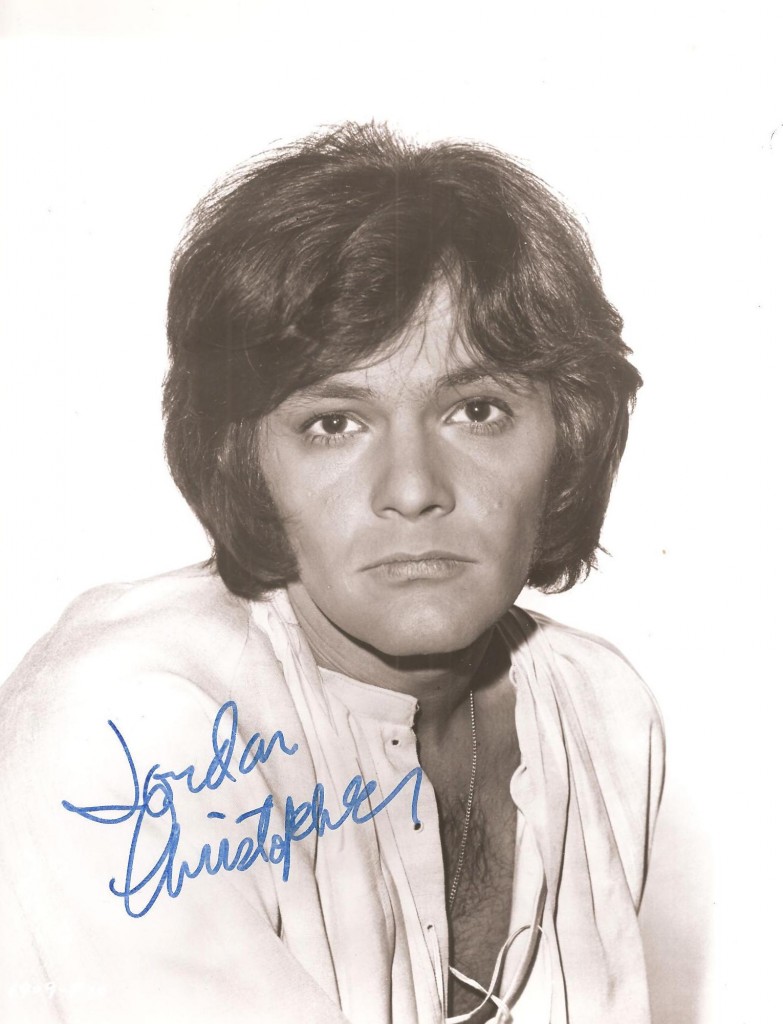
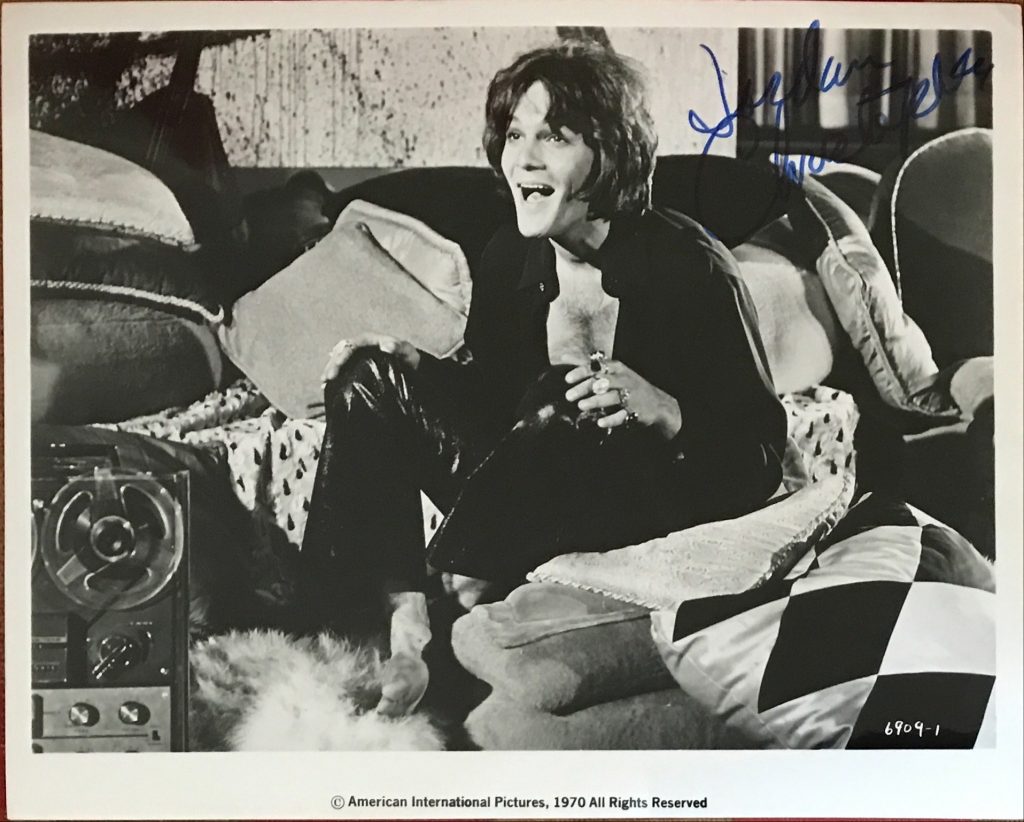
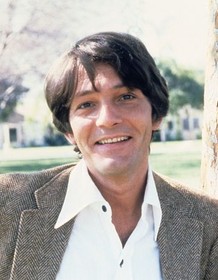
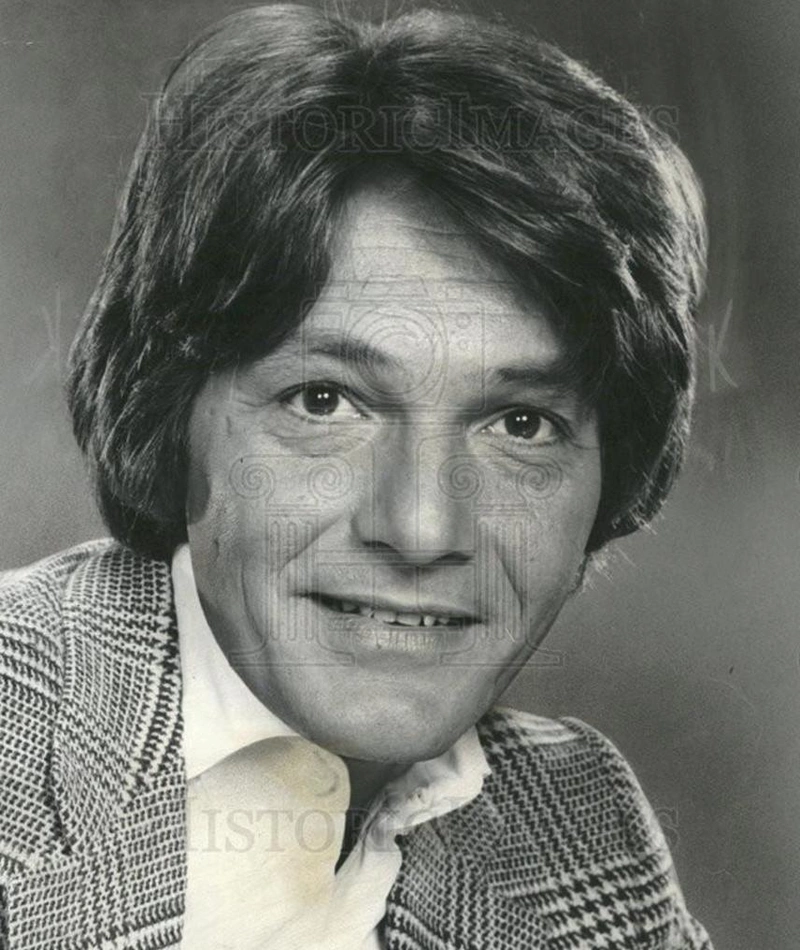
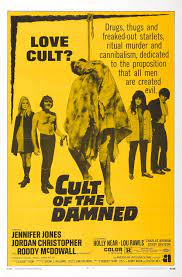
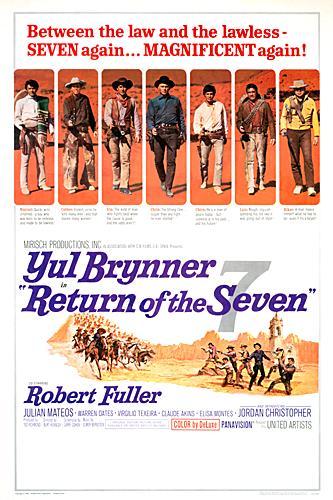
Jordan Christopher (October 23, 1940 – January 21, 1996) was an American actor and singer. He was the lead singer of The Wild Ones, who recorded the original version of the rock classic “Wild Thing” after Christopher had left the band.
Born in Youngstown, Ohio, to Macedonian immigrants Eli and Dorothy Zankoff, he moved at an early age to Akron, where his father ran a downtown bar.
Christopher became interested in singing with the rise of rock & roll, spending much of his time at the music clubs in Akron’s black section. He formed a doo-wop group called the Fascinations, who released unsuccessful singles on several small labels in the early 1960s.
Christopher’s break came when he joined The Wild Ones, the house band at New York’s Peppermint Lounge, as singer and guitarist. After a residency at the Peppermint Lounge of eight months, The Wild Ones were hired to play at Arthur, the Manhattan discothèque operated by Sybil Williams, then recently divorced from Richard Burton. Within a month of meeting, Christopher and Williams – eleven years his senior – began dating and married in 1966. They had a daughter named Amy, and he had a daughter named Jodi from a previous marriage.
Thanks to the publicity Williams received as the ex-wife of Richard Burton, there was great interest in Arthur, and The Wild Ones were able to secure a recording contract with United Artists records, releasing an album, The Arthur Sound. However, Christopher left the band shortly after its release to develop an acting career. Producer Gerry Granahan later commissioned Brill Building songwriter Chip Taylor to write a song specifically for the band. “Wild Thing” – sung by the band’s new lead vocalist, Chuck Alden, not Christopher – was the result.[1]
Christopher continued to act intermittently, and he worked behind the scenes with his wife in her operation of the New Theatre on 54th Street in New York City and Bay Street Theater in Sag Harbor, New York .
Christopher died of a heart attack on January 21, 1996.
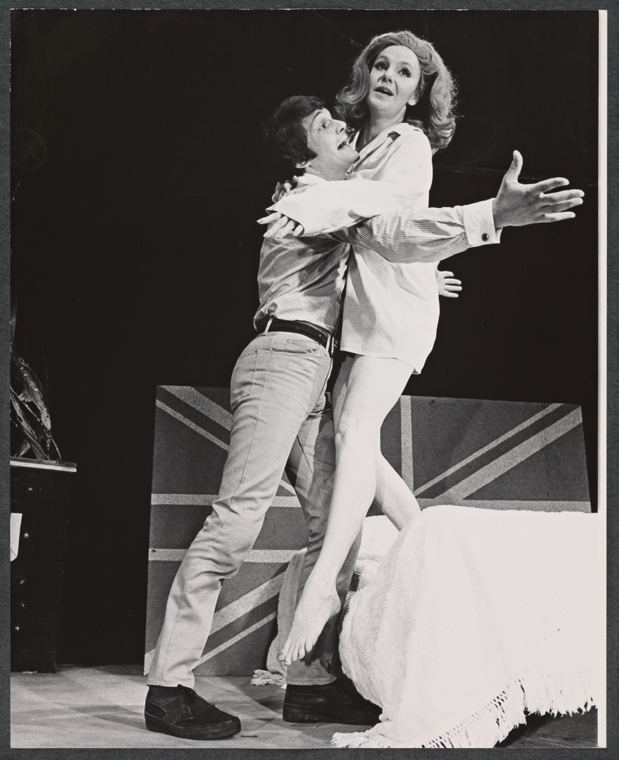
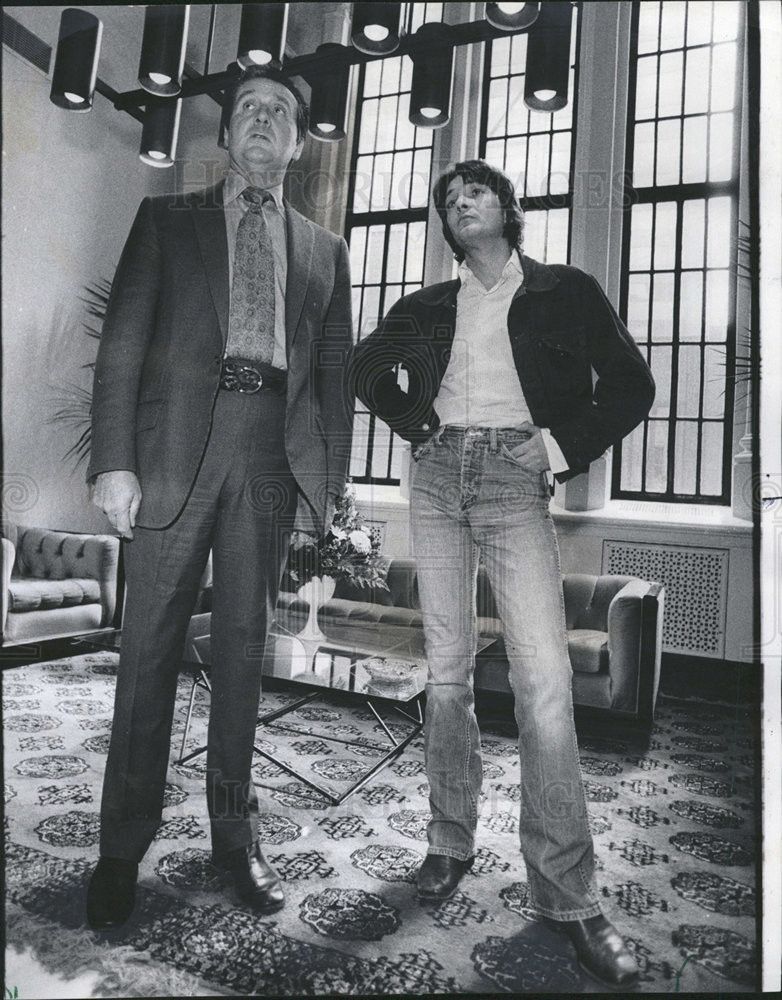
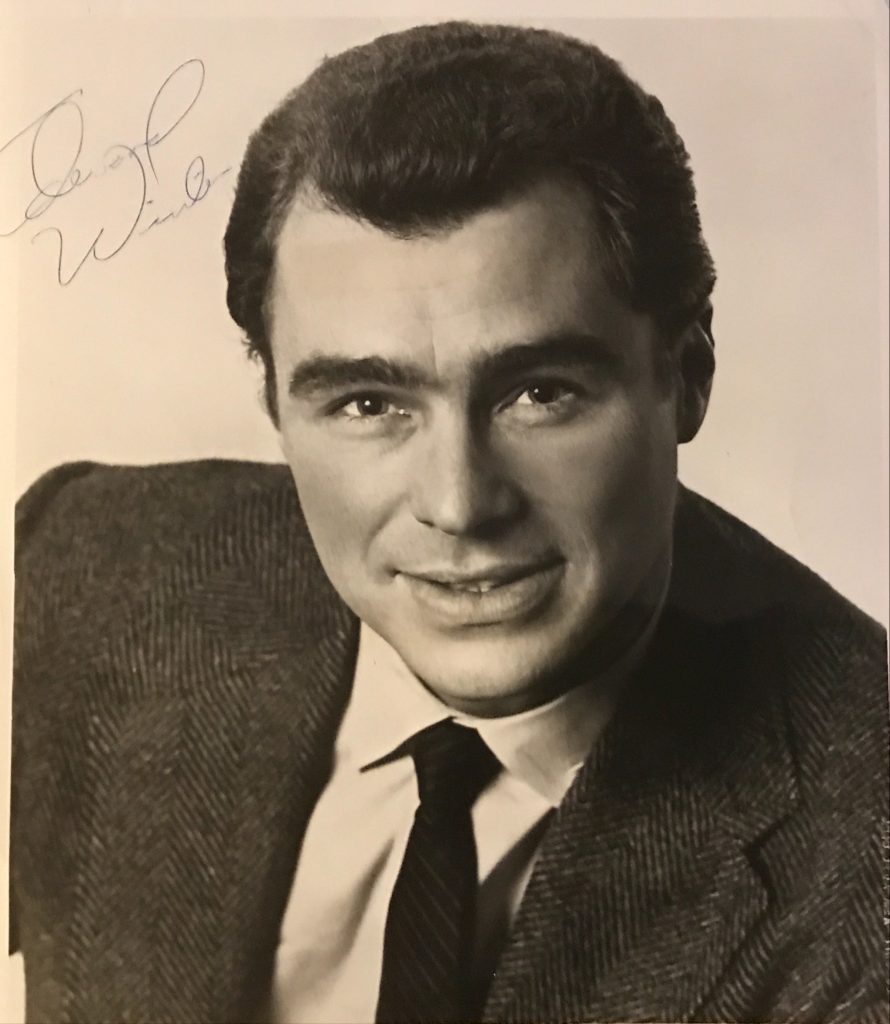
Edward Winter was a versatile American actor best remembered for his role as Colonel Flagg in TV’s long running “Mash”. He was born in 1937 in Ventura, California. He began his career on Broadway and starred in Cabaret” in 1967 and then later in “Promises, Promises”. His film’s include “Porky’s Two” and “From the Hip”. He died in 2001.
Obituary in “The New York Times”:
dward Winter, a character actor who worked in theater, films and television, died on March 8 in Los Angeles. He was 63 and had Parkinson’s disease.
Mr. Winter began his acting career in 1962 with the San Francisco Actors Workshop and then moved to New York, where he appeared in productions of ”Galileo,” ”Danton’s Death,” ”The Country Wife,” ”The Condemned of Altona” and ”The Caucasian Chalk Circle.”
He made his Broadway debut in the 1966 musical ”Cabaret” as Ernst, and was nominated for a Tony Award as best supporting actor.
Mr. Winter appeared on television as Colonel Flagg in the series ”M*A*S*H.” His film credits included ”A Change of Seasons,” ”The Buddy System” and ”Porky’s II.”
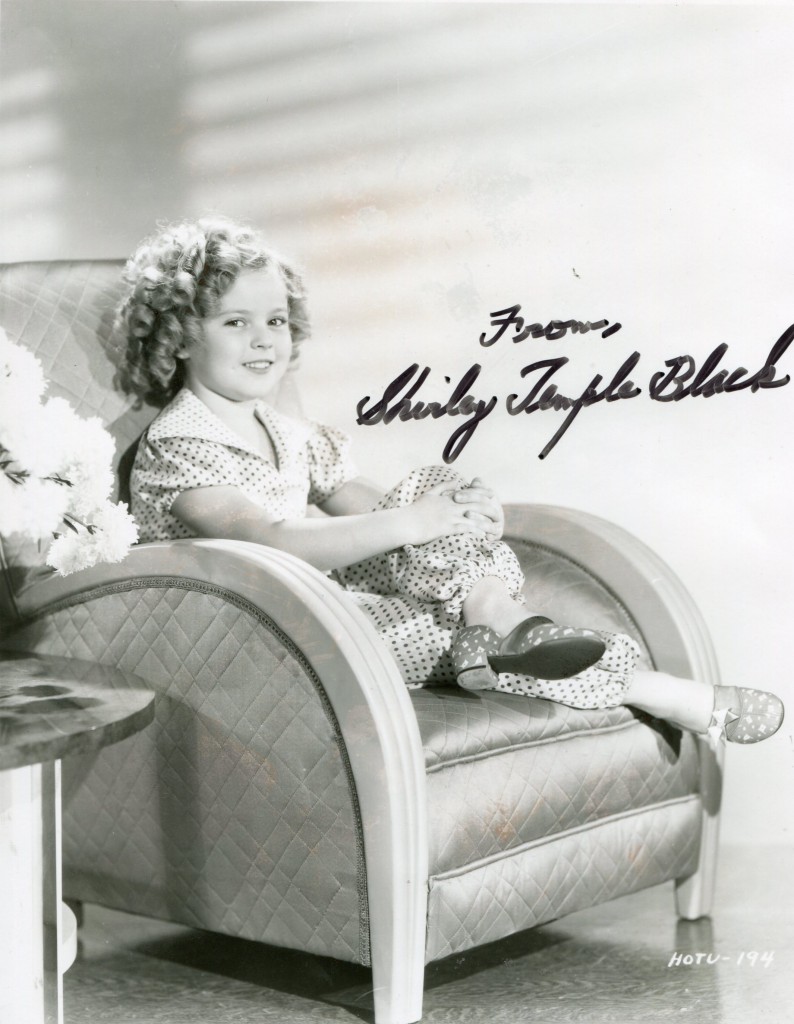
Shirley Temple is regarded as the most popular child actress ever on film. Her films during the Depression in the 1930’s provided light relief to a weary public. Maybe we need her again to-day. She was born in 1928 in Santa Monica, California. Among her best remembered films are “Heidi”, “Rebecca of Sunnybrook Farm”, “Little Miss Broaday” and “A Little Princess”. As she matured she film roles became more infrequent although she was very effective in “Since You Went Away” as one of the daughters of Claudette Colbert on the home front. Jennifer Jones was the other. She also starred in John ord’s “Fort Apache” with Henry Fonda. After retiring from film, she entered the world of politics and joined the Republican party. She served as U.S. Ambassador to Ghana from 1974 until 1976 and Ambassador to Czechoslovakia from 1989 till 1992. She died in 2014.
Her obituary in “The Economist”:
THERE had to be a dark side to Shirley Temple’s life. Biographers and interviewers scrabbled around to find it. The adorable dancing, singing, curly-haired moppet, the world’s top-earning star from 1935 to 1938, surely shed tears once the cameras were off. Her little feet surely ached. Perhaps, like the heroine of “Curly Top”, she was marched upstairs to bed afterwards by some thin-lipped harridan, and the lights turned resolutely off.
Not a bit of it. She loved it all, both then and years later, when the cuteness had gone but the dimples remained. Hadn’t her mother pushed her into it? No, just encouraged her, and wrapped her round with affection, including fixing her 56 ringlets every night and gently making her repeat her next day’s lines until sleep crept up on her. Hadn’t she been punished cruelly while making her “Baby Burlesks”, when she was three? Well, she had been sent several times to the punishment box, which was dark and had only a block of ice to sit on. But that taught her discipline so that, by the age of four, she would “always hit the mark”—and, by the age of six, be able to match the great Bill “Bojangles” Robinson tap-for-tap down the grand staircase in “The Little Colonel”.
To some it seemed a stolen childhood, with eight feature films to her name in 1934, her breakthrough year, alone. Not to her, when Twentieth-Century Fox (born out of struggling Fox Studios that year on her glittering name alone) built her a little bungalow on the lot, with a rabbit pen and a swing in a tree. She had a bodyguard and a secretary, who by 1934 had to answer 4,000 fan-letters a week. But whenever she wanted to be a tomboy, she was. In the presidential garden at Hyde Park she hit Eleanor Roosevelt on the rump with her catapult, for which her father spanked her.
The studios were full of friends: Orson Welles, with whom she played croquet, Gary Cooper, who did colouring with her, and the kind camera crews. She loved the strong hands that passed her round like a mascot, and the soft laps on which she was plumped down (J. Edgar Hoover’s being the softest). The miniature costumes thrilled her, especially her sailor outfit in “Captain January”, in which she could sashay and jump even better; as did her miniature Oscar in 1935, the only one ever awarded to somebody so young. Grouchy Graham Greene mocked her as “a complete totsy”, but no one watching her five different expressions while eating a forkful of spinach in “Poor Little Rich Girl” doubted that she could act. She did pathos and fierce determination (jutting out that little chin!), just as well as she did smiles.
Her face was on the Wheaties box. It was also on the special Wheaties blue bowl and pitcher, greeting people at breakfast like a ray of morning sunshine. Advertisers adored her, from General Electric to Lux soap to Packard cars. After “Stand up and Cheer!” in 1934 dolls appeared wearing her polka-dot dress, and after “Bright Eyes” the music for “The Good Ship Lollipop” was on every piano, as well as everyone’s brains: “Where bon-bons play/ On the sunny beach of Peppermint Bay.”
Her parents did not tell her there was a Depression on. They mentioned only good things to her. Franklin Roosevelt declared more than once that “America’s Little Darling” made the country feel better, and that pleased her, because she loved to make people happy. She had no idea why they should be otherwise. Her films were all about the sweet waif bringing grown-ups back together, emptying misers’ pockets and melting frozen hearts. Like the dog star Rin Tin Tin, to whom she gaily compared herself, she was the bounding, unwitting antidote to the bleakness of the times.
A toss of curls
She was as vague about money as any child would, and should, be. Her earnings by 1935 were more than $1,000 (now $17,000) a week—from which she was allowed about $13 a month in pocket money—and by the end of her career had sailed past $3m (now $29m). But when she found out later that her father had taken bad financial advice, and that only $44,000 was left in the trusts, she did not blame him. She remembered the motto about spilt milk, and got on with her life.
Things appeared to dive sharply after 1939, when her teenage face—the darker, straighter hair, the troubled look—failed to be a box-office draw. She missed the lead in “The Wizard of Oz”, too. She shrugged it off; it meant she could go to a proper school for the first time, at Westlake, which was just as exciting as making movies. By 1950 she had stopped making films altogether; well, it was time. She couldn’t do innocence any more, and that was what the world still wanted. Her first husband was a drunk and a disaster, but the marriage brought her “something beautiful”, her daughter Susan. The second marriage, anyway, lasted 55 years. She lost a race for Congress in 1967: but when that door closed another opened, as an ambassador to Ghana and Czechoslovakia. Breast cancer was a low point, but she learned to cope with it, and helped others to cope. “I don’t like to do negatives,” she told Michael Parkinson. “There are always pluses to things.”
In the films, her sparkling eyes and chubby open arms included everyone; one toss of her shiny curls was an invitation to fun. Her trademark was, it turned out, that rare thing in the world, and rarer still in Hollywood: a genuine smile of delight.
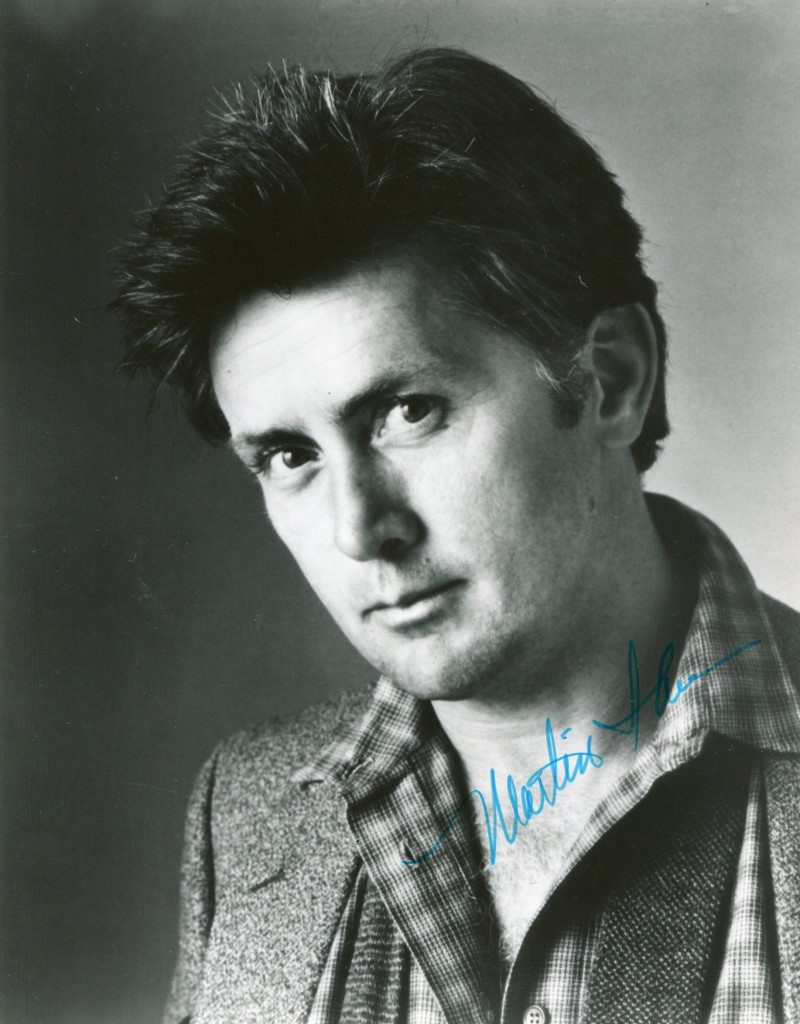
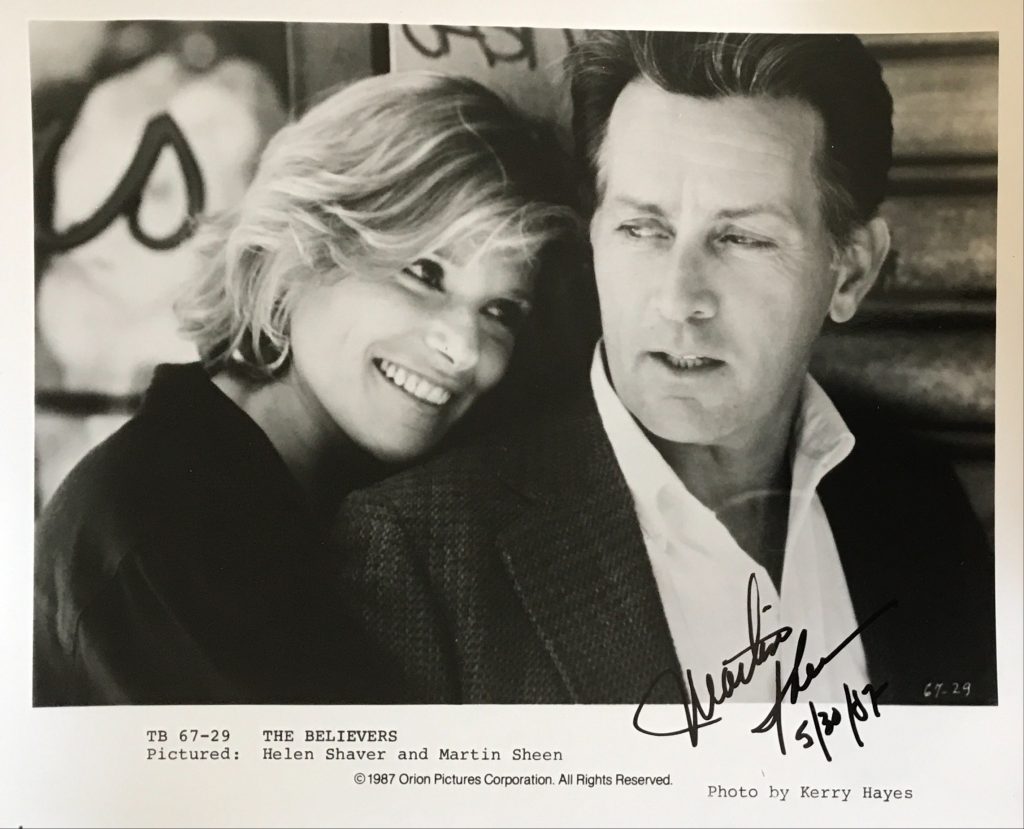
Marin Sheen was born in 1940 in Dayton, Ohio. He first came to public attention in the brilliant “Badlands”. His other major film credits include “Da”, “Catholics”, “Gettysburg”, “Apocalypse Now” and “Wall Street”. He had a major success with the long running “The West Wing”. Marftin Sheen is a well-known and respected activist. He is the father of actors Emilio Estevez and Charlie Sheen. He is an Irish citizen.
TCM Overview:
One of the busiest, most conscientious actors who ever worked in Hollywood, Martin Sheen put together a Herculean body of work – though much of it forgettable – that contained enough highlights to consider him to be among the great actors of his generation. After establishing himself as a youth run amok, most notably in “Badlands” (1973), Sheen grew over the years into a patriarchal figure whose rectitude and social responsibility kept with his liberal Catholic activism. A proud family man who saw all four children enter the acting business, with sons Emilio Estevez and Charlie Sheen enjoying lucrative careers of their own, he was perhaps most noted for his performance in Francis Ford Coppola’s storied “Apocalypse Now” (1979), on which he suffered a near-fatal heart attack while seen onscreen in a drunken, unscripted meltdown the director incorporated into the finished product. But he subdued his rebellious ways with the help of Alcoholics Anonymous, while putting his political activism to the fore with an enduring portrayal of an idealistic president on “The West Wing” (NBC, 1999-2006), which allowed him to put his two greatest passions – acting and activism – on full display. …
The above TCM overview can also be accessed online here.
Peter Brown was born in 1935 in New York City. During his U.S. Army Service in Alaska be became involved in writing and acting. In the late 1950’s he was signed by Warner Brothers on contract and made “Red Nightmare” and “Darby’s Rangers”. His first television series was “Lawman” which ran from 1958 until 1962. He made some films for the Walt Disney Studios and was then given the lead in the popular Western series “Laredo”. He died in 2016.
Hollywood Reporter obituary:
Peter Brown, who starred as the eager young deputy Johnny McKay on the 1958-62 ABC series Lawman, has died. He was 80. Brown, who played a Texas Ranger on NBC’sLaredo, another TV Western, died Monday at his home in Phoenix as a result of Parkinson’s disease, his wife, Kerstin, told The Hollywood Reporter.
In Foxy Brown (1974), the boyishly handsome actor portrayed a bad guy who is castrated by men hired by the revenge-seeking title character (Pam Grier), with his severed genitals being presented to his girlfriend (Kathryn Loder). From 1972-79, Brown played Dr. Greg Peters on NBC’s Days of Our Lives and later worked on other soap operas such as The Young and the Restless, Loving, One Life to Live and The Bold and the Beautiful. On Lawman, one of several series that Warner Bros. had on the air at the time, Brown starred as Johnny, an orphan in the 1880s who gets the job as deputy under Marshal Dan Troop (John Russell) in Laramie, Wyo.
The role “came naturally to me,” he once said. “My character was not a big stretch; he was a pretty nice kid who was adept at what he did and was eager to learn. Johnny liked girls and guns and all the things Peter Brown liked.” Brown returned to the Western genre on the hourlong action comedy Laredo, playing the clever Chad Cooper for two seasons (1965-67). The show’s pilot was an episode of The Virginian.
Born in Manhattan, Brown moved with his family to the West Coast, and he studied acting at UCLA. As the story goes, he met studio chief Jack Warner while working at a gas station, and that led to a contract at Warner Bros. He had small roles in such films at the studio as Too Much, Too Soon (1958), Darby’s Rangers(1958), Onionhead (1958), Marjorie Morningstar (1958) and The Young Philadelphians (1959) before landing his Lawman gig. After leaving Warners, Brown signed with Universal Studios and made three films in 1964: A Tiger Walks, Kitten With a Whip, starring Ann-Margret, and Ride the Wild Surf. Brown also appeared in such films as Summer Magic (1963), Chrome and Hot Leather (1971),Piranha (1972), The Messenger (1986) and The Wedding Planner (2001) and on TV shows including Wagon Train, Mission: Impossible, The Bob Newhart Show, Police Woman, Dallas, Knight Rider and JAG.
Brown married Kerstin, his fifth wife, in 2008. Survivors also include his children Joshua, Matt and Christi, their spouses and three grandchildren.
The above “Hollywood Reporter” obituary can also be accessed online here.
Belita was a British Olympic figure skater who surprisingfly starred in a few film noirs in Hollywood in the late 1940’s. Belita was born Maria Jepson-Turner in Hampshire in 1923. As wellas ice figure skating, she was a classical trained ballet dancer. Her three film noir movies were “Suspense” in 1946, “The Gangster” and “The Hunted”. In 1953 she appeared in the British made “Never Let Me Go” with Clark Gable and Gene Tierney. She was married to the Irish actor James Kenney. Belita died in France in 2005. Article on Belita by Eddie Mueller here.
The “Independent” obituary by Tom Vallance:
The actress, dancer and ice-skater Belita had the distinction of starring in 1946 in the most expensive film ever made by the “Poverty Row” studio Monogram. It was called Suspense, and its novel mixture of ice-skating and film noir proved enormously popular at the box-office and more than repaid the studio’s investment.
Although the screen’s most famous and successful ice-skating star was undoubtedly Sonja Henie, there was a time in the early Forties when she had two rivals who appeared in more modest productions – Vera Hruba Ralston and Belita. Like Ralston, Belita was more lithe and statuesque than the diminutive Henie, but she won a following with her appearances in such escapist B-movie titles as Silver Skates (1943) and Lady, Let’s Dance (1944). A skilled dancer, too, she later had smaller roles in musicals .
A poster for Gordon Wiles’ 1947 drama ‘The Gangster’ starring Barry Sullivan and Belita. (Photo by Movie Poster Image Art/Getty Images)
Belita’s real name was Gladys Lyne Jepson-Turner and she was born in Nether Wallop, Hampshire, in 1923. She started skating as a child, encouraged by her mother, a former figure-skater, and in 1936 she was a competitor at the Winter Olympics at Garmisch-Partenkirchen in Bavaria – Henie was the winner, with Belita in 16th place. It was an experience she later recalled as “terrifying”. She told David Jacobs in 1980,
We were woken by the sound of the storm troopers marching, and we were made to do the “Heil Hitler” salute before we worked. Poor little Freddy Tomlin – I don’t know what he said to them but they threw him out in the snow for about two hours, locking the doors of the arena.
In 1937, the 14-year-old starred in the spectacular London show Opera on Ice, and the following year she and her mother, who had separated from Belita’s father, set sail for the United States, where Belita achieved great success as star of the touring revue Ice Capades. She made her screen début in 1941 as a guest skater in Republic’s film version, also titled Ice Capades, which added a slim plot as framework to showcase several of the show’s performers. Among them was Vera Hruba Ralston, who stayed at the studio (and married its boss, Herbert J. Yates).
Belita was given a contract by Monogram, and though her movies had slim plots, the lavish production numbers on ice made them popular fare, and in 1946 she was entrusted with the leading role in Frank Tuttle’s Suspense. “It was the film I most enjoyed making,” she recalled. “It was the first film in which certain camera angles were used, and it was photographed by Karl Struss, who was incredible.”
It was a steamy tale, scripted by Philip Yordan in James Cain fashion, of infidelity, deceit and murder, boosted by lavish skating routines (in the most suspenseful of which, Belita had to jump through a circle of knives). Her skating skill masked any deficiencies as an actress. Her co-star, Barry Sullivan, recalled,
I always had a fondness for Belita because she didn’t know what the fuck was happening! She was a great skater, but acting and particularly filmmaking were totally foreign to her.
The film’s success prompted another thriller, Gordon Miles’s moodily poetic The Gangster (1947) with the same co-stars, after which Belita returned to the UK, where she starred in ice shows including Babes in the Wood on Ice, and White Horse Inn on Ice, with Max Wall. Her film career continued sporadically. She was part of a fine cast in Burgess Meredith’s The Man on the Eiffel Tower (1950), one of the best Simenon adaptations, with Charles Laughton a superb Inspector Maigret.
The spy thriller Never Let Me Go (1953), starring Clark Gable and Gene Tierney, although a poor film, doubtless had pleasant resonances for her because she played a defecting ballerina, and her earliest ambitions had centred on the ballet (she always professed to hate ice-skating). She had further dancing roles in Gene Kelly’s Invitation to the Dance (1953), playing “The Débutante” in the “Ring Around the Rosy” sequence, and (unbilled) in the film version of Cole Porter’s Broadway musical, Silk Stockings (1957), starring Fred Astaire, in which she is part of the ensemble dancing “The Red Blues”.
In March 1957, she opened at the London Coliseum in the starring role in Damn Yankees, the Broadway hit with songs by Richard Adler and Jerry Ross. In this reworking of Faust, in which an ageing baseball fan, Joe Hardy, sells his soul to the Devil in order to play baseball and help his favourite team win the World Series, Belita was Lola, the Devil’s assistant sent to earth to seduce Joe. It proved to be a misguided casting move, for Bob Fosse’s quirky choreography was alien to Belita. A few weeks into the run, she was replaced by Elizabeth Seal, whose gamine qualities were more attuned to the Fosse style.
Belita returned to New York to dance in an off-Broadway production of Ulysses in Nightgown (1958). To be in films with Kelly and Astaire, but get to dance with neither of them, plus the débâcle of Damn Yankees, probably contributed towards Belita’s decision to give up show business in 1959, though she made one more film, appearing as herself in Leopoldo Torre-Nillson’s beguiling tale of disaffected youth, La Terraza, in 1964.
She settled with her second husband, the former actor James Berwick, in Fulham, London, where they owned a garden centre, the Crabtree Gardens Nursery. After Berwick’s death in 2000, she retired to the south of France.
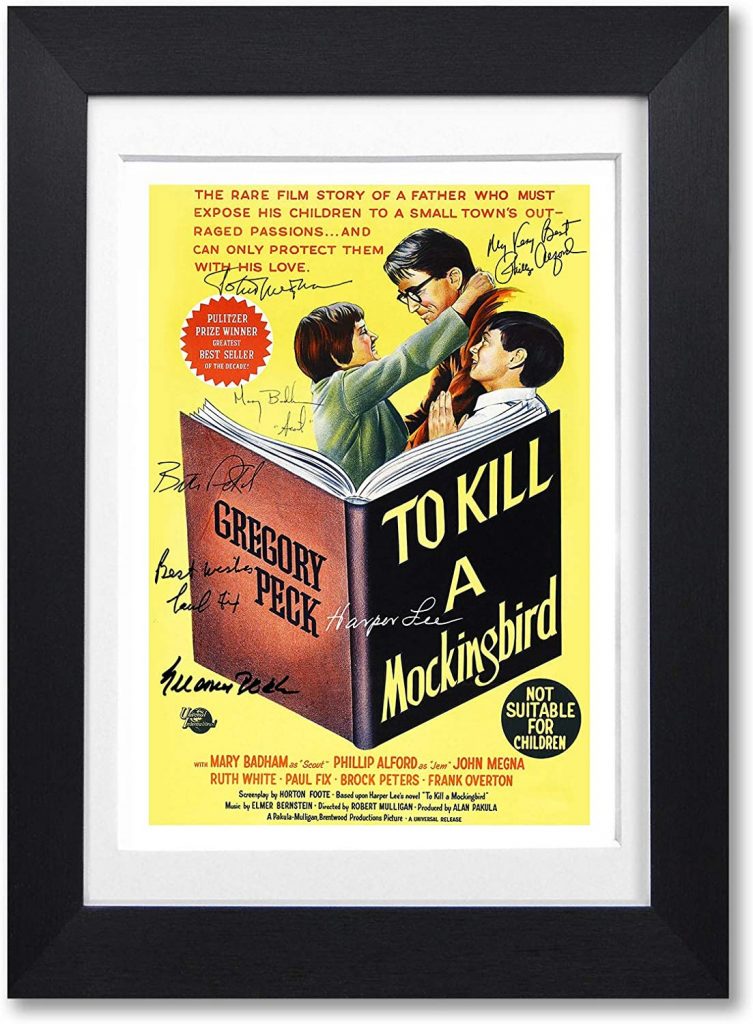
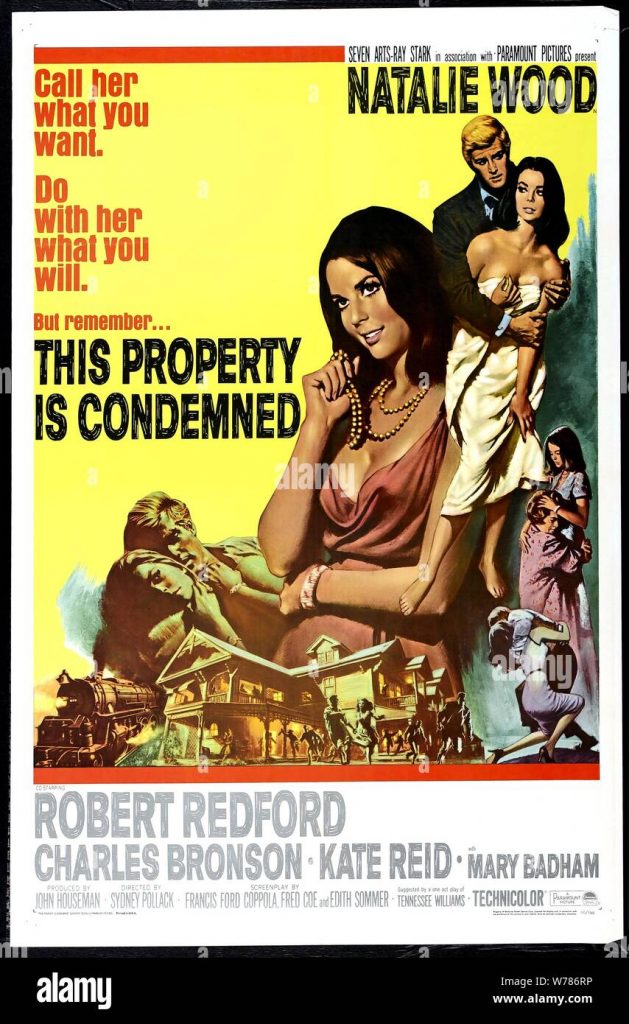
Mary Badham was born in 1952 in Birmingham, Alabama. Her film career was very brief, but she will be forever remembered for her unforgetable performance as “Scout” the young daughter of Gregory Peck’s “Atticus Finch” in the classic “To Kill A Mockingbird”. Her other film of note is “This Property is Condemned” as the sister of Natalie Wood. Her brother is the director John Badham who directed “Saturday Night Fever” and many othet popular films.
TCM Overview:
With no prior acting experience, Mary Badham won the role of Gregory Peck’s tomboy daughter Scout in “To Kill a Mockingbird” (1960) over 2000 other applicants. The novice thespian won praise and earned a Best Supporting Actress Oscar nomination for her naturalistic, unaffected performance. Badham only appeared in two other films, as the narrator who recalls the romantic exploits of her older sister (Natalie Wood) in “This Property Is Condemned” and as a girl who assists an heir outwit his murderous relative in and “Let’s Kill Uncle” (both 1966). After a few appearances on TV episodes of shows like “Dr. Kildare” and “Twilight Zone”, she retired from acting and moved to a Virginia farm. Her older brother is director John Badham.
Interview with Mary Badham n “The Daily Telegraph”:
This photograph was taken on the set of Robert Mulligan’s film of Harper Lee’s To Kill a Mockingbird. I was 10 years old and played Scout, and Gregory Peck played my father, Atticus Finch. This was an intimate moment when we were just running through lines together between takes. He really guided and encouraged me, not only during the filming of this movie but also throughout my life. I lost both my parents when I was quite young, so he remained a big, big influence in my life until he died in 2003. We were very close and spoke on the phone regularly, even though I acted in only a couple of films after this one. I always called him Atticus and he still called me Scout right up to the end.
This film tells the story of a family who live in a small town. The mother has died and the father looks after his two children on his own. He is a lawyer who is asked to take on the highly controversial case of a young black man who has been accused of raping a white woman. My character, Scout, is a very intelligent, thoughtful child who has to grow up in the real world very quickly.
I hadn’t done any acting before this movie. My mother was a leading lady in a local theatre in Birmingham, Alabama, where I grew up. The theatre director had heard about the castings for To Kill a Mockingbird and told my mother to take me along. I remember going in and talking with the director Mr Mulligan and doing a little something on stage. A lot of the other wannabe actor kids had acts prepared but I just played around. I didn’t have any experience but I was about the right age, size and colouring to pass off as Atticus’s daughter. According to the talent scout, they had seen 4,000 children.
I was pleased to find out I got the part, and happy to go to the film set and see all the movie stars, but my mother guided me and I just trundled through the filming not really understanding what was going on.
The filming took place in California over five months. There was always lots of laughter. Philip Alford, who played my older brother Jem Finch, loved to play chess, so he and Atticus would play together for hours. And Philip and I got on like a real brother and sister. There was a lot of bickering, which in fact translated well on film. He and the other boys on set happily played together but then there was me who wanted to get involved in the fun. They didn’t want me playing with them so they would gang up against me.
When the film came out, I was nominated for an Oscar for Best Supporting Actress. I didn’t win in the end but I was so relieved when Patty Duke won the award for The Miracle Worker because everyone had these wonderful thank-you speeches, and I didn’t have a clue what I was going to say. Atticus won Best Actor, which was just fantastic.
The 50th anniversary Blu-ray edition of ‘To Kill a Mockingbird’ is out now on Universal Pictures UK
June Duprez was a lovely English actress who made some significent films in the 1940’s both in Britain and the U.S. She was born in Teddington, Middlesex in 1918. Her first film was “The Crimson Circle” in 1936. She won acclain for her performance as the Princess in the wonderful “Thief of Bagdad”. Due to the commencement of World War Two, the shooting of the movie was moved from England to Hollywood. June Duprez stayed on in America and made such films as “None but the Lonely Heart” with Cary Grant, “Bombay” with Alan Ladd and “And Then Tey Were None” with Barry Fitzgerald. She retired early from film acting and died in London in 1984.
Gary Brumburgh;s entry:
Glamorous June Duprez was born in Teddington, England, during an air raid on May 14, 1918. Her father, Fred Duprez, was an American vaudevillian who found stage and film work in England. She herself picked up an interest in performing and eventually joined the Coventry Repertory Company to gather the necessary stage experience.
June made her film debut as an extra in 1935. She married at a young age and her career was initially encouraged by her first husband, a Harley Street doctor. However, once she started flirting with stardom, he became increasingly envious and possessive and their marriage fell apart. Her sultry and exotic appearances in such British films as The Spy in Black (1939), The Four Feathers (1939) and, especially, Alexander Korda‘s The Thief of Bagdad (1940) made a star out of her and she was quickly ushered to Hollywood to capitalize on this newly-found fame. Although she stayed in America throughout WWII, both Korda and June’s agent set her price too high–at $50,000 per picture. This pretty much put her out of contention and she found herself working very little in the next few years. Her most notable American picture during that time was None But the Lonely Heart (1944) opposite Cary Grant.
June subsequently left Hollywood in 1946 and took a few roles on the Broadway stage. She retired altogether when she married for a second time in 1948 to a well-to-do sportsman. They had two daughters but divorced in 1965. June lived in Rome for a time, then returned to London to live out the remainder of her life. She died in 1984 at age 66 following an extended illness.
– IMDb Mini Biography By: Gary Brumburgh / gr-home@pacbell.net
The Thief Of Bagdad, poster, US poster art, top: John Justin, June Duprez; bottom: John Justin, Sabu, 1940. (Photo by LMPC via Getty Images)
June Duprez was a British actress whose career followed a familiar but striking arc: a promising rise in late-1930s British cinema, a frustrated and uneven Hollywood period, and then a gradual move away from film into stage and television work. She is best remembered for The Four Feathers and especially The Thief of Bagdad, which made her a star in Britain and briefly gave her international visibility.
Career overview
Duprez began in repertory theatre and made her film debut in the mid-1930s, with early appearances in The Cardinal and The Crimson Circle. Her breakthrough came with The Four Feathers (1939), followed by major visibility in Alexander Korda’s The Thief of Bagdad (1940), which became the defining film of her career.
Korda then pushed her toward Hollywood, but that move did not translate into sustained success. Her asking price was reportedly set too high, which limited opportunities and led to a period of lower-budget or less distinguished roles, including They Raid by Night and Little Tokyo, U.S.A.. She regained some prestige in None But the Lonely Heart (1944), then appeared in And Then There Were None (1945), The Brighton Strangler (1945), and Calcutta(1947), before leaving Hollywood and later doing some Broadway and television work.
Critical analysis
Critically, Duprez is often seen as a performer whose appeal was rooted in beauty, poise, and a certain romantic or exotic screen quality rather than in demonstrable acting range. That image worked extremely well in the fantasy-adventure style of The Thief of Bagdad, where she fit the heightened visual world perfectly.
Her problem was that Hollywood did not consistently know how to use her. The contrast between her star-making British roles and the patchier American assignments suggests that she was more effective in productions that played to elegance, atmosphere, and melodramatic sincerity than in routine studio programming. When cast in stronger material such as None But the Lonely Heart or And Then There Were None, she benefited from better scripts and ensembles, but she still remained a performer more admired for presence than for transformation.
Strengths on screen
She had a strong, memorable screen image, especially in costume and adventure films.
She could project both fragility and allure, which made her effective in romantic or exotic roles.
In ensemble films, she was able to hold her own alongside stronger stars, especially when the part gave her emotional clarity.
Limitations
Her career was shaped by star-making and studio economics, which limited the range of roles she was offered in Hollywood.
She does not appear to have been a highly versatile character actress; instead, she worked best when the role matched a very specific screen persona.
Because her most famous films came early, her career peak was brief and not sustained into later decades.
Overall assessment
June Duprez’s career is best understood as the story of a performer who made a vivid impression in a small number of major films, but whose trajectory was disrupted by the realities of wartime and postwar studio systems. She remains most significant as a British screen presence of the early 1940s, with The Thief of Bagdad standing as the clearest expression of her appeal.
Her Hollywood career declined after 1944 for a mix of studio-system and personal reasons: she lost the momentum that came from wartime stardom, some later films were weaker or less well received, and a poor fit between her image and the roles she was offered limited her chances to reinvent herself.
Main reasons
A key factor was that her image had been built around a very specific kind of glamorous, “mystery woman” appeal, and that persona became harder to sustain once tastes shifted after World War II. In addition, one of her 1944 films, The Hour Before the Dawn, was not a success, and the role drew criticism, which weakened her standing with studios and reviewers.
There were also off-screen complications. Sources note a reputation for being difficult on set, which made her less attractive to studios that wanted reliable contract players. By the late 1940s, those pressures contributed to a sharp drop in major film opportunities.
After 1944
Her career did not end immediately, but it lost its earlier momentum. She continued to work in films and later television, yet never regained the same level of star power she had in the early 1940s
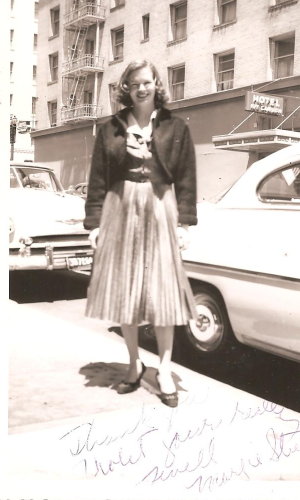
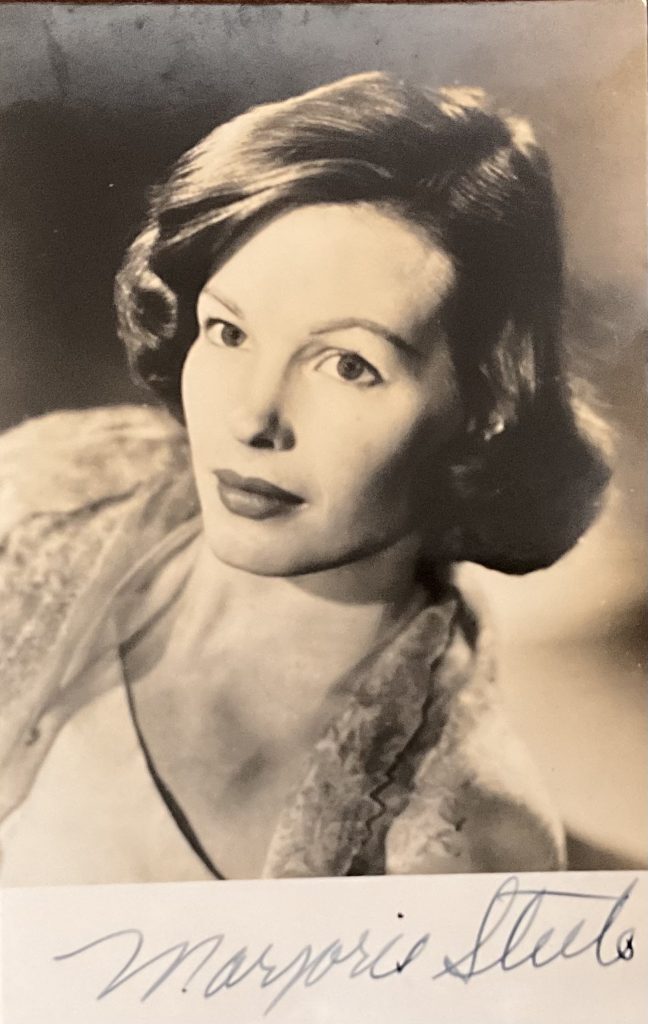
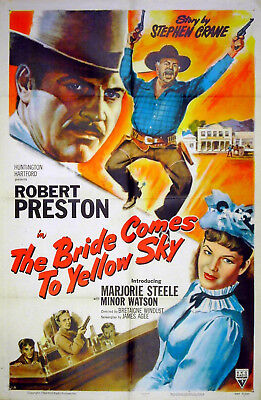
Marjorie Steele has had a very interesting life. She was born in Reno, Nevada in 1930. She moved with her parents to live in San Francisco When she was just nineteen years of age she married the multimillionaire Huntington Hartford. She made just four films.
She first exhibited at The Brown Thomas Gallery in Dublin in 1970 and soon cultivated a reputation as one of “the foremost exponents of traditional sculpture in Ireland achieving an authentic, formal likeness in the treatment of her subjects”. (Myles Campbell, Sculpture 1600-2000, 2014)
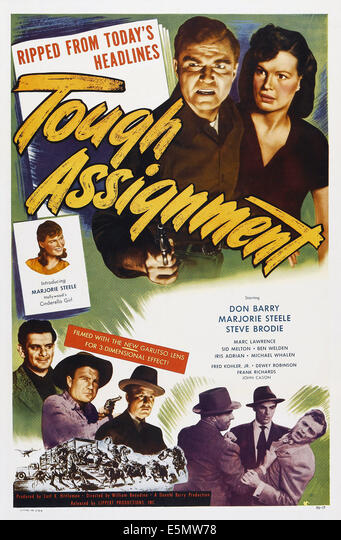
In 1949 she was in “Hello Out There” followed by “Tough Assignment”, “Face to Face” and in 1953 “No Escape”.
After her divorce from Hartford, she married the British actor Dudley Sutton and then she married the Irish write Constantine Fitzgibbon and she came to live in Ireland. In the past few years, Marjorie Steel has concentrated on her painting. Article about Marjorie Steele and Huntington Hartford can be accessed here.
Gary Brumburgh’s entry:
Pert blonde actress Marjorie Steele was in films for a very short time, making only four in all. She was born in Reno, Nevada on August 27, 1930 in a log cabin built by her father, a contractor. Her mother was part Russian and Swedish while her father came from German and Sioux Indian parentage. Marjorie’s family moved to San Francisco when she was 9. It was here that she took an interest in acting while still young. She started with acting lessons and eventually won a scholarship to the Actors Lab in Hollywood. To support herself in the early days, she worked as a cigarette girl at Ciro’s, L.A.’s top nightclub. In what was to become a Cinderella story, the working teenager attracted the attention of multimillionaire Huntington Hartford.
Smitten by her, Hartford not only signed her to a contract with a motion picture company he owned, he married her in 1949–shortly after her nineteenth birthday. She built up her reputation on stage and appeared in two films produced by her husband: Hello Out There (1949) and Face to Face(1952). Her other two “B” films were Tough Assignment (1949) and No Escape (1953).
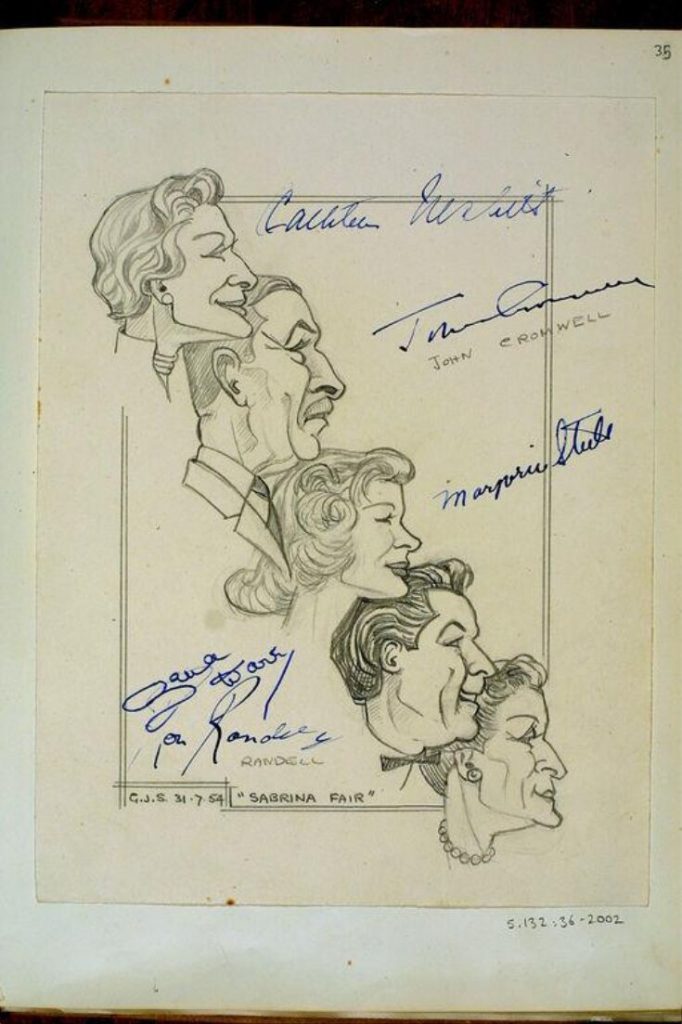
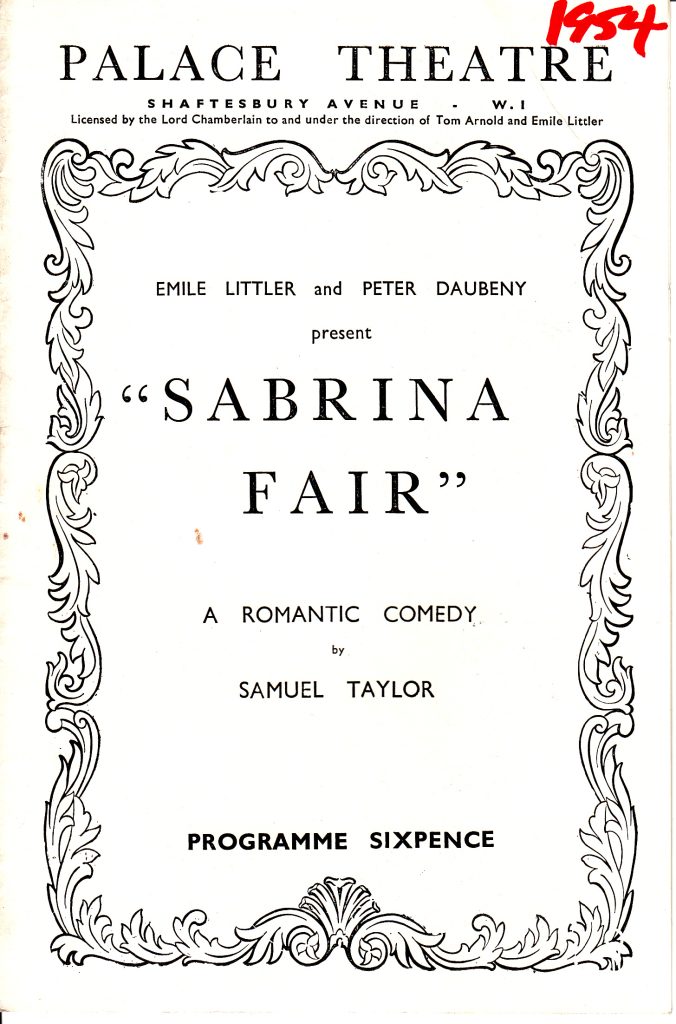
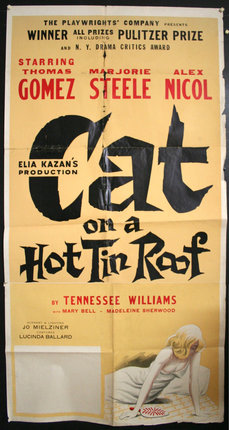
Marjorie scored well in theater assignments, notably as the title role in “Sabrina Fair” in 1954, which played in London, and on Broadway when she took over the role of Maggie the Cat from Barbara Bel Geddes in “Cat on a Hot Tin Roof.” Shortly after this, she suddenly lost interest in her career and decided to retire and raise a family.
She married British actor Dudley Sutton following her 1961 divorce to Hartford, but the marriage lasted only a few years.
Her third husband was author Constantine FitzGibbon, who wrote “When the Kissing Had to Stop” and “The Irish in Ireland,” and was the biographer of friend Dylan Thomas. Together the couple wrote “Teddy in the Tree.” He died in 1983. Living in Ireland, Marjorie occupied her later years with painting and sculpting and has been commissioned for her work.
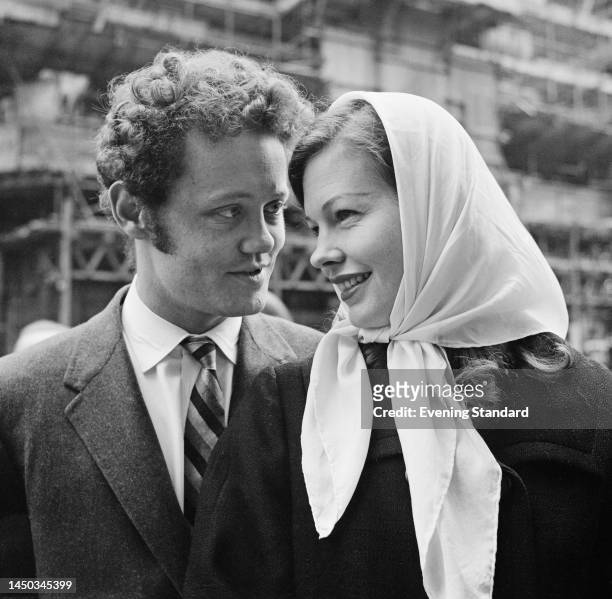
American actress Marjorie Steele (later Fitzgibbon, 1930 – 2018) with her fiancé, British actor Dudley Sutton (1933 – 2018), on October 20th, 1961. (Photo by Evening Standard/Hulton Archive/Getty Images)American businessman Huntingdon Hartford (1911 – 2008) with his wife, actress Marjorie Steele in London, circa 1955. The couple were divorced in 1960. (Photo by Central Press/Hulton Archive/Getty Images)
Marjorie Steele obituary in “The Irish Times” in 2018.
Artist Dr Marjorie Steele-FitzGibbon, an American-born and naturalised Irish citizen, enjoyed success in three creative professions: Hollywood film star, stage actor, and artist in both painting and sculpture. She married three times and was the mother of four children and one step-child. Such a remarkable profile had at its root the drive that convinced her that “she could walk through walls”.
She was the second-eldest of four daughters of her second-generation Swedish immigrant mother, Ora, and salesman father, Jack Steele, whose mother was a native American. Her rise from humble origins living in “an honest-to-God log cabin” in Reno, Nevada, to Hollywood fame and marriage to a millionaire and subsequent marriages to an English actor of film and stage, and an Irish-American writer, is the stuff of romantic fiction. Yet her talents, striking beauty and sheer grit did not shield her from domestic tragedy, premature deaths and an inherited temperamental imbalance, all of which she faced with integrity and courage.
When she was 18 years old, Marjorie Steele, dressed in homemade yet elegant clothes, left her then home in a poor suburb of San Francisco with all that drive and confidence of youth and headed for Los Angeles. There her creativity found direction and opportunity: the Los Angeles County Museum of Art for painting, and the Actors Lab for stage-craft, where she won a scholarship.
She also took a part-time job as a cigarette girl in Ciro’s Nightclub on Sunset Strip where a regular patron, the multimillionaire film-producer playboy Huntington Hartford, was dazzled by her fresh beauty amid all the glitz. Much to the chagrin of his date, film actress Lana Turner, he bought all her cigarettes – although he didn’t even smoke. They married a year later, in 1949, she an impressionable 19-year-old – “she was mad for him” – he an older, more worldly-wise thirty-nine. The “Cinderella wedding” offered rich pickings to the paparazzi and provoked snide comments by the art critics as Marjorie rose from acclaimed stage-actress in Tennessee Williams’s New York production of Cat on a Hot Tin Roof (1955) to movie star. When on tour with a mixed-race crew Marjorie challenged Actors’ Equity to change a racially biased law regarding separate accommodation by defying the ban herself.
She also took a part-time job as a cigarette girl in Ciro’s Nightclub on Sunset Strip where a regular patron, the multimillionaire film-producer playboy Huntington Hartford, was dazzled by her fresh beauty amid all the glitz. Much to the chagrin of his date, film actress Lana Turner, he bought all her cigarettes – although he didn’t even smoke. They married a year later, in 1949, she an impressionable 19-year-old – “she was mad for him” – he an older, more worldly-wise thirty-nine. The “Cinderella wedding” offered rich pickings to the paparazzi and provoked snide comments by the art critics as Marjorie rose from acclaimed stage-actress in Tennessee Williams’s New York production of Cat on a Hot Tin Roof (1955) to movie star. When on tour with a mixed-race crew Marjorie challenged Actors’ Equity to change a racially biased law regarding separate accommodation by defying the ban herself.
The glamorous couple played host to Hollywood celebrities like Elizabeth Taylor and Natalie Wood, yet Marjorie confided that while they were “all very interesting, they were just people”. Influenced by his artist wife, “Hart” channelled his wealth into promoting the arts by establishing an arts colony near Pacific Palisades in Los Angeles.
Marjorie relocated her parents to an impressive ranch in the Santa Monica Mountains; yet, despite his dream come true, her father took his own life, an act which had repercussions for his family.
The marriage lasted seven years until Marjorie filed for divorce, when Huntington’s old, philandering ways resurfaced. They had two children, John and Catherine. The drug-related death of her daughter at 28 was a profound sorrow for Marjorie. She always acknowledged her love for “Hart” and her indebtedness to him for educating her and encouraging her creativity. They divorced in 1960.
Through “the best divorce lawyer”, Marjorie met her second husband, the handsome actor of television and film fame, Dudley Sutton – the gay biker in Leatherboys (1964) – with whom she had a whirlwind romance. They married in 1961, entailing Marjorie’s renunciation of her considerable alimony. They had a son, Peter, with whom Marjorie later lived until being hospitalised in 2017. Marjorie, no longer acting, socialised with many of his famous theatrical colleagues such as Richard Harris, Peter O’Toole, John Hurt and the director Joan Littlewood.
Marjorie went for rehabilitation to an exclusive London health farm and there she met another housemate and fellow American, Constantine Fitzgibbon, the former husband of the food writer Theodora Fitzgibbon. Constantine’s brilliant mind captivated her. Summing up her previous romantic life, Marjorie described herself as “a self-destructive fool”.
Another divorce and marriage ensued. Marjorie was Constantine’s fourth and last wife and he her third husband. Constantine was a writer of Anglo-Irish extraction. They had a daughter, Oonagh. He also adopted Marjorie’s son, Peter. After a short spell in west Cork, the family lived in Killiney in south Co Dublin, and then in the city.2
Honeymooning in Greece ,the stunning classical sculptures there were the catalyst that drew her into sculpture and prompted her to wonder why she had wasted so much time working in two dimensions. Thus began a prolific period of artistic renewal which her great friend Micheál Mac Liammóir, describing her many sculpted heads of Irish literati, said: “Ms Fitzgibbon was born to do what she had done; fill the room with uncannily living persons.”
Her public works beloved of Dubliners include her iconic, larger-than-life-size statue of James Joyce in North Earl Street and a bust of the author in St Stephen’s Green facing Joyce’s alma mater, Newman House. Visitors to RTÉ are reminded of the charismatic presenter Eamon Andrews by her life-size statue in the foyer.
Dr Marjorie Steele-Fitzgibbon is survived by her daughter, Oonagh Brault, sons Jack and Peter Fitzgibbon, step-son Francis Fitzgibbon, grandchildren Hannagh and Niamh Jacobsen, and her ex-husband Dudley Sutton.