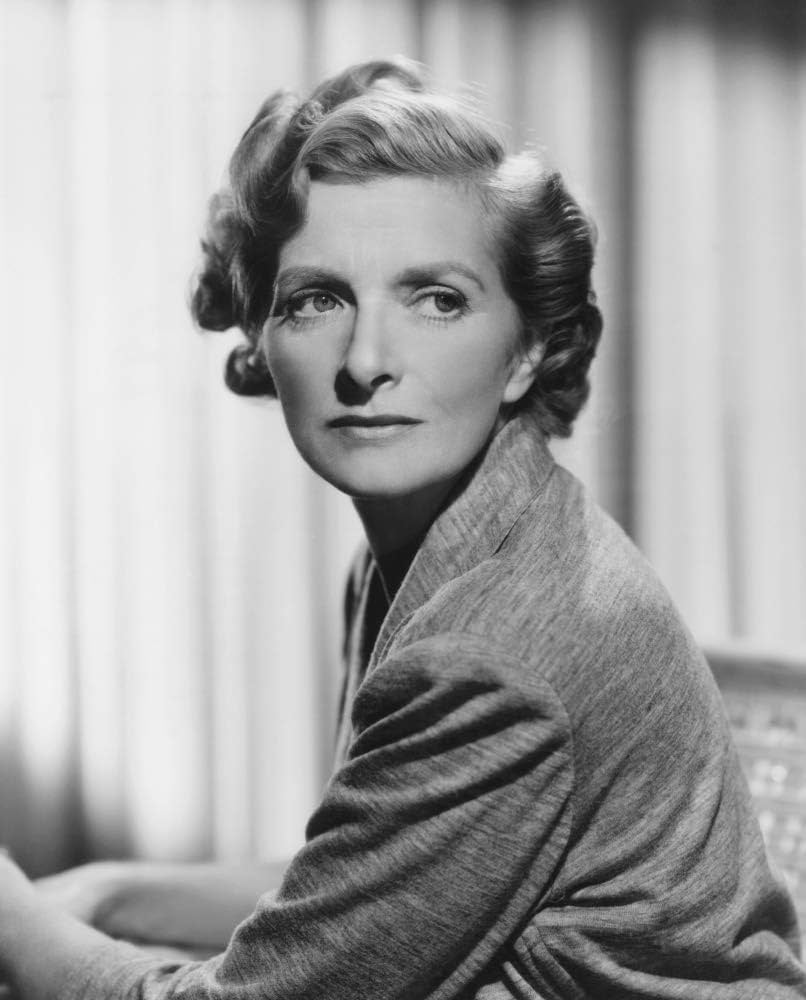
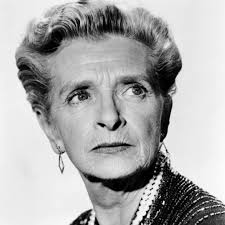
Hollywood Actors

Collection of Classic Hollywood Actors

Robert Lansing
Robert Lansing
Robert Lansing
Robert Lansing
Robert Lansing
Robert Lansing
Robert Lansing

Robert Lansing was born in San Diego, California in 1928.   His major acting breakthrough cane in 1961 with his role in the television series “87th Precinct” with Gena Rowlands.   His other television series included “12 O’Clock High” and “The Man Who Never Was” with Dana Wynter.   His films include “A Gathering of Eagles” and the cult favourite “Empire of the Ants” with Joan Collins in 1978.   Robert Lansing died aged 66 in 1994.   A website dedicated to Robert Lansing here.

Robert Lansing Wikipedia.

Robert Lansing was born in 1928  was an American stage, film, and television actor. Lansing’s motion picture roles included A Gathering of Eagles with Rock Hudson and Under the Yum Yum Tree opposite Jack Lemmon. On television, he appeared in episodes of such hits as Star TrekAlfred Hitchcock PresentsThe Twilight Zone and Murder, She Wrote. Lansing is probably best remembered as the authoritarian Brig. Gen. Frank Savage in 12 O’Clock High (1964), the television drama series about World War II bomber pilots.

Born in San DiegoCalifornia, Lansing reportedly took his acting surname from the state capital of Michigan. As a young actor in New York City, he was hired to join a stock company in Michigan but was told he would first have to join the Actors’ Equity Association. Equity would not allow him to join as “Robert Brown” because another actor was using that name. Because the stock company was based in Lansing, this became the actor’s new surname.[4]

Lansing served two years in the United States Army and was stationed in Osaka, Japan, where he worked at Armed Forces Radio.

During his long career, which spanned five decades, Lansing appeared in 245 episodes of 73 television series, 11 TV movies, and 19 motion pictures. [5] He gained early acting experience at the Actors Studio.

During the late 1940s and early 1950s, he worked under his real name Bob Brown as a radio announcer at WANE in Fort Wayne, Indiana. He also was active as an actor in a Fort Wayne theater group. Lansing first appeared on Broadway in the play Stalag 17(1951) directed by José Ferrer, replacing Mark Roberts in the role of Dunbar at the 48th Street Theater. His rugged good looks, commanding stage presence and stentorian voice earned him continuing stage work  and throughout his film career he periodically returned to the New York stage, making his last such appearance in 1991.

José Ferrer asked Lansing to perform in a series of plays at the New York City Center, including as a Cadet of Gascoyne in Cyrano de Bergerac and as the Marquis of Dorset in Richard III.  He appeared in Tennessee Williams‘ Suddenly, Last Summer and Eugene O’Neill‘s The Great God Brown in the title role. Other stage performances included roles in Charley’s AuntElmer Rice‘s Cue for PassionThe Lovers, and The Cut of the Axe. Off-Broadway, his work included The Father, the “Sea Plays” of Eugene O’Neill and two one-man shows, Damien and The Disciple of Discontent.

On film, Lansing starred in the 1959 science fiction film 4D Man. He also starred as marine biologist Hank Donner in the 1966 nature drama film Namu, the Killer Whale, which featured one of the first orcas ever displayed in captivity.  His other films included Under the Yum Yum TreeA Gathering of EaglesThe Grissom GangBittersweet LoveScalpel (a.k.a. False Face), Empire of the Ants and The Nest.

Lansing first appeared on TV on Kraft Television Theatre in 1956.[3] In the 1961–1962 television season, Lansing was cast as Detective Steve Carella on NBC‘s 87th Precinct series, based on the Ed McBain detective novels. His costars were Gena RowlandsRon HarperGregory Walcott, and Norman Fell. In 1961, he played the outlaw Frank Dalton in a two-part episode of NBC’s Outlaws with Barton MacLane. Also in 1961, he played Jed Trask, a troubled shooter, in the Bonanza episode, “Cutthroat Junction.”[10] He played Doc Hollidayin an episode of NBC’s The Tall Man, with Barry Sullivan and Clu Gulager. Lansing would star alongside Clu Gulager again in a 1965 episode of NBC’s The Virginian TV series titled “The Brothers”. Again on NBC, in 1966, Lansing guest-starred as General Custer in a three episode segment of Branded called “Call to Glory”.

Robert Lansing is probably best known for his role as Brigadier General Frank Savage in the first season of the Quinn Martin production, 12 O’Clock High, which aired on the ABC Television Network from 1964 to 1967. At the end of that season, the studio executives reported that a younger-looking lead actor was needed. But another account states that he was fired for being difficult to work with and not showing enough respect.[citation needed] In the first episode of the second season, General Savage was killed in action and replaced by Colonel Joe Gallagher, played by Paul Burke. Burke, though considered more youthful-looking than Lansing, was actually two years older, a fact that TV critics were quick to point out.

Other television roles include portrayals of an alcoholic college professor in ABC‘s drama Channing, as Gil Green in the 1963 episode “Fear Begins at Forty” on the NBC medical drama The Eleventh Hour, as a bounty hunter on Gunsmoke, as a parole officer in a 1968 episode (“A Time to Love — A Time to Cry”) of The Mod Squad, and as interstellar secret agent Gary Seven in the episode “Assignment: Earth” (1968) of Star Trek. The episode was a backdoor pilot for a new series that would have starred Lansing and Teri Garr, but the series never materialized.[11]

Lansing played an international secret agent in The Man Who Never Was, and Lt. Jack Curtis on Automan. He also played a recurring role, known only as “Control”, on 29 episodes of The Equalizer between 1985 and 1989, which then was spun-off into the made-for-TV movie Memories of Manon which aired on 13 February 1989. He guest-starred in The Twilight Zone episode “The Long Morrow” and in the Thriller episode “Fatal Impulse.” He also guest-starred on other television productions such as NBC’s Law & Order. In the 1980s he did a series of television commercials for Liberty National Bank in Louisville, Kentucky as well as the popular supermarket chain Giant Eagle. 

Robert Lansing’s final television role was that of Police Captain Paul Blaisdell, on the series Kung Fu: The Legend Continues. The role was written specifically for Lansing by series writer and Executive Producer Michael Sloan, who had worked with Lansing on the series The Equalizer in the 1980s although Lansing had already been diagnosed with cancer. Despite continuing health problems, Lansing performed in 24 episodes in the first and second season. In the final episode of season 2, titled “Retribution”, Lansing’s character of Blaisdell was written out, with the possibility of the character returning if the actor’s health improved. Unfortunately, the final episode filmed in February 1994, was Lansing’s final acting performance. The episode aired on November 28, 1994, a month after the actor died, and was dedicated to his memory.

Lansing had craggy good looks, a stentorian voice, commanding presence, and characteristic bushy eyebrows.

Lansing had a son, Robert Frederick Orin Lansing (1957–2009), with his first wife, actress Emily McLaughlin; the couple eventually divorced. About a year and a half later, he married Gari Hardy, but this marriage also ended in divorce. The couple had a daughter, Alice Lucille Lansing. His last wife was Anne Pivar, with whom he remained until his death.

From 1991 to 1993, he was president of The Players Club, a theatrical fraternal organization founded by Edwin Booth in 1888.

Lansing was a heavy smoker and died from cancer in 1994 at age 66, one year into his last regular series, Kung Fu: The Legend Continues. He was buried at Union Field Cemetery in Ridgewood, Queens.

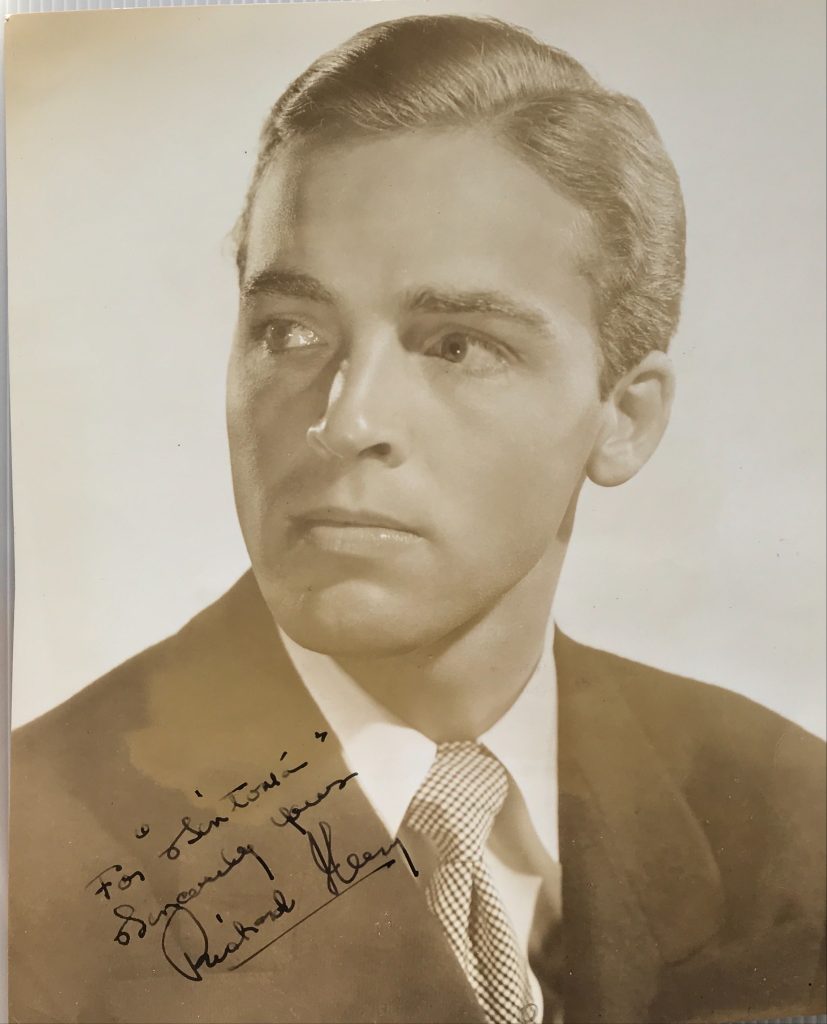
Richard Ney
Richard Ney
Richard Ney
Richard Ney

Richard Ney obituary in “The Guardian”

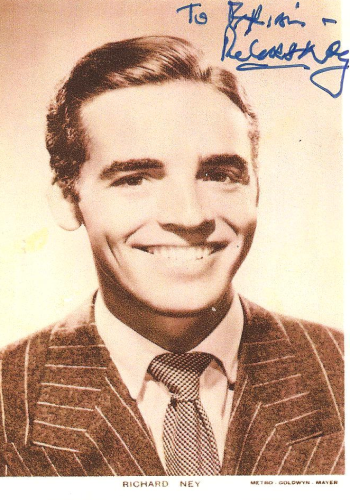
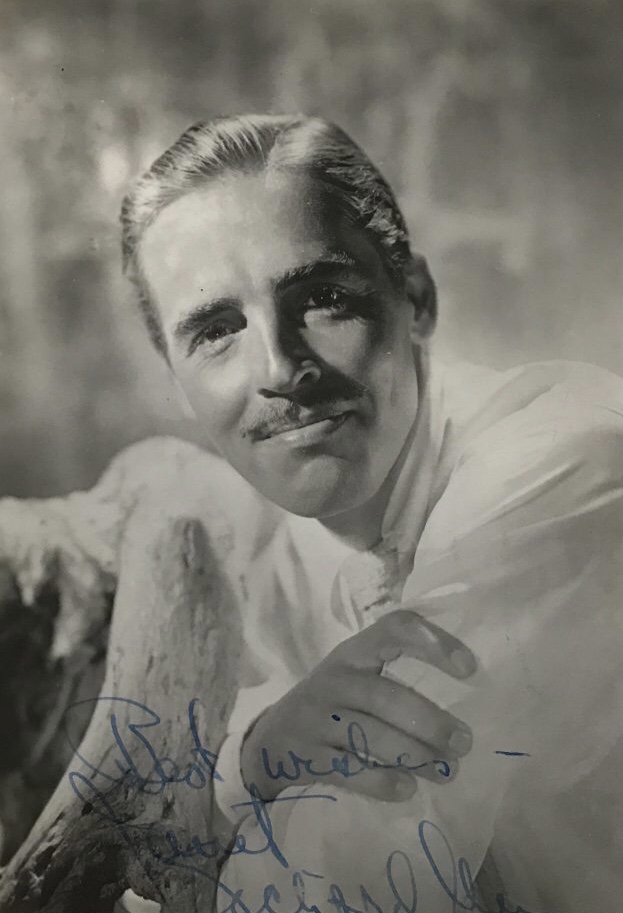
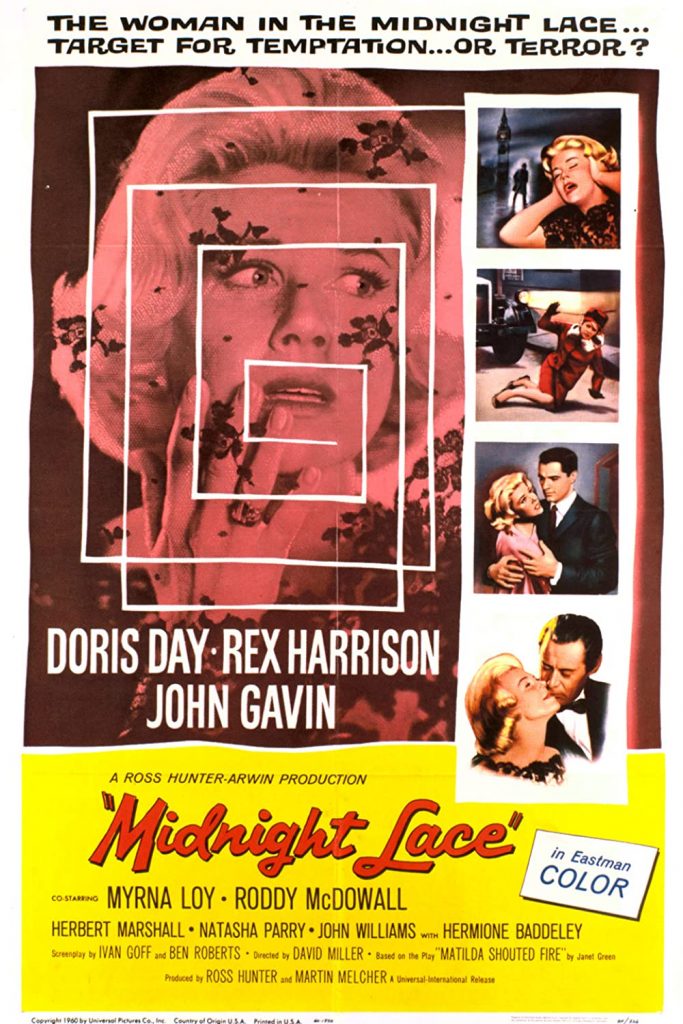
Richard Ney was an American actor who became an investment counsellor.   He was born in 1916 in New York City.   His best remembered role was as Vin Miniver the son of Walter Pidgeon and Greer Garson in the classic World War Two drama “Mrs Miniver”.   Among his other film credits are “Midnight Lace” with Doris Day and “The Premature Burial” with Ray Milland and Hazel Court.   He then became an investment counsellor and wrote three books on the subject.    He died in 2004 at the age of 88.

The “Guardian” obituary by Christopher Reed:

In 1970, the actor-turned-writer and investment expert Richard Ney, who has died aged 87, published his acclaimed The Wall Street Jungle. Its theme, that there was “more sheer larceny per square foot” on the floor of the New York stock exchange “than any place else in the world,” so scandalised the New York Times that it never reviewed the book, despite its 11 months on the newspaper’s bestseller list.

Ney’s The Wall Street Gang (1974) and Making It In The Market (1975) followed. Together with his fortnightly Ney Report (1976-99), personal investments and managing portfolios, he did not regret leaving Hollywood in 1961, after a dazzling debut almost 20 years earlier.

Ney was chosen to play Greer Garson’s son Vin in the Oscar-winning Mrs Miniver (1942). The following year he married Garson, who was 11 years older. Ney made 13 more films, including Lady Windermere’s Fan (1949) and Midnight Lace, a London murder mystery (1960). The Secret Of St Ives (1949) was the only one in which he starred.

His 1947 divorce from Garson made him more famous than he wished. The press portrayed him as an impertinent upstart insulting the Anglo-Irish cool queen of Hollywood. He said he went into finance “to be left alone,” but he was well known in Beverly Hills, where he lived and drove a midnight blue and ivory coachbuilt Rolls-Royce.

Almost immediately after leaving Hollywood, Ney featured in Time magazine thanks to his forecast earlier that year of the financial crash of 1962. It had been while working in a Beverly Hills brokerage that the activities of floor specialists caught his notice. An official report after the crash confirmed his suspicions about their manipulations.

Born in New York’s Bronx, the son of a first world war pilot turned insurance salesman, and a secretary, Ney read economics at Columbia University, paying his fees by modelling. He was fired from a New York play after a year for demanding a raise, but, on a trip to LA, a friend took him along to a film studio appointment. Ney wandered into a room where several men were talking. One looked at him and exclaimed: “My god, it’s Vin Miniver.” His film career was interrupted by naval war service in the Pacific.

Ney’s books may have dated, but are still regarded as definitive works on the mysteries of the stock exchange, where “the money stolen from the many is divided among few”. Ney is survived by his fourth wife, Mei-Lee, and a stepdaughter from his third marriage. 

“The Guardian” obituary can also be accessed online here.

Career overview

Richard Ney (1916 – 2004) was an American actor whose brief Hollywood career in the 1940s intersected memorably with one of the era’s signature films, Mrs. Miniver (1942), before he abandoned acting to become a best‑selling financial writer and investment counselor. His trajectory—from promising leading man and tabloid curiosity to outspoken critic of Wall Street—offers a study in both the volatility of stardom and the reinvention of an intelligent performer in mid‑century America.


Early life and education

Born Richard Maximilian Ney in New York City, Ney was the son of an insurance salesman and a wartime navy yeoman. He grew up in modest circumstances and studied economics at Columbia University, financing his tuition through modeling (). The combination of scholarly training and striking looks would mark both halves of his career: intellectual curiosity allied to a matinee‑idol presence.


Hollywood breakthrough: Mrs. Miniver (1942)

Director William Wyler cast Ney as Vin Miniver, the idealistic son of Greer Garson’s wartime British matron. The film became Hollywood’s definitive home‑front drama, winning six Academy Awards including Best Picture and Best Actress. Ney’s performance, though a supporting one, conveyed young moral conviction without sentimentality and positioned him as a sympathetic everyman amid the ensemble .

Off screen, however, the film would define him for another reason: in 1943 he married his on‑screen mother, Greer Garson, who was more than a decade older. The public’s fascination with Garson’s dignified persona turned the marriage—and its 1947 divorce—into a public‑relations hazard, clouding Ney’s professional momentum .


Film work and decline in Hollywood prospects (1943–1960)

Though MGM initially groomed him for leading roles, the Garson scandal and a changing studio climate curtailed his ascent. He found occasional work of quality:

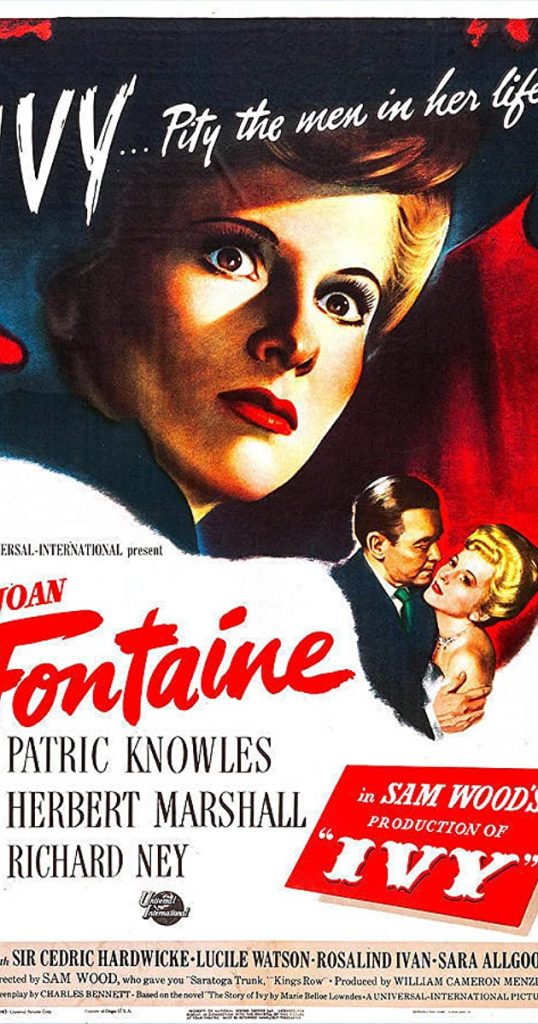
  • Ivy (1947) and The Late George Apley (1947) displayed his urbane charm within literary material.
  • The Fan (1949) and Joan of Arc (1948) kept him visible in prestige pictures.
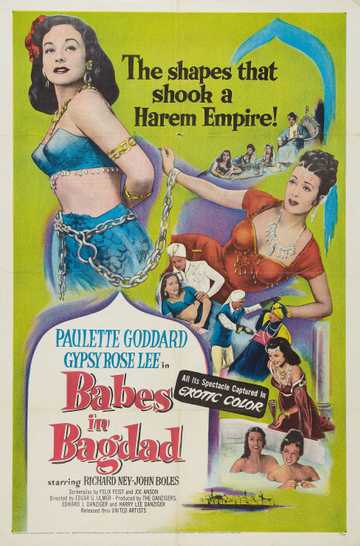
    Yet by the early 1950s he was relegated to uninspired vehicles such as Babes in Bagdad (1952), a widely derided Arabian‑Nights pastiche.

Like many fading contract actors, Ney pivoted to television, working in Studio OneGeneral Electric TheaterPeter GunnHave Gun – Will Travel, and The Outer Limits. His final screen roles came in B‑movies such as Roger Corman’s The Premature Burial (1962). By 1961 he left acting entirely, later remarking that he entered finance “so people would leave me alone” .


Second career: financial writing and controversy

Armed with his Columbia economics degree, Ney joined a Beverly Hills brokerage firm and soon began publishing The Ney Report, analyzed on Wall Street for its skepticism of market practices . His first book, The Wall Street Jungle (1970), spent 11 months on The New York Timesbest‑seller list despite the paper’s refusal to review it, scandalized by his claim that there was “more sheer larceny per square foot” on the Exchange floor than anywhere else. Follow‑ups—The Wall Street Gang (1974) and Making It in the Market (1975)—cemented his reputation as the financial world’s gadfly.

Ney’s prescient prediction of the 1962 stock‑market crash had already earned him national notoriety . While unrepentantly capitalist—he owned a Rolls‑Royce with “WAKE UP” plates—he attacked insider manipulation and championed computerized, transparent trading decades before it became standard practice .


Acting style and screen persona

  • Earnest intelligence: On film he projected cerebral sincerity; critics noted a quiet confidence rather than flamboyant charisma.
  • Romantic restraint: Handsome and well‑spoken, he played gentlemen‑protagonists rather than brooding anti‑heroes; his refinement sometimes read as aloofness.
  • Underused sensibility: Possessing both intellect and looks, he might have flourished in post‑war sophisticated comedies or literate dramas but was stranded between the fading studio‑system melodrama and the rougher naturalism of emerging post‑war acting styles.

Critical appraisal

Strengths

  • Distinct moral gravitas and intellect uncommon among contract players.
  • Early performances (Mrs. MiniverIvy) show delicate emotional truth filtered through genteel discipline.
  • Demonstrated curiosity and analytical rigor that ultimately found a truer outlet in his later writing.

Limitations

  • His urbane reserve limited range within Hollywood’s romantic‑adventure formula.
  • The Garson marriage controversy permanently tainted his image with studio executives.
  • He exited before television’s so‑called “Golden Age” could offer psychological roles that might have suited him.

Legacy

As an actor, Richard Ney remains a footnote to Mrs. Miniver—a capable performer whose career succumbed to publicity and timing. As a writer and economic commentator, however, he achieved a second and more enduring identity. His trilogy of exposés on market manipulation (The Wall Street Jungle, The Wall Street Gang, Making It in the Market) transformed him into one of the few Hollywood expatriates to win credibility in financial journalism. Together they reveal the same qualities visible in his acting: analytical intelligence, moral conscience, and articulate conviction.

In sum: Richard Ney’s artistic legacy lies more in integrity than volume. He epitomizes the intelligent contract player stymied by Hollywood’s constraints yet reborn through an inquisitive mind elsewhere—a rare instance where a once‑famous screen face became a serious critic of another kind of performance: the theatre of Wall Street.

Laurel Goodwin
Laurel Goodwin

Laurel Goodwin

Laurel Goodwin was one of Elvis Presley’s leading ladies in “Girls, Girls, Girls,” where the King sang “Return to Sender” in 1962.   She was born Wichita, Kansas in 1942.  

She only made three more films including “The Glory Guys” with Tom Tryon and Senta Berger and “Papa’s Delicate Condition” with Jackie Gleason and Glynis Johns.   She is remembered by Star Trek buffs for her guest appearance in an episode called “The Cage”.

Entry on Lauren Goodwin on Memory Alpha”:

Goodwin, like Kirstie Alley, was born in Wichita, Kansas. Unlike Alley, however, who had begun her career with proceeds from game-show winnings, Laurel began her career as a child model.

She majored in drama at San Francisco State University, with her break coming when she was selected to star opposite Elvis Presley in the 1962 filmGirls! Girls! Girls! During the 1960s, Goodwin made three more feature films and performed in a handful of television guest star roles.

Tired of “pounding the pavement,” she abandoned acting in 1971.

Beth Poole in a scene from the film ‘The Glory Guys’, 1965. (Photo by United Artists/Getty Images)

For many years she lived with her husband, business executive Walter Wood, in New York. Together they produced several films, most notably–in partnership with Hugh Wilson and others–the Burt Reynolds film, Stroker Ace, which Hal Needham directed and in which Warren Stevens was featured.

As of early July of 2012, they were living in Palm Springs, where Goodwin pursued a career in home nursing.

Although she had attended a few Elvis conventions over the years, it was not until 2005 that she attended her first Trek convention, along with Peter Duryea.

Laurel Goodwin died in 2022 at the age of 79.

This article can also be accessed online here.

The Hollywood Reporter obituary in March 2022.

Laurel Goodwin, who made her movie debut opposite Elvis Presley in Girls! Girls! Girls! and starred alongside Jeffrey Hunter in “The Cage,’ the rejected first pilot made for Star Trek, has died. She was 79.

Goodwin died Feb. 25 in Cathedral City, California, her sister, Maureen Scott, announced.

Goodwin also portrayed the elder daughter of Jackie Gleason and Glynis Johns’ characters in Papa’s Delicate Condition (1963) and appeared in The Glory Guys(1965), written by Sam Peckinpah.

After working in the 1964 feature Westerns Stage to Thunder Rock and Law of the Lawless and The Glory Guys, Goodwin was cast as Yeoman J.M. Colt opposite Hunter as Capt. Christopher Pike and Nimoy as Mr. Spock in “The Cage” for Gene Roddenberry’s Star Trek

The pilot, finished in early 1965, didn’t sell, but the producers held on to her, Hunter and Nimoy with the goal of trying again. Meanwhile, Goodwin had a choice: she had offers to make pilots for two network comedies.

“I said, ‘Oh, no. Star Trek is it. I’ve got to do Star Trek. It’s great, it’s gonna be wonderful,’” she recalled in a 2016 interview for StarTrek.com.

When negotiations with Hunter broke down, it was decided that Goodwin was no longer needed. William Shatner came aboard as Capt. James T. Kirk to star later in 1965 in the second pilot, “Where No Man Has Gone Before,” and NBC picked up the Desilu series.

“In the meantime, I had turned down the two comedies, pulled my name out of consideration,” she said. “They both sold, and both were highly successful.”

Born on Aug. 11, 1942, in Wichita, Kansas, Goodwin and her family moved to San Diego and then San Francisco. She began working as a model when she was 7, then attended Lowell High School and San Francisco State.

After she served as a babysitter for the children of photographer Kurt Gunther, he circulated her photos at Paramount, and the studio wound up signing her to a seven-year contract when she was 19.

“I got in during the very last remnants of the old studio system, which believe me, lasted about six to eight months,” she said in Tom Lisanti’s 2003 book, Drive-in Dream Girls: A Galaxy of B-Movie Starlets of the Sixties. “I did a lot of press when Paramount signed me.”

In Hollywood, she studied acting with Jeff Corey and, when he was away, his fill-in, Nimoy.

In the Hawaii-set Girls! Girls! Girls! (1962), Goodwin played the wholesome rich girl Laurel Dodge, who battles with a singer (Stella Stevens) for the affections of Elvis’ tuna fisherman and helps him get the boat he always wanted. The two memorably share a dance in the clever “The Wall Have Ears” number.

Lazy loaded image
Laurel Goodwin and Elvis Presley in 1962’s ‘Girls! Girls! Girls!’ COURTESY EVERETT COLLECTION

Following her Star Trek disappointment, Goodwin appeared on episodes of Get SmartThe Beverly Hillbillies and Mannix before retiring from acting in 1971 and going into nursing.

Footage from “The Cage,” meanwhile, was incorporated into the 1966 two-part Star Trek episode “The Menagerie” before the entire pilot was seen for the first time on VHS in 1986.

Goodwin co-produced the Burt Reynolds-Loni Anderson film Stroker Ace(1983) alongside her husband, Walter Wood, who had acquired the rights to the book on which the movie was based. They had a 43-year relationship that ended with his death in 2010

Jill St John
Jill St. John
Jill St. John
Jill St. John
Jill St. John

Jill St. John. IMDB

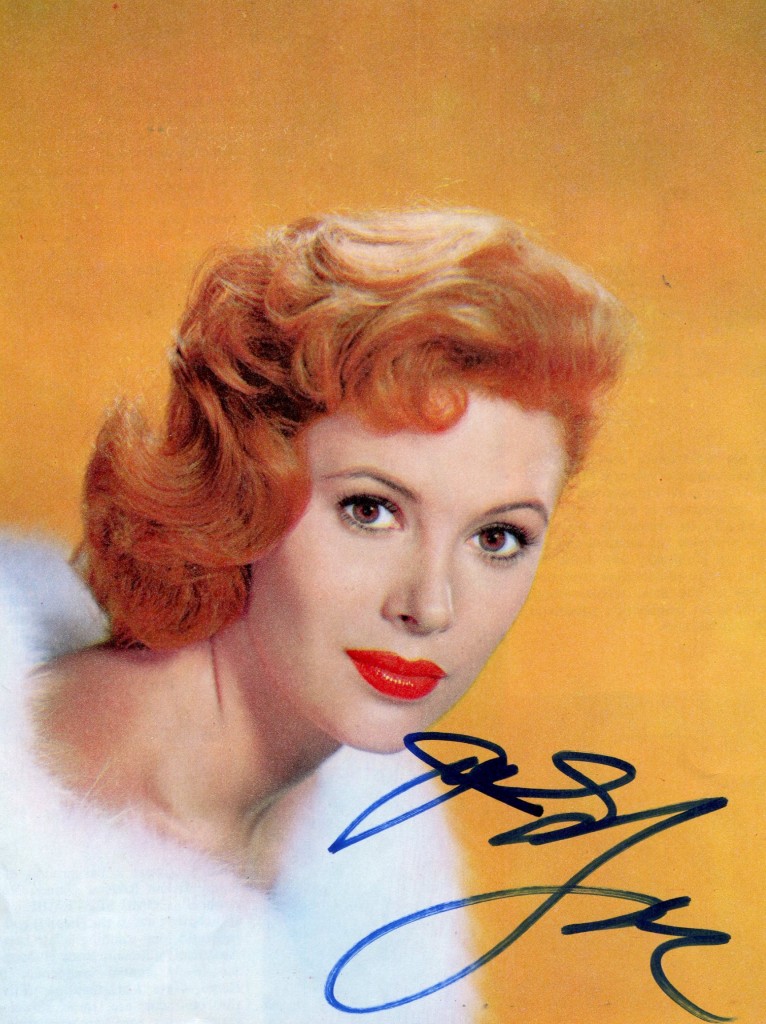
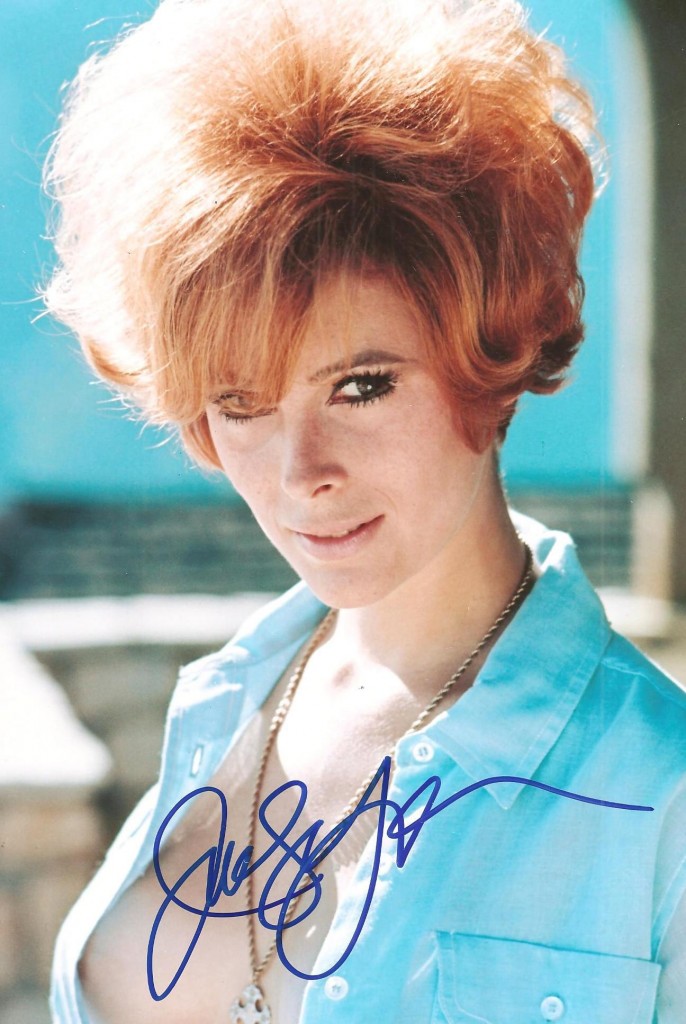
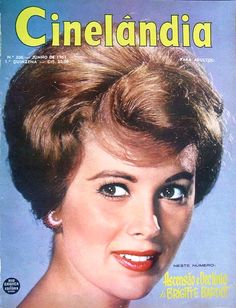
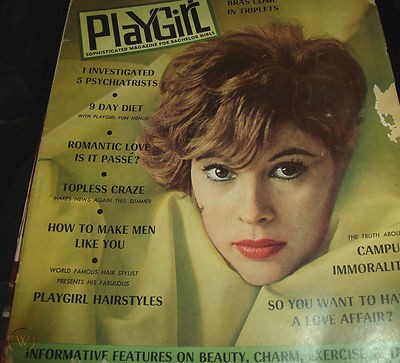
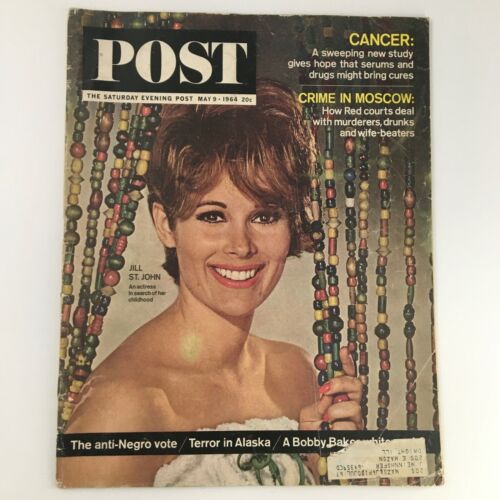
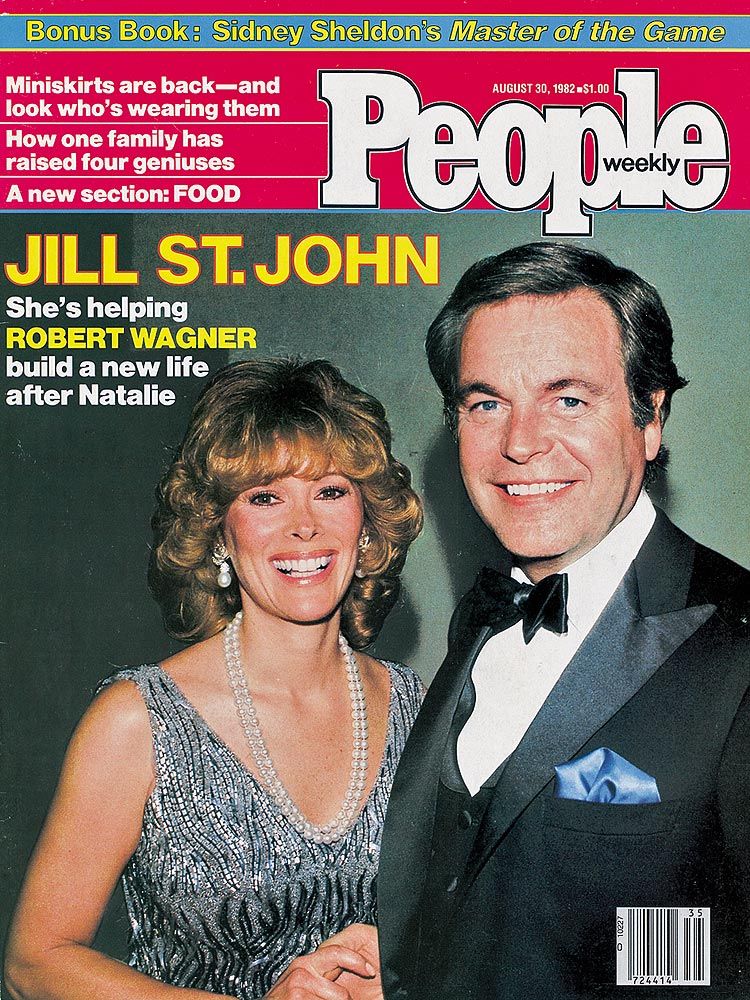
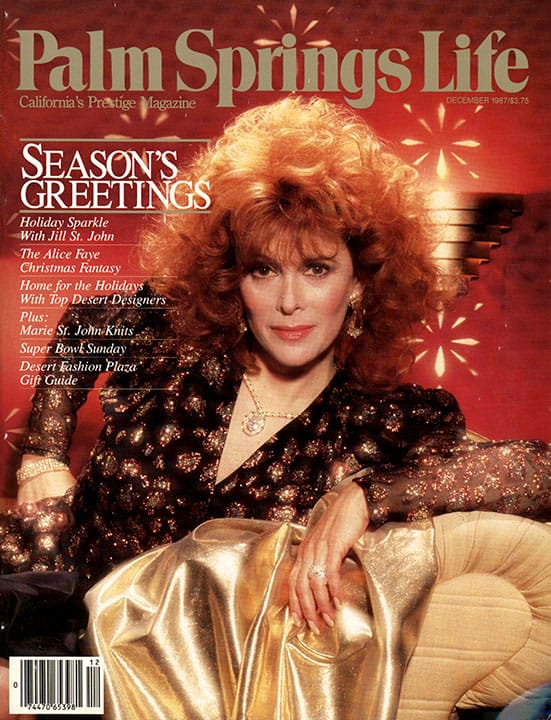
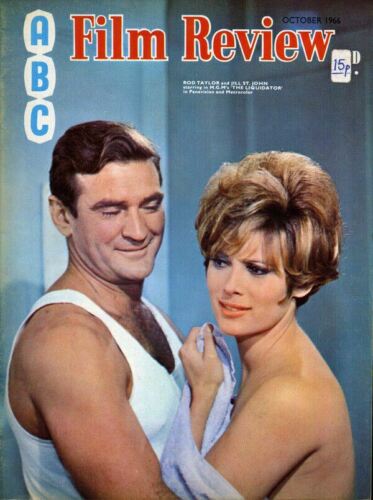
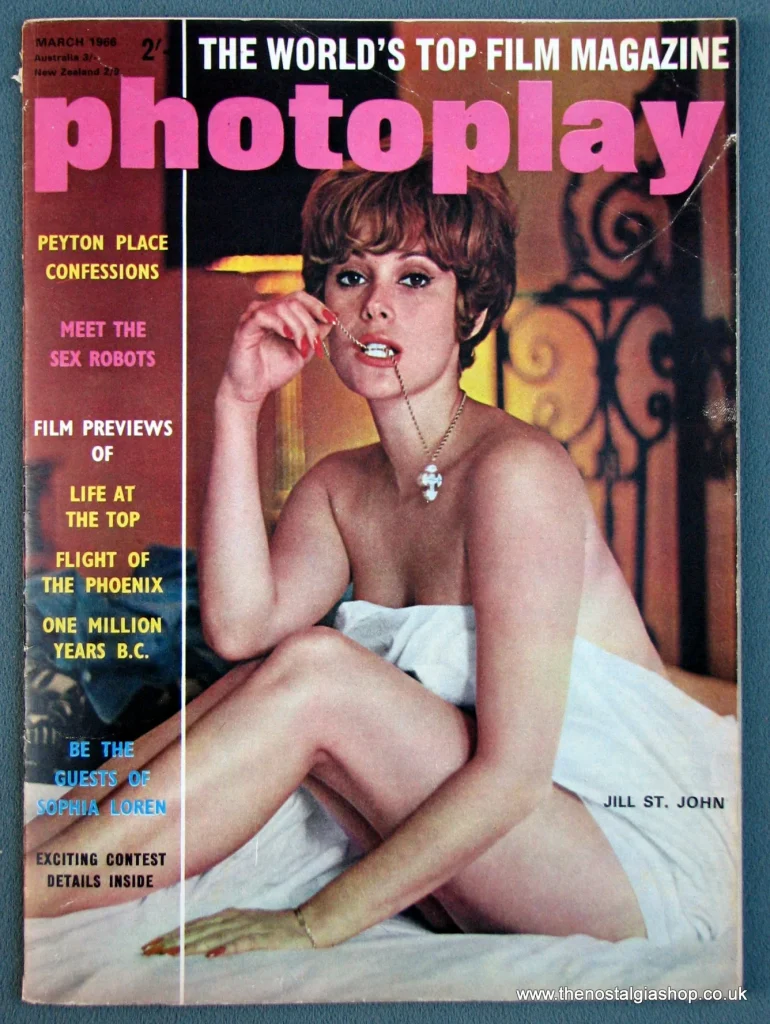
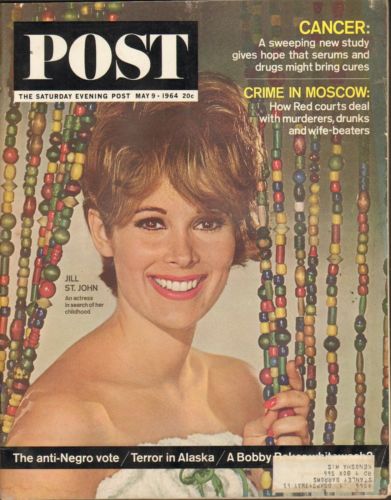
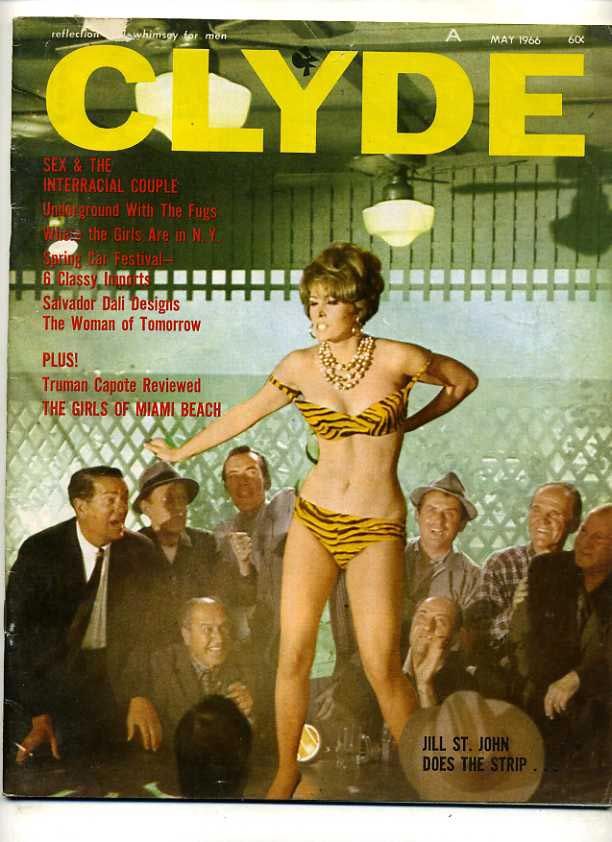
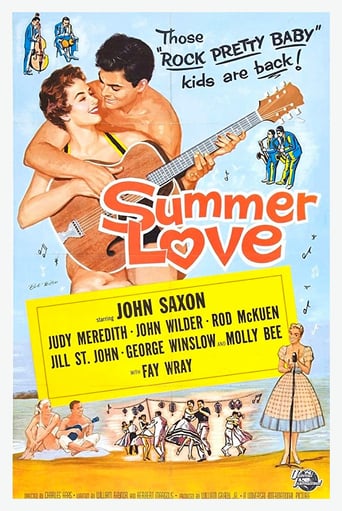
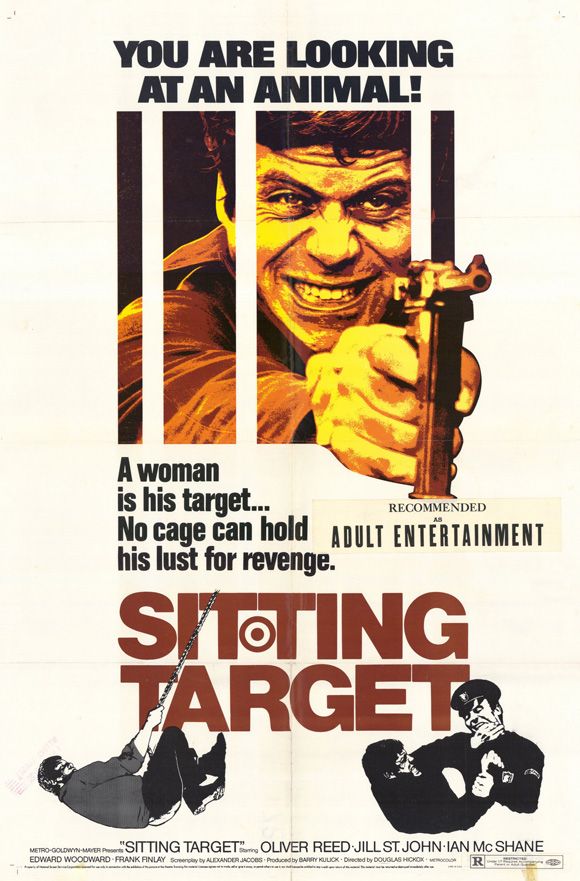
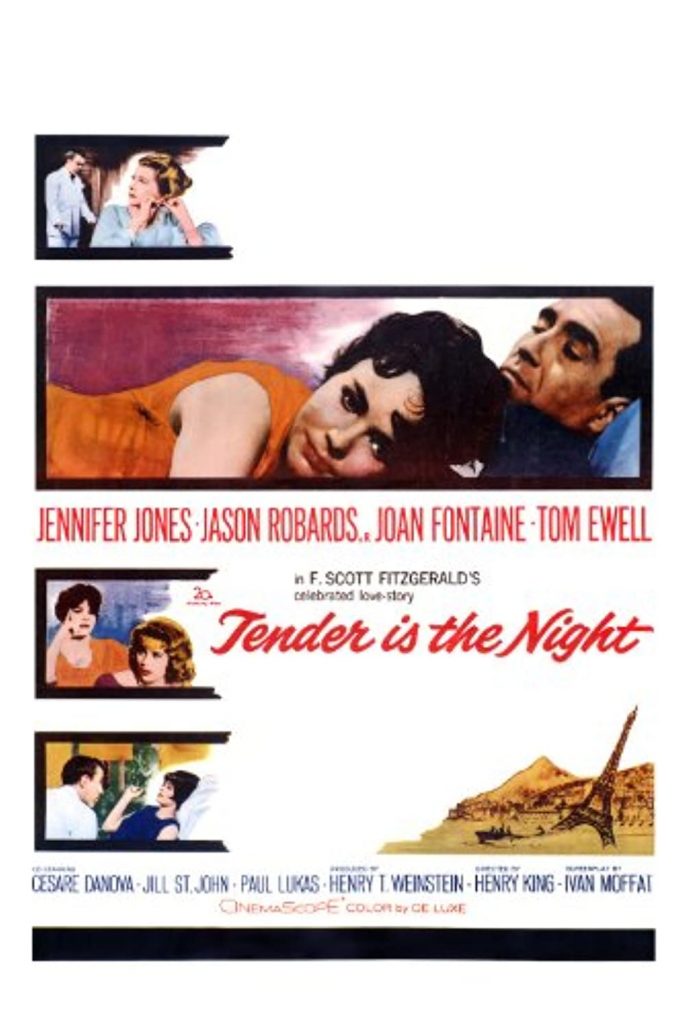
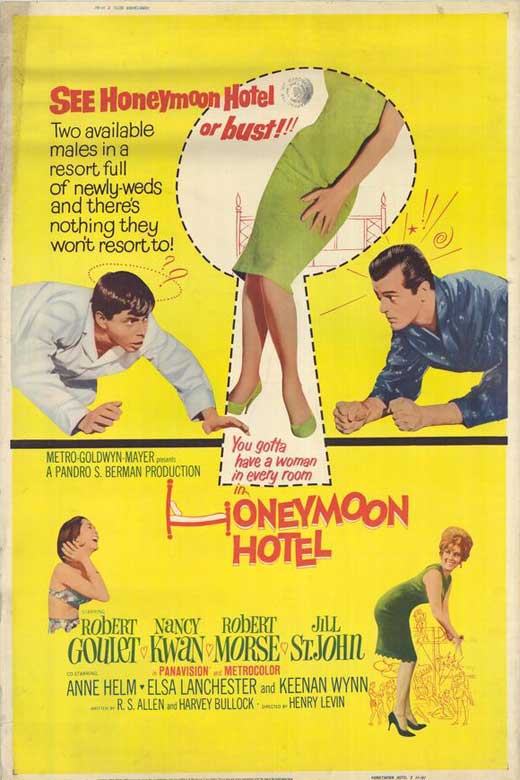
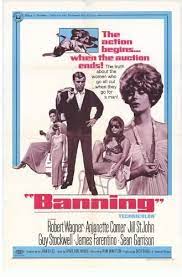
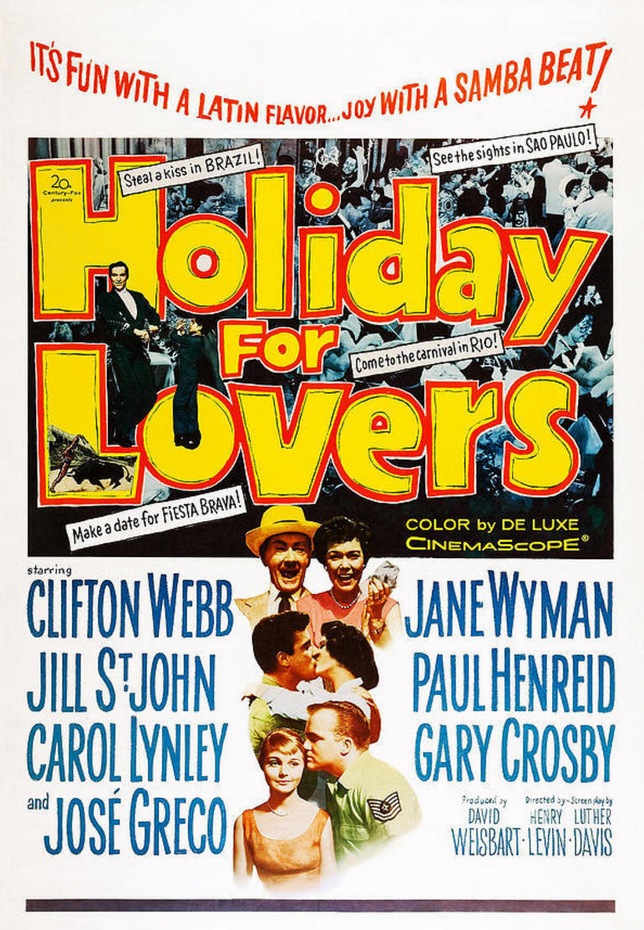
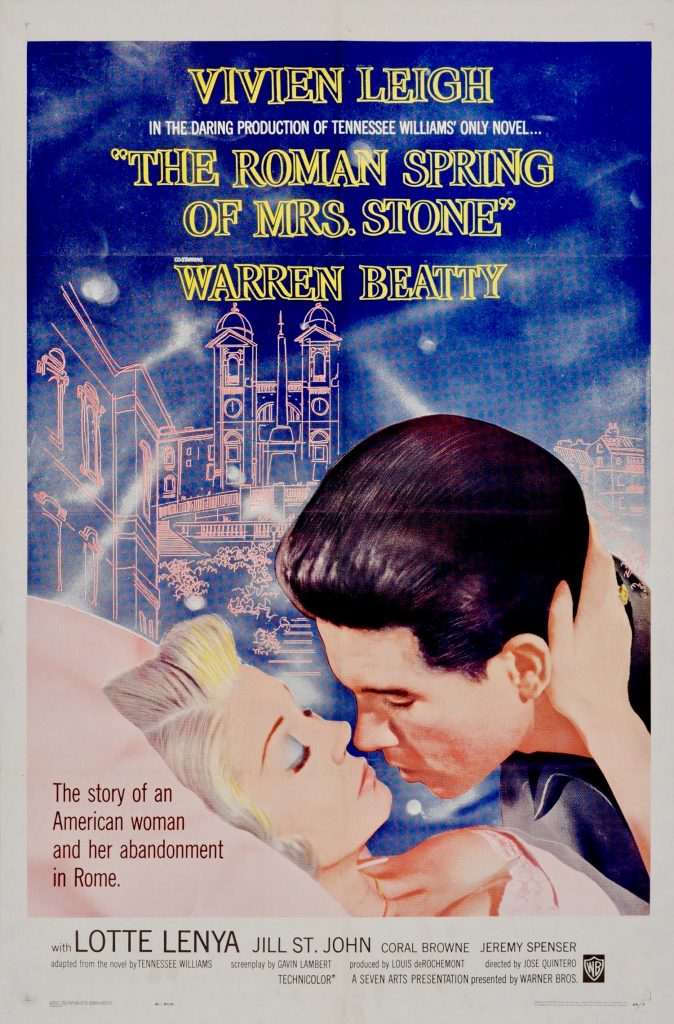
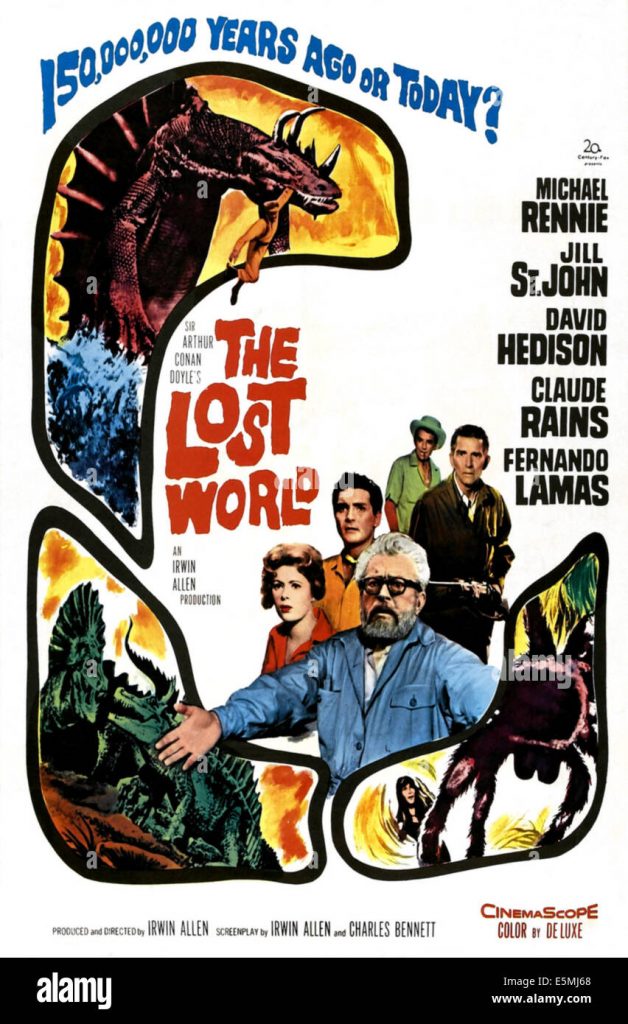
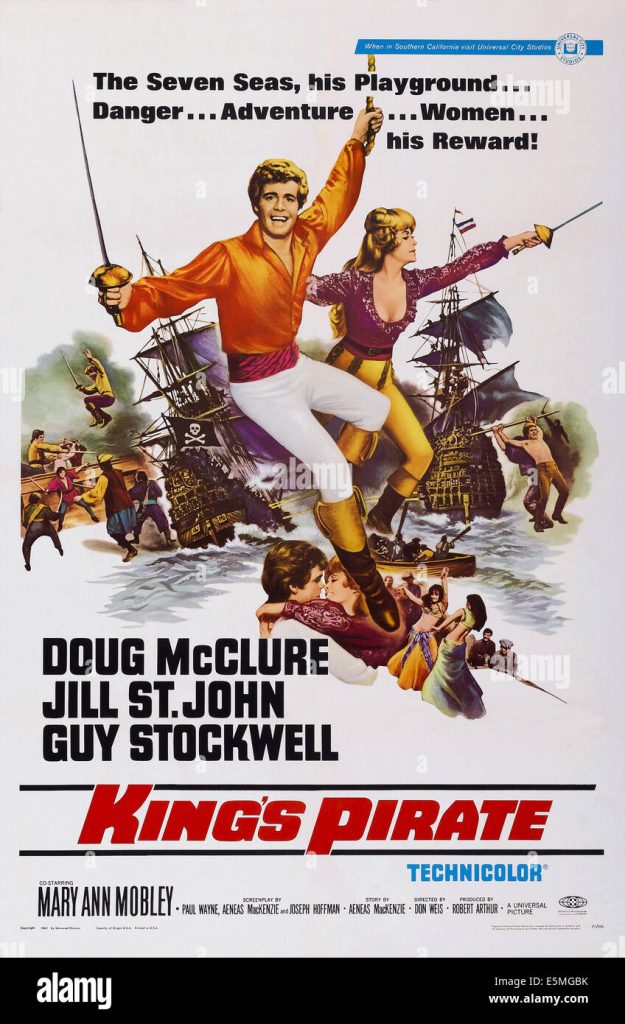
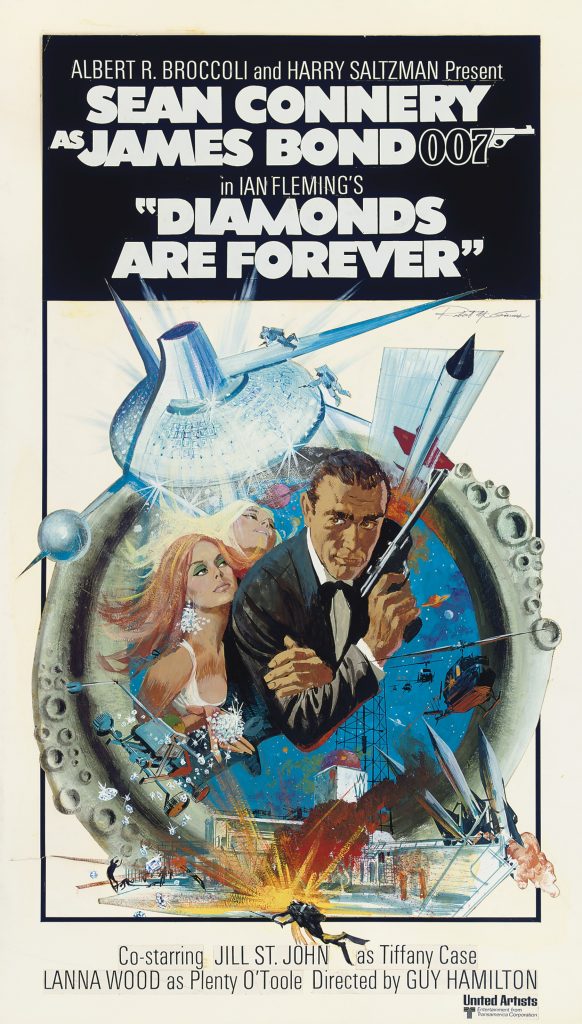
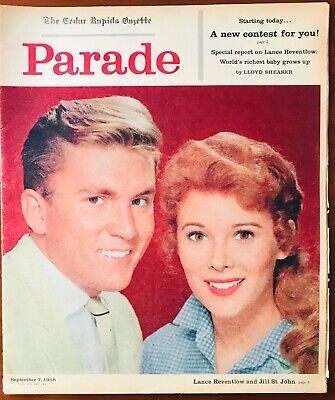
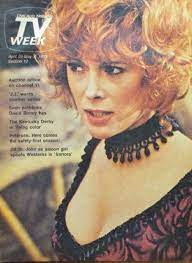
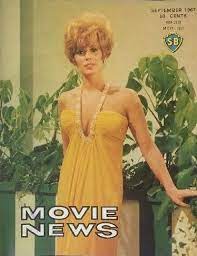
Jill St John was born in 1940 in Los Angeles.   She made her film debut in 1958 in “Summer Love” with John Saxon.   Throughout the late 50’s and sixties, she made many films including “The Lost World”, “Tender Is the Night”, “The Roman Spring of Mrs Stone” and “Honeymoon Hotel”.   In 1971 she played Tiffany Case in the popular James Bond movie “Diamonds Are Forever” and the following year was in “Sitting Target” with Oliver Reed, a gritty British thriller.Since the 1980’s she has acted intermittingly.   She is married to actor Robert Wagner.

Her IMDB entry:

Jill St. John absolutely smoldered on the big screen, a trendy presence in lightweight comedy, spirited adventure and spy intrigue who appeared alongside some of Hollywood’s most handsome male specimens. Although she was not called upon to do much more than frolic in the sun and playfully taunt and tempt as needed, this tangerine-topped stunner managed to do her job very, very well.

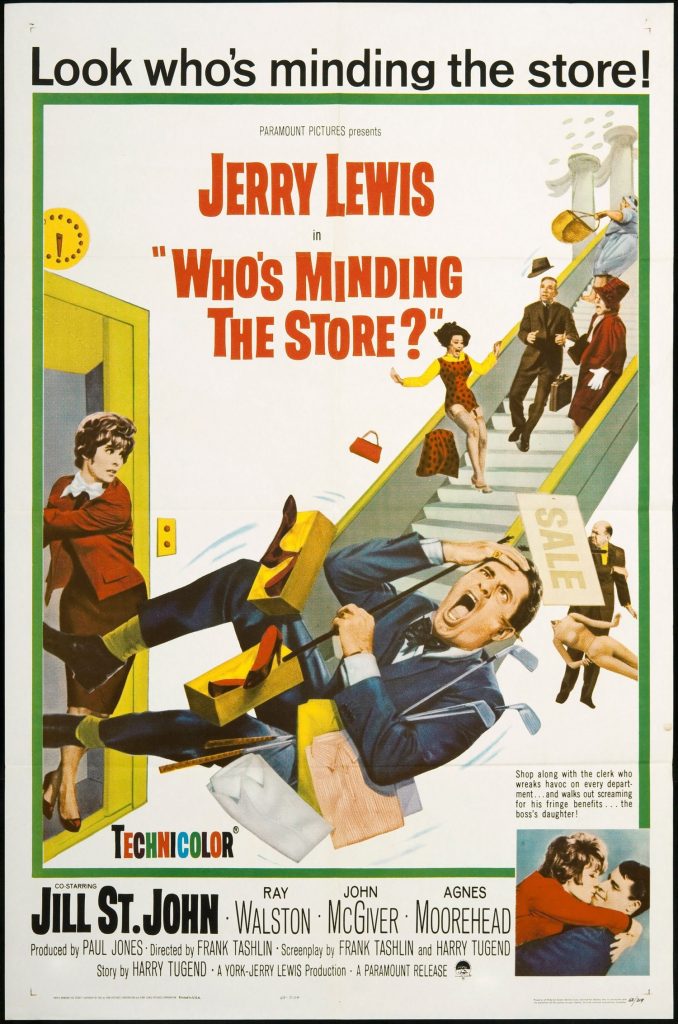
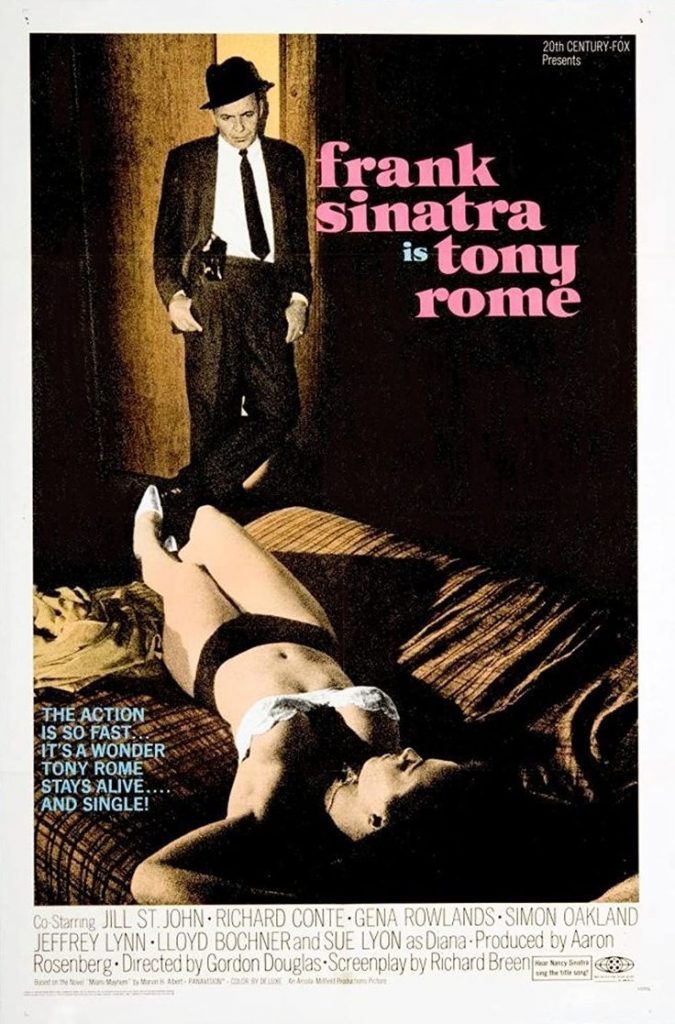
A remarkably bright woman in real life, she was smart enough to play the Hollywood game to her advantage and did so for nearly two decades before looking elsewhere for fun and contentment. Jill St. John was actually born Jill Oppenheim on August 19, 1940 in Los Angeles. On stage and radio from age five, she was pretty much prodded by a typical stage mother. Making her TV debut in a production of “A Christmas Carol,” Jill began blossoming and attracting the right kind of attention in her late teens. She signed with Universal Pictures at age 16 and made her film debut as a perky support in Summer Love(1958) starring then-hot John Saxon. Moving ahead, she filled the bill as a slightly dingy love interest in such innocuous fun as The Remarkable Mr. Pennypacker (1959), Holiday for Lovers (1959), Who’s Been Sleeping in My Bed? (1963), Who’s Minding the Store?(1963) and Honeymoon Hotel (1964). Whether the extremely photogenic Jill had talent or not was never a fundamental issue with casting agents. In the late 1960s she matured into a classy, ravishing redhead who not only came equipped with a knockout figure but some sly, suggestive one-liners as well that had her male co-stars (and audiences) more than interested. She skillfully traded sexy quips with Anthony Franciosa in the engaging TV pilot to the hit series The Name of the Game (1968) and scored a major coup as the ever-tantalizing Tiffany Case, a ripe and ready Bond girl, in Diamonds Are Forever (1971) opposite Sean Connery’s popular “007” character. She co-starred with Bob Hope in the dismal Eight on the Lam (1967), but she would be included in a number of his NBC specials over the years. She was also a part of Frank Sinatra‘s “in” crowd and co-starred with him in both Come Blow Your Horn (1963) and Tony Rome (1967). On camera her glossy femme fatales had a delightfully brazen, tongue-in-cheek quality to them. Off-camera, Jill lived the life of a jet-setter and was known for her romantic excursions with such eligibles as Sinatra and even Henry Kissinger. Of her four marriages (she never had children), which included millionaire Neil Dublin, the late sports car racer Lance Reventlow, son of Woolworth heiress Barbara Hutton, and popular crooner Jack Jones, she seems to have found her soul mate in present husband actor Robert Wagner, whom she married in 1990 following an eight-year courtship.

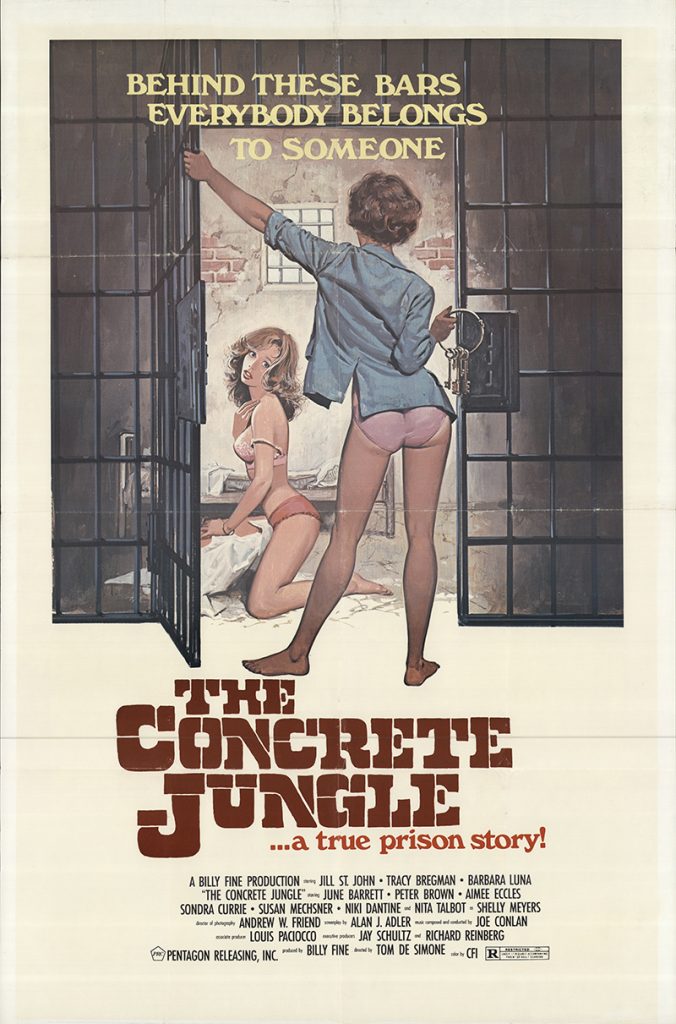
Jill worked with Wagner decades before in the soapy film drama Banning (1967) as well as a TV movie. Abandoning acting out of boredom, she has returned on rare occasions. She played against type as a crazed warden in the prison drama The Concrete Jungle (1982) and has had some fun cameos alongside Wagner both on film (The Player (1992)) and even TV (Seinfeld (1989)). In the late 1990s they started touring together in A.R. Gurney’s popular two-person stage reading of “Love Letters.” Jill’s lifelong passion for cooking (her parents were restaurateurs) has turned profitable over the years

. She has written several cookbooks and actually appeared as a TV chef and “in house” cooking expert on morning TV (Good Morning America (1975)). She also served as a food columnist for the USA Weekend newspaper.

– IMDb Mini Biography By: Gary Brumburgh / gr-home@pacbell.net

This IMDB entry can also be accessed online here.

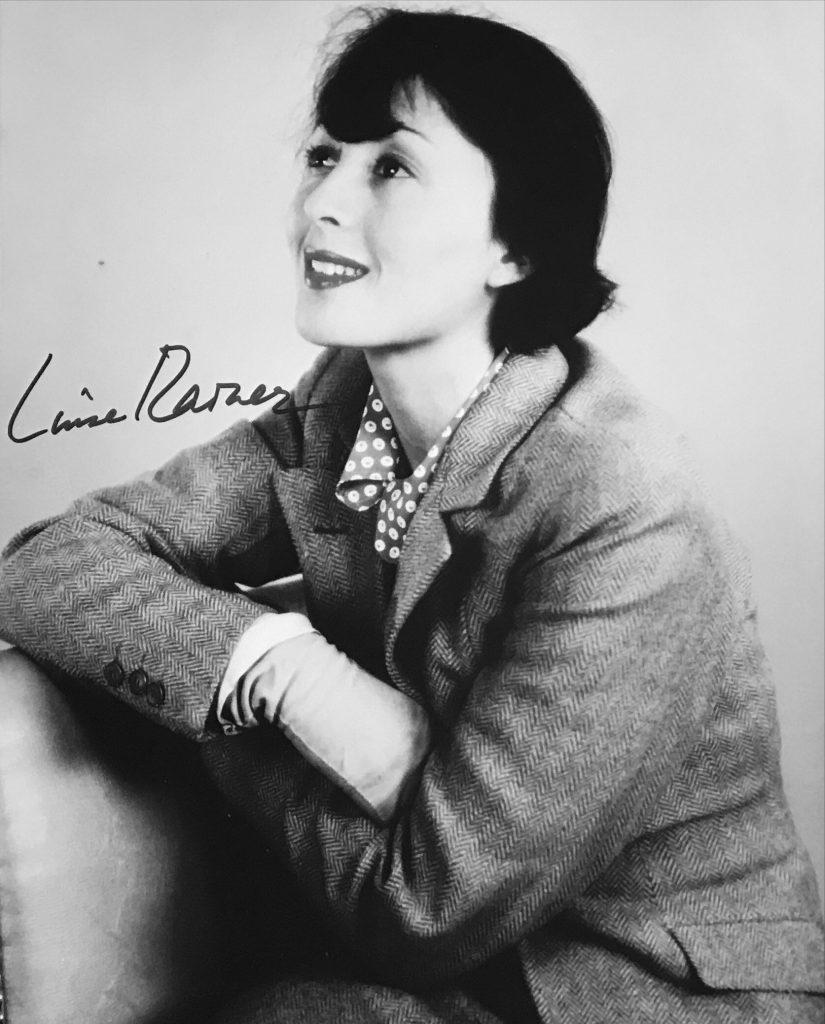
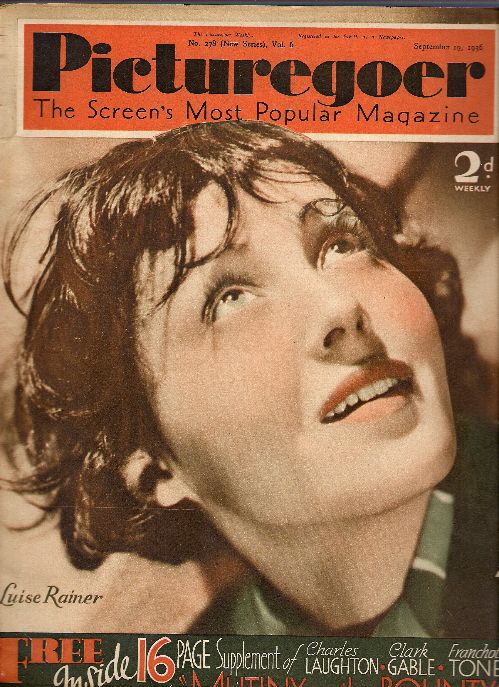
Luise Rainer

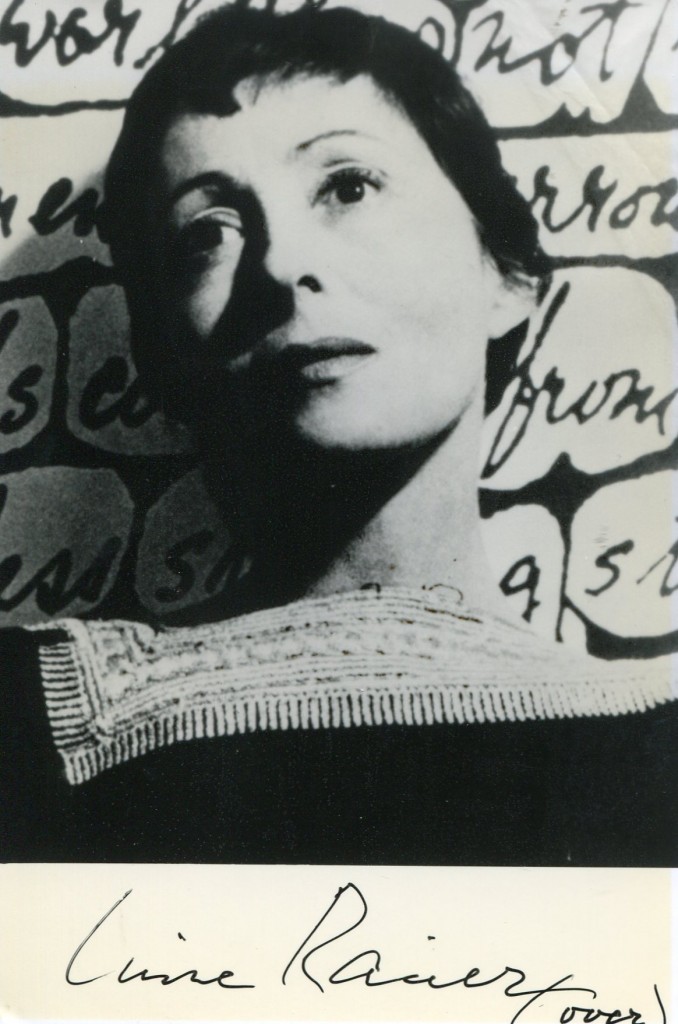
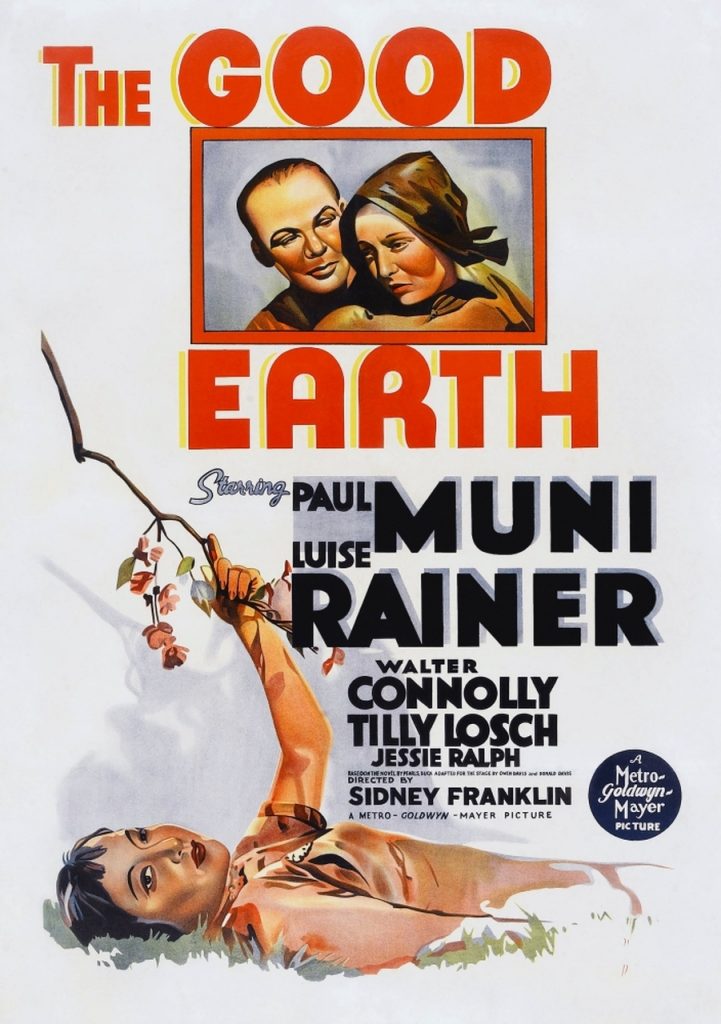
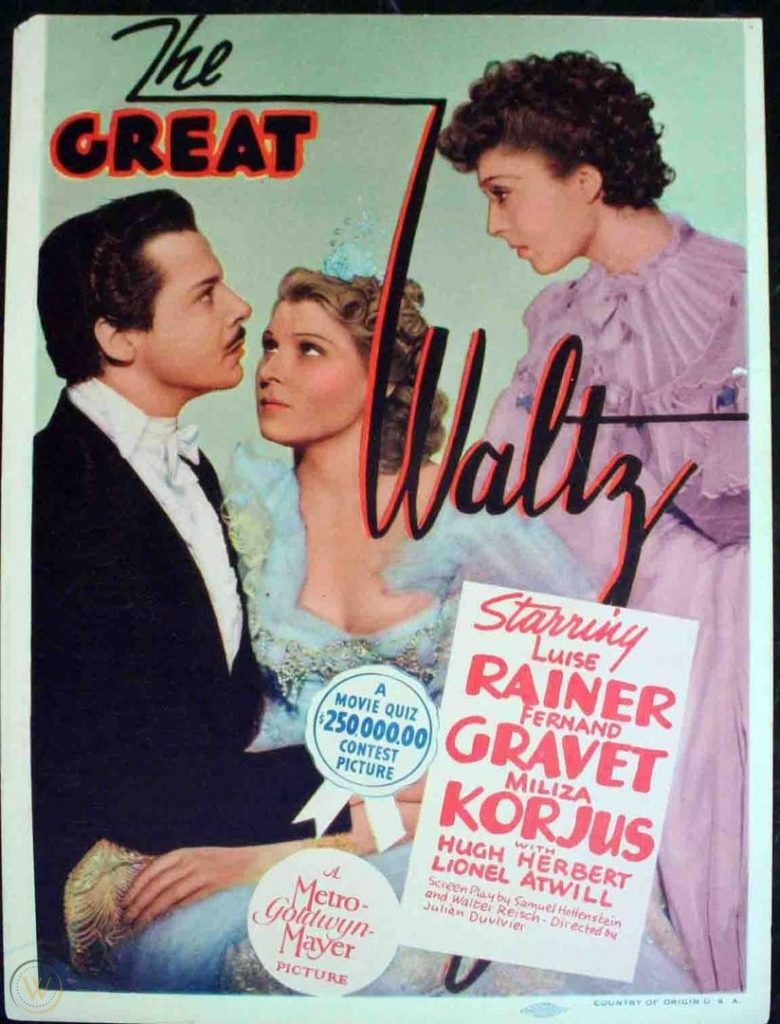
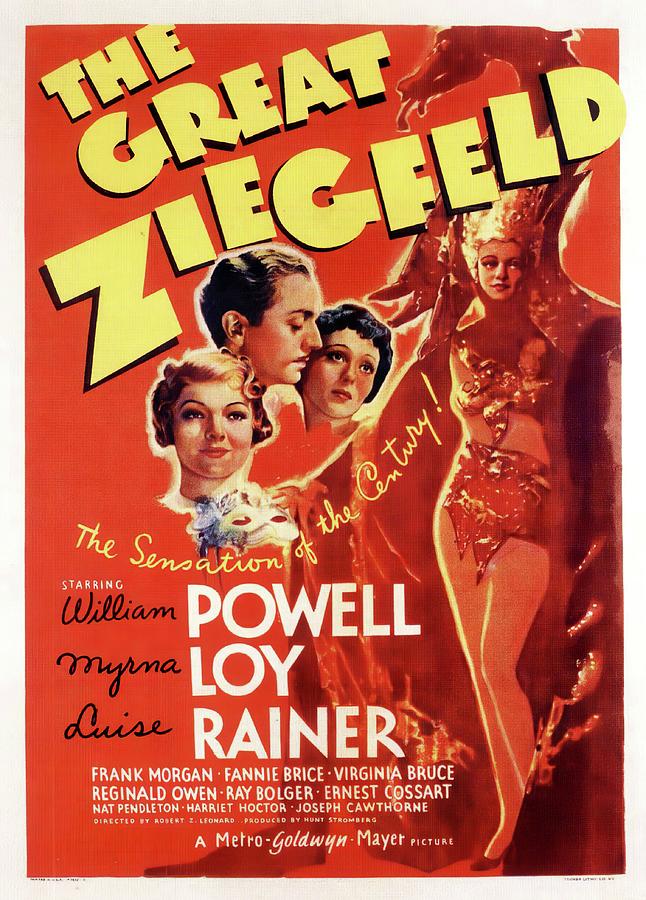
The amazine Luise Rainer is still going strong at 100 years old.   She recently flew from her home in London to Los Angeles for a TCM celebration of her work on film.   Her career in Hollywood was very brief but within that time in the 1930’s, she won two back-to-back Oscars, the only actress to have achieved this distinction.   She was born in 1910 in Dusseldorf, Germany.   She began her acting career under the tutalege of Max Reinhardt in Vienna and was spotted there by an MGM talent scout and brought to Hollywood in 1936.   Her two Oscars were for “The Great Ziegfeld” and “The Good Earth”.   However she was very unhappy in Hollywood and by 1940 she had moved to New York.   She subsequently moved to London.   She made intermittent film and television appearances over the years.   Gradually film writers became aware that she was one of the last surviving stars of the Golden Era and she has become much sought after as a witty, interesting interviewee.   Luise Rainer died at the age of 104 in December 2014.

This article by Kate Webb in “Culture” in “Aljazeera America”can also be accessed online here.

Her “Guardian” obituary by Ronald Bergan:

There are very few actors whose culture and friendships ranged so widely, and who knew so many of the great names of the 20th century, as Luise Rainer, who has died aged 104. She was married for three tempestuous years to the radical American playwright Clifford Odets; she was a key member of Max Reinhardt’s theatre company; she was the lover of the German expressionist playwright Ernst Toller; Bertolt Brecht wrote The Caucasian Chalk Circle for her. She is frequently mentioned in the diaries of the writer Anaïs Nin, who was fascinated by her; she was an intimate of Erich Maria Remarque and Albert Einstein; Federico Fellinibegged her to be in La Dolce Vita; and George Gershwin gave her a first edition of the score of Porgy and Bess, with a fulsome dedication to her from the composer.

In addition, Rainer was the first movie star to win a best actress Oscar in successive years, the first for The Great Ziegfeld (1936) and the second for The Good Earth (1937). And yet, she lived the latter part of her life in comparative obscurity in London, under the name Mrs Knittel.

Rainer was born in Düsseldorf, Germany, of well-to-do parents: Heinz Rainer, a German-American businessman, and his wife Emmy (nee Königsberger), a pianist from an upper-class German-Jewish family. Luise, who had dark, expressive eyes in a mobile, wistful face topped by a mass of shiny black hair, was her father’sAugapfel, the apple of his eye. However, she also experienced what she described as his “tyrannical possessiveness”.

Feeling lost and out of place in an “average bourgeois surrounding”, she sought solace in the arts: “I was always very rebellious. I felt constricted. My rebellion was against the superficial. My wealthy parents were both immensely musical and cultured, but my father wanted me to marry and have children.” At 16, she made up her mind to go on the stage. “I became an actress only because I had quickly to find some vent for the emotion that inside of me went around and around, never stopping. I would have been happy instead of turning to the stage, to write, to paint, to dance, or, like my mother, to play the piano beautifully.”

Behind closed doors, she studied the part of Lulu in Pandora’s Box by Frank Wedekind. After she auditioned at the theatre in Düsseldorf, no one could believe that she had had no previous training. “I could feel the warmth and the love coming to me from the audience and yet I could remain at a protective distance. It was what I needed.”

Her parents refused to see her act, and were horrified when she took the leading role in Wedekind’s then-shocking Spring Awakening. Thereafter she appeared in a number of productions, many with Reinhardt’s company, including Pirandello’s Six Characters in Search of an Author, for which she was praised personally by the playwright. A newspaper dubbed her “the wunderkind of drama”. At the time, Toller was in love with her. “He was nothing to me but a man. I was in my teens, and his fame didn’t mean anything to me. But I had no room for him in my life because there were so many other men in love with me at the time.”

An MGM talent scout saw Rainer performing in a Viennese production of An American Tragedy in 1934, and she was immediately signed to a seven-year contract as the studio’s secret weapon to keep Greta Garbo in line. So, in 1935, in her late teens, speaking fluent French and German, but little English, Rainer arrived in Hollywood. Her first film for the studio, the spy drama Escapade (1935), in which she replaced Myrna Loy as a Viennese girl opposite William Powell, made her a star.

Her new-found status triggered her first clash with the studio boss Louis B Mayer. He wanted to loan her to 20th Century-Fox to co-star with Ronald Colman in The Man Who Broke the Bank at Monte Carlo. Rainer talked him into giving her a much smaller role in the new Powell picture. “There’s this little scene I think I can do something with,” she told him. This “little scene” – which Mayer ordered out after the first previews but later restored – was the short, poignant telephone scene from The Great Ziegfeld. “I wrote the scene myself,” Rainer stated, “though I stole it from Cocteau’s La Voix Humaine.” As Anna Held, she telephones her ex-husband Florenz Ziegfeld to congratulate him on his marriage. It was enough to sway the voters of the Academy and it also established Rainer as an expert exponent of the laughter-through-tears school of acting.

The following year, Rainer made an exceptional jump to the role of the downtrodden Chinese peasant woman O-Lan in The Good Earth, based on Pearl Buck’s Pulitzer prizewinning novel. She works silently in the fields with her husband, bears his children, begs for food during the famine, and dies quietly years later when the family has achieved some prosperity. When it was shown to the Chinese government, Madame Chiang Kai-shek reportedly could not believe Rainer was not herself Chinese, and Buck later wrote: “I was much moved by the incredibly perfect performance of Luise Rainer … marvelling at the miracle of her understanding.”

But so convinced was Rainer that she had no chance of winning the coveted Oscar for the second year running that on the night of the ceremony she stayed at home in her pyjamas. At 8.35pm, the names of the winners were given to the press, and a member of the Academy telephoned her to tell her she had won. She had to change quickly into evening dress and dash across town with Odets, whom she had married the previous year, to receive her second statuette. That night, she recalled, she and Odets were having a terrific row. She was in tears by the time they got to the Biltmore hotel, and they had to walk around the building five times before she had calmed down sufficiently to go in and accept the award.

Rainer never made big money in Hollywood. She had opportunities to increase her salary, but was disinclined to accept the method of negotiation offered by Mayer. The mogul said to her: “Why don’t you sit on my lap when we’re discussing your contract, the way the other girls do?” The fiery Rainer told him to throw her contract in the bin. “We made you and we’re going to kill your career,” Mayer roared. She replied: “Mr Mayer, I was already a star on the stage before I came here. Besides, God made me, not you!”

Thereafter her films were mediocre, except for The Great Waltz (1938), though her part as Johann Strauss’s wife was considerably trimmed. A nonconformist, Rainer walked around Hollywood in slacks, wearing no make-up, her hair in disarray at the height of 1930s glamour. She also decided to expend her energies elsewhere than on her film career. She helped refugee children from Spain and later, with the US first lady Eleanor Roosevelt, assisted European victims of Nazi Germany.

When her disastrous marriage to Odets ended in divorce in 1940, she was living in New York. There she became friendly with Nin, famous for her erotica and her passionate affair with the writer Henry Miller. “My strongest impression when I met her [Rainer] was that you were twins of a sort,” Miller wrote to Nin. “Neither of you belong in this world.” After Nin attended a play in which Rainer was performing, she wrote long descriptions of the actor in her diary. Rainer becomes a “flame” when she performs, says Nin, and certainly “would have been loved by [the French playwright Antonin] Artaud”.

Before she left Hollywood, Rainer was told by Brecht that he would like to write a play for her. She suggested an adaptation of Der Kreidekreis (The Chalk Circle) by AH Klabund, based on a Chinese tale, which became The Caucasian Chalk Circle. Later, she and the playwright fell out, and she never performed in it.

Soon after, in 1945, Rainer retreated into a long and happy marriage with the publisher Robert Knittel. They travelled extensively and lived for many years in Switzerland. She became a mother, painted and did a play from time to time, notably Maxwell Anderson’s Joan of Lorraine, Ibsen’s The Lady from the Sea, and Chekhov’s The Seagull, in which she played Nina. But for most people, Rainer had disappeared from the public eye.

In the late 50s, Rainer and her family moved to Britain. She appeared in some television plays on the BBC, including Stone Faces (1957), a play written for her by JB Priestley. She also played Regina in Lillian Hellman’s The Little Foxes at the Theater in der Josefstadt in Vienna, where she had performed with Reinhardt many years before. In 1973, she took the taxing part of the narrator in Honegger’s oratorio Judith, in French, with the Pittsburgh Symphony Orchestra, with Jessye Norman singing the soprano part.

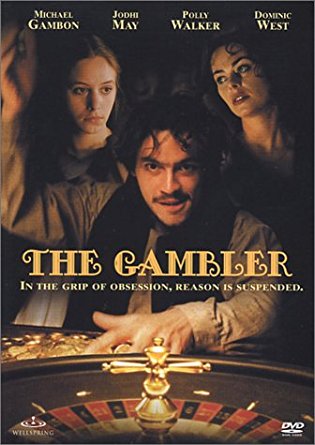
In 1997, she was enticed into returning to the big screen for the first time in over half a century in The Gambler, based on Dostoevsky. Though the film received lukewarm reviews, Rainer was universally praised. According to Variety: “The pic briefly gets a real lift when the legendary Luise Rainer bursts on the scene in a wonderfully showy part as a gambling-addicted granny.”

When I met Rainer at her London flat in 1996, she was an incredibly energetic 86-year-old whom I recognised as the same woman described by Miller as having “wonderful gesture and bearing, such a gracious way of carrying her head, such delicacy”, and the intense and dark eyes that shone from the screen over half a century before.

She is survived by her daughter, Francesca.

• Luise Rainer, actor, born 12 January 1910; died 30 December 2014

The above “Guardian” obituary can also be accessed online here.

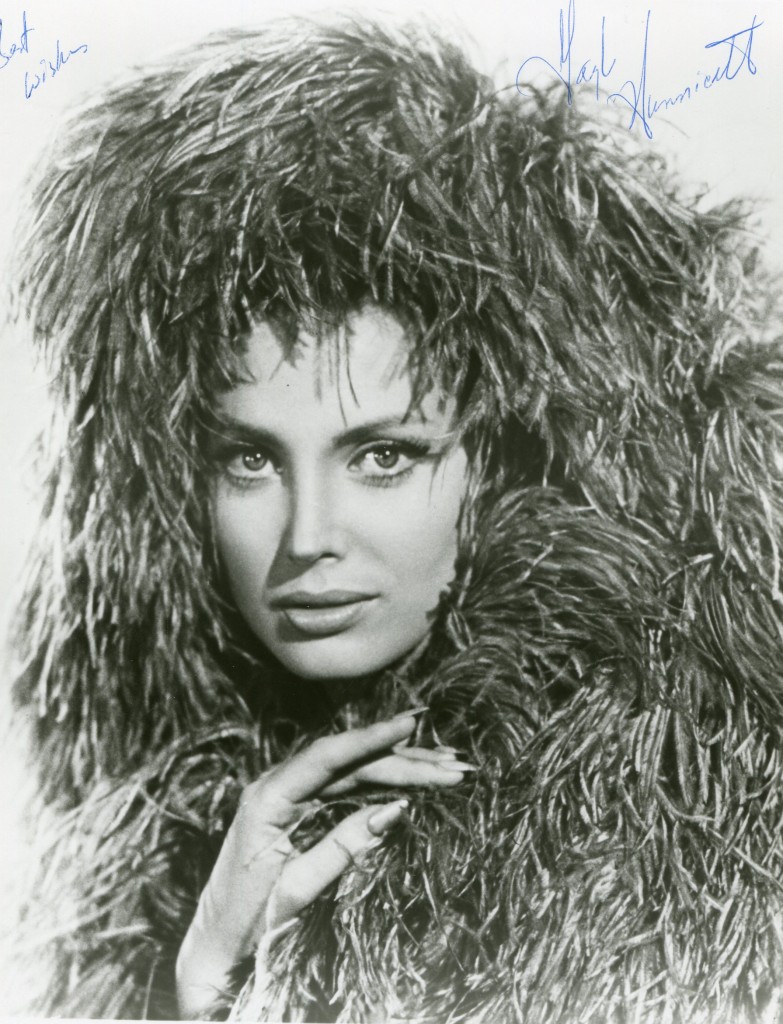
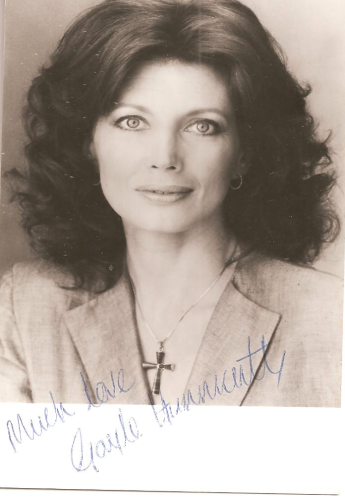
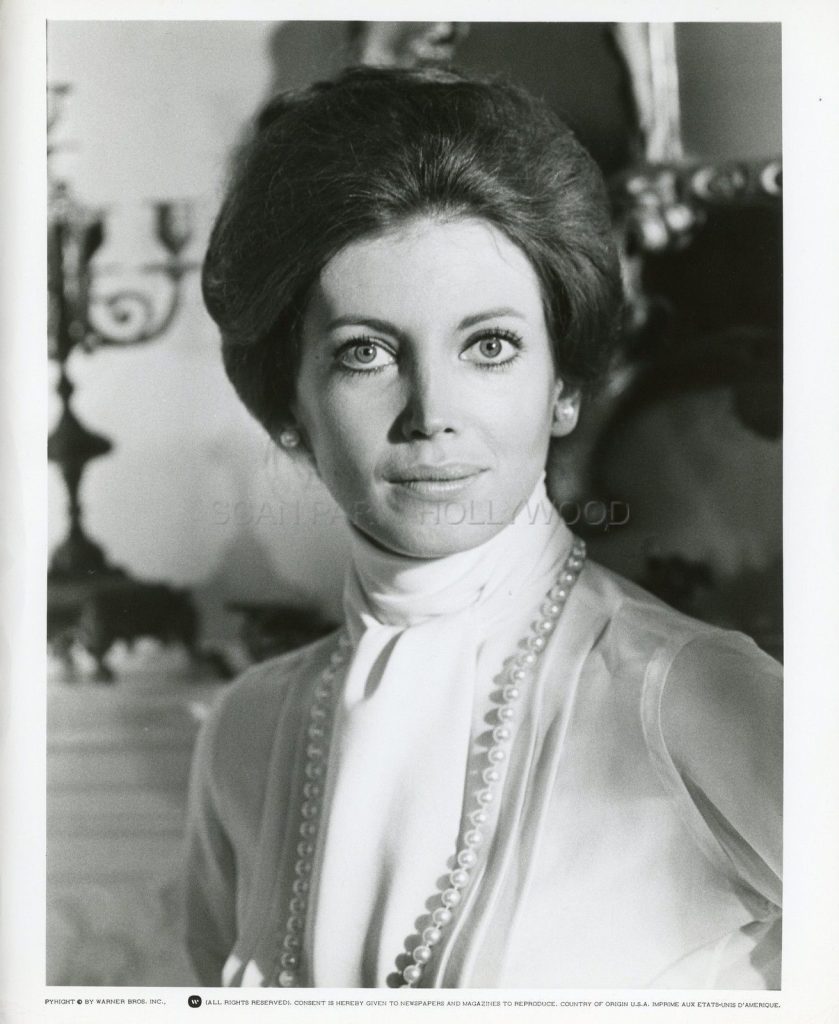
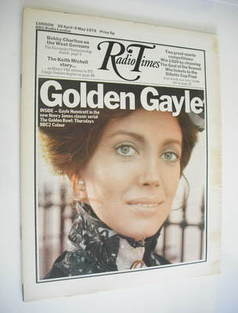
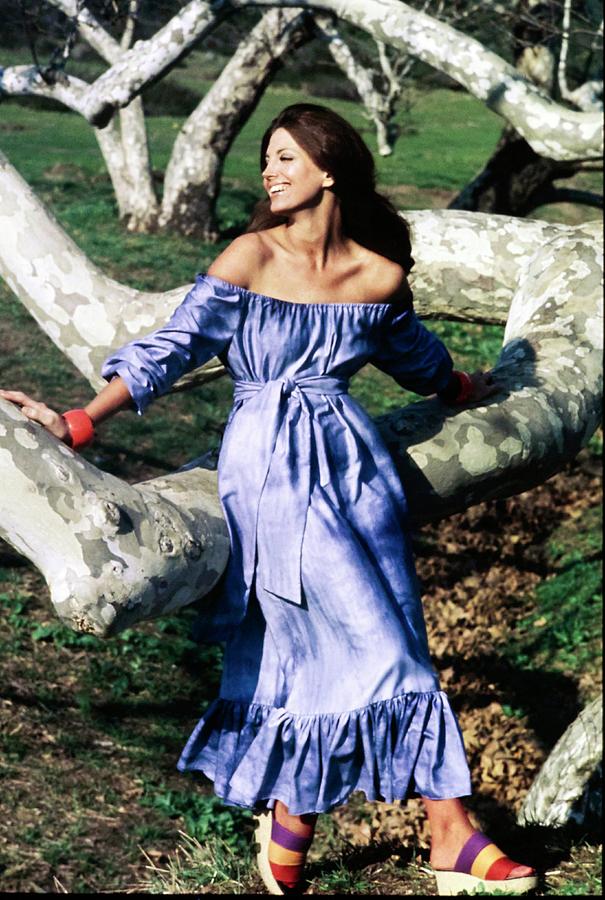
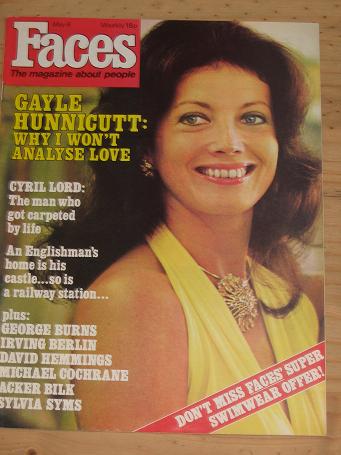
Gayle Hunnicutt
Gayle Hunnicut

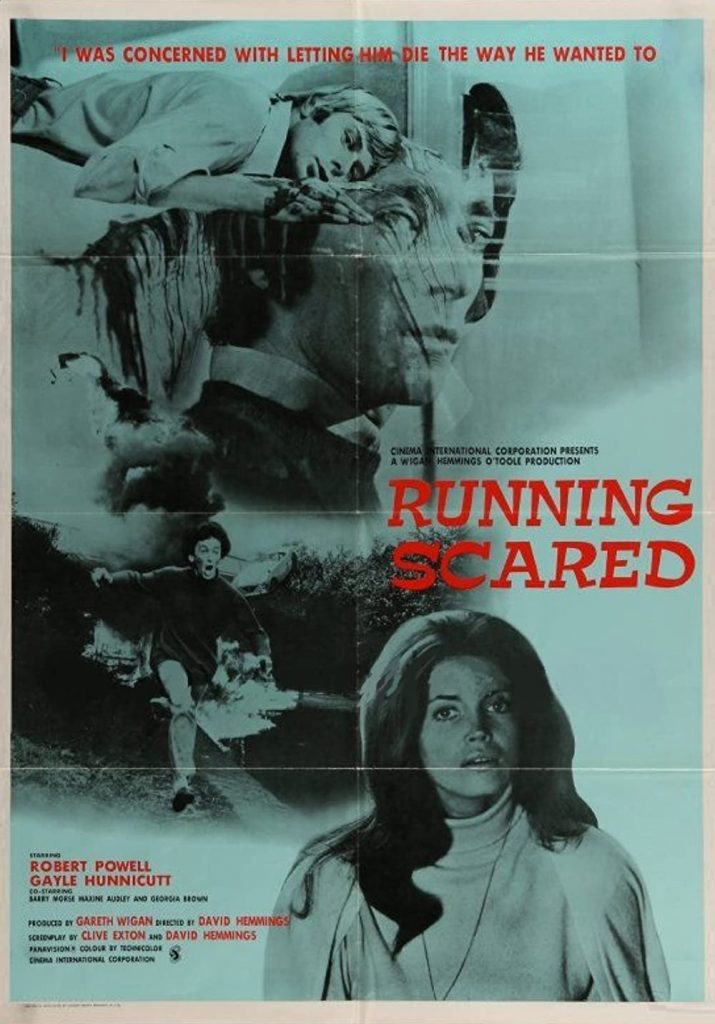
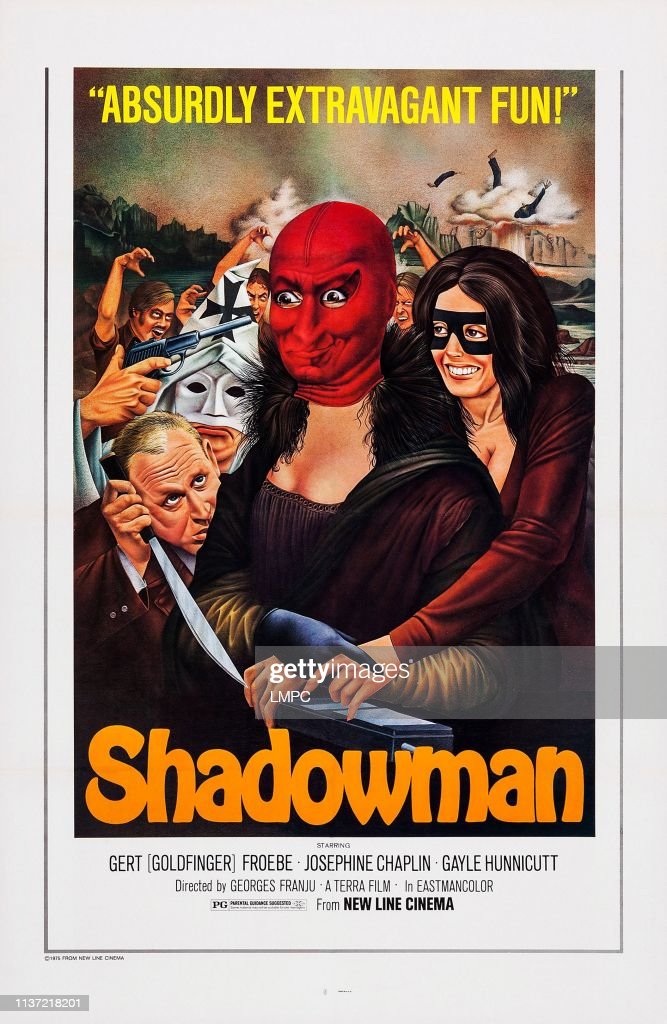
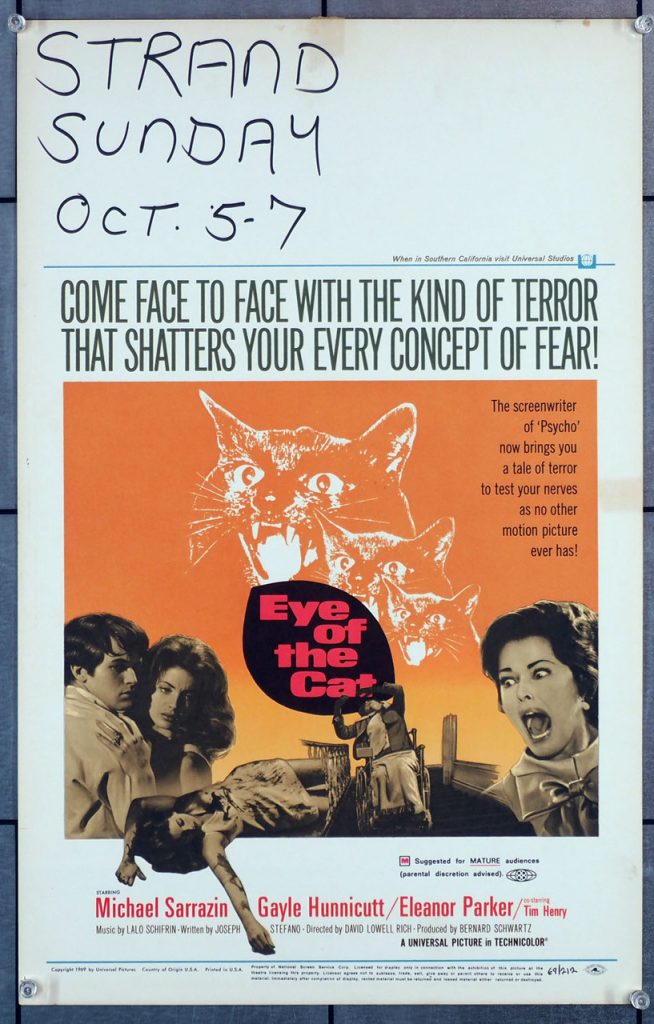
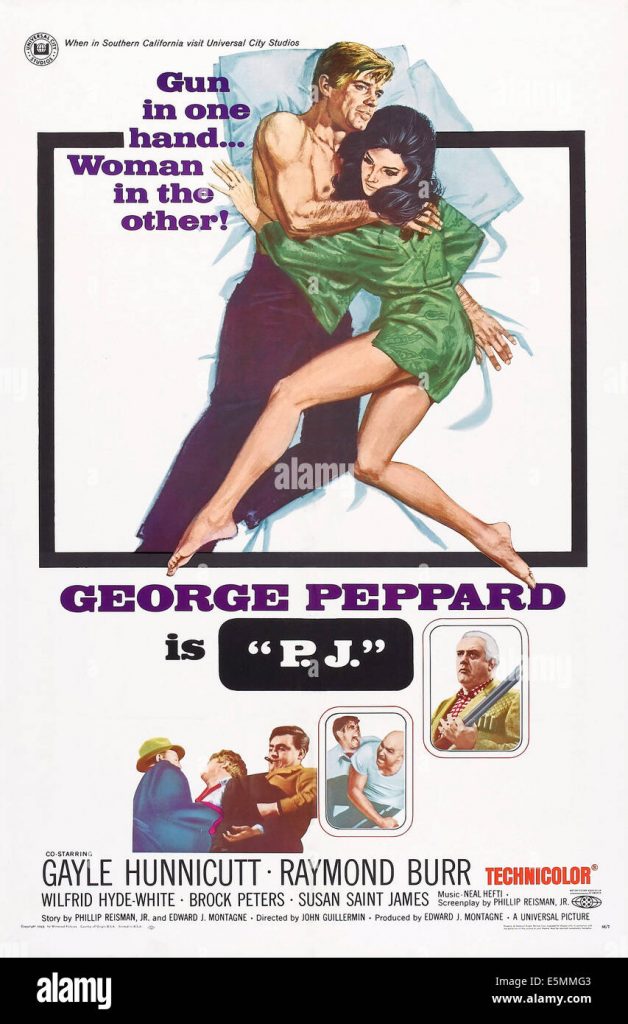
Gayle Hunnicutt was born in Forth Worth, Texas and was a fashion model before she became an actress.   She had her first major role opposite George Peppard in “P.J.” and then 1970 she settled in England after her marriage to actor David Hemmings.   She made a number of films with him including “Running Scared”.   She starred opposite Burt Lancaster, Alain Delon and Paul Scofield in “Scorpio” in 1973.   Between 1989 and 1991 she returned to the U.S. to play a love interest of Larry Hagman in “Dallas”.   Article on Gayle Hunnicut in “MailOnline” here.

Article in “Daily Telegraph”:

By Richard Eden

 Gayle Hunnicutt, who told Mandrake in 2008 that she had initiated divorce proceedings against Sir Simon Jenkins, the chairman of the National Trust, after a 30-year marriage, has a reason to smile again.   The glamorous actress is enjoying an emotional reunion with the BBC tennis commentator Richard Evans, who was her boyfriend until the year before she married Sir Simon.  

 “I am spending quite a lot of time with this lovely man in Florida,” she told me at the launch of the paperback edition of Miranda Seymour’s bookChaplin’s Girl: The Life and Loves of Virginia Cherrill, at The House of Hardy Amies in Savile Row, London. “It is lovely being with someone who knows you so well and understands you.

“We first met in 1975 and were together for two and a half years. As he is in the tennis world, he travels constantly. I had a career and a child to raise, so I couldn’t always be travelling around the world and we never married.”   Hunnicutt, 67, was previously married to David Hemmings, the late star of the cult Sixties film Blow-Up. She added of Evans: “The person who introduced us in 1975 reintroduced us last summer. We both became separated and neither of us knew. It is one of those extraordinary things.”

Gayle Hunnicutt died in 2023

The Telegraph obituary in 2023:

Gayle Hunnicutt, who has died aged 80, was a strikingly glamorous American actress better known for her appearances in gossip columns than for most of her films, having divorced the wayward young British star David Hemmings in 1974 and married the writer and journalist Simon Jenkins.

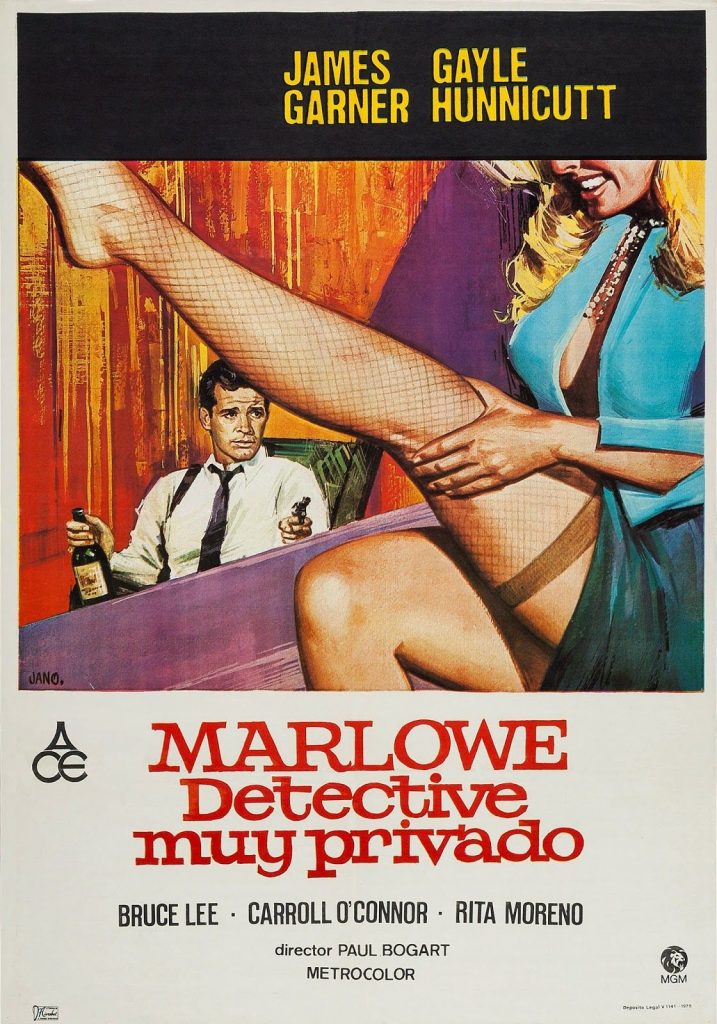
Cast as elegant sexpots in thrillers like Marlowe (1969) with James Garner, Fragment of Fear (1970), her first British film, in which she co-starred with Hemmings, and Michael Winner’s spy caper Scorpio (1973), Gayle Hunnicutt dazzled with her inordinate good looks. 

Gayle Hunnicutt in London, circa 1980
Gayle Hunnicutt in London, circa 1980 CREDIT: Terry Fincher/Popperfoto via Getty Images

The Telegraph’s critic Richard Last was agog as he ascribed to her “the most luminously beautiful face on television”, while an equally appreciative Clive James, gazing on her ravishing Titian hair and porcelain complexion, was smitten by her “sweet violence to the eye”.

There were others for whom the mere mention of her exotic name suggested a character who had stepped from the pages of an Ian Fleming novel; indeed, in 1972 she was canvassed as a Bond girl opposite Roger Moore in Live and Let Die, but it was not to be. 

In the late 1980s millions saw her make a splash on British television as JR Ewing’s old flame, an English countess called Vanessa Beaumont, in the glitzy American soap Dallas.

Gayle Hunnicut with husband David Hemmings arrive at a party in Los Angeles, circa 1968
Gayle Hunnicut with husband David Hemmings arrive at a party in Los Angeles, circa 1968 CREDIT: Earl Leaf/Michael Ochs Archives/Getty Images

Had she remained in Hollywood rather than marrying David Hemmings and moving to London in 1968, she would probably have had a more illustrious film career, but she considered herself lucky to escape.

In Britain she sought to establish herself as a serious actress, and in the 1970s featured on television in costume dramas including an adaptation of Henry James’s novel The Golden Bowl, Colette’s The Ripening Seed (both 1973) and as Tsarina Alexandra in the classic serial Fall of Eagles (1974). 

Offers of film parts continued to flow and she was busy on the stage, too, appearing in productions of Shakespeare and Shaw and in lighter fare such as revivals of Philip Barry’s The Philadelphia Story (Oxford Playhouse, 1981) and Clifford Odets’s The Big Knife (Albery, 1987), in which she co-starred with Martin Shaw.

In 1993, with her second husband, the cerebral Simon Jenkins, once described as “the acceptable face of fogeyism”, she hosted a joint 50th birthday celebration at St James’s Palace, previous venues for their annual extravaganzas having included Battersea Power Station and the Science Museum. 

Gayle Hunnicutt with her husband Simon Jenkins, then editor of The Evening Standard
Gayle Hunnicutt with her husband Simon Jenkins, then editor of The Evening Standard  CREDIT: Monitor Press Features Limited

Sir Christopher Bland, chairman of London Weekend Television and a future chairman of the BBC, used the occasion to make mischief, spreading a story that Gayle Hunnicutt and Jenkins had spent their wedding night at Henry James’s old home, Lamb House at Rye, reading Middlemarch.

The disintegration of her first marriage put paid to her appearance as Thérèse Raquin in Michael Voysey’s stage adaptation of Emile Zola’s novel of that name at the Yvonne Arnaud Theatre in Guildford in August 1974. 

She pulled out a couple of days before the play opened, explaining that she was suffering from laryngitis, but her “indisposition” coincided with her final split from the serially unfaithful Hemmings, who was reportedly being “consoled” by his secretary, Prudence de Casembroot, 26.

The only child of a US Army colonel, Virginia Gayle Hunnicutt was born on February 6 1943 in Fort Worth, Texas. When the family moved to Beverly Hills in the mid-1950s, she won a scholarship to the University of California in Los Angeles, as near to Hollywood as a student of English and drama could get, and dabbled in acting during the summer holidays. 

With Hermings in Fragment of Fear
With Hermings in Fragment of Fear CREDIT: Film Stills

Her break came when a Warner Brothers talent scout spotted her in a student production, and after graduating with a BA in English Literature she made her first film, The Wild Angels, with Peter Fonda in 1966, followed by New Face in Hell starring George Peppard. In the same year she was cast on American television in two episodes of The Beverly Hillbillies.

In 1967, at a beach party for Steve McQueen thrown by the Rat Pack member Peter Lawford in Santa Monica, she met David Hemmings, the British actor who had rocketed to international stardom in Michelangelo Antonioni’s quintessential Swinging London film Blow-Up, and followed him to Turkey, where he was shooting The Charge of the Light Brigade. They married in Beverly Hills the following year.

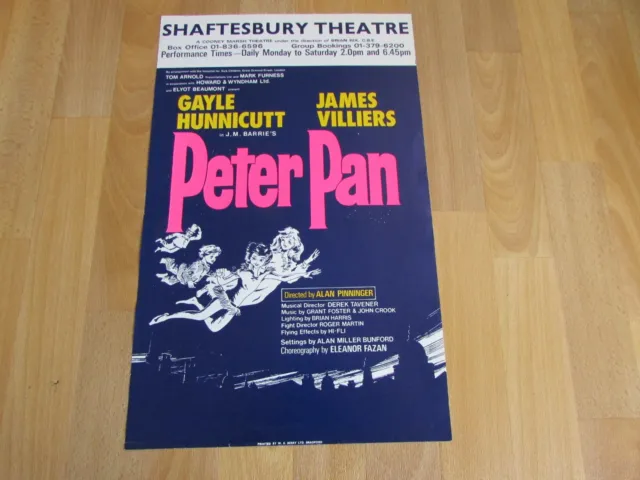
When her marriage to Hemmings broke up in the mid-1970s, she decided to remain in Britain and “its wonderful, wonderful theatres”. She was cast in Twelfth Night at Greenwich, The Tempest at Oxford, A Woman of No Importance at Chichester and JM Barrie’s The Admirable Crichton, also at Greenwich. In 1979 she became the first American actress to play Peter Pan in the West End.

With James Garner in Marlowe, 1968
With James Garner in Marlowe, 1968 CREDIT: Alamy

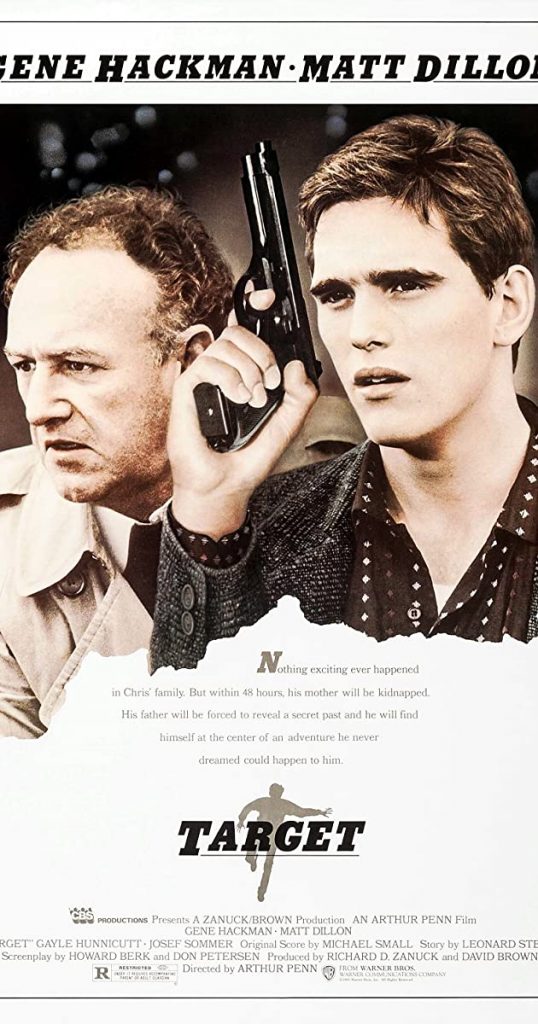
Her tight schedule continued throughout the 1980s, with stand-out projects including the role of the retired opera singer and femme fatale Irene Adler, opposite Jeremy Brett, in the first episode (“A Scandal in Bohemia”) of the ITV series The Adventures of Sherlock Holmes in 1984 and the following year taking the female lead in Arthur Penn’s action adventure film Target (1985) opposite Gene Hackman and Matt Dillon.

In one of her last West End roles, aged 52, she donned a stunning backless evening dress in a revival of JB Priestley’s psychological thriller Dangerous Corner (Whitehall, 1995). She once said she did not wish to be remembered as “a lady Texan starlet with a good face”, and as an actress she was always memorable, even if unstretched; the suspicion lingered that her potential was never thoroughly explored.

At their Victorian home in Primrose Hill, north London, she became a notable social asset to her second husband, especially following his appointment as editor of The Times in 1990. “Simon is part of the Establishment,” she declared, “and as his wife, I am too.”

She was the author of the books Health and Beauty in Motherhood (1984), and Dearest Virginia (2004), a collection of her father’s wartime letters written between 1942 and 1944.

With David Hemmings, Gayle Hunnicutt had a son, the actor Nolan Hemmings, named after the character Hemmings played in The Charge of the Light Brigade. After her divorce she married Simon Jenkins in 1978 and had a second son, Edward, who became a journalist. That marriage ended in 2009.

Gayle

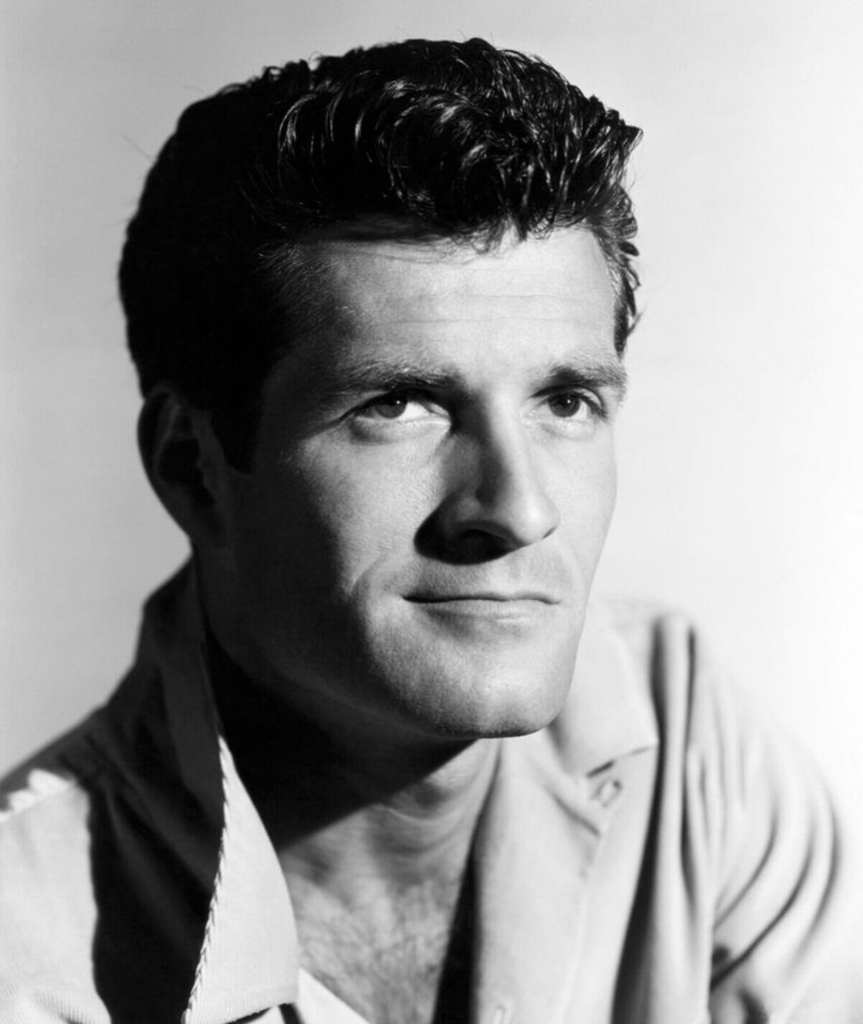
Ken Wahl
Ken Wahl
Ken Wahl

Ken Wahl. TCM Overview.

Ken Wahl was a popular American actor in the 1980’s and 90’s.   He was born in 1954 in Chicago.   He first came to international recognition with “The Wanderers” in 1979.   He starred with Paul Newman in “Fort Apache, the Bronx” and then starred himself in the New Zealand thriller “Race for the Yankee Zephyr”.   In 1987 he starred in the cult television series “Wiseguy”.   The show ran for three years.   Ill health as a result of an accident in 1992 has hampered his career.   He was an intelligent charismatic actor and it is hoped that he returns to the screen again soon.

TCM Overview:

A tall, dark, down-to-earth leading man, typically in streetwise parts, Ken Wahl had no previous acting training or experience when he auditioned for, and landed, the role of street gang member Richie Gennaro in Philip Kaufman’s “The Wanderers” (1979). His subsequent film work has been sporadic and uneven. Wahl was well-cast as Paul Newman’s partner in Daniel Petrie’s unsatisfying cop drama “Fort Apache, The Bronx” (1981). He was teamed romantically with Bette Midler in the aptly named “Jinxed!” (1982); their off-screen animosity spilled onscreen. While “The Soldier” (1982) offered his first leading role in an action pic, Wahl fared no better, delivering a rather one-note wooden performance. In Sidney J. Furie’s “Purple Hearts” (1984), Wahl was successfully repositioned as a romantic lead, portraying a doctor in Vietnam who falls for a nurse (Cheryl Ladd). His reteaming with Furie, 1991’s “The Taking of Beverly Hills” was meant to cast the actor as an action hero, but the results were pallid. As was his second feature with Daniel Petrie, “The Favor” (filmed in 1990; released in 1994), in which he was object of desire of both Harley Jane Kozak and Elizabeth McGovern.

Wahl gained his highest profile and is perhaps best known as the tough but troubled undercover agent Vinnie Terranova in “Wiseguy” (CBS, 1987-90). During his three year tenure on the series, he brought nuanced shadings to his character who often found himself attracted to the individuals he was investigating. During the first season, the interplay between Wahl and villain Ray Sharkey was multi-layered. Wahl established similar rapport with actors as varied as Kevin Spacey and Joan Severance, Stanley Tucci, William Russ and Patti D’Arbanville. Wahl’s early TV credits include the short-lived crime series “Double Dare” (CBS, 1985) and the TV-movies “Dirty Dozen: The Next Mission” (NBC, 1985) and “Gladiator” (ABC, 1986). In 1990, he left “Wiseguy” in a dispute with the producers, but his career failed to take off as he had hoped. His subsequently returned to the small screen opposite Lisa Hartman Black in “Search for Grace” (CBS, 1994), a drama that more than owed a debt to Kenneth Branagh’s feature “Dead Again”. In 1996, Wahl reprised his role of Vinnie Terranova in “Wiseguy” (ABC), but the results were somewhat disappointing.

Health problems were among the factors that have slowed Wahl’s career. He was critically injured in motorcycle accidents in 1984 and 1992, and in 1993 was rumored to have a brain tumor (which he subsequently denied). Recurrent spinal surgeries have kept him in headlines but away from the cameras for the most part.

The above TCM overview can also be accessed online here.
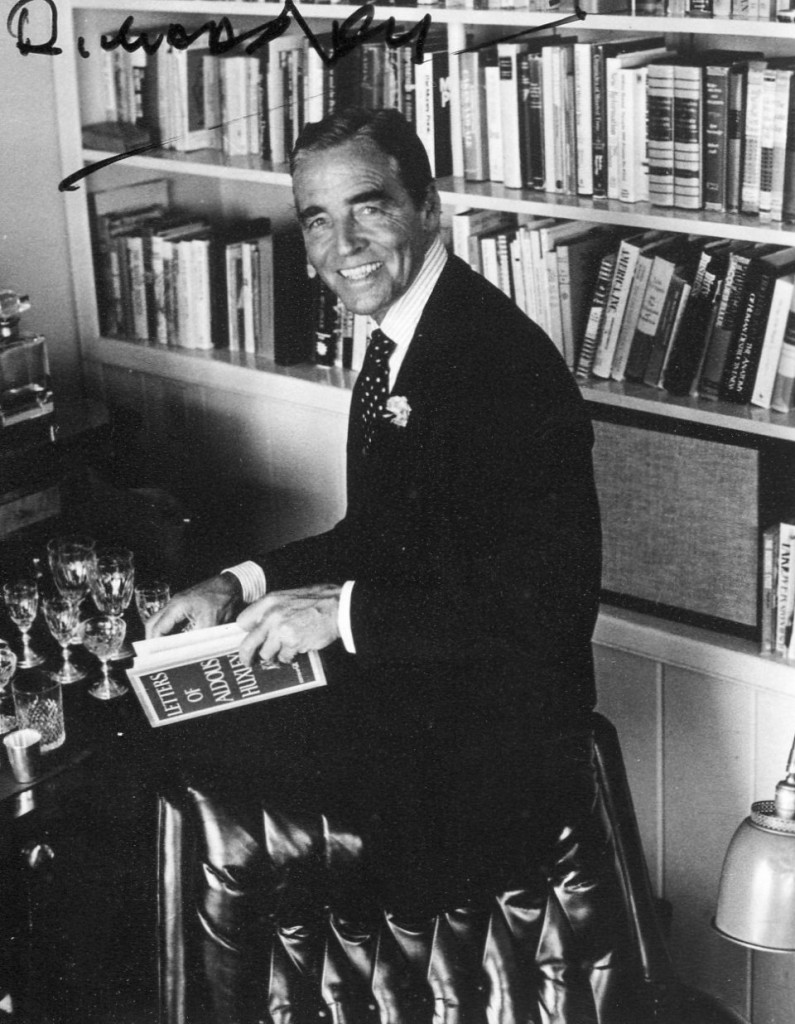
Interview with Ken Wahl here.

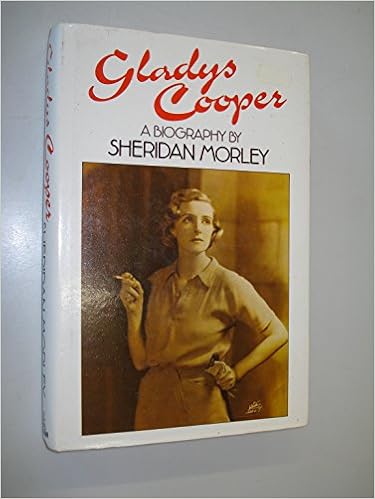
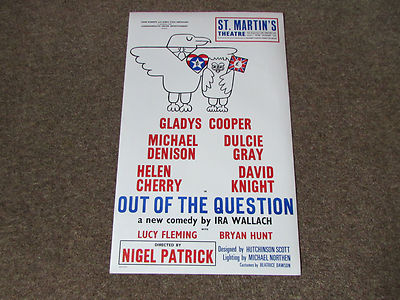
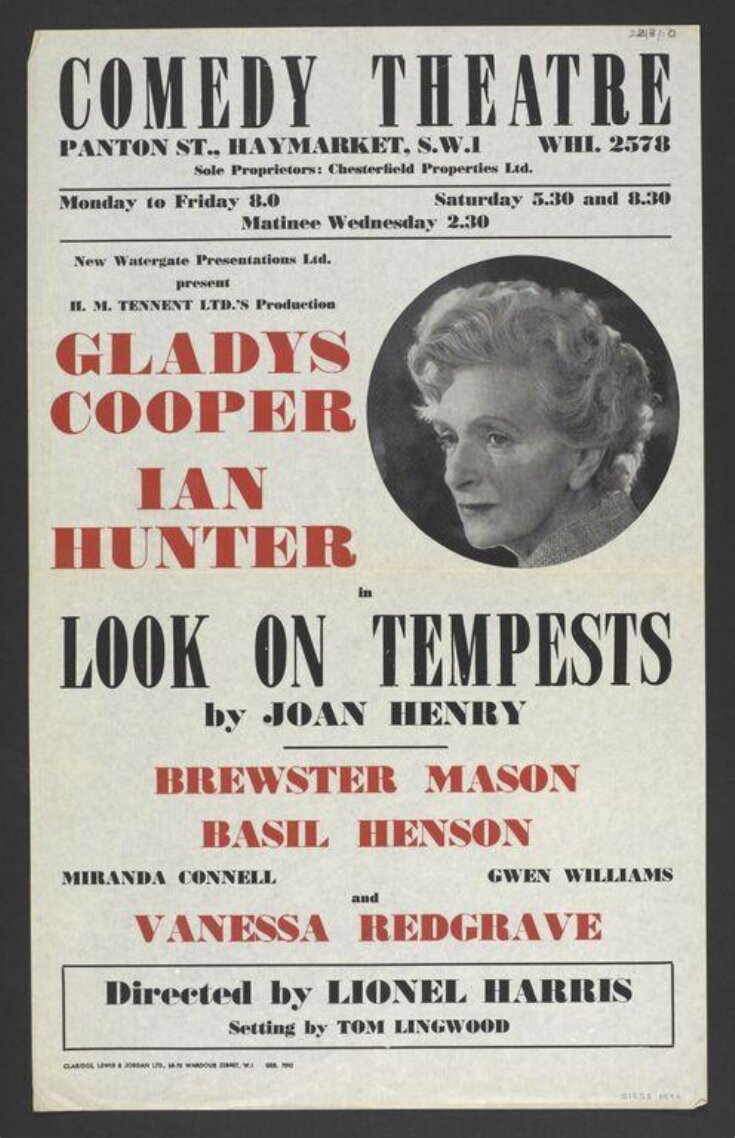
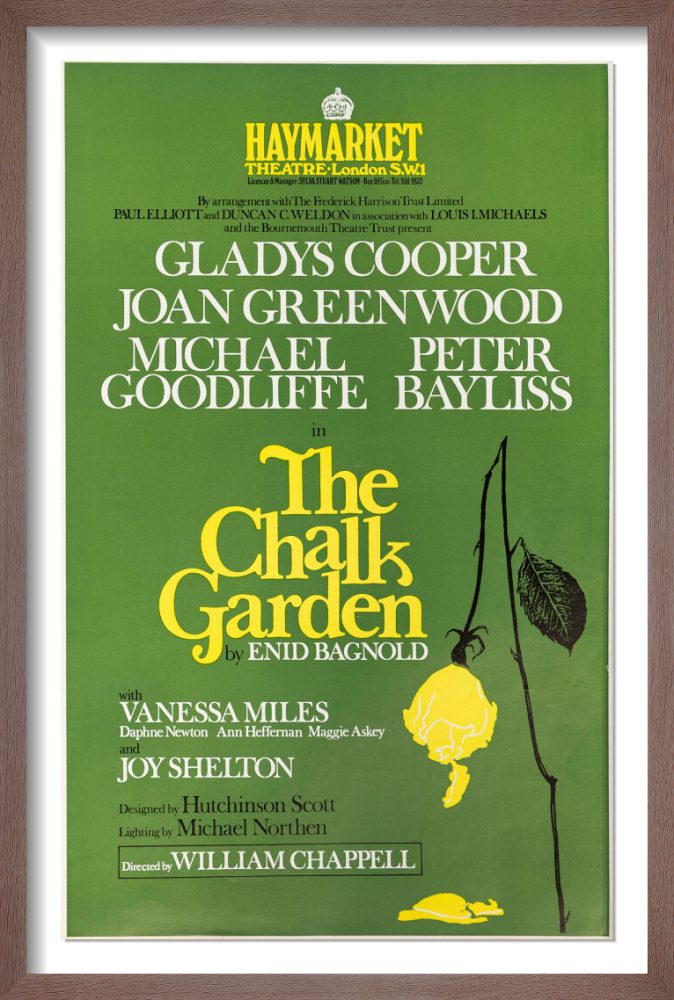
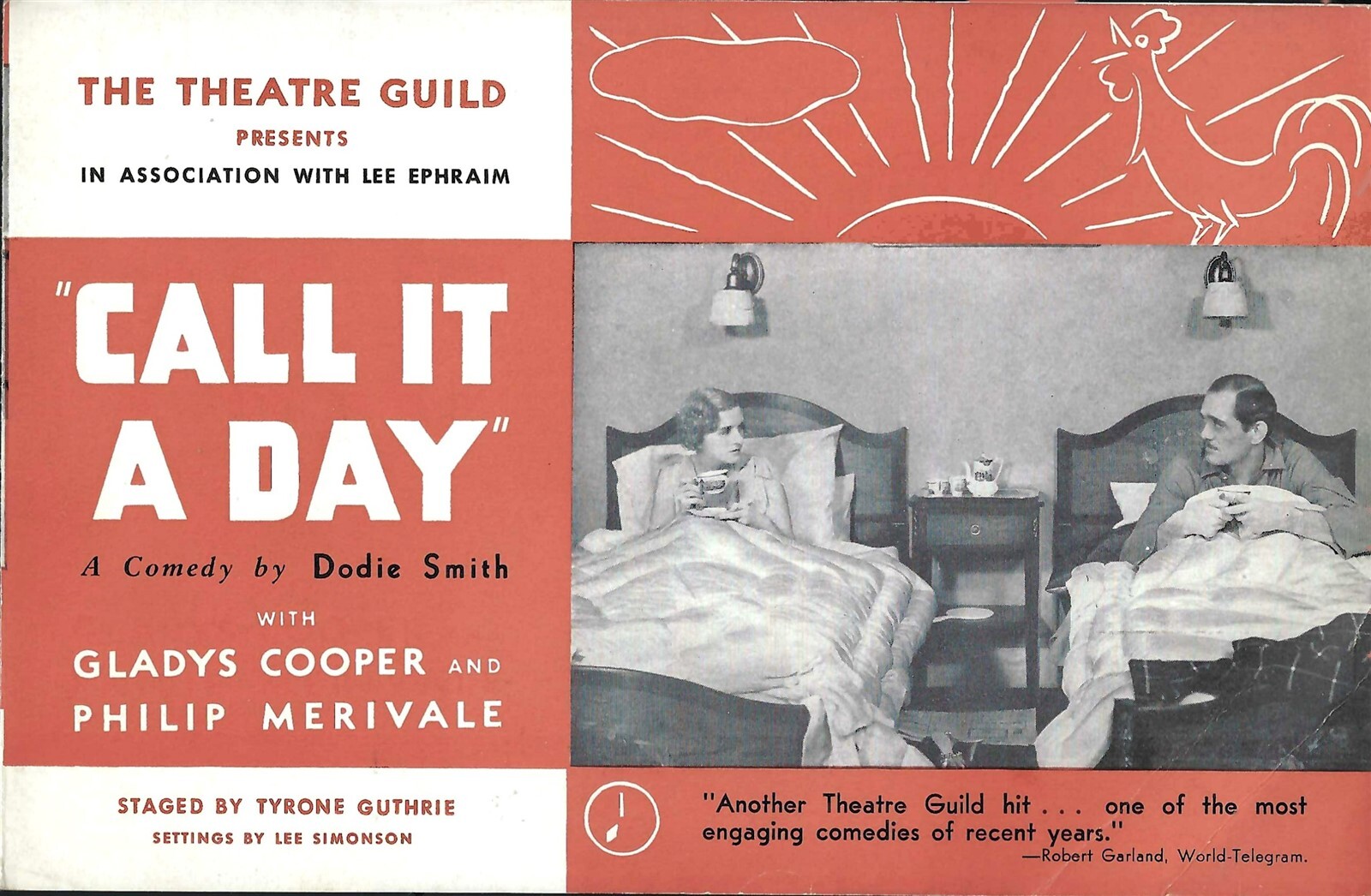
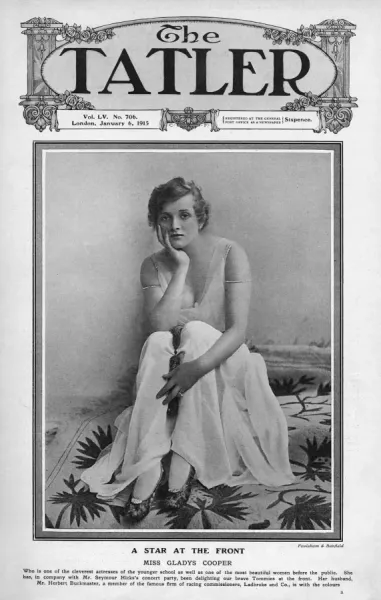
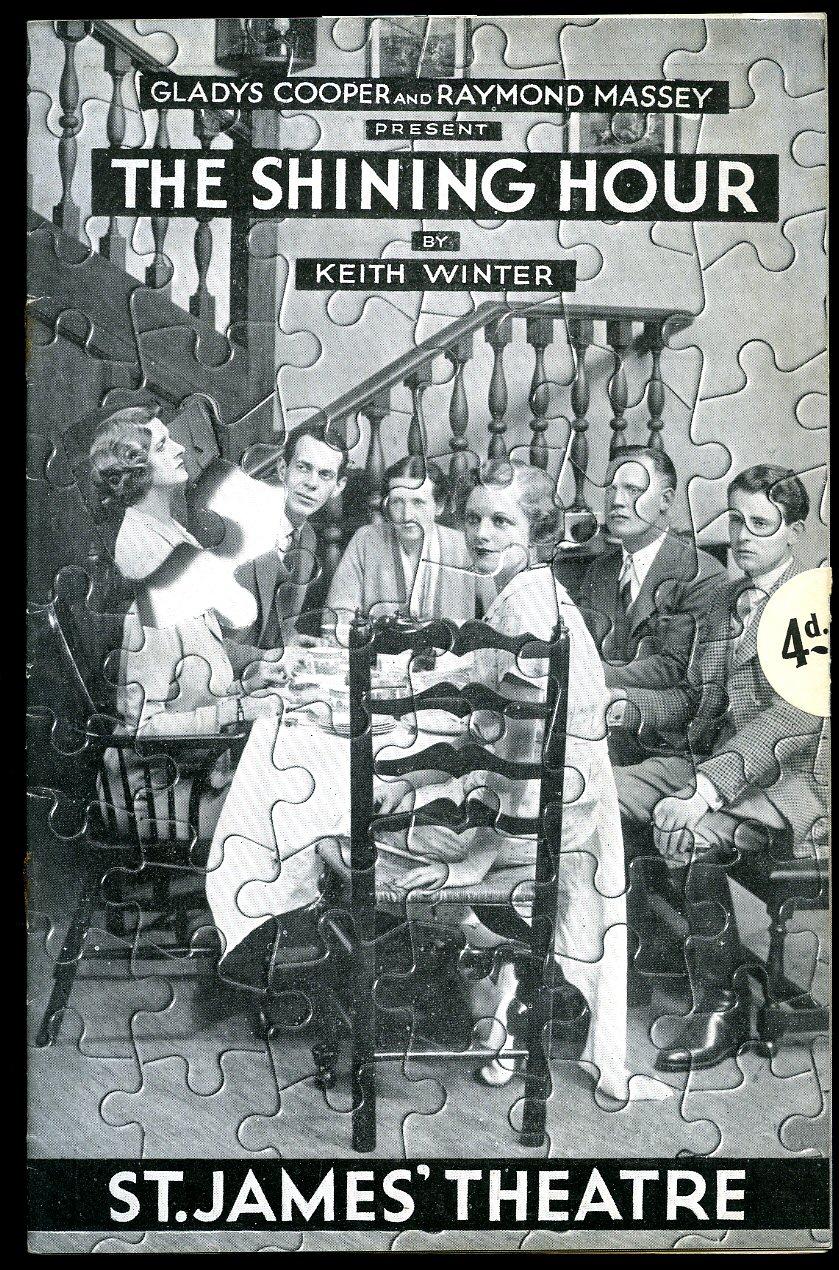
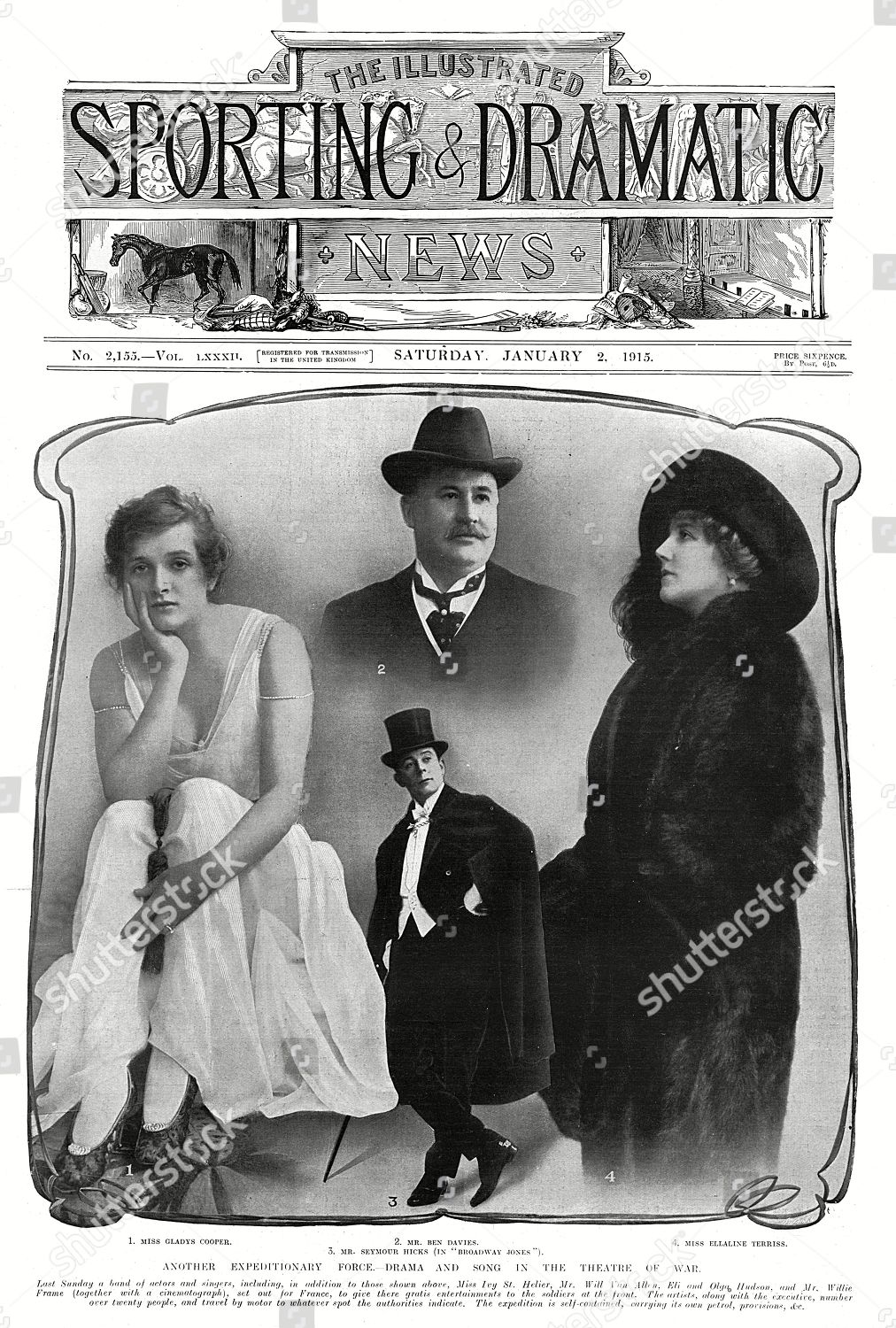
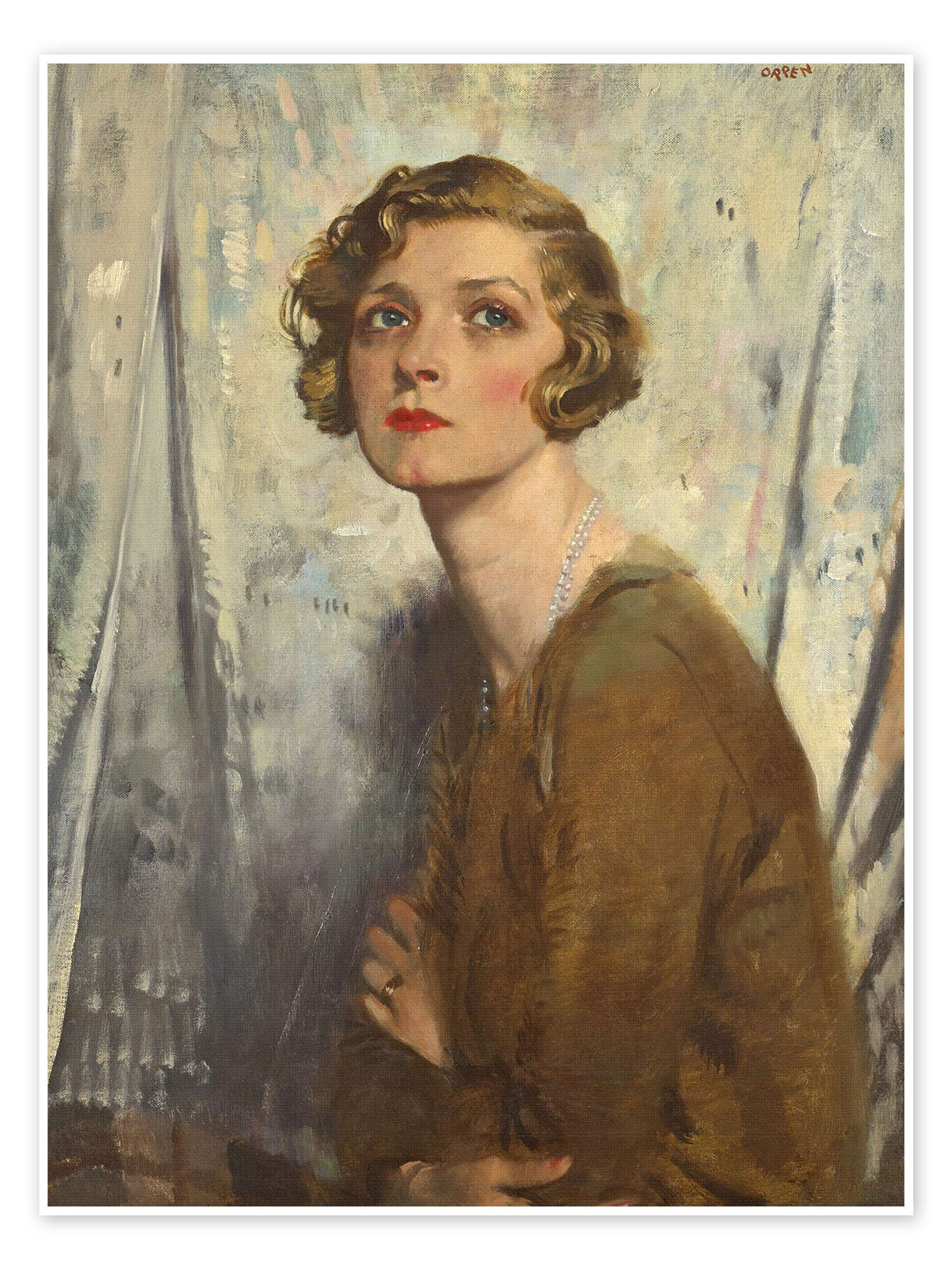
Gladys Cooper
Gladys Cooper
Gladys Cooper
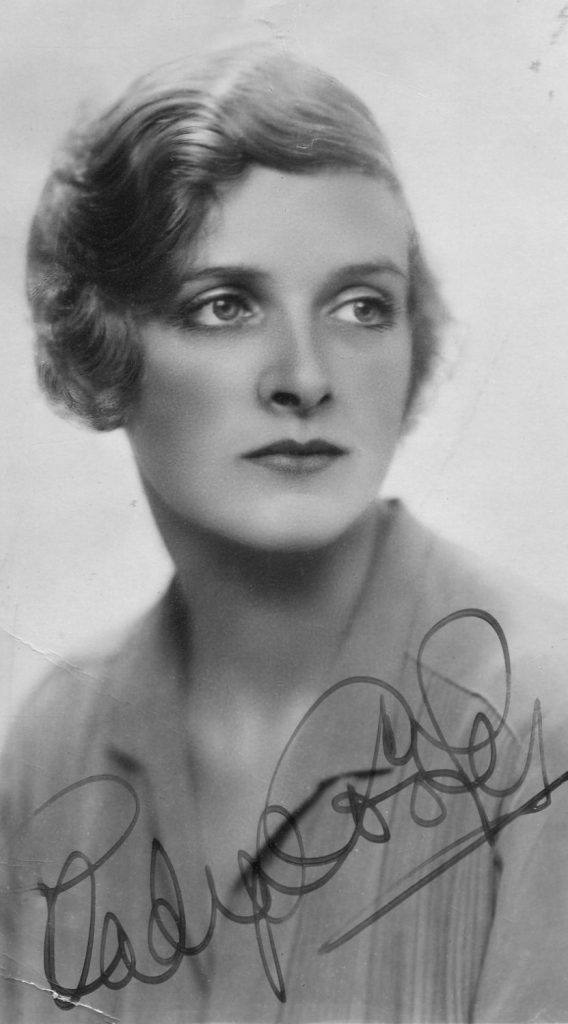
Dame Gladys Cooper
 

TCM Overview:

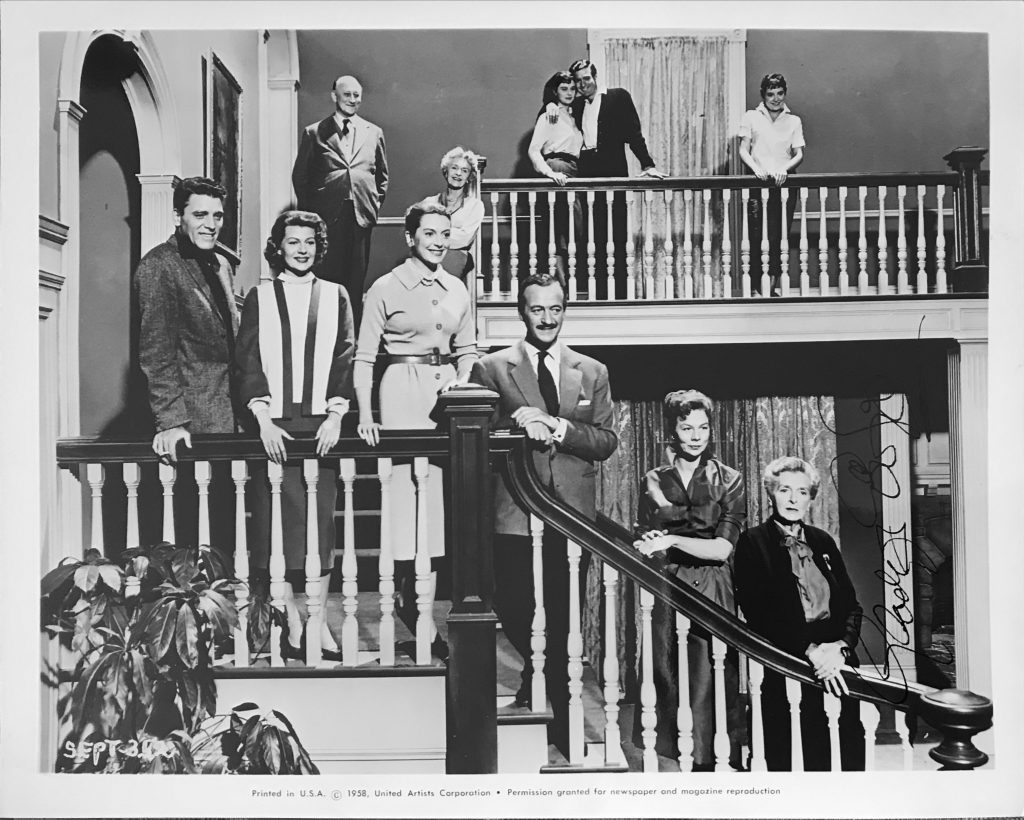
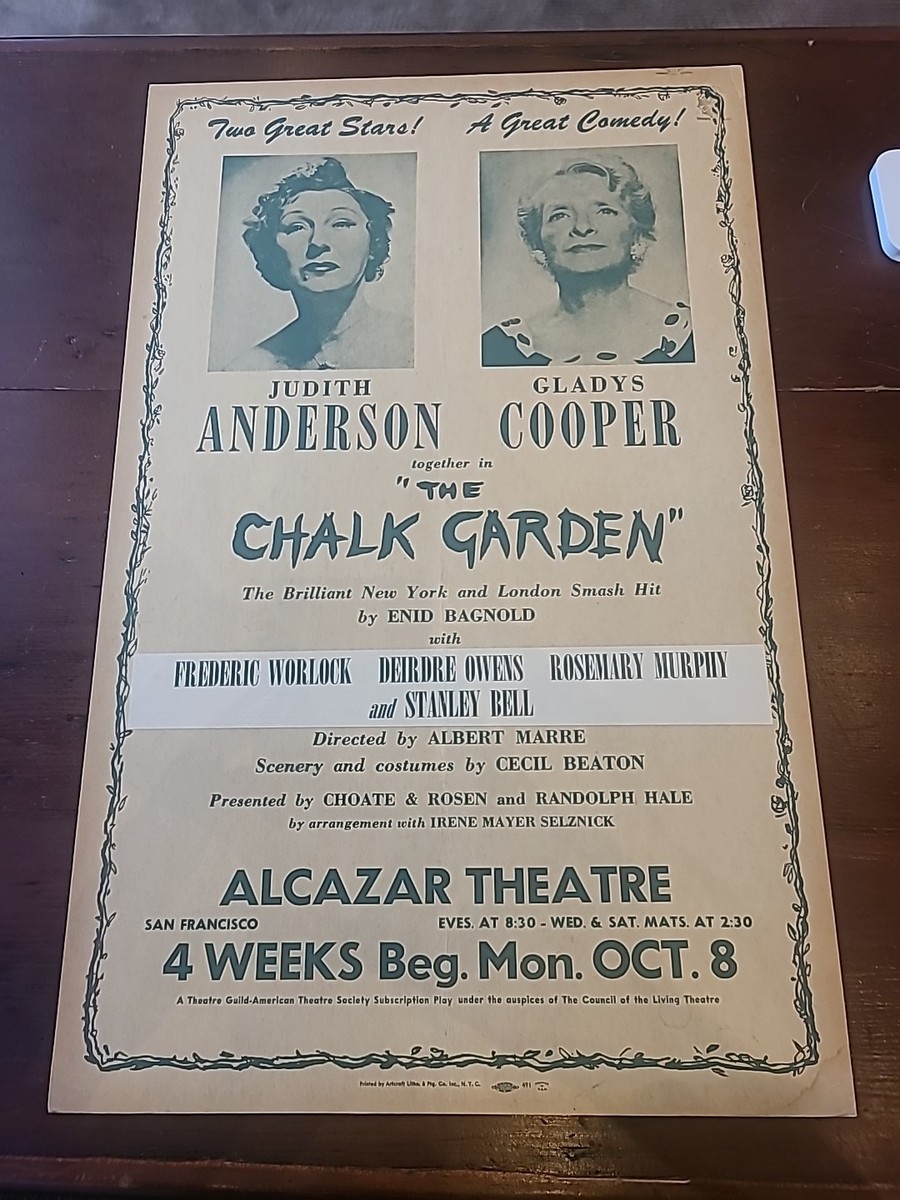
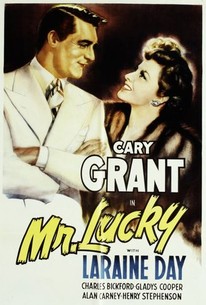
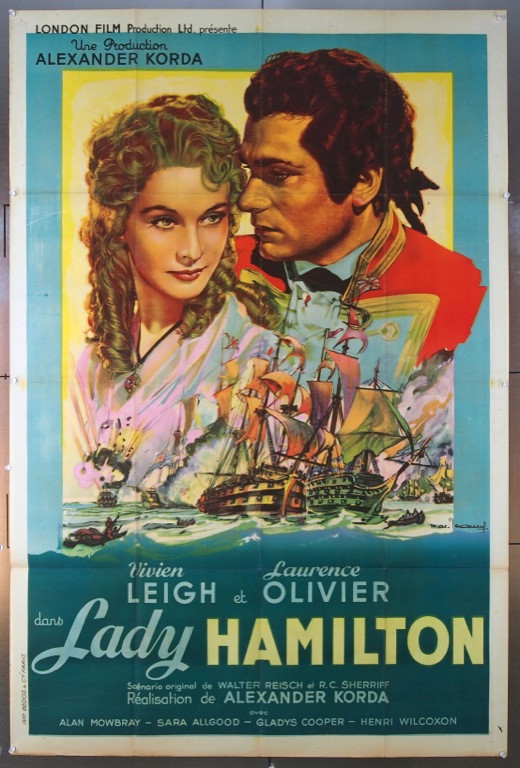
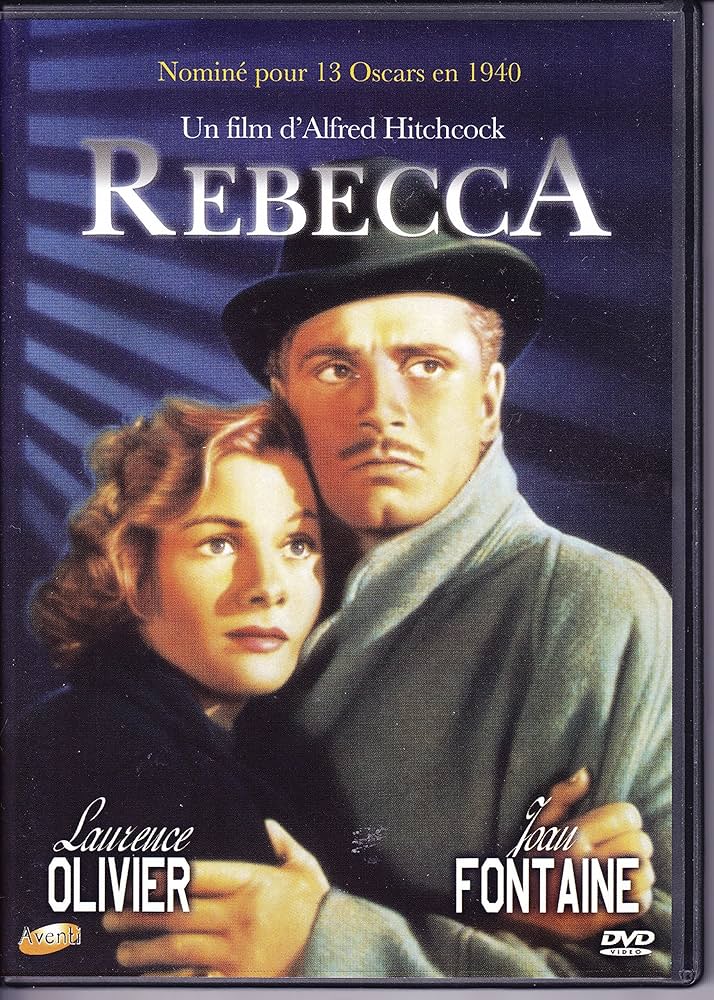
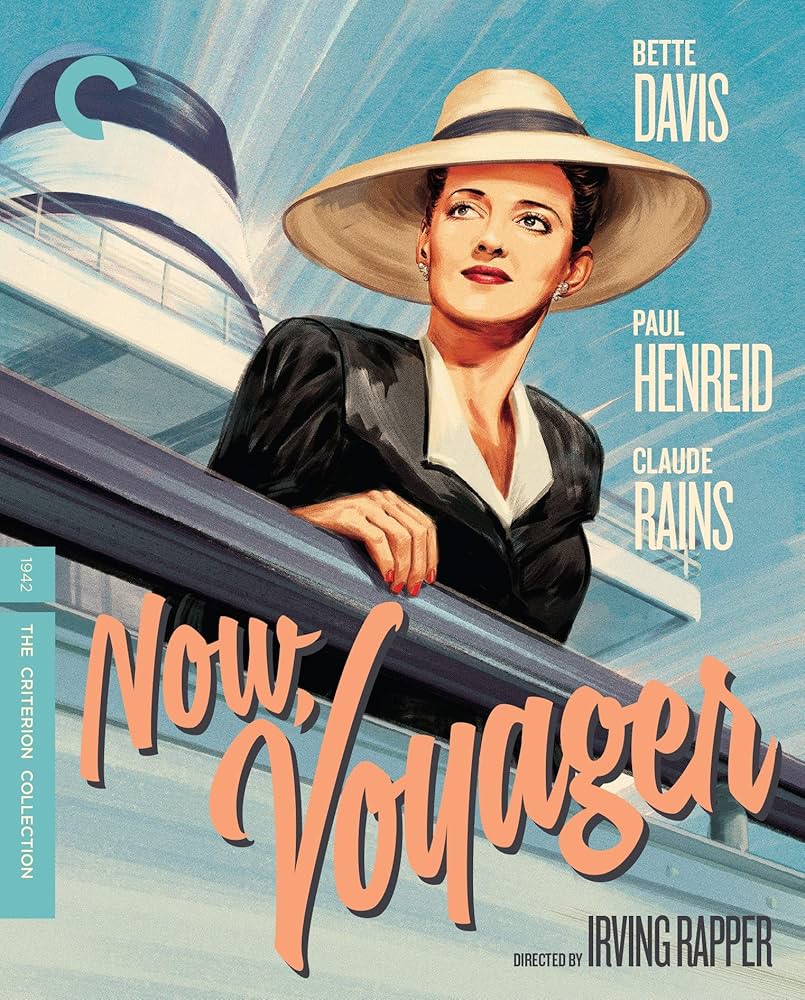
The grand dame of English theater and a prolific screen actress, Gladys Cooper was one of the most revered performers of her generation. She began appearing as a photographic model as a child, and after her stage career began she became a popular pin-up postcard model for British troops during World War I. Her first film appearance was in the silent feature “The Eleventh Commandment” in 1913, but she continued acting on stage, earning notice for work in plays such as Shakespeare’s “Twelfth Night” in 1938 at the Open Air Theatre. Her first important film role was in Alfred Hitchcock’s “Rebecca,” and she had a supporting role in Alexander Korda’s classic romance “That Hamilton Woman.” One of her most famous roles came in 1942 when she played the mother of Bette Davis’s character in the psychological drama “Now, Voyager”; both she and Davis earned Oscar nominations for their roles. Cooper remained a busy actress throughout the rest of the ’40s and ’50s and earned another Supporting Actress Oscar nomination for her work in the historical drama “The Song of Bernadette.” When the golden age of TV began, Cooper found steady work in classic dramatic shows like “Playhouse 90” and “Twilight Zone,” appearing in three episodes of Rod Serling’s sci-fi classic. Nearing the end of her career she had a starring role in the con-men sitcom “The Rogues” with co-star Charles Boyer, and played Mrs. Higgins in the film musical “My Fair Lady” earning plaudits–and awards–for both roles.

Appraisal:

Dame Gladys Cooper (1888–1971) was a titan of the British stage whose career remarkably spanned seven decades. She is a rare example of a performer who successfully navigated three distinct lives in the public eye: first as a celebrated “postcard beauty” and musical comedy star, then as a powerful London actor-manager, and finally as a distinguished Academy Award-nominated character actress in Hollywood.

Career Overview

The “Gaiety Girl” and Postcard Icon (1905–1920)

Cooper began her career as a teenager, joining the famous Gaiety Girls chorus line. During World War I, she was arguably the most photographed woman in England; her “porcelain” beauty made her the favorite pin-up for British troops. Despite this early pigeonholing as a “glamour girl,” she was fiercely ambitious, using her popularity to transition into “straight” theater and silent films.

The Actor-Manager Era (1920s–1930s)

In a move that was revolutionary for a woman at the time, Cooper took over the management of The Playhouse Theatre in London (1917–1933).

The Second Mrs. Tanqueray (1922): Her performance as Paula Tanqueray proved her dramatic mettle, silencing critics who had previously dismissed her as “too statuesque” or “stiff.”

Maugham’s Muse: She became the definitive interpreter of W. Somerset Maugham’s complex female leads, premiering the role of Leslie Crosbie in The Letter (1927).

Hollywood and Character Mastery (1940–1971)

Cooper moved to Hollywood at age 51, debuting in Alfred Hitchcock’s Rebecca (1940). While her beauty had matured, her “cool, aristocratic” screen presence became her trademark. She earned three Academy Award nominations for Best Supporting Actress:

Now, Voyager (1942): As Bette Davis’s tyrannical, steel-willed mother.

The Song of Bernadette (1943): As a skeptical, rigorous nun.

My Fair Lady (1964): As the elegant and sensible Mrs. Higgins.

Detailed Critical Analysis

1. The Architecture of “The Grand Dame”

In her Hollywood years, Cooper was the industry’s “gold standard” for the British Matriarch. Critics often noted her ability to convey immense authority with very little physical movement. Her performances were built on a foundation of vocal precision and a “chilly” elegance. However, she was more than a trope; in Now, Voyager, she managed to make her character’s cruelty feel rooted in a genuine, albeit warped, sense of duty and class preservation.

2. Transformation through Restraint

Early in her stage career, critics like Aldous Huxley complained she was “too impassive.” Over time, Cooper turned this “stiffness” into a powerful tool of understatement. By her later years, this evolved into a “calculated stillness.” In her famous Twilight Zone episode, “Nothing in the Dark” (1962), she played against her usual aristocratic type as a terrified, impoverished old woman, proving that her emotional range extended far beyond the drawing-room.

3. The Business of Acting

Cooper’s legacy is defined as much by her professionalism and autonomy as her talent. As an actor-manager, she controlled the scripts, the casting, and the finances of her productions—a level of agency few of her contemporaries achieved. This pragmatism translated to her acting; she was known as a “no-nonsense” performer who approached a scene with the efficiency of a craftswoman, avoiding the over-indulgent “Method” style that was becoming popular in the 1950s.

4. Subverting the Matriarch Archetype

While she often played “matriarchal bullies,” she was equally adept at playing the voice of reason. Her Mrs. Higgins in My Fair Lady is critically praised for being the only character who truly sees through Henry Higgins’ bullying, providing a necessary moral anchor to the film. She used her “aristocratic” features not to alienate, but to lend her characters an unshakeable dignity.

Major Awards & Recognition

DBE (Dame Commander of the Order of the British Empire): Appointed in 1967 for services to the theatre

Maggie McNamara

Maggie McNamara

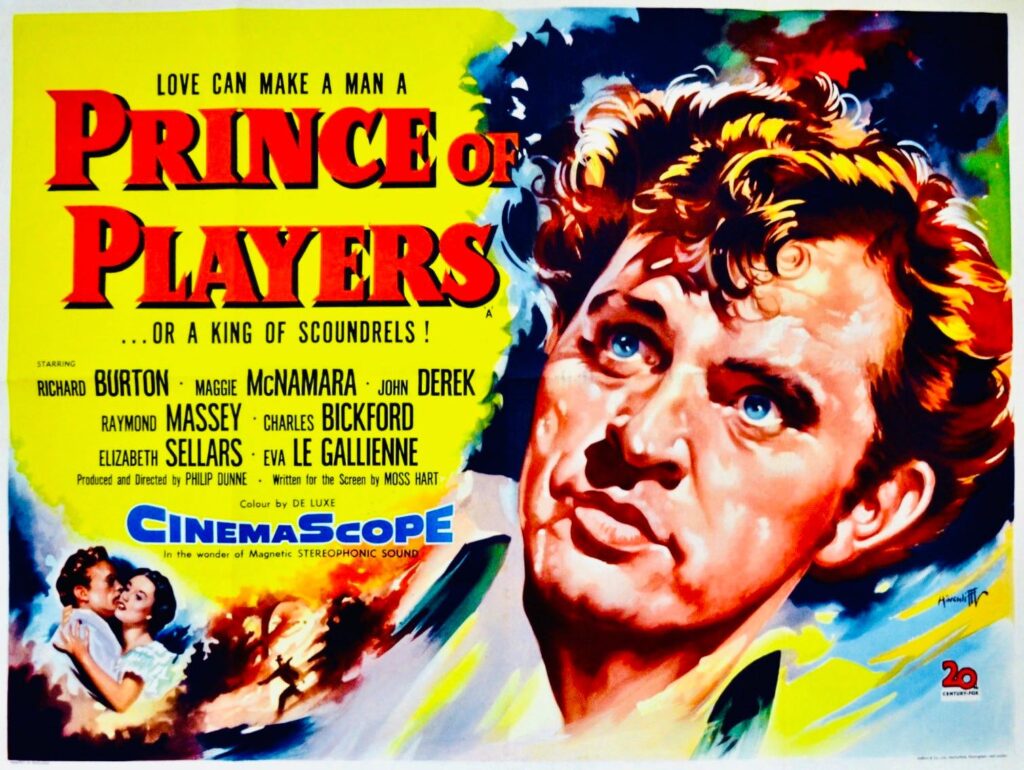
Maggie McNamara seemed destined for major stardom in the early 1950’s.   However her career soon petered out with just an occassional role therafter.   She was born in New York City in 1928.   She replaced Barbara Bel Geddes on Bradway in “The Moon Is Blue” in 1951.   She played the same part on film with David Niven.   Her performance earned her an Academy Award nomination.   She was one of the leads in the very popular 20th Century Fox movie “Three Coins in the Fountain” and appeared opposite Richard Burton in “Prince of Players”.   She did not make another film until 1963 when her old mentor Otto Preminger cast her as Tom Tryon’s sister in “The Cardinal”.   She then retired from acting.   Maggie McNamara died in 1978.   Link to article on Maggie McNamara here.

Article on Maggie McNamara and “The Moon Is Blue”by ‘Fritz and the Oscars”:

An Oscar nomination never will be and never has been a guarantee for a long and successful career as an actor. A lot of actors and actresses disappeared from the public eye after their nomination but there are surely not a lot of Oscar-nominated performers that seem as obscure as Maggie McNamara. Few names in this category provoke such an universal reaction of ‘Who is that?` like hers, except maybe the nominees in the 20s and early 30s. A lot of times, these unknown performers can surprise with a wonderful performance and make me want to know more about them. But to be honest, Maggie McNamara isn’t among them. Her performance in The Moon is Blue came and go and she disappeared from my memory rather quickly and I only checked out her name again on the internet to find some information about her for this review.

There I learned that Maggie McNamara followed her Oscar-nominated debut with a performance in the Best-Picture-nomineeThree Coins in the Fountain but after that, things seemed to fall out of place for her. She only acted in a few more films until she became a typist in New York and then committed suicide in 1978, following a history of mental illness. It’s a tragic end to a performer who might have had a great career but we will never know what went wrong. One thing that must might worked against her was maybe the fact that Maggie McNamara began her career in the same year another actress appeared who was even better suited for the kind of roles Maggie McNamara could have played. Just looking at a picture of her, one can’t help but compare her to Audrey Hepburn – the same delicacy, the same sweet appearance but Maggie McNamara didn’t have the same charming aura and charisma and so she probably must have considered herself lucky to even have been cast in The Moon is Blue. One year later, this part would probably have naturally been offered to Audrey Hepburn.

Well, there is no sense in speculating about the possibilities of a career that never was – so what about this Oscar-nominated debut? I didn’t know what to expect of The Moon is Blue before I watched it, I only heard that it was ‘daring’ and had problems with censors in 1953. So, I didn’t know what would be offered to me but somehow I certainly didn’t expect a plot about a young actress who meets an architect, played by William Holden who must have been a sort of lucky charm for actresses in the 50s when it came to Oscar nominations, on the top of the Empire State Building and then follows him to his apartment where she is courted by both him and the father of his ex-fiancé, played by David Niven. It all sounds rather risky and could have been an amusing comedy of manners, but The Moon is Blue is a movie that seems to think of itself as the height of sophistication and wordplay but unfortunately, it all comes together as an incredibly lifeless, dull and sometimes even unpleasant experience. Like a lot of Neil-Simon-plays, The Moon is Blue has everyone talk in such an invariable mix of jibes, jokes, supposedly clever observations or statements but it unfortunately never develops and constantly circles around the same topic – two men who want nothing more than to bed a girl they just met while she keeps up her proper façade and protects her virginity with the most serious dedication.In the role of the younger suitor, William Holden gives a performance her could do in his sleep while David Niven, who received a Golden Globe, adds some charm and style to the proceedings but the film solely depends on the central performance by Maggie McNamara. And she does succeed in bringing an unique approach to this part but what seems like a breath of fresh air begins to resemble never-ending repetition much too soon. In her first scenes, Maggie McNamara is able to create a certain fascination around her character. She possesses some of the sweetness and naivety that Audrey Hepburn and Leslie Caron showed that year but at the same time her Patti is obviously more aware of the world – and sex. Maggie McNamara has the thankless job of playing a character who seems perfectly innocent and inexperienced while endlessly talking about sex and ‘virginity’. The trick is that Patti knows everything about sex but decided to wait for the right man. This certainly separates her from the other nominees of 1953 who were either very active in the sexual business or seemed like they never even heard of sex. So, Maggie McNamara’s Patti is a woman who knows what she wants and what she wants to keep but the script so many times bends her character and uses her to proclaim its own sense of failed wit and cleverness that her character basically remains more a scratch than a real woman. Patti says that she doesn’t want to be seduced but at the same time she sees no problem in flirting with two men at the same time, sitting on one’s lap and kissing him.

The movie’s and Maggie McNamara’s problem is that what sounds so modern and open is actually very old-fashioned and done in a way to reach the audience of 1953. Like most other nominees that year, Maggie McNamara has to play an underwritten character but is able to bring a lot more to the movie thanks to her own charm and personality. She plays Patti with an disarming openness and honesty. There seems to be no topic she doesn’t want to talk about but she plays all this with a combination of unique naivety and honest seriousness that very often leaves the other characters speechless, but always in a rather humorous and entertaining kind of way. She’s a woman who is constantly talking about what’s in her mind and who obviously takes everything very seriously but Maggie McNamara plays it all in a manner that is neither playful nor overly earnest – instead, she finds a wonderful combination of both extremes. When William Holden tells her that he can build a cathedral, she earnestly wonders what a cathedral costs these days – a small one. In the hands of Maggie McNamara, Patty sees herself as a very practical and logical woman who may seem rather old-fashioned in her ideas and believes but who is a very lively and lovely spirit. All the time, Maggie McNamara shows that Patti is well aware of what’s in the mind of this man, but she has her own way of handling things. She willingly walks in the cave of the lion but she will surely not allow the lion to eat her (if you forgive this comparison). Maggie McNamara also finds the right tone for her voice which contains an interesting freshness and a bubbly charm that helps her to preventThe Moon is Blue from becoming a complete disaster.

The main problem is that everything that is interesting and fascinating about Maggie McNamara and Patti O’Neill becomes old and uninteresting very soon. Maggie McNamara suffers from a screenplay that is constantly asking her to find new ways to shock or delight the audience but the combination of naivety and seriousness begins to feel very one-dimensional after one gets used to the character and one can’t help but wonder why William Holden and David Niven would continue to be so completely smitten by this strange woman whom they just met a few hours ago. Maggie McNamara plays Patti’s uniqueness in a way that becomes too monotonous too soon and one feels a certain relief when this chatterbox leaves the scenery for a while after having talked almost non-stop for 45 minutes.

Just like the character of Patti O’Neill is neither Princess Ann nor Eloise Kelly, Maggie McNamara possesses neither the sweet charm of Audrey Hepburn nor the sassy personality of Ava Gardener but she finds a balance between them that, as long as it lasts, feels surprisingly intriguing. She doesn’t have the staying power of the other nominees that year which isn’t the fault of Maggie McNamara but of the screenplay that doesn’t offer her one memorable moment or one truly note-worthy line but her performance is still something that is worthwhile in itself.

Maggie McNamara’s biggest success in The Moon is Blue is that she can make Patti a realistic character. Just like Leslie Caron inLili she has to play a woman who seems so unbelievable in everything she does and who, like Ava Gardener in Mogambo, has to say so many lines that could ruin the whole performance – but Maggie McNamara also found an approach to this part that helped to improve the character thanks to the personality and charm of the actress. The thing is that Maggie McNamara had a big disadvantage in her part compared to her other nominees – thatThe Moon is Blue has absolutely no idea what to do with its leading lady. As mentioned, she gets to speak the saucy lines but her character is shockingly underdeveloped – she is actually supposed to be an aspiring actress but there is absolutely no sense in this aspect since it is only mentioned once and neither the script nor Maggie McNamara ever remind the viewer of it again. And during The Moon is Blue, one also rather gets the feelings that she tries to become housewife of the year as she basically spends the whole movie either talking or doing housework in another man’s apartment.

It’s an overall very unsatisfying movie and leading character – Maggie McNamara tries her best but unfortunately both her performance and her part don’t develop and that way loses the interest of the viewer very soon. Still, Maggie McNamara leaves her own distinct mark on this part and even though Audrey Hepburn would seem like an obvious choice for a different actress in this part, it’s doubtful that she could have portrayed the combination of innocence and a much too-mature spirit in the same effective way. It’s a charming and interesting piece of work that unfortunately couldn’t really rise above the material but the lively presence of Maggie McNamara is still the only reason thatThe Moon is Blue doesn’t fail completely. A promising debut to a career that sadly never happened.

The article can also be accessed on line here.
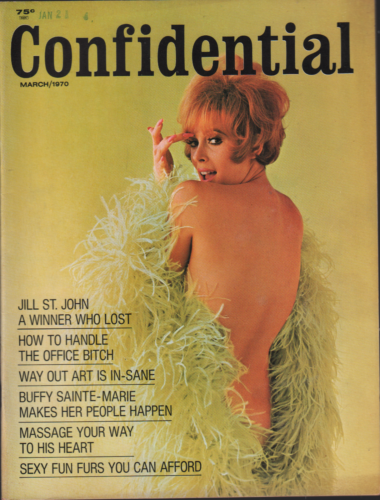
The article can also be accessed on line here.
Career overview

Maggie McNamara (1928–1978) was an American stage and film actress whose brief, intense career is best remembered for a single landmark performance that both embodied and helped provoke changing mid‑century attitudes about sex, candour and female subjectivity. She combined a soprano, breathy vocal delivery and fresh, unadorned naturalism with an on‑screen frankness that felt modern and, at the time, unsettling to conservative critics and censors.

Career overview

Early life and stage work: McNamara began as a model and moved into New York theatre in the late 1940s and early 1950s. She worked in Broadway plays and off‑Broadway productions, building a reputation for a spirited, direct stage presence rather than as a conventional ingénue.
Breakthrough — The Moon Is Blue (1951 stage; 1953 film): Her defining role was as Patty O’Neill in F. Hugh Herbert’s comic drama The Moon Is Blue. She originated the part on stage and then reprised it for Otto Preminger’s 1953 film adaptation. The movie became notorious for its casual use of words and references that the Production Code Office found objectionable; Preminger famously released it without the Code’s approval. McNamara’s performance—plainspoken, witty and sexually candid—was central to the film’s impact and to its public debate. The role earned her major award recognition and established her as a symbol of a new, more forthright screen femininity.
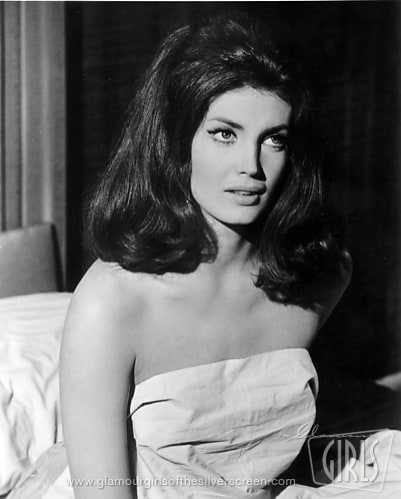
Film and limited Hollywood run: After Moon Is Blue McNamara made a handful of other screen appearances but never recreated the same critical or commercial success. Hollywood offered roles that often failed to use her distinctive voice and directness, and her filmography after her breakthrough was relatively short.

Return to theatre and withdrawal: Following her brief period in films she returned to the stage and to television work, but her professional momentum slowed in the late 1950s and 1960s. Personal and health difficulties increasingly limited her public activity, and she largely left acting well before her death in 1978.

Critical analysis

Artistic strengths

Naturalistic immediacy: McNamara’s acting style favored conversational realism over theatrical polish. She conveyed interior thought through small vocal inflections and a lived‑in bodily presence; in closeups her slight tremor, breathy tone and direct eye contact made emotional shifts vividly felt.

Comic timing with moral honesty: In The Moon Is Blue she mixed comic repartee with an uncomfortably frank sexual awareness. Her timing—sharp, surprised, flirtatious—kept the film’s dialogue alive, while her refusal to coyly signal innocence made the character feel like a believable, autonomous young woman rather than a studio stereotype.

Courage as an interpretive choice: Her readiness to play a woman who speaks openly about desire and standards challenged midcentury norms. That moral audacity is an interpretive strength: she makes the character’s choices feel ethically and emotionally grounded rather than merely provocative.

Recurring tendencies and limitations

A limited range of showcased vehicles: Much of the critical memory of McNamara rests on one performance. After that breakthrough she had few films that allowed a broad display of range—so her public reputation became narrowly tied to that one persona.

Vocal idiosyncrasy that divided audiences: Her breathy, high voice was a distinctive asset—intensifying intimacy in close work—but some critics and audiences found it mannered or thin when she was cast in parts that required dramatic heft rather than intimacy.

Industry mismatch and typecasting: Hollywood’s studio system and project selection in the 1950s did not always provide parts that suited her conversational, introspective style. Producers tended to package her as a youthful, talkative romantic figure rather than as a fully realized dramatic actor with a wide emotional register.

Cultural and historical significance

A flashpoint for censorship and changing morals: McNamara’s Moon Is Blue performance sits at the intersection of cultural history and film history. The film’s refusal to bow to Production Code demands—and the public debates it generated—mark an important step in American cinema’s loosening of formal censorship and an increased willingness to depict frank sexual speech. Her performance made that change intelligible and emotionally persuasive.

Prototype of a modern heroine: She helped define a postwar cinematic woman who is sexually knowledgeable, verbally agile and ethically reflective—qualities that would be elaborated by later actresses as Hollywood moved away from strictly coded morality plays.

Example of career fragility: Her trajectory also illustrates how a single iconic role can both elevate and constrain an actor: the industry’s inability to follow up her breakthrough with compatible material, together with personal struggles, meant her promise was never fully realized in a sustained film career.

Overall assessment Maggie McNamara remains best understood as a strikingly modern presence in an era of cautious portrayals of women. Her greatest artistic achievement—Patty O’Neill in The Moon Is Blue—combined comic skill, emotional frankness and a vocal intimacy that pushed American screen norms forward. At the same time, a combination of industrial miscasting, limited follow‑up material and private difficulties truncated her development as a screen artist. Her legacy is therefore twofold: a landmark performance that helped shift cinematic speech and female representation, and a poignant example of how Hollywood’s structures often failed actresses who did not fit the conventional mode.

Maggie McNamara (born Marguerite McNamara, 1928–1978) was a luminous but short‑lived American actress whose career neatly straddles the early 1950s Broadway‑to‑Hollywood circuit: she rose swiftly on stage, burst into stardom with a single controversial film, and then faded from the screen despite early promise. Her work is remembered mainly for one defining role, but it carries a distinctive blend of naïve charm, quiet dignity, and an almost fragile sincerity that sets her apart from the more polished starlets of the era.

Career overview

McNamara began as a teenage fashion model before moving into acting, studying dance and drama and then landing her first major theater role in 1951 at the McCarter Theatre in Princeton, New Jersey, playing Una Brehony in the U.S. premiere of The King of Friday’s Men. That production transferred to Broadway, marking her New York debut, though it closed after only four performances.

Her real breakthrough came with the stage and then film version of The Moon Is Blue (1951–53), a risqué‑for‑its‑time comedy in which she replaced Barbara Bel Geddes as the lead, Patty O’Neill. Otto Preminger cast her in the film adaptation, where she reprised the role, earning a spot in the cultural conversation and a Best Actress Oscar nomination—an anomalous peak for a very young actress whose career had barely begun.

After that, she was signed by 20th Century‑Fox and cast in Three Coins in the Fountain(1954), a popular romantic drama set in Rome, where she played a bright but slightly gawky American secretary hoping for a marriage proposal. She followed in Prince of Players (1955), a biographical drama about the 19th‑century American actor Edwin Booth, starring Richard Burton; she played Booth’s wife, Mary Devlin, in a part that required a more restrained, emotionally grounded performance than the sparky Patty O’Neill.

From then on her career dwindled rapidly. She took a small role in Preminger’s The Cardinal(1963) and did a brief stint in television, guesting on Ben Casey and starring in the Twilight Zone episode “Ring‑a‑Ding Girl” (1959), but by the mid‑1960s she had effectively retired from acting, working as a typist and living on residuals until her death by accidental overdose in 1978.

Acting style and screen persona

McNamara projected a type of guileless, schoolgirl‑like femininity that Hollywood then categorized as part of the 1950s “gamine” trend—slender, brunette, relatively modest next to the voluptuous “sex goddesses” of the era. Yet her strength was that she did not merely look naïve; she often played characters who were morally earnest, self‑deceptive, or psychologically exposed, and she brought a quiet, almost solemn conviction to them that kept her from seeming shallow.

In her best performances the actress’s apparent simplicity turns into a kind of testing ground: audiences project onto her, and then she surprises them with small but telling choices—hesitations, glances, a shift in tone—that suggest a more complicated inner life than the script might seem to offer. This is why she is sometimes compared to the more star‑trained Hepburn‑type gamines but also why critics have noted that she was never quite as polished or as self‑contained; there is a slightly “dutiful neophyte” quality about her, which makes her on‑screen demeanor feel more vulnerable and earnest than coy.

Critical analysis of key roles

The Moon Is Blue (1953)

The Moon Is Blue is the core of her reputation. The film was scandalous for its time because it used words like “virgin” and “seduce” in a context of flirtatious, talky comedy, and critics at the time focused more on the “indecent” texture of the dialogue than on the acting. Many reviews were lukewarm or dismiss Converted, with Bosley Crowther calling the film “not remarkable” and criticizing the cast, including McNamara, for lack of luster.

Yet the same critics who attacked the film’s contents often conceded that McNamara’s performance—rooted in her long runs of the stage version—had a natural, unforced quality. Her Patty O’Neill is a “good girl” who flirts with a bachelor’s apartment and sexual frankness, and McNamara lets the audience watch her conscience wrestling with curiosity. Later assessments tend to see her as the film’s genuine emotional center: if the men are playing smooth, stagy games, she is the one whose innocence and desire tug realistically against each other.

That duality—being both a symbol of sexual “innocence” and a mildly transgressive pleasure‑seeker—made her a ticking‑time‑bomb Oscar nominee: she was instantly recognized as a leading‑lady possibility, but the role itself, and the controversy around it, also made her an easy figure to pigeonhole and, later, to forget when the film’s notoriety faded.

Three Coins in the Fountain (1954)

In Three Coins in the Fountain, a glossy Technicolor romance in Rome, McNamara plays a secretary hoping for a marriage proposal from Louis Jourdan’s prince‑like aristocrat. Critics at the time treated her more as part of the scenery than as a dramatic force, and the film is remembered today for its postcard‑perfect images of Rome rather than for its performances.

Still, McNamara’s work stands out for its lack of affectation. In scenes where other actresses might play desperation or insecurity as broad comedy, she keeps a relatively straight, almost earnest line, which makes her character’s loneliness and hope feel more palpable than the film’s decorative style might otherwise allow. Her under‑playing here is partly a function of inexperience and partly an honest reflection of the character’s modesty, and the result is a rare 1950s ingenue who never quite feels like a calculated image.

Prince of Players (1955) and later work

In Prince of Players, McNamara moves away from the flirty, contemporary girl to play Mary Devlin, the wife of John Wilkes Booth’s brother Edwin. The part is modest but demanded greater emotional maturity: she has to register grief, loyalty, and a sense of living under the shadow of a notorious family.

Critics’ responses to the film were mixed, and McNamara was rarely singled out, but her performance is often noted in modern overviews as a sign that she was capable of a more serious, restrained register than the comic‑breezy tone of The Moon Is Blue might suggest. Her later, smaller role in The Cardinal gave her even less room, yet her presence is still remembered for the same quiet gravity, suggesting that she might have developed into a respected character actress if she had stayed in the business.

Why her career declined

Several factors intersected to stall her trajectory after The Moon Is Blue and Three Coins in the Fountain:

  • She reportedly refused to relocate to Los Angeles, resisting the relocation and publicity culture that studios expected of their leading ladies, and she declined to do “cheesecake” or overtly glamorized photo work, which hurt her marketability in an image‑driven system.

  • Emotional problems and depression, including a nervous breakdown after her rapid rise to stardom and a difficult marriage to director David Swift, made sustained screen work difficult.

  • Otto Preminger later wrote that she “suffered greatly after becoming a star,” and other accounts note that she became increasingly reclusive, working as a typist and relying on residuals rather than aggressively rebuilding her film career.

The result is a truncated filmography—just a handful of major roles, plus a few TV appearances—that belies her initial promise. Her critical afterlife, however, is unusually warm: reviewers and later historians often treat her as a poignant example of a genuine, modestly gifted actress who was briefly caught in the Hollywood machine, nominated for an Oscar on the basis of a provocative but modest film, and then gently but decisively set aside rather than nurtured into a fuller career.

In short, Maggie McNamara’s career is best understood as a brief, bright flash anchored by The Moon Is Blue, followed by a few graceful but under‑exploited performances in mid‑1950s Hollywood, and then a quiet withdrawal that left her reputation as a “one‑role wonder” even though her work in Three Coins in the Fountain and Prince of Players shows she had more range than that label suggests