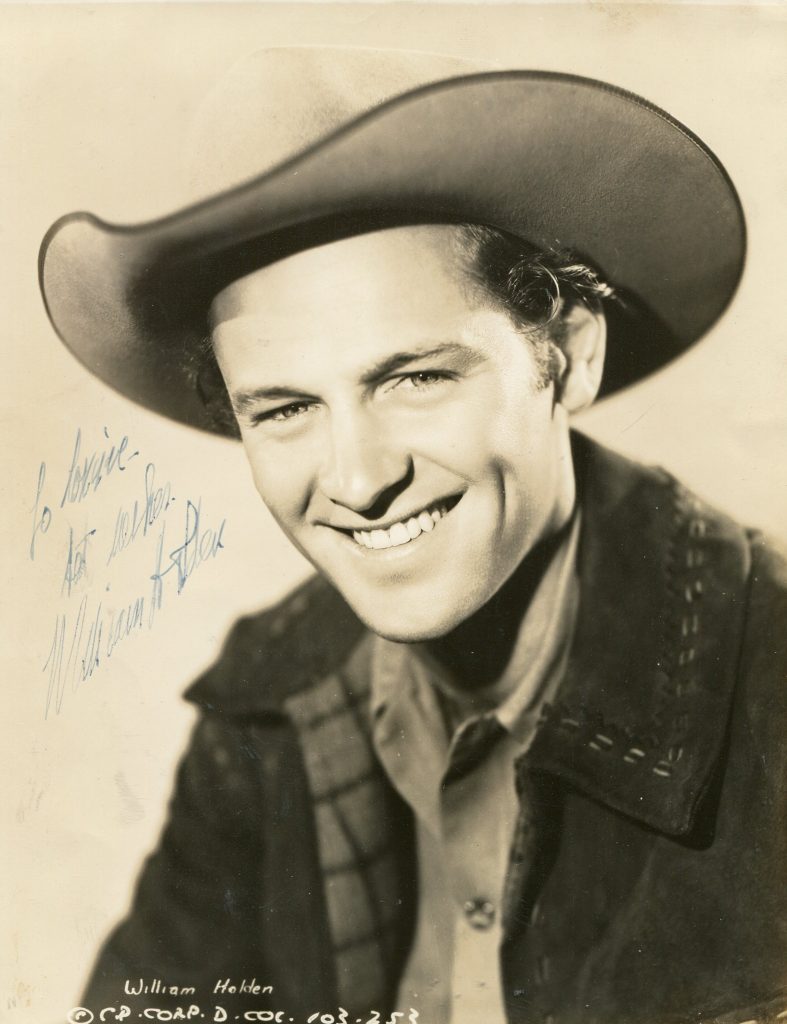
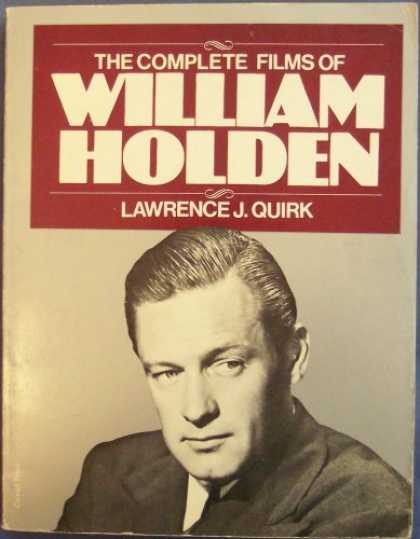
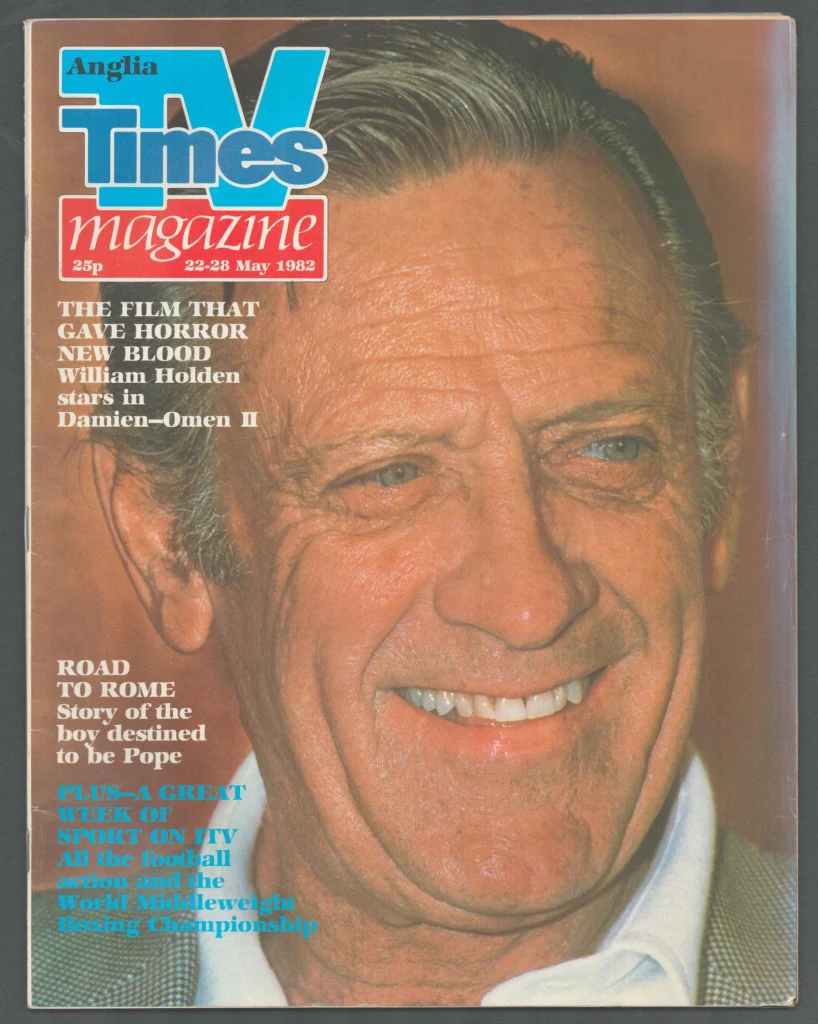
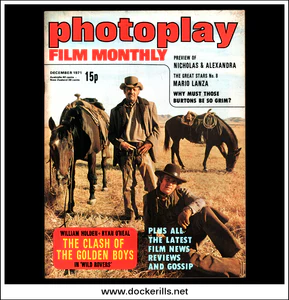
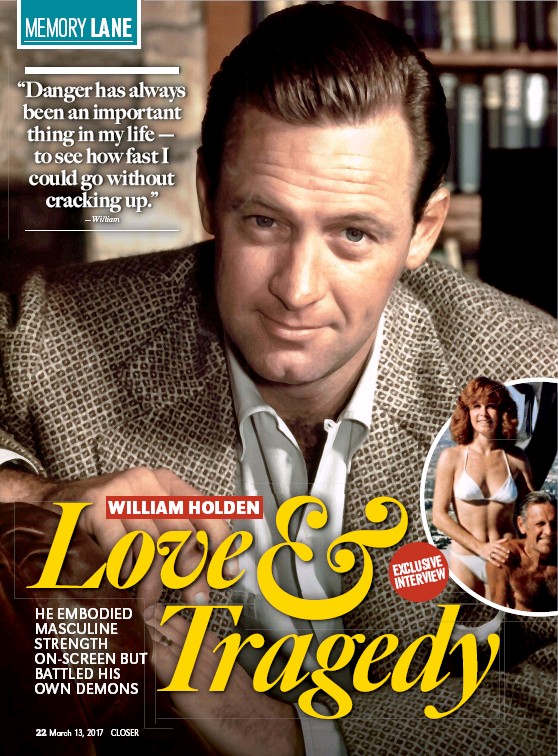
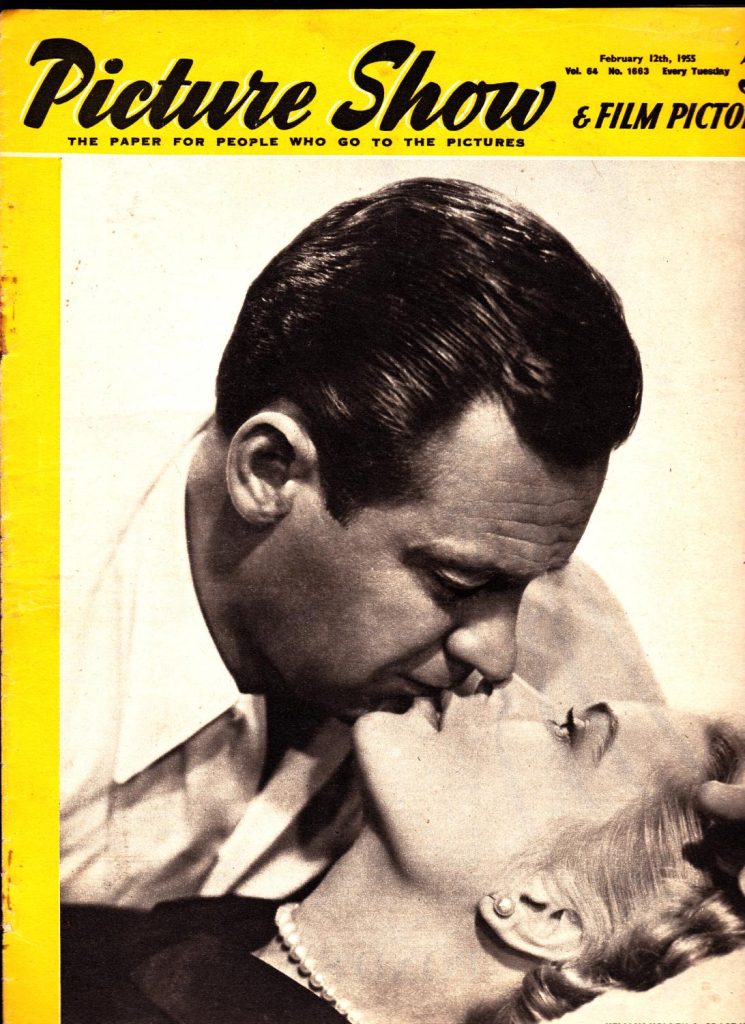
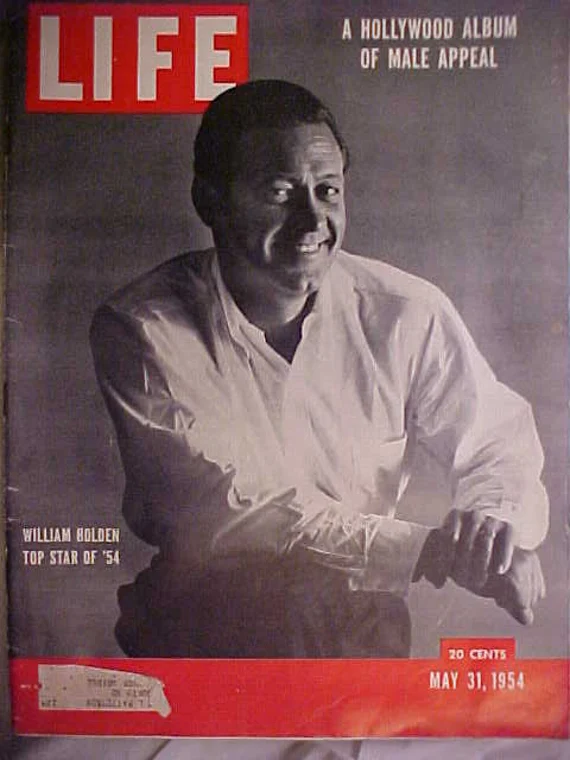
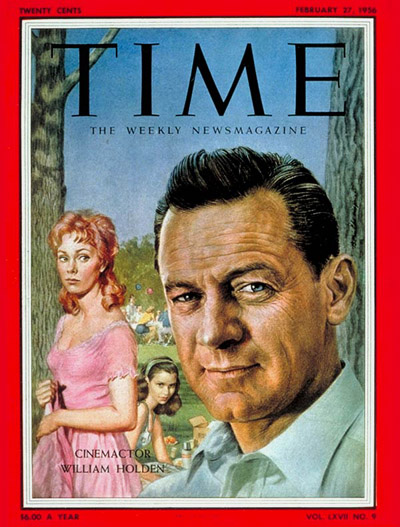
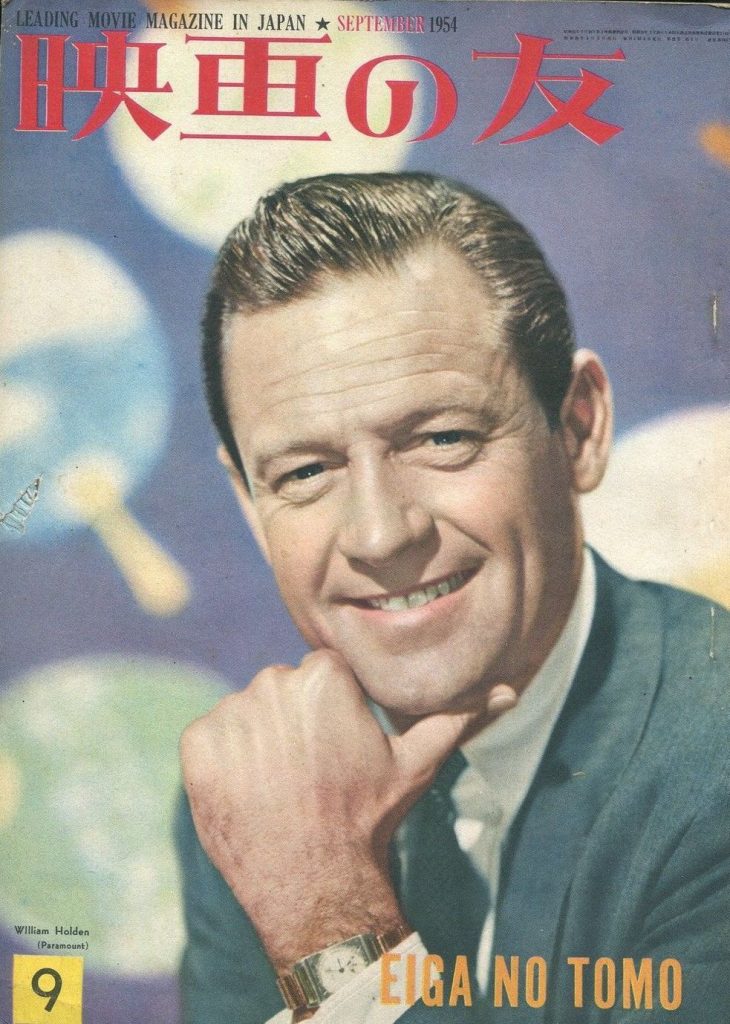
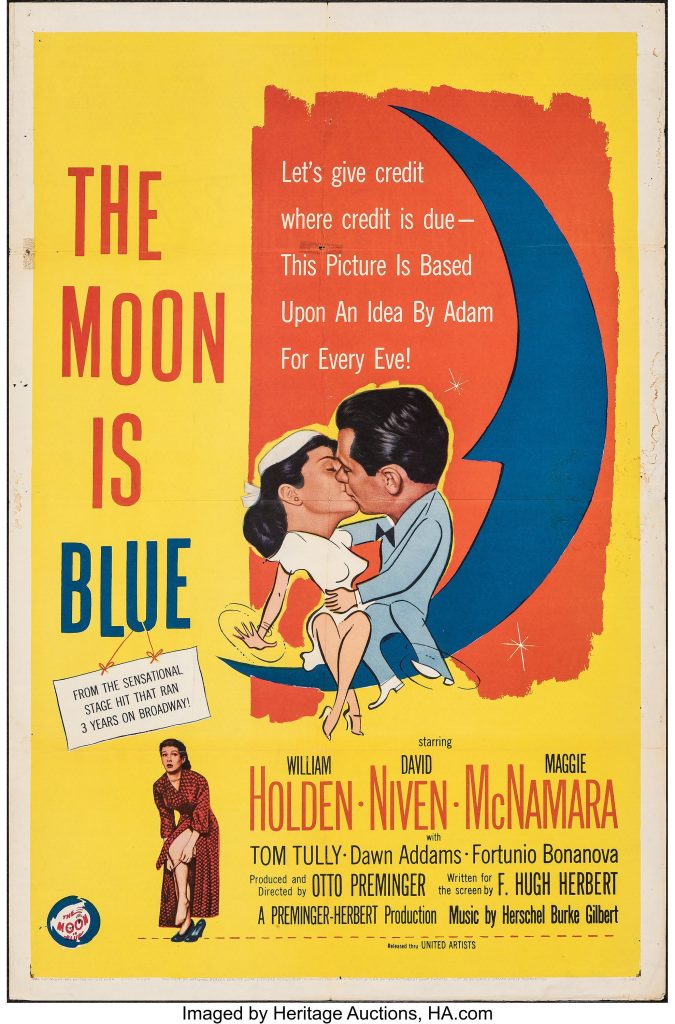
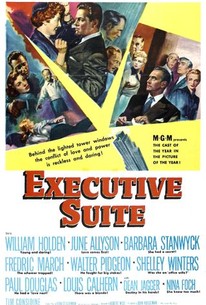
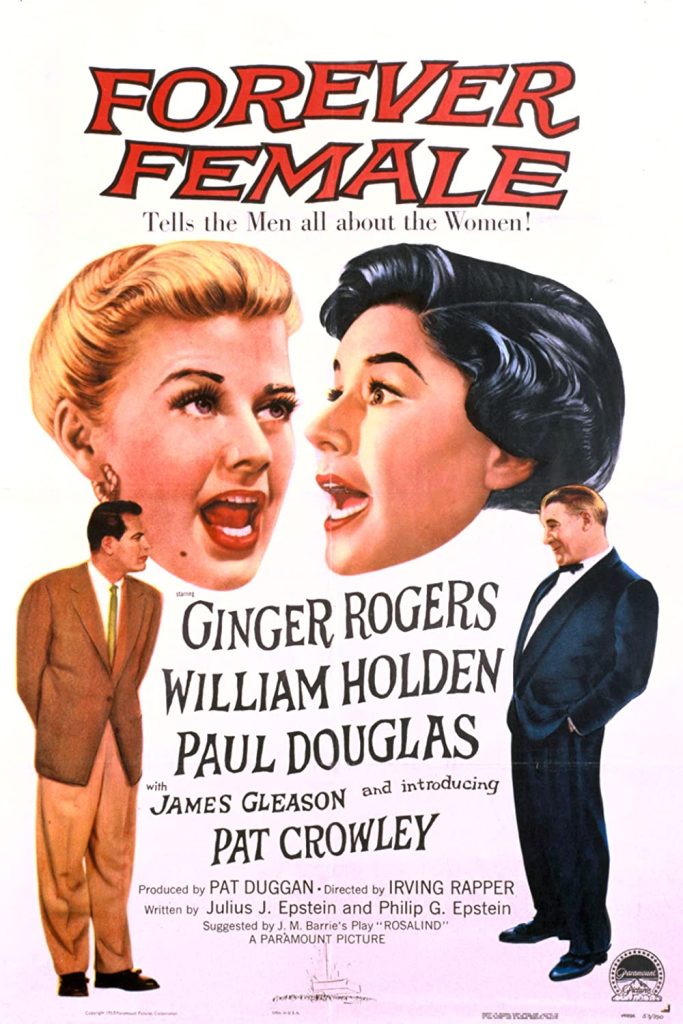
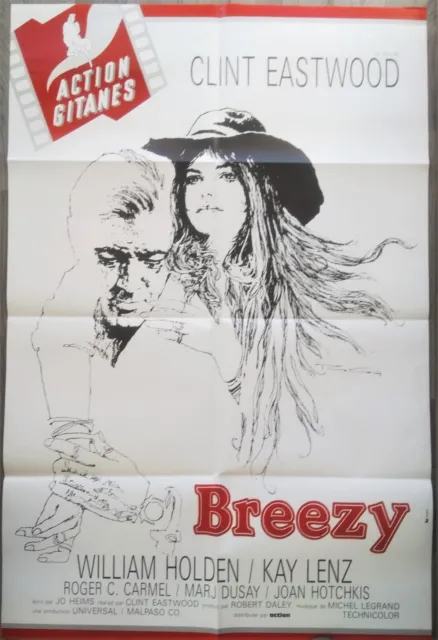
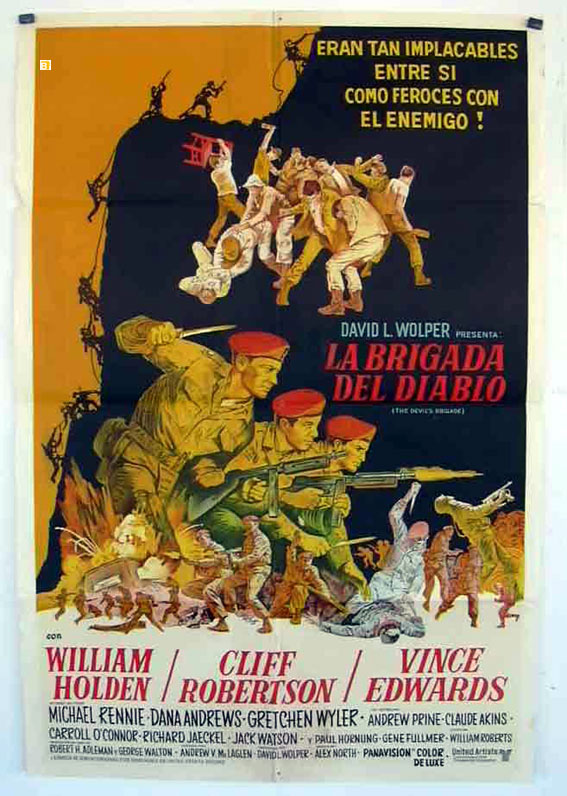
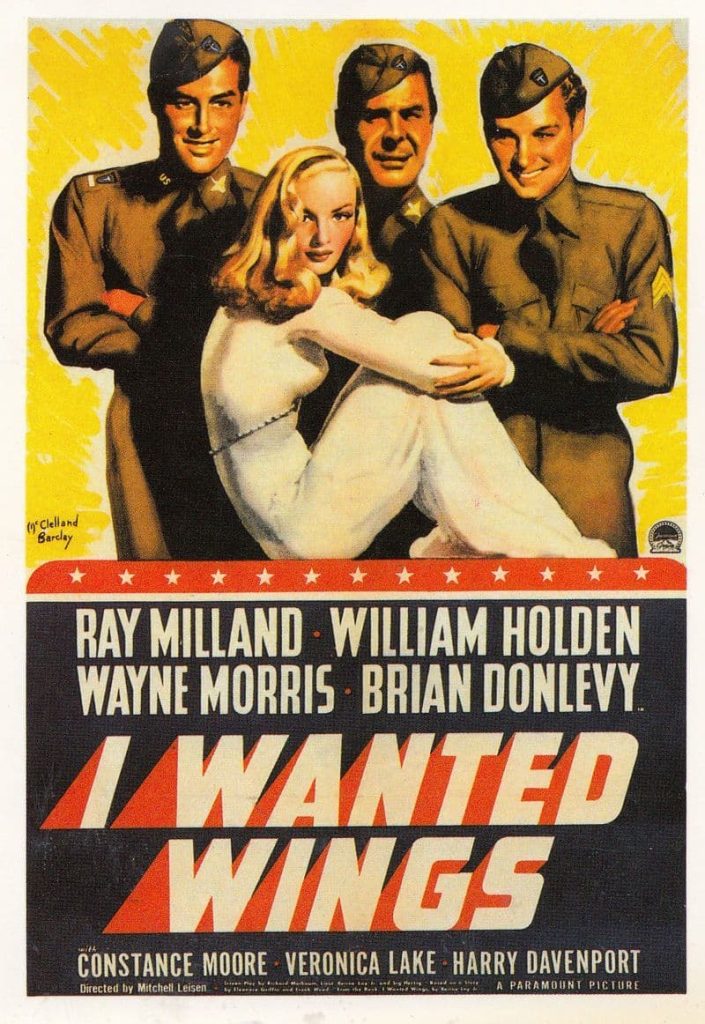
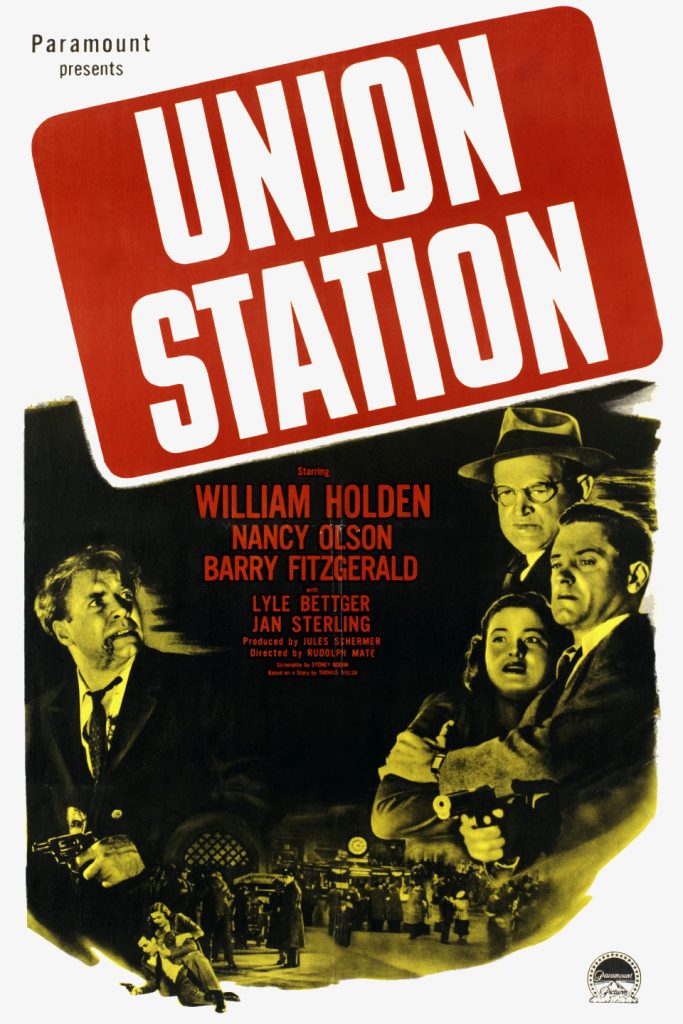
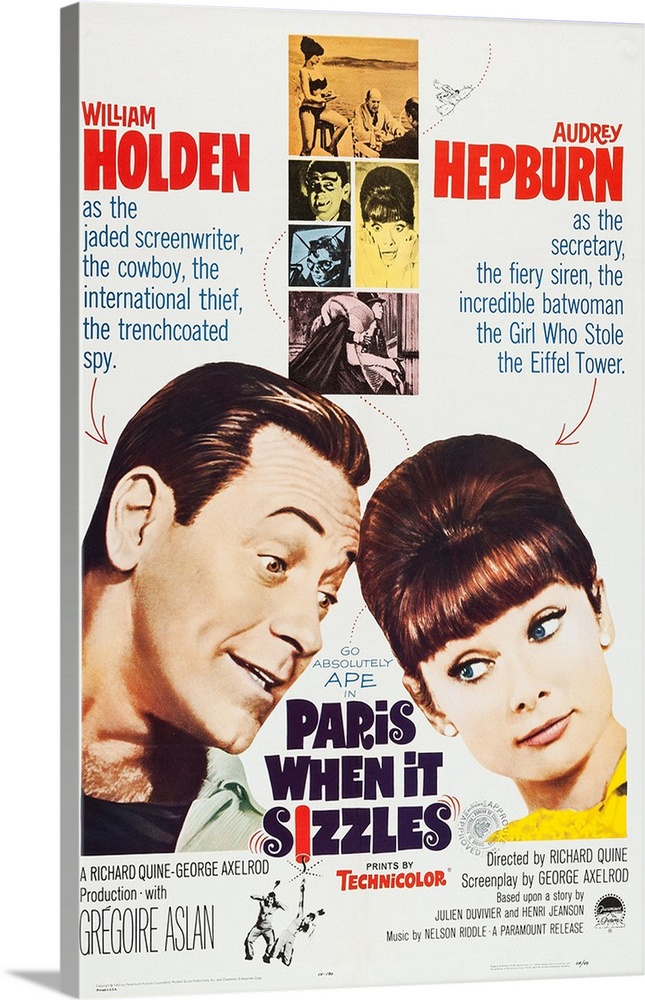
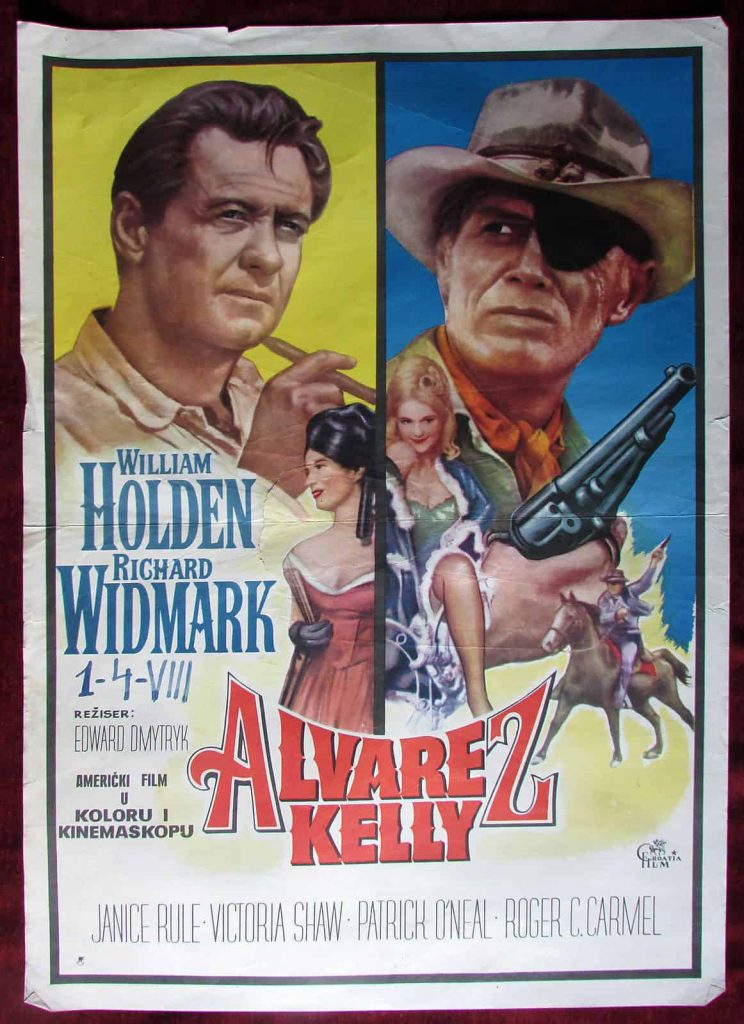
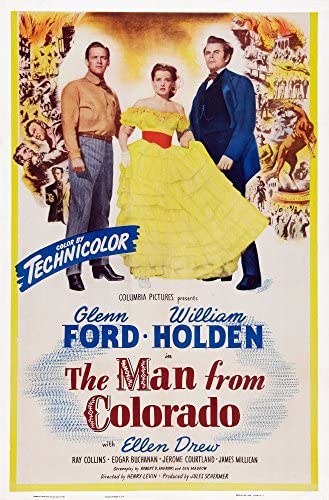
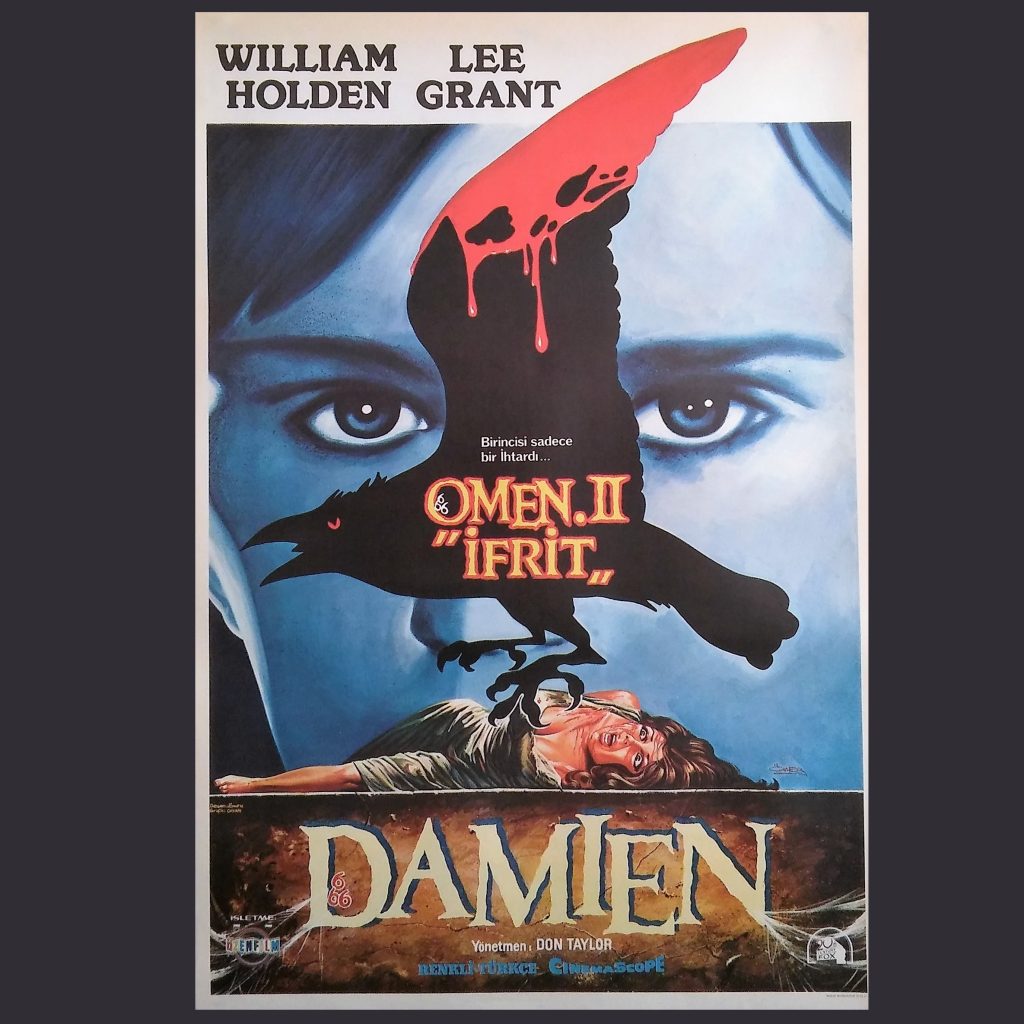
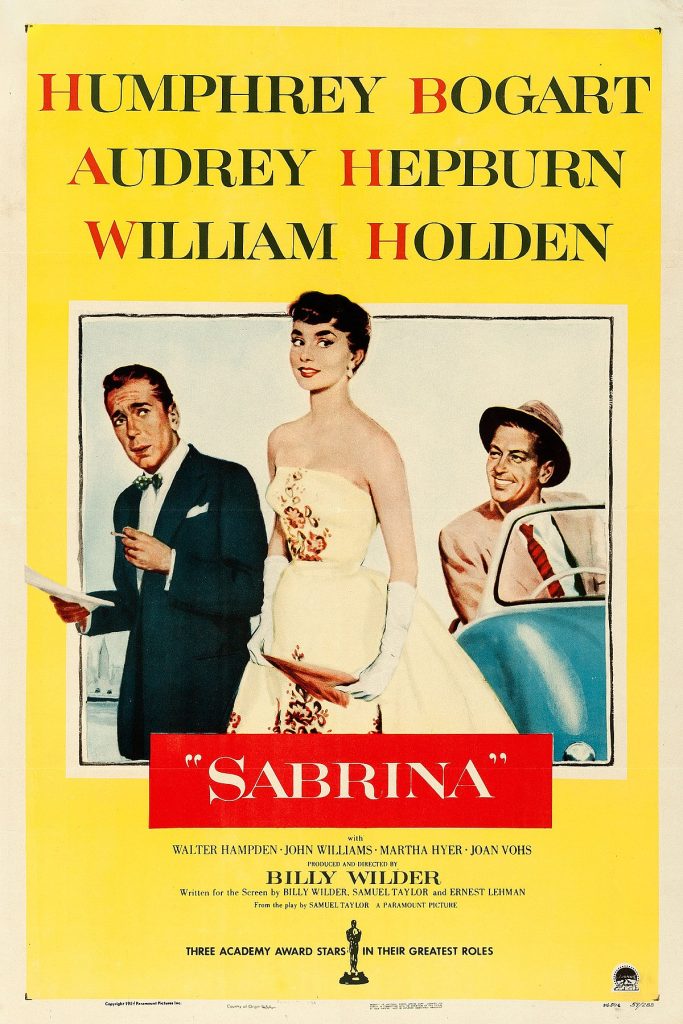
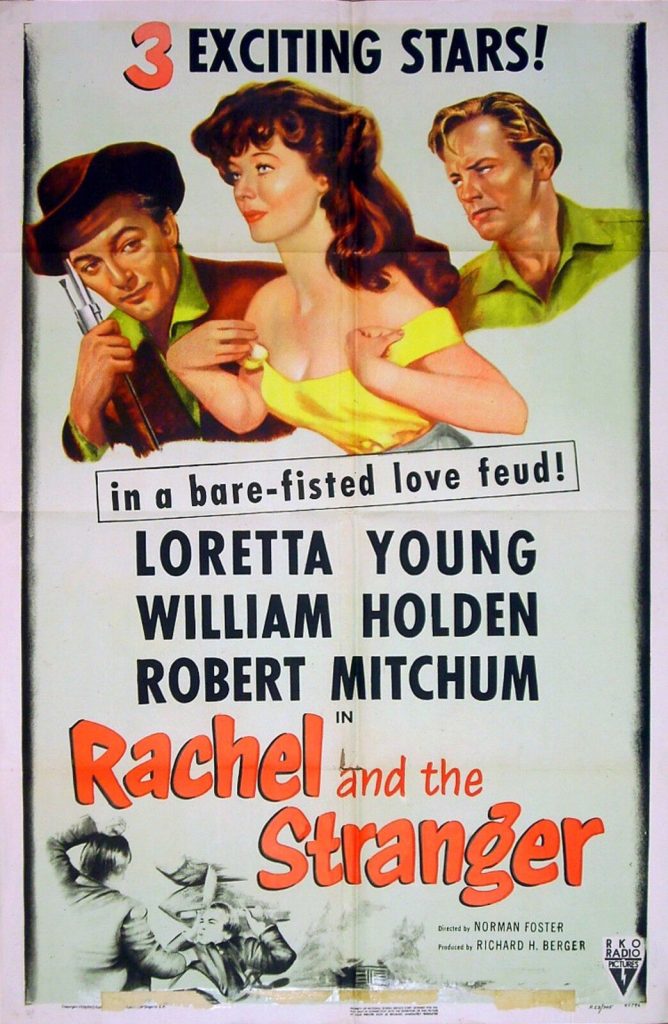
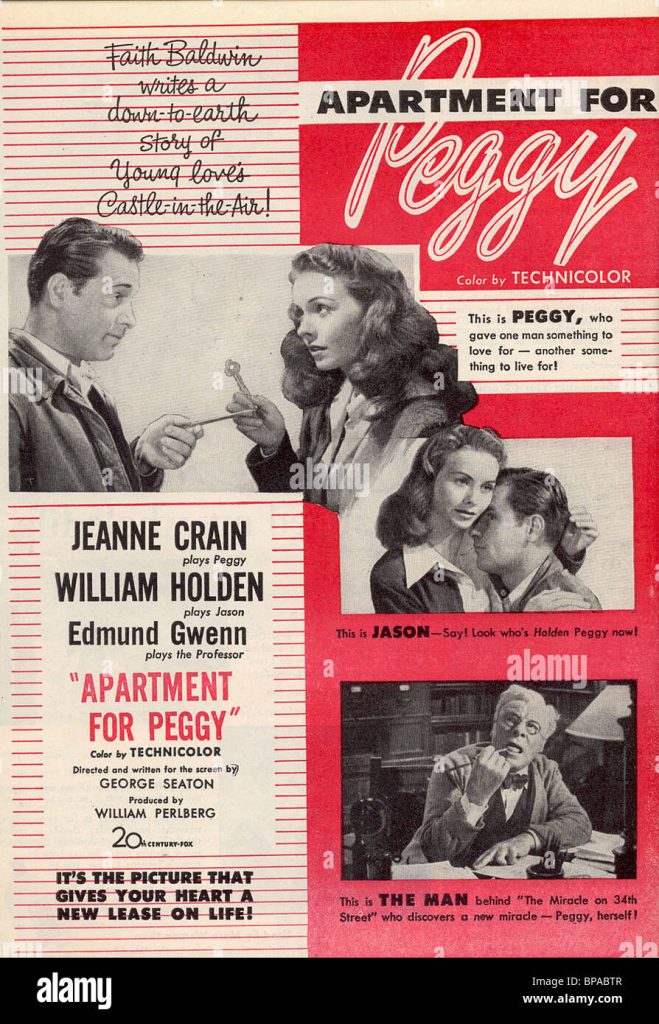
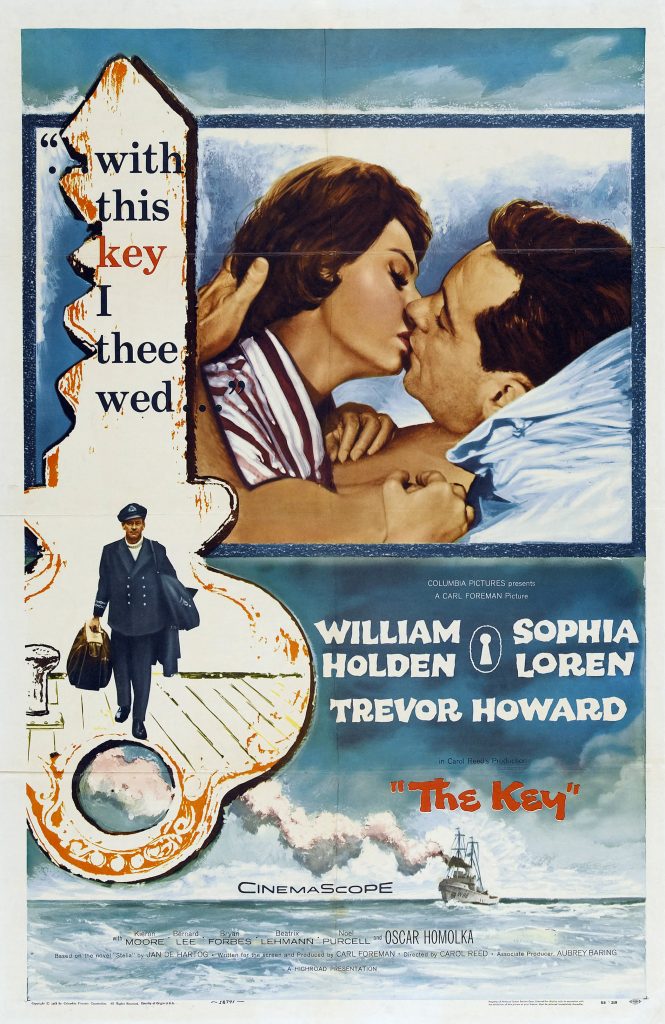
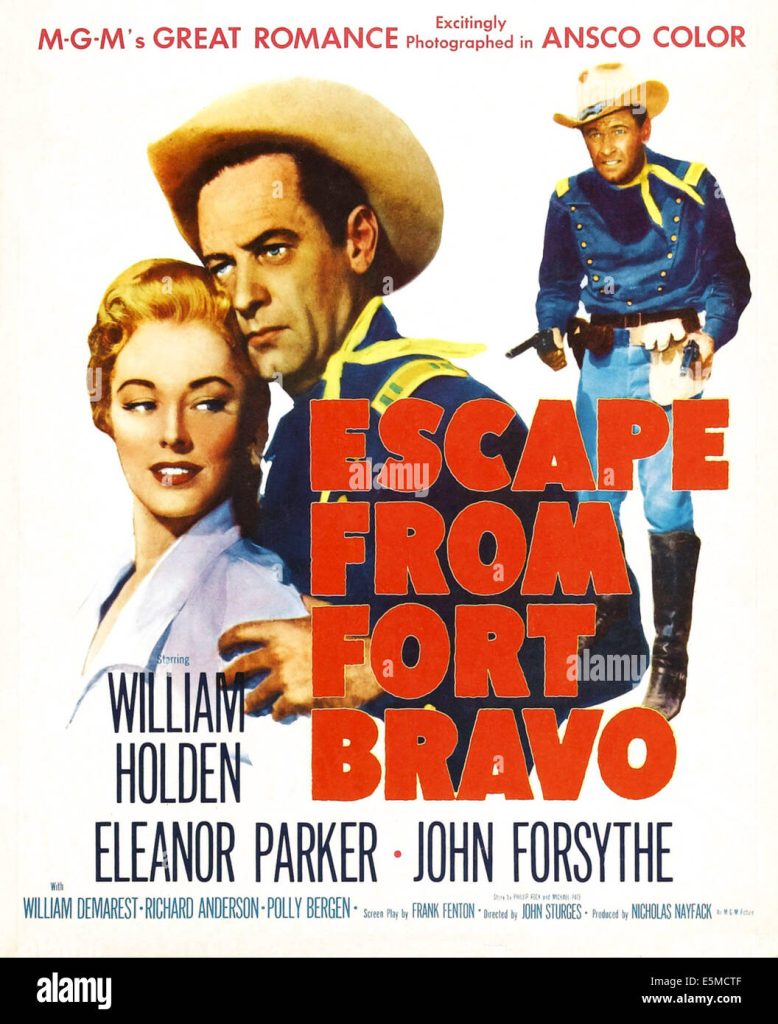
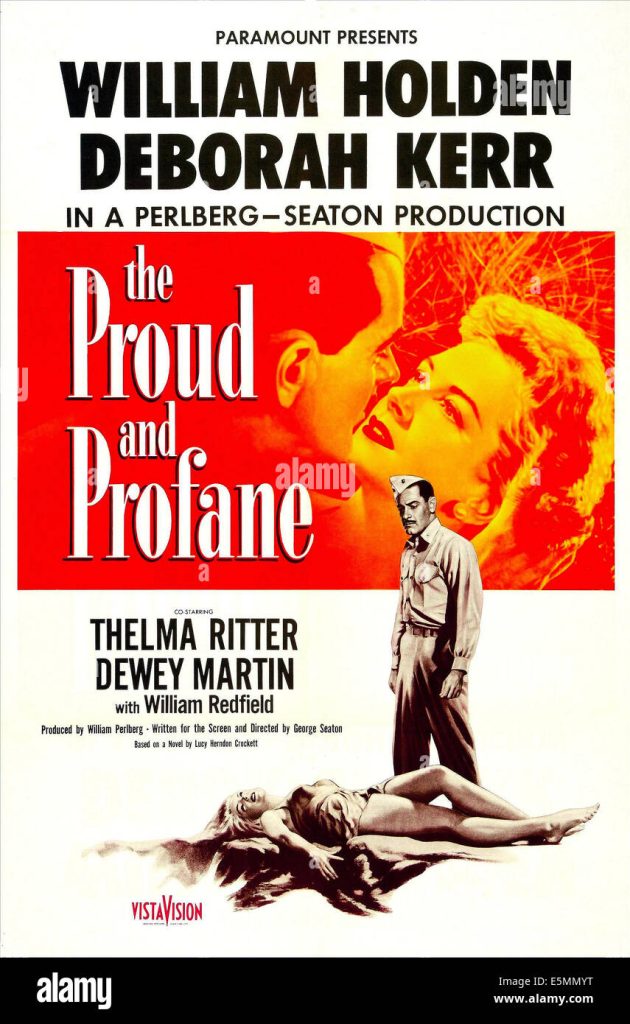
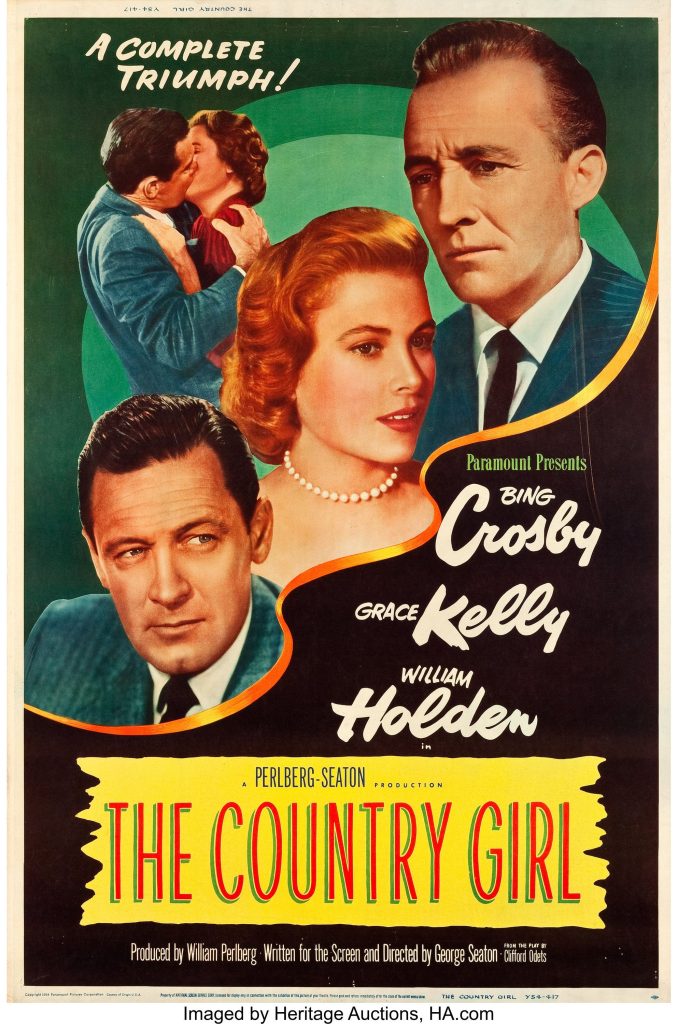
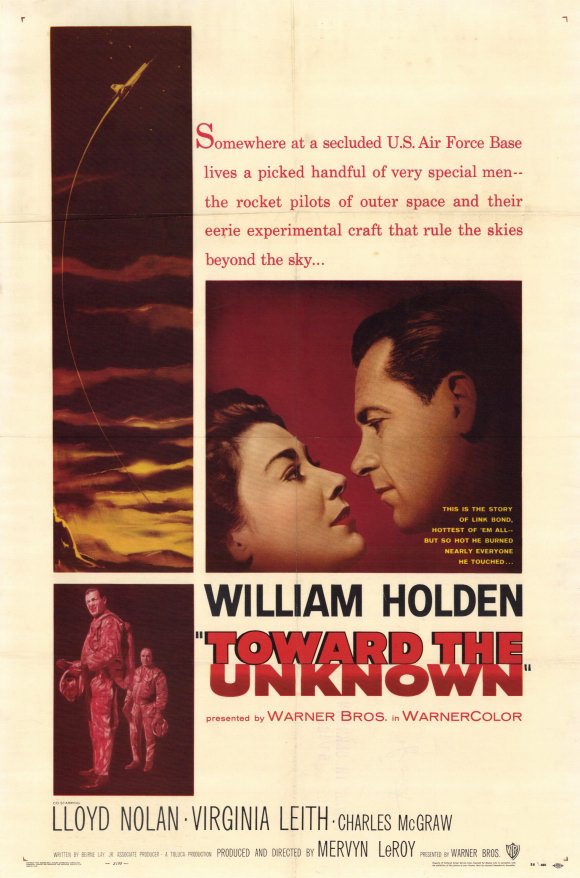
William Holden in 1956, according to ‘Picturegoer’ was ‘Dependable, sturdy, cornerstone of solid box-office winners. Likeable, man-in-the-street face and splendid physique, backed by consistent performances, rather than electrifying talent, mark his success. He said he did not enjoy acting for hich reason, said Billy Wilder, he was fond of Holden. He was never hammy. Wilder stated ‘ He is the ideal motion-picture actor. He is beyond acting.’
You never doubt or question what he is. James Stewart is a prime example of that sort of actor. So is Gary Cooper. There is no crap about them. Yes, but Stewart and Cooper retained their individuality as they aged. Having little to start with, Holden had only a certain weary integrity when his youthful charm had gone.” – David Shipman in “The Great Movie Stars – The International years”. (1972).
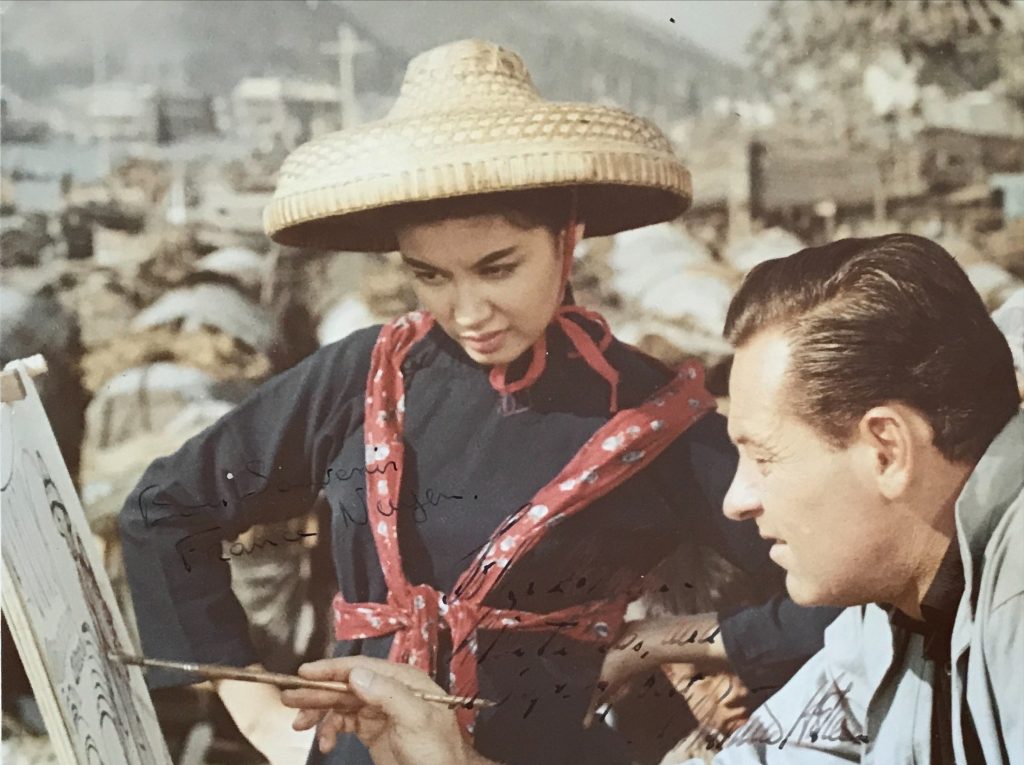
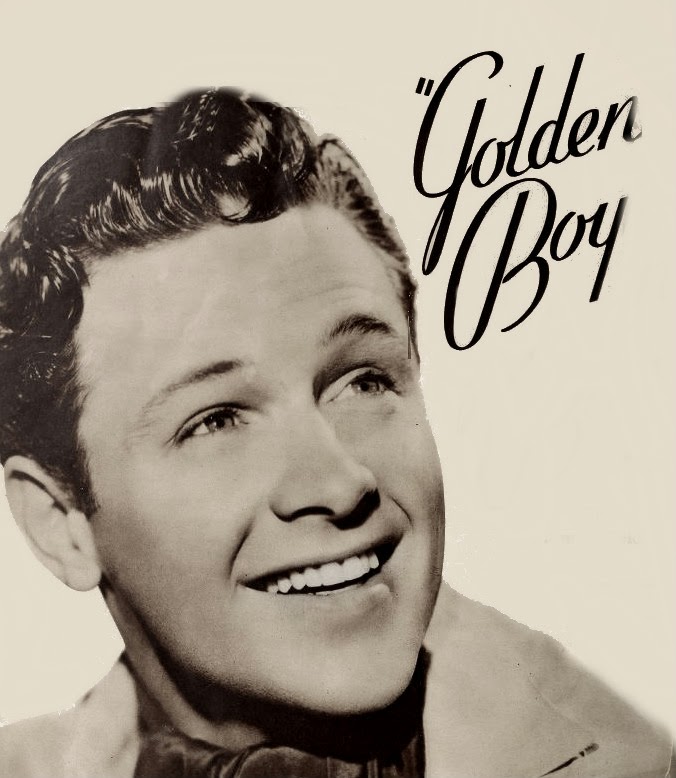
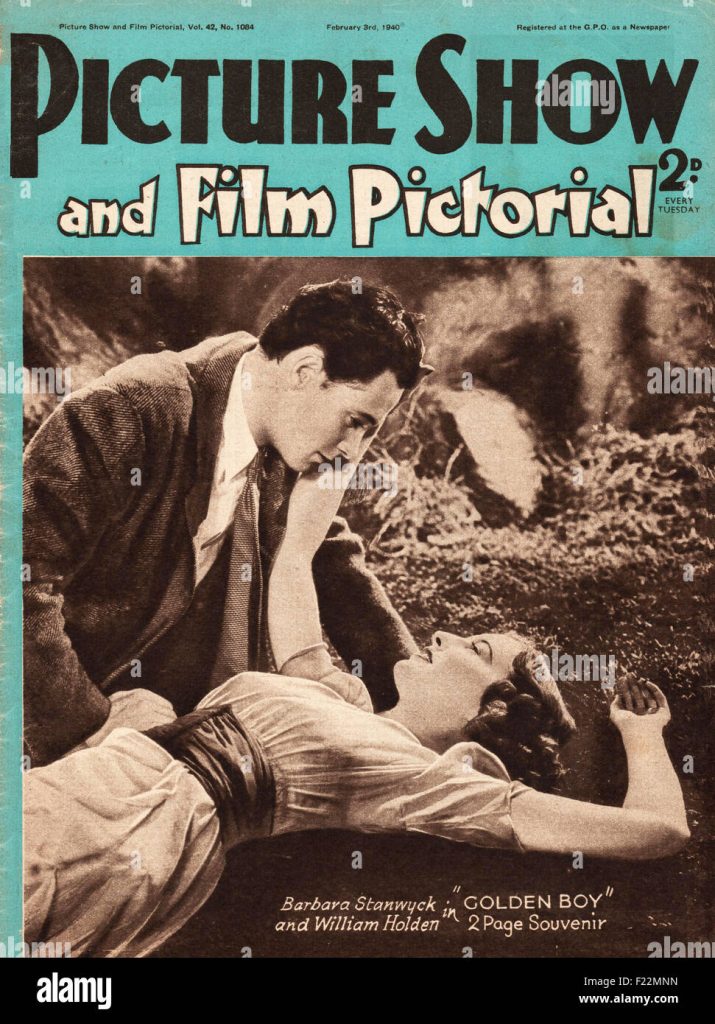
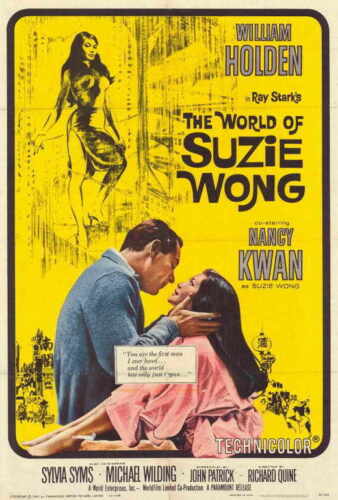
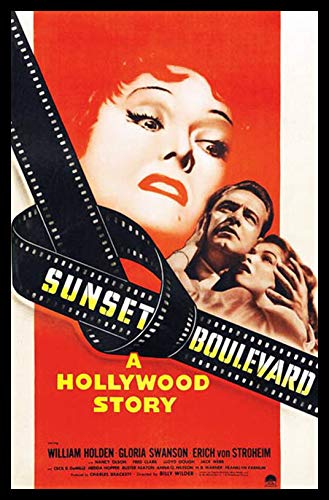
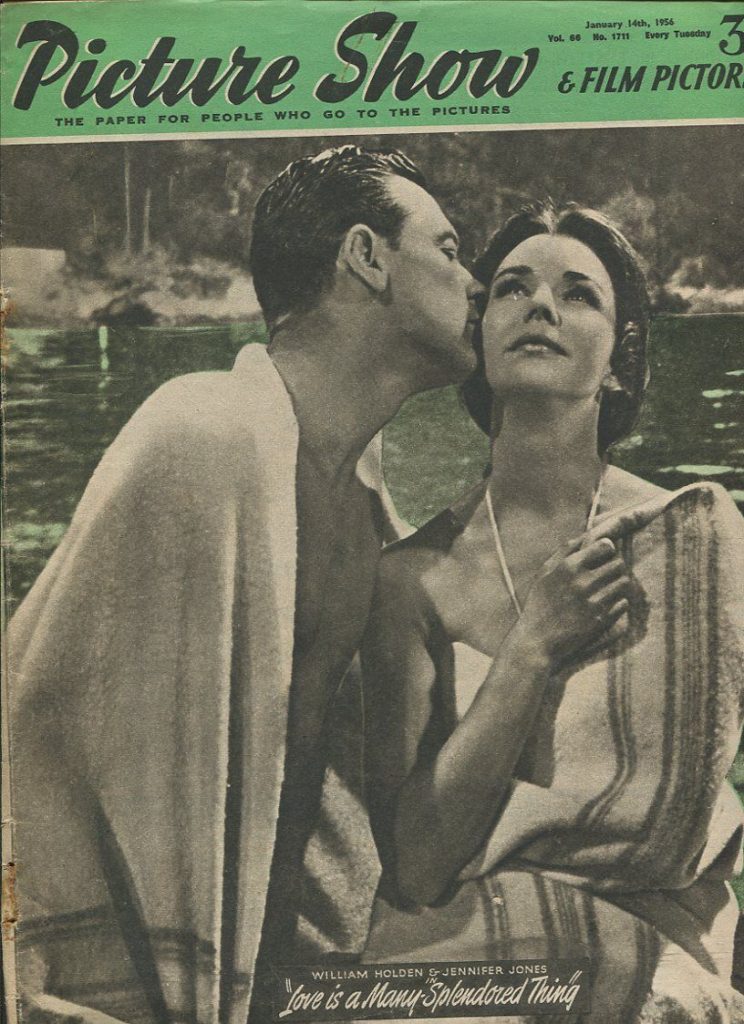
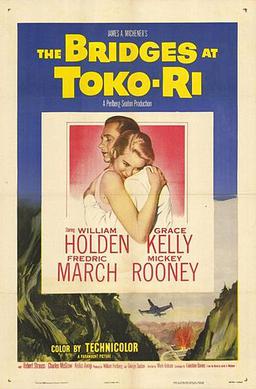
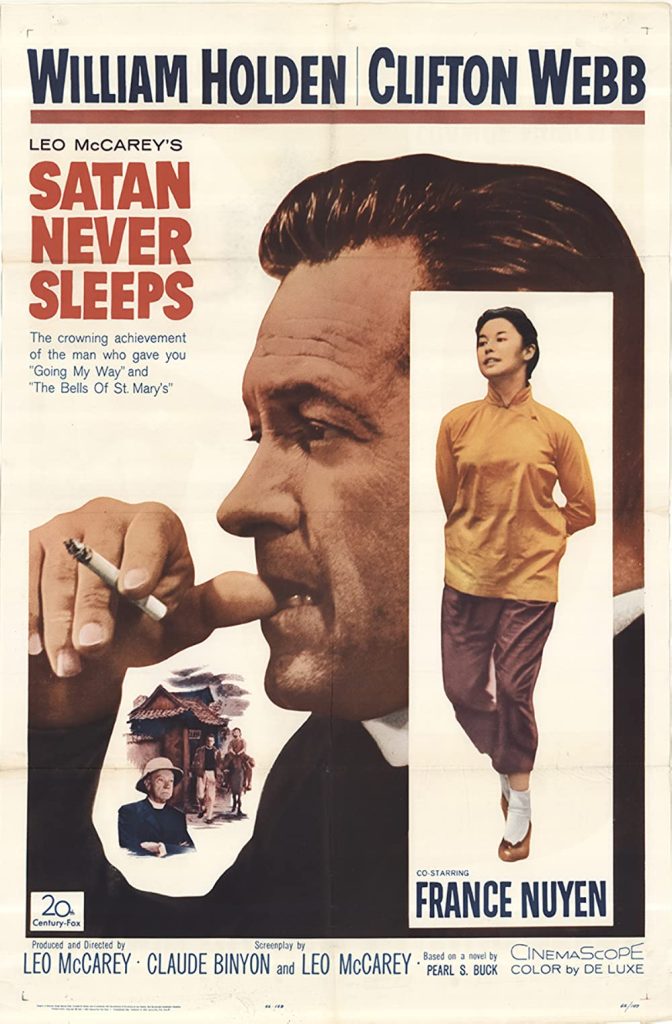
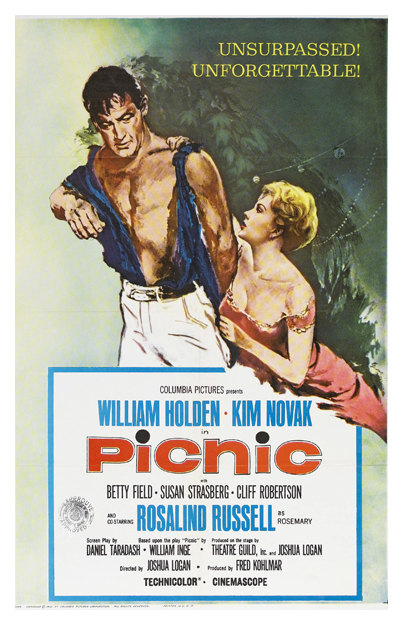
William Holden was born in 1918 in O’Fallon, Illinois. His first film role was “Golden Boy” with Barbara Stanwyck in 1939. His career was curtailed by World War Two in which he served with the United States Army Air Force. His career took off in a major way in 1950 when Billy Wilder cast him in “Sunset Boulevard” with Gloria Swanson. He had a string of box office successes including “Picnic”, “The Bridges of Toko-Ri”, “Stalag 17”, “Love Is a Many Splendoured Thing”. The above photograph is from “The Wolrd of Suzie Wong” which was started with France Nuyen (see seperate blog on Ms Nuyen). Ultimately the film was completed with Nancy Kwan. Holden did not age well and in his later films like “Network” he looks much older than his actual age. He died in 1981 at the age of 63.
TCM Biography:
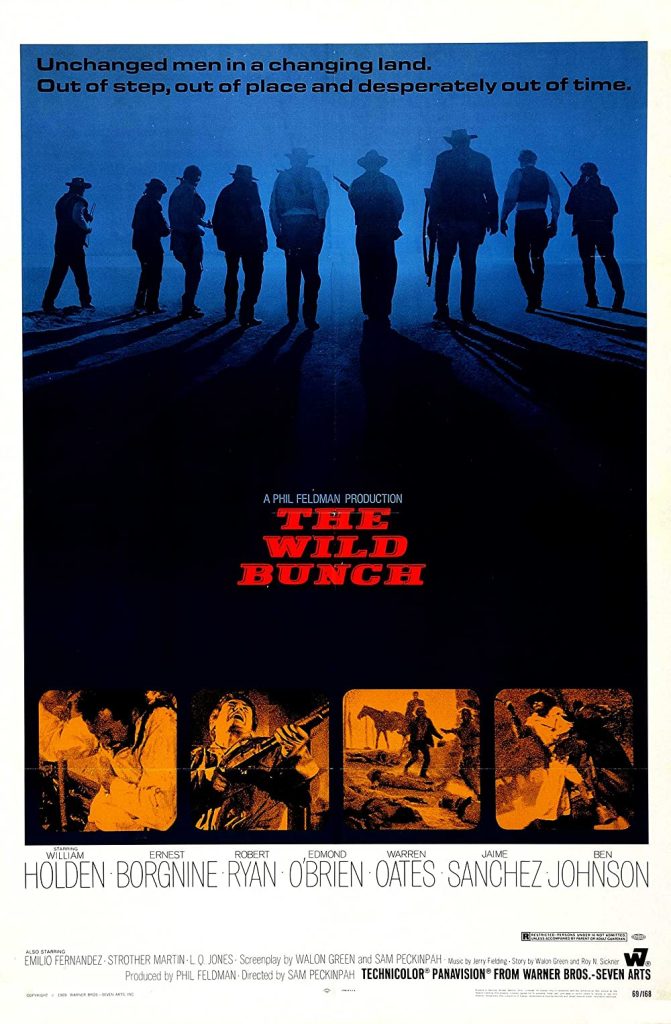
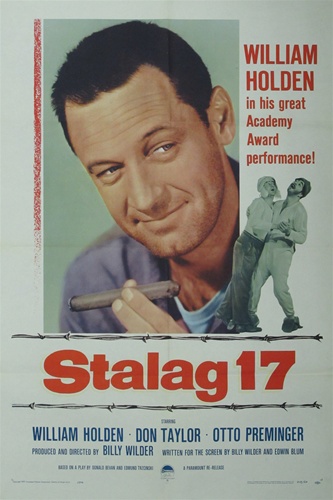
ew Hollywood actors have conveyed spiritual and physical pain with the charismatic authority of William Holden. This scion of a wealthy family in the chemical business first registered in films as a clean-cut, affably handsome lead in the 1940s and he matured into more rough and tumble roles. Along the way his earnest qualities yielded to cynicism, perhaps most notably for writer-director Billy Wilder in “Sunset Boulevard” (1950) and in his Oscar-winning performance in “Stalag 17” (1953). Over the years, the rigors of life and drink re-sculpted his features into an expressive leather that gave testimony to the ravages of the moral ambiguity that had characterized many of his best roles. This quality may have been most eloquently expressed by his central performance as the desperado cowboy Pike in Sam Peckinpah’s violent autumnal Western classic, “The Wild Bunch” (1969).
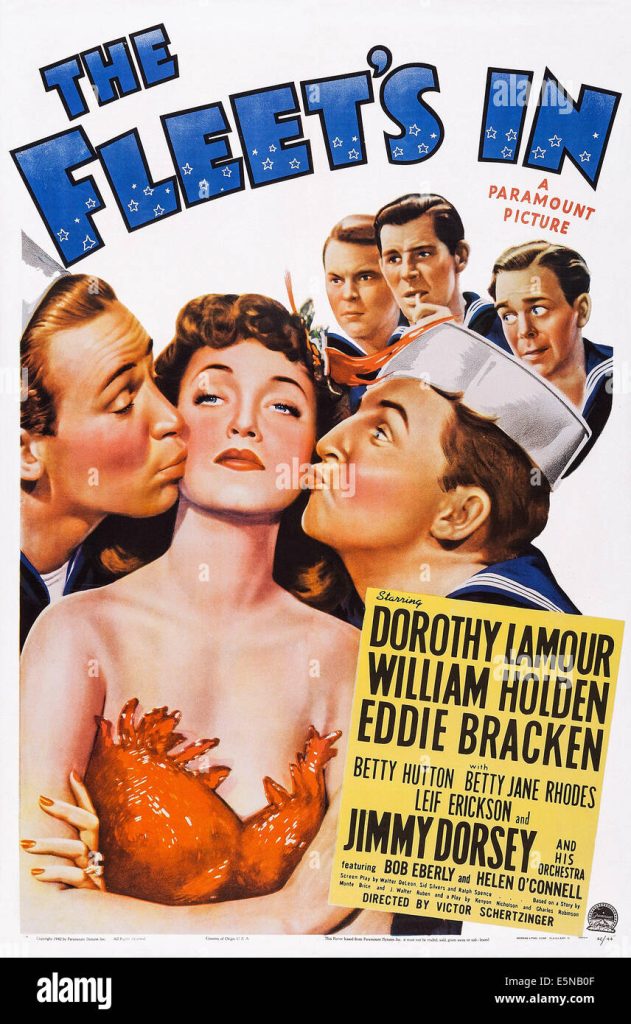
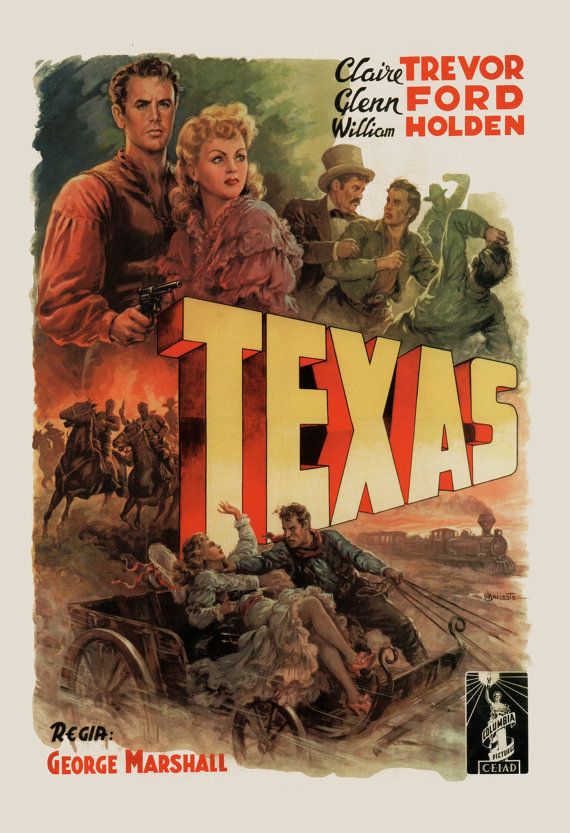
Holden became a star with his first substantial feature role as the boxer-violinist in “Golden Boy” (1939), a part that cast him opposite screen siren Barbara Stanwyck, who would later become his mentor and life-long booster. Holden was soon getting cast in fairly innocuous roles: the boy-next-door; the quintessential All-American in such films as “Arizona” as the amiable lover of a determined corruption buster Jean Arthur; the idealistic small town hero in “Our Town”; a hell-raising Joe College in “Those Were the Days” (all 1940). He was pitted against Glenn Ford, rivaling for the affections of Claire Trevor, in “Texas” (1941), tried to heat up an ice-cool Dorothy Lamour in the musical “The Fleet’s In” (1942), and was a poor boy who gets married in “Meet The Stewarts” (1942).
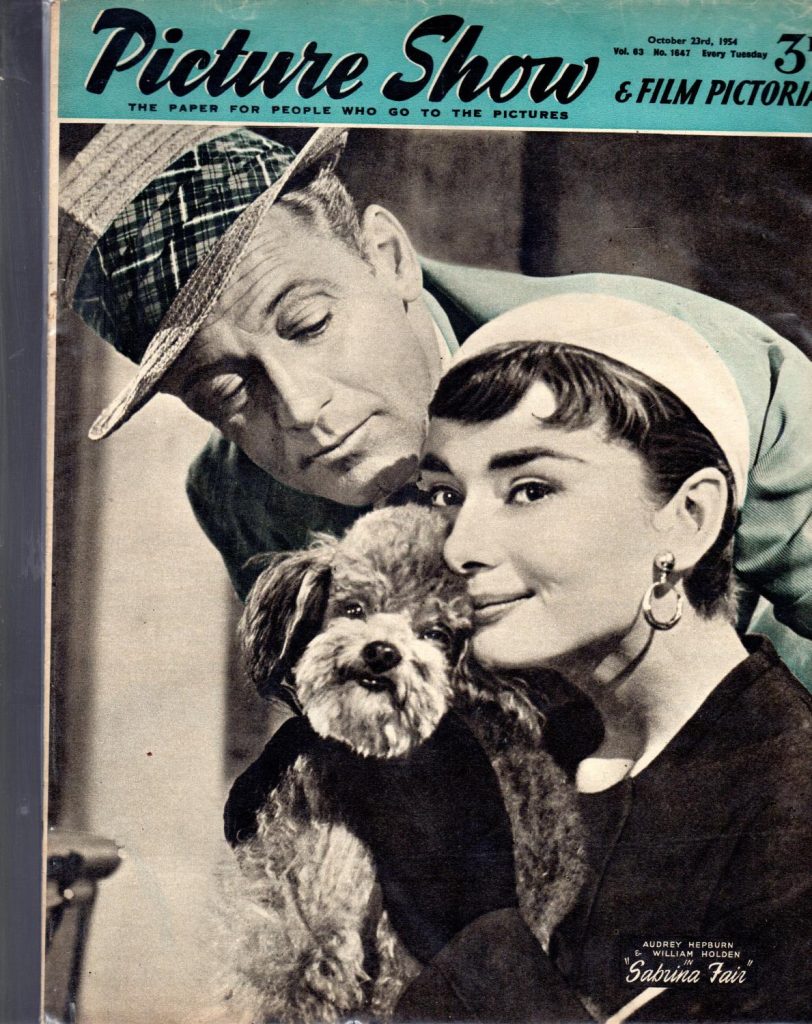
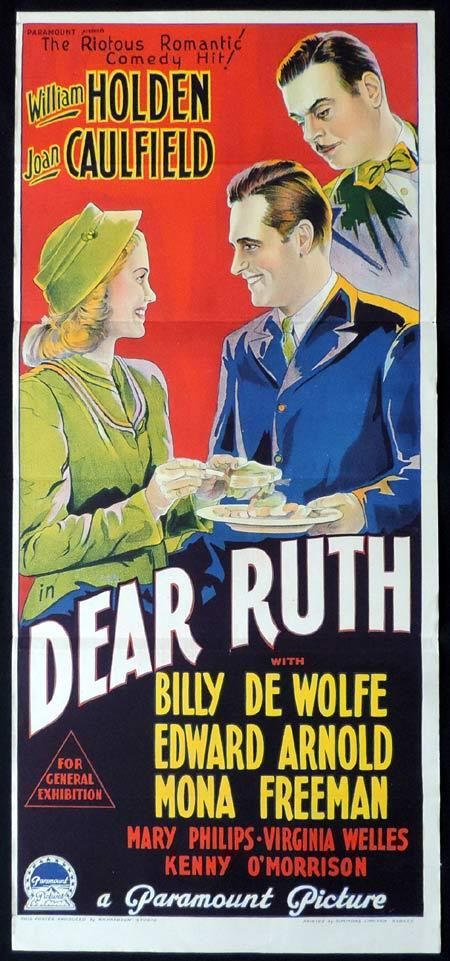
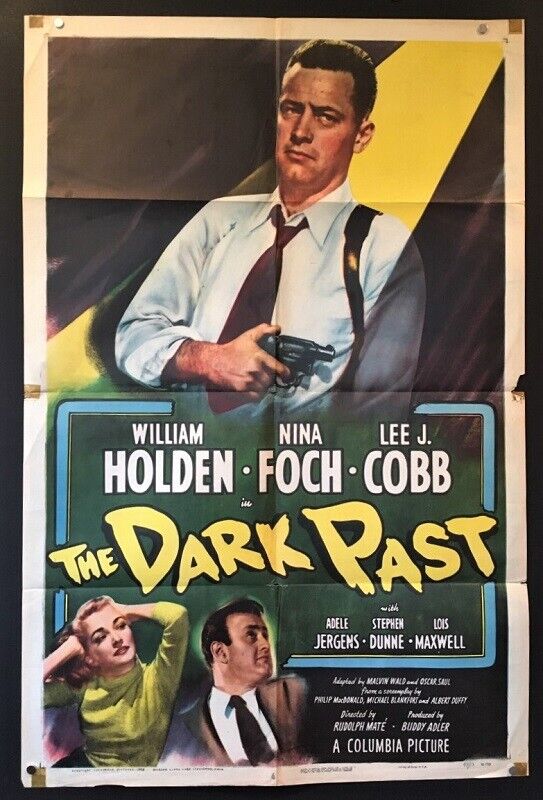
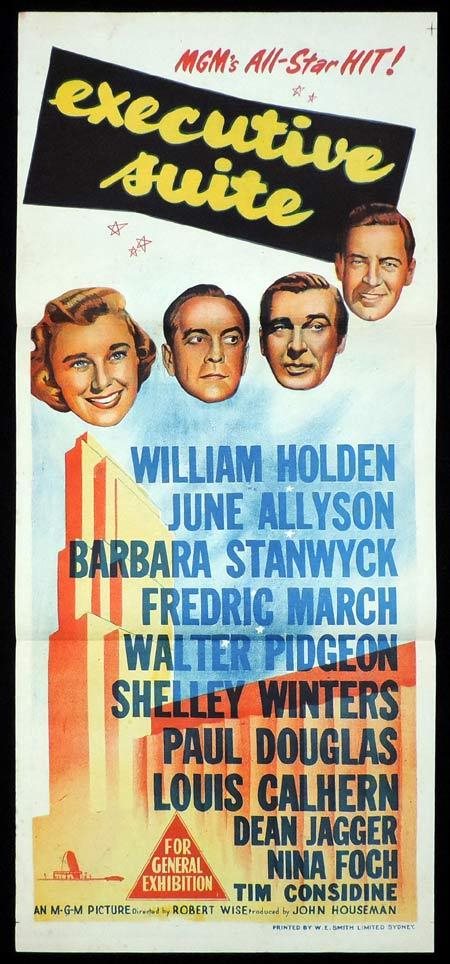
Holden joined the Air Force, fought in WWII and returned to the screen with a more complex personality. He starred in several films which, though unremarkable, were box-office favorites (“Dear Ruth” 1947 and “Rachel and the Stranger” 1948) before being cast against type to play a psycho killer in the low-budget noir “The Dark Past” (1949). 1950 proved to be Holden’s watershed year: he starred in two career landmarks, “Born Yesterday” as Judy Holliday’s culture tutor-cum-lover, and Billy Wilder’s “Sunset Boulevard”, as Norma Desmond’s hack screenwriter gigolo. With the latter portrayal, Holden’s screen persona began to move into the gray areas that were further explored in later roles like that of the pessimistic POW suspected of being a Nazi informer in Wilder’s “Stalag 17” (1953), a role which garnered Holden a Best Actor Oscar. Wilder discovered and expertly exploited the dichotomy between the actor’s wholesome All-American appearance and his potential for conveying moral darkness. Holden went on to become a leading box-office star between 1954-58 and reigned as the top-grosser in 1956. Notable roles of this period included playing an ambitious company man in “Executive Suite”, a ne’er-do-well playboy in Wilder’s “Sabrina” (both 1954) and the drifter who breaks Kim Novak’s heart in “Picnic” (1956).
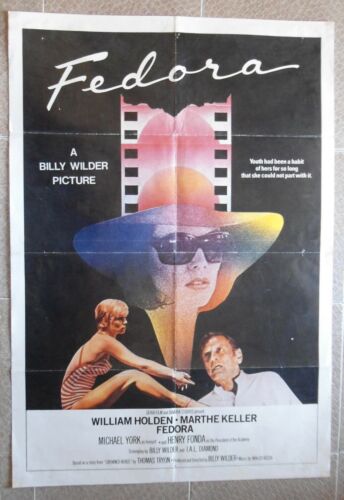
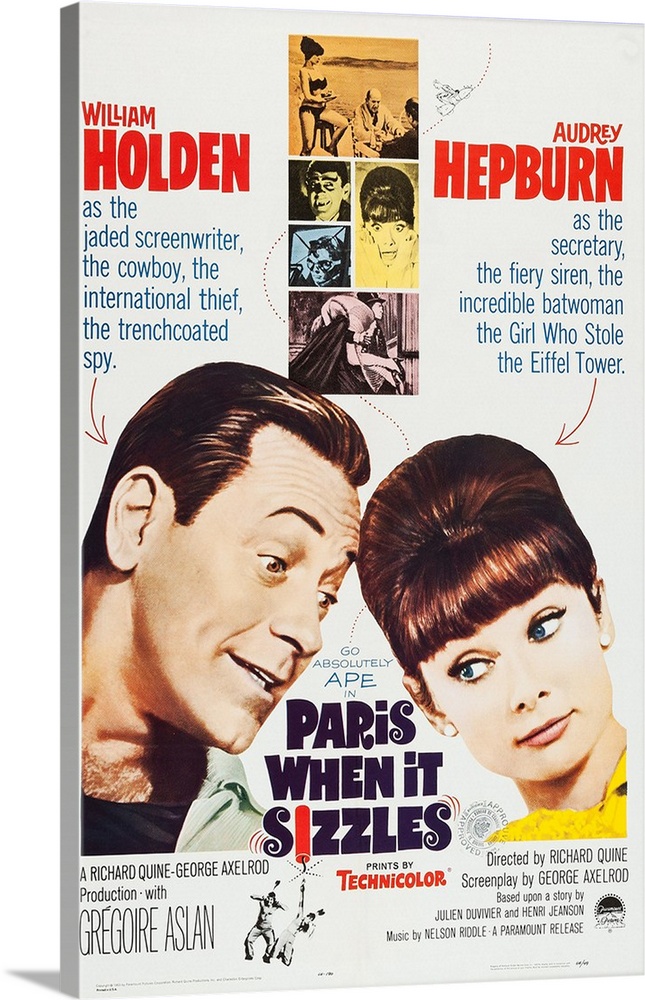
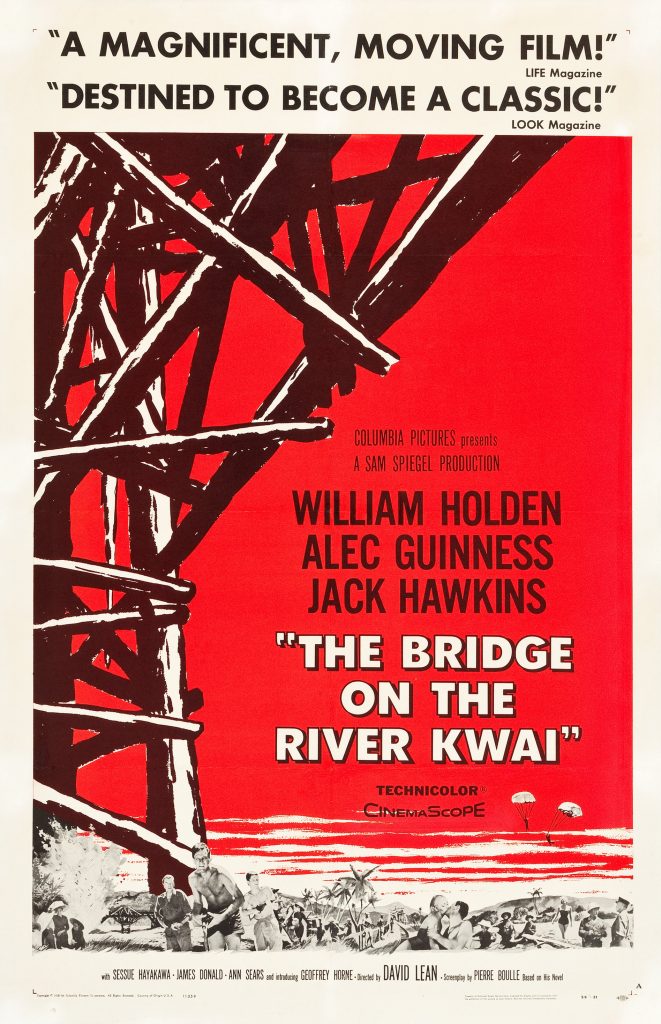
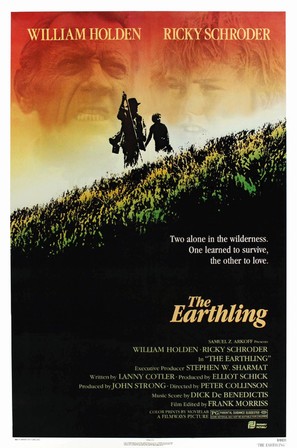
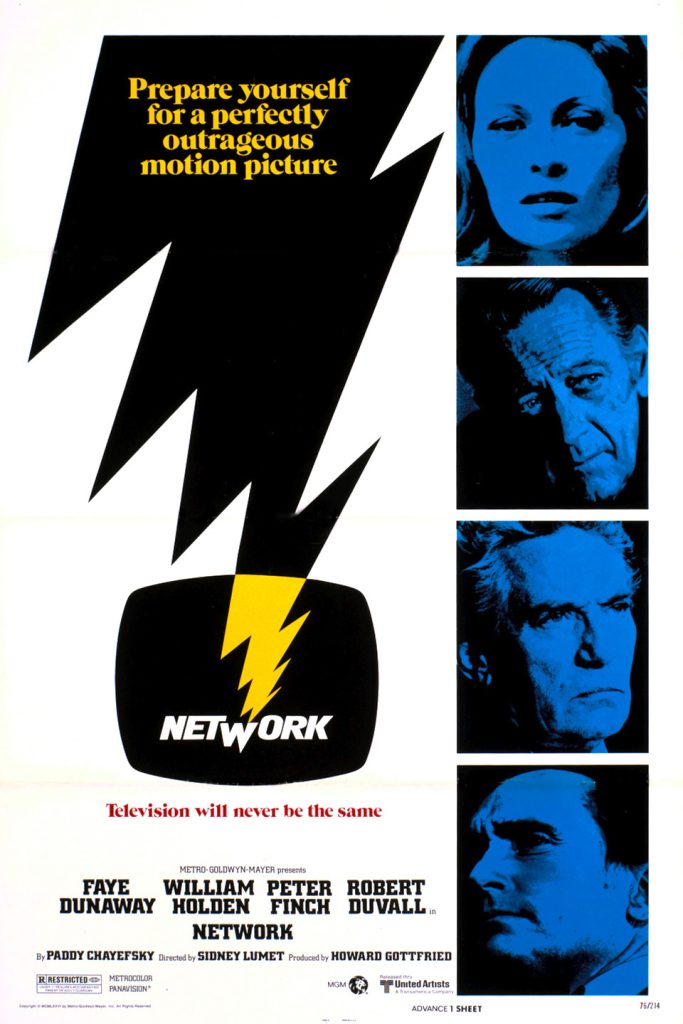
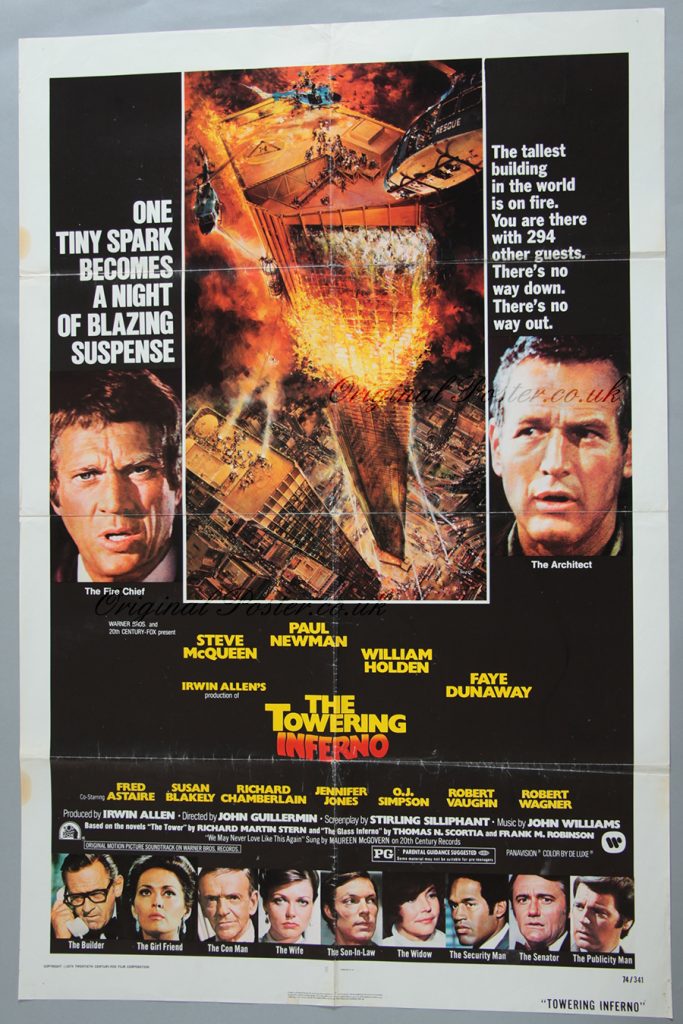
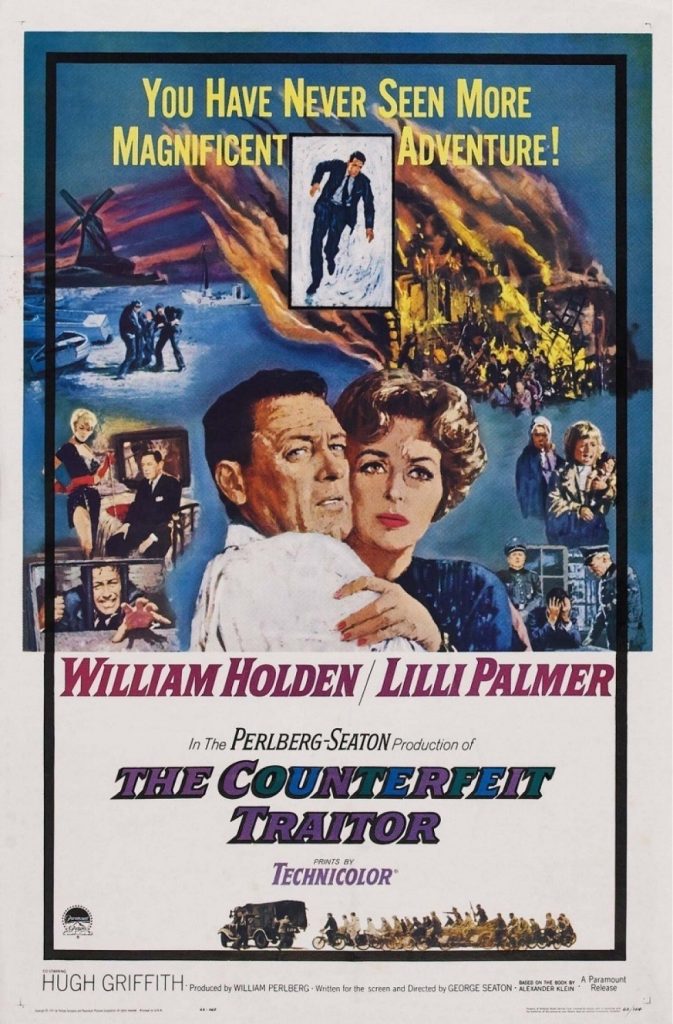
Holden remained active for nearly three more decades, showing up in a pivotal role in “The Bridge on the River Kwai” (1957). While many of his 60s credits were routine and worse (e.g. “Paris When It Sizzles” 1963), the decade also boasted some undeniable triumphs, including his portrayal of a double agent in the fine thriller “The Counterfeit Traitor” (1962) and a career highlight in Peckinpah’s “The Wild Bunch” (1969). The 70s found Holden in a number of mediocre action and adventure vehicles (“Towering Inferno” 1974, “Ashanti” 1979, “The Earthling” 1980) as well as a few winners including the highly acclaimed “Network” (1976), as a conscientious TV executive, and Wilder’s sadly underrated “Fedora” (1978), as a producer trying to encourage a Garbo-esque star to come out of self-imposed retirement. Fairly late in his career, Holden made his TV debut, winning an Emmy for his work in the detective miniseries about the L.A. police department “The Blue Knights” (1973). His final film performance came in Blake Edwards’ caustically comic look at Hollywood, “S.O.B.” (1981).
Holden died from an accidental fall in his apartment in 1981.
Rock Hudson was one of the most popular movie stars of the 1950’s and early 1960’s. He was born Roy Fitzgerald in 1925 in Illinois. He made his featur film debut in 1948’s military drama “Fighter Squadron”. He came to international fame opposite Jane Wyman in “Magnificent Obsession” in 1954. He was nominated for an Academy Award in 1956 for her performance in “Giant” with Elizabeth Taylor and James Dean. He made three very popular films with Doris Day including “Pillow Talk” and two with Gina Lollobrigida. In the early seventies, his film career was on the wane and he went into television with the very popular series “McMillan and Wife”. He died in 1985 aged 59. His IMDB biography can be accessed here.
TCM Overview:
With his urbane charm, dashing good looks, and virile masculinity, Rock Hudson epitomized Hollywood’s classic matinee idol image – used to great effect in many a romantic comedy in which he was often paired with the equally magnetic Doris Day. One of the most popular movie stars of his time, Hudson’s screen career spanned five decades and was a shining example of Hollywood’s classical “star system”-style career promotion – his early success coming as the result of careful cultivation and nurturing by major movie studios. While generally underappreciated for his skills as an actor, Hudson nevertheless showed unexpected glimmers of brilliance, as he did in George Stevens’ 1956 epic, “Giant” for which he received an Academy Award nomination. Known for his easy-going demeanor off-screen, Hudson was well-liked by colleagues and seemed to enjoy a rich and happy life in the public eye. In truth, however, Hudson endured a deeply troubled private life, living a lie for the sake of his career – including going along with a studio-arranged marriage. Manufactured to be Hollywood’s ultimate ladies man, Rock Hudson was, in reality, a lifelong homosexual. Tragically, he would become a cautionary tale as well. After contracting the HIV virus and dying of AIDS in 1985 – his private life now thrust public for the world to see – Hudson would become the first major Hollywood casualty of the misunderstood and widely feared disease. But he would not die in vain. His death not only opened people’s eyes to the disease itself, it inspired his good friend and onetime co-star Elizabeth Taylor to begin her decades-long role as a prominent AIDS activist, raising millions in the fight against the deadly disease that had robbed her friend of his golden years.
Born Leroy (Roy) Harold Scherer, Jr. on Nov. 17, 1925, in Winnetka, IL, the future movie idol was the son of a hard-drinking auto mechanic, Roy, Sr. and a telephone operator named Katherine Wood. In 1930, at the height of the Great Depression, like many distraught dads of that time, Hudson’s father abandoned the family. Fortunately, a year later, his mother remarried a man by the name of Wallace Fitzgerald, who adopted Roy, Jr. and gave him his last name. A poor student growing up, Hudson narrowly graduated from Winnetka’s New Trier High School – the same alma mater as Ann-Margret and Charlton Heston – in the early 1940’s. Far more enamored of movies than his school work, Hudson got a job as an usher at a local movie theater, where he developed a passion for acting. Eager to get started, Hudson tried out for roles in school plays but was rejected for never knowing his lines.
After a brief tour of duty in the U.S. Navy as an airplane mechanic during World War II, Hudson moved to Los Angeles. Determined as ever to make it in show business, Hudson applied to the University of Southern California’s drama program, but was disqualified due to poor grades. To make ends meet, Hudson found a job as a delivery truck driver, but spent most of his working hours idling outside of studio gates, passing out his headshots. Hardly the way to go about breaking into show biz, to be sure – but in this case, persistence paid off. In 1948, the handsome young Hudson caught the eye of powerful Hollywood talent scout, Henry Willson. The rest, as they say, was history. According to author Robert Barrios’s 2002 best-seller Screened Out: Playing Gay in Hollywood from Edison to Stonewall, the openly homosexual Willson almost single-handedly launched Hollywood’s highly profitable “beefcake craze” of the 1950’s, thanks to his knack for discovering and renaming young actors “whose visual appeal transcended any lack of ability.” Among Willson’s other discoveries were such nobodies-turned-Hollywood-golden-boys Arthur Gelien (a.k.a. Tab Hunter), Merle Johnson, Jr. (better known as Troy Donahue), and Bob Mosely (a.k.a. Guy Madison). According to Hollywood folklore, Willson changed Roy Fitzgerald’s name to the more masculine sounding “Rock Hudson” by combining the Rock of Gibraltar and the Hudson River.
In preparation for his first film role in Raoul Walsh’s “Fighter Squadron,” the newly re-christened Hudson got caps put on his teeth and received intensive coaching in acting, singing, dancing, fencing and horseback riding. Still, according to legend, it took no less than 38 takes for Hudson to successfully deliver his one line. Nonetheless, as a contract player for a major Hollywood studio, Hudson enjoyed a degree of job security that would disappear along with the studio system decades later. Cared for and jealously protected as a valuable studio asset, Hudson was literally groomed for leading man status. Studio P.R. flacks used their pull to push magazine publishers into plastering Hudson’s handsome mug across the covers of countless film magazines. At 29, Hudson earned his first professional recognition for his role as a bad boy redeemed in the mawkish romance “Magnificent Obsession” (1954) starring Jane Wyman. Hailed by Modern Screen Magazine as one of the best films of the year, the magazine also named Hudson the year’s “most popular actor.”
As Hudson’s marquee value increased, however, so too did the pressure to hide his homosexuality. In 1955, as a pre-emptive measure, Henry Willson arranged a marriage of convenience between Hudson and his (Willson’s) secretary, Phyllis Gates. Much to his credit, according to Hudson biographer, Sara Davidson, the actor made an earnest go at trying to make the sham marriage work. Unfortunately, the effort failed and the two subsequently divorced in 1958. In the meantime, however, with Hudson’s heterosexuality firmly established in the public eye, his acting career soared to new heights. A year after his highly publicized nuptials, Hudson landed his biggest payday to date – $100,000 to star in “Giant”(1956), director George Steven’s sprawling three and a half hour epic based on Edna Ferber’s novel. Cast opposite two of Hollywood’s other top rising young stars, Elizabeth Taylor and James Dean, Hudson delivered a powerful performance as Texas rancher, Bick Benedict. As a result of their searing performances, both Hudson and Dean were nominated for Best Actor Oscars at the 1957 Academy Awards.
Hudson closed out the decade with strong performances in a string of merely adequate vehicles. Two notable exceptions were director Richard Brook’s sublime interracial drama, “Something of Value” (1957) and the overly long, but nevertheless effective adaptation of “A Farewell to Arms” (1957), based on the novel by Ernest Hemingway. In the late ’50’s,
Hudson’s career took another huge leap forward when he was cast opposite Doris Day in a string of light bedroom comedies – starting with 1958’s “Pillow Talk.” Audiences enjoyed the delightful chemistry between Hudson and Day so much that the pair reunited for two more outings, “Lover Come Back” (1961) and “Send Me No Flowers” (1964) – all big at the box office.
As he approached middle age, Hudson’s career began slowing down. Losing out on choice roles to younger men must have surely been a blow to his ego. Nevertheless, the actor continued churning films out at a steady pace.
Perhaps not surprisingly, Hudson’s best work of the period came in a film where he played a character forcibly confronted with his own mortality and the grim realities of age in John Frankenheimer’s engrossing science-fiction/fantasy thriller, “Seconds” (1966). In it, Hudson gave a first-rate performance as a middle-aged man who is given a younger body, only to discover too late that he has made a Faustian bargain that has robbed him of both his sanity and his trust in humankind.
Still, roles like the one in “Seconds” were increasingly far and few between. Lured by the financial incentives and displeased with the feature scripts he was receiving, Hudson reluctantly agreed to do television. One of TV’s last major matinee holdouts, Hudson still commanded enough clout to at least get first choice of projects. In 1971, Hudson signed on to do a 90-minute made-for-TV movie of the week called “Once Upon a Dead Man” (NBC, 1971). A light mystery in the vein of 1934’s “The Thin Man,” “Once Upon a Dead Man” would eventually serve as a backdoor pilot for the highly successful series “McMillan and Wife” (NBC, 1971-77). Modeled after the comic adventures of husband-and-wife sleuthing team Nick and Nora Charles, “McMillan and Wife” starred Hudson as San Francisco Police Commissioner Stewart McMillan and pretty newcomer Susan Saint James as his flighty (but sporadically helpful) wife, Sally.
Hudson’s career hit a low in the early 1980’s. With his years of heavy smoking and drinking beginning to take its toll on his health, Hudson could no longer play leading man roles. His last high-profile gig was as the star of the short-lived series, “The Devlin Connection” (NBC, 1982), about a reluctant father-and-son detective team. Premiering as a mid-season replacement in the winter of 1982, “The Devlin Connection” started out strong in the ratings; only to have its momentum interrupted when Hudson suffered a massive heart attack during filming. As Hudson recovered from quintuple heart bypass surgery, production on “Devlin” shut down for nearly a year. While Hudson bounced back, the long delay proved fatal to the health of the show. By the time it returned to the airwaves, viewers had lost interest. The show’s final episode aired on Christmas Day, 1982.
Over the next two years, Hudson’s health continued to deteriorate. At first, this was attributed to the star’s lingering heart problems, but before long, other whispers and rumors began to spread. In 1985, Hudson signed on to play his last major role as Daniel Reece, the love interest of Linda Evans’ character, Krystal Carrington, on the hit primetime drama, “Dynasty” (ABC, 1981-89). Although the role of Reece was originally conceived to become a major character, Hudson’s rapidly declining health dictated that the storyline be revised. When producers noticed Hudson looking increasingly frail and steadily losing weight over the course of the season, they began to worry and kept their fingers crossed. The final straw came, though, when Hudson’s speech started to become affected, preventing him from delivering his lines. Left with no other option, the Daniel Reece character was written out after 14 episodes. Though Hudson kept it a secret, in reality, the actor was aware of the severity of his condition, having been diagnosed with AIDS in June of 1984.
After months of seclusion, Hudson resurfaced in July of 1985 to join his old friend and co-star, Doris Day, for the launch of her new cable show, “Doris Day’s Best Friends” (CBN, 1985-86). In his final public appearance, a skeletally gaunt and incoherent Hudson confirmed the awful truth – he was knocking at death’s door. The shocking image of the once robust dreamboat withering away to nothingness was broadcast again all over the national news shows that night and for weeks to come. But at the end of the day, it was Doris Day’s devastated stunned silence that seemed to sum it up best.
No longer able to deny the obvious, Hudson and his doctors released a statement shortly after his appearance, stating that the actor had terminal liver cancer. A week later, however, Hudson came clean and publicly confirmed that he was dying of AIDS.
How the actor contracted the deadly disease was unclear, but Hudson speculated that he may have contracted the HIV virus from infected blood he had received as part of his numerous heart bypass procedures (At the time of his operation, blood was not tested for the then-unknown HIV antibody). Hudson died on Oct. 2, 1985 of complications from AIDS. As per his instructions, he was cremated and his ashes buried at sea.
By this point, the question of whether or not Hudson was secretly gay seemed all but moot; most of his colleagues knew and it had long been an open secret in Hollywood’s gay underground.
Nevertheless, the details of Hudson’s lifestyle became startlingly public following the funeral when Hudson’s longtime partner, Marc Christian, sued the actor’s estate on grounds of “intentional infliction of emotional distress.” Although he himself tested negative for the disease, according to Christian, Hudson continued having sex with him for a year after he had been diagnosed. In 1991, Christian reached a settlement with Hudson’s estate.
As the first high-profile Hollywood celebrity to die from AIDS, Hudson’s greatest legacy may have come in death. Casually dismissed for far too long as just a “gay disease” by the public, AIDS research had traditionally held a low priority among the medical establishment. After Hudson put a recognizable face on the disease, however, public awareness of AIDS increased dramatically.
Hudson’s death also galvanized the Hollywood community for the first time to take a stance against the plight, helping to raise money and erase some of the stigma attached with the disease – typified best by his good friend Elizabeth Taylor’s activism, done in honor of her doomed friend. Had it not been for Hudson, it is unknown when, if ever, Hollywood would have come around to embrace this tradition of compassion and awareness regarding AIDS.
The above TCM overview can also be accessed online here.
Actors Rock Hudson and Juliet Prowse on stage, in the musical ‘I Do, I Do’, at the Phoenix Theatre, London, January 17th 1976. (Photo by Central Press/Hulton Archive/Getty Images)
Lois Smith was born in 1930 in Topeka in Kansas. She made her fim debut iin “East of Eden” with James Dean and then starred in the Western “Strange Lady in Town” with Greer Garson and Dana Andrews. She was excellent in 1970 in “Five Easy Pieces” as the shy, withdrawn classical pianist who is the sister of Jack Nicholson. Other films of note include “How to Make an American Quilt” and “Twister”. Link to her “True Blood” page here.
.TCM Overview:
An esteemed, highly-charged and highly-talented player of stage, TV and film, Lois Smith has not always been regular in the visual media, but she has made the chances count. She made her Broadway debut as a high school student in “Time Out for Ginger” in 1952, and her TV debut in the live production of “The Apple Tree” the next year. Smith made an auspicious film debut as the thwarted barmaid Ann in Elia Kazan’s “East of Eden” (1955). Although she was eclipsed in the public eye by James Dean and Jo Van Fleet, nevertheless, she was rewarded by the critics. Yet it was not until 1970 that Smith again had a showy film role. Her performance as Partita, Jack Nicholson’s sister, in Bob Rafelson’s “Five Easy Pieces,” won her the National Society of Film Critics’ Award as Best Supporting Actress. In 1976, she was the suicidal Anita in Paul Mazursky’s cinematic memoir, “Next Stop, Greenwich Village” Film roles followed at the rate of about one per year, but rarely did she get to showcase her abilities until 1995 when Smith was the adult Sophie, still thinking of her years as a swimming champion, in Jocelyn Moorhouse’s “How to Make an American Quilt” and Susan Sarandon’s mother in “Dead Man Walking.” In Jan De Bont’s “Twister” (1996), she offered stalwart support as scientist Helen Hunt’s aunt while in “Larger Than Life” (also 1996), Smith was a retired circus performer.
Smith’s TV work in the 70s consisted mostly of daytime dramas, with regular roles on both “Somerset” and “The Doctors.” In the 80s, she began to make episodic guest appearances and was featured in several TV-movies, most notably “Skylark” (CBS, 1993). Two years later, she was Harry Truman’s waspish, nasty, bigoted mother-in-law in “Truman” for HBO.
For all her TV and film roles, Smith has worked most consistently on stage. Her list of credits includes many plays on Broadway and in key American theaters, such as the Long Wharf in New Haven, CT, and the Steppenwolf Theatre Company in Chicago, IL. It was with the latter that Smith created the role of the indomitable Ma Joad in the stage version of “The Grapes of Wrath” in 1988. She toured with the role before bringing it to Broadway in 1990 which earned her a Tony nomination as Best Supporting Actress. Smith knocked ’em dead when she performed a key scene on the Tony Awards TV broadcast that year and in 1991, when the production aired on PBS. Her co-star, Gary Sinise, cast her as Halie, the matriarch of another family, his 1995 Chicago production of Sam Shepard’s Pulitzer-winning play “Buried Child.” Again, Smith recreated the role on Broain dway and earned a second Tony nomination. Smith has branched out a bit as a person of the theatre to playwriting and directing. Her “All There Is” was written in 1982 and last performed in a 1985 workshop by the Ensemble Studio Theatre. Smith has also directed at the Juilliard school.
The above TCM Overview can also be accessed online here.
Career overview
Lois Smith (born 1930) is one of American acting’s quiet powerhouses—a performer whose career has stretched across more than seventy years of stage, film, and television, defined by rigor, curiosity, and emotional precision. She’s unique among her generation for maintaining an unbroken working life from the early 1950s to the present, with artistry that only deepened over time.
Early life and entry into acting
Born Lois Arlene Humbert in Topeka, Kansas, Smith discovered acting in church plays and studied theatre at the University of Washington before moving to New York . She made her Broadway debut in 1952’s Time Out for Ginger and her film debut three years later as the doomed young prostitute in Elia Kazan’s East of Eden (1955)—playing opposite James Dean in a brief but unforgettable scene. Even early on, she projected a rare blend of innocence and moral gravity that would mark her later work.
Stage and screen development (1950s–1980s)
After promising film bits, Smith committed herself mainly to theatre, joining the Actors Studio and building a network of collaborators—including directors like Elia Kazan and writers who valued truthful, psychologically detailed performance. She moved fluidly between stage and screen: character parts in films such as Five Easy Pieces (1970) and Resurrection (1980) gave her cinematic presence, while her stage skill kept her rooted in ensemble craft.
Critically acclaimed Broadway turns followed, notably in The Grapes of Wrath (1990) and Buried Child (1996), both earning her Tony nominations. Chicago’s Steppenwolf Theatre Company adopted her as an ensemble member, recognizing her quiet authority. Colleagues often cite her meticulous preparation and generosity in rehearsal—traits that have made her a teacher figure for younger actors .
Mature period and renaissance (1990s–present)
Smith’s filmography in the last three decades reads like a cross‑section of American independent and mainstream cinema: Fried Green Tomatoes (1991), Dead Man Walking (1995), Twister (1996), Minority Report (2002), The Nice Guys (2016), Lady Bird (2017), and The French Dispatch (2021). In each she occupies modest screen time yet leaves indelible impression. Directors cast her for her grounded, unshowy realism and her ability to suggest a full life between lines.
Her late‑career leading role in Marjorie Prime (2017)—as an elderly woman conversing with a hologram of her deceased husband—won her multiple awards and confirmed her relevance in contemporary storytelling. At an age when most actors retire, she continued to find work that challenges her intellect, explaining simply that actors “retire because they think it’s time—[she] hasn’t felt that way” .
In 2020 she won the Tony Award for Best Featured Actress in The Inheritance, becoming the oldest performer ever to win a Tony for acting .
Acting style and artistic character
Emotional clarity and restraint: Smith’s hallmark is lucidity—every beat seems lived rather than performed. She can telegraph moral anguish or compassion with minimal gesture.
Listening as artistry: Critics and fellow actors often emphasize her gift for listening; she finds vitality in connection rather than display.
Rigor and curiosity: She gravitates toward writing “that unsettles and deepens, that asks something of her and of her audiences,” as one critic observed .
Continuity with American realism: Trained in the Method tradition, she represents its best virtues—emotional truth without indulgence.
Strengths, limitations, and legacy
Strengths
Exceptional longevity anchored by constant craft renewal.
Ability to collapse the distance between actor and audience through unforced authenticity.
Status as a cross‑generational bridge between classical Broadway and modern independent cinema.
Limitations
Rarely a marquee star; her gifts often unfold in supporting roles, which, while artistically rich, kept her somewhat undercelebrated.
Legacy Smith’s influence spans students, stage colleagues, and audiences who see in her work a model of integrity. Her performances in Buried Child, The Trip to Bountiful, Marjorie Prime, and The Inheritancechronicle the evolution of American acting itself—from postwar naturalism to contemporary psychological precision.
At ninety‑five, she remains emblematic of endurance and purpose: someone who—as she told an interviewer—has had “just the right amount of fame,” valuing the work over celebrity . Her career is a study in how sustained curiosity and craft can outlast the fashions of any era, leaving behind not a single defining role but a lifetime’s demonstration of what thoughtful acting can be.
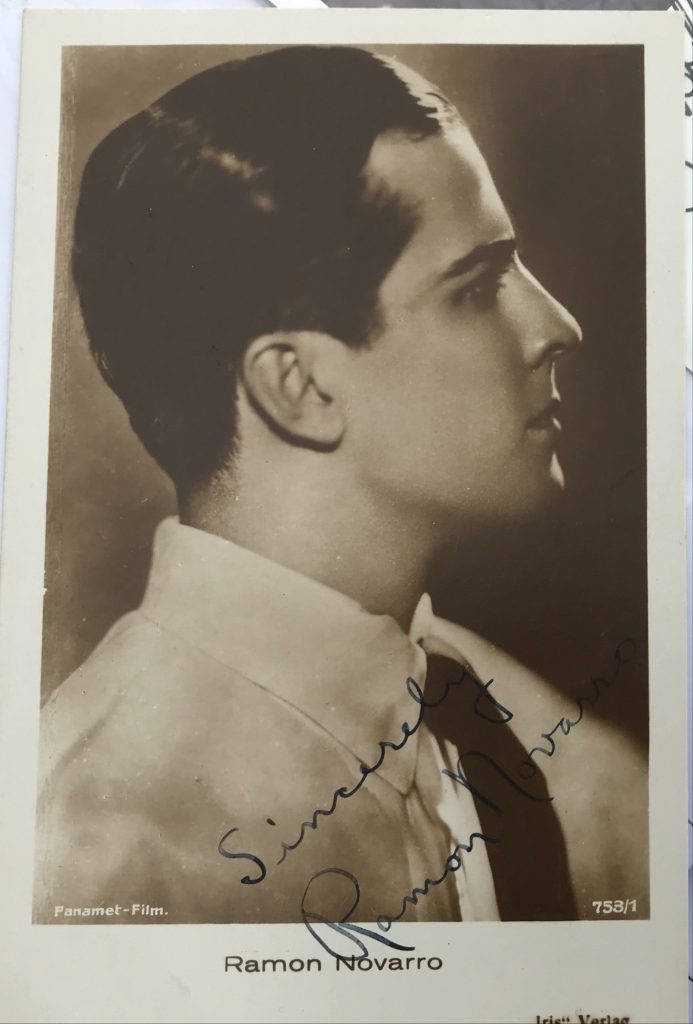
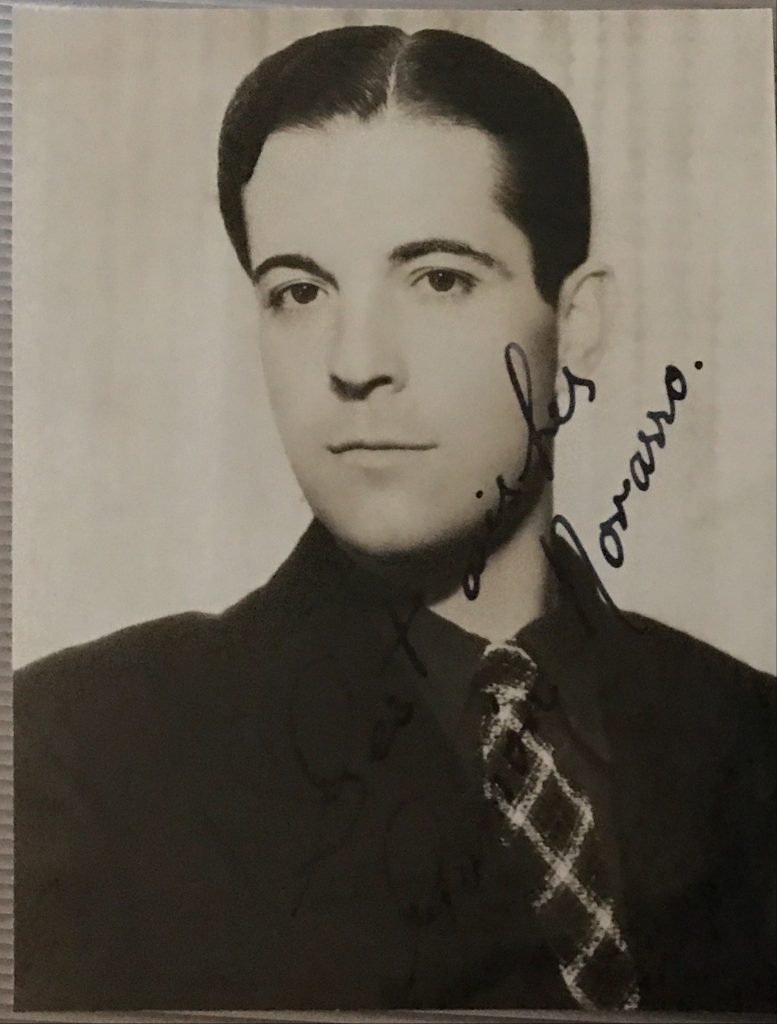
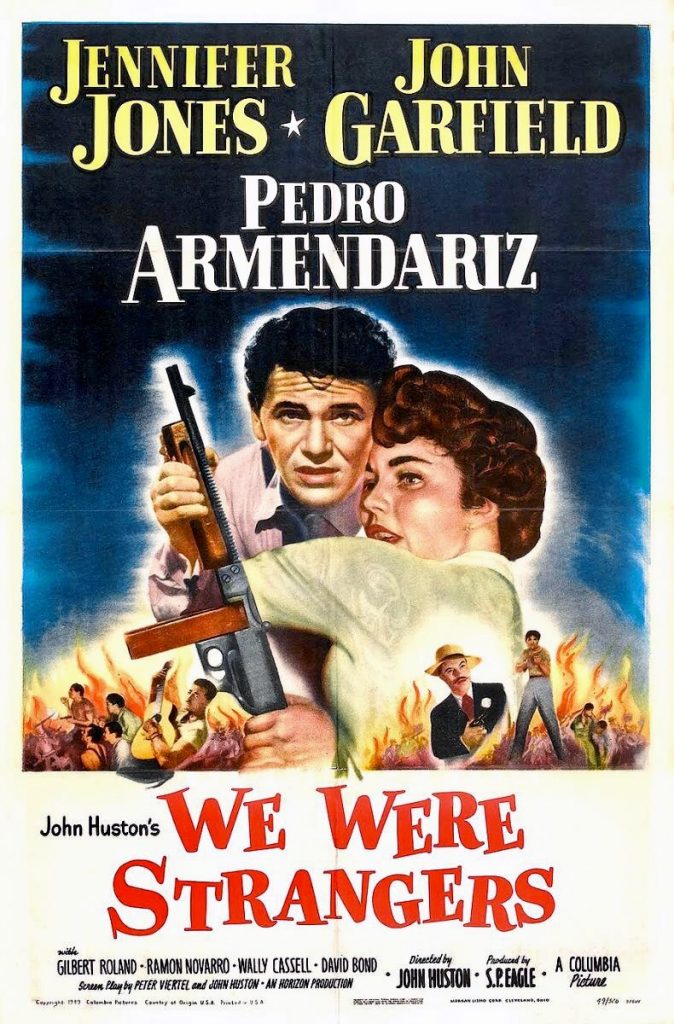
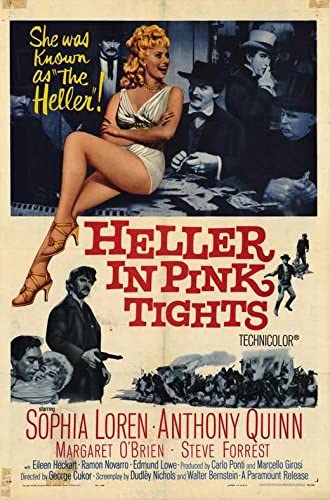
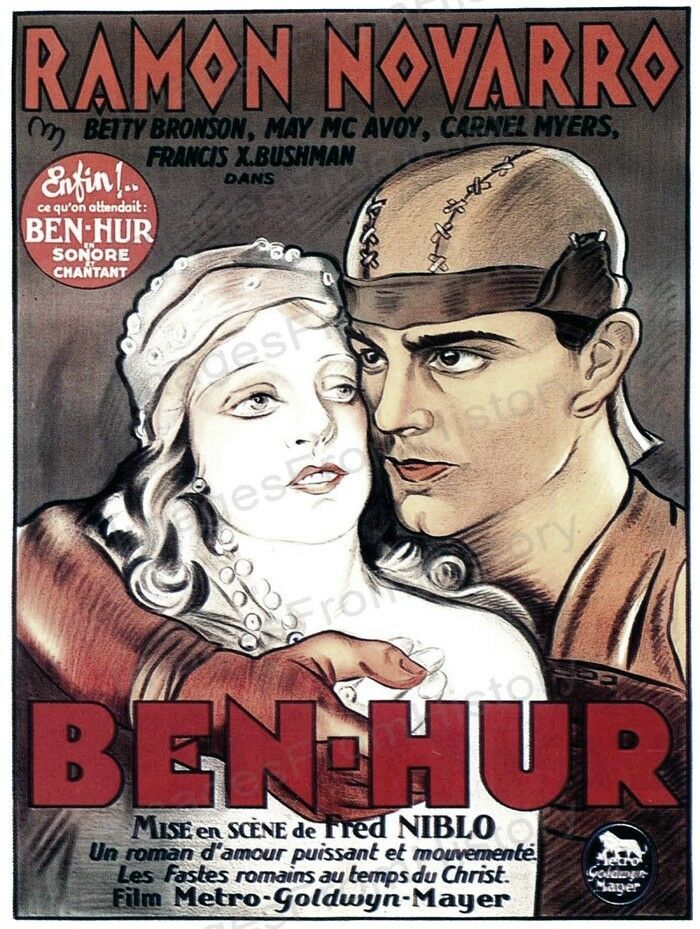
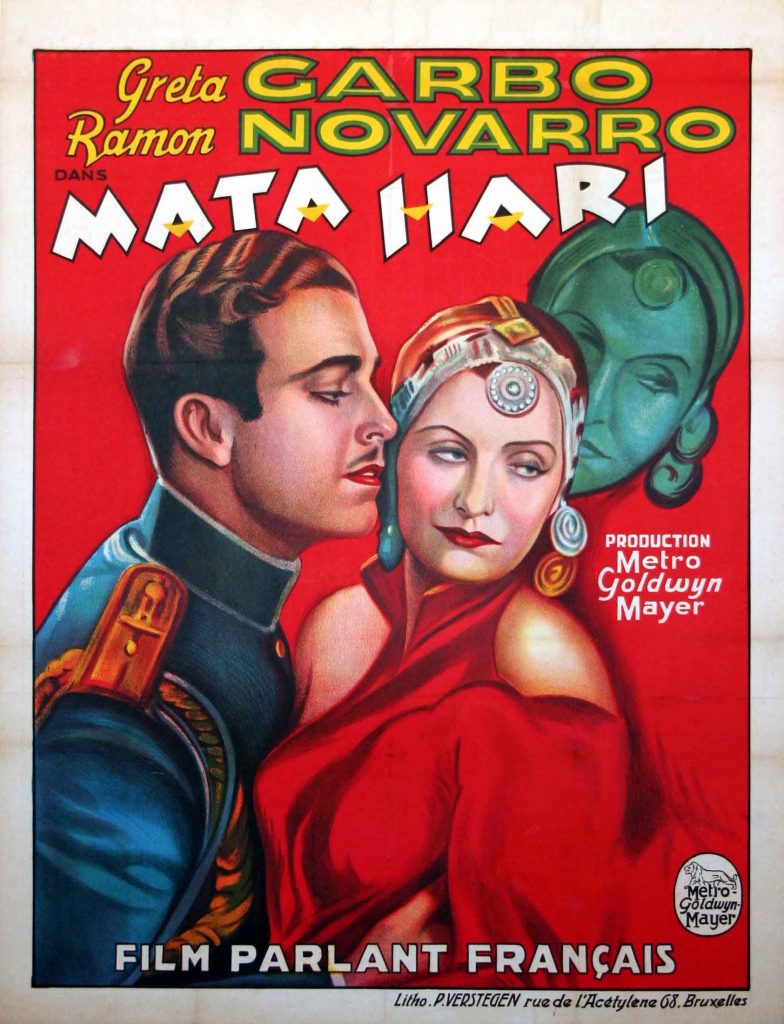
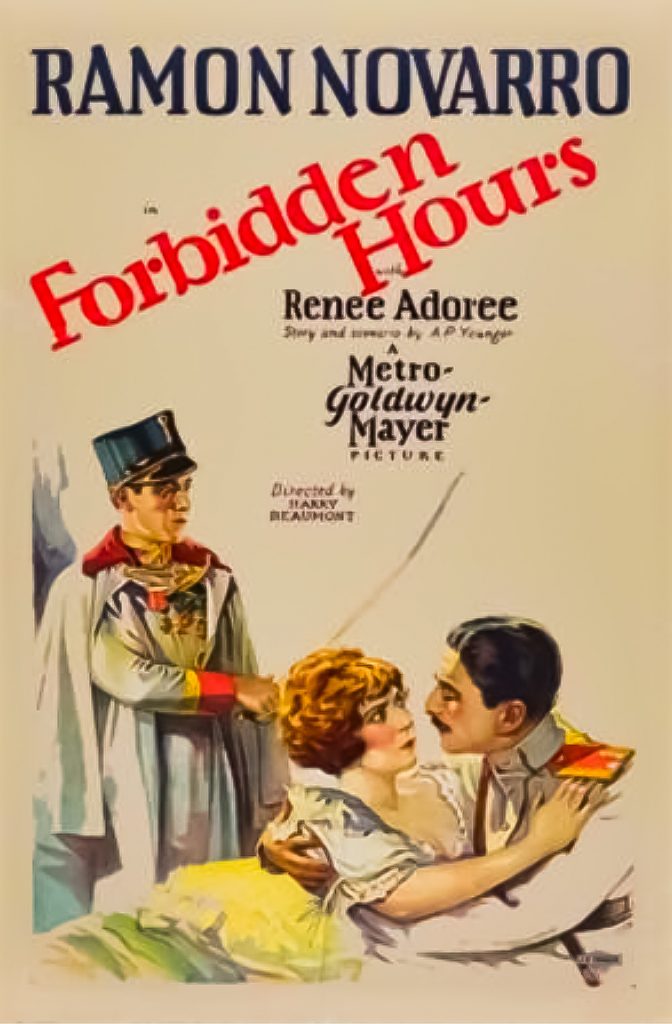
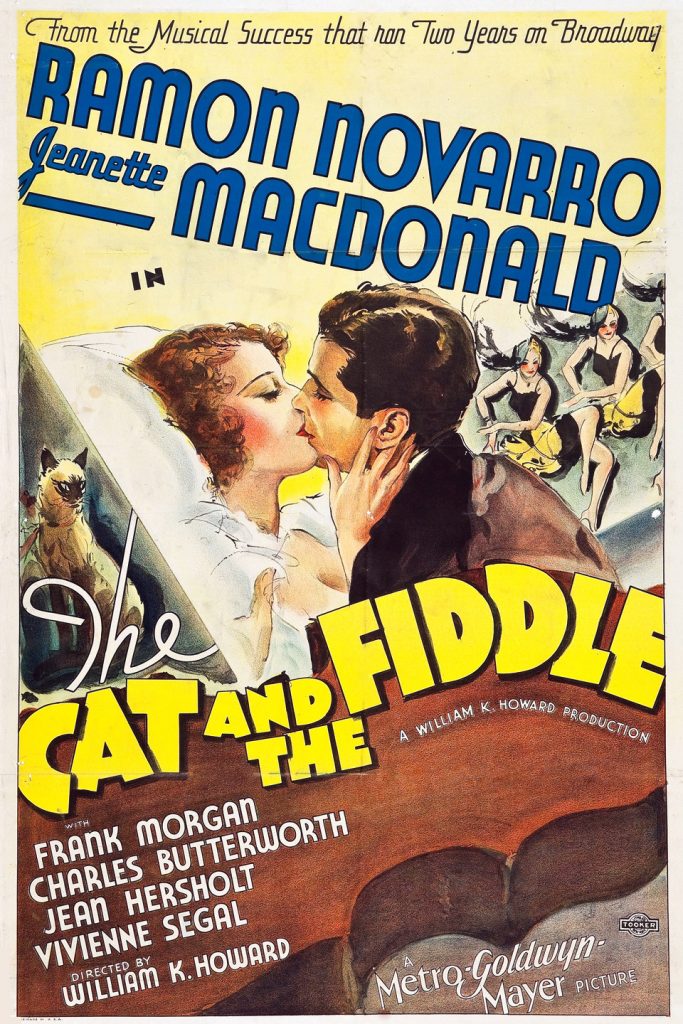
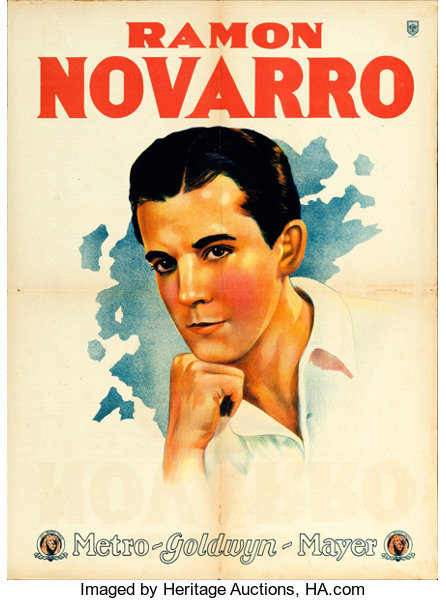
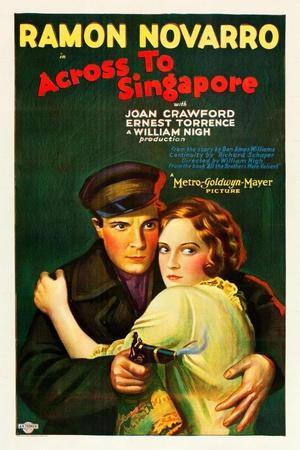
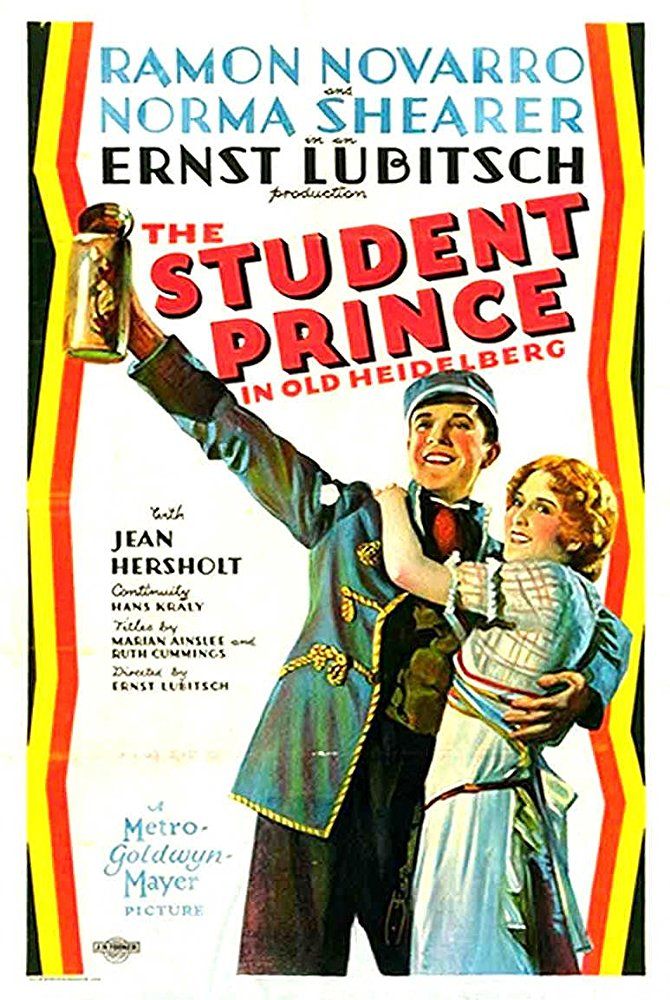
Ramon Novarro was born in 1899 in Durango, Mexico. His family moved to California to escape the Mexican revolution of 1913. He entered silent movies in tiny roles in 1917. He began been promoted as a rival to the Italian Rudolph Valentino. His first major success was “Scaramouche” in 1923. “Ben-Hur” in 1925 was probably his most popular film. After Valentino’s untimely death in 1926, Novarro became the most popular actor in silent film. He made the transition to sound film with relative easre and starred opposite Greta Garbo in “Mata Hari” in 1932. By the late 40’s he had become a reliable character actor and appeard as such in “We Were Strangers” a story about civil unrest in Cuba which starred Jennifer Jones and John Garfield which was made in 1949. Sadly he died in 1968 as a result of a brutal murder by two brothers. Anyone with an interest in silent film, should seek out the movies of Ramon Novarro. A link to “Golden Silents” here.
TCM Overview:
An engaging Latin American vaudevillian and singer who began his film career during the silent era, actor Ramón Novarro took over the role of Hollywoodâ¿¿s top Latin Lover when Rudolph Valentino died in 1926, only to stagnate once talkies came of age. Novarro first came to prominence as a villainous henchman in “The Prisoner of Zenda” (1922), which led to starring roles in popular films like “Scaramouche” (1923) and “The Arab” (1924). He had his greatest success playing wealthy man-turned slave Judah Ben-Hur in “Ben-Hur: A Tale of Christ” (1925), a troubled, but successful epic that served as a precursor to William Wylerâ¿¿s 1959 classic. From there, Novarro starred opposite Norma Shearer in “The Student Prince in Old Heidelberg” (1927) and Joan Crawford in “Across to Singapore” (1928). But once he made the transition to talkies after “Devil May Care” (1929), Novarro saw his popularity plummet. By the end of the decade, he was out of a contract and lucky to find work in bit parts or character roles. Meanwhile, he fell into alcoholism â¿¿ due in part to his lifelong struggle with his homosexuality â¿¿ and his career suffered even more. Novarro did have a bit of a revival with character work on popular TV series like Dr. Kildare” (NBC, 1961-66) and “Bonanza” (NBC, 1959-1973), but his murder in 1968 by two prostitute brothers ended his life in a tawdry fashion. Still, Novarro remained a popular figure from the silent era whose contributions to film were undeniable.
Sonja Henie was born in 1912 in Oslo, Norway to a very wealthy family. From an early age she practiced ice skating and she was a competitor in the 1924 Winter Olympics at the age of eleven. She won her third Olympic title at he 1936 Games. After the Games she became a professional ice skater. While performing in Los Angeles she was signed to a contract by 20th Century Fox. Her first film was “One in a Million”. The peak of her cinema career was between 1936 and 1943 and her films included “Thin Ice”, “Happy Landings”, “Sun Valley Serenade”, “Iceland” and “Wintertime”. She was a hugely popular star and made ice skating also popular. Ten years later Esther Williams was to do the same thing with swimming. Sonja Henie concentrated on ice skating revues after her film career waned. She retired from ice skating in 1956. She invested wisely and was a very wealthy woman when she died while en route by place to Oslo in 1969 at the age of 57.
TCM Overview:
Winner of the Olympic Gold medal in figure skating an impressive three times in a row (1928, 1932, 1936), Henie came to Twentieth Century-Fox shortly after her last win and was built up as a popular star. Nearly a dozen light musical comedies offered the blonde and dimpled Henie plenty of opportunities to don her blades and perform in lavish ice ballets while her leading men beamed and a cast of supporting comics clowned around. When her film career petered out in the mid-1940s she turned to performing in live ice shows.
“Vanity Fair” article on Sonja Henie can be accessed here.
Linda Darnell was born in 1923 in Dallas, Texas. She was spotted by a talent scout and brought to Hollywood with her mother at the age of 15. She signed a contract with 20th Century Fox. She was cast opposite Tyrone Power in the 1939 comedy “Day-Time Wife”. In 1940 she was with Power again in the terrific swashbuckler “The Mark of Zorro” and later on she was with him again and Rita Hayworth in the visually stunningly photographed “Blood and Sand”. Among her other film credits are “Fallen Angel”, “Anna and the King of Siam”, “My Darling Clementine” “A Letter to Three Wives”, and “Forever Amber” where she replaced the very young Peggy Cummins. She continued her career through the 1950’s but by the earky 60’s her cinema career was in decline. Linda Darnell died tragically in 1965 at the early age of 41. She was watching one of her films on television when she fell asleep. She had been smoking a cigarette which smouldered on the settee which got fire and she died from massive burns. She was a true beauty with many great films in her portfolio. Linda Darnell website can be accessed here.
TCM Overview:
Linda Darnell was touted by Hollywood wags as “the girl with the perfect face”, and for once the description fit. Her cameo-cut china doll face was enough to ensure stardom in glamor-obsessed 1940s Hollywood; surely Darnell could easily fit into the top ten most beautiful women the screen has ever known. And as she matured, her voice deepened into a torchy throb that added intensity to the eventual siren image.
The product of a relentless stage mother, Darnell was a star by age 15 at Fox, where she was a contract player for 14 years. For a while she coasted on her looks alone, playing sweet young things (Selznick chose her to embody the Virgin Mary in 1943’s “Song of Bernadette”), before her career took a more interesting turn. Darnell was hampered by being under contract to Fox, which specialized in escapist fare and wasted her for seven unremarkable years.
United Artists cast Darnell on loan-out for a Chekhov adaptation, “Summer Storm” in 1944. She wasn’t ready, but the publicity–with Darnell lolling about a la Jane Russell, combined with that face–launched a transformation beyond pin-up to apprentice love goddess. The rest of the decade found her often in interesting roles that displayed her as willful, sometimes venal, smouldering trouble. Memorable portraits in the Darnell catalog include the strangled (and left to burn) music-hall trollop in Hangover Square (1945), the floozy waitress of Fallen Angel (also 1945, in which she acted circles around reigning studio queen Alice Faye), the ill-fated concubine in “Anna and the King of Siam” (1946, in which Darnell dies prophetically by fire),A Letter to Three Wives (1948, hilariously stealing the show from Jeanne Crain and Ann Sothern), and a gangster’s moll on the lam with Robert Mitchum in Second Chance (1953).
But Darnell’s big bid for superstardom went awry: taking over the starring role in Kathleen Windsor’s bodice-ripper “Forever Amber” (1947) when Zanuck bounced Peggy Cummins. The movie received monumental publicity but censorship and the heavy hand of Otto Preminger produced dull results. Her scenes during The Great Fire of London produced a paranoia that caused her director to literally drag her before the cameras. Fire was becoming a lifelong fear.
After Letter, the parts Darnell was ready for weren’t offered to her. She received good notices for No Way Out (1950), a race relations drama ahead of its time, but as happened with Rita Hayworth, Hollywood tended to treat mature beauties in nonglamourous roles as if they were finished commercially in the business. The combination of a stormy personal life and alcohol dependence dogged her as she sped through the predictable downward spiral of summer stock, television and cabaret.
In 1965 Darnell was visiting a former secretary in a suburb of Chicago and fell asleep with a lit cigarette after watching a late show of Star Dust (1940), wherein she played a young Hollywood hopeful. Her hostess and her daughter escaped the blaze, but Darnell suffered burns over eighty percent of her body. Some accounts had her escaping the fire only to re-enter the house, thinking her friend’s daughter had not escaped; others alleged she went back to retrieve her mink coat—the last vestige remaining from her glory days. She died two days later, rallying into consciousness only once, when her adopted daughter, Lola, visited her. Linda Darnell, the woman called “almost too beautiful”, left behind an estate of only $10,000, which went to her sixteen-year-old girl. Today Darnell is not remembered as well as many of her less-talented contemporaries, but an examination of her career reveals a gifted beauty whose steamy noir persona made her a tragic, unforgettable entry in Hollywood history.
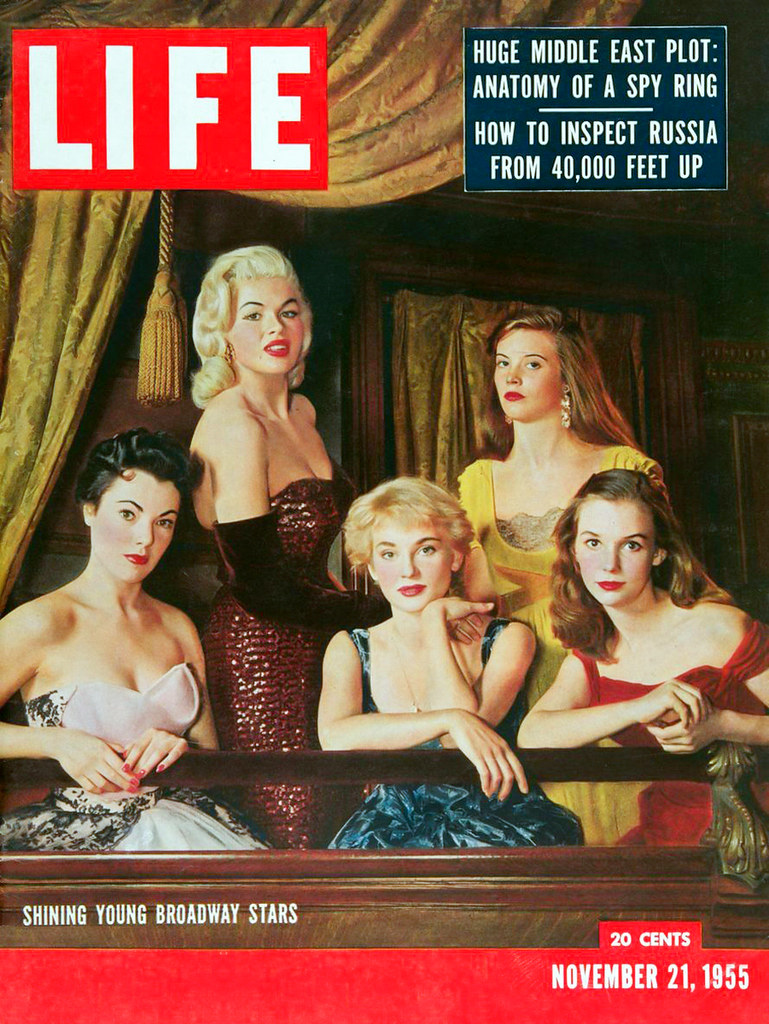
Madys Christians was born in Vienna, Austria in 1892. She made her first film “The Black Hussar” in Germany in 1932. In Hollywood four years later she starred in “Come and Get It” with Frances Farmer. On Broadway she had an enourmous success with “I Remember Mama” in 1944. On film she had fine roles in 1948 in “All My Sons” and “A Letter to an Unknown Woman” which was directed by Max Ophuls. She was blacklisted during the McCarthy era and died in 1951.
From All Movie Guide: Primarily an actress of the European and American stage, she also appeared in many German and Hollywood films. Christians came to the U.S. in 1912 to appear with her parents in a German-speaking theater they established in New York. After making one film in the States, Audrey (1916), she returned to Germany to study with Max Reinhardt. In the ’20s she starred in numerous German plays and films, plus a few Broadway productions. With the coming to power of the Nazis in 1933, she returned to America for good, shuttling between Hollywood and Broadway. In films she tended to play supporting character parts, while on stage she continued to find lead roles. Late in her career she was blacklisted after being labeled a communist sympathizer during the McCarthy-era “witch trials.” ~ Rovi
Kerwin Mathews obituary in “The Guardian” in 2007.
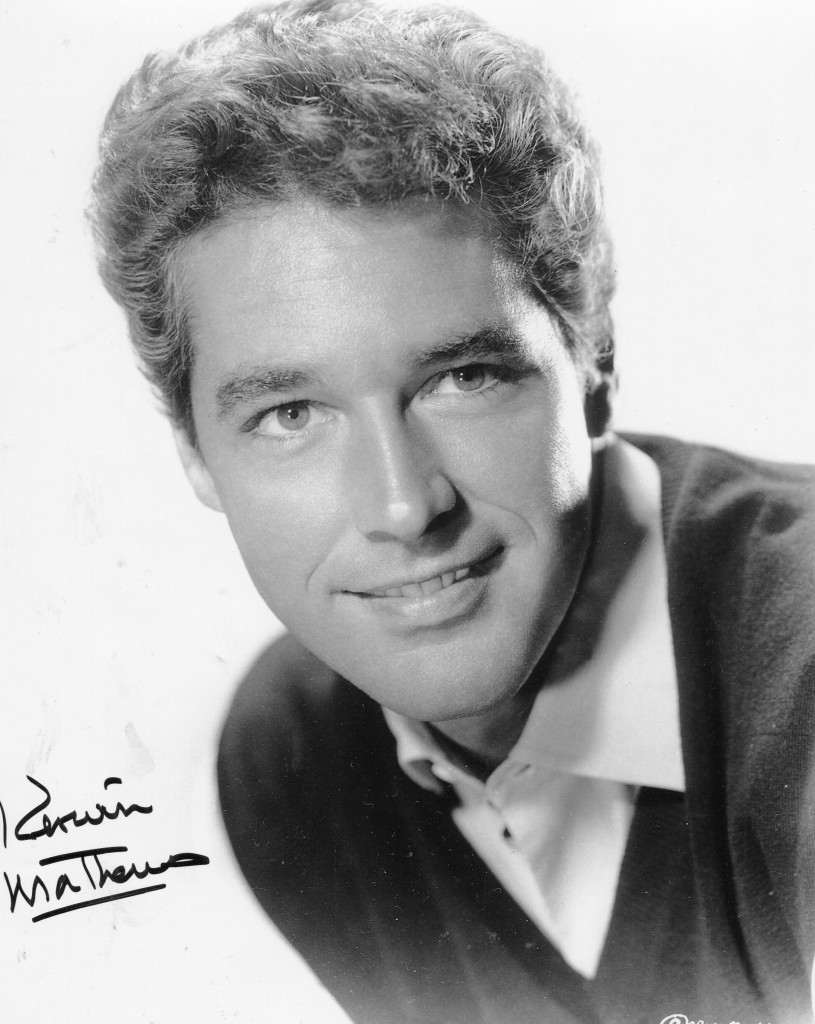
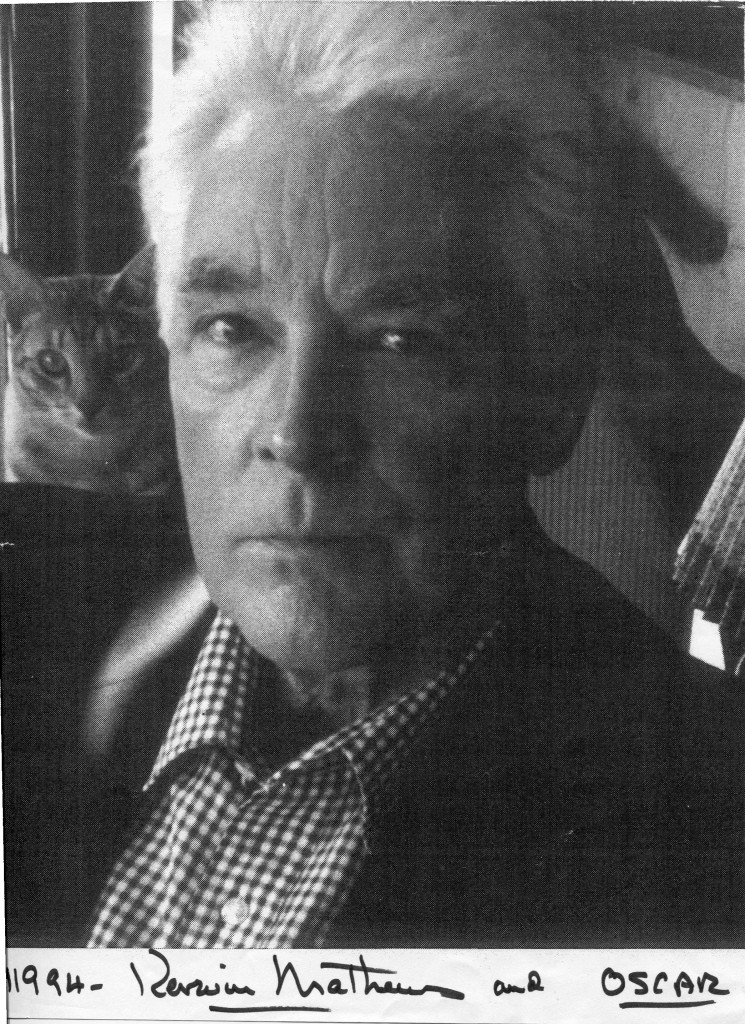
Kerwin Mathews is best known as the hero in such cult classics as “The Seventh Voyage of Sinbad” in 1958, “The Three Worlds of Gulliver” in 1960 and “Jack the Giant Killer” three years later. He was born in Seattle in 1926. he originally trained to be a teacher. He served in the Army Air Corp during World War Two. In 1954 he was awarded a Columbia film contract and was given a major role in his first film “Five Against the House” with Kim Novak and Guy Madison. Two of hsi major films are “The Garment Jungle” with Gia Scala and “The Devil at 4 O’Clock”.He retired from acting in 1978. Kerwin Mathews died in 2007 at the age of 81.
The Guardian obituary by Ronald Bergan:
It is inevitable that the screen actor Kerwin Mathews, who has died aged 81, should be forever associated with children’s fantasy films, using stop-motion special effects, almost as if he were an animated figure himself. But the handsome Mathews was flesh and blood, and worked hard to make the rather bland heroes, whether Sinbad, Gulliver or Jack the Giant Killer, more than one-dimensional, acting realistically with the many animated creatures he had to confront.
Mathews had to interact with nothing facing him, because all the monsters were added later. “His eyes were always concentrated on the unseen subject,” explained legendary animator Ray Harryhausen, who created the spectacular stop-motion effects for two of Mathews’ biggest successes, The 7th Voyage of Sinbad (1958) and The 3 Worlds of Gulliver (1960). In the former, Mathews battled a 30-foot cyclops, a giant roc and its two-headed chick, a fire-spitting dragon and, most famously, a warrior skeleton, with whom he has a climactic sword fight. However, in most of his films, he also had to fight against banal dialogue, often winning the battle by bringing conviction to the roles.
Born in Seattle, Mathews moved with his mother to Wisconsin after his parents’ divorce. Later he was inspired when “a kind high-school teacher put me in a play, and changed my life”. But it was only after serving two years in the wartime Army Air Force, and a spell teaching English, that he started acting professionally at the Pasadena Playhouse, where he was spotted by an agent, who got him a seven-year Columbia Pictures contract. Mathews’s screen debut was in Phil Karlson’s heist drama, 5 Against the House (1955), as the smartest of five students who plan to rob a casino in Reno.
This was followed by a leading role in The Garment Jungle (1957), one of his rare sorties into Hollywood realism. In this potent look at the US clothing business, he played the son of Lee J Cobb’s corrupt union official.But The 7th Voyage of Sinbad turned Mathews into an action hero in episodic narratives with interchangeable plots in which the hero sets sail to rescue a beautiful girl, although it was usually the animation that rescued the films. Harryhausen’s Super Dynamation filled The 3 Worlds of Gulliver with tiny (Lilliputian) and huge (Brobdingnagian) people, and Jack the Giant Killer (1962) had a dragon, courtesy of Projects Unlimited.
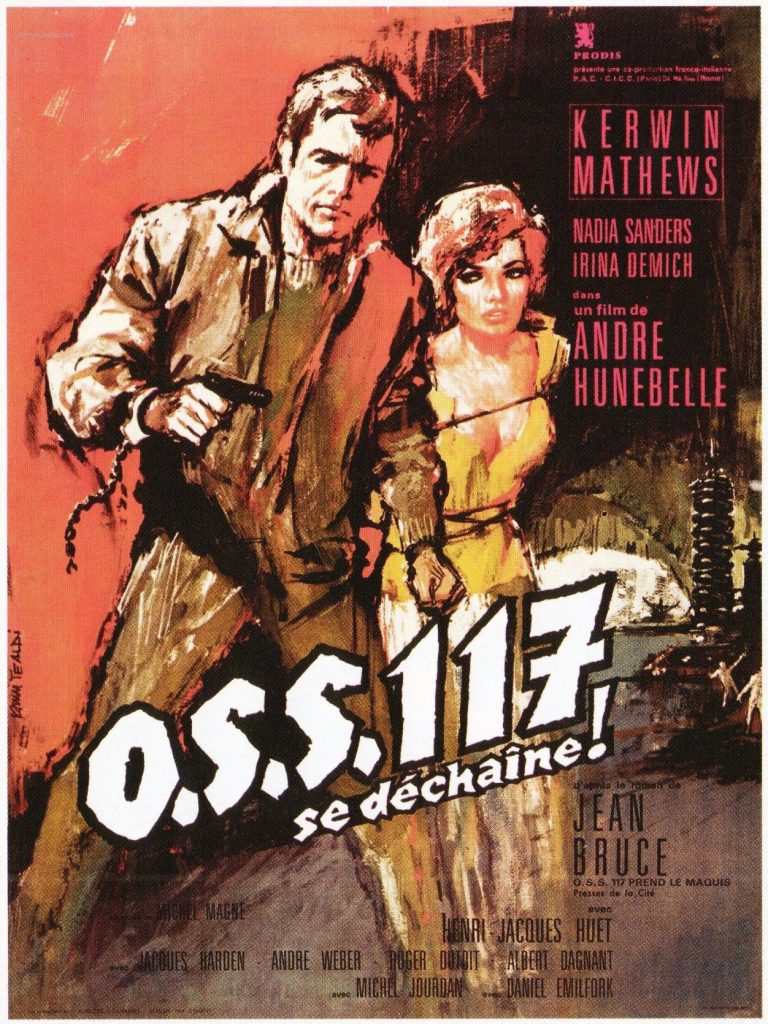
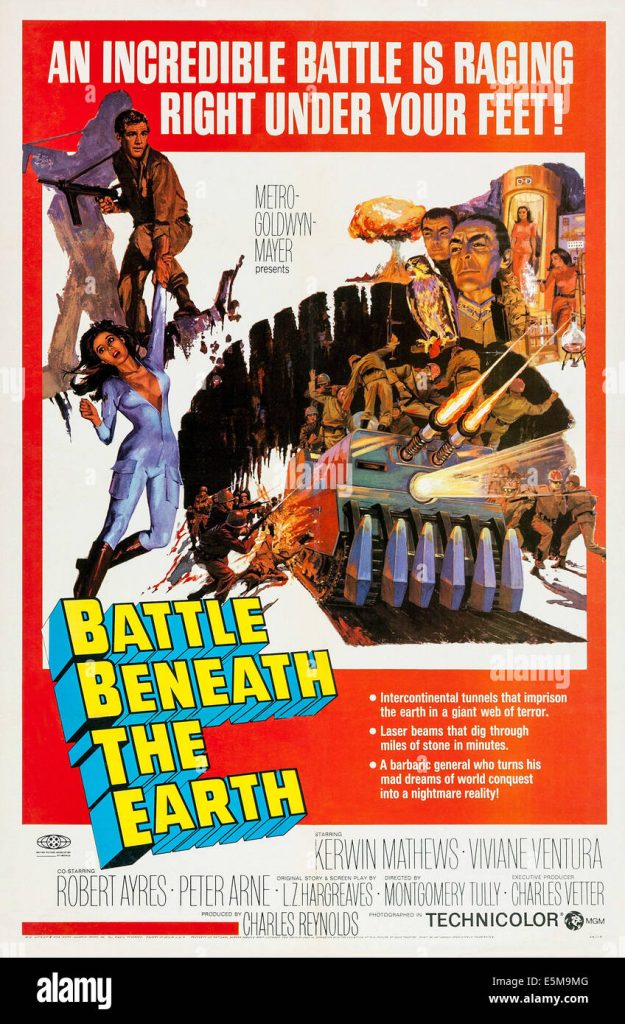
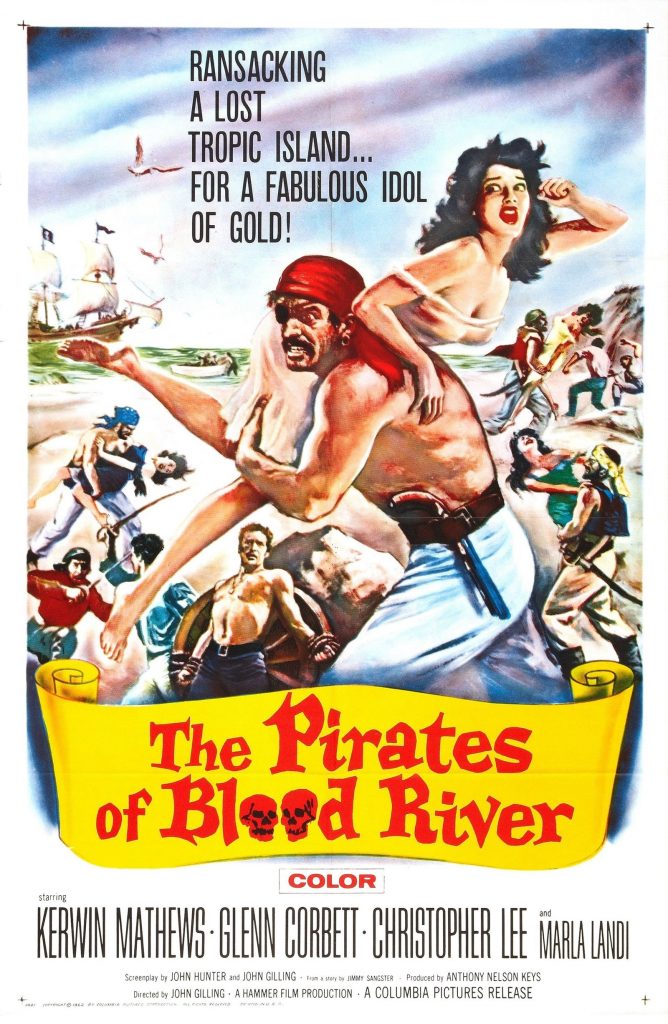
In the Hammer swashbuckler Pirates of Blood River (1961), Mathews falls into the clutches of Christopher Lee, and in the French-made Shadow of Evil he is a James Bond wannabe named only OSS 117. More ludicrous was Battle Beneath the Earth (1968), a red-baiting thriller in which the Chinese have built a series of tunnels under the US stocked with H-bombs. It is up to Mathews, leading a small army, to eliminate the threat.
Although Mathews felt that none of his films offered him a good acting role, he was most pleased with his performance as Johann Strauss Jnr in Walt Disney’s two-part television biopic, The Waltz King (1963). He spent much of the latter part of his career in bad horror movies such as Octaman (1971), as an ecologist who comes across an upright octopus (a man in a rubber suit) who goes around slapping people to death.
In 1961, he met Tom Nicoll, a British display manager at Harvey Nichols, who became his partner for the next 46 years. In 1978, having retired from acting, he and Nicoll, who survives him, moved to San Francisco, where they ran an antique business.
· Kerwin Mathews, actor, born January 8 1926; died July 5 2007
His Guardian obituary can be accessed online here.
.
Kerwin Mathews (1926–2007) occupies a distinctive, almost mythic space in mid‑twentieth‑century American cinema—a performer who combined the classical poise of the studio era with the sincerity and physical grace demanded by postwar adventure and fantasy films. Best remembered for a small set of iconic roles in 1950s–60s fantastical adventures—particularly The 7th Voyage of Sinbad, The 3 Worlds of Gulliver, and Jack the Giant Killer—Mathews brought an anchoring seriousness to fantasy storytelling. While some contemporaries reduced him to two‑dimensional heroism, critical reassessment has found in his work a subtle balance of masculinity and innocence, stage discipline and cinematic wonder.
Early Life and Formation
Born in Seattle in 1926 and raised in Janesville, Wisconsin, Kerwin Mathews studied speech and drama at Beloit College, later serving briefly in the U.S. Army Air Forces during World War II. After teaching high‑school speech, he returned to acting, honing classical technique in regional repertory and summer stock. Columbia Pictures talent scouts discovered him performing with the Berkeley Repertory Company in the mid‑1950s, signing him to a studio contract.
That RKO/Columbia grooming gave him the polish of the old studio system—careful diction, stage posture, and a disciplined body awareness—that would prove essential to his later fantasy roles, which required projection rather than psychological deconstruction.
1950s: Columbia Contract Player and Emerging Leading Man
Mathews first appeared in small roles in 5 Against the House (1955) and The Garment Jungle (1957). Critics instantly noticed a clean-cut earnestness reminiscent of a young Gregory Peck—a moral, contained presence amid a Hollywood drifting toward more neurotic Method styles.
The 7th Voyage of Sinbad (1958)
The turning point in Mathews’ career—and arguably the cornerstone of his cult legacy—arrived when producer Charles Schneer and stop-motion animator Ray Harryhausen cast him as Sinbad the Sailor. Mathews’ disciplined theatricality proved ideal for the fantastical context: he projected conviction opposite imaginary monsters and fantastical landscapes created by Harryhausen’s visual effects.
Contemporary reviews often acknowledged that his acting “made belief possible.” Variety praised his “straightforward valor and handsomeness,” while Sight & Sound later noted that “Mathews grounds the myth not in machismo but in moral optimism—he looks at creatures as challenges, not freaks.”
His partnership with Harryhausen created a new cinematic archetype—the rational hero in an irrational world—which would influence adventure cinema through the 1970s.
Early 1960s: The Fantasy Cycle and European Expansion
The 3 Worlds of Gulliver (1960)* and Jack the Giant Killer (1962)*
These films reaffirmed his status as cinema’s gentleman‑explorer. Critics at the time dismissed the scripts as juvenilia, but reappraisal shows how Mathews subtly elevated the material. He played Gulliver and Jack with a scientist’s curiosity and an Enlightenment clarity rare in genre heroes. His physically expressive acting—precise gesture, measured timing—created empathy even when special effects now appear primitive.
Film historian David Pirie described him as “the Bressonian professional cast into Technicolor fantasy—restrained amid chaos.” Mathews’ ability to treat fantasy adventure with moral seriousness lent dignity to what might have been camp.
European and Genre Work
After leaving Columbia, Mathews moved between Hollywood and European productions: spy thrillers (The Man Who Never Was TV spin‑off, The Pirates of Blood River 1962, Maniac 1963), and swashbucklers (The Long Ships 1964). In them he reaffirmed himself as the “literate adventure lead”—cultured, cool under pressure, romantic without swagger.
In Hammer’s Maniac, directed by Michael Carreras, he explored the noir fringe of heroism: seduced, manipulated, ambivalent. Critics in retrospect see this as an early hint of his flexibility, anticipating the morally shaded protagonists of later thrillers.
Late 1960s–1970s: Television and Personal Reassessment
As Hollywood shifted toward anti‑heroes and psychological realism, Mathews’ classical hero demeanor went out of vogue. He transitioned to television, guest‑starring in Marcus Welby M.D., The F.B.I., Mannix, Hawaii Five‑O, and others. In each, he carried the hallmark clarity of line and voice, yet industry tastes favored improvisatory naturalism.
He occasionally returned to European film—Barquero (1970) with Lee Van Cleef, Swedish Wildcat (1972)—but by mid‑1970s he quietly retired from acting. Relocating to San Francisco, he devoted himself to antique dealing and art collecting, re‑emerging only rarely for retrospectives and fantasy‑film tributes.
Acting Style and Interpretation
Element
Characterisation
Physical Technique
Classically trained economy: erect posture, minimal gesture, a dancer’s precision. He treated the body as a vessel of grace—ideal for swashbuckling authenticity.
Vocal Tone
Clear baritone with crisp articulation; rarely theatrical; his voice conveyed both authority and kindness.
Emotional Modesty
Eschewed Method introspection; relied on moral clarity and subtle humor, aligning him with prewar screen stoicism.
Presence in Fantasy
Unlike stoic contemporaries such as Charlton Heston, Mathews projected curiosity rather than dominance; he invited the viewer into wonder rather than commanding it.
Modern Re‑evaluation
Scholars now view his restraint as proto‑minimalism—he took fantastical spectacle seriously in the same way actors later approached science fiction with realism.
Thematic Continuities
Humanism in Fantasy – Mathews brought dignity to tales of monsters and myths, reframing escapism as moral quest.
Decency and Rationalism – Across Sinbad, Gulliver, and Jack the Giant Killer, he exemplifies thoughtful courage: an explorer guided by reason and compassion.
Transition of Styles – His career illustrates the shift from studio classicism to 1960s modernity; he remained loyal to craft rather than trend.
Queer and Cultural Reassessment – Posthumous scholarship has highlighted Mathews as one of the few adventure‑film stars to live openly gay in his later years, reframing his elegance and empathy through the lens of identity and self‑acceptance, though he kept his private life discreet during his prime.
Critical Reception and Legacy
During his Hollywood years, critics perceived him as dependable but rarely transformative—a “handsome straight arrow.” However, retrospective analysis has deepened understanding:
Film Comment (1998) called him “the conscience of adventure cinema, proof that sincerity can itself be style.”
Genre historians credit him with anchoring Ray Harryhausen’s effects in moral realism. Without him, those fantasies risked weightlessness.
Modern writers on queer representation appreciate his integrity: by refusing exaggerated masculinity, he subtly queered the heroic ideal toward sensitivity and intellect.
Mathews bridged an era’s aesthetic boundaries: his clean diction and pure-hearted courage counterbalanced the cynicism defining later action heroes. Within film history he stands not just as a special‑effects surrogate but as a figure of ethical seriousness in popular art.
Kerwin Mathews’ career may appear modest in volume, yet in influence it is immense. He redefined the fantasy‑adventure hero not as swaggering conqueror but as gentle rationalist—a man whose courage derived from intelligence and decency. In an era that prized bravado, he offered sincerity; in genres prone to artifice, he delivered truth.
Critically reassessed after his death, Mathews is now recognized as an actor whose restraint and grace sustained some of mid‑century cinema’s most enduring dreams. He proved that the art of belief—playing dragons and cyclopes as real moral tests—can itself be high acting, and that earnestness, properly rendered, is a kind of nobility
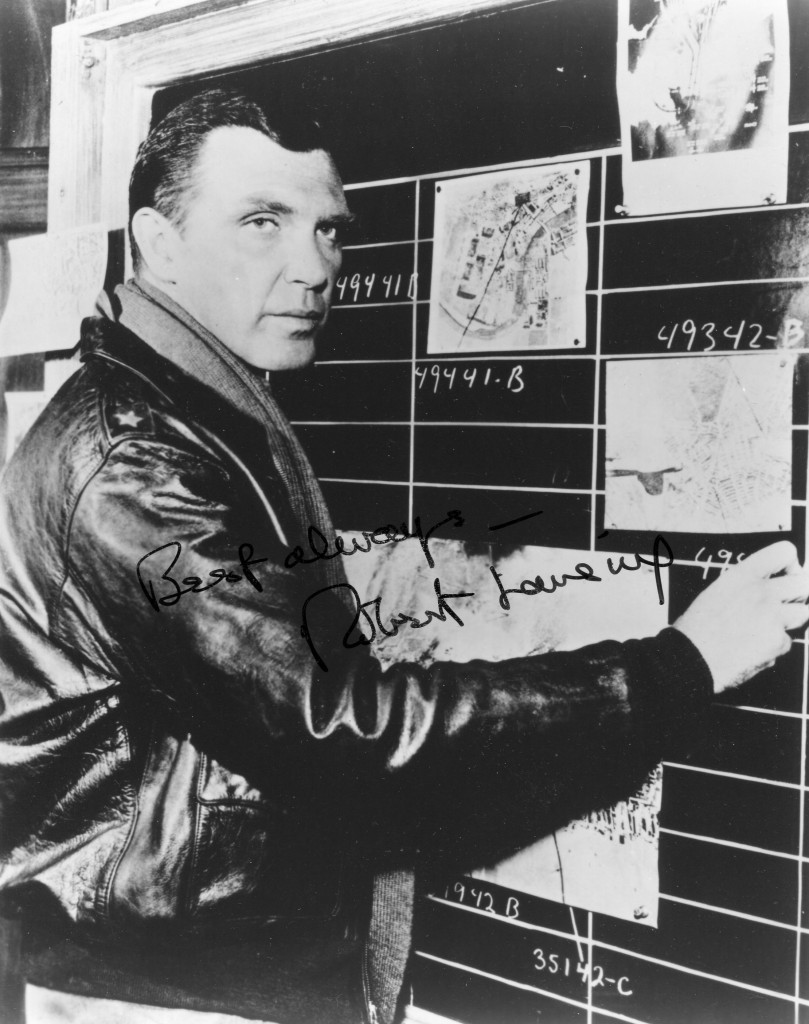
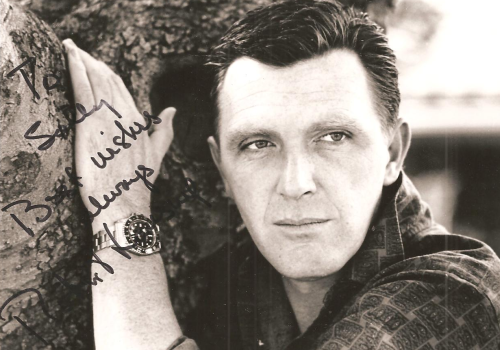
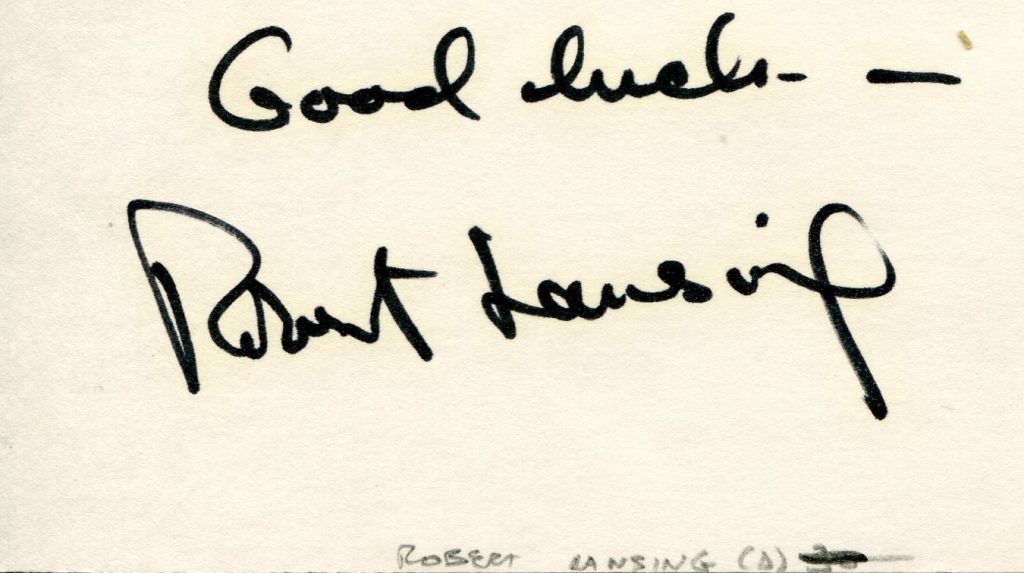
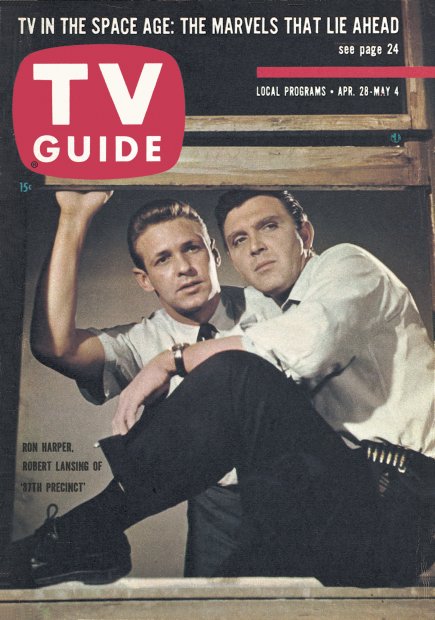
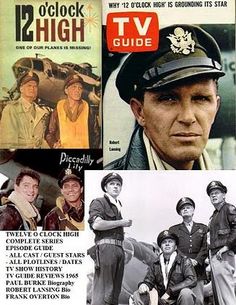
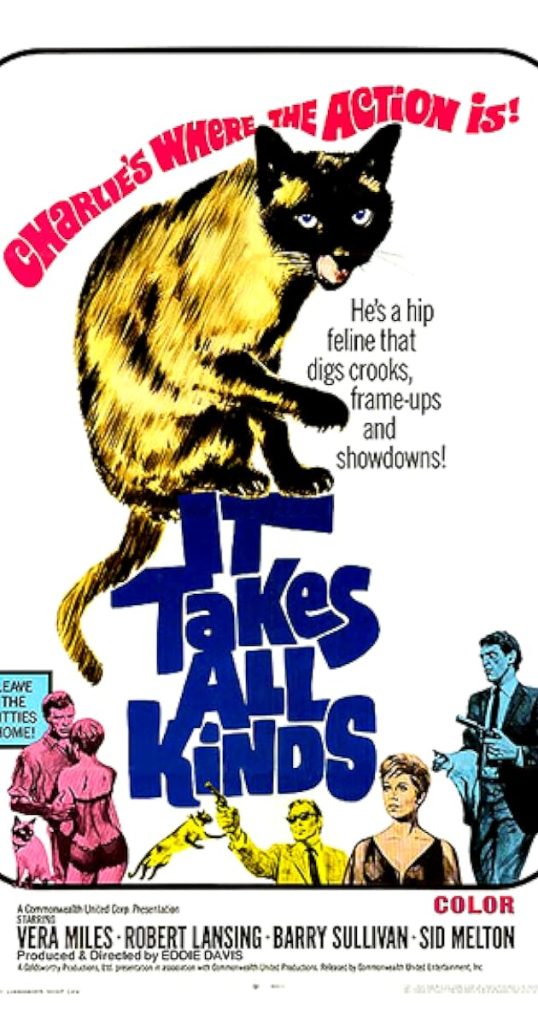
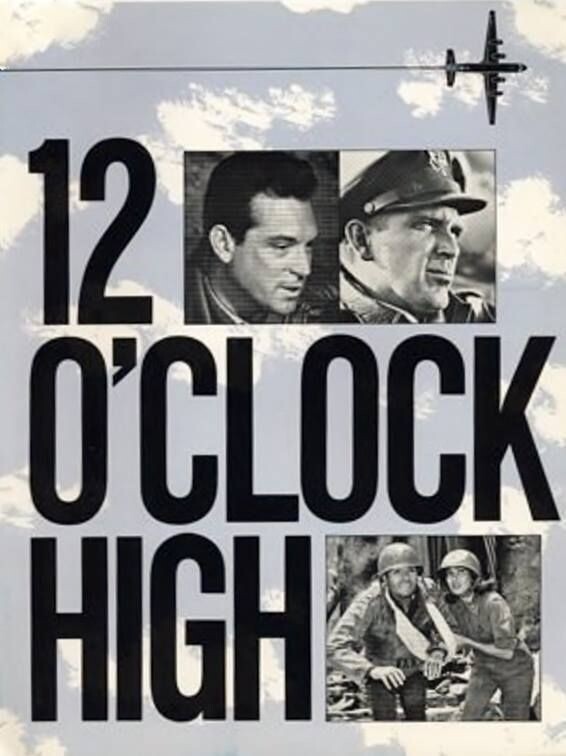
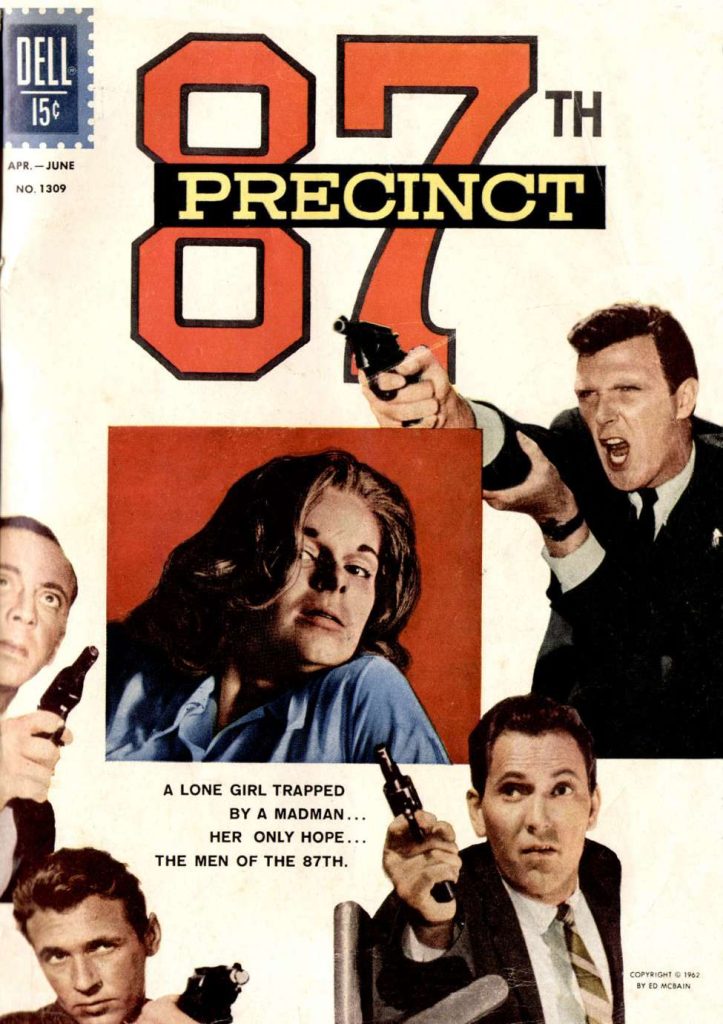
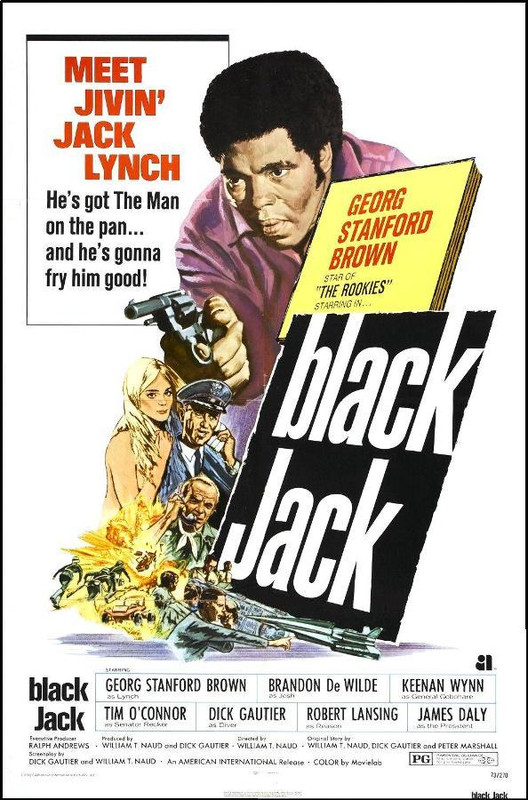
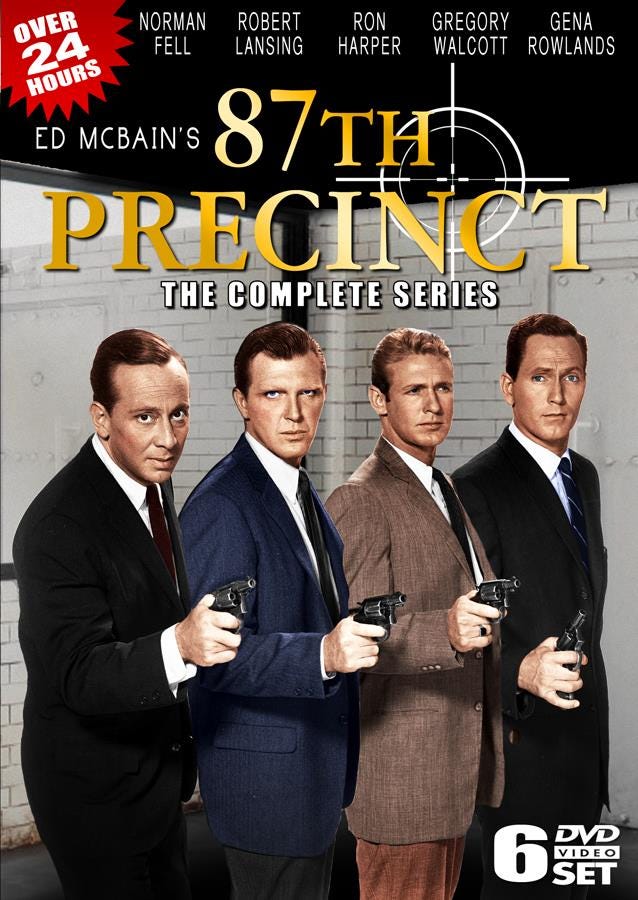
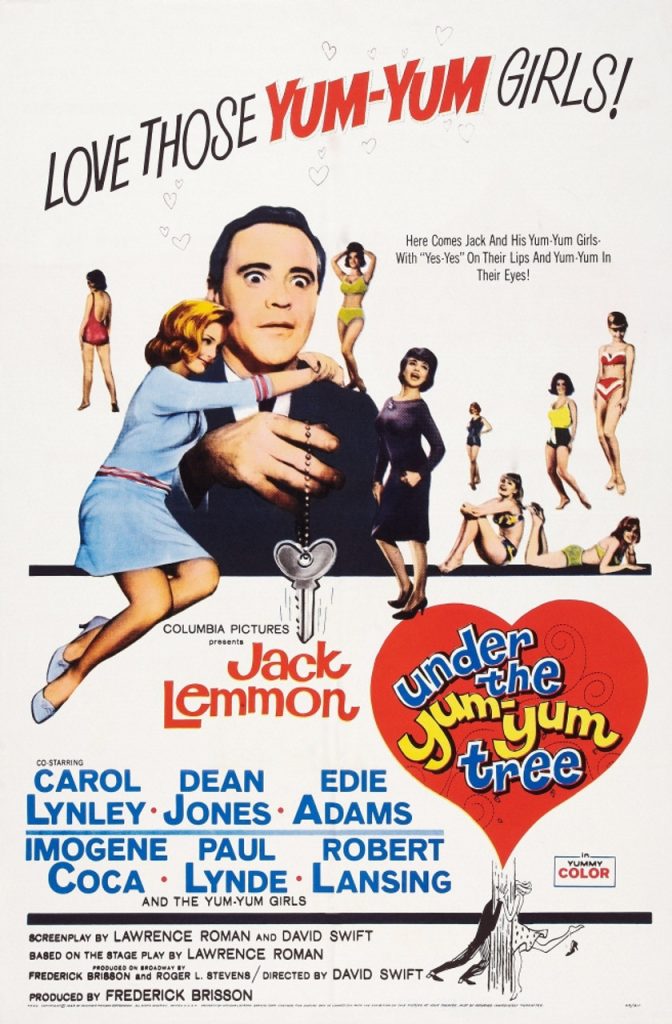
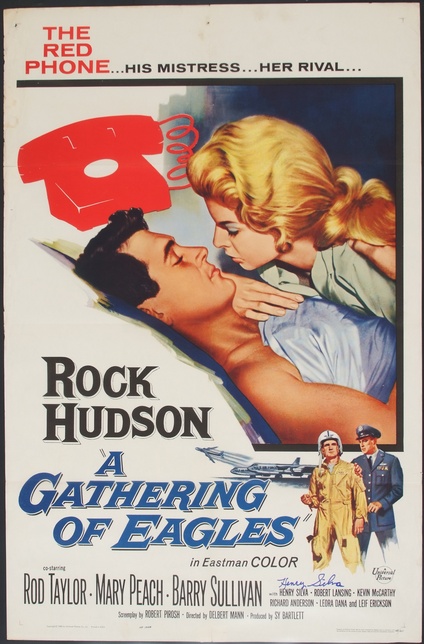
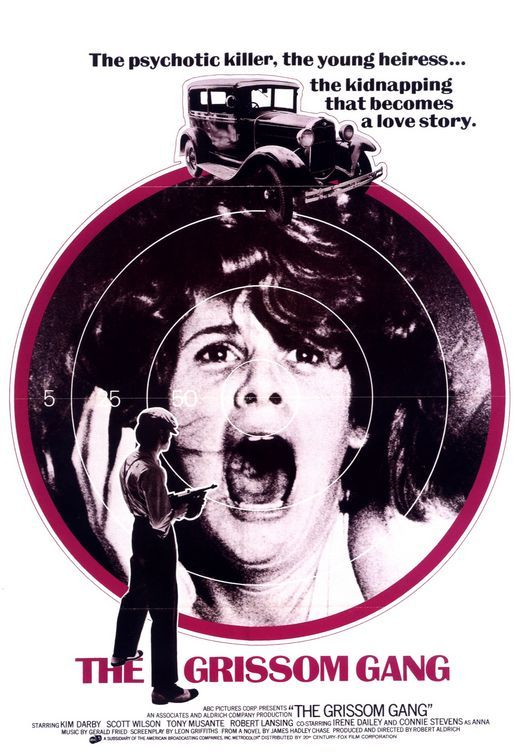
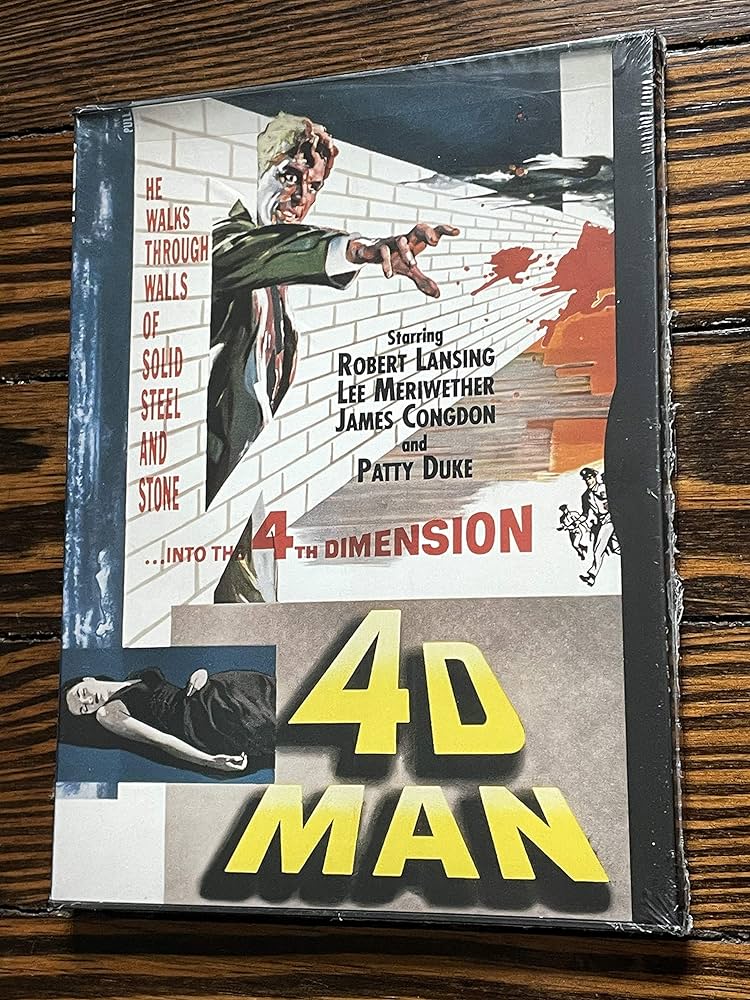
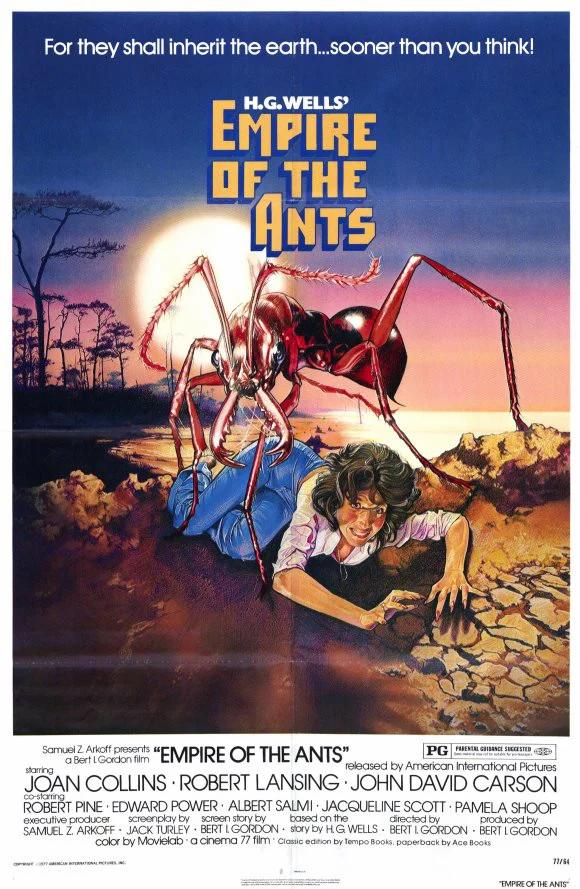
Robert Lansing was born in San Diego, California in 1928. His major acting breakthrough cane in 1961 with his role in the television series “87th Precinct” with Gena Rowlands. His other television series included “12 O’Clock High” and “The Man Who Never Was” with Dana Wynter. His films include “A Gathering of Eagles” and the cult favourite “Empire of the Ants” with Joan Collins in 1978. Robert Lansing died aged 66 in 1994. A website dedicated to Robert Lansing here.
Born in San Diego, California, Lansing reportedly took his acting surname from the state capital of Michigan. As a young actor in New York City, he was hired to join a stock company in Michigan but was told he would first have to join the Actors’ Equity Association. Equity would not allow him to join as “Robert Brown” because another actor was using that name. Because the stock company was based in Lansing, this became the actor’s new surname.[4]
During his long career, which spanned five decades, Lansing appeared in 245 episodes of 73 television series, 11 TV movies, and 19 motion pictures. [5] He gained early acting experience at the Actors Studio.
During the late 1940s and early 1950s, he worked under his real name Bob Brown as a radio announcer at WANE in Fort Wayne, Indiana. He also was active as an actor in a Fort Wayne theater group. Lansing first appeared on Broadway in the play Stalag 17(1951) directed by José Ferrer, replacing Mark Roberts in the role of Dunbar at the 48th Street Theater. His rugged good looks, commanding stage presence and stentorian voice earned him continuing stage work and throughout his film career he periodically returned to the New York stage, making his last such appearance in 1991.
José Ferrer asked Lansing to perform in a series of plays at the New York City Center, including as a Cadet of Gascoyne in Cyrano de Bergerac and as the Marquis of Dorset in Richard III. He appeared in Tennessee Williams‘ Suddenly, Last Summer and Eugene O’Neill‘s The Great God Brown in the title role. Other stage performances included roles in Charley’s Aunt, Elmer Rice‘s Cue for Passion, The Lovers, and The Cut of the Axe. Off-Broadway, his work included The Father, the “Sea Plays” of Eugene O’Neill and two one-man shows, Damien and The Disciple of Discontent.
Robert Lansing is probably best known for his role as Brigadier General Frank Savage in the first season of the Quinn Martin production, 12 O’Clock High, which aired on the ABC Television Network from 1964 to 1967. At the end of that season, the studio executives reported that a younger-looking lead actor was needed. But another account states that he was fired for being difficult to work with and not showing enough respect.[citation needed] In the first episode of the second season, General Savage was killed in action and replaced by Colonel Joe Gallagher, played by Paul Burke. Burke, though considered more youthful-looking than Lansing, was actually two years older, a fact that TV critics were quick to point out.
Lansing played an international secret agent in The Man Who Never Was, and Lt. Jack Curtis on Automan. He also played a recurring role, known only as “Control”, on 29 episodes of The Equalizer between 1985 and 1989, which then was spun-off into the made-for-TV movie Memories of Manon which aired on 13 February 1989. He guest-starred in The Twilight Zone episode “The Long Morrow” and in the Thriller episode “Fatal Impulse.” He also guest-starred on other television productions such as NBC’s Law & Order. In the 1980s he did a series of television commercials for Liberty National Bank in Louisville, Kentucky as well as the popular supermarket chain Giant Eagle.
Robert Lansing’s final television role was that of Police Captain Paul Blaisdell, on the series Kung Fu: The Legend Continues. The role was written specifically for Lansing by series writer and Executive Producer Michael Sloan, who had worked with Lansing on the series The Equalizer in the 1980s although Lansing had already been diagnosed with cancer. Despite continuing health problems, Lansing performed in 24 episodes in the first and second season. In the final episode of season 2, titled “Retribution”, Lansing’s character of Blaisdell was written out, with the possibility of the character returning if the actor’s health improved. Unfortunately, the final episode filmed in February 1994, was Lansing’s final acting performance. The episode aired on November 28, 1994, a month after the actor died, and was dedicated to his memory.
Lansing had craggy good looks, a stentorian voice, commanding presence, and characteristic bushy eyebrows.
Lansing had a son, Robert Frederick Orin Lansing (1957–2009), with his first wife, actress Emily McLaughlin; the couple eventually divorced. About a year and a half later, he married Gari Hardy, but this marriage also ended in divorce. The couple had a daughter, Alice Lucille Lansing. His last wife was Anne Pivar, with whom he remained until his death.
From 1991 to 1993, he was president of The Players Club, a theatrical fraternal organization founded by Edwin Booth in 1888.
Lansing was a heavy smoker and died from cancer in 1994 at age 66, one year into his last regular series, Kung Fu: The Legend Continues. He was buried at Union Field Cemetery in Ridgewood, Queens.