
Hollywood Actors

Collection of Classic Hollywood Actors

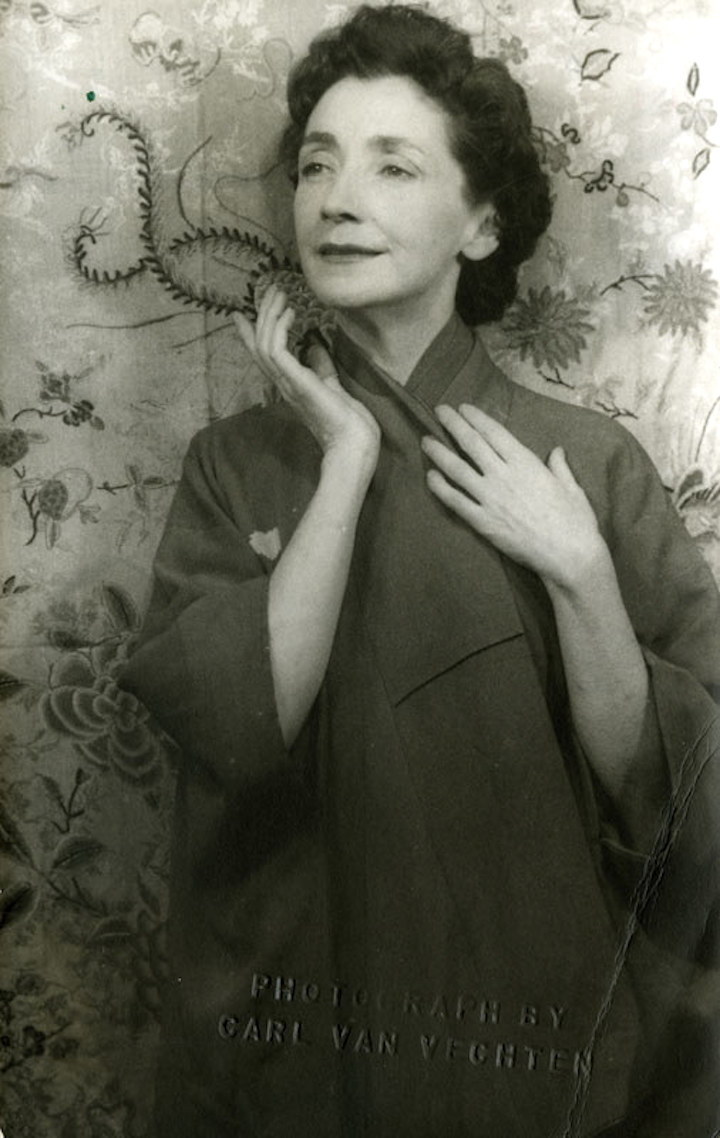
Deborah Kerr

Deborak Kerr is rightly regarded as one of the most foremost of British actresses to reach true international stardom.   Her CV of both British and U.S. films is extremely impressive.   She was born in Glasgow in 1921.   She originally trained as a ballet dancer with the Sadler Well’s Ballet Company.   However she changed careers and in 1940 made her first film “Contraband” when she 19.   She was soon in major roles in such films as “Major Barbara”, “Hatter’s Castle”, “The Life and Death of Colonel Blimp” and “Black Narcissus” in 1947.   She then went to Hollywood and had to wait a few years before she obtained topflight roles.   This was achieved with “From Here to Eternity” in 1953 and for the next eight years she gave some terrific performances e.g. “Tea and Sympathy”, “The King and I”, “An Affair to Remember”, “Seperate Tables” and “The Sundowners”.   In the late 60’s her cinema career was waning and she returned with great success to the stage.   She did though in the 80’s return to film with “The Assam Garden”.   Sadly illness curtailed her later career and she died in 2007.

Her “Independent” obituary:

One of the few British actresses to become an internationally successful film star, in 1957 Deborah Kerr was named “The world’s most famous actress” by Photoplay magazine. She had had a highly successful career in British cinema before being poached by Hollywood. There she was regarded as little more than classy, patrician decoration before she famously shocked the town – and many of her admirers – with a steamy performance as the unfaithful wife of an army captain in From Here to Eternity (1953).

Her beach scene with Burt Lancaster, in which they make love as the raging surf envelops them, has become an iconic screen sequence, imitated and parodied as well as celebrated. Kerr’s accomplished skill and versatility resulted in six Oscar nominations (the most for any star in the Best Actress category who has not actually won).

Her many memorable performances included the bewitchingly determined Irish spy of I See a Dark Stranger (1946), the repressed nun of Black Narcissus (1947), the downtrodden sheep-drover’s wife in The Sundowners (1960) and the ambiguous governess in The Innocents (1961). Perhaps best of all she is remembered for her work in two perennial classics of romantic cinema, the musical The King and I (1956), and the tear-jerker supreme, An Affair to Remember (1957). “I adore not being me,” she once said. “I’m not very good at being me. That’s why I adore acting so much.”

The daughter of a civil engineer, she was born Deborah Jane Kerr-Trimmer in 1921 in Helensburgh, overlooking the Firth of Clyde. As a child, she studied dance at a drama school in Bristol run by her aunt, winning a scholarship to Ninette de Valois’s Sadler’s Wells ballet group, with whom she made her London stage début at the age of 17.

Watching the progress of her fellow pupils Margot Fonteyn and Beryl Grey convinced Kerr that she would never be a great ballerina, so she concentrated on developing her acting skills and in 1939 did walk-on roles in several Shakespearean productions at the open-air theatre in Regent’s Park. She was spotted there by the powerful film agent John Gliddon, who signed her to a five-year contract.

Michael Powell’s lively thriller Contraband (1940) would have marked her screen début, but her role was excised from the final print. “The film was full of restaurants and night-clubs,” Powell wrote, “in one of which was an adorable little cigarette girl, all lovely liquid eyes and nice long legs, who had a tiny scene with Conrad Veidt that ended up on the cutting room floor.” Kerr was acting with the Oxford Repertory Players when spotted while dining at the Mayfair Hotel by a producer, Gabriel Pascal. Kerr recalled,

He came over to me and said, “Sweet virgin, are you an actress?” I said, “Yes,” and he said, “Then take down your hair, you look like a tart!”

Publicising her as “The Botticelli Blonde”, Pascal cast her as a Salvation Army officer, Jenny Hill, in Major Barbara (1940), based on Bernard Shaw’s play and starring Wendy Hiller and Rex Harrison. Kerr’s Jenny was described by her biographer Eric Braun as “a signpost to the kind of part in which she would excel – moral fortitude concealed by a frail appearance”. Her impressive performance led to her being given the leading role of Sally Hardcastle in a screen adaptation (much delayed by British censors) of Walter Greenwood’s bleak story of the working-class, Love on the Dole (1941), directed by John Baxter. Kerr’s spirited yet touching performance as a girl who becomes the mistress of a wealthy bookie to escape poverty established that a major British star had arrived.

Leading roles in Penn of Pennsylvania (1941), Hatter’s Castle (1941) and The Day will Dawn (1942) followed, before the first of her film classics, Powell and Pressburger’s The Life and Death of Colonel Blimp (1943). When Wendy Hiller, originally cast, became pregnant and had to drop out, Powell gave to Kerr the challenging assignment of the colonel’s ideal woman, who comes into his life in three separate incarnations over a 40-year period. Each incarnation was given individuality by her incisive playing. During the filming, she and Powell became lovers. “I realised,” said Powell, “that Deborah was both the ideal and the flesh-and-blood woman whom I had been searching for.” The film was controversial (Churchill thought it would ruin wartime morale, and the British army refused co-operation), but it proved an artistic and commercial triumph.

Powell had hoped to reunite Kerr and Roger Livesey, who had played Blimp, in his next film, A Canterbury Tale (1944), but Gabriel Pascal had sold her contract to MGM. According to Powell, his affair with Kerr ended when she made it clear to him that she would acccept an offer to go to Hollywood if one was made.

Her first film for MGM paired her with Robert Donat in the British production Perfect Strangers (1945), about a dull couple whose personalities are changed by their wartime experiences. Stewart Granger, who was filming Caesar and Cleopatra at the time, recounts in his autobiography Sparks Fly Upward (1981) that during this period Kerr (whom he described as “devastatingly beautiful”) seduced him in the back of a taxi. Whenever this was mentioned to Kerr by interviewers, she would smile wryly and reply, “What a gallant man!”

In 1945 she and Granger made an eight-week tour of theatres of war in Belgium, Holland and France starring in Patrick Hamilton’s thriller Gaslight. During the tour Granger introduced her to the Battle of Britain pilot Anthony Bartley, who became her first husband. Kerr’s next film was Launder and Gilliatt’s thriller I See a Dark Stranger (1946), in which she was Bridie Quilty, a high-spirited Irish lass. With Kerr and her co-players Trevor Howard and Raymond Huntley all making the most of the witty script, it was a delight.

MGM then loaned her to Powell to star in Black Narcissus (1947). He had initially thought of trying to lure Greta Garbo out of retirement to play the part of troubled Sister Superior, in charge of a group of nuns who try to establish a community from a dilapidated palace in a remote part of the high Himalayas (created entirely at Pinewood). Black Narcissus was a hit in the US as well as the UK, and Kerr won the New York Film Critics’ Award as Actress of the Year. MGM was now ready to launch her American career, and she departed for Hollywood with her husband.

Advertisements for her first film, The Hucksters (1948), proclaimed her as “Deborah Kerr (rhymes with star)” and her photograph was on the cover of Time magazine, tellingly set against a background of English roses. The screenwriter Luther Davis recalled, “The studio were rather in awe of Deborah, treating her like this great legitimate actress who’d deigned to join MGM.” The Hucksters, a satire on radio advertising, was a moderate success, but it was followed by If Winter Comes (1949), a clumsily told melodrama that received limited release.

Kerr had the meaty role of a wife who descends into alcoholism in the screen version of Robert Morley’s play Edward, My Son (1949), and her uncompromising performance won her an Oscar nomination, but the downbeat tale, co-starring Spencer Tracy, did not attract large audiences. Her next film, Please Believe Me (1949), was a minor comedy with Peter Lawford and, unhappy, she told the studio head Dore Schary that there was a story she would love to do, The African Queen.

He replied that the property was owned by Warners, but that he had another African tale, King Solomon’s Mines (1950). “The next thing I knew I was on location 25,000 miles into darkest Africa.” Co-starring Stewart Granger, the film was a great success, and was followed by another blockbuster, the big-budget epic Quo Vadis? (1951), to which she brought her best patrician nobility as Lygia, the Christian slave girl. She was stoic again in Richard Thorpe’s excellent remake of The Prisoner of Zenda (1952).

She was happy to play the small role of Portia in Julius Caesar (1953), but was then given the role of Catherine Parr in Young Bess (1953), in which both she and Stewart Granger played second fiddle to the performances of Jean Simmons (as Bess) and Charles Laughton (as Henry VIII). “I came over to act,” she said, “but it turned out all I had to do was to be high-minded, long-suffering, white-gloved and decorative.”

After asking for MGM to let her freelance between assignments, she was delighted when a new agent, Bert Allenberg, persuaded the Columbia chief Harry Cohn to cast her as Karen Holmes in From Here to Eternity when Joan Crawford, originally given the part, walked out after requesting her own cameraman. Under Fred Zinnemann’s direction, Kerr effectively conveyed the sad, quiet desperation of her character, an alcoholic nymphomaniac. Said Kerr, “I studied voice for three months to get rid of my accent and I changed my hair to blonde. I knew I could be sexy if I had to.”

A third Oscar nomination resulted, and she consolidated her new status with her début on the Broadway stage in Robert Anderson’s Tea and Sympathy (1953), as Laura Reynolds, the schoolmaster’s wife who offers compassion to a troubled pupil suspected of homosexuality. In the controversial closing scene, she seduces the boy for his own good, and has one of the most famous closing lines in modern drama, “Years from now, when you talk about this – and you will – be kind.” The performance earned her two Donaldson Awards, (Best Actress and Best Début), the Variety Drama Critics’ Poll, and when she toured in the play she won Chicago’s Sarah Siddons Award.

She returned to the screen in Edward Dmytryk’s British-made The End of the Affair (1955), and followed this with one of her greatest triumphs, as Anna Leonowens, the governess who travels to Siam to teach the King’s many children, in The King and I, Walter Lang’s screen version of the Rodgers and Hammerstein musical. Victorian determination sparked her spirited exchanges with the King (Yul Brynner), genteel warmth pervaded her scenes with the children, and the voice of Marni Nixon blended seamlessly with Kerr’s own recitative introductions to the songs, resulting in one of Hollywood’s finest dubbing achievements. Kerr was nominated for an Oscar, and Brynner won one for his forceful portrayal.

In 1957 Kerr was seen in the screen version of Tea and Sympathy. Although stylishly directed by Vincente Minnelli, the project inevitably suffered from the screen censorship of the time. Kerr’s Hollywood career was now at its peak. She starred with William Holden in The Proud and Profane (1956), Holden describing her as “the most no-problem star I ever worked with, and she has a salty sense of humour which surprises everyone”. She played a nun again, teamed with Robert Mitchum (“Such a wonderful actor”) in Heaven Knows, Mr Allison (1956), for which she received her fourth Oscar nomination, then starred with Cary Grant in An Affair to Remember (1957), one of her best-loved films. As a couple who fall in love during an ocean trip, and promise to meet in six months if they feel the same, Grant and Kerr merge a delightfully light bantering touch with suggestions of genuine passion.

The following year Kerr won her fifth Oscar nomination, for her depiction in Separate Tables of a dowdy spinster cowed by a domineering mother. It is one of the actress’s most debated performances, detractors finding it too studied, though few will deny the frisson of the moment when she finally defies her mother and consorts with the disgraced, phony major (David Niven, in another instance where Kerr’s co-star won a statuette but she did not). She had an entirely different role with Niven in Otto Preminger’s under-rated version of Françoise Sagan’s Bonjour Tristesse (1958), playing the glamorous widow Anne, whom Niven’s daughter (Jean Seberg) sees as a threat to the life-style she enjoys with her father.

She partnered Brynner again in the cold war thriller The Journey (1958), co-written by Peter Viertel, who was to become her second husband. She played the columnist Sheilah Graham in Beloved Infidel (1959), based on Graham’s account of her tempestuous love affair with the writer F. Scott Fitzgerald, but the film was diluted when Gregory Peck agreed to play Fitzgerald only on condition that the first part of the script, dealing with Graham’s fascinating rise to fame, was excised.

In 1960 Kerr submerged completely any trace of her patrician persona with an immensely moving depiction of a downtrodden sheep-drover’s wife in Fred Zinnemann’s The Sundowners. It features one of the most memorable moments in Kerr’s career, as her weatherbeaten Ida, sitting on a station platform, sees an elegant woman adjusting her make-up in a train compartment, and the ladies’ eyes meet in mutual rapport.

It is the performance which many think should at last have won her the Oscar – it was the year Elizabeth Taylor won for Butterfield 8. “I should have won that year,” she told the writer Christopher Frayling, “I should’ve!” It is an undoubted miscarriage of justice that Kerr was not made a Dame, though she was appointed CBE in 1997. She won the New York Critics’ Awards for her performances in Heaven Knows, Mr Allison and Separate Tables, was given a British Film Institute Fellowship in 1986, and received a Bafta Special Award in 1991.

In 1961 Kerr made Jack Clayton’s The Innocents, arguably (with Robert Wise’s The Haunting) one of the two best ghost stories of the Sixties. She was superb as the enigmatic governess who comes to believe that her two charges are possessed by an evil spirit in this superb transcription of Henry James’s The Turn of the Screw. Although she was fine as the mysterious Miss Madrigal, a governess with a criminal past, in The Chalk Garden (1963), and particularly as the kind and gentle artist in The Night of the Iguana (1964), based on Tennessee Williams’s play, a string of second-rate movies caused her career to dim in the mid-Sixties.

Marriage on the Rocks (1965), Eye of the Devil (1966), in which she replaced Kim Novak, Casino Royale (1967) and Prudence and the Pill (1968) were all poorly received, and John Frankenheimer’s The Gypsy Moths (1969) pleased critics more than audiences. It was her last film for 13 years, Kerr announcing her retirement from films and stating afterwards, “I didn’t want to do disaster movies, ending up in an airplane at the bottom of the sea.”

She returned to the theatre in 1972, recreating her role in Separate Tables in a one-performance Midnight Matinee in honour of Sir Terence Rattigan. Later that year she had a personal success in a West End production of The Day After the Fair, an adaptation of Thomas Hardy’s short story “On the Western Circuit”. The following year she toured the United States and Canada in the same play. In 1975 she starred on Broadway in Edward Albee’s short-lived Seascape, and in London she played the title role in Shaw’s Candida (1977). She returned to film in a television movie of Agatha Christie’s Witness for the Prosecution (1982).

She was honoured by the Cannes Film Festival in 1984, and the following year she made her last feature film, The Assam Garden. In a revival of Emlyn Williams’s The Corn is Green (1985), she portrayed the admirable school-teacher Miss Moffat who recognises the talent in one of her miner pupils, but the run was marred by apparent nerves and fluffing of lines. On television she had particular success with the mini-series A Woman of Substance (1983), sharing with Jenny Seagrove the role of the founder of a department store dynasty.

In 1994 Kerr was finally awarded an honorary Oscar. Elia Kazan, who directed her on stage in Tea and Sympathy and on screen in The Arrangement (1968), said,

Deborah Kerr is a great lady. Let that stand by itself. She is also a fine actress, a joy to work with, devoted, understanding and gifted with a sense of humour. She is outstandingly fair to her fellow performers. She is regally handsome. That’s enough. If I say any more it might embarrass her or swell her head. And I wouldn’t want that.

Tom Vallance

This obituary can also be accessed on-line here.

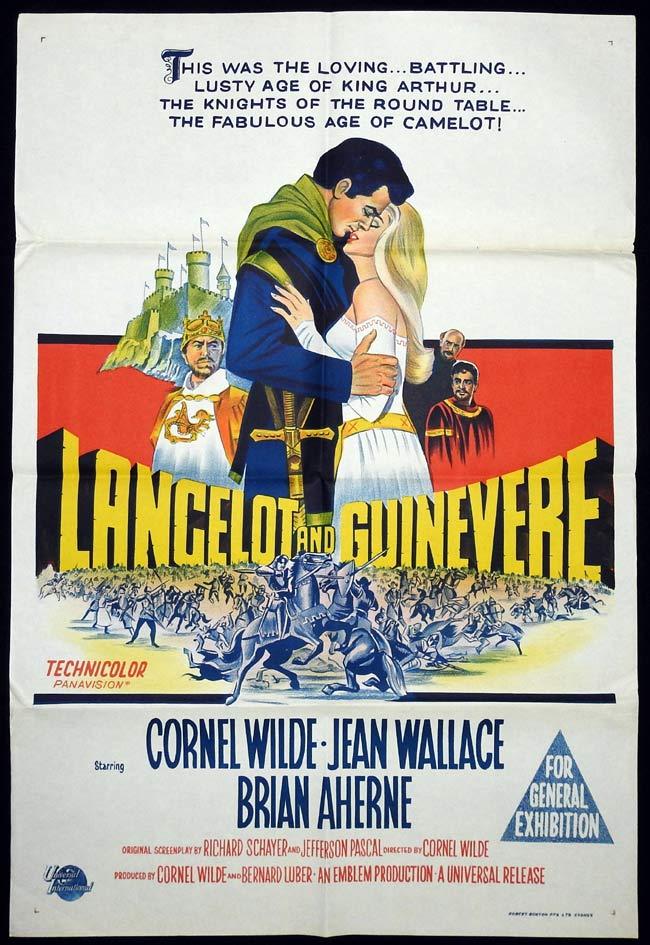
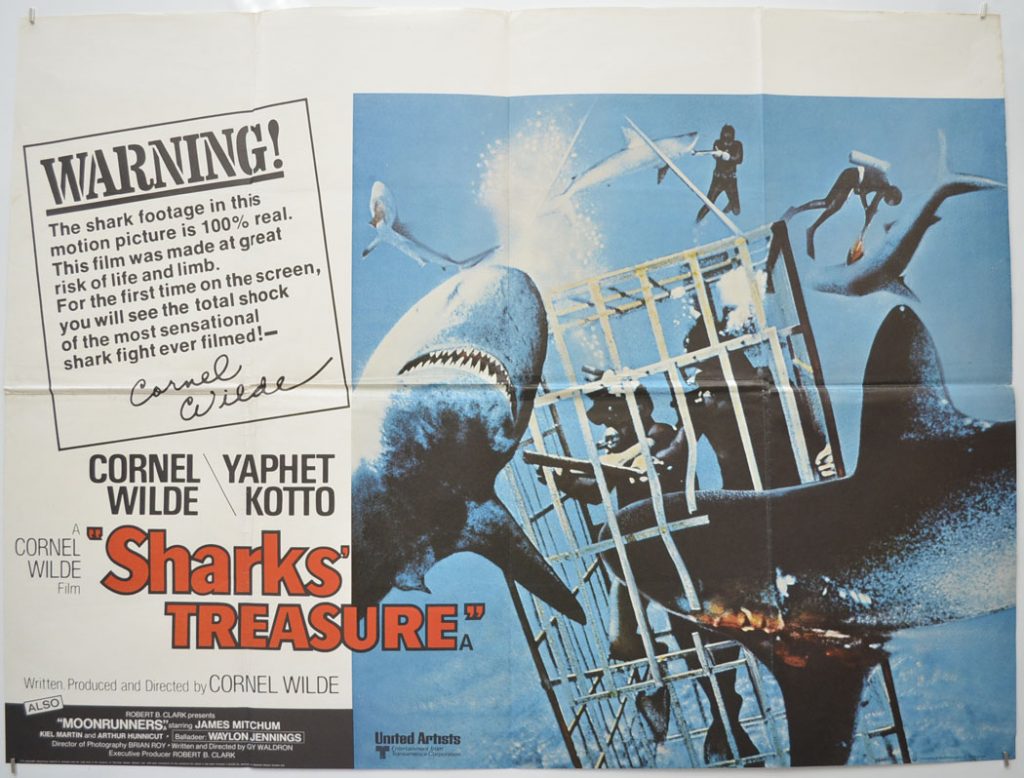
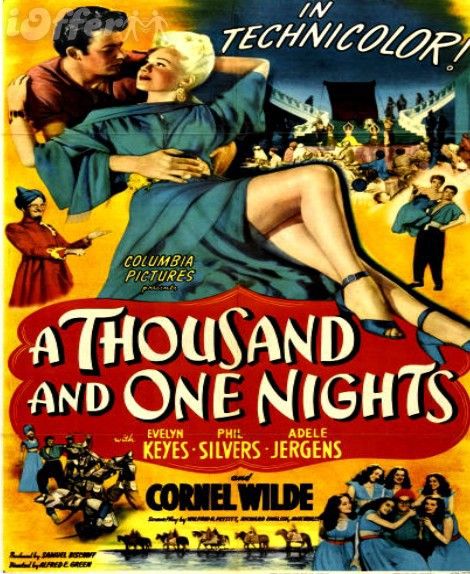
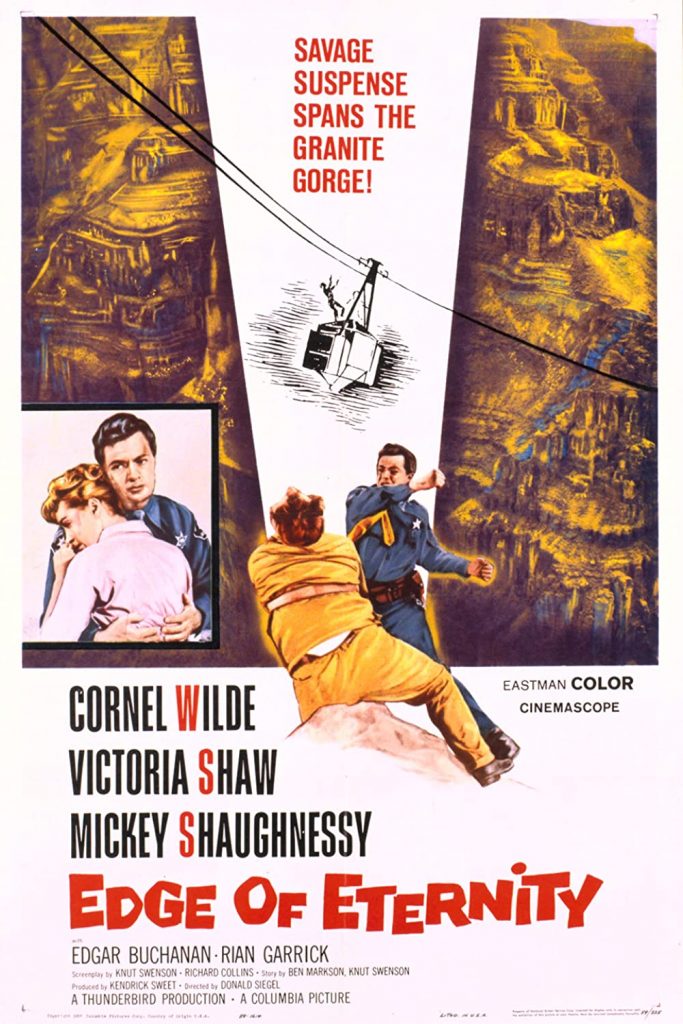
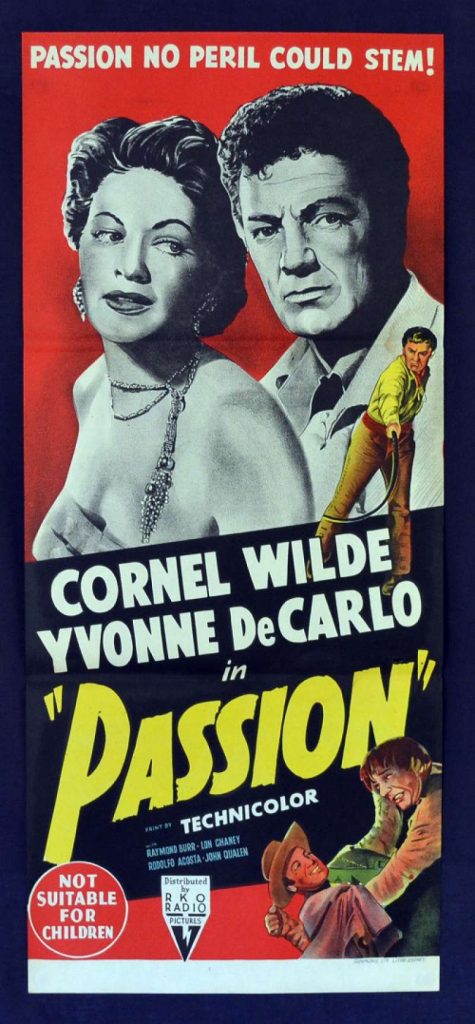
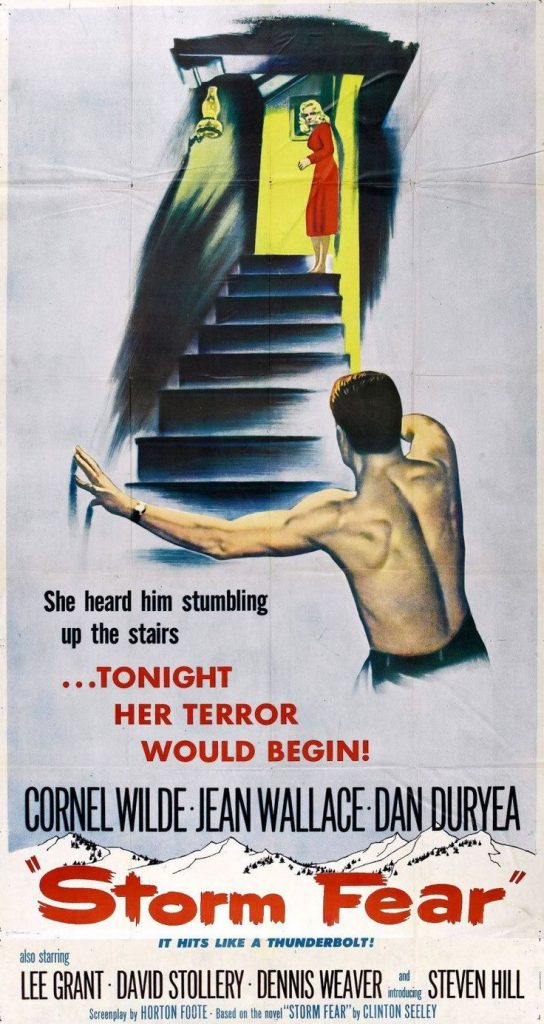
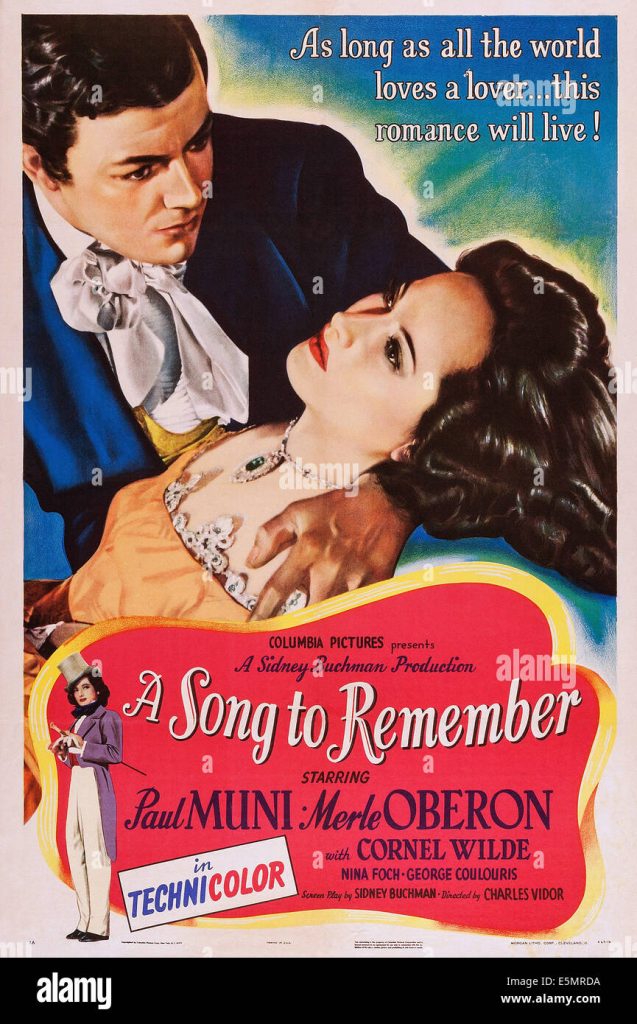
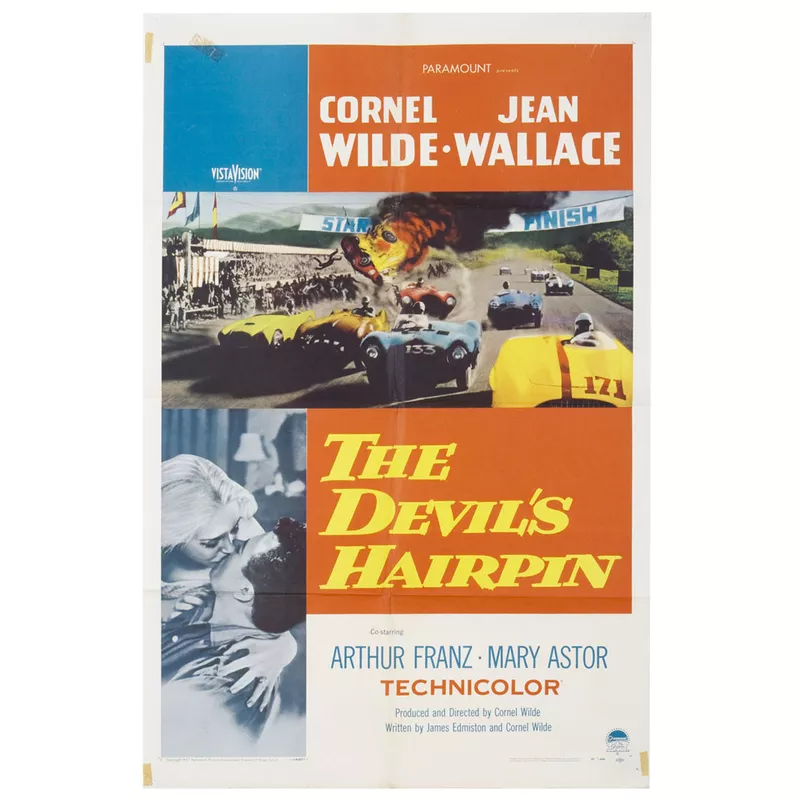
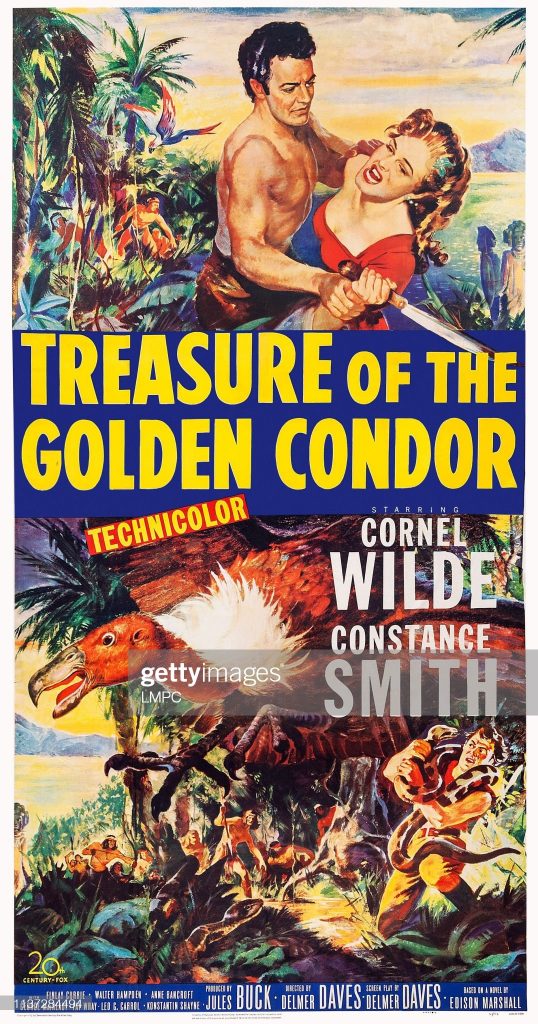
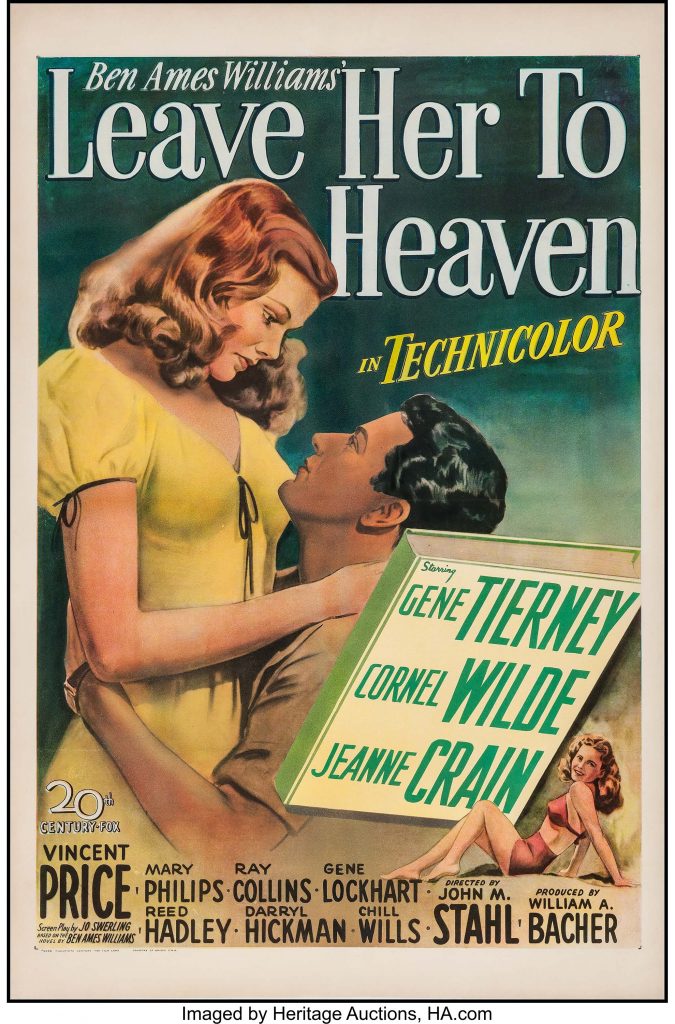
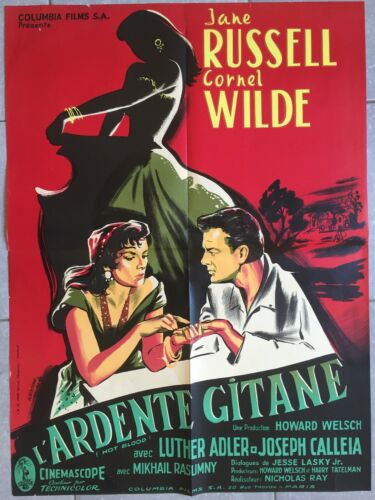
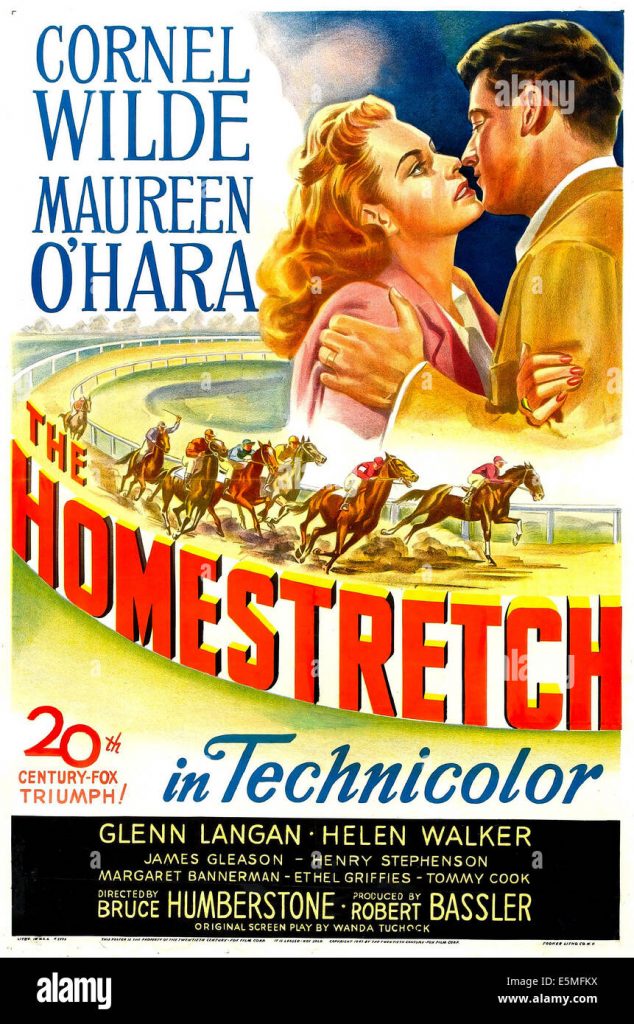
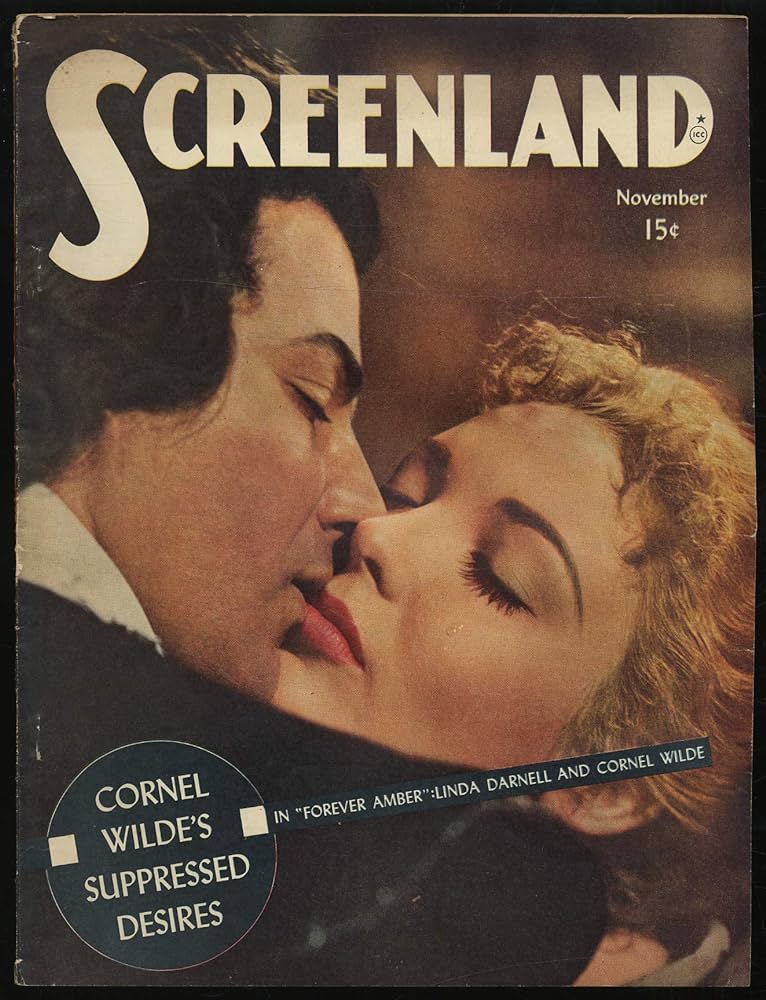
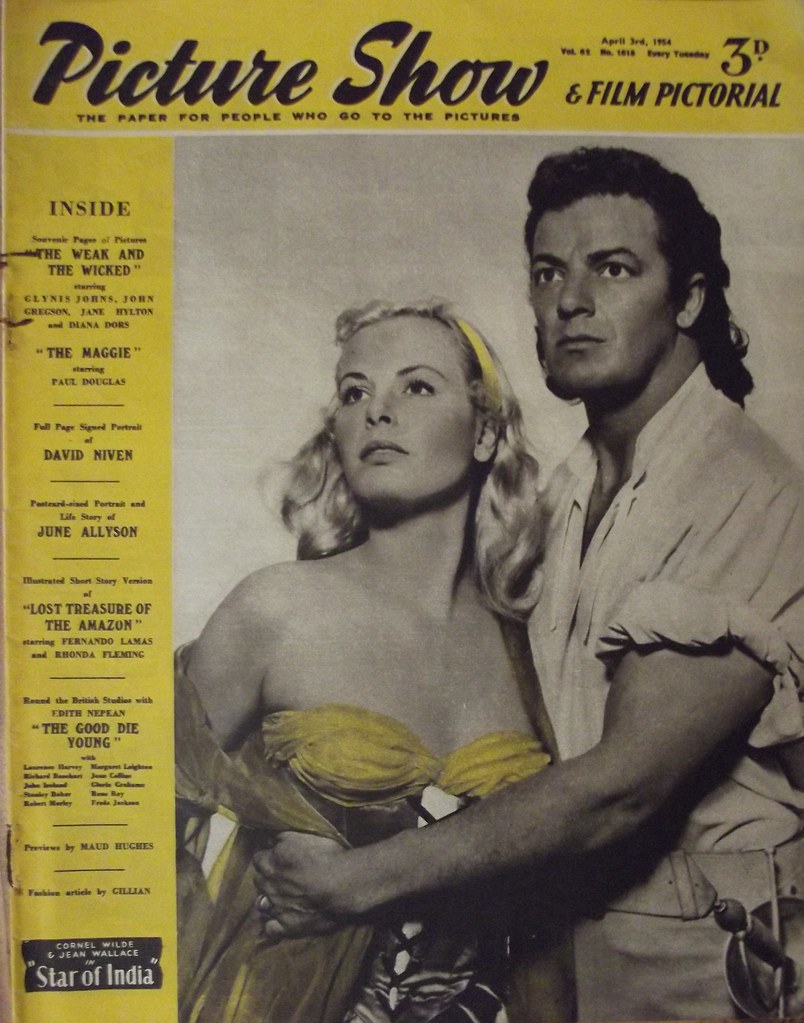
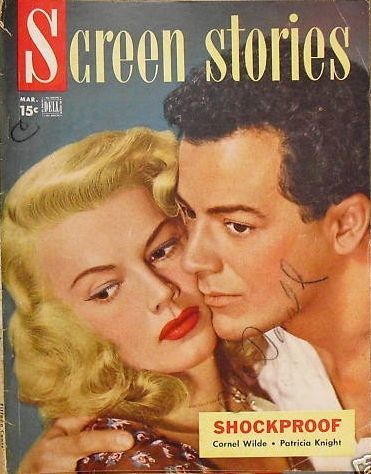
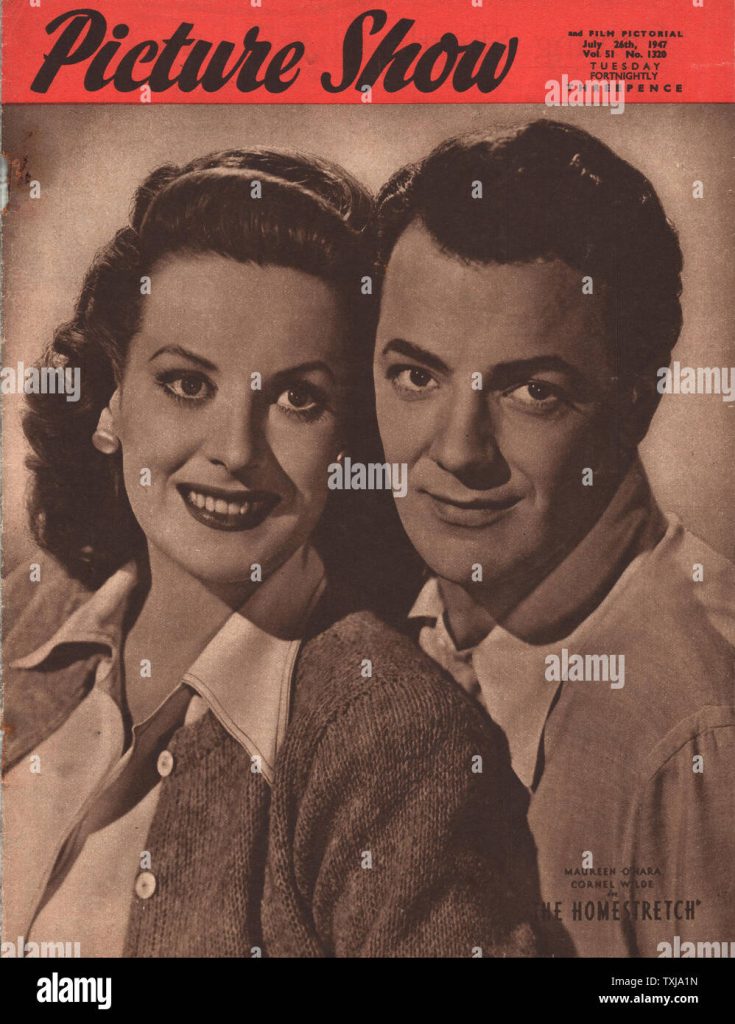
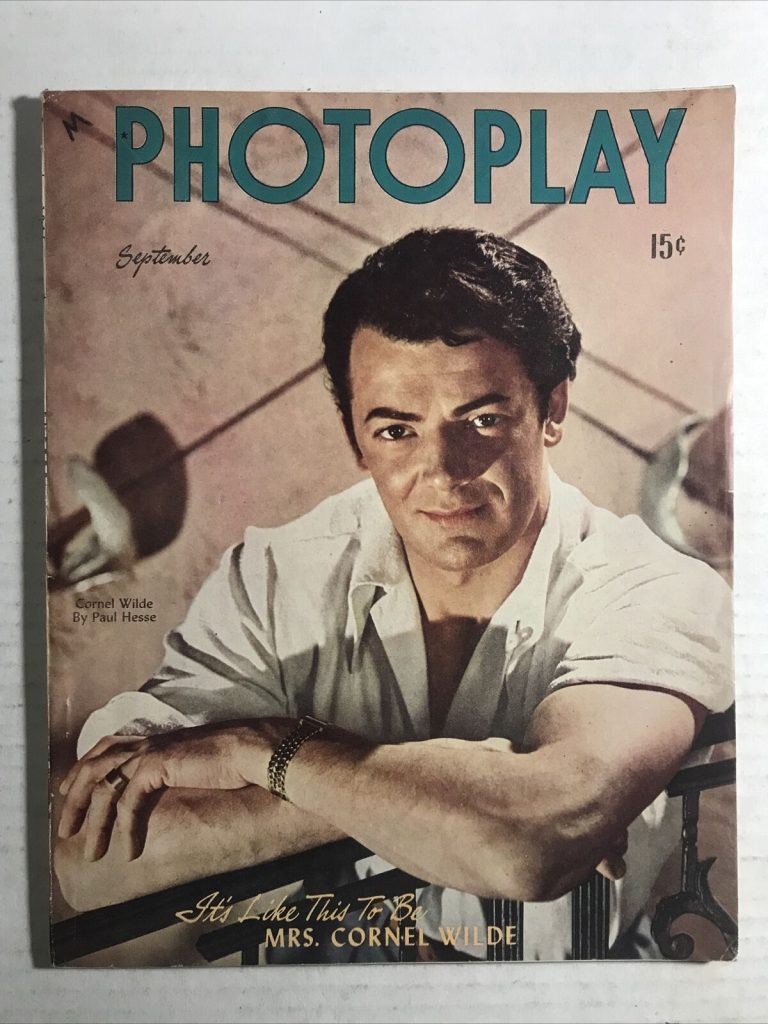
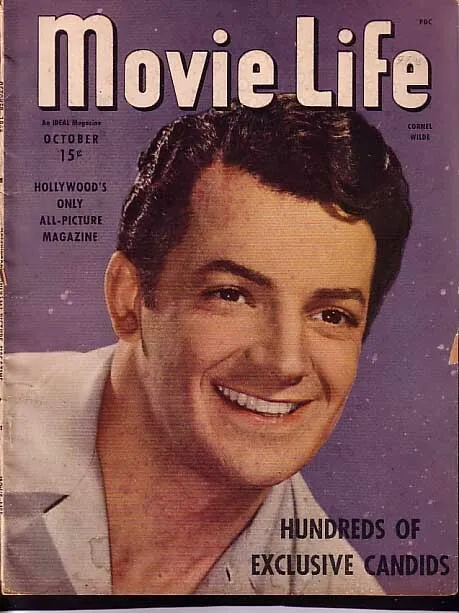
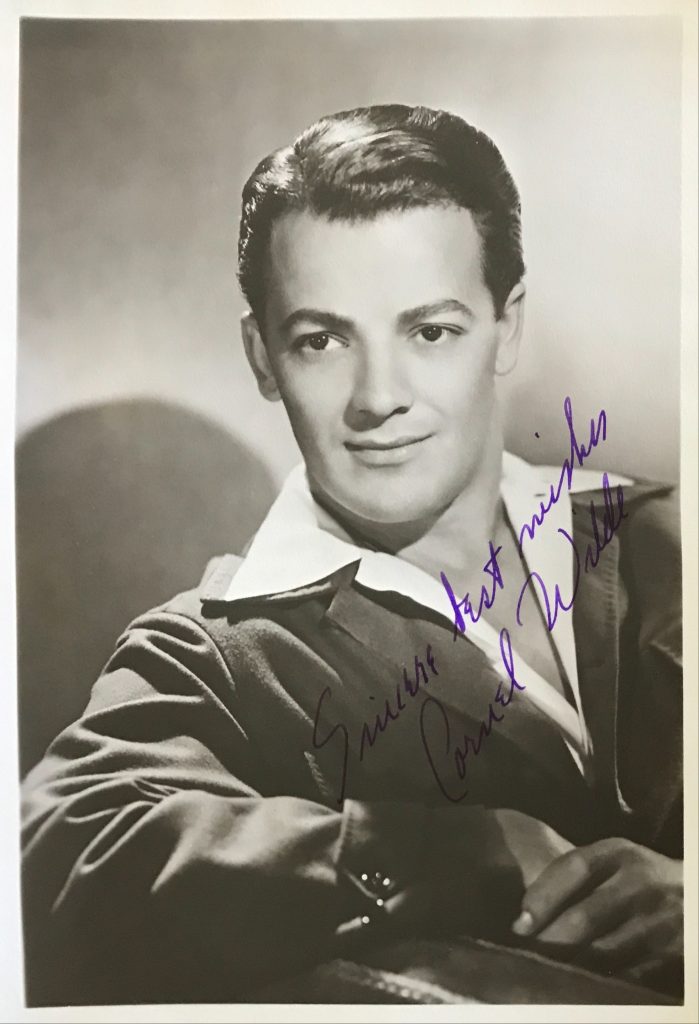
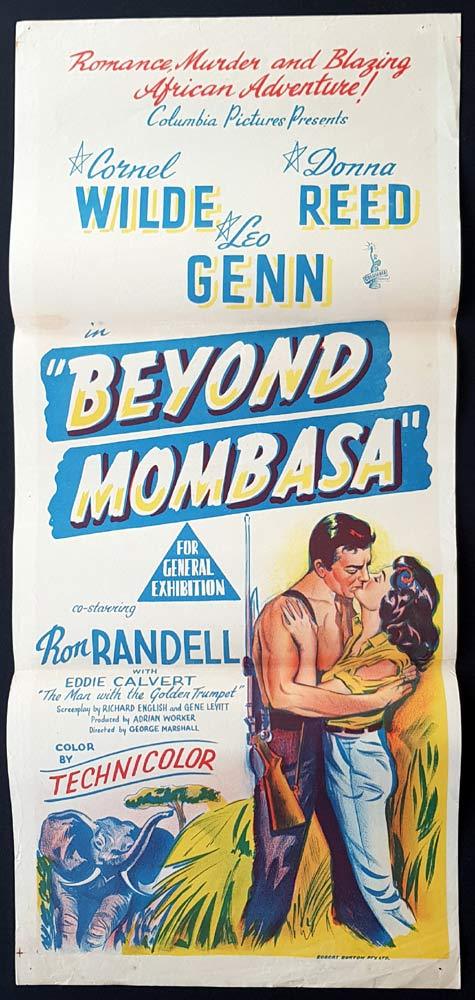
Cornel Wilde
Cornel Wilde

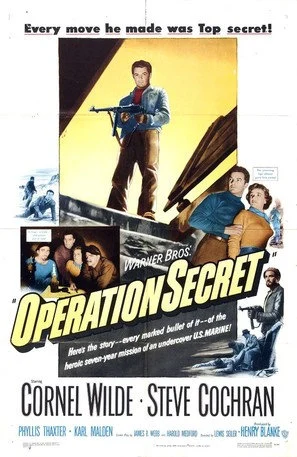
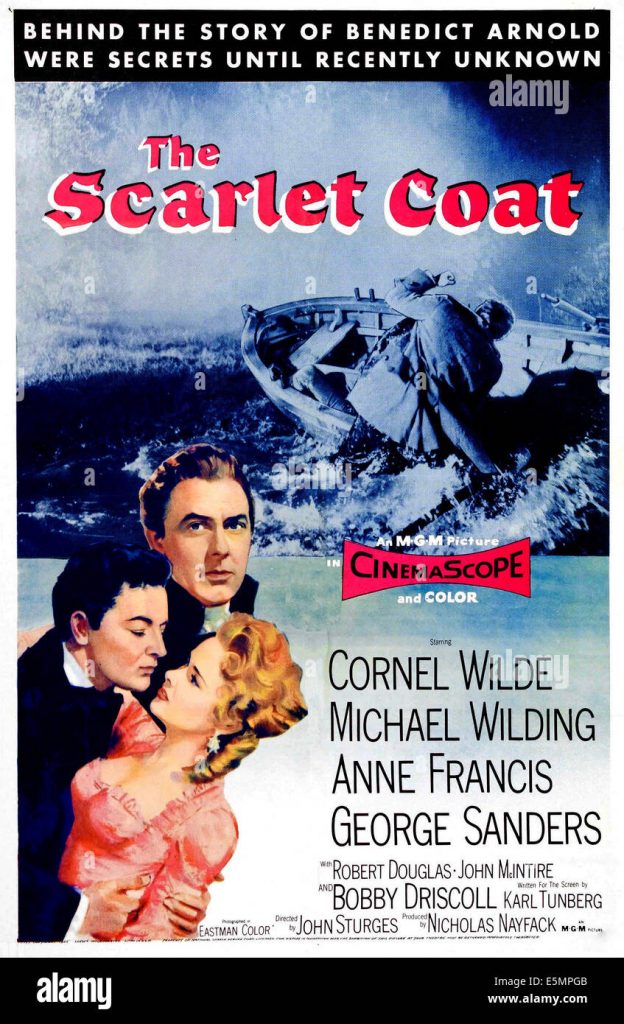
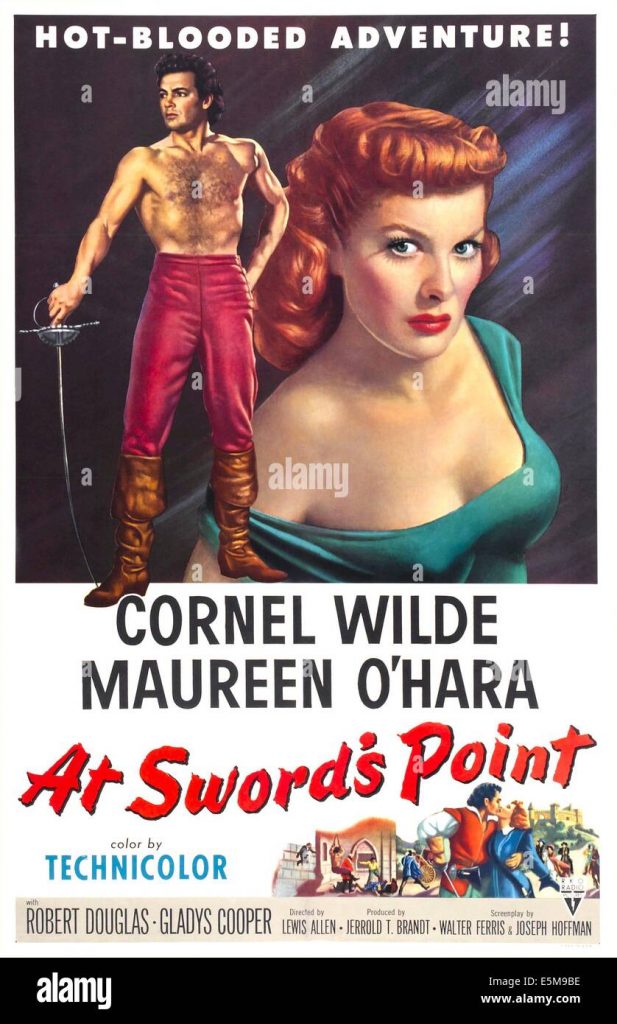
“Cornel Wilde became a competent producer/director/actor, but for years he was a sort of male Maureen O’Hara, confined to medium-budget swashbucklers and action melodramas.   Like her, his acting career was at it’s peak in the 40s but unlike her, his charm was limited.   Ditto his acting ability.   In his marshmallow period, this hardly mattered but in the harsher days of the 50s he had to struggle.   It is much to his credit that he staved off oblivion by becoming a director” – David Shipman in “The Great Movie Stars – The International Years” (1972).

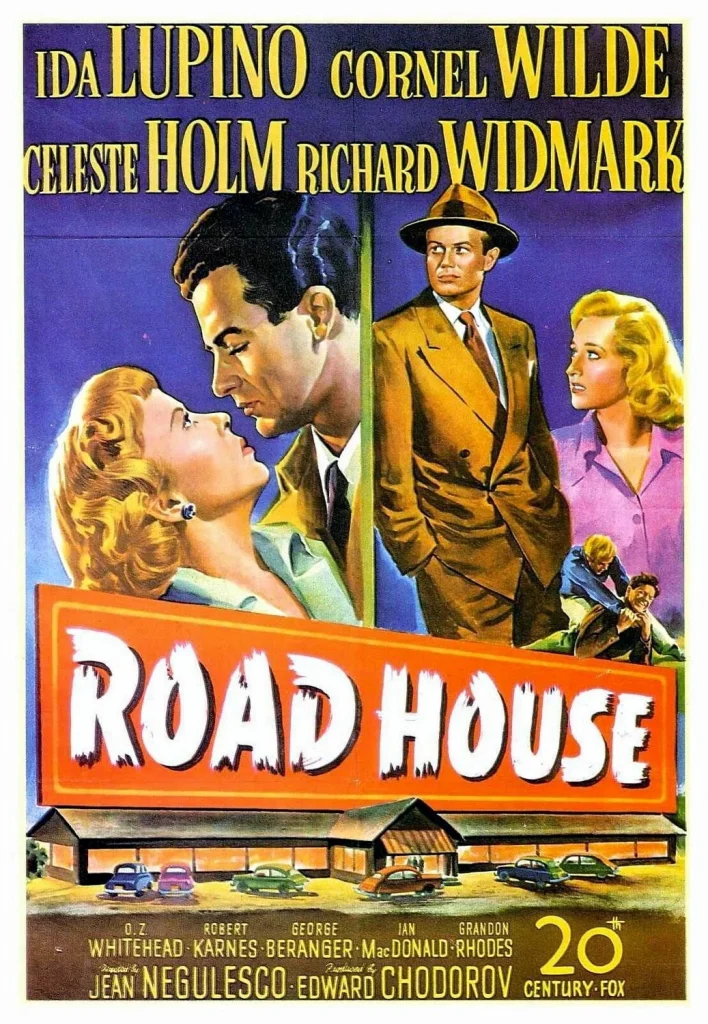
Cornel Wilde was born in 1912  in Hungary.   The family moved to New York and he attended college in the city.   Laurence Oliver  cast him in 1940 in his production of “Romeo and Juliet” with Vivien Leigh.   Wilde played the role of Tybalt.   He was offered a Hollywood contract.   He played many small roles until in 1945 he was cast as Chopin in “A Song to Remember” with Merle Oberon as George Sand.    The film was a huge success and Wilde went on to make “Road House”, “The Greatest Show on Earth”, “Leave Her to Heaven” and “Shockproof” among others.   Cornel Wilde died in 1989 at the age of 77.

His obituary in “The Los Angeles Times”:

Cornel Wilde, whose athletic abilities first brought him to Hollywood and whose elegant physique, good looks and dramatic talent kept him there for nearly 50 years, died in Los Angeles early Monday.

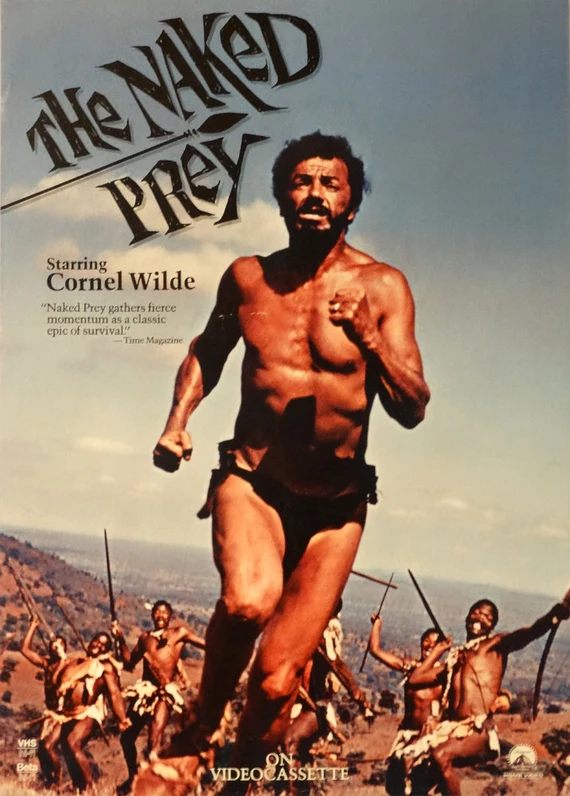
Wilde, whose film portrayals ranged from the romantic composer Frederic Chopin in “A Song to Remember” (for which he received an Academy Award nomination) to a hunter being tracked down by bloodthirsty African tribesmen in “The Naked Prey,” which he also directed, was 74.   Wilde, who was admitted to Cedars-Sinai Medical Center on Sept. 2 suffering from leukemia, died shortly after midnight, said hospital spokeswoman Paula Correia. His son, Cornel Wilde Jr., and daughter, Wendy, were at his side.

During his long and varied career, which spanned the years 1940 to 1987, the aristocratic actor, writer and director was involved in more than 50 movies.   “I realized long ago that I could not depend on luck to bring me success,” Wilde once said. “I worked hard, extra hard to improve my chance by increasing my abilities and my experience. It was my goal to accomplish, in my life, something of value and to do it with self-respect and integrity.”

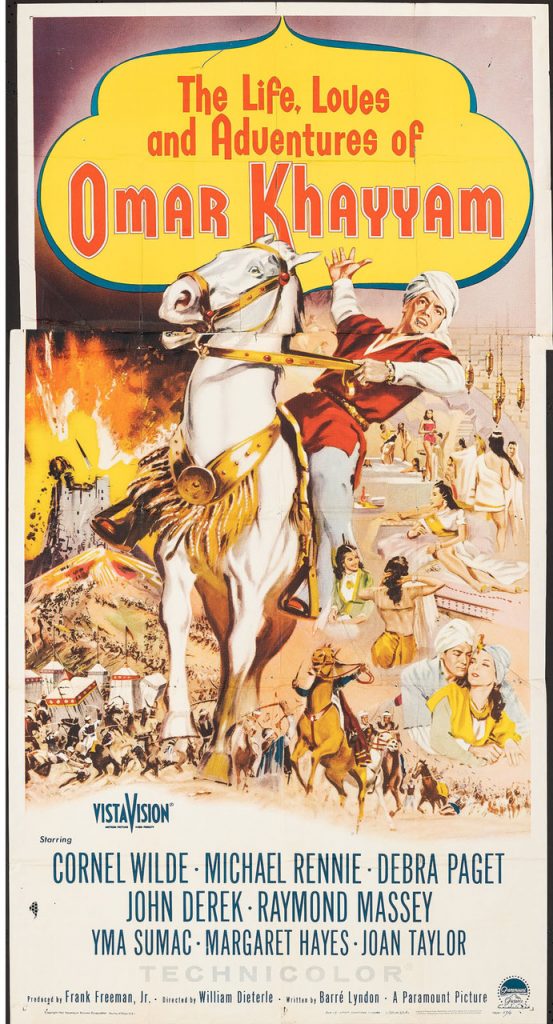
He made one of the first films ever dealing with environmental pollution (“No Blade of Grass” in 1970) and portrayed Revolutionary War spies, Omar Khayam, Constantine the Great, Robin Hood’s son and aesthetic protagonists ranging from the consumptive Chopin to the eccentric Lord Byron.   He moved from studio to studio in quest of satisfying roles and from in front of the camera to behind it when he couldn’t find producers and directors who agreed with his point of view.

“Acting is not just ‘another day, another dollar,’ ” he told columnist Hedda Hopper as long ago as 1954. “If I hate a script or think it’s foolish or in bad taste, I’m miserable.”

A linguist with a command of Hungarian, French, German, Italian and Russian, he was born in New York City to Hungarian-Czech parents but spent much of his formative years in Europe, where he became interested in fencing.

After his Hungarian father, who traveled Europe for a cosmetics firm, finally settled in the United States in 1932, Cornelius Louis Wilde studied at City College of New York, intending to become a physician. In 1935, he won a scholarship to Columbia University, where he hoped to study surgery but instead abandoned his classes after appearances in several stock theater companies whetted his interest in things dramatic.   He also gave up his membership on the U.S. fencing team that was headed to the 1936 Berlin Olympics; yet it was his skill with a foil that would eventually lead him to Broadway and then to motion pictures.

After several modest stage productions in New York and on the road, he was hired as a fencing instructor and featured player (Tybalt) in the Laurence Olivier-Vivien Leigh stage production of “Romeo and Juliet.”   Because of the stars’ movie commitments, some of the play’s rehearsals were held in Hollywood and Wilde was offered, and accepted, a Warner Bros. contract. Originally he was cast as a heavy or lead in B pictures, but his dark good looks and a change in studios (to 20th Century Fox) earned him feature parts in such pictures as “Lady With Red Hair” in 1940 and “High Sierra,” in 1941, where he played an apprentice hoodlum to Humphrey Bogart.

But it was as Chopin opposite Merle Oberon as George Sand that Wilde broke out of the pack.   “When ‘A Song to Remember’ came along (1944), I begged for a test,” he told Hopper. “The powers that be wouldn’t consider it. ‘You’re too healthy’ (to play a tubercular musician).”   Finally after three months of testing what Wilde described as “every other actor” in town, he was given the role and received an Oscar nomination. (One critic later said he grew paler and wanner with each reel while fingering an impressive sound track on a mute piano. The pianist off screen was Jose Iturbi.)   But the success proved a Pyrrhic victory, for afterward producers came to consider him fit only for costume dramas.

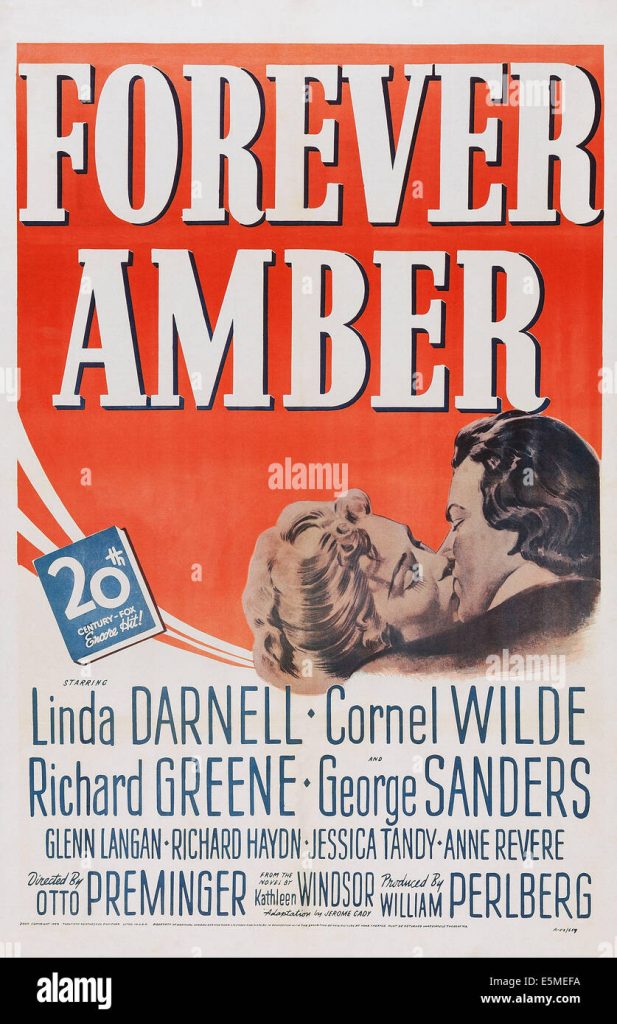
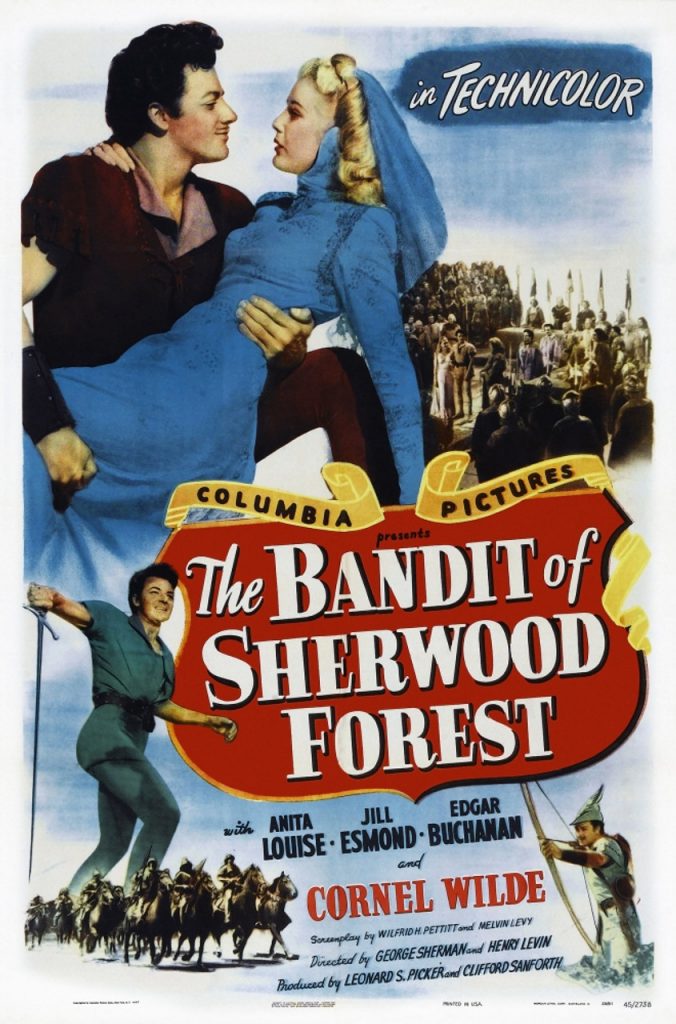
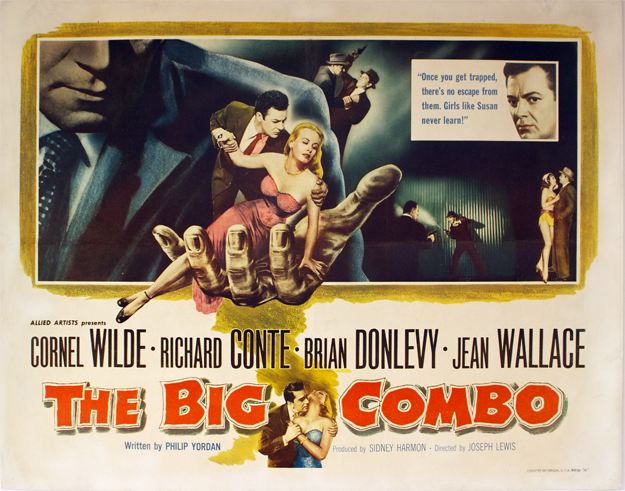
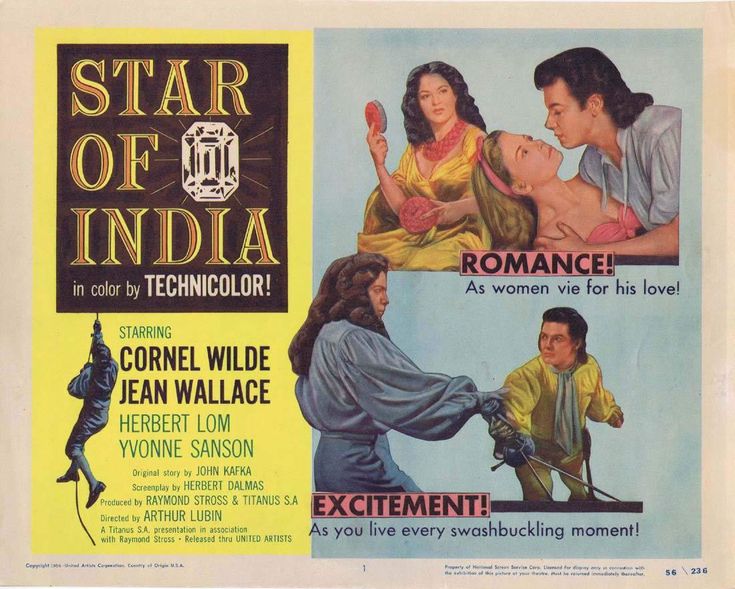
He stayed in costume for “The Bandit of Sherwood Forest” and “Forever Amber,” appeared in such melodramas as “Roadhouse,” and “The Walls of Jericho” and then made the Big Top classic “The Greatest Show on Earth” for Cecil B. Demille in 1952.   But the roles had taken on what seemed to Wilde to be a certain unsettling sameness, and he abandoned what was at the time a $150,000-a-picture career to become a writer-producer-director.   He formed, with his second wife actress Jean Wallace (they had performed together in “Star of India”), Theodora Productions, and in they 1955 produced “Storm Fear.” The other pictures he starred in, produced or directed included “The Big Combo,” “The Devil’s Hairpin,” “Maracaibo,” “Sword of Lancelot,” “Beach Red” and “The Naked Prey,” in which he spent most of the 94-minute film wearing a loincloth and brandishing a spear as savages pursued him as they would a lion.

Despite the plot’s naivete, it was nominated for an Oscar for its script.

The “Los Angeles” obituary can also be accessed online here.
Gary Lockwood
Anne Helm & Gary Lockwood
Gary Lockwood
Gary Lockwood


Gary Lockwood was born in Van Nuys, California in 1937.   He made is film acting debut in a bit part in the Western “Warlock” in 1959 with Richard Widmark and Dorothy Malone.   In 1961 he, Brett Halsey and Barry Coe starred in the TV series “Follow the Sun”.   He made two films with Elvis Presley, “Wild in the Country” in 1962 and the following year “It Happened at the World’s Fair”.   He is perhaps best known for his role as Dr Frank Poole in “2001: A Space Oddity” in 1968.   Interview with Gary Lockwood & Sally Kellerman here.

Gary Lockwood is an actor who occupies a unique position in cinema history: he is the “everyman” at the center of the most avant-garde science fiction film ever made. While he never reached the singular “movie star” status of some of his peers, a critical analysis reveals a performer of remarkable reliability, a “sturdy” physical presence, and a surprising capacity for both quiet stoicism and explosive intensity.


The Lockwood Archetype: The Modern Professional

Lockwood’s screen persona was defined by his athleticism (he was a former UCLA football player and stuntman) and a “no-nonsense” American masculinity. Unlike the Method-driven angst of Kim Stanley or the theatricality of the Jeans sisters, Lockwood specialized in competence. He played men who were good at their jobs—whether they were Marines, astronauts, or starship officers—making him the perfect avatar for the “Space Age” and Cold War era.


Critical Analysis of Key Works

1. 2001: A Space Odyssey (1968)

  • The Role: Dr. Frank Poole.


  • Critical Analysis: Lockwood’s performance is often unfairly overshadowed by the film’s visual effects and the HAL 9000 computer. However, his work is essential to the film’s “anti-dramatic” success. Kubrick required his actors to be almost robotic and emotionally flat to contrast with the “humanity” of the computer.

  • The Technique: Lockwood achieved a “contained” performance that is technically difficult. He portrays a man so acclimated to high-tech isolation that his death—unceremonious and silent in the vacuum of space—becomes one of the most chilling moments in cinema precisely because of his earlier lack of “movie-star” histrionics.

2. Star Trek: “Where No Man Has Gone Before” (1966)

  • The Role: Lt. Cmdr. Gary Mitchell.

  • Critical Analysis: In the second Star Trek pilot, Lockwood provided the blueprint for the “tragic antagonist.” Starting as Kirk’s charming, witty best friend, he transitions into a cold, god-like entity.

  • Impact: This performance showed his range beyond the “stoic professional.” He used his physicality to project an increasingly alien arrogance, and his chemistry with William Shatner remains one of the high points of the original series. It was this performance that reportedly convinced Kubrick he was right for 2001.

3. The Lieutenant (1963–1964)

  • The Role: Second Lt. William Tiberius Rice.


  • Critical Analysis: Created by Gene Roddenberry, this show cast Lockwood as an “educated idealist” in the Marine Corps.


  • The Legacy: Critically, this was where Lockwood refined his “charming devil” persona—a glossy, handsome exterior that masked a firm moral commitment. Notably, the character’s middle name, Tiberius, was later given to James T. Kirk. The show was ahead of its time, tackling race relations and the Cold War with a seriousness that eventually led to its cancellation due to friction with the Department of Defense.


4. Model Shop (1969)

  • The Role: George Matthews.


  • Critical Analysis: In Jacques Demy’s only American film, Lockwood played against type as an aimless, world-weary architect facing the draft.

  • Insight: This is perhaps his most “New Hollywood” performance. He captures the ennui and “anxiety-driven stasis” of the late 60s, proving he could play “the loser” just as effectively as the hero.


Critical Summary: The “Sly, Sturdy” Presence

 
Feature Gary Lockwood’s Style
Physicality Rugged and athletic; he moved with the economy of a trained athlete.
Vocal Style Direct and unadorned; he spoke with a “working-man” clarity.
Niche The “Reliable Professional” who eventually faces a metaphysical or moral crisis.
Legacy He remains the face of 1960s techno-optimism and its subsequent disillusionment.


He understood that in a Kubrick film or a Roddenberry drama, the actor’s job is often to be a piece of a larger, grander puzzle. By never “over-acting,” he allowed the themes of his most famous projects to shine through

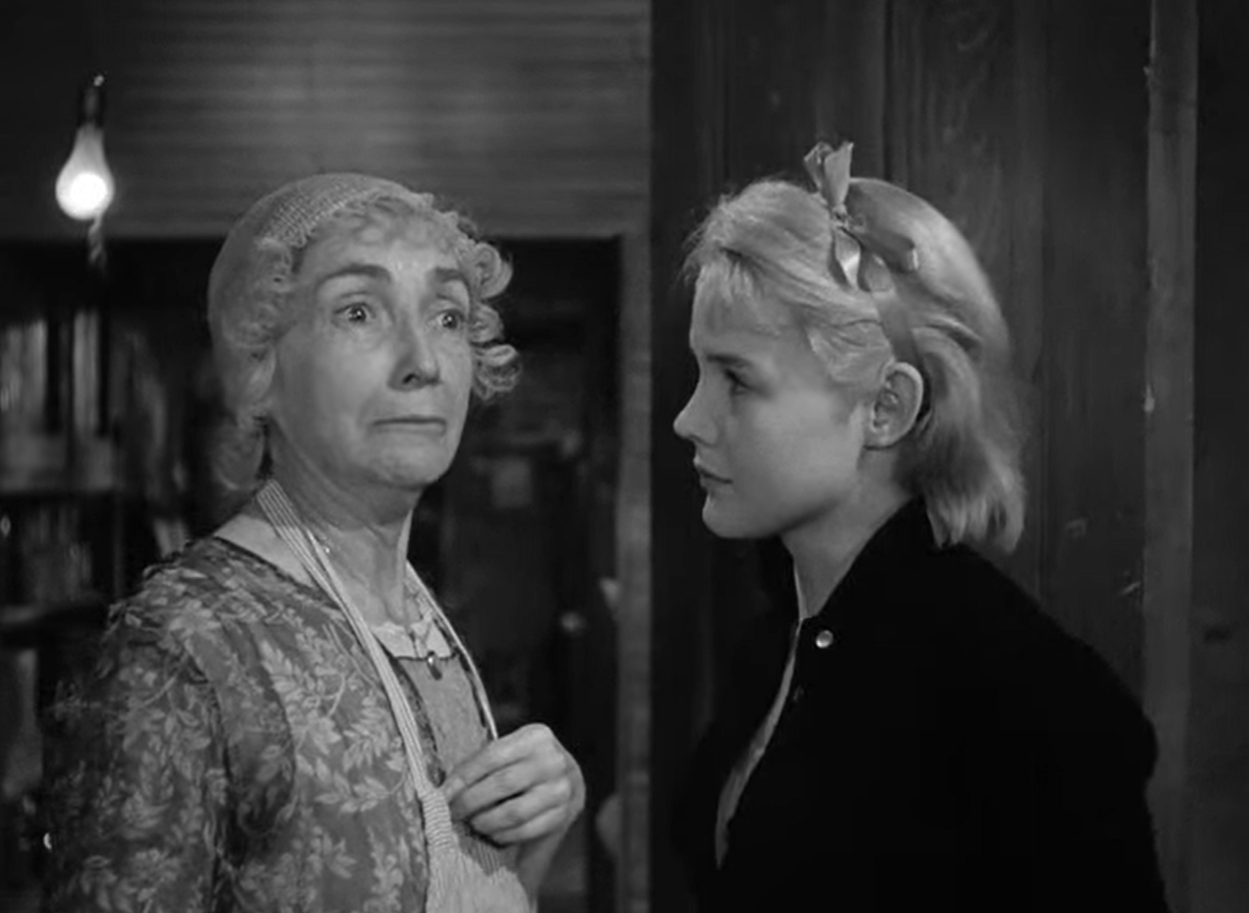
Mildred Dunnock
Mildred Dunnock
Mildred Dunnock

Mildred Dunnock. TCM Overview.

Mildred Dunnock seemed to be very quiet almost birdlike in her characterisations.   She could at times be very moving as in her performance as Elvis Presley’s mother in “Love Me Tender” and as Mother Christophre the strict but kindly nun in chagre of the novices in “The Nun’s Story”.   She was born in 1901 in Baltimore.   She made her film debut in 1945 repeating her stage role in “The Corn is Green”. Her other films include “Peyton Place”, “Baby Doll” and the woman in a wheelchair who is pushec down the stairs by the giggling psychopath Richard Widmark in the classic film noir “Kiss of Death”.   Mildred Dunnock died in 1991 at the ago of 90.   Her obituary in the “New York Times” can be accessed here.

TCM Overview:

When Mildred Dunnock quietly demanded that “Attention must be paid” to Willy Loman in the 1949 Broadway premiere of Arthur Miller’s “Death of a Salesman” opposite Lee J. Cobb, her indelible performance as Linda Loman became the embodiment of Miller’s idealized mother figure: loving, supportive mother and wife and the family’s moral balast. She repeated her landmark performance in the disappointing 1951 Laslo Benedek film opposite Fredric March (winning her first Oscar nomination) and again opposite Cobb in the brilliant 1966 TV adaptation (directed by Alex Segal) and for the Caedmon recording in the 1960s.

Formerly a schoolteacher, Dunnock made her stage debut in 1932 and won acclaim on Broadway in 1940 as a Welsh teacher in Emlyn Williams’ autobiographical drama “The Corn Is Green”, a role she reprised in her film debut in 1945. Although she is memorable in the brief role as the wheelchair bound victim whom Richard Widmark pushes down the stairs in “Kiss of Death” (1948), Dunnock gave her finest performances as seemingly genteel spinster types who display surprising inner strength and sympathy.

Dunnock studied acting with Actors Studio founders Lee Strasberg, Robert Lewis and Elia Kazan and after directing her in “Death of a Saleman”, Kazan repeatedly cast her as a figure of quiet moral authority in such films as “Viva Zapata!” (1952) and as Aunt Rose Comfort in Tennessee Williams’ “Baby Doll” (1956) for which she received her second supporting actress Oscar nomination.

Evidently a favorite actress of Williams as well as Kazan, she continued her association with the playwright on Broadway, creating the role of Big Mama in “Cat on a Hot Tin Roof” (1955), appearing in “The Milk Train Doesn’t Stop Here Anymore” (1963) and starring in a 1966 regional revival of “The Glass Menagerie”. She was also featured as Aunt Nonnie in Richard Brooks’ 1962 film adaptation of “Sweet Bird of Youth”.

Although she didn’t begin acting professionally until she was in her 30s, Dunnock maintained an active career as a superb, understated character actress on stage, screen and TV. Her other notable films include Alfred Hitchcock’s “The Trouble With Harry” (1955), “Love Me Tender” (1956), “Peyton Place” (1957), “Butterfield 8” (1960) and John Ford’s last feature “Seven Women” (1966).

Mildred Dunnock (1901–1991) was an American stage and screen actress whose career is defined by a series of quietly powerful, often heart‑breaking character roles rather than flamboyant star turns. Though she did not become a household name, she left a deep imprint on mid‑20th‑century American drama, particularly through her definitive stage and film performance as Linda Loman in Death of a Salesman.


Early career and stage foundation

Dunnock began her professional acting career in her 30s, after years of teaching and studying acting, and quickly gravitated to the New York stage. She appeared in Broadway productions such as Life Begins (1932) and The Hill Between (1938), but her breakthrough came in 1940 with her role as a Welsh school‑teacher in The Corn Is Green, a part she created while still working full‑time as a teacher at Brearley School. Her performance there established her as a sensitive, emotionally intelligent actress capable of anchoring serious drama.

Throughout the 1940s she became a mainstay of serious American theatre, appearing in such plays as Another Part of the Forest and Lillian Hellman’s adaptations, as well as the musical Lute Song. She also worked regularly in regional theatre, including the Long Wharf and the Yale Repertory, which helped cement her reputation as a reliable, intelligent stage actress rather than a purely commercial star.


Death of a Salesman and Linda Loman

Dunnock’s most iconic role is Linda Loman in Arthur Miller’s Death of a Salesman. She originated the part on Broadway in 1949 opposite Lee J. Cobb’s Willy, playing 742 consecutive performances at the Morosco Theatre—a rare marathon run that speaks to both her stamina and the play’s cultural impact. Her Linda is a quietly shattered wife and mother, caught between her love for a deluded husband and her own awareness of the family’s ruin; she gives her supportive lines—“Attention, attention must be finally paid to such a person”—such emotional weight that they resonate far beyond the speech itself.

Critics and later analyses frequently describe her stage performance as “definitive,” noting that she combines maternal tenderness with a deep, almost premonitory sadness, so that Linda feels less like a clichéd long‑suffering wife and more like the tragic center of the play. She reprised the role in the 1951 film, earning an Academy Award nomination for Best Supporting Actress and critical praise for keeping the character’s vulnerability without over‑emoting. Bosley Crowther, among others, called her performance “simply superb,” underscoring that her restraint made Linda’s inner pain more palpable, not less.


Film career and pattern of roles

Dunnock’s film work is eclectic but thematically consistent: she plays quiet, often morally solid women—wives, mothers, aunts, and older sisters—who are both emotionally generous and quietly limited by their circumstances. Her screen debut was the 1945 adaptation of The Corn Is Green, a natural extension of her stage success. She later appeared in a range of mid‑century Hollywood productions, often in supporting roles that use her serious, understated presence to anchor more melodramatic plots.

Notable films include:

  • The Trouble with Harry (1955), Alfred Hitchcock’s darkly comic romance‑mystery, in which she plays Mrs. Wiggs, a no‑nonsense, somewhat repressed school‑marm‑style neighbor. Critics note that her performance subtly underlines the film’s mix of whimsy and tension, acting as a grounded counterweight to the eccentricity around her.

  • Baby Doll (1956), Elia Kazan’s Southern psychological drama, where she plays simple‑minded, perpetually frightened Aunt Rose Comfort; her second Academy Award nomination came from this relatively small but utterly convincing role. Critics often highlight how Dunnock imbues Aunt Rose with a blend of childishness, fear, and kindness, creating a character that feels more human than grotesque.

  • Sweet Bird of Youth (1962), where she plays Aunt Nonnie, a gentle, house‑proud relative of Paul Newman’s character, adding a note of familial warmth and fragility to the story’s more overheated sexuality and decay.

  • Peyton Place (1957), Butterfield 8 (1960), and Viva Zapata! (1952), where she appears in smaller but emotionally pointed roles as mothers or older women observing, enabling, or quietly suffering the central dramas.

In all of these roles, her slight frame and delicate features belie a strong, intense presence; she often “holds the stage” while doing very little in the way of showy acting.


Later work and television

As her film roles became fewer, Dunnock remained active on television and in regional theatre, particularly at the Long Wharf, where she performed in works by Tennessee Williams and Eugene O’Neill. On TV she appeared in anthology series and dramas, including episodes of Celanese TheatreThe Ford Theatre Hour, and other live‑TV and mid‑century scripted programs, often playing pious, worried, or morally serious women.

Critics and retrospectives describe her as a “superb, understated character actress” who maintained high standards and emotional honesty even when the material around her was more melodramatic. In her later years, she was often cast as eccentric spinsters or vulnerable senior figures, but she used facial nuance, vocal shading, and careful pacing to keep these women from descending into caricature.


Critical reputation and performance style

Dunnock is widely regarded as one of the most truly emotional and psychologically honest character actresses of her generation. Her strength lay in her ability to convey deep inner life through minimal gestures: a tightening of the mouth, a slight shift in posture, or a catch in the voice could communicate resignation, hope, or fear more powerfully than more demonstrative acting.

Critically, her work is often read as a kind of moral compass in the stories she joins. Whether as Linda Loman, Aunt Rose, or a minor but sharp‑eyed mother in a Southern or New England melodrama, she incarnates a specific American archetype: the quietly suffering, morally responsible woman who sees the truth but is powerless to prevent tragedy. At the same time, she rarely plays a purely passive victim; instead, she brings a low‑key dignity and emotional intelligence that complicate simple “good woman” labeling.

In sum, Mildred Dunnock’s career is that of a late‑blooming but profoundly respected actress whose legacy rests on a handful of indelible performances—especially Linda Loman—and on a much larger body of quietly powerful supporting roles that helped give serious mid‑century American drama its emotional weight and realism

Sigrid Gurie
Sigrid Gurie

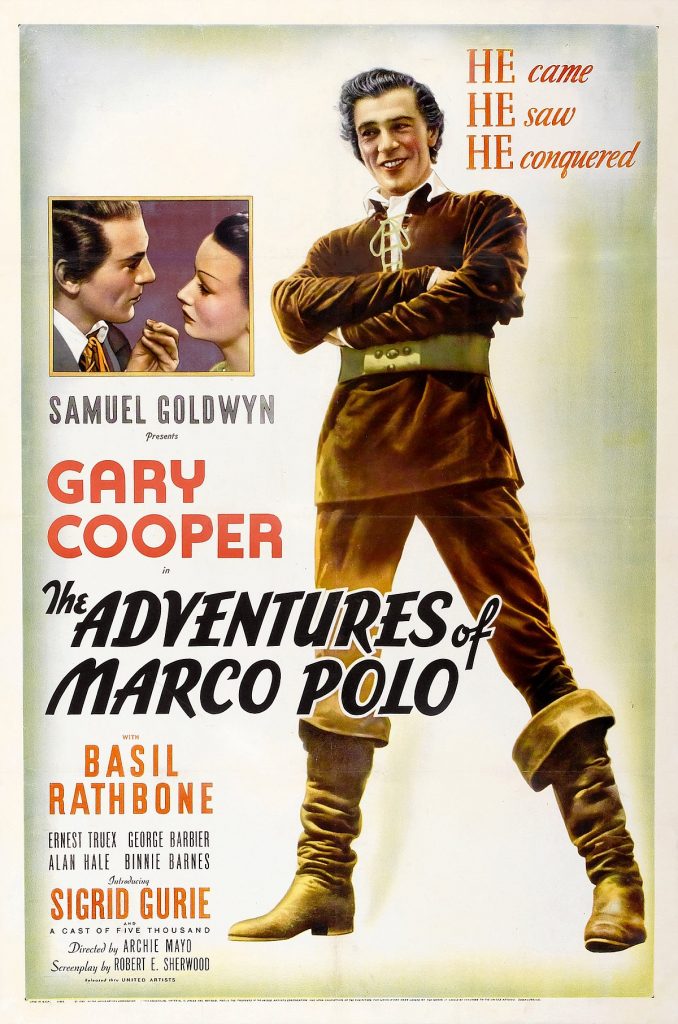
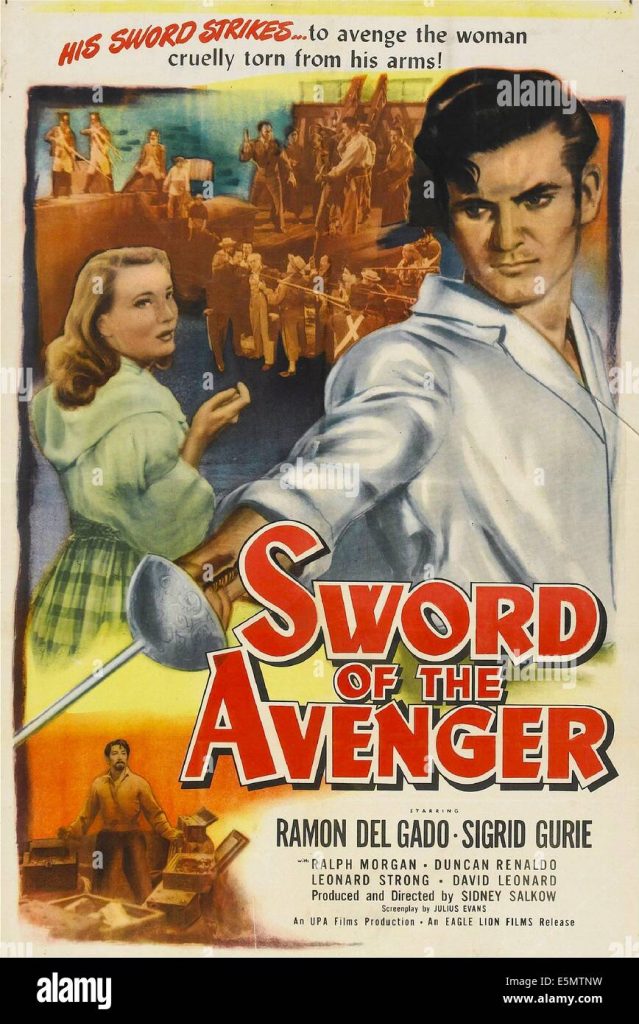
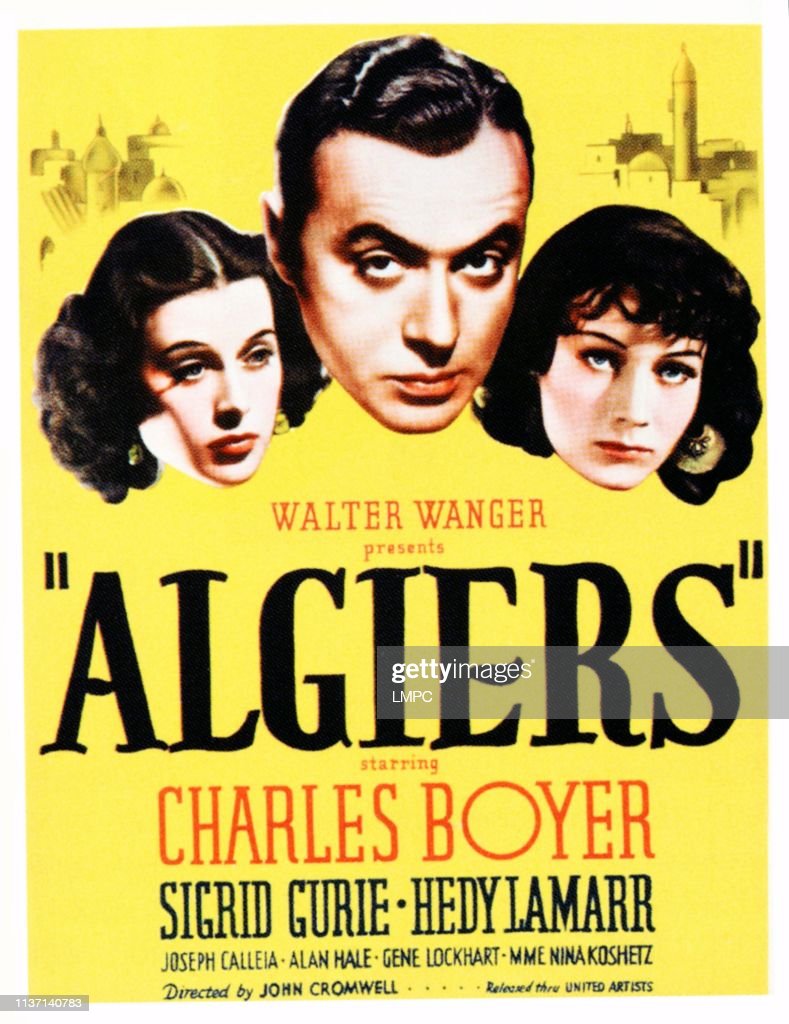
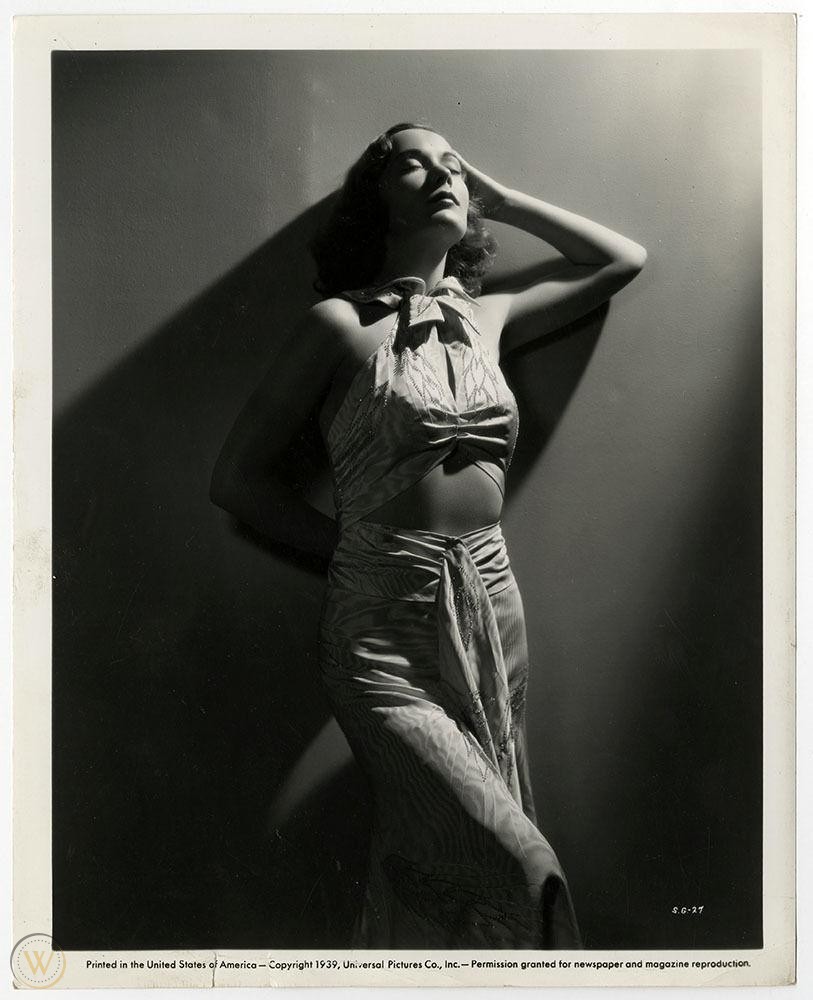
Sigrid Gurie was born  in Brooklyn in 1911.   When she was a child her parents returned to their homeland of Norway where she was educated.   She came to Hollywood in 1936.   Two years later she was cast opposite Gary Cooper in “The Adventures of Marco Polo”.   Her other films include “Algiers”, “Three Faces West” and in 1944 “Voice in the Wind”.   Her last film was made in Norway in 1948.   She died in Mexico City at the age of 58 in 1969.   Webpage on Sigrid Gurie can be accessed here.

“Wikipedia” entry:

She was born  in Brooklyn, New York, to Bjørulf Knutson Haukelid (1878–1944) and Sigrid Johanne Christophersen (1877–1969).   Her father was a civil engineer who worked for the New York City Subway from 1902 to 1912. Since Sigrid Gurie and her twin brotherKnut Haukelid were born in America, the twins held dual Norwegian-American citizenship. In 1914 the family returned to Norway. Sigrid Gurie subsequently grew up in Oslo and was educated in Norway, Sweden, and Belgium.[ In 1935 Gurie married Thomas Stewart of California; she filed for divorce in 1938.[ Her brother became a noted member of the Norwegian resistance movementduring World War II.

In 1936, Gurie arrived in Hollywood. Film magnate Sam Goldwyn reportedly took credit for discovering her, promoting his discovery as “the new Garbo” and billed her as “the siren of the fjords”. When the press discovered Gurie’s birth in Flatbush, Goldwyn then claimed “the greatest hoax in movie history.” She starred as Kokashin, daughter of Kublai Khan, in the 1938 production of The Adventures of Marco Polo, and went on to give worthwhile performances in such films as Algiers (1938), Three Faces West (1940) and Voice in the Wind (1944). She had a minor role in the classic Norwegian film Kampen om tungtvannet (1948). The movie was based principally on the book Skis Against the Atom which was written by her brother.

The above “Wikipedia” entry can also be accessed online here.

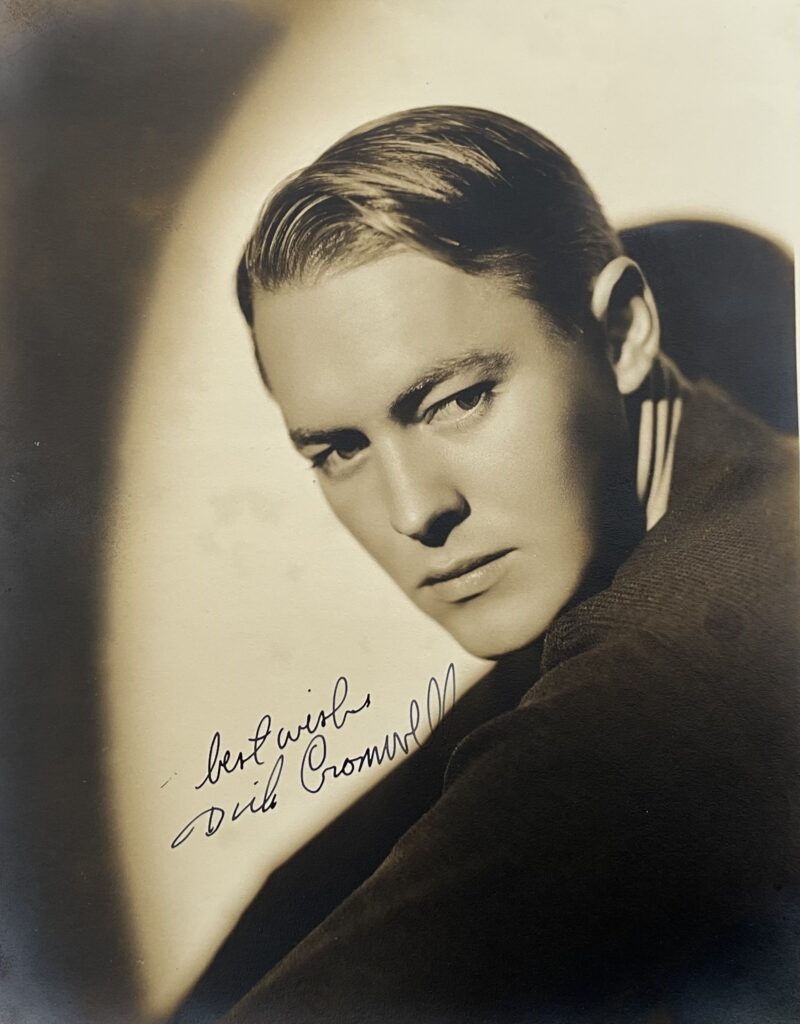
Richard Cromwell
Richard Cromwell

Richard Cromwell.

Richard Cromwell was born in Long Beach, California in 1910.   He was one of the leading young men in films in Hollywood  in the 1930’s.   His film break through came at the age of twenty in “Tol’able David” in 1930.Among his other film credits are “This Day and Age”, “Life Begins at 40”, “Poppy”, “Storm over Bengal”, “The Lives of a Bengal Lancer”, “Jezebel”   He stopped making films in the late 1940’s and established a ceramics business with great success.   Richard Cromwell died in 1960.

An article on LA Frontiers.com:

“I became a movie actor so quickly it made my head swim.” —Richard CromwellHe was young. He was handsome. He was a movie star. He was gay. He was an artist. He died at age 50. He is forgotten today. And, oh yes, he was Angela Lansbury’s first husband. 

Tol’able David, lobbycard, Joan Peers, Richard Cromwell, 1930. (Photo by LMPC via Getty Images)

Richard Cromwell was a beauty. He became a full-fledged movie star in 1930 at the age of 20 in the sound remake of the classicTol’able David. He was suddenly famous, even being invited to the White House to meet President Hoover. Good parts followed inEmma with Oscar winner Marie Dressler. In 1935, he had his biggest hit co-starring with Gary Cooper in Lives of a Bengal Lancer. Playing the weakling son of the commander, Cromwell was great, suffering torture at the hands of the infidels. Pauline Kael later wrote about the film, “Part of the picture’s romantic charge is its underlying homeoeroticism.” The film was nominated for seven Academy Awards and was Cromwell’s favorite role.At the end of the decade, Richard Cromwell had a good role in Jezebel playing Henry Fonda’s younger brother. This great William Wyler study of a selfish Southern belle not only won Bette Davis her second Academy Award but beat Gone with the Wind to the screen. In 1939, Richard Cromwell had his last great part in John Ford’sYoung Mr. Lincoln playing the young man defended by Henry Fonda in this classic film. Cromwell also was on Broadway in the military drama So Proudly We Hail. His performance received raves: “a striking portrayal” and “astonishing characterization” from the New York press.

In various books Richard Cromwell is said to have carried on a discreet affair with Howard Hughes and was reported to be a frequent visitor at gay director George Cukor’s Sunday “boys only nights.” After serving two years in the Coast Guard, Richard Cromwell came home to find his career pretty much over.In 1945, Hollywood was shocked when a 35-year-old Richard Cromwell married a 19-year-old Angela Lansbury. The marriage only lasted six months, and later Lansbury wrote that it was “a mistake. … I was too young at 19. The marriage shouldn’t have happened.”

Richard Cromwell
Richard Cromwell

According to several sources, Lansbury did not know that Richard Cromwell was gay. This was a bit bizarre, as she had just made her film debut and received her first Oscar nomination for George Cukor’s Gaslight. Apparently Cukor did not discuss his Sunday night pool parties on the set!

In a 2012 interview, Lansbury stated that she came home one day and found Cromwell’s note: “I’m sorry darling, I can’t go on.” She stated, “I knew how to act mature, but I wasn’t. … It was a terrible shock. I was devastated. But once I got over the shock, I said, ‘Alright, then I’m going to take charge of my life and see that I never hurt like this again.'” Lansbury and Cromwell did remain close friends for the rest of his short life.

Richard Cromwell was also an accomplished artist, and his ceramics (especially masks of the stars) were extremely popular. His art deco wall paintings of Adam and Eve still grace the mezzanine of the Pantages Theater in Hollywood.Until his death in 1960 from liver cancer, Richard Cromwell was a respected artist and a popular social figure in the gay community. He was also slated for a film comeback. Cromwell’s artwork has lasted longer than his film career, but for those of us who love old movies and gay actors during their prime, there is no one cuter than Richard Cromwell in Jezebel or Young Mr. Lincolnor being tortured in Lives of a Bengal Lancer.

Richard Cromwell
Richard Cromwell

In his great study of movie stars of the ’30s, author James Robert Parrish summed up the charm and persona of Richard Cromwell: “To the screen of the 1930s, Cromwell brought a refreshing vitality. … His histrionic energy could extend to an imaginative and persuasive recreation of the joys and torments of youth and adolescence.” And Leslie Halliwell in The Filmgoer’s Companion succinctly called Richard Cromwell “the gentle hero of early sound films.”

The article can also be accessed online here.
 

John Gavin

John Gavin obituary in “The Guardian” in 2018.

It must have been galling for the actor John Gavin, who has died aged 86, to have often been called “the poor man’s Rock Hudson”, but comparisons between the two actors were inevitable. Both were tall, dark, well built and handsome romantic leads. Both starred in glossy Ross Hunter productions during the 1950s and 60s, at the peaks of their careers. Moreover, both actors were favourites of the director Douglas Sirk, who gave them some of their finest roles. But Gavin could also claim to have worked with Alfred Hitchcock(in Psycho) and Stanley Kubrick (in Spartacus), which Hudson never did.

Both these films came out in 1960, when Gavin was at the height of his fame. In Spartacus, he played a muscular, youthful Julius Caesar, wary of opposition. In Psycho, he was Sam Loomis, boyfriend of Marion Crane (Janet Leigh), and in the film’s voyeuristic opening sequence was seen bare-chested with Leigh in her underwear on the bed in a cheap hotel room, in one of the sexiest scenes Gavin ever played.

He later appears at the Bates motel, a virile character in vast contrast to Anthony Perkins’s twisted Norman Bates. Hitchcock is said to have referred to Gavin as “the stiff” for his rather placid approach to acting.

He was born in Los Angeles as Juan Vincent Apablasa. His father, Juan Vincent Sr, was of Chilean descent and his mother, Delia Diana Pablos, a Mexican-born aristocrat. When Juan was two, his parents divorced and his mother married Herald Ray Golenor, who adopted Juan and changed his name to John. After attending Catholic schools in California, he studied at Stanford University, and then served in the US navy as an intelligence officer during the Korean war.

With this experience, he was made an adviser on the second world war film Battle Stations (1955), and Bryan Foy, its producer, encouraged him to take a screen test, although he had never previously considered acting. He was given a contract by Universal, which already had Hudson and George Nader, similar types, on their roster of stars. In 1956, billed as John Gilmore, he appeared in a Rory Calhoun western, Raw Edge, then, under the name John Golenor, as a small-time criminal in the prison drama Behind the High Wall. He was tough and unshaven (a rare sight in his clean-cut career) as a trigger-happy gunman in the western Quantez (1957), by now credited as John Gavin.

Sirk’s downbeat anti-war drama A Time to Love and a Time to Die (1958), based on the book by Erich Maria Remarque and set on the Eastern Front and in Nazi Germany, was Gavin’s breakthrough to stardom. Universal decided to cast two relative unknowns, Gavin and the Swiss actor Liselotte Pulver, in the leads, as a young German officer and his lover. Sirk, who had wanted Paul Newman originally, came to admire Gavin. “He was fresh, good looking, not pretty though, earnest,” the director explained. “And he had this little dilettante quality I figured would be quite the thing for the lead in this picture.”

Sirk cast him again in the superior melodrama Imitation of Life (1959) as the love interest of a glamorous film and stage star, Lora Meredith (Lana Turner), and also the object of desire of her teenage daughter (Sandra Dee). Gavin is effective in a pivotal role as a photographer expressing his patriarchal attitude to Lora’s desire for fame, asking her vainly to give up her acting career: “I want to give you a home, take care of you, what you’re after isn’t real.”

In 1960, Gavin appeared in four major pictures, most notably Psycho and Spartacus. He also played an American businessman opposite Sophia Lorenin A Breath of Scandal, a frothy romance. To wind up the year, the seemingly straight-as-a-die Gavin was seen in Midnight Lace comforting a distraught Doris Day, who had received death threats in a foggy London.

Gavin was cast with Dee again in two films the following year – Romanoff and Juliet, Peter Ustinov’s cold war satire, and Tammy Tell Me True, as a hunky speech professor. It was back to melodrama with the glossy Back Street (1961), in which Gavin, ideal as a soap opera cut-out hero, is an unhappily married man in love with a fashion designer (Susan Hayward). At the same time, although he had often been criticised for resembling a model in an upmarket men’s magazine, he began advertising Arrow shirts.

In Thoroughly Modern Millie (1967), an amusing pastiche of the 1920s starring Julie Andrews, Gavin spoofed his own persona, as Millie’s self-absorbed boss. In 1971, he was signed to play James Bond in Diamonds are Forever after George Lazenby left the role, although Sean Connery was eventually tempted back with a highly lucrative offer.

After guest appearances in TV shows and starring roles in two series, Destry (1964) and Convoy (1965), in 1973 Gavin danced and sang on Broadway in the musical Seesaw. During its run he told an interviewer: “I used to play one-dimensional people. But looking backwards my work has been varied. Some people have said rich.”

In 1981 Gavin, a Republican, accepted the post of US ambassador to Mexico and served until 1986.

He is survived by his second wife, the actor Constance Towers, whom he married in 1974, and by two daughters, Cristina and Maria, from his first marriage, to the actor Cicely Evans, which ended in divorce.

• John Gavin (Juan Vincent Apablasa), actor and diplomat, born 8 April 1931; died 9 February 2018

Millie Perkins
Millie Perkins
Millie Perkins

Millie Perkins. TCM Overview

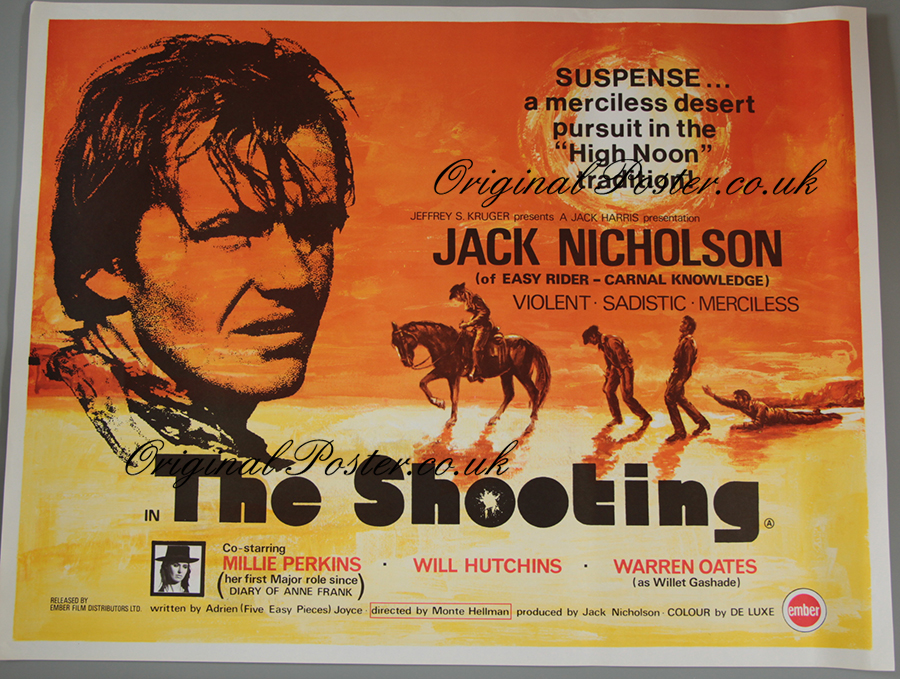
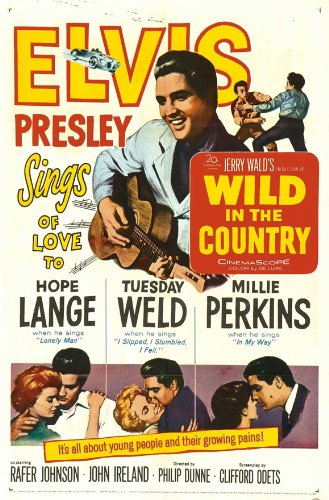
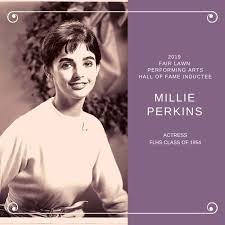
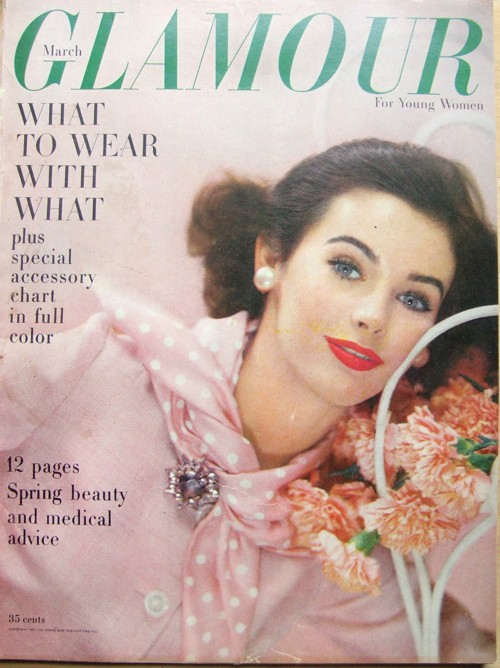
Millie Perkins was a very pretty model who won a starring part in her very first film.   She was born in New Jersey in 1938.   She began her career as a model and in her teens was featured on many magazine covers.   She auditioned for and won the lead in the 1959 production of “The Diary of Anne Frank” directed by George Stevens.   She acted opposite Elvis Presley in “Wild in the Country” and made a few independent movies with Jack Nicholson before he hit the big time.   In the late 60’s she retired from the screen to raise her family.   She returned  to films in the 80’s somewhat more mature but as warm and wining as ever.   She continues to play choice character parts such as playing Andy garcia’s mother in “Lost City”.   She recently attended a retrospective showing of “The Diary of Anne Frank” with co-star Diane Baker and this can currently be viewed on utube.

TCM Overview:

She won one of the most coveted roles in Hollywood history–Anne Frank, the Jewish teen who still affirms the human spirit while hiding from the Nazis–in George Stevens’ “The Diary of Anne Frank” (1959). Yet the almost fragile, seemingly eternal dark-haired ingenue Millie Perkins failed to ignite with the audience to become a big movie star, partly because she projected an ordinary quality. There was so sense of urgency or recognition of the inherent dangers. After finding steady work in the 1960s, she seemed to disappear in the 70s, only to renew her career as a strong supporting player in the 80s and 90s.

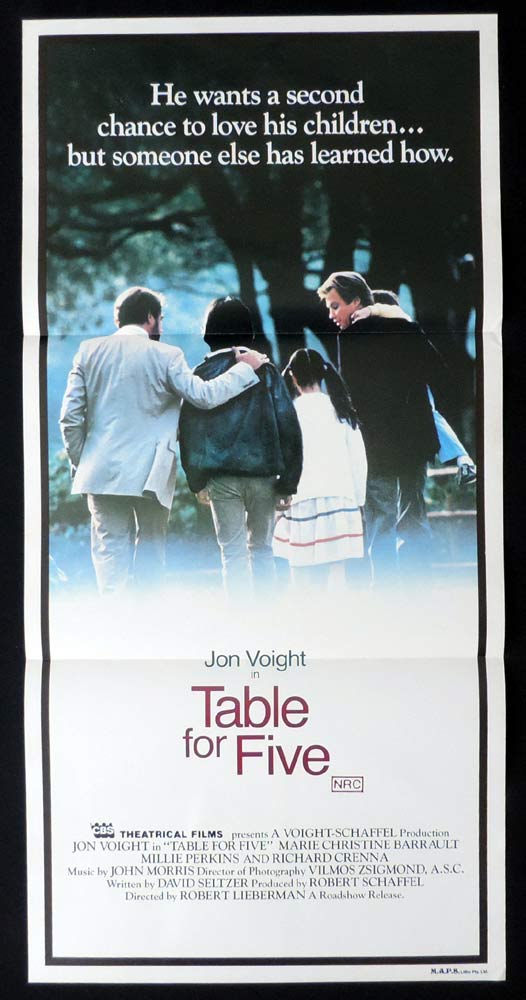
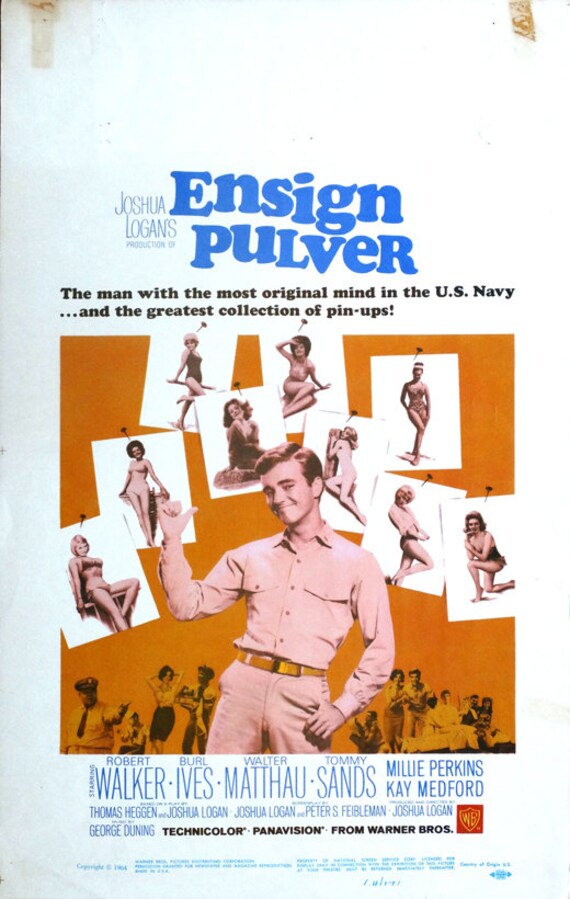
Born in Passaic, New Jersey, the daughter of a sea captain, Perkins was a junior model and cover girl before winning the Anne Frank role. Her second film was “Wild in the Country” (1961) opposite Elvis Presley; it was de rigueur for every ingenue at the time to play opposite Elvis. (In a twist of fate, Perkins would later portray Gladys Presley, Elvis’ mother, in the short-lived 1990 ABC TV series, “Elvis”). She continued her leading lady career in such efforts as “Ensign Pulver” (1964) and even was alongside Jack Nicholson during the Roger Corman period in “Ride in the Whirlwind” (1965), which Nicholson also wrote and co-produced. But by “Wild in the Streets” (1968), it was apparent Perkins’ screen career was faltering. After her marriage to writer-director Robert Thom, Perkins seemingly retired, appearing only sporadically in film and on TV. It was not she was cast as Jon Voight’s ex-wife in “Table For Five” (1983), that Perkins re-emerged. She had retained her delicate, porcelain features–her face had hardly–but her body was sturdier, and she now projected far more personal power and strength. Now relegated to supporting parts, she played Sean Penn’s mother in “At Close Range” (1986), Charlie Sheen’s mom in “Wall Street” (1987) and the parent of murder victims in “The Chamber” (1996).

On the small screen, Perkins first appeared on TV in 1960 on a Bob Hope special, and made her episodic debut on an episode of “Wagon Train” the following year. When she resumed her career in the 80s, she worked with some regularity in character roles. Perkins played a rape victim in “A Gun in the House” (CBS, 1981) and went on to a number of portrayals as wives, married to drunk driver Don Murray in “License of Kill” (1984, CBS) and Ed Asner’s ailing Norman Cousins in “Anatomy of an Illness” (1984, CBS). Even in her first regular series role, she was typecast, playing the estranged spouse of William Devane on the CBS primetime soap “Knots Landing” during the 1983-84 season. Moving into maternal roles, she was cast as the penultimate mother, the Virgin Mary, in the NBC miniseries “A.D.” (1985) and was the parent of the young Patty Duke in 1990 biopic “Call Me Anna” (ABC). Six years later, she appeared alongside Duke as an Amish woman in “Harvest of Fire” (1996, CBS).

The above TCM Overview can also be accessed online here.
Johnny Weissmuller
Johnny Weissmuller

Johnny Weissmuller will forever be remembered as the greatest film Tarzan of all.   He was born in 1904 in Austria.   He arrived with his parents in the U.S. the following year.   At the age of ine he contracted polio and his doctors advised swimming as a form of therapy.   He became so proficint at the sport that by his teens he had achieved a degree of fame as a sports athlete.   He competed and won gold medals for swimming at the 1924 Paris and 1928 Amsterdam Olympic Games.   In all he won five medals.   He signed a contract with MGM to make the Tarzan films in 1932.   The first film was “Tarzan the Ape Man” which featured Maureen O’Sullivan as Jane.   It is generally recogn ised that they were the test of the many whoo played the roles.   They made six Tarzan films together finishing with “Tarzan’s New York Adventure” in 1942.   O’Sullivan left to rear her family and Weissmuller continued the films with Brenda Joyce as the new Jane.   He also made a series Jungle Jim films.   Johnny Weissmuller died in Mexico in 1984 at the age of 79.
His mini biography by Ed Stephen:

Johnny Weissmuller was born in Timisoara, Romania, then a part of the Austro-Hungarian Empire, though he would later claim to have been born in Windber, Pennsylvania, probably to ensure his eligibility to compete as part of the US Olympic team.

A sickly child, he took up swimming on the advice of a doctor. He grew to be a 6′ 3″, 190-pound champion athlete – undefeated winner of five Olympic gold medals, 67 world and 52 national titles, holder of every freestyle record from 100 yards to the half-mile. In his first picture, Glorifying the American Girl (1929), he appeared as an Adonis clad only in a fig leaf. After great success with a jungle movie, MGM head Louis B. Mayer, via Irving Thalberg, optioned two of Edgar Rice Burroughs‘ Tarzan stories. Cyril Hume, working on the adaptation of Tarzan the Ape Man (1932), noticed Weissmuller swimming in the pool at his hotel and suggested him for the part of Tarzan. Weissmuller was under contract to BVD to model underwear and swimsuits; MGM got him released by agreeing to pose many of its female stars in BVD swimsuits. The studio billed him as “the only man in Hollywood who’s natural in the flesh and can act without clothes”. The film was an immediate box-office and critical hit. Seeing that he was wildly popular with girls, the studio told him to divorce his wife and paid her $10,000 to agree to it. After 1942, however, MGM had used up its options; it dropped the Tarzan series and Weissmuller, too. He then moved to RKO and made six more Tarzans. After that he made 16 Jungle Jim (1948) programmers for Columbia. He retired from movies to run private business in Fort Lauderdale, Florida.

– IMDb Mini Biography By: Ed Stephan <stephan@cc.wwu.edu>

This IMDB entry can also be accessed on lone here.