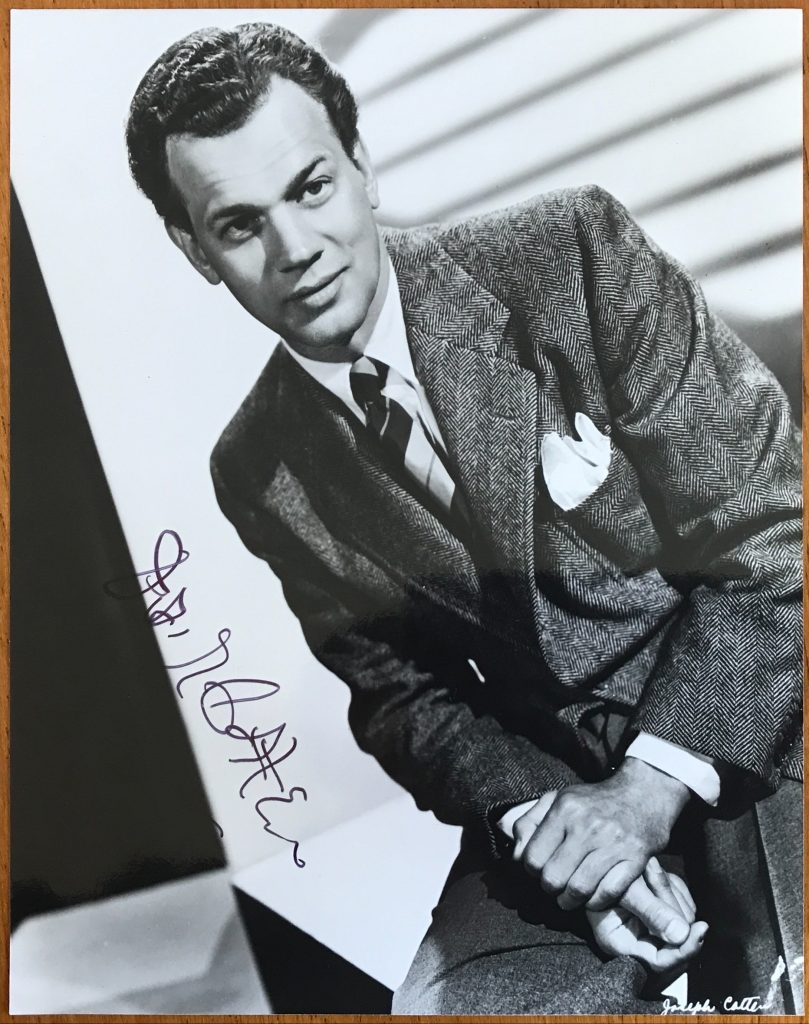
Joseph Cotten obituary in “The Independent” in 1994
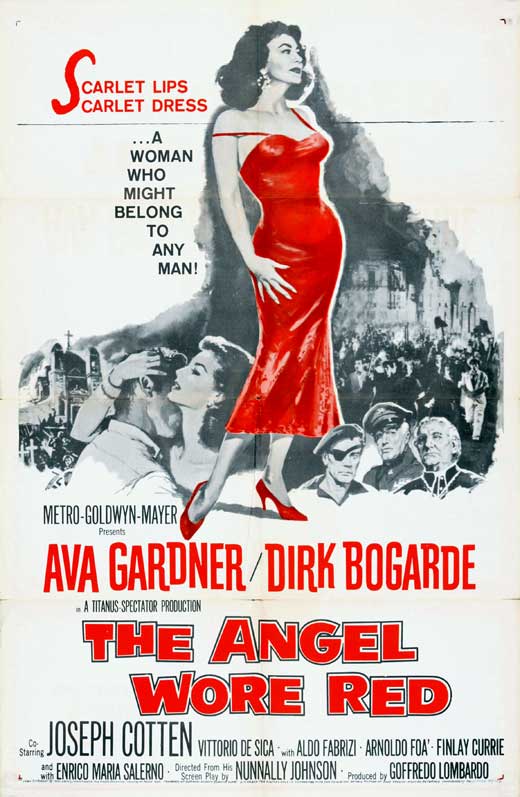
Joseph Cotten has starred in many of the all time classic films including !”Citizen Kane”, “The Magnificent Ambersons”, “Shadow of a Doubt”, “Portrait of Jeannie”, “Duel In the Sun”, “Love Letters”, “September Song” and “The Third Man”. His leading ladies have included such screen beauties as Jennifer Jones, Deanna Durbin, Teresa Wright, Loretta Young, Ava Gardner, Olivia de Havilland, Dorothy Malone, Alida Valli and Patricia Medina. Ms Medina became his wife in 1960. Joseph Cotten died at the age of 88.
The 1994 obituary in “The Independent”:
THERE was no one else quite like Joseph Cotten. He holds a high place in the Hollywood hierarchy, as Orson Welles’s friend and collaborator and as a star of the Forties whom the girls pinned up alongside Clark Gable and Gregory Peck. He was tall, rugged, handsome, with wavy hair and a courteous demeanour, especially towards women. Like Robert Taylor and Errol Flynn immediately before him, Cotten was emulated by the models for pullover patterns in women’s magazines, which now featured romantic heroes looking very much like him.
Cotten worked with Welles’s Mercury Theatre, on the stage and radio, from 1937 – taking time out to star opposite Katharine Hepburn in The Philadelphia Story (1940). When Welles was offered a contract by RKO he cast his first film, Citizen Kane (1941), almost entirely with his Mercury colleagues. The brouhaha which surrounded the film – that Hollywood’s wonder-boy was making a mockery of the newspaper tycoon William Randolph Hearst – meant that Cotten’s smooth performance as a drama critic was overlooked. Its very notoriety augured badly for Welles’s second film, The Magnificent Ambersons (1942), which was sent out in support of one of the ‘Mexican Spitfire’ cheapie series in the US and denied a West End showing in Britain.
Cotten wrote to Welles – who was in South America – about one of the previews of Ambersons, when a receptive audience became indifferent and then hostile. The film still inspires strong feelings, because of its brilliance, both technically and as an evocation of the American past; and because it was hacked about in Welles’s absence and had inserted in it some late sequences not by Welles at all. In the circumstances Cotten’s performance – as the faithful suitor of the widowed Isobel Amberson (Dolores Costello) – was again overlooked.
This second debacle put Welles in a precarious position in the industry, and he rushed into production a commercial thriller, Journey Into Fear (1942), based on a novel by Eric Ambler and with the direction credited to Norman Foster. This was again heavily cut, to just over an hour, though a longer version was issued the following year.
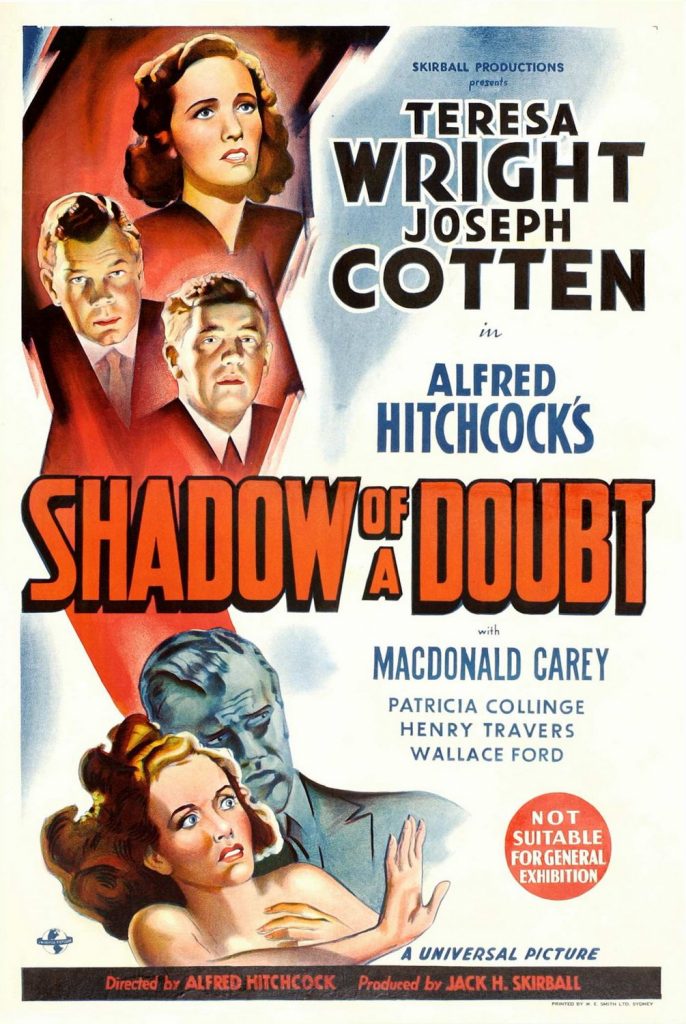
When RKO cancelled Welles’s contract, David O. Selznick signed Cotten, and loaned him and Hitchcock to Universal for Shadow Of a Doubt (1943), to play the beloved and admired Uncle Charlie, prepared to kill again when his niece (Teresa Wright) suspects that he is the perpetrator of the ‘Merry Widow’ murders. As the Johnny- on-the-Spot in Journey Into Fear Cotten had been likeable but unable to suggest desperation: but for Hitchcock he was superb, masking deadly menace with a suave charm.
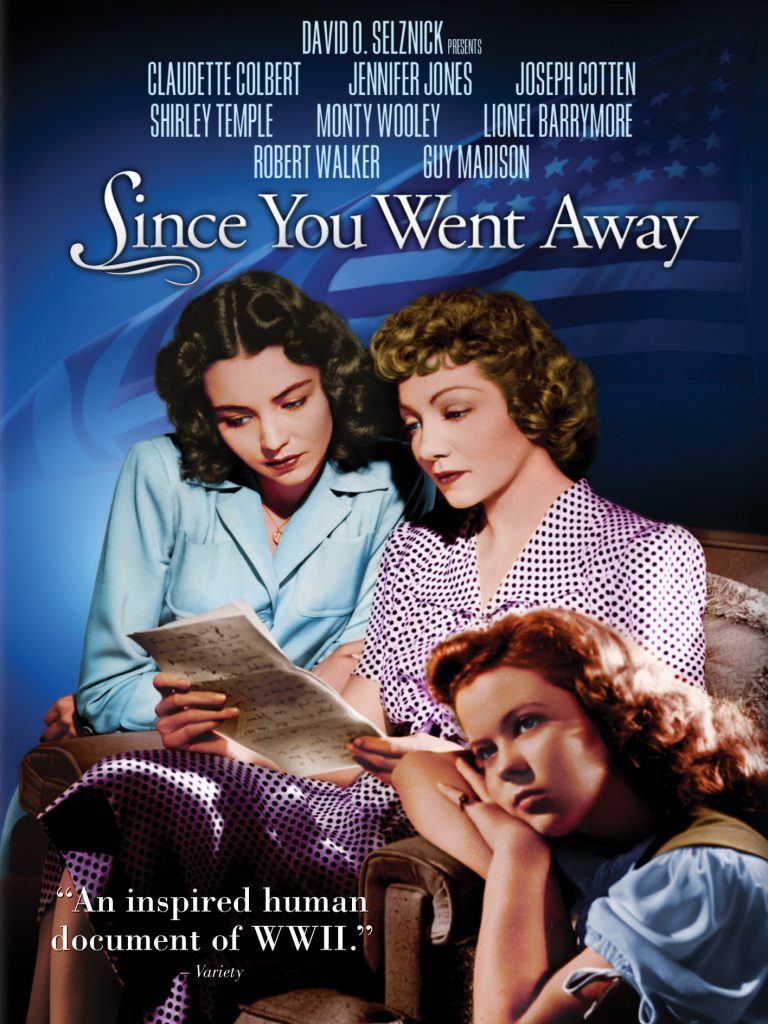
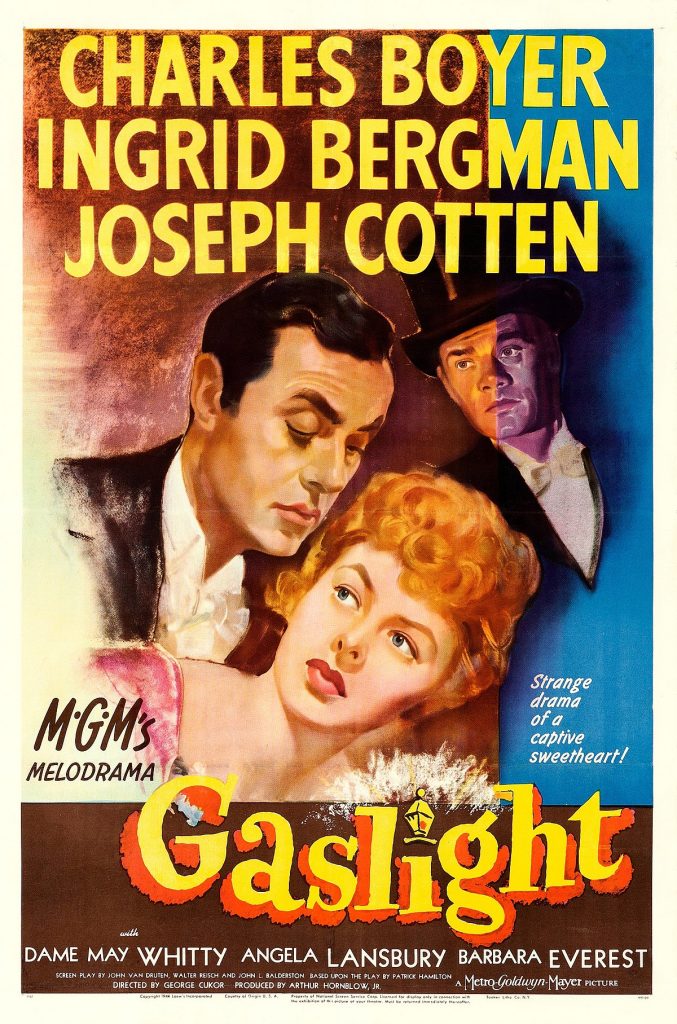
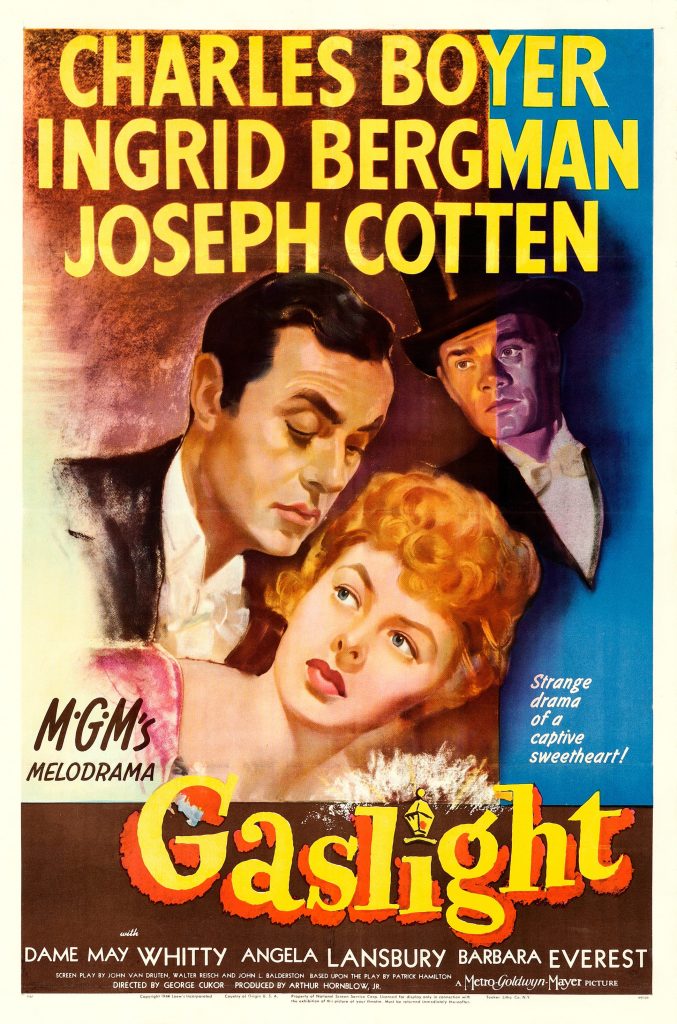
He stayed at Universal to be the handsome flyer for whose sake the headstrong Deanna Durbin goes to work in a munitions factory in Hers To Hold (1943). He was an idealised hero and ideal as such, and Durbin’s yen for him at a time when she was a leading box-office star shot him into the front rank of sought-after actors. He was the Scotland Yard man who comforted Ingrid Bergman in Gaslight (1944), after Charles Boyer has tried to scare her to death; and the handsome family friend, dazzling in his white uniform, ready to step in if Claudette Colbert’s husband is killed at the front, in Since You Went Away (1944).
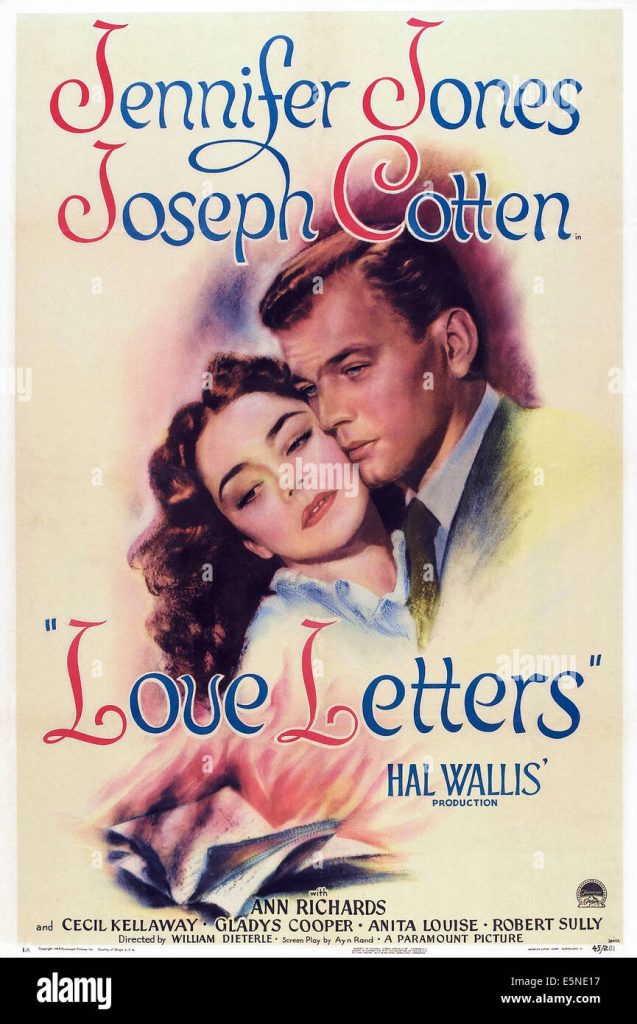
Selznick produced that (and wrote the script), also using Cotten in the last three films he made for his own company: I’ll Be Seeing You (1945), as a shell-shocked soldier; Duel in the Sun (1946), fighting with his dastardly brother Gregory Peck over the half-breed Jennifer Jones; and Portrait of Jennie (1948), as an artist who meets Jones in Central Park and later realises that she is less substantial than his painting of her. Like I’ll Be Seeing You, this was directed by William Dieterle, who had worked with them earlier at Paramount in Love Letters (1946).
Also at Paramount Dieterle helmed September Affair (1950), which cynics saw as Hollywood’s ‘take’ on Brief Encounter, with Joan Fontaine and Cotten committing adultery in an impossibly lush Italy; but since it starts with views of the Bay of Naples to Walter Huston’s version of ‘September Song’ the viewer may stay in a high mood till the end.
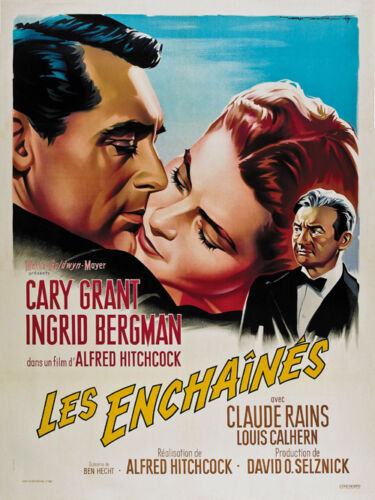
A reunion with Hitchcock was dicey at best: Under Capricorn (1949), with Cotten as an unfeeling ex-convict husband in old Sydney to an alcoholic Ingrid Bergman, overlaying her Swedish accent with an Irish one. Another 1949 reunion was in a triumphant project, with Cotten a writer searching for his old buddy Harry Lime in The Third Man: Welles was Harry, Selznick co-produced with Alexander Korda, and Carol Reed directed from Graham Greene’s screenplay.
With his Selznick contract at an end Cotten’s career began to founder. His last really memorable work is to be seen in two films in which he was cast with two of the screen’s more formidable stars: Bette Davis and Marilyn Monroe. The two films are, alike, melodramas to be enjoyed on their own terms: Beyond the Forest (1949), with Cotten as the husband Davis is running away from – and, as she said, ‘Who would want to leave Joe Cotten?’; and Niagara (1953), as the honeymooning husband Monroe wants to be rid of, trying to persuade her lover to push him into the Falls.
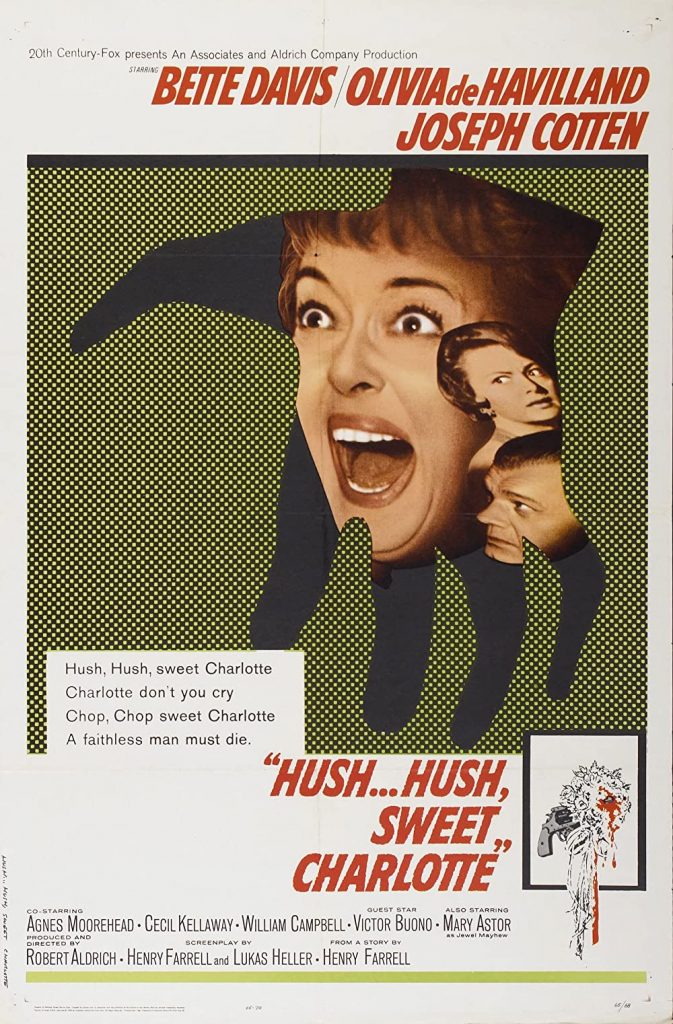
During the Fifties Cotten returned to Broadway and in 1960 he married, as his second wife, Patricia Medina, the British actor Richard Greene’s ex-wife. They were among Hollywood’s happiest couples, as Cotten confirmed in his memoir Vanity Will Get You Somewhere (1987): so it clearly did not matter that he had appeared in mostly junky films for almost 40 years, including telemovies and spaghetti westerns. But the old spark was there when he was challenged, as when cast as an alcoholic rancher with Kirk Douglas, in The Last Sunset (1961); and as a scheming doctor with Davis in Hush Hush Sweet Charlotte (1964).
The above “Independent” obituary can also be accessed online here.
Joseph Cotten (1905 – 1994) was an American actor whose career spanned stage, radio, film, and television and whose low‑key magnetism, rich Virginian diction, and emotional precision helped shape the texture of classic Hollywood drama. Best known for his association with Orson Welles on Citizen Kane (1941), The Magnificent Ambersons (1942), and The Third Man (1949), Cotten also distinguished himself as a romantic lead, noir protagonist, and dependable moral compass in 1940s – 50s American cinema. Critics have long regarded him as one of the finest actors never to have received an Academy Award nomination ( ).
Stage and radio foundations
Cotten was born Joseph Cheshire Cotten Jr. in Petersburg, Virginia, and initially worked as a Miami Herald drama critic before pursuing acting in New York in the early 1930s . After classical training he gained Broadway notice opposite Katharine Hepburn in The Philadelphia Story (1939) . Around the same time he joined Orson Welles’s Mercury Theatre, appearing on radio in The Mercury Theatre on the Air and on stage in Caesar and Shoemaker’s Holiday. This alliance introduced him to Welles’s experimental style and prepared him for the psychological subtlety of Mercury’s later film work.
Hollywood breakthrough and Mercury collaborations (1941–1943)
Cotten’s film debut came with Welles’s Citizen Kane (1941), where he played drama critic Jedediah Leland, Kane’s sardonic conscience. His calm intelligence provided a vital counterbalance to Welles’s flamboyance; the character’s rueful loyalty—culminating in Leland’s weary recollections—became one of cinema’s most eloquent portraits of friendship and disillusionment. Roger Ebert wrote that Cotten’s Leland “looks angry and wounded… the combination of these feelings is the key to his character,” capturing how his moral grief humanizes Welles’s operatic storytelling .
He deepened this collaboration in The Magnificent Ambersons (1942), playing Eugene Morgan, whose gentle integrity offsets the film’s social decay, and co‑wrote and starred in Journey into Fear (1943), showing a tight grasp of suspense structure. These three films alone secure his place in screen history: as Ebert noted, they appear regularly on “lists of the best films of all time” .
The versatile leading man (1943 – 1950s)
The mid‑1940s were Cotten’s peak years. Alfred Hitchcock cast him against type in Shadow of a Doubt (1943) as Uncle Charlie, the outwardly charming but homicidal drifter whose menace he edges with sophistication and self‑loathing. The result remains one of Hollywood’s most chilling villains . In contrast, he played steadfast or romantic heroes in Gaslight (1944), Love Letters (1945), Duel in the Sun (1946), The Farmer’s Daughter (1947), and the haunting fantasy Portrait of Jennie (1948), for which he won the Venice Film Festival’s Volpi Cup for Best Actor .
Carol Reed’s The Third Man (1949) paired him once again with Welles —in reverse roles: Cotten as decent yet bewildered writer Holly Martins and Welles as corrupt friend Harry Lime. His final scene, waiting by the road as Alida Valli walks past without acknowledging him, epitomized what Ebert called “the sadness that was one of his most attractive qualities” .
Later film and television career (1950s – 1980s)
In the 1950s Cotten remained in leading rotation (Niagara 1953 with Marilyn Monroe; September Affair 1950 opposite Joan Fontaine) before transitioning to character roles as older authority figures. He continued in international co‑productions—Touch of Evil (1958), Hush…Hush, Sweet Charlotte (1964)—and on television in Alfred Hitchcock Presents and Love Boat. His final screen appearance was in Heaven’s Gate (1980). Variety noted that he “brought elegance and dignity even to minor parts,” confirming Charles Champlin’s assessment that Cotten’s “low‑key charm could not conceal the truth that he was indeed a serious actor, a professional very proud of his best work” .
Acting style and screen persona
Restraint and emotional intelligence: Cotten embodied controlled emotion—a quiet line delivery masking deep feeling. He was rarely flamboyant; his work depended on rhythm, pause, and gaze.
Elegance and decency: Whether hero or villain, he conveyed civility; even evil in Shadow of a Doubt stems from moral fatigue rather than hysteria.
Melancholic warmth: Critics often emphasize his underlying sadness—a reflective quality that made him believable as both romantic visionary (Portrait of Jennie) and weary realist (The Third Man).
Professional adaptability: His training in theatre and radio gave him diction, timing, and awareness of ensemble effect, allowing him to integrate seamlessly into both auteur cinema and mainstream melodrama.
Critical appraisal
Strengths - Extraordinary range: credible as villain, lover, and moral observer. - Ability to balance star persona with character immersion, what Champlin called the “hardly less testing feat” of being both a name and an actor . - Understated technique that influenced later naturalistic performers.
Limitations - His refinement occasionally verged on detachment; he rarely played raw extroverts. - His aversion to self‑promotion and the absence of showy projects in later years limited his fame amid Hollywood’s louder personalities.
Legacy
According to Britannica, Cotten’s “elegant mannerisms, handsome looks, and low‑key yet compelling dramatic performances earned him both popular and critical acclaim” . Historians regard the 1940s as his decade of mastery, and film writers often rank him among Hollywood’s most underrated stars . The Orson Welles collaborations alone guarantee canonical status; Shadow of a Doubt and The Third Man revealed his darker currents, while romances like Portrait of Jennie proved his emotional reach.
In essence: Joseph Cotten combined gentlemanly elegance with inward intensity, creating a uniquely American blend of grace, melancholy, and decency. His performances stand as models of restraint—proof that strong emotion can be conveyed through understatement rather than display, and that quiet intelligence can be as memorable as bravura technique.
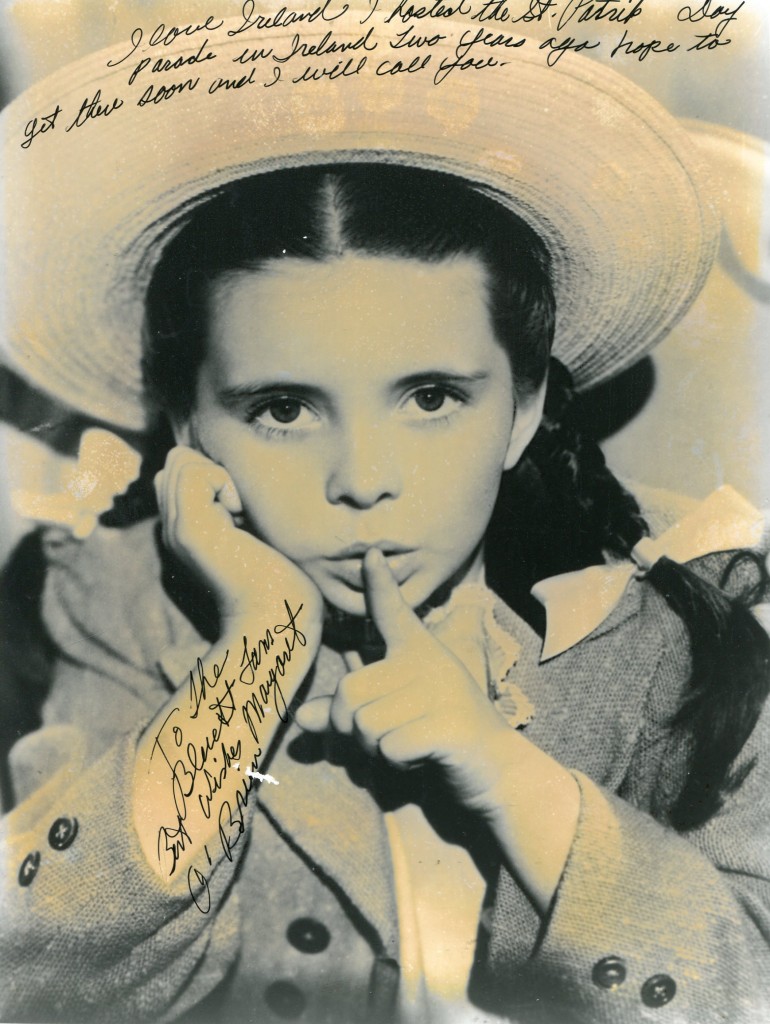
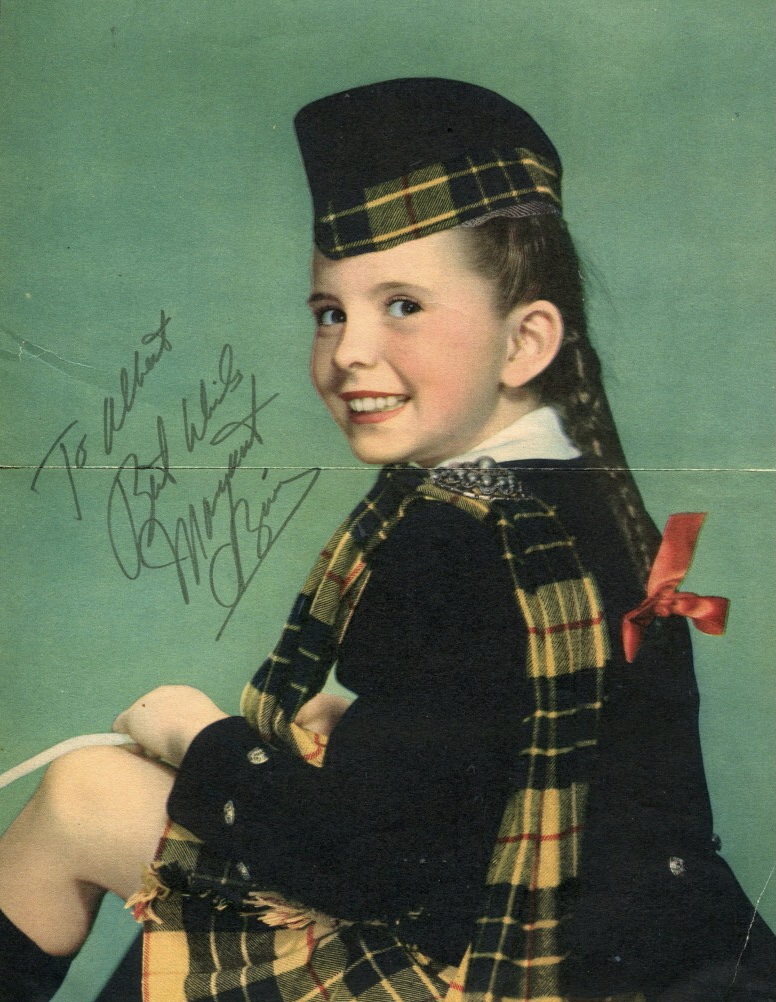
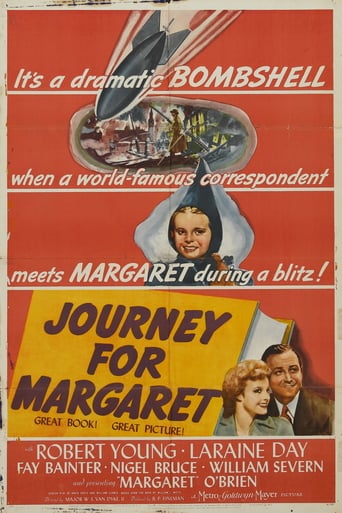
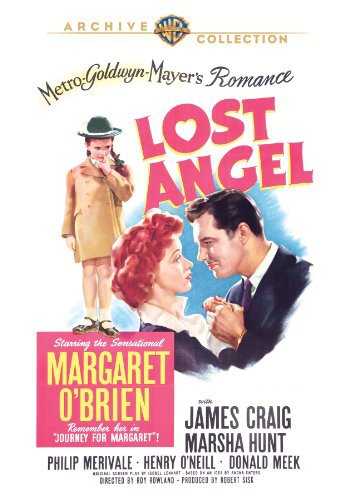
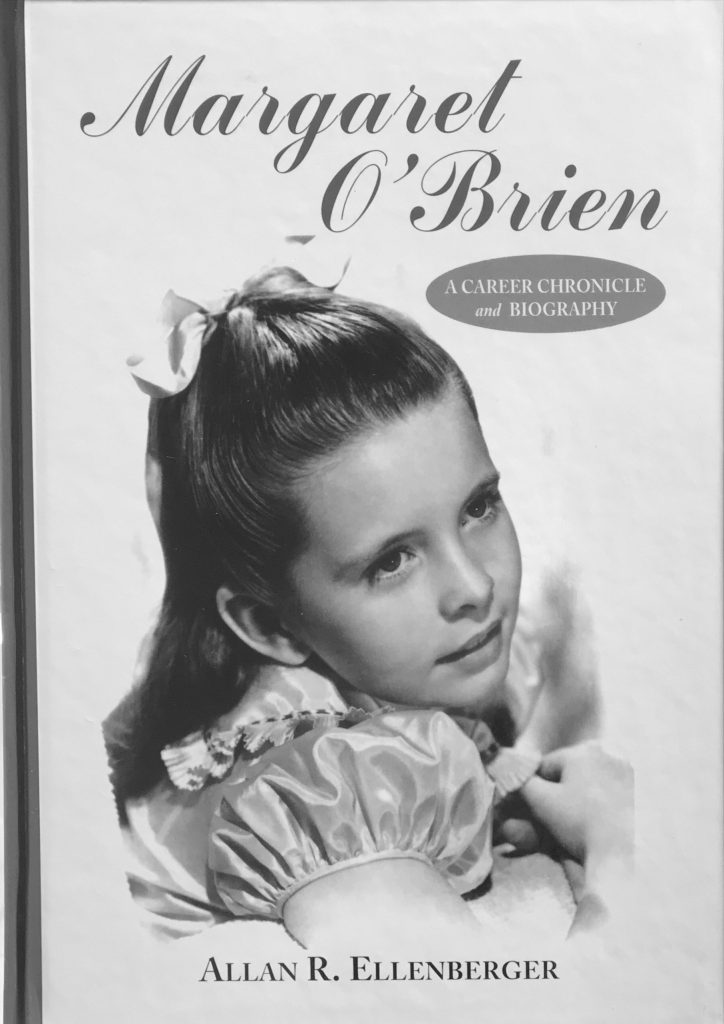
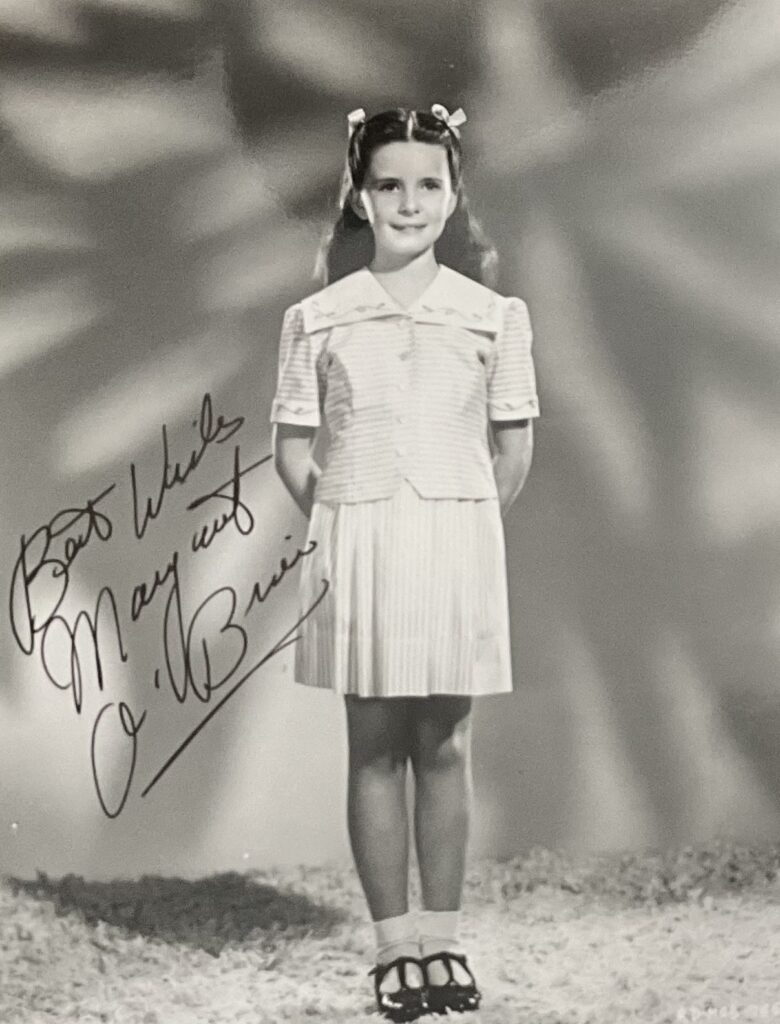
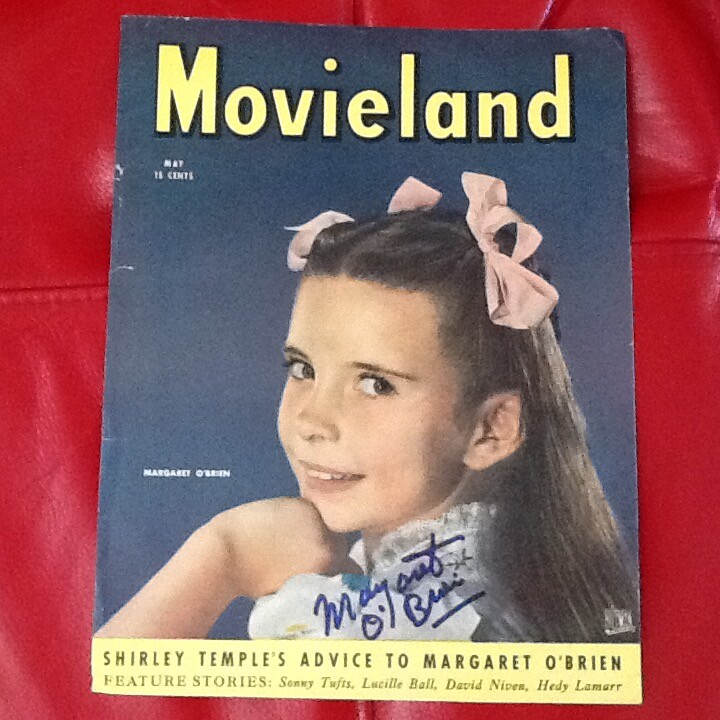
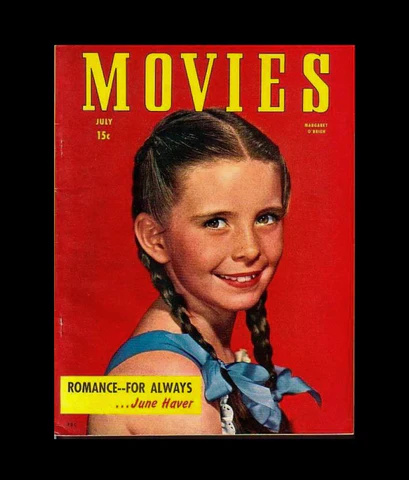
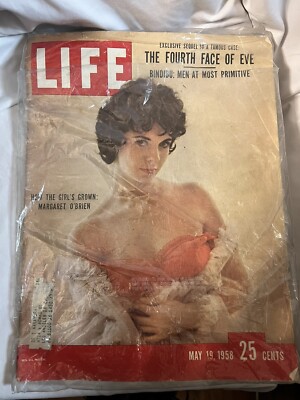
Margaret O’Brien was a child star of the 1940s was best known for her natural, emotional style and her startling facility for tears. As Maxine O’Brien (her birth name), she first appeared in a civil defense film starring James Cagney, then in a bit in “Babes on Broadway” (both 1941). Sensing her potential, MGM signed her, changed her first name to Margaret and starred her in the tour de force “Journey for Margaret” (1942), as a terrified London war orphan who “adopts” reporter Robert Young. It was an adult, intelligent and slightly scary performance which made her an overnight star. The studio didn’t quite know what to do with her after that as she wasn’t an adorable Shirley Temple type. She was loaned out to Fox for “Jane Eyre” (1944) and was pretty much wasted in such MGM films as “Dr. Gillespie’s Criminal Case”, “Lost Angel” and “Madame Curie” (all 1943), although she had a slightly better part in “The Canterville Ghost” (1944), opposite Charles Laughton.
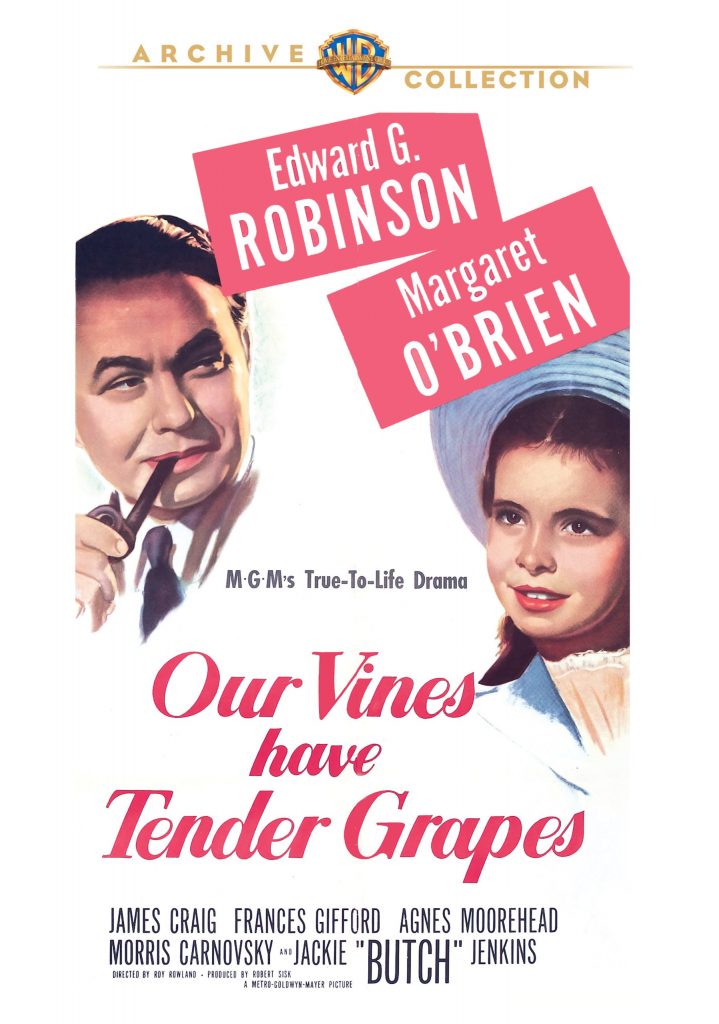
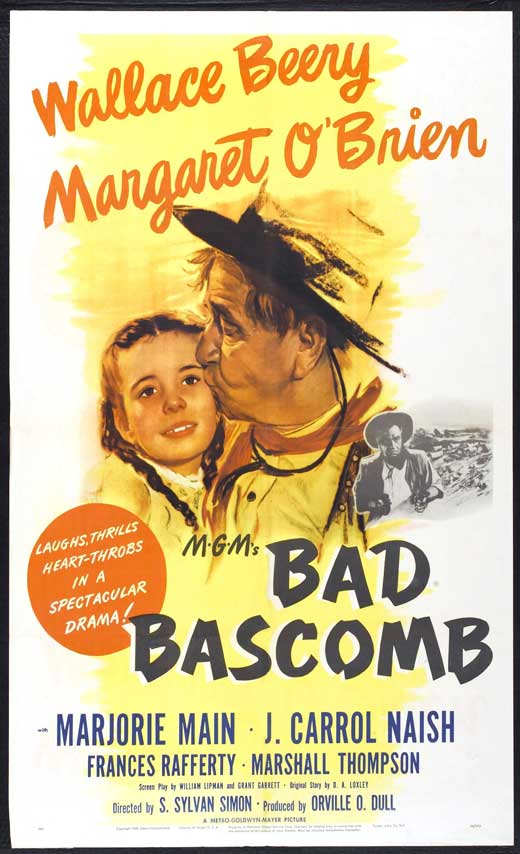
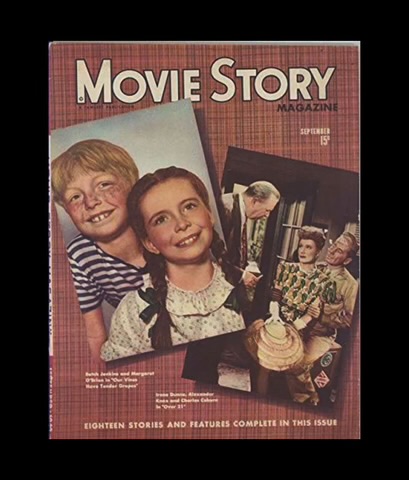
O’Brien’s next big showcase came with “Meet Me in St. Louis” (1944). As Tootie Smith, the feisty but fragile little sister of Judy Garland, she was a bright point in a very good film, especially in her musical numbers with Garland and during a Halloween sequence in which she confronts a grouchy neighbor. For her performance, she was awarded a special juvenile Oscar. Her next two features, “Music for Millions” (1944) and the drama “Our Vines Have Tender Grapes” (1945) were also impressive, but her luck pretty much wore out after that. Her last MGM films were generally unimpressive: the Western “Bad Bascombe” and the comedy “Three Wise Fools” (both 1946) and the melodrama “The Big City” (1948). Two good roles came her way in 1949, as the tragic Beth in an otherwise unremarkable remake of “Little Women” and as Mary Lennox in “The Secret Garden.”
O’Brien left MGM after that and her film career pretty much tapered off. She played her first love scene (at age 14) in the appropriately-titled low-budget “Her First Romance” (1951) for Columbia and had ingenue roles in “Glory” (1955) and in the all-star Western “Heller in Pink Tights” (1960). Her only other films to date have been the Disney-produced period drama “Amy” (1981) and a cameo in the direct-to-video horror spoof “Sunset After Dark” (1994).
TENTH AVENUE ANGEL, US poster, from left: George Murphy, Angela Lansbury, Margaret O Brien, 1948 Courtesy Everett Collection ACHTUNG AUFNAHMEDATUM GESCHÄTZT PUBLICATIONxINxGERxSUIxAUTxONLY Copyright: xCourtesyxEverettxCollectionx MCDTEAV EC006
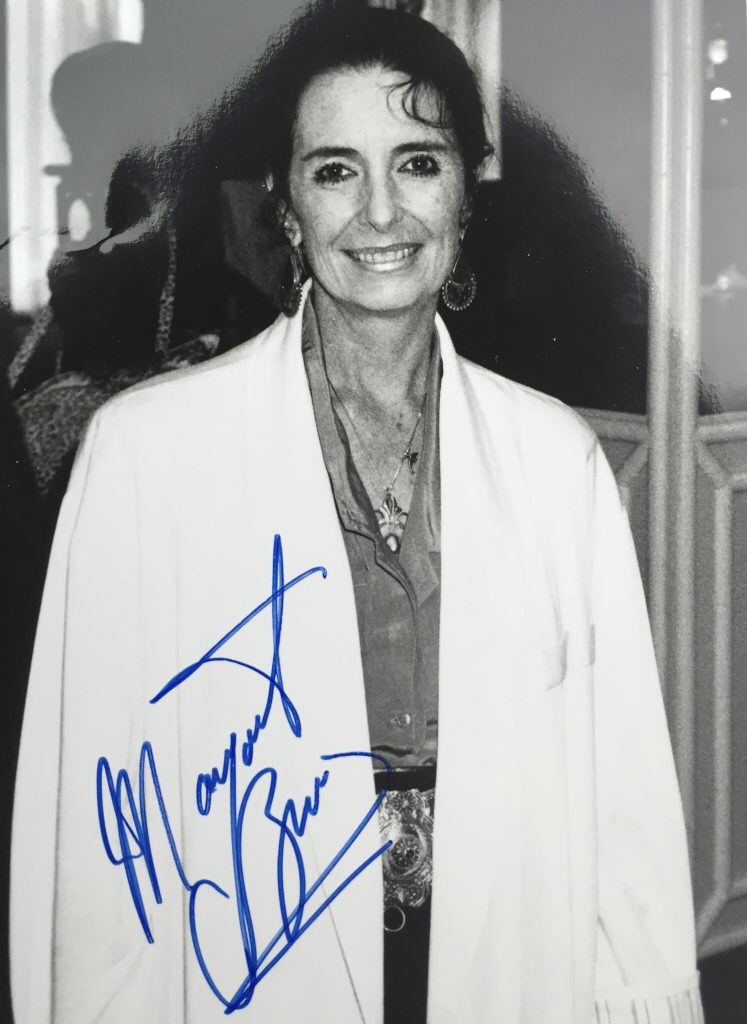
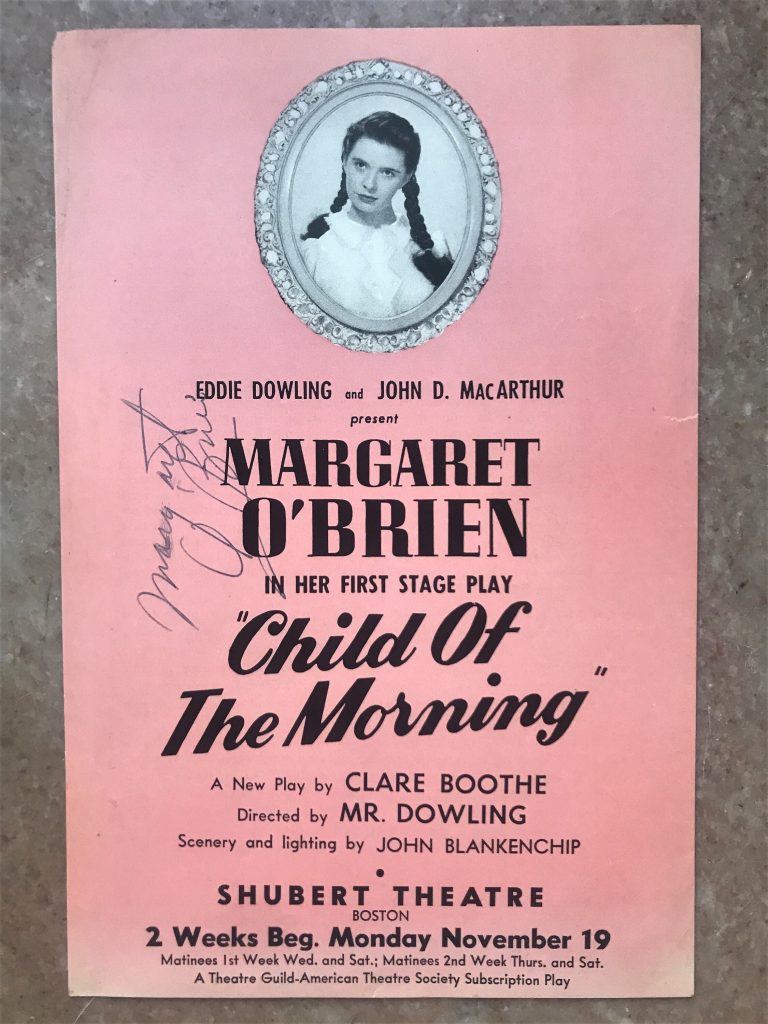
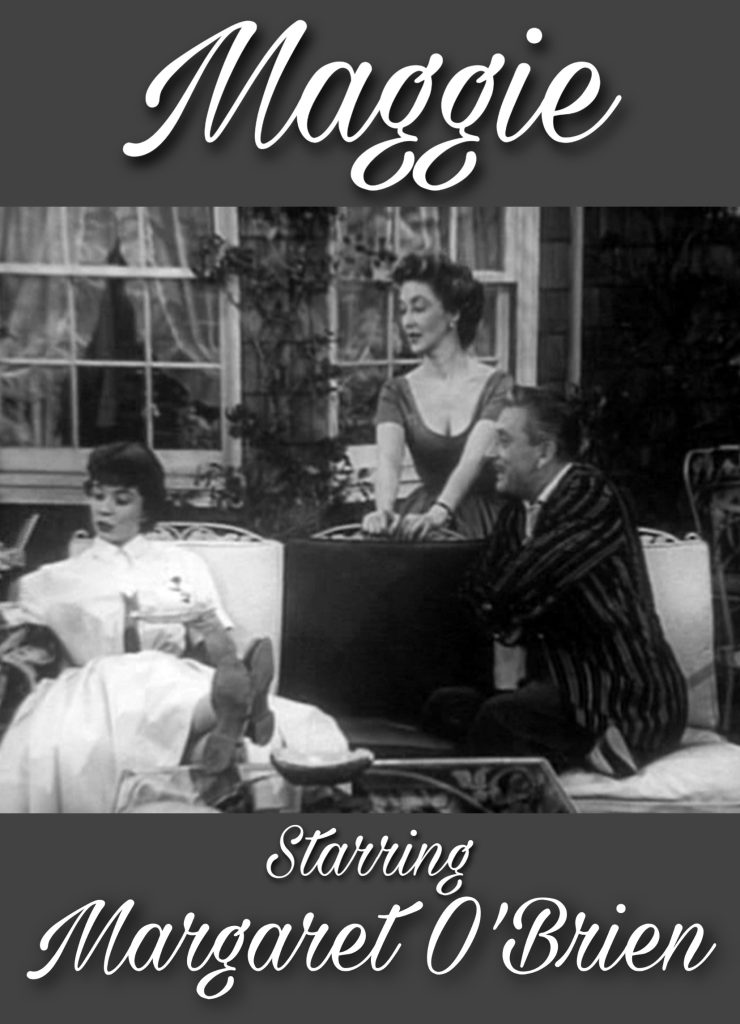
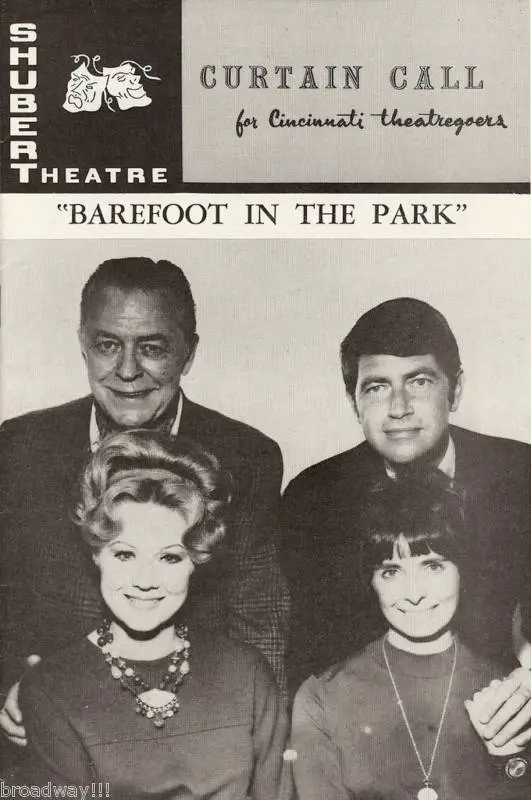
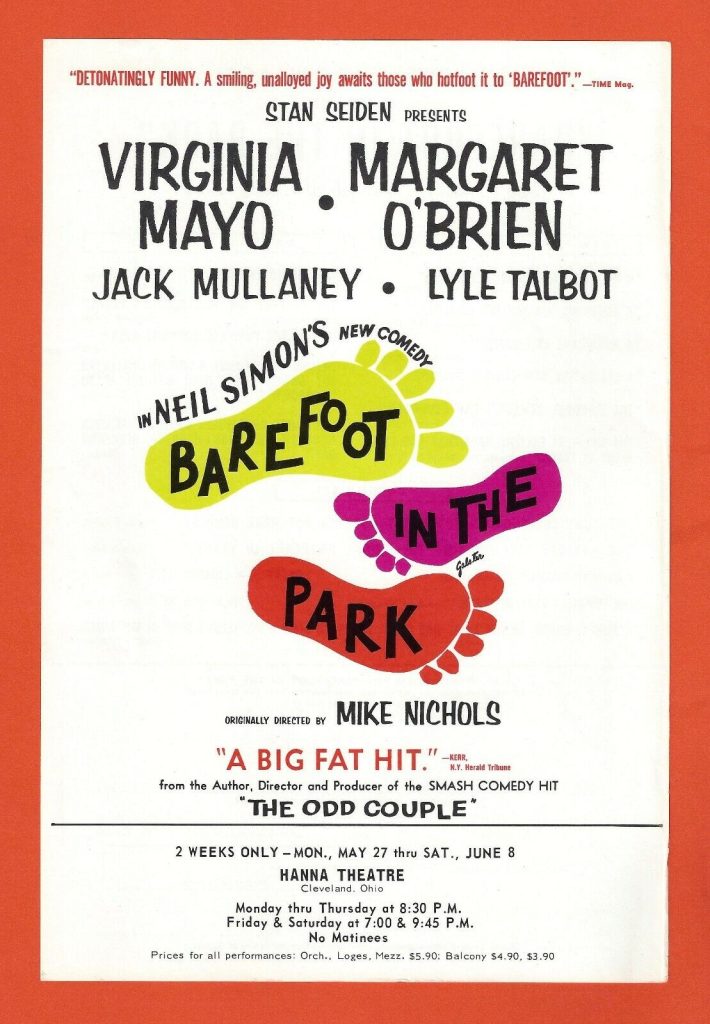
But as soon as her film contract had ended, the teenaged actress plunged into “the Golden Age of Television”. Deluged with offers, O’Brien acted on such anthology series as “Studio One”, “The Lux Video Theater”, “Ford Television Theater”, “Playhouse 90” and “The June Allyson Show”. O’Brien reprised her big screen role of Beth in a TV musical version of “Little Women” (CBS, 1958), alongside Florence Henderson, Jeanie Carson and Joel Grey. A pilot for her own series, the domestic sitcom “Maggie” (CBS, 1960), did not fly. But as she aged from teen to slightly plump young lady and into svelte, lovely middle age, O’Brien continued to appear on the small screen from time to time, turning up in such longforms as the “Ironside” TV-movie “Split Second to an Epitaph” (NBC, 1968) and the miniseries “Testimony of Two Men” (syndicated, 1977) and making guest appearances on such series as “Love, American Style” (1968), “Adam-12” (1971), “Marcus Welby, M.D.” (1972) and “Murder, She Wrote” (1991). O’Brien has also appeared onstage in summer stock and cruise ship productions of “Barefoot in the Park”, “Under the Yum-Yum Tree”, “A Thousand Clowns” and others.
The above TCM overview can also be accessed online here
Although Margaret O’Brien’s career as a top star was brief, retrospectively she is regarded as one of the best child actors ever, second only to Shirley Temple. Indeed many people consider O’Brien to be more talented than Temple.
Her first main role was in “Journey for Margaret” in 1942 and throughout the World War Two years, she was in the Top Ten most popular actors in the U.S. Career highlights include “Meet Me in St. Louis”, “The Canterville Ghost”, “Little Women” and “The Secret Garden”. As she grew into her teenage years, she found it difficult to obtain leading roles. She tested for “Rebal Without A Caouse” but lost out to her friend Natalie Wood. Recently she has been seen regularly on television and at film conventions talking about the Golden Days of Film. Her website can be assessed here.
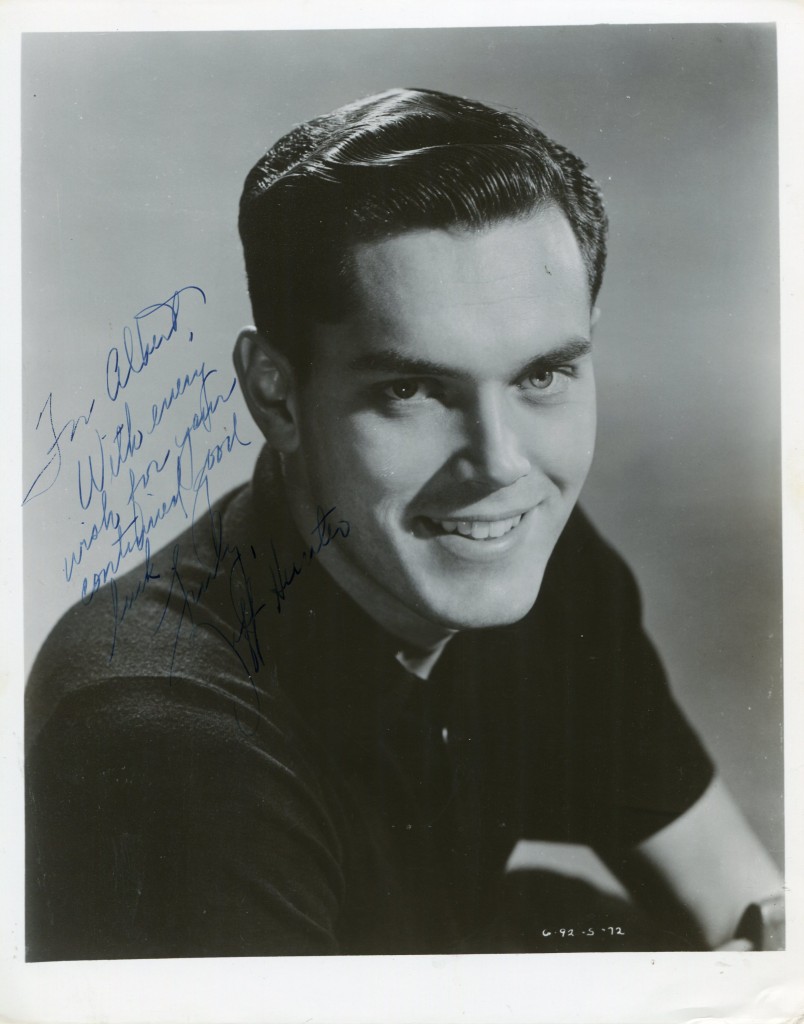
Jeffrey Hunter was born in New Orleans, Louisiana in 1926. In 1950 after graduating from college, he was awarded a 20th Century Fox contract. His first film was “Fourteen Hours” and his first major role was in “Red Skies of Montana” in 1952 with Richard Widmark and Constance Smith. One of his most famous roles was in the iconic Western “The Searchers” with John Wayne. His other notable films in the 1950’s include “A Kiss Before Dying”, “In Love and War”, and “The True Story of Jesse James”. In 1961 he played the part of Jesus Christ in “King of Kings”. During the 1960’s he worked mainly on television. He died as a result of a fall in 1969.
Jeffrey Hunter article by Mike McCrann:
Hollywood has a long history of gorgeous male movie stars—Rock Hudson, Warren Beatty, Tyrone Power, Paul Newman—the list is endless, and everyone has his favorite. My personal pick for the most handsome is Jeffrey Hunter. Jeffrey Hunter was one of the most beautiful young actors of the 1950s who seemed headed for top stardom. He is best known today for the colossal John Ford western The Searchers and for having played Jesus Christ in King of Kings five years later. Jeffrey Hunter never became a mega star, and his shocking death in 1969 at the age of 42 made him a lingering cinematic shadow in the following decades.
Jeffrey Hunter became a star at 20th Century Fox, and most of his early films were pretty forgettable. Fellow rising star Robert Wagner supplanted Hunter and started getting the studio buildup. As Mr. Wagner had neither the looks nor the talent of Jeffrey Hunter, we will leave the reasons for this switch in the studio’s affections to the imaginations of our readers. (There is the great swimming pool photo with Robert Wagner looking like he was going to give the heterosexual Hunter a real surprise!)
Jeffrey Hunter’s great roles were all for movie legend John Ford. Ford cast Hunter (over Robert Wagner, I might add) in the role of Martin Pawley in the epic The Searchers starring John Wayne. This famous film was a big hit when released in 1956 and is now considered by many critics as one of the greatest films ever made. Jeff was fabulous in the film—especially in his many shirtless scenes and in his classic moment with Natalie Wood (the future Mrs. Robert Wagner) where he protects her from being killed by John Wayne, who can’t accept the fact his kidnapped niece has been raised by and sexually active with the Indians who took her as a child. Jeffrey Hunter was never better on film.John Ford used Hunter in two other wonderful films, including The Last Hurrah (1958) with Spencer Tracy as the corrupt but lovable Irish mayor of Boston. In this black and white classic, Jeffrey Hunter looked totally hot in his tweeds and button-down Ivy League clothes, and he gave a fine performance. Ford used Hunter one more time in the underrated Sergeant Rutledge, filmed in glorious color.
The zenith or nadir of Jeffrey Hunter’s career was being chosen by director Nicolas Ray (Rebel Without A Cause) to star as Jesus in King of Kings. Although the film and Hunter received OK notices and made some money, it was dubbed by Hollywood pundits as “I Was A Teenage Jesus” and probably did more harm to Hunter’s career than any other film he ever made. (I remember seeing this film when I was a junior in high school and feeling a bit alarmed as I realized I had a sexual attraction to Jesus! This did not seem quite right to a teenager just coming to terms with his sexuality. But, sorry, Jeff Hunter with his shoulder-length hair and piercing blue eyes was one hot savior. I was only annoyed because they had shaved his armpits!)
Jeffrey Hunter’s career wound down as the ’60s wore on. Audiences wanted edgier actors like Steve McQueen and Paul Newman. His last claim to fame was playing the Captain in the original captain for Star Trek—a role that eventually went to William Shatner. Had Hunter done this series and not died from a freak fall in his home, we might still be seeing him on TV or film, enjoying the last stage of a long career.
All we have of Jeffrey Hunter are the memories of him in his 1950s films—especially Martin Pawley in The Searchers and the impossibly sexy Jesus Christ in King of Kings. I fondly salute Jeffrey Hunter, for me the most beautiful man in the movies.
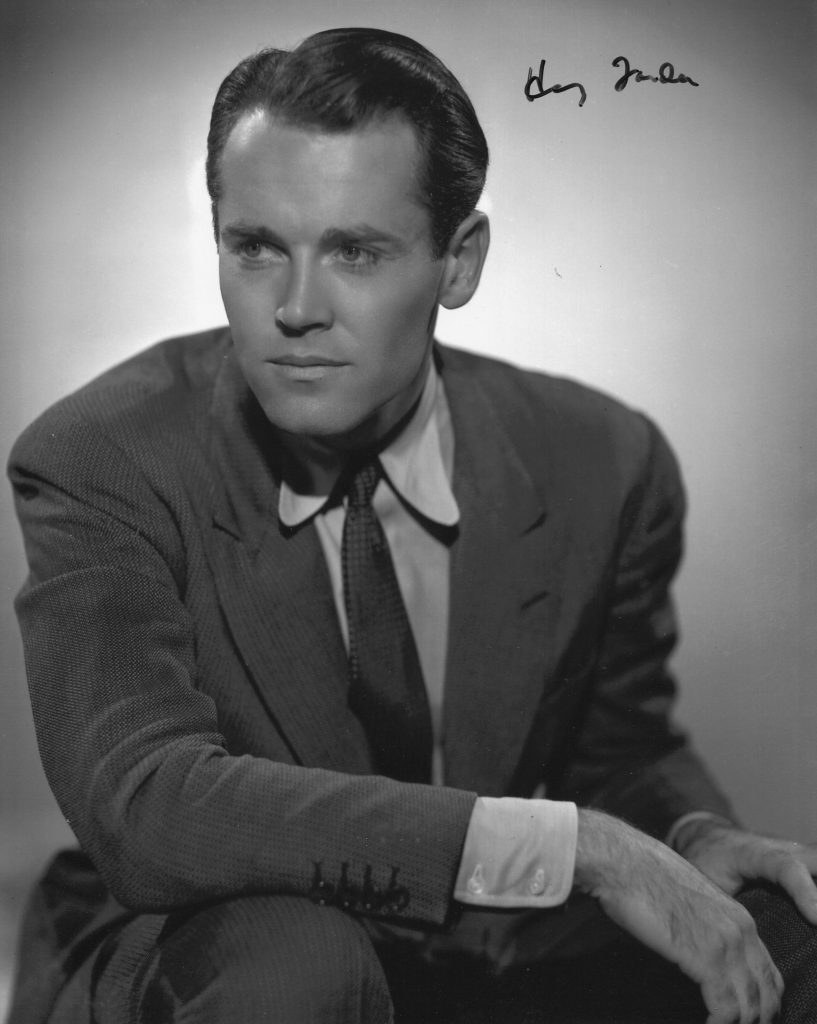
Henry Fonda was born in Nebraska and began his career on the New York stage. He made his first film “The Faromer Take a Wife” in 1935 and over the years had many career highlights including “Trail of the Lonesome Pine”, “Jezebel”, “Fort Apache”, “The Wrong Man”, “Mr Roberts” , “Once Upon A Time in the West” ,”Wings of the Morning” and “The Lady Eve”, Towards the end of his career he received an Oscar for his performance in “On Golden Pond” opposite Katharine Hepburn and his daughter Jane Fonda.
“The Times” obituary :
Obituary
Mr Henry Fonda
Distinguished contribution to the American cinema
Henry Fonda, who died yesterday in Los Angeles at the age of 77, was one of America’s most distinguished screen actors. Though occasionally cast as the villain, his screen image was essentially heroic: he was the man of integrity, the voice of reason, the upholder of justice. He brought to his work an intelligence and a quiet emotional power that marks him off completely from the men of action like John Wayne. Even if they had done wrong, like Tom Joad in The Grapes of Wrath, is characters were basically sympathetic, and were often victims in turn.
His harrowing portrayal of the innocent musician who is a victim of mistaken identity in Hitchcock‘s The Wrong Man saw this scapegoat theme pushed to the extreme; he was equally effective as the juror who manages to talk his eleven colleagues out of their prejudices in Twelve Angry Men. He was a tall, athletic slightly gauche figure — particularly in the early films — with a distinctive mid-western voice. Surprisingly, he had to wait until this year for a best actor Oscar.
Fonda was born in Grand Island, Nebraska, on May 16, 1905 and started his acting career with the Omaha Community Playhouse. He turned professional in 1928 and later joined the University Players Guild, where his colleagues included James Stewart, Margaret Sullavan (his first wife) and Joshua Logan. His first New York appearance was a walk-on in 1929 but he soon graduated to leading roles.
His big chance came with New Faces of 1934 and the following year his film debut in the screen version of another Broadway success, The Farmer Takes A Wife. He had the distinction of appearing in the first outdoor Technicolor film, The Trail of the Lonesome Pine, and first British film in Technicolor, Wings of the Morning.
He progressed through Fritz Lang’s You Only Live Once, playing a criminal on the ran, two pictures with Bette Davis, That Certain Woman and Jezebel, and the Western, Jesse James, to Young Mr Lincoln in 1939. Fonda’s portrayal of the early life of the great President not only consolidated his growing reputation but marked the beginning of an association with the director, John Ford, which was to embrace some of the best work of both men.
Fonda’s Tom Joad in Ford’s version of The Grapes of Wrath is one of the cinema’s great performances, though it was Jane Darwell as the mother of the tragic dustbowl victims who collected the Oscar. Fonda later played a serene Wyatt Earp in Ford’sMy Darling Clementine, the whisky priest in The Fugitive (Ford’s controversial attempt to translate Graham Greene’s The Power and the Glory to the screen) and, somewhat against type, the Custer-like commander leading his men into massacre in Fort Apache.
But these were by no means the only peaks of Fonda’s career. He showed a considerable gift for comedy playing opposite Barbara Stanwyck in the Preston Sturges picture, The Lady Eve, and spoke up movingly but unavailingly against the lynch-mob in Wellman’s uncompromising Western, The Ox-Bow Incident. He served in the United States Navy in the Second World War, returning to make Clementine and a new version of the Jean Gabin classic, Le Jour se Leve.
Then in 1948, at the height of his fame, Fonda deliberately turned his back on Hollywood and returned to the New York stage. He was fortunate enough to have three hits in a row: Mister Roberts, about the crew of a wartime cargo ship, which ran for three years; Point of No Return; and The Caine Mutiny Court Martial. It was the film version of Mister Roberts that finally brought Fonda back to Hollywood after a gap of seven years, the director, John Ford, insisting that he should have the part rather than William Holden or Marlon Brando. Ironically, Fonda and Ford quarrelled so violently during the making of the film that they did not work together again.
Mister Roberts was such a success that Fonda’s film career resumed almost where it left off, though he had passed his fiftieth year and the engaging gaucheness of his youth was no longer an asset he could draw upon; instead he became the pillar of integrity. Though he was generally considered miscast, his performance as Pierre in the 1956 War and Peace was one of the best features of that epic, and there followed The Wrong Man, Twelve Angry Men (which Fonda produced) and two strong Westerns, The Tin Star and Warlock.
After this he returned once more to Broadway and his film appearances became less frequent and, on the whole, less distinguished. The highlights were perhaps his three political films of the early 1960s, Advise and Consent (as the Secretary of State), The Best Man (as the presidential candidate fighting a reactionary and unscrupulous opponent) and Fail Safe (as the President of the United States facing the ultimate nightmare of a nuclear war). The last film was unfortunate to be released in the wake of Kubrick’s Dr Strangelove, which handled the same theme as black comedy, and Fonda’s powerful, yet low-key performance tended to be undervalued.
Fonda’s later work in the cinema was uneven and he seemed sometimes to have difficulty finding suitable parts. He played policemen in The Boston Strangler and Madigan and tried his hand, rather unsuccessfully, at comedy Westerns like Big Hand for a Little Lady, Firecreek and The Cheyenne Social Club (the last two with James Stewart, his friend from early stock company days). And for once in his career he went completely against the grain and played a total villain in the Italian-made Western,Once Upon a Time in the West. But competent though all these roles were, they left Fonda’s admirers yearning for the great days of the late 1930s and 1940s and it is likely that his fame will ultimately rest on his best films of this period.
In 1974 he was given a heart pacemaker but in the same year he embarked upon a punishing one-man show in the theatre, as the lawyer Clarence Darrow. The play ran successfully both on Broadway and at the Piccadilly Theatre in London. Fonda also continued to make films but none added to his reputation until he appeared with another veteran, Katherine Hepburn, in On Golden Pond, a sentimental piece about a retired professor and his family. He was a popular choice for the 1982 Oscar but he had been virtually bedridden since undergoing heart surgery the previous year and was not well enough to attend the ceremony.
So often a figure of repose on the screen, Fonda had a tempestuous private life. He was married five times and his second wife, Frances Brokaw — mother of his children, Jane and Peter — committed suicide. Jane and Peter became film stars in their own right and their political radicalism was at one time the cause of a rift with their father.
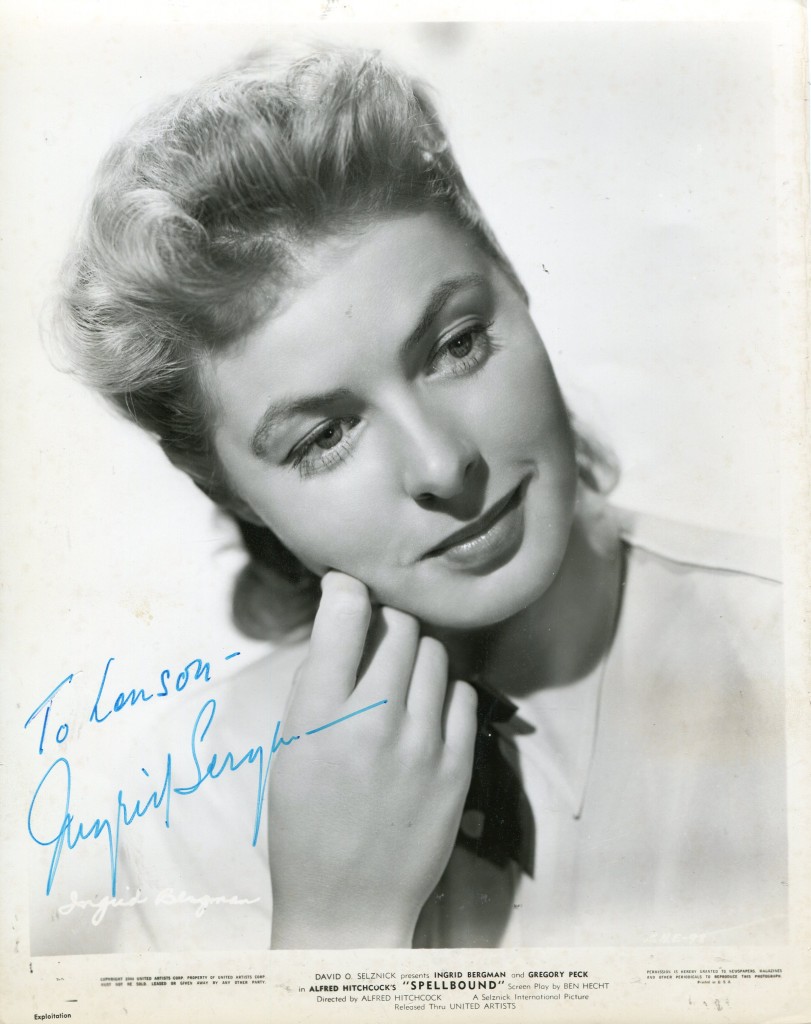
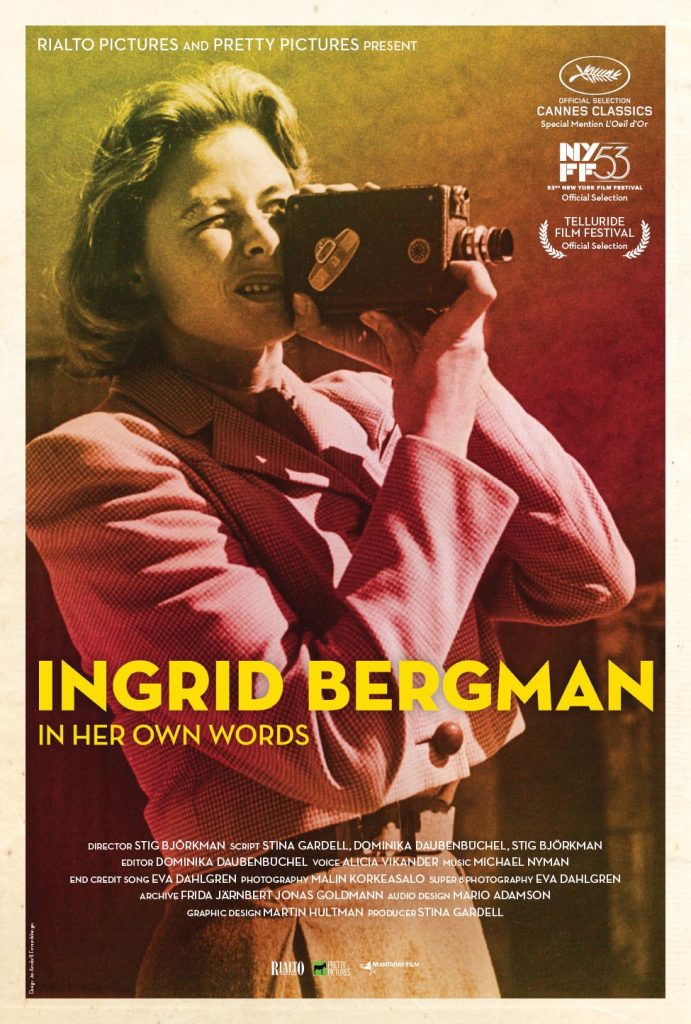
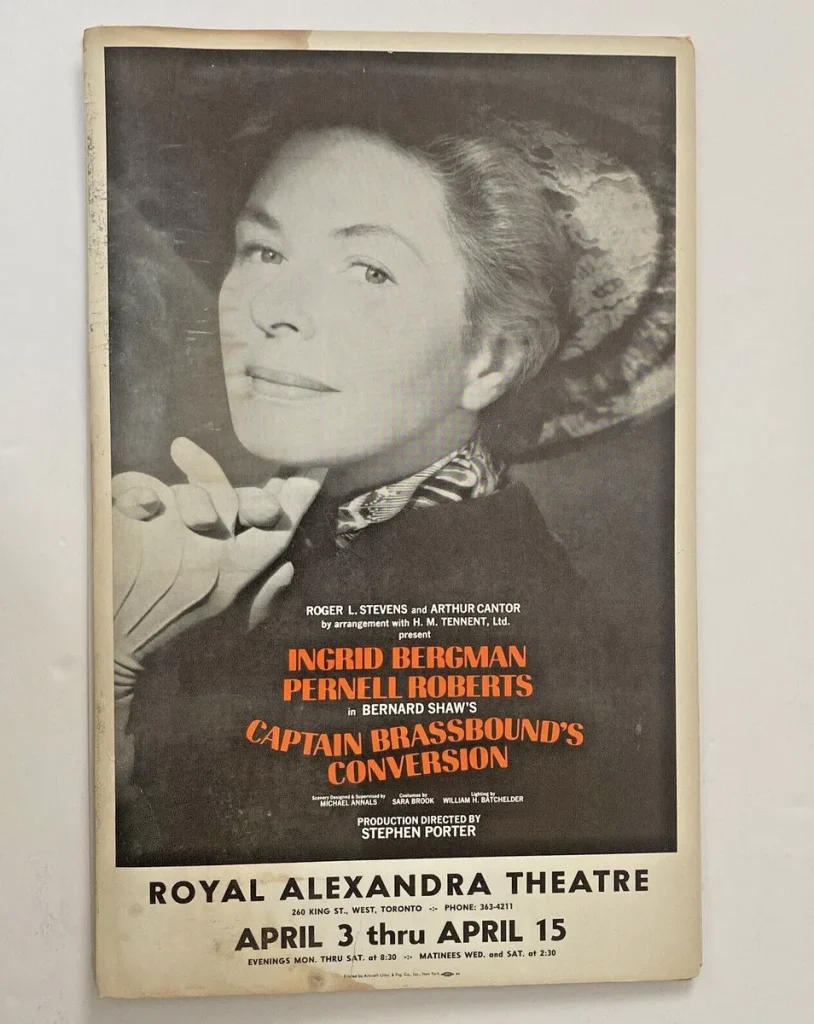
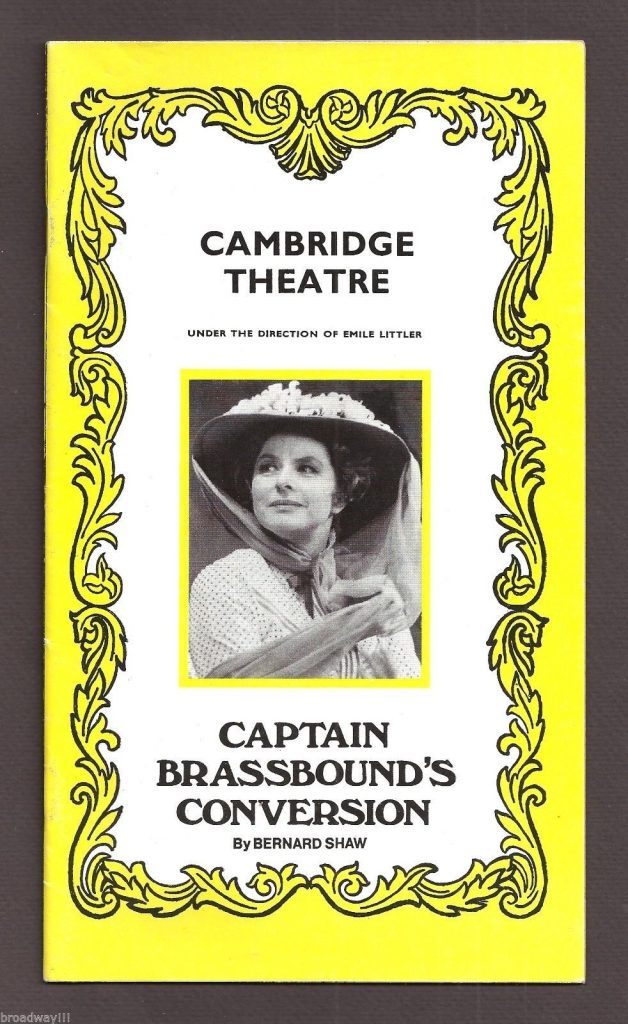
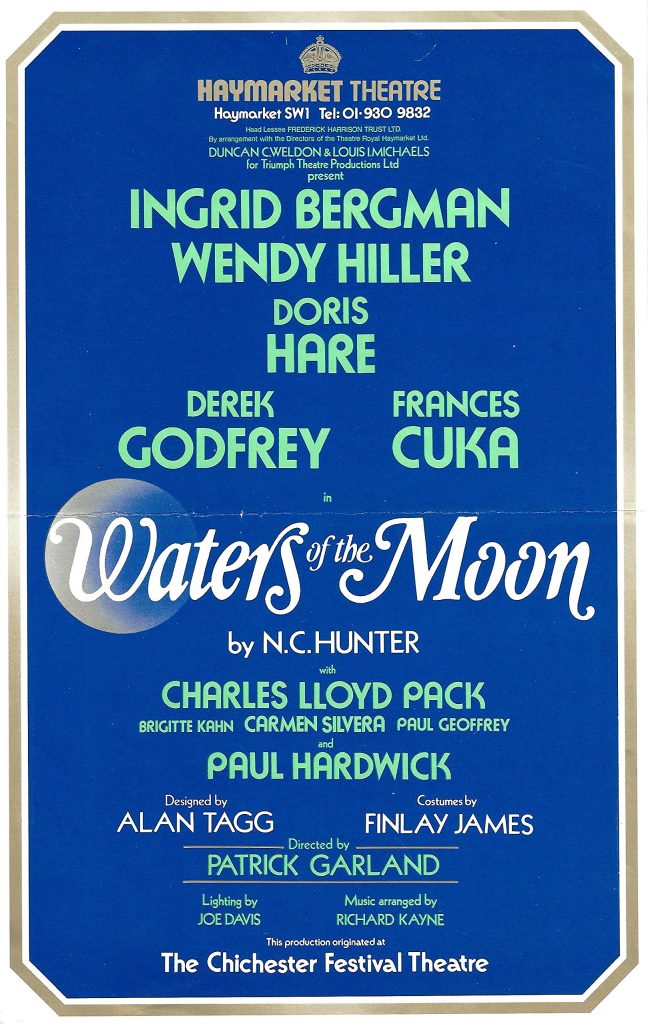
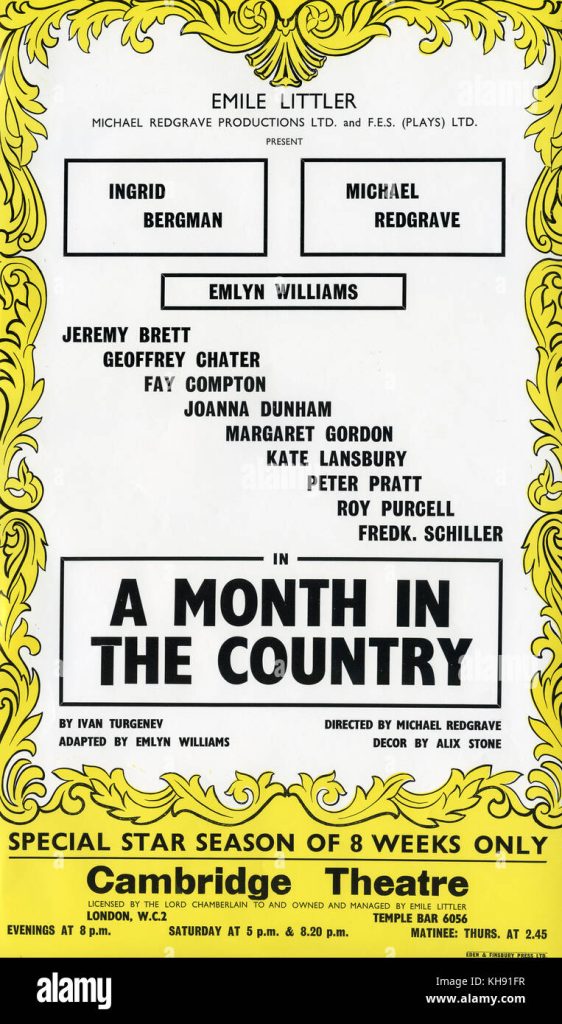
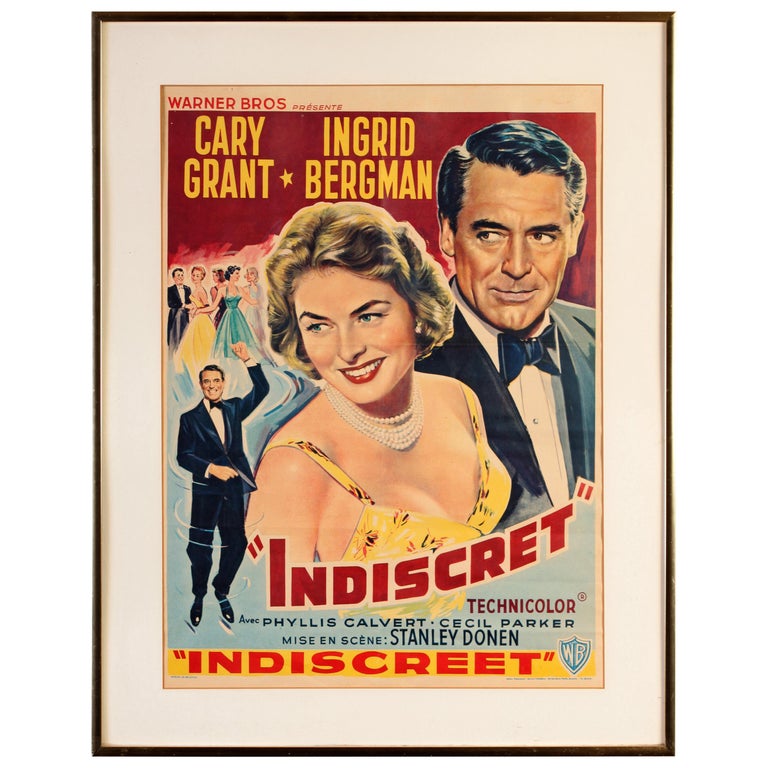
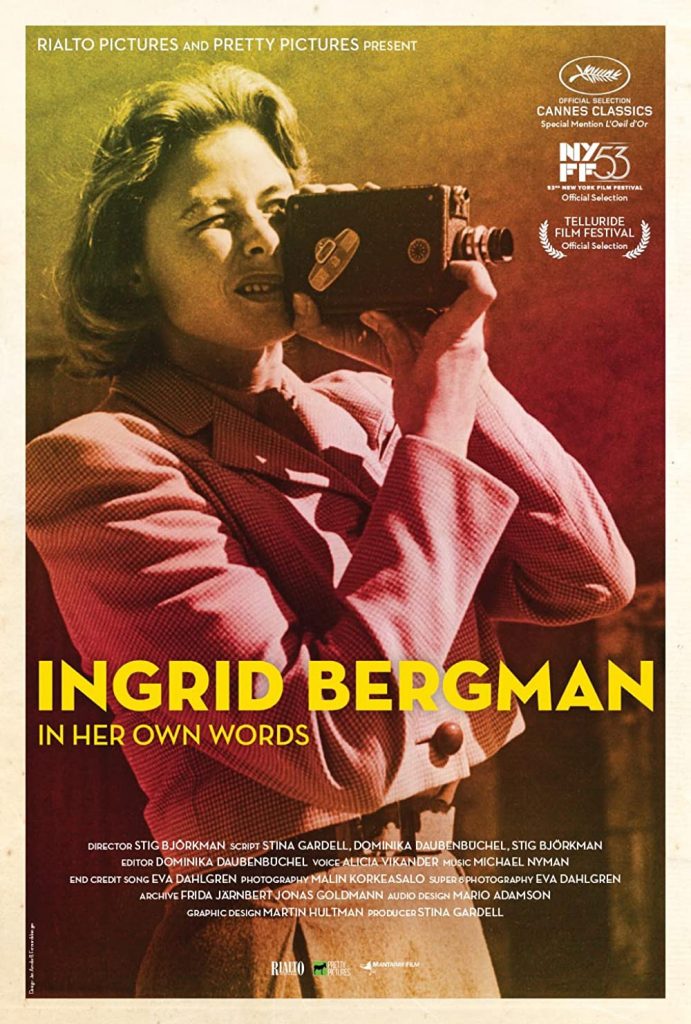
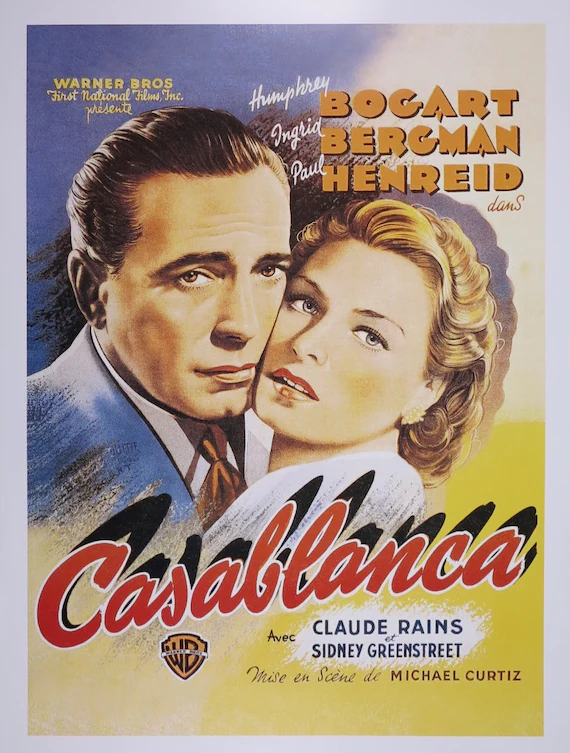
Ingrid Bergman won three Oscars, “Gaslight”, “Anastasia” and “Murder on the Orient Express. She began her career in her native Sweden and became a top Hollywood star in the 1940’s. At the heigth of her fame in 1949 she left Hollywood and made films in Italy. She returned to the U.S. in 1956 and resumed her international career. She died on her 67th birthday in London. Her most iconic role is as Ilsa Lund in “Casablanca” opposite Humphrey Bogart.
TCM Overview:
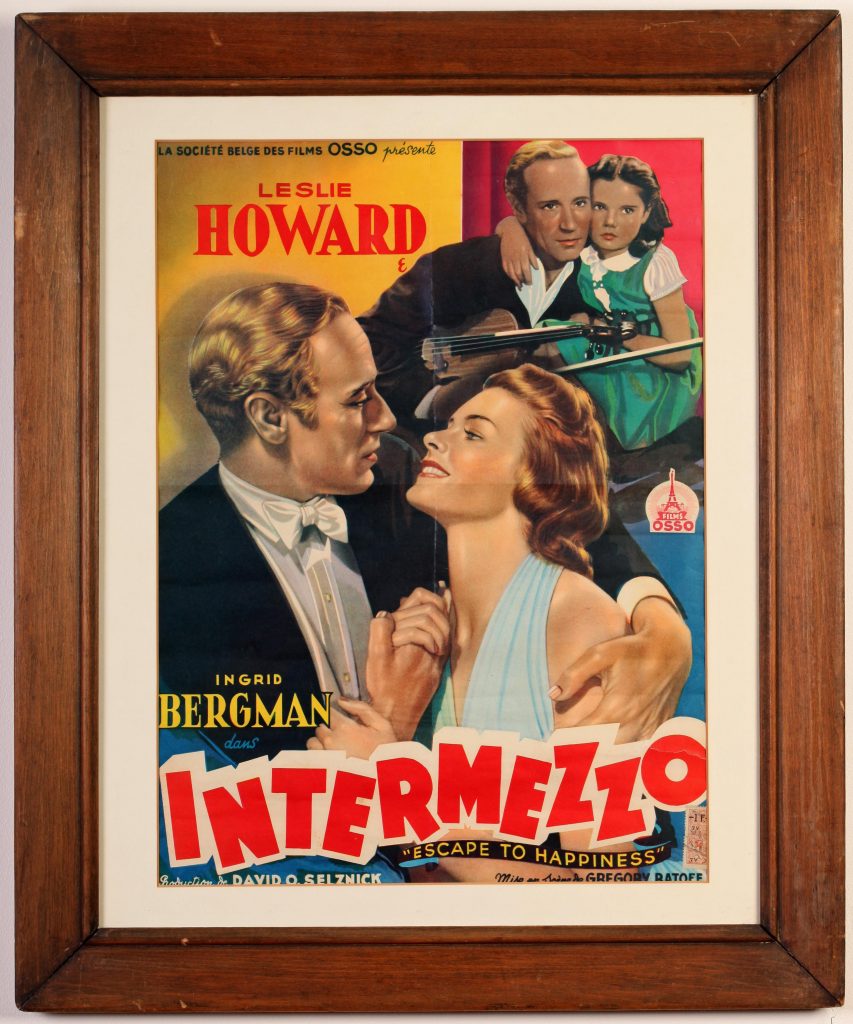
A highly popular actress known for her fresh, radiant beauty, Ingrid Bergman was a natural for virtuous roles but equally adept at playing notorious women. Either way, she had few peers when it came to expressing the subtleties of romantic tension. In 1933, fresh out of high school, she enrolled in the Royal Dramatic Theater and made her film debut the following year, soon becoming Sweden’s most promising young actress. Her breakthrough film was Gustaf Molander’s “Intermezzo” (1936), in which she played a pianist who has a love affair with a celebrated–and married–violinist. The film garnered the attention of American producer David O. Selznick, who invited her to Hollywood to do a remake. In 1939 she co-starred with Leslie Howard in that film, which the public loved, leading to a seven-year contract with Selznick
“New York Times” obituary:
Ingrid Bergman, the three-time Academy Award-winning actress who exemplified wholesome beauty and nobility to countless moviegoers, died of cancer Sunday at her home in London on her 67th birthday.
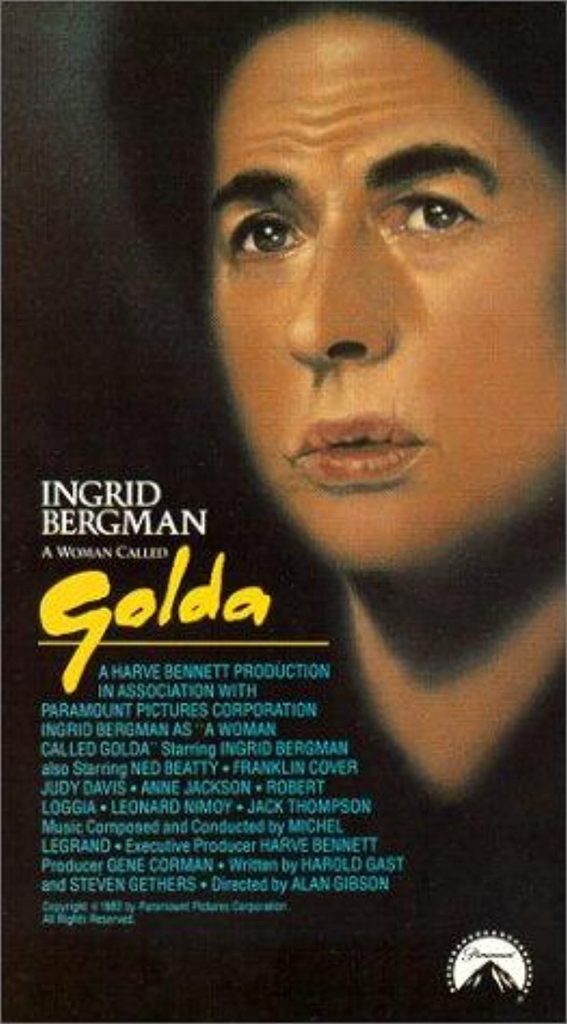
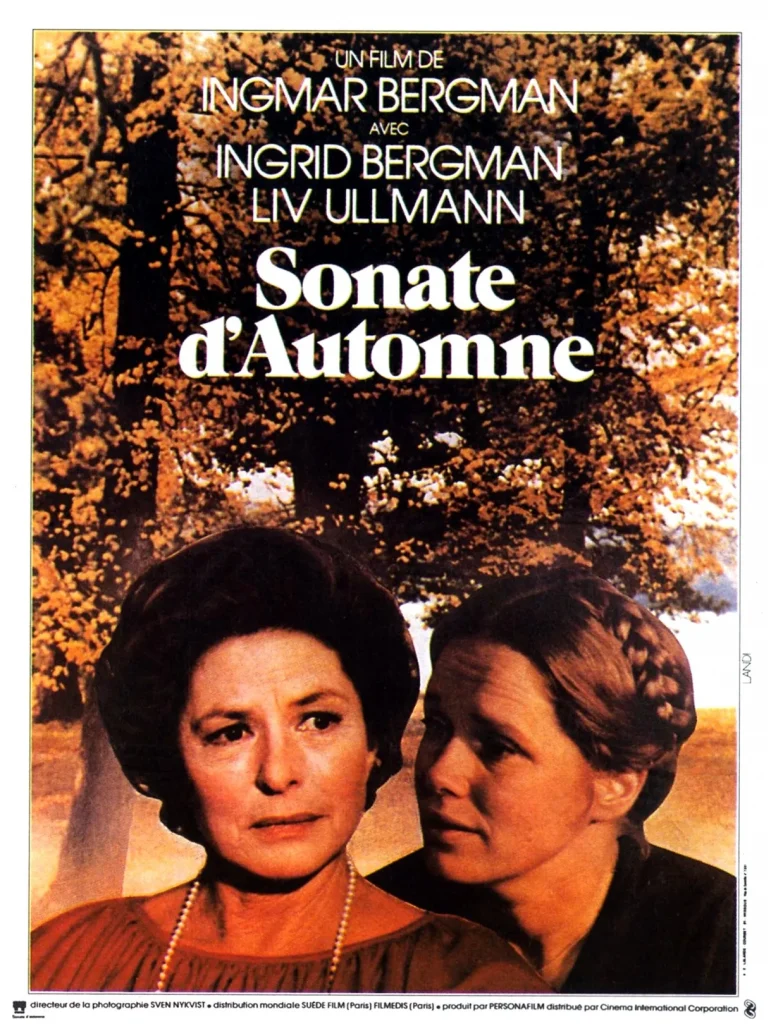
Miss Bergman had been ill for eight years. Despite this, she played two of her most demanding roles in this period, a concert pianist in Ingmar Bergman’s ”Autumn Sonata” and Golda Meir, the Israeli Prime Minister in ”A Woman Called Golda.” her last role.
Miss Bergman said in an interview earlier this year that she was determined not to let her illness prevent her from enjoying the remainder of her life.
”Cancer victims who don’t accept their fate, who don’t learn to live with it, will only destroy what little time they have left,” she said. Miss Bergman added that she had to push herself to play the role of Golda Meir: ”I honestly didn’t think I had it in me. But it has been a wonderful experience, as an actress and as a human being who is getting more out of life than expected.”
Lars Schmidt, a Swedish producer from whom Miss Bergman was divorced in 1975, was with her at the time of her death. Incandescent, the critics called Ingrid Bergman. Or radiant. Or luminous. They said her performances were sincere, natural. Sometimes a single adjective was not enough. One enraptured writer saw her as ”a breeze whipping over a Scandinavian peak.” Kenneth Tynan needed an essay before he distilled her quality down to a sort of electric transmission of ”I need you” that registered instantly upon yearning audiences.
At the heart of the Swedish star’s monumental box-office magnetism was the kind of rare beauty that Hollywood cameramen call ”bulletproof angles,” meaning it can be shot from any angle.
Her beauty was so remarkable that it sometimes seemed to overshadow her considerable acting talent. The expressive blue eyes, wide, fulllipped mouth, high cheekbones, soft chin and broad forehead projected a quality that combined vulnerability and courage; sensitivity and earthiness, and an unending flow of compassion.
It all seemed so natural that not until she was well into middle age, in Ingmar Bergman’s taxing ”Autumn Sonata” in 1978, did many of her fans fully realize the talent, work and intelligence that were behind the performances that won her three Academy Awards.
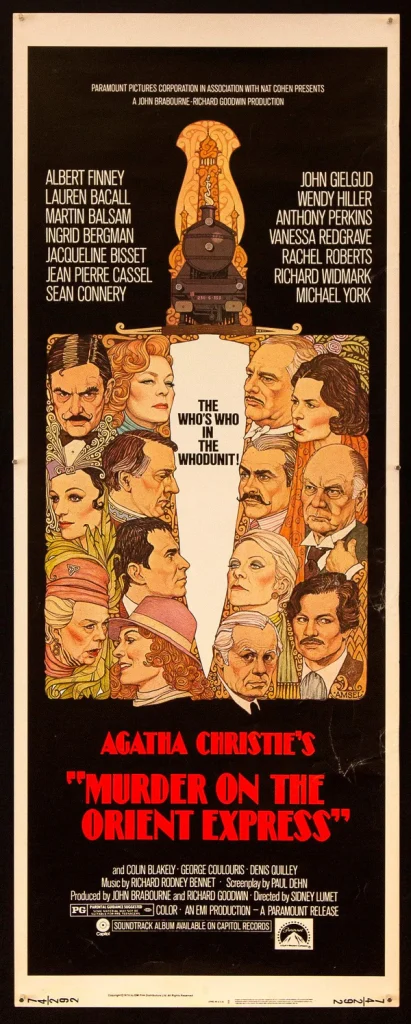
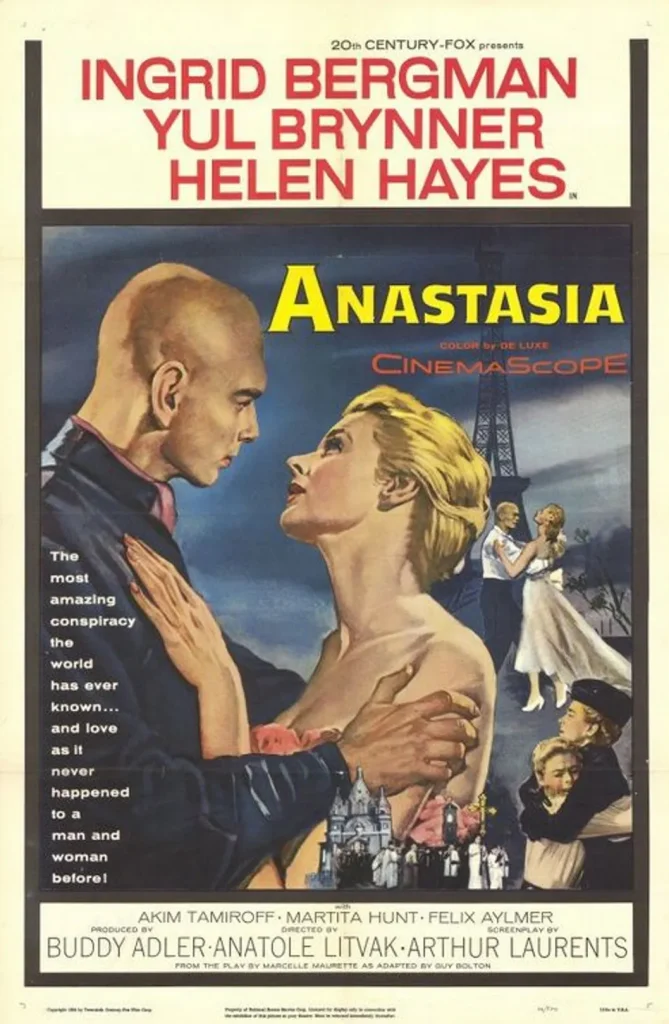
She was honored as best actress for her roles in ”Gaslight” in 1944 and ”Anastasia” in 1956, and as best supporting actress in ”Murder on the Orient Express” in 1974.
In temperament, Miss Bergman was different from most Hollywood superstars. She did not indulge in tantrums or engage in harangues with directors. If she had a question about a script, she asked it without fuss. She could be counted on to be letter perfect in her lines before she faced the camera. And during the intervals between scenes, her relaxing smile and hearty laugh were as unaffected as her low-heeled shoes, long walking stride and minimal makeup.
Yet this even-tempered and successful actress, who was apparently happily married, became involved in a scandal that rocked the movie industry, forced her to stay out of the United States for seven years and made her life as tempestuous as many of her roles. In a sense, she became a barometer of changing moral values in the United States.
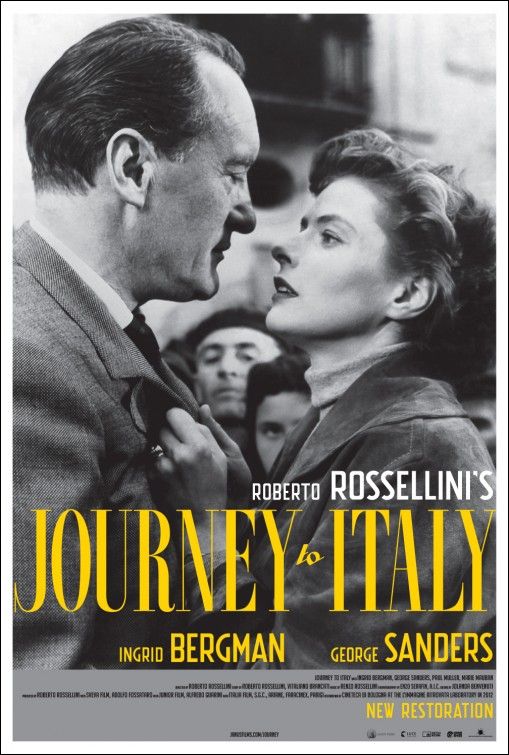
In 1949 she fell in love with Roberto Rossellini, the Italian film director, and had a child by him before she could obtain a divorce from her husband, Dr. Peter Lindstrom, and marry the director.
Symbol of Moral Perfection
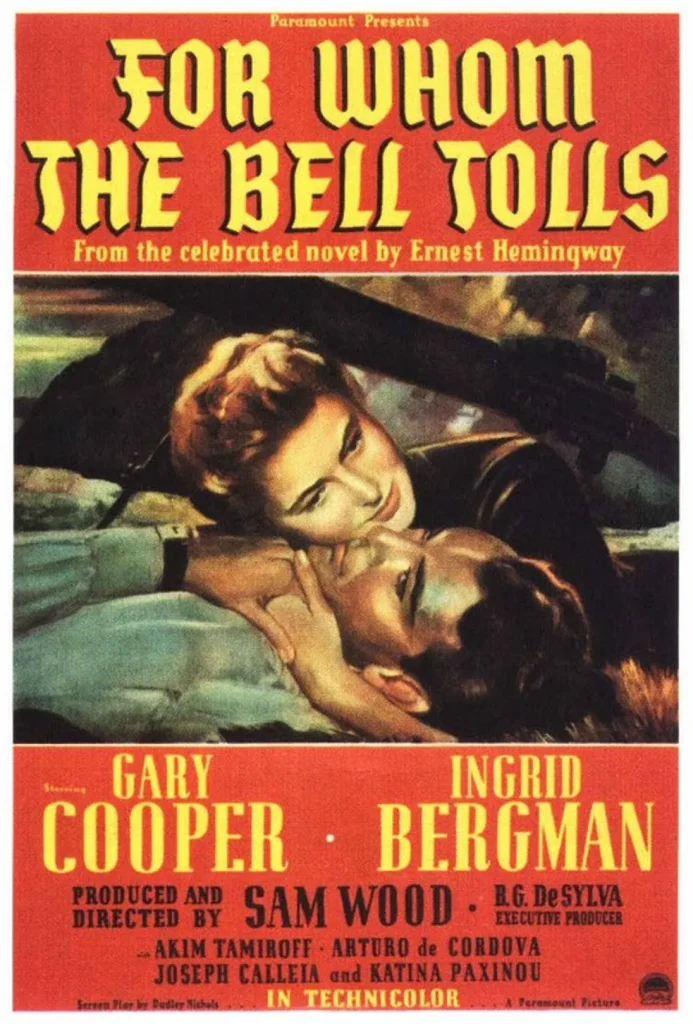
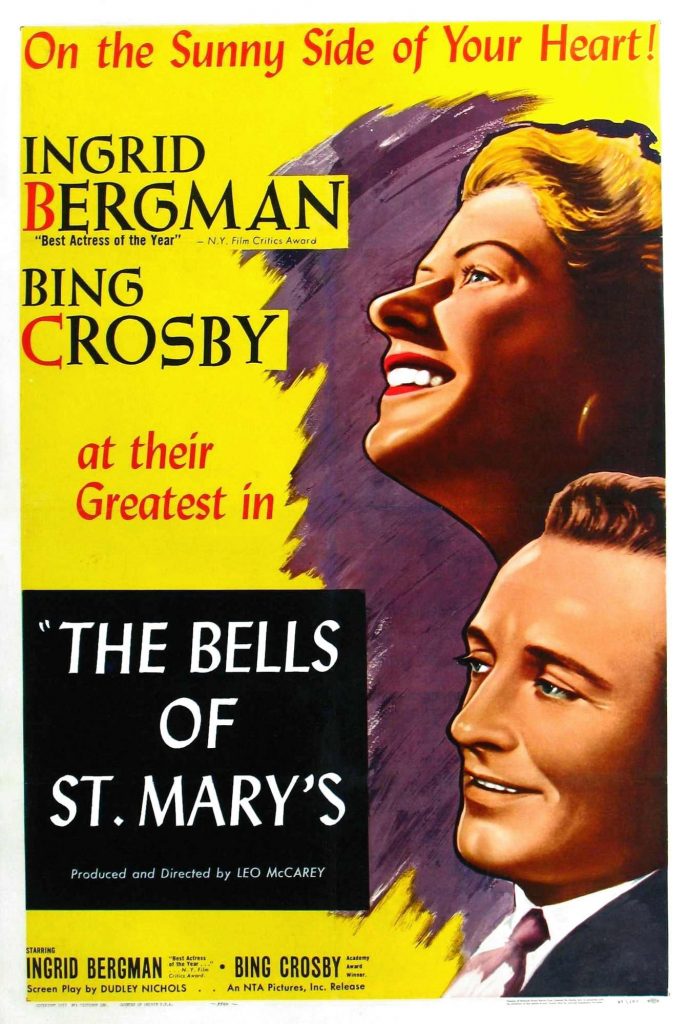
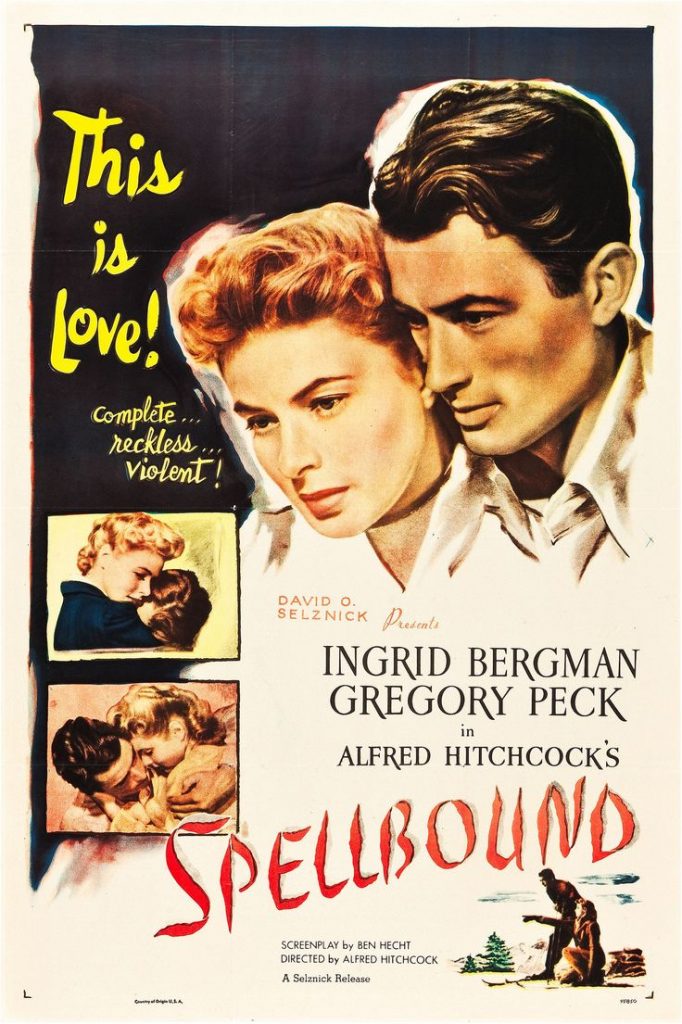
Before the scandal, millions of Americans had been moved by her performances in such box-office successes as ”Intermezzo,” ”For Whom the Bell Tolls,” ”Gaslight,” ”Spellbound,” ”The Bells of St. Mary’s,” ”Notorious” and ”Casablanca,” roles that had made her, somewhat to her annoyance, a symbol of moral perfection.
”I cannot understand,” she said, long before the scandal, ”why people think I’m pure and full of nobleness. Every human being has shades of bad and good.”
Suddenly, in 1949, the American public that had elevated her to the point of idolatry cast her down, vilified her and boycotted her films. She was even condemned on the floor of the United States Senate.
Then, seven years after she had fallen from grace in this country, she returned to gather new acclaim and honors for her acting, and she never again suffered any noticeable loss of favor as an actress or as a person. But she spent nearly all of her remaining working life in Europe, sometimes for American movie companies.
So complete was Miss Bergman’s victory that Senator Charles H. Percy, Republican of Illinois, entered into the Congressional Record, in 1972, an apology for the attack made on her 22 years earlier in the Senate by Edwin C. Johnson, Democrat of Colorado.
By this time Miss Bergman had already expressed publicly her feelings and philosophy. Upon her return to the United States in 1956, for the first time since her departure, she told a jammed airport press conference, in English, Swedish, German, French and Italian:
”I have had a wonderful life. I have never regretted what I did. I regret things I didn’t do. All my life I’ve done things at a moment’s notice. Those are the things I remember. I was given courage, a sense of adventure and a little bit of humor. I don’t think anyone has the right to intrude in your life, but they do. I would like people to separate the actress and the woman.”
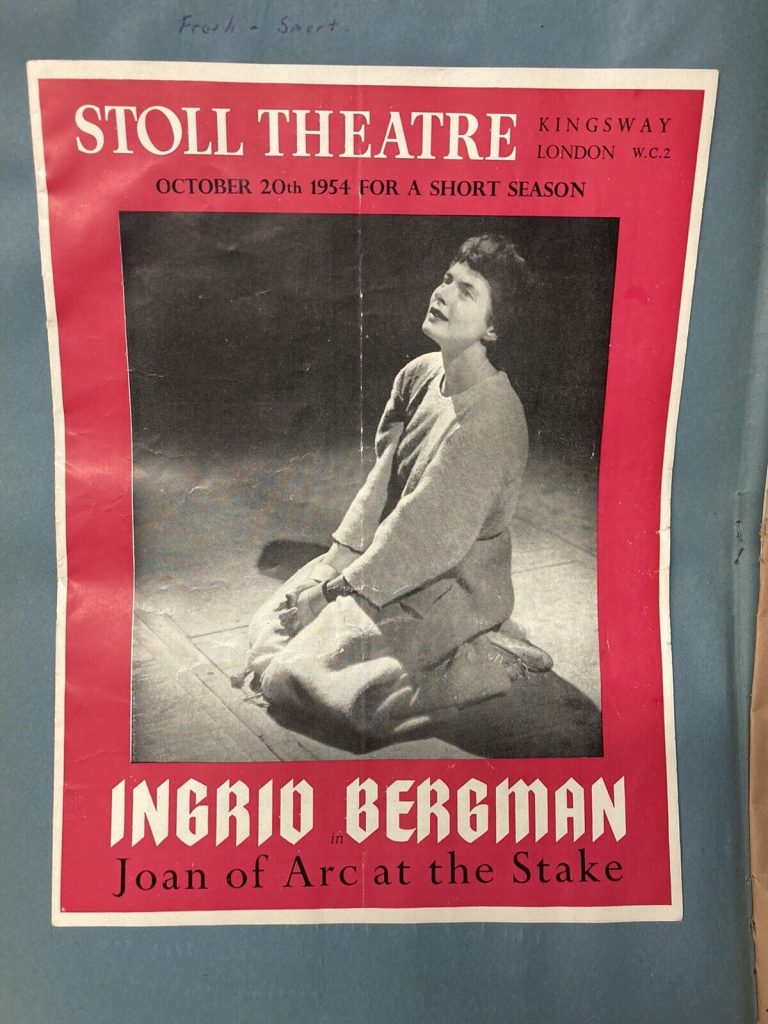
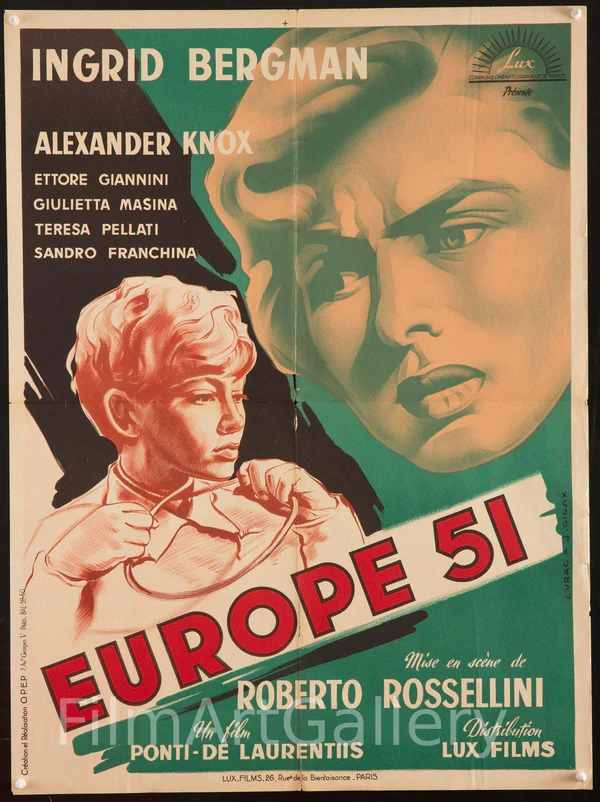
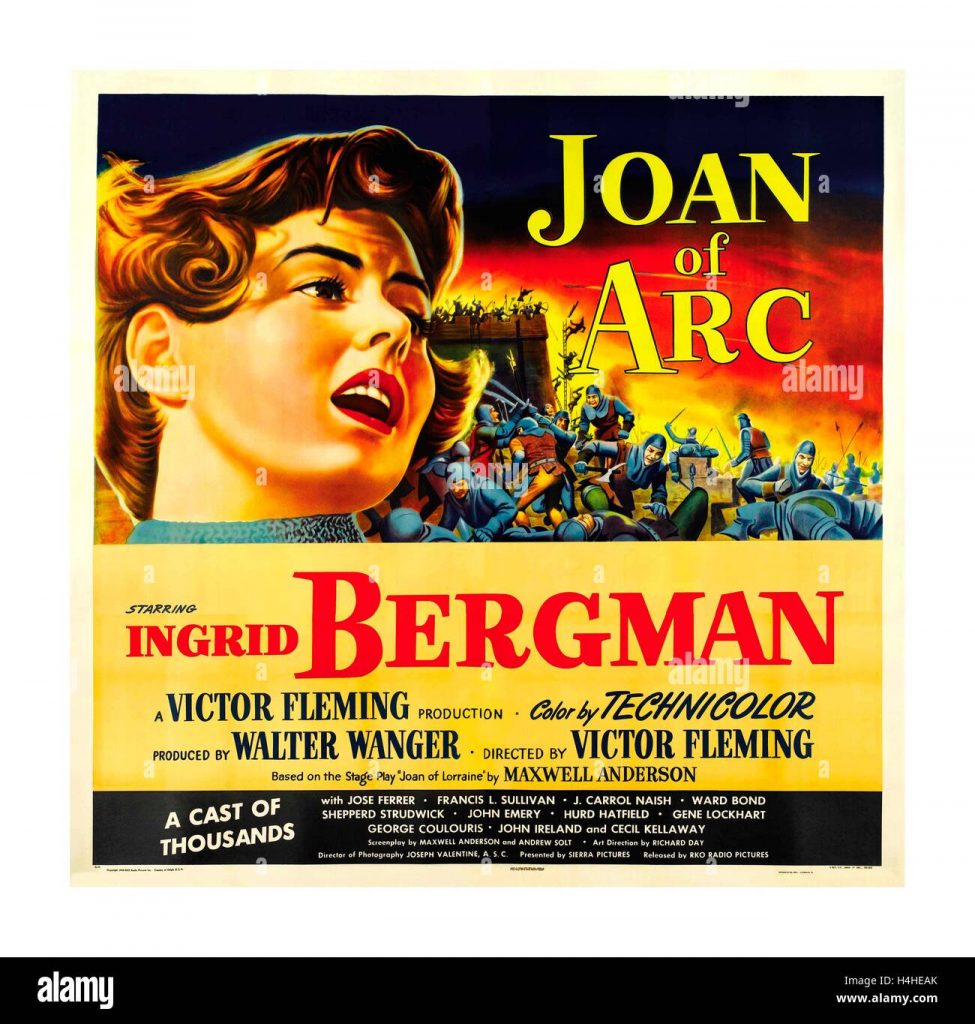
Though her marriage to Mr. Rossellini fell apart less than two years later, she won custody of their three children Robertino, Isabella and Ingrid ; she never changed her attitude. And Miss Bergman continued to defend the films she made for him, though all were financial failures and received poor reviews in this country. The Rossellini debacles created a myth that before she worked for him she had only successes. Among her pre-Rossellini failures were ”Arch of Triumph,” ”Joan of Arc” and ”Under Capricorn,” all of which came immediately before she went to work for Mr. Rossellini.
It was Miss Bergman’s lifelong desire for artistic growth that drew her to Mr. Rossellini. She had been deeply moved by his films ”Open City” and ”Paisan,” which established him as a major force in neorealism. Money had never been enough for Miss Bergman. ”You don’t act for money,” she said. ”You do it because you love it, because you must.”
Even the Oscars she had won were not enough. On Broadway, her portrayal of Joan of Arc, in Maxwell Anderson’s ”Joan of Lorraine,” won her an Antoinette Perry award, the highest honor in the American theater. Audiences and critics could adore her love scenes with Humphrey Bogart in ”Casablanca” and with Cary Grant in ”Notorious.” But praise, too, was not enough.
”There is a kind of acting in the United States,” she said many years later, ”especially in the movies, where the personality remains the same in every part. I like changing as much as possible.”
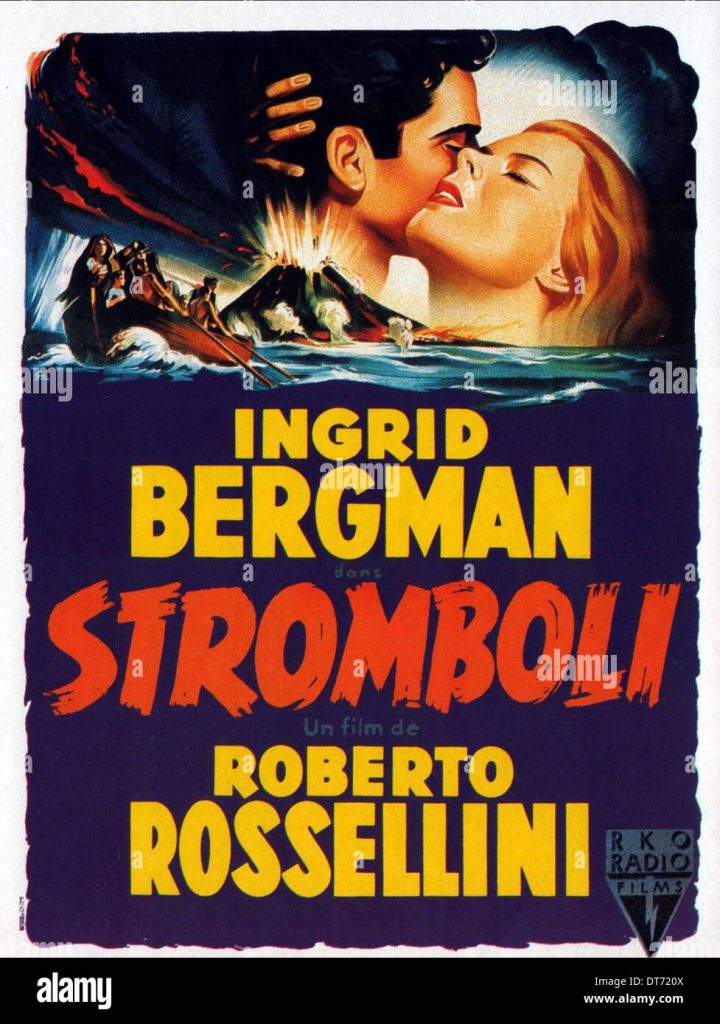
This artistic need prompted her to write to Mr. Rossellini: ”I would make any sacrifice to appear in a film under your direction.” He leaped at the opportunity, rewrote a script he had intended for Anna Magnani, and went with Miss Bergman to the Italian island of Stromboli to make the film of that name.
While this movie was being made, she asked her husband for a divorce so she could marry Mr. Rossellini. He tried to block it, even after learning she was pregnant with the director’s child.
The first of her three children with the director was born, under a media siege, in Italy, seven days before she was remarried. Dr. Lindstrom, a neurosurgeon, won custody of their daughter, Pia, who subsequently became a well-known television reporter.
By 1957, she and Mr. Rossellini were separated, but before that Miss Bergman had begun a new phase in her career. She made ”Anastasia” for 20th Century-Fox and won her second Oscar in 1956, playing the mysterious woman who might or might not be the surviving daughter of Czar Nicholas II. She then won a television Emmy award for her performance of the tormented governess in a dramatization of Henry James’s ”The Turn of the Screw.” In 1958 she married Lars Schmidt, a successful Swedish theatrical producer.
Miss Bergman refused to be drawn into arguments about acting in movies, the theater and television. She enjoyed all three. In the movies, she said, one acted for one eye, the camera. In the theater, for a thousand eyes, the theater audience. Television was ”wonderful,” she said, allowing for the frenzied schedule.
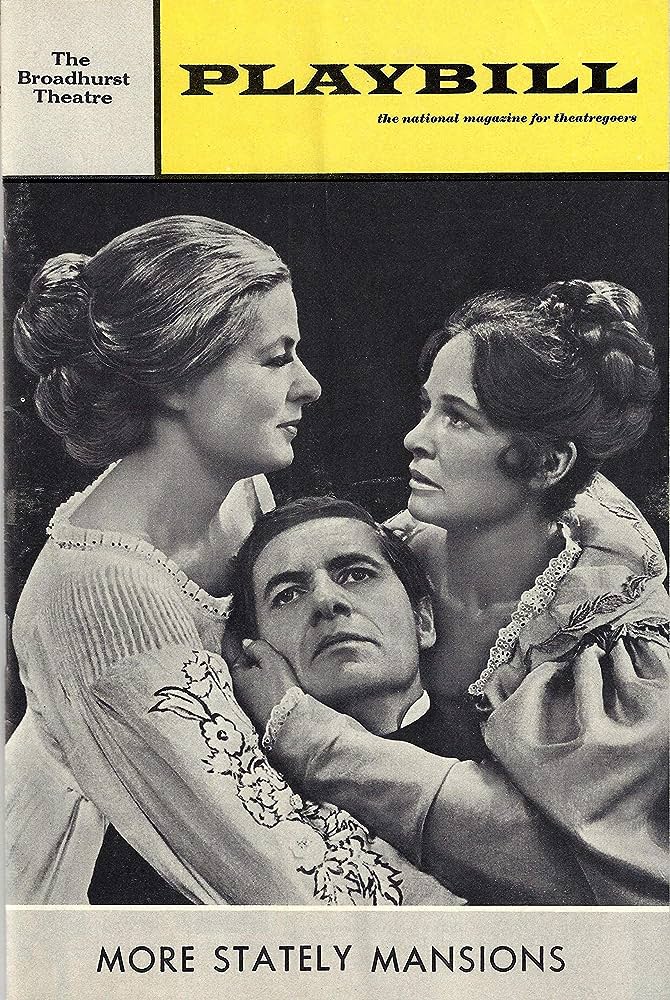
Maturity strengthened her determination to be more selective in roles. This was one of the main reasons she returned to Broadway in 1967, after a 21-year absence, in the role of a mother disliked by her son in Eugene O’Neill’s ”More Stately Mansions.”
She had met the playwright in her Hollywood years, when, during a vacation from films, she played the prostitute in his ”Anna Christie” in theaters in New Jersey and on the West Coast. During another sabbatical from Hollywood, in 1940, she had made her Broadway stage debut as Julie in ”Liliom,” opposite Burgess Meredith.
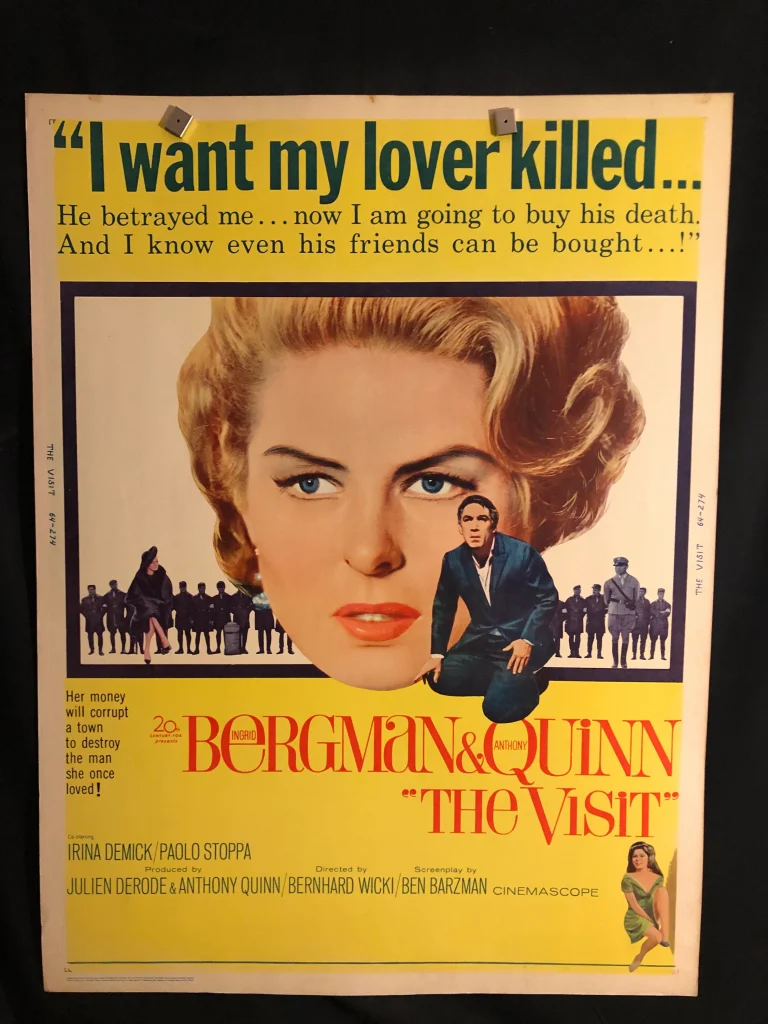
Miss Bergman’s next growth period, which included stage performances of works by George Bernard Shaw and Henrik Ibsen and the role of the vengeful millionaire in the film version of ”The Visit,” was climaxed by the fulfillment of a 13-year effort to persuade Ingmar Bergman, the director, to let her work for him.
In his ”Autumn Sonata,” she gave what she considered her finest performance, as a middle-aged concert pianist who, during a brief visit to her married daughter, played by Liv Ullmann, engages in prolonged and tearful confrontations that reveal a complex and searing love-hate relationship. She was nominated for her fourth Oscar for this 1978 movie, and she said it might be her last role.
”I don’t want to go down and play little parts,” she said. ”This should be the end.” Miss Bergman always refused to play any part that required her to be nude or seminude. Although she was opposed to movie censorship, she considered nudity, particularly in love scenes, ugly, saying: ”Since the beginning of time, good theater has existed without nudity. Why change now?”
Miss Bergman was born in Stockholm on Aug. 29, 1915. Her mother, who was from Hamburg, Germany, died when Ingrid was three years old. As an only child, she learned to create imaginary friends. Her father, who had a camera shop, adored her and photographed her constantly, often in costume. He died when she was 13. She lived briefly with an unmarried aunt and then with an uncle and aunt who had five children.
At 17, although she was tall and somewhat ungainly – she was 5 feet 9 inches and weighed about 135 pounds – she auditioned successfully for the government-sponsored Royal Dramatic School.
Within seven years she was one of the leading movie stars in Sweden and had refused several offers from Hollywood. Finally, in 1939, at the age of 24, Miss Bergman agreed to do a film for David O. Selznick. It was ”Intermezzo,” with Leslie Howard. She returned to Sweden to her husband, who was then a dentist, and their daughter, Pia.
The film was so successful that Mr. Selznick, convinced he had found ”another Garbo,” persuaded her to return to Hollywood. Looking back on her career many years later, particularly on her feeling of youthful shyness and awkwardness, the actress said: ”I can do everything with ease on the stage, whereas in real life I feel too big and clumsy. So I didn’t choose acting. It chose me.” Miss Bergman is survived by her four children, who were reported to be flying to London yesterday for the funeral. The funeral will be ”a very quiet, family affair,” said Alfred Jackman, funeral director at Harrods, the London department store that is handling the arrangements. Mr. Jackman added, ”After cremation, her ashes may be taken back to Sweden.”
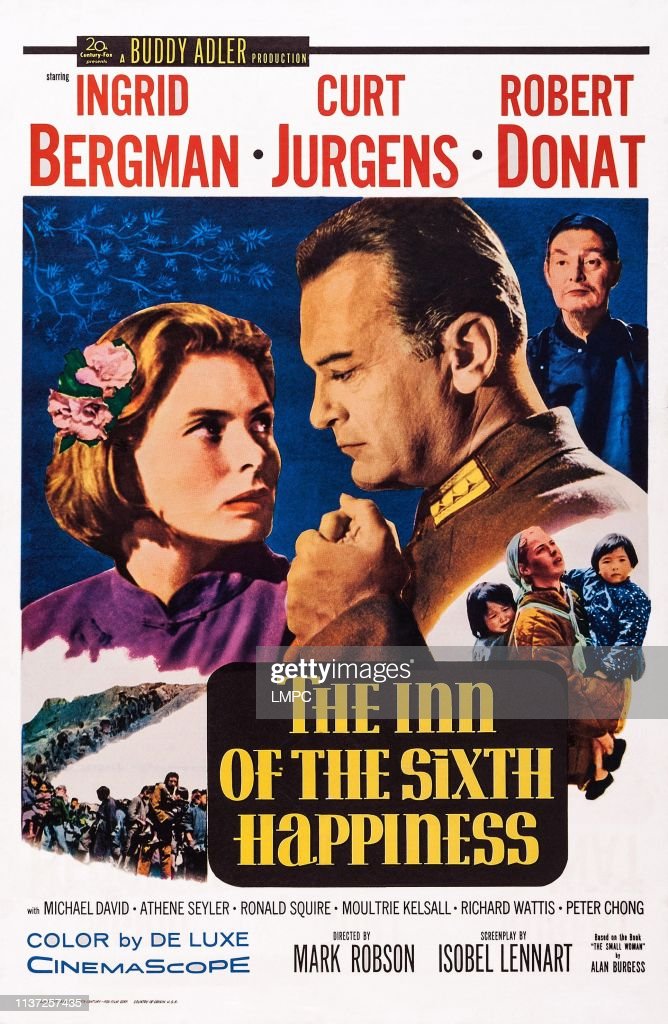
The Inn Of The Sixth Happiness, poster, US poster art, top from left: Ingrid Bergman, Curt Jurgens, Robert Donat, 1958. (Photo by LMPC via Getty Images)
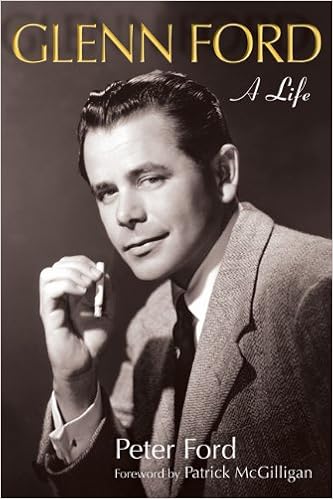
Glenn Ford’s career is in definite need of reappraisal. He appeared in many quality movies throughout his years making movies. He starred in many different genre of film. His roles in two film noirs “The Big Heat” and “Of Human Desire” contain depths of complexity and ambiguity. In both his leading lady was the great Gloria Grahame. He made Westerns such as “Jubal” and comedy e.g. “Don’t Go Near the Water”. He died in 2006 at the age of 90. A biography on Glenn Ford was published in 2012.
“Guardian” obituary:
The hairstyles signposted Glenn Ford’s long and active career; from the full and wavy to the sleek, dark gigolo look, to the short back and sides, to a severe crewcut that gradually shrivelled like dry grass on the prairie. His face, that began boyish in prewar B films, hovered somewhere between the rugged handsomeness of William Holden and Tom Ewell’s Thurberesque one, allowing him to be extremely dour in films noirs or to display the righteous nobility of a lone western hero, while also being able to play perplexed characters in comedies.
For Ford, who has died aged 90, was a versatile Hollywood star able to shift genres while retaining his sincere screen persona. Although his realistic speech and timing seemed to owe something to the Method – he often had a mumbled and hesitant delivery – the closest he ever came to the Actors’ Studio was as Marlon Brando’s co-star in The Teahouse of the August Moon (1956).
Born in Quebec of Welsh descent, he was the son of a railroad executive and mill owner, the nephew of Sir John MacDonald, a former prime minister of Canada. Another Ford kinsman was Martin Van Buren, the eighth president of the United States. Ford had tried a variety of jobs, becoming interested in the theatre, and was acting on stage in California when he was signed to a contract with Columbia Pictures in 1939.
At the beginning of his career he was in a number of undistinguished B pictures – an exception being John Cromwell’s anti-Nazi drama So Ends Our Night (1941) – but the films improved and Ford stayed with the studio until the mid-1950s. This period was interrupted by war service in the US marines, part of his activities consisting in the training of French Resistance fighters. (He later became a commander in the US naval reserves and served in Vietnam from 1967 to 1968.)
Matured from his war experiences, Ford, and millions of hot-blooded men all over the world, lusted after gorgeous Rita Hayworth in Gilda (1946), as she peeled off her long black gloves in a symbolic striptease while singing Put the Blame on Mame. The sexual chemistry between the two stars was so strong on the set that Columbia mogul Harry Cohn, who considered Hayworth his private property, had microphones hidden in her dressing room in case she started an affair with her leading man. But they quickly found the mics and teased the eavesdropping boss with risqué conversations.
At the time, Ford was married to leggy, toothy dancer Eleanor Powell, who retired from the screen to become plain Mrs Glenn Ford in 1943. (They divorced in 1959.) Yet Cohn paired Hayworth and Ford again in the listless and Bizet-less The Loves of Carmen (1948), in which Rita was a sexy Gypsy to Ford’s stiff Don José, and also in Affair in Trinidad (1952), another exotic melodrama.
Among Ford’s best films at Columbia were the two he made for Fritz Lang. In The Big Heat (1953), the audience is made to discover and experience the events subjectively as Ford’s cop does, while he mercilessly conducts a retributive investigation into the death of his wife in a car bomb explosion. Ford’s achievement was in the creation of a cold and calculating yet sympathetic character, who permits himself some warmth on the death of the pathetic gangster’s moll (Gloria Grahame).
In the same team’s Human Desire (1954), an updating of Zola’s La Bête Humaine, already filmed by Jean Renoir in 1938, Ford’s steely passivity allowed the other performances to bounce off him effectively.
In 1955, he gained a crewcut and went over to MGM, where he made an immediate impact in The Blackboard Jungle as a novice New York schoolteacher confronted with a class of hooligans. It was also the film which effectively launched Bill Haley’s Rock Around the Clock on the world. Ford’s pipe-smoking intensity suited the liberal worthiness of the picture, as did his lawyer defending a Mexican boy accused of rape and murder in Trial, of the same year.
Ford then switched successfully to comedy as the affable, ineffectual occupation army officer Fishy in The Teahouse of the August Moon, trying to bring American-style democracy to Okinawa, but who goes native himself, and the bumbling navy PR man trying to do likewise on a South Pacific island in Don’t Go Near the Water (1957).
At the same time, Ford made three Delmer Davies westerns. There was the brooding Jubal (1956), in which he inspires the Othello-like jealousy of Ernest Borgnine; 3.10 to Yuma (1957), in one of his rare villain parts, and Cowboy (1958), as Jack Lemmon’s tough, drunken partner.
At his busiest in the 1950s and 1960s, Ford moved smoothly from the serious rodeo drama The Violent Men (1955) and the horse opera The Fastest Gun Alive (1956) to the biopic operatics of Interrupted Melody (1955) as the husband of a Wagnerian soprano stricken with polio, to the comedy western The Sheepman (1958) opposite Shirley Maclaine. He good-humouredly played Damon Runyon’s bootlegger Dave the Dude in Frank Capra’s farewell film, A Pocketful of Miracles (1961). However, in his autobiography, Capra petulantly blamed Ford for the heavy-handed production’s failure.
There followed two movies by Vincente Minnelli. The first was The Four Horsemen of the Apocalypse (1962), in which he was unhappily cast in Rudolph Valentino’s old role, but he exuded charm in the title role of The Courtship of Eddie’s Father (1963) looking for a mother for the then nine-year-old future director Ron Howard.
In the 1970s, Ford was more occupied as the hero of the series Cade’s County on TV than on the big screen, but nevertheless he cropped up from time to time to walk down a dusty street with spurs jangling in minor westerns and cameos in TV series and war pictures. One of his last feature film appearances was as Pa Kent in Superman (1978), the muscle-bound hero’s adopted father. The critic Pauline Kael thought it inspired casting because Ford’s resources as an actor had contracted to the point where he had become a comic-book version of the good American.
Ford, who was married and divorced four times, is survived by his son by Eleanor Powell.
· Glenn (Gwyllyn Samuel Newton) Ford, actor, born May 1 1916; died August 30 2006
His obituary by Ronald Bergan in “The Guardian” can also be accessed online here.
Yul Brynner can claim two iconic roles to his credit. He will forever be associated with the musical “The King and I” where he played King Mongkut of Siam. He first played the role on Broadway in the early 1950’s and won the Academy Award for Best Actor for the film in 1956. His other celluloid image is as Chris Larabee Adams in the hugely popular “The Magnificent Seven”. For trivia fans, can you name the other six actors who formed the magnificent seven without checking on the internet.
His obituary in “Los Angeles Times:
Yul Brynner, who with shaved head and regally haughty presence played and replayed the starring role in “The King and I” for more than 30 years, died early today in a New York Hospital. He was 65.
With him when he died at 1 a.m. at the New York Hospital-Cornell Medical Center were his wife, Kathy Lee, and his four children, said Josh Ellis, the actor’s spokesman.
“He died of multiple complications that came as a result of what was originally cancer,” Ellis said. “He faced death with a dignity and strength that astounded his doctors. He fought like a lion.”
“He was a remarkable person,” Charlton Heston, who starred with Brynner in Cecil B. DeMille’s 1956 movie epic “The Ten Commandments,” told the Associated Press. “His work in ‘King and I’ was beyond compare. He was a very special talent. I’m very sorry to hear of his death.”
FOR THE RECORD – Yul Brynner: The obituary of actor Yul Brynner in the Oct. 10, 1985, Section A reported his birth date as July 11, 1917. According to public records, he was born July 11, 1920.
Though there were other Broadway and movie roles for Brynner, it is doubtful that any successful actor of his time had been so associated with a single character as was Brynner with the arrogant, bombastic King of Siam.
None of Brynner’s other parts were nearly as memorable as the king. If he became typecast, it was something Brynner didn’t seem to mind. For one thing, there were certain physical limitations that kept him from a wider variety of parts.
“I would have liked to play Henry Higgins (in ‘My Fair Lady’),” he told a Times interviewer a decade ago, “but I couldn’t because of my accent and looks. Unless I did it with an Outer Mongolian touring company.”
For another, the money from the play, the movie, and the seemingly countless touring companies of the play made him a millionaire.
Born Taidje Khan on July 11, 1917, on the island of Sakhalin off northern Japan, Brynner was the son of a Mongolian mining engineer and a Gypsy mother who died at his birth. His father was born in Switzerland and later secured Swiss citizenship and changed the family name to Brynner.
For the first eight years of his life, young Yul lived in China, and then was sent by his father to live with his maternal grandmother in Paris, but she died soon afterward. He attended a Paris school for a time, but dropped out at the age of 13 and joined a Gypsy troupe as a traveling minstrel.
He worked as an acrobat in a French circus for three years, performing on the high trapeze. But after a bad injury, Brynner turned from the circus to the stage.
It was acting that brought Brynner to America, touring in a struggling Shakespearean troupe on college campuses. He added English and some Russian (learned from other actors) to his collection of languages that included French, Japanese and Hungarian while playing small parts and driving the troupe’s bus–all for $25 a week.
In February, 1946, he made his debut on Broadway, playing an Oriental prince opposite Mary Martin in “Lute Song.” After 142 performances, Brynner took the show on tour.
But Brynner had doubts about his ultimate success as an actor. Years later, he remembered one night on stage–long before “The King and I”–when an outraged theatergoer hit him with a shoe. “And it was a perfectly serviceable shoe,” he said. “The man must have really hated me.”
Brynner returned to New York in 1948, putting aside his stage acting ambitions and settling comfortably into the role of actor, director and producer in the fledgling television industry, ultimately directing episodes of “Studio One,” one of the more successful live, anthology television shows of the 1950s.
But Brynner fell in love with the script of “The King and I” when Richard Rodgers and Oscar Hammerstein offered him the role. Hammerstein had seen Brynner in “Lute Song,” thought well of him and was influenced by Martin’s recommendation.
Yul Brynner
The musical story of the imperious Thai king and the proper British teacher, Anna Leonowens, who went to Siam in the 1860s to instruct the king’s huge flock of offspring and then had to acclimate herself to his court habits of polygamy and bowing at ground-level, had a rocky start when it opened out of town in New Haven, Conn., in February, 1951.
“It was a disaster,” Brynner said in 1981. “It was almost five hours long. There was nothing but conflict between Anna and the King. . . . Rogers and Hammerstein understood immediately that unless there was an underlying fascination (between the two characters), then there really couldn’t be a fascinating show.”
With the book cut and sweetened, as well as a couple of new songs added (“Shall We Dance” and “Getting to Know You”) the show, starring Gertrude Lawrence and Brynner, opened in New York at the St. James Theater on March 29, 1951. It was a first-night hit.
“Richard Rodgers told me, ‘You opened. You have a hit. Now freeze it,’ ” he said in late 1984, just before opening in yet another Broadway revival of the show.
The above “Los Angeles Times” obituary can also be accessed online here.
Yul Brynner (1915–1985) was one of the most distinctive and mythic figures of mid‑20th‑century cinema and stage—a performer whose charisma lay in absolute control: the voice, the gaze, the body, and even the polished dome of his head became instruments of theatrical authority. Over a four‑decade career spanning Broadway, Hollywood, European art cinema, and television, Brynner created a persona that fused regal composure with physical dynamism. He became both a symbol of postwar international masculinity and an emblem of performance as ritual: stylized, sensual, and commanding.
Early Life and Formation
Born Yuliy Borisovich Bryner in Vladivostok (then the Russian Empire) of Swiss‑Mongolian ancestry, Brynner’s biography was as cinematic as his acting style. After a turbulent youth—he worked as a trapeze artist and guitarist—he emigrated to Paris, performing in cabaret and studying theater, before moving to the United States in 1940.
Fluent in multiple languages but heavily accented in English, he began as a radio announcer and minor actor, soon directing and performing on Broadway. His mixed heritage and androgynous magnetism set him apart from Hollywood’s conventional leading men; rather than assimilate, Brynner turned his difference into mystique.
Breakthrough: The King and I (1951, stage; 1956, film)
Brynner’s creation of King Mongkut of Siam in Rodgers & Hammerstein’s The King and I defined his image for life. On stage (premiering on Broadway in 1951) and later in the 1956 film adaptation, Brynner fused movement, voice, and physicality into a uniquely stylized performance that became a kind of performance myth.
Stage Impact
Critics in 1951 described him as “an actor who rules by body language alone.” Brooks Atkinson of The New York Times observed that Brynner “uses stillness as other actors use gesture.”
His combination of wit, intelligence, erotic tension with Anna (Gertrude Lawrence), and authoritarian charm created one of Broadway’s few truly modern heroes—exotic but self‑aware.
Film Adaptation (1956)
Brynner’s film version, directed by Walter Lang, won him the Academy Award for Best Actor. The camera amplified his authority: the gleaming head, perfectly postured torso, and percussive diction translated theatrical stylization into cinematic presence.
He avoided caricature by emphasizing the King’s self‑satirizing intelligence—a man both absolute monarch and eager student of Europe. Critics such as Bosley Crowther called the portrayal “dictatorial and human… a performance of imperial rhythm.”
Retrospectively, however, some scholars have analyzed its Orientalist framing: Brynner’s charisma lent dignity to a role written within Western fantasies of the “civilized East.” Yet even within those confines, he carved a portrait of transformation—pride yielding to empathy—and gave mainstream audiences an early image of complexity in a non‑Western protagonist.
Brynner would reprise the role on stage for nearly 4,600 performances between 1951 and 1985, turning it into a personal ritual—the ultimate fusion of star and part.
Hollywood Stardom: 1950s–1960s
The Ten Commandments (1956)
Cast as Rameses II opposite Charlton Heston’s Moses, Brynner projected sculptural majesty—every line delivered with hieratic force. Cecil B. DeMille photographed him as living granite, the perfect embodiment of divine narcissism. The dual casting of King Mongkut and Rameses the same year solidified his image as the modern cinematic monarch: imperious, exotic, yet visually modern in his baldness and physique.
Anastasia (1956)
Opposite Ingrid Bergman, he played General Bounine, a cynical White Russian con‑artist turned romantic believer. Here he exchanged imperial stiffness for ironic sensuality; reviewers admired the subtle thaw of skepticism into protectiveness. Brynner’s chemistry with Bergman revealed his ability to suggest tenderness beneath formality.
The Brothers Karamazov (1958)
As Dmitri Karamazov under Richard Brooks’s direction, Brynner ventured into psychological tragedy. Critics were divided: some found his intensity riveting, others felt his self‑containment at odds with Dostoyevskian chaos. Yet his low, deliberate vocal tempo gave the performance tragic gravity reminiscent of stylized European acting traditions rather than Hollywood naturalism.
The Magnificent Seven (1960)
John Sturges’s Western recast Brynner as charismatic leader Chris Adams, translating his regal demeanor into democratic heroism. Dressed in black, his stoic composure and moral authority anchored the ensemble. His minimal gesture—hand resting on hip, head inclined—became an American archetype. The performance is often cited as one of the most economical studies in command: the leader as contained energy.
Roger Ebert later wrote that Brynner’s “calm amid gunfire gives the film its mythic center.”
Taras Bulba (1962), Future World (1976) and others
Throughout the 1960s, Brynner oscillated between adventure epics (Solomon and Sheba, Kings of the Sun), modern thrillers, and costume dramas. Even when scripts faltered, he drew focus; his voice—the burnished baritone tinged with indeterminate accent—carried authority independent of context.
Re‑Invention: Westworld (1973)
Michael Crichton’s Westworld cast Brynner as the robotic Gunslinger, a merciless embodiment of mechanical masculinity. Clad in the black costume reminiscent of The Magnificent Seven, he became the blueprint for the “android menace.”
The performance is minimalist to the point of conceptual art: posture, gait, and deadpan gaze reduced to algorithm. Critics hailed how Brynner weaponized his own iconography—the calm authority of his previous roles now emptied of humanity. Pauline Kael called it “a performance of chilling assurance: he acts by existing.” The role influenced later depictions of the cinematic cyborg, including Arnold Schwarzenegger’s Terminator.
Stage Commitment and Late Career
Even while making films, Brynner repeatedly returned to The King and I: 1951–54 original Broadway run, mid‑1950s and 1960s revivals, a 1977 tour, and his final Broadway revival (1985)—a literal life‑long role. His last performance occurred months before his death from lung cancer.
He also ventured into Chekhov’s The Cherry Orchard and Brecht’s The Good Woman of Setzuan on stage, though those efforts were overshadowed by association with the King. Nonetheless, theater critics admired his discipline and exacting technique—his performances often described as “ritualistic demonstrations of presence.”
Style and Technique: Critical Analysis
1. Physical Economy
Brynner’s acting is built from stillness and geometry. He employed angular poses and deliberate pacing, rarely fidgeting. Like a dancer, he controlled energy through spine alignment and ocular focus. Every movement signified authority.
Film scholars often label this “Brynner minimalism”: action as sculptural form.
2. Voice and Accent
His command of the English language, colored by indeterminate accent, gave him universality—neither East nor West, aristocrat nor proletarian. The voice blended warmth and threat, making exposition compelling by rhythm alone.
3. Cultural Hybridity
Throughout his career, Brynner embodied the postwar fascination with cosmopolitan identity: born Russian, performing Asian, Egyptian, Mexican, or futuristic identities. Scholars view him as both beneficiary and prisoner of this fluid exoticism—Hollywood’s first globally ambiguous male star.
4. Erotic Power and Authority
Brynner’s masculinity was paradoxically modern—clean‑shaven, bald, and meticulously groomed, replacing ruggedness with refinement. His eroticism was tactile yet aloof, appealing across gender lines. In The King and I, that erotic friction between domination and curiosity became emblematic of mid‑century romantic tension.
5. Interpretive Focus
He seldom dissolved into characters; instead, roles conformed to his own aura. Critics divide on this: some consider him limited in range, others see a formalist mastery akin to Kabuki or Noh. His strength lay not in psychological transformation but in iconic embodiment—ritual repetition elevated to art.
Critical Reevaluation and Legacy
In the decades since his death, Brynner’s reputation has evolved from exotic novelty to actor of stylized mastery.
Film scholars (such as David Thomson and Molly Haskell) note how he anticipated the global, physically coded acting style later seen in actors like Toshiro Mifune or Jean Reno.
Theatre historians regard his lifelong commitment to The King and I as the archetypal instance of a performance transforming into ritual art—comparable to Gielgud’s Hamlet or Olivier’s Othello in defining an epoch’s performance vocabulary.
Cultural critics recognize that Brynner’s depictions of “otherness” prefigure Hollywood’s problematic yet evolving engagement with racial identity: his dignity within Orientalist frames complicated audience stereotypes rather than simply reproduce them.
He left an influence visible in cinematic archetypes: the commanding team leader (The Magnificent Seven), the noble autocrat who learns compassion (The King and I), and the machine that mirrors human arrogance (Westworld).
The cosmopolitan ruler—commanding yet introspective
Strengths
Charismatic precision, stylization as high art, transnational appeal
Limitations
Limited range outside authoritarian or ritualized figures; occasional emotional opacity
Masterworks
The King and I (stage & film), The Ten Commandments, The Magnificent Seven, The Hit’s spiritual counterpoint (Westworld)
Legacy
Redefined postwar male charisma through elegance, economy, and international hybridity
In essence: Yul Brynner transformed every appearance into ceremony. Whether as monarch, mercenary, or machine, he acted from the spine outward, communicating meaning through posture and tone rather than psychological exposition. His career demonstrates how acting can transcend naturalism to become symbolic—a performance style at once theatrical and cinematic, rooted in discipline and mystery. In doing so, Brynner secured his place as one of the most singular and enduring icons of 20th‑century performance