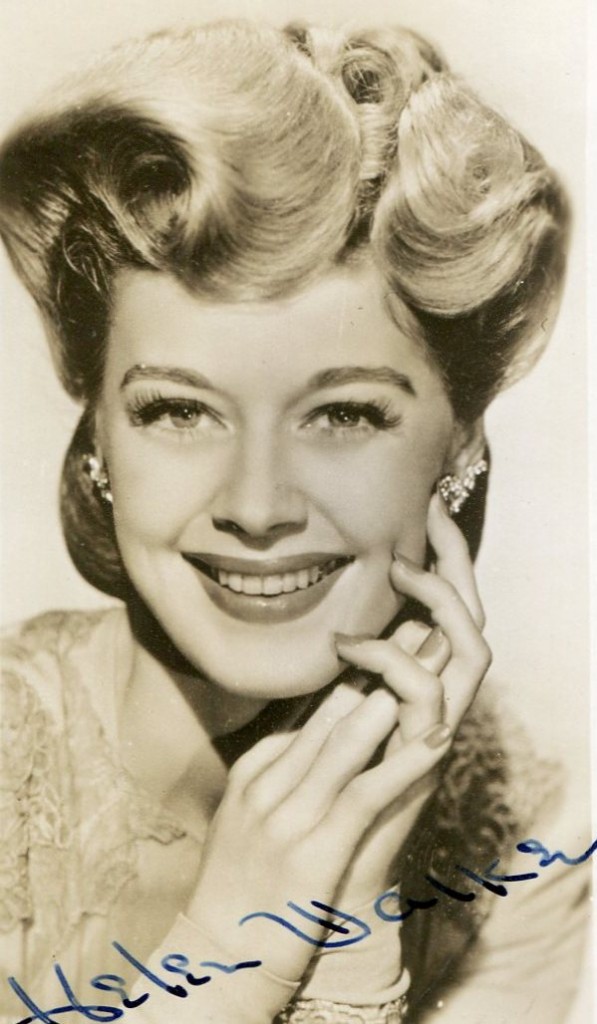
Helen Walker was a U.S. actress who had a short career and died young in 1968. She did however make many good movies, three in particular are worthy of attention – ” Call Northside 777″, “The Big Combo” and “Nightmare Alley”. In the latter she was chillingly effective as a psychatrist who manipulates Tyrone Power. Great article on Helen Walker can be found on “Moviemoorelocks” website here.
TCM Overview:
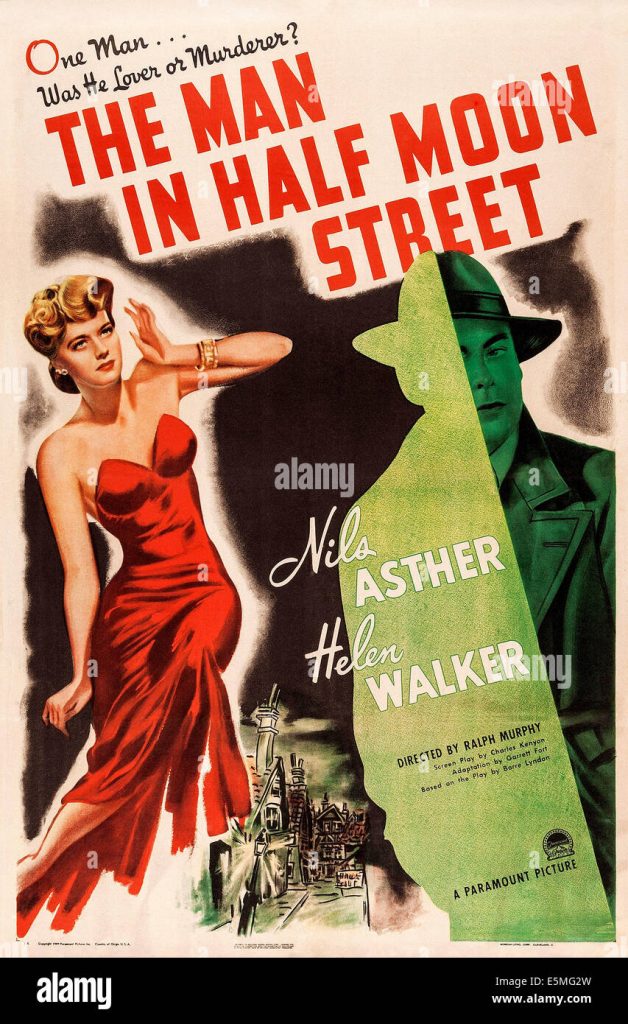
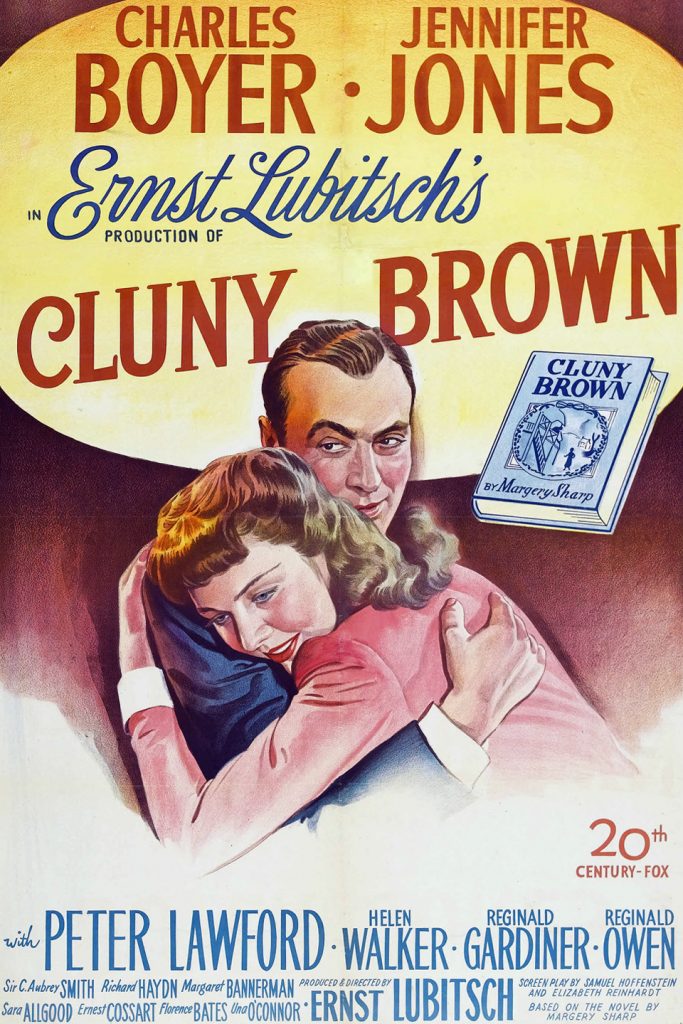
Helen Walker was an actress who made a successful career for herself in film. In her early acting career, Walker appeared in such films as “The Man in Half Moon Street” (1944), “Brewster’s Millions” (1945) and “Murder, He Says” (1945). She also appeared in the comedy “Cluny Brown” (1946) with Charles Boyer, “Her Adventurous Night” (1946) and the Vera Ralston crime picture “Murder in the Music Hall” (1946). She kept working in film throughout the forties and the fifties, starring in “Nightmare Alley” (1947) with Tyrone Power, the Cornel Wilde dramatic sports film “The Homestretch” (1947) and the James Stewart drama “Call Northside 777” (1948). She also appeared in “My Dear Secretary” (1948), “Impact” (1949) and “Problem Girls” (1953).
Walker was most recently credited in the Daniel Craig hit action film “Quantum of Solace” (2008). Walker continued to exercise her talent in the fifties through the early 2000s, taking on a mix of projects like “The Big Combo” with Cornel Wilde (1955), “The Marriage Broker” (CBS, 1956-57) and “Birdland” (1991-94). Her credits also expanded to “The Darkest Light” (2000), “I’ll Sleep When I’m Dead” (2004) starring Clive Owen and “Notes on a Scandal” (2006) starring Judi Dench. Walker was previously married to Edward DuDomaine and Robert F Blumofe. Walker passed away in March 1968 at the age of 48
The above TCM Overview can also be accessed online here.
Nightmare Alley, poster, from left, Tyrone Power, Joan Blondell, Coleen Gray, Helen Walker, 1947. (Photo by LMPC via Getty Images)
Helen Walker (1920–1968) is one of the most intriguing “what-ifs” of Hollywood’s Golden Age. Possessing a sharp, flinty intelligence and a sophisticated, “cool” beauty that rivaled Lauren Bacall, Walker’s career was a trajectory of immense promise derailed by a tragic real-life accident and subsequent personal struggles.
A critical analysis of her work reveals an actress who was the definitive “Modern Professional” of the 1940s—a woman who was often faster, smarter, and more cynical than the men surrounding her.
1. The “Sophisticated Comedienne” (1942–1945)
Walker arrived in Hollywood from Broadway and was immediately positioned as a high-society leading lady who could handle rapid-fire dialogue with ease.
Lucky Jordan (1942): Her debut, playing opposite Alan Ladd.
Critical Analysis: Critics were struck by her vocal authority. In an era where many ingenues were breathy or submissive, Walker had a resonant, self-assured delivery. She played the “patriotic girl” not as a sweetheart, but as a competent equal to Ladd’s gangster protagonist.
Brewster’s Millions (1945): * Analysis: This showed her impeccable comedic timing. She possessed a “dryness” that made her the perfect foil for frantic comedic plots. Critics noted she had a “park avenue” elegance that felt authentic rather than put-on.
2. The Noir Masterpiece: Nightmare Alley (1947)
Walker’s most significant contribution to cinema history is her role as the icy, manipulative psychoanalyst Lilith Ritter.
The Role: A high-society grifter who out-smarts the film’s protagonist (Tyrone Power).
Detailed Critical Analysis: This is widely considered the most intellectual femme fatale performance in Film Noir.
The “Lilith” Technique: Unlike the “black widow” archetypes who used sex as their primary weapon, Walker’s Lilith used information and psychological warfare. Critics marveled at her stillness; she controlled the room through superior intellect and a chilling lack of empathy.
Subverting the Genre: While most femme fatales meet a sticky end, Walker’s character is one of the few who “wins,” escaping with the money and her dignity intact. Critics point to this as a landmark portrayal of female predatory agency.
3. The Post-Accident Struggle and “B-Movie” Grit (1948–1955)
In late 1946, Walker was involved in a horrific car accident while hitchhiking with soldiers. One passenger died, and Walker was briefly charged with manslaughter (later acquitted) and suffered severe injuries. This event fundamentally changed the “energy” of her screen presence.
Impact (1949) and The Big Combo (1955):
Analysis: In these later Noirs, the “polish” of her early career was replaced by a haunted, nervous intensity. Critics noted that she brought a “jittery realism” to her roles.
The “Hardened” Persona: In The Big Combo, playing the alcoholic, discarded wife of a mob boss, Walker delivered a performance of raw, unvarnished pain. Critics praised her for leaning into her character’s degradation, proving she had a dramatic depth that went far beyond “sophisticated comedy.”
Detailed Critical Analysis: Style and Persona
The “Masculine” Intellectualism
Walker’s acting was defined by a rejection of sentimentality. She worked in the “masculine” register of the 1940s—clipped sentences, direct eye contact, and a refusal to “plead” for the audience’s affection. This made her a favorite of Noir directors, who needed women who could inhabit a world of cold logic and high stakes.
Vocal Stature
Critically, Walker is studied for her diction. She had a way of “biting” her words that suggested a high level of education and a low tolerance for fools. This vocal quality made her particularly effective in roles involving the law, medicine, or psychology, where her “authoritative sound” did half the acting for her.
The Archetype of the “Lost Professional”
Her career is often analyzed through the lens of interrupted potential. Because she excelled at playing “competent” women, the tragedy of her personal life added a meta-textual layer of irony to her later performances. Critics view her as a precursor to the “career-woman” archetypes of the 1950s, but with a sharper, more dangerous edge.
Key Career Milestones
Work
Year
Role
Significance
Lucky Jordan
1942
Jill Evans
A high-impact debut; established her “No-Nonsense” persona.
Cluny Brown
1946
Betty Cream
Showcased her high-society comedic precision.
Nightmare Alley
1947
Lilith Ritter
Her definitive artistic achievement; Noir icon status.
Impact
1949
Irene Williams
A return to the screen; showcased a darker, grittier range.
The Big Combo
1955
Alicia Grazzi
Her final significant film role; a masterclass in “Quiet Despair.”
Legacy Summary: Helen Walker was the “Architect of the Cold Femme Fatale.” She proved that a woman’s mind could be more dangerous than her silhouette. While her life was cut short by illness and misfortune, she remains a favorite of Film Noir scholars for her intellectual ferocity and her ability to make “ruthlessness” look incredibly sophisticated
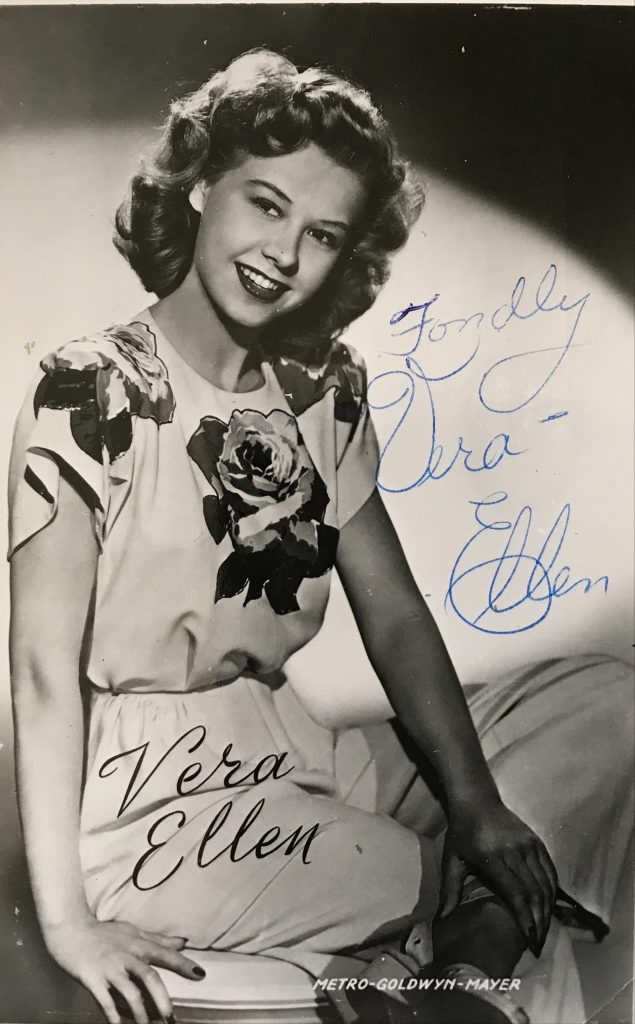
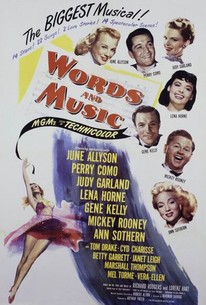
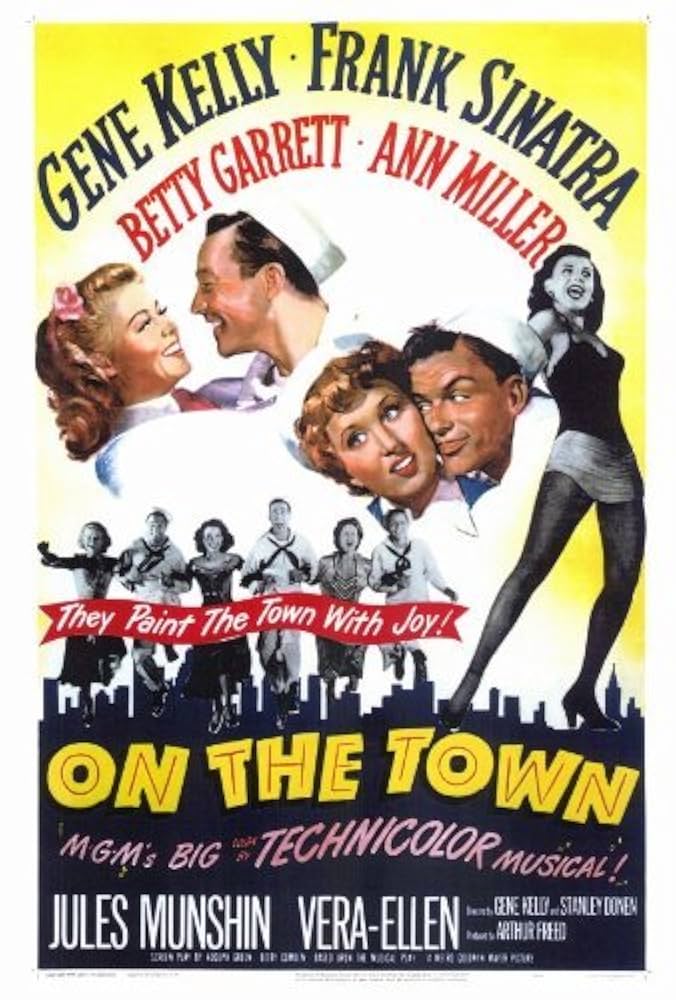
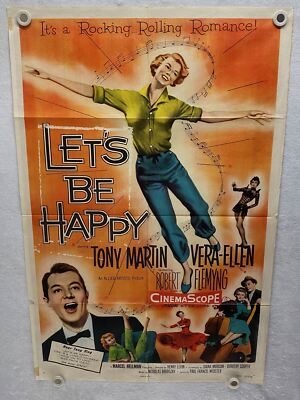
She is fondly remembered for her dancing in “Words and Music” and “On the Town” both with Gene Kelly. In “Words and Music” they perform a magnificent dance to the music of “Slaughter on 10th Avenue”. She retired early from the screen in 1957 with the film “Let’s Be Happy”. Vera-Ellen died in 1981 at the age of sixty.
Gary Brumburgh’s entry:
One of the most vivacious and vibrant musical film talents to glide through Hollywood’s “Golden Age” in the 40s and 50s was Vera-Ellen Westmeyer Rohe, better known to her fans simply by her hyphenated first name. Whether performing solo or dueting with the best male partners of her generation, including Fred Astaire, Gene Kelly and Donald O’Connor, Vera-Ellen gave life to some of the most extraordinary dance routines ever caught on film. Sadly, out-and-out stardom eluded her, and she never did quite earn the recognition or accolades that were bestowed upon many of her musical peers and co-stars.
Born of German descent in Cincinnati, Ohio on February 16, 1921 (some sources incorrectly indicate 1926), the only child of a piano tuner, she was painfully shy and frail as a youngster and had developed severe health issues by age 9. Using dance as both physical and emotional therapy, what was once recreational became a soulful and burning passion, and her talent became obvious nearly from the onset. As a teen she appeared in nightclub acts and became one of the Rockettes’ youngest members, quickly graduating to the “Great White Way” for work. Vera-Ellen made her Broadway debut with “Very Warm for May” at age 18 in 1939, which also featured another young hopeful, June Allyson. She then segued into “Higher and Higher” (1940), which also had Allyson in the cast, “Panama Hattie” (1940) which starred Ethel Merman, “By Jupiter (1942) with Ray Bolger, and a revival of “A Connecticut Yankee” (1943).
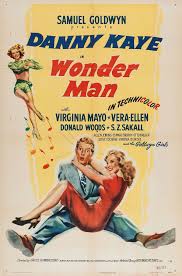
Blessed with a sweet, apple blossom appeal and elfin charm, Vera-Ellen’s movie career started to take shape in 1945. Supposedly her mother thought that since her daughter looked much younger than she was, it might be wise to shave five years off of her age in order to promote the dancing teen sensation image. Her first two films were musical vehicles for the up-and-coming Danny Kaye. Wonder Man (1945) and The Kid from Brooklyn (1946) were both hits and people soon fell in love with the lovely lady’s fresh-faced innocence. A hard-working, uncomplicated talent, she paired famously with Gene Kelly in MGM’s Words and Music (1948) in which their “Slaughter on Tenth Avenue” number was a critical highlight. The landmark musical On the Town (1949), in which she played “Miss Turnstiles” and the apple of Kelly’s eye, served as the pinnacle of her dancing work on film. The versatile and acrobatic Vera could be counted on now to perform any kind of dancing requested — tap, toe, jazz, adagio — whether solo or with partners and/or props. She became the woman of a thousand dance moves. Her light singing voice, however, was usually dubbed by a more capable song stylist (Carol Stewart, Anita Ellis, Carol Richards, etc.).
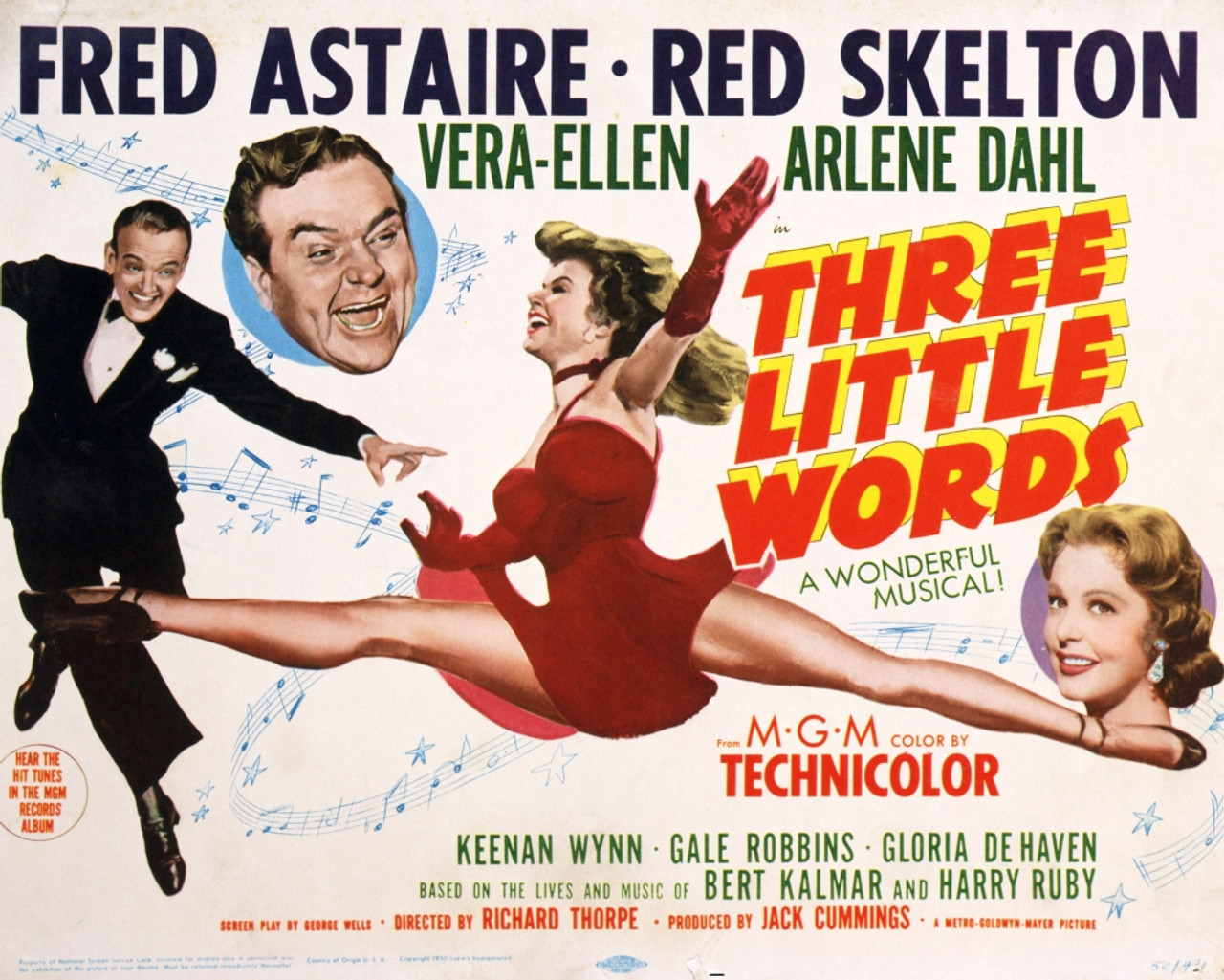
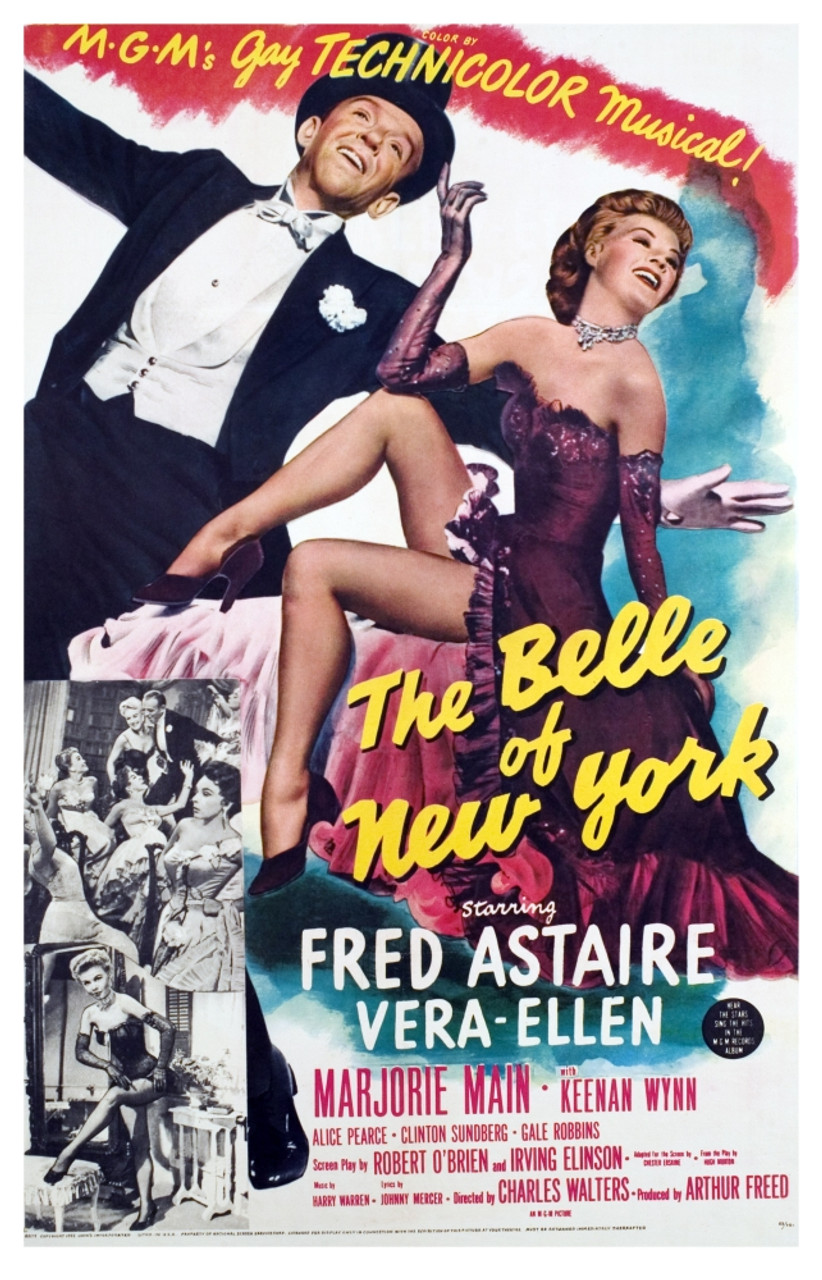
Vera-Ellen went on to appear twice with Fred Astaire albeit in two of his lesser vehicles,Three Little Words (1950) (choreographed by Hermes Pan) and The Belle of New York(1952), where their formidable dance numbers outshined the flimsy story. She also shared dance steps with the equally agile Donald O’Connor in Call Me Madam (1953). One of her all-time favorite dances was in this film with O’Connor to the tune of “Something to Dance About,” choreographed by the renowned Robert Alton. The warm and fuzzy yuletide favorite White Christmas (1954) is usuallly considered her best-remembered movie in which she played one-fourth of a glamorous quartet consisting ofBing Crosby, Danny Kaye and (sister) Rosemary Clooney.
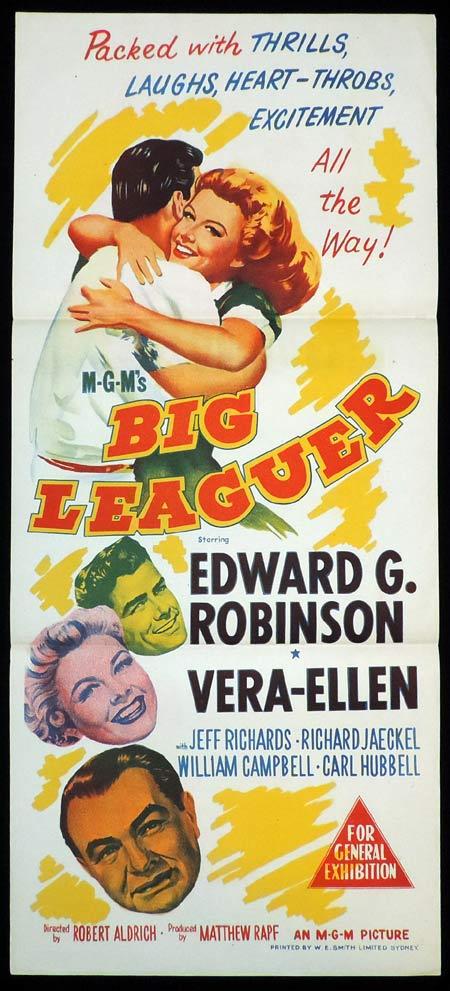
Musicals went out of vogue by the late 50s and, as Vera-Ellen was practically synonymous with musicals, her career went into a sharp decline. But that was only one reason. A light acting talent, she might have continued in films in dramatic roles, as she had in the movie Big Leaguer (1953) with Edward G. Robinson, but dark, outside influences steered her away altogether. Personal unhappiness and ill health would quickly take their toll on her.
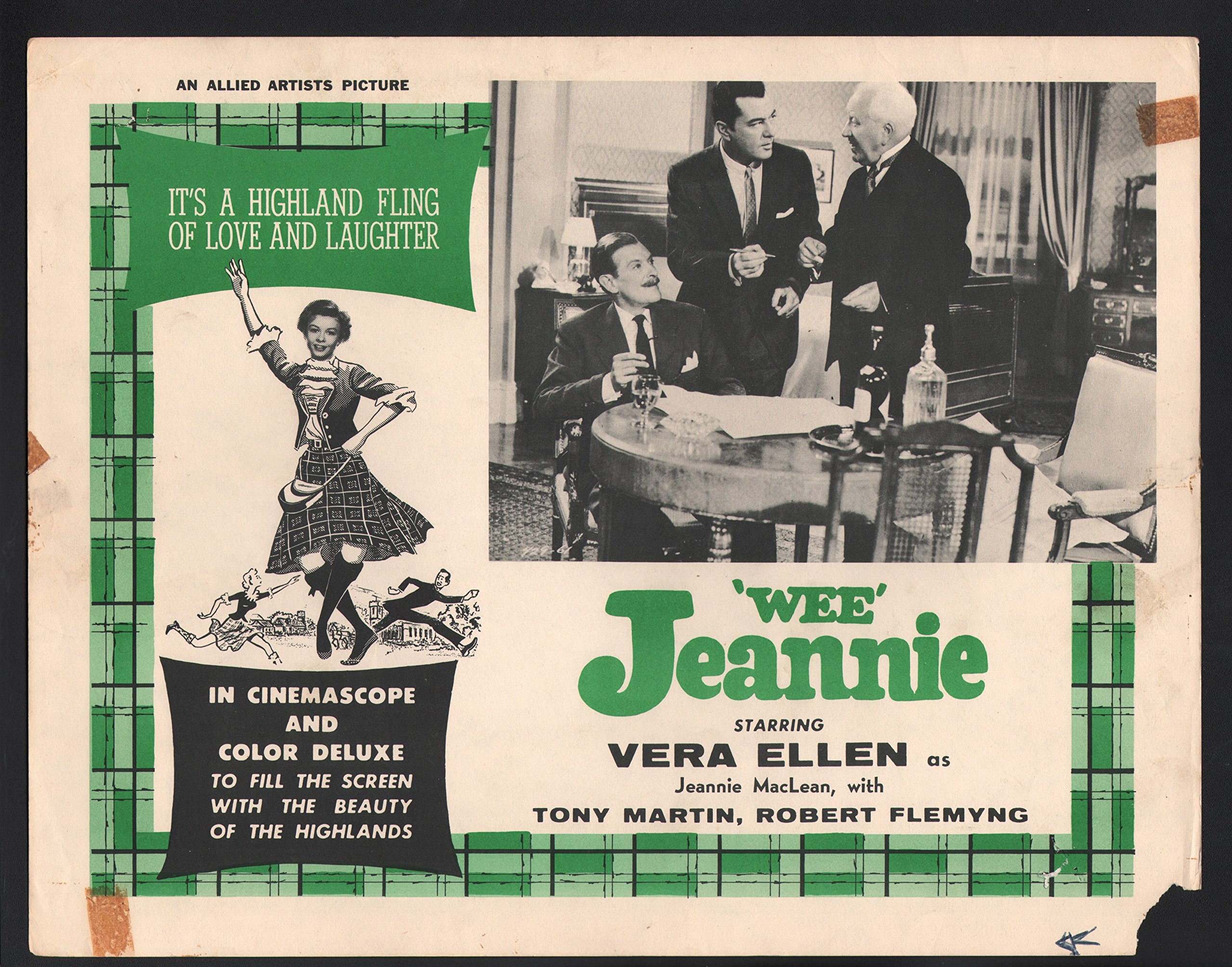
Singing films had lost their fashionable appeal in the late 1950s and Vera’s cinematic career ended with the bland British musical Let’s Be Happy (1957) co-starring Tony Martinin which she appeared to look gaunt and unhealthy. Variety appearances on such TV showcase shows as “The Colgate Comedy Hour,” “Kraft Music Hall” and “The Dinah Shore Chevvy Show” dominated the late 1950s career of Vera-Ellen. She also decided to star in a 1955 Las Vegas dancing revue, which wound up highly successful.
Vera’s career died down in the late 1950s once filmed musicals lost their fashion. It was later discovered that, due to the dancer’s compulsive dieting obsession, she had silently battled anorexia throughout much of the 50s before anyone was even aware or doctors had even coined the term or devised treatments. Moreover, she had developed severe arthritis which forced an early retirement. In order to combat it, she reverted back to taking dance lessons again. The worst blows suffered, however, was in her personal life. On top of of two two failed marriages, she lost her only child, Victoria Ellen Rothschild, to Sudden Infant Death Syndrome (SIDS) in 1963. With one unhappy and tragic event compounded by another, she became a virtual recluse.
Little was heard for decades until it was discovered that she had died on.
– IMDb Mini Biography By: Gary Brumburgh / gr-home@pacbell.net
.n
Article about Vera-Ellen’s later years can be found here.
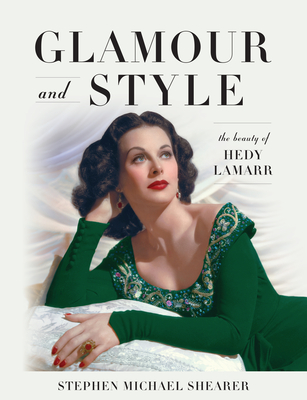
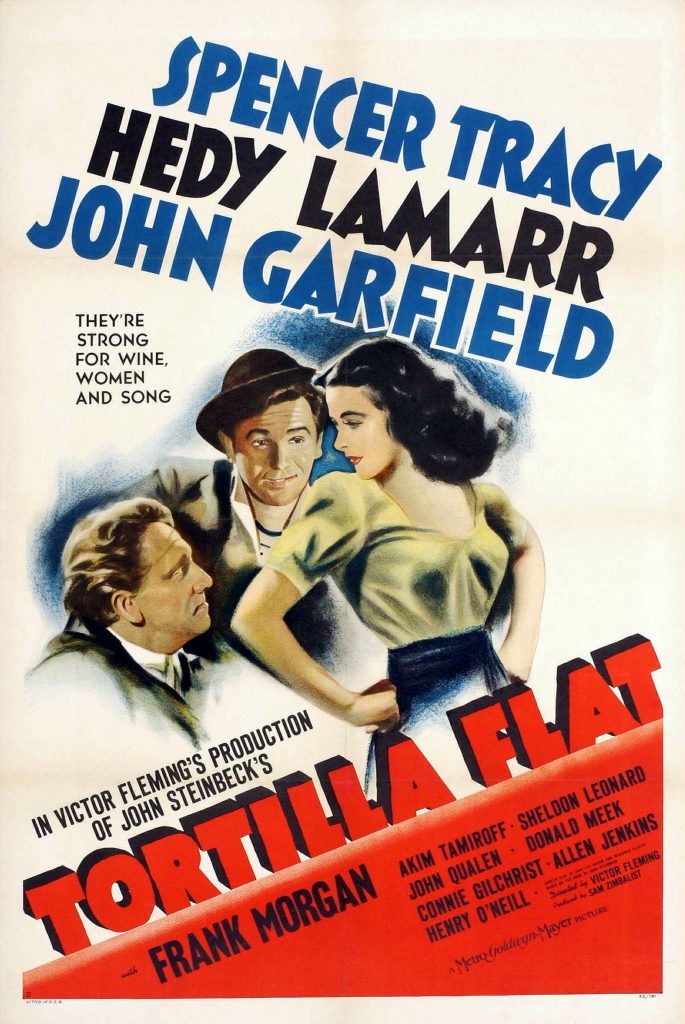
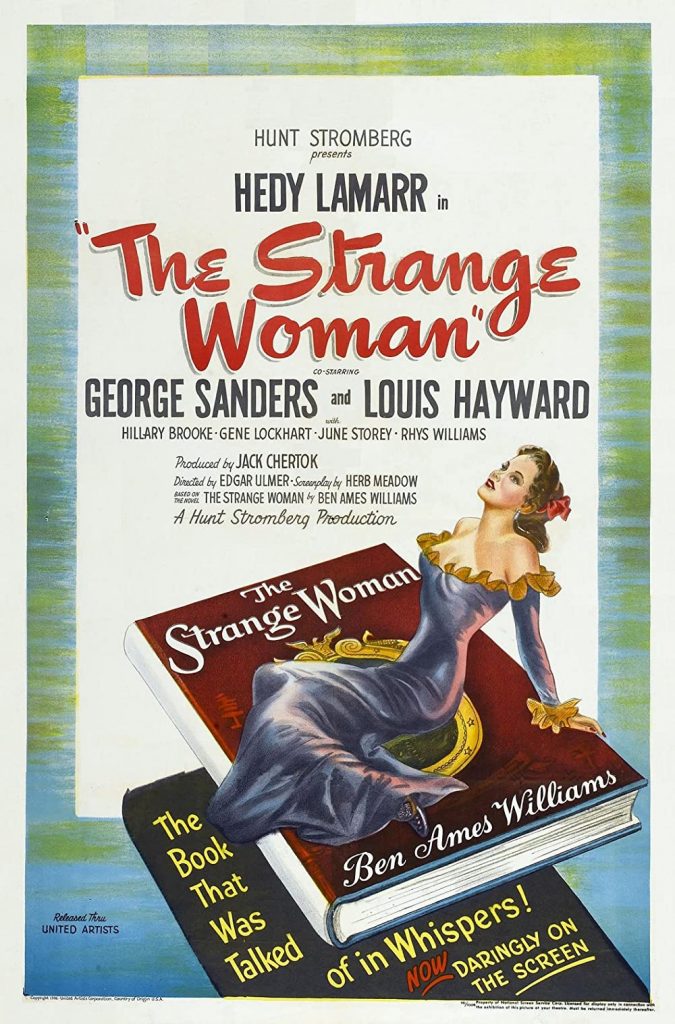
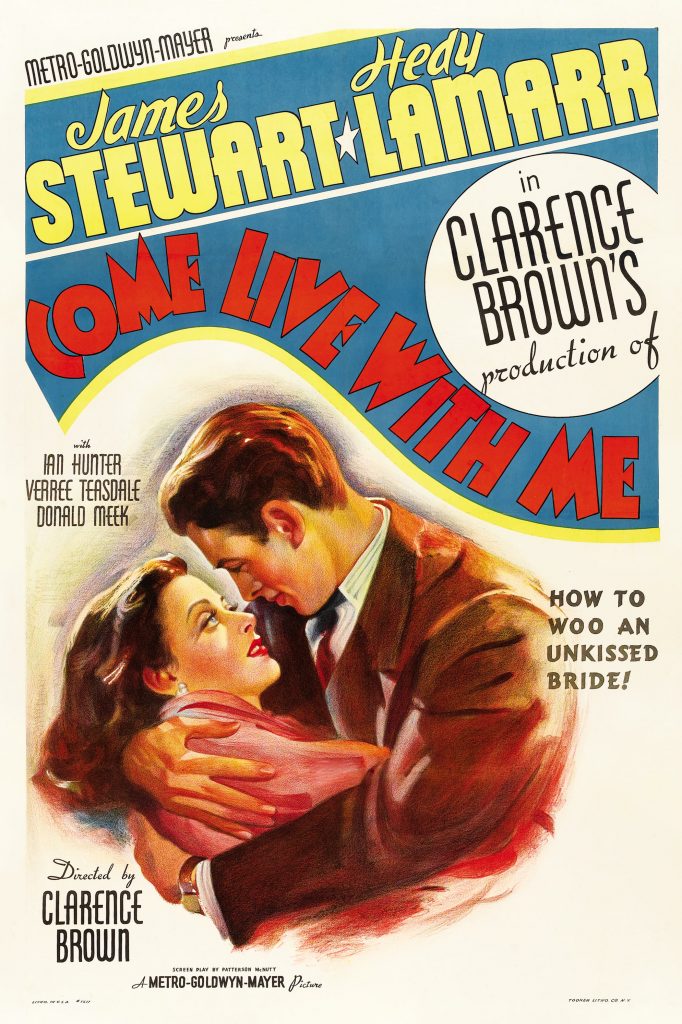
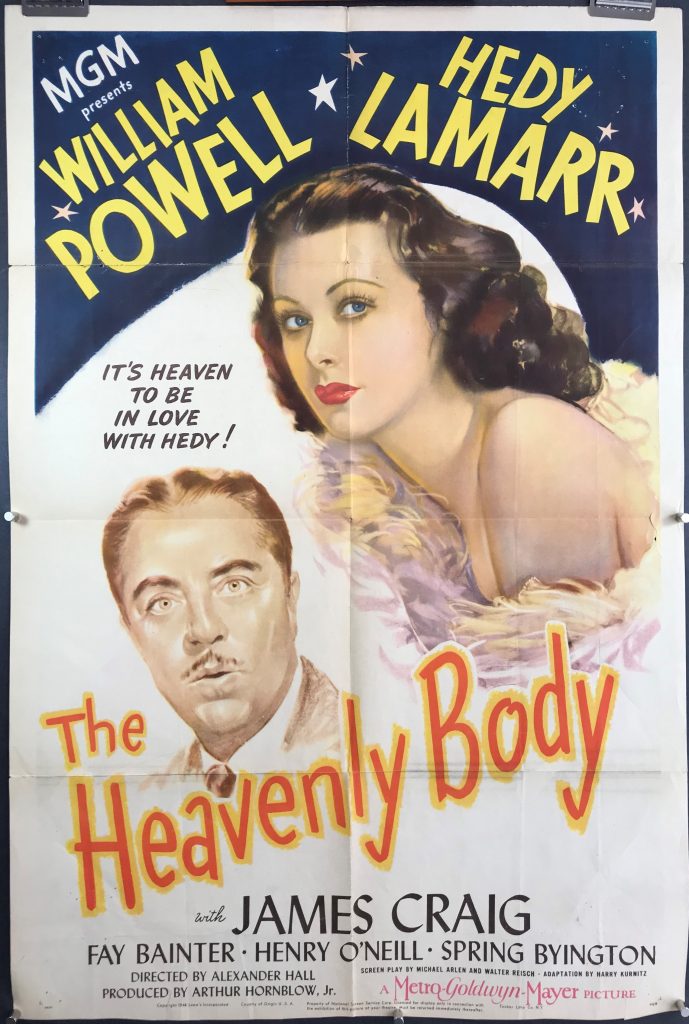
Hedy Lamarr was often described as the most beautiful woman ever on film. She was born in Vienna in 1913. She gained international prominence for her role in “Ecstasy” in 1933. She came to Hollywood with an MGM contract. Her first American film was “Algiers” with Charles Boyer. She career was it’s peak in the early 1940’s when she starred opposaite such luminaries as James Stewart, Clark Gable, Specner Tracy and John Garfield. It was recently reported that Hedy Lamarr was surprisingly the inventor of a secret communication system that was used by U.S. military ships. A biography of Ms Lamarr by Ruth Barton was published in 2010.
Ronald Bergan’s “Guardian” obituary:
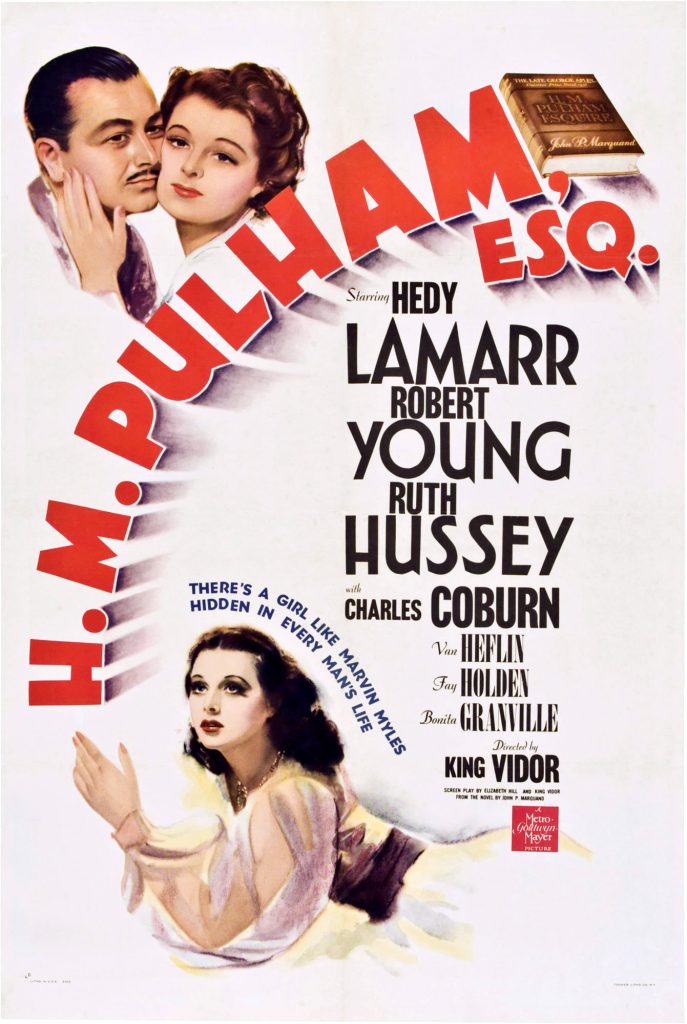
In the 1940s, Hedy Lamarr, who has died aged 86, was thought to be the most beautiful woman in films and was the byword for glamour. “Her beauty made up for whatever she lacked in acting ability,” remarked King Vidor, who directed Lamarr in one of her best pictures (HM Pulham Esquire) and one of her worst (Comrade X) . “Acting probably didn’t come naturally to her but the note of unsureness in what she did seemed to give her a certain childish attractiveness.”
She herself thought, “Any girl can be glamorous: all you have to do is stand still and look stupid.” Although Hedy never looked stupid – she had a certain self-mocking twinkle in the eyes – she was often called upon to be no more than a marble mannequin, as in Ziegfeld Girl (1941), stiffly parading around in a star-spangled costume as Tony Martin sang You Stepped Out Of A Dream to her.
Born Hedwig Eva Maria Kiesler in Austria, she had a privileged upbringing as her father was director of the Bank of Vienna. She started acting with Max Reinhardt’s theatre company in Berlin, where she appeared in The Weaker Sex and Private Lives, as well as Elizabeth of Austria in Sissi in Vienna. Her name was changed by Louis B Mayer to Lamarr after the silent screen beauty Barbara LaMarr, and also because he thought Kiesler sounded too much like a Yiddish slang word for buttocks.
It certainly wasn’t her acting that obtained her an MGM contract. As Hedy Kiesler, the 18-year-old had gained international notoriety by appearing fleetingly naked in a couple of scenes in Ecstasy (1932), a Czech film directed by Gustav Machaty. Pope Pius XII denounced it, Hitler banned it, and the offending scenes were excised from most European and American versions. It was much ado about nothing on. The film itself, shot partly on location, is full of lyrical beauty and stylish eroticism, and Hedy’s “kiesler” is hardly seen. Her husband, German munitions magnate Fritz Mandl, a man in his 50s, spent millions trying to buy up all the prints of the film. As his decorative wife, she entertained dinner guests such as Gustav Mahler, Frantz Werfel, as well as Hitler and Mussolini.
Finally, disguising herself as one of her servants, she fled to Paris by train with enough jewels to pay for her passage to New York on board the Normande, on which she met Louis B Mayer. Before the liner had docked, she had secured a new name and a seven-year contract starting at $500 a week. Mayer personally supervised every detail of her star grooming though he was uncertain of what to do with her.
In fact, Mayer loaned her out to Walter Wanger for her Hollywood debut in Algiers (1938), in which Charles Boyer did not say, “Come with me to the Casbah,” though the phrase stuck to him for most of his life. Lamarr was ravishing enough to tempt the fugitive Boyer out of the Casbah, into her arms and those of the police. More exoticism came in Lady of the Tropics (1939), her first MGM movie after two years under contract. The film, co-starring Robert Taylor, flopped, despite the publicity line of “The Most Beautiful Girl in the World”.
I Take This Woman (1940), starring Spencer Tracy and Lamarr, took two years to reach the screen, by which time it had been dubbed I Retake This Woman; it had been in and out of production for 18 months with three changes of director and miles of rejected footage. The marital melodrama failed to ignite the public, and Mayer cooled towards Hedy. She only got fourth billing in Boom Town (1940), below Clark Gable, Claudette Colbert and Spencer Tracy, playing “the other woman”, a role she also took in HM Pulham Esquire (1941), this time enlivening staid Robert Young’s existence.
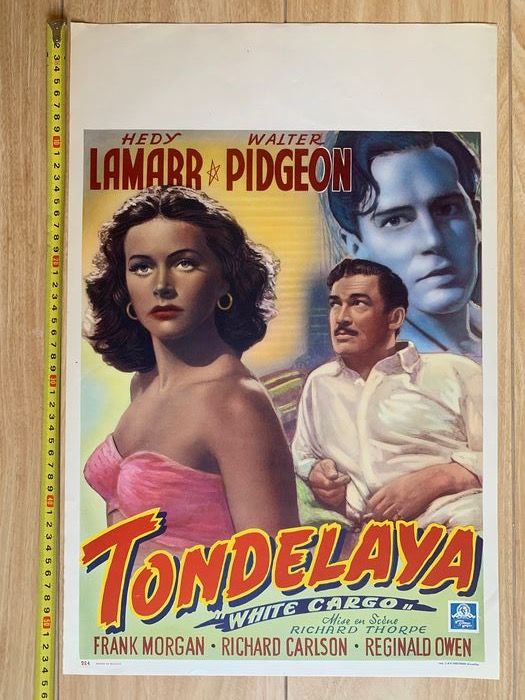
As Dolores “Sweets” Ramirez in Tortilla Flat (1942), she gave what she herself considered her best performance, and if the film had been a success, MGM might have found better roles for her. Certainly better than the sultry hip-swinging half-caste whispering “I am Tondelayo” in White Cargo (1942). At first, MGM considered her for Gaslight (1944), but the studio had lost faith in her, giving the role to Ingrid Bergman instead, who won an Oscar. This led to Lamarr leaving MGM in 1945 to form her own production company, for which she played a number of femme fatales in rather dreary soap operas.
She was virtually a has-been when Cecil B DeMille chose her to play the most famous femme fatale of all in Samson And Delilah (1949). In it, she looked gorgeous in a number of Old Testament off-the-shoulder creations by Edith Head, and managed satisfactorily to deliver lines like, “I shall find the swiftest camels in Gaza, my silver will open the gates that bar your way. All Gaza will be there.” Samson And Delilah was by far the biggest box-office hit of her career, which seemed about to be relaunched. But when Cecil B.DeMille offered her a role in The Greatest Show on Earth she declined, because she found the director too autocratic, and disliked his obsession with her feet.
She made only a few more films, including a Western, Copper Canyon (1950), opposite Ray Milland, took the title role in My Favourite Spy (1951) in which she got an unreluctant Bob Hope in her clutches, and was Joan of Arc screaming “Attack!” to her minions in the ludicrous The Story of Mankind (1957). Her final film was The Female Animal (1958), in which she virtually played herself as an ageing movie star.
But retirement did not keep her out of the headlines. She was arrested for shoplifting in 1966 and again in 1991, when she allegedly took $25 worth of toiletries from a Florida chemist. She was cleared of the charge both times. She also became litigious, suing the ghost writers of her titillating autobiography Ecstasy and Me, as well as Mel Brooks for using her name without permission in Blazing Saddles, in which a character called Hedley Lamarr is infuriated by being continually called Hedy Lamarr. She gained nothing on both occasions, and was forced to sell many of her valuable possessions.
She was married six times: her second husband was screenwriter Gene Markey, her third the actor John Loder (with whom she had two children), her fourth was Texas oil millionaire W Howard Lee, the fifth restaurateur-bandleader Ernest Stauffer, and lastly, her own divorce lawyer, Lewis W Boles Jr.
Another aspect of her life was revealed only recently. During the war, she and the composer George Antheil invented a system of preventing the jamming and scrambling of signals via radio frequencies. A patent was granted to them, but the army considered the system too complicated to put into practice. However it was taken up by the military in 1957 and its first application was during the Cuban missile crisis in 1962. It was classified as a top secret defence mechanism until the mid-1980s, when the system was used commercially, especially in the prevention of interception of cell phones by telecommunications.
Her son Anthony Loder explained: “My mother was an extremely intelligent woman, always seething with new ideas. She was known as being just a beautiful face, but is now recognised as having invented a brilliant scientific concept, although she never made a cent out of it.”
To the scientists who rather tardily paid homage to her, she sent a message. “I am happy that my invention was not conceived in vain”. Occasionally, as an old woman living alone in Florida, she would meet people and say, “Would you believe I was once a famous star? It’s the truth.”
Hedy Lamarr (Hedwig Kiesler), actress, born November 9 1913; died January 19 2000
The above “Guardian” obituary can also be accessed online here.
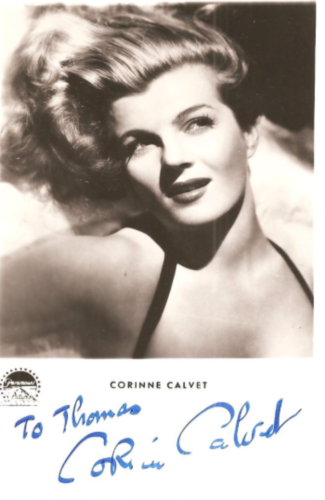
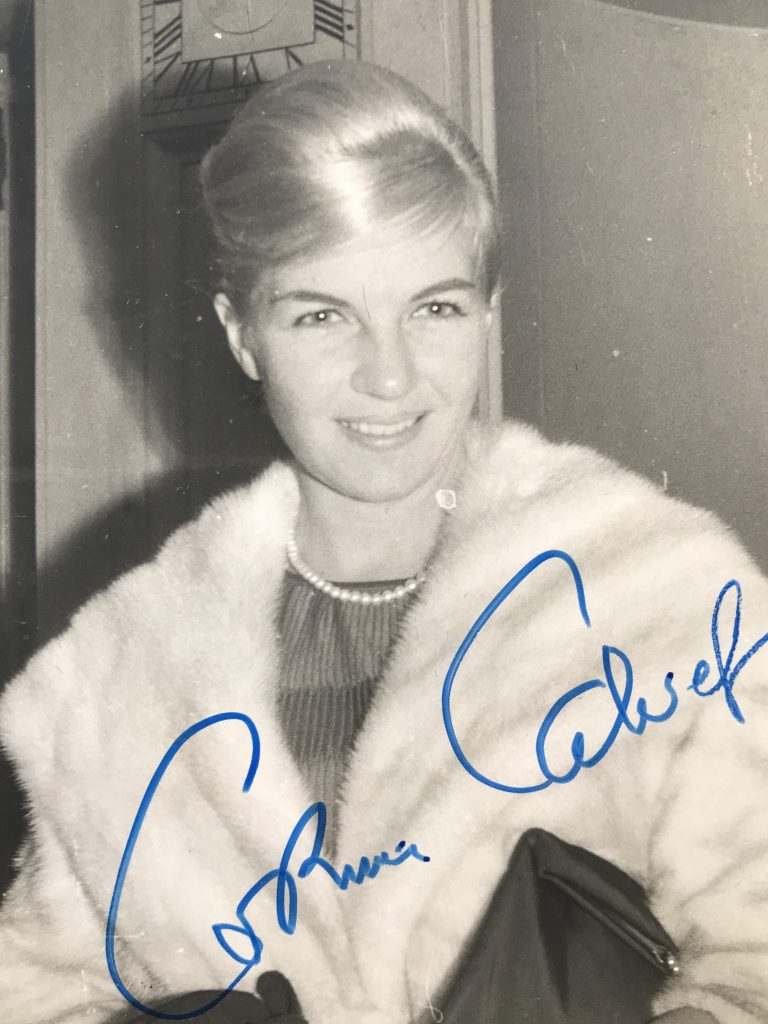
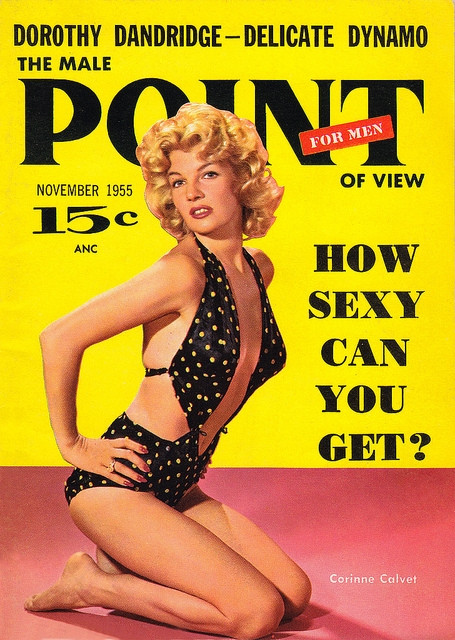
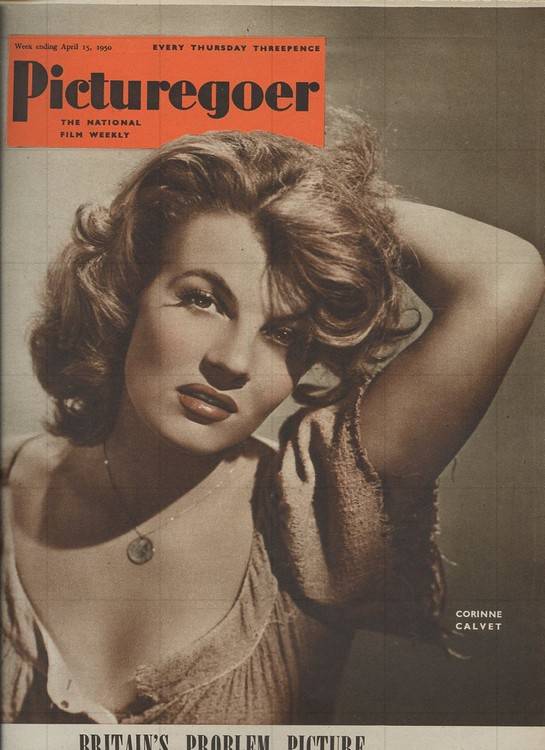
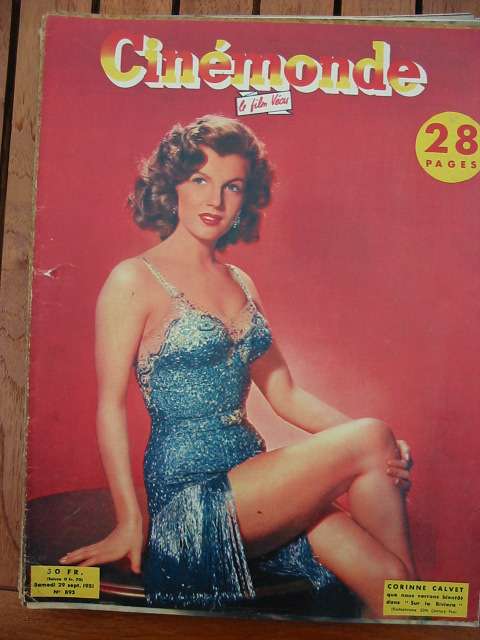
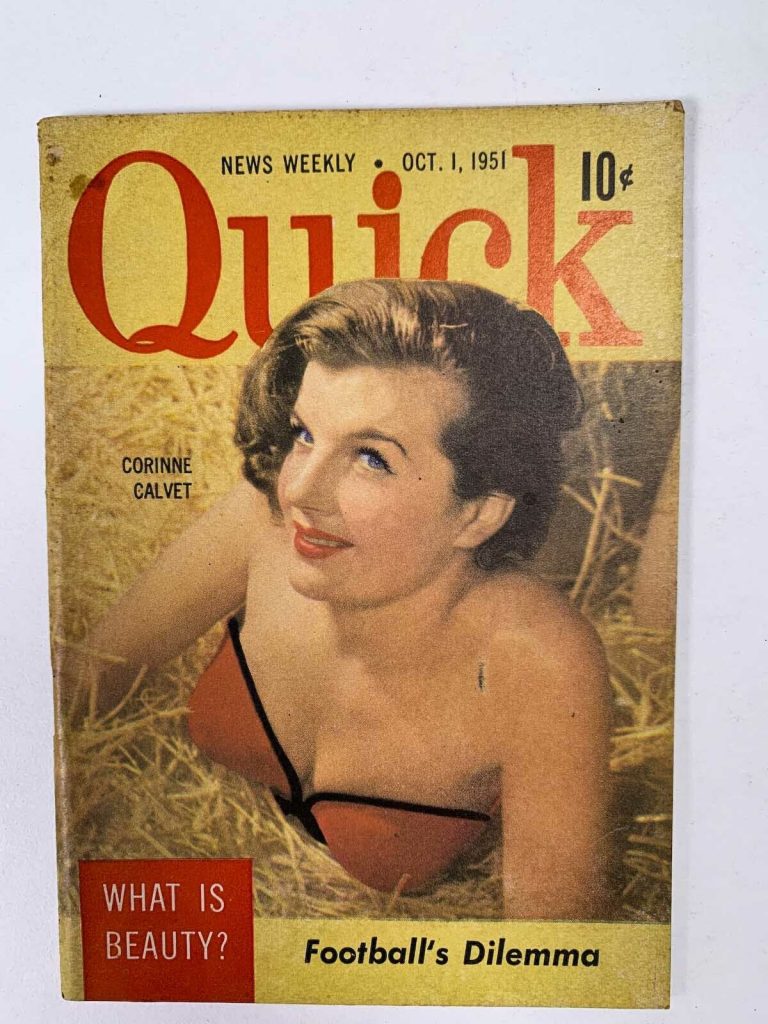
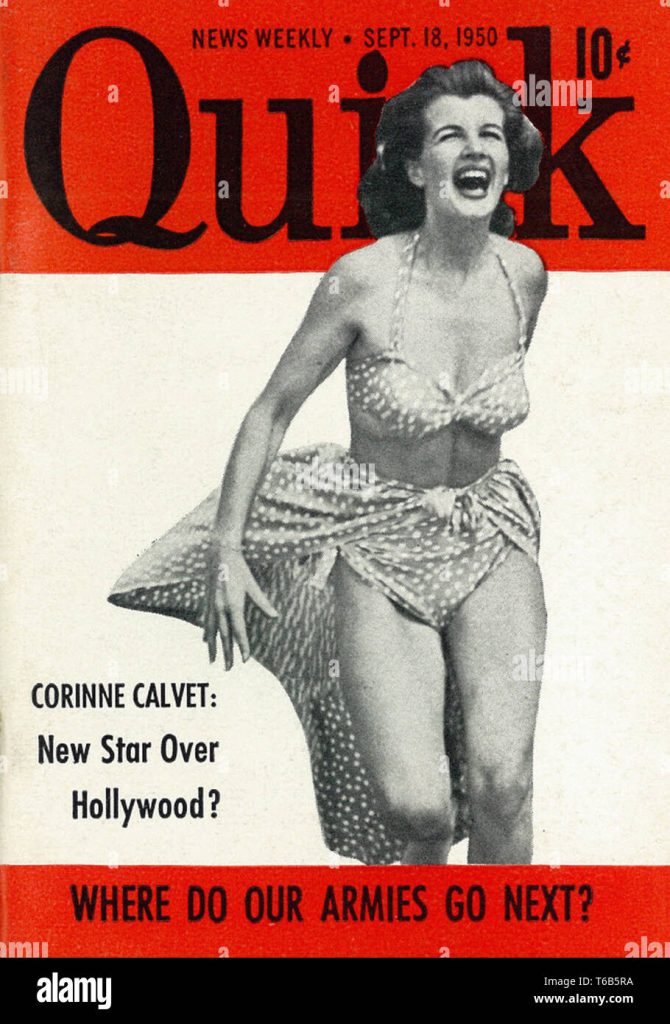
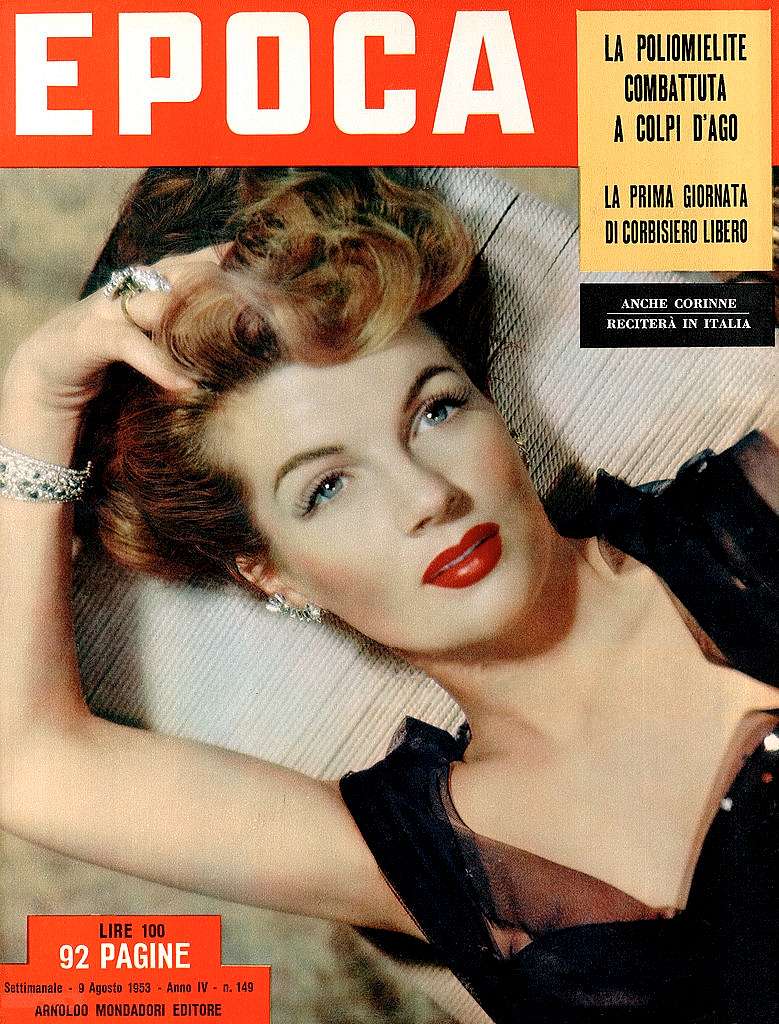
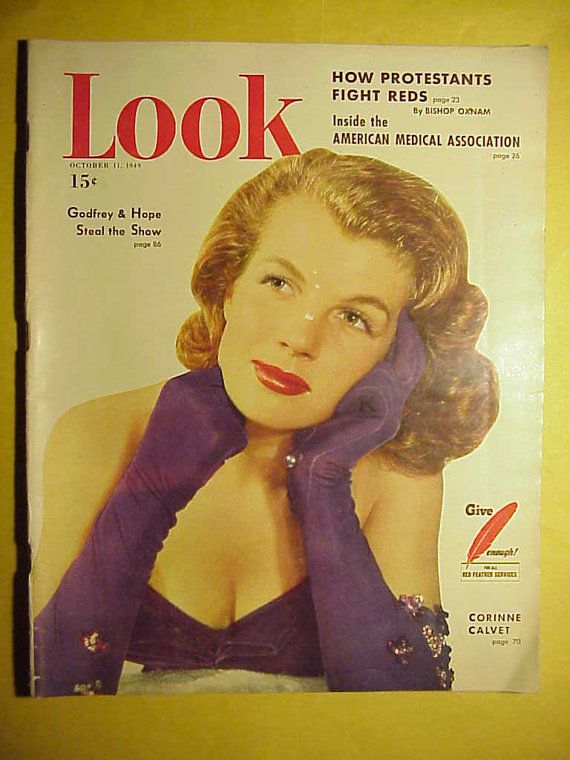
Corinne Calvet obituary in “The Guardian” in 2001.
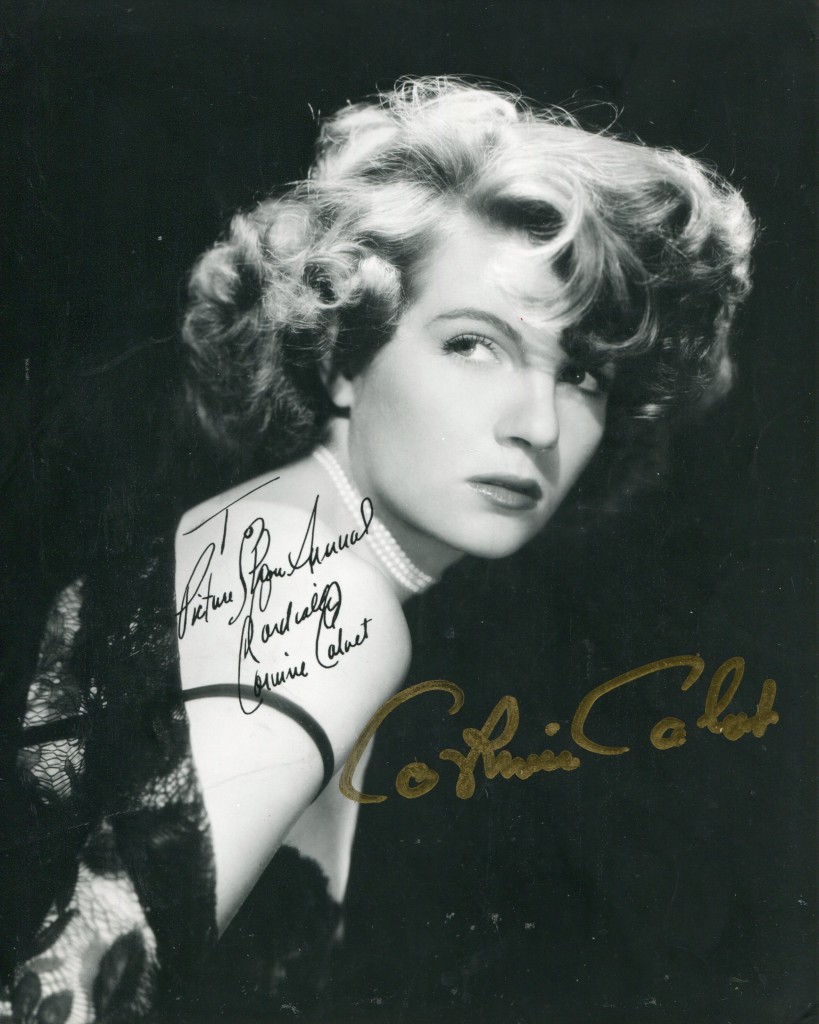
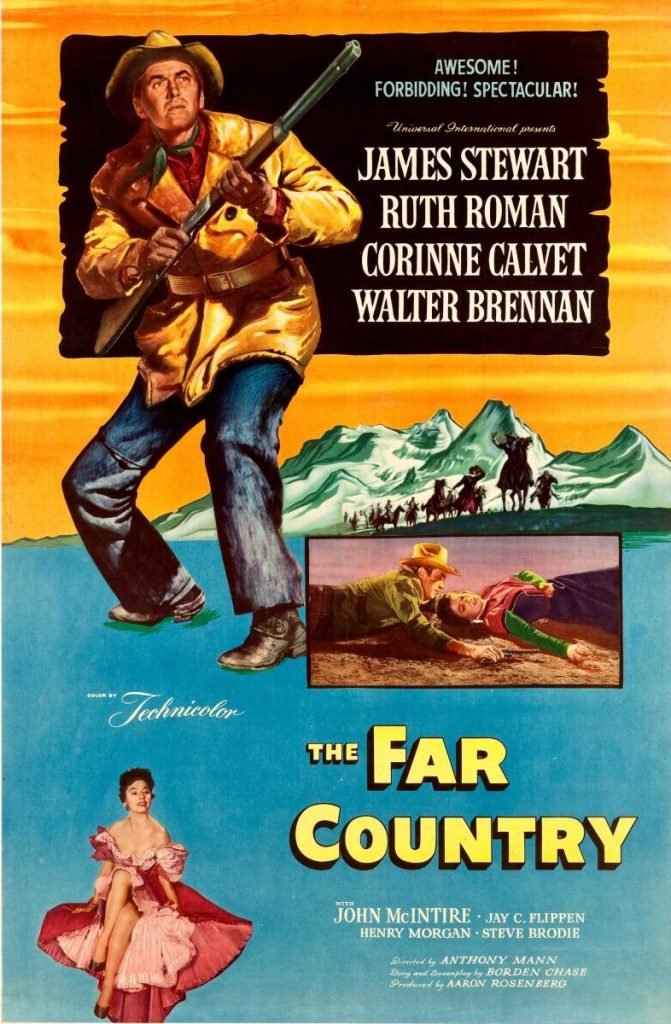
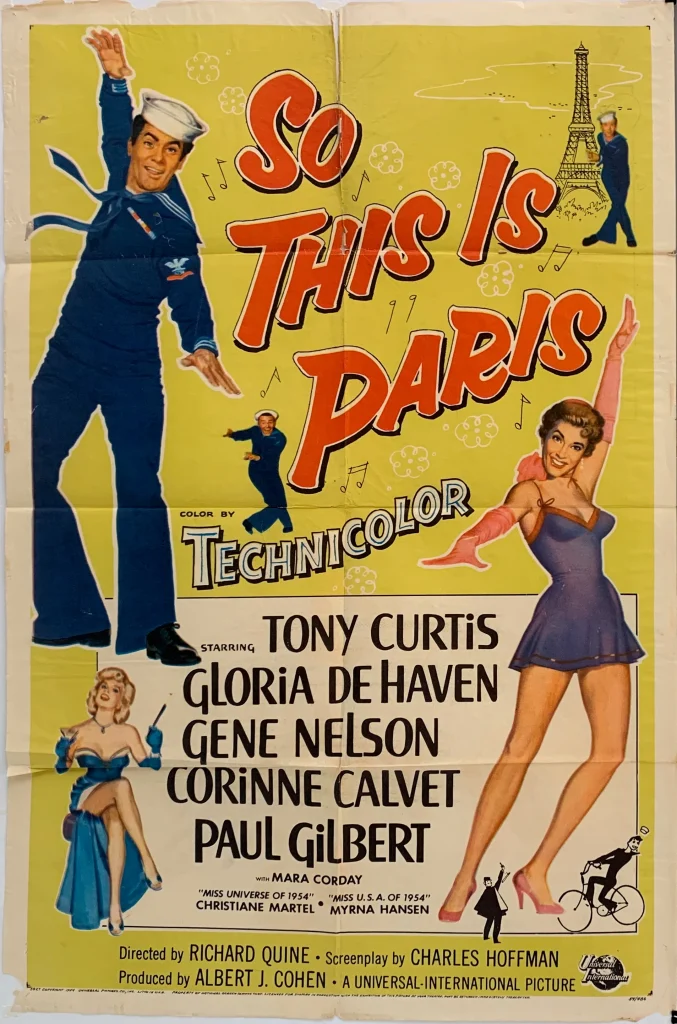
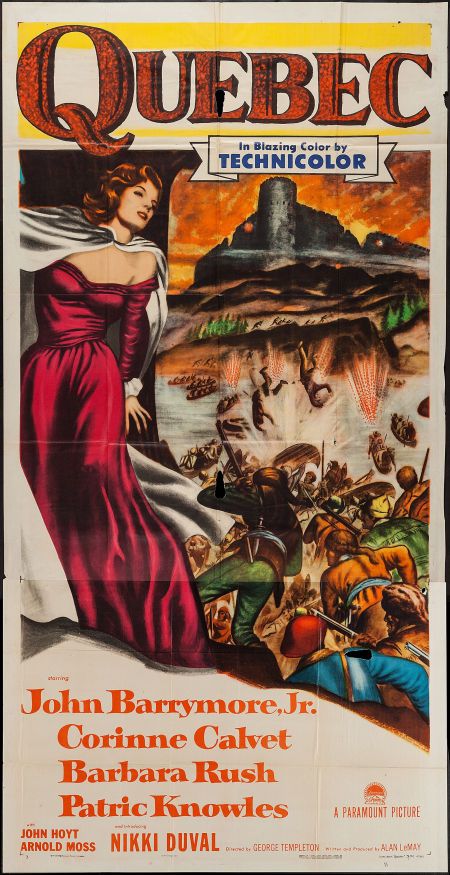
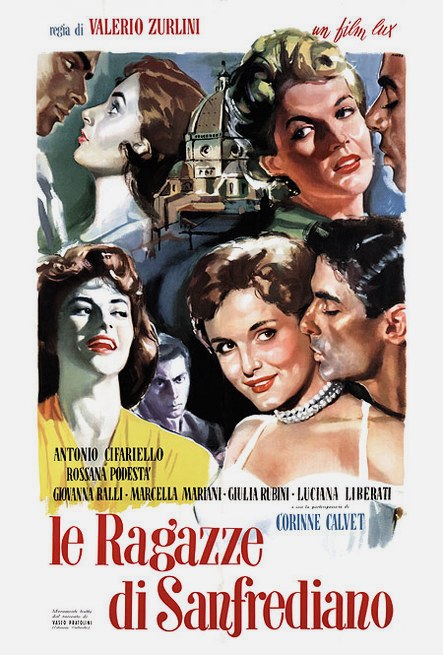
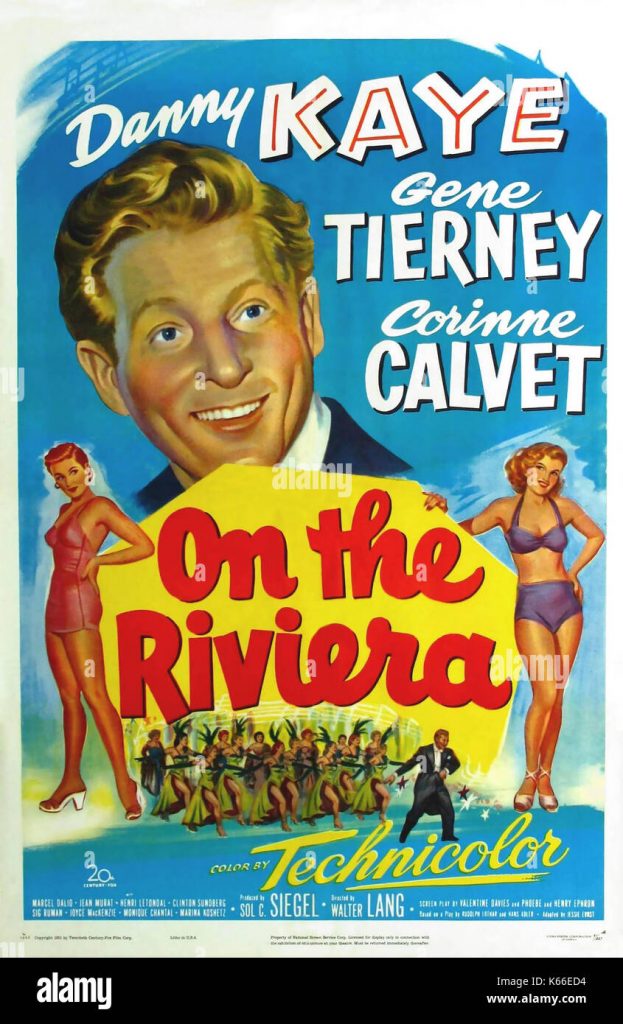
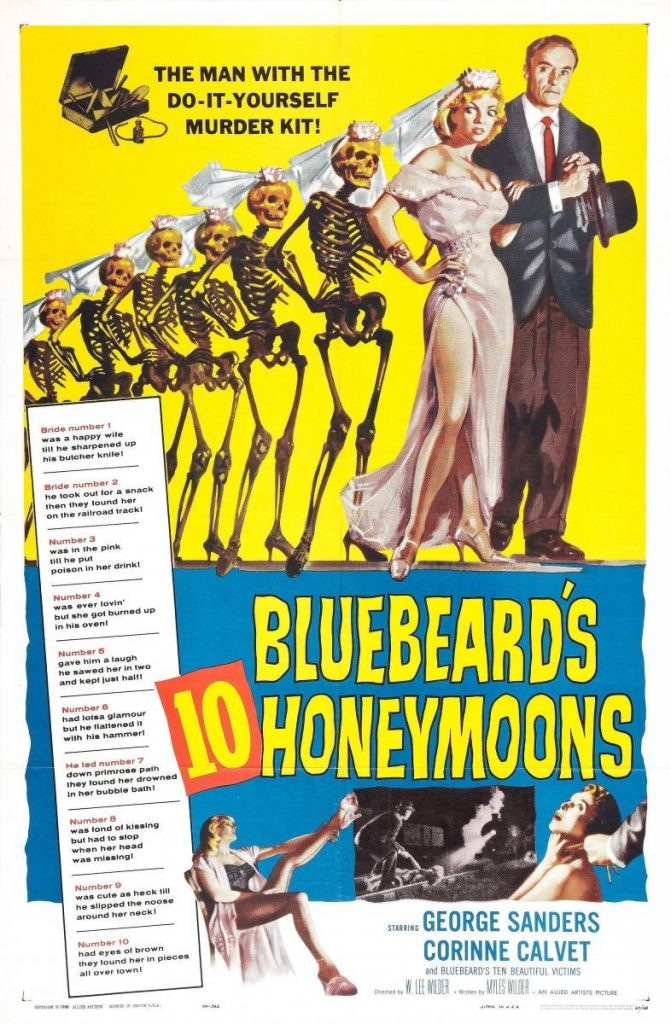
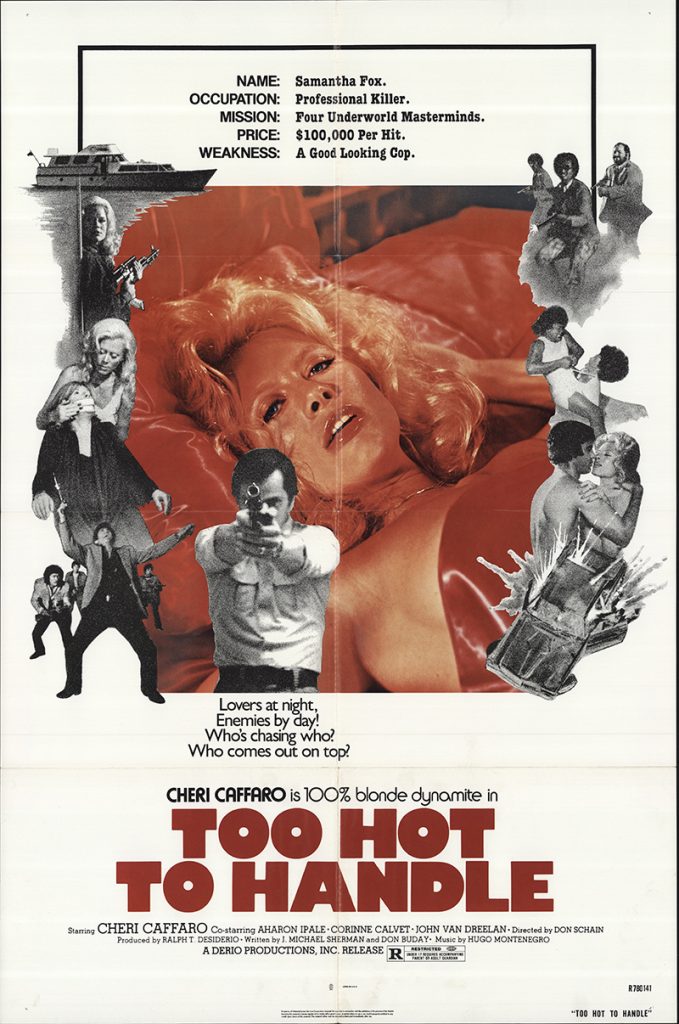
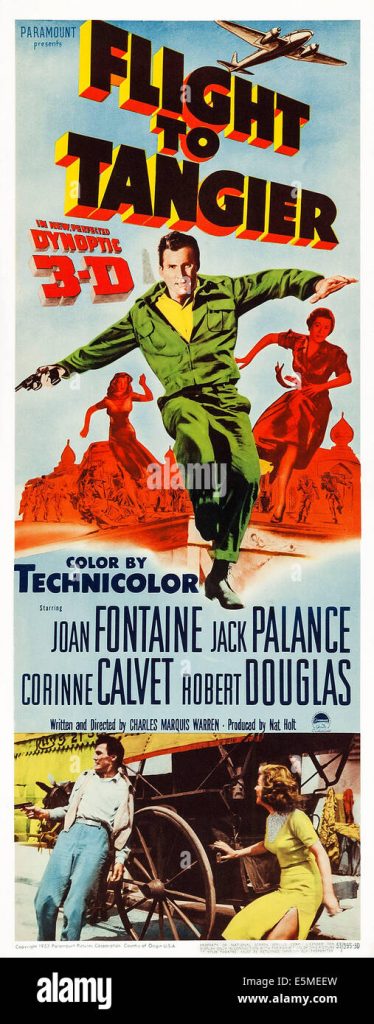
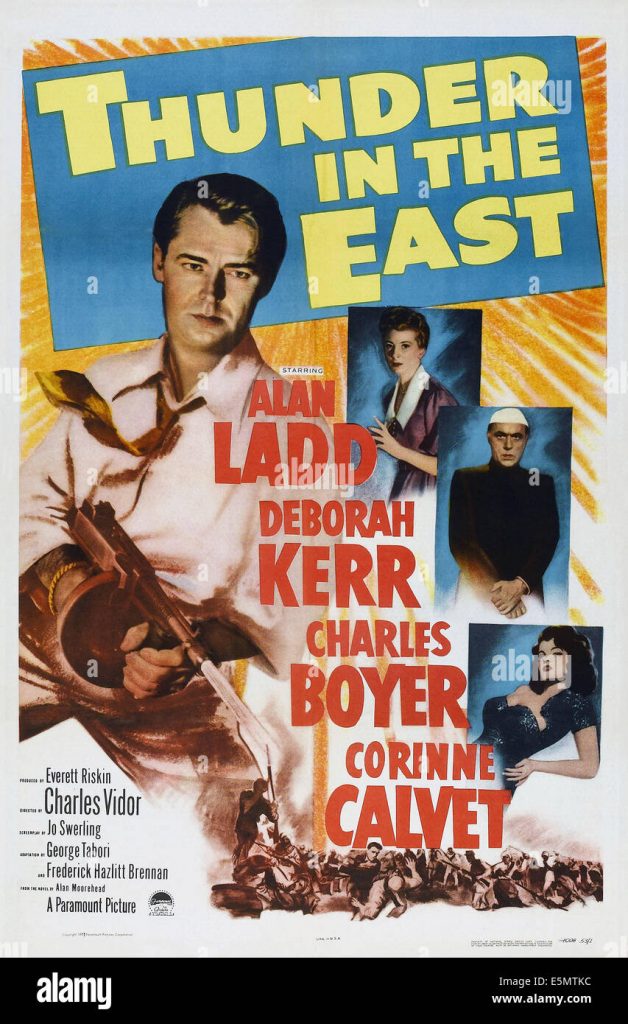
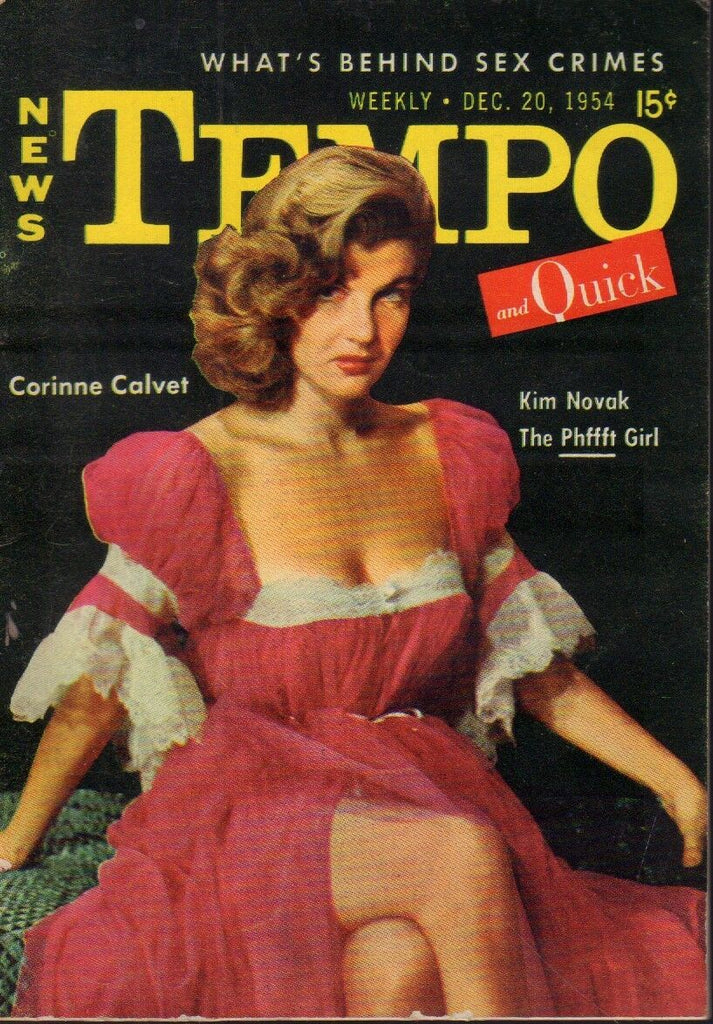
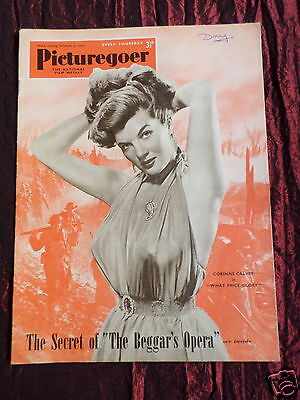
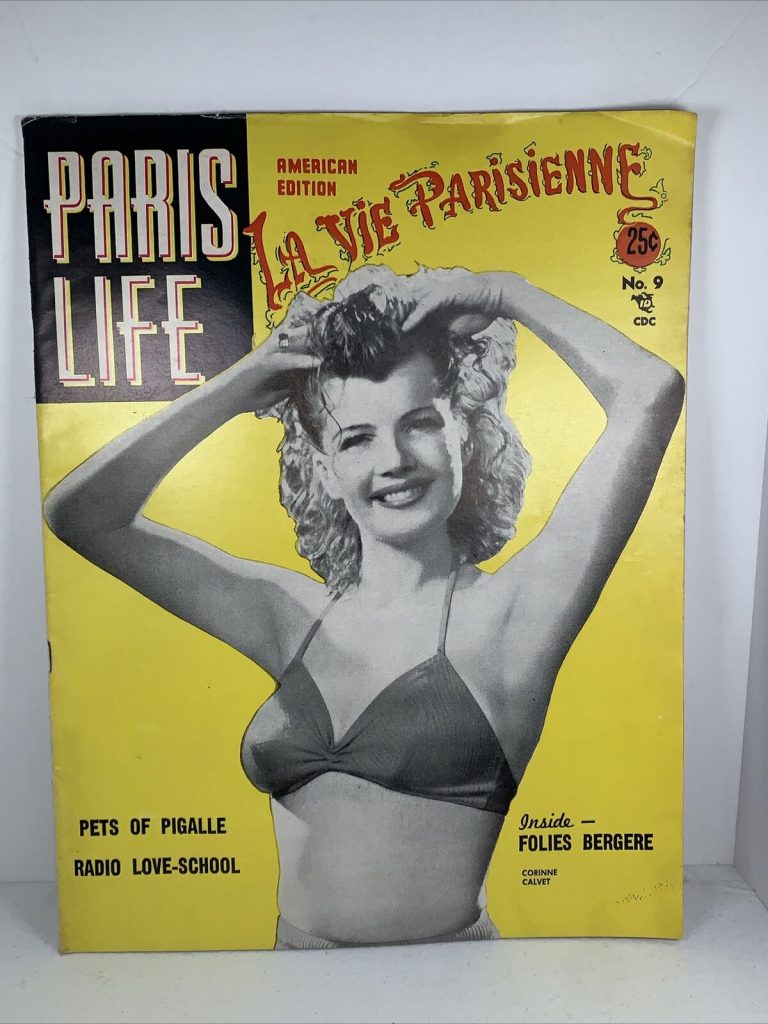
Corinne Calvet was born in Paris in 1925. She made her Hollywood debut opposite Burt Lancaster in “Rope of Sand”. She starred opposite some of the major stars e.g. James Stewart in “The Far Country”, ” Alan Ladd in “Thunder in the East”, James Cagney in “What Price Glory” and Danny Kaye in “On the Rivera, Her last film was “The Sword and the Sorcerer” in 1982. Corinne Calvet died in Los Angeles in 2001
“Guardian” obituary:French actress who built a glamorous career in Hollywood
Corinne Calvet, who has died aged 76, was one of the very few French actresses with an extensive career in Hollywood. Only Leslie Caron could claim to have made as many American movies. But, whereas Caron played up her asexual gamine qualities, Calvet brought serious oo-la-la to her roles.Almost all Calvet’s pictures were made in the 1950s, when Hollywood used foreign stars to appeal to the diminishing international market. In 1952, Calvet filed a million-dollar slander suit against Zsa Zsa Gabor, charging that Gabor had told a leading Hollywood columnist, among others, that she was not actually French. The case was thrown out, but Calvet’s origins were found to be genuine.
She was born Corinne Dibos in Paris into a wealthy family. Her mother was one of the scientists who contributed to the invention of Pyrex glassware. A bright pupil, Corinne studied criminal law at the Sorbonne before turning to acting. (She had appeared at the age of 12 in a short film about billiards called Super Cue Men.)
“A lawyer needs exactly what an actor needs, strong personality, persuasive powers and a good voice,” she remarked years later. Unfortunately, Hollywood being Hollywood, it seldom utilised these qualities in her.
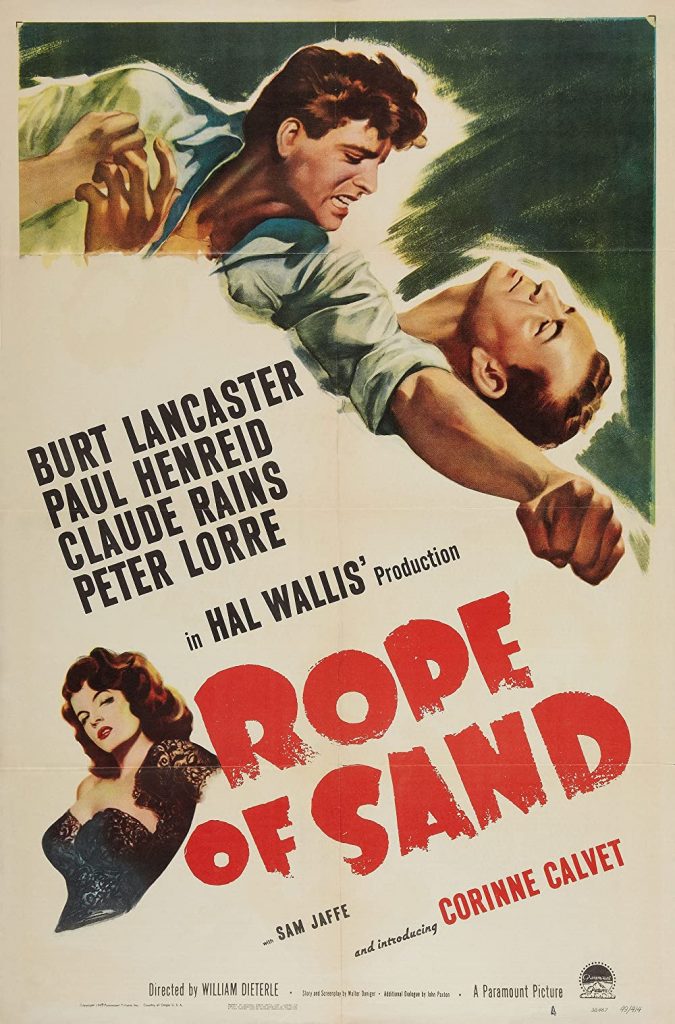
After the Sorbonne, she appeared in a few stage productions and a couple of post-war French features, before coming to the attention of producer Hal Wallis. Calvet’s Paramount movies for Wallis were largely mediocre, including her debut film Rope Of Sand (1949), a South Africa-set adventure yarn. As the only woman in a cast that included Burt Lancaster and Claude Rains, the curvaceous 23-year-old Calvet could not help but be noticed. Also in the cast was handsome 27-year-old John Bromfield, whom she soon married.
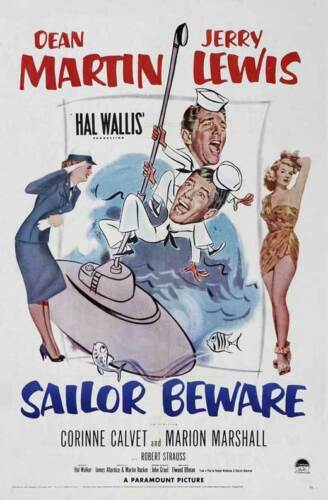
This didn’t stop Wallis from making a play for her, suggesting he would help her husband’s career. “I had his destiny between my legs,” Calvet said of Bromfield. She rebuffed Wallis, who punished her by cancelling Bromfield’s contract and putting her in My Friend Irma Goes West (1950) starring Dean Martin and Jerry Lewis. “I couldn’t believe he would cast me in such a script,” she recalled in anger.
“Rope of Sand had made me a valuable property,” she said. “Doing this film would ruin my chances of rising higher as a dramatic star.” What she objected to most were her scenes with an amorous chimpanzee. Wallis cast her again opposite Martin and Lewis in Sailor Beware (1952) against her will.
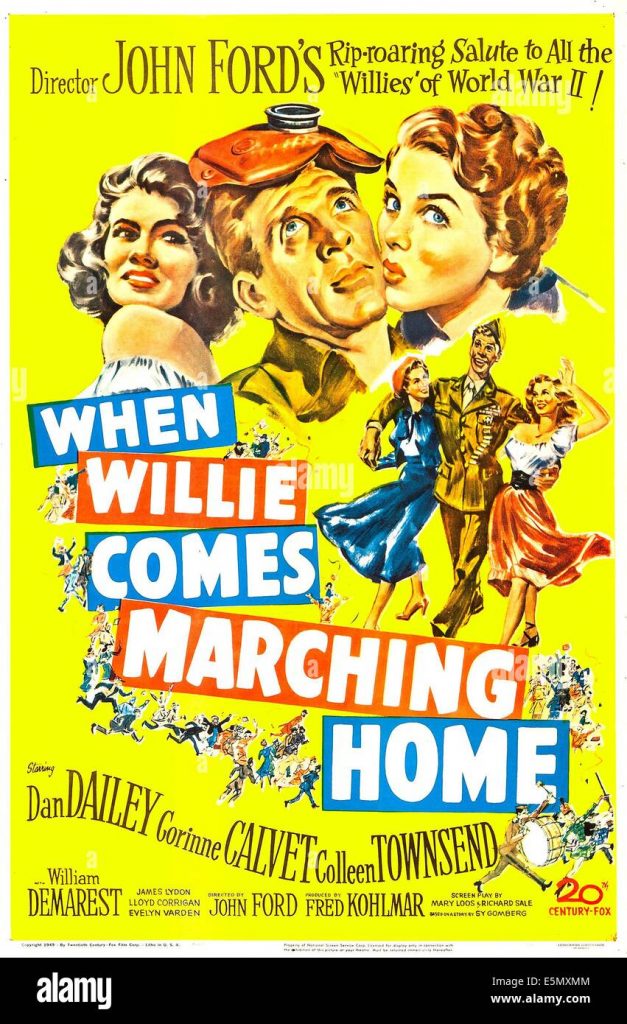
Calvet’s few films made for Darryl F Zanuck at 20th Century-Fox were somewhat better, two of them under John Ford, though they were among the director’s weakest works: When Willie Comes Marching Home (1950), in which she played a French underground leader who woos soldier Dan Dailey, and as a vivacious barmaid fought over by soldiers Dailey and James Cagney in What Price Glory? (1952). Also at Fox, Calvet was a spirited partner of Danny Kaye in a nightclub act in On The Riviera (1951).
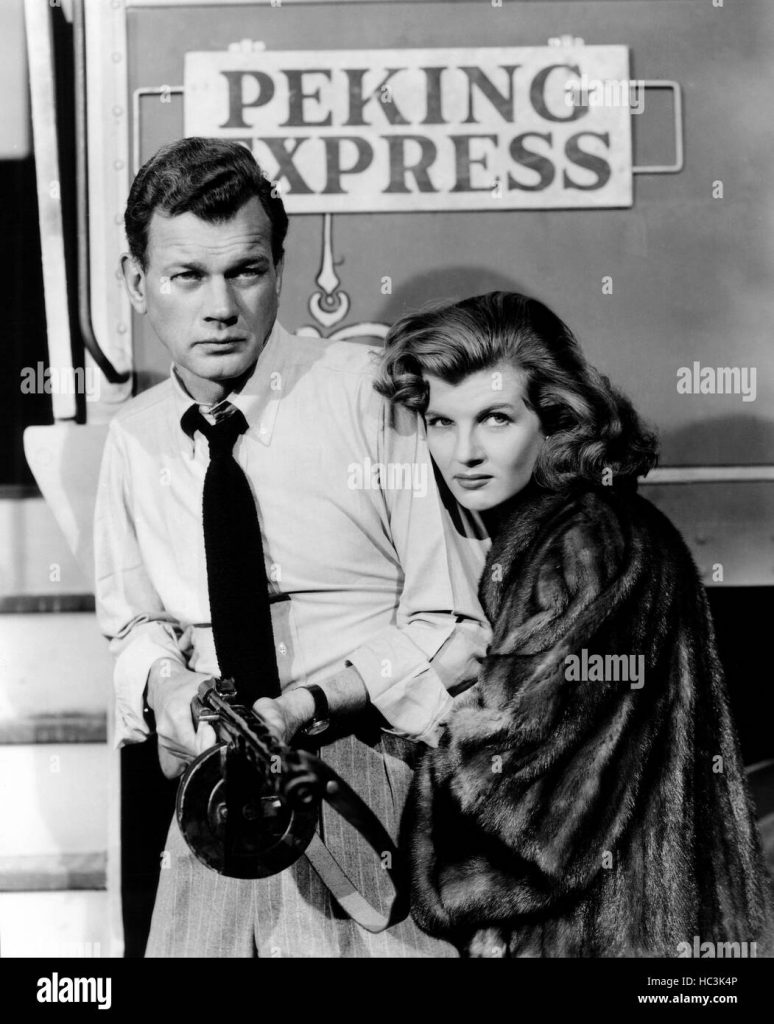
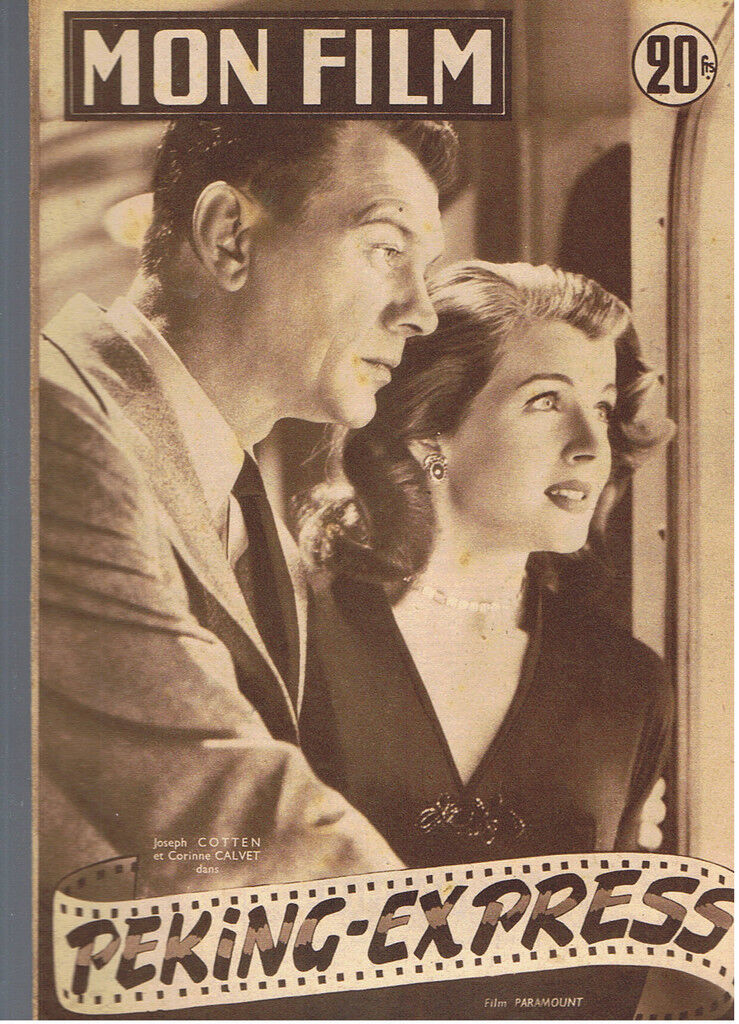
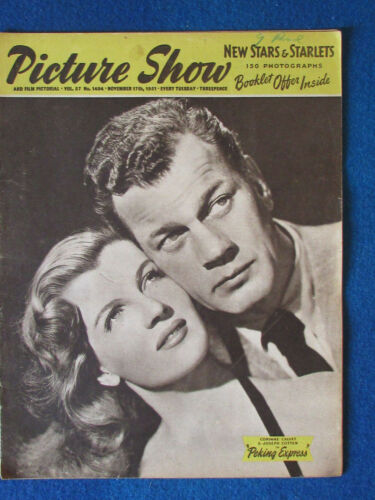
Back at Paramount, Calvet, at the behest of Wallis, vainly attempted comparison with Marlene Dietrich in Peking Express (1951), a lame remake of Shanghai Express, updated to Red China. Meanwhile, after playing opposite Alan Ladd in Thunder In The East (1953), Calvet divorced Bromfield, explaining that “he had an addiction to sex, which he needed to satisfy in order to sleep”. Her second marriage was to minor actor Jeffrey Stone.
Now free from the Hal Wallis contract, Calvet was better used in two films for Universal in 1955: So This Is Paris, adding some spice to the insipid musical of three sailors on leave in Paris, and The Far Country, one of Anthony Mann’s finest westerns. In the latter, unusually, she plays a hoydenish freckle-faced girl in checked shirt and jeans, for whom James Stewart gradually falls.
In the 1960s Calvet went into semi-retirement, appearing only in a few TV shows between another three marriages and liaisons. In 1967 her longtime boyfriend, millionaire Donald Scott, sued her to recover assets that he had put under her name in an effort to hide them from his wife in a divorce battle. He claimed that Calvet had used voodoo to control him, but their differences were settled after a bitter two-week trial.
In the 1980s, Calvet made a brief comeback as a victim of Oliver Reed in Dr Heckle and Mr Hype (1980), and in The Sword And The Sorcerer (1982). In 1983, the actress, who is survived by a son from her fourth marriage, attacked the way Hollywood misused her in her memoirs, Has Corinne Been a Good Girl? Readers and filmgoers were left to make up their own minds as to the answer.
Corinne Calvet, actress; born April 30 1925; died June 23 2001
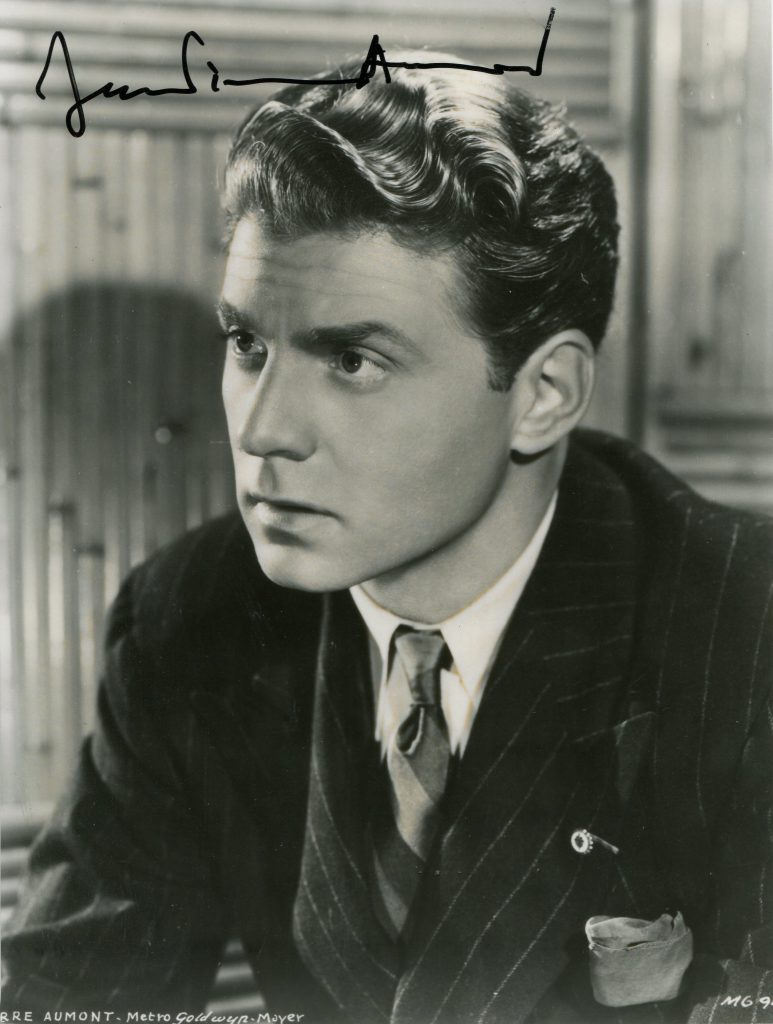
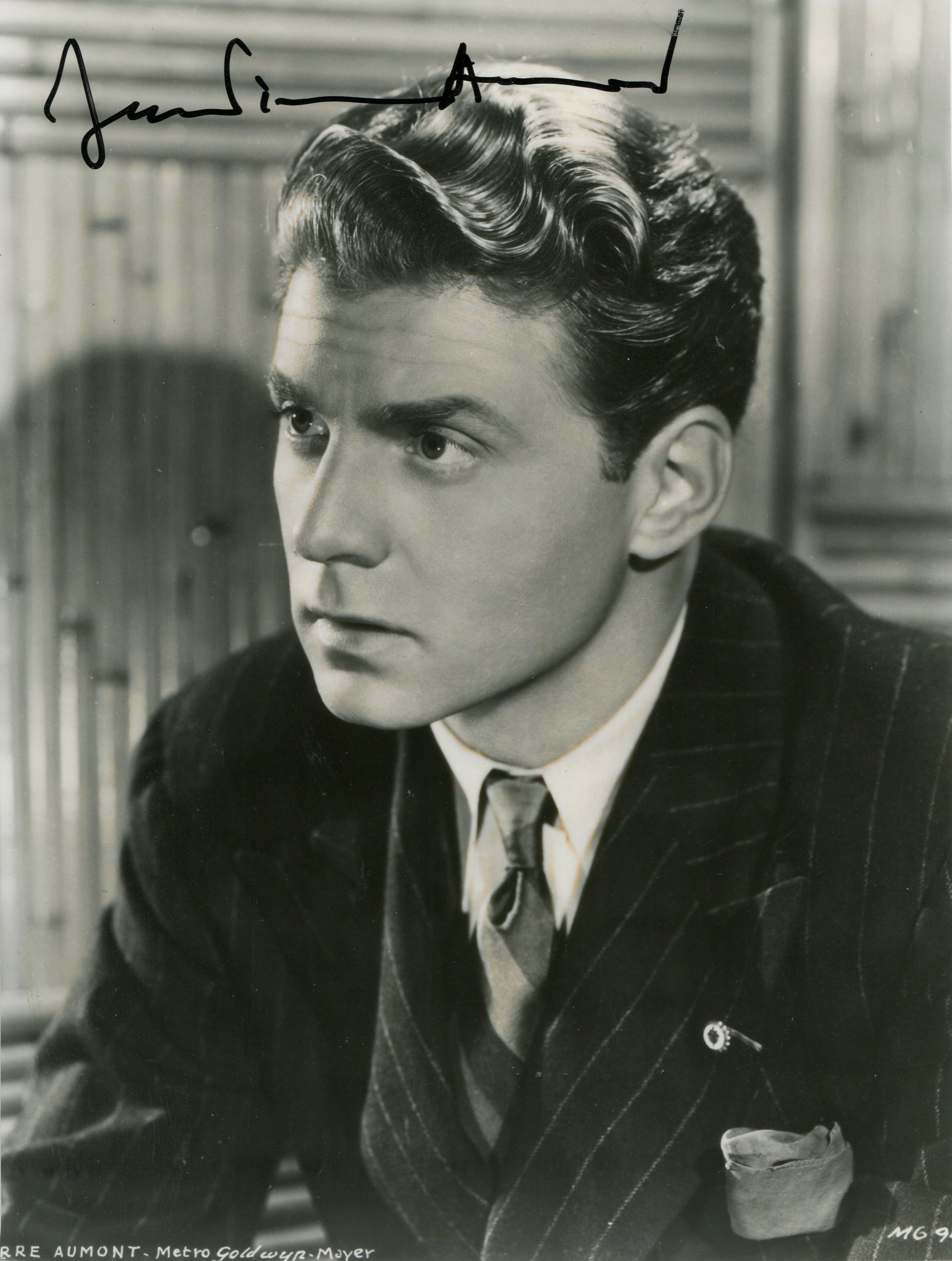
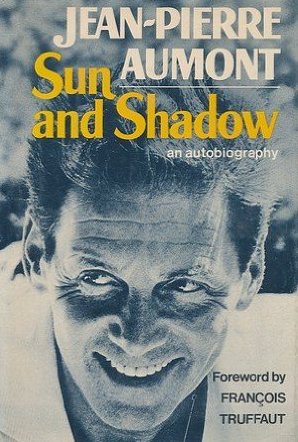
Jean-Pierre Aumont obituary in “The Guardian” in 2001.
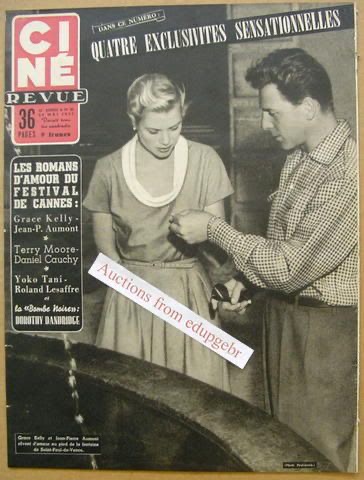
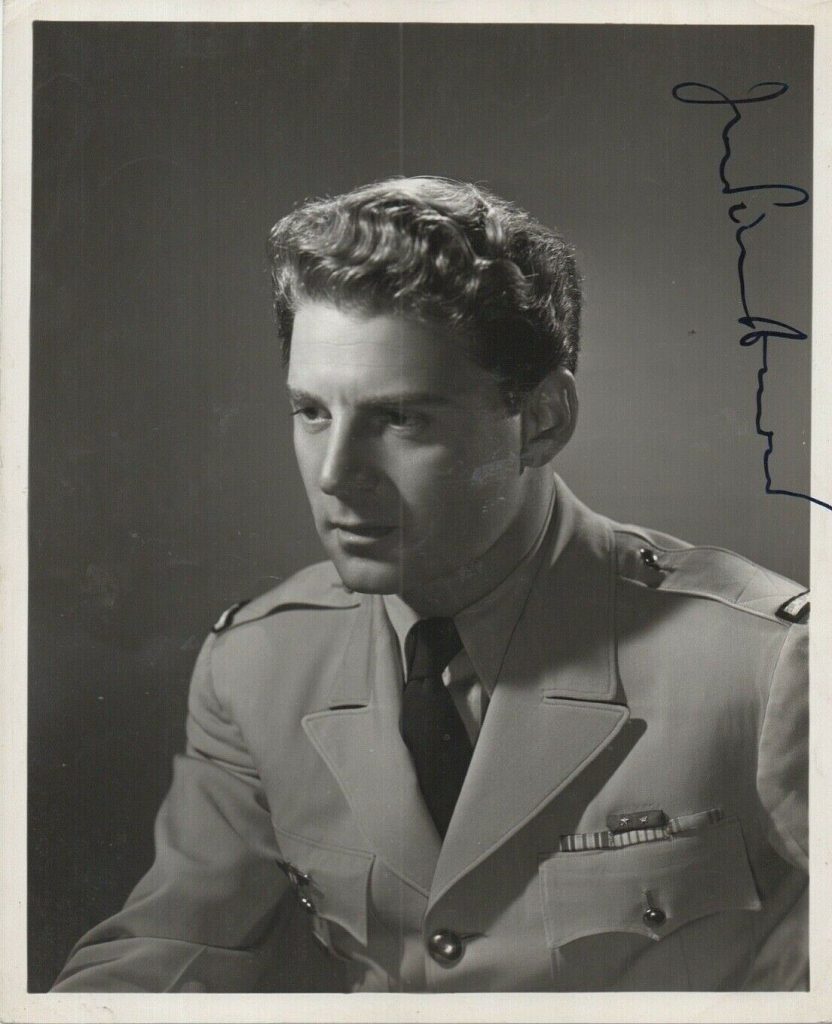
In 1934, the tall, handsome, muscular, blond-haired and blue-eyed Jean-Pierre Aumont, who has died aged 92, auditioned for the lead in Marc Allégret’s Lac aux Dames. As the role was that of a swimming instructor at a mountain lake resort, the director and his lover, André Gide, felt justified in asking the young French actor to strip. Aumont was immediately offered the part that made him a star. In the film, he is involved with three women; a former girlfriend, a rich socialite and a mysterious child of nature, Simone Simon. It reflected Aumont’s own life, in which he had the reputation as a ladies’ man. While in Hollywood, he had brief flings with Joan Crawford, Grace Kelly and Barbara Stanwyck, and was engaged to Hedy Lamarr. His three marriages were to actresses Blanche Montel, Maria Montez and Marisa Pavan.
Born Jean-Pierre Salomons into a wealthy Parisian French family – his father owned a chain of department stores – Aumont followed his actress mother’s calling at the age of 16, studying drama at the Paris Conservatory and making his stage debut at 21. His first film, a year later, was Jean de la Lune (1931), and his career took off in 1934 with Lac aux Dames, and as Oedipus in the first production of Jean Cocteau’s La Machine Infernale.
In the next few years, Aumont worked with some of the great names of French cinema: Madeleine Renaud and Jean Gabin in Julien Duvivier’s Maria Chapdelaine (1934), Harry Baur in Taras Bulba (1936), and Michel Simon and Louis Jouvet in Marcel Carné’s Drôle de Drame (1937), set in Edwardian London, in which he played an amorous milkman. Carné cast him again in Hotel Du Nord (1938), where he and Annabella were immensely touching as a young couple in a suicide pact.
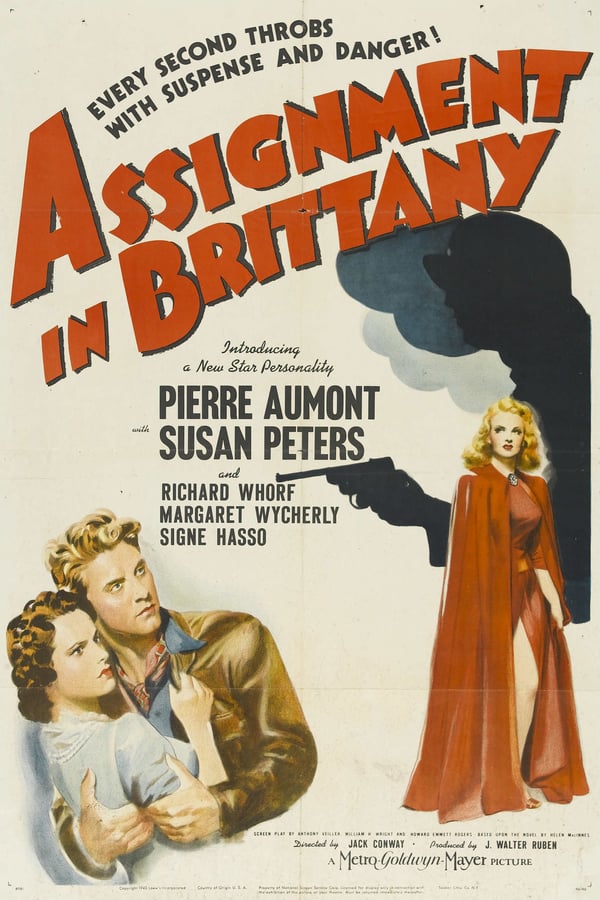
Just as he was becoming established, war broke out. Aumont served with the Free French forces in Tunisia, Italy and France, earning the Légion d’Honneur and the Croix de Guerre for his bravery. By 1943, he had moved to Hollywood, where he got a series of unchallenging roles as archetypal Frenchman. His first was in Assignment In Brittany (1943), as a pilot sent to occupied France to pose as a Nazi agent of which Variety magazine commented: “Aumont is good looking enough to suit the femmes, and he underplays agreeably.” In the same year, he appeared in The Cross of Lorraine, playing a French soldier in a German prisoner-of-war camp.
In 1946, Aumont married Montez, with whom he had a daughter, Tina Aumont, who became an actress. Aumont himself starred in an outrageously camp biopic, Song Of Sheherazade (1947), in which he played mariner Rimsky-Korsakov, writing melodies for a dancer (Yvonne de Carlo) in a Moroccan nightclub. “Me, oh, my, sounds like the buz- zing of a bee,” she says of one of his numbers. A year later, he and Montez co-starred for the only time in Siren of Atlantis. Aumont played a legionnaire who falls hopelessly in love with Montez as the cruel ruler of a legendary lost city. After the tragically premature death of Montez at the age of 31, Aumont retired from acting for two years. He returned in Lili (1953), as the dashing magician who infatuates waif Leslie Caron. From then on, he became an international star, moving easily between Europe and America. He was in two of Sacha Guitry’s all-star historical comedies, Si Versailles m’était Conté (1954) and Napoléon (1955), in the epic John Paul Jones (1959) with his third wife, Marisa Pavan, and supported Spencer Tracy and Frank Sinatra in The Devil at 4 O’Clock (1961).
Digital Camera
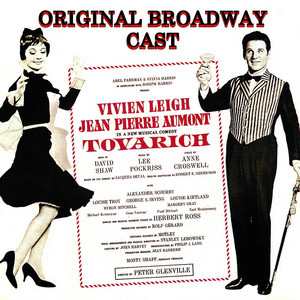
In 1962, Aumont played opposite Vivien Leigh in the Broadway musical, Tovarich. Though neither was a skilled dancer or singer, they got by on sheer personality in the roles of Russian royals exiled in Paris. Leigh was in one of her blackest periods, and Aumont helped her through until the run ended because of her mental breakdown.
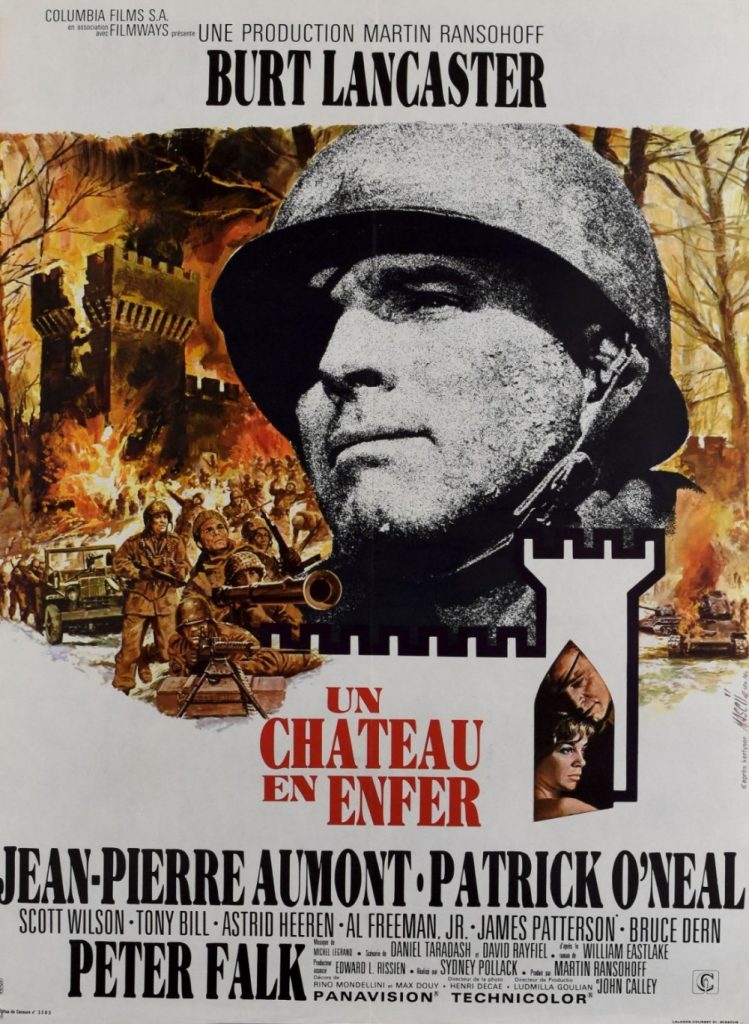
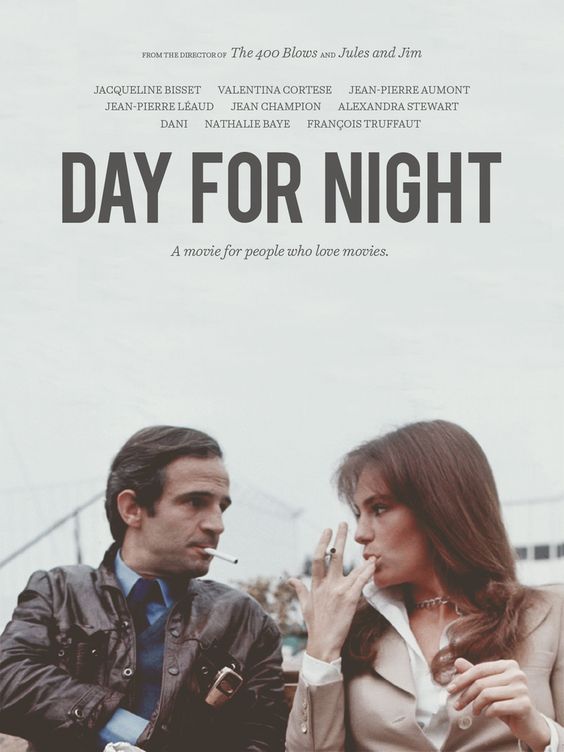
Few of Aumont’s films were particularly distinguished over the next decades, some exceptions being Sidney Pollack’s Castle Keep (1969), in which he played an impotent aristocrat, and François Truffaut’s Day For Night (1973), where he was the charismatic male lead who dies during the shooting. He also dies halfway through Claude Lelouche’s Cat And Mouse (1975), playing Michèle Morgan’s philandering husband.
Jean-Pierre Aumont
Aumont continued to work through the 1990s, appearing in James Ivory’s Jefferson In Paris (1995) and in Ismail Merchant’s The Proprietor (1996), still exuding the dignity and charm for which he was known in real life.
Jean-Pierre Aumont, actor, born January 5 1909; died January 30 2001.
Ronald Bergan’s obituary in “The Guardian” can be accessed here.
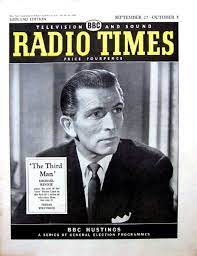
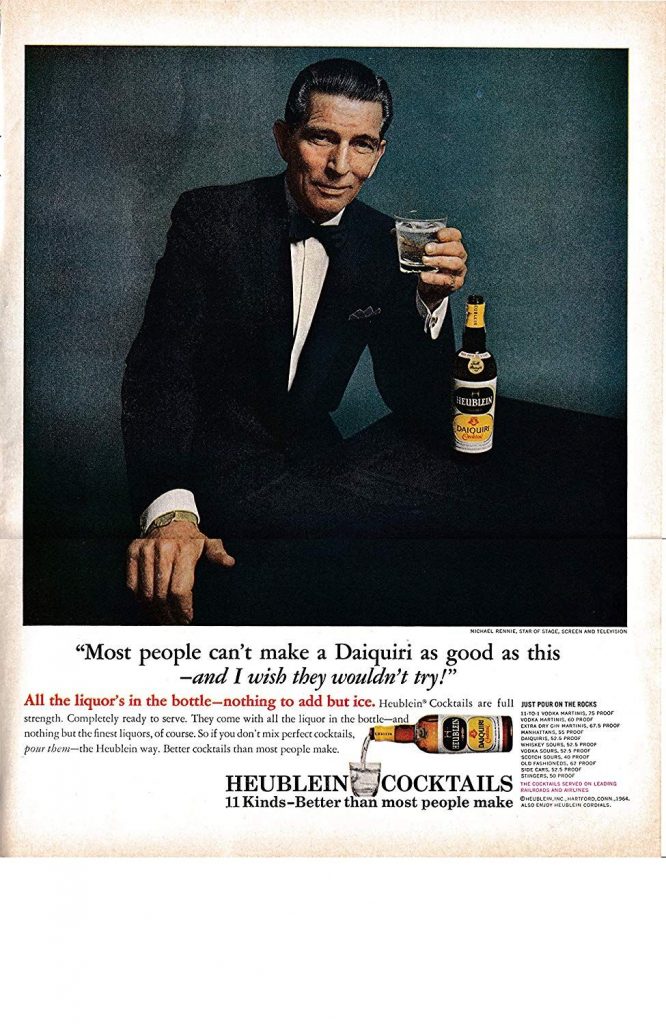
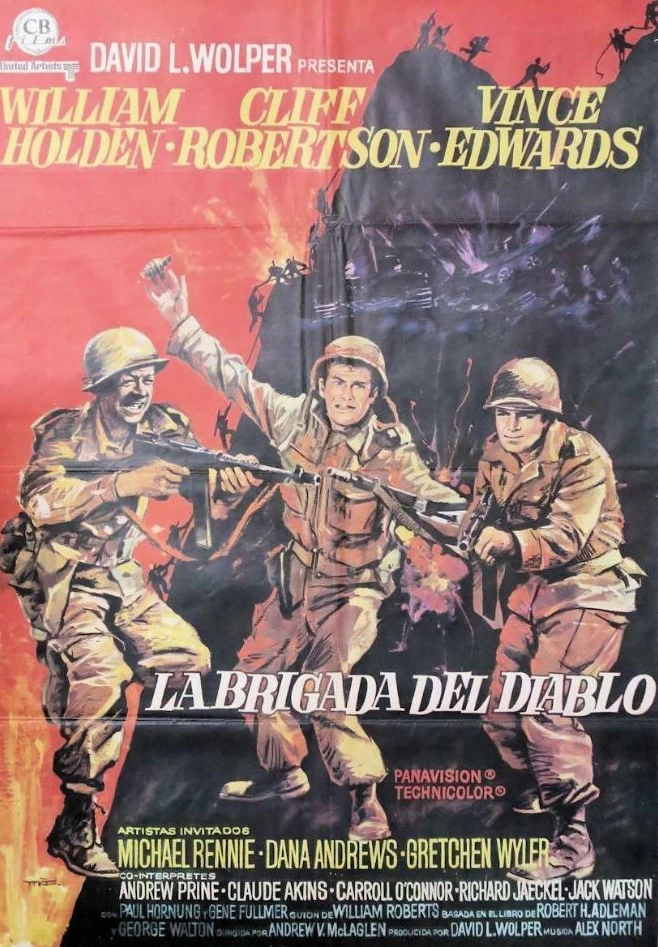
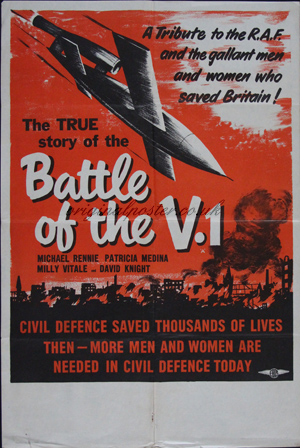
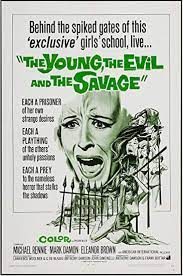
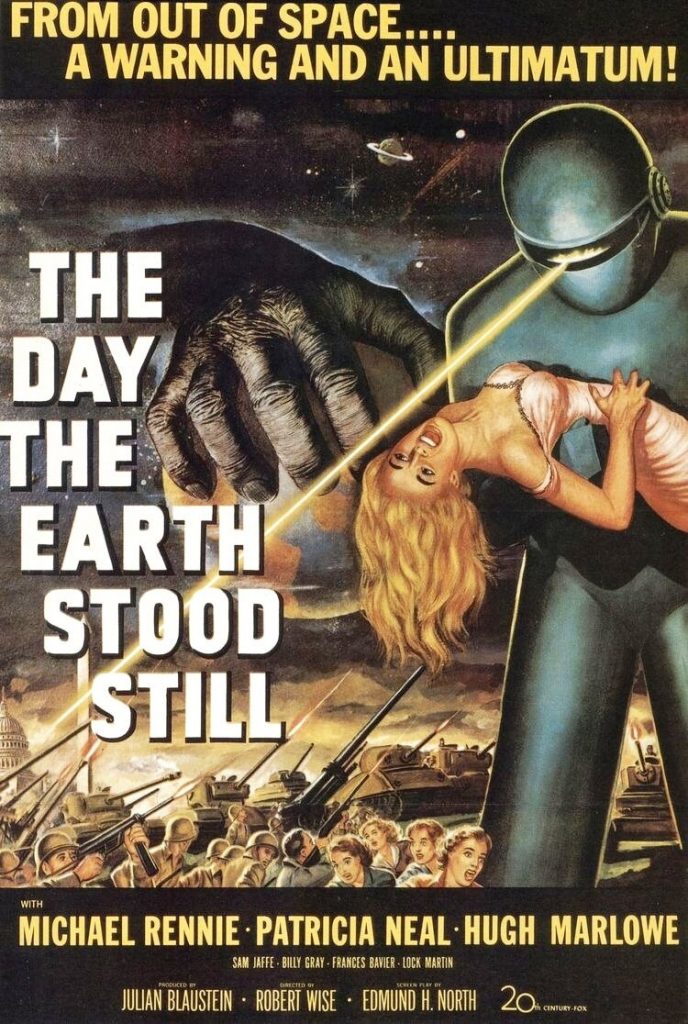
Michael Rennie’s best known role was as the visitor from space Klaatu in the science-fiction classic “The Day the Earth Stood Stlll” in 1951. Pervious to that most of his career was in British film. His most frequent co-star was Jean Simmons. During the 1950’s he was under contract with 20th Century Fox and starred in many of their epic dramas. As his film career waned he moved into acting on television. He died in 1971.
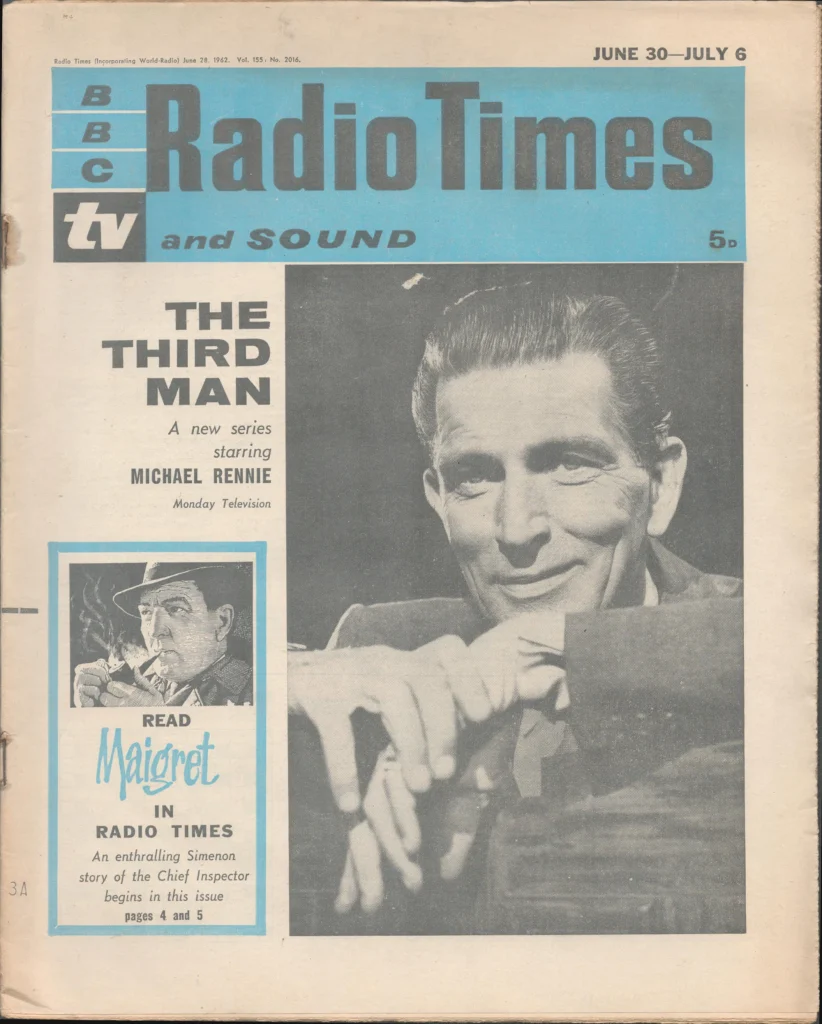
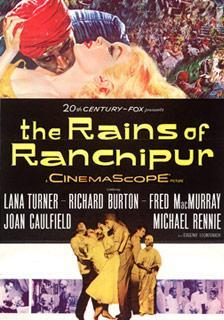
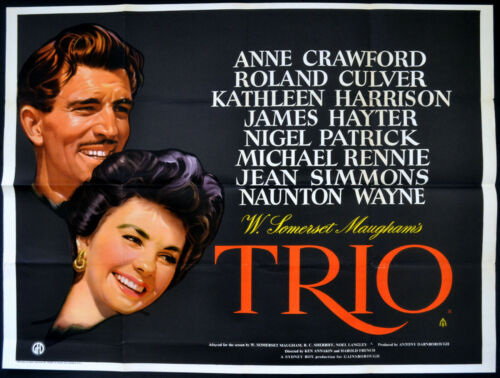
“Wikipedia” entry Michael Rennie (25 August 1909—10 June 1971) was an English film, television and stage actor best known for his starring role as the benevolent space visitor Klaatu in the 1951 classic science fiction film The Day the Earth Stood Still. Eric Alexander Rennie was born in Idle, a village near the West Yorkshire city of Bradford (subsequently, a Bradford suburb) and educated at The Leys School, Cambridge. During the late 1930s, Rennie served his apprenticeship as an actor, gaining experience in acting technique, while touring the provinces in British repertory. There is evidence that, at the age of 28, he was noticed by one of the British film studios, which decided to appraise his potential as a film personality by arranging a screen test. The 1937 test, which exists in the British Film Institute archives under the title “Marguerite Allan and Michael Rennie Screen Test”, did not lead to a movie career for either performer. In Secret Agent, he was primarily a stand-in for leading man Robert Young, and his own on-camera bit was so small that it cannot be discerned in the preserved final version of the film. He also played other bit parts and later, minor, unbilled roles in ten additional films produced between 1936 and 1940, the last of which, “Pimpernel” Smith, had a belated release in July 1941, while Rennie was already in uniform, serving in the Royal Air Force during World War II. Second leads and then leads in seven other British films produced between 1946 and 1949 followed, including what may be considered Michael Rennie’s only role as one of two central characters in a full-fledged love story. In the 47-minute episode, “Sanatorium”, the longest among the Somerset Maugham tales constituting the film Trio (released in London on 1 August 1950), the mature-looking, lightly-mustached, 40-year-old Rennie and twenty-years-younger Jean Simmons are patients in the title institution, which caters to victims of tuberculosis. Michael Rennie, along with Jean Simmons and The Wicked Lady leading man James Mason, was one of a number of British actors offered Hollywood contracts in 1949-50 by 20th Century Fox’s studio head Darryl F. Zanuck. The first film under his new contract was the British-filmed medieval period adventure The Black Rose, starring Tyrone Power who became one of Rennie’s closest friends. Fifth-billed after the remaining first-tier stars Orson Welles, Cecile Aubry and Jack Hawkins, Rennie was specifically cast as 13th century King Edward I of England, whose 6′ 2″ frame gave origin to his historical nickname, “Longshanks”. Rennie’s second Fox film gave him fourth billing in the top tier. The 13th Letter, directed by his future nemesis and love rival Otto Preminger. Rennie’s next film dramatically moved his billing up to first and assured him screen immortality. The Day the Earth Stood Still was the first postwar respectably-budgeted “A” science fiction film. A serious, high-minded exploration of humanity’s place in the universe and our responsibility to maintain peaceful coexistence, it has remained the gold standard for the genre of the era. A unique aspect of the film is the participation, within its fictional structure, of four top newscasters and commentators of the period—Elmer Davis, H. V. Kaltenborn, Drew Pearson and Gabriel Heatter. The story was dramatized in 1954 for Lux Radio Theatre, with Rennie and Billy Gray recreating their roles and Jean Peters speaking the dialogue of the Patricia Neal character. Seven years later, in October 1961, when The Day the Earth Stood Still had its television premiere on NBC’s Saturday Night at the Movies, Michael Rennie appeared before the start of the film to give a two-minute introduction. Convinced that it had a potential leading man under contract, the studio decided to produce a version of Les Miserables as a vehicle for him. The film, released on August 14, 1952, was well-directed by All Quiet on the Western Front’s Lewis Milestone, and Rennie’s performance was respectfully, but not enthusiastically, received by the critics. Michael Rennie’s next film was the last under his five-year contract with 20th Century Fox. The Rains of Ranchipur, released on December 14, 1955. In 1959 Rennie became a familiar face on television, taking the role of Harry Lime in The Third Man, a British-American syndicated TV series very loosely based on the character created by Orson Welles. During the 1960s he continued his TV career with guest appearances on such series as Route 66 (a moving portrayal of a doomed pilot in the two-part episode, “Fly Away Home”); Alfred Hitchcock Presents; Perry Mason (one of four actors in four consecutive episodes substituting for series star Raymond Burr, who was recovering from surgery); Wagon Train, The Great Adventure; Lost in Space (another two-part episode—as an all-powerful alien, “The Keeper”, he worked one last time with his Third Man co-star Jonathan Harris); The Time Tunnel (as Captain Smith of The Titanic, in the series’ September 9, 1966 premiere episode); Batman (as the villainous Sandman in league with Julie Newmar’s Catwoman), three episodes of The Invaders (as a malign variation of the Klaatu persona), and two episodes of The F.B.I.. Both of Michael Rennie’s marriages ended in divorce. He was first married to Joan England in 1938. His second marriage was to actress Maggie McGrath. Their son David Rennie is a UK circuit judge in Lewes, Sussex. Michael Rennie was also briefly engaged to the ex-wife of the Hollywood director, Otto Preminger. It was rumoured that Preminger, who not surprisingly hated Rennie, was the prime instigator in Rennie’s fall from stardom. John Rennie, the designer and builder of the original Waterloo Bridge, is presumed to have been his great-great grandfather. His final seven feature films were lensed in Britain, Italy, Spain and, in the case of The Surabaya Conspiracy, The Philippines. Less than three years after leaving Hollywood, he journeyed to his mother’s home in Harrogate, at a time of family grief following the death of his brother. It was there that he suddenly died of an emphysema-induced heart attack, nine weeks before his 62nd birthday. Upon cremation, his ashes laid to rest in Harlow Cemetery, Harrogate.
Detailed biography on “Wikipedia” can be found here.
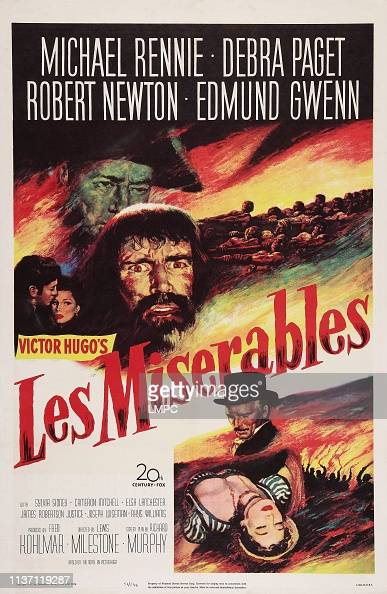
Les Miserables, poster, US poster art, Michael Rennie, (beard), 1952. (Photo by LMPC via Getty Images)
Michael Rennie (1909–1971) was an actor of “austere, otherworldly elegance.” Standing 6’4″ with a lean frame and a distinctive, resonant voice, he became the personification of the high-minded intellectual in 1950s Hollywood. While he was a prolific character actor, his critical legacy is anchored by a single, monumental role that defined the “Cold War Moralist” for the Atomic Age.
I. Career Overview: From Yorkshire to the Stars
1. The British “Sturdy” Period (1930s–1940s)
Rennie began as a car salesman and a factory manager before turning to the stage. His early British film career was spent in “dependable” roles, often playing military officers or refined gentlemen.
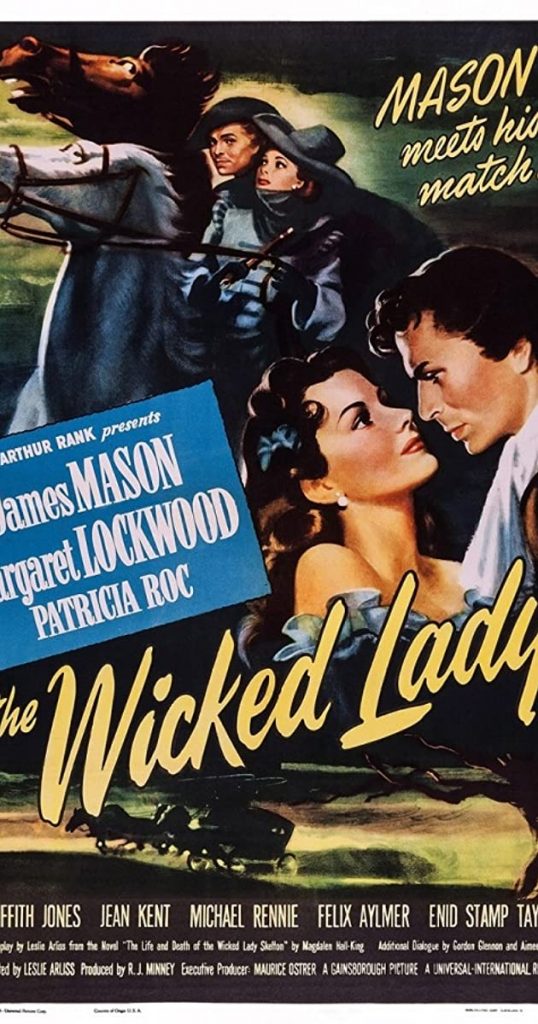
The Gainsborough Connection: He appeared in several Gainsborough melodramas, such as The Wicked Lady (1945). Critics noted that even in these heightened romances, Rennie possessed a “stillness” that made him seem more mature and thoughtful than his contemporaries.
2. The Hollywood Breakthrough: Klaatu (1951)
Rennie was signed to a long-term contract by 20th Century Fox, and his first major American role was as Klaatu in Robert Wise’s The Day the Earth Stood Still.
The Definitive Alien: The film was a massive critical success. Rennie’s portrayal of a space traveler delivering a message of peace (and a warning of destruction) became the blueprint for the “Enlightened Outsider” in science fiction.
3. The Fox Workhorse (1952–1959)
Throughout the 1950s, Rennie was Fox’s go-to actor for authority figures.
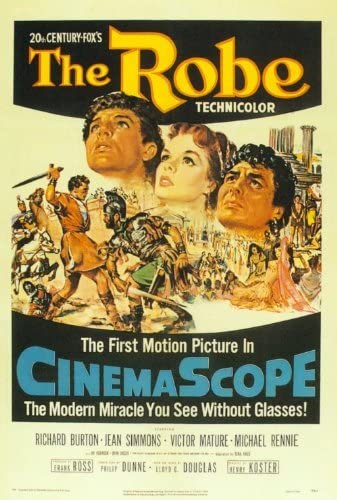
Historical Epics: He played Peter the Apostle in The Robe (1953) and its sequel Demetrius and the Gladiators (1954).
Adventure: He starred as Lord John Roxton in the 1960 version of The Lost World, showcasing a more rugged, adventurer side of his persona.
4. Television and Later Roles (1960s)
Like many of his peers, Rennie found a second life in television. He starred in the series The Third Man(1959–1965), taking over the role of Harry Lime made famous by Orson Welles, and memorably played the villain Sandman in the 1960s Batman series.
II. Detailed Critical Analysis
1. The “Klaatu” Minimalism
Critically, Rennie’s performance in The Day the Earth Stood Still is a masterclass in underacting.
The Alien as Humanist: In 1951, aliens were usually portrayed as bug-eyed monsters. Rennie chose to play Klaatu with an “unblinking, terrifyingly calm” humanity.
Vocal Authority: Critics point to his voice as his primary tool. He possessed a mid-Atlantic accent—clear, precise, and devoid of regionalism—which made him sound like a man who spoke for the entire Earth (or the universe). He didn’t use “alien” mannerisms; he used logic as an acting choice.
2. The Aesthetic of Authority
Rennie was often cast as priests, doctors, or generals because he looked like a man who possessed unquestionable integrity.
The “Tall, Lean” Silhouette: His physical presence was imposing but not aggressive. In The Robe, his portrayal of Peter provided the film with a “spiritual gravity.” Analysts suggest that Rennie’s gaunt features and high forehead suggested a life of the mind and spirit, making him the perfect foil for the more “fleshy,” emotive acting of costars like Victor Mature or Richard Burton.
3. Subverting the Gentleman: The Third Man
Taking on the role of Harry Lime for television was a critical risk.
The Modern Noir Hero: While Orson Welles’ Lime was a charming sociopath, Rennie’s TV version was a “Robin Hood” style adventurer. Critics praised Rennie for maintaining the “Continental” sophistication of the character while making him a sustainable hero for a weekly series. He proved he could handle “witty banter” and “cynical charm” just as well as he handled “cosmic warnings.”
4. The “Sandman” and the Camp Era
In his late career, Rennie’s appearance on Batman is often analyzed as a playful deconstruction of his own persona.
The Icy Villain: By playing a villain who put people to sleep, Rennie leaned into his “stillness” to create a comedic effect. It showed a self-awareness that he was known for being “the quiet one,” and he used that expectation to create a memorable, slightly eerie antagonist.
Iconic Performance Comparison
Character
Work
Year
Critical Legacy
Klaatu
The Day the Earth Stood Still
1951
Created the “High-Minded Alien” archetype for all time.
Peter
The Robe
1953
Provided the “Moral Anchor” for the first CinemaScope epic.
Harry Lime
The Third Man (TV)
1959–65
Successfully reimagined a noir icon for the living room.
Lord John Roxton
The Lost World
1960
Proved he could lead a “Technicolor Adventure” with grit.
Michael Rennie was the “Conscience of the 1950s.” He was an actor who understood that in the vastness of the cinema screen, a whisper and a steady gaze could be more powerful than a shout. While he walked the earth with a “quiet, Yorkshire dignity,” he remains the actor who made us look at the stars with both hope and a healthy dose of humility.
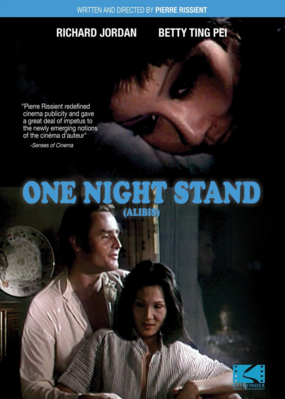
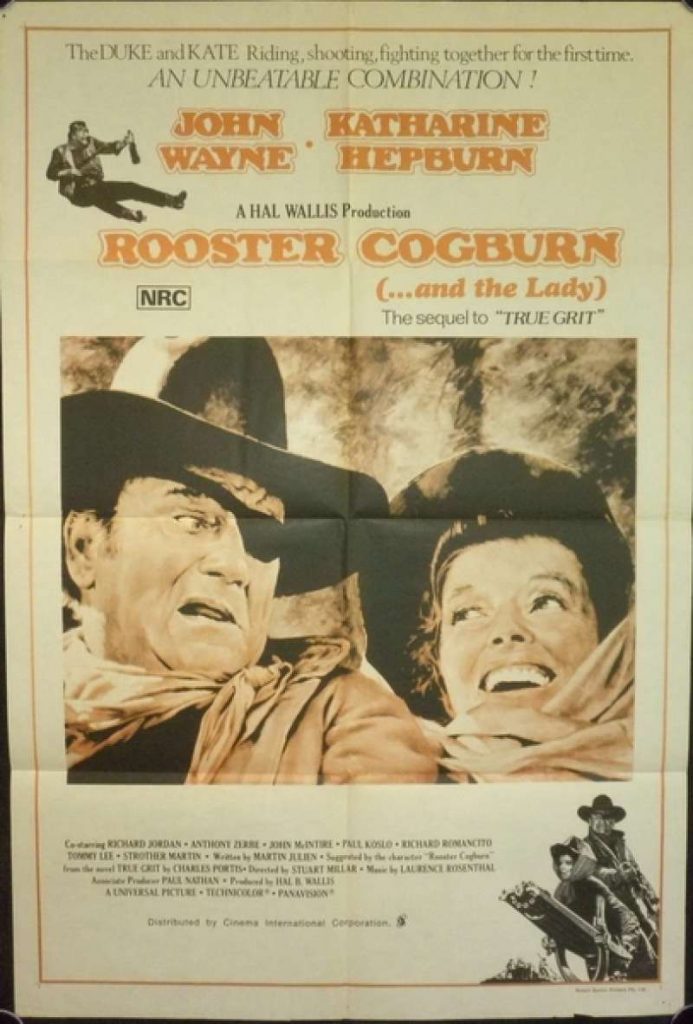
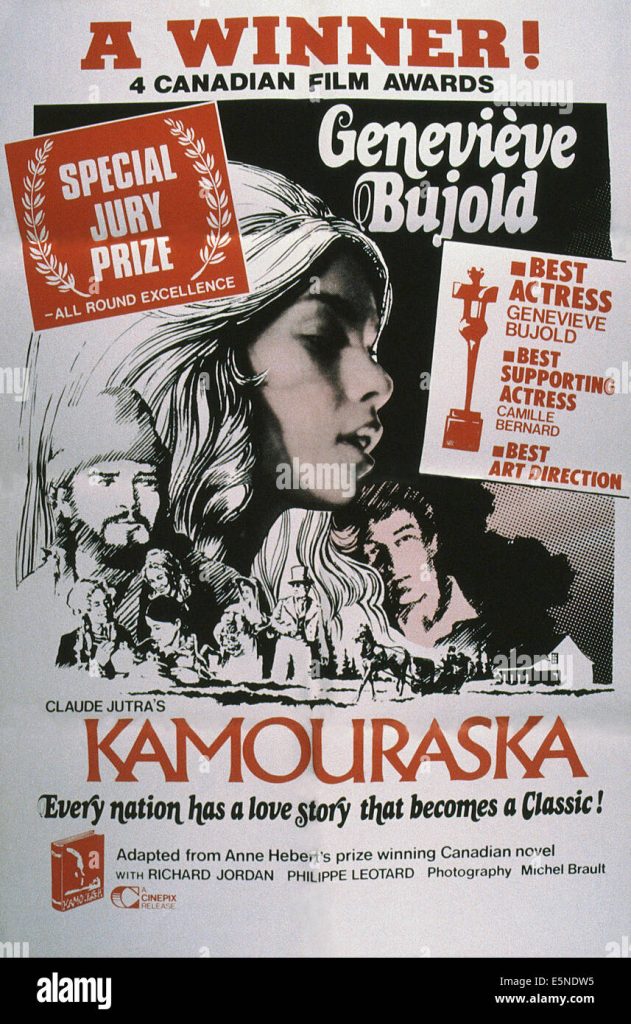
Noted actor Richard Jordan worked tirelessly on stage, screen and television, and although he died too young he left behind many memorable roles, playing both good and bad characters.
Born in New York on July 17th 1937, the privately educated Jordan graduated from Harvard in 1958, and within 3 years was acting on Broadway. Richard performed in various Shakespeare plays and before long he was directing his own stage productions, both on and off Broadway.
Jordan’s movie career began when he was 34, initially in gritty westerns, with his first two starring opposite Burt Lancaster (‘Lawman’ and ‘Valdez is Coming’ – both 1971). The following year Jordan appeared in the Charles Bronson Indian tale ‘Chato’s Land’, from ‘Lawman’ director Michael Winner, whom Richard despised.
Jordan’s breakthrough came in 1973 when he co-starred in Peter Yates’ excellent ultra-realistic drama ‘The Friends of Eddie Coyle’. The movie starred Robert Mitchum (in a career-best performance), as a small time criminal turned informer, with Richard giving a natural turn as corrupt detective, Dave Foley. The following year Richard teamed again with Mitchum for Sydney Pollack’s Japan-set gangster thriller ‘The Yakuza’.
After featuring in the 1976 Sci-Fi fave ‘Logan’s Run’, Richard collected a Golden Globe for his excellent portrayal of Irish immigrant Joseph Armagh, in the much lauded NBC mini-series ‘Captains and the Kings’.
1978 began with a co-starring role in Woody Allen’s drama debut ‘Interiors’. That same year saw Richard in a striking performance as Jean Valjean in a terrific TV Version of the oft-filmed classic ‘Les Misérables’, alongside Anthony Perkins as the evil guard, Javert. Staying in the UK Richard followed up ‘Les Misérables’ with the entertaining caper ‘A Nightingale Sang in Berkley Square’, with David Niven and Elke Sommer.
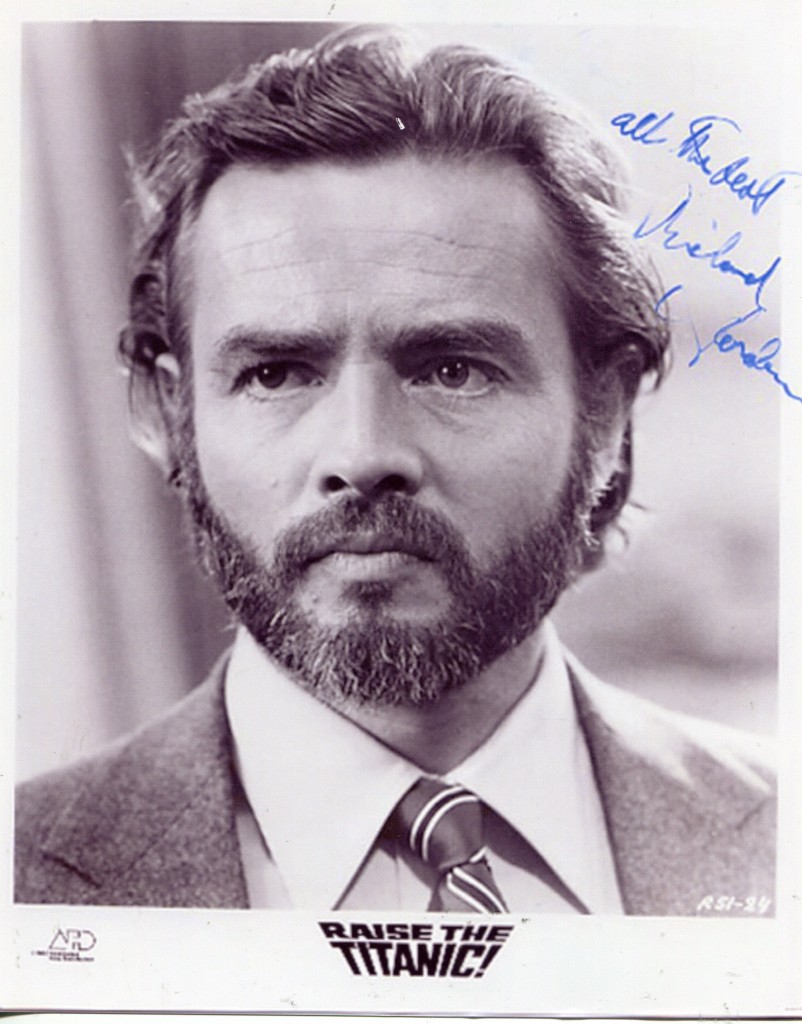
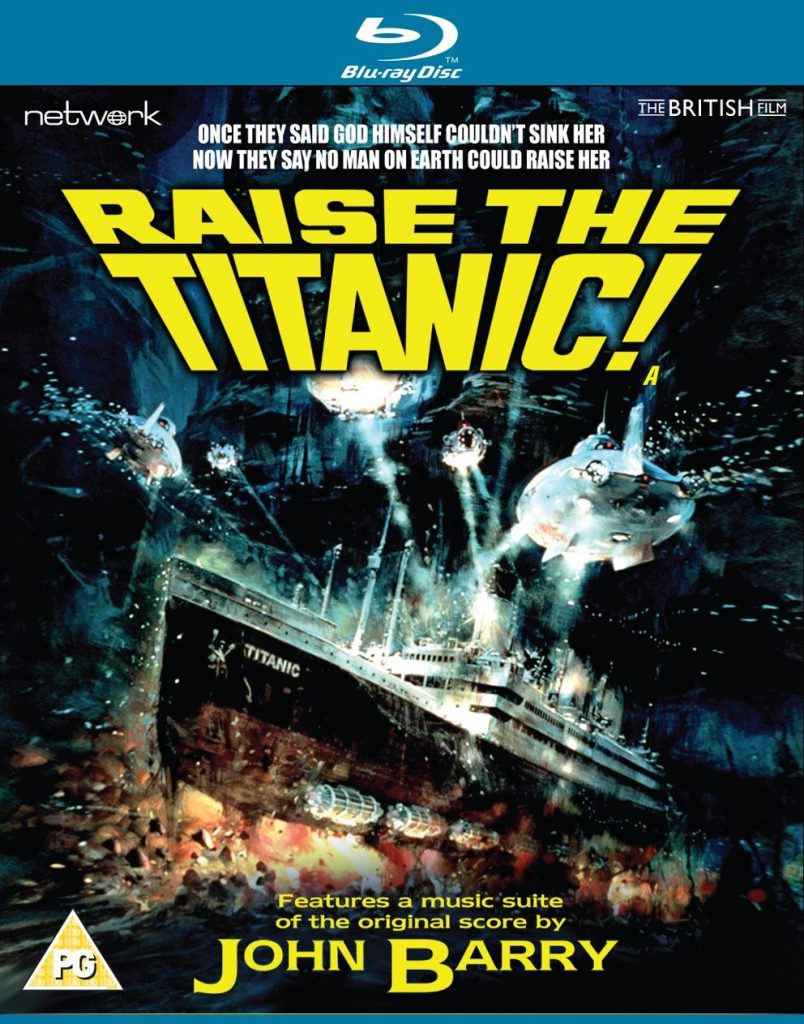
The Eighties proved disappointing for the talented Jordan. The decade started out badly with the big budget flop ‘Raise the Titanic’ (’80), which sank at the box office. He was very good though opposite Anthony Hopkins in the 1981 television film ‘The Bunker’, playing Third Reich minister Albert Speer to Hopkins’s Adolph Hitler. Parts in David Lynch’s 1984 big budget ‘Dune’, and ‘The Secret of My Success’ (’87), as Michael J Fox’s corporate uncle, did little for him professionally, and he continued to act and direct on stage.
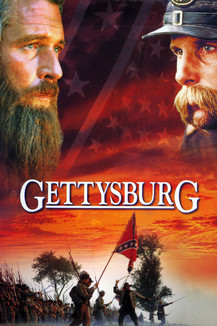
After a prominent role in the Sean Connery cold war thriller ‘The Hunt for Red October’ in 1990, Jordan gave a terrific performance in what would be his final movie, 1993’s ‘Gettysburg’. His portrayal of Confederate officer Lewis Armistead was certainly award-worthy. His speech at the end of the film is portrayed with such depth and honesty, creating enough feeling of a character being able to lead the men into an eventual final charge. A truly fitting end to a fine career.
Married twice (to actresses Kathleen Widdoes and later Blair Brown), Richard died far too young, from a brain tumour at just 56, on August 30th 1993. A staunch advocate of the theatre, he remained dedicated to his craft to the very end, giving impressive turns in many productions. Much missed, Richard Jordan left behind a daughter by his first wife, and a son by his long-term companion, actress Marcia Cross.
Favourite Movie: The Friends of Eddie Coyle
An article on IMDB by Jon C. Hopwood:
Harvard-educated stage and screen actor Richard Jordan was born into a socially prominent family on July 19, 1937 in New York City, the grandson of Learned Hand, the greatest American jurist never to have served on the U.S. Supreme Court. Newbold Morris, his stepfather, was a member of the New York City Council during Mayor Fiorello LaGuardia‘s administration. Young Richard was educated in private Manhattan schools and then at the exclusive Hotchkiss prep school in Lakeville, Connecticut. While at Hotchkiss, he was outstanding as the eponymous lead of the school play “Mr. Roberts”, which won him a place in the Sharon, Connecticut summer stock company. Jordan went to England as an exchange student at the Sherbourne School, a college (private school) that was over 1,000 years old. After graduating from Sherbourne, Jordan entered Harvard College and took his degree in three years.
At Harvard, Jordan was a member of the Dramatic Club, both as an actor and as a director. It was while at Harvard that he decided to become a professional actor and began performing with off-campus stage companies. After graduating from Harvard, Jordan launched what was to be a prolific stage career in New York, making his Broadway debut in December 1961 in the play “Take Her, She’s Mine” under the direction of the venerable George Abbott in Biltmore Theatre. The play, which starred Art Carney,Elizabeth Ashley in a Tony Award-winning turn, and Heywood Hale Broun, was a hit, playing 404 performances.
Jordan next appeared in a one-night flop, in “Bicycle Ride to Nevada”, which opened and closed on September 24, 1963. He was more lucky with his next play, “Generation”, a comedy starring Henry Fonda that played for 300 performances in the 1965-66 season. He last appeared on Broadway in a success d’estime, John Osborne‘s “A Patriot for Me”, directed by Peter Glenville and starring Maximilian Schell and Tommy Lee Jones, who was making his Broadway debut. By that time, Jordan had established himself as a leading player Off-Broadway and Off-Off-Broadway, which accounted for the majority of his over 100 New York stage appearances.
Jordan, as actor and director, was a major force in the development of New York’s “Off-Off-Broadway” theater that flourished in the 1960s. He was one of the founders of the Gotham Arts Theater, which put on plays in an old funeral parlor on West 43rd Street. Fittingly, the company’s first play was about necrophilia. Jordan engaged young New York artists to design the sets, the results of which were not always auspicious. Jordan said of this development, “With our weirdo plays against their far-out sets…it was total insanity!” He made a significant breakthrough, career-wise, with his appearance in the anti-war play “The Trial Of The Catonsville Nine” in both New York and California.
Jordan spent eight years with Joseph Papp‘s New York Shakespeare Festival. He made his debut with Papp’s Shakespeare Festival in 1963, playing “Romeo” opposite the “Juliet” ofKathleen Widdoes, the fellow Papp stock company member who would become his wife, in Papp’s Shakespeare in the Park series. The couple married in 1964, and their eight-year marriage produced a daughter, Nina Jordan, born in 1966, who would later co-star with her father in the movie Old Boyfriends (1979).
Although he appeared on television during the 1960s, the tall, handsome and talented Jordan did not make his motion picture debut until 1971, when he appeared in a supporting role in Michael Winner‘s horse opera Lawman (1971), which featured a first-rate cast, including Burt Lancaster, Robert Ryan, Lee J. Cobb and Robert Duvall. However, it was his role as the baby-faced, amoral Treasury agent in The Friends of Eddie Coyle(1973) that made him a known commodity on-screen, while it was the monumental mini-series Captains and the Kings (1976) that made his reputation. His performance as the Irish immigrant “Joseph Armagh” brought him an Emmy nomination and a Golden Globe award, and it also brought him his long-time companion, co-star Blair Brown, whom he lived with for many years and by whom he had a son.
An actor rather than a star, Jordan played many unsympathetic roles, including that of Nazi Albert Speer in the TV movie The Bunker (1981). He continued to appear on the stage, Off-Broadway and in stock companies touring the major cities of the U.S., while appearing in films and on TV. Jordan was the manager of the L.A. Actors Theater in Los Angeles during the 1970s, where he produced, directed and wrote his own plays. For the 1983-84 Off-Broadway season, he won an Obie Award for his performance in Czech playwright Václav Havel‘s “A Private View”. He won the Los Angeles Drama Critics Circle Award for directing Havel’s “Largo Desolato” at the Taper, Too in 1987.
In 1992, Jordan had begun filming The Fugitive (1993) when his fatal illness forced him to leave the production. Thus, Jordan’s final role was that of “General Lewis Armistead” in the film Gettysburg (1993), which was a labor of love for him. He was close friends with Michael Shaara, the author of the novel “The Killer Angels”, which the movie was based upon, and contributed to the screenplay. Jordan’s last appearance as an actor was the death of his on-screen character, “General Armistead”.
Richard Jordan died in Los Angeles, California of a brain tumor on August 30, 1993. He was 56 years old.
TCM OvervieThis strong-featured regular of Joseph Papp’s New York Shakespeare Festival appeared in over 100 Broadway and off-Broadway plays. Jordan began making screen appearances in lead roles, such as Woody Allen’s “Interiors” (1978) and as one of the “Iron Johns” in “The Men’s Club” (1986). He appeared in the weirdly Mid-Pacific “The Yakuza” (1975) and in supporting roles in features that ranged from big budget comedies like “The Secret of My Success” (1987) to the rococo “Dune” (1985), where he played an oddly normal character. Jordan was in several TV-movies and miniseries in the 1970s and gave a gripping performance as Albert Speer in the TV-movie movie “The Bunker” (1981). He played his last TV role in the movie “Are You Lonesome Tonight” (1992). Very shortly before he died, Jordan completed work on the earnest feature epic, “Gettysburg” (1993), which showcased his sizable, stalwart talent as Brigadier General Armistead, who died doing battle with Union forces.
Article on Richard Jordan in “Tina Aumont’s Eyes” website:
Noted actor Richard Jordan worked tirelessly on stage, screen and television, and although he died too young he left behind many memorable roles, playing both good and bad characters.
Born in New York on July 17th 1937, the privately educated Jordan graduated from Harvard in 1958, and within 3 years was acting on Broadway. Richard performed in various Shakespeare plays and before long he was directing his own stage productions, both on and off Broadway.
Jordan’s movie career began when he was 34, initially in gritty westerns, with his first two starring opposite Burt Lancaster (‘Lawman’ and ‘Valdez is Coming’ – both 1971). The following year Jordan appeared in the Charles Bronson Indian tale ‘Chato’s Land’, from ‘Lawman’ director Michael Winner, whom Richard despised.
Jordan’s breakthrough came in 1973 when he co-starred in Peter Yates’ excellent ultra-realistic drama ‘The Friends of Eddie Coyle’. The movie starred Robert Mitchum (in a career-best performance), as a small time criminal turned informer, with Richard giving a natural turn as corrupt detective, Dave Foley. The following year Richard teamed again with Mitchum for Sydney Pollack’s Japan-set gangster thriller ‘The Yakuza’.
After featuring in the 1976 Sci-Fi fave ‘Logan’s Run’, Richard collected a Golden Globe for his excellent portrayal of Irish immigrant Joseph Armagh, in the much lauded NBC mini-series ‘Captains and the Kings’.
1978 began with a co-starring role in Woody Allen’s drama debut ‘Interiors’. That same year saw Richard in a striking performance as Jean Valjean in a terrific TV Version of the oft-filmed classic ‘Les Misérables’, alongside Anthony Perkins as the evil guard, Javert. Staying in the UK Richard followed up ‘Les Misérables’ with the entertaining caper ‘A Nightingale Sang in Berkley Square’, with David Niven and Elke Sommer.
The Eighties proved disappointing for the talented Jordan. The decade started out badly with the big budget flop ‘Raise the Titanic’ (’80), which sank at the box office. He was very good though opposite Anthony Hopkins in the 1981 television film ‘The Bunker’, playing Third Reich minister Albert Speer to Hopkins’s Adolph Hitler. Parts in David Lynch’s 1984 big budget ‘Dune’, and ‘The Secret of My Success’ (’87), as Michael J Fox’s corporate uncle, did little for him professionally, and he continued to act and direct on stage.
After a prominent role in the Sean Connery cold war thriller ‘The Hunt for Red October’ in 1990, Jordan gave a terrific performance in what would be his final movie, 1993’s ‘Gettysburg’. His portrayal of Confederate officer Lewis Armistead was certainly award-worthy. His speech at the end of the film is portrayed with such depth and honesty, creating enough feeling of a character being able to lead the men into an eventual final charge. A truly fitting end to a fine career.
Married twice (to actresses Kathleen Widdoes and later Blair Brown), Richard died far too young, from a brain tumour at just 56, on August 30th 1993. A staunch advocate of the theatre, he remained dedicated to his craft to the very end, giving impressive turns in many productions. Much missed, Richard Jordan left behind a daughter by his first wife, and a son by his long-term companion, actress Marcia Cross.
Favourite Movie: The Friends of Eddie Coyle Favourite Performance: Les Miserables
The above article can also be accessed online here.
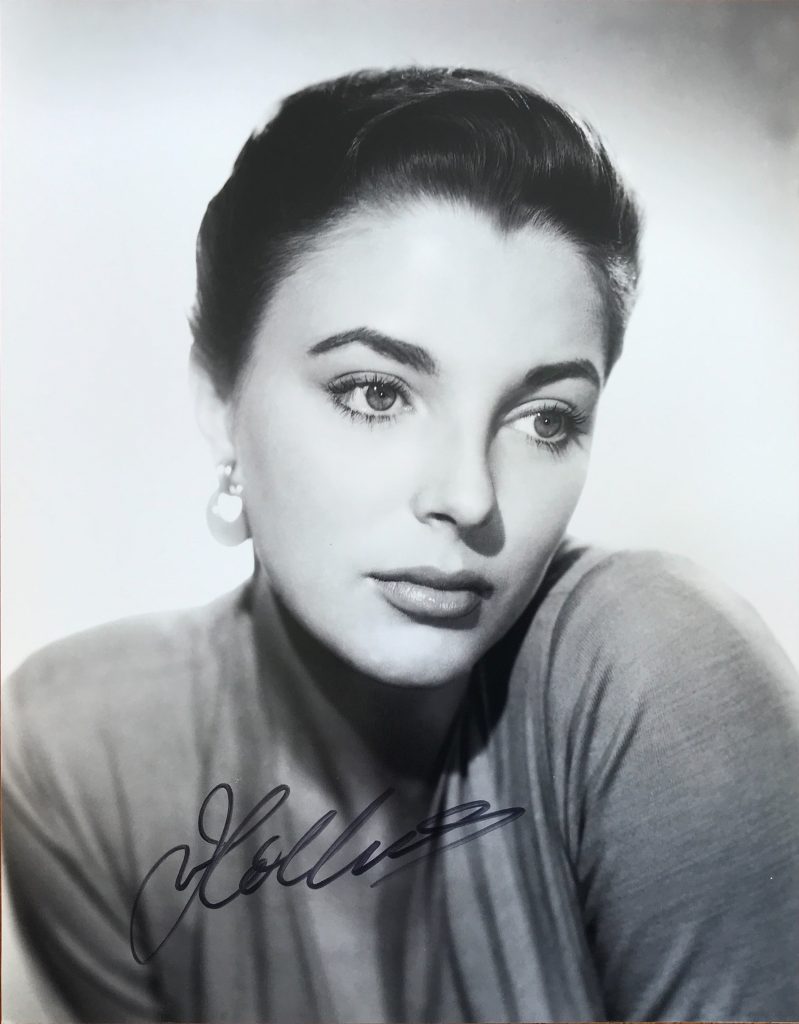
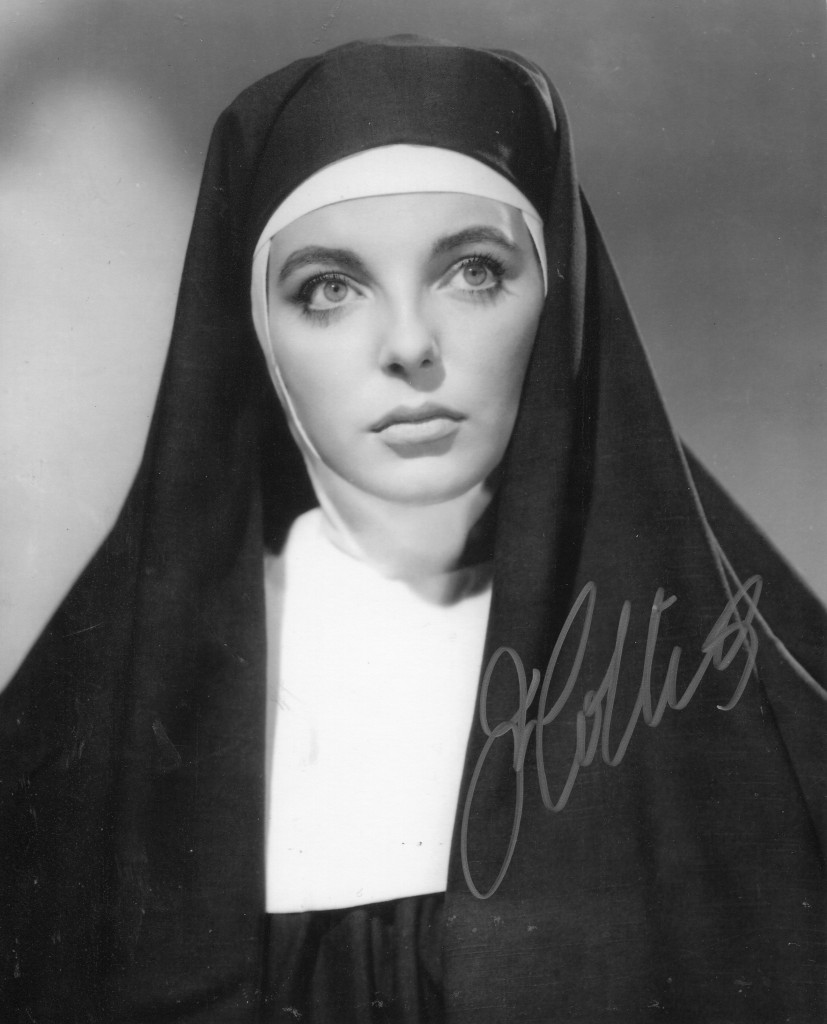
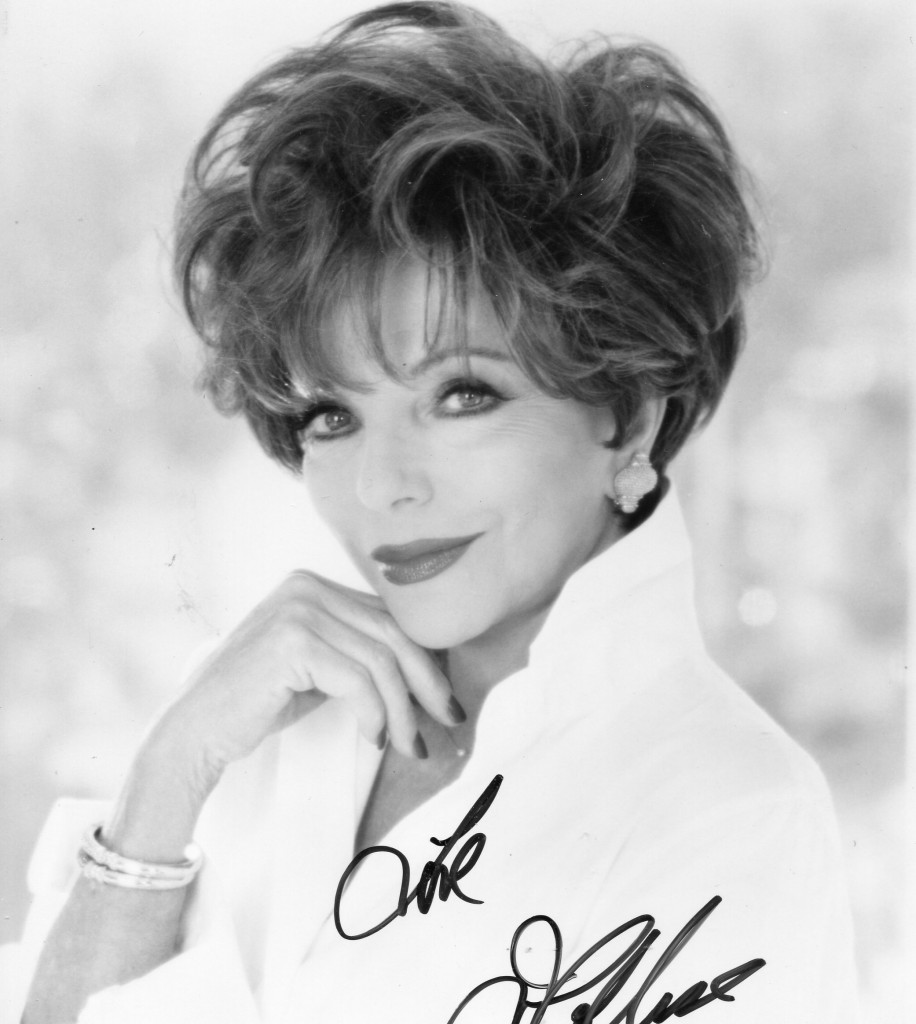
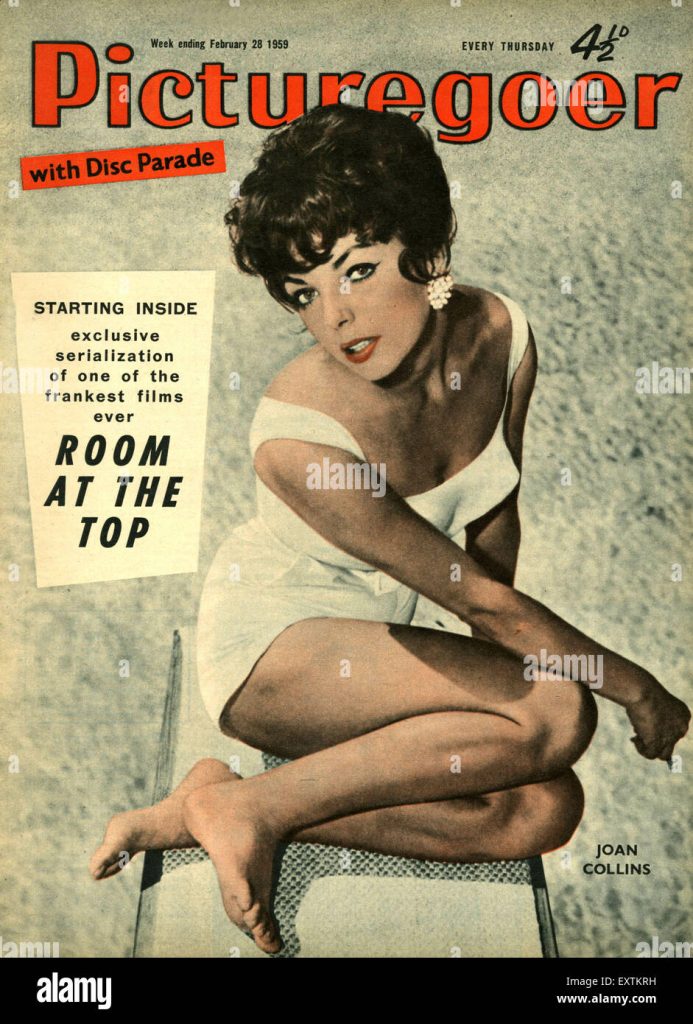
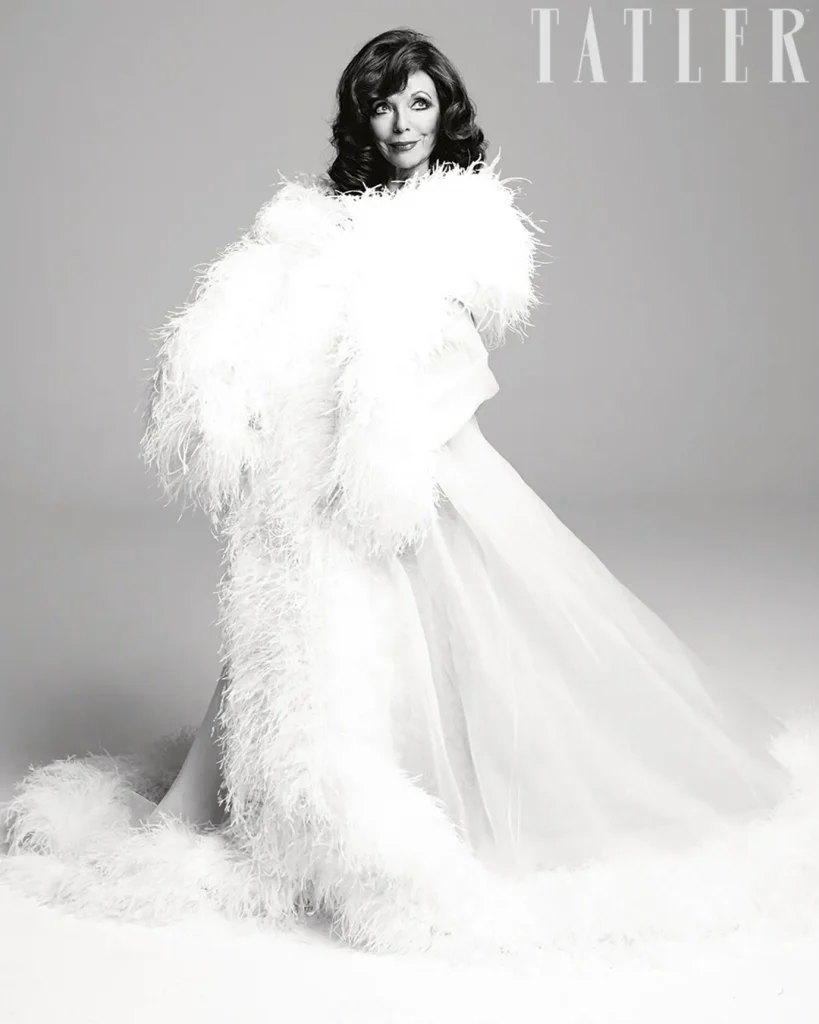
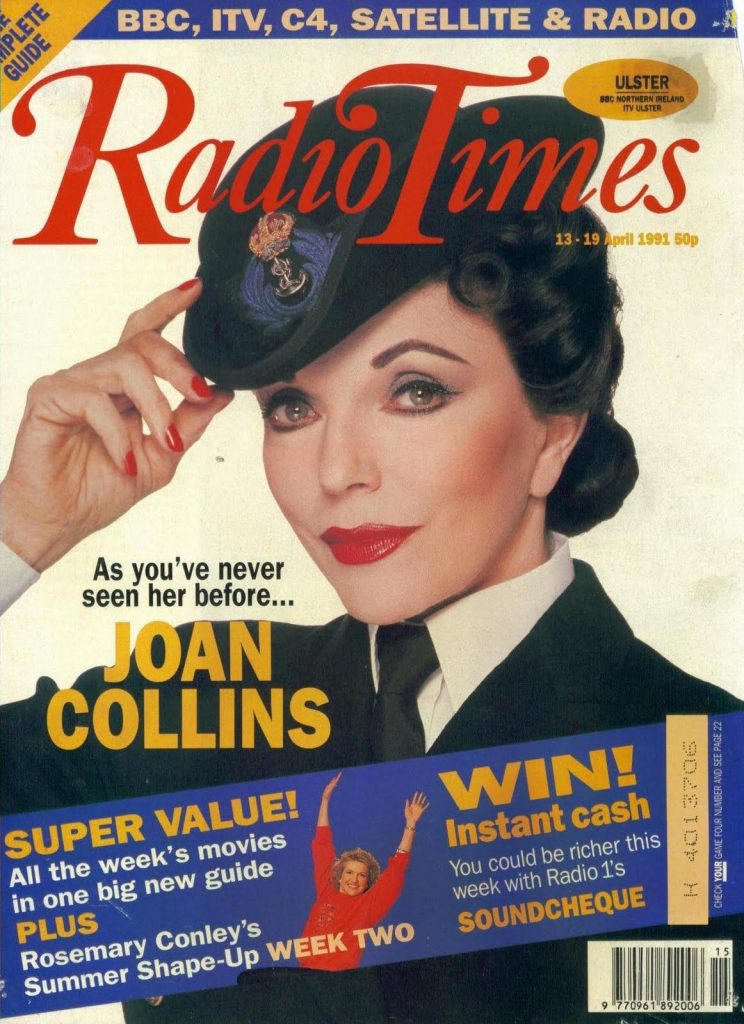
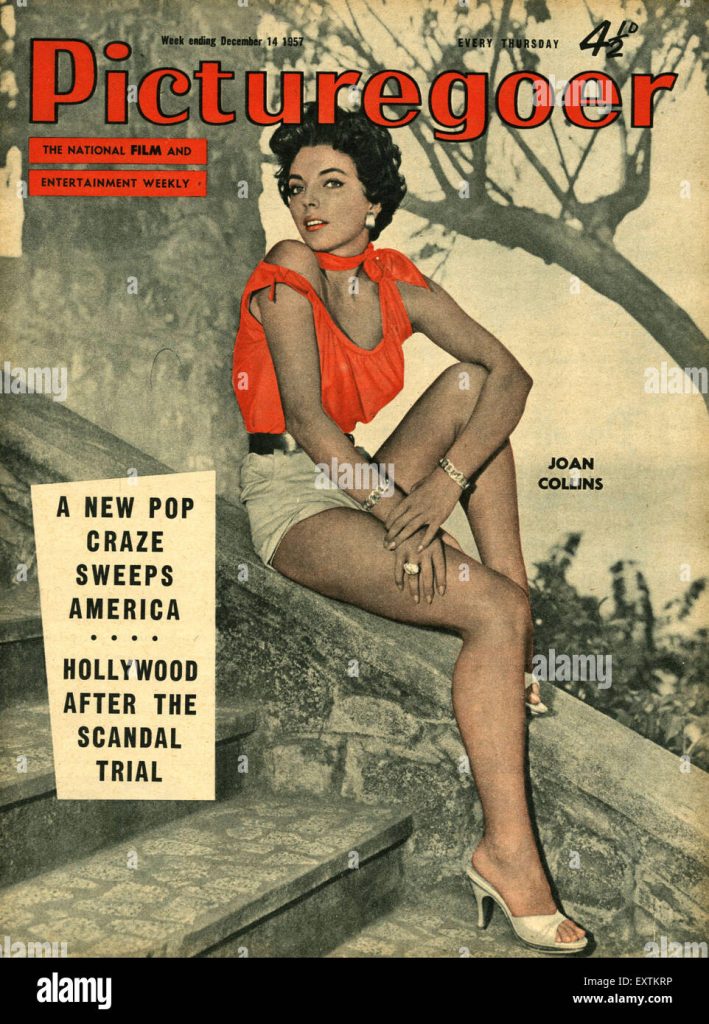
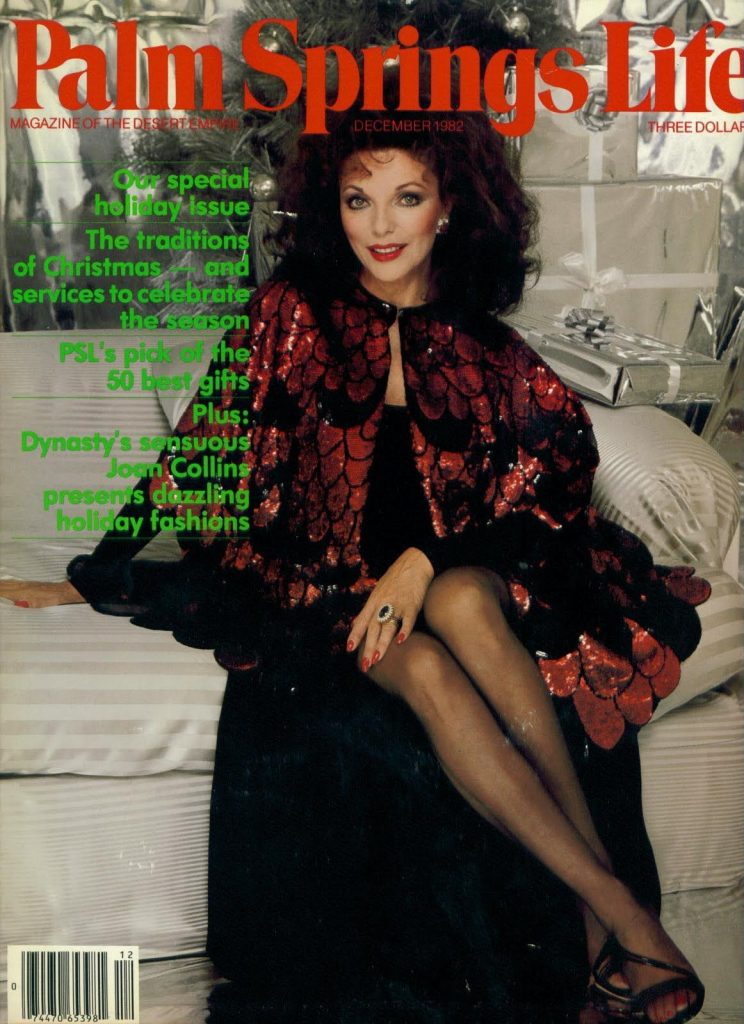
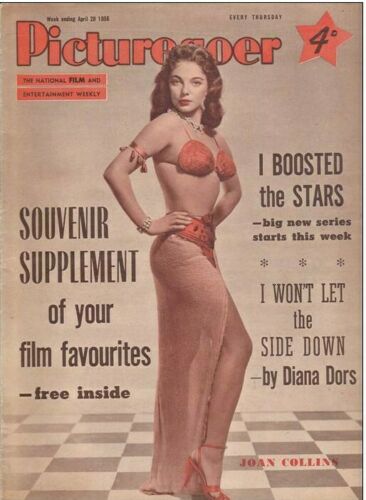
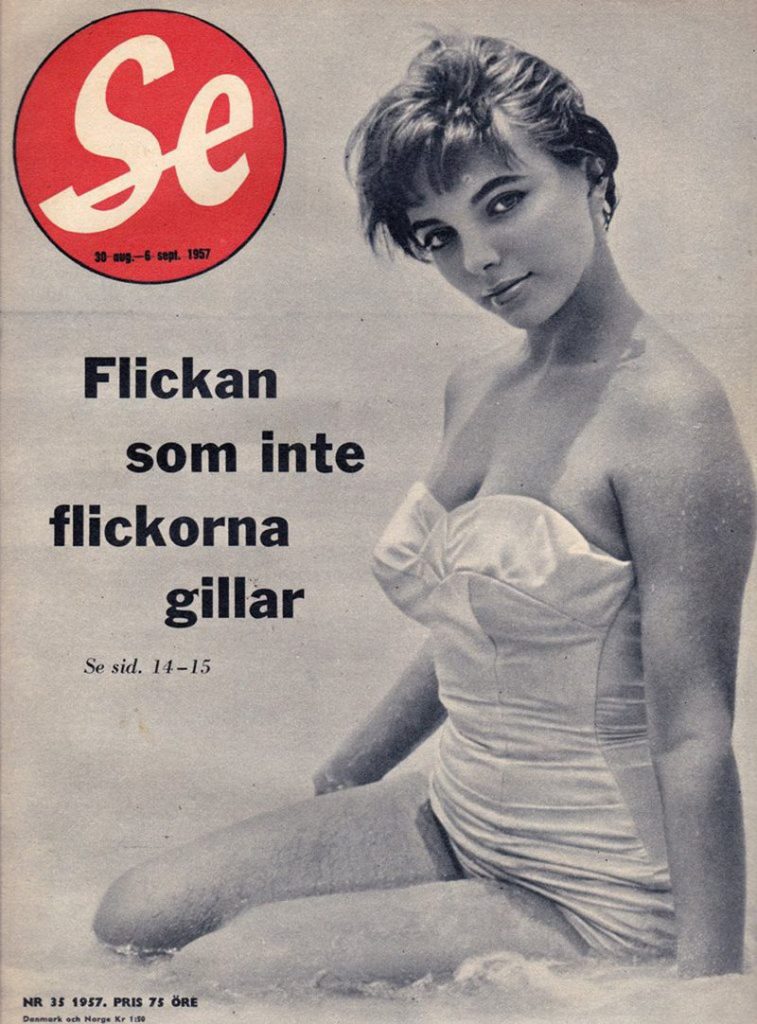
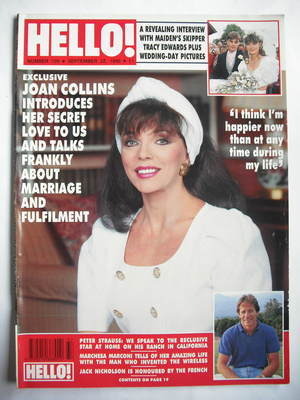
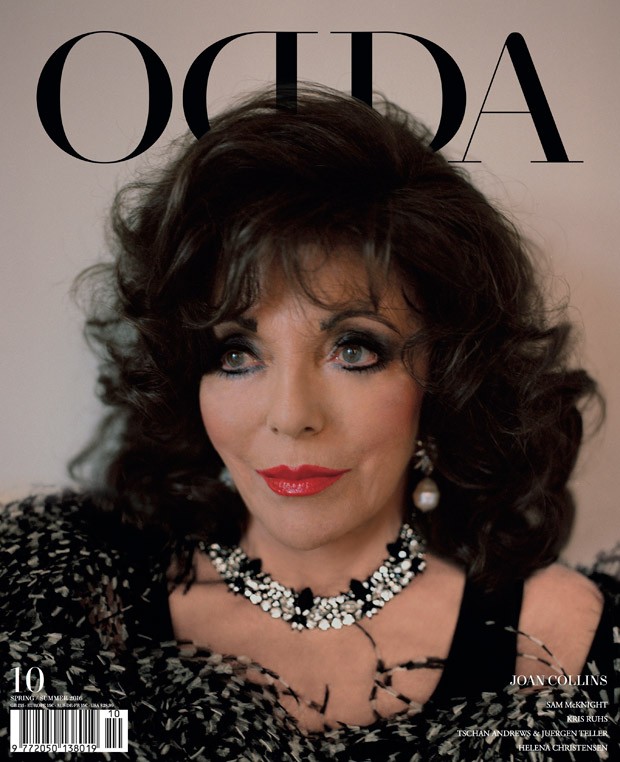
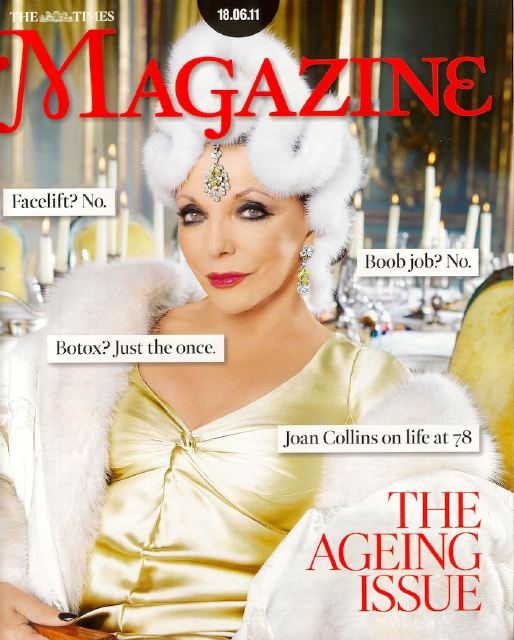
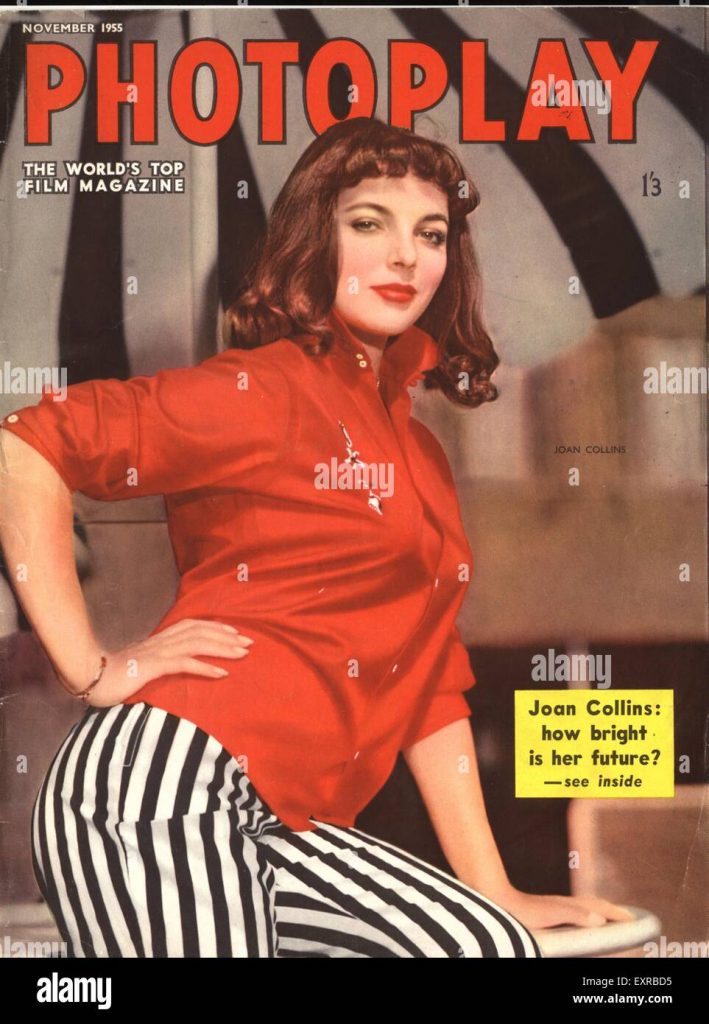
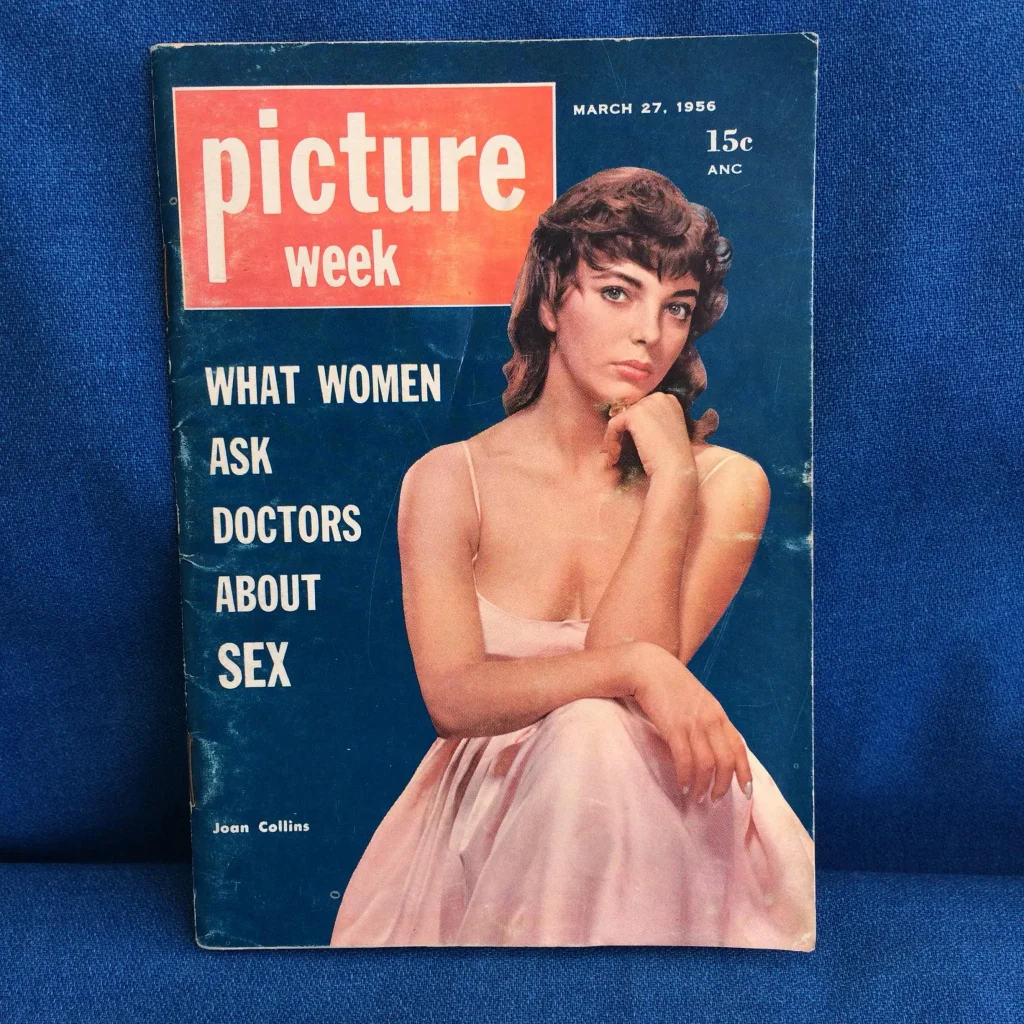
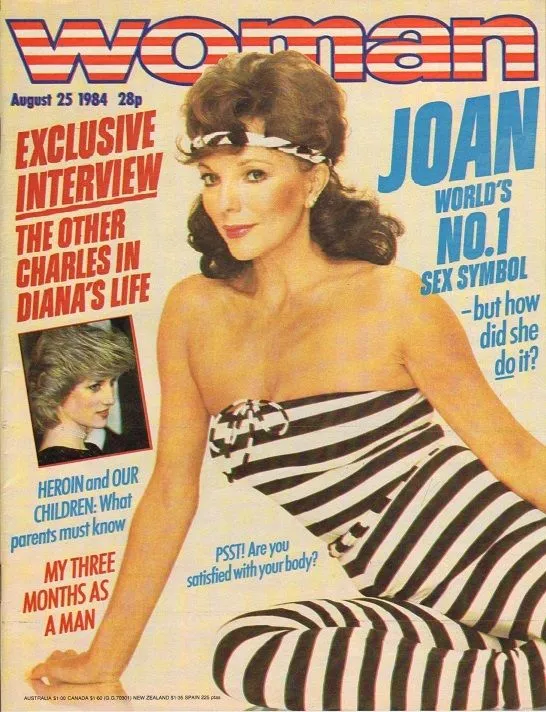
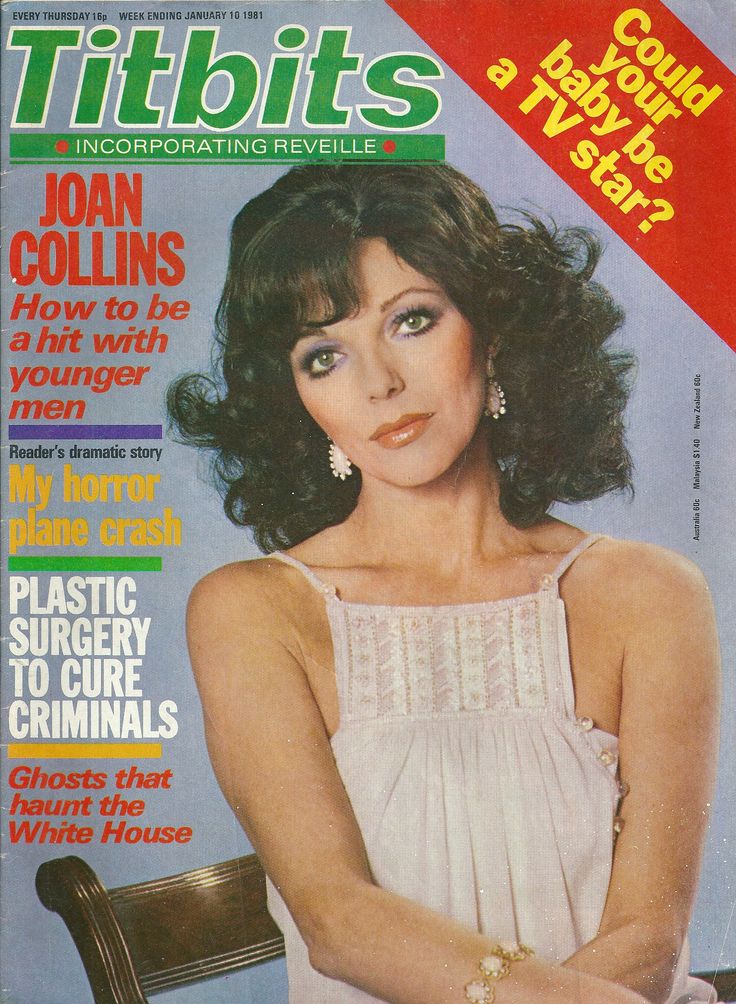
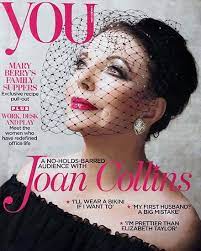
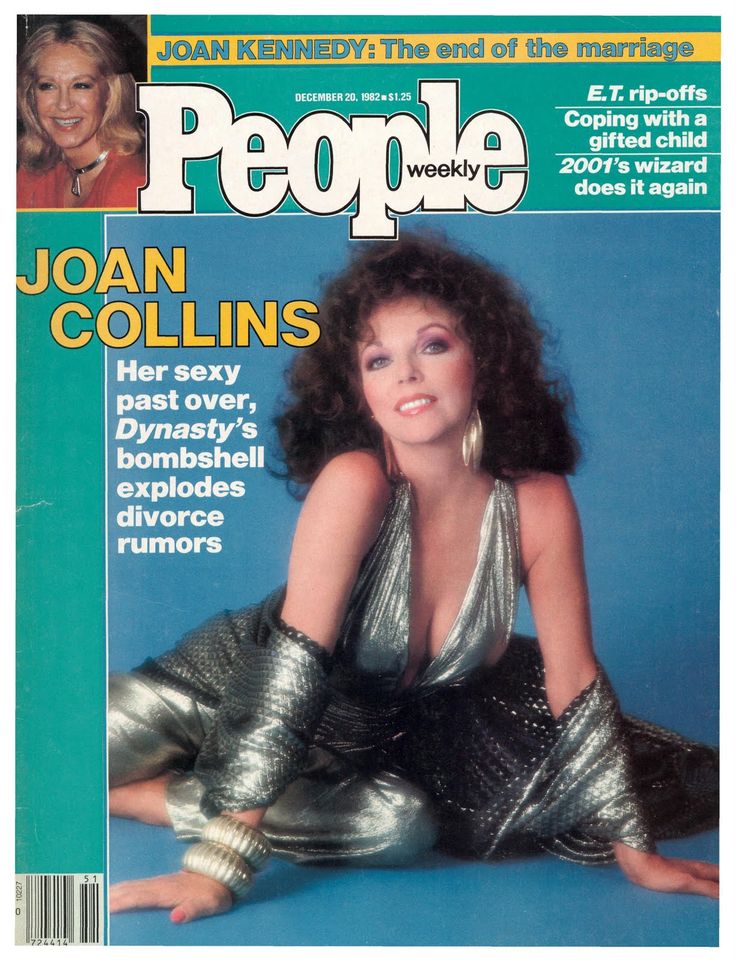
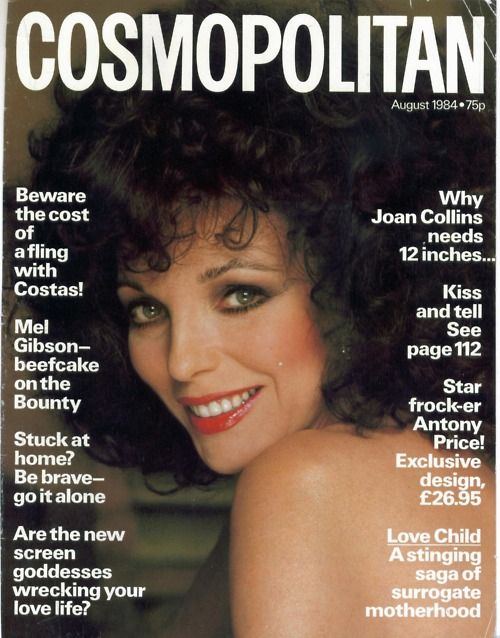
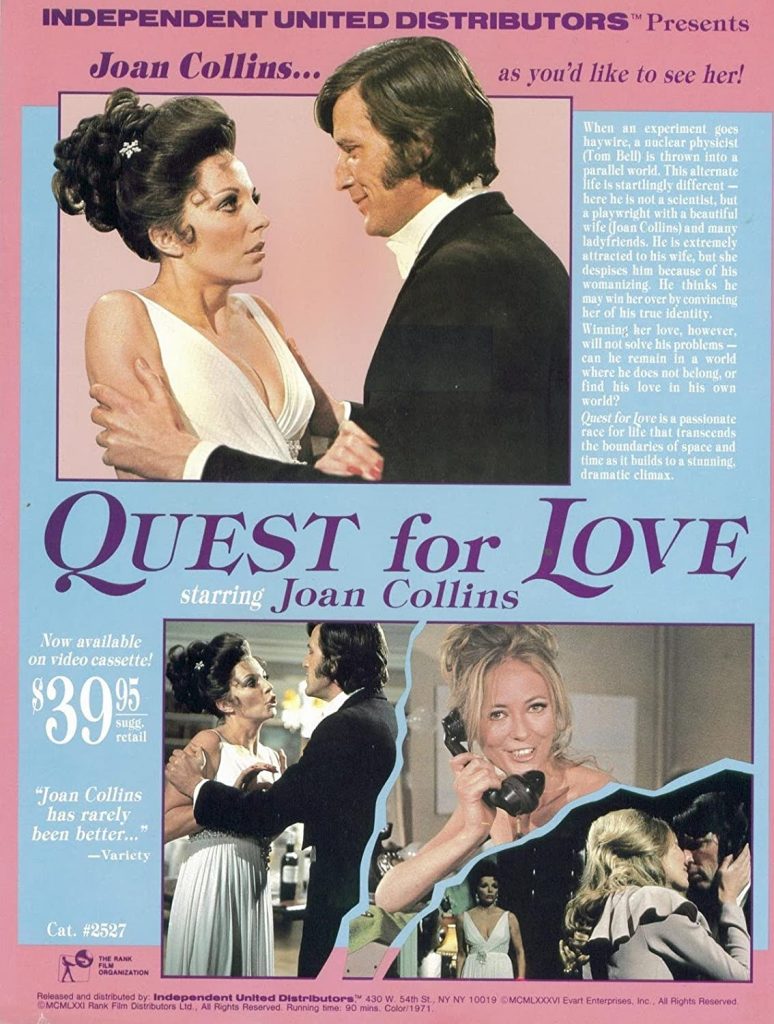
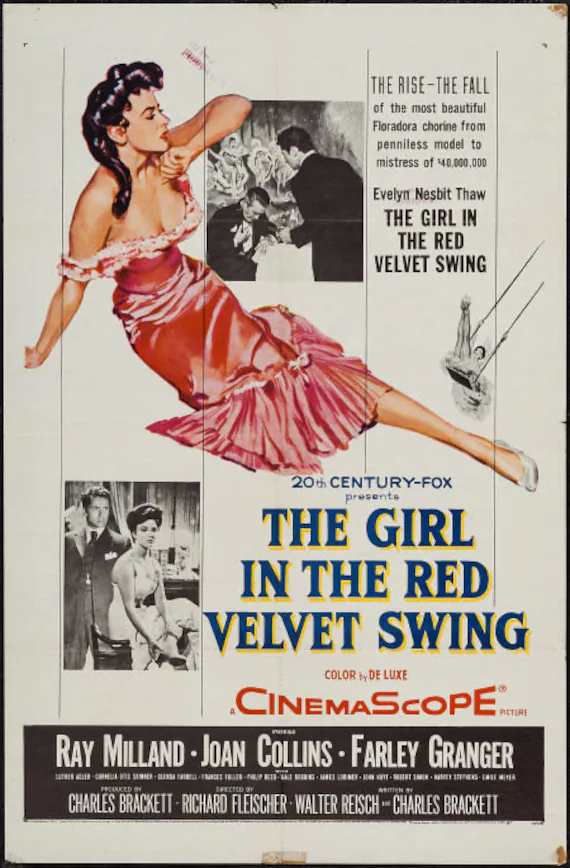
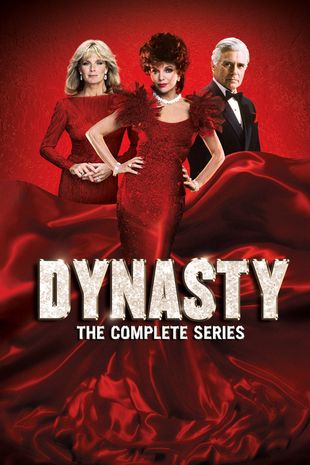
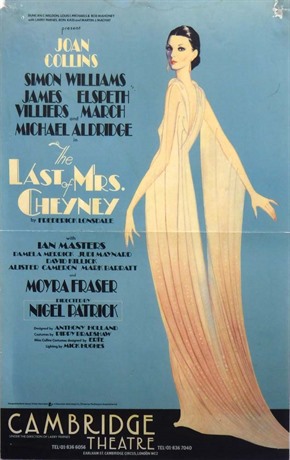
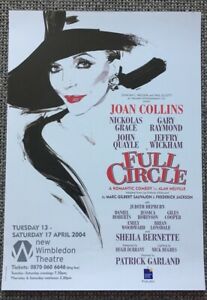
Joan Collins has had a remarkably long and successful career on film. In 1951 she made her first film “Lady Godiva Rides Again”. By 1955 she was in Hollywood making “The Girl in the Red Velvet Swing”. She made several films for 20th Century Fox studios over the next few years. In 1981 her career reached enormous exposure through her success as Alexis Carrington in the night-time soap “Dynasty”. She has maintained her career profile through further film and television roles as well as a career in writing and journalism. She was made a Dame by the Queen in 2015. Her official website can be found here.
TCM Overview:
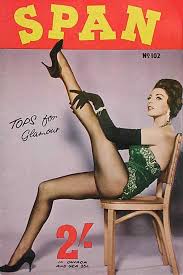
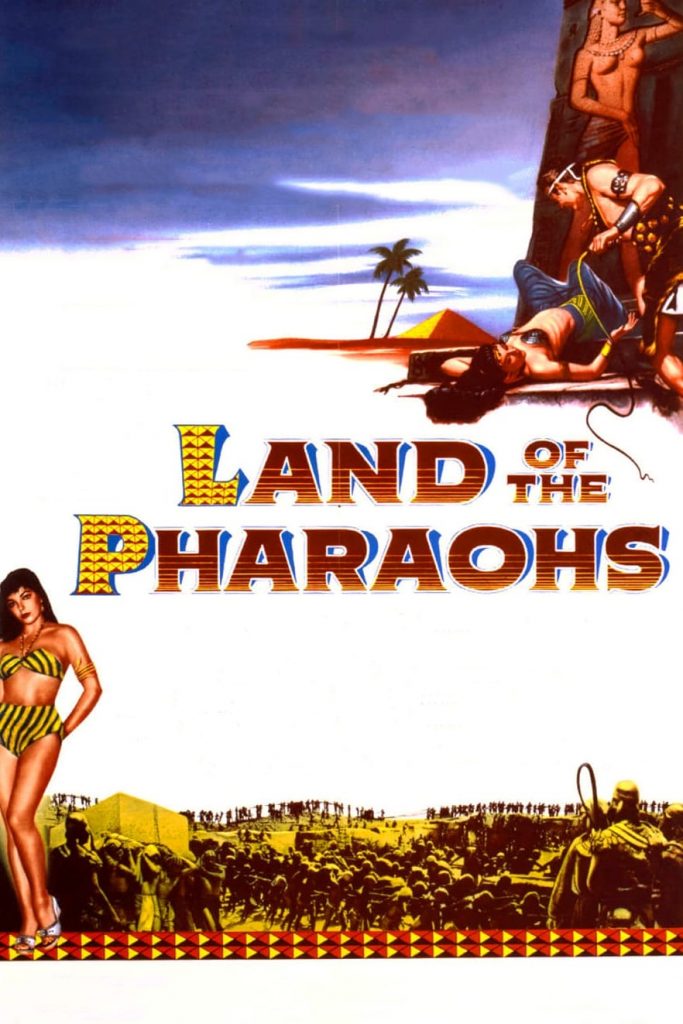
A glamorous presence on film and television for a half-century, Joan Collins specialized in seductive, larger-than-life women with a lust for just about everything in projects ranging from “Land of the Pharoahs” (1955) and “Island in the Sun” to “The Stud” (1978) and most famously, “Dynasty” (ABC, 1981-89). Her physical beauty – which was often likened to a British Elizabeth Taylor – was a drawback in her earlier career, which found her playing wayward girls and wantons. After a short stint in Hollywood, during which she dated numerous studs of the time, including Warren Beatty, she drifted into B-grade pictures for over a decade before being cast as the venomous Alexis Carrington in “Dynasty.” Her overripe performance launched a thousand similar “rich bitch” characters on primetime, but Collins managed to hold the title with charm and sexiness for decades after the show’s demise. An outspoken and at times brazen figure in real life, with a string of marriages and public romances to her name, she remained one of the most cheekily appealing actresses in the world.
Born Joan Henrietta Collins in Paddington, a metropolitan borough of Westminster, London on May 23, 1933, she was one of three children born to Elsee Bessant, a dance teacher, and South African-born agent Joseph William Collins, who would later count The Beatles and Tom Jones among his clients. Her younger sister, Jackie, followed in her footsteps with appearances in B- pictures and television in the 1960s before establishing herself as a best-selling author of salacious romance novels. In some ways, Joan Collins led a charmed adolescence – she and her siblings were raised in the affluent neighborhood of Maida Vale, and Collins made her acting debut at the age of nine, playing a boy in a production of “A Doll’s House.” But these early years were also difficult ones for her. Joseph Collins was reportedly a strict father with a taste for discipline, which he wielded over children and spouse alike. Collins found an escape in the movies; she had fallen in love with them after seeing “The Wizard of Oz” (1939) at an early age, and envisioned a life for herself that was spent as an actress.
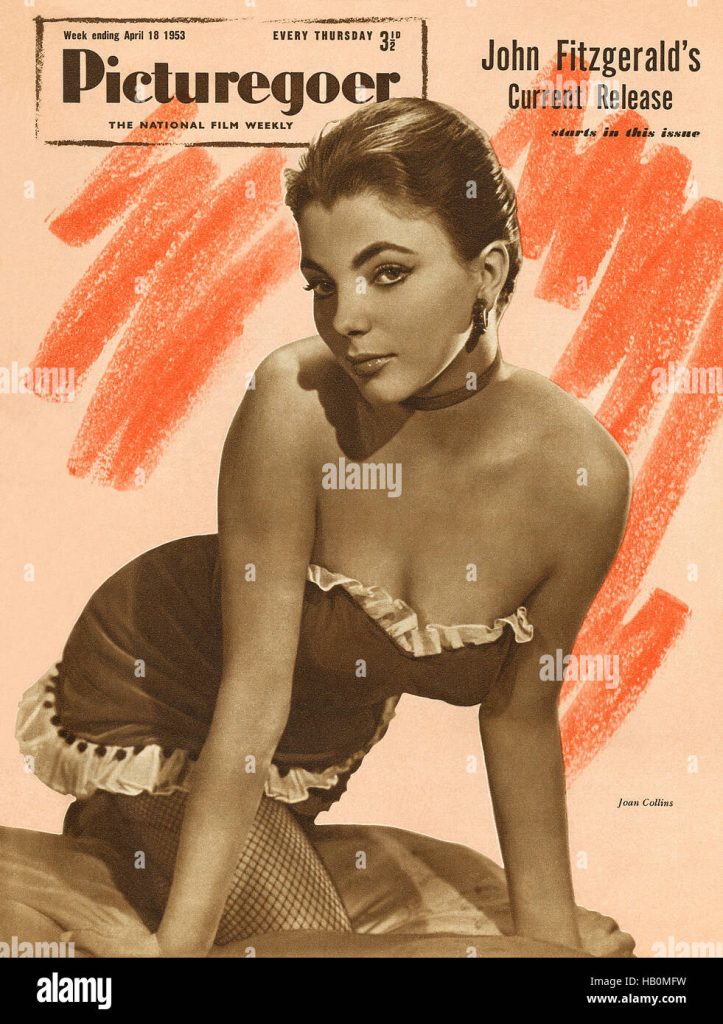
She approached her father about auditioning for London’s Royal Academy of Dramatic Art, to which he agreed on one condition: that she would become his secretary if she did not pass. Thankfully, Collins did make the grade, and by 17, she had landed a contract with the Rank Film Company, one of the U.K.’s biggest studios. Though not exactly praiseworthy of his daughter’s accomplishments – Collins would be remarkably dismissive of his children in public throughout his life – he also served as her first agent. Her tenure with Rank was particularly unspectacular; a debut as a beauty contestant in “Lady Godiva Rides Again” (1951) was followed by a string of forgettable roles in dramas, comedies and costume pictures, including “I Believe in You” (1952) and “Decameron Nights” (1953) with Louis Jordan. Collins supplemented her film income as a popular model in magazines. At age 18, she was voted the most beautiful girl in England by a photography group. She also was not afraid to speak about her issues with Rank; in 1954, she complained to a London newspaper about the company’s lack of support for its female talent. The statement would help to cement Collins’ image as an outspoken woman for the rest of her career.
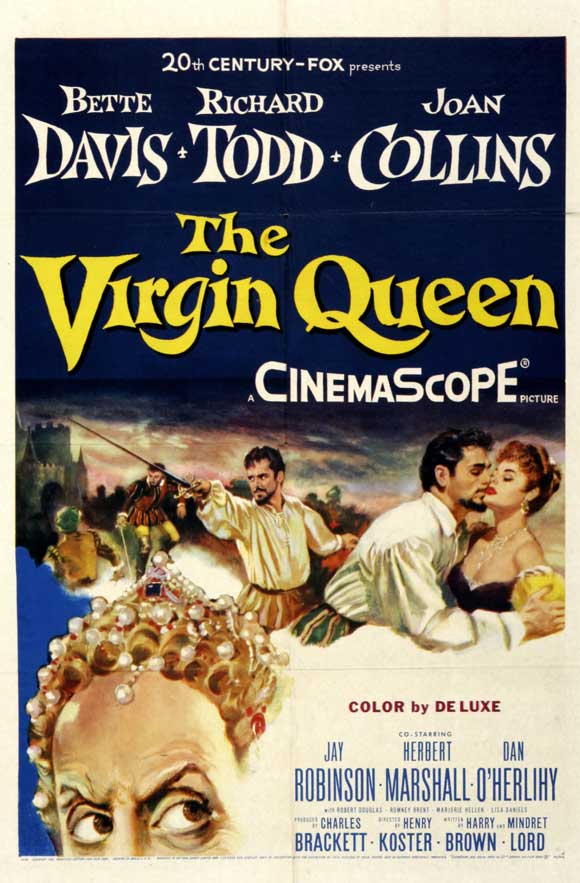
In 1955, 20th Century Fox signed her to a contract, hoping to mold her into their version of Elizabeth Taylor, to whom she bore a strong resemblance, minus violent Taylor eyes. Her first American feature was a bit of a camp effort; “Land of the Pharoahs” (1955), directed by Howard Hawks and penned in part by William Faulkner, was epic in scope but sudsy in its story of a self-absorbed pharaoh and the princess (Collins) who wants to enjoy some of his riches in the present, rather than the afterlife. The film cemented Collins’ screen image as a sexually rapacious, morally ambiguous femme fatale – a role she would play on and off for the remainder of her career. Collins’ private life also helped to sell that notion to ticket buyers. Her first marriage, to Irish actor Maxwell Reed, ended because he had allegedly tried to sell her to an Arab sheik in 1955. In 1959, she began a torrid romance with fellow up-and-comer Warren Beatty. The relationship burned up the gossip magazines with lurid tales of their non-stop lovemaking, but the affair ended badly, with a broken engagement and an abortion. Collins would later be linked to numerous celebrities, including Frank Sinatra, Dean Martin, Dennis Hopper, Ryan O’Neal and Robert F. Kennedy.
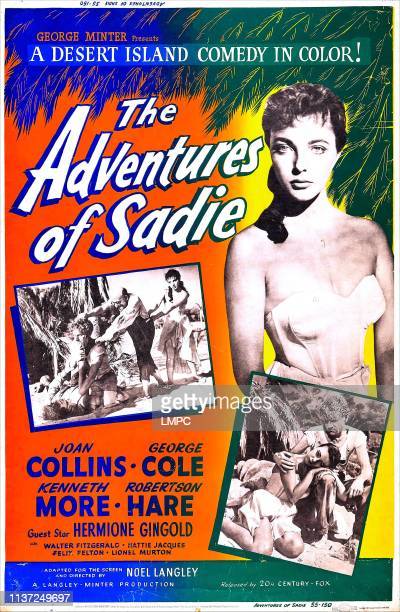
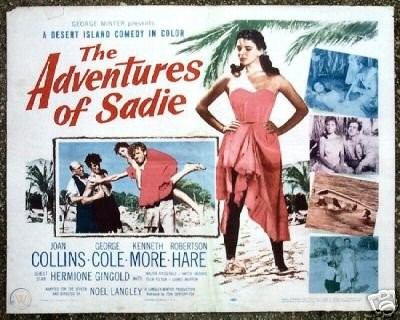
Our Girl Friday, poster, (aka THE ADVENTURES OF SADIE), US poster, Joan Collins, 1953. (Photo by LMPC via Getty Images)
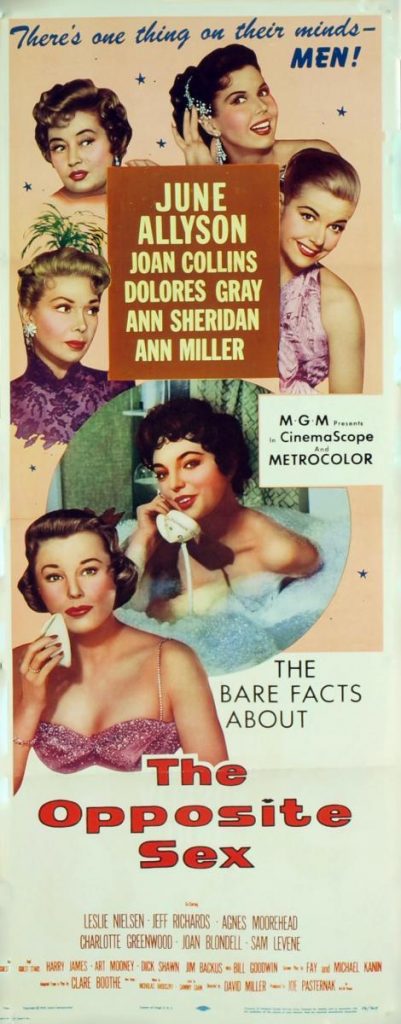
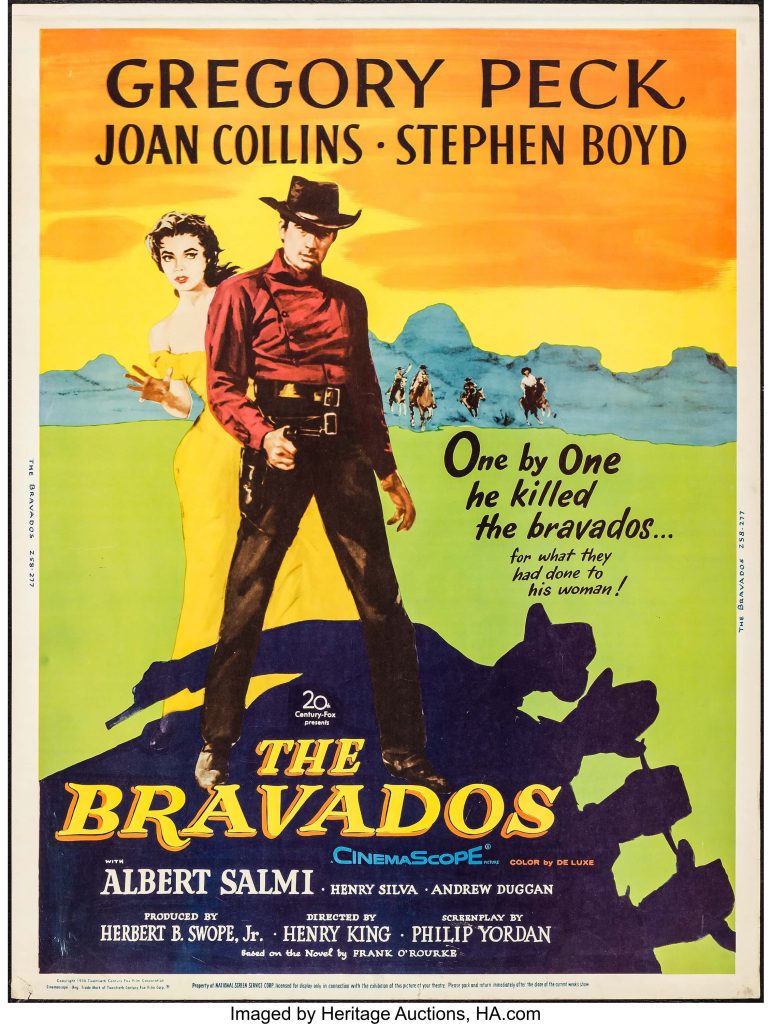
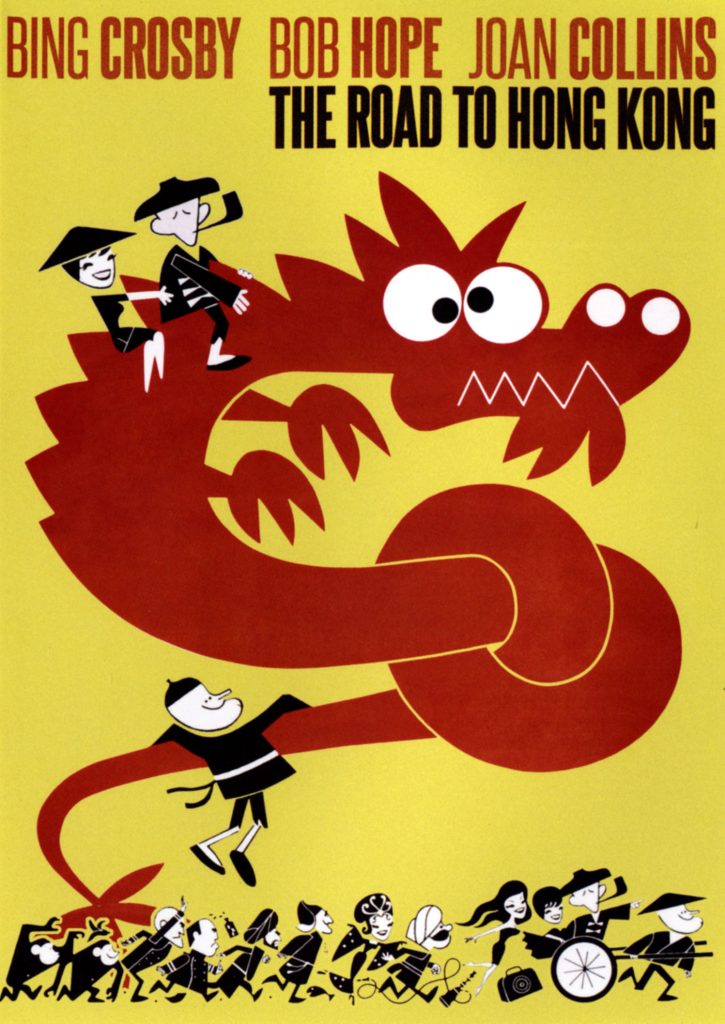
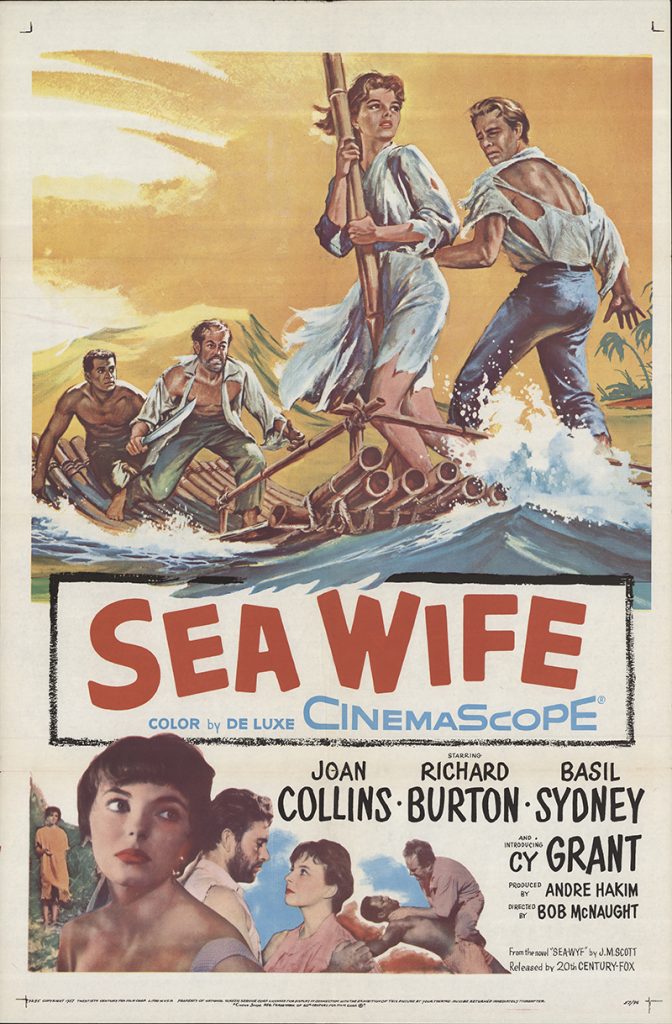
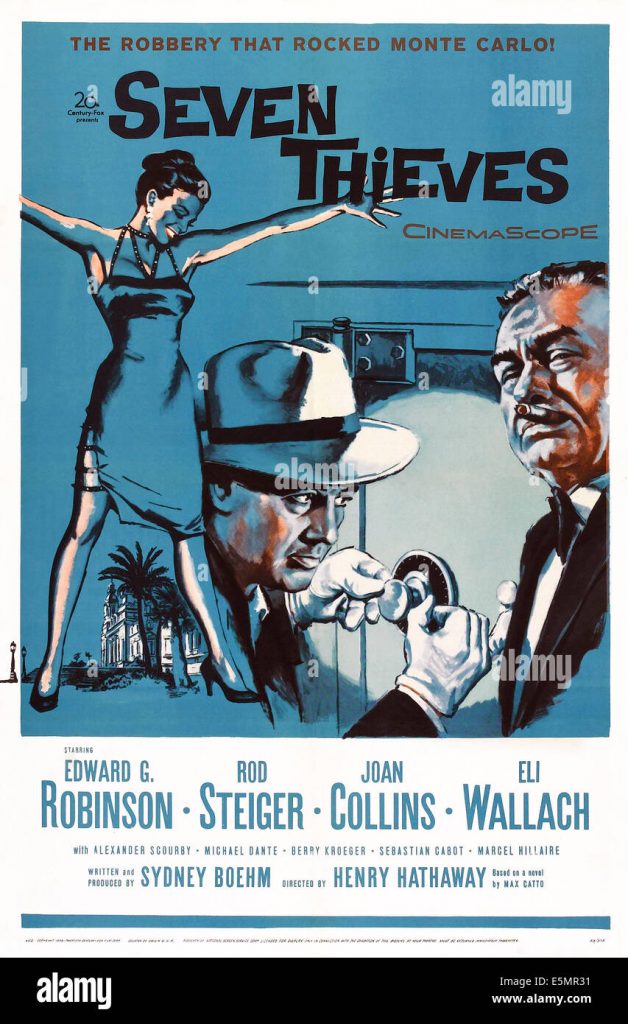
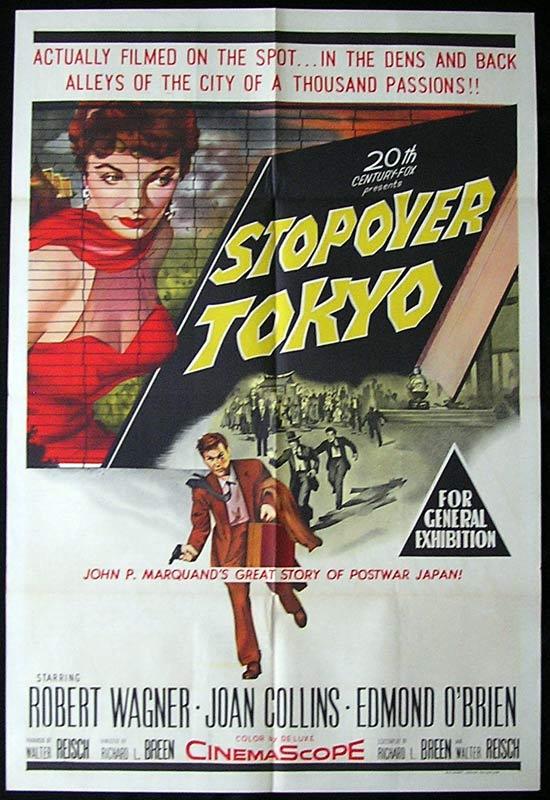
Her reputation sealed her into a series of vampish roles throughout the 1950s and 1960s. In Richard Fleischer’s “The Girl in the Red Velvet Swing” (1955), she played Evelyn Nesbit Thaw, whose relationship with architect Stanford White ended with his murder in the 1920s. In “The Opposite Sex” (1956), she was a showgirl who steals faithful husband Leslie Nielsen away from dutiful wife June Allyson. And in “Island in the Sun” (1957), she was the kittenish younger sister of plantation owner James Mason, who uses her wiles to lure war hero Stephen Boyd. On occasion, Collins proved that she had talents beyond her physical appeal; the “Sea Wife” (1957), which was initially helmed by Roberto Rossellini, was a stark character piece about shipwreck survivors adrift in a lifeboat, while the Western “The Bravados” (1958) and the caper picture “Seven Thieves” (1960) showed that she could share the screen with such powerhouses as Gregory Peck, Rod Steiger and Edward G. Robinson. She could also do comedy, as her dizzy town vixen in “Rally Round the Flag, Boys!” (1958) showed. But for the most part, Collins was the go-to for seductive and exotic types, and she played the decorative parts in unmemorable films like “Stopover Tokyo” (1957) with Robert Wagner, “Esther and the King” (1960), and “The Road to Hong Kong” (1962), the final “Road” picture with Bing Crosby and Bob Hope.
By the mid-1960s, Collins was lending her appeal to American TV shows like “The Man from U.N.C.L.E.” (NBC, 1964-68), “Batman” (ABC, 1966-68 as The Siren) and a memorable appearance on “Star Trek” (NBC, 1966-69) in the Hugo Award-winning episode “City on the Edge of Forever” as a love interest for Captain Kirk (William Shatner) doomed by a fateful twist in history. Her film career appeared to have stalled completely; among the string of flops to her name during this period was the singularly titled “Can Hieronymus Merkin Ever Forget Mercy Humppe and Find True Happiness?” (1969), a surreal ego trip directed by her second husband, singer and songwriter Anthony Newley. Collins would later attribute the film as a leading factor in her 1973 divorce from him.
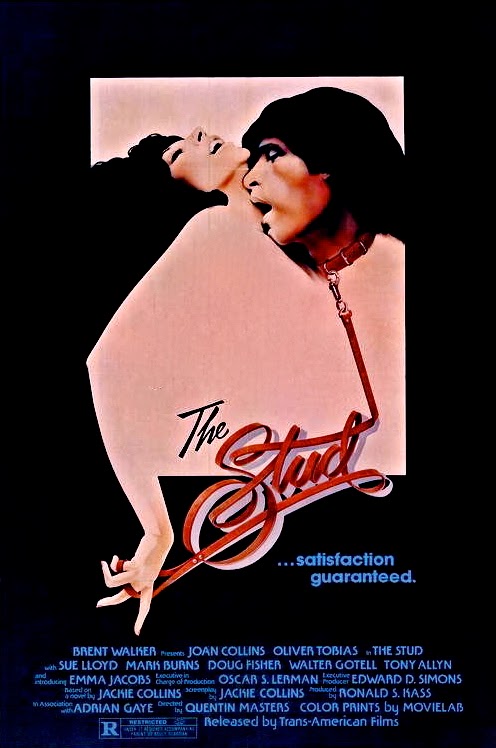
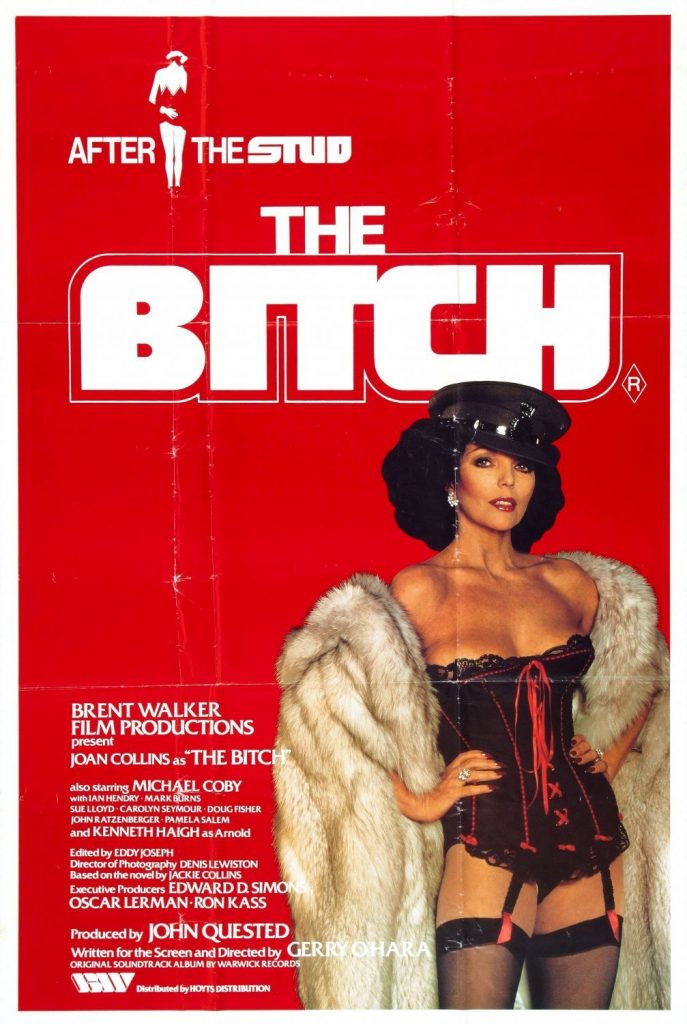
The 1970s saw Collins continue to toil in episodic television and low-budget films. Horror and exploitation soon became her forte, with appearances in the anthology films “Tales from the Crypt” (1972) as a woman threatened by a homicidal Santa Claus, and “Tales that Witness Madness” (1973) in which her jealous wife suspects that her husband has fallen in love with a very feminine and vengeful tree. In 1978, she starred in softcore adaptations of her sister Jackie’s novels “The Stud;” the film, which featured copious nudity by Collins as a predatory nightclub owner, was a sizable hit, as was its sequel, the equally tawdry “The Bitch” (1979). Both saw financial returns that rivaled the Bond series in ticket sales.
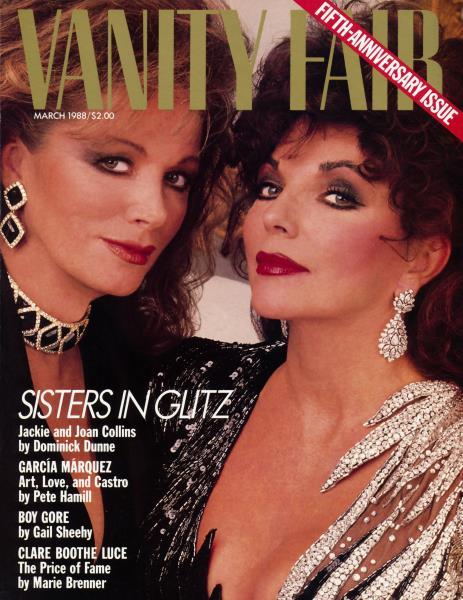
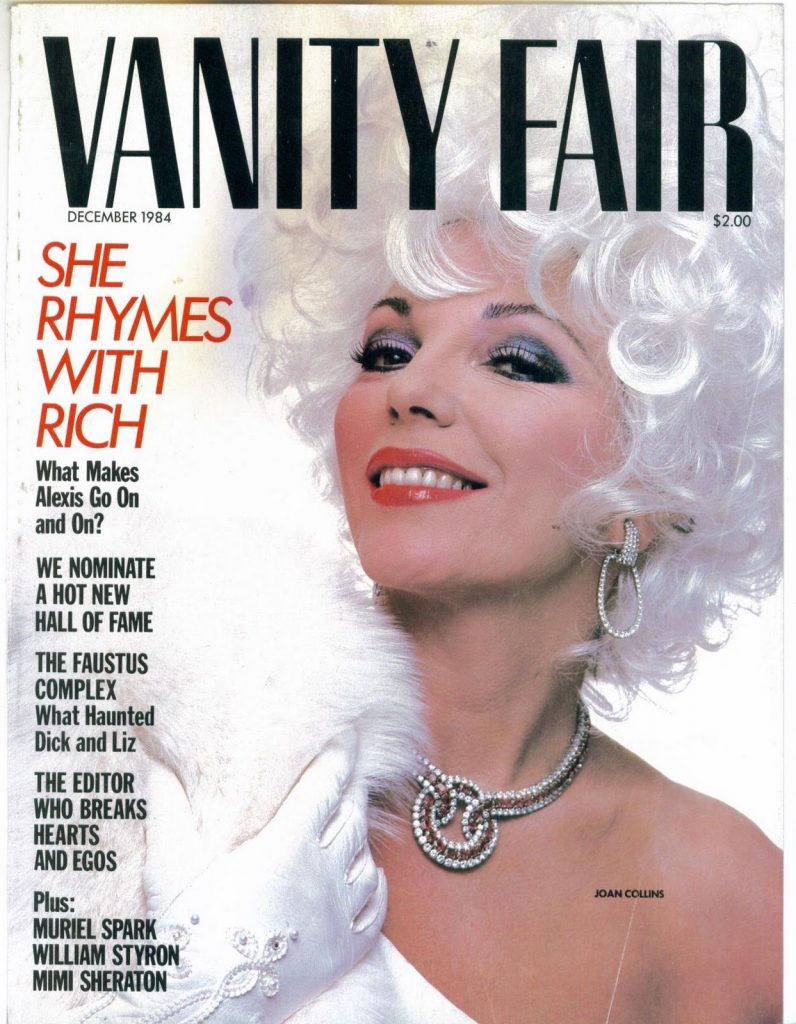
In 1981, Collins’ career received its biggest boost and greatest exposure when she was cast as Alexis Carrington on “Dynasty.” Originally considered as a role for Sophia Loren, among others, Alexis was introduced in the second season of “Dynasty” as a key witness in the trial of the show’s patriarch, Blake Carrington (John Forsythe), for the murder of his son Steven’s gay lover. Her testimony about her former husband throws a wrench into the defense, and Alexis soon proves herself to be a world-class upsetter in the Carrington clan, wreaking havoc with Blake’s new wife, Krystal (Linda Evans), daughter Fallon (Pamela Sue Martin) and just about every male, available or otherwise, that crosses her path. Audiences soon flocked to see what witchery Alexis would conduct each week, as well as the regular room-wrecking catfights she would conduct with Evans and later Diahann Carroll and Stephanie Beacham. A combination of Collins and a new writing staff helped to elevate “Dynasty” past its chief competitor, “Dallas” (CBS, 1978-1991), all of which re-energized Collins’ career. She would eventually net six Golden Globe nominations between 1982 and 1987, and took home one in 1983.
The late-in-life success of Collins allowed her to make the rounds in numerous glitzy TV-movies and miniseries, most notably “Sins” (CBS, 1986) and “Monte Carlo” (CBS, 1987), on which she also served as producer. She surprised many with a 12-page layout in Playboy under the rubric “50 is Beautiful.” She also began a very popular second career as an author and magazine contributor, penning several books on beauty, as well as a handful of glossy novels that hewed closely to sister Jackie’s style. There was also Katy: A Fight for Life (1982), a memoir of her daughter Katy’s struggle after being struck by a car in 1980 and enduring severe brain injuries.
However, her relationship with “Dynasty” producers Aaron Spelling and E. Duke Vincent began to sour by its sixth season. She was arguably the show’s key attraction, and as such, demanded a larger salary for her efforts. As a result, she missed the first episode of the sixth season, which followed the infamous “Moldavian Massacre,” which closed the fifth season with nearly all the major characters appearing to be killed in a coup during a wedding. Eventually, Collins got her wishes – a reported $60,000 per episode – but the writing was on the wall for “Dynasty.” The show slogged through its next nine seasons before ABC pulled the plug, ending Alexis’ reign on primetime with – what else? A cliffhanger, which was finally resolved in 1991 with the four-hour miniseries “Dynasty: The Reunion” (ABC).
But Collins was not quite out of the scandal sheets yet. A 1991 book deal with Random House resulted in a lawsuit that demanded the actress return the $1.2 million advance she had received after submitting manuscripts that they deemed unsuitable. She countersued for the remaining $4 million in the deal, and, astoundingly, won the case in 1996 thanks to her deal from super agent Irving “Swifty” Lazar, who had stipulated that Collins would be paid whether the manuscripts were published or not. The resulting judgment – Collins was allowed to keep the advance, as well as $1 million for one of the completed manuscripts – landed her in the Guinness Book of World Records for the largest payment for an unpublished book.
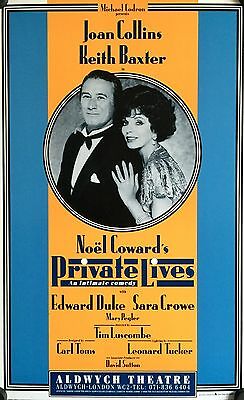
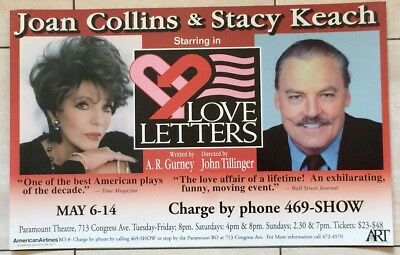
Undaunted, Collins began focusing her attention on the theater. A revival of Noel Coward’s “Private Lives” launched in London’s West End in 1991 before traveling to Broadway in 1992. She would return to the stage on numerous occasions through the ’90s and 2000s, most notably in a tour of “Love Letters” with George Hamilton and a West End production of “Moon Over Buffalo” with Frank Langella. Meanwhile, film and television continued to provide Collins with diva-esque roles in Kenneth Branagh’s “A Midwinter’s Tale” (1995), the Emmy-nominated “Annie: A Royal Adventure” (ABC, 1995), and “The Flintstones in Viva Rock Vegas” (2000), which cast her as Fred Flintstone’s glammed-up mother-in-law, Pearl Slaghoople. She wrapped up the ’90s with the receipt of an O.B.E. (Officer of the Order of the British Empire) from Queen Elizabeth II in 1997.
Her “Dynasty” past was never quite far behind, though. In 1997, Aaron Spelling brought her to his primetime soap “Pacific Palisades” (Fox, 1997) in a last-ditch attempt to save the series. It did not work, but she was back in the trenches in 2000 with a guest shot on “The Guiding Light” (CBS, 1952-2009) and in 2005 on the U.K. series “Footballers Wives” (ITV, 2002-06). She also reunited with Linda Evans for the play “Legends!” which ran for a 30-week tour of North America. And in 2010, she joined the cast of the German soap “Forbidden Love” (Das Erste, 1995) for a short stint. The above TCM overview can also be accessed online here.
Career overview of Joan Collins
Joan Collins (born 1933) has had one of the most durable and shape-shifting careers in Anglo-American entertainment, spanning film, television, theatre, and publishing. Her trajectory is less about steady artistic evolution than about reinvention through persona, culminating in one of television’s most iconic characters. She is a revealing case of how star image, rather than acting transformation, can sustain long-term cultural relevance.
Early career: British cinema and Hollywood contract (1950s)
Collins began in British films before being signed by 20th Century Fox. Early appearances include:
Land of the Pharaohs (directed by Howard Hawks)
The Girl in the Red Velvet Swing
Critical analysis:
Collins is positioned as a glamorous, sensual screen presence, often cast in roles emphasising beauty and allure
Her performances show:
Confidence
Strong visual awareness
Limitation:
Early roles rarely allow for:
Psychological depth
Variation beyond decorative or seductive archetypes
Insight: From the outset, Collins is framed more as a star image than as a developing dramatic actor.
Transitional period: uneven film work and typecasting (1960s–1970s)
After her Hollywood contract ended, Collins worked across film and television, including:
The Stud
Critical observation:
This period is marked by:
Inconsistent material
Strong reliance on her public persona
She often plays:
Sophisticated, sexually confident women
Variations on a high-glamour archetype
Limitation: Her roles tend toward repetition, reinforcing typecasting rather than expanding range.
Career-defining role: Dynasty (1981–1989)
Collins achieved global fame as Alexis Carrington in:
Dynasty
Critical analysis of Alexis Carrington
Alexis is:
Powerful
Manipulative
Charismatic
Collins’s performance is built on:
Precision timing
Vocal control (measured, cutting delivery)
Physical composure
Key achievement:
She transforms a potentially one-dimensional villain into a compelling, multi-layered figure
Her acting balances:
Camp theatricality
Emotional conviction
Insight: Collins demonstrates a sophisticated understanding of tone:
She knows exactly how far to push exaggeration without losing audience engagement.
Acting style and persona
Collins’s acting is defined by:
Surface control and stylisation
Emphasis on:
Voice
Gesture
Timing
Her screen persona includes:
Glamour
Authority
Sexual confidence
Critical distinction:
She is not a “transformative” actor
Instead, she refines and amplifies a consistent persona
Critical analysis of her career
1. Persona as primary artistic tool
Collins’s career is built on:
The cultivation of a recognisable identity
Strength:
Enables longevity and audience recognition
Limitation:
Restricts range and variation
2. Camp and self-awareness
In Dynasty, Collins operates within a mode of:
Heightened melodrama
Critical insight:
Her success lies in her self-awareness:
She embraces excess
But maintains control
3. Gender and power
Her most famous roles depict:
Women with agency, wealth, and influence
Impact:
Challenges traditional passive female roles
Ambiguity:
These characters are often:
Villainous
Defined through conflict rather than empathy
4. Reinvention through television
Unlike many film actors of her era:
Collins finds her greatest success in television
Insight: Television allows her to:
Fully realise her persona
Build a sustained relationship with audiences
5. Comparison with contemporaries
Compared to actresses like:
Elizabeth Taylor
Sophia Loren
Collins:
Shares glamour and visibility
But differs in:
Greater reliance on television and persona-driven roles
Less emphasis on transformative acting
Overall evaluation
Strengths:
Strong screen presence and charisma
Mastery of stylised, melodramatic performance
Exceptional control of persona
Major cultural impact through Dynasty
Limitations:
Limited range
Dependence on typecasting
Few roles demonstrating deep psychological complexity
Conclusion
Joan Collins’s career is best understood as a triumph of persona over transformation:
She did not build her reputation through a wide range of roles
Nor through radical artistic experimentation
Instead:
She perfected a distinctive screen identity, and found the ideal vehicle to express it.
Her legacy lies in demonstrating that:
Acting can operate not only through character transformation
But through the precise, controlled performance of self-image
Making her one of the most enduring figures in popular television culture
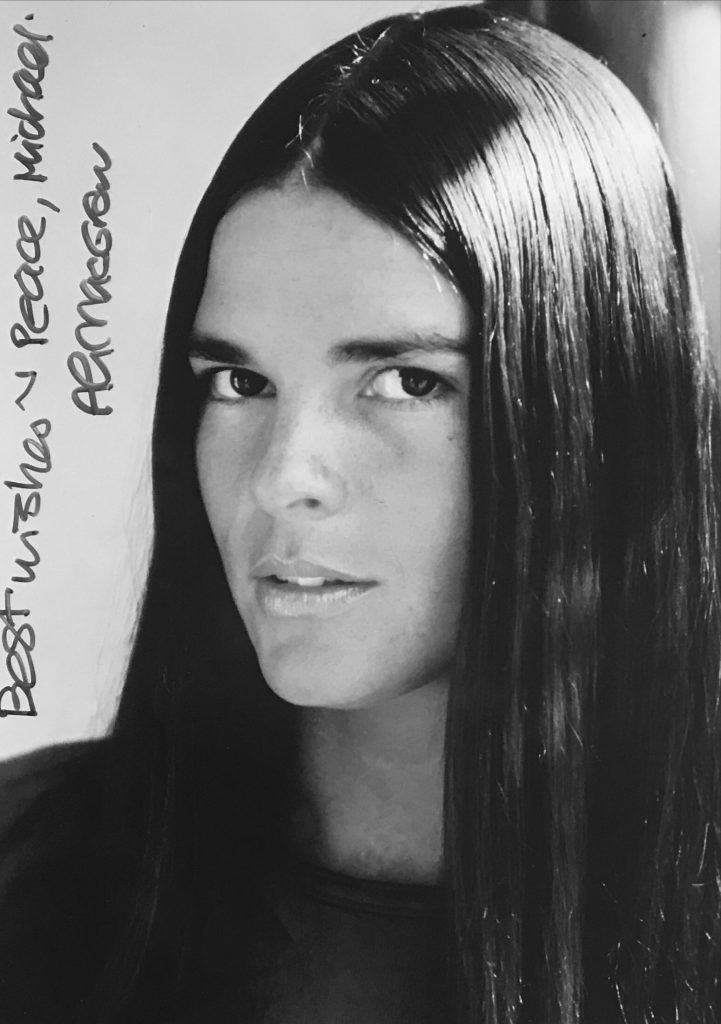
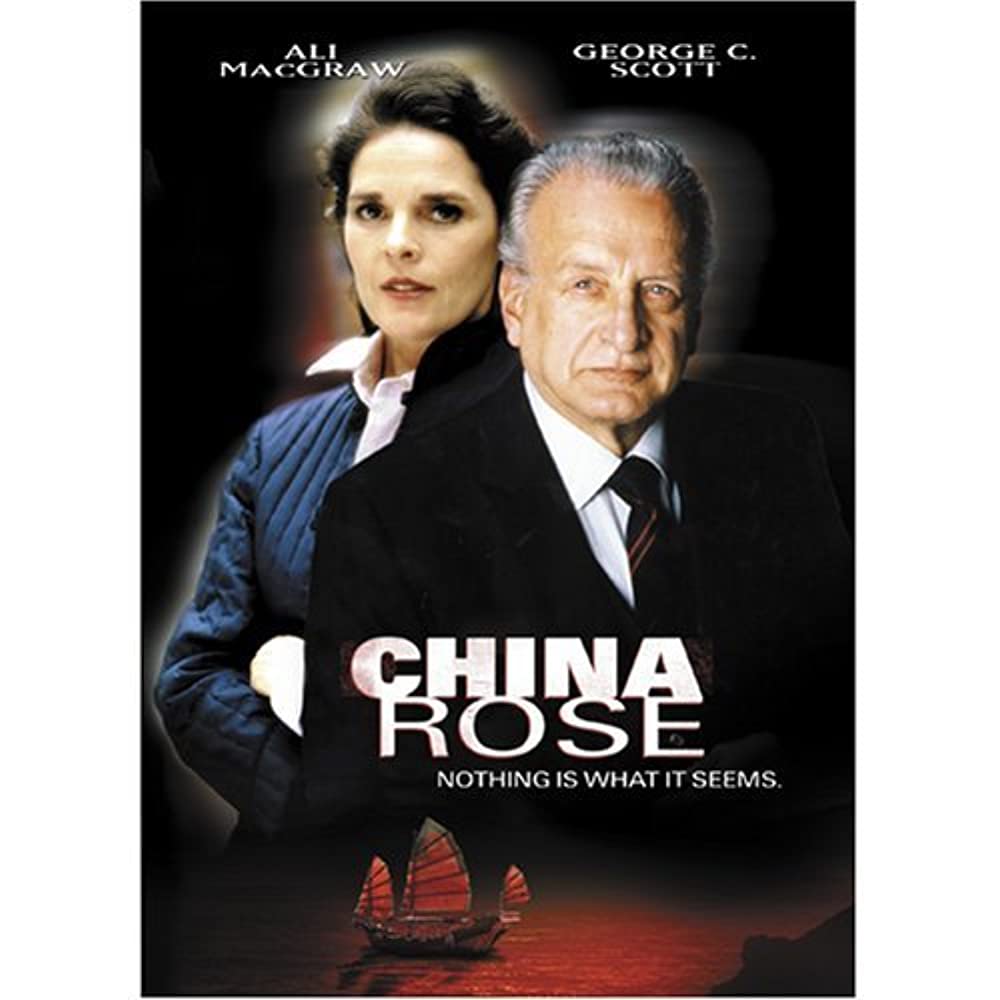
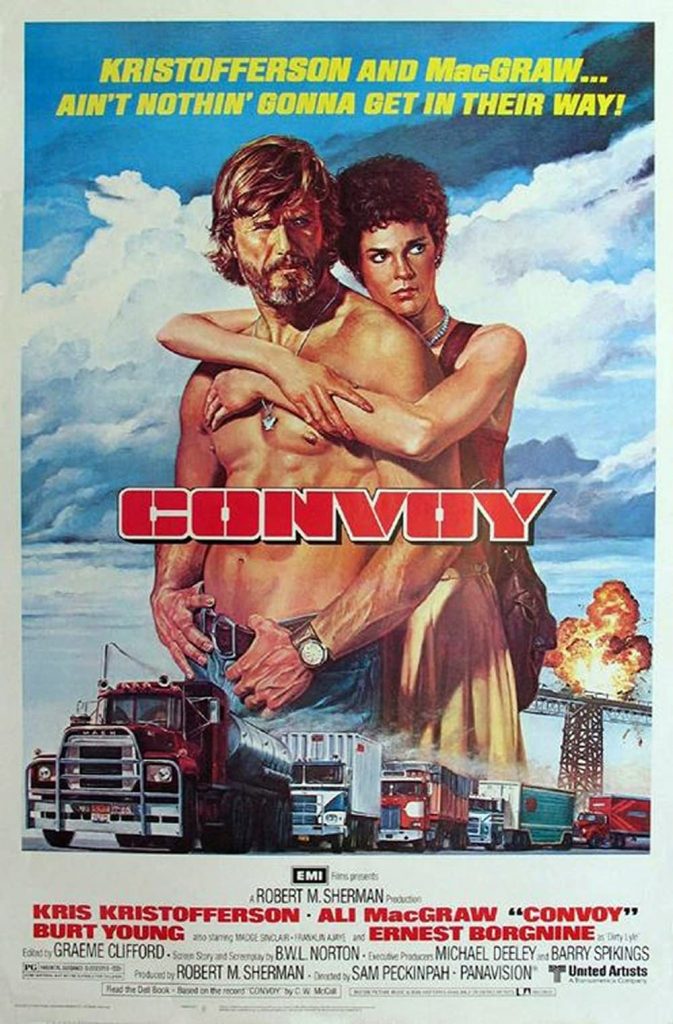
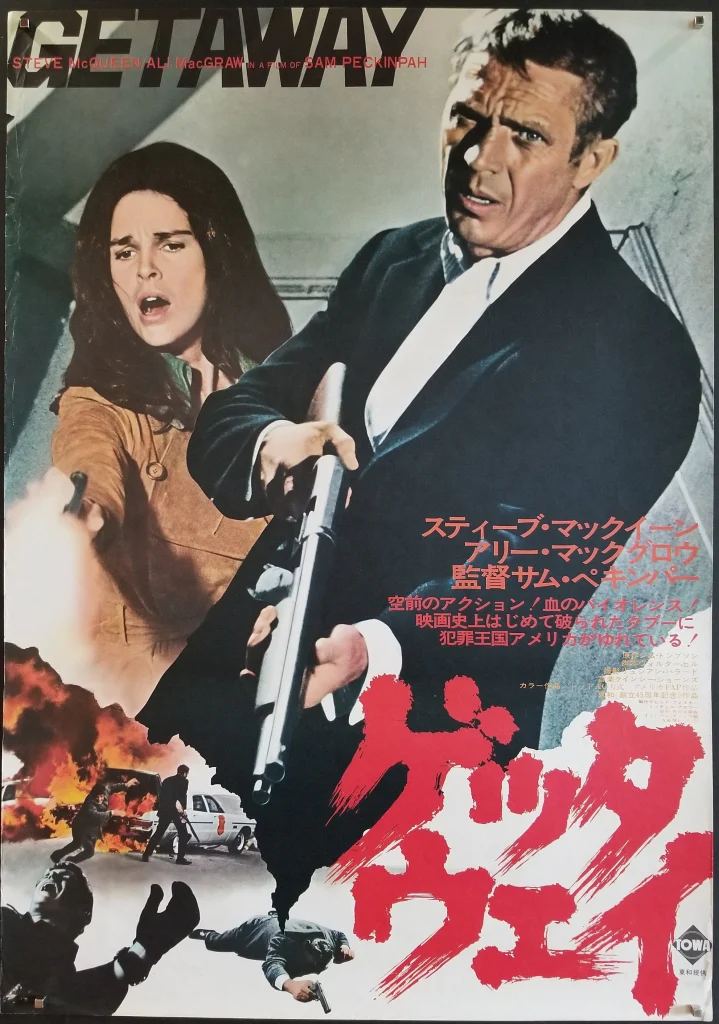
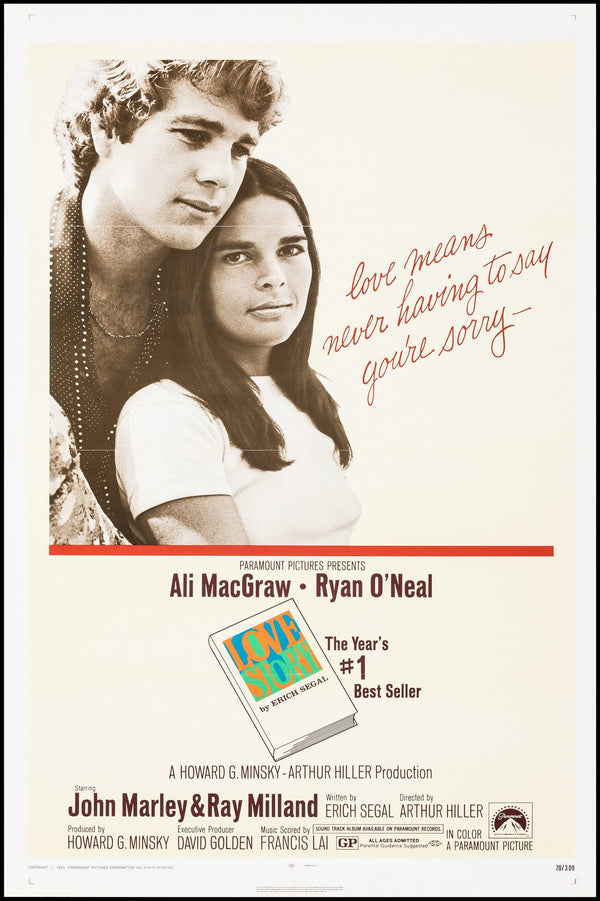
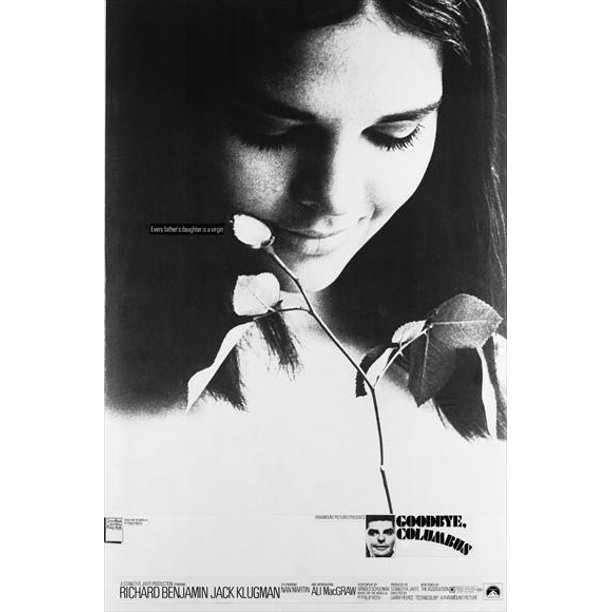
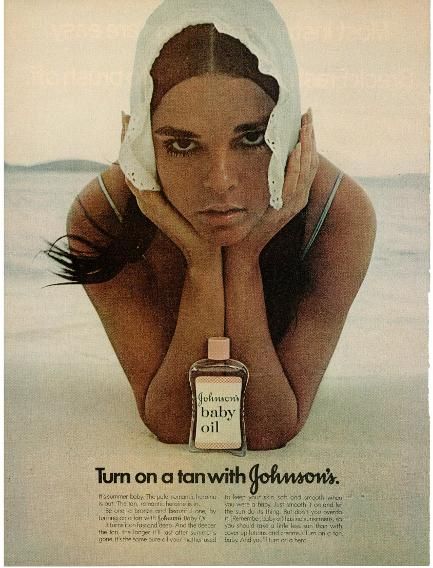
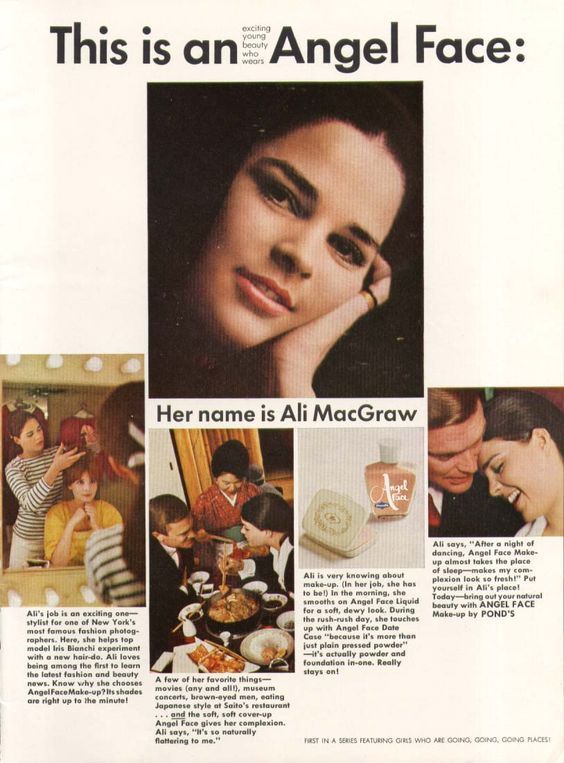
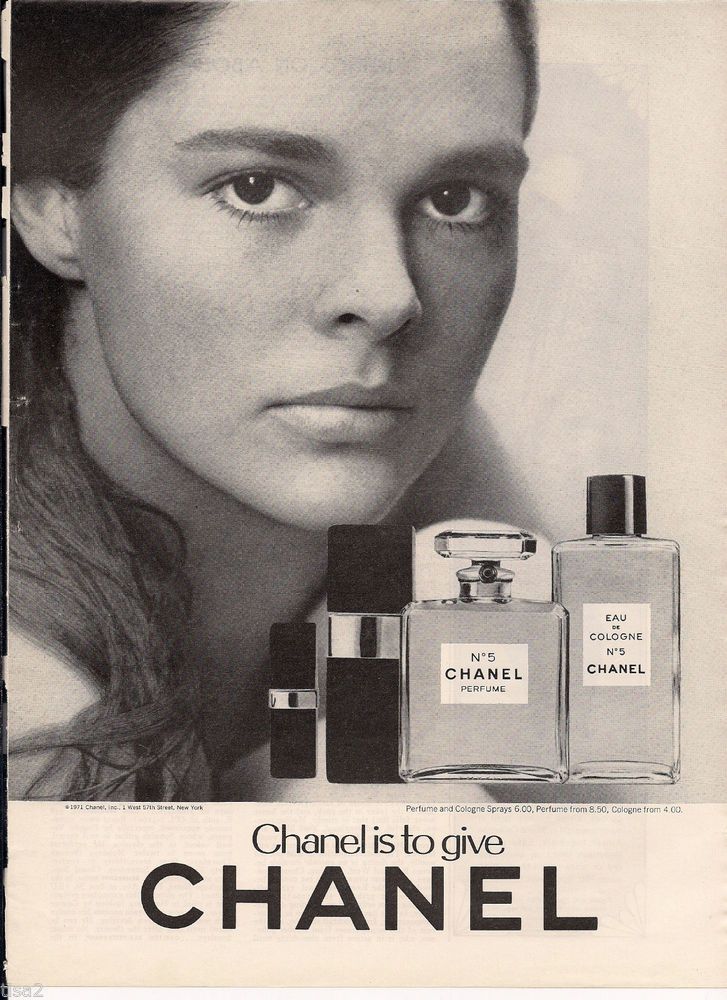
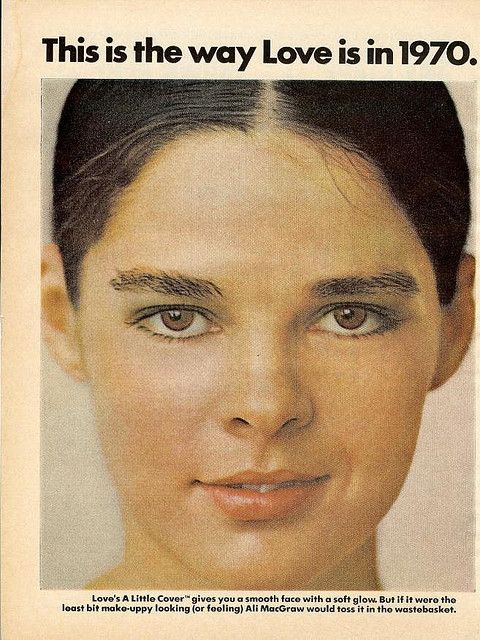
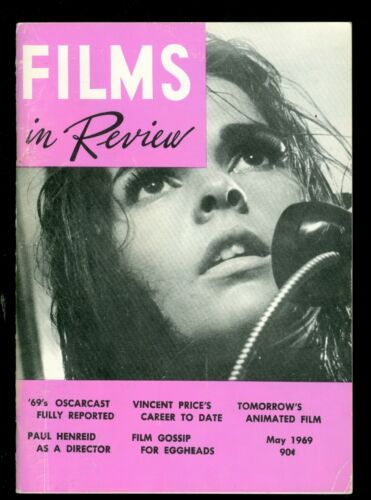
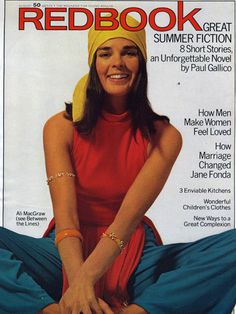
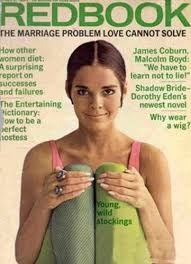
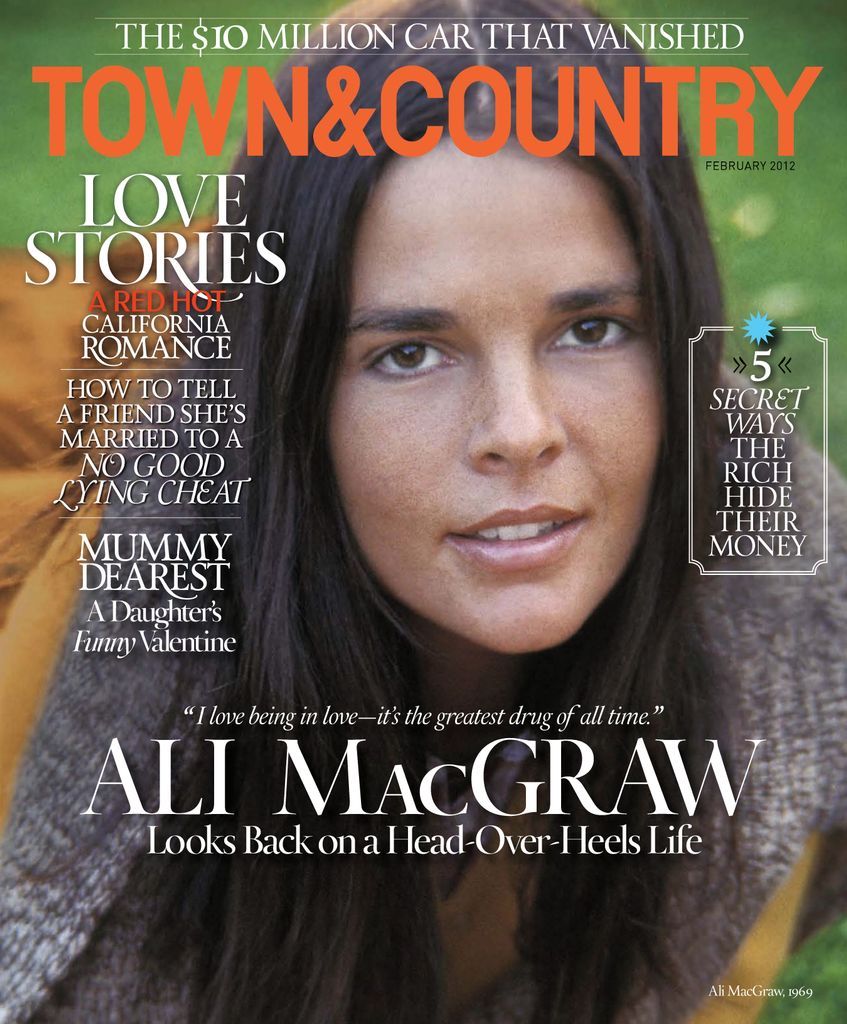
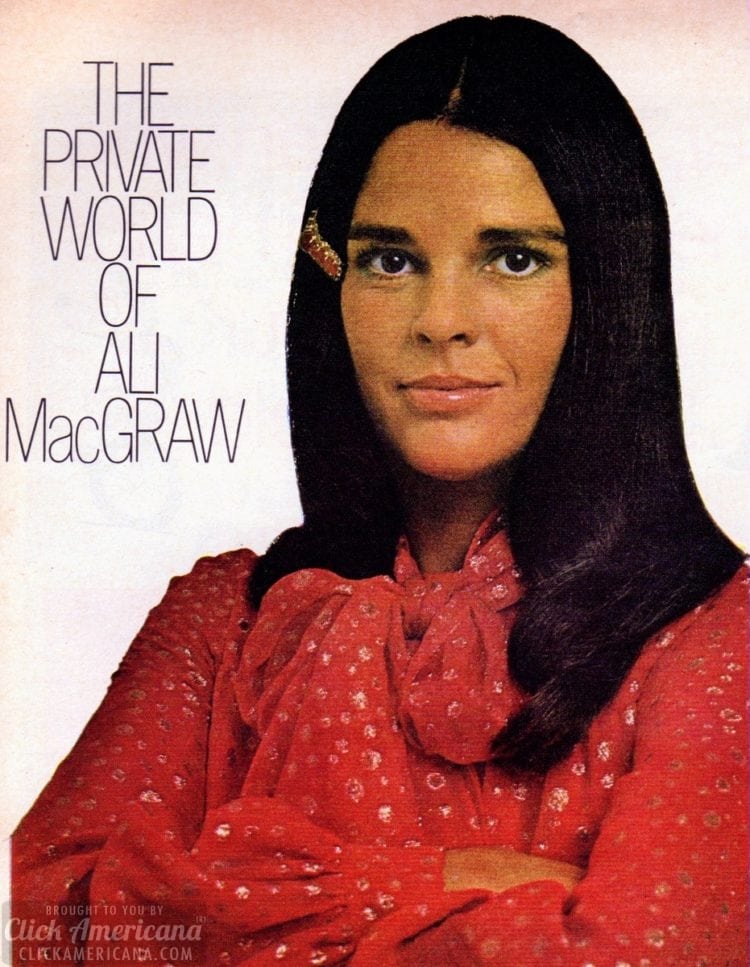
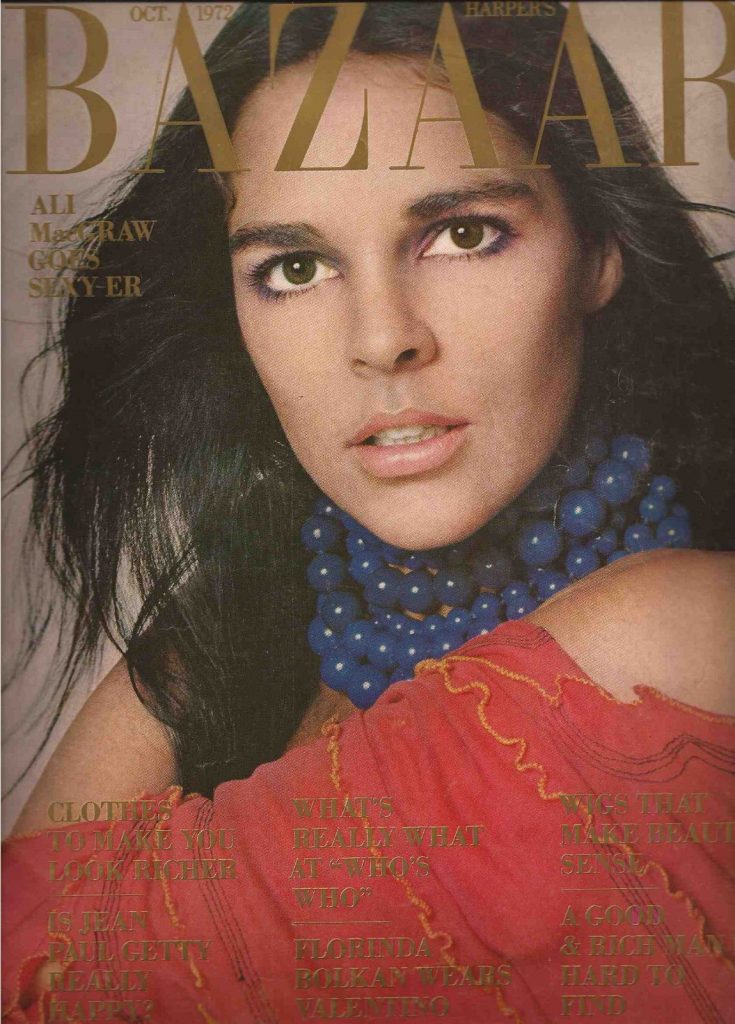
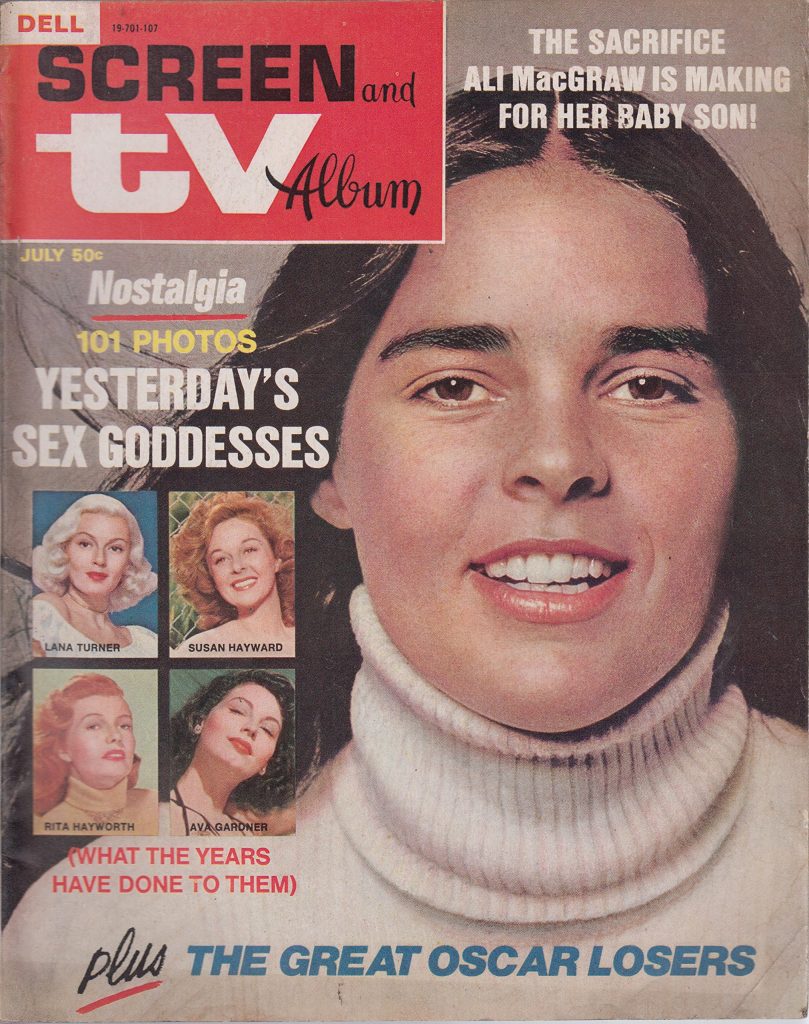
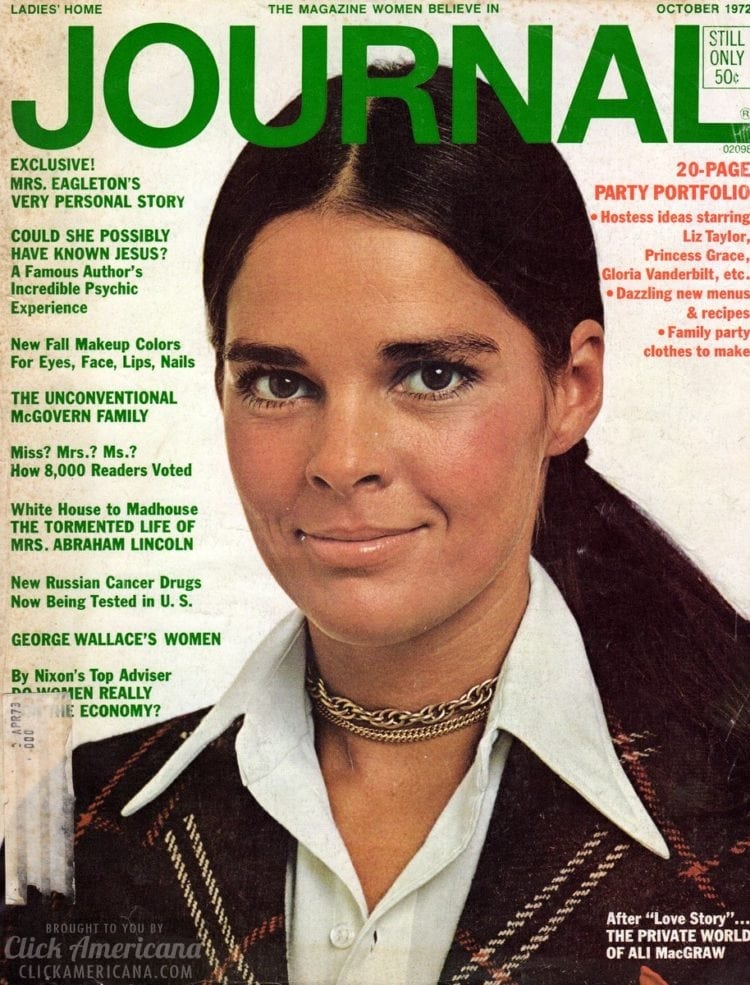
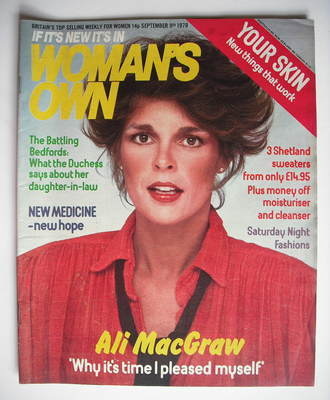
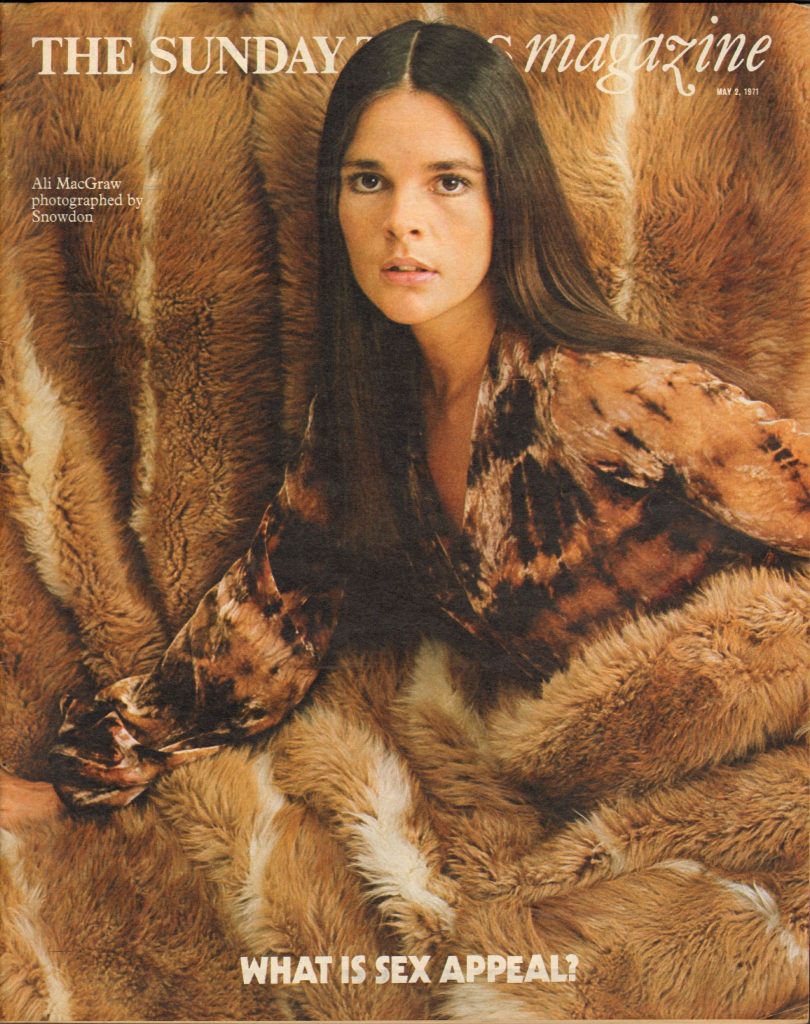
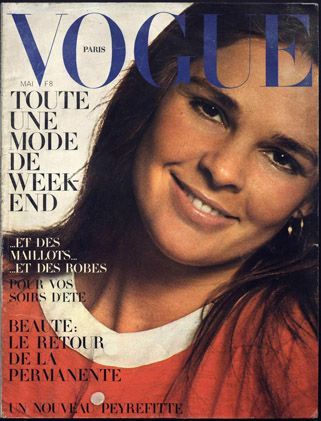
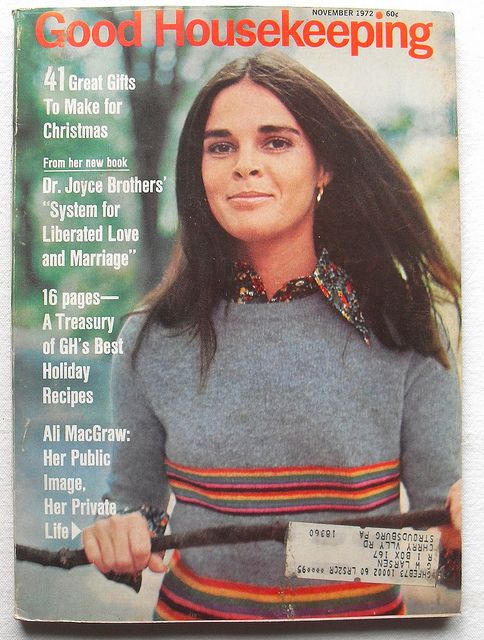
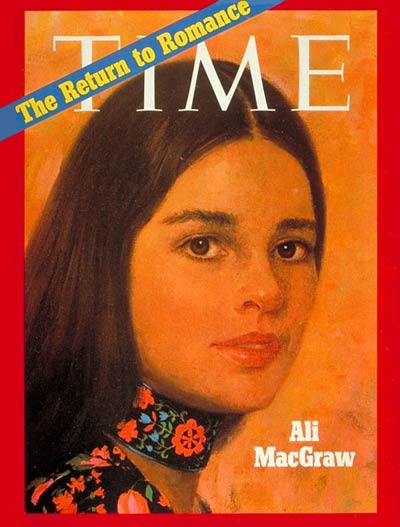
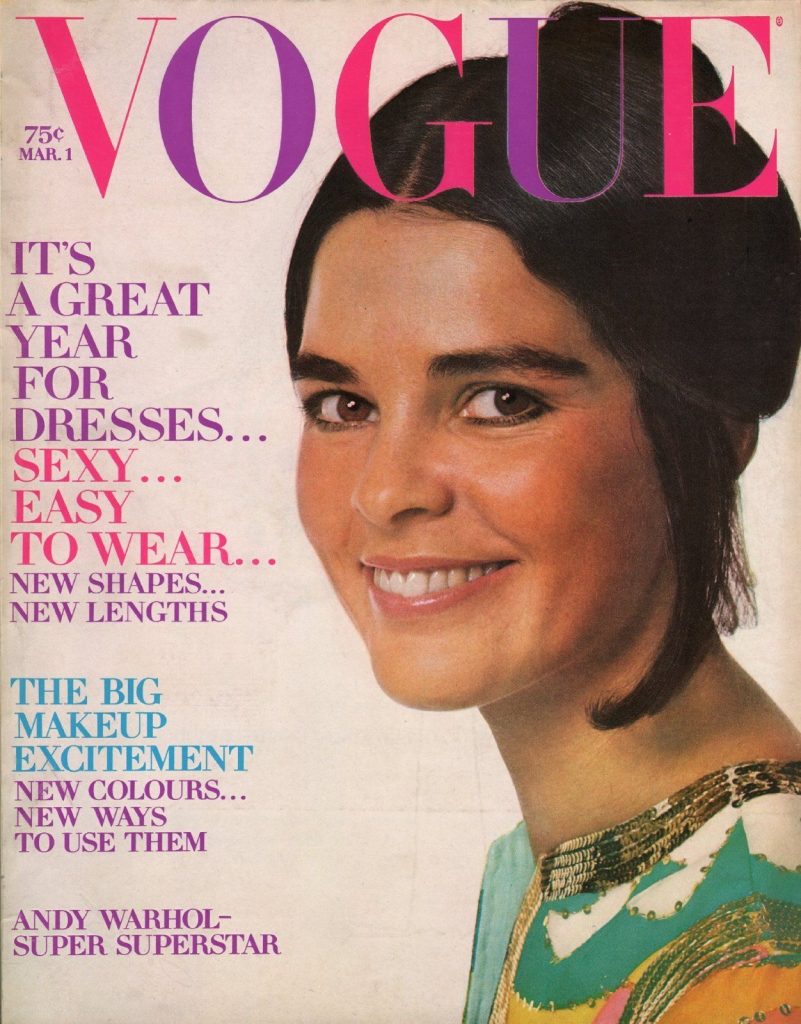
For a brief time in 1970 and 1971, Ali MacGraw was the top female film actress internationally. The word wide success of the film “Love Story” gave her huge public recognition. Previously she had been a high fashion model with one major fim role to her credit “Goodbye Columbus”. After the sucess of “Love Story”,, she had her pick of scripys and choose to do t”The Getaway” with Steve McQueen.
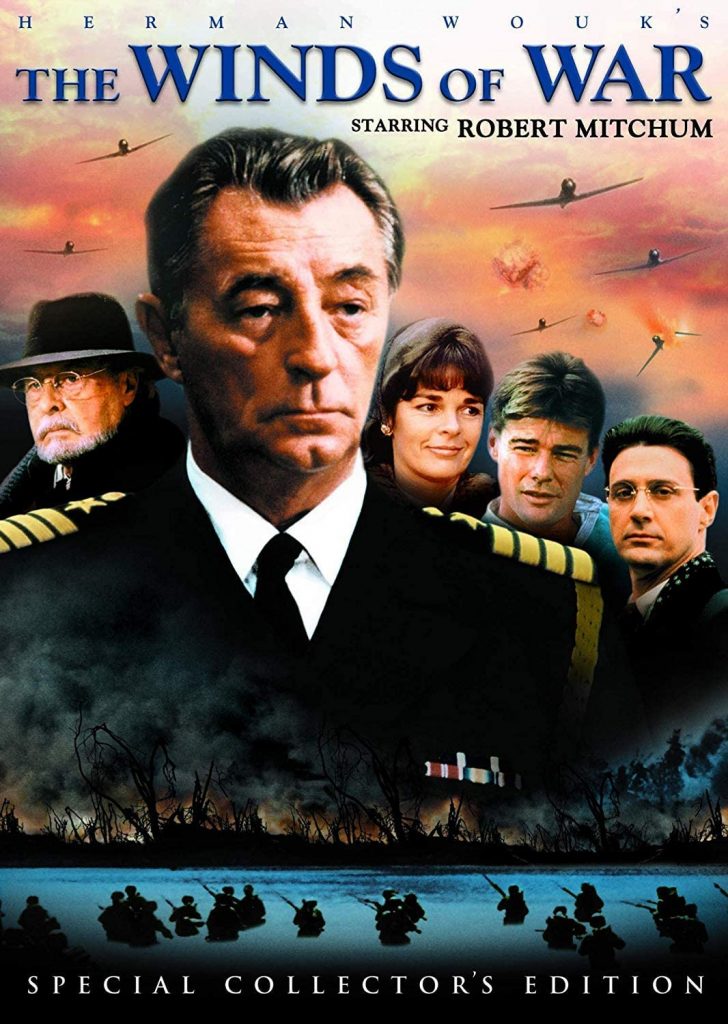
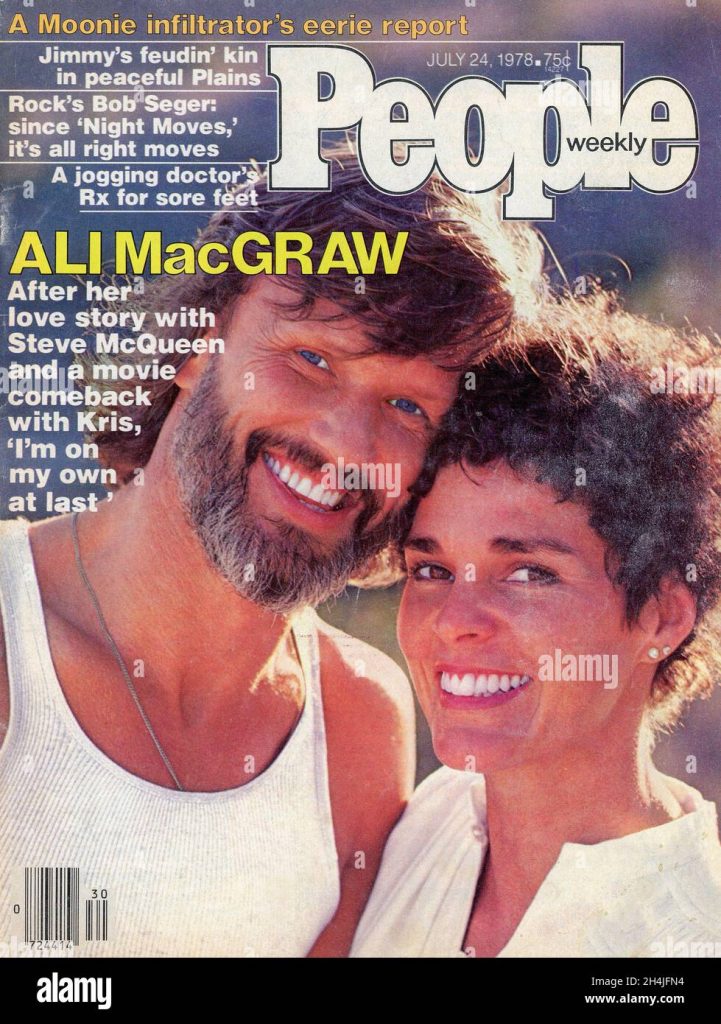
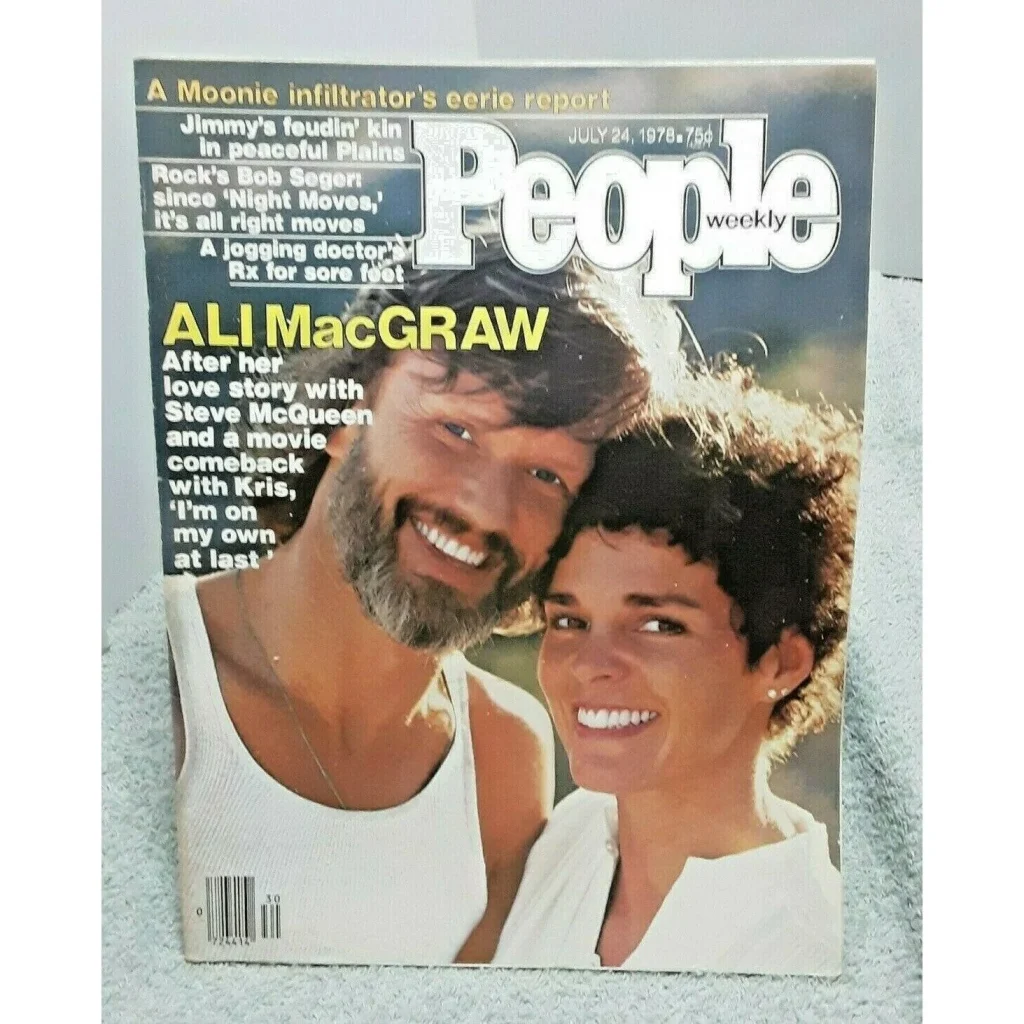
After completing that film she put her career on hold to spend time with and ultimately marry McQueen. When she returned to film making in 1978 with Kris Kristofferson in “Convey”, her career momentum was lost and she never regained her former cinema stature. She had a lead role in the TV series “The Winds of War” and then took a part in “Dynasty”. She has written her her autobiography which is called “Moving Pictures” .
TCM overview:
A dark-haired, somber-looking former model, Ali MacGraw gained instant screen stardom as the archetypal ‘Jewish American Princess’ in “Goodbye, Columbus” (1969). The following year, she earned a Best Actress Oscar nomination as the doomed collegiate heroine of the saccharine but extremely popular “Love Story” (1970). At the time, she was married to Paramount executive Robert Evans who developed several projects for her, including “The Great Gatsby”. MacGraw, however, created tabloid headlines when she left Evans for Steve McQueen, her co-star in Sam Peckinpah’s “The Getaway” (1972). After her 1973 marriage to McQueen, MacGraw’s screen appearances tapered off until the couple divorced in 1978.
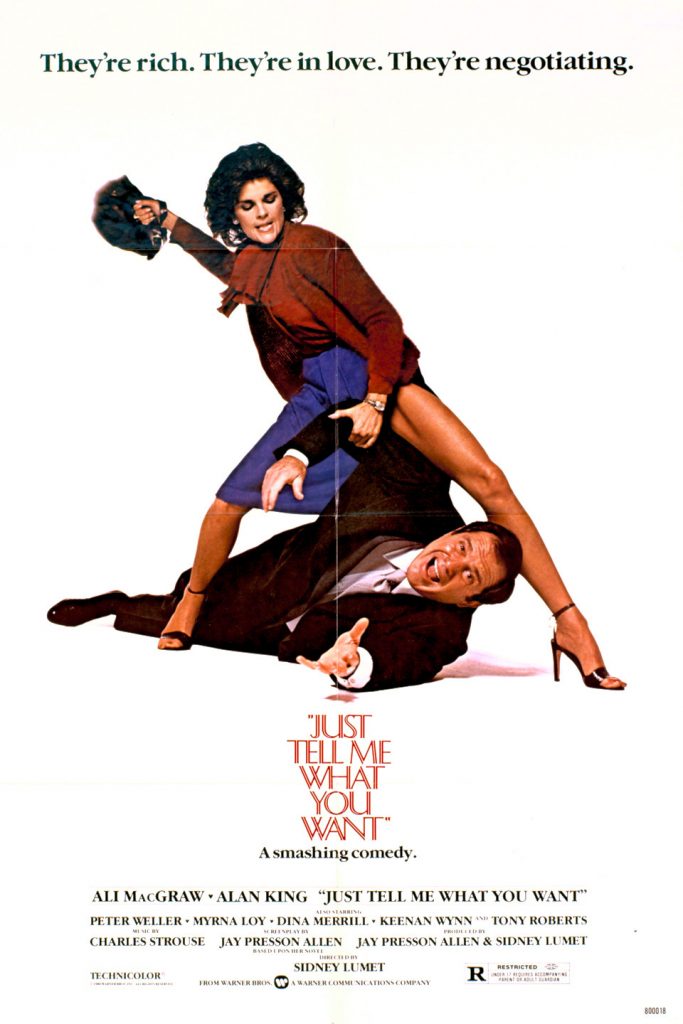
Although she had some limitations as an actress, she was effective in the comic role of Alan King’s mistress in “Just Tell Me What You Want” (1980). For much of the 80s, MacGraw found employment on the small screen, but was often cast in roles that demanded more than her abilities could deliver. She seemed miscast as the Jewish daughter-in-law of Robert Mitchum in the mammoth ABC miniseries “War and Remembrance” (1983) and was equally wrong as the sophisticated Lady Ashley Mitchell for the 1984-85 season of “Dynasty” (ABC). After publishing her memoirs in 1991, MacGraw concentrated on a career as a designer, appearing in the occasional project like her son Josh Evans’ first feature “Glam” (1997).
The above TCM overview can alo be accessed online here.
Article on Ali MacGraw in “Vanity Fair” can be accessed here.