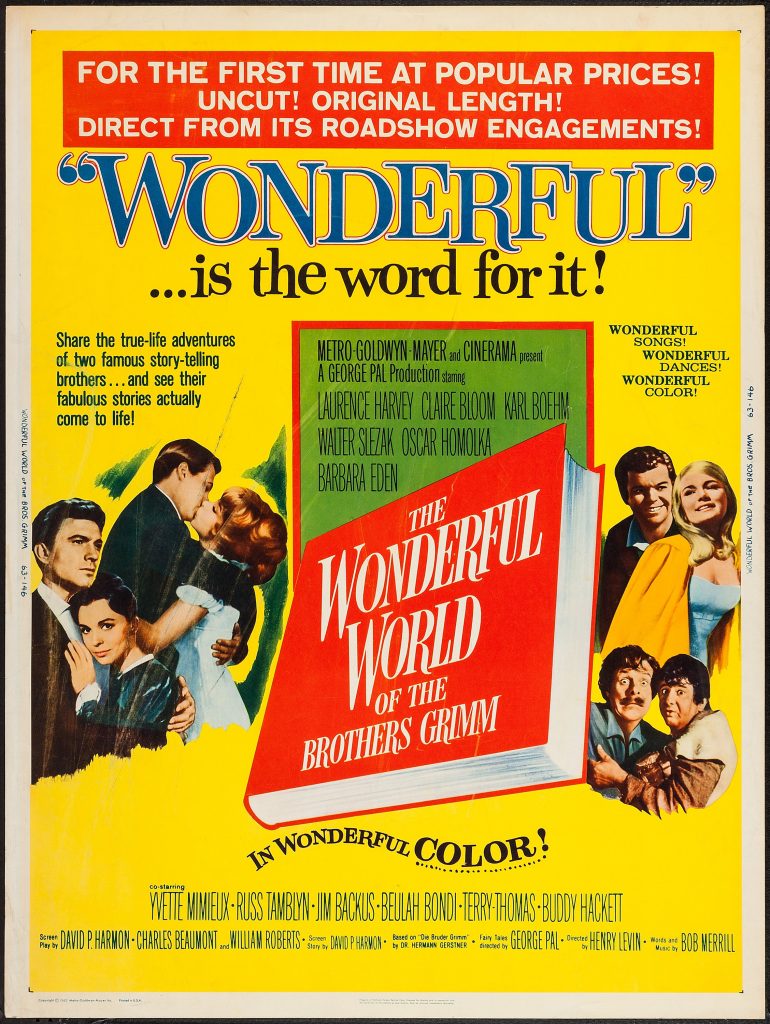
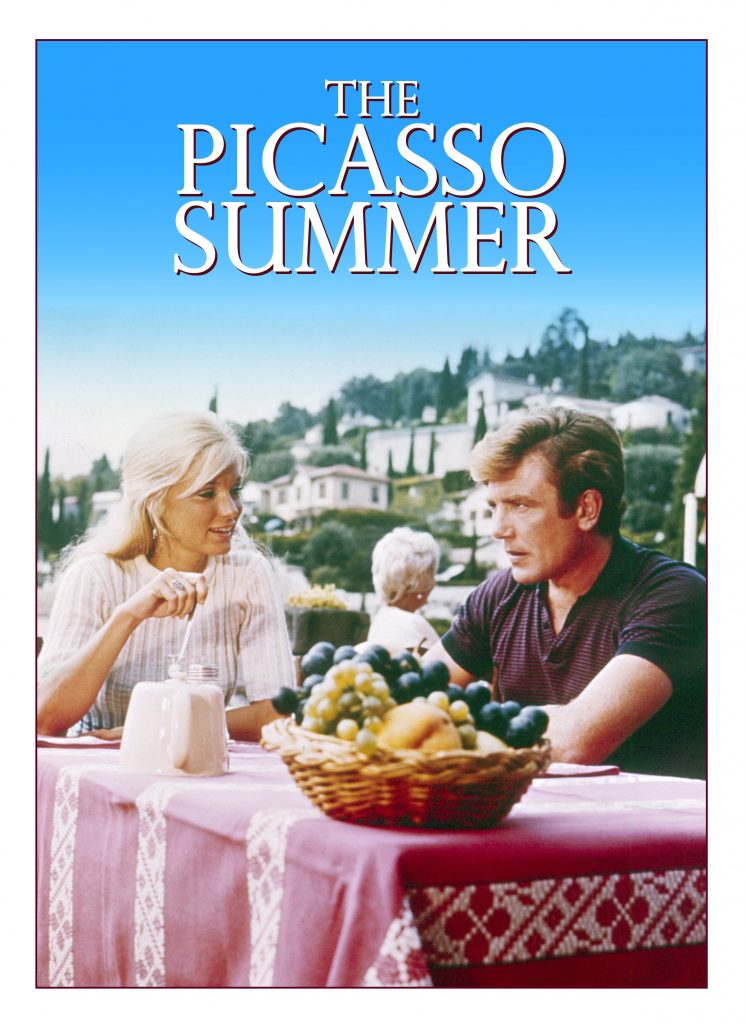
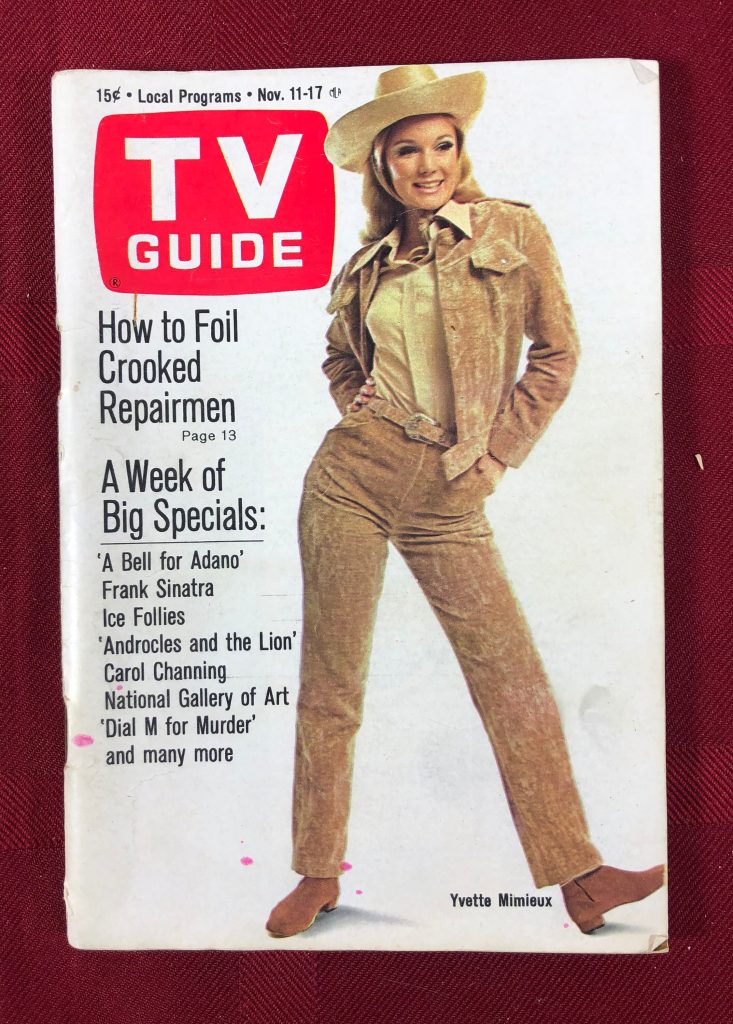
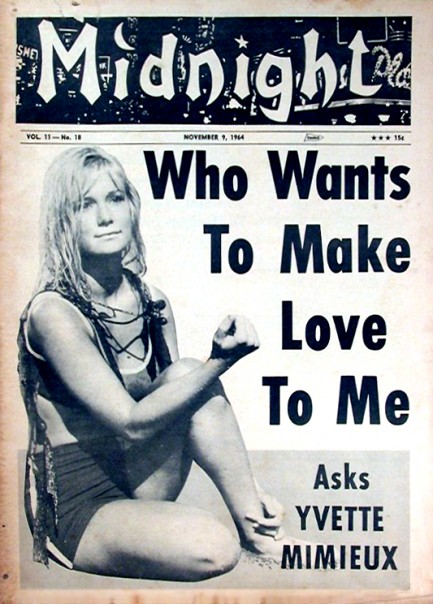
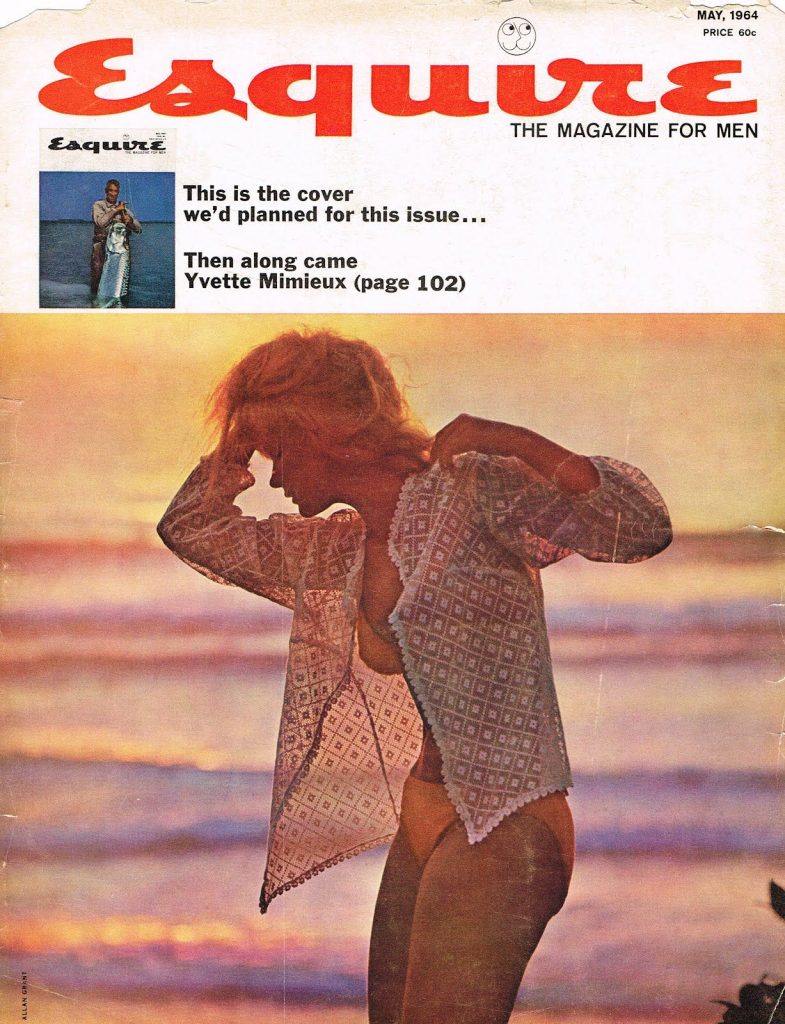
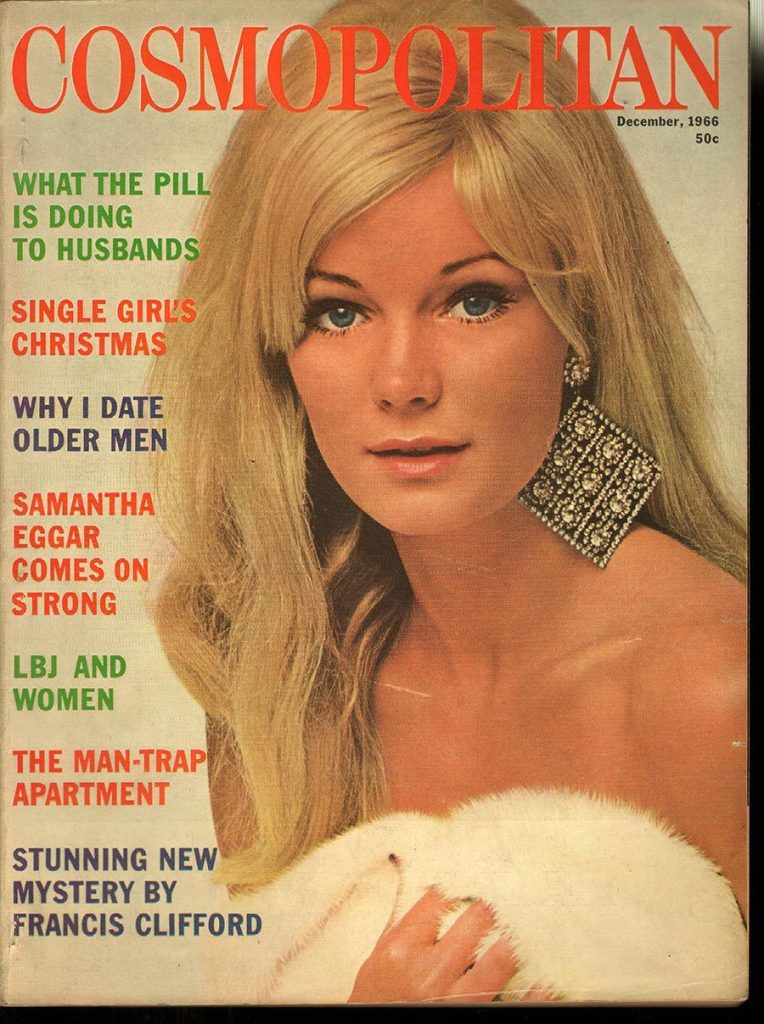
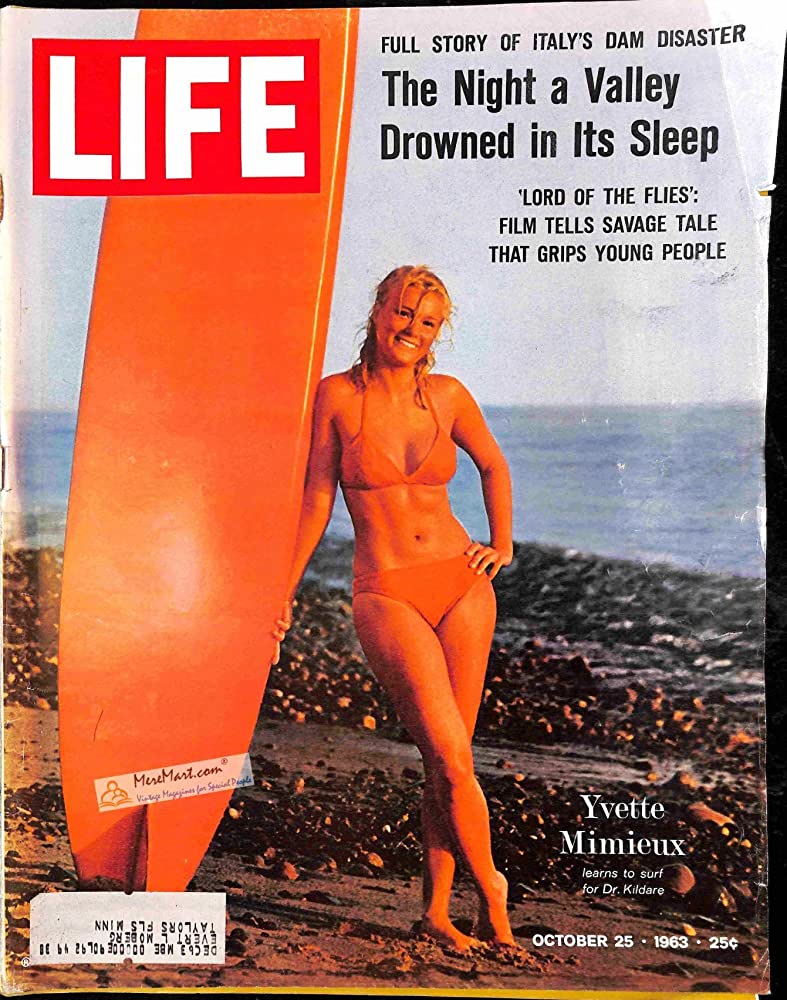
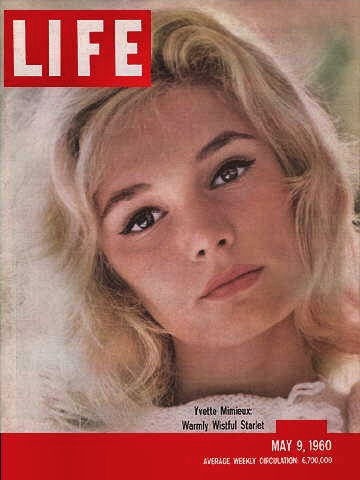
Yvette Mimieux’s career peak was during the 1960’s when she starred opposite such actors as Rod Taylor in “The Time Machine”, Charlton Heston in “Diamond Head”, George Hamilton in “Where the Boys Are” and “The Light in the Piazza”. In 1976 she made something of a comeback in the gritty thriller “Jackson County Jail” with Tommy Lee Jones. Her last film was “Lady Boss” in 1992. Article on Ms Mimieux on “Brian’s Drive-In Theater” here.
TCM Overview:
Statuesque Yvette Mimieux’s film career took off in 1960 with two major parts demonstrating her versatility. In George Pal’s version of “The Time Machine,” she compelled attention as Weena, a primitive cavewoman in a an apocalyptic future.
Later that year, her appearance as a happy-go-lucky teenager on vacation in the ash hit “Where The Boys Are” garnered her praise as much for her portrayal of a young woman struggling with sexual assault as for her bikini scenes.
For the rest of her career, Mimieux struggled to find equally compelling parts that would allow her to show off her dramatic talents as much as her body. While her role as an unjustly imprisoned woman in 1976’s exploitation movie “Jackson County Jail” briefly helped revive her big screen popularity, from the 1970s up to the time of her retirement Mimieux concentrated on TV movies, two of which included parts she wrote or conceived for herself.
As a remorseless assassin in 1974’s “Hit Lady” and a deranged stalker in 1984’s dark drama “Obsessive Love,” Mimieux finally had the chance to demonstrate her range. After her last appearance in the 1992 TV movie “Lady Boss,” Mimieux retired from acting, turning her attention to real estate.
Guardian obituary in 2022.
Midway through an acting career she abandoned early, out of frustrations with her casting, Yvette Mimieux, who has died aged 80, said the parts she was offered were usually “sex objects or vanilla pudding”. Her pale beauty was striking, but ethereal rather than fragile; qualities that led to the early roles that foreshadowed her entire career. “I suppose I have a soulful quality,” she said. “I was often cast as a wounded person, the sensitive soul.”
She was only 15 when the talent agent Jim Byron supposedly spotted her from his helicopter while she walked a horse in the Hollywood Hills; he landed and gave her his card. The other version of the story was more mundane: he spotted her auditioning for a bit part in Elvis Presley’s Jailhouse Rock. He generated publicity for her through beauty contests and modelling.
She reprised the charmingly innocent and unaware Weena in Light in the Piazza (1962), as Olivia de Havilland’s adult daughter rendered permanently a pre-teen girl by a childhood fall from a horse that halted her mental development. On holiday she falls in love with a wealthy Italian, played by George Hamilton, who had acted with her in Where the Boys Are. He was totally unconvincing in the role, but had lobbied as an MGM contract player to replace the Cuban-Italian actor Tomas Milian, who might have provided a better contrast to Mimieux’s American child.
Her celebrity was cemented by Tyger, Tyger, a two-part episode broadcast in early 1964 of the TV hit Dr Kildare, starring Richard Chamberlain. She guest-starred as a surfing-mad teenager who suffers epileptic seizures. Her scenes in a bikini, including one where she balances on her parents’ coffee table to demonstrate her love for surfing to Kildare, are thought to be the first appearance of a navel on US TV. She had, officially, just turned 22 (her birth date is sometimes given as 1939), and had made eight movies, but stardom continued to elude her.
Mimieux was born in Los Angeles. Her father, René, was French, and worked as a film extra and electrician; her mother, Maria (nee Montemayor) was Mexican. Some of her publicity claimed she had studied archaeology at the University of California, Los Angeles, and that she had met Engber there.
As one of the last wave of MGM contract players she was doubly typecast, first by studio executives there, and then by other studios who sought her on loan to play those types of roles. She showed some talent in the adaptation of Lillian Hellman’s Toys in the Attic (1963), but she was back playing a young married woman too innocent for sex in Joy in the Morning (1965), and standard love interests in various action films.
In The Desperate Hours (1967), an early TV movie remake of the Humphrey Bogart thriller, she was literally a vulnerable hostage. Her best part came while she was loaned to American International for the black comedy Three in the Attic (1968), as one of three women holding their womanising boyfriend prisoner.
She moved to starring in a TV detective series, The Most Deadly Game (1970-71), alongside Ralph Bellamy and George Maharis; she got the part following the death of Inger Stevens. She featured in another TV movie remake, of Death Takes a Holiday, opposite Monte Markham, and the growing market for TV movies meant that between 1971 and 1984 she made 13 of them, mostly forgettable, but including a remake of Bell, Book and Candle (1976) in which she took the role played by Kim Novak in the 1958 film.
In 1972 she married the director of musicals Stanley Donen. He moved back to the US from the UK in 1975, but his career was waning, and they never worked together
By the time she was 17 she had landed an uncredited bit part in the film of Françoise Sagan’s A Certain Smile (1958), and appeared in the popular TV shows Yancy Derringer, Mr Lucky and One Step Beyond. MGM put her under contract, and gave her a small, bikini-clad role in Platinum High School (1960).
But she caught the public eye opposite Rod Taylor in George Pal’s adaptation of HG Wells’s The Time Machine (1960), playing Weena, the beautiful Eloi blissfully unaware that she and her fellows are raised in idyllic peace as cattle to be eaten by the underground Morlocks. In the erstwhile hit comedy Where the Boys Are, she proved the “spring break” movie’s darkness as a student who is a victim of date rape and gets hit by a car as she staggers down the highway in her torn dress.
She made the cover of Life magazine in 1961, described as a “warmly wistful starlet”, but Modern Romances scooped Life by using an earlier, anonymous modelling photo of her on their cover the same week. A week later, the press reported that the teenage star had been married in 1959, to a student, Evan Engber, who was now doing his military service
Growing more frustrated, Mimieux wrote the TV movie Hit Lady (1974), to give herself a meatier role. But her career’s apotheosis came in Jackson County Jail (1976), a Roger Corman B-movie, which cast her as a California teacher – falsely accused in the deep south of a crime – who kills her jailer when he tries to rape her. It was as if Mimieux, teamed with Tommy Lee Jones, was fighting back against years of being cast as victims.
She co-wrote and produced the TV movie Obsessive Love (1984), in which she played a John Hinckley-inspired role as an over-the-top fan of a soap star. In 1985 she was cast in a TV series, Berrenger’s, a Dallas-like drama set in a New York department store.
That year she and Donen divorced; she retired from acting and married the entrepreneur Howard Ruby. She began painting, pursued her interests in archaeology and Haitian art, and together they took up the cause of protecting Arctic wildlife from exploitation. She came out of retirement briefly in 1992 to play an Ivana Trump-like character in the TV series Lady Boss.
Mimieux is survived by her husband and five stepchildren.
Yvette Carmen Mimieux, actor, born 8 January 1942; died 17 January 2022.
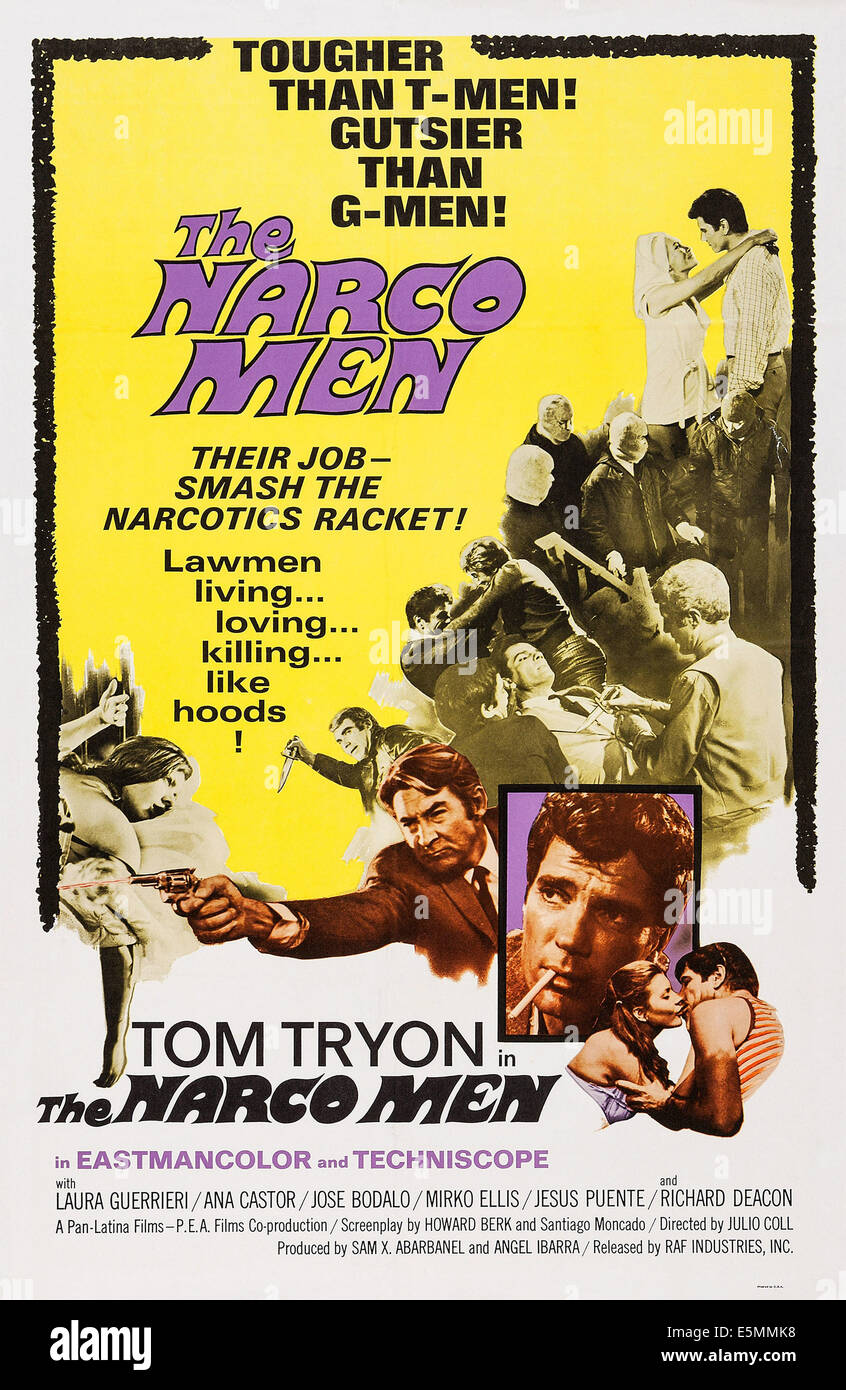
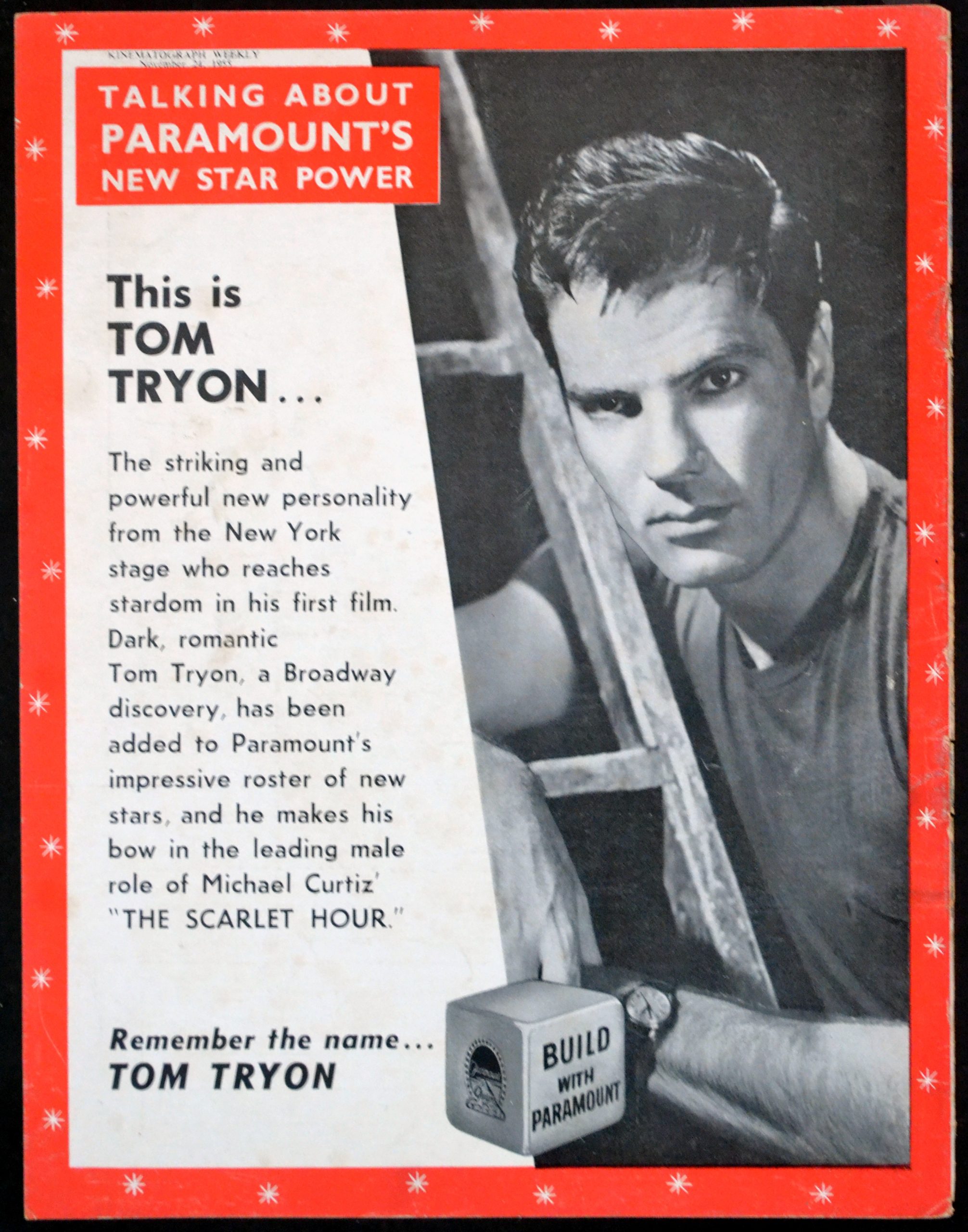
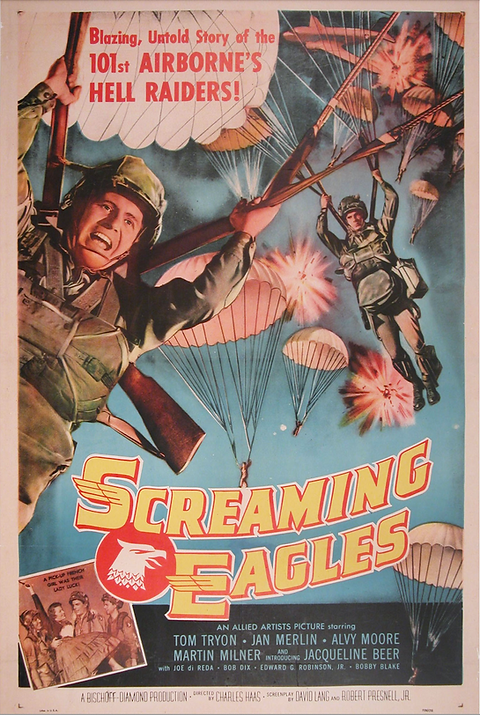
Tom Tryon had a successful career in film when he decided to retire from movies and he became a very popular author of best-sellers. He was born in 1925 in Hartfort, Connecticut. His first film was “The Scarlet Hour”.
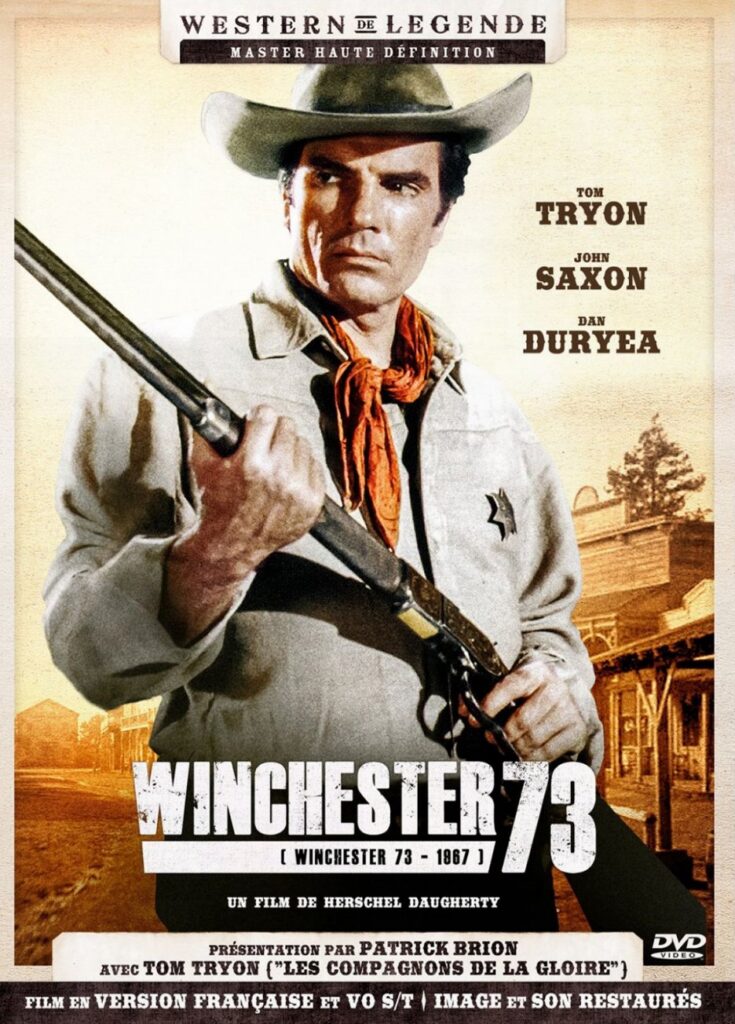
He was very effective opposite Diana Dors in “The Unholy Wife” in 1957. He starred in many Westerns including “Three Violent Men”, “Texas John Slaughter”, “The Glory Guys” and “Winchester 73”.
He also became identified with the cult classic “I Married a Monster from Outer Space”. In 1963 Otto Preminger surprisingly chose him to play the lead in the big-budget movie “The Cardinal”.
He also starred in Preminger’s “In Harm’s Way”. Preminger a difficult taskmaster made film making difficult for Tryon.
His interest in acting waned and he took up a new and extremely successful career as a writer. His books include “The Other”, “Harvest Home” and “Fedora”, all of which were subsequently filmed.
Tom Tryon died in 1991 in Los Angeles.Tall, ruggedly handsome leading man of the 1950s and 60s who after a 16-year career gave up acting in 1971 to write the best-selling novels “Crowned Heads” and “Harvest Home”
. After beginning in a stock theatre company as a set painter and assistant manager, and later becoming a production assistant with NBC-TV, the Yale-educated Tryon entered film in 1955 with “Scarlet Hour”.
He appeared in mostly forgettable fare including “I Married a Monster from Outer Space” (1958) (as a stone-faced alien), and as the title character in the 1958 Walt Disney TV series “Texas John Slaughter”. The height of his acting career was the starring role in Otto Preminger’s “The Cardinal” (1963). In 1971, Tryon wrote the highly popular, supernatural thriller “The Other”, which he adapted to the screen the following year, and then switched full time to his eventually more successful writing career.
His novel “Harvest Home” was made into a 1978 TV movie “The Dark Secret of Harvest Home”, and his “Crowned Heads” was adapted in part for the 1978 Billy Wilder film, “Fedora”.
The above TCM overview can also be accessed online here.
TCM Overview:
Blog on Tom Tryon:
It was Noel Coward’s partner, Gertrude Lawrence, who encouraged Tom to try acting. He made his Broadway debut in 1952 in the chorus of the musical “Wish You Were Here.” He also worked in television at the time, but as a production assistent. In 1955 he moved to California to try his hand at the movies, and the next year made his film debut in “The Scarlet Hour” (1956). Tom was cast in the title role of the Disney TV series “Texas John Slaughter” (1958) that made him something of a household name.
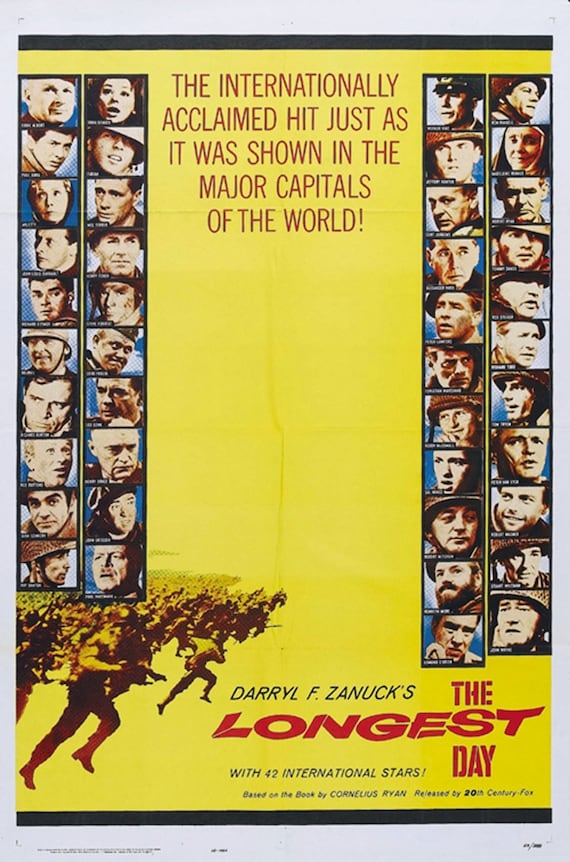
He appeared in several horror and science fiction films: “I Married a Monster from Outer Space” (1958) and “Moon Pilot” (1962) and in westerns: ‘Three Violent People’ (1956) and ‘Winchester ’73’ (1967). He was part of the all-star cast in ‘The Longest Day’ (1962), a film of the World War II generation, credited with saving 20th Century Fox Studios, after the disaster of ‘Cleopatra.” He considered his best role to be in ‘In Harm’s Way’(1965), which is also regarded as one of the better films about World War II.
While filming the title role in ‘The Cardinal’ (1962), Tom suffered from Otto Preminger’s Teutonic directing style and became physically ill. Nevertheless, Tom was nominated for a Golden Globe award in 1963. He appeared with Marilyn Monroe in her final film, “Something’s Got to Give” (1962), but the studio fired Monroe after three weeks, and the film was never finished. That experience, along with the “Cardinal” ordeal, left Tom wary of studio games and weary at waiting around for the phone to ring.
After viewing the film “Rosemary’s Baby” (1968) Tom was inspired to write his own horror novel, and in 1971 Alfred Knopf published “The Other.” It became an instant bestseller and was turned into a movie in 1972, which Tom wrote and produced. Thereafter, despite occasional film and TV offers, Tom gave up acting to write fiction fulltime. This he did eight to ten hours a day, with pencil, on legal-sized yellow tablets. Years later, he graduated to an IBM Selectric.
The Other was followed by Lady (1975) which concerns the friendship between and eight-year-old boy and a mysterious widow in 1930s New England. His book Crowned Heads became an inspiration for the Billy Wilder film “Fedora” (1978), and a miniseries with Bette Davis was made from his novel Harvest Home (1978). All That Glitters (1986), a quintette of stories about thinly disguised Hollywood greats and near-greats followed. Night of the Moonbow (1989), tells of a boy driven to violence by the constant harassment he endures at a summer camp. Night Magic, about an urban street magician with wonderous powers, written shortly before his death in 1991, was posthumously published in 1995. The dust jackets and end papers of Tom’s books, about which he took unusual care, are excellent examples of his gifts as an artist and graphic designer, further testimony to the breadth of his talents. Blog can be accesssed online here.
Career overview
Tom Tryon (1926–1991) had a two‑stage public life: first as a handsome, urbane film and television actor in the 1950s–60s, and then as a successful novelist and occasional screenwriter in the 1970s and 1980s. His career is interesting because it maps a conscious artistic pivot—from performer within Hollywood’s star system to an author who helped shape modern American psychological horror and literary suspense.
Career overview
Acting career
Early work and persona: Tryon began as a stage actor and moved into film and television in the 1950s. He cultivated a polished, clean‑cut leading‑man image—wry, elegant and physically striking—which suited studio dramas, historical pictures and series television. He appeared regularly on dramatic TV anthologies and popular shows of the era, earning a steady professional profile rather than megastardom.
Film roles and type: In features he was often cast as the approachable romantic lead or as an intelligent, somewhat enigmatic supporting figure. Directors used him when a character required charm with an undercurrent of reserve; his on‑screen manner combined classical composure and a capacity for understatement.
End of acting phase: By the mid‑1960s Tryon largely withdrew from acting. He later expressed dissatisfaction with the kinds of roles available and a desire to devote himself to writing, a transition he successfully executed.
Writing career
Breakthrough as a novelist: Tryon reemerged in the early 1970s as a novelist. His first major success was The Other, a tightly constructed psychological/horror novel that became a bestseller and remains his best‑known book. It established him as a writer who could combine literary control with genuinely eerie, lingering dread.
Subsequent fiction and themes: He followed with other works in the dark folk‑horror and psychological‑suspense register—most notably Harvest Home—which further cemented his reputation for atmospheric, slow‑burn storytelling about community, ritual, repression and the fragility of identity. His novels often find terror in intimate domestic or rural settings rather than in overt supernatural spectacle.
Later output and adaptations: Several of Tryon’s books were adapted for film or television, and he continued writing novels and shorter works through the 1970s and 1980s. He also wrote scripts and worked intermittently with producers, bringing a novelist’s structural discipline to genre material.
Critical analysis
Acting: strengths and limitations
Strengths: As an actor Tryon’s principal assets were refinement and inwardness. He conveyed subtle emotional states through small gestures and vocal economy, which made him convincing in roles that required restraint rather than theatrical excess. On television he was reliable and camera‑savvy; in film he could lend an aura of garden‑variety dignity or mild menace when scripts asked for it.
Limitations: Tryon never developed into a major star with broad range. His screen persona—handsome, controlled and somewhat aloof—served him well in a certain set of parts but also made him vulnerable to typecasting. That narrow casting partly explains why he left acting: the roles on offer did not match his evolving artistic ambitions.
Writing: strengths and limitations
Strengths: Tryon’s fiction is notable for craft, atmosphere and psychological precision. He preferred subtle, cumulative menace: slow revelations, careful character work and an eye for how ordinary settings can conceal social or metaphysical rot. His prose is lucid and controlled, often literary in tone while remaining accessible—helping his books reach both critical notice and a mass readership. The way he staged communal rituals, family secrets and the breakdown of identity places him in a lineage with mid‑century American psychological horror and folk‑horror writers who used locality and social pressure as sources of dread.
Signature themes: recurrent motifs include duplicity of appearance vs. reality, the costs of conformity, the persistence of repressed trauma, and the thin line between civilized veneer and barbarism. He frequently explored how small communities police behavior and the psychic price paid by outsiders or those who resist.
Limitations: Critics sometimes faulted Tryon for a certain plotting predictability in later works or for relying on gothic‑tinted conventions. For readers who prefer visceral or spectacular horror, his slow, literary approach can feel paced too cautiously. Also, after his initial bestsellers, some later novels attracted more mixed critical response—an ebb common to many popular novelists.
Overall significance and legacy
Unusual twofold career: Tryon’s importance lies partly in the rare, successful reinvention from actor to novelist. He is a notable example of an entertainer who left a visible screen career to produce a second, artistically respected body of work.
Contribution to genre literature: His novels—especially The Other and Harvest Home—are cited in histories of American horror and suspense for their elegant psychological focus and for extending folk‑horror concerns into American (often rural or small‑town) settings.
Cultural footprint: While his name may not be at the top tier of either Hollywood stars or canonical novelists, his books retain a devoted readership and are often rediscovered by fans of psychological horror and literate genre fiction. His capacity to create creeping dread with restrained prose distinguishes him from more sensational writers.
Valentina Cortese was born in Milan in 1923. She made her movie debut in Italian films in 1940. When she made the British film based in the Dolomites entitled “The Glass Mountain”, she achieved international recogniton 1949. Hollywood came calling. She made three films there of which two “Thieve’s Highway” and “The House on Telegraph Hill” are fine examples of film noir. She was though unhappy in Hollywood and returned to European film making. Cortese was nominated for an Academy Award in 1973 for “Day for Night”. Her last film credit was in 1993..
TCM Overview:
European leading lady with dark hair and slightly sharp, Mediterranean features, in English language films from 1948 with “The Glass Mountain.” Cortese married “House on Telegraph Hill” (1951) co-star Richard Basehart in 1951 and enjoyed a prolific career in international cinema spanning over 50 years. She was especially notable as the older actress in Francois Truffaut’s affectionate, insightful, endlessly reflexive film about filmmaking, “Day for Night” (1973
Les Miserables, poster, (aka I MISERABILI), poster, Gino Cervi (top right), Valentina Cortese (center insert), 1948. (Photo by LMPC via Getty Images)
Valentina Cortese obituary in “The Guardian” in 2019.
When Ingrid Bergman received her Oscar as best supporting actress for Murder on the Orient Express (1974), she concluded her acceptance speech by saying: “Please forgive me, Valentina. I didn’t mean to.” She was referring to the vibrant Italian actor Valentina Cortese, who was nominated alongside her for her role in François Truffaut’s La Nuit Américaine (Day for Night, 1973).
In that film, Cortese, who has died aged 96, played Severine, an ageing star who quaffs champagne while working, cannot find the right door to enter or exit, and blames her failure to remember her lines on the makeup girl. Cortese was already an established actor with the best part of her career behind her at the time of Truffaut’s inspirational casting. “A real character, extremely feminine and very funny,” he remarked of her at the time.
Born in Milan, to a single mother who left her in the care of a poor farming family, Cortese was sent to live with her maternal grandparents in Turin when she was six. She enrolled in the National Academy of Dramatic Arts in Rome aged 15, and started in films shortly after – mainly costume dramas in which she played ingenue roles. It was only after the second world war that she was given a chance to reveal her acting talents, beginning with Marcello Pagliero’s neorealist drama Roma Città Libera (1946), in which she gave an expressive performance as a typist who, unable to pay her rent and facing eviction, becomes a prostitute.
In 1948 she starred as both Fantina and Cosetta in one of the many screen adaptations of Victor Hugo’s Les Misérables, and played a concentration camp victim in L’Ebreo Errante (The Wandering Jew, 1948), an updated version of Eugène Sue’s novel.
These roles brought her to the attention of the British producers of The Glass Mountain (1949), a romantic drama set and shot in the Dolomites. Cortese played an Italian partisan who rescues an RAF pilot and composer, portrayed by Michael Denison.
So began her international career. She made several films in Hollywood billed as Valentina Cortesa, working for different studios and so retaining her freedom. The first and best of these was Jules Dassin’s Thieves’ Highway (1949), in which she brought a whiff of neorealism to her role as a prostitute.
“You look like chipped glass,” says Richard Conte as the truck driver enticed to her room. “Soft hands,” he tells her. “Sharp nails,” she retorts. According to Variety, “Even in a cast as effortlessly talented as this, Cortese stands out. Jaggedly beautiful and yet possessed of a warm wit, she fluctuates from animal seduction to cosy repartee in the blink of an eye.”
In Black Magic (1949) – cast as the faithful Gypsy friend of Orson Welles, portraying Cagliostro, an 18th-century hypnotist, conjuror and charlatan – Cortese had to play second fiddle to the insipid Nancy Guild. In Malaya (1949), she was the obligatory love interest, playing alongside the smugglers Spencer Tracy and James Stewart.
On a short return to Italy, Cortese appeared in Géza von Radványi’s Donne Senza Nome (Women Without Names, 1950) as a pregnant Yugoslav widow incarcerated in a camp for displaced women after the end of the second world war. Back in Hollywood, in The House on Telegraph Hill (1951), a richly layered film noir directed by Robert Wise, she portrayed a survivor from a Nazi concentration camp who assumes the identity of a dead prisoner in order to enter the US. Vulnerable but inwardly strong, Cortese interacts superbly with Richard Basehart, playing a man trying to murder her for her estate. She and Basehart married soon after the film was completed.
Destined to play tragic roles for most of the 1950s, Cortese was a refugee in London in Thorold Dickinson’s Secret People (1952), plotting to kill a visiting dictator. Audrey Hepburn, in one of her first substantial roles, played her young ballerina sister.
Basehart and Cortese settled in Rome and appeared together in Avanzi di Galera (Jailbirds, 1954). While he led a peripatetic existence, working in different European countries, she appeared in prestigious productions such as Joseph Mankiewicz’s The Barefoot Contessa (1954), as the doomed nobleman Rossano Brazzi’s caring sister.
By far the best of her films at this time was Michelangelo Antonioni’s Le Amiche (The Girlfriends, 1955), which involved the affairs of five haute-bourgeois women, with Cortese giving a sensitive and subtle performance as a ceramic artist, the most serious-minded and talented among them, married to an unsuccessful artist. As one of the women puts it to justify stealing her husband, “A woman with more talent than her man is unfortunate.”
In 1960, Basehart and Cortese divorced. He returned to the US, leaving her with custody of their son, Jackie. Cortese continued to appear, usually hamming it up, in a variety of European co-productions with international casts including one of Mario Bava’s tongue-in-cheek horror movies, La Ragazza Che Sapeva Troppo (The Evil Eye, 1963).
Cortese also had supporting roles in Bernhard Wicki’s The Visit (1964), Federico Fellini’s Giulietta degli Spiriti (Juliet of the Spirits, 1965), Robert Aldrich’s The Legend of Lylah Claire (1968), in which she portrayed a flashy costume designer, and Joseph Losey’s The Assassination of Trotsky (1972), as the spouse of Richard Burton in the title role.
Her Oscar nomination for Day for Night did nothing to improve her roles or the pictures she appeared in subsequently. Many were real turkeys, such as the disaster movie When Time Ran Out (1980). Her last role was as Mother Superior in Franco Zeffirelli’s inferior tearjerker Sparrow (1993).
In 2012 she published her autobiography, Quanti Sono i Domani Passati, from which Francesco Patierno made a documentary, Diva! (2017) – with eight actors portraying her at different stages of her life.
Jackie died in 2015. Ronald Bergan
John Francis Lane writes: Among the many films in which Valentina Cortese starred during the wartime years was Quarta Pagina (1942), on which she first met the upcoming scriptwriter Federico Fellini, an “engaging, intelligent young man who scribbled the day’s dialogue on bits of paper”. It was through Cortese that Fellini cast Richard Basehart as the tightrope-walking Fool in his classic film La Strada (1954).
One of Cortese’s liveliest roles came in Fellini’s Juliet of the Spirits, in which she appeared in the grotesque seance scene as one of the exotic friends of the eponymous medium; her character was called Valentina.
Cortese enjoyed considerable success on stage as well as on screen. Her professional and private relationship with the theatre and opera director Giorgio Strehler resulted in some of her greatest performances – and much heartache. For him she played in Chekhov, Shakespeare, Brecht and, most memorably, Pirandello’s unfinished The Mountain Giants, as the enigmatic actor-countess whose company never gets to perform.
She became a cult figure for addicts everywhere of high camp. Her fans in Italy even adored her in the short-lived Roman run, in 1973, of Luchino Visconti’s travesty of Harold Pinter’s Old Times. Cortese was encouraged by the ailing director to make explicit the lesbian relationship only subtly hinted at in Pinter’s original.
Though she only gets a brief mention in Zeffirelli’s autobiography – he recalls her terror of earthquakes while they were filming Brother Sun, Sister Moon (1972) in Umbria – Cortese was for many years a grande dame at the Zeffirelli court. On the opening night of his production of Friedrich Schiller’s Mary Stuart in 1983, she seemed eager to replay her famous Truffaut role and forgot her lines.
• Valentina Cortese, actor, born 1 January 1923; died 10 July 2019
Peter Ibbetson, poster, Gary Cooper, Ann Harding, 1935. (Photo by LMPC via Getty Images)
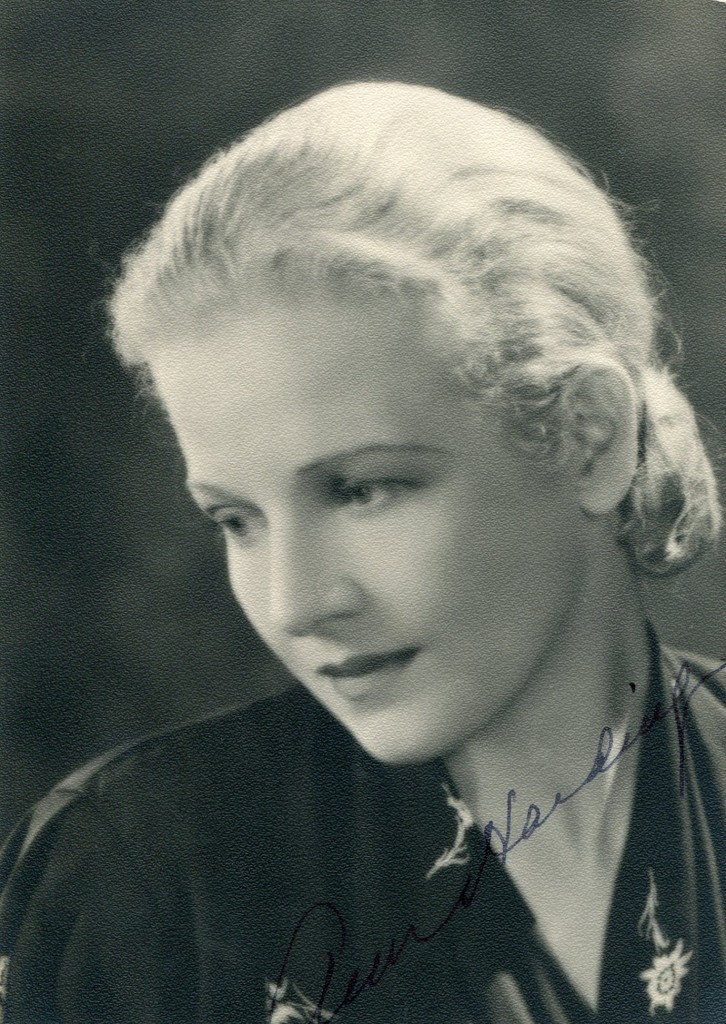
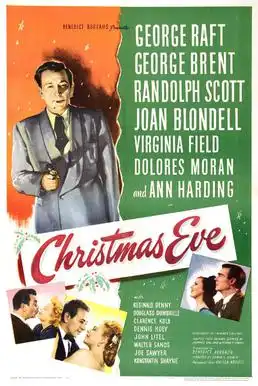
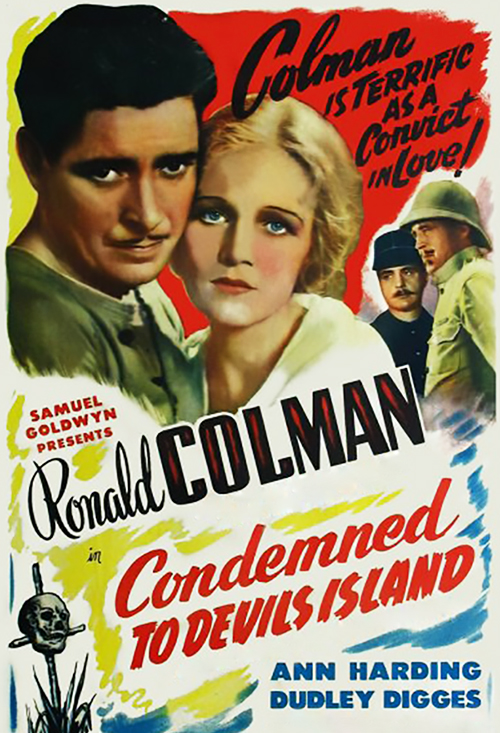
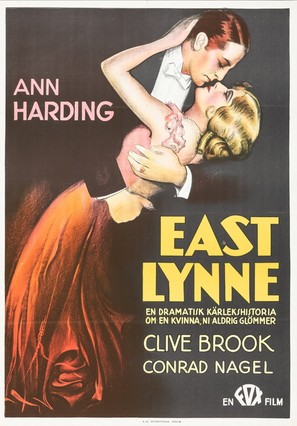
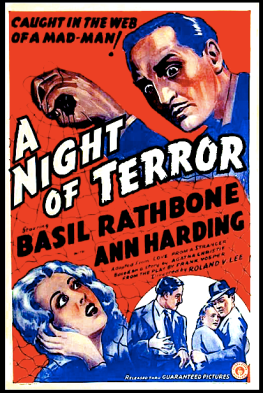
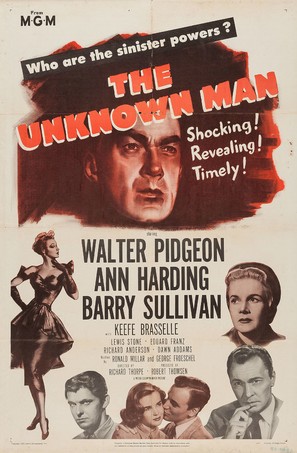
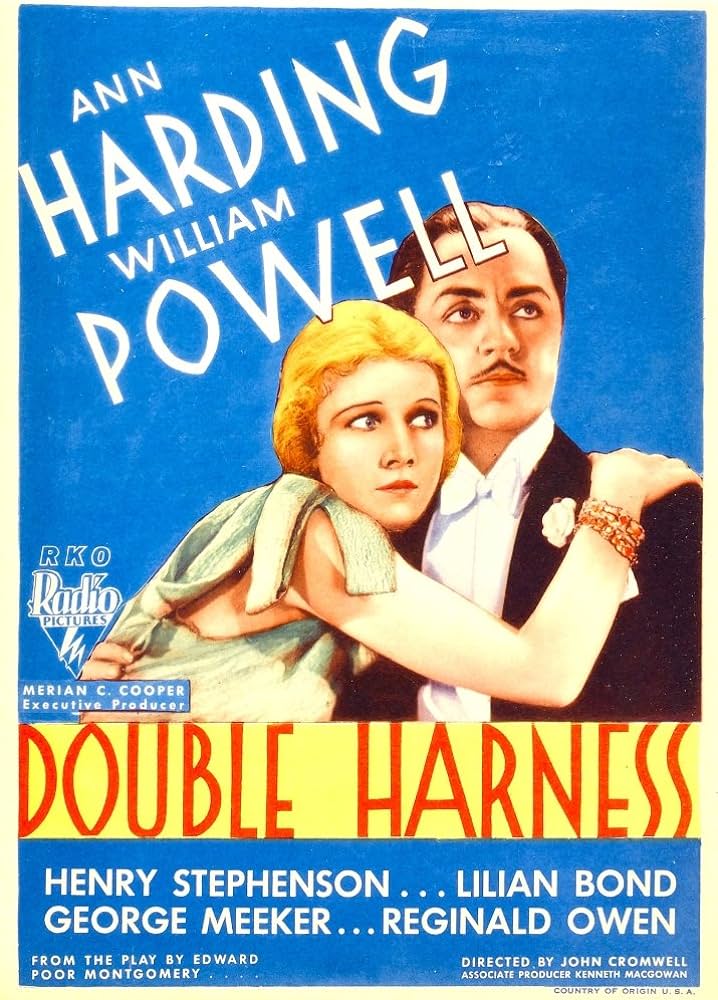
Ann Harding was a beautiful elegant blonde actress whose career in film was at it’s peak in the 1930’s. Later in the 50’s and 60’s she resumed film making as a character actress. She was born in San Antonio, Texas in 1903. She made her film debut in 1929 opposite Fredric March in “Paris Bound”. She was nominated for an Academy Award for “Holiday” in in 1931. She starred Gary Cooper in “Peter Ibbetson”. She did not make any movies between 1937 and 1942 .
TCM overview:
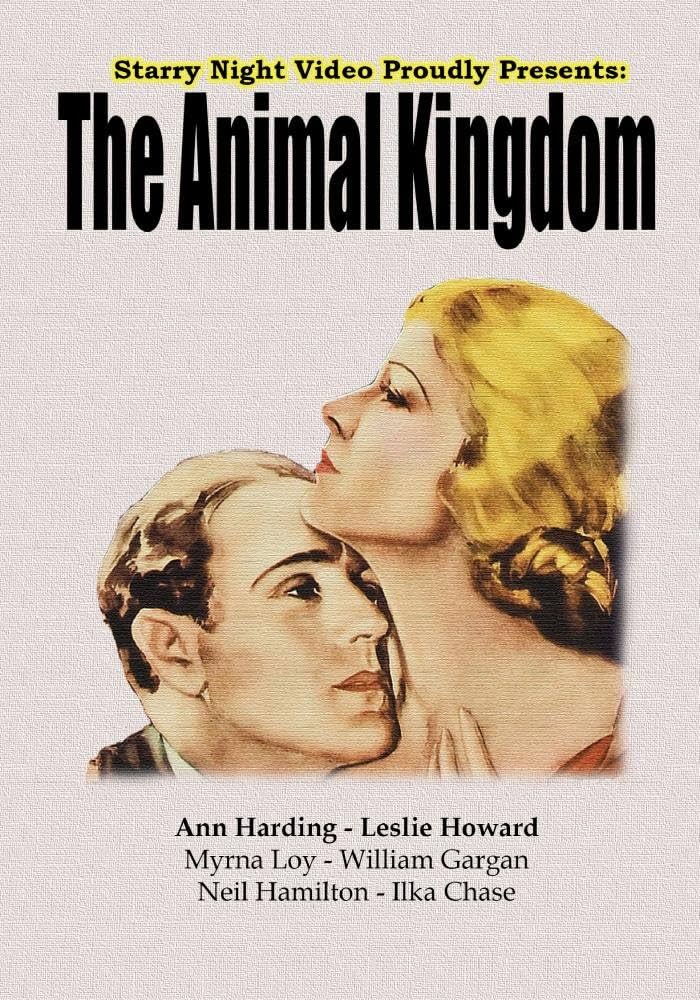
Established Broadway lead who landed a contract in 1929 with Pathe (very soon thereafter part of RKO) and starred in a series of soap operas through the mid-1930s, most typically as suffering heroines who must make noble sacrifices for the men they love. With her ash-blonde hair usually swept back into a bun, the patrician Harding brought a gentle, serene strength to such worthy star vehicles as “When Ladies Meet” (1933) and “The Life of Vergie Winters” (1934) but fared less well in such awkward efforts as “Devotion” (1931) and “Enchanted April” (1935). Ideal for the philosophical sophistication of playwright Phillip Barry, Harding shone in fine adaptations of two of Barry’s best comedy-drama talkfests: “Holiday” (1930), for which she received an Oscar nomination as Best Actress, and “The Animal Kingdom” (1932). Two of her best films came late in her reign as a star: the haunting, almost surreal love story “Peter Ibbetson” (1935, opposite Gary Cooper) and the taut suspense melodrama “Love from a Stranger” (1937, with Basil Rathbone).
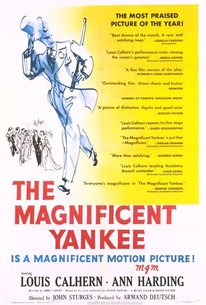
Harding’s boxoffice power declined sharply after 1935 partly as a result of her typecasting in virtuous roles and she retired two years later after marrying symphony conductor Werner Janssen. In 1942, however, she returned to the screen in the enjoyable mystery “Eyes in the Night”, and subsequently kept intermittently busy in a series of maternal character roles through the mid 50s. Her best part during this time was as the wife of Oliver Wendell Holmes (played by Louis Calhern) in “The Magnificent Yankee” (1950), but the gracefully maturing Harding also played notable roles in “Those Endearing Young Charms” (1945) and “The Man in the Gray Flannel Suit” (1955).
Interesting interview with Harding’s biographer Scott O’Brien here.
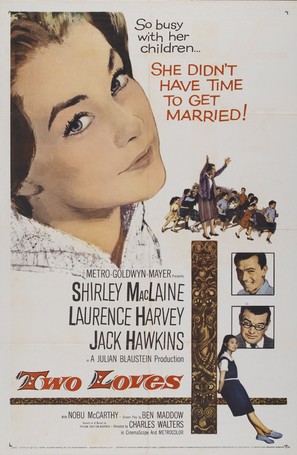
Nobu MCarthy was born Nobu Atsumi in Canada in 1934 of Japanese parents. She was raised in Japan and in 1955 married U.S. serviceman David McCarthy and moved with him to the U.S.A. She made her film debut in 1958 in “The Geisha Boy” with Jerry Lewis. She had the female lead in “Walk Like a Dragon” and “Five Gates to Hell”. She appeared in many of the major television series of the 60’s and 70’s. She became a member of the East West Players a Los Angeles based theatre group. Nobu McCarthy died in Brazil in 2002 while on location for a film.
Her obituary in “Backs
Nobu McCarthy, a Hollywood starlet who later became artistic director of the pioneering theater company East West Players, has died. She was 67. McCarthy died Saturday after being stricken on the set of a movie that she was working on in Londrina, Brazil. She had just returned to work after recovering from pneumonia and was stricken with what doctors diagnosed as an aneurysm in her aorta, said Tamlyn Tomita, an actress also in the cast.The movie “Gaijin II,” about several generations of Japanese immigrants in Brazil, suspended production following McCarthy’s death.
McCarthy was born as Nobu Atsumi in Ottawa, Canada, where her father was a private secretary to the Japanese ambassador. She was brought to Japan as a baby and later trained in ballet and sang with choral groups on stage and radio. She became a successful model and was named Miss Tokyo in the competition leading up to the Miss Universe pageant. She married U.S. Army Sgt. David McCarthy in 1955 despite the objections of her parents. An agent spotted her in Little Tokyo and she was sent to an audition at Paramount Pictures that landed her a role in the Jerry Lewis comedy “The Geisha Boy” in 1958. During her busiest period in Hollywood in the late 1950s and early 1960s, McCarthy appeared in “The Hunters,” “Wake Me When It’s Over” and “Walk Like a Dragon.”
Original Cinema Belgian Poster – Movie Film Posters
McCarthy withdrew from acting in the late 1960s, but after a divorce in 1970 she revived her career via East West Players by joining the company in 1971 and playing a number of roles on its small stage. East West Players, the country’s first Asian American theater company, was founded in 1965 by Mako and others. “We all liked her,” said Mako, the group’s founding artistic director. “She became a very steady actress, although she had arthritis that sometimes made her move in a way that looked older than she was.”
East West Players went through a turbulent period in 1989 and Mako resigned under pressure from the board. McCarthy was selected as his replacement and served as artistic director until 1993. “She brought her calming influence to the group, broadened the outreach, and brought a sense of balance and stability,” said George Takei, best known for his role as Sulu in “Star Trek.” Later credits for McCarthy included the landmark TV movie “Farewell to Manzanar” in 1976 and the films “Karate Kid II” in 1986 and “Pacific Heights” in 1990. McCarthy and her second husband, the late William Cuthbert, received a lifetime achievement award from East West in 1996. McCarthy is survived by two children from her first marriage and three brothers.
An Appraisal
Brief career overview
Background and entry: Nobu McCarthy (1934–2002) was born in Canada of Japanese parentage and trained originally as a model and dancer before moving into acting. She worked across stage, film and television from the 1950s onward, building a long career as a character actress and a force in Asian‑American theatre.
Screen work: McCarthy was a familiar supporting presence in Hollywood film and, especially, television from the late 1950s through the 1990s. She frequently played roles written for Asian women in mainstream American productions—wives, professionals, maternal figures and sometimes exoticized parts—and she brought clarity and dignity to these parts rather than allowing them to be purely decorative.
Theatre and advocacy: Off screen she played an important leadership role in promoting Asian‑American theatre and actors. She was closely involved with theatre organizations that created more substantive roles for Asian performers and helped mentor younger generations.
Later years: McCarthy continued to work steadily in character parts into the 1990s, respected for her professionalism and for bringing emotional specificity to limited screen time.
Acting style and screen persona
Quiet intelligence and economy: McCarthy’s performances were characterized by understated restraint. She rarely depended on melodrama; instead she used precise vocal color, small gestures and attentive listening to create fully felt characters within short scenes.
Dignity under constraint: Frequently cast in parts constrained by stereotypical writing, she nonetheless found ways to humanize and deepen them—suggesting inner life, moral clarity or woundedness beneath polite surfaces.
Versatility within type: While often cast in roles defined by ethnicity, she handled comedy, drama and melodrama with steadiness—equally at home as a sympathetic family figure, a professional authority or a quietly threatening presence when the script required.
Key strengths
Scene elevation: McCarthy had a knack for making brief supporting roles memorable; she added specificity and texture that often clarified a scene’s emotional truth.
Professionalism and craft: Her stage training and disciplined approach showed in clean line readings, disciplined physicality and responsiveness to scene partners.
Mentorship and institutional contribution: Her work offstage—helping to build theatrical infrastructure and mentoring Asian‑American actors—represents a major, concrete contribution to American theatre beyond individual performances.
Limitations and structural constraints
Limited by available material: Like many Asian performers of her generation, McCarthy’s career was constrained by Hollywood’s narrow range of roles for nonwhite women. This structural limit meant fewer star vehicles or emotionally complex leads compared with what contemporaneous white actresses could access.
Under‑recognized in mainstream criticism: Because much of her work was in supporting television roles or in advocacy and regional theatre, she has received less widespread critical canonical attention than some peers despite high esteem within the profession.
Critical reception and legacy
Contemporary appreciation: Directors, fellow actors and Asian‑American theatre communities consistently praised her subtlety, presence and generosity as a collaborator and mentor.
Cultural and institutional legacy: McCarthy’s legacy is twofold—her reliable, humane screen work and her offstage leadership helping build more durable opportunities for Asian‑American artists. For students of casting history and representation, her career is an important example of how craft and activism worked together to expand the field.
Seen today: Modern viewers and scholars appreciate McCarthy both for the quality of her performances and as a figure who helped create institutional change, making her an important bridge between the studio era’s limited casting and later more varied Work.
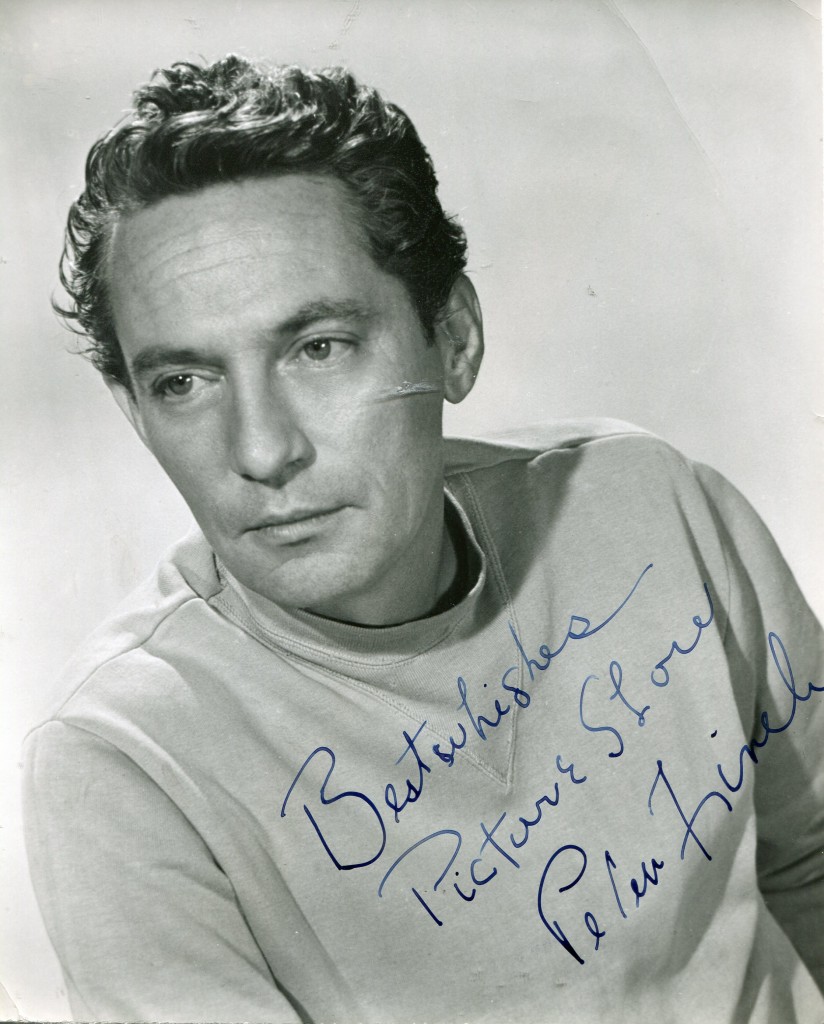
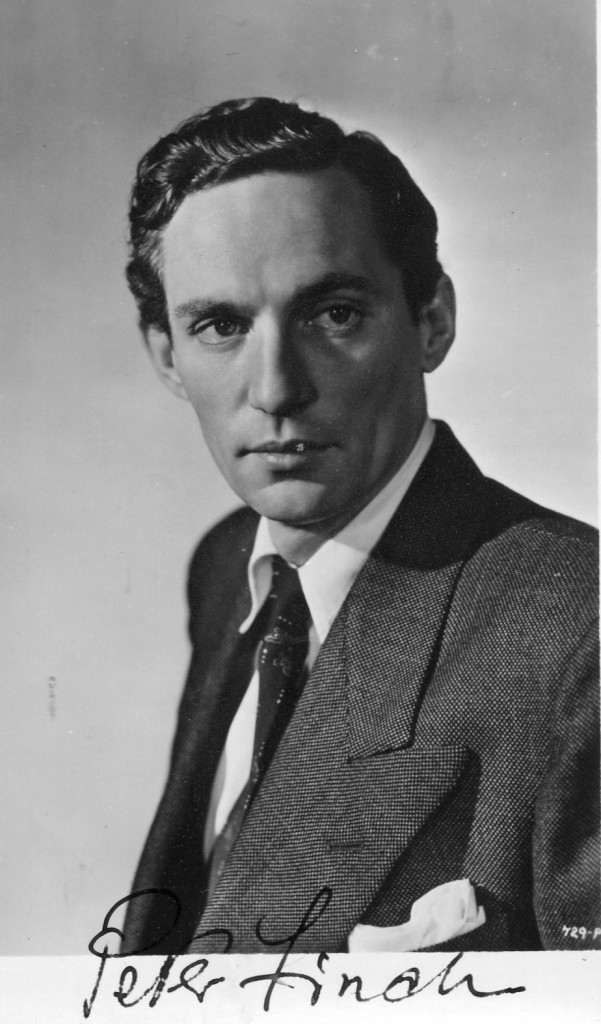
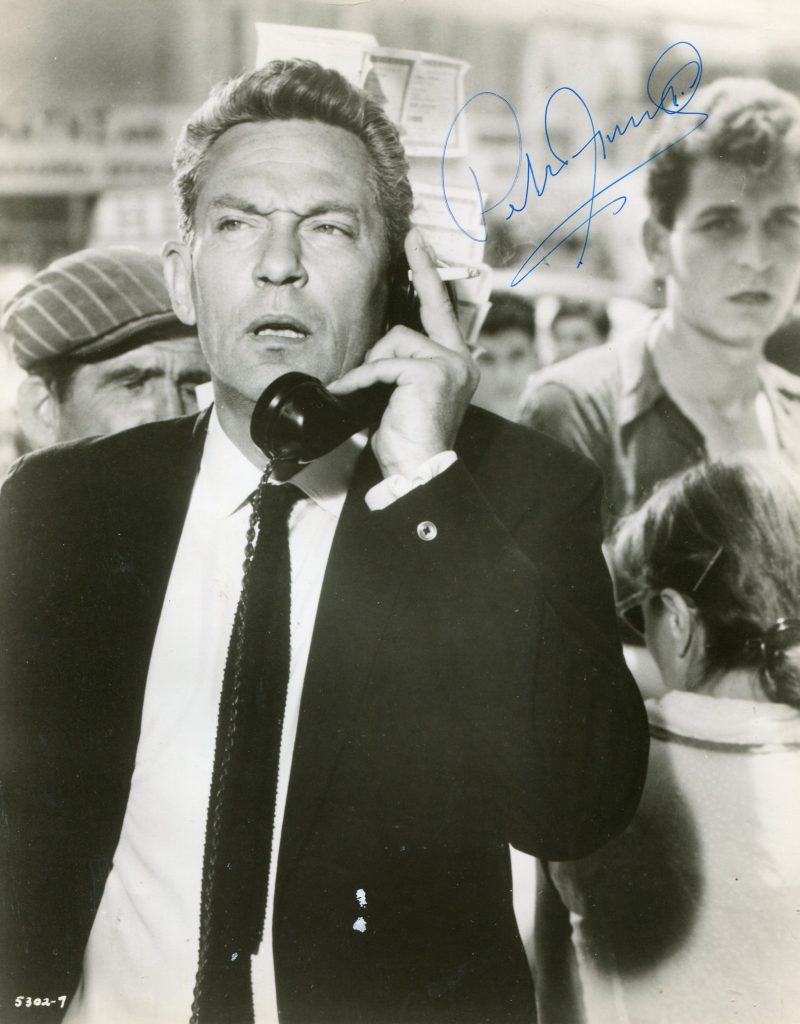
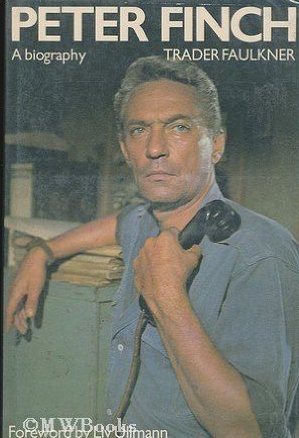
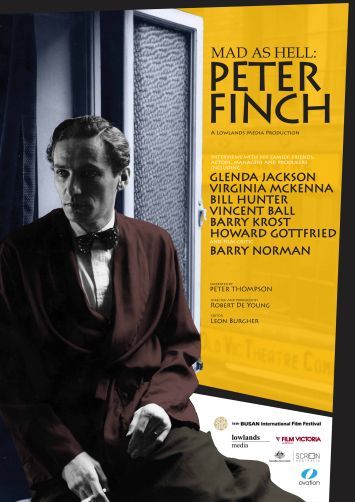
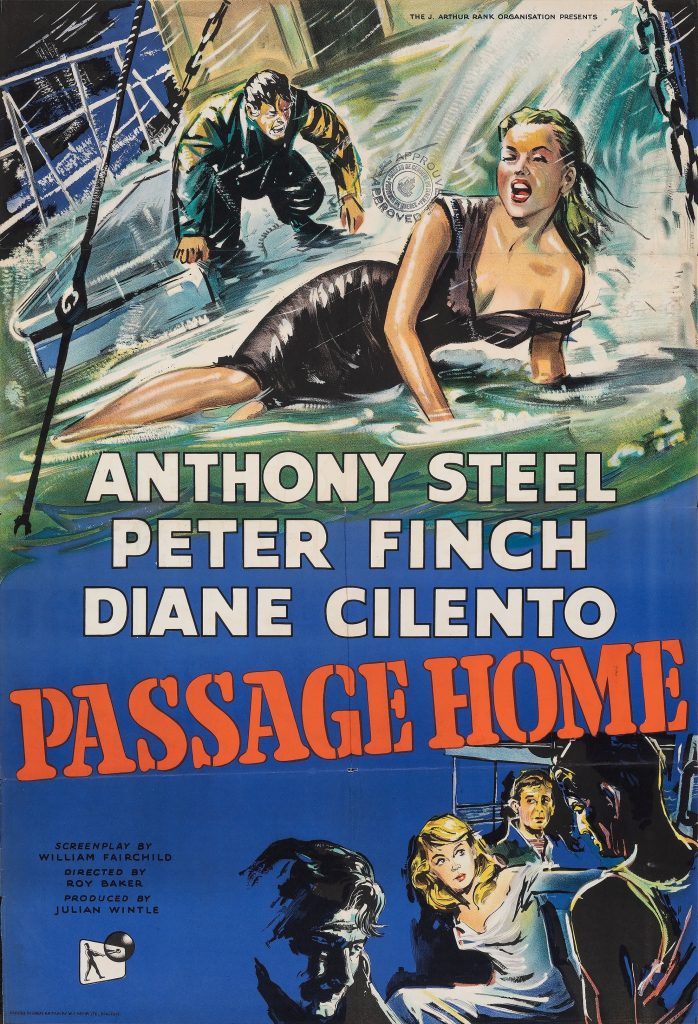
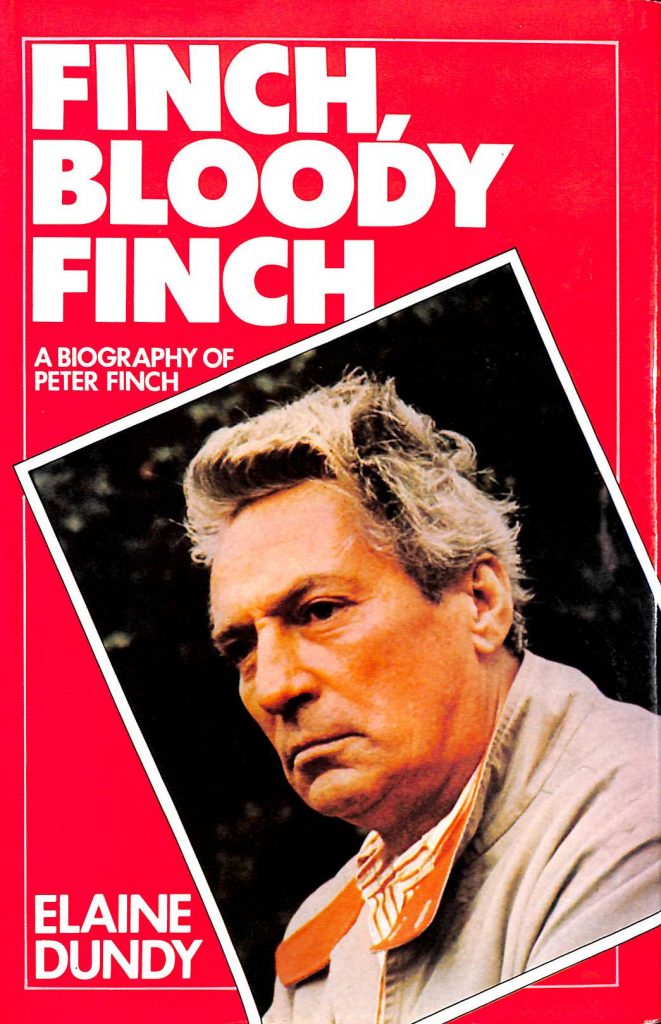
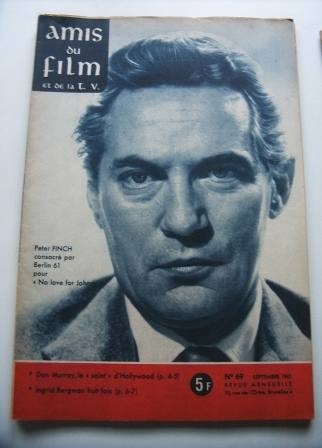
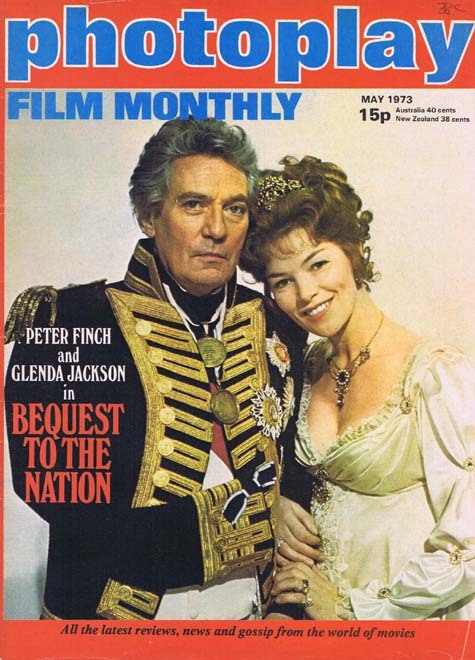
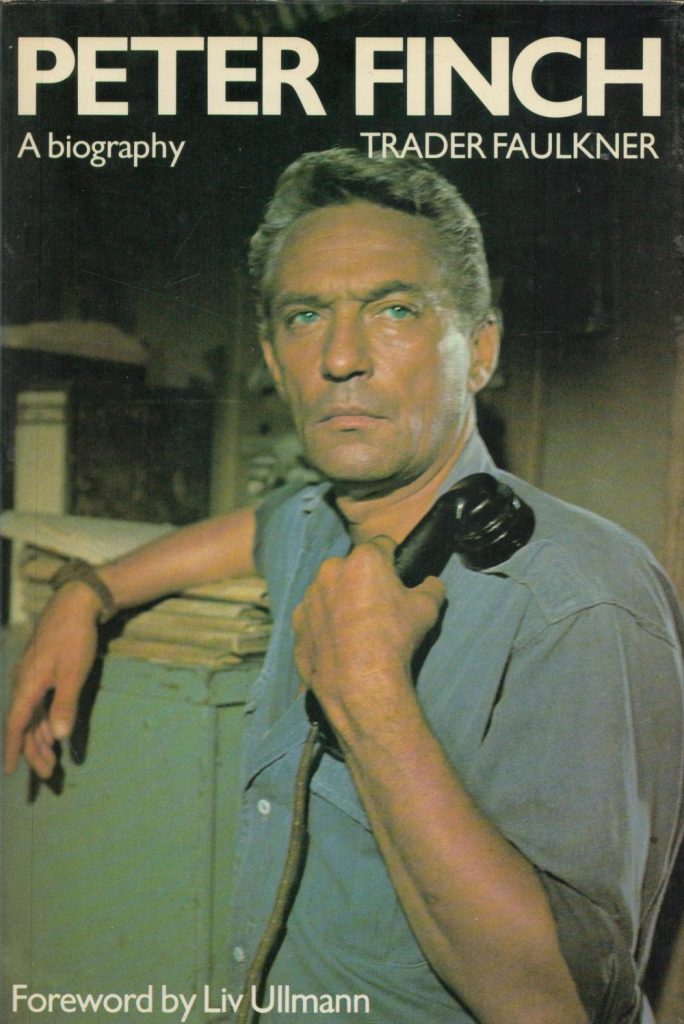
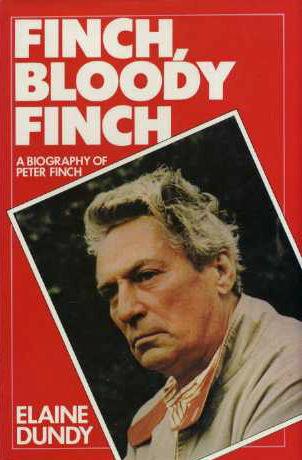
Peter Finch said once: ‘I’ve been lucky. My agent might have hoped that I’d be a bigger name – as they call it – in America but I’m very happy. I like what I do and I choose what I do’. He did not always choose wisely. He was marked for the heights of stardom when he made his forst film in Britain but for a while the real peaks eluded him – too many bad films and kiss of death, a long-term Rank contract.
In the right material he always looked good. He had a good actor’s voice and stance, a touch of arrogance, a touch of humour, some warmth, leading man’s looks and the same sort of gritty dependability that characterized the malestars of Hollywood’s golden age” – David Shipman’s “The Great Movie Stars- The International years”. (1972)
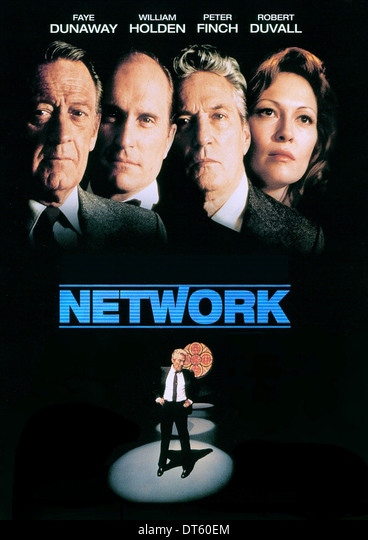
He won for his performance in “Network” in 1976. Peter Finch was born in London in 1916. He went to live in Australia when he was ten years of age. He made his first film in Australia in 1938, The film was entitled “Dad and Dave Come to Town”.
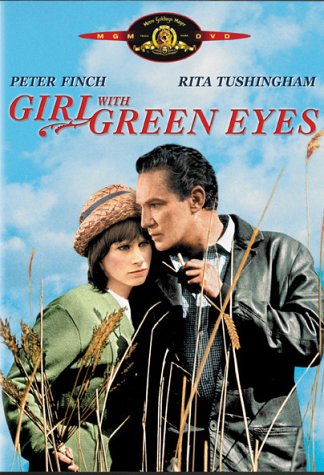
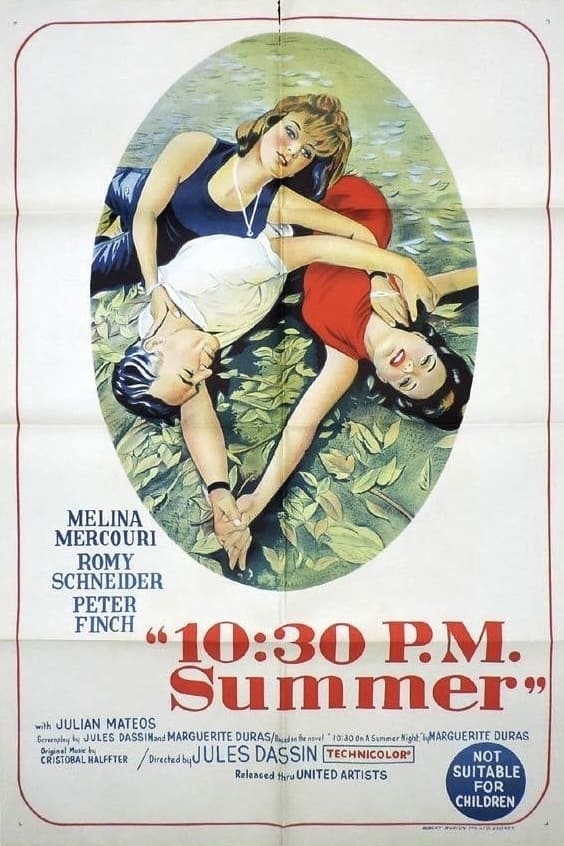
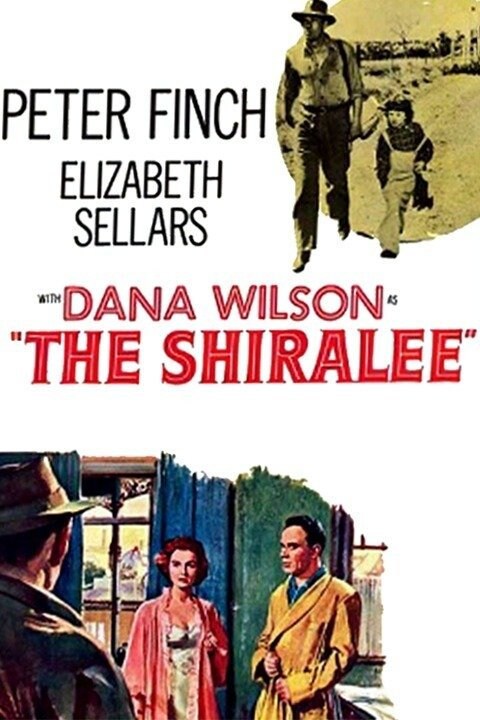
When Laurence Oliver and Vivien Leigh were touring that country with the Old Vic in 1948 they met Peter Finch and he was offered a role by Oliver in the play “Daphne Laureola” in London which he accepted.He made the film “The Miniver Story” in England and then went to Hollywood to make “Elephant Walk” with Elizabeth Taylor and Dana Andrews. Over the next few years he made many fine films including “A Town Like Alice”, “The Nun’s Story”, “The Girl With Green Eyes”, “No Love for Johnny” and “Far From the Madding Crowd”. He was enjoying the huge revival of his career when he died from a heart attack in 1977 at the age of sixty. Peter Finch was the first actor to win a Academy Award for Best Actor after his death
TCM Overview:
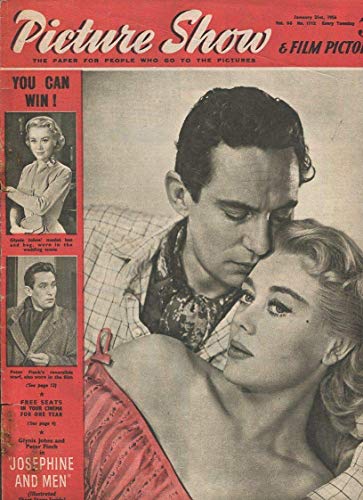
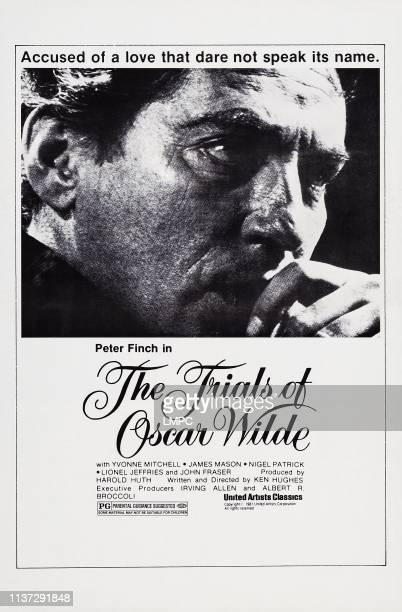
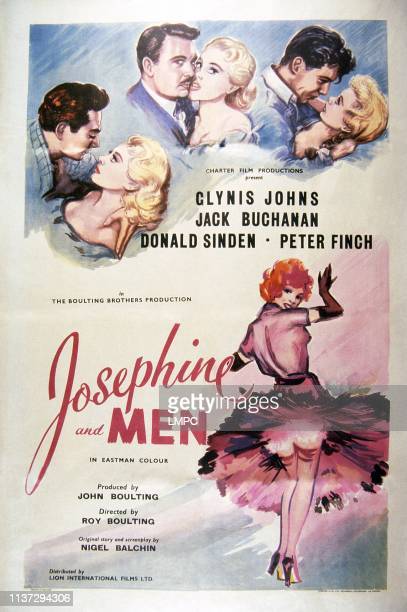
The Trials Of Oscar Wilde, poster, US poster art, Peter Finch, 1960. (Photo by LMPC via Getty Images)Josephine And Men, poster, top from left: Glynis Johns and Peter Finch, Donald Sinden, Jack Buchanan, poster, 1955. (Photo by LMPC via Getty Images)
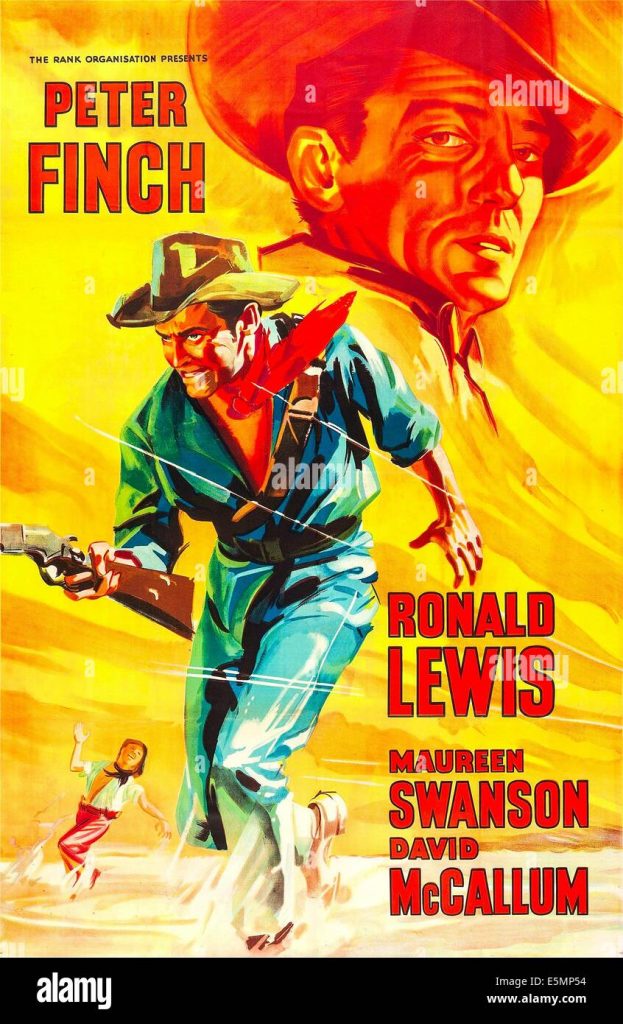
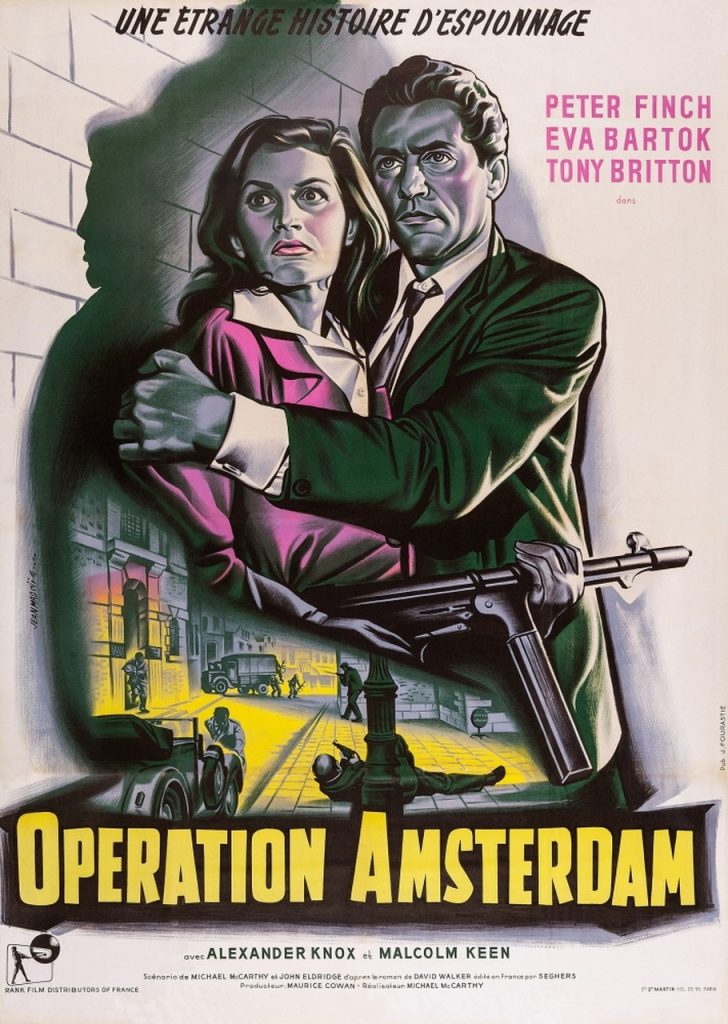
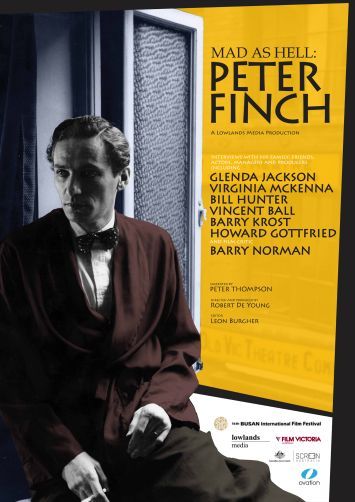
A former vaudeville performer and popular radio actor in Australia, Peter Finch transitioned to film in his native England, where he rose from supporting actor to leading man in a number of emotionally charged dramas. While he delivered more than a few notable performances in his four-decade career, Finch was forever identified as the raving mad prophet Howard Beale in “Network” (1976), whose line “I’m mad as hell, and I’m not going to take it anymore!” remained one of the most identifiable in all of cinema history. After supporting roles in several British-made films, he made the Hollywood transition with “The Story of Robin Hood and His Merrie Men” (1952) and starred opposite Elizabeth Taylor in “Elephant” (1954).
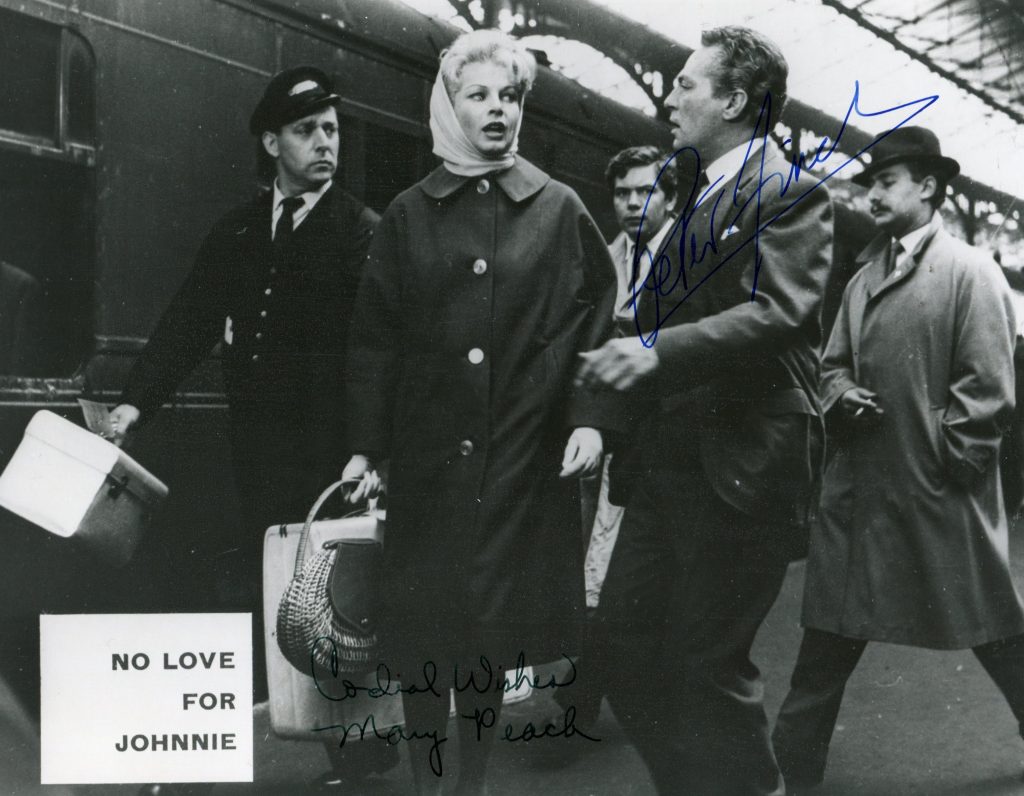
Throughout the 1950s and 1960s, Finch went back and forth between films made in Hollywood and England, earning award nominations along the way for his performances in “The Nun’s Story” (1959), “The Trials of Oscar Wilde” (1960) and “No Love for Johnnie” (1961). Some time passed before Finch delivered another noteworthy performance, this time earning acclaim for his sympathetic and non-clichéd turn as a gay man in “Sunday Bloody Sunday” (1971).
A few years later, he captured attention as the raving maniac Beale in “Network,” only to die from a heart attack two months before winning his one and only Academy Award, making him the first actor to win a posthumous Oscar.
Born on Sept. 28, 1916 in London, England, Finch was raised by his father, George, a research chemist from Australia who moved to England prior to World War I, and his mother, Alicia. His parents divorced when he was just two years old, leading to his father being given custody.
Decades later, Finch discovered that George was not his biological father and that his mother had carried on with an army officer named Wentworth Edward Dallas Campbell, leading to his parents’ divorce. After living for a time with his paternal grandmother in France, the 10-year-old was sent to live with his great uncle in Sydney, Australia.
After graduating from North Sydney Intermediate High School, Finch worked as a waiter, an apprentice on a sheep farm, and a copy boy for the Sydney Sun, but soon felt the pull of stage acting. He began appearing in sideshows and vaudeville, even serving as a stooge for American comedian Bert le Blanc before touring Australia with George Sorlie’s traveling company.
It was with Sorlie’s troupe that gained Finch notice with a producer from the Australian Broadcasting Commission, who served as his mentor and cast him in a children’s radio series. At the time, he also made his feature debut in “Dad and Dave Come to Town” (1938), which led to a more substantial part in the crime drama “Mr. Chedworth Steps Out” (1939). But with the world on the brink of war, Finch’s acting career was put on hold in order for him to enlist in the Australian army in 1941.
He served for a time in the Middle East and participated in the Bombing of Darwin as an anti-aircraft gunner, though he did continue to perform by appearing in the wartime propaganda film “The Rats of Tobruk” (1944), and directing plays for tours of army bases and hospitals. Following his discharge with the rank of sergeant in 1945, Finch established himself as one of Australia’s premiere radio actors and went on to co-found the Mercury Theatre Company with fellow actors Allan Ashbolt, Sydney John Kay, Colin Scrimgeour and John Wiltshire.
Named after Orson Welles’ own company, the Mercury put on a number of notable plays, including “The Imaginary Invalid” (1948), which starred Finch and attracted the attention of Laurence Olivier and Vivien Leigh, who later invited the actor to London. He returned to films with supporting roles in British productions like “Train of Events” (1949), “Eureka Stockade” (1949) and “The Wooden Horse” (1950), before making the turn toward Hollywood films.
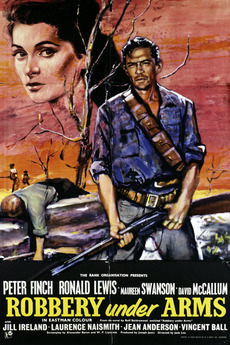
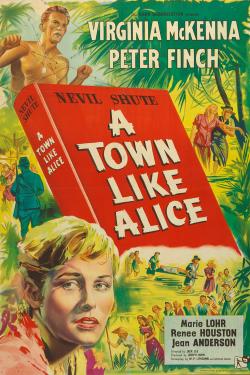
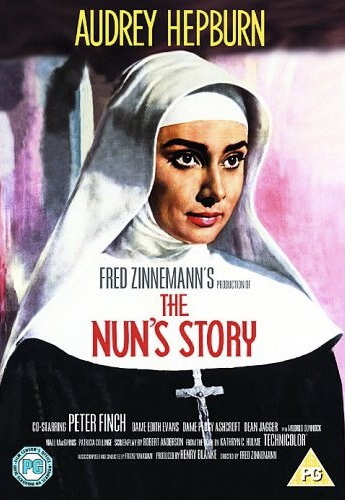
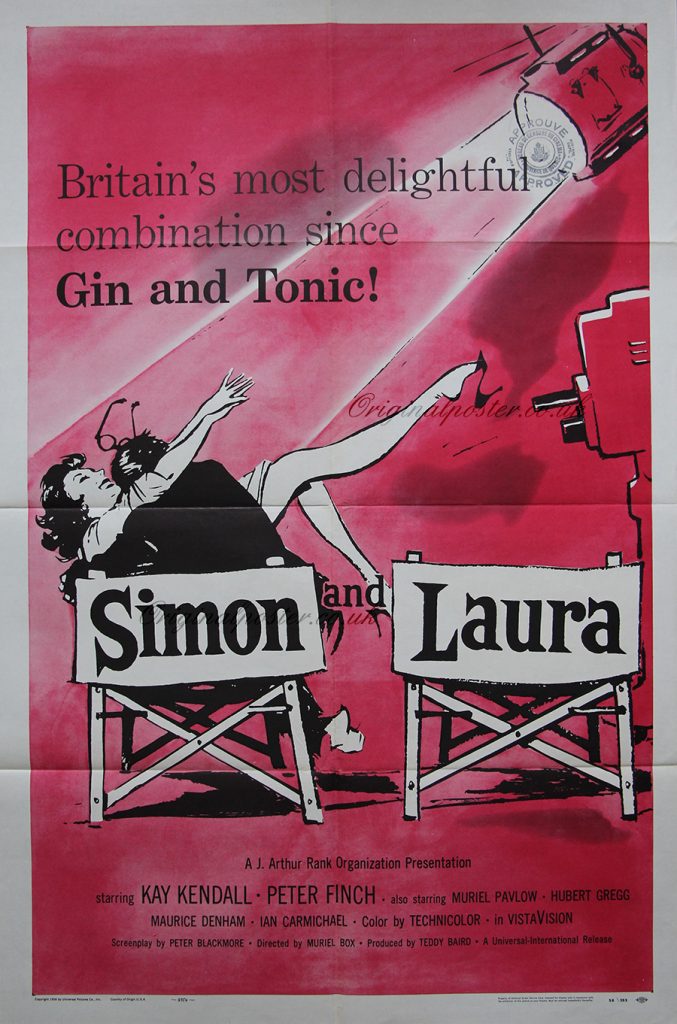
He played the Sheriff of Nottingham in “The Story of Robin Hood and His Merrie Men” (1952) and starred opposite Elizabeth Taylor – who took over for an ailing Vivian Leigh – in the rather disappointing melodrama “Elephant Walk” (1954). His career took off as he approached middle age in the mid-1950s with films including the charming romantic comedy “Simon and Laura” (1955), “The Dark Avenger” (1955) co-starring Errol Flynn, and the somber war drama “A Town Like Alice” (1956). In “Robbery Under Arms” (1957), he played famed cattle thief Captain Starlight, while he earned critical acclaim and a BAFTA nomination for his turn as a crusty surgeon working with an attractive nun (Audrey Hepburn) in the Belgian Congo in “The Nun’s Story” (1959).
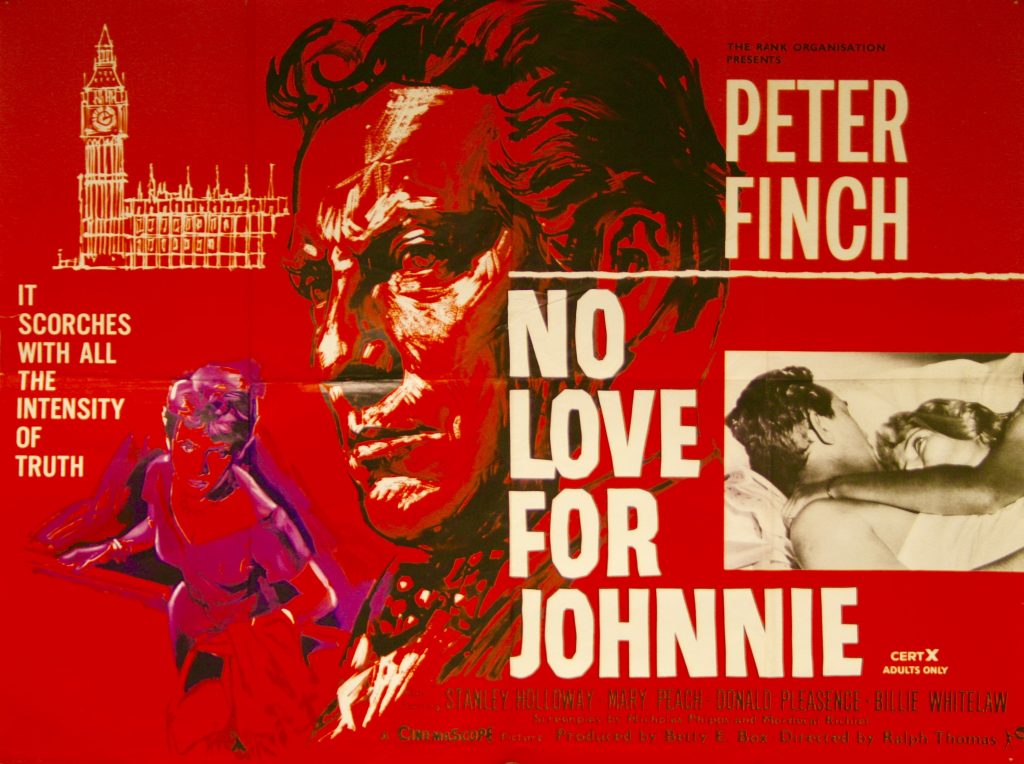
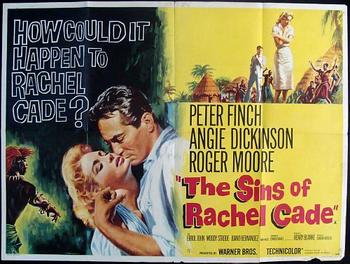
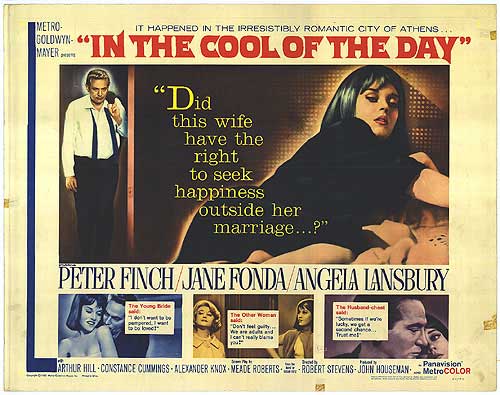
Finch was somewhat less busy during the 1960s, but early in the decade he delivered to acclaimed, award-winning performances, playing the title roles in the biopic “The Trials of Oscar Wilde” (1960) and the Parliament-set drama “No Love for Johnnie” (1961). Both roles earned him BAFTA Awards for Best Actor. He next starred opposite Jane Fonda and Angela Lansbury in the drama about marriage and infidelity, “In the Cool of the Day” (1963), before playing the third husband of a restless Anne Bancroft in the domestic drama “The Pumpkin Eater” (1964).
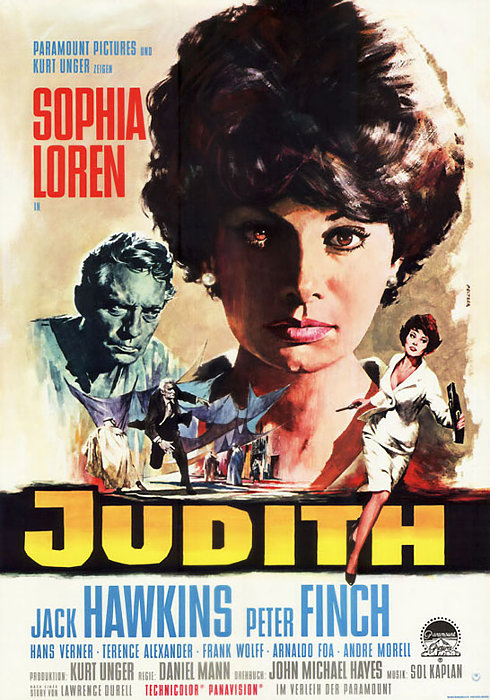
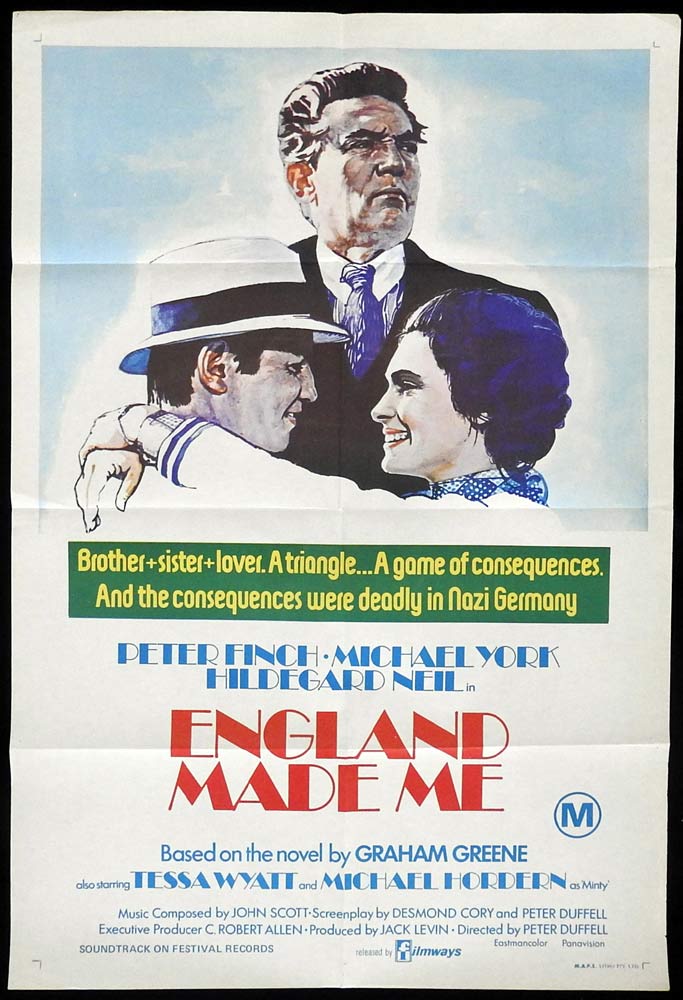
After starring in another relationship drama, “Girl With Green Eyes” (1964), Finch had a supporting role as a captain in the action yarn “The Flight of the Phoenix” (1965), starring James Stewart, and settled into a series of smaller films like “Judith” (1966), “Far from the Maddening Crowd” (1966), “The Legend of Lylah Clare” (1968) and “The Red Tent” (1969). He went on to deliver a powerful performance as a homosexual doctor engaged in a love triangle with Murray Head and Glenda Jackson in “Sunday Bloody Sunday” (1971), a revolutionary drama for its frank and rather sympathetic perspective on homosexuality. His performance as the well-adjusted doctor seeking escape from his repressed upbringing earned him an Academy Award nomination for Best Actor.
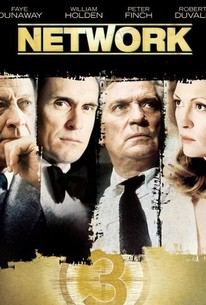
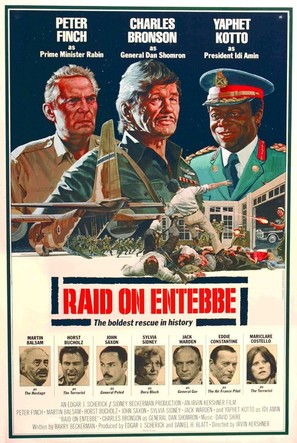
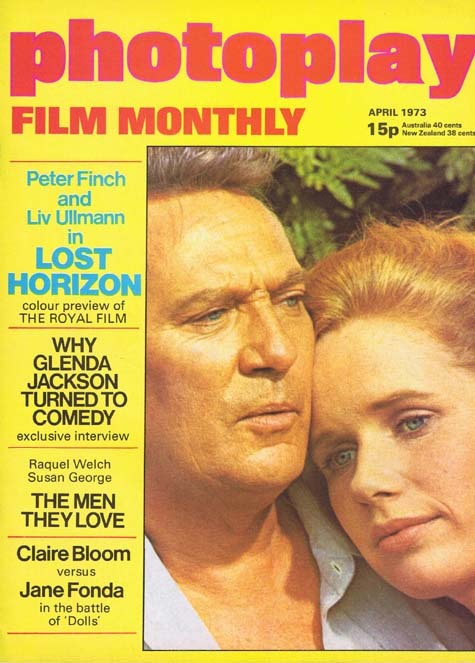
After his Oscar-worthy performance in “Sunday Bloody Sunday,” Finch starred in a string of mediocre films like “Shattered” (1972), a psychological drama about the disintegration of a man’s life due to alcohol and a bad marriage, and “Lost Horizon” (1973), a disastrous remake of Frank Capra’s 1937 original of the same name. After playing real-life Cardinal Azzolino in “The Abdication” (1974), Finch played the one character that he would forever be indentified with, TV news anchor Howard Beale, the Mad Prophet of the Airwaves whose mental breakdown on live television leads to a ratings bonanza for a struggling upstart station in Sydney Lumet’s searing satire, “Network” (1976). Also starring William Holden, Faye Dunaway and Robert Duvall, the film was a major critical and commercial hit, and received 10 Academy Award nominations. But just two months before the Oscar ceremony, on Jan. 15, 1977, Finch suffered a fatal heart in the lobby of the Beverly Hills Hotel, where he was waiting to meet Lumet for breakfast. He was rushed to the UCLA Medical Center, where he was pronounced dead hours later. Finch was 60 years old. At the ceremony, he won the Oscar for Best Actor, which was accepted by “Network” writer Paddy Chayefsky and Finch’s third wife, Eletha Barrett. Soon after, he was posthumously nominated for an Emmy Award for his performance as Yitzhak Rabin in the television movie, “Raid on Entebbe” (NBC, 1977), which aired days before he died and was the last time Finch was seen on screen.
By Shawn DwyerThe above TCM overview can also be accessed online here.
Blog on Peter Finch in “Pop Matters” can be accessed here.
Peter Finch (1916–1977) was a British‑Australian actor whose career spans stage, radio, Australian “talkies,” and major British and Hollywood films, culminating in a posthumous Best Actor Oscar for Network (1976). Over four decades he built a reputation as a robust, intelligent leading man capable of both Romantic‑era heroes and deeply troubled modern figures, often combining masculine authority with surprising psychological vulnerability.
Early career in Australia and radio
Born in London, Finch moved to Australia as a child, grew up in Sydney, and began his career in vaudeville and radio, where he quickly became one of Australia’s leading radio actors. He won multiple Macquarie Awards for Best Actor in the late 1940s, establishing himself as a major voice performer while also working as a compère, writer, and producer, which gave him an unusually hands‑on relationship with the medium.
His early Australian films—such as The Rats of Tobruk (1944), a war‑time drama about Australian POWs in North Africa—are often singled out as the point where he “came into his own,” playing a sensitive, Shakespeare‑quoting Anzac whose mix of courage and self‑doubt set him apart from more conventional war‑hero types. These roles helped define his early screen persona: a physically imposing man whose inner life was nuanced and emotionally exposed, not simply a rugged type.
British leading‑man stardom
After World War II Finch moved to London, joined the Old Vic, and emerged as one of British cinema’s most celebrated leading men, winning five BAFTA Awards for Best Actor across the 1950s and 1960s. Key films from this period include:
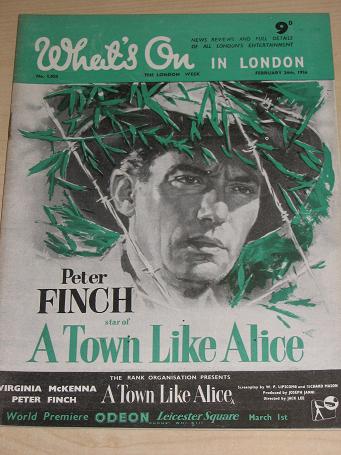
A Town Like Alice (1956), where he plays an Australian POW officer who becomes a de facto leader of a group of women in Malaya; his performance earned him his first BAFTA and helped establish him as a mature, emotionally grounded leading man rather than a lightweight star.
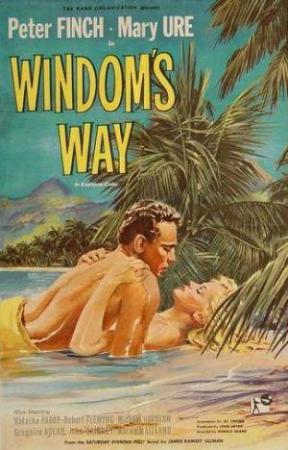
Windom’s Way (1957), a tense colonial‑war drama in which he plays a doctor caught up in the Malayan Emergency; critics often highlight his ability to embody both moral authority and frustration at the limits of diplomacy in a conflict zone.
The Nun’s Story (1959), a major religious drama starring Audrey Hepburn, in which he plays a worldly, humane doctor. His restrained presence offsets Hepburn’s rigor and gives the film a more grounded, secular emotional anchor.
The Trials of Oscar Wilde (1960), where he plays Wilde himself, earning a BAFTA for his sympathetic yet unflinching portrayal of the playwright’s wit, vanity, and self‑destruction.
In these roles Finch repeatedly demonstrated a gift for balancing strength and doubt: his characters are often doctors, officers, or public figures who are expected to be pillars of stability, yet Finch allows cracks of anxiety, exhaustion, or moral conflict to show through. This made him particularly effective in mid‑century British cinema’s concern with empire, duty, and personal sacrifice.
Hollywood and later international work
Finch made a partial transition to Hollywood, most notably in Elephant Walk (1954)—a turbulent production in which Vivien Leigh had a breakdown and was replaced by Elizabeth Taylor, an experience that soured him on a full‑time Hollywood career. He continued to work in the United States, but often returned to British and Australian‑based productions, which suited his temperament and allowed him to maintain a varied portfolio.
Among his later English‑language films:
Sunday Bloody Sunday (1971), where he plays a middle‑aged Jewish doctor in a complicated love triangle with a bisexual artist and a younger woman. The role earned him a BAFTA win and an Oscar nomination, and critics frequently praise its low‑key, introspective quality: Finch makes the character’s loneliness palpable without melodrama, embodying a kind of modern, emotionally honest masculinity rarely seen in mainstream cinema at the time.
Far from the Madding Crowd (1967), where he plays the brooding, obsessive Sergeant Troy, a role that critics note shows off his capacity for romantic danger and inner volatility, though some feel the film itself is more visually sumptuous than psychologically deep.
These performances underscore a consistent Finch pattern: a comfortable, even commanding surface presence that can suddenly give way to emotional fragility, making him especially effective in dramas about mid‑life crisis, identity, and moral ambiguity.
Network and the Howard Beale apotheosis
Finch’s final and most iconic role is Howard Beale, the unravelling TV news anchorman in Sidney Lumet’s Network (1976). He plays Beale as a man collapsing under the pressure of ratings, institutional cynicism, and his own late‑career despair, delivering one of the most quoted lines in film history—“I’m as mad as hell, and I’m not going to take this anymore!”—with a mix of theatrical fury and genuine psychological breakdown.
Critically, the performance is widely regarded as a masterpiece of controlled volatility: Finch walks a razor‑thin line between satire and realism, so that Beale never feels like a cartoonish rage‑figure but like a legitimate breakdown exposed for mass entertainment. His performance earned him a posthumous Best Actor Oscar, an Academy‑first at the time, and cemented his image as an actor who could embody the tragicomic face of modern media spectacle.
From a broader critical‑analysis standpoint, Beale acts as a summation of Finch’s earlier concerns: the burden of public visibility, the gap between private suffering and public image, and the tension between the “strong man” and the crumbling self. The role is both a cultural icon and a psychologically grounded character study, precisely the sort of balance Finch had spent his career pursuing.
Critical reputation and performance style
Critics and biographers consistently describe Finch as a complex, versatile actor whose strength lay in emotional authenticity rather than flamboyant technique. His voice was rich and resonant, his stature physically imposing, yet he disliked overt theatricality and preferred to underplay, trusting the subtext and the script’s psychology rather than his own charisma.
At the same time, his career is often read as a case of international success without full Hollywood‑mega‑star status. He was beloved by critics and audiences in Britain, Australia, and art‑film circles, but he never became a conventional box‑office “name” in the way some contemporaries did. Instead, his legacy rests on a string of rich, adult‑oriented performances—whether as a wartime officer, a conflicted doctor, or a raving TV prophet—that collectively paint a picture of a man wrestling with his own authority and vulnerability, a theme that feels more modern than the often‑stiff period roles he sometimes played
Richard Egan was born in 1929 in San Francisco. Among his first film credits was as Joan Crawford’s husband in “The Damned Don’t Cry” in 1950. He starred opposite Elvis Presley in “Love Me Tender” where he won Debra Paget away from Presley. I thought that this was a bit unbelievable when Elvis was such a major star.
Richard Egan played the dad of Sandra Dee, uhappily married to Constance Ford in “A Summer Place” in 1959. The film is remembered now for it’s hit theme tune and for the breakthrough role of Troy Donahue. He was in “Pollyanna” but this was the breakthrough role of Hayley Mills. He appeared in the television series “Empire” which was the breakthrough role for Ryan O’Neal. He died at the age of 63 in 1987.
TCM overview:
Richard Egan (July 29, 1921 – July 20, 1987) was an American actor. In some films he is credited as Richard Eagan. Born in San Francisco, California, Egan served in the United States Army as a judo instructor during World War II. A graduate of the University of San Francisco (B.A.) and Stanford University (M.A.).
In 1956, he starred in Presley’s first film, Love Me Tender, and in 1959 was the male lead opposite Dorothy McGuire in A Summer Place.
In 1960, Egan appeared in such films as Pollyanna, Esther and the King. Other noteworthy films include Undercover Girl, Split Second, A View from Pompey’s Head,”Voice In The Mirror”, about the man who started AA, and The 300 Spartans.
During the decade of the 60s, Richard Egan worked extensively in television, starring in the western drama series, Empire from 1962 to 1964. After his series ended, he made guest appearances on other television shows as well as acting in several motion pictures for the big screen plus in films made specifically for television.
In 1982 he joined the cast for the new daytime television political drama Capitol.
Richard Egan died in Los Angeles, California, on July 20th, 1987, 9 days before his 66th birthday, and was interred in the Holy Cross Cemetery in suburban Culver City, California.
Richard Egan was respected within the acting community for having helped a number of young actors get their first break in the film industry.
To view article on Richard Egan, please click here.
Richard Egan (1921–1987) was the quintessential “rugged individualist” of the 1950s American cinema. A former judo instructor and Army captain with a Master’s degree in theater, Egan possessed a rare combination of imposing physical power and intellectual gravity.
While he never quite ascended to the “A-list” heights of a Burt Lancaster or a Kirk Douglas, critical analysis reveals a performer who was the backbone of the 20th Century Fox stable—an actor who brought a sense of moral weight and “masculine decency” to every frame.
1. Career Arc: The “Man of Iron” and the Studio Stalwart
The Academic and Military Foundation: Egan was unusually well-educated for a Hollywood hunk, having studied at the University of San Francisco and Stanford. This academic background gave his performances a “thinking man’s” quality, even in broad action roles.
The 20th Century Fox Peak (1954–1960): This was his golden era. Fox utilized him as a versatile lead who could anchor CinemaScope epics, gritty Westerns, and “women’s pictures.” He was the reliable hero—sturdy, deep-voiced, and physically formidable.
The Transition to Television (1960s): As the “Big Screen” leading man archetype began to shift toward more “rebellious” types (like Paul Newman), Egan moved into television. He starred in the ambitious modern-day Western series Empire (later Redigo), where he refined his persona as the stoic, principled leader.
The Character Actor Phase: In his later years, Egan remained a steady presence in guest-starring roles, maintaining a reputation as one of the most professional and well-liked “old school” actors in the industry.
2. Critical Analysis of Key Performances
A Summer Place (1959) – The Architect of Melodrama
As Ken Jorgenson, a self-made millionaire who reunites with a former flame.
Analysis: This is arguably Egan’s most famous role. In a film dominated by the teenage angst of Sandra Dee and Troy Donahue, Egan provided the adult emotional anchor.
Critique: Critics point to this as the pinnacle of Egan’s “romantic lead” phase. He played Jorgenson with a smoldering, quiet dignity. While the film is often dismissed as “soap opera,” Egan’s performance is notable for its restraint. He didn’t play for melodrama; he played a man of immense capability who was finally claiming the life he wanted. His deep, resonant voice became a hallmark of the “mature” romantic hero.
The 300 Spartans (1962) – The Stoic Martyr
As King Leonidas of Sparta.
Analysis: Long before the stylized CGI of 300, Egan gave a grounded, gritty portrayal of the Spartan leader.
Critique: Egan’s physical presence was his greatest asset here. He looked like a man who could actually lead an army. Critics praised his lack of histrionics; he played Leonidas not as a shouting demagogue, but as a weary, professional soldier facing an inevitable end. He brought a “classical” weight to the dialogue that made the film feel more like a tragedy than a mere action flick.
The View from Pompey’s Head (1955) – The Intellectual Lead
As Anson Page, a New York lawyer returning to his Southern roots.
Analysis: This role allowed Egan to showcase his “Stanford-educated” side. It was a complex study of class, memory, and racial tension in the South.
Critique: This performance is often cited by film historians as evidence that Egan was underutilized by Hollywood. He showed a capacity for nuanced, quiet reflection that his more “muscular” roles didn’t require. He captured the “outsider-insider” dynamic with great subtlety, using his stillness to suggest a man observing the decay of his own history.
3. Style and Legacy: The “Uncomplicated” Hero
Richard Egan’s style was defined by authority and physical sincerity.
Attribute
Critical Impact
Physical Stature
Standing 6’2″ with a barrel chest, he projected “safety.” He was the actor you cast when you needed the audience to believe the hero could actually win the fight.
Vocal Resonance
He possessed one of the great baritone voices of the 1950s—rich, calm, and authoritative. It commanded attention without needing to be loud.
The “Decent” Man
Even when playing flawed characters, Egan struggled to hide an innate “goodness.” This made him the perfect lead for post-war films that valued traditional integrity.
The “Fox” Workhorse
Critically, Egan is sometimes unfairly labeled a “second-stringer.” However, a deeper look shows he was the “Bridge Actor.” He connected the ruggedness of the 1940s (Gable, Cooper) with the more polished, suburban masculinity of the late 50s. He was a master of CinemaScope acting—knowing how to hold a wide frame with just his posture and his presence.
Critical Note: Richard Egan was the “Last of the Gentleman Giants.” He brought a rare combination of brawn and breeding to the screen. His legacy is the “Reliable Leading Man”—the actor who ensured that the studio’s biggest investments felt human, sturdy, and morally grounded. He proved that an actor didn’t have to be “troubled” to be compelling; he just had to be true
Carolyn Jones is chiefly known for her role as Mortica in the cult television series “The Adams Family”. However she is much much more than that. She gave several highly effective performances in the 1950’s and 1960’s and it is a pity that Mortica has obscured her other roles. She was born in Amarillo, Taxas in 1930. Jones spent several years in tiny parts in films and on television. In 1957 she was featured in “Batchelor Party” as a beatnik who was lonely and looking for security. She was heartbreaking in the role and was nominated for an Academy Award. Over the next five years she made several good movies, “Hole in the Head”, “King Creole” “Last Train from Gun Hill” and “Ice Palace”. Then came “The Adams Family”. When the series finished, she seemed to concentrate on television At the time of her death in 1983 she was starring in the long-running soap “Capitol”.
In addition to her movie work, Miss Jones appeared in about 30 different television programs, including six episodes in the ”Dragnet” series. She also had roles in ”Playhouse 90” productions and the ”Colgate Comedy Hour.” But it was her performances in the early 1960’s television series, ”The Addams Family,” that brought her greater popularity than any of her movie portrayals.
She is survived by her husband and a sister, Betty, of Massachusetts.
Article on Carolyn Jones on the “Cult Sirens” website here. .
THE TURNING POINT, US poster art, Edmond O’Brien, Alexis Smith, William Holden, Carolyn Jones, 1952.CAREER, US poster art, clockwise from top left: Dean Martin, Anthony Franciosa, Carolyn Jones, Shirley MacLaine; bottom inset: Joan Blackman, 1959
New York Times obituary in 1983:
The movie and television actress Carolyn Jones, who was best known for her role as the ghoulish Morticia in the television series ”The Addams Family,” died of cancer today at her home here. She was 50 years old.
Among the films in which Miss Jones appeared were, ”Marjorie Morningstar,” ”The Road to Bali,” ”Baby Face Nelson” ”The Saracen Blade,” ”The Man Who Knew Too Much,” ”The Seven Year Itch,” ”House of Wax,” ”The Tender Trap,” ”Last Train From Gun Hill” and ”Ice Palace.”
In addition to her movie work, Miss Jones appeared in about 30 different television programs, including six episodes in the ”Dragnet” series. She also had roles in ”Playhouse 90” productions and the ”Colgate Comedy Hour.” But it was her performances in the early 1960’s television series, ”The Addams Family,” that brought her greater popularity than any of her movie portrayals. Early Interest in Acting
Miss Jones was born in Amarillo, Tex., and showed an early interest in acting. When she was 15 years old, she enrolled in classes at the Pasadena Community Playhouse, even though she was three years under the acceptable age.
Her first motion-picture role came as a result of a Playhouse production when she was seen by a talent scout and signed to appear with William Holden in ”The Turning Point” in 1952.
Miss Jones’s first marriage, to the producer Aaron Spelling, ended in 1964. She later married Herbert Green, a conductor-arranger, and lived in semiretirement for two years in Palm Springs – which she called ”God’s waiting room.” After her second marriage ended in divorce, Miss Jones married an actor, Peter Bailey-Britton, in 1981.
She is survived by her husband and a sister, Betty, of Massachusetts
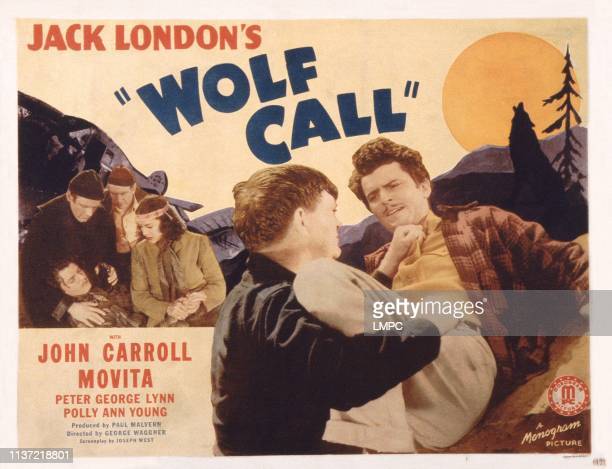
Movita Wolf Call, US lobbycard, Movita, (third left), John Carroll, (right), 1939. (Photo by LMPC via Getty Images)
Movita obituary in “The Telegraph” in 2017.
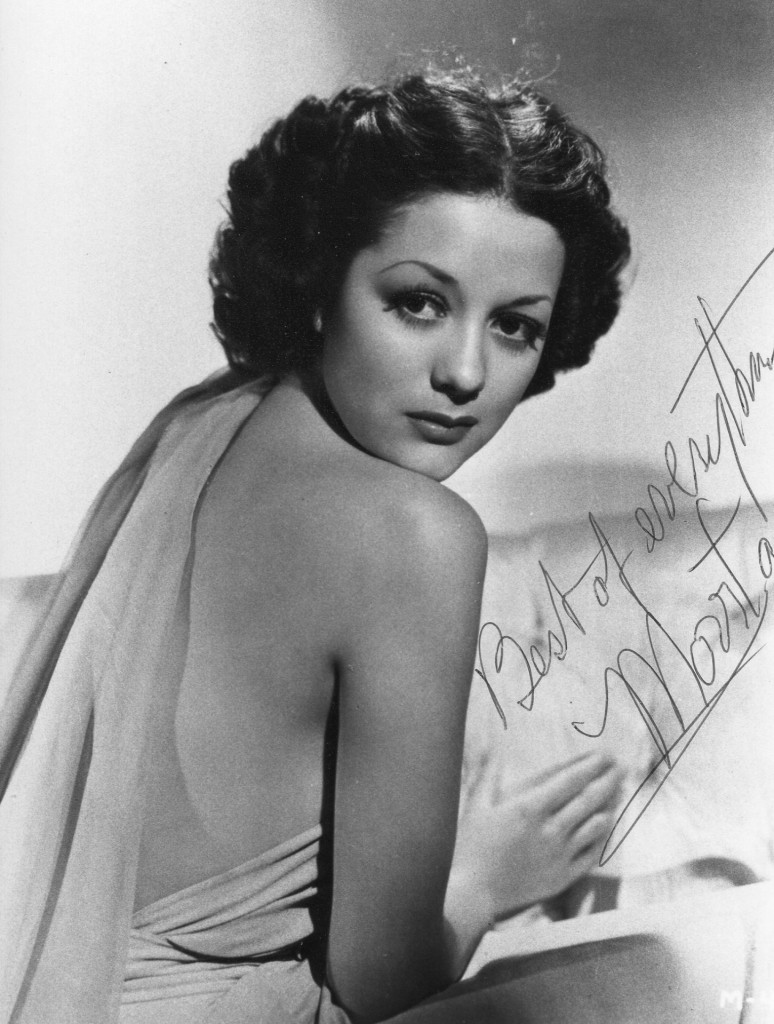
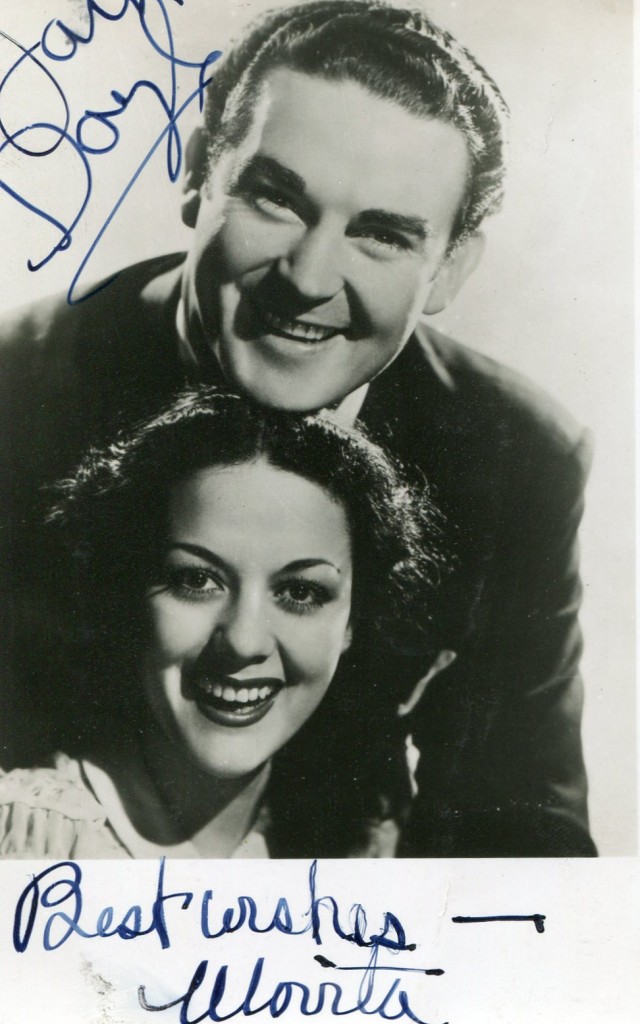
Movita who has died in Los Angeles aged 98, was briefly the second wife of Marlon Brando, although his paramour for much longer; she also herself had a minor career in Hollywood, most notably featuring in the 1935 version of Mutiny on the Bounty, which Brando remade nearly three decades later.
The details of her relationship with Brando were complex and shrouded in mystery. Much of this was deliberate on his part. Not only did he dislike press intrusion into his personal life, he also enjoyed the licence that his status gave him to conduct it with little regard for others .
He and Movita Castaneda, who was of Mexican descent, first met in about 1951 while sharing a taxi when he was researching the life of the revolutionary Emiliano Zapata. Castaneda was then in her mid-thirties, eight years older than Brando, and divorced from Jack Doyle, the former boxer.
Brando, the rising star, found her amusing and sympathetic. He had a penchant for fiery Latin women, and made use of Castaneda in part to lend an authentic inflection to his screen portrayal of Zapata in 1952. They also became lovers, albeit from the start she knew that she was merely one of an exhaustive – indeed, exhausting – rota of lovers of both sexes; among them was Marilyn Monroe.
Movita Castaneda had already enjoyed tempestuous affairs with Clark Gable and Errol Flynn, but with Brando she was content to remain in the shadows. This suited Brando, who kept her quartered nearby as he made Julius Caesar (1953) and On the Waterfront (1954). At times he introduced her as his girlfriend, but there were several break-ups even before he married the British actress Anna Kashfi in 1957.
Brando and Anna Kashfi divorced within two years, and began a long and bitter dispute for custody of their son, Christian. In court, it then emerged that Brando had secretly married Movita Castaneda in Mexico in 1960, perhaps because she was then pregnant . Their son, christened Sergio but always known as Miko, later became one of Michael Jackson’s principal confidants.
Despite being legally her husband, Brando still declined to live with Castaneda, and in the early Sixties publicly continued with a bachelor existence. Much of that time he spent in Tahiti, shooting Mutiny on the Bounty (1962). Soon after its release, he announced that he was to marry his 19-year-old co-star, Tarita Teri’ipaia.
Tired of his philandering, Movita Castaneda decamped to Mexico. In 1966 she would give birth to their daughter, Rebecca, even though their marriage had by then been dissolved. (Brando is thought to have sired at least 15 children, not all of them acknowledged; one theory has it that he may be the grandfather of the singer Courtney Love).
Although sources give several dates of birth for her, Movita Castaneda was born (according to her family) on April 12 1916, on a moving train which had just crossed the border from Mexico into Arizona. She was christened Maria Luisa and was one of 10 children; her sister Petra is still alive aged 102.
She was educated at Fairfax High School in Los Angeles, and her ability to play guitar led to her being spotted by film scouts. She made her screen debut in 1933, singing the Oscar-nominated Carioca in Flying Down to Rio. The tune was noteworthy for providing the music for the first time that Fred Astaire and Ginger Rogers were seen dancing together on screen.
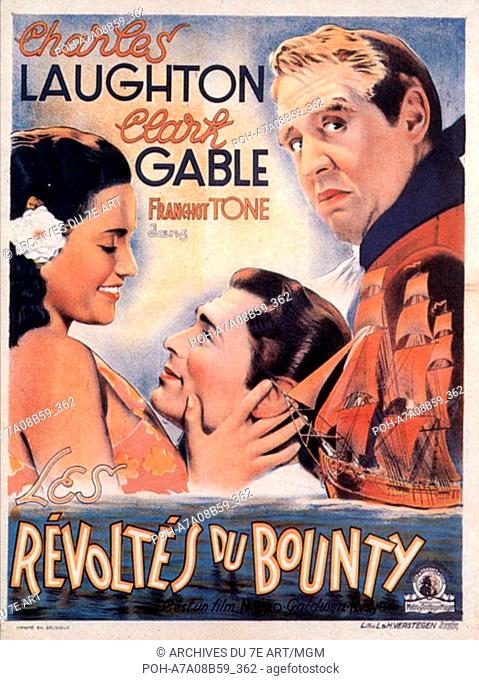
Movita’s looks led to her being cast in exotic roles in several other films of the period, including Mutiny on the Bounty, in which she played Franchot Tone’s island love interest – although it was his co-star Gable who caught her eye. For publicity purposes, MGM executives renamed her “Movita”, which she thereafter retained.
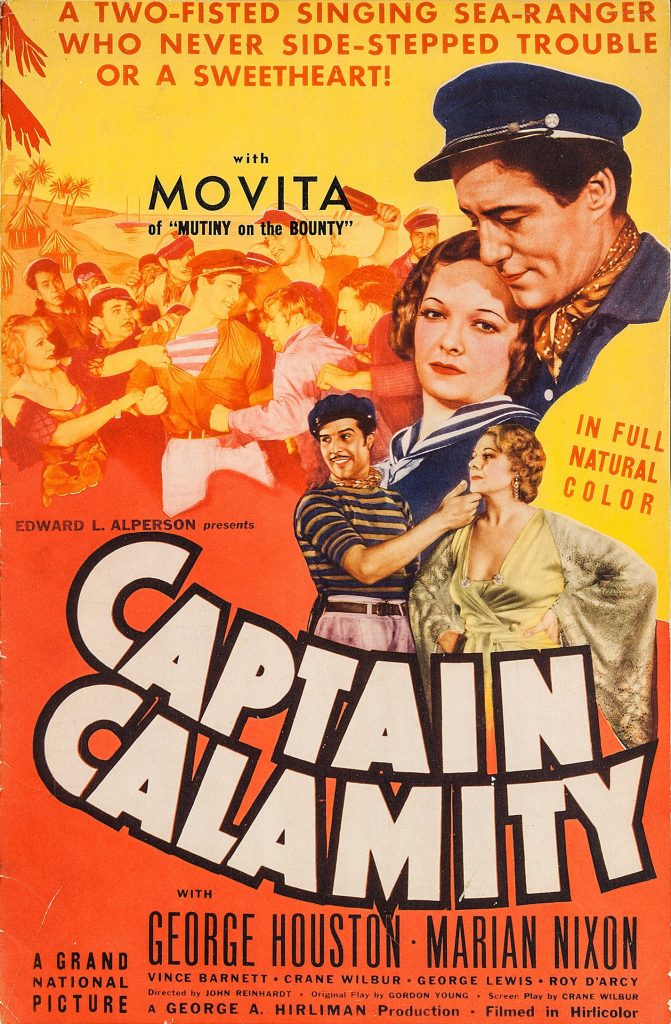
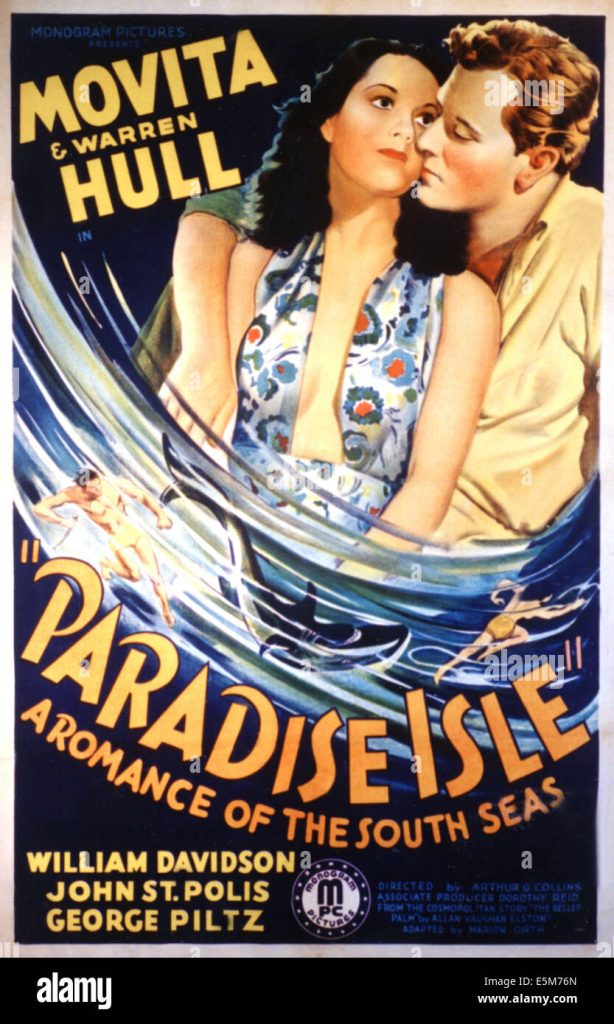
Her other films in this period include Captain Calamity (1936), with George Houston and Marian Nixon; El Capitan Tormenta (1936), with Lupita Tovar; Paradise Isle (1937), which had the tag-line “His strong arms drew this red-lipped-beauty to him!”; and The Hurricane (1937), directed by John Ford.
In 1939 she married Jack Doyle . The 6ft 5in Irishman, known as “The Gorgeous Gael”, was noted for his fondness for women and drink. In 1933 he lost the fight for the British heavyweight title after being disqualified for punching low, allegedly while hung-over and suffering from venereal disease. He had more success against Clark Gable, whom he is said to have knocked out following a row over Carole Lombard.
Doyle had by then made a second career as a singer, but his eye for the ladies had led the Dodge automobile family to send a gunman after him when he proposed to marry its heiress, Delphine. His first wife, the actress Judith Allen, had previously got shot of him by sending him a telegram marked merely “Finished”.
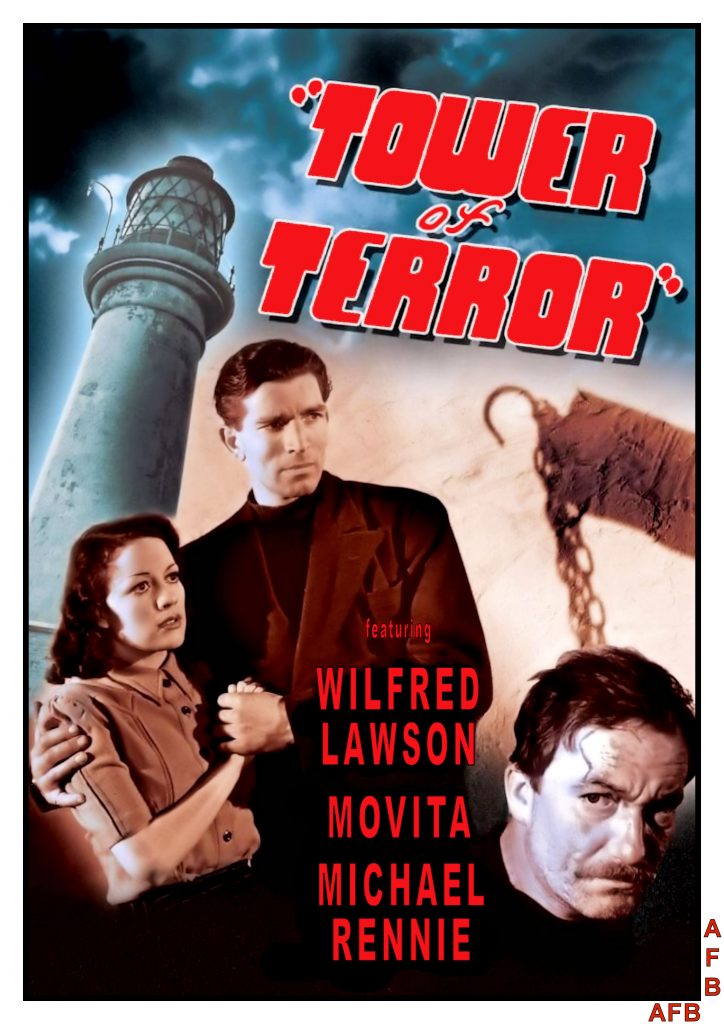
After their wedding in Dublin, he and Movita Castaneda became a well-known attraction in British music halls. They recorded a hit song, South of the Border, and opened a nightclub in London, the Swizzle Stick. Movita Castaneda saw out the Blitz there, and in 1941 appeared in the British thriller Tower of Terror.
Her real fear, however, was reserved for Doyle when he was in drink. They divorced in 1944 after he had beaten her up, causing her to miscarry, when she caught him dallying with a woman in a taxi outside their home. (Doyle died penniless in 1978).
After returning to Hollywood, she began to rebuild her career with bit parts in films, such as playing Henry Fonda’s cook in Fort Apache (1948).
She and Brando remained on amicable terms until his death in 2004, although he kept her short of money, forcing her to work for a time as a delivery driver for a garage. Later she had a small role for some years in the Dallas spin-off, Knots Landing.