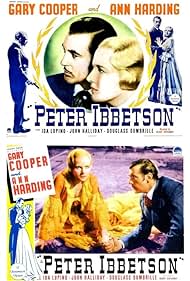

Hollywood Actors

Collection of Classic Hollywood Actors

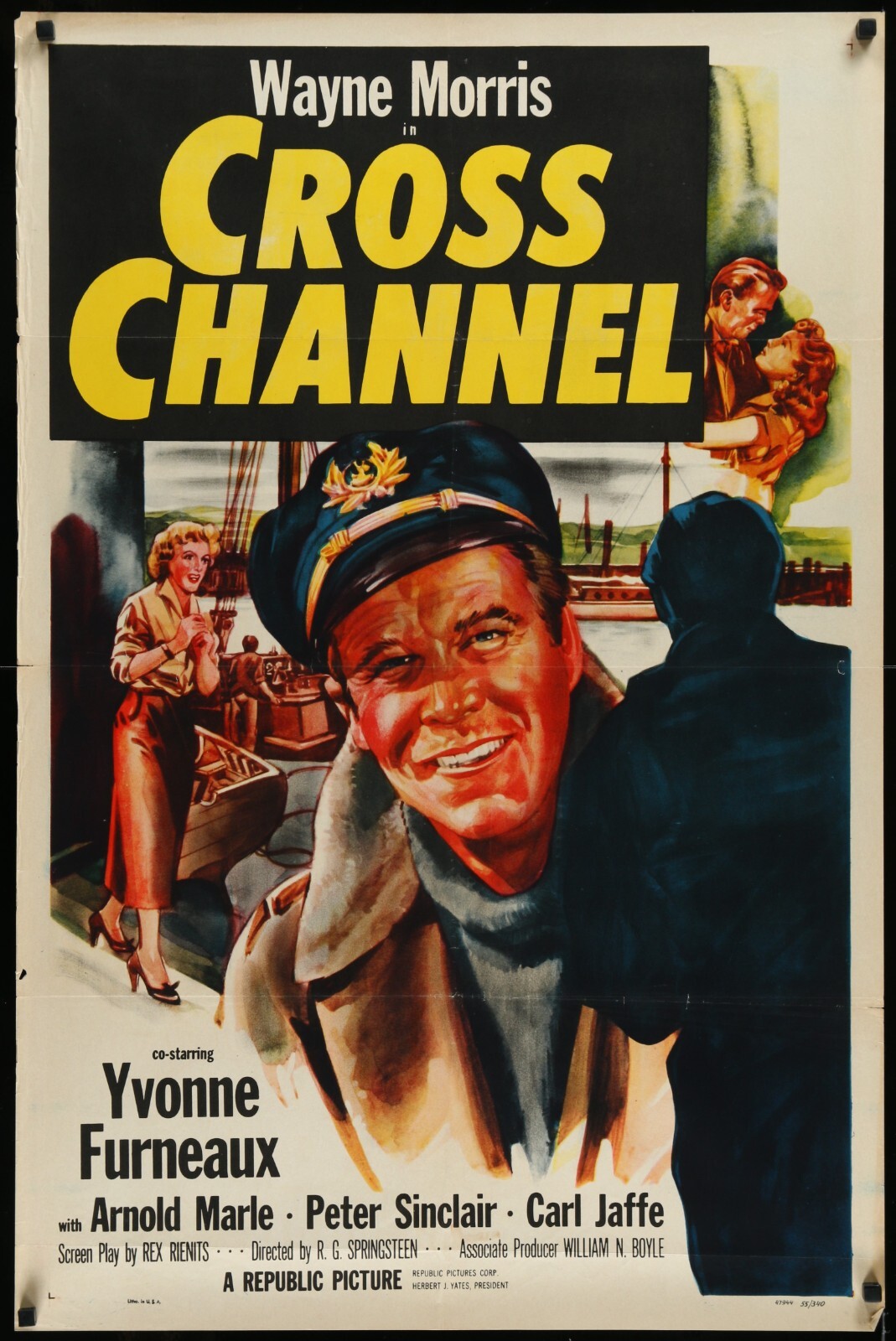
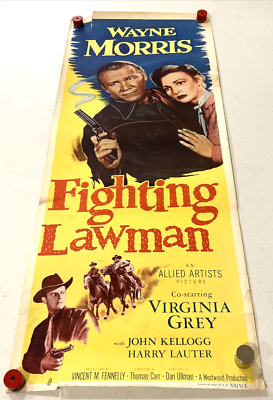
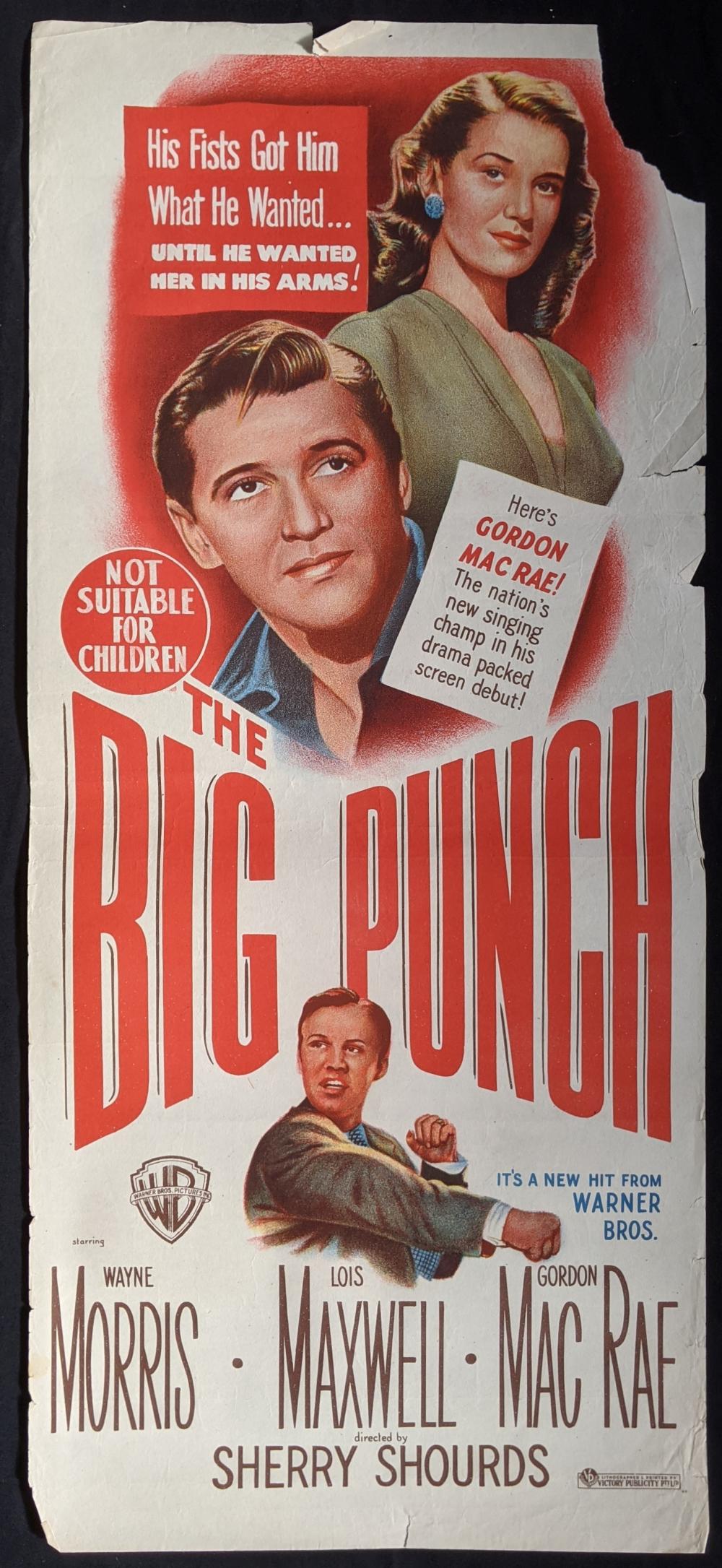
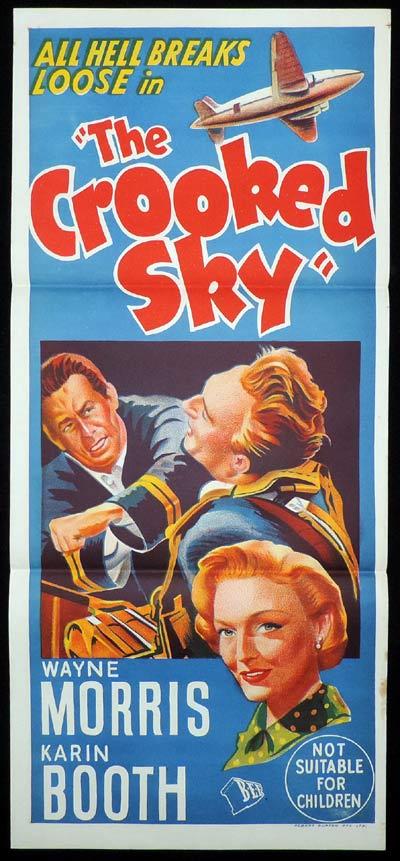
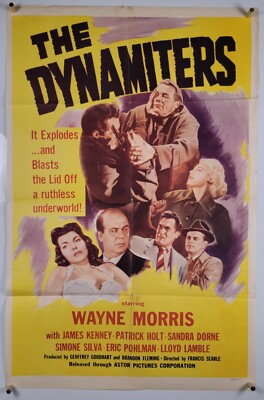
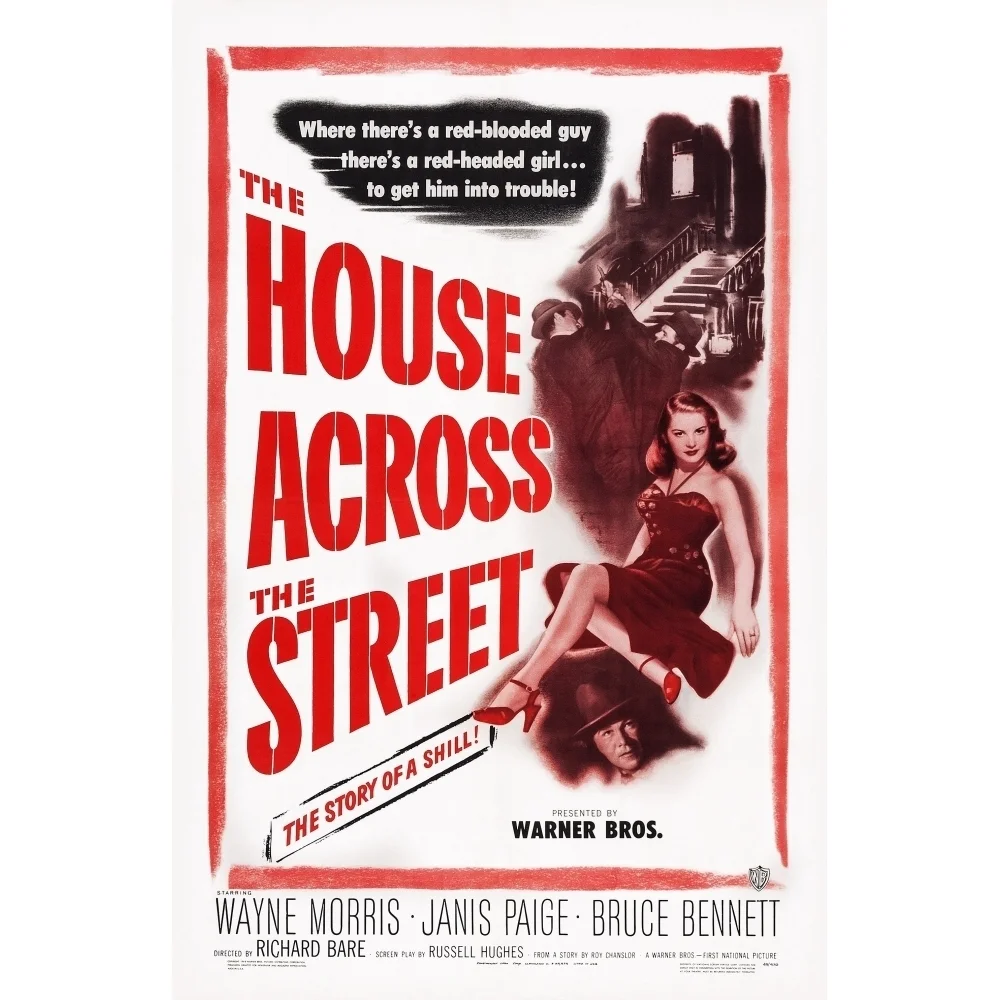
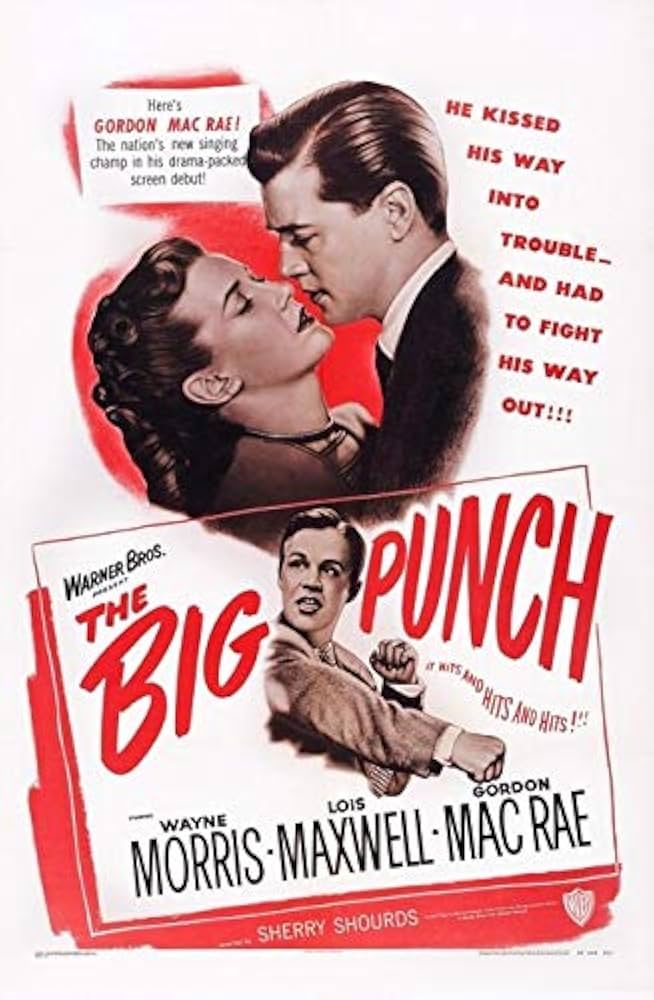
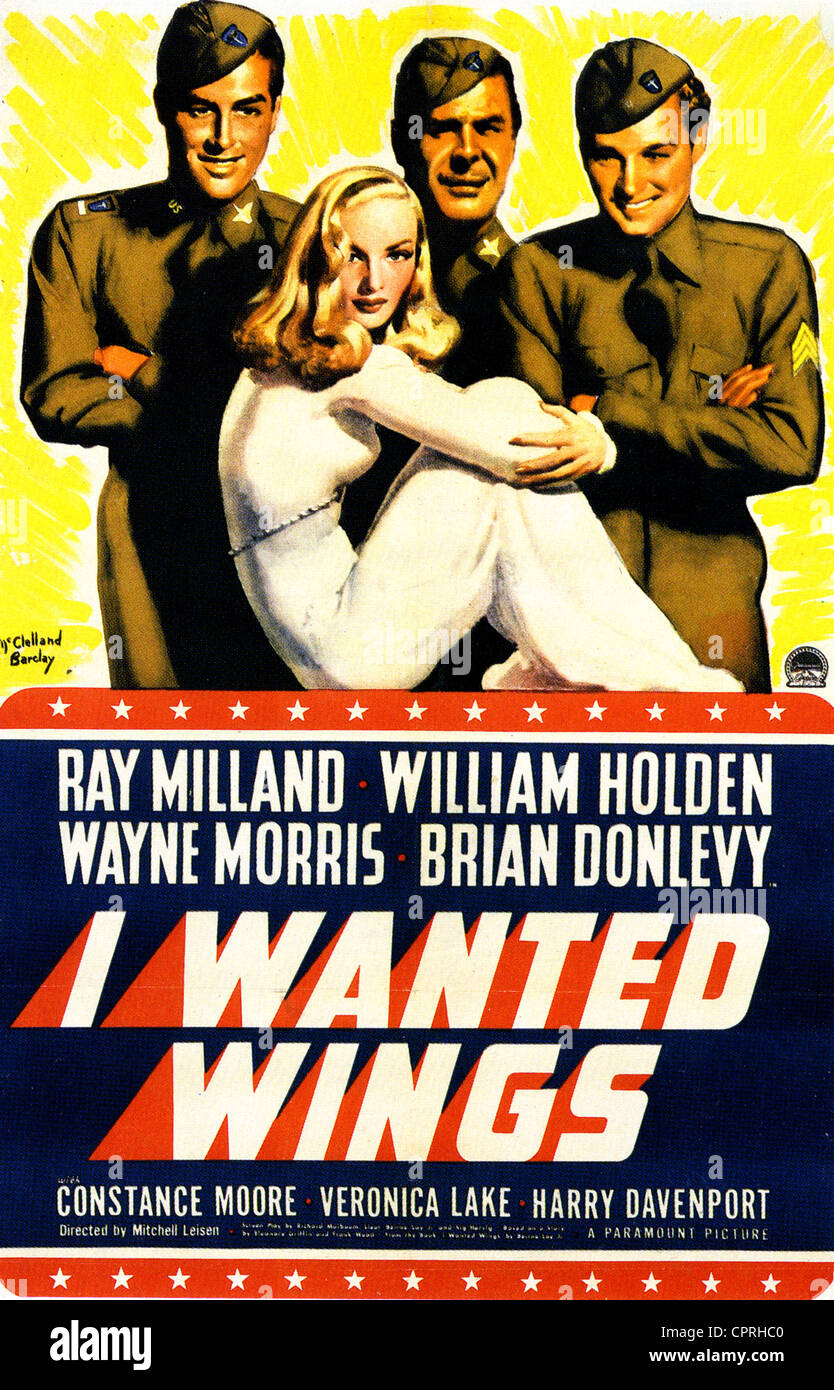
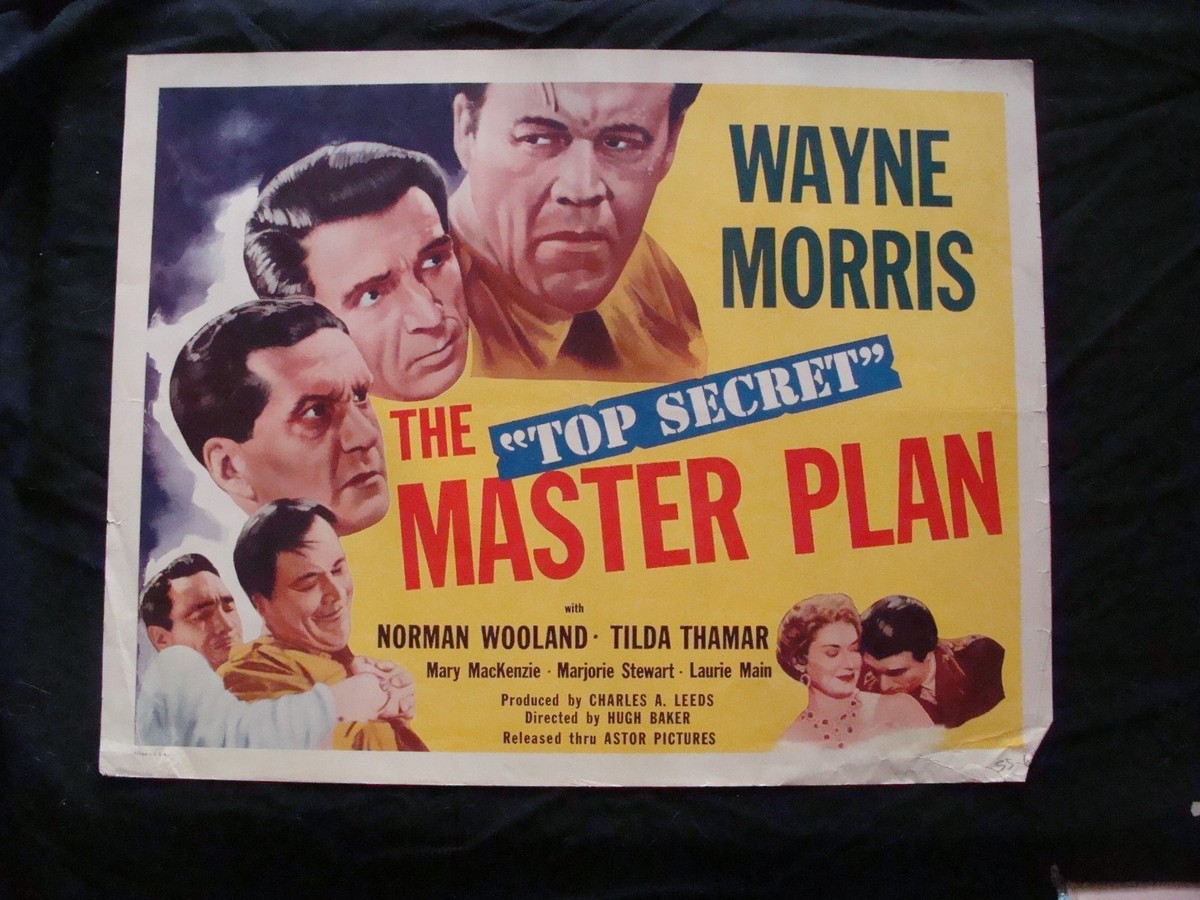
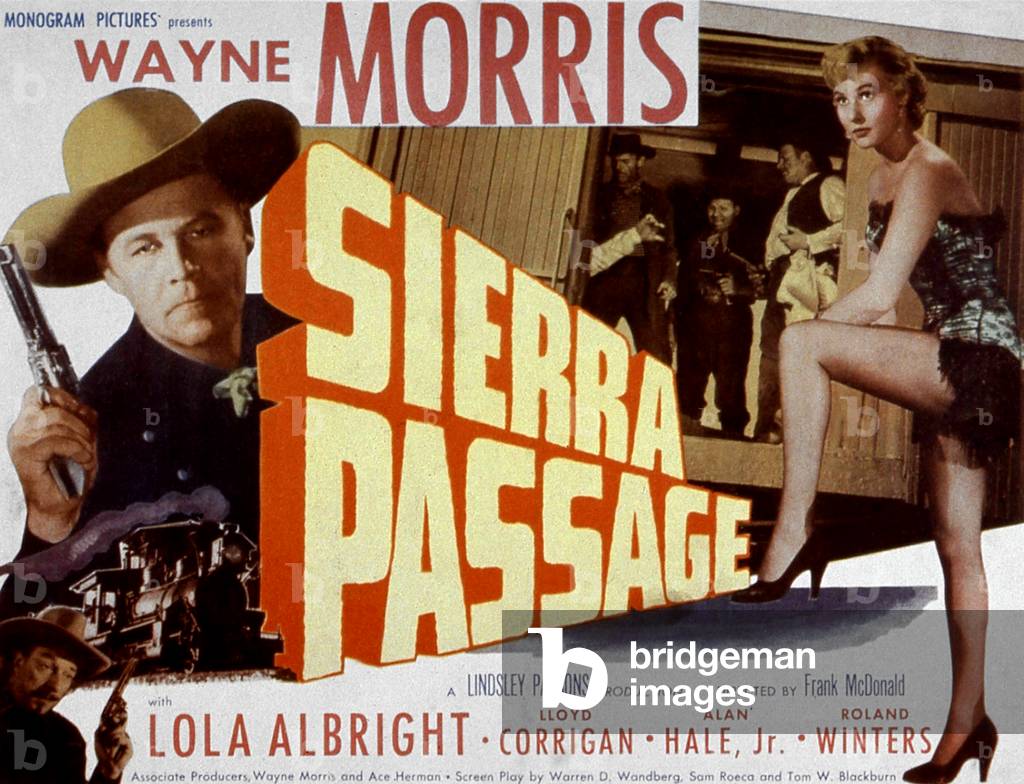
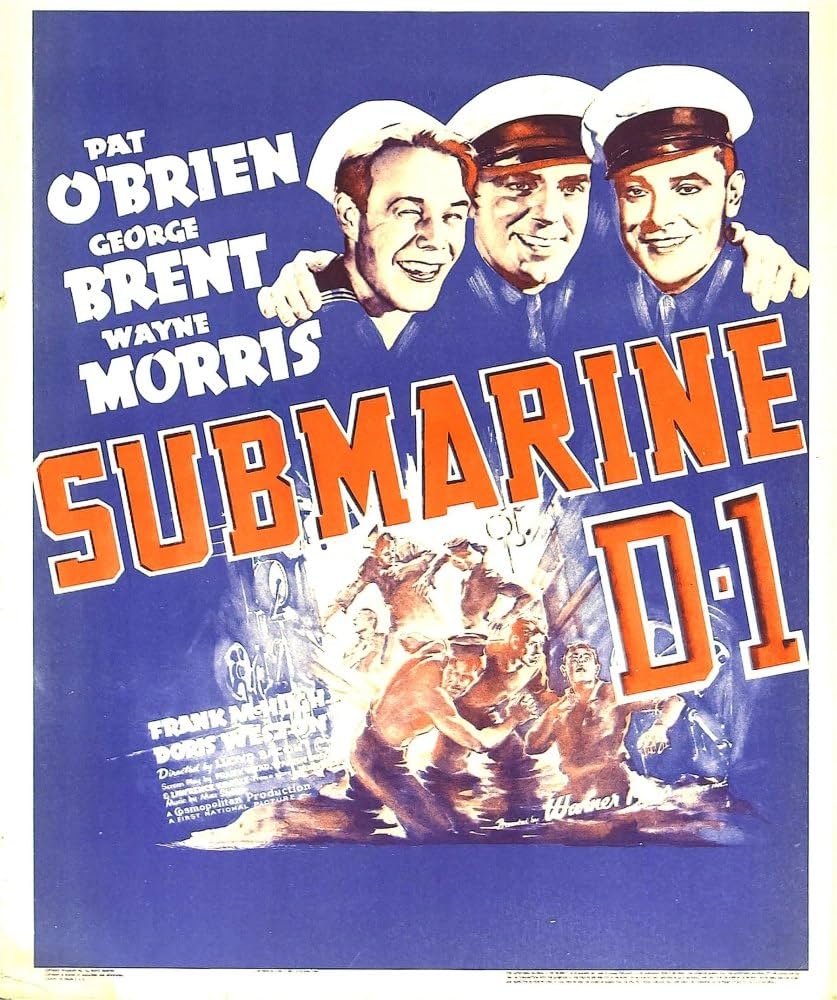
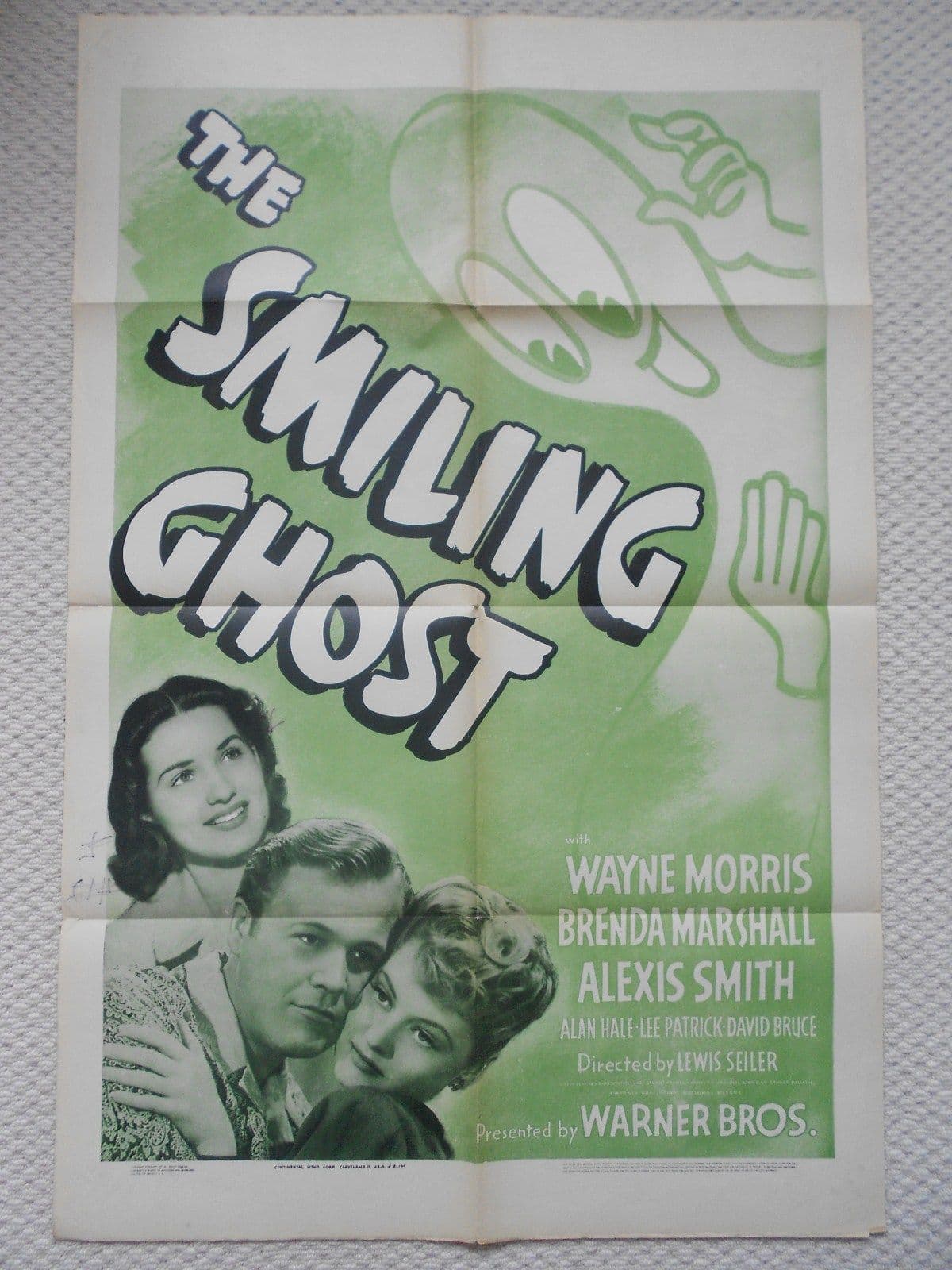
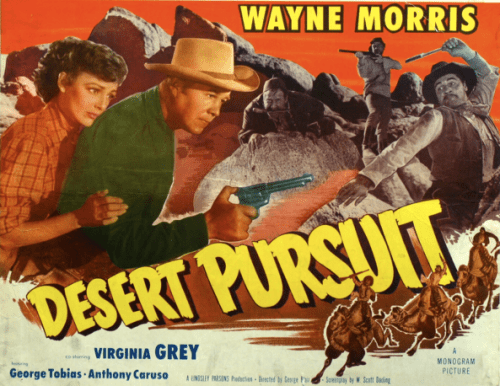
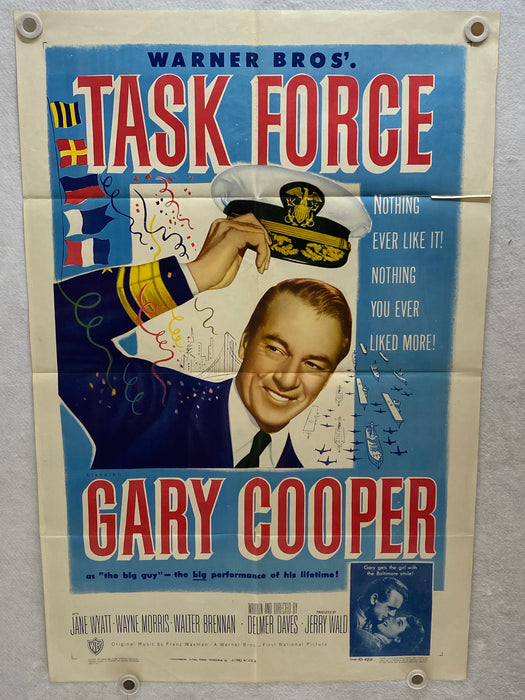
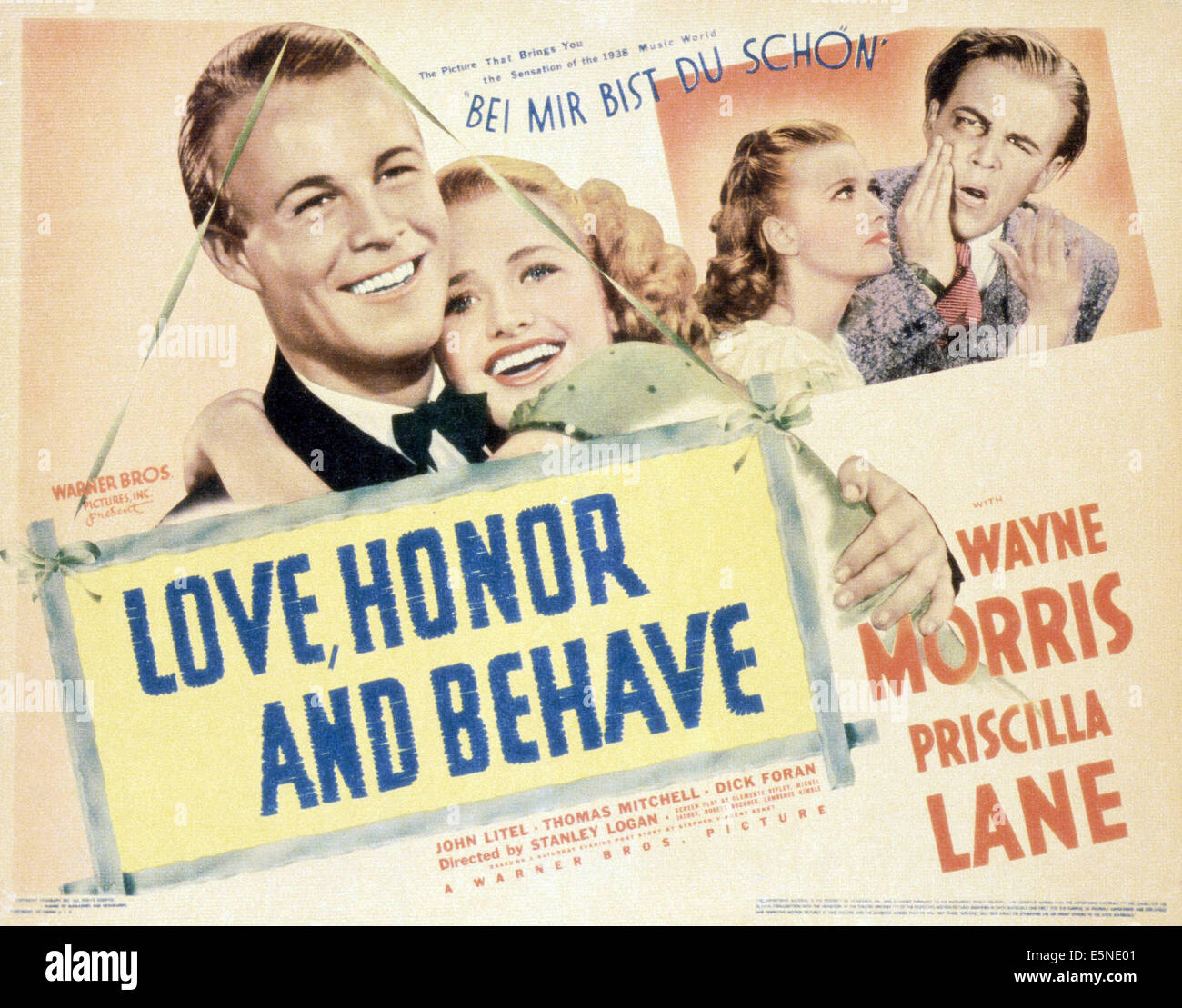
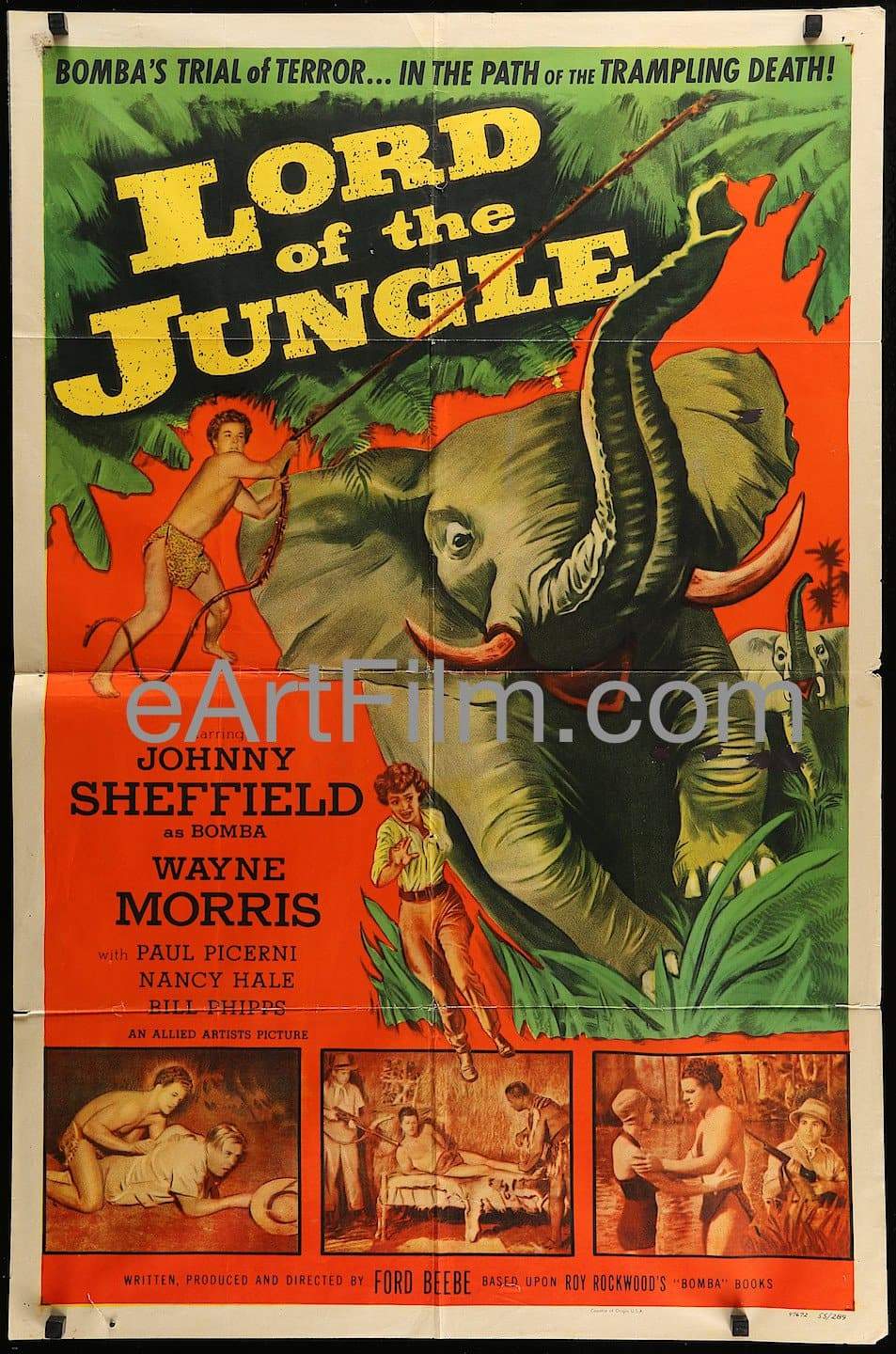
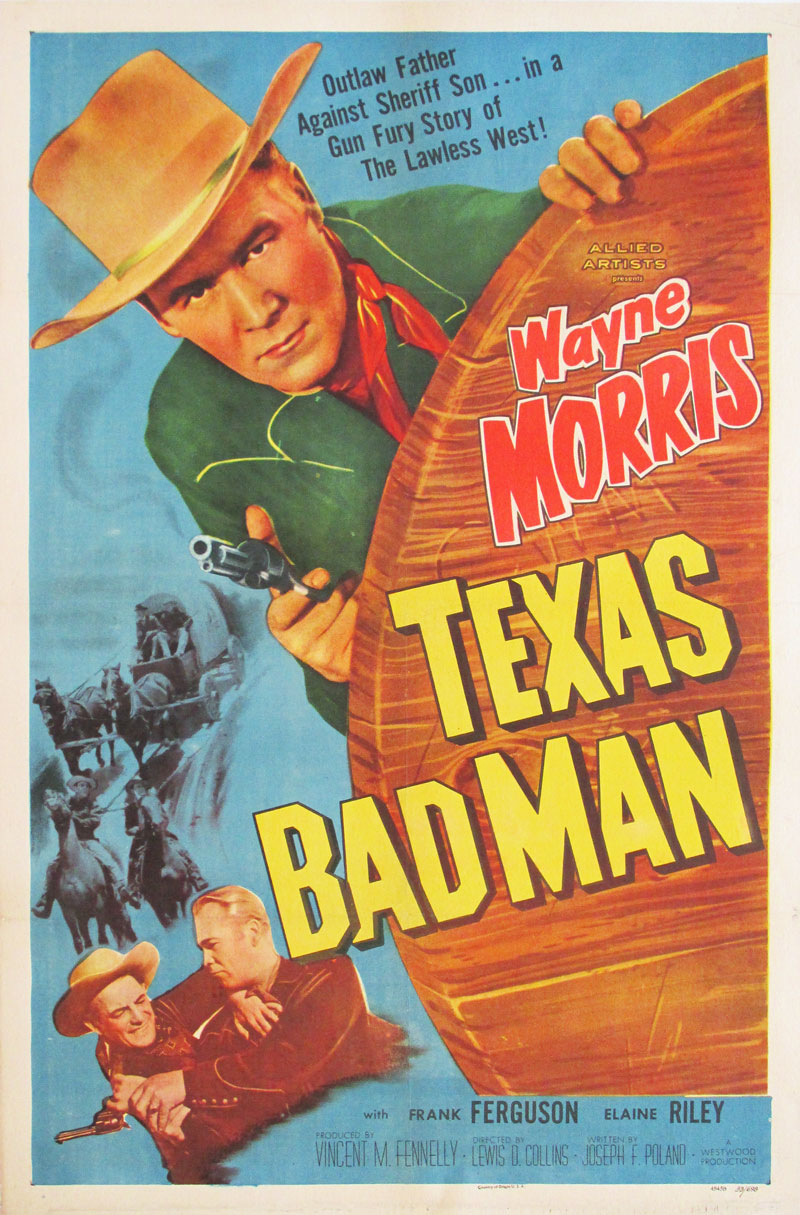
Wayne Morris
Wayne Morris
Wayne Morris

IMDB Entry:

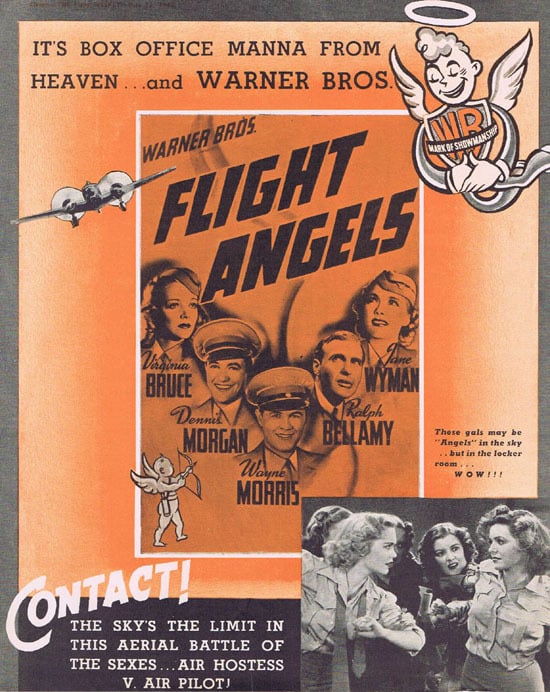
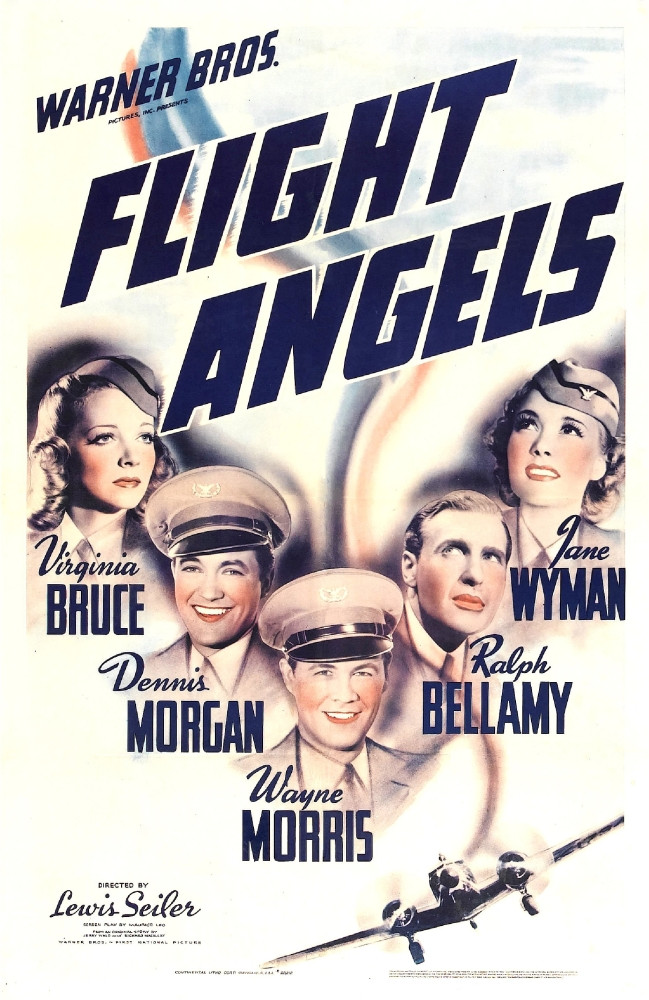
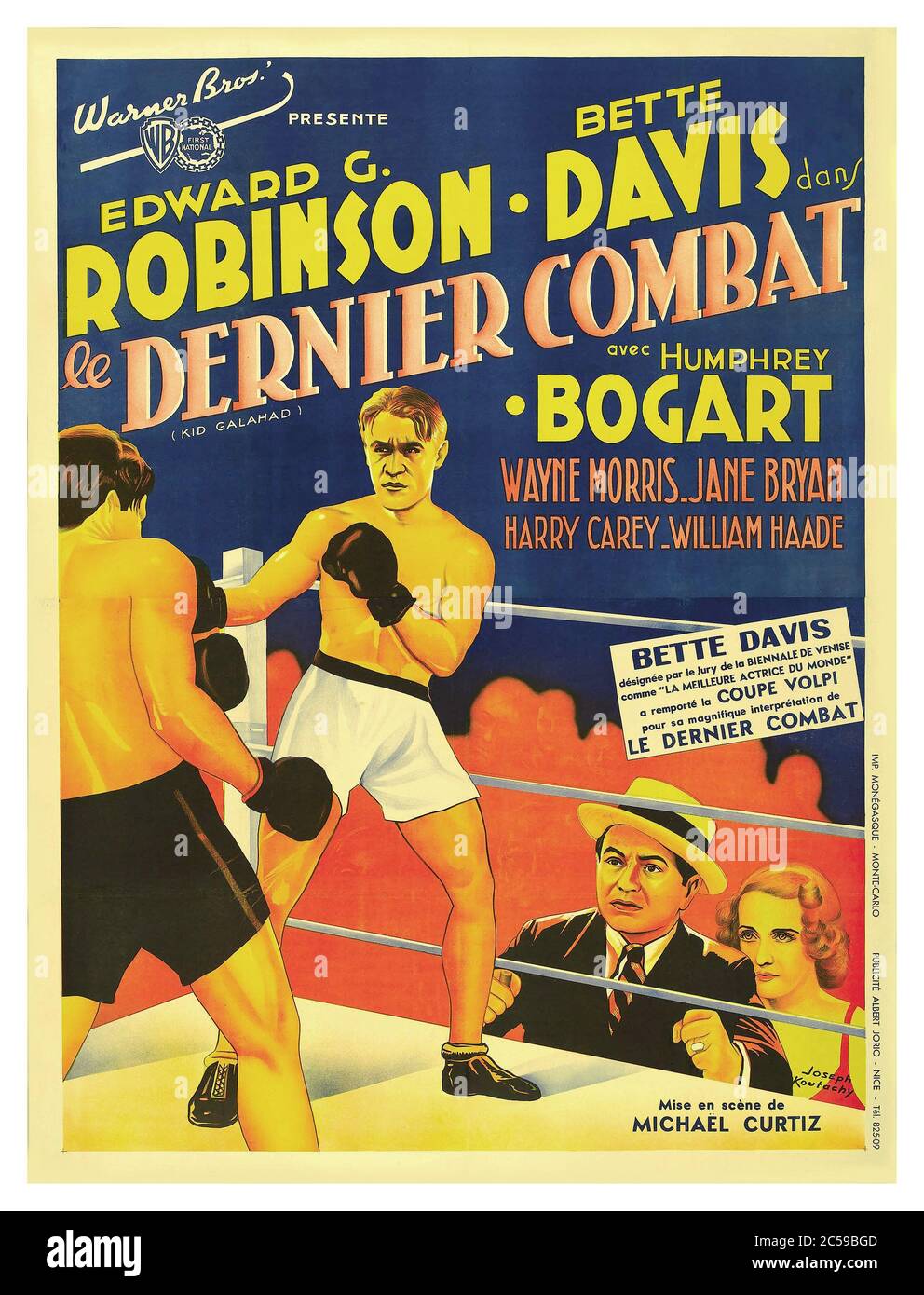
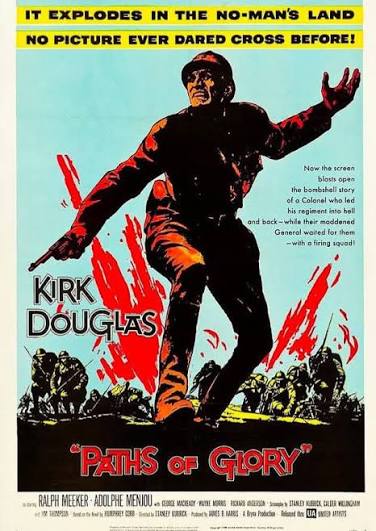
American actor who had early success as a sunny juvenile, but whose career declined following World War II, in which he was a highly-decorated hero. A native of Los Angeles, Morris played football at Los Angeles Junior College, then worked as a forest ranger. Returning to school, he studied acting at Los Angeles Junior College and at the acclaimed Pasadena Playhouse. A Warner Bros. talent scout spotted him at the Playhouse and he signed with the studio in 1936. Blond and open-faced, he was a perfect type for boy-next-door parts and within a year had made a success in the title role of Kid Galahad(1937). While filming Flight Angels (1940), Morris became interested in flying and became a pilot. With war in the wind, he joined the Naval Reserve and became a Navy flier in 1942, leaving his film career behind for the duration of the war. Assigned to the carrier Essex in the Pacific, Morris shot down seven Japanese planes and contributed to the sinking of five ships. He was awarded four Distinguished Flying Crosses and two Air Medals. Following the war, Morris returned to films, but his nearly four-year absence had cost him his burgeoning stardom. He continued to topline movies, but the pictures, for the most part, sank in quality. Losing his boyish looks but not demeanor, Morris spent most of the Fifties in low-budget Westerns. A wonderful performance as a weakling in Stanley Kubrick‘s Paths of Glory (1957) might have given impetus to a new career as a character actor, had Morris lived. However, he suffered a massive heart attack while visiting aboard the aircraft carrier Bon Homme Richard in San Francisco Bay and was pronounced dead after being transported to Oakland Naval Hospital in Oakland, California. He was 45. His last film was not released until two years after his death.

– IMDb Mini Biography By: Jim Beaver <jumblejim@prodigy.net>

The above IMDB entry can also be accessed online here.

“Movies Unlimited” article:

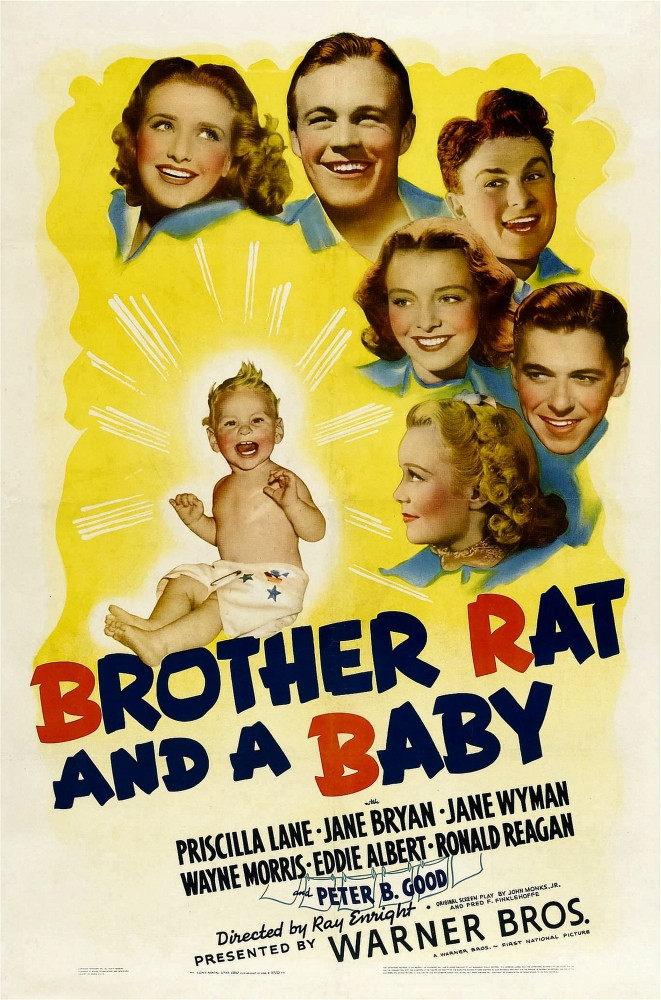
He can be seen playing alongside Bette Davis as a boxer in Kid Galahad (1937) or a cadet running amok at the Virginia Military Institute in Brother Rat (1938). Wayne Morris may not be a name you’re familiar with, but you have most likely seen the husky, affable blond in Warner Brothers 1930s and ’40s films. But you may not be familiar with Morris’ wartime record. We frequently hear about Hollywood actors such as James Stewart, Clark Gable and Mickey Rooney who enlisted and were decorated for their bravery during World War II. However, Morris is rarely recognized for his service and was one of World War II’s first flying aces.

His interest in flying started in Hollywood. While filming Flying Angles (1940) with Jane Wyman and Dennis Morgan, Morris learned how to pilot a plane. Once World War II began, Morris joined the Naval Reserve and became a Naval flier in 1942 on the U.S.S. Essex. He put his career on hold to fight. The same year he was married to Olympic swimmer Patricia O’Rourke.

“Every time they showed a picture aboard the Essex, I was scared to death it would be one of mine,” Morris said. “That’s something I could never have lived down.”

Morris flew 57 missions–while some actors only flew 20 or less–and made seven kills, which qualified him as an ace. He also helped sink five enemy ships. He originally was told he was too big to fly fighter planes until he went to his uncle-in-law, Cdr. David McCampbell who wrote a letter allowing him to fly the VF-15, according to “McCampbell’s Heroes: the Story of the U.S. Navy’s Most Celebrated Carrier Fighter of the Pacific” by Edwin P. Hoyt. Three of his planes were so badly damaged by enemy fire that they were deemed unfit to fly and were dumped in the ocean, according to IMDB.

“As to what a fellow thinks when he’s scared, I guess it’s the same with anyone. You get fleeting glimpses in your mind of your home, your wife, the baby you want to see,” Morris said. “You see so clearly all the mistakes you made. You want another chance to correct those mistakes. You wonder how you could have attached so much importance to ridiculous, meaningless things in your life. But before you get to thinking too much, you’re off into action and everything else is forgotten.”

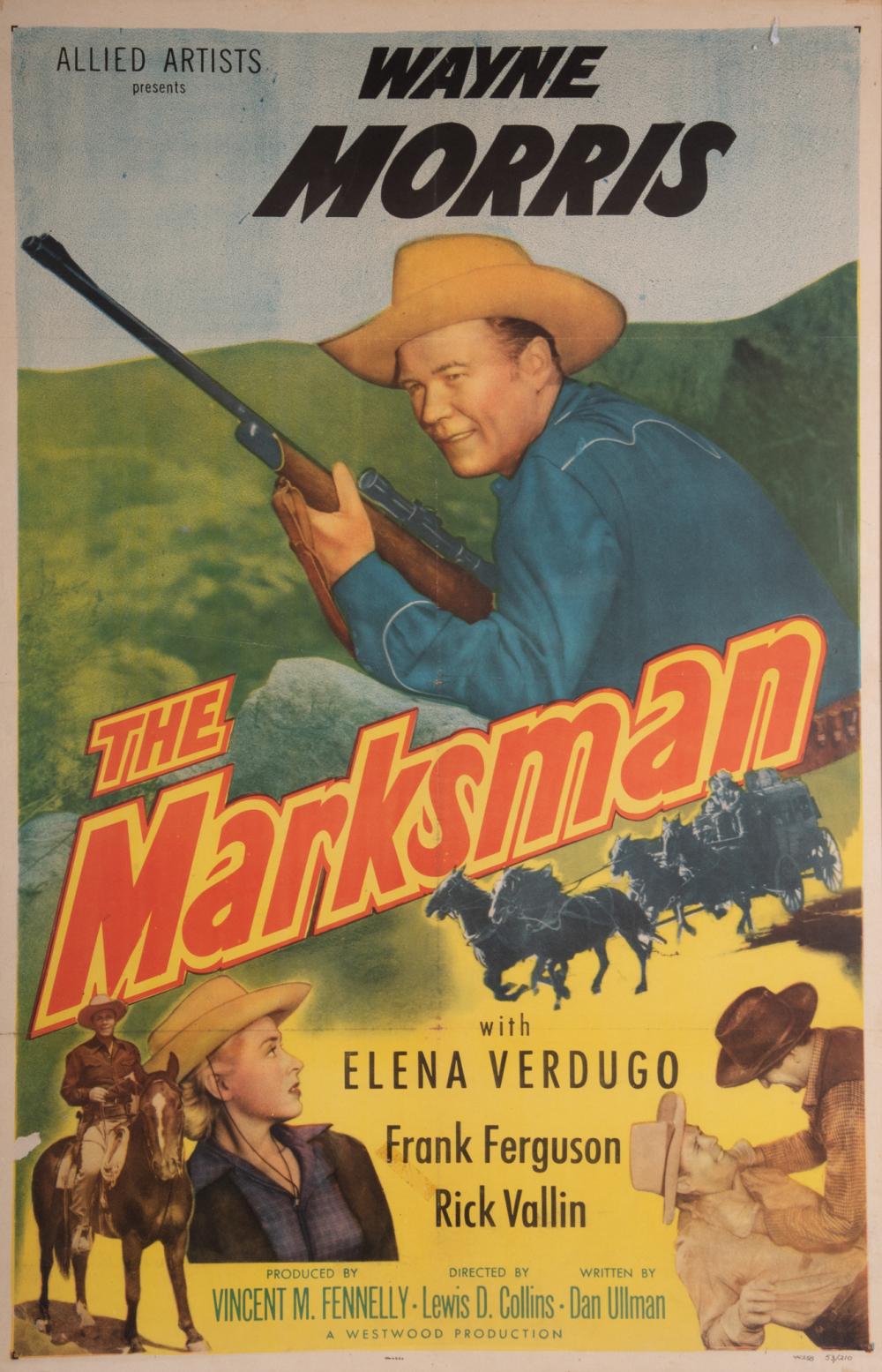
 For his duty, Morris was honored with four Distinguished Flying Crosses and two Air Medals. When he returned to Hollywood after four year at war, his once promising career floundered and Warner Brothers did not allow him to act for a year. Morris’s most notable post-war films include The Voice of the Turtle, John Loves Mary and Paths of Glory. His career ended with several B-westerns.

At the age of 45, Morris passed away in 1959 from a massive heart attack. But his service to his country was not forgotten. Morris is buried in Arlington Cemetery and was given full military honors at his funeral.

Though I am thankful for all men and women who serve our country, I wanted to recognize Wayne Morris. For years I saw Wayne in films and knew nothing about him except that I liked him. He is one of those character actors that can make a movie special. Morris seemed like a regular guy. Before he started out in Hollywood, he played football at Los Angeles Junior College and worked as a forest ranger. After I researched him and discovered his war record, I wanted to honor his service and his work in films.

Thank you to Wayne Morris and men and women in the military for serving our country.

Jessica Pickens is the writer for Comet Over Hollywood Blog. The blog explores everything from classic actressbeauty tips to celebrities from the Carolinas. Outside of blogging, Jessica is a reporter at The Shelby Star in Shelby, N.C. You can visit her on Facebook and follow her on Twitter @HollywoodComet.

The above “Movies Unlimited” article can also be accessed online here.
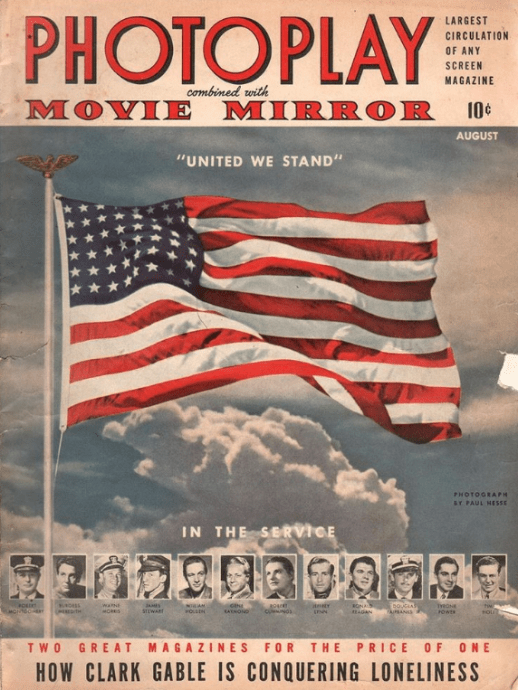
 

Wayne Morris was a fascinatng “Blue-Eyed Boy” of the 1930s whose career serves as a poignant case study of how real-life heroism can, ironically, derail a cinematic trajectory.


1. The “Kid Galahad” Era (1936–1941)

Morris was the quintessential Warner Bros. “Golden Boy”—blond, athletic, and possessed of a sunny, affable charm that made him a natural fit for juvenile leads.

  • Kid Galahad (1937): In the title role, he held his own against heavyweights Edward G. Robinson, Bette Davis, and Humphrey Bogart.

    • Critical Analysis: Critics at the time praised his “husky sincerity.” He represented a new type of American leading man: less polished than Cary Grant, but more wholesome than Bogart. He was the “Boy Next Door” who could actually take a punch.

  • Brother Rat (1938): Starring alongside Ronald Reagan and Jane Wyman.

    • Analysis: This film solidified his image as the “Amiable Athlete.” His performances were characterized by a high-energy, “aw-shucks” charisma that defined pre-war American optimism.

2. The Fighter Ace Interruption (1942–1945)

Unlike many actors who served in auxiliary or entertainment capacities, Morris became one of the most decorated combat pilots in Hollywood history.

  • The Record: Flying F6F Hellcats, he shot down seven Japanese aircraft and helped sink five ships, earning four Distinguished Flying Crosses.

  • The Psychological Shift: Critics and biographers often note that the war “aged” Morris. The boyish exuberance that was his primary trade-in-value was replaced by a weathered, somber maturity that the studio system struggled to market upon his return.

3. The Kubrick Resurgence: Paths of Glory (1957)

After a decade of middling B-Westerns, Morris delivered what is arguably his most brilliant—and most difficult—performance in Stanley Kubrick’s anti-war masterpiece.

  • The Role: Lieutenant Roget, a cowardly, alcoholic officer who sends his men to their deaths to cover his own mistakes.

  • Detailed Critical Analysis: This performance was a complete deconstruction of Morris’s previous persona.

    • Technique: He utilized a “sweaty, desperate petulance.” Critics lauded how he allowed his formerly “sunny” face to become bloated and weak, capturing the moral rot of the military bureaucracy. It remains a masterclass in playing a “contemptible” character with enough humanity to make the audience uncomfortable. It proved that underneath the “affable blond” exterior lay a formidable character actor.


Detailed Critical Analysis: Style and Technique

The “Uncomplicated” Masculinity

In his early years, Morris’s greatest asset was his lack of artifice. He didn’t “act” so much as “exist” on screen with a contagious sense of goodwill. This made him the perfect foil for the “cynical” stars of the era (like Bogart). He provided the moral light that allowed the noir shadows to look darker.

The “Post-War Disconnect”

Critically, Morris’s career is a study in “Archetypal Misalignment.” After 1945, the audience wanted “Gritty” or “Tormented” (Brando, Clift). Morris, despite his harrowing war record, still looked like a “Kid.” He was a man with a “warrior’s soul” trapped in a “juvenile’s frame.” This disconnect forced him into B-Westerns where his natural athleticism could be utilized, but his dramatic depth was ignored.


Key Career Milestones

Work Year Role Significance
Kid Galahad 1937 Ward Guisenberry Established him as an A-list juvenile lead.
The Return of Doctor X 1939 Walter Garrett Showcased his ability to anchor a genre-bending horror.
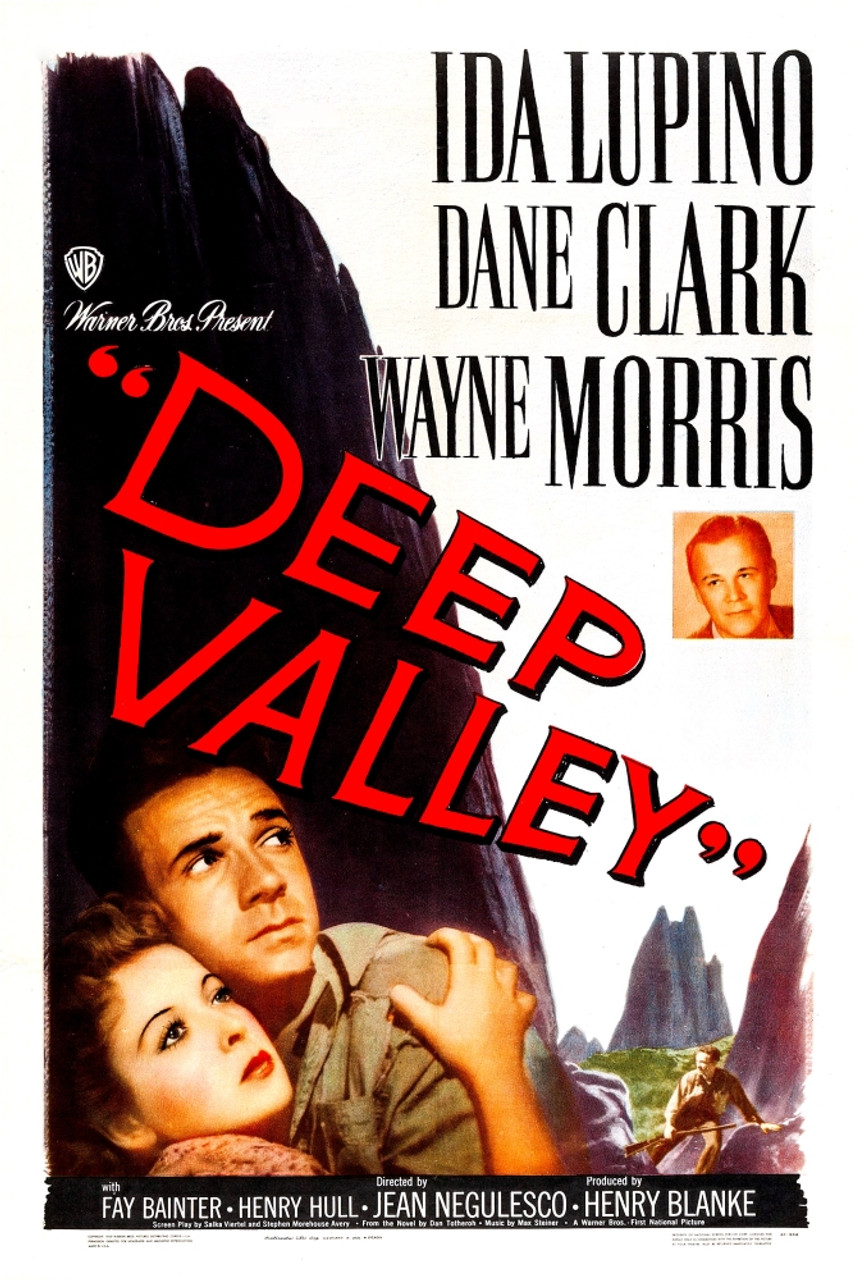
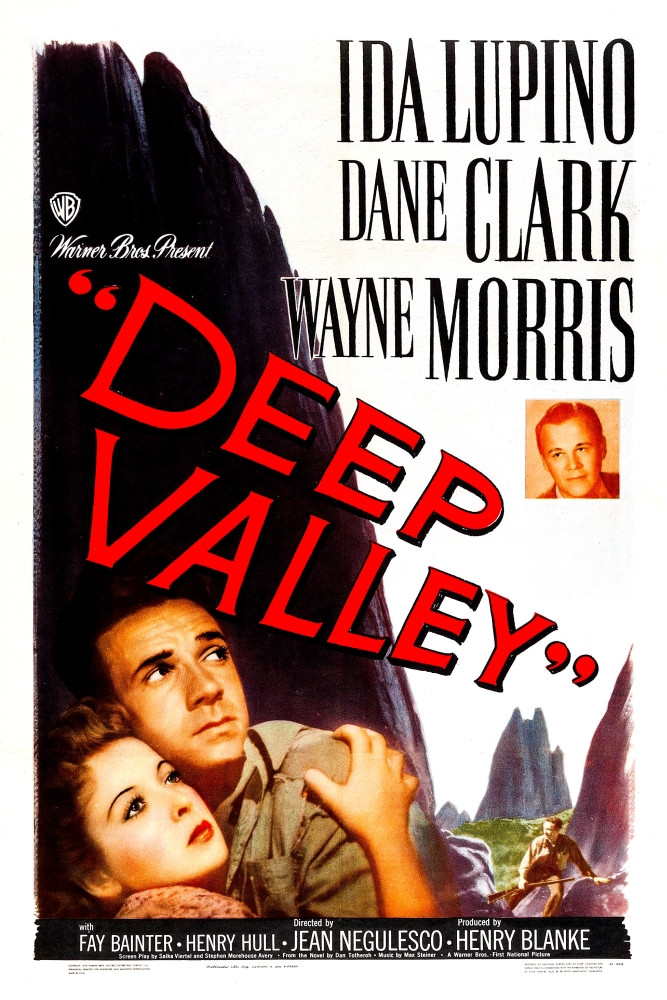
Deep Valley 1947 Jeff Barker A rare post-war role that touched on his new “darker” edge.
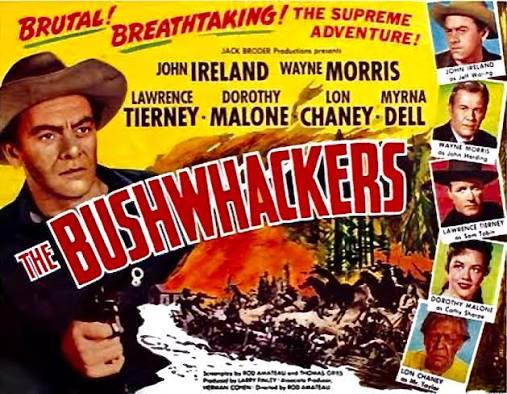
The Bushwhackers 1952 Marshal John Harding Representative of his prolific period in the B-Western genre.
Paths of Glory 1957 Lt. Roget His definitive critical triumph; redefined his legacy.

Legacy Summary: Wayne Morris was a “Hero in Two Worlds.” While Hollywood eventually relegated him to the “B-movie” ranks, his performance in Paths of Glory stands as a permanent testament to a talent that was deeper than his “Boy Next Door” grin suggested. He remains a poignant symbol of a generation of actors whose real-life gravity eventually eclipsed their screen personas.

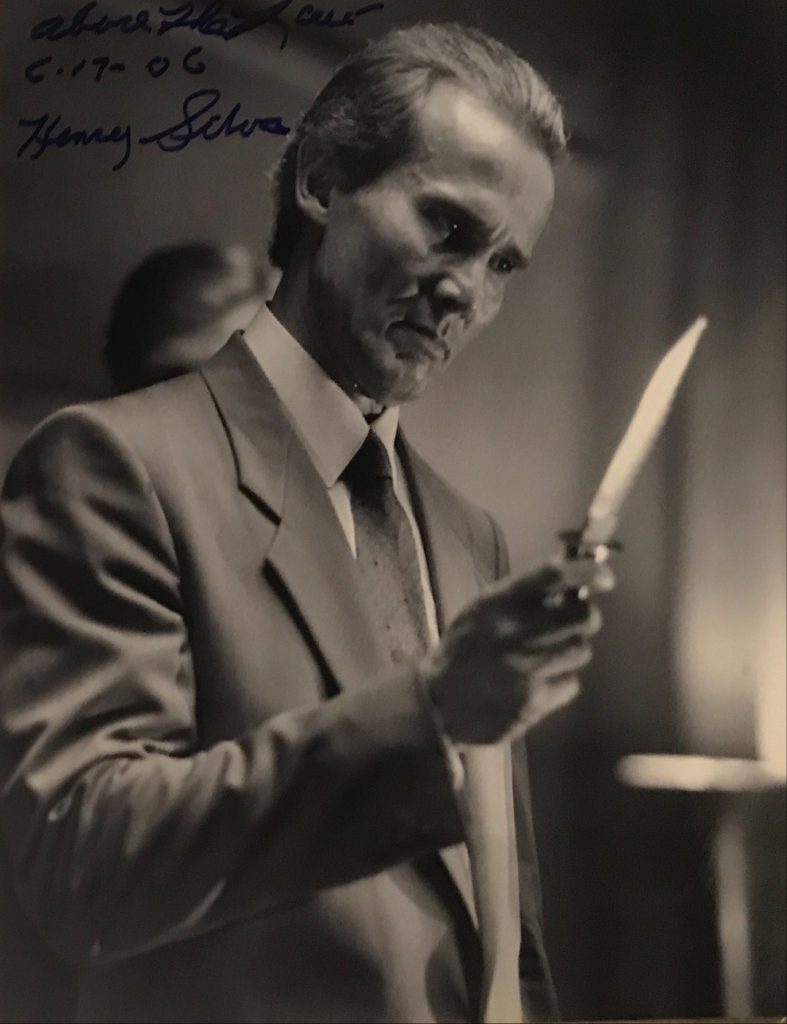
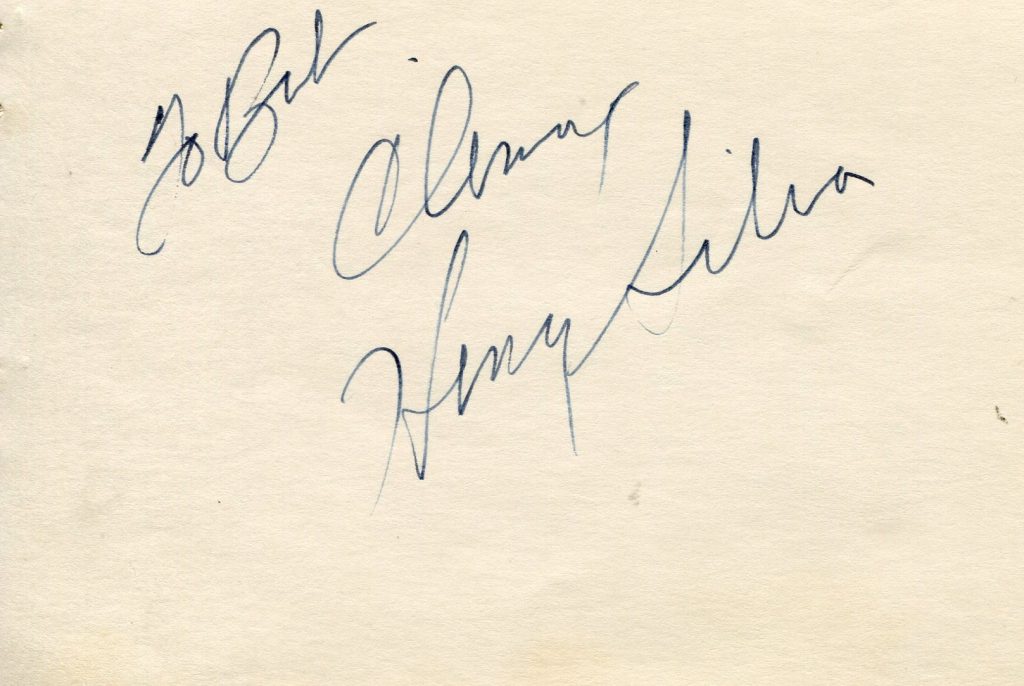
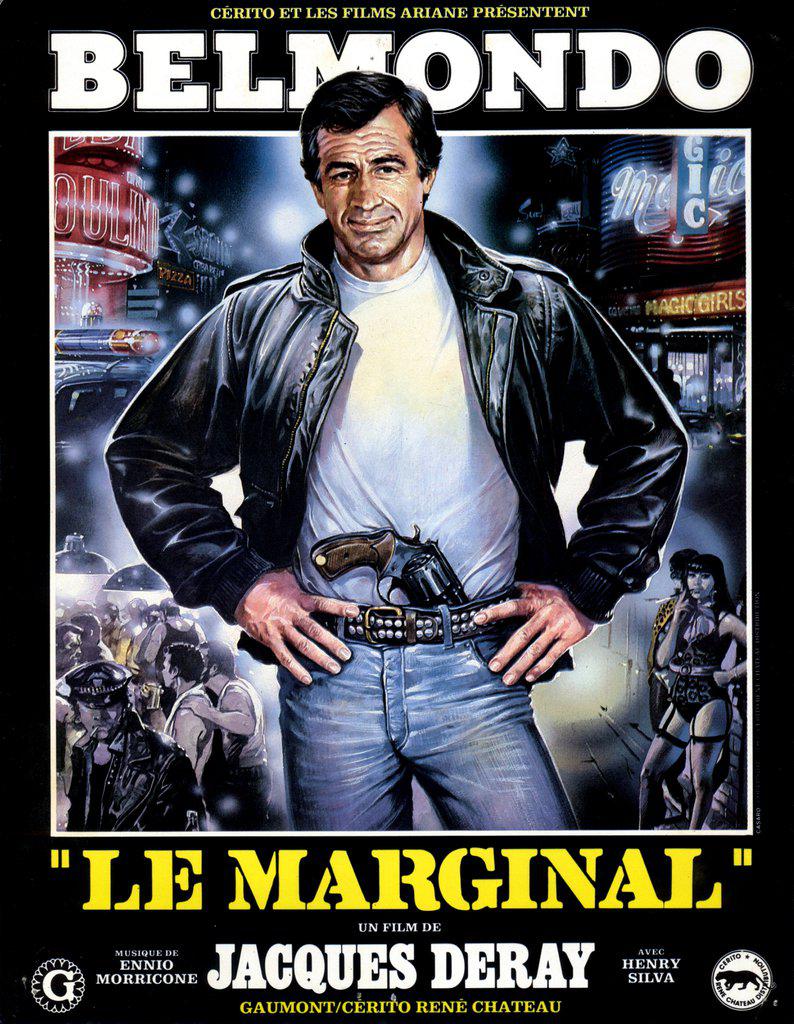
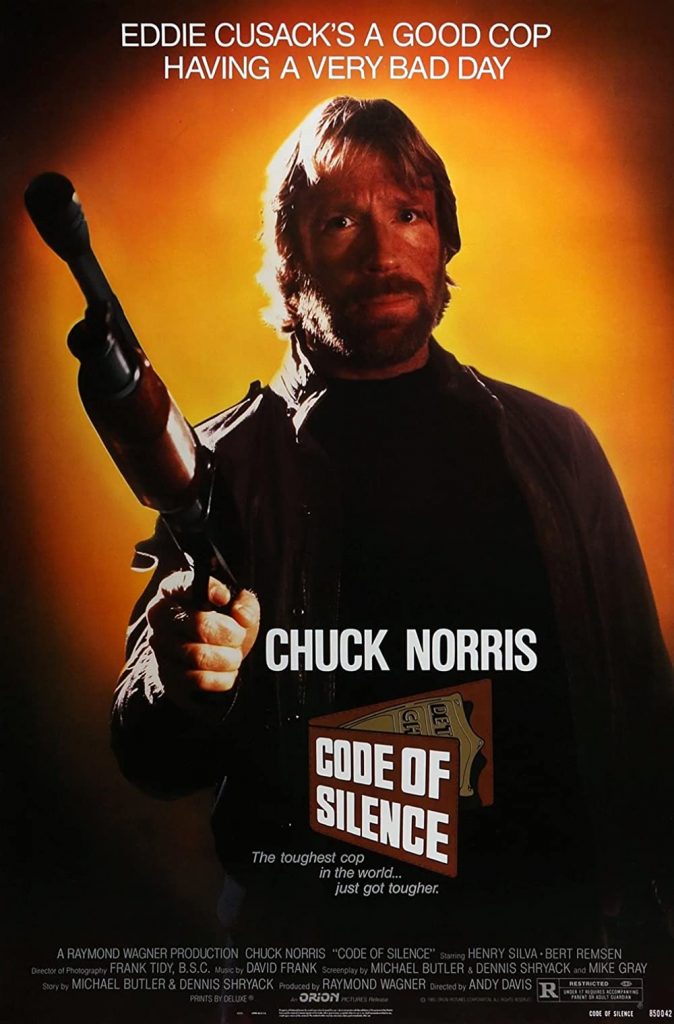
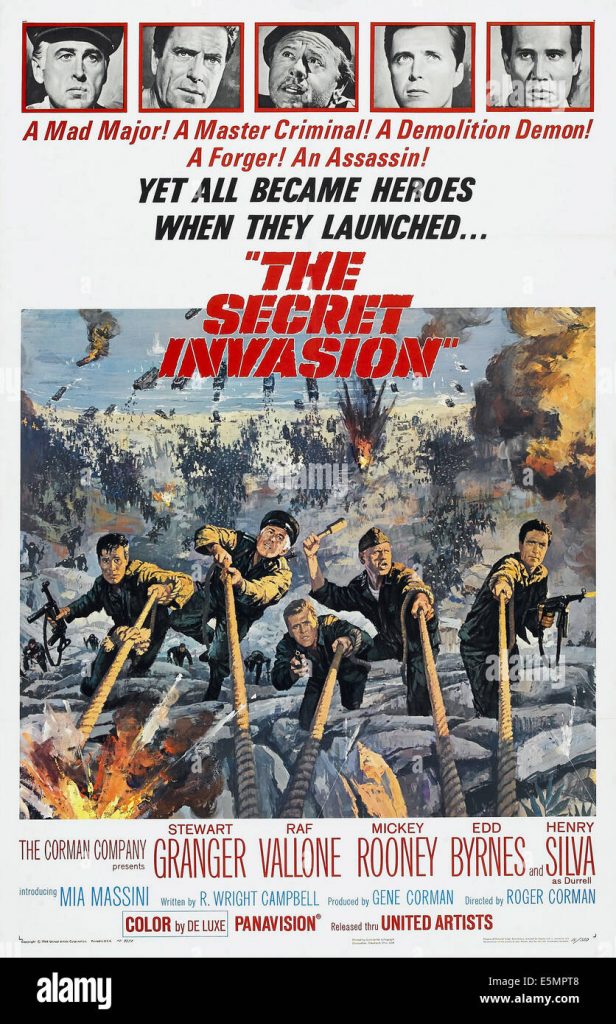
Henry Silva
Henry Silva
Henry Silva

IMDB entry:

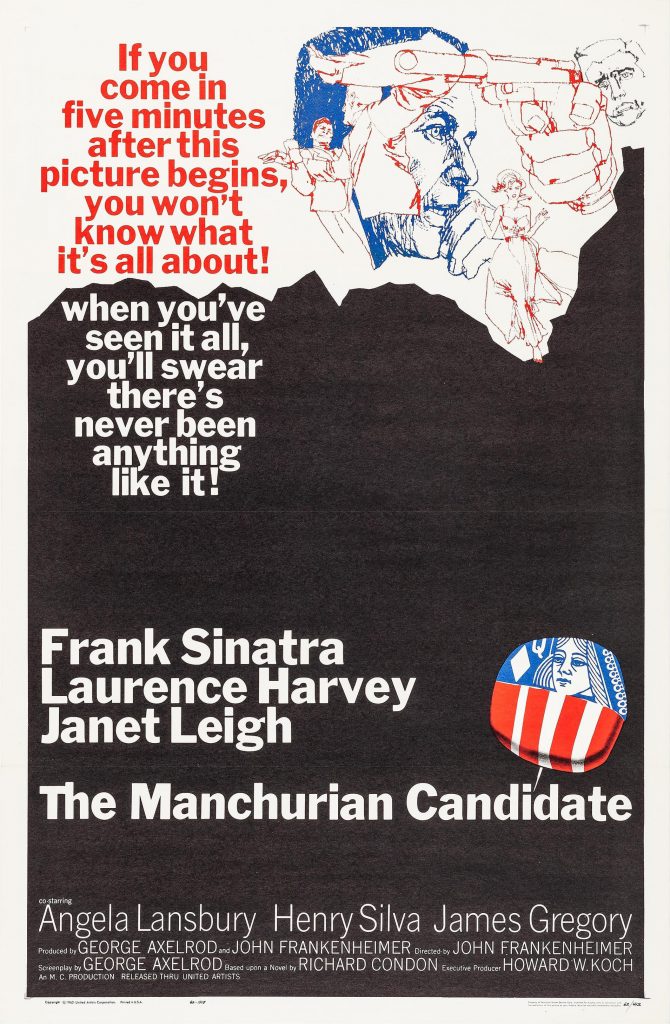
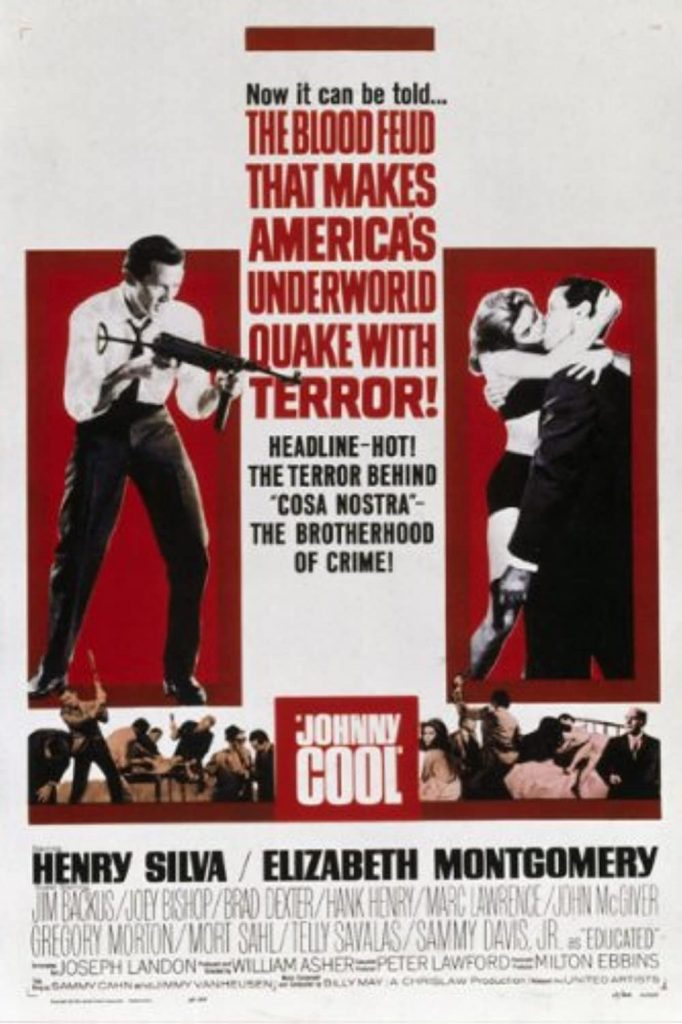
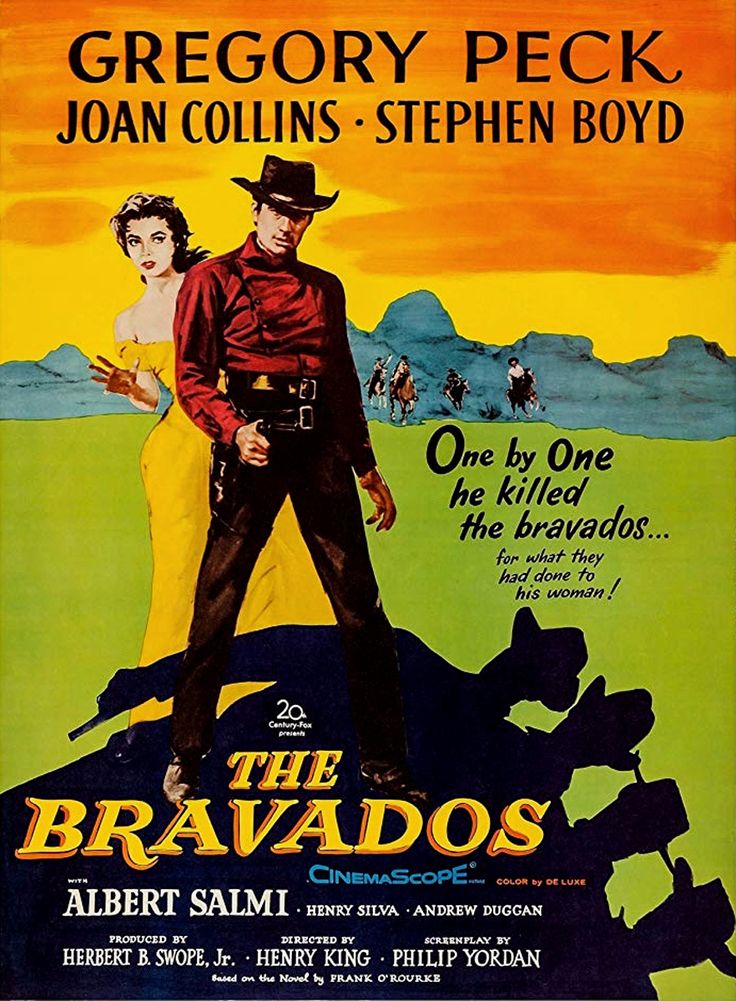
Henry Silva was born on September 15, 1928 in Brooklyn, New York City. He quit public school to attend drama classes at age 13, supporting himself as a dishwasher in a Manhattan hotel. By 1955, Silva had moved up from dishwasher to waiter, and felt ready to audition for the Actors Studio. He was one of five students chosen out of more than 2500 applicants. When the Actors Studio staged Michael V. Gazzo‘s play “A Hatful of Rain” as a classroom project, it proved so successful it came to Broadway–with studentsBen GazzaraShelley WintersHarry GuardinoAnthony Franciosa and, of course, Silva in key roles. Called to Hollywood, he played a succession of heavies in films, including The Bravados (1958), Green Mansions (1959), Ocean’s 11 (1960), The Manchurian Candidate(1962) and Johnny Cool (1963).

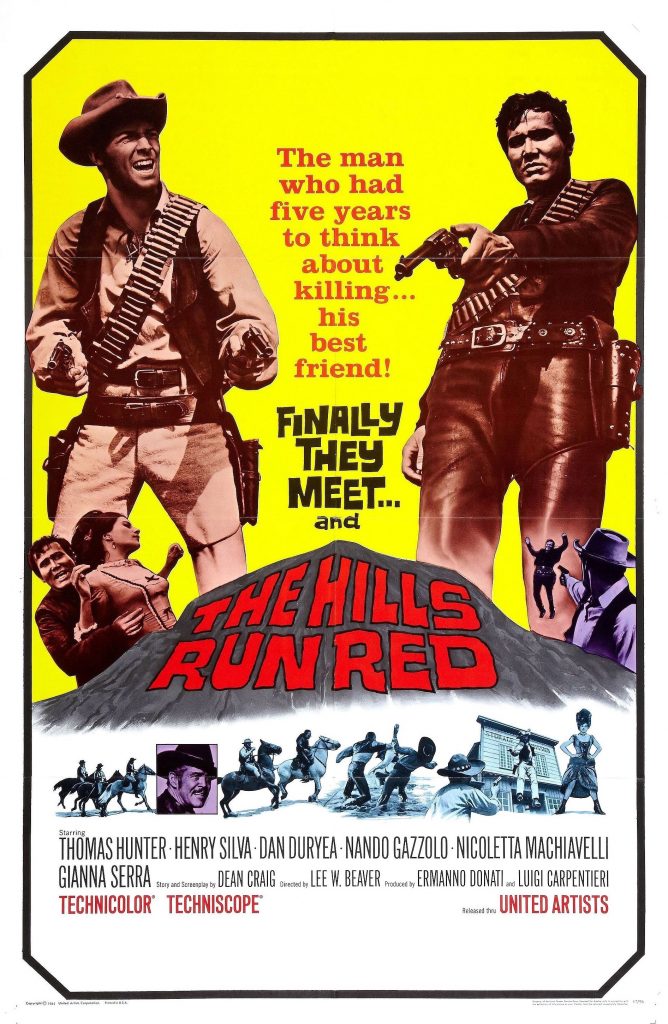
An Italian producer made Henry an offer he could not refuse–to star as a hero for a change–and he moved his family overseas. Silva’s turning-point picture was a spaghetti western, The Hills Run Red (1966), which made him a hot box office commodity in Spain, Italy, Germany and France. His popularity was enhanced by a gift for languages. He speaks Italian and Spanish fluently and has a flair for the kind of gritty, realistic roles that also catapulted Charles Bronson to European stardom. Returning to the United States, he co-starred with Frank Sinatra in the film Contract on Cherry Street (1977), then signed on as Buck Rogers’ evil adversary Kane in Buck Rogers in the 25th Century(1979) and the television series of the same name. Silva now calls the San Fernando Valley home, but makes continual film forays back to Europe’s production centers. A dedicated jogger, he puts in five miles a day “to keep in shape and relieve tension”.

– IMDb Mini Biography By: A. Nonymous

New York Times obituary in 2022:

He was forever cast as a thug, a hit man or some other nefarious character. But he took pride in his ability to play each bad guy differently.

Neil Genzlinger

By Neil Genzlinger

Sept. 16, 2022

Henry Silva, who for decades was high on the call list of any Hollywood casting director in search of a particularly menacing villain, died on Wednesday in Woodland Hills, Calif. He was 95. 

His son Scott Silva confirmed the death, at the Motion Picture and Television Country House and Hospital.

Mr. Silva appeared in more than 130 movies and television shows, scowling through many of them as a thug, a hit man or some other nefarious character. He was an assassin sent by a mob boss to wreak vengeance in “Johnny Cool” in 1963. He was a drug addict with a tendency to shoot people in the 1981 Burt Reynolds movie “Sharky’s Machine.” He was a corrupt C.I.A. operative in “Above the Law,” a 1988 film starring Steven Seagal.

He was even reprehensible as a cartoon: He voiced the supervillain Bane in animated TV shows involving both Batman and Superman.

Yet Mr. Silva was a serious actor, with training at the Actors Studio in New York and appearances on Broadway and in well-regarded movies like “The Manchurian Candidate” (1962). He prided himself on not letting the typecasting make him lazy.

“I see a lot of actors who play heavies, but they always play the same heavies,” he told The Chicago Tribune in 2000. “I have a seven-minute reel of clips from my movies, and none of the guys are the same. I don’t always go to the same place, because that would be boring.”

Henry Silva was born on Sept. 23, 1926 (not, as most sources have it, in 1928), in Brooklyn. He grew up in Spanish Harlem, raised by his mother, Angelina Martinez, after his father, Jesus Silva, left when Henry was young.

“It was the kind of place,” he told Knight Ridder in 1985, “where if you lived on one block and you wanted to go a few blocks away, you had to take a couple of guys with you, or else you would get your ass kicked. I mean, that’s the only way to put it; I can’t say that you would get ‘beat up.’”

“So you were always tense, and you were always on guard,” he continued. “You were never relaxed.” He said he often tapped into those memories when playing characters who were full of jittery, bottled-up anger.

By the time he was 8 he had determined that he wanted to be an actor; he said that the Andy Hardy movies of Mickey Rooney, with their idyllic small-town life so different from his own, were an inspiration of sorts. He left school at 13 and worked odd jobs. Years later, he would sometimes be complimented by real gangsters.

“They say, ‘My God, where did you learn how to play us?’” Mr. Silva told The Chicago Sun-Times in 2000. “I say, ‘I lived with “us.” I grew up with “us” in New York.’ I used to know the guys who used to run the whole areas, the prostitution rings. I used to shine their shoes.”

His mother hoped he would become a postal carrier, but instead he tried the acting life. He occasionally landed a bit part, including one on Broadway in the Tennessee Williams flop “Camino Real,” which ran for two months in 1953.

In 1955 Mr. Silva was one of hundreds who auditioned for the Actors Studio, then being run by Lee Strasberg. He was one of five selected for membership.

He was soon part of the cast when the group staged “A Hatful of Rain,” Michael V. Gazzo’s play about a morphine addict named Johnny Pope (played by Ben Gazzara). The play was picked up for a Broadway run and opened in November of that year with a cast that also included Shelley Winters and Anthony Franciosa.

Mr. Silva earned good notices for his portrayal in the production of, yes, a bad guy: a drug pusher known as Mother. He reprised the role in the 1957 film version.

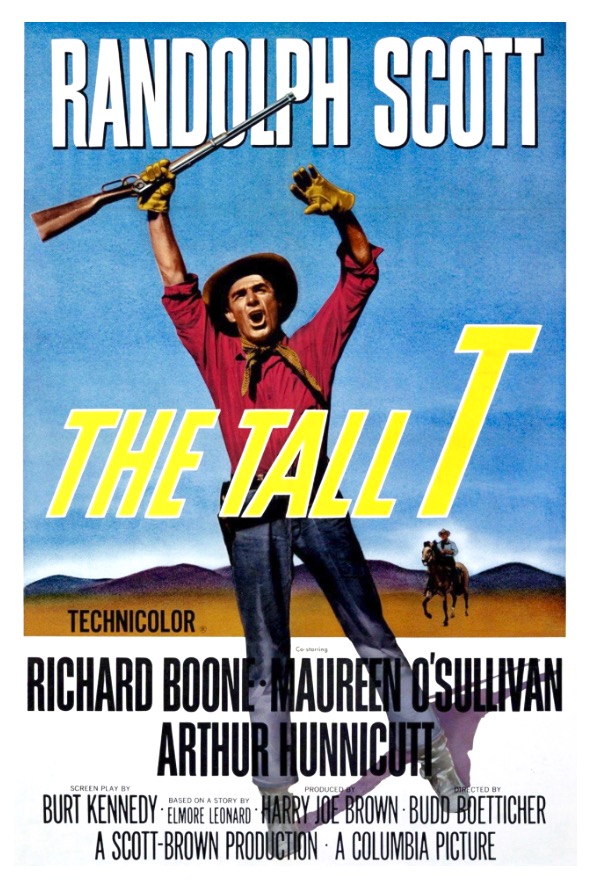
“A Hatful of Rain” would be Mr. Silva’s last Broadway appearance, but television and film offers were beginning to pile up. In the late 1950s he appeared on TV series like “Suspicion” and “Alfred Hitchcock Presents” and in movies, including “The Tall T” (1957), with Randolph Scott, and “The Law and Jake Wade” (1958), with Robert Taylor.

The roles were big enough to catch the attention of one particularly influential person.

“One day, many years ago,” he recalled in 2000, “I was driving down Sunset Boulevard in the first car I ever owned, a Chevy convertible. I pulled up at a stoplight and heard someone say, ‘Henry, I like you in movies.’”

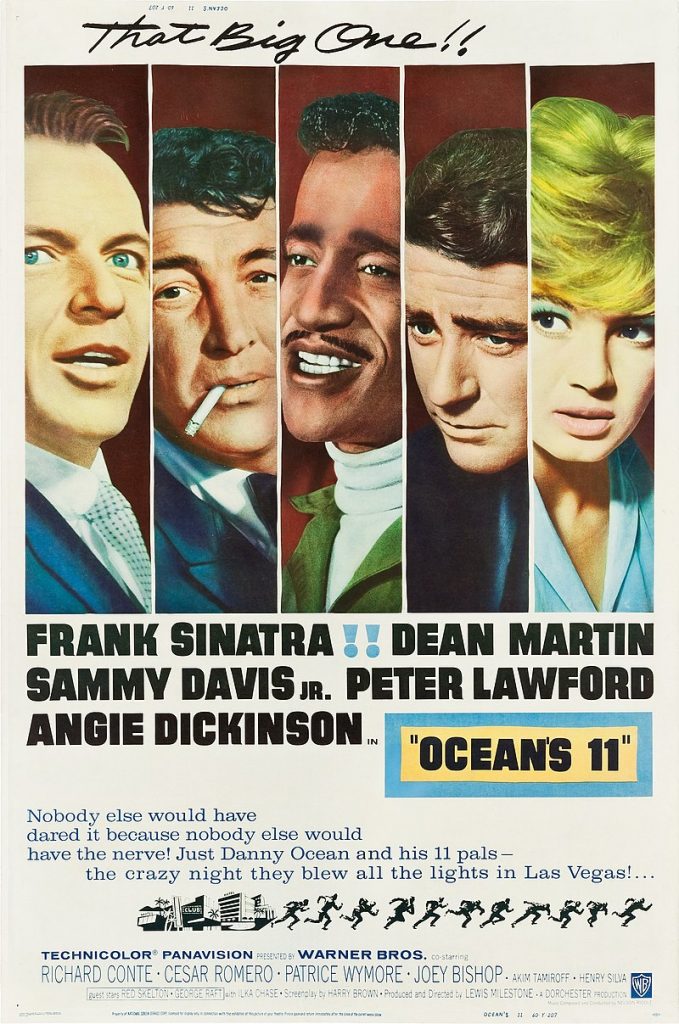
It was Frank Sinatra, who invited Mr. Silva to visit him on the set of “Some Came Running.” When Mr. Silva showed up, Sinatra recruited him to be in a film with him — the original “Ocean’s Eleven” (1960). Mr. Silva played one of the gang that Danny Ocean (Sinatra) brought together for a spectacular multi-casino robbery scheme. Forty-one years later, Mr. Silva would record his last movie credit by appearing in a small part in Steven Soderbergh’s “Ocean’s Eleven” remake.

Mr. Silva became a secondary member of the Rat Pack, a circle of Sinatra pals that also included Dean Martin, Peter Lawford, Sammy Davis Jr. and Joey Bishop (all of whom were also in “Ocean’s Eleven”), and he would appear in two more movies with Sinatra in 1962, “Sergeants 3” and “The Manchurian Candidate.” Both demonstrated a quality that served Mr. Silva well for years: At least by the standards of the day, he could pass as a variety of races and nationalities.

He described himself as being of Italian and Hispanic descent, but in “The Manchurian Candidate” he played a Korean heavy who engages in a memorable karate fight with Sinatra’s character. In “Sergeants 3” he was an American Indian, and not for the last time; he played a number of Indians, including one in a 1965 episode of the TV series “Daniel Boone.” In the 1982 comedy “Wrong Is Right” he was a Middle Eastern fanatic.

Some roles, though, reflected his actual heritage. He played a number of Hispanic characters of various nationalities. In “Johnny Cool,” one of his few leading roles (he played the title character), he was Sicilian.

He also went to Italy for a time in the 1970s to make crime films when that genre was the rage among Italian directors, a stretch of his career he apparently enjoyed.

“If they didn’t pay me, I wouldn’t care, because it was so joyous,” he said in Mike Malloy’s 2012 documentary “Eurocrime! The Italian Cop and Gangster Films That Ruled the ’70s.”

Mr. Silva’s marriage to Ruth Earl in 1966 ended in divorce in 1987. His previous marriages, to Cindy Conroy and Mary Ramus, also ended in divorce. Besides his son Scott, he is survived by another son, Michael.

Mr. Silva had an explanation for his ability to play sinister characters decade after decade.

“I think the reason that I haven’t disappeared,” he said in 1985, “is that the heavies I play are all leaders. I never play a wishy-washy anything. They’re interesting roles, because when you leave the theater, you remember these kinds of guys

Henry Silva (1926–2003) was one of the most distinctive and enduring “heavies” in cinema history. With his high, angular cheekbones, slit-like eyes, and a voice that combined a Brooklyn rasp with a silk-lined menace, Silva transcended his origins to become a global icon of the “cool” antagonist.

Career Overview

Silva’s career was a masterclass in longevity, spanning over 50 years and moving from the prestigious Actors Studio to international “Euro-crime” stardom and big-budget Hollywood blockbusters.

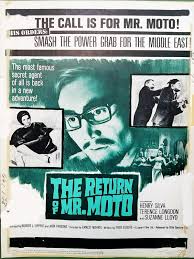
  • The Method Origins (1952–1958): Born in Brooklyn of Sicilian and Spanish descent, Silva was one of the youngest students ever accepted into The Actors Studio. He debuted on Broadway in A Memory of Two Mondays and made a chilling film debut in Viva Zapata! (1952). His breakout came as the drug-dealing “Mother” in A Hatful of Rain (1957).

  • The “Rat Pack” and Noir Era (1960–1966): Silva became an honorary member of the “Rat Pack” inner circle, appearing in Ocean’s 11 (1960) and Sergeants 3 (1962). This era also saw his most terrifying performance as the brainwashed assassin Chunjin in The Manchurian Candidate (1962).

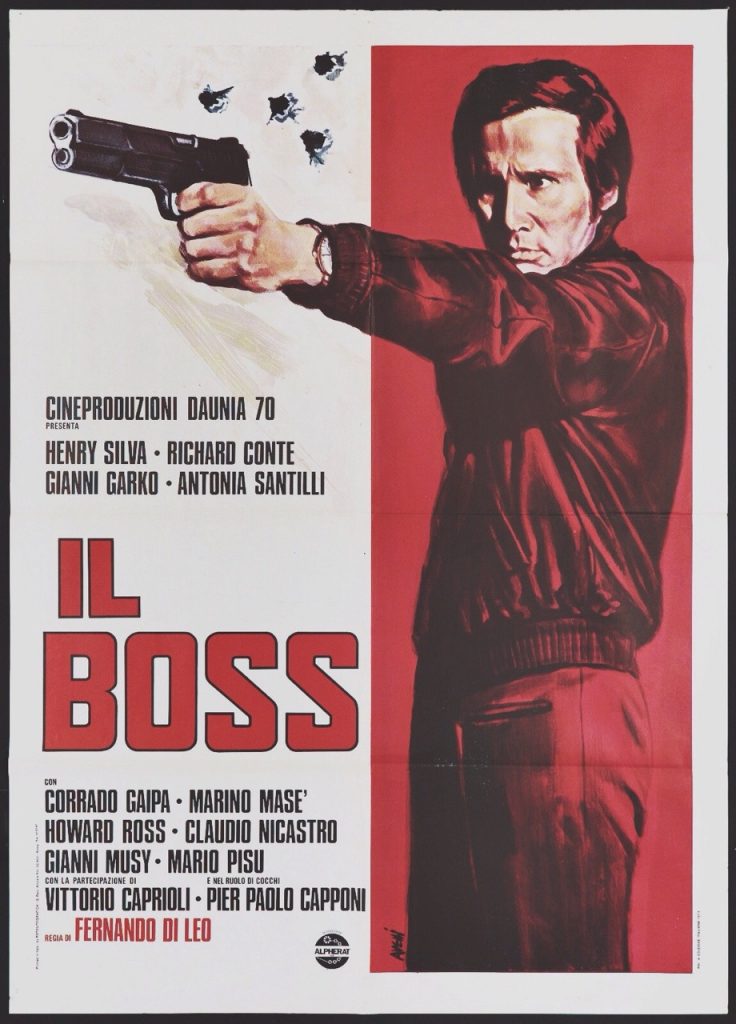
  • The Italian “Poliziottesco” King (1966–1978): Frustrated by being typecast as the “ethnic villain” in Hollywood, Silva moved to Europe. He became a massive star in Italy, headlining dozens of gritty crime films (Poliziotteschi) like Il Boss (1973) and Manhunt (1972).

  • The Cult & Blockbuster Return (1980–2001): Silva returned to the US as a premier character actor. He played the villainous Killer Kane in Buck Rogers in the 25th Century, the hitman in Above the Law (1988), and the flamboyant Influence in Dick Tracy (1990). He made his final cameo in the 2001 remake of Ocean’s Eleven.


Detailed Critical Analysis

1. The “Stillness” of the Predator

Critically, Silva is analyzed for his physical economy. While many villains of the 1950s relied on bluster and shouting, Silva’s power came from a terrifying, statuesque stillness.

  • The “Dead” Eyes: Critics often noted that Silva could convey absolute ruthlessness without moving a muscle in his face. In The Manchurian Candidate, his fight scene with Frank Sinatra is famous not just for the choreography, but for Silva’s “empty” expression—he plays an assassin who feels nothing, making him a precursor to the modern “slasher” or “terminator” archetype.

  • Minimalist Menace: He understood the power of the close-up. He often lowered his voice to a whisper, forcing the audience (and his onscreen victims) to lean in, thereby increasing the tension.

2. Subverting the “Ethnic” Label

Because of his unique features, Silva was often cast as Asian, Native American, Latino, or Italian characters.

  • The Universal Outsider: Critics point out that Silva utilized this “ambiguous” ethnicity to create characters that felt untethered to a specific society. He was the “ultimate outsider.”

  • Refusing the Caricature: Even when playing stereotyped roles in 1950s Westerns, Silva brought a Method-trained interiority to the parts. He gave his villains a sense of private history and intellectual weight that wasn’t always present in the script.

3. The “Hero-Villain” of Italian Cinema

His move to Italy is the most significant period for critical study. In the Poliziottesco genre, Silva was often the protagonist, albeit an extremely violent one.

  • Moral Ambiguity: In films like Il Boss, Silva played a professional hitman with a strict, almost samurai-like code of ethics. Critics note that he helped pioneer the “anti-hero” archetype that would later become a staple of directors like Quentin Tarantino (who is a vocal fan of Silva’s work).

  • Aesthetic Iconography: During this period, Silva’s physical appearance—often clad in sharp suits or trench coats with slicked-back hair—became a visual shorthand for a specific kind of urban, nihilistic cool.

4. The Transition to High-Camp Villainy

In his later career, Silva showed a surprising ability to satirize his own “tough guy” image.

  • Dick Tracy (1990): As “Influence,” he used heavy prosthetics to lean into the comic-book grotesque. Critics praised his ability to maintain his signature menace while operating within a highly stylized, almost operatic world.

  • Voice Acting: His voice work as Bane in Batman: The Animated Series is considered definitive. He used his natural rasp to give the character a “Latin-aristocratic” weight, grounding the cartoon villain in a sense of real-world danger.


Major Credits & Recognition

Project Role Significance
The Manchurian Candidate Chunjin His most critically acclaimed role; an icon of Cold War paranoia.
A Hatful of Rain Mother Established him as a formidable “Method” dramatic actor.
Il Boss Nick Lanzetta The peak of his Italian “Poliziottesco” era; a definitive anti-hero.
Johnny Cool Johnny Cool A rare US leading role that attempted to make him a “dark” romantic star.
Ghost Dog Vargo Jim Jarmusch’s tribute to Silva’s status as a cult crime-film legend
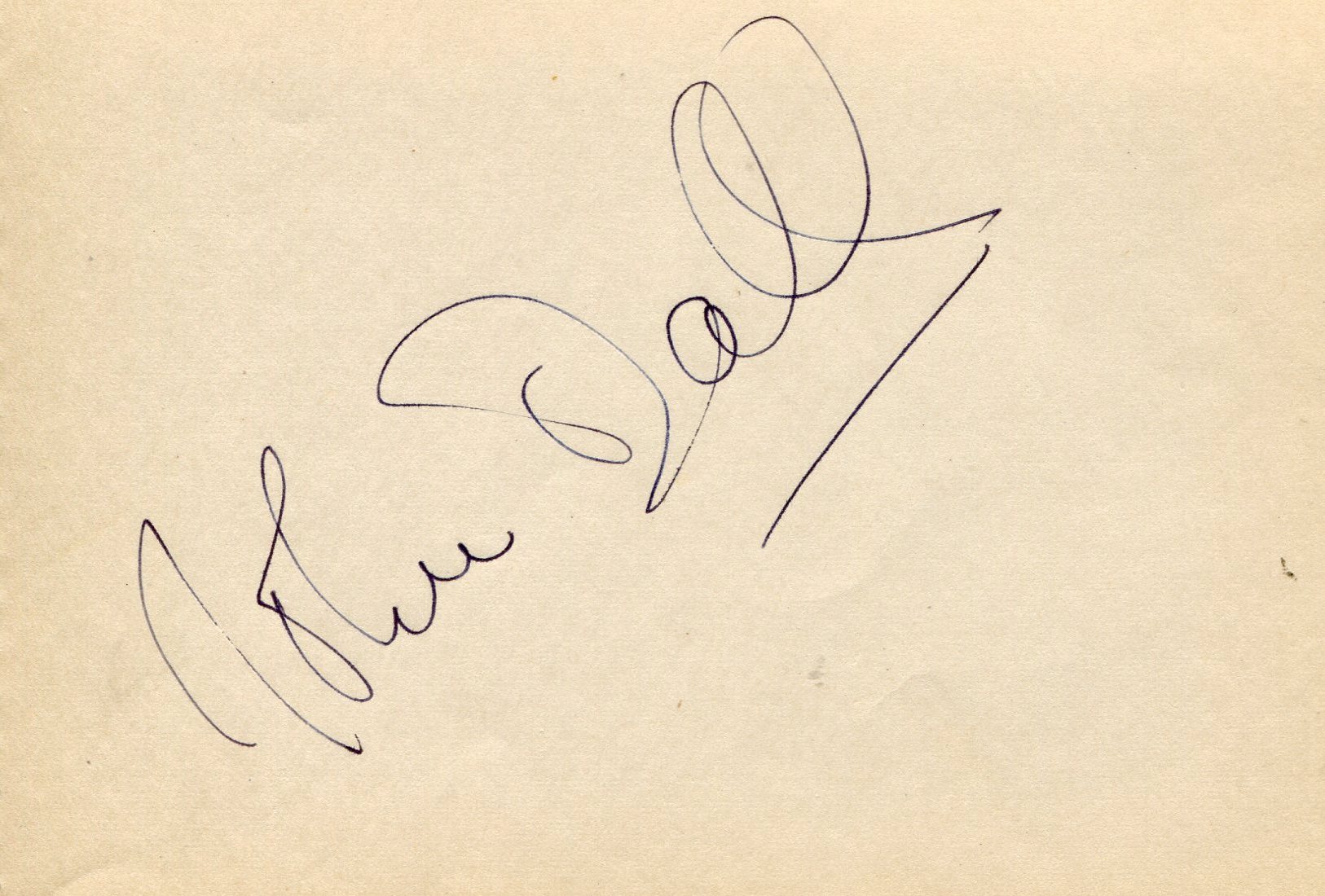
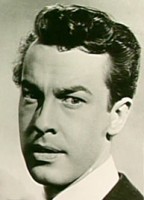
John Dall
John Dall

John Dall


IMDB Entry:

John Dall was born John Dall Thompson (some sources state John Jenner Thompson) on May 26, 1918. He made his Broadway debut in Norman Krasna‘s comedy “Dear Ruth,” directed by Moss Hart, in 1944. The show was a hit, running for over a year and a half and 680 performances.

He next appeared on Broadway in Jean-Paul Sartre‘s “Red Gloves” in 1948. The show ran for 113 performances. Dall’s penultimate stint on Broadway, in the 1950 revival of “The Heiress”, was a flop, closing after 16 performances. He had the role of the callow fortune hunter Morris Townsend, played so memorably by Montgomery Clift in William Wyler‘s 1949 movie version, The Heiress (1949).

Dall received a Best Supporting Actor Oscar nomination for The Corn Is Green (1945), his first movie. He reached the height of his movie career in 1948, playing one of the two students modeled after the 1920s’ thrill killers Leopold & Loeb in Alfred Hitchcock‘s Rope(1948). Unfortunately for Dall, “Rope” was a flop. The other role for which he is best remembered, the firearms fetishist in Gun Crazy (1950) (better known by its reissue title, “Gun Crazy,” the name of the short story the movie was based on), earned him a place in the film noir pantheon. It was a B-movie and, like “Rope,” also flopped. The only prominent film he appeared in subsequently was Stanley KubrickKirk Douglas‘ Spartacus(1960) in 1960, which–like “Gun Crazy”–was scripted by Dalton Trumbo, the most famous member of the Hollywood 10.

Dall, whose career started out so promisingly in the 1940s, getting an Oscar nod for his movie debut, never gained any traction. He appeared in only eight movies from 1945 to 1961, though he did many TV acting gigs. He died in 1971, reportedly of a heart attack but possibly from complications from a punctured lung.

– IMDb Mini Biography By: Jon C. Hopwood

The above IMDB entry can also be accessed online here.

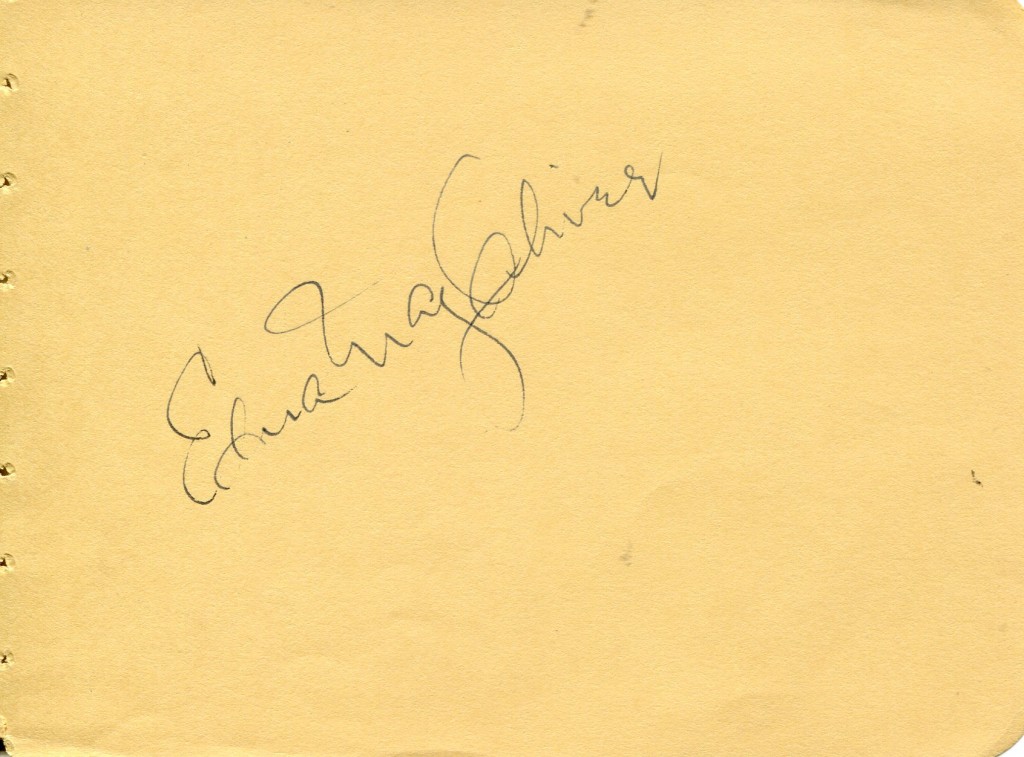
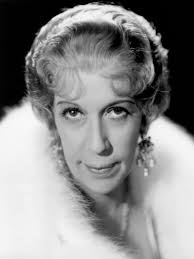
Edna May Oliver
Edna May Oliver
Edna May Oliver
Edna May Oliver

IMDB entry:

She was born Edna May Nutter, a child of solid New England stock, on 9th November 1883 in Malden, Massachusetts. The daughter of Ida May and Charles Edward Nutter, Edna was a descendant of the 6th American president John Quincy Adams. Miss Oliver took an early interest in the stage, and she would quit school at the age of 14 to pursue her ambitions in the theater.

Despite abandoning traditional schooling, Edna continued to study the performing arts, including speech and piano. One of her first jobs was as pianist with an all female orchestra which toured America around the turn of the century. By 1917 she had achieved success on Broadway in the hit play “Oh, Boy”. By 1923 she had appeared in her first film. . Edna May Oliver seems to have been born to play the classics of American and British literature. Some of her most memorable film roles were in adaptations of works of Charles Dickens. Although some have described her as plain or “horse faced”, Edna May Oliver’s comedic talents lent a beautiful droll warmth to her characters. She was usually called upon to play less glamorous roles such as a spinsters, but she played them with such soul, wit, and depth that to this day she remains one of the best loved of Hollywood’s character actresses. A fine example of her comedic talent can be found inLaugh and Get Rich (1931). Here we find her playing a role almost autobiographical in nature, that of a proud woman with Boston roots who has married “down”. As the plot unwinds, she is invited to a society gala despite her modest circumstances. At the gala she becomes tipsy. With a frolicsome air Edna May seems to use the role to gently mock her real self. Her slightly drunk character seizes upon a bit of flattery, and alluding to her old New England family, proudly proclaims to each who will listen, “I am a Cranston. That explains everything!”. In real life, Edna May Oliver was a Nutter, and perhaps that explains everything. Edna May Oliver married stock broker David Pratt in 1928, but the marriage ended in divorce five years later. In 1939 she received an Oscar nomination for her supporting role as Widow McKlennar in the picture Drums Along the Mohawk (1939). That was to be one of her last films. Miss Oliver was struck ill in August of 1942. Although she seemed to recover briefly, she was re-admitted to Los Angeles’s Cedars of Lebanon hospital in October Her dear friend actress Virginia Hammond flew out from New York to stay by her bedside. Edna May Oliver died on her 59th birthday, 9th November 1942.Virginia Hammond was with her and said, “She died without ever being aware of the gravity of her condition. She just went peacefully asleep.”

– IMDb Mini Biography By: Thomas McWilliams <tgm@netcom.com>

The abve IMDB entry can also be accessed online here.

“Movies Unlimited” article:

Oh yes, I’m grateful in a way for this face, now that I’ve gotten used to it. I know it’s brought me this success. I know it’s given me the chance to make and save enough money so I won’t spend the end of my days in an old ladies’ home somewhere. But all the same I’m a woman, and what woman doesn’t long to be beautiful?” Well, her visage may not have been the kind that made the covers of movie fan magazines, but filmgoers in the 1930s looked forward to the on-screen appearances of Edna May Oliver, the dour-faced performer whose grand dame attitude served her equally well in dozens of comedic and dramatic turns, usually as a spinster or sarcastic busybody.

That haughty New England demeanor came naturally to the actress, born Edna May Nutter in Malden, Massachusetts in 1883 (she was a descendant on her father’s side of U.S. president John Quincy Adams). It was, perhaps, her father’s desire that she be a singer that inspired the young Edna to become a performer, but his death when she was 14 put any such plans on hold, and she left school to work for a dressmaker. Two years later, an uncle helped her land a position with an outdoor light opera troupe.

Oliver had her indoor stage debut in a 1911 Boston stock company production of Mrs. Wiggs of the Cabbage Patch, and in 1916 she made the move to New York. The first Broadway part, in a drama entitled The Master, required her to pay for her own costumes (her sewing experience must have come in handy!) and left her with, as she put it, “about two cents a week.” Edna received good notices–and a bigger salary–as Aunt Penelope in the 1917 Jerome Kern musical/comedy Oh, Boy!, but bigger things came in 1923. That year she got her first film role, as the heroine’s mother in the melodrama Wife in Name Only, and on Broadway she played a servant in the Pulitzer Prize-winning drama Icebound (she’d appear in the movie version in 1924). Over the next several years Edna was seen in various stage shows (including 1925’s The Cradle Snatchers, with Mary Boland and a young Humphrey Bogart, and the original 1927 production of Kern’s and Oscar Hammerstein II’s Show Boat) and she worked in silent films at Paramount’s Astoria, New York studio. She also found the time to get married to stockbroker David Pratt in 1928, although the couple would separate shortly thereafter and divorce in 1933.

Movie audiences first got to hear Edna’s distinctive voice in the 1929 Clara Bow comedy The Saturday Night Kid, and the following year Oliver made Hollywood her permanent home when she signed a contract with RKO. She would serve as a Margaret Dumont-style authority figure to that studio’s reigning kings of comedy,Bert Wheeler and Robert Woolsey, in three films: Half Shot at Sunrise (1930), Cracked Nuts (1931) and Hold ‘Em Jail (1932). In between she appeared in 1931’s Best Picture Academy Award-winner, the frontier saga Cimarron, as a very prim schoolteacher; was top-billed alongside “Woo Woo!” funnyman Hugh Herbert in Laugh and Get Rich that same year; and in 1932 ran roughshod on her fellow jurors as she tried to prove an ex-showgirl innocent of murdering her wealthy husband in the courtroom comedy Ladies of the Jury.

It may have been the Ladies of the Jury role that led RKO to headline Oliver as author Stuart Palmer’s New York teacher-turned-amateur sleuth, Miss Hildegarde Withers, in a series of light-hearted whodunits, beginning with 1932’s Penguin Pool Murder. When a field trip to the aquarium with her racially-mixed class of grade schoolers leads to the discovery of a stockbroker’s corpse in the title exhibit, the umbrella-wielding, tart-tongued Withers (“I’m a schoolteacher, and I might have done wonders with you if I’d caught you young enough.”) ingratiates herself with Police Inspector Piper (James Gleason) as she horns in on his investigation. The banter between Oliver and Gleason so delighted moviegoers that the studio re-teamed them for two more Withers mysteries: 1934’s Murder on the Blackboard, set in the heroine’s own school, and 1935’s Murder on a Honeymoon, which found Hildegarde vacationing on Catalina Island (Say, just how much did schoolteachers make during the Depression?). After Edna left RKO for MGM, the series continued with Helen Broderick, then ZaSu Pitts, playing Withers, but neither actress caught on with the public in the role.

Her aristocratic mien and knack for shifting from comical to serious in an instant made Oliver an indispensable part of many studios’ literary adaptations. She was memorable as Aunt March opposite Katharine Hepburn and Joan Bennett in RKO’s 1933 version of Little Women, and later that year played the Red Queen in Paramount’s lavish, all-star rendition of Alice in Wonderland. As stern-hearted Aunt Betsey, Edna came to love nephew David Copperfield (Freddie Bartholomew)  in the 1935 MGM movie of the Dickens novel, and she co-starred as the fiercely loyal Miss Pross alongside Ronald Colman and Elizabeth Allan in another Metro Dickens filming from 1935, A Tale of Two Cities. 1936 found Oliver going Shakespearean, playing Norma Shearer’s devoted nurse in Romeo and Juliet, and one of her final roles was as Lady Catherine de Bourgh in 1940’s Pride and Prejudice.

Along the way she also gave fine support to such stars as Joan Crawford (No More Ladies in 1936), Clark Gable (1937’s Parnell), Nelson Eddy (Rosalie, also 1937), and even Shirley Temple (1938’s Little Miss Broadway), who–like Bartholomew–was able to melt her icy exterior. It was as the feisty Widow McKlennar–opposite Henry Fonda and Claudette Colbert in director John Ford’s 1939 Revolutionary War epic Drums Along the Mohawk–that Oliver received her first and only Academy Award nomination, but she would lose the Best Supporting Actress statue that year to Gone with the Wind’s Hattie McDaniel. And Edna’s unmistakable inflection and (to be charitable) bottom-heavy build made her a favorite for animators from the Disney and Warner studios to put in their cartoons, including Mickey’s Polo Team (1936) and Porky’s Road Race (1937).

Oliver’s final film work was for producer Alexander Korda in the 1941 drama Lydia, in which she played the hypochondriac grandmother (“The NERVE of him, telling me my liver is perfect!,” she says of a doctor) of title heroine Merle Oberon. Ironically, the actress would develop an intestinal disorder that worsened over the next year, and would claim Oliver on her 59th birthday in November of 1942. One can almost hear Edna at the pearly gates, saying to St. Peter in her haughtiest and most indignant tone, “Take me on my birthday? The NERVE!”

The above “Movies Unlimited” article can also be accessed online here.
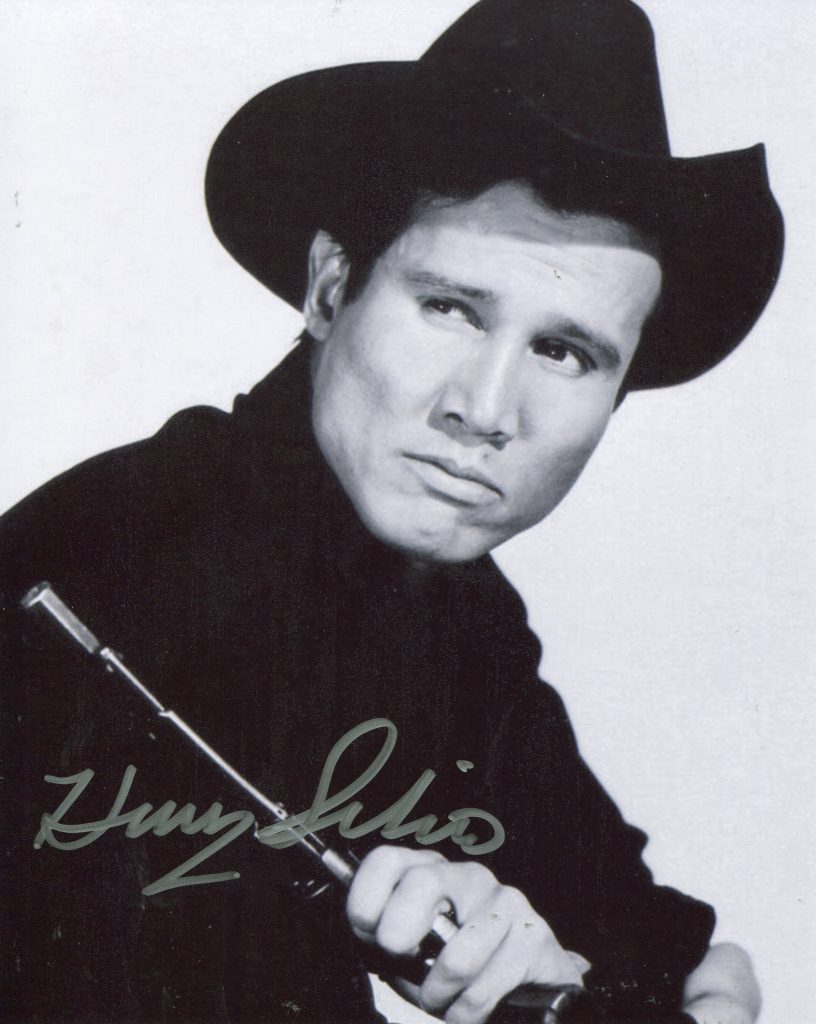
Josephine Hutchinson

Josephine Hutchinson

Date of Birth 12 October 1903Seattle, Washington, USA
Date of Death 4 June 1998New York City, New York, USA

As a child she studied at Seattle’s Cornish School. Still in her early twenties, after several years of stock work in New York, she joined Eva Le Gallienne’s Civic Repertory Theater where she won critical praise for her title role in “Alice in Wonderland.” She came to Hollywood in 1934 under contract with Warners, debuting in “Happiness Ahead”. She co-starred with Paul Muni in “The Story of Louis Pasteur” (1936) and played in many small roles, both in films – e.g., the phoney U.N. ambassador’s wife in North by Northwest(1959) – and television (“Twilight Zone, ” “Gunsmoke”, “Perry Mason”) in the ‘fifties and ‘sixties. She died at Manhattan’s Florence Nightingale Nursing Home, aged 94.

– IMDb Mini Biography By: Ed Stephan <stephan@cc.wwu.edu>

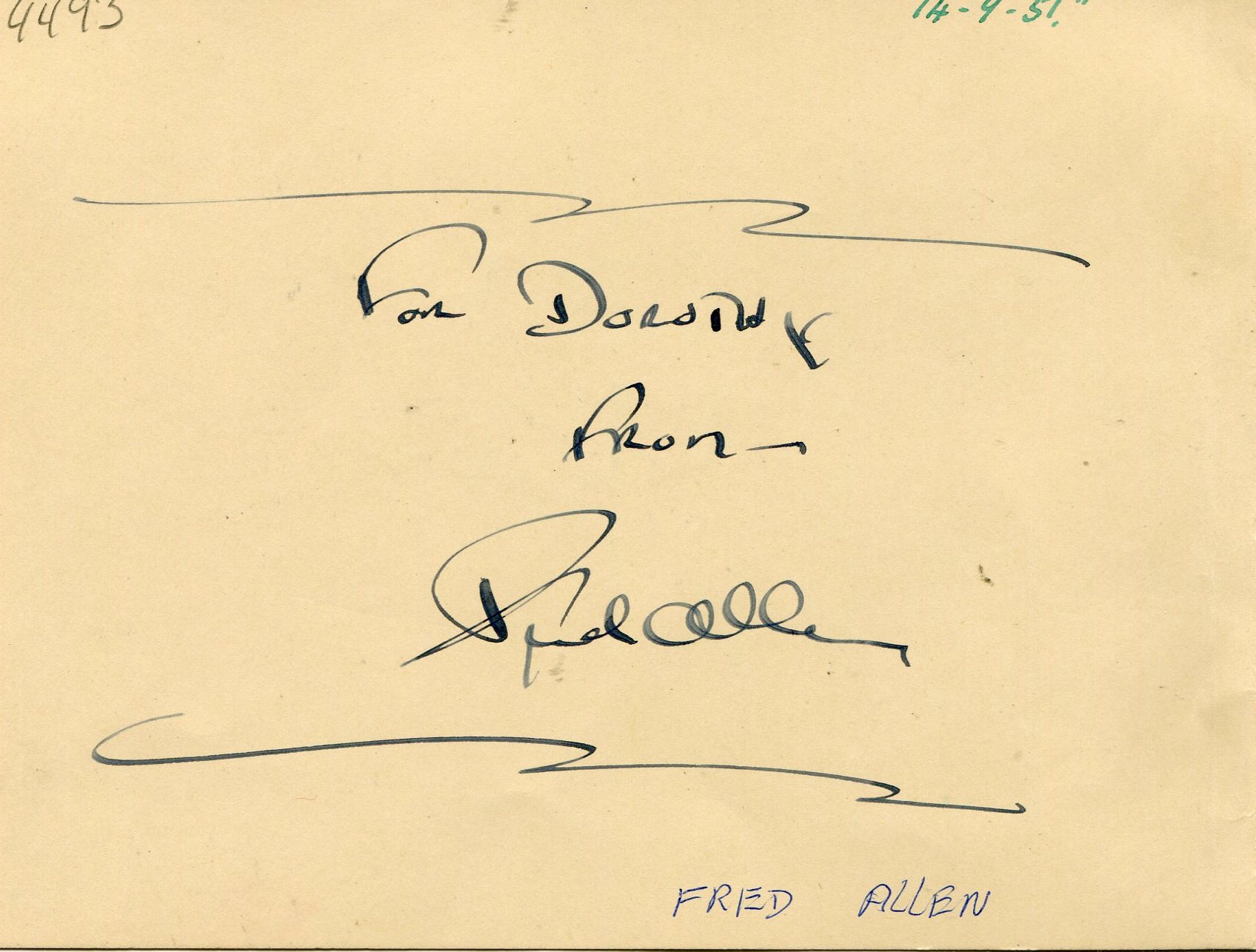
Fred Allen
Fred Allen

Fred Allen


Image result for fred allen

IMDB entry:

Fred Allen, the well-known comedian who went on to star in radio, television, and film, was born John Florence Sullivan in Cambridge, Massachusetts in 1894 and educated at Boston University. His Broadway shows include “The Passing Show of 1922” and “The Greenwich Village Follies”.

He produced, wrote,and starred in a network radio show entitled at various times “Linit Bath Club Revue”, Town Hall Tonight”, Texaco Star Theater” and finally “The Fred Allen Show” from 1932 to 1949. He was also a semi-regular on the network radio program “The Big Show” from 1950 to 1952. He was a frequent guest on “The Jack Benny Program”. Jack and Fred, good friends in real life, had an accidental on air feud that begin in 1936 and lasted off and on until Fred Allen’s passing.

On television, he was one of the regular rotating hosts of the Colgate Comedy Hour (1950), but did not renew his initial contract due to health reasons. He also starred on television’s “Judge for Yourself” from 1953 to 1954 and was a regular panelist on What’s My Line” from 1954 until his death.

He appeared in such films as “Thanks a Million”, “Love Thy Neighbor”, “Sally, Irene, and Mary”, and “It’s in the Bag”.

He wrote two autobiographies. The first,about his days in radio, published in 1954, entitled “Treadmill to Oblivion”. The second, about his days in vaudeville, was published after his death by his wife Portland Hoffa, entitled “Much Ado About Me.” (1956). Fred was in the process of completing the final chapter at the time of his death. Also always known as an avid letter writer, a collection of these entitled “Fred Allen’s Letters” was published in 1966.

– IMDb Mini Biography By: Matt Dicker

The above IMDB entry can also be accessed online here.
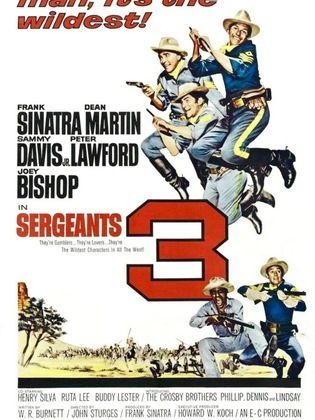
Scott Brady


IMDB entry:

He had the manly good looks and rugged appeal to make it to top stardom in Hollywood and succeeded quite well as a sturdy leading man of standard action on film and TV. Born in Brooklyn on September 13, 1924, Irish-American Scott Brady was christened Gerard Kenneth Tierney (called Jerry) by parents Lawrence and Maria Tierney. His father, chief of New York’s aqueduct police force, had always had show business intentions and later did print work after retiring from the force. Both Scott’s older and younger brothers, Lawrence Tierney and Edward Tierney went on to become actors as well. Lawrence’s promising film noir “bad guy” career was sabotaged by a severe drinking disorder that led to numerous skirmishes with the law. Scott himself faced a narcotics charge in 1957 (charges were dropped, Scott maintained that he was framed) and later (1963) was involved in illegal bookmaking activities. Fortunately, Scott was more cool-headed and wound up avoiding the pitfalls that befell his older brother, making a very lucrative living for himself in Hollywood throughout the 1950s and early 1960s.

Scott grew up in Westchester County and attended Roosevelt and St. Michael’s High Schools. Like his older brother Lawrence, Scott he was an all-round athlete in school and earned letters for basketball, football and track and expressed early designs on becoming a football coach or radio announcer. Instead he enlisted before graduating from high school and served as a naval aviation mechanic overseas. During his term of duty he earned a light heavyweight boxing medal. He was discharged in 1946 and decided to head for Los Angeles where his older brother Lawrence was making encouraging strides as an actor. Toiling in menial jobs as a cabbie and day-time laborer, the handsome, blue-eyed looker was noticed having lunch in a café by producer Hal B. Wallis and offered a screen test. The test did not fare well but, not giving up, he enrolled in the Bliss-Hayden drama school under his G.I. Bill, studied acting, and managed to rid himself of his thick Brooklyn accent.

He signed with a minor league studio, Eagle-Lion, and made his debut of sorts in the poverty-row programmer In This Corner (1948) utilizing his boxing skills from his early days in the service. He showed more promise with his second and third films Canon City(1948) and He Walked by Night (1948), the latter as a detective who aids in nabbing psychotic killer Richard Basehart. Scott switched over to higher-grade action stories for Fox and Universal over time. Westerns and crime stories would be his bread-winning genres with The Gal Who Took the West (1949) opposite Yvonne De Carlo and John Russell and Undertow (1949), with Russell again, being prime examples. He frequently switched from hero to heavy during his peak years. In one film he would romance aJeanne Crain in The Model and the Marriage Broker (1951) or a Mitzi Gaynor inBloodhounds of Broadway (1952), while in the next beat Shelley Winters to a pulp inUntamed Frontier (1952). A favorite pin-up hunk in his early years, he hit minor cult status as a bad hombre, The Dancin’ Kid, in the offbeat western Johnny Guitar (1954). He and the other manly men, however, were somewhat overshadowed in the movie by the Freudian-tinged gunplay between Joan Crawford and Mercedes McCambridge. Other roles had him sturdily handling the action scenes while giving the glance over to such diverting female costars as Barbara StanwyckMala Powers and Anne Bancroft.

Scott would mark the same territory in TV — westerns and crimers — finding steadier work on the smaller screen into the 1960s. He starred as the title hero in the western series Shotgun Slade (1959). Stage too was a sporadic source of income with such productions as “The Moon Is Blue”, “Detective Story” and “Picnic” under his belt before making his Broadway bow as a slick card sharpie opposite Andy Griffith in the short-lived musical “Destry Rides Again” in 1959. He later did the national company of the heavyweight political drama “The Best Man” with his portrayal of a senator.

The seemingly one-time confirmed bachelor decided to settle down after meeting and marrying Mary Tirony in 1967 at age 43. Prior to this he had been linked with such luminous beauties as Gwen Verdon and Dorothy Malone. The couple had two sons. Parts dwindled down in size in later years and he gained considerable weight as he grew older and balder, but he still appeared here-and-there as an occasional character heavy or hard-ass cop in less-important movies such as Doctors’ Wives (1971), $ (1971), The Loners (1972) and Wicked, Wicked (1973). Minor TV roles in mini-movies also came his way at a fair pace. Towards the end he was seen in such high-profile big-screen movies as The China Syndrome (1979) and Gremlins (1984). Scott had a collapse in 1981 and was diagnosed with pulmonary fibrosis, a progressive respiratory disease. He later relied on an oxygen tank. He died of the disease four years later and was interred at the Holy Cross Cemetery in Culver City, California.

– IMDb Mini Biography By: Gary Brumburgh / gr-home@pacbell.net

The above IMDB entry can also be accessed online here.

Scott Brady
Scott Brady
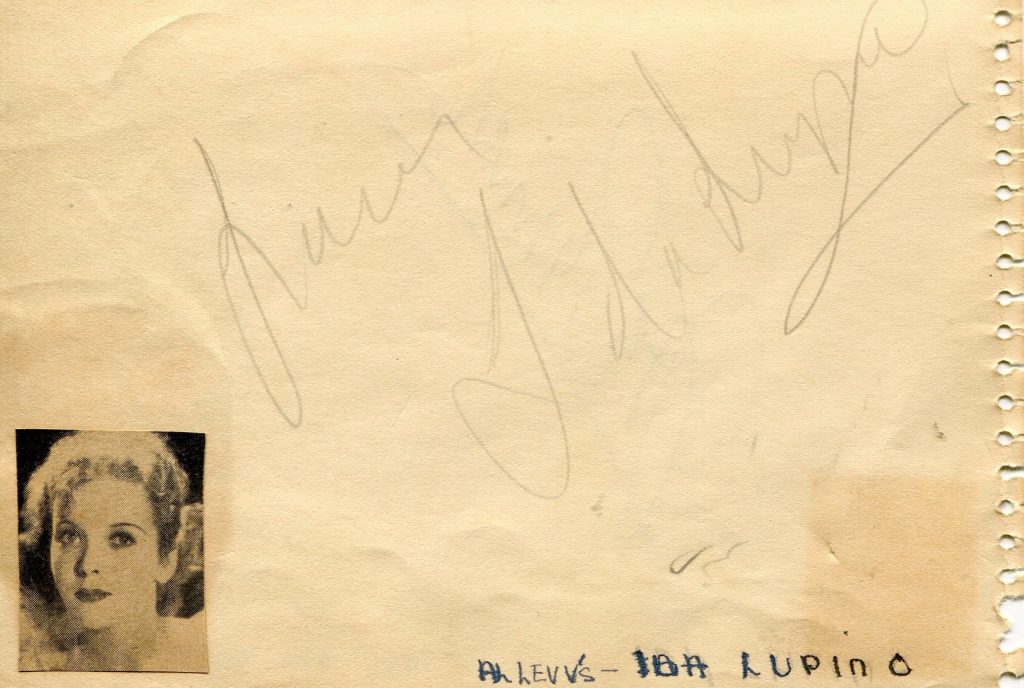
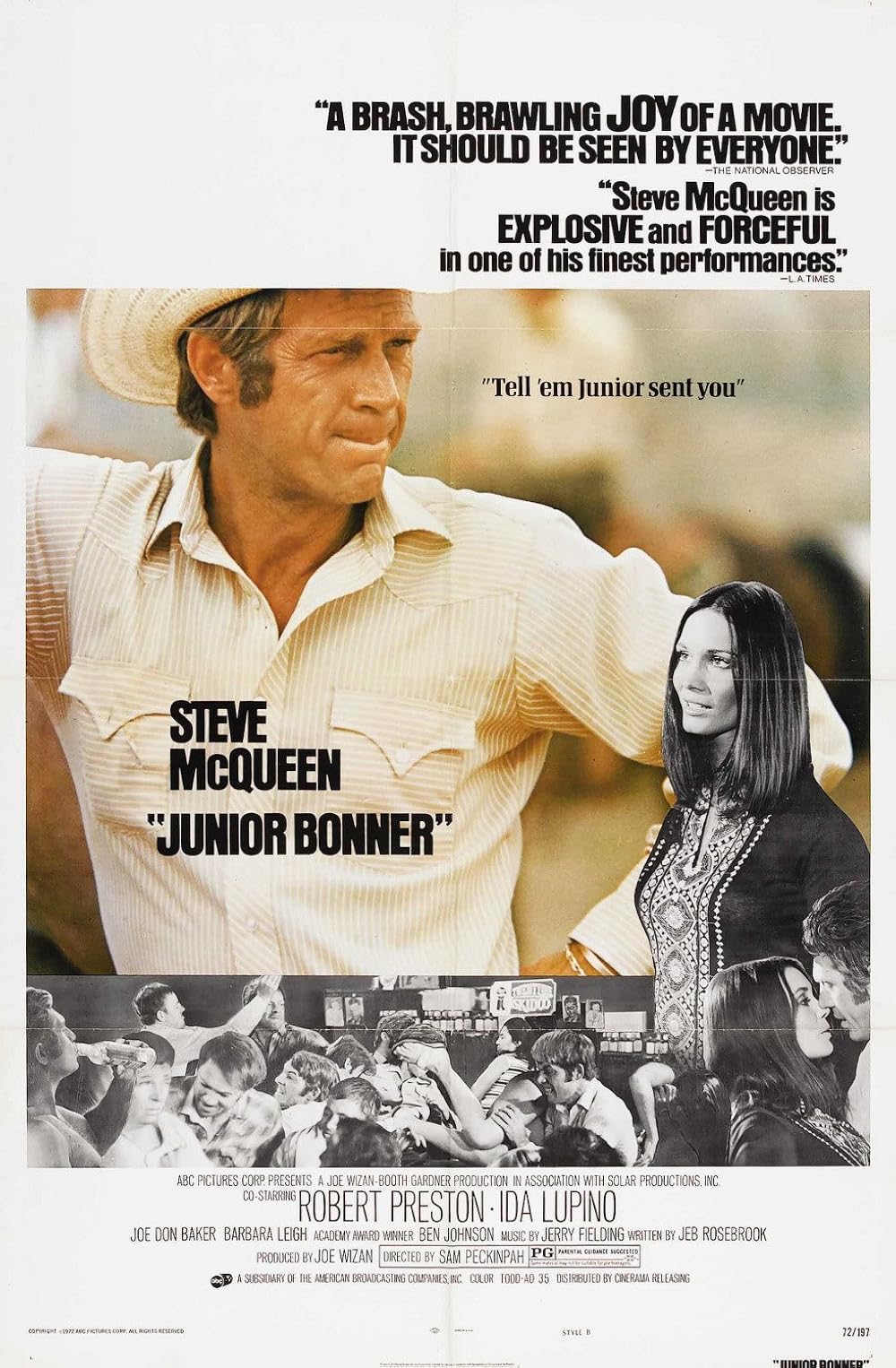
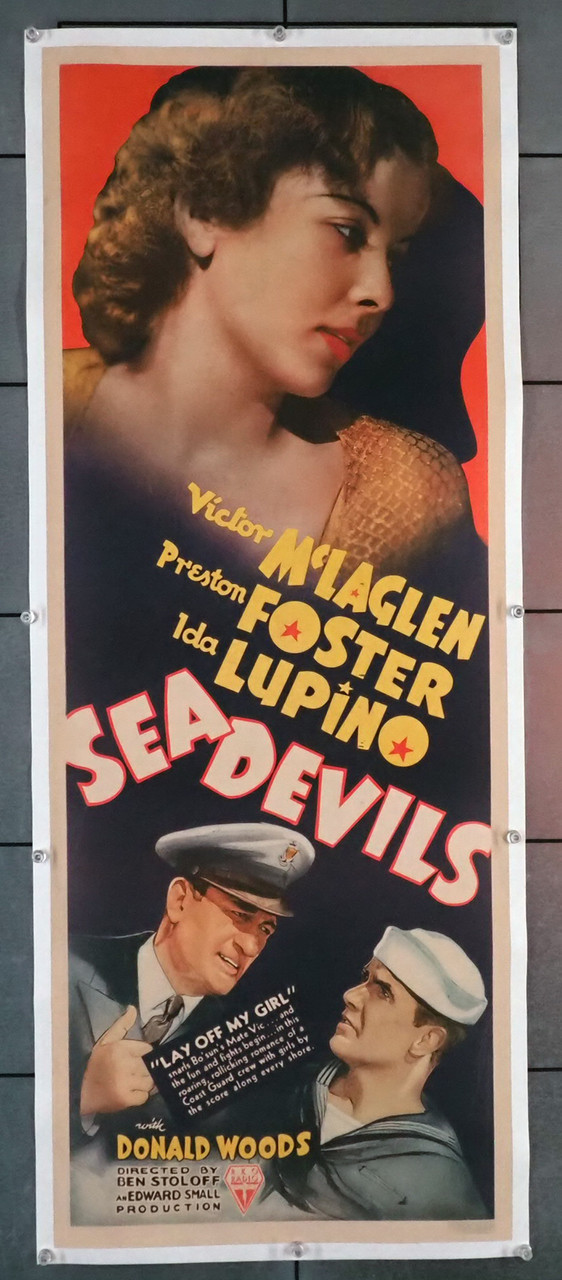
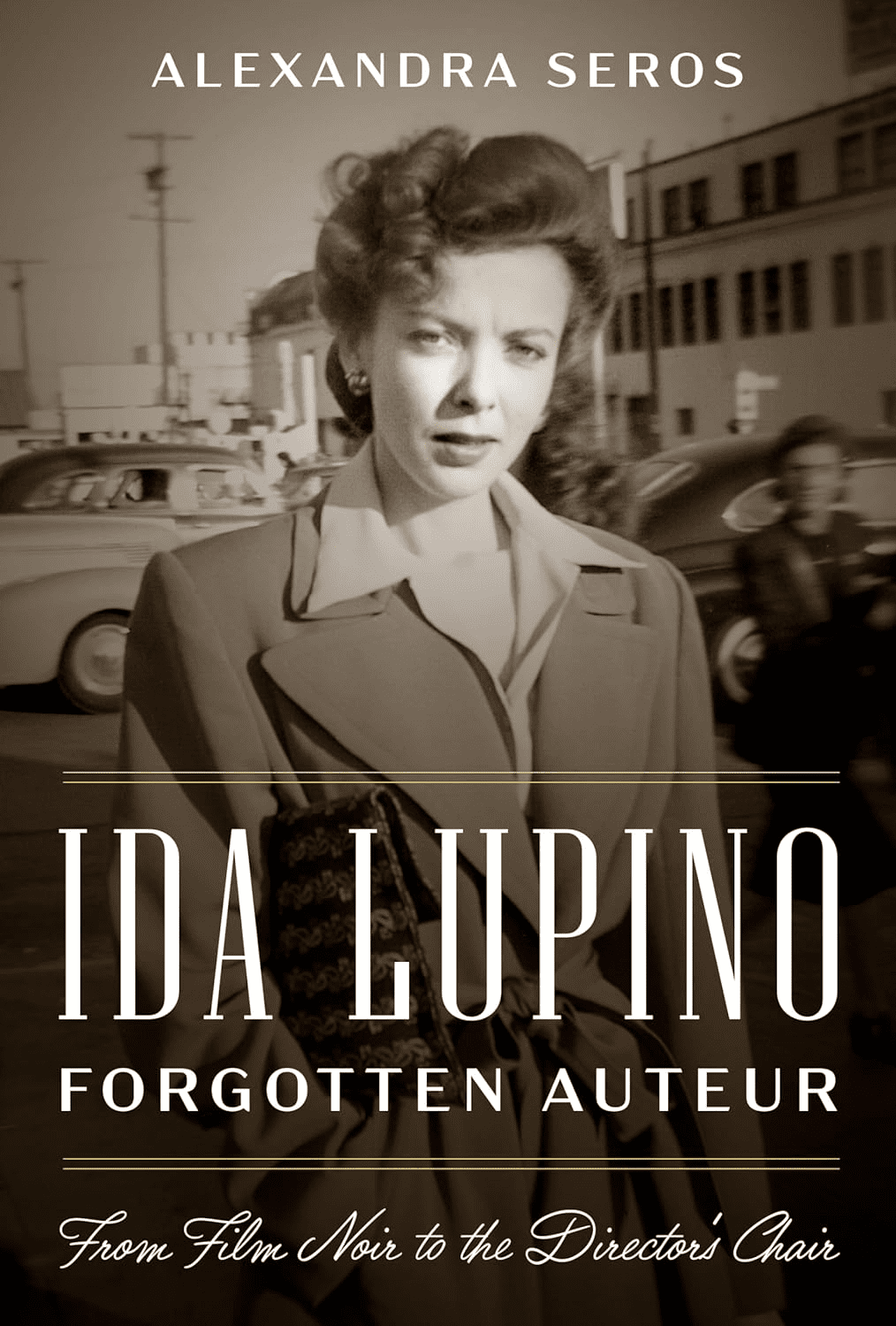
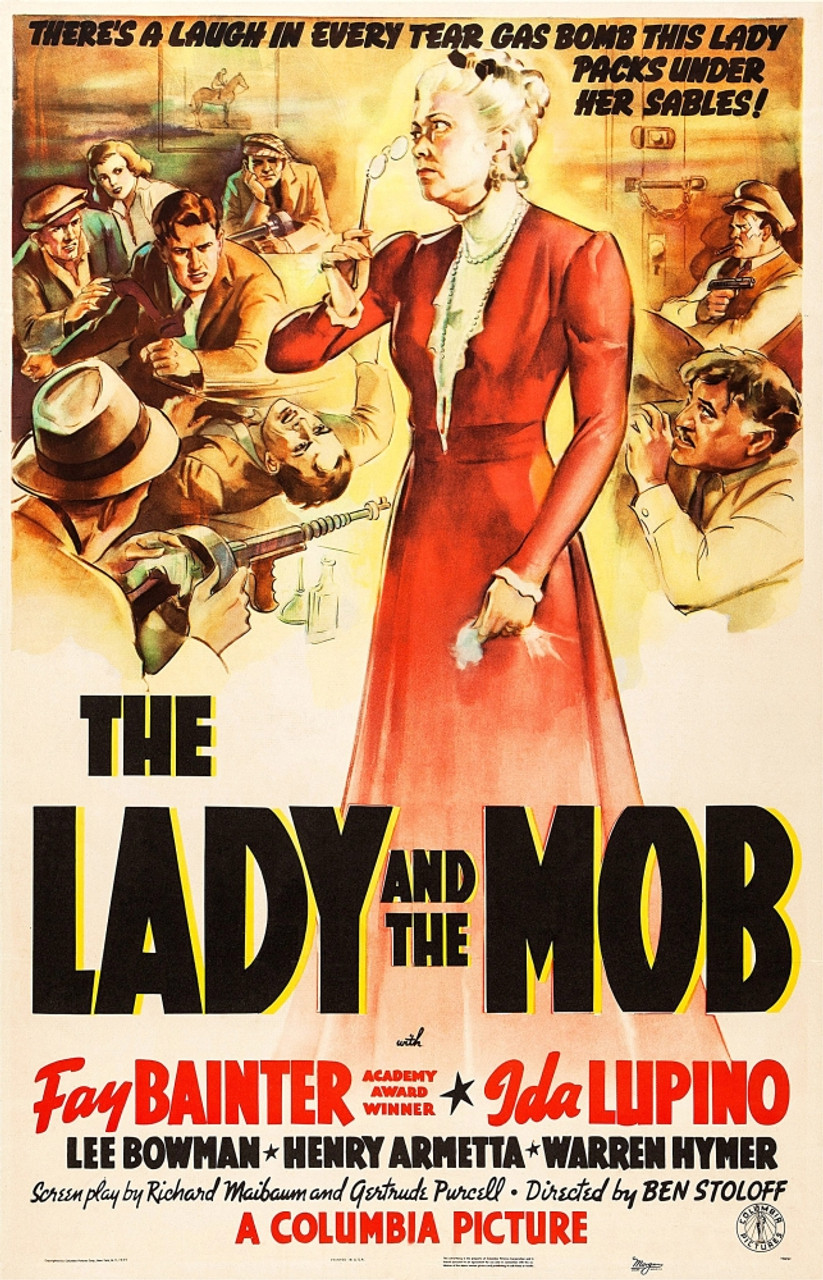
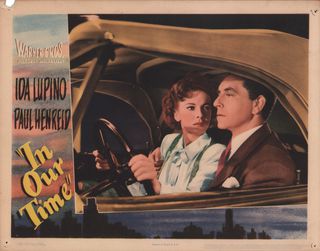
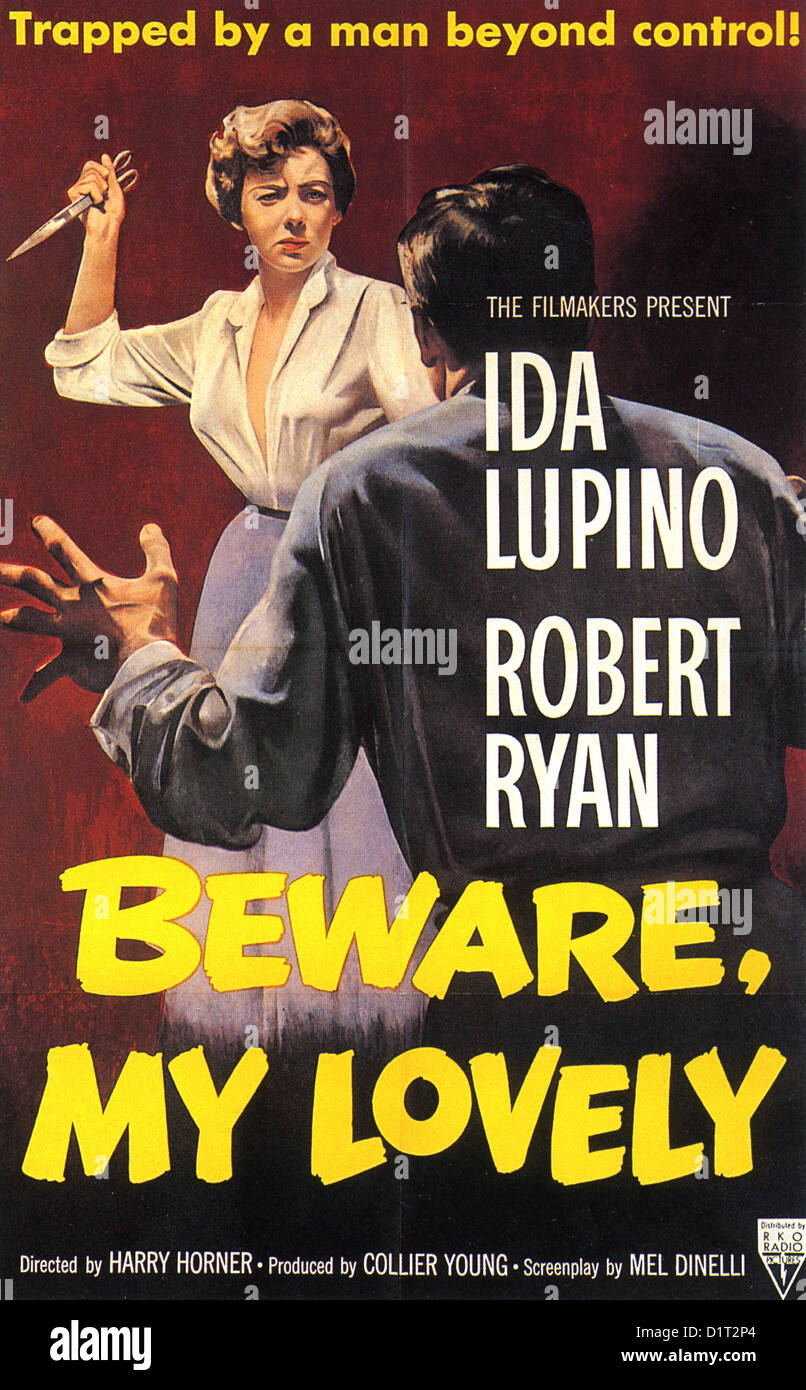
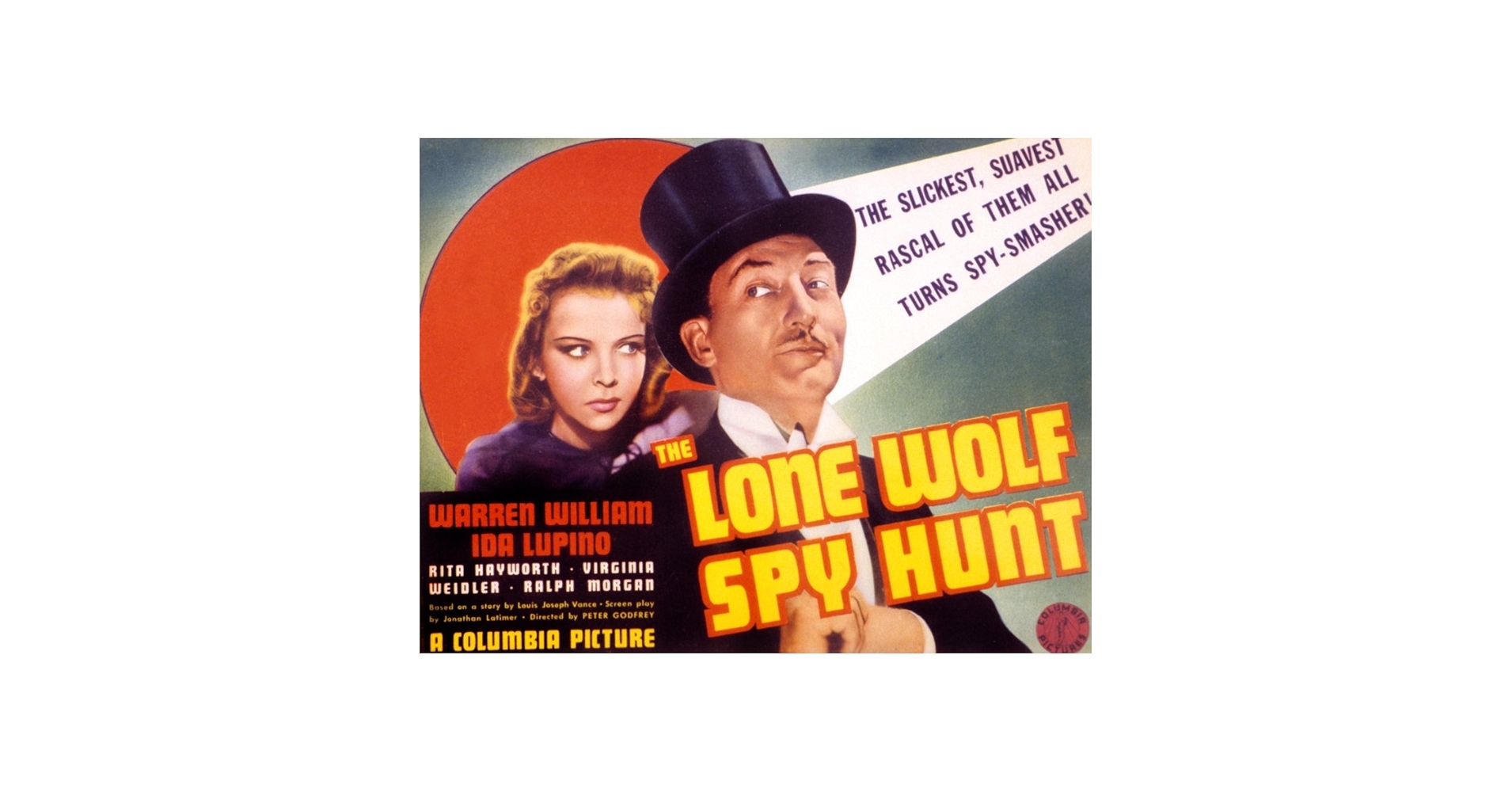
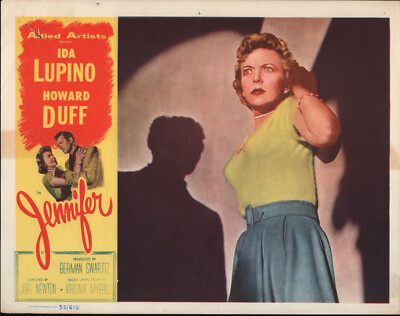
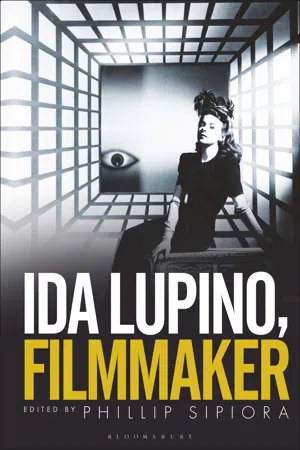
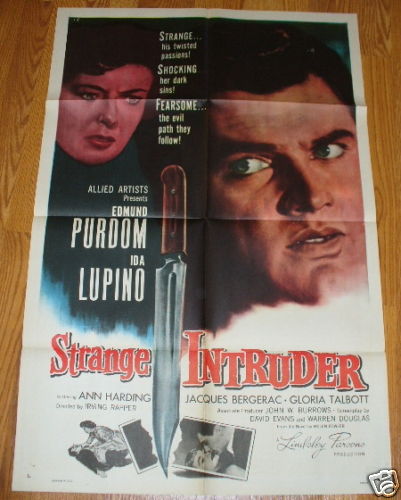
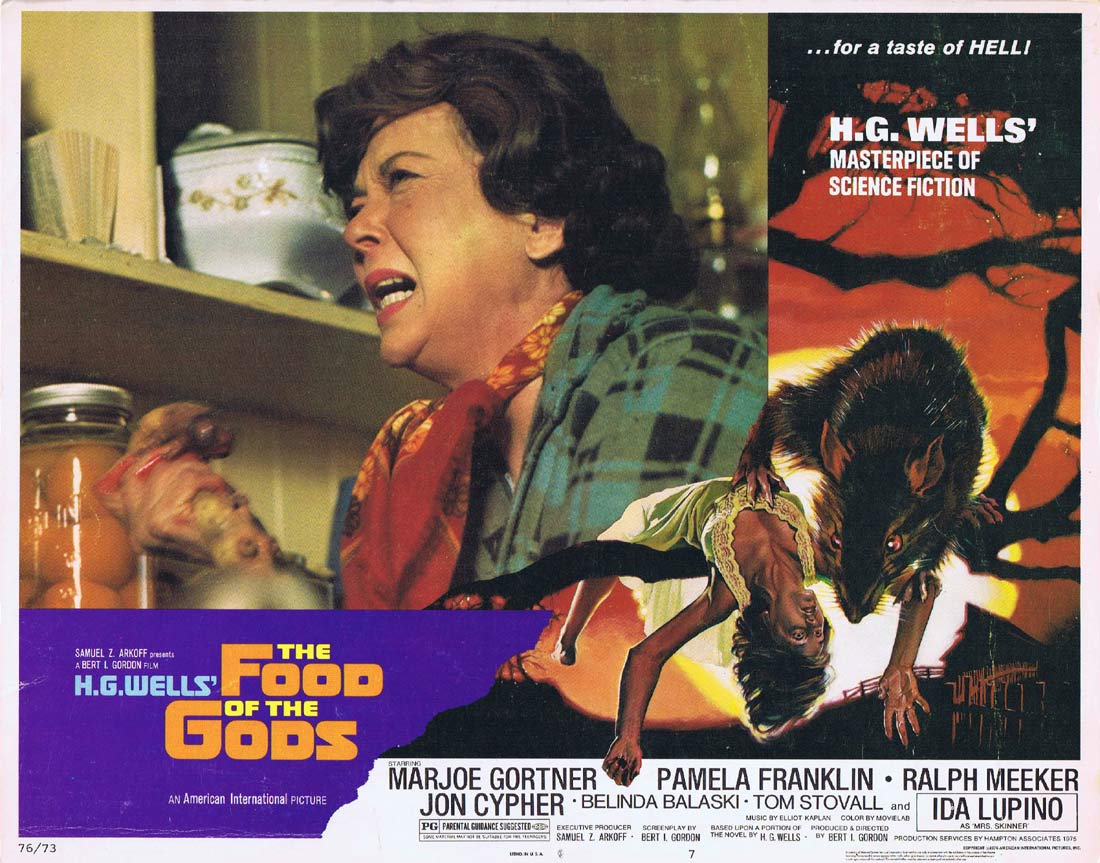
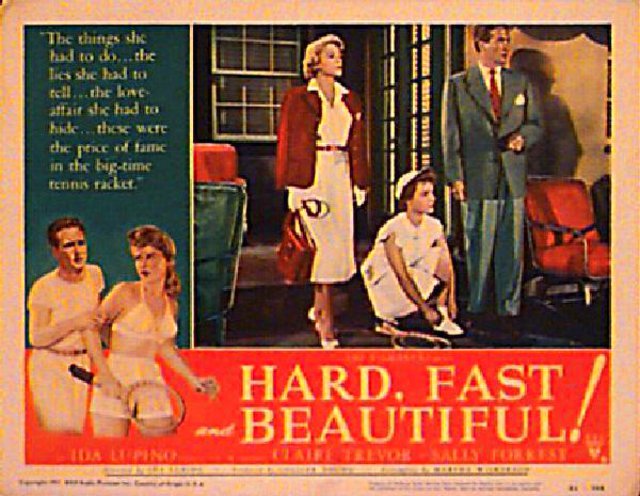
Ida Lupino
Ida Lupino
Ida Lupino
Ida Lupino
Ida Lupino
Ida Lupino
Ida Lupino

1990 obituary in “The Independent”:

She was stubborn, sullen, tiny (5ft 3in) and resilient. With a mink thrust over her shoulder-pads and an orchid in her hair, Ida Lupino made it clear – in a silky, querulous voice – that she resented living in a man’s world. Like Joan Crawford, she was glamorous in different ways at different times in her career: she too had a strong, mesmerising personality but with a wider range. She was the archetypal Hollywood star, always surging back after a setback.

She was born into a family of Italian origin which had entertained the British for generations in circuses and variety theatres. Her father was Stanley Lupino, star of film and stage musicals. Ida was only 15 when she made her first film, Her First Affaire (1933), cast as a teenage vamp, so there was some surprise when Paramount signed her to play Alice in Alice in Wonderland. Once in Hollywood, Paramount changed its collective mind about her, and for the next four years she was shuttled between roles of her own age, ingenues and glamourpants parts for which she was much too young.


In 1938 she married the actor Louis Hayward. Hayward had also been getting nowhere fast in Hollywood, but at this time the producer Edward Small decided that he had star potential, which in turn made Lupino more aggressive towards her own career. She convinced the director William A. Wellman that only she could play the cockney whore who inspires Helder (Ronald Colman) in The Light That Failed (1939), based on Kipling’s first novel.

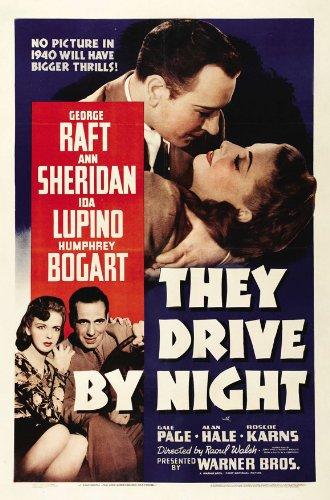
Her emotive handling of a difficult role convinced Warner Bros that they had found someone to fill Bette Davis’s old shoes, for they were planning a partial remake of Bordertown called They Drive By Night (1940). It was a showy role, lasciviously pursuing trucker George Raft while showing only contempt for her fond, much older husband, Alan Hale, who is (of course) his boss and best friend; furthermore, it required her to go spectacularly mad on the witness stand at the climax. Jack Warner was so impressed by the first few days’ rushes that he signed Lupino to a seven-year contract, whereupon she stayed off work on the advice of her astrologer. Warner devotes almost a chapter to this in his memoirs, but he seems to have persuaded himself that this was how real stars behave, for he gave her billing over Bogart in her next film, Walsh’s High Sierra (1941), despite the fact that she has the lesser role (as Bogart’s moll).

Warner had had trouble with Davis, whose temperament (in the cause of better material) was equalled only by her talent and her popularity. Lupino accordingly had value to Warner beyond the unexpected maturing of her abilities: she was a “threat” to Davis, at worst replacing her as his leading female star – or appearing in the many properties purchased for Davis in the first place.

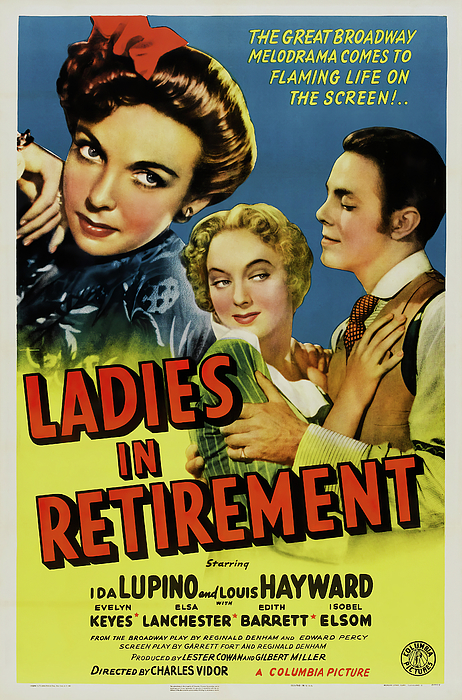
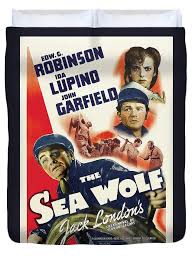
Lupino held her own against such heavyweights as Edward G. Robinson and John Garfield in the best screen version of Jack London’s The Sea Wolf (also 1941) despite this interpolation – an ex-con picked up at sea to inflame the all-male crew. She staked her claim to be the first of the decade’s many wicked ladies at Columbia, in Ladies in Retirement (1941), as the housekeeper who conspires with her “nephew”, Hayward, to murder the blowsy ex-actress who is her boss.

She was a “Lady Macbeth of the slums” (Picturegoer) in The Hard Way (1943), stopping only at murder to ensure her daughter’s stardom – with Joan Leslie in the role. The New York critics voted Lupino’s performance the year’s best, setting the seal on her stardom.

In Devotion (1945), she was Emily Bronte, Olivia de Havilland was Charlotte and Nancy Coleman Anne, with the Italian-born Viennese-accented Paul Henried as the Irish Mr Nicholls. The critic Richard Winnington found the film “painless. It never got nearer to the subject than the names and consequently didn’t hurt.”

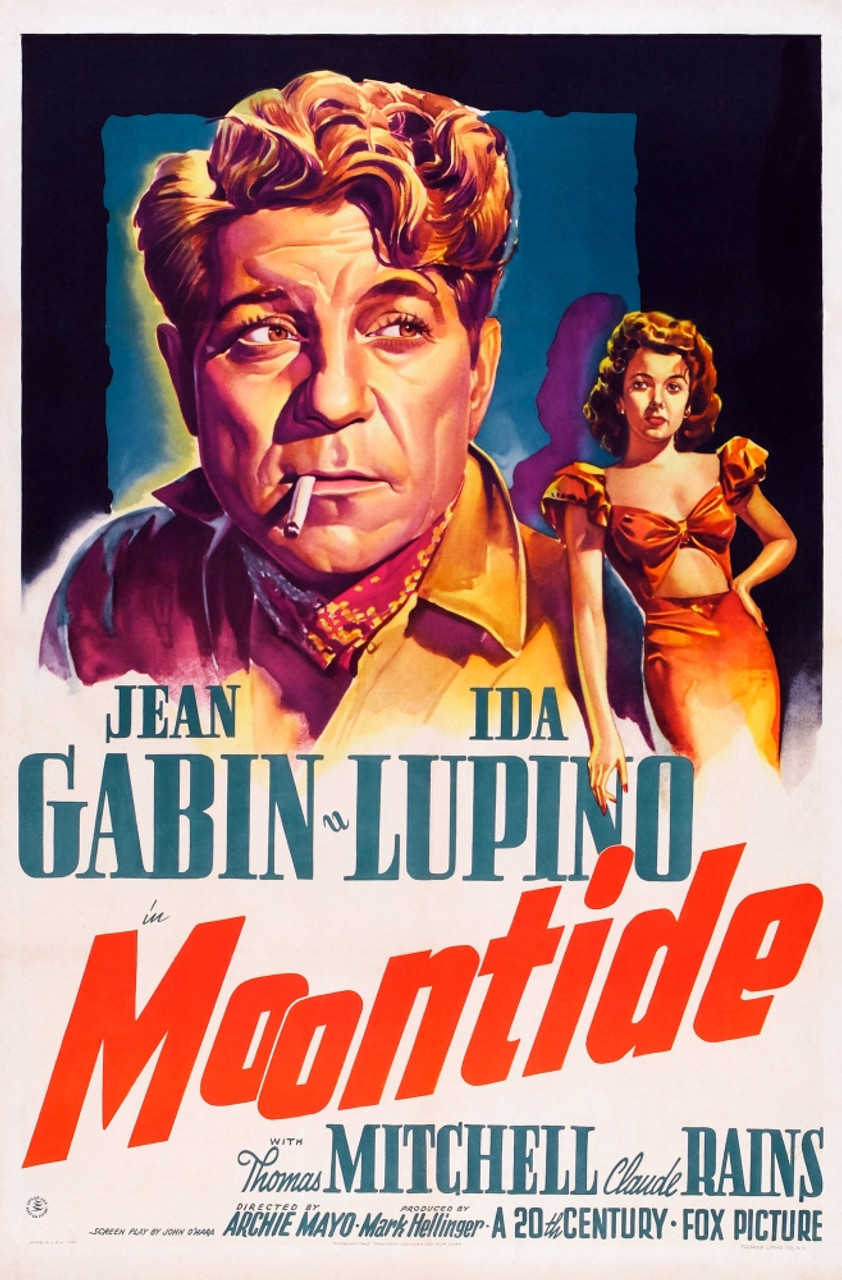
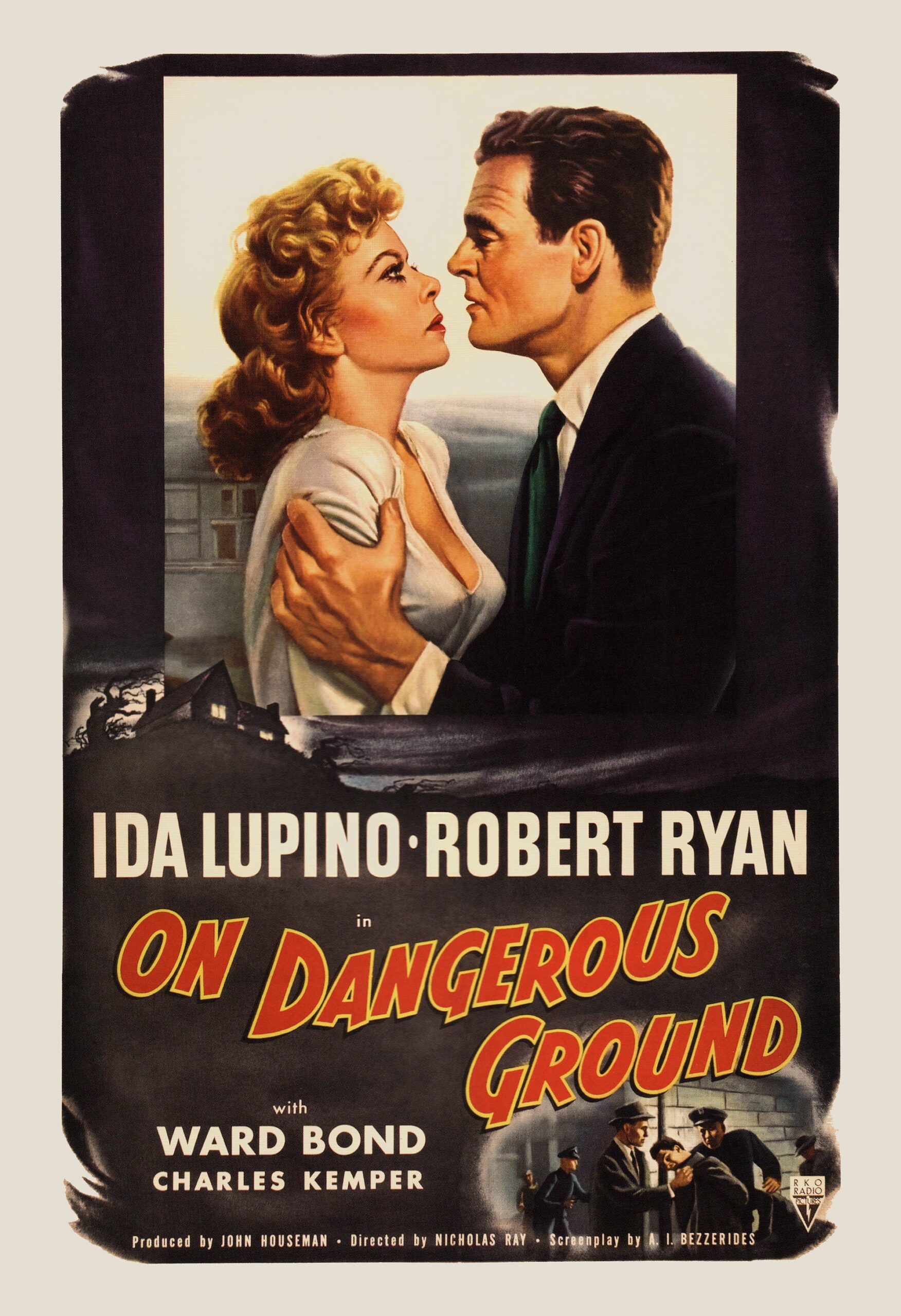
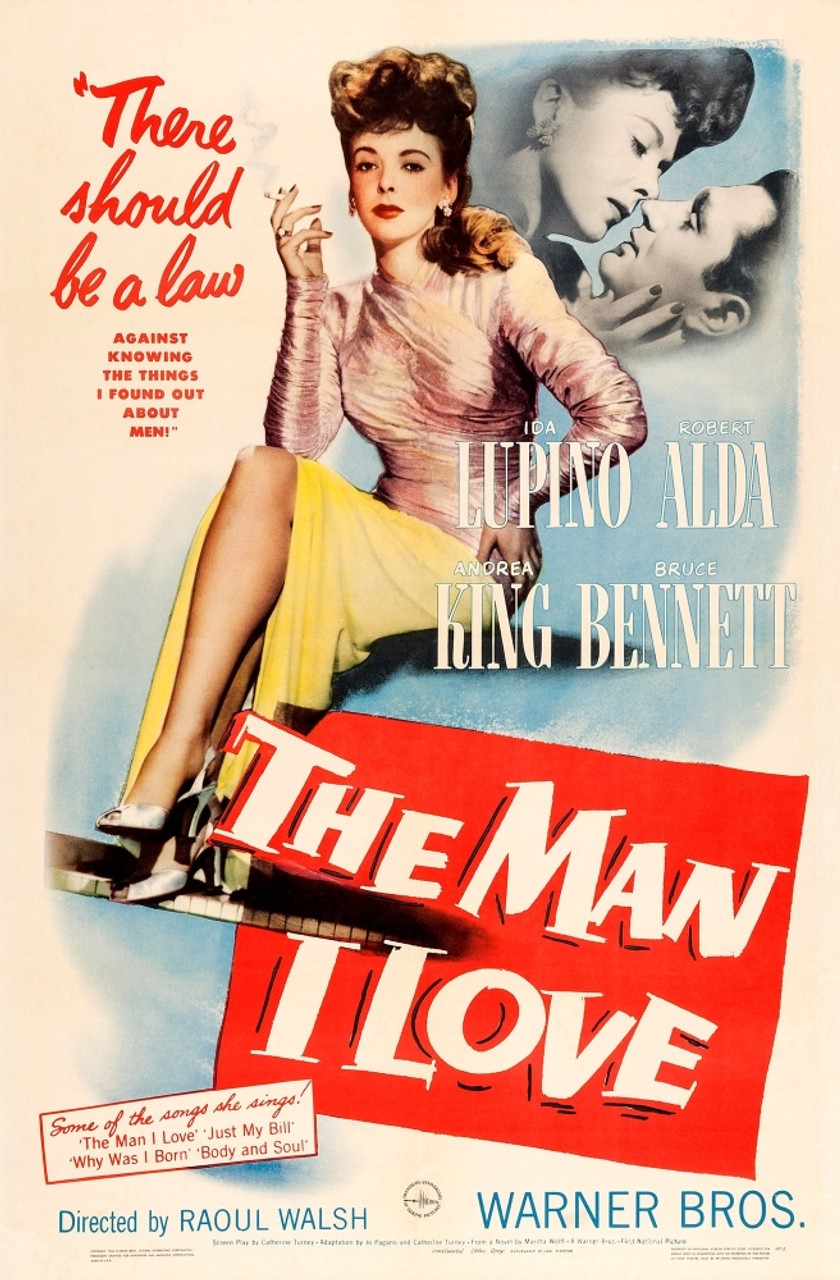
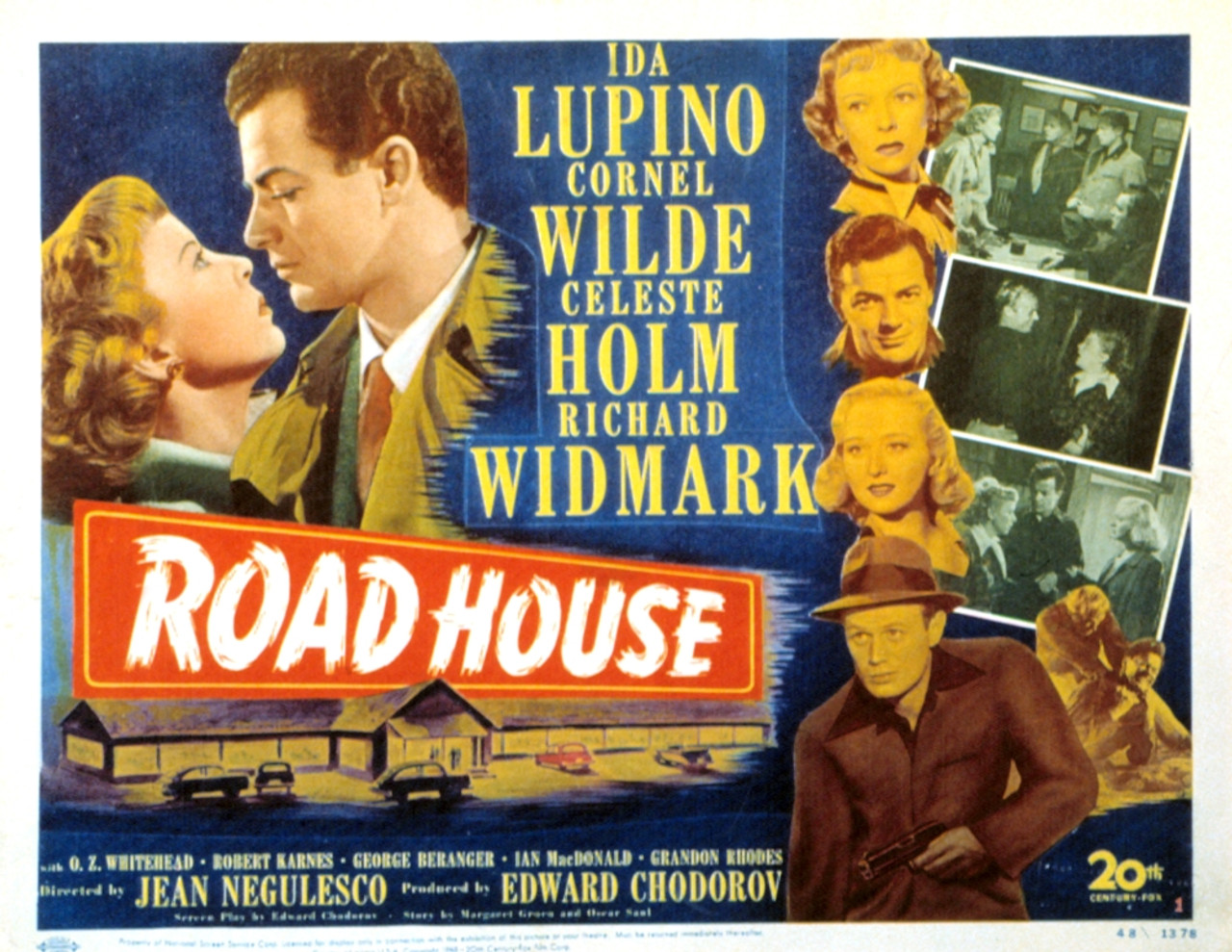
Lupino – and audiences – were better served by Walsh’s noir-ish The Man I Love (1946), in which she proved how effortlessly she inhabited those tough, world-weary dames, in this case a night-club singer, preparing herself for damnation to prevent her sister from throwing herself at the heel who runs the joint, Robert Alda. Even more splendid is the not dissimilar Road House (1948), with Lupino greedily suggesting the small-time ambition and essential seediness of a B-girl who has spent too many nights in an atmosphere of stale cigarette smoke and beer-guzzling – and she got to croon the torch song for which this film was famous, “Again (it mustn’t happen again)”. “She does more without a voice than anyone I’ve ever heard,” says the cashier, Celeste Holm.

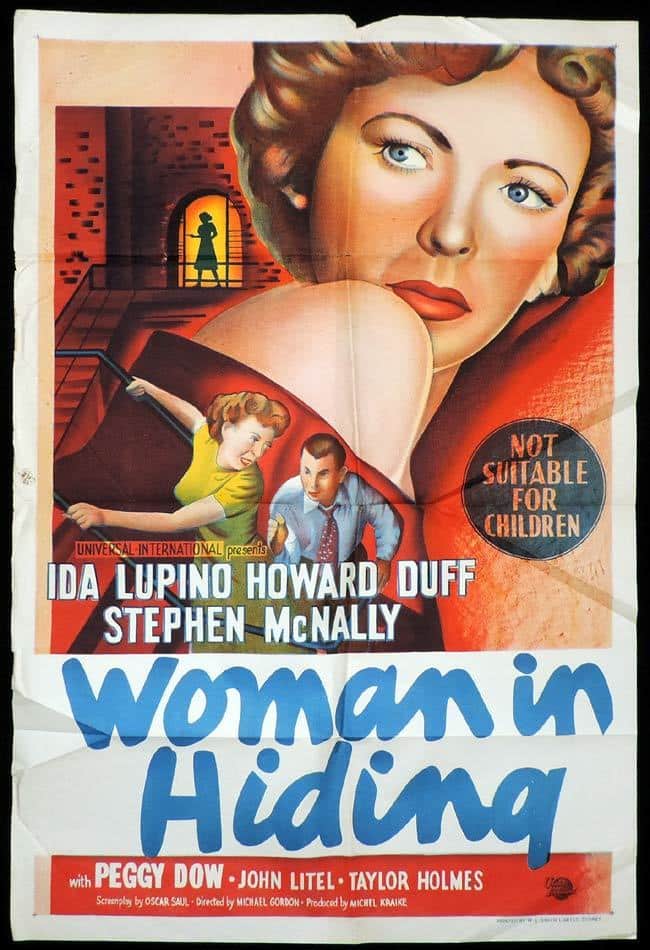
It was directed at 20th Century-Fox by Jean Negulesco, invited there by Zanuck after his work with Lupino in Deep Valley (1947) which featured one of her first wholly admirable or pitiable heroines, a timid farmgirl whose life is changed by an encounter with a convict, Dane Clark. There were more to come (at various studios): a frightened bride in A Woman in Hiding (1950) – frightened of Stephen McNally, though the cast included Howard Duff, whom Lupino later married.

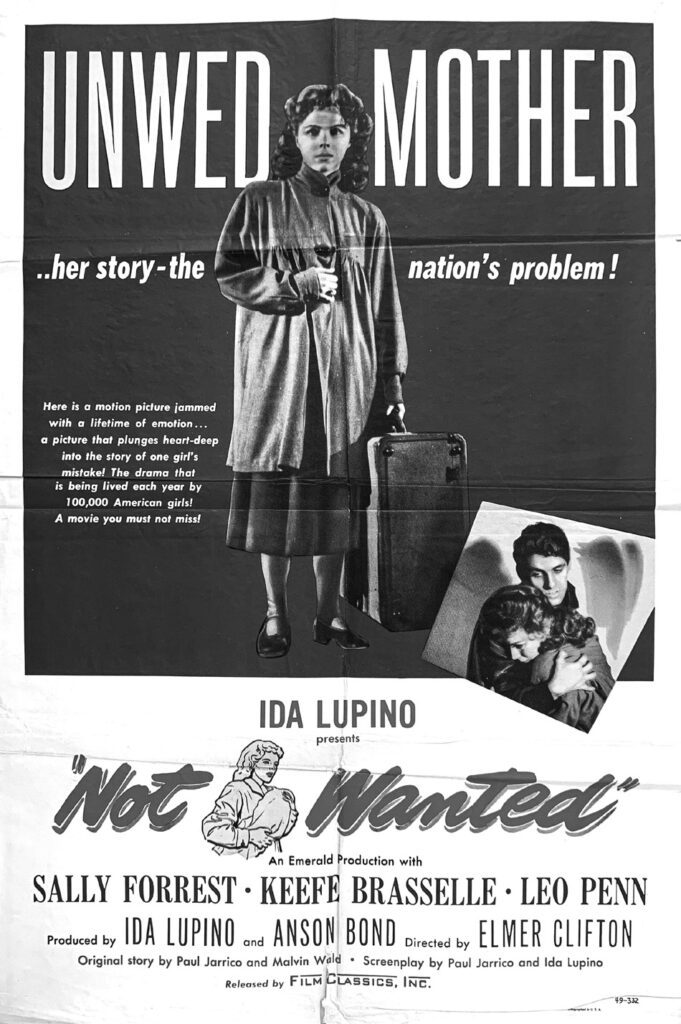
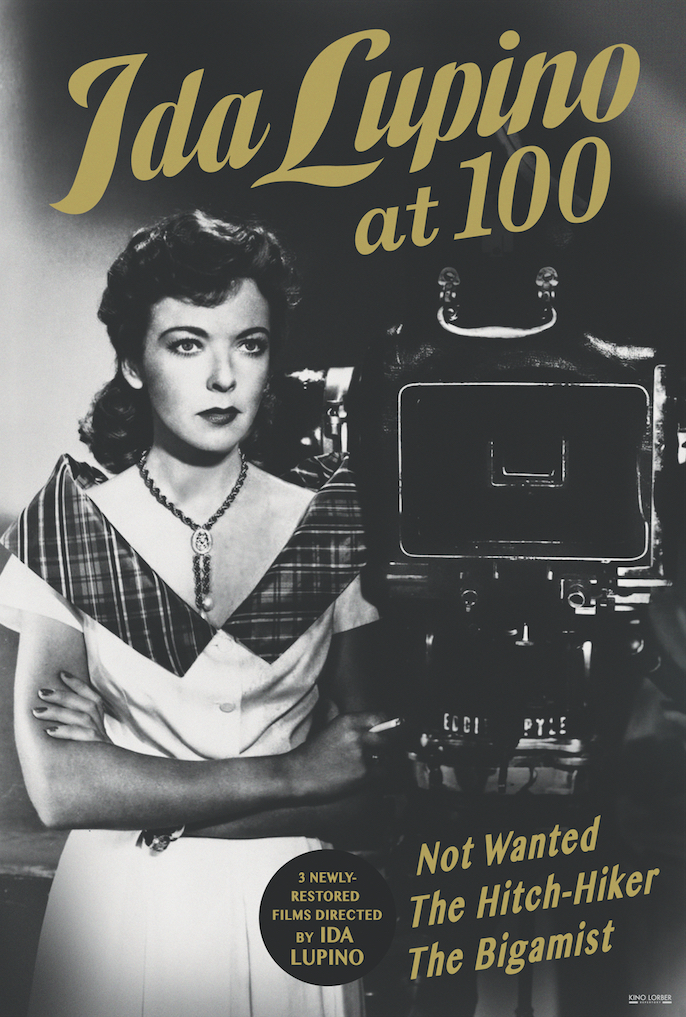
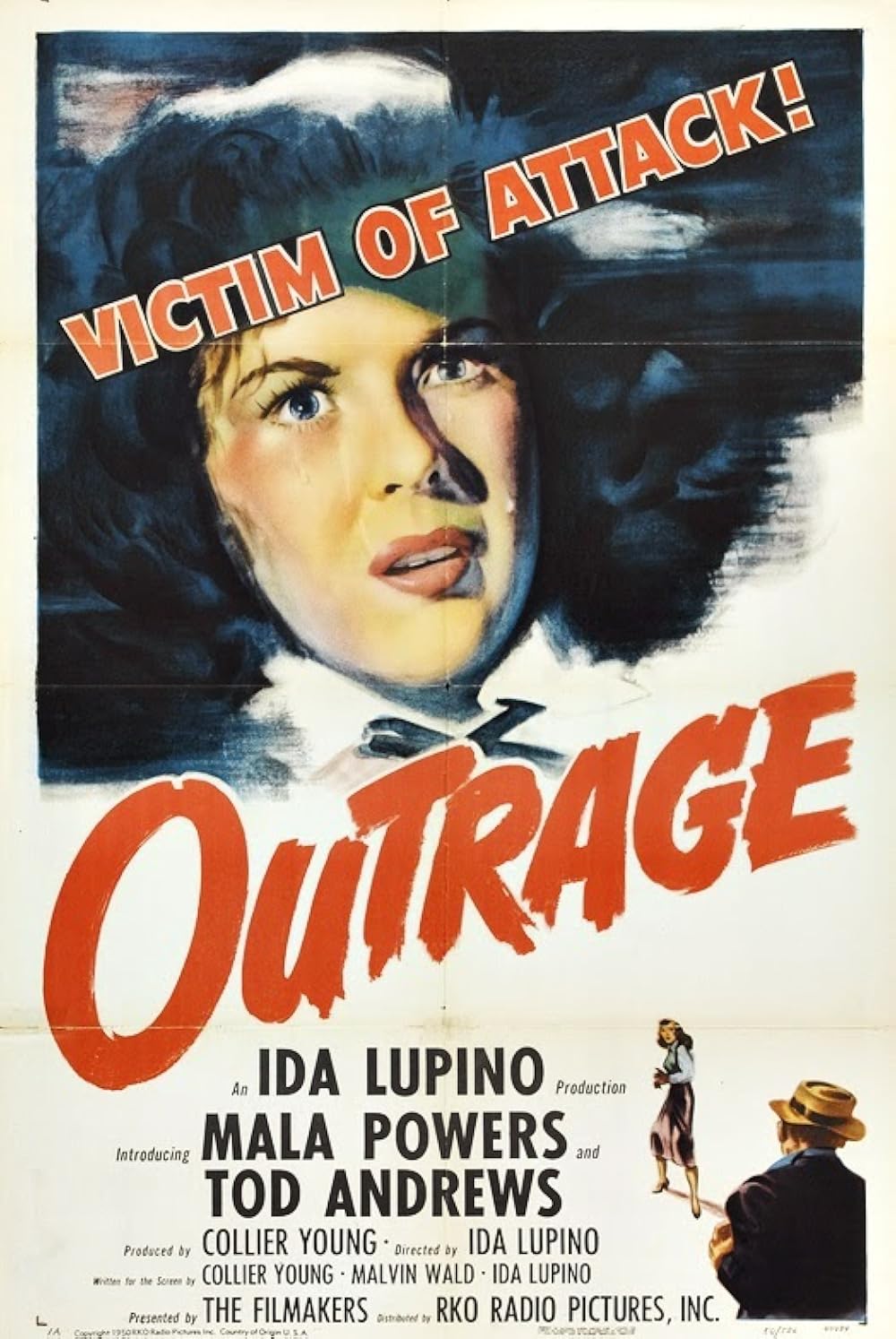
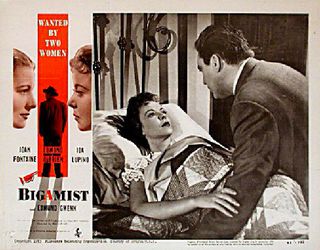
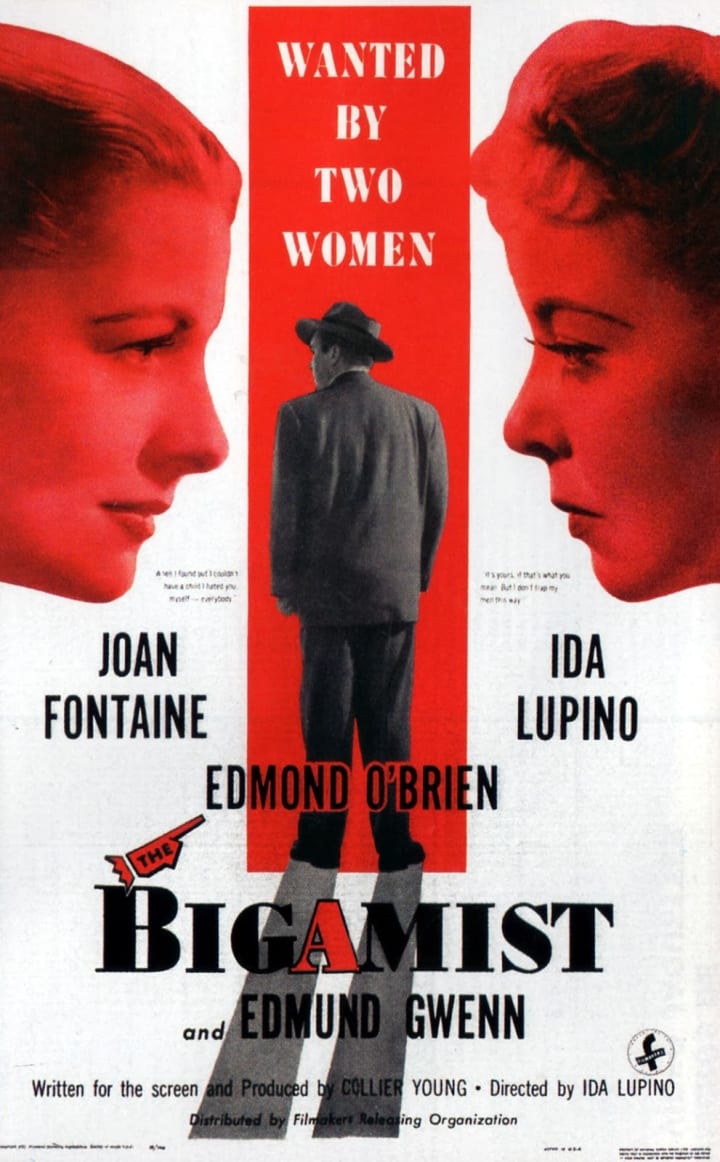
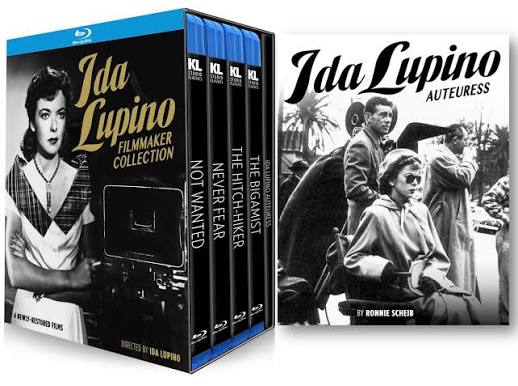
A little later she turned to directing – the only female director of consequence between Dorothy Arzner and Joan Micklin Silver – and chiefly for the Filmakers, a company she had founded with her then husband, Collier Young. As early as 1949 she had turned to television, writing and producing, before carrying out these same chores on a low-budget movie concerning the problems of an unwed mother, Not Wanted (1949), and she took over the direction when Elmer Clifton became ill. With the determination which characterised her work before the cameras, she went on to handle other subjects in the same serious low-key vein, including The Hitch-Hiker (1952), about a paranoid killer (William Talman) who forces two businessmen (Edmond O’Brien and Frank Lovejoy) to travel with him at gunpoint. This is regarded as her best film as a director. They managed to get a higher budget for another sympathetic study of a social problem, The Bigamist (1953). He was Edmond O’Brien, with Lupino and Joan Fontaine as his two wives – with a screenplay by Young, now divorced from the first lady and married to the second.

Lupino continued to act and direct in television until the Seventies, including a series with Duff, Mr Adams and Eve. In her later years she found time for a new hobby, motor-cycling.

David Shipman

Ida Lupino, actress, producer, director and writer: born London 4 February 1918; married 1938 Louis Hayward (marriage dissolved 1945), 1948 Collier Young (marriage dissolved 1951), 1951 Howard Duff (one daughter; marriage dissolved 1972): died Burbank, California 3 August 1995.

The above “Independent” obituary can also be accessed online here.
She was stubborn, sullen, tiny (5ft 3in) and resilient. With a mink thrust over her shoulder-pads and an orchid in her hair, Ida Lupino made it clear – in a silky, querulous voice – that she resented living in a man’s world. Like Joan Crawford, she was glamorous in different ways at different times in her career: she too had a strong, mesmerising personality but with a wider range. She was the archetypal Hollywood star, always surging back after a setback.
She was born into a family of Italian origin which had entertained the British for generations in circuses and variety theatres. Her father was Stanley Lupino, star of film and stage musicals. Ida was only 15 when she made her first film, Her First Affaire (1933), cast as a teenage vamp, so there was some surprise when Paramount signed her to play Alice in Alice in Wonderland. Once in Hollywood, Paramount changed its collective mind about her, and for the next four years she was shuttled between roles of her own age, ingenues and glamourpants parts for which she was much too young.

In 1938 she married the actor Louis Hayward. Hayward had also been getting nowhere fast in Hollywood, but at this time the producer Edward Small decided that he had star potential, which in turn made Lupino more aggressive towards her own career. She convinced the director William A. Wellman that only she could play the cockney whore who inspires Helder (Ronald Colman) in The Light That Failed (1939), based on Kipling’s first novel.

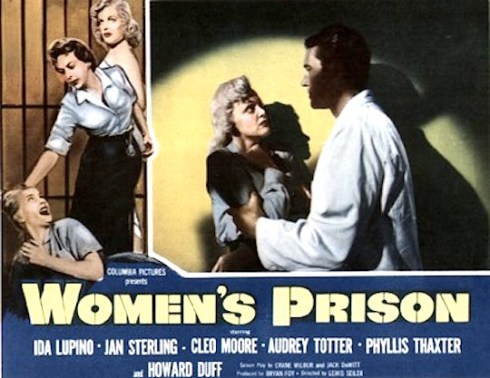
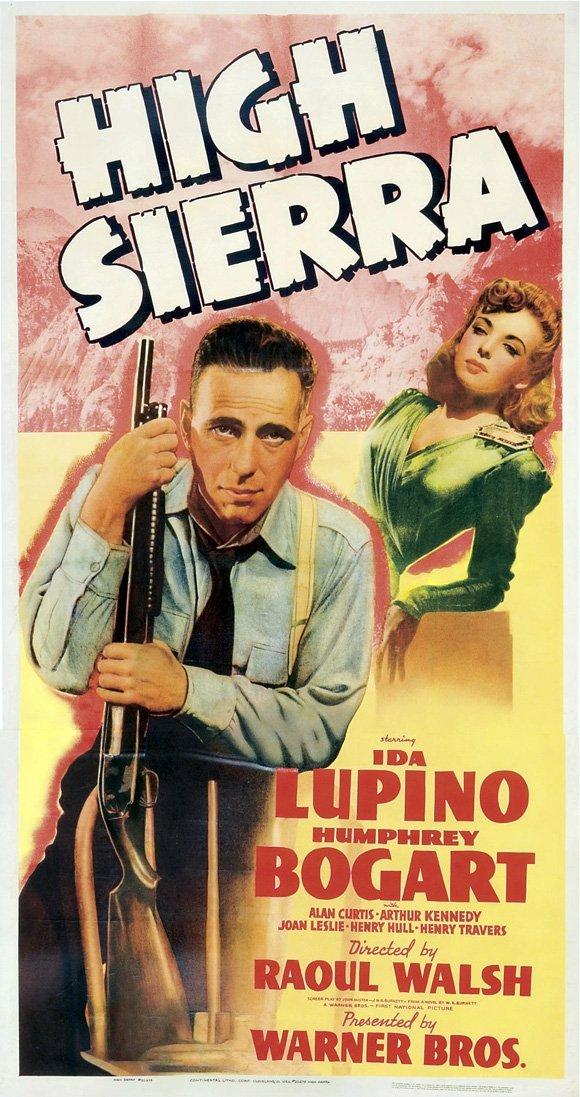
Her emotive handling of a difficult role convinced Warner Bros that they had found someone to fill Bette Davis’s old shoes, for they were planning a partial remake of Bordertown called They Drive By Night (1940). It was a showy role, lasciviously pursuing trucker George Raft while showing only contempt for her fond, much older husband, Alan Hale, who is (of course) his boss and best friend; furthermore, it required her to go spectacularly mad on the witness stand at the climax. Jack Warner was so impressed by the first few days’ rushes that he signed Lupino to a seven-year contract, whereupon she stayed off work on the advice of her astrologer. Warner devotes almost a chapter to this in his memoirs, but he seems to have persuaded himself that this was how real stars behave, for he gave her billing over Bogart in her next film, Walsh’s High Sierra (1941), despite the fact that she has the lesser role (as Bogart’s moll).

Warner had had trouble with Davis, whose temperament (in the cause of better material) was equalled only by her talent and her popularity. Lupino accordingly had value to Warner beyond the unexpected maturing of her abilities: she was a “threat” to Davis, at worst replacing her as his leading female star – or appearing in the many properties purchased for Davis in the first place.
Lupino held her own against such heavyweights as Edward G. Robinson and John Garfield in the best screen version of Jack London’s The Sea Wolf (also 1941) despite this interpolation – an ex-con picked up at sea to inflame the all-male crew. She staked her claim to be the first of the decade’s many wicked ladies at Columbia, in Ladies in Retirement (1941), as the housekeeper who conspires with her “nephew”, Hayward, to murder the blowsy ex-actress who is her boss.
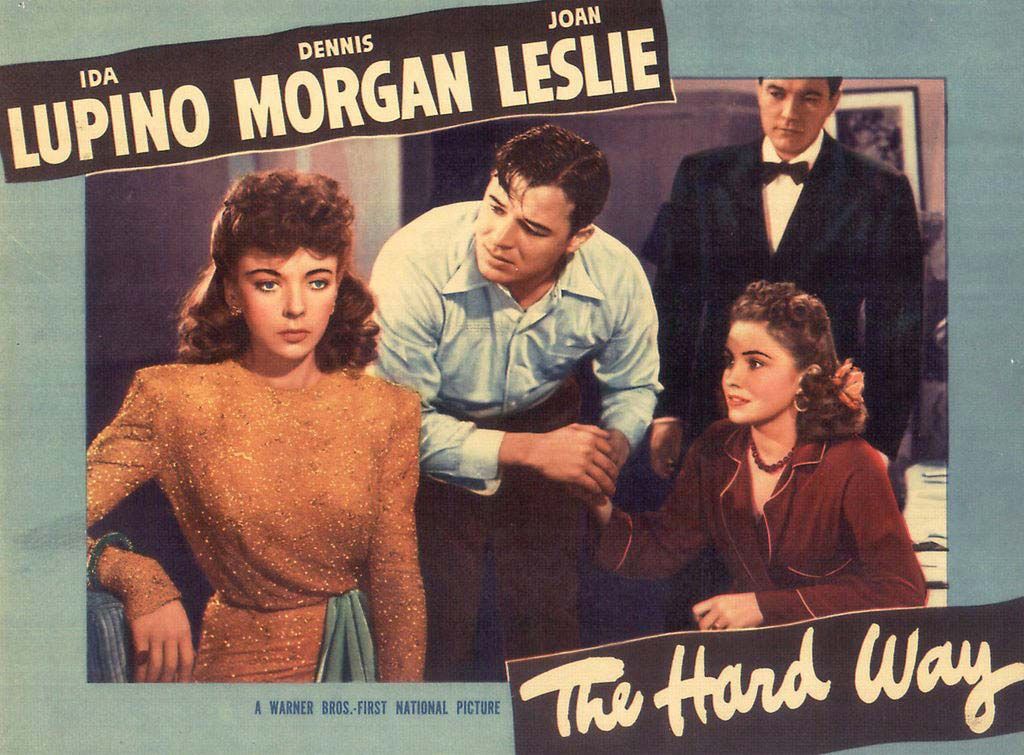
She was a “Lady Macbeth of the slums” (Picturegoer) in The Hard Way (1943), stopping only at murder to ensure her daughter’s stardom – with Joan Leslie in the role. The New York critics voted Lupino’s performance the year’s best, setting the seal on her stardom.

In Devotion (1945), she was Emily Bronte, Olivia de Havilland was Charlotte and Nancy Coleman Anne, with the Italian-born Viennese-accented Paul Henried as the Irish Mr Nicholls. The critic Richard Winnington found the film “painless. It never got nearer to the subject than the names and consequently didn’t hurt.”

Lupino – and audiences – were better served by Walsh’s noir-ish The Man I Love (1946), in which she proved how effortlessly she inhabited those tough, world-weary dames, in this case a night-club singer, preparing herself for damnation to prevent her sister from throwing herself at the heel who runs the joint, Robert Alda. Even more splendid is the not dissimilar Road House (1948), with Lupino greedily suggesting the small-time ambition and essential seediness of a B-girl who has spent too many nights in an atmosphere of stale cigarette smoke and beer-guzzling – and she got to croon the torch song for which this film was famous, “Again (it mustn’t happen again)”. “She does more without a voice than anyone I’ve ever heard,” says the cashier, Celeste Holm.

It was directed at 20th Century-Fox by Jean Negulesco, invited there by Zanuck after his work with Lupino in Deep Valley (1947) which featured one of her first wholly admirable or pitiable heroines, a timid farmgirl whose life is changed by an encounter with a convict, Dane Clark. There were more to come (at various studios): a frightened bride in A Woman in Hiding (1950) – frightened of Stephen McNally, though the cast included Howard Duff, whom Lupino later married.

A little later she turned to directing – the only female director of consequence between Dorothy Arzner and Joan Micklin Silver – and chiefly for the Filmakers, a company she had founded with her then husband, Collier Young. As early as 1949 she had turned to television, writing and producing, before carrying out these same chores on a low-budget movie concerning the problems of an unwed mother, Not Wanted (1949), and she took over the direction when Elmer Clifton became ill. With the determination which characterised her work before the cameras, she went on to handle other subjects in the same serious low-key vein, including The Hitch-Hiker (1952), about a paranoid killer (William Talman) who forces two businessmen (Edmond O’Brien and Frank Lovejoy) to travel with him at gunpoint. This is regarded as her best film as a director. They managed to get a higher budget for another sympathetic study of a social problem, The Bigamist (1953). He was Edmond O’Brien, with Lupino and Joan Fontaine as his two wives – with a screenplay by Young, now divorced from the first lady and married to the second.

Lupino continued to act and direct in television until the Seventies, including a series with Duff, Mr Adams and Eve. In her later years she found time for a new hobby, motor-cycling.

David Shipman

Ida Lupino, actress, producer, director and writer: born London 4 February 1918; married 1938 Louis Hayward (marriage dissolved 1945), 1948 Collier Young (marriage dissolved 1951), 1951 Howard Duff (one daughter; marriage dissolved 1972): died Burbank, California 3 August 1995.

The above “Indepednent” obituary can also be accessed here.