Hollywood Actors

Collection of Classic Hollywood Actors

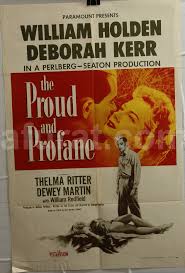
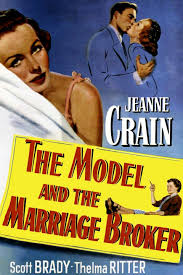
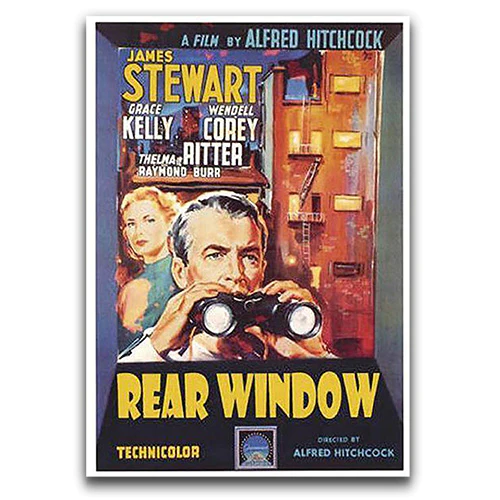
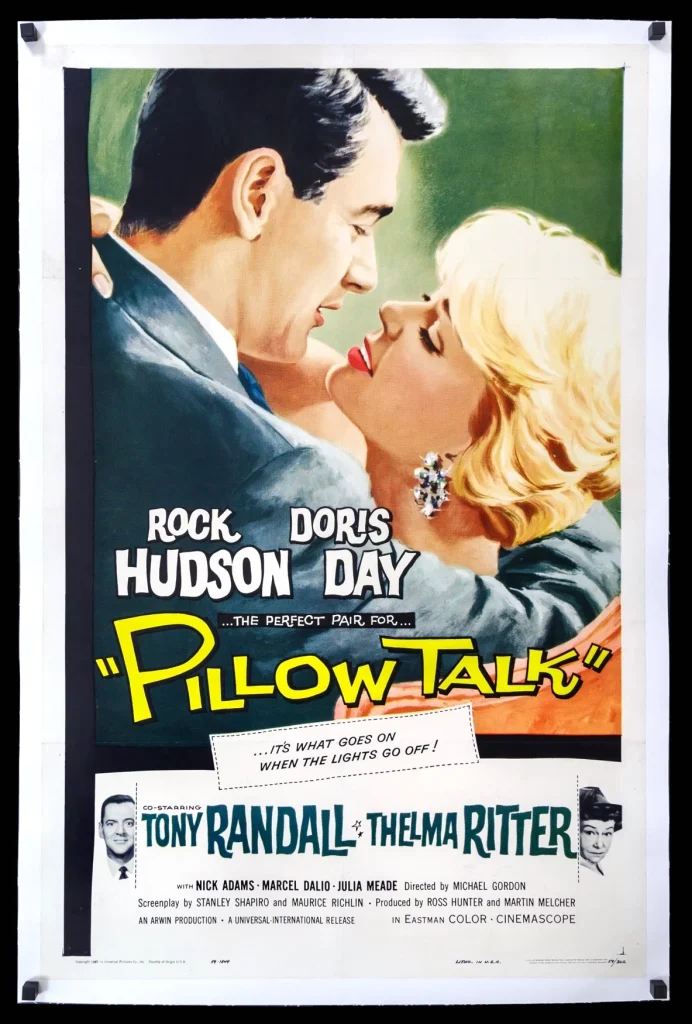
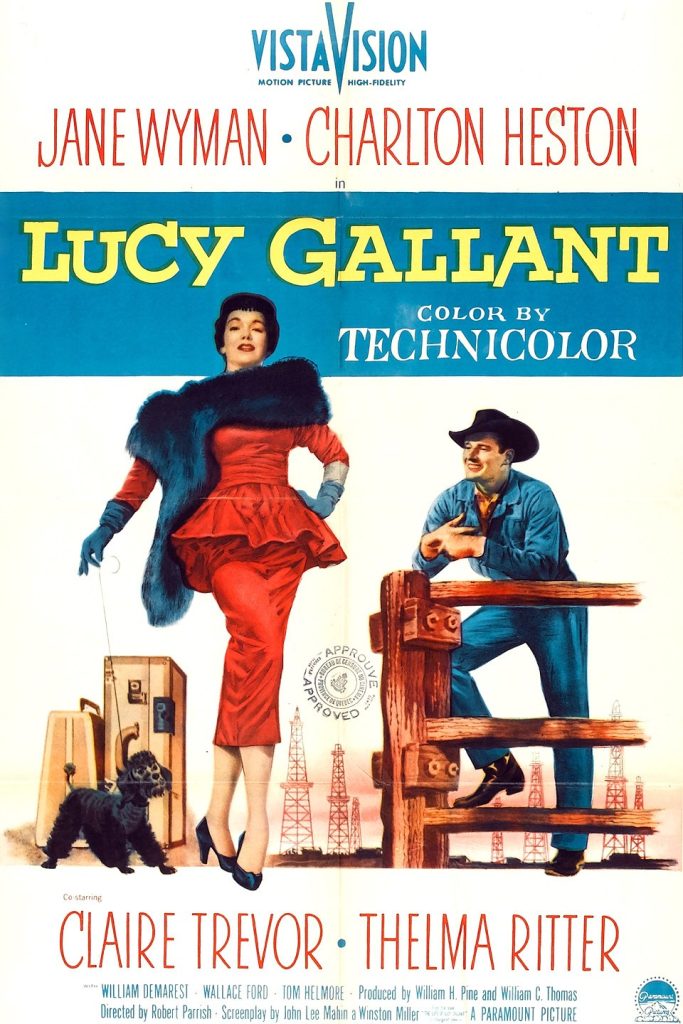
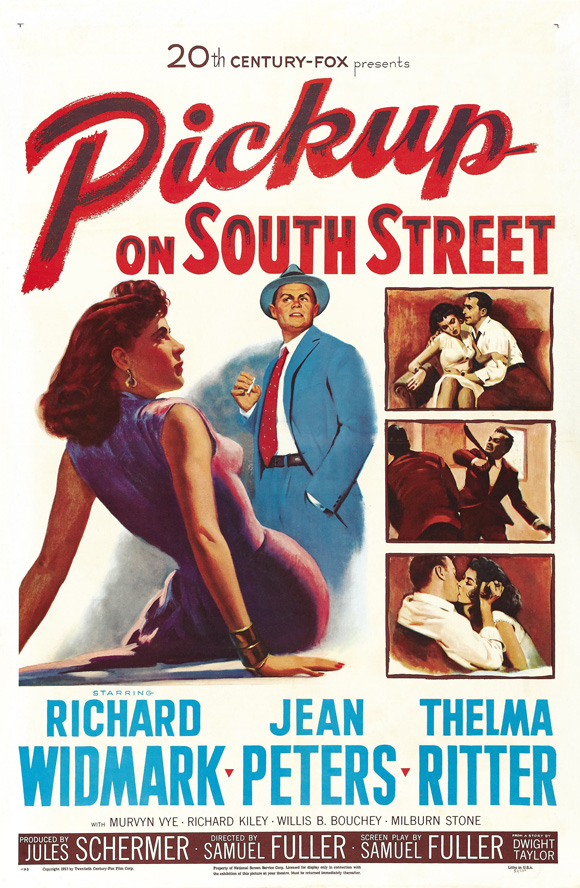
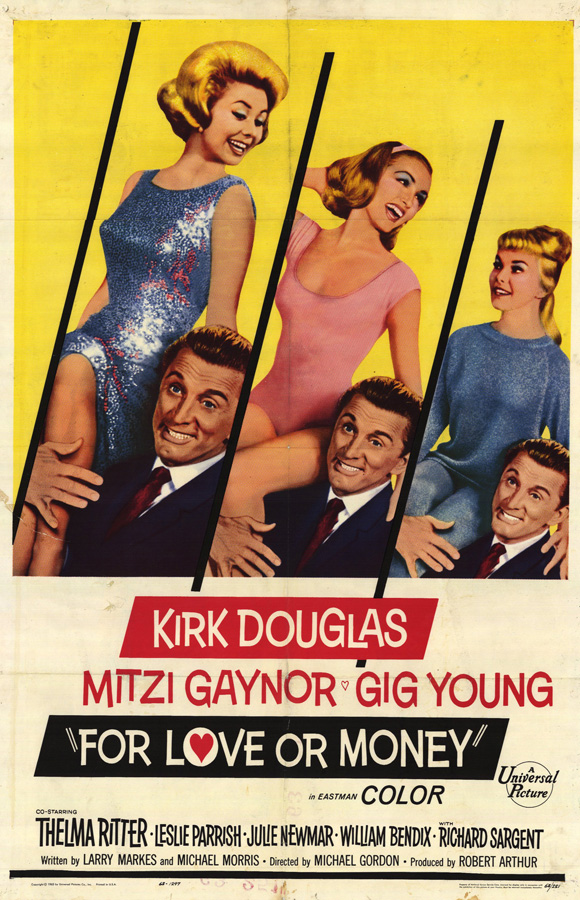
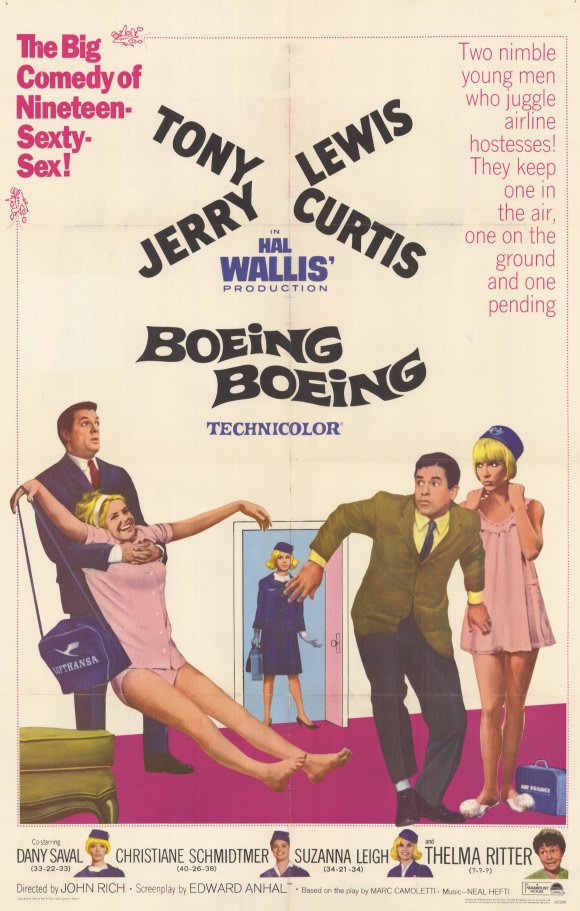
Thelma Ritter

Thelma Ritter. TCM Overview.

Thelma Ritter
Thelma Ritter

TCM Overview:

With her salty humor, crackling New York accent and seen-it-all demeanor, Thelma Ritter was one of the most accomplished and dependable character actresses in American film.

Throughout a 21-year screen career she worked numerous variations on her standard character of a wry, salt-of-the-earth everywoman and was equally convincing as lowly maid or wealthy dowager. She performed particularly well with other actresses and was often cast as sidekick to a female star. Ritter was Oscar®-nominated six times as Best Supporting Actress but, in what seems a major injustice, never won the award itself.

Born in Brooklyn in 1902, Ritter trained at the American Academy of Dramatic Arts and acted in stock theater and radio and in small roles on the Broadway stage before taking a break from her career to raise two children by her husband, actor/

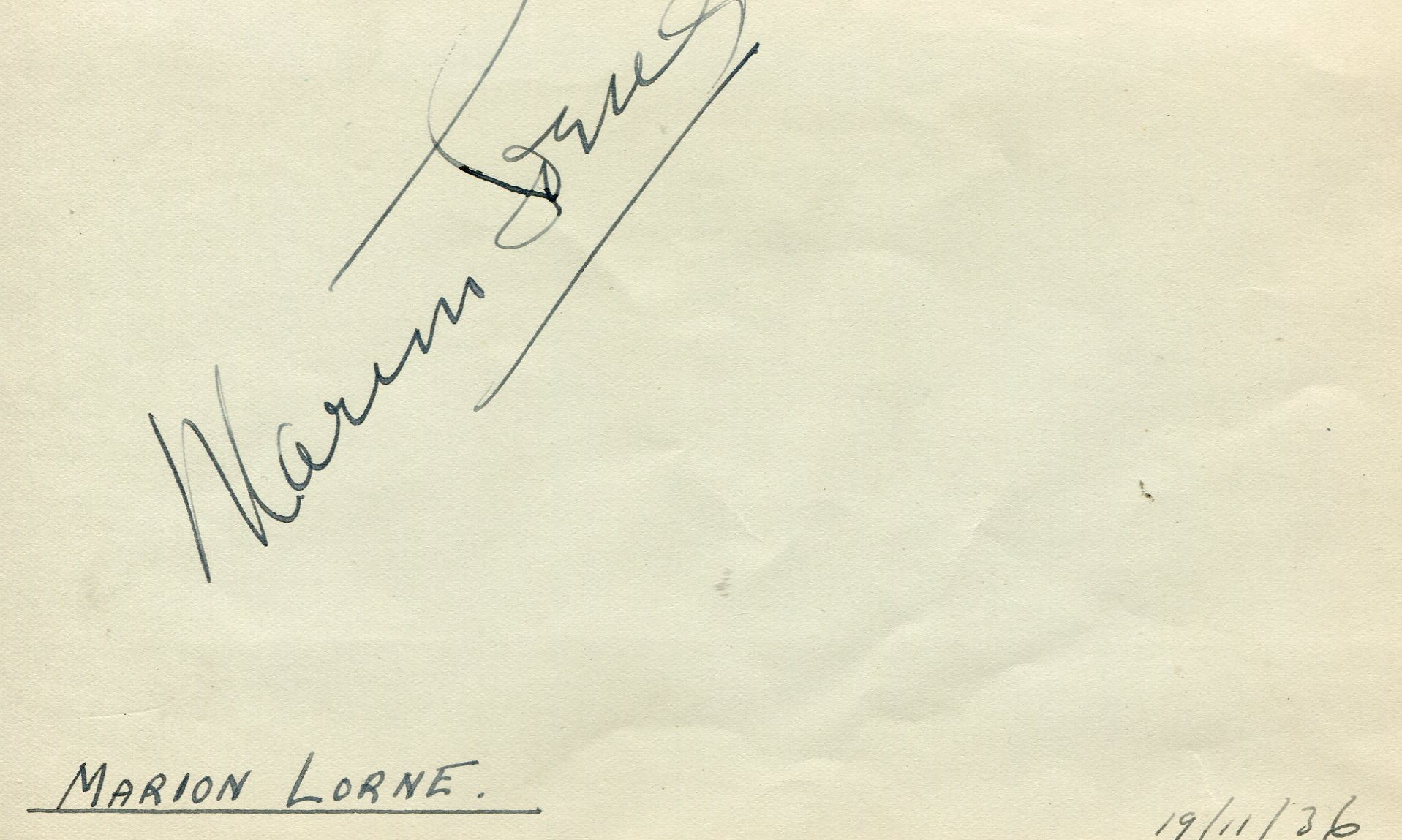
Marion Lorne

Marion Lorne

Marion Lorne


Marion-Lorne-as-Bernice-Gurney-on-the-Mr-Peepers-show.jpg (335×256)


Forever embraced as the mumbling, bumbling Aunt Clara on the Bewitched (1964) television series, endearing character actress Marion Lorne had a five-decade-long career on the stage before ever becoming a familiar TV household name.

Born Marion Lorne MacDougall on August 12, 1883 (other sources list 1885 and 1888), she grew up in her native Pennsylvania, the daughter of Scottish and English immigrants. Trained at the American Academy of Dramatic Arts in New York, she appeared in stock shows, and was on the Broadway boards by 1905. She married English playwright Walter C. Hackett and performed in many of his plays throughout the 1920s and 1930s, including “Hyde Park Corner” and “The Gay Adventure”. They at one point settled in England where they co-founded the Whitehall Theater. It was there that Marion began to sharpen and patent her fidgety comedy eccentrics in such plays as “Pansy’s Arabian Knight,” “Sorry You’ve Been Troubled,” “Espionage” and “London After Dark”. Upon Hackett’s death in 1944, she returned to the States and again, after a brief retirement, became a hit in such tailor-made stage shows as “Harvey”.

Marion made a definitive impression via her movie debut at age 60+ in Alfred Hitchcock‘s immortal suspenser Strangers on a Train (1951) as murderer Robert Walker‘s clueless, smothering mother. Surprisingly Hollywood used her only a couple more times on film after that auspicious beginning — a grievously sad waste of a supremely talented comedienne. Marion wisely turned to TV instead and proved a dithery delight in such sitcoms as Mister Peepers (1952) and Sally (1957), gaining quirky status as well as part of the comedy ensemble on The Garry Moore Show (1958).

It was, however, her role as Elizabeth Montgomery‘s befuddled, muttering, doorknob-collecting witch-aunt on Bewitched (1964) — whether bouncing into walls or conjuring up some unintended piece of witchcraft — that put a lasting sheen on her long career. For that role she deservedly won an Emmy trophy for “Best Supporting Actress Award” — albeit posthumously. Sadly, Marion succumbed to a heart attack on May 9, 1968, just ten days before the actual ceremony. Elizabeth Montgomery gave a touching acceptance speech on her behalf.

– IMDb Mini Biography By: Gary Brumburgh / gr-home@pacbell.net

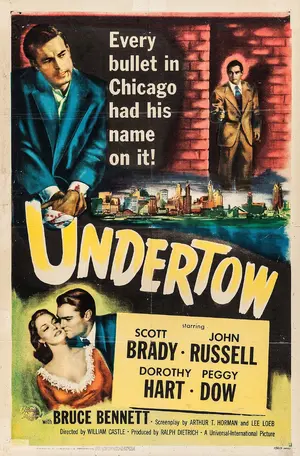
Peggy Dow
Peggy Dow
Peggy Dow

Peggy Dow

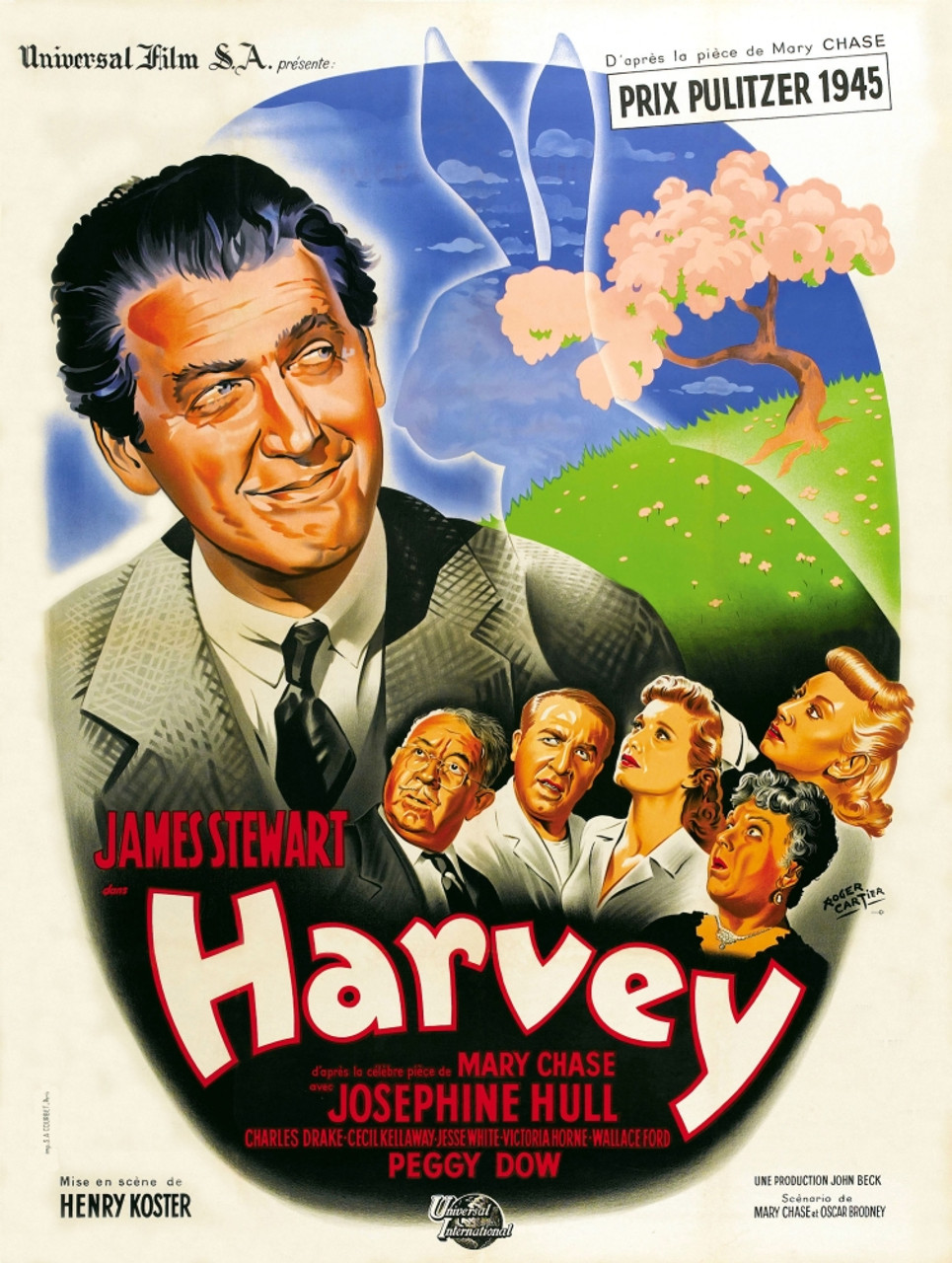
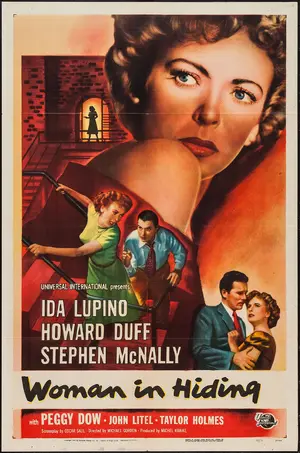
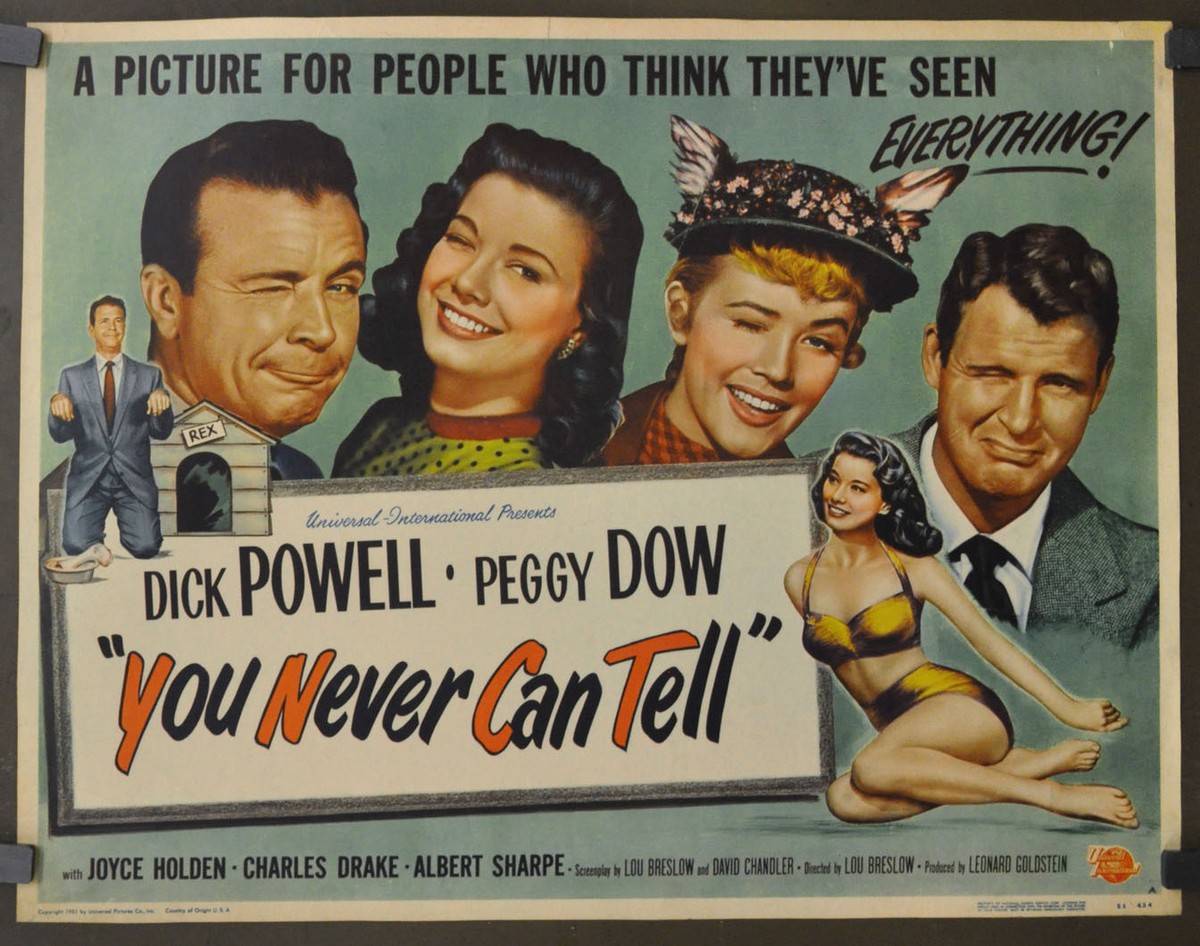
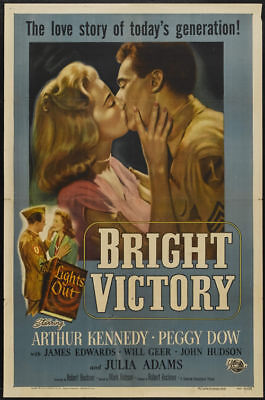
Peggy Dow (born Peggy Josephine Varnadow; March 18, 1928)  is an American philanthropist and former actress who had a brief (1949–1952) career in Hollywood at Universal Studios starring in films during the Golden Age Era in the late 1940s and early 1950s. She is perhaps best known for her roles as Nurse Kelly in Harvey(1950) and Judy Greene in Bright Victory (1951).

Born in Columbia, Mississippi, at the age of 4 she moved with her family to Covington, Louisiana. She attended high school and junior college at Gulf Park College in Gulfport, Mississippi (now the Gulf Park campus of the University of Southern Mississippi), then finished college at Northwestern University in Illinois, appearing in college plays and receiving her degree from Northwestern’s School of Speech in 1948

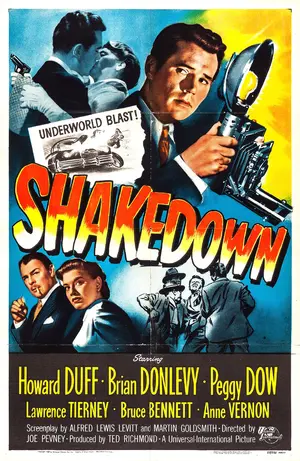
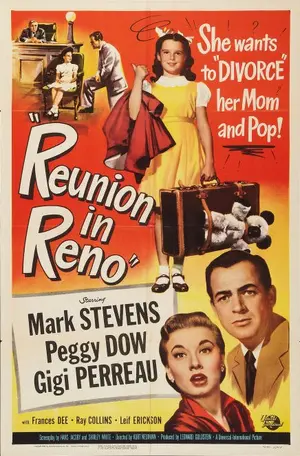
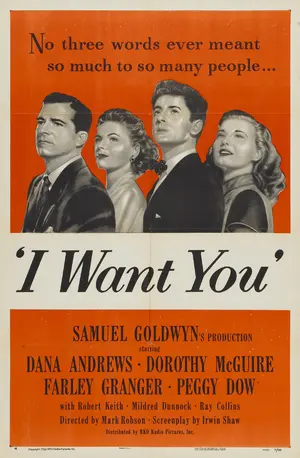
After brief modeling and radio experience, Dow was spotted by a talent agent and cast in a television show in February 1949. Shortly after that exposure, Universal offered her a seven-year contract. Dow made nine films, most notably as Nurse Kelly in Harvey (1950), starring James Stewart and Josephine Hull,  and co-starring with Best Actor Oscarnominee Arthur Kennedy in Bright Victory (1951).[3] After being featured in several crime dramas, Dow had starring roles in two 1951 family films, Reunion in Reno and You Never Can Tell.

Dow retired after three years in the business to marry Walter Helmerich III, an oil driller from Tulsa, Oklahoma, in 1951. He became president of his family’s business, Helmerich & Payne. They were married for 60 years, until his death in 2012. The couple had five sons. She became an active supporter of libraries and other charities.

The Peggy V. Helmerich Distinguished Author Award, an award given annually since 1985 to a distinguished author by the Tulsa Library Trust, is named in her honor,  as is the drama school at the University of Oklahoma  and the auditorium at Northwestern University School of Communication‘s Annie May Swift Hall


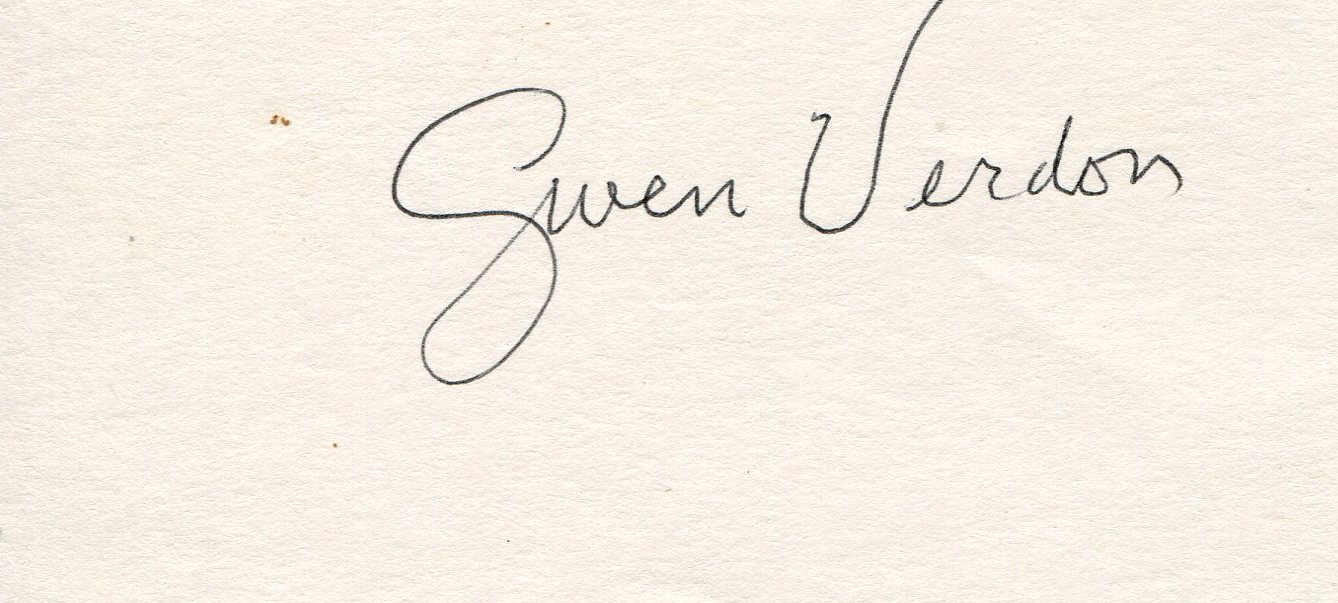
Gwen Verdon
Gwen Verdon

Gwen Verdon

Gwen Verdon

Bill Drysdale’s “Guardian” obituary of Gwen Verdon from 2000.


Legendary Broadway dancer and Fosse muse


Bill Drysdale


A great problem for today’s dance students aspiring to careers in musical theatre is the shortage of role models. Gwen Verdon, who has died aged 75, was one of the last great exponents, with direct experience – both as a performer and choreographic muse to her late husband, Bob Fosse – of a dance tradition which traces its roots back to the work of Jack Cole, whom she assisted in the 1940s.For the last two decades, the Broadway music tradition, embodied by Oklahoma! and nurtured by director/choreographers such as Agnes de Mille, Gower Champion, Jerome Robbins, Joe Layton and Fosse himself, has been deposed by the British musical, owing more to the traditions of European operetta.

So the extraordinarily successful revival of Chicago – Verdon was its original Roxie Hart in 1975 – followed by the show, Fosse, has been a revelation of the extraordinary standards of dance creativity that prevailed in musicals after the second world war. It was Verdon’s tireless industry, and devotion to her husband’s memory, that enabled these revivals to materialise.

She was born in Culver City, California, the daughter of British-born parents. Her father was an MGM technician, and her mother, who had trained with the modern-dance company Denishawn, opened her own school. Verdon, her legs weakened by childhood illness, got her early dance training from Ernest Belcher, who also trained Cyd Charisse.

Initially, she followed her first husband, James Henaghan, into journalism, reviewing films and nightclub acts. The marriage was over by 1947, but thus it was that she discovered the work of jazz-dance pioneer Cole, and eventually joined his nightclub act. Later, she became his assistant, replacing Carol Haney, who left to work with Gene Kelly.

Cole choreographed Verdon’s Broadway debut revue, Alive And Kicking (1950), which flopped. She was not ambitious to be a star, preferring her role of choreographer’s assistant, but Cole was a volatile and abusive task master, and, eventually, she took refuge with Michael Kidd, starring on Broadway in Can-Can (1953) – for which she received dazzling reviews and a Tony award. For Fosse, she starred as Lola in Damn Yankees (1955), won another Tony, and repeated her performance in the 1958 movie.

As a performer, Verdon had a unique quality of comic sexuality. This protected her endearingly innocent, vulnerable personality from slipping into outright vulgarity – unlike Fosse, who frequently strayed into conflict with his producers through his highly individual attitudes to portraying sexuality in dance.

During her time with Cole, Verdon made minor dancing appearances in movies, coached Jane Russell, and taught Marilyn Monroe the steps for her number in the movie Gentleman Prefer Blondes. She was perfect casting for the role of Charity in Sweet Charity (1966), the musical based on Fellini’s 1957 film, Le Notte Di Cabiria.

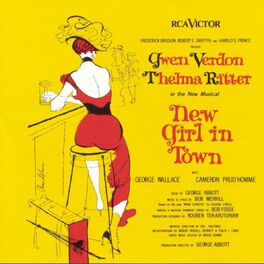
Her other leads in musicals were New Girl In Town (1958), and Redhead (1959), both choreographed by Fosse, the latter show directed by him, and both winning Tonys for Verdon. When her dancing career was over, she also found success as a character actress, in such films as Cocoon (1985), The Cotton Club (1984) and Woody Allen’s Alice (1990).

She had married Fosse in 1960, but he was a notorious womaniser (a fact he made no secret of in his autobiographical film, All That Jazz), though despite their agreeing to live apart, he and Verdon were never divorced. She remained devoted to the man and his work, and was with him when he died of a heart attack during a tour of a revival of Sweet Charity in 1987. She had no difficulty in collaborating with Ann Reinking, an ex-mistress and muse of her husband’s, on Fosse (1999), a celebration and retrospective of his work.

Verdon was universally loved and admired by the dancers in the London production of Fosse. Neil Johnson, who dances Percussion in the show, remarked: “Gwen has a way of really stretching you, drawing strengths out of you that you didn’t know you had. She once put me through that number five times in an afternoon. By the end of the rehearsal, I could scarcely walk.”

Somehow that steely strength, tempered by years of emotional stress, never appeared to coarsen her vulnerable and touching personality. She is survived by a daughter from her marriage to Fosse, a son from her first marriage, four grandchildren and a great-grandchild.

• Gwen Verdon, dancer, born January 16 1925; died October 18 2000

The above “Guaedian” obituary can also be accessed online here.

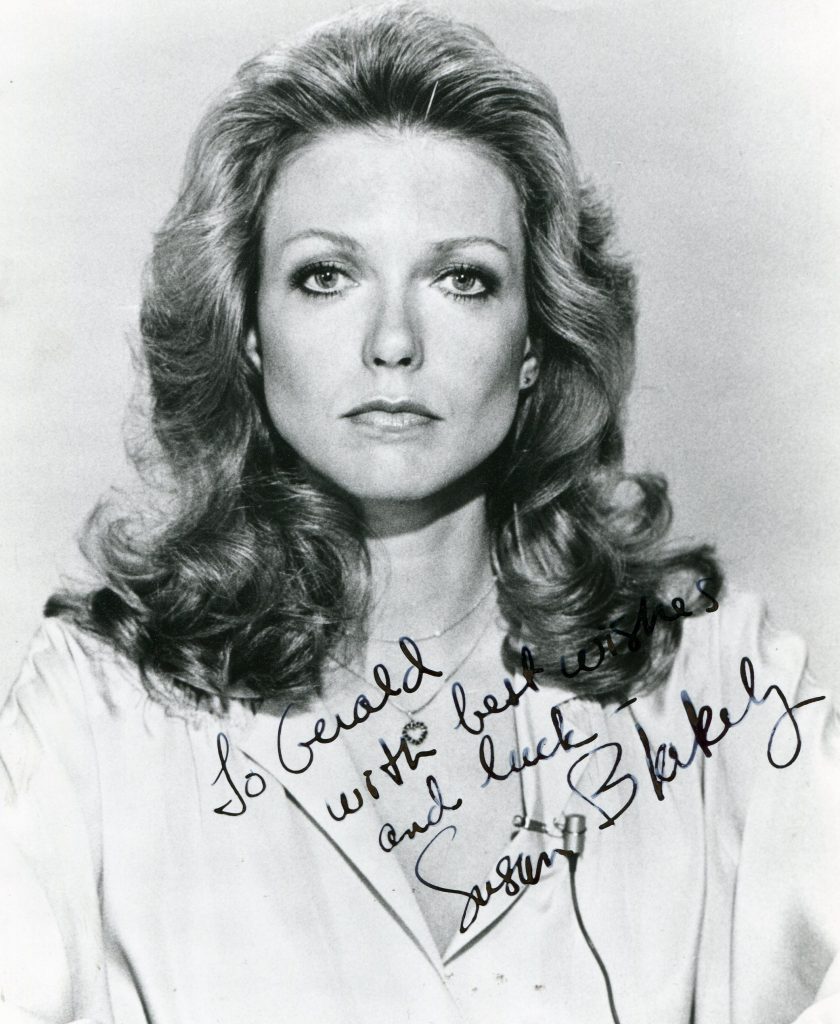
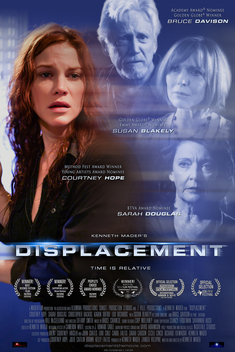
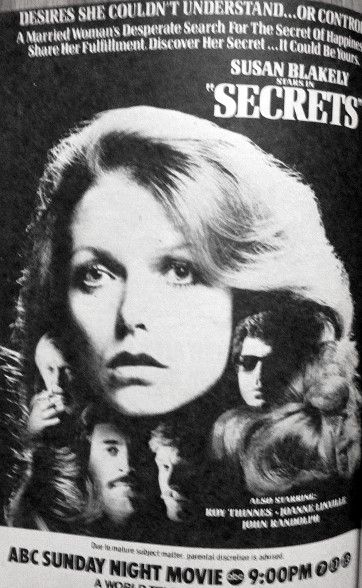
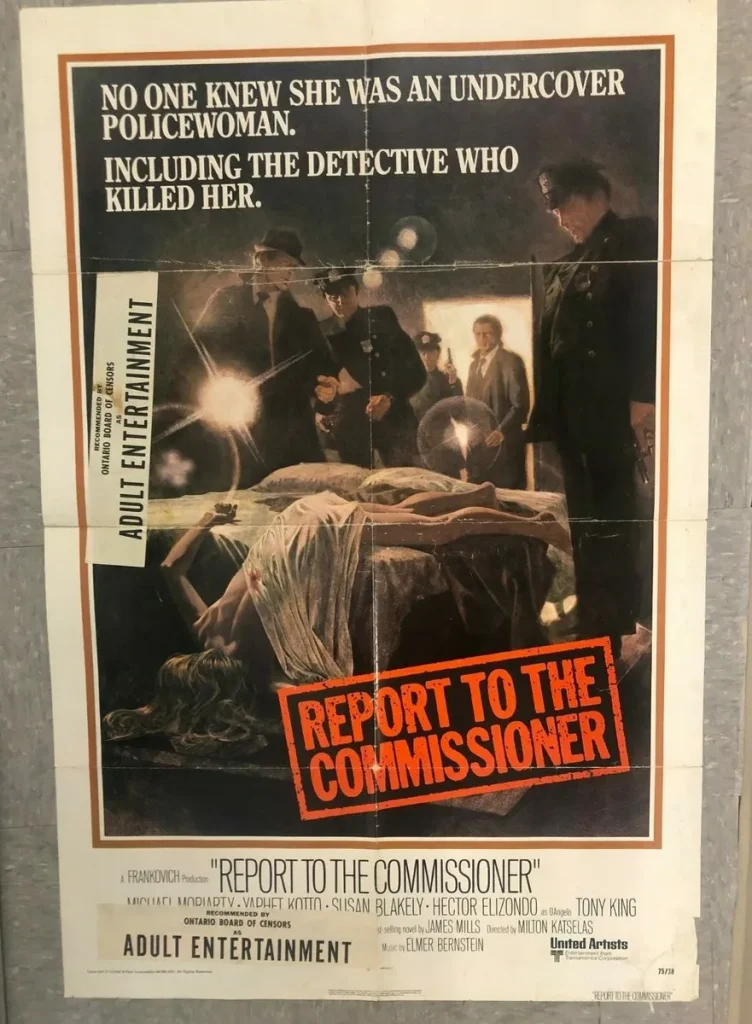
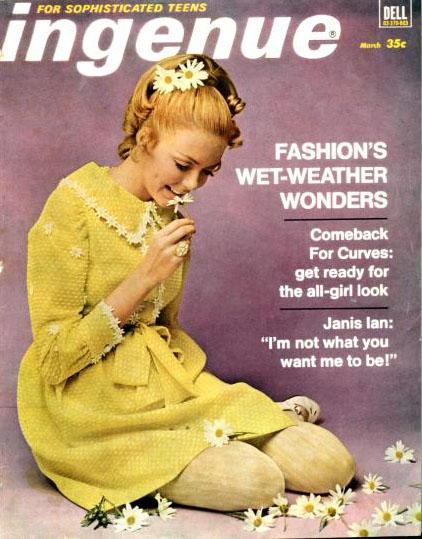
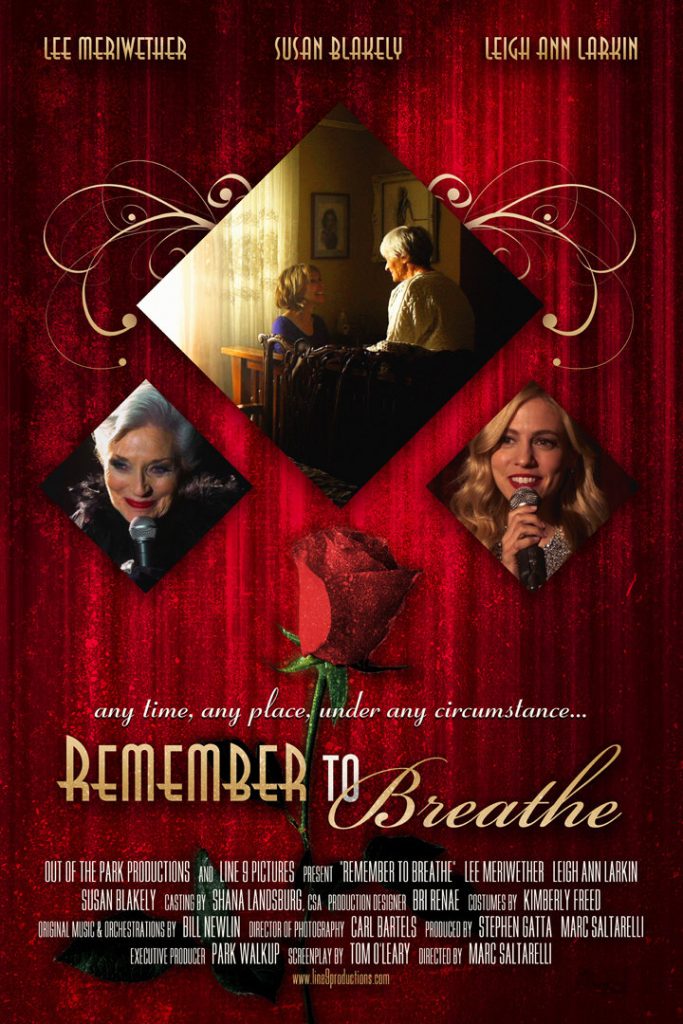
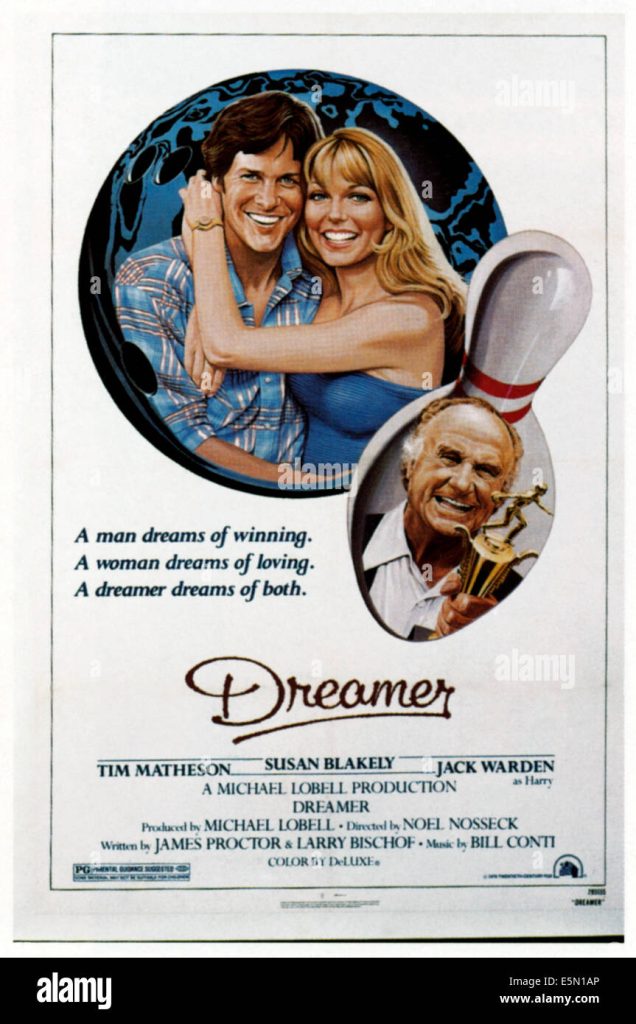
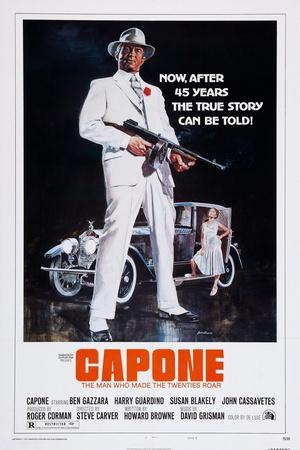
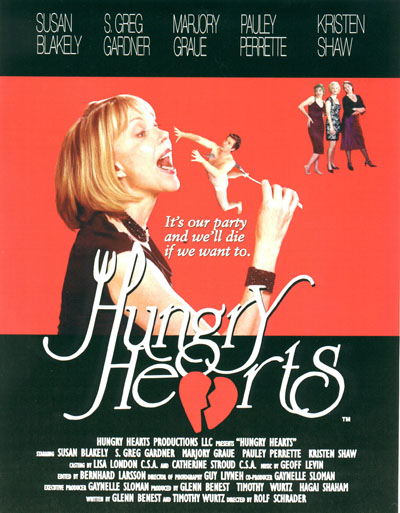
Susan Blakely
Susan Blakely
Susan Blakely

TCM overview:

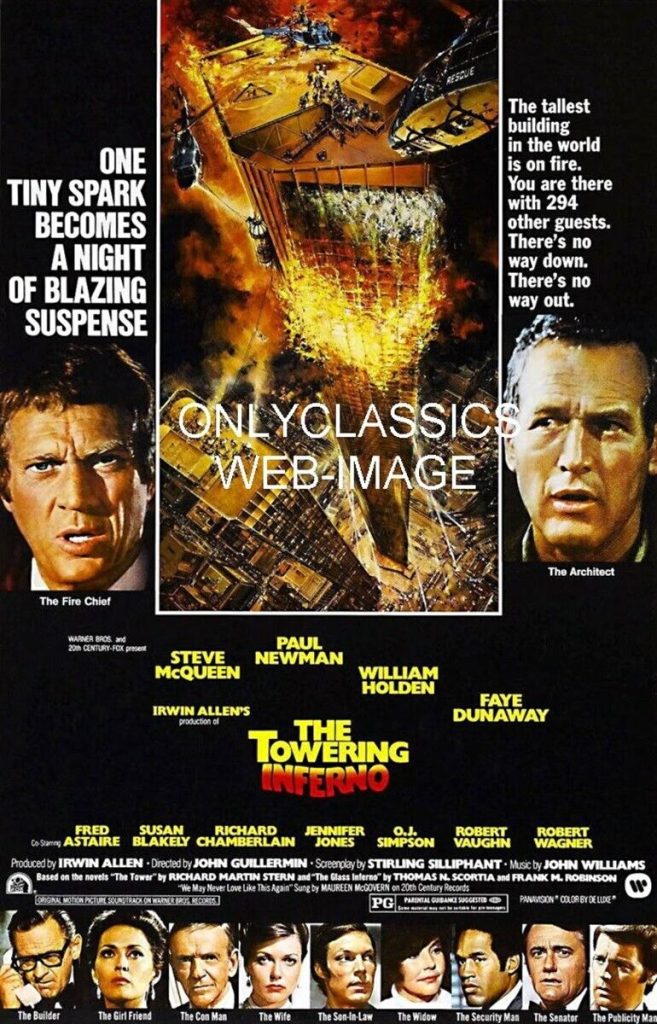
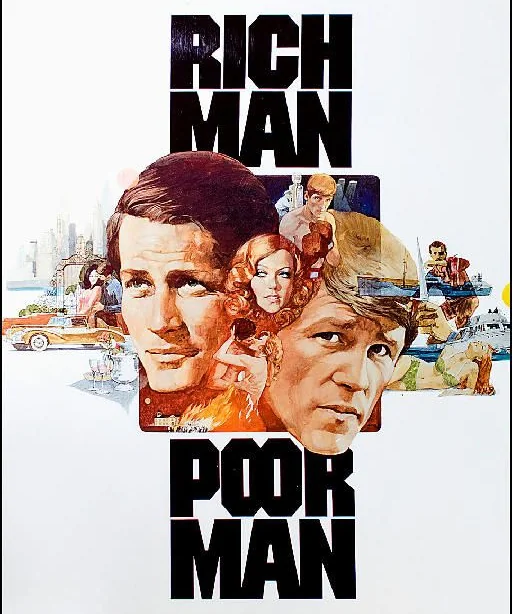
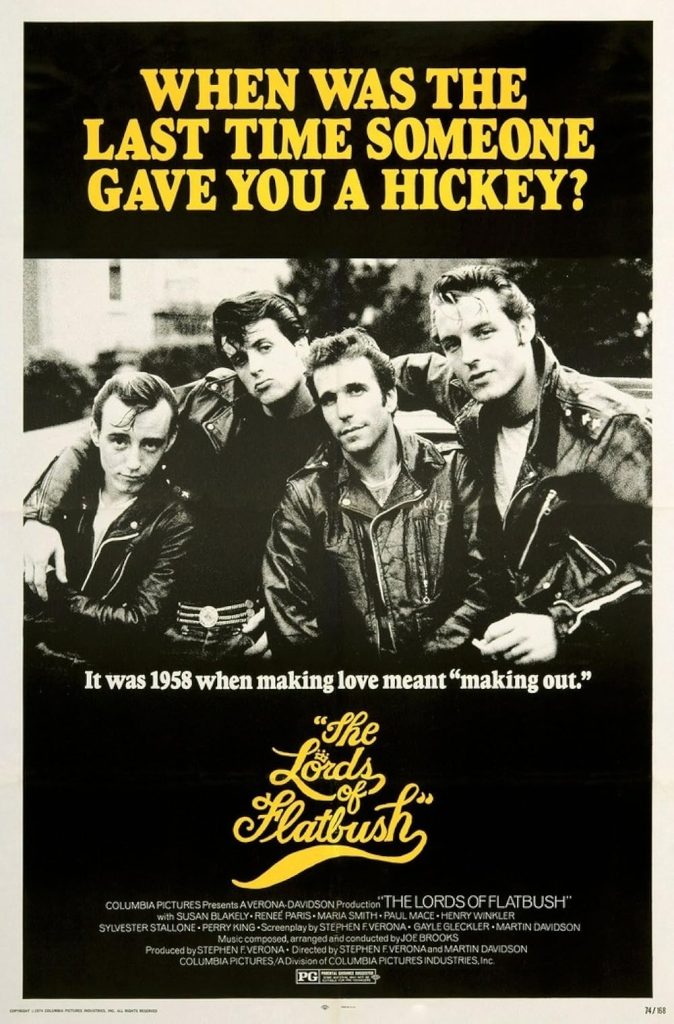
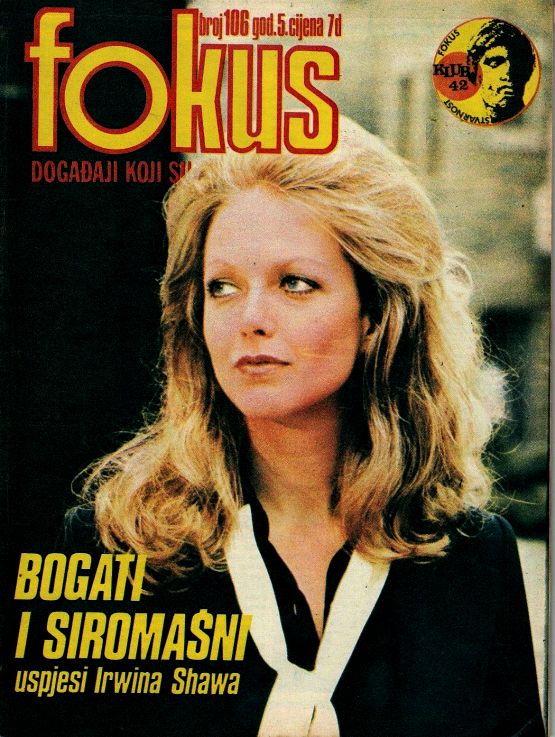
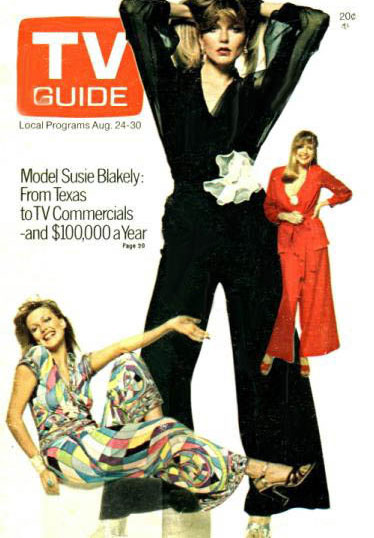
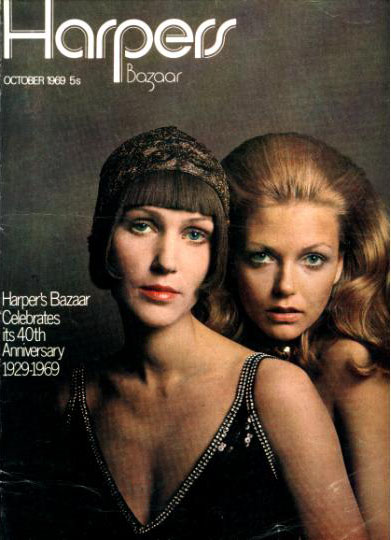
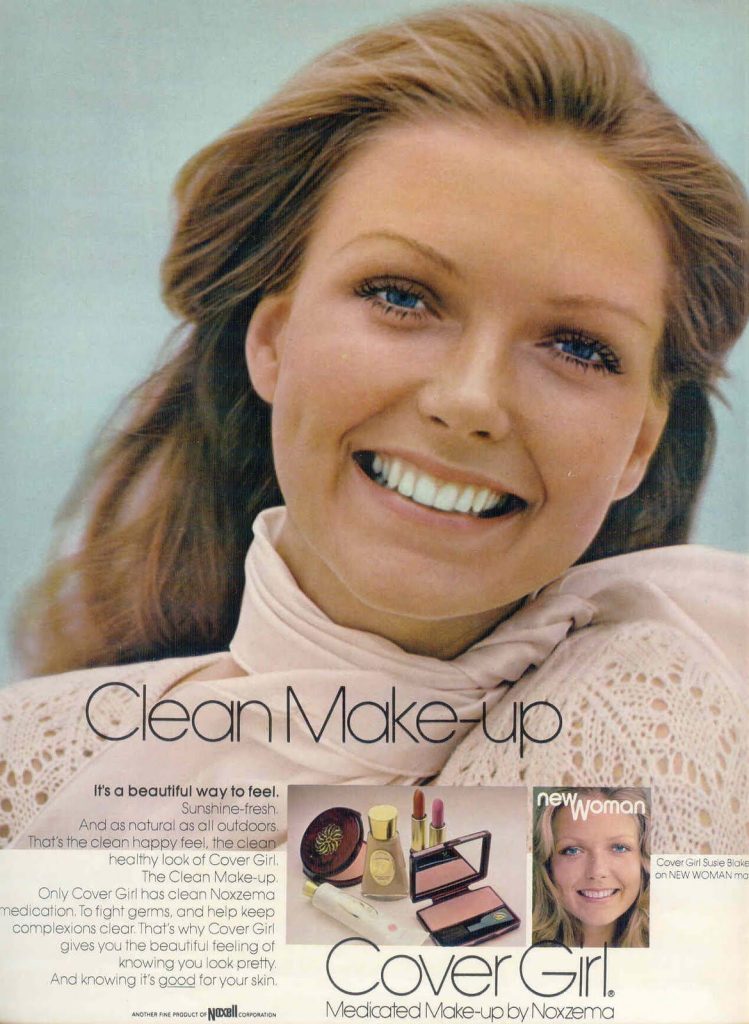
Born in Germany, where her father was stationed with the US Army. A top model, Blakely made her screen debut in 1972 and has since alternated between film and TV. She turned in noteworthy roles in “The Lords of Flatbush” (1974), as Julie Prescott in the TV miniseries “Rich Man, Poor Man” (1976), and as Frances Farmer in the TV film, “Will There Really Be a Morning?” (1983). Divorced from screenwriter Todd Merer and married since 1982 to producer Steve Jaffe.

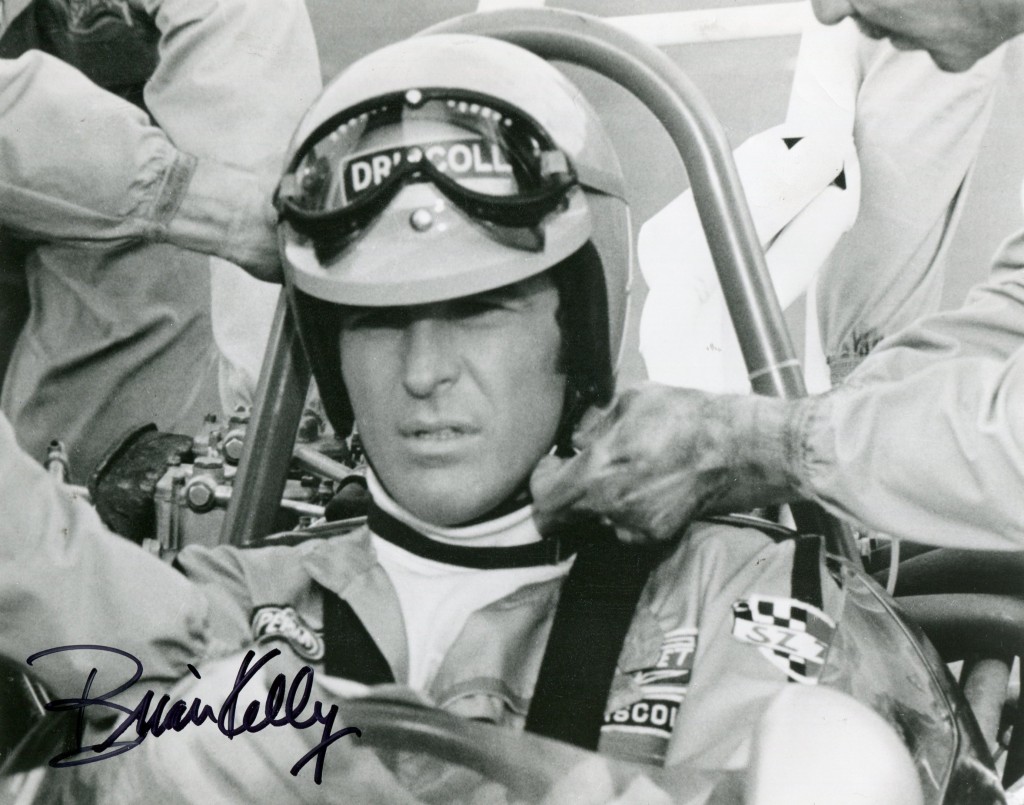
Brian Kelly
Brian Kelly
Brian Kelly

2005 “Independent” obituary:

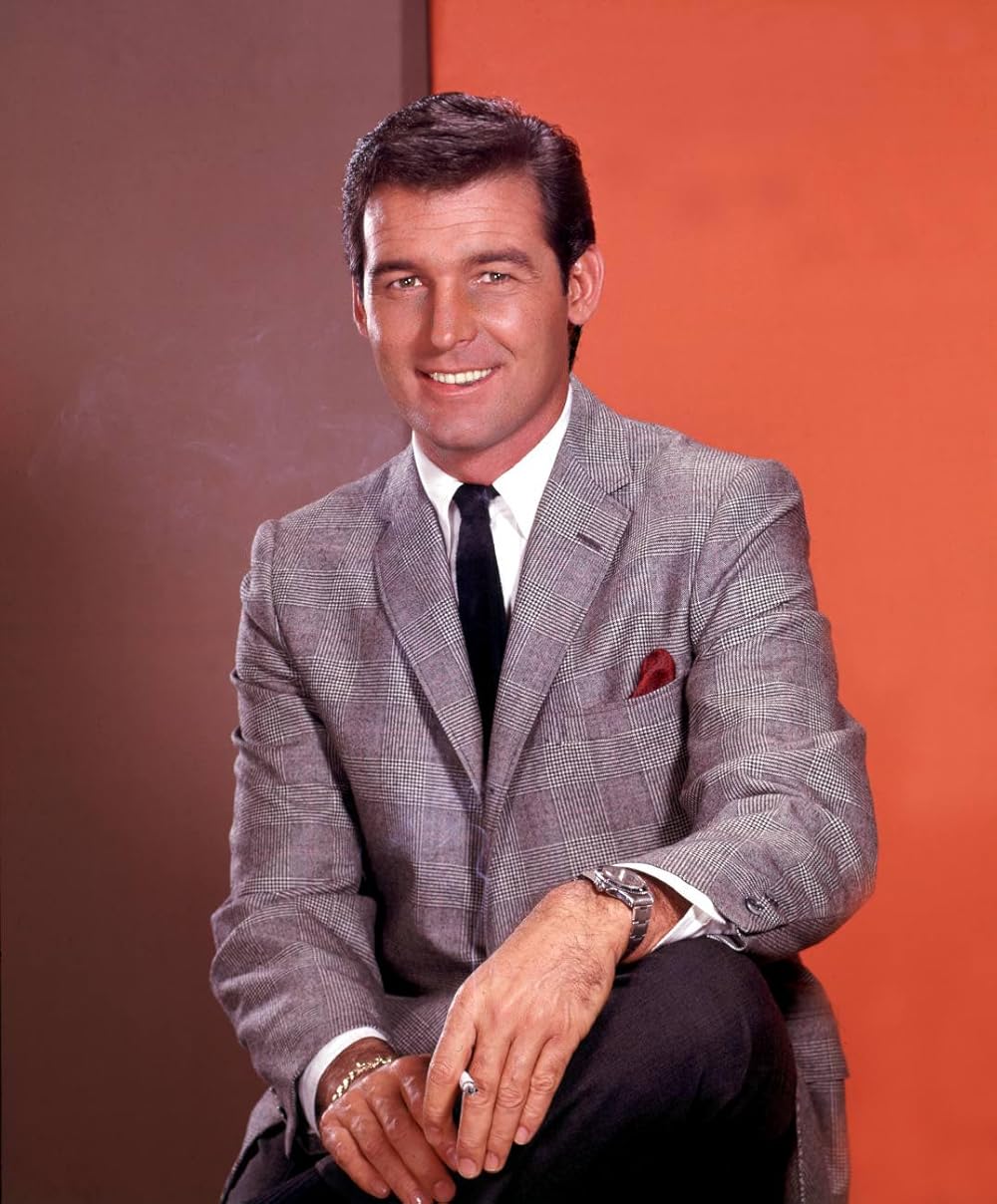
Flipper brought Brian Kelly’s face into millions of homes around the world, along with a tame dolphin whose wile and skills helped to keep trouble at bay over 88 episodes. As Porter Ricks, the ran

Brian Kelly, actor and producer: born Detroit, Michigan 14 February 1931; married 1966 Laura Devon (one son; marriage dissolved), 1972 Valerie Ann Romero (one daughter; marriage dissolved); died Voorhees, New Jersey 12 February 2005.

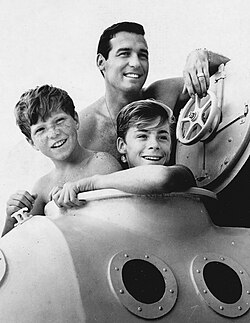
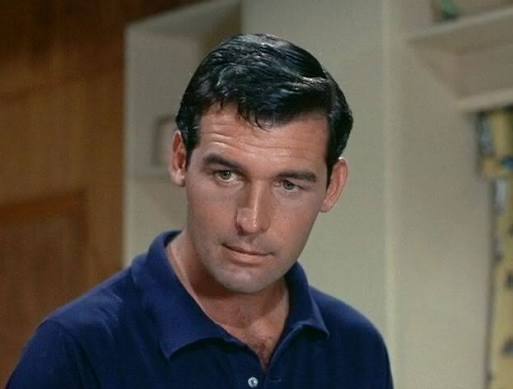
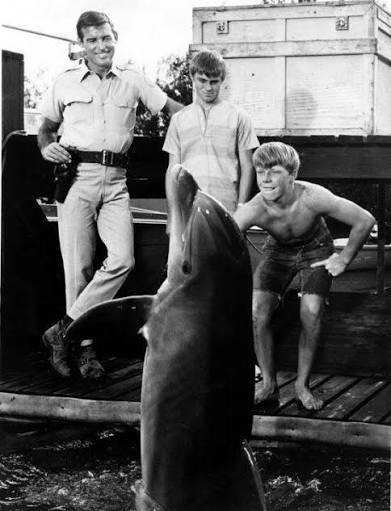
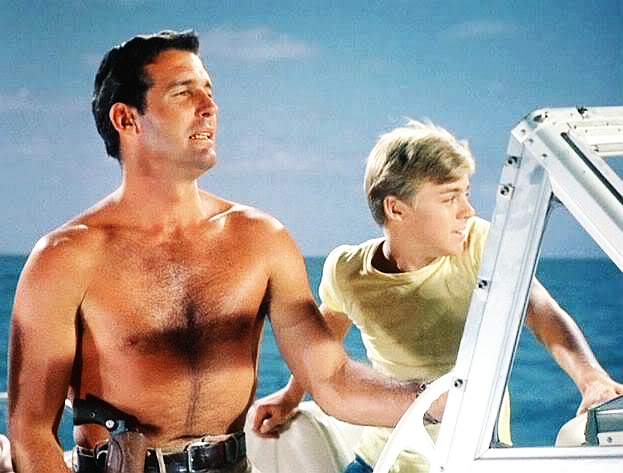
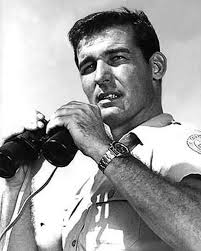
The 1960s children’s television series Flipper brought Brian Kelly’s face into millions of homes around the world, along with a tame dolphin whose wile and skills helped to keep trouble at bay over 88 episodes. As Porter Ricks, the ranger at Coral Key Park’s marine reserve in Florida, Kelly played the widowed father of two young boys, Sandy and Bud, in a programme that oozed wholesome family values.

At worst schmaltzy, at best providing exciting action and adventures on screen for young viewers, Flipper (1964-67) was renowned for the quality of its underwater photography. The series was filmed in Miami and the Bahamas, and was made by the Hungarian-American Ivan Tors’s production company, which continued its speciality in wildlife shows with Daktari, about a vet in a remote African game reserve. Suzy, the dolphin picked to take the limelight in Flipper, was transported from location to location in a crate filled with foam and water.

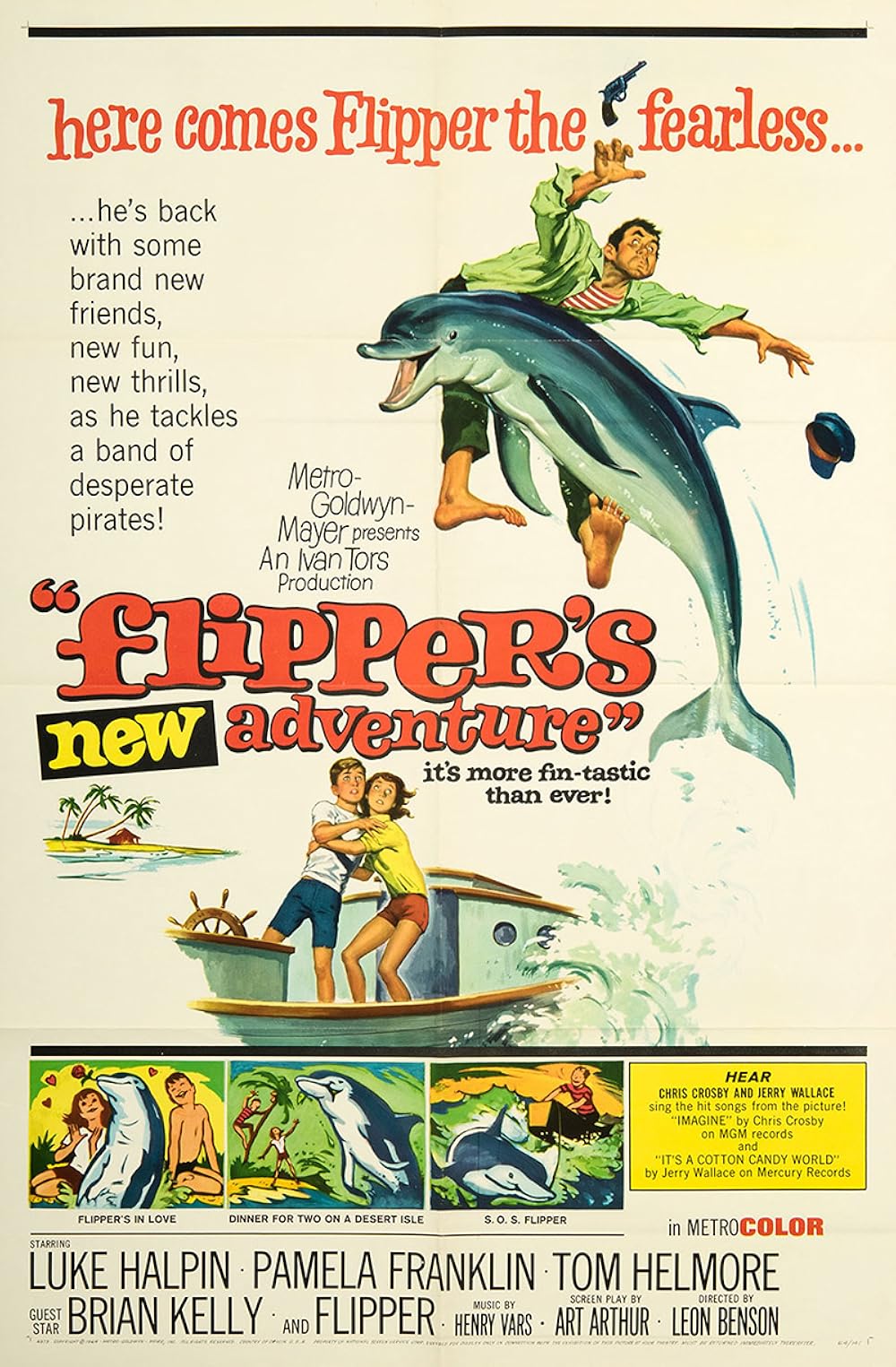
Kelly himself first played Ricks in the 1964 feature film Flipper’s New Adventure, a sequel to the previous year’s Flipper. He took over the role from Chuck Connors, who was best known for playing villains on screen, and gave the character a milder side in the family-friendly adventure.

Born in Detroit, Michigan in 1931, the son of Harry F. Kelly, who later served as the state’s governor, Kelly joined the Marine Corps during the Korean War, before studying law at the University of Michigan. But, after acting at school and university and finding a summer job as a male model, he left his studies to make radio and television commercials in Detroit, where he was spotted by a Hollywood talent scout.

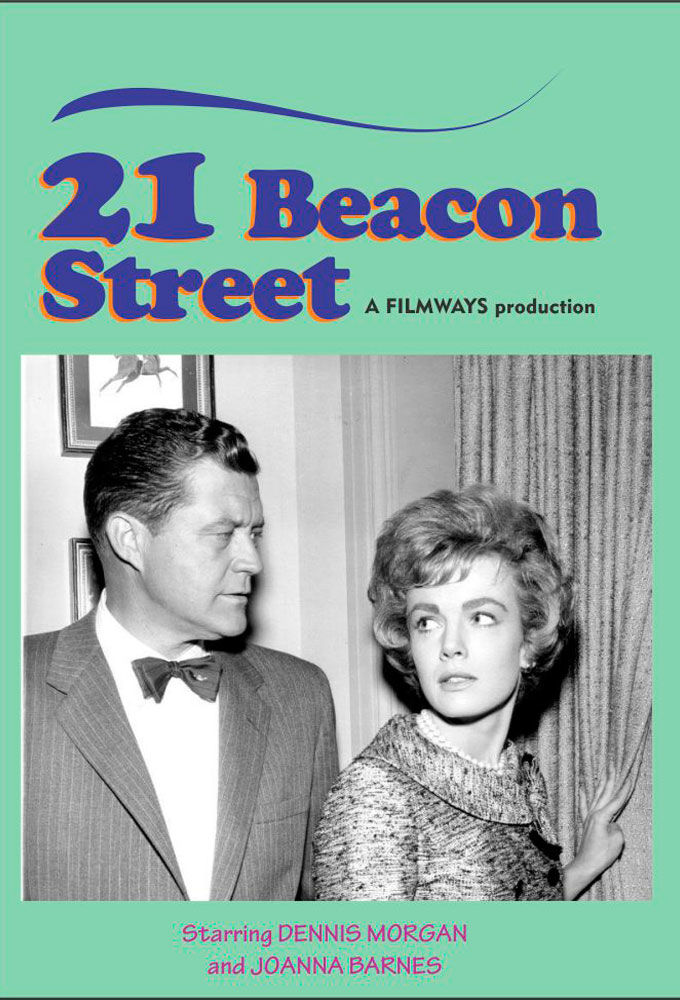
His breakthrough came with a regular role, as Brian, in the police drama 21 Beacon Street (1959) and he followed it by playing Scott Ross, the racing car designer who owns a garage in partnership with a mechanic, in the adventure seriesStraightaway (1961-62).

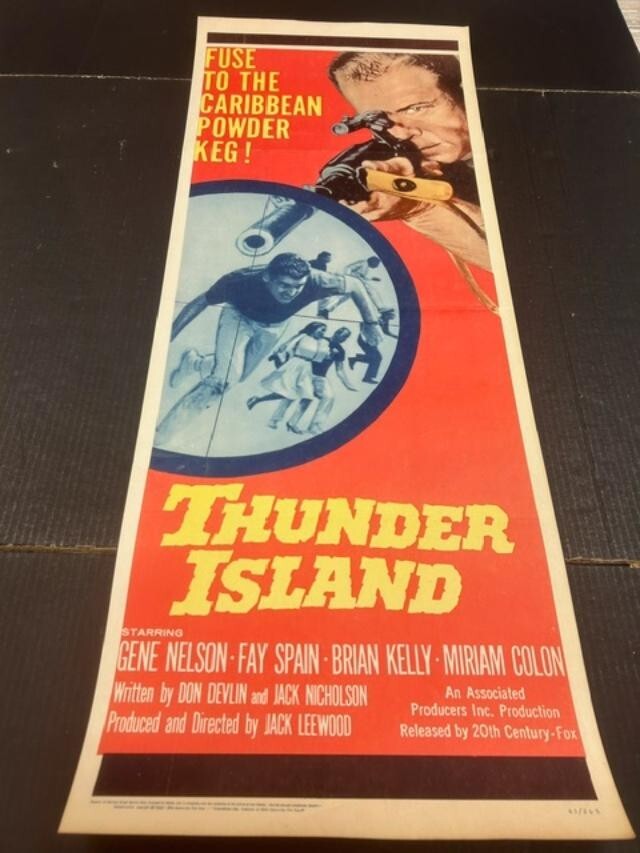
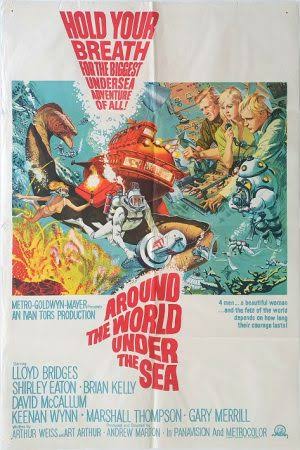
Kelly made his feature film début in Thunder Island (1963), a hit-man drama co-written by the actor Jack Nicholson, beforeFlipper beckoned. He was back in the water for Around the World Under the Sea (1966), as one of a team of six scientists in an experimental submarine. It was a drama made by Ivan Tors Films in the wake of Voyage to the Bottom of the Sea and similar films.

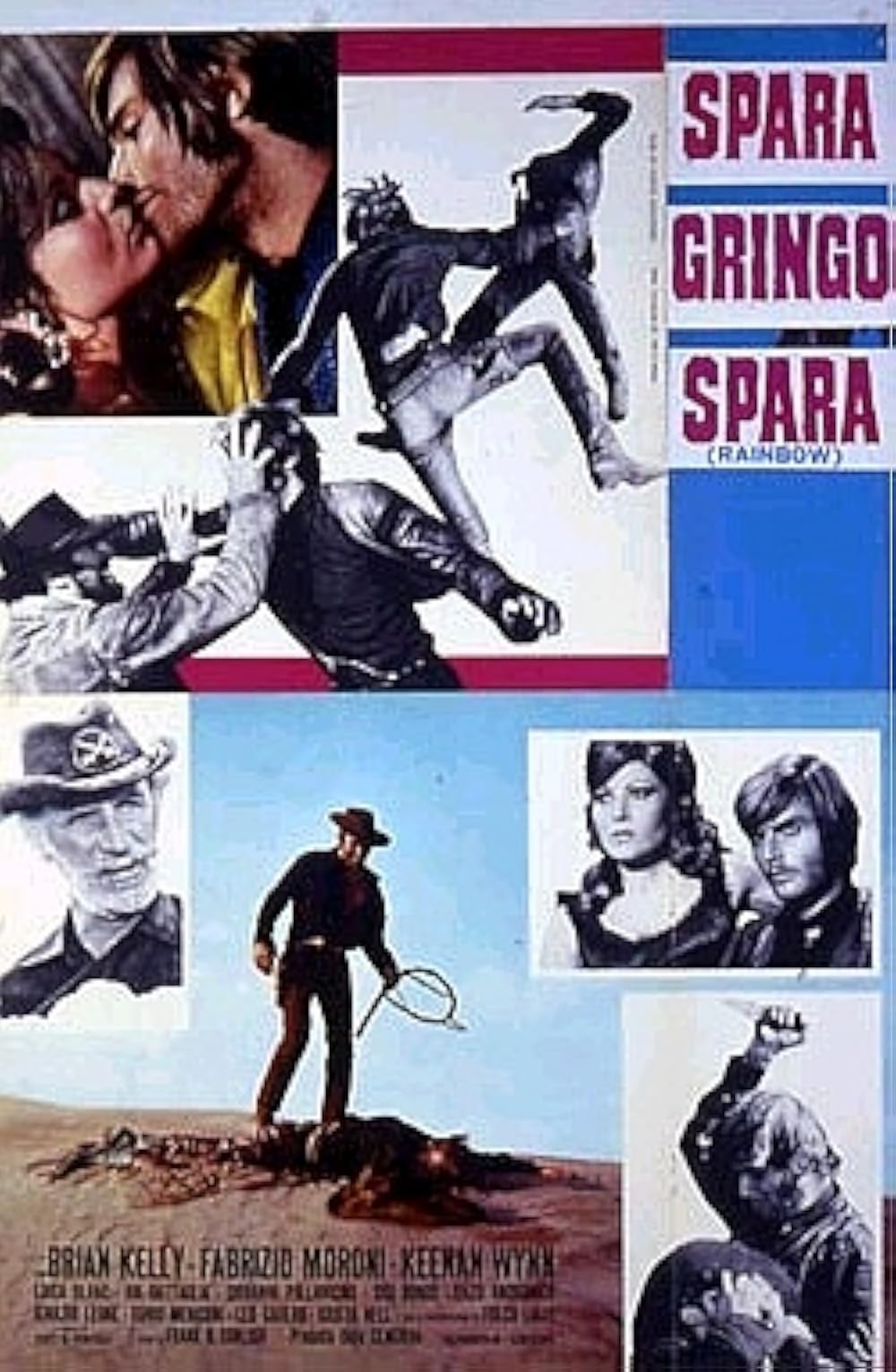
He later starred in an Italian-French spaghetti western, Spara, Gringo, Spara ( Shoot, Grinto, Shoot, 1968). Then, three days into shooting the romantic drama The Love Machine, Kelly was seriously injured in a motorcycle accident, which left his right arm and leg paralysed.

After winning $750,000 in a legal settlement, he used the money to build houses, aiming to produce films with the profits from their sale. His great success was in buying the rights to Philip K. Dick’s 1968 science-fiction novel Do Androids Dream of Electric Sheep? and giving the film option to the actor Hampton Fancher, who turned it into a screenplay. Many drafts later, it becameBlade Runner (1982), directed by Ridley Scott, with Kelly credited as executive producer.

Anthony Hayward

The above “Independent” onituary can also be accessed online here.

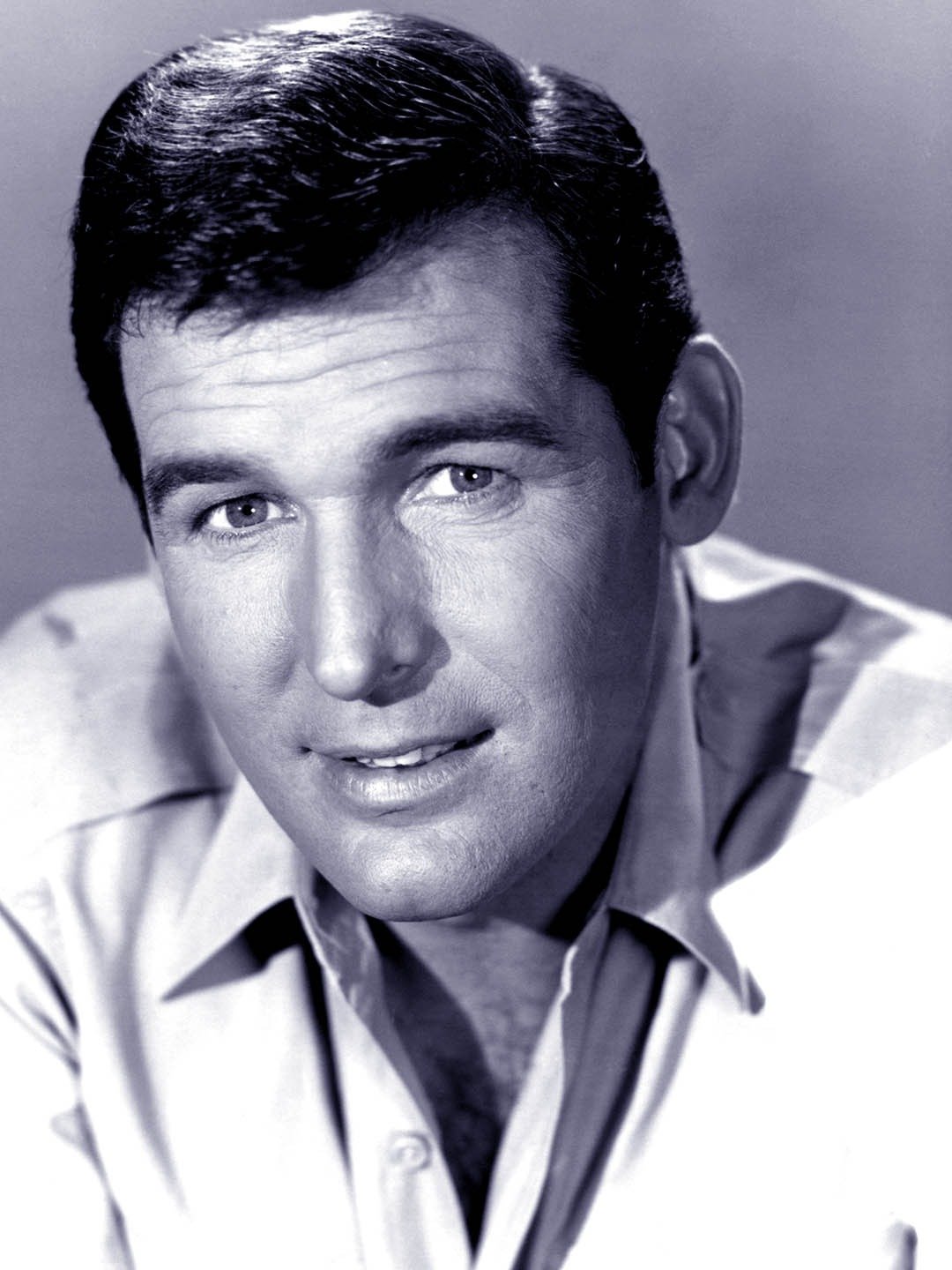
Brian Kelly (1931–2005) is best remembered as the quintessential “TV Dad” of the 1960s, though his career is a fascinating, bittersweet study of a rising leading man whose trajectory was tragically diverted.

While he is often eclipsed by his co-star—a bottlenose dolphin—Kelly’s contribution to the mid-century media landscape and his later role in cinematic history are significant.


Career Overview

Brian Kelly’s career followed a classic Hollywood “steady climb” that peaked with international stardom before a life-altering accident forced a pivot into production.

  • Early Years (1958–1963): After serving in the Marine Corps, Kelly broke into television with guest spots in staples like The Beverly Hillbillies and The Rifleman. He landed early lead roles in short-lived series like 21 Beacon Street and Straightaway, establishing himself as a reliable, telegenic leading man.


  • The “Flipper” Phenomenon (1964–1967): Kelly’s breakthrough came when he took over the role of Porter Ricks from Chuck Connors (who had starred in the 1963 film). Kelly starred in the sequel film Flipper’s New Adventure and subsequently three seasons of the iconic Flipper TV series.


  • The Incident and Transition (1970s): In 1970, while preparing to star in the major film The Love Machine, Kelly was involved in a severe motorcycle accident. He was left with partial paralysis in his right arm and leg, effectively ending his career as a screen actor.


  • The Second Act: Blade Runner: Rather than retreating from the industry, Kelly used his legal settlement to transition into production. He famously acquired the rights to Philip K. Dick’s Do Androids Dream of Electric Sheep? and served as the executive producer for the 1982 masterpiece, Blade Runner.


Critical Analysis: The “Porter Ricks” Archetype

To analyze Kelly’s acting is to analyze the 1960s ideal of paternal authority.

1. The “Moral Center” Performance

Critics often describe Kelly as the “moral center” of Flipper. His portrayal of Porter Ricks was characterized by a stoic, quiet strength. In an era of experimental television, Kelly’s performance was grounded in a “Competent Father” trope—he wasn’t the bumbling dad of Leave it to Beaver, but a rugged, professional park ranger. His ability to share the screen with animals and children without being overshadowed required a specific type of understated charisma.


2. Telegenic Masculinity

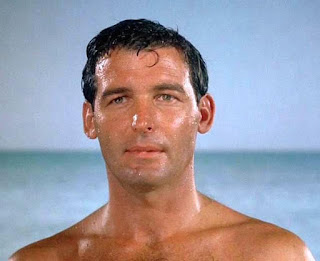
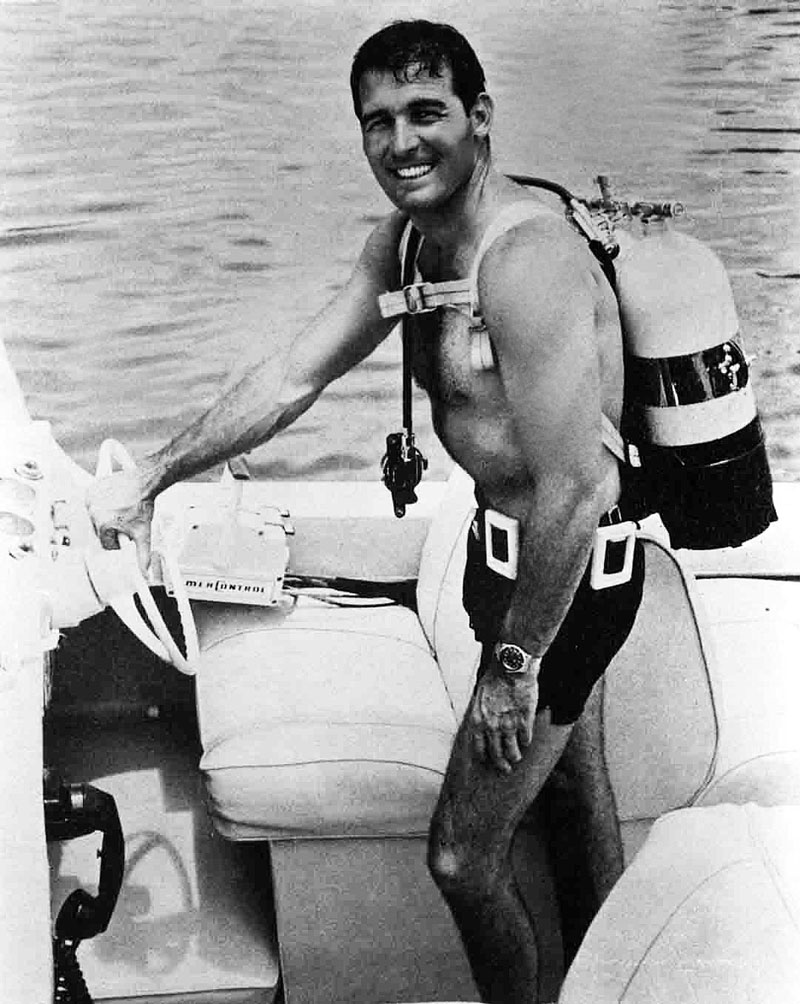
Kelly represented a specific “Aqueous Masculinity.” He was physically imposing, deeply tanned, and frequently appeared in utilitarian ranger khakis or diving gear. This made him a heartthrob for parents while remaining a figure of safety for children. He was often compared to a “beachy sheriff,” bringing the authority of a Western hero to a tropical, modern setting.


3. The “What If” Factor

A critical analysis of Kelly’s career must acknowledge his untapped potential. In 1970, he was being groomed for “A-List” film stardom. His casting as Robin Stone in The Love Machine was intended to deconstruct his “clean-cut dad” image and pivot him into the “New Hollywood” era of gritty, sexually-charged dramas. The fact that he never got to show this range leaves a permanent “blank space” in his artistic legacy.


Legacy and Impact

  • Cultural Iconography: Through Flipper, Kelly helped define the “Florida Adventure” aesthetic that influenced everything from Miami Vice to modern eco-tourism.

  • Cinematic Visionary: Perhaps his most enduring critical contribution wasn’t his acting, but his taste. By identifying the potential in Philip K. Dick’s work long before “Cyberpunk” was a household term, Kelly was instrumental in creating one of the most influential sci-fi films of all time
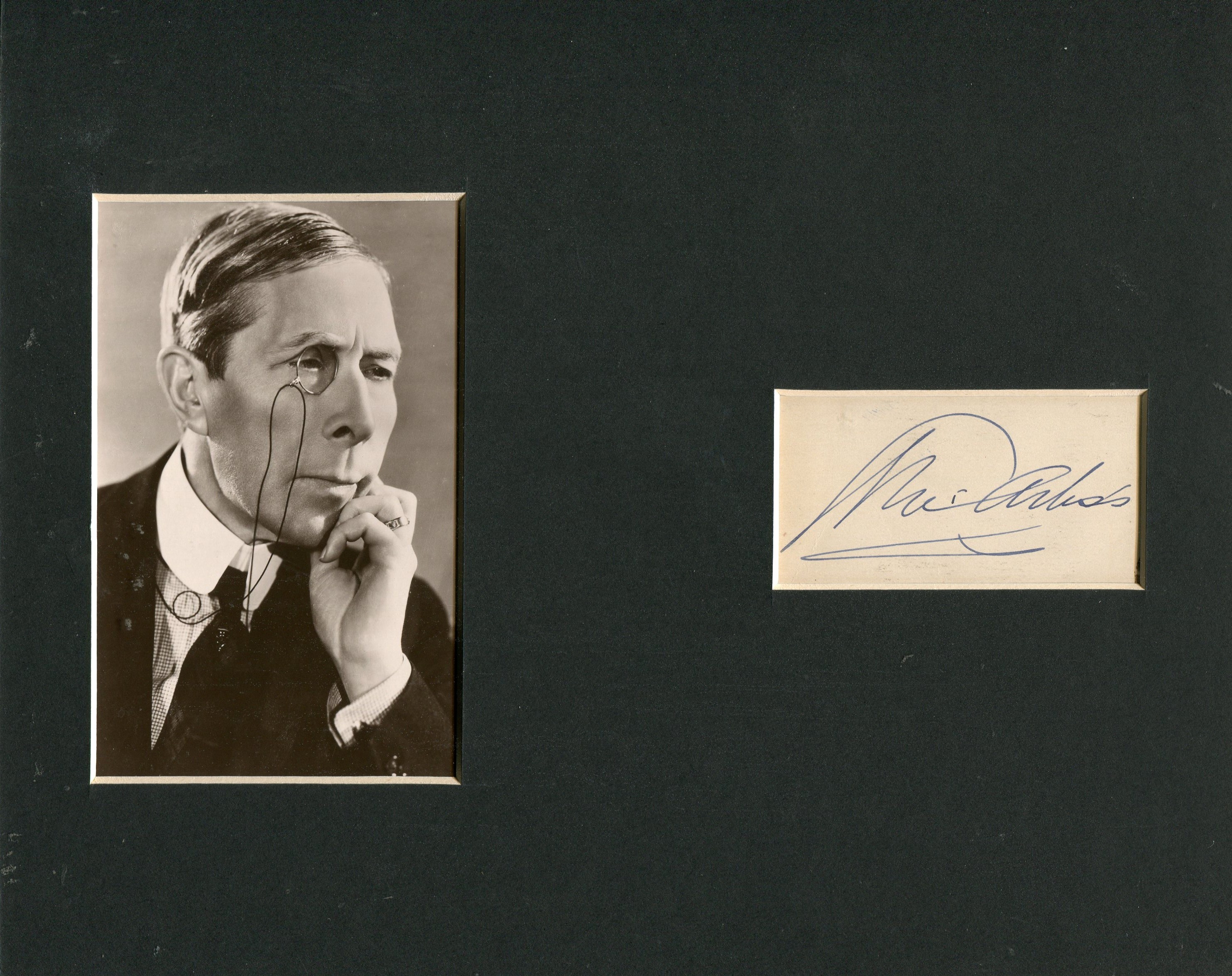
George Arliss

George Arliss

George Arliss


One of the oldest actors on the screen in the 1920s and 1930s, George Arliss starred on the London stage from an early age. He came to the United States and starred in several films, but it was his role as British Prime Minister Benjamin Disraeli in Disraeli (1929) that brought him his greatest success.

– IMDb Mini Biography By: Ken Severson