




Peter White
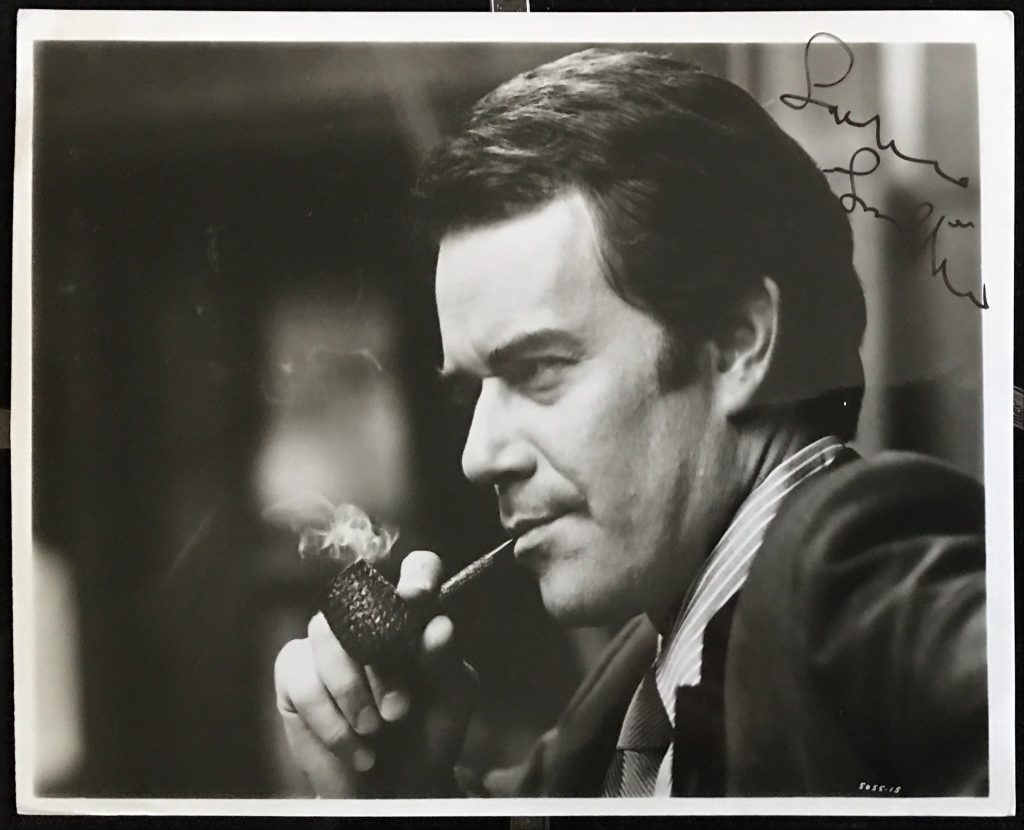
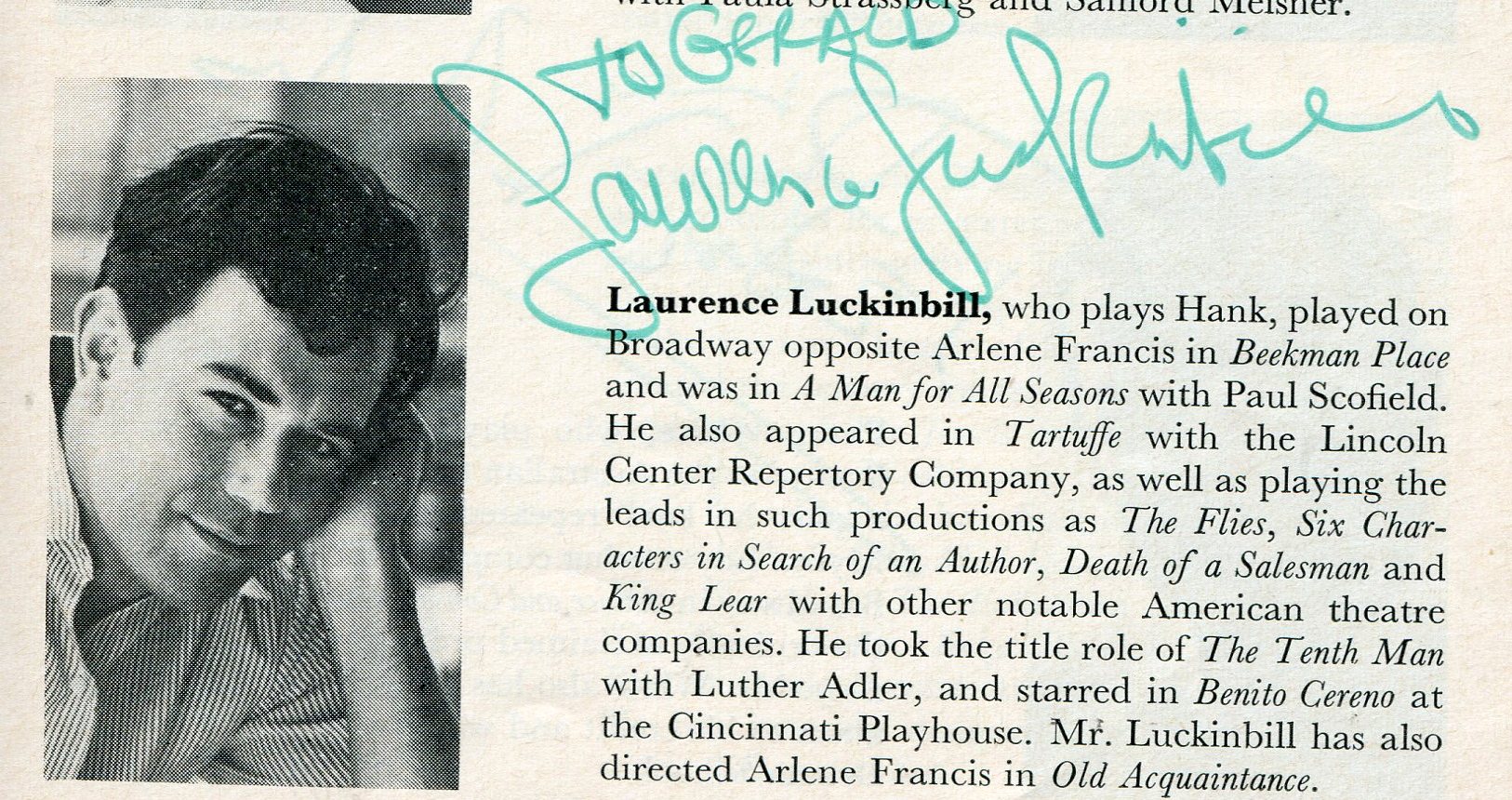
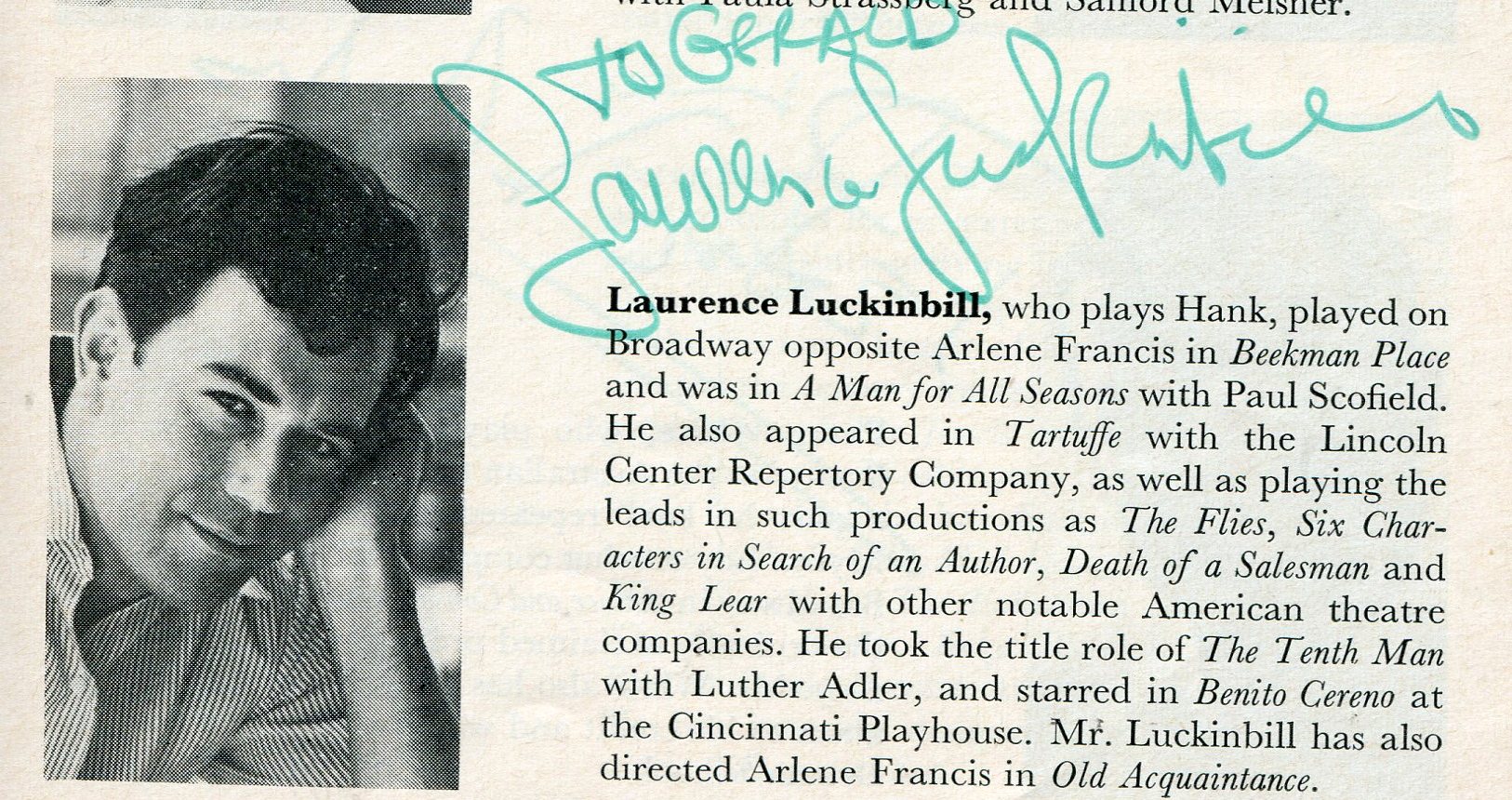
Laurence Luckinbill
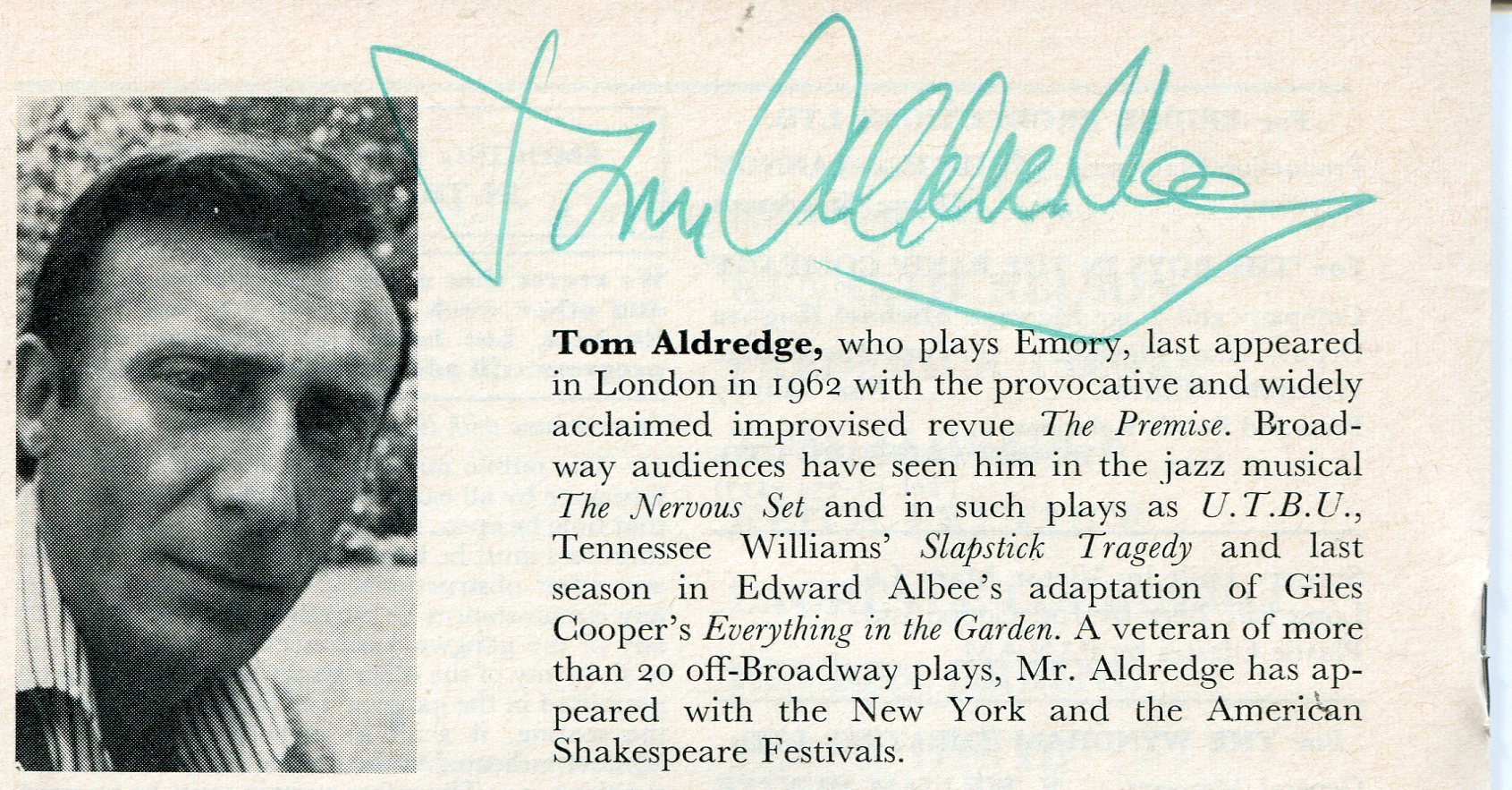
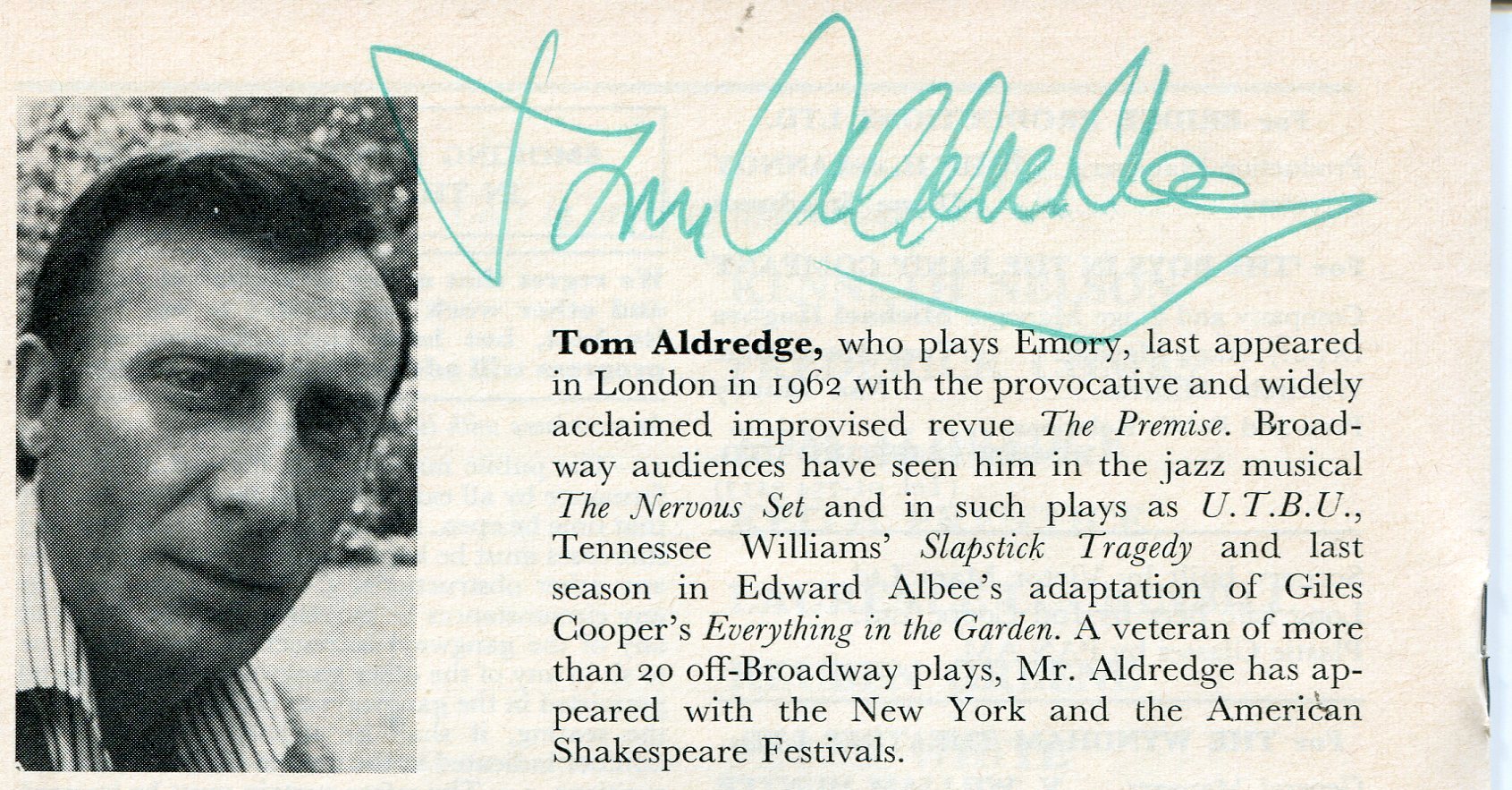
Tom Aldredge
Tom Alderege, who was born in 1928 was an an American television, film and stage actor, best known for various appearances in movies, theatre andtelevision, with a notable role as Hugh De Angelis on The Sopranos. He also appeared in the television shows Damages as Uncle Pete and Ryan’s Hope. He won a Daytime Emmy Award for playing the role of Shakespeare in Henry Winkler Meets William Shakespeare (1978). His last role was on the HBO series Boardwalk Empire, playing the father of Nucky Thompson (Steve Buscemi). He died in 2011 at the age of 83.
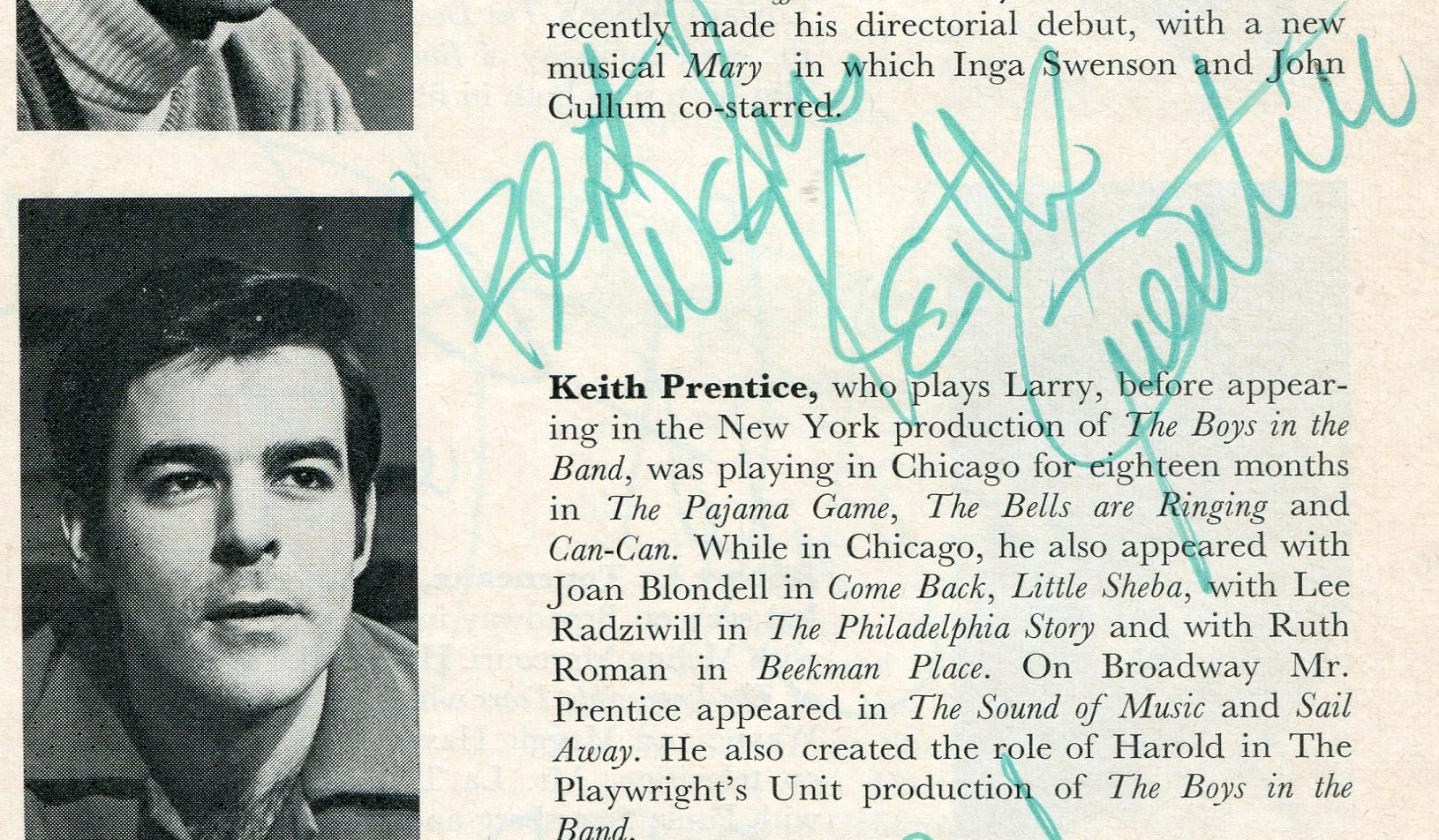
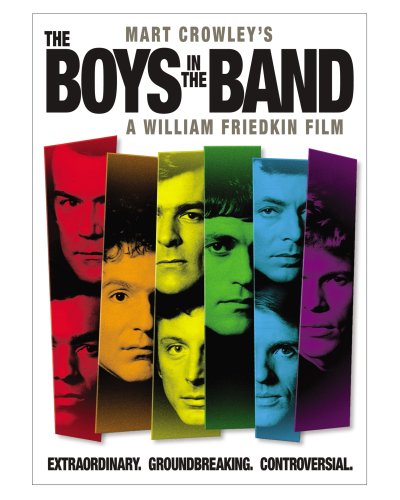
The Boys in the Band



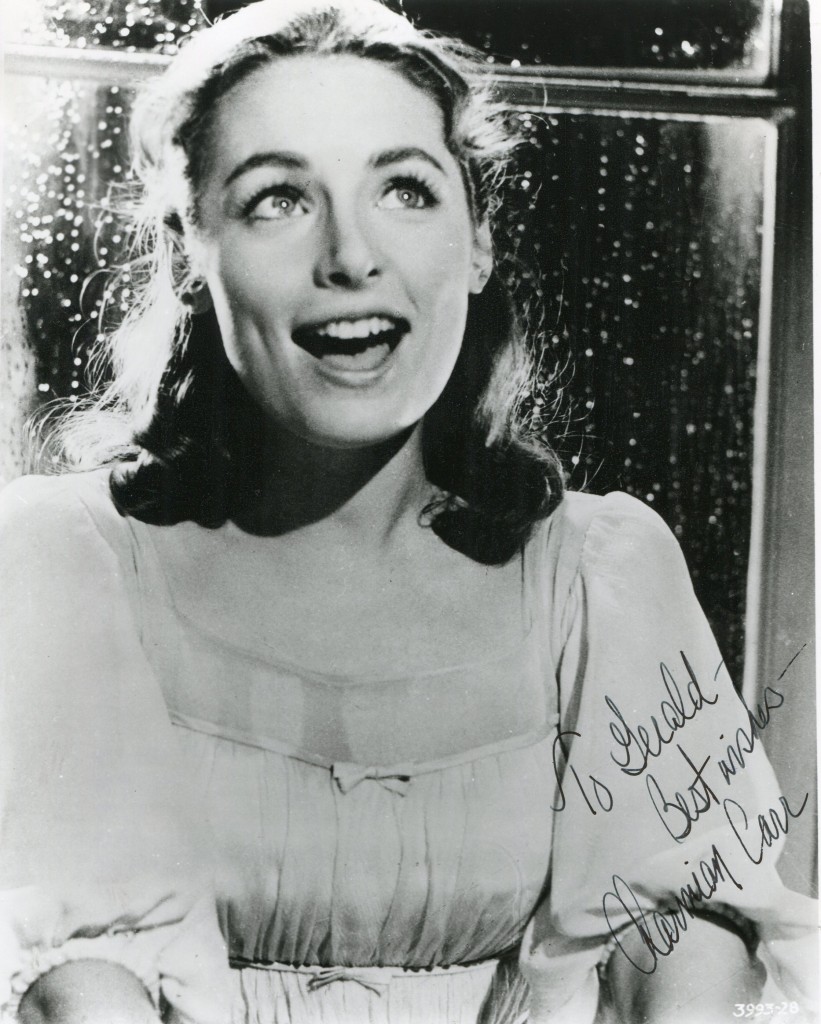
Charmian Carr was born Charmian Farnon on December 27, 1942. She got her name because, supposedly, her father liked the name after reading William Shakespeare‘s “Antony and Cleopatra”. Charmian was the name of one of Cleopatra’s maids. She was the second of three daughters. Her mother, Rita Oehmen, had been a vaudeville actress with her brother Eddy, and her father, Brian Farnon, was a musician. She remembers her childhood as very nice, because her older sister Shannon Farnon was always there to watch out for her and their younger sister, Darleen Carr. She moved from Chicago to California when she was 13 and her father left her mother a few years after that. The girls hardly saw their father after that.
She wanted to travel and to visit Europe, little knowing that a movie she would make would be partially shot in Europe. She worked as a doctor’s assistant for awhile until a friend of her mother’s asked her to audition for the part of “Liesl Von Trapp” in the movie, The Sound of Music (1965). Her fictional family became part of her real family and she considers Nicholas Hammond (who played her brother “Freidrich Von Trapp”) her real brother. After she made the movie, she spent much of the next several years promoting the movie around the world.
During a lull in the touring, she met and married Jay Brent and became the mother of two girls. She continued acting for a while, but decided that she wanted to stay home and raise her children. After her children were grown, she began a decorating company and met Michael Jackson, who became one of her clients. Other clients included members of her “Sound of Music” family, including Heather Menzies-Urich and her husband Robert Urich and Ernest Lehman.
She got divorced from Jay in 1991. In the late 1990s, she wrote a book about her life and her experiences being “Liesl” called “Forever Liesl”.
The above IMDB entry can also be accessed online here.
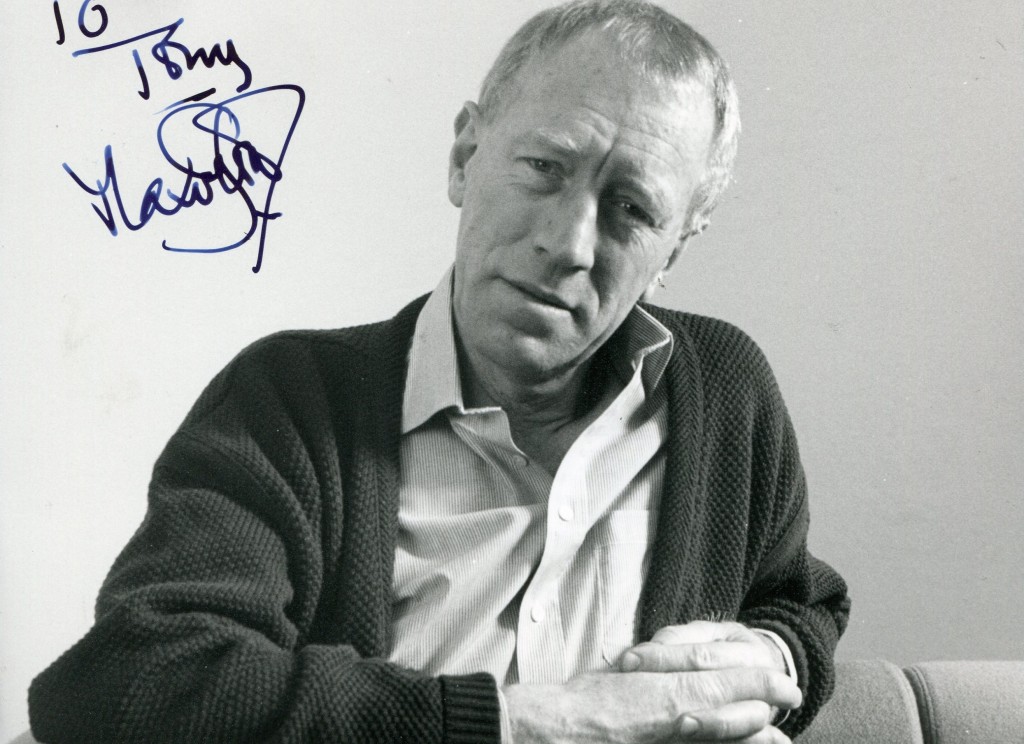
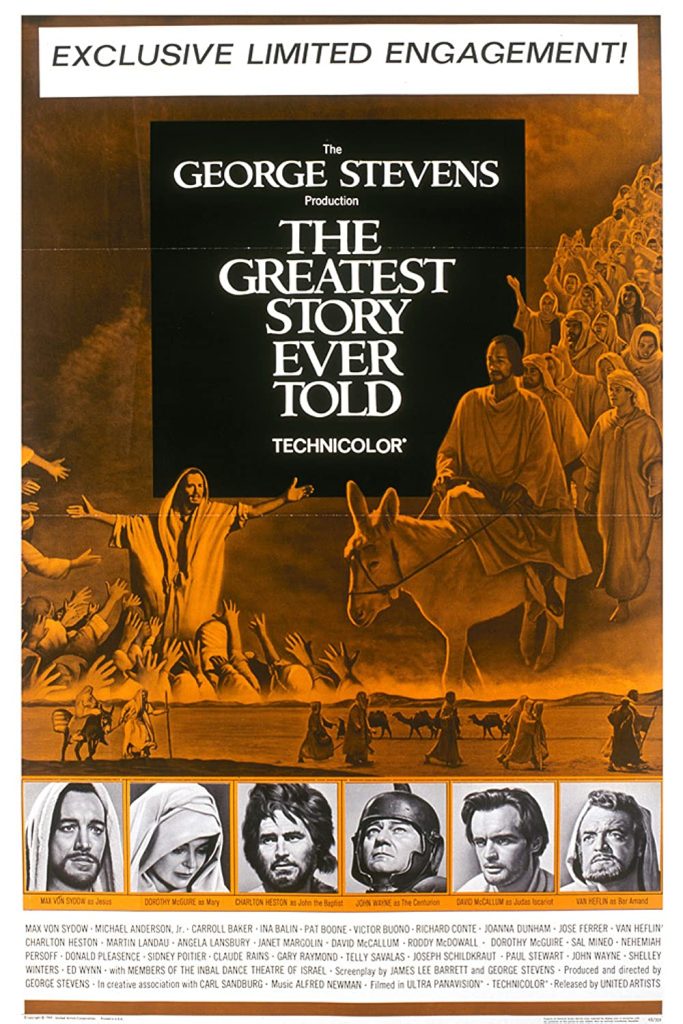
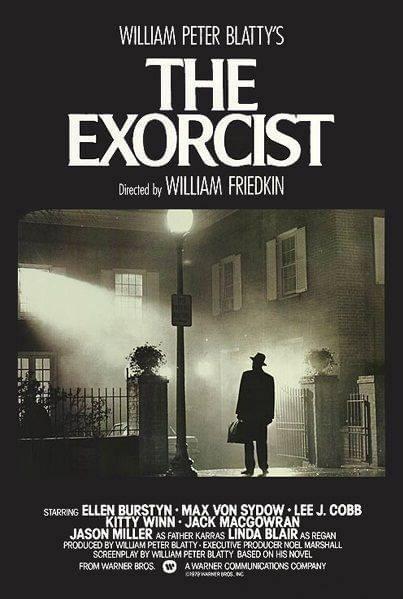
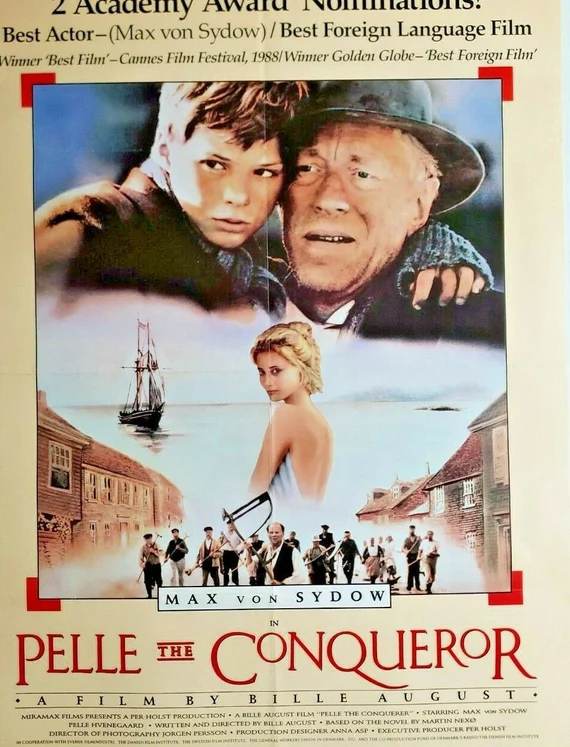
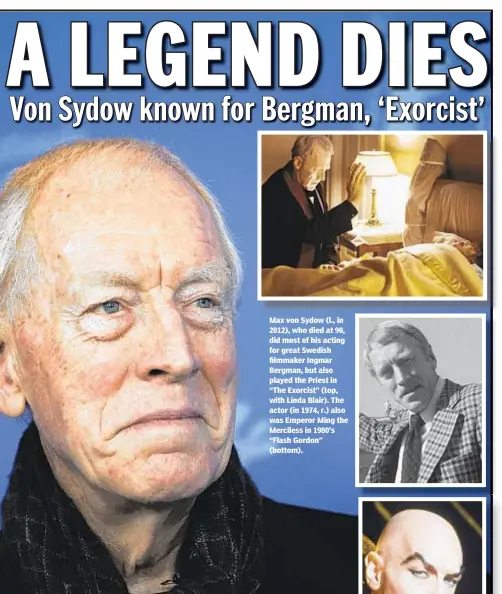
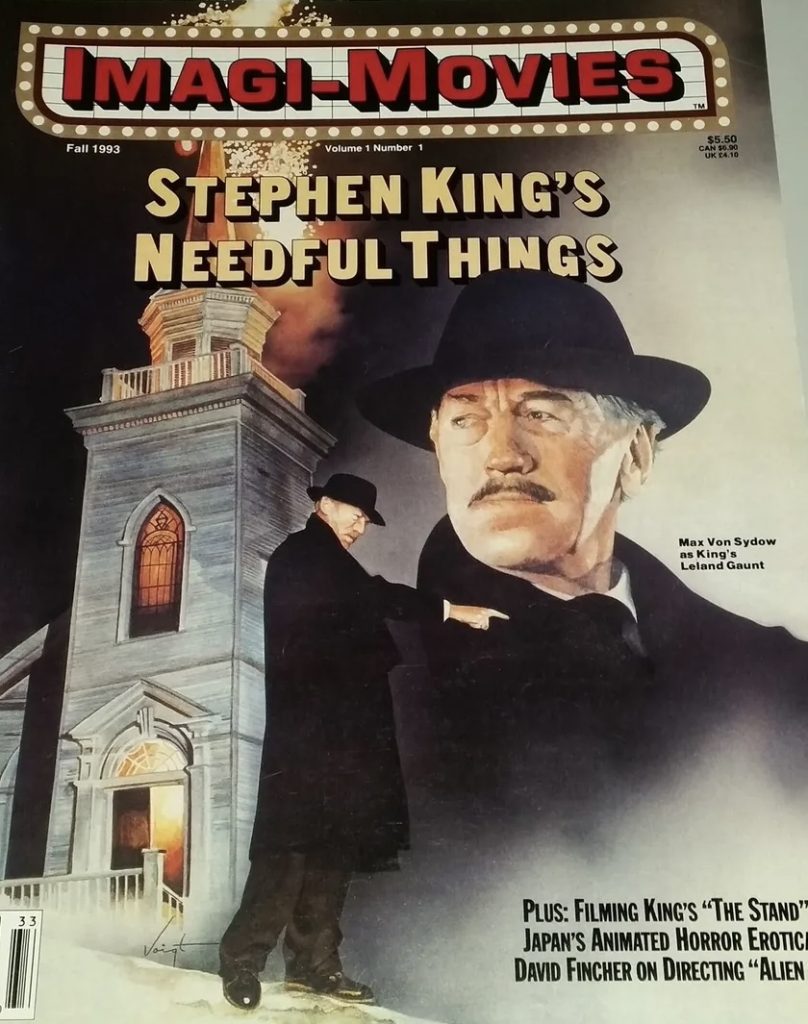
The great Swedish film and stage actor Max von Sydow, who has died aged 90, will be remembered by different people for different roles: the title role in The Exorcist, Christ in The Greatest Story Ever Told, and his Oscar-nominated part as the slave-driven Lasse in Pelle the Conqueror, but his passport to cinema heaven will be his many remarkable performances under the direction of Ingmar Bergman.
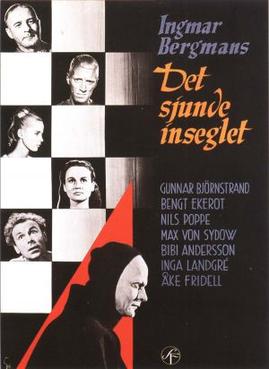
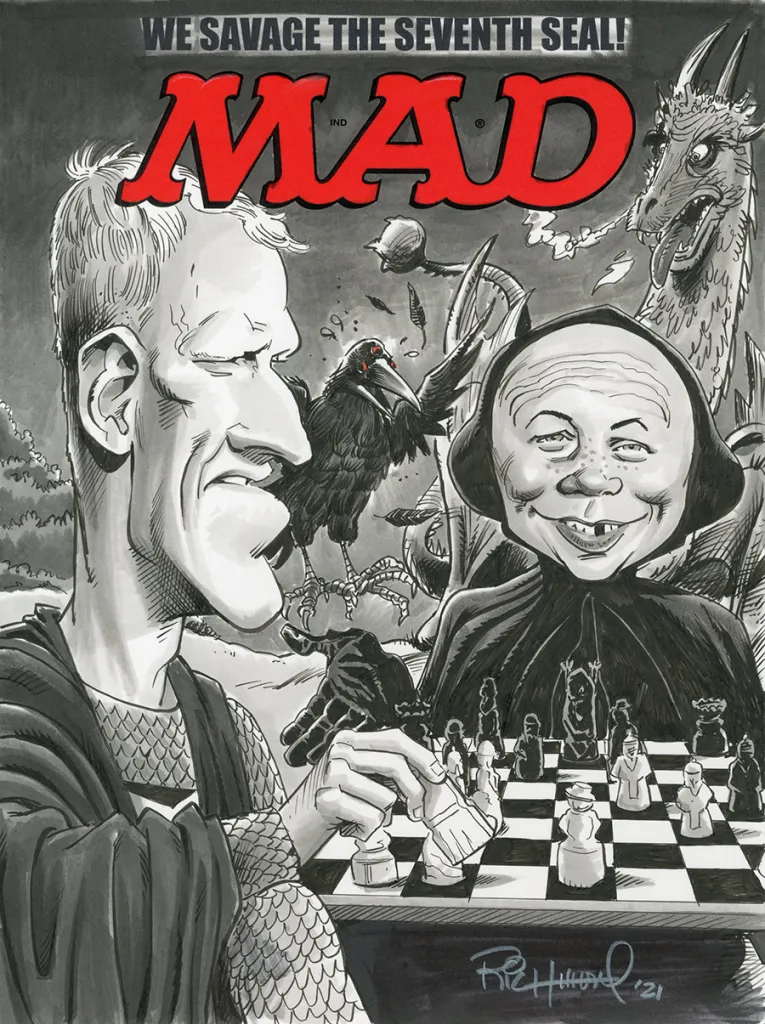
The tall, gaunt and imposing blond Von Sydow, pronounced Suedov, made his mark internationally in 1957 as the disillusioned 14th-century knight Antonius Block, in Bergman’s The Seventh Seal.
Returning from the crusades to his plague-stricken country, he finds that he has lost his faith in God and can no longer pray. Suddenly, he is confronted by the personification of Death. Seeking more time on Earth, he challenges Death to a game of chess. Von Sydow’s portrayal of a man in spiritual turmoil demonstrated a maturity beyond his years and was to exemplify his solemn and dignified persona in further Bergman films, even extending to some of his less worthier enterprises.
Although it was the actor’s first film for Bergman, they had worked together at the Municipal theatre in Malmö on several plays and would continue to do so between films. From 1956 to 1958, for Bergman, Von Sydow played Brick in Cat on a Hot Tin Roof, Peer in Peer Gynt, Alceste in The Misanthrope and Faust in Urfaust. In the same company were Gunnar Björnstrand, Ingrid Thulin, Bibi Andersson and Gunnel Lindblom, who, with Von Sydow, were to become part of the Bergman repertory company of the screen.Advertisement
He was born Carl Adolf Von Sydow – later taking the name Max – to an academic family in Lund, southern Sweden. His father, Carl Wilhelm, was an ethnologist and professor of comparative folklore at the university of Lund; his mother, Maria Margareta (nee Rappe), was a school teacher.
He attended a Catholic school before doing his military service. From 1948 to 1951, Von Sydow attended the acting school at the Royal Dramatic theatre in Stockholm; while still a student there, he had small parts in two films directed by Alf Sjöberg, Only a Mother (1949) and Miss Julie (1951). After graduating, Von Sydow, who had married Christina Olin in 1951, joined the Municipal theatre in Helsingborg before moving to Malmö, which resulted in the significant meeting with Bergman.
Following The Seventh Seal, Von Sydow played in six sombre films in a row for Bergman; he was quite content to play supporting roles when asked. He had a small part in Wild Strawberries (1957), and was rather peripheral in Brink of Life (1957), as Eva Dahlbeck’s husband, waiting calmly for his wife to have a baby (which she loses), but was central in The Face (1958, later known as The Magician). As Vogler, a 19th-century mesmerist and magician, Von Sydow embodies admirably the part-charlatan, part-messiah character.
It was back to medieval Sweden in The Virgin Spring (1960), with Von Sydow as the vengeful father of a girl who has been raped and murdered. In Through a Glass Darkly (1961), he was the anguished husband of Harriet Andersson, watching his wife lapsing into insanity, and in Winter Light (1962), he was a man terrified of nuclear annihilation.
Von Sydow refused offers of work outside Sweden, even the title role in the first James Bond movie, Dr No (1962), though two decades later he played the evil genius Blofeld to Sean Connery’s Bond in Never Say Never Again, 1983. He finally gave in when George Stevens begged him to play Jesus in his 225-minute epic The Greatest Story Ever Told (1965). However, despite Von Sydow’s charisma, the epic turned out to be Jesus Christ Superbore.
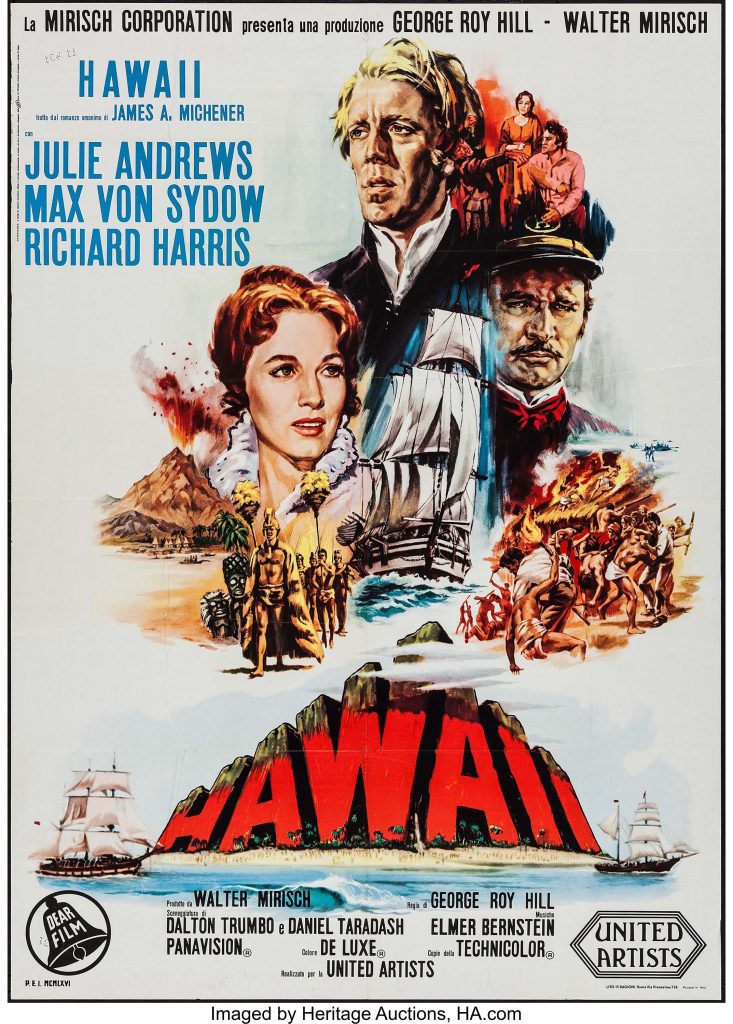
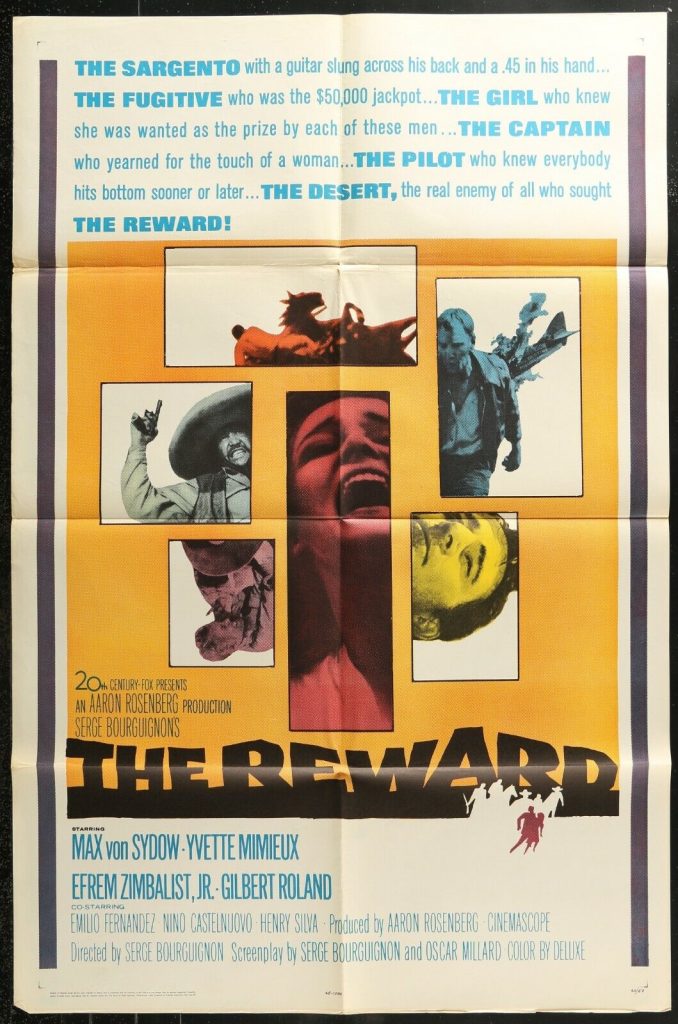
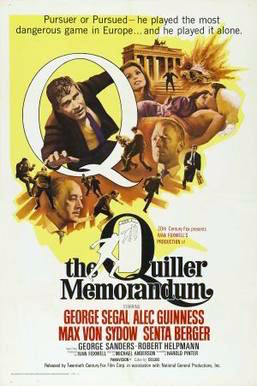
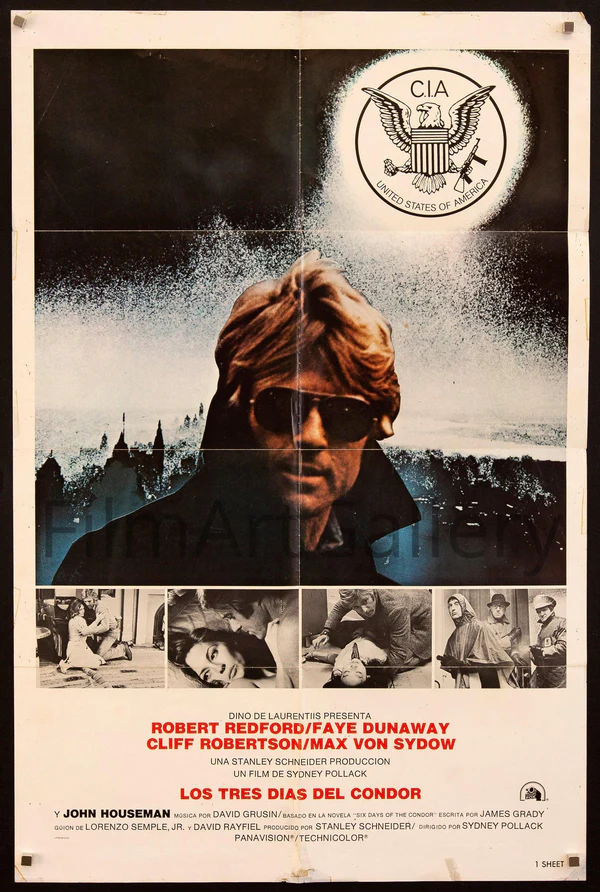
His next two Hollywood movies were not much better: The Reward (1965), in which he was an impoverished crop-dusting pilot trapped in the Mexican desert, and Hawaii (1966), as an unbending and arrogant missionary who makes no effort to understand the islanders. Von Sydow’s two sons played his son in the film, aged seven (Henrik), and 12 (Clas). The scheming German aristocrat in The Quiller Memorandum (1966) was the first of many bad Germans he would play well.
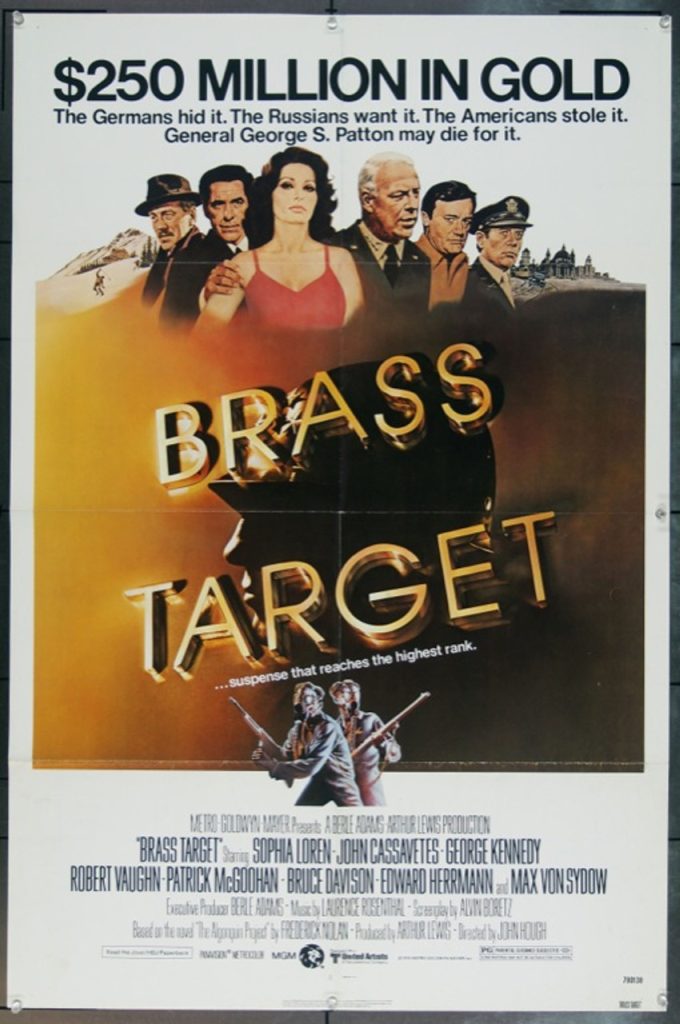
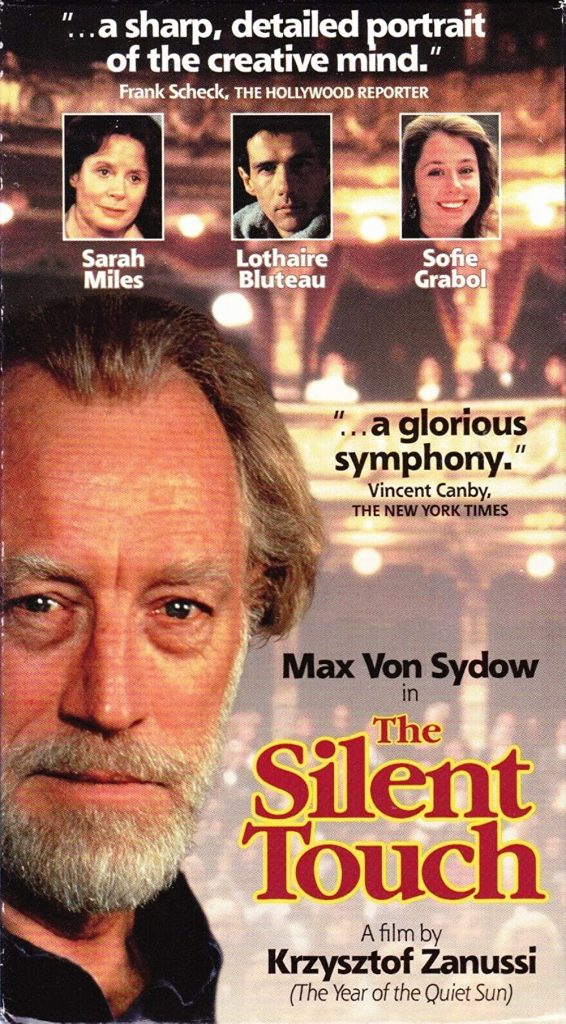

Complex roles in four films for Bergman temporarily stopped the rot: as an artist subject to terrible nightmares and hallucinations in Hour of the Wolf (1968); as a big, gangling innocent forced to face reality in Shame (1968), a powerful parable in which he was allowed to improvise some of his dialogue for the first time; as a man whose peaceful seclusion is disturbed by a woman recovering from the car accident that killed her husband and son (Liv Ullmann), as well as a warring couple and a homicidal maniac in The Passion of Anna (1969); and as the cold cuckolded doctor husband of Bibi Andersson in The Touch (1971), Bergman’s first English-language film.
Von Sydow and Ullmann suffered beautifully as poor Swedish peasants trying to survive in 19th-century Minnesota in Jan Troell’s diptych, The Emigrants (1971) and The New Land (1972). It was almost inevitable that Von Sydow should be cast as the Jesuit priest, Father Merrin, in William Friedkin’s pretentious shocker The Exorcist (1973) after having gone through so many metaphysical crises in Bergman films. His craggy features haunt the film and its shoddy sequel The Exorcist II – The Heretic (1977).
On the whole, his films tended to oscillate between the serious and the silly. Among the former were Steppenwolf (1974), in which he played Hermann Hesse’s alter ego Harry Haller, a disillusioned man going on a spiritual journey; Duet for One (1986), in which he was the callous, death-fearing psychoanalyst; and Woody Allen’s Hannah and Her Sisters (1986), where he was a prickly, antisocial artist. Allen has said that the only two actors he directed of whom he found himself in awe were Von Sydow and Geraldine Page.
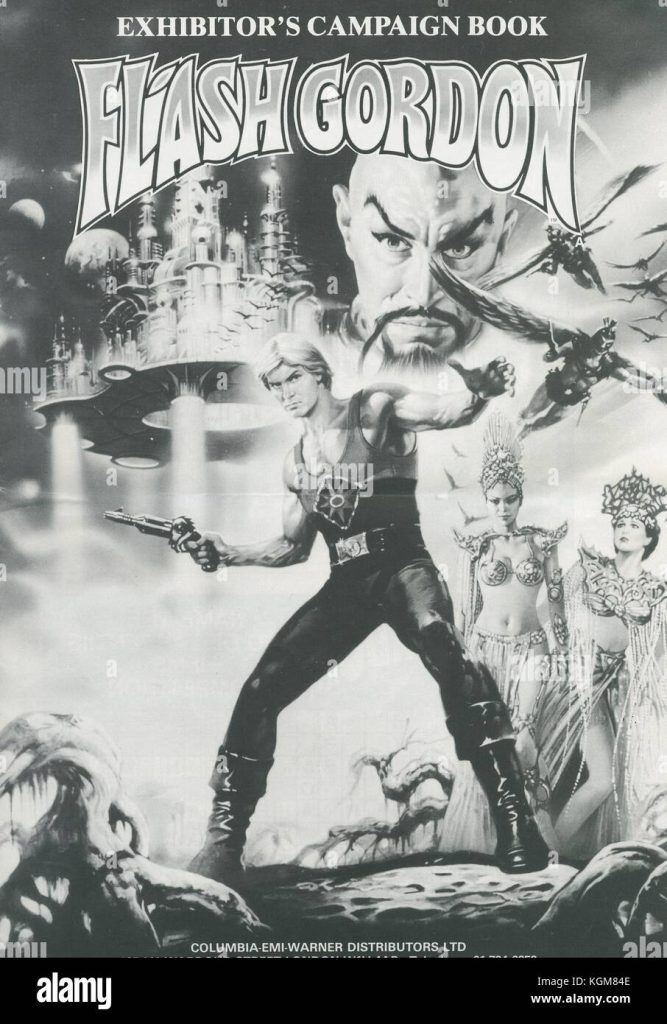
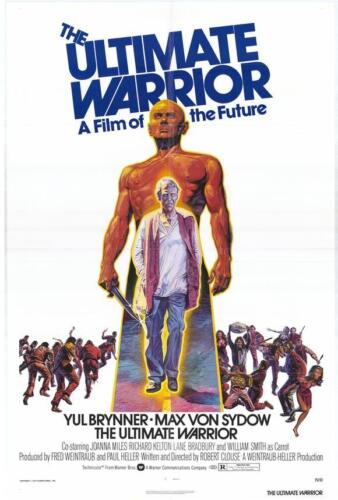
On the more ridiculous side were his Ming the Merciless in Flash Gordon (1980), and King Osric in Conan the Barbarian (1982), through which he managed to keep a straight face – and there was no straighter face in films than Von Sydow’s.
He felt much more in his element in Bille August’s Pelle the Conqueror (1987), which won the best foreign film Oscar. Von Sydow elegantly captured the simple grandeur of an illiterate widowed farmer who leaves a poverty-stricken Sweden for a Danish island with his nine-year-old son, to find himself almost a slave on a farm.
Von Sydow reconnected with Bergman when he played the latter’s maternal grandfather in The Best Intentions (1992), directed by August from Bergman’s autobiographical script.
However, his portrayal of the Norwegian novelist Knut Hamsun in the biopic Hamsun (1996), directed by Troell, was far too sympathetic for a man who tried to rationalise his admiration for Hitler.
“Why me?” was Von Sydow’s reaction to the director Jonathan Miller, after he had been cast as Prospero in The Tempest at the Old Vic, in 1988. “Do you have to cross the river to fetch water when you have so many wonderful actors in England?” But Miller was justified in his choice because Von Sydow brought the aura of the Bergman films to the role as well as authority and warmth.
In 1988, he directed Katinka, a simple tale about a woman stifled by a loveless marriage, which made little impact. Von Sydow was glad to have made it, but said that he would never direct again. He continued to alternate between mainstream Hollywood (he was in Steven Spielberg’s Minority Report, 2002), and more challenging material such as The Diving Bell and the Butterfly (2007), mostly in small scene-stealing roles.
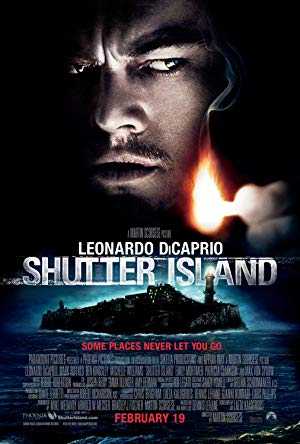
He was a sinister German doctor in Martin Scorsese’s psychological thriller Shutter Island (2010); a mysterious mute in Extremely Loud and Incredibly Close (2011), for which he received his second Oscar nomination; Lor San Tekka in Star Wars: The Force Awakens (2015); and the Three-Eyed Raven in the sixth season of Game of Thrones (2016). His last film role came in Thomas Vinterberg’s Kursk (2018).
He and Olin divorced in 1979; in 1997 he married the French film-maker Catherine Brelet, and they settled in Paris (Von Sydow became a French citizen in 2002). He is survived by Brelet and their sons, Cédric and Yvan, and by Henrik and Clas, the sons of his first marriage.
• Max von Sydow (Carl Adolf von Sydow), actor; born 10 April 1929; died 8 March 2020

TCM Overview:
While it was not surprising to see Royal Shakespeare Company player Olivia Williams in screen productions based on the works and life of Jane Austen, it was a pleasant surprise that the actress was able to avoid the costume drama typecasting of so many of her classically trained British peers. She was perhaps a bit too often cast as quietly suffering stiff-upper lippers, but able to carry off the “sensitive beauty” with humor, strength or wilting melodrama as called for. Williams worked in Hollywood as a supporting player in big budget studio films like “The Sixth Sense” (1999), but also split her time between American and British independent films. She showcased an accessibility and wicked wit in comedies like “Rushmore” (1998) and “Lucky Break” (2001) and uncommon depth in “The Heart of Me” (2002), proving an adept supporting player whose luminous beauty was backed by a fierce intellectualism.
The above TCM Overview can also be accessed here.

IMDB entry:
Kabir Bedi is an internationally acclaimed Indian actor. He has acted in over 60 Bollywood films and has hits like “Khoon Bhari Maang”, “Kurbaan” and “Main Hoon Na”. He is well-recognized for his role of Emperor Shah Jahan in “Taj Mahal: An Eternal Love Story”.
Popularly recognized in the West for his role as a villainous ‘Gobinda’ in the James Bond film, “Octopussy”, Kabir also played a pivotal role in the Columbia Pictures’ “The Beast of War”, a film on the Russian war in Afghanistan. He is best known in Europe for playing a Pirate in “Sandokan”, a popular TV mini- series. He also starred in “The Bold and the Beautiful”, the second most watched television show in the world. Kabir Bedi has been on air on Indian TV with his no.1 show on India’s war history on the country’s no.1 news channel garnering over 30 million viewers.
Kabir Bedi with his deep voice, rare wit and strong persona is known to have hosted a bevy of events, awards shows and corporate shows in India. Recently, he hosted an event for the Government of Madhya Pradesh to mark the thousandth year of the incarnation of the King of Malwa Raja Bhoj.
Lately, Kabir has also been associated with corporate shows for renowned brands like Serco, Godfrey Phillips and Business India.
Kabir has just finished working on a Tamil film titled “Aravaan”, directed by Vasanthabalan. He is currently touring Canada and North America with a theatre play. ‘Taj’ written by Canada’s renowned playwright John Murell. The play was commissioned by the Luminato Festival.