
Hollywood Actors

Collection of Classic Hollywood Actors

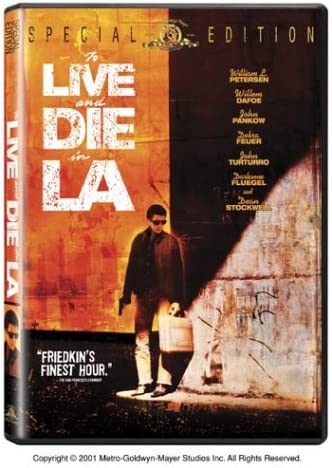
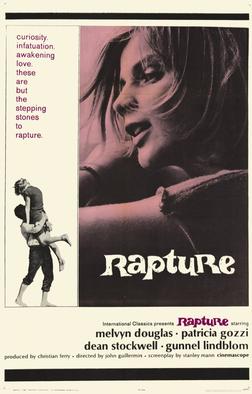
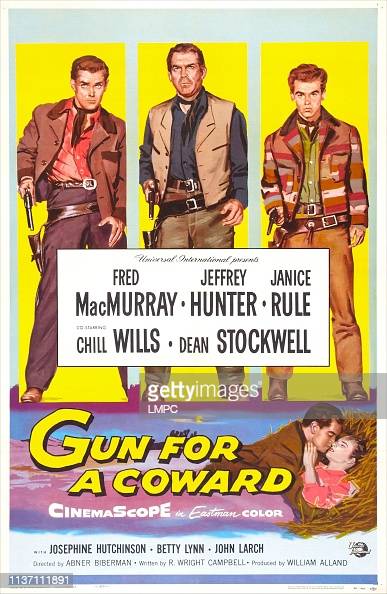
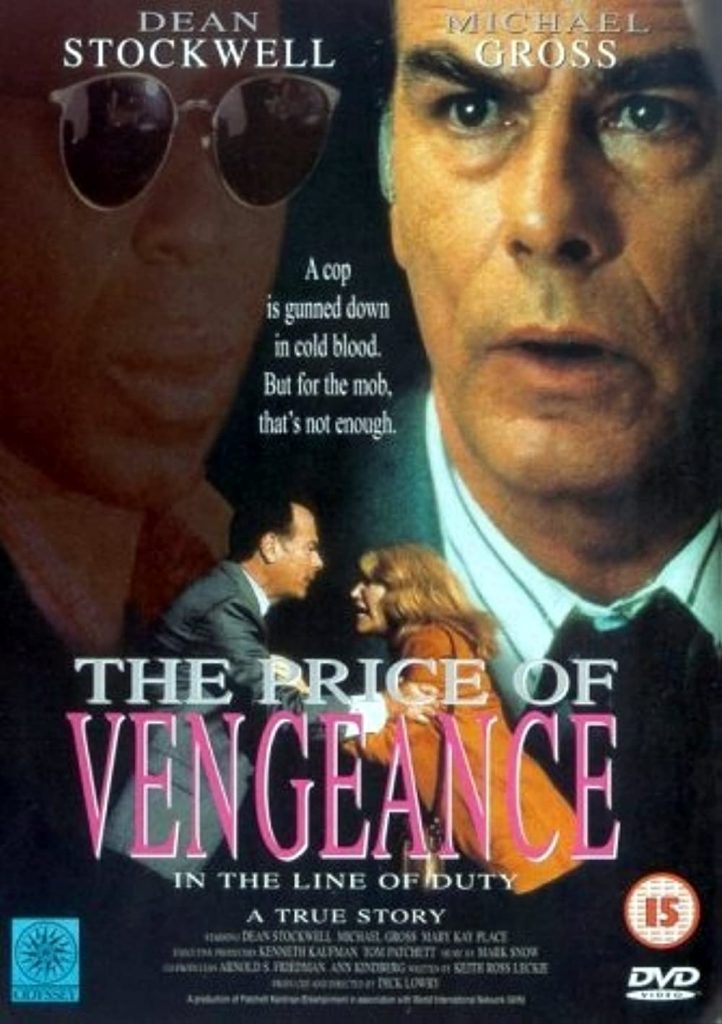
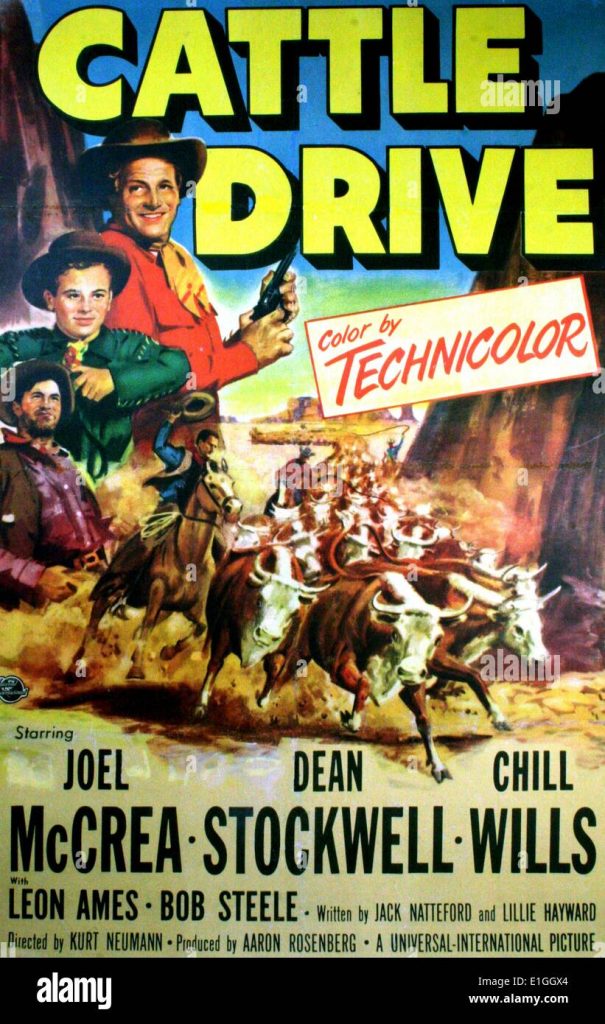
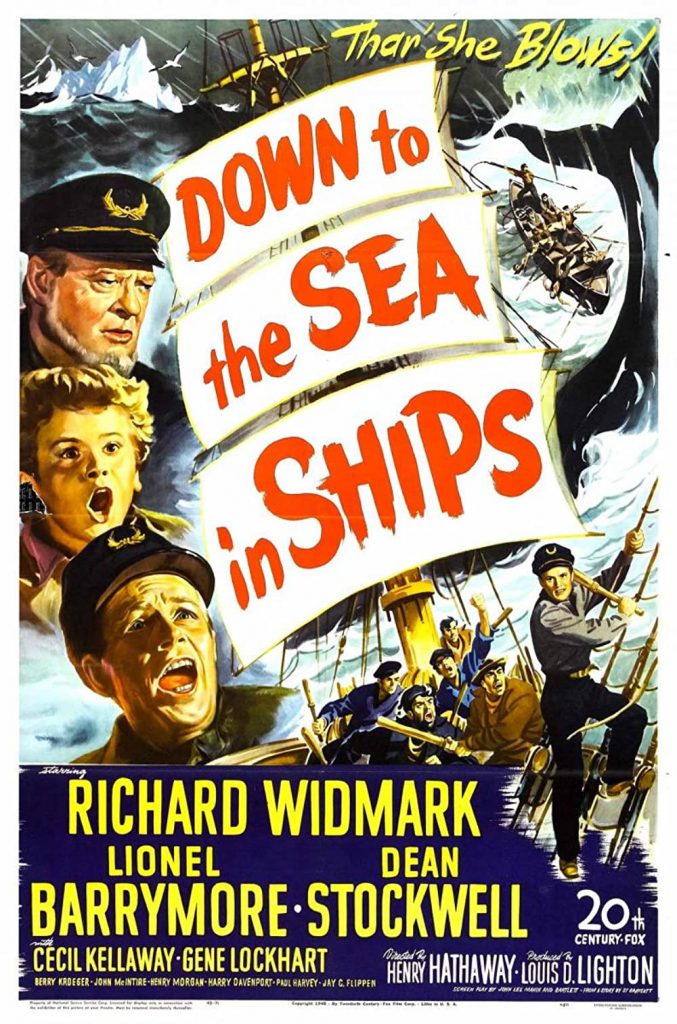
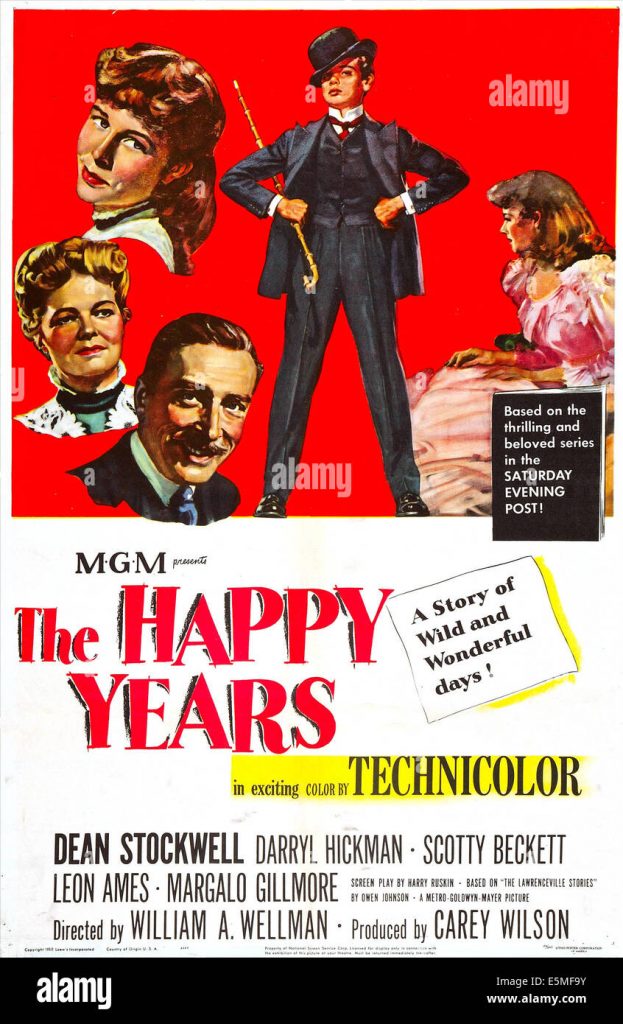
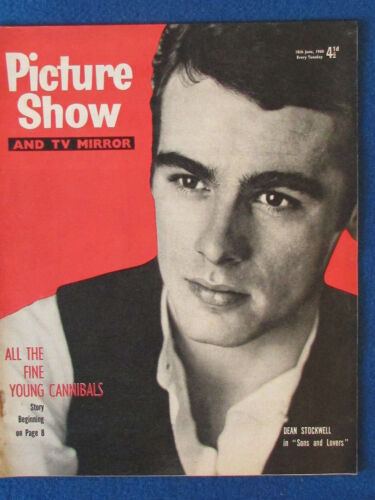
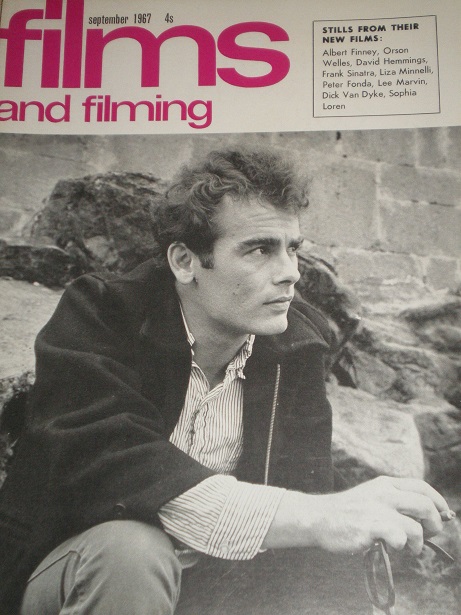
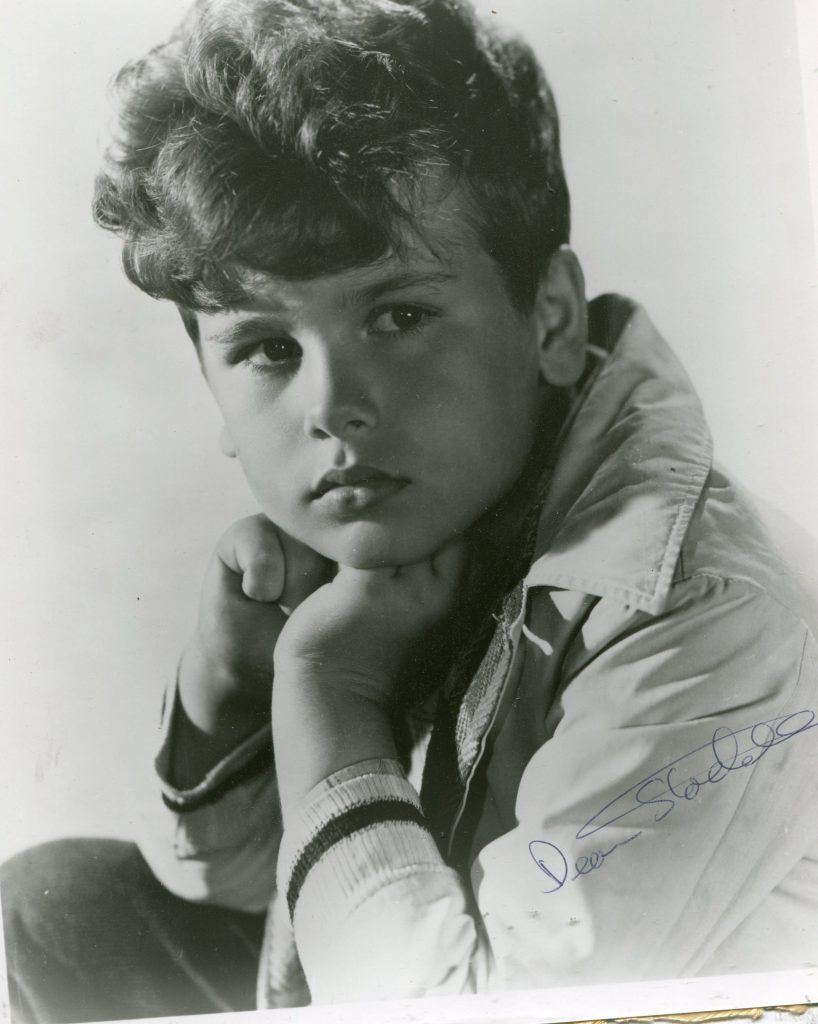
Dean Stockwell
Dean Stockwell

TCM Overview:

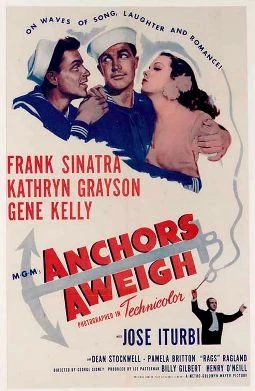
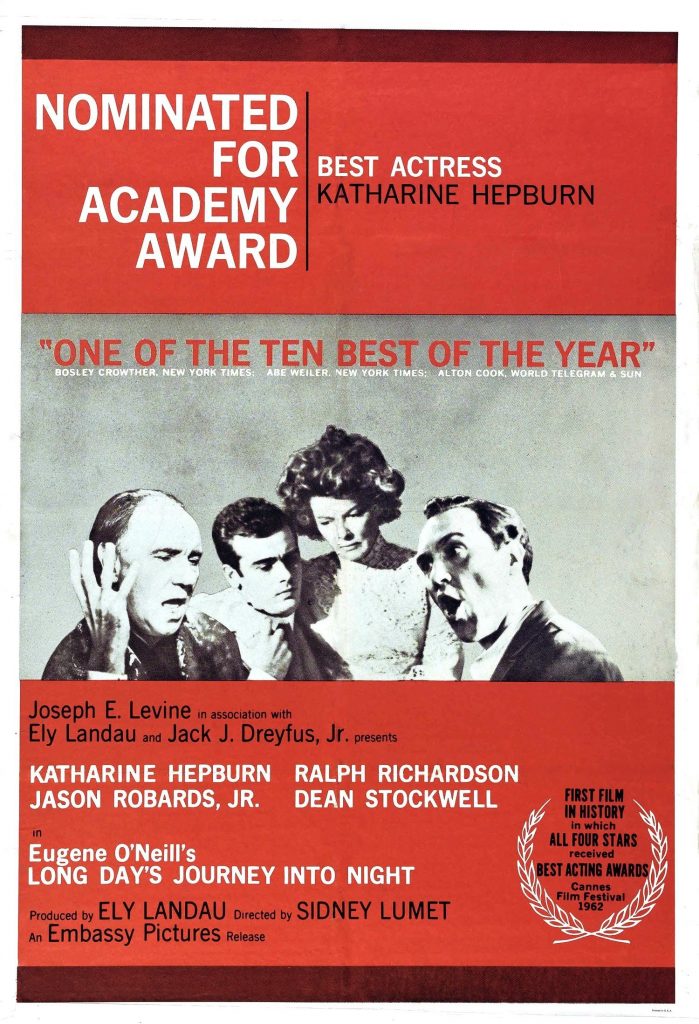
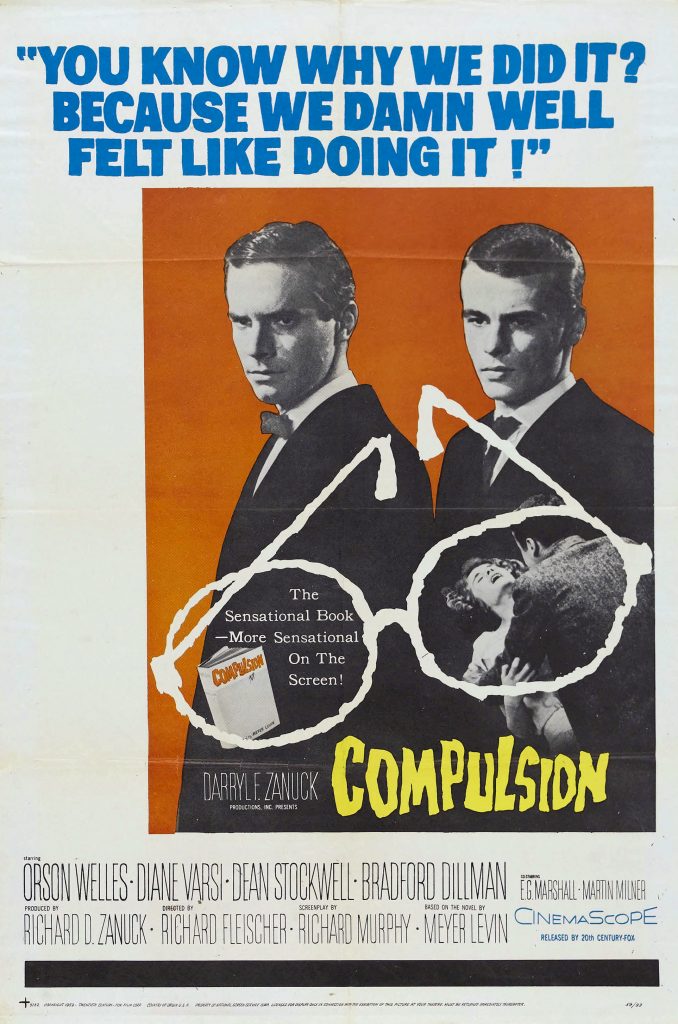
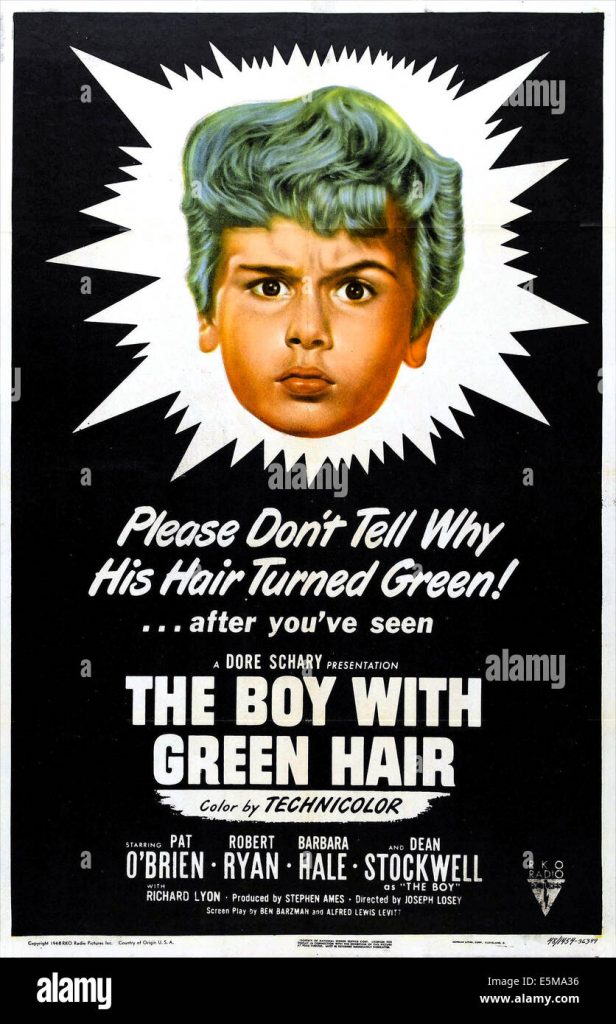
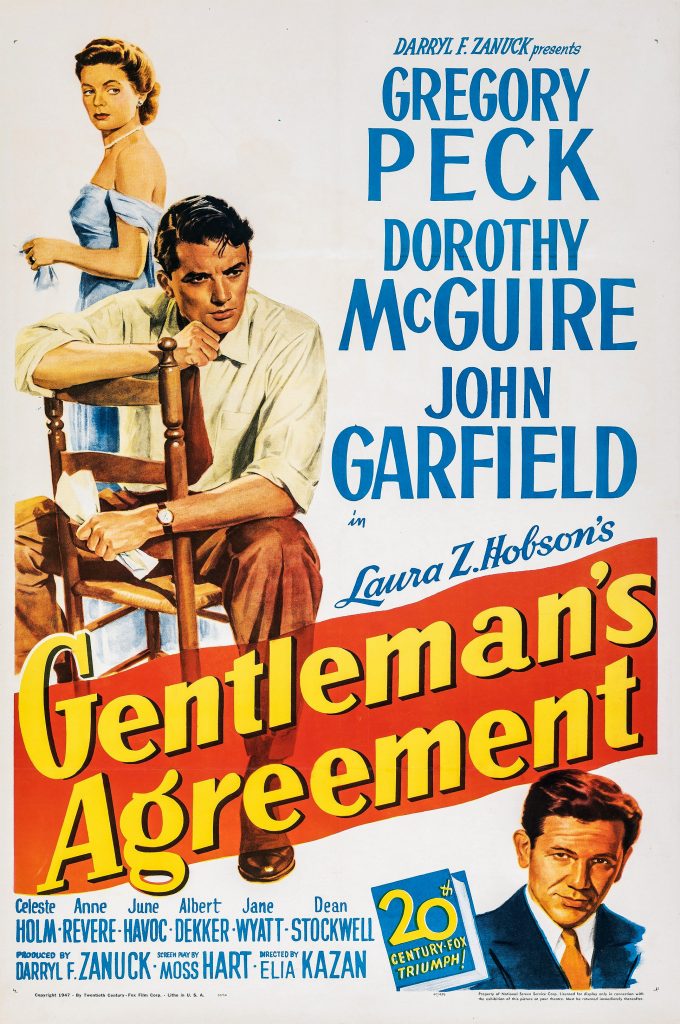
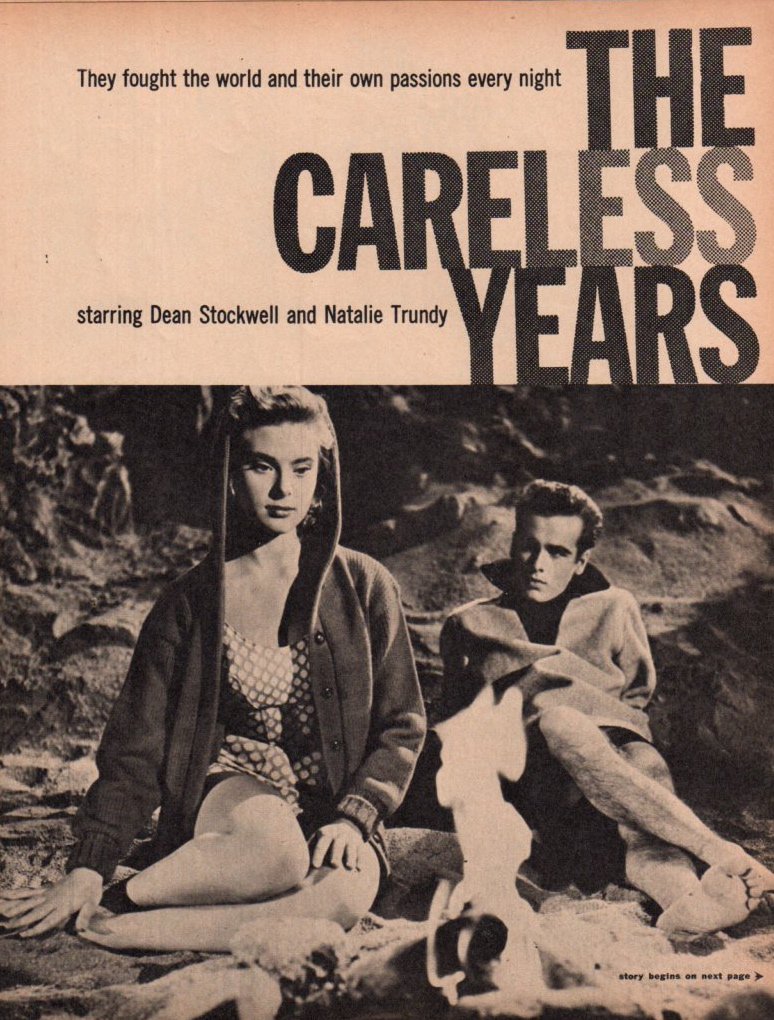
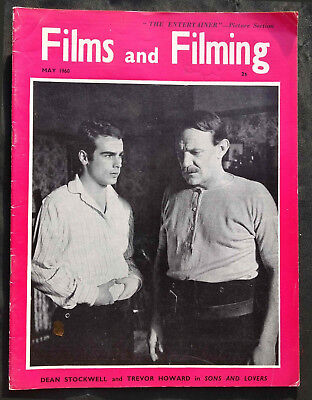
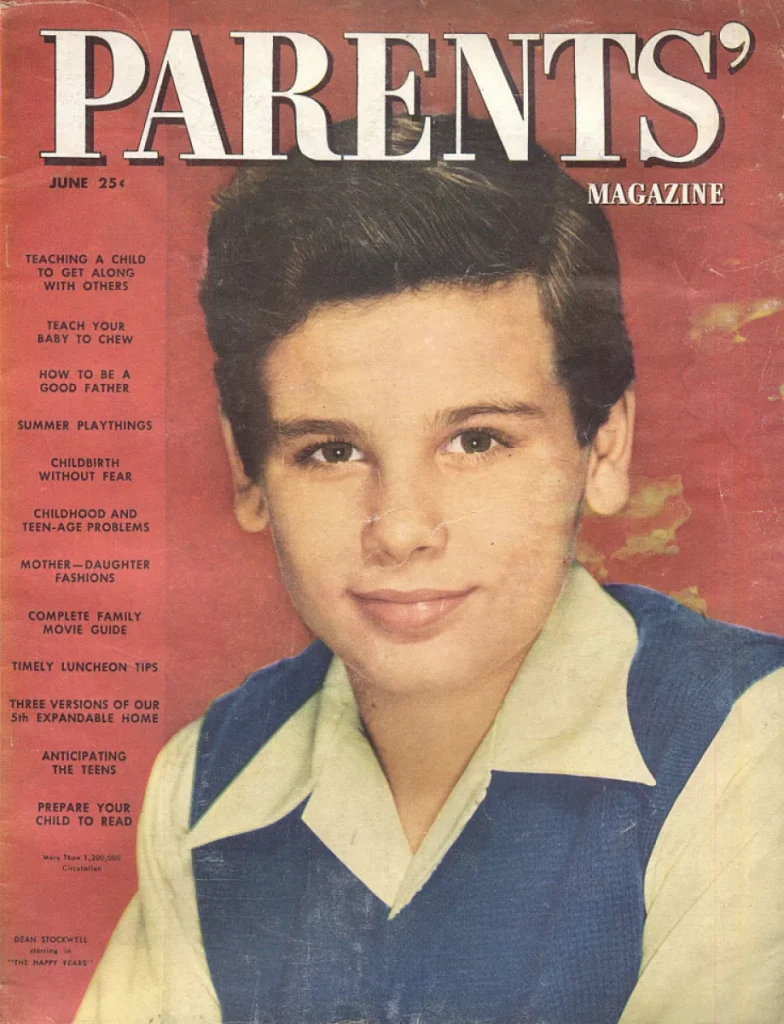
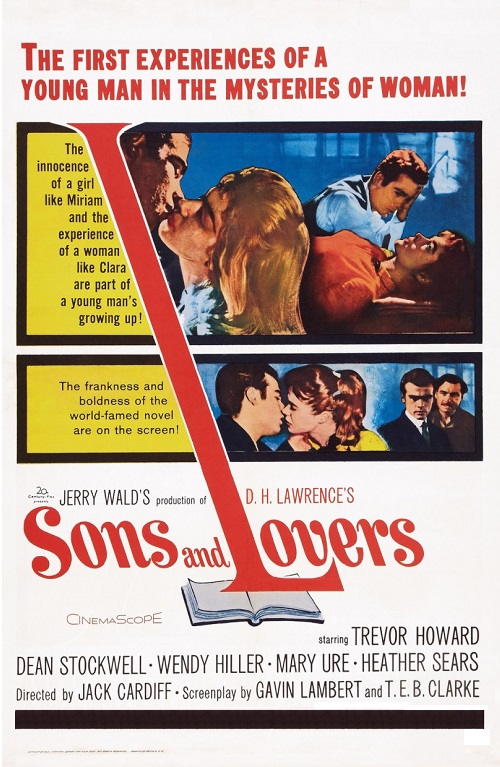
The career of this prolific performer has come in several waves, each punctuated by a “retirement” from the screen. As a child actor under contract to MGM from 1945, Dean Stockwell charmed in “Anchors Aweigh” (1945), then specialized in “sensitive child” roles, such as Gregory Peck’s son in “Gentleman’s Agreement” (1947), who suffers the slings of anti-Semitism when his father decides to pose as a Jew to do a magazine article, and in the title character of Joseph Losey’s “The Boy with Green Hair” (1948), which delved into a similar milieu of how people treat a stranger. After five years spent traveling around the USA and working at odd jobs, he matured into a strikingly attractive, introverted young adult lead, winning acclaim as the character based on Nathan Leopold in “Compulsion” first on stage (1957) and later the feature (1959). Stockwell also won acclaim for two characters that functioned as authorial stand-ins, Paul Morrel in Jack Cardiff filming of D.H. Lawrence’s “Sons and Lovers” (1960) and Edmund Tyrone in Sidney Lumet’s version of Eugene O’Neill’s “Long Day’s Journey Into Night” (1962)
The Times obituary in 2021:

Dean Stockwell obituary
Reluctant child actor turned Hollywood star best known for classics such as Paris, Texas and the sci-fi series Quantum Leap

Tuesday November 09 2021, 5.00pm GMT, The Times

Dean Stockwell, right, with Scott Bakula in Quantum Leap, which ran for five series

By the early 1980s, Dean Stockwell had been acting for almost 40 years and was ready for a career change. Depressed and demoralised, he had left Hollywood and moved to New Mexico, where he applied for a licence to set up as an estate agent.

Then he received a phone call from his fellow actor Harry Dean Stanton. “He said he’s going to do this movie with Sam Shepard and Wim Wenders and thinks I should play his brother in it,” Stockwell recalled.

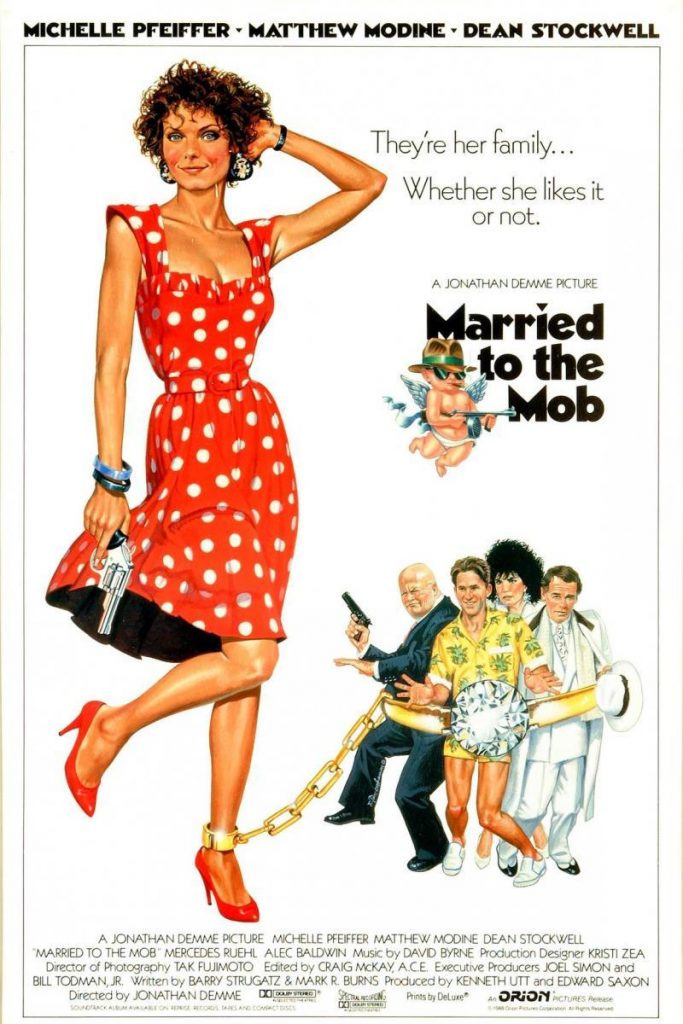
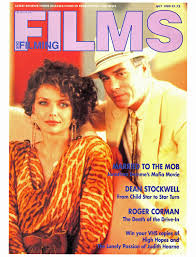
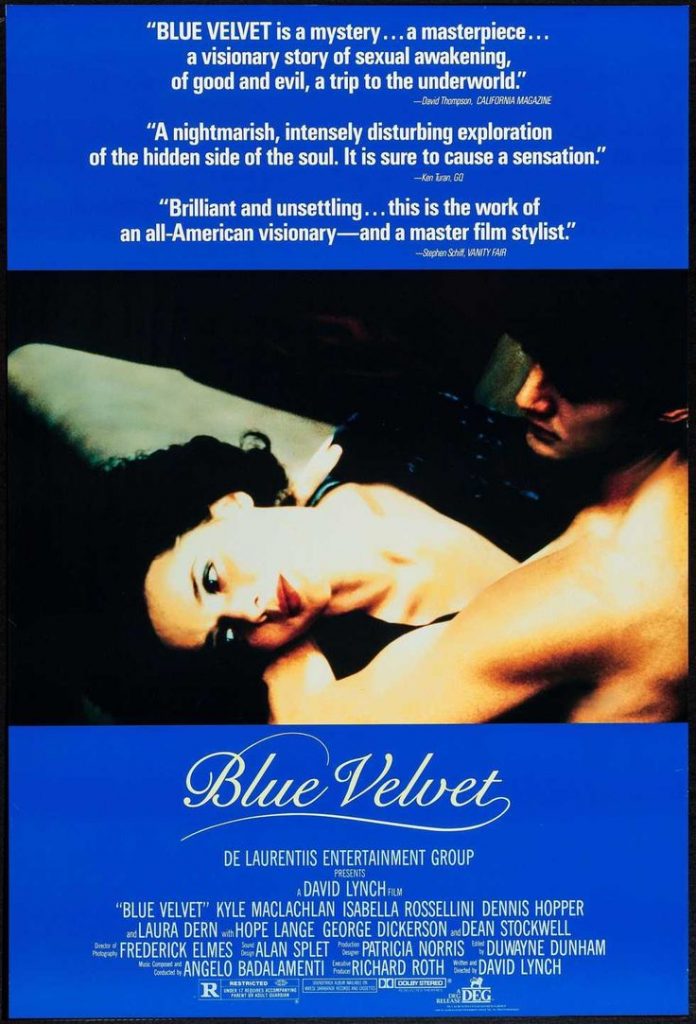
The film was Paris, Texas (1984), a classic road movie that won the Palme d’Or at Cannes and relaunched Stockwell on what was to become the most successful phase of his stop-start career. Over the next decade or so he went on to appear in some of the defining films of the era, including David Lynch’s Blue Velvet (1986), Jonathan Demme’s Married to the Mob (for which he was nominated for an Oscar in 1989) and Francis Ford Coppola’s The Rainmaker (1997).

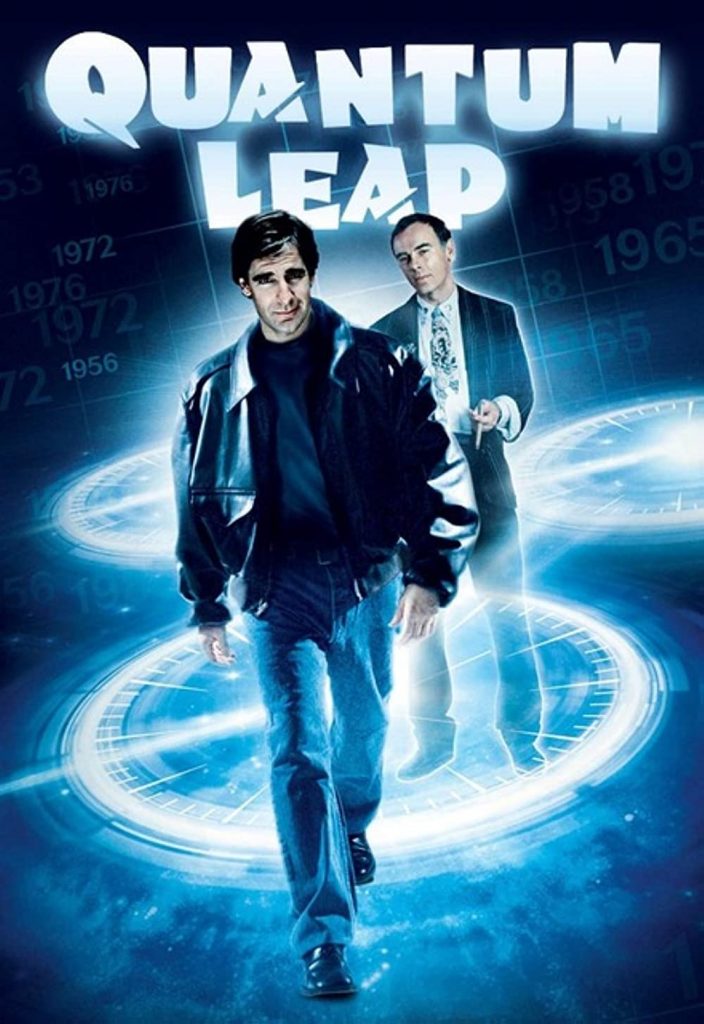
In between came his signature performance as the womanising, larger-than-life Admiral “Al” Calavicci in the quirky sci-fi television series Quantum Leap, which ran for five seasons between 1989 and 1993. His portrayal earned him not only a Golden Globe but a rare personal satisfaction. “I’ve been deeply affected by the sincerity, warmth and affection coming back to me from fans of the show. I’ve never experienced that before in my life,” he enthused.

Stockwell called his comeback his “third or fourth career”, for as a seemingly reluctant actor he had walked away at least twice before. As a child actor in the 1940s, he appeared on screen with Frank Sinatra, Gene Kelly and Errol Flynn but had not enjoyed it. “I had no friends, except for my brother, and I never did what I wanted to do. I had one vacation in nine years.”

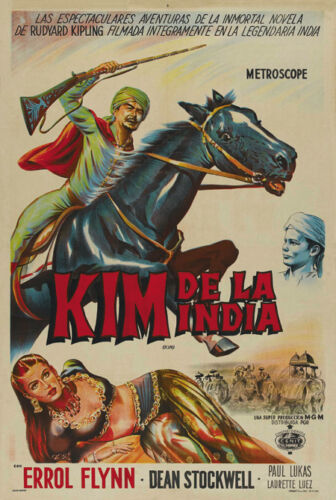
His childhood mood was perhaps not helped by a practical joke Flynn played on him when he was 13 and was acting the title role in an adaptation of Rudyard Kipling’s Kim. During a scene shot in a tent on location in India, Flynn was meant to hand Stockwell a bowl of food. Instead, on a bet with the crew, he handed the boy a plate “piled high with fresh camel dung, still steaming”.

When his seven-year contract with MGM expired in 1950, he was delighted. “I did everything, just to get out of it,” he said. After a hiatus, he returned to Hollywood and appeared with Orson Welles in Compulsion (1959) and with Katharine Hepburn in Long Day’s Journey Into Night (1962). When Hepburn objected to him turning up on set each day with a bottle of vodka, he told her that it was because he was “cold”. She bought him a coat and left it in his dressing room. He won best actor awards at Cannes for both films.

With Harry Dean Stanton, who persuaded him to return to acting, in Paris, Texas (1984)

With Harry Dean Stanton, who persuaded him to return to acting, in Paris, Texas (1984)

Moving to Topanga Canyon in the mid-1960s, where fellow residents included Neil Young and Jim Morrison, Stockwell tuned in, turned on and dropped out for a second time. One night while stoned he symbolically threw his Cannes citations into the fireplace. It was as if in the freewheeling hedonism of the hippy subculture he was finally getting to live the carefree childhood that he had been denied.

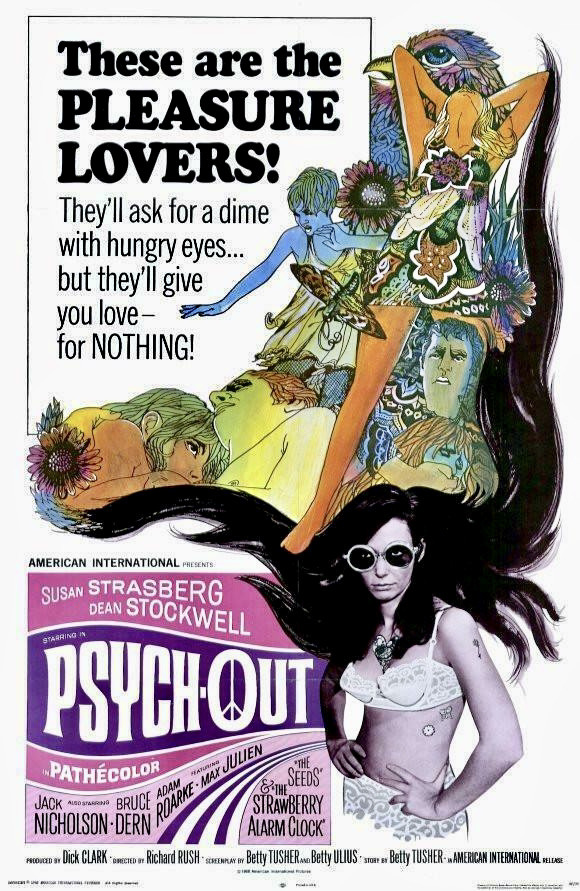
“I did some drugs and went to some love-ins,” he said. “The experience of those days provided me with a huge, panoramic view of my existence that I didn’t have before.” He later co-directed and appeared in Young’s 1982 film Human Highway. For a time he found work hard to come by but starred in such counter-cultural fringe pictures as Psych-Out, in which he played a long-haired hippy guru alongside Jack Nicholson, and Dennis Hopper’s 1971 cult classic The Last Movie. He retired from the big screen for the final time in 2015, making another career change to exhibit his artworks under his full name, Robert Dean Stockwell. He cited his other interests as golf, chess and cigars.

Peter Lawford
Peter Lawford
Peter Lawford

TCM Overview:

A dashing and handsome English-American actor, Peter Lawford enjoyed a brief stint as a matinee idol in the 1940s before becoming better known as an in-law of the Kennedys and a member of “The Rat Pack” during the 1960s. Benefitting greatly from the dearth of handsome male talent in Hollywood during World War II, Lawford gained notice for appearances in such films as “The Picture of Dorian Gray” (1945) and “Son of Lassie” (1945). More roles followed throughout the 1950s, although it was his marriage to Patricia Kennedy – sister of John and Robert Kennedy – as well as his association with Frank Sinatra’s iconic cadre of carousers that brought Lawford lasting fame. Years after JFK’s assassination, rumors about Lawford’s scandalous adventures with the president, his being the last person to speak to a despondent Marilyn Monroe before her tragic death, and a bitter falling out with Sinatra, became the stuff of legend. Less glamorous was Lawford’s decline in the film industry, several failed marriages, and chronic alcoholism. With the halcyon years of “Ocean’s Eleven” (1960) far behind him, the aging actor made due with the occasional film role and guest turns on such TV fare as “The Doris Day Show” (CBS, 1968-1973) and “Fantasy Island” (ABC, 1977-1984). A bit player in a fascinating chapter of American pop-culture, Lawford would most likely be remembered less for his acting credentials than for the legacy encapsulated in author James Spada’s unofficial biography, Peter Lawford: The Man Who Kept the Secrets.

The above TCM overview can also be accessed online here.

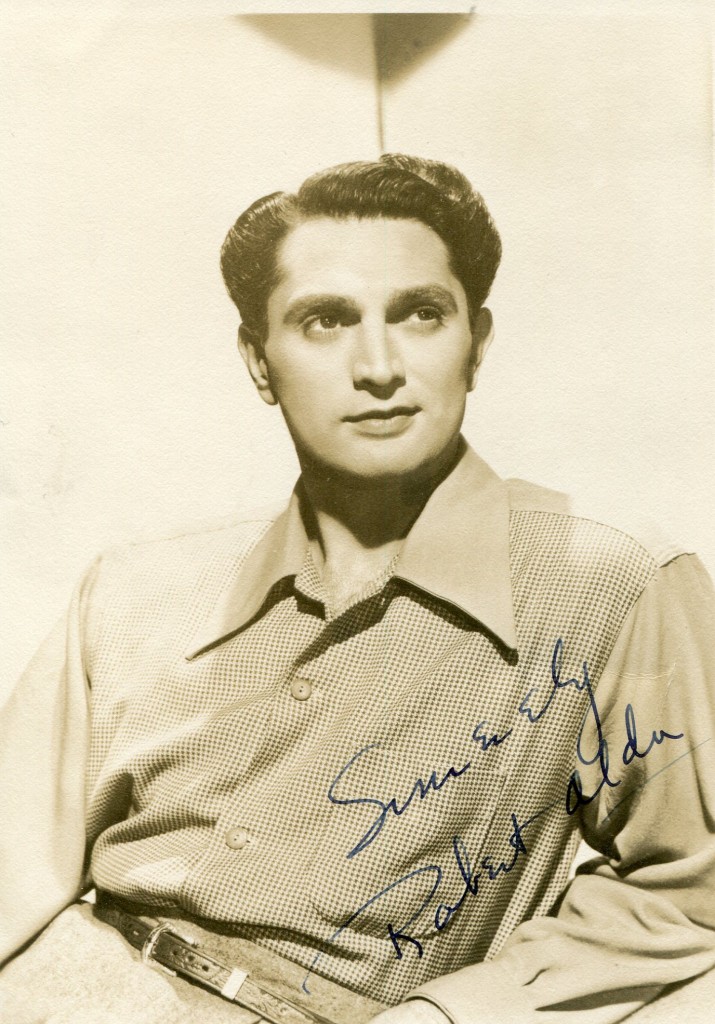
Robert Alda
Robert Alda
Robert Alda

TCM Overview:

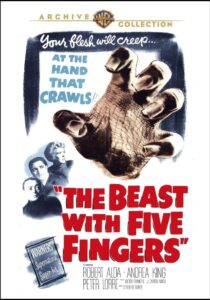
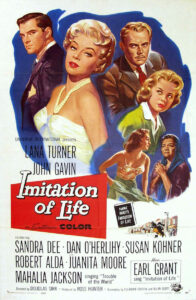
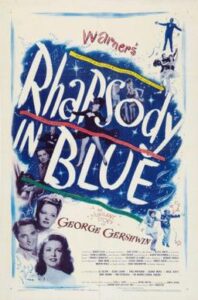
 Darkly handsome lead, later an attractively graying character actor, a veteran performer in film, theatre and TV. Alda made his film debut as George Gershwin in the tuneful biopic “Rhapsody in Blue” (1945) and played the romantic lead in Robert Florey’s stylish cult horror thriller, “The Beast with Five Fingers” (1947). His film career diminished in the 1950s, but Alda played occasional character roles such as Lana Turner’s lecherous agent in “Imitation of Life” (1959). He also enjoyed notable success onstage beginning with his Tony-winning performance in the landmark musical “Guys and Dolls” (1950). In the 60s Alda lived in Italy and made a number of films there. TV also kept him busy in games shows and the adventure series “Secret File, U.S.A.” during the early 50s; he later performed on the soaps “Love of Life” and “Secret Storm” and contributed a memorable guest performance as a general who cracks up on “M*A*S*H”, starring his son Alan Alda.

“Los Angeles Times” obituary:

Actor Robert Alda–who scored successes as George Gershwin on film, as Sky Masterson on stage and as “M*A*S*H” star Alan Alda’s father in private life–died Saturday at his Los Angeles home after a long illness.   He was 72, and friends said he had never entirely recovered from the effects of a stroke he suffered two years ago.   “But until he got sick, he was always working,” Alda’s longtime friend and agent Lew Sherrell said Sunday. “He was a beloved man in the entertainment industry–and a very good father. There was great love between him and (younger son) Antony and Alan.”

Actress Vivian Blaine, his co-star in the Broadway musical “Guys and Dolls,” said news of Alda’s death came as “Gloom, doom and disaster. He was a good friend, we worked together after “Guys and Dolls” and were good friends–I loved him, most people did. It’s a major loss and a dreary day.”   In addition to his sons, Robert Alda leaves his wife, Italian actress Flora Marino; a sister, Anne Ciaffone; a brother, Vincent D’Abruzzo, and four grandchildren. Funeral services in Los Angeles will be private.

Born Feb. 26, 1914, in New York City, Alphonso Giuseppe Giovanni Roberto D’Abruzzo was the son of a barber and studied architecture at College of the City of New York before entering show business.   “I was paid $24.50 a week to work as a draftsman on plans for what finally became Radio City,” he later recalled, “and there was a singing contest at a theater called the Academy of Music. I entered–I don’t know why, maybe because I’m Italian–and I won!   “Well, the prize was $25. Fifty cents more than I made in a week. And I said, ‘This is for me . . .!”

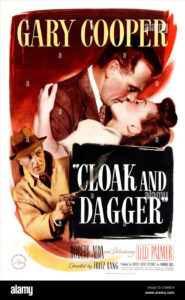
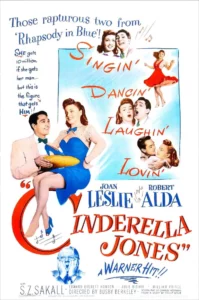
Alda broke into professional ranks as a singer, performing in Borscht Belt resorts of the Catskills and as a singing straight man in the burlesque of the late 1930s. He also worked regularly in radio and appeared with dramatic stock companies. But his first major notice came when he was signed by Warner Bros. for the leading role of George Gershwin in “Rhapsody in Blue.”   The film–and Alda–were a critical and box office success.   But there were problems:   “We made the picture in 1943,” Alda said, “but it wasn’t released until 1945, and in between, Warners wanted to ‘keep me under wraps’ so I was told to twiddle my thumbs. I almost went crazy. . . .”   The inactivity soured him on movies, and though he made others under his contract–“Cinderella Jones,” “Cloak and Dagger,” “Nora Prentiss,” “April Showers” and Alda’s cult favorite, “The Beast With Five Fingers”–he fled to New York as soon as possible, where he scored a major Broadway success with the starring role of Sky Masterson in the musical “Guys and Dolls.”

He also scored stage successes with “Harbor Lights,” “My Daughter, Your Son,” “The Front Page” and “What Makes Sammy Run?”   Son Alan Alda, by first wife, actress Joan Browne, began his own career doing Abbott and Costello routines opposite his father at the old Hollywood Canteen, and then the two appeared together on stage in Rome and on television in Amsterdam.   “It was the best year of my education,” Alan Alda recalled.   “It was great,” his father agreed. But all the same, he insisted that the budding actor finish college at Fordham before turning professional.  “So, when he graduated–he was ready. Wow, was he ready . . .!” Robert Alda laughed.

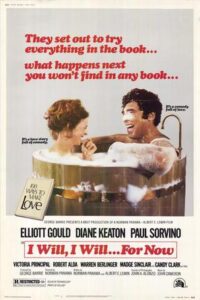
During the ’50s, Robert Alda appeared in an early television series, “Secret File: U.S.A.,” shot in Amsterdam, and moved to Italy, where he starred in a stage musical and made a score of films including “Beautiful but Dangerous” with Gina Lollabrigida, “Cleopatra’s Daughter,” “Toto e Peppino divisi a Berlino” and “The Serpent.”   Returning to the United States, he starred in the short-lived television series “Supertrain,” had a major role in the daytime television serial “Days of Our Lives,” had roles in such films as “Imitation of Life,” “I Will, I Will . . . for Now,” and “Bittersweet Love,” appeared with son Alan in segments of “M*A*S*H” and wrote a cookbook, “100 Ways to Cook Pasta,” with his wife.

The above “Los Angeles Times” obituary can also be accessed online here.

May Hallatt
May Hallatt
May Hallatt
May Hallatt
May Hallatt

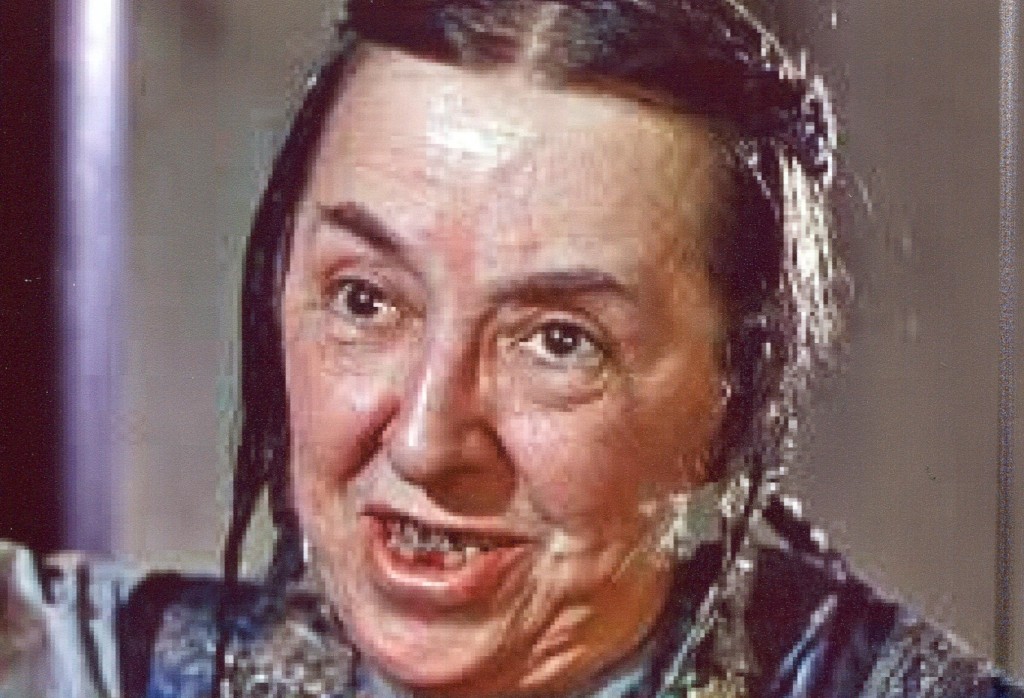
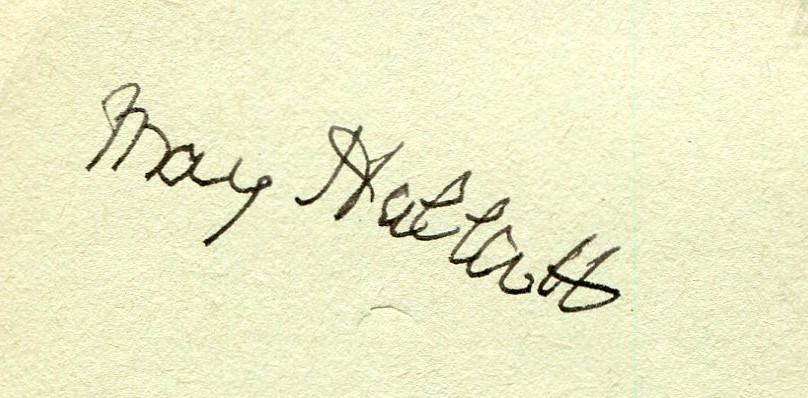
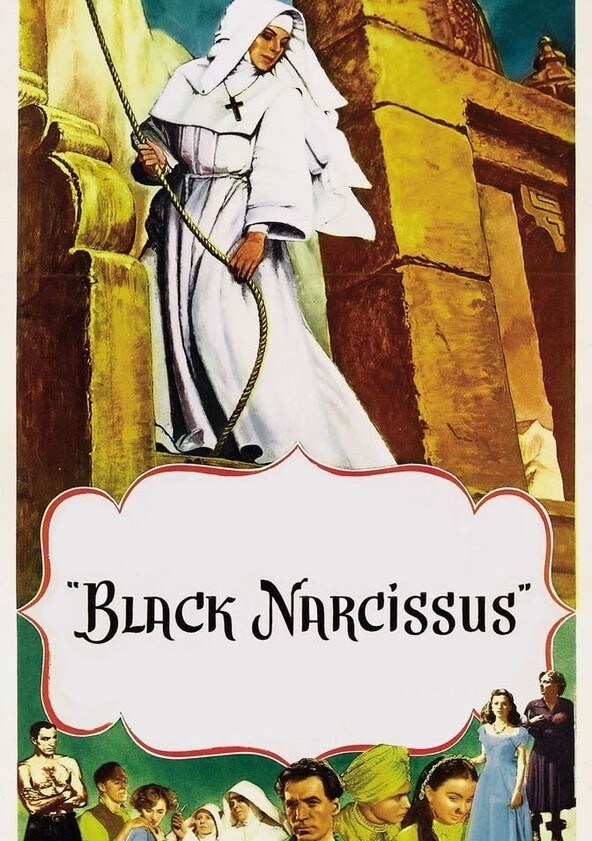
May Hallatt was born on May 1, 1876 in Scarborough, England as Marie Effie Hullatt. She was an actress, known for Black Narcissus (1947), Separate Tables (1958) and The Girl of the Canal (1945). She died on May 20, 1969 in London, England.

Article on May Hallatt from Tina Aumont’s Eyes” website:

Cheery and diminutive, the British actress May Hallatt only appeared in a handful of prominent movies in her thirty year career, but she managed to create some memorable characters along the way. A versatile actress with stage experience she could be spotted in some notable box office favourites as well as works by such eminent writers, including Dickens, Jane Austen and Mark Twain.

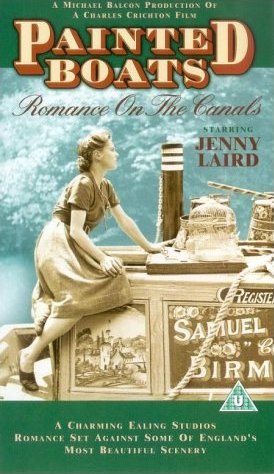
Born Marie Effie Hullatt in Scarborough, England, on May 1st 1876, May Hallatt made her screen debut in 1934, although her first role of note came five years later when she played the wife of Wilfred Hyde-White’s Lord Battersby in ‘The Lambeth Walk’ (’39). A jolly little musical based on the play ‘Me and My Girl’; it told the story of a lowly cockney (comedian Lupino Lane) who unwittingly inherits a title and castle. After playing a canal boat worker in Charles Crichton’s Ealing Studio quickie ‘Painted Boats’ (’45), Hallatt’s first memorable role was as the feisty caretaker Angu Ayah in Powell & Pressburger’s religious drama ‘Black Narcissus’ (47). Following bit parts in the music hall drama ‘Trottie True’ (’49) and the excellent ‘The Pickwick Papers’ (’52), May played an eccentric passenger on board a train packed with gold, in the mediocre ‘Lady Vanishes’ knock-off ‘The Gold Express’ (’55).

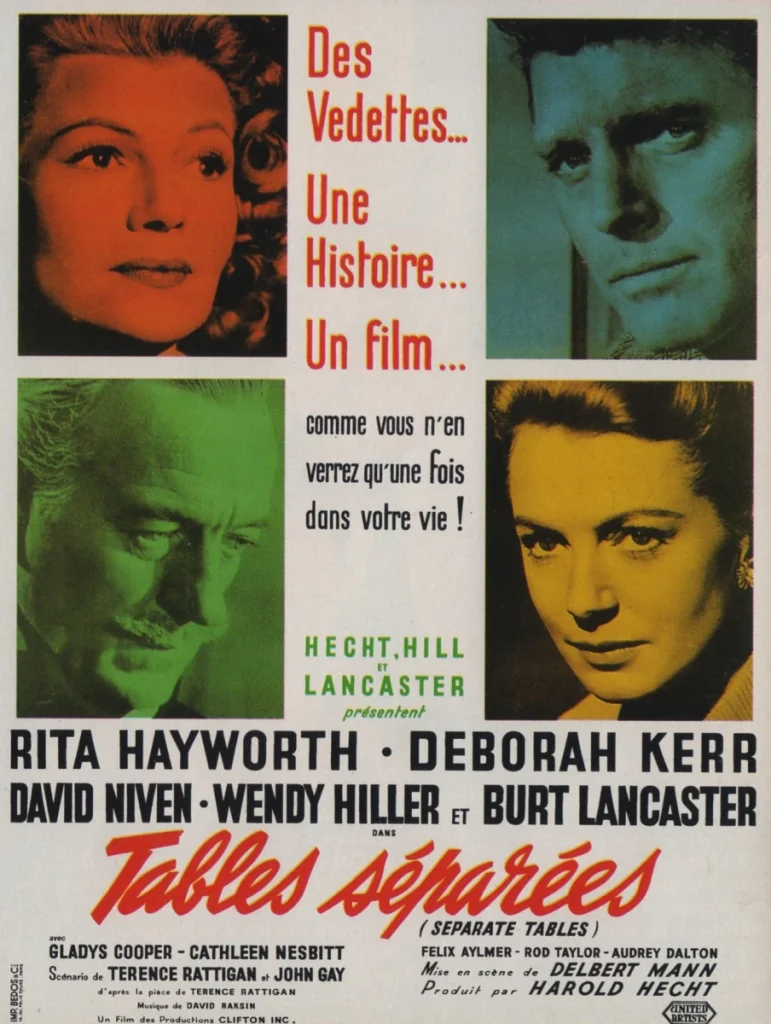
The role that Hallatt will forever be remembered for is her wonderful turn as the solitary Miss Meacham, in Delbert Mann’s Oscar-winning drama ‘Separate Tables’ (’58). A part she originated on stage, Hallatt was a joy to watch and stole every scene she was in as the shuffling, sports-loving spinster. Other notable movies at this time included Alec Guinness’s pet project ‘The Horses Mouth’ (’58), and Jack Clayton’s superb adult drama ‘Room at the Top’ (’59).

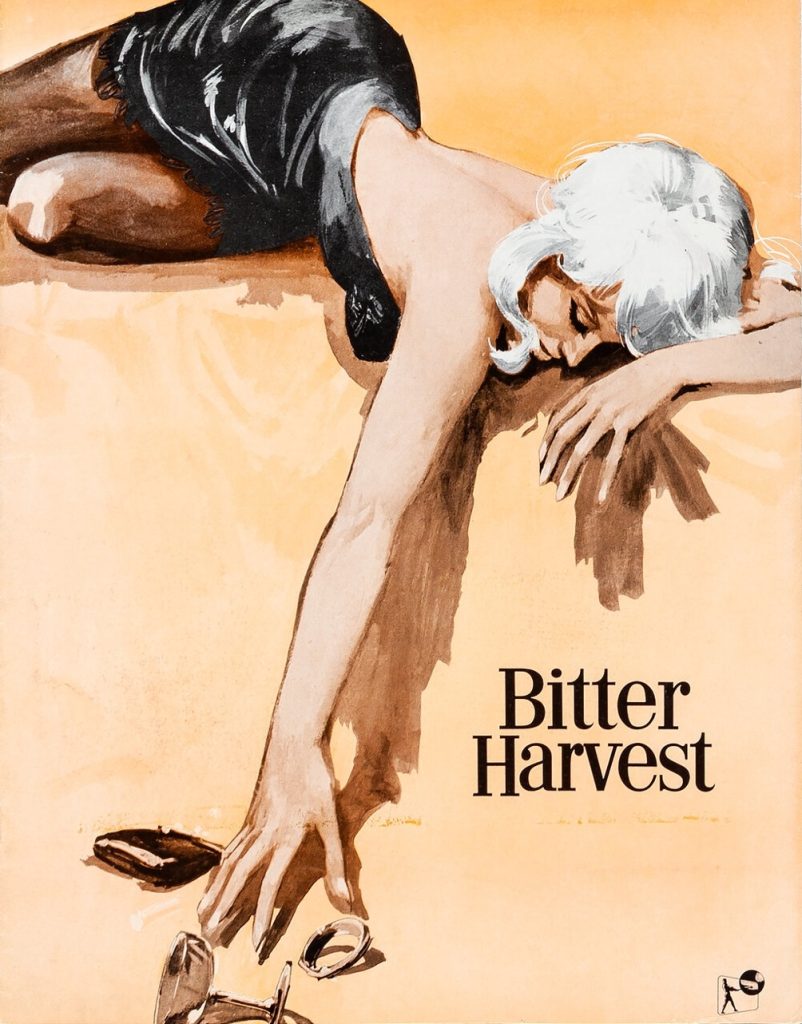
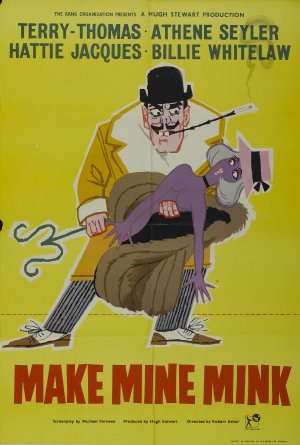
After playing chatty neighbour Mrs Bates in a 1960 television production of Jane Austen’s ‘Emma’, Hallatt had a small yet funny part in the terrific Terry-Thomas comedy ‘Make Mine Mink’ (’60). Aged 87, Hallatt’s final movie appearance was as aunt Sarah in the entertaining drama ‘Bitter Harvest’ (’63), which starred the tragic Janet Munro as a young Welsh dreamer in search of happiness.

The mother of familiar Seventies actor Neil Hallett, May died in London on May 20th 1969, she was 93. Another of those wonderfully eccentric characters, May Hallatt only appeared in a couple of dozen features, but she brought so much to even the smallest of roles, and I think she would have made an ideal tweed-wearing Miss Marple.

Favourite Movie: Separate Tables
Favourite Performance: Separate Tables

The above article can also be accessed online here.

Career Overview

May Hallatt (1876–1969) was an English character actress whose career on stage and screen spanned more than three decades. Though seldom in leading roles, she left a distinct impression through a string of vivid performances—typically playing forthright, eccentric or tenderly comic women who gave British films and plays much of their texture.

Career Overview

Early life and theatrical background

Born Marie Effie Hullatt in Scarborough, England, Hallatt grew up in a theatrical family: both her parents were actors, and her extended relations included several stage figures. Immersed in this environment, she joined the theatre herself and initially worked in regional and West End repertory. Her years on stage honed a direct, expressive presence and an uncanny knack for comic rhythm—traits she carried into film when middle‑aged.

Film debut and British cinema work (1930s–1950s)

Hallatt made her screen debut in Important People (1934) and for the next three decades appeared in roughly two dozen features (

wikipedia.org


imdb.com


grokipedia.com

). Her quirky energy lent itself to small but glowing character parts: the cheerful Lady Battersby in The Lambeth Walk (1939), the sharp‑tongued canal‑boat matron in Painted Boats (1945), and, most memorably, the fiery caretaker Angu Ayah in Powell and Pressburger’s Black Narcissus (1947). These performances introduced audiences to the combination that became her hallmark—earthy humor layered with emotional sincerity.

Stage triumph and crossover to film: Separate Tables

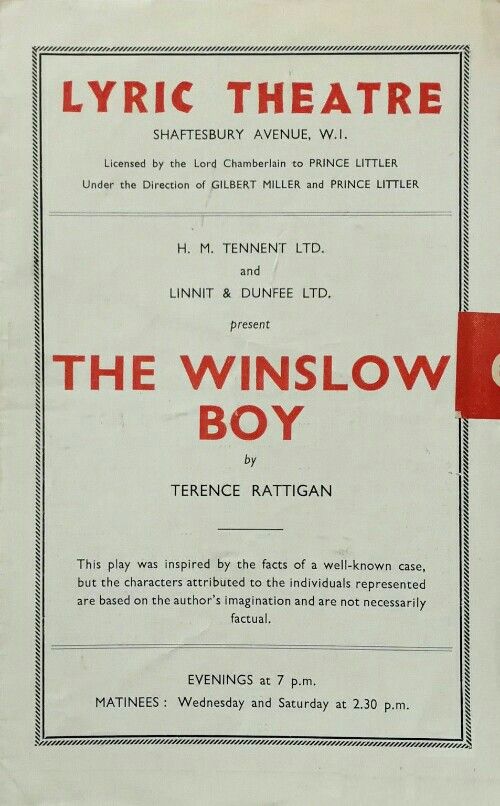
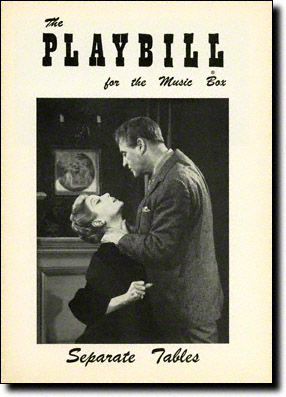
Hallatt’s signature role was Miss Meacham, the sports‑mad spinster in Terence Rattigan’s Separate Tables. She originated the part in the 1954 West End production, recreated it on Broadway, and again for the Oscar‑winning 1958 film. Reviewers considered her turn scene‑stealing: she embodied English eccentricity without condescension—foot‑shuffling, gossip‑loving yet deeply sympathetic.

Later work and television

Into her eighties, Hallatt continued acting in films such as Room at the Top (1959), Make Mine Mink (1960) and Bitter Harvest (1963), as well as BBC productions including Emma (1960), where she played Mrs Bates. She retired soon after, dying in London in 1969 at the age of 93.

Critical Analysis

Performance style and strengths

- Eccentric realism: Hallatt’s characters were rarely glamorous, yet she gave them individuality and vitality. She built performances from specific physical details—a lopsided walk, a tremor in speech—that captured the humanity behind comic surfaces.

- Natural timing: Her years in theatre bred instinctive timing. Even in broad comedies she avoided caricature, landing humor through truth of behavior.

- Texture and authenticity: Directors used her to “people” a scene, knowing she could make even a two‑line part feel inhabited. She often lent middle‑aged or elderly women a dignity and warmth uncommon in British studio films of the time.

Typical roles and thematic resonance

Hallatt specialized in older working‑ or middle‑class women—caretakers, aunts, landladies and confidantes—characters who mediate between upstairs and downstairs or inject humor into otherwise solemn narratives. That focus placed her among a generation of British supporting women (like Megs Jenkins or Joyce Carey) whose realism grounded postwar cinema’s mixture of sentiment and irony.

Limitations and context

Because she entered film late and tended to be cast for color rather than narrative weight, Hallatt never developed a star identity. Her stage‑bred theatricality could sometimes appear mannered on film, and many of her parts were uncredited. Yet within those constraints she produced work of durable charm and technical finesse.

Artistic significance

- Separate Tables and Black Narcissus alone secure her a niche in British film history. In each she enlivened psychological drama with humor and compassion, making eccentric women indispensable to the story’s moral fabric rather than mere comic relief.

- Her long career also illustrates the centrality of mature female character actors in the British system: performers who ensured social realism and emotional truth even when the narrative spotlight fell elsewhere.

Overall Assessment

May Hallatt was never a star in the conventional sense, but she was a consummate craftswoman. Her gift lay in turning stock “old ladies” and comic spinsters into believable, sometimes touching human beings, enriching some of the best‑loved British films from the 1940s to the early 1960s. Her body of work exemplifies the artistry of the supporting actor—small roles played with such specificity that they become indelible fragments of cinema’s larger portrait of life

Marjorie Reynolds
Marjorie Reynolds
Marjorie Reynolds

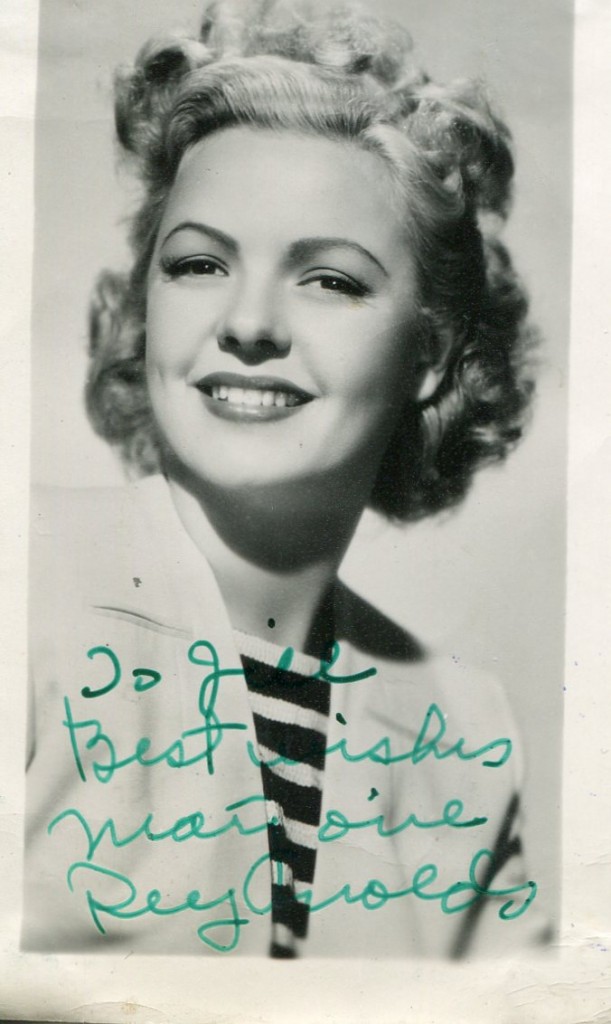
“Guardian” obituary from 1997:”Marjorie Reynolds, a blonde newcomer,” enthused Variety, “is a comely looker of much talent, poise and versatility, who will certainly calendar her own professional prominence from the springboard of this Crosby- Astaire filmusical.” The curious use of the word “calendar” (to denote “gain”) can be explained by the fact that the film under review was Irving Berlin’s Holiday Inn (1942). The use of the word “newcomer” is also curious; the 21-year-old Miss Reynolds was then the veteran of more than 40 films, having made her screen debut 19 years earlier.

Born Marjorie Goodspeed, she was taken to Los Angeles as a small child and enrolled in dance classes by her ambitious mother. As Marjorie Moore, she was soon appearing on the silent screen with Ramon Navarro in Scaramouche (1923), and with Viola Dana in Revelation (1924). After a brief retirement, she returned to make her first talkie, John Barrymore’s Svengali (1931). She played small roles in College Humour (1933) and The Big Broadcast of 1936 (1935), both of which starred her future leading man Bing Crosby. After College Holiday (1936), Broadway Melody of 1938 and Champagne Waltz (both 1937), she appeared with Tex Ritter in Tex Rides With the Boy Scouts (1938), the first of 14 small-budget westerns she would make in the next four years, opposite such sagebrush stars as Buck Jones, Ken Maynard, Bob Baker, George O’Brien, Tim Holt and Roy Rogers. In between she toiled in equally low-rent thrillers.

Less than a week before Holiday Inn went into production, Paramount Pictures had yet to find a suitable leading lady. Their problem was solved when the choreographer Danny Dare recommended an actress/ dancer with whom he had worked on various musicals. The studio wasted precious time searching for Marjorie Moore before learning that she’d changed her name in 1937, after marrying one Jack Reynolds.
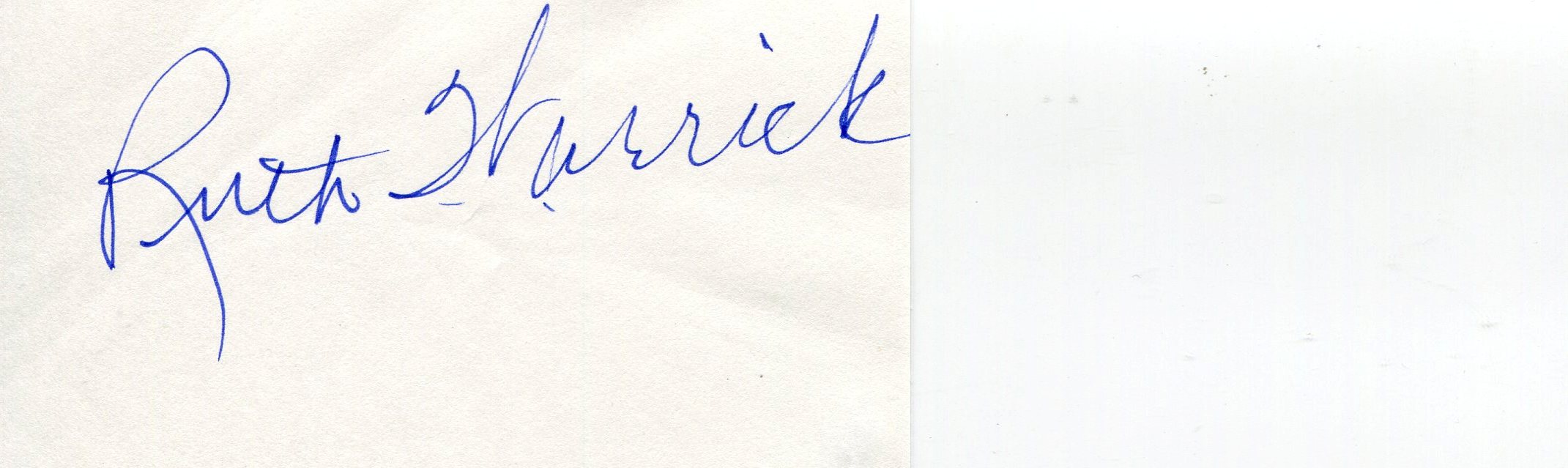
Once they had found and screen-tested her, she was eagerly signed and flung into dance rehearsals with Fred Astaire. True, she wasn’t much of a singer, but since when has that ever posed a problem to Hollywood? Martha Mears dubbed her vocals, and Paramount were so pleased with her performance in Holiday Inn that they awarded her a seven-year contract, and cast her opposite Crosby again in Dixie (1943), the alleged biography of the composer Dan Emmett, in which, as his loyal wife, she inspired the writing of the title song. She gave an impressive dramatic performance as a Viennese refugee in Fritz Lang’s film version of Graham Greene’s Ministry of Fear (1945), and made a ravishingly beautiful princess in the Bob Hope romp, Monsieur Beaucaire (1946). She was loaned to Universal for one of Abbott and Costello’s better vehicles, The Time of Their Lives (1946), in which she and Costello played ghosts doomed to haunt a stately mansion until they had proved they weren’t traitors during the American Revolution. In a clever special effect, the two ghosts had a head-on collision, but simply passed through, ending up wearing one another’s clothes. Reynolds, who was pregnant throughout the filming, said later, “I just wanted to get it over with.”

When her Paramount contract expired, she appeared in Mario Lanza’s first starring film, That Midnight Kiss (1949), and then in a trio of “B” pictures that suggested the action quickies she ground out in the 1930s: Customs Agent, The Great Jewel Robbery and Rookie Fireman (all 1950). For MGM she made a film calculated to endear the studio to the House Un-American Activities Committee. Called Home Town Story (1951), and financed by a top executive of General Motors, it was the story of a liberal newspaper editor who learned that Big Business wasn’t a heartless monolith, when his little sister was buried in a cave-in, and the owner of the town’s largest firm organised her rescue. Marilyn Monroe made an early screen appearance in this oddity.

Reynolds entered television when William Bendix chose her to play his dutiful wife in the sitcom The Life of Riley (1953-58). After Riley, there were guest appearances in various television series, but few films, the last of which was The Silent Witness (1962).

In 1987, asked by a journalist from Classic Image magazine whether she would welcome a big screen comeback, Marjorie Reynolds replied, “Sure, I’d like to click and become a box office tornado, but, if I don’t, I’ve got no kick coming. Personally, I like Hollywood and I like pictures. But that doesn’t mean I have any illusions about either.”

Marjorie Goodspeed (Marjorie Reynolds), actress: born Buhl, Idaho 12 August 1921; married 1937 Jack Reynolds (one daughter; marriage dissolved 1952), 1953 Jon M. Haffen (died 1985); died Manhattan Beach, California 1 February 1997.

 The above “Guardian” obituary can also be accessed online here.

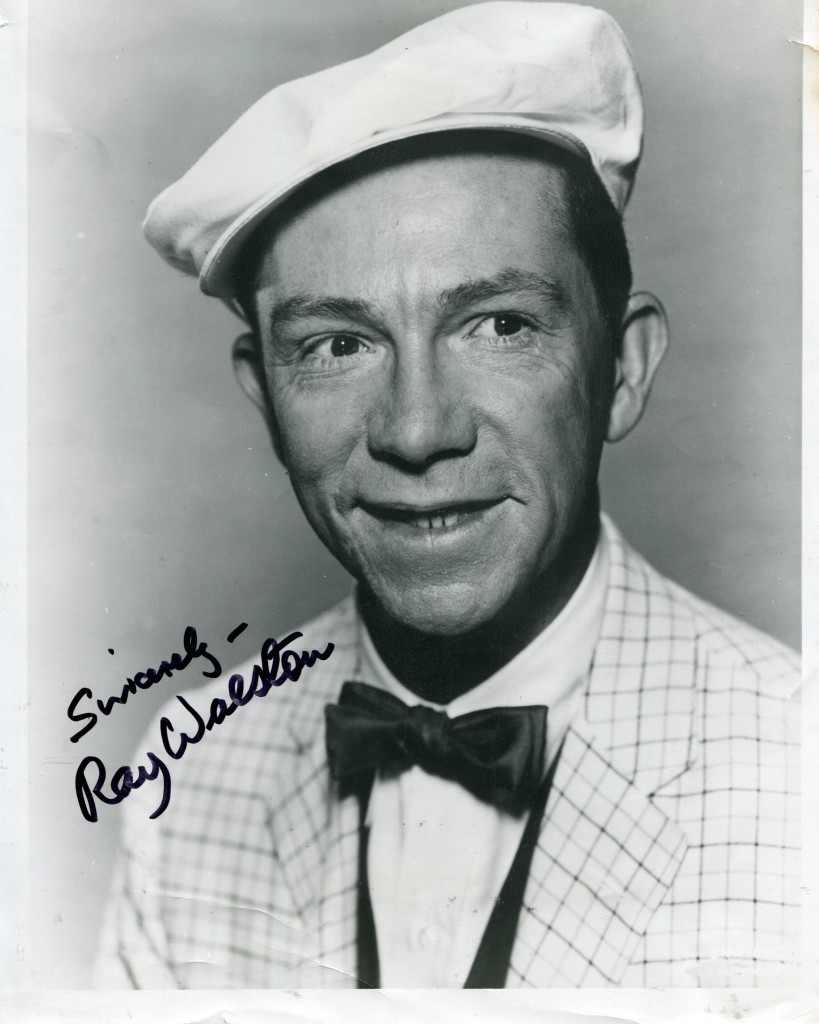
Ray Walston
Ray Walston
Ray Walston

“Guardian” obituary from 2001.

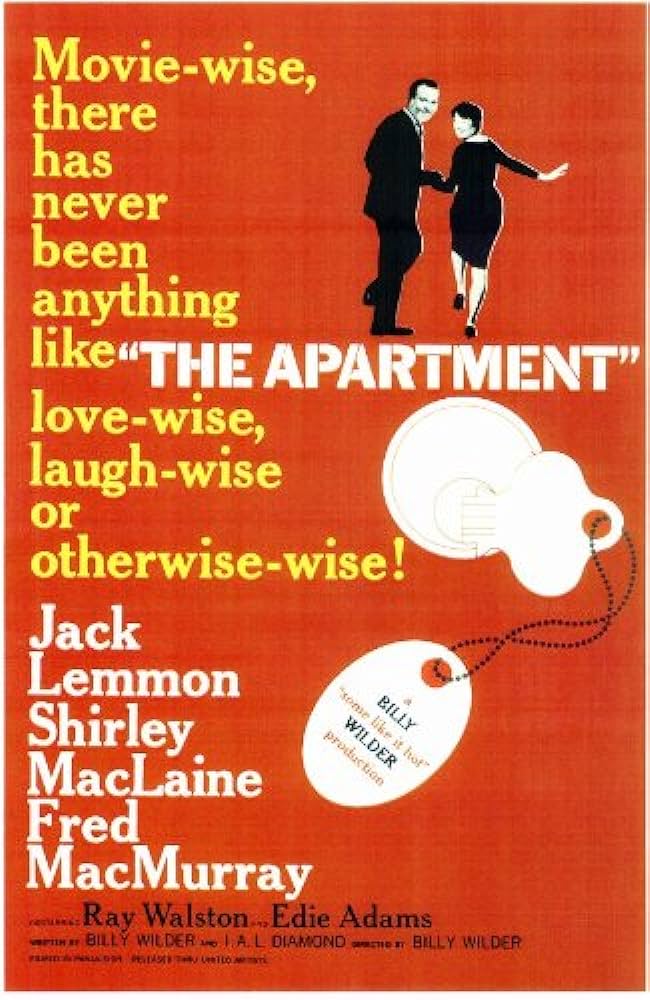
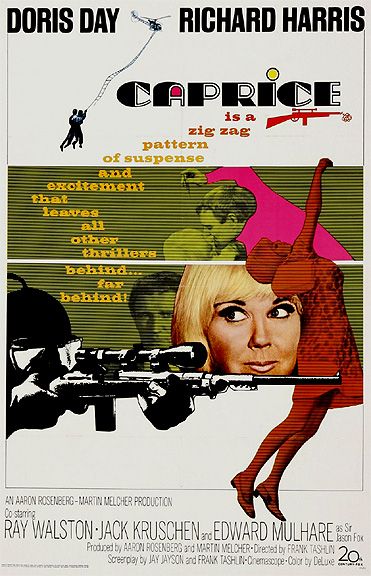
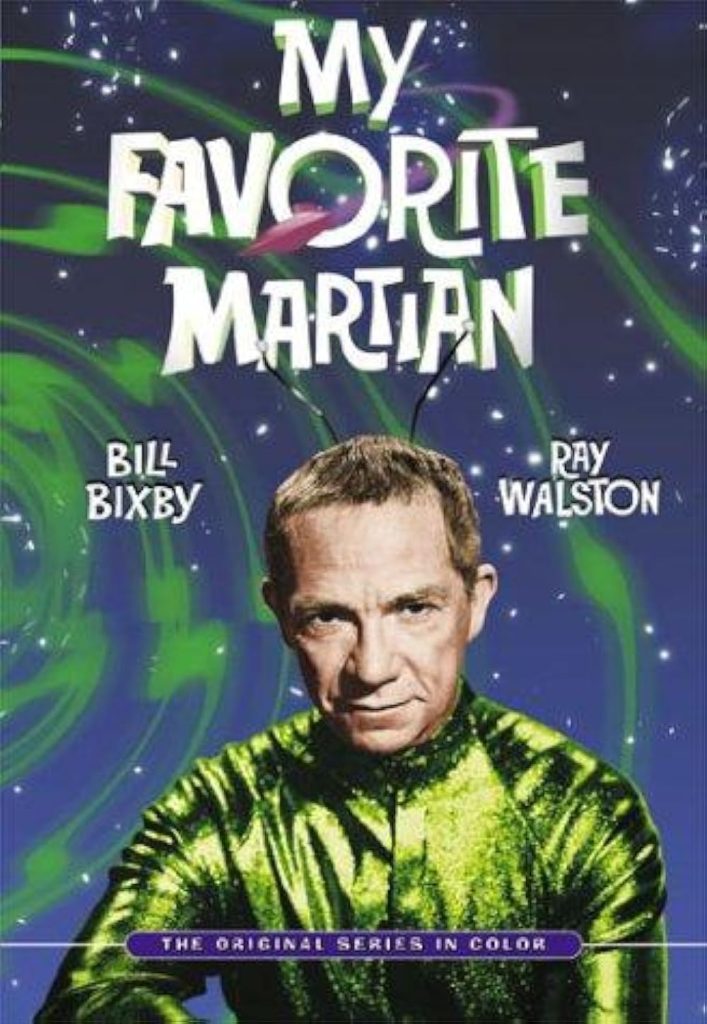
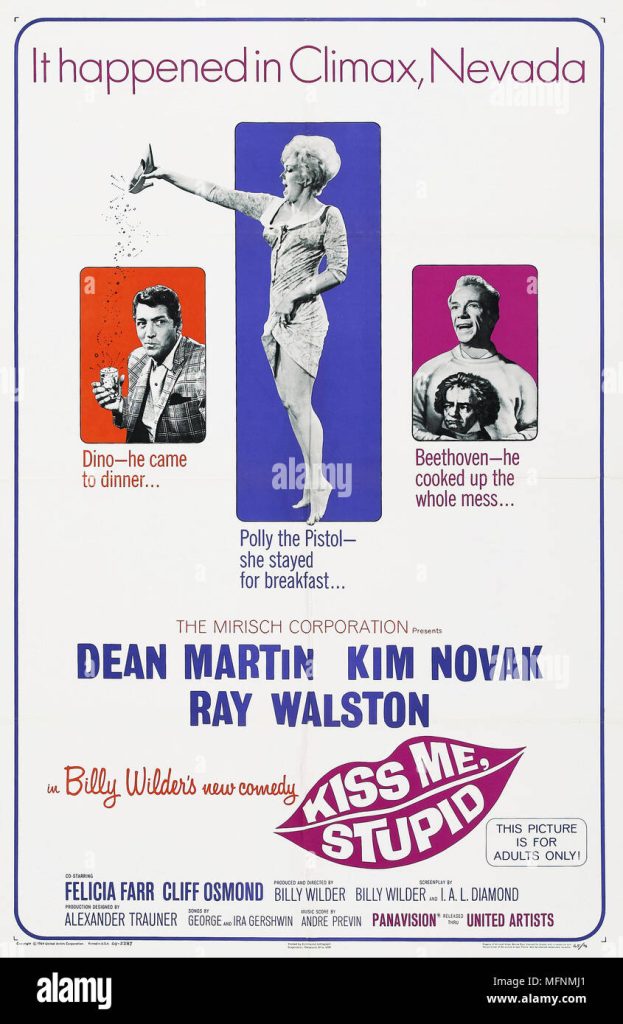
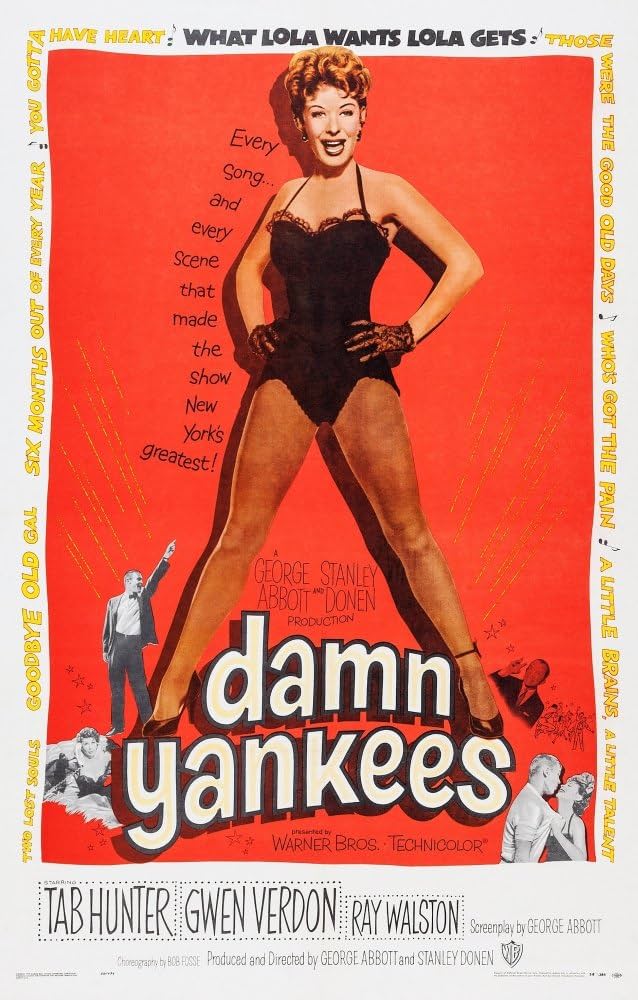
Ray Walston, who has died aged 83, was short, bald, had a clownish face and a penetrating, strangely articulated voice – ideal to play an extra-terrestrial, which he did from 1963 to 1966 on television in My Favourite Martian. The comic situations derived from Walston’s deadpan humour as the character struggles to adapt to a more primitive civilisation, his ability to appear and disappear uncontrollably, read minds, speak to animals and levitate.Walston was a down-to-earth character, who hated to be identified as the Martian for so long. He preferred to be remembered for two hit Broadway – and screen – musicals, South Pacific and Damn Yankees, his roles in Billy Wilder’s The Apartment and Kiss Me, Stupid, and a string of character parts.

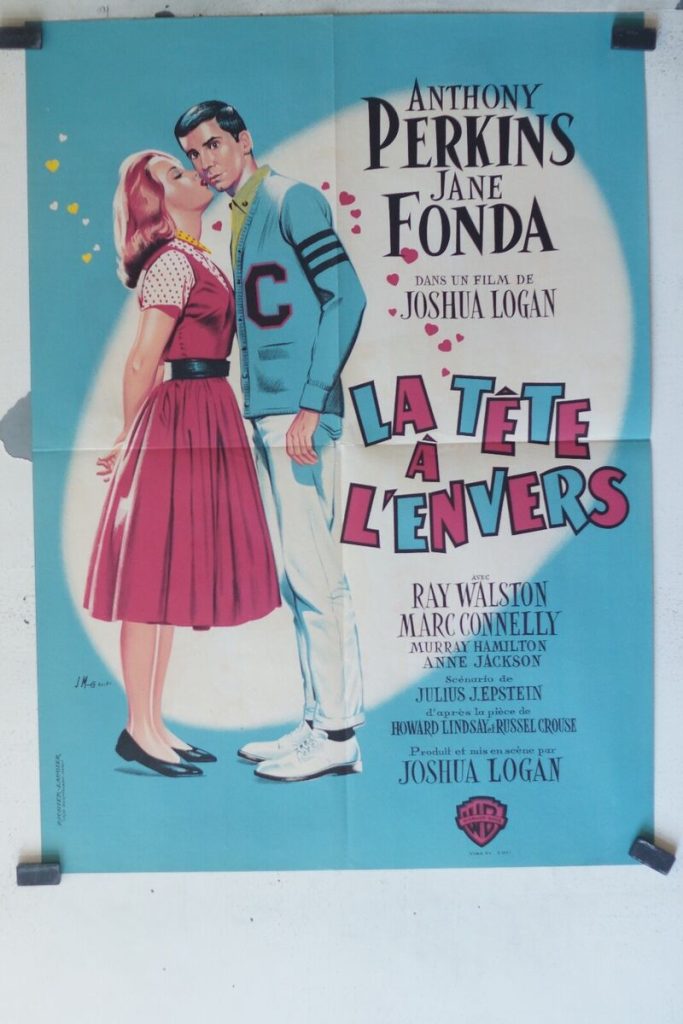
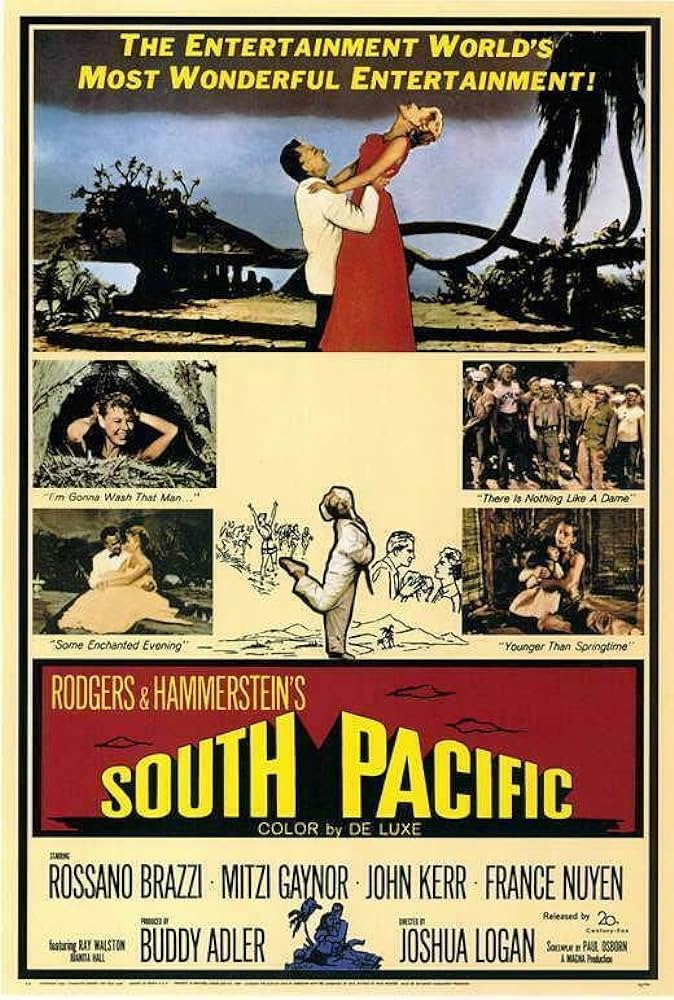
Walston was born in New Orleans, and made his professional debut for the Community Players in Houston, Texas, in 1938, playing Buddy in High Tor. It took him a few years, after working as a printer and reporter, before he returned to the profession. From playing an attendant in the Maurice Evans Hamlet in 1945 in New York, he went on to appear on Broadway in The Front Page, The Alchemist, and Tennessee Williams’s Summer And Smoke, before landing the role of the conniving marine, Luther Billis, in the touring production of Rogers and Hammerstein’s South Pacific in 1950. He repeated the role for two years at London’s Drury Lane, staged by Joshua Logan, who also directed Walston in the 1958 film version. Walston survived Logan’s stodgy direction, stealing every scene in which he appeared.

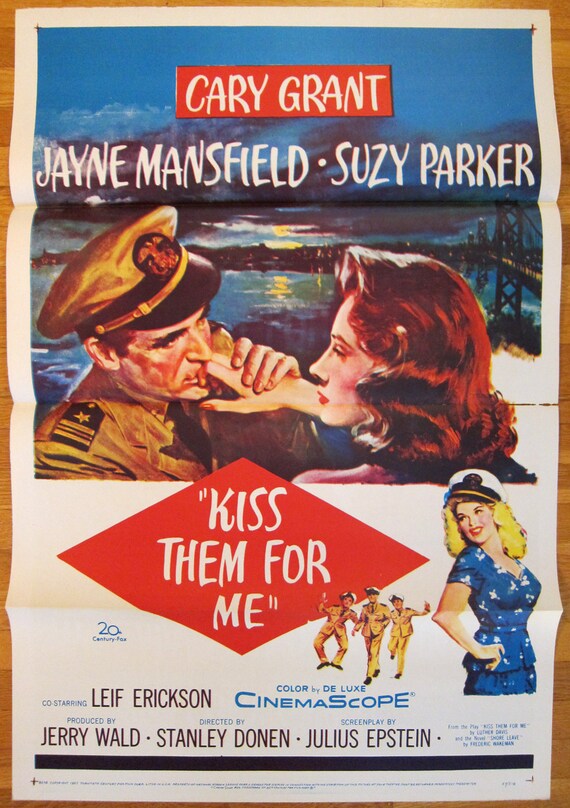
Before he made his film debut in 1957 as Cary Grant’s naval sidekick in Stanley Donen’s Kiss Them For Me, Walston sang in three more Broadway musicals, Rodgers and Hammerstein’s Me And Juliet, Harold Arlen’s House Of Flowers and George Abbott’s Damn Yankees. In the last, for which he received a Tony, and in the 1958 movie, Walston played a deliciously wicked and frustrated Devil in the human form of an entrepreneur called Mr Applegate, stopping the show with Those Were The Good Old Days.

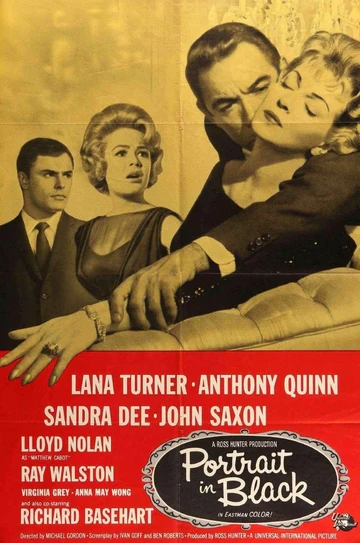
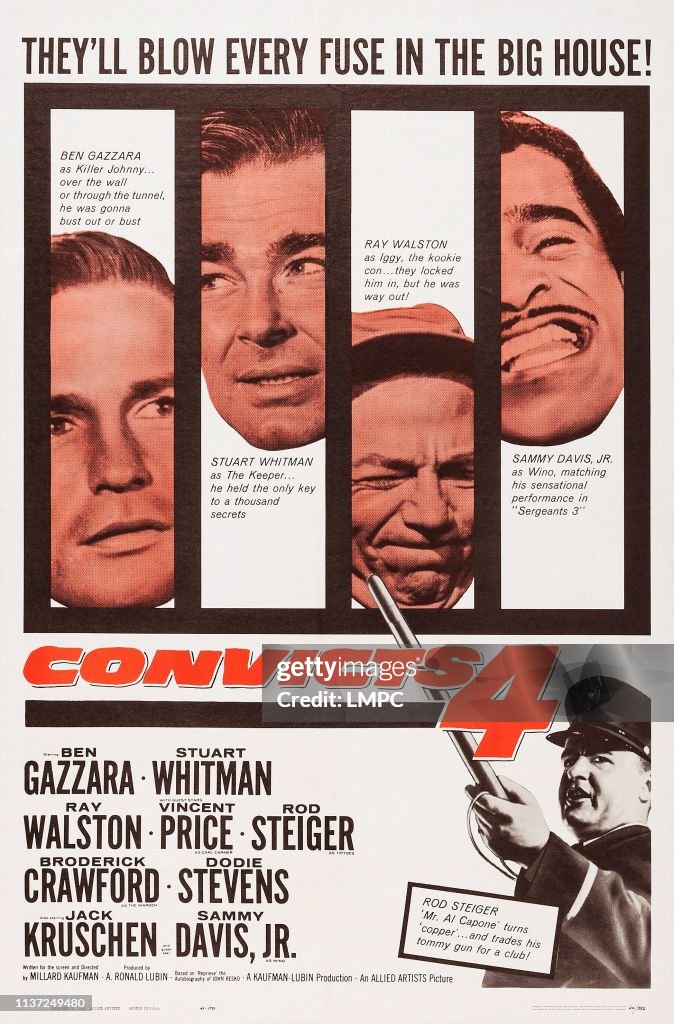
In 1960, Walston made The Apartment, in which he was one of the bosses using underling Jack Lemmon’s pad for assignations; a shifty chauffeur bringing some reality into the risible soap opera Portrait in Black; a title character in Convicts 4, and a professor trying to help student Anthony Perkins pass an exam to permit him to play in a basketball game in Josh Logan’s Tall Story.

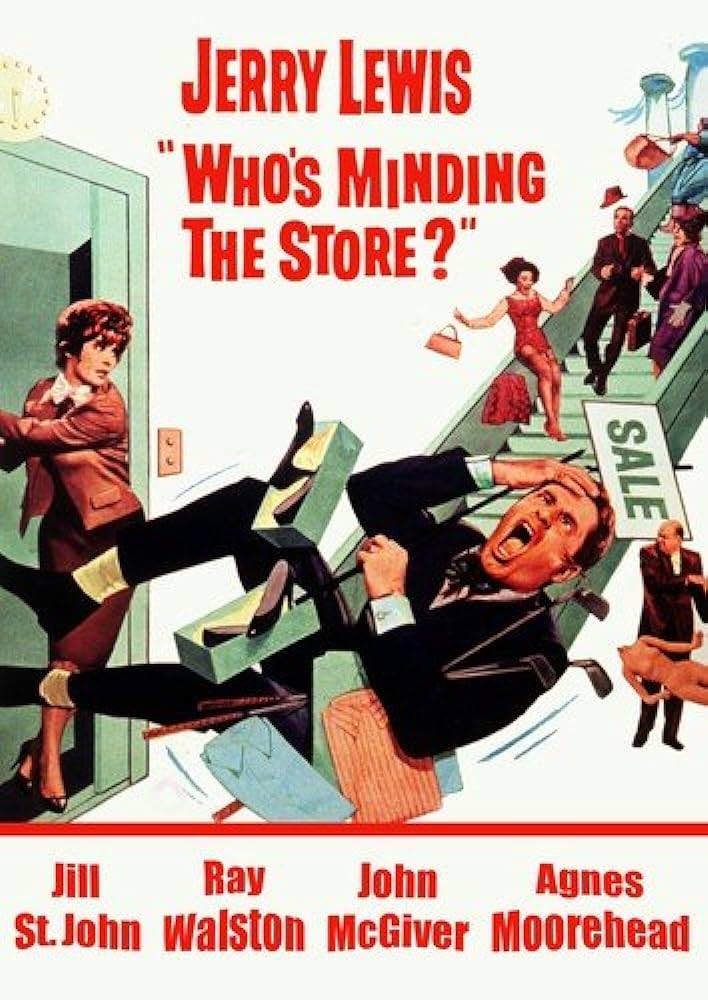
In 1963 Walston appeared as Mr Quimby, the shop manager in the Frank Tashlin-Jerry Lewis comedy, Who’s Minding The Store?, and returned to the big screen in Kiss Me, Stupid (1964). He got the part of Orville J Spooner when Peter Sellers suffered a heart attack. “Both my wife and I sat down and read the script,” Walston recalled, “and I said when I finished it, ‘It’s not good, it’s not good.’ But one doesn’t say that about a Billy Wilder- IAL Diamond script. The feeling was that they would repair it.” They did, and Walston was amusing as a jealous piano teacher and would-be songwriter in Climax, Nevada, who sends his wife away while horny crooner Dean Martin is staying with him, hiring local hooker Kim Novak to play his wife.

“I had a line, when I first bring Kim Novak into the house: ‘Well, it’s not very big but it’s clean.’ And they wanted it done with a slight look from her as if it meant my cock. ‘Hey, Ray,’ Wilder said. ‘Vat are the keedies gonna tink about you ven this film is released?’

“I replied, ‘What are people gonna say about you? How do you think you’re gonna get away with some of this stuff?’ “

IAL Diamond’s wife had her own thoughts: “They should have waited for Peter Sellers to recover, Ray Walston was too unattractive a personality.” She was right in that Walston seldom heeded the exhortatory song You Gotta Have Heart from Damn Yankees, his performances tending towards caricature.

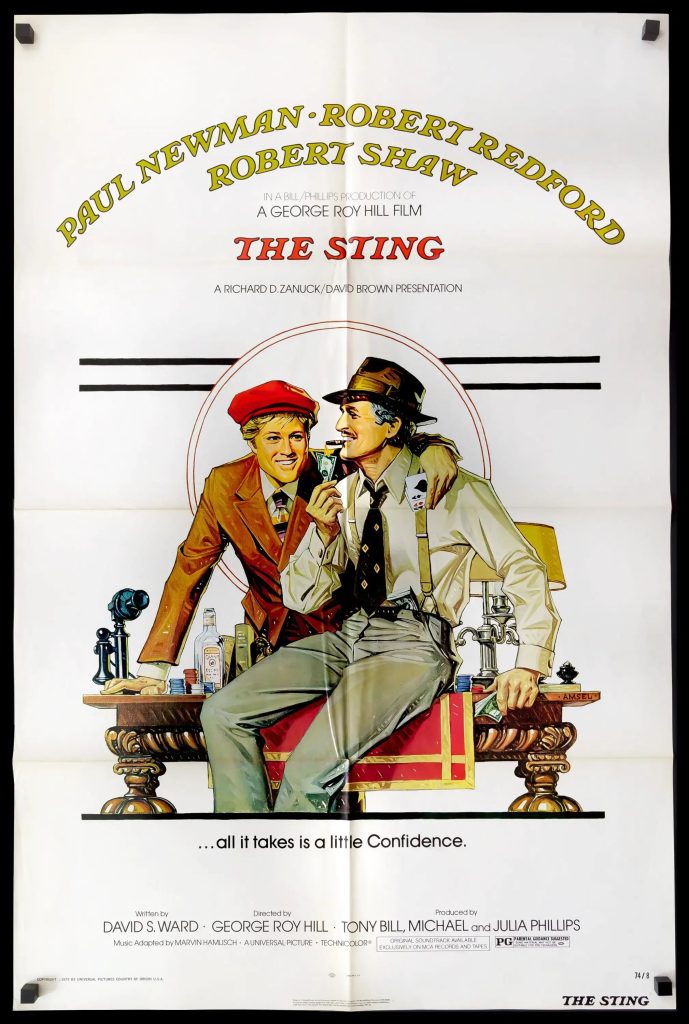
Walston worked on into the 1990s playing the race announcer in on a scam in The Sting (1973), one of the two killers pursuing Gene Wilder in Silver Streak (1976), Poopdeck Pappy in Robert Altman’s Popeye (1981), and the quirky schoolteacher in Fast Times At Ridgemont High (1982), a part he repeated in the TV series Fast Times. Aged 75, Walston gave one of his best, and warmest, performances in Of Mice And Men (1992) as the veteran farmworker Candy, heartbroken at his old dog having to be put down.

Walston is survived by his wife, daughter and two grandchildren.

The above “Guardian” obituary can also be accessed online here.

James McCaffrey
James McCaffrey
James McCaffrey

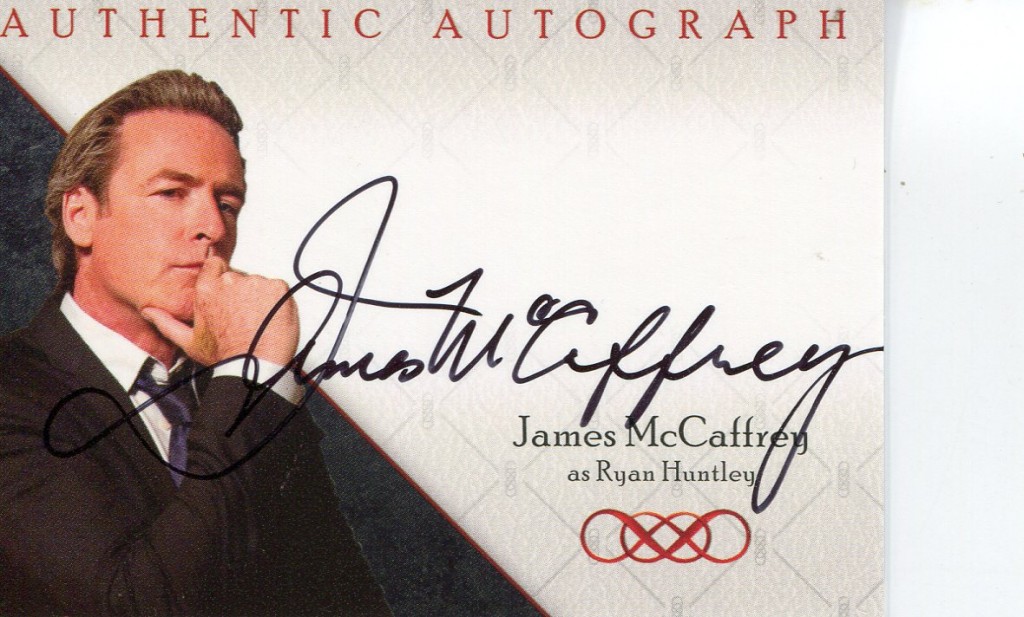
James McCaffrey was born in 1959 in Belfast, Northern Ireland. He is an actor and producer, known for Rescue Me (2004), Max Payne (2001) and Max Payne 2: The Fall of Max Payne (2003)   Born in Belfast, Northern Ireland; he was raised in Albany, New York.   Attended the University of New Haven on a football, baseball, and Fine Arts scholarships.After graduating from college, he moved to Boston, Massachusetts, where he earned a living as an artist, graphic designer, and commercial art director. He also worked as a bartender at Gatsby’s Restaurant on Boylston Street.   Has been a member of ‘The Actors Studio’ since 1987, and co-owned ‘The Workhouse Theatre’ in Tribeca, New York City from 1992-99.