Hollywood Actors

Collection of Classic Hollywood Actors

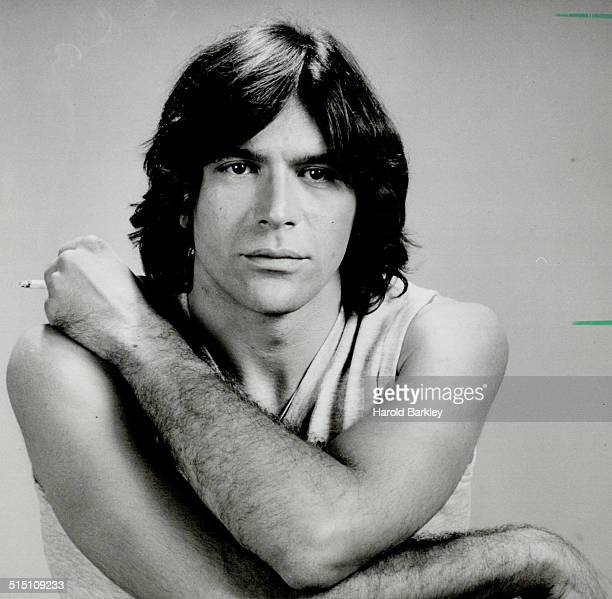
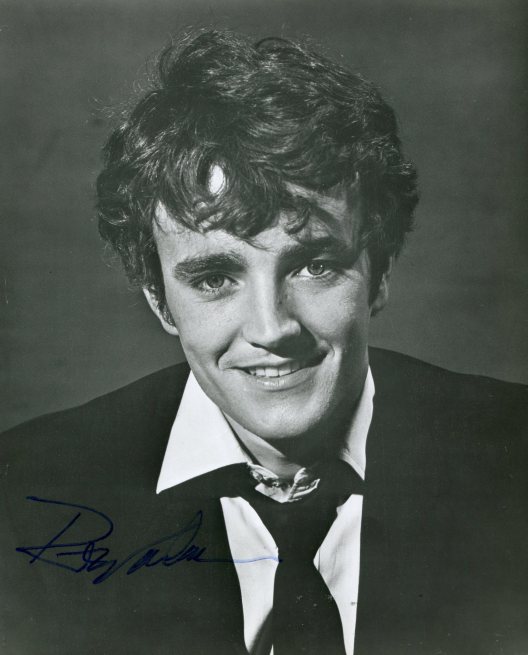
Robert Walker Jr.
Robert Walker Jr.
Robert Walker Jr.

IMDB entry:

Born at Queens Hospital on April 14, 1940. As the son of actors Robert Walker and Jennifer Jones, Robert Walker Jr. certainly had the right pedigree to make the grade in Hollywood. His parents separated when Robert was only three, and at age 9 his stepfather became the powerful film mogul David O. Selznick who by this time had already taken firm control of his mother’s career.

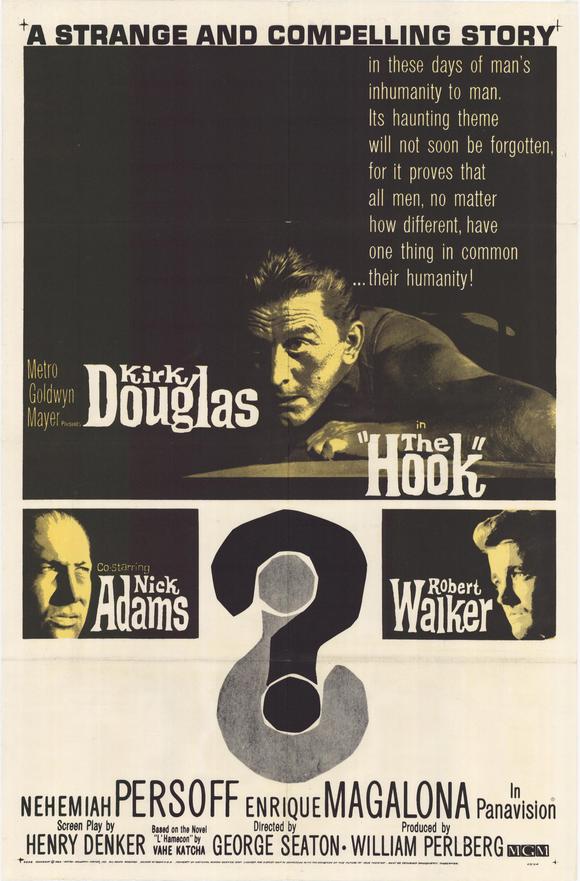
Robert Walker Jr. began training at the Actors’ Studio in the early 1960s. He also married wife Ellie Wood in the early 60s and they had three children. Walker Jr. preferred to find his own place in the entertainment field and tried to avoid the obvious comparisons, but his startling resemblance to his late father made it extremely difficult for film audiences to separate the two. He started his film career in good company and with two strong roles in The Hook (1963), a morality story set during the Korean war starring Kirk Douglas and Nick Adams, and The Ceremony (1963) in which he received a Golden Globe Award for “promising newcomer” as Laurence Harvey‘s brother. Walker Jr. also worked on TV and earned a Theatre World Award for his two 1964 off-Broadway roles in “I Knock at the Door” and “Pictures in the Hallway.”

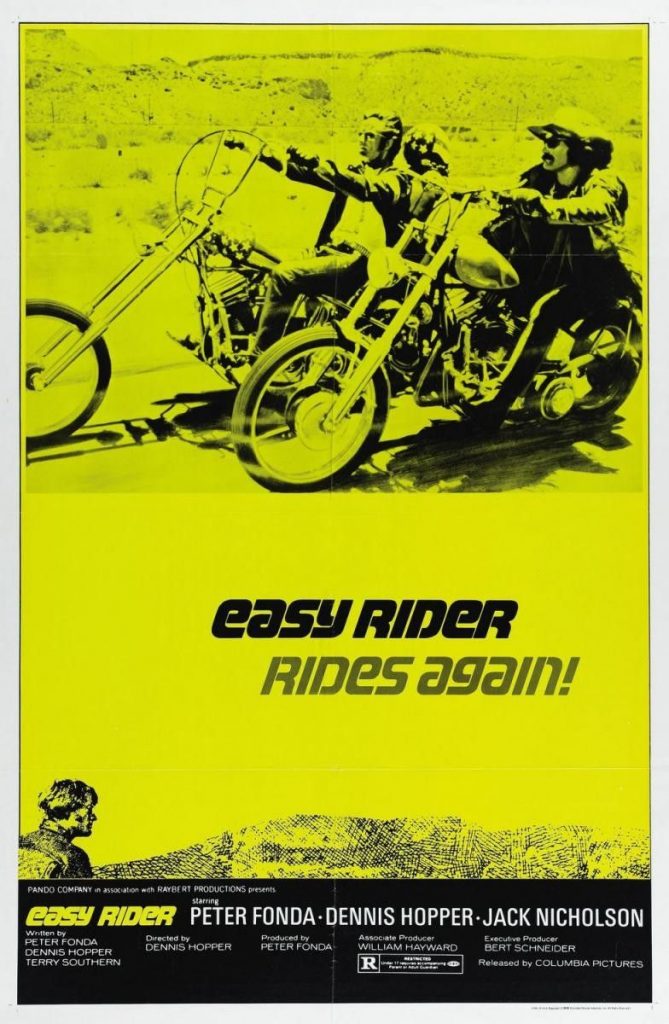
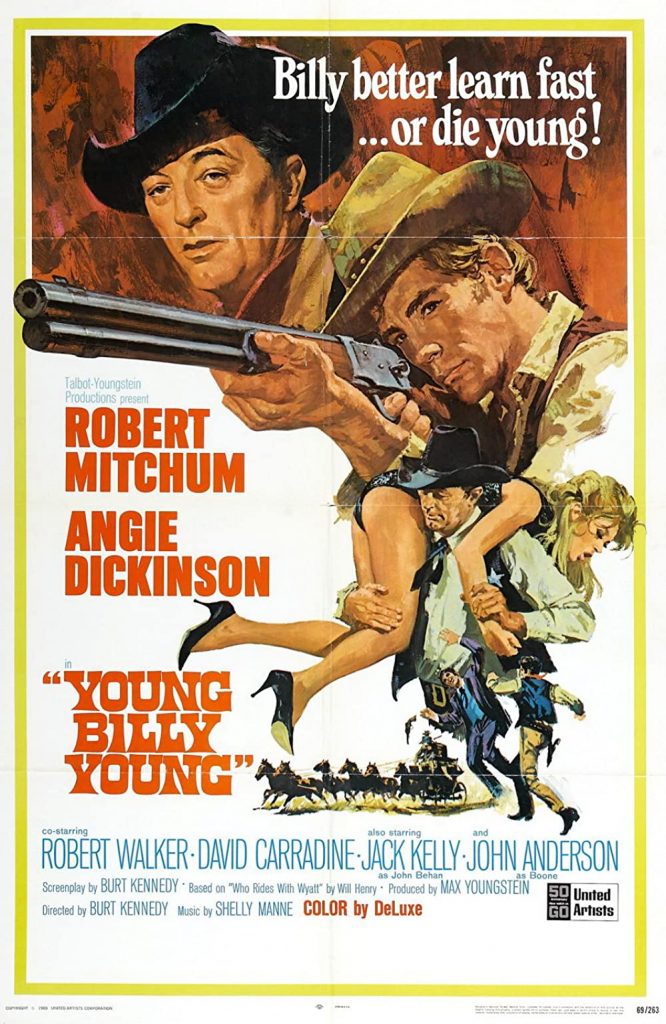
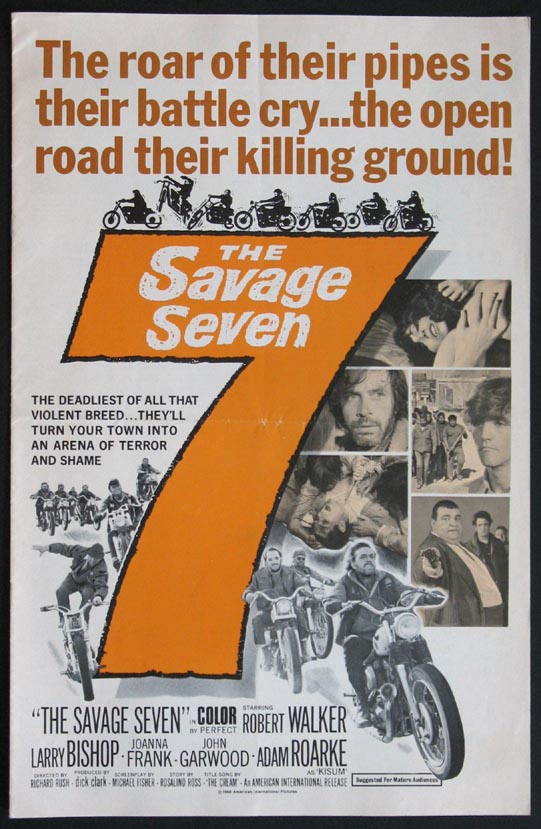
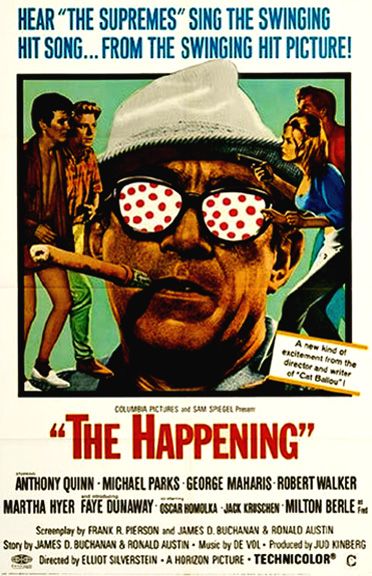
Of slight build and boyishly handsome, Robert seemed on his way when he was handed the biggest challenge of his film career taking over Jack Lemmon‘s Oscar-winning role as Ensign Pulver (1964) in the sequel to the popular service comedy Mister Roberts(1955). Unfortunately, his comparison to Lemmon paled significantly and the script had neither the charm nor wit of its predecessor. The film and Walker were torpedoed by the reviewers and Walker lost major ground in Hollywood. Despite his obvious talent, his subsequent films lacked the quality and promise of his first two, which included The Happening (1967), The Savage Seven (1968), Killers Three (1968) and the title role in Young Billy Young (1969) starring Robert Mitchum. He and his wife Ellie appeared in roles in the hit cult film Easy Rider (1969).

Robert had guest roles in many popular television series during the 1960s, 70s, and 80s. In The Big Valley episode, “My Son, My Son,” aired on November 3, 1965, Walker portrayed Evan Miles, an emotionally disturbed college dropout who becomes obsessed with childhood friend Audra Barkley. He played the title role and another emotionally disturbed character, a troubled actor who lived and performed on the streets and in circuses, in The Naked City episode “Dust Devil on a Quiet Street” from Nov. 28, 1962. He had a memorable role in Star Trek as “Charles ‘Charlie’ Evans” in the episode “Charlie X”, which aired 15 September 1966. In addition, he played Billy the Kid in episode 22 of The Time Tunnel, which originally aired on February 10, 1967, and also portrayed Nick Baxter, an ill alien who caused the deaths of humans by touch, in the episode “Panic” in the television series The Invaders, which aired on April 11, 1967. He played Mark Cole in the October 29, 1967 episode of Bonanza titled ‘The Gentle Ones’. He also had a role in an episode of Columbo, “Mind Over Mayhem”, (1974) and in the 5th season of the series Combat! in the episode “Ollie Joe”. In later years, Walker maintained on TV episodes, his final appearances occurring in 1991 with L.A. Law and In the Heat of the Night.

Robert Walker died in 2019 at the age of 79.

– IMDb Mini Biography By: JT Atkin

The above IMDB entry can also be accessed online here.

Variety obituary in 2019:

Robert Walker Jr., son of actors Robert Walker and Jennifer Jones, died Thursday, his family confirmed to the official website for the television show “Star Trek.” He was 79.

Walker Jr. is best remembered for playing the titular Charlie Evans in the “Star Trek” episode “Charlie X” from the show’s first season in 1966. His character was a teenage social misfit with psychic powers. The episode was written by D.C. Fontana who also died earlier this week.

Walker Jr. also starred in a handful of 1960s pictures including “Ensign Pulver” with Burl Ives and Walter Matthau, and “Young Billy Young.”

He was born in Queens, New York in 1940, by which time his father was just launching his career as an actor. Walker Sr. was of course best known for playing the role of murderous psychopath Bruno Antony in Alfred Hitchcok’s “Strangers on a Train.” The film was released shortly before his death of a suspected overdose in 1951. Jones was also a highly successful actress who was nominated for five Academy Awards, winning one for playing Bernadette Soubirous in 1943’s “The Song of Bernadette.” Walker Sr. and Jones divorced in 1945, with the latter re-marrying “Gone With the Wind” and “Rebecca” producer David O. Selznick.

In 1967, Walker Jr. starred in “The War Dragon” with John Wayne and Kirk Douglas. His career throughout the ’80s and ’90s mostly consisted of guest appearances in TV shows, including two cameos in “Murder, She Wrote” opposite Angela Lansbury. Later on in his TV career, Walker Jr. appeared in “L.A. Law” and “In the Heat of the Night,” both in 1991.

His final screen credit was a small role in the 2018 thriller “Beyond the Darkness.”

Robert Walker Jr. (1940–2019) occupied a unique and somewhat haunted space in Hollywood. As the son of two icons—the sensitive, tormented Robert Walker and the luminous Jennifer Jones—he carried a physical resemblance to his father that was both a professional asset and a personal burden.

A critical analysis reveals an actor of quiet, soulful intensity who excelled at playing the “alienated youth” and the “gentle dreamer.” While he never achieved the supernova stardom of his parents, he became a beloved figure in cult cinema and television, often providing the moral “heart” of a story.


I. Career Overview: The Gentle Rebel

1. The Television Apprenticeship (1960s)

Walker Jr. began his career during the transition from the studio system to the gritty realism of the 60s. He was a frequent guest star on classic Westerns like The Virginian and The Big Valley.

  • The “Kook” Archetype: He often played characters who were slightly “off”—not villains, but sensitive outsiders. His breakout was the title role in the Star Trek episode “Charlie X” (1966), where he played a lonely teenager with god-like powers.

2. The Counterculture Era (1967–1972)

Critically, this was his most significant period. He became a face of the “New Hollywood.”

  • The War Wagon (1967): Alongside John Wayne and Kirk Douglas, he played Billy Hyatt, a young explosives expert with a drinking problem. He held his own against these titans by playing “vulnerability” rather than “toughness.”

  • Easy Rider (1969): He had a brief but memorable role as Jack, part of the hippie commune. He embodied the peaceful, idealistic side of the 60s counterculture.

3. The Cult and Western Veteran (1970s–1990s)

In his later career, he moved into genre films and continued to be a prolific guest star in shows like ColumboMurder, She Wrote, and L.A. Law.

  • The Legacy Connection: He often appeared in roles that mirrored the “sensitive loner” roles his father had played, but with a more grounded, 1970s sensibility.


II. Detailed Critical Analysis

1. The “Charlie X” Performance: A Study in Pathos

Critically, “Charlie X” is considered one of the finest guest performances in Star Trek history.

  • The Unsettling Youth: Walker Jr. utilized his “soft” features to create a character who was simultaneously terrifying and heartbreaking. He didn’t play Charlie as a “monster”; he played him as a boy who lacked the emotional tools to handle his power.

  • Physicality of Loneliness: Analysts point to his slumped posture and darting eyes—he looked like a person who had never been hugged. This ability to project deep-seated isolation was his greatest dramatic gift.

2. Subverting the “Western” Youngster

In the 1950s Westerns you love, the “young gun” was often cocky and aggressive. Walker Jr. changed that in the late 60s.

  • The Fragile Gunslinger: In The War Wagon, his character is an alcoholic who is scared. Critics note that Walker Jr. brought a “modern anxiety” to the Western. He didn’t try to out-macho John Wayne; instead, he played the “human cost” of the frontier. He was the “Kitchen Sink” actor of the Wild West—bringing realistic, messy emotions to a genre that was often mythic.

3. The Burden of the Face

A significant critical theme in his career was his resemblance to his father. * Ghostly Resonance: When he appeared in The Day of the Wolves or Young Billy Young, audiences couldn’t help but see the elder Robert Walker (Strangers on a Train).

  • Independent Spirit: Despite the resemblance, critics praised him for his lack of artifice. He was a much more “natural” actor than his father; he lacked the manic edge of the elder Walker, replacing it with a “mellow, grounded” presence. He was a man who seemed more at peace with the camera than his parents ever were.


Iconic Performance Highlights

Work Role Year Critical Legacy
Star Trek Charlie X 1966 Defined the “Tragic All-Powerful Child” trope.
The War Wagon Billy Hyatt 1967 Reimagined the “Western Sidekick” as a vulnerable human.
Easy Rider Jack 1969 Became a visual symbol of the 60s “Commune” ideal.
Young Billy Young Billy Young 1969 A rare lead role that showcased his “Quiet Hero” potential.

Robert Walker Jr. was the “Gentle Soul” of a turbulent Hollywood. He lived in the shadow of giants but managed to carve out a career defined by its own quiet, unpretentious integrity. His legacy is one of “Sincere Presence”—he was an actor who reminded us that even in the middle of a Western shootout or a Space epic, the most important thing is the human heart

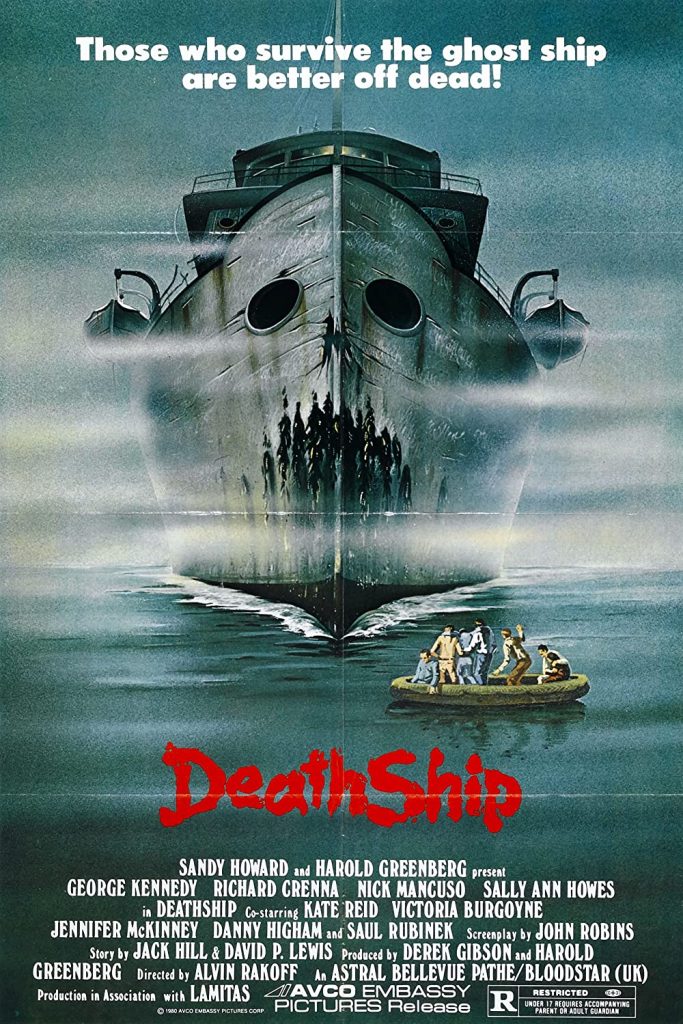
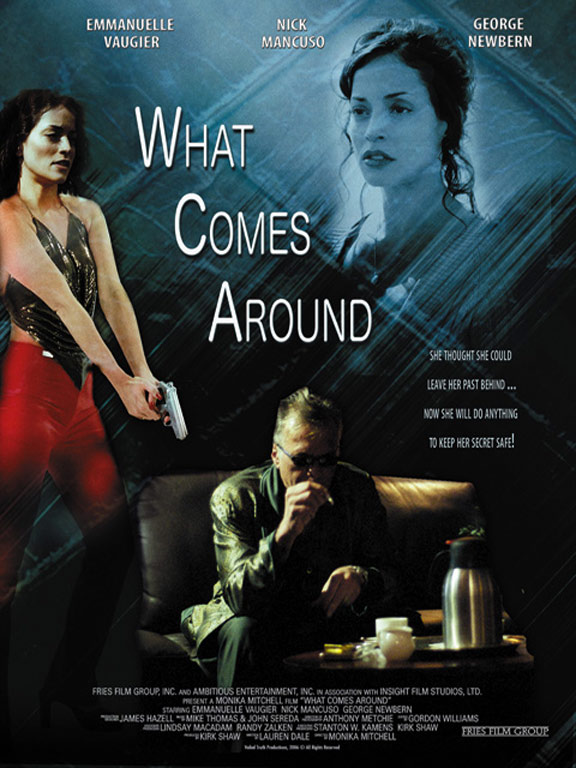
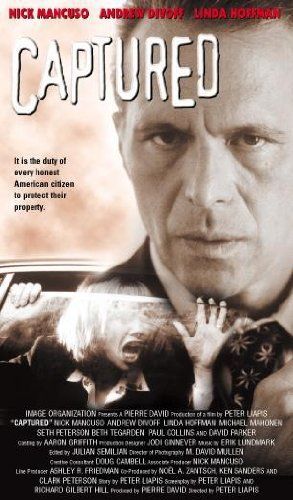
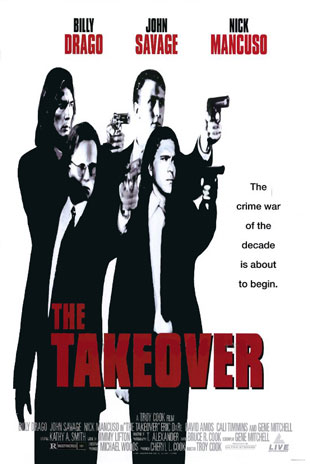
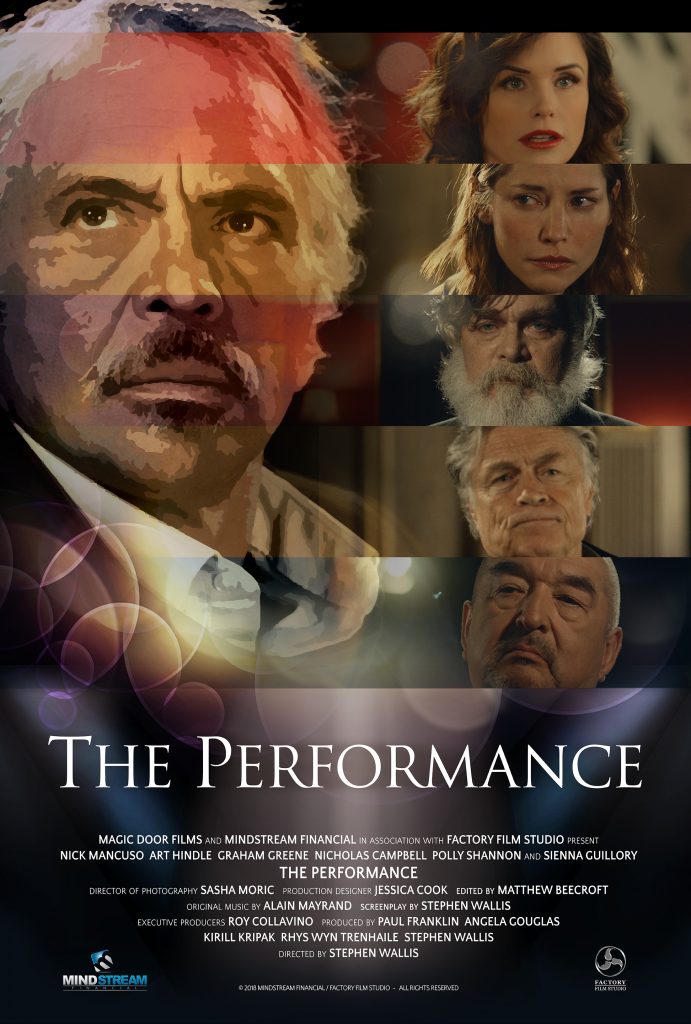
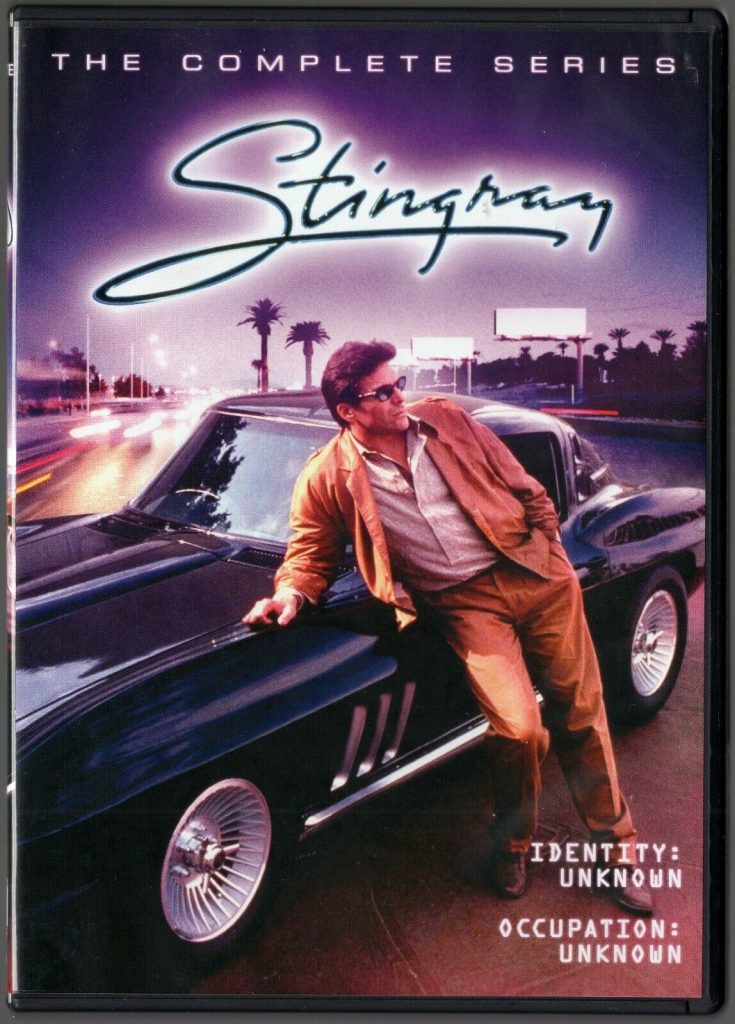
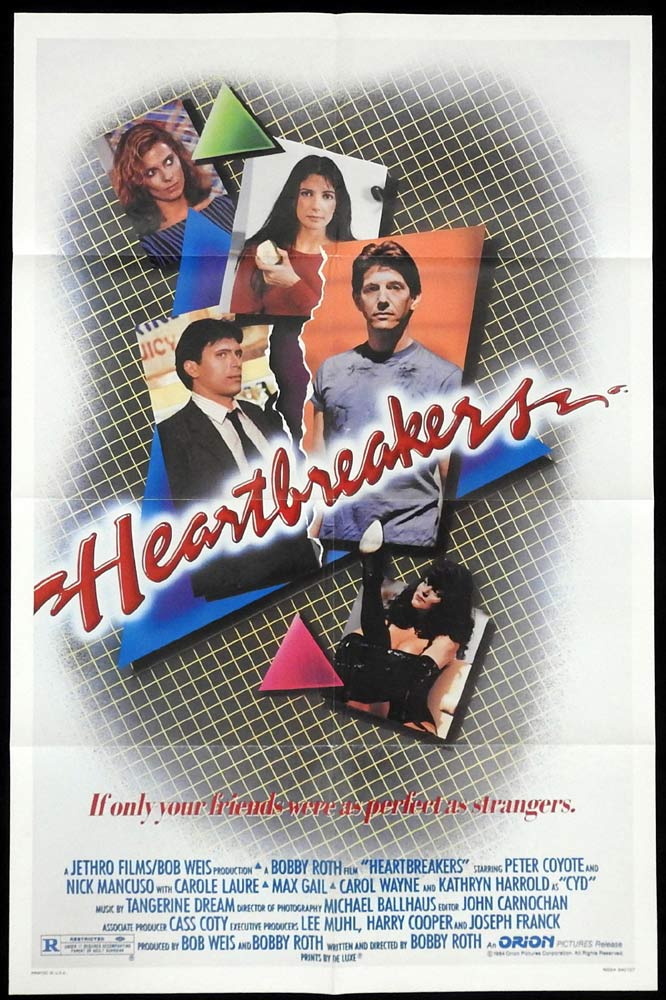
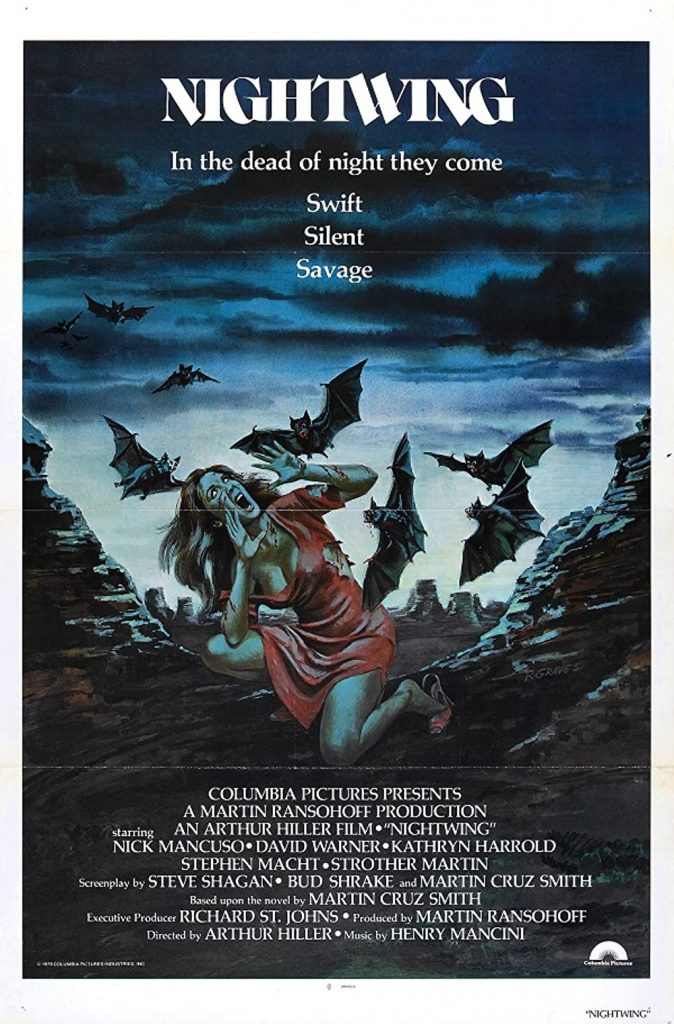
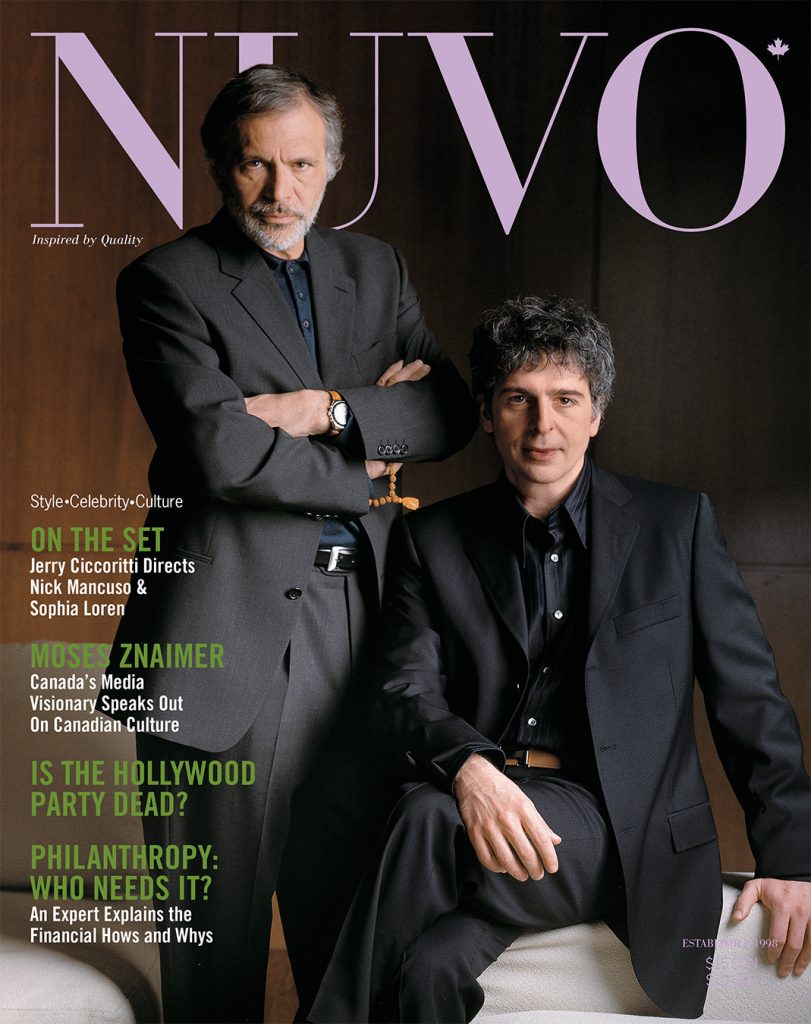
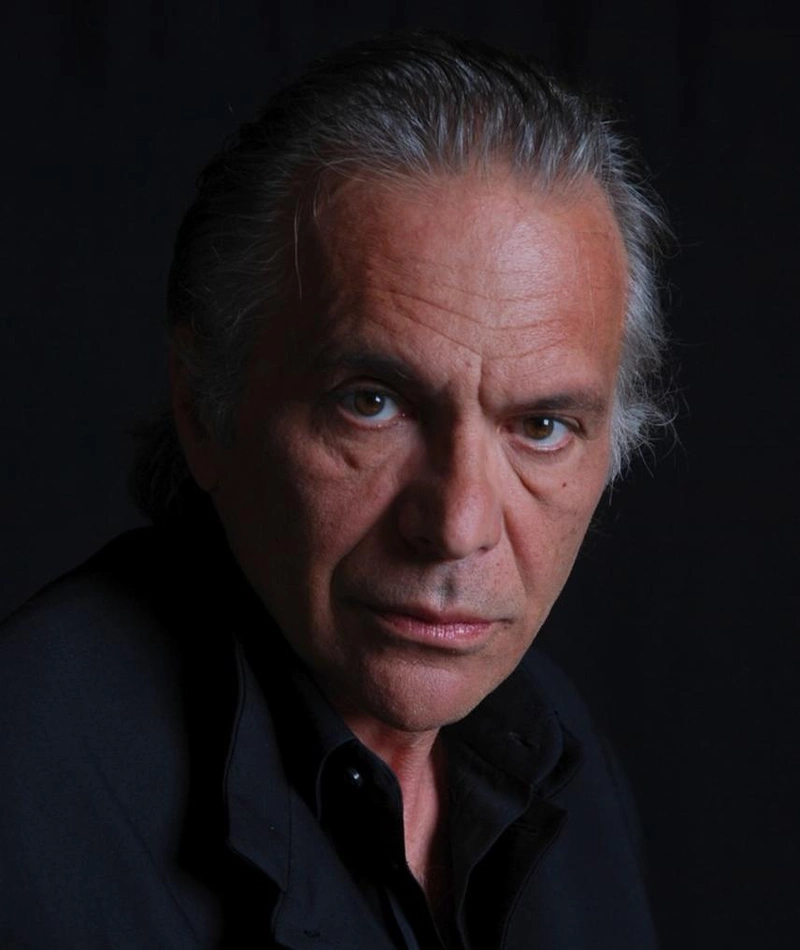
Nick Mancuso
Nick Mancuso
Nick Mancuso

TCM Overview:

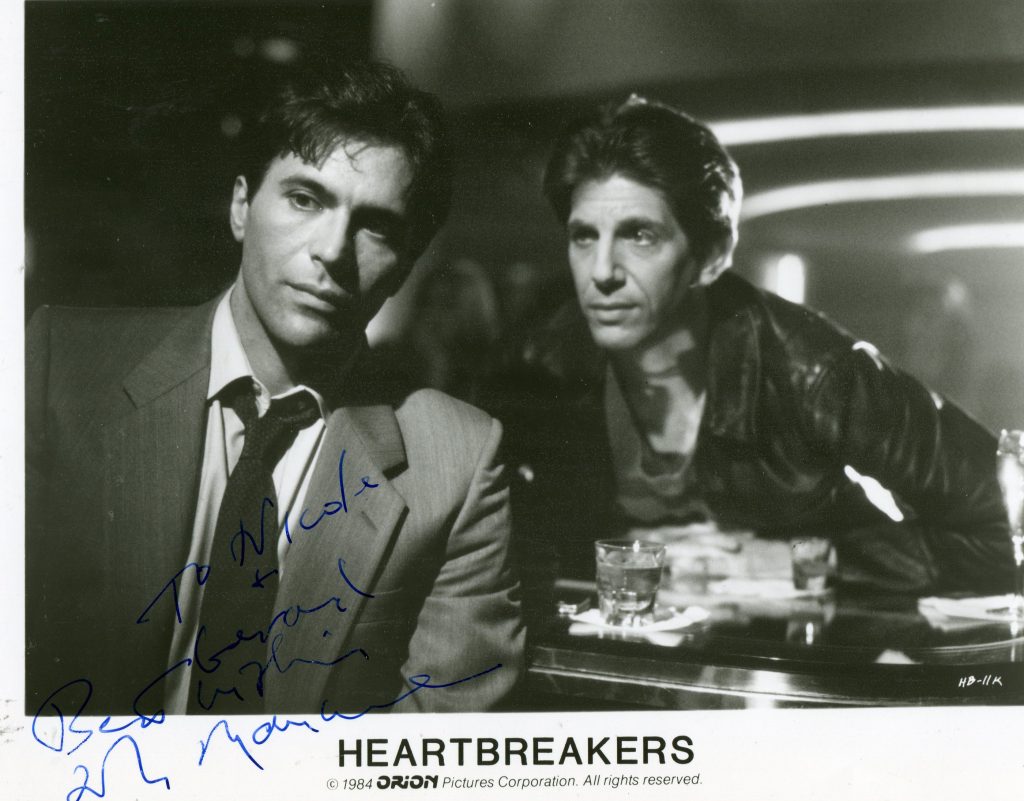
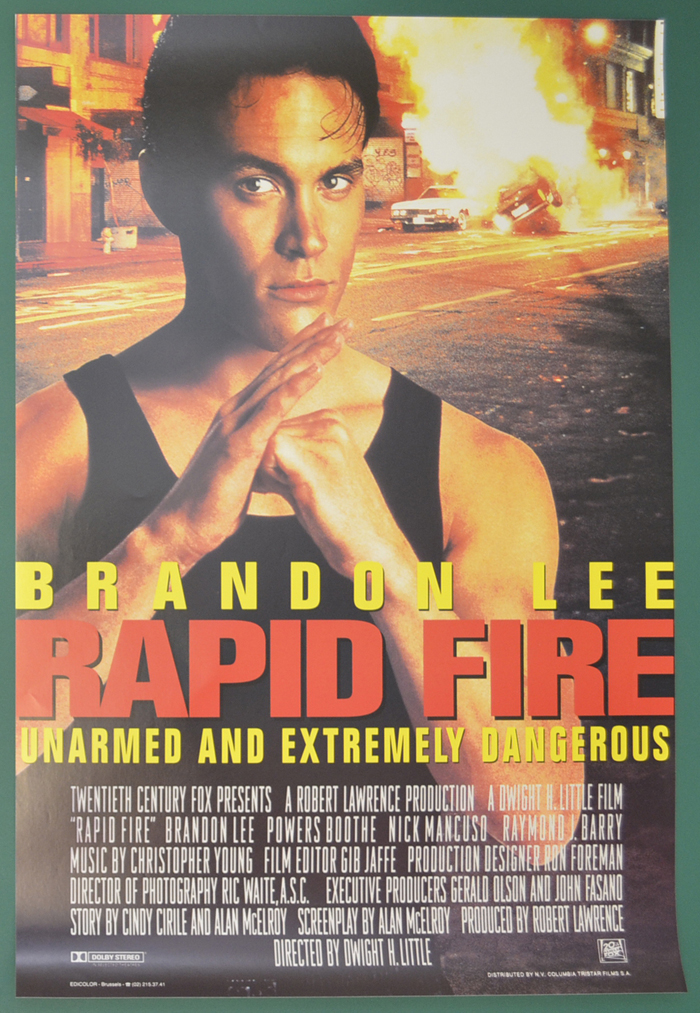
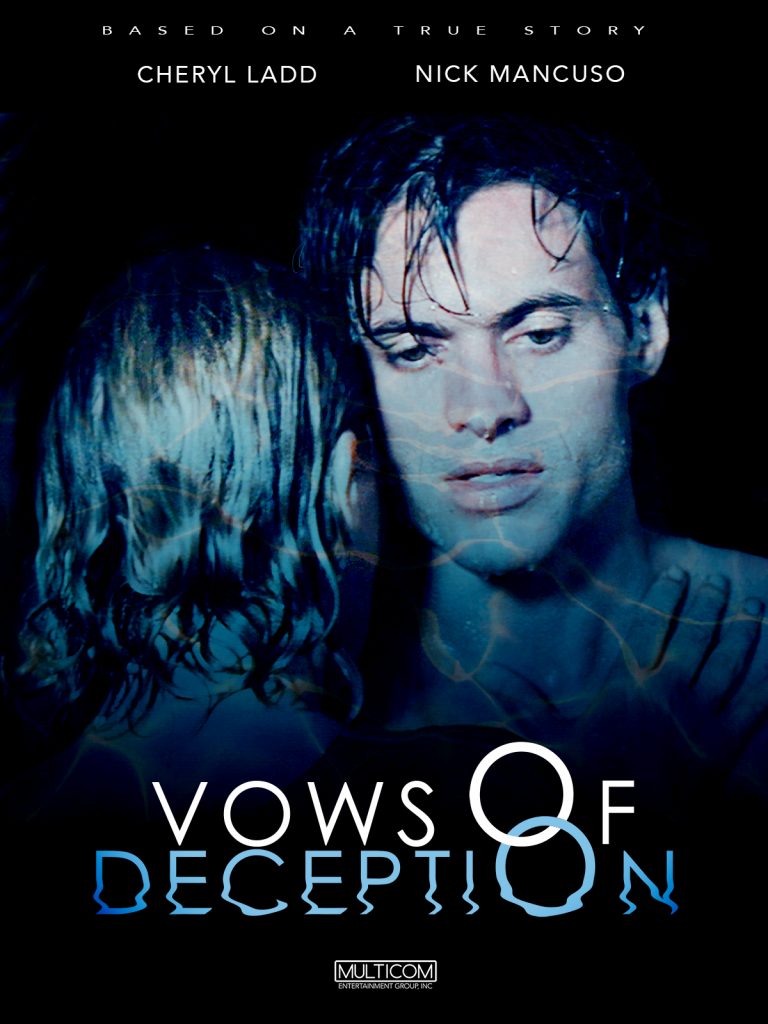
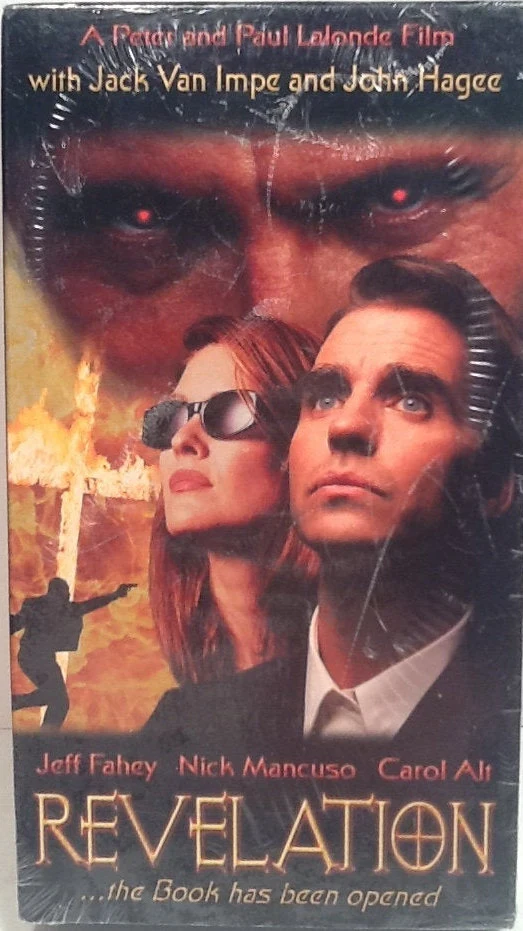
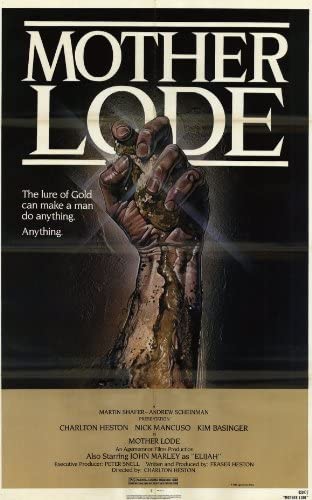
Effectively cast as both amiable heroes and imposing figures of evil, Italian-born actor Nick Mancuso established himself as a new and valuable performer on stage in productions put on by the Stratford Festival and the Toronto Free Theater. He made his Hollywood motion picture debut in the horror outing “Nightwing” (1979), which proved to be a failure, but Mancuso quickly bounced back with one of his finest performances in “Ticket to Heaven” (1981) as a downtrodden man seduced into joining a cult. From that point onward, he alternated between working in the United States and Canada, including the fondly remembered “Stingray” (NBC, 1985) and its short-lived series offshoot, and such major studio pictures as “Under Siege” (1992) and “Rapid Fire” (1992). Moving back and forth from lead roles to more character-oriented assignments, Mancuso’s dark good looks and multilingual abilities also made him the perfect choice to play different ethnicities. Although he was rarely at a loss for employment, Mancuso launched a new career path later in life as an enthusiastic advocate for healthy life choices and homeopathic alternatives to conventional medication. While never a bona fide star by Hollywood standards, Mancuso commanded a great deal respect amongst both his peers and the public for an impressively lengthy and varied acting history in three mediums.

The above TCM Overview can also be accessed online here.

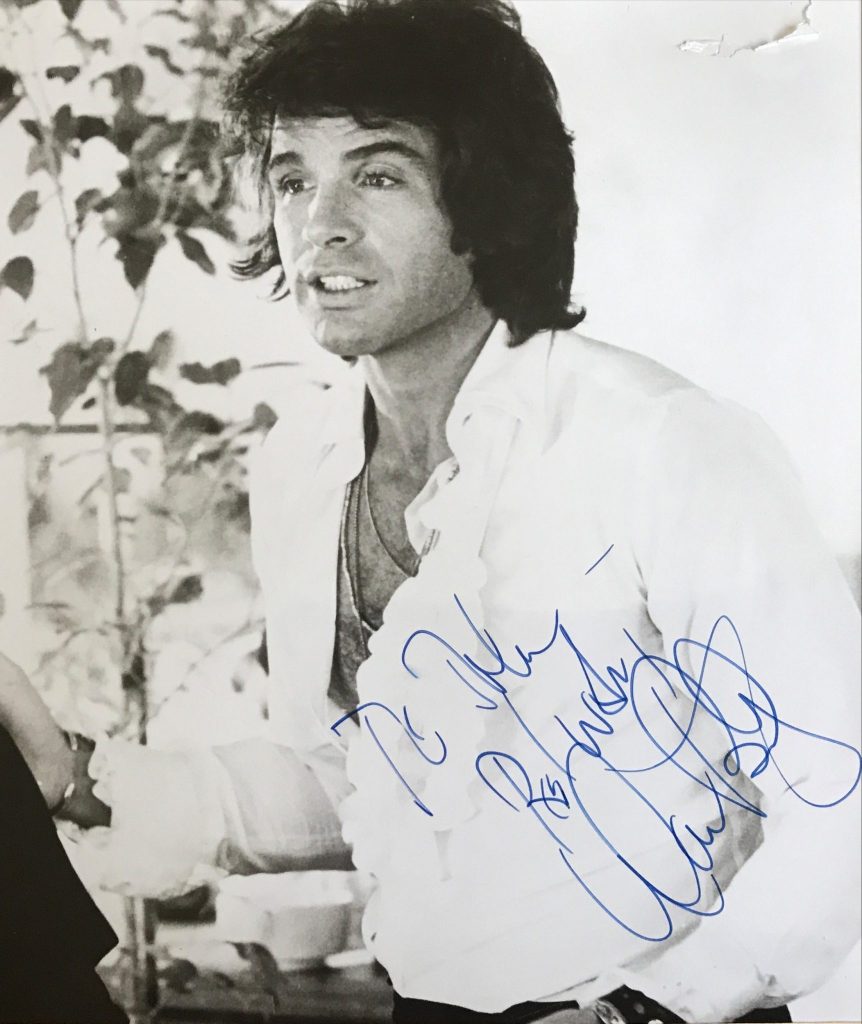
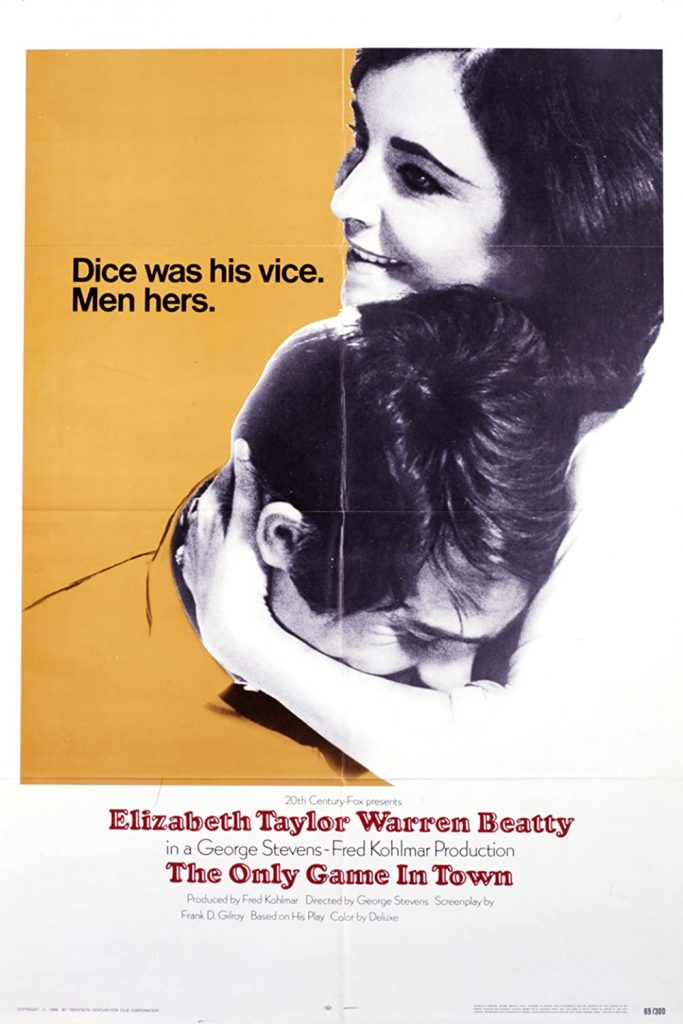
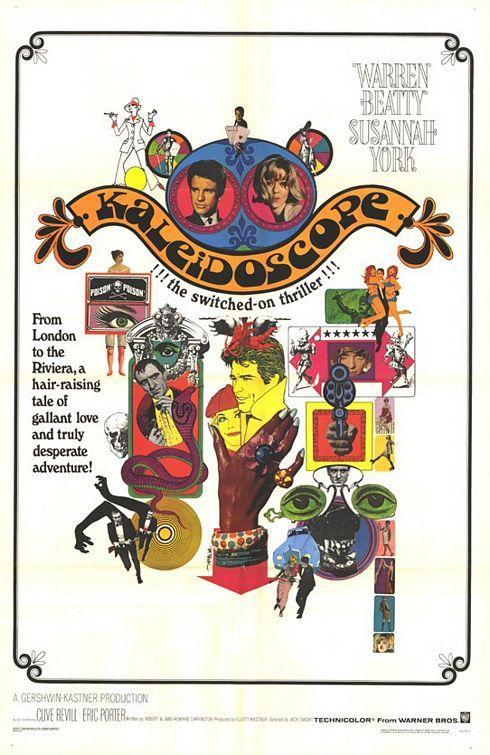
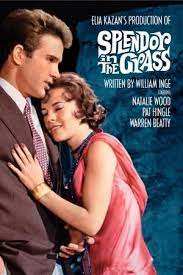
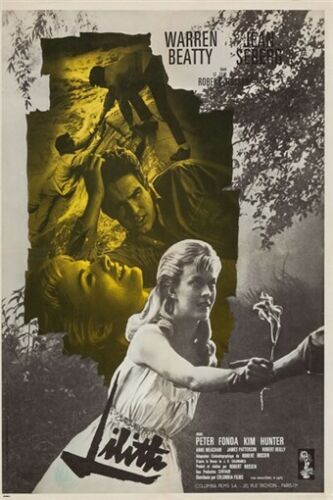
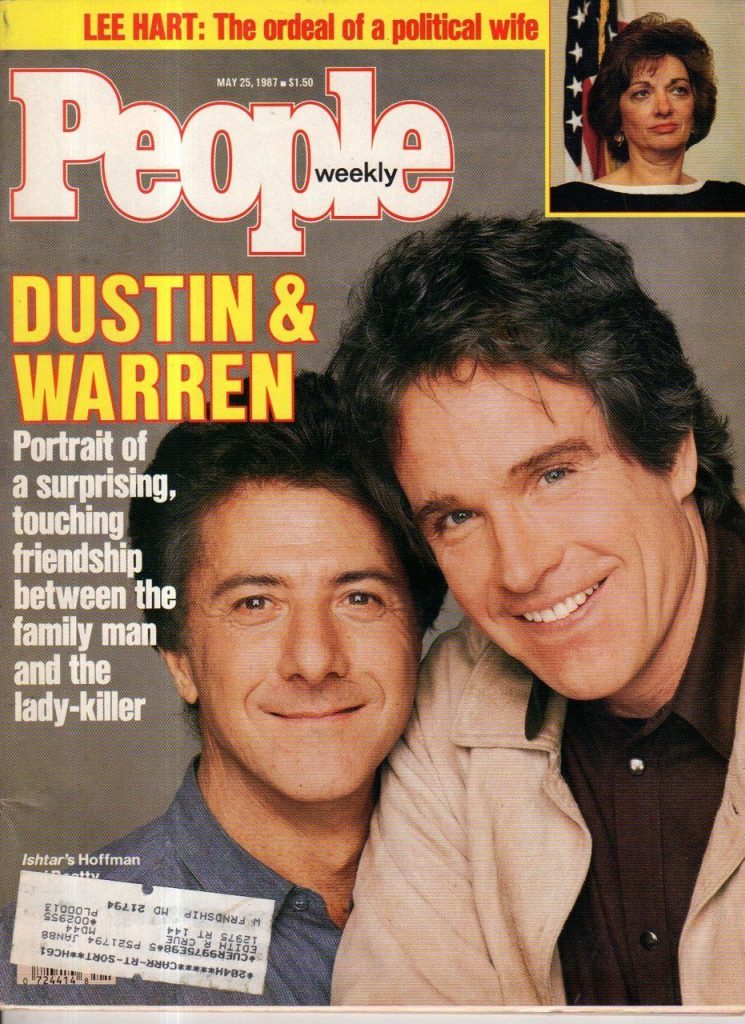
Warren Beatty
Warren Beatty
Warren Beatty

Warren Beatty. TCM Overview

TCM Overview:

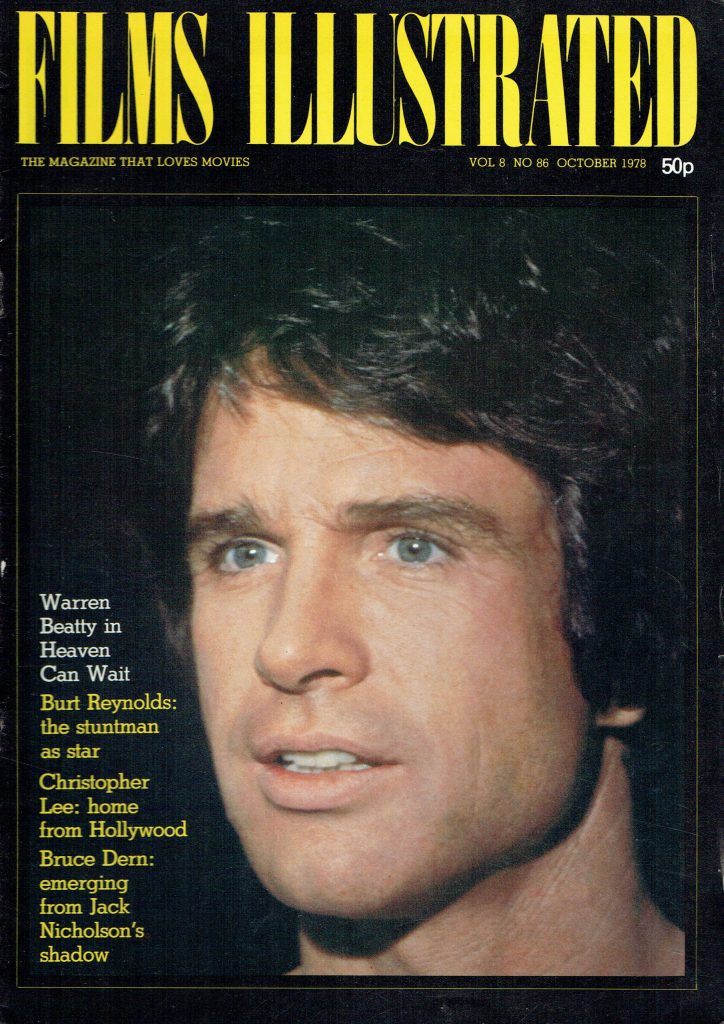
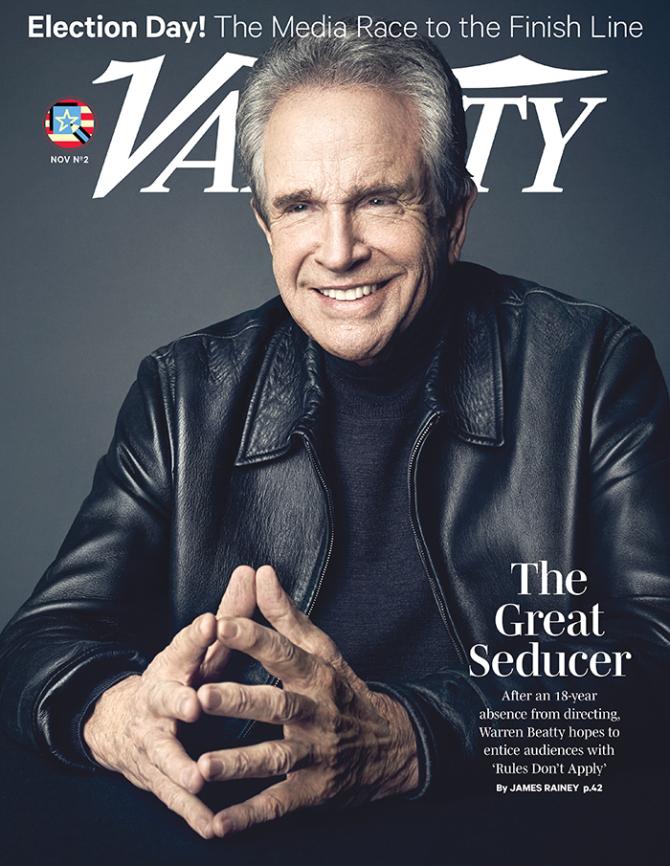
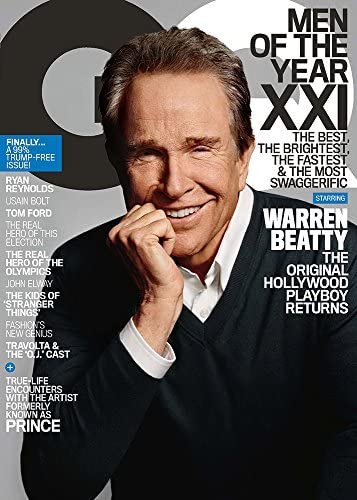
Though his romantic adventures as the womanizer du-jour for over four decades occasionally overshadowed his creative endeavors, star Warren Beatty was an actor and Academy Award-winning director and writer who starred in and made some of the most ambitious and influential films of the 1960s on through the 1990s.

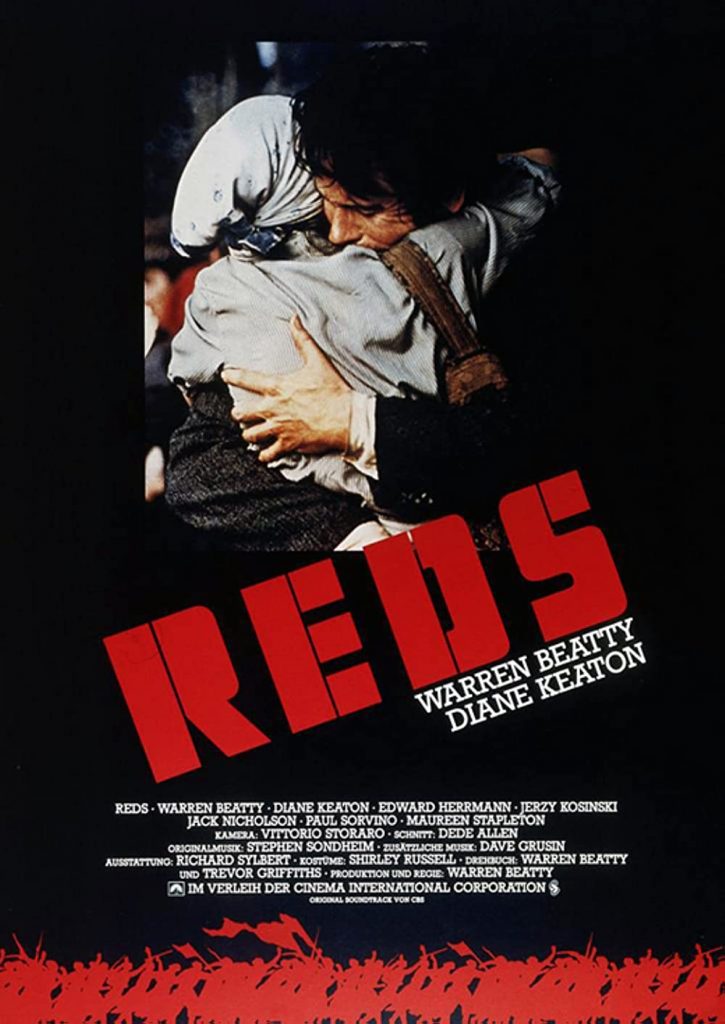
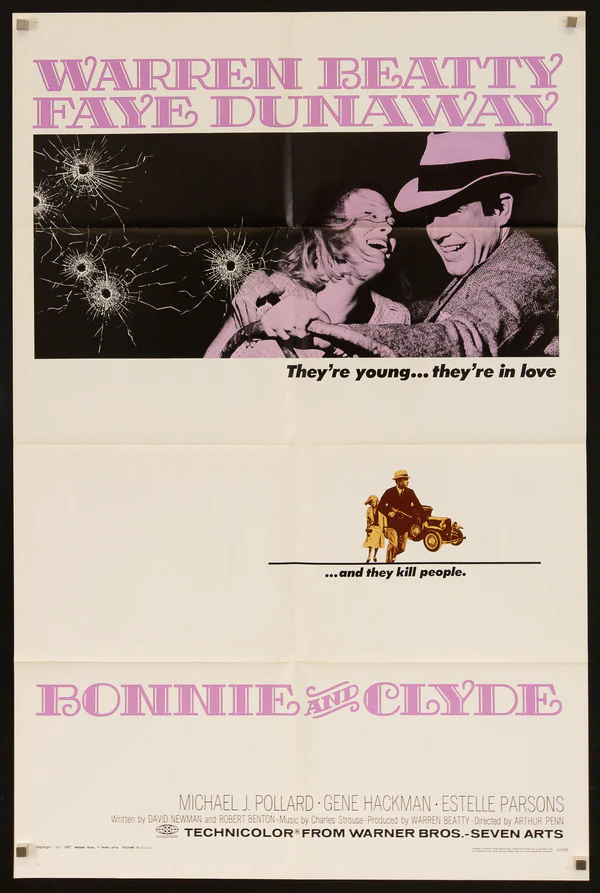
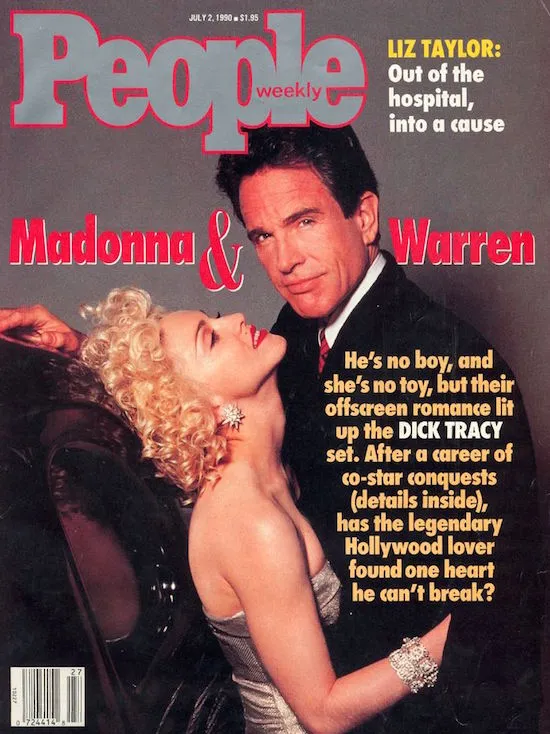
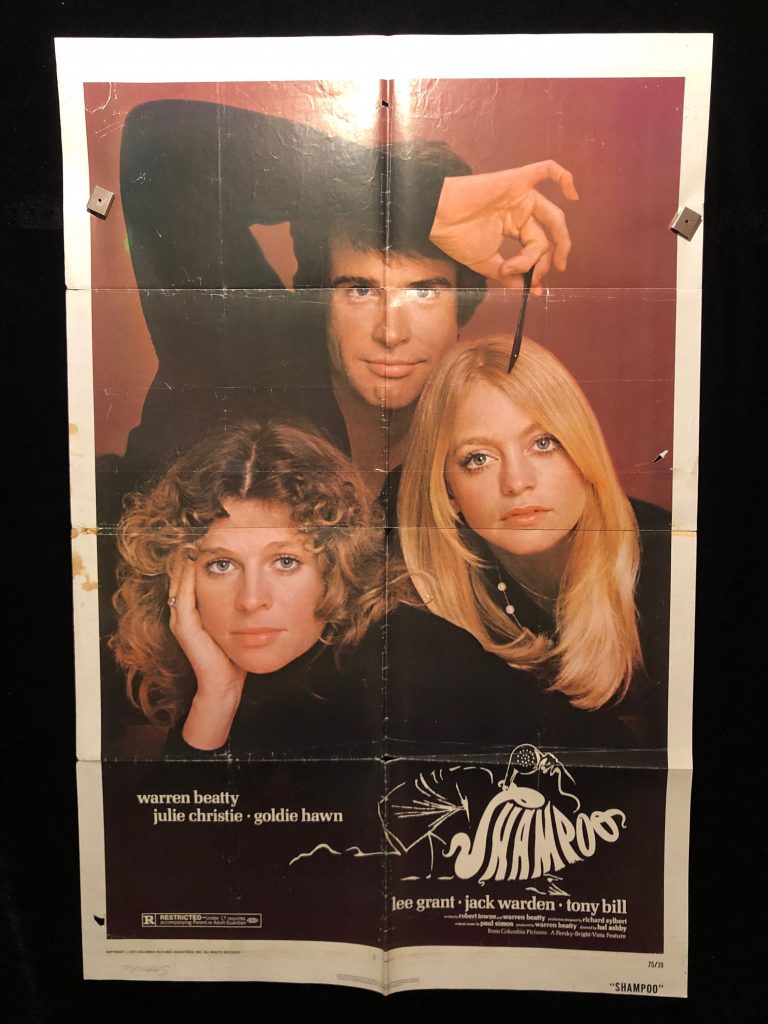
His list of credits may have come up shorter than some of his more celebrated peers, but few could boast such films as “Bonnie and Clyde” (1967), “McCabe and Mrs. Miller” (1971), “Shampoo” (1975), “Reds” (1981) and “Bugsy” (1991) as their own. In truth, his list of romantic conquests probably exceeded his film credits, with the likes of Jane Fonda, Diane Keaton, Carly Simon, Madonna, Diane Sawyer, Natalie Wood, Cher, Julie Christie and Michelle Phillips all making the rounds with Beatty.

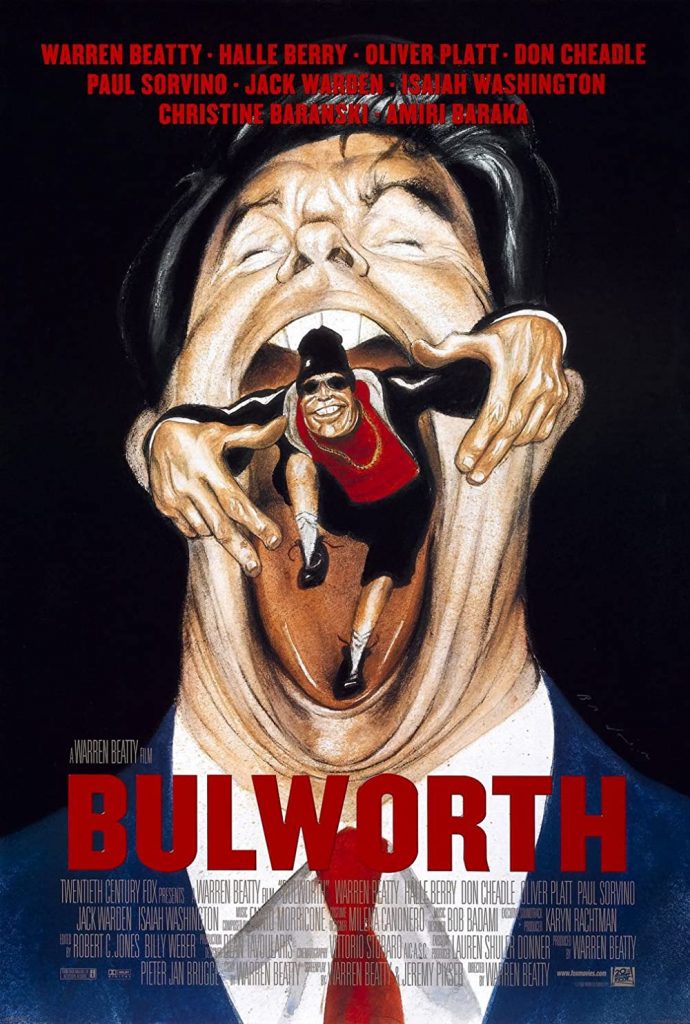
But ultimately it was actress Annette Bening who tamed the wild man and claimed him as her husband after meeting on the set of “Bugsy.” Beatty settled down into marriage shortly after, while his career eased to a crawl after directing and starring in the political satire, “Bulworth” (1998).

After the disastrous flop “Town & Country” (2001), Beatty retreated from filmmaking altogether, seemingly content with watching Bening earn accolades for one stellar performance after another.

His deep involvement in liberal politics sparked rumors of a run for office – governor or perhaps even president – but Beatty always brushed aside such talk. It was, in fact, a return to filmmaking that excited his fans the most, as Beatty held out hope for a highly-anticipated return.

Dyan Cannon
Dyan Cannon
Dyan Cannon

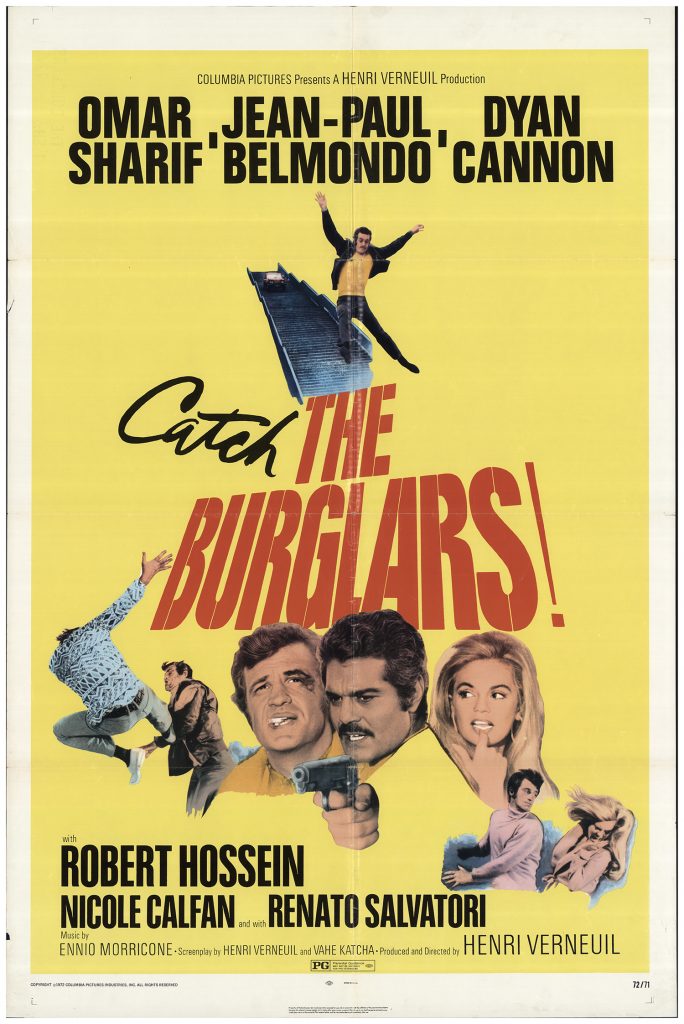
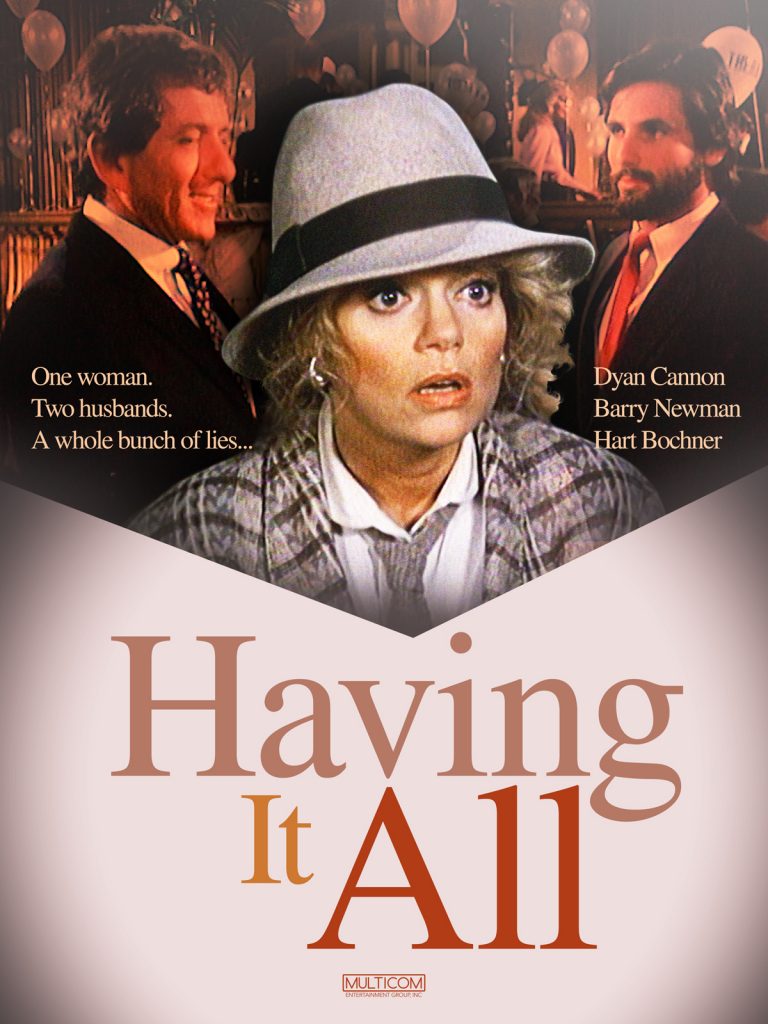
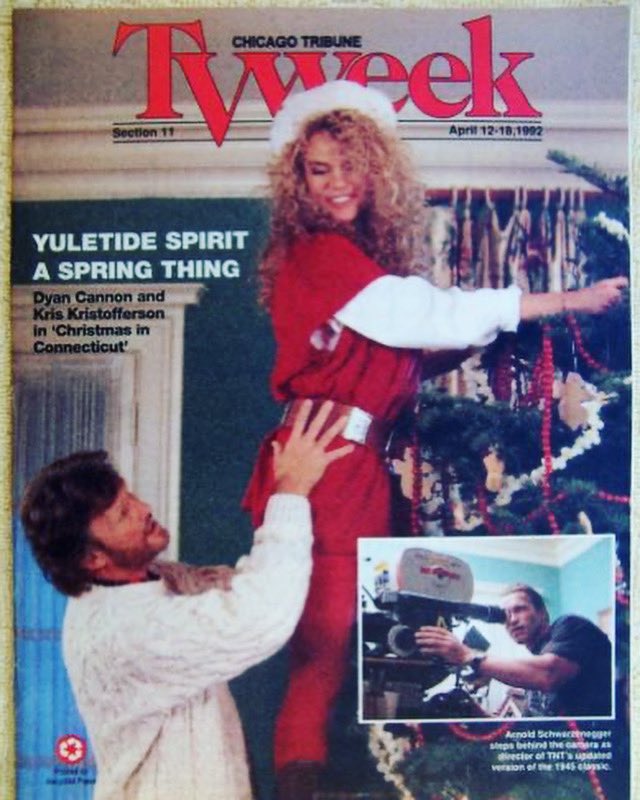
After some TV work and minor features, this sexy, zany and spirited blonde sparkled as a deft comedienne in several trendy films of the 1970s and 80s. In 1976, Dyan Cannon directed, wrote, produced, edited and scored the AFI-sponsored, Oscar-nominated live-action short, “Number One,” about children’s natural curiosity about their bodies and the adult values that stifle them. She made her feature directing and writing debut with the semi-autobiographical, “The End of Innocence” (1990).

Dick Van Dyke
Dick Van Dyke
Dick Van Dyke


TCM Overview:

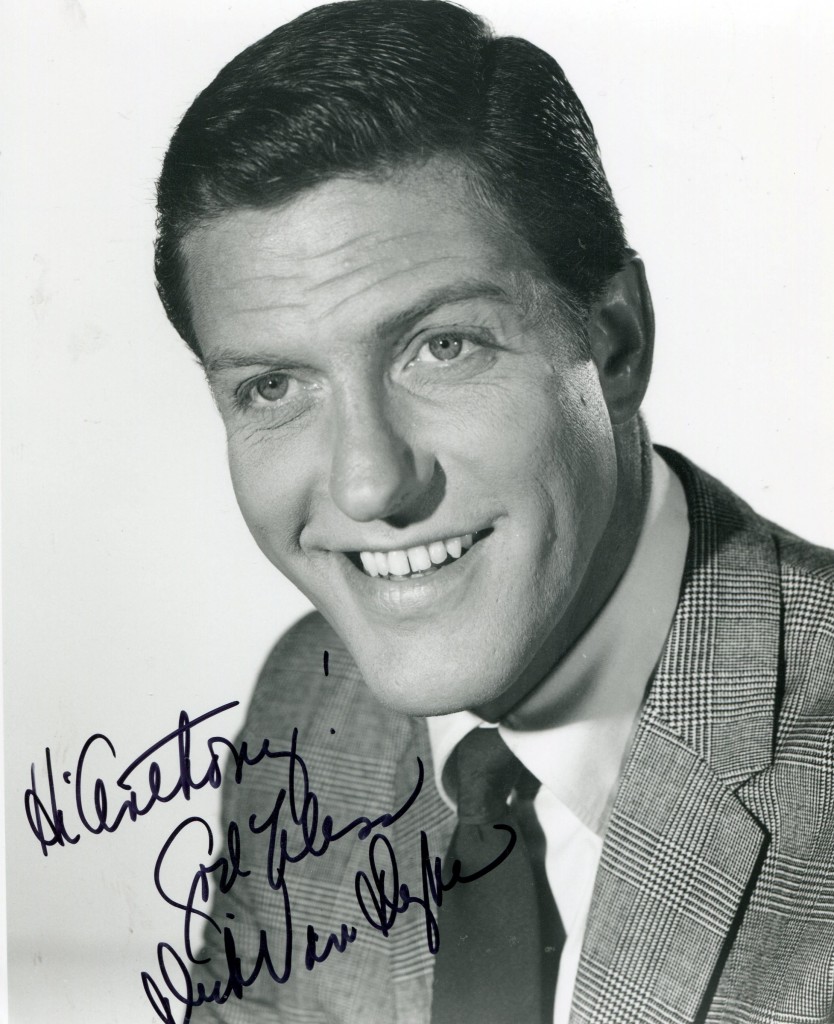
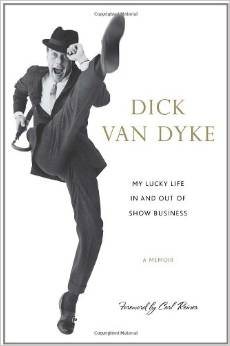
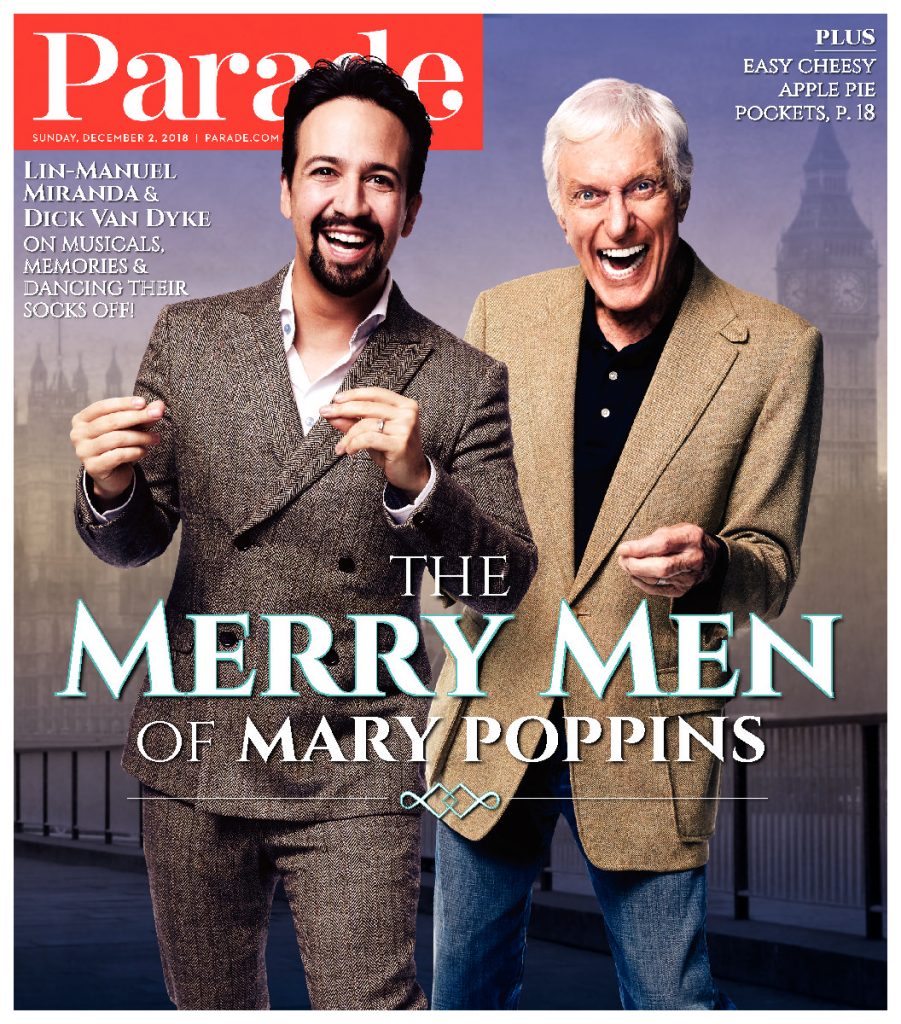
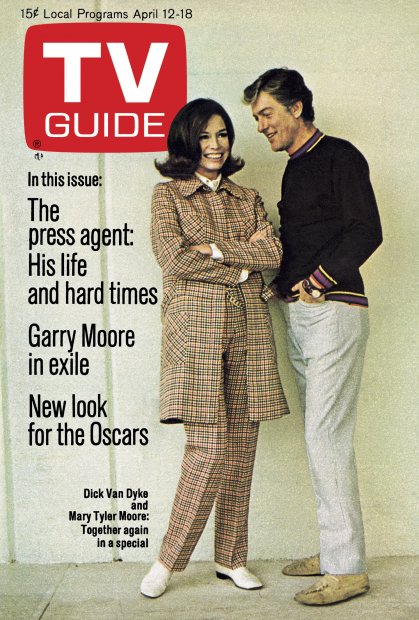
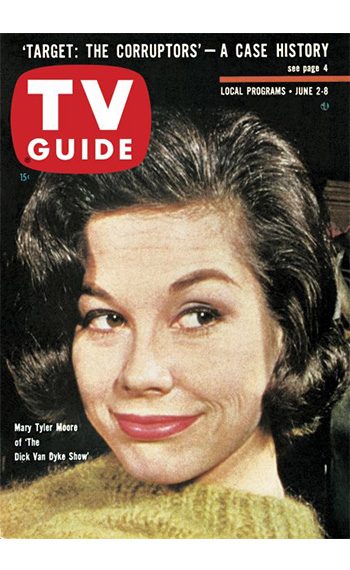
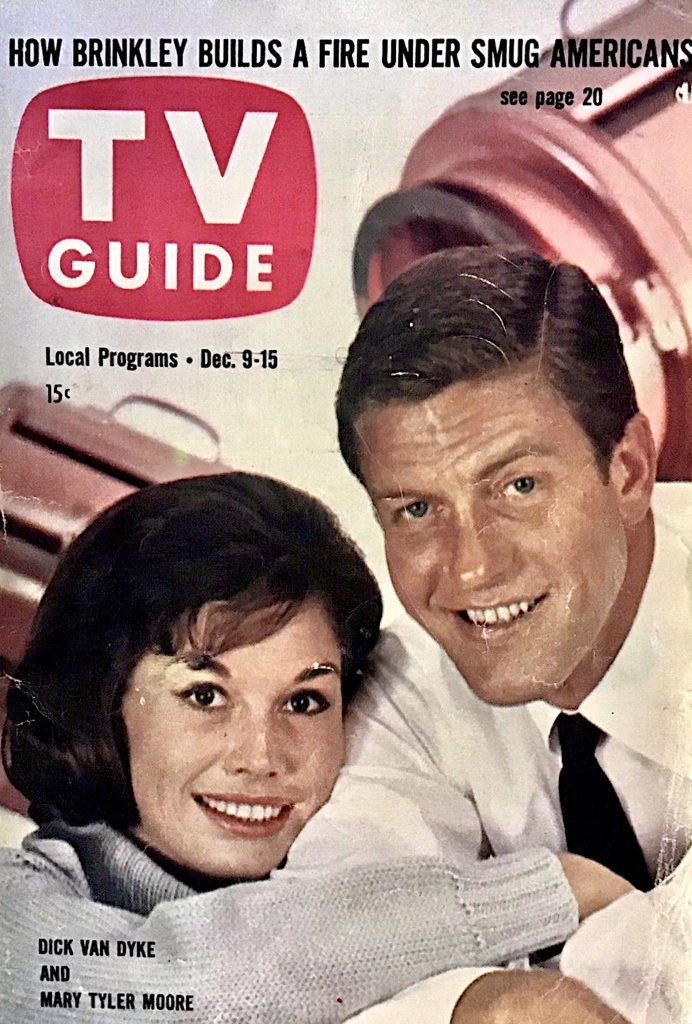
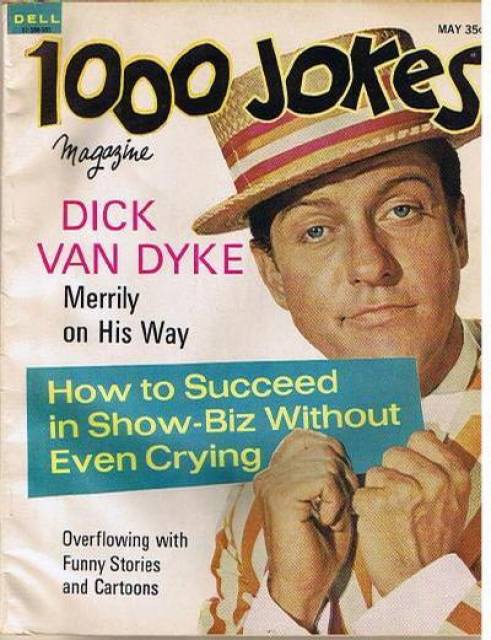
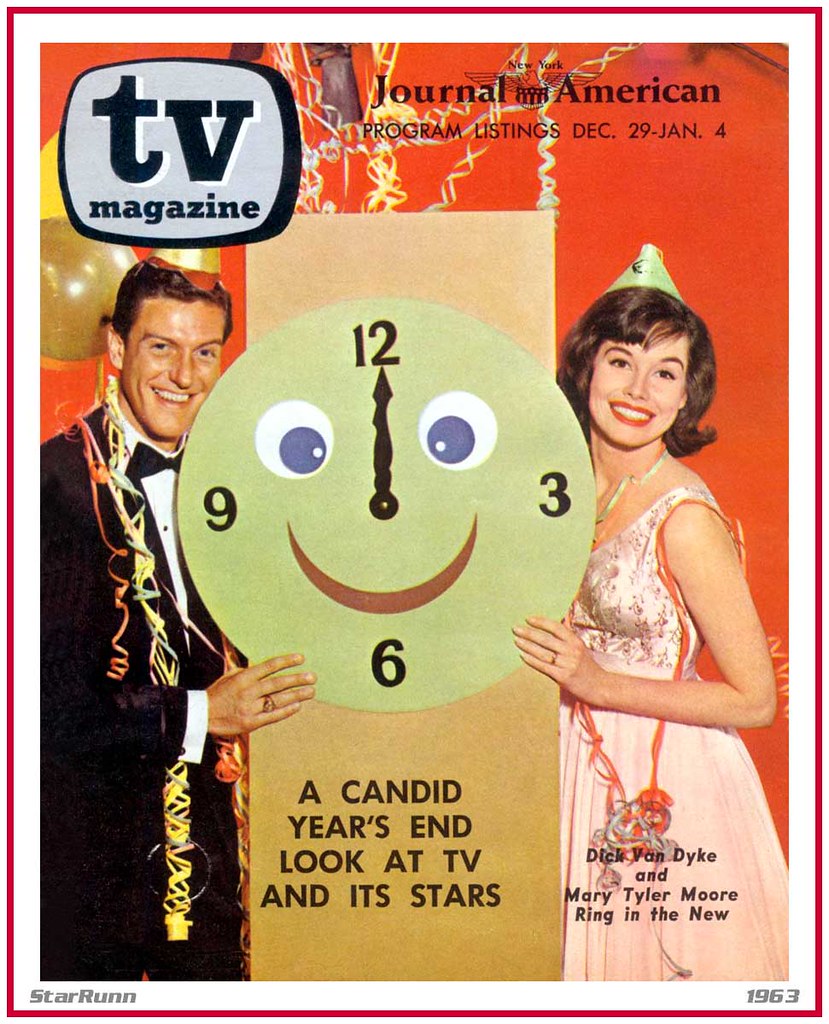
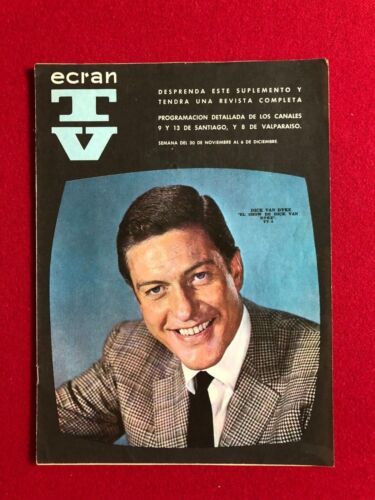
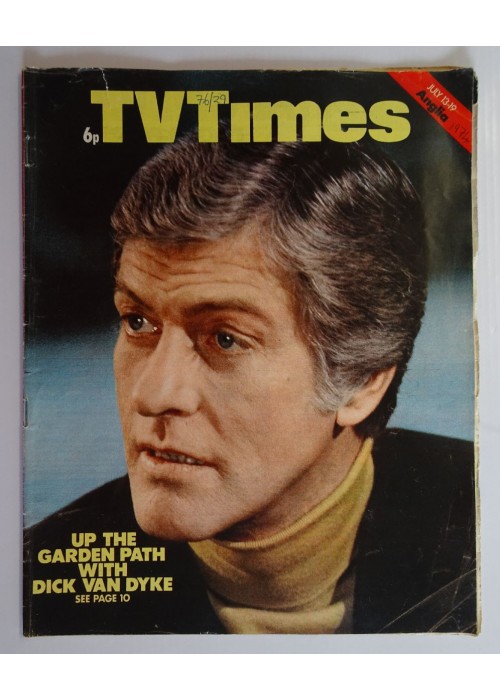
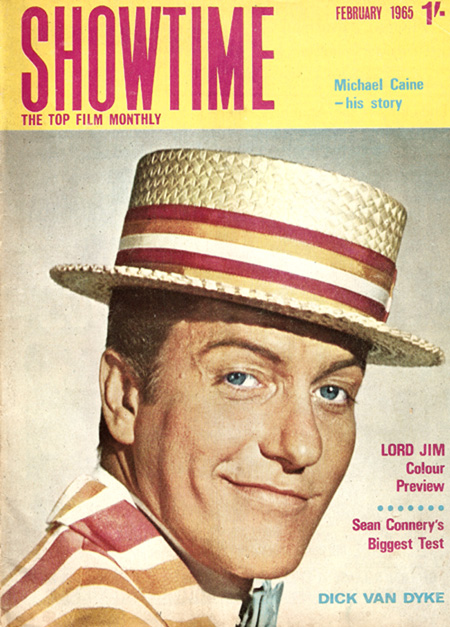
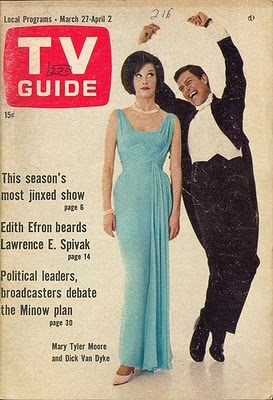
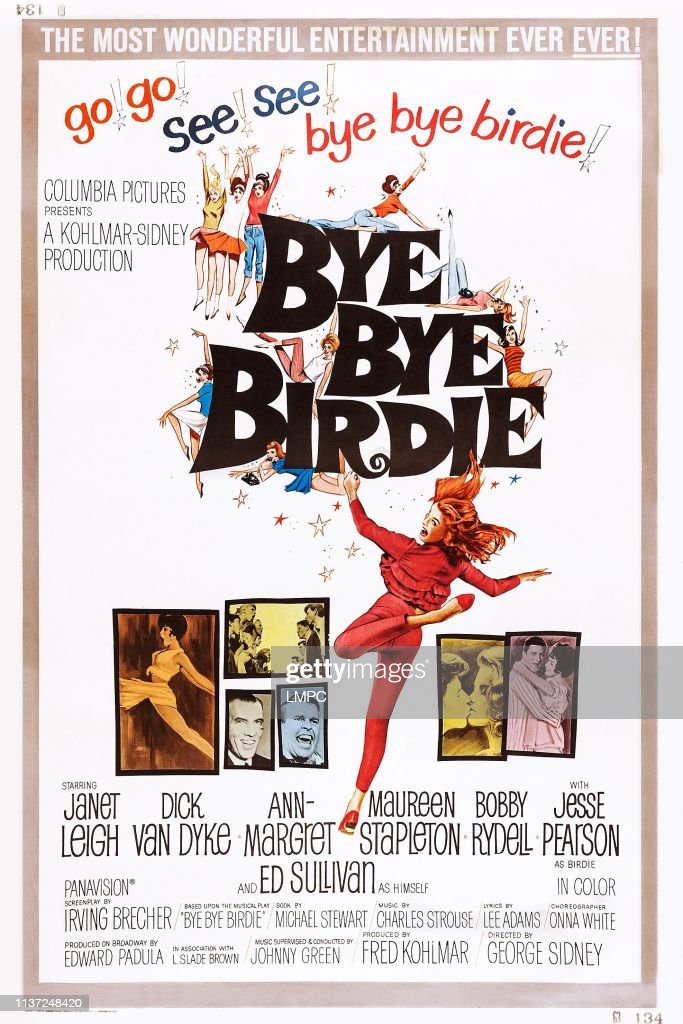
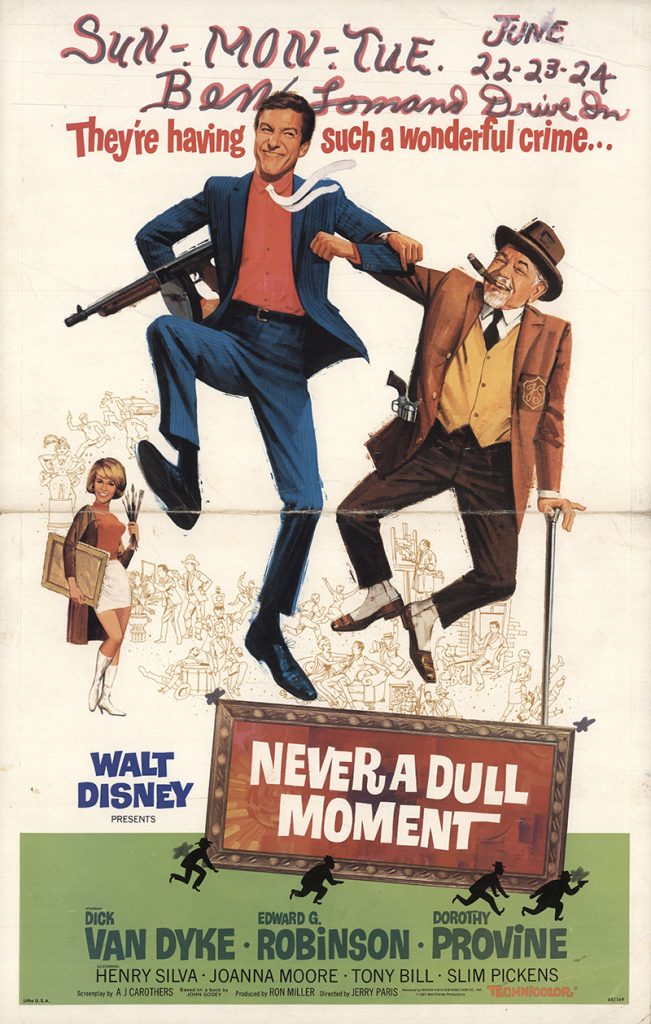
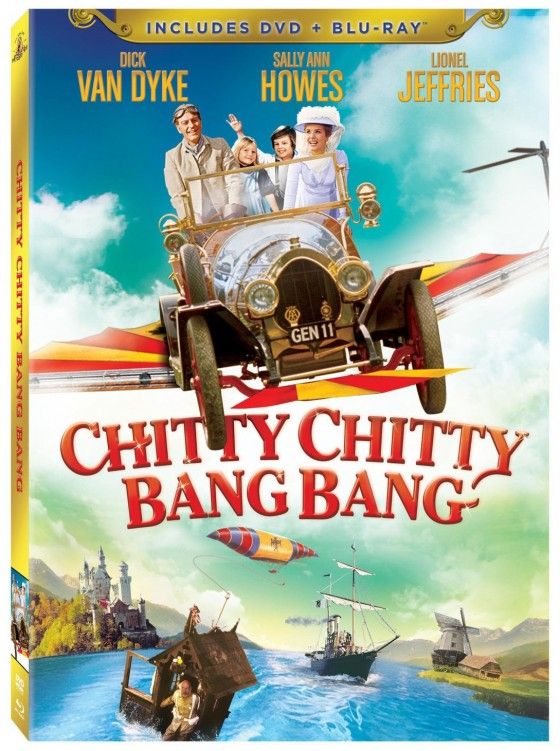
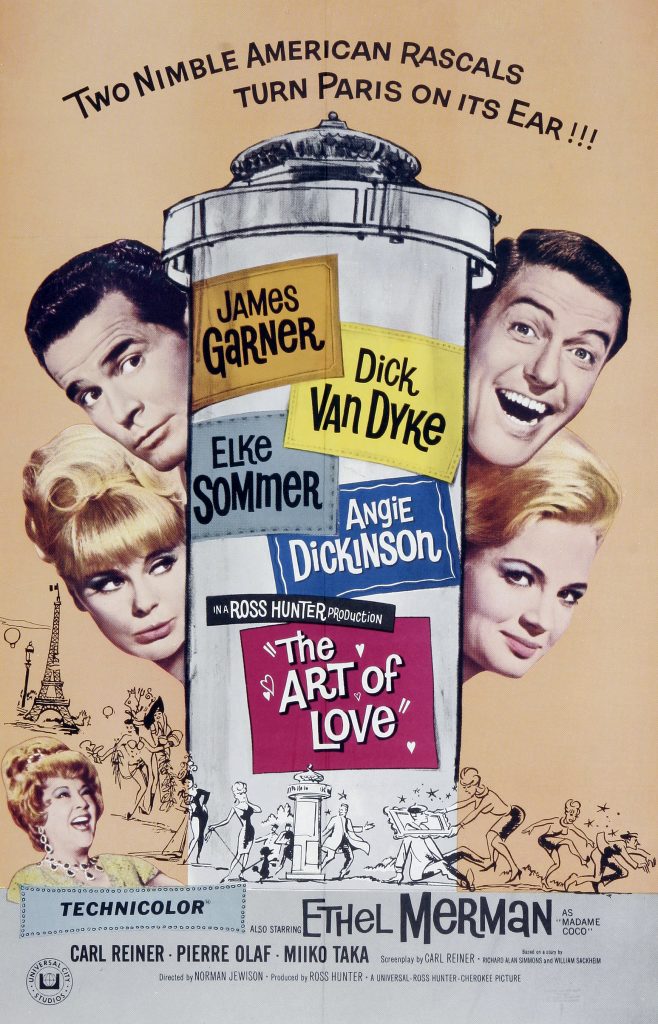
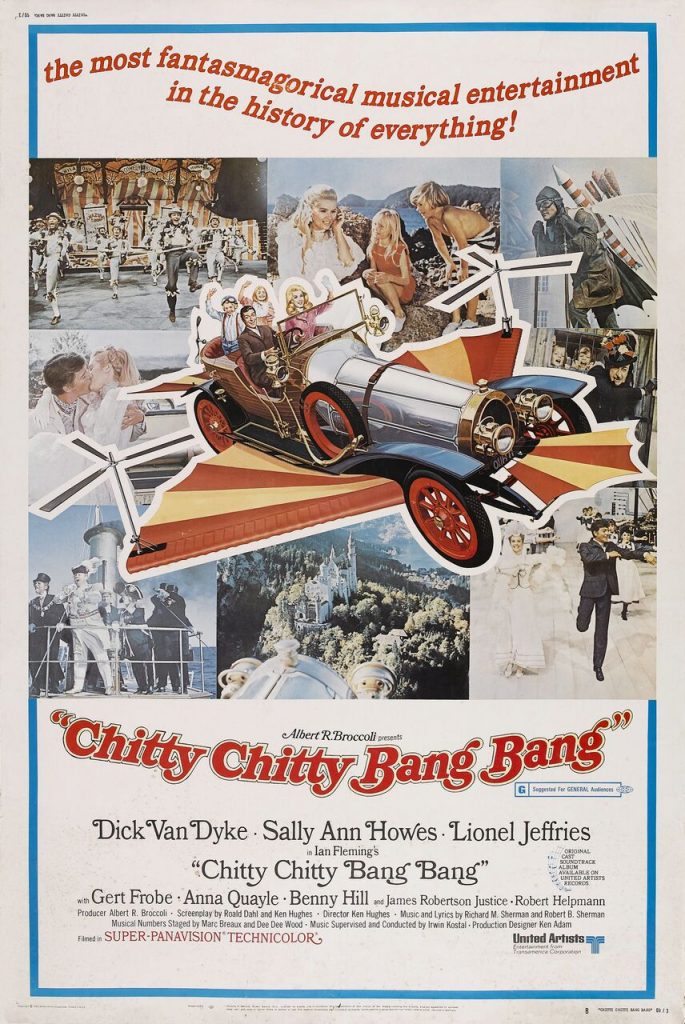
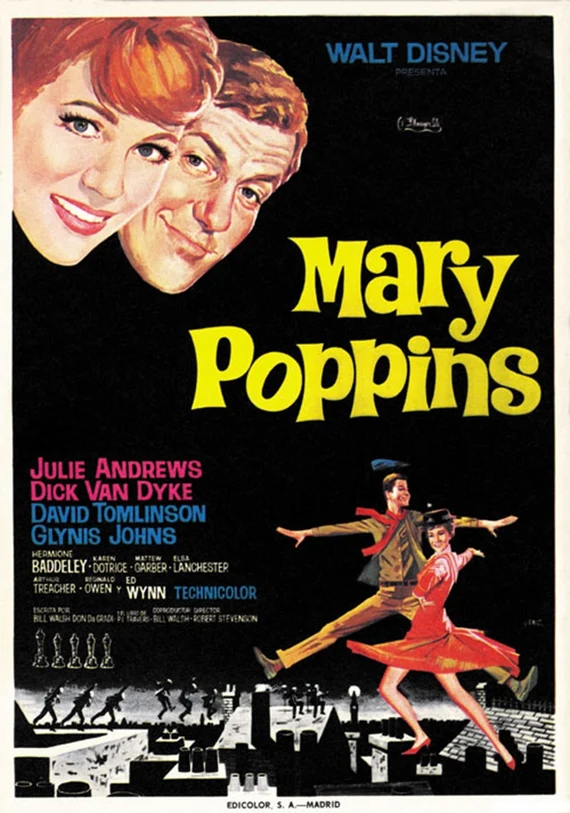
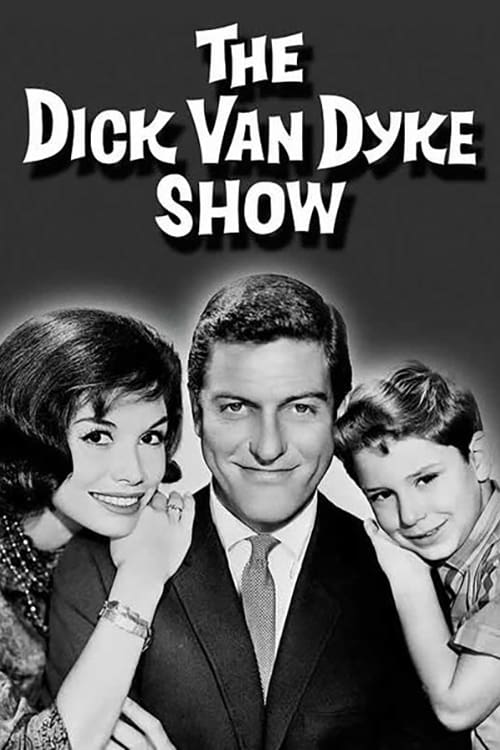
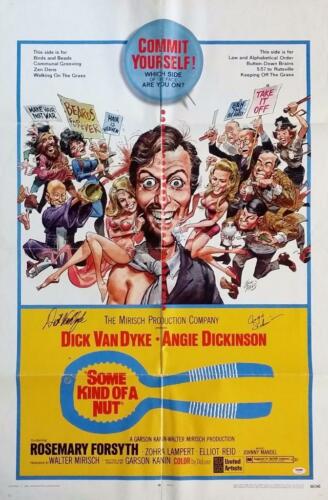
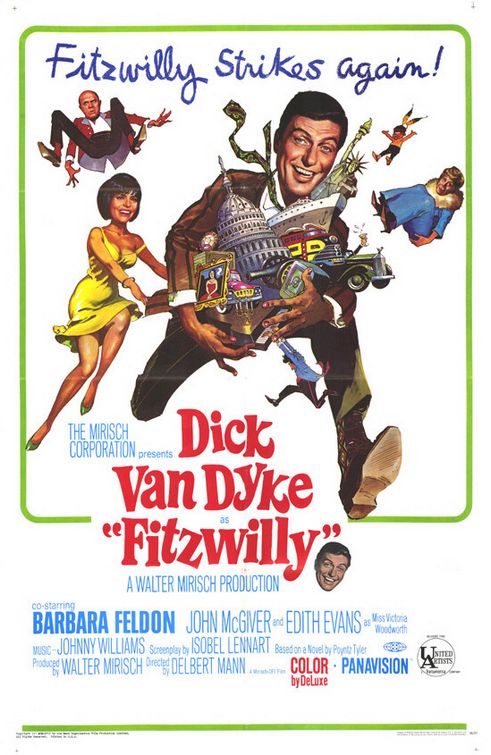
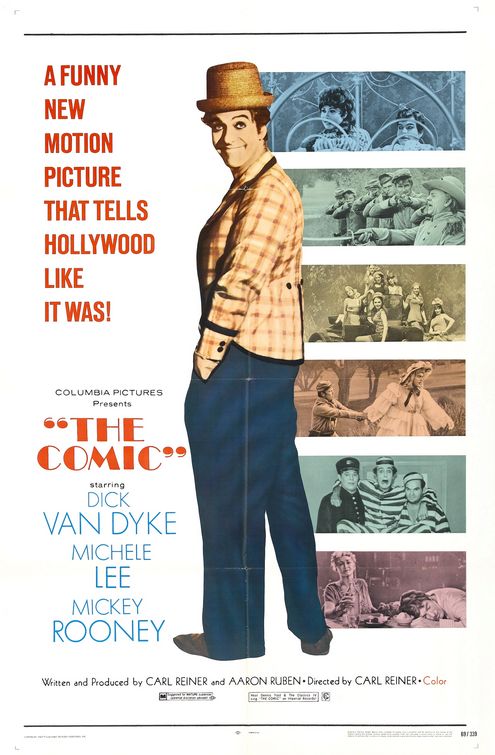
Much loved by generations of fans for his comic – as well as sometimes underestimated song and dance talents – and a seemingly endless supply of joie de vivre, Dick Van Dyke was a multiple Emmy winner and television legend for his work on the beloved sitcom, “The Dick Van Dyke Show” (CBS, 1961-66). The Illinois native had already endeared himself to audiences as the star of the hit Broadway musical “Bye Bye Birdie,” which earned him a Tony Award in 1961, and he continued to delight audiences during the series’ network run with films like “Mary Poppins” (1964) and “Chitty Chitty Bang Bang” (1968), but it was his famous sitcom which defined him. Van Dyke struggled to find a quality project after the series left the air, but remained a welcome presence in TV movies and guest shots until the early 1990s, when he scored again as a doctor-turned-sleuth on “Diagnosis Murder” (CBS, 1993-2001). Predictably, the indefatigable Van Dyke never adhered to the concept of retirement and continued to pop up in such projects as the animated feature “Curious George” (2006) and a new series of made-for-TV mysteries, beginning with “Murder 101” (Hallmark, 2006). A consummate entertainer and ambassador of goodwill for more than 50 years, Van Dyke never failed to put a smile on the faces of audiences of all ages.

Anita Sharp-Bolster
Anita Sharp-Bolster
Anita Sharp-Bolster

Anita Sharp-Bolster was born on August 28, 1895 in Glenlohan, Ireland. She was an actress, known for The Lost Weekend (1945), Scarlet Street (1945) and Saboteur(1942). She died on June 1, 1985 in North Miami, Florida, USA.

Irish independent article in 2012.

With all things John Ford being celebrated, Carol Hunt recalls one of his finest actors

It was not long after he and his wife had returned home to Cork from working in the United States that Desmond Sharp-Bolster received a rather odd request from Hollywood — asking for information about his now deceased Aunt Anita’s “Communist affiliations”. He was nonplussed.

“I knew her very well,” he told me last week, “but I had heard nothing about any socialist leanings.” Nor had he realised that his aunt — a Cork-born actress far better known in Hollywood and New York than her native Ireland — had served as a nurse on the Aragon front in 1937 during the Spanish Civil War.
Soon afterwards, though, while going through some papers, Desmond discovered this information on a playbill for a production of Pygmalion on Broadway, which Anita had starred in with Raymond Massey and Gertrude Lawrence, among others.

“We never really got into politics,” said Desmond, “but as I understand it, Hemingway and that Bohemian crowd, while assisting the Communists, were really there to combat Fascism.” (Co-incidentally, Desmond’s wife’s family published all of Hemingway’s books.)
Desmond is well aware, though, of the extraordinary life led by his aunt and how, as an Irish artist, Anita Sharp-Bolster had a comprehensive impact on arts and culture worldwide for many years — yet still she seems to have been somewhat overlooked in her home country.


Born in 1895 to an Anglo-Irish family in Glenlohane, Kanturk, Co Cork, Alice (Anita) Sharp-Bolster amassed an extraordinary portfolio of work during her 90 years.

“I know of no other Irish actor or actress of that era with such an extensive participation in both stage and film,” is the opinion of her nephew. Or any era, one would have to add.

Like many Irish actors who would go on to Hollywood and work extensively with John (Feeney) Ford, Anita’s acting career began with the Abbey Players, in a play called The Mineral Waters.

Her talent must have been quickly spotted as she then travelled on to London, got to New York in 1938 and finally made her screen debut in Hollywood in 1941. She went on to run the The Gate Theatre in California in association with Peter Godfrey. Some of her better known films were Going My Way, The Lost Weekend, The Picture of Dorian Gray, Kitty, The Perfect Woman, Botany Bay, The Thin Man Goes Home and The Two Mrs Carrolls. In her lifetime, she worked with such well-known names as Charles Laughton, Raymond Massey, John Ford, of course, and later on, Angela Lansbury.

One Hollywood screen biography blurb says that: “Bolster became one of the busiest character actresses of the 1940s.”
 It seems extraordinary that so many of us — especially those of us with interests in Irish film and theatre — have heard so little, if anything, about this Cork woman’s highly successful and very diverse career.

Considering if his aunt may have had what we call a ‘risque life’, Desmond laughs and says he wouldn’t have thought so: “She was always such a breath of fresh air when she came home, which she did regularly and she received total support from her family.”
Anita was also responsible for her nephew’s American schooling and connections. “She was at a cocktail party in Thirties New York when she overheard a couple saying that they were going to Ireland and were interested in fox-hunting.”
She immediately introduced herself and told them that her brother and sister-in-law took in paying guests in Cork and that they could organise riding to hounds with them.” So they came, they stayed, became great friends and then godparents to the young Desmond who was born in 1939.

Consequently in 1953, after the war, Desmond went to stay with them and was schooled where they lived, two hours north of New York.


She bought land here in Schull and was thinking of retiring here,” says Desmond. “But then she went off back to work in the States, kept on working and finally moved to Florida.”

She died there in 1985; an extraordinary Irish woman. As her nephew noted: “While there are certainly Irish actors and actresses that have made a name for themselves in one or two movies, it is people like John Ford and Anita that have enabled Ireland to ‘punch above its weight’ on the international scene

Gemini said 

Anita Sharp-Bolster (1895–1985) was the definitive “face you know but the name you don’t” of the Golden Age. An Irish character actress of incredible consistency, she carved out a niche playing the sharp-featured, often formidable women who kept the gears of cinema moving—the governesses, the stern maids, and the eccentric spinsters.

A critical analysis reveals a performer who mastered the art of the “memorable cameo,” using her distinct physicality to leave an indelible mark on a film in sometimes less than five minutes of screen time.


I. Career Overview: The Professional Outsider

1. From the Abbey Theatre to Hollywood (1920s–1941)

Born in County Cork, Ireland, Sharp-Bolster was a product of the rigorous Abbey Theatre tradition. She brought a high-level stage discipline to London and later New York, where her Broadway performance in Lady in Waiting caught the eye of Hollywood scouts.

  • The “Stern” Archetype: She made her American debut in 1941, quickly becoming the go-to actress for roles that required a “no-nonsense” British or Irish authority.

2. The Golden Age Workhorse (1942–1959)

Throughout the 1940s and 50s, she appeared in an astonishing number of classics.

  • The Hitchcock Connection: She played “Lorelei” in Alfred Hitchcock’s Saboteur (1942). Hitchcock often favored character actors with unique, slightly “off-kilter” features, and Sharp-Bolster fit his visual palette perfectly.

  • Prestige Supporting Roles: She appeared in Billy Wilder’s The Lost Weekend (1945), Fritz Lang’s Scarlet Street (1945), and Billy Wilder’s Sabrina (1954). In each, she provided a grounded, often cynical realism that contrasted with the more polished leading stars.

3. The “Good Witch” and TV Transition (1960s–1970s)

As the studio system changed, she moved seamlessly into television.

  • Dark Shadows (1968): Late in her career, she achieved a different kind of cult fame as Bathia Mapes, the “good witch” summoned to cure Barnabas Collins of his vampirism. It was a role that allowed her to lean into her more theatrical, mystical roots.


II. Detailed Critical Analysis

1. The “Architecture” of the Face

Critically, Sharp-Bolster is analyzed for her angular physicality. Her high cheekbones and sharp nose were often used by directors to signify moral rigidity or social class.

  • The Maid as Observer: In films like The Two Mrs. Carrolls (1947), her presence as a maid isn’t just functional; it’s atmospheric. She used a “watchful silence” that made the audience feel the character knew more than she was letting on. She was a master of the “knowing glance” that added a layer of suspense to many a film noir.

2. The Efficiency of the Character Turn

In the “Kitchen Sink” dramas and 1940s noirs you enjoy, Sharp-Bolster was the “texture” of the world.

  • The “Unsentimental” Performance: Unlike many character actresses who played “lovable” eccentrics, Sharp-Bolster often played unsympathetic characters. She didn’t ask for the audience’s love; she demanded their attention. Critics note that she had a “dry, clipped” vocal delivery that cut through the melodrama of her leading co-stars, providing a much-needed dose of reality.

3. The “Domestic” Integrity

In the 1950s, she often played housekeepers (notably in the TV version of Dr. Jekyll and Mr. Hyde).

  • The Power of the Domestic: Analysts point out that Sharp-Bolster portrayed these women as the true masters of the house. She didn’t play “servitude”; she played “management.” This gave her characters a quiet dignity and a sense of history that enriched the films, making the cinematic world feel “lived-in” and authentic.


Iconic Performance Highlights

Work Role Year Critical “Savouring” Moment
Saboteur Lorelei 1942 A classic Hitchcockian “quirky” supporting turn.
The Lost Weekend Mrs. Foley 1945 Brought a gritty, non-judgmental reality to a dark film.
Scarlet Street Peeping Neighbor 1945 Mastered the “nosy gossip” archetype in a Fritz Lang noir.
Dark Shadows Bathia Mapes 1968 Showcased her late-career range as a powerful, tragic witch.

Anita Sharp-Bolster was the “Unsung Architect” of the Hollywood background. She was the woman in the hallway, the maid with the tea, and the neighbor in the shadows—the essential “human scenery” that made the Golden Age feel real. Her legacy is one of “Invisible Excellence”—an actress who never needed a lead role to prove she was a master of her craft.


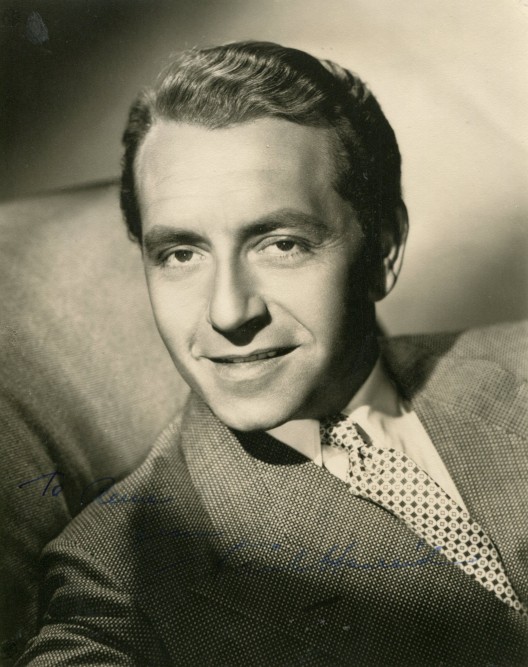
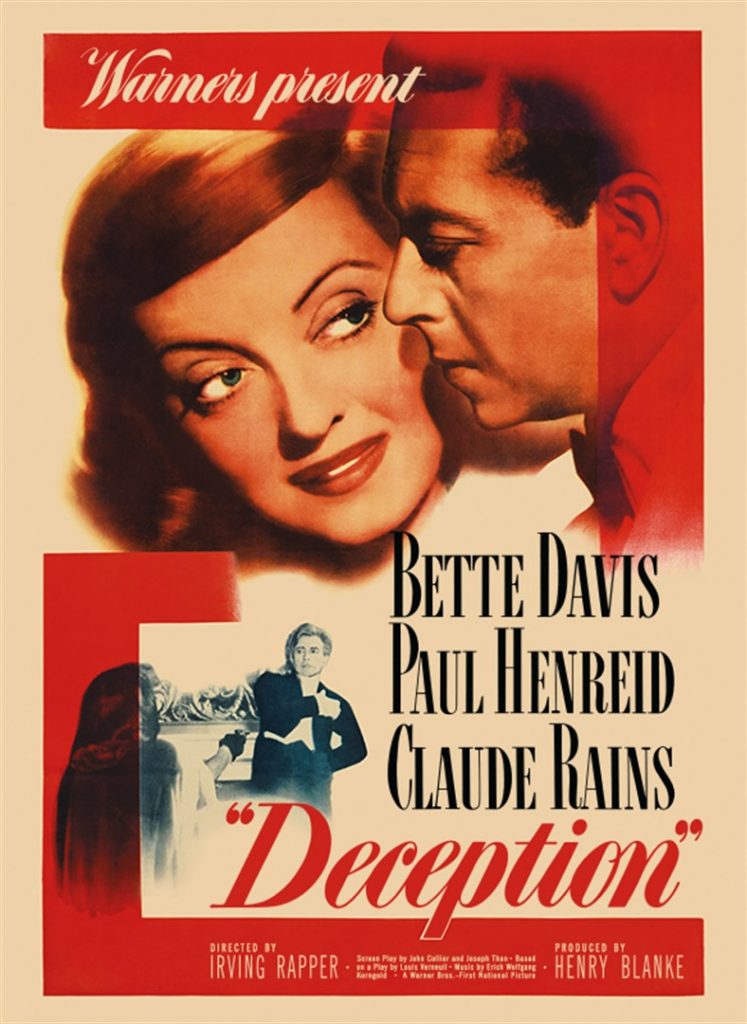
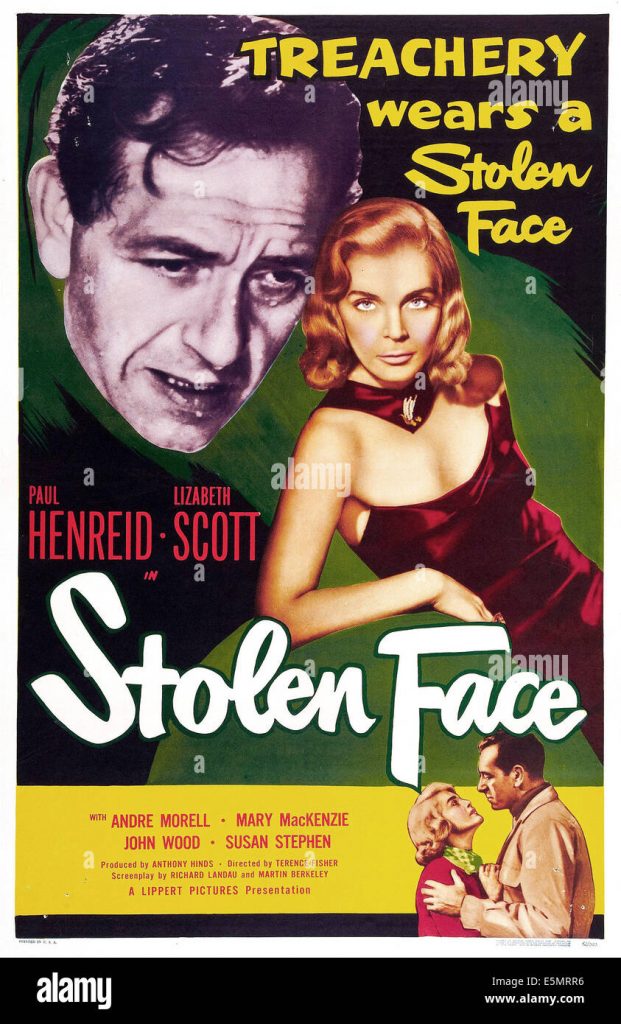
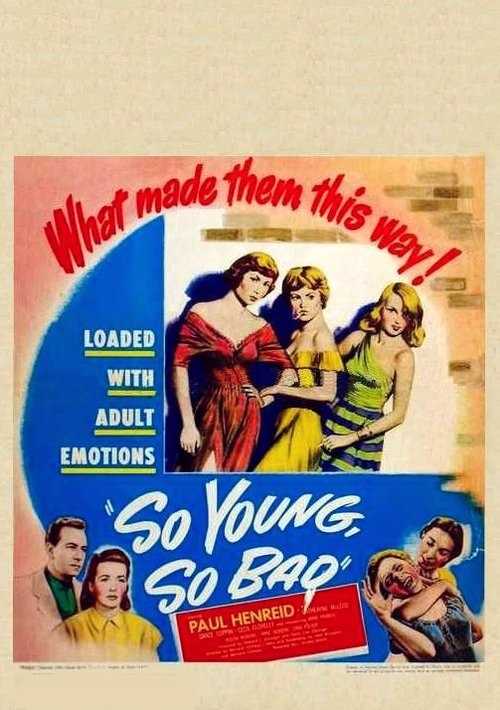
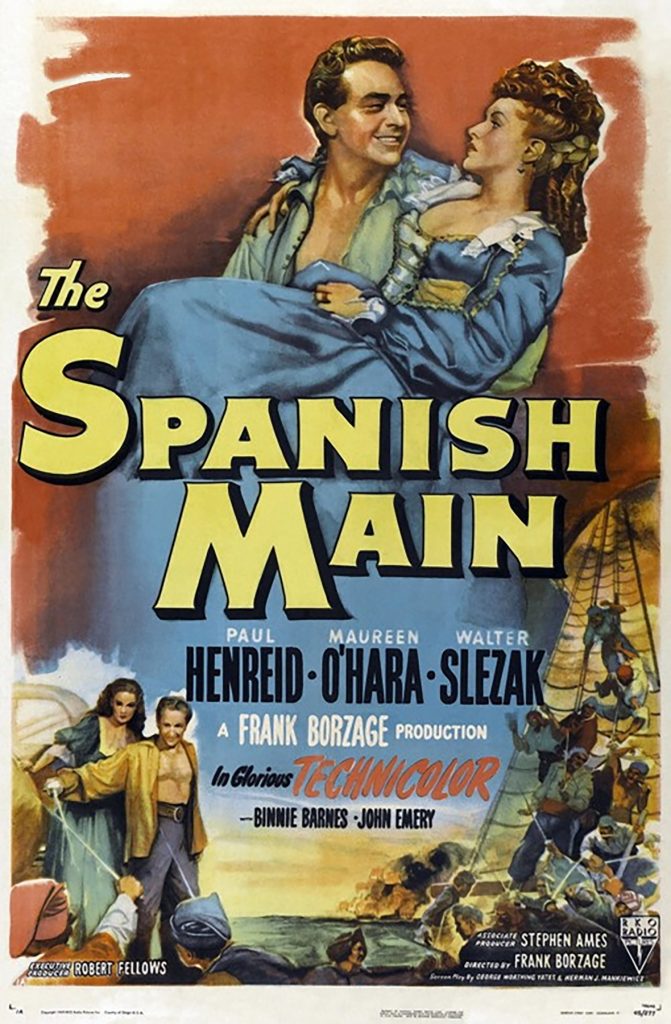
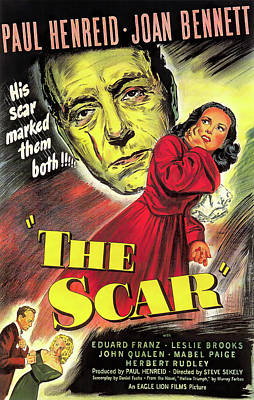
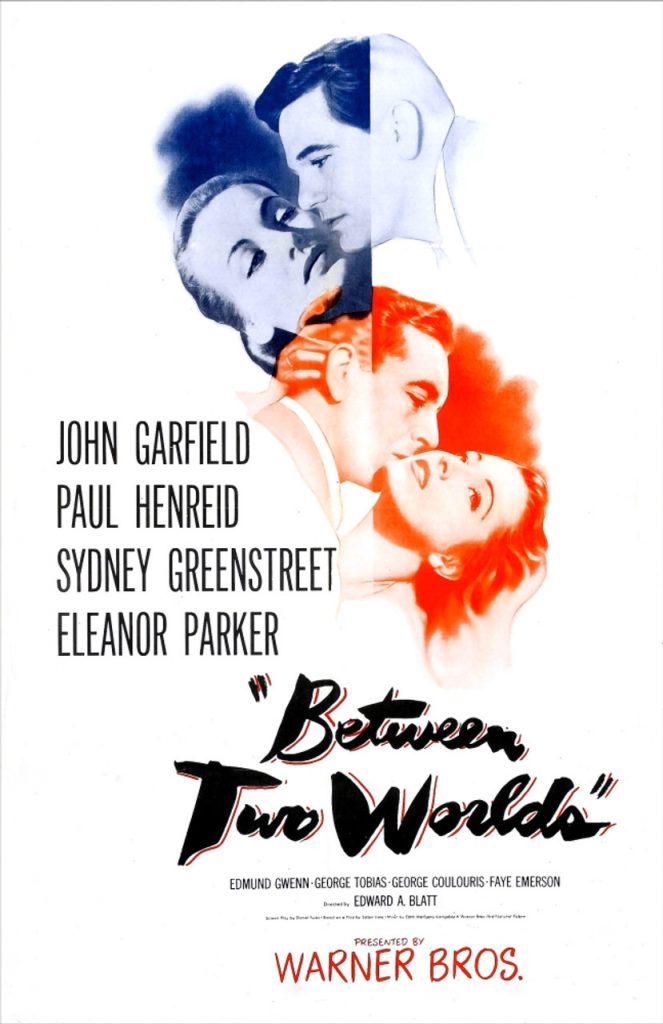
Paul Henreid
Paul Henreid
Paul Henreid

New York Times” obituary from 1992:

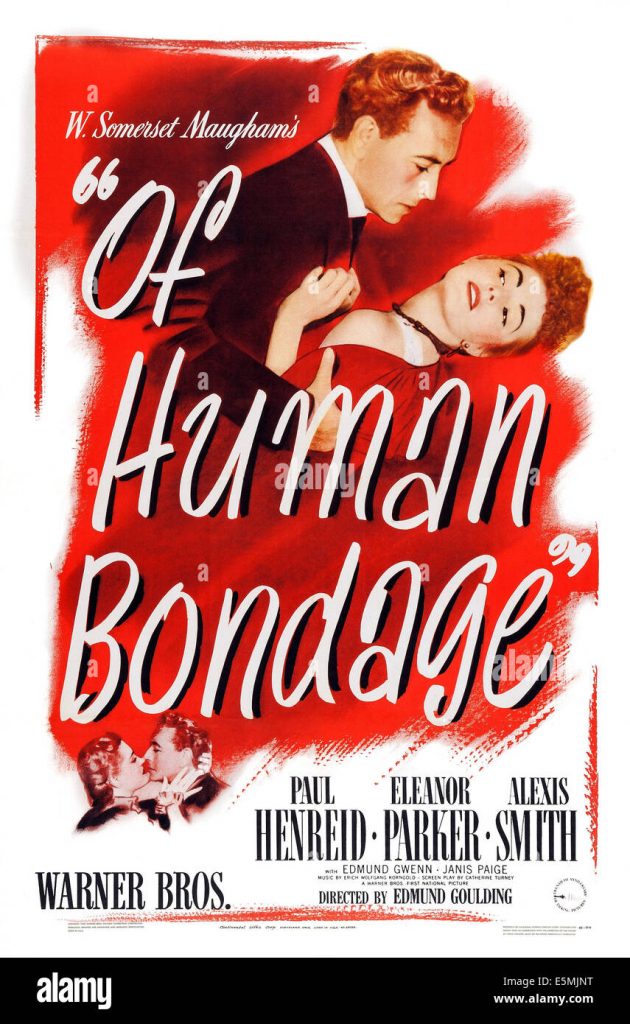
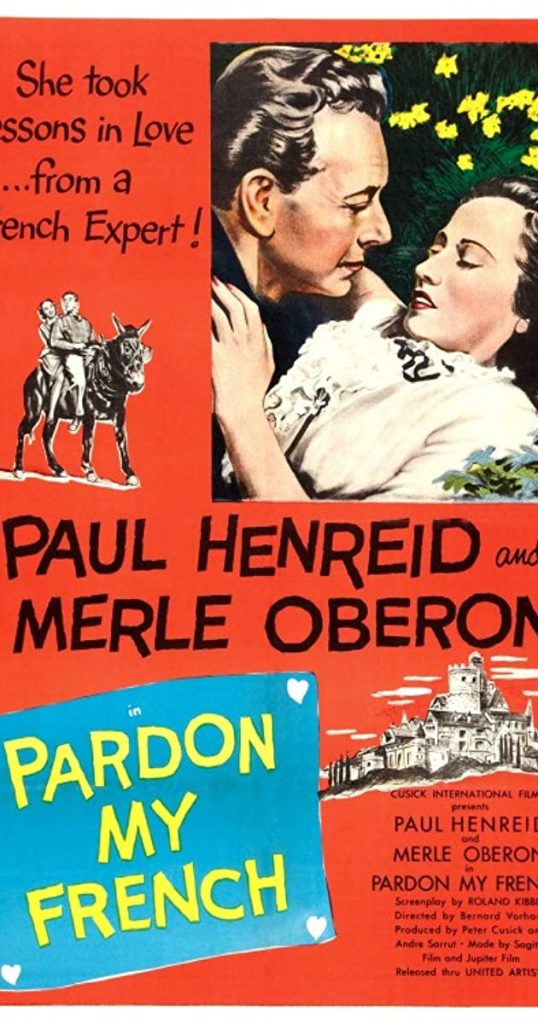
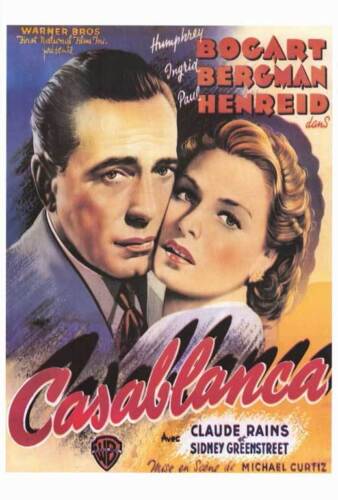
Paul Henreid, the suave leading man who won screen immortality as the noble, Nazi-battling Resistance leader Victor Lazlo in the 1942 film classic “Casablanca,” died on Sunday at Santa Monica Hospital in Santa Monica, Calif. He was 84 years old and lived in Pacific Palisades, Calif.

He died of pneumonia after a stroke, said Henry Alter, Mr. Henreid’s former secretary. The family did not want to announce the death until Mr. Henreid was buried yesterday in Santa Monica, Mr. Alter said yesterday.

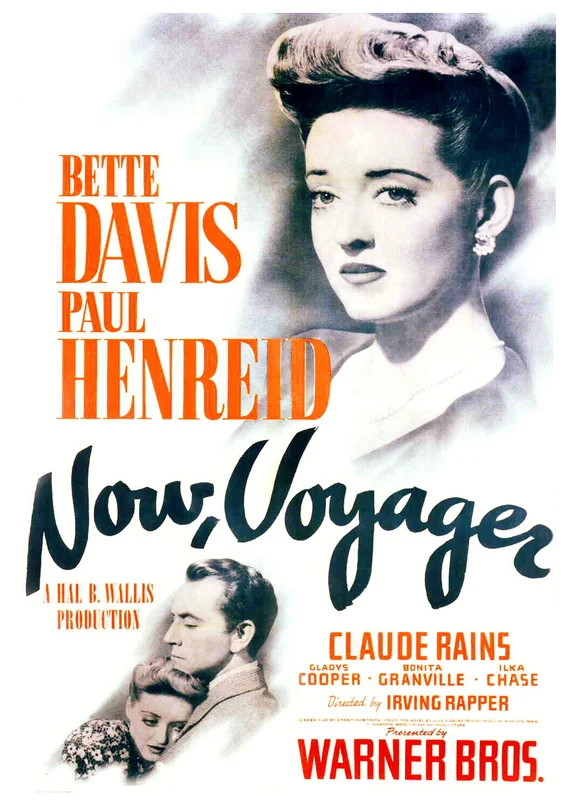
The actor died only days before the first major theatrical re-release of “Casablanca” in more than 35 years, scheduled for April 10 as part of the film’s 50th-anniversary celebrations. Despite that movie’s classic status, however, Mr. Henreid may be best remembered for a scene in “Now Voyager” (1942) in which he lit two cigarettes at once as he comforted Bette Davis. Mr. Henreid later said that the director, Irving Rapper, didn’t like that bit of business and went along with it only reluctantly.

Mr. Henreid once estimated that he had acted in or directed more than 300 films and television dramas. In his heyday as a leading man, the 6-foot-3 actor seemed to represent the prototype of the Continental lover to American film audiences: aristocratic, elegant and gallant. A Charmed Childhood

Mr. Henreid was born on Jan. 10, 1908, in Trieste, then a part of Austria. His full name was Paul George Julius von Hernreid. He was the son of Baron Carl Alphons, a prominent Viennese banker, and Maria-Luise von Hernreid.

In his 1984 autobiography, “Ladies Man,” written with Julius Fast, he described what he called a charmed childhood among the aristocrats of pre-World War I Vienna. But by 1927, when Mr. Henreid graduated from the exclusive Maria Theresianische Academie, little of the family fortune remained.

He wanted to be an actor but, bowing to his family’s wishes, worked with a publishing house in Vienna for four years while studying acting at night. During an acting-school performance, he was discovered by Otto Preminger, then Max Reinhardt’s managing director, and became a leading player in Reinhardt’s theater. Like the fictional Victor Lazlo, Mr. Henreid was a staunch anti-Nazi during his years in Europe. A Series of German Roles

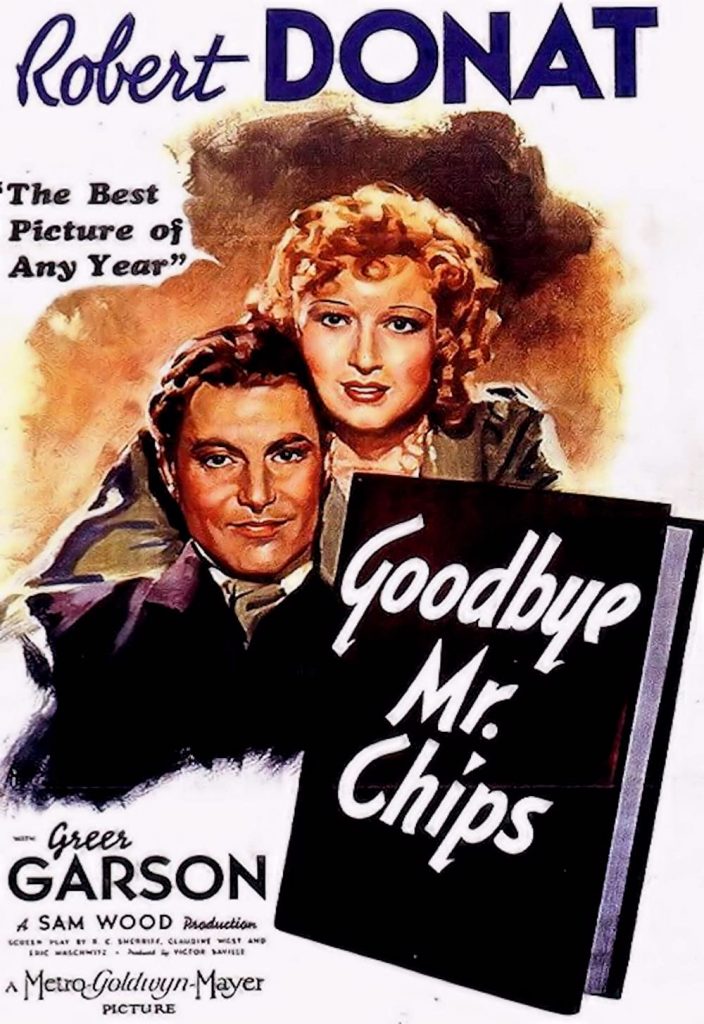
In 1937 he won wider recognition by playing Prince Albert in “Victoria Regina” on the London stage. Despite his personal sentiments, he was fated for a time to play a series of German roles. In one of his first films, “Goodbye, Mr. Chips” (1939), he played a young German teacher; he was a Nazi officer in “Madman of Europe” (1940) and a Gestapo agent in Carol Reed’s “Night Train” (1940).

Mr. Henreid’s first big American success was in another such role, that of the bombastic German consul in the Guild Theater production of “Flight to the West.” The play opened in New York on Dec. 30, 1940, and helped get him his first Hollywood contract, with RKO Radio Pictures in 1941. Later that year, Mr. Henreid became a United States citizen, but he resisted the studio’s attempt to change his name to Herndon or Henrie.

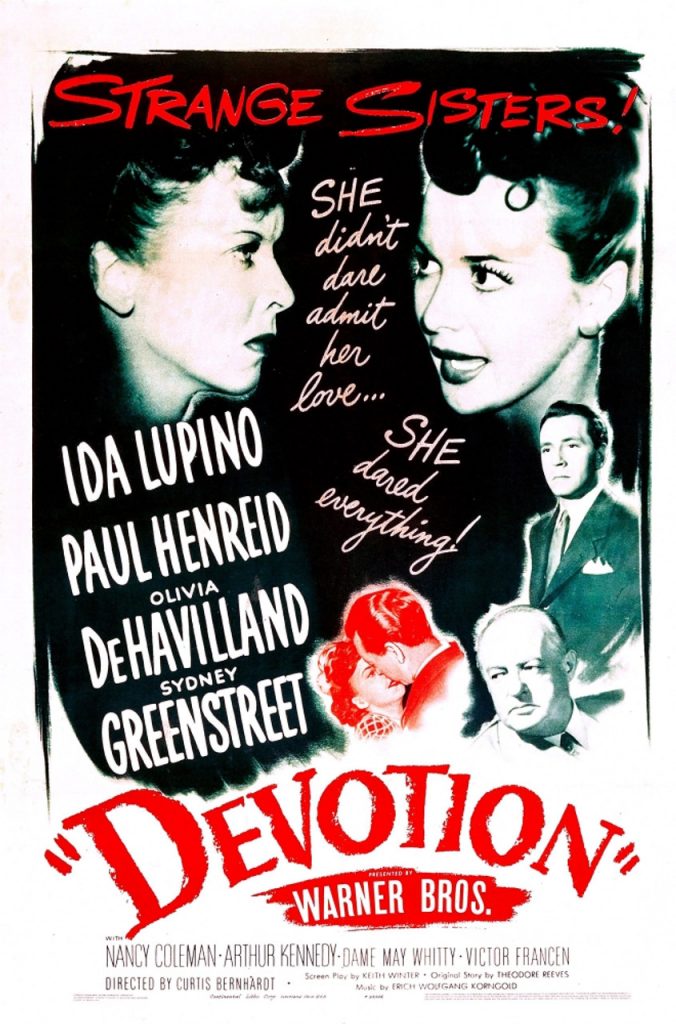
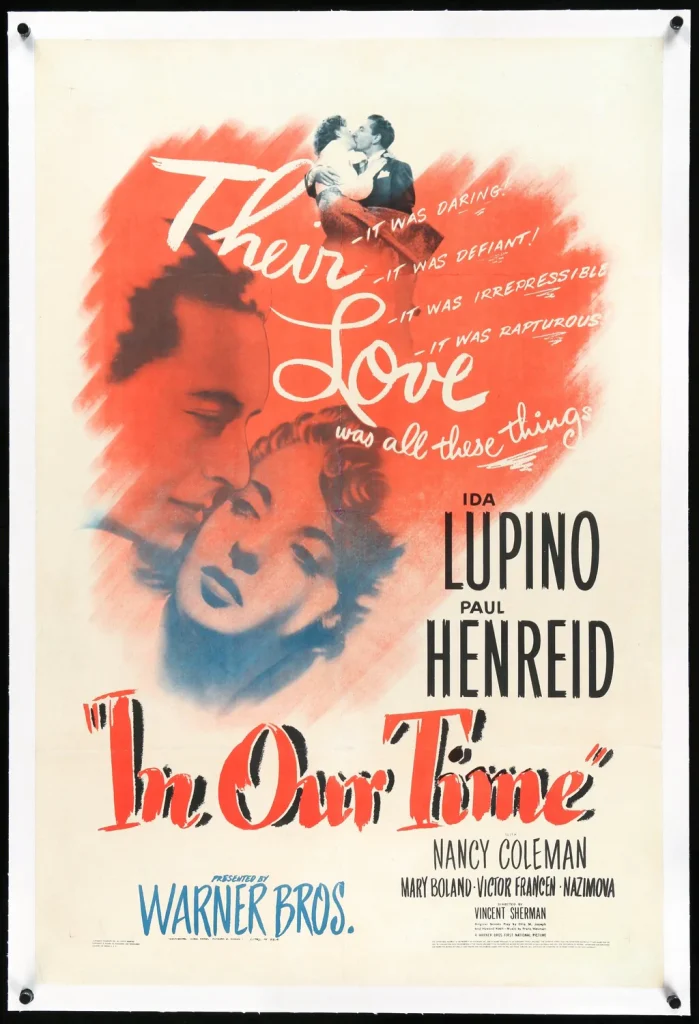
He broke free of the Germanic stereotype in his first Hollywood film, “Joan of Paris” (1942), in which he played a heroic Free French R.A.F. pilot, and went on to glory as the underground leader in “Casablanca.” He then played an Irish patriot in “Devotion” (1943) and a Polish count in “In Our Time” (1944). A Survivor of the Blacklist

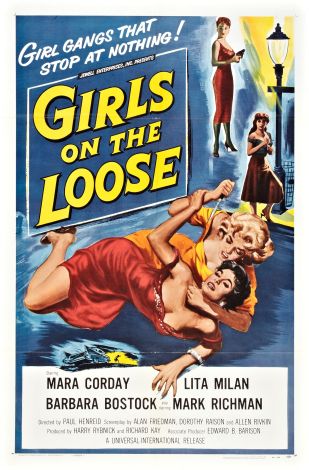
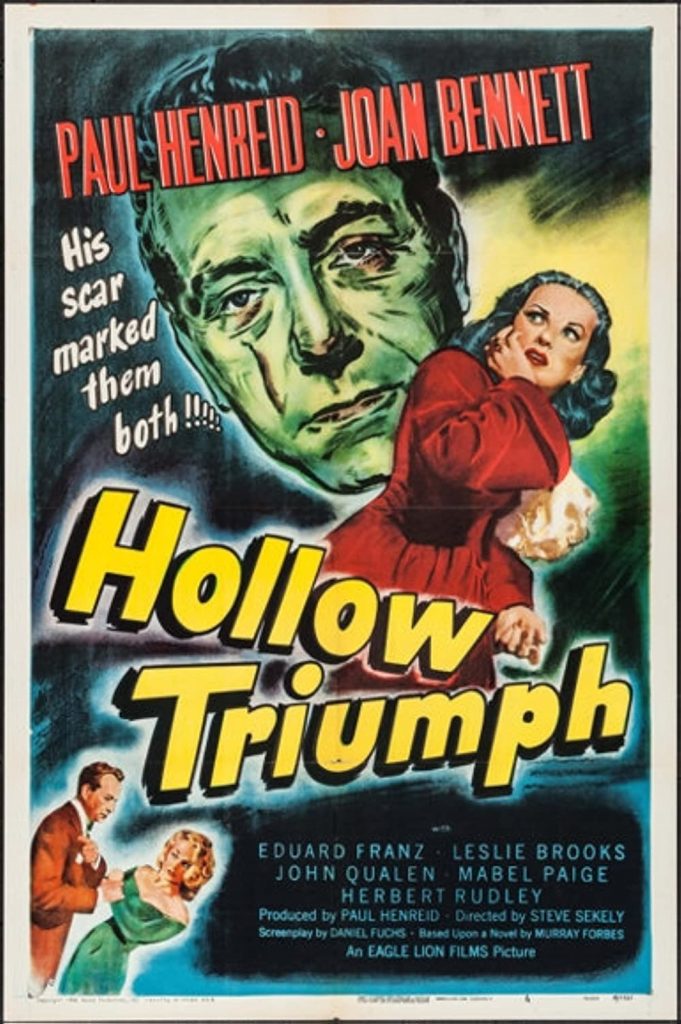
In his autobiography, Mr. Henreid said his Hollywood film career was all but destroyed by the anti-Communist blacklist. Mr. Henreid was one of a group of Hollywood stars who went to Washington to protest the excesses of the House Committee on Un-American Activities.In the 1950’s, Mr. Henreid found a second career as a director and producer. He directed more than 80 episodes of “Alfred Hitchcock Presents” for television; Hitchcock hired him in 1955 despite the blacklist.

Mr. Henreid also acted in numerous television films and toured nationally in the play “Don Juan in Hell” in 1972 and 1973.He is survived by his wife, Lisl, and two daughters, Mimi Duncan and Monica Henreid