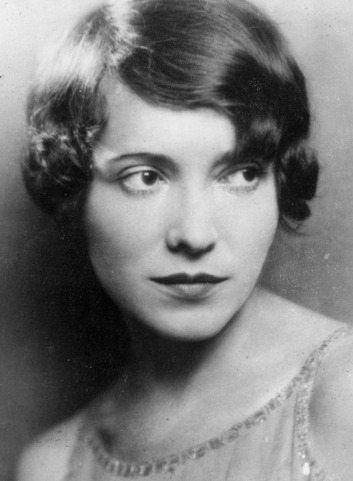
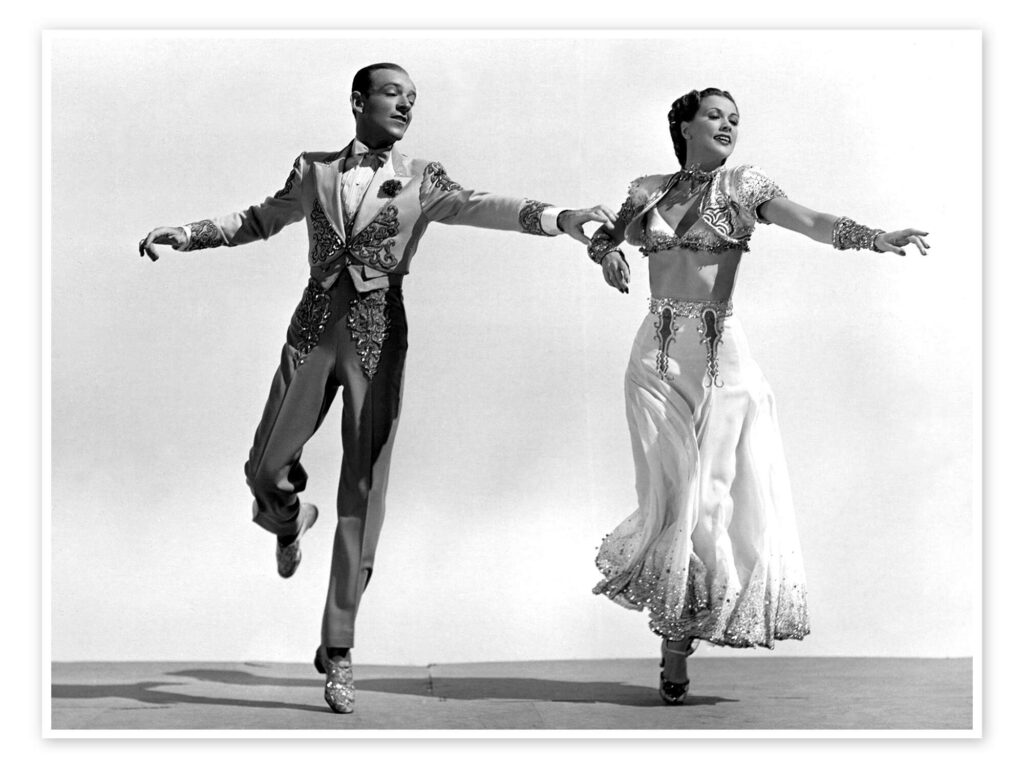
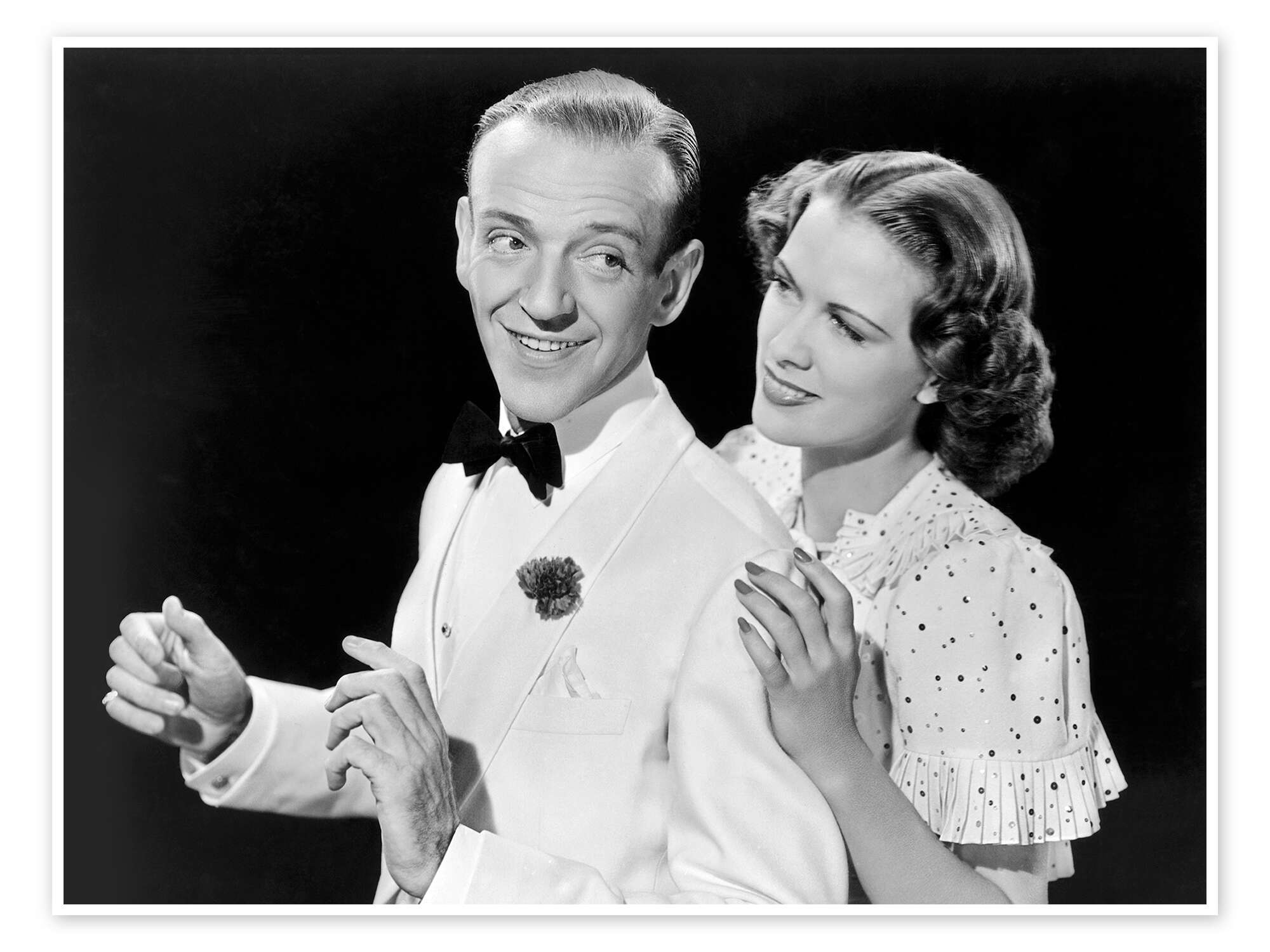
Adele Marie Astaire, the pixieish dancer who captivated audiences in New York and London in many musical comedies of the 1920’s with her brother and dance partner, Fred, died yesterday in Phoenix at the age of 83. Members of the family said she had suffered a stroke on Jan. 6 and never recovered consciousness.
Miss Astaire had been beset by illness in recent years, according to, Kingman Douglass Jr. of Chicago, her stepson. ”But she had enormous recuperative powers,” he said, ”and soon would be up and in Marine-type English telling what she thought of the world.”
Miss Astaire had lived in Phoenix since her second husband, Kingman Douglass, died in 1971. She had spent summers until two years ago in Ireland, at the castle she shared with her first husband, the late Lord Charles Cavendish. Appeared in ‘Funny Face’ The diminutive, dark-haired comedian starred in 11 musicals with her brother, who is two years her junior. Among the more memorable were ”Funny Face,” ”Lady, Be Good,” ”The Band Wagon,” ”For Goodness’ Sake” – retitled ”Stop Flirting” in London – and ”Apple Blossoms.”
Miss Astaire left show business in 1932 to become the wife of Lord Cavendish, the second son of the ninth Duke of Devonshire. Their romance was something of an international sensation, as she kept putting off accepting Lord Charles’s proposal until she had one final hit show. At the time of their engagement she was performing in Florenz Ziegfeld’s ”Smiles,” which received less than happy reviews when it opened in 1930. Although ”Smiles” was a dud, reviewers, such as Brooks Atkinson of The New York Times, singled out the Astaires for praise:
”Strictly speaking, the Astaires are dancers. But they have more than one string to their fiddle. With them, dancing is comedy of manners, very much in the current mode. Free of show-shop trickery, they plunge with spirit into the midst of the frolic. Once to the tune of ‘If I Were You, Love,’ with a squealing German band accompaniment, they give dancing all the mocking grace of improvisation with droll dance inflections and with comic changes of pace. Adele Astaire is also an impish comedian; she can give sad lines a gleam of infectious good-nature. Slender, agile and quickwitted, the Astaires are ideal for the American song-and-dance stage.” Left Stage and Her Brother
After ”The Band Wagon,” at the pinnacle of her career, she left the stage and her brother for Lismore Castle in County Waterford, Ireland, from which producers tried repeatedly to lure her. Mr. Astaire went on to greater fame on the screen with Ginger Rogers.
Fred said of his sister on her retirement, ”She was a great artist and inimitable, and the grandest sister anybody could have.” He had followed her into dancing. When he was 4 and she was 6, their parents sent him to her dance classes so he could keep her company, but he got interested.
The marriage of Lord and Lady Charles, though happy, was marked by tragedy. A daughter was born in 1933, and died the same day. Two years later, twin sons, who were born prematurely, died within hours of their births. She was to have no more children. Some time later, Lord Charles fell ill from a liver ailment that made him an invalid.
During World War II, at the urging of her husband, Miss Astaire worked at a famous Red Cross canteen in London, the Rainbow Corner, helping out at the information desk, dancing with G.I.’s and shopping and writing letters for them. To the letters she signed herself, ”Adele Astaire (Fred’s sister).” Married for Second Time
On March 23, 1944, Lord Charles died. Three years later, on April 28, 1947, Miss Astaire was married to Mr. Douglass, whom she had met at the Rainbow Corner. It was his second marriage. In 1950, he became assistant director of the Central Intelligence Agency, a post he held for two years before resuming his career in finance. He became a partner in Dillon Read & Company, retiring before his death in New York in 1971.
Adele Marie Austerlitz was born in Omaha, Neb., on Sept. 10, 1898, to Fredrick Austerlitz, a brewer from Vienna, and the former Ann Geilus, a native of Omaha. In 1904, the family moved to New York, where Adele and Fred, the only children, were enrolled in the Alviene School of Dance. Until then, they had been tutored by their mother.
The Astaires appeared in their first vaudeville show in New York in 1912, and had their first triumph on Broadway in 1917, with ”Over the Top” at the Winter Garden.
Besides her brother and stepson, Miss Astaire is survived by two other stepsons, Howard James Douglass of Chicago and William Angus Douglass of London.
Private services will be held in Phoenix and Beverly Hills, Calif.
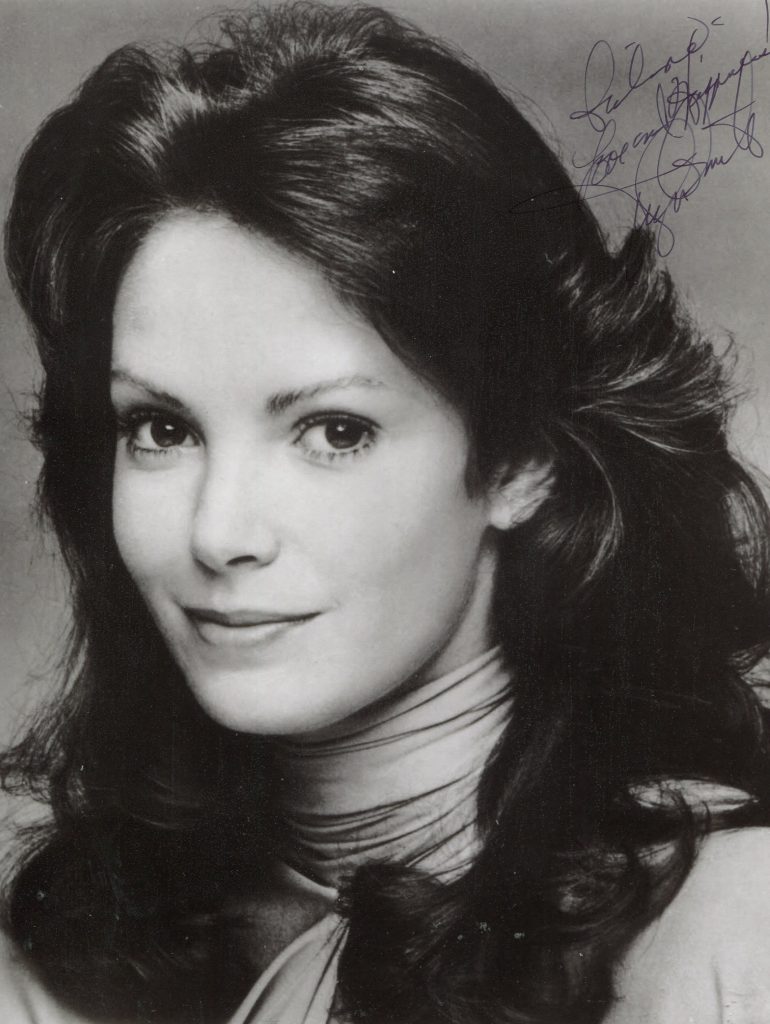
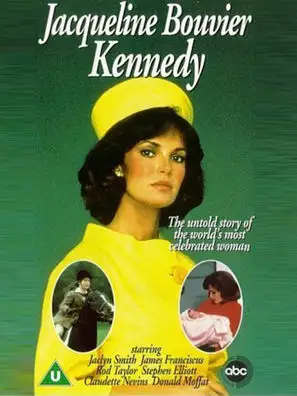
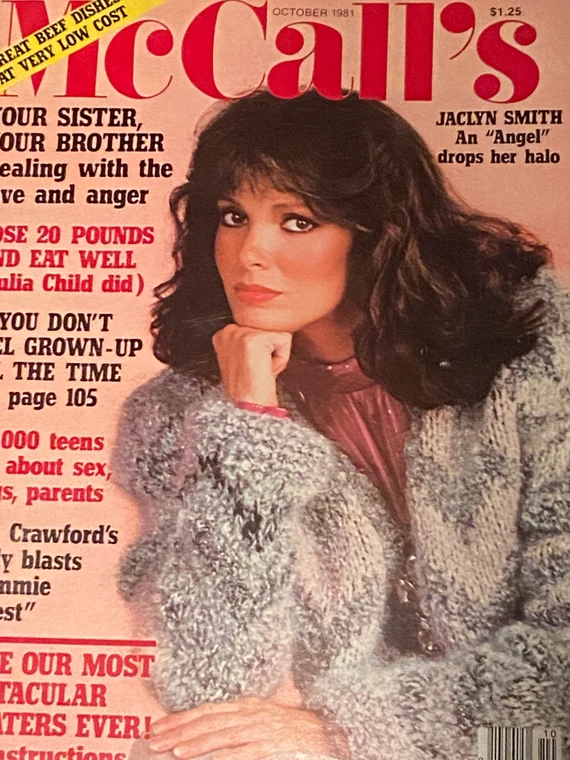
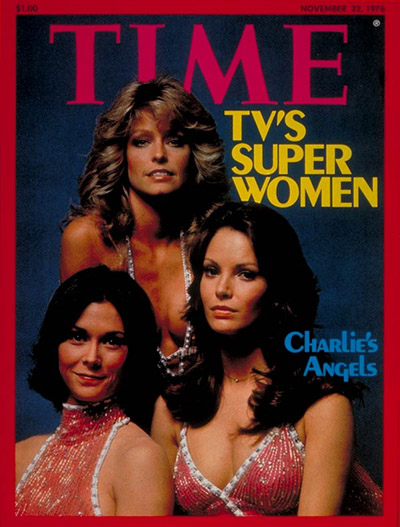
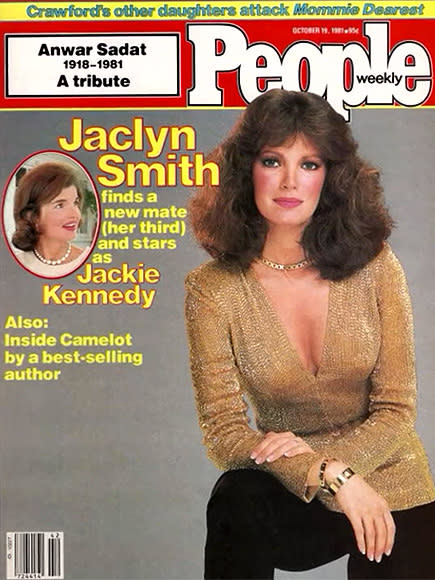
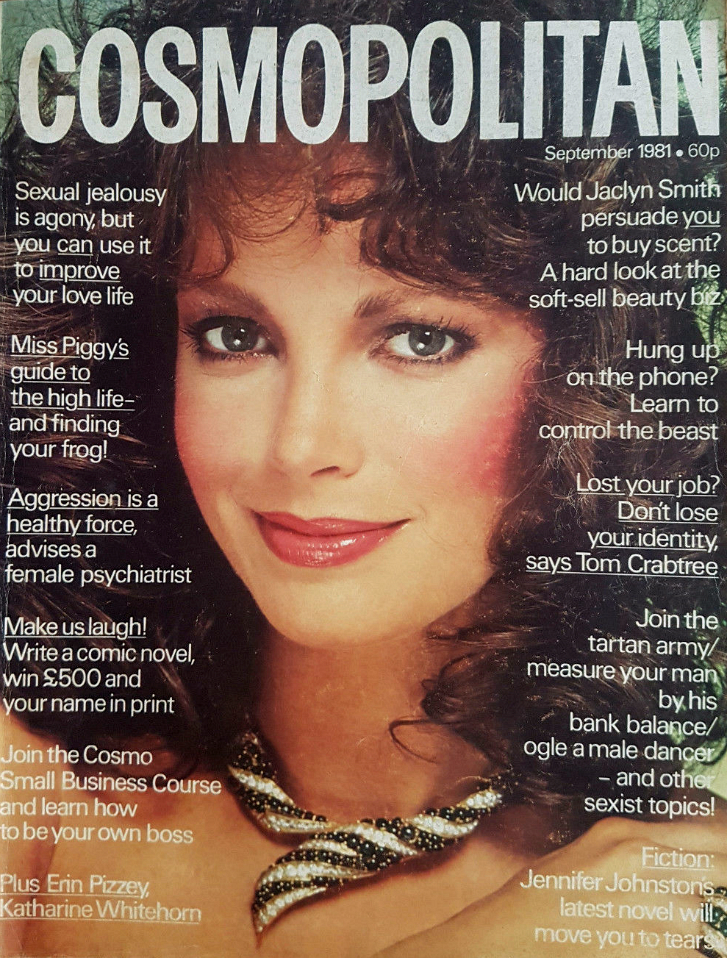
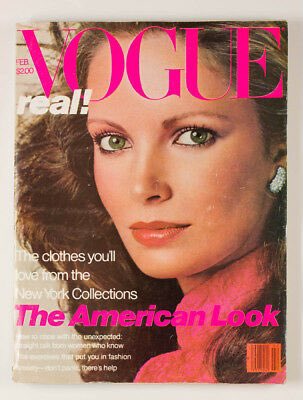
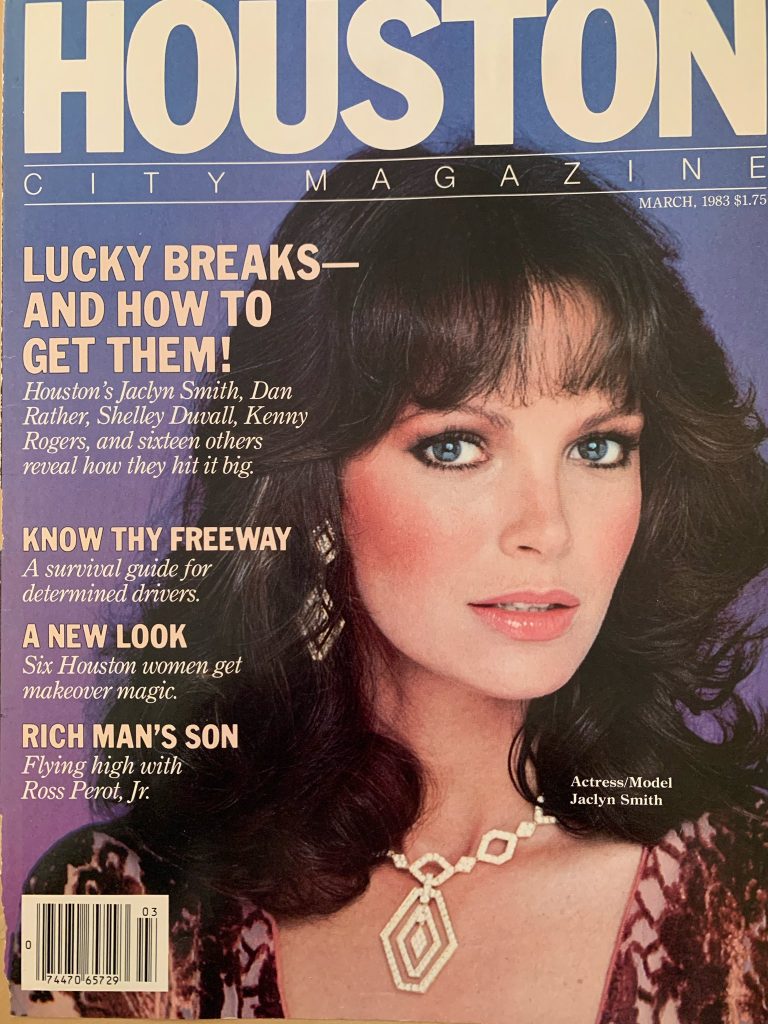
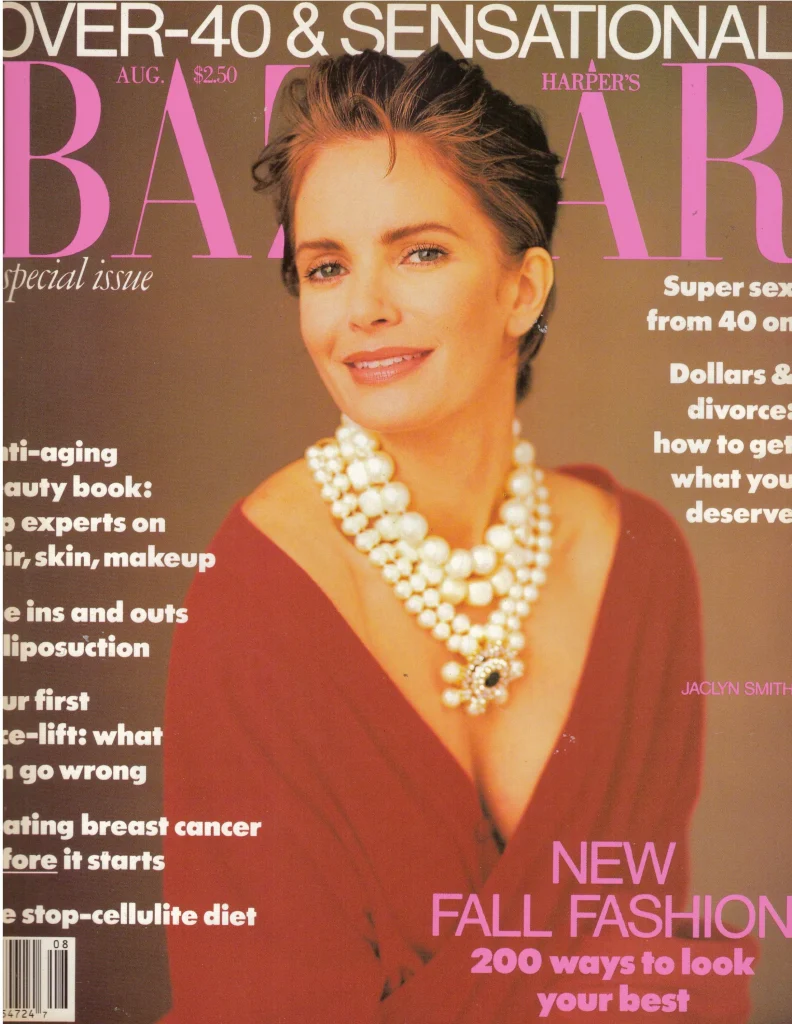
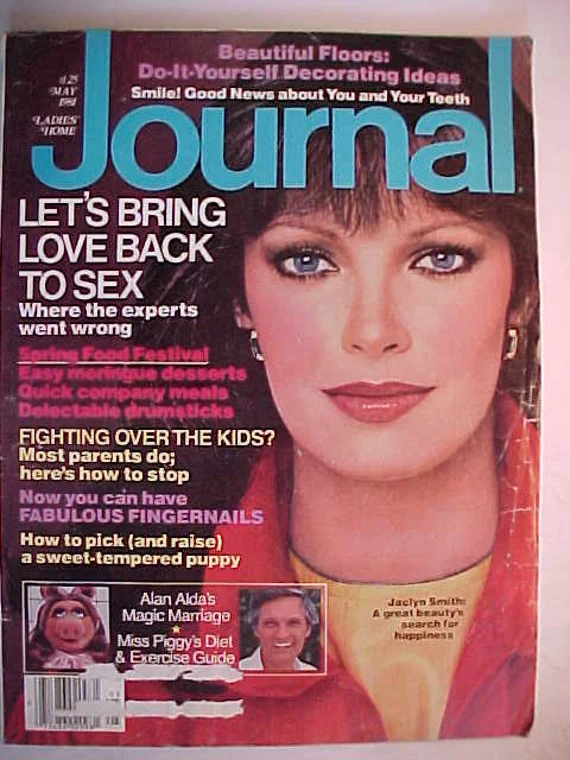
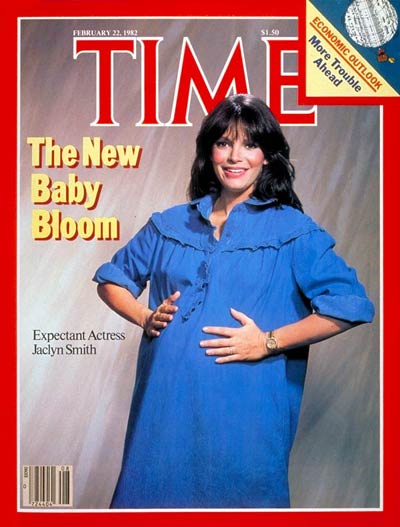
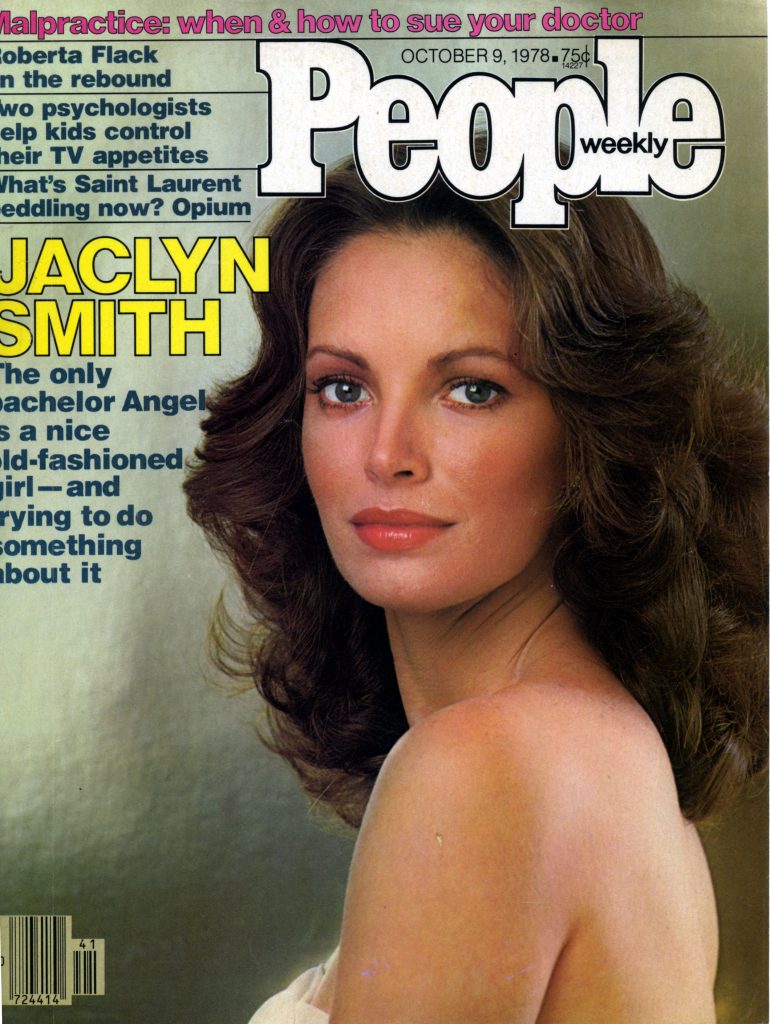
Jaclyn Smith was born Jaclyn Ellen Smith on October 26, 1945 in Houston, Texas. She graduated from high school and originally aspired to be a famous ballerina. In 1973, she landed a job as a Breck shampoo model. In 1976, she was offered a chance to star in a new pilot for a planned television series, entitled Charlie’s Angels (1976). The pilot was slick and the show was an instant hit when it debuted on September 22, 1976 on ABC. Smith has the distinct honor of being the only Angel *not* to leave the show in its entire five-season run (1976-1981). After Charlie’s Angels (1976), she went the TV-movie route and starred in such TV films as Jacqueline Bouvier Kennedy (1981) for which she received a Golden Globe nomination, and such miniseries as The Bourne Identity (1988), Rage of Angels (1983) and Windmills of the Gods (1988). She has had her own extremely successful clothing line at KMart since 1985, and is often a spokesperson. Her first two marriages to actors Roger Davis and Dennis Cole ended in divorce. She has two children from her third marriage to cinematographer Anthony B. Richmond (they divorced in 1989). Her fourth marriage is to her father’s physician Dr. Brad Allen. She married him in 1997 and they both created a skincare line.
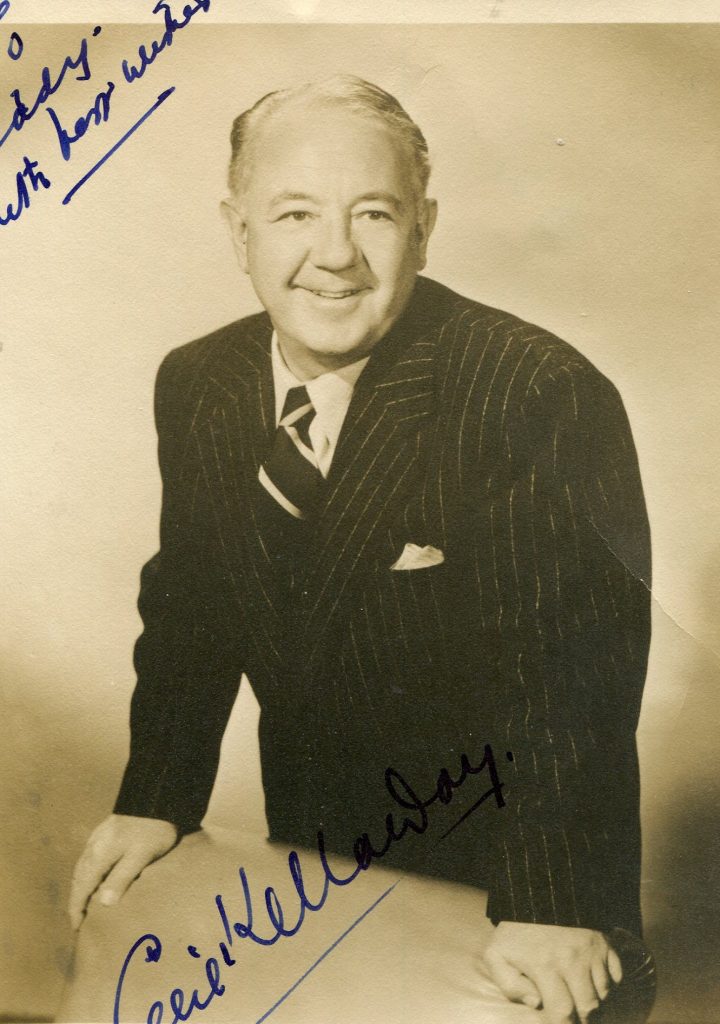
Cecil Kellaway (August 22, 1893 February 28, 1973), was born in Cape Town, South Africa, and was an Academy Award-nominated character actor active in Hollywood from the late 1930’s through the late 1960’s. Kellaway spent his early years as an actor, writer and director in Australia. He was discouraged during his initial trip to the US because he was getting only small gangster parts. He returned to Australia until William Wyler contacted him with a part in Wuthering Heights(1939). After that Kellaway remained in demand. Kellaway died in 1973, in Hollywood at age 79. He had received two Best Supporting Actor nominations in his career, for The Luck of the Irish and Guess Who’s Coming to Dinner. Other notable roles included that of Nick in The Postman Always Rings Twice (1946).
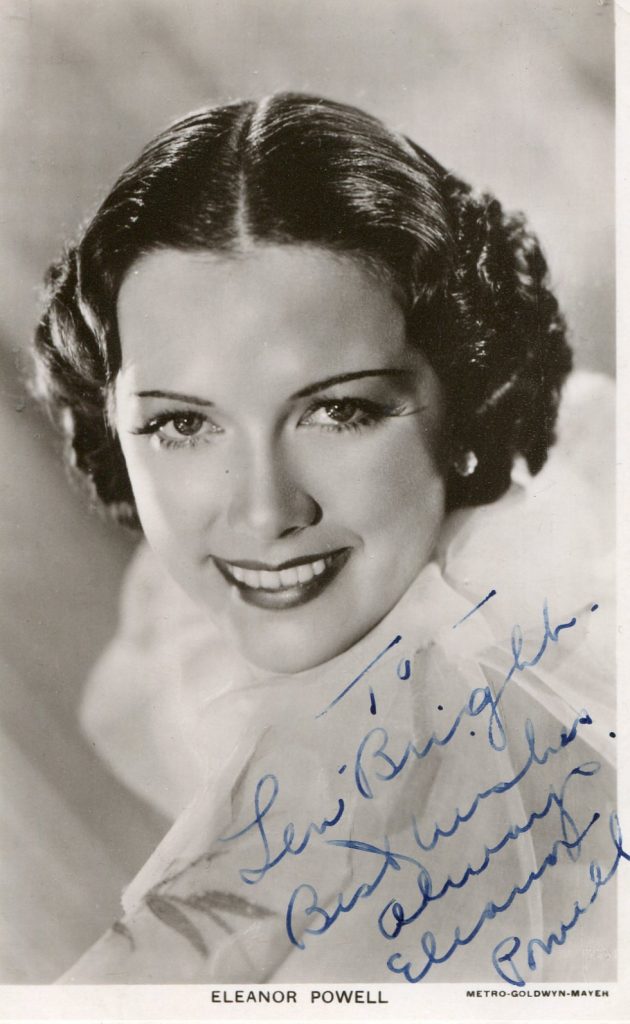
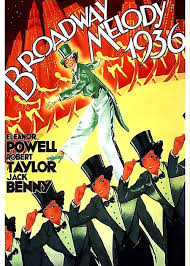
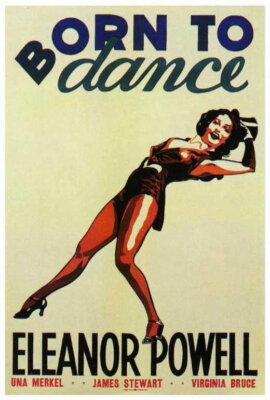
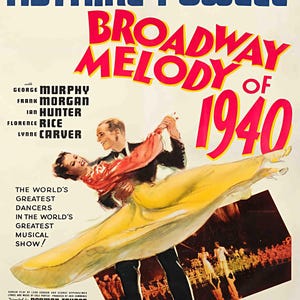
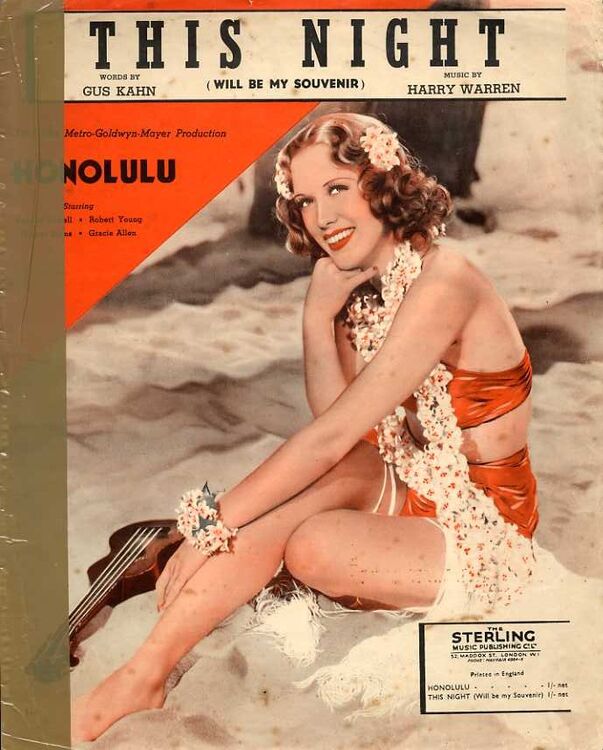
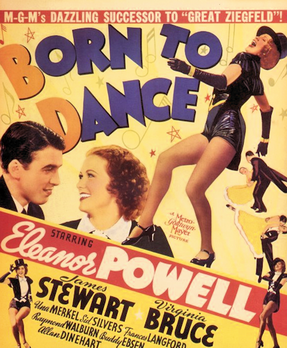
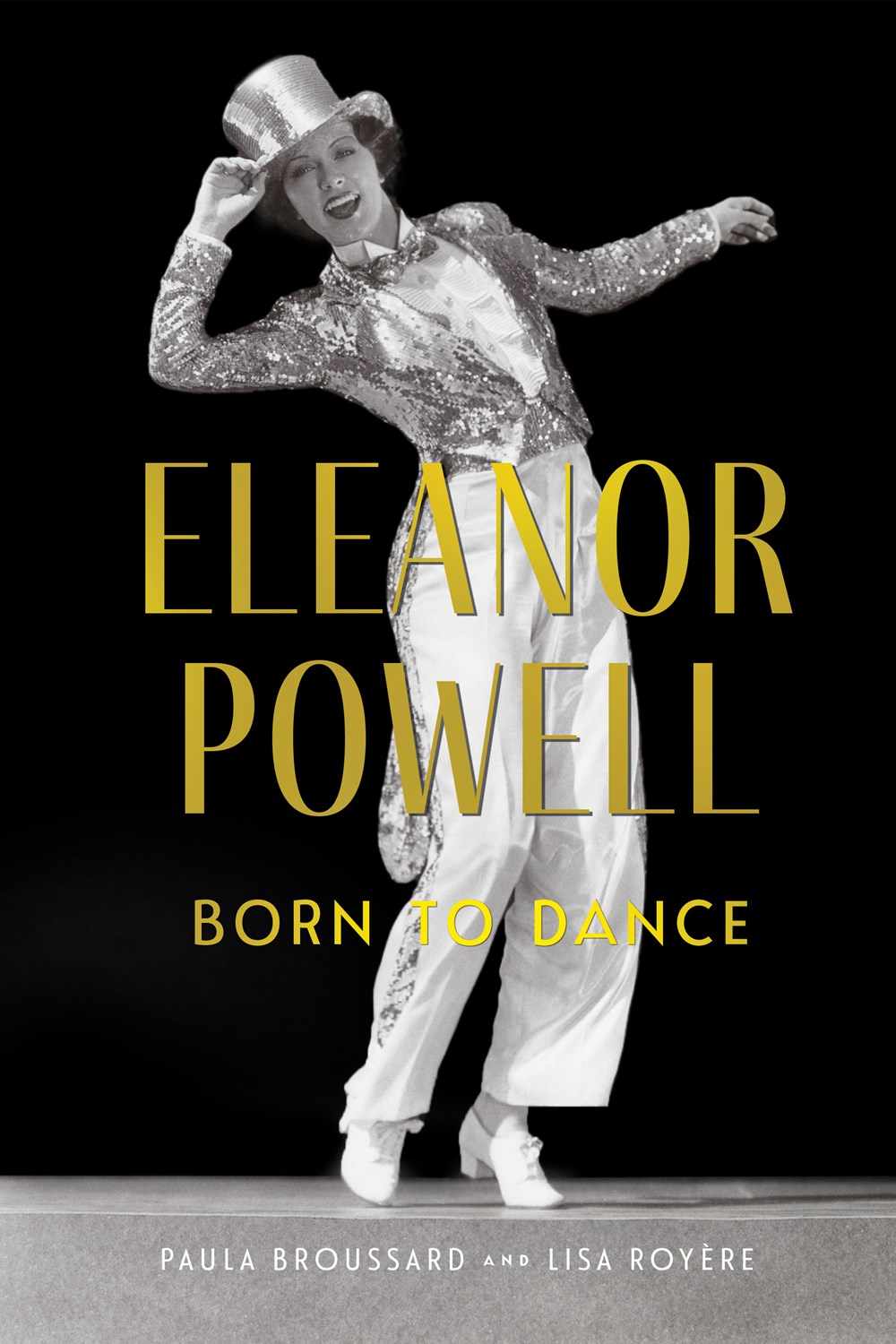
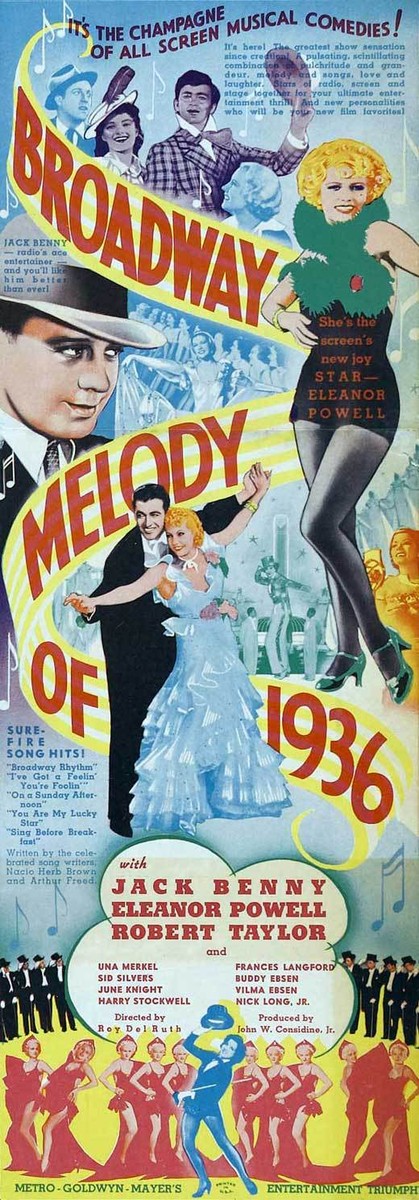
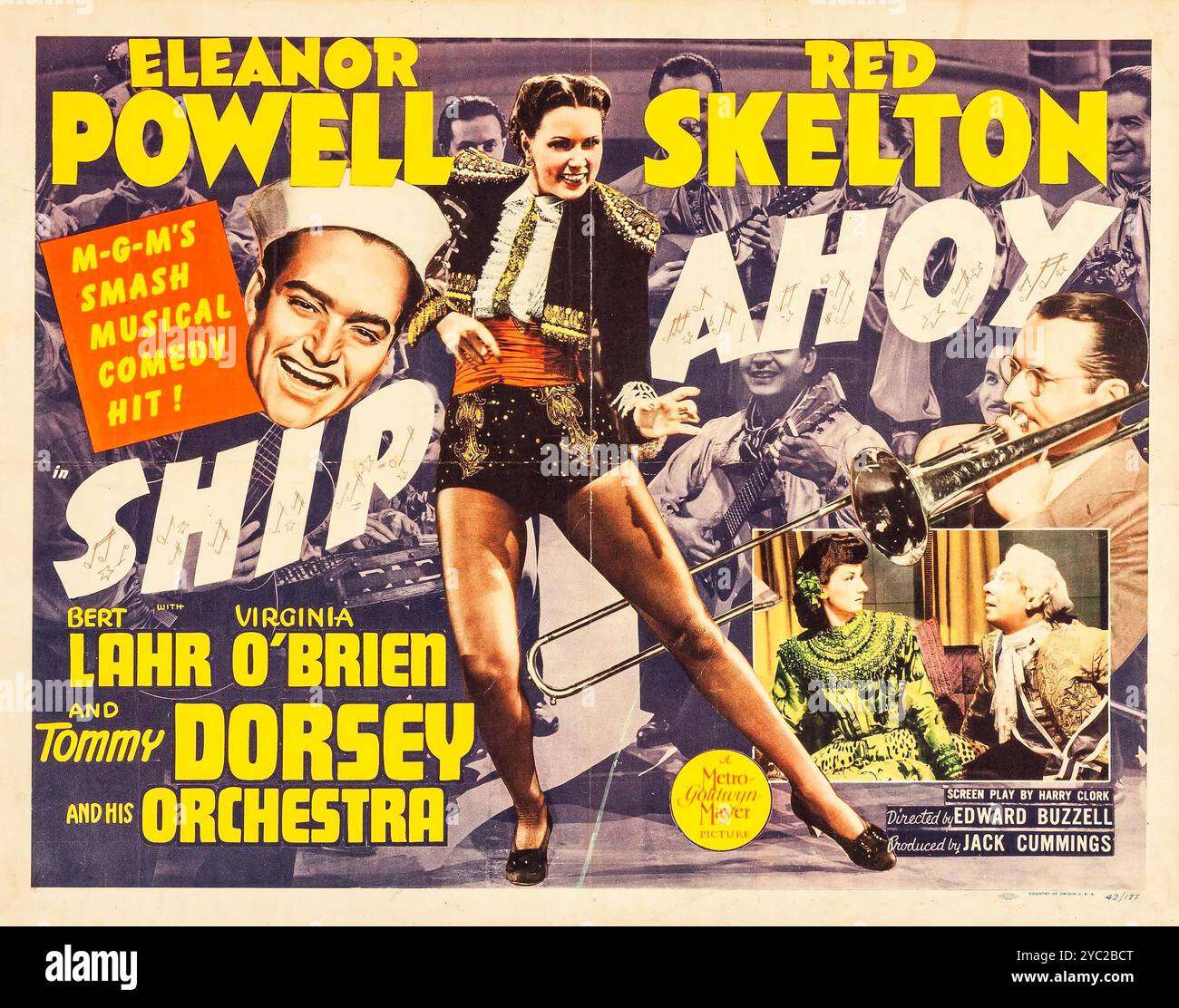
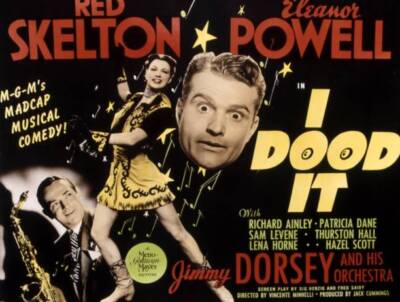
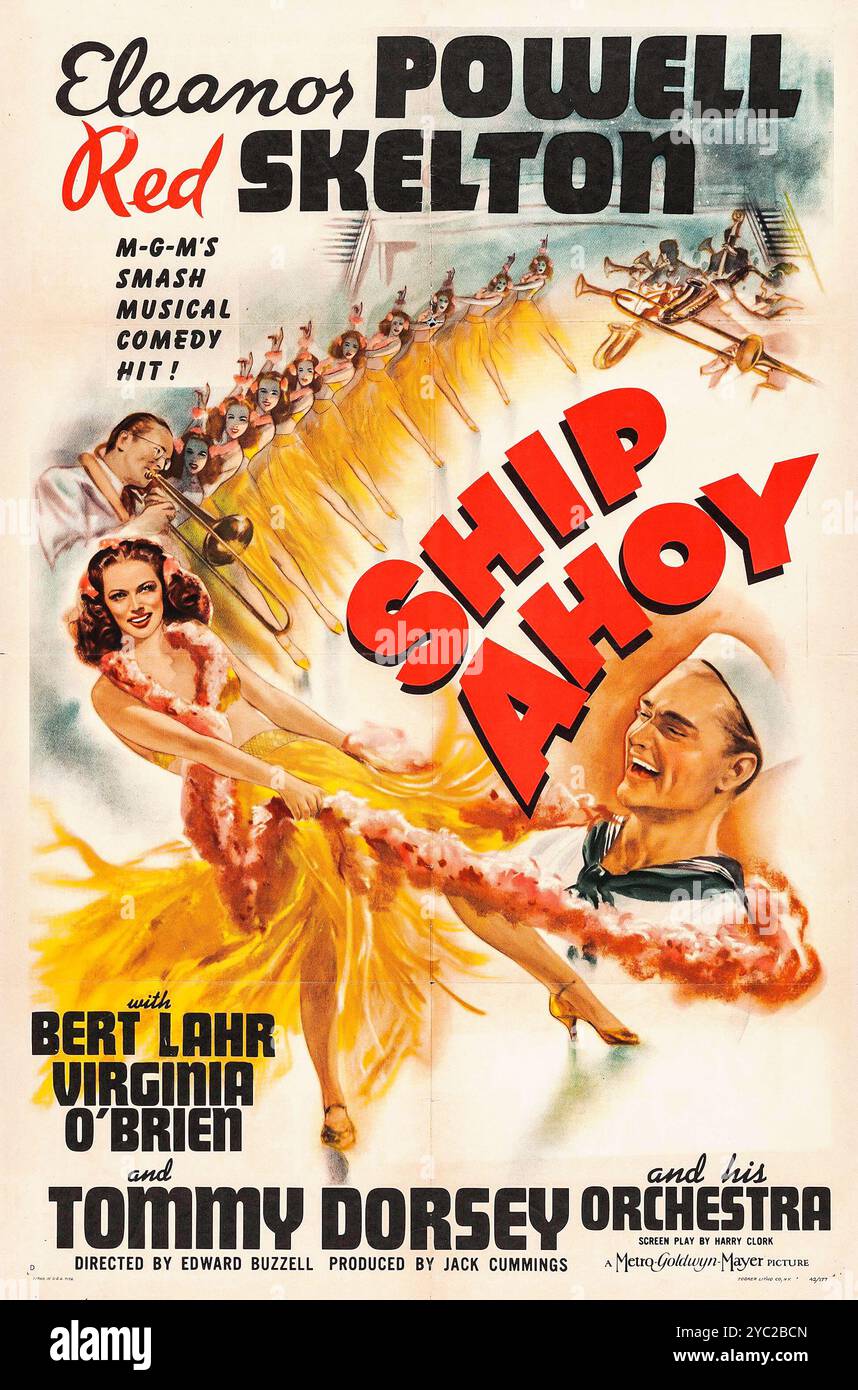
Ever-smiling, world-class tap artist who danced her way through a dozen successful MGM musicals in the late 1930s and early 40s before retiring from the screen–save for a guest role in “The Duchess of Idaho” (1950). Typically cast as the determined hopeful whose talent and determination get her to the top, Powell was not a major actress, but she did display exuberance and a certain tongue-in-cheek charm, and her aggressive, androgynous dancing style made her as familiar a sight in top hat and tails as Fred Astaire.Powell’s best films include “Broadway Melody of 1936” (1935), which made her a star, its two sequels from 1938 and 1940 (the latter featuring her legendary “Begin the Beguine” duet with Astaire), and “Born to Dance” (1936). Generally a solo dancer, the acrobatic Powell did have George Murphy on hand in several films as a partner; she also teamed with comedian Red Skelton for three films, the best of which is “Ship Ahoy” (1942). Married to actor Glenn Ford from 1943 to 1959, Powell hosted an acclaimed religious program in the 1950s and later performed occasionally onstage and in nightclubs.
New York times obituary
Eleanor Powell, the exuberant, nimble tap-dancing star of dozens of Hollywood musicals in the 1930’s and 40’s, died of cancer yesterday at her home in Beverly Hills, Calif. She was 69 years old.
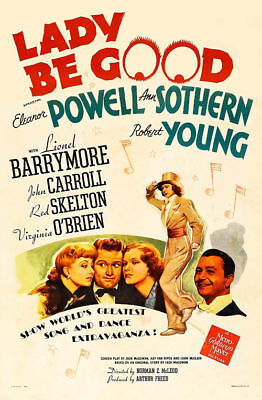
Miss Powell graced several of Metro-Goldwyn-Mayer’s lavish ”Broadway Melody” musicals as well as ”Born to Dance” (1936), ”Rosalie” (1937), ”Lady Be Good” (1941) and ”Thousands Cheer” (1943). In 1961, after many years in retirement, Miss Powell made a co meback that started at the Sahara hotel in Las Vegas, and, as the re viewer for The New York Times said, ”dazzled” capacity audiences at the Latin Quarter in New York.
Her last public appearance was at a tribute last year to Fred Astaire – her co-star in ”Broadway Melody of 1940” – at the American Film Institute in Washington. Spotted on the Beach
Eleanor Torrey Powell was born in Springfield, Mass., on Nov. 21, 1912. She was spotted, at the age of 13, doing acrobatics on the beach at Atlantic City and was put into a revue at the Ritz Gr ill there.
After taking tap-dancing lessons in New York City, Miss Powell made her debut at Manhattan’s Casino de Paris in 1928. Over the next seven years, she appeared in seven revues in the city, including ”Hot-Cha,” produced by Florenz Ziegfeld in 1932.
Regarded as the best female tap dancer in the country, Miss Powell was signed by M-G-M in 1935. Her first major movie was ”Broadway Melody of 1936.” The critic for The Times said, ”Chiefly the cinema news this morning concerns Miss Eleanor Powell, a rangy and likable girl with the most eloquent feet in show business.”
It was Miss Powell’s ”exquisitely tapped-out rhythms,” The Times said, that distinguished her next movie, ”Born to Dance.” With seven Cole Porter songs, including ”I’ve Got You Under My Skin,” the movie also introduced film audiences to James Stewart.
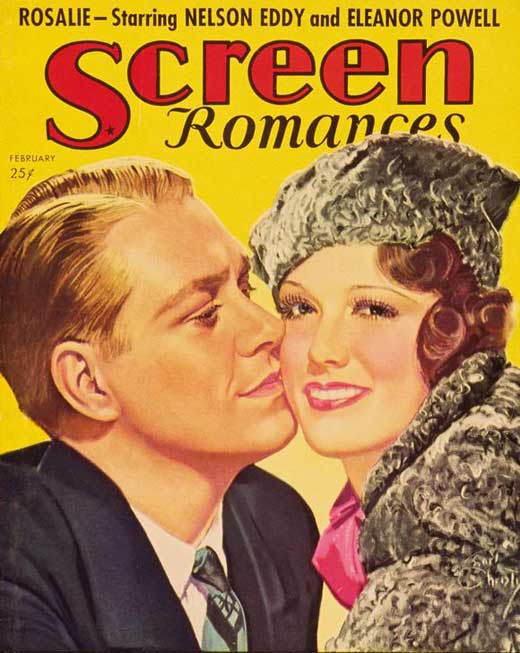
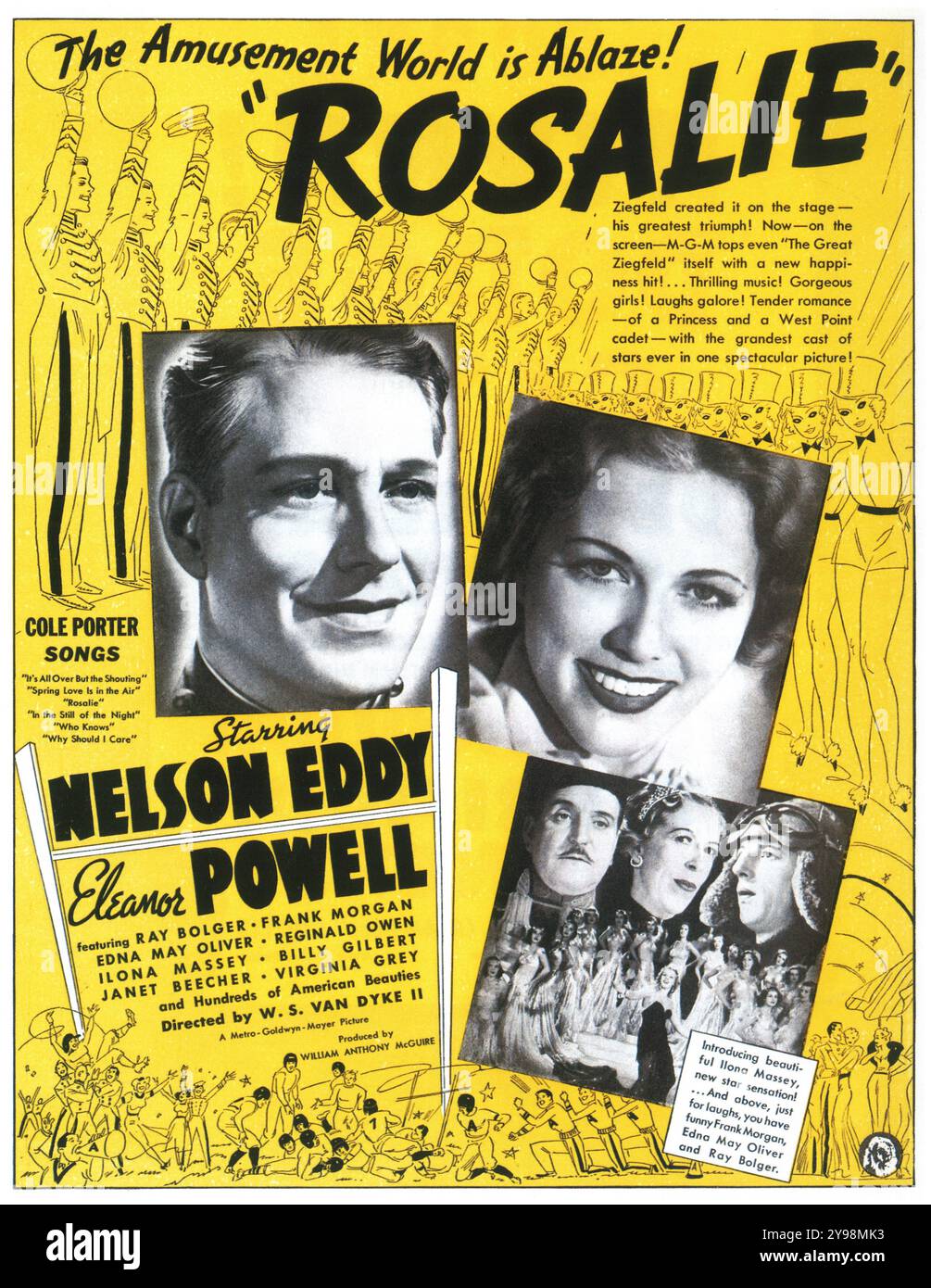
As a Balkan princess at Vassar in ”Rosalie,” Miss Powell’s role was described in The Times as follows: She ”dances, smiles, sings, listens to Nelson Eddy sing, looks serious, smiles again and is brought in on the top of a cake.” Teamed With Astaire
Miss Powell was teamed with another formidable dancer, Mr. Astaire, for the first time in ”Broadway Melody of 1940.” The Times reviewer thought that she blended in ”beautifully with the inexorably logical Astaire patterns,” especially in the rendition of Cole Porter’s ”Begin the Beguine”
A year later, in ”Lady Be Good,” The Times found her ”still probably the nimblest lady in tap shoes.” But by the mid-1940’s, the public’s fascination with tap dancing was wearing thin, and Miss Powell’s popularity suffered. She married the actor Glenn Ford in 1943 and then retired from show business. Her only child, Peter Ford, was born in 1946. Miss Powell was granted a divorce from Mr. Ford in 1959. A Las Vegas Ovation
In 1960, Miss Powell and her son were attending a Pearl Bailey performance in a Las Vegas nightclub when Miss Bailey introduced her to the audience. She danced a few numbers and got an ovation.
”That made me think – well, I haven’t been forgotten,” Miss Powell said at the time. ”This was a nudge. Another was my son. He needled me: ‘Mom, you’ll never make it. You belong to the horse-andbuggy age.’ ”
Encouraged by her success that night, she went on to star in a 50-minute revue in Las Vegas that included such songs as ”Fascinating Rhythm” and ”Life Is Just a Bowl of Cherries.”
The show came to Manhattan in June 1961, and The Times reported after opening night that ”Eleanor Powell has Broadway at her feet once again
Her comeback was a brief, strenuous and expensive one, however, and after 1961, Miss Powell returned to private life, concerning herself primarily with church and charitable work.
She is survived by her son, Peter. Funeral arrangements were incomplete last night.
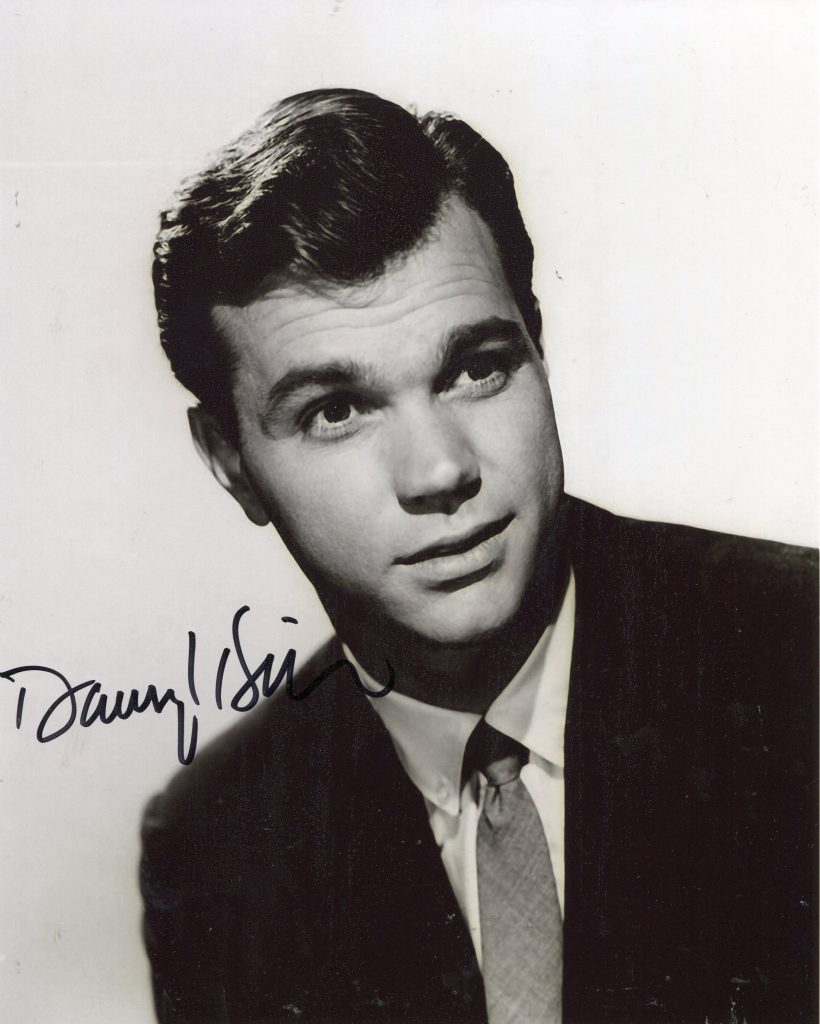
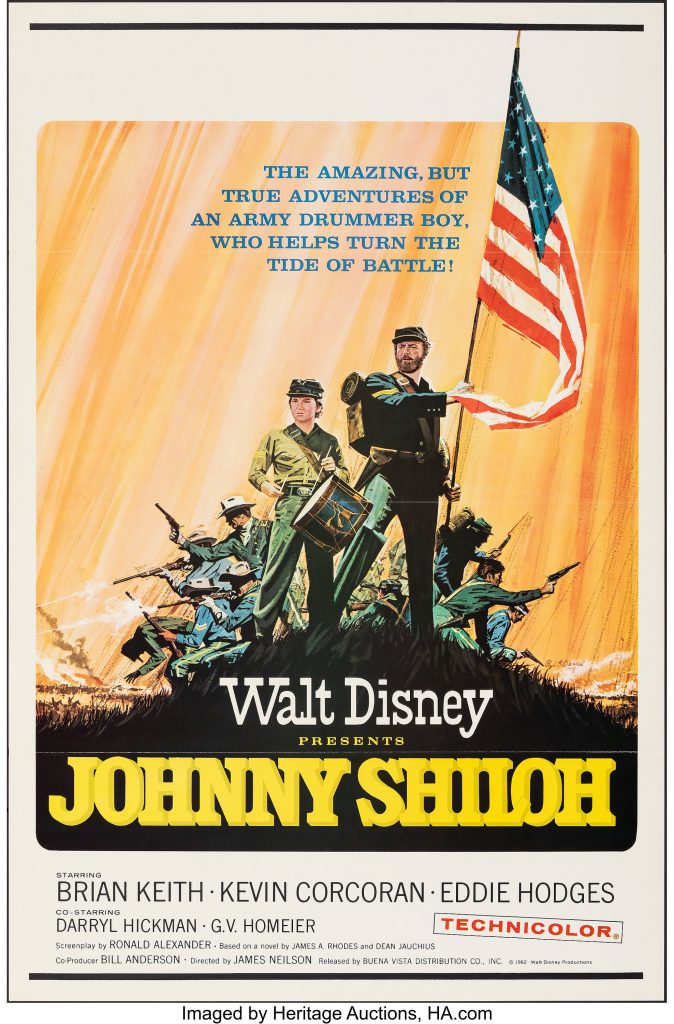
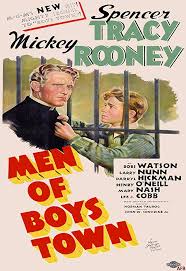
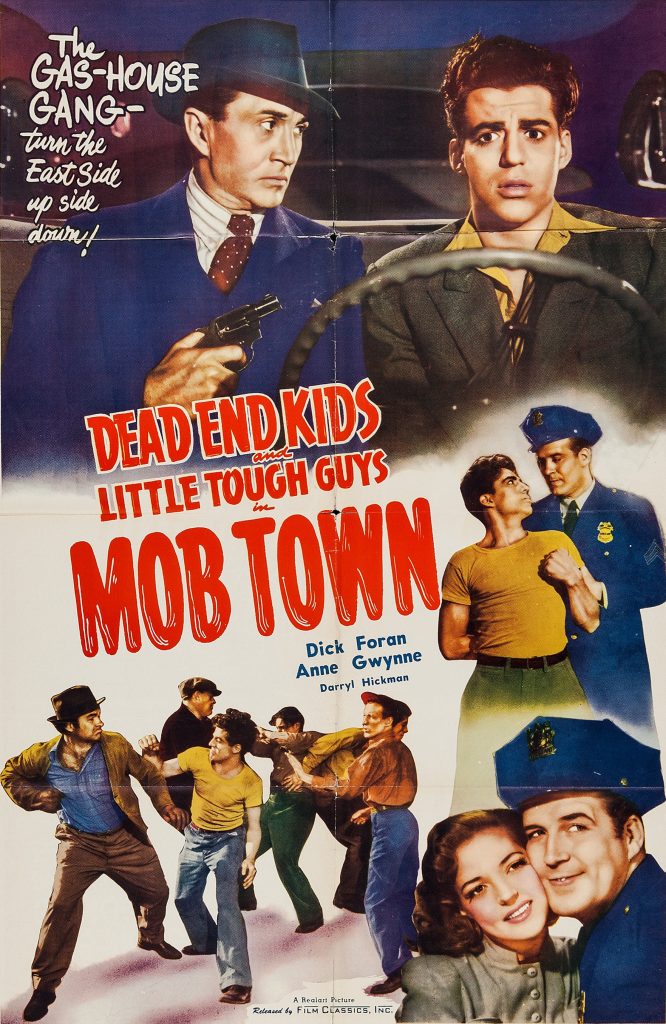
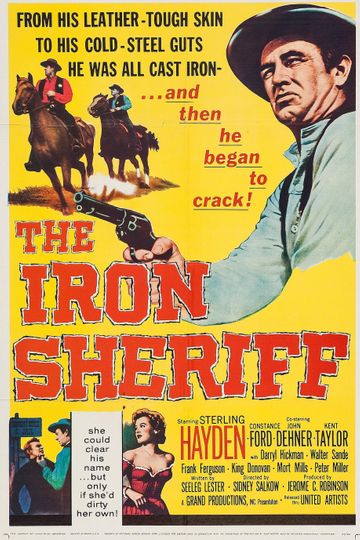
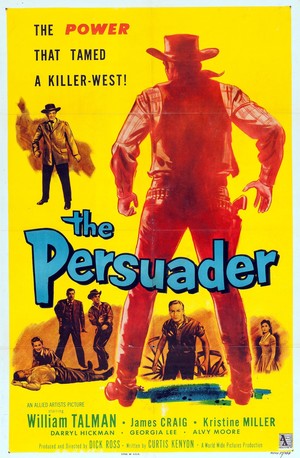
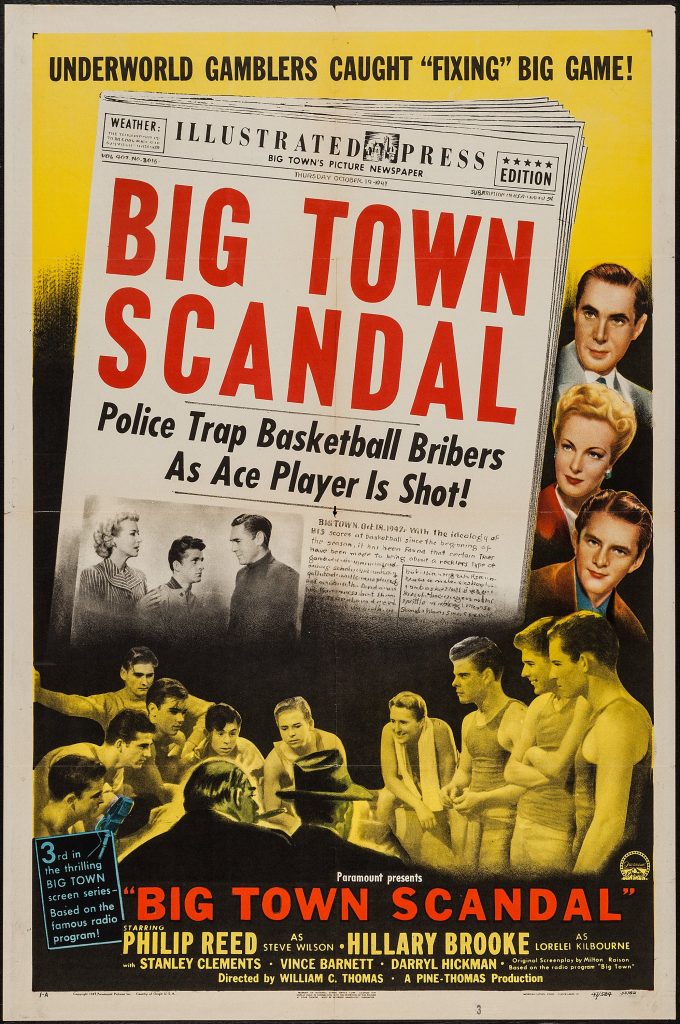
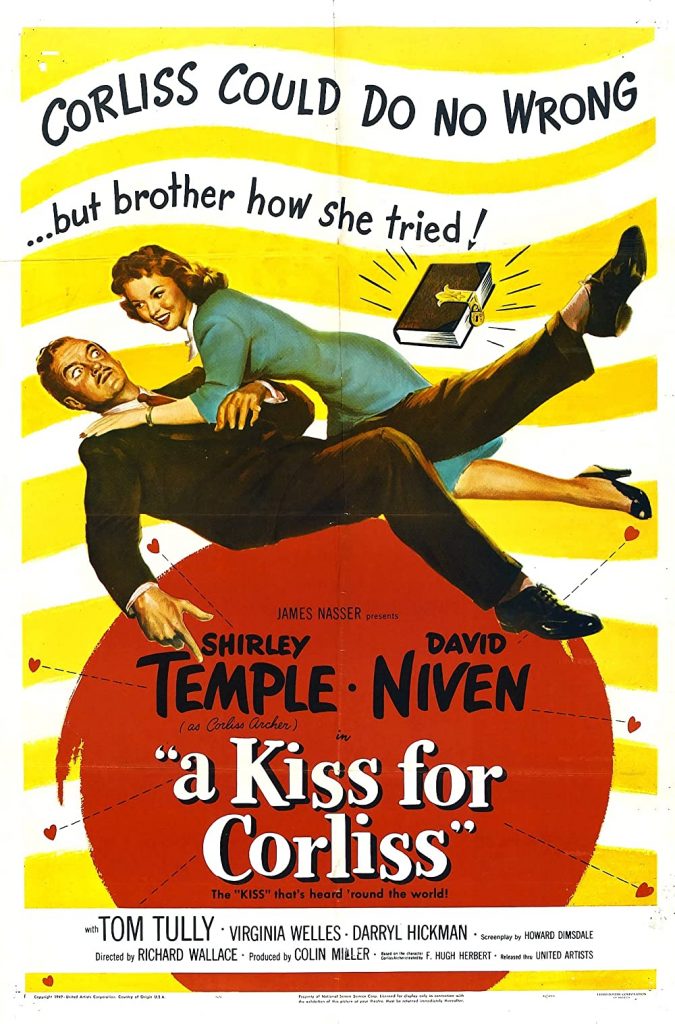
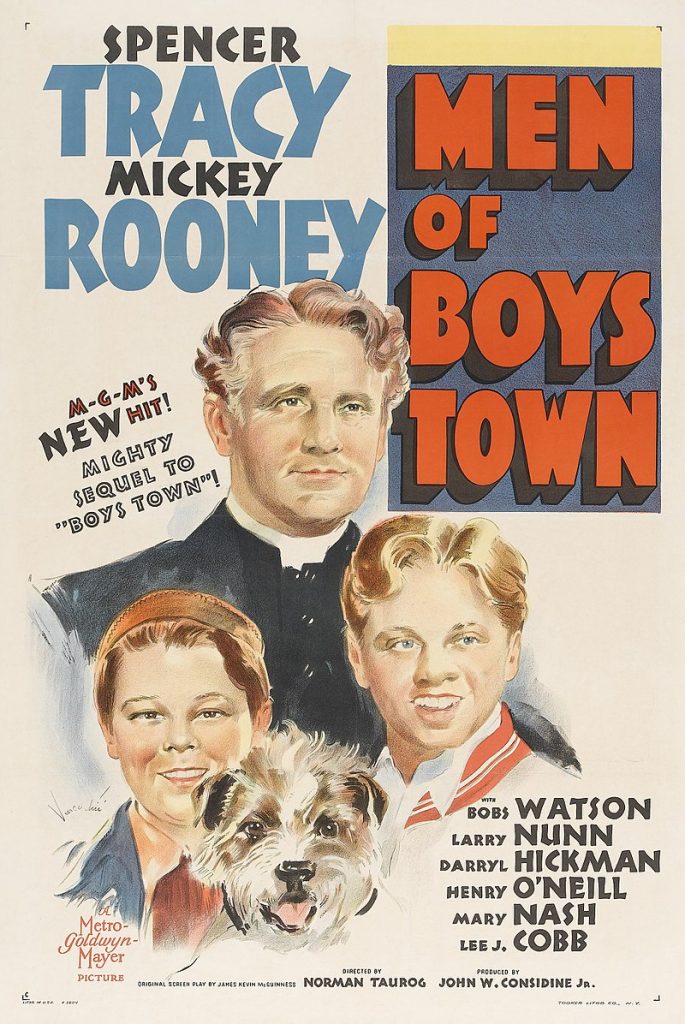
After spending his childhood as an actor, Hickman retired from entertainment to enter a monastery in 1951, returning to Hollywood just over a year later. He continued acting, but in fewer roles than in the peak of his career. He was cast in 1952 in the episode “Fight Town” of the syndicatedwesterntelevision series, The Range Rider.
In 1954, he appeared as Chet Sterling in the “Annie Gets Her Man” episode of syndicated western series, Annie Oakley, with Gail Davis. In 1957, Hickman appeared in the episode “Copper Wire” of the syndicated western-themed crime dramaSheriff of Cochise. Later that year he appeared as murderer Steve Harris in the second Perry Mason episode, “The Case of the Sleepwalker’s Niece.” Hickman appeared four times in the 1957-1958 syndicated drama series, Men of Annapolis, about midshipmen at the United States Naval Academy in Annapolis, Maryland. He also guest starred in Kenneth Tobey‘s adventure drama, Whirlybirds.
Hickman was cast as Dal Royal in the 1957 episode “Hang ’em High” (1957) of the ABC/Desilu series, The Life and Legend of Wyatt Earp. In the story line, Marshal Wyatt Earp (Hugh O’Brian) and Sheriff Bat Masterson (Mason Alan Dinehart) tangle with secreted vigilantes called the “White Caps” after a judge order’s Royal’s hanging when he refuses to defend himself in court for fear the gang will murder his girlfriend, the daughter of a prominent rancher. The story line includes a fake hanging and burial to smoke out the gang and a rush to obtain justice by Earp and Masterson.[1]
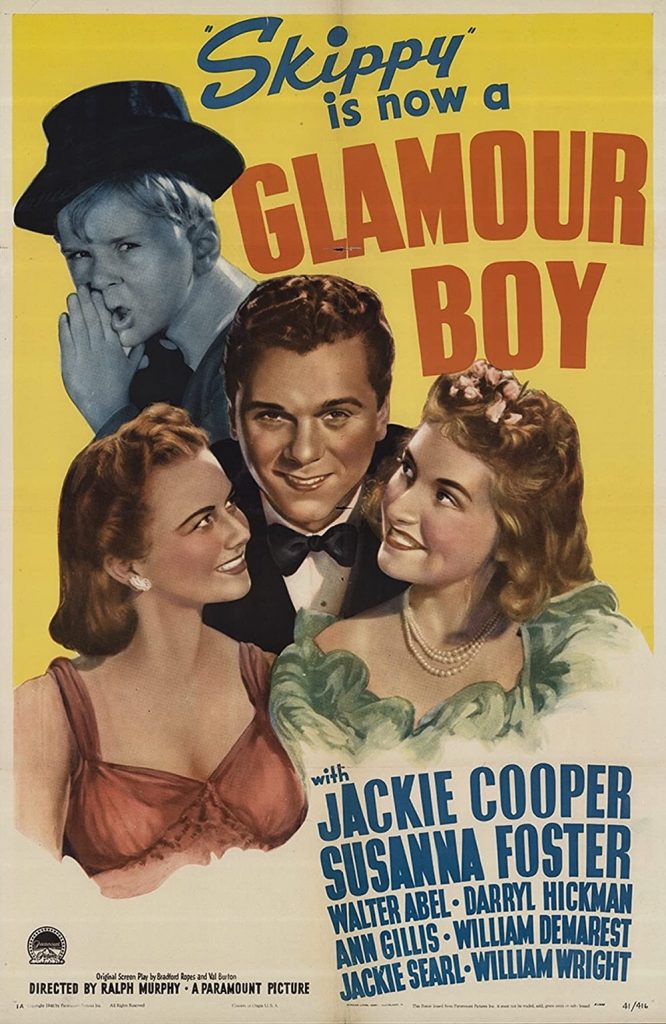
In 1959, Hickman appeared on younger brother Dwayne Hickman‘s CBS sitcom The Many Loves of Dobie Gillis, playing his older brother Davey in the episode “The Right Triangle.”[2] In 1959, Darryl Hickman appeared in an episode of Wanted: Dead or Alive with Steve McQueen, titled “Rope Law”; on May 9, 1959, he was a guest star on CBS’s Gunsmoke as Andy Hill. He also guest-starred in a 1959 first-season episode of another ABC/Desilu series, The Untouchables, entitled “You Can’t Pick The Number”.
Darryl Hickman (born 1931) represents a rare and fascinating trajectory in Hollywood history: the child star who not only survived the transition to adulthood but reinvented himself as a sophisticated acting theorist, television executive, and voice artist. His career is a primary text for studying the evolution of American acting styles, from the “precocious” studio child to the “internal” Method actor.
Career Overview
Hickman’s professional life can be divided into three distinct acts: the child prodigy, the dramatic leading man, and the creative executive.
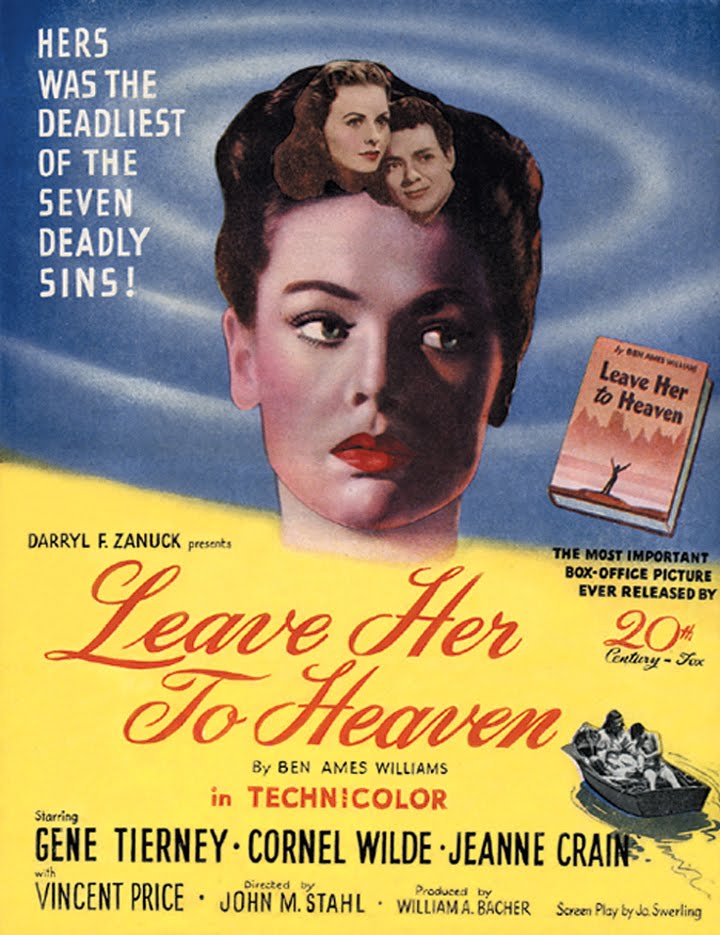
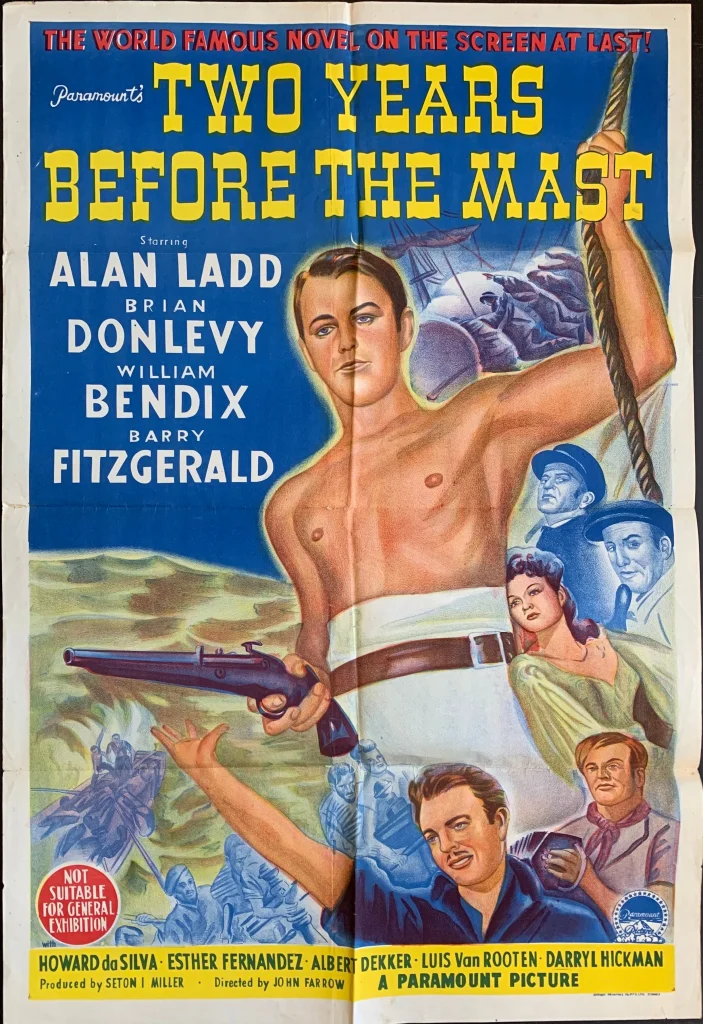
The Golden Age Child Star (1937–1946): Discovered by a dance teacher at age five, Hickman became one of the most prolific child actors of the 1940s. He appeared in over 40 films before he turned 15, most notably as Winfield Joad in the masterpiece The Grapes of Wrath (1940) and as the doomed Danny Saunders in Leave Her to Heaven (1945).
The Dramatic Transition (1947–1960s): Unlike many of his peers, Hickman successfully aged into “troubled youth” and “sensitive young man” roles. He starred in The Strange Love of Martha Ivers and delivered a haunting performance in the noir The Set-Up (1949). He also became a staple of the “Golden Age of Television,” appearing in live anthology dramas.
The Executive and The Theorist: In the 1970s, Hickman moved behind the scenes, becoming a high-level executive at CBS (overseeing daytime programming) and a legendary acting coach. He authored The Conscious Actor, a respected treatise on the mechanics of performance.
Detailed Critical Analysis
1. The “Anti-Shirley Temple” Naturalism
Critically, Hickman is praised for avoiding the “stagey” or overly cute affectations common in child actors of the 1930s.
The Joad Realism: In The Grapes of Wrath, director John Ford utilized Hickman’s ability to look genuinely “hollowed out” by the Dust Bowl. Critics note that he didn’t “act” poverty; he embodied the exhaustion and curiosity of a child forced to grow up too fast.
Subtle Vulnerability: His performance in Leave Her to Heaven is a masterclass in providing a foil to a villain. As the polio-stricken boy, he had to be sympathetic enough that his eventual fate (at the hands of Gene Tierney) felt like a visceral gut-punch to the audience.
2. The “Bridge” Actor
Hickman is a unique critical subject because he began in the “Old Hollywood” system of presentational acting but came of age just as the Actors Studio and The Method were taking over.
Adapting to the New Wave: In his late teens and early 20s, Hickman’s style shifted. He began to utilize a more “internalized” tension. In films like Tea and Sympathy (1956), critics observed a newfound complexity—a brooding, intellectual quality that allowed him to play characters struggling with mid-century social pressures.
The “Reliable” Lead: While he didn’t achieve the “rebel” icon status of a James Dean, he was critically regarded as a more versatile and technically proficient version of that archetype.
3. The Psychology of the Performance
Hickman’s most significant critical contribution arguably came after his peak acting years, through his work as a theorist.
Conscious vs. Unconscious: In his book The Conscious Actor, Hickman broke down acting into a psychological process. He argued against “blind” inspiration, advocating for a systematic approach to character creation.
The Executive’s Eye: His time as a CBS executive gave him a unique critical perspective on what “reads” on camera. He is often cited by historians as one of the few people who understood the industry from the perspective of both the “product” (the actor) and the “purchaser” (the network).
4. Voice and Character Versatility
In his later years, Hickman’s voice became his primary tool.
The Animated Shift: He provided voices for numerous iconic 1980s cartoons (notably The Get Along Gang and Pac-Man). Critics note that he brought a “pro’s pro” stability to voice acting, using his decades of dramatic experience to give even simple characters a sense of grounded personality.
Major Credits & Recognition
Project
Role
Significance
The Grapes of Wrath
Winfield Joad
A landmark performance in one of the greatest films of all time.
Leave Her to Heaven
Danny Saunders
His most famous and emotionally resonant role as a young performer.
The Set-Up
Shanley
A gritty, noir performance that proved his adult dramatic chops.
The Conscious Actor
Author
A seminal book on acting technique and psychological preparation.
Tea and Sympathy
Al
Showcased his ability to handle “prestige” theater-to-film adaptations
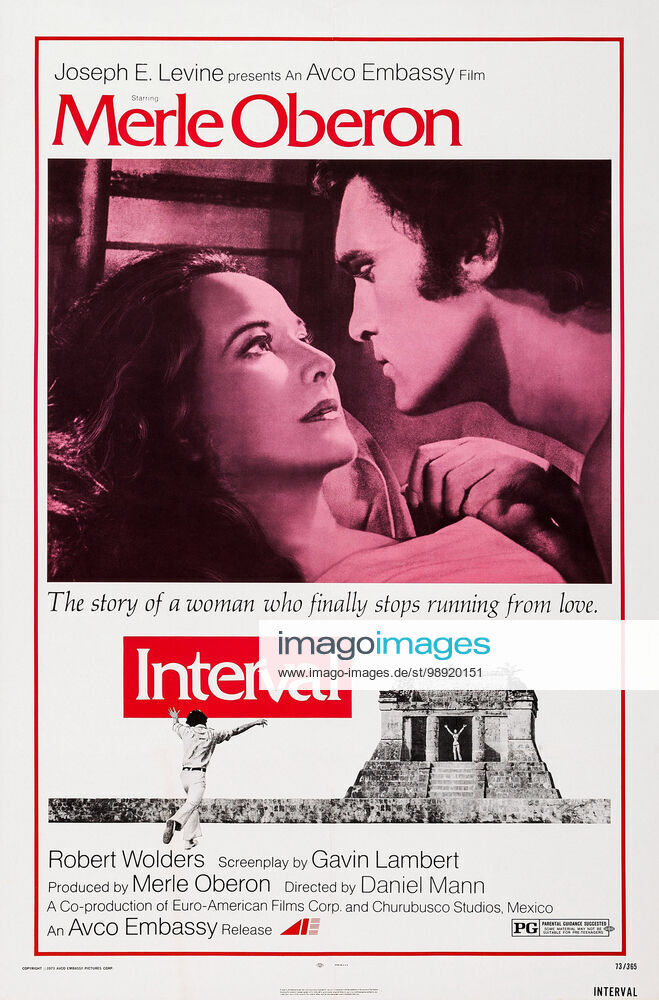
He met actress Merle Oberon while filming Interval in 1973. after filming with Wolders, she married Wolders in 1975. . They were married until her death in 1979.[ In 1980, Wolders became the companion of Audrey Hepburn until her death in 1993. .He died in 2018.
The Times obituary in 2018.
Actor who starred in the Sixties TV western Laredo but was better known as the long-term companion of Audrey Hepburn
Tuesday July 24 2018, 12.01am BST, The Times
Robert Wolders with Audrey Hepburn in Hawaii in 1981COURTESY OF AUDREY HEPBURN ESTATE COLLECTION
When Robert Wolders first met Audrey Hepburn and invited her to dinner, she turned down his invitation, telling him that she had a night shoot for a film.
“I thought it was her gentle way of rejecting me,” he recalled. In fact, her prior engagement on the set of Peter Bogdanovich’s rom-com They All Laughed was genuine and she was as interested in Wolders as he was in her.
To his delight and surprise, she rang him the next day to ask him to join her for a drink at the Pierre hotel, facing Central Park in New York. Drinks led to plates of pasta and they talked for hours in what was the beginning of a loving relationship that sustained Hepburn over the last 12 years of her sometimes troubled existence. “I have a wonderful man in my life, I have my Robert,” she told Barbara Walters in a 1989 television interview. “He takes great care of me. He gives me that marvellous feeling that I’m protected and that I’m the most important thing to him.”
Indeed, Wolders became better known as Hepburn’s partner than for his own acting career, but it never seemed to trouble him. He had arrived in Hollywood two decades earlier when he was quickly typecast as an exotic lover; his Dutch accent added a touch of mystery.
He made his mark starring in the 1960s TV western Laredo as the dashing Texas ranger Erik Hunter, a character he described as “a combination of Errol Flynn, 007 and Casanova”. He also appeared in films such as Beau Geste and Tobruk and made guest appearances in TV shows including The Man from U.N.C.L.E., Bewitched and The Mary Tyler Moore Show.
After marrying Merle Oberon, another actress whose CV outshone his own and with whom he co-starred in the 1973 film Interval, he turned his back on acting and never appeared on the big screen again. “Acting for me was a hardship,” he observed in attempting to explain his unexpected retirement before he was 40. “I had no confidence.”
He never regretted the decision, but later admitted that on occasions when he saw a particularly wooden piece of acting he allowed himself the inward satisfaction of thinking, “I could have done better than that.”
When he encountered Hepburn in 1980 he was still grieving for Oberon, who had died the previous year after a stroke. “We met at a time when we each had gone through trials, but we knew exactly what we wanted,” he said. “Togetherness.”
INTERVAL, US poster art, from left: Merle Oberon, Robert Wolders, 1973 ACHTUNG AUFNAHMEDATUM GESCHÄTZT PUBLICATIONxINxGERxSUIxAUTxONLY Copyright: xCourtesyxEverettxCollectionx MSDINTE EC055
At 50 Hepburn was “not in a happy place” either. She was facing the collapse of her relationship with the Italian psychiatrist Andrea Dotti, who was her second husband.
In Wolders she claimed finally to have met “her spiritual twin”, the man with whom she wanted to grow old. It required little persuasion when she suggested that he abandon his life in America to live with her in Switzerland.
At her estate of La Paisible (The Place of Peace), in Tolochenaz in the foothills of the Alps, they lived a contented life away from the public eye, bringing up Hepburn’s youngest son, Luca, and, in later years, dedicating much of their time to charitable work.
Wolders described an idyllic routine. Their days began with toast spread with Hepburn’s homemade plum jam before they worked together in the dining room. Lunch comprised greens from the garden, French bread and a slice of Gruyère cheese. After a siesta they would take a leisurely walk through the vineyards with a pair of Jack Russell terriers named Penny and Missy, whom Hepburn called “my little hamburgers”. Their evenings were spent watching tapes of their favourite films. “We are married, just not formally,” Hepburn said. The couple’s only regret was that she was too old for them to have a child.
In 1987 Hepburn was appointed a goodwill ambassador for Unicef. Wolders accompanied her on many of her missions for the global children’s charity, including a traumatic trip to war-ravaged Somalia in 1992.
Her death at 63 came as a shock. When they returned from Somalia, Hepburn experienced intense abdominal pains that she attributed to a stomach bug; it turned out to be cancer of the appendix. She underwent surgery in Los Angeles, but her doctors warned the couple that she had little time left.
After Hepburn had made it clear that she wanted to spend her final weeks at La Paisible, Wolders arranged with the designer Hubert de Givenchy (obituary, March 13, 2018) to borrow his private jet to take her home; she was too weak to fly on a commercial aircraft. The couple had one last traditional Christmas together before she died in her sleep on January 20, 1993.
In her will she left Wolders two silver candlesticks, while her sons, Sean and Luca, with whom he continued to work on the board of the Audrey Hepburn Children’s Fund, inherited the estate.
After her death he returned to the US where he had relationships with the actress Leslie Caron and, for the last 20 years of his life, with Henry Fonda’s widow, Shirlee. She was “a great friend of Audrey, and a great friend of Merle,” he said. “Maybe it sounds odd but I knew that Merle would have approved of me being with Audrey, and Audrey would have approved of Shirlee.”
Robert Wolders was born in Rotterdam in the Netherlands. The son of an actress, he arrived in the US in the mid-1950s to study psychotherapy at the University of Rochester, where he joined the university stage society. He went on to study at the American Academy of Dramatic Arts in New York. Although he intended to complete his doctorate at Rochester, he was then invited to a screen test in Hollywood.
“I thought it was a lark, and I’d never been to the west coast,” he said. “It was a nice opportunity to come over, then to be sent back with my tail between my legs.” When offered the job he was still minded to turn it down. “I was going to return to my studies,” he said. “Then they told me what they were paying.”
Her death at 63 came as a shock. When they returned from Somalia, Hepburn experienced intense abdominal pains that she attributed to a stomach bug; it turned out to be cancer of the appendix. She underwent surgery in Los Angeles, but her doctors warned the couple that she had little time left.
After Hepburn had made it clear that she wanted to spend her final weeks at La Paisible, Wolders arranged with the designer Hubert de Givenchy (obituary, March 13, 2018) to borrow his private jet to take her home; she was too weak to fly on a commercial aircraft. The couple had one last traditional Christmas together before she died in her sleep on January 20, 1993.
In her will she left Wolders two silver candlesticks, while her sons, Sean and Luca, with whom he continued to work on the board of the Audrey Hepburn Children’s Fund, inherited the estate.
After her death he returned to the US where he had relationships with the actress Leslie Caron and, for the last 20 years of his life, with Henry Fonda’s widow, Shirlee. She was “a great friend of Audrey, and a great friend of Merle,” he said. “Maybe it sounds odd but I knew that Merle would have approved of me being with Audrey, and Audrey would have approved of Shirlee.”
Robert Wolders, actor, was born on September 28, 1936. He died from undisclosed causes on July 12, 2018, aged 81
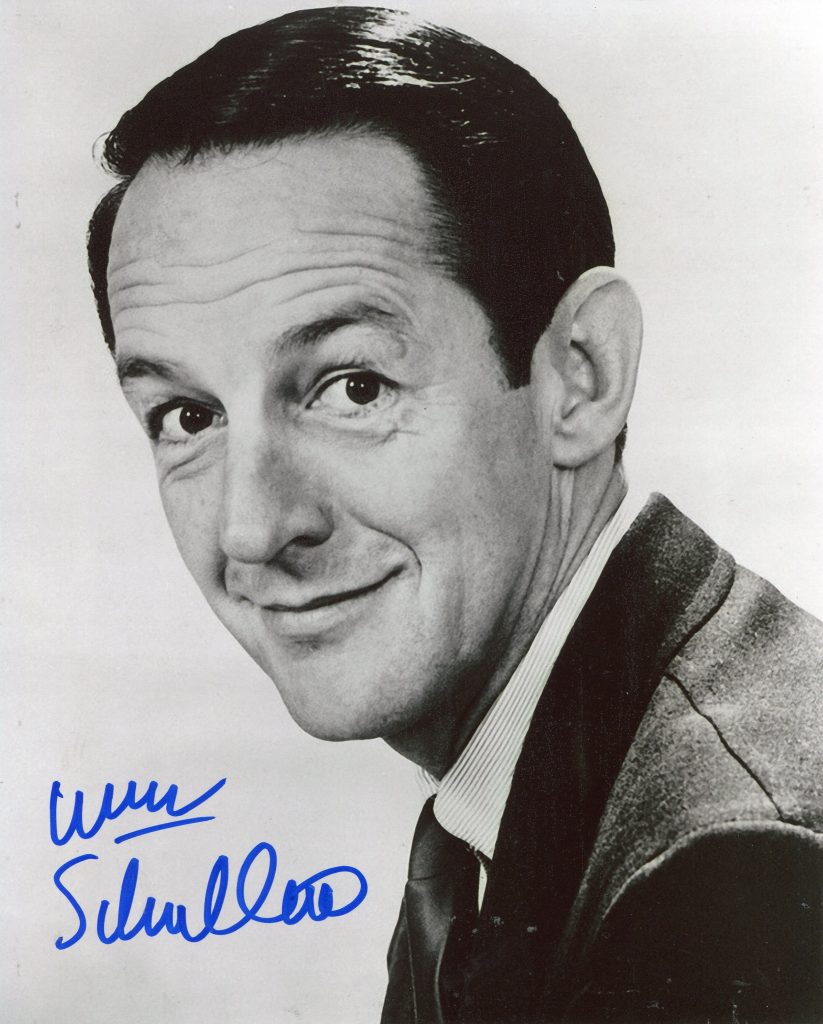
William Schallert, a familiar presence on prime-time television for decades, notably as the long-suffering father and uncle to the “identical cousins” played by Patty Duke on the hit 1960s sitcom “The Patty Duke Show,” died on Sunday in Pacific Palisades, Calif. He was 93.
His son Edwin confirmed the death.
Mr. Schallert’s career spanned generations and genres. Over more than 60 years he racked up scores of credits in episodic television as well as noteworthy performances in motion pictures, on the Off Broadway stage and as a voice-over artist.
With his preternaturally mature, intelligent but (by Hollywood standards) unremarkable looks, he was cast almost from the beginning as an authority figure — a father or a teacher, a doctor or a scientist, a mayor or a judge. Most active from the 1950s through the ’80s, Mr. Schallert remained seemingly unchanged in appearance and persona over time, and he was still working in his 90s, dismissing any thoughts of retirement.
On television it sometimes seemed as if he was everywhere. A versatile character actor with a comforting presence, he was equally at home in comedies and dramas, with a résumé ranging from “Leave It to Beaver,” “The Twilight Zone,” “Dr. Kildare” and “The Wild Wild West” to “Melrose Place,” “True Blood” and “Desperate Housewives.”
Before joining the ranks of harried sitcom fathers as Martin Lane on “The Patty Duke Show” (1963-66), he was the equally harried teacher Leander Pomfritt, bane of the title character, on “The Many Loves of Dobie Gillis” (1959-62). He also earned a permanent place in the hearts of “Star Trek” fans in 1967 when he played Nilz Baris, under secretary in charge of agricultural affairs for the United Federation of Planets, in “The Trouble With Tribbles,” often cited by fans and critics as one of the best episodes of the original “Star Trek” series. Never a leading man, Mr. Schallert was instead a high-caliber embodiment of the working actor.
In an interview for this obituary in 2009, Mr. Schallert said he had never been particularly selective about the roles he played. “That’s not the best way to build a career,” he admitted, “but I kept on doing it, and eventually it paid off.”
While the typical William Schallert character was focused and serious, he expressed particular affection for an atypical role: the wildly decrepit Admiral Hargrade, a recurring character on the spy spoof “Get Smart” (1967-70), who operated in a perpetual state of confusion. (“He reminded me of my grandmother when she got dotty,” Mr. Schallert said.)
The above “New York Times” obituary can also be accessed online here.
Clint Walker obituary in “The Hollywood Reporter” in 2018.
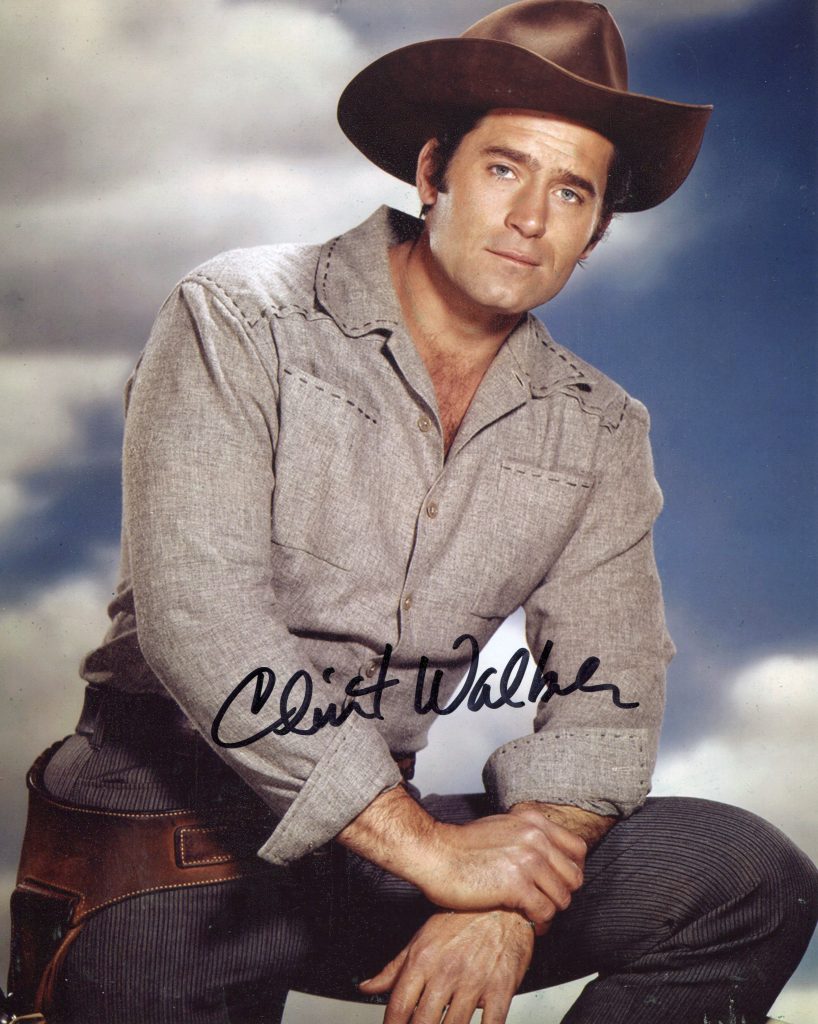
Clint Walker, who flexed his considerable brawn — but only when he had to — as a gentle giant on Cheyenne, the landmark 1950s Western that aired for seven seasons on ABC, has died. He was 90.
Walker, who also starred in such films as Send Me No Flowers (1964), None But the Brave (1965) and the World War II classic The Dirty Dozen (1967), died Monday of congestive heart failure in Grass Valley, California, his daughter Valerie said. !
With a chiseled 6-foot-6, 250-pound physique that showed off a 48-inch chest and 32-inch waist, the rugged, blue-eyed Walker was often hired for Westerns and action work. He was tough (and lucky) off the screen as well: He survived a 1971 skiing accident at Mammoth Mountain in California in which his heart was punctured by a ski pole and he was pronounced dead.
In 1955, Walker was cast by Warner Bros. in TV’s first-ever hourlong Western as Cheyenne Bodie, a principled cowboy drifter in the post-American Civil War era who was raised by the Cherokees who killed his parents. Cheyenne, produced by Roy Huggins of Maverick and Rockford Files fame, started out as part of Warner Brothers Presents in a rotation with the movie spinoffs Casablanca and Kings Row.
“I think they had all the leading men available in Hollywood to test for Cheyenne two days in a row, and they had me test with them,” Walker recalled in a 2012 interview for the Archive of American Television. “The first day I was very, very nervous. I could see all these people that I’d seen in pictures over the years and I thought, ‘I don’t stand a chance.’
“The second day, I thought, ‘I’m not going to get the job anyway so why don’t I just relax and enjoy it,’ which I did. Then the next thing I heard about four days later was Jack Warner reviewed all the stuff, pointed to me and said, ‘That is Cheyenne.'”SEE MOREBig Screen Giants: The 11 Tallest Movie Stars Ever
In 1958, Walker, now a household name, went on strike in a contract dispute, and while he was away, Warners replaced him with Ty Hardin as a character named Bronco Layne. When Walker returned to the series in 1959 after his deal was renegotiated, Hardin was given his own show. Cheyenne ran for 103 episodes until December 1962.
Walker, a baritone, also sang on Cheyenne, and the studio produced a 1959 album, Inspiration, with Walker and the Sunset Serenades performing traditional songs and ballads.
Norman Eugene Walker, a twin, was born May 30, 1927, in Hartford, Illinois. He fashioned his own weights out of concrete, joined the Merchant Marine at age 17 and toiled on a riverboat, in a paper mill and on an oil field. Working security at the Sands Hotel in Las Vegas, he met show-business types who encouraged him to try his luck in Hollywood.
Not surprisingly, Walker’s first role came as an uncredited Tarzan in the Bowery Boys film Jungle Gents (1954).
He heard Cecil B. DeMille was looking for muscular men to cast for his 1956 epic The Ten Commandments. Walker got an appointment with the intimidating director, but on the way to Paramount, he stopped on the freeway to change a flat tire for a woman.
“You’re late, young man,” Walker recalled DeMille saying when he arrived. When he told the director the reason why, DeMille replied, “Yes, I know all about it. That [woman you helped] was my secretary.”
Walker got a small part in the picture.
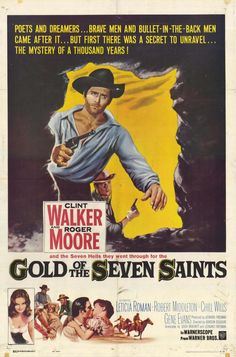
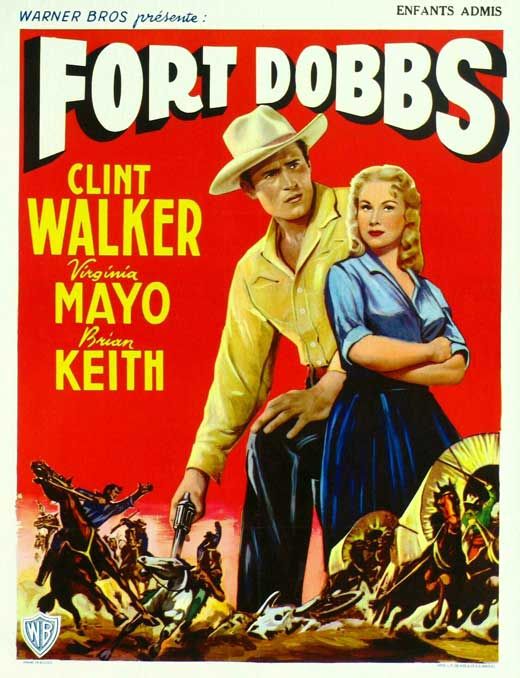
After Cheyenne got hot, he starred in the title role of Yellowstone Kelly (1959), playing a fur trapper who because of his friendship with the Sioux refuses to join with the U.S. Cavalry in a 1876 raid against the tribe. That movie was sandwiched between the Westerns Fort Dobbs (1958) and Gold of the Seven Saints (1961).
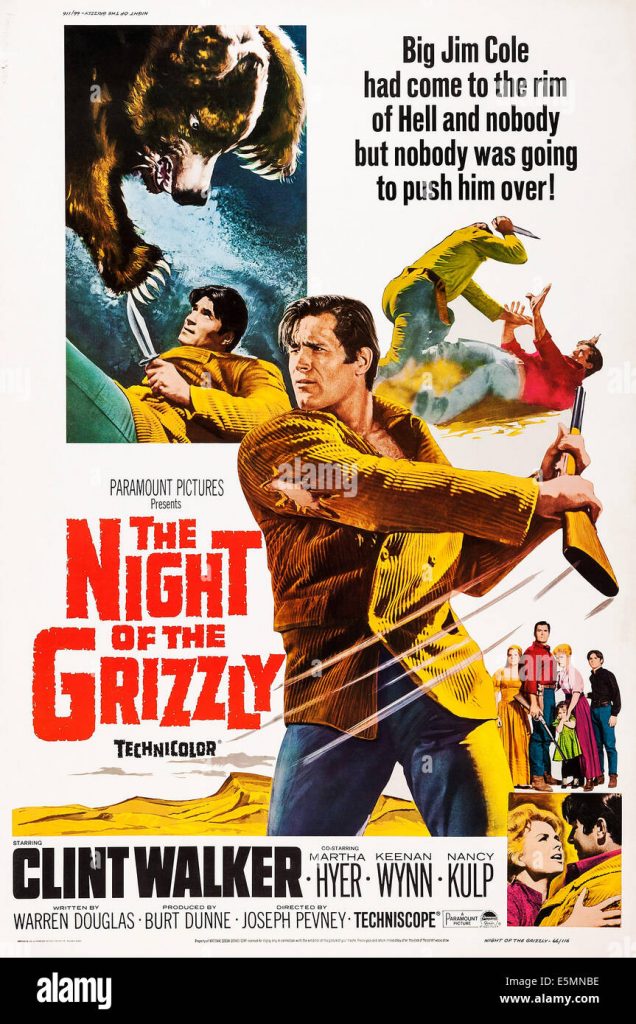
Walker received second billing to Frank Sinatra in None But the Brave, a World War II saga set in the South Pacific that Sinatra also directed. Walker then starred as Big Jim Cole in the adventure movie The Night of the Grizzly (1966), which he said was his favorite film to do.
The big man hit his stride with The Dirty Dozen, which starred Lee Marvin as a hardscrabble officer stuck with the dirty duty of penetrating a German fortress, accompanied by 12 condemned soldiers who have nothing to lose. Walker played Samson Posey, who had been convicted of murder. In his best scene, Marvin goads Walker into flashing his temper, attacking him with a knife before disarming the much bigger guy.
(Years later, Walker lent his authoritative voice to the role of Nick Nitro in Joe Dante’s 1998 animated film Small Soldiers. Dirty Dozen co-stars Ernest Borgnine, Jim Brown and George Kennedy also had roles.)
The good-natured Walker also appeared in much frothier entertainment, most notably in the light comedy Send Me No Flowers (1964) with Rock Hudson, Doris Day and Tony Randall.
He continued to work steadily late in 1960s with roles in Sam Whiskey, More Dead Than Alive and The Great Bank Robbery, all released in 1969. He co-starred in The White Buffalo (1977), one of the quirkiest Westerns ever made, in which Charles Bronson limned Wild Bill Hickok in pursuit of an albino buffalo.
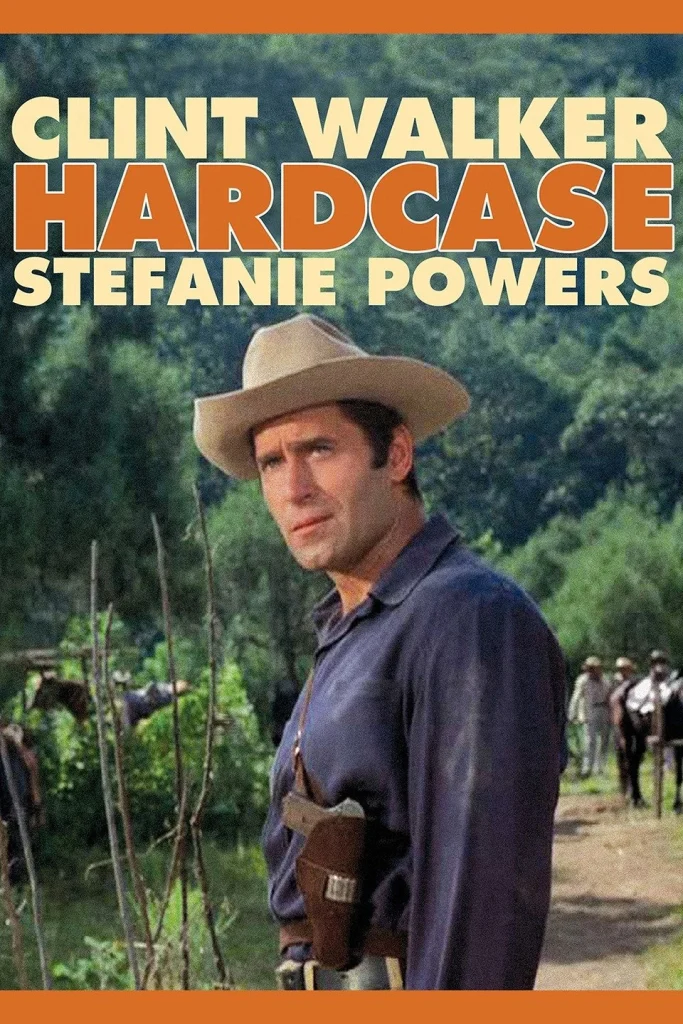
During the 1970s, Walker was seen in the telefilms Yuma from Aaron Spelling, Hardcase and The Bounty Man and in Pancho Villa (1972). He starred in a shortlived Alaska-set series titled Kodiak, in which he played the title character, an Alaska State trooper.
Walker made numerous guest-star appearances on a wide range of TV shows during his career, including on The Jack Benny Program, Maverick, The Lucille Ball Show and Kung Fu: The Legend Continues.
Duane Byrge contributed to this report.
The Times obituary in 2018.
Having heard that Cecil B DeMille was looking for muscular actors to cast for his biblical epic The Ten Commandments, Clint Walker was on his way to audition for the famously intimidating Hollywood director in 1955 when he spotted a woman standing by a stranded car on the side of the freeway.
Although he was an unknown aspirant on his way to an appointment that he hoped would land him his big break in the world of films, he gallantly stopped to change her burst tyre. When Walker eventually arrived at the Paramount studio, considerably less presentable than when he had set out, DeMille looked him up and down. “You’re late, young man,” he said sternly.
Fearing that his career was over before it had started, Walker desperately began to explain the cause of his delay, only for the director to cut him short. “Yes, I know all about that,” he said. “It was my secretary.”
DeMille cast Walker as the captain of the guard to the Pharaoh Rameses, played by Yul Brynner. It was his first credited part and led in the same year to his best-known role, as the lead character in the pioneering TV western Cheyenne. Walker played Cheyenne Bodie, a rugged yet big-hearted cowboy drifter who fought baddies and dished out frontier justice.
He got the part over a number of more famous actors. “They had all the leading men available in Hollywood to test for Cheyenne two days in a row,” he recalled. “The first day I was very nervous. I could see all these people that I’d seen in pictures over the years and I thought, ‘I don’t stand a chance.’ ” By the second day he had decided to “relax and enjoy it”. A week later he was told that Jack Warner, the head of Warner Brothers, had reviewed the screen tests, pointed at Walker and said: “That is Cheyenne.”
Initially paid $175 an episode (about £1,200 today), he joked that he had only got the role because he was cheap. Yet it was easy enough to see why Warner was prepared to take a gamble on the unknown actor. With his blue eyes, chiselled features and muscular physique, every inch of Walker’s rugged 6ft 6in frame resembled the perfect romantic image of a cowboy: from chest to waist to hip he measured 48-32-36. Such appeal meant that his shirt came off in an astonishing number of episodes. According to The New York Times, he was “the biggest, finest-looking western hero ever to sag a horse, with a pair of shoulders rivalling King Kong’s”.
His non-acting CV lent him an impressive authenticity too. He had worked on Mississippi riverboats, in the Texas oil fields and as a carnival roustabout before ending up as a deputy sheriff in Las Vegas. There he lived in a trailer and encountered the showbusiness types who frequented the casinos, including the actor Van Johnson, who had just starred in Brigadoon with Gene Kelly and suggested he try his hand in Hollywood.
Walker eagerly embraced the idea and headed for Los Angeles. “I’m not going to get that far carrying a gun and a badge, and it doesn’t pay that well,” he reasoned. “If you make movies, you make good money — plus the bullets aren’t real!”
The only attribute he lacked as a convincing cowboy was that he had never been on horseback. His height meant that he was impressively tall in the saddle, but when filming of the first series began, he confessed to considerable nervousness when he was required to mount his steed. “You’ll either be a good rider or a dead one,” he was told. There were times when he “wondered which one it was going to be”.
In Long Beach, California, he worked as an agent for a detective agency and in Las Vegas he combined his duties as deputy sheriff with working for security at the Sands Hotel and Casino.
By the time he arrived in Hollywood he was married to Verna Garver, a waitress, with whom he had a daughter. They divorced in 1968 and he married the actress and dancer Giselle Hennessy. After her death in 1994 he married Susan Cavallari, who survives him. They made their home in Grass Valley, California, in the foothills of the Sierra Nevada. He is also survived by Valerie Walker, his daughter from his first marriage, who is a retired pilot and was one of the first women to fly for a leading airline.
At the height of Cheyenne’s success Walker went on strike for nine months in a contract dispute with Warner Brothers and was replaced by a Bodie clone called Bronco Layne, who was played by Ty Hardin (obituary, August 14, 2017). When Walker returned on improved terms, Hardin was given his own spin-off series.
After Cheyenne finished, his most notable film appearances included None but the Brave, Frank Sinatra’s only movie as a director, and The Dirty Dozen, in which he had a memorable fight scene with Lee Marvin.
He survived a skiing accident in 1971 in the Sierra Nevada when his heart was punctured by a ski pole. “They rushed me to a hospital, where two doctors pronounced me dead,” he said. Fortunately a third doctor thought he could detect the faintest pulse and Walker was given open-heart surgery. Two months later he was back at work on the set of the movie Pancho Villa.
One of his final appearances before retirement came in 1995, when he reprised the character of Cheyenne Bodie in an episode of the TV series Kung Fu: The Legend Continues.
“I feel action is what I owe the public,” he once said. “When I see a hero yak-yak-yakkin’ I lose all interest.”
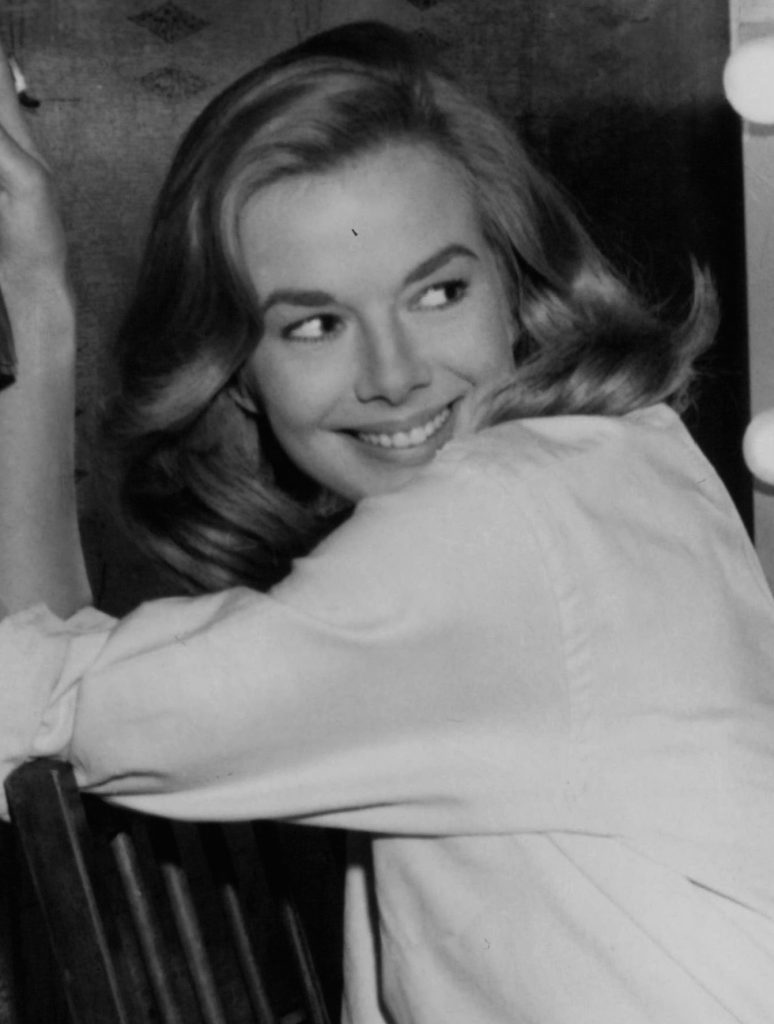
Former blonde starlet who played Laurence Harvey’s love interest in “The Manchurian Candidate” (1960) and later fledging producer with husband Richard Bach, author of “Jonathan Livingston Seagull.”
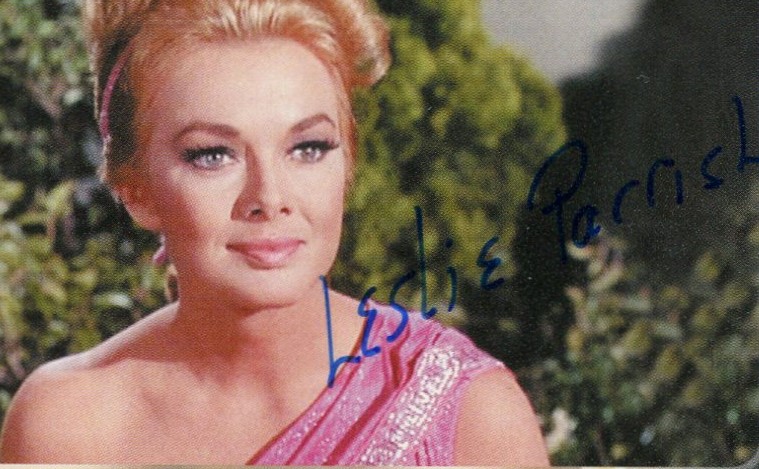
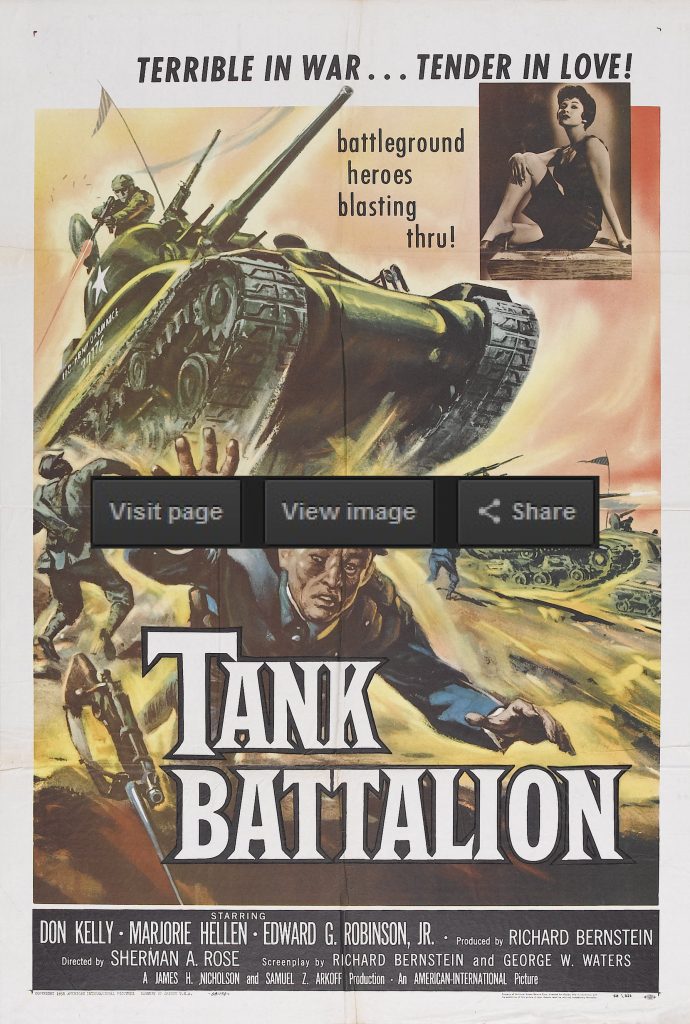
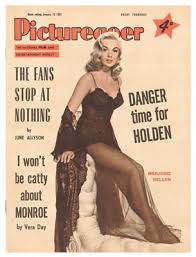
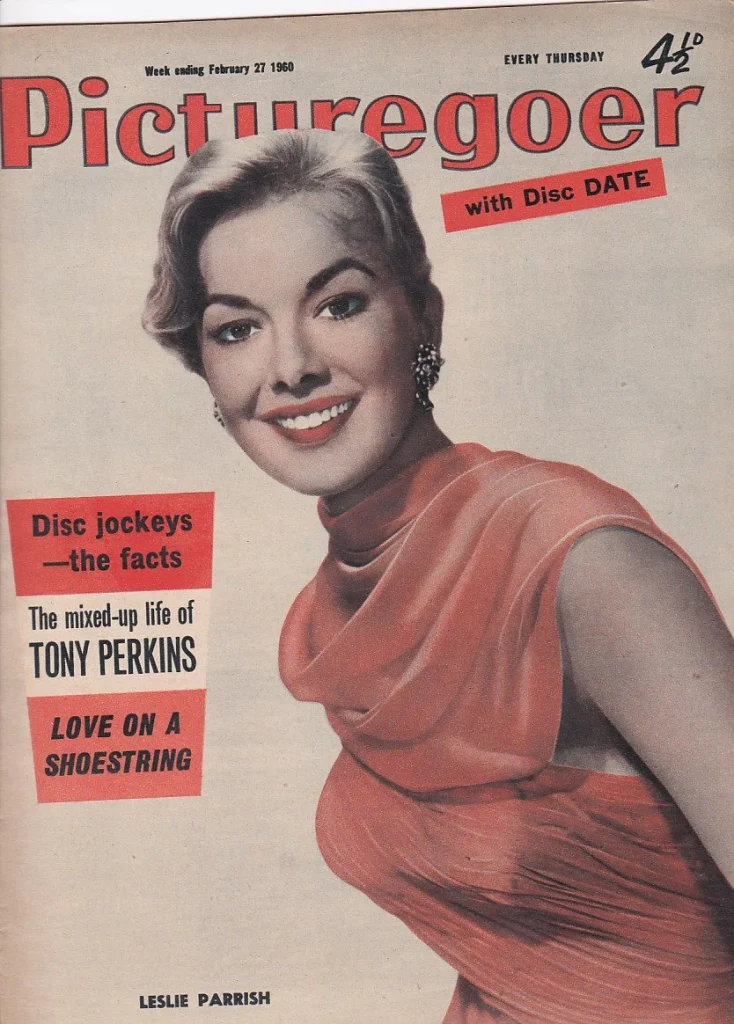
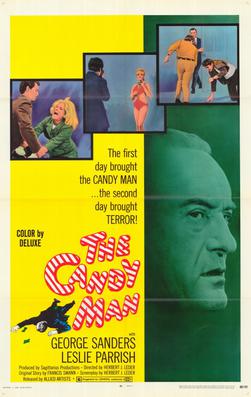
Leslie Parrish (born Marjorie Hellen; March 13, 1935) is an American actress, activist, environmentalist, writer, and producer. She worked under her birth name for six years, changing it in 1959.
As a child, Leslie Parrish lived in Massachusetts, Pennsylvania, New York, and New Jersey. At the age of 10, she finally settled in Upper Black Eddy, Pennsylvania. At the age of 14, Parrish was a talented and promising piano and composition student at the Philadelphia Conservatory of Music. At the age of 16, Parrish earned money for her tuition by working as a maid and a waitress, and by teaching piano. At the age of 18, to earn enough money to be able to continue her education at the Conservatory, her mother persuaded her to become a model for one year.
In April 1954, as a 19-year-old model with the Conover Agency in New York City, Parrish was under contract to NBC-TV as “Miss Color TV” (she was used during broadcasts as a human test pattern to check accuracy of skin tones). She was quickly discovered and signed with Twentieth Century Fox in Hollywood. In 1956, she was put under contract to Metro-Goldwyn-Mayer. Because acting allowed her to help her family financially, she remained in Hollywood and gave up her career in music.
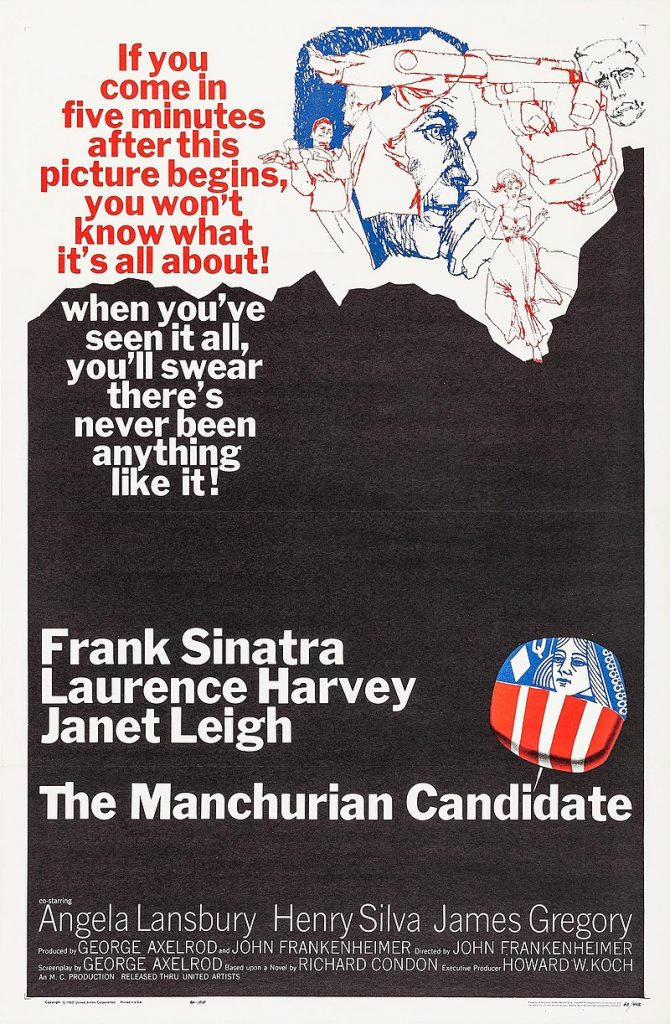
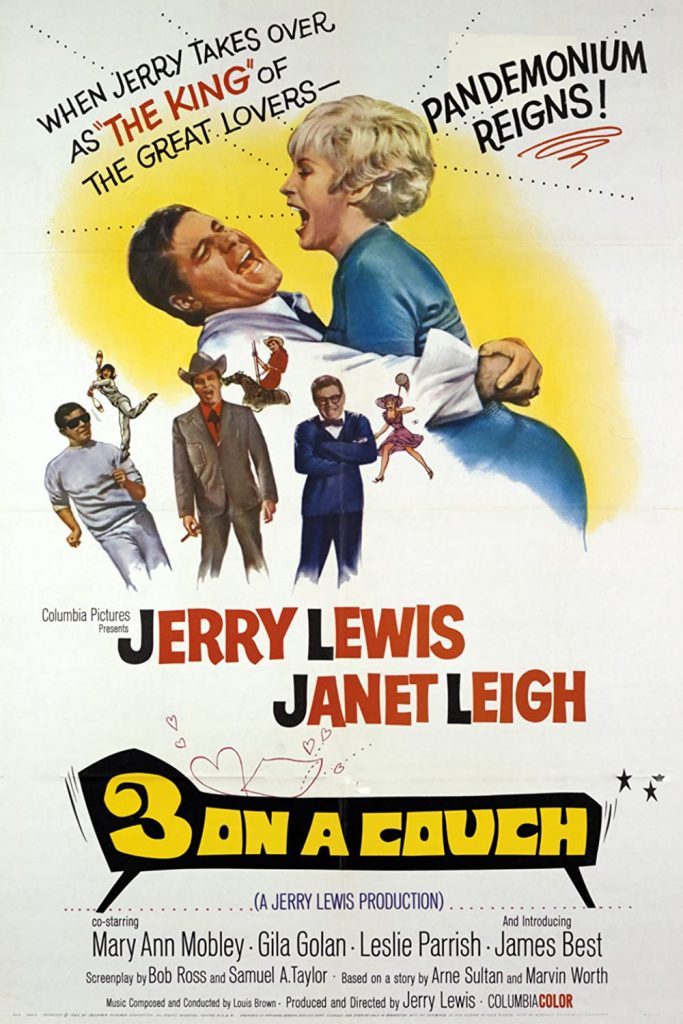
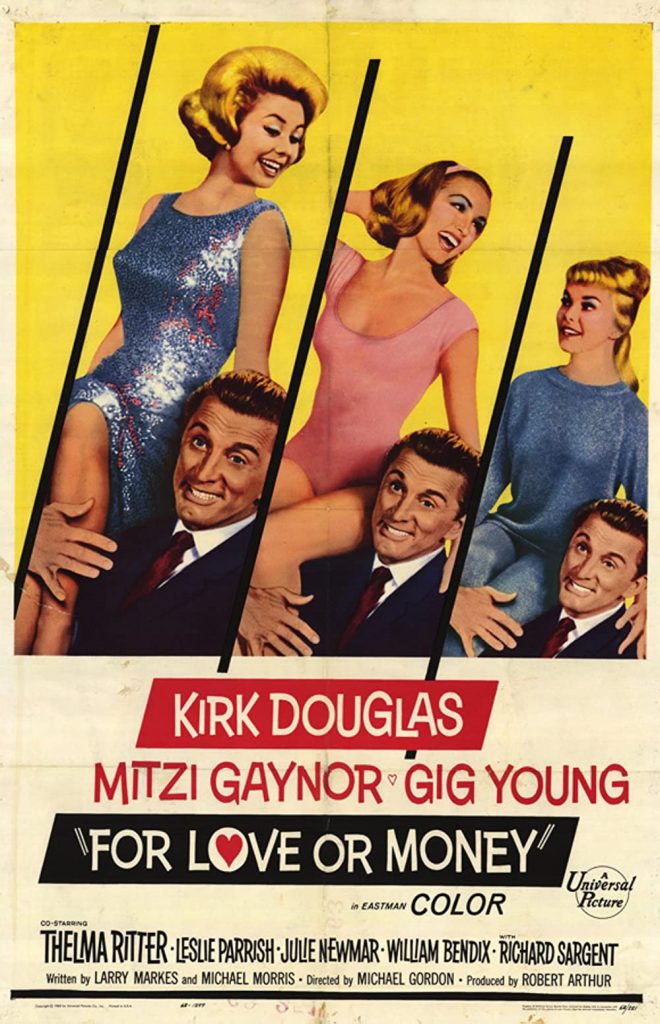
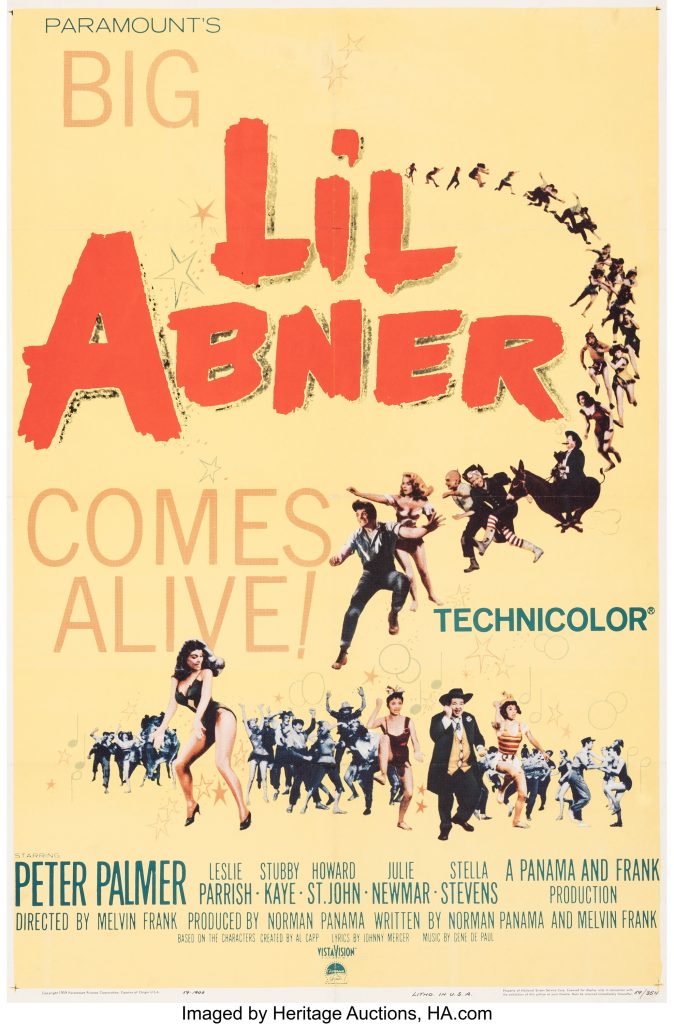
Parrish co-starred/guest-starred in numerous films and television shows throughout the 1960s and 1970s. She first gained wide attention in her first starring role as Daisy Mae in the movie version of Li’l Abner (1959), where she changed her name from Marjorie Hellen to Leslie Parrish at the director’s request. She appeared in the film The Manchurian Candidate (1962), playing Laurence Harvey‘s on-screen fiancée , Jocelyn Jordan. Other film credits include starring opposite Kirk Douglas in For Love or Money (1963) and Jerry Lewis in Three on a Couch (1966), among others.
Leslie Parrish in makeup room off-camera from the film ‘The Manchurian Candidate’, 1962. (Photo by United Artists/Getty Images)
Parrish was the Associate Producer on the film version of Jonathan Livingston Seagull (1973). Among other things, she hired the director of photography Jack Couffer—who later received an Academy Award nomination for his efforts—and she was responsible for the care of the film’s real-life seagulls, which she kept inside a room at a Holiday Inn for the duration of the shoot. When the relationship between author Richard Bach and director Hall Bartlett disintegrated and a lawsuit followed, Parrish was appointed as the mediator between the two men. However, her final credit was demoted from Associate Producer to “Researcher”. In 1975, Parrish appeared in the low budget B-MovieThe Giant Spider Invasion which is now regarded as a cult film.
While acting provided financial stability, her main interest was in social causes including the anti-war and civil rights movements and, as far back as the mid 1950s, the environment.
Parrish’s interests and activities in social movements and politics grew to become her main work. She was a vocal opponent of the Vietnam War, a member of the Jeannette Rankin Brigade, a group of notable women who fought against the war and for civil rights. In 1967, she participated in a peace march in Century City (near Beverly Hills) where she and thousands of other protestors were attacked and beaten by police and the National Guard. President Lyndon Johnson was present at the Century Plaza Hotel and helicopters were flying overhead with machine guns pointed at the marchers.
Parrish started to make speeches in the Los Angeles area, telling residents what the media did not report and speaking out against the war. Impressed with her speaking abilities, several professors from UCLA aligned with the anti-war movement asked her to organize more like-minded actors and actresses who would be willing to speak out. Two weeks later Parrish had created “STOP!” (Speakers and Talent Organized for Peace), an organization of two dozen members ready to engage the public. Shortly thereafter, the organization grew to 125 speakers, and many more subsequently.
On August 6, 1967, Parrish helped organize a protest march of 17,000 people on the “Miracle Mile” of Wilshire Boulevard in Los Angeles, which received extensive media coverage and national attention. She also created a popular bumper sticker: ‘Suppose they gave a war and no one came’. Leslie Parrish and her friends distributed hundreds of them from their vehicles. Walter Cronkite reported that Bobby Kennedy had one in his plane. Someone later published the bumper sticker, changing the original wording to ‘WHAT IF they gave a war and no one came’ but to Parrish, the important thing was spreading that message.
In October 1967, a private meeting was arranged between Parrish and Bobby Kennedy by mutual friend and well-known Kennedy photographer, Stanley Tretick. She begged Kennedy to run for president, telling him that huge, influential organizations opposed to the war in Vietnam were ready to support him were he to run. Kennedy refused again and again, saying he could not oppose Lyndon Johnson, a sitting president.v On November 30, Eugene McCarthy, a little-known senator, declared he would run against the war and challenge Johnson. Parrish was elected chair of his speaker’s bureau and utilized STOP! to develop support for McCarthy.[26] On March 12, 1968, McCarthy almost defeated Johnson in the New Hampshire primary winning 42% of the vote. On March 16 (four days later) Bobby Kennedy announced that he would run for president. Two weeks later, on March 31, Johnson declared that he would not run for re-election. Parrish remained loyal to McCarthy and was elected a delegate to represent him in August at the 1968 Democratic National Convention in Chicago.
On April 4, 1968, Parrish and Leonard Nimoy (who was a STOP! member and supporter of Eugene McCarthy) flew to San Francisco to open McCarthy’s new headquarters there. After they left, they learned of the assassination of Martin Luther King Jr. Nimoy and Parrish cried during the speeches they gave that evening.
Hubert Humphrey was nominated by the convention but lost the election to Richard Nixon. While still in Chicago, the peace movement began working toward the 1972 election, hoping to elect George McGovern. McGovern did win primaries and Parrish served as a delegate at the 1972 Democratic Convention in Miami, Florida. But McGovern lost to Richard Nixon.
During this era of political activism, Parrish worked in numerous political campaigns (presidential, gubernatorial, senatorial, congressional, mayoral) and with many different organizations, producing public events and fund-raisers for them. Her last major production was the National Mobilization Committee to End the War in Vietnam (MOBE) held November 16, 1969 at San Francisco’s Polo Grounds.
. She supported and campaigned for a former police lieutenant named Tom Bradley who was then the city’s first black city councilman. Despite high polling numbers prior to the election, Bradley lost to Yorty, giving rise to what was later known as “The Bradley Effect.”[35] Next day, he decided to run again, and over the next four years Parrish worked with him closely to help secure his victory in the next mayoral election. In 1973, Tom Bradley became Los Angeles’s first black mayor. Parrish was one of forty activist citizens who served on Bradley’s Blue Ribbon Commission to choose new Los Angeles Commissioners.Over the next 20 years, Tom Bradley brought massive development to the city and was reelected five times, setting a record for length of tenure. Parrish and Tom Bradley remained friends for many years.
Parrish’s concern for the environment dates back to the 1950s when Los Angeles’ severe smog, and the reason for it, worried her. In 1979, she and her then-husband, Richard Bach, built an experimental home in southwest Oregon using 100% solar power with no cooling or heating systems, in order to prove it could be done.
In 1999, Parrish created a 240-acre wildlife sanctuary on Orcas Island (in the San Juan Islands, Washington State) to save it from normal development techniques which include logging. She named it the “Spring Hill Wildlife Sanctuary”. For seventeen years, she carefully developed the ridge-top property by creating nearly a dozen small, hidden home sites on 25% of the land while preserving the remainder in perpetuity within the San Juan Preservation Trust. While the property is now fully developed there are no breaks in the heavily forested ridge line. The developed land is invisible from the island community and the forest is intact.
Parrish married songwriter Ric Marlow in 1955; the couple divorced in 1961. In 1981, she married Richard Bach,vthe author of the 1970 book Jonathan Livingston Seagull, whom she met during the making of the 1973 movie of the same name. She was a major element in two of his subsequent books—The Bridge Across Forever (1984) and One (1988)—which primarily focused on their relationship and Bach’s concept of soulmates.They divorced in 1999