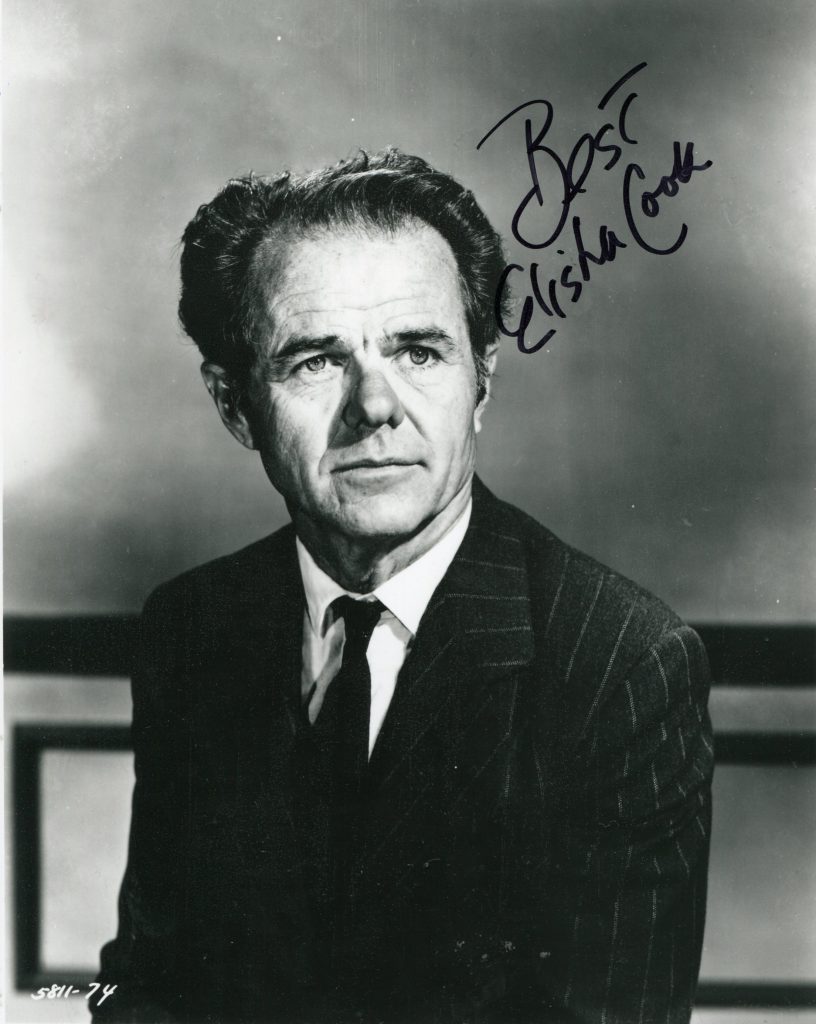
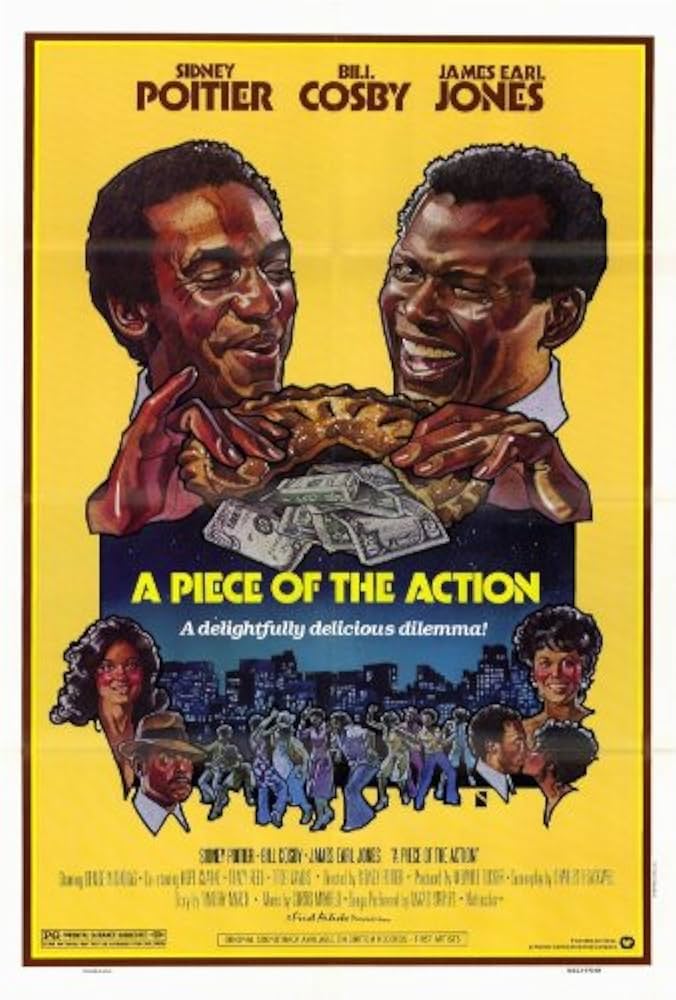
One of the finest and most familiar of screen character actors, the short and shifty-eyed Elisha Cook Jnr was the eternal loser.He could play anything, from farce (riddled with bullets in Hellzappoppin’, he drinks a glass of water which spurts through a dozen holes) to tragedy (as the luckless homesteader gunned down by Jack Palance in Shane – one of his rare good guy roles), but his memory will be treasured most for his gallery of petty hoodlums whose aspirations and bravado rarely equalled their abilities. ”Keep on riding me,” he tells Humphrey Bogart in The Maltese Falcon, ”and they’re gonna be picking iron out of your liver”, but his quavering voice and outsize overcoat make the threat derisory.
Born in San Francisco in 1906, Cook studied at the Chicago Academy of Dramatic Art before making his stage debut in vaudeville at 14. Joining the Theatre Guild, he appeared on the Broadway stage with Ethel Barrymore, and came to London in Coquette (1929). After an isolated film role in The Unborn Child (1929), repeating the romantic lead he had on stage, he returned to the theatre until 1936, when he settled in Hollywood.
Roles ranged from a brainy collegiate in Pigskin Parade (1936) to an ingenuous song-writer in Tin Pan Alley (1940), but it is to the genre of film noir that he made his most memorable contributions. In Boris Ingster’s The Stranger on the Third Floor (1940) which, with its moody lighting is often credited as the first true film noir, Cook was an innocent taxi- driver convicted of murder. He followed this with perhaps his best known role as Wilmer, Sydney Greenstreet’s twitchy henchman, in Huston’s classic The Maltese Falcon (1940).
Often vulnerable to and exploited by women, he had a lethal passion for Carole Landis in I Wake Up Screaming (1941), was a disc jockey who kills for love of the venal Jane Greer in The Falcon’s Alibi (1945) and a small- time hoodlum who dies to protect Sonia Darrin in The Big Sleep (1946), a role which gave him some rare, if pathetic, integrity. After he has witnessed Bogart being beaten up and Bogart asks why he did not come to his aid, he replies, ”Listen, when a guy’s doing a job, I don’t kibbitz.” (The line, cited by Cook as his favourite piece of dialogue, was written by the director Howard Hawks.)
Robert Siodmak’s Phantom Lady (1944) includes one of the most famous sequences in cinema history in which Cook, as the trap-drummer Cliff March, works himself to an orgiastic frenzy drumming in a jazz-club while sensuously encouraged by Ella Raines garbed in clinging black silk. It is both a prime example of how film-makers would circumvent the Production Code and a quintessential piece of noir cinema, its extreme angles, harsh lighting and staccato editing influenced by German Expressionism. In Kubrick’s The Killing (1956), Cook and the splendid Marie Windsor give the most indelible performances of a fine cast as the passive race-track cashier involved in a doomed caper, and his disdainful wife. Rising to her baiting, Cook tells Windsor that he is going to get half a million dollars. “Of course you are darling,” she replies. ”Did you put the right address on the envelope when you sent it to the North Pole?”
Andre DeToth’s Dark Waters (1944), in which Cook perishes in quicksand, Robert Wise’s Born to Kill (1947), in which he dies amid sand dunes, and Jules Dassin’s under-rated Two Smart People (1946), where he meets a macabre death during a Mardi Gras, were among other noirs where he was the perennial loser. Even when well-meaning, as in Roy Baker’s Don’t Bother to Knock (1952), he gets bashed with an ash-tray after arranging a baby-sitting job for his neurotic niece (Marilyn Monroe).
Cook later did a lot of work in television, including a continuing role as a crime baron in Magnum P.I.; and he was still making films until his eighties. In a 54 year career, Elisha Cook Jnr was always a welcome presence on the screen.
Tom Vallance
Elisha Cook Jnr, actor: born San Francisco 26 December 1906; died Big Pine, California 18 May 1995.
The above “Independent” obituary can also be accessed online here.
TCM Overview:
Diminutive, wiry character player memorable for his numerous roles as cowardly villians and neurotics. Originally from vaudeville and the Broadway stage, Cook, who briefly entered films in 1929 before returning to the stage, made a strong impression with his definitive sniveling gunsel in “The Maltese Falcon” (1941), and followed with similar roles as weaklings or sadistic loser-hoods: Harry Jones in “The Big Sleep” (1946) and George Peatty in Stanley Kubrick’s “The Killing” (1956) over a more than sixty-year care
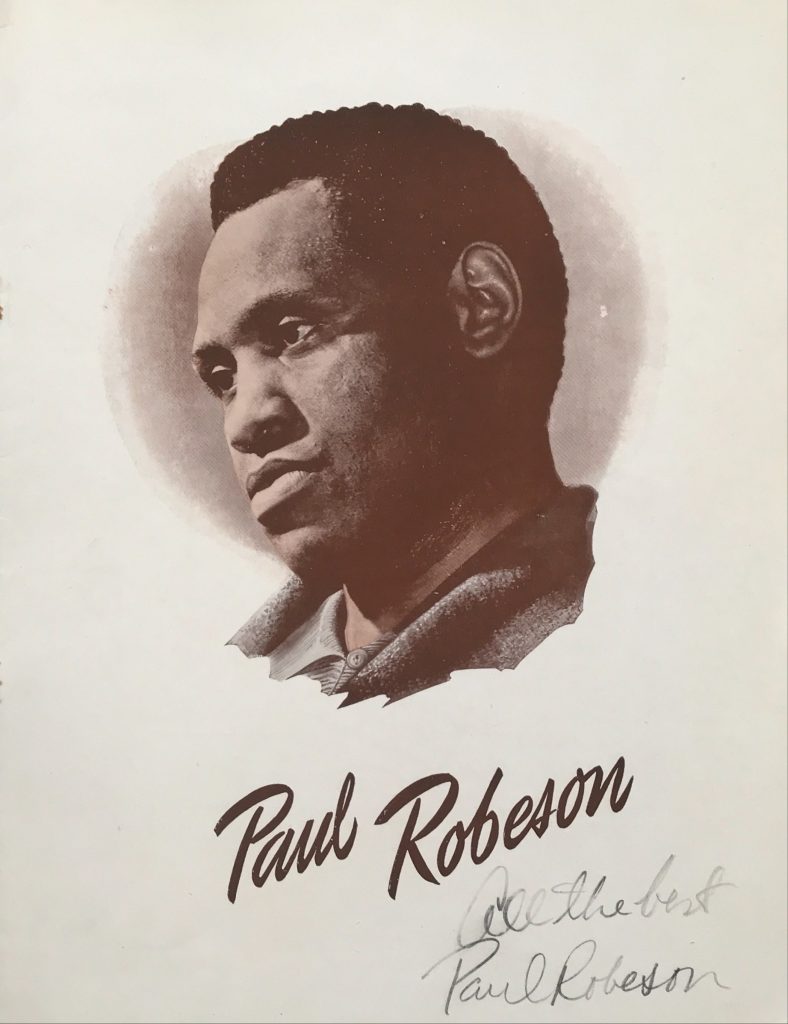
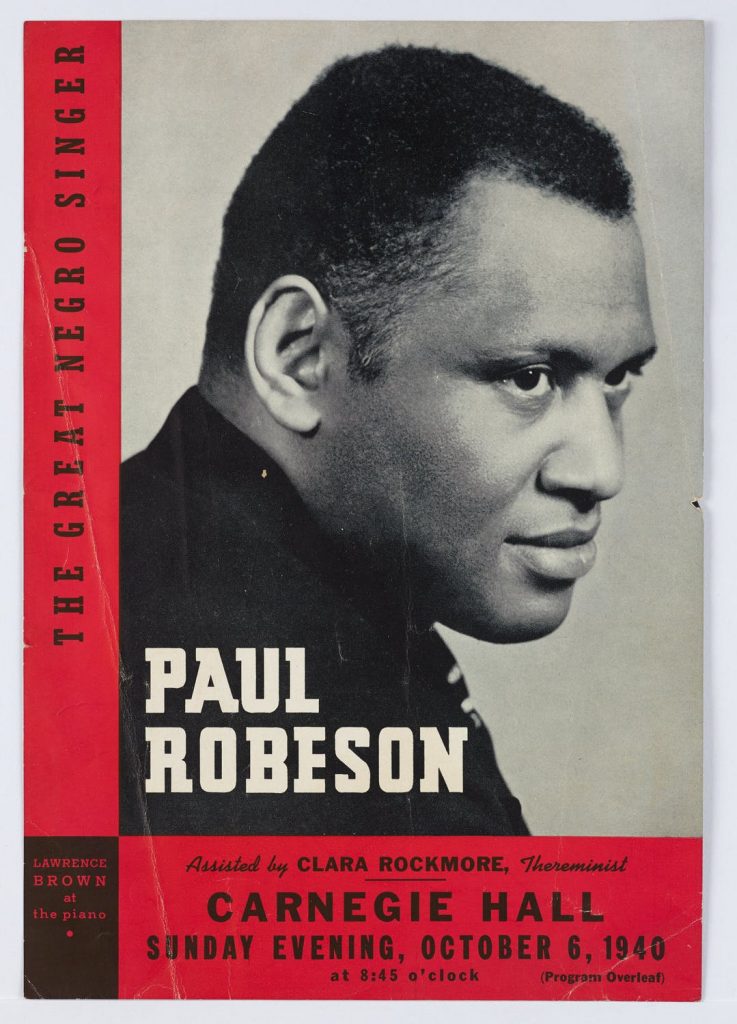
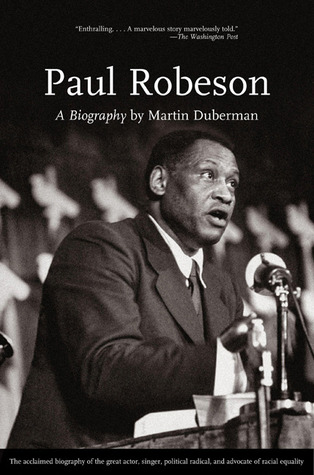
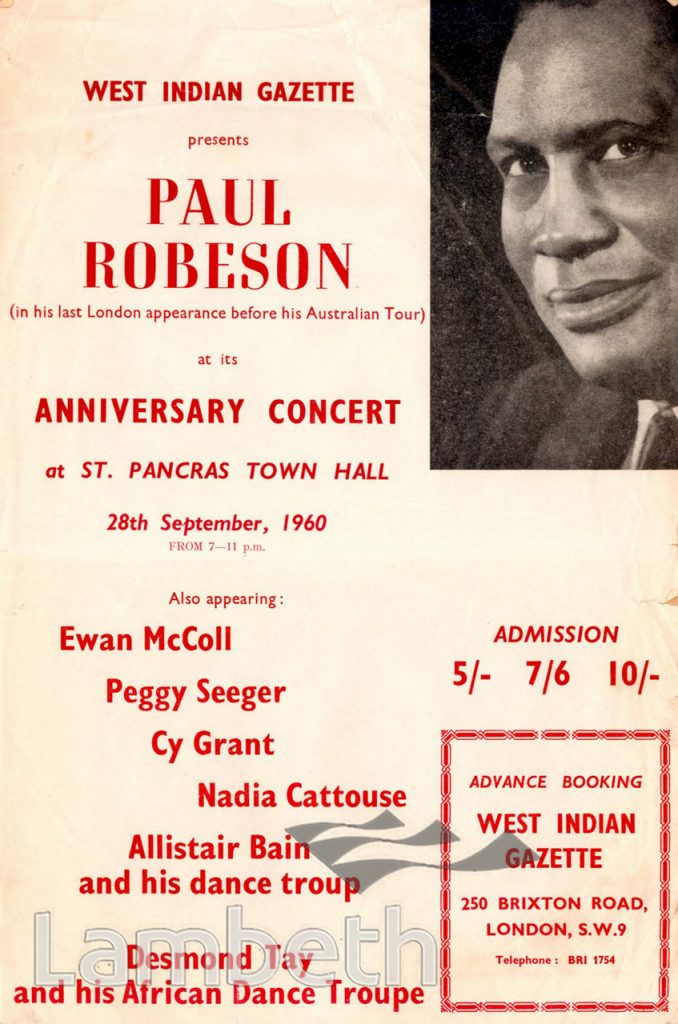
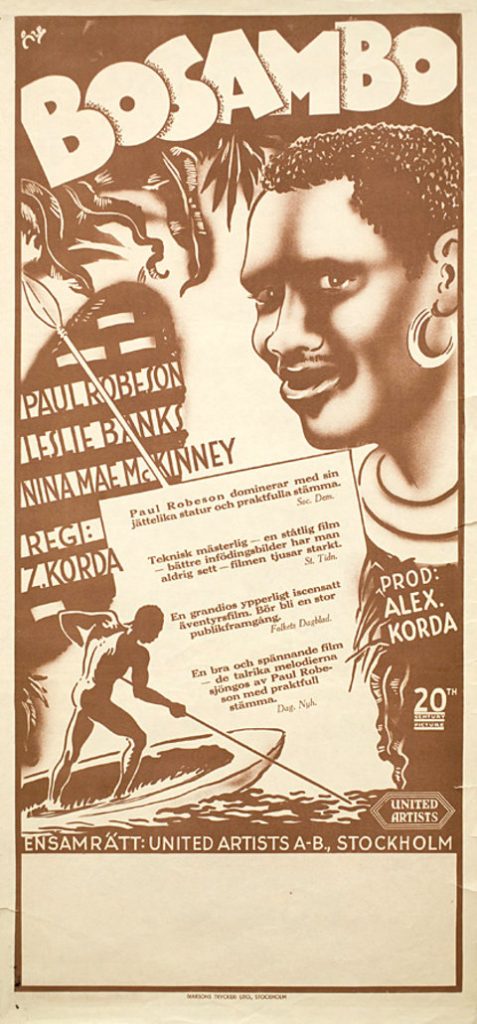
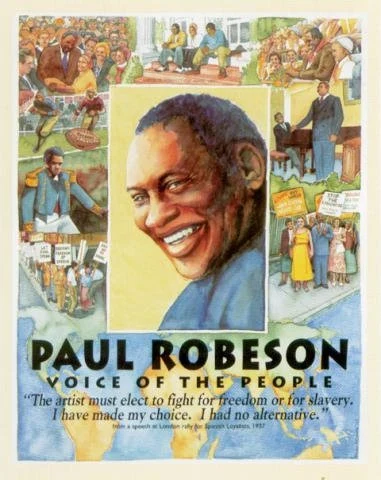
The son of a runaway slave turned minister and a schoolteacher, Paul Robeson proved to be an unique figure in American history. A tall, handsome man with a commanding stage presence and mellifluous, booming baritone, he was not only a distinguished actor and singer but also a scholar, athlete and lawyer. Born and raised in New Jersey, Robeson won a scholarship to Rutgers and was only the third black to enroll at the school. He excelled at athletics, earning letters in four sports (basketball, track, baseball and football) and was twice named to the All-American Football Team. Robeson made Phi Beta Kappa and was his class valedictorian. Moving to NYC, he entered Columbia University’s Law School, playing professional football for three seasons (1920-23) and acting and singing to help defray the expenses. In 1921, he had an early stage role in the biblically-themed “Simon the Cyrenian” and later joined the cast of the all-black musical “Shuffle Along” in 1922. Admitted to the New York State Bar, Robeson found work at a law firm but left when a Caucasian secretary refused to take dictation from him. Gravitating towards the stage, this singularly versatile talent found success alternately the leads in two Eugene O’Neill dramas, “The Emperor Jones” and the controversial “All God’s Chillun Got Wings.” As the latter depicted an interracial marriage, it was the subject of debate and condemnation, but the actor triumphed.
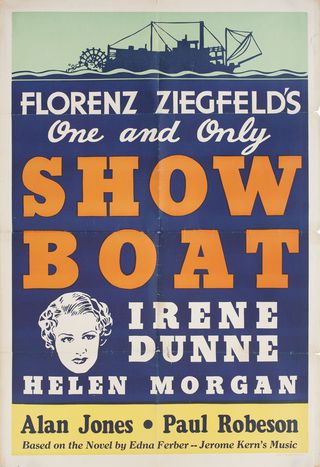
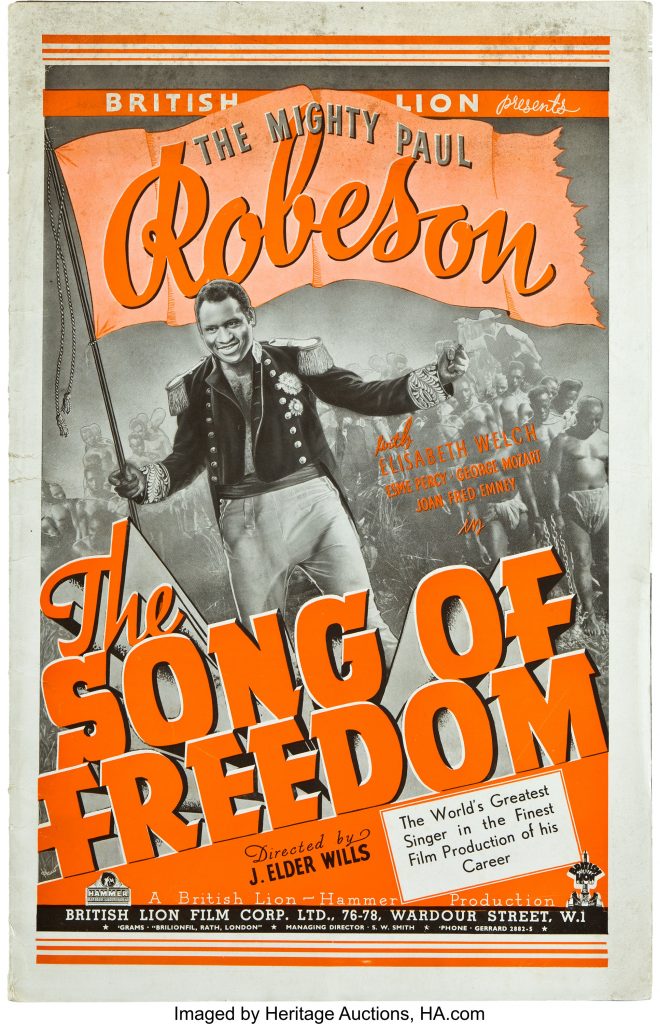
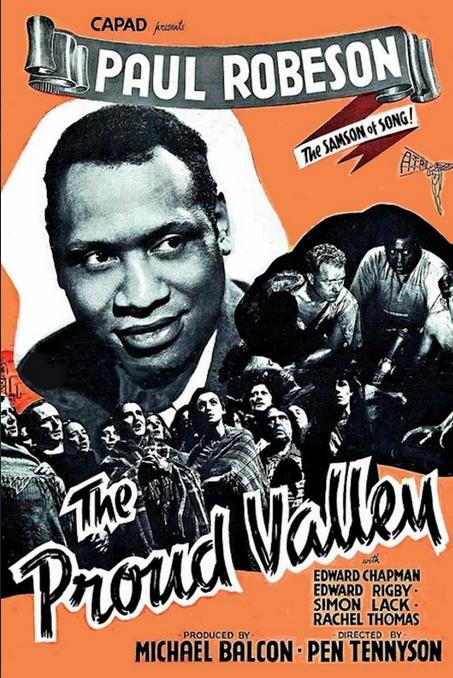
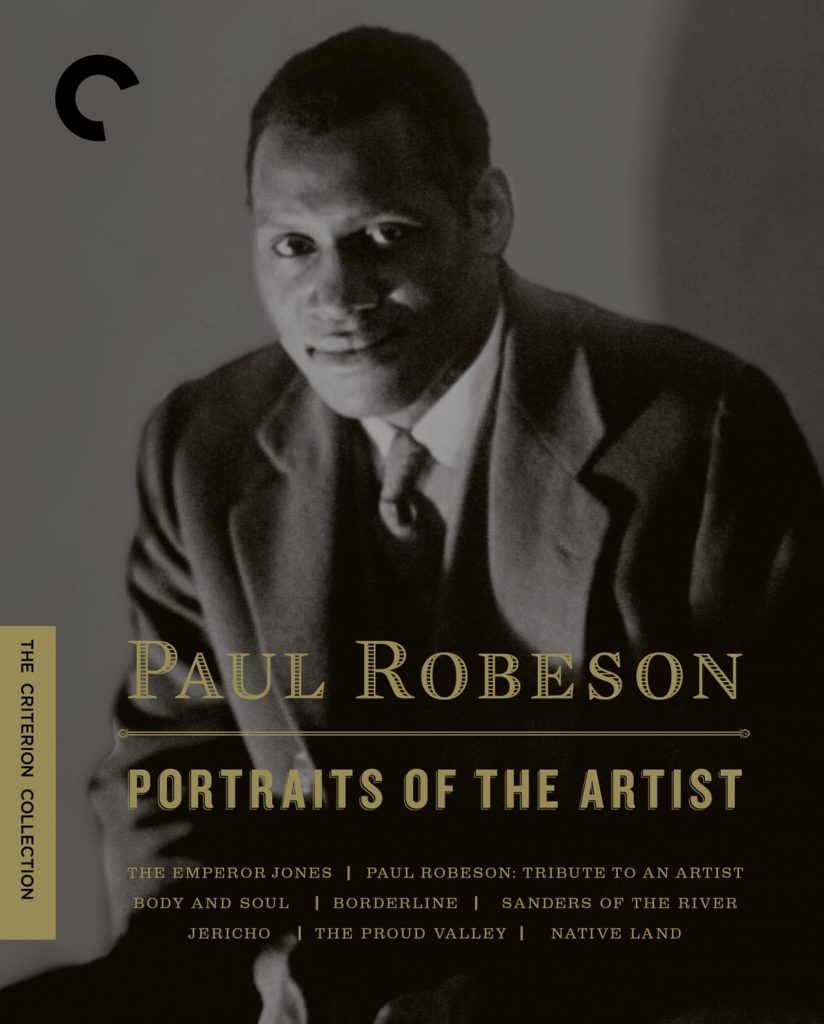
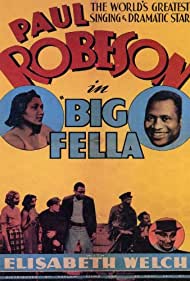
His stage success led to film work. Robeson debuted in a dual role of an unscrupulous preacher and his more virtuous brother in Oscar Micheaux’s silent “Body and Soul” (1924). While Jerome Kern wanted the singer-actor to originate the role of Joe in the Broadway premiere “Show Boat” (Robeson had even signed a contract), production delays and conflicting bookings led to Robeson being replaced. He did get to play the role in London and his stirring delivery of “Ol’ Man River” became the definitive version of the song for generations. Settling in Europe where he felt a person of color could find more diverse employment opportunities, Robeson appeared in the experimental feature “Borderline” (1930). He briefly returned to America to film “The Emperor Jones” (1933), considered by many critics to be his best work despite the inherent flaws of the material. Declining the opportunity to perform in “Aida” in Chicago, he returned to England to undertake the role of an African chief in the ill-advised “Sanders of the River” (1934). He fared only slightly better in a similar role in the first filming of H Rider Haggard’s adventure novel “King Solomon’s Mines” (1937). Robeson accepted the film version of “Show Boat” (1936) primarily for the money, but it at least provided a record of his signature vocals for “Ol’ Man River.” As roles for blacks in Hollywood were severely limited to caricatures and menials, he returned to England and appeared in a handful of films that, while routine, at least offered less stereotypical roles. He twice played a dockworker in films that also showcased his rich baritone. “Song of Freedom” (1936) cast him as a laborer turned opera star who discovers he is heir to an African throne while “Big Fella” (1937) teamed him with Elizabeth Welch in an offbeat tale of blackmail and kidnapping. “Jericho/Dark Sands” (1938) saw Robeson portraying a court-martialed American who escapes to Africa. Some find the film charming while others decry its now blatant racist overtones. He was again a noble figure in “The Proud Valley” (1939), playing a coal miner in Wales who sacrifices his life for his fellow workers. It was to be the last of his leading roles. Robeson returned to the USA and made only one other film appearance in the omnibus “Tales of Manhattan” (1942), teamed in a sketch with Eddie ‘Rochester’ Anderson and Ethel Waters that reduced these fine performers to ridiculous stereotypes as sharecroppers. That same year, he narrated the civil rights documentary “Native Land” which received a very limited release.
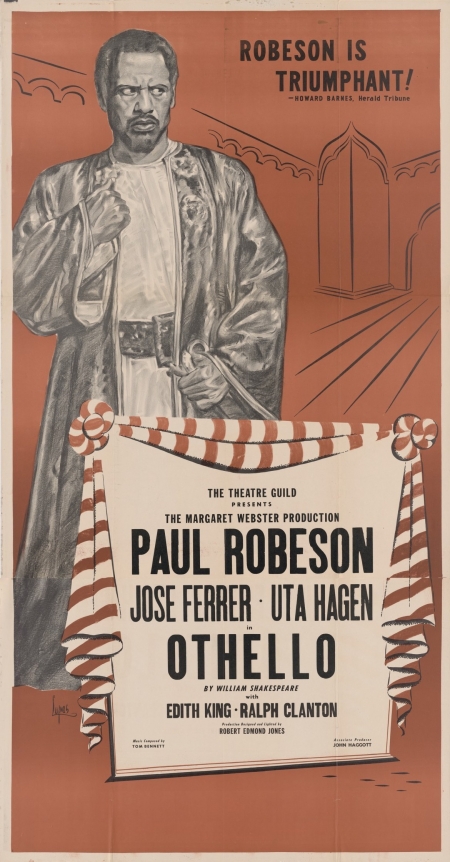
Robeson returned to the stage, starring in an acclaimed 1942 production of “Othello” that cause some controversy over his kissing his Caucasian co-star Uta Hagen. The show began in Cambridge, Massachusetts, and went on to play nearly 300 performances on Broadway in 1943 and toured extensively. As the decade wore on, though, Robeson came under attack for many of his political views. Having been warmly welcomed in the Soviet Union, he became a vocal advocate of Communism and other left-wing causes. Willing to risk his career for viewpoints that some found objectionable, he constantly called attention to bigotry and the limited opportunities for persons of color, including picketing the White House and calling for a crusade against lynching. Called to testify before the House Committee on Un-American Activities (HUAC) in 1946, Robeson proved a strong presence. Responding to a query as to why he didn’t go to live in the USSR, he told the Committee “Because my father was a slave, and my people died to build this country, and I am going to stay right here and have a part of it just like you. And no fascist-minded people will drive me from it. Is that clear?” Yet, some of his views were controversial, notably his call for black youth not to participate if there was a war with the Soviet Union. Like many other artists of the time, Robeson was blacklisted and his passport was revoked for eight years (1950-58). By the time the US Supreme Court restored his right to travel, his health had begun to fail. In 1958, he published his autobiography, “Here I Stand” but few major newspapers would review it. He twice tried to commit suicide and suffered a series of breakdowns that led him to withdraw from public life. He died of complications from a stroke in 1976. Three years later, he was the subject of the documentary “Paul Robeson: Portrait of an Artist” and over the next thirty years, his reputation as an artist and world citizen was gradually restored.
The above TCM Overview can also be accessed online here.
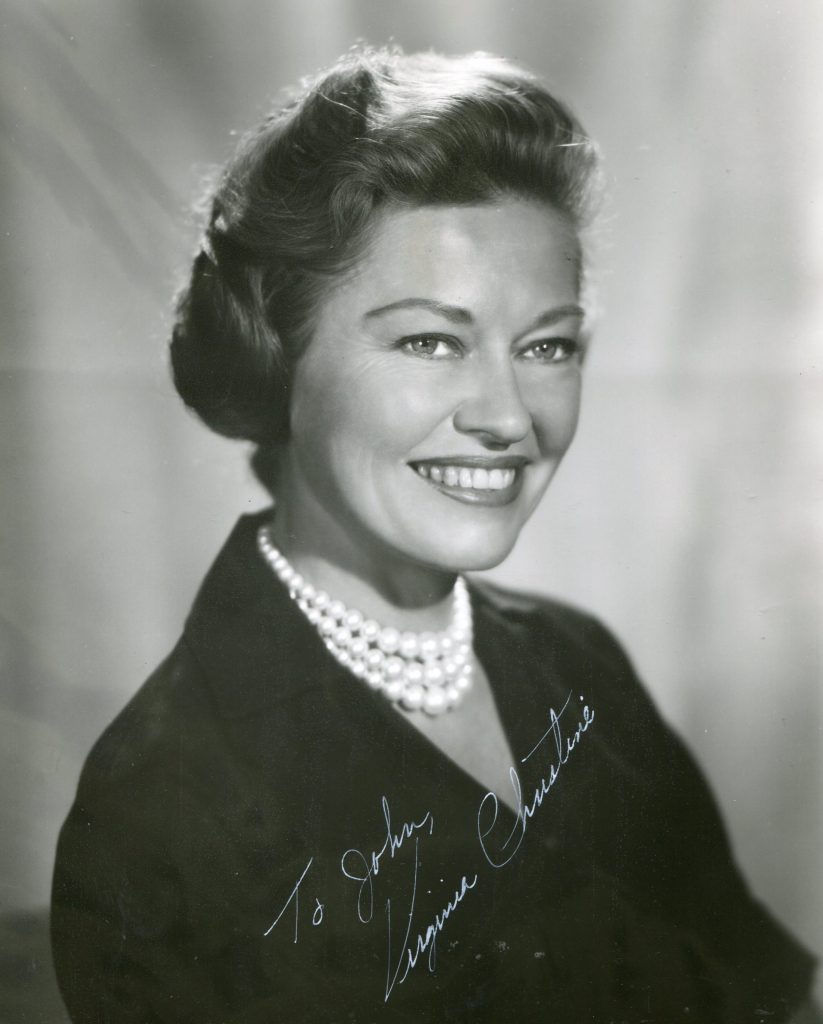
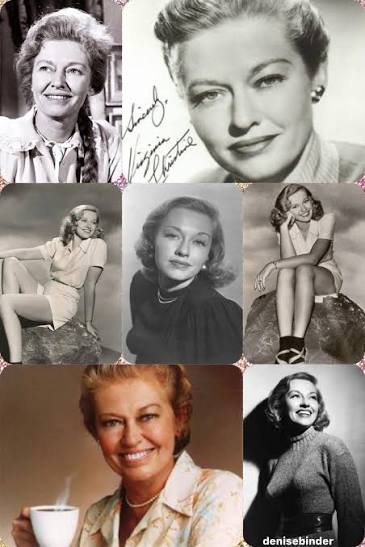
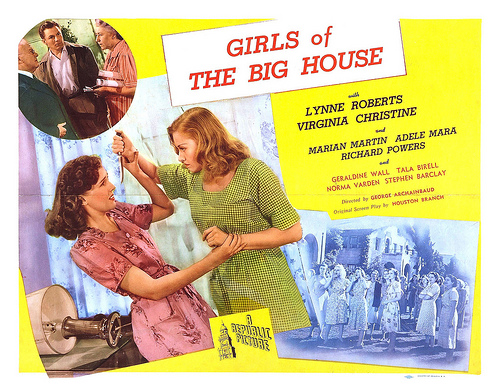
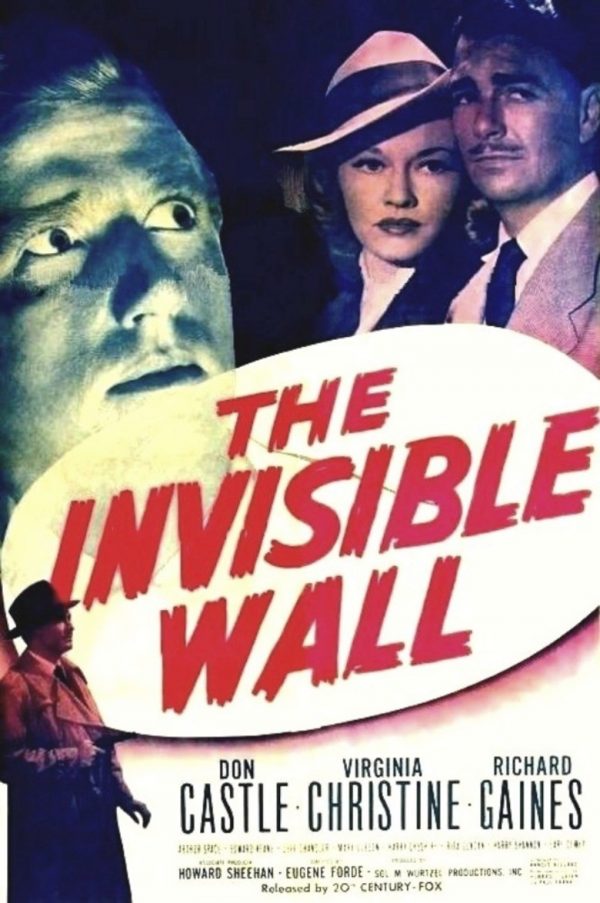
In 1975, the TV Times described Virginia Christine as “one of the small but select band of character actresses who are indispensable to any casting director”. At the time Christine had appeared in more than 50 films, hundreds of television shows, and was currently starring in one of the longest-running commercials in television history. Swedish on her mother’s side, Virginia Christine was born in Stanton, Iowa, a town she described as “All Swedes”. At 17 she won a national drama competition. While attending college in Los Angeles, she met the comedy character actor Fritz Feld. They were married in 1940, and two years later Feld directed her in a Los Angeles stage production of Hedda Gabler, to which he invited representatives from the major film studios.
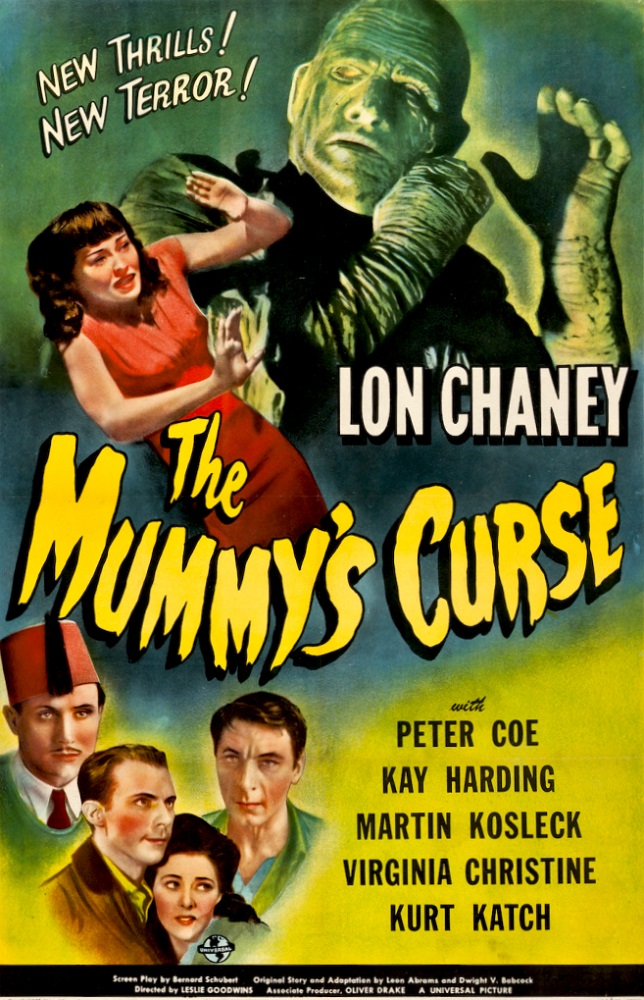
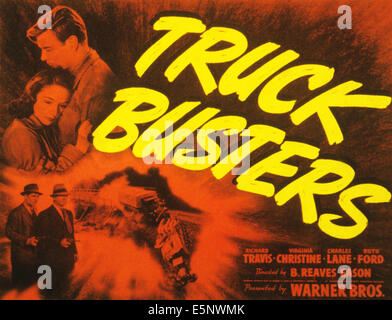
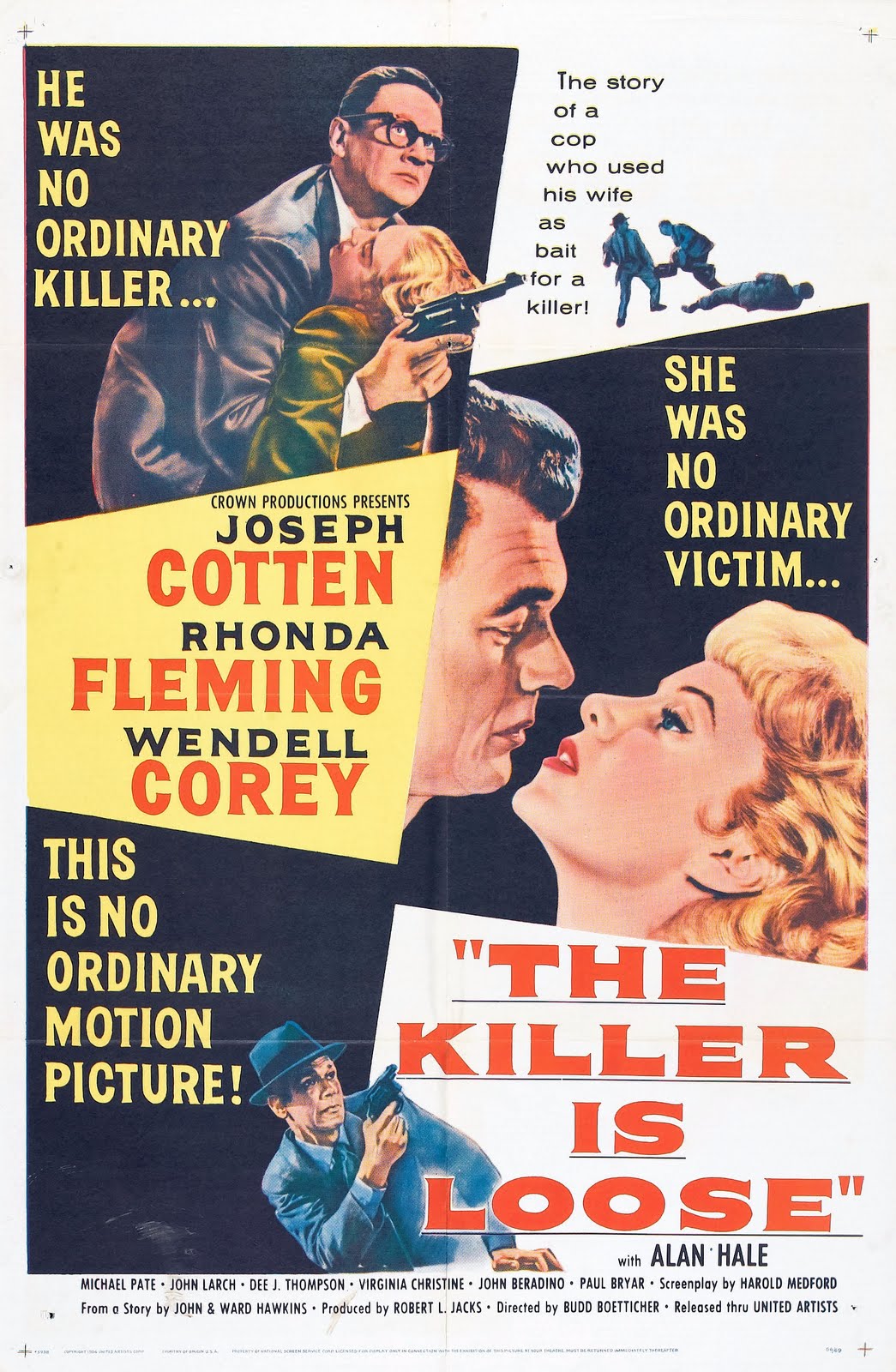
Christine accepted a contract with Warner Bros, for whom she made Truck Busters, Edge of Darkness, Mission to Moscow and a recruitment short for the Women’s Army Corps called Women at War (all in 1943). Warners then dropped her, and she accepted a contact with Universal Pictures, starting with The Mummy’s Curse (1944), in which she played Princess Princess Ananka, an Egyptian mummy who, restored to life, joined fellow mummy Lon Chaney Jnr in terrorising a small Louisiana community. She wore a black wig over her blonde hair and a clinging white nightgown, inspiring the New York Post’s film critic to write: “You will be safe in assuming that there never has been a mummy half as well-built or a quarter as good-looking.” For the next five years, she played, in the main, cowgirls, saloon girls, vamps, convicts and gun molls in a succession of “B” movies and serials.
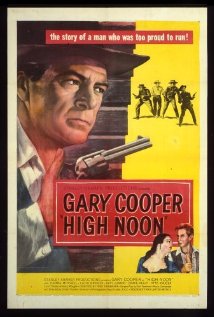
Christine’s career took an upturn when she was cast as the wife of a paraplegic war veteran in Marlon Brando’s first film The Men (1950). Hers wasn’t a prominent role, but the film’s producer, Stanley Kramer, liked her work, and used her as a nun in Cyrano de Bergerac (1950) and as a townswoman in High Noon (1952). When he made Not as a Stranger (1955), he gave her a two-way contract: both to coach Olivia de Havilland in her Swedish accent and to play a friend and countrywoman.
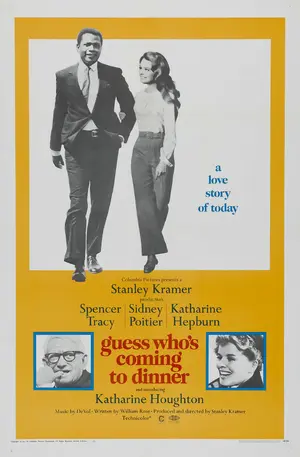
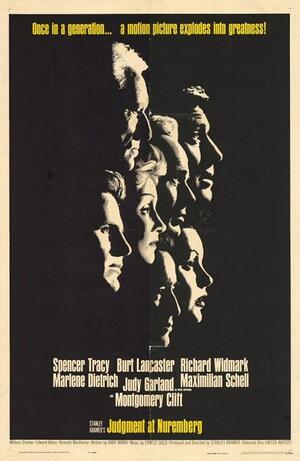
In Judgement at Nuremberg (1961), Kramer cast her as the German housekeeper of American judge Spencer Tracy, chillingly disavowing any national responsibility for the Holocaust. Her most impressive role in a Kramer film was as Katharine Hepburn’s haughty business associate in Guess Who’s Coming to Dinner (1967). On hearing that Hepburn’s daughter (Katharine Houghton) intended to marry a black doctor (Sidney Poitier), Christine reacted with undisguised horror, after which Hepburn walked her briskly down to her car and sacked her – a scene which rarely failed to draw applause.
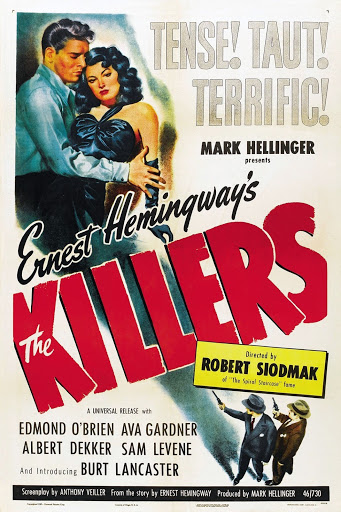
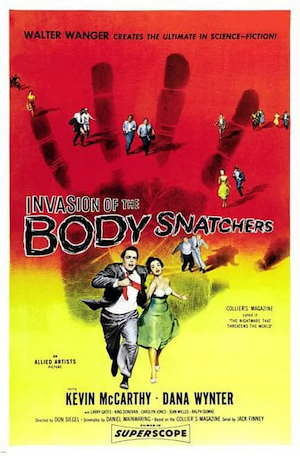
“I only ever fought for one part,” said Christine, who campaigned vigorously for the role of Kitty Collins, the femme fatale in the first screen version of Hemingway’s The Killers (1946). She lost out to Ava Gardner, but Mark Hellinger, the film’s producer, was impressed with Christine’s test, and cast her as the sympathetic wife of policeman Sam Levene. Eighteen years later, she appeared in Don Siegel’s remake of The Killers (1964), having also acted in his Invasion of the Body Snatchers (1956) and Flaming Star (1960).
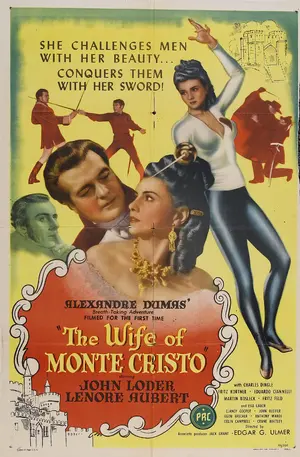
She also acted under the direction of Vincente Minnelli in The Cobweb (1955), Billy Wilder in The Spirit of St Louis (1957) and Mark Robson in The Prize (1963). She and Fritz Feld acted in two films together: Wife of Monte Cristo (1946) and Four for Texas (1963). They had been married for 53 years when Feld died in 1993.
As well as the feature film Dragnet (1954), Christine appeared in its earlier television incarnation. Her other TV series included 77 Sunset Strip, Perry Mason, The Untouchables, The Fugitive, The Abbott and Costello Show, Mr Ed, The Adventures of Superman, Alfred Hitchcock Presents, The Twilight Zone, The Long Ranger, Rawhide, Wagon Train, The Virginian, Gunsmoke, Bonanza and Tales of Wells Fargo.
Virginia Christine’s most lucrative television assignment began in 1960, when Bob Palmer, the casting director who had given her the part of Princess Ananka, persuaded her to audition for a commercial. For the next 20 years she played Mrs Olson, a kindly, Swedish-accented housewife who kept solving domestic problems by recommending Folger’s Mountain-Grown Coffee to a succession of married couples. The citizens of Stanton, Iowa somewhat bizarrely celebrated the celebrity status of their native daughter by converting a local water tower into a giant, ornately decorated coffee- pot.
Dick Vosburgh
Virginia Ricketts (Virginia Christine), actress: born Stanton, Iowa 5 March 1917; married 1940 Fritz Feld (died 1993; two sons); died Los Angeles 24 July 1996.
Virginia Christine (1920 – 1996) was one of mid‑century Hollywood’s most respected character actresses—a performer whose career ranged across film noir, prestige drama, westerns, and early television before she became an indelible pop‑cultural figure as “Mrs. Olson” in Folgers Coffee commercials. Her work demonstrates how a classically trained, intelligent actress could sustain artistic integrity within the infrastructure of the studio system and later across the shifting landscape of television advertising. Subtle, self‑possessed, and technically assured, Christine’s acting career illustrates the depth and professionalism of Hollywood’s supporting players—often underestimated but vital to the emotional texture of American storytelling.
Early Life and Training
Born Virginia Christine Kraft in Stanton, Iowa, an intensely Swedish‑Lutheran farming community, she retained throughout her life a gentle Midwestern gravity that translated into screen warmth and sincerity. After high‑school theater and local radio, she studied drama in Los Angeles at Pasadena Playhouse College of Theatre Arts, one of the key training grounds for classical American actors of her generation (notable alumni include Gene Hackman, Charles Bronson, and Dustin Hoffman).
During World War II she began stage work with regional theatre and was hired by Fritz Lang, who recognized in her an expressive precision ideal for the chiaroscuro world of his American films. Lang’s tutelage—his insistence on purposeful gesture and psychological attention—was formative: Christine carried his lessons of controlled intensity and spatial awareness throughout her subsequent career.
The Lang Years and Noir Apprenticeship (1943–1950)
Ministry of Fear (1944) – small uncredited debut
Christine’s screen presence immediately attracted notice; even in a brief role she exhibited a compelling attentiveness that drew the camera’s focus.
House by the River (1950, dir. Fritz Lang)*
Her first substantial credited role. As Emily Gaunt, wife of a murdered maidservant’s brother (Louis Hayward), she conveyed a moral steadfastness and tragic empathy that anchored Lang’s gothic cynicism. Critics at the time singled her out for “a rare stillness amid hysteria.” Her combination of natural speech rhythms and Langian formality created emotional realism rarely found in studio horror.
The noir milieu suited her: she could hint at violence beneath composure, giving otherwise conventional supporting parts psychological dimension. Lang himself said decades later, “Virginia Christine was an actress who could play conscience without becoming dull.”
Versatility Within the Studio System (1950s)
The 1950s became Christine’s most prolific decade. She secured steady work from all major studios, distinguishing herself by adaptability—slipping easily from melodrama to western to light comedy without altering her grounded authenticity.
Cyrano de Bergerac (1950)
Supporting José Ferrer’s Oscar‑winning performance, she played Sister Martha—the nun who tends Cyrano in the final scene. Her quiet compassion lent the climax emotional credibility; critics praised her restraint, noting that her minimalist reaction shots intensified Ferrer’s death scene.
The Killer That Stalked New York (1950), Invasion of the Body Snatchers (1956)*
As one of the first victims in Don Siegel’s allegorical sci‑fi classic, Christine helped establish its atmosphere of suburban unease: healthy surface concealing corruption. Her small role—a motherly figure losing her individuality—signaled how she could invest brief appearances with haunting normalcy, giving apocalyptic material immediate human stakes.
The Catered Affair (1956, dir. Richard Brooks)*
A high point in dramatic credibility. Frank Capra found in network television the model for intimate domestic realism, but Brooks’s film anticipated that movement. As the Bronx neighbor opposite Bette Davis and Ernest Borgnine, Christine embodies ordinary decency, contrasting the emotional turmoil around her. Critics admired her refusal of caricature in a role that could have been comic relief.
Gun Fury (1953), The Lawless Breed (1952)*
Westerns offered her sympathetic moral‑support figures—a wife, sister, or frontier moral witness—roles easily flattened in lesser hands. Christine brought conviction to these archetypes, her posture and vocal control conveying quiet resilience amid violence.
Critical Observation: Across genres, Christine avoids theatricality. She builds performances from behavioral detail—folding a handkerchief meticulously, pausing slightly before a line—gestures expressing interior life. Scholars of acting technique see her as part of a transitional generation bridging classical studio diction and spontaneous psychological realism.
Television and Film Symbiosis (1950s–1960s)
Television granted Christine sustained visibility. She guest‑starred in anthologies like Schlitz Playhouse of Stars, Dragnet, Gunsmoke, Perry Mason, Alfred Hitchcock Presents, and Bonanza. Each appearance demonstrated her ability to invest archetypes—nurse, mother, suspect—with dimension. Industry colleagues often called her “the scene‑steadying presence.”
Judgment at Nuremberg (1961, Stanley Kramer)*
Though her role was modest, she again represented moral gravity against moral collapse; viewers noted the maturity that lent the courtroom spectacle emotional continuity.
Critics frequently grouped her with performers such as Beulah Bondi or Mildred Dunnock: actresses whose realism grounded male‑oriented narratives. In these character parts Christine’s excellence lay in transparency—choosing understatement so truthful it almost disappears.
The “Mrs. Olson” Years: Popular Iconography and Subtext (1965–1985)
In 1965, Christine accepted what she thought would be a brief commercial series: playing a kindly Swedish‑American neighbor dispensing advice (and coffee) to harried housewives in Folgers ads. The campaign lasted twenty years across hundreds of spots, making her one of the most recognizable faces on American television.
Cultural Significance
While critics initially lamented that such a serious actress had moved into advertising, the persona of “Mrs. Olson” proved complex. Christine infused a potentially patronizing stereotype with warmth, self‑irony, and genuine empathy. Advertising scholars later noted that her maternal reassurance redefined televised domestic femininity: she portrayed female solidarity rather than subservience.
Analytically, the role can be read as adaptive continuity: the moral centeredness she brought to Lang’s and Brooks’s films repurposed into populist intimacy. Audiences sensed authenticity behind the commercial conceit precisely because of the integrity she had built in earlier work.
Artistic Implication
Her decision reflected professionalism rather than capitulation. With film opportunities for middle‑aged women dwindling, she turned limited options into long‑term agency, maintaining public affection and economic independence. The Folgers campaign thus belongs to her artistic narrative—a case study in how Hollywood-trained actors migrated into new media while preserving craft.
Acting Style and Technique: Critical Analysis
Dimension
Assessment
Voice
Distinctive mezzo timbre—clear diction tempered by Midwestern lilt—conveyed credibility. She could tighten vowels to signal anxiety or relax phrasing for reassurance.
Gesture and Stillness
Lang’s disciplining influence evident: economy of motion; she often let the camera “find” emotion rather than announce it.
Psychological Range
Specialized in quiet strength; excelled at moral conscience roles but capable of ambivalence (see The Killer That Stalked New York).
Screen Persona
Embodied trust, compassion, and integrity—the archetypal “decent woman” without sentimentality.
Professional Adaptability
Moved across noir, western, melodrama, television, and advertising without loss of authenticity—model of pragmatic artistry.
Thematic Through‑Lines in Her Career
Moral Witness: Christine frequently served as the viewer’s identification point within stories of conflict, grounding stylized material in human insight.
Femininity and Competence: She redefined supportive female roles by making them active agents of empathy and intelligence rather than passive decoration.
Rural‑Urban Duality: Her Swedish‑Iowan background lent both rustic sincerity and cultured poise; directors exploited this to convey Americana’s ethical core.
Continuity through Media Change: Christine exemplified the actor’s ability to transition from classical film to television and advertising without diminishing craft.
Representative Performances
Year
Title
Medium
Role
Significance
1950
Cyrano de Bergerac
Film
Sister Martha
Subtle grace in climactic tragedy
1950
The Killer That Stalked New York
Film
Health‑Department Worker
Realistic moral urgency in procedural noir
1953
Gun Fury
Film
Donna Fugate
Credible frontier endurance
1956
Invasion of the Body Snatchers
Film
Townswoman
Domestic sincerity within allegorical horror
1961
Judgment at Nuremberg
Film
Czech Witness
Gravitas amid ensemble cast
1965–85
Folgers Coffee ads
Television
“Mrs. Olson”
Pop‑cultural reinterpretation of maternal neighborliness
Critical Reception and Legacy
While rarely the subject of major critical studies during her lifetime, retrospective appraisals—particularly by film historians analyzing mid‑century noir and genre cinema—acknowledge her importance. Her performances anticipate later American naturalism: the emotional understatement of actors like Frances McDormand and Holly Hunter resonates with Christine’s grounded realism.
Film scholar Janine Basinger describes her as “one of the quiet architects of American honesty on screen—never false, never self‑pitying.” Contemporary reviews often concluded with phrases such as “adds class and reality to her scenes,” shorthand for the qualities that made her indispensable but not headline famous.
Her long association with the Folgers character paradoxically ensured immortality: audiences who never knew her film work nevertheless remembered her as the face of warmth and integrity, confirming her lifelong gift for genuine connection.
Summary: Evaluation
Strengths
Limitations
Exceptional control of tone and nuance; authenticity across genres
Few star roles; much work uncredited or underpublicized
Ability to make moral seriousness compelling without didacticism
Public perception reduced to commercial persona
Adaptable professionalism; pioneering shift from classical film to television realism
Limited archival recognition; lack of auteur collaborations
Conclusion
Virginia Christine’s career exemplifies the unsung artistry of Hollywood’s supporting actors—craftspeople who transformed archetypes into believable lives. From Lang’s shadowy noirs to 1950s domestic drama and ultimately the televised kitchen of “Mrs. Olson,” she maintained continuity of truth, grace, and moral empathy. Her characters rarely demanded attention; they earned it. In the mosaic of twentieth‑century American performance, Virginia Christine stands as a model of integrity—proof that subtlety, consistency, and genuine humanity can create a career both durable and quietly profound
Chester Morris (February 16, 1901 – September 11, 1970) was an American stage, film, television and radio actor. He had some prestigious film roles early in his career, and was nominated for an Oscar. But he is best remembered today for portraying Boston Blackie, a criminal-turned-detective, in the modestly budgeted Boston Blackie film series of the 1940s.
He was born John Chester Brooks Morris in New York City, one of four children of Broadway stage actor William Morris and stage comedian Etta Hawkins. Morris dropped out of school and began his Broadway career at 15 years old opposite Lionel Barrymore‘sThe Copperhead. He made his film debut in the silent comedy-drama film An Amateur Orphan for Thanhouser/Pathé.
After appearing in several more Broadway productions in the early 1920s, Morris joined his parents, sister and two brothers, Gordon and Adrian (who also became a film actor), on the vaudeville circuit.[4] The family’s act consisted of a comedy sketch entitled “The Horrors of Home”. Morris toured with his family for two years before returning to Broadway with roles in The Home Towners (1926) and Yellow (1927). While appearing in the 1927 play Crime, Morris was spotted by a talent agent and was signed to a film contract.
By the mid-to-late 1930s, Morris’ popularity had begun to wane and he was cast as the lead actor such B-movies as Smashing the Rackets (1938) and Five Came Back (1939). In 1941, Morris’ career was revived when he was cast as criminal-turned-detective Boston Blackie. Morris appeared in a total of fourteen Boston Blackie film serials for Columbia Pictures, beginning with Meet Boston Blackie. He reprised the role of Boston Blackie for the radio series in 1944. He was replaced after one season. During World War II, Morris performed magic tricks in over 350 USO shows. He had been practicing magic since the age of 12 and was considered a top amateur magician.[8]
While appearing in the Boston Blackie series, Morris continued to appear in roles in other films mostly for Pine-Thomas films forParamount Pictures.[ After appearing in 1949’s Boston Blackie’s Chinese Venture, the final Boston Blackie film, Morris largely retired from films. During the 1950s, he focused mainly on television and regional theatre role. During this time, Morris also appeared in guest spots for the anthology seriesCameo Theatre, Lights Out, Tales of Tomorrow, Alcoa Premiere, Suspense, Danger, Robert Montgomery Presents, The Web, Phillip Morris Playhouse, Studio One, and Kraft Television Theatre. He briefly returned to films in 1955 with a role in the prison drama Unchained, followed by a role in the 1956 science-fiction horror film The She-Creature. In 1960, he had recurring role as Detective Lieutenant Max Ritter in the CBS summer replacement series,Diagnosis: Unknown. After the series was canceled after a year, Morris appeared in the NBC television film A String of Beads. In November 1960, he returned to Broadway as “Senator Bob Munson” in the stage adaptation of the 1959 novel Advise and Consent. Morris remained with the production until it closed in May 1961. In October, he reprised his role for the touring production.
Morris was married twice. He first married Suzanne Kilbourne on November 8, 1926. They had two children, John Brooks and Cynthia.[1]Kibourne was granted an interlocutory divorce in November 1939 which was finalized on November 26, 1940.[On November 30, 1940, Morris married socialite Lillian Kenton Barker at the home of actor Frank Morgan.[13] They had a son, Kenton, born in 1944. The couple remained married until Morris’ death in 1970.
In mid-1968, Morris starred opposite Barbara Britton in the touring production of Where Did We Go Wrong?. After the production wrapped, he returned to his home in Manhattan where his health began to decline. Morris was later diagnosed with stomach cancer. Despite his declining health, Morris began work on what would be his last film role, as “Pop Weaver” in biographical drama The Great White Hope (1970). The film was released after his death. After filming wrapped, Morris joined the stage production of The Caine Mutiny Court Martial at the Bucks County Playhouse in New Hope, Pennsylvania.
On September 11, 1970, Lee R. Yopp, the producer and director of Caine, was scheduled to have lunch with Morris. After Yopp could not reach Morris by phone at his motel room, he went to Morris’ room where he found the actor’s body lying on the floor. The county coroner attributed Morris’ death to an overdose of barbiturates. His remains were cremated and scattered over a German river.
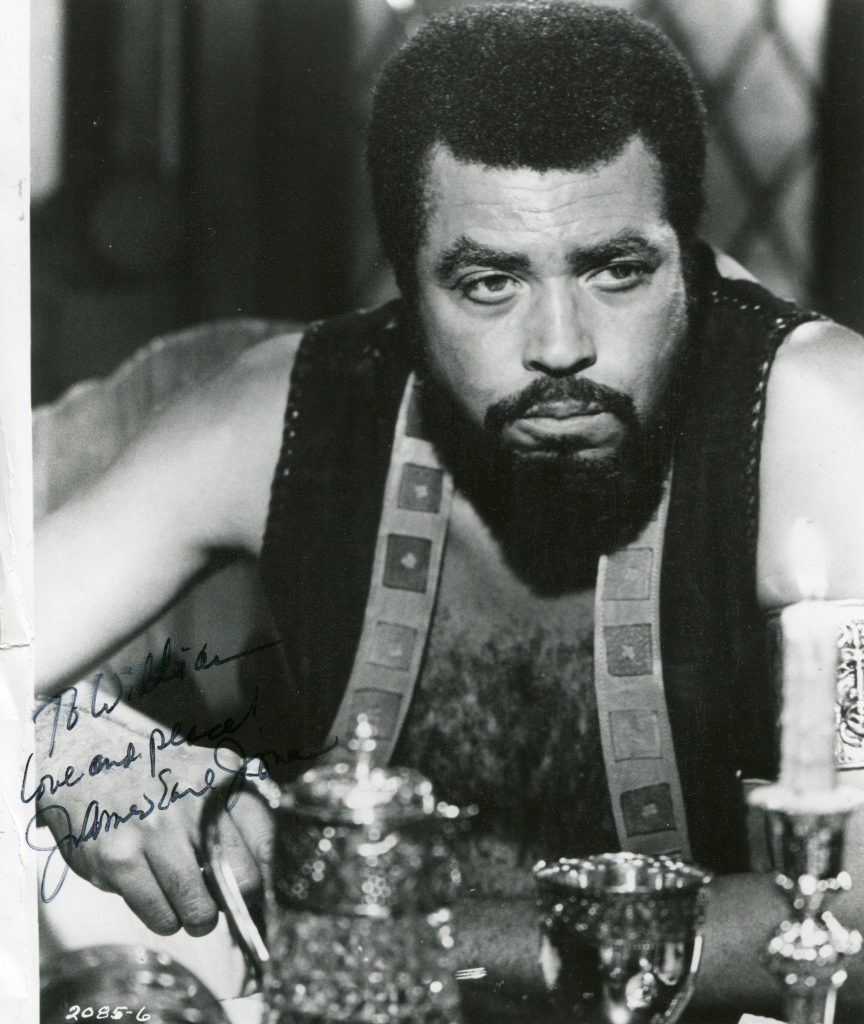
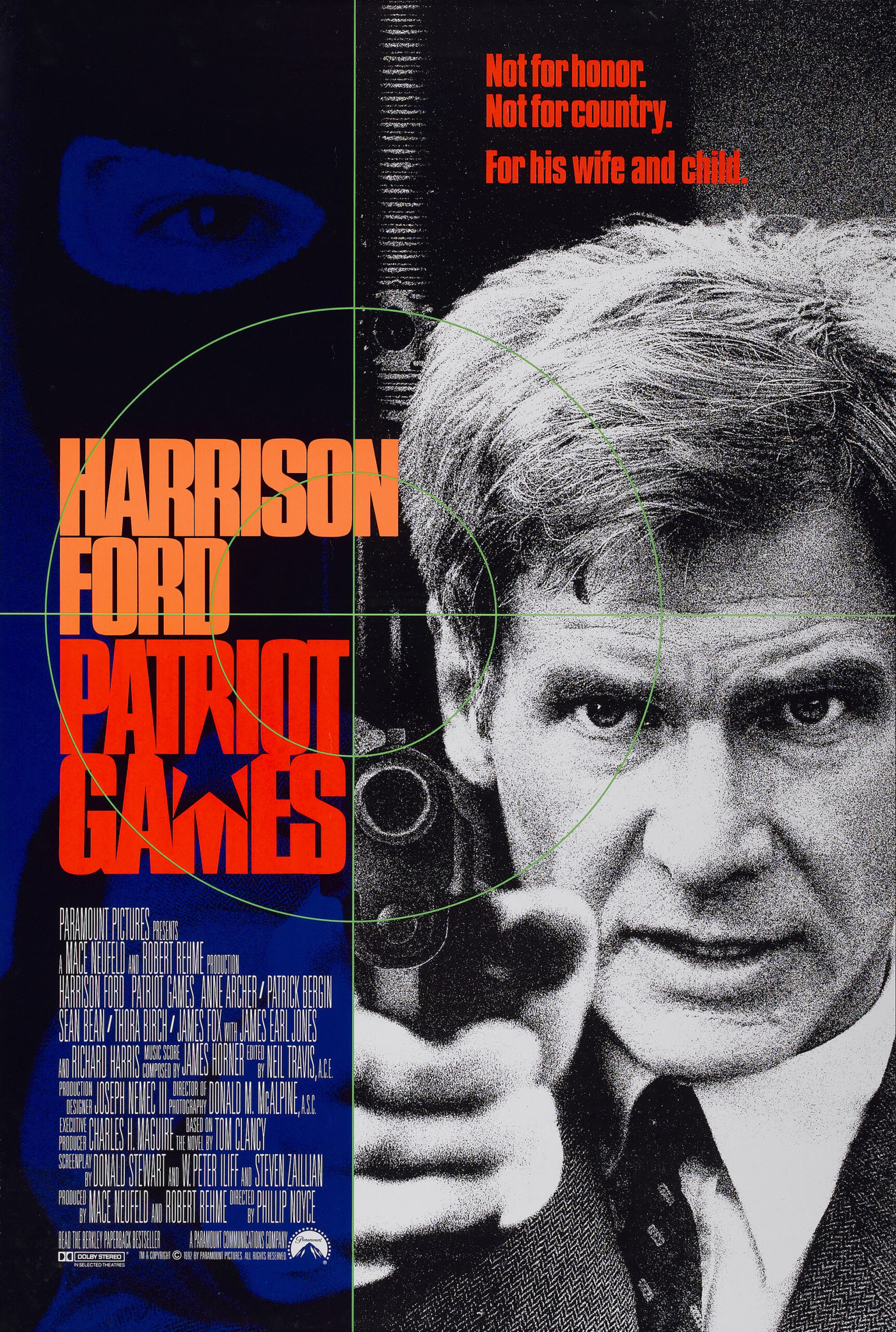
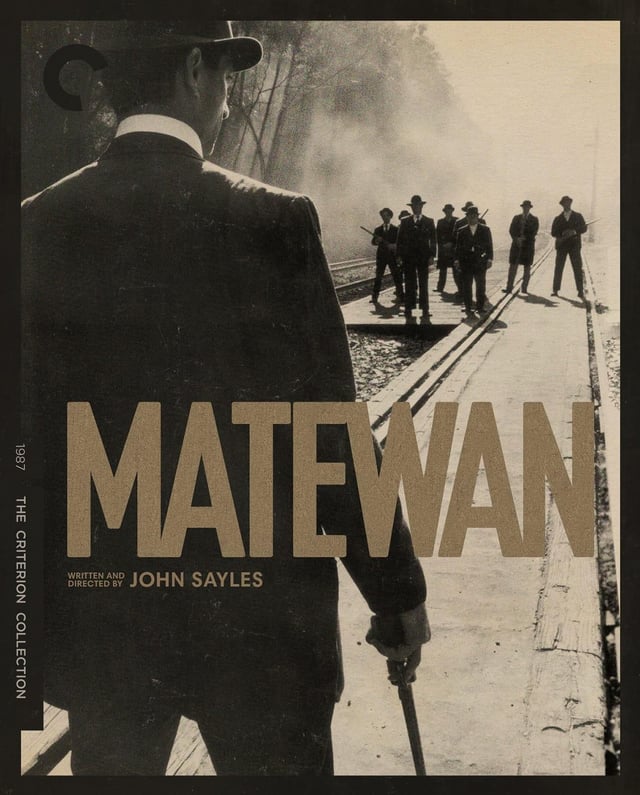
One of the preeminent stage and screen performers of his generation, award-winning actor James Earl Jones primarily functioned as a high-quality supporting player after a brief run in the 1970s as a leading man. But more famous than any onscreen role was his deep, resonant voice that first gave authority and menace to Darth Vader in “Star Wars” (1977), “The Empire Strikes Back” (1980) and “Return of the Jedi” (1983) – a startling achievement due to his overcoming a debilitating childhood stutter that remained with him throughout his career. Prior to his iconic voice performance in “Star Wars,” he made a name for himself on the stage, especially in Shakespearean roles not normally associated with being played by African-Americans. Once his voice became famous, it was only a matter of time until his face became renowned as well, which happened after appearing in a range of movies, from John Sayles’ small independent “Matewan” (1987) to “Field of Dreams” (1989) to a trio of blockbusters based on the novels of Tom Clancy, “The Hunt for Red October” (1990), “Patriot Games” (1992) and “Clear and Present Danger” (1994).
Born on Jan. 17, 1931 in Arkabutla, MS, Jones was raised by his mother, Ruth, a tailor and teacher, and his grandparents, John and Maggie, both farmers, after his father, Robert Earl, left the family before his birth. When he was five, the family uprooted itself to his grandparents’ farm in rural Jackson, MI – a move he later credited to causing his debilitating childhood stutter, in which he barely spoke to anyone but his family from ages 6-14. In fact, his stutter was so bad that he left his church because he was unable to read Sunday school recitations without the other kids laughing at him. When Jones reached high school in Brethren, MI, he overcame his stutter with the help of his English teacher, Donald Crouch. Crouch read a poem Jones had written, but challenged its authenticity by claiming he plagiarized it. Shocked by the accusation, Jones was further challenged to prove he wrote it by reciting the poem by heart in front of the class. Jones did, taking his first tentative steps toward overcoming his stutter, which remained with him throughout his career.
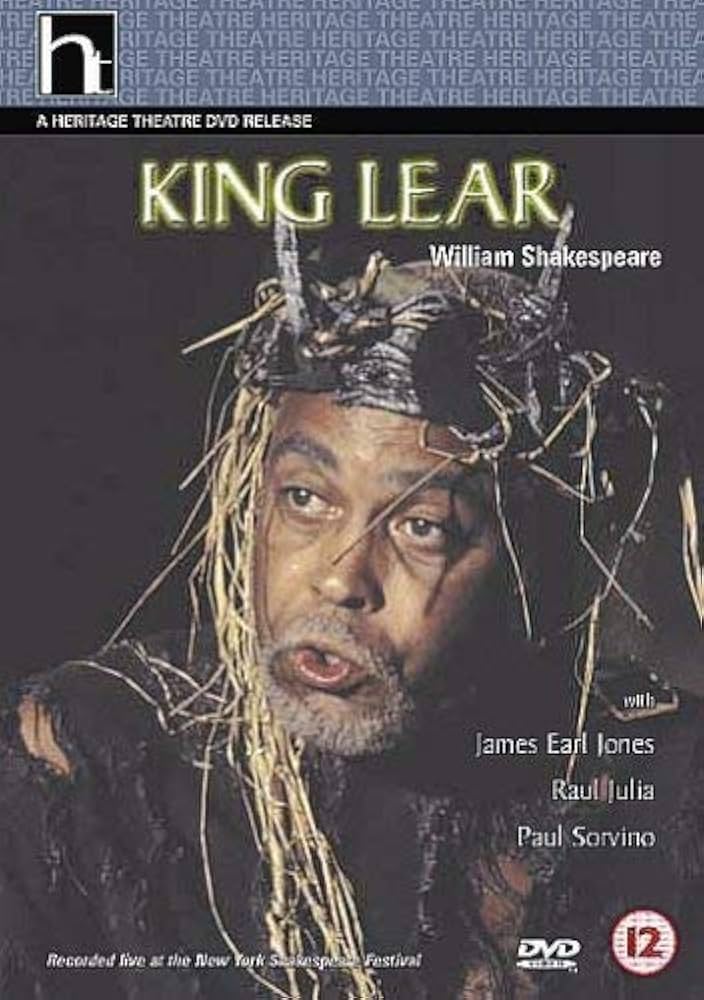
Meanwhile, in 1949, Jones earned a scholarship and enrolled at the University of Michigan, where he initially majored in pre-med. But Jones felt the lure of the stage and made his acting debut in a university production of “Deep Are the Roots” (1949). Soon he found himself enrolled in the drama program, while also eventually becoming a second lieutenant in the school’s Reserve Officer’s Training Program. After graduating in 1953, he spent two years in the Army Rangers, then left the service to pursue acting fulltime. He landed his first paying job as the understudy to Ivan Dixon in “Wedding in Japan” (1957), then debuted on Broadway as an understudy for the roll of Perry Hall in “The Egghead” (1957). Jones was back on Broadway the following year in “Sunrise at Campobello” (1958) and began his long affiliation with the New York Shakespeare Festival in 1959, with which he honed his craft in the title roles of “Othello,” “Macbeth” and King Lear.” He appeared off-Broadway in the seminal and acclaimed production of Jean Genet’s “The Blacks” (1961), then made his feature debut as the dedicated bombardier on Major King Kong’s B-52 in Stanley Kubrick’s classic satire, “Dr. Strangelove, or How I Learned to Stop Worrying and Love the Bomb” (1964).
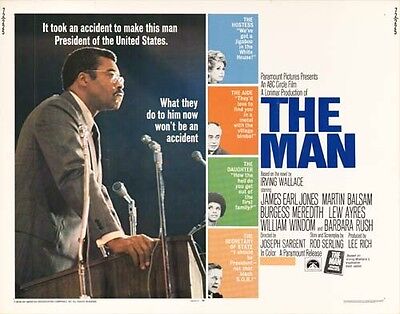
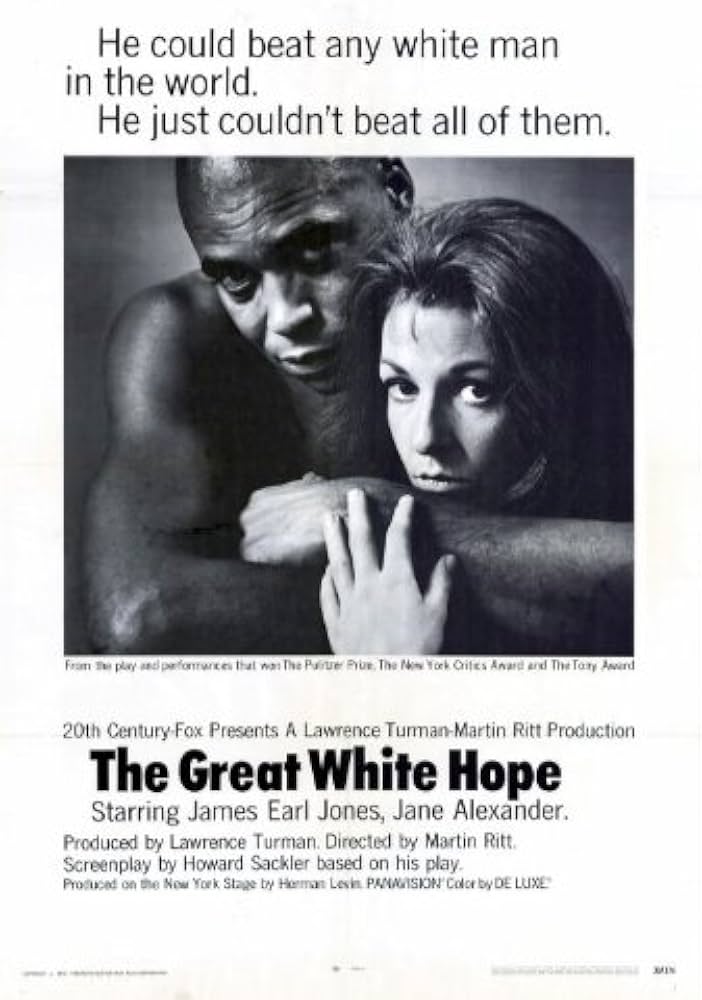
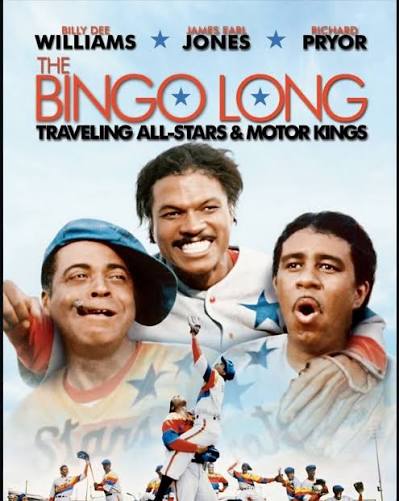
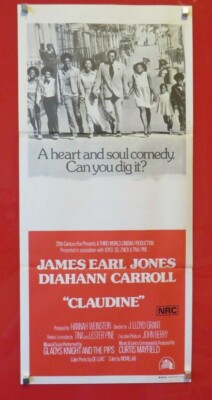
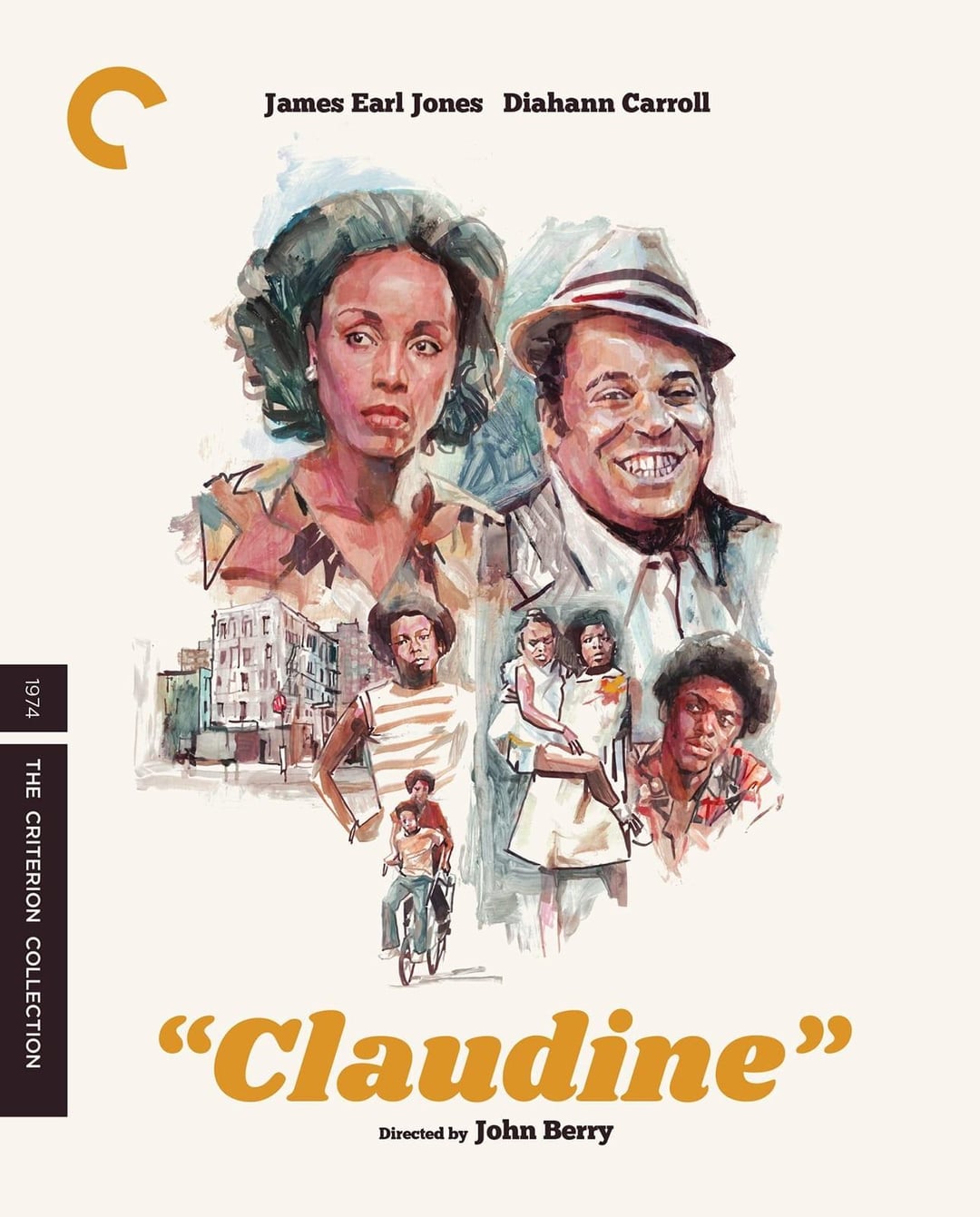
Jones had his real breakthrough with a Tony-winning turn as first black heavyweight boxing champion Jack Johnson in “The Great White Hope” (1968), a role he reprised for the 1970 movie of the same name, which earned him an Oscar nomination for Best Actor. In 1969, Jones filmed several short segments for the fledgling kids’ show, “Sesame Street” (PBS, 1969- ), which were used to test whether or not children would be receptive to the show. The test audience responded most favorably to Jones slowly counting from 1-10. The segments were used when the show later aired. Meanwhile, he began taking leading features roles, including “The Man” (1972), in which he was the first black president; “Claudine” (1974), playing the garbage man-love interest of a ghetto mother (Diahann Carroll); “The River Niger” (1975) opposite Cicely Tyson; and “The Bingo Long Traveling All-Stars and Motor Kings” (1976), where he portrayed a fictional character based on Hall of Fame Negro League catcher, Josh Gibson.
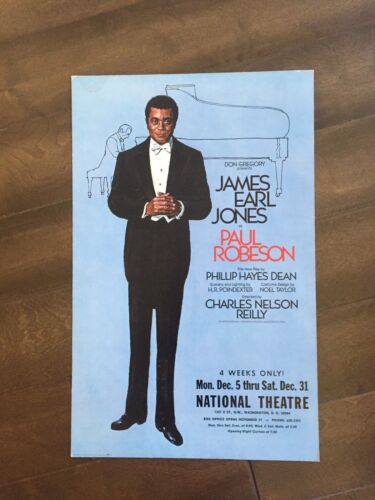
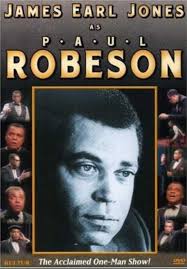
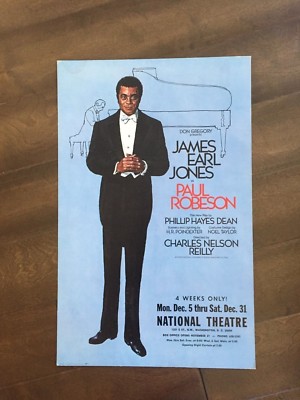
Though working consistently on screen, his star burned brightest on the boards where – in addition to his celebrated work in Shakespeare plays – he inaugurated a long-standing collaboration with South African playwright Athol Fugard, acting in “The Blood Knot,” “Boseman and Lena” (1974) and “‘Master Harold’…and the Boys,” among others. He also portrayed Lennie in a 1974 Broadway revival of John Steinbeck’s “Of Mice and Men,” then performed the controversial one-man show “Paul Robeson” on Broadway (1977), which caused an uproar with Robeson’s son, who mounted a campaign to stop the production on the grounds that the story was “grossly distorted.” Nonetheless, Jones reprised the show in London the following year. That same year, Jones – or rather his voice – became unwittingly famous when “Star Wars” was released and became not only the highest-grossing movie at the time, but also a cultural phenomenon that would stretch far into subsequent generations. Though director George Lucas hired actor David Prowse to play Dark Vader on screen due to his towering 6’8″ height, he wanted a different, more imposing voice. So he found Jones and paid him $9,000 for less than three hours of work. But because he was only a voice actor, Jones did not receive points on the gross – a luxury given to the other actors by Lucas. When “Star Wars” made tons of money, Jones missed a big payday. Lucas did, however, make up for most of it with a generous Christmas bonus.
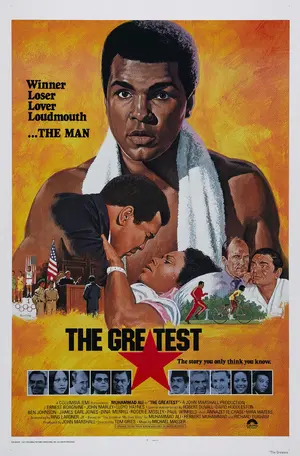
Back to appearing on screen, Jones was Balthazar in “Jesus of Nazareth” (NBC, 1977), then starred opposite Robert Duvall as Malcolm X in “The Greatest” (1977), starring Muhammad Ali as himself in this biopic about how he overcame obstacles to become the greatest boxer of all time. Jones then had great success on television in the groundbreaking roles of Dr. Jerry Turner on “As the World Turns” (CBS, 1956- ) and Dr. Jim Frazier on “The Guiding Light” (CBS, 1951-2007), becoming one of the first African-American regulars featured on the networks’ daytime dramas. He ventured into primetime series as the titular star of “Paris” (CBS, 1979-1980), playing the erudite police captain of a special detective unit of the Los Angeles Police Department, then portrayed author Alex Haley in the acclaimed miniseries sequel “Roots: The Next Generation” (ABC, 1979). After starring in two miniseries – “The Golden Moment: An Olympic Love Story” (NBC, 1980) and “Guyana Tragedy: The Story of Jim Jones” (CBS, 1980) – Jones once again provided the rich, menacing voice to Darth Vader in “The Empire Strikes Back” (1980), including immortalizing the famous line, “Luke, I am your father.”
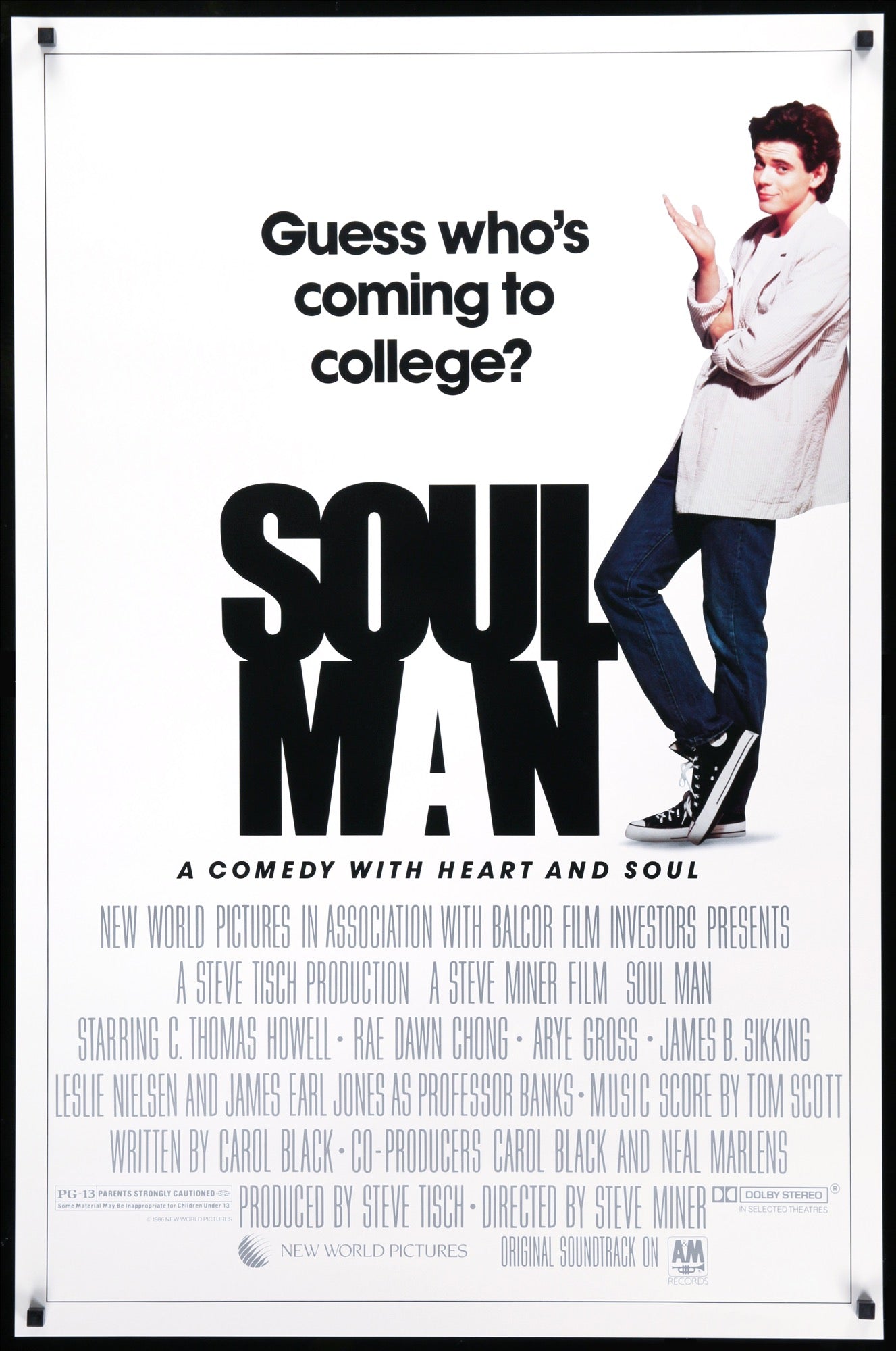
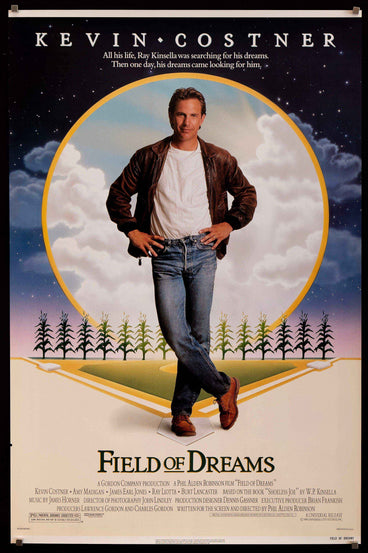
That same year, Jones made a return to the stage, appearing in Athol Fugard’s “A Lesson From Aloes” (1980) before delivering an acclaimed performance as “Othello” (1982) on Broadway in a production where he starred opposite future wife Cecilia Hart. Following a third turn as Darth Vader for “Return of the Jedi” (1983), he appeared in two forgettable features, “City Limits” (1985) and “Soul Man” (1986), before playing a former Negro League baseball player-turned-bitter garbage man in August Wilson’s “Fences” (1987), for which Jones earned his second Tony Award for Best Leading Actor in a Play. Also that year, he appeared in “Matewan” (1987), John Sayles’ compelling drama depicting a violent labor dispute in 1920s rural West Virginia. Following a co-starring turn in the antiwar drama “Gardens of Stone” (1987), Jones was the picture of patriarchal kingship in “Coming to America” (1988), playing the regal father of Prince Akeem (Eddie Murphy), the heir to the thrown of the fictional African country of Zamunda, who refuses to enter into an arranged marriage and instead sets off to find his true love in America. He next delivered a fine performance both comic and moving in “Field of Dreams” (1989), playing a reclusive author kidnapped by an Iowa farmer (Kevin Costner) who is building a baseball field instead of planting corn.
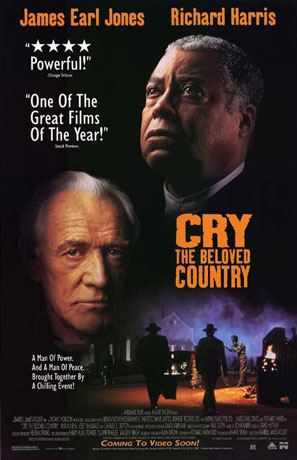
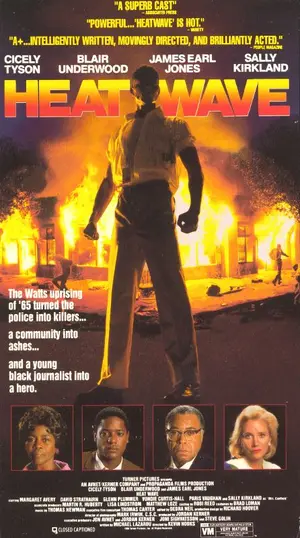
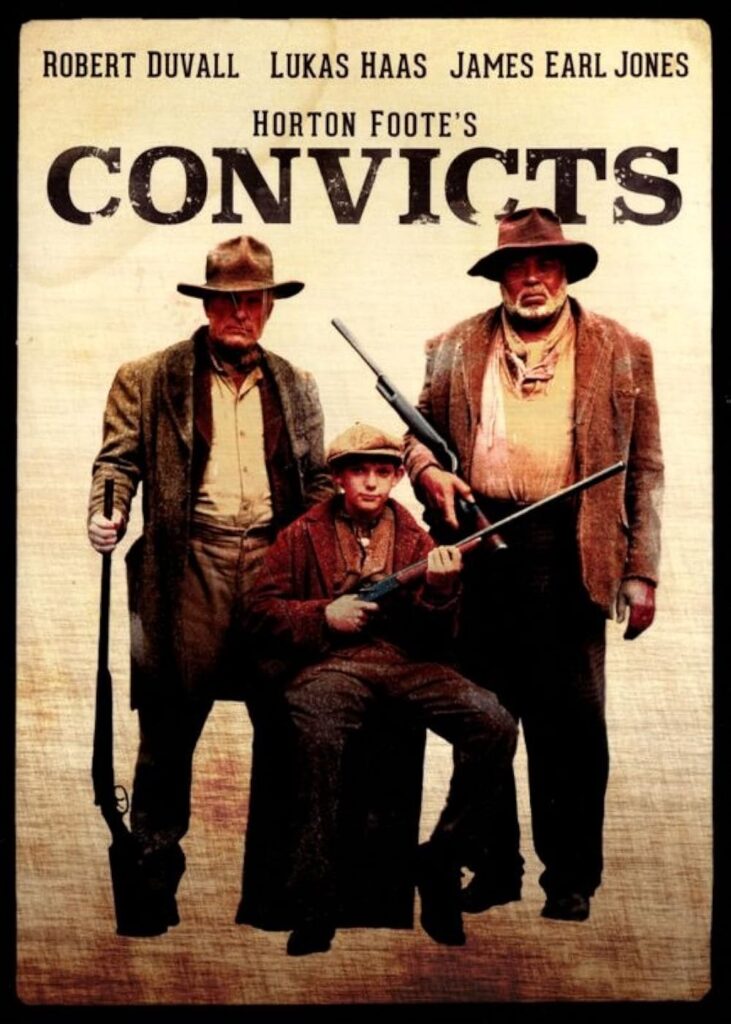
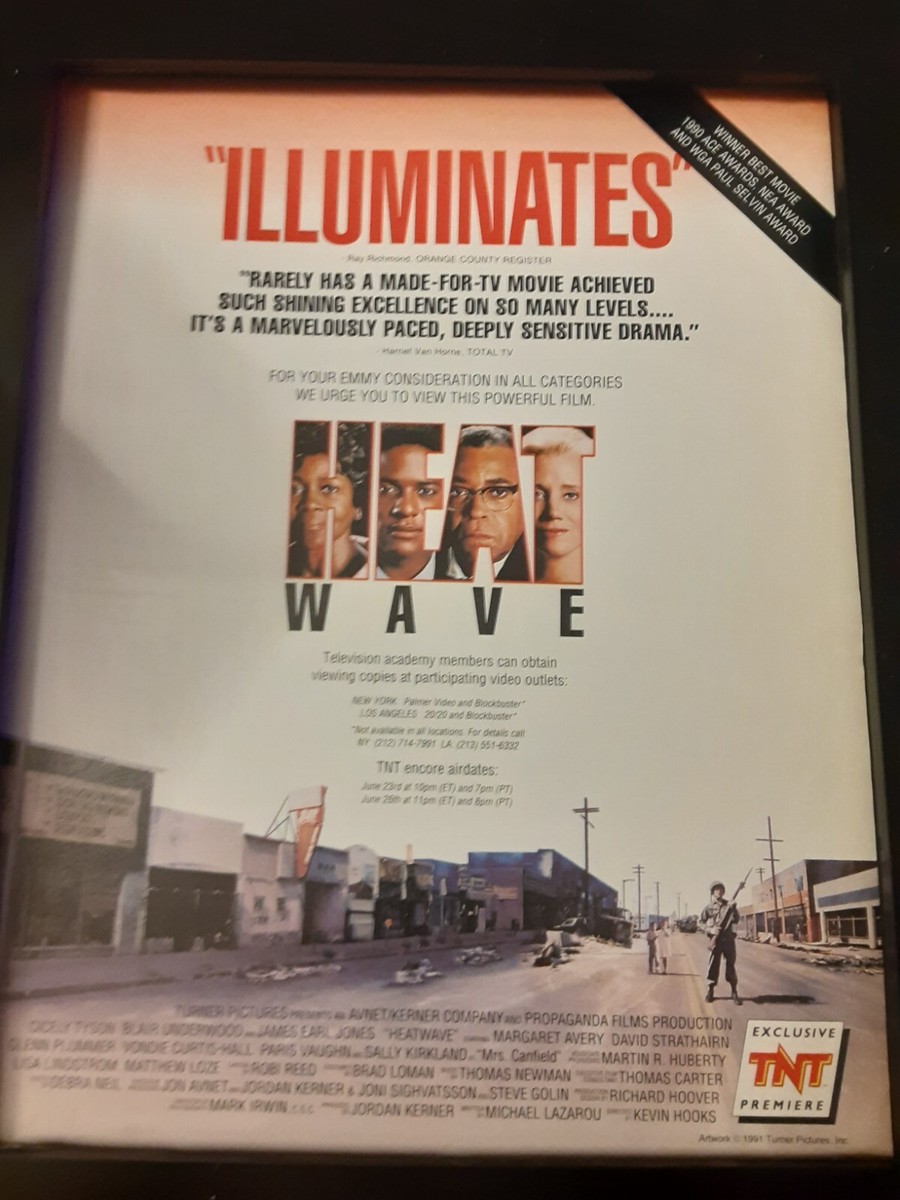
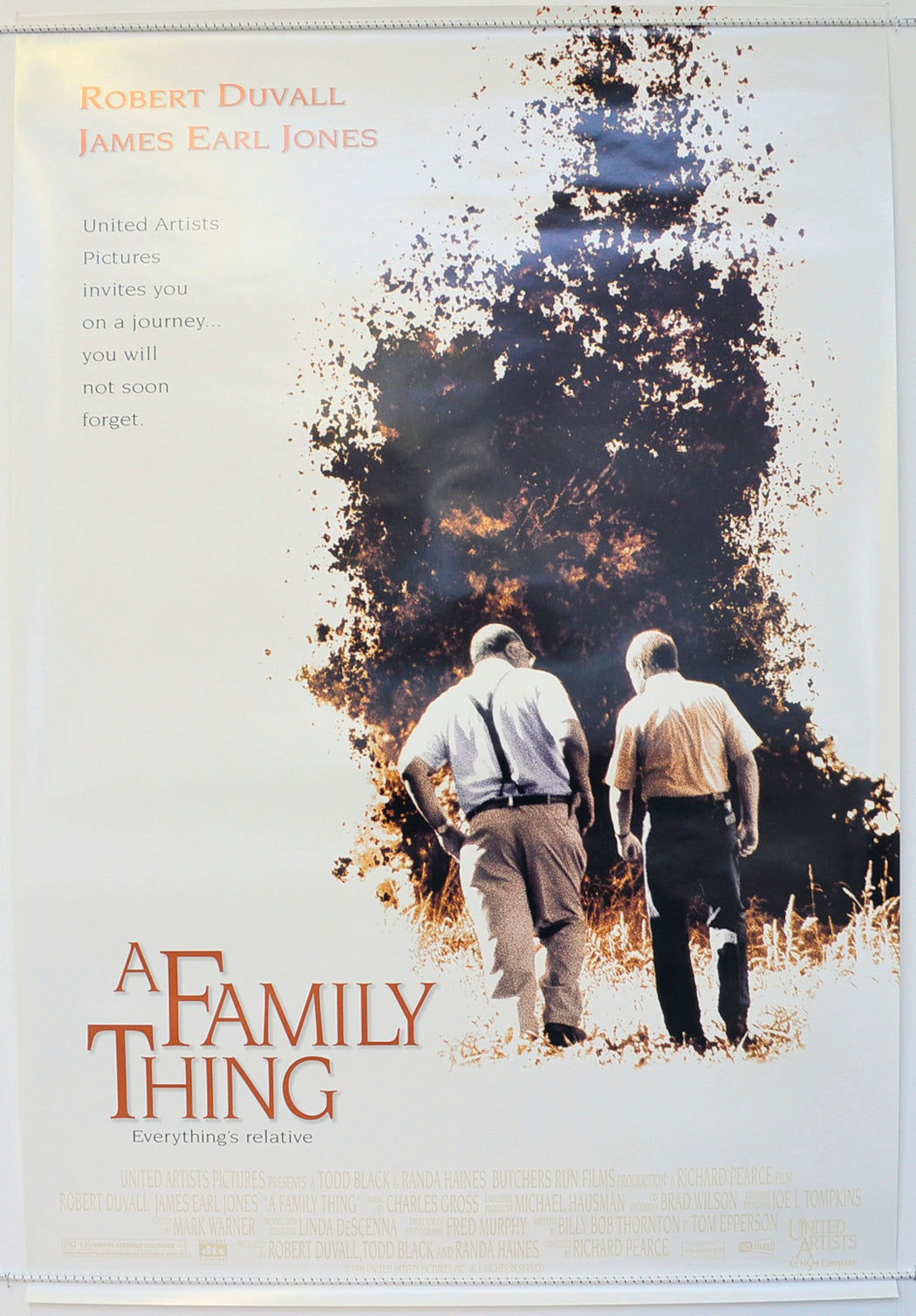
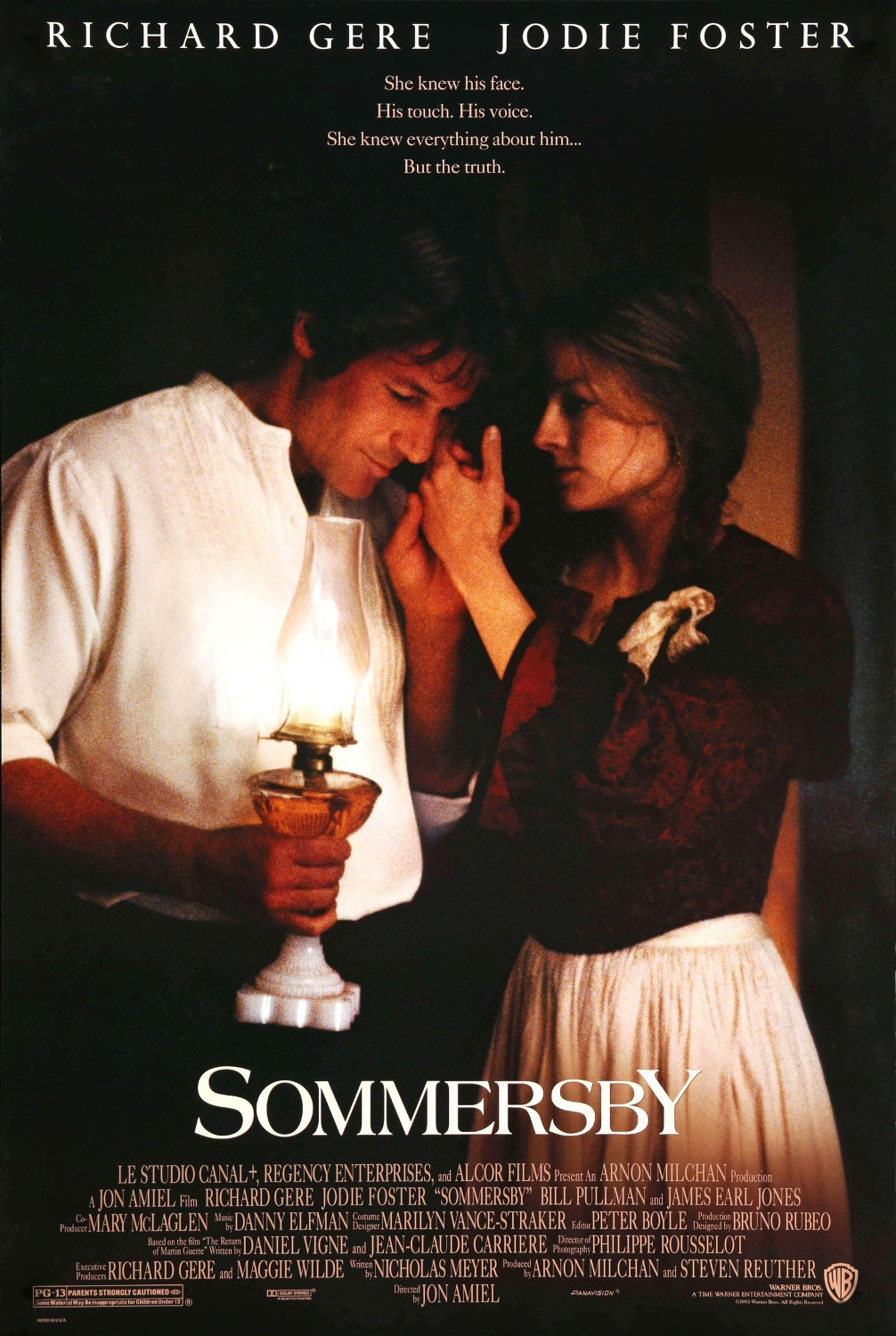
After playing a CIA official in “The Hunt for Red October” (1990), Jones turned to the small screen, where he delivered an Emmy-winning performance as Junius Johnson in “Heat Wave” (TNT, 1990), a compelling drama about the 1965 Watts riots. He earned a second Emmy Award that year playing a disgraced cop-turned-private investigator in “Gabriel’s Fire” (ABC, 1990-92). Though a hit with critics, the series failed to generate an audience and was soon cancelled. Jones next starred opposite Robert Duvall in the period western, “Convicts” (1991), written by Horton Foote, then played Police Inspector Nkuru in “The Ivory Hunters” (TNT, 1992). Following his portrayal of the judge in “Sommersby” (1993), two rare starring turns came his way; first as the South African preacher searching for his son in the remake of “Cry, the Beloved Country” (1995), and then as Robert Duvall’s half-brother in “A Family Thing” (1996). Though he brought his usual majesty to both roles, in each case, his acting was grander than the material itself, but at least his fans were able to savor his extended minutes before the camera. Prior to both films, Jones’ distinct baritone was put to excellent use in “The Lion King” (1994), when he voiced the powerful Mufasa, king of the pride and father of the cub, Simba.
Around the time of “The Lion King,” Jones made another stab at series television with the family drama “Under One Roof” (CBS, 1995), but once again, he saw a worthwhile project cut short. After playing Hume Cronyn’s best friend in “Horton Foote’s Alone” (Showtime, 1997), Jones voiced Mufasa for the direct-to-video sequel, “The Lion King II: Simba’s Pride” (1998), then hosted segments on the Kennedys and Somalia for “CNN Perspectives” (CNN, 1998), for whom he also intoned the words “This is CNN” for their cable network ID. Jones also starred as a retired physician whose friendship with a young white boy sparks a racial conflict in a small town in the Showtime movie “Summer’s End” (1999), a role that earned him a Daytime Emmy Award for Outstanding Performer in a Children’s Special. Meanwhile, he enjoyed a series of recurring roles on several series, including “Homicide: Life on the Street” (NBC, 1993-99). Meanwhile, throughout his career, Jones put his voice to good use in numerous commercials, including spots for Chrysler, Goodyear, Reuben’s dinners, coverage for the 2000 and 2004 Summer Olympics, and The Bell Atlantic Yellow Pages.
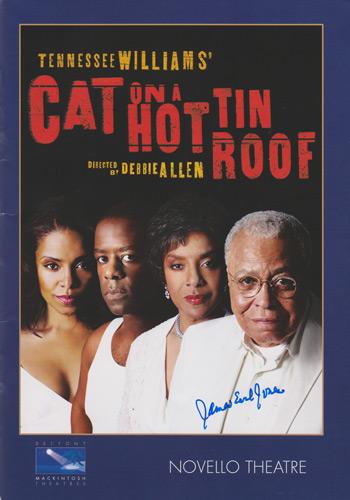
As his career entered its fifth decade, Jones found himself performing less in films and more on the small screen, including an appearance in the miniseries “Feast of All Saints” (CBS, 2001), based on the Anne Rice bestseller, and a guest-starring role on “Everwood” (The WB, 2002-06), for which he earned an Emmy Award nomination. In 2005, he enjoyed tremendous reviews for his high-profile turn playing crotchety Norman Thayer opposite Leslie Uggams in an all African-American interpretation of Ernest Thompson’s play “On Golden Pond” at Broadway’s Court Theater. For the third time in his career, Jones was nominated for a Tony Award for Best Actor in a Play, though a bout with pneumonia forced him to quit the show, which caused the show itself to close prematurely. That same year, Jones revisited his most iconic role, once again voicing Darth Vader for George Lucas’ final prequel film “Star Wars: Episode III – Revenge of the Sith” (2005). A few years later, he joined Debbie Allen’s all-African-American production of Tennessee Williams’ classic “Cat on a Hot Tin Roof” (2008), which was produced on Broadway at the Broadhurst Theatre. In 2009, Jones received a Life Achievement Award from the Screen Actors Guild.
The above TCM overview can also be accessed online here.
Telegraph obituary in 2024.
James Earl Jones, who has died aged 93, was hailed in the 1960s as the most exciting presence in the American theatre since Marlon Brandoand became the pre-eminent black stage actor of his generation, but achieved his widest fame as the voice of Darth Vader in Star Wars.
Jones specialised in endowing his stage roles with an ineffable, if often sorely tested, nobility. But he had no interest in being a standard-bearer for the dignity of black people, as Sidney Poitier was in the cinema.
Where Poitier would not play Othello on the grounds that the Moor could be seen as a white man’s dupe, Jones could not resist the character’s complexities and played the part seven times. Theatrical lore had it that he was a serial romancer of his Desdemonas, but he insisted that he had only been involved with two of them – both of whom he married.
His breakthrough role came in 1967 in The Great White Hope (Arena Stage, Washington DC), Howard Sackler’s play based on the life of the boxer Jack Johnson. Those who knew the diffident, introspective Jones wondered if this flamboyant part would be beyond his range, but he triumphed, winning a Tony Award after the play transferred to Broadway.
If anyone deserves to become that occasional thing, a star overnight, then Mr Jones deserves no less,” declared Clive Barnes in The New York Times, although after 14 years as a struggling actor, the 37-year-old Jones queried the “overnight”. He recreated the role for Martin Ritt’s film of 1970, but as with many of his films he disliked the result, although he was nominated for an Oscar.
He discussed his stage work in forensic detail in his autobiography Voices and Silences (1993) but devoted no more than two paragraphs to Star Wars; he seemed to be not so much resentful of the space epic’s dominance in his professional life as wilfully oblivious. He would never, as his co-star Sir Alec Guinness did, have told autograph-hunting children that they should stop watching Star Wars, but if they asked him to repeat his lines from the films he would admit that he had no recollection of them.
Darth Vader’s spacesuit, breathing mask and samurai helmet were inhabited by the English bodybuilder David Prowse, who was originally supposed to supply his voice as well. But the director George Lucas felt that Prowse’s marked West Country accent – the rest of the cast dubbed him “Darth Farmer” – did not quite suit the galaxy’s most evil villain.
Lucas decided Vader’s lines should be dubbed by a commanding bass. Jones’s basso profundo voice – “Deep, rumbling, august: it’s the sound Moses might have heard when addressed by God,” according to one critic – was perfect, less familiar than that of Orson Welles, who was also considered, but just as distinctive. His vocals were filtered through the sound of a scuba diver’s breathing regulator.
Jones was paid only $7,000 for his work on the first Star Wars film (1977), although Lucas doubled the fee when it looked like it might be a hit. He reprised the role in the sequels The Empire Strikes Back (1980) and Return of the Jedi (1983) and again when the Star Wars gravy train clanked back into life in the new millennium, in Revenge of the Sith (2005) and Rogue One (2016). He also voiced King Mufasa in the 1994 Disney animation The Lion King (a role turned down by Sean Connery), and again in the remake of 2019.
That his voice, which was in constant demand for documentaries and commercials, should have become his fortune was an irony on which Jones often reflected, as the stresses and privations of his childhood had left him with a pronounced stutter; indeed, for much of his boyhood he was functionally mute.
James Earl Jones was born at his maternal grandparents’ tenant farm in Arkabutla, Mississippi, on January 17 1931, in a four-bedroom farmhouse that already housed 11 other family members. His mother Ruth, née Connolly, had separated from her husband, Robert Earl Jones, before James was born; her family did not approve of Robert, a boxer and troubadour actor, and James would not meet his father until he was 21
When he was small his mother left to live as a migrant worker in the Delta, and he was brought up by his grandparents, who between them had Irish, Cherokee and Choctaw as well as African ancestry. He took pride in his mixed heritage, something that later made him suspicious of the politics of racial identity – as did the excessive hatred of white people constantly expressed by his grandmother, “the most racist person I have ever known”.
The family moved to a new farm in Michigan when James was five, an upheaval that exacerbated his sense of displacement, and he began to stutter, an affliction so humiliating that within a year he had virtually stopped speaking altogether.
He was simply regarded as an oddity by his family and teachers until, at 14, he wrote a poem that impressed one master, who encouraged him to read it out loud; James was surprised to discover himself the possessor of a strong, deep voice. He developed his confidence by reading Shakespeare and Poe out loud in the classroom, and went on to be a star of school plays and debates.
In the meantime James’s father Robert had become a well-known film actor, and when he saw a picture of him in a magazine, he announced his intention to become an actor, which earned him a clout from his grandfather.
Instead James went to study Medicine at the University of Michigan. But he intended to join the Army and firmly believed that he was destined to meet his end in Korea, so he switched to drama and in the end did not bother to take his degree.
In the event he got no further than Colorado before he was discharged, his commanding officer advising him that although he had the makings of a fine soldier he should not leave his ambition to be a professional actor untried.
He moved to New York and stayed for a time with his father; they bonded over discussions of theatrical technique, and would eventually act together several times.
The GI Bill funded his studies at the American Theater Wing, and he also scraped together money to attend private classes run by Lee Strasberg. He was too shy to strike up a conversation with his classmate Marilyn Monroe.
He scratched a living for many years. In December 1963 Newsweek noted that he had acted in 18 plays in the previous 30 months and still earned “less money than the average off-Broadway stagehand.” But his success in The Great White Hope brought him some security.
His stature as an actor grew with a fine King Lear in 1973 off Broadway, and an outstanding performance as the kind-hearted accidental killer Lennie in Steinbeck’s Of Mice and Men (Brooks Atkinson, 1974-75).
A 1978 tour of a one-man play about his hero, the actor and civil rights activist Paul Robeson, saw him at odds with leading black activists over his insistence on a warts-and-all portrayal; he was dogged by protesters so vehement that the police gave him an armed bodyguard.
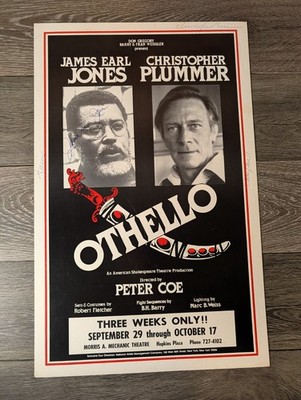
Jones became an increasingly intractable perfectionist. During a long run as Othello opposite Christopher Plummer’s Iago (1981-82), he insisted on the dismissal of his director, Peter Coe.
His role as an ex-baseball star reduced to working as a garbage collector in August Wilson’s Fences (1987-88) won him another Tony and was seen as the crowning glory of his stage career, but the run was beset by arguments between star and playwright (Jones rewrote the ending). Thereafter he did no major stage work for nearly 20 years.
Jones made his film debut as Lt Lothar Zogg in Kubrick’s Dr Strangelove (1964). He cared neither for Kubrick nor the film’s “puerile” humour.
He favoured “simple films that tell a simple story” and his favourite roles included America’s first black president in The Man (1972); a garbage man romancing Diahann Carroll in Claudine (1974); a striking coal miner in Matewan (1987); a reclusive novelist based on JD Salinger in Field of Dreams (1989); and Stephen Kumalo in Cry, the Beloved Country (1995). In the 1990s he played the CIA boss Admiral Greer in the Tom Clancy adaptations The Hunt for Red October, Patriot Games and Clear and Present Danger.
On television he was the first African-American to have a regular role in a soap opera, playing Dr Jerry Turner in As the World Turns in the mid-1960s; whenever he was unavailable Brock Peters would deputise for him, as it was thought the audience would see them as interchangeable. He had fond memories of a 1968 episode of Tarzan in which he played a tribal chief and sang with the Supremes, playing nuns.
He was Alex Haley in Roots: The Next Generations and King Balthazar in Jesus of Nazareth. He turned down the lead roles in Quincy and The Streets of San Francisco to concentrate on his stage work, and although he did later star in his own detective series, Paris (1979), it flopped. He had better luck in the 1990s as a private eye in Gabriel’s Fire, for which he won an Emmy.
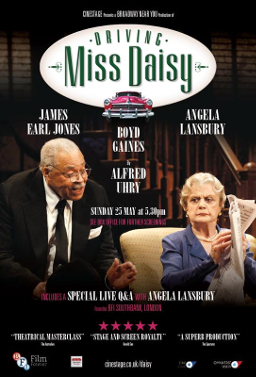
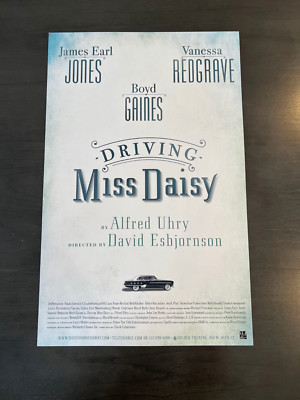
An Indian summer in the theatre began with the Henry Fonda role in On Golden Pond (Cort Theatre, 2005) and a titanic performance as Big Daddy in Tennessee Williams’s Cat on a Hot Tin Roof on Broadway and in London (2008-10). His role as the chauffeur opposite Vanessa Redgrave in Driving Miss Daisy (2010-11), again in New York and London, generated real theatrical magic; later he toured Australia in the play alongside Angela Lansbury.
His attempt to recapture his chemistry with Vanessa Redgrave as a superannuated Benedick and Beatrice in Mark Rylance’s production of Much Ado About Nothing (Old Vic, 2013) was a gamble that failed. In 2015 he appeared with Cicely Tyson in The Gin Game on Broadway.
Jones benefited a good deal from the therapy he practised with the “primal scream” pioneer Arthur Janov. The farmhouse he built in rural New York was an indispensable refuge.
He maintained relations with his remaining family in Mississippi, some of whom, he revealed, never quite came to terms with his appearances on film and television. “‘That ain’t you, is it?’ they say hopefully. ‘You ain’t no actor, is you?’”
James Earl Jones was awarded the National Medal of Arts in 1992 and an honorary Oscar for lifetime achievement in 2011.
He married first, in 1968 (dissolved 1972), Julienne Marie and secondly, in 1982, Cecilia Hart. She died in 2016; they had a son, Flynn.
James Earl Jones, born January 17 1931, died September 9 2024.
James Earl Jones (1931–2024) was not merely an actor with a famous voice; he was a foundational pillar of American theater and cinema. His career is a study in how “gravitas”—that rare blend of weight, authority, and dignity—can be used to break racial barriers and define the cultural subconscious of multiple generations.
Career Overview: From Silence to “The Voice of God”
Born in Mississippi during the Jim Crow era, Jones’s career began with a profound irony: a childhood stutter so severe he was virtually mute for eight years. He discovered his voice by reciting poetry, a rhythmic training that would later give his delivery its signature “built-in echo chamber” quality.
1. The Stage: The Classical Titan
Before he was a film star, Jones was a preeminent Shakespearean actor. He was one of the first Black actors to be accepted as a “colorless” lead in classical roles, proving that the internal life of a character like King Lear or Othello transcended race.
The Breakthrough:The Great White Hope (1968). His portrayal of Jack Jefferson (based on Jack Johnson) won him a Tony and an Oscar nomination, establishing him as a performer of “elemental force.”
The August Wilson Era: His performance as Troy Maxson in Fences (1987) is often cited as the definitive portrayal of the “thwarted Black father,” earning him his second Tony.
2. The Voice: Defining Heroism and Villainy
Jones provided the vocal identity for two of the most influential father figures in cinematic history:
Darth Vader (Star Wars): He gave a “mechanical” villain a soul. By using a basso profundo delivery that balanced menace with a subtle, underlying vulnerability, he turned a special effect into a tragic figure.
Mufasa (The Lion King): Here, he used the same resonance to convey “ideal gentility.” If Vader was the voice of fear, Mufasa was the voice of safety and ancestral wisdom.
Detailed Critical Analysis
The “Aural Architecture” of His Performance
Critically, Jones did not just “speak” lines; he sculpted them. Because of his history with stuttering, he approached language with a deliberate, rhythmic precision.
Vocal Dynamics: Analysts often point to his ability to move from “boyish ingenuousness to biblical rage” in seconds. He understood that a deep voice is only effective if it has range; he used the higher registers of his baritone to show pain and the lower registers to project power.
The “Human Special Effect”: In Star Wars, Jones was famously uncredited at first because he viewed his work as “special effects.”However, critics argue his voice was the only thing that made Vader terrifying. Without his specific cadence, Vader risked being a “Saturday morning cartoon” villain.
Subverting the “Black Icon” Archetype
While his contemporaries like Sidney Poitier often played “perfect” men to challenge stereotypes, Jones was drawn to characters with jagged edges and deep flaws:
Troy Maxson (Fences): Jones chose to play Troy not as a hero, but as a man whose bitterness makes him a domestic tyrant. This nuance allowed Black characters to be seen as fully human—capable of being wrong, cruel, and tragic.
Terence Mann (Field of Dreams): He brought a weary, intellectual cynicism to a role that could have been a simple “magical mentor” trope, grounding the film’s fantasy in real-world exhaustion.
Legacy as a “Journeyman Artisan”
Jones famously referred to himself as a “journeyman,” a humble self-assessment that belied his EGOT (Emmy, Grammy, Oscar, Tony) status. His critical legacy lies in his versatility:
He could transition from the absurd comedy of Coming to America to the harrowing apartheid drama of Cry, the Beloved Country without losing his essential dignity.
He was a trailblazer who “integrated” the American stage by sheer force of talent, making it impossible for critics to ignore Black actors in the most “prestigious” classical roles.
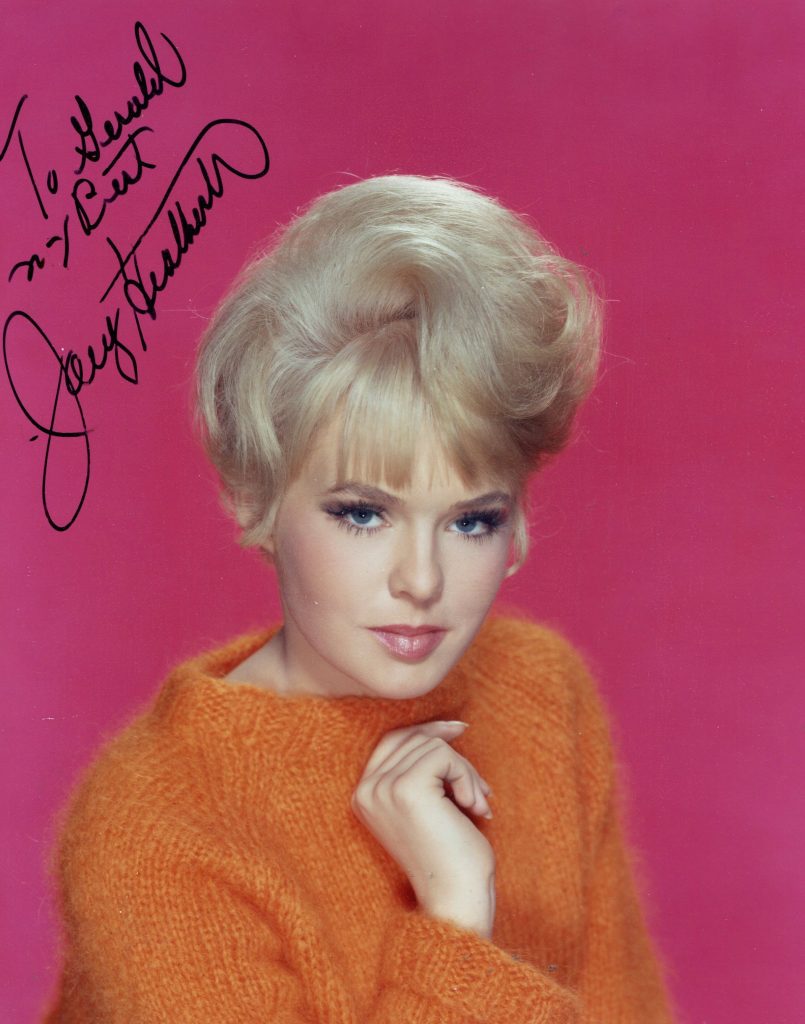
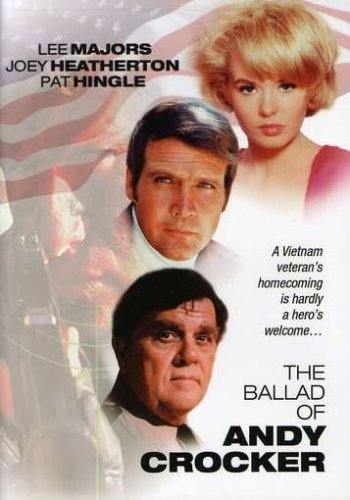
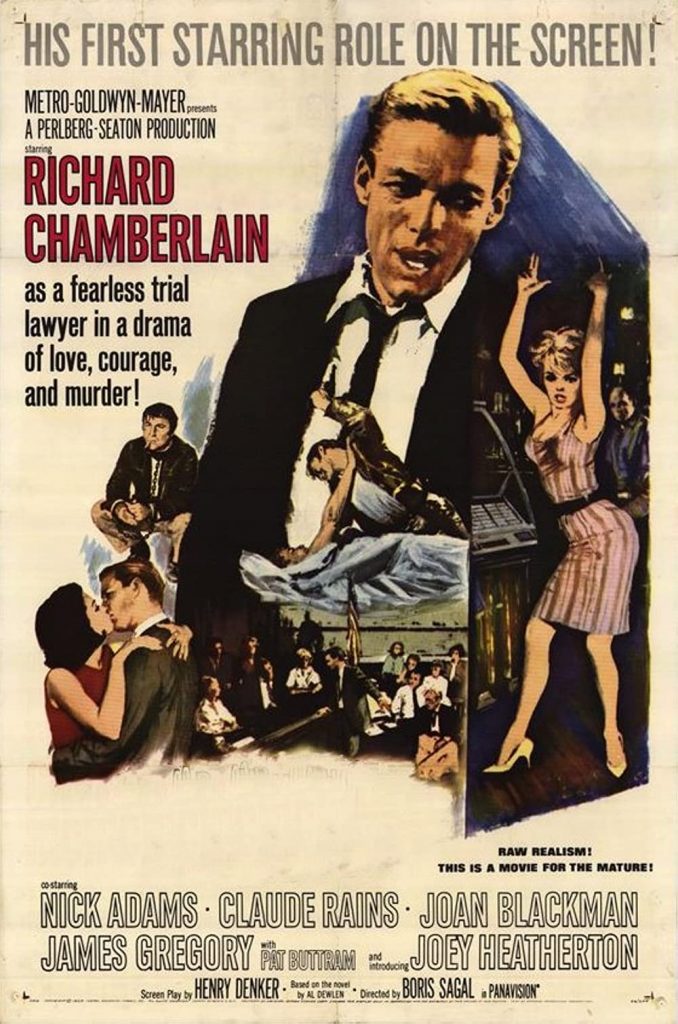
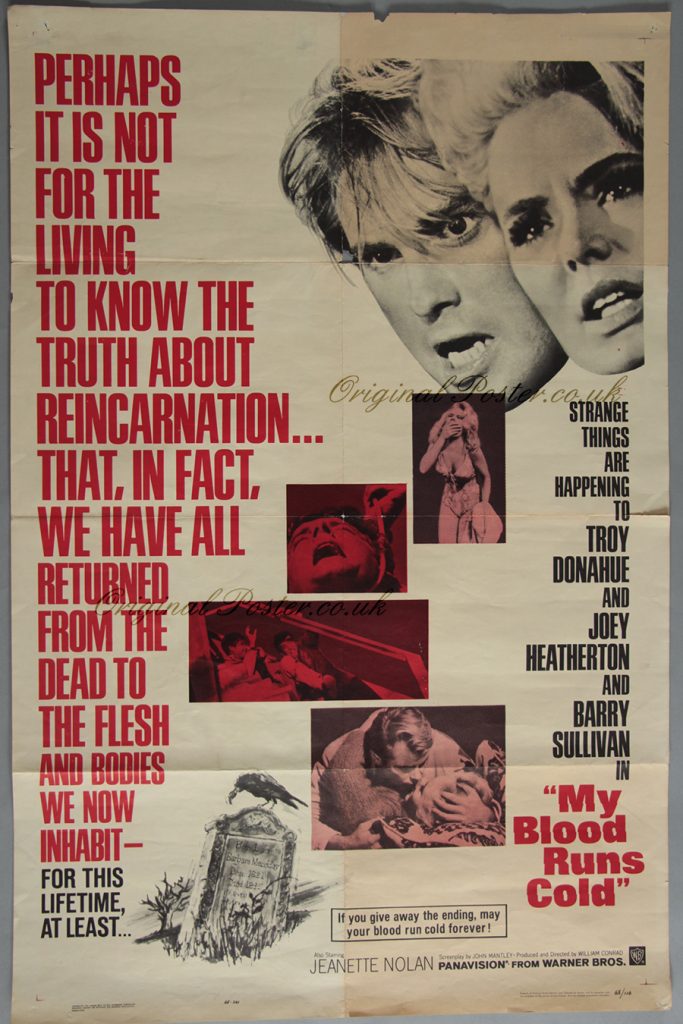
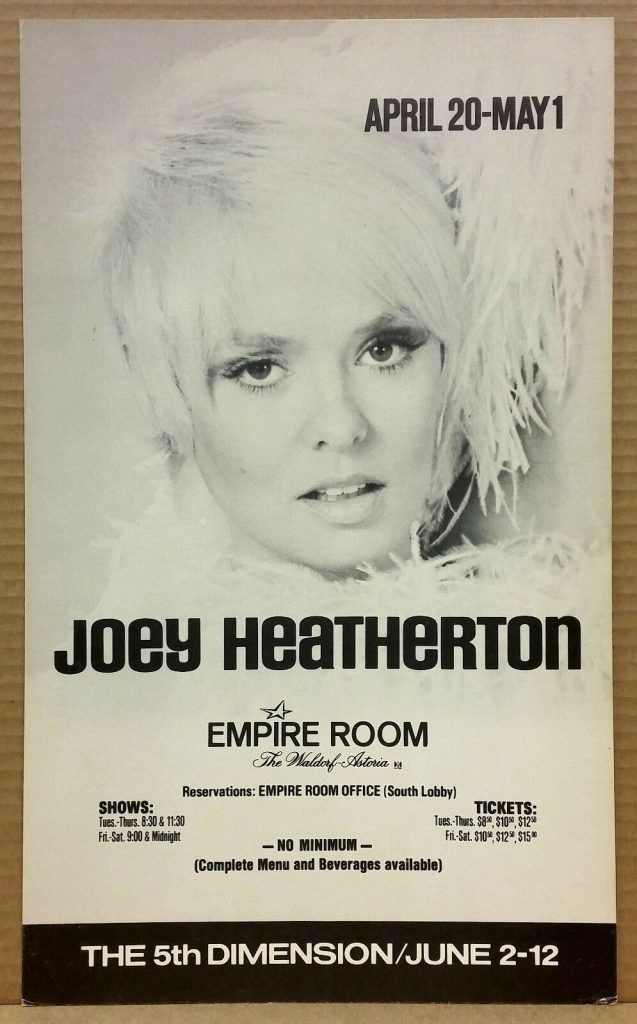
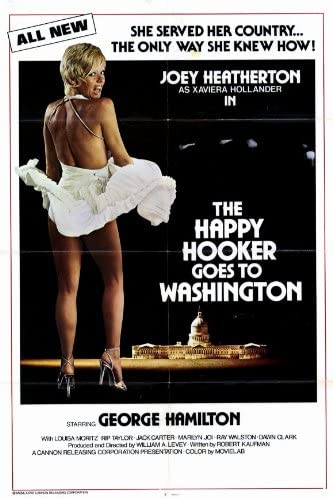
Joey” Heatherton (born September 14, 1944) is an American actress, dancer, and singer. A sex symbol of the 1960s and 1970s, she is best known for her many television appearances during that time, particularly as a frequent variety show performer, although she also appeared in acting roles. She performed for over a decade on USO tours presented by Bob Hope, and starred in several feature films, including My Blood Runs Cold(1965) and The Happy Hooker Goes to Washington (1977).
Davenie Johanna Heatherton was born in New York City and raised in Rockville Centre, New York, a town of Nassau County close to New York City. She was nicknamed “Joey” as a child, a combination of her first name Davenie and her middle name Johanna. Her father, Ray Heatherton, was a Broadway star (Babes in Arms) and television pioneer. He was famous in the greater New York area as the star of the long-running children’s television show The Merry Mailman. Her mother, also named Davenie, was a dancer who met Ray Heatherton when both were performing in Babes in Arms. Heatherton has a brother, Dick (born October 19, 1943), who later became a disc jockey.
Heatherton attended Saint Agnes Academy, a Catholic grade and high school. At the age of six, she began studying ballet at the Dixon McAfee School of Dance and went on to four years of study under George Balanchine, and then went on to study modern jazz dance, voice, and dramatics.
Heatherton began her career as a child actress. She first appeared on television on her father’s show, The Merry Mailman, a popular children’s show in New York. In 1959, when she was 15, she became a member of the ensemble and an understudy in the original Broadway production of The Sound of Music,[1][2][8][9] and received her first sustained national exposure that same year as a semi-regular on The Perry Como Show (later called Perry Como’s Kraft Music Hall), playing an exuberant teenager with a perpetual crush on Perry Como. She also released her first single that year, entitled “That’s How It Goes”/”I’ll Be Seeing You”, but failed to have a hit with it or with the three additional singles she released over the next few years.
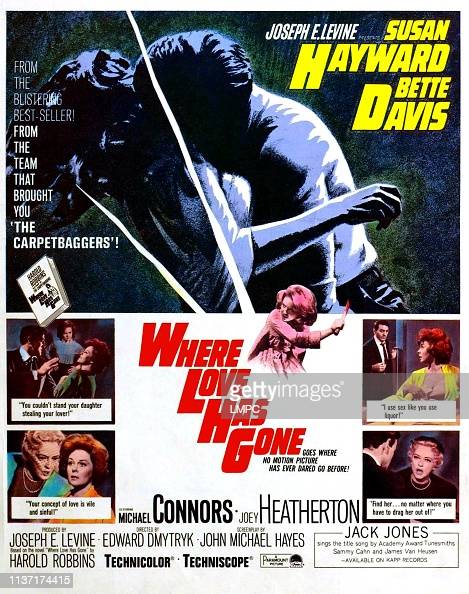
Where Love Has Gone, poster, Joey Heatherton, Mike Connors, Bette Davis, Susan Hayward, 1964. (Photo by LMPC via Getty Images)
Heatherton returned to Broadway in 1960, co-starring in the short lived There Was A Little Girl opposite Jane Fonda.[10][11]Heatherton’s first television role as a dramatic actress came that same year when she guest-starred as a wealthy, spoiled teen on an early episode of Route 66. During the early 1960s, Heatherton was frequently cast as a troubled teenager owing to her “sexy-kid look”.
Beginning in the mid-1960s, Heatherton began to gain attention for her sensual dancing on television, which some viewers considered shocking and some critics derided as “sleazy eroticism”. In 1964 she appeared on The Tonight Show, where she coached Johnny Carson on the finer points of dancing “The Frug“. She received major publicity following her guest appearance on the January 1965 premiere episode of the teen dance show Hullabaloo. She was featured on several more episodes of the show and released “Hullabaloo”, a song that she had performed on the show, on Coral Records. At the invitation of Dean Martin, Heatherton also appeared extensively on The Dean Martin Show starting with the premiere episode of September 16, 1965. She was a mystery guest on the game show What’s My Line? on November 7, 1965, the last show on which Dorothy Kilgallen appeared.
From June to September 1968, along with Frank Sinatra, Jr., Heatherton co-hosted Martin’s summer-substitute musical comedy hour Dean Martin Presents the Golddiggers. She also made multiple appearances on other 1960s television variety shows, such as The Andy Williams Show, The Hollywood Palace, The Ed Sullivan Show, and This Is Tom Jones.
Between 1965 and 1977, Heatherton performed live with Bob Hope‘s touring USOtroupe, entertaining the GIs with her singing, dancing, and provocative outfits. Excerpts from the USO tours were televised as part of Hope’s long-running series of NBC monthly specials, culminating in the top-rated Christmas shows, where Heatherton’s segments were regularly featured.
Throughout the 1960s, Heatherton interspersed her variety show appearances with dramatic turns on episodes of numerous television series, including Mr. Novak, The Virginian, The Nurses, I Spy, and It Takes a Thief.
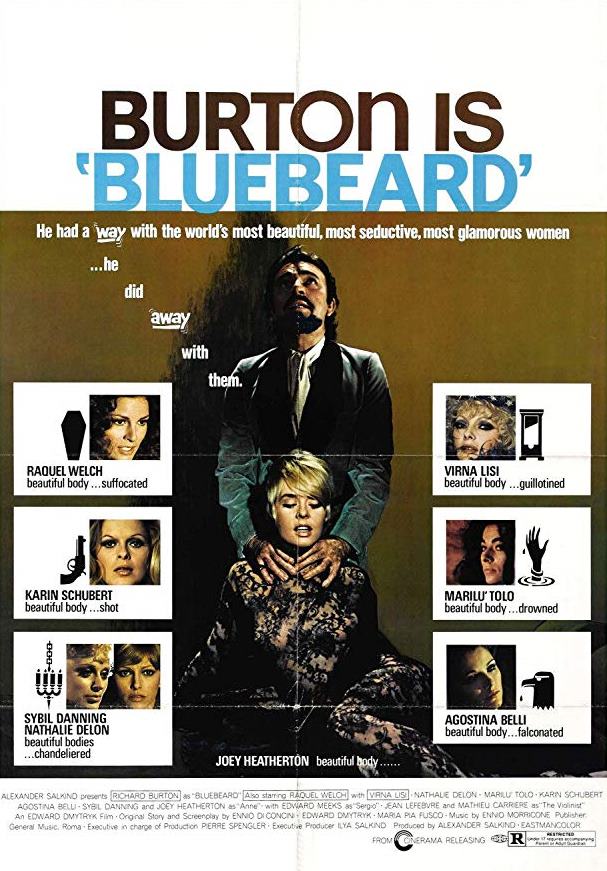
By the 1970s, Heatherton’s career was slowing down, but she was still popular enough to do a series of television ads for RC Cola and Serta mattresses. She performed in Las Vegas and acted in a few television shows and films, including the 1972 thriller Bluebeard (with Richard Burton in the title role), wherein she did her only onscreen nude scene. In 1972, Heatherton also released her first album, The Joey Heatherton Album. The first single, a cover of the 1957 Ferlin Husky song “Gone“, spent 15 weeks on Billboard’s Hot 100, peaking at #24. “Gone” also peaked at #38 in Australia. The second single, “I’m Sorry”, peaked at #87. The album was re-released in 2004 with a nude photo of Joey on the cover taken by photographer Harry Langdon Jr. She posed for the topless image while filming Bluebeard.
A brief high point came in July 1975 when she headlined Joey & Dad, a four-week Sunday night summer replacement series for Cher‘s 1975-76 variety show in which Heatherton performed alongside her father.[18] Each episode involved Ray Heatherton waxing nostalgic over life with his daughter while rooting through his attic.
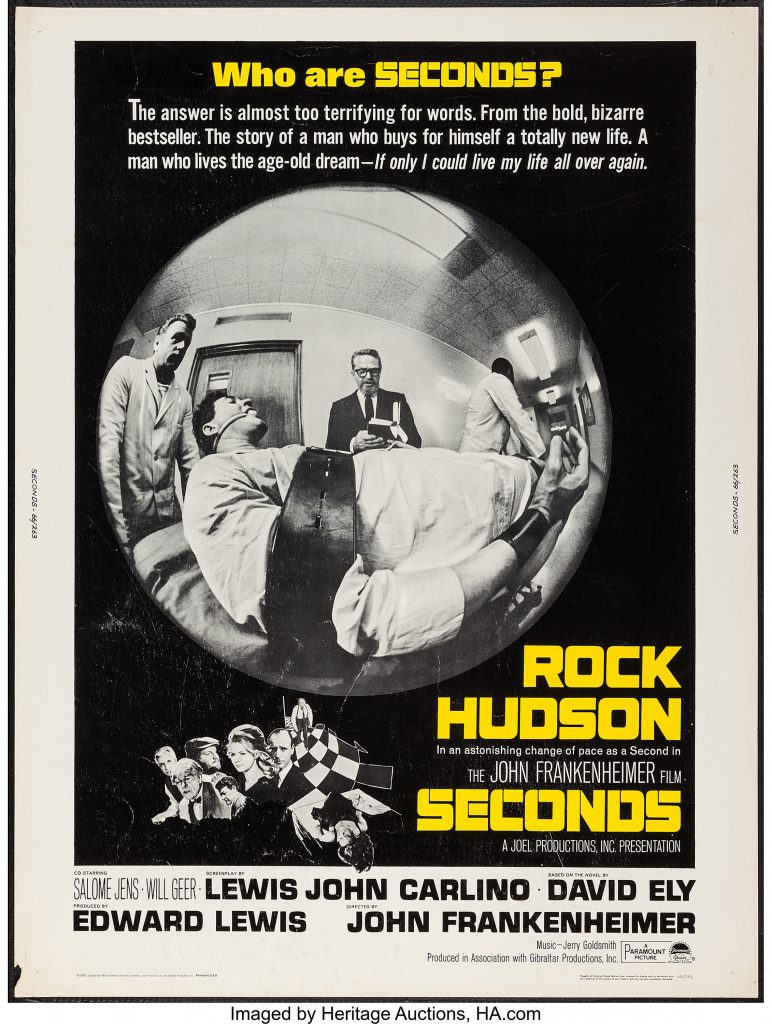
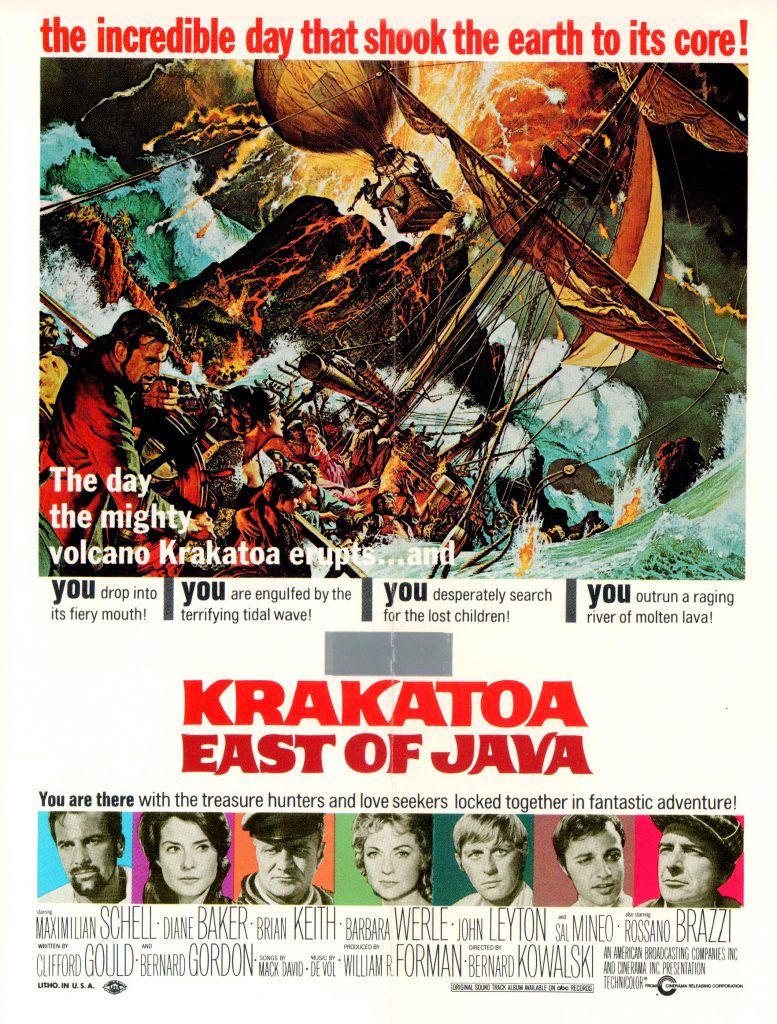
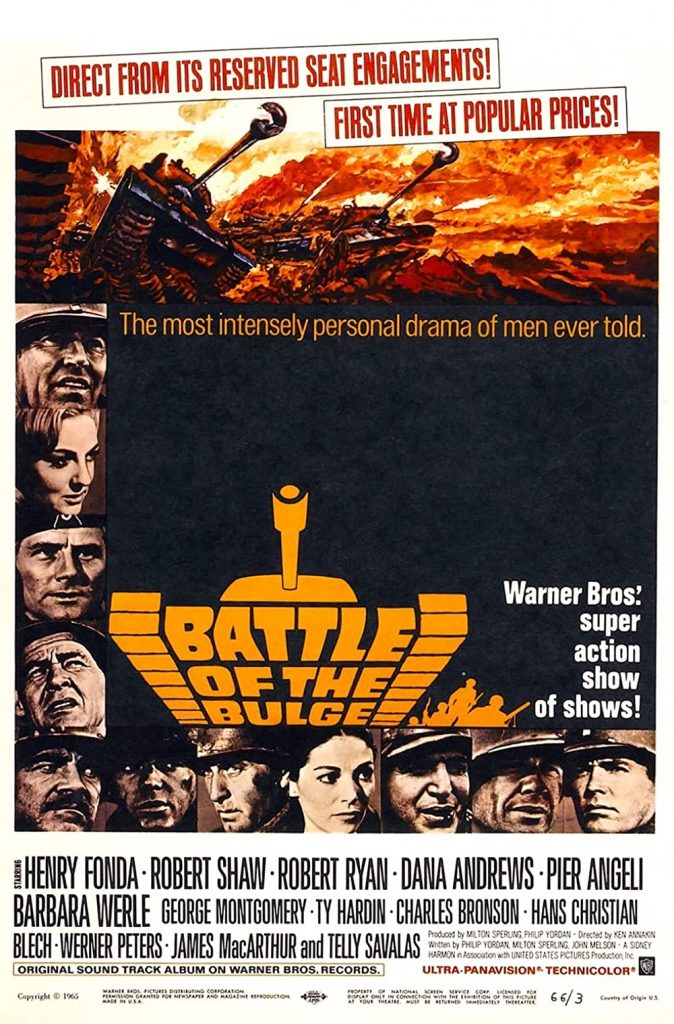
Barbara Werle was born on October 6, 1928 in Mount Vernon, New York, USA as Barbara May Theresa Werle. She was an actress, known for Seconds (1966), Battle of the Bulge (1965) and Krakatoa: East of Java (1968). She was married to John Branca. She died on January 1, 2013 in Carlsbad, California, USA.
She is survived by her son, John Gregory Branca, her brother Donald, her daughter-in-law Linda Branca, her grandchildren Jessica, John Connor and Dylan Branca.
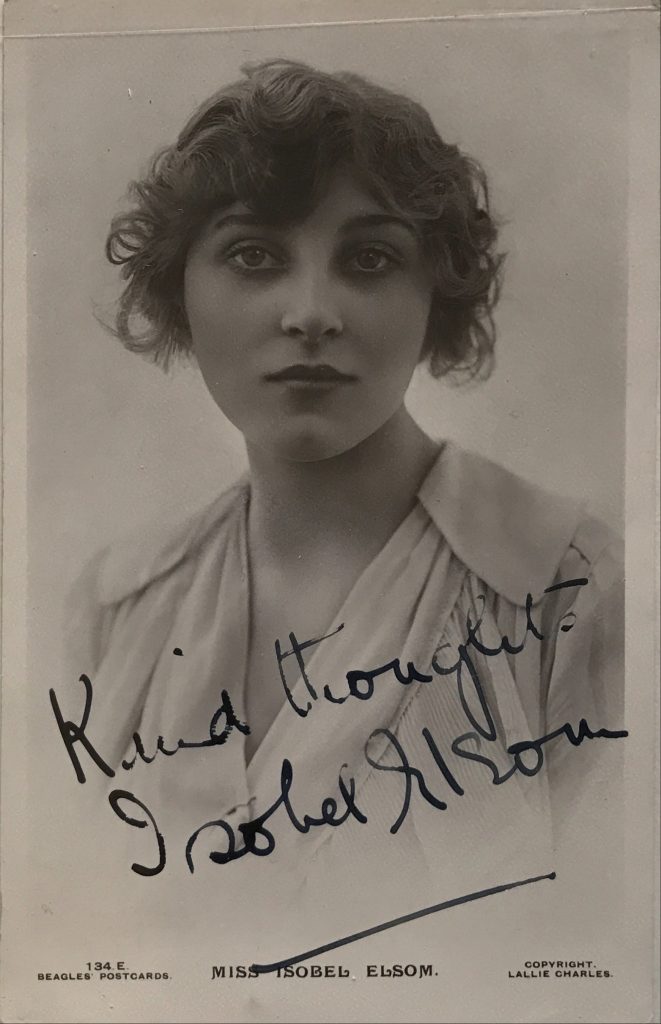
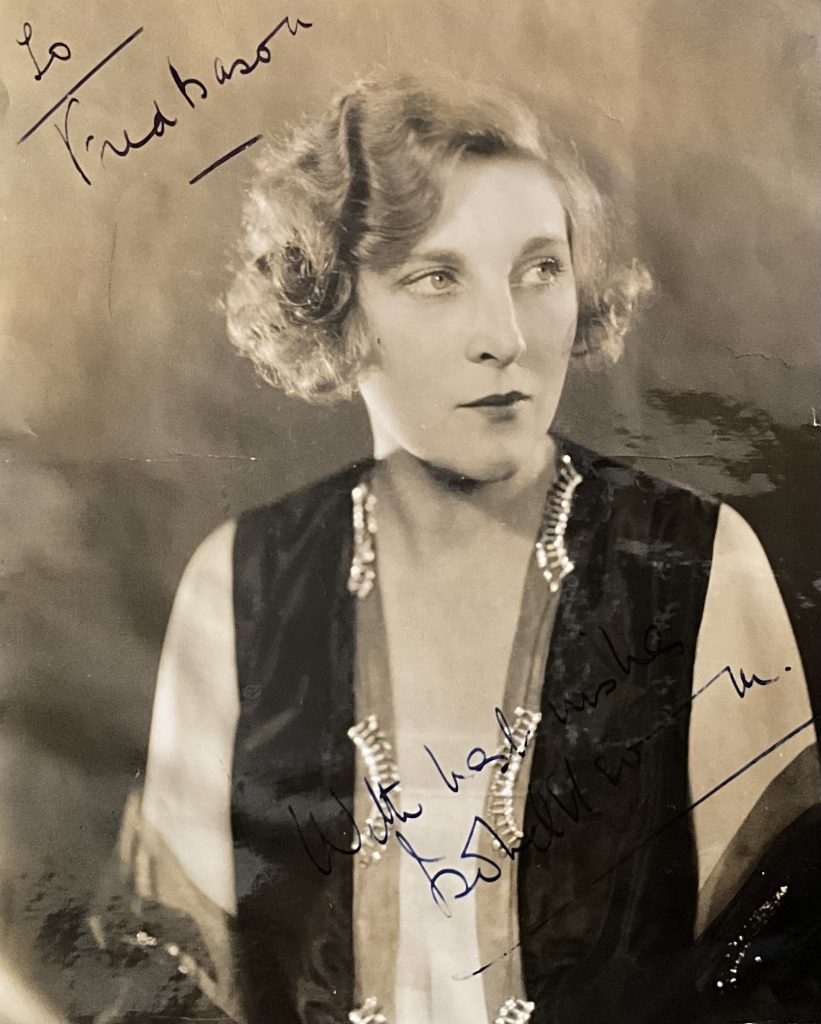
The epitome of opulent, grande dame haughtiness, British character actress Isobel Elsom began on the stage in 1911 and went on to grace a number of silent and sound pictures in England, marrying and divorcing director Maurice Elvey in the interim. In the late 30s she settled in America and earned major Broadway success with the play “Ladies in Retirement,” which she also took to film in 1941. What the tiny-framed Elsom lacked in stature, she certainly made up for in pure chutzpah. The matronly actress remained in Hollywood and played a number of huffy bluebloods in both comedies and drama for over two decades, often as a minor Margaret Dumont-like foil to Jerry Lewisin his solo pictures of the late 50s and early 60s. She sometimes was billed under the last name of a second husband, appearing as Isobel Harbord.
Her singing and acting careers span five decades, starting in 1961; initially, she was billed as a female version of Elvis Presley. She has a sultry vibrant contralto voice.[1][2] She had a minor hit in 1961 and a charting album in 1964, and scored a disco hit in 1979. In 2001, she recorded a critically acclaimed gospel album, and an album of Christmas songs in 2004.
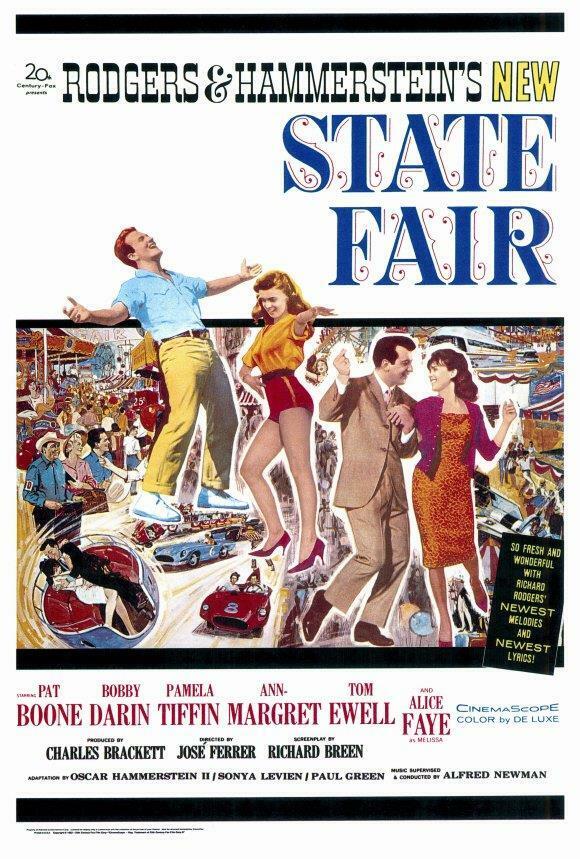
Then came a 1962 remake of Rodgers and Hammerstein‘s musical State Fair, playing the “bad girl” role of Emily opposite Bobby Darin and Pat Boone. She had tested for the part of Margie, the “good girl”, but seemed too seductive to the studio bosses, who decided on the switch. The two roles represented two sides of her real-life personality – shy and reserved offstage, but wildly exuberant and sensuous onstage. In her autobiography, the actress wrote that she changed “from Little Miss Lollipop to Sexpot-Banshee” once the music began.
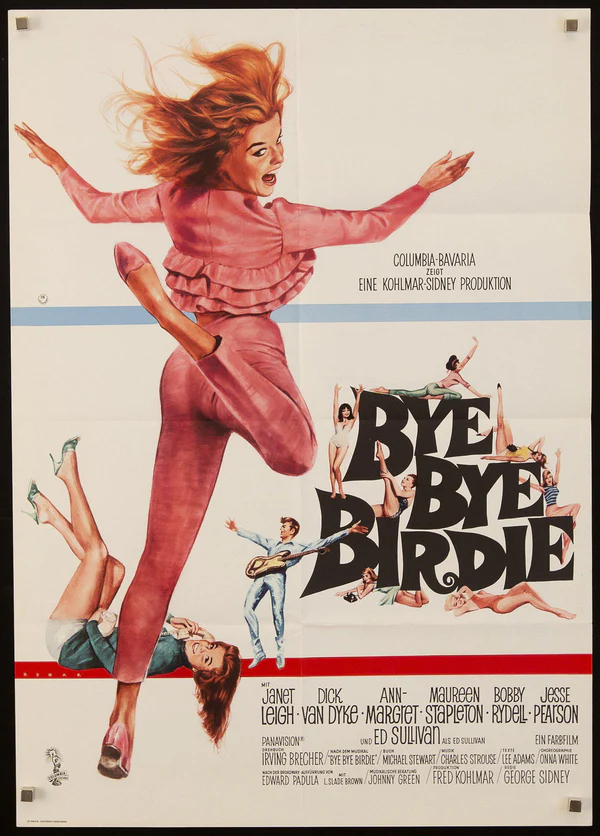
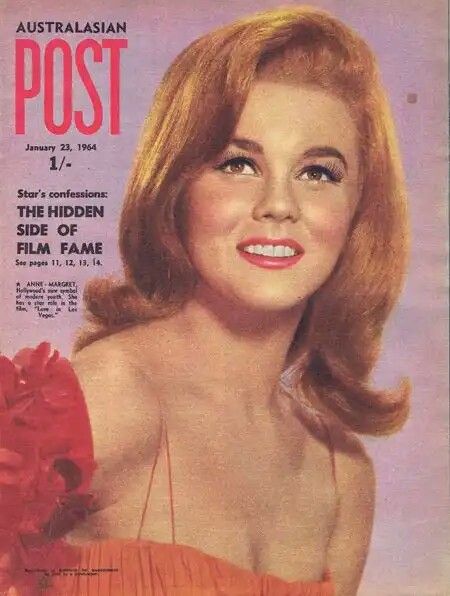
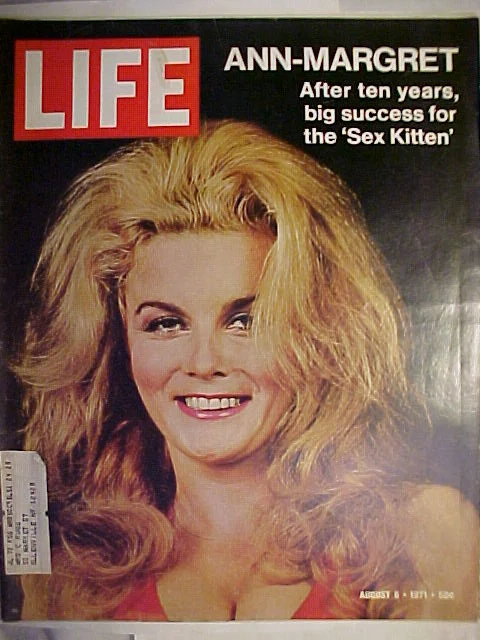
Her next starring role, as the all-American teenager Kim from Sweet Apple, Ohio, in Bye Bye Birdie (1963), made her a major star. The premiere at Radio City Music Hall, 16 years after her first visit to the famed theater, was a smash hit: the highest first-week grossing film to date at the Music Hall. Life put her on the cover for the second time and announced that the “torrid dancing almost replaces the central heating in the theater.” She was then asked to sing “Baby Won’t You Please Come Home” at President John F. Kennedy‘s private birthday party at the Waldorf-Astoria, one year after Marilyn Monroe‘s famous “Happy Birthday“.
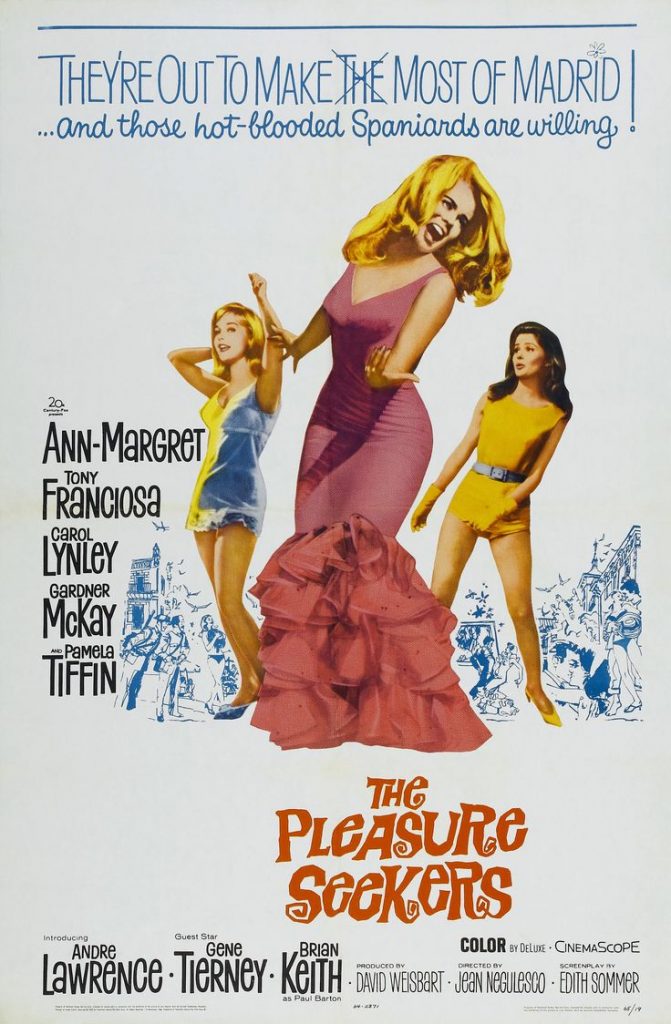
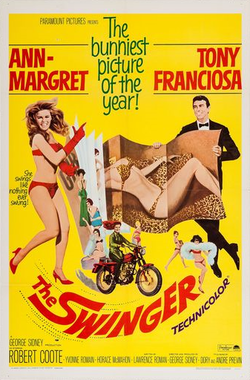
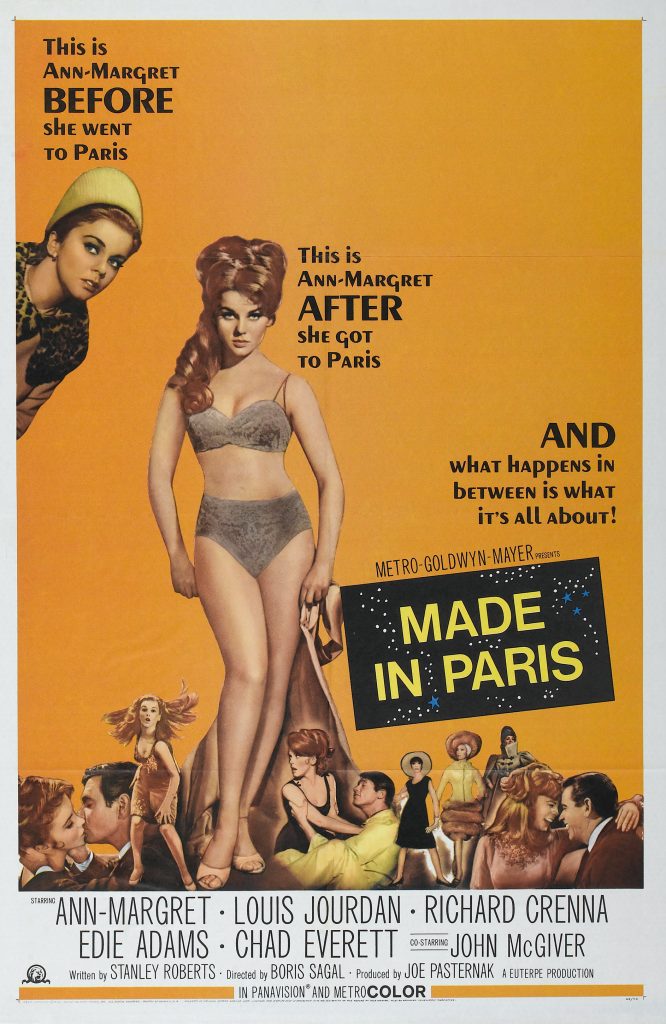
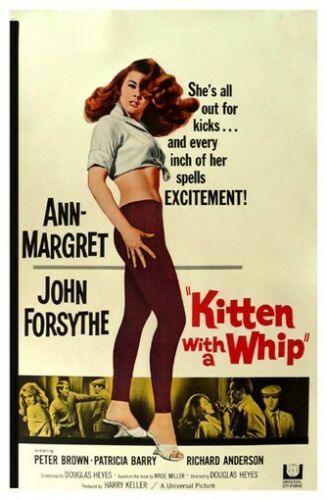
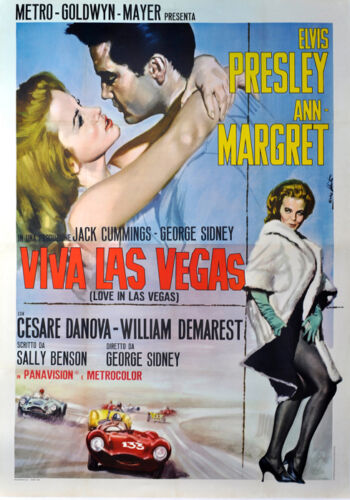
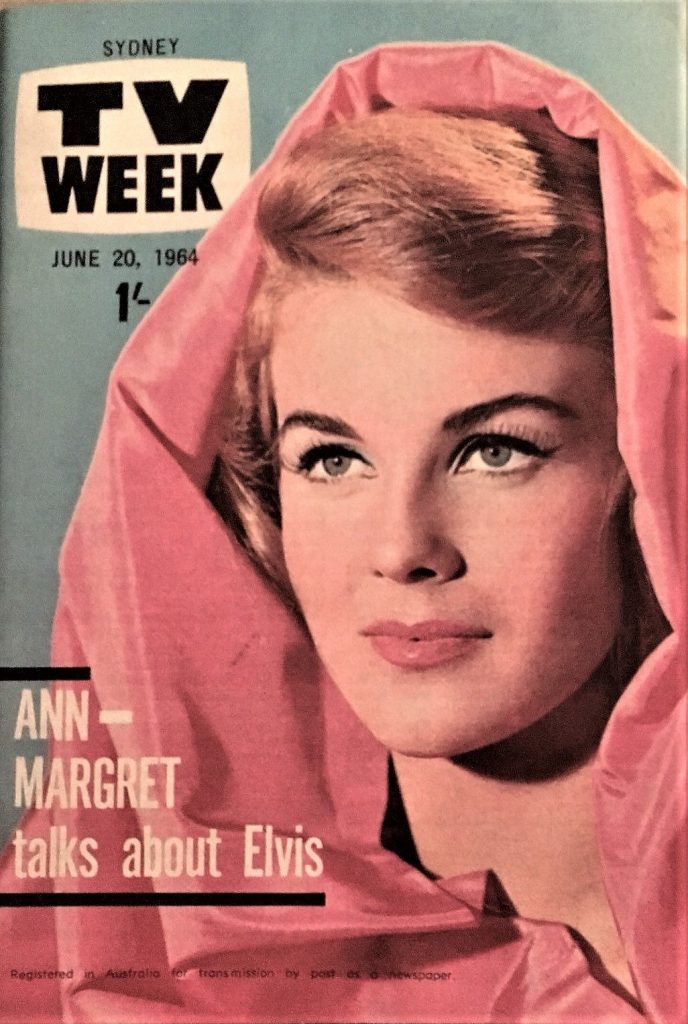
Ann-Margret met Elvis Presley on the MGM soundstage when the two filmed Viva Las Vegas (1964). She recorded three duets with Presley for the film: “The Lady Loves Me”, “You’re The Boss”, and “Today, Tomorrow, and Forever”; only “The Lady Loves Me” made it into the final film and none of them were commercially released until years after Presley’s death, due to concerns by Colonel Tom Parker that Ann-Margret’s presence threatened to overshadow Elvis. Ann-Margret introduced Presley to David Winters, whom she recommended as a choreographer for their film. Viva Las Vegas was Winters’ first feature film choreography job and was his first of four movies with Presley, and his first of five films, including Kitten with a Whip (1964), Bus Riley’s Back in Town (1965), Made in Paris (1966), and The Swinger (1966), and two TV specials with Ann-Margret. Winters was nominated for the 1970 Emmy Award for Outstanding Achievement in Choreography for his CBS Television Special: Ann-Margret: From Hollywood with Love (1969)
In 1963, Ann-Margret guest-starred in a popular episode of the animated TV seriesThe Flintstones, voicing Ann-Margrock, an animated version of herself. She sang the ballad “The Littlest Lamb” as a lullaby and the (literally) rocking song, “Ain’t Gonna Be a Fool”. Decades later, she recorded the theme song, a modified version of the Viva Las Vegas theme, to the live-action film The Flintstones in Viva Rock Vegas, in character as Ann-Margrock.
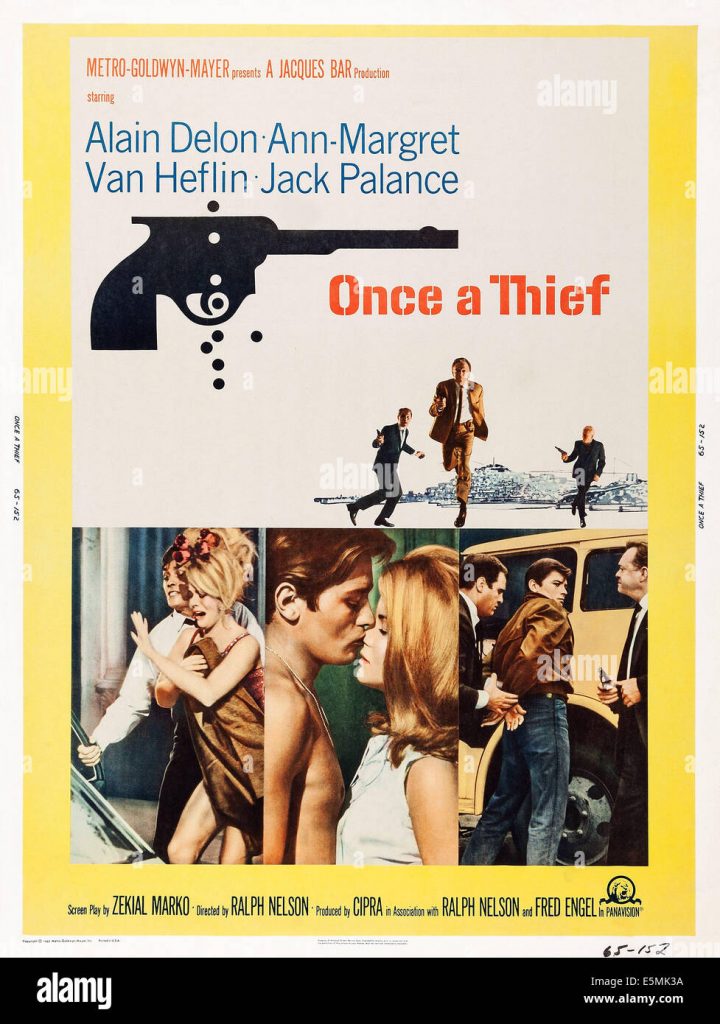
While working on the film Once a Thief (1965), she met future husband Roger Smith, who after his successful run on the private-eye television series 77 Sunset Strip, was performing a live club show at the Hungry i on a bill with Bill Cosby and Don Adams. That meeting began their courtship, which met with resistance from her parents.
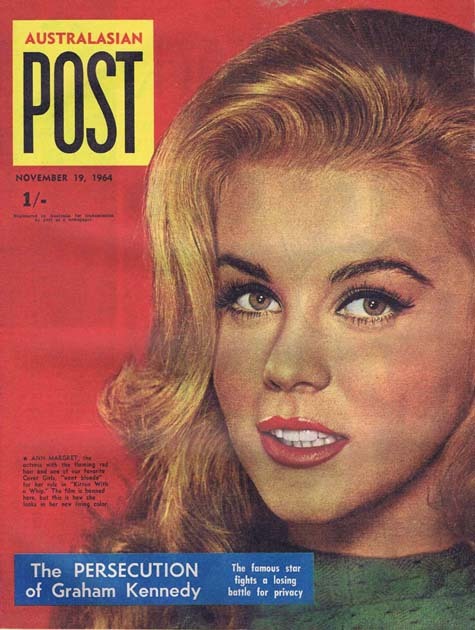
Her red hair color (she is a “natural brunette”) was the idea of Sydney Guilaroff, a hairdresser who changed the hair color of other famous actresses such as Lucille Ball.
One Sheet; Movie Poster; Film Poster; Cinema Poster;
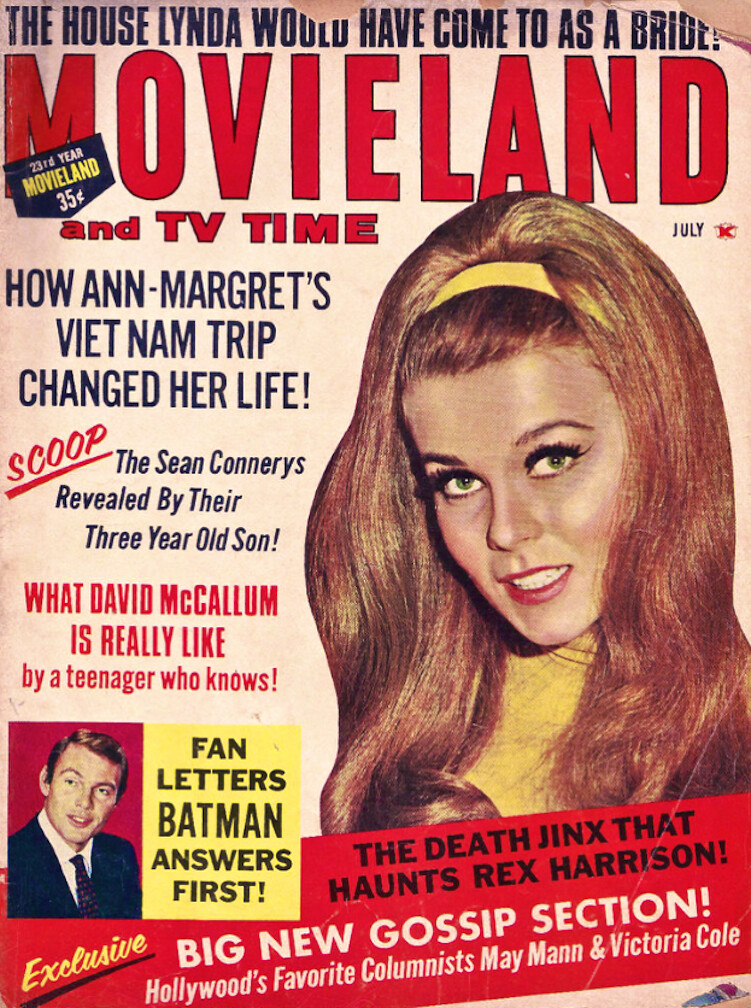
She was offered the title role in Cat Ballou (1965), but her manager turned it down without telling her. In March 1966, Ann-Margret and entertainers Chuck Day and Mickey Jonesteamed up for a USO tour to entertain U.S. servicemen in remote parts of Viet Nam and other parts of South-East Asia. She still has great affection for the veterans and refers to them as “my gentlemen”. Ann-Margret, Day, and Jones reunited in November 2005 for an encore of this tour for veterans and troops at Nellis Air Force Base, Nevada.
During a lull in her film career in July 1967, Ann-Margret gave her first live performance in Las Vegas, with her husband Roger Smith (whom she had married in 1967) taking over as her manager after that engagement. Elvis Presley and his entourage came to see her during the show’s five-week run and to celebrate backstage. From thereon until his death, Presley sent her a guitar-shaped floral arrangement for each of her Vegas openings. After the first Vegas run ended, she followed up with a CBS television special The Ann-Margret Show, produced and directed by David Winters on December 1, 1968, with guest-stars Bob Hope, Jack Benny, Danny Thomas, and Carol Burnett. Then, she went back to Saigon as part of Hope’s Christmas show. A second CBS television special followed, Ann-Margret: From Hollywood With Love, directed and choreographed by David Winters and produced and distributed by Winters’ company Winters-Rosen, with guest-stars Dean Martin and Lucille Ball. David Winters and the show were nominated for a Primetime Emmy in Outstanding Choreography.
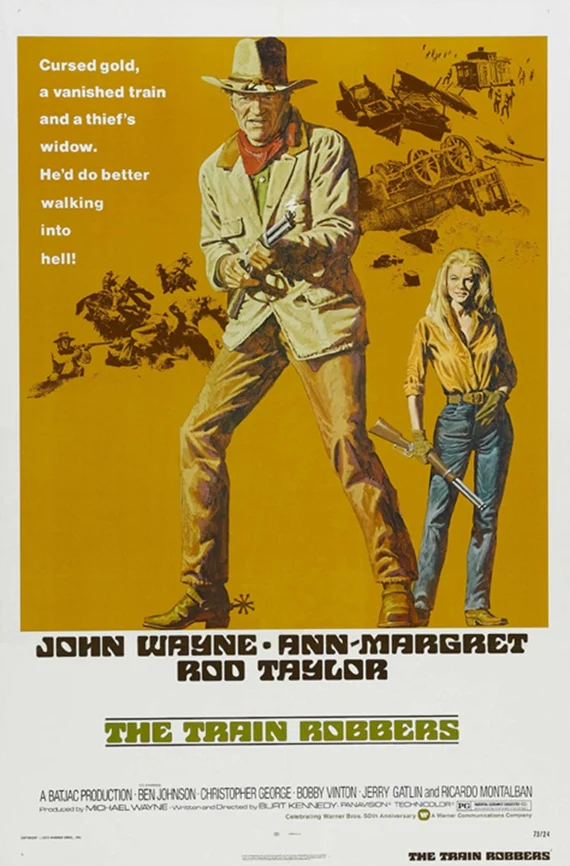
On the set of The Train Robbers in Durango, Mexico, in June 1972, she told Nancy Anderson of Copley News Service that she had been on the “grapefruit diet” and had lost almost twenty pounds (134 to 115) eating unsweetened citrus.
On Sunday, September 10, 1972, while performing at Lake Tahoe, she fell 22 feet from an elevated platform to the stage and suffered injuries including a broken left arm, cheekbone, and jawbone. She required meticulous facial reconstructive surgery that required wiring her mouth shut and putting her on a liquid diet. Unable to work for 10 weeks, she ultimately returned to the stage almost back to normal.
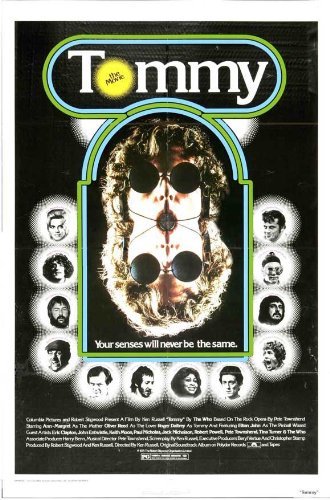
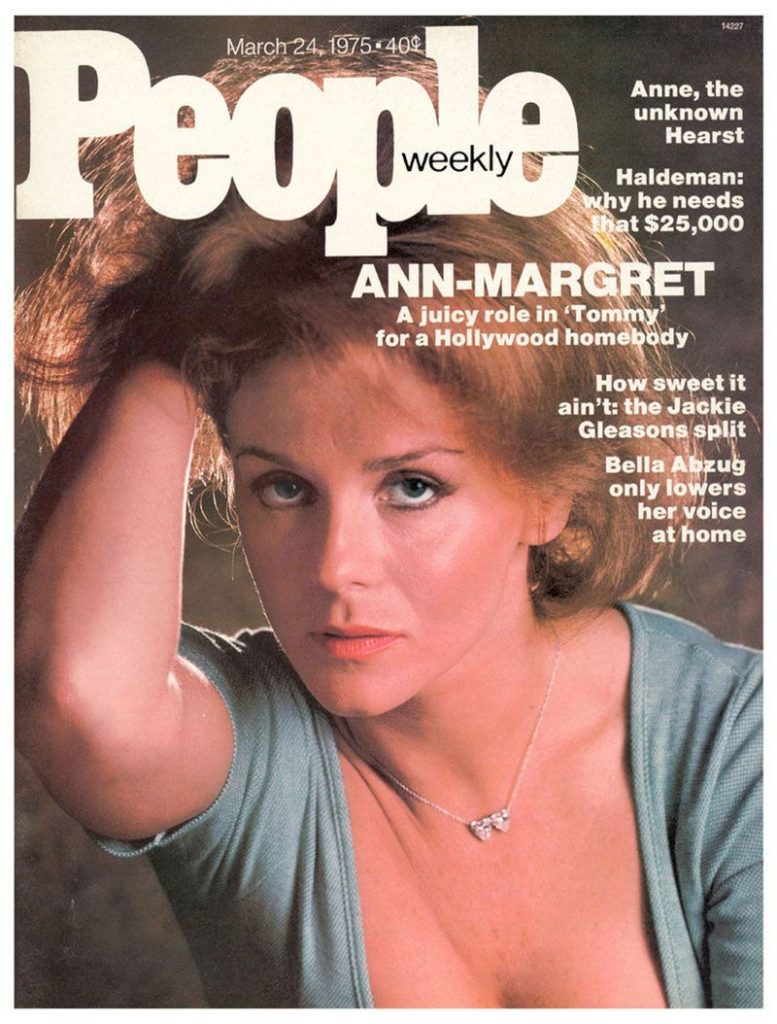
Throughout the 1970s, Ann-Margret balanced her live musical performances with a string of dramatic film roles that played against her glamorous image. In 1973, she starred with John Wayne in The Train Robbers. Then came the musical Tommy in 1975, for which she was again nominated for an Academy Award for Best Actress. In addition, she has been nominated for 10 Golden Globe Awards, winning five, including her Best Actress in a Musical or Comedy for Tommy. On August 17, 1977, Ann-Margret and Roger Smith traveled to Memphis to attend Elvis Presley’s funeral. Three months later, she hosted Memories of Elvis featuring abridged versions of the Elvis 1968 TV and Aloha from Hawaii specials.
Ann-Margret was an early choice of Allan Carr‘s to play the role of Sandy Dumbrowski in the 1978 film Grease. At 37 years old, she was ultimately determined to be too old to convincingly play the role of a high school student. Olivia Newton-John got the role instead, and the character was renamed “Sandy Olsson” (after Ann-Margret’s birth surname) in her honour.
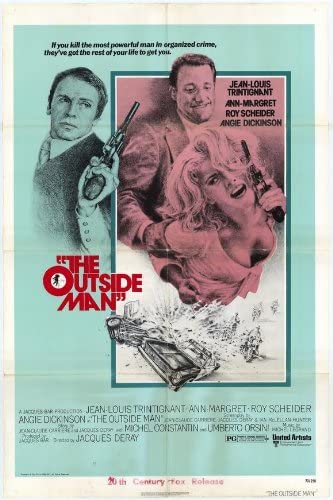
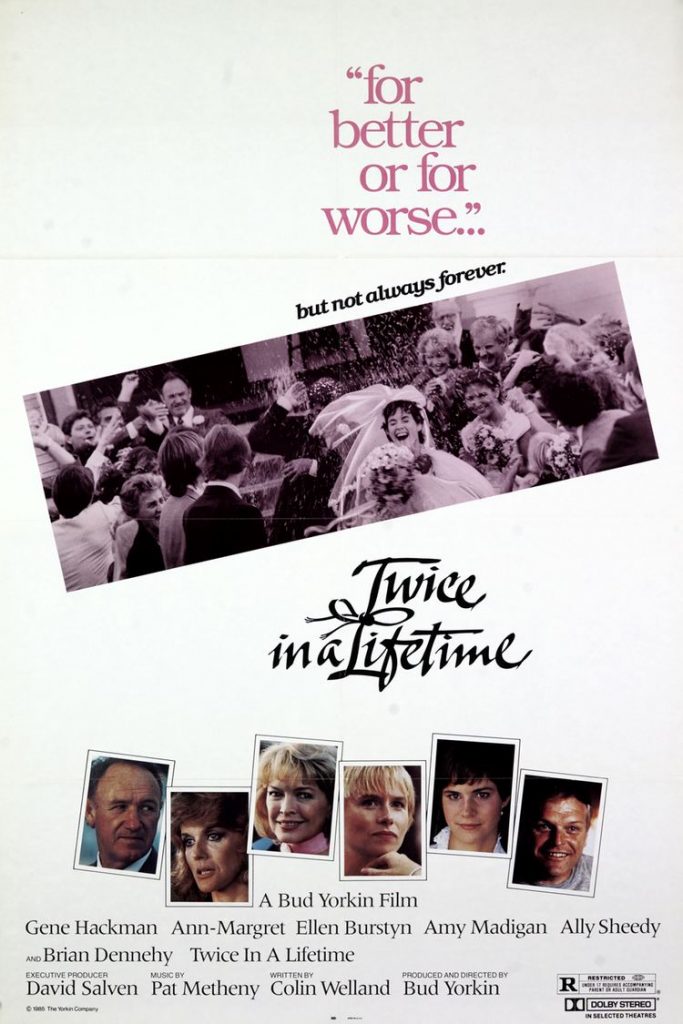
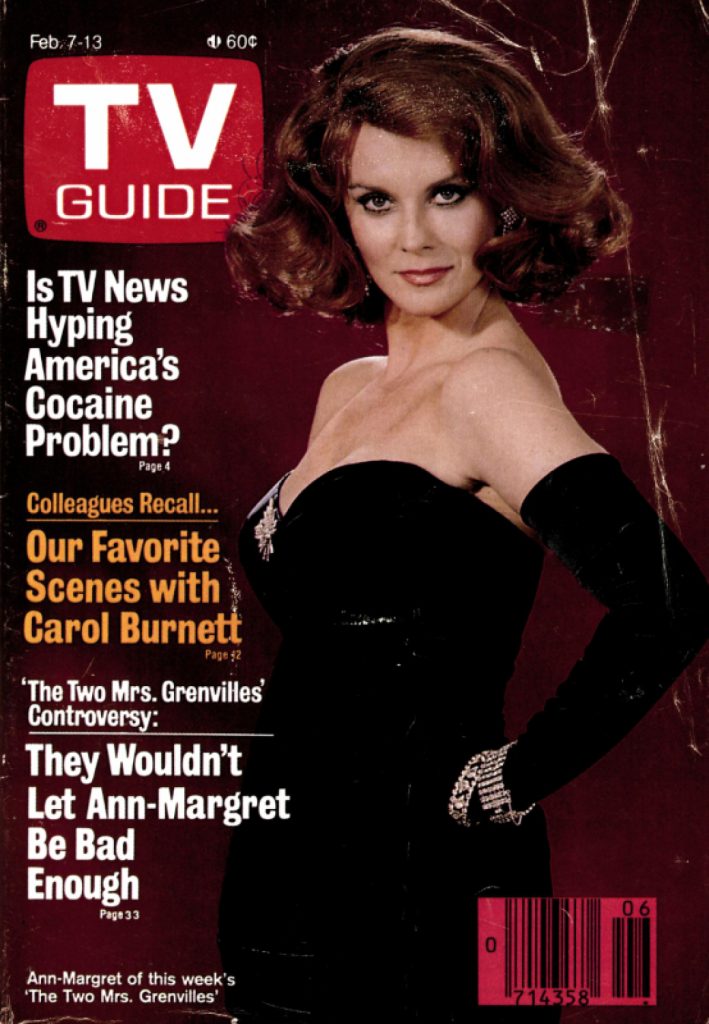
She also starred in the TV movies Who Will Love My Children? (1983) and a remake of A Streetcar Named Desire (1984). These performances collectively won her two Golden Globe Awards and two Emmy nominations. In 1985’s Twice in a Lifetime she portrayed the woman Gene Hackman’s character left his wife for. The next year she appeared as the wife of Roy Scheider‘s character in the crime thriller 52 Pick-Up. In 1987 she co-starred with Elizabeth Ashley (and also with Claudette Colbert, in the last on-screen role of the film legend’s career) in the NBC 2-part series “The Two Mrs. Grenvilles“. It earned Ann-Margret another Emmy Award nomination, this time for Outstanding Lead Actress in a Mini Series or a Special.
In 1989, an illustration was done of Oprah Winfrey that was on the cover of TV Guide, and although the head was Oprah’s, the body was referenced from a 1979 publicity shot of Ann-Margret. The illustration was rendered so tightly in color pencil by freelance artist Chris Notarile that most people thought it was a composite photograph.[27]
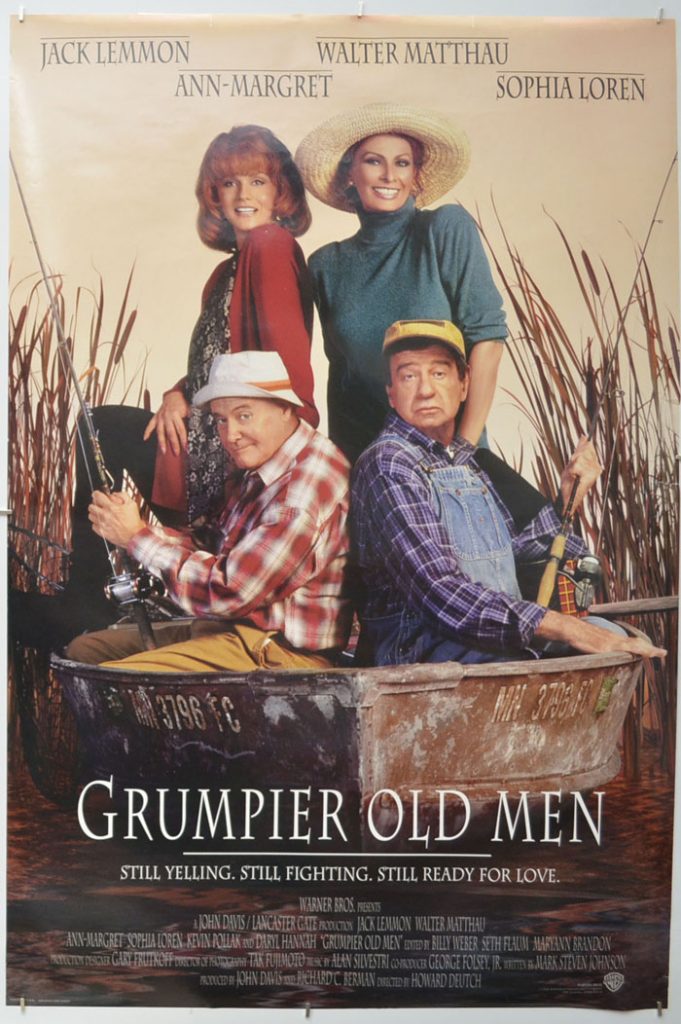
In 1991, she starred in the groundbreaking Our Sons opposite Julie Andrews as mothers of sons who are lovers, one of whom is dying of AIDS. In 1992, she co-starred with Robert Duvall and Christian Bale in the Disney musical, Newsies. In 1993, Ann-Margret starred in the hit comedy Grumpy Old Men reuniting with Matthau and Jack Lemmon. Her character returned for Grumpier Old Men (1995), the equally successful sequel which this time co-starred Sophia Loren.
Ann-Margret published an autobiography in 1994 titled Ann-Margret: My Story, in which she publicly acknowledged her battle with and ongoing recovery from alcoholism. In 1995, she was chosen by Empire as one of the 100 Sexiest Stars in film history; she ranked 10th.
She also filmed Any Given Sunday (1999) for director Oliver Stone, portraying the mother of football team owner Cameron Diaz. She filmed a cameo appearance for The Limey, but her performance was cut from the movie.
Ann-Margret also starred in several television films, including Queen: The Story of an American Family (1993) and Life of the Party (1999), the latter of which she received nominations for an Emmy Award, a Golden Globe Award, and a Screen Actors Guild Award.
She made guest appearances on the television shows Touched by an Angel in 2000 and three episodes of Third Watch in 2003. In 2001, she made her first appearance in a stage musical, playing the character of brothel owner Mona Stangley in a new touring production of The Best Little Whorehouse in Texas. The production co-starred Gary Sandy and Ed Dixon. She played Jimmy Fallon‘s mother in the 2004 comedy Taxi, co-starring Queen Latifah. In 2001, Ann-Margret worked with Art Greenhaw on the album God Is Love: The Gospel Sessions. The critically acclaimed project resulted in her first Grammy Award nomination and first Dove Award nomination for Best Album of the Year in a Gospel category. They teamed up again in 2004 for the album Ann-Margret’s Christmas Carol Collection. She performed material from the album at two auditorium church services at Crystal Cathedral in Garden Grove, California, and broadcast worldwide on the program Hour of Power.
Ann-Margret guest-starred in an episode of Law & Order: Special Victims Unit, “Bedtime“, which first aired on March 31, 2010 on NBC.[31] She received her sixth Emmy nomination for her performance. She also appeared in the Lifetime series, Army Wives, in the episode “Guns and Roses” (season four, episode five), which originally aired May 9, 2010. On August 29, 2010, she won an Emmy Award for Guest Performance by an Actress for her SVU performance. It was the first Emmy win of her career, and she received a standing ovation from the Emmy venue audience as she approached the stage to receive her award.
On October 14, 2010, Ann-Margret appeared on CBS’ CSI.
In Fall 2011 she co-starred with Andy Williams for a series of concerts at his Moon River Theater in Branson, Missouri. These proved to be Williams’ last performances before his death in 2012.
In 2014, she began appearing in a recurring role in the Showtime original series Ray Donovan.[33] On October 1, 2018, it was announced that she had joined the second season of the Syfy series Happy! in a recurring role.[
In 2018, she guest-starred in The Kominsky Method, portraying Diane, a widow and possible love interest for the recently widowed Norman, played by Alan Arkin.
Ann-Margret has no children, but she was stepmother to the three children of husband Roger Smith, an actor who later became her manager. She and Smith were married from May 8, 1967 until his death on June 4, 2017. Prior to this, she dated Eddie Fisher and was romantically linked to Elvis Presley during the filming of Viva Las Vegas.
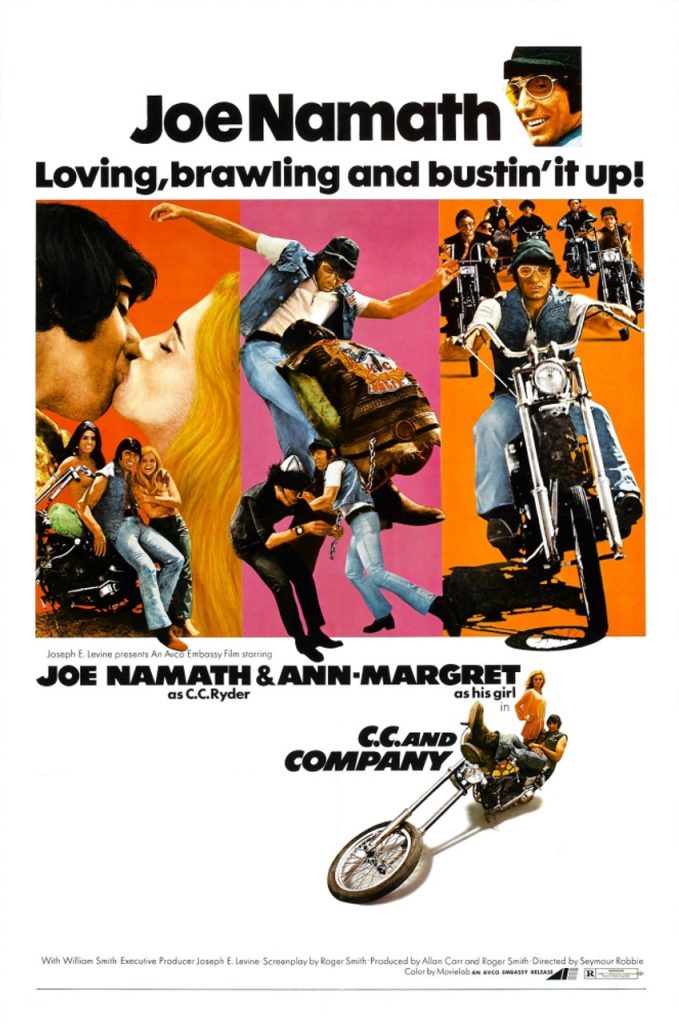
A keen motorcyclist, Ann-Margret rode a 500 cc Triumph T100C Tiger in The Swinger (1966) and used the same model, fitted with a nonstandard electric starter, in her stage show and her TV specials. She was featured in Triumph Motorcycles‘ official advertisements in the 1960s. She suffered three broken ribs and a fractured shoulder when she was thrown off a motorcycle in rural Minnesota in 2000.[36]
The 2005 CBS miniseries Elvis includes the story of her affair with Elvis Presley during the filming of Viva Las Vegas. She was portrayed by actress Rose McGowan.
The Flintstones had a character named Ann-Margrock on the episode “Ann-Margrock Presents”, as a reference to Ann-Margret, for which she supplied the voice and the vocals. Ann-Margret was also referenced in Mad Men’s Season 3 Episode 3 “My Old Kentucky Home” and Season 3 Episode 4 “The Arrangement”. The “Bye Bye Birdie” video was shown in the show featuring her.
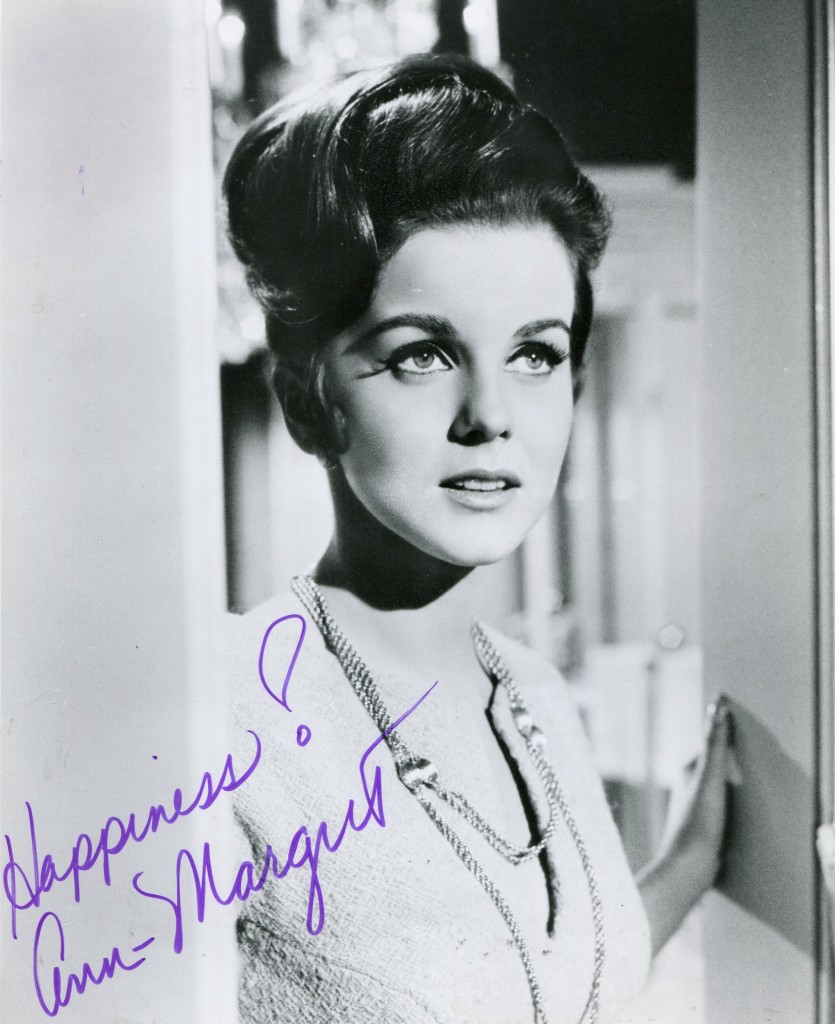
Ann-Margret (born Ann-Margret Olsson, 1941) is a singular figure in American entertainment history. Often dismissed early in her career as a mere “sex symbol” or the “female Elvis,” a critical analysis of her six-decade trajectory reveals a performer of profound resilience and technical versatility.
She is one of the few stars who successfully transitioned from the hyper-stylized “vixen” archetypes of the 1960s to become a gritty, Academy Award-nominated dramatic actress and a powerhouse of the musical stage.
1. Career Arc: From “Sex Kitten” to Dramatic Heavyweight
The Discovery and “New Star” Phase (1961–1963): Discovered by George Burns, she was initially marketed by RCA and 20th Century Fox as a multi-threat star. Her early roles utilized her “all-American girl with a secret” energy—wholesome but possessing an explosive, feline sexuality.
The “Swinging Sixties” and Elvis (1964–1970): This period solidified her as a pop-culture icon. Her chemistry with Elvis Presley in Viva Las Vegas became the gold standard for screen pairings. However, the industry struggled to give her material that matched her talent, often casting her in formulaic “bikini” comedies.
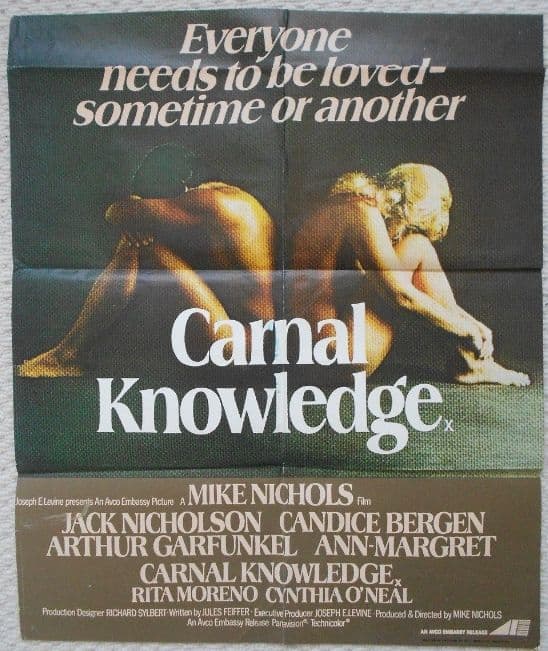
The Dramatic Breakthrough (1971–1980): Directed by Mike Nichols in Carnal Knowledge, Ann-Margret shocked critics by stripping away her glamour. This inaugurated a decade of high-stakes dramatic work, including her tour-de-force in the rock opera Tommy.
The TV Movie and Elder Stateswoman Era (1984–Present): She reinvented herself as a queen of the “Prestige TV Movie” (winning a Golden Globe for A Streetcar Named Desire) and later settled into charming character roles in films like Grumpy Old Men.
2. Critical Analysis of Key Performances
Bye Bye Birdie (1963) – The Technicolor Explosion
As Kim MacAfee, the small-town girl chosen to kiss a rock star.
Analysis: The opening and closing sequences—Ann-Margret singing the title song against a blue screen—are legendary. She isn’t just singing; she is projecting an atomic level of energy.
Critique: Critics noted that she “stole” the film from seasoned veterans like Dick Van Dyke. Her performance was a masterclass in controlled frenzy. She utilized a “growl” in her vocals and a sharp, percussive dance style that suggested the 1950s were officially over and the 1960s had arrived.
Carnal Knowledge (1971) – The Death of the Doll
As Bobbie, the tragic, aging girlfriend of a cynical Jack Nicholson.
Analysis: This is the most critical turning point in her career. Bobbie is a woman destroyed by the “male gaze” that Ann-Margret herself had come to symbolize.
Critique: She earned an Oscar nomination for her vulnerability. She allowed the camera to see her puffy, tear-streaked, and unkempt. Critics lauded her for her “brave lack of vanity.” She portrayed Bobbie’s descent into depression with a terrifying realism, proving she understood the dark side of being a “trophy” woman.
Tommy (1975) – The Surrealist Matriarch
As Nora Walker, the mother of the “deaf, dumb, and blind kid.”
Analysis: In Ken Russell’s psychedelic rock opera, Ann-Margret delivered a performance of operatic madness.
Critique: The scene where she hallucinates in a room full of baked beans and chocolate is a pinnacle of camp-as-art. However, beneath the spectacle, critics found a raw, maternal ferocity. She treated the rock score with the same respect as a classical libretto, earning her a second Oscar nomination. She proved she could dominate even the most chaotic visual environments.
3. Style and Legacy: The “Professional” Firebrand
Ann-Margret’s style is defined by a paradox of precision and abandon.
Attribute
Critical Impact
Physicality
Trained as a dancer, she moved with a “low-center of gravity” that felt more aggressive and modern than the balletic stars of the 1950s.
The “Dual” Voice
She could pivot from a soft, breathy “whisper” to a guttural R&B “belt,” using her voice to signify the shift between her characters’ public masks and private needs.
Work Ethic
Known as one of the hardest workers in Hollywood, she performed her own stunts and grueling dance numbers, which lent an air of “athletic reality” to her work.
The “Female Elvis” Label
Critically, the Elvis comparison was both a blessing and a curse. While it gave her a brand, it suggested she was a derivative of a male star. Re-evaluation shows that Ann-Margret was actually a pioneer of female performance. She was one of the first stars to successfully merge rock-and-roll rebellion with Broadway discipline.
Critical Note: Ann-Margret was the “Survivor of Glamour.” She navigated the predatory studio system of the 60s and emerged with her dignity and talent intact. Her legacy is the “Complete Performer”—the actress who proved that you can be the most beautiful woman in the room and simultaneously the most emotionally complex.