
Hollywood Actors

Collection of Classic Hollywood Actors

Peter Lind Hayes
Peter Lind Hayes
Peter Lind Hayes

Peter Lind Hayes was born in 1915 in San Francisco.   He was a popular broadcaster and entertainer who also acted in some films e.g. “The 5,000 Fingers of Dr T”,”The Senator Was Indiscreet” and “Once You Kiss A Stranger”.   He died in 1998.

Dick Vosburgh’s obituary in “The Independent”;

HE COW’s gone dry and the hens won’t lay, / The fish quit bitin’ last Saturday, / Troubles pile up day by day, / And now I’m gettin’ dandruff!” Those lugubrious words are from “Life Gets Tee-Jus, Don’t It?”, the 1948 hit recorded by Peter Lind Hayes, whose long career encompassed virtually all the media.

He was only two when his father, Joseph Conrad Lind Snr, a railroad man and amateur singer, died. Peter attended parochial school in Cairo, Illinois, but, from the age of nine, performed every summer with his mother, Grace Hayes, a vaudeville star. At 16, he wrote a new act for his mother and himself; they appeared in it at New York’s legendary vaudeville theatre the Palace.

In 1939, while Peter was working as a film stand-in, his mother built the Grace Hayes Lodge, a night-club in the San Fernando Valley. An instant success, the club attracted a large film-business clientele, with mother and son starring in the floor-shows. Peter soon graduated from stand-in to film actor; in 1939 he appeared in These Glamour Girls, which starred (naturally) Lana Turner, and in Million Dollar Legs, which (equally naturally) starred Betty Grable.

Under contract to Paramount, he had just acted with Jackie Cooper in Seventeen (1940) when he met Mary Healy, who was under contract to 20th Century-Fox; they married the following year. Also in 1941, the newly weds appeared in Zis Boom Bah, a low-budget musical in which Grace Hayes also played, as a vaudeville star who buys her college student son (Peter) a cafe, which he turns into a successful night-club.

As Victor Mature’s army buddy in Seven Days’ Leave (1942), Hayes sang, danced and did impersonations of Ronald Colman, Lionel Barrymore and Charles Laughton. The day after completing the film, he enlisted in the US Army Air Corps, and was assigned to the corps’s Radio Production Unit, which wrote and presented daily broadcasts. Private Frank Loesser, writer, was also in the unit, and he and Hayes collaborated on “Why Do They Call a Private a Private?”, a song introduced on one of their shows by Ethel Merman. Hayes later joined the all- serviceman cast of Moss Hart’s Air Force play Winged Victory (1943). The following year he appeared in the film version as well.

Hayes left the service in 1945 with a Bronze Star for having entertained more than a million troops in the South Pacific. His first post-war film was Universal’s The Senator Was Indiscreet (1947), the only film directed by the celebrated playwright George S. Kaufman. Although Hayes had made at least a dozen previous screen appearances, his name on the opening credits was, curiously, preceded by “And Introducing”. He played a political publicist, trying to sell the voters the pea-brained Senator Melvin Ashton (William Powell) as their next President. The film fired some witty barbs at American politics (Ashton came out flatly against assassination), but had the bad luck to emerge the same year as the House Un-American Activities Committee, and Universal promoted the satirical Senator very gingerly.

Hayes next played a lovable hansom cab driver in Heaven on Earth (1948), a 12-performance Broadway musical that the New York Star called “the biggest sleeping pill in town”. His other stage work included Norma Krasna’s farce Who Was That Lady I Saw You With? (1958) and Brian Friel’s Lovers (1968).

After establishing themselves as a top night-club team, Hayes and Mary Healy appeared together in such television series as The Chevrolet Show (1949), The Stork Club (1950), Star of the Family (1951-52) and the sitcom Peter Loves Mary (1960-61). For the big screen, they co-starred in The Five Thousand Fingers of Dr T (1953), the Dr Seuss musical about a young boy (Tommy Rettig) who rescues his hypnotised mother (Mary Healy) from his wicked piano teacher (Hans Conreid), with the help of Mr Zabladowski, a friendly plumber (Hayes). A disaster on its first release, this surrealistic classic was successfully revived 20 years later and now enjoys cult status.

In 1952, while appearing with Mary Healy at the London Palladium, Hayes was asked the secret of a successful marriage. He replied, “All you have to do is get your wife in the act – and keep her there.”

Dick Vosburgh

Joseph Conrad Lind (Peter Lind Hayes), actor, composer and writer: born San Francisco 25 June 1915; married 1940 Mary Healy (one son, one daughter); died Las Vegas 22 April 1998.

The above “Independent” obituary can also be accessed online here.

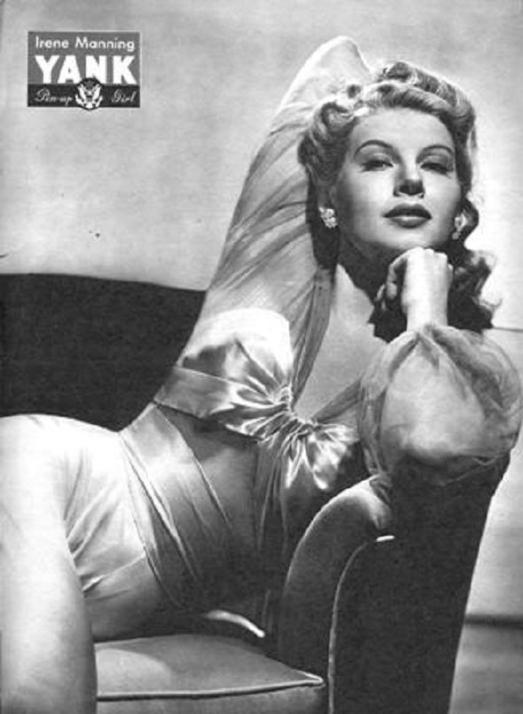
Irene Manning
Irene Manning
Irene Manning

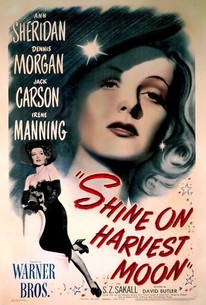
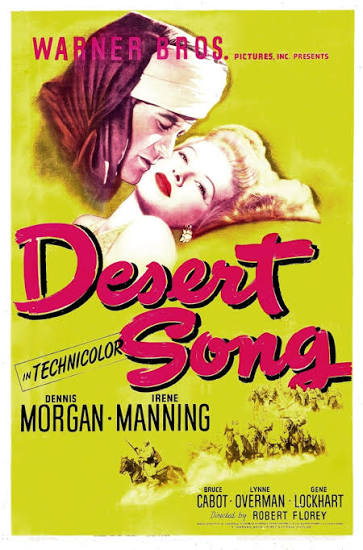
Irene Manning was born in 1912 in Cincinnati, Ohio.   Her first film in 1936 was “The Old Corral” with Gene Autry.   In 1942 she starred with Humphrey Bogart in “The Big Shot” and with Dennis Morgan in two films, “The Desert Song” and “Shine On Moon”.   She died in 2004 at the age of 91.

Tom Vallance’s “Independent” obituary:

The actress and lyric soprano Irene Manning was a blonde beauty who had a brief spell as a film star in the early Forties.

Inez Harvuot (Irene Manning), actress and singer: born Cincinnati 17 July 1912; married 1940 Het Manheim (marriage dissolved 1944), 1944 Keith Kolhoff (marriage dissolved 1946), 1948 Clinton Green (marriage dissolved 1951), 1964 Maxwell W. Hunter (died 2001); died San Carlos, California 28 May 2004.

The actress and lyric soprano Irene Manning was a blonde beauty who had a brief spell as a film star in the early Forties. Her most notable roles were those of the singer Fay Templeton in the classic musical Yankee Doodle Dandy (1942), and as Margot, the heroine of The Desert Song (1944). She also played leading lady to Gene Autry and Humphrey Bogart, and had an extensive career on stage including a Broadway musical by Lerner and Loewe and West End roles in plays and musicals.

The youngest of five children, she was born Inez Harvuot in Cincinnati in 1912. Both her parents were singers who appeared in opera choruses, and at the age of two Inez could sing “The Blue Ridge Mountains of Virginia”. Her family moved to Los Angeles when she was 10, and after graduating from Los Angeles High School she gained a scholarship to study voice at the Eastman School of Music in Rochester, New York. Classically trained, she gained considerable stage experience in operetta and musicals prior to 1936, when she was given a film contract by Republic.

The studio’s head of publicity Het Manheim, gave her a new name, Hope Manning, and became her first husband:

Het was a good man. Our problem was geographical. Het remained in New York while I was leaping all over the country. As much as we loved each other, we came to realise the marriage wasn’t working.

She made her screen début in The Old Corral (1936), a western starring the studio’s major star, Gene Autry, with whom she sang a duet. After supporting roles in Two Wise Maids (1937) and Michael O’Halloran (1937), she returned to the stage when offered a leading role in a new musical by Jerome Kern, Oscar Hammerstein and Otto Harbach, Gentlemen Unafraid (1938). A Civil War tale of a West Point cadet torn between fighting for the Union or for his home state, Virginia, it opened in St Louis, where it was so poorly received that it closed after just one week. Manning, as the cadet’s sweetheart, introduced “Your Dream is the Same as My Dream”, which acquired a measure of popularity when later reused by the composers in the film One Night in the Tropics.

After appearing in New York in two more short-lived musicals, she toured with the famous baritone John Charles Thomas in Lehar’s operetta Gypsy Baron (1940) and the pair made several Gilbert and Sullivan recordings together. Warner Brothers, who had made an early talkie of the Sigmund Romberg operetta The Desert Song in 1929, were planning a new version, for which Manning tested. She said,

They spent about five years casting The Desert Song. They auditioned everyone, including Gladys Swarth-

out of the Metropolitan Opera. I was given a very expensive test, in Technicolor, and on the strength of it Warners signed me and changed my name to Irene Manning.

Since the script for The Desert Song wasn’t ready, she was first cast in Yankee Doodle Dandy as the legendary stage star Fay Templeton, who is won over by the brash composer George M. Cohan (James Cagney) when he composes a song for her, “Only 45 Minutes from Broadway”, in her dressing room while she is performing on stage. Her renditions of “So Long, Mary” and “Mary’s a Grand Old Name” were among the film’s highlights, and Variety called her performance “plenty socko”. Manning later recalled the film as her happiest Hollywood experience.

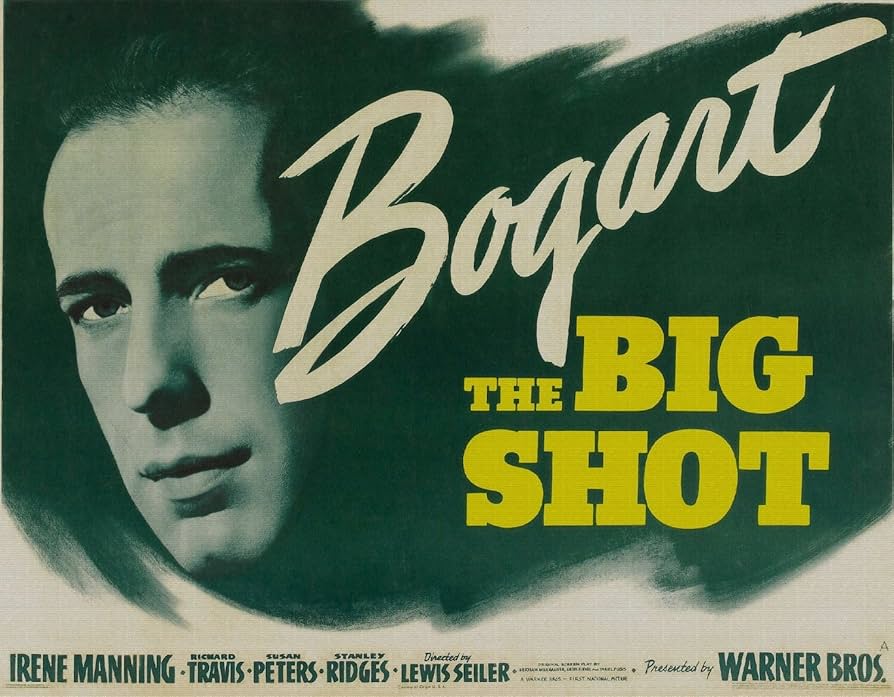
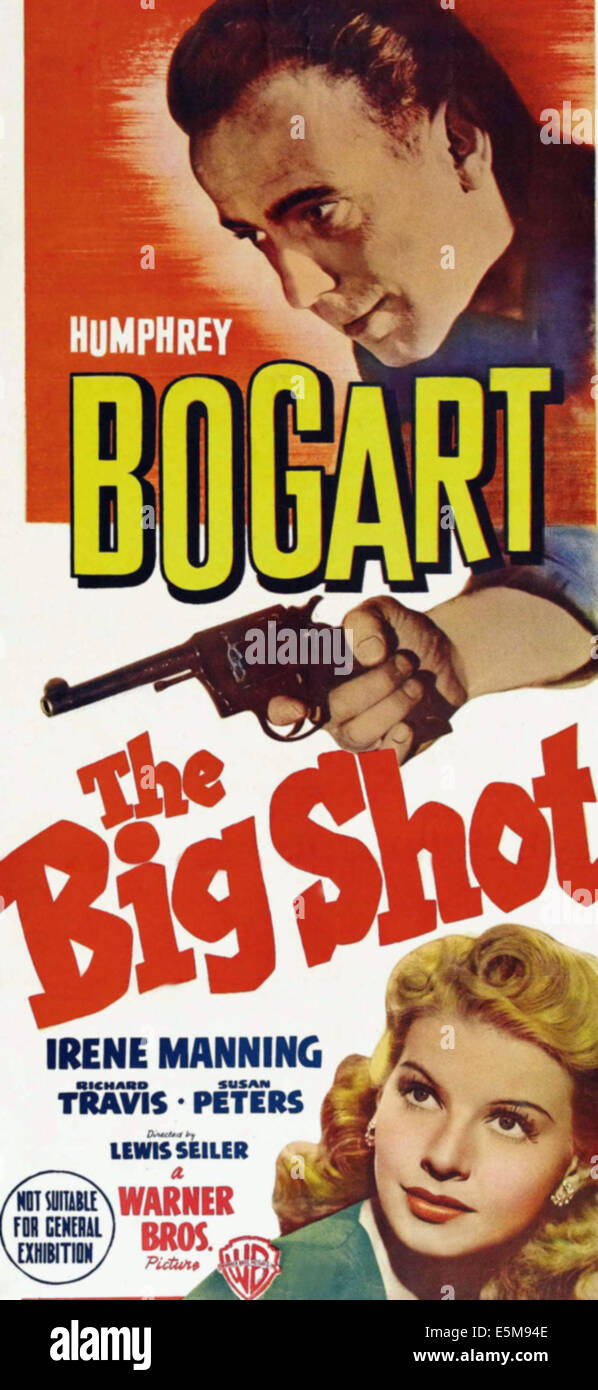
She was less happy with her next film, a minor thriller, The Big Shot(1942), though she was leading lady to Humphrey Bogart. She described the director, Lewis Seiler, as “not the greatest”:

Just before we started, he said to me, “Are you going to sing your lines?” When I had to be shot to death at the end, I asked how he wanted me to go about it. “I have no idea,” he said.

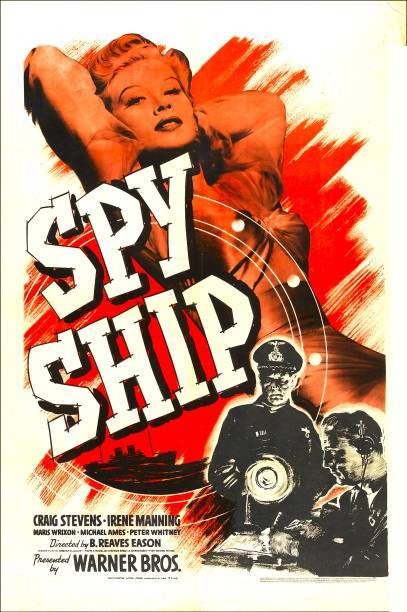
After another low-budget movie, Spy Ship (1942), Manning took on her most important screen role, starring opposite Dennis Morgan inThe Desert Song, directed by Robert Florey. Morgan played an American bandleader who dons a cape and becomes the mysterious leader of a group of desert tribesmen sabotaging German attempts to build a railroad. Manning said,

The movie had some excellent action sequences and an interesting script. Years later, Gordon MacRae, who starred in the 1953 version, told me he thought ours was the better movie.

The gorgeously photographed film (with Gallup, New Mexico, standing in for the Sahara desert) is generally considered the finest of the operetta’s three screen transcriptions, but it is little known today because copyright problems have kept it out of circulation for several decades.

Surprisingly, the studio failed to capitalise on Manning’s impressive performance, and, despite announcing earlier that she and Morgan would be teamed in a series of musicals similar to those MGM had made with Jeanette McDonald and Nelson Eddy, they instead relegated her to supporting roles. She later said of her boss,

Jack Warner? He wasn’t one of my favourite people. Let’s just say that there was not a lot of class there.

Miles Kreuger, President of the Institute of the American Musical, said that Manning’s “more elegant, more reserved” persona was out of sync during the war years when audiences preferred “young girls who were perky and more accessible” like Betty Grable. “I think that’s why she didn’t catch on a little bit more.”

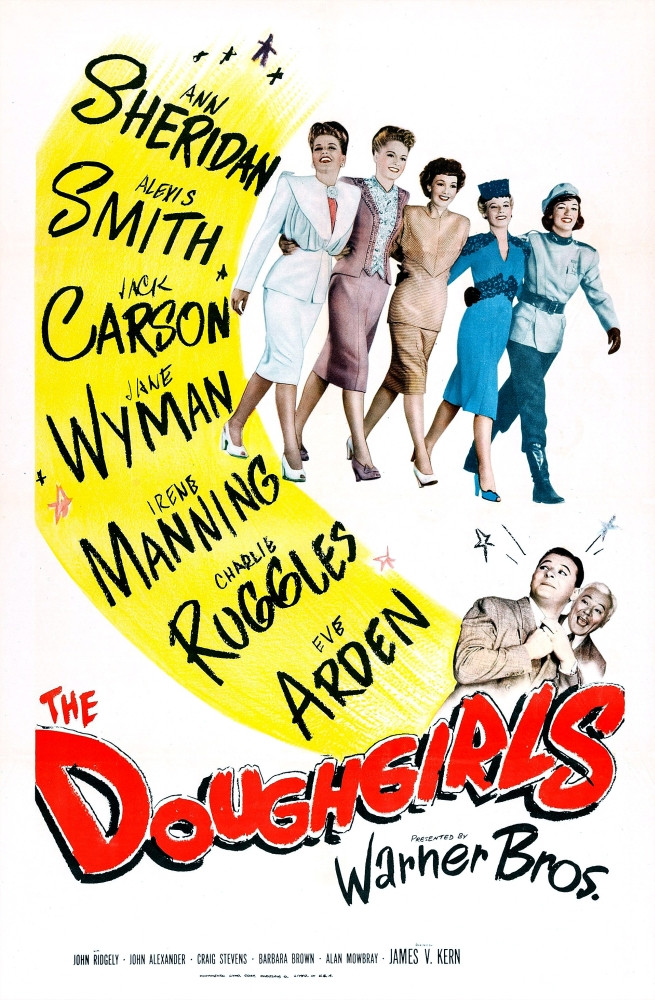
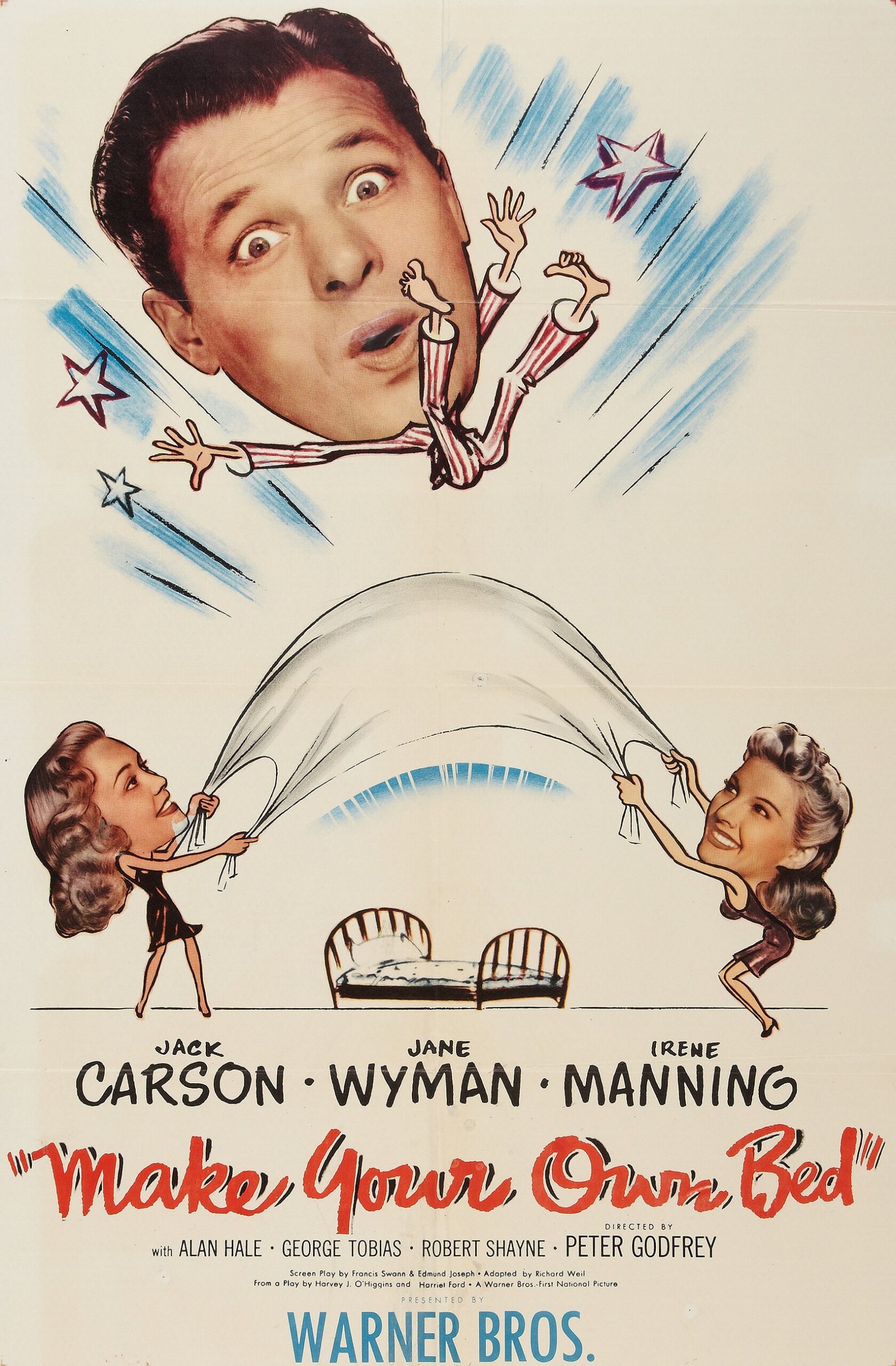
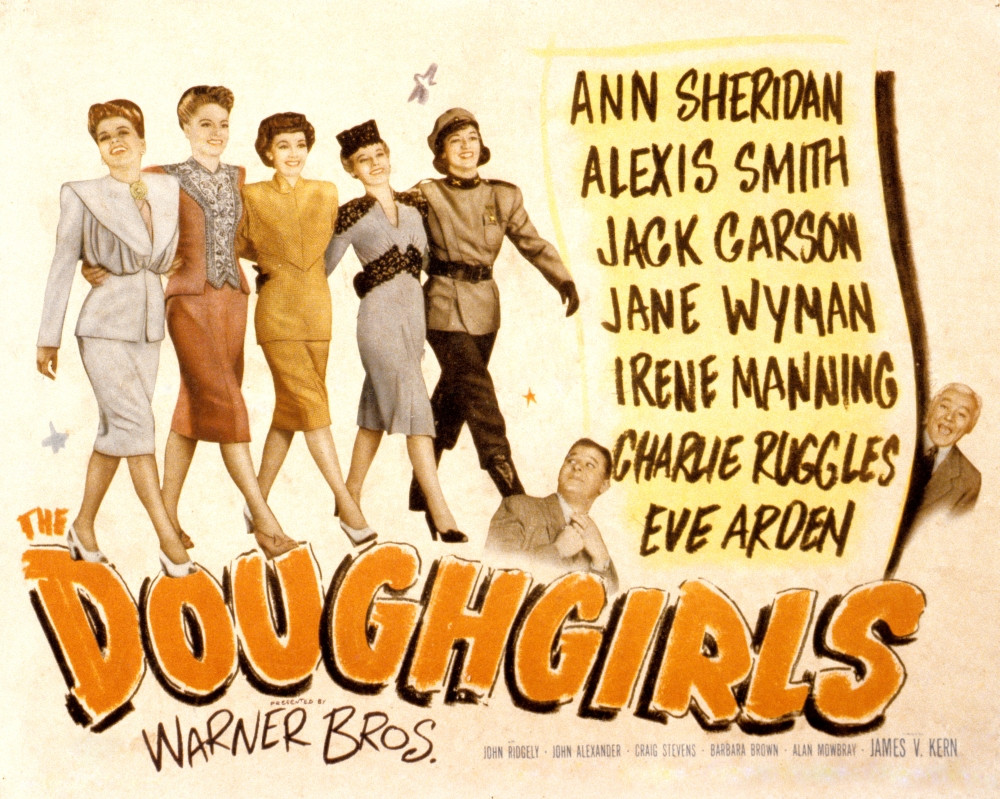
Manning’s subsequent films included the splendid musical Shine On, Harvest Moon (1944), again starring Morgan but with Ann Sheridan as leading lady and Manning as “the other woman”, and the comedyMake Your Own Bed (1944) with Jane Wyman and Jack Carson.The Doughgirls (1944), based on the hit play about the wartime shortage of hotel accommodation in Washington, was a favourite of the actress, though Eve Arden had the showiest role as a Russian female guerrilla.

After a cameo as herself in Hollywood Canteen (1944), Manning left for England with her own USO unit to entertain servicemen overseas. In England she recorded four songs with Glenn Miller’s Army Air Forces Band. Recorded for the Office of War Information just a few days before Miller disappeared in a small aircraft over the English Channel, the songs were broadcast between propaganda announcements to German troops on the BBC’s German Wehrmacht Hour.

One of the songs, “Begin the Beguine”, was included in the CD setGlenn Miller: The Lost Recordings, and reveals Manning’s voice, pitched in a lower register than usual, blending surprisingly well with the Miller band. Manning also featured in a British film, I Live in Grosvenor Square (1945), making a “courtesy appearance” as herself, pictured entertaining American servicemen in a Piccadilly club with a rendition of the wistful 1931 ballad “Home”.

Manning returned to the stage to star on Broadway in a musical by Alan Jay Lerner and Frederick Loewe, The Day Before Spring(1945), playing a woman who with her husband of 10 years (John Archer) attends a college reunion where she is drawn to an old flame (Bill Johnson). Though the cast and score were praised, the libretto came in for heavy criticism in the mixed reviews.

In 1947 Manning moved to England, making her London stage début in Millocker’s The DuBarry (1947), and appearing in Alan Melville’s hit comedy Castle in the Air (1949) with Jack Buchanan and Coral Browne. She also toured music halls with a variety act, hosted her own BBC television show An American in England, and wrote a weekly show-business column, “Girl About Town”. She said,

I had a wonderful time in England and really matured . . . still, when I came back to the US in 1952, nobody remembered me. So I just started all over again.

She did night-club work, sang on radio with the Andre Kostelanetz and Gordon Jenkins orchestras, appeared in television plays, and starred in both musicals and plays in summer theatres, including The King and I (her personal favourite role).

An accomplished abstract painter, she had exhibitions of her work in New York and Washington, and for the last 30 years she taught voice, acting, personal development, speech dynamics and modelling.

Tom Vallance
Michael Ansara
Michael Ansara
Michael Ansara

Michael Ansara was born in 1922 in Syria.   In 1956 he starred in the very popular television series “Broken Arrow” where he paid the Indian chief Cochise.   His films include “Only the Valient” in 1951, “The Ten Commandments”and “Texas Across the River”.   He died in 2013.   Was married to Barbara Eden at one time.

Nita Talbot
Nita Talbot
Nita Talbot
Nita Talbot
Nita Talbot

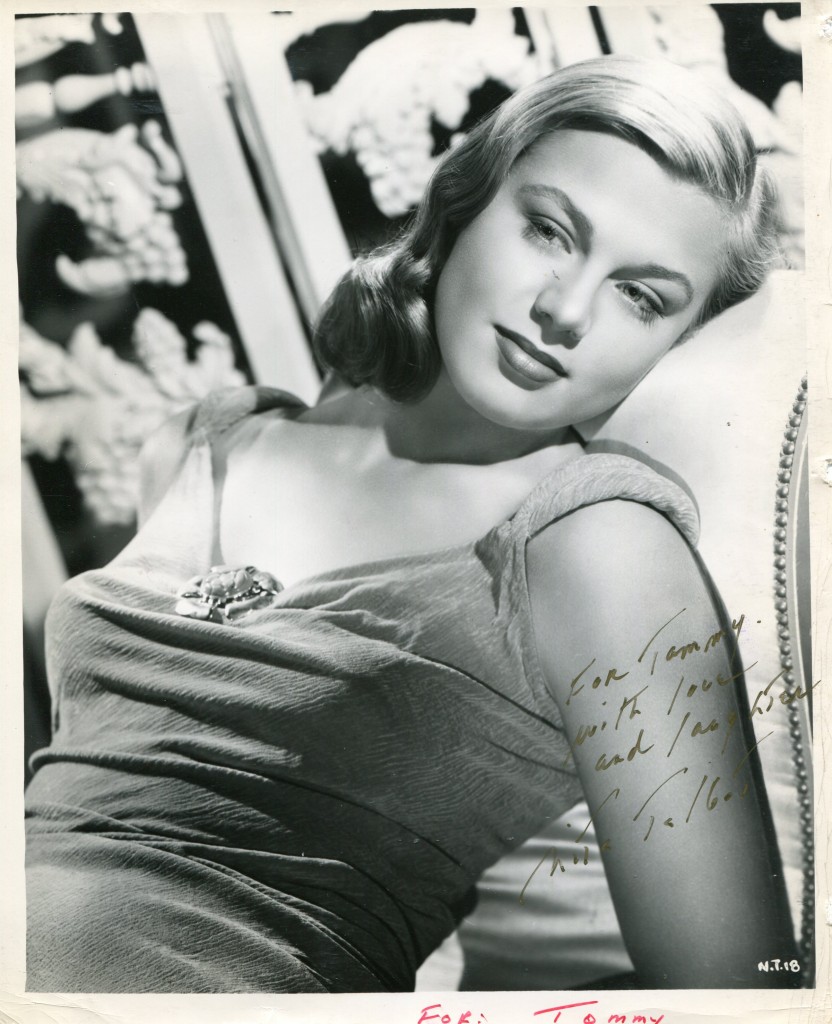
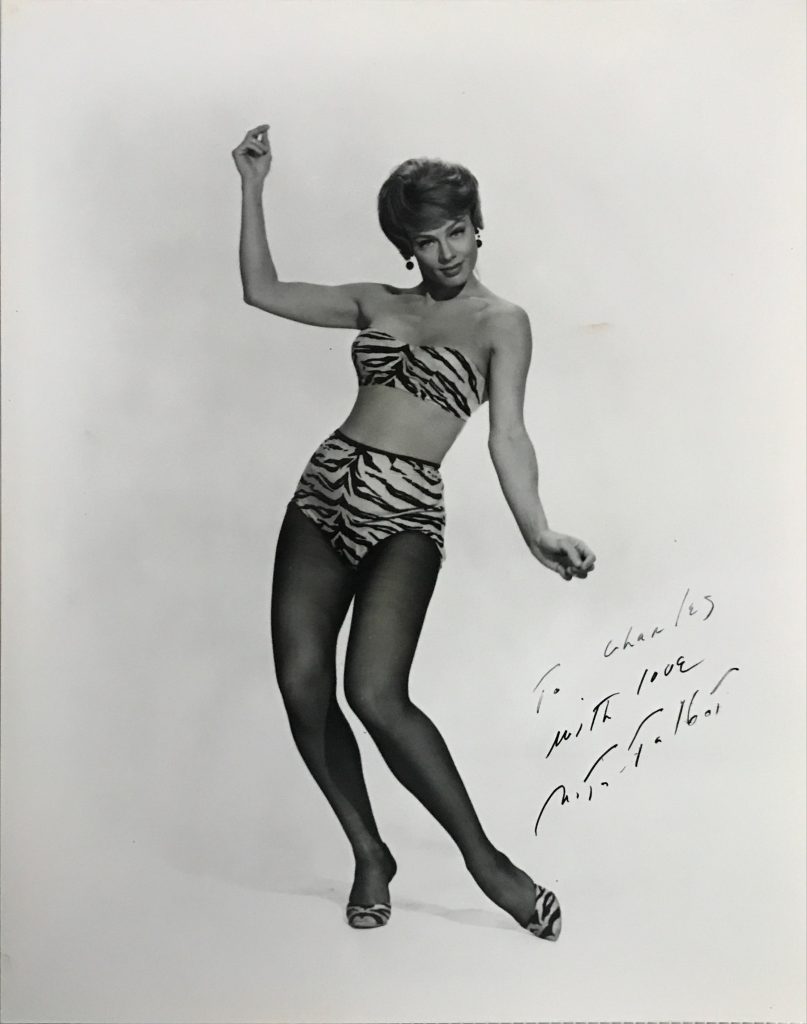
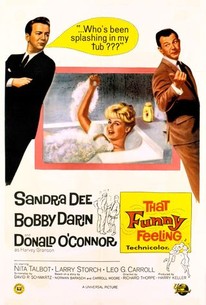
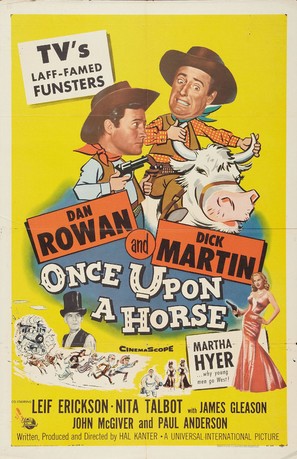
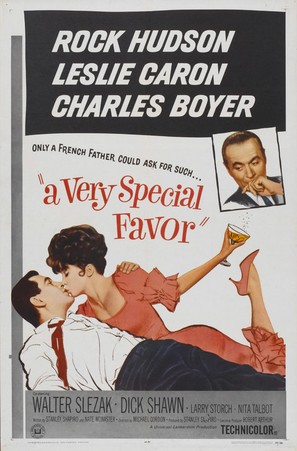
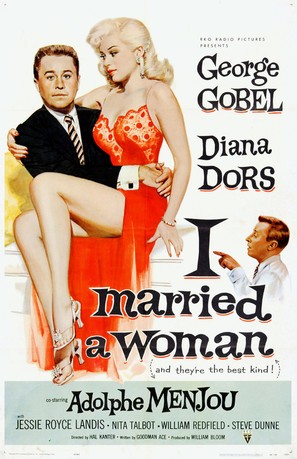
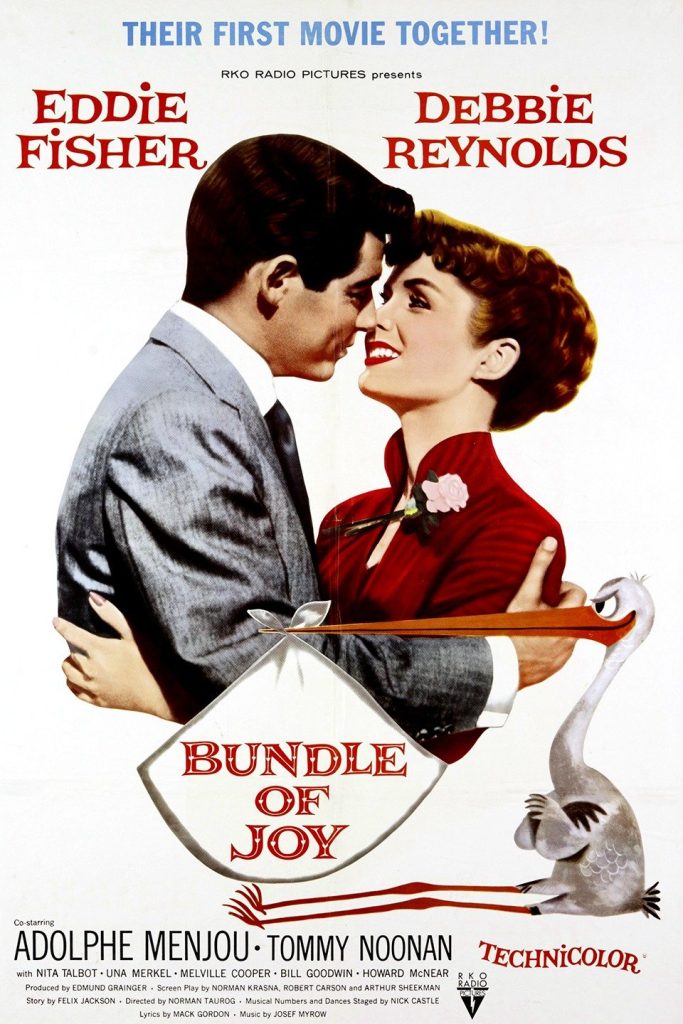
Nita Talbot was born in 1930 in New York City.   She has had an extensive career as a major supporting player on film and in television.   She made her film debut in “It’s a Great Feeling” in 1949.   Her other films include “Montana”, “Caged”, “Bundle of Joy”, “Who’s Got the Action” and “A Very Special Favour”

“Wikipedia” entry:

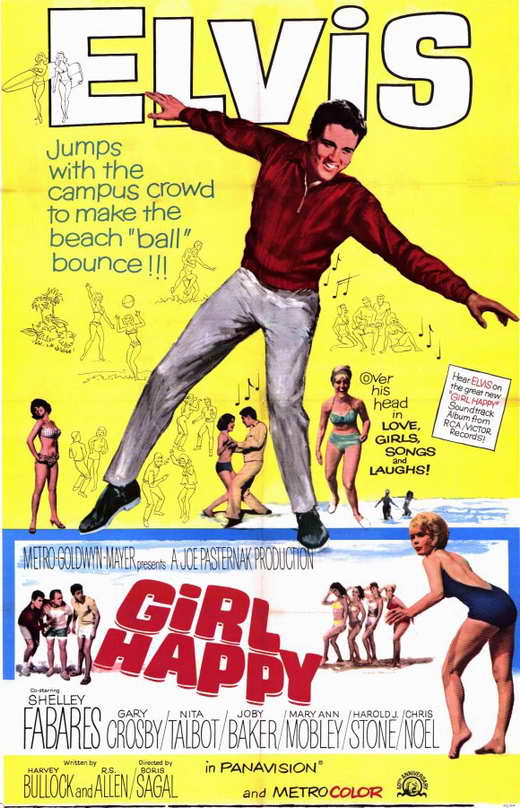
Born in New York City, Talbot began her acting career appearing as a model in the 1949 film It’s a Great Feeling. She was afforded a wealth of varied screen roles from the love-starved switchboard operator in A Very Special Favor (1965), to the brassy Madame Esther in Buck and the Preacher (1972). She also appeared in such films as Bright Leaf(1950), This Could Be the Night (1957), I Married a Woman (1958), Who’s Got the Action? (1962), Girl Happy (1965), The Day of the Locust (1975), Serial (1980), Chained Heat(1983), Fraternity Vacation (1985), and Puppet Master II (1991).

A TV-series mainstay, Talbot was seen as Mabel Spooner opposite Larry Blyden‘s Joe Spooner in Joe and Mabel (1956), Iris Anderson in the 1958 Perry Mason episode, “The Case of the Pint-Sized Client,” con-woman Blondie Collins in the second season of The Thin Man (1958–1959), con-woman/struggling actress Susan Reed in first season ofMickey Spillane’s Mike Hammer – Beautiful, Blue and Deadly (1958-1959), resourceful girl Friday, Dora Miles, on The Jim Backus Show (aka: Hot Off the Wire), snooty socialite Judy Evans in Here We Go Again (1973), ultra cynical Rose (opposite Bill Daily) in Starting from Scratch (1988), and as the White Russian spy Marya in Hogan’s Heroes.

Talbot has been either the star or co-star of several other series, including: Man Against CrimeBourbon Street Beat (four episodes as Lusti Weather), The Secret Storm, andSupertrain while guest starring on others. Talbot also had long-running roles in Search for Tomorrow and General Hospital.

In 1971, Talbot was cast in the pilot episode of the CBS sitcom Funny Face starring actress-comedienne Sandy Duncan. The original premise of the show had Duncan playing Sandy Stockton, a young UCLA student from Illinois majoring in education and making ends meet by working part-time as an actress in television commercials for the Prescott Advertising Agency. Talbot played Sandy’s agent, Maggie Prescott. Shortly after filming the pilot, CBS picked up the program for the fall of 1971, but slightly revised the format, as a result of which Talbot was dropped from the cast.

Talbot’s most recent acting role was in 1997, when she voiced the character of Anastasia Hardy, the businesswoman mother of Felicia Hardy, the Black Cat, in the animated seriesSpider-Man.
.

Richard Dean Anderson

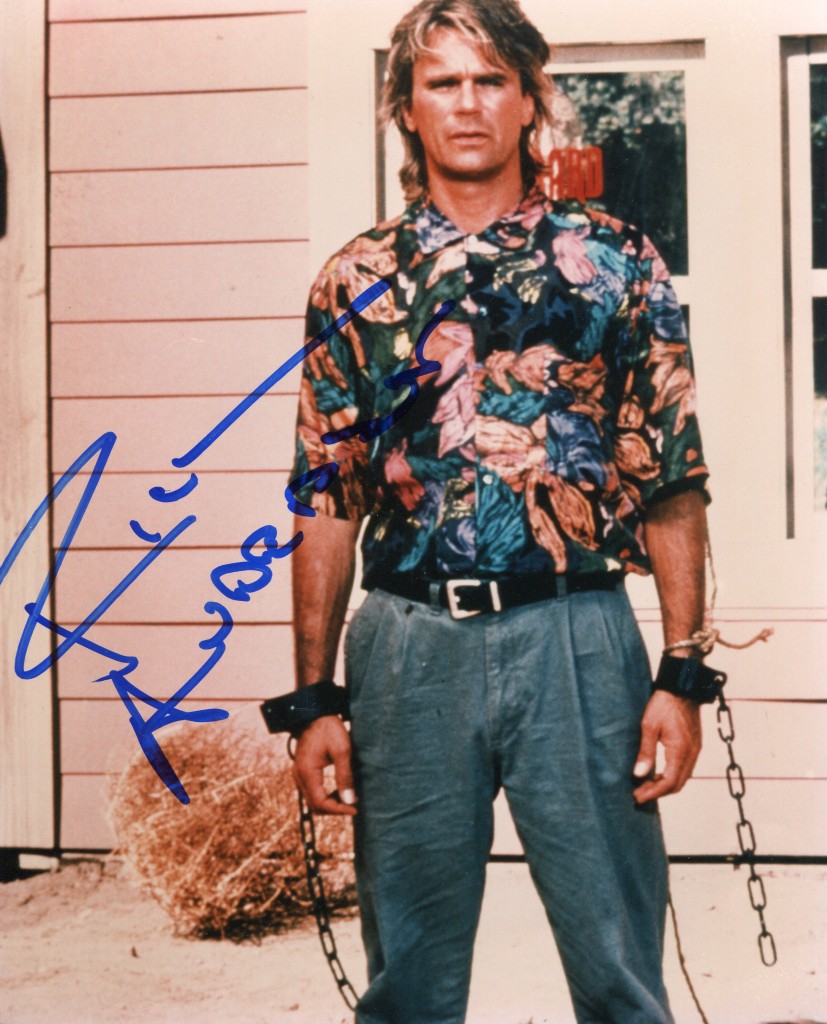
Richard Dean Anderson was born iu Minnesota in 1950.   “MacGyver” on television gave him his big break.   The series ran from 1985 until  1992.   He then went on to star in “Stargate SG-1 which ran from 1997 until 2005.   His movies include “Young Doctors in Love”.

IMDB entry:

The future MacGyver (1985) and Stargate SG-1 (1997) star was born on January 23, 1950, in Minneapolis, Minnesota. His father, Stuart Anderson, was a teacher at a local high school and his mother, Jocelyn, was an artist who was talented in both sculpting and painting. He and his two younger brothers, Thomas John and James Stuart, grew up in a suburb of Minneapolis called Roseville. During his childhood and teenage years, he developed a love for sports, music (especially jazz) and acting.

Richard dreamed of becoming a professional hockey player as a teenager, a dream shared by his future Stargate SG-1 (1997) co-star Michael Shanks. However, this was not to be as, at age sixteen, he broke both of his arms in separate incidents, the second of which was so bad that he had to be hospitalized for three months. Although his dream became an impossibility, he never lost his love for the sport. Richard was very much a restless teenager, having had many adventures hitchhiking on the open road. This sense of adventure is most evident from his 5,641-mile bicycle trip from his home in Minnesota to Alaska. Though accompanied by several friends at the beginning of this trip, he traveled the last thirty-three days alone. This experience gave him a more centered sense of direction in his life.

After studying drama at St. Cloud State University and at Ohio University (without completing his degree), he briefly moved to New York before settling in Los Angeles, where he worked as a juggler and a street mime and in a Renaissance-style cabaret. He worked briefly in Marineland, where his jobs included holding fish in his mouth for killer whales to leap up and snatch. Subsequently, he appeared in plays and formed a rock band called “Rick Dean and the Dante” with his friend Carl Dante in which he sang and played the guitar.

His big break came in 1976, when he was cast in the popular daytime drama General Hospital (1963) as Dr. Jeff Webber. He continued to play the role for five years until he felt it was time to move on to prime-time drama. He made numerous guest appearances in series such as The Facts of Life (1979) and The Love Boat (1977) and was cast as the star in two CBS series, Seven Brides for Seven Brothers (1982) and Emerald Point N.A.S.(1983), but both lasted just one season.

His next big success came in 1985, when he won the role as the title character in the ABC adventure series MacGyver (1985). He was cast because the producers were impressed by the lack of pretension he showed at his audition. As he is nearsighted, it was necessary for him to wear his glasses for the reading. The series lasted seven seasons and ran for 139 episodes. It was hugely successful throughout its run and has continued to be popular all over the world. He reprised his role in two TV movies,MacGyver: Lost Treasure of Atlantis (1994) and MacGyver: Trail to Doomsday (1994), both produced by his own production company, Gekko Film Corp, which he co-founded with Michael Greenburg.

Having made a huge impression in Ordinary Heroes (1986) as a blinded Vietnam veteran struggling to rebuild his life in America, after “MacGyver” ended he moved on to TV movies such as In the Eyes of a Stranger (1992), Through the Eyes of a Killer (1992),Beyond Betrayal (1994), Past the Bleachers (1995) and Pandora’s Clock (1996). He was particularly impressive in Past the Bleachers (1995), in which he played a grieving father struggling to come to terms with his young son’s death.

He returned to series television in 1995, when he was cast as Ernest Pratt/Nicodemus Legend in Legend (1995), an adventure series that aired on UPN. He also served as executive producer of the series, in which one of his co-stars was his close friend John de Lancie. His character was a dime novelist (Pratt) who took on the persona of the protagonist in his novels (Legend). The series was primarily a comedy, a blend of the western and science fiction. It has also been Richard’s favorite role to date.

He found major success again when cast as Colonel (later Brigadier General) Jack O’Neill in Stargate SG-1 (1997), an adventure/science fiction series based on the blockbusterStargate (1994) starring Kurt Russell and James Spader. The series began filming in Vancouver on February 19, 1997, and premiered on Showtime on July 27, 1997 and on Fox Friday nights. The series has remained extremely successful since then, eventually resulting in the creation of a spin-off series, Stargate: Atlantis (2004), in 2004, and the now-canceled video game _Stargate SG-1: The Alliance (2005) (VG)_ in 2005. Both series have aired on the Sci-Fi Channel. He has also appeared, sporadically, in the latest spin-off series, SGU Stargate Universe (2009). Richard’s role in the SG-1 series was substantially reduced in its seventh and eighth seasons, which culminated in his departure from the series in 2005.

He has never married but has dated many women, including actresses Teri HatcherLara Flynn BoyleSela Ward and German ice-skater Katarina Witt. Since 1996, his partner has been Apryl A. Prose, who is the mother of his only child, Wylie Quinn Annarose Anderson, who was born on August 2, 1998. Like her father and grandfather (who passed away in 2003), she is fond of jazz. Because of his young daughter, he has temporarily taken a break from acting in order to spend time with her and help her develop. Richard has made it a point throughout his career to choose roles that demonstrate his versatility as an actor. Many of his characters, particularly MacGyver and O’Neill, are strong characters who, although tormented by personal tragedies such as the death of family members and friends, can continue on bravely and valiantly.

– IMDb Mini Biography By: Gus Fallon

The above IMDB entry can also be accessed online here.

Beatrice Pearson
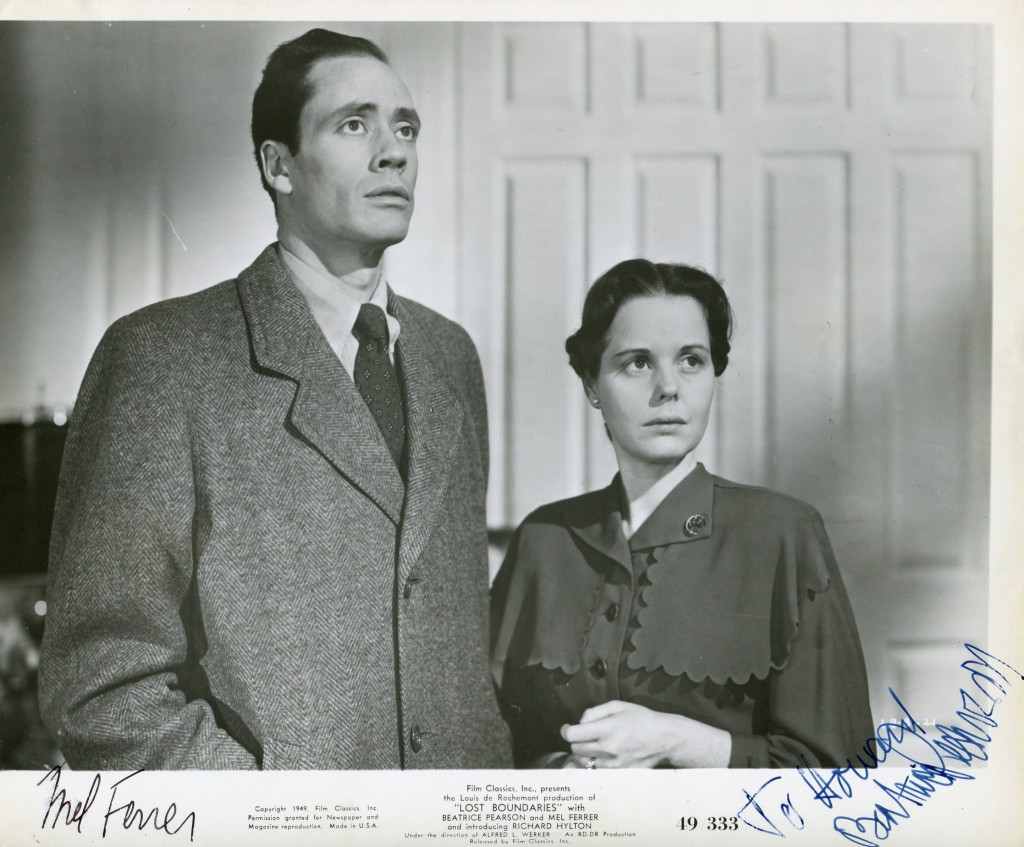
Mel Ferrer & Beatrice Pearson

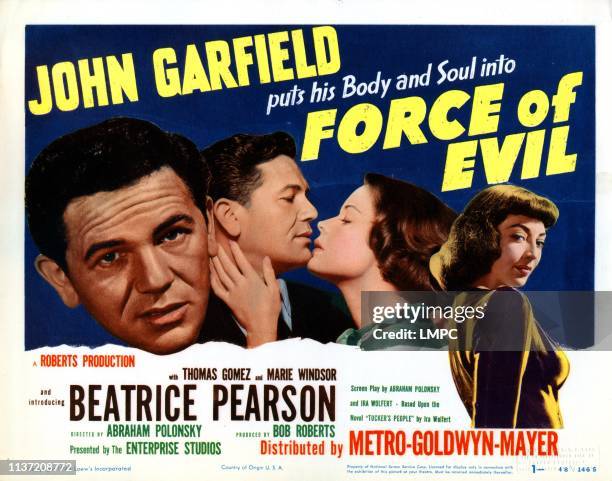
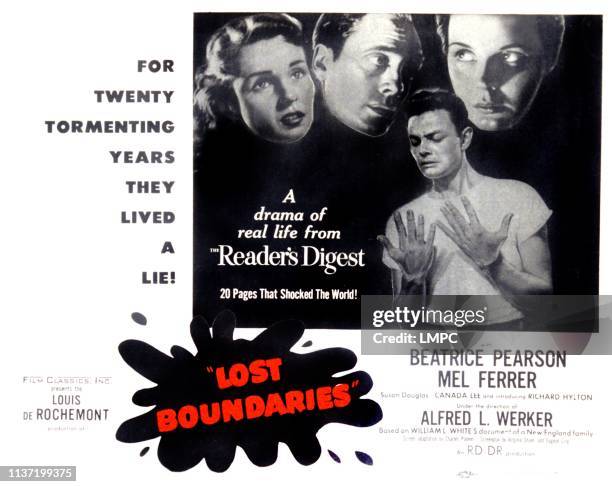
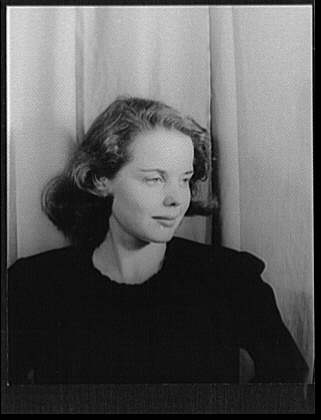
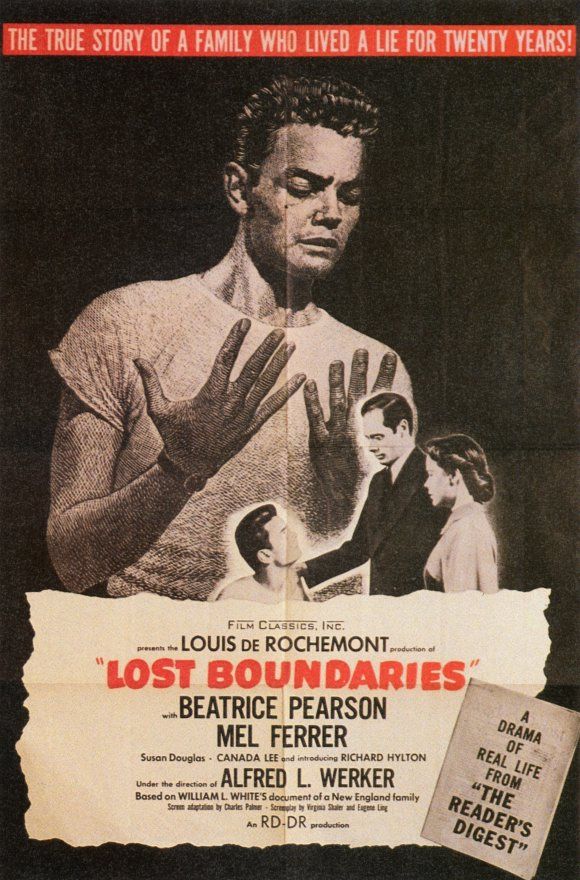
Beatrice Pearson was born in 1920 in Dennison, Texas.   Her only films were leading roles in “Force of Evil” opposite John Garfield in 1948 and “Lost Boundaries” opposite Mel Ferrer the following year.   She died in 1986 at the age of 65.

IMDB entry:

American leading actress who made a brief foray into films. A native of Denison, Texas, Pearson worked as an usher in a movie theatre and as a model before becoming an actor. Producer David O. Selznick introduced her to actor John Garfield, who was instrumental in her being cast opposite him in Force of Evil (1948). However, she did scarcely any more film work before retiring from the screen and devoting herself exclusively to the stage.

– IMDb Mini Biography By: Jim Beaver <jumblejim@prodigy.net>

Beatrice Pearson (1919–1986) remains one of the most fascinatingly brief and undervalued figures of mid‑century American cinema—a performer of striking naturalism and moral intelligence who appeared in only two major films yet impressed critics with a delicacy of perception unusual in the Hollywood environment of the 1940s. Her career, though curtailed by industry instability and personal mischance, offers a rare early example of the “documentary realist” acting that later flourished in the 1950s American art‑film and method movements.

Early Life and Training

Born in Dennison, Texas, and raised largely in New York, Beatrice Pearson trained in theatre through the American Academy of Dramatic Arts and the Actors Laboratory, the West Coast’s counterpart of the Group Theatre that emphasized psychological truth over theatricality. She supported herself as a stage extra and model while refining a restrained performance style rooted in Stanislavskian observation rather than declamatory polish.

Director Elia Kazan was an early admirer; she modeled briefly for sculptor William Zorach (the resulting work sometimes cited in critical writings about her poise). Columbia Pictures executives discovered her through stage auditions in the early 1940s, granting a studio contract. Yet Pearson refused to accept typecasting as a starlet; her early reluctance to compromise on superficial roles contributed to a years‑long delay before a screen debut.

Stage Beginnings

In 1943 Pearson replaced Frances Dee as Emily in the Broadway production of Our Town—a part she approached not as sentimental nostalgia but with subtle intellectual curiosity. Reviewers noted her ability to give everyday gesture poetic weight without sentiment.  The New York Times described her as “a thoughtful, transparent actress—more observer than ingénue.”

Her regional stage work through the mid‑1940s, particularly in Tennessee Williams one‑acts and Federal Theatre‑derived social dramas, honed the humane attentiveness that would characterize her film presence.

Screen Breakthrough: Force of Evil (1948)

Context

Abraham Polonsky’s Force of Evil, one of the most literate works of postwar film noir, offered Pearson her debut—an extraordinary first lead role opposite John Garfield. As Edna Tucker, secretary to a corrupt lawyer, she represented both conscience and possibility amidst moral decay.

Critical Reception

Contemporary praise was strong though muted by the film’s political controversy (Polonsky and Garfield would soon be blacklisted).  The New Republic wrote that Pearson “plays purity without fuss,” while Time found her “a fascinating modern presence: not the saint but the look of integrity in motion.”

Modern critics recognize Force of Evil as a masterpiece of existential noir, and Pearson a prime reason for its depth. In scenes with Garfield, her performative stillness—slight glances, contained breath—acts as counterpoint to his guilt‑ridden energy. She conveys compassion not as sentiment but as comprehension.

Film historian Foster Hirsch called her “the film’s moral Intelligence Quotient—an actress who renders decency psychologically credible.”

Technique and Impression

While other noir heroines leaned on allure or fatalism, Pearson built tension through listening. Her diction is unforced, cadence conversational, foreshadowing the later naturalism of actors like Kim Hunter and Julie Harris. Camera close‑ups show an emotional transparency rare in the stylized lighting of the period: her eyes, not her gestures, register revelation.

Cinematographer George Barnes’s preference for natural light accentuated this authenticity; Pearson became the realistic nucleus of an otherwise stylized morality play. That contrast—humanity amid design—secured her small but enduring reputation.

Lost Boundaries (1949): Courage and Composure

Her second and final major film, Lost Boundaries, directed by Alfred Werker for Louis de Rochemont’s semi‑documentary unit, tackled racial passing at a time Hollywood avoided confronting race directly. Pearson played Lucille Willis, a light‑skinned Black woman who passes as white along with her husband (Mel Ferr er).

The film’s quasi‑realist style—shot on location in New England—placed unusual weight on naturalistic performance. Pearson anchored it. Her reading avoids melodrama; she expresses moral conflict internally, allowing micro‑expressions rather than declamation to convey the double life’s strain.

Contemporary responses acknowledged the restraint:

  • The New York Times: “Beatrice Pearson’s serene integrity gives the story its heartbeat.”
  • Variety: “She holds the screen by controlled emotion rather than playing for sympathy.”

Critics later pointed out the paradox that, in 1949’s segregated Hollywood, a white actress embodied a Black character who could pass—the film’s sincerity thus entangled with limitation. Yet scholars including Donald Bogle and J. Hoberman emphasize Pearson’s sensitivity: rather than caricature, she offered a study of repression and conscience, inadvertently exposing the industry’s own ambivalence about race.

Her work aligns with neorealist influences (Rossellini, De Sica) then seeping into American semi‑documentary forms: a subdued emotional realism anticipating 1950s independent acting styles.

Stage and Television Appearances: 1950s

The political climate after Force of Evil hindered many of that film’s participants, and Pearson’s own progress slowed partly due to typecasting as a “serious” rather than glamorous performer. She returned to the stage, appearing in regional rep and television anthology series such as Studio One and Philco Television Playhouse, where her naturalism suited live drama.

TV critics referred to her “quiet magnetism”—a phrase recurring through her notices. Yet by mid‑1950s she withdrew from performing, reportedly dissatisfied with formulaic domestic roles offered to mature actresses.

Acting Style and Technique


Trait Description & Critical Perspective
Naturalism Before the Trend Pearson’s unforced vocal rhythm, economy of gesture, and psychological listening anticipated the style associated with Actors Studio graduates but without method excess. She fused stage polish with cinematic intimacy, a combination later seen in Teresa Wright and Joanne Woodward.
Moral Intensity In both films she embodies conscience—without sermonizing. Critics identify her characters as the films’ ethical centers, defined less by innocence than by awareness.
Non‑Glamour Authenticity In an era of overtly stylized femininity, her realism read as modern and disarming. Some producers considered her “too serious,” which paradoxically curtailed her career even as critics praised the quality.
Facial Expressivity Close‑ups reveal inner reasoning rather than theatrical emotion. Polonsky called her “the least inert face I ever photographed—she thinks visibly.”

Comparative and Thematic Context

  • Kindred Performers: Teresa Wright, Kim Hunter, Mildred Dunnock—women celebrated for decency and quiet authority rather than glamour.
  • Influence: Though her filmography is slim, her performances influenced later portrayals of moral intelligence in noir and realism. Martin Scorsese has cited Force of Evil (and by implication Pearson’s role) as formative on his moral‑drama sensibility.
  • Gender Dimension: Pearson’s refusal to cater to pin‑up archetypes aligned her with mid‑century independent women in Hollywood (Barbara Bel Geddes, Betsy Blair). Her career’s brevity exemplifies how 1940s industry patterns limited serious actresses who neither fit ingénue nor vamp molds.

Critical Legacy

Although she retired early, subsequent scholarship in noir and postwar realism consistently singles out Pearson’s two features as landmarks of moral and performative modernity.

  • The Film Society of Lincoln Center’s 1988 Polonsky retrospective described her as “an actress decades ahead of her time—instinctively serving camerawork’s intimacy rather than subduing it.”
  • Contemporary film historians recognize her partnership with Polonsky as socially emblematic: a truthful female voice within a male‑driven tragedy of corruption.
  • In the context of racial discourse, Lost Boundaries has drawn reevaluation for its respectful depiction of interracial identity—and critics note that Pearson’s empathy and restraint prevented the material from collapsing into liberal self‑congratulation.

Her contribution, though numerically small, bridges the energy of 1930s social realism with the emergent sincerity of postwar American acting. She has become what scholar Janine Basinger calls “one of Hollywood’s moral minor‑key figures—proof that subtlety, if fleeting, can resonate for generations.”

Summary Evaluation


Strengths Limitations
Authenticity and Understatement: Could render ordinary virtue dramatic. Small body of work prevented evolution or wider recognition.
Moral and Emotional Intelligence: Humanized Hollywood’s moral allegories. Misfit within studio glamour system.
Proto‑Realist Technique: Anticipated television realism and later indie naturalism. Industrial politics (blacklist context, gender bias) curtailed opportunity.

### In Essence

Beatrice Pearson remains one of classic Hollywood’s most eloquent might‑have‑beens: an actress whose two cinematic performances capture the shift from theatrical style to inward realism. In Force of Evil and Lost Boundaries, she subordinated vanity to empathy, anchoring moral tension with quiet, lived truth. Her legacy endures not in quantity of roles but in quality of presence—a reminder of how even a fleeting film career can demonstrate the full maturity of screen acting’s art.

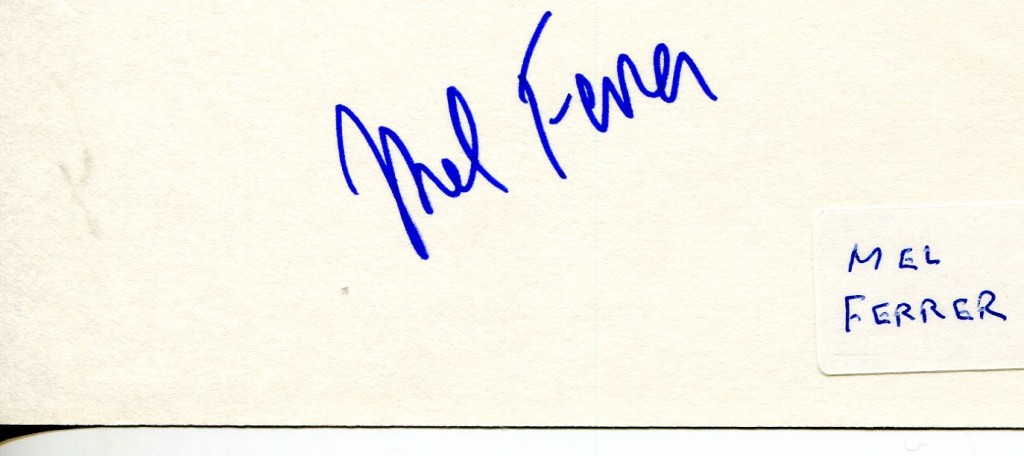
Mel Ferrer
Mel Ferrer
Mel Ferrer
Mel Ferrer & Beatrice Pearson
Mel Ferrer
Mel Ferrer

Mel Ferrer obituary in “The Guardian” in 2008.

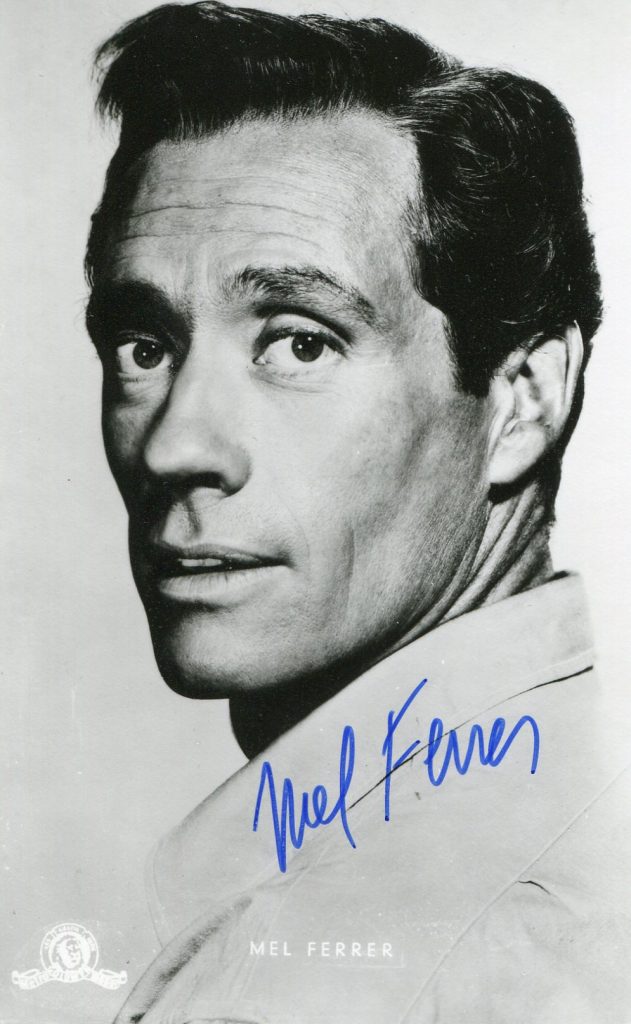
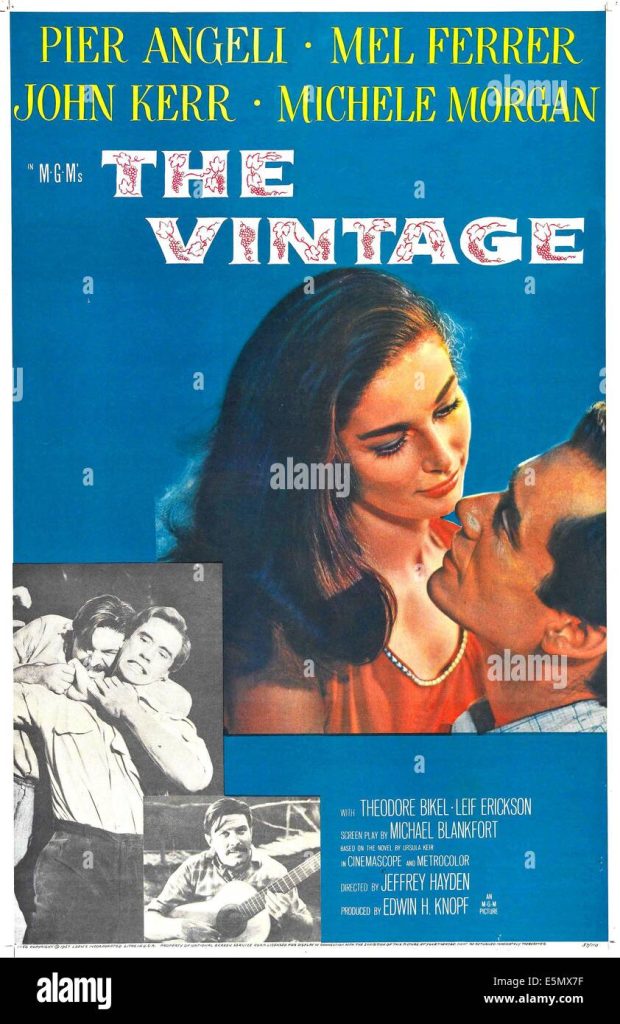
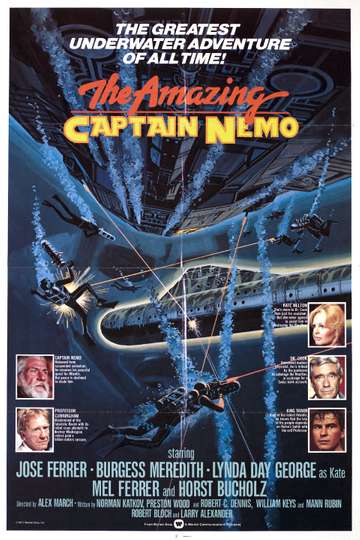
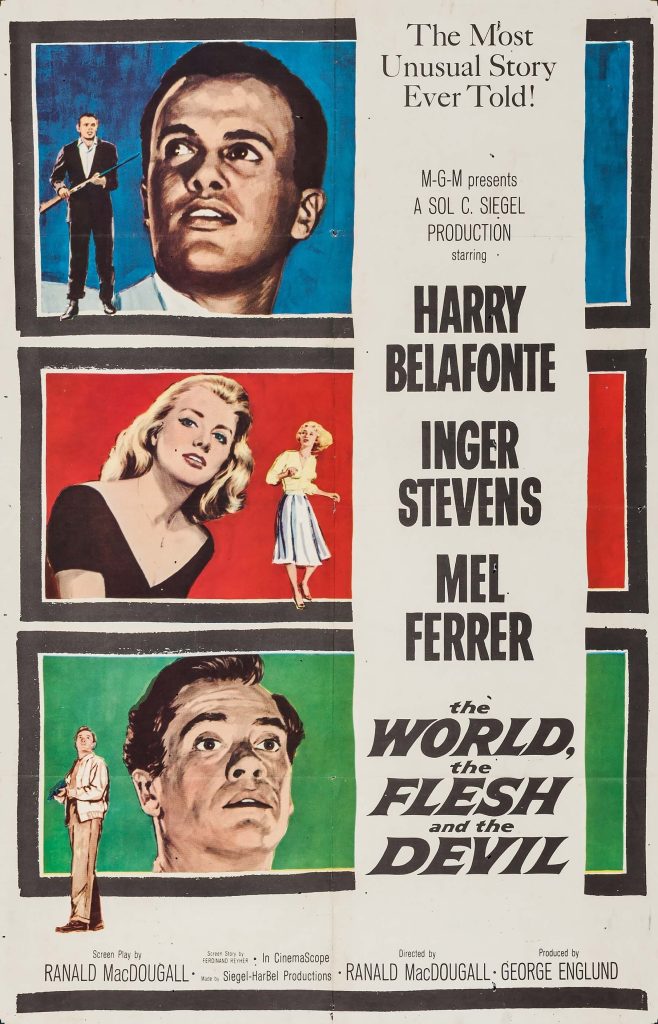
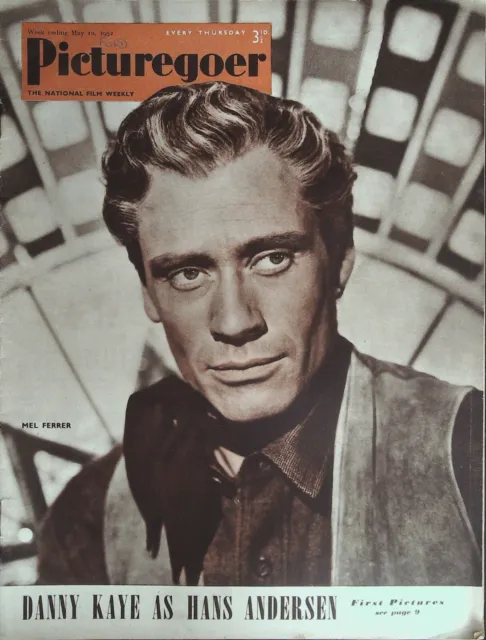
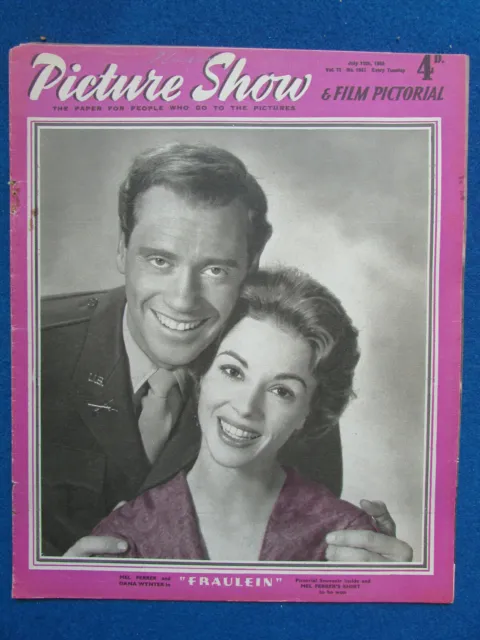
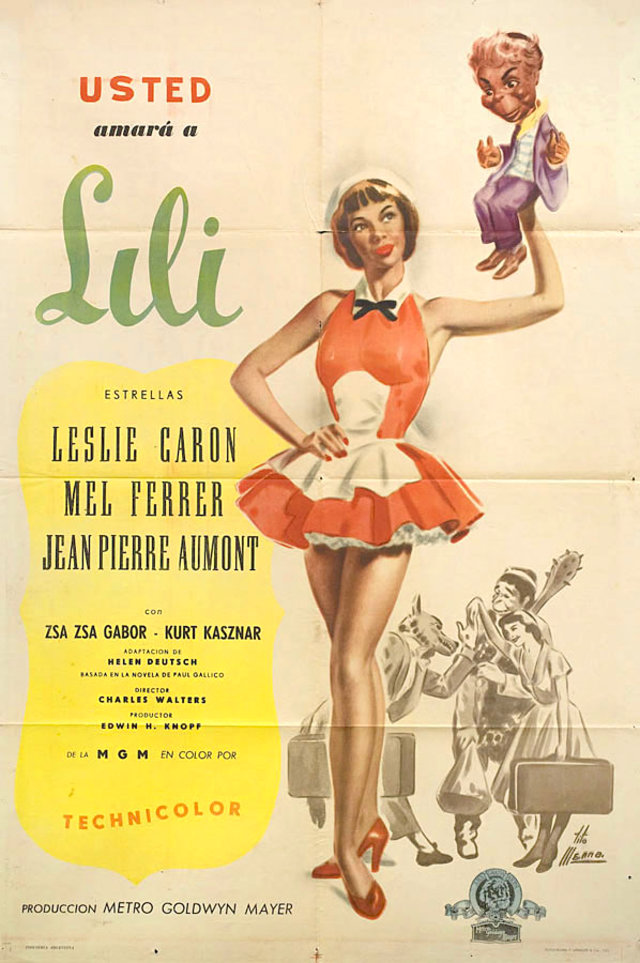
Mel Ferrer was born in New Jersey in 1917.   He made his New York stage debut in 1940.His film debut came in 1949 in “Lost Boundaries” opposite Beatrice Pearson.    His films include “Lili” in 1953, “War and Peace” opposite his then wife Audrey Hepburn and “The Vintage”.   He had an extensive career also on the stage and in television.   He died in 2008 in Santa Barbara.

Ronald Bergan’s obituary of Mel Ferrer in “The Guardian”:

After conquering his infirmity, Ferrer resumed his varied career. Besides acting, he directed a film for Columbia, The Girl of the Limberlost (1945), a 60-minute melodrama starring Ruth Nelson as a vengeful mother who persecutes her daughter, and assisted John Ford on The Fugitive (1947), in which he also had a bit part. In addition, he helped found the Community Theater at La Jolla, California, with Joseph Cotten, Gregory Peck, Jennifer Jones and Dorothy McGuire.

In the meantime, he had gone through three marriages to two women. He had divorced Frances Pilchard, the mother of his first child and married Barbara Tripp. They had two children, but then he remarried Frances, and had two more children with her.

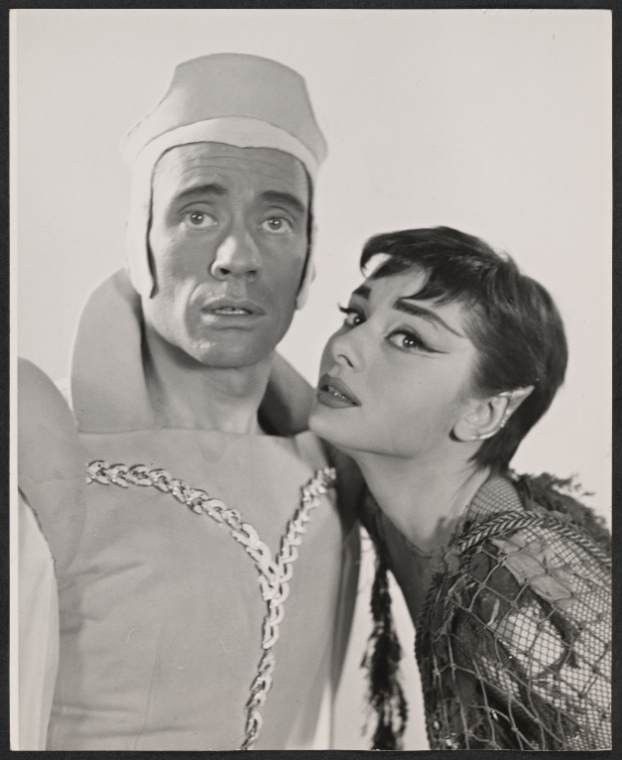
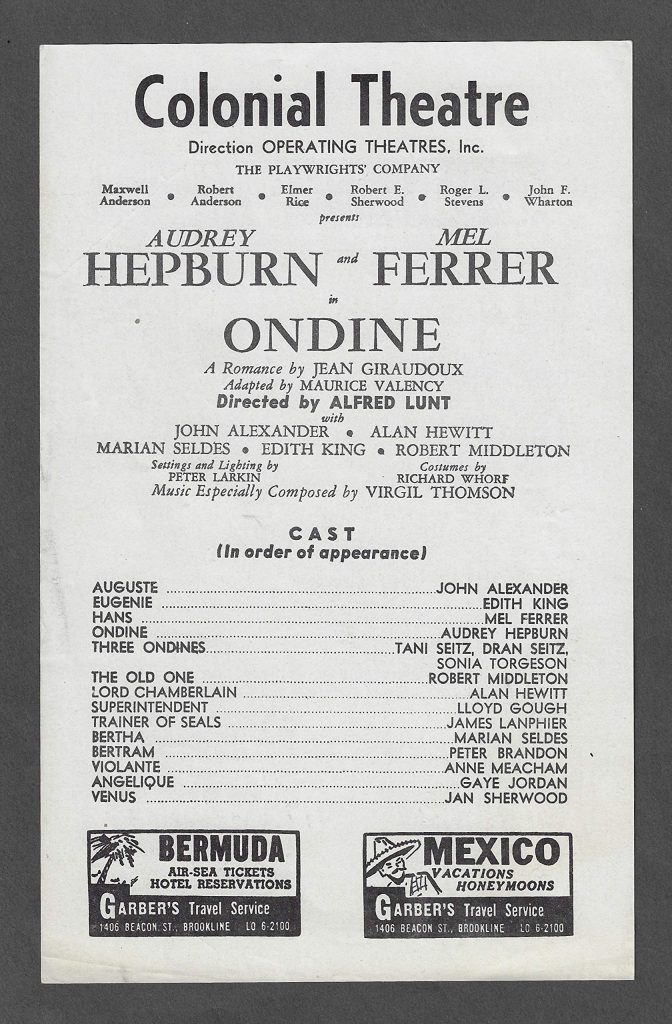
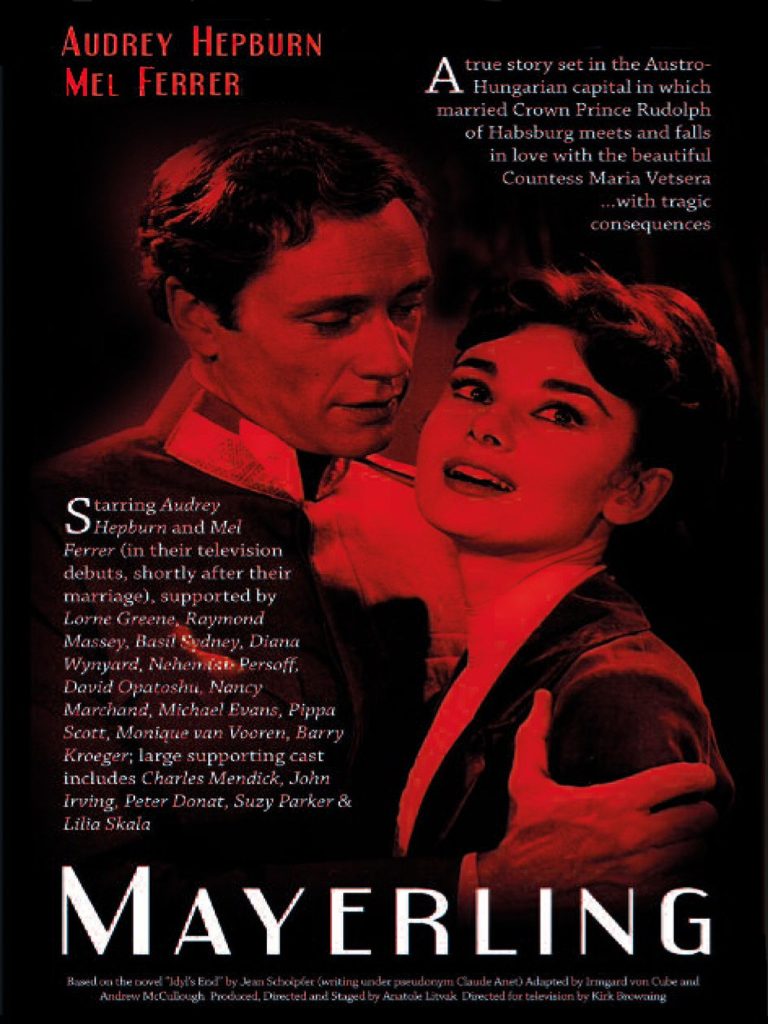
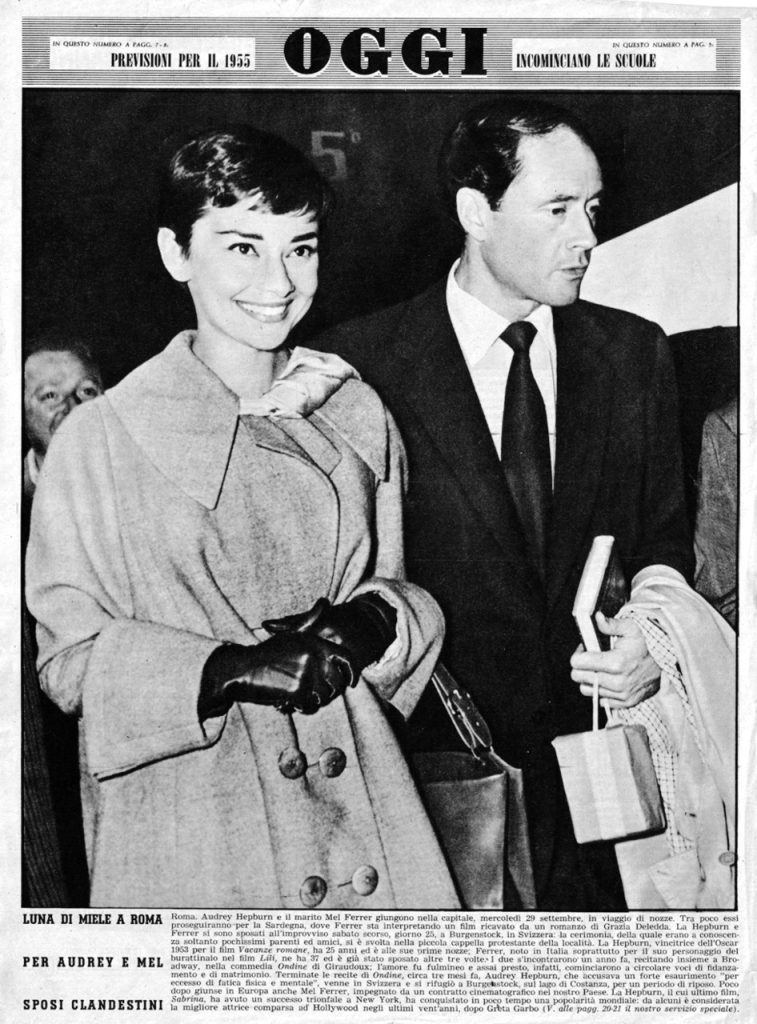
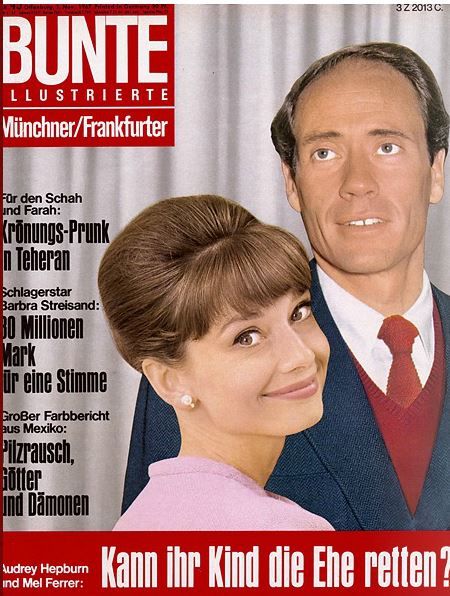
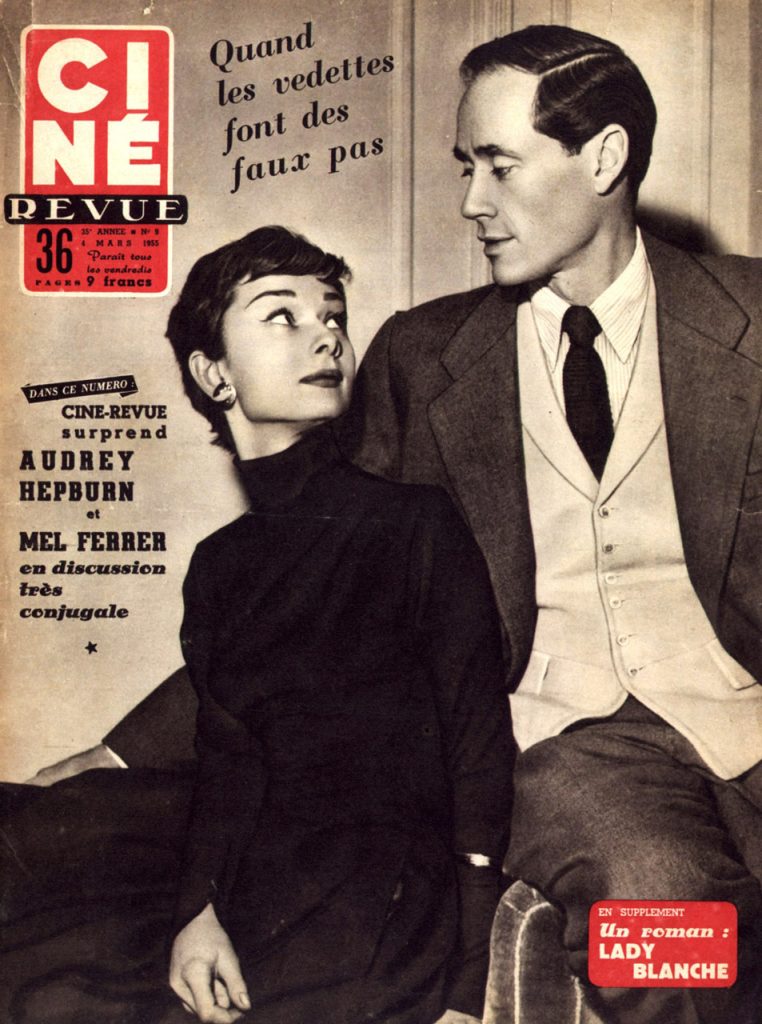
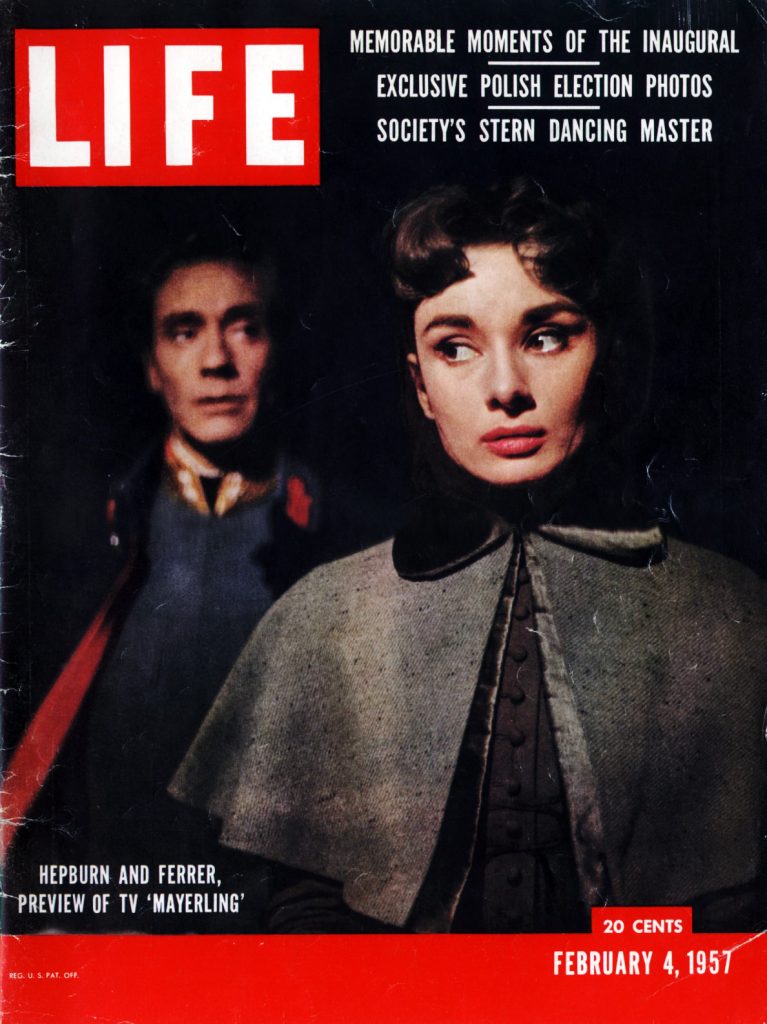
The 1950s was Ferrer’s most productive period, as well as the time when he was most in the public eye. The latter was due mainly to his marriage to Audrey Hepburn in September 1954. Shortly after being introduced to Hepburn by Peck, he read Jean Giraudoux’s play Ondine. He immediately recognised the play as a perfect vehicle for Hepburn’s other-worldly qualities, and saw himself as Hans the Knight, who falls for the water sprite. Directed by Alfred Lunt, with whom Ferrer argued constantly during rehearsals, the play opened on Broadway in February 1954. On the first night, Lunt was asked: “Did you learn anything about working with a movie star like Mel Ferrer?” He replied: “Yes, I learned that you can’t make a knight-errant out of a horse’s ass.” Hepburn got glowing reviews, while the New York Post wrote of Ferrer: “To my mind, his playing is curiously uninteresting.”

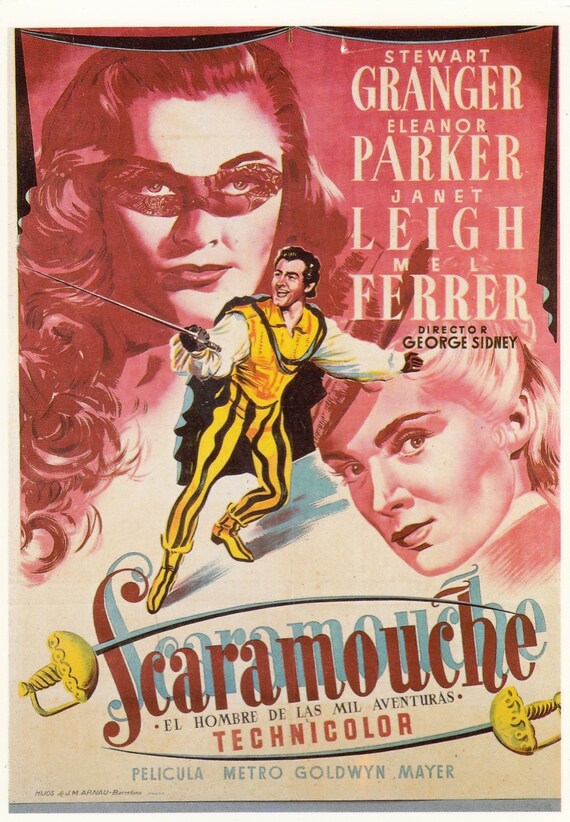
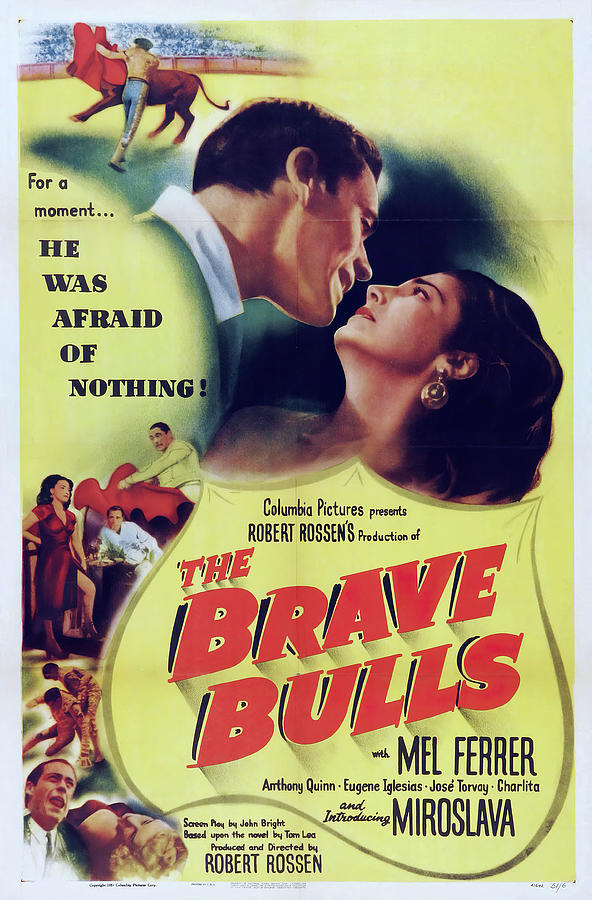
His acting was often wooden and soporific, but he could be soulful, intelligent and even witty. As Mexico’s leading matador in Robert Rossen’s The Brave Bulls (1951), Ferrer’s melancholy face is in constant close-up, while he mumbles about doom and “the fear that is in my heart” after being gored by bulls. Among his best roles was the swashbuckling villain in Scaramouche (1952), the climax of which is a swordfight between Ferrer and Stewart Granger, one of the most outstanding in movie history.

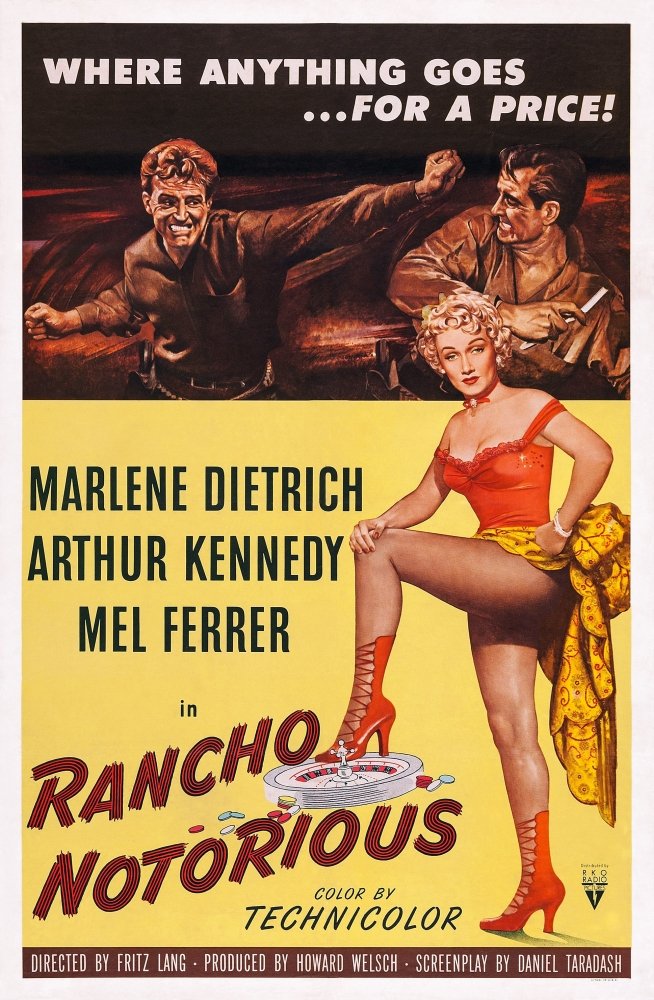
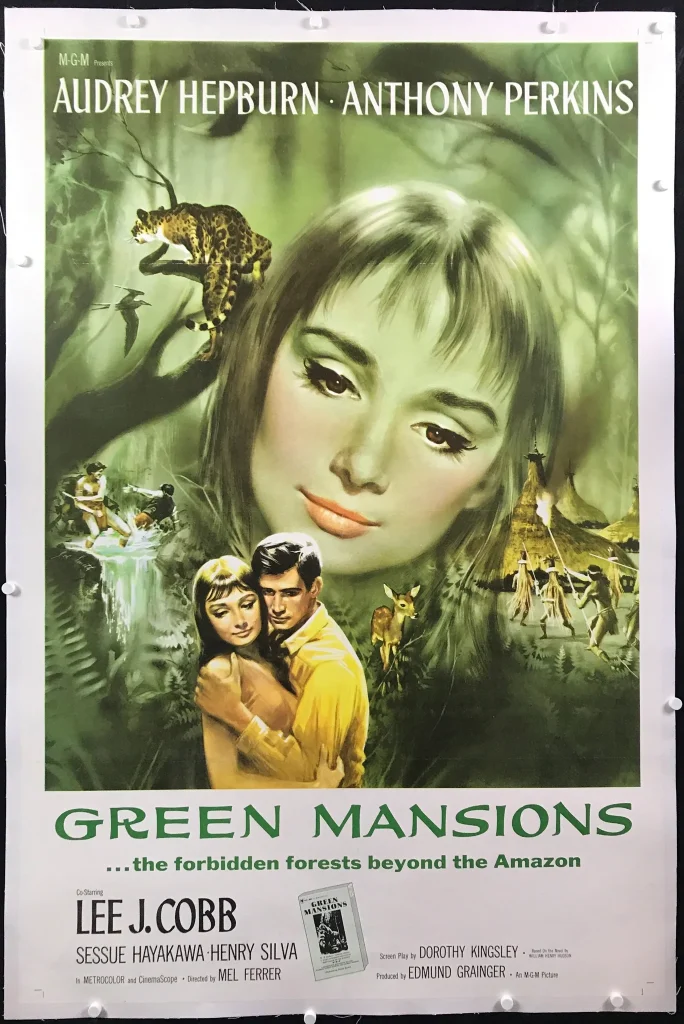
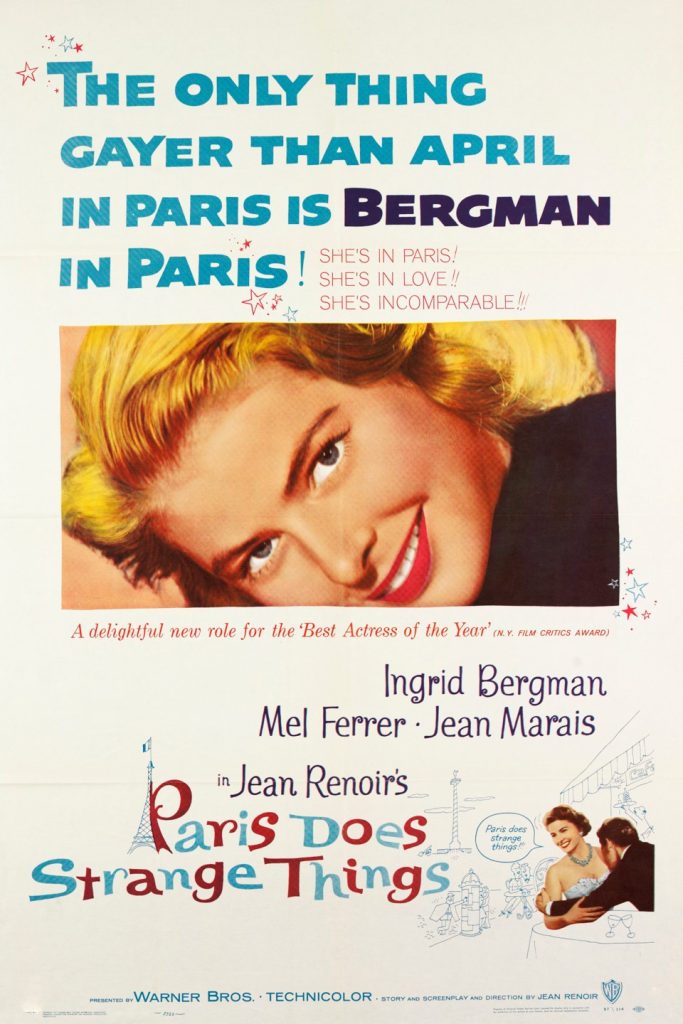
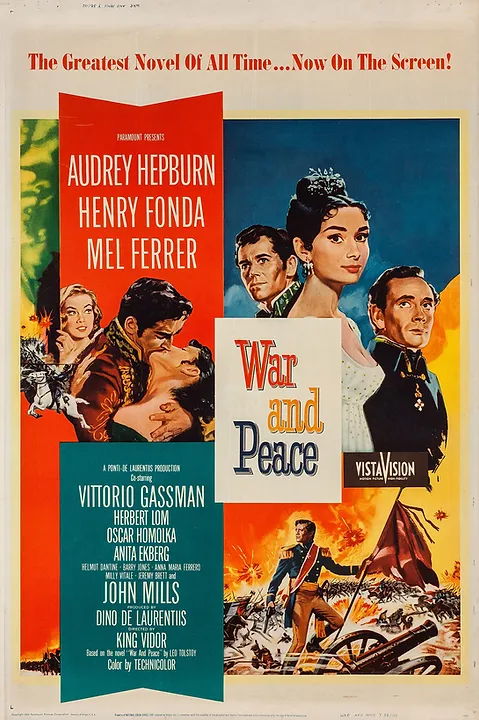
In the same year, he was quietly effective as the rival cowboy for Marlene Dietrich’s affections in Fritz Lang’s western Rancho Notorious (1952), and made a sensitive Prince Andrei to Hepburn’s Natasha in King Vidor’s War and Peace (1956). As the languid, aristocratic dilettante, one of the three beaux from whom Ingrid Bergman has to choose in Jean Renoir’s Elena et les Hommes (1956), he expresses one of the French director’s themes: “My ideal is to achieve perfect idleness… universal idleness for rich and poor.” During his marriage to Hepburn, he controlled most of what she did and, in 1959, he directed her and Anthony Perkins in Green Mansions, a total dud, the only asset of which was the alluring fresh faces of the two young stars – a colt and a filly romping through the artificial undergrowth.

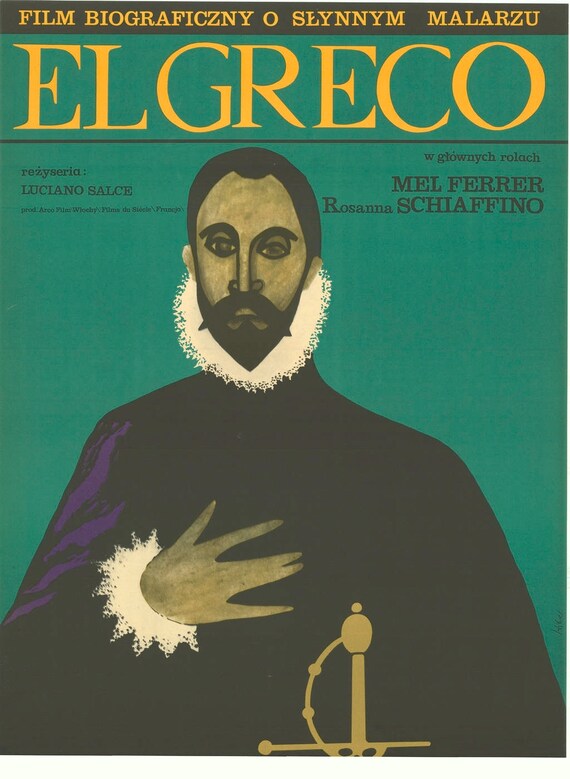
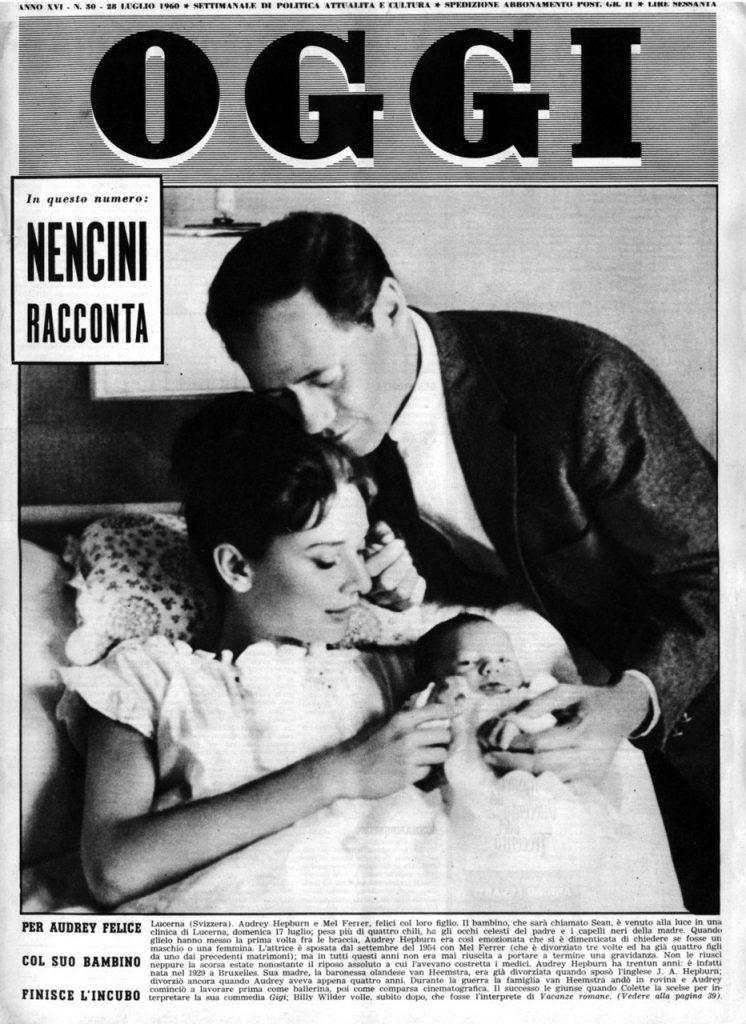
Following the birth of their son Sean in 1960, Hepburn travelled almost everywhere with her husband to locations such as Italy, where Ferrer took the title role in the risible El Greco (1966). But he found it difficult to cope with her fame, wealth and success as his career moved into the doldrums. In 1968, soon after he had produced Wait Until Dark, starring Hepburn, they were divorced.

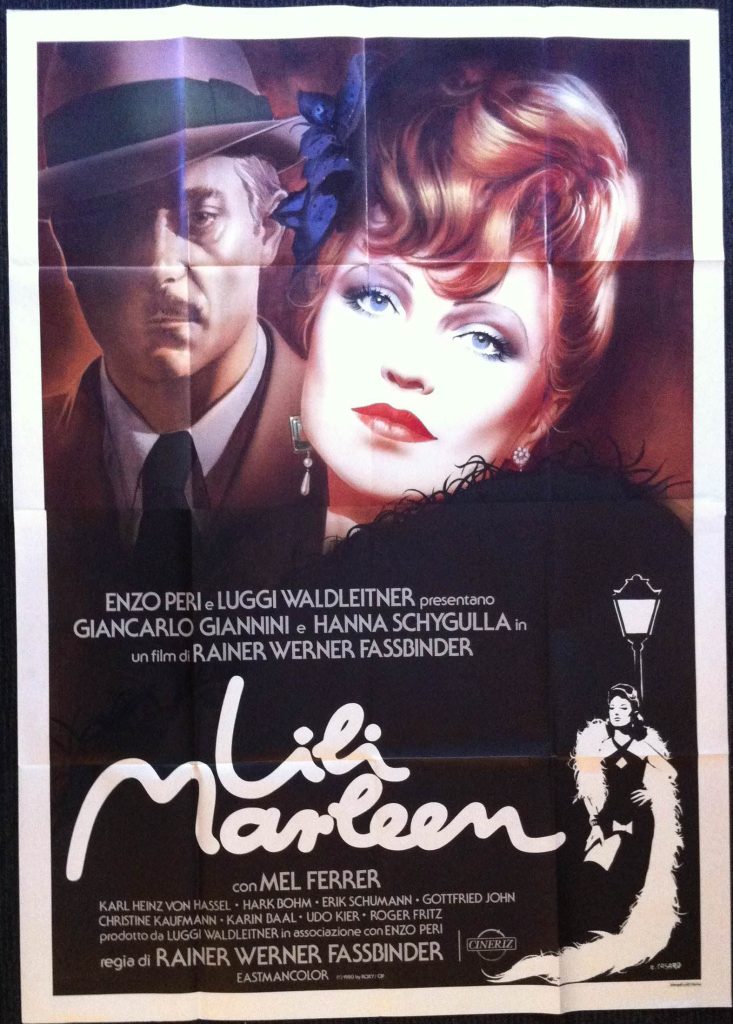
In 1973, Ferrer was reunited with Renoir and Caron for a TV production of the director’s play Carola, set in Paris under the German occupation during the second world war. Ferrer played General von Clodius, “the last gentleman in the German army”, in his most nonchalant manner. He then continued to appear in a weird mixture of Spanish, French, Italian and German productions, including Rainer Werner Fassbinder’s Lili Marleen in 1981, the year he acquired the film rights to Peter Pan, which he had always wanted to make with Hepburn in the title role. Ferrer – who was living in Lausanne, Switzerland, with his Belgian wife Elizabeth, whom he married in 1971 – then had Mia Farrow in mind, before turning to golden-haired moppet Ricky Schroeder, but Peter Pan remained another unrealised dream.

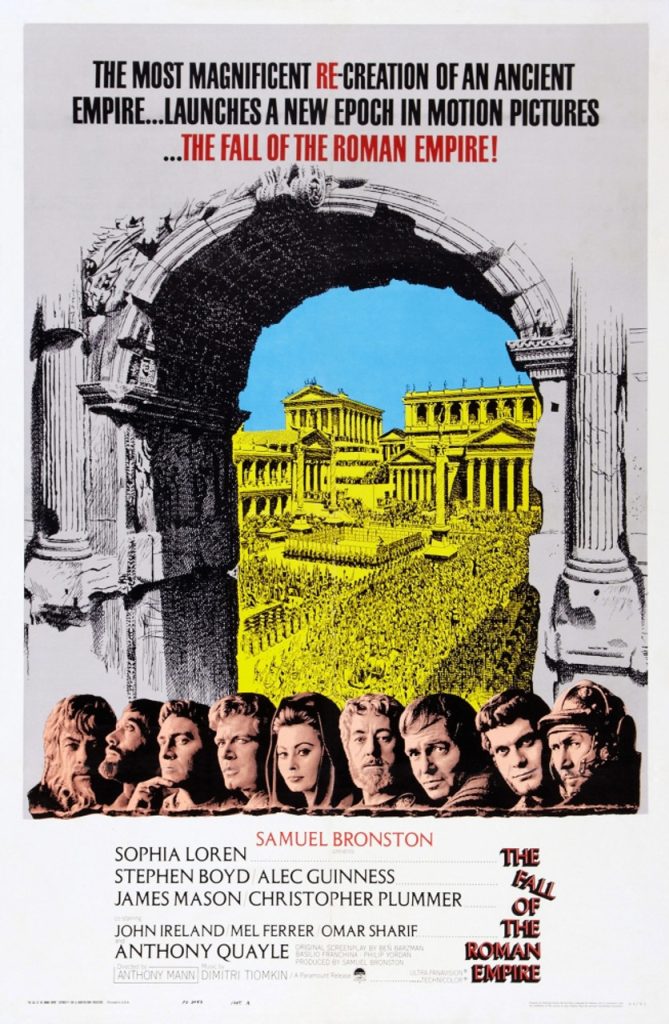
In all, Ferrer appeared in more than 100 films and made-for-television movies, directed nine films and produced nine more. He is survived by Elizabeth, and the four sons and two daughters of his previous marriages.

· Melchior Gaston Ferrer, actor, born August 25 1917; died June 2 2008.

The above Ronald Bergan “Guardian” obituary can also be accessed online here.

Mel Ferrer (1917 – 2008) led one of the most eclectic careers of the post‑war Hollywood generation: actor, director, producer, and occasional writer. His work moves fluidly between classic Hollywood studio filmmaking, European arthouse realism, and television, but what truly defines Ferrer is his dual artistic identity—the cultured insider and the detached observer. On screen he exuded refinement, intellect, and self‑containment, qualities that often isolated him emotionally from other characters; yet this same reserve gave his best performances an uncommon psychological depth.

Early Life and Formation

Born Melchor Gaston Ferrer in Elberon, New Jersey, into a cosmopolitan Cuban‑American family of artists and physicians, Ferrer studied at Princeton before turning to theatre during the Depression. He acted and directed for regional and community theatre while working on radio scripts, building an early fascination with language rhythm and ensemble precision. His bilingual background and musical upbringing (he was trained as a classical guitarist) generated a sensitivity to cadence that later marked his screen speech—softly accented, melodic, and introspective.

Broadway and Directorial Emergence (1938–1949)

Ferrer’s pre‑film career was primarily theatrical. After years as actor and stagehand, he made his mark as a Broadway director rather than star: his 1947 staging of Cyrano de Bergerac, starring Jose Ferrer (no relation), revived the play’s popularity and reflected his enduring taste for psychological romanticism.

Simultaneously, he co‑wrote screenplays and directed short films for the Office of War Information. The layering of performance, writing, and staging skills would later inform his disciplined film acting—rarely improvisatory, always architectonic.

Film Debut and MGM Period (1950–1953)

Lost Boundaries (1949, Alfred Werker)

Ferrer’s film debut came as Dr. Scott Carter, a light‑skinned Black doctor who passes for white—an incredibly daring premise for post‑war Hollywood. His subdued portrayal of internal conflict sidestepped melodrama; Ferrer projected conscience through restraint, refining an acting idiom that critics compared to Gregory Peck’s sincerity tempered by continental introspection.  The New York Times praised “a performance of quiet moral crisis,” aligning him with the emerging post‑neorealist tendency toward behavioral truth.
(Notably, his co‑star Beatrice Pearson matched him in naturalistic honesty.)

MGM Star Persona

After Lost Boundaries, MGM capitalized on his cultured bearing and leading‑man looks: tall, patrician, faintly aloof. Roles in Scandal at Scourie (1953) and Lili (1953, Charles Walters) positioned him as emblem of Europeanized conscience—the cerebral counterpoint to Hollywood’s physical masculinity.

  • In Lili, as puppeteer and war‑wounded cynic Paul Berthalet, Ferrer revealed complex interior emotion under surface coldness. Critics regarded it as his signature performance: sterile logic thawing into tenderness. The Hollywood Reporter called him “the rare actor who can suggest imagination as erotic energy.” The role earned a Golden Globe nomination and solidified his association with bittersweet realism.

Collaboration with Directors of Style and Moral Inquiry (1954–1960)

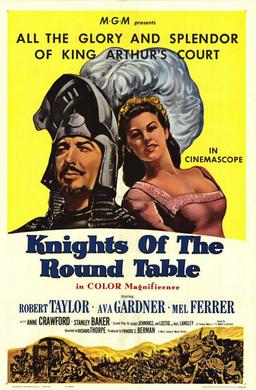
Knights of the Round Table (1953) and Scaramouche (1952, MGM, uncredited sword double)

Ferrer’s elegance translated naturally to historical spectacle, though his contained temperament sometimes worked against the genre’s exuberance. As Lancelot he projected chivalric integrity edging on abstraction—graceful yet emotionally remote. Audiences saw him as more intellectual hero than action adventurer.

War and Peace (1956, King Vidor)

Playing Prince Andrei Bolkonsky opposite Audrey Hepburn (whom he married in 1954), Ferrer found his most sympathetic embodiment. Andrei’s spiritual exhaustion suited his subtlety: his inward acting style rendered despair quietly luminous. European critics admired the performance’s literary intelligence—Jean‑Claude Caron writing in Cahiers du Cinéma that Ferrer “acts through consciousness itself: the post‑Tolstoyan mind disillusioned by intellect.”

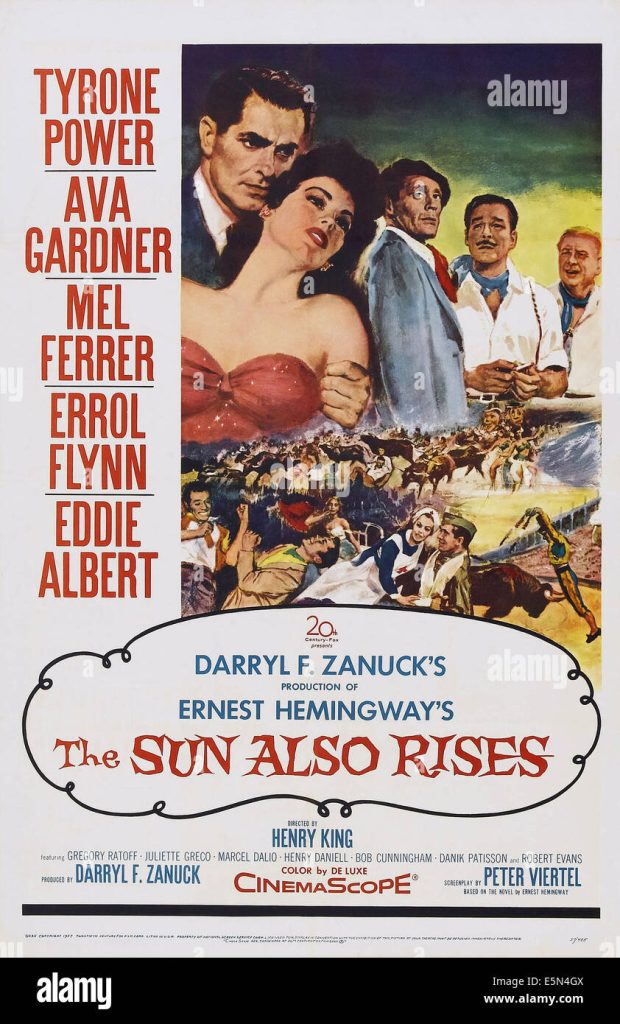
The Sun Also Rises (1957, Henry King)

As injured war veteran Robert Cohn, Ferrer deepened this introspective sensibility, offsetting Errol Flynn and Tyrone Power’s bravado. Reviewers noted his “fragile dignity”—a portrait of masculinity haunted by impotence, both physical and existential. The film’s uneven reception hid one of his finest subtle creations: understated despair resisting self‑pity.

Directorial Ventures and European Co‑Productions (1959–1970s)

Green Mansions (1959, MGM)

Ferrer directed and co‑starred with Audrey Hepburn in this adaptation of W. H. Hudson’s mystical novel. Critics regarded the direction as visually ambitious but tonally diffuse: its lyrical intent undermined by studio interference. Nevertheless, Ferrer’s romantic pantheism—his belief in cinema as moral fable—anticipates the transcendent realism of later eco‑films. Scholars see Green Mansions as evidence of his attempt to merge symbolist literature with cinematic modernism.

El Greco (1966); Cita en Nassau (1968); European Stage Work

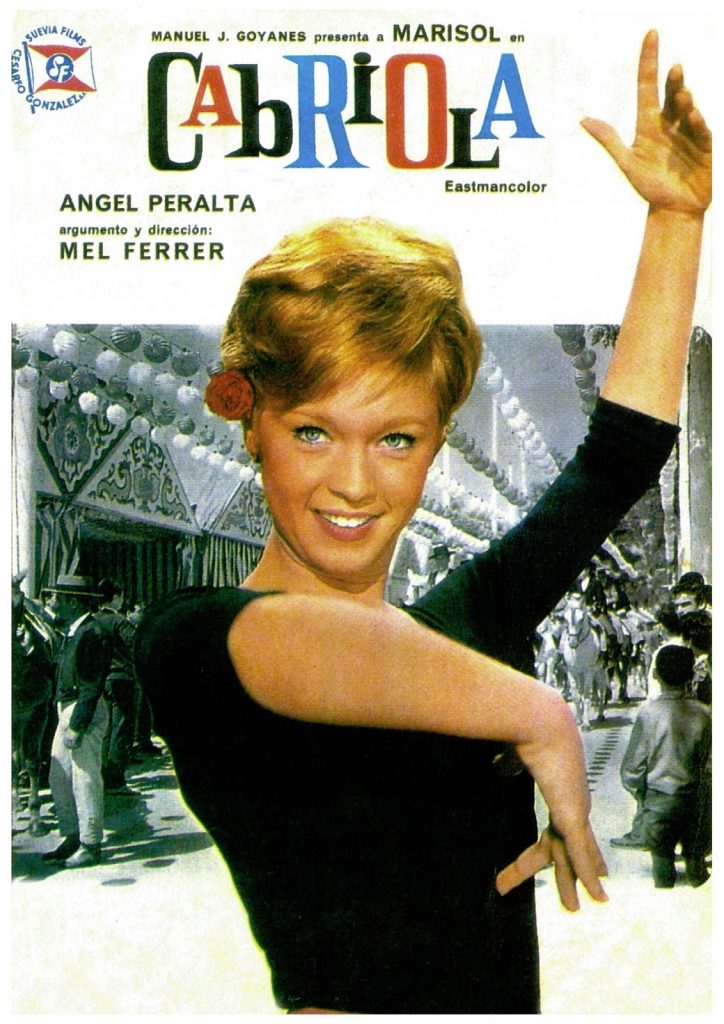
Settling for a time in Spain and Italy, Ferrer embraced the European co‑production circuit, alternating acting, producing, and directing. His El Greco, starring Francisco Rabal, reflected his fascination with artistic mysticism—the lonely visionary versus institutional power. Though uneven, the film revealed Ferrer’s painterly eye: long takes, tableaux, chiaroscuro compositions evoking his subject’s work.

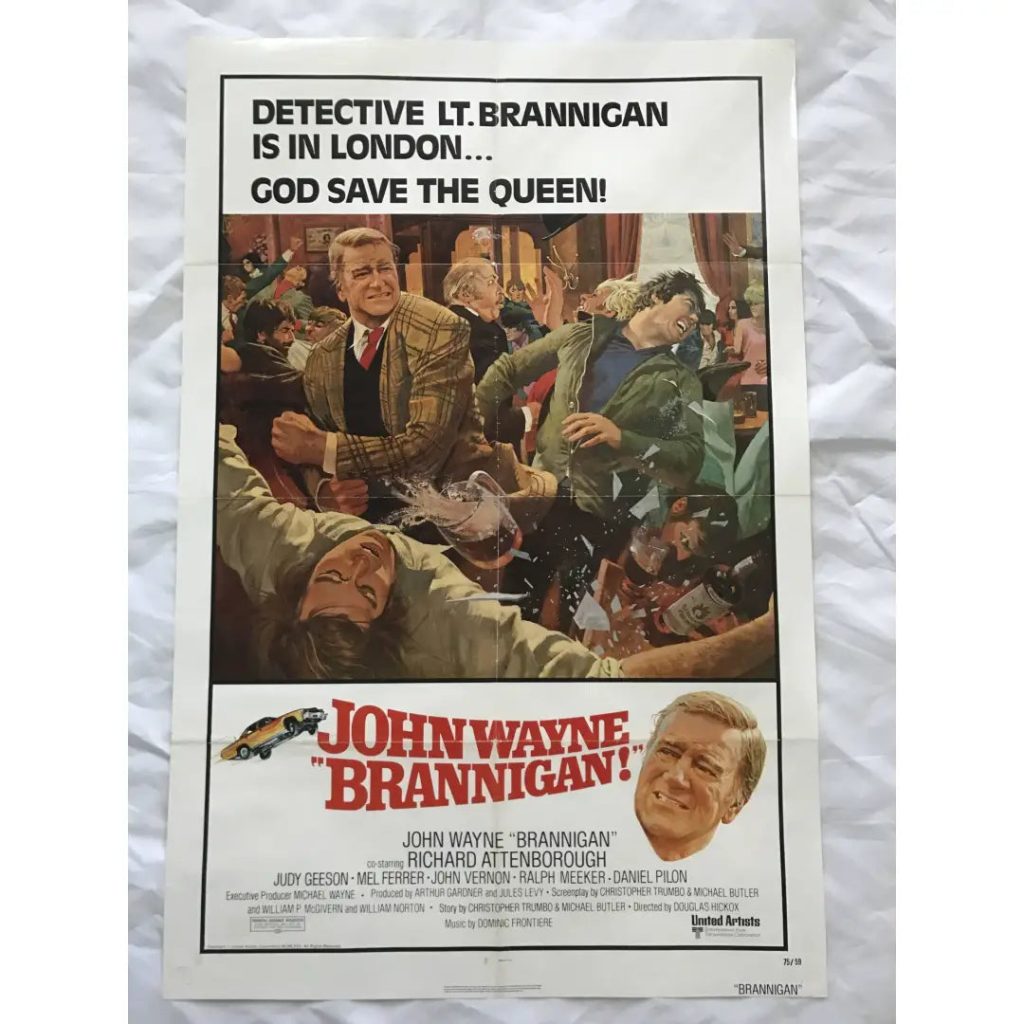
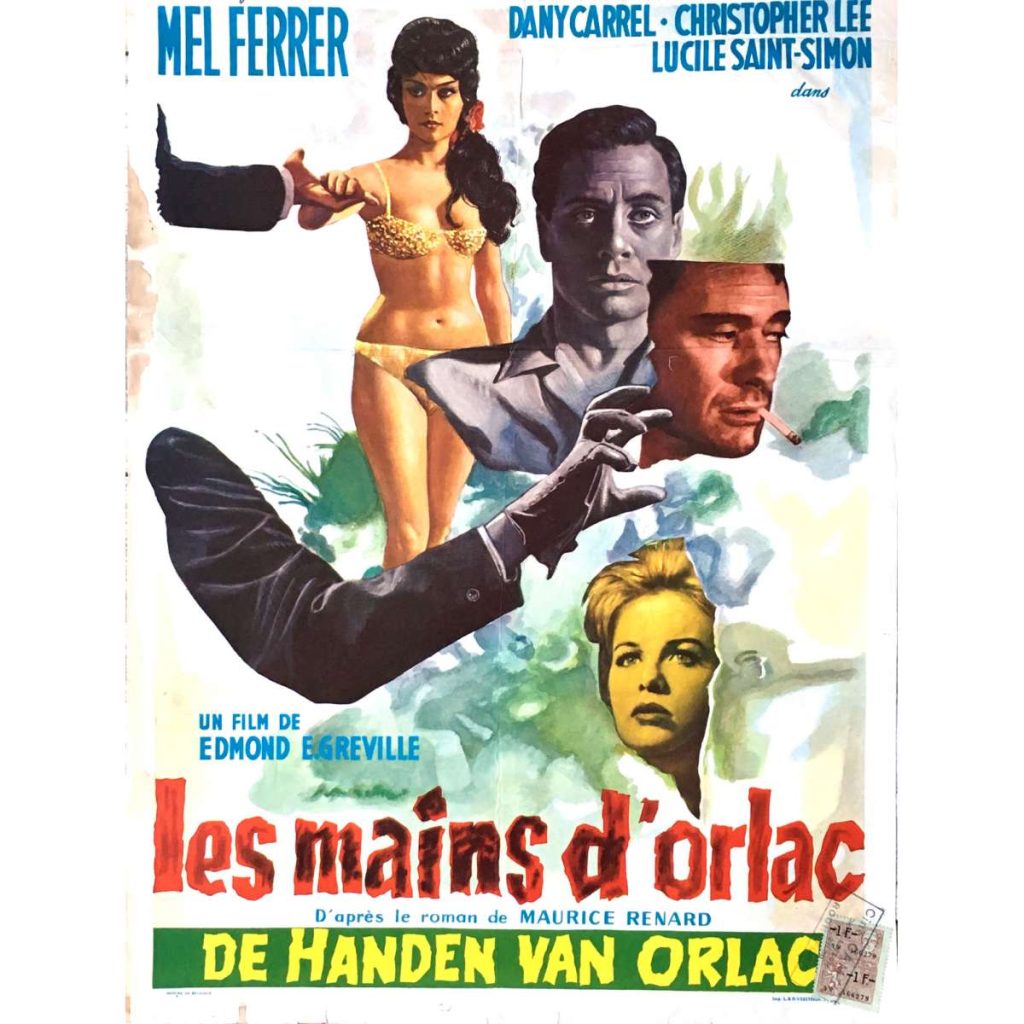
As a performer in European Westerns (The Hands of a GunfighterThe Brute and the Beast), he lent refinement to material often dominated by cynicism. His soft‑spoken menace subverted genre expectations: the intellectual villain who overreaches reason.

Television and Character Work (1970s–1980s)

When leading‑man roles faded, Ferrer shifted successfully to character parts on American television (Falcon CrestMurder, She WroteCharleston). Here he used aging and introspection as dramatic tools, embodying authority figures tinged with regret. His careful diction and moral focus translated effectively to the intimacy of television close‑ups; critics praised the “measured irony” with which he inhabited patriarchal roles, never letting control erase compassion.

Acting Style and Technical Analysis


Aspect Characteristics / Critical Response
Voice and Diction Low, cultured resonance with precise articulation—often described as “literate.” His speech implies thought preceding feeling, emphasizing intellect as emotional gateway.
Physical Poise Dance‑like carriage and stillness; movements spare but expressive, befitting his early fencing and ballet training. This made him ideal for aristocratic or cerebral roles.
Emotional Method Not a Method actor, but psychologically detailed: reveals transformation through accumulation of nuance rather than catharsis. Critics praised his “mental transparency.”
Screen Persona Embodies reason, control, and melancholy. Often cast as the rational man confronting irrational forces—romantic idealist, doctor, artist, scholar.
Limitations His refinement risked coolness; intensity sometimes buried beneath composure. Commercial cinema often misread subtlety as lack of vitality.

Thematic Through‑Lines

  1. Intellect versus Emotion – Whether As Andrei Bolkonsky or the wounded puppeteer in Lili, Ferrer dramatized the tension between analytical mind and yearning heart.
  2. Moral Inquiry – Many roles serve as conscience in moral chaos (Lost BoundariesWar and Peace, later television work).
  3. Artistic Idealism – His directorial projects (Green MansionsEl Greco) reflect obsession with creativity and redemption through beauty.
  4. European Modernity in Hollywood – Fluent in Spanish and French, Ferrer imported Continental gravitas into American melodrama, anticipating the transnational actors (Omar Sharif, Alain Delon in English films) who followed.

Critical Reputation and Reassessment

During the 1950s Ferrer’s screen personality was sometimes overshadowed by his marriage to Audrey Hepburn and by his perceived aloofness. Yet critics of later decades recognized his forward‑looking minimalism.

  • Film historian David Thomson described him as “an actor for audiences who listen—precise, moral, slightly broken.”
  • Robin Wood ranked Lili among the era’s rare examples of “restrained male tenderness on film.”

As a director, his films received uneven reception but are now studied for their spiritual romanticism and cross‑cultural production strategies in American‑European cinema.

Representative Performances


Year Film Role Distinctive Quality
1949 Lost Boundaries Dr. Scott Carter Understated integrity; social realism
1953 Lili Paul Berthalet Bittersweet cynicism; psychological precision
1956 War and Peace Prince Andrei Philosophical despair rendered humane
1957 The Sun Also Rises Robert Cohn Masculine fragility; existential malaise
1959 Green Mansions (dir.) Abel / Director Lyrical idealism; painterly composition
1966 El Greco (dir./prod.) Director Artistic mysticism; European sensibility

Summary: Critical Evaluation

Strengths

  • Exceptional intellectual and moral presence: he played intelligence credibly.
  • Mastery of vocal nuance and physical control suitable for both filmic intimacy and theatrical scale.
  • Cross‑disciplinary sensibility (actor‑director‑producer) giving his choices aesthetic coherence.

Limitations

  • Emotional opacity at times prevented full audience identification.
  • A mismatched Hollywood climate favoring overt naturalism reduced his opportunities.
  • Later direction occasionally mired in self‑consciously artistic ambition.

Legacy
Mel Ferrer stands as a bridge between the formal discipline of pre‑war continental acting and the introspective realism of post‑war cinema. His best performances—LiliWar and PeaceLost Boundaries—exemplify an actor whose intelligence itself became dramatic: feeling filtered through contemplation. Today he is appreciated not merely as Hepburn’s collaborator or minor leading man but as an artist of integrity whose restraint shaped a template for the “civilized conscience” in mid‑century film—a cinematic tone of quiet reason catching light amid the turbulence of emotion

Robert Blake
Robert Blake
Robert Blake

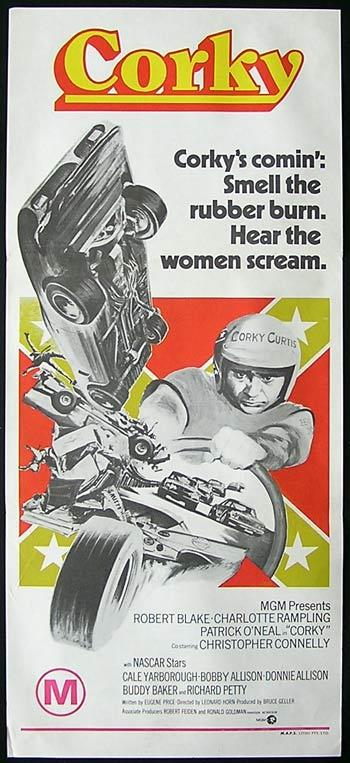
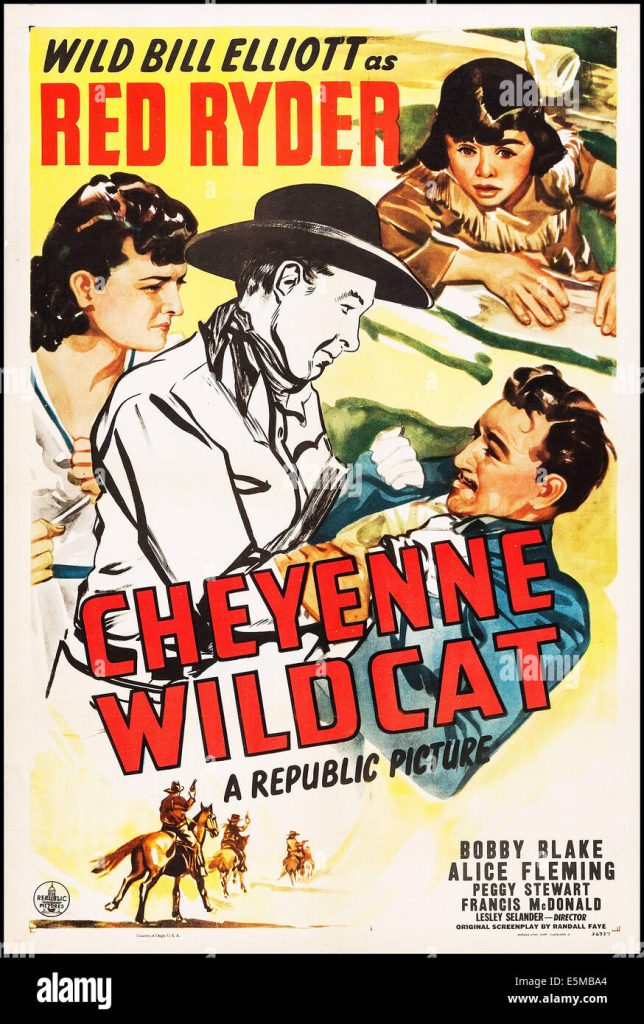
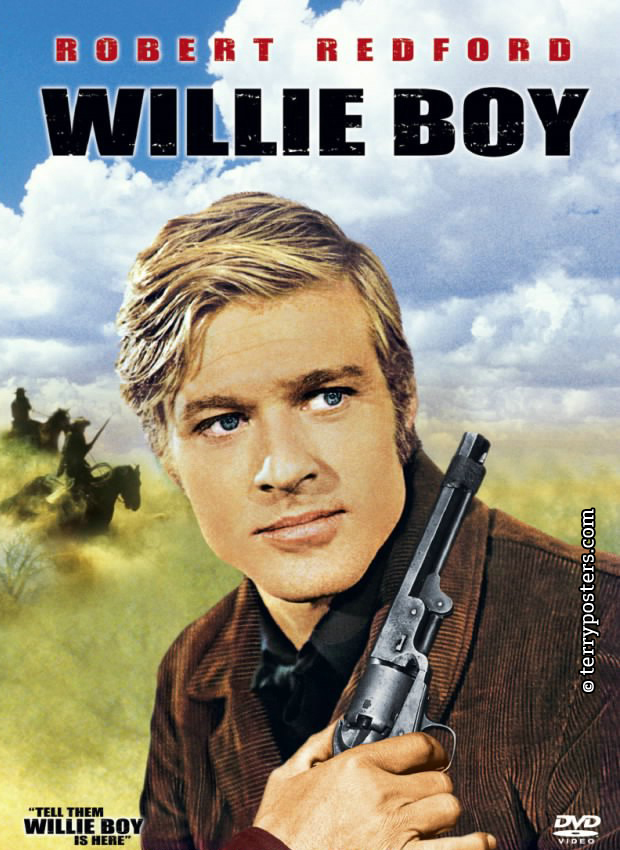
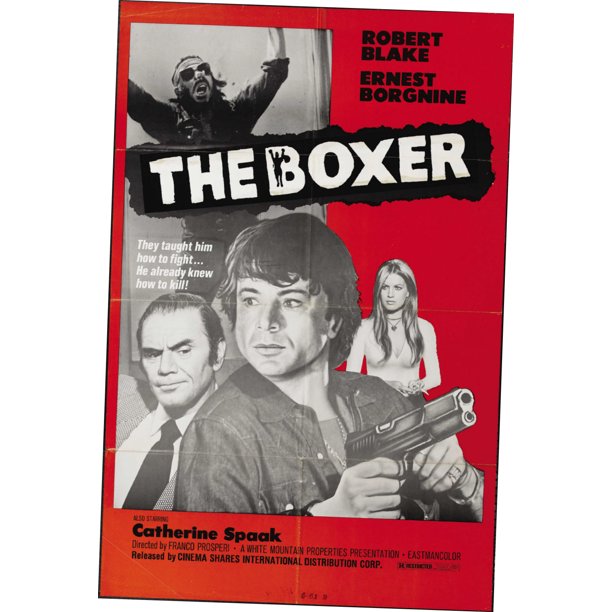
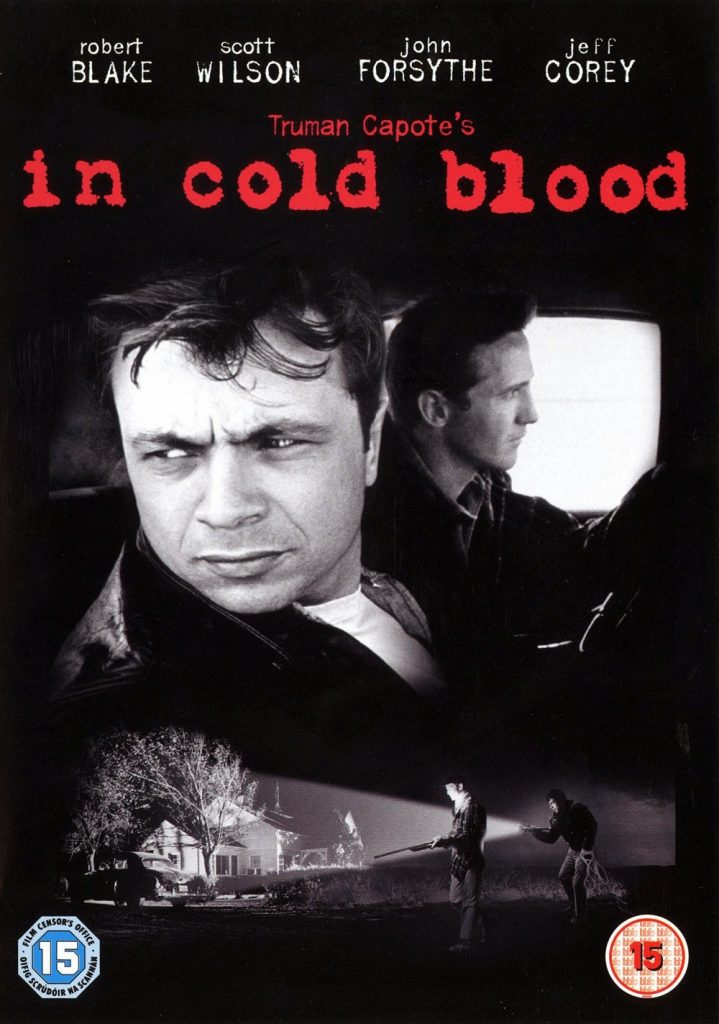
Robert Blake was born in New Jersey in 1933.   He made his film debut as a child actor in 1939 in “Bridal Suite” starring Annabella.   He went on to make “Humorseque” and “The Treasure of the Sierra Madre” in 1948.   Among his adult roles are “In Cold Blood” in 1967, “Tell Them Willie Boy Is Here” and “Electra Glide in Blue”.

TCM Overview:

Actor Robert Blake began his career as a member of the preadolescent comedy troupe “Our Gang,” and later as an adult actor enjoyed critical notoriety with the docudrama “In Cold Blood” (1967) and achieved breakout fame as the exotic bird-loving star of the popular television series “Baretta” (ABC, 1975-78). It was as the prime suspect in the domestic murder of wife Bonnie Lee Bakley, however, that would ultimately overshadow the onetime revered actor’s career. As a child, Blake’s parents began taking the toddler to auditions in Los Angles in the late 1930s, and for more than a decade he appeared in dozens of films and television programs. After a tumultuous two-year enlistment with the U.S. Army, Blake returned home and underwent intense psychotherapy treatments in an effort to cope with his depression and self-loathing. Having made substantial gains, he resumed his acting career as an adult with supporting roles in such films as “Pork Chop Hill” (1959) and “The Greatest Story Ever Told” (1965). With his intense portrayal of murderer Perry Smith in the adaptation of Truman Capote’s “In Cold Blood,” Blake was poised for mainstream feature film stardom. Follow up movies failed to capitalize on the earlier success, however, and the actor soon returned to television. As the streetwise titular hero of “Baretta,” it seemed Blake had at last found his star-making role. After his hit cop show was canceled, the actor appeared with some regularity on television before disappearing from screens almost entirely for nearly a decade.

New York Times obituary in 2022:

Michael James Vijencio Gubitosi was born on Sept. 18, 1933, in Nutley, N.J., to James and Elizabeth (Cafone) Gubitosi. His childhood, as he later described it, was a Dickensian one whose horrors began before he was born. He told CNN in 2012 that his mother had twice tried to abort him with a coat hanger. In a series of interviews in 1992 and 1993, he said his father, who worked for a can manufacturer, had been an alcoholic who forced him to eat from the floor, locked him in closets and sexually abused him.

When Michael was 2, his father enlisted him and his two older preschool siblings to dance for money in parks as “the Three Little Hillbillies” while the father played a guitar. “It was either doing that or stealing milk bottles off other people’s porches,” Mr. Blake said in a 1959 interview with The Los Angeles Times.

Inspired by the success of child stars like Shirley Temple, his father in 1938 took his family to Hollywood. Michael was hired as an extra for the “Our Gang” shorts, later shown on television as “The Little Rascals.” When another child actor flubbed a line, Michael told the director, “I can do that.”

He could, and he was eventually cast as a lead character, Mickey. He was billed as Mickey Gubitosi in most of the “Our Gang” shorts, and as Bobby Blake in the last few. He acquired the stage name Robert Blake in 1956.

After the “Our Gang” series ended in 1944, he appeared in more than 70 films over the next decade, establishing himself as a tough, fast-talking young character actor with a mischievous grin. In “The Treasure of the Sierra Madre,” starring Humphrey Bogart, he was the Mexican boy who sold Bogart the lucky lottery ticket that set the plot in motion.

Mr. Blake was thrown out of five schools before finally graduating. He neglected to register for the draft, and the penalty was immediate conscription into the Army. He was stationed in Alaska.

After his discharge, he applied to study at the Actors Studio in New York with the acting guru Lee Strasberg. Strasberg, he said, advised against pursuing an acting career.

Returning to Hollywood, Mr. Blake found work as a stuntman. He continued to act in movies, including “PT 109” (1962), about John F. Kennedy’s wartime experience in the Pacific; he played one of Kennedy’s fellow sailors.

His breakthrough movie was “In Cold Blood,” which received excellent reviews, as did he. But his next few movies struggled at the box office, and after filming “Busting” (1974), a detective drama in which he starred alongside Elliott Gould, he considered suicide, he told Playboy, and checked himself into a hospital for psychiatric treatment.

Mr. Blake returned to television in January 1975 to take the title role in the ABC detective series “Baretta,” a retooled version of “Toma,” which had starred Tony Musante. When Mr. Musante quit after the 1973-74 season, the show was taken off the air, but ABC decided to reactivate it as a midseason replacement and asked Mr. Blake to be the star. He accepted, even though he made it clear in interviews that he considered himself above series television. He proceeded to make many suggestions to shape the renamed show to his liking.

“I could have my name all over ‘Baretta,’ but I’ve never taken credit for writing or directing any of the shows,” he told Playboy.

Mr. Blake won a 1975 Emmy and a 1976 Golden Globe for his performance, and “Baretta” was briefly a Top 10 hit. But it was canceled in 1978.

Speaking of Mr. Blake in an interview with People magazine in 2002, Stephen J. Cannell, the creator of “Baretta,” said: “Complex doesn’t even begin to capture his personality. If you were in business with him, you just had to strap in really tight, because you were going to get lurched around a lot.”

Mr. Blake claimed to be inspired by daredevils like circus high-wire performers and rodeo riders.

“You get on a high wire without a net,” he said in the 2012 CNN interview. “You get on a bull and they open that goddamn chute and there’s nobody in the universe but you and God. And that’s where I’m comfortable, doing something that’s so scary that I can’t sleep at night.”

Mr. Blake became a favorite on late-night talk shows, particularly “The Tonight Show,” where be would make fun of himself in his tough-guy Baretta voice and gesticulate wildly with an unlit cigarette.

Prodded by Johnny Carson, he excitedly shared his positive views on duck-hunting and negative ones on rodents and insulted Orson Welles for being overweight. Mr. Welles replied, “I’m fat and you’re ugly, but I can diet.”

Appearing in a number of television movies, Mr. Blake was praised for his performance as the Teamsters boss Jimmy Hoffa in “Blood Feud” in 1983. In 1985, he created the NBC series “Hell Town,” in which he starred as a tough-talking slum priest. Though Mr. Blake needed the income from the show to pay for his recent divorce, he walked away from the job, saying he was emotionally exhausted.

He sought solace sleeping in his van, parked in the Hollywood Hills, and worked with a therapist on his childhood traumas. He returned to acting in 1993 in the made-for-TV movie “Judgment Day: The John List Story,” about a real-life New Jersey accountant who murdered his wife, mother and three children.

To get that part, Mr. Blake had offered to forgo his $250,000 salary until the film was finished. He was paid in full. His last acting job was in “Lost Highway” (1997), a psychological thriller directed by David Lynch.

Mr. Blake is survived by two children from his first marriage, Noah and Delinah Blake, and Rose Blake, his daughter with Ms. Bakley. His third marriage, to Pamela Hudak in 2017, ended in divorce in 2019.

After his trial, Mr. Blake told CNN, he grew a beard, lived on Twinkies and liked to wander into pool halls for a game of nine ball. “I was born lonely, I live lonely, and I’ll die lonely,” he said.

Eva Marie Saint
Eva Marie Saint
Eva Marie Saint

Eva Marie Saint. TCM Overview.

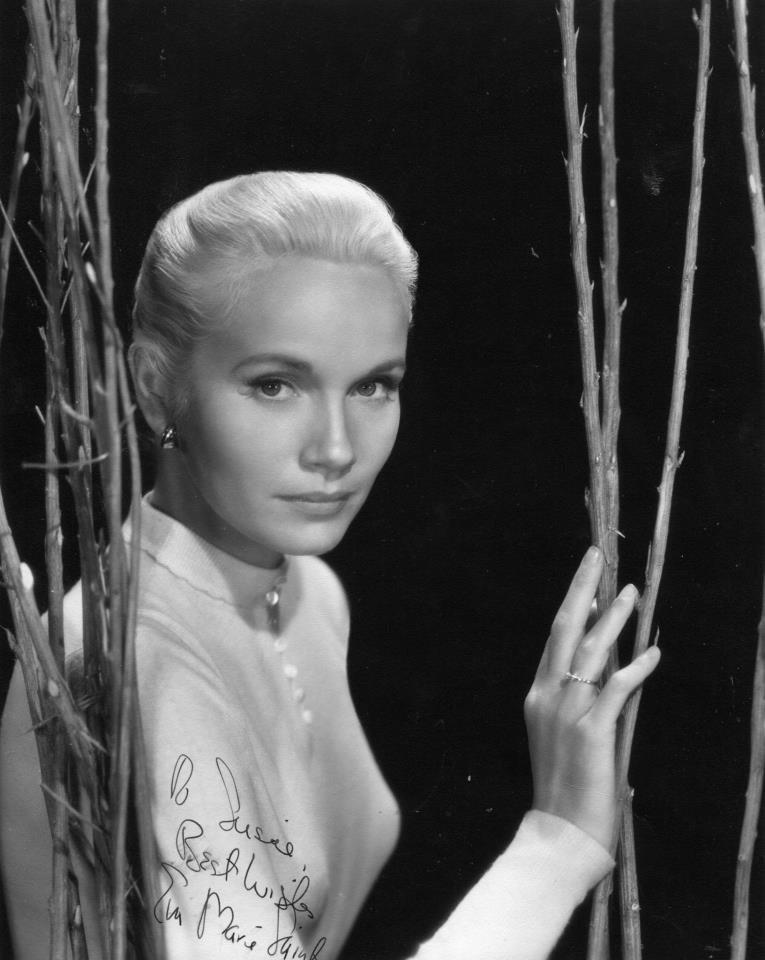
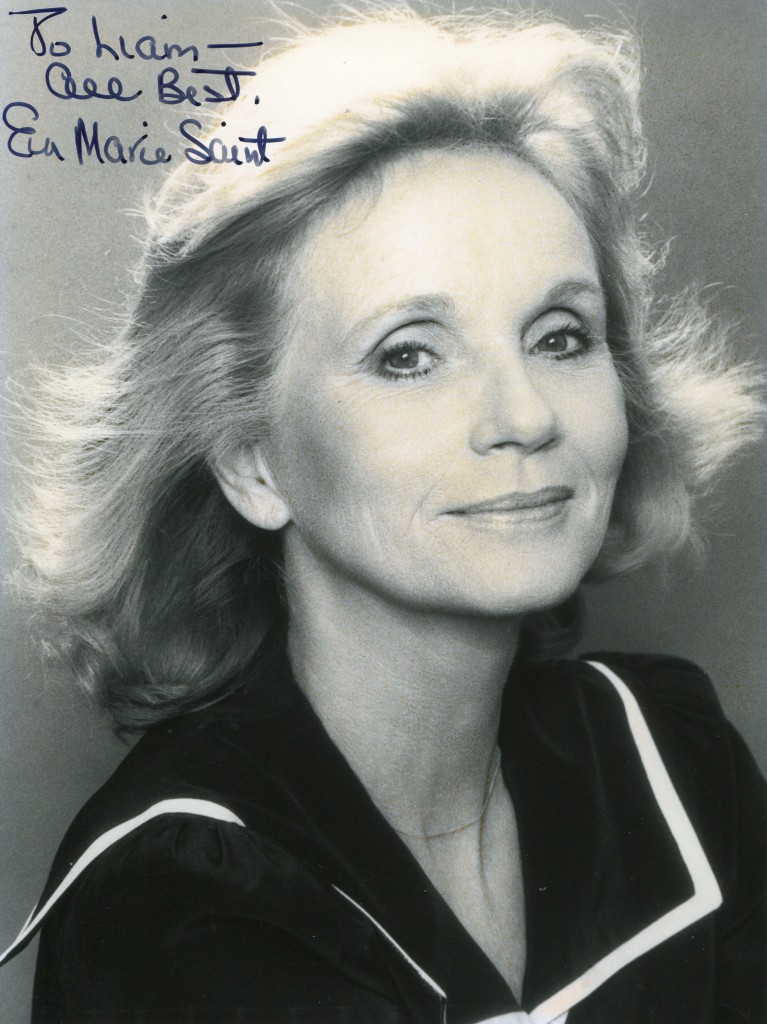
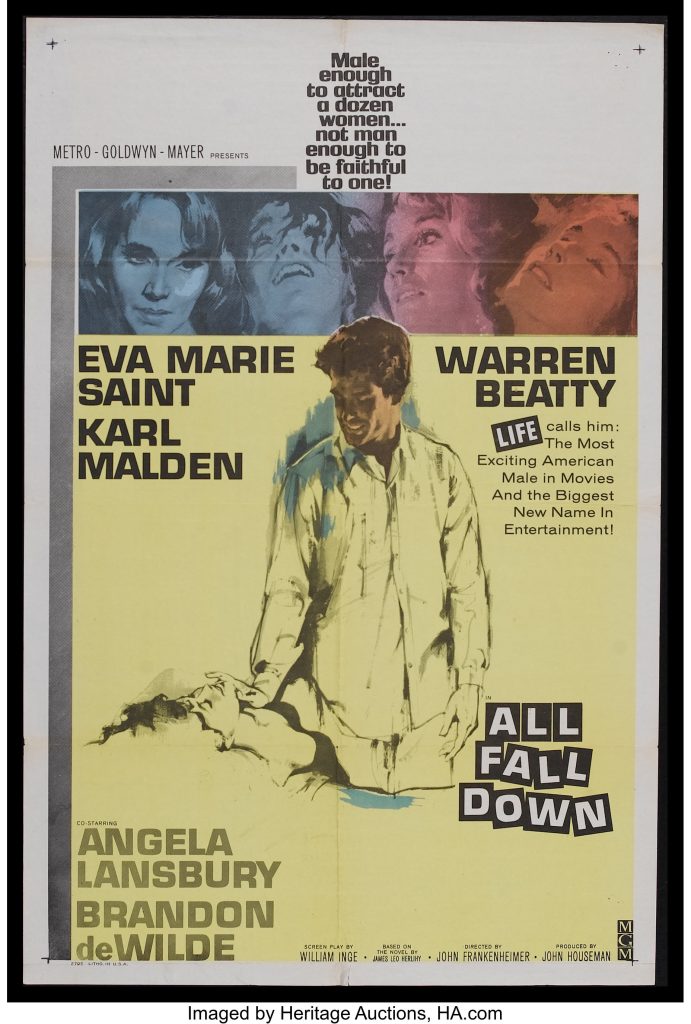
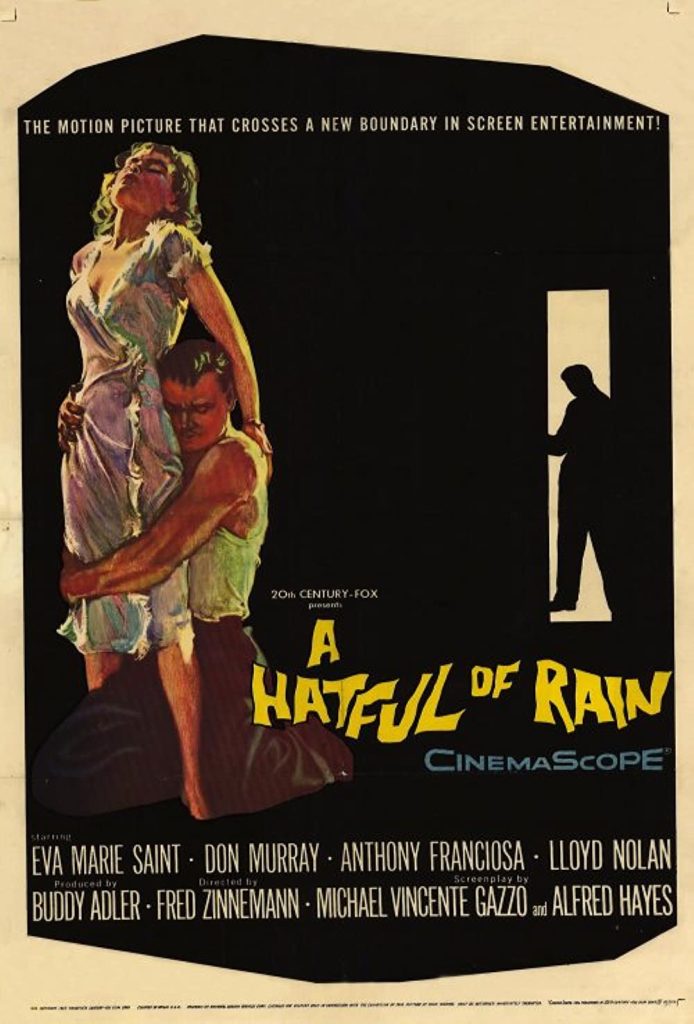
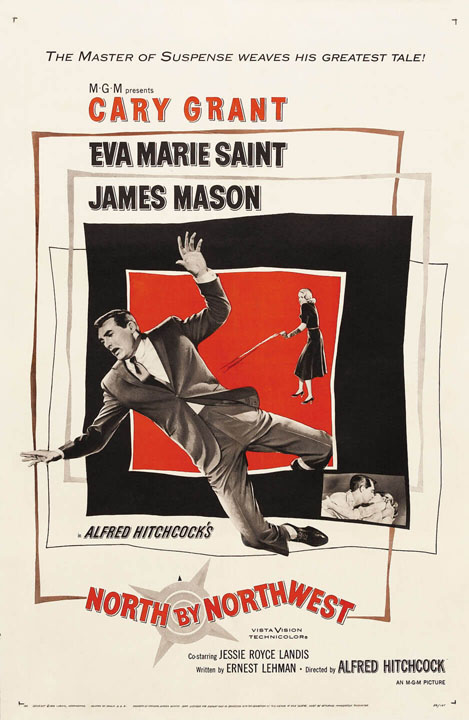
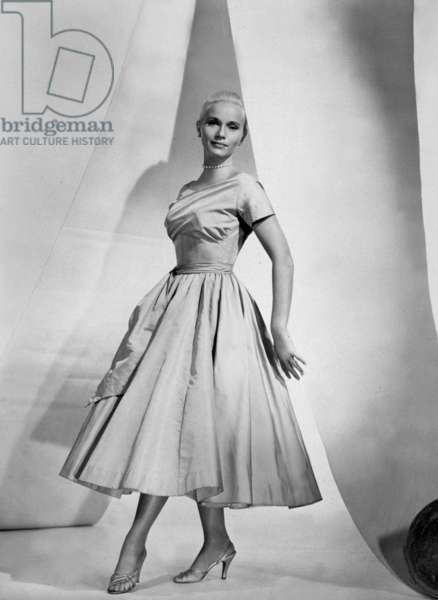
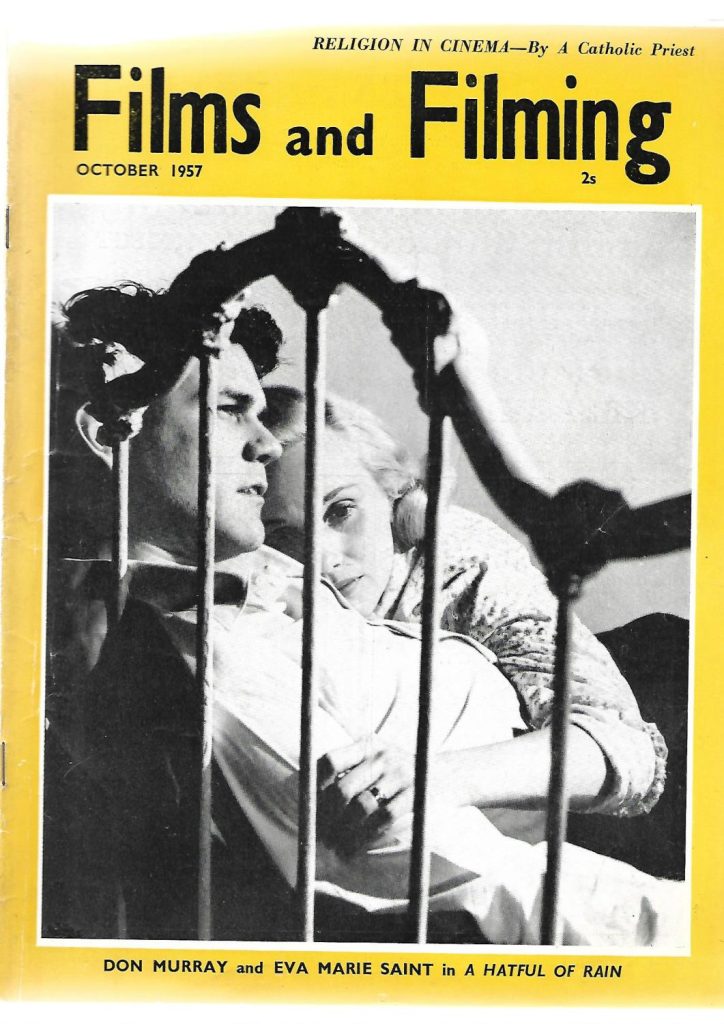
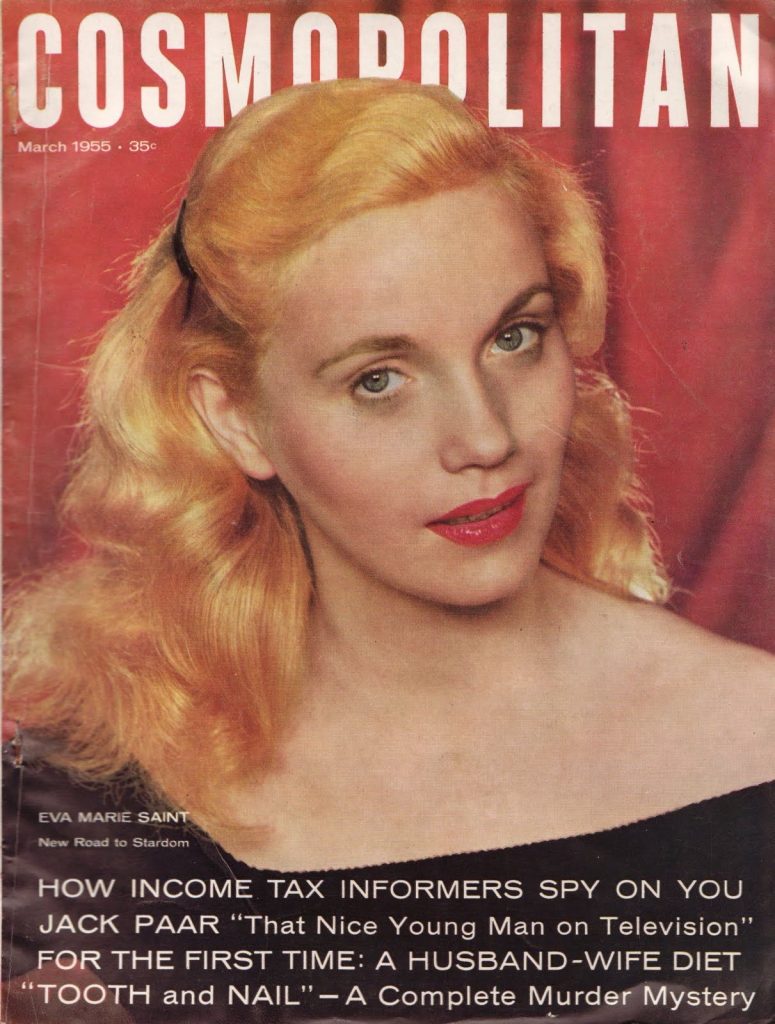
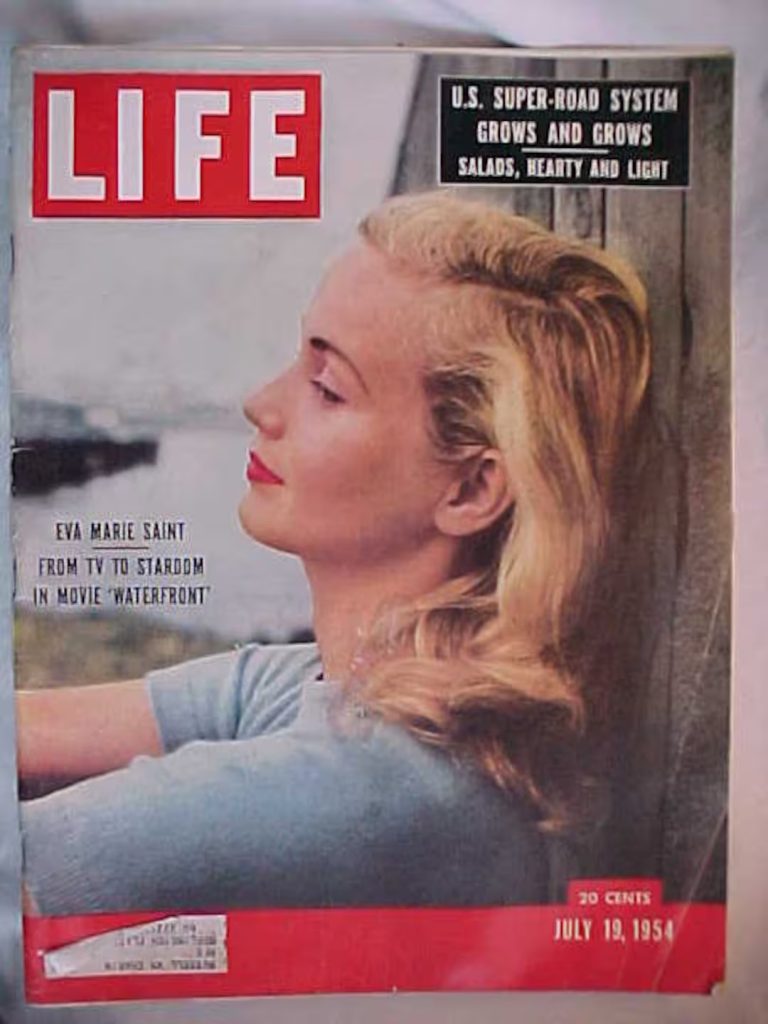
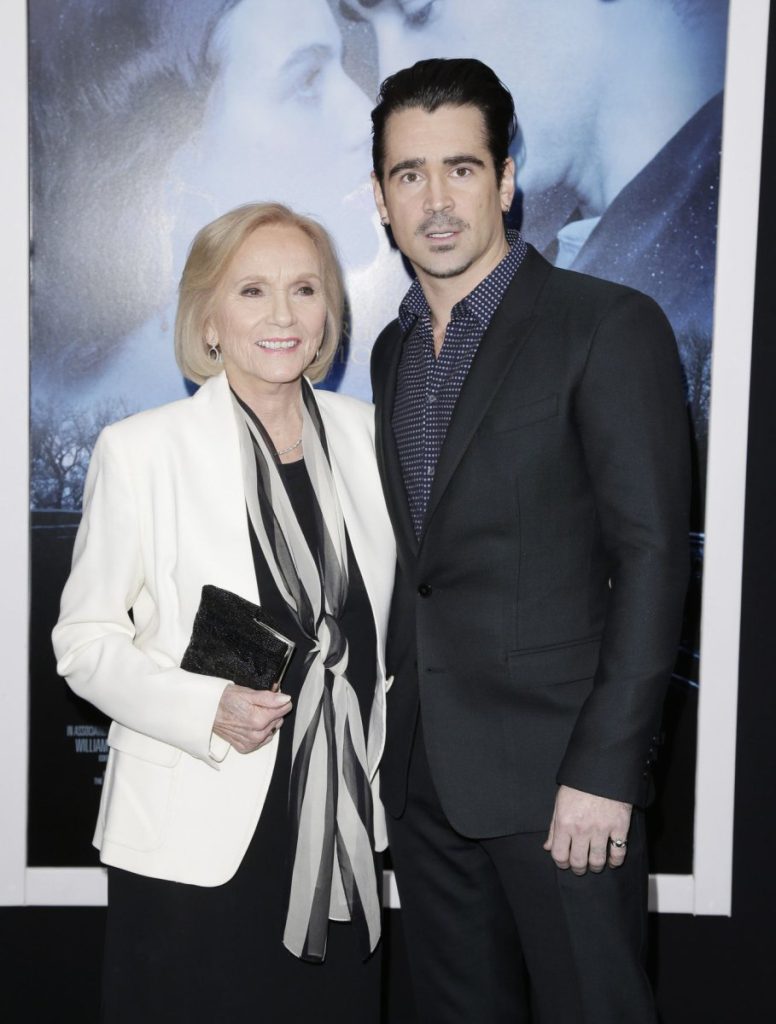
Eva Marie Saint was born in Newark, New Jersey in 1924.   She began her professional acting career in television drama and made her film debut as Edie Doyle in 1954 in “On the Waterfront” opposite Marlon Brando.   She won an Oscar for her performance.   Her other films include “Raintree County” opposite Montgomery Clift and “A Hatful of Rain” opposite Don Murray.   She gave a magnificent performance opposite Cary Grant as a cool Hitchcock blonde heroine in “North by Northwest” in 1959.   Her other major films include “Exodus” in 1960 opposite Paul Newman and “All Fal Down” in 1962 opposite Warren Beatty.   In 2005 she starred with Jessica Lange in “Don’t Come Knocking”.   Now nearly 95, it is good to see her still working.

TCM Overview:

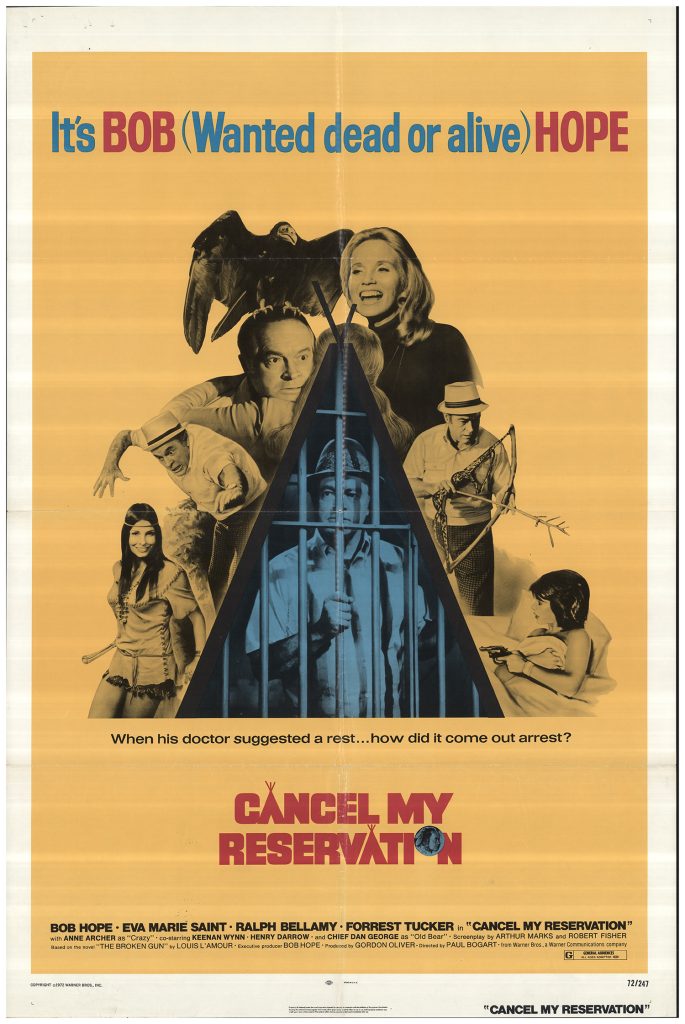
Though her film appearances were sporadic at best – less than 20 movies between 1955 and 2006 – Academy Award winner Eva Marie Saint enjoyed revered status among her peers due to her emotionally complex performances in several iconic films. She was perhaps best known as the delicate object of affection for dock worker Marlon Brando in “On the Waterfront” (1951), which earned her an Oscar. She would play variations on the role in several subsequent features, including “A Hatful of Rain” (1957), though Alfred Hitchcock would tap her inner sexiness as a double agent opposite Cary Grant in “North by Northwest” (1959). Sadly, the majority of Saint’s films never rose to her skill level, so she found more substantive work on television, where she contributed greatly to such projects as “Fatal Vision” (1984) and “People Like Us” (1990). Her return to the big screen in “Superman Returns” (2006) reminded moviegoers not only of her timeless, ethereal beauty, but her acting chops, which – though rarely given their proper showcase – had been substantial enough to hold her own against the Brando’s and Grant’s of the world.

Eva Marie Saint
Eva Marie Saint

Born July 4, 1924 in Newark, NJ, Saint discovered acting as a student at Ohio’s Bowling Green State University, which would later pay tribute by naming a campus theater after her. Her first exposure to a national audience came via radio and television dramas in the 1940s, where she made a name for herself with sensitive portrayals of young women, most notably as Emily Webb opposite Paul Newman and Frank Sinatra in a production of “Our Town” for “Producers’ Showcase” (NBC, 1954-57) and “Middle of the Night” for “Philco TV Playhouse” (NBC, 1948-1955), which brought her a Emmy nomination in 1955. Saint also scored a professional triumph on Broadway opposite the legendary Lillian Gish in “The Trip to Bountiful,” which earned her a Drama Critics Award in 1953. Saint’s solid reputation among critics was becoming reinforced so often that she was referred to as “the Helen Hayes of television.”

Saint’s film debut was equally laudable. Director Elia Kazan cast her as Edie Doyle, the young sister of a murdered dockworker who captures the heart of rough dockhand Terry Malloy (Marlon Brando). A marvel of carefully modulated emotions, alternately delicate and fiery in her scenes with Brando, and especially in her confrontation with Karl Malden’s waterfront priest, Saint’s performance catapulted her to fame and earned her a Best Supporting Actress Oscar in 1954.

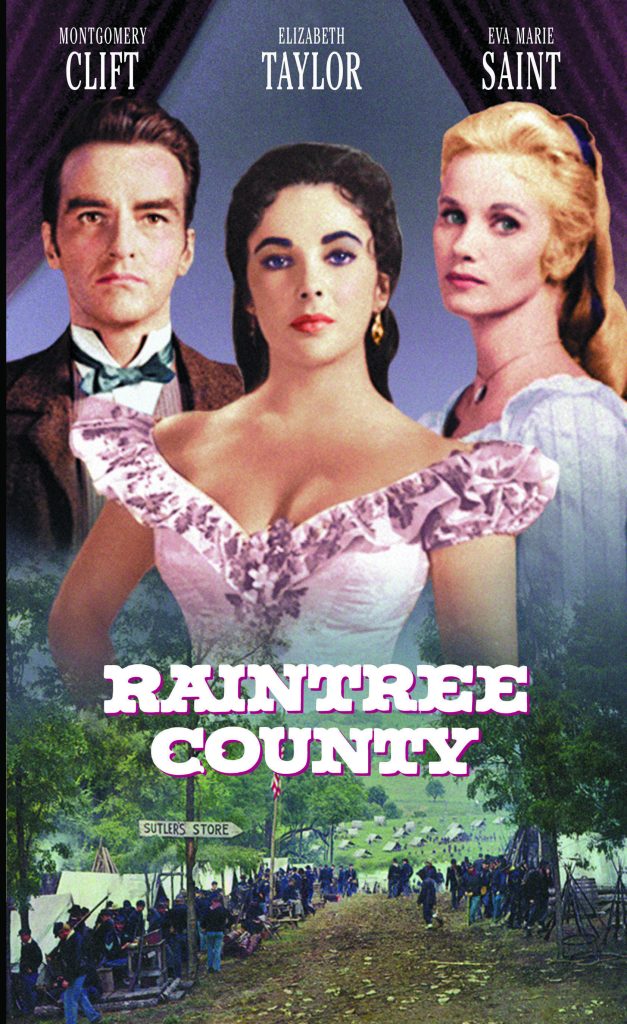
The success of her “Waterfront” performance elevated Saint to the forefront of Hollywood actresses, and for a period of five years, she could be counted upon to bring emotional depth and grace to serious dramas. She received a Golden Globe nomination in 1958 as the pregnant wife of Don Murray’s drug-addicted war veteran in “A Hatful of Rain,” and excelled as Montgomery Clift’s jilted sweetheart in Edward Dmytryk’s Civil War drama, “Raintree Country” (1957).

Both roles were squarely in the mold of her “Waterfront” character – lovelorn, seemingly fragile but possessed of a bottomless emotional reserve – but Alfred Hitchcock saw another side to the actress when he cast her in his espionage drama, “North by Northwest” (1959). The Hitchcock thriller – one of the director’s best loved – thrust Saint into entirely new territory as a coolly seductive spy who comes to the aid of but falls in love with advertising executive Cary Grant. The actress, who garnered considerable publicity for trimming her signature waist-length hair for the role, even indulged in several action sequences, most notably the famed showdown on Mount Rushmore that served as the film’s conclusion. While some pundits may have viewed the marriage of a dramatic actress like Saint with an action-thriller as an awkward match, the results were entirely pleasing, and Saint received some of the best reviews of her career for the performance.

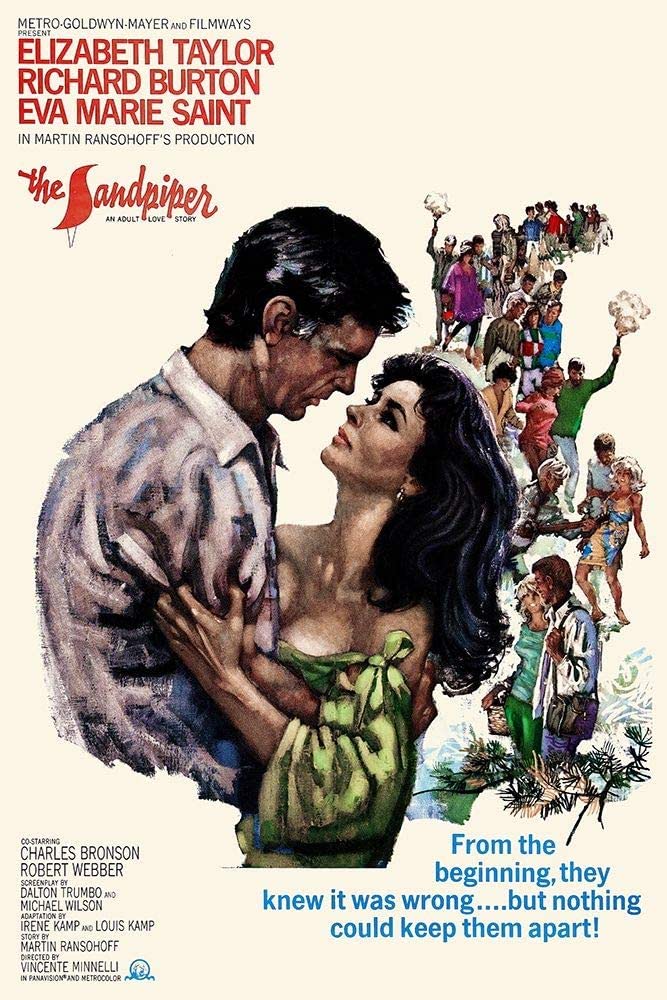
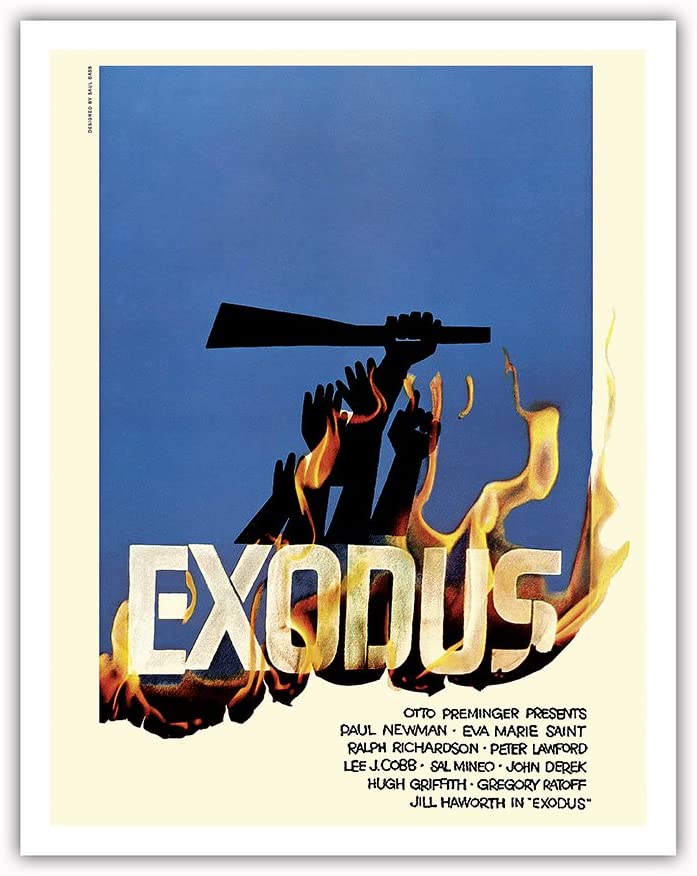
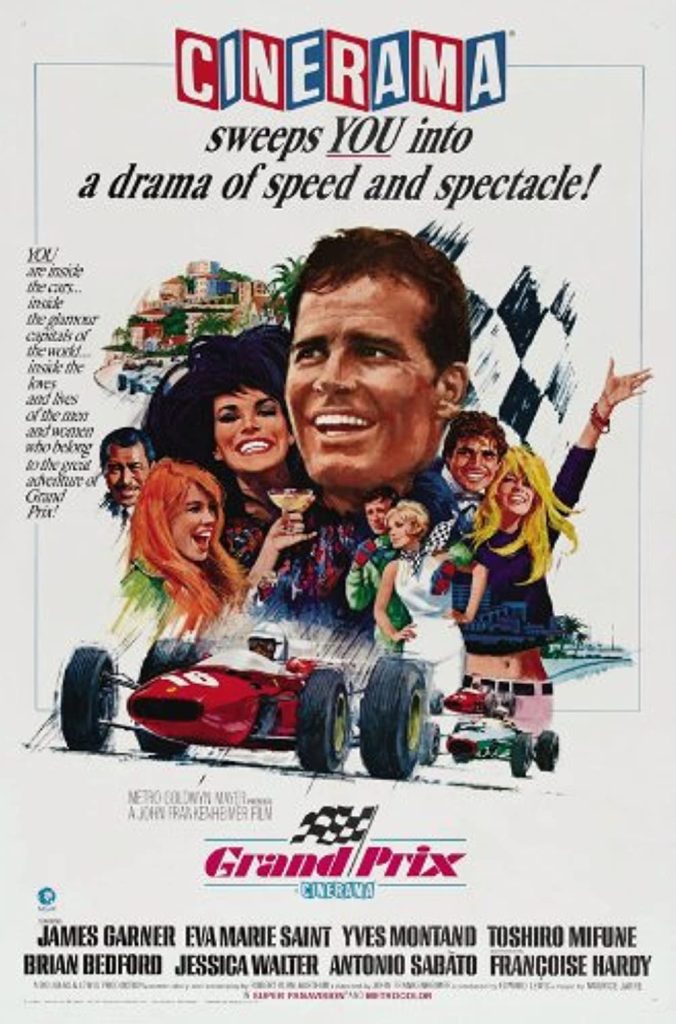
Though “Northwest” and her previous efforts had made Saint a star, by 1960 she was actively moving away from the Hollywood machine to spend more time with her husband, director Jeffrey Hayden, and their two children. As a result, her screen performances declined in number as the decade wore on. There were still several high-profile projects, most notably Otto Preminger’s “Exodus” (1960), which cast her as an American nurse who becomes involved in the founding of the state of Israel. Director John Frankenheimer used her in two very different pictures – the Southern drama “All Fall Down” (1962), which cast her as a pregnant girl destroyed by Warren Beatty’s wastrel, and the racing picture “Grand Prix” (1966). There were also supporting roles in “The Sandpiper” (1965) and “The Russians Are Coming! The Russians Are Coming!” (1966), but none were truly showcases for Saint’s talent. By the mid-1960s, she was appearing more frequently on television, which would regularly provide her with work for the next two decades.

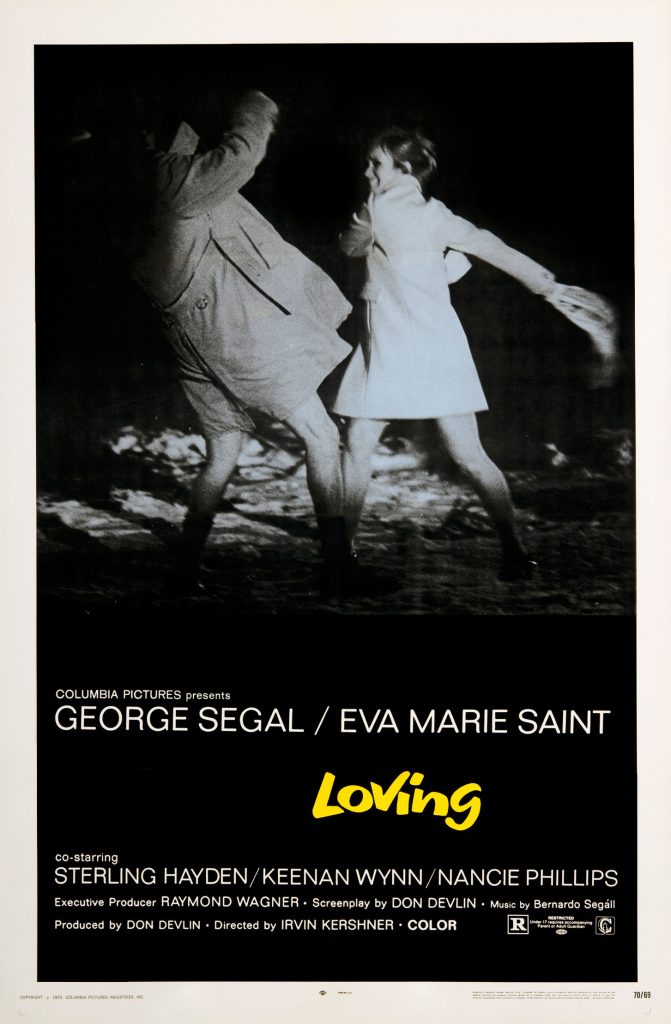
Saint made just two features in the 1970s, one of which – Irvin Kershner’s marital drama “Loving” (1970), which cast her as the harried wife of rudderless commercial artist George Segal – offered her one of the meatiest parts to come her way in decades. For the most part, she preferred the shorter commitment and more intimate stories of made-for- TV features. She brought immeasurable prestige to numerous productions, including “Taxi” (NBC, 1978), a two-person drama with Martin Sheen that brought her an Emmy nomination. Saint was also stellar in the POW drama “When Hell Was in Session” (NBC, 1979), as the mother of anorexic teen Jennifer Jason Leigh in “The Best Little Girl in the World” (ABC, 1981), and as the mother who fights to see justice for her slain daughter in “Fatal Vision” (NBC, 1984), which was based on the Jeffrey MacDonald murder trial.

Saint’s television schedule was remarkably active throughout the 1980s and 1990s. In addition to the aforementioned projects, she also appeared in the miniseries “A Year in the Life” (NBC, 1986), which hinged its dramatic arc on the death of her beloved family matriarch, and made several appearances as Cybill Shepherd’s mother on “Moonlighting” (ABC, 1985-89). In the middle of this flurry of work, she returned to moviemaking for the first time in over a decade as Tom Hanks’ mother in the Garry Marshall comedy “Nothing in Common” (1986). Critics applauded her return to features, but Saint was soon back on the small screen in numerous projects, including George C. Scott’s wife in “The Last Days of Patton” (CBS, 1986) and “People Like Us” (1990), an adaptation of a Dominick Dunne novel that won her an Emmy for Best Supporting Actress.

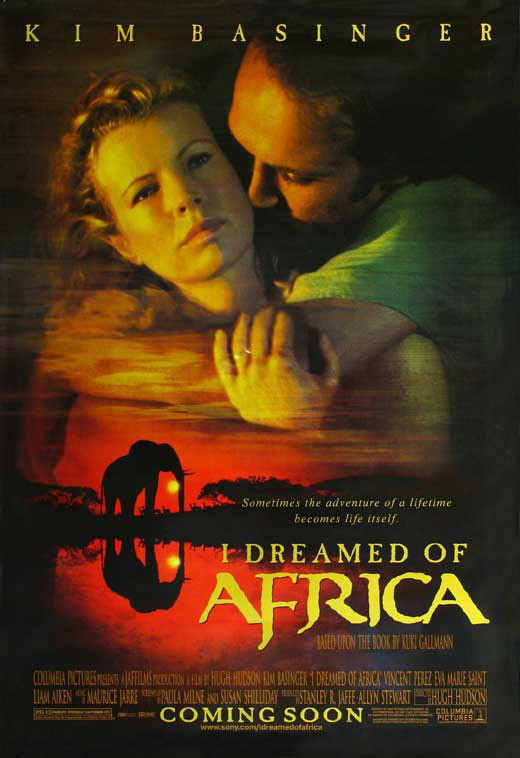
Saint began making inroads back to features in the late 1990s and early 2000s; most went largely unseen, like the Kim Basinger drama “I Dreamed of Africa” in 2000 and Wim Wenders’ “Don’t Come Knocking” (2005), which cast her as the mother of star and screenwriter Sam Shepard. However, “Superman Returns” (2006) afforded her one of her biggest film showcases ever as Martha Kent, the adoptive human mother of the Man of Steel. Saint displayed her enormous capacity for warmth in her scenes with newly-minted Superman, Brandon Routh, who experiences a crisis of conscience while attempting to revive his status as savior of Metropolis. The above TCM overview can also be accessed online here.

Eva Marie Saint (born July 4, 1924 in Newark, New Jersey) is among the most versatile and quietly transformative actresses in American film and television history. Spanning more than seven decades, her career maps the evolution of female performance in modern Hollywood—from the “Method‑era naturalism” of the 1950s through the complex, introspective portrayals of mid‑life women in later decades. Winner of the Academy Award for Best Supporting Actressfor On the Waterfront (1954), Saint was often described as “the grace note of American realism”—an actress who combined unforced technique with moral intelligence.

Early Life and Training

Saint studied acting at Bowling Green State University and later at the Actors Studio under Elia Kazan, absorbing method principles anchored in psychological truth rather than theatrical display. Before Hollywood, she built a solid reputation in live television drama, appearing on programs like Kraft Television Theatre and The Philco Television Playhouse. Her camera ease and emotional authenticity in these intense one‑take performances shaped her later film subtlety. By 1950, she had become one of U.S. television’s most respected new performers—an actress noted for “quiet power rather than mannerism.”

Breakthrough: On the Waterfront (1954)

Context

When Elia Kazan cast her opposite Marlon Brando, she had no film experience. Yet her portrayal of Edie Doyle, a dockworker’s sister seeking justice, quickly entered cinema history.

Critical Reception

  • The New York Times called her “a discovery of rare delicacy—real, simple, strong.”
  • Variety lauded her “instinctive fusion of fragility and courage.”
    Her scenes with Brando—particularly the park confrontation and the glove sequence—became textbook examples of spontaneous, psychologically layered acting.

Technique

Saint’s realism derived from listening: she reacts to other actors with microscopic shifts in expression and rhythm. Unlike the stylized ingénues of earlier decades, she made emotional hesitation her signature; the audience witnesses her thinking.

Her Oscar win established her among the emerging generation of Method‑influenced performers (Brando, Clift, Dean). Yet unlike them, she radiated empathy and moral serenity—the conscience within Kazan’s brutal world.

Transition to Hollywood Stardom (1955–1959)

Having begun in realism, Saint adapted that intimacy to mainstream studio genres without losing credibility.

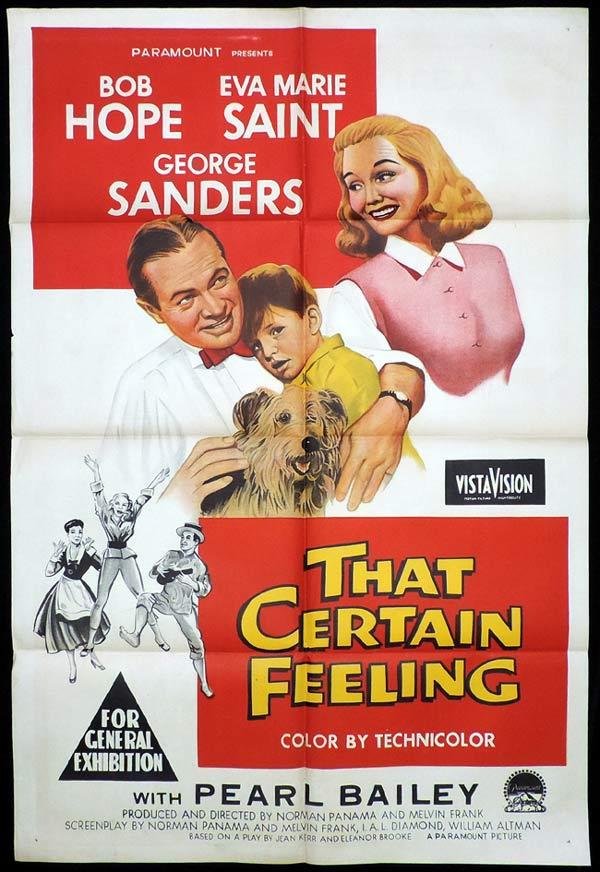
That Certain Feeling (1956, comedy)

Saint demonstrated natural comic timing, maintaining grounded truth within screwball structure—a sign she could humanize any genre.

A Hatful of Rain (1957, Fred Zinnemann)

As Celia Pope, wife of a Korean‑War veteran addicted to morphine (Don Murray), she gave one of the decade’s most penetrating portraits of domestic unease. Critics saw her as an emotional realist among stylized Hollywood wives; her hushed anguish mirrored 1950s social repression. The performance earned her Academy Award and Golden Globe nominations.

Raintree County (1957)* and North by Northwest (1959)*

In the latter, Alfred Hitchcock recast her image radically as the mysterious agent Eve Kendall. Hitchcock coached her to underplay femininity “like a lady who’s thinking faster than the hero.”

Critical impact:
Saint’s cool composure and ironic sensuality anticipated the modern screen heroine: equal parts desire and intellect. The role overturned the dichotomy between innocence and erotic intrigue—her Eve Kendall is both moral and sexual, compassionate yet duplicitous. Critics remarked that she “made grace itself into suspense.”

Hitchcock later said she was “the best sensual actress who never shouts about it.”

Maturity and Adaptation (1960s–1970s)

Saint declined to become an industry starlet; she chose projects that allowed moral dimension over glamour.

Exodus (1960, Otto Preminger)*

Playing nurse Kitty Fremont in the founding‑of‑Israel epic, she brought moral sincerity to a role often accused of being a narrative device. Reviewers felt her quiet conviction outshone the film’s rhetoric. Her subtle romantic rapport with Paul Newman suggested ethical partnership, not melodrama.

The Russians Are Coming, The Russians Are Coming (1966)*

Demonstrated yet again her comic grace; her ability to portray panicked humanity rather than caricature helped turn farce into charm.

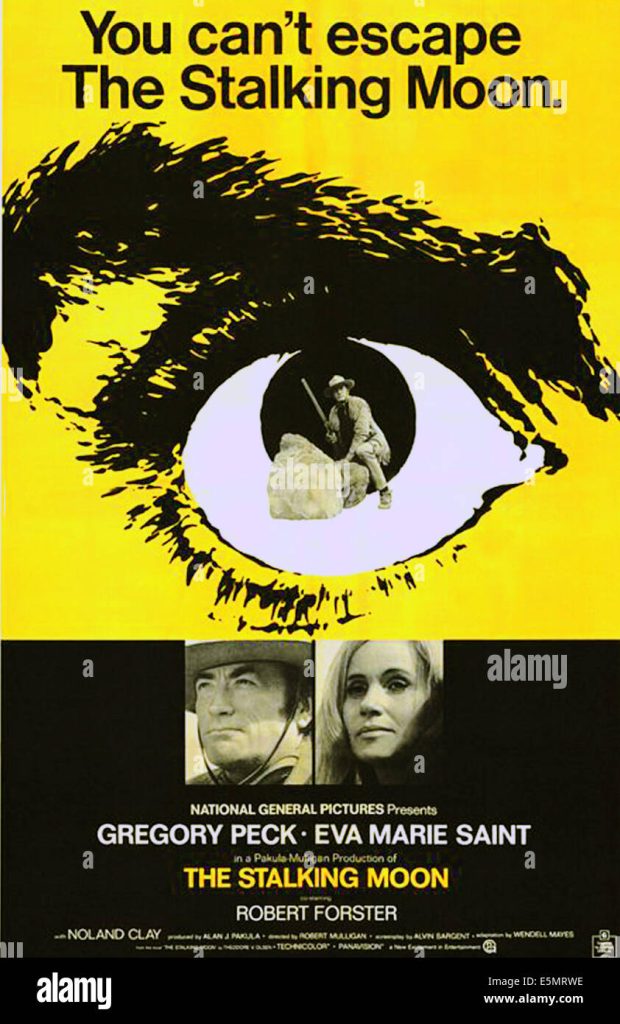
The Stalking Moon (1968, Robert Mulligan, with Gregory Peck)*

Saint infused the frontier thriller with emotional credibility; critics admired her “mixture of fear and endurance,” reinforcing her reputation for quiet strength.

By the early 1970s, Hollywood offered limited roles to actresses over forty; Saint pivoted toward television dramas, where her precision found congenial space. She earned Emmy nominations for How the West Was Won and later won an Emmy Award (1990) for People Like Us.

Later Career (1980s–2000s)

Saint’s rare screen appearances afterward carried authority and dignity shaped by experience.

Nothing in Common (1986, Garry Marshall)*

As the long‑suffering wife opposite Jackie Gleason’s failing patriarch, she provided moral center; critics observed that she “steals the film by speaking softly.”

I Dreamed of Africa (2000)* and voice work in animation and documentaries demonstrated continued vitality.

Superman Returns (2006)*

As Martha Kent, she conveyed maternal gravitas and warmth, completing a cultural circle linking 1950s realism to 21st‑century fantasy heroism.

Even in cameo, Saint’s stillness registered as depth. At age 82 she told an interviewer that “the key is to let the other actors move around you; if you’re truthful, stillness can fill the screen.” It summarized her life‑long aesthetic.

Acting Style and Craft Analysis


Aspect Critical Description
Physical Economy Saint minimizes gesture; a flicker of the eyes or a half‑smile signals complex thought. This non‑verbal eloquence distinguishes her from more extroverted contemporaries.
Vocal Subtlety Soft‑grained, steady articulation conveys calm conviction. She allows pauses to carry emotion—the listener feels her thought rather than hears it.
Psychological Realism Rooted in Method but disciplined by classical measure; she exposes emotion rather than displays it.
Screen Persona Represents moral intelligence and emotional transparency; even in deceitful roles she radiates humanity.
Range Traversed romance, thriller, comedy, domestic realism; maintained credibility from ingénue to matriarch.

Thematic Through‑Lines

  1. Integrity vs. Chaos – From Edie Doyle to Eve Kendall, Saint’s characters mediate between moral clarity and turbulent worlds.
  2. The Feminine Conscience in a Male Narrative – Often cast opposite powerful men (Brando, Grant, Newman), she grounds their volatility in empathy and reason.
  3. Quiet Revolution of Naturalism – She normalized understated acting on the big screen, influencing later actors such as Jane Fonda, Meryl Streep, and Michelle Pfeiffer.
  4. Longevity through Truthfulness – Across mediums and decades, her performances reveal a consistent human core that transcends fashion.

Critical Standing and Legacy

  • Elia Kazan: “She could stand still and make an audience lean toward her.”
  • Andrew Sarris: called her “the kindly realist of American film—a face carved in empathy.”
  • Pauline Kael: admired her balance of “virtue and erotic intelligence.”
Modern scholars regard Saint as a bridge figure: she carried Method psychology into the mainstream without the narcissism often associated with it and introduced a new tone of emotional restraint into Hollywood storytelling.

Younger directors (Robert Zemeckis, Christopher Nolan) cite her as a model of screen naturalism—proof that authenticity can command spectacle.

Representative Performances


Year Title Director Role Significance
1954 On the Waterfront Elia Kazan Edie Doyle Oscar‑winning debut; moral purity rendered realistic
1957 A Hatful of Rain Fred Zinnemann Celia Pope Portrait of emotional endurance; domestic realism
1959 North by Northwest Alfred Hitchcock Eve Kendall Redefinition of female sensual intelligence in espionage
1960 Exodus Otto Preminger Kitty Fremont Blend of political idealism and compassion
1966 The Russians Are Coming, The Russians Are Coming Norman Jewison Elspeth Whittaker Comic naturalism; ensemble warmth
1986 Nothing in Common Garry Marshall Lorraine Basner Mature poignancy; late‑career renewal
1990 People Like Us (TV) Lamont Johnson Chloe Avery Emmy Award; reconfirms emotional precision

Summary: Critical Evaluation


Strengths Potential Limitations
Radiant emotional authenticity grounded in quiet intellect Avoided theatrical excess—occasionally undervalued in larger-than-life genres
Seamless integration of realism into multiple genres Her naturalism sometimes mistaken for simplicity
Graceful aging; maintained artistic integrity Chose family life over relentless stardom, limiting output

Conclusion

Eva Marie Saint represents the enduring ideal of honesty in performance. Across an 80‑year career, she demonstrated that stillness can be dynamic and transparency dramatic. Whether opposite Brando’s raw passion or Cary Grant’s suave irony, she preserved dignity, intelligence, and truth—the moral center of every scene.

Her legacy is twofold: she humanized classical Hollywood acting through nuance and proved that quiet sincerity could outweigh spectacle. In doing so, Eva Marie Saint secured an abiding place in the lineage of American realism—an actress who made empathy an art form