
Hollywood Actors

Collection of Classic Hollywood Actors

Harry Dean Stanton
Harry Dean Stanton
Harry Dean Stanton

Harry Dean Stanton was born in 1926 in Kentucky. He served in the U.S. Navy during World War Two. His film debut came with Alfred Hitchcock’s “The Wrong Man” in 1956. Other films include “Pork Chop Hill” with Gregory Peck, “Cool Hand Luke”, “Two-Lane Blacktop”, “Pat Garrett and Billy the Kid”, “Alien” and “Paris, Texas”.

TCM Overview:

A prolific supporting player for over five decades, Harry Dean Stanton inspired film critic Roger Ebert to declare, “No movie featuring either Harry Dean Stanton or M. Emmet Walsh in a supporting role can be altogether bad.” Of course, there were a few misfires along the way, but most were redeemed by the actor’s strength for playing haggard men with battered souls. Stanton was well-liked and utilized by some of modern cinema’s most visionary directors including Sam Peckinpah, David Lynch, Martin Scorsese, Sean Penn and Wim Wenders. It was Wenders who launched Stanton’s late career breakout when he cast him in an acclaimed leading role in “Paris, Texas” (1984), but prior to that quietly haunting performance, Stanton spent 25 years playing hard-bitten outlaws in notable films like “Cool Hand Luke” (1967), “Pat Garrett & Billy the Kid” (1973) and “The Rose” (1979). Stanton was transformed into a wizened cult figure of the American indie film scene with “Repo Man” (1984), “The Last Temptation of Christ” (1988), and “She’s So Lovely” (1996) – to say nothing of his fatherly turn in “Pretty in Pink” (1986) and his unforgettable role as one of the doomed Nostromo crew of “Alien” (1979). A restless, unconventional spirit off-camera, Stanton always lent a sympathetic realness to the menacing criminals and barroom-dwelling outsiders he stashed beneath his craggy face and wiry, worn frame.

Stanton was born on July 14, 1926, and raised near Lexington, KY where his father was a tobacco farmer. His hairdresser mother taught Stanton and his brothers to sing from an early age. Eventually singing and play-acting came to serve as a relief for him after his parents’ divorce disrupted his home life. He sang with glee clubs, barbershop quartets, and choral groups in school, as well as in the Navy, which he joined fresh out of high school in 1944 and served aboard a battleship during the Battle of Okinawa. After his World War II service, Stanton attended the University of Kentucky, where he majored in journalism and radio arts. A performance as cockney Alfred Doolittle in a college production of “Pygmalion” inspired Stanton to pursue acting, so he headed to California and studied for two years with the Pasadena Playhouse alongside future up-and-comers Gene Hackman and Robert Duvall. He spent several years on the road touring; first with a men’s gospel group and then a children’s stage production before returning to California to try his luck in Hollywood. He landed a supporting role as a villain opposite Alan Ladd in the “The Proud Rebel” (1957) and quite quickly settled into a new life as a working actor on TV Westerns and crime dramas like “Gunsmoke” (CBS, 1955-1975) and “The Untouchables” (ABC, 1959-1963).

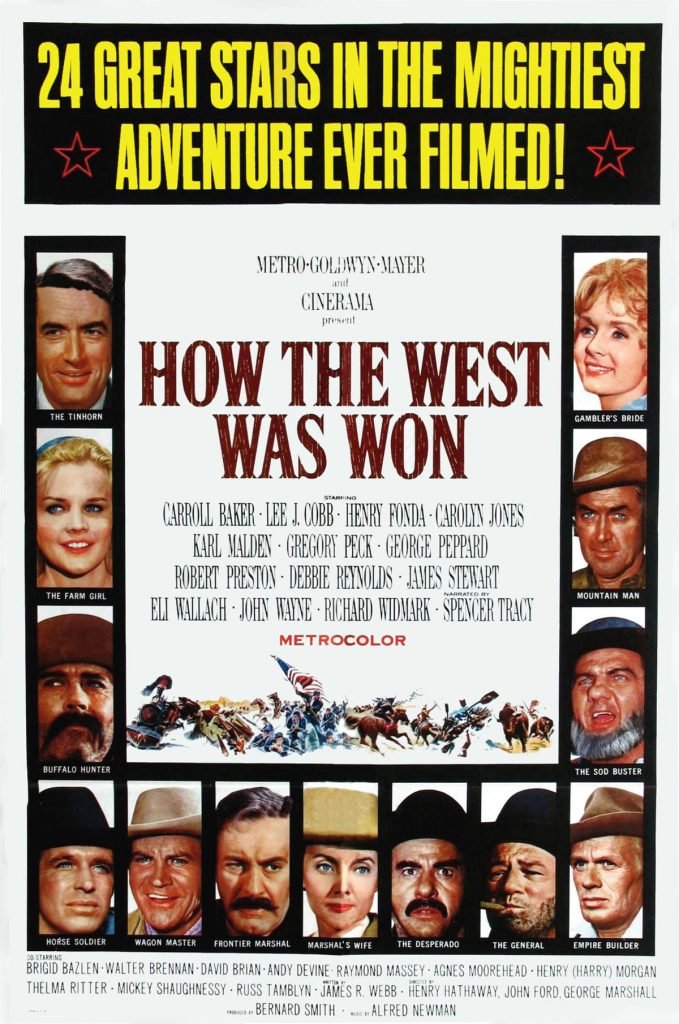
Stanton fell into a pattern of generally being cast as villains and gun-toting outlaws, thanks in part to his scrappy looks and off-screen edginess that he brought with him on camera. His notable early films included “The Adventures of Huckleberry Finn” (1960) and “How the West Was Won” (1962), though he did not begin to land more visible supporting roles until Monte Hellman’s Western, “Ride in the Whirlwind” (1965), penned by Stanton’s then-roommate Jack Nicholson, and “Cool Hand Luke” (1967), where he had a memorable turn as a melancholy, gospel-singing convict. Shifting his efforts from his bread-and-butter television work to film, Stanton was tapped by Hellman for a small role in his classic existential road movie “Two Lane Blacktop” (1971) and went on to portray Homer Van Meter, notorious criminal and associate of John Dillinger, in the biopic “Dillinger” (1973). Stanton enjoyed a supporting role in one of the definitive modern Westerns, Sam Peckinpah’s “Pat Garrett and Billy the Kid” (1973), which led to a close friendship with the film’s star Bob Dylan and a solidifying of Stanton’s reputation as a rebellious spirit with a philosophical and hard-partying bent.

Francis Ford Coppola gave Stanton a chance to look at life from the other side of the law in “The Godfather, Part II” (1974), where he played an FBI agent protecting Michael V. Gazzo. His timeless character looks made him a perfect casting choice to play a detective in the neo-noir adaptation of Raymond Chandler’s “Farewell, My Lovely” in 1975. The following year, he gave another winning outlaw performance as the leader of a gang of horse thieves on the run from Marlon Brando in “Missouri Breaks” (1976). With his significant role in “Straight Time” (1978), a caper starring Dustin Hoffman as a career criminal taken under the wing of an elder ex-con (Stanton), Stanton had the opportunity to really create a complex portrait of a conflicted outsider, and he rose to the occasion. He showcased his singing in the role of a hard livin’ country singer in the Golden Globe Best Picture nominee “The Rose” (1979), and the same year, co-starred in an adaptation of Flannery O’Connor’s “Wiseblood” as the conniving country preacher Asa Hawks. The sci-fi blockbuster “Alien” (1979) earned Stanton some more face recognition for his role as an ill-fated engineer of the spaceship Nostromo, whose search for the company cat ends violently. The same year, he appeared in the CBS TV movie “Flatbed Annie & Sweetpie: Lady Truckers,” where his role as an auto repossessor predicted a forthcoming breakout.

Stanton played a key figure in the post-apocalyptic “Escape from New York” (1981) and as an ill-fated policeman in the horror classic “Christine” (1983) before a chance meeting at a bar with playwright Sam Shepard led to Stanton’s first film lead in “Paris, Texas” (1984). In a role that called for the actor to remain largely silent, Stanton starred as a lost, broken soul trying put his life back together and reunite with his estranged family after having vanished years earlier. The beautiful, haunting film written by Shepard and directed by Wim Wenders also featured Stanton’s vocals on the soundtrack. The actor who essentially carried the film from start to finish won the British Film Critics Award for Best Actor. Stanton’s newly displayed capacity for more sensitive roles and his hip status among the art house set was solidified with his follow-up role in fledgling director Alex Cox’s delightfully weird and satirical “Repo Man” (1984). The cult classic co-starred Stanton as a car thief vet who takes disaffected young punk rocker Emilio Estevez under his wing to teach him about the seedy business and life.

The self-proclaimed “late bloomer” settled into a new confidence and was courted by Robert Altman to play an ornery old boozer opposite Sam Shepard in “Fool for Love” (1985). He was a surprising addition to John Hughes’ fresh-scrubbed Brat Pack romantic comedy “Pretty in Pink” (1986), where he played the chronically unemployed blue-collar father of teen sweetheart, Molly Ringwald. Thrilled with his new status as a contender for meatier, character-driven work, Stanton played Saul/Paul in Martin Scorsese’s “The Last Temptation of Christ” (1988) and in the first of many collaborations with David Lynch, portrayed a desperate detective in “Wild at Heart” (1990). He re-teamed with Lynch for “Twin Peaks: Fire Walk With Me” (1992) and appeared in two HBO films: “Hostages” (1993), a fictionalized account of a group of men kidnapped in Lebanon in the 1980s, and “Against the Wall” (1994), where he played the bar owner father of a son (Kyle McLachlan) serving time during the prison riots in Attica. In a rare comedic appearance, Stanton gave Kelsey Grammar some thorny moments in “Down Periscope” (1996) before revisiting his old Western territory with a turn as Shadrach in “Larry McMurtry’s Dead Man’s Walk” (ABC, 1996).

Taking another first-look “low life” and bringing him alive on screen, Stanton had a supporting role in Nick Cassavetes’ debut “She’s So Lovely” (1996), starring as a barfly whose best friend (Sean Penn) returns home from a mental institution to find his life turned upside down. Stanton had a few mainstream film supporting roles in “Midnight Blue” (1997) and “Fire Down Below” (1997) before retreating to more artful fare with “The Mighty” (1998), where he gave a sincere and savvy performance as the grandfather of a large, learning disabled 13-year-old boy (Elden Henson). Stanton finished out the year by appearing briefly as a judge in Terry Gilliam’s hallucinogenic “Fear and Loathing in Las Vegas” (1998), and made an about face in David Lynch’s quietly meditative G-rated drama, “The Straight Story” (1999), about a 73-year-old man (Richard Farnsworth) who rides his John Deere mower from Iowa to Wisconsin to be with his estranged brother (Stanton) after he has had a stroke. Stanton evinced a morbid sense of humor as a trustee who tests the electrocution equipment in “The Green Mile” (1999), then played the shady manager of an opera company in the flamboyant and often pretentious period drama, “The Man Who Cried” (2001).

Drinking buddy Sean Penn gave Stanton a small role as the former partner of a retired Nevada homicide detective (Jack Nicholson) who slips into obsessive psychosis in his strong directorial effort “The Pledge” (2001). Stanton followed up with a role in Nicholas Cage’s disastrous directorial debut, “Sonny” (2002), as a lowlife thief and gambler (as well as the film’s lone bright spot). Returning to the small screen, Stanton (along with buddy Penn) had a guest spot as himself in an episode of the sitcom “Two and A Half Men” (CBS, 2003- ) before he landed his own series regular role in HBO’s controversial drama “Big Love” (2006- ) as a frightening, but even-keeled church elder of a fundamentalist enclave in Mormon Utah. The polygamy content of the series aroused both interest and controversy, but ultimately “Big Love” delivered the dramatic goods, enjoying solid ratings and good reviews, many of which cited the appealing chemistry between Stanton and Paxton. As if the grueling schedule of a weekly TV show were not enough for the hard-living 80-year-old actor, he also had a small role in David Lynch’s revered and reviled head-scratcher, “Inland Empire” (2006) and Cassavetes’ bold and violent sophomore effort, “Alpha Dog” (2007).

The above TCM overview can also be accessed online here.

 
Russ Tamblyn
Russ Tamblyn
Russ Tamblyn

Russ Tamblyn. IMDB

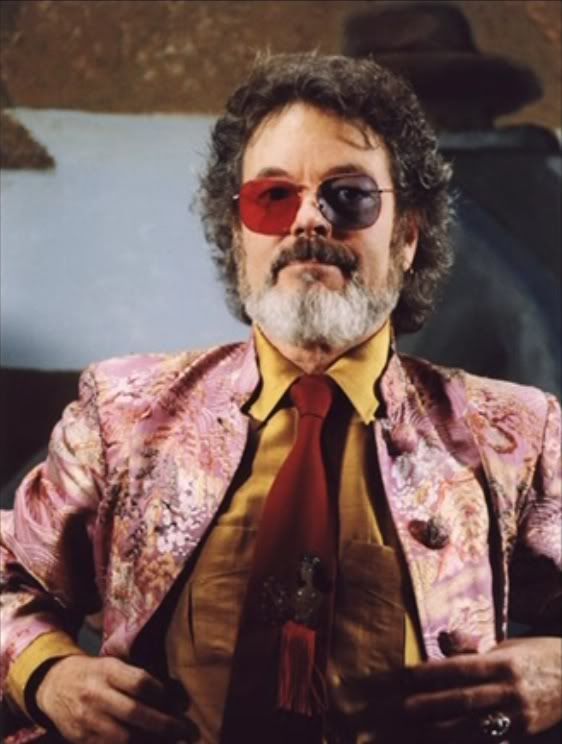
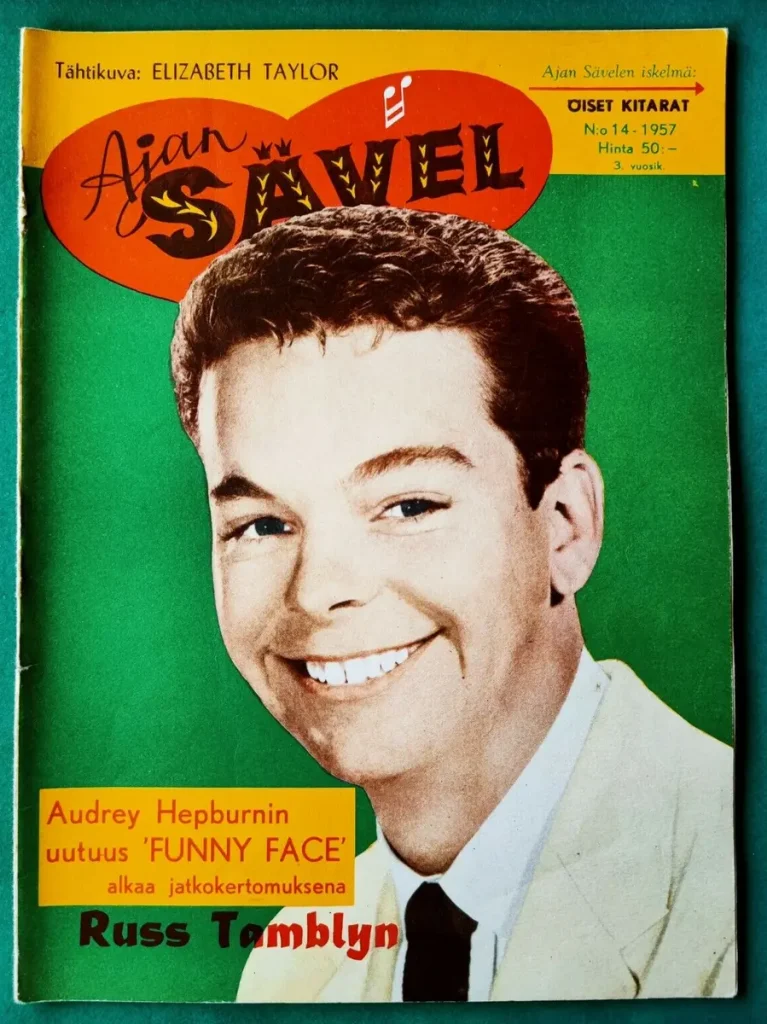
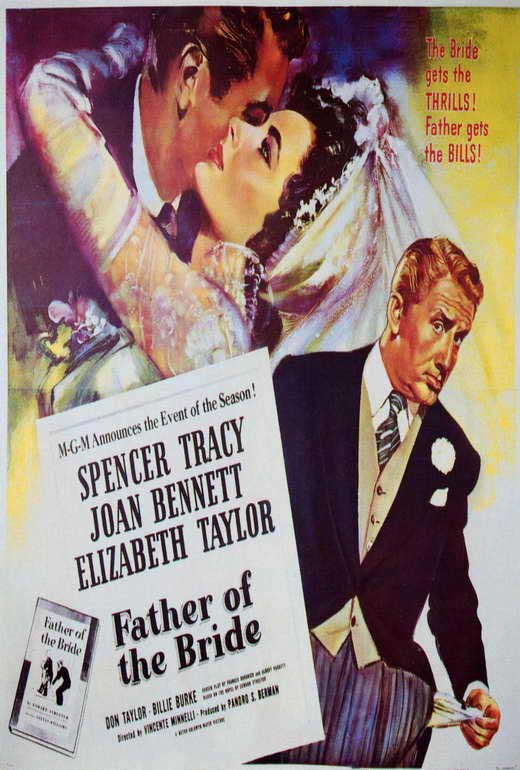
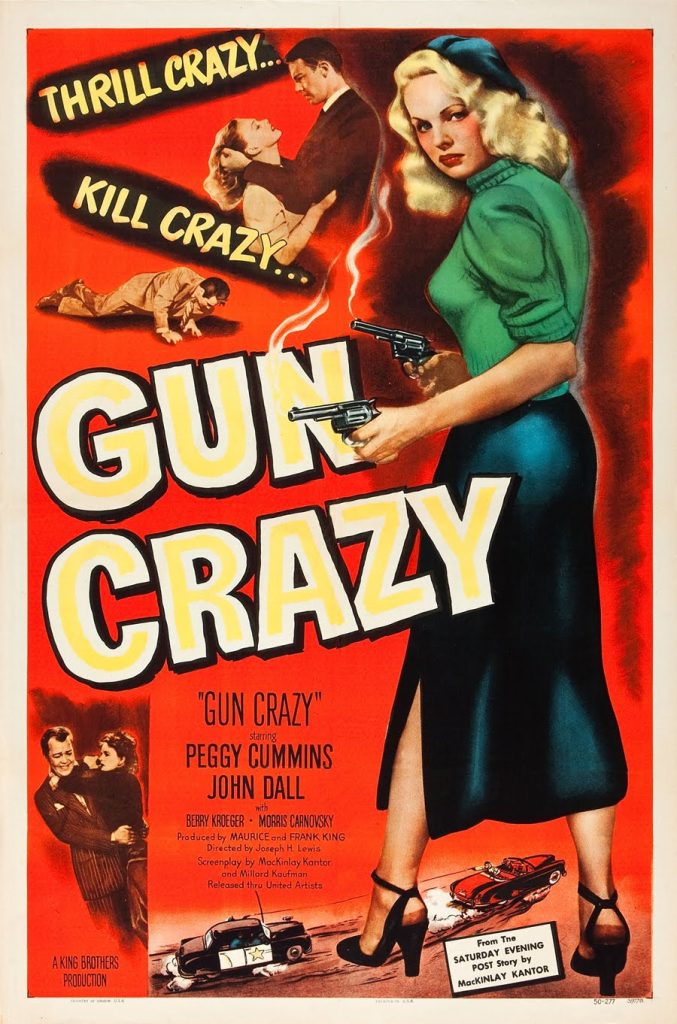
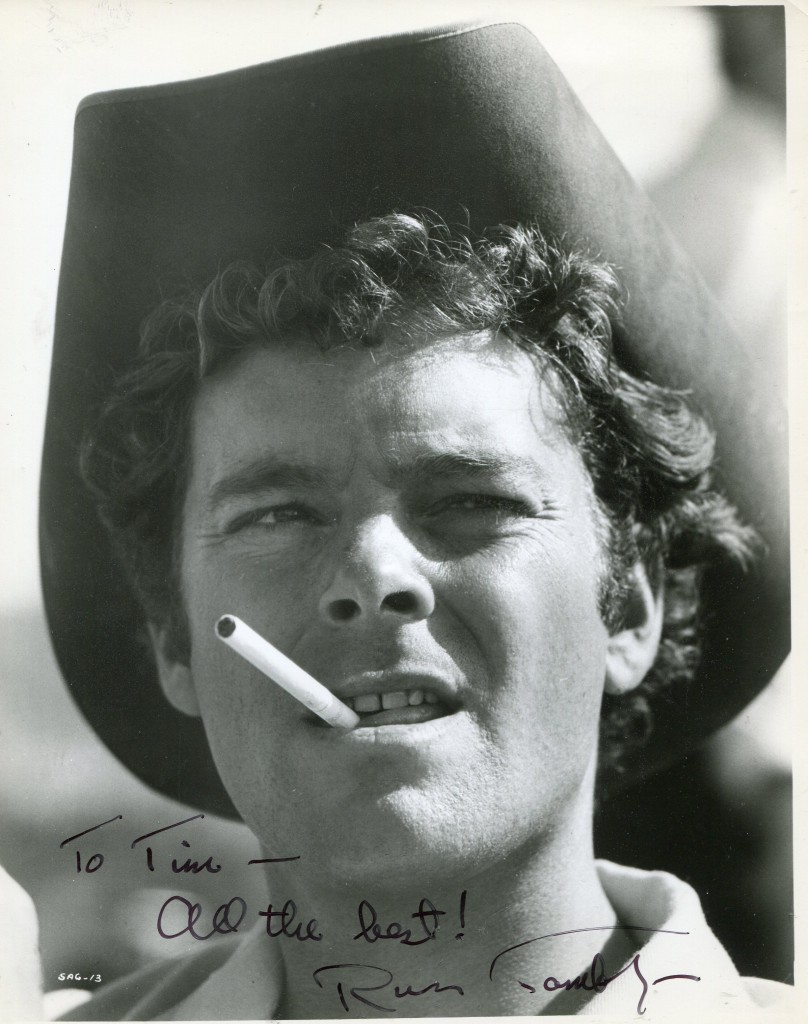
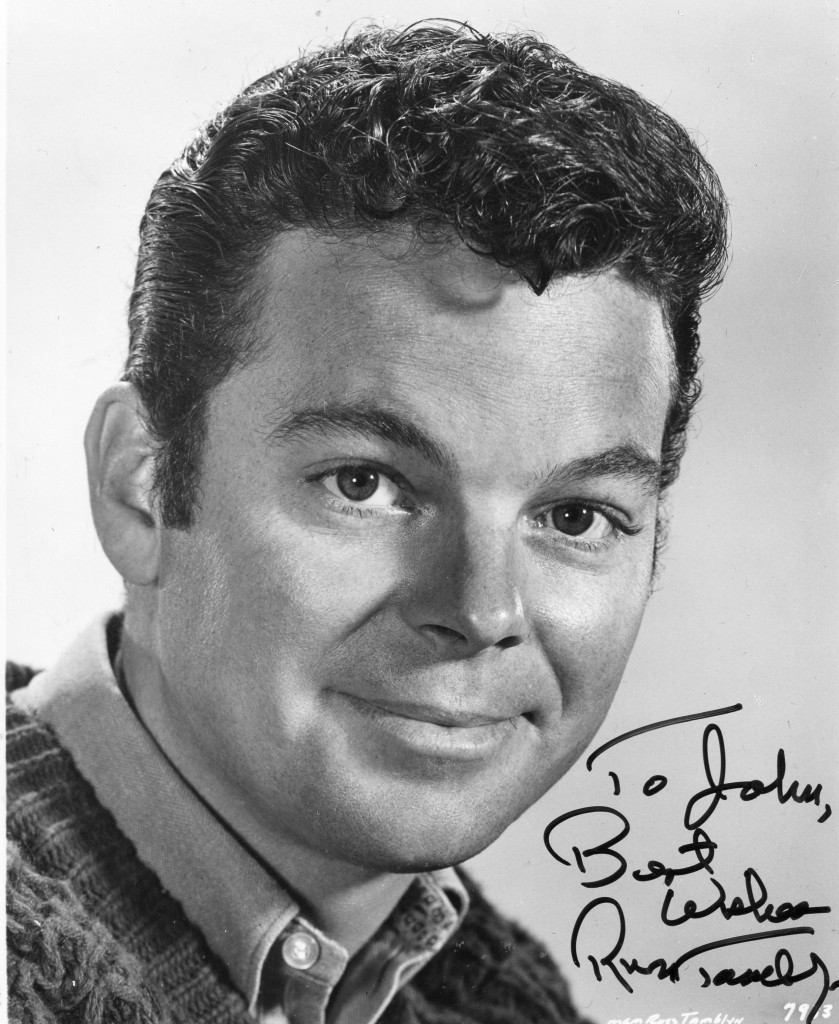
Russ Tamblyn was born in 1934 in Los Angeles. He began his career as a child actor and can be seen in the 1949 cult classic “Gun Crazy”. In 1950 he was the brother of Elizabeth Taylor in the very popular “Father of the Bride”.

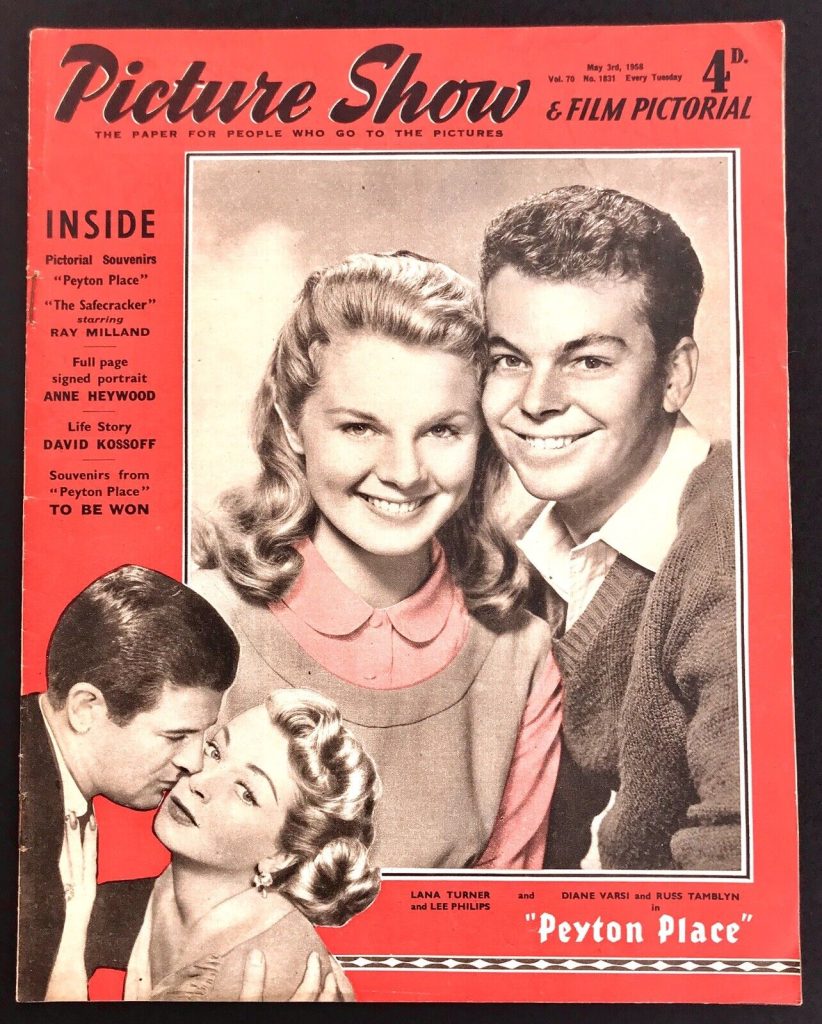
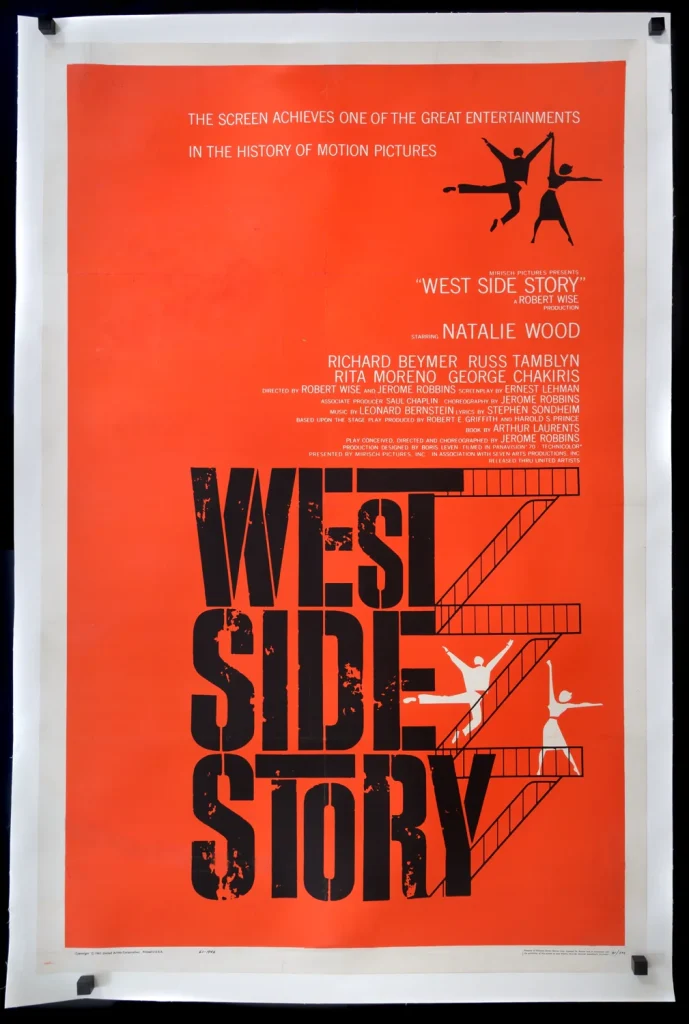
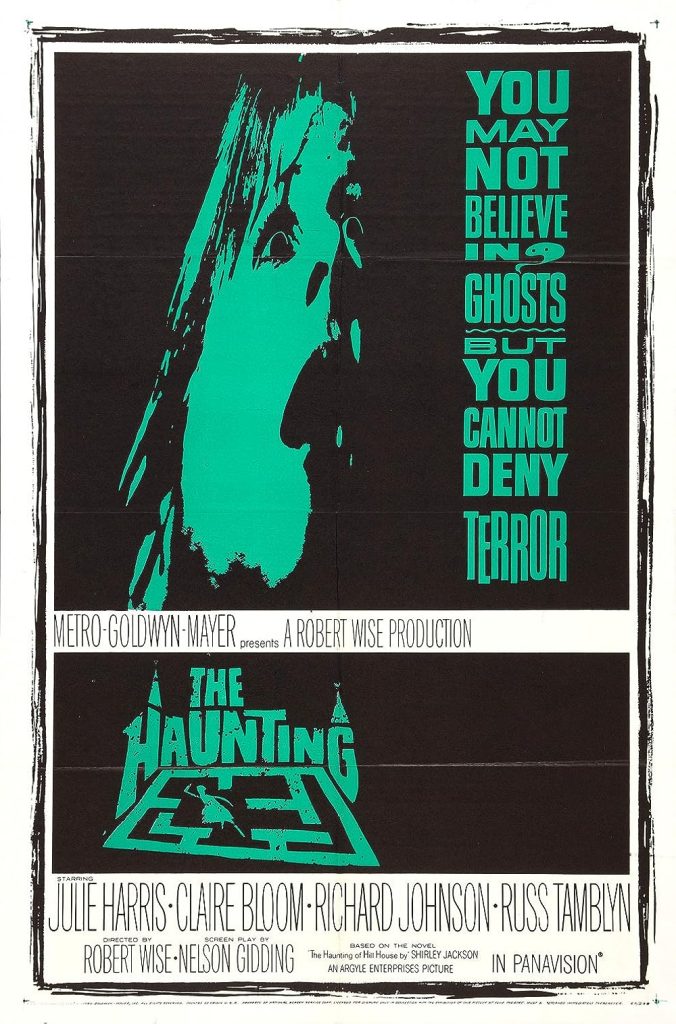
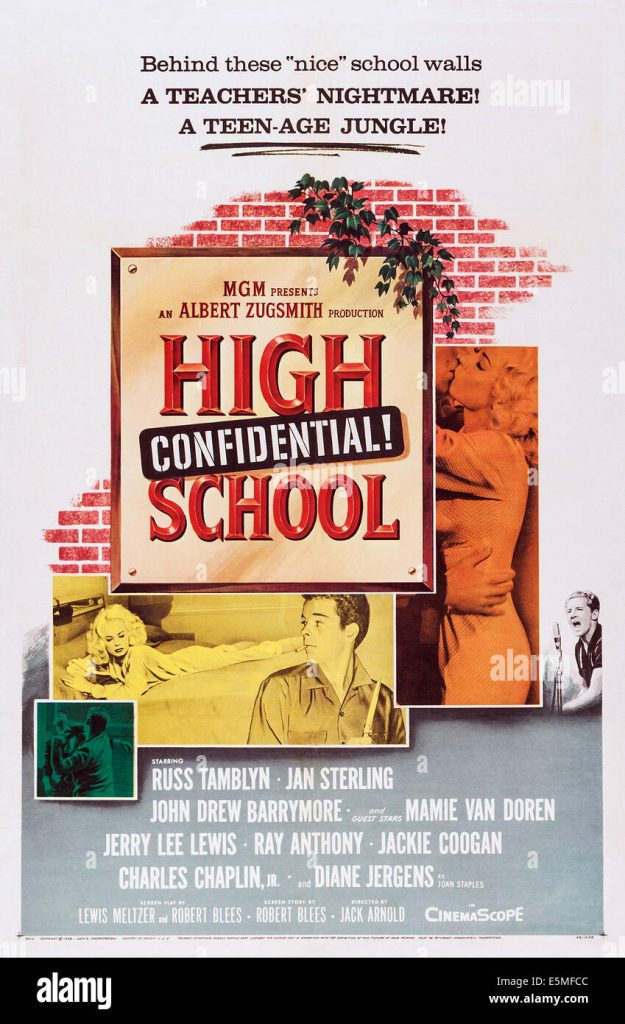
His other credits on film include “Peyton Place” in 1957, “High School Confidential” where he was the nephew of Mamie Van Doren??? and of course “West Side Story”. In 1963 he came to England to make for director Robert Wise “The Haunting”. In 1991 he starred in the cult TV classic “Twin Peaks”.

Gary Brumbrugh’s entry:
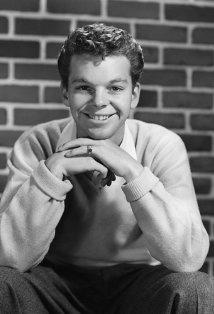
Russ Tamblyn might as well face it…he will be a Jet “till his last dying day.” Indelibly linked to the “womb to tomb” role of Riff, the knife-wielding, rocket-tempered, Baryshnikov-styled gang leader of the streetwise Jets in the musical film masterpieceWest Side Story (1961), it’s not a bad way to be remembered! Russ was actually 27 when he portrayed the teenage troublemaker who became the ’50s equivalent of the Mercutio character in the Romeo and Juliet-inspired adaptation.

To describe Tamblyn as talented and extremely agile is a huge understatement. This awesome musical performer was born in Los Angeles, California on December 30, 1934, and groomed early for stardom. Discovered at age ten by actor Lloyd Bridges for the play “Stone Jungle”, Russ was soon performing on radio and in L.A.-based musical revues.
Billed as “Rusty Tamblyn” then, the tousle-haired scrapper played a student extra in his first film The Boy with Green Hair (1948) starring another child actor, Dean Stockwell. Having taken up dancing and acrobatics from the age of 6, Tamblyn marked his abilities with his very first TV appearance on the “The Ed Sullivan Show.” Eventually handed a starring role in the “B” film The Kid from Cleveland (1949), he was signed by an eager MGM who saw his potential as a juvenile actor.

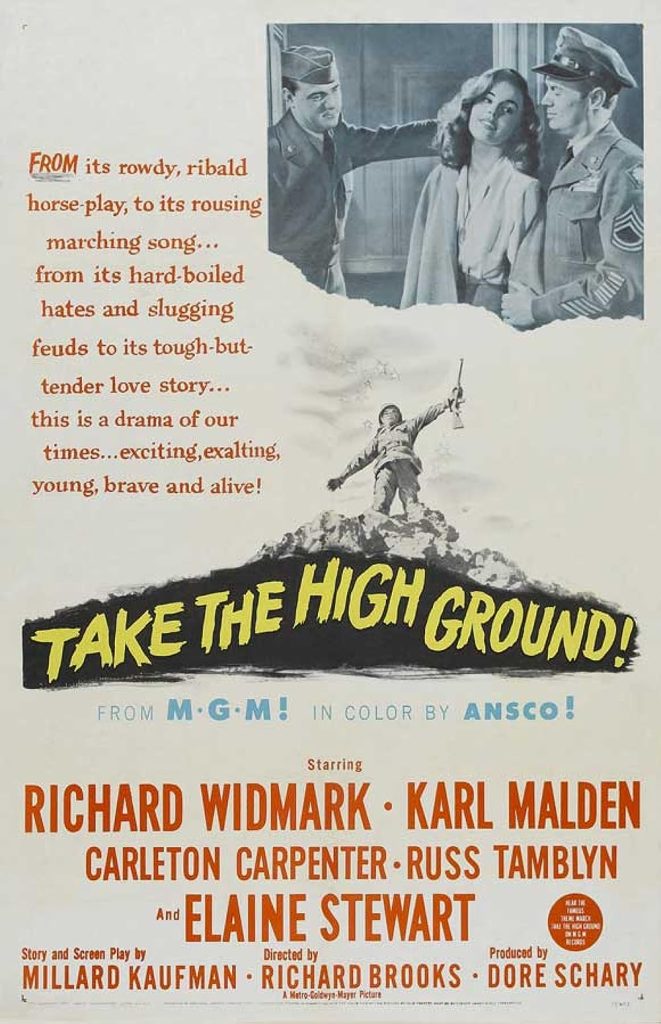
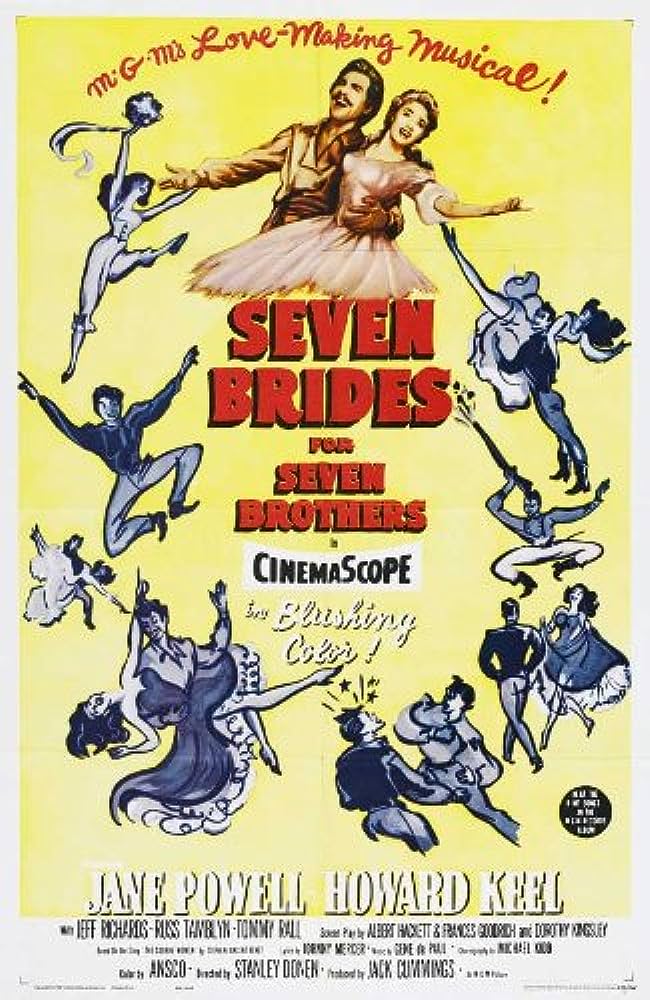
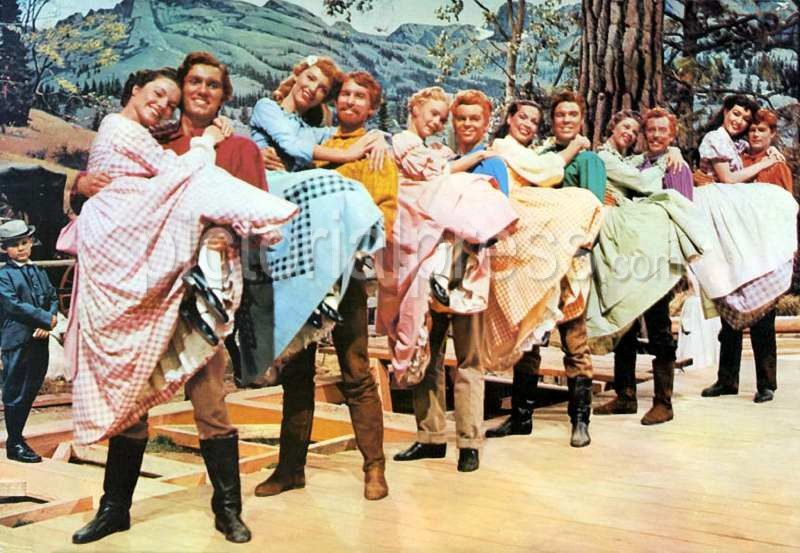
Featured in the popular family-oriented comedy Father of the Bride (1950), and its sequel Father’s Little Dividend (1951), Tamblyn also had a prime role in the war drama Take the High Ground! (1953) before taking off in musical films. Demonstrating exceptional athleticism in one of MGM’s best,Seven Brides for Seven Brothers (1954), Tamblyn’s timing was regrettably off as musicals were quickly on the wane.

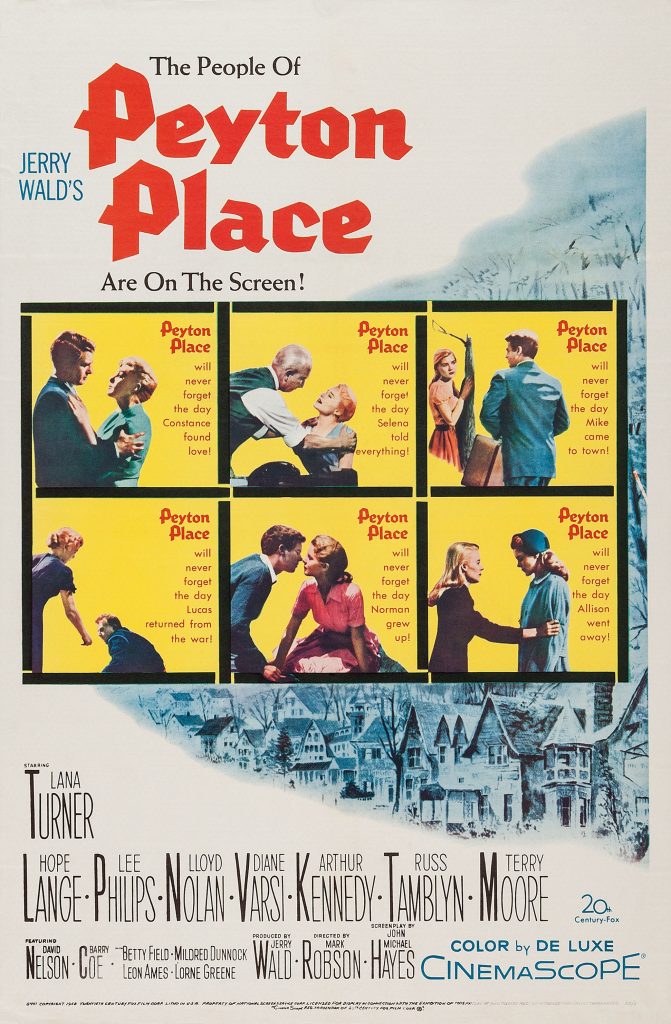
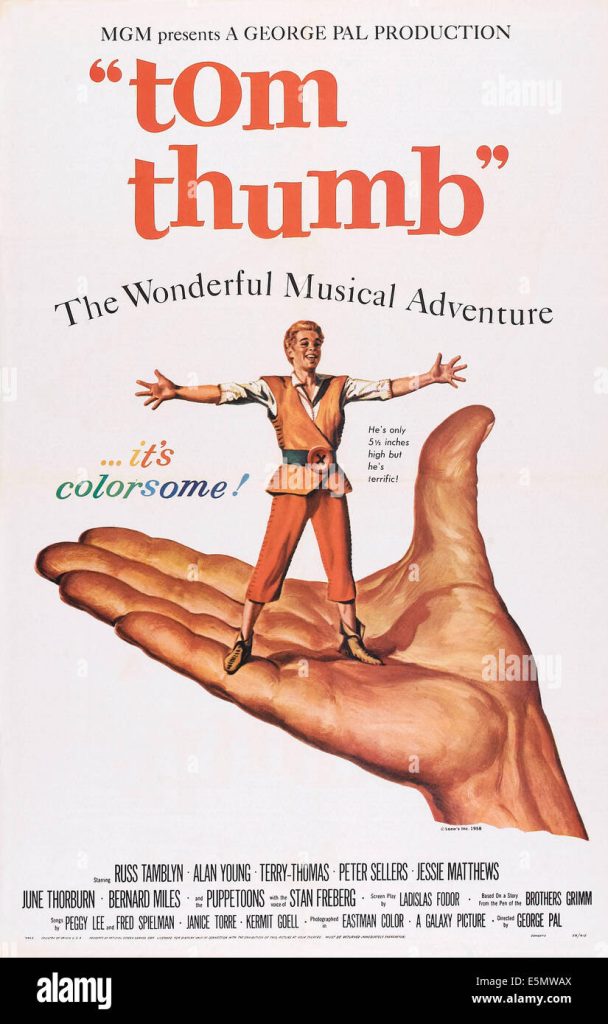
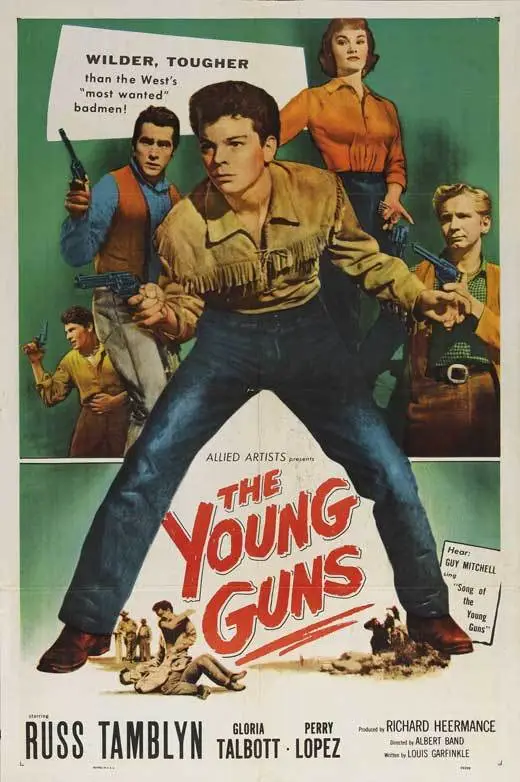
He adjusted, however. A starring role in the low-budget The Young Guns (1956) led to excellent reviews in the ensemble box-office soaper Peyton Place (1957). Tamblyn, along with Lana TurnerArthur KennedyHope Lange and Diane Varsi, all received Oscar nominations for their participation. Russ scored quite well in the title role of tom thumb (1958), which became a large stepping stone in his being cast as Riff in 1961. Following this achievement, however, the offers started dwindling.

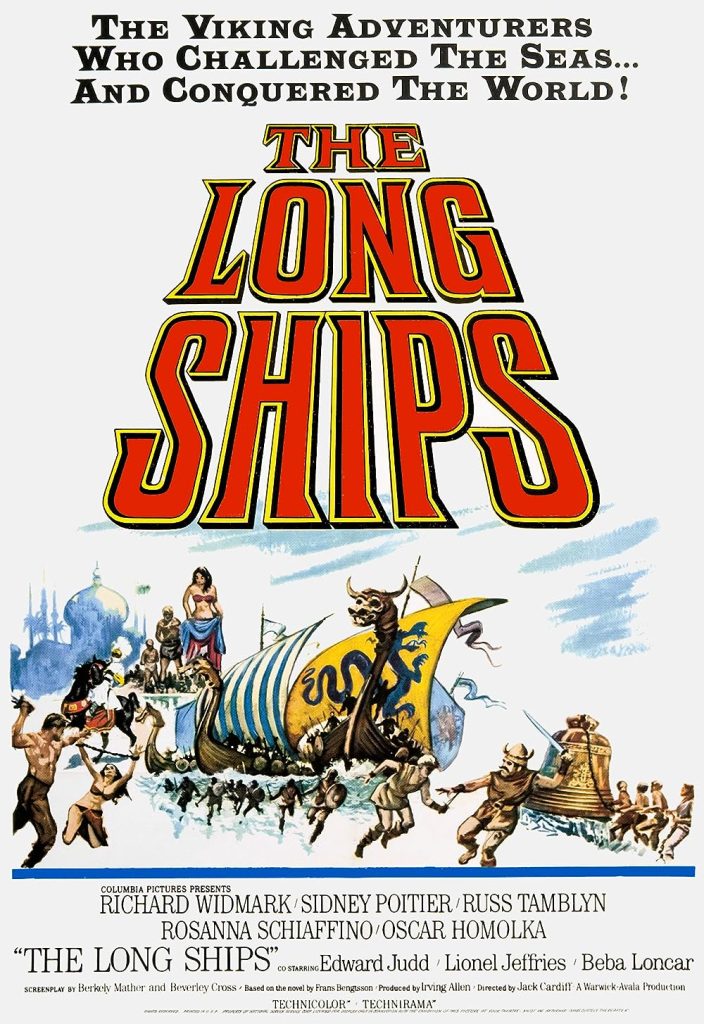
Tamblyn’s last co-starring roles in quality films were shot overseas with the British-produced chiller The Haunting (1963) with Julie Harris and Claire Bloom, and the British-Yugoslavian Viking costumer The Long Ships (1964) starring Richard Widmark and Sidney Poitier.

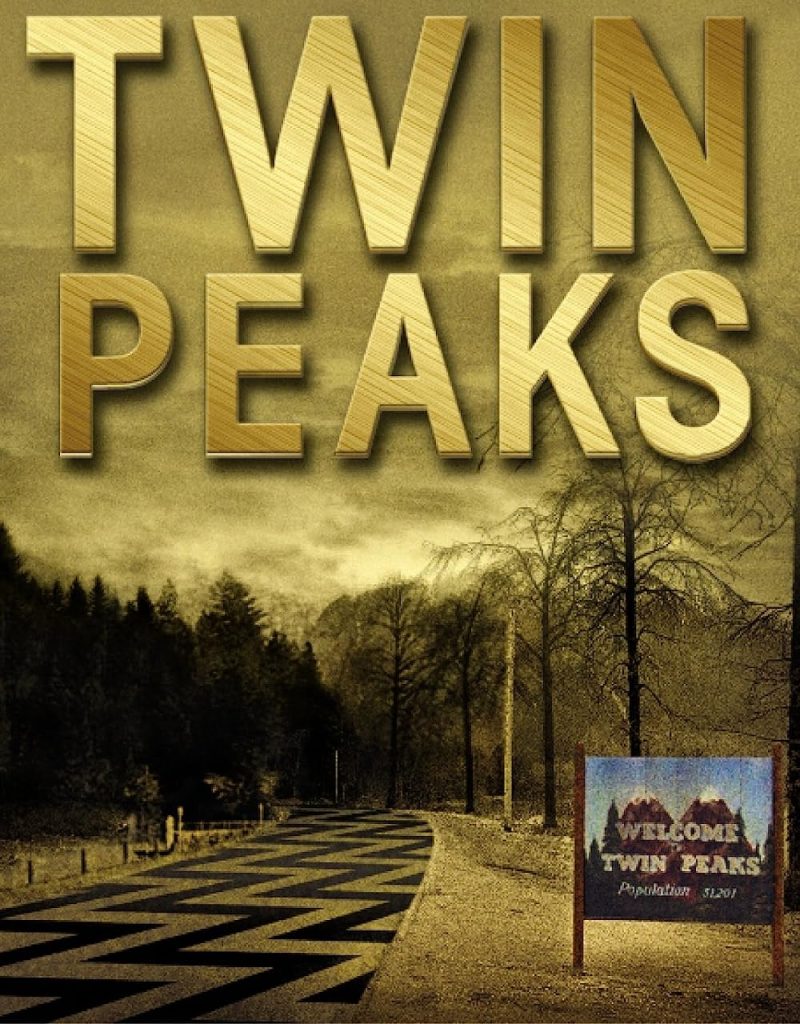
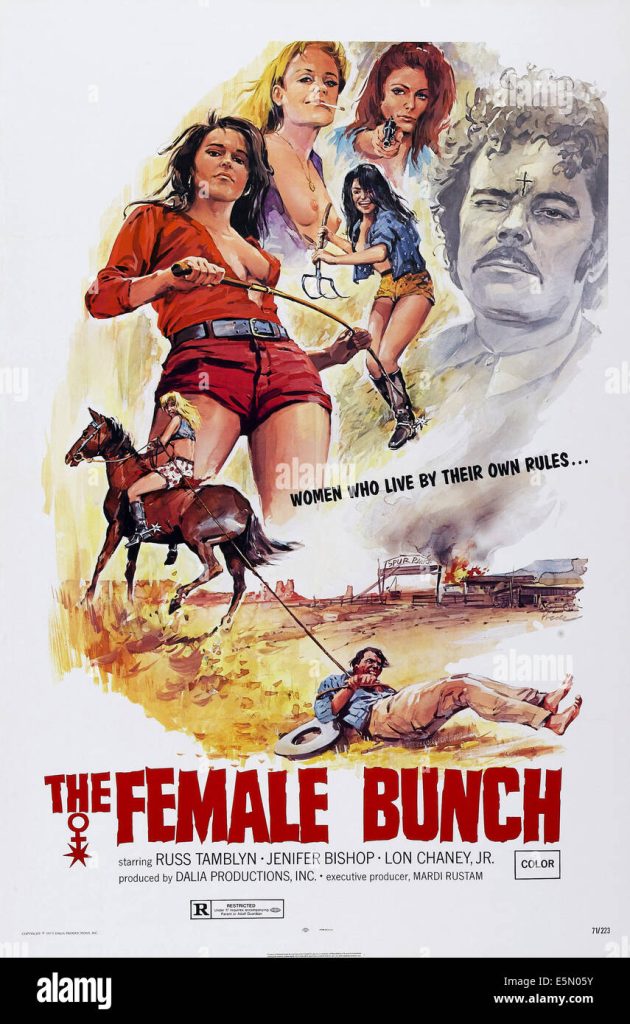
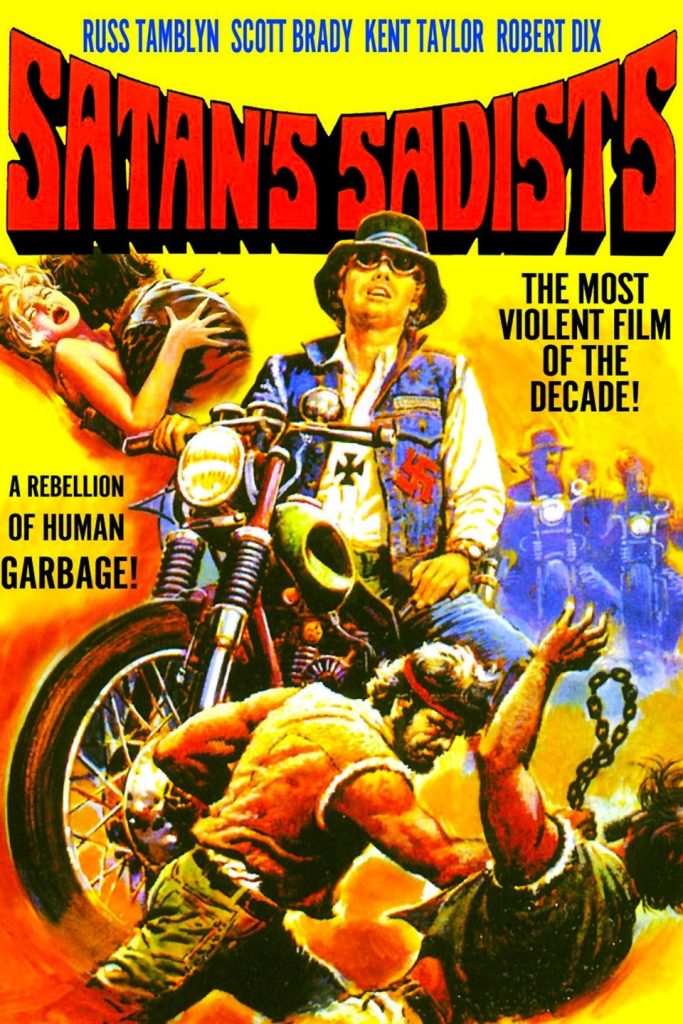
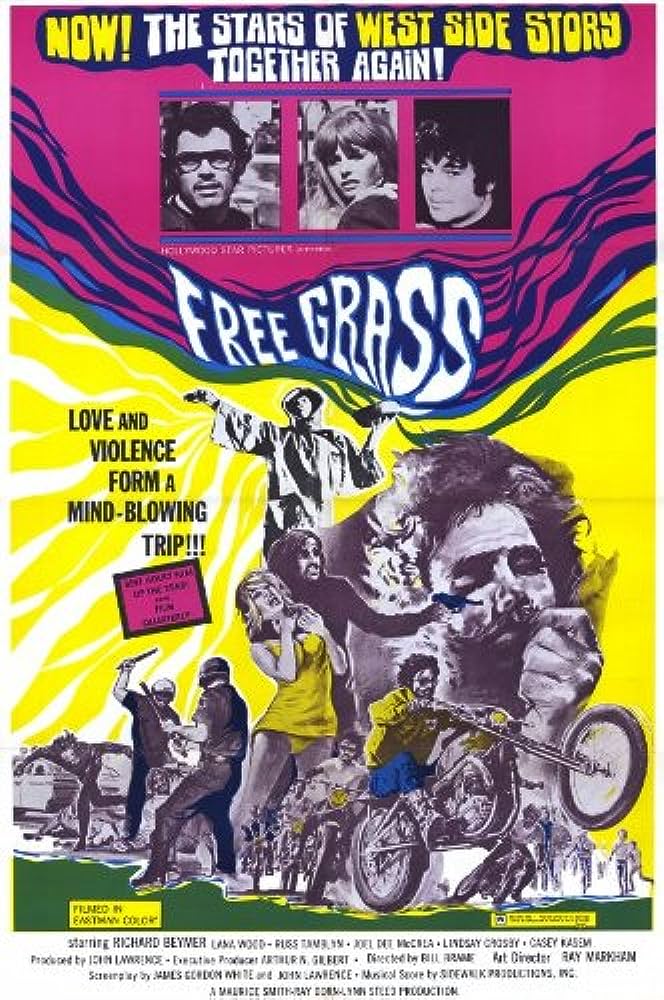
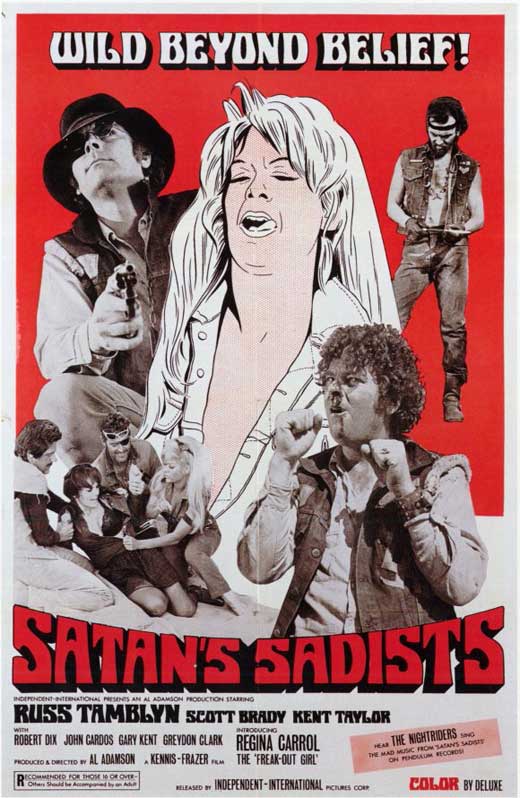
After that, his career grew quite dismal. Titles such as The Female Bunch (1971),Satan’s Sadists (1969), Scream Free! (1969), Dracula vs. Frankenstein (1971) and The Bloody Monks (1990) pretty much tells the story. On the road in the lean years with minor stage productions here and there, including the musical “Cabaret,” Russ all but disappeared from the viewing audience. When he finally nabbed the role of the overtly weird (and who wasn’t on that show?) psychiatrist Dr. Lawrence Jacoby in the popular TV cult series Twin Peaks (1990), it was the first time Tamblyn had generated interest in over two decades.
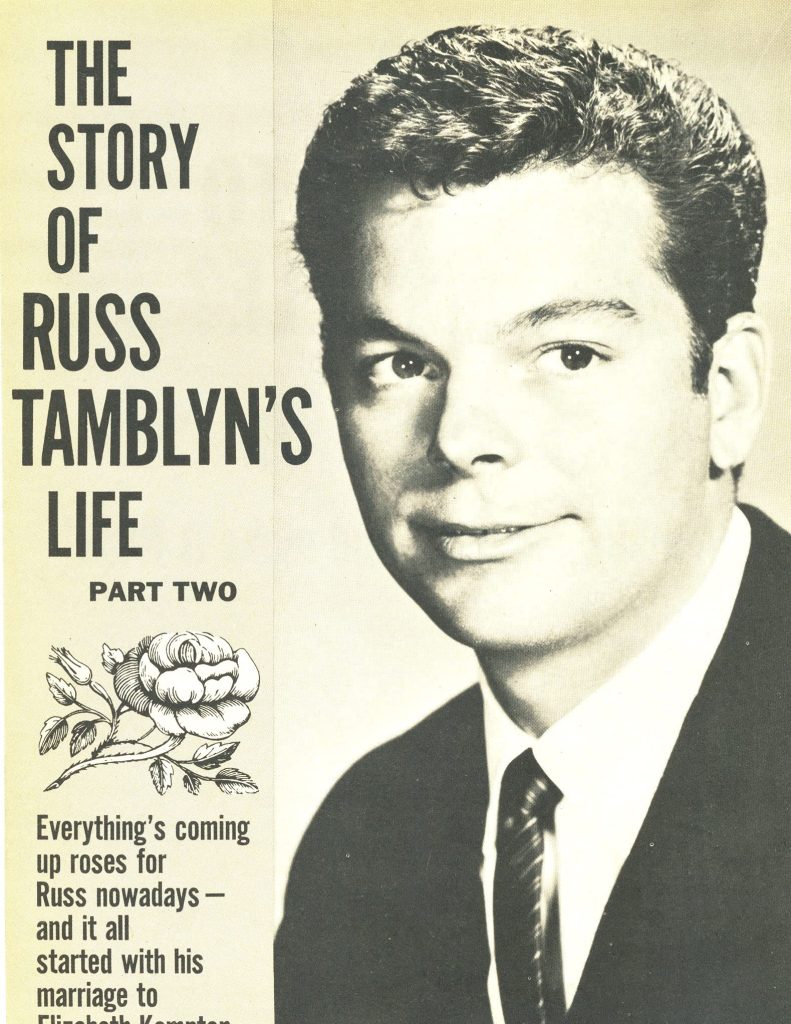
Barely recognizable with his wild-eyed look, mangy hair and frizzy beard, he has since gained employment off this eccentric image. Married three times, Tamblyn has lately taken on choreographic duties and the managing of actress/daughterAmber Tamblyn‘s career, she of Joan of Arcadia (2003) fame.

– IMDb Mini Biography By: Gary Brumburgh / gr-home@pacbell.net
Tamblyn is one of the more unusual American screen performers of the post-war era. His career spans over seven decades and crosses several distinct cultural phases: the MGM musical period of the 1950s, the youth-culture cinema of the 1960s, countercultural experimentation in the 1970s, and cult television revival in the 1990s and beyond.

Unlike many actors whose careers follow a single trajectory, Tamblyn’s work reflects a continual reinvention of persona, moving from athletic juvenile roles to eccentric character parts.


1. Early Life and Entry into Hollywood

Tamblyn was born in Los Angeles in 1934 into a show-business family; his father was the actor Eddie Tamblyn.

His entry into film came through MGM during the late studio era. Initially he appeared in small roles, including:

  • The Boy with Green Hair
  • Father of the Bride

Even in these early appearances, he stood out for his highly kinetic physical presence, a quality that soon became central to his career.

Critical note

Tamblyn’s training as a gymnast and dancer made him particularly suited to MGM’s production style, which emphasized physical performance and choreography.


2. Breakthrough: Youth Roles and the MGM Musical Era

Tamblyn gained recognition with supporting parts in films such as:

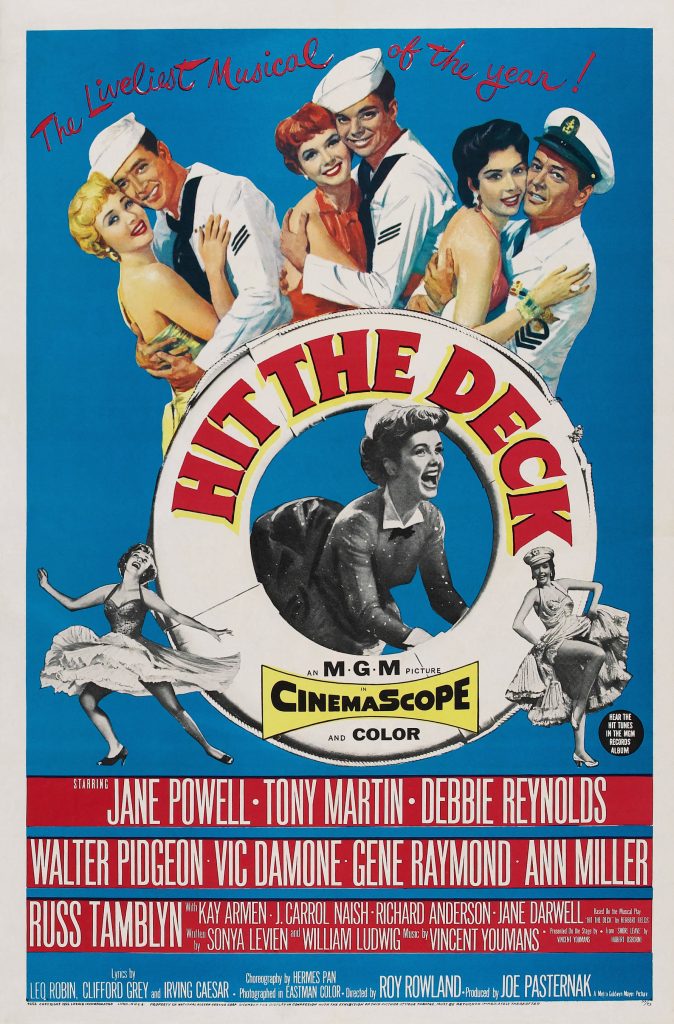
  • Seven Brides for Seven Brothers

In this musical he played one of the acrobatic brothers and performed demanding dance sequences.

Critical evaluation

His performance demonstrated three characteristics that would define his early career:

  1. Explosive physicality
  2. Comic exuberance
  3. Boyish charisma

However, he was still treated largely as a talented ensemble performer rather than a star.


3. Dramatic Recognition: Peyton Place (1957)

Tamblyn’s major dramatic breakthrough came with:

  • Peyton Place

He played Norman Page, the shy son of a violent alcoholic father.

The performance earned him:

  • an Academy Award nomination for Best Supporting Actor

Critical analysis

The role is striking because it contrasts sharply with his earlier energetic persona.

Tamblyn portrayed Norman as:

  • emotionally fragile
  • socially awkward
  • deeply sensitive

Critics praised the unexpected emotional depth he brought to the role. His performance helped ground the film’s melodrama in genuine vulnerability.

Yet the industry struggled to reconcile this dramatic ability with his athletic, youthful image.


4. Iconic Role: West Side Story (1961)

Tamblyn’s most famous performance is undoubtedly:

  • West Side Story

where he played Riff, the charismatic leader of the Jets.

Artistic significance

Riff is a crucial character because he embodies the film’s themes of:

  • restless youth
  • tribal identity
  • urban aggression.

Tamblyn’s dance training allowed him to deliver one of the most athletic performances in the film.

Critical interpretation

His portrayal stands out for its combination of grace and menace:

  • physically light and agile
  • emotionally volatile.

This balance made Riff one of the film’s most memorable characters.

However, the role also reinforced Tamblyn’s association with hyper-energetic youth, which complicated his transition to mature leading roles.


5. Countercultural Cinema and Career Instability (1960s–1970s)

After West Side Story, Tamblyn struggled to find roles that matched his abilities.

He appeared in notable but uneven projects such as:

  • The Haunting
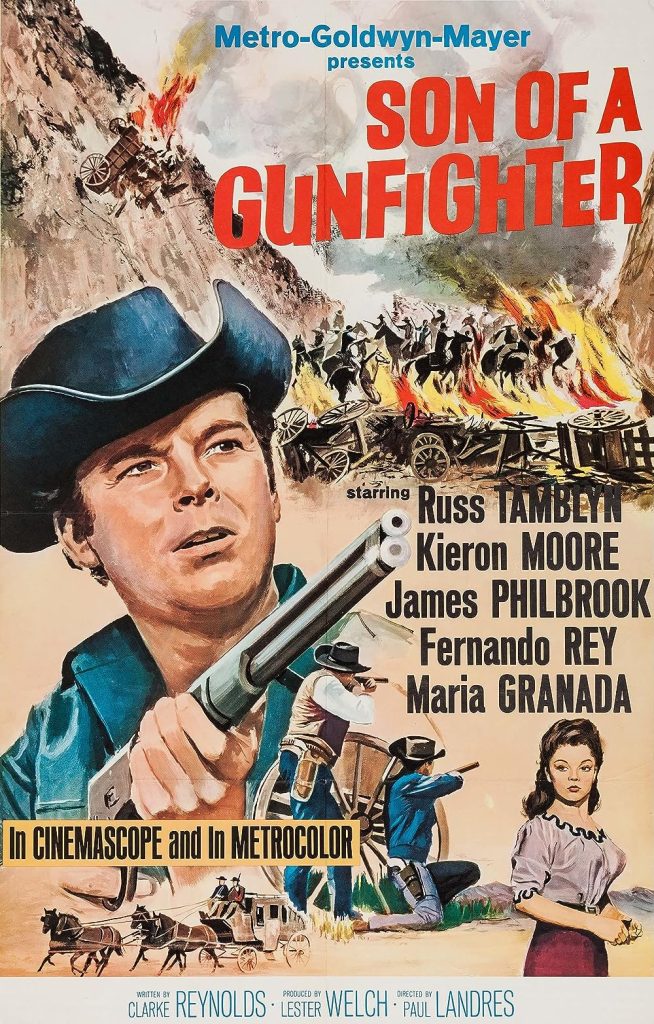
  • Son of a Gunfighter

In The Haunting, directed by Robert Wise, he played the skeptical investigator Luke Sanderson.

Critical perspective

This role revealed a different side of his talent:

  • ironic humor
  • sardonic charm
  • intellectual playfulness.

Yet Hollywood rarely cast him in such parts.

By the late 1960s and 1970s he became involved in experimental filmmaking and art projects, reflecting the era’s countercultural spirit.

This period saw fewer mainstream roles but increased creative experimentation.


6. Cult Revival: Twin Peaks (1990–2017)

Tamblyn’s career experienced a remarkable revival when he was cast by David Lynch in:

  • Twin Peaks

He played Dr. Lawrence Jacoby, an eccentric psychiatrist.

Critical significance

The role perfectly matched Tamblyn’s unique persona:

  • quirky
  • unpredictable
  • slightly surreal.

In the revival series:

  • Twin Peaks: The Return

his character evolved into a conspiracy-theorist radio personality, reflecting contemporary cultural anxieties.

Critics widely praised this late-career reinvention.


7. Acting Style

Tamblyn’s work is distinctive because of his physical expressiveness.

Key characteristics include:

1. Kinetic Performance

Few actors of his generation used their bodies so dynamically. His dance training gave him:

  • extraordinary agility
  • expressive movement.

2. Youthful Energy

Even in dramatic roles, he projected restless vitality, which made him ideal for characters representing youth culture.

3. Eccentric Humor

In later roles he developed a quirky, offbeat comedic style.


8. Career Challenges

Despite his talent, Tamblyn never became a consistent leading man.

Several factors contributed:

1. Typecasting

His athletic persona limited casting options once he aged out of youthful roles.

2. Industry change

The collapse of the studio system disrupted career development for many actors of his generation.

3. Unconventional personality

Tamblyn often gravitated toward artistic and experimental projects rather than mainstream Hollywood roles.


9. Legacy

Today, Tamblyn’s reputation rests on several iconic contributions:

  • Norman Page in Peyton Place
  • Riff in West Side Story
  • Dr. Jacoby in Twin Peaks

Together these roles demonstrate an actor capable of:

  • dramatic vulnerability
  • explosive musical performance
  • eccentric character acting.

✅ Critical conclusion

Russ Tamblyn’s career is best understood not as a conventional Hollywood success story but as a long artistic journey across changing cultural eras.

While he never achieved the sustained leading-man status of some contemporaries, his performances—especially in Peyton PlaceWest Side Story, and Twin Peaks—reveal a uniquely versatile performer whose work continues to influence both film and television.


Richard Eyer
Richard Eyer
Richard Eyer

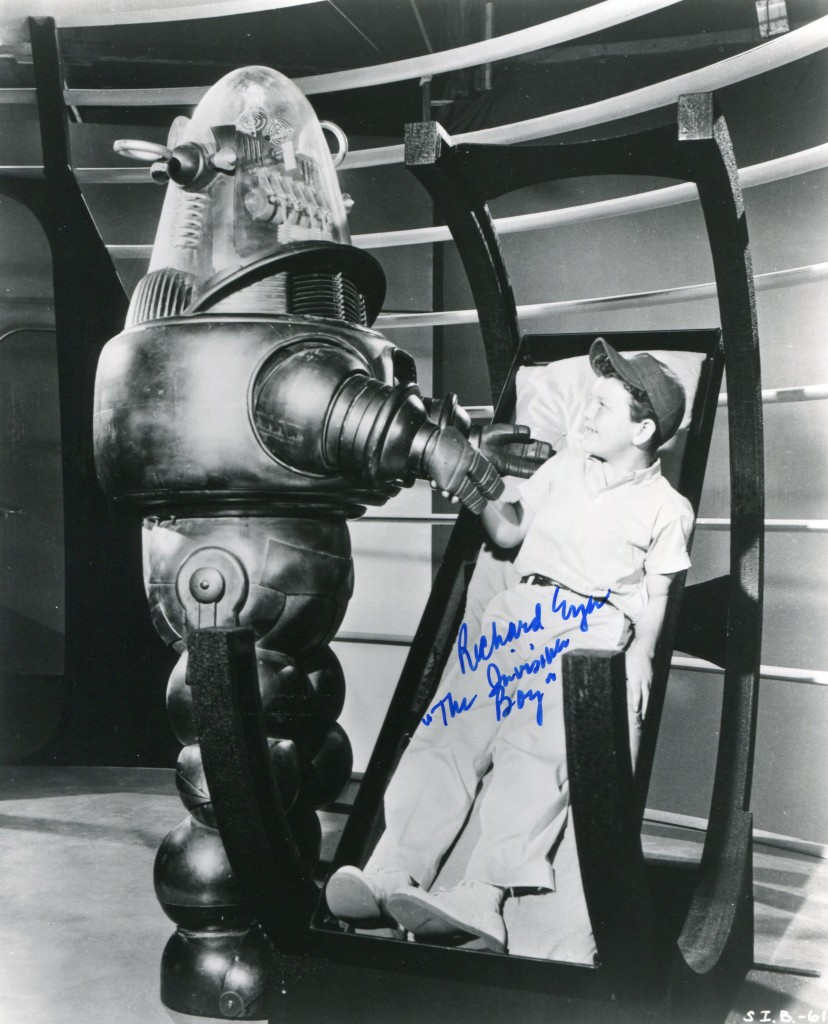
Richard Eyer was a popular child actor of the 1950’s. He was born in 1945 in Santa Monica, California. He is remembered for his role as the son of Quaker parents Gary Cooper and Dorothy McGuire in “Friendly Persuasion” in 1956. He had the title role in the science fiction movie “The Invisible Boy”, was featured in the fine Western, “Ford Dobbs” with Clint Walker and Virginia Mayo and starred in “The Seventh Voyage of Sinbad”. He retired from acting at the age of 21 and became a teacher. He retired from teaching in 2006.

IMDB entry:

Born in Santa Monica, California, in 1945, Richard Eyer was the kid with the clean-cut, all-American look who won a number of “personality contests” and other competitions before he made his film debut in the early 1950s. Mainstream audiences may remember Eyer best as the youngster who runs “afowl” of the nipping goose in director William Wyler‘s Friendly Persuasion (1956), while sci-fi fans will recall that he had star billing and the title role in The Invisible Boy (1957), producer Nicholas Nayfack‘s independently-made follow-up to MGM’s popular Forbidden Planet (1956). Eyer now lives in a small town East of California’s Sierra Nevada Mountains.

– IMDb Mini Biography By: Tom Weaver <TomWeavr@aol.com>

Paul Petersen
Paul Petersen
Paul Petersen

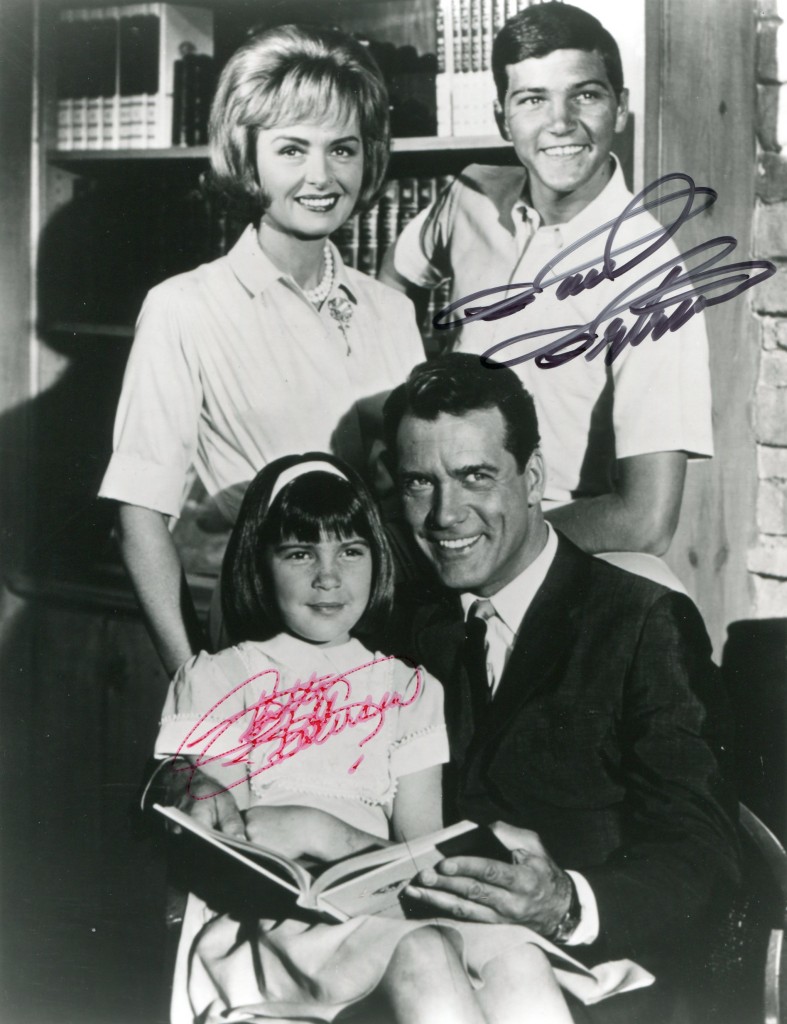
Paul Petersen was born in 1945 in Glendale, California. He is best remembered for his role as Donna Reed’s son on the popular television series “The Donna Reed Show” which ran from 1958 until 1966. He was also featured in the Disney movie “The Happiest Millionaire” in 1967. He has set up a support counselling service for former child actors.

Gary Brumbuurgh’s entry

He’s been through practically the worst that can happen to a former child star when the Hollywood tide suddenly turns and one is no longer a part of the neat elite. Unlike others, however, such as Anissa JonesRusty Hamer and Dana Plato, he survived. As a result, actor Paul Petersen, today, is THE most dedicated advocate in protecting both present-day child stars and shunned one-time celebrity tykes, alike. Paul formed “A Minor Consideration”, a child-actor support group back in 1990, and it has had a tremendously positive and profound effect in Hollywood.

It started out much differently for Paul back in the 50s. Born in 1945 in Glendale, California, he had an enthusiastic stage mother who pushed him into the business. He began performing, as an eight-year-old, as one of the original “Mousketeers” on The Mickey Mouse Club (1955) in 1955. He also appeared in such movies as The Monolith Monsters (1957) and Houseboat (1958), opposite the likes of Cary Grant and Sophia Loren, before scoring big, at age 12, as Donna Reed‘s son on her popular sitcom, The Donna Reed Show (1958). With Carl Betz as his highly practical doctor dad and Shelley Fabares as his older pretty sister, the foursome became the ideal nuclear family for late 50s/early 60s viewers. Paul and his alter-ego, “Jeff Stone”, literally grew up on the show. By his teens, the good-looking, dark-haired lad had become a formidable heartthrob. Fan clubs sprouted up everywhere. So popular were both Paul and Shelley that they spun off into recording careers, groomed to become singing idols despite their modest voices. She scored with the #1 hit, “Johnny Angel”, and he had a few minor hits with “She Can’t Find Her Keys”, “Keep Your Love Locked”, “Lollipops and Roses” and “My Dad”.

The fun ended, however, after the show’s demise in 1966. His All-American teen typecast didn’t fit the bill as the dissonant Vietnam counterculture took hold. His acting attempts as a serious young adult also went nowhere. Audiences still saw Paul as “Jeff Stone”. Roles in A Time for Killing (1967), Something for a Lonely Man (1968) and Journey to Shiloh (1968) came and went. Guest parts on The Virginian (1962) and The F.B.I. (1965) did nothing to advance him. What he could scrape up were such outdated roles, as “Moondoggie” in a revamped Gidget TV movie, Gidget Grows Up (1969).

Lost and abandoned, Paul eventually was forced to give it all up and went through a period of great personal anguish and turmoil. Wisely, he enrolled at college and started writing adventure novels (penning 16 books in all). For 10 years, he ran his own limousine service. His biggest accomplishment to date, however, has been to give back, selflessly, to an industry that unceremoniously dumped him. In essence, “A Minor Consideration” is an outreach organization that oversees the emotional, financial and legal protection of kids and former kids in show business. Among the issues Paul deals with are better education, and stricter laws regarding a 40-hour work week. For those who have “been there, done that” and are experiencing severe emotional and/or substance abuse problems, he offers a solid hand in helping them find a renewed sense of purpose. Today, Paul is rightfully considered “the patron saint of former child actors”.

– IMDb Mini Biography By: Gary Brumburgh / gr-home@pacbell.net
Ross Hunter
Ross Hunter
Ross Hunter

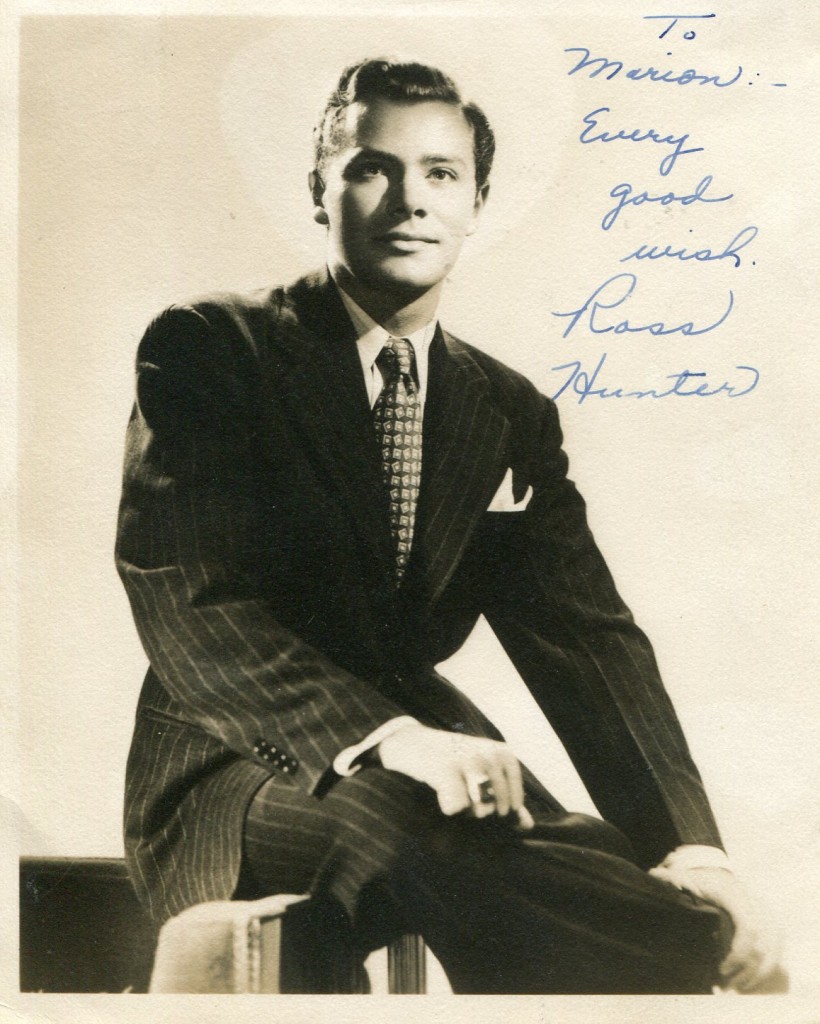
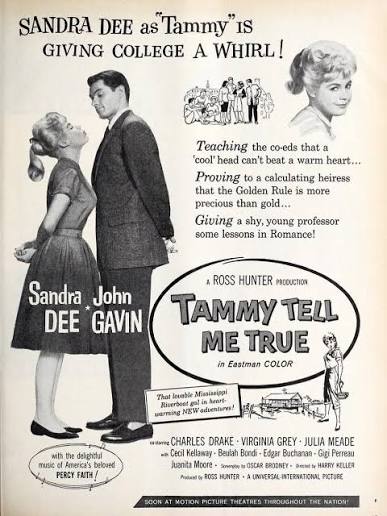
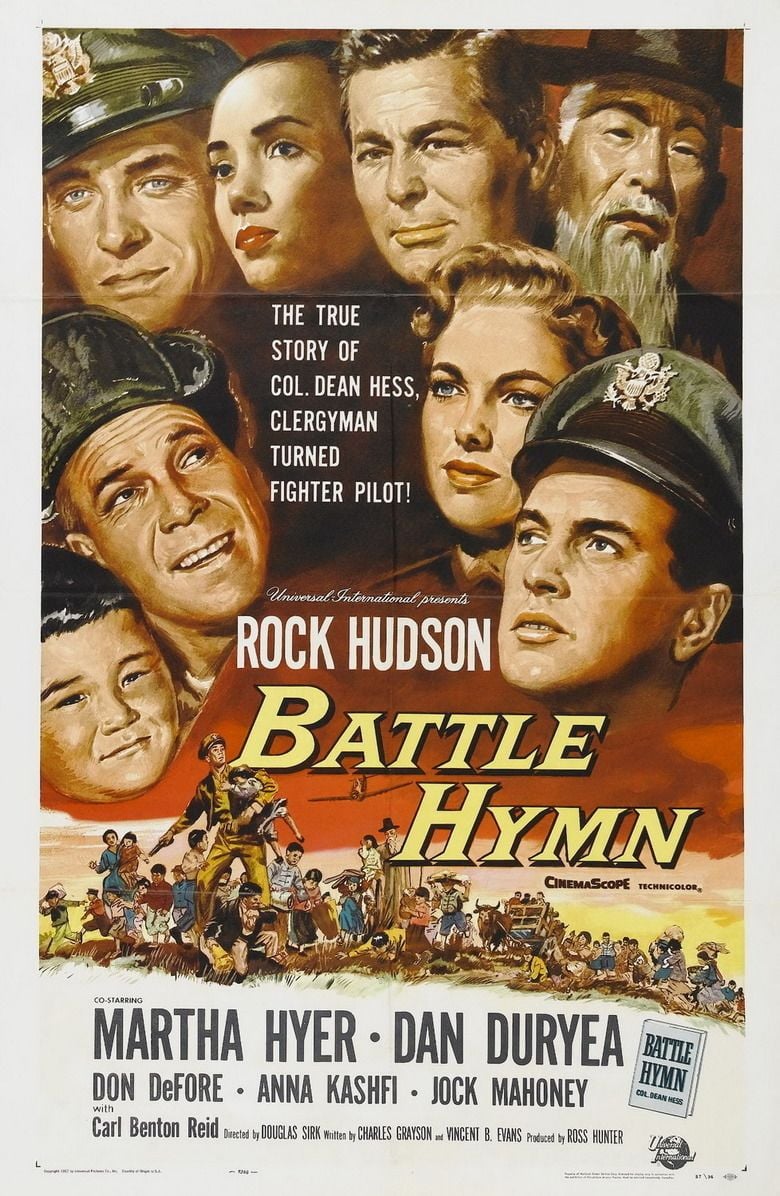
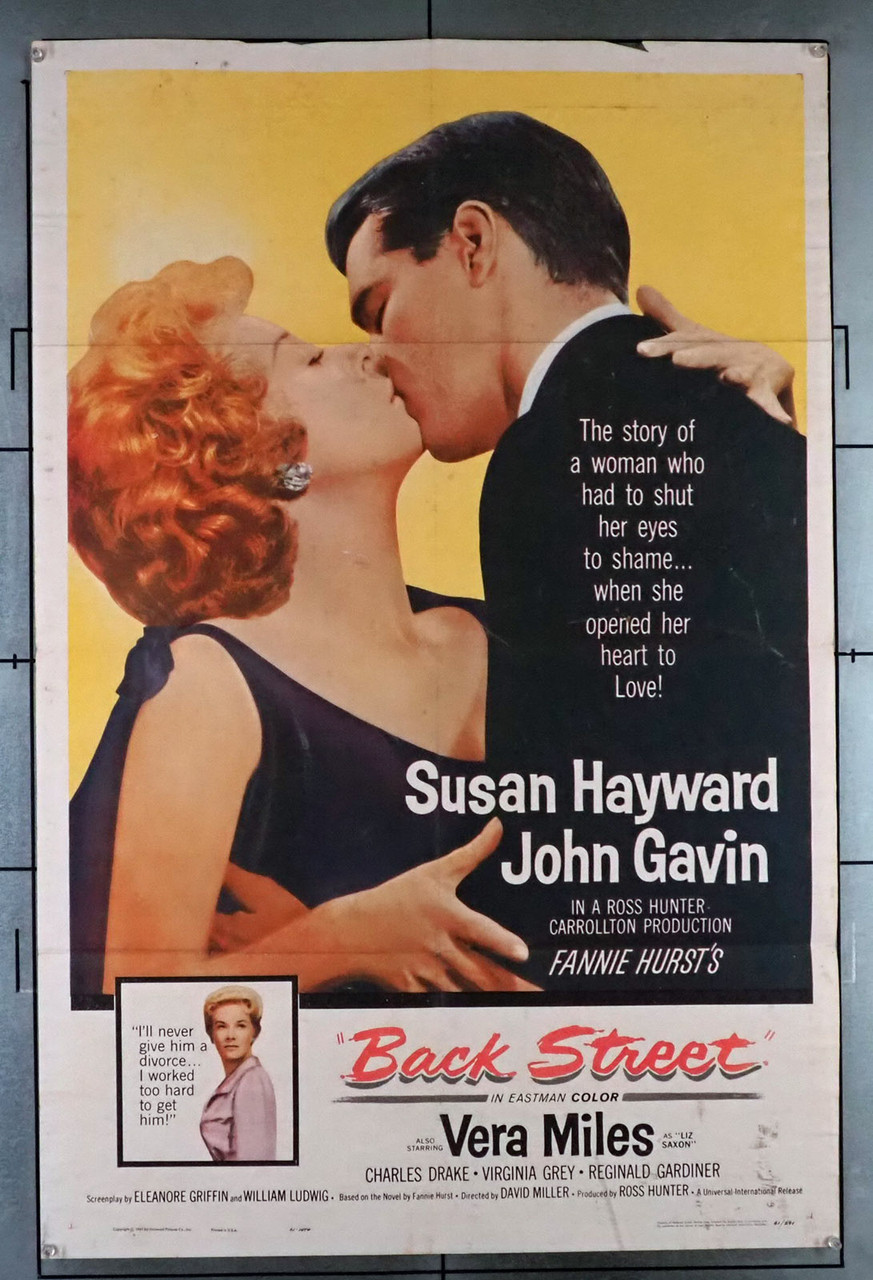
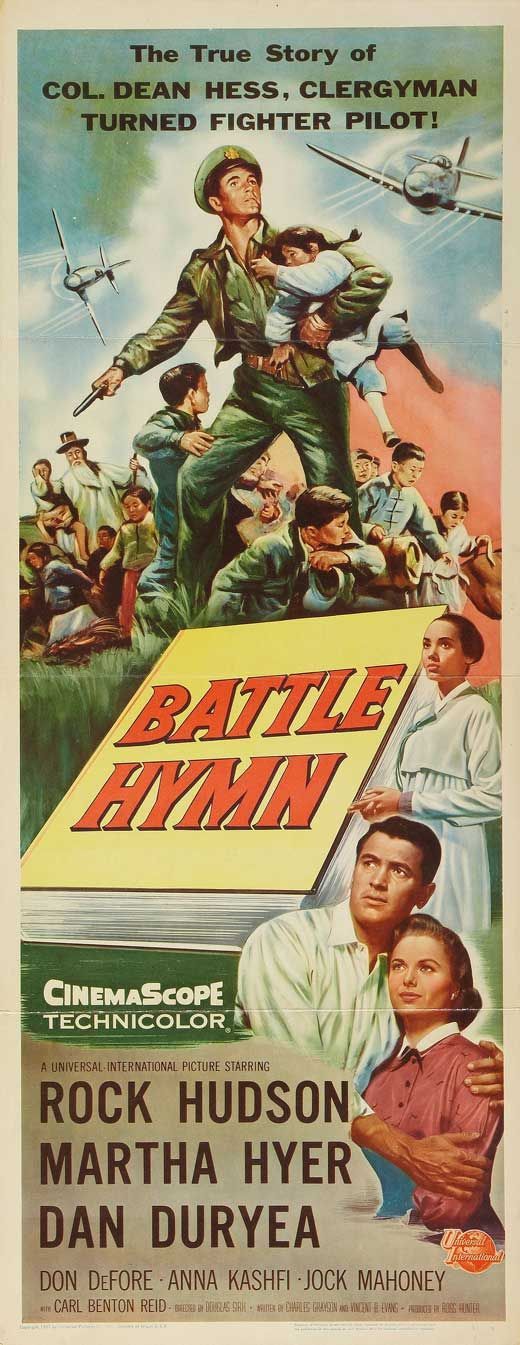
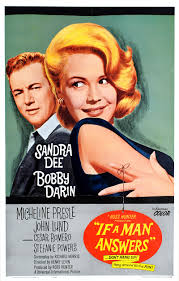
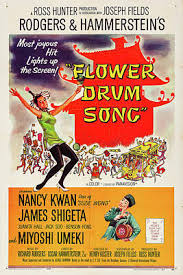
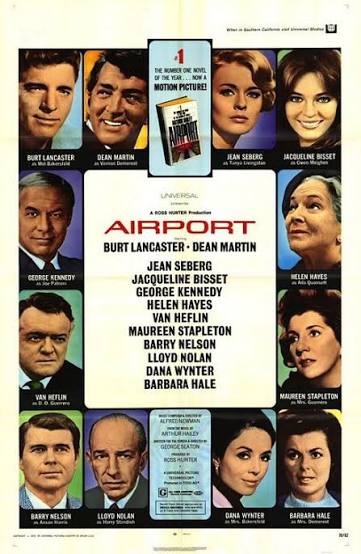
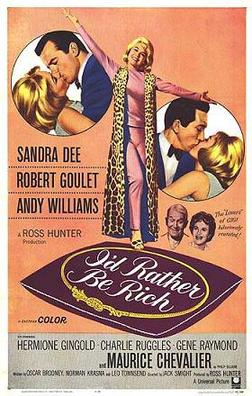
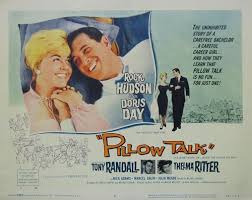
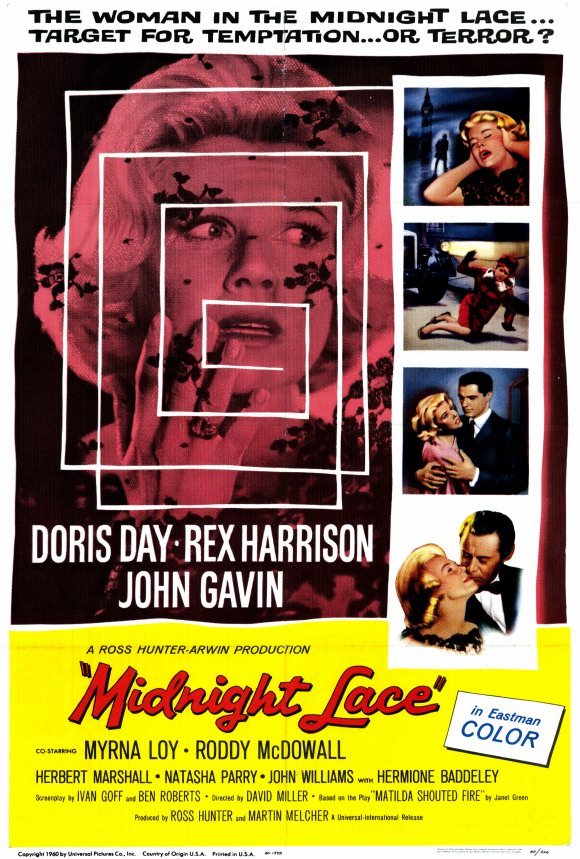
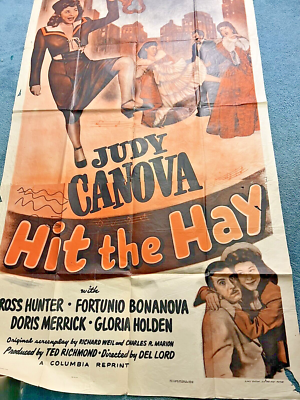
Ross Hunter was a very successful Hollywood producer who began his career as an actor. He was born in 1920 in Cleveland, Ohio. His acting debut in movies was in 1944 in “Louisiana Hayride”. His other acting credits on film include “Hit the Hay” and “The Bandit of Sherwood Forest”. As a producer, he was involved in such popolar successes as “Magnificent Obsession” with Rock Hudson, “All that Heaven Allows”, “Captain Lightfoot”, “Midnight Lace”, “Pillow Talkl2 and “Airport”. He died in 1996.

David Shipman’s “Independent” obituary:

Ross Hunter was one of the most successful producers in Hollywood’s history. He followed his hunches or, as he himself put it, “the way life looks in my pictures is the way I want life to be. I don’t want to hold a mirror up to life as it is”. Variety called Airport (1970) “a handsome, often dramatically involving epitaph to a bygone brand of film-making”. As much could be said of all Hunter’s pictures. In the New York Times, Vincent Canby described it as “an immensely silly film”, but went on to add that “it will probably entertain millions of people who no longer care very much about movies”. That was also true of most of Hunter’s pictures.

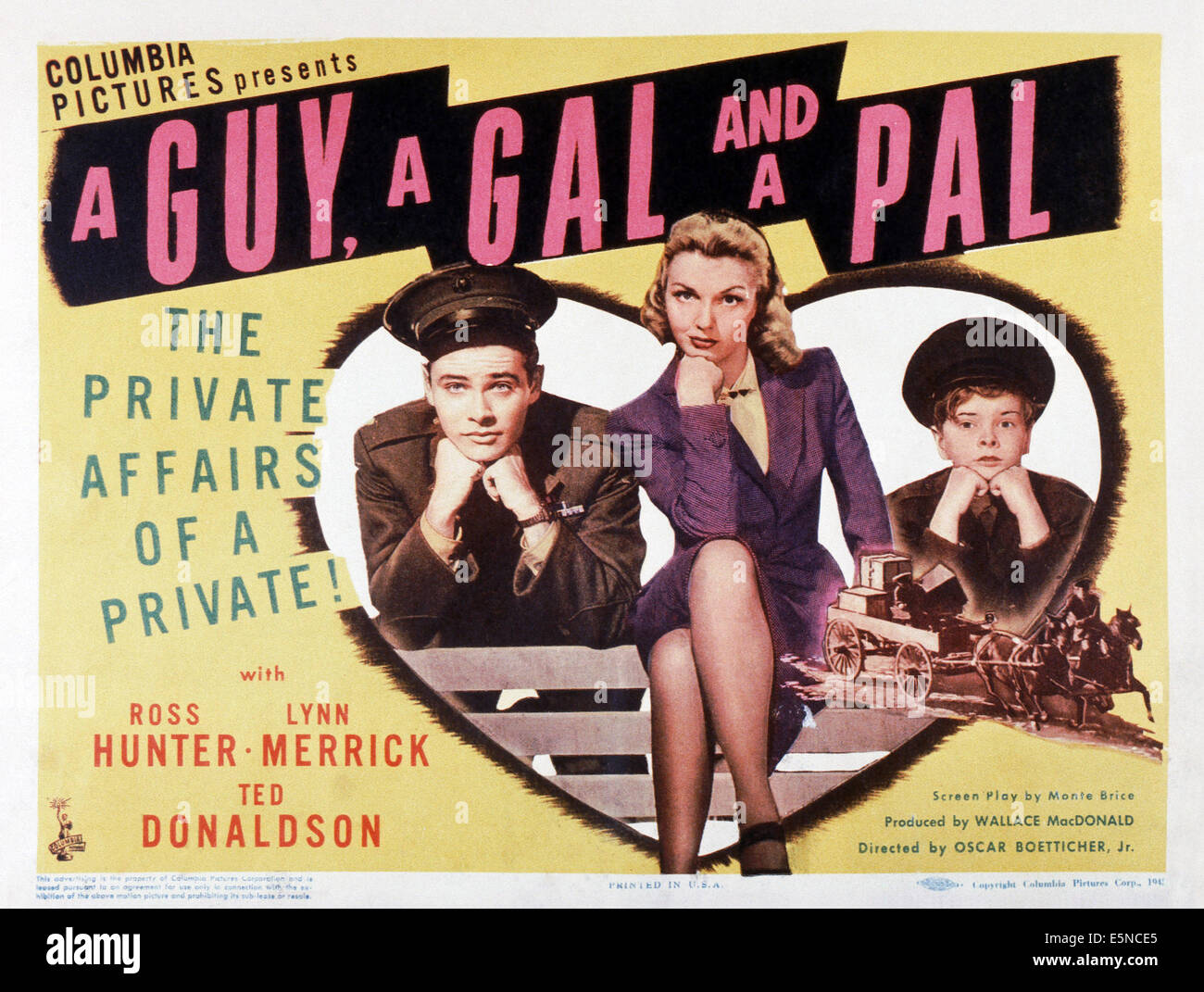
A former schoolteacher who dabbled in acting, his first job in Hollywood was as the romantic interest in Louisiana Hayride (1944). Leads followed in a handful of other Columbia B-movies, but when offers dried up he returned to teaching. After some stage work, producing and directing, he was back in the studios as dialogue director and occasional writer. In 1951 he became an Associate Producer at Universal, which had seldom made a wiser move.

Hunter’s first film as producer, Take Me to Town (1953), starred Ann Sheridan, perhaps the most undervalued of all the great Hollywood stars. Barbara Stanwyck starred in Hunter’s second film, All I Desire. Like many gay men, Hunter idolised the big female stars. Those who arrived at Universal were not always on the way down, but they had in common the fact that they had made their names elsewhere. Hunter put them back into glossy melodramas – but the sort which American critics found so old-fashioned that Universal showed its films only to the trade press in Britain for the whole of that decade.

Those two particular movies were directed by Douglas Sirk, a German emigre. When he and Hunter made a pro-Indian Western, Taza, Son of Chochise (1954), it seemed to prove that they were happy in any genre. Its star was Rock Hudson, whose career received a huge impetus when he played opposite Jane Wyman in Magnificent Obssession (1954), and Hunter reunited the stars and director for another tearjerker, All That Heaven Allows (1956), with Wyman as a widow who defies New England society by marrying her gardener.

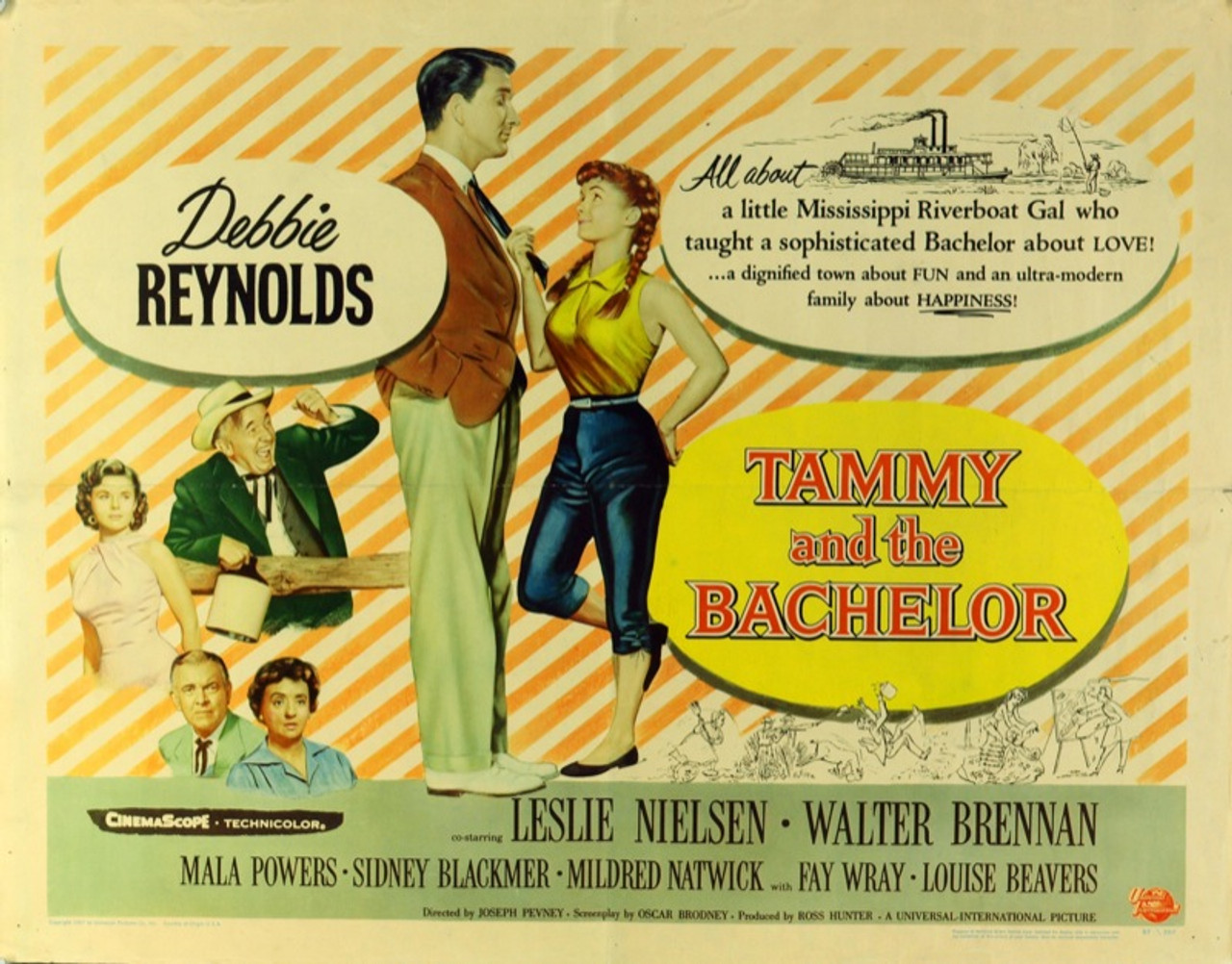
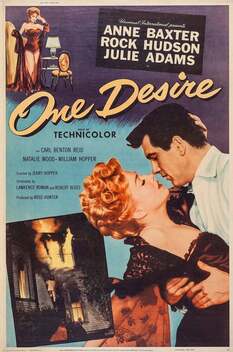
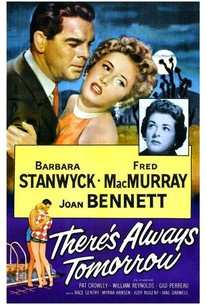
Anne Baxter co-starred with Hudson in One Desire (1955) and with Jeff Chandler in the fifth and worst version of The Spoilers (1955), while Debbie Reynolds arrived for two sentimental tributes to teenagers, Tammy and the Bachelor (1957) and This Happy Feeling (1958); and Barbara Stanwyck did her woman-of-the-world job again in another remake, There’s Always Tomorrow (1956). June Allyson did two more remakes, Interlude (1957) and My Man Godfrey (1957).

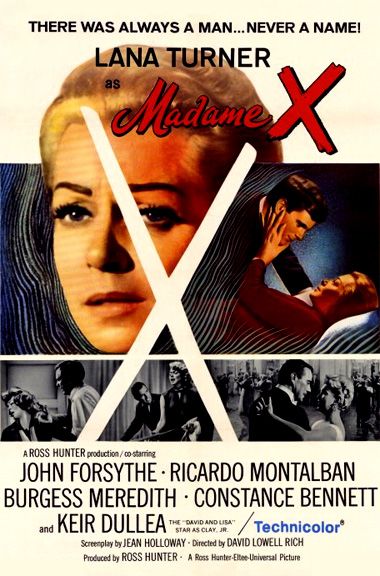
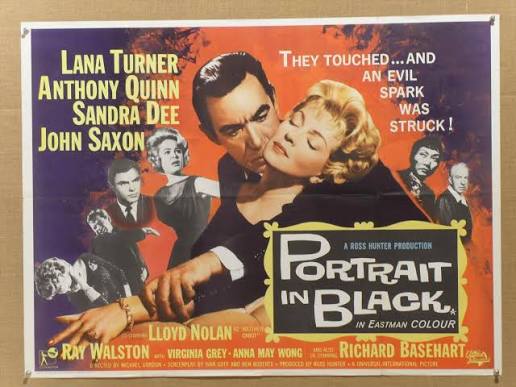
But if Hunter’s policy of remakes looked haphazard to his bosses he did come up trumps with Imitation of Life (1959), in which Lana Turner took Claudette Colbert’s old role as a widow who is having trouble with her daughter. The public turned up in large numbers to see Turner, whose career was unharmed by the scandal a year earler, when her daughter knifed her lover. Hunter immediately put her into another glossy melodrama, Portrait in Black (1960), but yet another rehash, Madame X (1966) found patrons no longer anxious to see Turner.

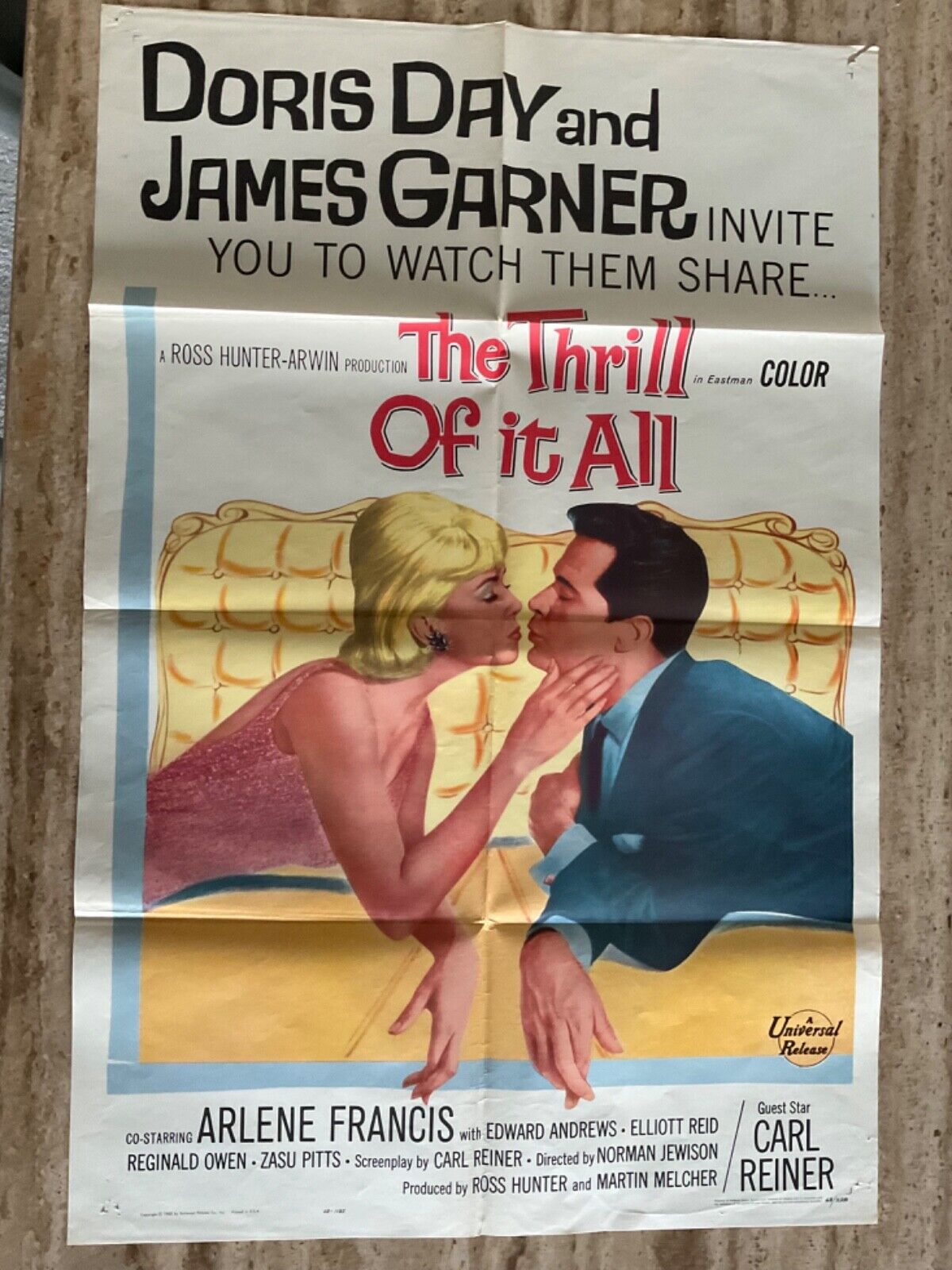
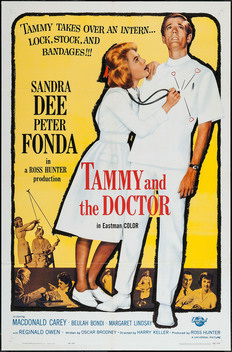
However, in teaming Hudson with Doris Day in Pillow Talk (1958), Hunter set off Universal’s most successful series of films since the Deanna Durbin musicals. They were based on the slapstick comedies of Durbin’s era, with luscious people in plush settings and more than a hint of salaciousness. Hudson only did three with Day, although as he said himself people thought there were more. The only other one produced by Hunter himself was The Thrill of It All (1963), when Day’s frustrating husband was, in fact, James Garner.

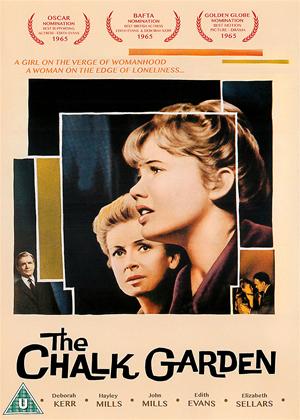
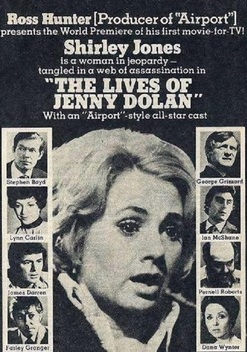
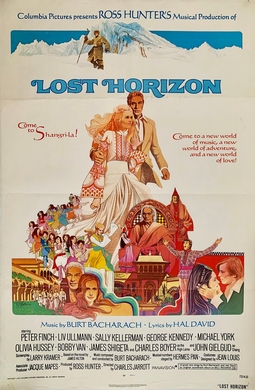
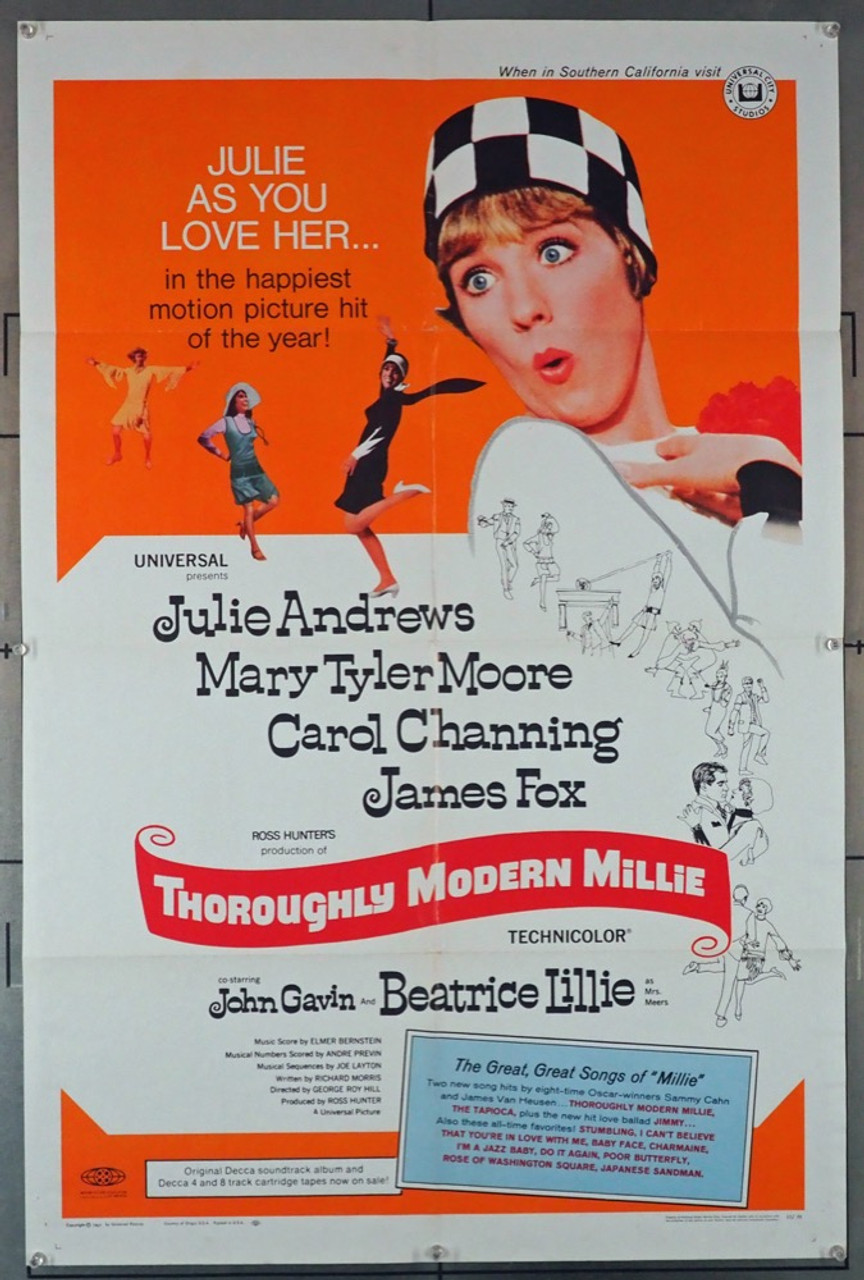
The Chalk Garden (1964) should be noted, if only because it turned Enid Bagnold’s play into a vehicle for moppet Hayley Mills. The Pad and How to Lose It (1966) was another travesty of another superior West End drama, in this case Peter Shaffer’s The Private Ear. Hunter then engaged Julie Andrews, Hollywood’s brightest new talent, for a musical set in the 1920s, Thoroughly Modern Millie (1967): like most of his films the tone was excessive but the star was showcased beautifully, and admirably supported by such drolls as Beatrice Lillie and Carol Channing. The result was the biggest success in Universal’s history, taking more than $15 million in the domestic market, but three years later Hunter’s Airport, from a novel by Arthur Hailey, topped that with a whopping $45 million. At this point Hunter set his sights on remaking Frank Capra’s Lost Horizon (1973) – with music. This was one of the most prestigious movies in Columbia’s past and they had no intention of selling the rights to Universal. Hunter moved to Columbia, engaged Burt Bacharach and Hal David to write the score, with a cast headed by Peter Finch, Liv Ullmann, John Gielgud and Michael York, who recalled Hunter as ebullient and radiating confidence – qualities sorely needed when critics scoffed at the result. Their notices killed any box-office potential and with it, overnight, Hunter’s movie career. He moved to Paramount in 1974, but the work he did there was for television: The Lives of Jenny Dolan (1975), the pilot for a series with Shirley Jones, and The Moneychangers (1976), a mini-series from Arthur Hailey’s novel, with Kirk Douglas and Anne Baxter. These aired on NBC, which Hunter joined to produce another mini-series, The Best Place To Be (1978), with Donna Reed and Helen Hayes.

David Shipman

Martin Fuss (Ross Hunter), film producer, actor: born Cleveland, Ohio 6 May 1926; died Los Angeles 10 March 1996.

The above “Independent” obituary can also be accessed online here.

Jo Morrow
Jo Morrow
Jo Morrow

Jo Morrow. Wikipedia.

Jo Morrow was born in 1939 in Texas. Her films include “10 North Frederick” in 1958 with Gary Cooper and Suzy Parker and “Our Man in Havana” with Alec Guinness and Maureen O’Hara and in 1963, “Sunday in New York” with Jane Fonda and Rod Taylor.

“Wikipedia” entry:

Jo Morrow (born November 1, 1939 in Cuero, Texas as Beverly Jo Morrow[1]), is an American film actress. Through a “Be a Star” contest she won a film contract with 20th Century Fox (with Gary Cooper in Ten North Frederick) in 1958.

After only one film with 20th Century-Fox she moved to Columbia Pictures, allegedly because a producer at 20th Century Fox tried to make a pass at her.

At Columbia she made some ten films and a dozen TV series episodes between 1958 and 1963, the most notable being Our Man in Havana, in which she played Alec Guinness‘ daughter Milly.

Jo Morrow
Jo Morrow

In 1963 she married Jack Barnett, songwriter for Jimmy Durante.[1] The 1964 birth of a deaf daughter forced her to give up movies for motherhood.

She had a brief comeback in a few exploitation films and TV series episodes in the 1970s.

John Schneider
John Schneider

John Schneider was born in Mount Kisco, New York in 1960. He is best known for his leading role in the hit TV series “The Dukes of Hazzard” which ran from 1979 until 1985. His films include “Grand Slam” in 1990 and “Highway Heartbraker”.

IMDB entry:

John Richard Schneider was born April 8, 1960, in Mt. Kisco, New York. His parents divorced when he was two. John began acting at the age of eight. He was in many plays in New York. He and his mother moved to Atlanta, Georgia, when he was fourteen. He got involved in the local theater and was in many local productions. He had a small part in Smokey and the Bandit (1977) starring Burt Reynolds.

His big break came when he won the role of Bo Duke on The Dukes of Hazzard (1979) on CBS from 1979-1985. He auditioned for the role pretending he was a genuine country boy. He had a weeks growth of beard and held a beer can claiming he was from Snellville, Georgia. He later became a very successful country singer and had several hit songs including “I’ve Been Around Enough To Know” and “Country Girls.” He has since opened Faith Works Productions in San Antonio, Texas. He also appears in Dr. Quinn, Medicine Woman (1993) as Daniel Simon/Red McCall.

– IMDb Mini Biography By: Stacey Sanders <tsanders@comsource.net
The above IMDB entry can also be accessed online here.

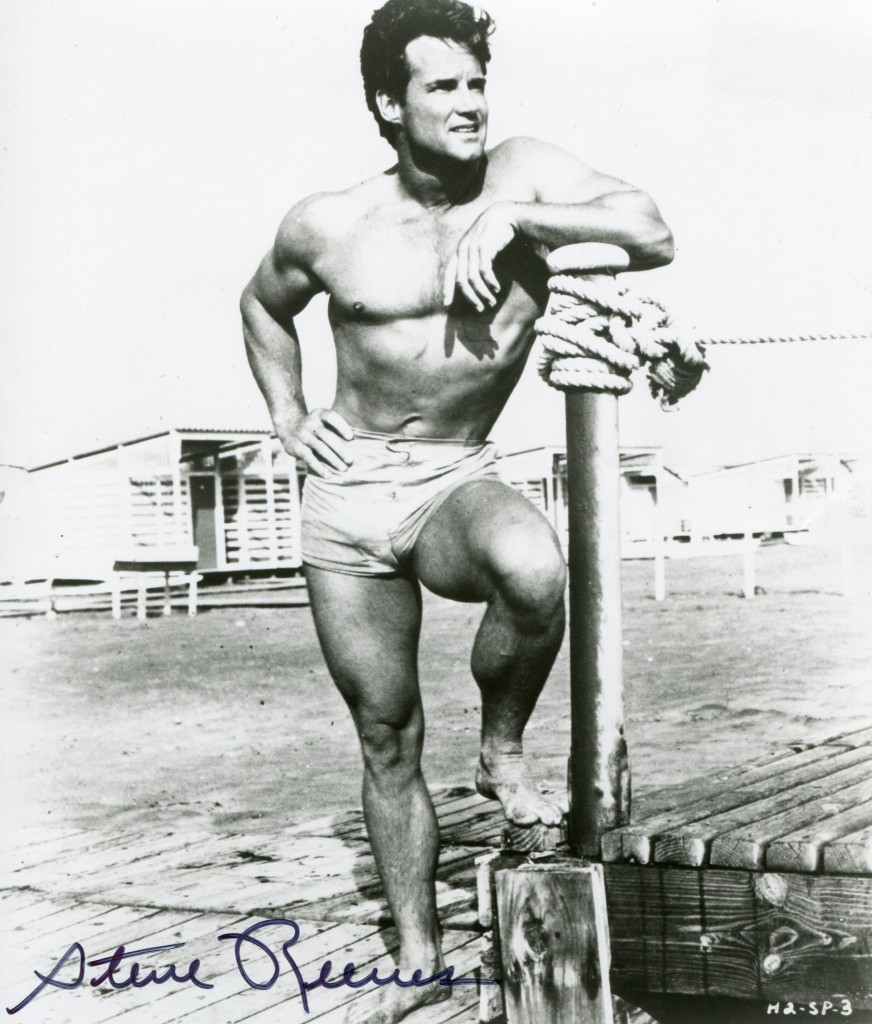
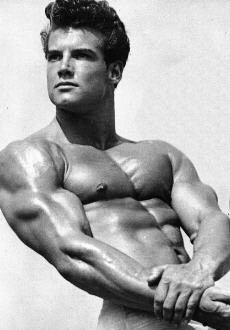
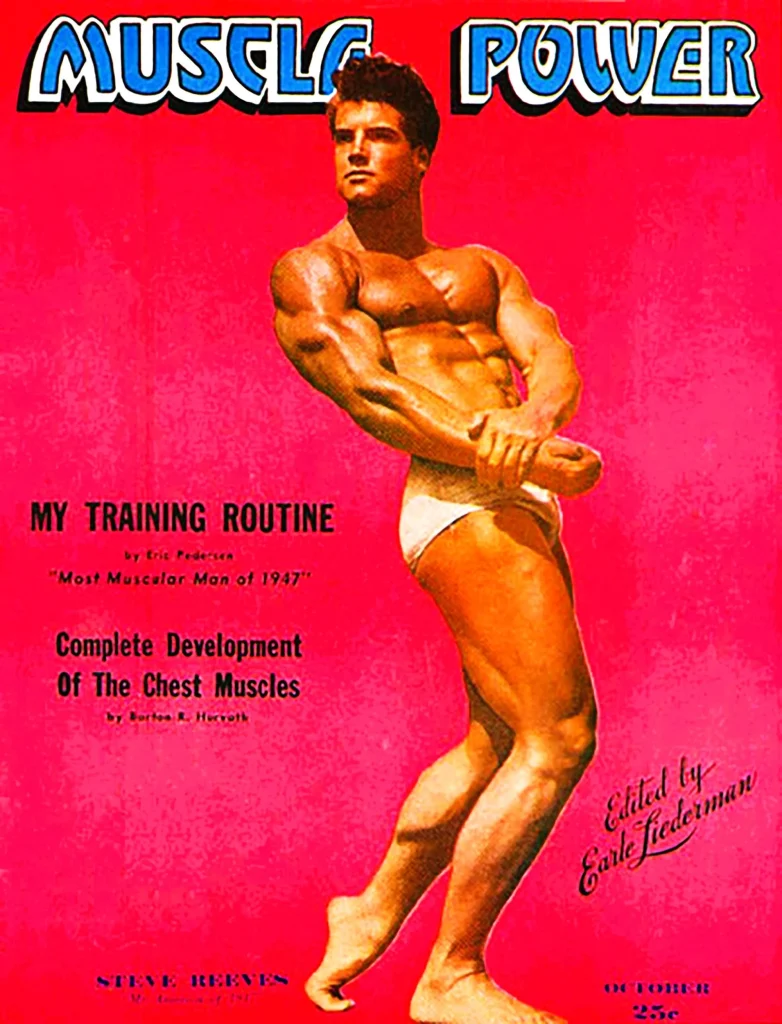
Steve Reeves
Steve Reeves
Steve Reeves

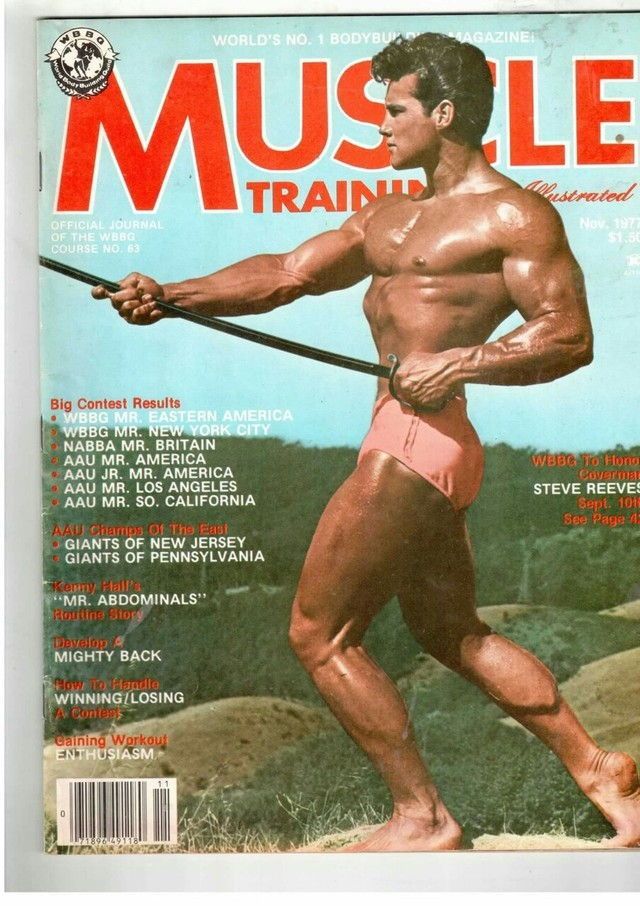
Steve Reeves obituary in “The Guardian” in 2000.

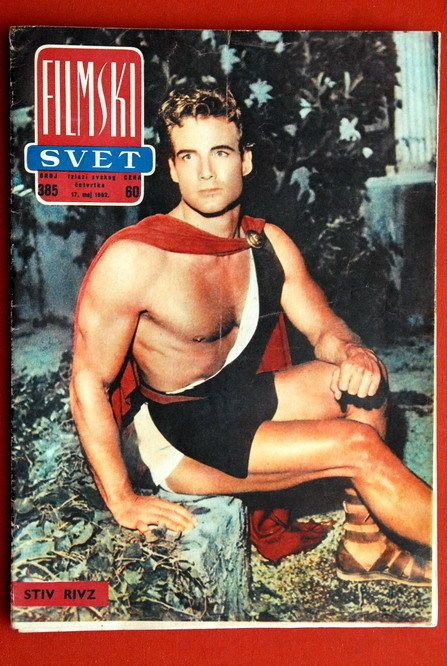
New of the death – at the age of 74 – of Steve Reeves, the American body-building champion and star of 1950s mythological movies like Hercules, termed his films “European-made”. They were, in fact, “Italian-made”, though they made him the highest-paid European star of the time.

His first film, made in Rome in 1957 by the director Pietro Francisci, and called in Italian Le Fatiche di Ercole (The Labours Of Hercules), was to launch a box-office genre for the Italian cinema, much as with spaghetti westerns a few years later. 

Ironically, Reeves came close to becoming the symbol of that second cult genre too. When Mario Bonnard, the director making The Last Days Of Pompeii in 1959, fell ill during shooting, the film was finished by Sergio Leone, who, watching Reeves at work as the centurion, thought seriously of casting him as the nameless cowboy in A Fistful Of Dollars. 

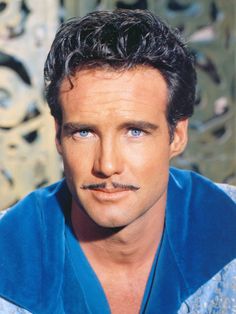
Steve Reeves
Steve Reeves

Reeves later told an Italian journalist: “I turned the part down because it seemed to me impossible that the Italians could make a western. I was wrong. And Clint Eastwood was perfect for the part.” Reeves also said that he had been offered the part of James Bond before Sean Connery. 

Even though he was born in Montana, the same state as his childhood hero Gary Cooper, the young Reeves never aspired to become an actor; indeed, most of the Italian directors who worked with him thought he never became one. It was, of course, his muscles that made him famous. 

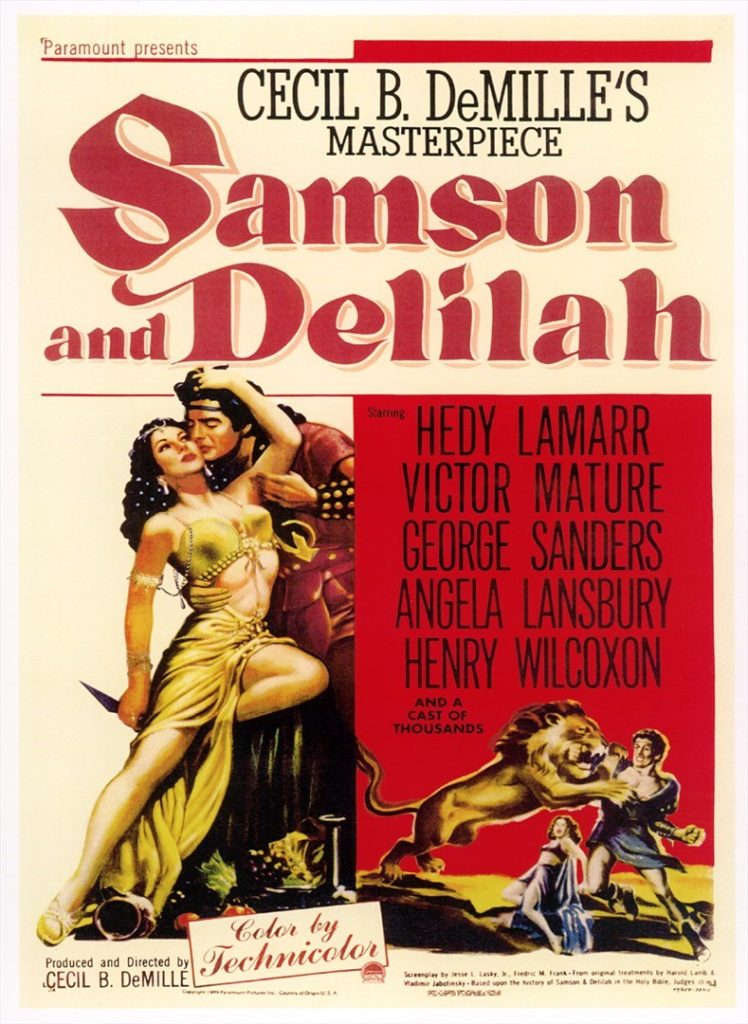
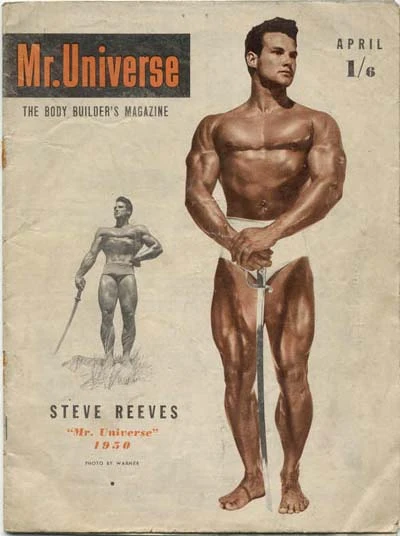
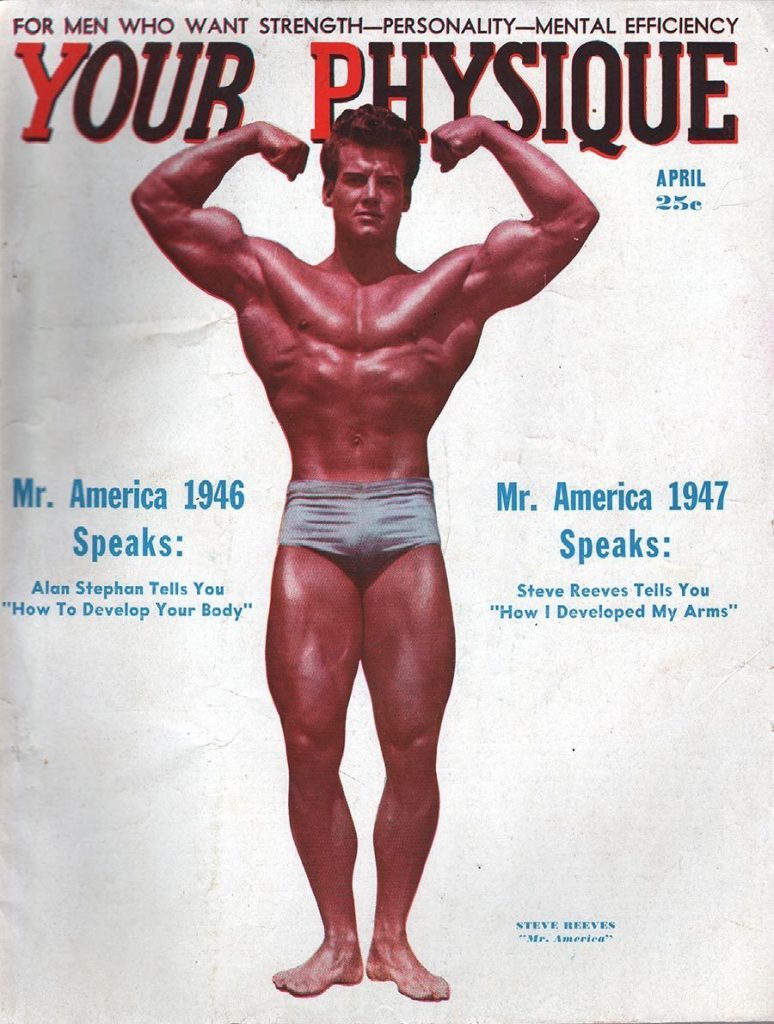
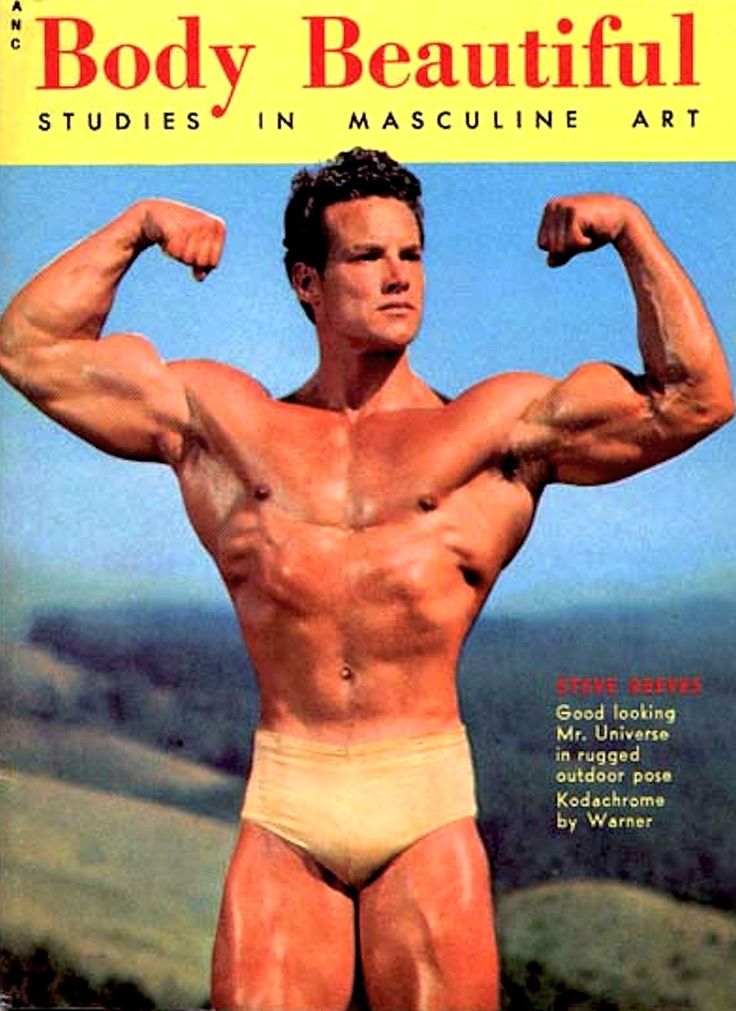
He won the Mr America title in 1947, when he was 21, and followed it up by becoming, first, Mr World, and then Mr Universe (twice, in 1948 and 1950). He was tested by De Mille for the lead in Samson And Delilah, but apparently Victor Mature was preferred. 

A photo of Reeves, as the young Mr Universe, reached Francisci’s casting desk when he was preparing the Hercules film in 1957. There was an illustrious precedent for putting muscles before acting talent in casting mythological heroes. 

What is generally considered the first masterpiece in cinema history, Pastrone’s Cabiria (1914), featured a strongman character, Maciste, whose name was invented by the poet Gabriele d’Annunzio. He was played by a docker from Genoa. 

The idea of returning to the mythological genre had come from scriptwriter Ennio de Concini, who had great difficulty finding a producer. I remember being summoned to a press conference in Rome when Reeves arrived to start filming. None of us journalists had ever heard of him, and didn’t think he would make a good story. 
The projected film seemed like a potboiler, and it only became a cult event when the enterprising American producer, Joe Levine, bought it, dubbed it into English and spent $1m launching it in the US – it made him a fortune. 

The market soon became saturated with imitations, and both ancient history and mythology were ransacked for muscular heroes. Reeves himself became the muscle-man most in demand, but as his salary increased proportionately, producers were signing up anybody who had won a bodybuilding contest. 
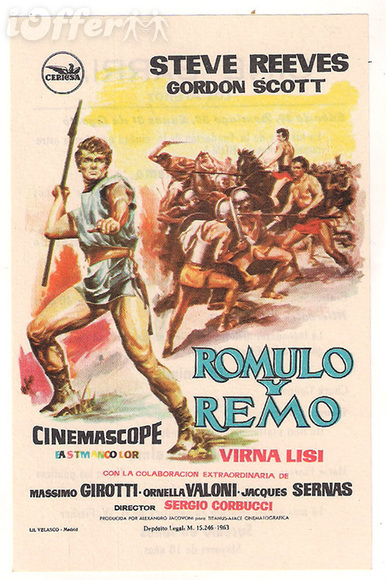
Most of them had even less acting potential than Reeves, but a former Tarzan, Gordon Scott, was his top competitor. They appeared together in Romulus And Remus, made in 1962 by Sergio Corbucci, one of the best genre directors of Cine Città. Corbucci said that Reeves’s muscles “seemed made of cornflour”, and that when he had to lift actress Virna Lisi in the air (she couldn’t have weighed more than 50 kilos), he dropped her. During that film, Reeves left Scott with a broken nose, although apparently by accident. 

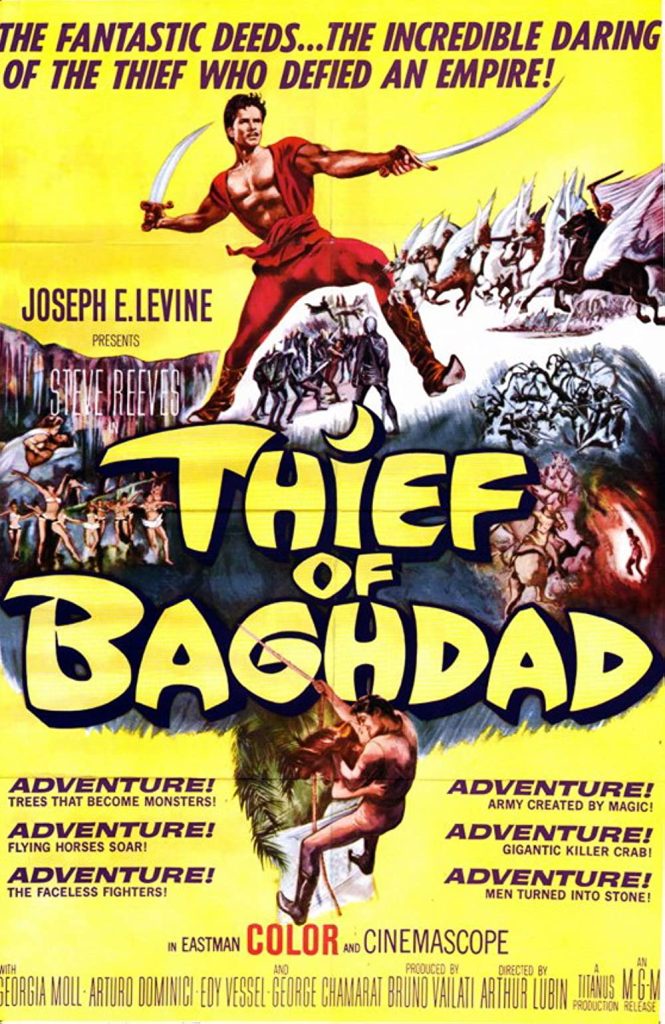
During the filming of The Last Days Of Pompeii, Reeves dislocated his shoulder when his chariot slammed into a tree, but he continued working in Italy and was to star in 18 films over the next decade. Among his pictures was an off-beat Thief Of Baghdad, directed in 1960 by the documentarist Bruno Vailati. Although he’d missed out on A Fistful Of Dollars, he did do a western in 1968, his last film before returning to America, A Long Ride From Hell. 

Reeves married his secretary, Aline, and they settled on a ranch in California, where he bred horses. He continued to take an interest in fitness, wrote a workout guide, Building The Classic Physique The Natural Way, and instructed others in bodybuilding, which he believed could help youngsters turn away from drugs. 

His wife died in 1989. 

Steve Reeves, bodybuilder and actor, born January 21 1926; died May 1 2000

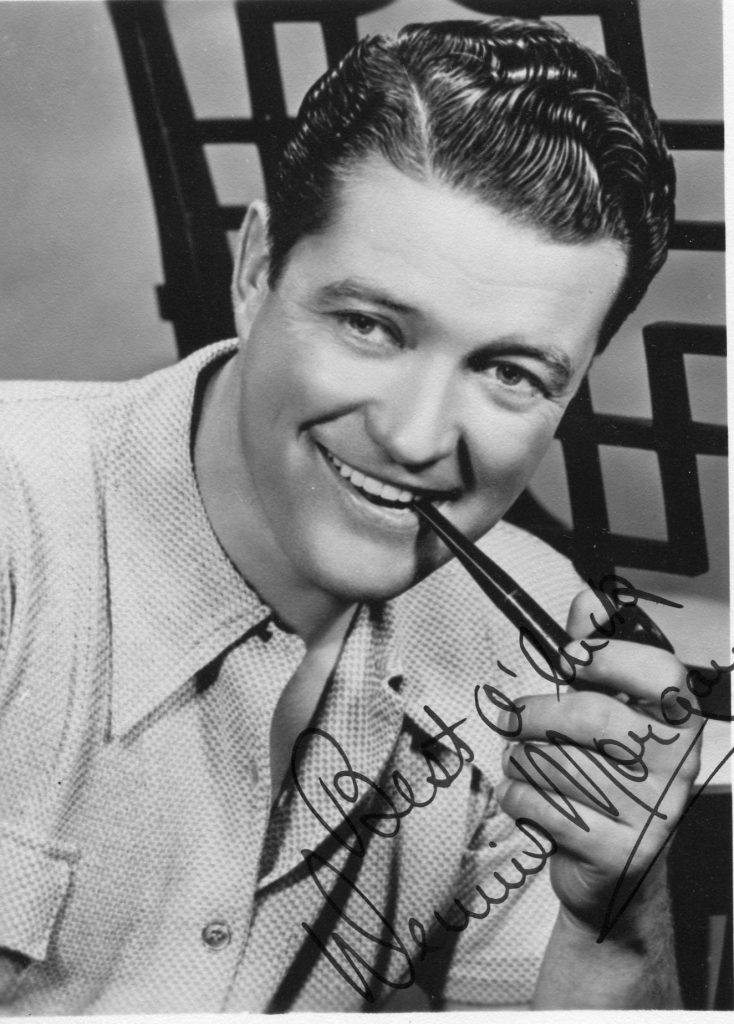
Dennis Morgan

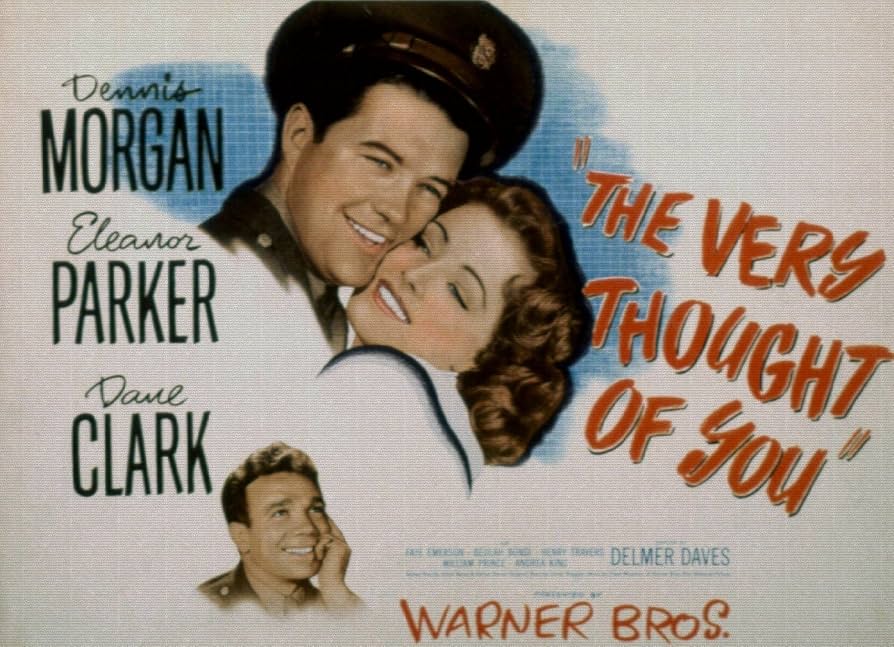
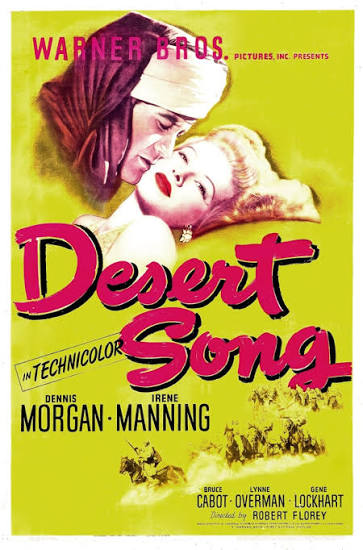
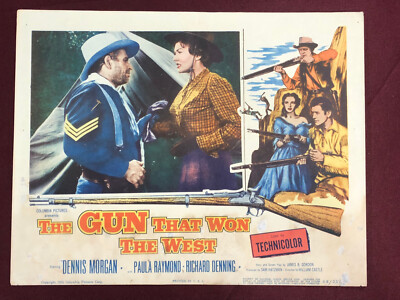
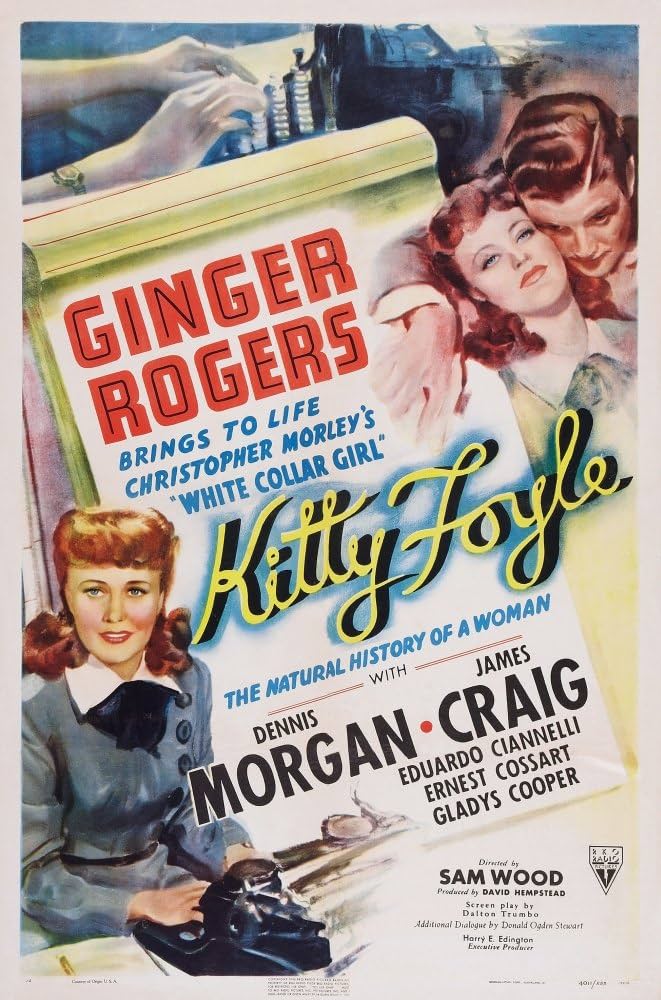
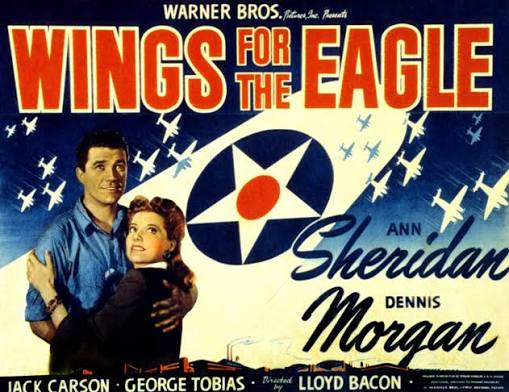
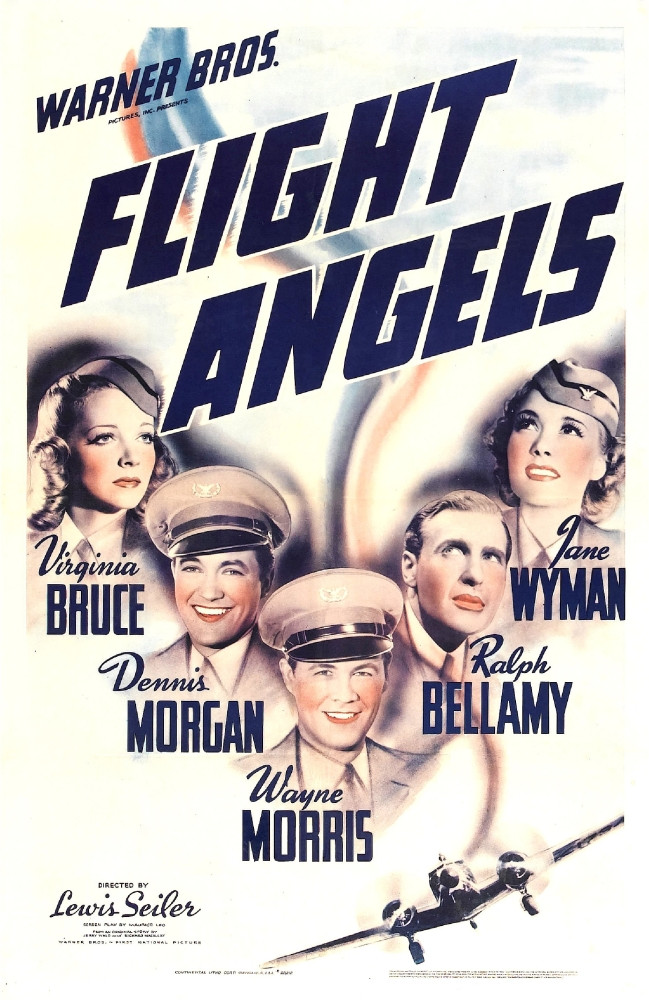
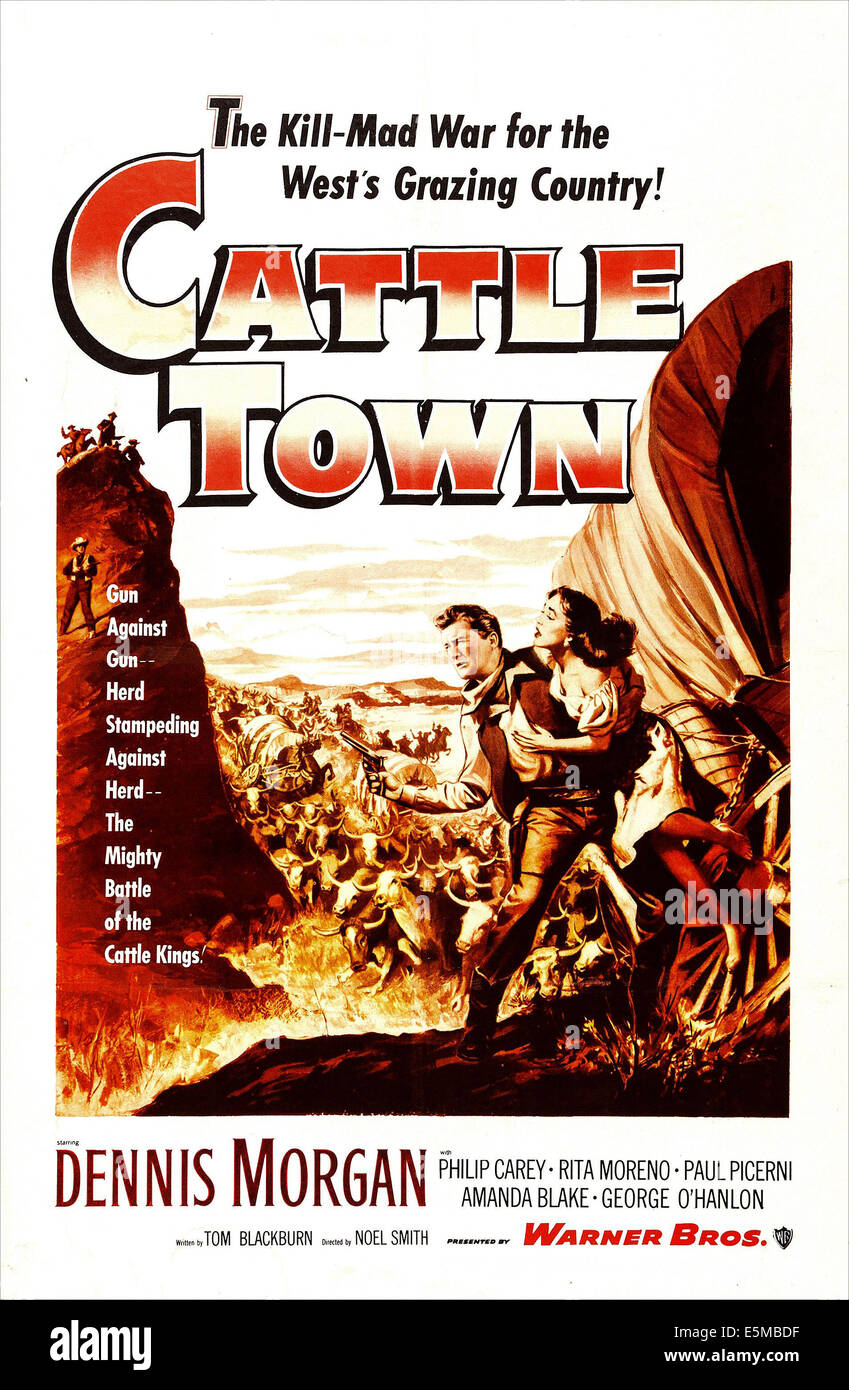
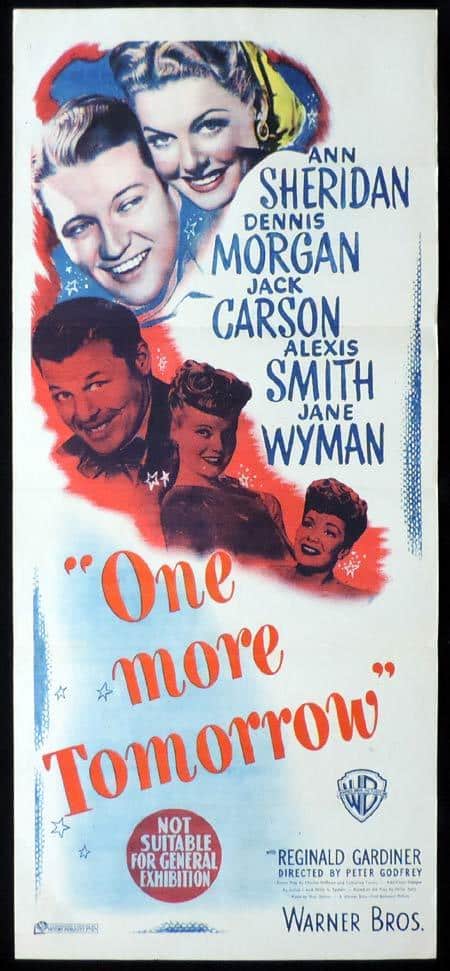
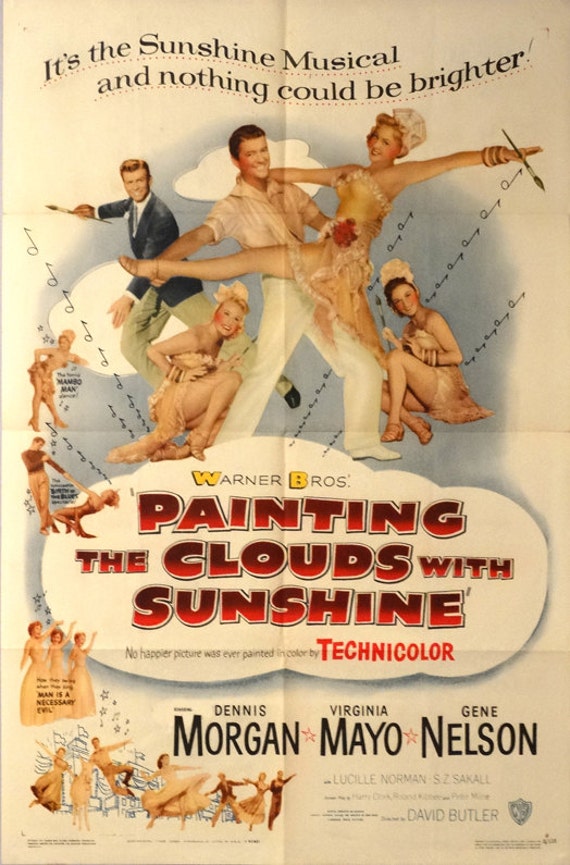
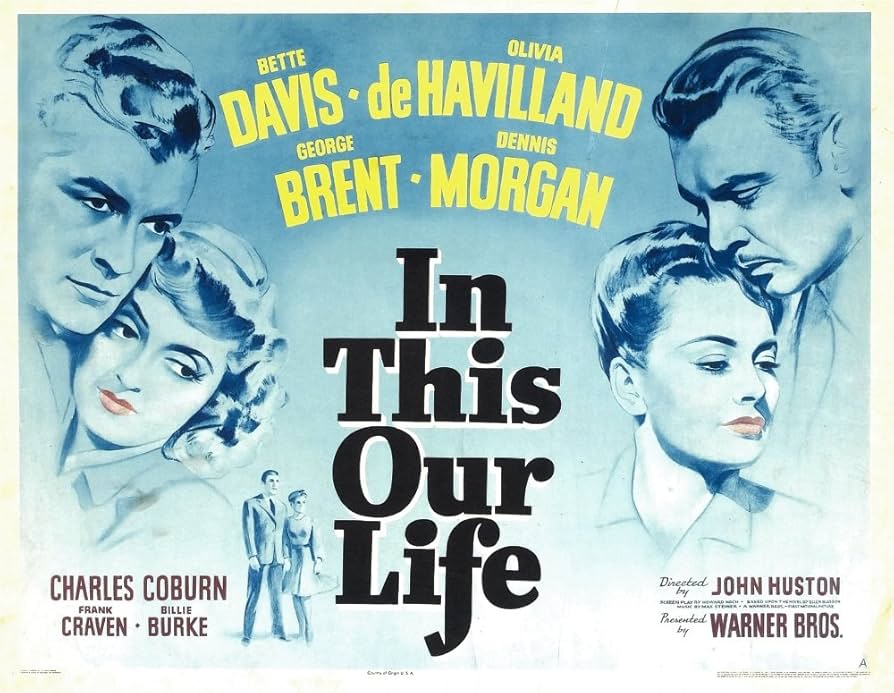
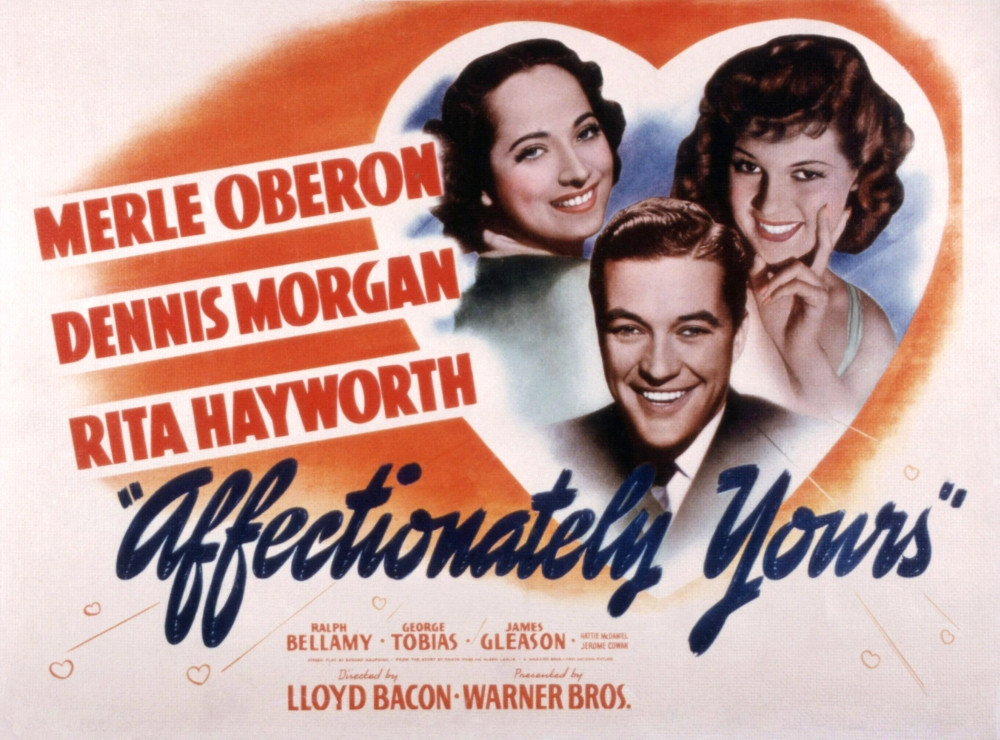
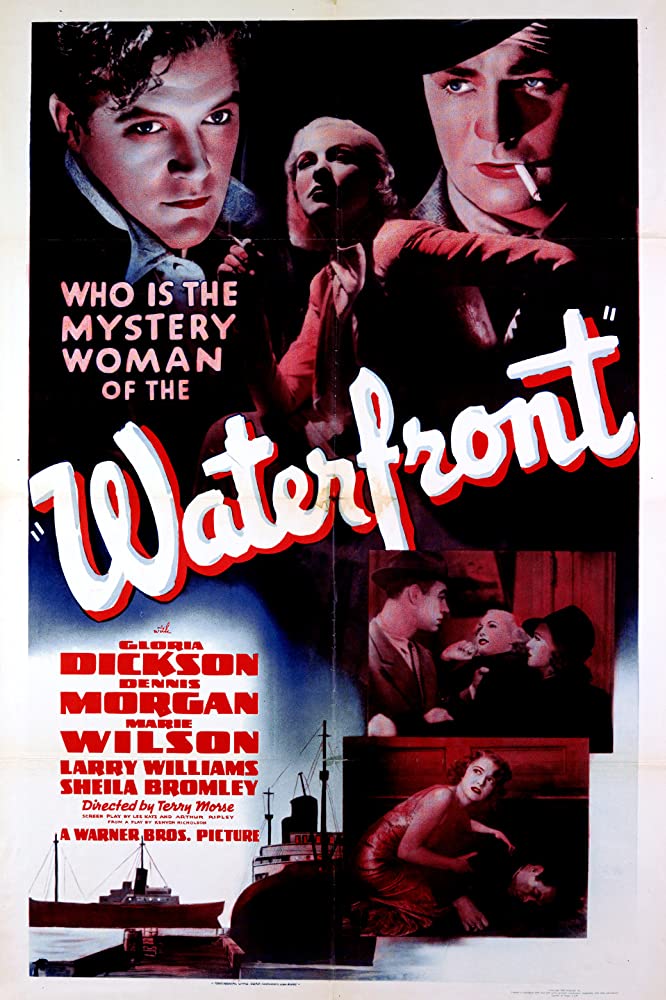
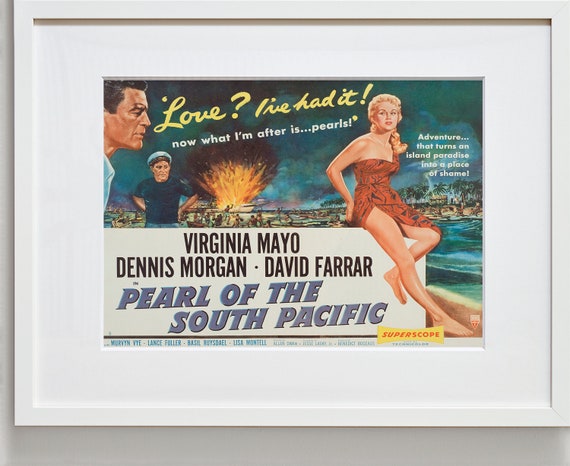
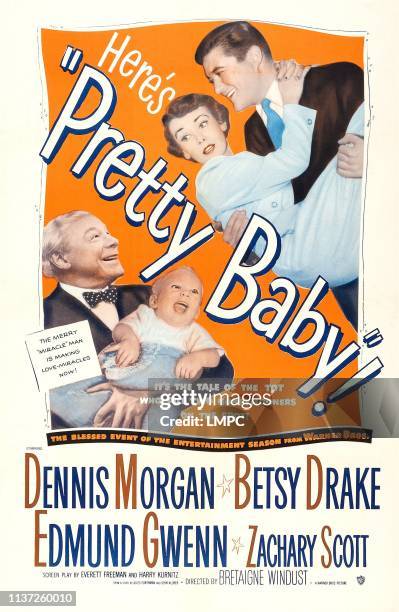
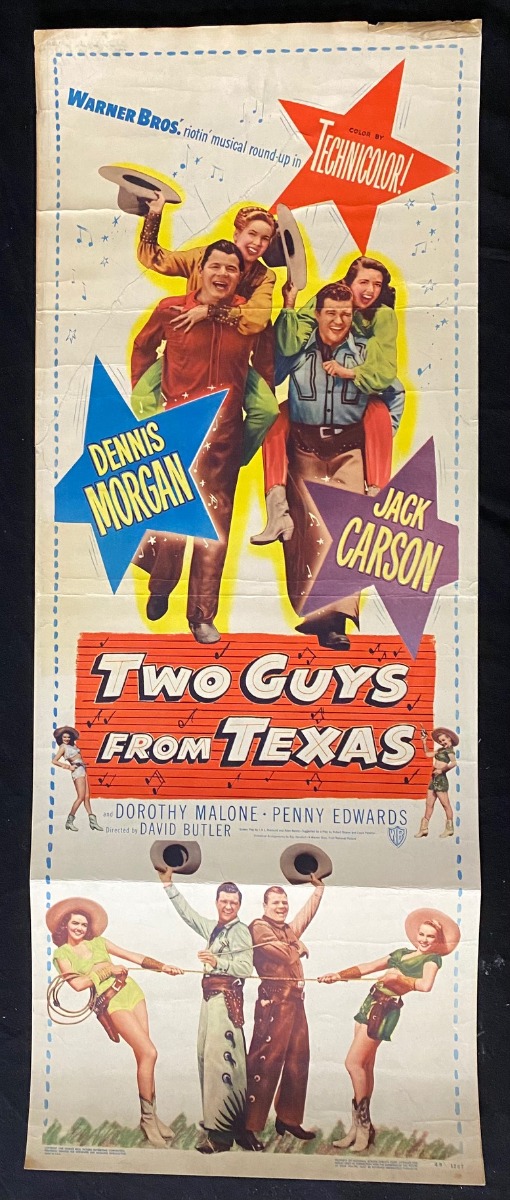
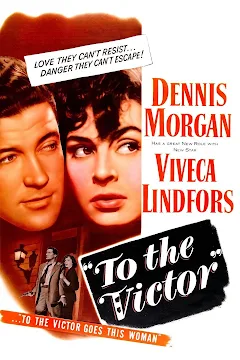
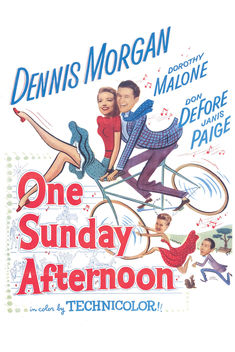
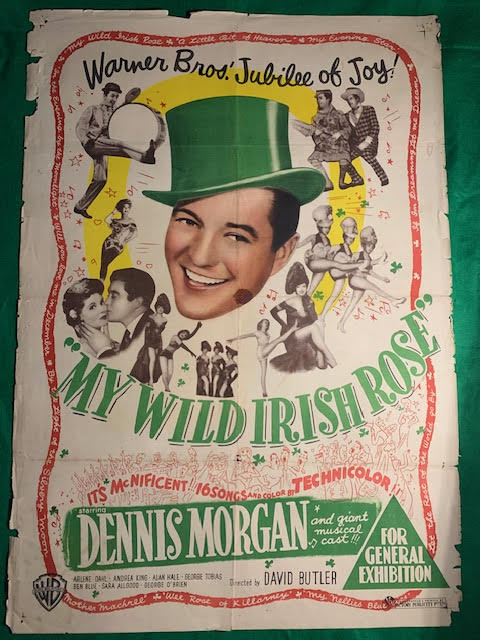
Dennis Morgan was born in 1908 in Wisconsin. He was a stalwart of films of the 1940’s especially Warner Bros Productions. His film debut was in “Suez” with Annabella and Tyrone Power in 1936. Among his other movies are “The Great Ziegfeld””Kitty Foyle”, “In This Our Life”, “My Wild Irish Rose” and “This Woman Is Dangerous”. He died in 1994.

David Shipman’s obituary on Dennis Morgan in the “Independent”:

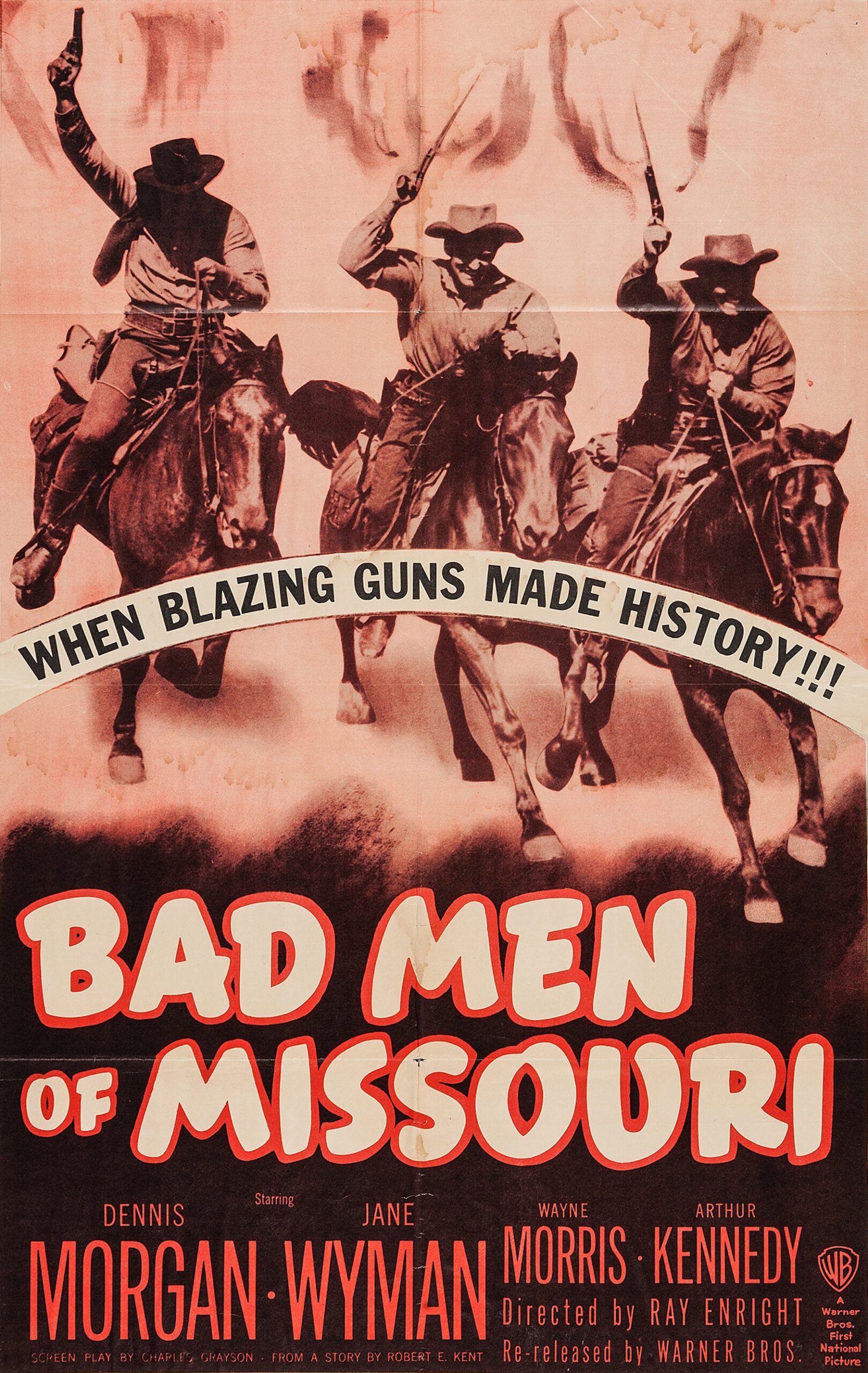
DENNIS MORGAN is as inextricably linked to Warner Bros as James Cagney or Humphrey Bogart. He reigned at the studio for just over a decade, the 1940s. He was comfortable, good-looking, well-mannered: the antithesis of the gritty Bogart, and it is a telling comment on the Hollywood of that era that he replaced him in two movies that he turned down, Bad Men of Missouri (1941) and God is My Co-Pilot (1945).

And what of Morgan in Casablanca? It has long been a bad joke but true, that the unprepossessing Ronald Reagan was the original choice for Rick; and the very first press release listed his co-stars as Ann Sheridan and Dennis Morgan, both of whom would have brought to the roles – presumably those played by Ingrid Bergman and Paul Henried – an individuality which is the prerequisite of true stars. It was apparent before Hollywood and he himself realised it, since he spent a couple of years at MGM as Stanley Morner (his real name) and another at Paramount as Richard Stanley. But catch him singing ‘A Pretty Girl is Like a Melody’ on the fantastic wedding-cake set of The Great Ziegfeld (1936) or as the First Mate in King of Alcatraz (1938) or any of the other dozen films he made: he had star potential.

Warners recognised this, rechristened him Dennis Morgan and put him on the assembly-line with Wayne Morris, Arthur Kennedy, Jeffrey Lynn, Eddie Albert and Ronald Reagan – likeable young lugs squiring the heroine till Bogart, Cagney or Flynn came crashing down to sweep her up.

It was the perceptive Sam Wood – always careful in his casting – who saw something more in Morgan, taking him to RKO to be the shallow Philadelphia playboy who marries and deserts Ginger Rogers in Kitty Foyle (1940). Warners then took a second look and cast him as Olivia de Havilland’s fiance in In This Our Life (1942) – snitched away by her sister, Bette Davis, and driven by her to drink and then suicide. He was up against another of the studio’s bitches in The Hard Way (1942), Ida Lupino – ‘the John Dillinger of the one- night stands’ as he put it.

The film was notable in as much as he and Jack Carson played a vaudeville team, and over the years Warners were to pair them in another half-dozen movies, Morgan as the easy-going singer who always got the girl and Carson as the loud-mouthed but cowardly braggard-comic who was given the air. No one thought they were Hope and Crosby, least of all themselves. They actually played themselves with identical screen personas in It’s a Great Feeling (1949), trying to persuade Warners that Doris Day – not playing herself – had screen potential; and she, starting her movie career, was to achieve a stardom greater than all of their other musical leading ladies put together.

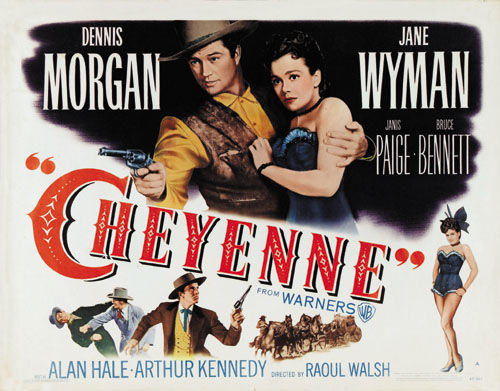
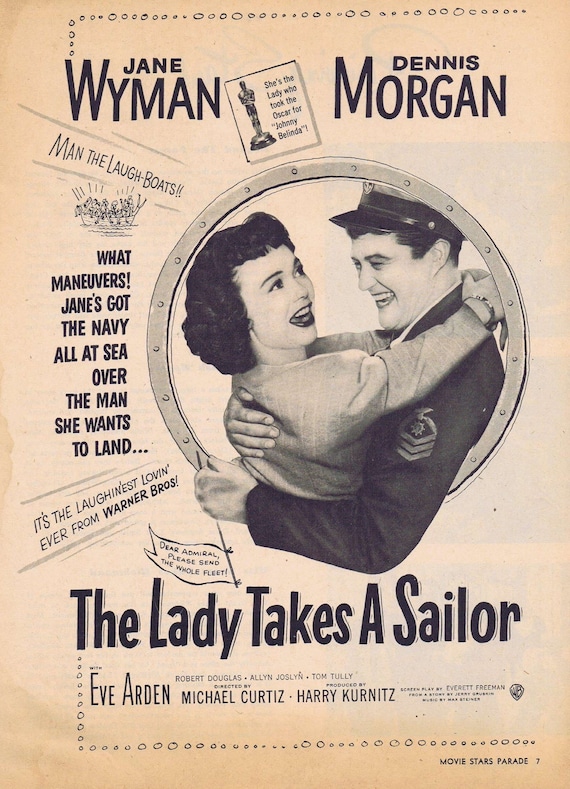
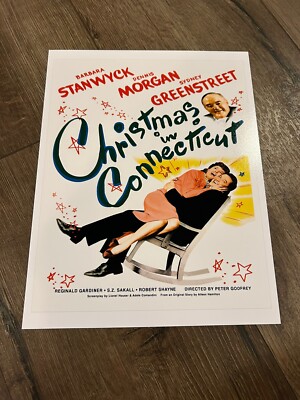
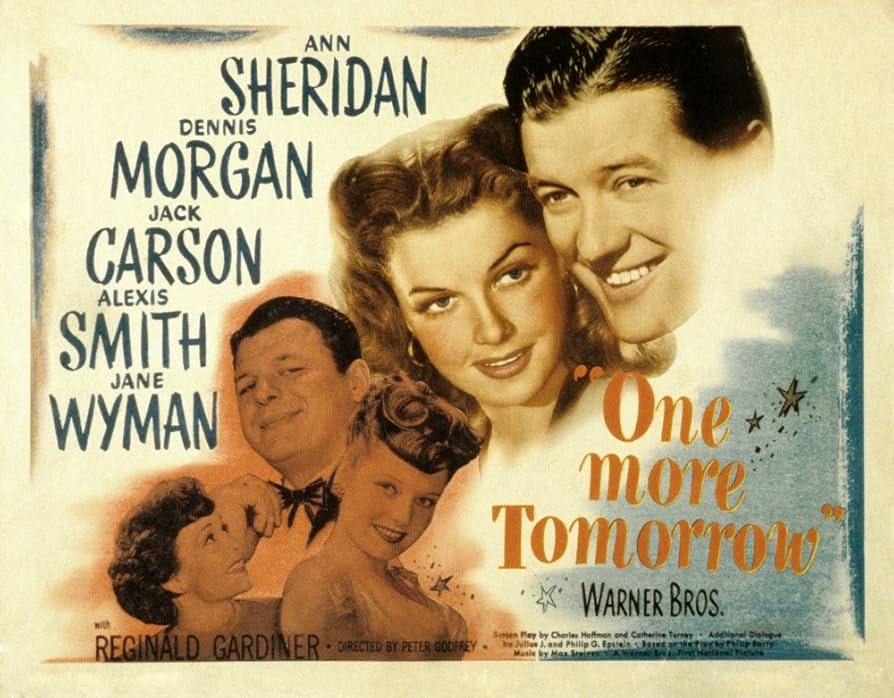
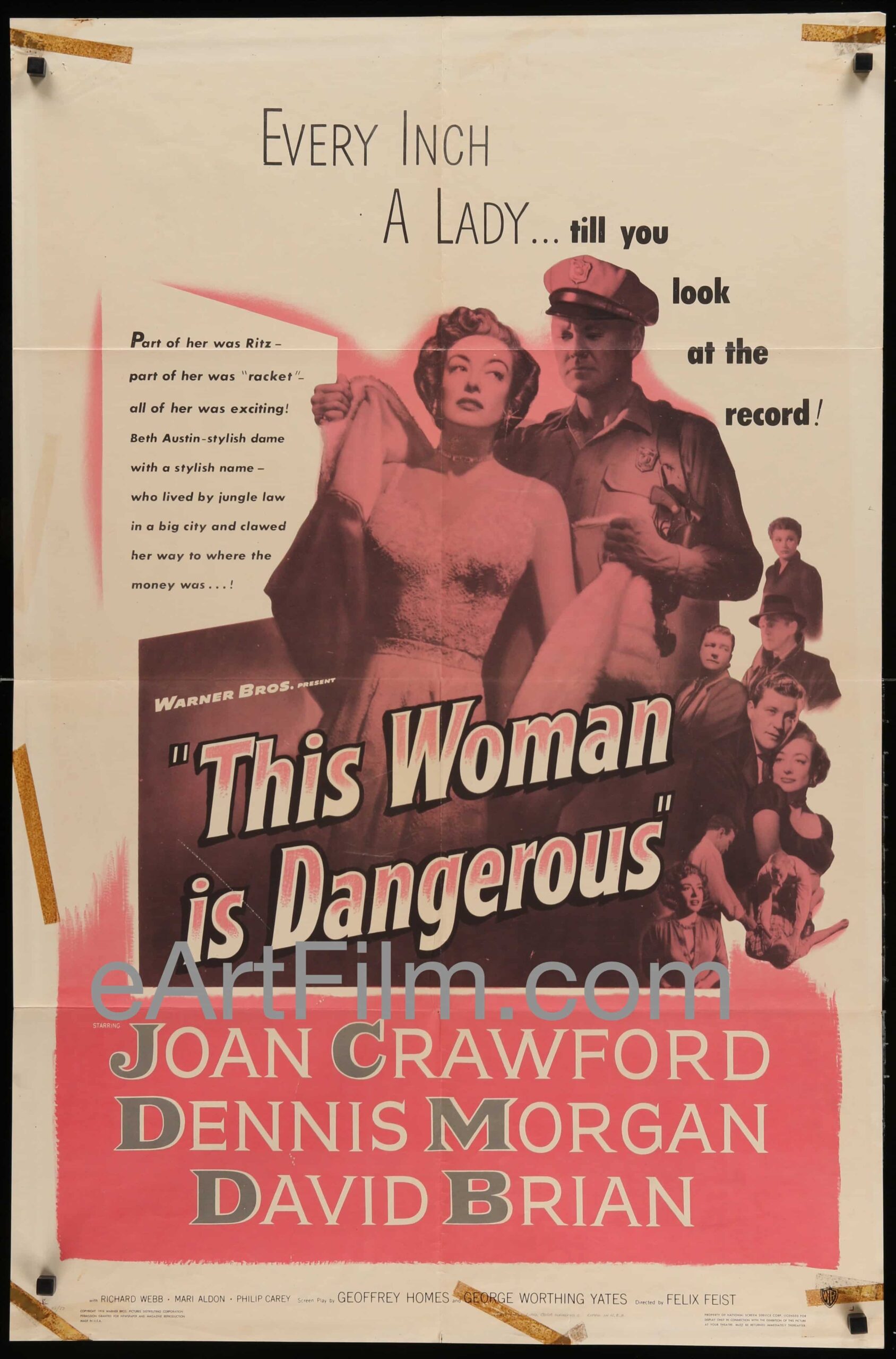
Morgan twinned with the equally pleasing Jane Wyman in Cheyenne (1947) and The Lady Takes a Sailor (1949). He was also a match for such formidable co-stars as Sheridan in Shine On, Harvest Moon (1944) and One More Tomorrow (1946), Barbara Stanwyck in Christmas in Connecticut (1946) and Ginger Rogers in Perfect Strangers (1950). He wasn’t swamped by Joan Crawford in This Woman is Dangerous (1952), as a nice doctor who rescues her from a gangster, saving her form a life of crime.

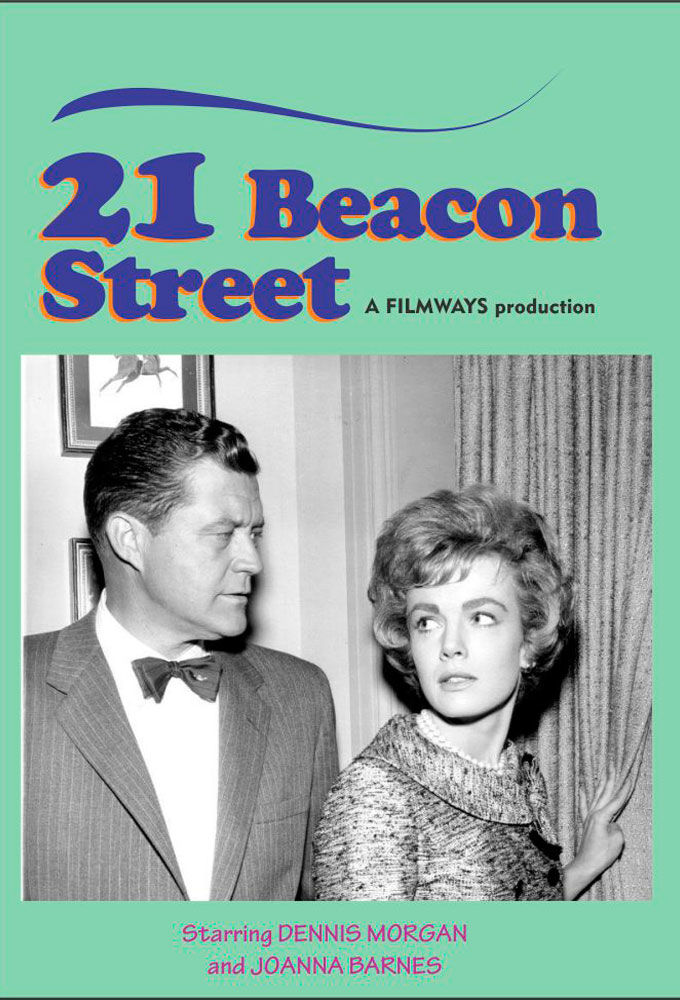
That was his penultimate film for Warners; after a western, Cattle Town (1952), they let him go, adrift in a Hollywood where more dynamic stars were in demand – Marlon Brando, Kirk Douglas, Burt Lancaster. Morgan made only a few more movies and then, in 1959, appeared in a television series, 21 Beacon Street. Thereafter he raised cattle on a ranch near Fresno, California.

The above “Independent” obituary can also be accessed online here.

Dennis Morgan
Dennis Morgan