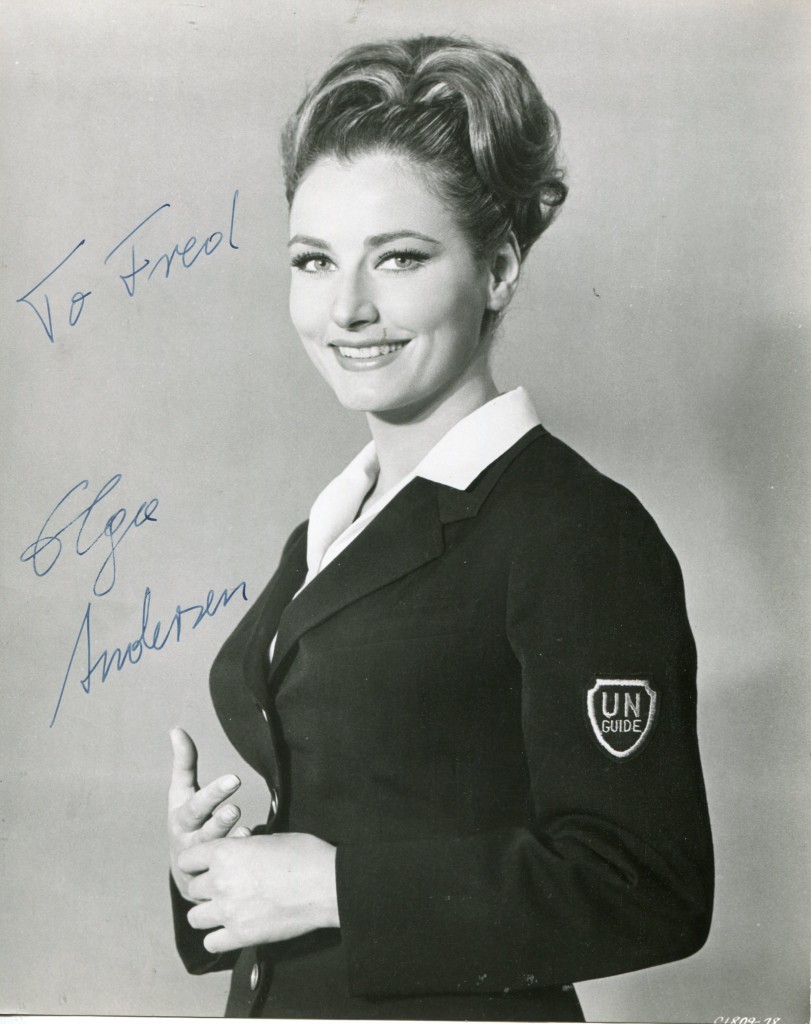
Elga Andersen was born on February 2, 1935 in Dortmund, North Rhine-Westphalia, Germany. She is known for her work on Le Mans (1971), Elevator to the Gallows (1958) and Why (1971). She was married to Peter Gimbel. She died on December 7, 1994 in New York City, New York, USA.
Jack Wild was born in Royton in the U.K. in 1952./ Best known for his wonderful performance in “Oliver” in 1968. Sadly he died in 2006.
His “Independent” obituary by Tom Vallance:
Jack Wild will be best remembered for his exuberant performance as the cheeky pickpocket, the Artful Dodger, in Carol Reed’s film version of Lionel Bart’s Oliver! (1968), for which he was deservedly nominated for an Oscar. His top-hatted, mischievous urchin made an indelible impression and accomplished the seemingly impossible by matching the impact of the classic performance of Anthony Newley in David Lean’s earlier non-musical version of Oliver Twist.
His performance was different from Newley’s, less sly and knowing, but perfect for the lighter musical mood. With his impish grin, snub nose, boundless energy and husky voice, he gave splendid impetus to numbers such as “Consider Yourself”, “I’d Do Anything” and “Be Back Soon” and gave Ron Moody, as Fagin, a run for his money in the scene-stealing stakes.
Almost inevitably, his post-Oliver! career was a disappointment, and his descent to alcohol and obscurity could be said to mark him as yet another child star unable to cope with fame, though it is always difficult to follow up such a smash hit (even his co-stars Moody, Shani Wallis and Mark Lester – now an osteopath – never found subsequent movie roles of equal stature).
Wild’s youthful energy and versatility were similar to that displayed by Mickey Rooney 20 years earlier, but Hollywood was no longer making Rooney-type musicals, and Wild had no studio to protect, develop or discipline him. “It’s very hard not to let fame affect you because you are continually being told how good you are,” he said. “After a while you begin to think there must be some truth in it because all those people can’t be wrong.” Wild would adamantly deny, however, that his later drinking problem was the result of early stardom:
A lot of people try to blame the fact that I was successful at a young age. I don’t agree with them. I firmly believe that it wouldn’t have mattered what career I’d have chosen, I’d have ended up with a drinking problem. I think it was just in my genes.
Jack Wild was born in 1952 in Royton, Lancashire, to parents who worked in the cotton mills, but while he was still an infant the family moved to the London suburb of Hounslow, where Wild’s mother worked in a shop and his father in a tyre factory. Jack and his brother Arthur were boyhood friends of the future Genesis star Phil Collins, whose mother June ran a stage school with Barbara Speake. After watching the boys play football in the park one afternoon June Collins was convinced the Wild brothers had charisma and suggested they enrol at her school. Wild began going to auditions at the age of 11 and later revealed that he had to work constantly to pay the school fees:
My parents were working-class and couldn’t afford them. At 12, I was treated as an adult at “work” and it was difficult for me to switch from that role at home. I grew up too quickly.
Arthur Wild was later to be one of the boys who played Oliver in the original stage production of the musical, with Phil Collins as the Artful Dodger. Later Jack, who had already had some small roles on television, took over the role of Oliver in the stage production. When he won the role of the Artful Dodger in the film version, he was 16 and the second oldest boy in the cast:
I was the leader of the gang and we got up to a lot of escapades for the whole year we were making it. But Carol Reed was an excellent director and he knew how to deal with us.
Oliver! won the years’s Oscar for best film, and both Mooney and Wild were nominated for their performances. Wild received a good-luck telegram from his idol James Cagney, but he lost the best supporting actor award to Jack Albertson in The Subject Was Roses. “I didn’t win,” he later said, “but I had a great time in America and lots of doors were opened.” He made guest appearances on top television programmes, and he was given a million-dollar contract with Capitol Records, for whom he made three albums, The Jack Wild Album, Everything’s Coming Up Roses and Beautiful World.
At the Hollywood premiere of Oliver! he had met the puppeteers Sid and Marty Krofft, who thought he would be perfect for a Saturday-morning children’s television show they were preparing. Jack and his brother left London and moved in with Marty Krofft’s family while Jack starred in the series H.R. Pufnstuff (1969).
Set on an enchanted island, it was a mixture of live action and giant puppets, in which Wild played a boy befriended by a dragon as he battles the evil Witchiepoo, who wants to steal his magic flute. He received another million dollars for the series. “I spent most of the money on the family,’ he later said, “buying them cars and houses.” He had already started drinking heavily:
I was smoking since I was 12. The people around me – the agents, personal and business managers – could hardly say, “You can’t have a drink.” I was employing them, after all. By the time I was 19 I thought I was God.
In 1970 he starred in a film version of Pufnstuff but the banal script and poor songs stifled the efforts of Wild and his co-stars Billy Hayes, Martha Raye and Mama Cass. Poor songs also blighted Wild’s next film, an otherwise charming family movie made in Ireland, Ralph Nelson’s Flight of the Doves (1971), which reunited the actor with Ron Moody. Wild and Helen Raye were a pair of orphans who run away from their cruel stepfather but encounter further danger from a wicked uncle (Moody) who is a master of disguise. Wild later confessed, “I was never really sober. I just topped myself up every day.”
He was teamed with Mark Lester again in Melody (1971). Lester played an 11-year old boy who wants to marry a 12-year old girl (Tracy Hyde), with Wild playing their older friend who tries to dissuade them from telling their parents. It was an appealing, but minor, film (an early work of the producer David Puttnam and writer Alan Parker) distinguished by a fine score by the Bee Gees.
Oliver! and H.R. Pufnstuff had given Wild a huge fan following, and he was a favourite of teen magazines, but his drinking quickly affected his looks, and he played a supporting role in Jacques Demy’s The Pied Piper (1982), a dark version of the disturbing children’s tale. The last film in which he received top billing was David Hemmings’s touching drama The Fourteen (1983), in which he was the oldest of 14 children who are suddenly orphaned and try to resist inevitable separation.
Relative obscurity followed, but though work became scarce he refused to give up acting. “There is no buzz,” he said, “like performing for a live audience.” He continued to work sporadically, particularly in America, where regular repeats of H.R. Pufnstuff kept his name known.
In the UK he was a popular draw in provincial pantomime. He played Buttons in Cinderella several times until age prompted a switch to an Ugly Sister. He particularly regretted that, having played a famous fictional cockney, he had never appeared in EastEnders. “I’d definitely be up for it,” he said,
just the same as I would if Coronation Street was offered. Either way, it would be like going back to my roots.
His heavy drinking, which he admitted contributed to the breakdown of his marriage to his Welsh wife Gaynor, lasted until 1988, despite attempts to dry out at clinics. “You have to reach your own personal bottom line,” he said,
and the time wasn’t right for me at clinics. I joined Alcoholics Anonymous, and don’t consider I have a drink problem any more. I might have a low-alcohol lager but that’s all.
A “born again” Christian and a diabetic, Wild had been sober for the past 16 years, and made a minor comeback in the film Robin Hood: Prince of Thieves (1991) with Kevin Costner. Wild played one of Robin’s merry men, Much, the Miller’s son. He also appeared as a porn merchant in Channel 4’s series based on the movie Lock, Stock and Two Smoking Barrels, had the small role of a pedlar in Basil (1998), and portrayed the Cowardly Lion in a London production of The Wizard of Oz.
Diagnosed with mouth cancer in 2001, he had his tongue and voicebox removed in 2004, and had become an active campaigner for cancer charities. “My life style had made me a walking timebomb,” he said in an interview last year. Even when unable to speak, he took to the stage in Cinderella, as a mute but touching Baron Hardup.
Supported by his actress girlfriend of 10 years, Claire Harding, whom he met when they were appearing in Jack and the Beanstalk in Worthing and married last September, he continued to give interviews and make appearances. In 2005 he had a part, with Ron Moody, in Danny Patrick’s film Moussaka & Chips, and featured with other members of the Oliver! cast in two television retrospectives, After They Were Famous, on New Year’s Day, and Celebrate “Oliver!”, on Boxing Day. In September the Daily Mail brought him and Mark Lester together on the launch of Roman Polanski’s Oliver Twist. “Jack was like my big brother,” recalled Lester, who said that Wild, six years his senior, was “a very good footballer”:
We just got on really well, although I wasn’t allowed to play football because my face got too red and it did not go down too well with the lighting guys.
In a 1996 interview, Jack Wild had remarked with cheerful resignation, “I guess I’ll go to my grave as the Dodger, but at least I’ve made my mark on show-business history.”
Tom Vallance
The above “Independent” obituary can also be accessed online here.
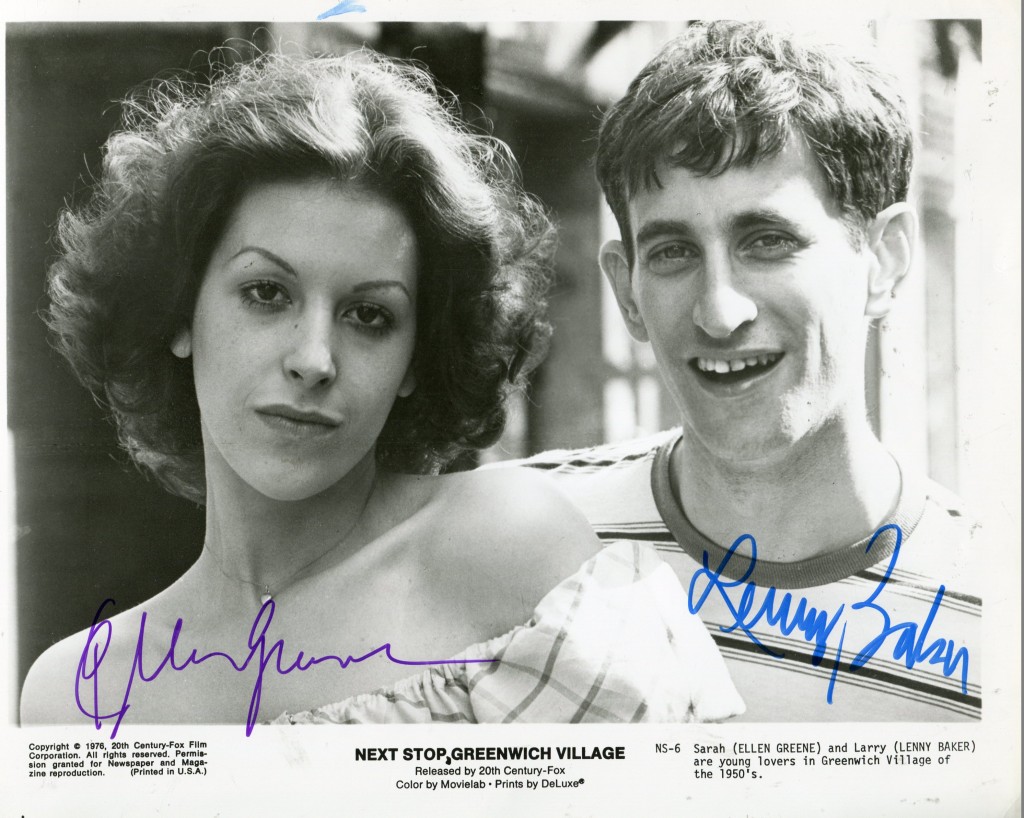
The energetic Brooklyn-born Ellen Greene had already made a name for herself with a prolific career in both singing and stage before she made her film debut in Paul Mazursky‘s Next Stop, Greenwich Village (1976). Having already performed the role of Audrey in the musical comedy “Little Shop of Horrors” (1982). She reprised the role in Frank Oz‘s film adaptation of Little Shop of Horrors (1986). While Ellen has first and foremost been a product of the stage, we should acknowledge her performances before-the-camera in Talk Radio (1988),Stepping Out (1991), and ABC’s adored and well received Pushing Daisies (2007). She played the role of the agoraphobic Vivian Charles.
Lenny Baker, who won a Tony award in 1977 for his performance in the Broadway musical ”I Love My Wife” and who starred in the movie ”Next Stop, Greenwich Village,” died of cancer yesterday in a hospital in Hallandale, Fla. He was 37 years old.
Mr. Baker won high praise for his leading role in ”I Love My Wife,” a musical comedy about two couples who decide to swap partners. Clive Barnes wrote in The New York Times: ”Mr. Baker, with his look of heroic idiocy, his good nature and baffled mind, is a total joy. As an actor he has always been one of a kind.” Walter Kerr, also writing in The Times, said, ”There’s a zany on the prowl who will in the future (and right now) have to be reckoned with.”
The actor was nominated for a Golden Globe Award for his role as the hero who flees Brooklyn to become an actor in Paul Mazursky’s 1976 autobiographical movie ”Next Stop, Greenwich Village.” His other film credits included ”The Hospital” (1971) and ”The Paper Chase” (1973). Made Debut in 1974
Making his Broadway debut in 1974 in ”The Freedom of the City,” he was seen in 1976 in repertory in the Phoenix Theater’s productions of ”Secret Service” and ”Boy Meets Girl.” Earlier, he worked frequently in the Off Broadway theater, in such plays as ”Conerico Was Here to Stay,” ”Paradise Gardens East,” ”The Year Boston Won the Pennant” and ”Summertree.” He also appeared in 1976 in ”Henry V” and ”Measure for Measure” with the New York Shakespeare Festival in the Delacorte Theater in Central Park.
Mr. Baker, who was graduated from Boston University, played regional theaters and spent several summers at the O’Neill Center’s National Playwrights Conference in Waterford, Conn. He told an interviewer in 1977 that the center was instrumental in his career, partly because he saw the National Theater for the Deaf there. ”It’s perhaps because of watching them work,” he said, ”that I can be so brazen with comic uses of my body.”
Surviving are his parents, Bertha and William Baker, and two brothers, Alan and Malcolm. A memorial service will be held in the Little Theater of the Public Theater, 425 Lafayette Street, Friday at 11 A.
By his mid-20s, this burly, multi-faceted talent had achieved considerable success in both theater and cinema directing, writing and acting in cultivated, witty comedies. Peter Ustinov later won international acclaim and reached the peak of his fame in the early 1960s for his appearances in sweeping epics and lighthearted romps. He won two Best Supporting Actor Oscars, for his clown in “Spartacus” (1960) and his engaging con man in “Topkapi” (1964). Ustinov has also earned critical praise for his directorial efforts (which he also produced, starred in and wrote): “Romanoff and Juliet” (1962), a biting Cold War satire based on his own play, the bracing “Billy Budd” (1962) and the “Faust”-inspired Elizabeth Taylor-Richard Burton vehicle “Hammersmith Is Out” (1972). The spotlight fell on Ustinov as a personality, too. Throughout the 60s and early 70s, he was a favored raconteur on talk shows whether or not he was publicizing a film. Yet his increasing girth often made his screen work seem either effortless or as if he were holding back and only giving a lazy indication of what he could muster.
Ustinov was only 17 years old when he made his stage debut in “The Wood Demon” in the provinces. The following year, he made his London debut in the title role of “The Bishop of Limpopoland”, a sketch at the Players Club, which he also wrote. His first play to reach NYC was “The Loves of Four Colonels” (1953) but it was not until 1957 that he made his Broadway acting debut as The General in “Romanoff and Juliet”, which he wrote. (He later toured the USA and the Soviet Union with the show.) By the time of his American debut, Ustinov was a top draw in England, having either written or starred in numerous stage productions. He continued playing roles on stage well into the 80s and in 1990 performed internationally in the one-man show “An Evening With Peter Ustinov”. Proving to be a true man of the theater, Ustinov has not only performed in and written shows but also has directed (e.g., “Fishing for Shadows” 1940) and designed sets and costumes (for the 1973 London production of “The Unknown Soldier and His Wife”). Among his successes as playwright are “Who’s Who in Hell” (1974), and “Beethoven’s Tenth” (1984).
Moving to the big screen in 1940, the portly, often mustachioed actor was featured in the British propaganda film “Mein Kampf, My Crimes”. He went on to play the title role in “Private Angelo” (1949), a deserter from the Italian army who accidentally becomes a hero, and garnered kudos for his turn as Emperor Nero in the costume epic “Quo Vadis” (1951). Some critics claim he stole the show as Lentulus Batiatus in “Spartacus” as he unquestionably did in “Topkapi”, as the duped con man turned mole. (The scene in which he is asked to hold the rope during the crime is alone worth the price of admission.) “Romanoff and Juliet” (1961) was adapted from the stage play, with Ustinov recreating his role. “Viva Max!” (1969) found him playing a Mexican general retaking the Alamo, and in 1978, he began his impersonations of Agatha Christie’s master detective Hercule Poirot in “Death on the Nile”, a role he again essayed in “Evil Under the Sun” (1982) and in three TV-movies produced in the 80s. More recently, he was a stuffy expert in “Lorenzo’s Oil (1992).
On the small screen, Ustinov’s work has often tilted towards the high brow, or substantive or prestige projects. He appeared in numerous installments of NBC’s “Omnibus” series in the late 50s, including an Emmy-winning portrayal of Dr Samuel Johnson, and was a regal Herod the Great in Franco Zeffirelli’s miniseries “Jesus of Nazareth” (NBC, 1977). Mostly, Ustinov is remembered for several remarkable Emmy-winning performances in “Hallmark Hall of Fame” specials: as Socrates in “Barefoot in Athens” (1966) and as a Jewish deli owner who takes in a black youth in “A Storm in Summer” (1970). he also was “Gideon” (NBC, 1971), the Israelite who defeats the oppressors only to have his own vainglory defeat himself. Ustinov has frequently hosted and/or narrated reality-based shows, such as “Omni: The New Frontier” (syndicated, 1981), and numerous specials. Although very British in manners, he was outwardly proud of his Russian heritage, speaking of it often and creating and hosting: “Peter Ustinov’s Russia: A Personal History” for the BBC in 1986.
The above TCM biography can also be accessed online here.
Keller has appeared in Europe and America in plays, directed opera and as a speaker on classical music in the last twenty years. For example, in 2001, Keller appeared in a Broadway adaptation of Abby Mann‘s play “Judgment at Nuremberg” as “Mrs. Bertholt” (the role played by Marlene Dietrich in the 1961 Stanley Kramer film version). She was nominated for a Tony Award as Best Featured Actress for this performance.
In addition to her work in film and theatre, Keller has developed a career in classical music as a speaker and opera director. She has performed the speaking role of “Joan of Arc” in the oratorio “Jeanne d’Arc au Bûcher of Arthur Honegger” on several occasions, with conductors such as Seiji Ozawa and Kurt Masur. She has recorded the role for Deutsche Grammophon with Ozawa (DG 429 412-2). Keller has also recited the spoken part in Igor Stravinsky‘s “Perséphone”. She has performed classical music melodramas for speaker and piano in recital. The Swiss composer Michael Jarrell wrote the melodrama “Cassandre”, after the novel of Christa Wolf, for Keller, who gave the world premiere in 1994. Keller’s first production as an opera director was “Dialogues des Carmélites”, for Opéra National du Rhin, in 1999. This production subsequently received a semi-staged performance in London that year. She has also directed “Lucia di Lammermoor” for the Washington National Opera and for the Los Angeles Opera. Her directorial debut at the Metropolitan Opera was in a 2004 production of “Don Giovanni”.
– IMDb Mini Biography By: Marthe Keller
Marthe Keller (born January 28, 1945, Basel, Switzerland) is a Swiss actress. She studied ballet as a child but stopped after a skiing accident at age 16. She changed to acting, and worked in Berlin at the Schiller Theatre and the Berliner Ensemble.[1] Keller’s earliest film appearances were in Funeral in Berlin (1966) (uncredited) and the German film Wild Rider Ltd. (1967). She appeared in a series of French films in the 1970s, including A Loser(1972), The Right of the Maddest (1973) and And Now My Love (1974) (And Now My Love, 1974). Her most famous American film appearances are her Golden Globe-nominated performance as Dustin Hoffman‘s girlfriend in Marathon Man (1976) and her performance as an Arab terrorist who leads an attack on the Super Bowl in Black Sunday (1977). Keller also acted with William Holden in the 1978 Billy Wilder film Fedora (1978). She appeared alongside Al Pacino in the auto racing film Bobby Deerfield (1977), and subsequently the two of them were involved in a relationship. Since then, Keller has worked more steadily in European cinema compared to American movies. Her later films include Dark Eyes (1987), with Marcello Mastroianni.[2] In 2001, Keller appeared in a Broadway adaptation of Abby Mann‘s play “Judgment at Nuremberg” as “Mrs. Bertholt” (the role played by Marlene Dietrichin the 1961 Stanley Kramer film version).[3] [4] She was nominated for a Tony Award as Best Featured Actress for this performance. In addition to her work in film and theatre, Keller has developed a career in classical music as a speaker and opera director. She has performed the speaking role of “Joan of Arc” in the oratorio “Jeanne d’Arc au Bûcher of Arthur Honegger” on several occasions, with conductors such as Seiji Ozawa[5] Kurt Masur[7]. She has recorded the role for Deutsche Grammophon with Ozawa (DG 429 412-2). Keller has also recited the spoken part in Igor Stravinsky‘s “Perséphone”[8] [9]. She has performed classical music melodramas for speaker and piano in recital.[10] The Swiss composer Michael Jarrell wrote the melodrama “Cassandre”, after the novel of Christa Wolf, for Keller, who gave the world premiere in 1994. Keller’s first production as an opera director was “Dialogues des Carmélites”, for the Opéra National du Rhin, in 1999. This production subsequently received a semi-staged performance in London that year.[11] She has also directed “Lucia di Lammermoor” for the Washington National Opera and for the Los Angeles Opera.[12] Her directorial debut at the Metropolitan Opera was in a 2004 production of “Don Giovanni”.[13] [14] [15] Keller has a son, Alexandre (born 1971), from her relationship with Philippe de Broca.
– IMDb Mini Biography By: A.Nonymous
The above IMDB entry can also be accessed online here.
Ronald Bergan’s obituary in “The Guardian” in 2000:
For fans of straight, no-nonsense, taciturn cowboy heroes in traditional westerns, with much bang-bang and a little kiss-kiss, George Montgomery, who has died aged 84, was just the ticket. Out of the scores of pictures he made during four decades, more than half of them were good, solid westerns, at that time the staple of cinemas, especially towards the end of the 1950s.
The handsome, well-built Montgomery was certainly made to be a Hollywood he-man. Born George Montgomery Letz, the youngest of 15 children of an immigrant Russian farmer, he was raised on a remote Montana ranch, where he learned many of the roping and riding skills he displayed in his films.
At the University of Montana, where he majored in interior design, he boxed as a heavyweight and was also active in athletics. But he dropped out after a year and moved to Los Angeles to find work as a stuntman.
In 1935, he was hired to perform stunts in the Gene Autry western The Singing Vagabond. Billed as George Letz, he continued as stuntman and bit-part player in further Autry movies. He also appeared in The Lone Ranger serial (1938).
In 1940, he was given a contract by 20th Century-Fox, who changed his name to George Montgomery, and immediately gave him a good supporting part in The Cisco Kid and the Lady, starring Cesar Romero. His first leading role came in The Cowboy and the Blonde (1941), where he played a rodeo star who “tames” a shrewish actress (Mary Beth Hughes).
Montgomery’s future wife, Dinah Shore, the toothy singer with the mellifluous voice, claimed that she fell in love with him on seeing him in the picture. They were married two years later, but not before Montgomery had affairs with Hedy Lamarr and Ginger Rogers.
Rogers was his co-star in William Wellman’s Roxie Hart (1942), the basis for the musical Chicago. Although, as the newsman reporting the murder trial of an amoral showgirl, he was outshone by his leading lady, it was one of Montgomery’s best films.
In the same year, he starred as a military cadet standing up to the bullying commander in Ten Gentlemen From West Point, opposite Maureen O’Hara, and as a trumpeter (dubbed) with the Glenn Miller band in Orchestra Wives.
By now, Montgomery was one of Fox’s regular leading men, usually filling in for more charismatic stars such as Tyrone Power and Don Ameche. He served well enough as support to two of the studio’s resident blondes, Betty Grable in Coney Island (1943), and June Haver in Three Little Girls In Blue (1946). But his stolid personality didn’t suit fluffy musicals.
Montgomery, who had served for three years in the Army Air Corps during the second world war, found westerns more in his line. However, he first tackled the role of private eye Philip Marlowe in The Brasher Doubloon (1947), based on Raymond Chandler’s The High Window.
On leaving Fox, Montgomery began his “have gun, will travel” career in a plethora of entertaining, politically incorrect (vis-a-vis “Red Indians” and women) low-budget movies, mostly under journeymen directors such as Sidney Salkow, William Castle and Ray Nazzarro.
Montgomery, sounding more and more like Clark Gable, rode alone into many a lawless town and cleaned it up. He played the title role in Davy Crockett – Indian Scout (1950); was Fenimore Cooper’s Hawkeye in The Iroquois Trail (1950); and the outlaw Bat Masterson in Masterson of Kansas (1955). In the TV series Cimarron City (1958), which he produced, he played a peace-loving rancher who becomes mayor and aids the townsfolk during the city’s boom days in the 1890s.
Montgomery’s few non-westerns were blood-and- thunder adventures like Huk! (1956), in which he defends his rice and sugar plantation in the Philippines from a guerrilla army. Montgomery would return to the Philippines in the 1960s to produce, direct, write and star in four unconvincing action movies concerned with fighting the Japanese. He was good as a war-weary army sergeant in the seemingly endless Battle of the Bulge (1965), but the roles became fewer and fewer.
Instead, he concentrated on furniture-making, painting and sculpture at his desert home in California. One of his bronzes was of his old friend Ronald Reagan on horseback.
Montgomery, who divorced Shore in 1963 after 19 years of marriage, is survived by a son and daughter.
George Montgomery, actor; born August 19, 1916; died December 12, 2000
The above “Guardian” obituary can also be accessed online here.
Jarma Lewis was born on June 5, 1931 in Tuscaloosa, Alabama, USA. She was an actress, known for Raintree County (1957), The Tender Trap (1955) and It’s a Dog’s Life (1955). She died on November 12, 1985 in Los Angeles, California, USA.
Became a writer in the 1970’s.
Studied acting at the Neighbourhood Playhouse in New York.
Was spotted by the director Henry Hathaway, while working as a receptionist in a Beverly Hills dental clinic, subsequently cast in a small role in “Prince Valiant”. Briefly a starlet at 20th Century Fox (1954) and MGM (1955-57).
In 1955, married bowling alley tycoon Benjamin Edward Bensinger III.
Served for fifteen years on the executive board of the UCLA Art Council.
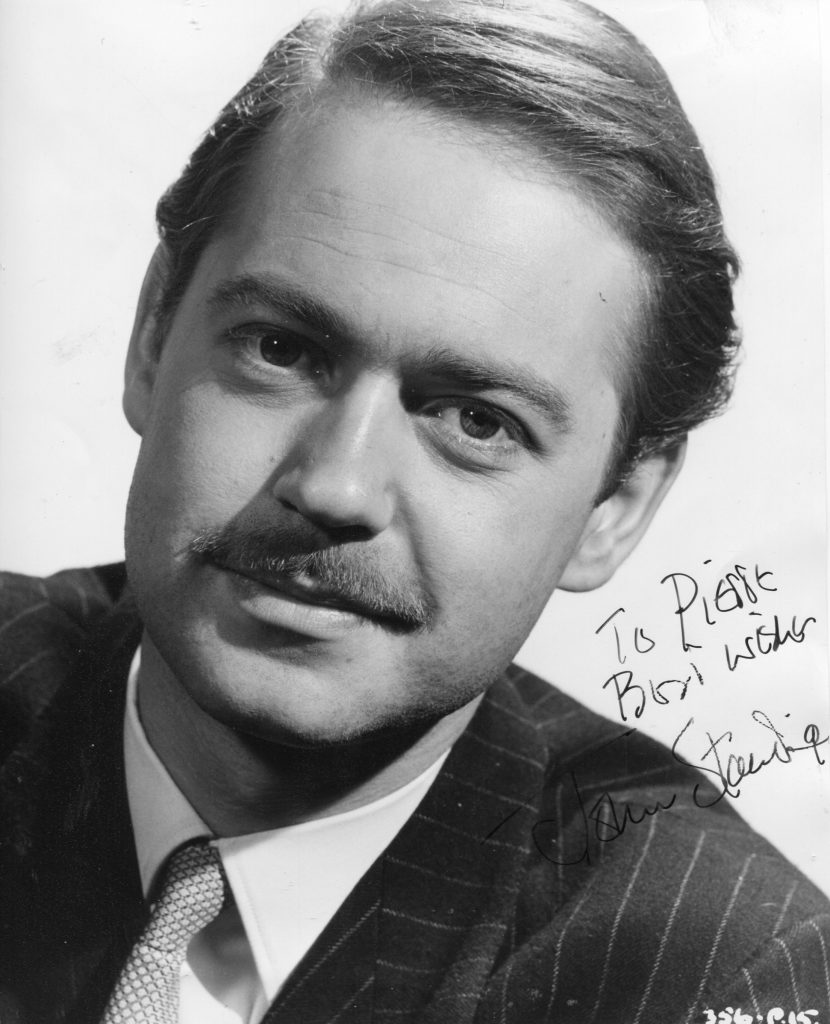
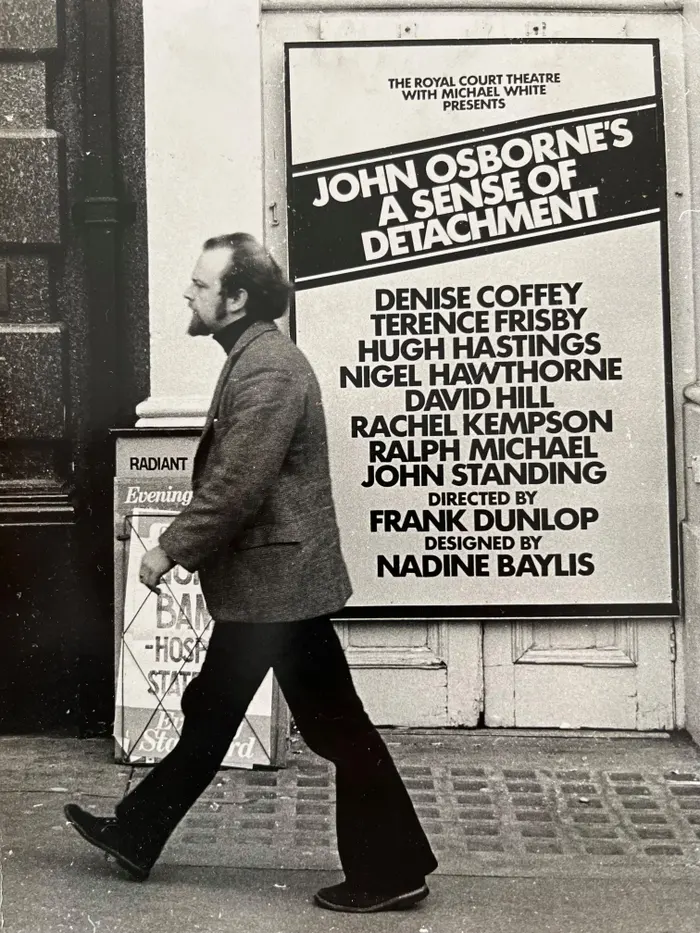
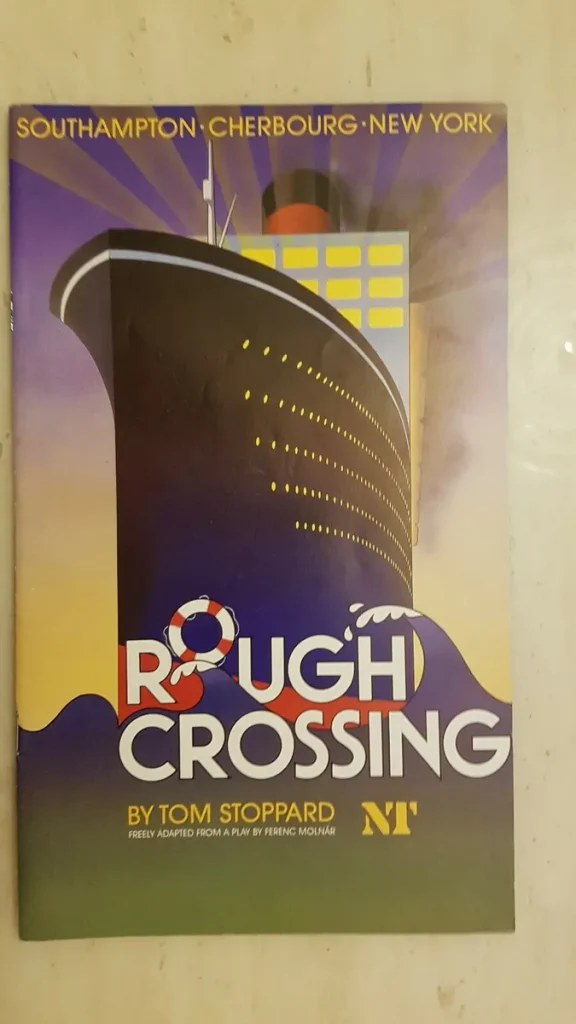
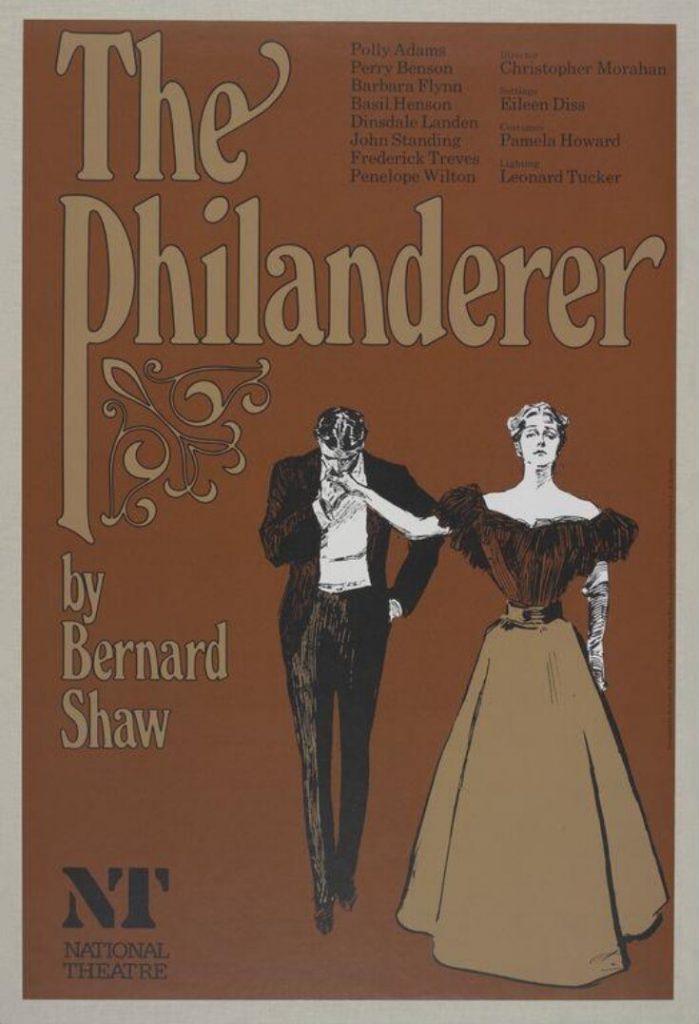
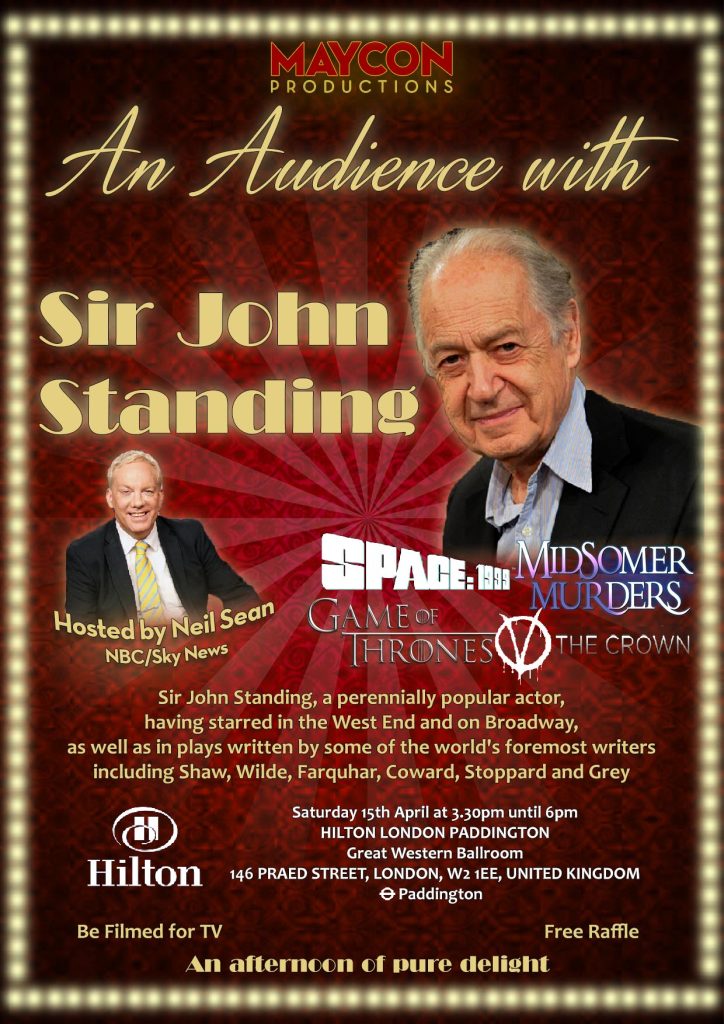
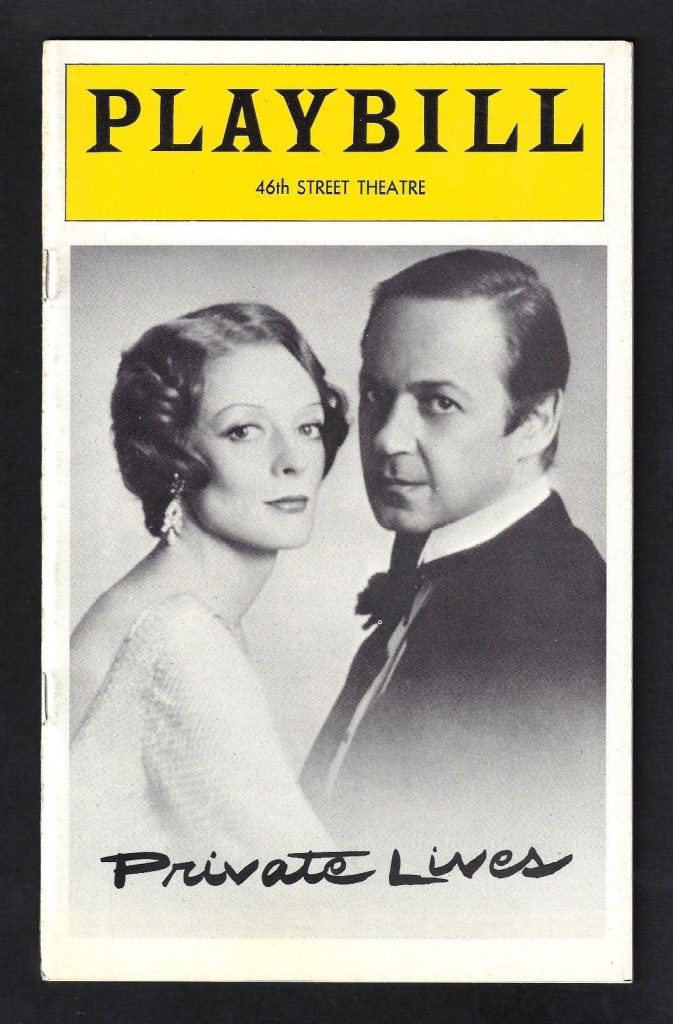
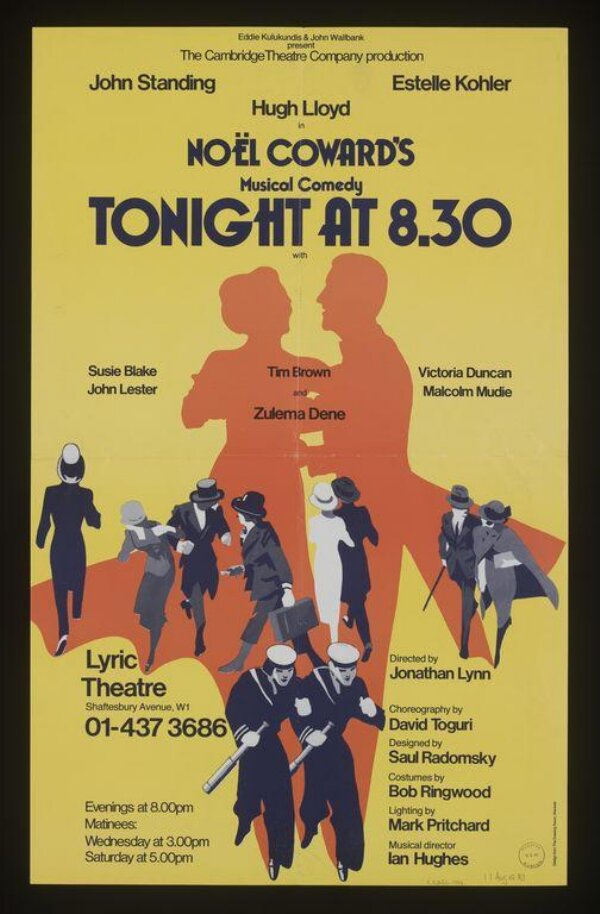
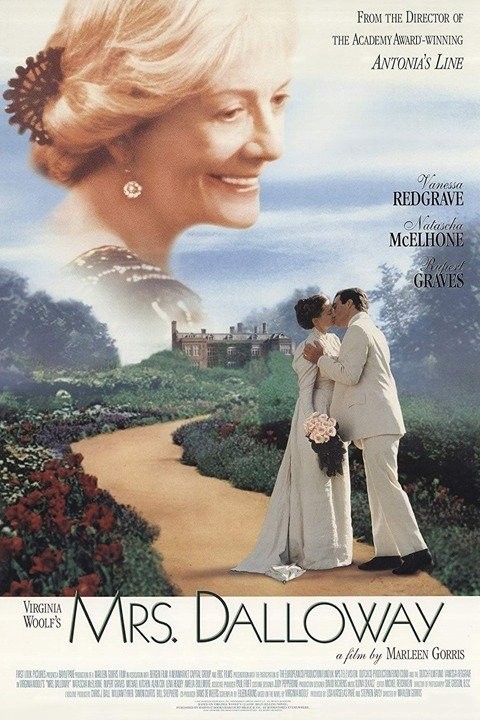
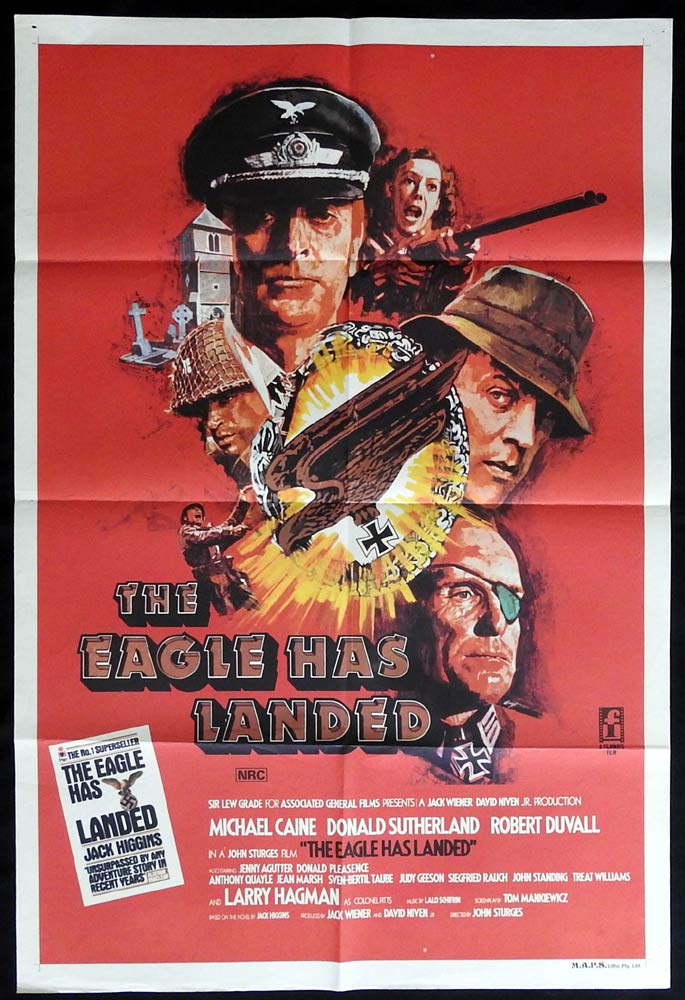
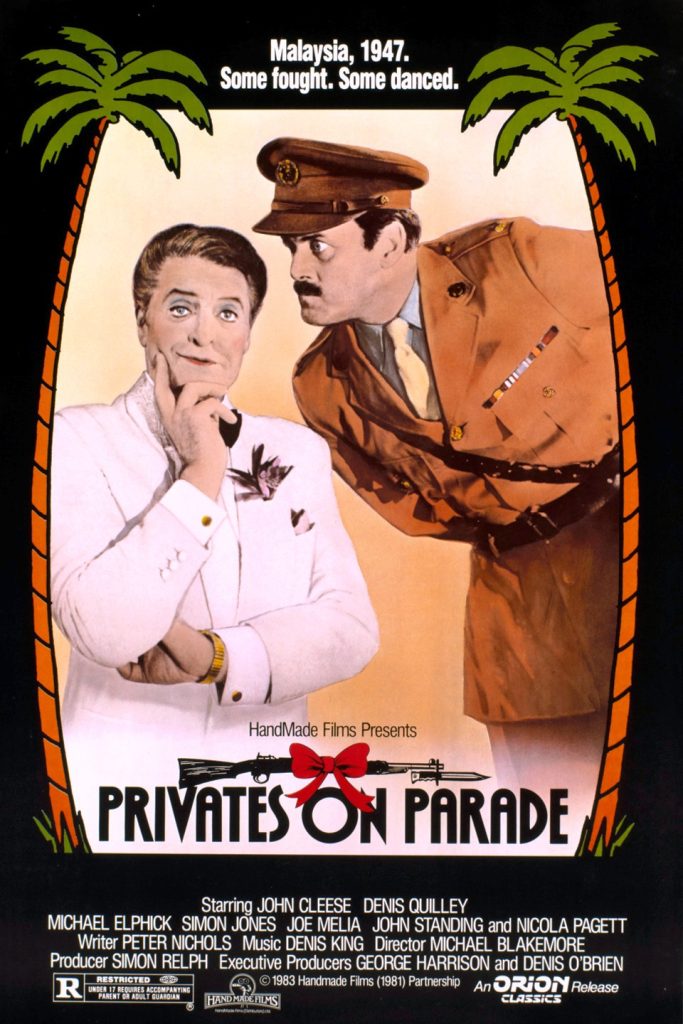
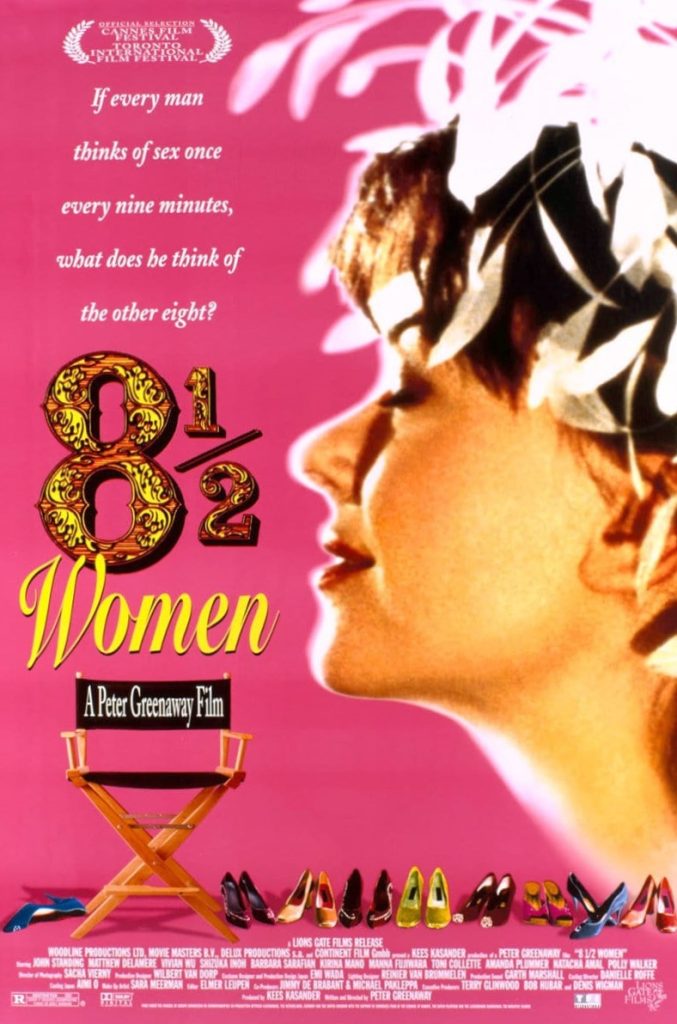
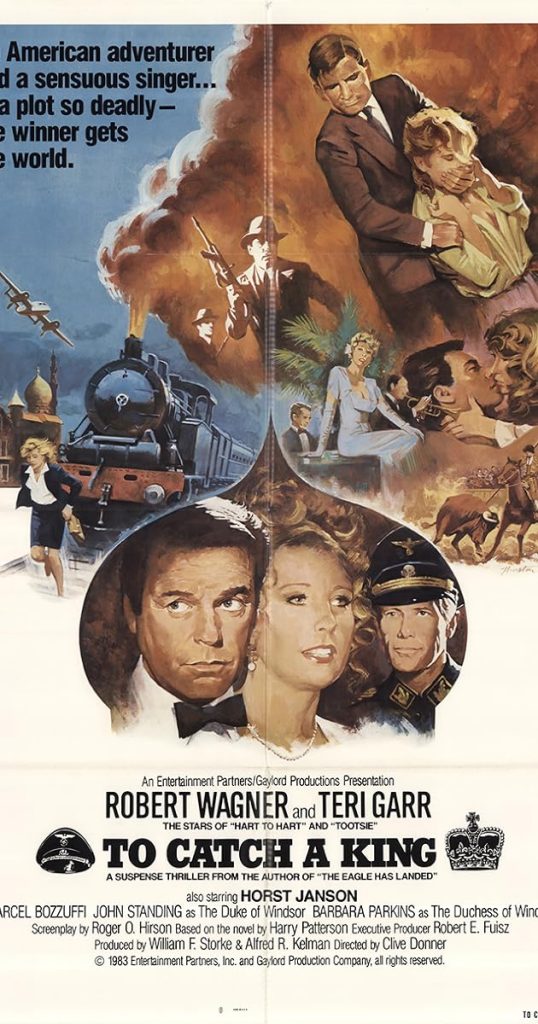
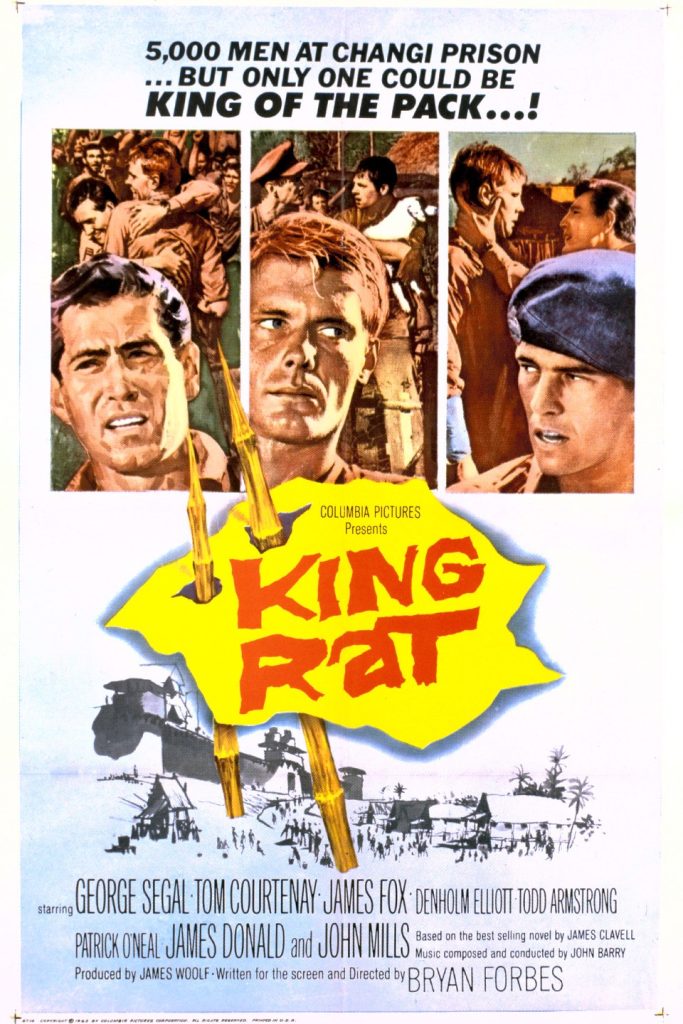
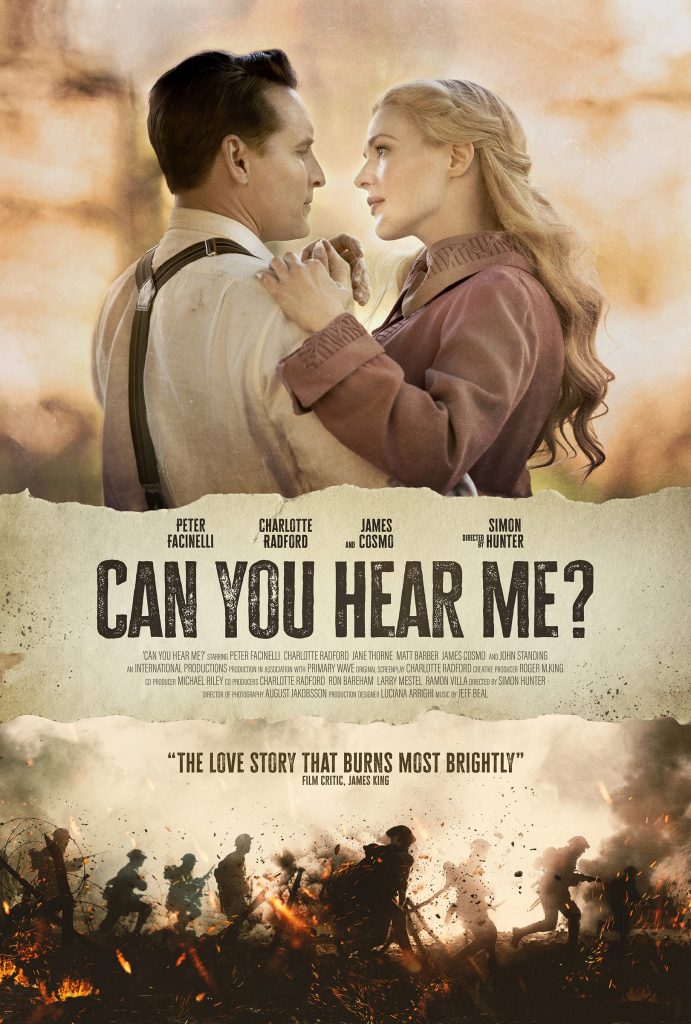
Sir John Standing is one of England’s most respected stage, film and television actors. From a distinguished acting dynasty which includes his great-grandfather Herbert Standing(1846-1923) and his grandfather Sir Guy Standing (1873-1937) and his mother, the actress Kay Hammond. He succeeded his father Sir Ronald Leon, as the 4th baronet in 1964. Sir John has worked productively on both the London and New York stages over the decades with leading parts in “The Importance of Being Earnest,” “Ring Around the Moon,” “A Sense of Detachment” by John Osborne, and, most notably, in Noel Coward‘s “Private Lives,” with Maggie Smith. Lesser known for his film work, he has nevertheless supported and enhanced such cinematic offerings as Young and Willing (1962), his debut film, King Rat(1965), The Psychopath (1966), Walk Don’t Run (1966), The Eagle Has Landed (1976), The Elephant Man (1980), Nightflyers (1987), Mrs Dalloway (1997), and A Good Woman (2004). His prestigious television roles have included the classic mini-series The First Churchills(1969), Tinker Tailor Soldier Spy (1979), and The Choir (1995), and King Solomon’s Mines(2004). In the U.S., he has graced numerous weekly programmes including L.A. Law(1986), Civil Wars (1991), and Murder, She Wrote (1984) and co-starred briefly with Robert Wagner and the late Samantha Smith in the action series Lime Street (1985), which ended abruptly with the young girl’s death in a plane crash. The 13-year-old Smith became an instant celebrity after writing a touching and concerned letter to the then Soviet PresidentYuri Andropov about the relations between the two dominant powers and being invited to Russia. His second wife is the actress Sarah Forbes, who is the daughter of the directorBryan Forbes and actress Nanette Newman.
– IMDb Mini Biography By: Gary Brumburgh / gr-home@pacbell.net