

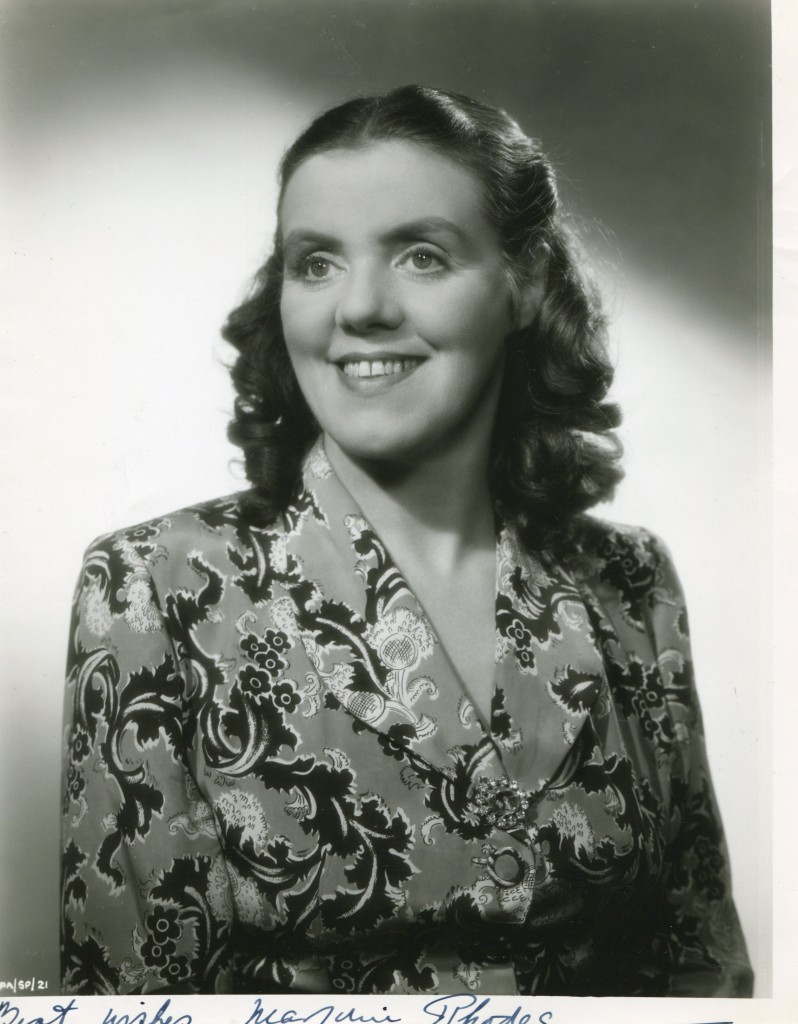
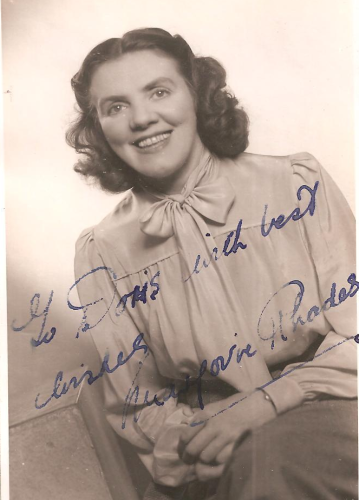
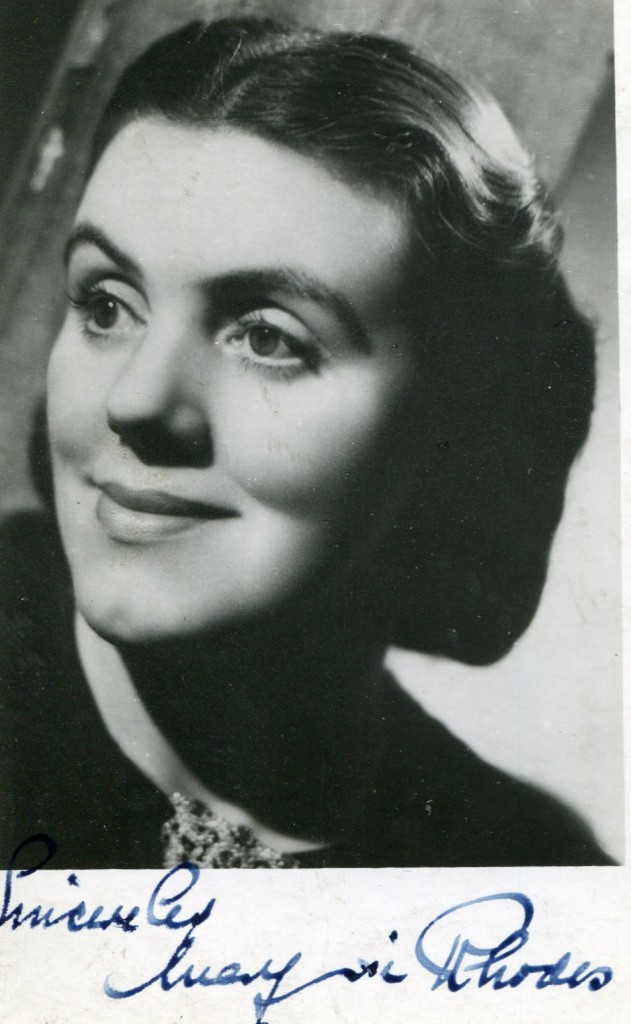
Brian McFarlane’s excellent entry on Marjorie Rhodes in “Encyclopedia of British Film”:
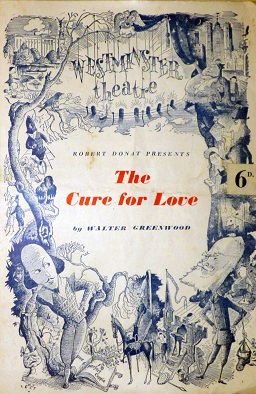
Whatever she played, there was a whiff of no-nonsense Yorkshire pudding about this great character actress. On stage with a concert party in 1920, in London from 1926, enjoying success in such forthright roles as Robert Donat’s mum Mrs Hardacre in “The Cure for Love” in 19456, a role she repeated in 1949 film, and the harridan ‘Emma Hornett’ in “Watch It Sailor” in 1961.
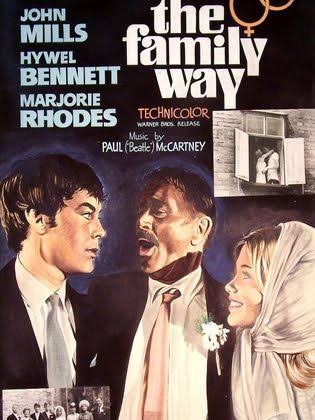
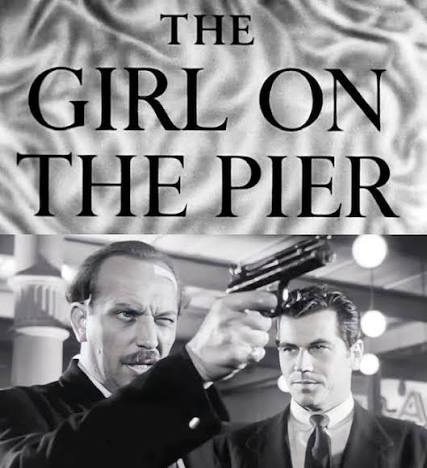
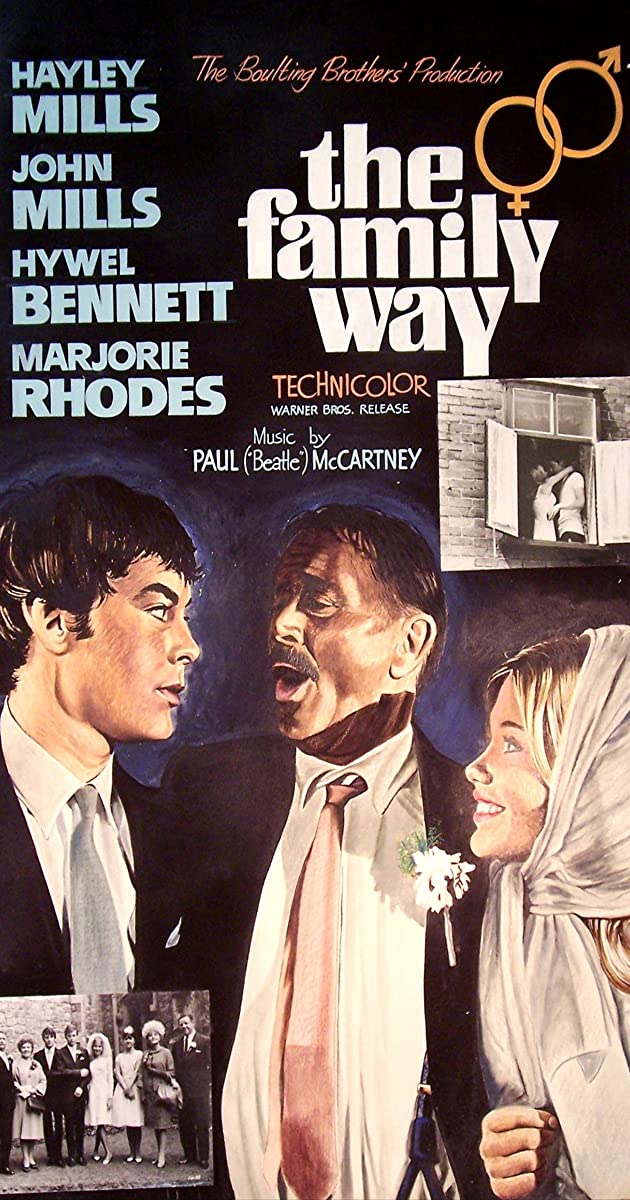
She could be tough and bossy, like the Councillor, Miss Mouncey in “Time, Gentlemen Please” in 1952, droll like the stroppy, inebriated cook in “When We Are Married” in 1943 or dizzy bigamist ‘Suzie’ in “The Weak and the Wicked” or dignified like the prison wardness in “Yield to the Night” in 1956. But two roles, perhaps stand out. One is true-hearted ‘Mrs Mumford’, the former barmaid who married an Oxford graduate (‘He had a lovely life. he never did a day’s work – I would’nt let him) and who galvanises the Women’s Institute in “Great Day” in 1945. The other is a performance of extraordinary melting sympathy as the understanduing mother in “The FamilyWay” in 1966, who brings the accumulated wisdom of her own married life to bear on her son to get his started. it is the jewel in the crown of a remarkable career.
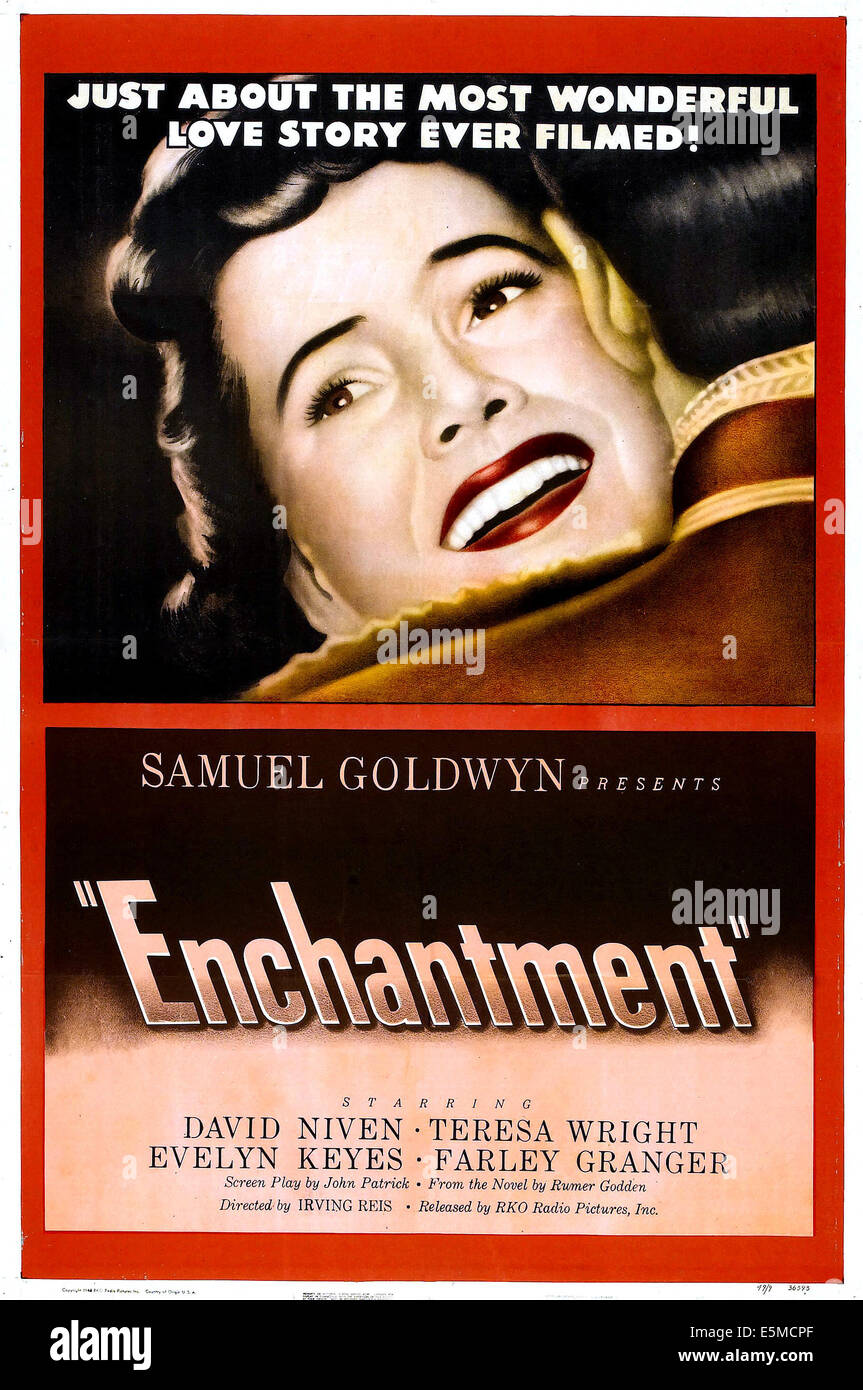
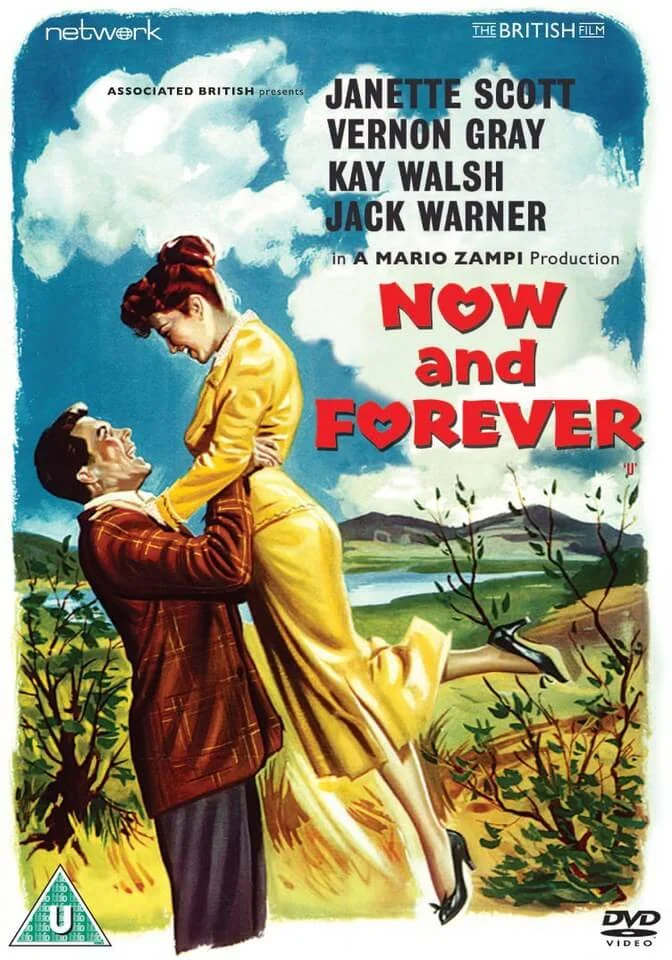
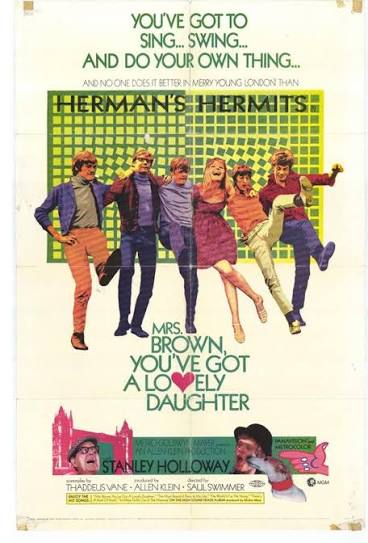
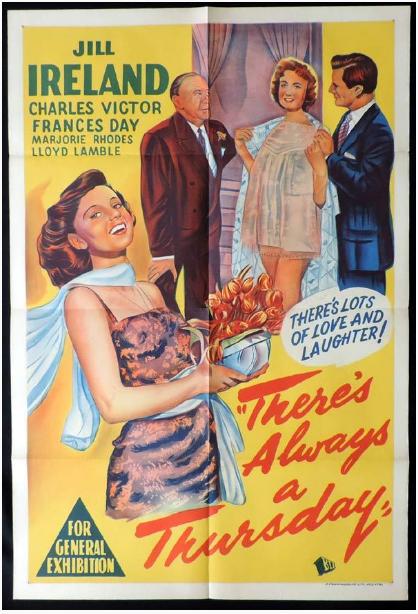
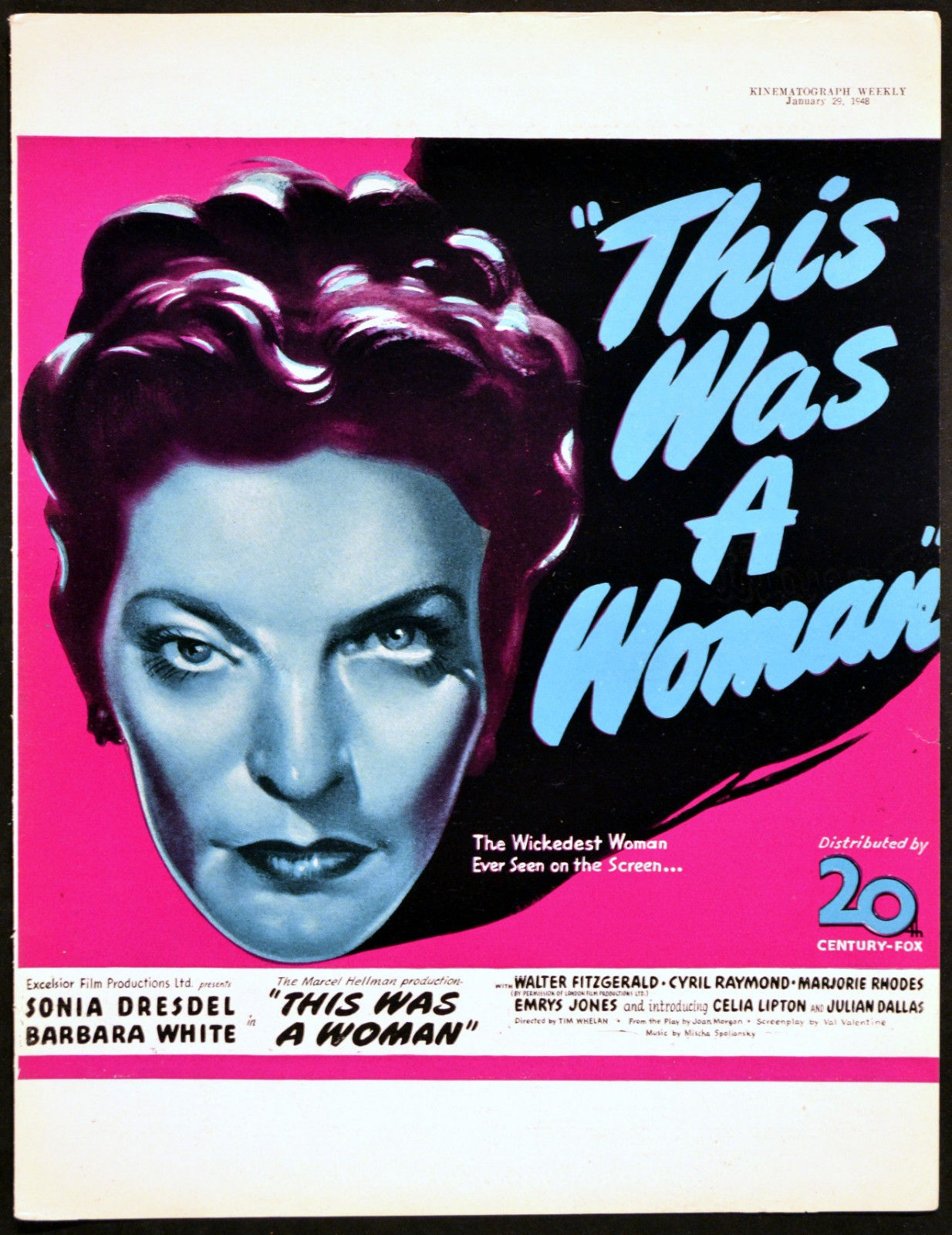
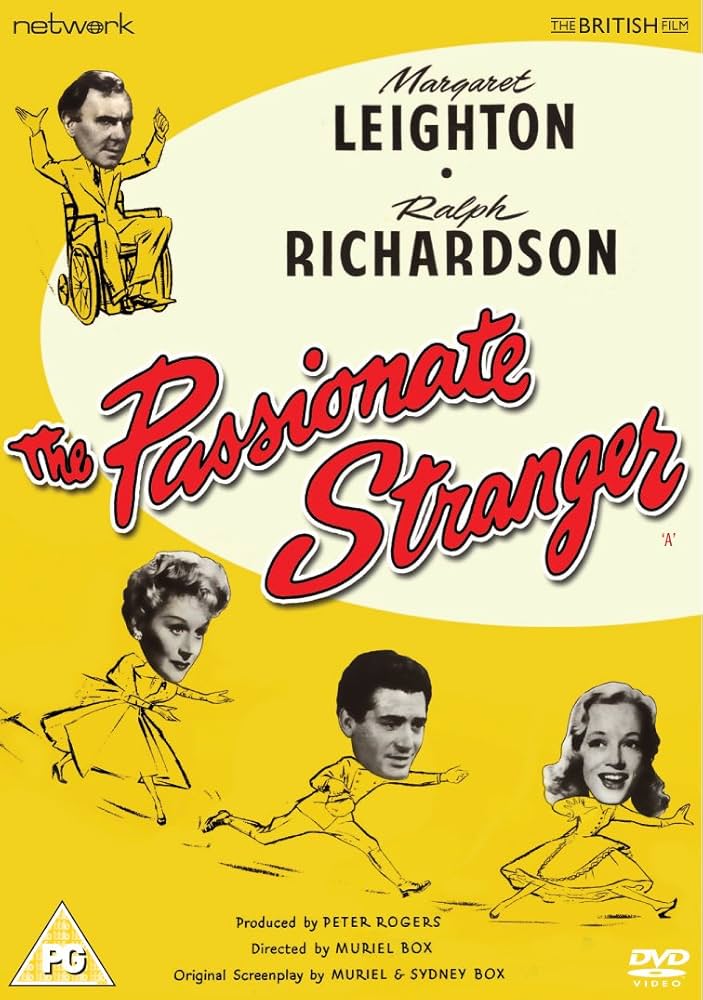

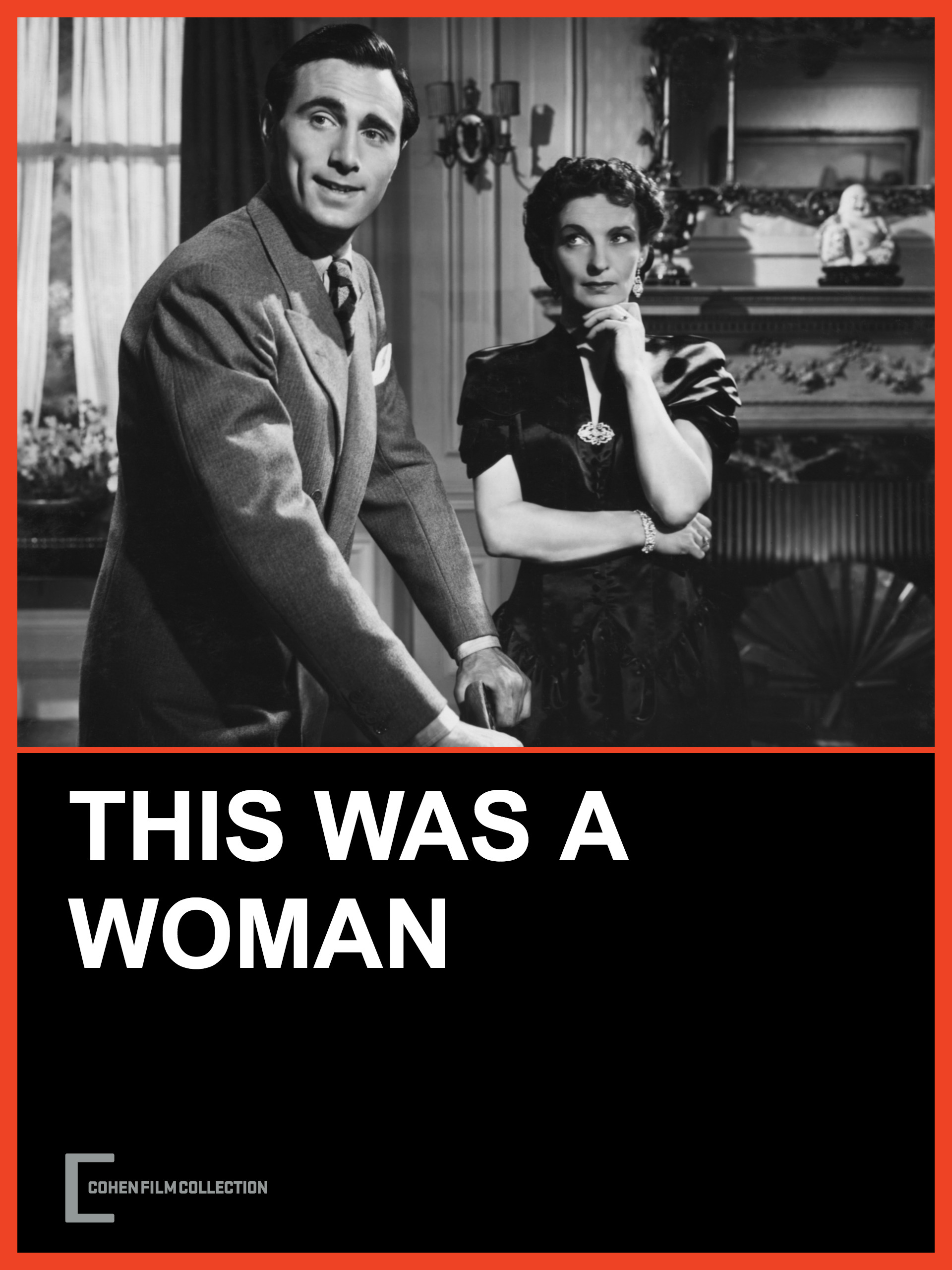
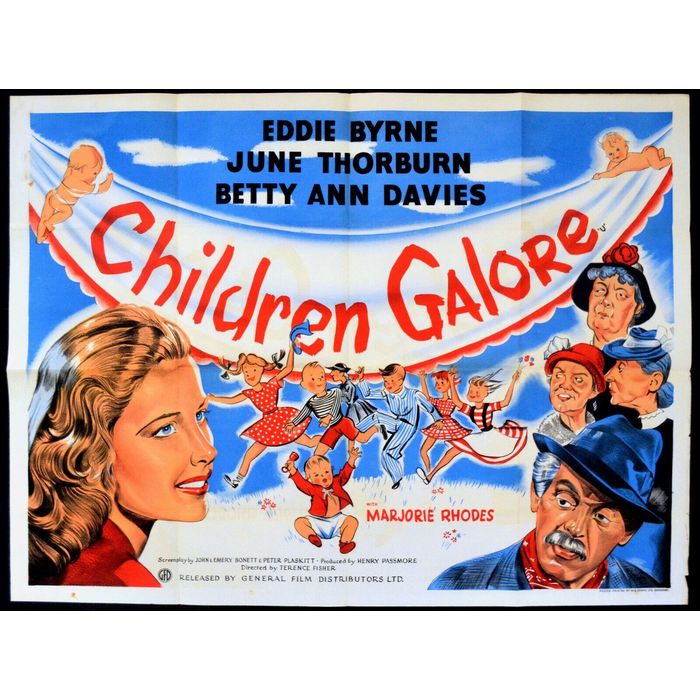



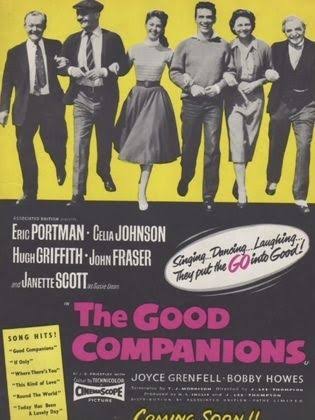
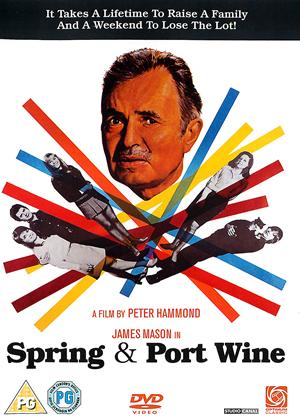
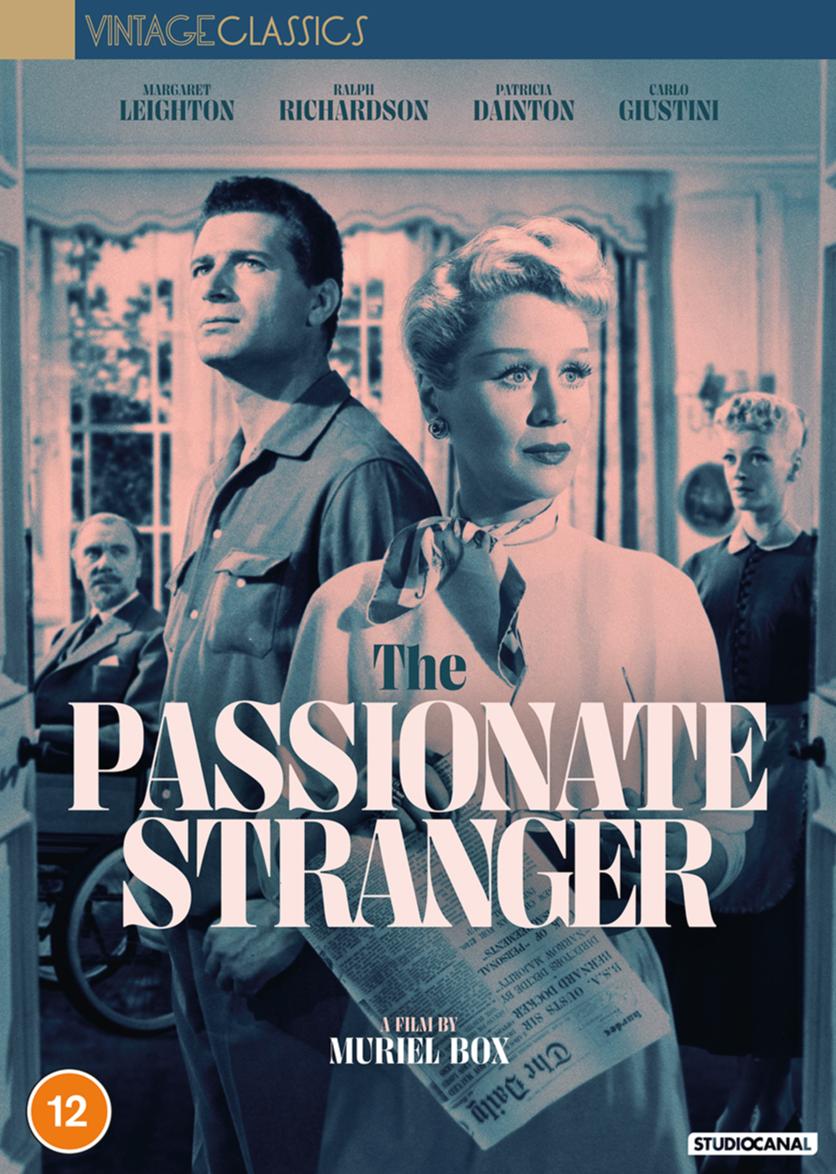
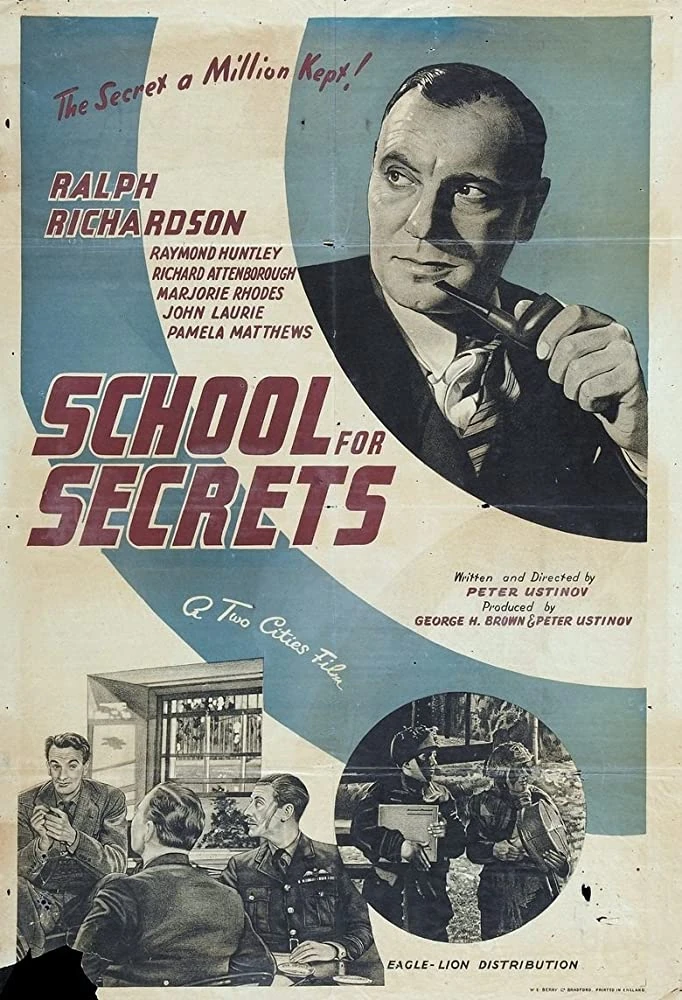
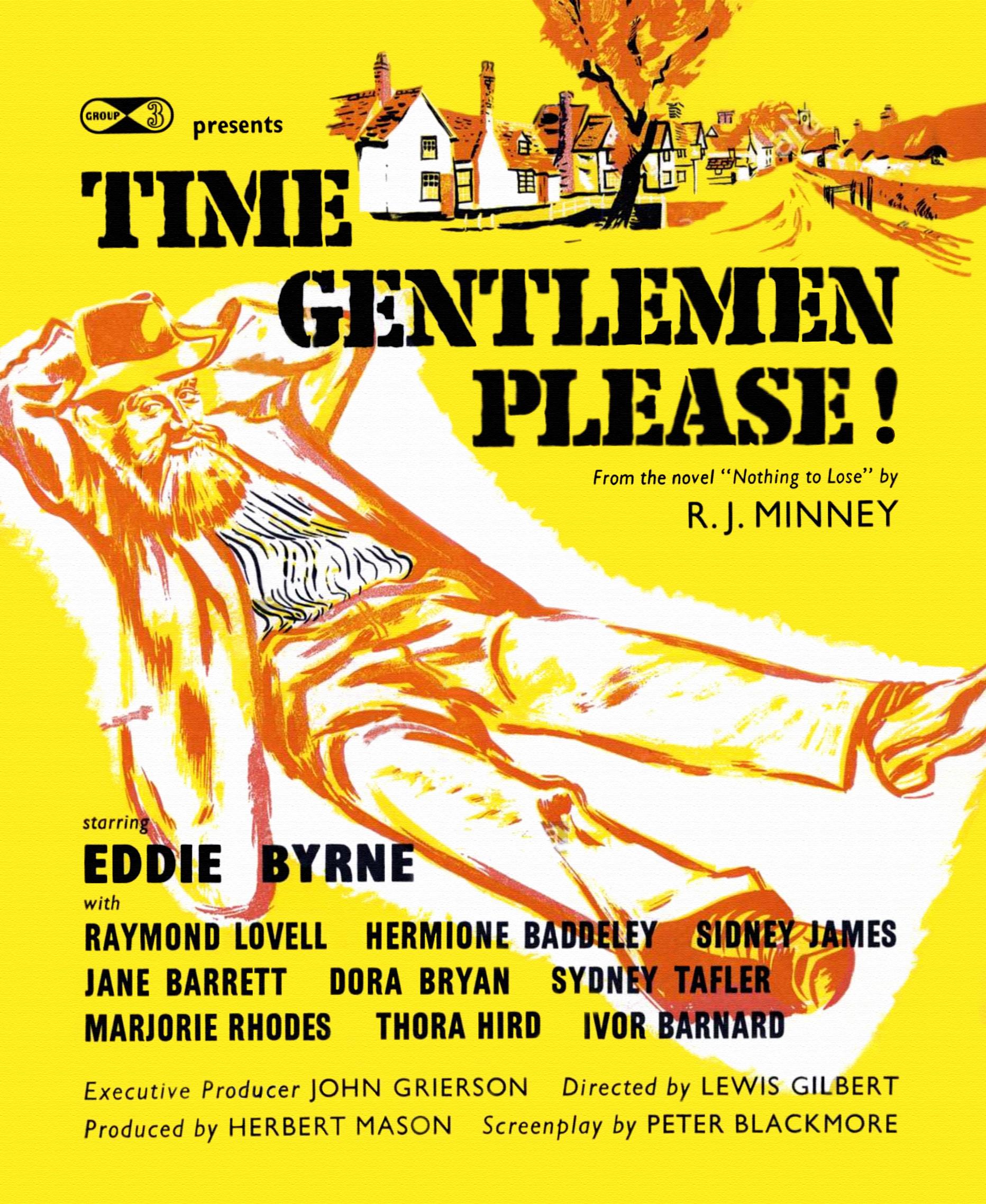
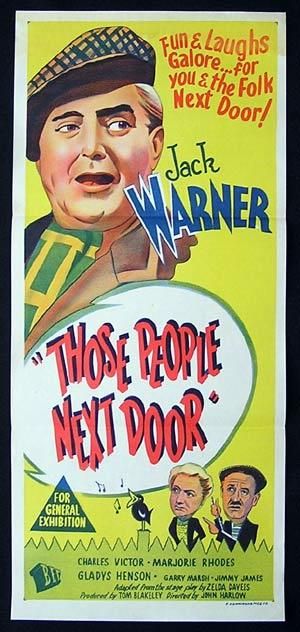
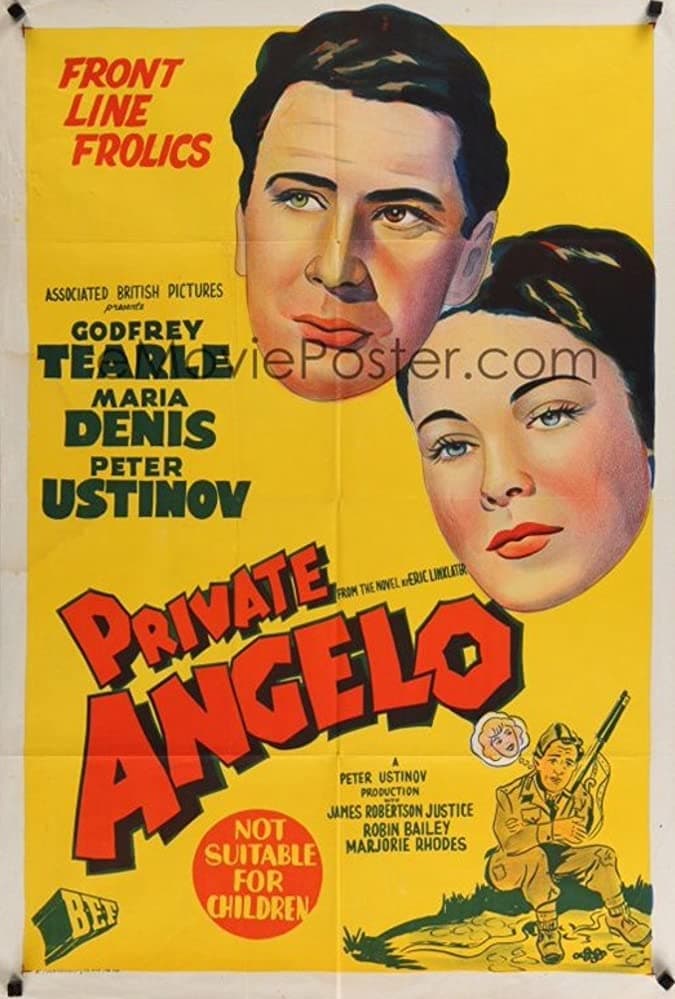
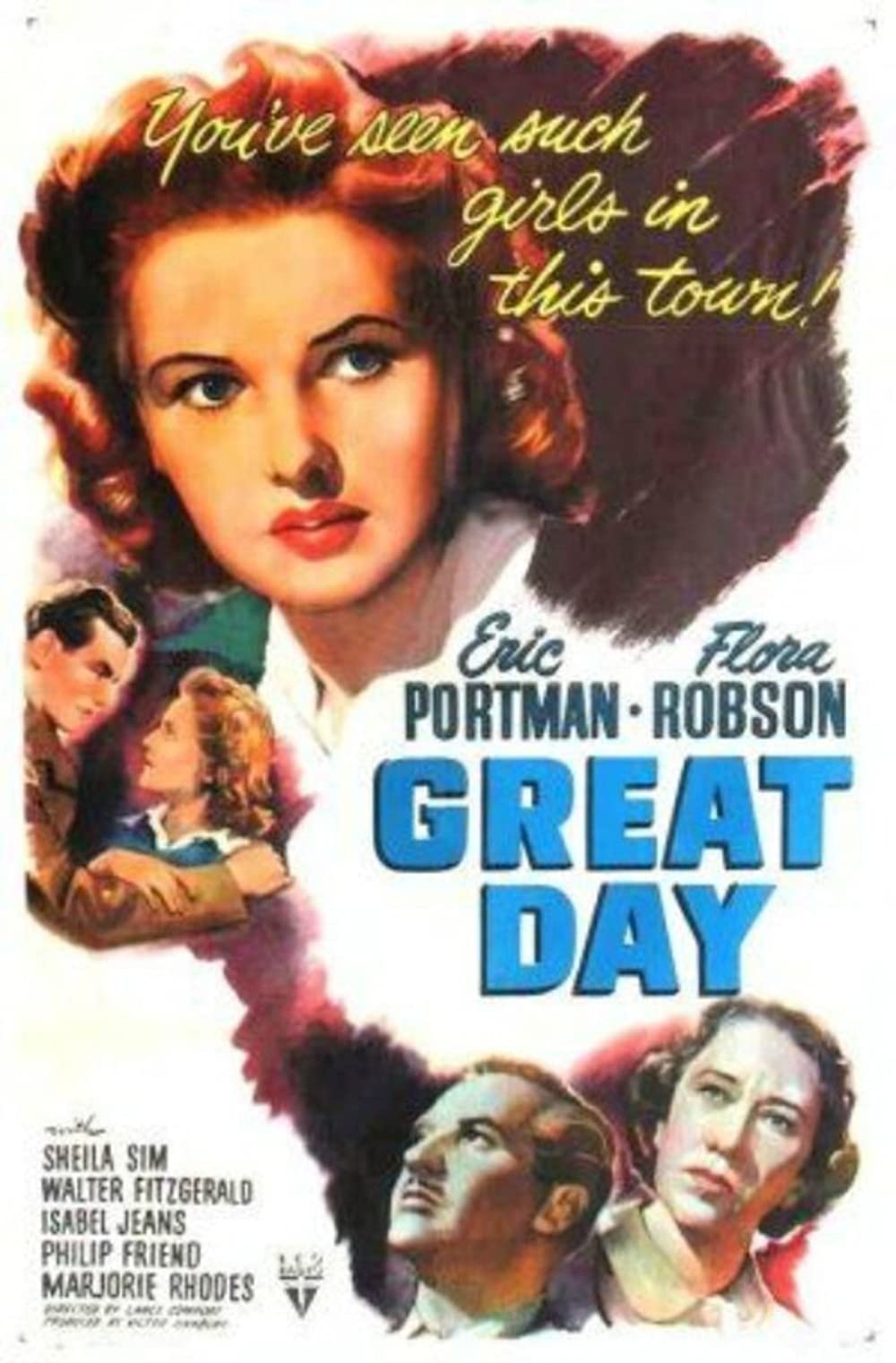
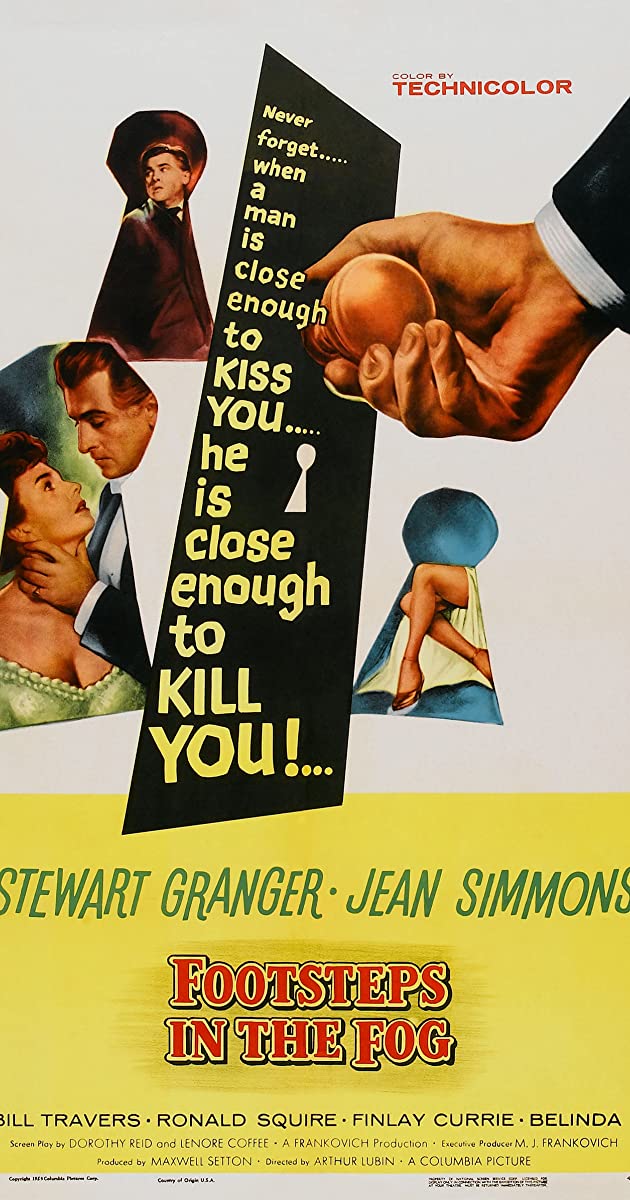
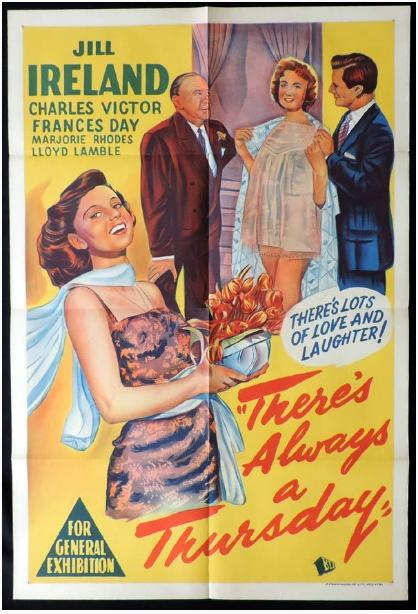
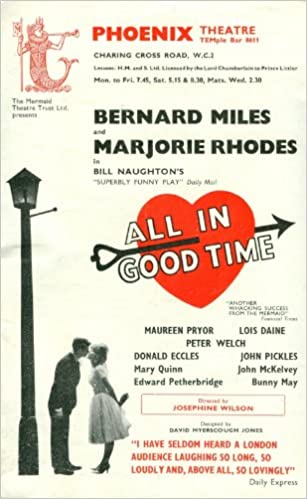
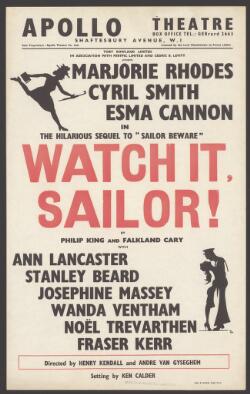
Marjorie Rhodes, the beloved British character actress whose warm humanity, perfect comic timing and gift for making even small roles unforgettable made her one of the most treasured performers in British cinema and television, died on 4 July 1979 at the age of 82. For more than four decades she graced screens large and small, bringing dignity, humour and profound kindness to countless mothers, landladies, neighbors and friends — creating a gallery of working‑class women rendered with affection, understanding and unshakeable integrity.
She was born Marjorie Rhodes on 9 April 1897 in Hull, Yorkshire, into a working‑class family that valued both hard work and community life. Her childhood was spent in the terraced streets of industrial northern England, and she absorbed the rhythms, accents and social dynamics of ordinary people in the North of England — knowledge that would later inform every character she played.
Rhodes’s entry into professional performance came relatively late in life. She worked in various jobs before joining local amateur dramatic societies, where her natural talent and instinctive understanding of character quickly became apparent. Her breakthrough came when she was cast in repertory theatre, where she developed the skills and experience that would define her later career.
Her film debut came in the 1940s, but it was in the post‑war period that she found her true calling as one of British cinema’s most dependable and beloved character actresses. She appeared in films large and small, always bringing the same commitment to excellence regardless of the size of her role:
• “The Family Way” (1966) — as Hayley Mills’s understanding mother‑in‑law
• “Saturday Night and Sunday Morning” (1960) — in Karel Reisz’s groundbreaking kitchen‑sink drama
• “Hands of the Ripper” (1971) — a Hammer horror production
Ms Rhodes possessed the remarkable ability to suggest an entire life story within a few scenes. Her characters felt lived‑in, authentic, shaped by years of experience and accumulated wisdom. She never condescended to working‑class roles or treated them as mere comic relief — instead, she found in them sources of strength, resilience and quiet dignity..
Her television work was equally distinguished and far more extensive. She became a familiar face to British audiences through appearances in:
• “Coronation Street” — multiple roles over the years
• “Z‑Cars” — as various concerned mothers and witnesses
• “The Likely Lads” — bringing maternal authority to the comedy
• “Softly, Softly” — in the police procedural series
• Countless other productions spanning decades of British television
What distinguished Rhodes from other character actresses was her complete lack of theatrical artifice. She never seemed to be “acting” — instead, she appeared to simply be whoever the script required her to be. Her performances were marked by naturalness, spontaneity and an intuitive understanding of human behavior.
Her specialty was portraying women of a certain age — mothers, grandmothers, neighbors — who served as the emotional and moral anchors of their communities. These were women who had seen life’s hardships but retained their capacity for love, humor and practical wisdom. Rhodes brought to such roles a dignity that elevated them far above stereotype.
Directors valued her professionalism and her ability to enrich any production through her presence. She was known for her preparation, her generosity with younger actors, and her complete reliability. No matter how small her role, she approached it with the same seriousness and commitment she brought to larger parts.
Off‑screen, Rhodes was remembered as warm, unpretentious and deeply committed to her craft. She maintained close friendships throughout the industry and was particularly generous in mentoring younger performers. Her own working‑class background never left her, and she retained throughout her life the values of community, fairness and mutual support.
Her later years brought her continued work and widespread recognition of her contribution to British entertainment. She remained active well into her seventies, appearing in television productions and maintaining the standards that had marked her entire career.
When Marjorie Rhodes died in 1979, tributes emphasized not only her considerable talent but her character — her kindness, her professionalism, and the authenticity she brought to every performance. She was mourned as one of the last links to an earlier era of British acting, when character actors were valued for their ability to illuminate the ordinary lives of extraordinary people.
Her legacy lies in the cumulative impact of dozens of memorable performances — small roles that became large through the force of her humanity. She proved that there are no small parts, only small actors, and that true artistry lies in finding truth and dignity in every character, no matter how briefly they appear on screen.
Marjorie Rhodes represented the finest traditions of British character acting: unshowy but deeply skilled, true to life rather than larger than life, concerned more with serving the story than calling attention to herself. She remains a beloved figure in British entertainment history — a performer whose warmth and authenticity continue to touch audiences decades after her final performance.