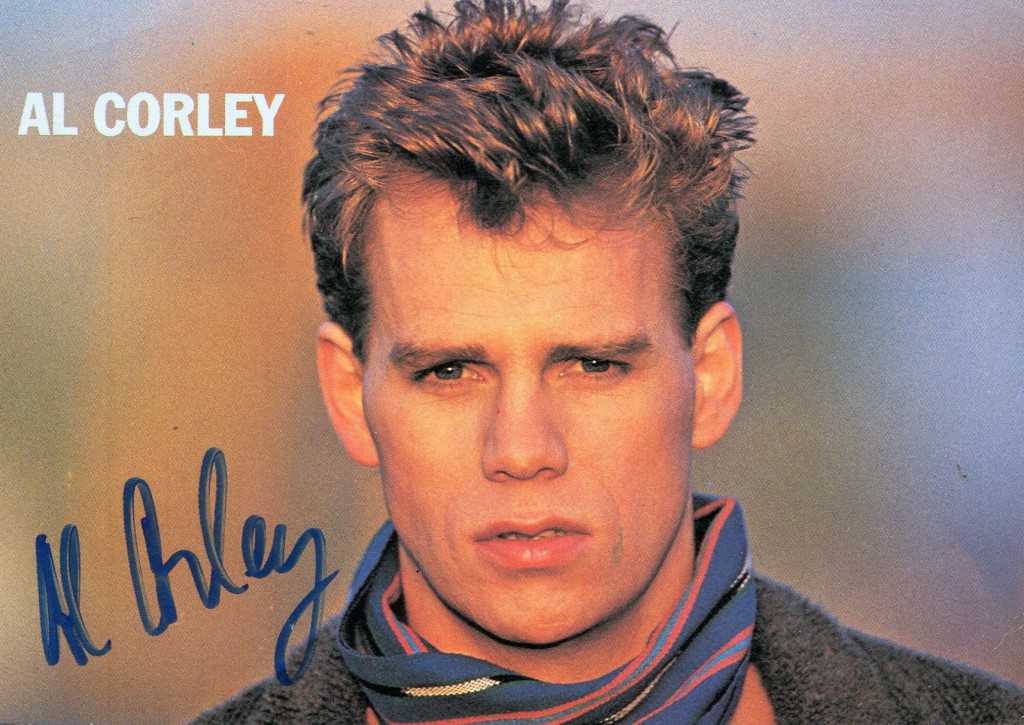
Al Corley (born May 22, 1956 in Wichita, Kansas) is an American actor, singer and producer. In the late 1970s, he worked as a doorman at Studio 54. He would later appear in a VH1Behind the Music special on Studio 54 to recount his experiences.
Corley is best known as the first actor to play Steven Carrington on the 1980s soap opera Dynasty. After that, Corley acted in 14 movies, then produced five. Corley left Dynasty at the end of the second season in 1982[1][2] after complaining about Steven’s “ever-shifting sexual preferences”[3] and wanting “to do other things”.[2] The character was recast in 1983 with Jack Coleman; the change in appearance attributed to plastic surgery after an oil rig explosion.[1][2] Coleman remained on the show until 1988, but Corley returned to the role of Steven for the 1991 miniseriesDynasty: The Reunion when Coleman was unavailable due to scheduling conflicts.[3]
He was also known as a singer in the 1980s. His 1984 new wave single “Square Rooms“, from his debut album of the same name became a number one hit in France (in 1985), also reaching No. 6 in Switzerland, No. 12 in Italy (in 1985), No. 13 in Germany, No. 15 in Austria and No. 80 in the U.S. The same year, he released “Cold Dresses”, which was also a big hit in France, reaching No. 5. His second album, Riot of Color was released in 1986, and a third album, Big Picture followed in 1988.
He was married in 1989 to actress Jessika Cardinahl. They have three children: Sophie Elena, Ruby Cardinahl and Clyde Nikolai Corley. Before his marriage, he had a brief romance with pop star Carly Simon. It was Corley (with his back to the camera) that appeared with Simon on the cover art shot for her 1981 album Torch.
James Timothy “Tim” Daly (born March 1, 1956) is an American stage, screen and voice actor, director and producer. He is best known for his television role as Joe Hackett on theNBC sitcom Wings and for his voice role as Superman/Clark Kent in Superman: The Animated Series, as well as his recurring role of the drug-addicted screenwriter J.T. Dolan on The Sopranos for which he was nominated for an Emmy Award. He starred as Pete Wilder on Private Practice from 2007 to 2012.
Daly was born in New York City,[1] the only son and youngest child of actors James Daly and Mary Hope Newell.[He is the younger brother of actress Tyne Daly, who is 10 years his senior, and is a brother-in-law of television and film composer Mark Snow.[3] He has two other sisters, Mary Glynn (Snow’s wife)[4] and Pegeen Michael. He is of part Irish ancestry. Daly attended The Putney School,[5] where he started to study acting.
Daly began his professional career while a student at Vermont‘s Bennington College, where he studied theatre and literature, in which he now holds a Bachelor of Arts,]and acted in summer stock. He graduated from college in 1979 and returned to New York to continue studying acting and singing.
Daly debuted on stage when he was seven years old in Jenny Kissed Me by Jean Kerr, together with his parents and two sisters. He appeared for the first time on TV when he was 10 years old in an American Playhouse adaptation of An Enemy of the People by Henrik Ibsen, which starred his father James Daly. He dreamed about a sports or music career and also considered becoming a doctor or a lawyer, but finally decided to become an actor. Daly started his professional acting career when he appeared in a 1978 adaptation of Peter Shaffer‘s play Equus.
In theatre he has starred in the Broadway production of Coastal Disturbances by playwright Tina Howe opposite Annette Bening and received a 1987 Theatre World Award for his performance. He has also starred in Oliver, Oliver at the Manhattan Theatre Club, Mass Appeal by Bill C. Davis and Bus Stop by William Inge at Trinity Square Repertory, The Glass Menagerie by Tennessee Williams at the Santa Fe Festival Theatre, A Knife in the Heart and A Study in Scarlet at the Williamstown Playhouse, and Paris Bound at the Berkshire Theatre Festival. During this time, Daly also starred in the CBS television miniseries I’ll Take Manhattan as Toby Amberville.
Daly describes himself as being highly self-critical in regards to his career. In an interview with New Zealand ‘ZM’ radio personality Polly Gillespie Tim was quoted to say “I think part of it (his self-critical nature) is passed down to me from my parents who are actors. The theatre was our temple… When you entered you were expected to live up to the example of this glorious place.”
The above Wikipedia entry can also be accessed online here
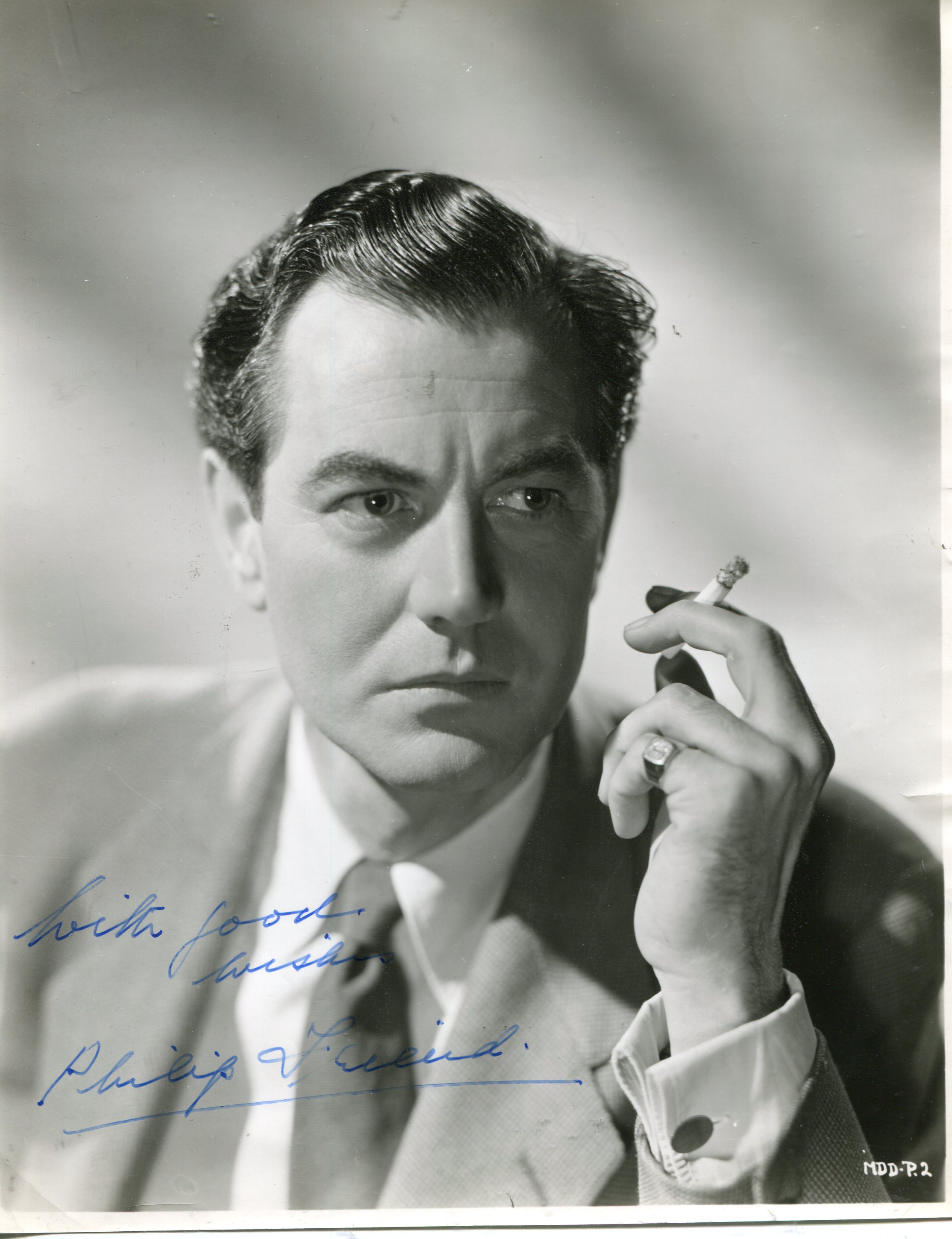
British actor Philip Friend made his stage bow in 1935 and his film debut in 1939, after which he settled into his peculiar niche as the bargain-counter Errol Flynn. The titles of Friend’s English and American films pretty much tell the whole story: Sword in the Desert (1949), Buccaneer’s Girl (1950), The Story of Robin Hood (1958). Friend was cast in the potentially star-making title role in The Highwayman (1951), based on the famed Alfred Noyes narrative poem. Alas, this movie barely moved until the last five minutes–just long enough for Friend and leading lady Wanda Hendrix to get killed off and then reappear as ghosts. Philip Friend was active in movies, TV and Broadway until the ’70s, always one tiny step away from true stardom. ~ Hal Erickson, Rovi
The distinguished career of stage and screen veteran Kate Nelligan was graced by creative highs and accolades. An actress whose range encompassed both roles of passion and harsh resolve, the Canadian native made her way to the illustrious stages of England before taking aim at the equally impressive stages on Broadway. From the stark drama of David Hare’s “Plenty” to the silver screen whimsy of “Frankie and Johnny” (1991), Nelligan’s career was a testament to the actress’ ability to diversify her talents while successfully avoiding the punishment of being typecast.
James Marshall was born James David Greenblatt in Queens, New York, USA, to Charlotte (Bullard), a dancer, and William R. Greenblatt, a producer and director. His father is of Ashkenazi Jewish descent and his mother has English and Irish ancestry.
James grew up in Bergen County New Jersey. At the age of fifteen he moved with his family to the Los Angeles area where he attended Santa Monica High School. Once high school was over, James attended acting classes and struggled to break into Hollywood. His father offered to help James, but he didn’t want to take the nepotism route. Coming from a family of entertainers (his mother a former radio city music hall Rockette and his sister a musician) he had Hollywood in site. Accepting small acting parts, working as a messenger, as well as at a pizzeria, James felt the pressures of the business. James made a big splash when director David Lynch cast Marshall for his new series entitled Twin Peaks. Playing the moody, biker boyfriend of Laura Palmer thrust James Marshall into the living rooms of millions and introduced the new actor to a captivated audience. By early 1990 his career took a turn onto the silver screen with an appearance in the movie Cadence, starring Martin Sheen and Charlie Sheen. This lead to his first starring role with a major movie studio. The movie was the 1992 boxing drama, Gladiator. Three months of rigorous training was put into the role before even getting to the set. The buzz on Marshall was so great that director Rob Reiner cast James and co-star Cuba Gooding Jr. in his upcoming film A Few Good Men. The movie was an excellent springboard towards a busy acting career. James has continued working steadily in television movies and features. In May of 1998 James married actress Renee Allman. They have appeared together in the features Criminal Affairs and Doomsday Man. Together they have one child, James David, who was born in January of 2002. The happy family live together in the Los Angeles area. James continues to work on a host a television movies and film projects. In addition James is an accomplished author, artist and musician.
– IMDb Mini Biography By: Joe Miller <joem938216@aol.com> and Jame-Marshall.net
The above IMDB entry can also be accessed online here.
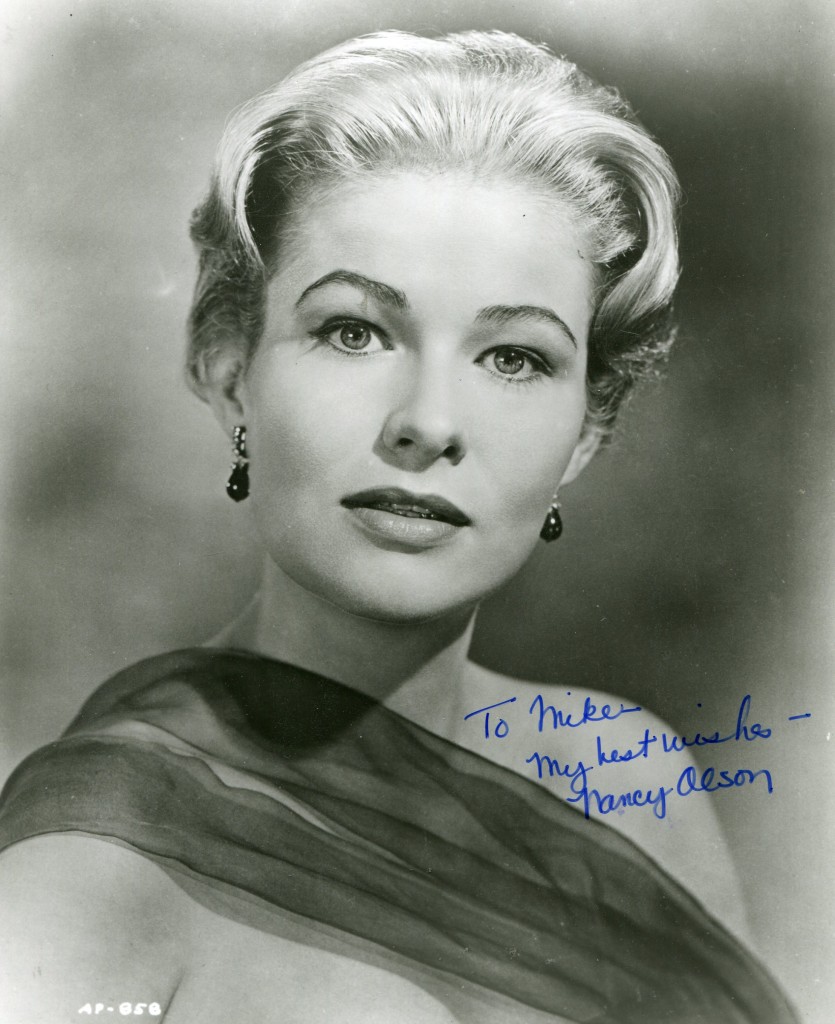
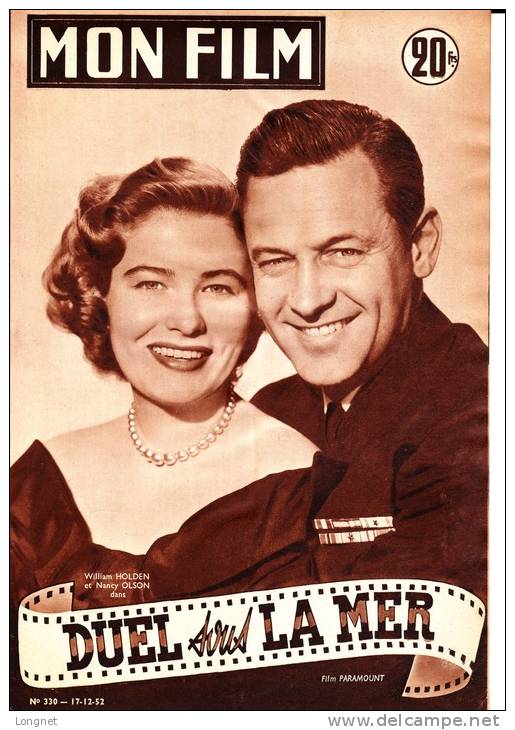
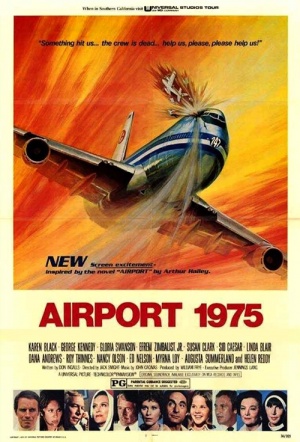
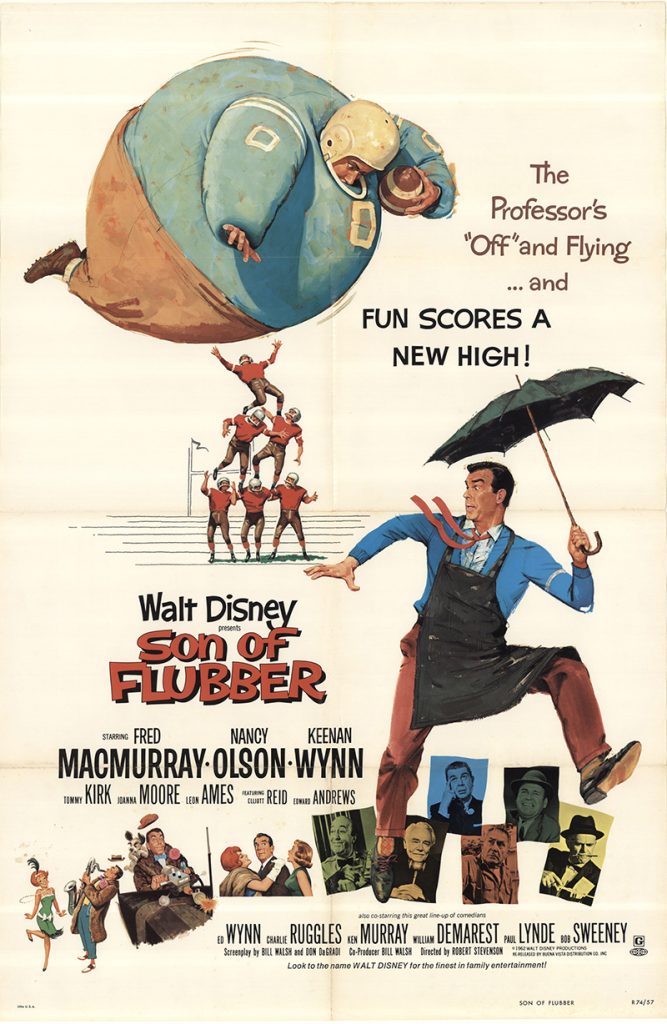
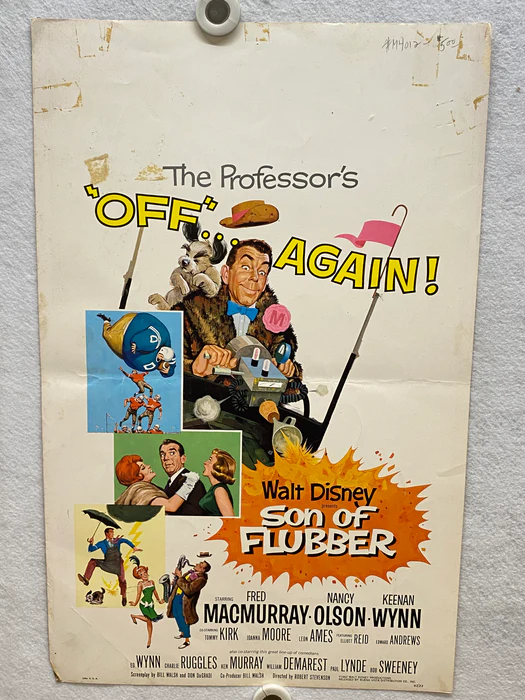
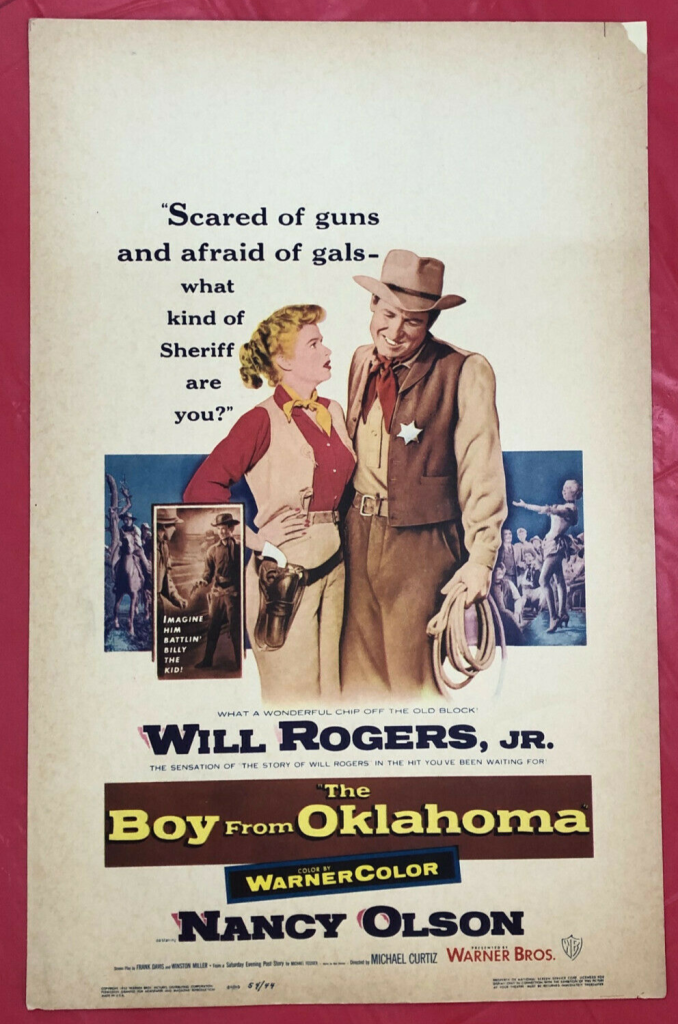
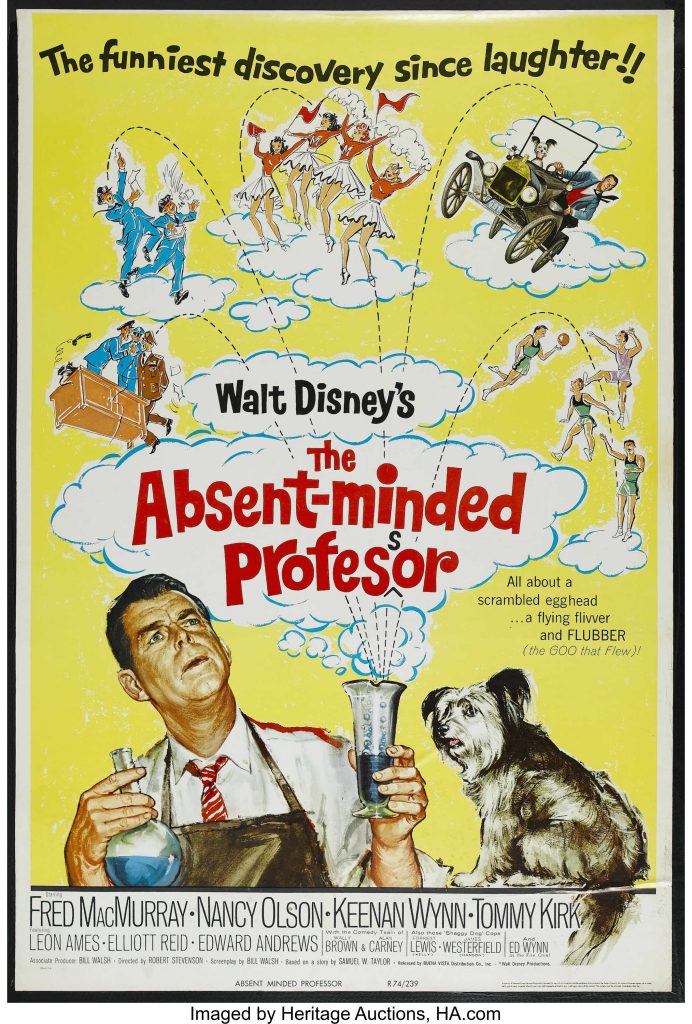
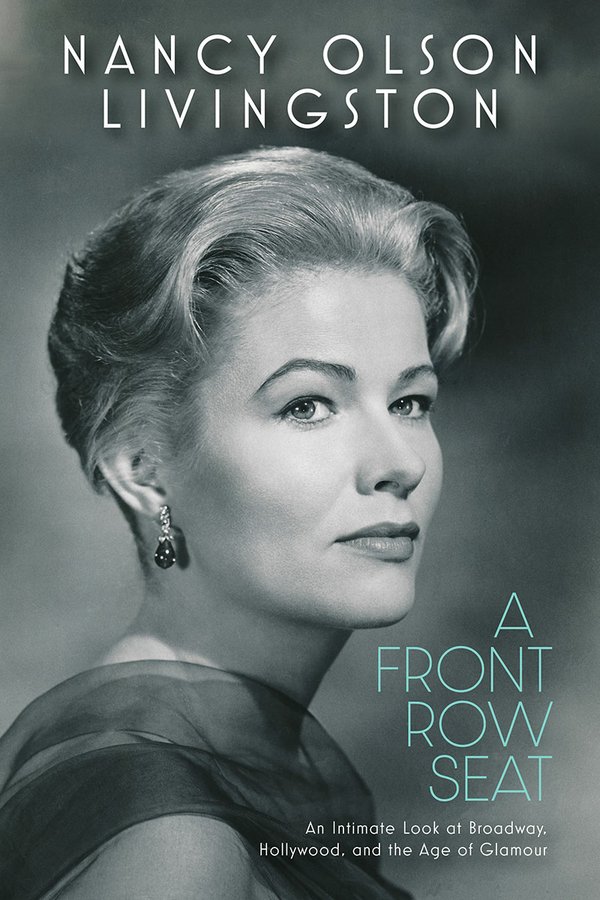
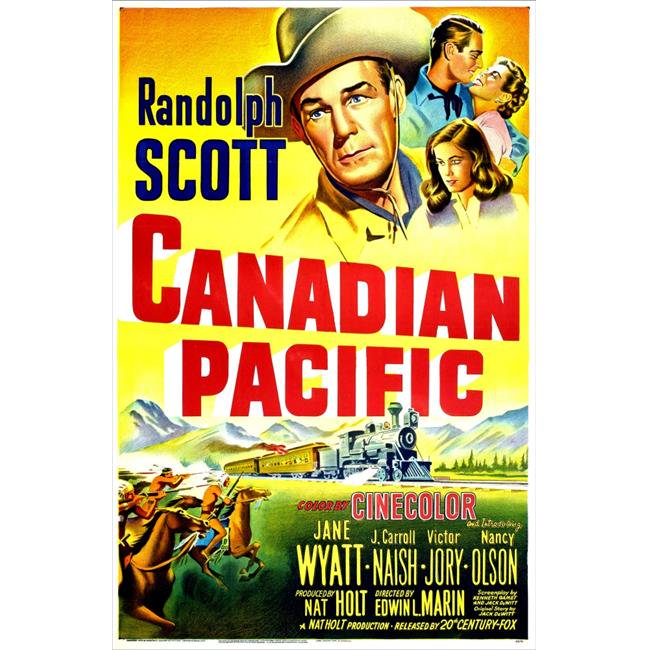
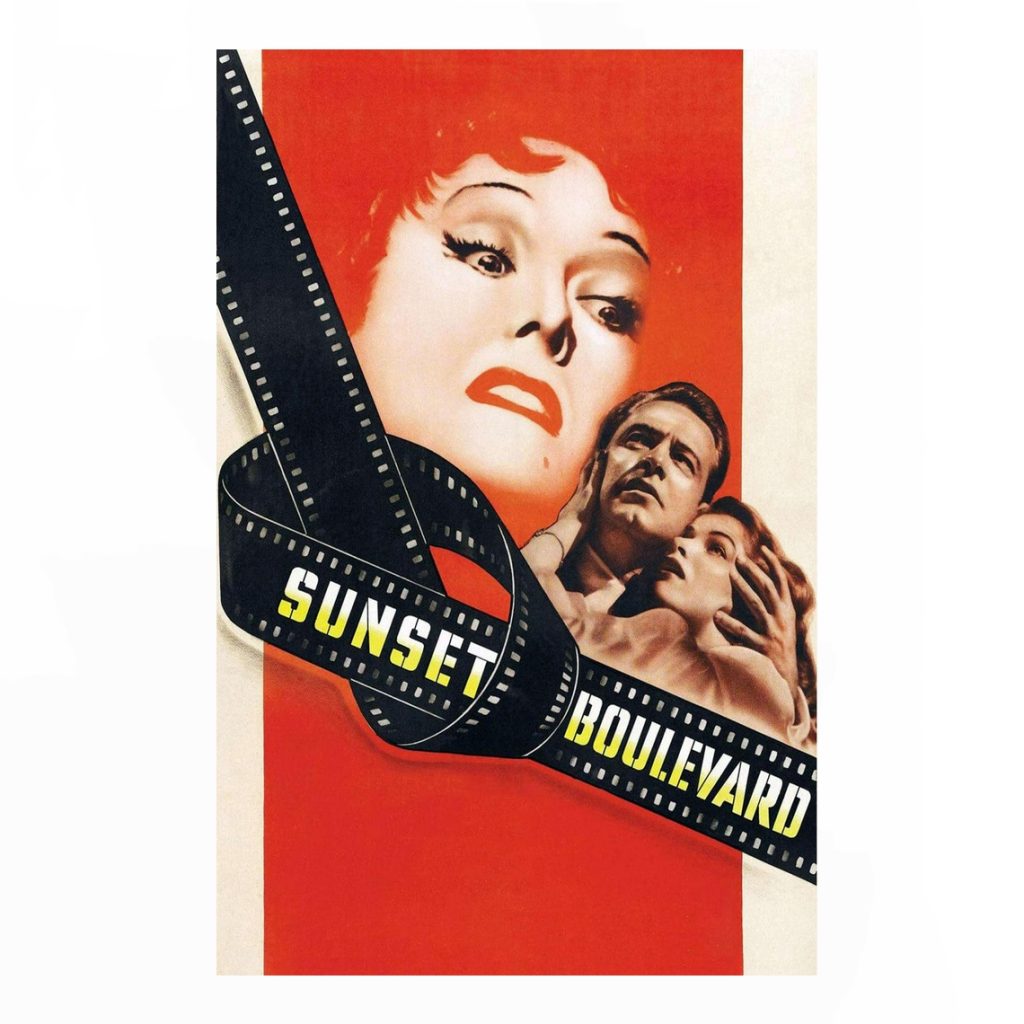
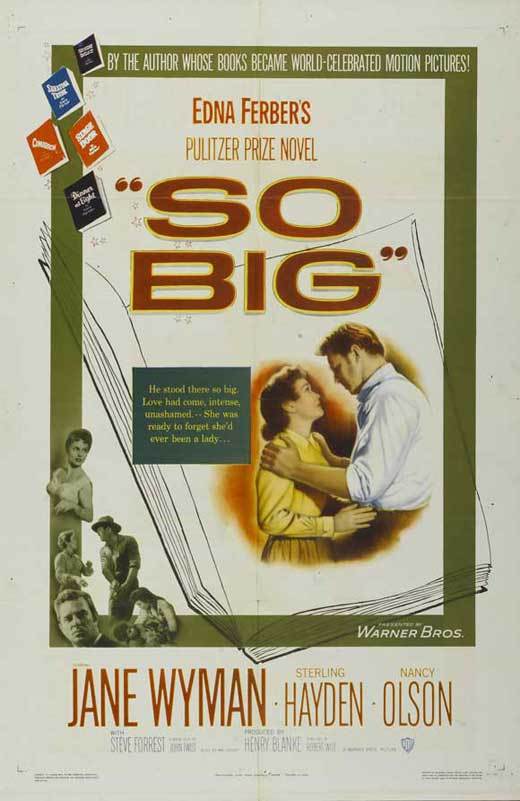
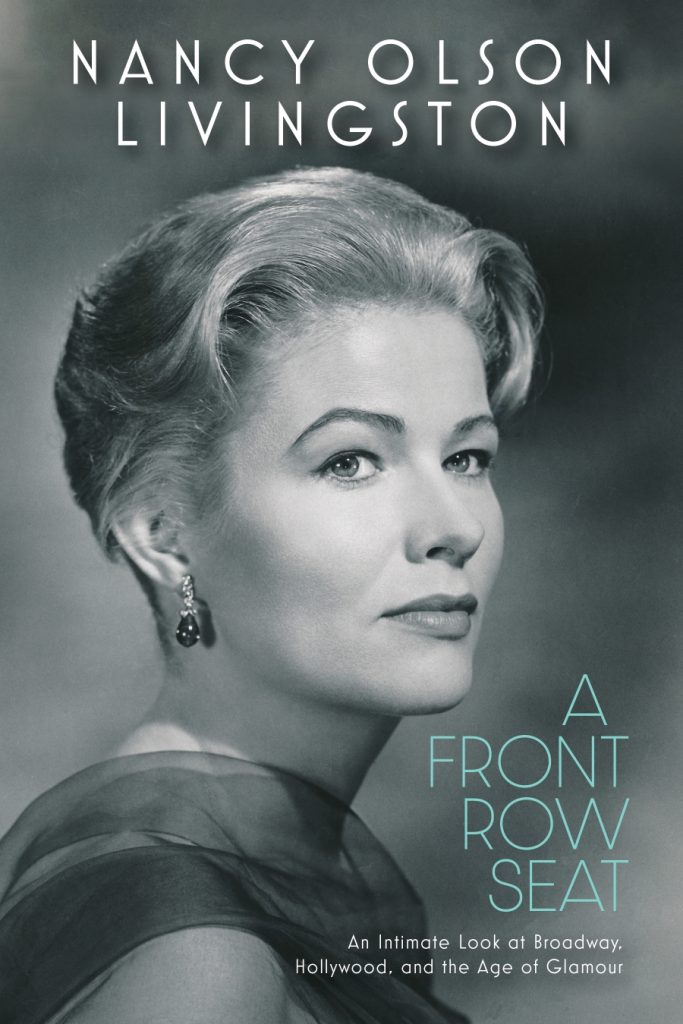
Often playing good girl roles in feature films and on television, Nancy Olson rose from relative obscurity and became a Hollywood star, thanks to a scene-stealing performance in Billy Wilder’s film noir masterpiece “Sunset Boulevard” (1950). The Wisconsin-born ingénue breathed liveliness into her character, a vivacious studio assistant and William Holden’s love interest, providing a shining spot in an otherwise chilling and emotionally intense drama. Olson received an Academy Award nomination for her engaging performance in the film and landed several other starring roles opposite Holden because of it. Olson’s career temporarily stalled in the late 1950s, but she reemerged the following decade with plum roles in Disney family films such as “The Absent-Minded Professor” (1961) and “Son of Flubber” (1963), opposite the likeable Fred MacMurray. Her sheer talent and dedication to her craft inspired other actors and actresses who followed in her footsteps, but it was Olson’s breakout role in “Sunset Boulevard” that earned her a place amongst the most beloved stars of classic cinema.
Nancy Olson was born on July 14, 1928 in Milwaukee. She attended the University of Wisconsin before transferring to UCLA in Los Angeles, where she majored in theater arts. Olson lived with her aunt and uncle, a dean at UCLA, at their Pacific Palisades home. She was discovered by a talent scout while performing on stage at UCLA, and soon after, signed a contract with Paramount Studios in 1948. During one of her screen tests, Olson was paired with actor George Reeves, who later starred on the hit series “The Adventures of Superman” (syndicated, 1952-58). Olson made her feature film debut in the 1948 drama “Portrait of Jennie,” playing an art gallery attendee. She was reportedly up for the lead role in Cecil B. DeMille’s “Samson and Delilah” (1949), but was eventually passed over for Austrian-born bombshell Hedy Lamarr.
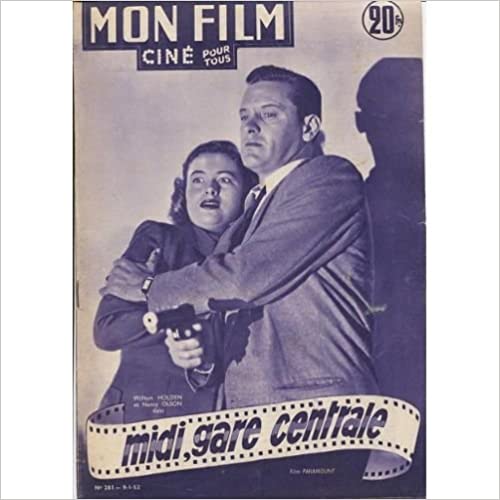
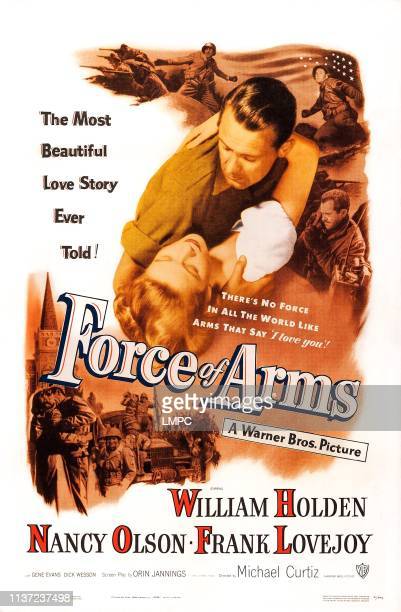
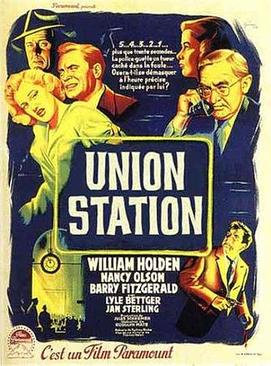
Olson was still a UCLA student when acclaimed filmmaker Billy Wilder cast her in “Sunset Boulevard,” a dark Hollywood-centric drama that starred William Holden as a struggling screenwriter named Joe Gillis, and Gloria Swanson as the long-forgotten and reclusive silent film star Norma Desmond. Olson played Betty Shaefer, an ambitious and vibrant assistant to a movie studio producer who falls in love with Holden’s young screenwriter. Described by critics as one of the film’s sanest characters, the role of Betty earned Olson an Academy Award nomination in 1951 for Best Actress in a Supporting Role. “Sunset Boulevard” went on to win several major film honors and was later named by the American Film Institute as one of the “100 Best American films of the 20th Century.” Following the success of “Sunset Boulevard,” Paramount decided to build up Holden and Olson as an onscreen team, positioning her as a “loving wife” screen rival to MGM star June Allyson. The pair starred in a handful of films, including the dramas “Union Station” (1950) and “Force of Arms” (1951), yet none measured up to the impact of their onscreen chemistry in their initial outing.
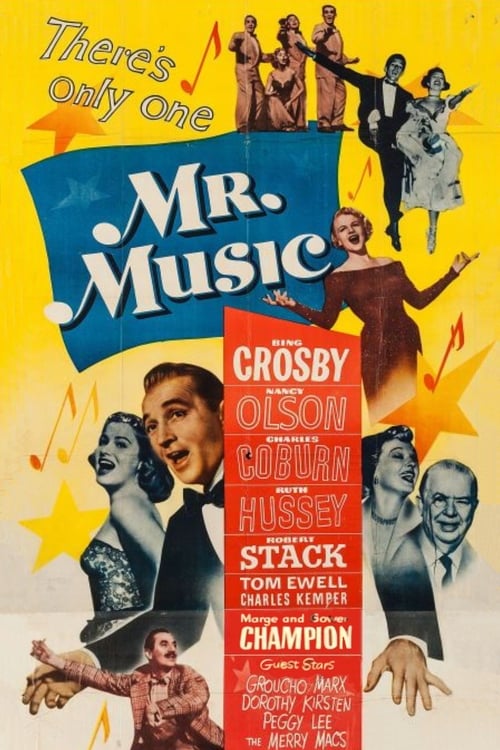
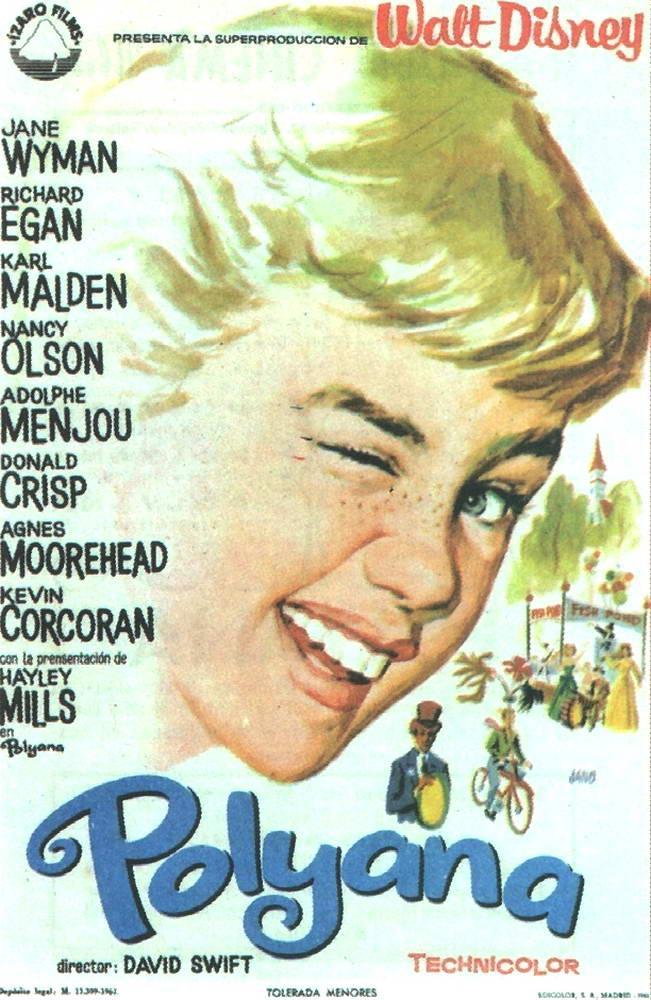
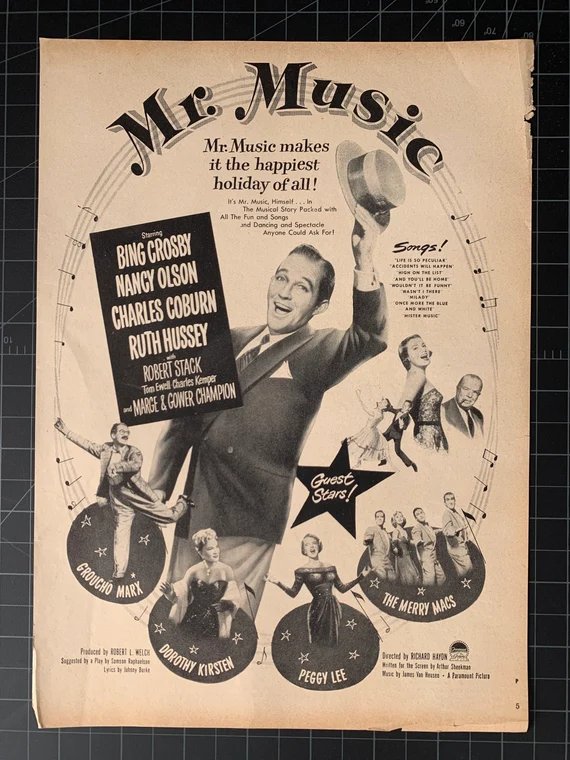
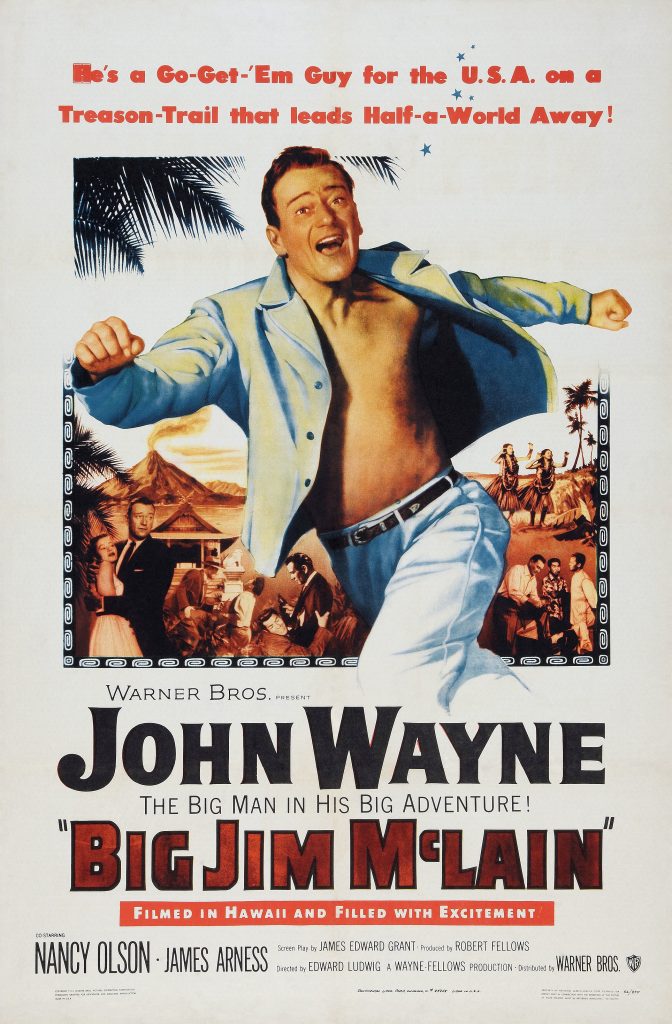
As one of the most in-demand actresses of the 1950s, Olson starred alongside Hollywood legends, from Bing Crosby in the romantic comedy “Mr. Music” (1950), to John Wayne in the crime drama “Big Jim McLain” (1952). She also began appearing on the small screen, with appearances on the comedy variety series “Your Show of Show” (NBC, 1950-54) and the suspenseful “Alfred Hitchcock Presents” (CBS, 1955-1960; NBC, 1960-62). Olson’s stardom waned in the mid-’50s after she put acting on hold to start a family. She had married acclaimed playwright and lyricist Alan Jay Lerner in March 1950 and raised their two daughters. After the couple’s 1957 divorce, Olson sought an acting comeback, but by then Hollywood had already moved on to other girl-next-door actresses. She reinvented her career in the 1960s with appearances in Disney-produced films, making her Disney debut in the much beloved “Pollyanna” (1960), about an orphan (Hayley Mills) who cheers up a dreary small town. Olson’s charismatic, all-American appeal was a perfect match for Disney’s family-friendly movies. Olson went on to co-star opposite Fred MacMurray in some of the studio’s most successful and beloved films, including “The Absent-Minded Professor” and its 1963 sequel “Son of Flubber.”
Olson returned to Broadway before retiring from acting in the mid-1980s, choosing again to focus once again on family. She had by this time married Capitol Records executive Alan W. Livingston – the man who signed Frank Sinatra and The Beatles – in 1962 and had a son. She was also involved with various programs dedicated to music and the performing arts. One of Olson’s last film appearances was a cameo in the 1997 Disney remake of “Flubber,” with Robin Williams taking on the role of the absent-minded professor. In 2010, Olson made a memorable guest appearance on the polygamy-themed drama series “Big Love” (HBO, 2006-2011). In the episode, Olson’s character mentions that her first husband’s name was Joe, a reference to Holden’s iconic role in “Sunset Boulevard.”
By Marc Cuenco
The above TCM overview can also be accessed online here.
Force Of Arms, poster, from top: William Holden, Nancy Olsen on poster art, 1951. (Photo by LMPC via Getty Images)
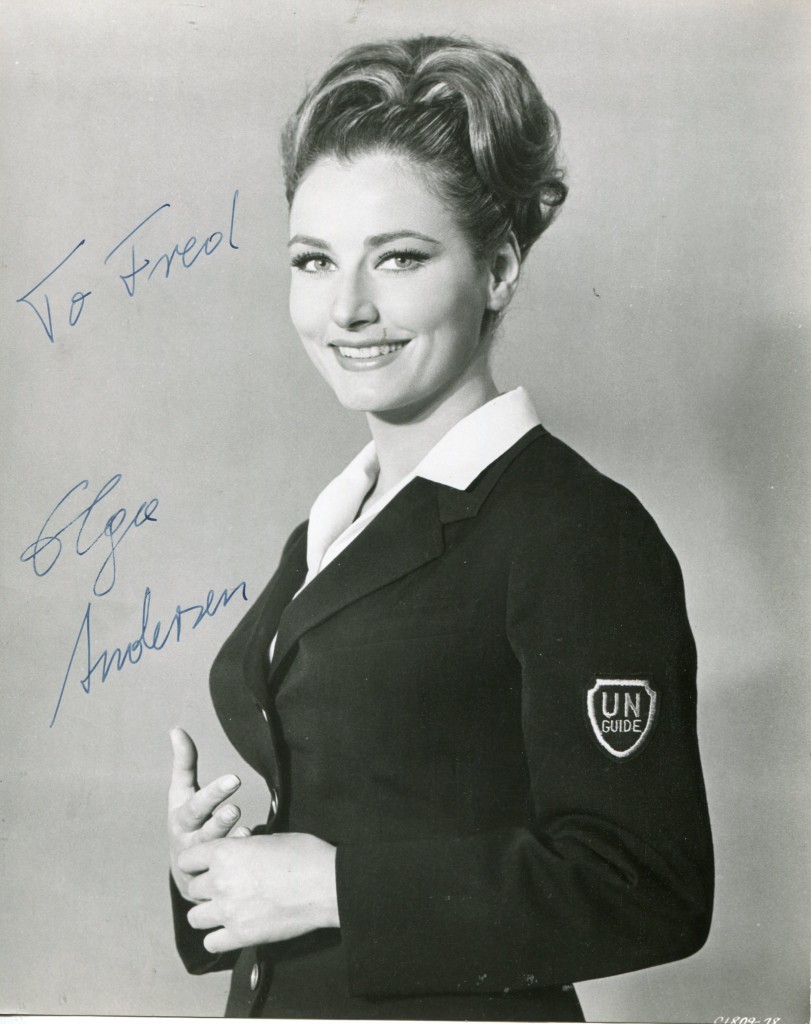
Elga Andersen was born on February 2, 1935 in Dortmund, North Rhine-Westphalia, Germany. She is known for her work on Le Mans (1971), Elevator to the Gallows (1958) and Why (1971). She was married to Peter Gimbel. She died on December 7, 1994 in New York City, New York, USA.
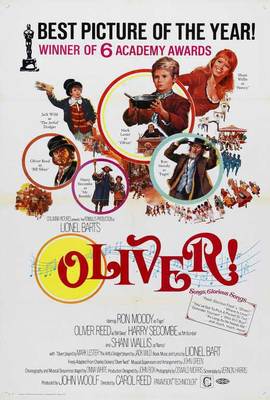
Jack Wild was born in Royton in the U.K. in 1952./ Best known for his wonderful performance in “Oliver” in 1968. Sadly he died in 2006.
His “Independent” obituary by Tom Vallance:
Jack Wild will be best remembered for his exuberant performance as the cheeky pickpocket, the Artful Dodger, in Carol Reed’s film version of Lionel Bart’s Oliver! (1968), for which he was deservedly nominated for an Oscar. His top-hatted, mischievous urchin made an indelible impression and accomplished the seemingly impossible by matching the impact of the classic performance of Anthony Newley in David Lean’s earlier non-musical version of Oliver Twist.
His performance was different from Newley’s, less sly and knowing, but perfect for the lighter musical mood. With his impish grin, snub nose, boundless energy and husky voice, he gave splendid impetus to numbers such as “Consider Yourself”, “I’d Do Anything” and “Be Back Soon” and gave Ron Moody, as Fagin, a run for his money in the scene-stealing stakes.
Almost inevitably, his post-Oliver! career was a disappointment, and his descent to alcohol and obscurity could be said to mark him as yet another child star unable to cope with fame, though it is always difficult to follow up such a smash hit (even his co-stars Moody, Shani Wallis and Mark Lester – now an osteopath – never found subsequent movie roles of equal stature).
Wild’s youthful energy and versatility were similar to that displayed by Mickey Rooney 20 years earlier, but Hollywood was no longer making Rooney-type musicals, and Wild had no studio to protect, develop or discipline him. “It’s very hard not to let fame affect you because you are continually being told how good you are,” he said. “After a while you begin to think there must be some truth in it because all those people can’t be wrong.” Wild would adamantly deny, however, that his later drinking problem was the result of early stardom:
A lot of people try to blame the fact that I was successful at a young age. I don’t agree with them. I firmly believe that it wouldn’t have mattered what career I’d have chosen, I’d have ended up with a drinking problem. I think it was just in my genes.
Jack Wild was born in 1952 in Royton, Lancashire, to parents who worked in the cotton mills, but while he was still an infant the family moved to the London suburb of Hounslow, where Wild’s mother worked in a shop and his father in a tyre factory. Jack and his brother Arthur were boyhood friends of the future Genesis star Phil Collins, whose mother June ran a stage school with Barbara Speake. After watching the boys play football in the park one afternoon June Collins was convinced the Wild brothers had charisma and suggested they enrol at her school. Wild began going to auditions at the age of 11 and later revealed that he had to work constantly to pay the school fees:
My parents were working-class and couldn’t afford them. At 12, I was treated as an adult at “work” and it was difficult for me to switch from that role at home. I grew up too quickly.
Arthur Wild was later to be one of the boys who played Oliver in the original stage production of the musical, with Phil Collins as the Artful Dodger. Later Jack, who had already had some small roles on television, took over the role of Oliver in the stage production. When he won the role of the Artful Dodger in the film version, he was 16 and the second oldest boy in the cast:
I was the leader of the gang and we got up to a lot of escapades for the whole year we were making it. But Carol Reed was an excellent director and he knew how to deal with us.
Oliver! won the years’s Oscar for best film, and both Mooney and Wild were nominated for their performances. Wild received a good-luck telegram from his idol James Cagney, but he lost the best supporting actor award to Jack Albertson in The Subject Was Roses. “I didn’t win,” he later said, “but I had a great time in America and lots of doors were opened.” He made guest appearances on top television programmes, and he was given a million-dollar contract with Capitol Records, for whom he made three albums, The Jack Wild Album, Everything’s Coming Up Roses and Beautiful World.
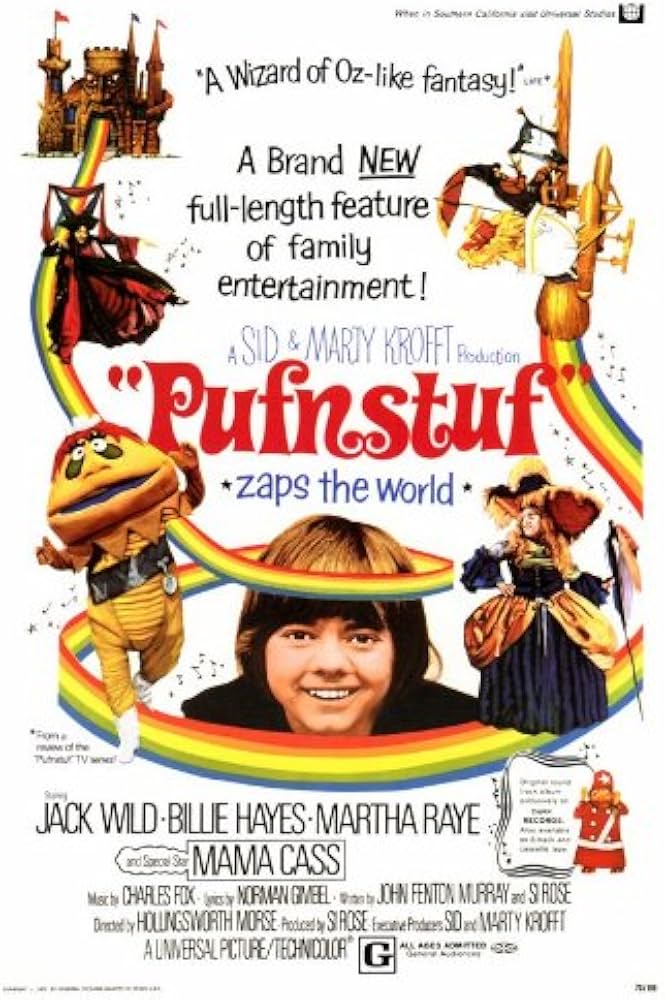
At the Hollywood premiere of Oliver! he had met the puppeteers Sid and Marty Krofft, who thought he would be perfect for a Saturday-morning children’s television show they were preparing. Jack and his brother left London and moved in with Marty Krofft’s family while Jack starred in the series H.R. Pufnstuff (1969).
Set on an enchanted island, it was a mixture of live action and giant puppets, in which Wild played a boy befriended by a dragon as he battles the evil Witchiepoo, who wants to steal his magic flute. He received another million dollars for the series. “I spent most of the money on the family,’ he later said, “buying them cars and houses.” He had already started drinking heavily:
I was smoking since I was 12. The people around me – the agents, personal and business managers – could hardly say, “You can’t have a drink.” I was employing them, after all. By the time I was 19 I thought I was God.
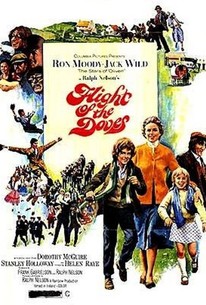
In 1970 he starred in a film version of Pufnstuff but the banal script and poor songs stifled the efforts of Wild and his co-stars Billy Hayes, Martha Raye and Mama Cass. Poor songs also blighted Wild’s next film, an otherwise charming family movie made in Ireland, Ralph Nelson’s Flight of the Doves (1971), which reunited the actor with Ron Moody. Wild and Helen Raye were a pair of orphans who run away from their cruel stepfather but encounter further danger from a wicked uncle (Moody) who is a master of disguise. Wild later confessed, “I was never really sober. I just topped myself up every day.”
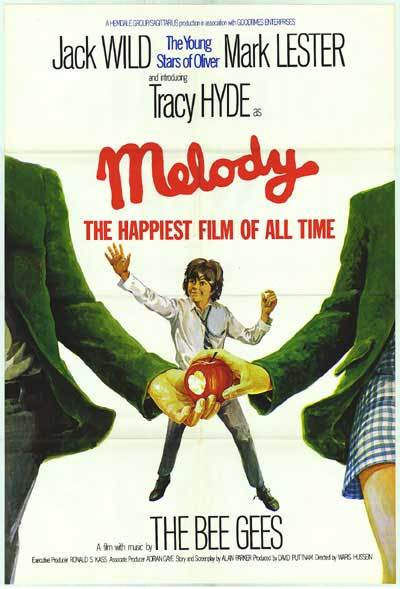
He was teamed with Mark Lester again in Melody (1971). Lester played an 11-year old boy who wants to marry a 12-year old girl (Tracy Hyde), with Wild playing their older friend who tries to dissuade them from telling their parents. It was an appealing, but minor, film (an early work of the producer David Puttnam and writer Alan Parker) distinguished by a fine score by the Bee Gees.
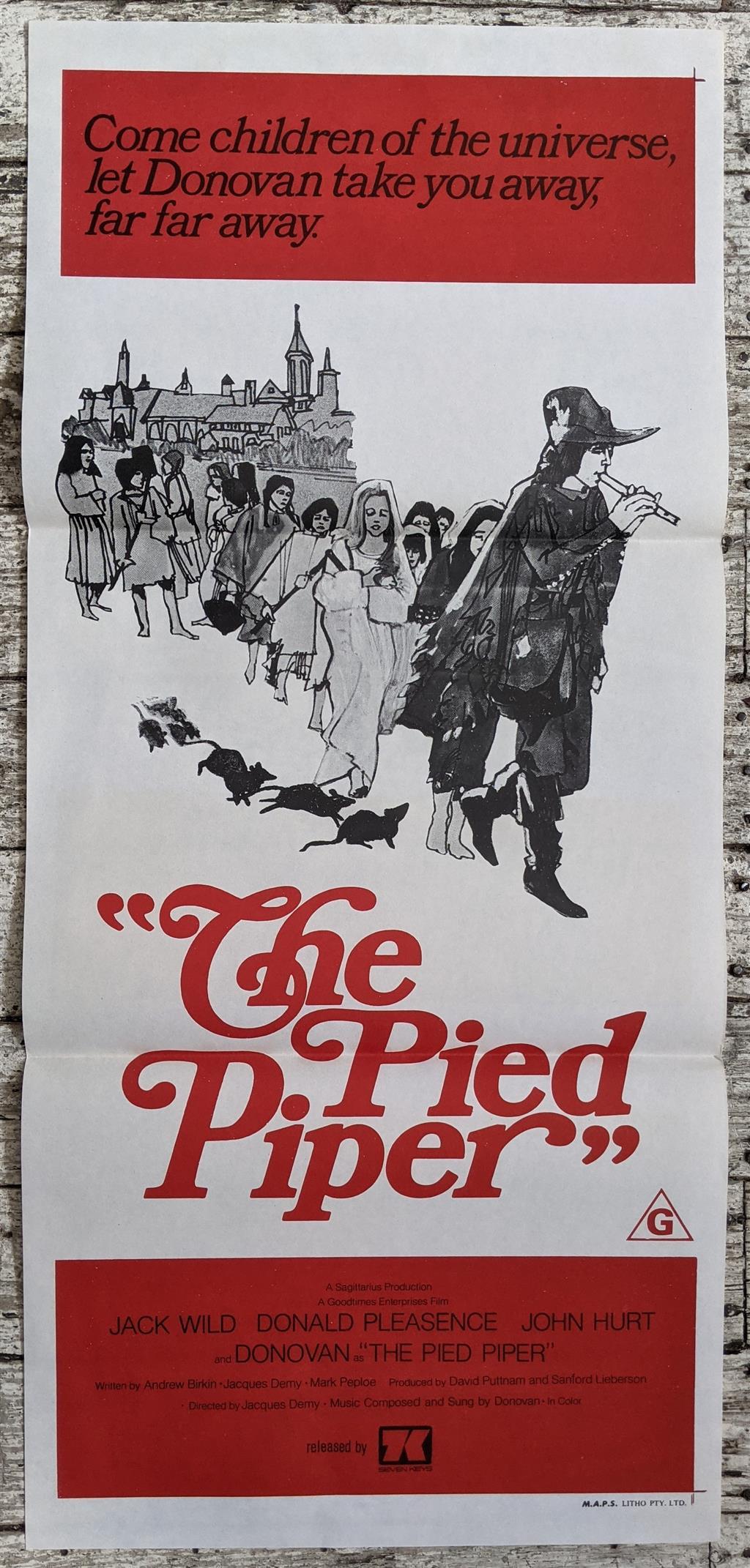
Oliver! and H.R. Pufnstuff had given Wild a huge fan following, and he was a favourite of teen magazines, but his drinking quickly affected his looks, and he played a supporting role in Jacques Demy’s The Pied Piper (1982), a dark version of the disturbing children’s tale. The last film in which he received top billing was David Hemmings’s touching drama The Fourteen (1983), in which he was the oldest of 14 children who are suddenly orphaned and try to resist inevitable separation.
Relative obscurity followed, but though work became scarce he refused to give up acting. “There is no buzz,” he said, “like performing for a live audience.” He continued to work sporadically, particularly in America, where regular repeats of H.R. Pufnstuff kept his name known.
In the UK he was a popular draw in provincial pantomime. He played Buttons in Cinderella several times until age prompted a switch to an Ugly Sister. He particularly regretted that, having played a famous fictional cockney, he had never appeared in EastEnders. “I’d definitely be up for it,” he said,
just the same as I would if Coronation Street was offered. Either way, it would be like going back to my roots.
His heavy drinking, which he admitted contributed to the breakdown of his marriage to his Welsh wife Gaynor, lasted until 1988, despite attempts to dry out at clinics. “You have to reach your own personal bottom line,” he said,
and the time wasn’t right for me at clinics. I joined Alcoholics Anonymous, and don’t consider I have a drink problem any more. I might have a low-alcohol lager but that’s all.
A “born again” Christian and a diabetic, Wild had been sober for the past 16 years, and made a minor comeback in the film Robin Hood: Prince of Thieves (1991) with Kevin Costner. Wild played one of Robin’s merry men, Much, the Miller’s son. He also appeared as a porn merchant in Channel 4’s series based on the movie Lock, Stock and Two Smoking Barrels, had the small role of a pedlar in Basil (1998), and portrayed the Cowardly Lion in a London production of The Wizard of Oz.
Diagnosed with mouth cancer in 2001, he had his tongue and voicebox removed in 2004, and had become an active campaigner for cancer charities. “My life style had made me a walking timebomb,” he said in an interview last year. Even when unable to speak, he took to the stage in Cinderella, as a mute but touching Baron Hardup.
Supported by his actress girlfriend of 10 years, Claire Harding, whom he met when they were appearing in Jack and the Beanstalk in Worthing and married last September, he continued to give interviews and make appearances. In 2005 he had a part, with Ron Moody, in Danny Patrick’s film Moussaka & Chips, and featured with other members of the Oliver! cast in two television retrospectives, After They Were Famous, on New Year’s Day, and Celebrate “Oliver!”, on Boxing Day. In September the Daily Mail brought him and Mark Lester together on the launch of Roman Polanski’s Oliver Twist. “Jack was like my big brother,” recalled Lester, who said that Wild, six years his senior, was “a very good footballer”:
We just got on really well, although I wasn’t allowed to play football because my face got too red and it did not go down too well with the lighting guys.
In a 1996 interview, Jack Wild had remarked with cheerful resignation, “I guess I’ll go to my grave as the Dodger, but at least I’ve made my mark on show-business history.”
Tom Vallance
The above “Independent” obituary can also be accessed online here.
The career of Jack Wild (1952–2006) is one of the most vivid and ultimately tragic illustrations of the “child star” phenomenon in British history. With his raspy voice, jagged grin, and perpetual energy, Wild became the face of a specific brand of Cockney resilience. He was the “Artful Dodger” for an entire generation, a performer who possessed a natural, unstudied charisma that initially charmed the world but struggled to find a foothold in the adult industry.
Career Overview: The “Dodger” Phenomenon
Jack Wild’s trajectory was a meteoric rise followed by a decades-long battle with the consequences of early superstardom.
The Breakthrough (1968): At age 15, Wild was cast as the Artful Dodger in Carol Reed’s film adaptation of Oliver!. His performance earned him an Academy Award nomination for Best Supporting Actor, making him one of the youngest nominees in history.
The Teen Idol Era (1969–1972): He moved to the U.S. to star in the psychedelic children’s series “H.R. Pufnstuf,” produced by Sid and Marty Krofft. This turned him into a massive teen idol, complete with a recording career and “Tiger Beat” magazine covers.
The Transition Years (1970s): He starred in the cult classic Melody (1971), which showcased a more mature, cynical side of his persona. However, by the mid-70s, the “Peter Pan” quality that made him famous began to work against him as he aged.
The Later Years: After a long struggle with alcoholism and mouth cancer, Wild saw a small career resurgence in the early 90s, most notably in Robin Hood: Prince of Thieves (1991), before his death at age 53.
Detailed Critical Analysis: The “Naturalist” Urchin
1. The Subversion of the “Cute” Child Star
In the 1960s, child actors were often polished and stage-schooled. Wild brought a gritty, street-level energyto the screen.
Analysis: In Oliver!, Wild’s Dodger wasn’t just a guide for the protagonist; he was a survivor. Critics praised his physicality—the way he wore his oversized top hat and moved with a swagger that suggested a man’s confidence in a boy’s body. He didn’t play for sympathy; he played for authority. He made the criminal life of a pickpocket look like a grand, logical adventure, which gave the film its necessary “spark.”
2. The “Pufnstuf” Psychedelia
As Jimmy in H.R. Pufnstuf, Wild had to act against elaborate puppets and surreal sets.
Critical Insight: This role required a very specific type of earnest reactive acting. Wild managed to ground the absurdity of Living Island with his relatable “everyman” quality. Critics noted that even in the midst of the 1960s psychedelic aesthetic, Wild remained a “London Boy” at heart, providing a human anchor for a show that could have otherwise felt entirely untethered from reality.
3. The “Melody” Pivot: A Glimpse of the Adult Actor
In Melody (1971), Wild played Ornshaw, the cynical best friend to Mark Lester’s protagonist.
Technical Analysis: This is arguably Wild’s most sophisticated performance. He moved away from the “Dodger” charm into something brooding and class-conscious. He captured the frustration of a working-class boy who realizes the world is rigged against him. Critics have often lamented that had Wild stayed on this “realist” path, he might have become one of the great character actors of the British New Wave.
4. The “Peter Pan” Trap
One of the most frequent critical observations of Wild’s career was his inability to age out of his “boyishness.”
Critical View: Wild’s face remained youthful even as his life experience deepened. This created a “cognitive dissonance” for casting directors in the late 70s. He was too old for child roles but lacked the traditional leading-man stature for adult drama. His struggle with alcoholism further complicated this, as it eroded the physical “sparkle” that was his primary professional currency.
Key Credits & Cultural Milestones
Year
Title
Role
Note
1968
Oliver!
The Artful Dodger
Academy Award and Golden Globe Nominee.
1969
H.R. Pufnstuf
Jimmy
Solidified him as a global teen icon.
1971
Melody
Ornshaw
A critical favorite in Japan and the UK.
1973
The 14
Reg
A gritty, social-realist drama about orphaned siblings.
1991
Robin Hood: Prince of Thieves
Much the Miller’s Son
A successful return to big-budget cinema.
He brought a sense of anarchy, wit, and genuine street-smart intelligence to every role he touched. While his later life became a cautionary tale of the pressures of early fame, his work in the late 60s remains a high-water mark for naturalistic youth performance. He didn’t just play a character; he embodied a specific, defiant spirit of London that continues to resonate.
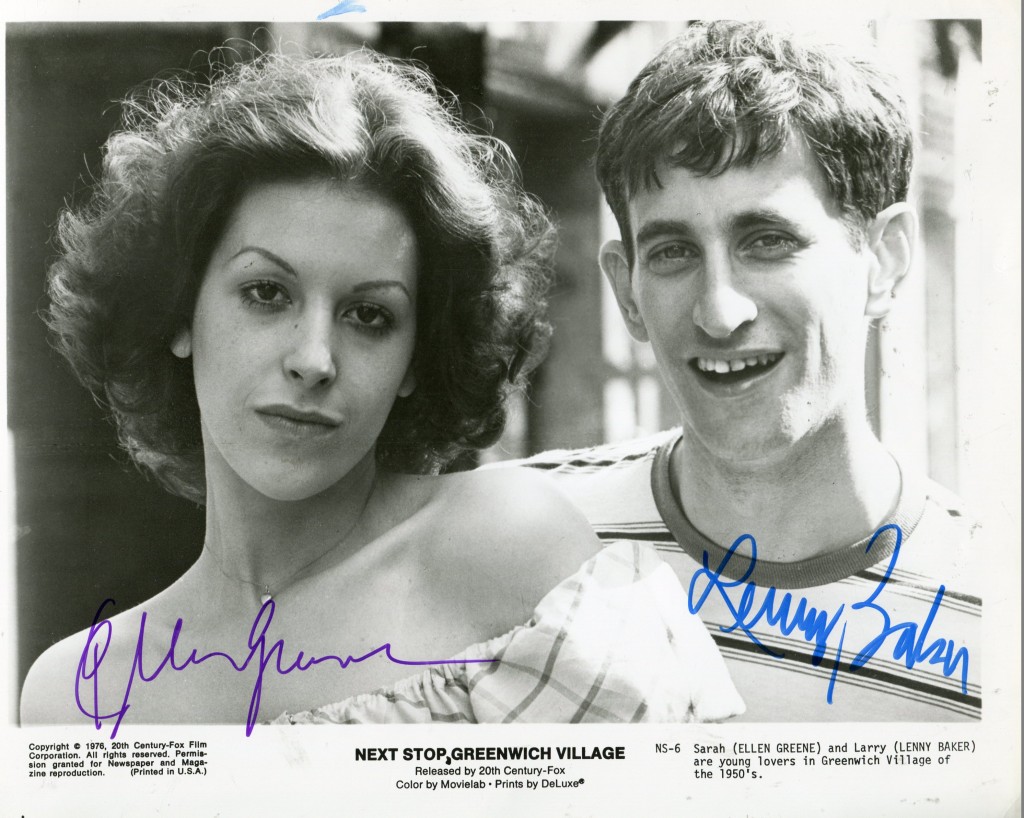
The energetic Brooklyn-born Ellen Greene had already made a name for herself with a prolific career in both singing and stage before she made her film debut in Paul Mazursky‘s Next Stop, Greenwich Village (1976). Having already performed the role of Audrey in the musical comedy “Little Shop of Horrors” (1982). She reprised the role in Frank Oz‘s film adaptation of Little Shop of Horrors (1986). While Ellen has first and foremost been a product of the stage, we should acknowledge her performances before-the-camera in Talk Radio (1988),Stepping Out (1991), and ABC’s adored and well received Pushing Daisies (2007). She played the role of the agoraphobic Vivian Charles.