

Ronald Bergan’s “Guardian” 2011 obituary:
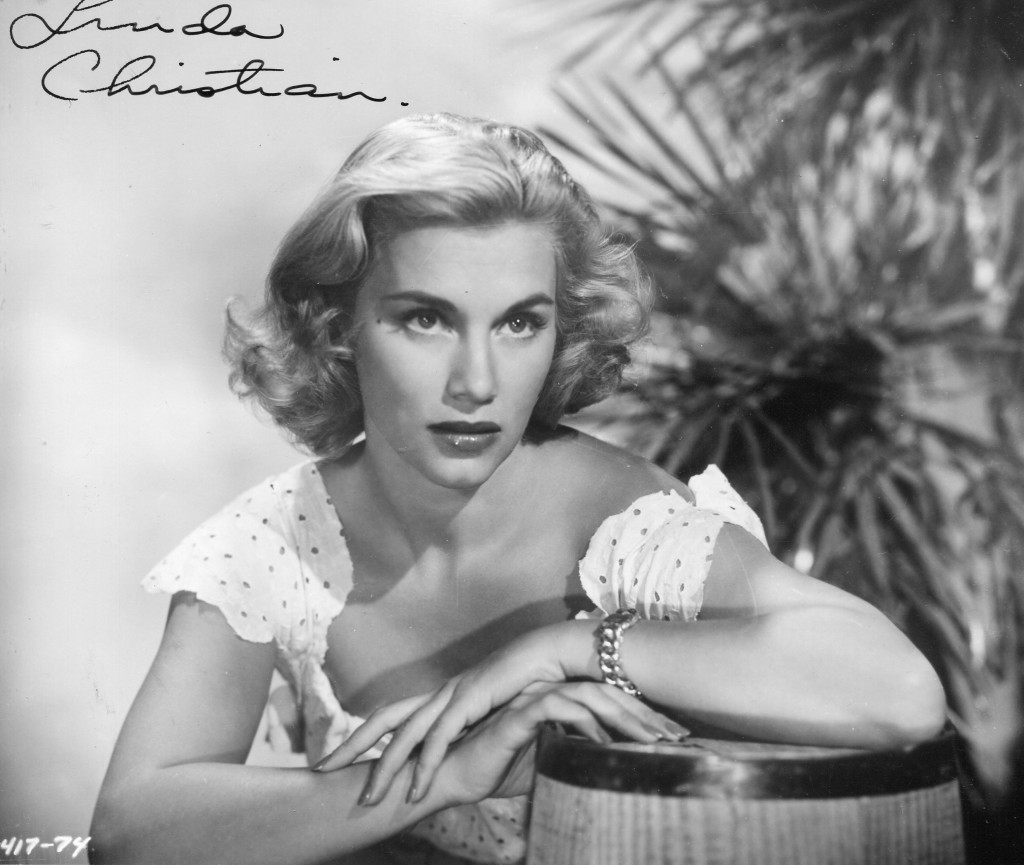
The phrase “famous for being famous” could have been invented for Linda Christian, who has died aged 87. Her celebrity came from her marriages to the handsome film stars Tyrone Power and Edmund Purdom, and her liaisons with various wealthy playboys and bullfighters, rather than her somewhat limited acting ability.
Christian’s extravagant, cosmopolitan lifestyle derived from her stunning beauty – she was dubbed “The Anatomic Bomb” by Life magazine – and her ability to speak fluent French, German, Dutch, Spanish, Italian and English. She was born Blanca Rosa Welter in Tampico, Mexico, the daughter of a Dutch executive at Shell, and his Mexican-born wife of Spanish, German and French descent. As the family moved around a great deal, living in South America, Europe, the Middle East and Africa, she gained a taste for globetrotting.
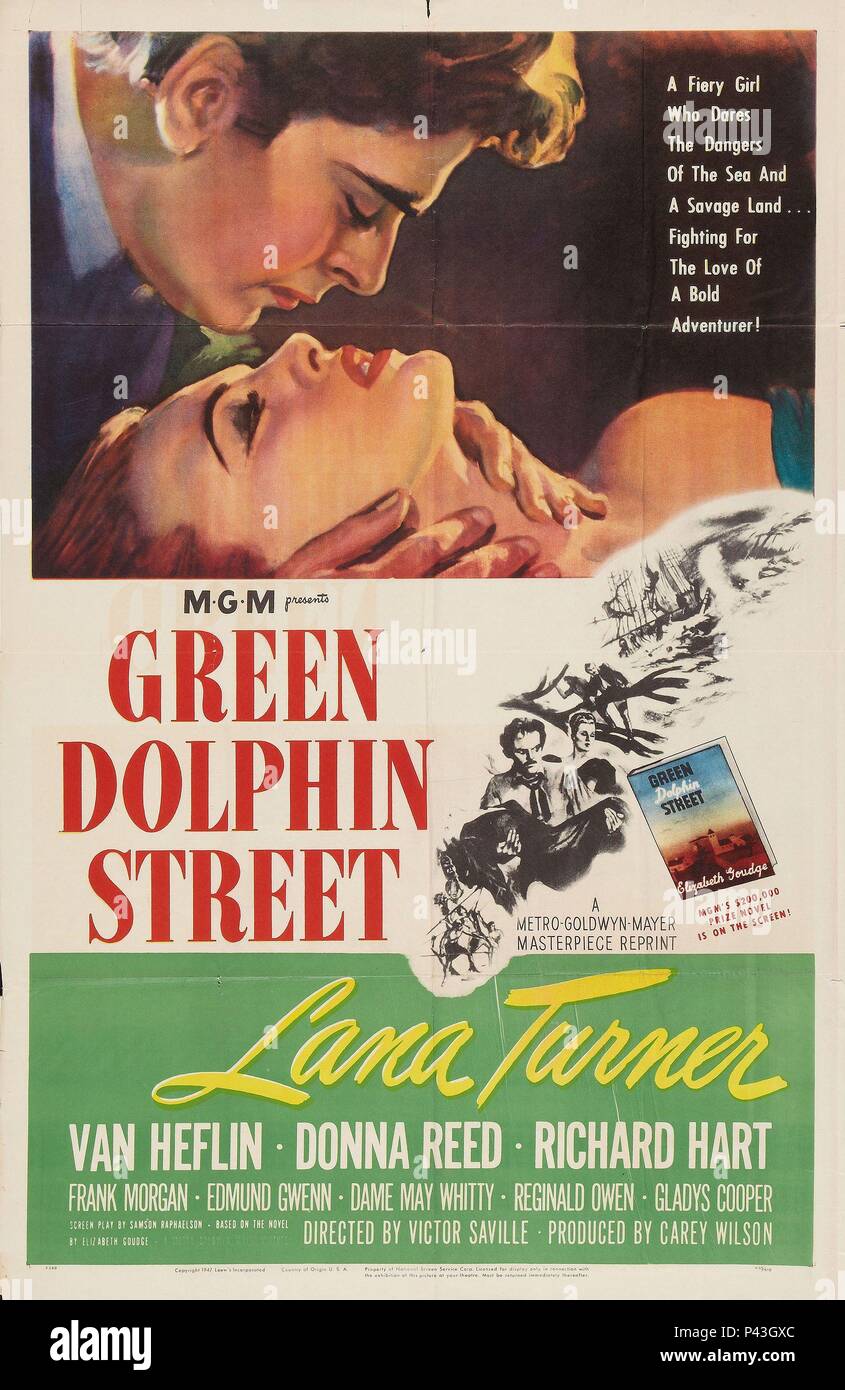
Christian’s early ambition was to become a doctor, but after winning a beauty contest and meeting Errol Flynn in Acapulco, she was persuaded to try her luck in films in the US. She was soon cast as a Goldwyn Girl in the actor Danny Kaye’s first feature film, Up in Arms (1944), and as a cigarette girl in Club Havana (1945), directed by Edgar G Ulmer. Then, with her name changed to Linda Christian, she signed a contract with MGM, which gave her a small decorative role in the musical Holiday in Mexico (1946), shot in Hollywood, and an exotic one in Green Dolphin Street (1947), as Lana Turner’s Maori maid.
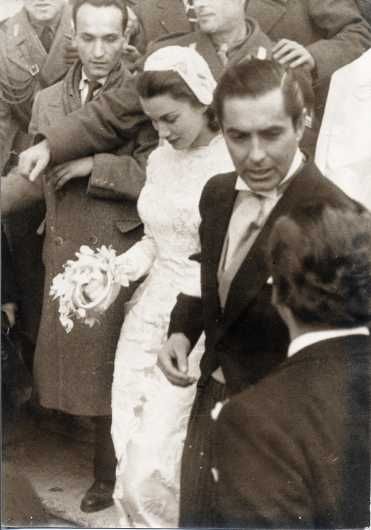
At the time, Turner was having an affair with Power. Rumour has it that Christian overheard Turner say when Power was going to be in Rome. Christian decided to fly to Rome, stay at the same hotel and wangle a meeting with the dashing star. A romance led to Christian and Power getting married in January 1949 at a church in Rome while an estimated 8,000 screaming fans lined the street outside.
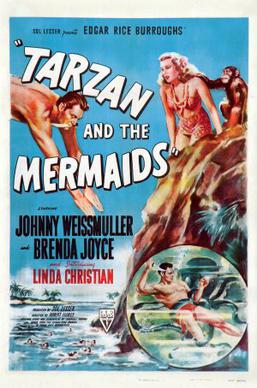
Prior to the marriage, the only substantial role MGM had given Christian was as an island girl rescued by Tarzan from the clutches of an evil high priest in Tarzan and the Mermaids (1948), the 12th and final time Johnny Weissmuller played the Ape Man. Christian, wearing a skimpy two-piece costume, is referred to as a mermaid because she swims a lot.
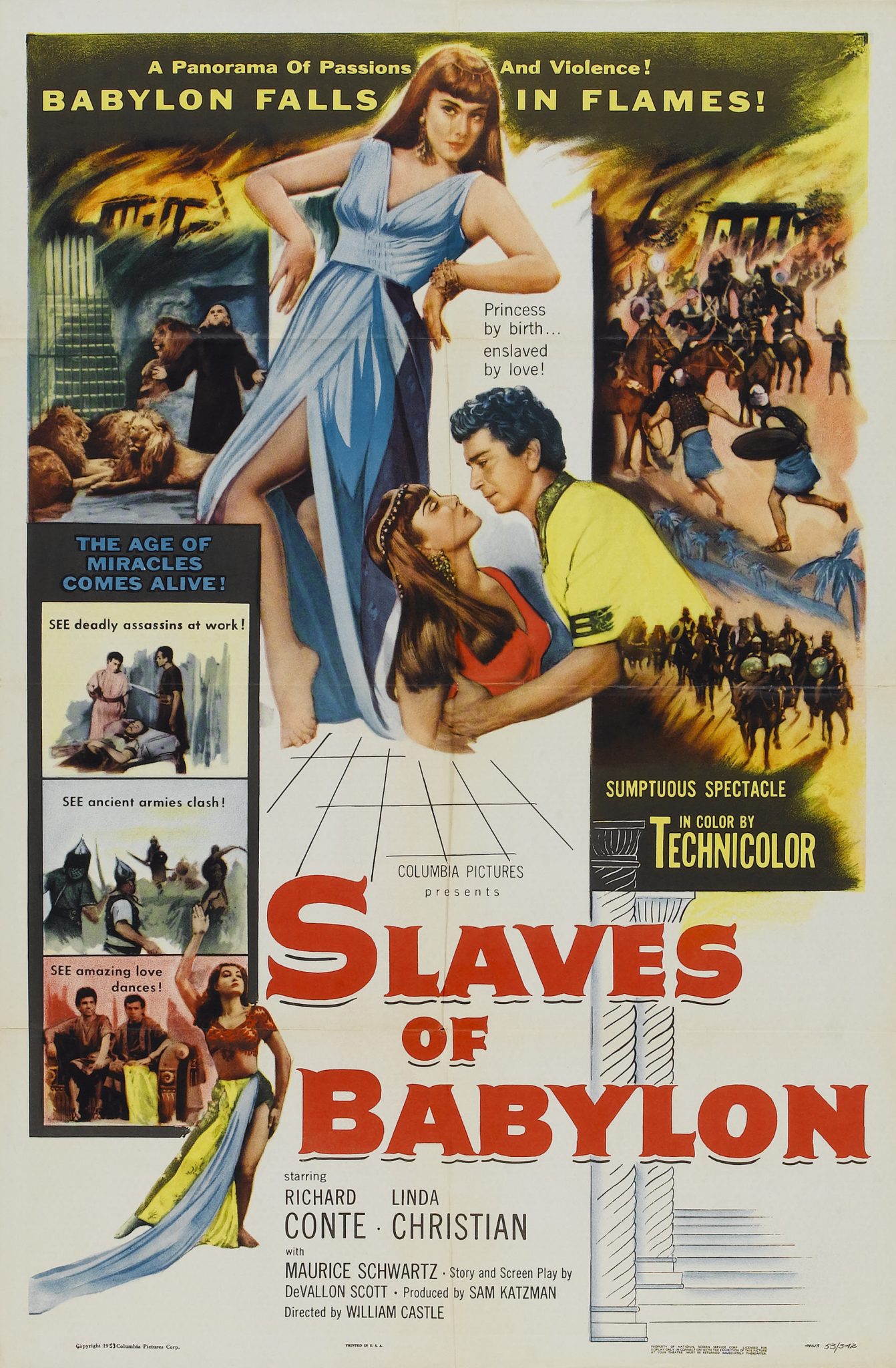
After marrying Power, Christian started to get a few leading roles in B-pictures such as Slaves of Babylon (1953), co-starring Richard Conte. More gratifying was her sitting for a portrait by the great Mexican artist Diego Rivera. The painting, reproduced on the cover of her autobiography, Linda (1962), and for which she was once offered $2m, is now in a private collection.
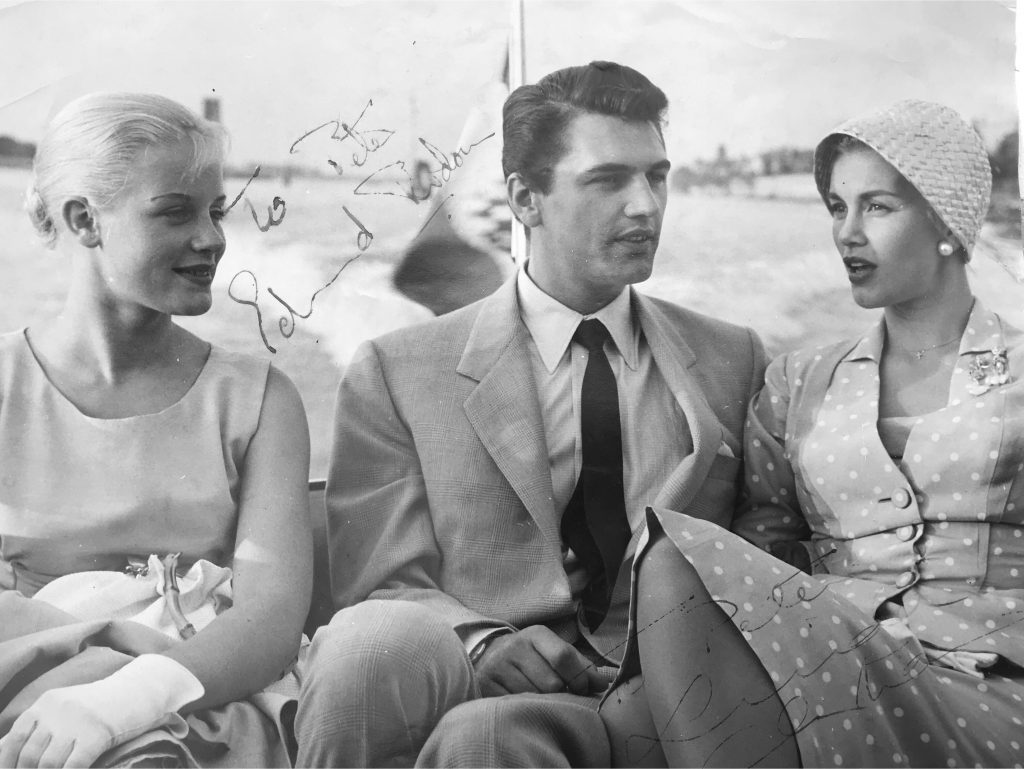
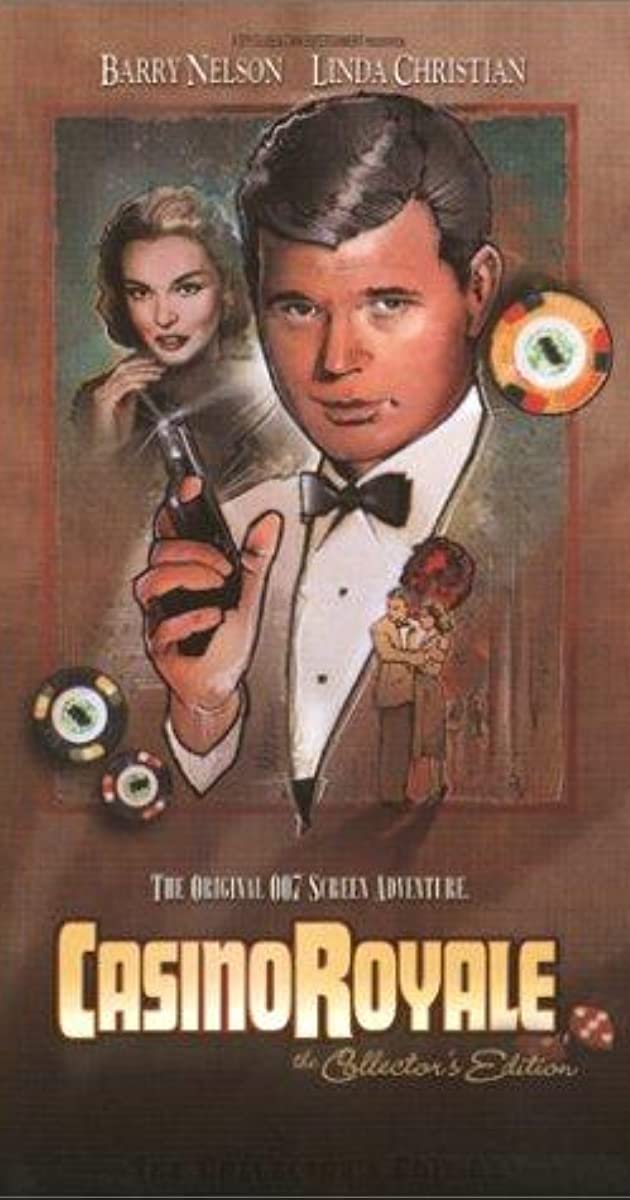
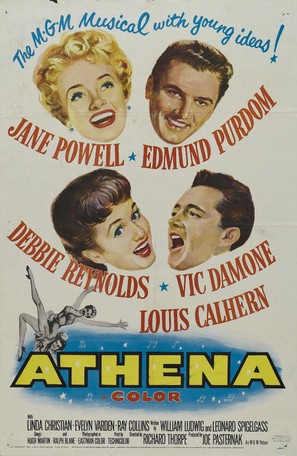
In 1954, Christian played Valerie Mathis, James Bond‘s former lover now working for the French secret service, in a CBS television version of Ian Fleming’s Casino Royale, therefore allowing her to lay claim to being the first Bond girl. At this time, the movie fan magazines were full of photos of Power and Christian as a blissfully married couple with two daughters, while the gossip columns intimated that both husband and wife had strayed. In 1954, Christian played Purdom’s snooty fiancee in the MGM musical Athena. Christian had been at the same school as Purdom’s wife, the former ballerina Anita Phillips, and the Powers and the Purdoms became good friends, even going on holidays together. But soon sexual jealousy broke up the once cosy foursome. In 1956, Christian divorced Power, charging mental cruelty.
After the divorce, there was no shortage of millionaires to help keep Christian in the manner to which she was accustomed. Once she was called to testify at a Los Angeles court because she refused to return jewels given to her by the socialite Robert H Schlesinger, whose cheque for $100,000, as partial payment for the jewels, had bounced. Christian was also involved with the racing driver Alfonso de Portago, with whom she was photographed a short while before he died in a crash at the 1957 Mille Miglia car race, in which several spectators were also killed. That year, she and the Brazilian mining millionaire Francisco “Baby” Pignatari went on an around-the-world tour together. In 1962 she married Purdom. They divorced the following year.
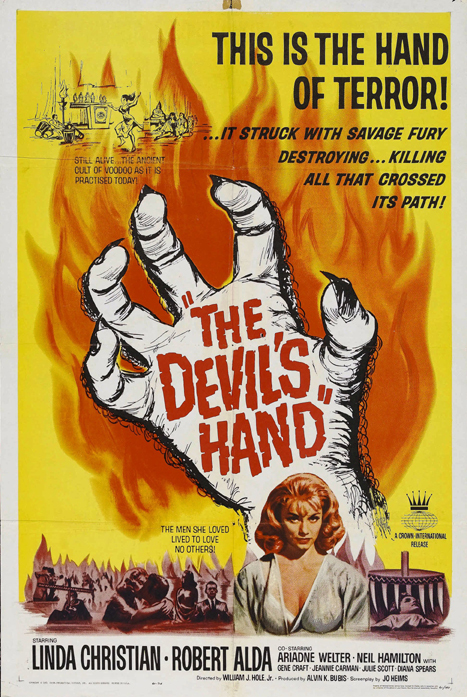
Christian continued to appear in routine films such as The Devil’s Hand (1962), as a seductive high priestess of voodoo, opposite her real-life sister Ariadna Welter. In Francesco Rosi’s semi-documentary The Moment of Truth (1965), she played herself as an American in Barcelona who attracts a matador (the bullfighter Miguel Mateo Miguelín). During the filming, she fell for the bullfighter Luis Dominguín, the former lover of Ava Gardner.
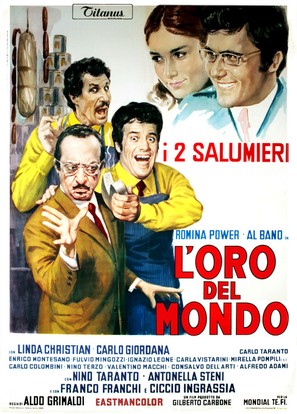
In 1968, Christian retired to Rome. She returned to cinema almost 20 years later, at the age of 64, in a couple of dreadful Italian thrillers.
She is survived by her daughters, Taryn and Romina Power.
• Linda Christian (Blanca Rosa Welter), actor, born 13 November 1923; died 22 July 2011.
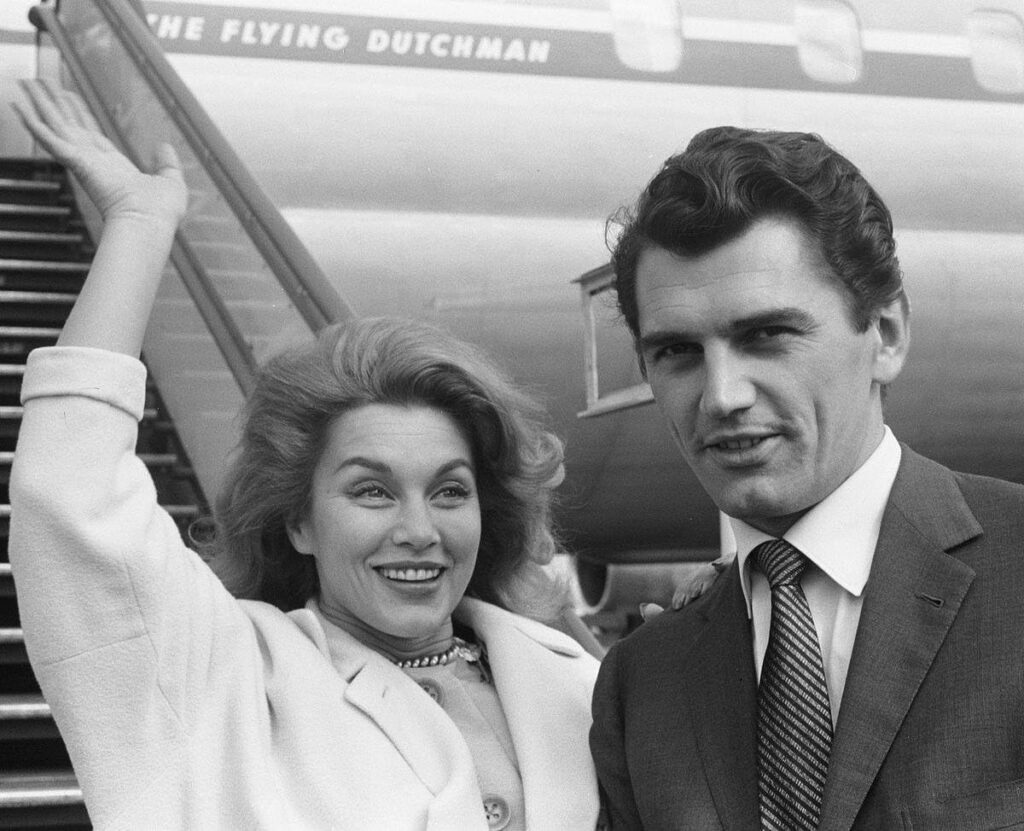
Linda Christian (1923–2011) was often described as the “Anatomic Bomb,” a moniker that reflected both her staggering physical beauty and the explosive impact she had on the global social scene. While she is frequently remembered as the first “Bond Girl” and the wife of Tyrone Power, a critical analysis of her work reveals an actress of significant linguistic range and a “Continental” sophistication that the American studio system often struggled to utilize fully.
1. Career Arc: From Mexico to “Bond” and Beyond
The International Foundation: Born Blanca Rosa Welter in Mexico to a Dutch father and a German-Mexican mother, Christian was a polyglot, fluent in seven languages. This gave her an innate “placelessness” that allowed her to be cast as various ethnicities.
The MGM Starlet (1940s): Discovered by Errol Flynn, she was signed to MGM, where she was primarily used as a decorative element in musicals and comedies, such as Up in Arms.
The “First” Bond Girl (1954): In a historical footnote that has grown in significance, she played Valerie Mathis in the television adaptation of Casino Royale (part of the Climax! anthology series), eight years before Ursula Andress took to the screen in Dr. No.
The European Shift (1960s): After her high-profile divorce from Tyrone Power, she found more substantial dramatic work in Europe, particularly in the “Eurospy” and “Giallo” genres, where her mature, aristocratic air was highly valued.
2. Critical Analysis of Key Performances
Tarzan and the Mermaids (1948) – The Mythic Ingenue
As Mara, a member of a hidden coastal tribe.
Analysis: This was Christian’s most significant early film role. In the highly stylized, aquatic world of this Tarzan entry, she was required to perform a “physical” role that highlighted her athletic grace.
Critique: Critics noted that Christian possessed a sultry, statuesque dignity that set her apart from previous Tarzan leading ladies. While the script was simplistic, she brought a “serene gravity” to the screen. She didn’t just play a “damsel”; she played a woman with a deep connection to her character’s cultural lore.
Casino Royale (1954) – The Blueprint of a Bond Girl
As Valerie Mathis, a former lover of James Bond (played by Barry Nelson) who is caught in a web of espionage.
Analysis: As the original “Bond Girl,” Christian established the archetype of the dangerous but vulnerable ally. Because this was a live television broadcast, she had to rely on a “theater-style” precision.
Critique: Critically, Christian’s performance is often praised for its ambiguity. She managed to convey a sense of “past history” with Bond through subtle glances and a weary, sophisticated vocal delivery. She wasn’t just “eye candy”; she was a weary participant in the Cold War, setting the tone for the complex women who would follow in the 007 franchise.
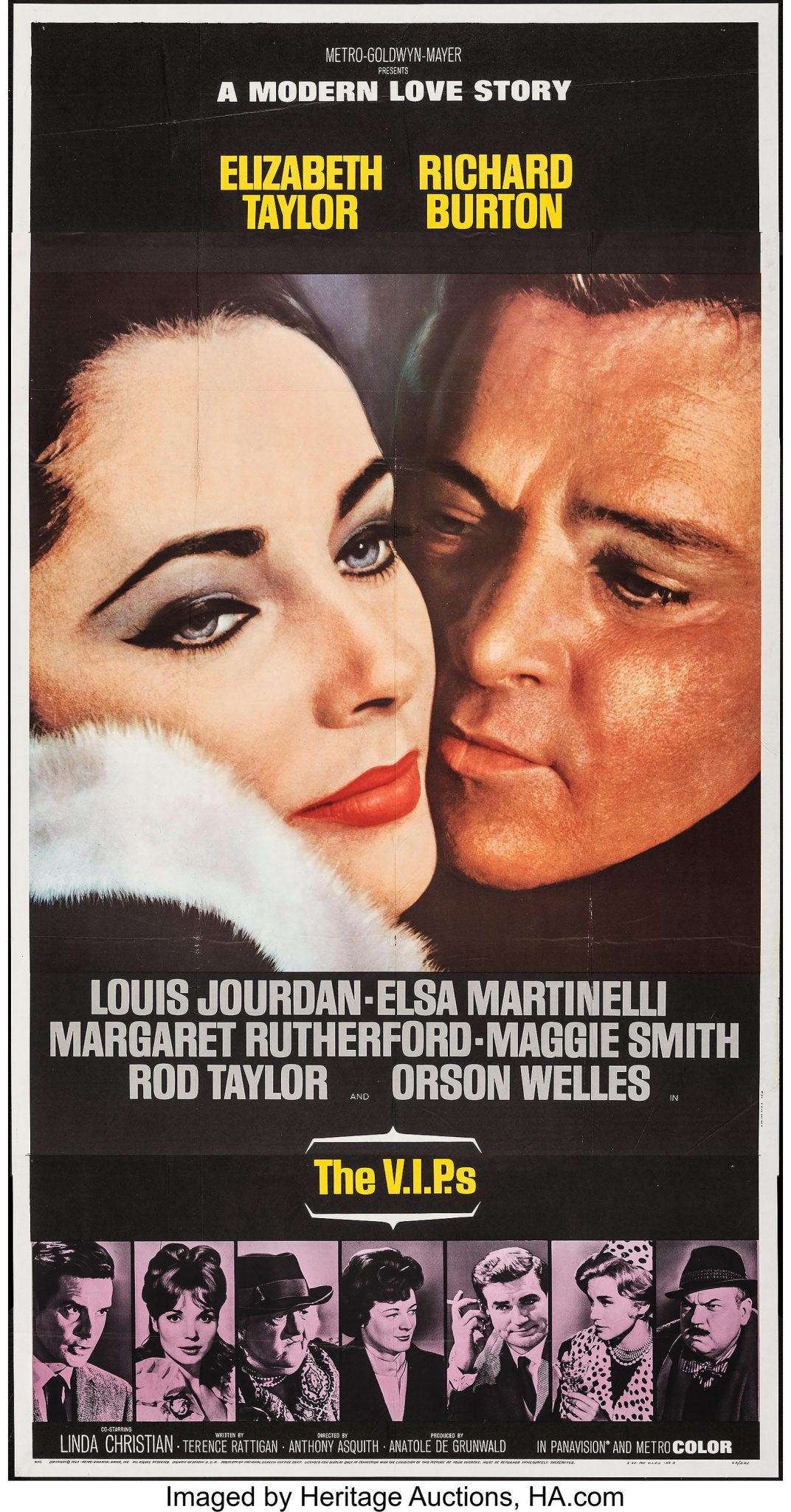
The V.I.P.s (1963) – The Sophisticated Cameo
As Miriam Marshall in this all-star ensemble drama.
Analysis: Appearing alongside Elizabeth Taylor and Richard Burton, Christian played a high-society woman during a flight delay.
Critique: By this stage of her career, Christian had mastered the art of “Living Room Acting.” She possessed a natural, unforced elegance. Critics noted that she didn’t need to “act” wealth or status; she simply inhabited the frame with a sense of quiet, social authority.
3. Style and Legacy: The “Polyglot” Presence
Linda Christian’s style was defined by a specific cosmopolitan distance.
| Attribute | Critical Impact |
| Linguistic Precision | Her ability to navigate different languages gave her a unique rhythmic quality in her speech, making her sound mysterious and worldly. |
| The “Gaze” | Christian was an expert at the “cool” look—a mixture of intelligence and detachment that made her perfect for the espionage and noir genres. |
| Archetypal Flexibility | She could play the “innocent” or the “femme fatale” with equal conviction, usually by varying the degree of “warmth” in her performance. |
The “Anatomic Bomb” vs. The Artist
The critical tragedy of Linda Christian’s career is that her physicality was so overwhelming that it often blinded casting directors to her intellectual depth. In Europe, directors were more willing to let her play “unpleasant” or “complex” women, whereas Hollywood was content to let her be a symbol of glamour.
Critical Note: Linda Christian was the First Citizen of the Jet Set. Her legacy is not just that of a “Bond Girl,” but of a woman who bridged the gap between the Old Hollywood studio system and the new, international cinema of the 1960s. She brought an unapologetic, European intelligenceto every frame she occupied