
Contemporary Actors

Collection of Contemporary Actors

Shirley MacLaine
Shirley MacLaine
Shirley MacLaine

Shirley MacLaine has had a long and varied career.   She was born in Virginia in 1934.   She made her film debut for Alfred Hitchcock in 1955 in The Trouble With Harry”.   Among her films are “Around the World in 80 Days”, “Ask Any Girl”, “Some Came Running”, “The Apartment”, “Irma La Douce”, “Sweet Charity”£, “Can Can”, “Terms of Endearment” and “Steel Magnolias”.

TCM Overview|:

Broadway hoofer, dramatic talent, spiritual eccentric, activist, Oscar winner… Over the course of a varied and distinguished career, actress Shirley MacLaine earned these titles many times over. A former ballerina hopeful-turned-chorus girl, she rose to fame in the early 1950s after Hollywood producers noticed her in Broadway’s “Pajama Game.” She made the transition to features in a series of roles that emphasized her quirkiness and heartbreaking vulnerability, most notably in “Some Came Running” (1960), “The Apartment” (1960) and “Irma La Douce” (1963). The redheaded pixie dropped out of features in the late 1960s – watching her brother Warren Beatty rise to fame at that time -but reemerged in the late 1970s with several acclaimed performances in such films as “The Turning Point” (1977), “Being There” (1979) and “Terms of Endearment” (1983), the latter of which brought her a long-overdue Oscar for Best Actress. She remained a vital presence in efforts like “Steel Magnolias” (1989), “Postcards from the Edge” (1990) and “Guarding Tess” (1994), while extolling alternative beliefs in reincarnation and extraterrestrials that occasionally earned derision from pundits. Well into her seventies, the actress continued to command attention in acclaimed projects, ranging from the biopic “Coco Chanel” (Lifetime, 2008) to the black comedy “Bernie” (2012). Not that the validation was necessary, but an AFI Life Achievement Award merely punctuated the fact that MacLaine remained among the most gifted of Hollywood and stage performers for over 40 years – a distinction that she continued to earn well into the new millennium.

Born Shirley MacLaine Beaty on April 24, 1934, she was the daughter of teachers Ira Owen Beaty and Kathrine Corrine MacLean, who also raised a son, Warren, later a major Hollywood talent in his own right. MacLaine was born in Richmond, VA, but the family moved to several locations in the state throughout her childhood before settling in Waverly. MacLaine’s most fervent desire was to become a dancer, which she had begun to train for at the age of two; by four, she had made her public debut and would appear on the professional stage just eight years later. So great was her desire to dance that while warming up before a performance of “Cinderella,” she snapped her ankle. Not wishing to bow out, she bound her feet and went through with the production, after which she was dispatched in an ambulance. Eventually, the rigors of ballet proved too great for MacLaine to pursue in earnest, so she shifted her attention to acting. Just one summer shy of high school graduation, she lit out for New York in 1950 to audition for musicals and landed a part in the chorus for a revival of “Oklahoma!” She went back to Virginia to earn her diploma, after which she returned to the Great White Way to seek her fortune. Billed as Shirley MacLaine, she worked as a model while auditioning for musicals, eventually serving as Carol Haney’s understudy in the Broadway production of “The Pajama Game.”

In 1952, MacLaine had her big break in an amusingly showbiz way; Haney, who had garnered a reputation for never missing a performance, broke her ankle before curtain call. MacLaine was called in to replace her. The debut was a rough one, but MacLaine held her own. Three months later, Haney was again forced to miss a show, and MacLaine – now more familiar with the intricacies of the part – stepped in again. This time, director-producer Hal B. Wallis was in the audience and was charmed by her boundless energy. The veteran showman signed her to a five-year contract at Warner Bros., which commenced with “The Trouble with Harry” (1955) for no less than legendary director, Alfred Hitchcock. Though not one of the great filmmaker’s biggest hits, the black comedy helped to establish MacLaine’s screen persona: bubbly, irreverent and unquestionably alluring. She later belied that perception by showing a feistier side while engaging in and winning a highly publicized contract dispute with Wallis. She soon balanced light features like “Artists and Models” (1955) and “Around the World in Eighty Days” (1956) with more dramatic fare, which proved her to be among the more versatile actresses of the period. Most notable among the latter was “Some Came Running” (1960), in which she captivated as a small-town girl who overcomes her bad reputation in an attempt to find true love with Frank Sinatra’s cynical war vet. Critics and audiences responded favorably to the turn, which netted MacLaine Academy Award and Golden Globe nominations. Her participation in the film, which co-starred Dean Martin, made her an unofficial member – some said, sole female mascot – of Sinatra’s Rat Pack, an allegiance that was solidified with her uncredited cameo as a tipsy woman in the group’s iconic heist film, “Ocean’s Eleven” (1960).

MacLaine hit her stride in movies during the early 1960s, where she divided her time equally between straight drama, light comedies, and her roots in musical theater. She received perhaps her best early showcase as the vulnerable young elevator operator who beguiles Jack Lemmon’s salary man in Billy Wilder’s “The Apartment” (1960). Her performance, alternately winning and heartbreaking, earned her a second Oscar nod and wins from BAFTA and the Golden Globes. She played variations on that role in “Two for the Seesaw” (1962) with Robert Mitchum, “The Yellow Rolls-Royce” (1964) as a moll for gangster George C. Scott, and “What a Way to Go” (1964), as the seemingly “cursed” widow of Dean Martin, Dick Van Dyke, Paul Newman and Robert Mitchum, among others. She also reunited with Wilder to once again entice Jack Lemmon as the French prostitute “Irma La Douce” (1963), which brought her a third Academy Award nomination and second Golden Globe. However, by the mid-1960s, MacLaine’s career seemed to be in a rut. Musicals had faded as a money-making genre for studios, and executives seemed to have little idea of how to cast MacLaine as anything but the offbeat romantic lead in such largely unremarkable efforts as “Gambit” (1966) and “Woman Times Seven” (1967), in which director Vittorio De Sica had her tackle seven different roles. She continued to land Golden Globe nominations for her work, but the projects were simply not up to the standards of her past projects. She managed to land one final musical with 1969’s “Sweet Charity” for director Bob Fosse. The project turned out to be a miserable failure, though it did leave MacLaine with a signature song, “If They Could See Me Now,” which would later become a highlight of her singing engagements and TV specials.

MacLaine was largely off the screen for much of the late 1960s and early 1970s, preferring instead to work in other capacities. She was frequently on television during the decade, both as the star of her own short-lived sitcom “Shirley’s World” (ABC, 1971-72) and as the star of several well-received TV specials that highlighted her song and dance talents, beginning with 1974’s Emmy-winning “Shirley MacLaine: If They Could See Me Now” for CBS. MacLaine also defied her “kooky” screen persona by becoming deeply involved in politics; first as a delegate from California for Robert F. Kennedy and later, as a campaigner for George McGovern in 1972. The following year, MacLaine toured mainland China and recounted her experiences in a book, You Can Get There from Here, as well as in a documentary, “The Other Half of the Sky: A China Memoir” (1975), which earned her an Oscar nomination (shared with Claudia Weill) for Best Documentary. MacLaine also penned the first of several candid memoirs, Don’t Fall Off the Mountain in 1973, and mounted an impressive return to Broadway with a one-woman show, “Gypsy in My Soul” in 1976.

Her feature film career began to rebuild itself in the mid-1970s with an Oscar-nominated turn as a former ballerina who locks horns with a longtime competitor (Anne Bancroft) in “The Turning Point” (1977). She matched this success with a sexually charged turn as the long-neglected wife of a powerful businessman who attempts to find relief from Peter Sellers’ kindly gardener in Hal Ashby’s “Being There” (1979). Both films helped to put an older but no less spunky MacLaine back on the Hollywood map. But her greatest screen triumph would come four years later with James Brooks’ “Terms of Endearment” (1983). MacLaine unleashed the full brunt of her dramatic talents as the high-maintenance Aurora Greenway, who puts aside her differences with daughter Emma (Debra Winger) to care for her while she endures a terminal illness. The performance was hard-fought; MacLaine quit the production midway through, only to return for its completion, and reports from the set detailed numerous squabbles between the veteran actress and up-and-comer Winger, but it ultimately yielded her an Oscar which she famously won over her onscreen daughter.

Some of the goodwill and buzz generated by the Academy Award win was deflated by the release of MacLaine’s memoir Out on a Limb (1983). The bestseller detailed her ongoing fascination with spirituality, including out-of-body experiences and multiple reincarnations. The decidedly unusual subject matter helped to brand MacLaine as a bit of an eccentric, a label she handled with remarkable good humor, as noted by her appearance as an afterlife version of herself in Albert Brooks’ comedy “Defending Your Life” (1991). MacLaine was off the big screen for about four years after the release of Out on a Limb, during which she appeared as herself in an Emmy-nominated TV adaptation of the book for ABC in 1987. She also penned three similarly-themed follow-ups, Dancing in the Light (1986), It’s All in the Playing (1987) and Going Within (1989); even releasing her own spiritual workout video, “Shirley MacLaine’s Inner Workout” in 1989. She also played to adoring crowds in her second one-woman show on Broadway, “Shirley MacLaine on Broadway,” in 1984.

MacLaine returned to movies with a vengeance in the late 1980s, starting with her Golden Globe win as an eccentric piano teacher in John Schlesinger’s “Madame Sousatzska” (1988). She essayed numerous formidable matrons during this period, most notably Ouiser Boudreaux in the all-star adaptation of “Steel Magnolias” (1989), and a thinly veiled version of Debbie Reynolds in Mike Nichols’ adaptation of Carrie Fisher’s “Postcards from the Edge” (1990), both of which earned BAFTA nominations. Less acclaimed, but no less well played, were Golden Globe-nominated turns as a Jewish mother in “Used People” (1992) and as a flinty First Lady in “Guarding Tess” (1994). MacLaine also returned to Aurora Greenway for “The Evening Star” (1997), the long-awaited sequel to “Terms of Endearment,” but the results paled by comparison to its predecessor, largely due to the absence of Debra Winger and their unique onscreen rapport. In 1998, her considerable body of work in film, television and stage was honored by the Academy with the Cecil B. DeMille Award. MacLaine’s busy schedule in the late 1990s and early 2000s included several returns to made-for-TV efforts; among the most high-profile of these was the Carrie Fisher-penned “These Old Broads” (ABC, 2001), which pitted her against the equally iconic lineup of Elizabeth Taylor, Debbie Reynolds and Joan Collins. MacLaine also tackled makeup maven Mary Kay Ash in “The Battle of Mary Kay” (CBS, 2002) and lent her star power to a supporting role in Joseph Sargeant’s “Salem Witch Trials” (CBS, 2003). She also made her solo directorial debut with “Bruno” (2000), an unusual indie drama about a young boy with a taste for cross-dressing.

As she approached her seventh decade, MacLaine’s rarefied talents remained in demand for features, and she was showcased in a trio of high-profile supporting performances in 2005. She offered a deliciously arch Endora to rival even Agnes Moorhead’s original in Nora Ephron’s big-screen version of “Bewitched,” then dropped the glam to play the sympathetic grandmother to rival sisters Cameron Diaz and Toni Collette in Curtis Hanson’s “In Her Shoes.” Her comic skills were also given a workout as Jennifer Aniston’s grandmother, who may have been the inspiration for Mrs. Robinson in “The Graduate” (1967), in Rob Reiner’s “Rumor Has It.” MacLaine received strong notices for each picture, earning her umpteenth Golden Globe nomination for “In Her Sh s.” She then starred in “Coco Chanel” (Lifetime, 2008), delivering an icy turn as the notorious French fashion maven, which earned her yet another Golden Globe nomination; this time in the Best Actress in a miniseries or movie category. She also earned an Emmy Award nomination for the role in 2009. In her personal life, she continued to explore her spiritual interests in a flurry of books throughout the new millennium, including Out on a Leash: Exploring the Nature of Reality and Love (2003) and Sage-ing While Age-ing(2007).

Showing absolutely no signs of slowing down, MacLaine co-starred with Barbara Hershey in “Anne of Green Gables: A New Beginning” (CTV, 2008), the fourth entry in the film series based on the characters of Lucy Maud Montgomery, in which an adult Anne (Hershey) recalls her childhood in the days before she arrived at the iconic Prince Edward Island farm. Two years later, she returned to theater screens as part of the ensemble cast of director Garry Marshall’s romantic comedy “Valentine’s Day” (2010) as a wife struggling with a secret she had kept from her husband (Héctor Elizondo) for many years. After another two-year respite, she co-starred with Jack Black in Richard Linklater’s based-on-fact dark comedy “Bernie” (2012), in which she played a lonely, bitter widow whose intense relationship with a younger, well-liked local mortician (Black) takes a deadly turn. In June of that year, MacLaine was honored with the 40th American Film Institute’s Life Achievement Award in a ceremony that was later broadcast on the TV Land cable network. Rather than rest on her laurels, MacLaine further demonstrated her artistic vitality when she joined the cast of the critically-acclaimed British period drama “Downton Abbey” (PBS, 2010- ) as Martha Levinson, the widowed American mother of Lady Grantham (Elizabeth McGovern).
 The above TCM overview can also be accessed online here.
M. Emmet Walsh

M. Emmet Walsh


M. Emmet Walsh

M. Emmet Walsh was born in New York in 1935.   In 1978 he was featured in “Straight Time” and went on to make “Blade Runner”, “Blood Simple”in 1984 and “Killer Image”.

IMDB entry:

Wonderfully talented, heavyset character actor (from New York, but regularly playing Southerners) M. Emmet Walsh has made a solid career of playing corrupt cops, deadly crooks, and zany comedic roles since the early 1970s. First appeared in a few fairly forgettable roles both on TV and onscreen before cropping up in several well remembered films, including a courtroom police officer in What’s Up, Doc? (1972), as the weird Dickie Dunn in Slap Shot (1977), and as a loony sniper hunting Steve Martin in The Jerk (1979). On-screen demand heated up for him in the early 1980s with attention-grabbing work in key hits, including Brubaker (1980), Reds (1981), and as Harrison Ford‘s police chief in the futuristic thriller Blade Runner (1982). Walsh then turned in a stellar performance as the sleazy, double-crossing private detective in the Joel Cohen and Ethan Coen film noirBlood Simple. (1984), and showed up again for the Coens as a loud-mouthed sheet-metal worker bugging Nicolas Cage in the hilarious Raising Arizona (1987). As Walsh moved into his fifties and beyond, Hollywood continued to offer him plenty of work, and he has appeared in over 50 movies since passing the half-century mark. His consistent ability to turn out highly entertaining portrayals led film critic Roger Ebert to coin the “Stanton-Walsh Rule,” which states that any film starring Walsh or Harry Dean Stanton has to have some merit. And the “M” stands for Michael!

– IMDb Mini Biography By: firehouse44

The above IMDB entry can also be accessed online here.

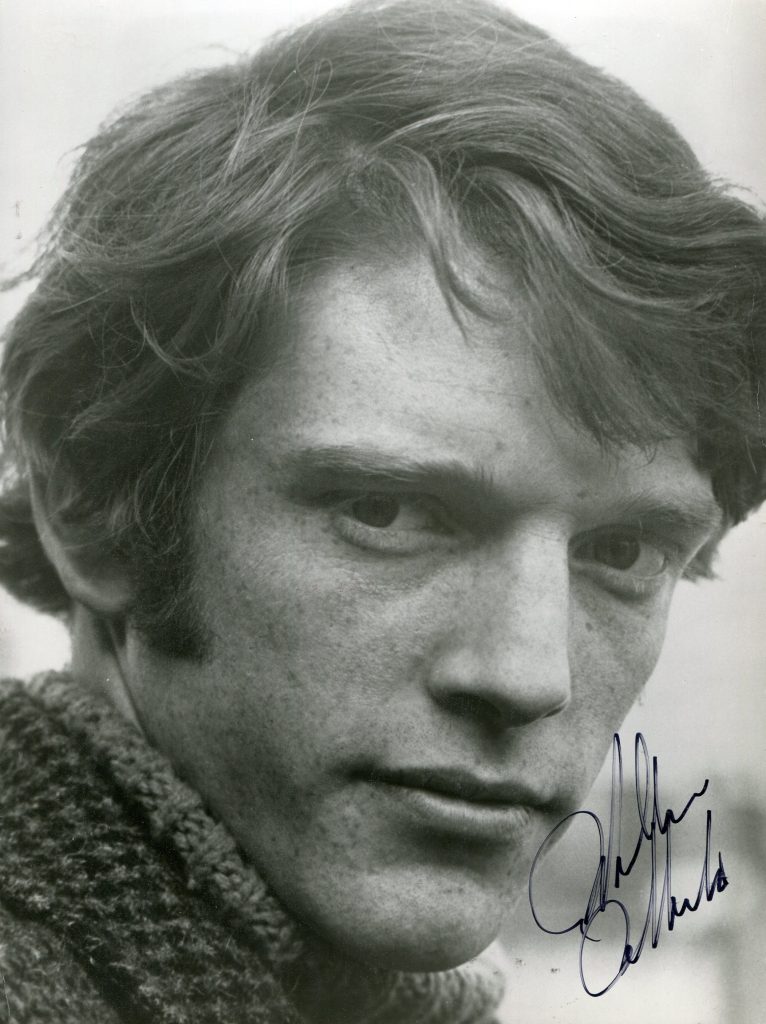
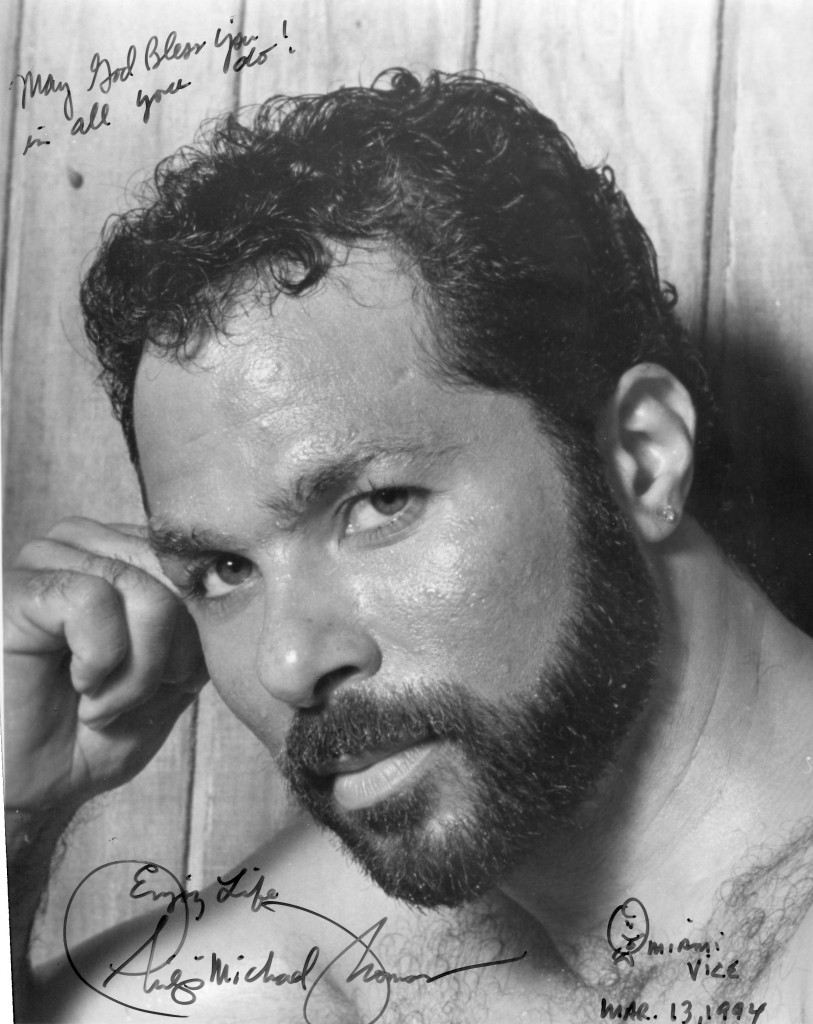
Philip Michael Thomas

Philip Michael Thomas is best known for his role as detective Ricardo Tubbs in the hit TV series “Miami Vice” in the 1980’s.   His films include “Come Back, Charleston Blue” in 1972, “Mr Ricco”, “The Mushroom Eater” and “Fate”.

IMDB entry:

Philip Michael Thomas – the multi-talented performer best known as Detective Rico Tubbs in the iconic 1980s TV series Miami Vice (1984) – made his Broadway debut in 1971 in the Pulitzer Prize-winning play No Place to Be Somebody…and hasn’t looked back since.

In a remarkable career that spans nearly four decades, PMT has worked with some of the top stage, screen, and recording personalities in the world.

He first guest starred on TV in 1973 in the pilot for the series Toma: Pilot (1973), followed by parts in Good Times (1974), Police Woman (1974), Medical Center (1969), Wonder Woman (1978)_, _Starsky and Hutch (1978)_, and Trapper John, M.D. (1979) before landing the role on Miami Vice (1984) in 1984 that made him a household name – and took him on a whirlwind tour of the globe and into the presence of heads of state (including President Ronald Reagan and Nelson Mandela), fellow celebrities, and countless adoring fans.

Despite world-wide stardom as an actor of both stage and screen, it is music that is PMT’s biggest passion. He wrote his first song at the age of 11 and, over the next 40 years, wrote, composed, and sung everything from Gospel to R&B to pop standards to rock. One long-time friend recently referred to the musical side of PMT as “an undiscovered diamond.”

During the stratospheric years of Miami Vice (1984-1989), PMT released two highly regarded albums: Livin’ the Book of My Life (1985) and Somebody (1988), both on his own Starship Records label, with distribution by industry giant Atlantic Records. Although much loved by fans to this day, his albums didn’t sell as well as expected (perhaps due to a wide range of musical styles that defied pigeonhole) and remain out of print, although they often fetch a tidy sum on eBay. PMT is considering reissuing his solo albums with bonus tracks sometime in 2007 or 2008.

The power of imagination and love to overcome circumstances is a theme that runs through the fabric of his life. He cites singing “The Impossible Dream” (from Man of La Mancha) while at Oakwood College in 1967 as a turning point for him.

Considered by long-time friends and family members alike to be one of the most compassionate, spiritual, and generous men they’ve ever known, PMT credits his uplifting, positive outlook on life to a vegetarian diet, regular exercise, life-long learning, friends he’s made through the years, and books such as The Holy Bible, Napoleon Hill’s Think and Grow Rich, and Paramahansa Yogananda’s Autobiography of a Yogi, among many others.

PMT loves Florida and has chosen to make his home there instead of L.A. or New York as do most of his colleagues. Naturally, this keeps him out of the limelight, but it’s a mistake to assume that just because his name isn’t regularly splashed across the tabloids that he’s not keeping himself busy. In fact, he is working (2007) on his autobiography, his official web site, reading scripts, performing, writing music, and helping young performers reach the heights he has reached – and doing it all with characteristic charm, grace, vitality…and with his trademark banner, “Treasure beyond measure!” flying proudly overhead.

– IMDb Mini Biography By: Bill Murphy

The amove IMDB entry can also be accessed online here.

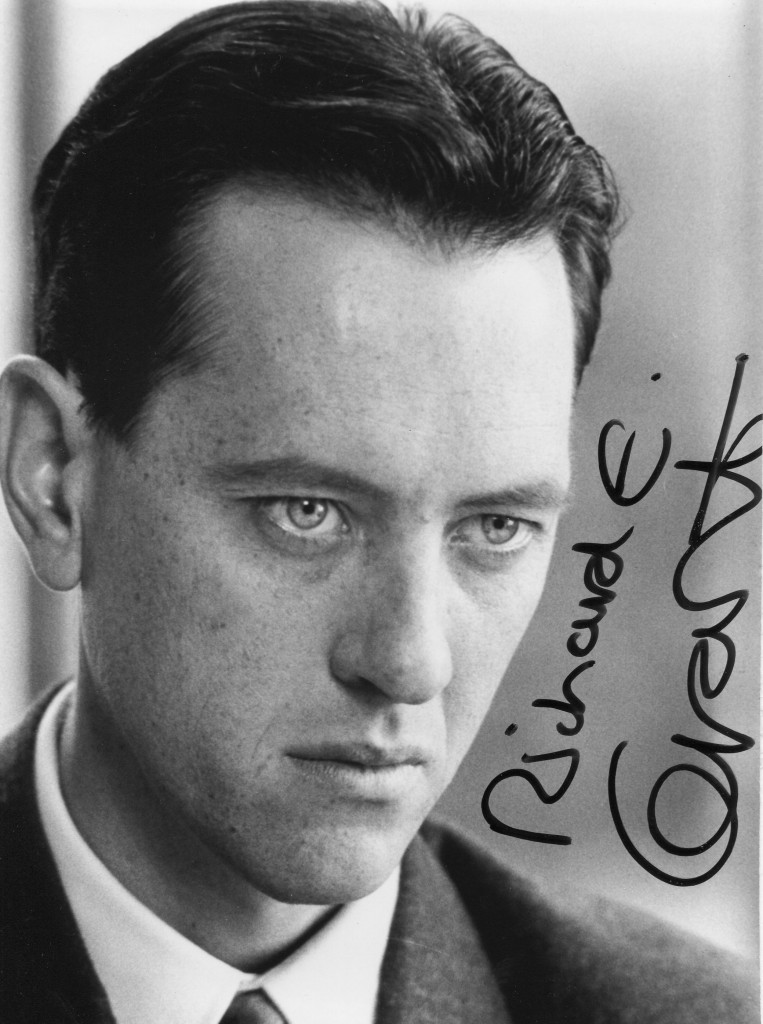
Richard E. Grant
Richard E. Grant
Richard E. Grant

Richard E. Grant was born in 1957 in Swaziland.   After his education, he moved to the UK to begin a career as an actor.   He has starred in the cult “Withnail and I” and after it’s success began appearing in Hollywood and international films.   His other films include “L.A. Story” with Steve Martin, “The Player” with Tim Robbins, “The Age of Innocence” with Daniel Day-Lewis and “Gosford Park” among many others.

TCM Overview:

Lanky, British player who has had some success in mainstream Hollywood features. Grant began acting in his native South Africa, where he founded the multi-ethnic Troupe Theater Company. In 1982, he moved to London to stomp the boards in fringe and repertory productions. Grant made his English TV-film debut in Les Blair’s improvisational satire, “Honest, Decent and True” (1985). The next year, he entered films as the star of “Withnail & I” (1986), writer-director Bruce Robinson’s brilliant observation of the eccentricities of English actors in the 1960s. As the acerbic Withnail, Grant conveyed the great likability of a mostly vile character. He reteamed with Robinson for “How to Get Ahead in Advertising” (1988), a scathing comic indictment of the industry’s morals or lack thereof. Here he was Dennis Dimbleby Bagley, an ad exec whose head is taken over by an evil boil.

Grant’s American film credits in the early 90s include some of Hollywood’s more notorious productions. He co-starred as the husband of Anais Nin in “Henry & June” (1990), the first film to receive the NC-17 rating. He also played the mad English villain opposite Bruce Willis in the much-maligned “Hudson Hawk” (1991). Grant had supporting roles in Robert Altman’s “The Player”, as the English filmmaker who initially refuses to compromise his “artistic integrity”, and Francis Ford Coppola’s florid “Bram Stoker’s Dracula” (both 1992), as Dr. Seward. He worked with another one of cinema’s titans, Martin Scorsese, in the opulent adaptation of Edith Wharton’s “The Age of Innocence” (1993), as a smug member of turn-of-the-century New York’s high society. He reteamed with Altman for “Ready-to-Wear (Pret-a-Porter)” (1994) as an eccentric homosexual and portrayed a grieving widower coping with a newborn in “Jack and Sarah” (1995). The following year, he played a wealthy suitor to Nicole Kidman’s Isabel Archer in Jane Campion’s “Portrait of a Lady” and appeared as Sir Andrew Aguecheek in Trevor Nunn’s film adaptation of Shakespeare’s “Twelfth Night”. Also in 1996, Grant published “With Nails: The Film Diaries of Richard E Grant” in England.

The above TCM overview can also be accessed online here.

Hank Azaria
Hank Azaria

Hank Azaria was born in 1964 in Forrest Hills, New York.   He has won four Emmy awards.   His voice is well known on  “The Simpsons” and he has featured in such films as “Pretty Woman,”, “Quiz Show”, “The Birdcage”, “Grosse Pointe Blank” and “Godzilla”.

TCM Overview:

Despite his initial intentions of becoming a stage performer, actor Hank Azaria turned his childhood talent for mimicry into a highly successful career, voicing many characters on the long-running animated comedy, “The Simpsons” (Fox, 1989- ). Thanks to his varied oddball interpretations of Moe the Bartender, Apu the Kwik-E-Mart owner, and Police Chief Wiggum, Azaria was able to transfer his success with animation into the live-action world. Following his breakthrough performance as a smarmy 1950s television producer in “Quiz Show” (1994), he stole the show from the likes of Robin Williams and Nathan Lane as a flamboyant houseboy in “The Bird Cage” (1996). Though he tried – and failed – to enter into blockbuster territory with “Godzilla” (1998), Azaria fared well with moving and award-nominated performances in “Tuesdays with Morrie” (ABC, 1999) and “Uprising” (NBC, 2001). Though he finally fulfilled his lifetime ambition with a triumphant performance as an effeminate Sir Lancelot in the Broadway smash “Spamalot” (2004-05), Azaria never strayed far from his steady and lucrative tenure on “The Simpsons,” which culminated in a 2007 feature and solidified his standing as one of the most talented voice-over artists working in the business.

Born on April 25, 1964 in the Forest Hills neighborhood of Queens, NY, Azaria was raised by his father, Albert, who ran several dress-manufacturing businesses in the garment district, and his mother, a former publicist for Columbia Pictures-turned-housewife. Both his parents were avid lovers of show business, exposing their three children to theater, opera, film and television at an early age. When he was a child, Azaria discovered what he called a freakish ability to mimic just about anyone’s voice, even after just having heard it for the first time. When he was 17, Azaria began making strides as a professional actor around the time he was still in high school at The Kew-Forest School, landing auditions and jobs on commercials. He moved on to study drama at Tufts University in Medford, MA, where he became fast friends with fellow actor Oliver Platt. The two worked on several college plays together, including memorable productions of William Shakespeare’s “The Merchant of Venice” – Azaria played Salerio to Platt’s Shylock – and Harold Pinter’s “The Dumb Waiter.” Though the life-long friends wanted to work together often and frequently, it would be another two decades before they had the right opportunity.

With his sights set on a stage career, Azaria moved back to New York City, where he furthered his dramatic studies at the American Academy of Dramatic Arts. But at 22, Azaria had a hard time finding parts off-Broadway, let alone on the Great White Way. He did, however, land several episodes of television, including a one-line part on the short-lived sitcom “Joe Bash” (ABC, 1986). Though his brief appearance was left behind on the cutting room floor, the experience did allow him to earn his Screen Actors Guild card. Armed with his union membership, he left the East Coast for Los Angeles, ditching the idea of working in theater for the seemingly more attainable world of television acting. After a short sojourn into stand-up comedy, Azaria landed small roles in an episode of “Family Ties” (NBC, 1982-1989) and the made-for-television movie, “Frank Nitti: The Enforcer” (ABC, 1988), a compelling look at the right-hand and eventual successor to famed mobster Al Capone. While he was making a living, Azaria had yet to make any meaningful strides.

Despite his unique talent for mastering a wide variety of voices, Azaria never considered a voice-over career. That all changed when he voiced the title character in the semi-animated, “Roger Babbit”-esque “Hollywood Dog.” The casting director for that failed pilot was also casting for “The Simpsons” (Fox, 1989- ), the long-running, fully animated series about the comically dysfunctional Simpsons family. Initially brought in to replace the voice actor for Moe Szyslak, owner-operator of Moe’s Tavern, Azaria created a colorful palate of characters over the years, most notably Chief Wiggum, Apu Nahasapeemaptilon – owner of the local Kwik-E-Mart – and the dubious Dr. Nick Riviera. Meanwhile, Azaria continued to make appearances onscreen, taking small roles in the romantic comedy classic “Pretty Woman” (1990) and on an episode of “The Fresh Prince of Bel-Air” (NBC, 1990-96). In the live-action world, he landed his first regular series role on “Herman’s Head” (Fox, 1991-94), playing the smarmy best friend of an office worker (William Ragsdale) whose every decision is made with the help of the Greek chorus in his head representing four aspects of his personality. Aside from being the first show to ever air a condom commercial, “Herman’s Head” was only notable for pairing Azaria with “Simpsons” colleague Yeardley Smith, who was the voice of Lisa Simpson.

On the big screen, Azaria gave his feature career a serious jolt with his supporting performance in “Quiz Show” (1994), Robert Redford’s excellent examination of the game show scandal of the 1950s. The actor portrayed venal television producer Alan Freedman, who fed the answers to “Twenty One” champion, Charles Van Doren (Ralph Fiennes) with the help of his equally smarmy producing partner, Dan Enright (David Paymer). In one of his most outrageous performances, Azaria burned his way into the public’s consciousness as a hot-pants-wearing, Gloria Estefan-worshipping, gay Guatemalan houseboy in Mike Nichols’ “The Birdcage” (1996), stealing one scene after another from co-stars Robin Williams, Nathan Lane and Gene Hackman. Also that year, he joined the cast of “Mad About You” (NBC, 1992-99), which included then-girlfriend and star of the show, Helen Hunt, for the last few seasons. Meanwhile, he took his voice talents into the feature world for 20th Century Fox’s first animated feature, “Anastasia” (1997), while turning in a humorous live-action performance as an awkward National Security Agency agent in the black comedy “Grosse Pointe Blank” (1997).

Azaria next co-starred as a news-hungry photographer chasing after a giant lizard making a wreck out of Manhattan in the abysmal summer blockbuster “Godzilla” (1998). Also that year, Azaria enjoyed a few wide-ranging roles in some films, including playing one of three hapless marijuana growers in “Homegrown” (1998), and the wealthy boyfriend of a young heartbreaker (Gwyneth Paltrow) in the contemporary remake of “Great Expectations” (1998). After playing a superhero able to wield spoons and forks with deadly accuracy in the ensemble comedy “Mystery Men” (1999), he was a high-profile sports writer who arranges for the New York Rangers to play a team of obsessive hockey fans in little-seen drama, “Mystery, Alaska” (1999). Azaria fared better as composer Marc Blitzstein in Tim Robbins’ “Cradle Will Rock” (1999), which effectively captured the spirit of the 1930s in its recreation of the furor surrounding the production of a pro-union play and the government’s attempt to shut it down.

Azaria offered perhaps his most layered and sensitive work of his career to date in “Tuesdays with Morrie” (ABC, 1999), portraying sportswriter Mitch Albom to Jack Lemmon’s irrepressible, wheelchair-bound Morrie Schwartz, Albom’s former college professor who was dying from Lou Gehrig’s Disease. Reconnecting with Schwartz after seeing him interviewed by Ted Koppel, Albom finds not an embittered old man, but an inspired human being of “incredible clarity” teaching his “final course . . . in living.” Their weekly sessions together prompt Albom to question the shallowness of his own existence and eventually write the best-selling account that would serve as the picture’s source material. Azaria’s performance earned him a Screen Actors Guild Award nomination for best actor. Meanwhile, Azaria also appeared as an academic who advocates tactical nuclear victory over the Russians in the compelling two-hour live broadcast of “Fail Safe” (CBS, 2000), adapted from the Cold War novel by Harvey Wheeler and Eugene Burdick. Following a public divorce from Helen Hunt in 2000 only a year after their marriage, Azaria delivered another finely crafted performance, playing the leader of a valiant, but ultimately unsuccessful Jewish rebellion against the Nazis in the Warsaw ghetto in “Uprising” (NBC, 2001).

Back on television, Azaria suffered the dismal failure of his Seth Kurland-created sitcom, “Imagine That!” (2002), which was canceled after only two episodes. He quickly rebounded on the big screen in parts both serious – such as his supporting role as principled, but deposed New Republic editor Michael Kelly in “Shattered Glass” (2003) – and comic, including his hilarious, but all-too-brief turn as the frequently nude scuba instructor, Claude, who cuckolds Ben Stiller in “Along Came Polly” (2004). Azaria also had a small, but well-cast bit in “Dodgeball: A True Underdog Story” (2004) as young Patches O’Houlihan, the flashback version of the Rip Torn’s character. He tried once again to make a go of series television, starring as psychiatrist and family man Craig Huffstodt, who nosedives into a midlife crisis on the quirky dramatic comedy “Huff” (Showtime, 2004-06). Though highly promoted by the network and the recipient of glowing reviews, “Huff” failed to attract a substantial audience and was eventually canceled. Returning to his stage roots, Azaria headed to Broadway for a bravura performance as an out-of-the-closet Sir Lancelot in “Spamalot,” Eric Idle’s wild musical based on “Monty Python and the Holy Grail” (1975), which earned critical raves and record-breaking ticket sales.

After almost two decades on television, fans were finally treated to “The Simpsons Movie” (2007), the long-awaited film version of the animated show that featured deliberately imperfect hand-drawn animation. Azaria reprised many of his most famous and beloved characters from the series. In actor David Schwimmer’s directorial debut, “Run, Fat Boy, Run” (2008), he was the arch-rival of a down-and-out overweight guy (Simon Pegg) who tries to win back the bride (Thandie Newton) he ditched at the altar years ago by running a marathon. After giving voice to Abbie Hoffman and Allen Ginsberg for the animated docudrama “Chicago 10” (2008), Azaria was the evil Pharaoh Kahmunrah – as well as the voice of The Thinker and Abraham Lincoln – in the weak, but successful sequel, “Night at the Museum: Battle of the Smithsonian” (2009). Reaching further back into history, he portrayed a comedic Abraham in the absurd “Year One” (2009).

Returning to contemporary times, Azaria played an unscrupulous doctor in the dramedy “Love & Other Drugs” (2010) and hammed it up mightily as the wicked wizard Gargamel, one of the live-action components of the CGI-heavy cartoon adaptation “The Smurfs” (2011). After lending his voice to the animated sequel “Happy Feet Two” (2011), he reprised Gargamel in “The Smurfs 2” (2013) and appeared in a radical different kind of film with his supporting role in the porn-oriented biopic “Lovelace” (2013), about the adult-movie star Linda Lovelace.

TCM overview can also be accessed online here.

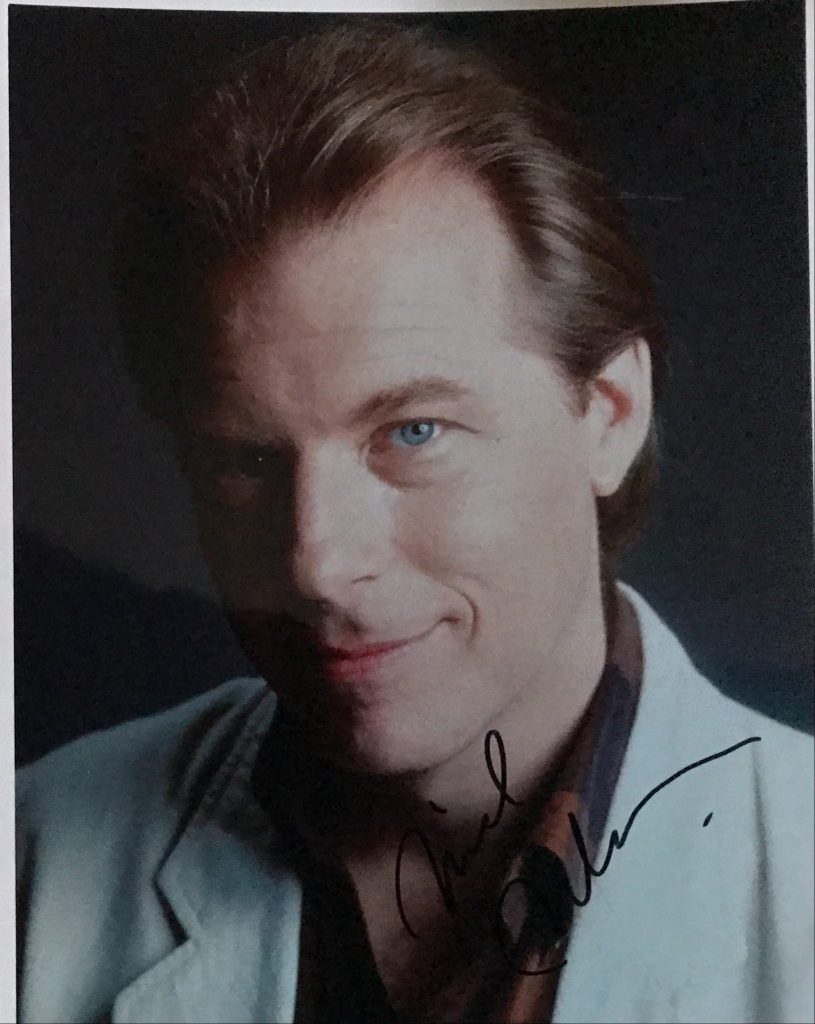
Michael McKean
Michael McKean

Michael McKean was born in 1947 in New York City.   He will forever be remembered for his role as David St. Hubbins in “This Is Spinal Tap”.   His other roles include “Little Nicky”, “The Guru” and “A Mighty Wind”.

TCM profAppearing as TCM’s Guest Programmer for May is Michael McKean, the actor, writer, director, musician and composer who is remembered fondly for his portrayal of Lenny Kosnowski on the hit TV sitcom Laverne and Shirley. McKean, once a regular on Saturday Night Live, is noted also for his collaborations with Christopher Guest on the movie spoofsThis Is Spinal Tap (1984) and Best in Show (2000).

McKean was nominated for an Oscar® with his wife Annette O’Toole for the song “A Kiss at the End of the Rainbow” from another Guest collaboration, A Mighty Wind (2003); and co-won a Grammy for that movie’s title tune. He has a long list of TV and movie credits and starred recently in Broadway’s Hairspray. Not surprisingly, McKean’s programming choices include a boisterous comedy, Preston Sturges’s The Miracle of Morgan’s Creek (1944); but his other picks are eclectic, ranging from the Stanley Kubrick anti-war drama Paths of Glory (1957) to the Stanley Donen musical Seven Brides for Seven Brothers (1954).ile:

Tony Lo Bianco
Tony Lo Bianco
Tony Lo Bianco
Tony Lo Bianco
Tony Lo Bianco

Tony Lo Bianco was born in 1938 in Brooklyn, New York.   He came to a prominence with his lead role in “The Honeymoon Killers” in 1970.   His other films include “Star”, “Bloodbrothers” and “City Heat”.

Gary Brumburgh’s entry:

Veteran actor Tony Lo Bianco is not only known for his skills as a performer, but has extended his talents into directing, writing and producing, as well. The New York born-and-bred tough guy and former Golden Gloves boxer has distinguished himself over the years with a variety of Italianate blue-collar roles, initially on stage and then on film and TV. Adept at playing both sides of the law — the determined, streetwise cop and the corrupt politico and syndicate boss — embodying them with a dark, brooding, edgy intensity. He won an off-Broadway Obie award as a waning baseball icon in “Yanks-3, Detroit-0, Top of the Seventh”; an Outer Critics Circle Award and a Tony nomination inArthur Miller‘s “A View from the Bridge”; and received critical kudos for his one-man show, “Hizzoner!”, which was based on the life of Fiorello LaGuardia, a show he later took to public television and won a New York Area Television Academy Award. Tony’s film career started off promisingly with the cult classic, The Honeymoon Killers (1969), in which he portrayed a cold-blooded ladies’ man who, paired with a heavyset nurse, sought out wealthy, lonely women to swindle and murder. Over the years, he has given added weight and dimension to such films as The French Connection (1971), The Seven-Ups(1973), Bloodbrothers (1978), City of Hope (1991), Nixon (1995) and The Juror (1996). Tony scored exceptionally well with such mini-movies as Marciano (1979), as fighterRocky Marciano, and Bella Mafia (1997). He has directed such TV programs as Police Story (1973) and the feature film, Too Scared to Scream (1985). In a solid career that has nearly reached the four decade mark, the durable Tony has brought to life a number of interesting hard-boiled characters, particularly in crimers.

– IMDb Mini Biography By: Gary Brumburgh / gr-home@pacbell.net

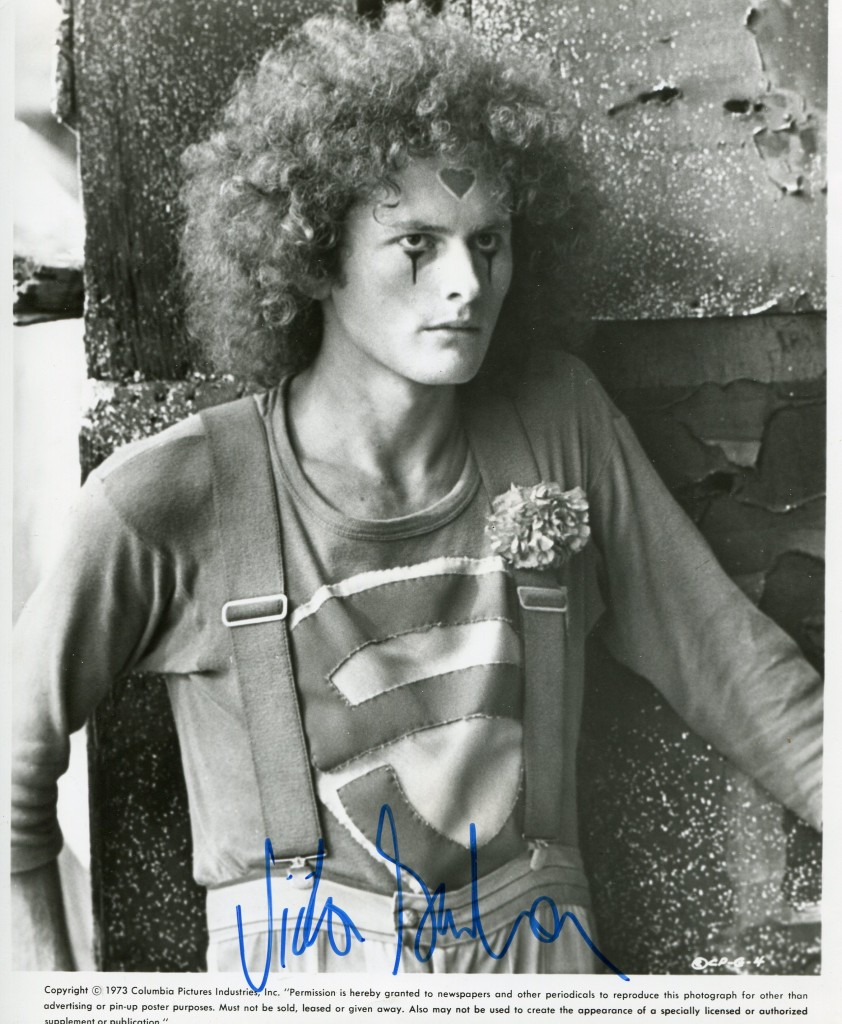
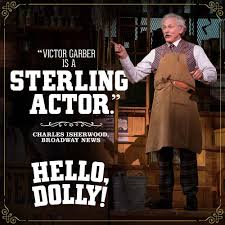
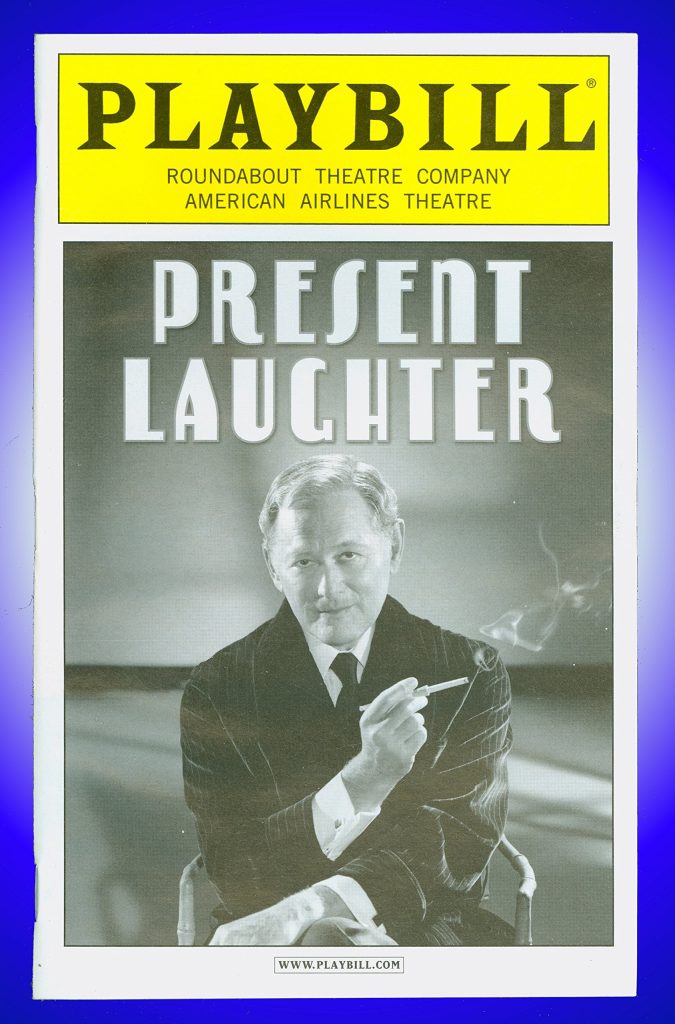
Victor Garber
Victor Garber
Victor Garber

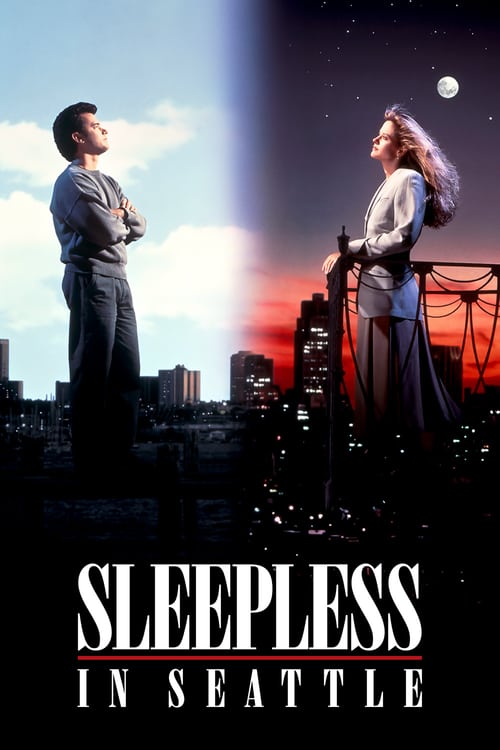
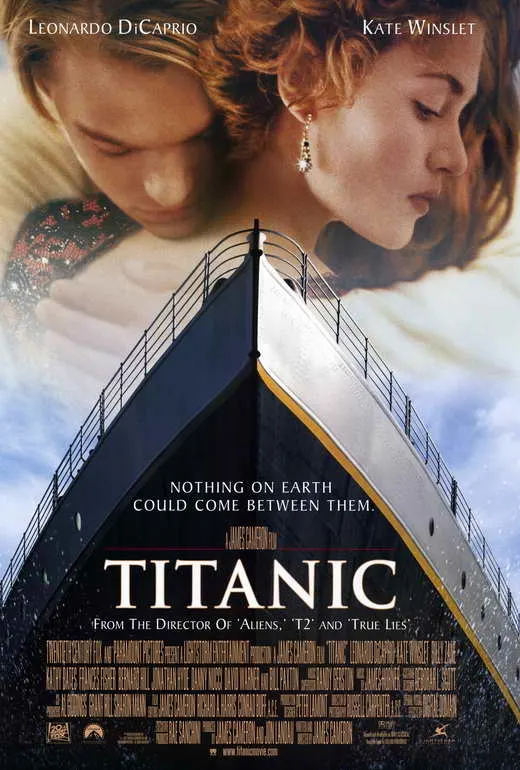
Victor Garber was born in 1949 in Canada.   He starred in both the stage and film versions of “Godspell”.   He also played Thomas Andrews in “Titanic” in 1998.   Other films include “Sleepless in Seattle” and “Legally Blonde”.

TCM Overview:

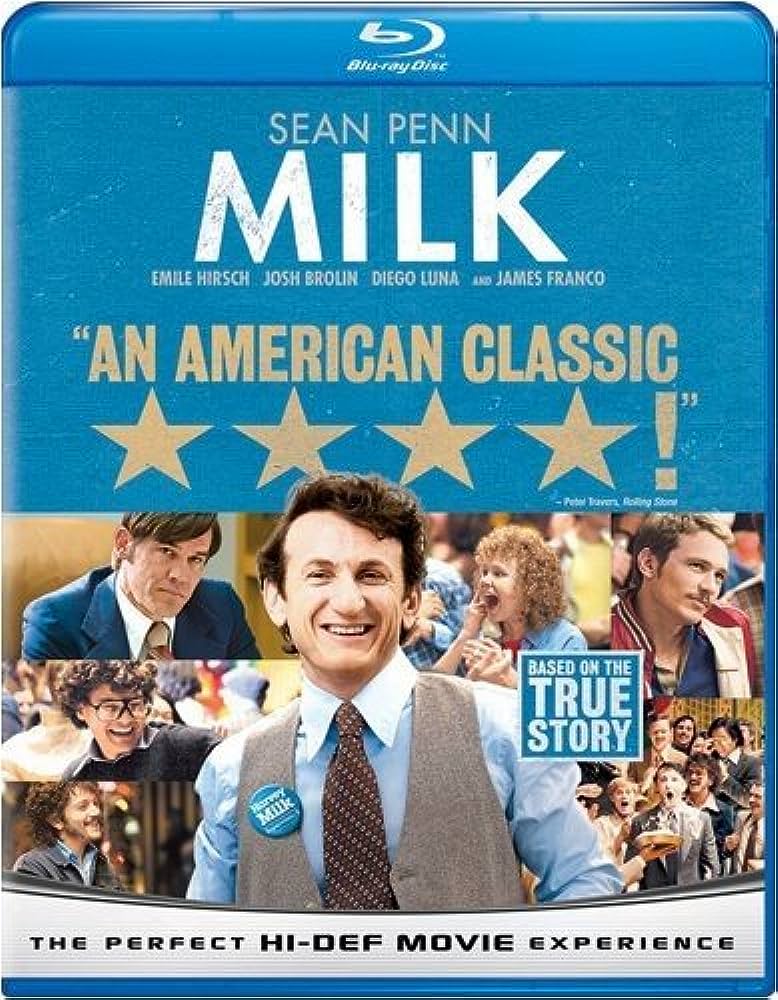
Having been a leading player on Broadway for most of his career, actor Victor Garber unsurprisingly became a powerful force on screen as well, particularly on television shows like “Alias” (ABC, 2001-06). Garber came to prominence on stage in the early 1970s after a short-lived stint in a Canadian pop group with winning performances in “Godspell” (1973) and “Ghosts” (1973). But it was his Tony Award-nominated performance in “Deathtrap” (1978) that earned the young actor considerable attention. From there, Garber began to make strides in features and on television, delivering solid turns in Alex Haley’s “Queen” (CBS, 1993) and in the feature hits “Sleepless in Seattle” (1993) and “Titanic (1997). Though a recognizable face to most audiences, Garber was unable to make a name for himself until he starred on “Alias,” which earned him a large fan base for his cold and calculating portrayal of the protective father of a CIA double agent (Jennifer Garner). The role earned him three consecutive Emmy nominations and enough clout to star in his own series, “Justice” (Fox, 2006), an intriguing, but unfortunately short-lived courtroom drama. But by the time he delivered a solid performance opposite Oscar-winning actor Sean Penn in the moving drama, “Milk” (2008), Garber had earned a reputation as one of Hollywood’s most dependable and enduring supporting actors.

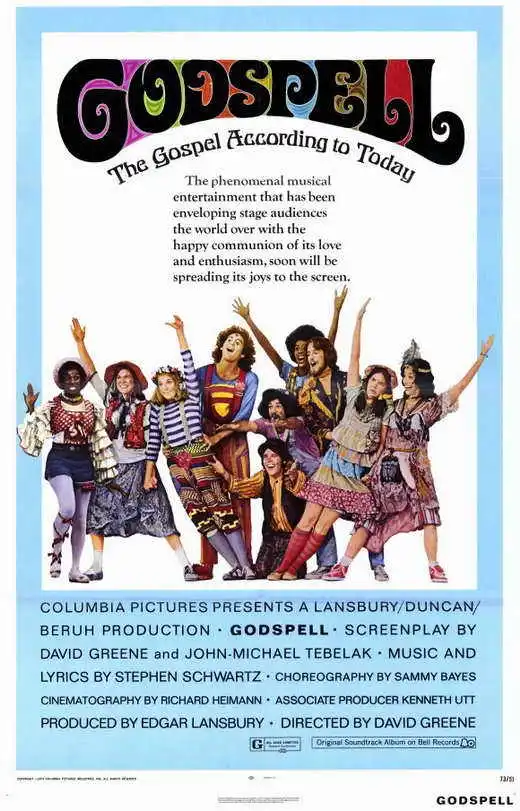
Born on March 16, 1949 in London, Ontario, Canada, Garber was the son of Hope Garber, a Canadian actress and singer who had her own talk show called, “At Home with Hope Garber.” Exposed to show business from the moment he was born, Garber charted his own course, performing with a local children’s troupe when he was just nine years old. At 15, he joined an acting group at the University of Toronto called Hart House, which led a few years later to joining the teen singing group, The Sugar Shoppe, Canada’s answer to the Mamas & the Papas. The group made its television debut in 1968 on “The Ed Sullivan Show” (CBS, 1948-1971), but soon split and reformed as The Shop, only to be permanently disbanded not long after. Meanwhile, Garber turned to acting and had his first taste of success in a Toronto production of “Godspell” (1972), in which he played Jesus opposite Martin Short and Andrea Martin. A year later, he reprised his free-love Hippie Jesus for the film version of “Godspell” (1973), directed by David Greene. By the time of the film’s release, however, Garber was already in New York City making his off-Broadway debut in Henrik Ibsen’s “Ghosts” (1973), which earned him a Theatre World Award.

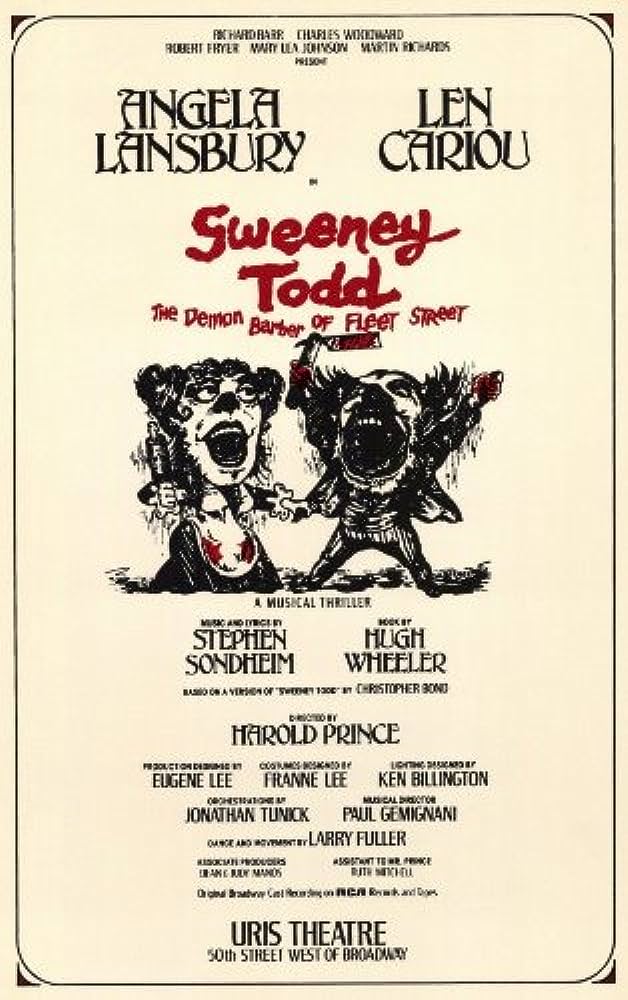
Though he began making strides in the feature world after starring in the relationship drama, “Monkeys in the Attic” (1975), Garber eschewed the big screen for almost 20 years in order to focus on his stage and television projects. Though his work on television was somewhat limited, he managed to land a few meaty roles, voicing Christian in an animated version of “Cyrano de Bergerac” (ABC, 1974) and playing the Marquis de Lafayette in the “Hallmark Hall of Fame” special “Valley Forge” (NBC, 1975). Back on the Great White Way, Garber received his first Tony Award nomination playing the novice playwright Clifford Anderson in a production of Ira Levin’s “Deathtrap” (1978). After six months as the naïve young sailor Anthony Hope in the Stephen Sondheim-Hugh Wheeler musical “Sweeney Todd” (1979), Garber toured with and eventually succeeded Robert Klein as the lead in “They’re Playing Our Song” (1981). Following a Tony Award nod for his starring role in the musical revival of “Little Me” (1982), he made his television series debut in 1983 on the daytime soap opera, “Ryan’s Hope” (ABC, 1975-1989).

Making his return to Broadway, Garber appeared in the American debut of Michael Blakemore’s farcical “Noises Off” (1983), which earned a Drama Desk Award for Best Ensemble. He landed his first leading role in a series with “I Had Three Wives” (CBS, 1985), playing a private investigator who receives help from a trio of ex-wives (Shanna Reed, Teri Copley and Maggie Cooper). Despite an intriguing premise that promised both suspense and comedy, the show lasted a scant five episodes before being canceled. Garber was next cast as Dennis Widmer, Molly’s boss and former lover, in the early seasons of “The Days and Nights of Molly Dodd” (NBC/ Lifetime, 1987-89). After a celebrated performance off-Broadway in “Wencenslas Square” (1987), he had one of his best early television roles in “Liberace: Behind the Music” (CBS, 1988), in which he played the celebrated and flamboyant pianist. Back on Broadway once again, he received yet another Tony Award nomination for playing the unwitting substitute for a world renowned opera singer in the acclaimed farce “Lend Me a Tenor” (1989). He next helped open Stephen Sondheim’s controversial musical “Assassins” (1990) off-Broadway, playing John Wilkes Booth in a cavalcade revue of famed presidential assassins.

After a three-season (1991-94) recurring stint on the Canadian series “E.N.G.”, Garber was seen in a featured role in the three-part miniseries “Queen” (CBS, 1993), Alex Haley’s story of his paternal grandmother (Halle Berry), who was born into slavery the daughter of a slave and an Irish Civil War colonel, but lived as a Caucasian following the war. Away from the big screen for nearly two decades, Garber returned to the silver screen to play a drug dealer in the urban drama “Light Sleeper” (1992), starring Willem Dafoe and Susan Sarandon. Following a supporting part as a slick agent taking clients away from Michael J. Fox and Nathan Lane in “Life with Mikey” (1992), he was Tom Hanks’ friend who is rendered emotional by “The Dirty Dozen” in Nora Ephron’s “Sleepless in Seattle” (1993). Making a triumphant return to Broadway, Garber earned his fourth career Tony Award nomination for his portrayal of Mr. Applegate, a.k.a the devil, opposite Bebe Neuwirth in the revival of “Damn Yankees” (1994). He played Sarah Polley’s father in the indie drama “Exotica” (1995); Goldie Hawn’s ex-husband in “The First Wives Club” (1996); and Thomas Andrews, the ship designer of the “Titanic” (1997), Jim Cameron’s epic film about the doomed passenger liner.

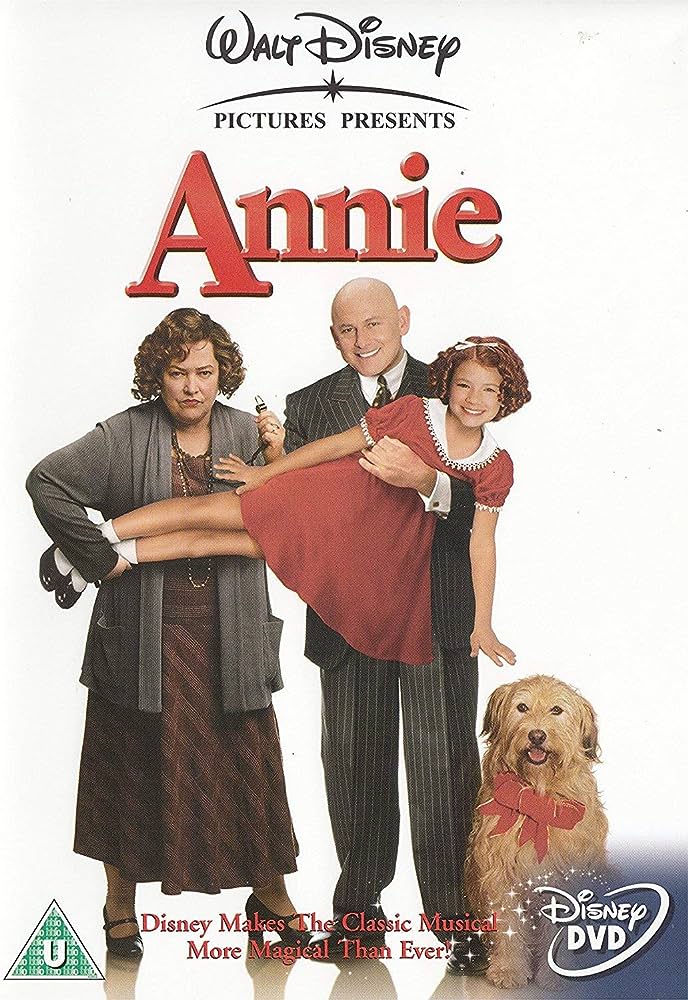
Back on the Great White Way, Garber reunited with Blair Brown in Tom Stoppard’s “Arcadia” (1995), and co-starred with Alan Alda and Alfred Molina in “Art” (1998), Yasmina Reza’s Tony Award-winning comedy about art and friendship. He was expected to co-star with Nathan Lane in a new Stephen Sondheim musical, “Wise Guys,” but the play unfortunately never made it past its 1999 workshop. Meanwhile, he returned to the small screen with roles as King Maximilian in “Rodgers and Hammerstein’s Cinderella” (ABC, 1997) and as Daddy Warbucks in “Annie” (ABC, 1999). Meanwhile, the new millennium kicked off in fine gear for the actor. He co-starred as Inspector Philip Millard in a pair of Canadian-made television movies, “Criminal Instinct: Love & Murder” (Lifetime, 2000) and “Criminal Instinct: Deadly Appearances” (Lifetime, 2000). Garber played another detective; this time one who tracks down a woman (Kathleen Robertson) who murdered her husband in the fact-based feature, “Torso: The Evelyn Dick Story” (2001). Also that year, Garber earned a pair of Emmy nominations for his guest role as a temporary butler for the Cranes on “Frasier” (NBC, 1993-2004) and for his portrayal of Sid Luft in the biographical miniseries, “Life With Judy Garland: Me and My Shadows” (ABC, 2001).

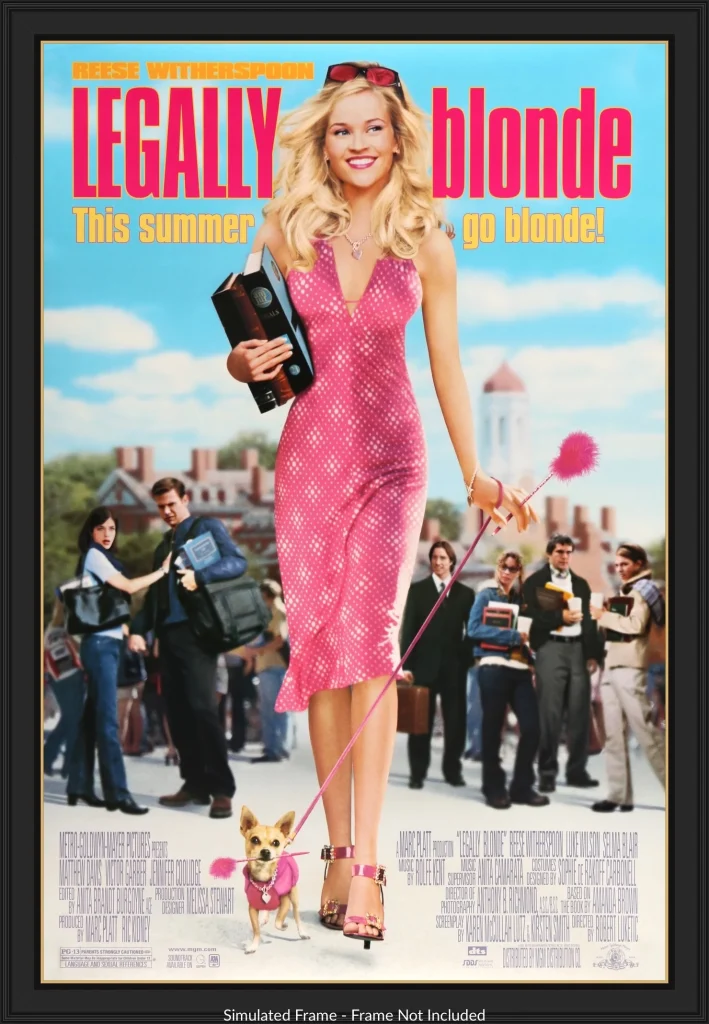
While Garber had a long and fruitful career on stage and screen, he had yet to turn himself into a household name. All that changed when he became one of the regulars on the hit spy series, “Alias” (ABC, 2001-06), which followed the exploits of Sydney Bristow (Jennifer Garner), a CIA double agent trying to take down the notorious SD-6, an organized crime group she was unwittingly recruited into. Garber played Sydney’s father, Jack Bristow, also a double agent for the CIA who will do anything to protect his daughter, even kill, torture and betray his country. Cold, calculating, but also fully devoted to his daughter, Garber’s Jack Bristow quickly became a fan favorite over the show’s five season run. Not surprisingly, Garber also received the lion’s share of critical praise and earned three consecutive Emmy Award nominations from 2002-04, to say nothing of becoming a close friend of Garner’s off-screen. During his successful stint on “Alias,” he continued to appear in features, taking on roles in the feature hit comedy “Legally Blonde”(2001) and the fantastical “Tuck Everlasting” (2002). After playing a television writer in “Laughter on the 23rd Floor” (Showtime, 2001), he earned another Emmy nod for a guest starring turn on the popular sitcom, “Will & Grace” (NBC, 1998-2006).

Despite having earned his reputation as a top-notch supporting actor on the stage, Garber stayed away from the bright lights for a spell in order to focus on his onscreen career. Returning to regular series work, he starred on the short-lived courtroom drama, “Justice” (Fox, 2006), in which he played the overbearing and amoral head of a law firm that specializes in defending wealthy celebrity clients involved in high-profile cases. The show was canceled after only 13 episodes despite an intriguing premise and promising critical notices. After a guest episode on “Ugly Betty” (ABC, 2006- ), he joined the regular cast for another short-lived series, “Eli Stone” (ABC, 2008-09), playing the owner of a law firm and father figure to the titular attorney (Jonny Lee Miller), whose inoperable brain aneurysm leads him to believe that he has divinely inspired visions of the future. Back on the big screen, Garber co-starred in “Milk” (2008), playing San Francisco mayor George Moscone, who is assassinated alongside openly gay politician and activist Harvey Milk (Sean Penn) by conservative San Francisco Supervisor Dan White (Josh Brolin). Garber returned to Broadway with a Trevor Nunn-directed revival of Stephen Sondheim’s musical, “A Little Light Music” (2009). He also continued to make regular appearances on television, taking guest star roles on “Nurse Jackie” (Showtime, 2009- ) and “Glee” (Fox, 2009- ) while co-starring in the made-for-television crime drama, “Everything She Ever Wanted” (Lifetime, 2009).

The above TCM overview can also be accessed online here.

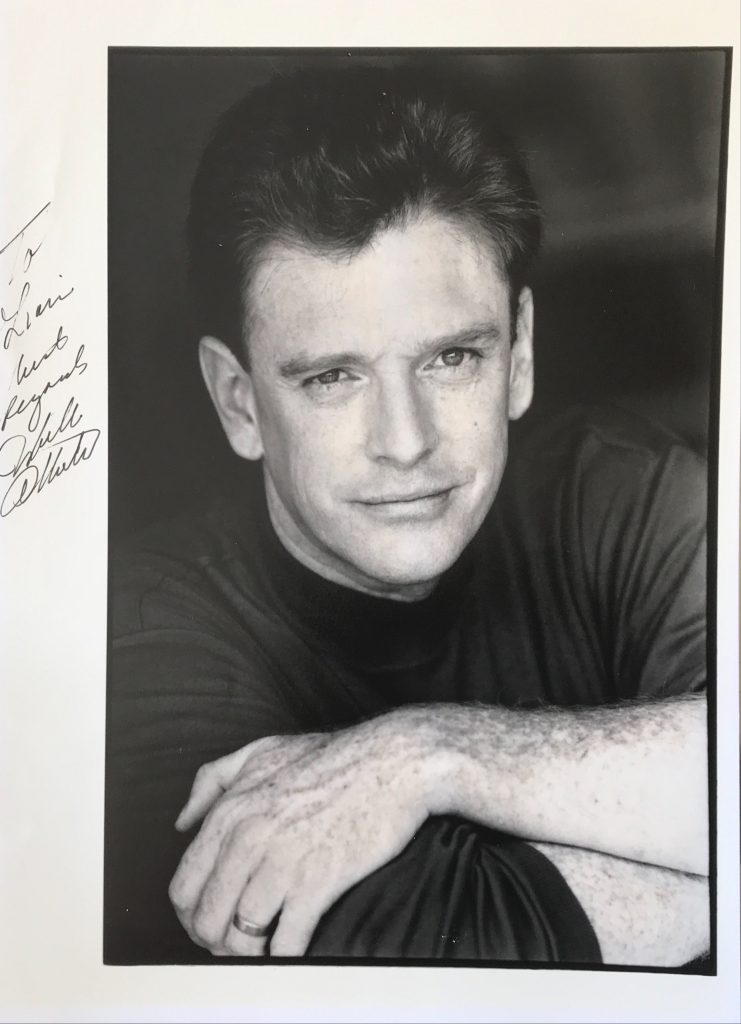
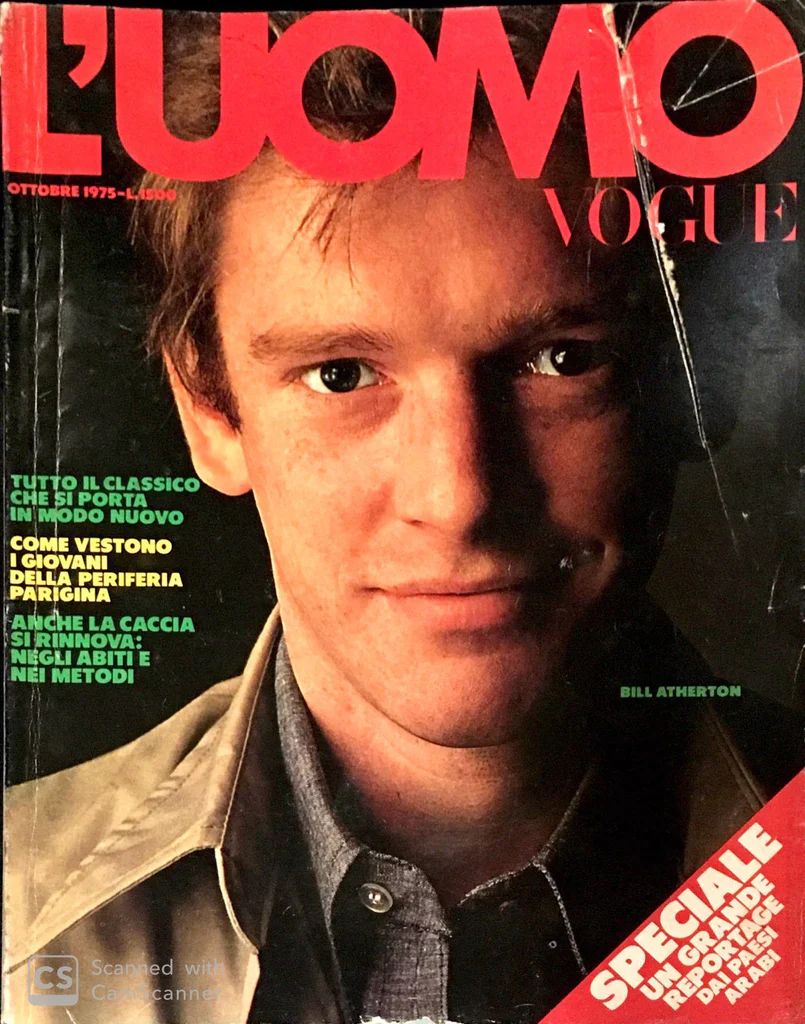
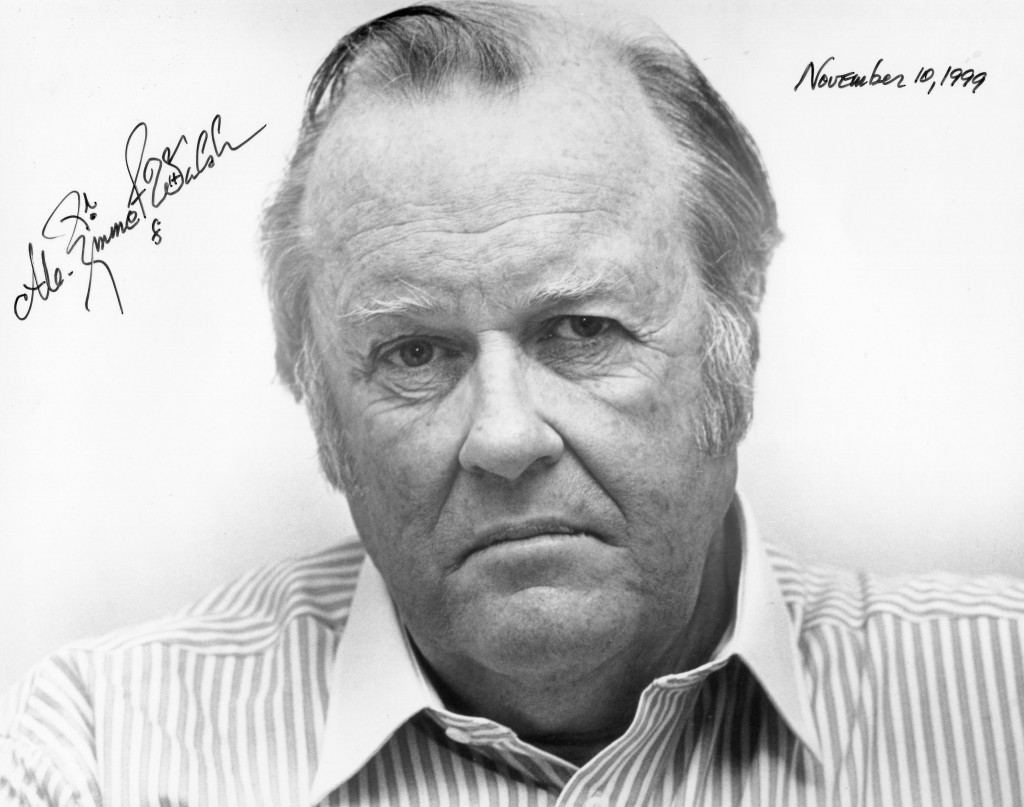
William Atherton

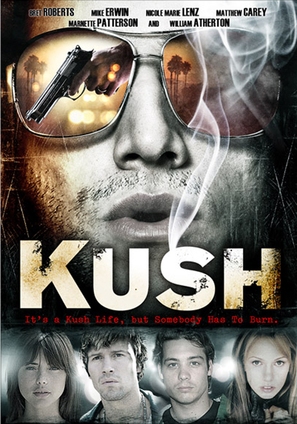
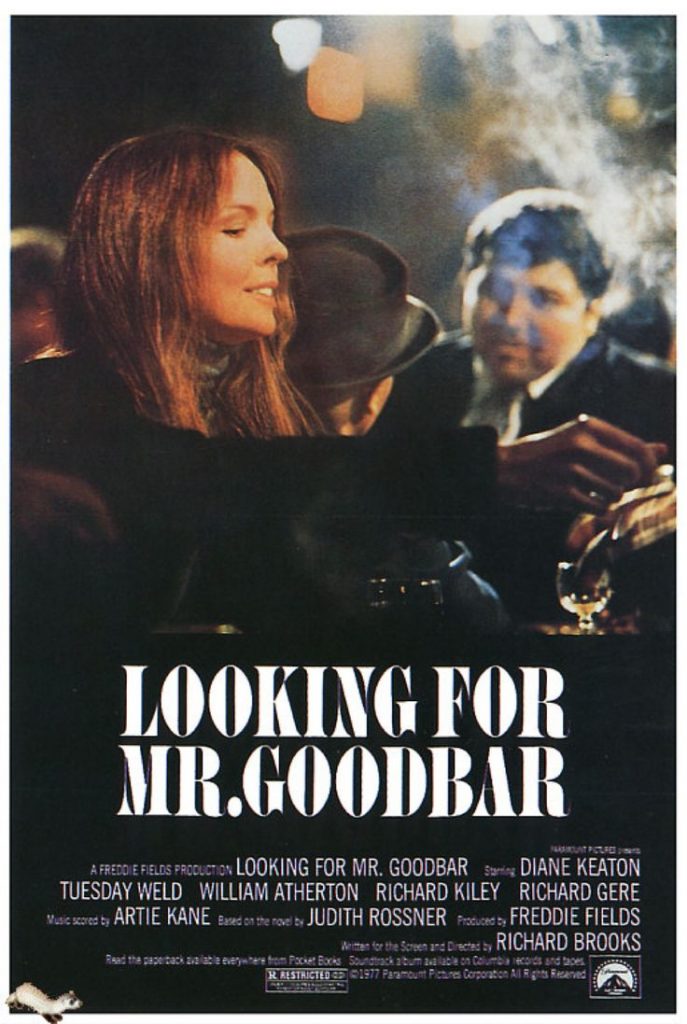
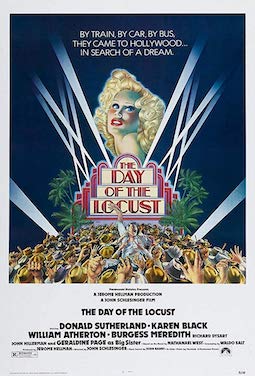
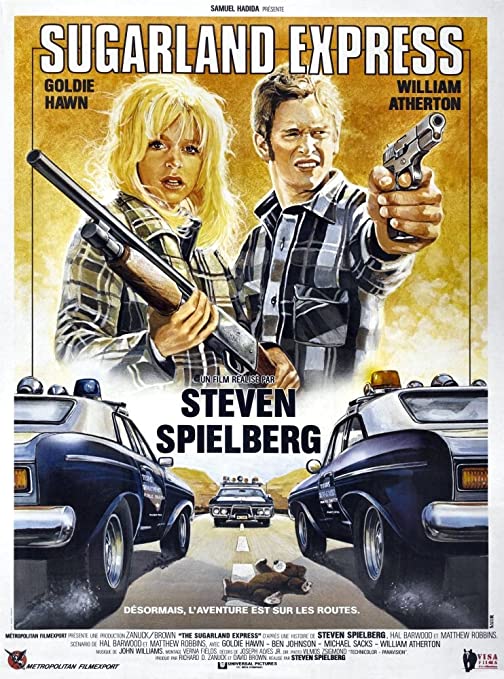
William Atherton was born in 1947 in Orange, Connecticut.   He has had major roles in such movies as “The Sugarland Express” in 1974 opposite Goldie Hawn, “”The Day of the Locust” and “Looking for Mr Goodbar” with Diane Keaton.

TCM Overview:

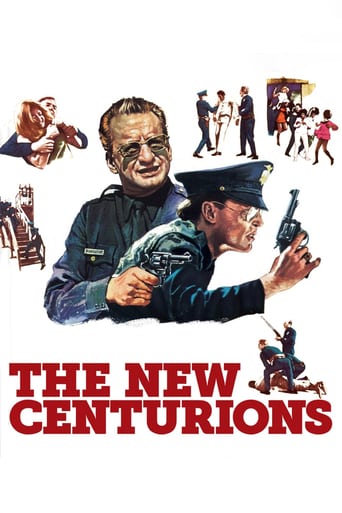
A pale, fair-haired, lanky performer, William Atherton first distinguished himself in the theater. After becoming the youngest member of the Long Wharf Theater Company (New Haven, Connecticut) while still a high school student, he went on to off-Broadway where he originated the part of Ronnie Shaughnessy in John Guare’s “The House of Blue Leaves”, as well as the title roles of David Rabe’s “The Basic Training of Pavlo Hummel” (both 1971) and David Wiltse’s “Suggs in the City” (1972). That year also saw him make his Broadway debut in the short-lived “The Sign in Sidney Brustein’s Window” and his feature debut in “The New Centurions”. Often cast as weaklings or high-strung characters, Atherton attracted attention as the likably charismatic escaped convict husband of Goldie Hawn in Steven Spielberg’s “The Sugarland Express” (1974) and struck the correct balance of ambition and bewilderment as the aspiring art director whose perceptions of Hollywood shape John Schlesinger’s “The Day of the Locust” (1975). He also turned up as a persistent suitor of Diane Keaton in “Looking For Mr. Goodbar” (1977), his last feature for seven years.

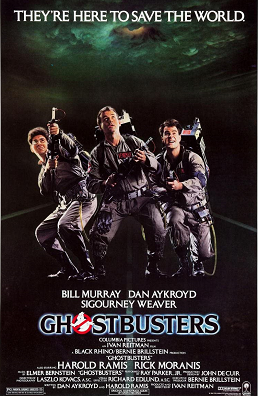
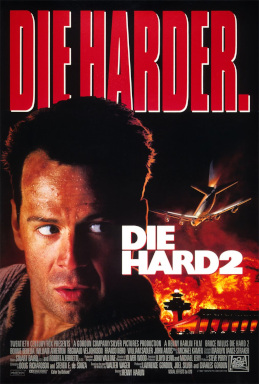
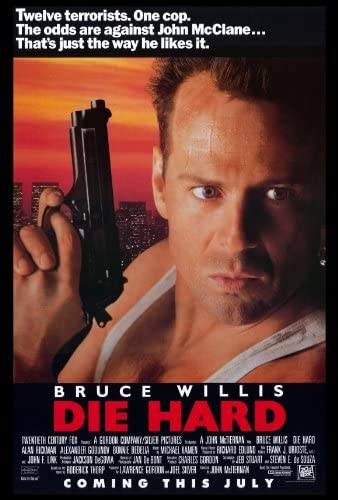
During that hiatus, Atherton concentrated primarily on stage work, including a one-man show and Broadway productions of Arthur Miller’s “The American Clock” (1980) and Herman Wouk’s “The Caine Mutiny Court-Martial” (1983). He roared back to features as Walter Peck, the zealous bureaucrat opposed to the methods of the “Ghostbusters” (1984), arguably the most memorable in a series of high profile supporting roles that included the comically unctuous professor in “Real Genius” (1985) and a zealous newsman in “Die Hard” (1988) and its first sequel “Die Hard 2: Die Harder” (1990). Atherton’s Dr. Noah Faulkner in the box office disaster “Bio-Dome” (1996) was really a variation on the creepy academic from “Real Genius”, and his transparently vacuous local anchor in “Mad City” (1997) was a rehash of his Thornburg character from the “Die Hard” franchise. The 90s also saw him essay a number of historical figures: Allan Pinkerton in HBO’s “Frank and Jesse” (1995), then-state prosecutor Thomas E Dewey in “Hoodlum” (1997) and Hollywood mogul Darryl Zanuck in Martha Coolidge’s “Introducing Dorothy Dandridge” (HBO, 1999).

The above TCM overview can now be accessed online here.