
Contemporary Actors

Collection of Contemporary Actors

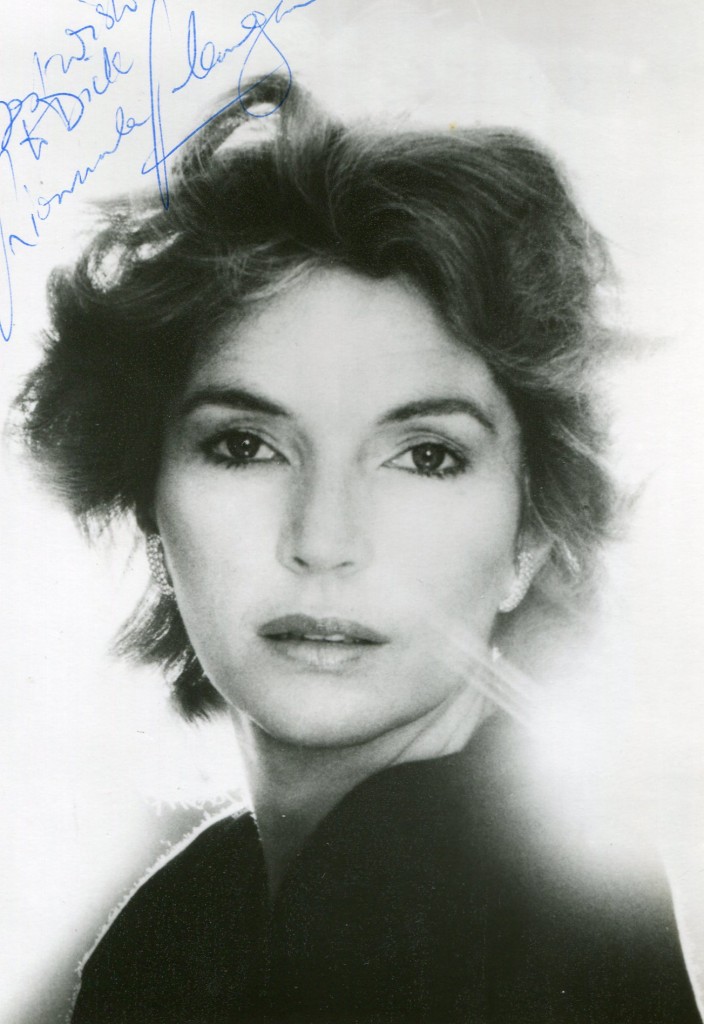
Fionnula Flanagan
Fionnala Flanagan
Fionnala Flanagan

Fionnuala Flanagan.

Fionnaula Flanagan was born in Dublin in 1941.   She made her film debut in 1967 in the Irish made “Ulysses”.   The same year she was on Broadway in Brian Friel’s “Lovers”.   She concentrated her career in the U.S. and settled in Hollywood.   Throughout the 1970’s and 80’s she was featured in many of the major television series such as “Bonanza”, “Mannix”, “Shaft”, “The Streets of San Francisco”, “Kojack” and “Marcus Welby M.D.   She won particular acclaim for her performance in the mini-series “Ricxh Man, Rich Man Poor Man”.  From the 1990’s onwards she has become a wonderful presence on film are “Some Mother’s Son”, “Waking Ned”, “The Others”, “Transamerica” and “The Guard”.

TCM Overview:
Fionnula Flanagan
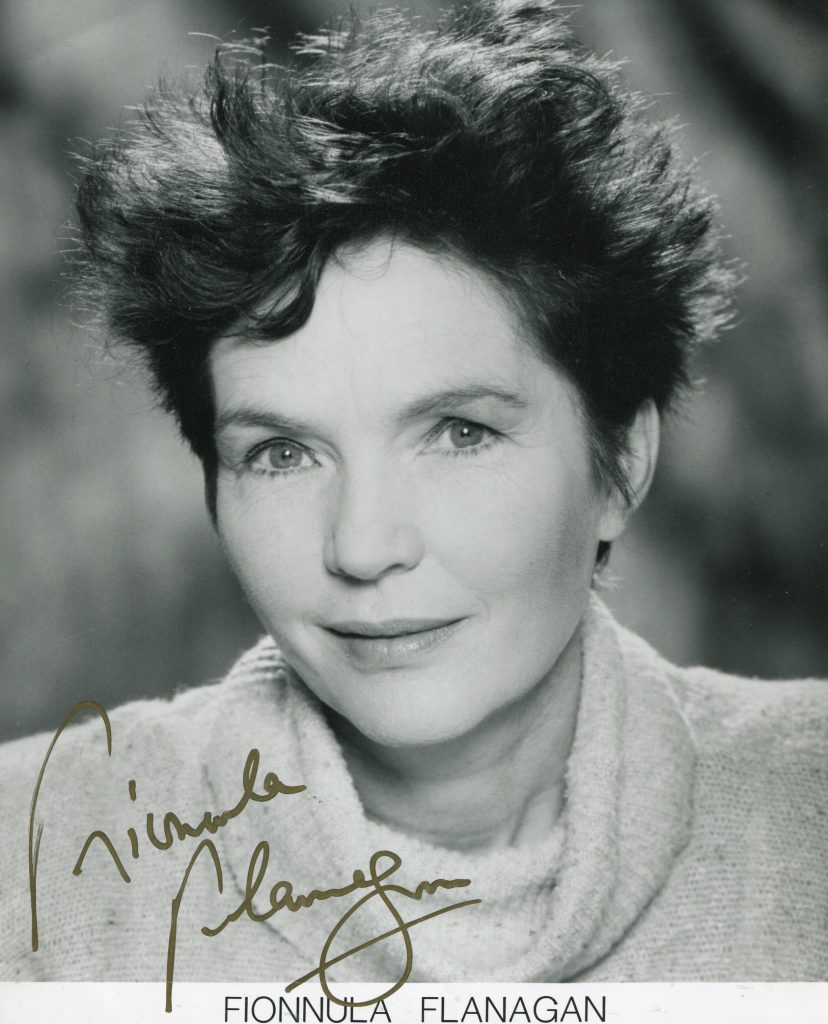
Fionnula Flanagan

Before moving to the USA from her native Ireland, the intense, attractive Fionnula Flanagan made her feature debut as Gerty McDowell in Joseph Strick’s fascinating but uneven filming of James Joyce’s “Ulysses” (1967). On Broadway, she won critical acclaim and a Tony nomination as Molly Bloom in “Ulysses in Nighttown” (1974), co-starring Zero Mostel and staged by Burgess Meredith. Flanagan has also toured in her one-person show, “James Joyce’s Women,” in which she played among others, Nora Barnacle Joyce, Sylvia Beach, Harriet Shaw Weaver, and Molly Bloom. The play was adapted as a feature film in 1984, produced by Flanagan and her husband, Garrett O’Connor.

Her career, though, has not been limited to appearing in works by her countryman, but has also encompassed stage, screen and television. In 1968, the petite, auburn-haired Flanagan moved to America and landed her first stage role in “Lovers.” She segued to the small screen where she has had the most success to date. Flanagan has appeared in numerous TV longforms, beginning with the 1973 ABC remake of “The Picture of Dorian Gray.” She was the Irish maid of the famed, but acquitted suspected murderess in “The Legend of Lizzie Borden” (ABC, 1975), won an Emmy for a supporting role in the ratings winner “Rich Man, Poor Man” (ABC, 1976), and was the wife to writer William Allen White, mourning their teenaged daughter’s death “Mary White” (ABC, 1977). That same year, she created the role of Molly, a widow finding her way on the frontier in “How the West Was Won,” a role she reprised in the series spin-off. Flanagan was mother to Valerie Bertinelli in “Young Love, First Love” (CBS, 1979) and starred in George Lucas’ TV-movie, “The Ewok Adventure” (ABC, 1984). She played mother again, this time to one-armed baseball player Pete Gray (Keith Carradine) in “A Winner Never Quits” (ABC, 1986). Other notable roles include the tough-talking lieutenant in the short-lived drama series “Hard Copy” (CBS, 1987), was a smooth-talking madam in “Final Verdict” (TNT, 1991), and portrayed a widow seeking answers about her husband’s death in a rafting accident in “White Mile” (HBO, 1994).

While her feature film work has been sporadic, Flanagan did receive particular notice as a nun in the Oscar-winning short “In the Region of Ice” (1976). Her other credits have ranged from John Huston’s “Sinful Davey” (1969), as the daughter of the Duke of Argyll, to several maternal roles. Among the latter are as Molly Ringwald’s mom in “P.K. and the Kid” (lensed 1982, released in 1987), as Mary Stuart Masterson’s overbearing parent in “Mad at the Moon” (1992) and as John Cusack’s mother in “Money For Nothing” (1993). She had one of her best screen roles in another motherly part, as a gruff Irish Catholic whose son is imprisoned for terrorist activities in Northern Ireland in “Some Mother’s Son” (1996). After returning to series TV as the matriarch of an Irish-American family on the CBS drama series “To Have and To Hold” (1998), Flanaghan garnered additional praise as the morally grounded wife of a scheming villager (Ian Bannen) in the genial comedy “Waking Ned Devine” (1998). She offered perhaps one of her best turns as the slightly creepy housekeeper in “The Others” (2001). She added memorable humor to the role of Teensy Melissa Whitman in the independent feature “Divine Secrets of the Ya-Ya Sisterhood” (2002), a light-hearted film about a group of women who set out to mend a broken relationship between their “Ya-Ya Sister” and her daughter.
Fionnuala Flanagan
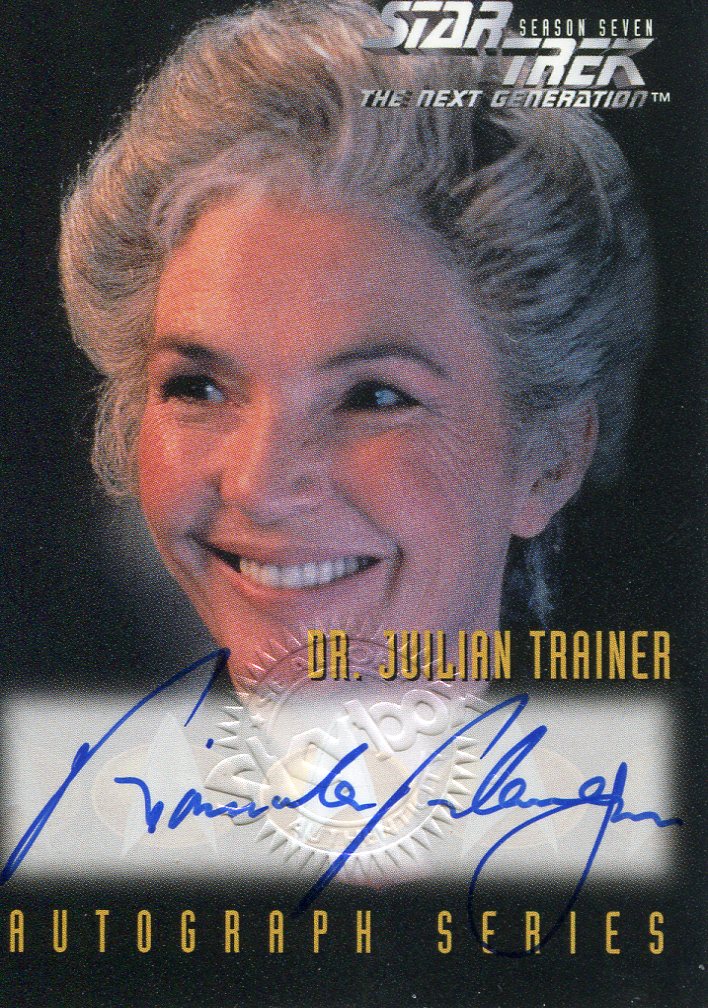
Fionnuala Flanagan

The following year, Flanagan displayed her serious side by taking on the role of Nurse Grace in Antione Fuqua’s “Tears of the Sun” (2003). An epic tale dedicated to, as director Fuqua stated, “all the men and women you protect us and go into places and do great things about which too little is said.” She then played the adoptive mother of four boys (two black, two white) seeking revenge for her murder after a grocery store robbery in “Four Brothers” (2005). Directed by John Singleton and starring Mark Wahlberg, Andre 3000, Tyrese Gibson and Garrett Hedlund as the avenging sons, “Four Brothers” was a straight-forward and often violent revenge thriller that either pleased or disappointed critics for its simplistic narrative. She then had a terrific supporting turn as the domineering, disapproving mother of a preoperative transexual (Felicity Huffman) who seeks shelter with her estranged family while traveling cross-country with the newly discovered son she fathered in her early life as a man in “Transamerica” (2005).

The above TCM Overview can also be accessed online here.
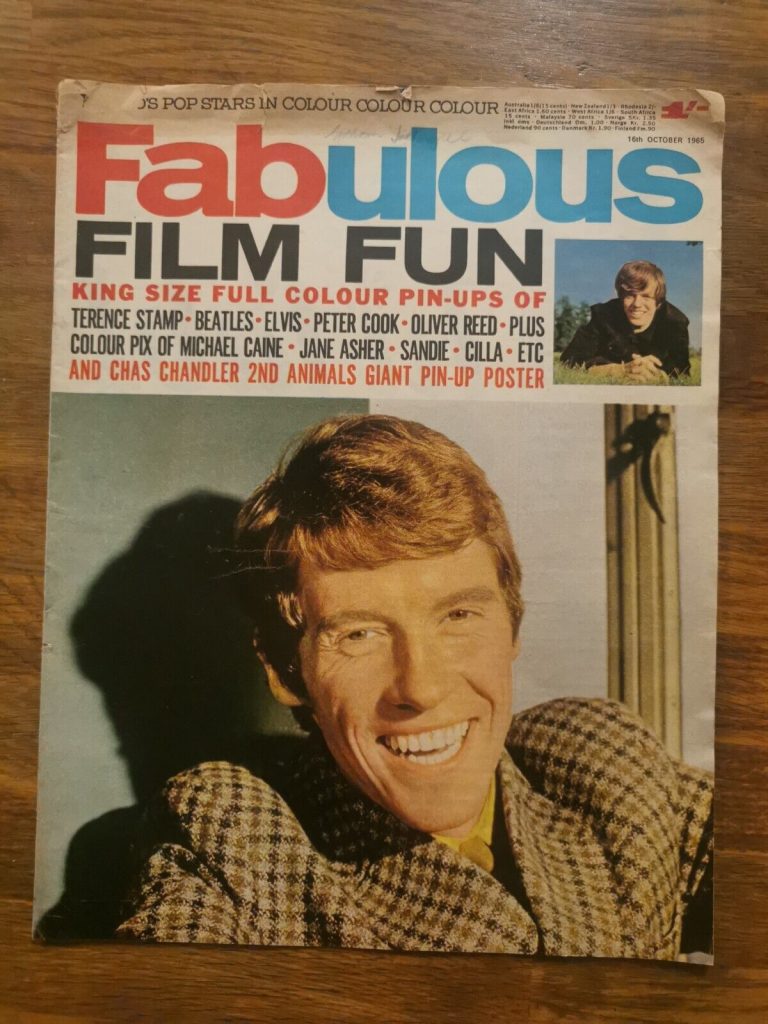
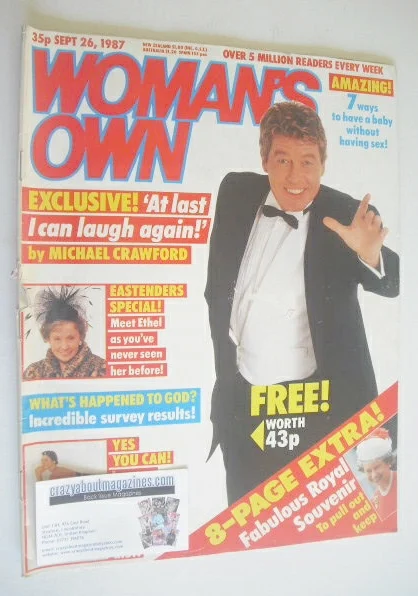
Michael Crawford
Michael Crawford
Michael Crawford
Michael Crawford

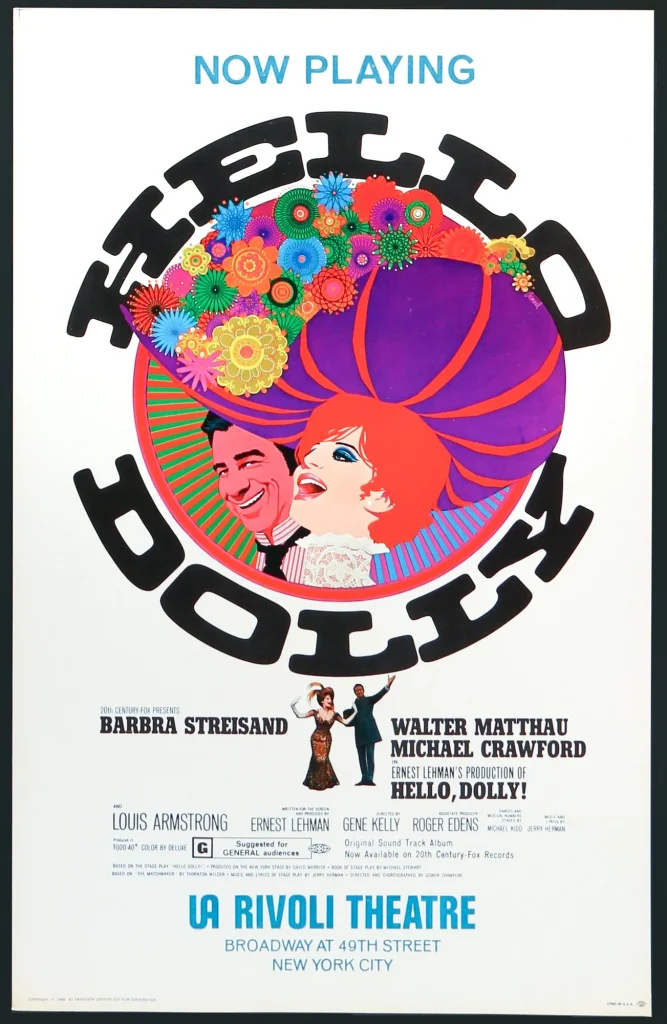
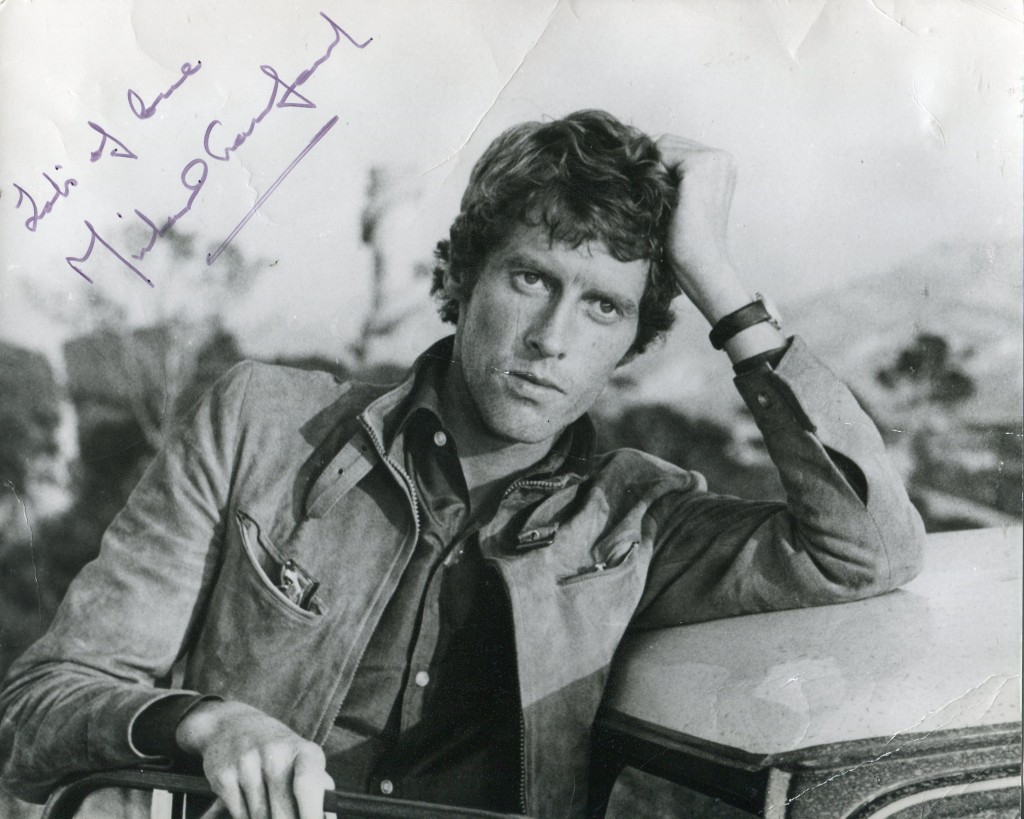
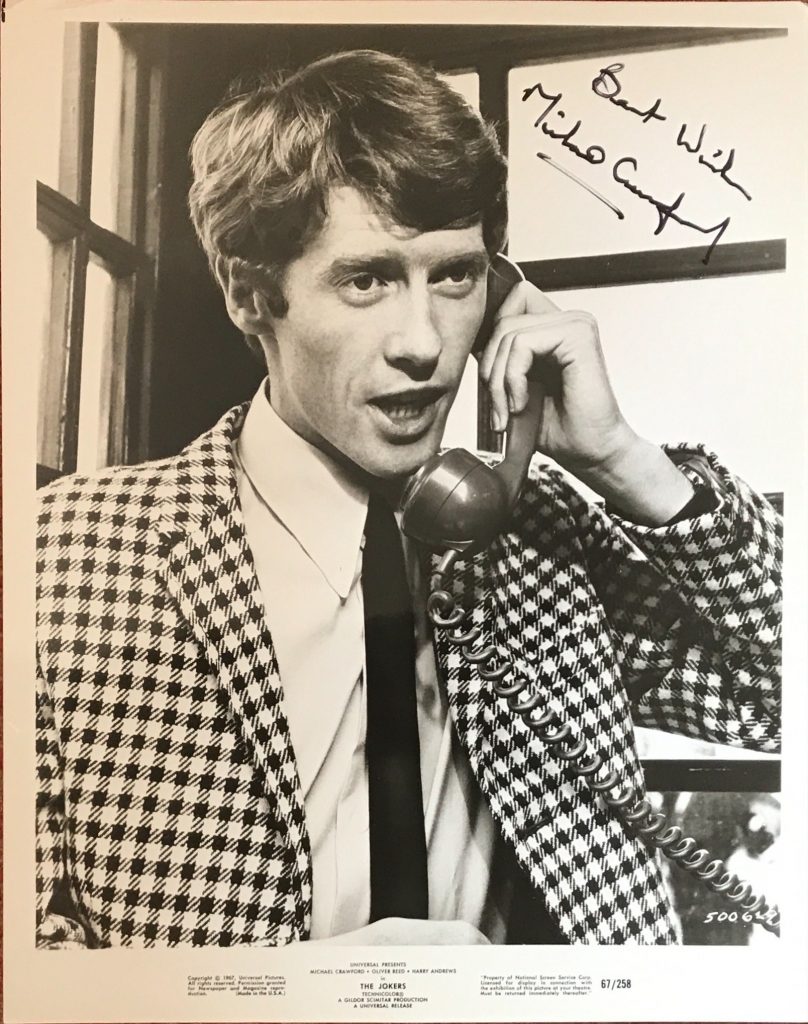
Michael Crawford was born in 1942 in Salisbury, England.  He is fondly remembered for his role of Frank Spencer in “Some Mothers Do Have Them” which began its run on British television in 1973.   Already Crawford had been on film, “”The War Lover” in 1963 with Steve McQueen and Shirley Anne Field and in Hollywood, “Hello Dolly” with Barbra Streisand in 1969.   He played the title role in Andrew Lloyd Webber’s “The Phantom of the Opera” to enormous acclaim.

TCM Overview:

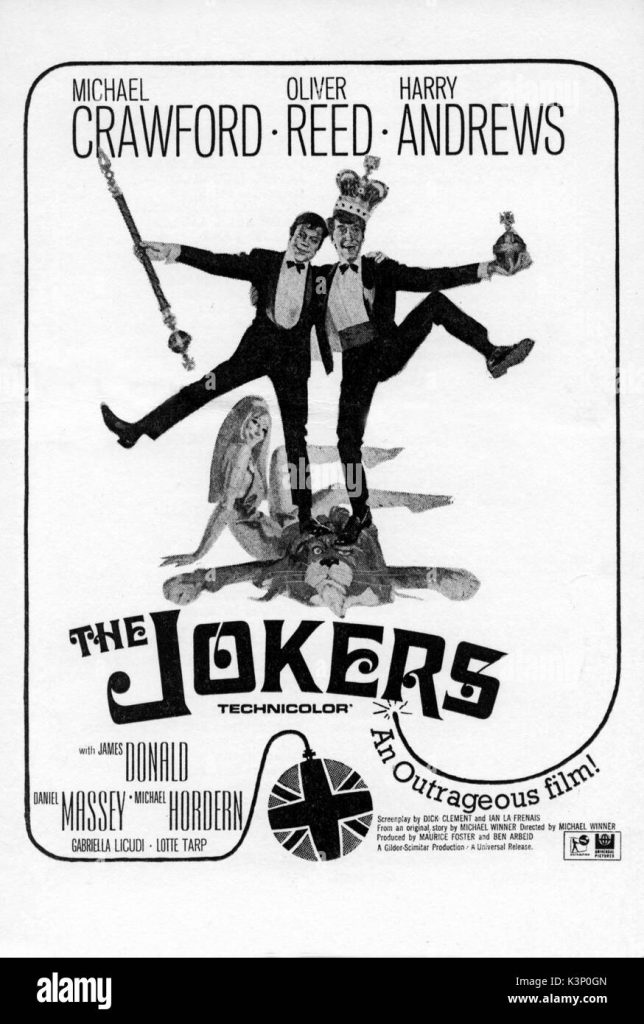
An enormously gifted singer-actor, Michael Crawford became a child star of radio, stage and screen thanks to his soprano voice and innate acting talent. Maturing into a gifted adult performer, he charmed in such films as “The Knack and How to Get It” (1965), “A Funny Thing Happened on the Way to the Forum” (1966) and “Hello, Dolly!” (1969). Crawford became a sitcom star and household name as the accident-prone Frank Spencer on “Some Mothers Do ‘Ave ‘Em” (BBC1, 1973-78), but found even more success as a musical theater actor, winning an Olivier Award in “Barnum” and becoming a worldwide icon as the titular star of Andrew Lloyd Webber’s “The Phantom of the Opera.” An unprecedented global phenomenon, “Phantom” defined an era, earning Crawford another Olivier Award, a Tony and the status of Officer of the British Empire. Buoyed by all the adulation, Crawford launched a Grammy-nominated solo recording career, headlined the Las Vegas musical spectacular “EFX,” and filmed his own Emmy-nominated special, “Michael Crawford in Concert” (PBS, 1998). A born performer who only became more likable and charismatic with age, Michael Crawford continued to build upon his status as a beloved international icon and as one of the most respected English entertainers of all time.

Born Jan. 19, 1942 in Salisbury, Wiltshire, England, Michael Patrick Dumbell-Smith experienced a childhood of extreme highs and lows against the backdrop of wartime England. After his mother died young, he left his abusive stepfather and dedicated himself to the theater, going from performing in school plays to professional productions, due in part to his beautiful soprano singing voice. Adopting the stage name of Michael Crawford, he built an impressive career as a child star on the stage, television and radio before essaying his first teenage lead in the comedy “Two Left Feet” (1963), as an awkward young man who attempts to seduce a waitress. After an impressive stint on the satiric sketch show “Not So Much a Programme, More a Way of Life” (BBC1, 1964-65), he followed with a series of charming performances as clumsy, callow young men learning about love in the Richard Lester comedies “The Knack and How to Get It” (1965) and “A Funny Thing Happened on the Way to the Forum” (1966), winning the Variety Club of Great Britain’s award for Most Promising Newcomer.

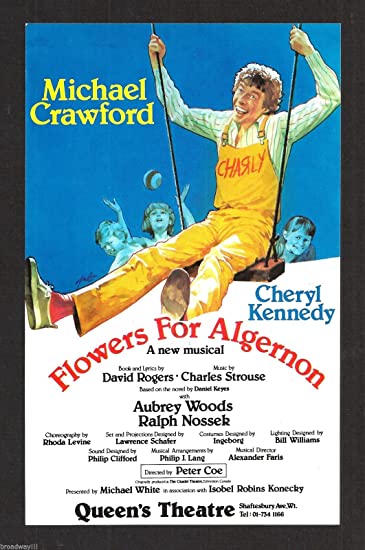
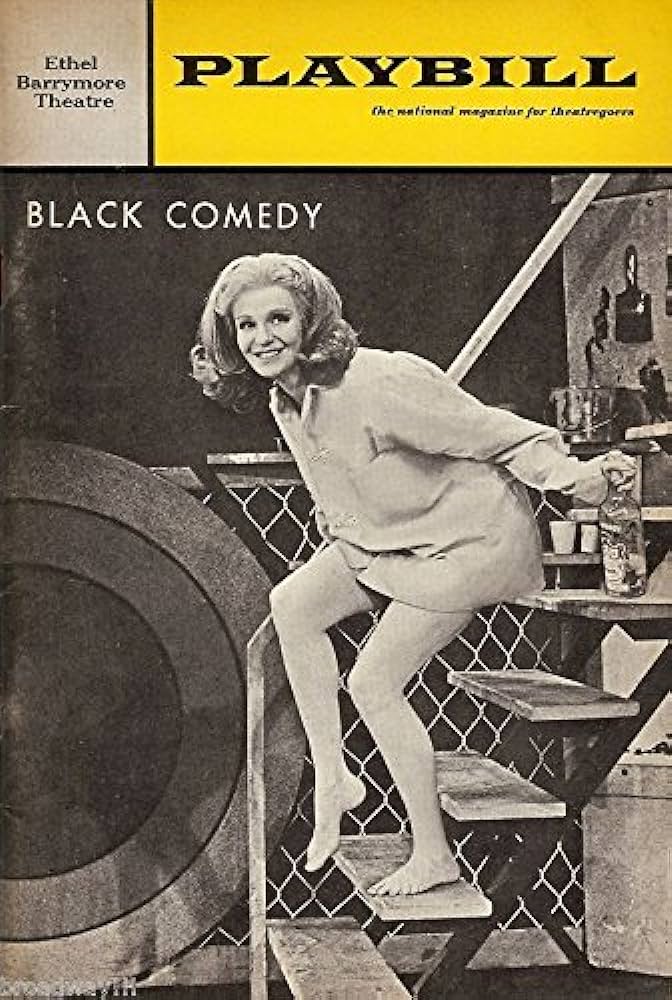
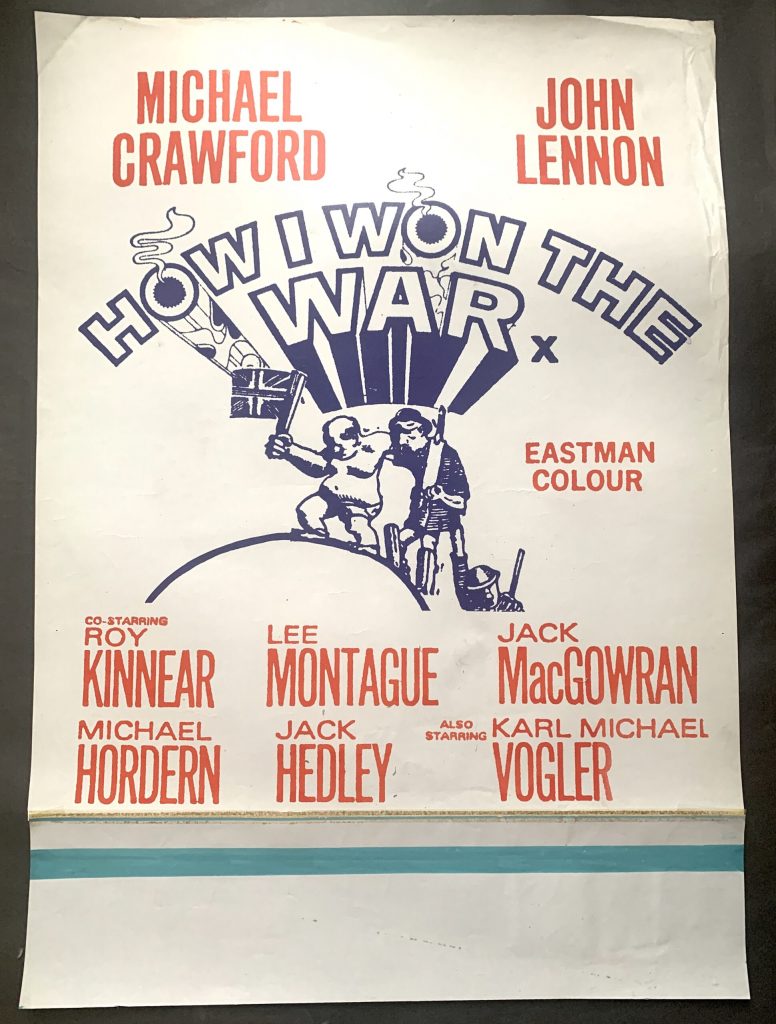
As the high-spirited Cornelius Hackl, he took lessons in love from matchmaker Dolly Levi (Barbra Streisand) in the Oscar-winning musical “Hello, Dolly!” (1969) and reteamed with director Richard Lester to star as an inept British Army officer who inadvertently kills off all of his men, including John Lennon, in “How I Won the War” (1967). That same year, he made his Broadway debut in “Black Comedy” opposite Lynn Redgrave and Geraldine Page and he went on to make a name for himself on the London stage as well in the sex farce “No Sex Please, We’re British” (1971) and the short-lived musicals “Billy” and “Flowers for Algernon.” After playing the White Rabbit in “Alice’s Adventures in Wonderland” (1972), the actor achieved U.K. pop culture immortality as the hilariously unlucky, lovable loser Frank Spencer on “Some Mothers Do ‘Ave ‘Em” (BBC1, 1973-78), which proved not just a popular series, but an enduring U.K. cultural institution. For his wonderful work on the series, Crawford earned two BAFTA TV Award nominations, as well as the respect of cast and crew for doing his own stunts and pratfalls on the physical comedy-heavy series.

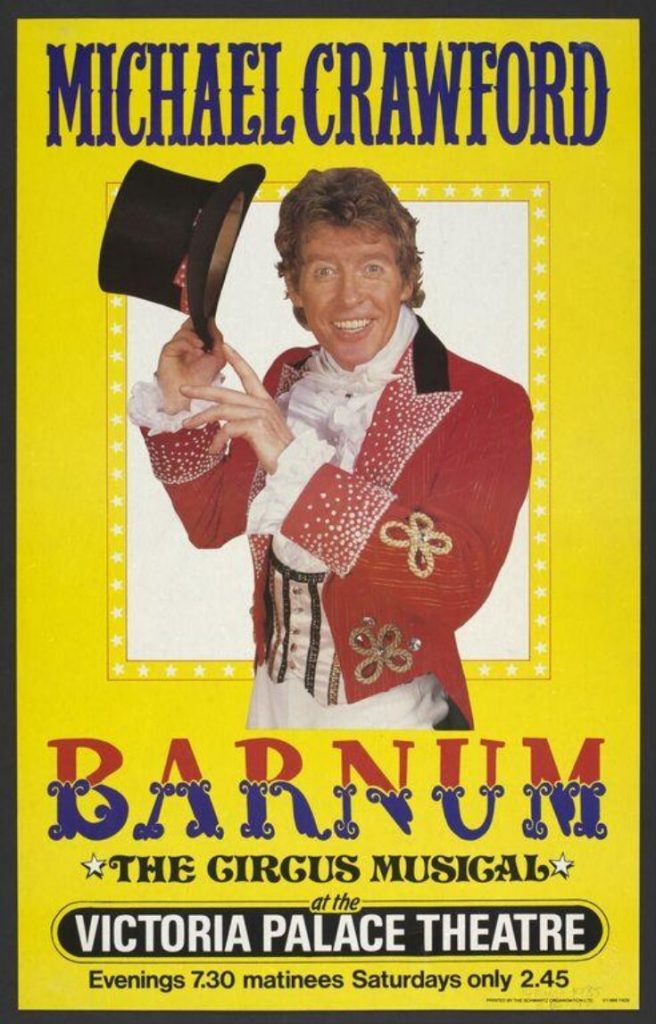
Back onstage, Crawford’s exuberant, Olivier Award-winning performance in the boisterous Cy Coleman musical “Barnum” helped him shed the trappings of his sitcom superstardom, transforming the actor into a popular musical theater star. Working tirelessly to train himself in circus arts like tightrope walking and juggling, Crawford so completely embodied the famed showman P.T. Barnum that he became synonymous with the show’s monstrous success and was even tapped by British ice dancing legends Jayne Torvill and Christopher Dean to help them perfect a routine to music from the show. Still very much associated with his charming sitcom character, however, Crawford completed the transition to serious actor and saw his star flash supernova with his sensitive, captivating portrayal of the tormented, masked antihero of Andrew Lloyd Webber’s musical “The Phantom of the Opera.” Although he was not Webber’s first choice for the role, Crawford’s opera-trained voice won the producer over when he and star Sarah Brightman overheard the actor in a music lesson, and it soon became obvious that this part of a lifetime was destined for Crawford.

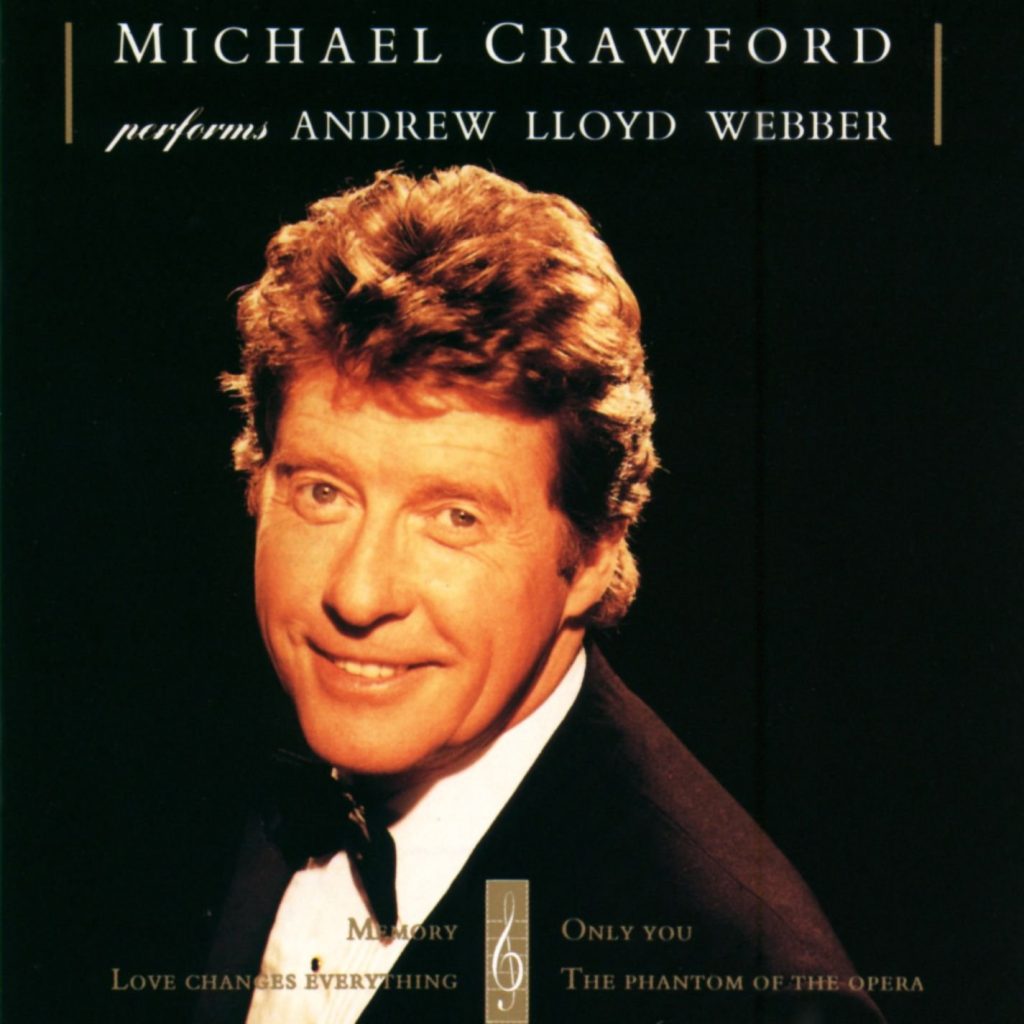
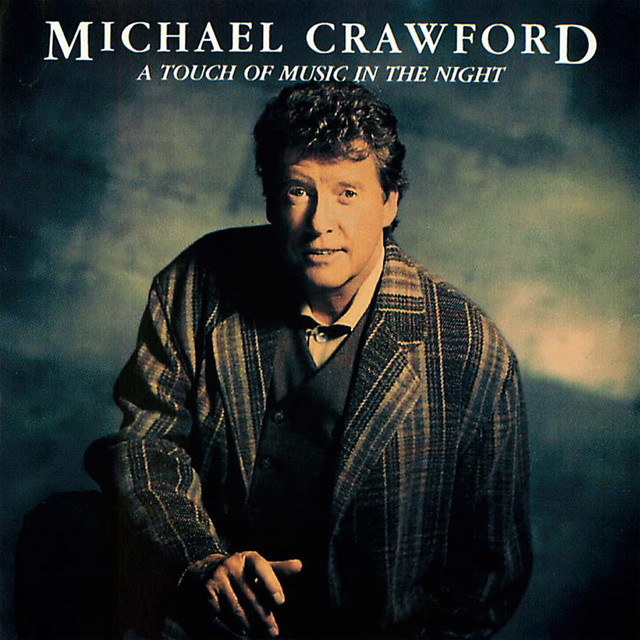
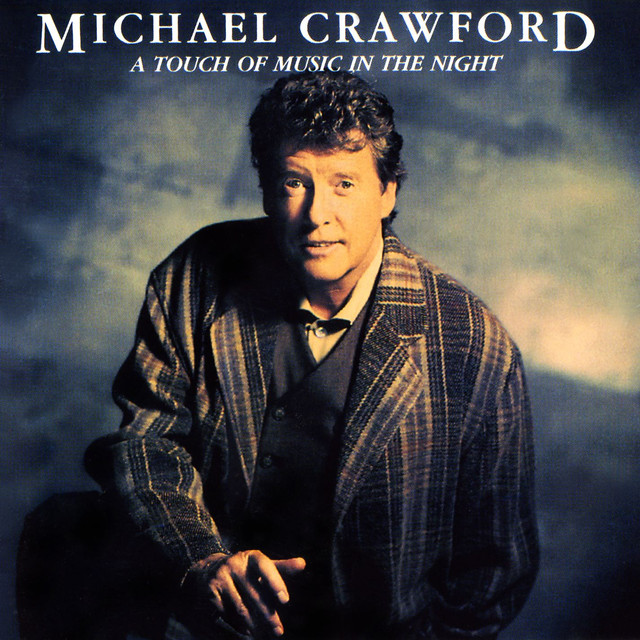
Now a household name, the enormously influential “Phantom” proved to be a smash in both the West End and on Broadway, with its soundtrack becoming a worldwide sensation and “Phantom Mania” sweeping the media. Fans fell deeply in love with the swooningly romantic story of the titular disfigured musical genius (Crawford) who went to murderous lengths to win the heart of the angelic Christine (Brightman), and the lush, dramatic production captured the imagination of millions. Gifted with dreamy numbers that showcased his soaring voice, Crawford was the heart of Phantom mania for millions, becoming a global sex symbol and icon. For giving unforgettable life to the “Phantom,” Crawford won a slew of awards from both sides of the pond, including an Olivier, a Tony, a New York Drama Desk Award, a Los Angeles Drama Critics Circle Award and the Variety Club of Great Britain’s Personality of the Year. So popular and acclaimed was Crawford’s performance that Queen Elizabeth II named him an Officer of the British Empire, and he launched a successful solo recording career, including 1991’s multiplatinum Michael Crawford Performs Andrew Lloyd Webber and 1993’s A Touch of Music in the Night, which included a Grammy-nominated duet with Barbra Streisand.

He went on to star in the enormously ambitious, special effects-laden musical spectacular “EFX” in Las Vegas, which cast Crawford in five starring roles: the EFX Master, Merlin the wizard, famed showman P.T. Barnum, magician Harry Houdini and science fiction author H.G. Wells. The show proved so demanding, however, that Crawford, who still insisted on doing his own stunts, had to leave early in the run due to injuries sustained while performing. When he left the intense “EFX,” the actor went on to star in his own Emmy-nominated special, “Michael Crawford in Concert” (PBS, 1998) and to pen his autobiography, 1999’s Parcel Arrived Safely: Tied with String. Continuing his lucrative recording and touring careers, Crawford scored further stage success in the musicals “Dance of the Vampires” and Webber’s “The Woman in White,” earning an Olivier Award nomination for his work. Crawford and Webber reteamed yet again for another hit when the actor played the titular role in Webber’s 2011-12 production of “The Wizard of Oz.”

By Jonathan Riggs

The above TCM overview can also be accessed online here.
Fritz Weaver
Fritz Weaver
Fritz Weaver

Fritz Weaver obituary.

Fritz Weaver, an actor who transmitted an air of patrician assurance in roles that took him from a regular presence in Golden Age television dramas to Broadway stardom, prominent characters in films including Fail-Safe in 1964, and an Emmy nomination for NBC’s acclaimed 1978 drama series Holocaust, died Saturday at home in Manhattan. He was 90.

In that mini-series, Weaver played Dr. Josef Weiss, a Jewish doctor sent first to the Warsaw ghetto and then to the Auschwitz-Birkenau complex, where he was murdered by the Nazis.

“Somebody sent us some photographs of Fritz and I the other day,” Rosemary Harris, who played his wife in the series that also starred Meryl Streep, Sam Wanamaker, Michael Moriarty and George Rose, told Deadline in a recent interview. “Oh, it all came flapping back. There’s a picture of me saying goodbye to him when he was getting on the train, and oh, it’s still painful. It filmed in Vienna and also in Berlin. And we spent a day at Mauthausen [the concentration camp in northern Austria]. George Rose and Meryl and I and Fritz, we’d all huddle together when we came back from filming and meet in the bar and just sort of sit there.”

Regarded for his ability to convey contained passion and commitment, Weaver in fact got his start in a comedy, earning a Tony Award nomination as an English butler in Enid Bagnold’s 1955 Broadway comedy of manners The Chalk Garden. From then on, he was a regular presence on Broadway and off, winning a Tony Award in 1970 for his leading performance in Child’s Play, a drama by Robert Marasco set in a Catholic boys’ school. An actor of range and subtlety, Weaver worked as comfortably in Shakespearean dramas, including the title roles in  King Lear and Hamlet, as in the dramas of Arthur Miller and, later, Lanford Wilson, among others. Most recently, he had devoted himself to the development of a new play, Unexplored Interior, by the actor Jay O. Sanders (True Detective), an epic drama about the Rwandan genocide of 1994.

“Fritz was an extraordinary man and actor of great passion, elegance, broad literary reach, and impeccable craft,” Sanders told Deadline Sunday night. “Over the ten years of developing my play, in which he played Mark Twain, he would regularly call me out of the blue to check in on my progress. ‘It’s important!’ he would say…which kept me going.”

In addition to Fail-Safe, in which he played an Air Force colonel unhinged by an impending nuclear crisis, Weaver was known for Marathon Man (1976), Day Of The Dolphin (1973), The Thomas Crown Affair (1999) and roles on countless prime-time television series, going back to such seminal programs as OmnibusPlayhouse 90 and The Twilight Zone.

But it was to the stage that he always returned. On Broadway, he played Sherlock Holmes in the 1965 musical Baker Street; Walter Franz in a 1979 revival of Miller’s The Price, and Deputy Governor Danforth in a 1991 revival of Miller’s The Crucible that was presented by the National Actors Theatre, the late Tony Randall’s earnest attempt to develop a theater ensemble comparable to England’s Royal Shakespeare Company. Weaver had prominent roles in two works by the late Lanford Wilson (Hot L BaltimoreFifth Of July) — A Tale Told and, on Broadway, Angels Fall. Weaver’s last appearance on Broadway was in a 1999 revival of Jean Anouilh’s Ring Round The Moon.

Weaver is survived by his wife, the actress Rochelle Oliver; his daughter, Lydia Weaver; his son, Anthony; and a grandson.

Actress Maryann Plunkett, cast with Weaver in Randall’s revival of The Crucible, told Deadline Sunday night, “Fritz Weaver was an elegant, generous, supremely talented actor I was privileged to share the stage with and learn from. He was a dear friend who loved his family with passion. A good, good man.”

Weaver obituary.

Fritz Weaver, an actor who transmitted an air of patrician assurance in roles that took him from a regular presence in Golden Age television dramas to Broadway stardom, prominent characters in films including Fail-Safe in 1964, and an Emmy nomination for NBC’s acclaimed 1978 drama series Holocaust, died Saturday at home in Manhattan. He was 90.

In that mini-series, Weaver played Dr. Josef Weiss, a Jewish doctor sent first to the Warsaw ghetto and then to the Auschwitz-Birkenau complex, where he was murdered by the Nazis.

“Somebody sent us some photographs of Fritz and I the other day,” Rosemary Harris, who played his wife in the series that also starred Meryl Streep, Sam Wanamaker, Michael Moriarty and George Rose, told Deadline in a recent interview. “Oh, it all came flapping back. There’s a picture of me saying goodbye to him when he was getting on the train, and oh, it’s still painful. It filmed in Vienna and also in Berlin. And we spent a day at Mauthausen [the concentration camp in northern Austria]. George Rose and Meryl and I and Fritz, we’d all huddle together when we came back from filming and meet in the bar and just sort of sit there.”

RELATED STORY

Sutton Foster To Join Hugh Jackman in Broadway’s ‘The Music Man’

Fritz Weaver in 'Demon Seed'
Fritz Weaver in ‘Demon Seed’REX/Shutterstock

Regarded for his ability to convey contained passion and commitment, Weaver in fact got his start in a comedy, earning a Tony Award nomination as an English butler in Enid Bagnold’s 1955 Broadway comedy of manners The Chalk Garden. From then on, he was a regular presence on Broadway and off, winning a Tony Award in 1970 for his leading performance in Child’s Play, a drama by Robert Marasco set in a Catholic boys’ school. An actor of range and subtlety, Weaver worked as comfortably in Shakespearean dramas, including the title roles in  King Lear and Hamlet, as in the dramas of Arthur Miller and, later, Lanford Wilson, among others. Most recently, he had devoted himself to the development of a new play, Unexplored Interior, by the actor Jay O. Sanders (True Detective), an epic drama about the Rwandan genocide of 1994.

“Fritz was an extraordinary man and actor of great passion, elegance, broad literary reach, and impeccable craft,” Sanders told Deadline Sunday night. “Over the ten years of developing my play, in which he played Mark Twain, he would regularly call me out of the blue to check in on my progress. ‘It’s important!’ he would say…which kept me going.”

In addition to Fail-Safe, in which he played an Air Force colonel unhinged by an impending nuclear crisis, Weaver was known for Marathon Man (1976), Day Of The Dolphin (1973), The Thomas Crown Affair (1999) and roles on countless prime-time television series, going back to such seminal programs as OmnibusPlayhouse 90 and The Twilight Zone.

But it was to the stage that he always returned. On Broadway, he played Sherlock Holmes in the 1965 musical Baker Street; Walter Franz in a 1979 revival of Miller’s The Price, and Deputy Governor Danforth in a 1991 revival of Miller’s The Crucible that was presented by the National Actors Theatre, the late Tony Randall’s earnest attempt to develop a theater ensemble comparable to England’s Royal Shakespeare Company. Weaver had prominent roles in two works by the late Lanford Wilson (Hot L BaltimoreFifth Of July) — A Tale Told and, on Broadway, Angels Fall. Weaver’s last appearance on Broadway was in a 1999 revival of Jean Anouilh’s Ring Round The Moon.

Weaver is survived by his wife, the actress Rochelle Oliver; his daughter, Lydia Weaver; his son, Anthony; and a grandson.

Actress Maryann Plunkett, cast with Weaver in Randall’s revival of The Crucible, told Deadline Sunday night, “Fritz Weaver was an elegant, generous, supremely talented actor I was privileged to share the stage with and learn from. He was a dear friend who loved his family with passion. A good, good man.”

John Heard

John Heard

John Heard

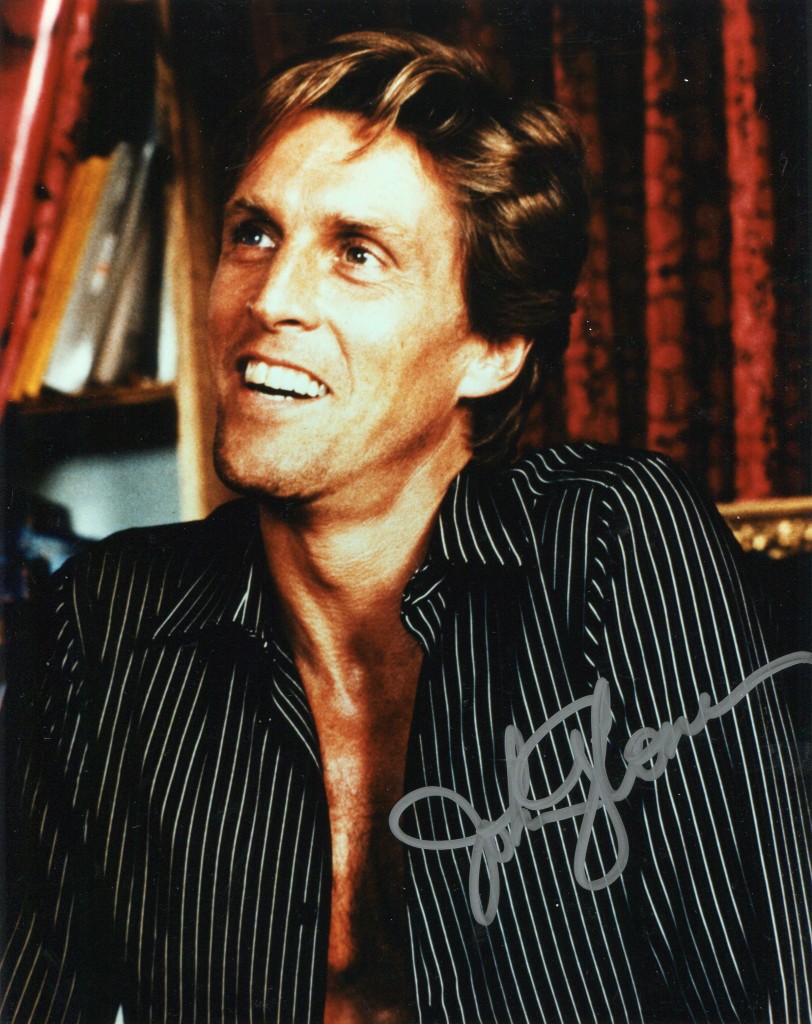
John Heard was born in 1945 in Washington D.C.   His films include “Chilly Scenes of Winter” in 1982, “The Trip to Bountiful” with Geraldine Page in 1985 and “The Great Debaters”.   He was part of the cast of “CSI Miami”.

IMDB entry:

John Heard is a very talented actor who established himself in the late 1970s and early ’80s with roles in the movies Between the Lines (1977), Chilly Scenes of Winter (1979) (a.k.a. “Head Over Heels”), and Heart Beat (1981) (in which he played Jack Kerouac toNick Nolte‘s Neal Cassady and Sissy Spacek‘s Carolyn Cassady) before giving a tour de force performance as a hideously wounded (both physically and psychologically) Vietnam veteran in Cutter’s Way (1981) (a.k.a. “Cutter and Bone”) opposite Jeff Bridges. He also shined as Reverend Dimmesdale (one of America’s first religious hypocrites) in the 1979 PBS version of Nathaniel Hawthorne‘s The Scarlet Letter (1979).

Both “Chilly Scenes of Winter” and Cutter’s Way” (originally released as “Head Over Heels” and “Cutter and Bone”, respectively) had been re-released under new titles after failing in their first go-rounds, such was the quality of the films. The two re-releases helped redefine the practice by which major studios handled smaller, art house quality pictures by releasing them carefully to select theaters with bespoke marketing campaigns so they reached the proper audience. (Studios would later develop their own art film-independent film subsidiaries to handle such pictures, so they didn’t “fall through the cracks” like the first releases of the two Heard films.)

By the early 1980s John Heard seemed on his way to establishing himself as a major American actor if not on the path to movie stardom. At the time, there was joke that involved confusing Heard with John Hurt and William Hurt because of the similarity of their last names. At the time these contemporaries were considered equal in terms of their star power. That was 30 years ago.

William Hurt (the erstwhile husband of Heard’s “Head Over Heels” co-star Mary Beth Hurt) went on to win a Best Actor Oscar as well as enjoy leading man status as a movie star in the mid- to late-’80s before he flared out in the early 1990s. John Hurt become one of the most respected actors of his generation, nominated twice for the Academy Award. Among Heard’s co-stars of his early endeavors, Bridges and Spacek also went on to win Oscars and Nolte has been a multiple nominee.

In the early ’80s it would not have been unreasonable to predict that Heard himself would become an Oscar winner or a multiple nominee. That didn’t happen. (He did get nominated for an Emmy for his turn as a corrupt police detective on The Sopranos(1999).)

Heard now is best known for his two turns as Macaulay Culkin‘s father in the Home Alone(1990) movies. In the 1980s he continued to work on A-List projects, playing the not-so-sympathetic son to Geraldine Page in The Trip to Bountiful (1985) (for which Page won her own Oscar) and Tom Hanks‘s adult rival in Big (1988) (for which Hanks won his first Oscar nomination).

– IMDb Mini Biography By: Jon C. Hopwood

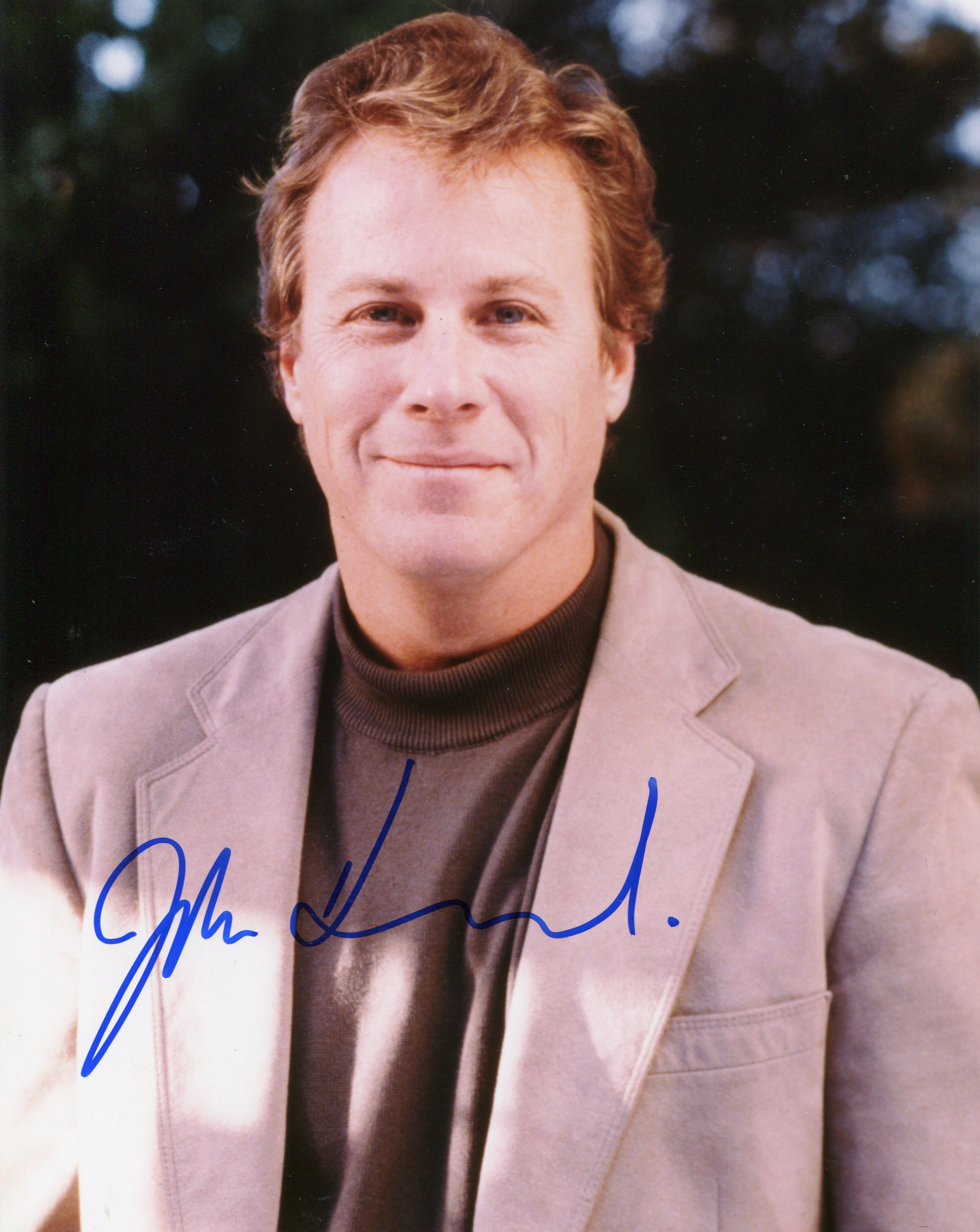
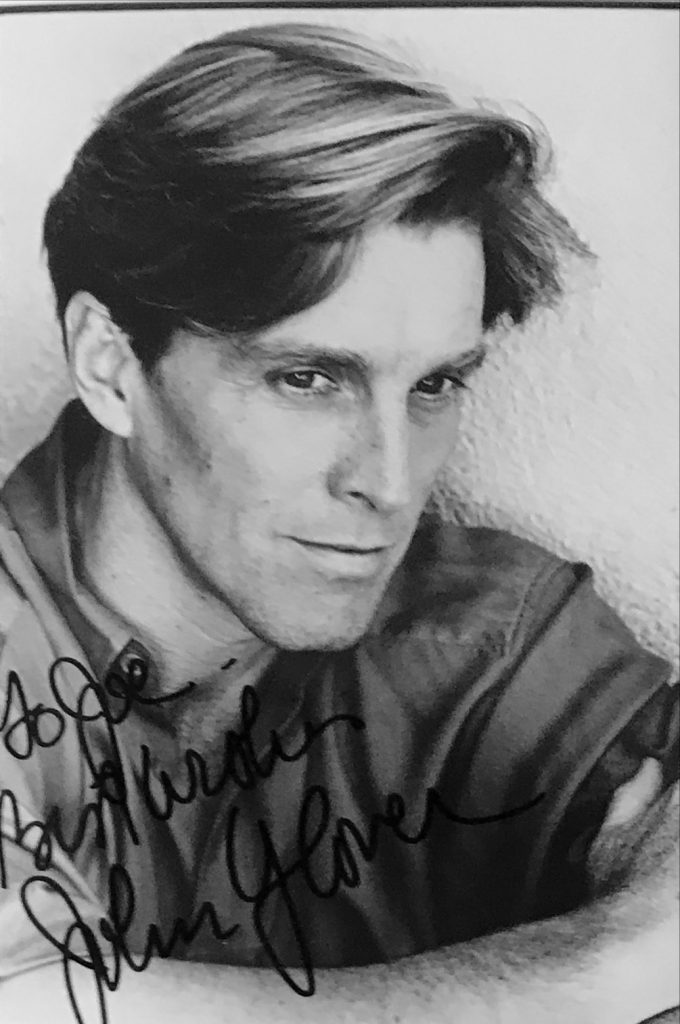
John Glover
John Glover
 

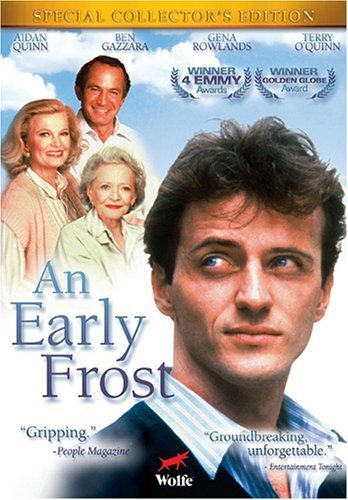
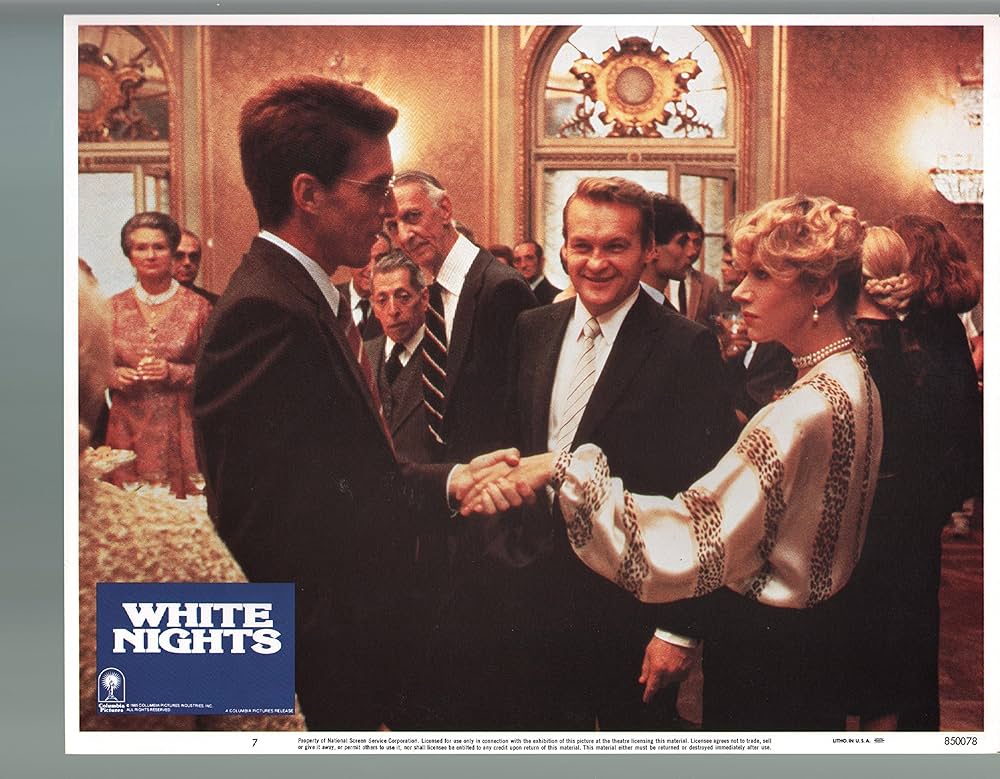
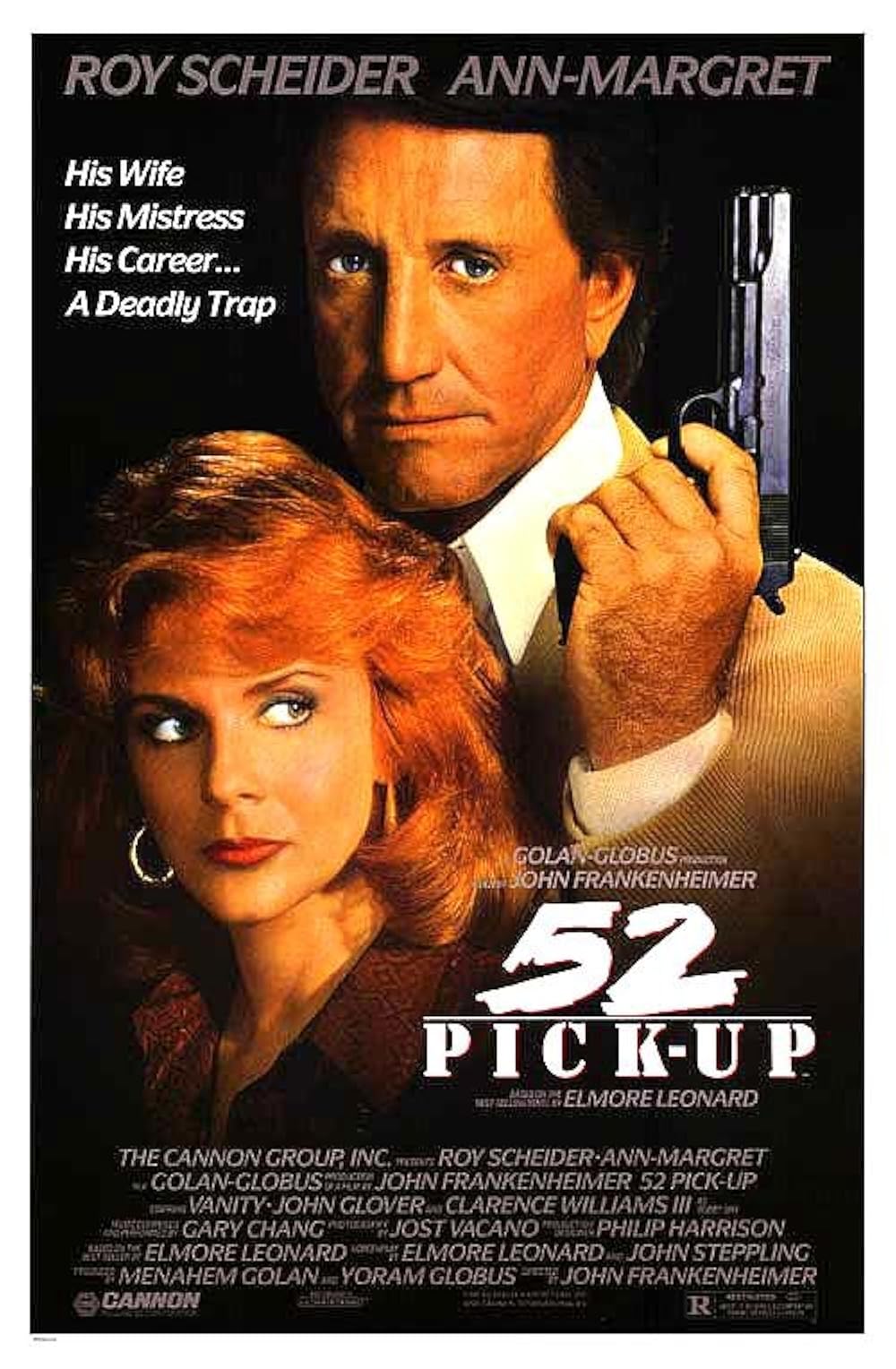
John Glover was born in 1944 in Kingston, New York.   His films include “White Nights” in 1987, “52-Pick-Up” and “Payback”.   He starred with Aidan Quinn, Ben Gazzara and Gena Rowlands in “An Early Frost”.

TCM Overview:

A prolific character actor of stage, screen and TV, John Glover exhibited a knack for playing all manner of smarmy villains; notably a drunken lout in “Julia” (1977), a sleazy pornographer in “52 Pick-Up” (1986), Lee Remick’s ingratiating sidekick in “Nutcracker: Money, Madness and Murder” (CBS, 1987) and a campy, manipulative heavy in the TV remake of “What Ever Happened to Baby Jane?” (ABC, 1991). Glover also made an indelible impression in “Annie Hall” (1977), as the actor boyfriend of Diane Keaton who wants her to touch his heart–with her foot!–and as the young man dying of AIDS in “An Early Frost” (NBC, 1985), for which he earned an Emmy nomination.

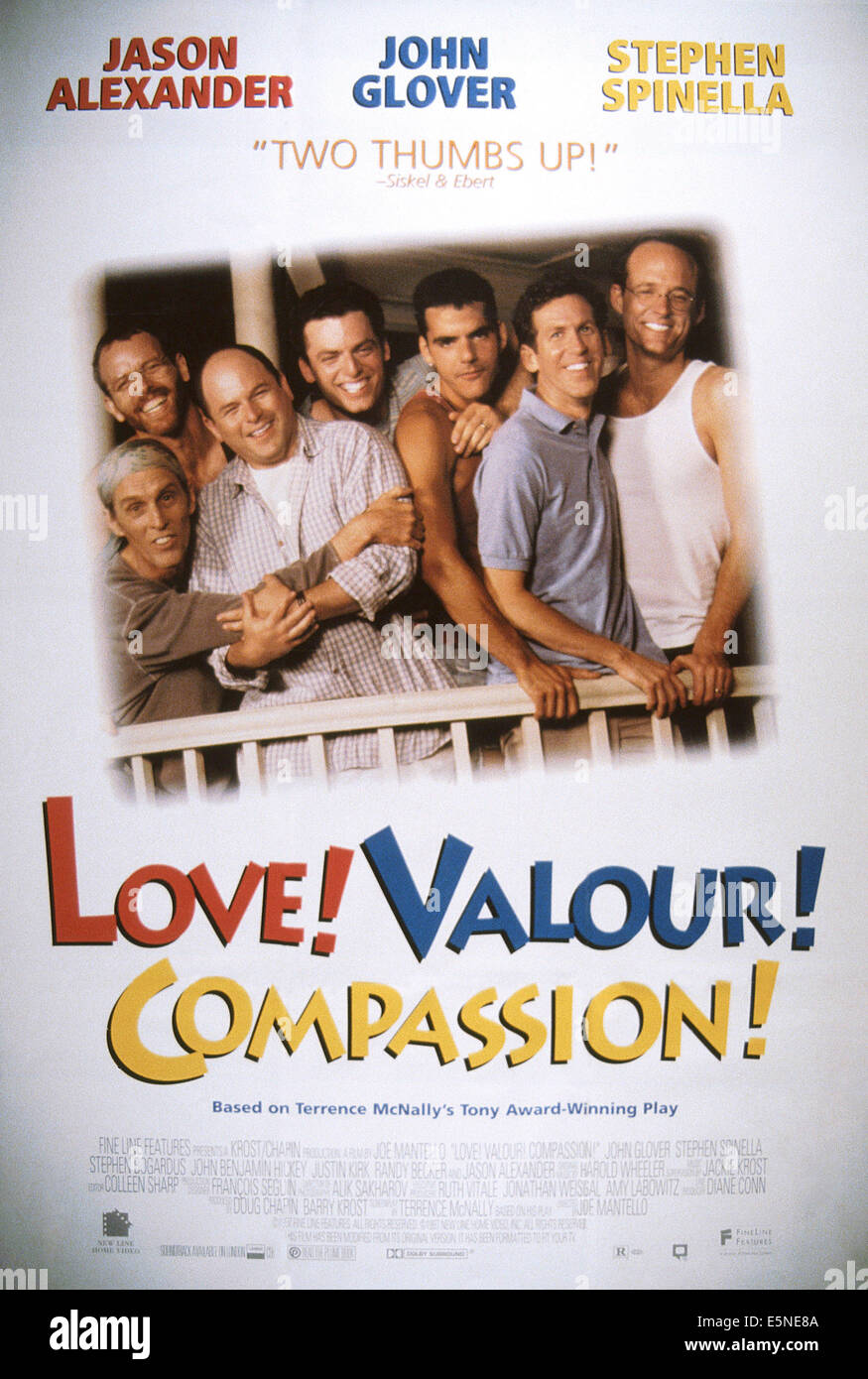
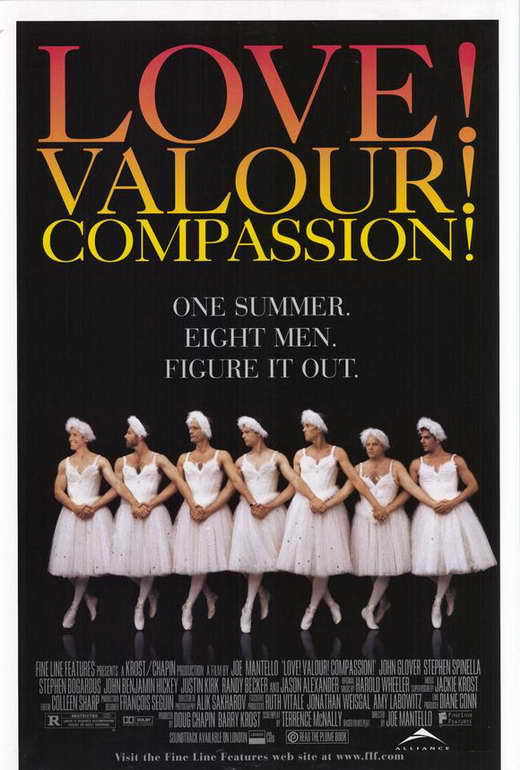
The Maryland native made his stage debut as Eugene Gant in a 1963 production of “Look Homeward, Angel” at the Barter Theatre in Abingdon, Virginia. He toyed with the idea of becoming an English professor, but decided, instead, to give New York theatre a try and migrated to Manhattan in 1967. Roles in regional theater followed before he made his Off-Broadway debut in “A Scent of Flowers” (1969). Glover won a Drama Desk Award for his work in “The Great God Brown” (1972) and that same year, he made his Broadway debut in “The Selling of the President”. Since then, he has performed on stage in between a busy TV and film career, appearing both in New York and Los Angeles as well as frequently at the Long Wharf Theatre and Yale Rep. In 1994, Glover originated the dual role of John and James Jeckyll, gay twin brothers, one with AIDS, in Terrence McNally’s “Love! Valour! Compassion!”, a role that earned him a Tony Award (and which he recreated in the 1997 film version) Glover was back on the New York stage in the spring of 1996 playing a religious hypocrite in “Tartuff: Born Again” at the Circle in the Square Theatre, an adaptation of the Moliere comedy.

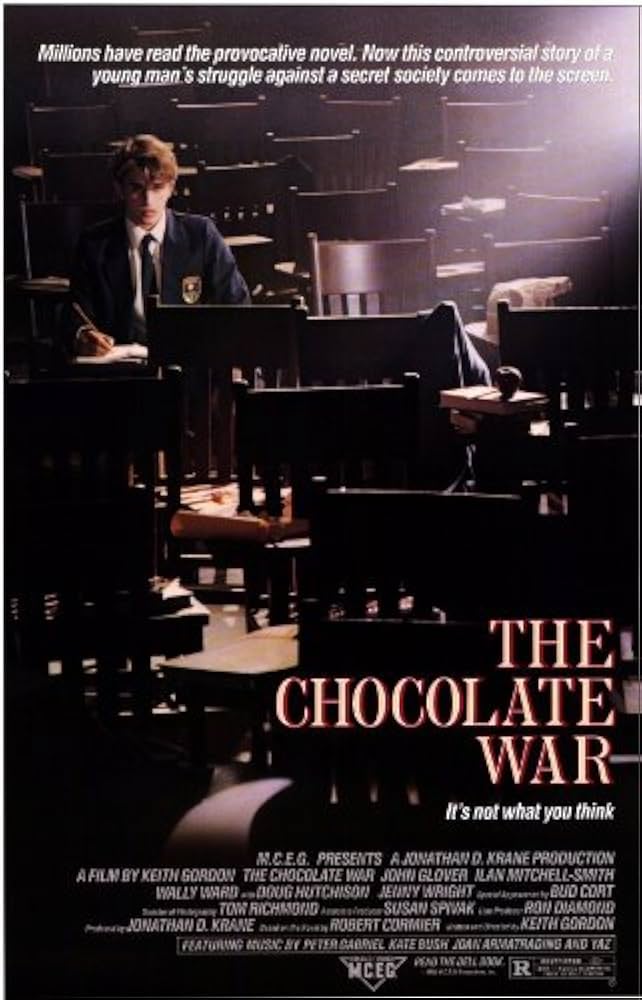
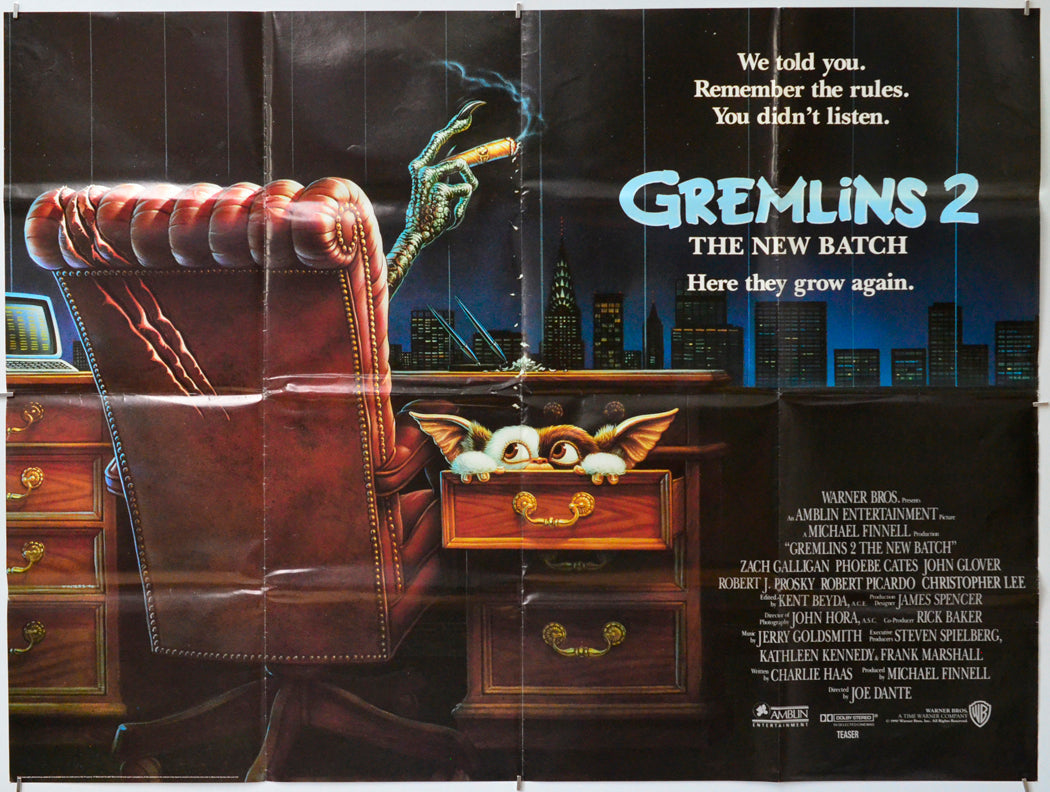
His film career began in 1973 with a small role in “Shamus”. Glover received a lot of attention for his one scene in “Julia”, in which Jane Fonda pushes a table over on top of him after he suggests that she and the title character are lesbian lovers. Since then, Glover has most frequently been cast as cold sons-of-bitches, such as in “52 Pick-Up” (1986). Other similar roles followed: the sly CIA agent in “White Knights” (1985); an opportunistic TV executive in “Scrooged” (1988); a murderous stepfather in “Masquerade” (1988); and an intelligent manipulator in “The Chocolate War” (1989). Even in a comedic turn in “Gremlins 2: The New Batch” (1990), he was a sleazy, greedy real estate baron. Glover was also a hired killer in “Night of the Hit Man” (1994).

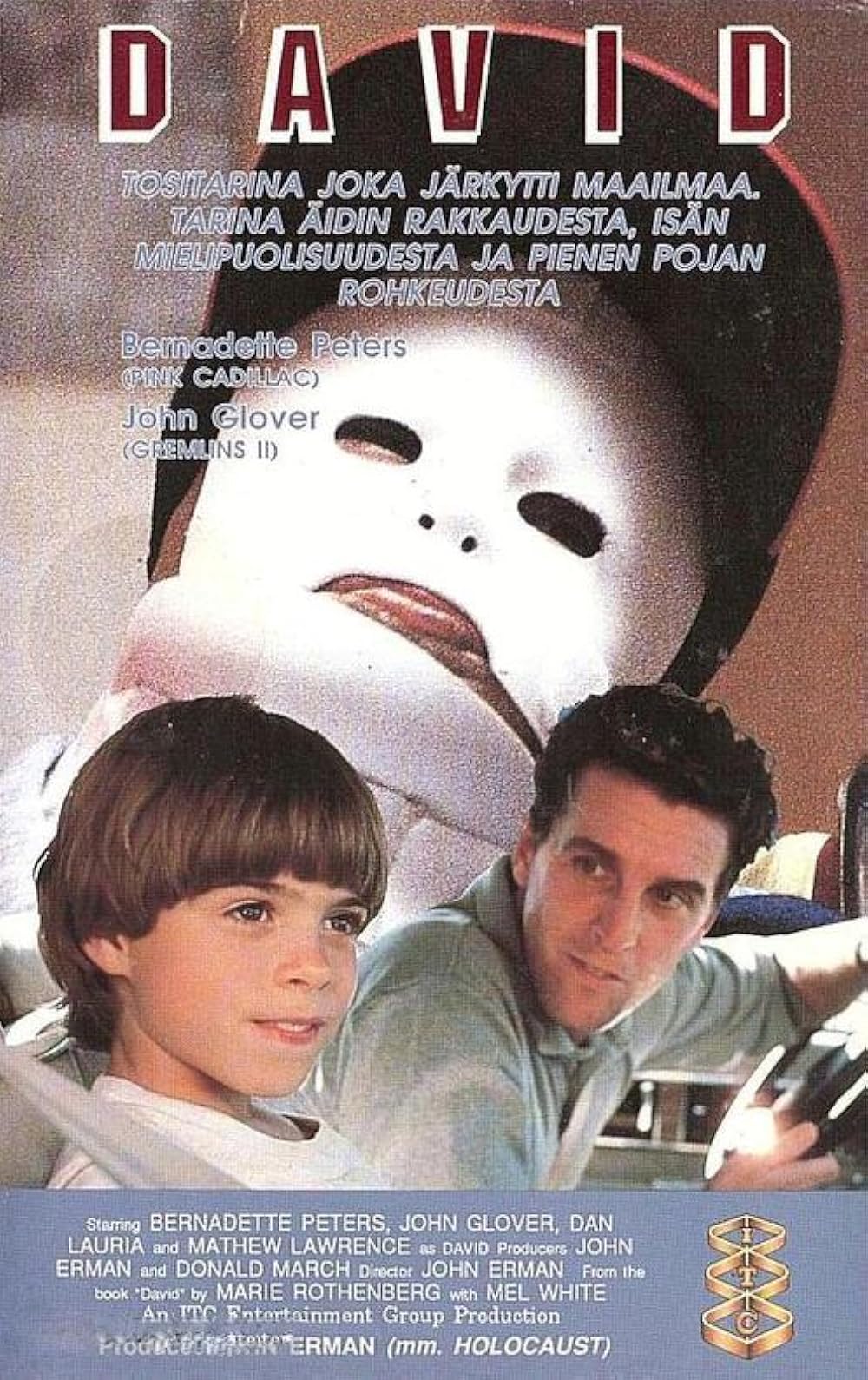
TV roles have not offered sweet guys, either. Glover made his TV-movie debut in “The Face of Rage” (ABC, 1983). He displayed his versatility as a man dying of AIDS who befriends Aidan Quinn in “An Early Frost”. While the role was sympathetic, the character also had a vicious, cutting wit. Even as General Charles Lee in the 1984 ABC miniseries “George Washington”, Glover could not be trusted to follow orders. He starred with Corbin Bernsen in “Breaking Point” (TNT, 1989), playing a genius–but a Nazi genius. In perhaps his most psychotic role to date, Glover was Charles Rothenberg, the man who burns his own son practically to death rather than let his mother have him in “David” (ABC, 1988). For Showtime, Glover was a military prosecutor who sets out to prove that an African American West Point cadet tried to harm himself and was not attacked by racist whites in “Assault at West Point” (1994). In 1996, he made a guest appearance on “Remember WENN”, the first sitcom from American Movie Classics. Glover also cut a marvelously sinister presence as the devil in the short-lived Fox drama “Brimstone” (1998-99).

 The above TCM overview can also be accessed online here.
John Glover
John Glover

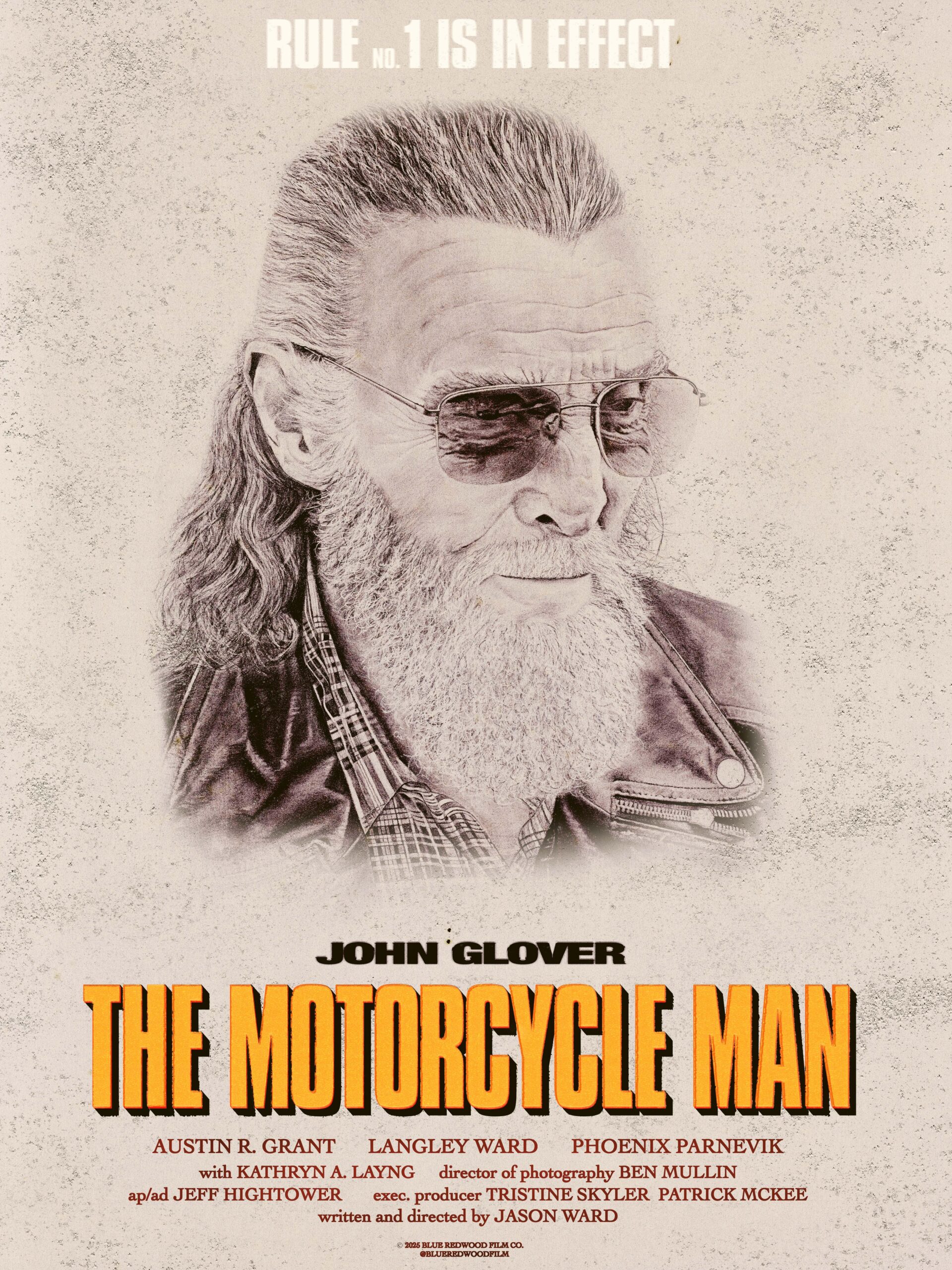
John Glover (born 1944) is the quintessential “Actor’s Actor”—a performer of high-wire intensity, technical precision, and a unique ability to find the humanity in the grotesque. While many character actors find a “niche,” Glover has spent five decades effortlessly gliding between the avant-garde stage, big-budget blockbusters, and iconic television roles.

He is defined by a specific mercurial energy; he can shift from a whisper to a manic shriek in a single breath, making him one of the most unpredictable and watchable actors of his generation.


Career Overview: From the Boards to the Billionaires

1. The Stage Foundation (1960s–1970s)

Glover began his career in the theatre, a discipline that remains his artistic home. He became a staple of the New York stage, eventually winning a Tony Award for his dual role in Love! Valour! Compassion! (1995). His stage work is characterized by a “physical bravery”—a willingness to use his tall, lean frame to express profound vulnerability or sharp-edged malice.

2. The Villainous “Yuppie” (1980s)

In the 1980s, Glover became the face of the “unscrupulous executive.” He delivered a chillingly realistic performance in 52 Pick-Up (1986) and a brilliantly comedic turn as the eccentric Daniel Clamp in Gremlins 2: The New Batch (1990). He represented the “excess” of the decade with a manic, intellectual twist.

3. The Definitive “Bad Father”: Smallville (2001–2011)

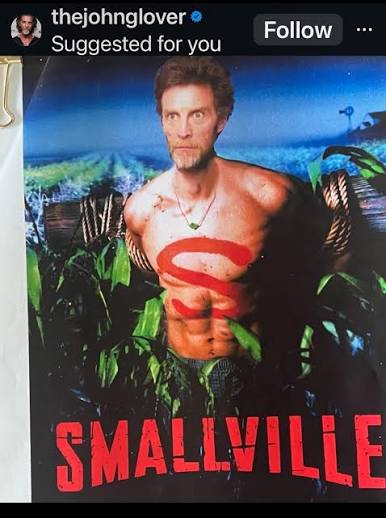
Glover reached a new level of cultural fame as Lionel Luthor. Over ten seasons, he transformed a secondary villain into a Shakespearian figure of tragic proportions. His portrayal of Lex Luthor’s father redefined the “Super-Villain” archetype for the 21st century.

4. The Voice and the Genre Icon

Glover’s distinctive, raspy voice made him the definitive Riddler in Batman: The Animated Series. He has continued to be a favorite in the superhero and horror genres, recently appearing as the villainous Dr. Sivana’s father in Shazam! (2019).


Detailed Critical Analysis: The “Elegant Manic”

1. The Mastery of the “Double-Edge”

Glover’s greatest strength is his ability to play simultaneous contradictions.

  • Analysis: In Love! Valour! Compassion!, he played twin brothers—one dying of AIDS, the other a bitter, healthy cynic. Critics hailed his ability to differentiate the two not through prosthetics, but through micro-gestures and vocal placement. He can be terrifying and hilarious in the same scene, a technique he used to ground the absurdity of Gremlins 2. He doesn’t play “evil”; he plays “obsession,” which is far more frightening.

2. The “Lionel Luthor” Evolution

In Smallville, Glover faced the challenge of playing a character who was originally meant to be a one-note antagonist.

  • Critical Insight: Glover utilized a “Machiavellian Stillness.” He moved away from the “yelling villain” trope, choosing instead to use precise, aristocratic movements. Critics noted that Glover made Lionel’s eventual “redemption” arc believable because he had always played the character with a hidden layer of profound loneliness. He turned a comic book show into a study of paternal toxicity.

3. The “Physicality of Neurosis”

Glover uses his body as a calibrated instrument.

  • Technical Analysis: In his role as the Riddler or in films like In the Mouth of Madness, Glover employs asymmetrical movement. He often tilts his head or gestures in a way that suggests a mind that is “off-kilter.” This physical choice creates an immediate sense of unease in the audience. He is a master of the “theatrical flourish”—using a prop (like Lionel’s cane or Daniel Clamp’s blueprints) to define the character’s entire world-view.

4. Vulnerability in the Grotesque

Glover is one of the few actors who can play a “monster” and make the audience weep for them.

  • Critical View: In his guest appearances (such as The Good Wife or Evil), he often plays characters with physical or mental ailments. He avoids the “clichés of disability,” focusing instead on the dignity of the sufferer. Critics have often pointed out that Glover’s eyes are his most expressive feature; they often project a weary kindness that contrasts with the “sharpness” of his dialogue.


Key Credits & Critical Milestones

Year Title Role Significance
1986 52 Pick-Up Alan Raimy A landmark performance in “Sleazy Noir.”
1990 Gremlins 2 Daniel Clamp A brilliant satire of 80s corporate ego.
1992–94 Batman: TAS The Riddler (Voice) Defined the intellectual “Edward Nygma” for a generation.
1995 Love! Valour!… John/James Jeckyll Won the Tony Award for Best Featured Actor.
2001–11 Smallville Lionel Luthor His most famous and influential television role.

John Glover brings a high-art sensibility to every project, whether it’s a Broadway play or a superhero procedural. His legacy is one of uncompromising boldness; he is an actor who is never afraid to be “too much,” because he has the technical skill to make “too much” feel exactly right. He remains a reminder that the most interesting characters are often found in the shadows, and that even the coldest villain has a heart that beats with a recognizable rhythm

Melanie Mayron
Melanie Mayron
Melanie Mayron

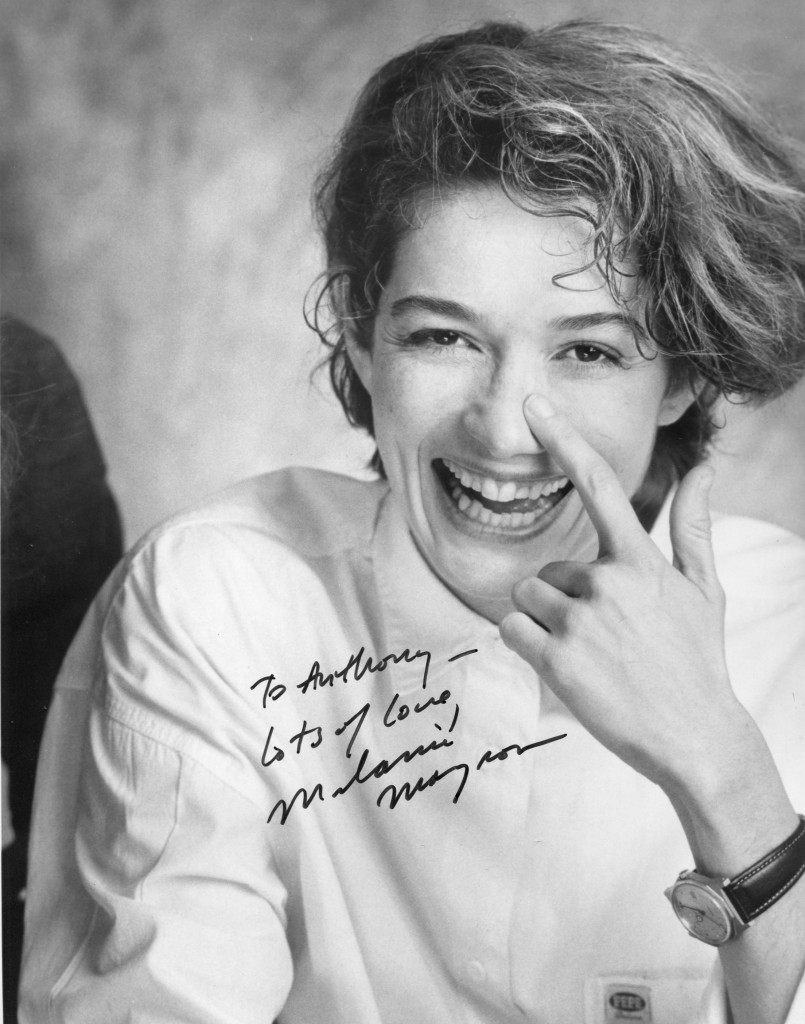
Melanie Mayron was born in 1952 in Philadelphia.   She was in the 1974 film “Harry and Tonto” and then two years later in “Carwash”.   She was part of the cast of the very popular “Thirty Something”.

TCM Overview:

Best-known for her intense portrayal of the free-spirited Melissa in the acclaimed ABC drama series “thirtysomething”, the petite auburn-haired Mayron began her career touring the US in a production of “Godspell”. She made her film debut as a teenage hitchhiker opposite Art Carney in “Harry and Tonto” (1974) and earned acclaim for her realistic portrait of a zaftig Jewish photographer whose roommate leaves to marry in Claudia Weill’s “Girlfriends” (1978). Subsequent film appearances failed to capitalize on her unique appeal and, except for Costa-Gavras’ “Missing” (1982), she was virtually wasted. Mayron joined director-screenwriter Catlin Adams to create HighTop Films, for which she produced the 1988 feature “Sticky Fingers”, which failed to find an audience or strong critical response, and the 1988 award-winning short “Little Shiny Shoes”.

Mayron found her biggest success on TV. Beginning with her portrayal of a prostitute in “Hustling” (ABC, 1975), she gave a series of sharply etched performances, notably “Playing for Time” (CBS, 1980) and “Wallenberg: A Hero’s Story” (NBC, 1985). Beginning in 1990, Mayron turned her considerable talents behind the camera, helming two episodes of “thirtysomething”. She went on to direct episodes of “Tribeca” (Fox, 1993), “Sirens” (ABC, 1993) and “Winnetka Road” (NBC, 1994) as well as the TV remake of “Freaky Friday” (ABC, 1995), which she also scripted. Mayron made her feature film directing debut with the underrated “The Baby-Sitters Club” (1995).

The above TCM overview can also be accessed online here.
Judy Parfitt

Judy Parfitt. IMDB

Judy Parfitt was born in Sheffield in 1935.   Primarily a stage actress until the 1980’s. she played in “Maurice” in 1987.   She played a sterling performance opposite Kathy Bates in “Dolores Claibourne” in 1995.   She also starred in “The Girl With a Pearl Earring” with Colin Firth and Cillian Murphy.   In 1984 she played Mildred Layton in the epic miniseries “The Jewel in the Crown”.   She is currently starring in the popular BBC television series “Call The Midwife”.

Gary Brumburgh’s entry:

Of regal bearing and imposing stance, British classical actress Judy Parfitt is the possessor of the chilliest blue orbs in all of London and has used them to her advantage over the years with her portrayals of haughty, bossy, scheming and deliciously malevolent patricians. Born in Yorkshire, she was originally trained at the Royal Academy of Dramatic Arts (RADA) and made her stage debut with “Fools Rush In” in 1954, continuing to impress with such pieces as “Things Remembered” (1955) and “A Likely Talk” (1956). It wasn’t until mid-career in the late 1960s that she drew the type of widespread attention she deserved.

Judy earned critical acclaim for her Gertrude in the 1969 stage production of “Hamlet”, which starred Nicol Williamson in the title role and Anthony Hopkins as Claudius, with the inspiring casting of Marianne Faithfull (yes, the Brit pop singer) as Ophelia. Judy transferred her role to film in the same year and met with equal success. From then on, she graced a number of TV adaptations of literary classics including Pride and Prejudice(1980) and The Jewel in the Crown (1984), while continuing to receive applause for her theatre work in productions of “The Duchess of Malfi” (1971); “Vivat! Vivat Regina!” (1971) as Mary, Queen of Scots; “The Apple Cart” (1973); “The Cherry Orchard” (1978) and “An Inspector Calls” (1993).

More recently, she co-starred with Matthew Broderick in a Broadway revival of “Night Must Fall” (1999). She made a belated Hollywood film debut in the gloomy-styled thriller Dolores Claiborne (1995) and nearly stole the thunder right out from under star Kathy Bates with her electric portrayal of Kathy Bates‘ wealthy, dictatorial employer. Her clever and utterly gripping performance was shamefully overlooked come Oscar time. Judy was long married to actor Tony Steedman, who made a guest appearance on her short-lived sitcom The Charmings (1987) in the late 1980s. He died in February of 2001. Since then she has ventured on, an always glowing character presence in elegant and period settings.

– IMDb Mini Biography By: Gary Brumburgh / gr-home@pacbell.net

John Mahoney
John Mahoney
John Mahoney

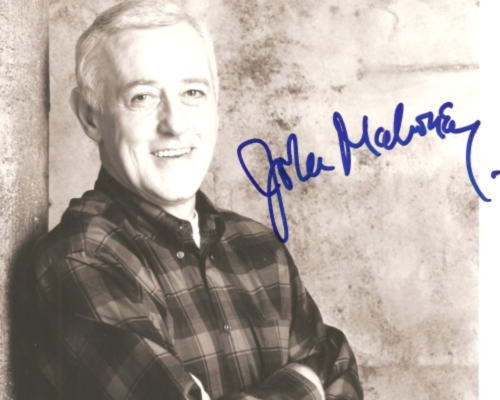
John Mahoney was born in 1940 in Blackpool.   He emigrated to the U.S. when a young man and pursued his acting career there.   He is best remembered for his role as the fater in “Frasier” one of the most popular sitcoms.   His films include “Betrayal” in 1988, “In the Line of Fire”, “The American President” and “Barton Fink”.

IMDB entry:
John Mahoney is an award-winning American actor who was born in Blackpool, Lancashire, England. The seventh of eight children, Mahoney’s family had been evacuated to the sea-side resort to avoid the Nazi bombing of their native Manchester. The Mancunian Mahoneys eventually returned to Manchester during the war. Visiting the States to see his older sister, a “war bride” who had married an American, the young Mahoney decided to emigrate and was sponsored by his sister. He eventually won his citizenship by serving in the U.S. Army.

Long interested in acting, Mahoney didn’t actually make the transition to his craft until he was almost 40 years old. Mahoney took acting classes at the St. Nicholas Theater and finally built up the courage to quit his day job and pursue acting full time, John Malkovich, one of the founders of the Second City’s distinguished Steppenwolf Theatre, encouraged Mahoney to join Steppenwolf. In 1986, Mahoney won a Tony Award for Best Featured Actor in a Play for his performance in John Guare‘s American Playhouse: The House of Blue Leaves (1987).

Mahoney made his feature film debut in 1980, but he is best known for playing the role of the father of the eponymous character Frasier (1993) from 1993 until 2004. He is concentrating on stage work back in Chicago and has appeared on Broadway in 2007 in a revival of Prelude to a Kiss (1992).

– IMDb Mini Biography By: Jon C. Hopwood

The above entry can also be accessed online here.

Kirk Acevedo

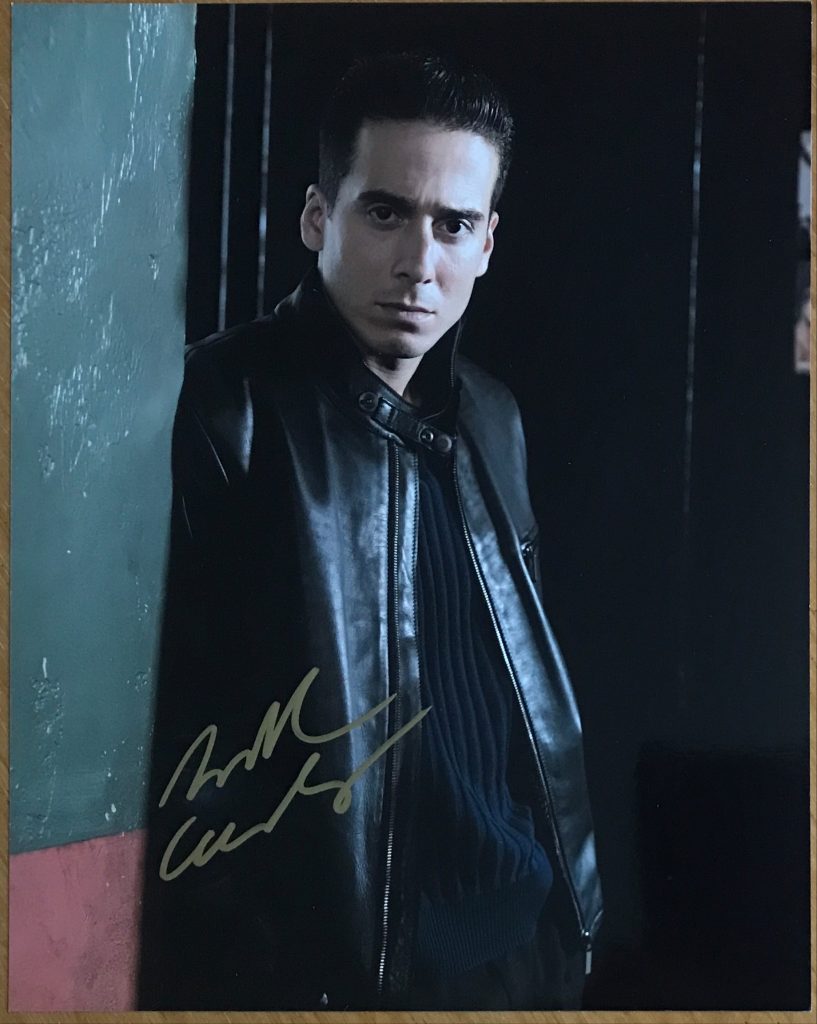
Kirk Acevedo was born in 1971 in Brooklyn, New York.   He came to fame as Miquel Alvarez in the long running TV series “Oz”.His films include “Boiler Room” and “The Visit”. TCM overview: Armed with good looks and a palpable intensity, Kirk Acevedo garnered praise on several acclaimed television projects, working with some of the most respected actors and directors in the industry. Acevedo’s breakthrough role came in the form of conflicted gang member Miguel Alvarez, an inmate housed within the walls of the brutal state prison, “Oz” (HBO, 1997-2003). One of the few characters to survive the vaunted series’ entire run, Acevedo was given time off to make a notable appearance in filmmaker Terrence Malick’s WWII drama “The Thin Red Line” (1998), as well as the Steven Spielberg-produced miniseries “Band of Brothers” (HBO, 2001). Life after “Oz” saw Acevedo taking on prime roles on the police procedural spin-off series “Law & Order: Trial by Jury” (NBC, 2005-06), followed by a part on the Irish mob drama “The Black Donnellys” (NBC, 2007), neither of which lasted more than a season. The actor had somewhat better luck with a recurring character on the J.J. Abrams-created sci-fi series “Fringe” (Fox, 2008- ) before jumping ship to co-star on another cop drama, “Prime Suspect” (NBC, 2011- ). Adept at playing men of action, honor and complexity, Acevedo continued to excel in roles on some of the best dramas television had to offer. Born on Nov. 27, 1974 in Brooklyn, NY, Acevedo was raised in the Bronx and attended LaGuardia High School of Performing Arts, then received his BFA from Purchase College, State University of New York, the alma mater of several fellow “Oz” actors including Edie Falco, Robert Clohessy and Seth Gilliam. There he also met up with Shea Wigham, with whom he would found The Rorschach Group, a New York theater company. Guest work on the NYC-filmed dramas “New York Undercover” (Fox, 1994-98) and “Law & Order” (NBC, 1990-2010) marked the actor’s entry into television work. The big screen called soon after, and turns in such independents as “Arresting Gena” (1997) and “Kirk and Kerry” (1997) resulted in a respectable amount of buzz. That same year, Acevedo earned a Drama Desk Award nomination for his intense turn in the revival of Sam Shepard’s edgy “Tooth of Crime,” then began his run on the brutal prison drama, “Oz” (HBO, 1997-2003) as Miguel Alvarez, a young street tough from a long line of incarcerated men whose vanity played a great role in his downfall. Mentally troubled as a result of his imprisonment and the death of his infant son, Alvarez cut his own face, though the long scar on his face detracted only slightly from his good looks. Internal battles within the drug-running Latino prison gang and personal conflicts with the warden (Ernie Hudson) culminated in a prison break for Alvarez, which was ultimately a time-off from the series, during which the actor filmed his part in the 2001 HBO miniseries “Band of Brothers.” Before long, however, his Alvarez was back behind bars again. A deeply disturbed and remarkably compelling character, Alvarez was given life by Acevedo with a consistently courageous and emotionally true performance. Acevedo’s supporting role in Terrence Malick’s lyrical World War II drama “The Thin Red Line” (1998) earned him critical notice and a 1999 Alma Award for Outstanding Supporting Actor. In 2000, Acevedo increases his exposure with several roles, including a small part in the stock market drama “Boiler Room”, a turn in the prison-set feature “The Visit” and a featured supporting role in the Jamie Foxx action vehicle “Bait.” The following year would see Acevedo return to World War II with his work in “Band of Brothers,” a miniseries produced by “Saving Private Ryan” vets Steven Spielberg and Tom Hanks. He also had roles in two restaurant-centered independents. The straight-to-video romantic comedy “In the Weeds” (1999) featured the actor as a psycho chef, while “Dinner Rush” (2001) co-starred Acevedo as the black sheep son whose gambling debts threaten to ruin his restaurant owner father’s plans for expansion. Returning to television, Acevedo made appearances in episodes of “Third Watch” (NBC, 1999-2005), “Law & Order: Special Victims Unit” (NBC, 1999- ) and “24” (Fox, 2001-2010) before reprising his “SVU” character District Attorney Investigator Hector Salazar on the surprisingly short-lived “Law & Order: Trial By Jury” (NBC, 2005-06). After a not-so-prominent role as an anonymous sentry in “The New World” (2005) and an appearance on the hit series “Numbers” (CBS, 2004-2010), Acevedo returned to regular series work with “The Black Donnellys” (NBC, 2007), writer-director Paul Haggis’ look at four Irish brothers (Jonathan Tucker, Thomas Guiry, Billy Lush and Michael Stahl David) rising up the ranks of the mob in NYC’s Hell’s Kitchen. Acevedo played an aspiring rival mobster who is not afraid of putting his own interests above his loyalties. After the early demise of “Black Donnellys,” Acevedo was brought on to the sci-fi adventure series “Fringe” (Fox, 2008- ) as FBI special agent Charlie Francis, second-in-command of the Fringe unit – a covert division dedicated to investigating unexplained mysteries. Although killed at the beginning of season two, Acevedo returned in the third season as an “alternate” version of Det. Francis, living in a parallel world. Sticking with sci-fi material, he later starred as a disgraced scientist trying to prevent the planet Mercury from destroying the world in the made-for-TV disaster flick “Collision Earth” (Syfy, 2011). From his stint on “Fringe,” Acevedo went on to a regular series role as NYPD homicide detective Luisito Calderon on the ratings-challenged police procedural “Prime Suspect” (NBC, 2011- ), a remake of the U.K. series of the same name, starring Maria Bello as a tough-as-nails New York cop. By Bryce Coleman The TCM overview can be accessed also here.