Contemporary Actors

Collection of Contemporary Actors

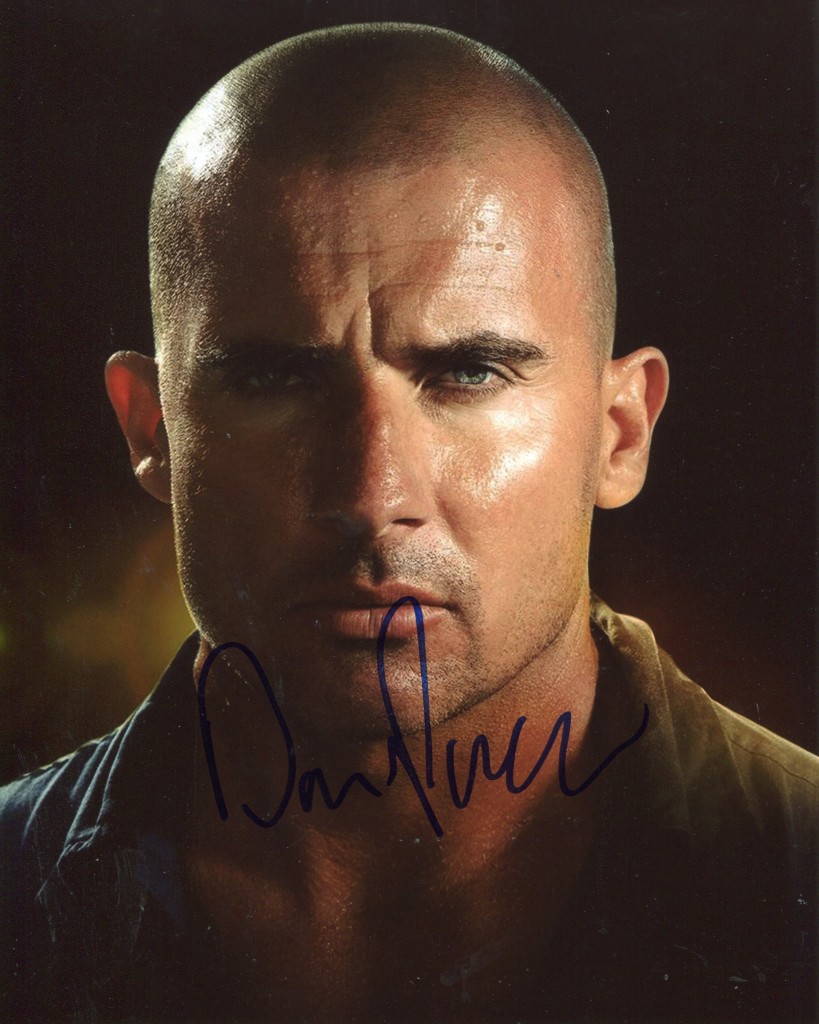
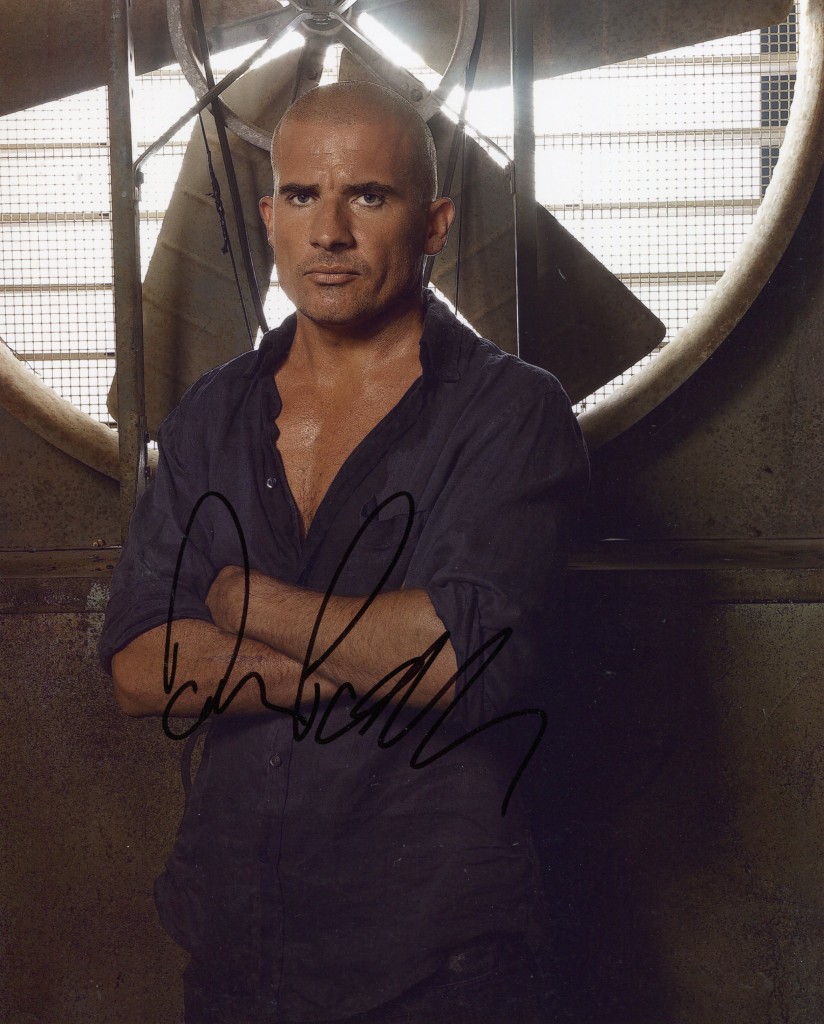
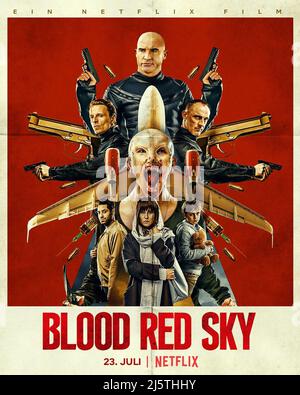
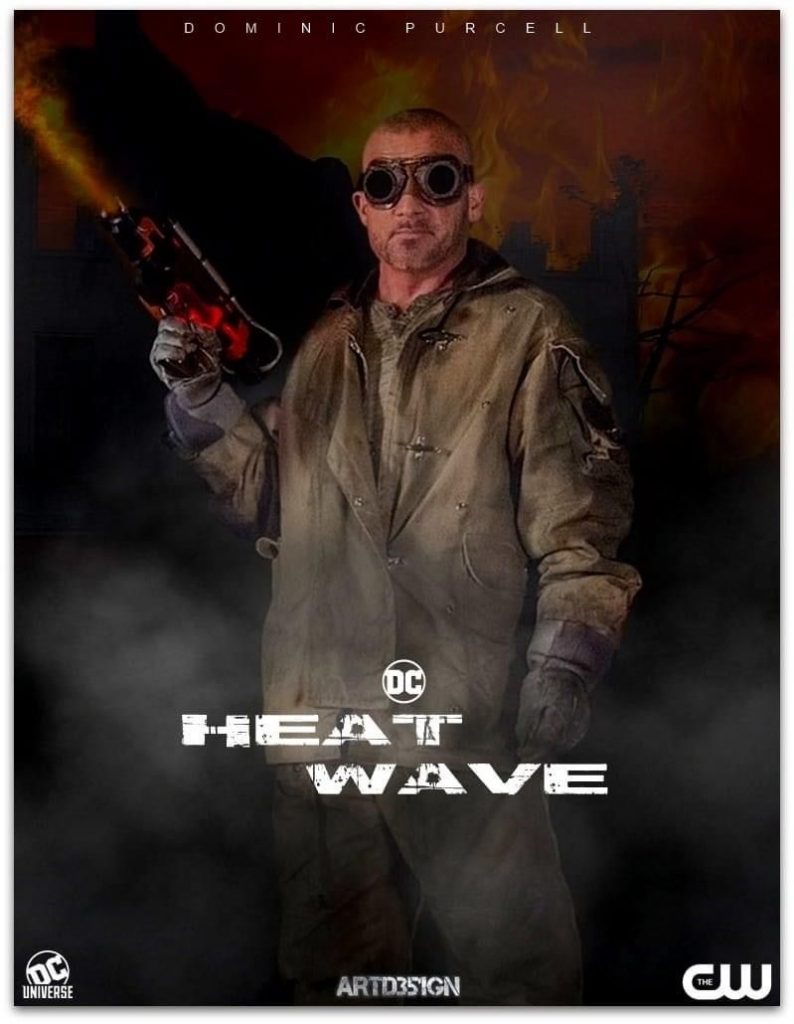
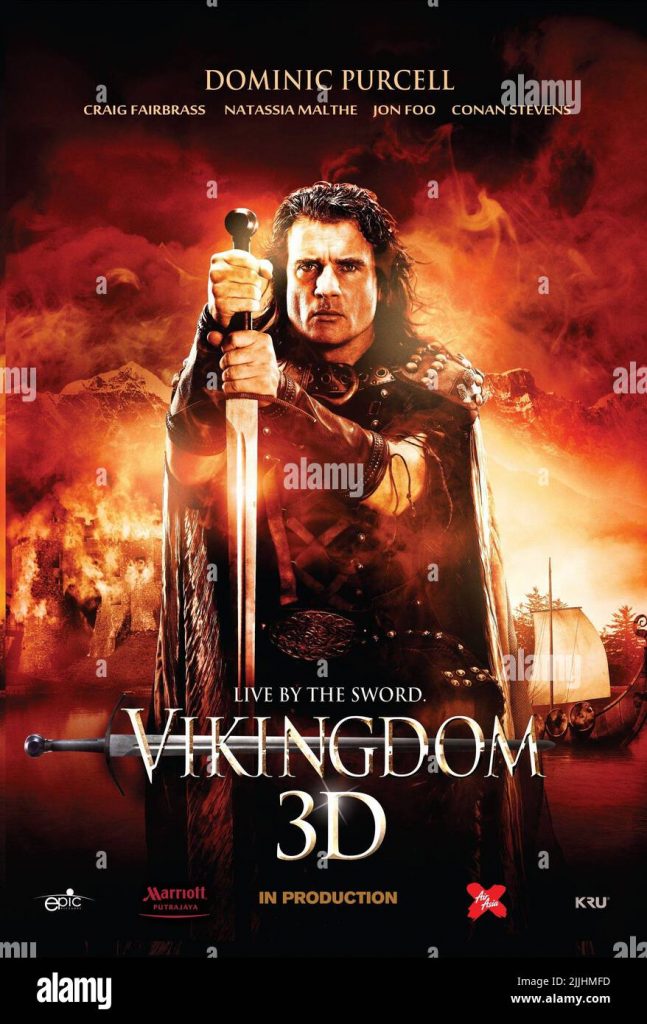
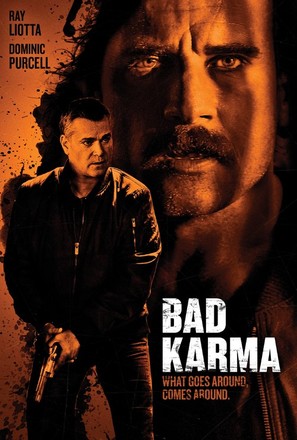
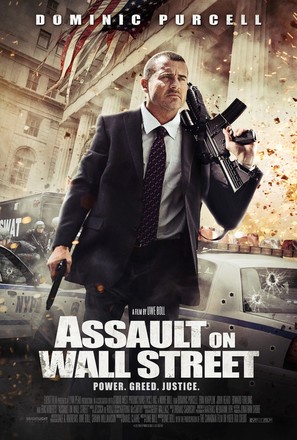
Dominic Purcell
Dominic Purcell
Dominic Purcell

Dominic Purcell.

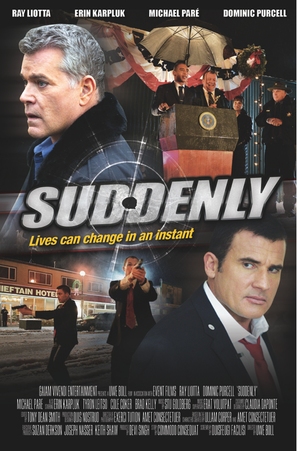
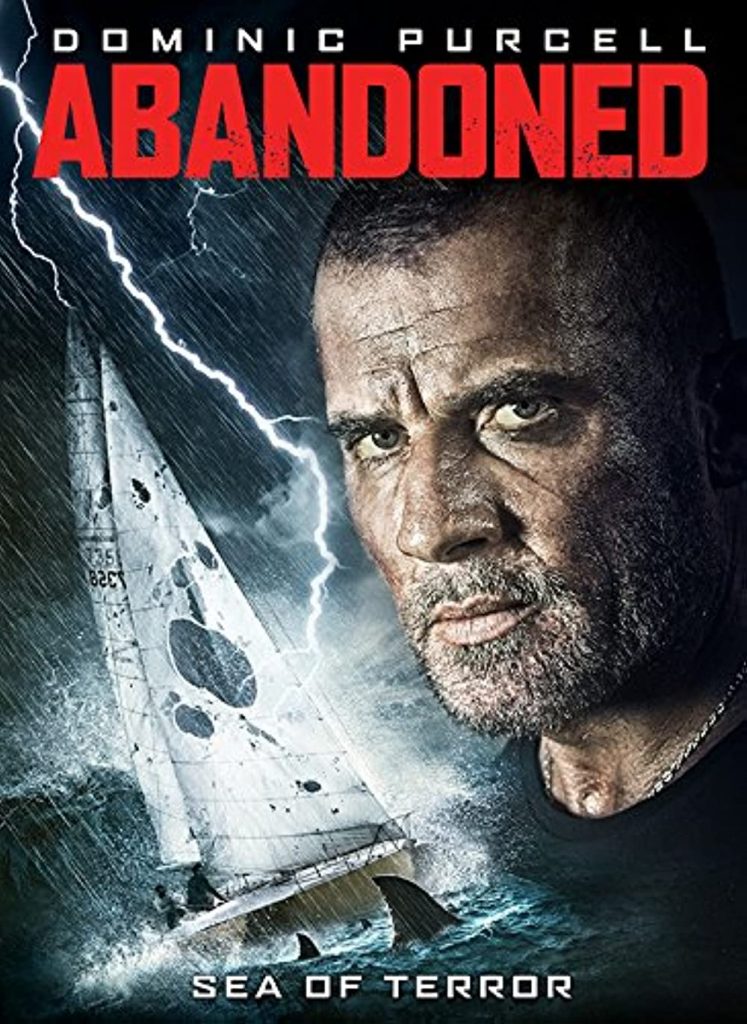
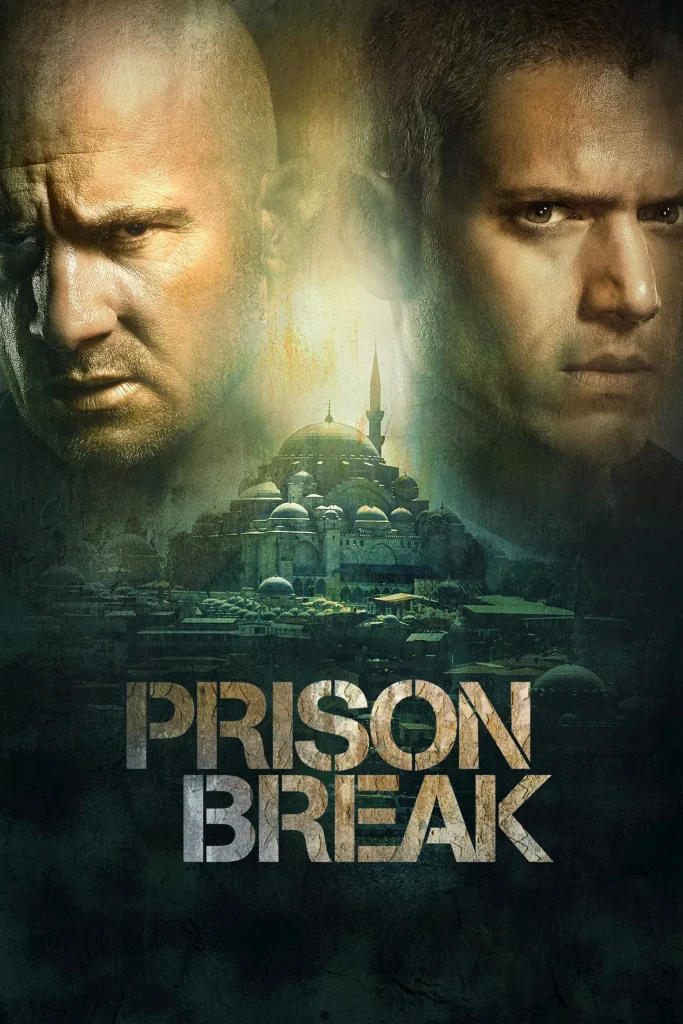
Dominic Purcell was born in 1970 in Merseyside.   His parents were from Co Louth in Ireland where they now live again.   His family emigrated to Australia where be began his acting career.   He has pursued his career in the U.S.   His films include “Mission Impossible 2”, “Equilibrium” and “Primeval”.   He starred in the highly popular TV series “Prison Break” and is currently starring in the remake of “Straw Dogs”.   To view Dominic Purcell Website, please click here.

IMDB entry:

At the age of two, Dominic and his family moved from England to Sydney’s Bondi and then moved to the Western Suburbs. After becoming a landscape gardener, he soon tired of the profession and, whilst watching the war movie Platoon (1986), decided to become an actor. Due to his working-class background, acting seemed a very unlikely choice of career, so he didn’t pursue it until sometime later.

He studied at The Australian Theatre for Young People (ATYP) and then later enrolled at the Western Australian Academy of Performing arts where he met his future wife Rebecca and studied with Hugh Jackman.

In 1997, Dominic scored a role in the TV series Raw FM (1997) and then landed a part inMission: Impossible II (2000), which was filmed in Australia. He was soon spotted by a US talent scout and went off to LA.

Since then, Dominic has been working constantly with roles in the movie Equilibrium (2002), the TV show John Doe (2002), Blade: Trinity(2004), and in the upcoming thriller Three Way (2004) and a new police television drama, Strut.

– IMDb Mini Biography By: Aeryn

The above IMDB entry can also be accessed online here.

Ed Byrne
Ed Byrne
Ed Byrne

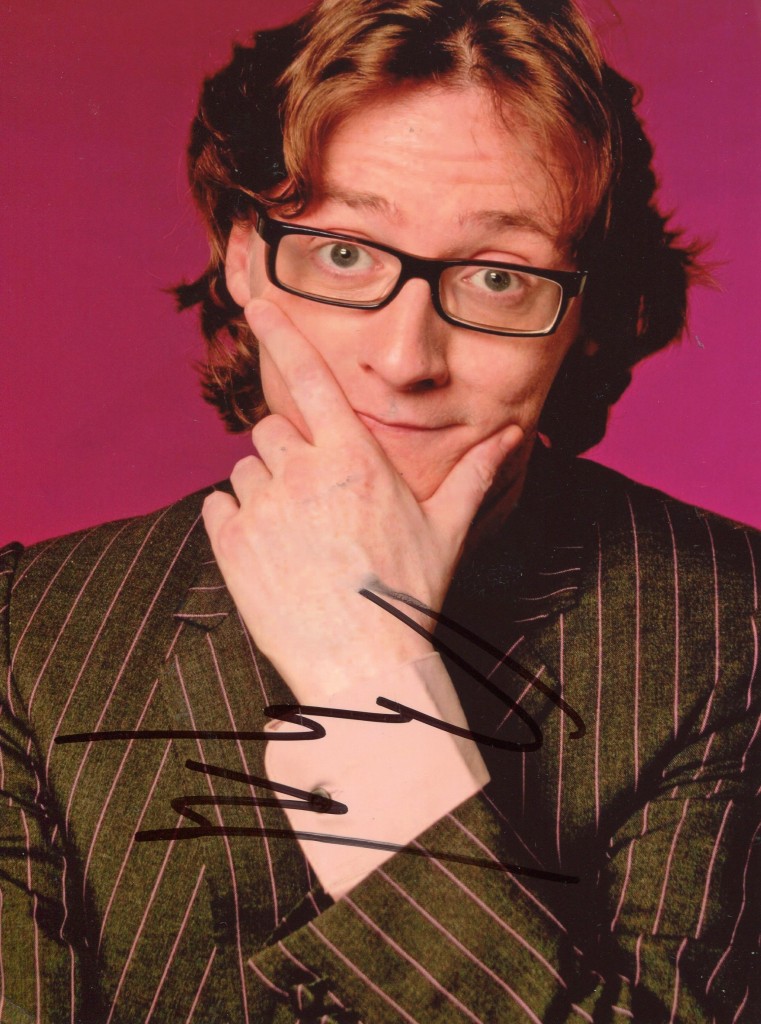
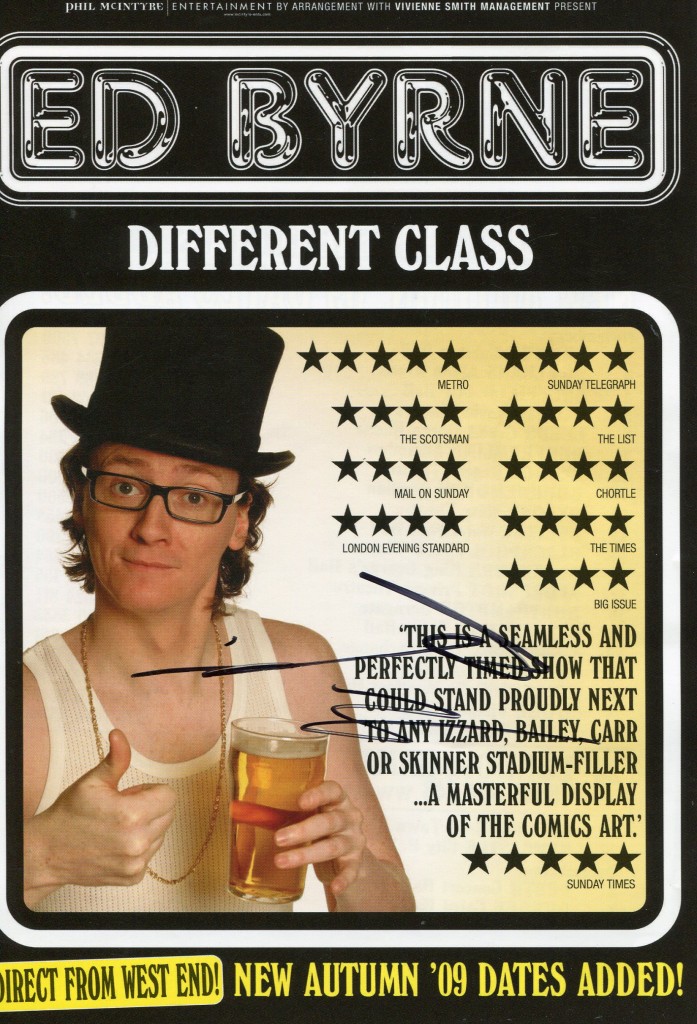
Ed Byrne is an award winning comedian who was born in Swords, Dublin in 1972.   He has won many fans in the U.S. with his appearances on “Late Night with Conan O’Brien”.His films include “Zemanovaload” in 2005 and “Round Ireland with a Fridge” in 2010.

“Time Out” interview:

    • Byrne, baby, Byrne: Irish comedian Ed Byrne enjoys his second bite at the apple 

    • The first (and last) time I interviewed Irish comedian Ed Byrne for Time Out was in August 1996. A week may be a long time in politics, but, apparently, 12 years is long enough for two careers in comedy. I take the article along to refresh his memory.   ‘God, was that you who did that interview?’ he asks, looking at the old magazine. It has been over a decade so I forgive him for not remembering. ‘That photograph got me lots of favours; in fact, I ended up doing a joke about it,’ he recalls, admiring his younger self staring up from the page, tousle-haired and bare-chested.   What was it? ‘Well, I slept with this girl and the next morning she’s flicking through a copy of Time Out and at the same time looking at me on the bed – sprawled, knackered, a mess, and she just goes, “Doesn’t look like the one in the catalogue!”.’He still has the same boyish face, which shows few obvious signs of his hell-raising, hard-drinking earlier life. When we spoke before, John Major was prime minister, the Spice Girls were at Number 1 with ‘Wannabe’ and Byrne was about to take his first solo show ‘A Stand-Up in the Making’ to the Edinburgh Fringe Festival. It was a great success and kick-started a career which, by his own admission, has had some big ups and some equally large downs.   ‘I had just done my television debut on Jonathan Ross’s “Big Big Talent Show”, which pretty much sold out the run for me. All the tickets had gone by the end of the first week. Saying that, the show still managed to lose 500 quid, but that’s Edinburgh for you,’ he says, smiling wryly. ‘The show stood me in good stead for ’97. Then, in ’98, I got the Perrier nomination, which was obviously very handy. In 2000, though,   I only did five nights up there and that was at The Playhouse. It was too big a venue to do five nights, but I still managed to shift almost 3,000 tickets on the Saturday, which was all right. Then I did a TV show called ‘Head on Comedy’, but it got shunted all over the airways and got lost. I think it was fairly good but it never got a chance. After that I did a sitcom with Davina. Not very well received.

      ‘In 2001, I did a sitcom it Ireland. Not very well received. Then I started doing the Carphone Warehouse ads. I didn’t seem to do much else and started to slide off everyone’s radar.’ He’s referring to the seven years he spent as the voice behind the successful, though some might charitably say annoying, ‘Mobily’ adverts.   ‘There was nothing more I could have achieved in Edinburgh, so I stopped going, and having done a one-man show every year for five years running, thought it was reasonable enough to take a break. I definitely went into a bit of a plateau or valley even from 2001-2004.’   How much of that was to do with burn-out? ‘There was definitely an element of that, but it was more to do with coming up with new material; you just can’t come up with that many jokes all the time. I think I also made some bad choices with regards to what TV shows to appear on. There was a while when I would do anything going.’

      But everything turned around in 2006 when Byrne returned to Edinburgh with his highly acclaimed ‘Standing Up, Falling Down’. ‘I was really pleased with that show. Suddenly I was getting calls and being asked to do stuff again. Shows including “Mock the Week” and “Have
      I Got News for You”, which I’d never done before, ever. It’s almost like I’m having a second career.’   There’s obvious joy and a little relief on his face. ‘Now, I’m happier and I’m funnier than I was ten years ago. I find that very heartening. I remember thinking in 2000: I’m not going to get any funnier, I’m the funniest I’m ever going to be. Maybe that panicked me into doing anything other than fucking stand-up. I thought: Let’s get so famous you don’t have to do stand-up anymore. I think that might’ve been part of the problem.’

      He looks like a man who’s learnt a lot from his travels through the Land of Funny. As a performer he’s transformed his style. In his latest show, ‘Different Class’, he’s more relaxed and comfortable on stage than ever before.   ‘I’ve become more of a storyteller. Before, I always thought of myself as an observational gag merchant. I would do routines. Now, particularly with this show, it’s more a series of stories and anecdotes. I think that’s fine. It’s an acceptable notion that by 36 I might just have some good tales to tell. If I didn’t by now, I’d be a fucking boring guy.’

      It’s said that hindsight has 20/20 vision, with that in mind, what advice would he give the 24-year-old Ed staring up at it him from the magazine on the table?   ‘I would say don’t do everything that is offered to you. Don’t talk too much – while you might think you’re being charming, others think you’re being an arrogant twat. But I think the best advice I could give to myself, looking back, would be, don’t be quite so messy… And possibly don’t piss off Mark Lamarr. It didn’t do me any favours. Pissing off Mark Lamarr: not a good career move.’

  • The above “Time Out” article can also be accessed online here.
Ed Byrne
Ed Byrne
Catherine Zeta Jones

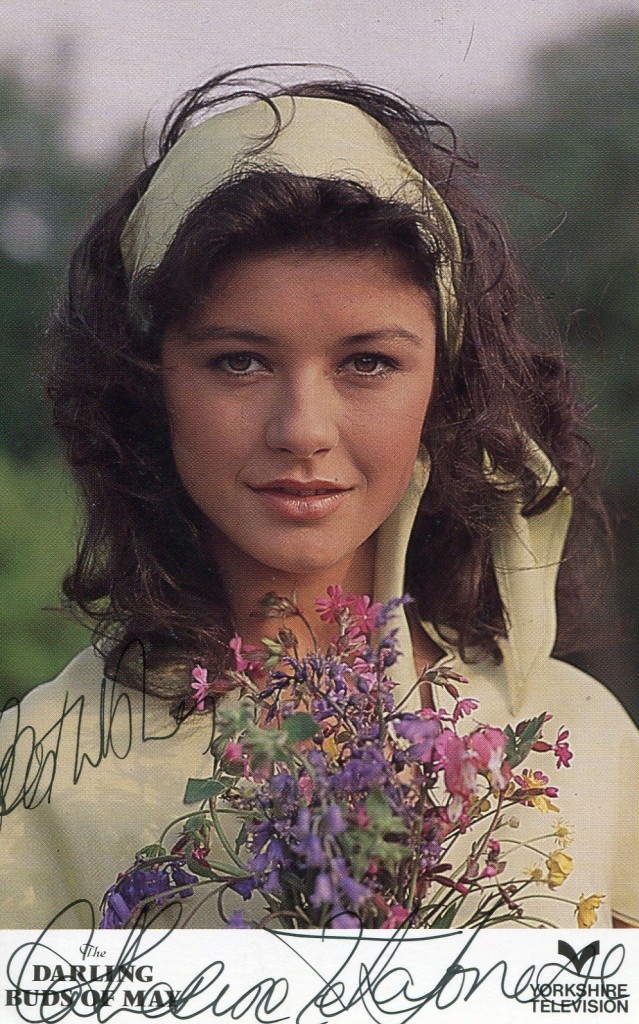
Catherine Zeta Jones was born in Swansea, Wales in 1969.   She came to national prominence in the UK in the popular television series “The Darling Buds of May”.   In 1993 she was featured in the film “Splinning Heirs” and then in the mid 1990’s she went to Hollywood where she achieved starring roles in such big budget featues as “The Mask of Zorrro”, “Entrapment” and “The Haunting”.   She won as Oscar for her role as Velma Kelly in “Chicago” opposite Richard Gere.   In 2010 she won a Tony on Broadway for her role in “A Little Night Music” opposite Angela Lansbury.   She is married to the actor Michael Douglas.

TCM Overview:

Welsh-born actress Catherine Zeta-Jones captivated both U.S. audiences and one of film’s most prominent leading men, establishing her as Hollywood royalty seemingly overnight. Following more than a decade’s worth of work on the stages of Britain, Zeta-Jones broke out in a big way opposite Antonio Banderas in the swashbuckling adventure, “The Mask of Zorro” (1998). After a pair of unremarkable mainstream efforts, she earned critical acclaim for her turn in Steven Soderbergh’s drama “Traffic” (2000), co-starring her future husband, Hollywood icon Michael Douglas. Zeta-Jones later drew upon her extensive musical theater background for her Oscar-winning performance in Rob Marshall’s adaptation of “Chicago” (2002). Critical and commercial disappointments such as the Coen Brothers’ dark-comedy “Intolerable Cruelty” (2003) were balanced by bright spots like a supporting turn in Soderbergh’s heist sequel, “Ocean’s Twelve” (2004), but Zeta-Jones increasingly chose to devote her time to her and Douglas’ growing family. A Tony Award for her Broadway performance in “A Little Night Music,” Douglas’ battle with throat cancer, and her own hospitalization for a bipolar disorder were just a few of the high and low points that marked a tumultuous period for Zeta-Jones between 2009 and 2011. Eventually, she returned to screens in several feature films, the musical, “Rock of Ages” (2012), among them. Almost preternaturally beautiful and talented, Zeta-Jones remained one of film’s more impressive leading ladies.

Catherine Zeta-Jones was born Catherine Jones on Sept. 25, 1969 – or so the story went (rumors would persist that she was as much as 10 years older than her age, but she always denied the claims. Her mother Patricia was an Irish seamstress and her Welsh father Dai ran a confectionary company. Dai’s mother’s name, “Zeta,” would prove a helpful addition to her name when the aspiring actress began a career in a world full of Catherine Joneses. But that career would not begin for about five long years after Zeta-Jones was born in the Welsh seaside town of Swansea. She started taking dance classes at the age of four, and by the age of 10, was performing regularly with the local church-sponsored theater group and already harboring dreams of a career singing and dancing onstage. Unfortunately, she contracted a viral infection that not only kept her offstage and out of school for a period, it impaired her breathing and required a tracheotomy – traces of which would remain visible in the form of a tiny scar on her neck. Following her recovery, Zeta-Jones was enrolled in a private school to help her catch up on her missed studies, a move enabled in no small part by her parents netting a sizeable winning in a local lottery. The Jones family moved to a nicer neighborhood, but their newly-minted prep schooler was still an incurable performer. When she was not in local productions she was belting out Broadway numbers from atop the kitchen table for friends and family. Zeta-Jones’ father doubled as a supportive coach, taking her to auditions in London where the teen landed roles in productions of “Bugsy Malone” and “Annie.”

When Zeta-Jones was 14, a traveling musical theater production helmed by former Monkee Mickey Dolenz came to Swansea, casting local talent to participate in the chorus. Not only was Zeta-Jones chosen to perform, but producers cast her in a touring production of “The Pajama Game,” at which point she quit school, moved to London, and got her Actor’s Guild card. Camped out in the spare room of a former acting tutor, the promising newcomer lucked into the lead in a revival of “42nd Street” after her fill-in performance blew away producers and audiences. She logged an impressive schedule of eight shows per week for two years, and by the time she was 19, Zeta-Jones was ready for a change of pace. In 1989, she left London for a year of exploring Paris. While there, director Philip de Broca gave Zeta-Jones and her unbelievable exotic looks a screen debut in the feature “Sheherazade: 1001 Nights” (1990). In 1991, Zeta-Jones returned to England and was offered a co-starring role as the eldest daughter in a boisterous farm family on the British TV series “The Darling Buds of May” (Yorkshire TV, 1991-93). The show was a hit, and its three-year run turned Zeta-Jones into a bona fide television star in the U.K. She began to land offers in America, appearing in the TV film “Christopher Columbus: The Discovery” (1992) and in an episode of “Young Indiana Jones Chronicles” (ABC/USA Network, 1992-96). The newcomer turned out memorable performances in the Eric Idle comedy flop “Splitting Heirs” (1993) and the “Hallmark Hall of Fame adaptation of “The Return of the Native” (CBS, 1994) before making a return to the stage in Kurt Weill’s “Street Scenes” with the British National Opera in 1994.

With her extensive performing background and certifiable star status in the U.K., Zeta-Jones could take any path she wanted from stage to screen. She chose to move to Los Angeles and take a crack at American film stardom. “Blue Juice” (1995) and “The Phantom” (1996) failed to garner much notice but a supporting role in the CBS miniseries, “Titanic” (1996), caught the eye of filmmaker Steven Spielberg, who shared news of his find with director Martin Campbell. Campbell, blown away but her timeless beauty and its similarities to 1940s screen goddess Hedy Lamarr – once called “the most beautiful woman in the world” during her 1930s and ’40s heyday – cast Zeta-Jones in “The Mask of Zorro” (1998). The film was an instant hit and star-making role for Zeta-Jones, whose swordplay, horseback riding and flamenco dancing was imbued with a sexual charge that audiences found irresistible. American entertainment magazines were abuzz over this latest overseas import with her onscreen Castilian lisp and off-screen Hollywood glamour that earned comparisons to legendary radiant beauties like Lamarr and Gardner. Though she did not know it yet, this hard working, ambitious, exceedingly talented woman was about to become the epitome of the phrase “the woman who has it all.”

Trumpeted as the next big thing, Zeta-Jones dazzled opposite Sean Connery in the romantic thriller “Entrapment” in 1999, for which she did many of her own stunts. But her onscreen May-December match-up with the aging Connery mimicked a real-life romance with actor-producer Michael Douglas, the dashing Hollywood heavyweight 25 years her senior. After seeing Zeta-Jones onscreen in “Zorro,” Douglas reportedly turned to a friend and said, “I don’t know who she is, but I’m gonna marry that woman.” Taking off like gangbusters, the two became parents and subsequently married in 2000, culminating in a ceremony that reportedly cost a cool million dollars at New York’s Plaza Hotel. Unfortunately the ceremony was overshadowed by high-profile lawsuits concerning photo rights for the affair. Prior to the nuptial circus, Zeta-Jones’ talents were criminally underused in the 1999 remake of “The Haunting,” but she had a memorable cameo as the free-wheeling former girlfriend of John Cusack’s central character in “High Fidelity” (2000). But it was with director Stephen Soderbergh’s film “Traffic” (2000) that Zeta-Jones was first able to change public perception by gaining universal acclaim for her portrayal of a drug dealer’s wife who transforms from innocent bystander to business partner, a role she played while pregnant with her first child with Douglas. The stunning performance caused an outcry when Zeta-Jones was overlooked come Oscar time.

In 2001, Zeta-Jones was featured in “America’s Sweethearts,” a romantic comedy about a high-profile Hollywood couple, but that was soon forgotten when she displayed heretofore unseen (on the big screen) singing and dancing chops as the murderess Velma Kelly in the film version of the Broadway musical “Chicago” (2002). Her captivating performance earned Zeta-Jones an Academy Award as Best Supporting Actress, as well as a Golden Globe nomination for Best Actress in a Comedy/Musical. That same year, Zeta-Jones – named as one of People magazine’s “Most Beautiful People” – signed on as the global spokeswoman for Elizabeth Arden cosmetics. After an awards season that dovetailed with her second pregnancy, the actress returned to the screen in the dark Coen Brothers comedy “Intolerable Cruelty” (2003), which fell flat with audiences and critics, despite starring an equally attractive George Clooney. At that time, the beaming mother of two had also signed on as a spokesmodel for T-Mobile cellular phones.

Teaming for the first time with Tom Hanks and director Steven Spielberg, Zeta-Jones next appeared in “The Terminal” (2004) which, although she made a solid attempt to portray a romantically-challenged woman, she was simply too beautiful and sharp to be believed as a loser in love. She reteamed with Clooney and his heisting cohorts for the lackluster sequel “Ocean’s Twelve” (2004), this time providing a love interest for Pitt. Zeta-Jones film appearances eased up over the next few years as she raised her two children and split time between the family’s estate in Bermuda and other homes in New York City, Spain, and Wales. In 2005, Zeta-Jones reprised her role as Elena in “The Legend of Zorro” (2005), the character now estranged from her masked husband (Antonio Banderas) and trying to balance the thirst for adventure with the desire to be a responsible parent. Off-screen, Zeta-Jones continued to successfully strike that balance, starting her own production company Milkwood Productions, based out of her hometown of Swansea. Following her starring role as a chef in the predictable but moderately popular romantic comedy “No Reservations” (2007) Zeta-Jones was slated to enjoy her first producer credit with Milkwood’s debut, “Coming Out” (2008), a comedy in which Alan Cumming plays the gay coach of a Welsh Rugby team.

Following a two-year absence from the screen, Zeta-Jones returned in the May-December romantic comedy, “The Rebound” (2009) in which she played a recently divorced mother who entrances a much younger man (Justin Bartha). Unfortunately, the U.S. distributor declared bankruptcy just prior to release, relegating it to the direct-to-DVD market. On a much better note that year came Zeta-Jones’ Broadway debut in the 2009 revival of Stephen Sondheim and Hugh Wheeler’s “A Little Night Music,” a performance that won her the Tony for Best Actress in a Musical. The following year, however, proved to be one of the most difficult of the actress’ charmed life. In August 2010, Michael Douglas publically revealed that he had been diagnosed with a dangerously advanced stage of throat cancer. Over the course of the next year, Douglas battled the disease aggressively – at one point losing as much as 32 pounds as a side-effect – and by early 2011 he announced that the tumor had been eliminated, much to the obvious relief of Zeta-Jones, who had foregone career opportunities in order to remain by her husband’s side during the ordeal.

Zeta-Jones returned to theaters once more with a slew of projects. First up was a turn opposite Bruce Willis and Vince Vaughn in director Stephen Frears’ Las Vegas gambling comedy “Lay the Favorite” (2012), based on journalist Beth Raymer’s memoir of the same name. Next came the highly-anticipated adaptation of the smash Broadway musical, “Rock of Ages” (2012), starring Tom Cruise, Alec Baldwin, Russell Brand and Zeta-Jones as the story’s antagonist, a conservative activist looking to shut down a popular 1980s L.A. rock music venue.


 
Edward MacLiam
Edward MacLiam
Edward MacLiam


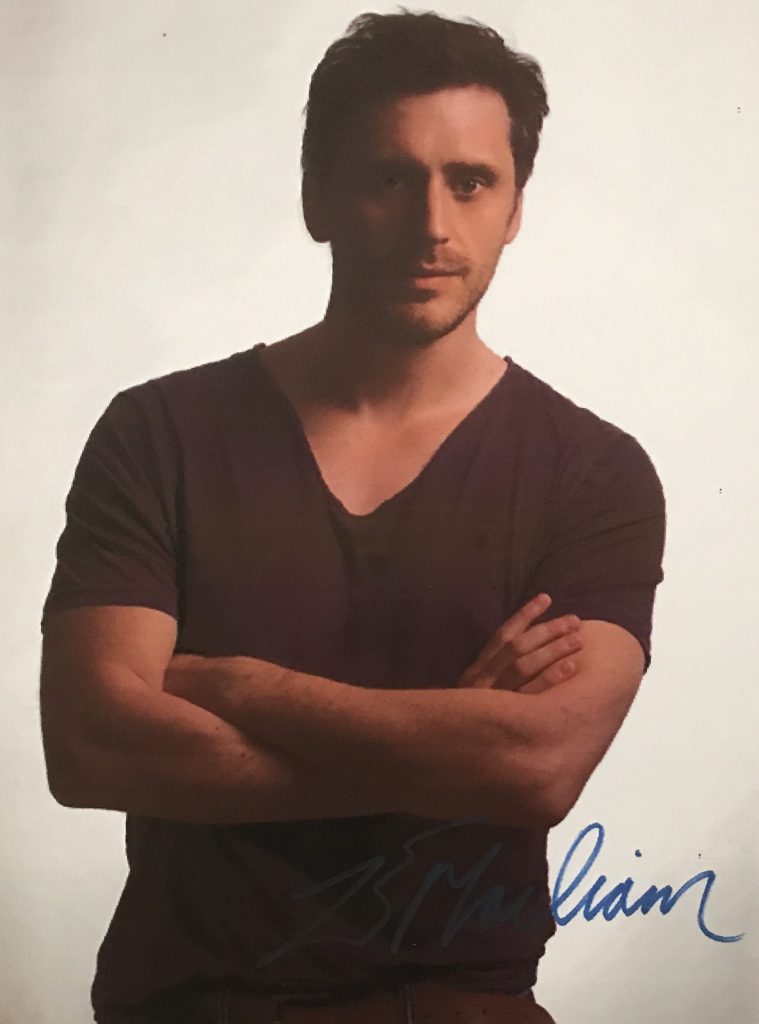
Edward MacLiam was born in Mallow, Co Cork in 1976.   He trained at RADA in London and graduated in 2001.   His film debut was in “Conspiracy of Silence” in 2003.   Has featured in such drama series as “Wakingth Dead” and “Coronation Street”.   Recently starred in “Holby City” and “Paula” and “Cucumber”.     His agency page here.

Edward MacLiam
Edward MacLiam

Edward MacLiam (born in County Cork, Republic of Ireland, 1976) is a highly accomplished, classically trained actor whose career has flourished across theatre, film, and especially television in Ireland and the United Kingdom. Though not yet a household name internationally, he commands quiet critical respect for the precision, intensity, and emotional intelligence of his work. MacLiam exemplifies the modern Irish actor’s dual fluency in stage tradition and screen naturalism: he can move from the moral weight of Brian Friel’s rural dramas to the calm realism of contemporary television acting without friction.

Early Life and Training

MacLiam graduated from the Royal Academy of Dramatic Art (RADA) in London—a training that oriented him toward a meticulous, language‑based technique and a commitment to ensemble craft rather than star persona. At RADA he was singled out for his disciplined approach to verse and emotional control, qualities that would shape his later screen presence.

He began in Irish repertory theatre (including work with the Abbey Theatre) where he honed a style grounded in listening and psychological economy rather than gestural display. His early stage work established him within a generation of Irish actors—such as Andrew Scott, Aidan Turner, and Tom Vaughan‑Lawlor—who could merge national character with international expressiveness.

Stage Work: Foundation in Classical and Modern Drama

Even as his screen career developed, MacLiam has retained theatre as his artistic core. On stage he has played roles in King LearHamletPhiladelphia, Here I Come!, and Translations. Critics in Dublin and London frequently emphasize his control of rhythm and thought: his performances reveal “a mind visible behind every word.”

Whereas some actors emphasize raw emotion, MacLiam’s power derives from internal structure— from the musician’s sense of timing and attention to linguistic contour. His Gar O’Donnell in Friel’s Philadelphia, Here I Come! (Gate Theatre revival) was praised for its delicate irony: emotion expressed through restraint rather than sentimentality.

In interviews, MacLiam often cites the Irish dramatic tradition’s moral exactness—its insistence on truth of feeling—as formative. This ethos explains the consistency of his later screen portrayals: he approaches film and television as moral observation, not self‑projection.

Television Career: Discipline and Versatility

Holby City (BBC, 2009–2012; 2017 guest arc)

MacLiam’s longest-running television role, Dr. Greg Douglas, established him in British mainstream drama. Introduced as a charismatic orthopaedic consultant, Greg embodied paradox—cool competence masking emotional isolation.

Underneath the procedural framework, MacLiam infused the role with quiet melancholy and moral conflict. Critics and fans praised his ability to convey ethical strain without dialogue: a flicker of doubt in silence, a shift in posture when compassion conflicts with protocol.

Unlike many actors in medical drama who rely on manufactured intensity, MacLiam’s technique favors stillness; it compels attention through authenticity. Reviewers noted how his performance elevated the series’ realism, showing how empathy operates inside professionalism.

Irish and British Television Drama

MacLiam has appeared in a wide variety of quality dramas:

  • Peaky Blinders (BBC) – as a government official whose composure sharpens the show’s tension; his minimalism contrasts the exuberant stylization around him.
  • Doctors (BBC) – as troubled teacher Conor Parker; a small yet layered performance demonstrating his sympathy for ordinary people under pressure.
  • *Death in Paradise (2016) and Waking the Dead (2011) – deploying authority and ambiguity in equal measure.
  • Irish projects such as The Clinic (RTÉ) and Glenroe connected him with domestic audiences and displayed his adaptability to regional idioms of speech and attitude.

Because of these roles, MacLiam earned a reputation as what the Irish Independent called “an actor who makes workaday realism luminous.”

Film Work: Subtle Depth in Supporting Roles

Though often seen on television, MacLiam has built important film credits revealing a consistent ethical gravity.

Run & Jump (2013, dir. Steph Green)

This Irish‑German independent film brought his most acclaimed screen work. As Conor Casey, a husband and father rendered childlike after a stroke, MacLiam delivered a performance of extraordinary physical and emotional delicacy. Opposite Max Irons and Will Forte, he captured the tragedy of cognitive impairment without sentimentality.

Critics at the Tribeca Film Festival highlighted his “subdued precision”—every pause and hesitant smile balanced empathy and fear. The Hollywood Reporter described his performance as “moving for its transparency; he neither acts disability nor denies dignity.”

The role earned him an Irish Film and Television Award (IFTA) nomination for Best Actor—a rare international recognition for an introspective, small‑budget performance. The film confirmed his capacity to structure a character from silences and physical rhythm rather than exposition.

Out of Innocence (2016)* and Here Before (2021)*

These projects continued his preference for morally complex storytelling. In Out of Innocence he plays a detective navigating bureaucratic injustice; in Stacey Gregg’s Here Before, opposite Andrea Riseborough, his quiet realism anchors the film’s psychological ambiguity.

In each he functions not as ideological symbol but as the ordinary conscience: his realism contextualizes the extraordinary around him.

Acting Style and Technical Characteristics


Element Critical Observation
Vocal Work A supple baritone capable of precision in accent and emotional shift. His Irish lilt can modulate to RP or regional British speech without mannerism—the voice always sounds lived, not “performed.”
Physical Intelligence Uses gesture sparingly; meaning arises from posture and energy rather than movement. In Run & Jump his hesitant gait becomes literal narrative.
Psychological Truthfulness Prefers suggestion to declaration. Inner feeling remains palpable under self‑discipline; the camera catches thought forming.
Empathy and Restraint Projects compassion without sentiment—his characters often mediate between extremes, conscience amid conflict.
Collaborative Ethos Colleagues describe him as ensemble‑focused, attentive to listening; hence why his scenes deepen others’ performances.

Critically, MacLiam’s hallmark is precision matched with quiet vulnerability. He acts as though truth must be discovered moment to moment rather than declared—a late‑Stanislavskian realism adapted to contemporary naturalistic screen grammar.

Thematic Through‑Lines

  1. Moral Awareness: His characters frequently struggle with duty versus feeling—doctors, teachers, civil servants, husbands—all professions where empathy and responsibility collide.
  2. The Ordinary Hero: He embodies decency as drama; his artistry converts modesty into magnetism.
  3. Language and Listening: Whether in Friel’s lyrical dialogue or modern procedural brevity, his attentive listening shapes the emotional tempo of scenes.
  4. Identity and Resilience: His Irishness informs his characters’ integrity and introspection, offering cultural groundedness within multicultural ensembles.

Critical Reception and Significance

Although MacLiam has avoided celebrity publicity, critics consistently regard him as one of contemporary Ireland’s finest screen actors.

  • The Irish Times called his Run & Jump work “an acting lesson in empathy.”
  • UK reviewers note his “understated moral gravity,” comparing him to actors like Mark Ruffalo or Gabriel Byrne for quiet conviction.
  • Directors comment on his preparedness and generosity; his background in theatre situates him among the “craftsmen” of British‑Irish acting, aligned with Ciarán Hinds or Brendan Coyle.

Representative Performances


Year Title Medium Role Significance
2009–2012 Holby City TV Dr. Greg Douglas Established public profile; layered professional integrity
2013 Run & Jump Film Conor Casey Career‑defining subtlety; IFTA nomination
2016 Out of Innocence Film Insp. John Munroe Ethical conflict within procedural realism
2017 Peaky Blinders TV Official/Supporting Presence amid stylized modern classic
2021 Here Before Film Chris Domestic realism anchoring psychological thriller

Summary Evaluation

Edward MacLiam’s work demonstrates how restraint can carry immense dramatic weight. He is a moral realist whose performances illuminate the dignity of ordinary perception.

Across stage and screen, he mines nuance rather than gesture, emotion as quiet recognition rather than spectacle. His artistry reflects both his Irish dramatic inheritance—truth of language, empathy for the everyman—and his RADA discipline of form and measure.

In a media culture saturated with overstated performance, MacLiam’s career is a study in subtle excellence: a reminder that acting’s highest craft may lie not in domination of attention but in authenticity so complete that the actor seems simply, and profoundly, to be.

Brian Friel’s Philadelphia, Here I Come! (Gate Theatre)
  • Irish reviewers described MacLiam’s portrayal of Gar O’Donnell as emotionally exact without sentimentality.  The Irish Times (archival print, 2001) noted that his performance “caught the ache between inner voice and outward stillness with aching truth; you could see each thought forming across his face before words arrived.”
  • Critics contrasted his effortless intimacy with the broader strokes of earlier portrayals: rather than overtly tragic, he worked by restraint, suggesting a young man conscious of performance—“a Gar who knows he’s acting for us.”

Chekhov’s The Cherry Orchard (Abbey Theatre revival)

  • His Lopakhin garnered admiration for “the dignity behind frustration.” The Sunday Business Post described him as “delivering economic triumph tinged with moral defeat… a portrait of a modern entrepreneur’s loneliness.” His linguistic precision was repeatedly cited—each consonant filled with thought, not rhetoric.

Mid‑Career Work in the UK (2008–2015)

Shakespeare—Hamlet and King Lear (various regional tours)
MacLiam’s Edgar in Lear drew particular notice with Manchester Evening News critic Kevin Bourke calling him “a revelation of lucid verse‑speaking—gentle, alert, quietly heartbreaking.”
As Horatio in Hamlet, he was praised for intellectual steadiness: The Stage (2010) wrote, “MacLiam’s presence frames the tragedy with moral calm—his listening becomes the play’s conscience.”

Modern Irish Drama—Translations by Brian Friel (Lyric Theatre, Belfast, 2013)
He played Owen, the intermediary between colonizer and colonized. Critics highlighted his emotional subtlety:  “He keeps both warmth and calculation alive in the same breath,”observed Belfast Telegraph. Audiences responded strongly to the layered humanity—neither traitor nor apologist but “a man translating himself out of existence.”


Recent Stage Work (2016 – Present)

Sean O’Casey’s The Plough and the Stars (Abbey Theatre centenary tour 2016)
MacLiam’s Jack Clitheroe was interpreted as introspective rather than fiery. The Irish Examiner argued that “he rejects bombast for quiet idealism; his heartbreak registers in silences.” This measured realism earned audience empathy over the play’s historical abstraction.

Contemporary Works—Development pieces at the Everyman and Cork Arts Theatre
Una McKevitt’s docu‑drama installations (2020–2022) featured him in improvised frameworks. Regional critics in The Southern Star and Arts Review commended his “remarkable blend of empathy and discipline,” citing his instinctive rhythm in unscripted dialogue.


Overall Critical Pattern

Across two decades of theatre writing, several consistent evaluative phrases recur:


Critical Trait Summary of Reporter Consensus
Verbal Precision Reviewers repeatedly credit him with mastery of pace and accent; “he makes language transparent.”
Psychological Restraint Performances praised for underplaying emotion while revealing deep interior struggle—“still waters of conscience.”
Ensemble Ethic Critics emphasize how he “listens vividly”; his generosity on stage allows others to shine.
Moral Gravitas Frequently seen as moral fulcrum in ensemble drama; can turn ordinary decency into compelling focus.
Modern Naturalism MacLiam embodies a contemporary Irish aesthetic: lucid truthfulness replacing theatrical display.

Critical Reception 

In academic discussions of Irish performance (see Gordon, Theatre Ireland vol. 68), MacLiam is cited as “a carrier of Friel’s moral linguistic tradition into 21st‑century realism.” Audiences and reviewers alike register his performances not as displays of temperament but as acts of listening, moral understanding, and humanity made visible.


Summary Evaluation

Edward MacLiam’s theatre career, viewed chronologically, traces a deepening of purpose rather than a chase for celebrity:

  • Early years – Textual intelligence, emotional economy.
  • Middle period – Integration of classical rigor and modern vulnerability.
  • Recent work – Quiet authority, ethical resonance.

He remains a quintessential modern Irish stage actor—technically refined, emotionally transparent, and consistently truthful. Where others seek theatrical effect, MacLiam achieves the rarer accomplishment of making reality itself dramatic

William Baldwin

William Baldwin

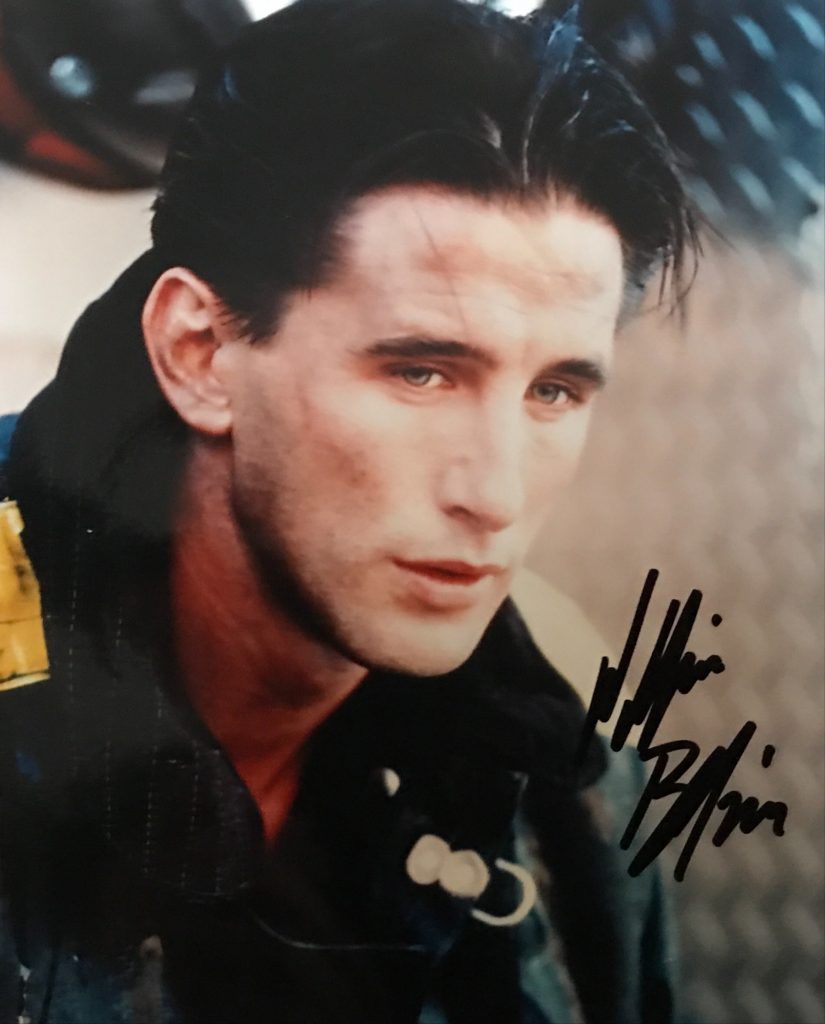
William Baldwin was born in 1963 in New York.   He is the younger brother of Alec Baldwin.   His films include “Flatliners”, “Backdraft” and opposite Cindy Crawford in “Fair Game” in 1995.   He also starred opposite Sharon Stone in “Sliver”.

TCM overview:

This strikingly handsome lead of the 1990s is notable for his bedroom eyes and lean physique. The third of the acting Baldwin brothers (including the older Alec and Daniel and younger Stephen), William Baldwin left law school and began modeling. He first gained attention as an actor for his performance as convicted killer Robert Chambers in the TV-movie “The Preppie Murder” (ABC, 1989). That same year, Baldwin made his feature film debut (virtually as an extra) as a member of Tom Cruise’s Marine platoon in Oliver Stone’s “Born on the Fourth of July.”

Baldwin subsequently appeared as Richard Gere’s hapless partner and accomplice in “Internal Affairs” and as a death-defying, womanizing medical student in “Flatliners” (both 1990) before landing a leading role as a rookie fireman in Ron Howard’s “Backdraft” (1991). He worked with some of contemporary Hollywood’s most intriguing leading ladies in two very different 1993 features: as a male escort involved in a triangle with two estranged lesbian lovers (Kelly Lynch and Sherilyn Fenn) in the romantic comedy “Three of Hearts” and as a wealthy bachelor involved with Sharon Stone in the thriller “Sliver”.

A small-scale critical hit and a big-scale bomb marked 1995 for Baldwin. He starred in Joshua Brand’s well-received dark comedy “A Pyromaniac’s Love Story”, as one third of an unhealthy triangle with Sadie Frost and John Leguizamo. Later that year, he supported supermodel Cindy Crawford in her film debut, the ill-advised actioner “Fair Game”. Baldwin’s penchant for odd little projects was also displayed in “Curdled” (1996), where he played a sexy serial killer obsessed over by the heroine.

In 1995, Baldwin married singer-actress Chynna Phillips.

This TCM overview can also be accessed online here.

Emily Watson
Emily Watson

Emily Watson was born in London in 1967.   She was nominated for an Oscar for her breakthrough performance in “Breaking the Waves” in 1995.   Her movies since then have included “The Boxer”, “Hilary and Jackie”, “Red Dragon”, “Gosford Park”, and “Oranges and Sunshine”.

TCM Overview:

Right from the beginning, when she made her feature debut in Lars von Trier’s “Breaking the Waves” (1996), actress Emily Watson found herself an international star. Watson came out of nowhere to charm the audiences at the Cannes Film Festival that year, resulting in a slew of awards and nominations, including a nod for Best Actress at the Academy Awards. She proved that her sudden acclaim was no fluke when two years later, she turned in another Oscar-nominated performance in “Hilary and Jackie” (1998). From there, Watson was in constant demand, though she took great strides to avoid the trappings of celebrity by taking roles in serious dramas like “Angela’s Ashes” (1999), quirky, offbeat films like “Trixie” (2000), or talky ensemble pieces like “Gosford Park” (2001). She did dabble in the occasional Hollywood film – most notably playing the blind target of a serial killer in “Red Dragon” (2002) and the love interest of Adam Sandler in “Punch-Drunk Love” (2002). But Watson remained grounded with challenging roles in films like “Synecdoche, New York” (2008), which indulged her creative impulses, rather than increased her profile or bank account.

Raised by her creatively involved parents – her father was an architect and her mother was a teacher – Watson was born on Jan. 14, 1967 in London, England. She was a precocious child who slogged through War and Peace before reaching puberty and studying Sanskrit and meditation alongside traditional subjects at the St. James Independent School for Girls. She moved on to study English literature at Bristol University, but left after two years when she discovered acting and began learning the craft at the London Drama Studio while living off of a career development loan from the bank. A year later, she was living hand-to-mouth while doing bit parts for the Royal Shakespeare Company, delving into such challenging roles as a spear-carrier, while also meeting her future husband, screenwriter Jack Waters. She did, however, appear in productions of “All’s Well That Ends Well,” “The Taming of the Shrew” (1992) and “The Children’s Hour” (1994). Meanwhile, she made one of her first appearances on television with a role in “Summer Day’s Dream” (BBC, 1994).

Though she was resigned to being a struggling actress, Watson suddenly emerged onto the international stage with an Oscar-nominated performance in Lars Von Trier’s “Breaking the Waves” (1996). Bleak to the point of almost being depressing, “Breaking the Waves” cast her as Bess, a simple and deeply spiritual woman who engages in numerous affairs with other men at the behest of her paralyzed husband (Stellan Skarsgard), who was injured in a freak oil rig accident and believes that her sexual encounters will heal their broken relationship. Originally, Von Trier wanted Helena Bonham Carter to play Bess, but the actress bowed out before shooting began due to the explicit nudity required of her. The then-unknown Watson filled the void and earned rave reviews after the film’s debut at the 1996 Cannes Film Festival. Over the course of its festival run and international release, Watson was named Best Actress by both the New York Film Critics Circle and the National Society of Film Critics, while earning nods at the Golden Globes and Academy Awards.

Building off of her sudden success, Watson began landing a wide variety of roles in both her native England and in America. After playing the headstrong Maggie Tulliver in the British television production of “The Mill on the Floss” (1997), she starred opposite a puffy Christian Bale in “Metroland” (1997), a comedic drama about an unconventional couple in 1970s-era London. Watson was next cast in “The Boxer” (1997), playing an Irish lass whose former lover (Daniel Day-Lewis) – an IRA member recently released from a 14-year prison term – returns home to pick up where he left off with her and his boxing career. The following year, she offered a showy tour-de-force as the eccentric cellist Jacqueline du Pre in the biopic “Hilary and Jackie” (1998), whose musical genius led her to international stardom, though not without damaging the relationship she had with her older, less-talented sister, Hilary (Rachel Griffiths). But the sisters try to reach reconciliation when Jackie reveals she has multiple sclerosis. Though the film itself failed to live up to the material, Watson scored another triumph, earning her second Academy Award nomination for Best Actress.

In just a few years, Watson had become one of the rare preeminent British actresses who had achieved international fame. She next starred in the sad, but ultimately hopeful adaptation of Frank McCourt’s best-selling memoir, “Angela’s Ashes” (1999), in which she delivered a strong performance as the hard-luck mother of an Irish brood living in squalor because of her alcoholic husband (Robert Carlyle). In the caper comedy “Trixie” (2000), she was a bumbling casino security guard who unwittingly stumbles upon a scam perpetrated by an assorted cast of corrupt characters. Watson followed by joining the talented ensemble cast for Robert Altman’s award-winning upstairs-downstairs comedy of manners, “Gosford Park” (2001), playing Elsie, a housemaid and sometimes lover to upstairs denizen, Sir William McCordle (Michael Gambon). Continuing to appear in the unlikeliest of places, she starred opposite Adam Sandler in Paul Thomas Anderson’s well-received romantic comedy, “Punch-Drunk Love” (2002). Watson next co-starred in the Hannibal Lector thriller “Red Dragon” (2002), playing a blind woman who becomes the target of a serial killer nicknamed The Tooth Fairy (Ralph Fiennes).

After being seen in the science fiction actioner, “Equilibrium” (2002), Watson returned to the stage, where she was nominated for Best Actress by the Laurence Olivier Theatre Awards for her performance in “Uncle Vanya” (2002) at the Donmar Warehouse. In a rare small screen role, she starred in “The Life and Death of Peter Sellers” (HBO, 2004), playing actress Anne Howe, the first wife of the difficult, but brilliant actor Peter Sellers (Geoffrey Rush). Turning to animation, she voiced Victoria Everglot in “Tim Burton’s The Corpse Bride” (2005), which she followed with a turn as an unhappy woman who indulges in an affair with another man (Rupert Everett), resulting in a tragic turn of events, in the compelling thriller “Separate Lies” (2005). In “The Proposition” (2006), she was the fragile wife of a captain (Ray Winstone) trying to tame the wild outback of 1880s Australia. She next played the sister of an eccentric young woman (Renée Zellweger) eschewing love and marriage in “Miss Potter” (2006).

Despite her auspicious beginnings, Watson settled down in smaller films that allowed her to continue working while maintaining a lower public profile. She co-starred in the German-Dutch co-production, “Crusade: A March Through Time” (2007), a time-traveling children’s fantasy that bounced between the 13th and 21st centuries. Continuing to appear in more children’s fare, she next co-starred in “The Water Horse: Legend of the Deep” (2007), a sparkling fantasy about a young boy (Alex Etel) who discovers and befriends a creature that grows into the Loch Ness Monster. She returned to adult drama with “Synecdoche, New York” (2008), a gloomy psychological drama from the quirky, twisted mind of writer-turned-first time director Charlie Kaufman, which starred Philip Seymour Hoffman as an ill and depressed theater director whose obsession with building a model of New York City reaches epic proportions. Watson next co-starred in “Fireflies of the Garden” (2009), a drama about love and commitment in the face of tragedy, which she followed with the unusual “Cold Souls” (2009), an existential comedy about a famous American actor (Paul Giamatti, playing himself) who deals with burdens of his every day life.

The following year, Watson played Ralph Fiennes’ wife for a small part in the Ricky Gervais-Stephen Merchant comedy-drama “Cemetery Junction” (2010) before starring in the docudrama “Oranges and Sunshine” (2010). Watson’s performance as Margaret Humphreys, a social worker who exposed Britain’s scandalous deportation of poor children to Australia decades earlier, once again earned her critical accolades, including a Satellite Award for Best Actress. She next appeared on television as Janet Leach, the titular “Appropriate Adult” (ITV, 2011) in the two-part U.K. miniseries about one of Britain’s most notorious serial killers, Fred West (Dominic West) and the woman (Watson) assigned to make sure he understood questions put to him during police interrogation. She ended the year with a supporting turn in director Steven Spielberg’s epic drama “War Horse” (2011) as the mother of a young man (Jeremy Irvine) whose remarkable bond with his horse is interrupted after the steed is sold to the cavalry during World War I.

 The above TCM overview can be accessed online here.
Lee Ingleby
Lee Ingleby
Lee Ingleby

Lee Ingleby was  born in Burnley in 1976.   He played Stan Shunpike in “Harry Potter and the Prisioner of Azkaban”.   He is well known for his portrayal of Detective John Bachus in the BBC series “George Gently”.

Lee Ingleby
Lee Ingleby
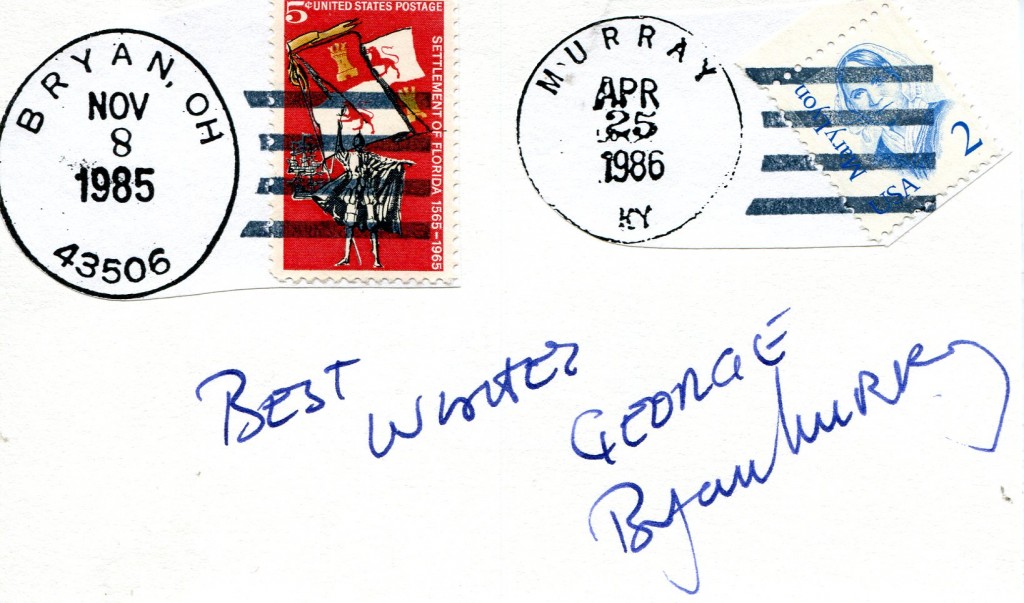
Bryan Murray
Bryan Murray
Bryan Murray

Bryan Murray. Wikipedia.

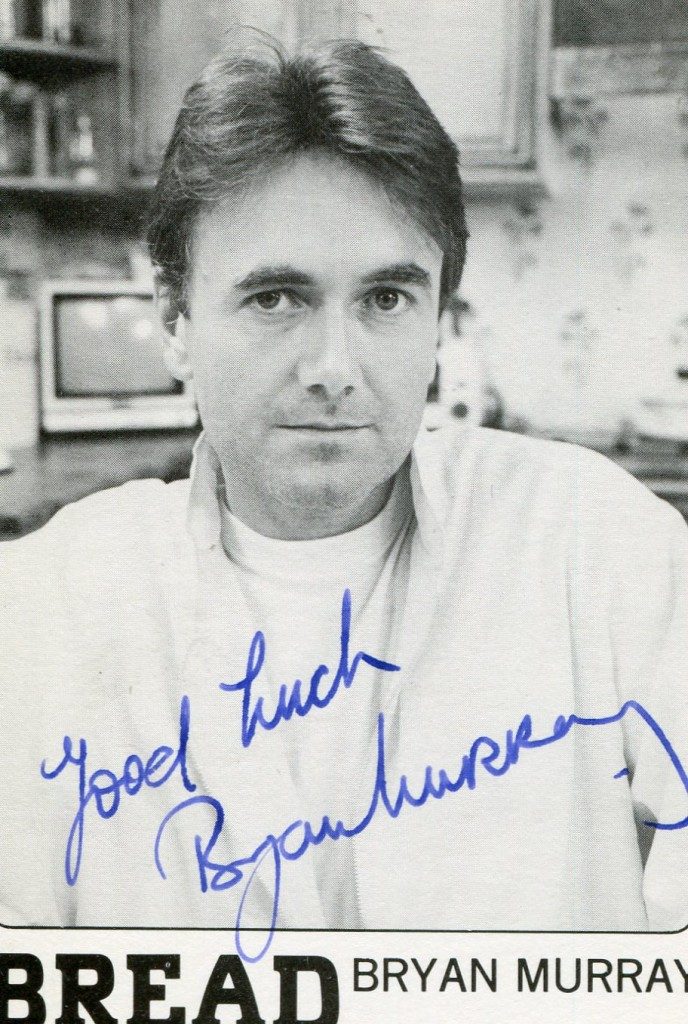
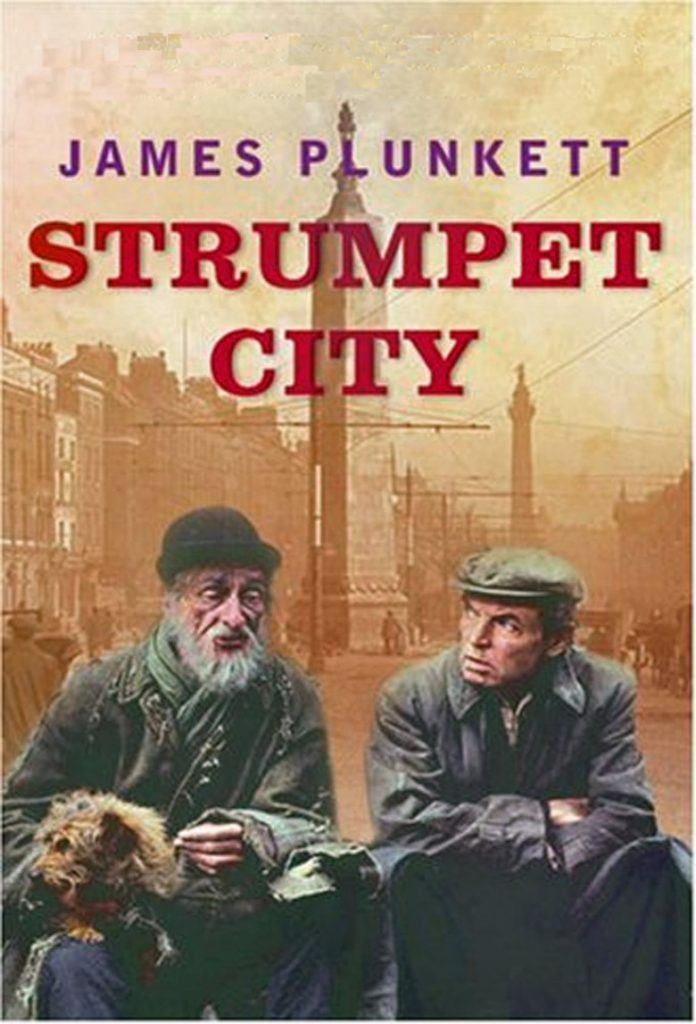
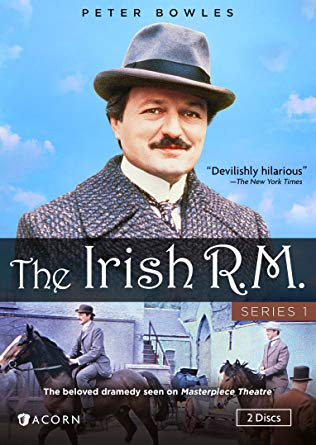
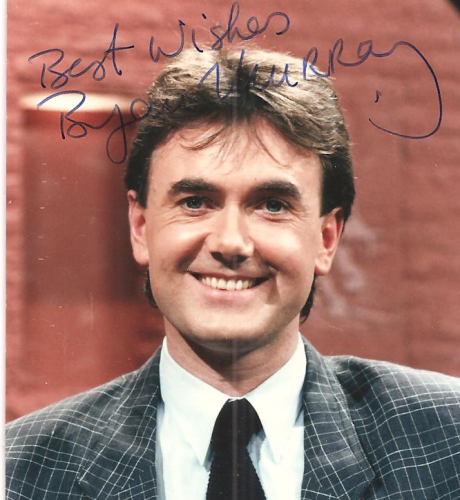
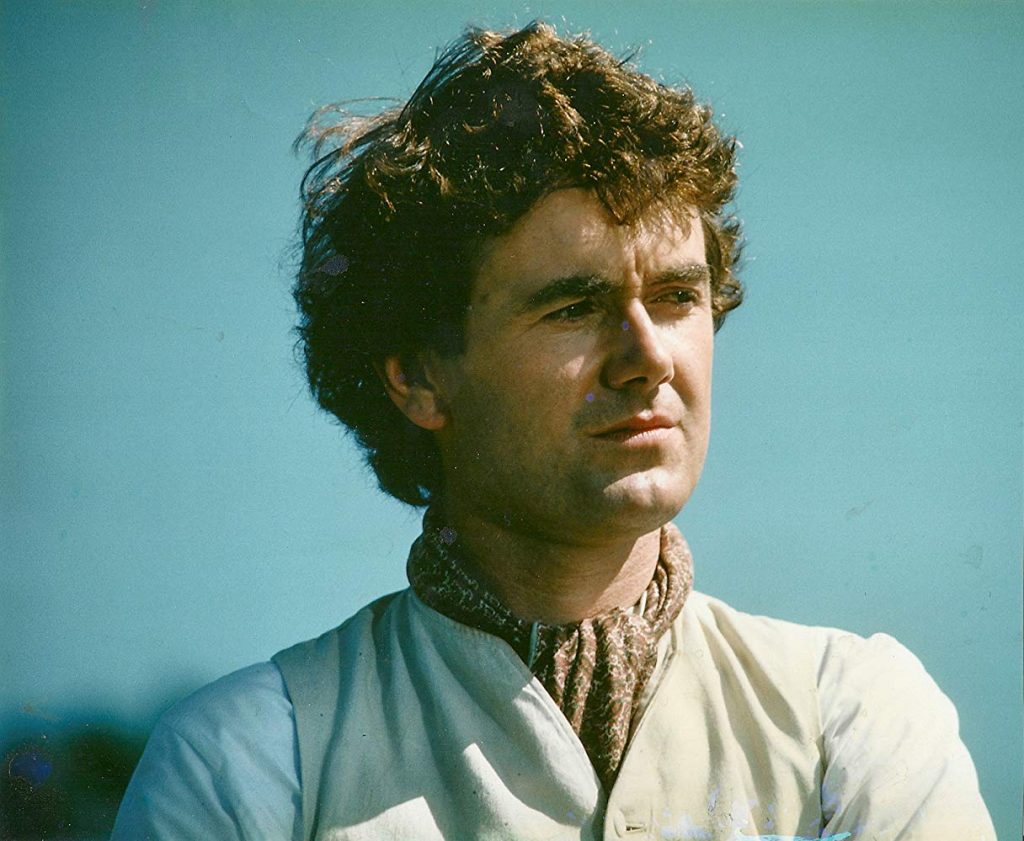
Bryan Murray was born in Dublin in 1949. He began his acting career in the famed Abbey Theatre. He has had an extensive television career in Britain and Ireland including leading roles in “Strumpet City” in 1980, “The Irish R.M.” as Flurry Knox opposite Peter Bowles, “Brookside”, “Bread” and “Fair City”. His films include “Mrs Santa Claus” with Angela Lansbury.

Bryan Murray
Bryan Murray

Wikipedia entry:

Bryan Murray (born 13 July 1949) is an Irish actor. He plays Bob Charles in the soap opera Fair City.

Murray was born in DublinIreland. As a stage actor, he began his career in Dublin at the Abbey Theatre where, as a member of The Abbey Company, he appeared in over 50 productions. In London, he has been a member of The Royal National Theatre, The Royal Shakespeare Company and has been in many productions in the West End. He has appeared many times at the Gate Theatre in Dublin, most recently in 2013 in My Cousin Rachel adapted for the stage by Joseph O’Connor. In the 2010 Dublin Fringe Festival, he appeared in the award winning production of Medea at The Samuel Beckett theatre.

He is widely known for his extensive television work which includes Fitz in Strumpet City, Flurry Knox in The Irish RM, Shifty in Bread (for which he won BBC TV Personality of the Year), Harry Cassidy in Perfect Scoundrels, Trevor Jordache in Brookside and Bob Charles in Fair City. He appeared on the second season of Charity You’re a Star where he sang duets with his Fair City co-star Una Crawford O’Brien. The duo were voted off the show after performing “Don’t Go Breaking My Heart“.[1] He played the role of Lynch in the film, A Portrait of the Artist as a Young Man (1977).

Recently he presented the highly acclaimed and IFTA nominated documentary for TV3 The Tenements, a four-part series charting the rise and fall of the Tenements in Dublin from the 1800s to the mid-1970s. He fronted the BBC1 children’s religious affairs programmes Knock Knock and Umbrella for three years.

On RTÉ, he had his own prime time TV talk shows Encore and Caught in the Act and presented Saturday Night Live. His nine-part radio series The Sound of Movies was aired on RTÉ Radio 1 in 2008. Most recently he has been a semi regular presenter of Late Date on RTÉ Radio 1. In the US, he presented the ‘Irish Spring’ commercial on network TV for six years, the award winning ‘Pioneer Press’ commercials for three years and hosted the St Patrick’s Day Parade for PBS Television. His latest series ‘The Big House’ will be shown on TV3 in the spring of 2013.

Bryan Murray
Bryan Murray

He co-created and co-devised the ITV series Perfect Scoundrels which ran for three years. He has co-written two musicals performed at the Abbey Theatre, Dublin, and Irish Theatre Company Dublin; A Happy Go Likeable Man, after Molière, and Thieves Carnival, after Anouilth. Most recently Murray took part in the ‘One City One Book’ celebrationBread and Roses; Strumpet City Revisited reading extracts from the book with the RIAAM orchestra playing the theme music from the TV series conducted by the composer Proinnsias O’Duinn at Dublin Castle.

Although Murray’s fame increased in the eighties thanks to his role as Flurry Knox in The Irish R.M. and Shifty Boswell in the popular sitcom Bread, his role in Brookside is easily the best remembered, even though he was only in the show for eleven episodes in 1993. His character, the wife beater and child abuser Trevor Jordache, was famously stabbed and killed by his wife, Mandy (Sandra Maitland) and daughter Beth (Anna Friel). They later buried his body under the patio, where it was discovered in 1995.

He plays Bob Charles, once owner of McCoys pub but now the owner of The Hungry Pig restaurant, in the RTÉ soap opera Fair City.

Recently he took part in the ‘One City-One Book’ celebration Bread and Roses; Strumpet City Revisited in which he read extracts from the book with the RIAM orchestra playing the theme music from the TV series conducted by the composer Proinnsias O’Duinn at Dublin Castle.

The above Wikipedia entry can also be accessed online here.

Bryan Murray
Bryan Murray
Anne Reid
Anne Reid
Anne Reid

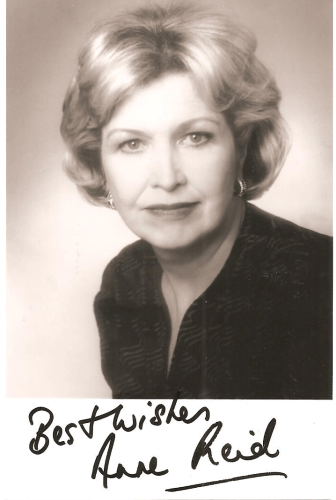
Anne Reid was born in Newcastle-on-Tyne in 1935.   She achived national fame in the UK for her performance as Val wife to Ken Barlow in “CoronationStreet” who was electrocuted by her hairdryer.   Her film debut was in 1958 in “Passport to Shame”.   She has had a steady career as a character actress but in the past ten years she has become very prolific in major roles both on television and in film e.g the film “The Mother” with Daniel Craig in 2003.

“MailOnline” article:

Anne Reid was the envy of older women everywhere when she played Daniel Craig’s lover in The Mother. She also starred in Coronation Street, and more recently as Mrs Thackeray the cook in Upstairs Downstairs. Now 75 and an MBE, she has one son and lives in central London.

I was born in Newcastle in May 1935, but my family moved to Redcar when the war started and this is me, aged eight, at White House School.

My nursery school was called John Emmerson Batty – wonderful name, wasn’t it? Then came White House primary, where my lasting memory was performing, as Juliet, the last act of Romeo And Juliet with a girl called June Laverick, who went on to become a well-known actress.

All my family were journalists – and indeed, so was my late husband, Peter Eckersley. My grandfather wrote a column in the Bolton Echo; my uncle was on the Manchester Evening News. My father, Colin, was a special correspondent in the Middle East for the Daily Telegraph and my three brothers followed the tradition.

When I was 11 my life changed completely. My mother flew out to join my father abroad and I was sent away to boarding school – to Penrhos College in North Wales.

I don’t remember being unduly worried at all. I must have been quite a strong character, but it must have been horrendously hard for my mother to leave me behind.

She left before term began so couldn’t even accompany me to school. My tin trunk and I were put on a train by one of my brothers and off I chugged towards the unknown.

Happily I adored Penrhos, and the odd thing was that we had a brother-school nearby called Rydal, where William Roache went – something I found out only when I joined the cast of Coronation Street.

I was so happy at school and I made it my home as I no longer had a family home in England. I saw my parents only once a year during the summer.

I either flew to the Middle East or spent time with them in London. When that happened they lived at the Imperial Hotel, Russell Square.

Strangely enough, the flat I live in now is not far from the hotel. I was very average at school. I passed my exams, but I don’t think I shone. The school offered elocution lessons with a Miss Monica Beardsworth, and my father had me enrolled to iron out my North East accent. That’s how I discovered acting.

I never got into the school plays, but the elocution lessons opened another door because, as part of the training, I started doing bits of plays with my teacher.

I remember when I was about 12, learning the lines of a play and thinking, ‘I know how to make this interesting. I know how to act. I can do this better than other people.’ You do know when an inner talent gives you that ease. It’s not a remarkable thing – just a knack that has given me a very nice life.

In the end Miss Beardsworth wrote to my parents saying, ‘I think Anne is talented and she should take up acting. I’d like to get the forms and send her to RADA.’

My grandmother had been on the stage in variety choruses, so my father agreed with the idea at once. And that’s how it all happened. Not everyone at the school agreed with the diagnosis.

My French teacher, Miss Clark, was astonished when I told her, aged 12, that I was going to be an actress.

She said, ‘Oh no. You’ll never make an actress. You’re not the type.’ I don’t think she was being intentionally unkind, but these things stick in your mind, don’t they? She obviously thought I wasn’t flamboyant enough.

People, at that time, imagined that an actress should be vivid and flamboyant, but I don’t believe acting is about that. It’s about being a blank canvas and being able to play lots of different characters.

I always wanted that diversity, and the great thing is that, since I did The Mother, my life has changed dramatically. I’ve had such variety, from Ladies Of Letters to playing Barbara Cartland in the story of her life.

It was a wrench to leave Penrhos at 16. I loved it so much. I was in the school choir and we always had choir picnics in the mountains of Snowdonia.

For a long time after I left, I used to dream I was back at school. I was very content there and it was traumatic to be thrust out into the world. Though I had travelled a lot, I was still very naive – a schoolgirl in high heels and earrings.

I did enjoy RADA, but I wish I’d been more worldly-wise. I didn’t make the most of it and I didn’t even know what an agent was. I didn’t know anything about the business and hadn’t even been to the theatre much. It took me a long time to grow up.

I don’t know if I have quite managed it, even now. I always played the character parts at drama school – the sort of roles I play now, but of course that doesn’t really equip you to find jobs when you come out. I didn’t know how to play a juvenile lead.

I was a stage manager for a long time and worked in repertory theatre, but gradually things began to happen. My first TV job was doing sketches with Benny Hill.

My parents came back to England in 1960, just before I went into Coronation Street playing Valerie Tatlock.

My father enjoyed that enormously – he loved the fact that I was famous. It was only after he died that I left the Street. Then I married, became pregnant and gave up acting for about 12 years, and started again in 1986. Since then everything has turned out wonderfully well.

Yvonne Swann Marchlands starts on Thursday, ITV1 at 9pm.

The above “Mail Online” article can be accessed online here.