
Contemporary Actors

Collection of Contemporary Actors

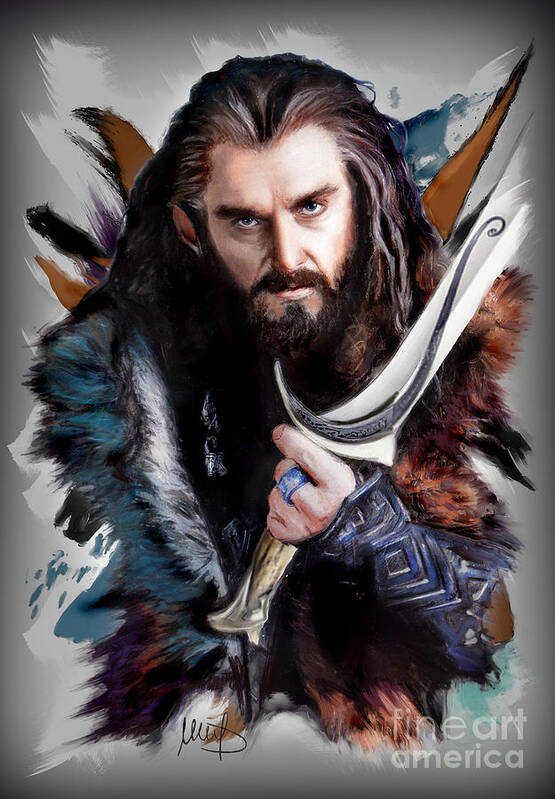
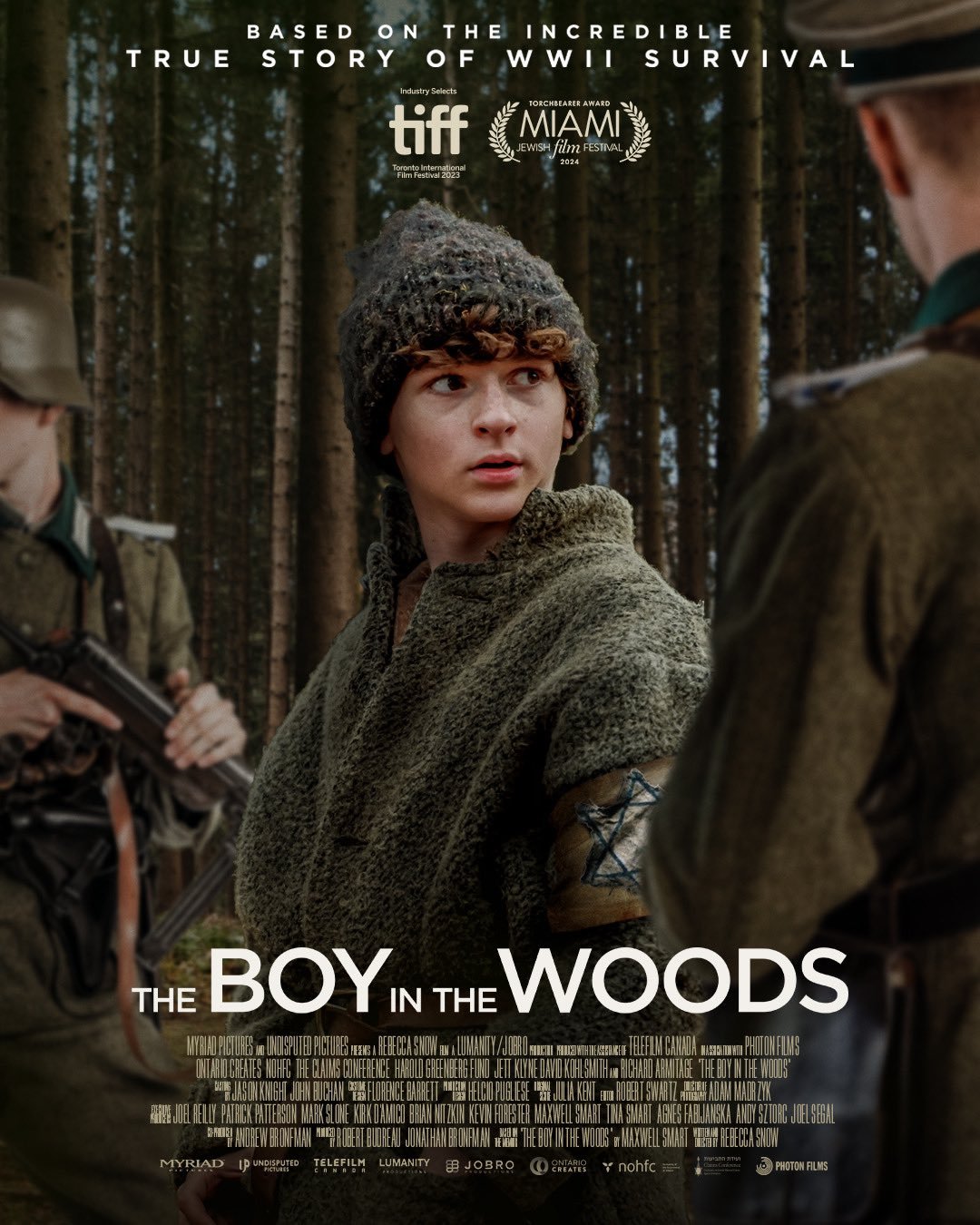
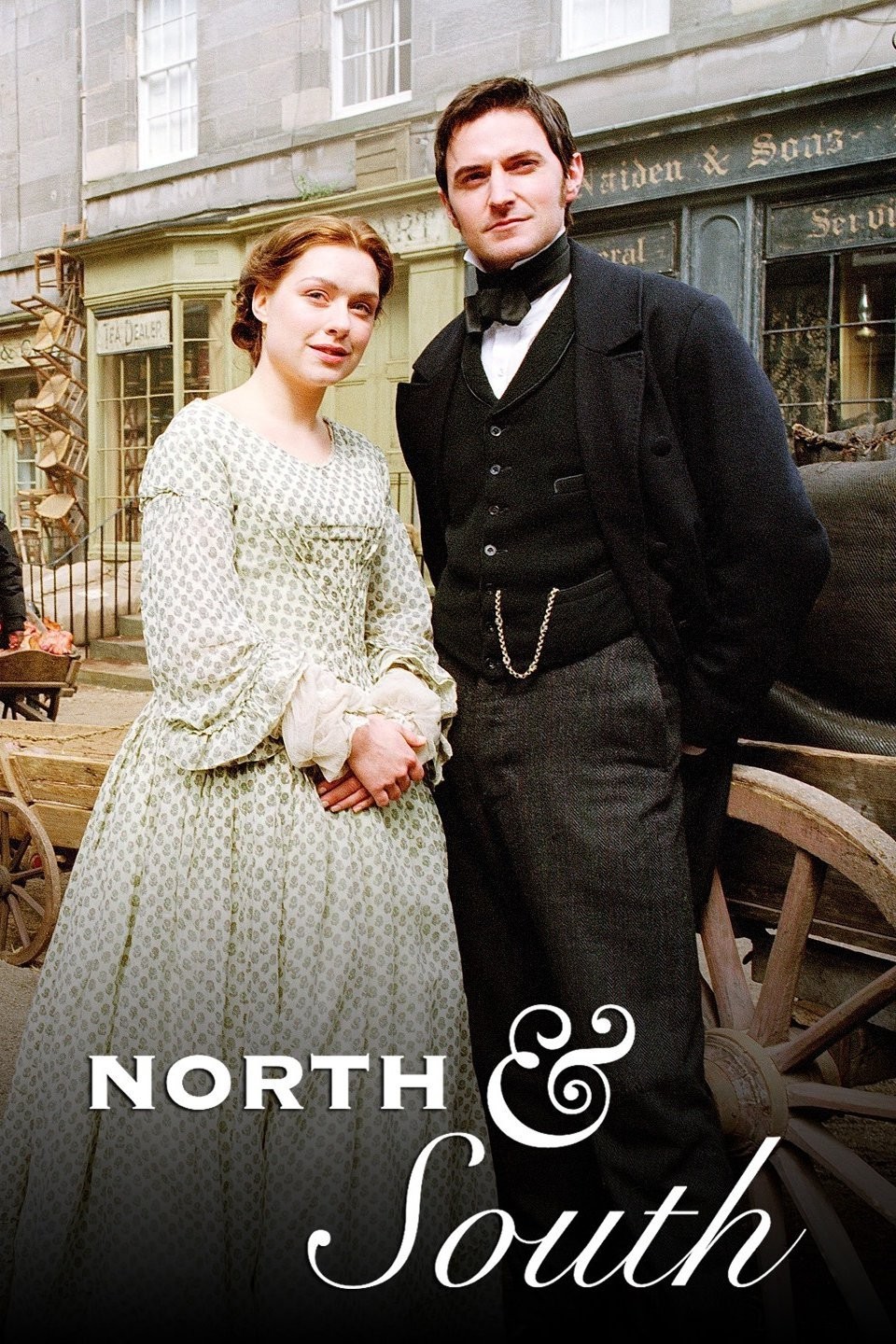
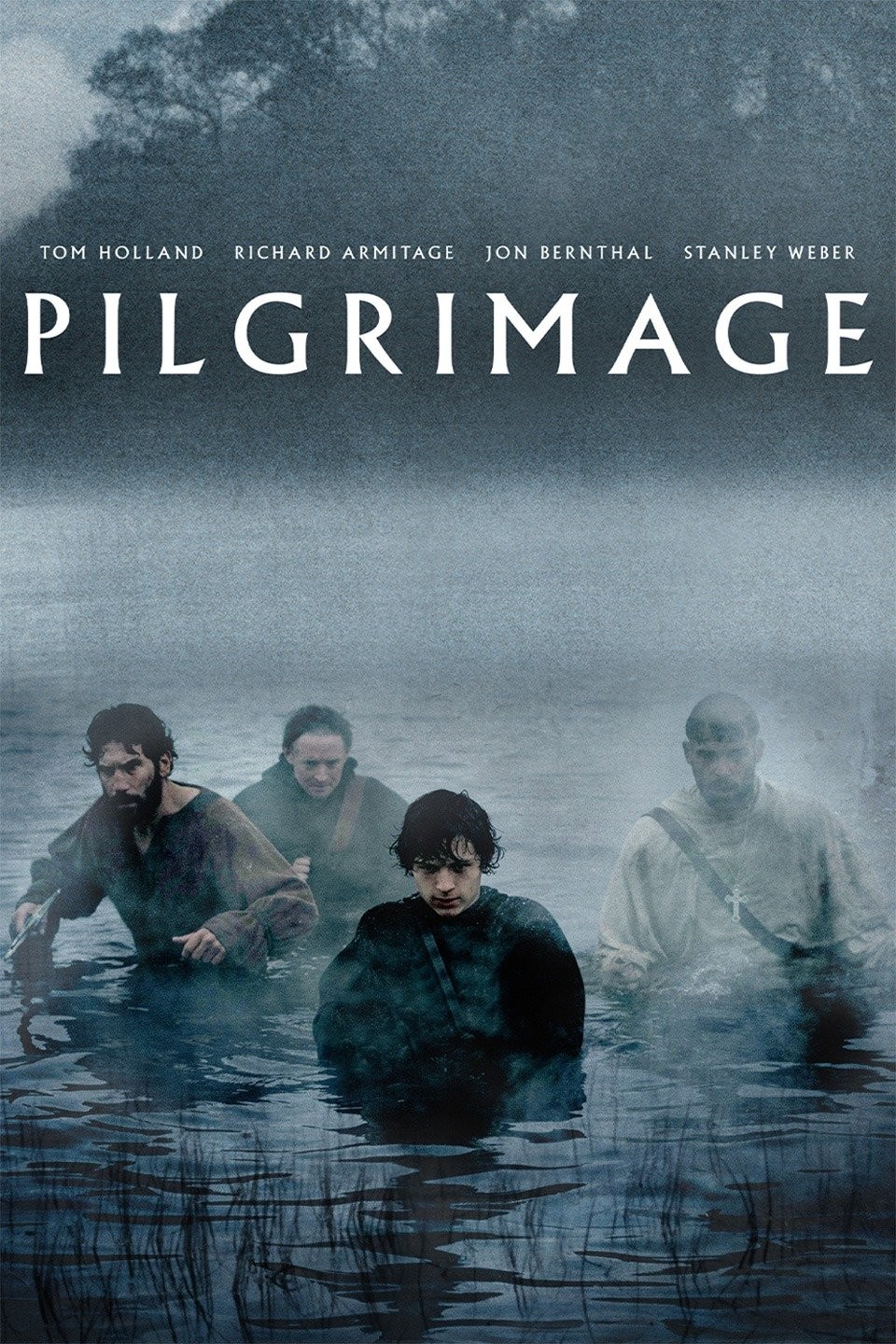
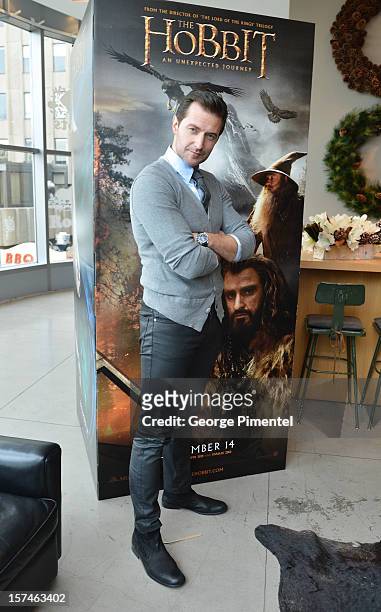
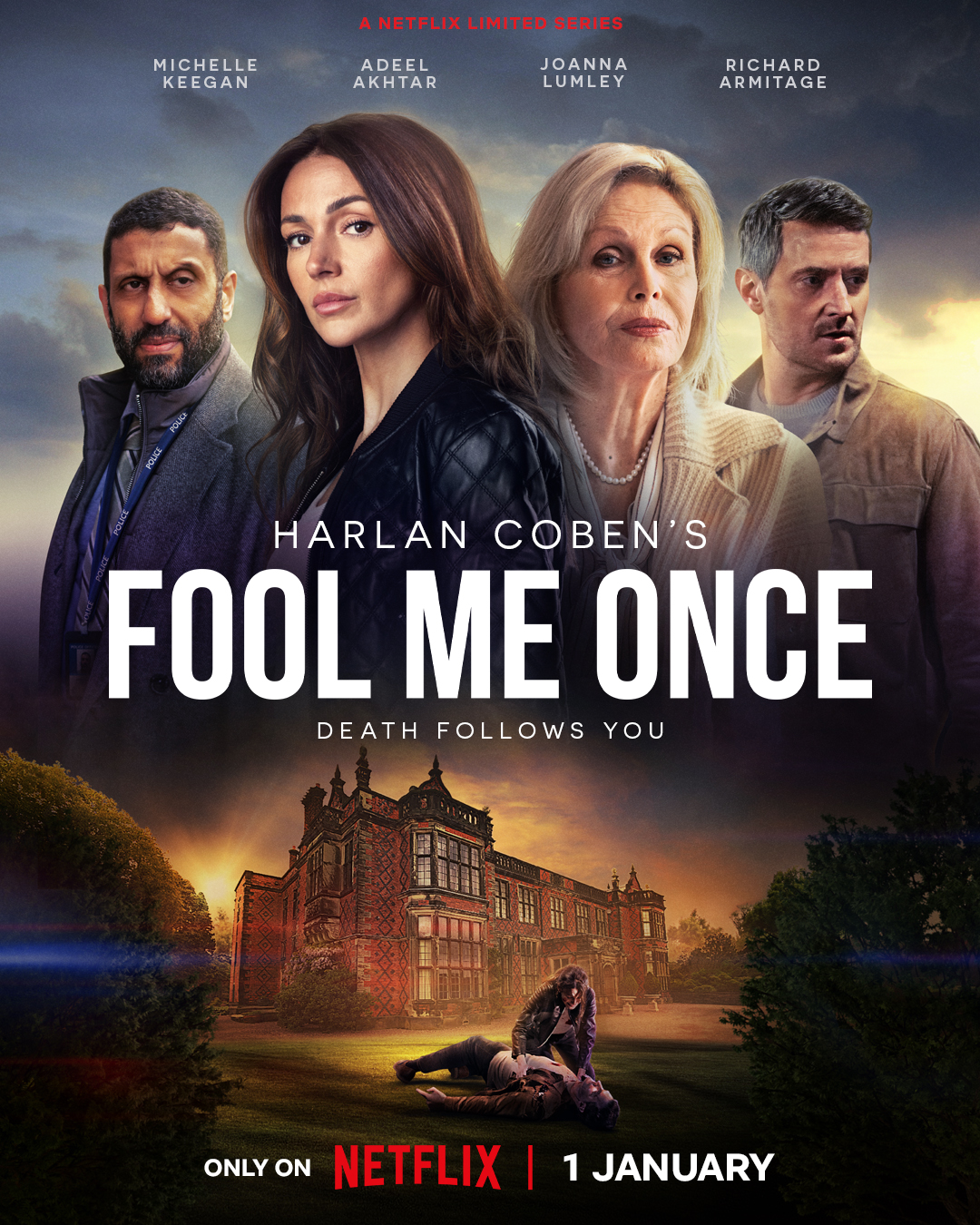
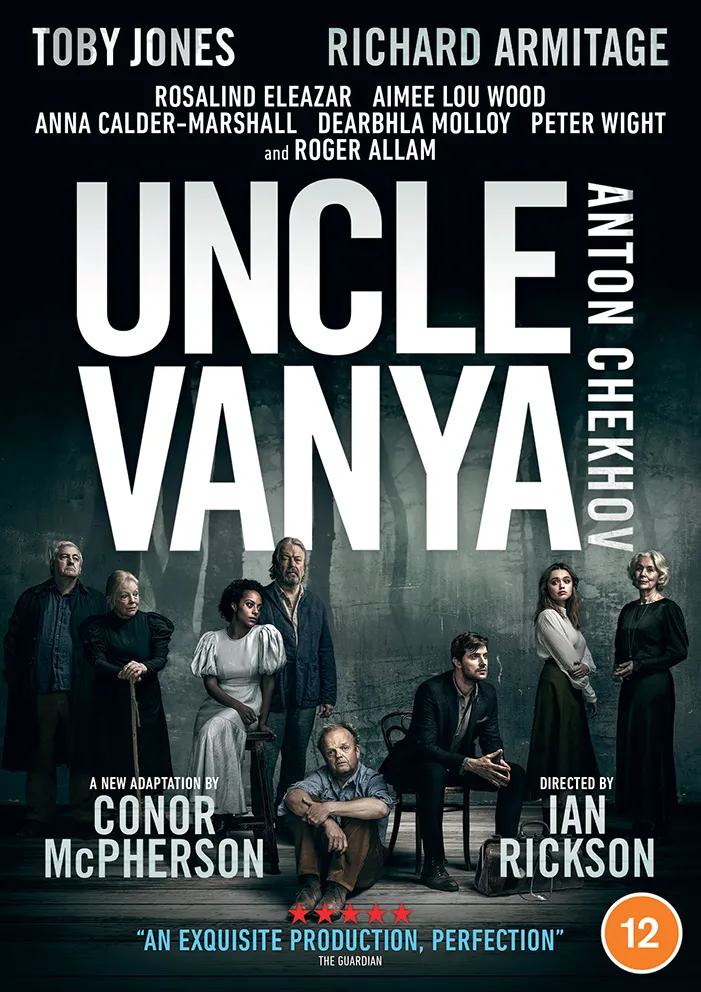
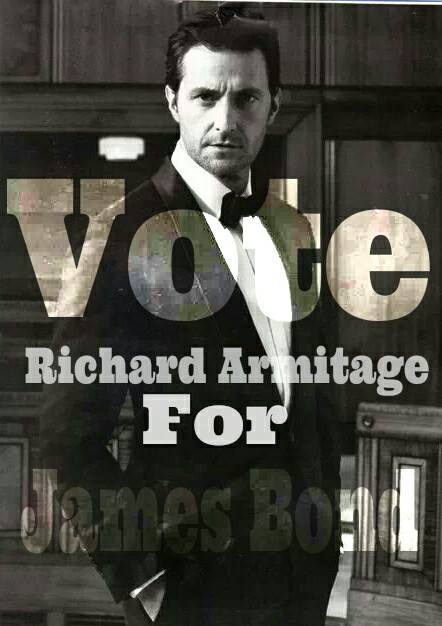
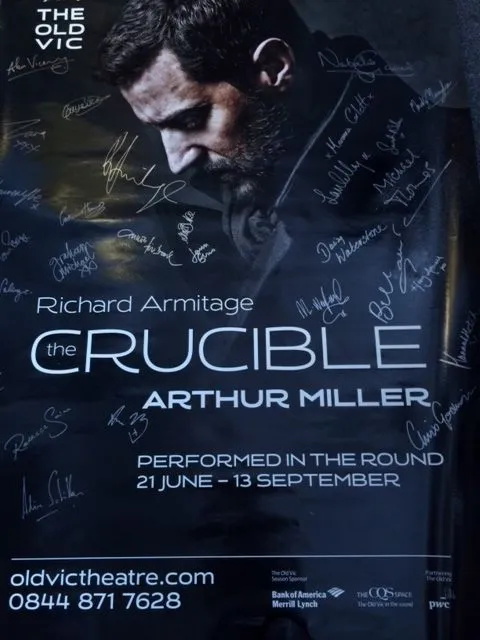
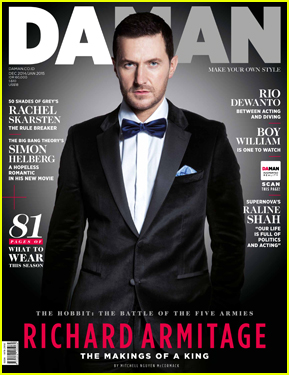
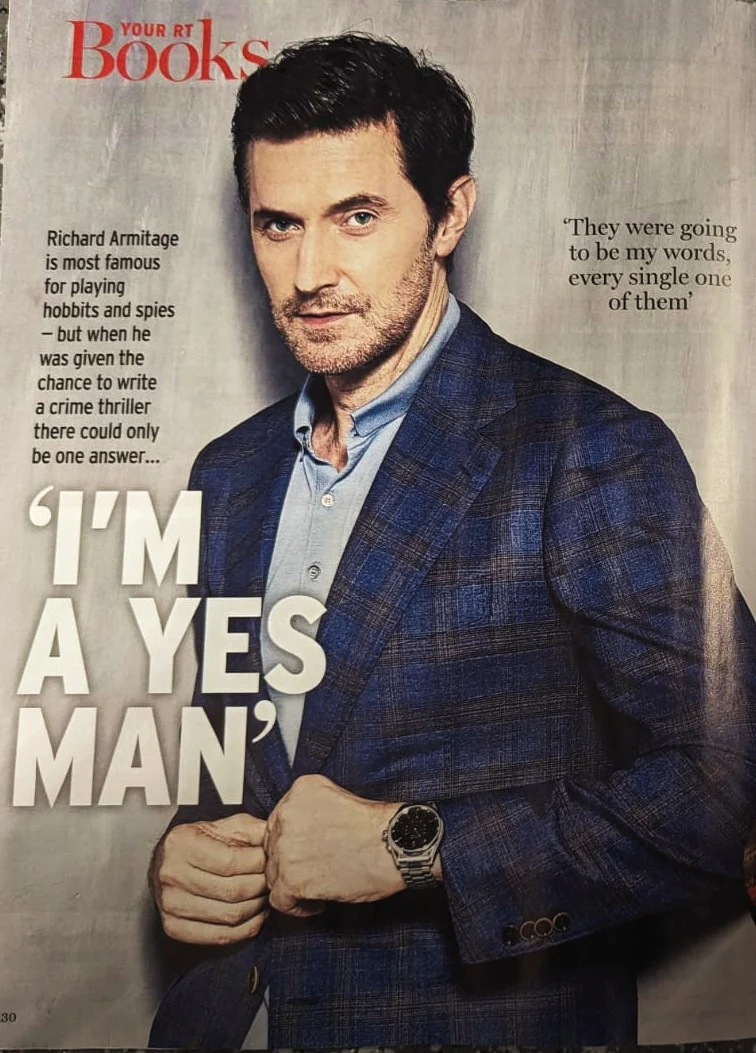
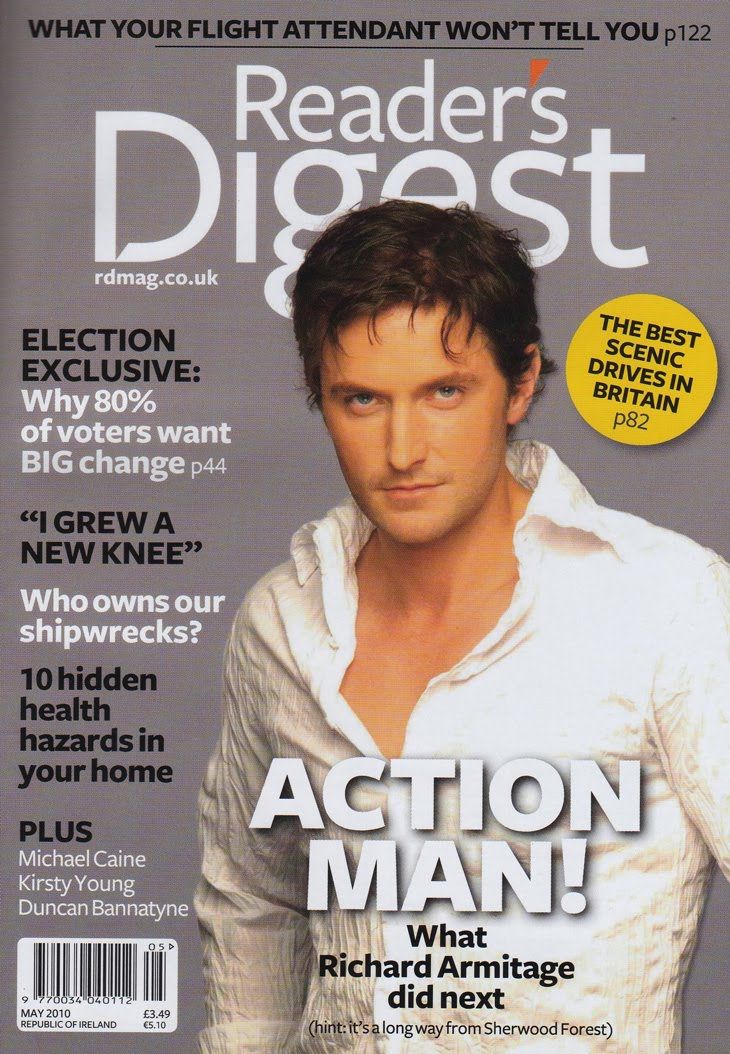
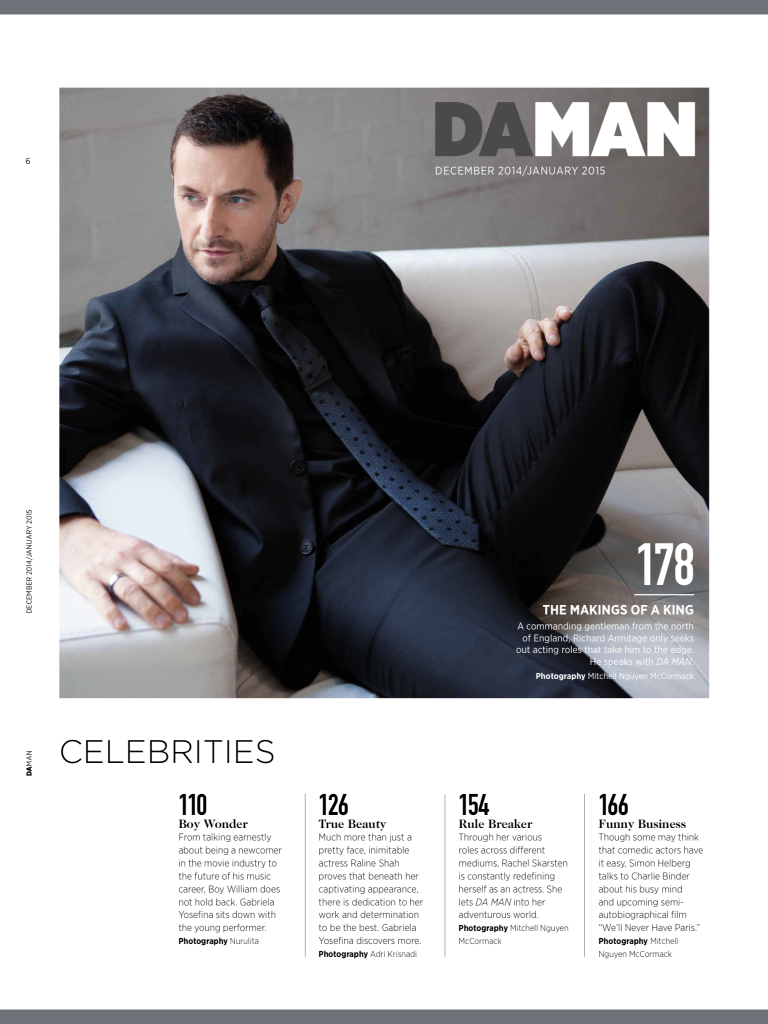
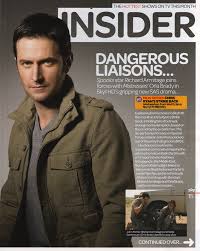
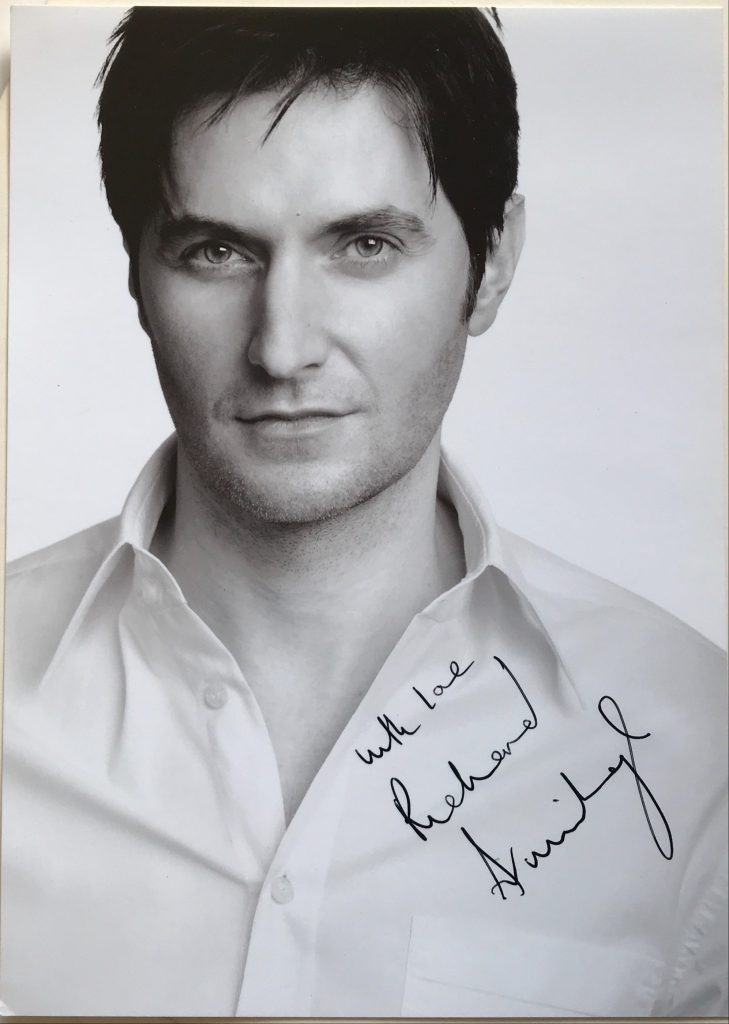
Richard Armitage
  • Richard Armitage

Richard Armitage has had some very prominent roles on British television including Guy of Gisborne in “Robin Hood”, John Thornton in “North and South” and is now cast in the film “The Hobbit”. He was born in 1971 in Leicester.

TCM Overview:

British actor Richard Armitage was a television star in his native country, playing complicated men of action on series like “Spooks” (BBC One/Three, 2001-2011) and “Strike Back” “(Sky 1/Cinemax, 2010- ) before leaping to international attention in Peter Jackson’s “The Hobbit” (2012-2014) film trilogy. Like Hugh Jackman before him, Armitage began his career in musical theater before finding fame on British television, playing dark, dashing anti-heroes on “North and South” (BBC, 2004) and “Robin Hood” (BBC One, 2007-09). His growing popularity, especially among female viewers, led to a starring role on “Spooks” as a one-time terrorist masquerading as a spy, as well as voiceover work on numerous TV commercials and in documentaries. He then segued into another action series, “Strike Back,” before landing a central role in “The Hobbit,” which necessitated his leaving the series for what would most likely be a star-making turn not unlike Viggo Mortensen’s career-transforming appearance in Jackson’s “Lord of the Rings” (2001-2003) trilogy. Having already conquered British television, Richard Armitage’s ascension to worldwide stardom in films seemed a foregone conclusion.

Born Richard Crispin Armitage in the village of Huncote, in Leicestershire, England on Aug. 22, 1971, he was the second son of engineer John Armitage and his wife, Margaret, a secretary. Armitage led a largely solitary childhood in which he found great solace in both reading and music. The latter, which encompassed playing the flute and cello at Brockington College and with a local orchestra, led him to Pattison College, where a school visit to see a production at the Royal Shakespeare Theatre inspired him to pursue acting as well. Armitage began appearing in school productions before leaving Pattinson at the age of 17 to join a theater group, The Second Generation, at a circus in Budapest, Hungary. The experience earned him his Equity card, which allowed him to work professionally as an actor in the U.K. Upon his return to his native country, Armitage worked in musical theater before enrolling at the London Academy of Music and Dramatic Art to hone his acting skills. Following his completion of the school’s three-year program in 1998, he made his screen acting debut with a one-line role in “Star Wars: The Phantom Menace” (1999). Armitage soon found steady work in theater while balancing bit and supporting roles in features and television.

In 2002, Armitage won his first substantive television role in “Sparkhouse” (BBC, 2002) a modern take on Wuthering Heights. More work on television soon led to his first starring turn in “North and South” as a mill owner who fell in love with Daniela Denby-Ashe’s plucky working class heroine. Armitage’s sensitive performance was praised by critics and fans alike, both of which minted him as a romantic leading man on the rise. He further cemented his fan base as Guy of Gisborne on “Robin Hood” (BBC One, 2007-09). At first glimpse, Gisborn was a world-class rogue in league with the series’ main villain, the Sheriff of Notthingham, but over the course of the season, viewers received a glimpse of the character’s conflicted loyalties, especially in regard to Marian (Lucy Griffiths) and his sister (Lara Pulver), who fell in love with Jonas Armstrong’s Robin of Locksley. The program was a sizable hit on both sides of the Atlantic, which increased Armitage’s profile even further.

While working on “Robin Hood,” Armitage also kept up a steady schedule of guest appearances on other series, while adding voiceover and radio work to his list of accomplishments, including a 2007 stint reading the letters of former poet laureate Ted Hughes on BBC Radio 4. The following year, he joined the cast of the popular espionage series “Spooks” as Lucas North, a British operative whose eight-year stint in a Russian prison left him a damaged, compromised figure upon his return to spy work. North remained the series’ leading role until its ninth season, when it was revealed that he had participated in the bombing of the British Embassy in Senegal and murdered a friend, a spy in training whom he then impersonated to gain entry into the government secret service. North’s suicide in the finale of the show’s ninth season marked the end of another critically acclaimed run for the actor, who had also performed his own stunts throughout the action-packed series, including a sequence in which he was briefly put through waterboarding.

Armitage quickly moved into another action series, “Strike Back,” playing a former special forces operative who reluctantly returned to duty after a mission that claimed the lives of two fellow soldiers. While working on the series, Armitage’s voiceover career soon encompassed advertisements for Alfa Romeo, Sky Television and the BBC’s coverage of the Winter Olympics in Vancouver, as well as numerous documentaries, radio programs and audio books. He also found time to make his Hollywood feature debut as Nazi spy Heinz Kruger in “Captain America: The First Avenger” (2011). But when production commenced on the second season of “Strike Back,” Armitage was forced to drop out due to a commitment for what would be his biggest project to date: Peter Jackson’s three-part film trilogy “The Hobbit,” in which he starred as Thorin Oakenshield, leader of a company of 13 dwarves who enlisted Bilbo Baggins (Martin Freeman) in a quest to reclaim their home from a monstrous dragon. Following completion of the film’s 18-month shoot, Armitage was cast in the action-thriller “Black Sky” (2013) as a widowed father protecting his son in the aftermath of a tornado.

By Paul Gaita

The above TCM overview can also be accessed online here.
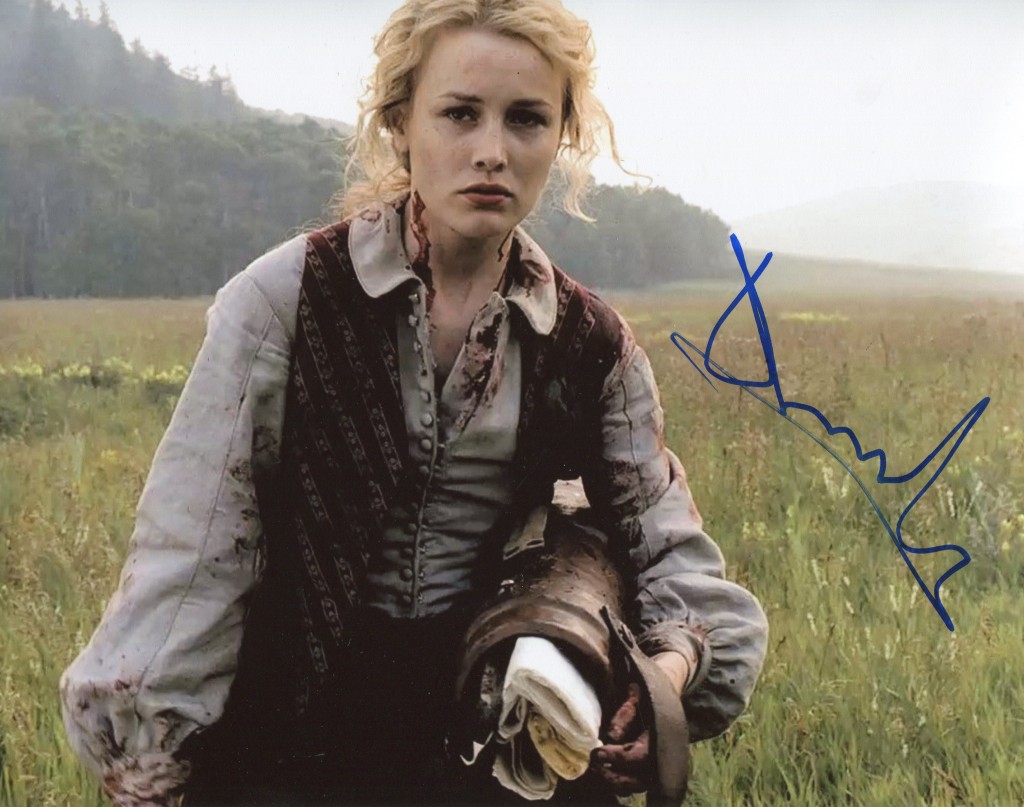
Dominique McElligott

Dominique McElligott is an Irish actress who made her acting debut in the television series “On Home Ground” in 2001. Her movies include “Whiskey Echo” in 2005, “Satellites and Meteorites” in 2007 and “Hell on Wheels” in 2011.

“Collider” interview by Christina Radish:

On the new AMC Western series Hell on Wheels, Irish actress Dominique McElligott plays Lily Bell, a newly widowed woman trying to survive in a man’s world. After the death of her husband, Lily has the desire to fulfill her husband’s dream, which ultimately becomes her own dream, as she slowly gains respect in a world where even the toughest of men would fail.

During this exclusive interview with Collider, Dominique McElligott talked about doing her first American television series, how the authenticity and complexity of Hell on Wheels really appealed to her, that she loves playing the strong outsider on an emotional journey, that the average lifespan for the real women who arrived in Hell on Wheels (what they called the traveling town that serviced the construction of the first transcontinental railroad) was only 17 months, and how the challenge of working out in the elements while weighted down by the costumes and covered with mosquito bites only adds to her performance. Check out what she had to say after the jump:

Question: How did you come to this show? Were you looking to do American television?

DOMINIQUE McELLIGOTT: I hadn’t done any work in America. I’m from Ireland. It was very serendipitous. Ironically enough, I was doing a Western in Bolivia, and my manager, who was an American woman that I met in London, was bugging me to come over to L.A. and I didn’t want to. I was hanging out in London, just back from this Western I did in Bolivia, and I was having drinks with friends who are all flight attendants, and they said that they would get me over to America for free, and I could stay and do some meetings and auditions. Hell on Wheels was the first one. I arrived on the 5th of July, and the Hell on Wheels audition was on the 6th or the 7th. It was crazy! They didn’t know me, at all.

Obviously, I loved the pilot and I loved the character, but I didn’t anticipate ever actually getting the chance to do it. When you go up for these brilliant parts, you just figure, “Okay, well, they’re going to pick some American actress, and that will be that.” But, the opportunity was there, and I really enjoyed the audition. It was fun. Actually, I did do an American pilot, but it wasn’t shot in America, it was shot in South Africa. It was called The Philanthropist, and it was for NBC. But, my character was cut out of it. One of the writing producers didn’t see a future for my character, so it was bye-bye me, and I packed my suitcases and went home. It’s always touch-and-go. You never know what’s going to happen to a show. We just had a lot of wishes and hopes that this would turn out because we’re very fond of it.

What do you think makes this Western different from Deadwood?

I know that comparisons are being made between Deadwood and Hell on Wheels, and having watched Deadwood, I think that the comparisons are going to stop, after a couple of episodes, and the show is going to be seen to be so much more than a Western. It’s so much more than that. You don’t get the diversity of characters in a Western that you get in this show. The authenticity of it, and the fact that it’s not stylized like the Westerns are, makes it much more complex. There are social issues being dealt with. There is such a diversity of characters that you wonder, “How are these people going to relate to each other? How are they going to converse?” There’s going to be conflict. There’s going to be a lot of tension. How is that going to be resolved? What’s the interaction like? Basically, it’s a question of survival, and who’s going to survive and who’s going to die. It’s so much more than just a Western.

What was it about this woman that you felt you could identify with?

McELLIGOTT: I love that she’s an outsider. I love that she’s from this alien place, in comparison to where she ends up, in Hell on Wheels. She is bridging the gap between these two worlds that are so different from each other. She’s lost, and she’s trying to find out where she belongs, and form a place for herself. I really love that, and I love her strength. I like playing strong characters, where there’s somewhere to go. She has a lot to work with. The emotional magnitude of it is just enormous. When I was doing some of Lily’s scenes, more so than any other shoot or character, because of the elements and the grittiness and the authenticity of the show, I found it so draining, emotionally, physically and mentally. I would go home with 42 mosquito bites, just weighed down by 100 pounds of clothes and corseted. It’s just crazy, how these women survived. Well, they didn’t. I read that the average lifespan for a woman, when she arrived at Hell on Wheels, was 17 months. That’s how long they lasted. They would die because of the elements and all the things they had to cope with. That gives you an idea of how gritty it was. To go there emotionally is quite a challenge.

How does the pain and suffering that Lily goes through in the pilot affect who she is, for the rest of the series?

McELLIGOTT: She certainly goes on a journey. You’ll see. It jumps back. You don’t see much of her history and background in the pilot. She’s the Englishwoman, and you’re speculating that she’s not from there and that she’s out on her own with her husband, but it will go back and you’ll be given a flavor of where she is and what she decides. The pain and suffering that she goes through is the beginning of her developing a stoicism, in terms of what she’s used to and what she has to deal with. She becomes immune to it, to a certain extent. In a lot of ways, she’s the audience, who acts as the introduction to this world because she also is the outsider. I really like that. That’s her job, and you get to see her survive, under those circumstances.

Does she have much interaction with the other characters, throughout the season?

McELLIGOTT: She does, absolutely. She is feisty and fiery. She doesn’t make friends too easily. That’s the same with all the characters. Elam (Common) and Cullen’s (Anson Mount) story is a fantastic storyline, with how they relate to each other and how they develop a rapport. Lily will interact with everybody, and some relationships are good and some are bad.

Once you were cast, did you do any research into this time period, or does being in the environment with the sets and the wardrobe help?

McELLIGOTT: Both are a help. The costumes absolutely help. You go straight there, when you put on 100 pounds of clothing. I also watched a documentary that I was given about the transcontinental railroad and the building of it. I asked the brothers (Joe and Tony Gayton) a lot of questions. They’re very knowledgeable. They worked on the pilot for three years, so they knew everything and they were able to tell me a lot of stuff. The more I stayed with it, the more interested I got. It was really fascinating. The whole industry of it and just the work that went into it and the people that surrounded the building of it was absolutely fascinating.

Has it been a collaborative process, in developing this character?

McELLIGOTT: They were 100% responsible for Lily. They’re fantastic, talented, gifted writers. I love it. I don’t know how they do it, but they wrote the character. I cannot take credit for Lily. I can take credit for the performance, but they’re the writers. If I have freedom to experiment with a scene, then I try my best to do that. With TV and with the variety of directors you have on a season, you rarely get that opportunity. It’s more structured.

What’s it been like to shoot this in Calgary, Canada?

McELLIGOTT: I miss L.A. because of the weather. It can change so much in Calgary. You can get a storm one minute, and then the sun will come out and it will be hot. We’ll have wet suits on under our clothes when it’s raining, and then we have to go bare-legged when the sun comes up because we’re so hot. That can happen in the space of a day, in just a couple of hours.

Does being that far away from home help you, in terms of the character?

McELLIGOTT: It is a help, in one regard, but it’s also a distraction, in another regard. If you’re so hot that you can’t concentrate, or you’re getting bitten by mosquitos in the middle of a scene and you just want to scratch, that can be distracting, but you’ve got to roll with it. It’s that type of show. If it adds to the authenticity and the look and the grittiness of what the show should be, then I’m happy. Anything for the art, right?

What has this cast been like to work with?

McELLIGOTT: Everyone is great, and really super-talented. Anson [Mount], Colm [Meaney] and Robin McLeavy are wonderful actors. We’re just so lucky. They’re very focused and passionate. The characters are so well-developed and multi-faceted that it just makes our job so easy. I haven’t really had that many scenes with Common yet, so I hope I have a chance to do more with him. He has a fantastic character and storyline, and he’s a wonderful actor and guy.

As an actor, is it fun for you to explore a character over a longer period of time, with different directors, who all have their own vision?

McELLIGOTT: It depends. Each director has their own style, so it’s a compromise, in terms of what your vision for a character is and their vision for the scene. You meet half-way and just find some common ground. Every director is different, but the insights from new people on set give you a different opinion and perspective, which is always embraced, in some way.

What’s been the most fun thing about exploring this character and being a part of this show, and what has been the most challenging aspect of it?

McELLIGOTT: The elements have been the most challenging, and just having to work in them. We’re in studio maybe two days for each episode. Just being outside, filming on a reservation, is the most challenging. The most fun part for an actor is the writing and the story and the character. That’s very fulfilling. Outside of that, the people that are on the show are just a joy and a pleasure to work with because everyone is so passionate and enthusiastic.

What initially attracted you to acting? Was it something you always knew you wanted to do?

McELLIGOTT: Yeah, from a very young age. I distinctly remember watching Daniel Day Lewis in My Left Foot, and my parents were discussing the fact that he’s an actor. To me, it was a foreign concept. I was like, “Someone is pretending to do that? That’s so awesome!” After that, it just stayed in the back of my mind. I started doing drama after school, and it just developed into something that I did and I enjoyed, very much.
Read more at http://collider.com/dominique-mcelligott-hell-on-wheels-interview/#IfUtu0tI6fTzyfrk.99

Charlie Condou
Charlie Condeau
Charlie Condeau

Charlie Condou is an actor and a writer for the Guardian newspaper. He was born in London in 1973. He us currently on “Coronation Street” as Marcus. Other roles include “Dead Babies” and “Fred Claus”.

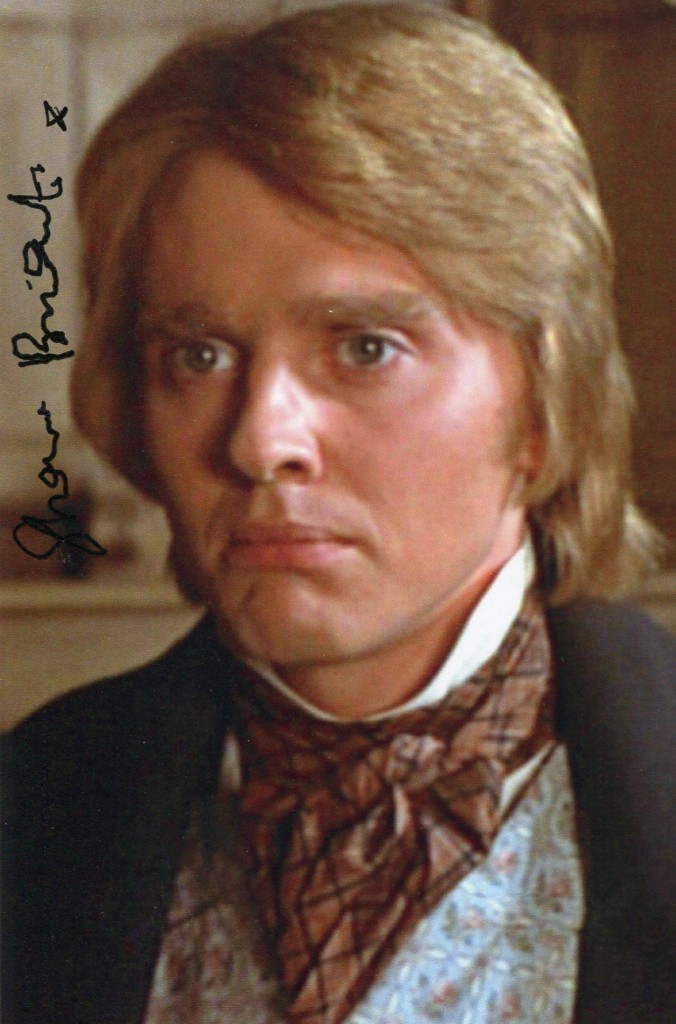
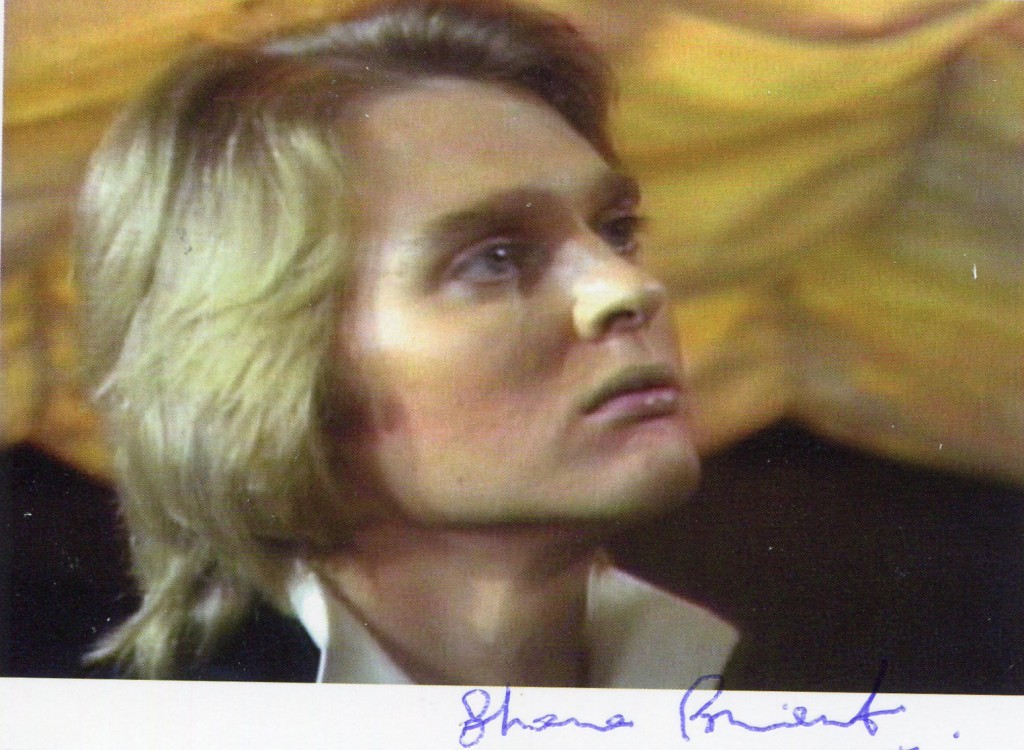
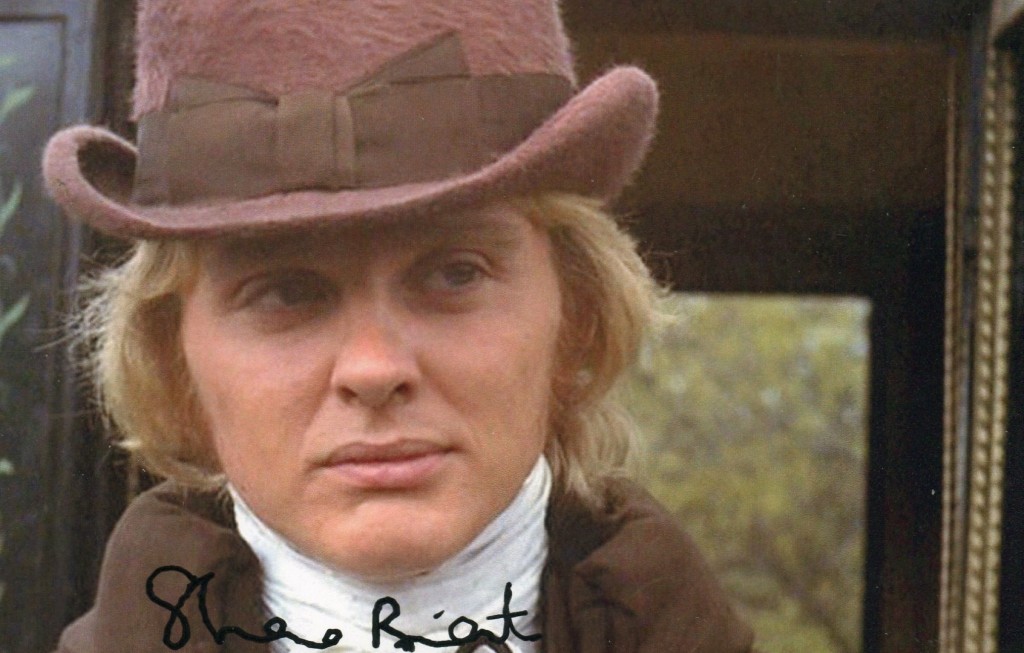
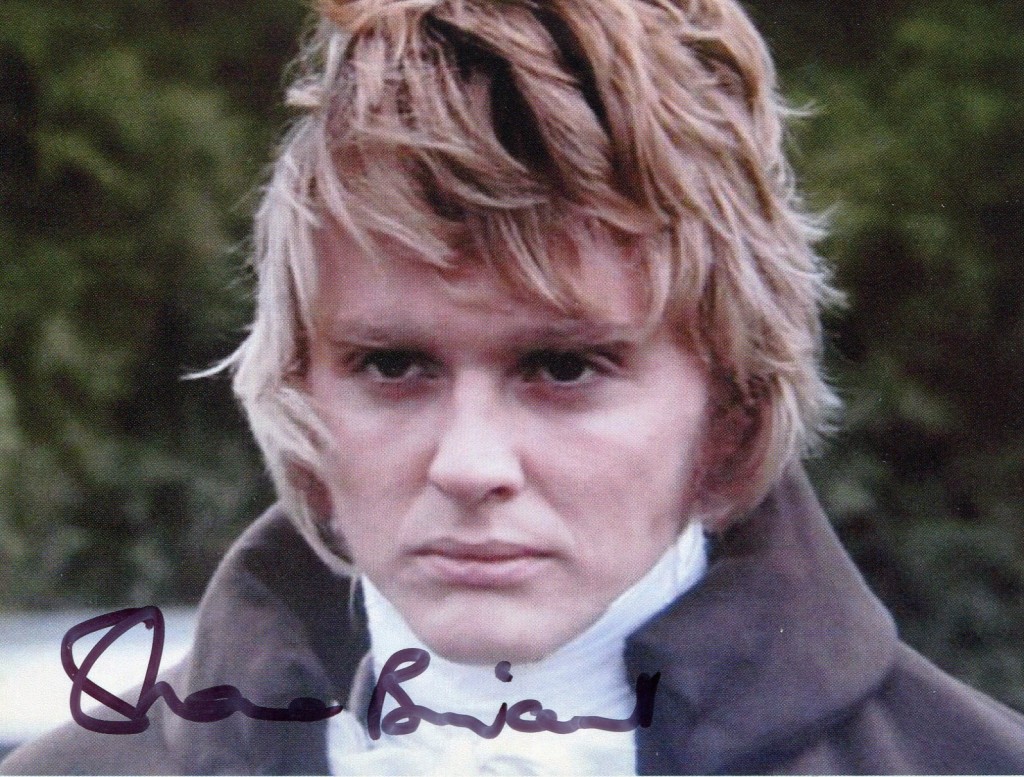
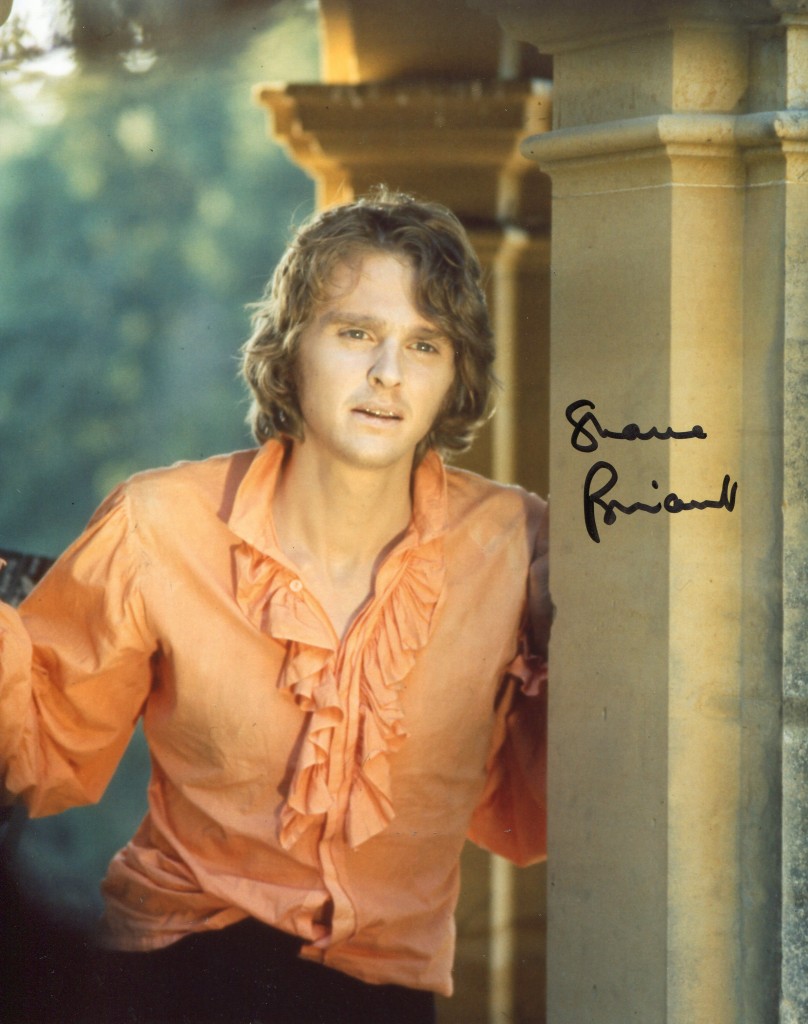
Shane Briant
Shane Briant
Shane Briant
Shane Briant
Shane Briant
Shane Briant
Shane Briant
74 Shane Briant
74 Shane Briant
Shane Briant
Shane Briant
Shane Briant
Shane Briant
Shane Briant
Shane Briant
Shane Briant
Shane Briant
Shane Briant
Shane Briant


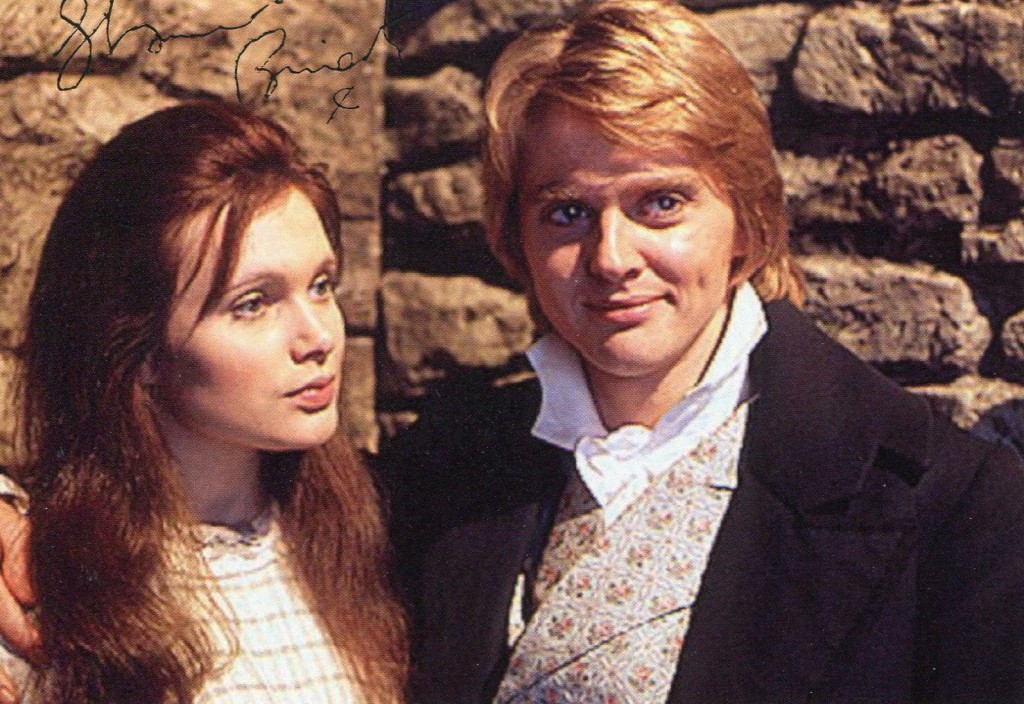
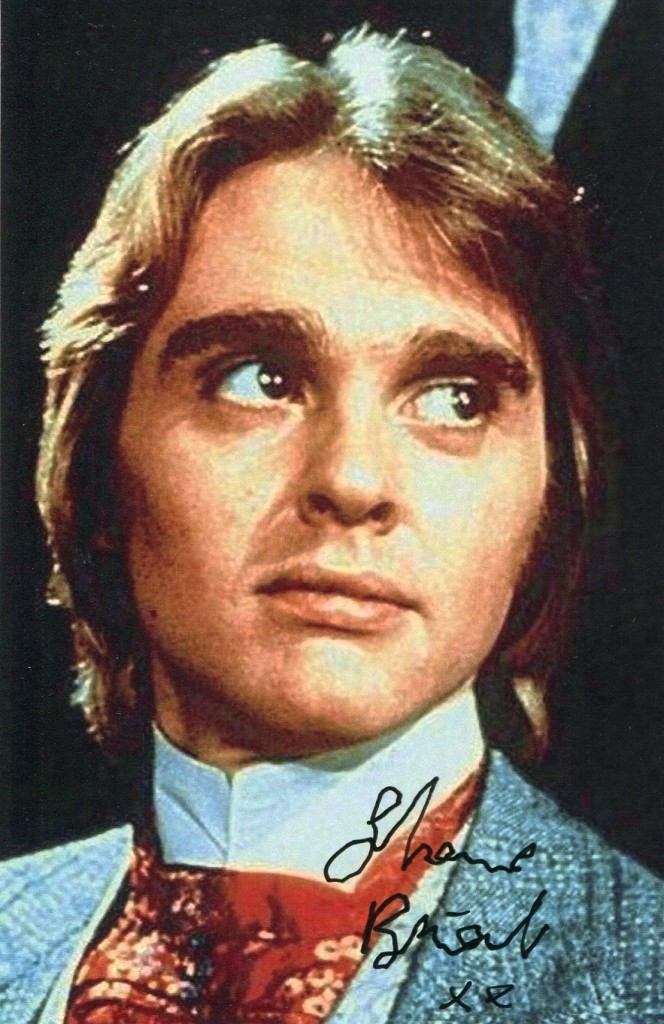
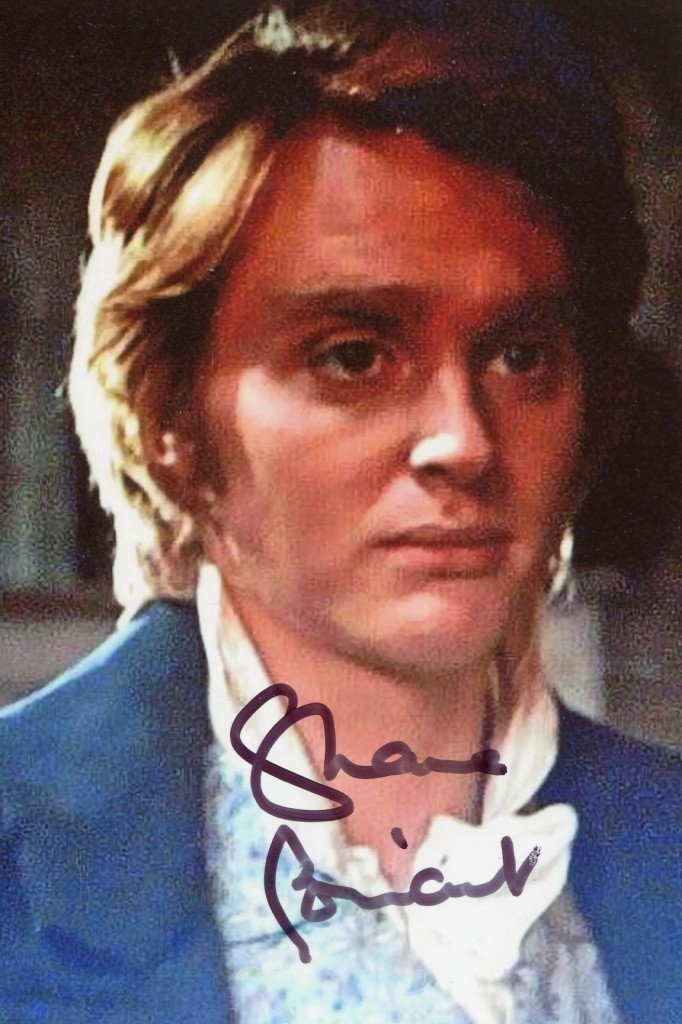
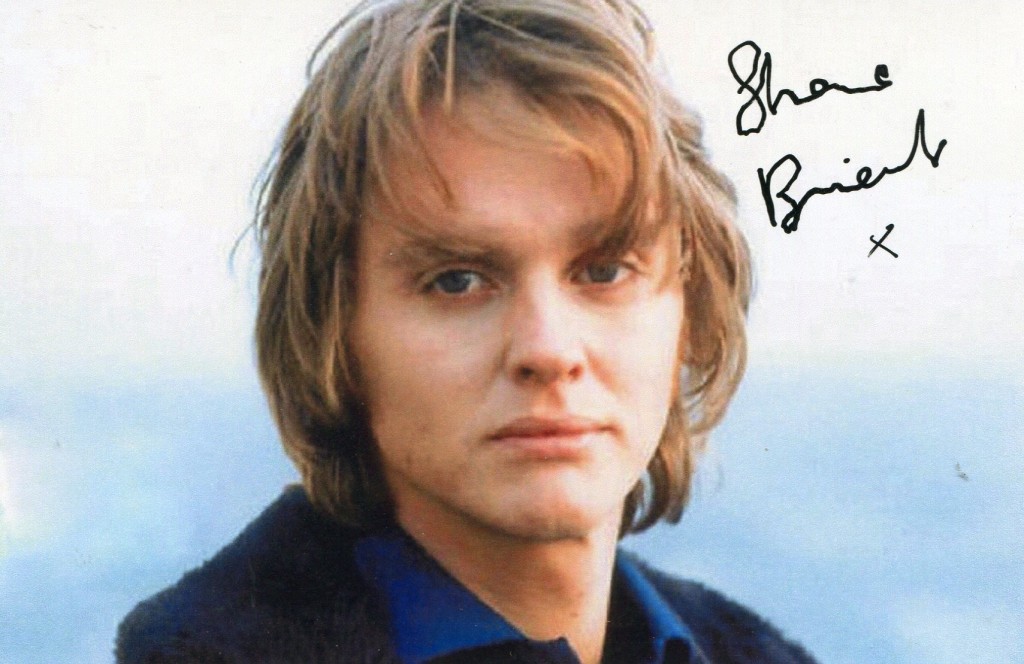
Shane Briant was born in London in 1946. He studied law at Trinity College in Dublin and made his acting debut in the city’s Eblana Theatre in “Hamlet”. In 1973 he signed a contract with Elstree Studios in London and made “Straight On Till Morning” with Tom Bell and Rita Tushingham and “Frankenstein and the Monster from Hell” amongst others. In more recent years his film work has been in New Zealand and Australia where he now lives. He is also a successful novelist.

IMDB entry:

Born in London, Shane Briant topped the Law School at Trinity College in Dublin, Ireland. Nominated by the London theatre critics as “Best Newcomer” in 1971, Briant has appeared in 32 features worldwide, most notably The Picture of Dorian Gray (1973), The Naked Civil Servant (1975), The Lighthorsemen (1987), John Huston‘s The MacKintosh Man (1973) and Lady Chatterley’s Lover (1981). He is also a novelist, having had five books published in Australia: “The Webber Agenda”, “The Chasen Catalyst”, “Hitkids”, “Bite of the Lotus” and his new best-selling thriller, “Graphic”, which came out in 2005. The short film he wrote in 2005, A Message from Fallujah (2005), won “Best in the Fest” at the Los Angeles International Short Film Festival, and many other awards. He lives in Sydney, Australia, with his wife and cats. (sbriant@bigpond.net.au)

– IMDb Mini Biography By: Wendy Lycett

The above IMDB entry can also be accessed online here.

Shane Briant obituary in The Times in 2021.

Stalwart of Hammer horror films such as Frankenstein and the Monster from Hell who played his roles with unnerving sincerity


Shane Briant, left, with Peter Cushing and David Prowse in Frankenstein and the Monster from Hell, his final Hammer film
ALAMY

Shane Briant gave filmgoers a fright by doing something that his older Hammer colleagues rarely thought to do: he took his roles seriously. Eschewing the booming cackles of Christopher Lee, he opted for a more unnerving sincerity, specialising in ethereal, ingenuous young men, driven to villainy more by madness than malice. For all the plastic and fur in which the costume department clad its monsters, none looked scarier than the ill intent lurking in Briant’s pouting lips and doe eyes.

In Demons of the Mind (1972) he played Emil, a young man whose father has imprisoned him for fear he would succumb to a hereditary insanity. Having escaped, he deliriously terrorises the townsfolk, particularly the women. Asked by a friend what his work for Hammer involved, he put on his poker face and replied, “I have to run after gorgeous girls, wrestle them to the ground, tear off their flimsy blouses and strangle them.” “My god,” said his friend, “that’s what you do every day?” “More or less,” he shrugged.

He played the boyfriend of a woman who does not realise he is a psychopath in Straight on Till Morning (1972), while in his final Hammer film, Frankenstein and the Monster From Hell (1974), he uncharacteristically played the hero, a young surgeon called Simon Helder, trapped in a prison, who realises that Victor Frankenstein is building a monster out of his dead inmates.

Briant and Yvonne Mitchell in Demons of the Mind (1972)
ALAMY

One day on set, the Monster from Hell, played by the future Darth Vader actor David Prowse (obituary, November 30, 2020), lumbered up and asked if he liked its costume. “I looked at him from head to toe,” Briant recalled, “it looked like a hairy plastic Halloween suit. I looked at the feet. They were huge, gross, and very ugly, almost deformed. At least the feet were good, I thought to myself. I told him so.”

There was a long pause, after which Prowse replied: “The feet are my own.”

Shane Briant was born in London in 1946, the younger son of Elizabeth (née Nolan), a journalist whose career as an actress had been curtailed by the Second World War, and Keith, an author and poet who, after the war, became a public relations officer for the army on the Rhine. When Shane was a small boy the family lived in Bad Oeynhausen, a spa town in northern Germany, and for a time German was his first language. “Speak English, Shane!” his father would demand. He got what he requested when, having beckoned Shane down from his room to show him off at a cocktail party, Shane spoke his first words in English: “Vot you vont?”

He was five when the family returned to London, where they lived in an apartment overlooking Kew Gardens. Unlike his brother Dermot, a precocious if morose 11-year-old who would decorate his room with quotations from Nietzsche, Shane was “an average kid who wanted to play the guitar”. As his years at Haileybury and Imperial Service College drew to a close, he sensed that he should abandon hopes of university and find a job to support his mother, who suffered from depression. His father had died when he was 16.

With Rita Tushingham in Straight on Till Morning (1972)
ALAMY

Yet his university dream was revived by the generosity of his mother’s friend, a woman called Kit Adeane who provided the funds for him to take a place at Trinity College Dublin, to study law. In his final school report the headmaster wrote “he has the air of a dilettante. He will not get far.” “Let’s see how far I get,” Briant remembered thinking. He joined the Trinity Players and a director who had seen him perform recommended him to play Hamlet in a TV series,Shakespeare for Schools, which led to him playing the role at the Eblana Theatre in Dublin. He performed with such poignancy that one audience member was heard to cry, “Oh Jeez, don’t die Hamlet, don’t feckin’ die!”

Briant caught the eye of the director Vincent Dowling, who was staging a work of grand guignol called Children of the Wolf, and wanted him to take the role of Robin, a brain-damaged youth who stabs his mother to death. It was then that the door to the Hammer mansion creaked open. After his time there he took the titular role in a 1973 adaptation of The Picture of Dorian Gray for ABC, and could perhaps have sprung into a career in Hollywood, but chose instead to remain in Britain where, on a Battersea tennis court, he met his wife, Wendy Lycett, with whom he emigrated to Australia in 1982. Living in Sydney, he did much work for Australian and Kiwi television, as well as writing eight novels.


In 2011 he published an autobiography, Always the Bad Guy, in which he wrote: “I’ve been cast as dangerous people all my life, and I’ve always been happiest playing them. On the odd occasions I’ve played good guys, I’ve had to dig deep into my imagination . . . does this suggest that I am at heart a bad person? I hope not. I consider myself a pussycat at heart.”

Shane Briant, actor, was born on August 17, 1946. He died after a long illness on May 27, 2021, aged 74

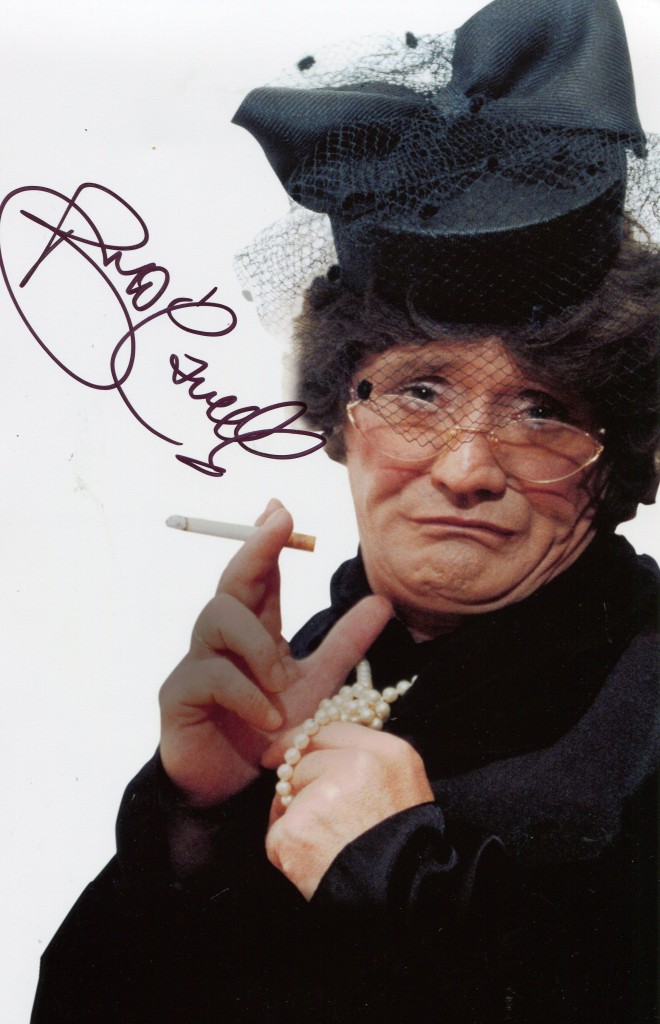
Brendan O’Carroll
Brendan O'Carroll
Brendan O’Carroll

Brendan O’Carroll was born in 1955 in Dublin. He has written several books, one of which “Agnes Browne” was made into a film directed by and starring Anjelica Huston. He was featured in the film. He is currently starring in the hughly successful television series “Mrs Brown’s Boys”.

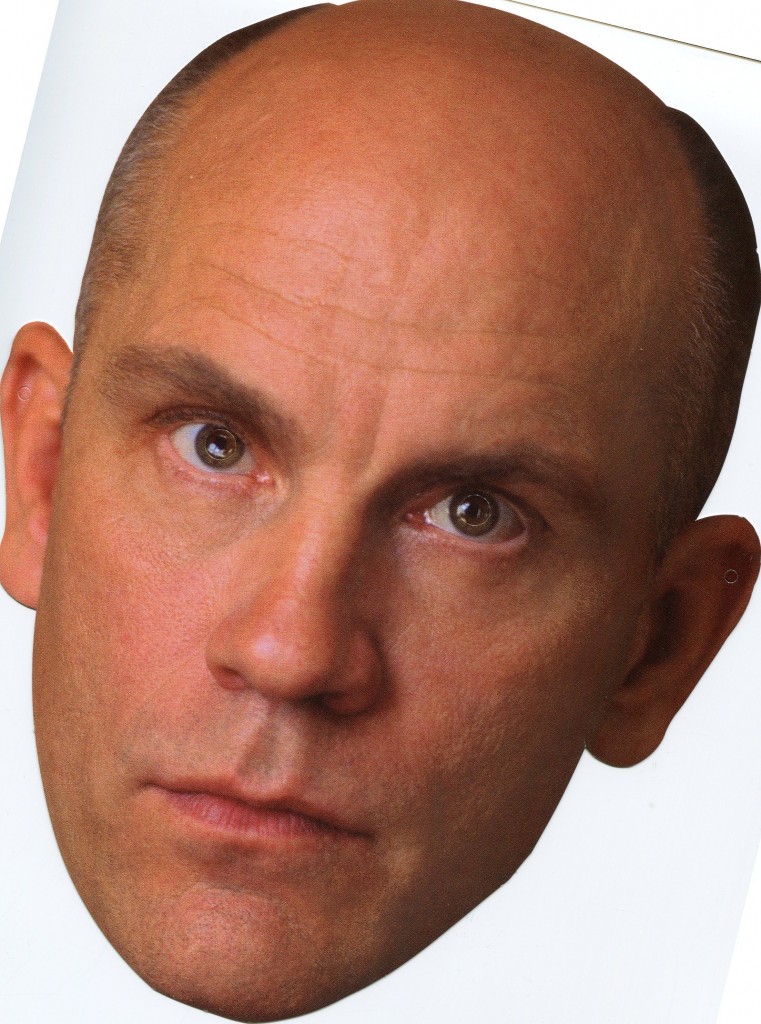
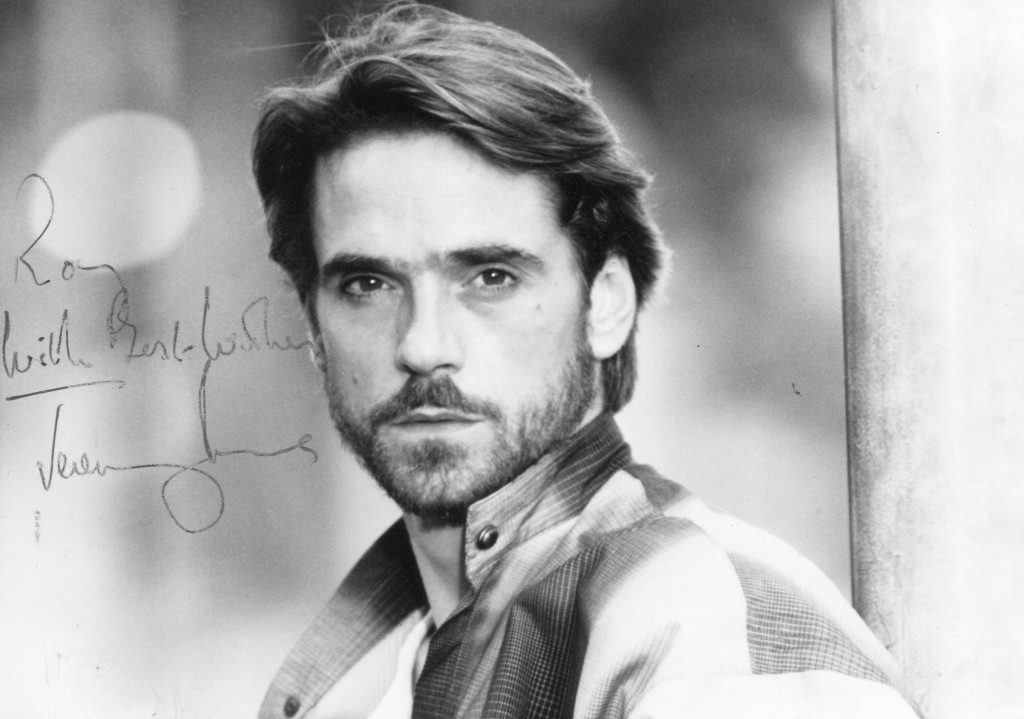
John Malkovich
John Malkovich
John Malkovich

John Malkovich was born in 1953 in Christopher, Illinois. In 1976 he vecame one of the founding members of the famous Steppenwolf Theatre Company in Chicago. In 1980 he acted on Broadway in Sam Shepard#s “True West”. He had made his film debut in 1978 in Robert Altman’s “A Wedding”. His other films include “Of Mice and Men”, “Places in the Heart”, “In the Line of Fire” and “Dangerous Liasions”.

IMDB entry:

In 1976, John Malkovich joined Chicago’s Steppenwolf Theatre, newly founded by his friend Gary Sinise. After that, it would take seven years before Malkovich would show up in New York and win an Obie in Sam Shepard‘s play “True West”. In 1984, Malkovich would appear with Dustin Hoffman in the Broadway revival of “Death of a Salesman”, which would earn him an Emmy when it was made into a made-for-TV movie the next year. His big-screen debut would be as the blind lodger in Places in the Heart (1984), which earned him an Academy Award Nomination for best supporting actor. Other films would follow, including The Killing Fields (1984) and The Glass Menagerie (1987), but he would be well remembered as Vicomte de Valmont in Dangerous Liaisons (1988). Playing against Michelle Pfeiffer and Glenn Close in a costume picture helped raise his standing in the industry. He would be cast as the psychotic political assassin in Clint Eastwood‘sIn the Line of Fire (1993), for which he would be nominated for both the Academy Award and the Golden Globe. In 1994, Malkovich would portray the sinister Kurtz in the made-for-TV movie Heart of Darkness (1993), taking the story to Africa as it was originally written. Malkovich has periodically returned to Chicago to both act and direct.

– IMDb Mini Biography By: Tony Fontana <tony.fontana@spacebbs.com>

The above IMDB entry can also be accessed online here.

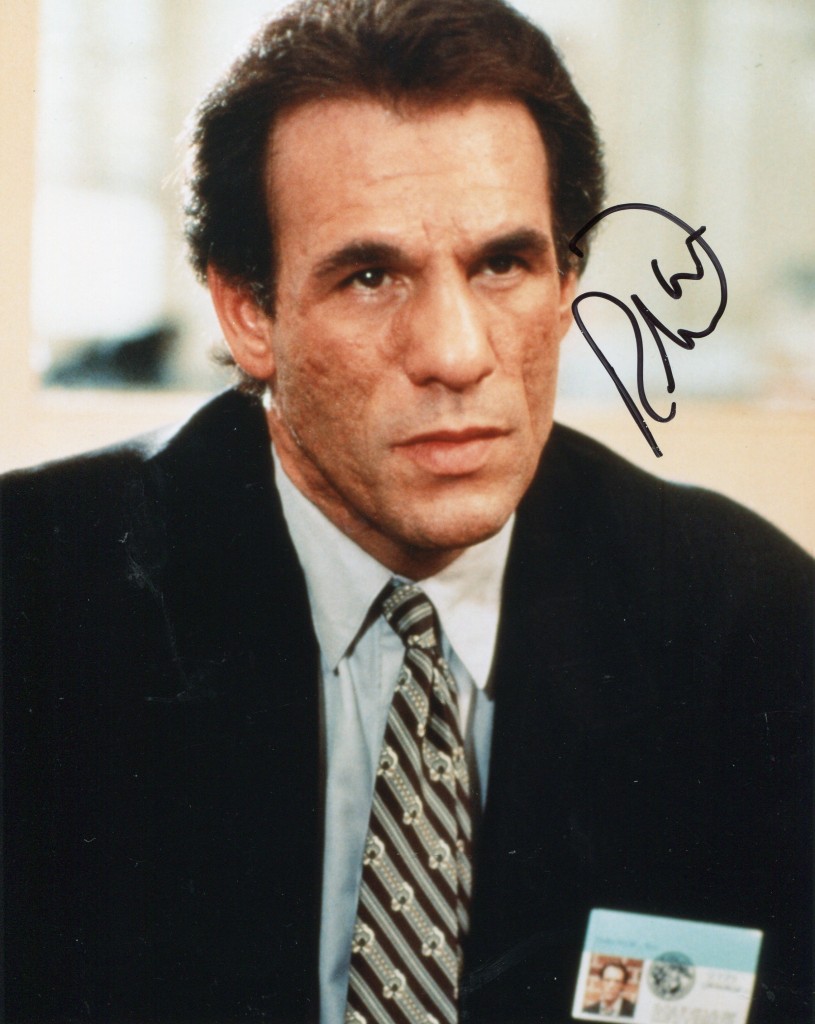
Robert Davi
Robert Davi
Robert Davi
Robert Davi

Robert Davi was born in Astoria, Queens, New York in 1953 of Italian heritage. He made his film debut in “Contract on Cherry Street” which starred Frank Sinatra in 1977. He achieved internaional prominence with his role as the arch villian in the James Bond thriller “Licence to Kill” in 1989. He is an active member of the Republican Party.
TCM Overview:

 Although rough-hewn Italian-American actor Robert Davi became known primarily for his portrayals of menacing tough guys, his range as a performer often surprised audiences when given a chance. Having briefly entertained a career in opera, Davi made his onscreen debut with a small role opposite his lifelong idol Frank Sinatra in the crime-drama “Contract on Cherry Street” (NBC, 1977). After toiling away for most of a decade, the actor gained notice for two vastly different roles in the fan favorite films “The Goonies” (1985) and “Die Hard” (1988). A starring turn in the made-for-TV movie “Terrorist on Trial: The United States vs. Salim Ajami” (CBS, 1988) led to Davi’s being cast as brutal drug baron Franz Sanchez opposite Timothy Dalton’s James Bond in “License to Kill” (1989). While work in such box-office fiascos like the notorious sexploitation movie “Showgirls” (1995) did little to improve his standing, he courted a broader audience as one of the good guys on the crime series “Profiler” (NBC, 1996-2000), where Davi played F.B.I. Agent Bailey Malone. Davi later embraced his love of classic popular music with his debut as a director for the crime comedy “The Dukes” (2007) then parlayed that experience into a recording career with the CD Davi Sings Sinatra – On the Road to Romance. Never away from tough guy roles for long, Davi continued to appear in such gritty fare as the based-on-fact crime-thriller “The Iceman” (2012), proving he was one of the more dependable character actors in the business.

Born on June 26, 1953 in Astoria, Queens, NY, Robert John Davi was one of three children and the only son born to Maria Rulli and Sal Davi, an Italian immigrant. While still young, Davi moved with his tight-knit family to a suburb of Long Island where he attended Catholic grade school prior to entering Seton Hall Catholic High School. It was there that the 9th grader – who had already performed well as an athlete – began to take an interest in acting, portraying Macbeth in one Seton Hall production. Both career opportunities were nearly sidetracked after a nun at the Catholic school overheard Davi singing to himself one day and, suitably impressed, encouraged him to join the glee club. From high school, he continued on to New York’s Hofstra University on a drama scholarship and entered its prestigious Shakespeare program, noted for its theater in the round productions. After leaving Hofstra, Davi moved to Manhattan, where he eventually studied acting with the legendary drama coaches Stella Adler and Lee Strasberg. During this period, the talented performer divided his time between dramatic work and endeavors as a member of the start-up Lyric Opera Company in Long Island. Eventually, strained vocal chords and limited opportunities in the world of opera refocused Davi’s energies into his nascent acting career.

In what must have surely seemed like a portentous turn of events, Davi made his screen debut alongside his family’s idol, Frank Sinatra, when he played Mickey Sinardos, a Greek underworld figure in the well-received crime drama “Contract on Cherry Street” (NBC, 1977). With this first taste of success, the young actor moved to Los Angeles and never looked back. Over the course of the next decade Davi appeared with regularity in small roles on various popular series and in made-for-TV movies, never as the lead, but gradually familiarizing audiences with his rugged face, usually in the role of an intimidating tough guy. Eventually Davi began to make the transition into feature film, first with the Clint Eastwood-Burt Reynolds crime comedy “City Heat” (1984) and most notably in the Richard Donner-directed teen adventure “The Goonies” (1985) as Jake Fratelli, a member of a dysfunctional family of crooks out to score a fortune in lost treasure. Similar work came his way in roles like that of a mob enforcer in the Arnold Schwarzenegger actioner “Raw Deal” (1986).

Soon after, Davi landed a breakout role as the eponymous Middle Eastern radical, kidnapped and brought to the U.S. to face charges of terrorism in the political drama “Terrorist on Trial: The United States vs. Salim Ajami” (CBS, 1988), opposite Sam Waterston and Ron Leibman. In addition to garnering strong reviews from critics, his intense portrayal of the accused PLO terrorist was brought to the attention of James Bond producer Albert ‘Cubby’ Broccoli, who would soon make Davi an offer he could not refuse. In the meantime, moviegoers got to know the actor a bit more as an overly confident F.B.I. agent out of his depth in the Bruce Willis action blockbuster “Die Hard” (1988). Riding high off the success of that hit film, Davi reappeared in what would be one of his most recognizable roles, that of Latin American drug kingpin Franz Sanchez, the latest addition to the pantheon of villains pitted against James Bond (Timothy Dalton) in “License to Kill” (1989). As with most Bond villains, Sanchez’s gruesome demise precluded Davi’s returning for any future 007 adventures, however, his suave yet menacing performance upped his Hollywood standing considerably.

Although he had successfully made the transition to feature films, Davi picked up another meaty part late in the run of the acclaimed crime series “Wiseguy” (CBS, 1987-1990) as mob boss Albert Cerrico. For Davi, the decade of the 1990s was peppered with several regrettable efforts, among them “Christopher Columbus: The Discovery” (1992), the big-budget historical debacle, co-starring Marlon Brando and directed by frequent 007 helmer John Glen. That critical and commercial disaster was followed in quick succession by a series of less-than-memorable projects, including the failed franchise revival “Son of the Pink Panther” (1993) and the joyless Chevy Chase comedy “Cops and Robbersons” (1994). More notorious than notable was the instant camp classic “Showgirls” (1995), which featured Davi as a sleazy and vaguely menacing club owner opposite the film’s under-clothed star, Elizabeth Berkley.

After nearly 20 years as a Hollywood heavy, Davi found himself back on television, where he enjoyed the rare opportunity to play a hero rather than the bad guy on the F.B.I. procedural “Profiler” (NBC, 1996-2000). Cast opposite series star Ally Walker, Davi played her partner and mentor in the violent crimes task force, Agent Bailey Malone. Davi kept busy with a steady combination of film and TV work in the years that immediately followed “Profiler” before making his debut as a writer-director of the feature film “The Dukes” (2007). A crime comedy about a washed up doo-wop duo who pull an ill-advised heist in an effort to score some fast cash, it co-starred Davi, Chazz Palminteri and Peter Bogdanovich and allowed Davi the opportunity to show off a bit of his singing acumen. Before, during and after the production, the actor continued to work on other projects, including a recurring role as Commander Acastus Kolya throughout the run of the sci-fi spin-off series “Stargate: Atlantis” (syndicated, 2004-09).

Perhaps inspired by the positive reaction to his vocal work in “The Dukes,” Davi returned to his love of song and the music of his childhood idol to record the tribute album Davi Sings Sinatra – On the Road to Romance in 2011. Surprising listeners with his remarkably accomplished take on such standards as “Witchcraft” and “The Best is Yet to Come,” Davi further impressed audiences with a lengthy run of live performances in front of a 30-piece orchestra at The Venetian Resort Hotel in Las Vegas. Still in high demand as a tough guy, he was seen that year as mob assassin Ray Ferritto, the man who finally succeeded in taking out flamboyant Cleveland racketeer Danny Greene (Ray Stevenson) in the biopic “Kill the Irishman” (2011). Davi revisited similar thematic territory in “The Iceman” (2012), another based-on-fact crime thriller covering the life and career of sociopathic hitman Richard Kuklinski (Michael Shannon).

By Bryce Coleman

The above TCM overview can also be accessed online here.
Tommy Tune
Tommy Tune

Tommy Tune

Tommy Tune was born in 1939 in Texas. In 1965 he made his debut on Broadway in the musical “Baker Street”. He sonn became a noted Broadway performer and director and has won nine Tony Awards. His few films include “Hello Dolly” in 1969 and “The Boyfriend” which was made in England in 1971 co-starring with Twiggy. He and Twiggy went on to have huge success on Broaday in the musical “My One and Only” in 1983.

TCM Overview:

An amiable, lanky 6′ 7″ former chorus dancer, Tommy Tune has inherited the mantle of his mentor, the late Michael Bennett, as one of the few director-choreographers working in contemporary American theater. He is unique, however, in that he is also a musical theater star. In fact, Tune, who has won nine Tony Awards, is the only individual to have won the medallion in four different categories.

Born and raised in Texas, Tune headed to NYC in the early 1960s and on his first day in Manhattan landed his first job in the chorus of a touring company of “Irma La Douce”. He first worked with Michael Bennett as a chorus dancer in the Broadway show “A Joyful Noise” (1966) and had his breakthrough under Bennett’s guidance, playing the first openly gay character in a musical, the choreographer David in “Seesaw” (1973-74). Tune won his first Tony as Featured Actor in a Musical for the role, which had him tap dancing to a New York State statute (“Chapter 54, Number 1909”) and provided him with the showstopping, balloon-filled eleven-o’clock number “It’s Not Where You Start”.

Tommy Tune
Tommy Tune

Despite this acclaim, Tune was not able to find a suitable follow-up role, Instead, he turned to directing with the gender-bending Off-Broadway “The Club” (1976), which featured an all-female cast in male drag. He handled similar terrain with Caryl Churchill’s “Cloud 9” (1981), which had its cast playing characters of both genders. Tune segued to choreographing and staging musicals in tandem with Thommie Walsh and Peter Masterson respectively with “The Best Little Whorehouse in Texas” (1978). He has gone on to earn numerous accolades and awards for his polished, stylish musical stagings of such Broadway musicals as “”A Day in Hollywood/A Night in the Ukraine” (1980); “Nine” (1982), the highly-stylized musical version of Fellini’s “8 1/2”; “My One and Only” (1983); the Broadway version of the film classic “Grand Hotel” (1990); and “The Will Rogers Follies” (1991).

In 1983, Tune scored a personal triumph as star, director and co-choreographer of “My One and Only”, a reworking of the Gershwin musical “Funny Face”. Re-teaming with British model-turned-actress Twiggy (with whom he had co-starred in Ken Russell’s “The Boy Friend” in 1971). he proved a delight, invoking the ghost of Fred Astaire who had originated the role. After a long hiatus. Tune resumed performing opposite Ann Reinking in a touring company of “Bye Bye Birdie” in 1991. He has continued to perform his nightclub act “Tommy Tune Tonight!” (backed by the Manhattan Rhythm Kings) around the USA. His anticipated return to Broadway in 1995’s “Busker Alley”, a musicalization of the 1938 Charles Laughton starrer “St Martin’s Lane”, was curtailed when he broke his foot while performing in Tampa, FL. During his recovery from his injury, Tune recorded his first solo album, “Slow Dancing”, and penned his memoirs. “Footnotes” (both 1997). In 1998, it was announced that he was working on a musical stage adaptation of the Irving Berlin movie musical “Easter Parade” which would team him with Sandy Duncan. A 1999 Broadway opening was anticipated.

The above TCM overview can also be accessed online here.
Michael Douglas

Michael Douglas is the son of actors Diana Douglas and Kirk Douglas. He was born in New Jersey in 1944. He has starred in some of the most popular films of the past thirty five  years including “The China Syndrome” in 1979 with Jane Fonda. “Romancing the Stone” with Kathleen Turner in 1984, “Fatal Attraction” with Glenn Close” in 1987 and “Basic Instinct” in 1992.

TCM Overview:

Actor and producer Michael Douglas enjoyed great success by avoiding the heroic leading-man archetype by creating smart, flawed, sympathetically human characters. His popularity grew through several star-making hits, including “Romancing the Stone” (1984), “Fatal Attraction” (1987) and “Basic Instinct” (1992) and held strong as he portrayed midlife professionals at a crossroads in “Wall Street” (1987) and “Wonder Boys” (2000). Douglas rarely dominated a movie like his famous father Kirk Douglas had during his 1950s heyday, and, though his $20-million price tag might have suggested otherwise, the younger Douglas remained more of a complementary player who allowed a collection of strong actors to drive a film. In addition to his movie-star status, Douglas was well known as a film producer, garnering a Best Picture Oscar for his first outing, “One Flew Over the Cuckoo’s Nest” (1975), and maintaining his reputation with films including “The China Syndrome” (1979) and “The Rainmaker” (1997). The respected and well-liked actor raised eyebrows, however, when he married the much-younger screen beauty Catherine Zeta-Jones, with whom he later co-starred in the drug war drama “Traffic” (2000). Douglas’ professional output decreased at the start of the new millennium, marked by lesser efforts such as the remake of “The In-Laws” (2003), but it was a succession of tragic events – the fatal overdose of half-brother Eric; the conviction of son Cameron for drug dealing; and Douglas himself being diagnosed with throat cancer – that cast a pall on the venerable star’s personal life. Exhibiting the strength of character he had become known for, Douglas resurrected his most famous character, Gordon Gekko, in “Wall Street: Money Never Sleeps” (2010), garnering critical praise and reminding the world that Douglas was still a force to be reckoned with.

Michael Douglas was born on Sept. 25, 1944, to budding actors Kirk Douglas and Diana Dill. The couple was divorced when Douglas was five years old and he was raised by his mother and stepfather, William Darrid, in New York and his mother’s homeland of Bermuda. Douglas and his father had a tumultuous relationship and saw little of each other while the son and his brothers were growing up. After graduating from the tony private school, Choate, in Connecticut, Douglas went on to the University of California in Santa Barbara, where the beach environment and political stirrings transformed the “uptight” teen into a self-proclaimed “hippie.” On the brink of flunking out, Douglas was forced to declare a major and reluctantly chose theater. Anticipating that stage fright might hinder his career, Douglas reconnected with his father and learned some behind-the-scenes skills as an assistant director on Kirk’s “The Heroes of Telmark” (1965) and “Cast a Giant Shadow” (1966). Reportedly, the elder Douglas was not encouraged by his offspring’s acting potential after seeing him in a college production of “As You Like It,” however Douglas did get his theater degree in 1968 and moved to New York where he continued training at the Neighborhood Playhouse with Sanford Meisner.

After getting his feet wet in off-Broadway and regional theater productions, a deal to appear in “CBS Playhouse” (CBS, 1967-1970) brought Douglas to Los Angeles. In early TV roles, he often portrayed idealistic youths confronting the issues of the day in offerings like “Hail, Hero” (1969), “Adam at 6 A.M.” (1970) and “Summertree” (1971). He significantly upped his profile as the college-educated, idealistic partner of veteran detective (Karl Malden) on the TV cop drama “The Streets of San Francisco” (ABC, 1972-1980). The show not only polished Douglas’ acting chops enough to earn him three consecutive Emmys, it exposed him to every aspect of production. Douglas fell in love with the process and eventually began to direct episodes starring his idol, Malden. Douglas left the show in 1976 to pursue the opportunity to produce his first feature, Milos Forman’s “One Flew Over the Cuckoo’s Nest” (1975), adapted from the novel by Ken Kesey. His father, who had played the lead role of Randel McMurphy on Broadway, owned the film rights and tried unsuccessfully for a decade to put together a screen version of the feisty misfit who inspires his fellow mental patients to assert themselves. Douglas breathed new life into the project and the result was runaway box office returns and a sweep of the top five Oscars. Douglas shared Best Picture honors with Saul Zaentz and Kirk made a hefty profit, though it must have been difficult for the fading screen hero to see his newcomer son take home an Oscar while he had never earned one himself.

Joining forces with Jane Fonda’s IPC Films, Douglas next co-produced and starred alongside Fonda and Jack Lemmon in “The China Syndrome” (1979), a powerful political drama which benefited from the fortuitously timed near meltdown at New York state’s Three Mile Island nuclear power facility. The following year, Douglas suffered a skiing accident which led to knee surgery and an absence from the screen for three years. He was still regarded as more of a producer than an actor when he returned to the game in “Romancing the Stone” (1984), but his superb portrayal of the amiable, smug adventurer Jack Colton – a sort of black sheep Indiana Jones – began to change that perception. The film profitably teamed him with Kathleen Turner and Danny De Vito for a rollicking, fast-paced comedy adventure. After the trio made the inevitable, successful but critically maligned sequel, “Jewel of the Nile” (1985), Douglas found himself in ninth place on the annual exhibitors’ poll of the Top 10 box office stars, despite never having a track record as a leading man. In 1987, Douglas was handed the first dramatic lead that showed his real acting potential. Even though “Wall Street” was more about Charlie Sheen’s newbie character, Bud Fox, Douglas won the Best Actor Oscar and Golden Globe for his infinitely more intriguing Gordon Gekko – a wonderfully smarmy and arrogant corporate raider and the high-rolling epitome of 80s excess and greed. In fact, it was Gekko’s “greed is good” speech that entered the pop cultural lexicon. That same year, he took what could have been the unlikable role of a husband who endangers his family by trying to get away with adultery, and earned audience forgiveness with his human frailty in the megahit cautionary tale, “Fatal Attraction.” Perhaps even more with the latter film, Douglas effectively resonated with audiences as a morally lazy and thrill-seeking Everyman caught in the spider’s web of his own making.

Douglas reunited with De Vito and Turner in the marital black comedy “The War of the Roses” (1989), with the actor scoring again with a delicious, Golden Globe-nominated performance in the satiric commentary on “yuppie” materialism. Back in the producer’s chair, he formed Stonebridge Entertainment, Inc. in 1988 and went on to produce Joel Schumacher’s “Flatliners” (1990) and Richard Donner’s “Radio Flyer” (1992). In another box office hit resonant of his earlier victimization by Close, Douglas was drawn to the flame of a bisexual, man-eating lover (Sharon Stone) in “Basic Instinct” (1992). The film brought a firestorm of criticism from the gay community, but audiences flocked to see Paul Verhoeven’s sexy and stylish thriller. Around that same time, Douglas went through a stint of treatment for alcohol abuse, and the following year, scored again at the box office as a government employee on a revenge spree in Schumacher’s “Falling Down” (1993), though the critically lambasted film was tagged “wildly stupid” and “morally dangerous.”

Douglas produced “Made in America” (1993), a questionable comic pairing of Whoopi Goldberg and Ted Danson, before succumbing to a woman once again in “Disclosure” (1994). Based on Michael Crichton’s best-selling novel, the film told the story of a male executive sexually harassed by his female boss (Demi Moore). In a more lighthearted exploration of the battle of the sexes, Douglas starred as a single, handsome, commander-in-chief in Rob Reiner’s charming romantic comedy “The American President” (1995). He earned a Golden Globe nomination for his light and breezy performance as a widowed President trying to run the free world while romancing an environmental lobbyist (Annette Bening). In 1994, he signed a development deal at Paramount and produced and starred in the historical adventure “The Ghost and the Darkness” (1996), but the studio was much happier with two producing projects in which he did not act – John Woo’s actioner “Face/Off” (1997) and “John Grisham’s The Rainmaker” (1997).

Returning to the screen, Douglas had a box office hit as a ruthless businessman whose ne’er-do-well brother gives him an unusual birthday present in David Fincher’s dark thriller “The Game” (1997). After plotting the death of a wealthy young trophy wife (Gwyneth Paltrow) in “A Perfect Murder” (1998), Douglas delivered one of his most critically hailed roles as a pot-smoking college professor plagued by writer’s block in the sleeper hit “Wonder Boys” (2000). Onscreen he elicited sympathy for his bathrobe-clad sad sack, but offscreen the actor received a flurry of gossip attention over the end of his 23-year marriage to Diandra Douglas – amidst rumors of sex addiction and infidelity – and the beginning of his new romance and extravagant 2000 Plaza Hotel wedding to bombshell Catherine Zeta-Jones, 25 years his junior. Douglas reportedly fell in love with the Welsh beauty after seeing her in “The Mark of Zorro” (1998), proclaiming to all who would listen that he would one day make that woman his wife. The two were prominently (though separately) featured in “Traffic” (2000), the Steven Soderbergh Best Picture Oscar winner in which Douglas played a drug czar trying to rid the U.S. of substance abuse while his own crack and heroin-addicted daughter slips into ruin.

In 2001, Douglas could be seen as an Elvis-like hit man in the black comedy “One Night at McCool’s” and subsequently as a psychiatrist blackmailed into treating a patient with key information in the thriller “Don’t Say a Word.” After a long absence from television, the handsomely aging actor had a guest-starring appearance on the sitcom “Will & Grace” (NBC, 1998-2006) in 2002, earned yet another Emmy Award for his role as a gay suitor. The following year, while riding along in the media whirlwind surrounding his wife’s acclaimed performance in “Chicago” (2003), Douglas unfortunately earned more headlines than box office earnings for his starring turn as the head of a dysfunctional clan in “It Runs in the Family,” his first professional collaboration with his father. The father – having suffered from a stroke – and son made the inevitable press rounds, discussing their often complicated and conscientious relationship. Also that year, Douglas starred in the remake of the classic 1979 comedy “The In-Laws,” directed by Andrew Fleming, playing a gonzo CIA agent to Albert Brooks’ nebbish dentist.

After a small role as the bride’s (Kate Hudson) dad in the romantic comedy “You, Me and Dupree” (2004) and dealing with the grief of losing his half-brother, Eric, to a July 6, 2004 drug overdose, Douglas produced and starred in the uneven political thriller “The Sentinel” (2004) but fared better in the little-seen indie comedy, “The King of California” (2007), where he played a manic depressive dad obsessed with finding buried treasure in the San Fernando Valley. Two years later, Douglas proved to be the only saving grace in the wholly unnecessary romantic comedy “Ghosts of Girlfriends Past” (2009), a tired reimagining of Dickens’ “A Christmas Carol,” starring Matthew McConaughey at his smarmiest. That same year Douglas starred in the less onerous, although completely overlooked courtroom thriller, “Beyond a Reasonable Doubt” (2009). Douglas made news in early 2010 when his eldest son, Cameron Douglas, was sentenced to five years in prison for drug charges. Douglas and ex-wife Diandra appeared in court for his sentencing. Douglas, Zeta-Jones and Kirk Douglas all received a bit of bad press for writing separate plea letters for leniency to the judge, but after the verdict was read, Douglas seemed resigned and relieved, declaring the verdict “fair” and that “I think he’s in a safe place. He’ll be there for a while. And [he’ll] start a new life.” All of the legal drama unfolded just as he released the family dramedy, “A Solitary Man” (2010), in which Douglas received strong notices as a down-on-his-luck scoundrel desperately trying to get his life back on track.

The revered actor’s personal life took another dire turn in the summer of that year when he was diagnosed with stage-four throat cancer. The sad news immediately triggered widespread speculation as to the chances of his survival, even as Douglas prepared for the release of a film resurrecting one of his most iconic roles. In Oliver Stone’s long-awaited sequel “Wall Street: Money Never Sleeps” (2010), Douglas played fallen financial powerhouse Gordon Gekko, who, after being released from prison, seeks to repair the damaged relationship with his daughter (Carey Mulligan), enlisting her fiancé (Shia LaBeouf) in the effort. Soon after completing his initial round of chemotherapy treatments, Douglas at last received some good news when he was nominated for a Best Supporting Actor Golden Globe for his performance in the “Wall Street” sequel. In January 2011, Douglas announced more good news – that the tumor was gone and that his prognosis looked good, leaving him “relieved.”

Slowing down a bit after his illness, Douglas reunited with Soderbergh for his next two projects, appearing in the tense action film “Haywire” (2012) and then, much more significantly, portraying Liberace in the HBO TV movie “Behind the Candelabra” (2013), co-starring Matt Damon as the flamboyant musician’s notably younger lover.

TCM Overview can also be accessed online here.