
Sally Ann Howes

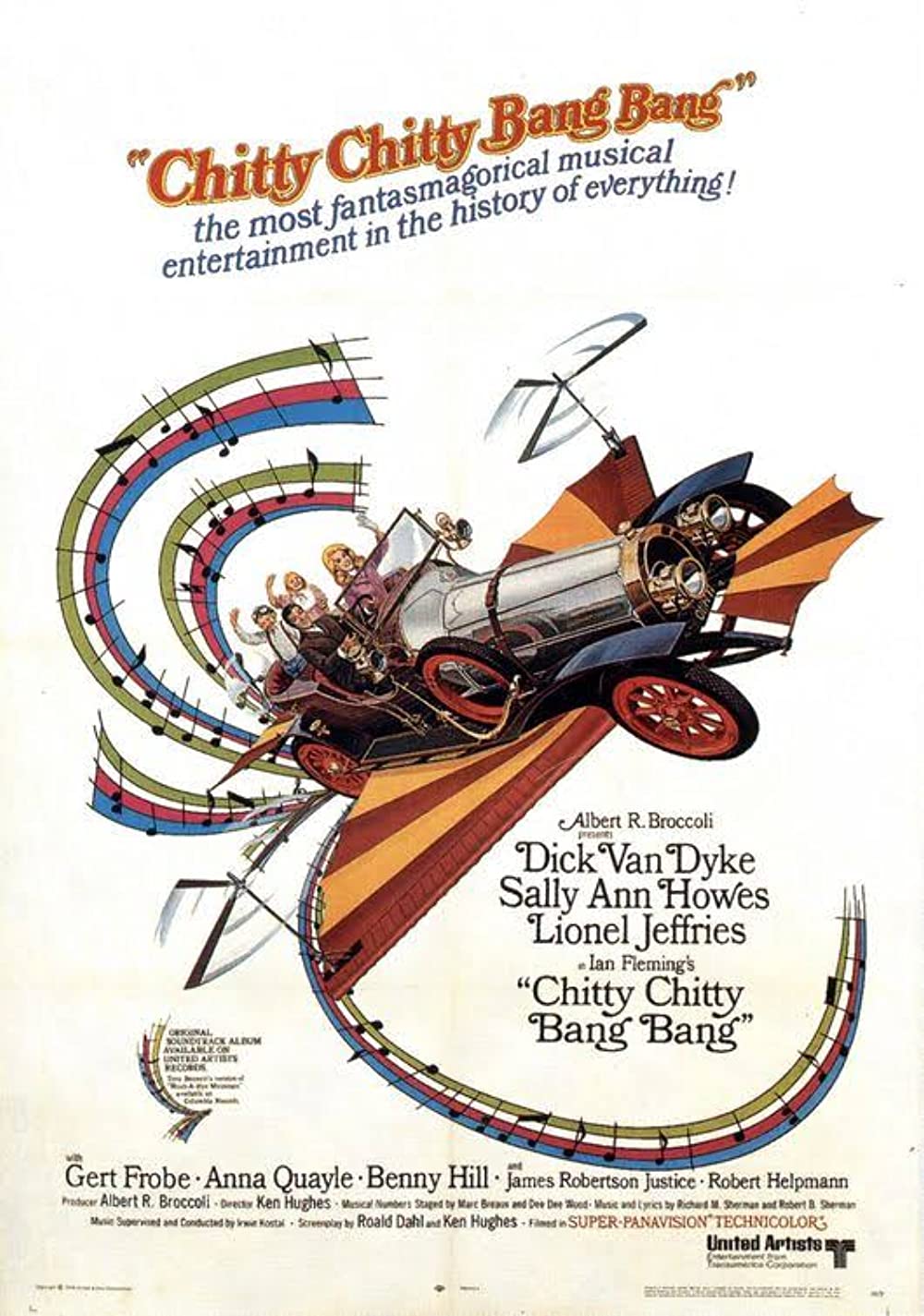
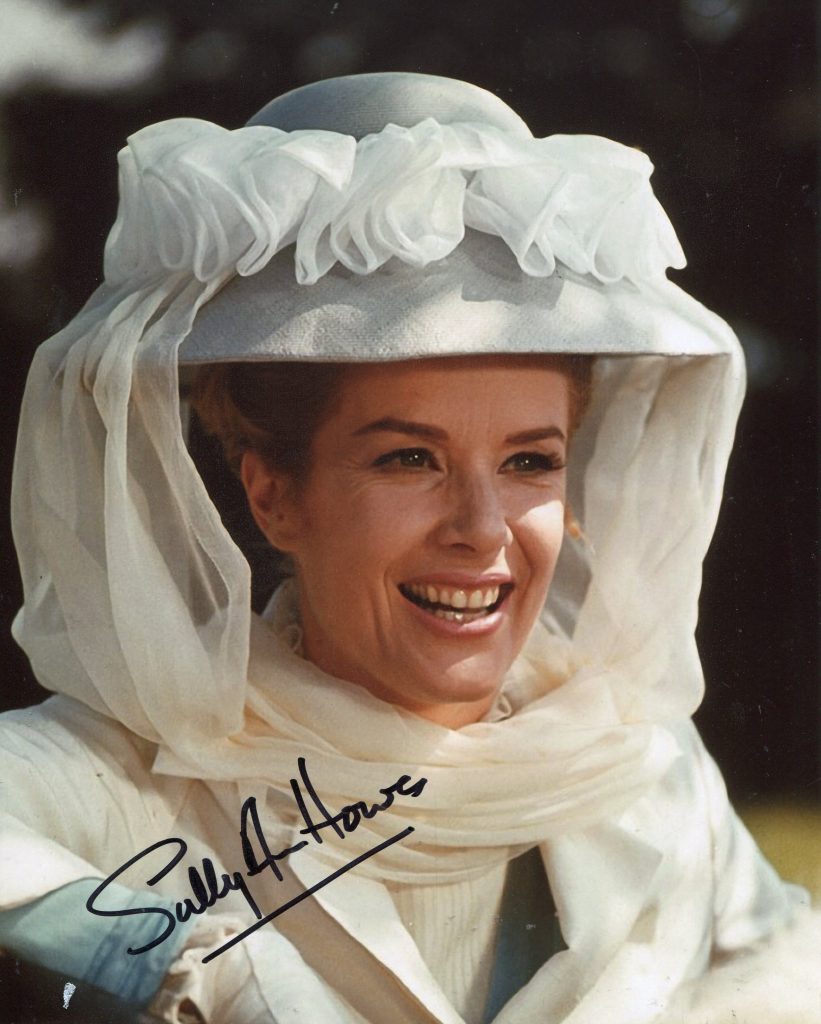
Although she never starred in any original productions of his shows on Broadway, Richard Rodgers described Sally Ann Howes, who has died aged 91, as “the greatest singer who ever sang on the American musical stage”. Best known for playing Truly Scrumptious opposite Dick Van Dyke as Caractacus Potts in the film Chitty Chitty Bang Bang (1968), Howes was a classic instance of the star who never really was, despite her talent and impeccable pedigree.

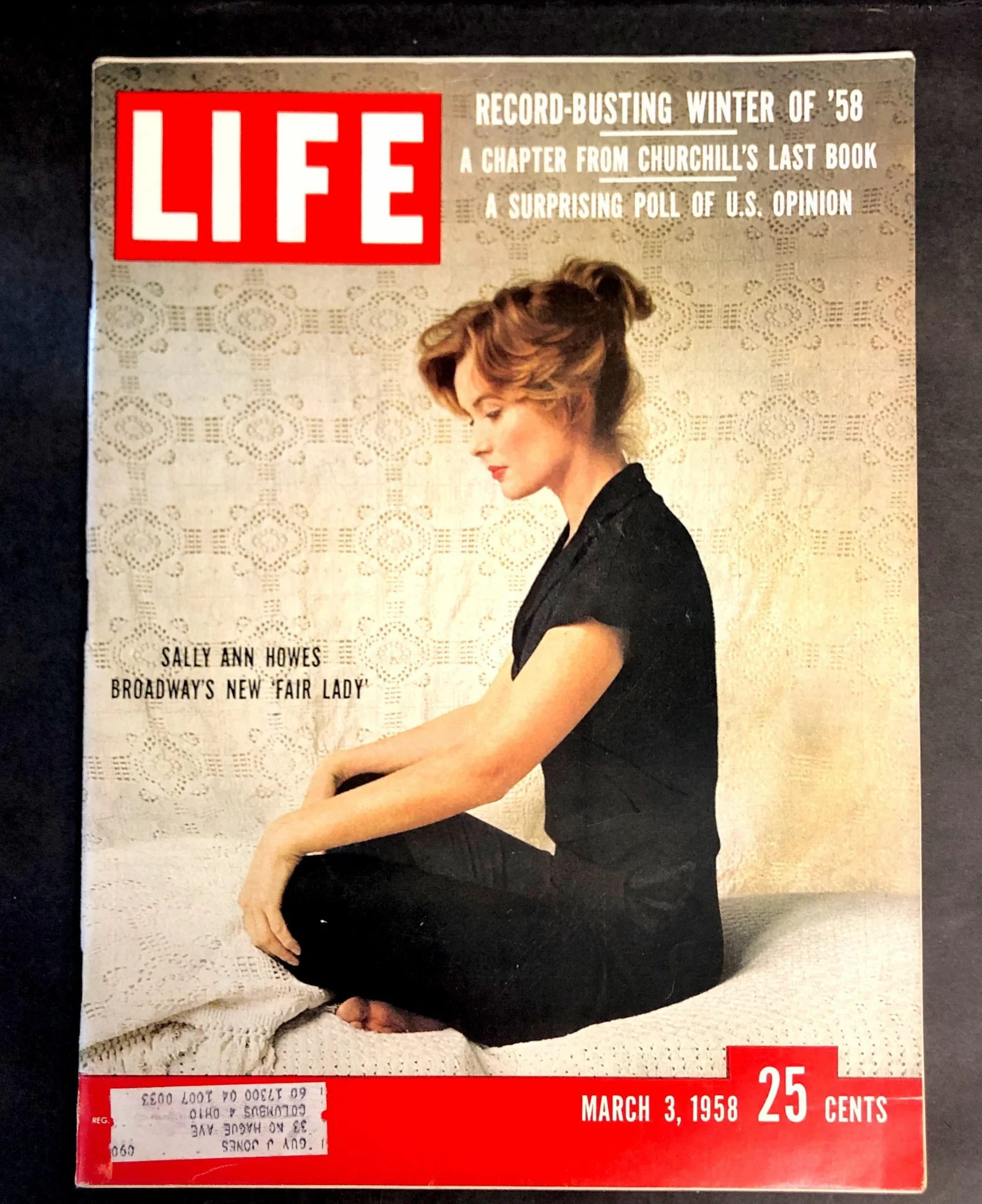
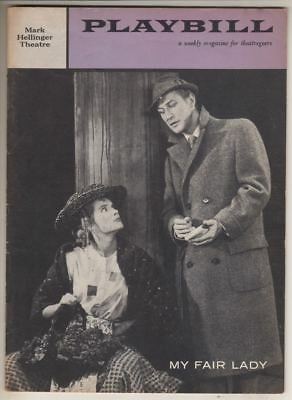
She had dual nationality in Britain and the US, like Julie Andrews, in whose track she followed, first as a child star in British films before and after the second world war, then as Eliza Doolittle in My Fair Lady in 1958. The show marked her Broadway debut, and she played in it for a year, and for a higher salary than her predecessor. When Andrews declined the role of Truly Scrumptious, in she stepped.

 
Sally Ann Howes and Dick Van Dyke perform the famous music-box scene in Chitty Chitty Bang Bang. Photograph: Moviestore/Rex/Shutterstock

In 1973 the hills were alive again, not with the sound of Julie, but of Sally, as she led a US tour of The Sound of Music. The upside of this nearly star status was that Howes could make surprising and adventurous choices in her work, such as appearing in a West End thriller, Lover (also 1973) by Brian Clemens, with Max Wall, or a musical version of James Joyce’s The Dead (2000), with Blair Brown and Christopher Walken, off-Broadway and, briefly, on.

Although she was six years older than Andrews, the parallel career landmarks of both were uncanny. Three years before Andrews made her name in New York in Sandy Wilson’s The Boy Friend (1954), Howes made her stage debut in a show for which Wilson had written the lyrics, Caprice (1951), a musical comedy of domestic confusion in the south of France, at the Alhambra theatre in Glasgow.

Unfortunately, on her very first number on any stage, the conductor fumbled the score to the floor and Howes had to sing unaccompanied while the music sheets were noisily gathered, the instruments picked up their places one by one and, following them tentatively, she modulated gradually back into the correct key. The show never reached the West End.

Howes did, however, get there later in 1951, in a revue, Fancy Free (not the Jerome Robbins ballet) at the Prince of Wales theatre in London. In 1953 she established herself fully in the West End when she played Jennifer Rumson in Paint Your Wagon (featuring the songs Wand’rin’ Star, and I Talk to the Trees) for 18 months at Her Majesty’s theatre. In playing opposite her father, the musical comedy star Bobby Howes (the original Mr Cinders), she was at least, and at last, fulfilling her destiny.

Howes was the second child of Bobby and his wife, the actor and singer Patricia Malone. Her older brother, Peter, became a musician. Born in St John’s Wood, she grew up in London and Hertfordshire surrounded by her parents’ show-business friends (Cicely Courtneidge and Jack Hulbert were neighbours), and was educated at Queenswood school in Hatfield.

Sally Ann Howes in the 1947 film The Life and Adventures of Nicholas Nickleby. Photograph: Moviestore/Rex/Shutterstock

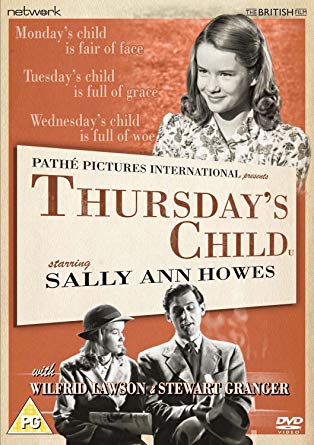
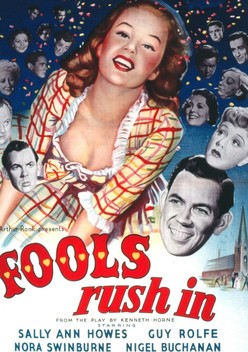
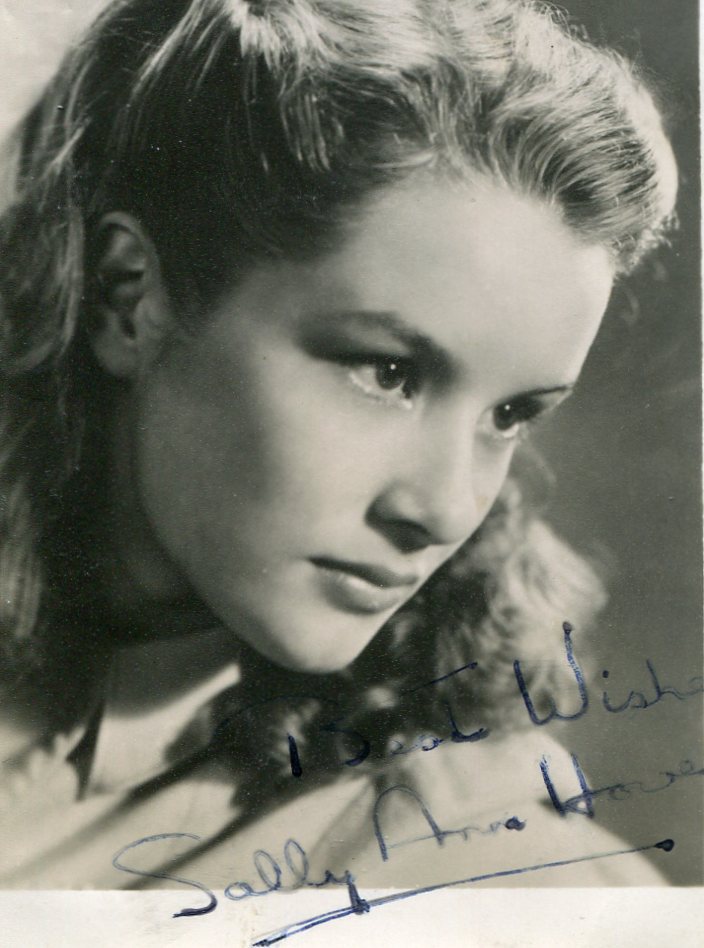
Her first film was the title role in Thursday’s Child (1942), written by Rodney Ackland, co-starring Wilfrid Lawson and Stewart Granger. Her prodigious juvenile output in the subsequent decade included Dead of Night (1945), an anthology horror film with Michael Redgrave, Googie Withers and Frederick Valk, the first sound screen adaptation of Nicholas Nickleby (1947; she was Kate), Anna Karenina (1948) with Vivien Leigh, The History of Mr Polly (1949), with John Mills, and Honeymoon Deferred (1951) with Kieron Moore and Griffith Jones.

She later said how unhappy she was with some of these films and she eventually managed to break a seven-year contract with Rank so that she could move on to the stage. She married the actor Maxwell Coker, who had been in the first London production of Oklahoma!, in 1950 (they divorced in 1953) and then Richard Adler, the lyricist of the Broadway hits The Pajama Game and Damn Yankees, in 1958.

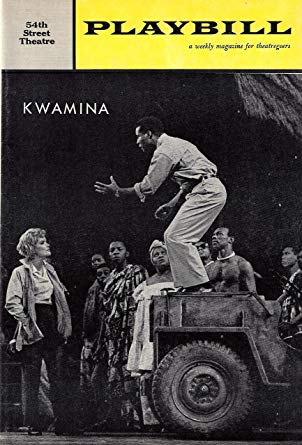
Adler wrote Kwamina (1961) for her, a Broadway musical set in a village in west Africa which, despite choreography by Agnes de Mille, proved a misfire in a heated time of civil rights protest. “Almost liked the play, loved the loincloths,” wrote one critic, and the show closed after just 32 performances.

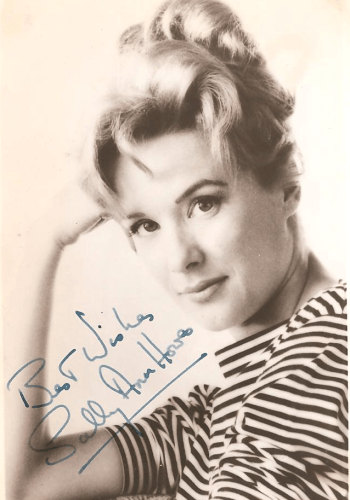
Still on Broadway, she had a popular success in a 1963 revival of Lerner and Loewe’s Brigadoon and broadened her appeal on television on both sides of the Atlantic, making appearances on game shows and variety specials, including six Sally Ann Howes shows for British television in 1960. Having become a US citizen, she was invited to sing at the White House by three US presidents, Dwight Eisenhower, John Kennedy and Lyndon Johnson.

Sally Ann Howes on her 21st birthday in 1951. Photograph: Ernest Jones/ANL/Rex/Shutterstock

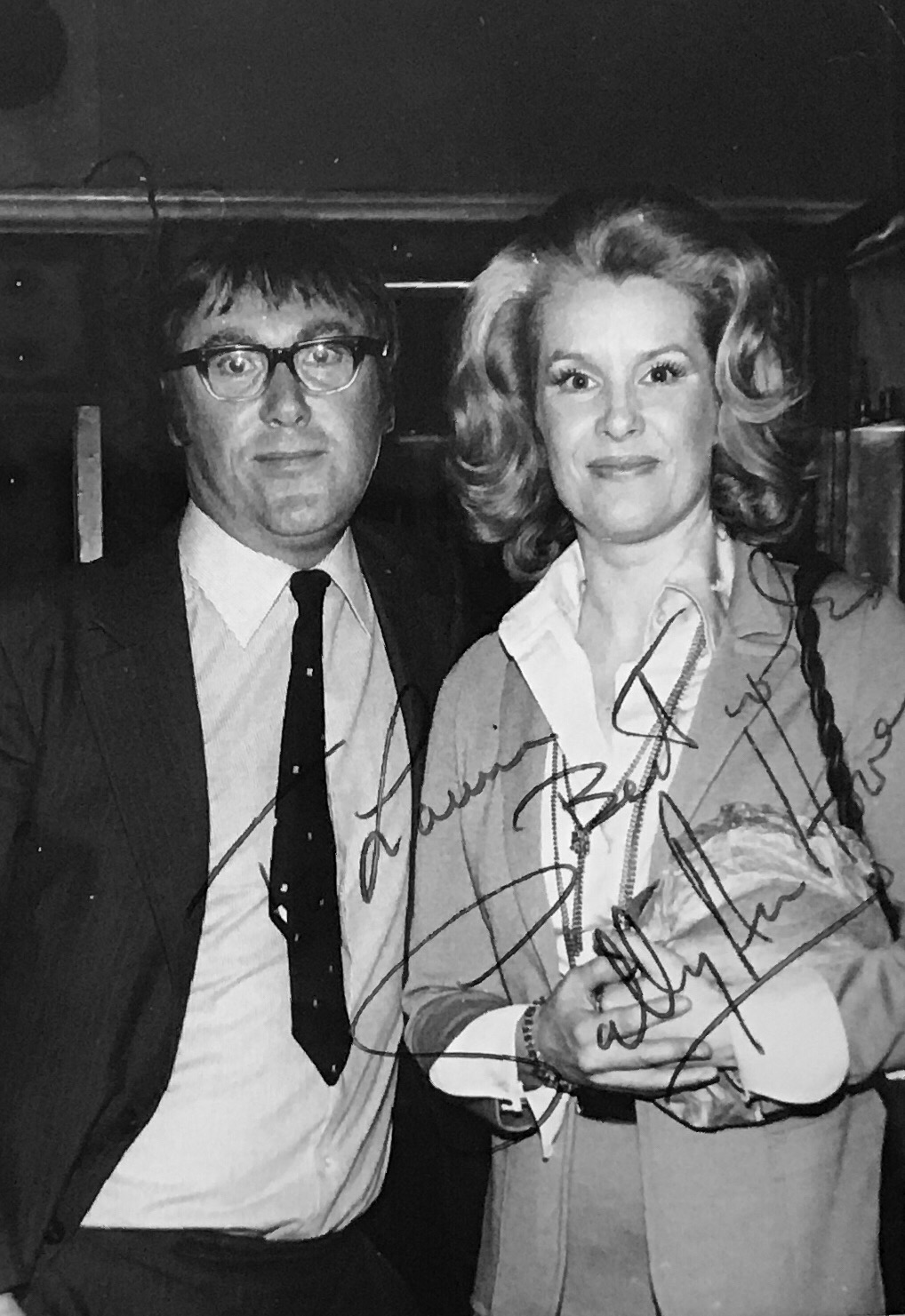
After Lover closed early in 1973, she played opposite Denis Quilley in George Bernard Shaw’s Man and Superman at the Yvonne Arnaud theatre, Guildford, and at the Adelphi theatre, London, opposite Peter Wyngarde in a sumptuous revival of The King and I, also at the Adelphi. In 1977 she joined Tommy Steele for 10 weeks in Hans Andersen at the Palladium and later played Gertrude in a touring production of Hamlet (Hilton McRae as the prince, Donald Pickering as Claudius) in 1983.

Chitty Chitty Bang Bang was undoubtedly her major movie, although she was appreciably noted vying with Diane Cilento for the affections of Kenneth More’s well-mannered butler in Lewis Gilbert’s The Admirable Crichton (1957), with Cecil Parker and Martita Hunt. She also acquired a minor cult following for her part in Alvin Rakoff’s Death Ship (1980), a grisly horror movie in which she co-starred with Richard CrennaGeorge Kennedy and Kate Reid.

Sally Ann Howes reunited with Dick Van Dyke in 2004. Photograph: ITV/Rex/Shutterstock

By the time she appeared in the television miniseries of Judith Krantz’s Secrets in 1992, she was more often seen on stage in one-off concert appearances, such as A Little Night Music with New York City Opera in 1990, or in a Sunday charity performance such as the rarely seen Semi-Monde by Noël Coward at the Royalty theatre, London, in 1989. In 1990 she took a solo show, From This Moment On, for just three performances to the Edinburgh festival.

In 1997 she sang Alice Blue Gown from the musical Irene at the Palladium in a memorial show for the critic Jack Tinker. That bizarre celebration – Tinker’s surviving critical colleagues danced chaotically through Sit Down You’re Rocking the Boat from Guys and Dolls – was produced by Cameron Mackintosh, who in 2007 persuaded her to return to My Fair Lady, this time as Mrs Higgins, on yet another US tour.

After divorcing Adler in 1966, Howes married Andrew Maree in 1969. They divorced in 1970 and she married Douglas Rae in 1972. Rae died in September 2021. She is survived by Andrew, a son from her marriage to Adler.
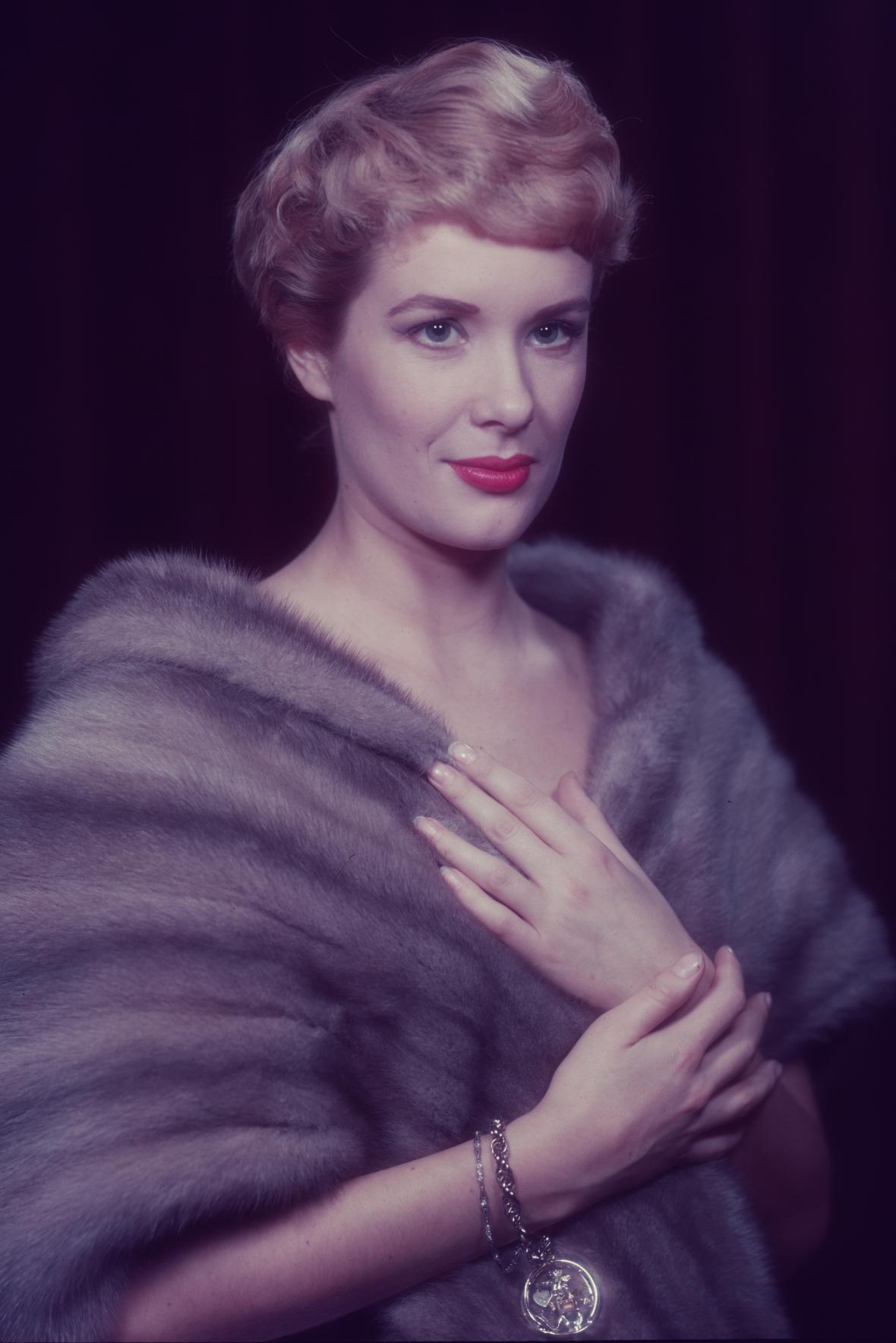
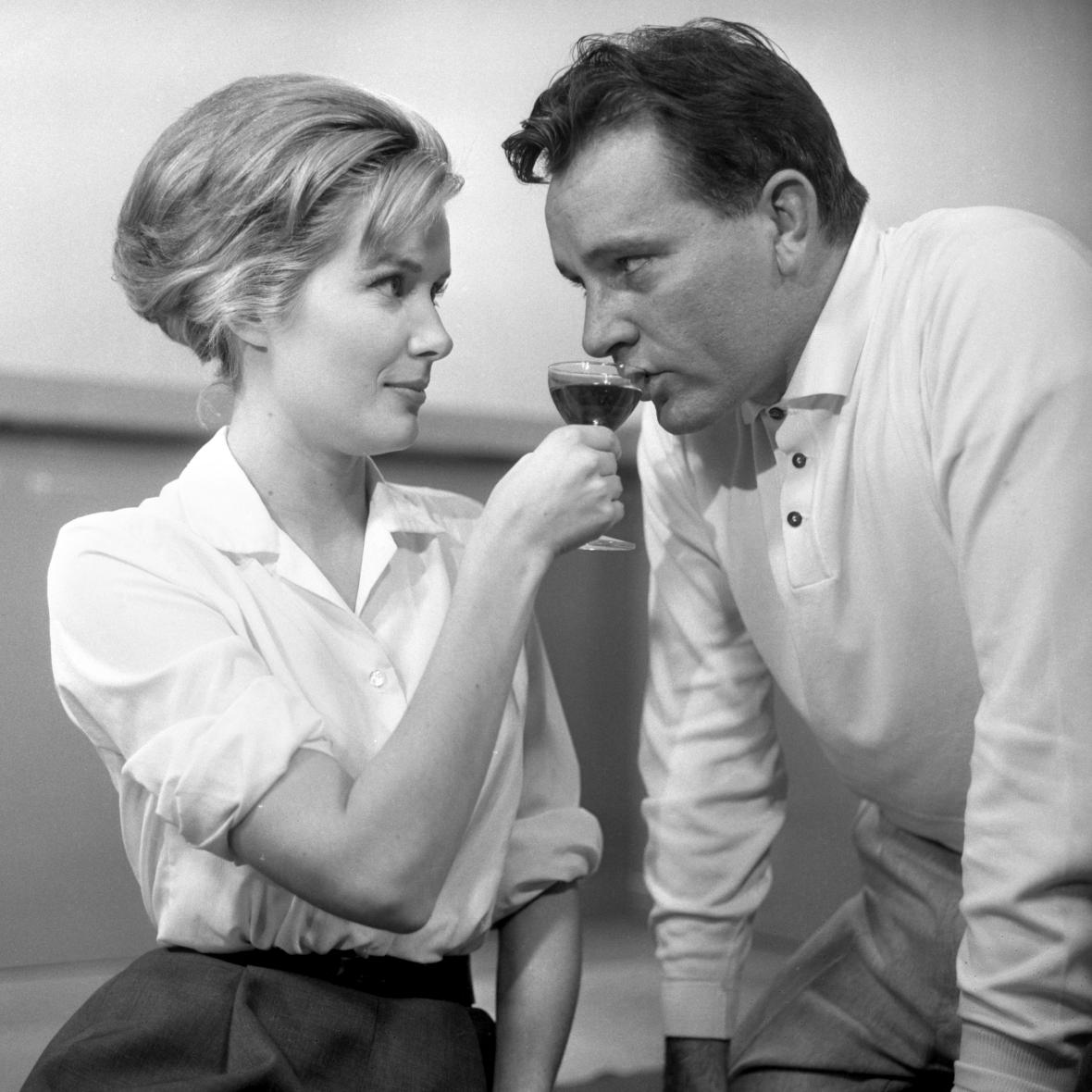
 Sally Ann Howes, actor and singer, born 20 July 1930; died 19 December 2021


Explore

Gemini said 


Sally Ann Howes (1930–2021) was a quintessential “theatre royalty” figure whose career spanned seven decades and transitioned from the gritty realism of post-war British cinema to the height of Broadway and Hollywood musical splendor. While she is forever immortalized as Truly Scrumptious, a critical analysis reveals her as one of the most technically proficient vocalists of her generation—an actress who traded the “starlet” system for the longevity of the stage.


I. Career Overview: The Prodigy and the Professional

1. The Child Star and Ealing Years (1943–1950s)

Born into a theatrical dynasty (her father was comedian Bobby Howes), Sally Ann began her career as a child actor during WWII.


  • The Debut: She debuted in Thursday’s Child (1943) at age 12.


  • The Noir and Gothic Era: She became a staple at Ealing Studios, appearing in the horror classic Dead of Night (1945) and the Victorian melodrama Pink String and Sealing Wax (1945). These early roles established her as a sophisticated young presence who could handle darker, more psychological material.


2. The Broadway Revolution (1958–1960s)

In 1958, she achieved the impossible: replacing Julie Andrews as Eliza Doolittle in the original Broadway run of My Fair Lady.


  • The Media Sensation: Her arrival in New York made her a sensation, appearing on the cover of Life magazine. She brought a different, perhaps more “aristocratic” sharpness to Eliza that garnered critical debate over who inhabited the role more effectively.


  • The Tony Nomination: She earned a Tony nomination for the 1962 revival of Brigadoon, firmly establishing her as a premier leading lady of the American musical stage.


3. The Truly Scrumptious Era and Beyond (1968–2000s)

  • Chitty Chitty Bang Bang (1968): This role defined her global legacy. Opposite Dick Van Dyke, she displayed an effortless, doll-like precision (notably in the “Doll on a Music Box” sequence) that showcased her classical training and breath control.


  • Late-Career Integrity: She never retired, moving into complex character roles like Desiree Armfeldt in A Little Night Music (1990) and originating the role of Aunt Julia Morkan in the musical adaptation of James Joyce’s The Dead (2000), for which she received a Drama Desk nomination.


II. Detailed Critical Analysis

1. The Vocal “Self-Correction”

Critically, Howes is noted for her intellectual approach to her voice. In the early 1950s, frustrated that her film roles didn’t use her singing talent, she famously took a break from the screen to “lower” her speaking voice through rigorous training.


  • The Result: She developed a rich, resonant soprano that had more “earth” in it than the chirpy ingenues of the time. This allowed her to transition from the “pink-cheeked” roles of her youth to the more complex, ironical roles of Sondheim in her later years.

2. The “Refined” Naturalism

In your favorite 1940s Noir and 60s Kitchen Sink dramas, Howes provided a necessary structural elegance.

  • Contrast to the Grit: In The History of Mr. Polly (1949), she played Christabel with a delicate, ethereal quality that represented the hero’s “dream life.”


  • The “Straight” Technique: Analysts note that Howes’ greatest skill was her ability to play “straight” in fantastical settings. Whether she was in a flying car or a haunted house, she treated the circumstances with absolute, sober reality. This groundedness is what made the “magic” of her films feel believable.

3. Subverting the “Perfect Woman”

As Truly Scrumptious, Howes took what could have been a two-dimensional “love interest” and gave her a suffragette-like steel.

  • The Modernity of Truly: Critics have pointed out that Truly is often more competent than the men around her. Howes played her with a “sharpness”—a woman who drives her own car and speaks her own mind. She infused the 1910s setting with a 1960s independence, making her a precursor to the modern “strong female lead.”


Iconic Performance Highlights

WorkRoleYearCritical Achievement
Dead of NightSally O’Hara1945Anchored a classic horror anthology as a child star.
My Fair LadyEliza Doolittle1958Successfully took over the world’s biggest role from Julie Andrews.
Chitty Chitty Bang BangTruly Scrumptious1968Created a global icon of musical cinema.
James Joyce’s The DeadAunt Julia Morkan2000Showcased her late-career “Gravitas” and character depth.

Sally Ann Howes (1930–2021) was the quintessential “Prestige Star” of the mid-century—an actress of porcelain beauty and a “bell-like” soprano who navigated the transition from child stardom to musical theater royalty with rare grace. While she is globally immortalized as Truly Scrumptious in Chitty Chitty Bang Bang, her most significant critical contributions were made on the Broadway and West End stages, where she was regarded as the “heir apparent” to the great Julie Andrews.


1. Career Arc: From Ealing to Broadway

  • The Child Prodigy (1943–1950): Howes began her career as a “theatrical blue blood” (daughter of the famous comedian Bobby Howes). She was an Ealing Studios staple, playing sophisticated, often somber children in films like Thursday’s Child and the horror classic Dead of Night.

  • The Musical Succession (1958): Her career reached a turning point when she replaced Julie Andrews as Eliza Doolittle in the original Broadway production of My Fair Lady. Taking over for a legend was considered a “suicide mission,” yet Howes triumphed, earning higher salary and critical acclaim for her distinct interpretation.

  • The Cinematic Icon (1968): After a decade of stage dominance, she was cast in Chitty Chitty Bang Bang. The film utilized her “Edwardian” perfection—a blend of Victorian starchiness and modern warmth—that made her a global household name.

  • The Classical Elder (1970s–2000s): In her later years, she focused almost exclusively on the “Grand Musical,” excelling in the works of Rodgers & Hammerstein and Stephen Sondheim (A Little Night Music).


2. Critical Analysis of Key Performances

Dead of Night (1945) – The Ghostly Ingenue

In the “Christmas Party” segment of this legendary horror anthology, a young Howes plays Sally O’Hara.

  • Analysis: Howes possessed a preternatural poise. Unlike many child actors of the 40s who were coached to be “cutesy,” she was unnervingly still and serious. This quality made her encounter with the ghost of a murdered child deeply haunting.

  • Critique: Critics often cite her performance as the emotional anchor of that segment. She represented the “innocence of the old world” that was about to be shattered by the psychological horrors of the post-war era.

My Fair Lady (Broadway, 1958) – The Intellectual Eliza

Howes didn’t just imitate Andrews; she reinvented the role of Eliza Doolittle.

  • Analysis: Where Andrews was famously “crystalline,” Howes was described as having a warmer, more robust vocal color. She leaned into the Shavian (George Bernard Shaw) roots of the character, playing the transformation not just as a fairy tale, but as a gritty social climbing exercise.

  • Critique: Broadway critics noted that Howes brought a more “sultry” and “defiant” edge to Eliza. She proved that the character could survive a change in lead, which solidified the show’s status as a timeless classic rather than a star-vehicle.

Chitty Chitty Bang Bang (1968) – The “Truly” Scrumptious Balance

  • Analysis: Howes faced the challenge of playing a character named “Truly Scrumptious” without becoming a caricature. She utilized her perfect posture and diction to play the character as an independent, somewhat “icy” aristocrat who slowly thaws.

  • Critique: The “Doll on a Music Box” sequence remains a masterclass in physical precision. Her ability to maintain a glassy-eyed, mechanical staccato while singing in a flawless soprano demonstrated a technical discipline that few of her Hollywood contemporaries could match.


3. Style and Legacy: The “Edwardian” Modernist

Howes’ style was characterized by “Vocal Architecture”—a way of building a song’s emotional climax through pure technical control rather than “belting.”

AttributeImpact on Performance
The “Golden Age” SopranoHer voice was “legit”—a pure, operatic-adjacent sound that is now largely extinct in modern musical theater.
Physical StatureShe stood with an upright, “regal” bearing that made her the definitive choice for period pieces and “high-born” heroines.
Comedic SubtletyShe had a “dry” British wit; she could play the absurdity of a scene while remaining perfectly dignified, which made the humor sharper.

The “Andrews” Shadow

For decades, Howes was unfairly compared to Julie Andrews (having also replaced her in the film Cinderellaon television). However, critical re-evaluations suggest that Howes was actually the more versatile dramatic actress. She possessed a “shadow” in her eyes and a slight “coolness” in her temperament that allowed her to play complex, occasionally unsympathetic women that the more “approachable” Andrews might have shied away from.

Critical Note: Sally Ann Howes was the last of the “Grand Dames” who could carry a multi-million dollar musical on the strength of her diction alone. She represented a time when theater was an elite, disciplined craft, yet she managed to translate that discipline into a warm, cinematic immortality

Leave a Reply

Your email address will not be published. Required fields are marked *