Stuart Wilson

Stuart Wilson
Stuart Wilson

Stuart Wilson. TCM Overview.

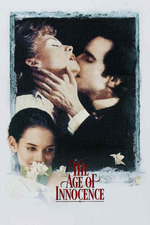
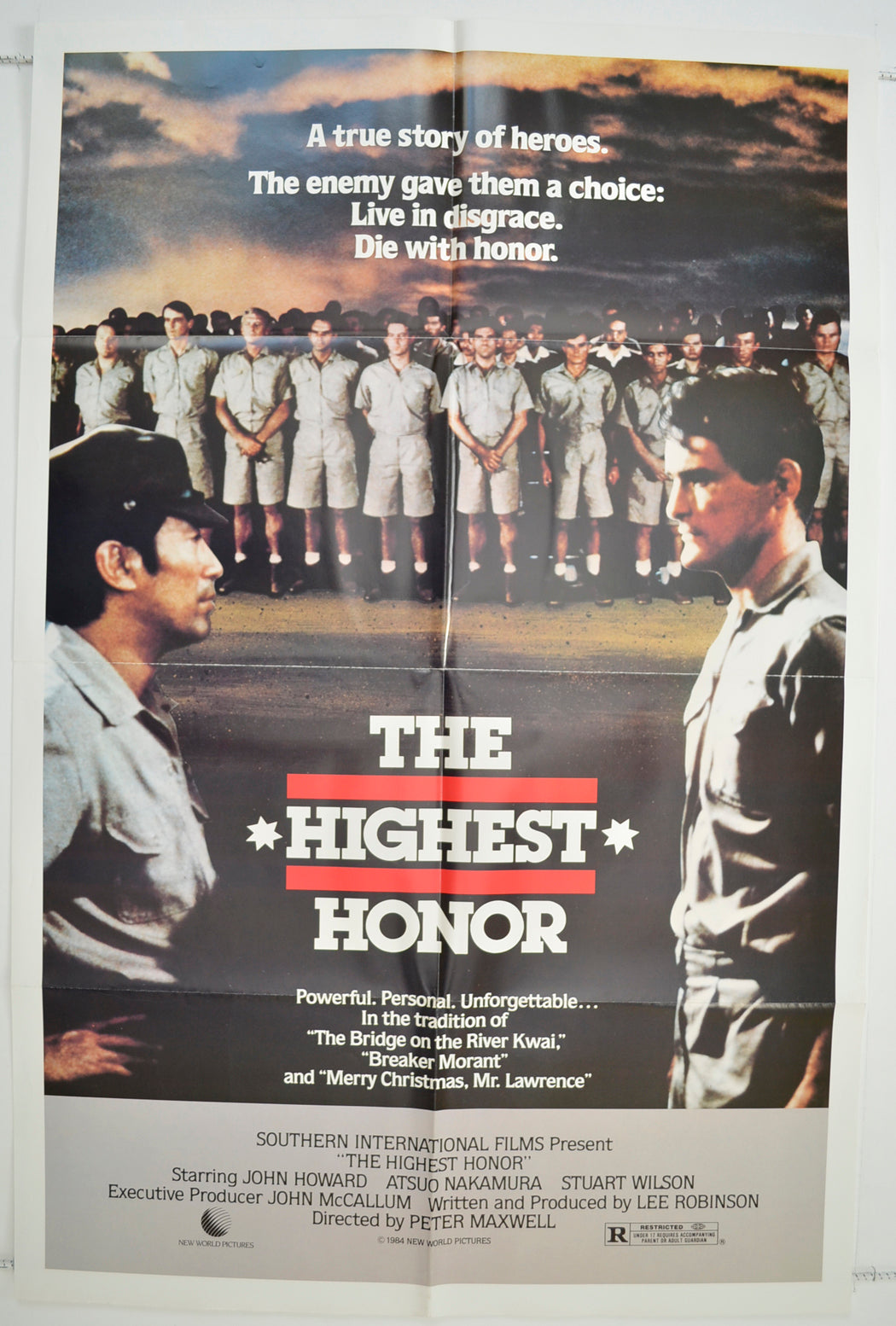
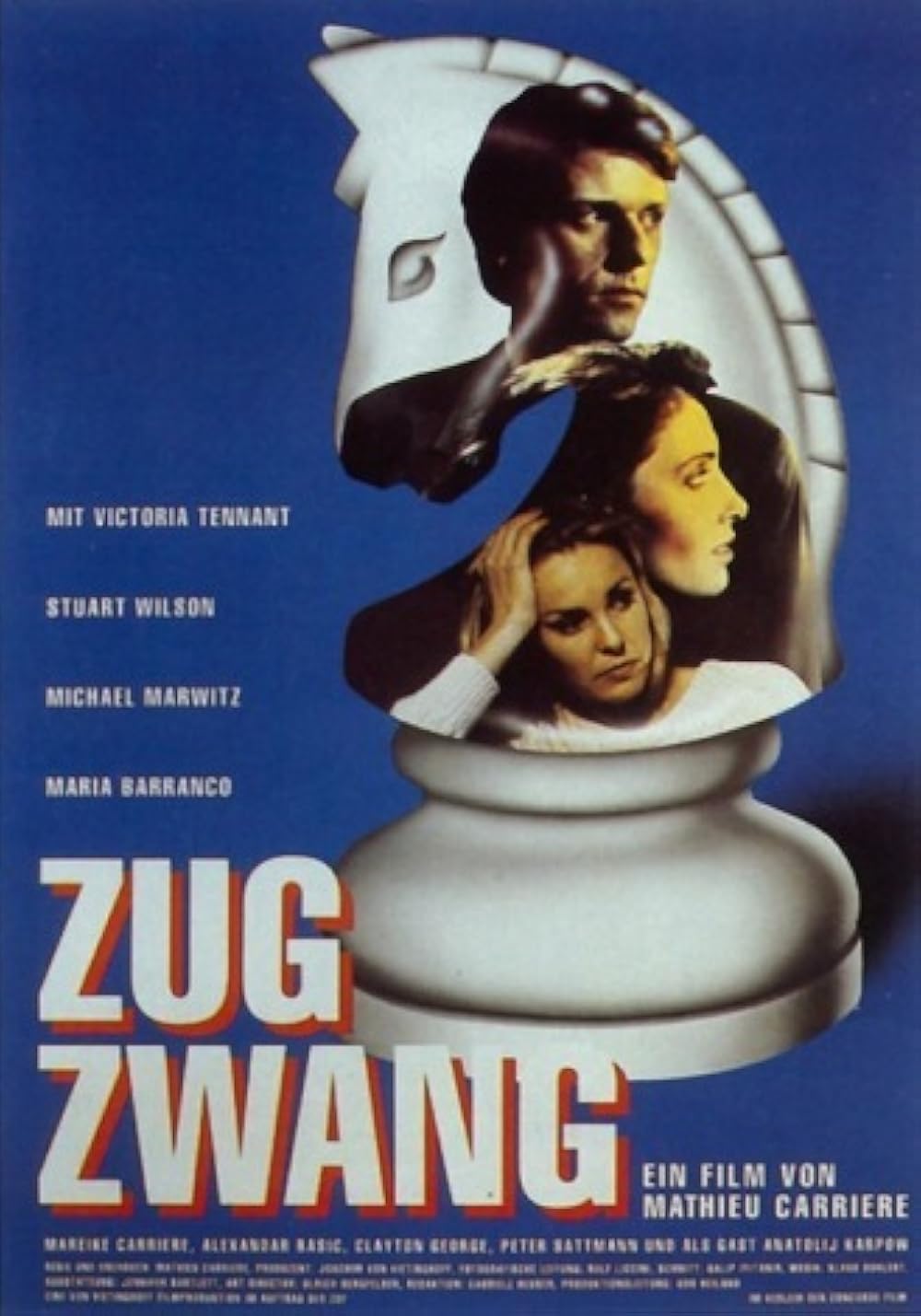
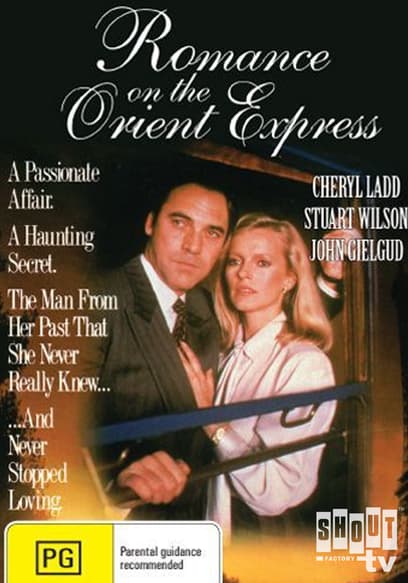
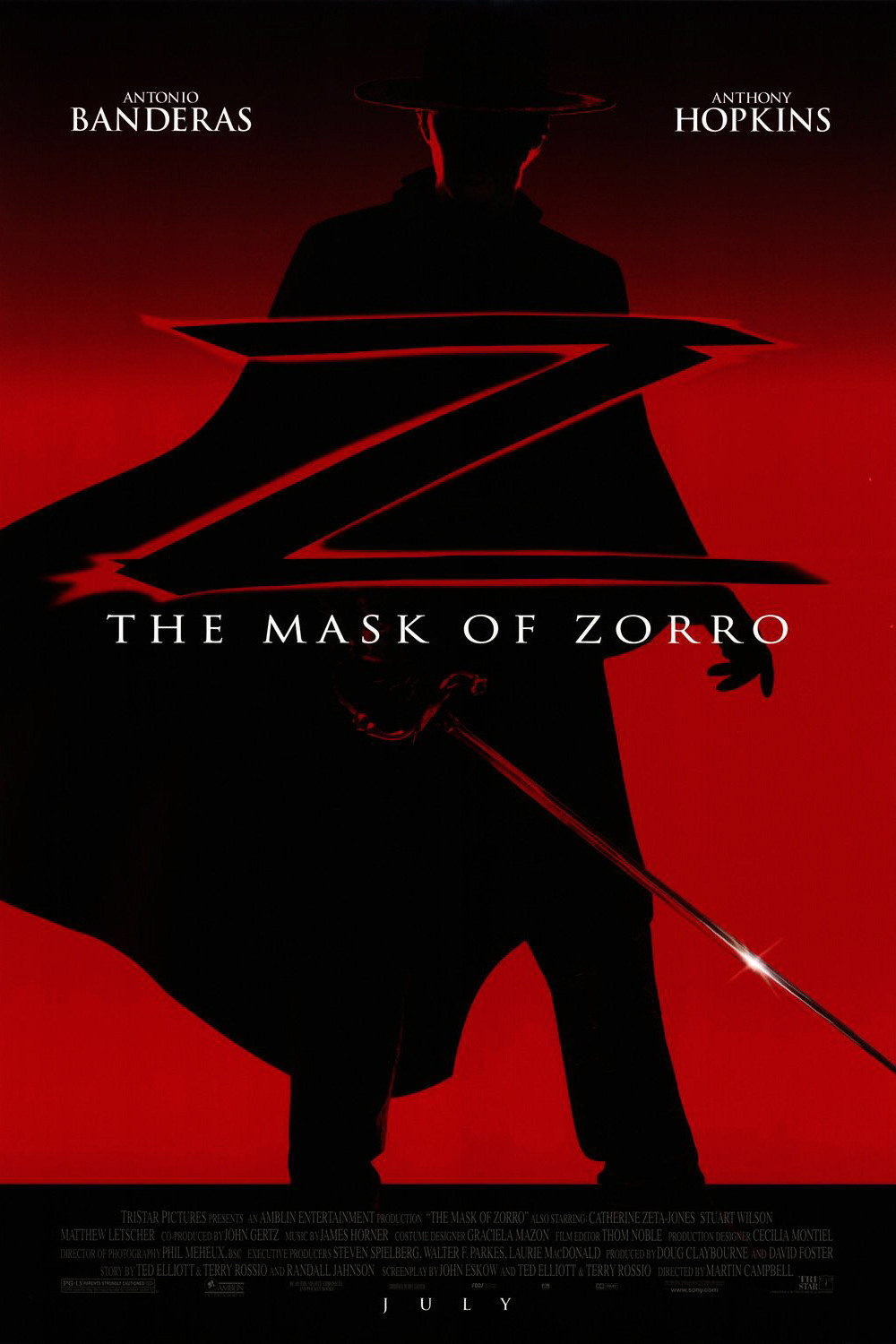
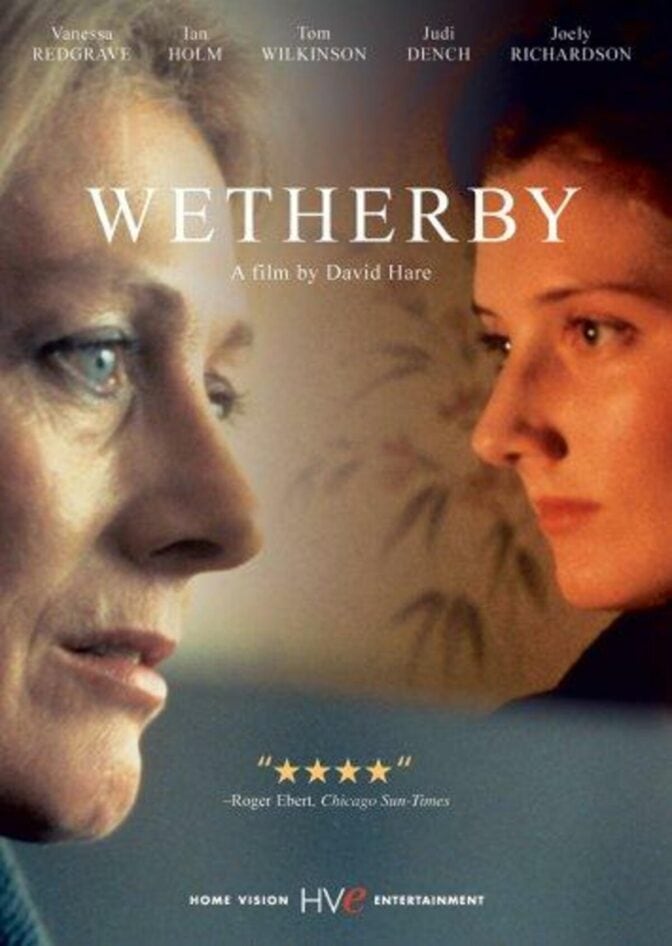
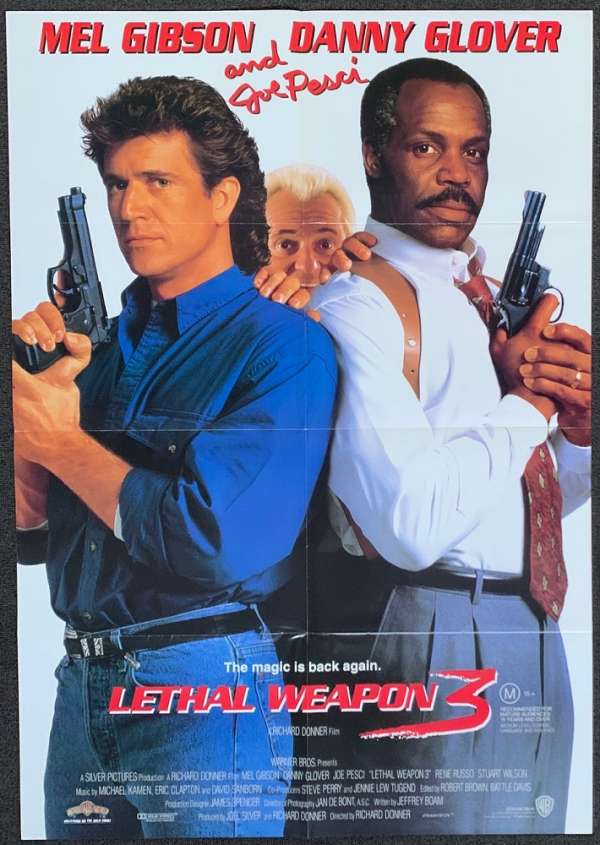
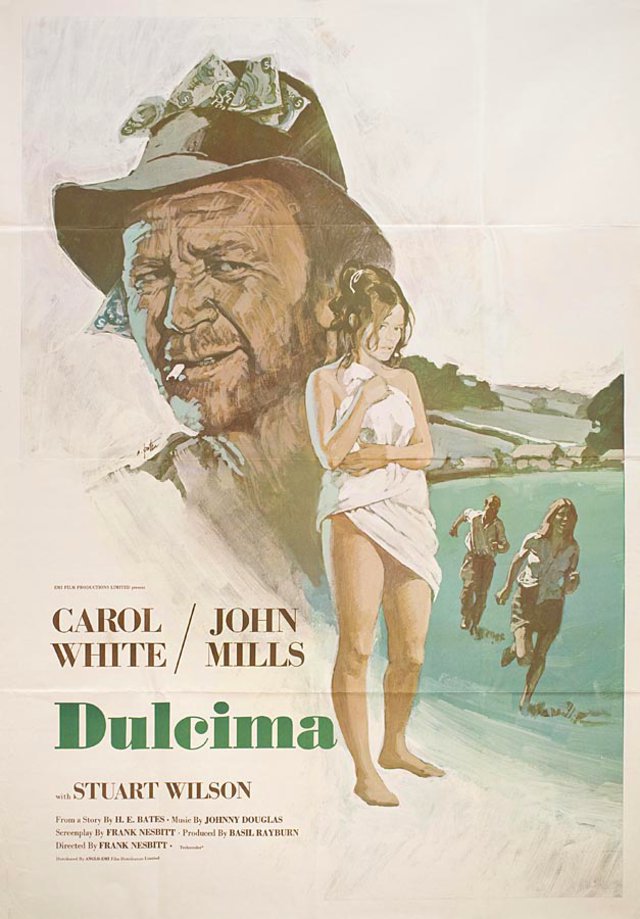
Stuart Wilson was born in Guilford, Surrey in 1946.   He made his film debut with a major role in “Dulcima” with John Mills and Carol White in 1971.   Other movies include “Wetherby” and in Hollywood “Lethal Weapon 3”, “The Age of Innocence” and “he Mask of Zorro”.
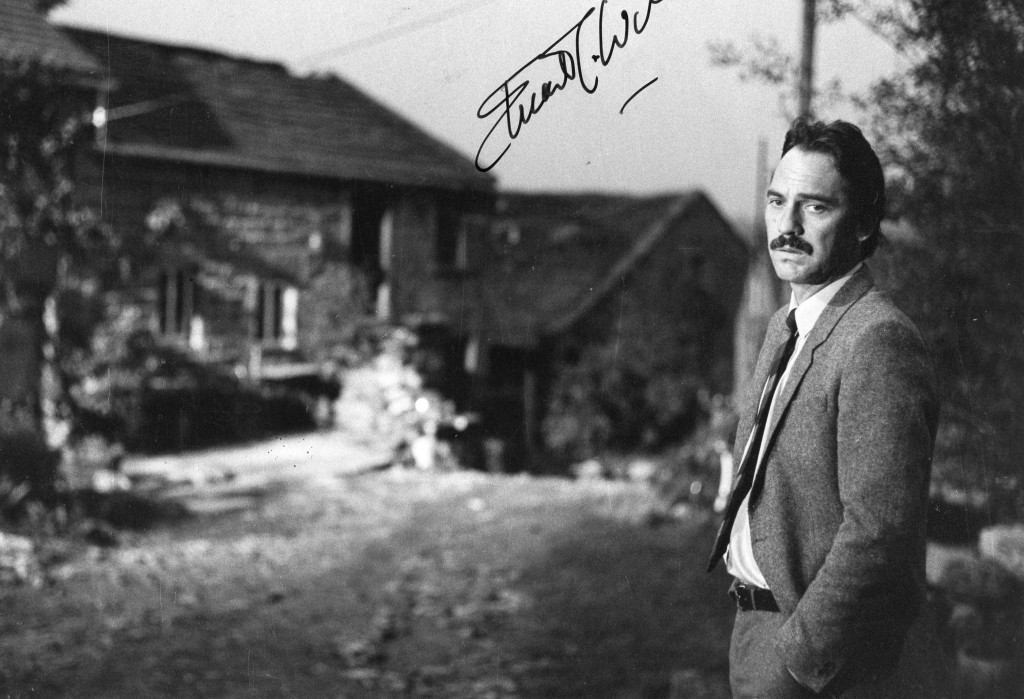
Stuart Wilson
Stuart Wilson

TCM overview:

A handsome, dark-haired, often mustachioed, actor, Stuart Wilson became more familiar to American moviegoers as the corrupt cop in “Lethal Weapon 3” (1992). Discerning TV viewers might remember the performer from a string of prestige British shows, many of which aired in the USA on PBS. The stage-trained Wilson has a prominent supporting role in “The Pallisers” (1977) and cut a dashing figure as Vronsky to Nicola Pagett’s “Anna Karenina” (1978). In the syndicated “Running Blind” (1981), he was cast an undercover British agent while in the multi-part “The Jewel in the Crown” (1984), he played a British army major. After a turn as a policeman investigating a murder in David Hare’s superb “Wetherby” (1985), Wilson was cast as a titled Hungarian with mixed feelings about the treatment of Jews under the Nazis in the NBC miniseries “Wallenberg: A Hero’s Story” (also 1985).

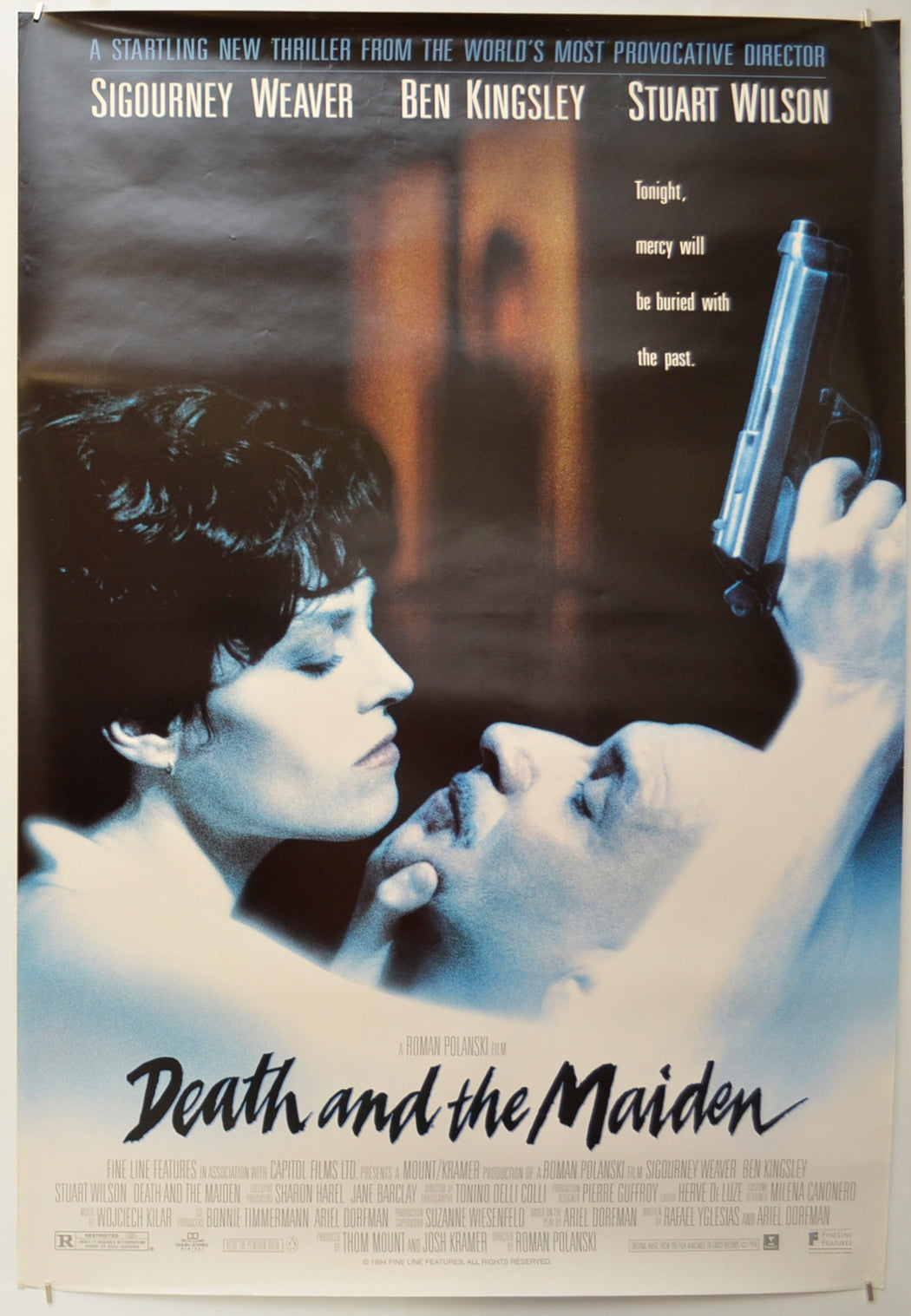
Once his profile in American films was enhanced with his villainous turn in “Lethal Weapon 3”, Wilson found more or less steady work in the States for a couple of years. He offered another villain, this time a gun-running mercenary, in “Teenage Mutant Ninja Turtles III”, then turned more genteel but retaining an air of mystery as a suitor to the Countess (Michelle Pfeiffer) in “The Age of Innocence” (both 1993). The following year, the actor was tapped to play the leader of an anarchic band of rebels in the muddled sci-fi actioner “No Escape”, cast as a diamond smuggler who seeks refuge in a sex retreat in the uneven comedy “Exit to Eden” and portrayed Sigourney Weaver’s husband in Roman Polanski’s film version of Ariel Dorfman’s play “Death and the Maiden”. Wilson went on play Helen Mirren’s lover in two installments of “Prime Suspect” in 1995 and 1996 before etching another nefarious character, the Spanish governor, in “The Mark of Zorro” (1998), opposite Antonio Banderas and Anthony Hopkins

The above TCM overview can also be accessed online here.
Stuart Wilson (born 1946) is arguably the “Greatest Villain You Know by Face, but Perhaps Not by Name.” A product of the elite British theatrical tradition, Wilson’s career is a masterclass in playing the intellectual antagonist. While he possesses the classic bone structure of a romantic lead, he consistently steered his career toward characters defined by a dangerous, calculating charm and a specific brand of high-status menace.


1. Career Arc: From the RSC to the Hollywood “Heavy”

  • The Classical Foundation (1960s–1970s): Wilson began his journey at the Royal Academy of Dramatic Art (RADA) and the Royal Shakespeare Company. His early career was defined by “prestige” television in the UK, often playing the lead in lavish literary adaptations like The Pallisers and I, Claudius.

  • The Global Breakthrough (1990s): After decades of being a respected name in British drama, Wilson made a definitive leap into Hollywood. He became the premiere choice for directors looking for a villain who was physically imposing but, more importantly, intellectually superior to the hero.

  • The Character Statesman (2000s–Present): In his later years, Wilson has moved into “Patriarch” roles, lending his gravitas to massive franchises and high-end television, while remaining a regular fixture on the London stage.


2. Critical Analysis of Key Performances

The Pallisers (1974) – The Sophisticated Cad

As Ferdinand Lopez in the massive BBC adaptation of Anthony Trollope’s novels.

  • Analysis: This was Wilson’s star-making role in Britain. He played a social climber of ambiguous origins who eventually spirals into despair.

  • Critique: Critics praised Wilson for his mercurial energy. He managed to make an essentially unlikeable character deeply sympathetic. He utilized a “nervous elegance”—a combination of perfect tailoring and a restless, hungry gaze—that captured the character’s internal conflict between ambition and self-loathing.

Lethal Weapon 3 (1992) – The High-Stakes Antagonist

As Jack Travis, the corrupt former police lieutenant.

  • Analysis: In a franchise known for its “over-the-top” villains, Wilson delivered a performance of chilling normalcy. He didn’t play Travis as a “madman,” but as a highly efficient, ruthless CEO of a criminal enterprise.

  • Critique: Critics noted that Wilson provided a necessary “weight” to the film. While Mel Gibson and Danny Glover provided the kinetic energy, Wilson provided the menace. His ability to deliver threats with a calm, almost professorial tone made him one of the most memorable adversaries in the 90s action genre.

The Mask of Zorro (1998) – The Aristocratic Rival

As Don Rafael Montero, the primary antagonist to both Anthony Hopkins and Antonio Banderas.

  • Analysis: This role required a “Grand Format” performance. Wilson had to match the theatricality of the Zorro legend while maintaining a sense of genuine emotional pain (his character’s obsession with Elena).

  • Critique: Wilson’s performance is a study in statuesque villainy. He used his height and his resonant voice to project absolute authority. Critically, he was lauded for his “dueling” ability—both verbal and physical. He treated the sword fights with the same rhythmic precision as his dialogue, making him a truly formidable counterpart to the heroes.


3. Style and Legacy: The “Civilized” Threat

Stuart Wilson’s acting style is defined by vocal authority and emotional restraint.

Attribute Critical Impact
Vocal Cadence Wilson has a specific, clipped way of speaking that suggests a man who is used to being obeyed; he uses silence as a tool of intimidation.
The “Gentleman” Villain He rarely plays “low-class” criminals; he specializes in men who have a lot to lose, which adds a layer of desperation to their cruelty.
Physicality Even into his later years, Wilson maintains a “soldierly” posture that gives his characters an immediate sense of discipline and danger.

The “British Villain” Paradigm

Critically, Stuart Wilson is a key figure in the “British Invasion” of Hollywood action cinema. Alongside actors like Alan Rickman and Jeremy Irons, Wilson helped create the archetype of the Intellectual Heavy. He proved that a villain could be scary not because he was strong, but because he was right—or at least believed he was.

Critical Note: Stuart Wilson is an actor of Technical Excellence. He never “chews the scenery”; he dismantles it with a surgical precision. Whether he is playing a Victorian climber or a modern-day corrupt cop, he brings a level of RSC-trained discipline to popular entertainment, elevating every script he touches

Leave a Reply

Your email address will not be published. Required fields are marked *