

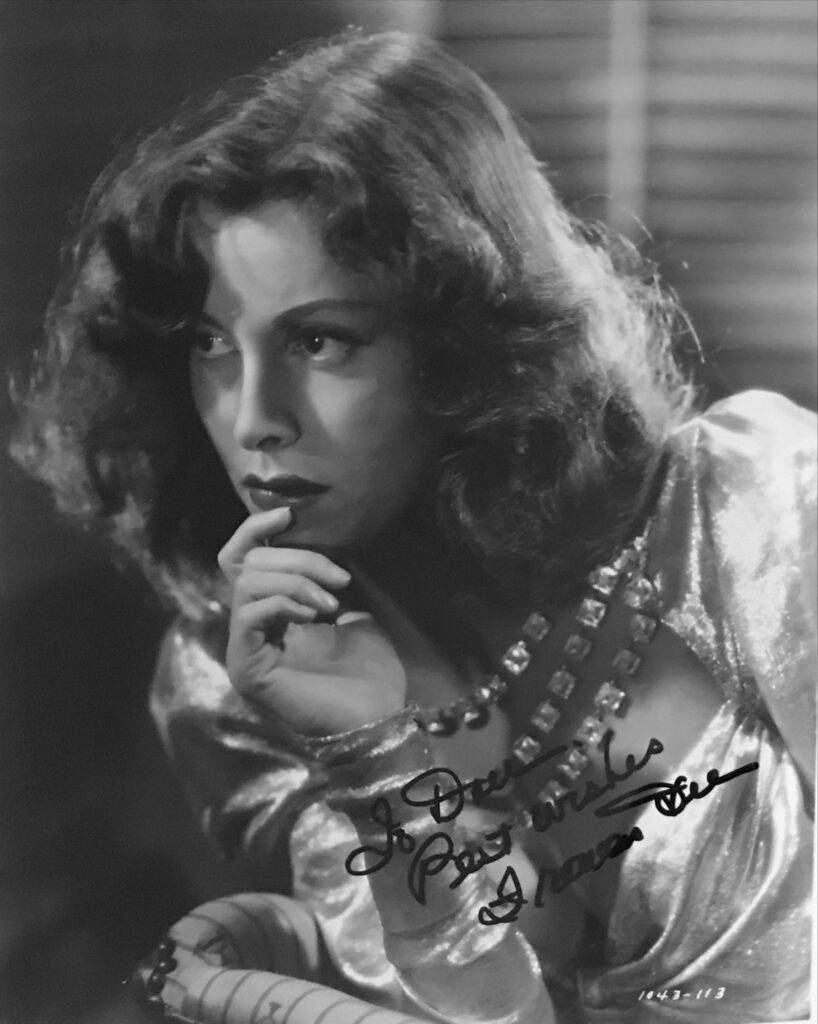
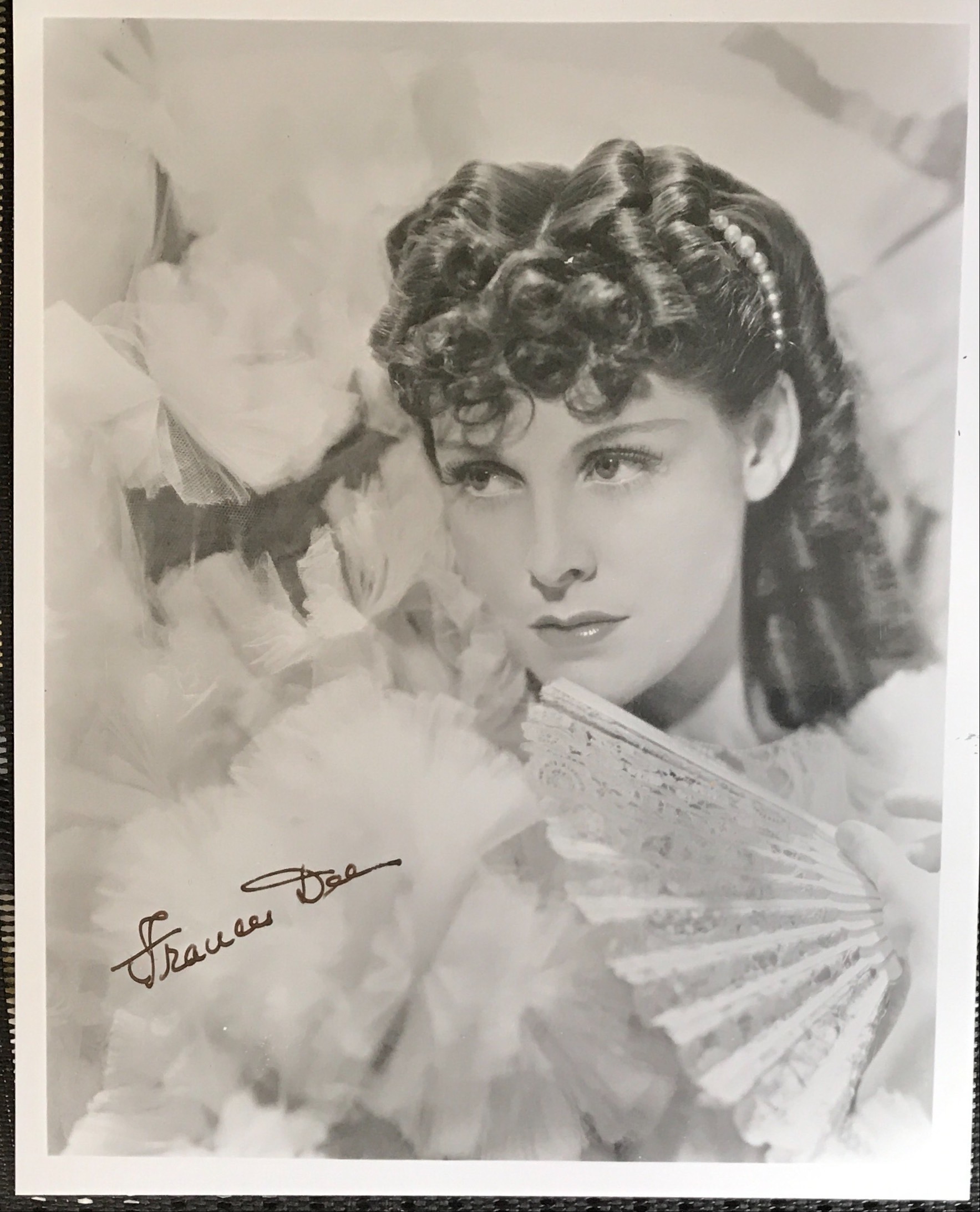
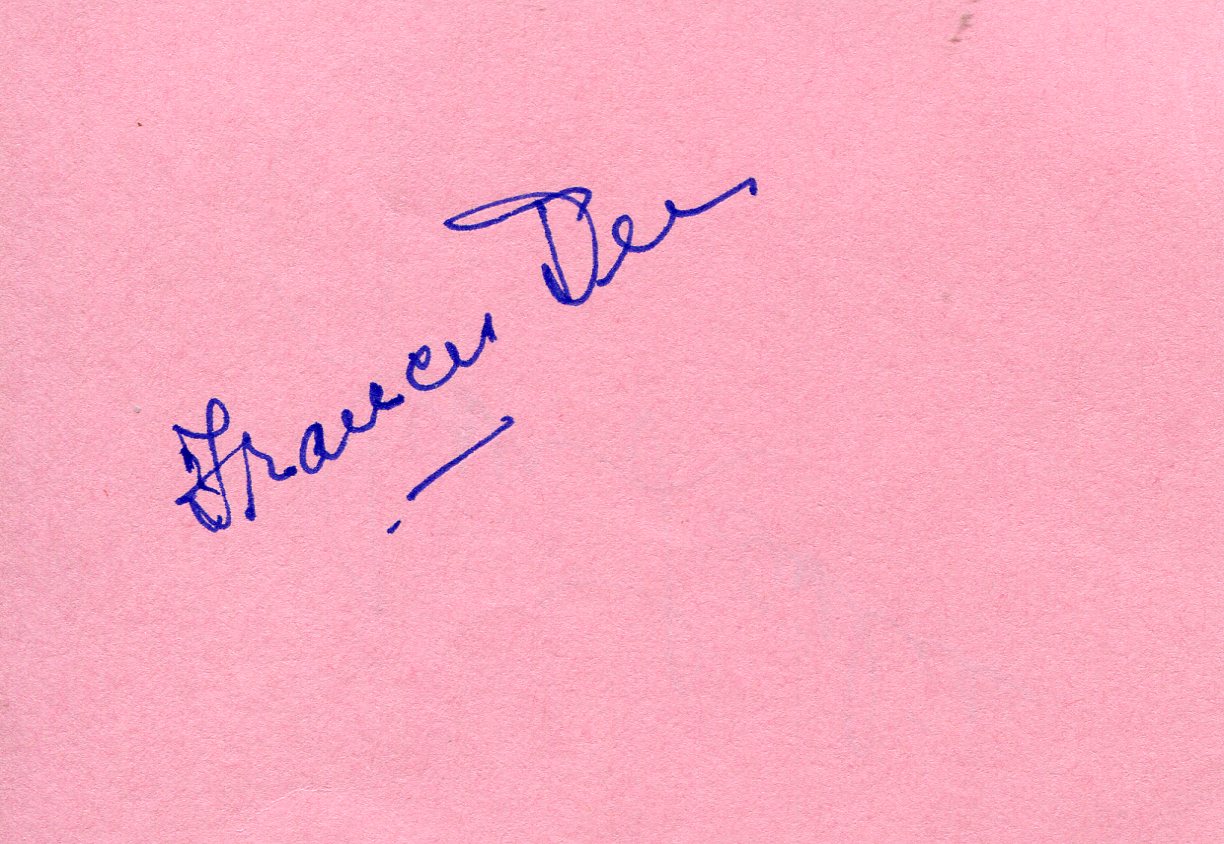
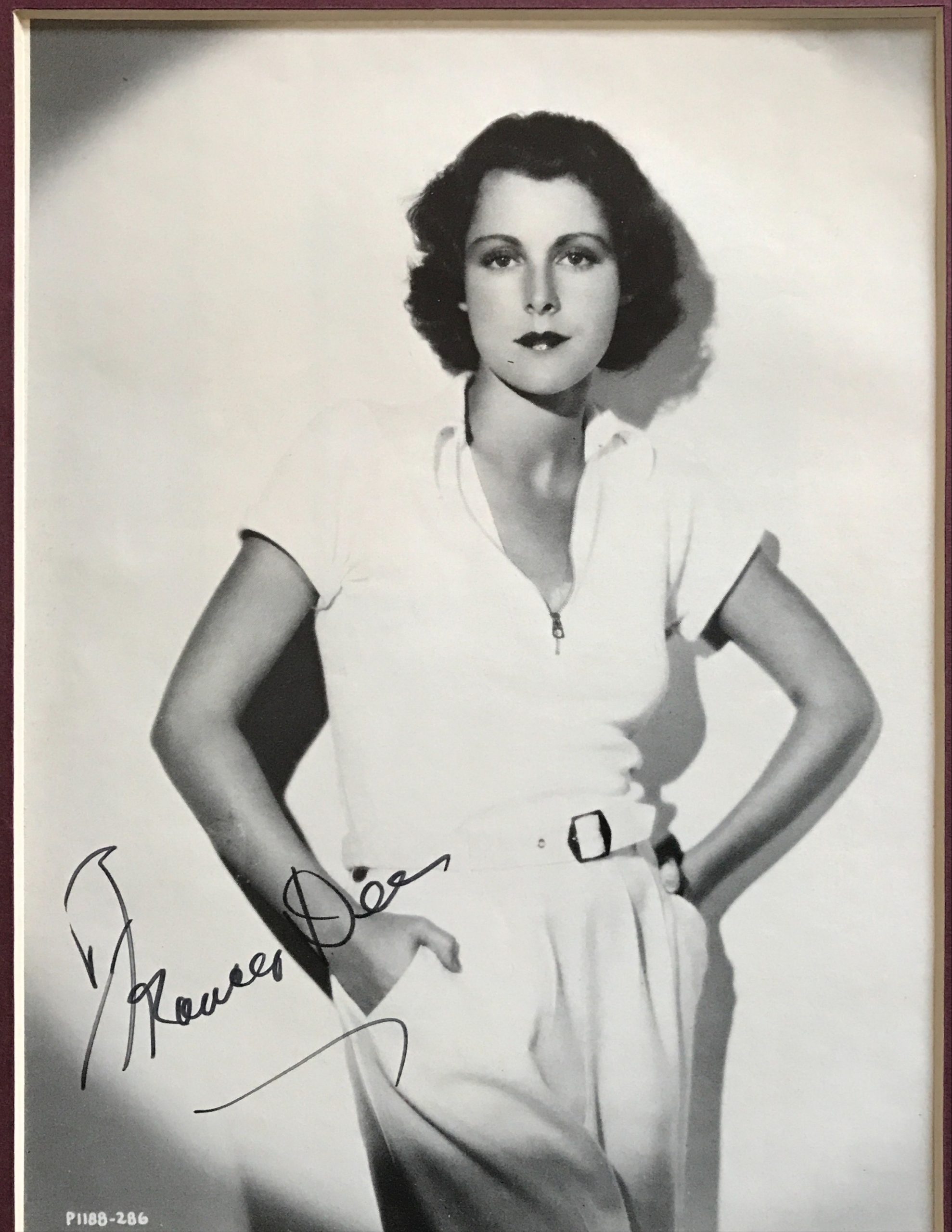
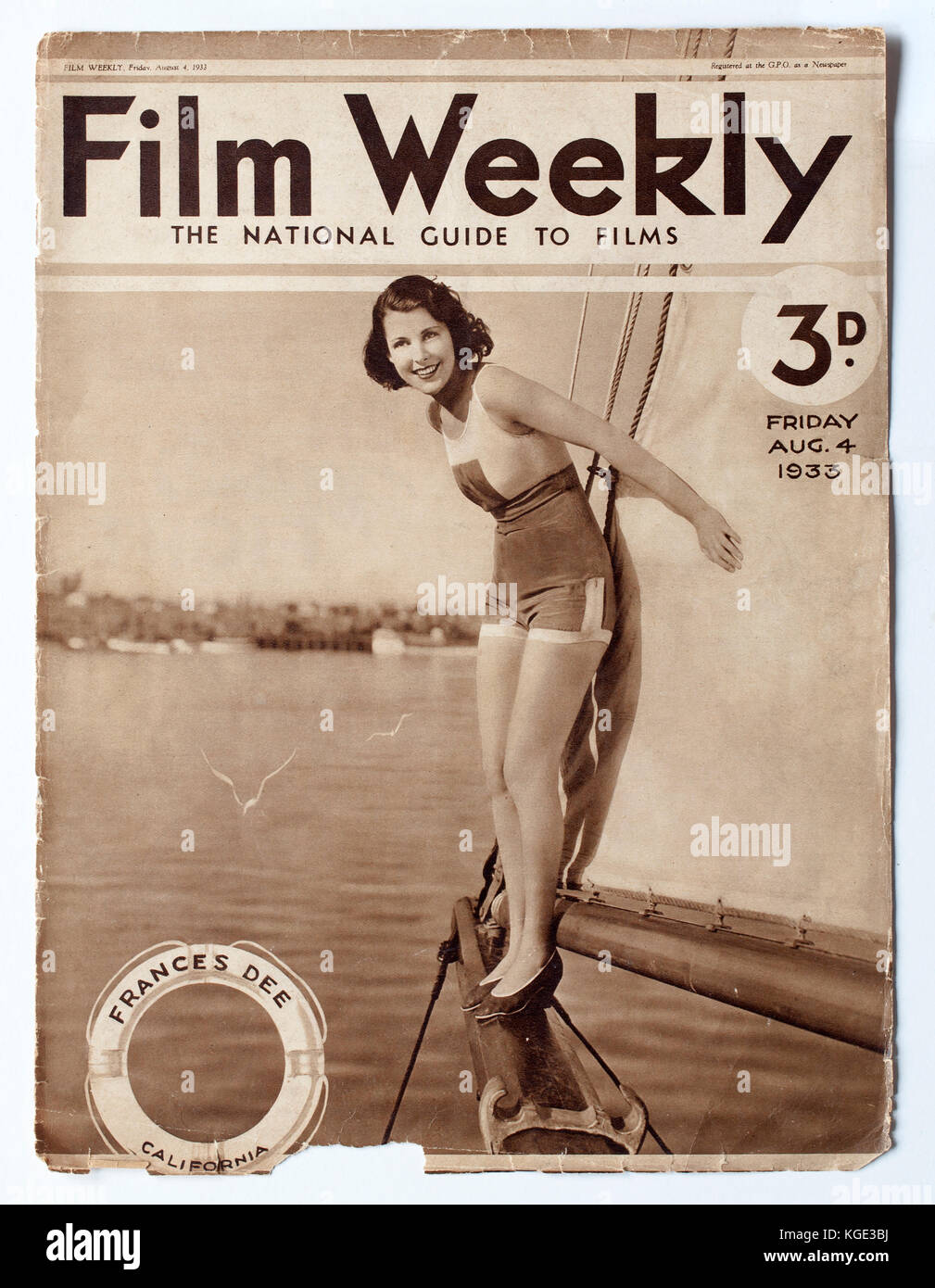
Luminous Frances Dee was a quiet, lovely presence in films in the 1930’s especially. She was born in 1909 in Los Angeles. She made an impact in 1931 in “An American Tragedy”. She went on to make “If I Were King”, “Little Women” and some films with her husband Joel McCrea. She retired from film in the mid 1950’s to concentrate on family life. Frances Dee died in 2004.
Her “Independent” obituary by Tom Vallance:
The critic James Agee said she was “one of the very few women in movies who had a face . . . and always used this translucent face with delicate and exciting talent”. A winsome brunette, whose suitors included the writer/director Joseph Mankiewicz, she was married for 57 years to one of her leading men, Joel McCrea.
The daughter of a civil engineer, she was born Jean Dee in Los Angeles, all reference books say in 1907, though her family aver it was 1909; and was educated at the University of Chicago, where her success in college plays prompted her to journey to Hollywood in the hope that the new sound era had created a need for performers who could handle dialogue:
When I dropped out to go to Hollywood, my father gave me an ultimatum. He told me that I had a year to find something more reliable in the picture business than extra work or else I had to come back.
As a contract player at Paramount, she was an extra in such films asWords and Music (1929), Follow Thru (1930), Manslaughter (1930) and Monte Carlo (1930). Then “almost a year to the day after my father’s ultimatum” she was spotted in the studio commissary by Maurice Chevalier. Lillian Roth, scheduled to play his leading lady inPlayboy of Paris (1930), which was about to start shooting, had been forced to drop out due to commitments in New York. Impressed by Dee’s fresh quality and beauty, Chevalier suggested that she be tested for the role.
Playboy of Paris, a musical remake of Max Linder’s silent comedy Le Petit Café (1920), featured Dee as a young girl who falls in love with a waiter (Chevalier) in her father’s café. When, having inherited a fortune, he samples the nocturnal delights of Paris, she jealously pursues him and gets into a cat-fight with his gold-digging girlfriend. The realisation that she is his true love leads to Chevalier’s rendition of the hit song “My Ideal”.
Dee then starred with Phillips Holmes and Sylvia Sidney in Josef von Sternberg’s An American Tragedy (1931), based on Theodore Dreiser’s novel. The story of a young social climber who murders his pregnant girlfriend when he falls in love with the socialite daughter of his employer, it proved too sordid for popular acceptance (and was banned in Britain), but Dee touchingly conveyed her hopeless love in the role of the socialite later played by Elizabeth Taylor in George Stevens’s 1951 version of the same story, A Place in the Sun.
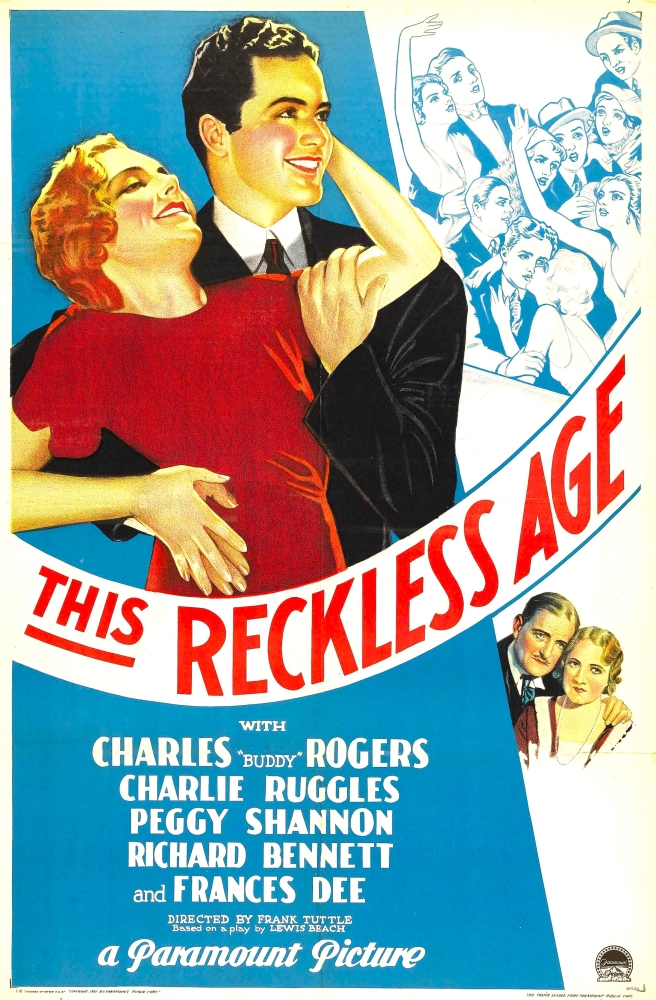
Joseph Mankiewicz was one of the writers of June Moon (1931), adapted from the Broadway comedy by Ring Lardner and George S. Kaufman, in which Dee was the supportive girl-friend of a small-town simpleton (Jack Oakie) who travels to New York with aspirations to be a song lyricist. Mankiewicz began a romance with Dee, who also starred in This Reckless Age (1932), scripted by him, as the spoiled flapper daughter of self-sacrificing parents.
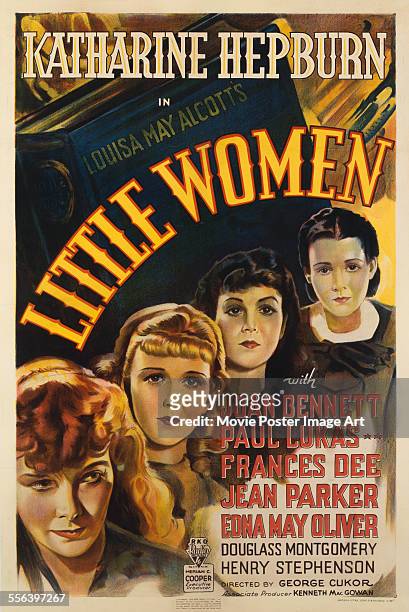
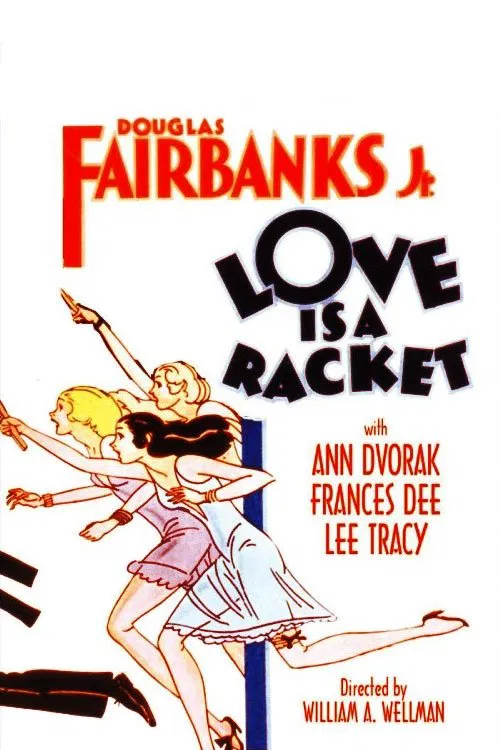
Making five or six films a year at this time, she starred in such vehicles as William Wellman’s Love is a Racket (1932), as a flighty actress loved by a reporter (Douglas Fairbanks Jnr), the omnibus film If I Had a Million (1932), as the wife of a condemned man ironically unable to save himself from the electric chair despite receiving a million dollars, King of the Jungle (1933), in which she falls in love with, and teaches English to, a primitive man (Buster Crabbe) raised by lions in Africa, and George Cukor’s version of Little Women (1933), in which she was sensible Meg to Katharine Hepburn’s Jo, Joan Bennett’s Amy and Jean Parker’s Beth.
Cukor later wanted Dee to play Melanie in Gone With the Wind, but the producer David O. Selznick overruled him, allegedly because he considered her too beautiful and liable to overshadow his Scarlett (Vivien Leigh).
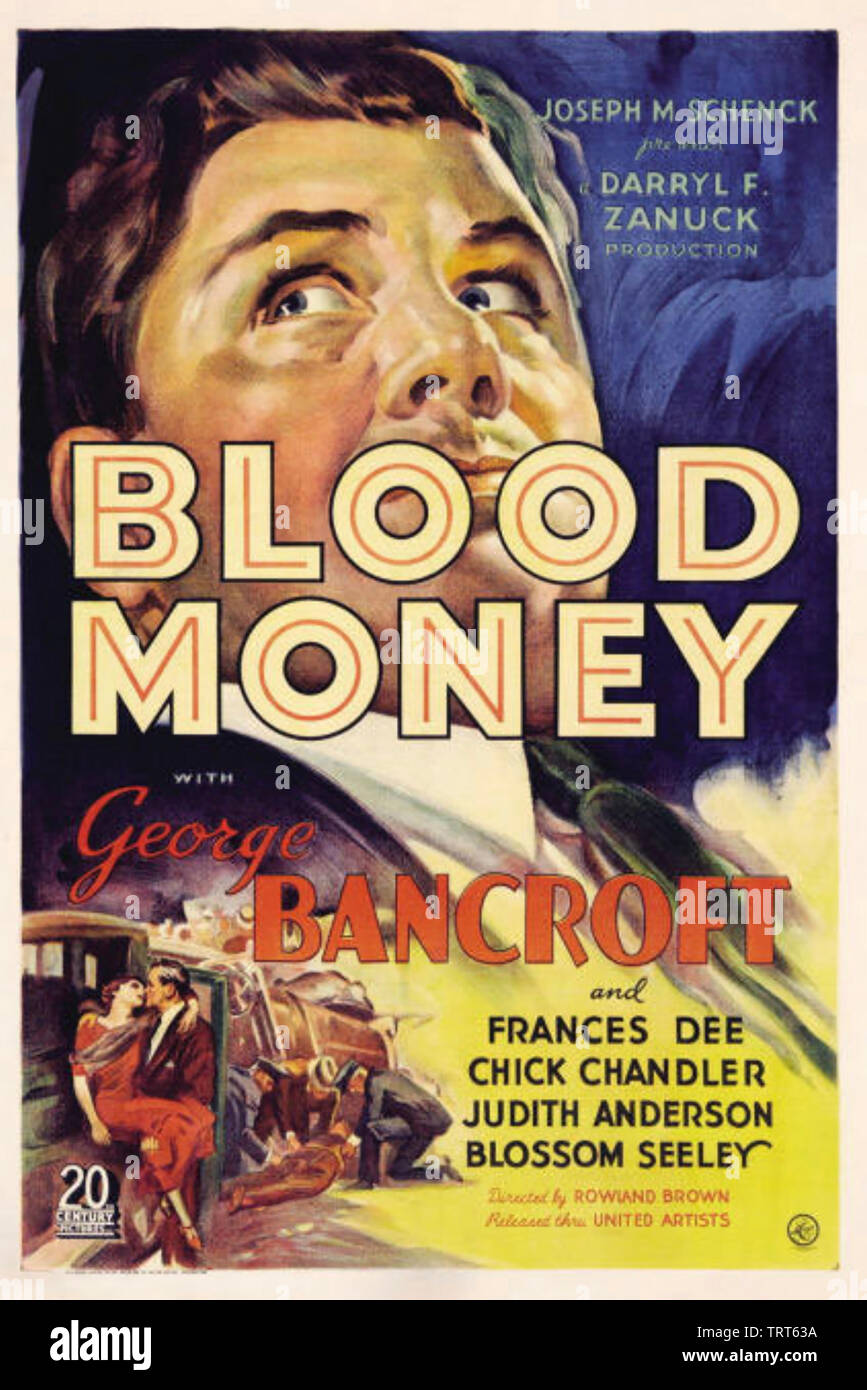
One of Dee’s more notable roles was in a gangster movie, Rowland Brown’s Blood Money (1933), that was a lost film for nearly 40 years before resurfacing to be hailed as a 66-minute gem. Cast against type, Dee played a thrill-seeking rich girl, described by the actress herself as “a masochistic nymphomaniacal kleptomaniac”.
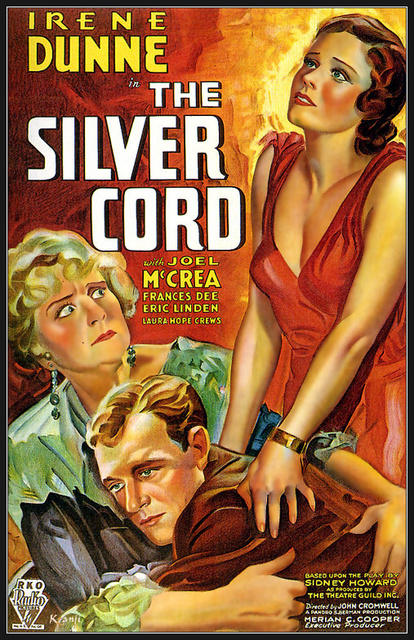
She was then fatefully cast opposite Joel McCrea in an adaptation of the Broadway drama of possessive motherhood, The Silver Cord(1933). Directed by John Cromwell, the gripping tale featured Laura Hope Crews as the tenacious mother with two sons. A married one (McCrea) has a wife (Irene Dunne) who is strong enough to wrench him from his mother’s machinations (including a fake heart attack). The younger son (Eric Linden) is more susceptible to his mother’s tricks, and Dee was extremely touching as his fiancée who finds herself powerless in the struggle and is ultimately abandoned.
Before she started the film, Dee had been enjoying a long-term affair with Mankiewicz, and the couple had planned a summer wedding with a honeymoon tour of New England already mapped out. When Mankiewicz learned that Dee had become engaged to McCrea he was hospitalised with a partial nervous breakdown. Later he claimed that Dee was “the love of my life”, and friends said that the incident was to trigger the pattern that the director later followed of making sure that he was the first to end relationships (as he did with Judy Garland, Linda Darnell and others).
David O. Selznick stated that Dee told him McCrea had made her realise that her attraction to Mankiewicz was purely physical, while McCrea appealed to her intellectually. Married in October 1933, the couple settled on McCrea’s ranch in Ventura County, California. Their first of three sons, Jody (later to become an actor), was born the following year.
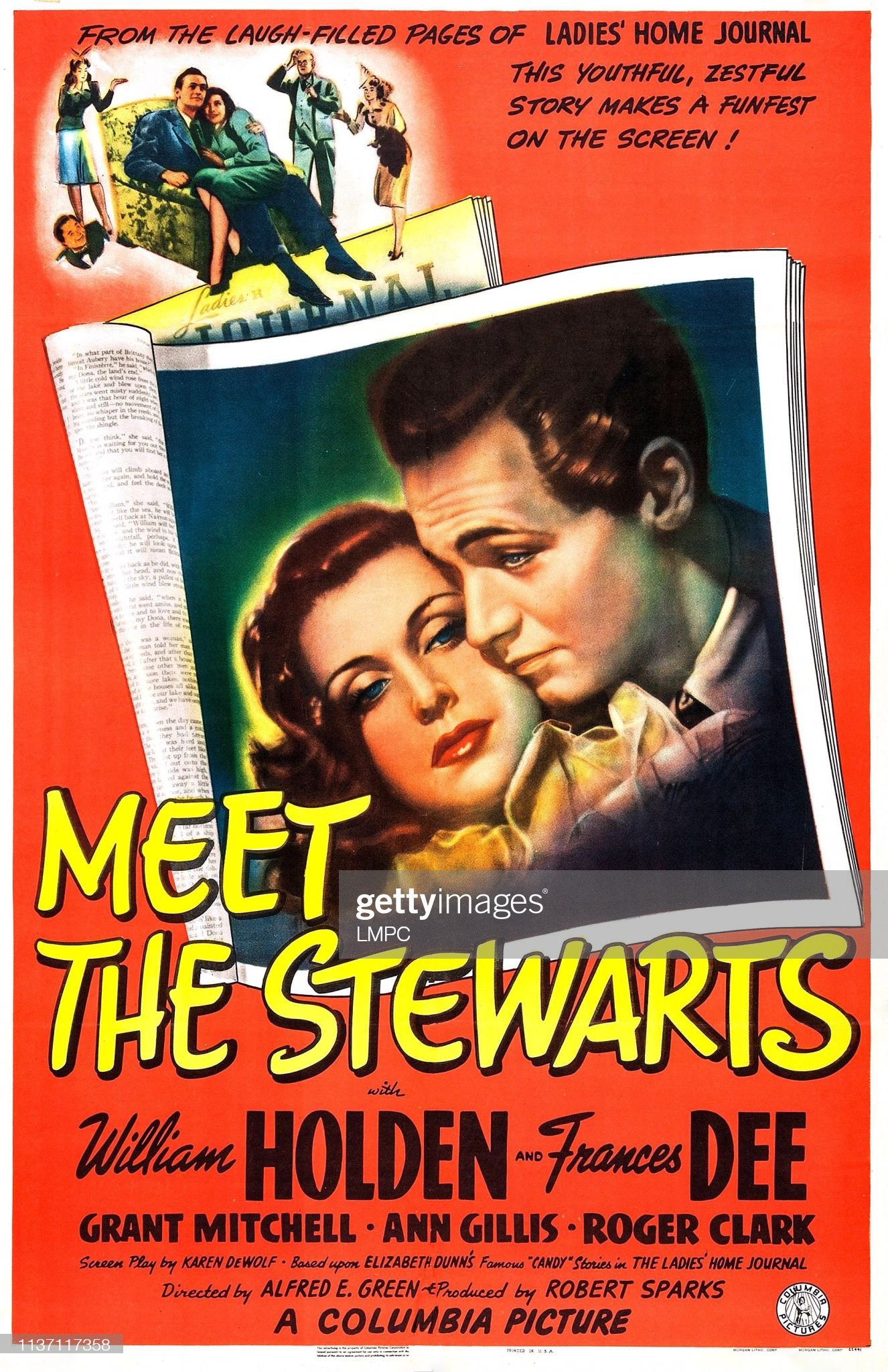
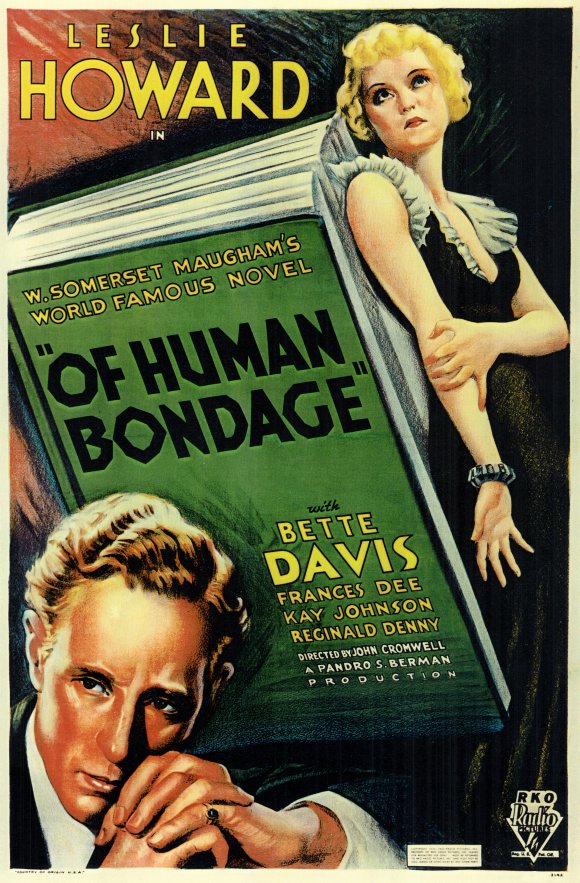
Dee’s other films included the lively Headline Shooter (1933), in which she was the girlfriend of an ambitious newspaper photographer, and John Cromwell’s Of Human Bondage (1934), in which she played the girl who finally wins Leslie Howard after his infatuation with a destructive waitress (Bette Davis) ends. She was top-billed in Finishing School (1934) as an unhappy rich girl, but the film was stolen by Ginger Rogers as the school’s prime rebel.
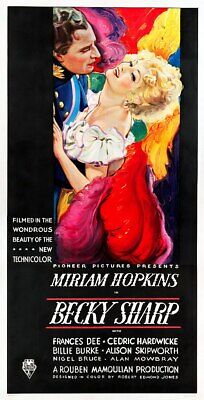
Rouben Mamoulian’s Becky Sharp (1936), based on Thackeray’sVanity Fair, was the first feature film in three-strip Technicolor. Miriam Hopkins played the eponymous gold-digger, with Dee as her friend Amelia Sedle. She had one of her most rewarding roles in William Wyler’s comedy The Gay Deception (1936), in which she played an office worker who wins a modest fortune in a lottery and splurges on a suite in a lavish New York hotel where she meets a prince (Francis Lederer) posing as a bellboy. She would always citeThe Gay Deception as her favourite film.
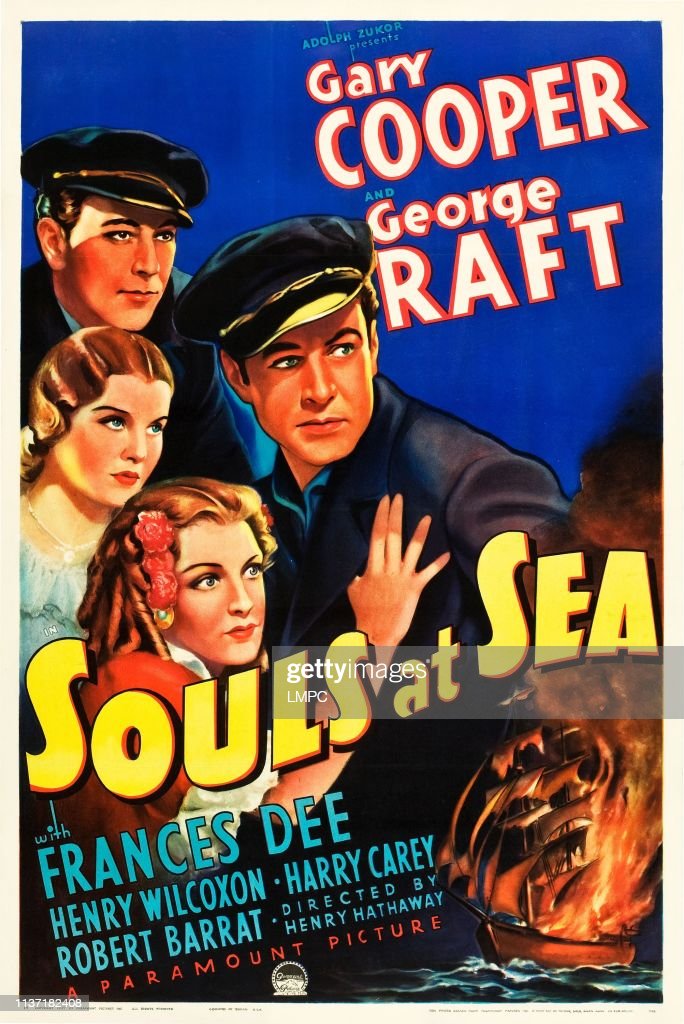
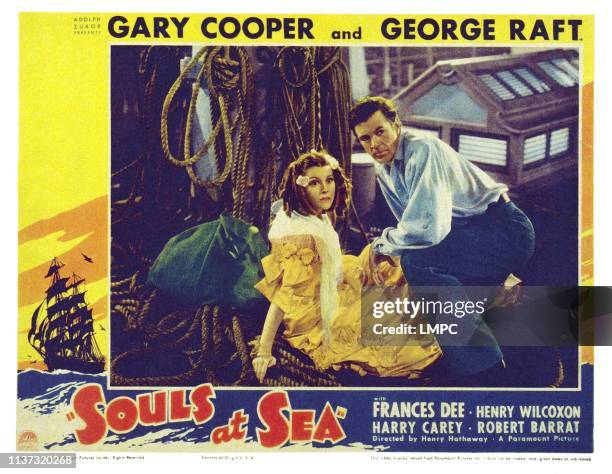
In Henry Hathaway’s popular seafaring tale Souls at Sea (1937), she starred alongside Gary Cooper and George Raft, and she co-starred with McCrea again in Frank Lloyd’s Wells Fargo (1937). In this ambitious history of the express company, McCrea played a loyal employee whose marriage breaks up when he and his wife (Dee) find themselves sympathising with opposite sides during the Civil War. In Lloyd’s If I Were King (1937), a romantic swashbuckler set in 15th-century France, Dee was the Queen’s lady-in-waiting who is wooed by the poet François Villon (Ronald Colman).
Around this time Dee, who now had two sons, decided to limit her films in order to give more time to her family. McCrea said, “There are four of us now. Frances has deliberately cut and maybe weakened her career.”
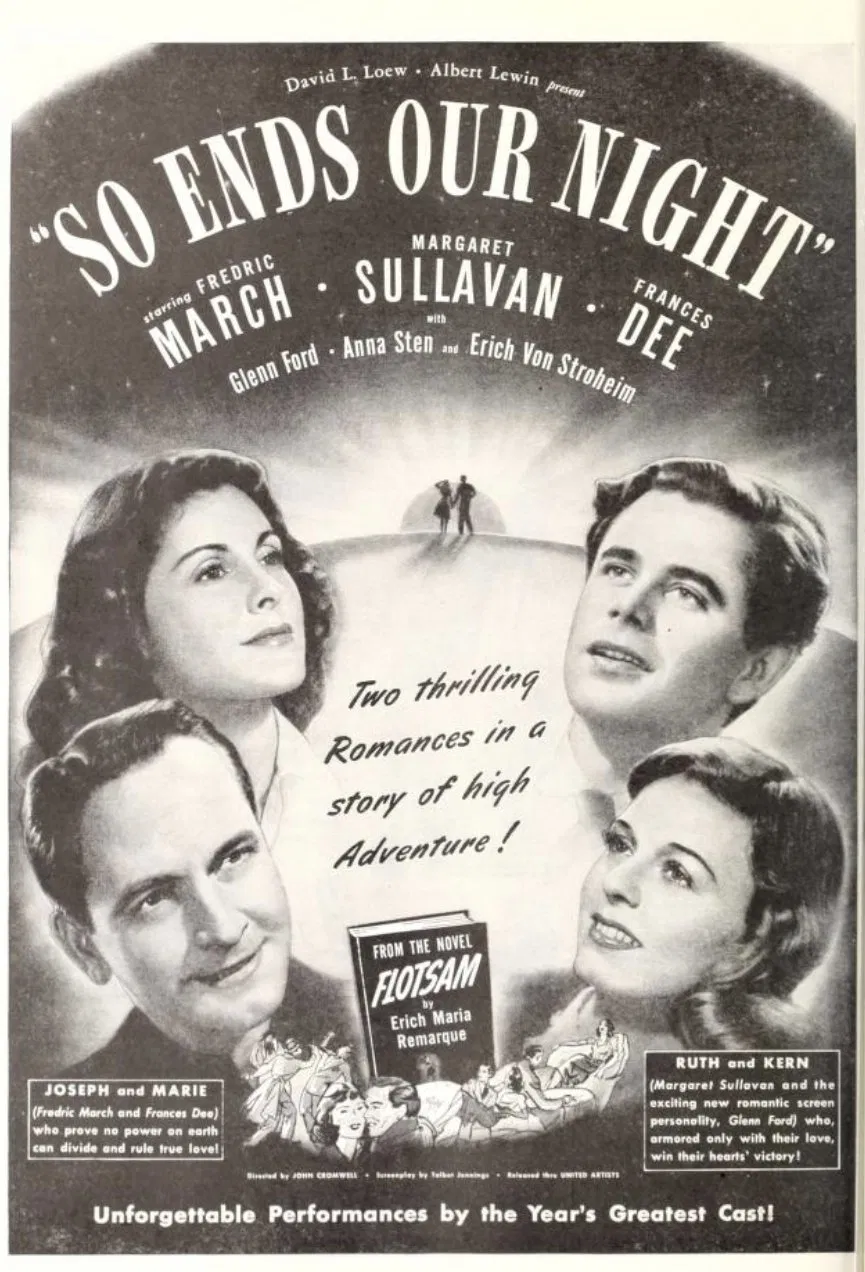
She worked with the director John Cromwell again on the anti-Nazi movie So Ends Our Night (1941) as the wife of an Austrian refugee (Fredric March). The critic Pauline Kael described a close-up of Dee’s face, as she sees but cannot speak to her fugitive husband, as comparable to that of Garbo at the end of Queen Christina.
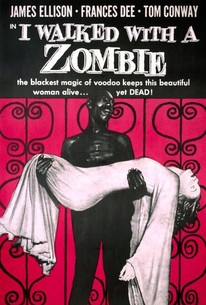
I Walked With a Zombie (1943) was a B movie, but is regarded now as highly as any of Dee’s major films. Produced by Val Lewton and directed by Jacques Tourneur, it was a chillingly atmospheric tale of a nurse (Dee) who goes to the West Indies to look after a catatonic patient and encounters rampant voodooism. In the film’s most celebrated sequence, Dee takes her mute patient on a prolonged and haunting walk through the cane fields, punctuated with native chants and shadowy low-key photography, to attend a voodoo ceremony. “People think of I Walked With a Zombie as a scary film”, said Dee,
and it is. But it was also scary to be in it. When I first read the script I couldn’t imagine anyone ever liking the movie. Yet, thanks to Lewton and Tourneur, it turned out very well.
In 1946 Dee made her Broadway début in the drama The Secret Room, directed by Moss Hart, but it ran for only 21 performances. On screen she was one of the women exploited by the unscrupulous hero (George Sanders) in The Private Affairs of Bel Ami (1947), and she starred with McCrea for the final time in Four Faces West(1948), an unusually gentle western in which not a shot is fired.
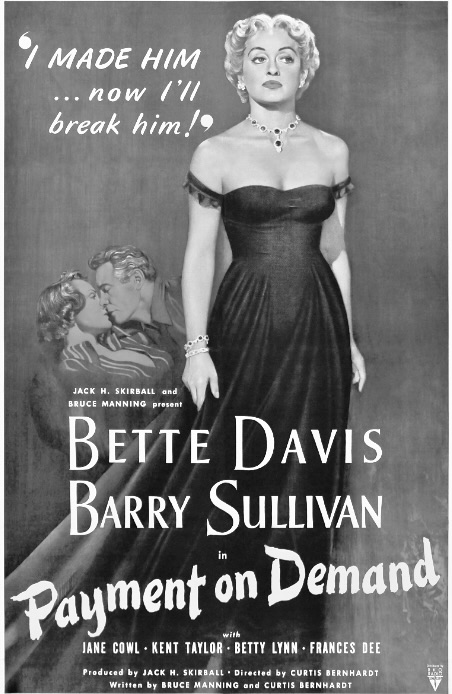
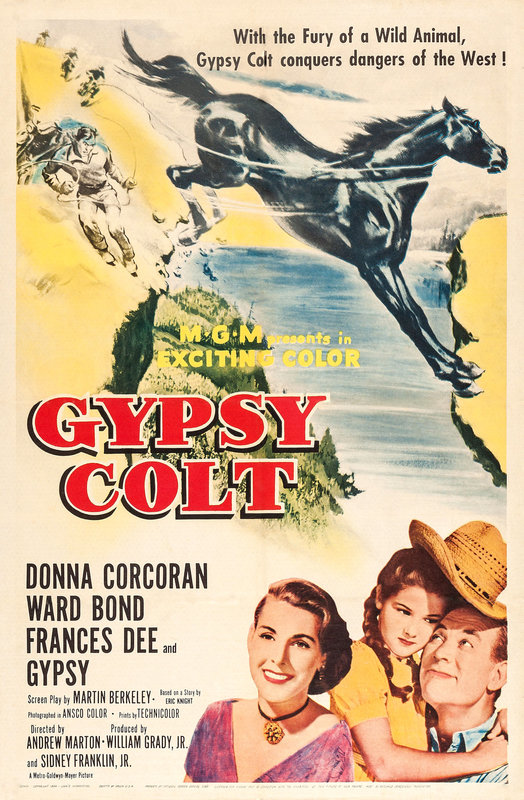
She was a schoolteacher who comforts Barry Sullivan when he separates from his wife (Bette Davis) in Payment on Demand (1950), and had her last role in the family film Gypsy Colt (1954), a loose adaptation of Lassie, Come Home with the homesick animal a horse instead of a dog.
In 1955, the year her third son was born, she announced her retirement, and the McCreas were considered one of the happiest families in Hollywood until 1966, when they announced the startling news that they were separating. Dee proclaimed that she found ranch life unfulfilling, and McCrea actually filed for divorce, but the couple reconciled and their union endured until McCrea’s death in 1990.
Over the years, McCrea expanded his ranch and bought up tracts of land in California, Nevada and New Mexico that made the couple one of the wealthiest in California, but after his death some disastrous speculation reduced the fortune considerably.
In recent years, Dee occasionally attended film conventions and tributes, such as a month-long festival of her films held in Hawthorne, New Jersey, in 1999. She had also been collaborating on a biography with the writer Andy Wentink.
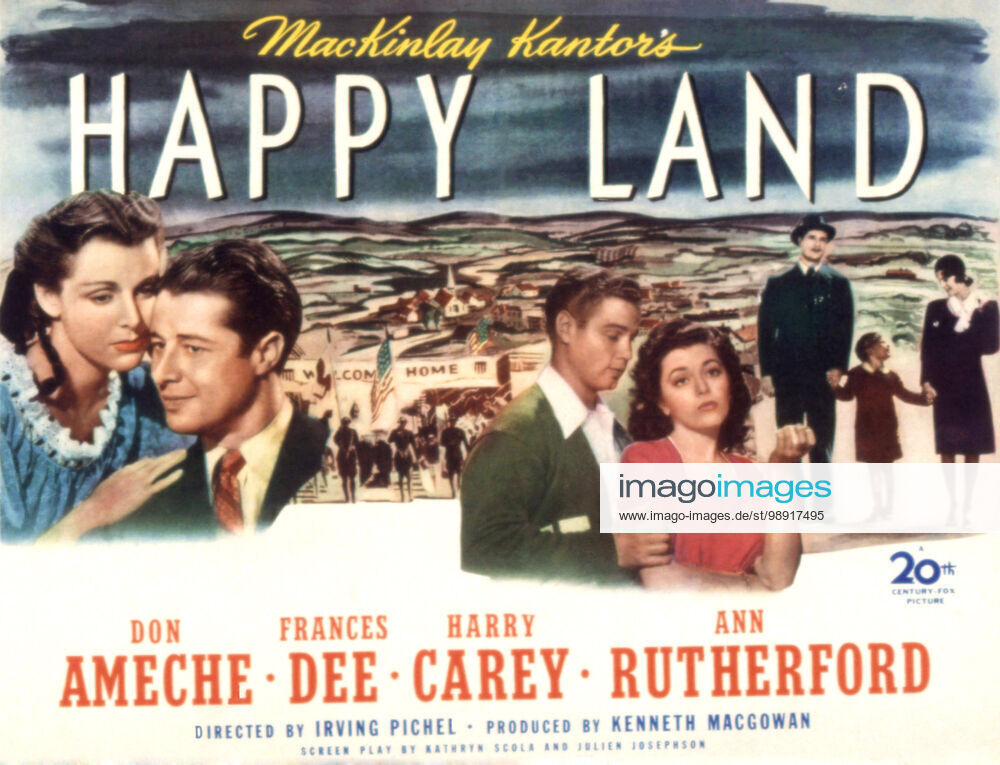
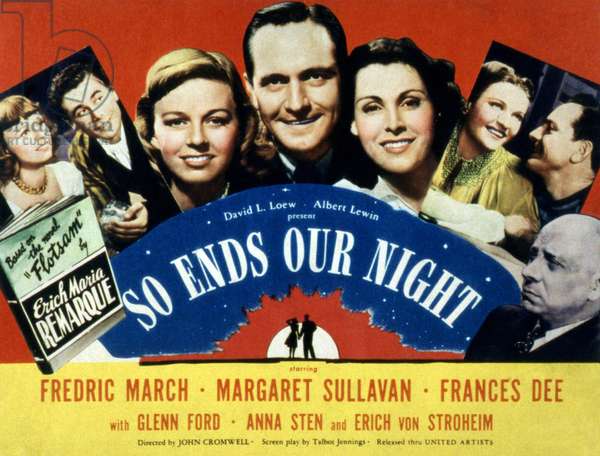
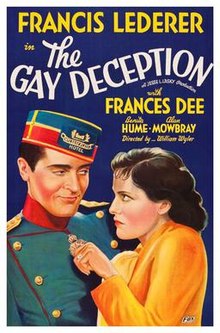
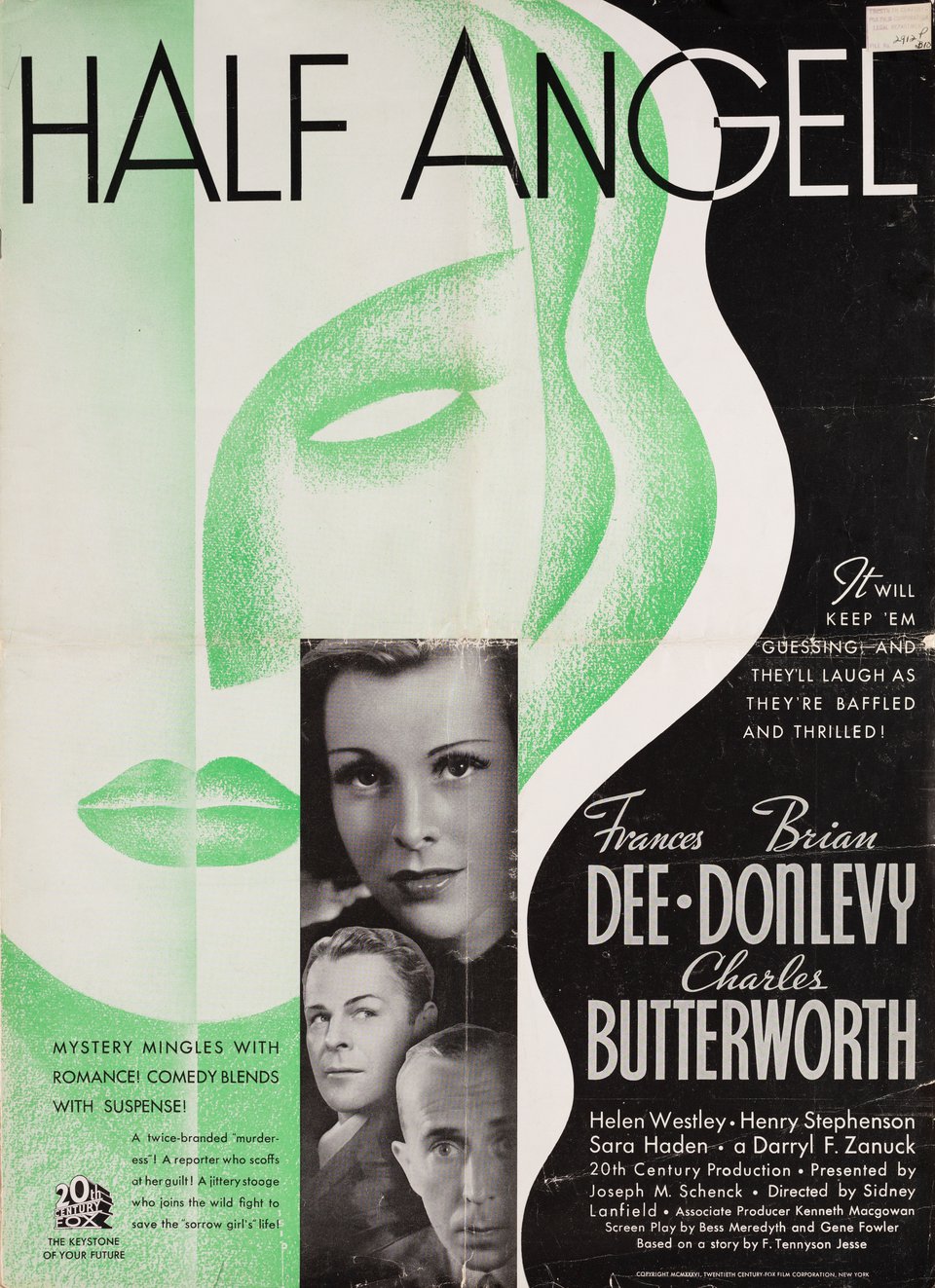
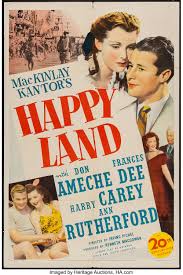
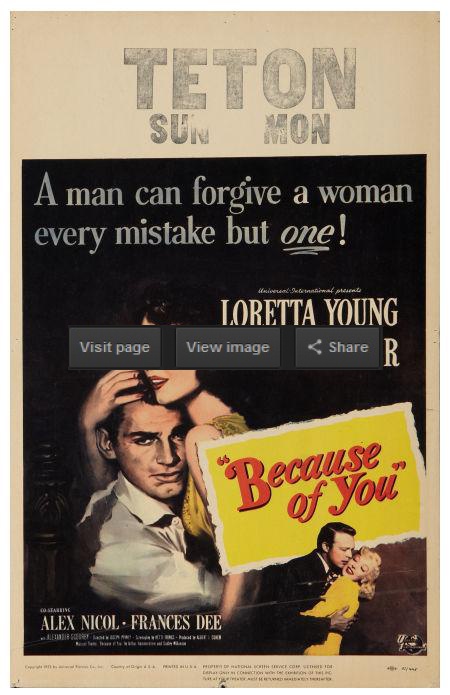
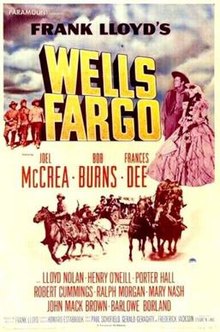
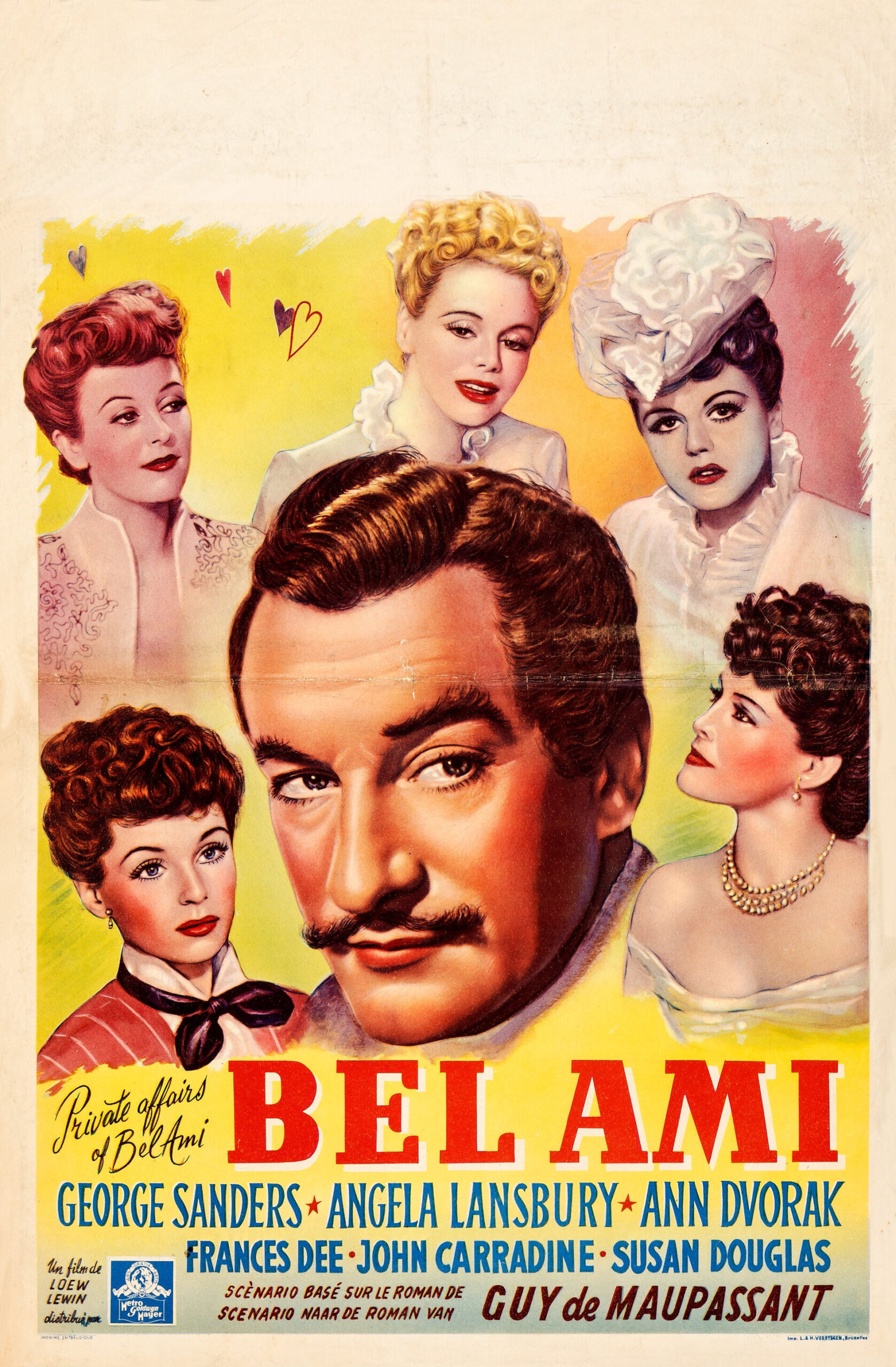


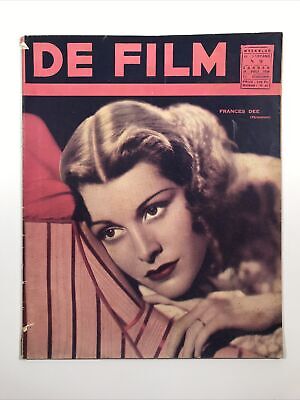
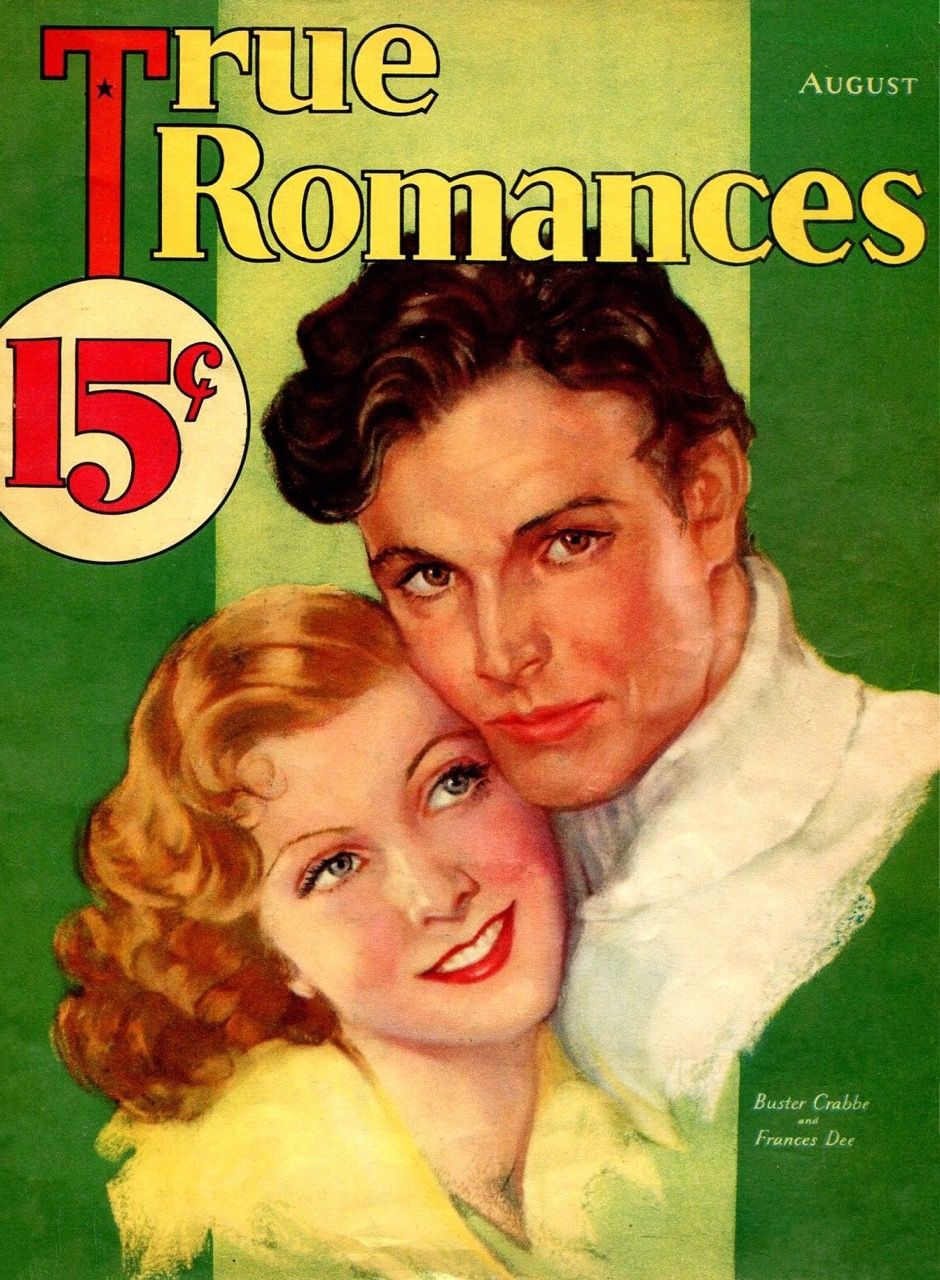
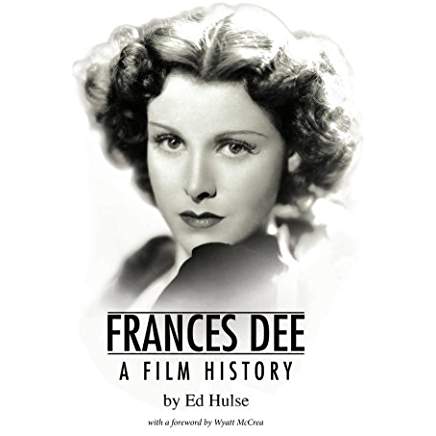
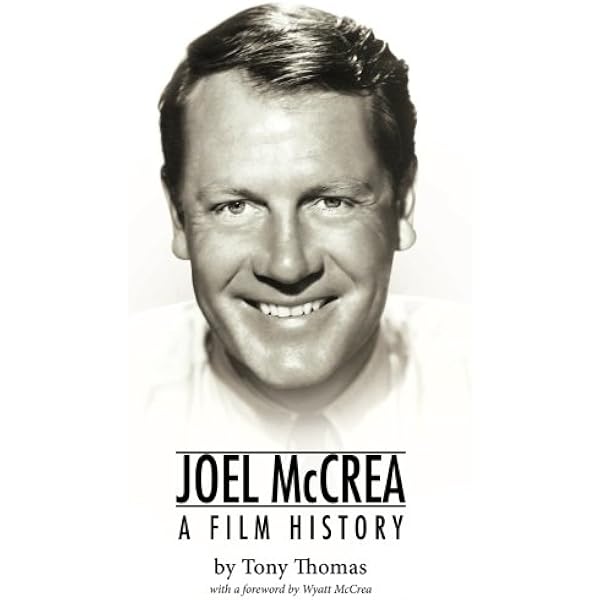
Frances Dee (1909–2004) represents one of the most intelligent and quietly influential presences in the Golden Age of Hollywood. Over three decades, she created a body of work defined by elegance, emotional precision, and a notably modern moral conscience. Though often overshadowed by her husband Joel McCrea’s enduring stardom, Dee herself was a performer of remarkable sensitivity—sophisticated yet deeply empathetic—whose career traced Hollywood’s transition from the romantic idealism of the early sound era to the psychological realism of the mid-1940s.
Early Life and Formation (1909–1930)
Born Frances Marion Dee in Los Angeles and raised partly in Chicago, she was educated at the University of Chicago, majoring in philosophy and literature—an intellectual background that shaped her measured, analytical acting style. Unlike many contemporaries recruited for glamour or musical ability, Dee arrived in Hollywood with self-awarenessabout her craft and her screen image.
Her initial introduction to film came almost by accident: after working as an extra during a college vacation, she was signed by Paramount in 1929 at the dawn of the sound era. Her debut in Words and Music (1929) led to more substantial supporting roles within two years—marked by a fresh, naturalistic vocal delivery that distinguished her from silent-era holdovers still adjusting to sound recording.
Paramount Years and Early Stardom (1930–1933)
Paramount quickly recognized Dee’s potential to bridge youth appeal with classical beauty. Her breakout came with An American Tragedy (1931), directed by Josef von Sternberg, adapted from Theodore Dreiser’s novel. As Sondra Finchley, she embodied upper-class innocence tinged with vanity, counterpointing Sylvia Sidney’s working-class endurance. Dee’s poise and understated expressiveness offered an early glimpse of her defining quality: moral and emotional lucidity beneath glamour.
Other early successes included:
- June Moon (1931) – an adaptation of the Kaufman-Connelly comedy, displaying her deftness with satire.
- City Streets (1931) – opposite Gary Cooper; a gangster romance where her moral clarity provided the film’s anchor amid von Sternberg’s atmospheric stylization.
- Little Women (1933) – as Meg March, Dee provided perhaps her most recognizable “classical heroine” role of the early decade, balancing warmth with dignity. She avoided twee sentimentality, helping make George Cukor’s version of Louisa May Alcott’s novel a touchstone of sensitive ensemble acting in pre-Code Hollywood.
At Paramount she developed a reputation for restrained modernity—neither a glamour queen nor a comic flibbertigibbet, but an archetype of composed intelligence. Her ability to project thought on screen anticipated later actresses like Teresa Wright and Olivia de Havilland.
The RKO and Freelance Period (1933–1941)
After leaving Paramount, Dee worked freelance, broadening her range with diverse studios and directors.
Blood Money (1933)
A sharp, pre-Code underworld thriller directed by Rowland Brown, in which Dee’s Elaine Talbert, a thrill-seeking society girl entangled with crime, subverted her wholesome image. Critics who rediscovered the film decades later singled out Dee’s ironic line readings and psychological acuity—she portrayed privilege as a form of corruption without resorting to melodrama.
Of Human Bondage (1934)
Though overshadowed by Bette Davis’s volcanic performance, Dee’s smaller role showcased her ability to create empathy through understatement—a “mirror of moral intelligence,” as one critic later described her work.
Becky Sharp (1935)
In Rouben Mamoulian’s pioneering three-strip Technicolor adaptation of Vanity Fair, Dee’s Amelia Sedley provided the moral and emotional axis around which Miriam Hopkins’s flamboyant Becky revolved. Film historians often cite her Amelia as one of Dee’s signature roles: still and open, quietly tragic yet free of pathos—a study in how stillness can convey both virtue and repression.
During this decade she married Joel McCrea (1933), forming one of Hollywood’s most durable marriages. Their collaborations—often modest Westerns or domestic dramas—consolidated her association with sincerity and grace rather than celebrity intrigue.
War and Postwar Period, Artistic Peak (1943–1947)
Dee’s most acclaimed later performances span a range of genres, revealing a matured emotional intelligence.
I Walked with a Zombie (1943)
Directed by Jacques Tourneur for producer Val Lewton at RKO, this remains Frances Dee’s enduring masterpiece. As Betsy Connell, a Canadian nurse in the West Indies, she transcended the horror genre to create a performance of lyrical restraint. Dee’s Betsy is reason confronted with mysticism, modern science confronting emotional and racial hauntings.
Tourneur himself called her work “the film’s conscience”; her luminous stillness allows the surrounding atmosphere—plantations, voodoo rituals, the Caribbean night—to feel psychologically rather than merely exotically charged.
Critics later dubbed the film “the Jane Eyre of horror,” and Dee’s performance crucially provides the moral equivalent of the Brontë heroine: reason shadowed by yearning. Her subdued tone and inward gaze make the film one of cinema’s greatest studies in ambiguity.
Experiment Perilous (1944)
Opposite Hedy Lamarr, Dee plays Alison, whose fragile nobility offsets the melodrama’s Gothic excesses. Though her part is secondary, she deepens the film’s atmosphere of repression and female perception, again showing an affinity for psychological realism over surface emotion.
So Proudly We Hail! (1943) and Mr. Skitch (earlier 1933, with Will Rogers)
In ensemble roles, Dee’s modest but firm luminosity functioned as the humane center amid more assertive performances—proof of her rare gift for balancing ensemble energies rather than dominating them.
Late Career and Retirement (1948–1953)
As Hollywood’s studio system changed and Dee prioritized family life, her film output lessened. She appeared sporadically in the late 1940s—in light domestic melodramas and the 1950 Joel McCrea Western Four Faces West—before retiring by the mid-1950s.
Her later public image—a cultivated, civic-minded Californian rancher and philanthropist—paralleled the poise she had always projected onscreen: integrity without affectation.
Acting Style and Critical Analysis
1. Intellectual Naturalism
Dee’s technique combined controlled diction with intuitive emotional rhythms. Unlike actresses who foregrounded Method-style emotionalism, she externalized thought through economy of movement and a quality critics often call moral attentiveness.
Her clarity of thought reads on camera: she listens well. In ensemble scenes, her reactions convey interior shifts without overt gestures.
2. Moral Poise and Feminine Agency
She specialized in women negotiating intelligence and restraint—characters whose goodness was not naiveté but self-discipline. Her heroines (An American Tragedy, Becky Sharp, I Walked with a Zombie) resist male or social corruption, yet Dee subtly exposed the cost of such virtue. This blend of empathy and self-possession foreshadowed the psychologically aware female protagonists of postwar cinema.
3. Photographic Appeal
Cinematographers adored her rare tonal range: luminous skin against shadow—particularly in black-and-white chiaroscuro. Nicholas Musuraca’s photography in I Walked with a Zombie exploited her face’s sculptural planes: intelligence illuminated by vulnerability.
4. Restraint as Emotional Force
Perhaps her greatest distinction is her use of stillness. Rather than drama through velocity, Dee generated tension through containment. Her eyes often carry scenes—the difference between composure and suppression. In this, she anticipates later American stylists such as Joanne Woodward or Kelly Macdonald.
Legacy
Frances Dee never achieved the marquee superstardom of Bette Davis or Katharine Hepburn; yet her influence endures through the integrity of her performances and their modern feel. In an era often dominated by theatricality, she brought a literary subtlety—a belief that morality and psychology could be cinematic subjects.
Her portrayal in I Walked with a Zombie remains a cornerstone of film criticism on restraint and female viewpoint in genre cinema, and Becky Sharp showcases her as one of the first actresses to embody Technicolor realism rather than spectacle.
In retrospect, Dee occupies the lineage of the intelligent moral realist in Hollywood film—a bridge from the luminous sincerity of early talkies to the reflective naturalism of mid-century American acting.
Summary:
Frances Dee’s career is a study in grace under dramatic pressure. Across melodrama, literature adaptation, and noir-inflected horror, she maintained a rare balance of intellect and emotion, serenity and curiosity. While never a flamboyant star, she was a consummate screen artist: her composure a modern form of strength, her sensitivity a quiet revolution in how women could think and feel in front of the camera