

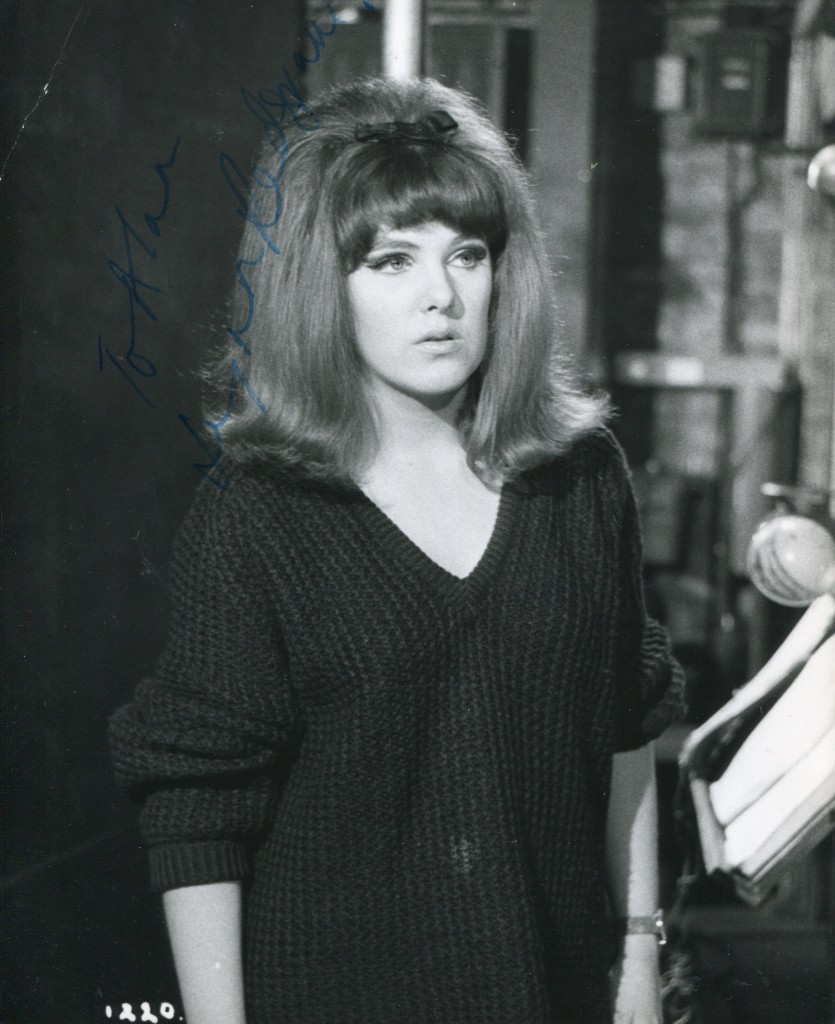
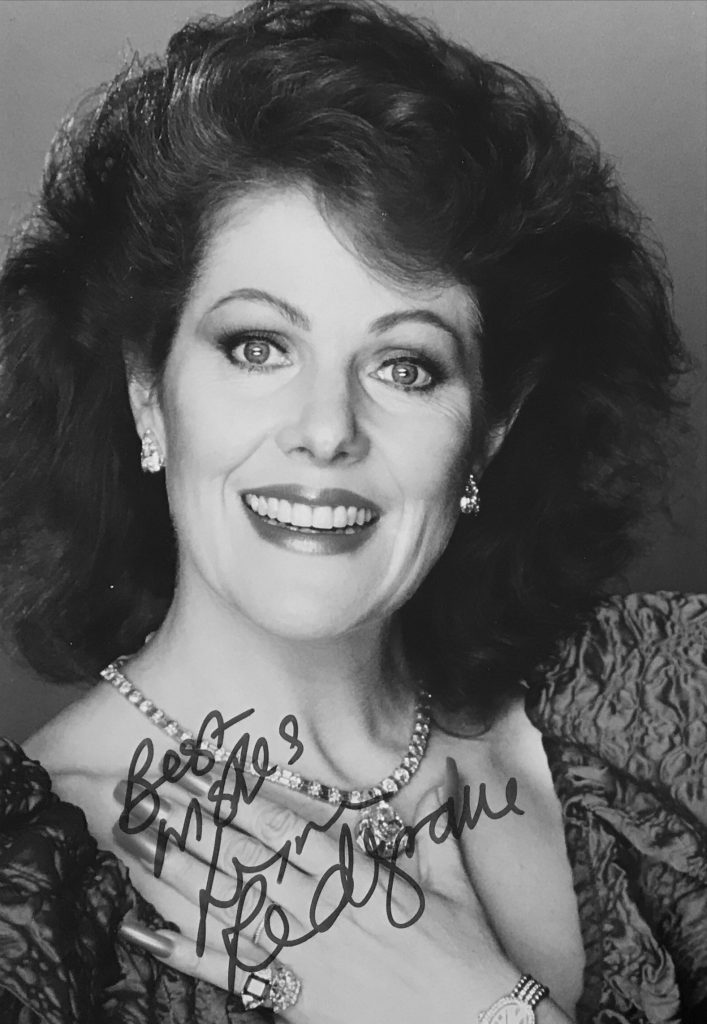
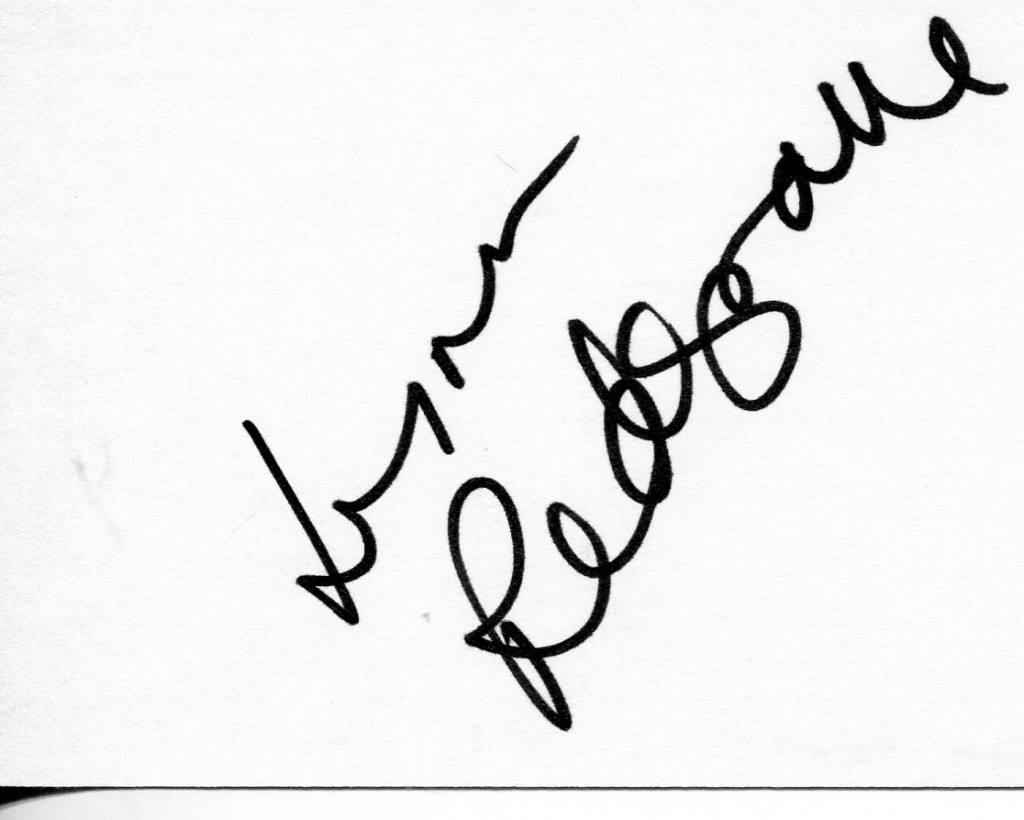
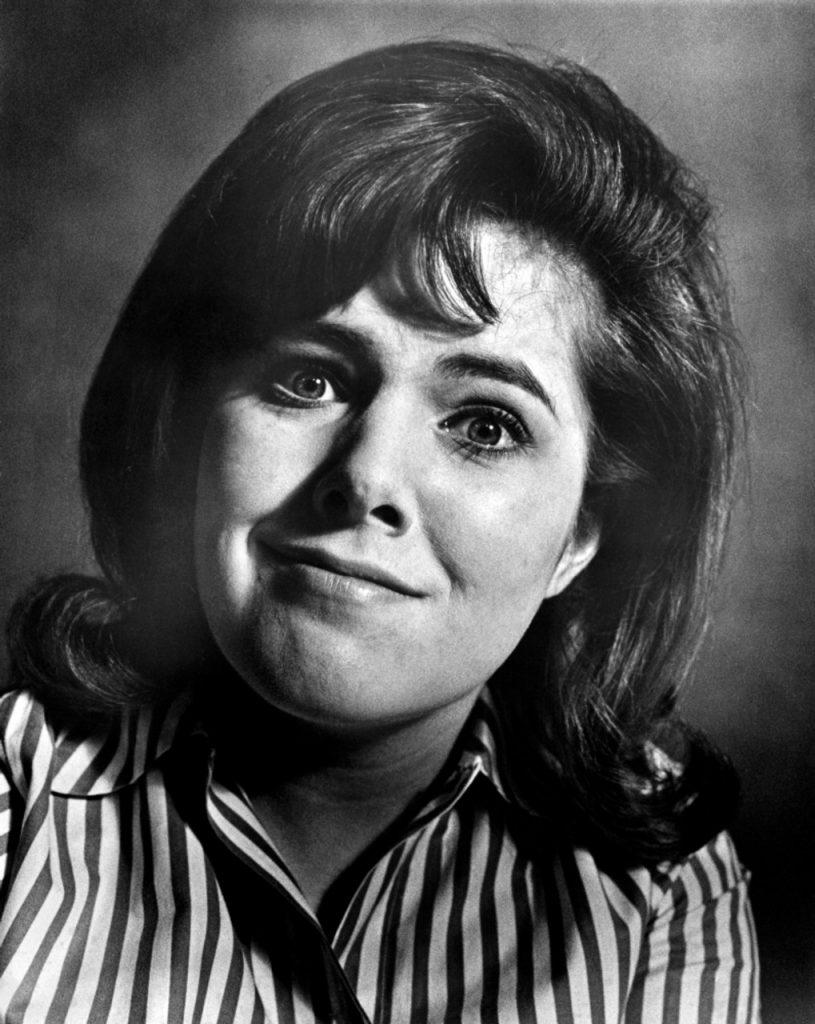
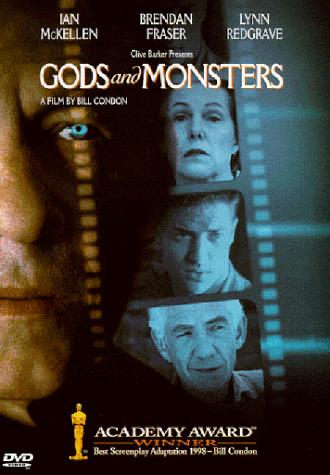
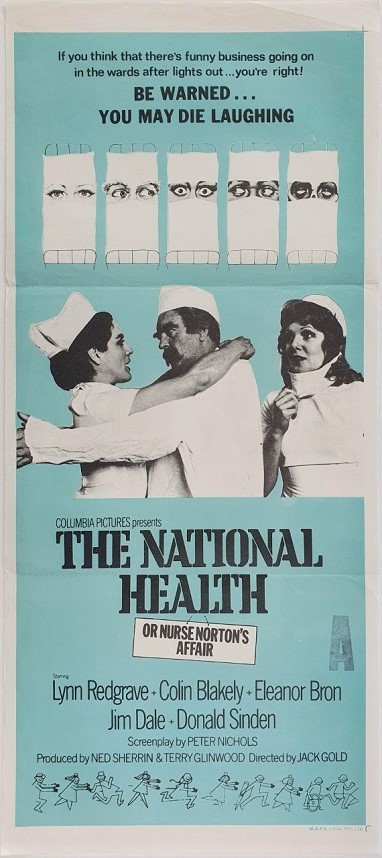
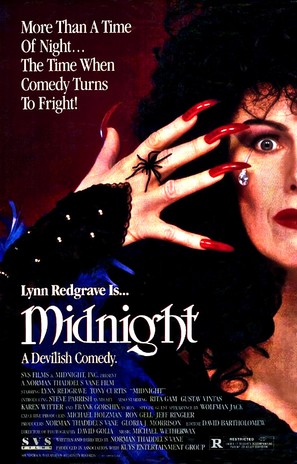
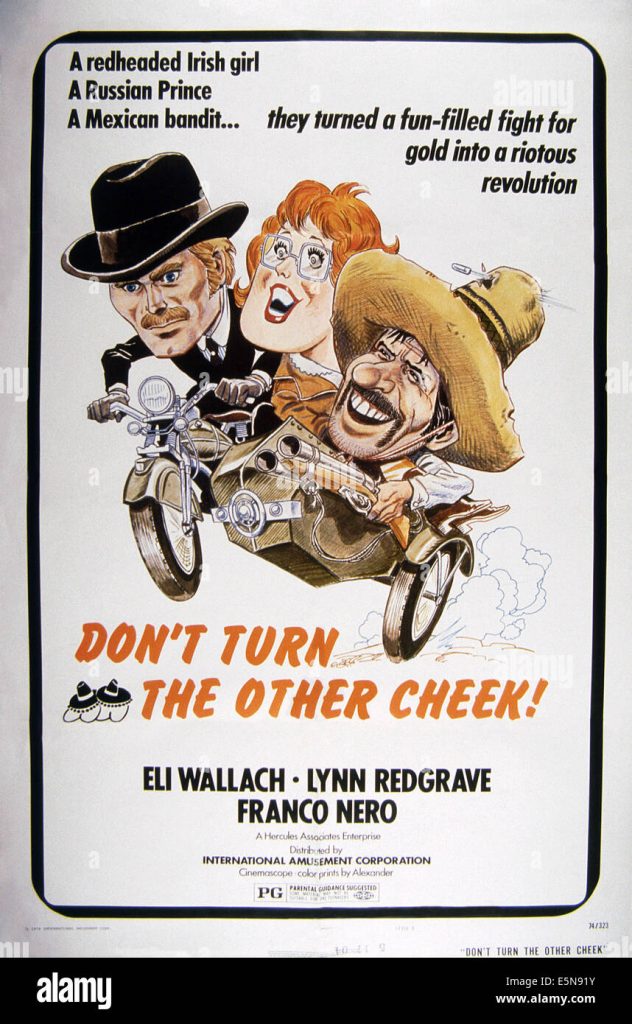
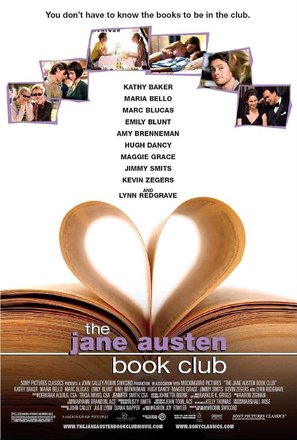
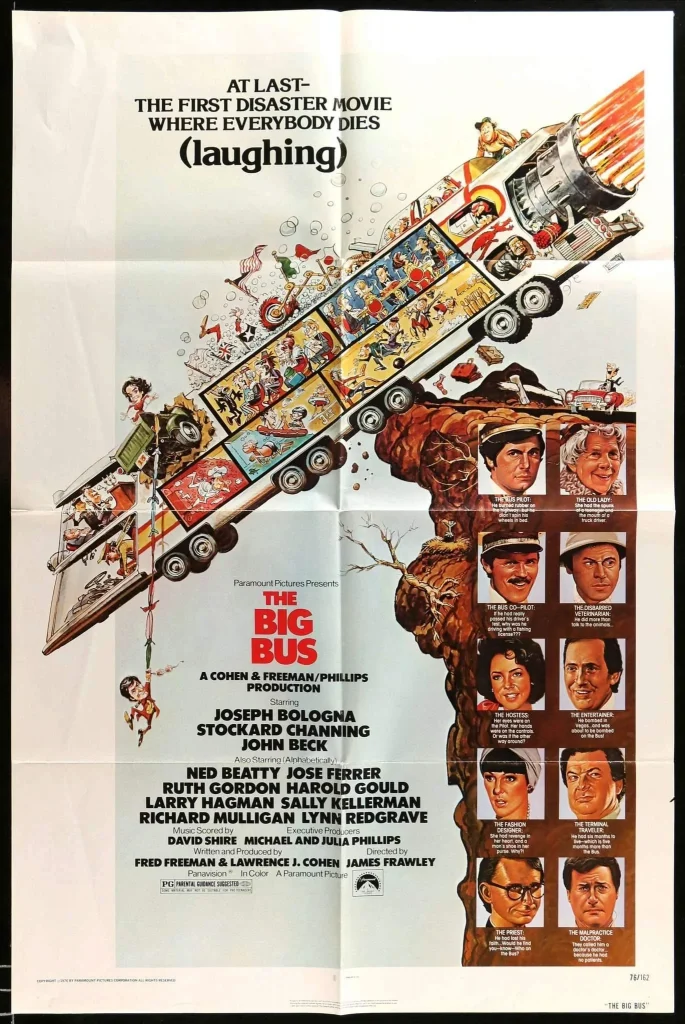
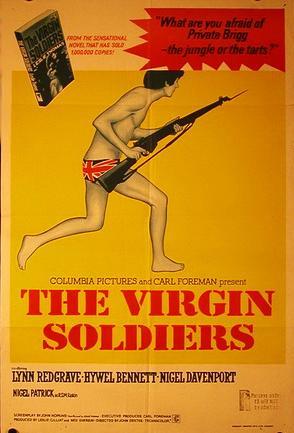
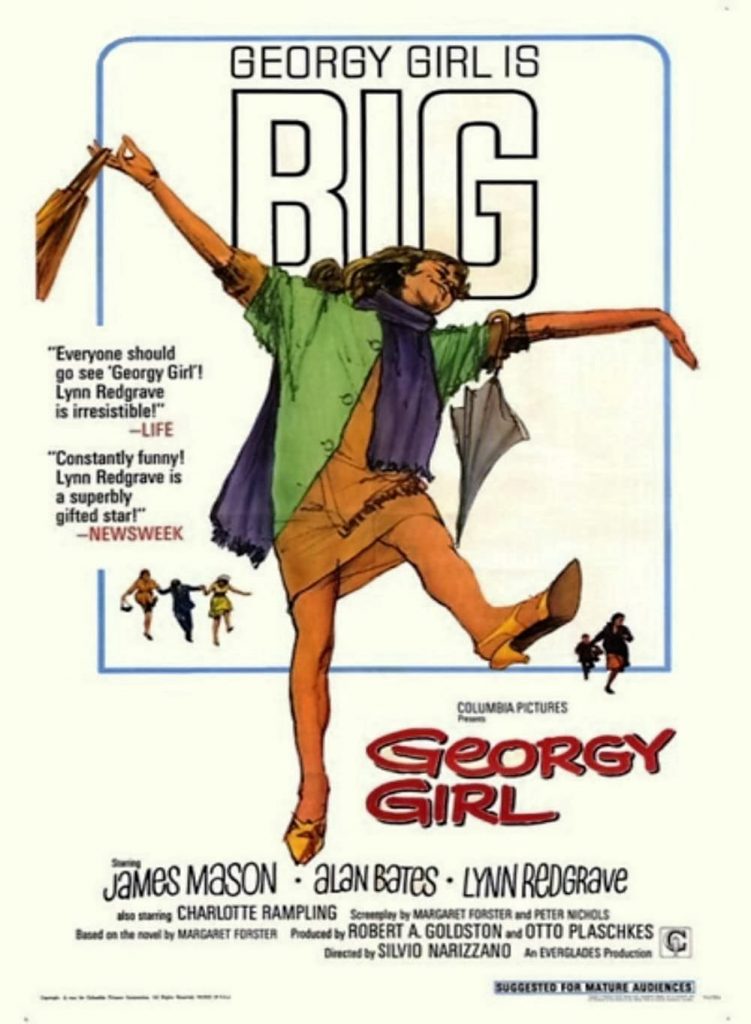
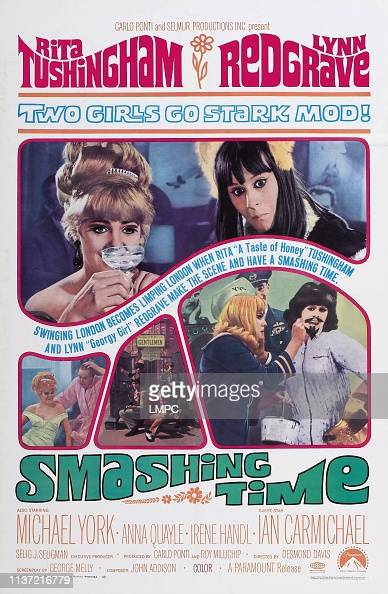
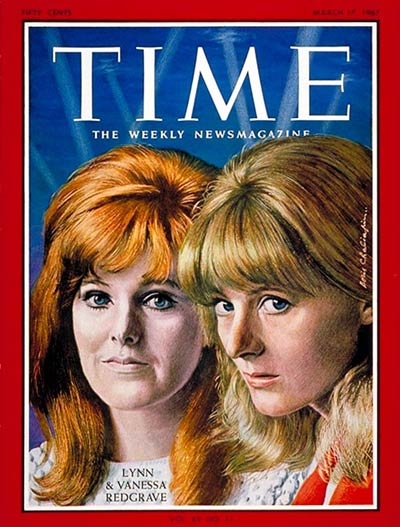
Lynn Redgrave was my very favourite of all the talented Redgrave dynasty. She had a drollness and unique comic tough that was a true delight. She was born in 1943 in London. She was the youngest child of Sir Michael Redgrave and his wife Rachel Kempson. Lynn’s older siblings were Vanessa and Corin. She made her film debut in 1963 in “Tom Jones” and the following year was terrific as Baba Brennan the friend of Rita Tushingham in this tale of Irish country girls moving to Dublin. She had a huge success in 1967 with “Georgy Girl” with James Mason and Alan Bates. She was nominated for an Oscar for her performance and soon afterwards began making films in the U.S. In 1999 she gave a great performance in “Gods and Monsters” and was again Oscar nominated. This wondeful actress sadly died in May 2010
.Her “Guardian” obituary by Michael Coveney:
Even by the colourful standards of her own family’s public profile and professional achievements, Lynn Redgrave, who has died of breast cancer aged 67, was an exceptional personality. Her death seems particularly cruel after the loss of both her niece, Natasha Richardson, after a skiing accident last year, and her brother, Corin Redgrave, last month. The third child of the actors Michael Redgrave and Rachel Kempson, Lynn was a gifted comedian who received her first Oscar nomination for a delightful, clownish performance in the title role of Georgy Girl (1966), one of the defining movies of the so-called swinging 60s. She went on to spend many years living and working in America. Less politically engaged than her older siblings, Vanessa and Corin, she was no less a remarkable talent.
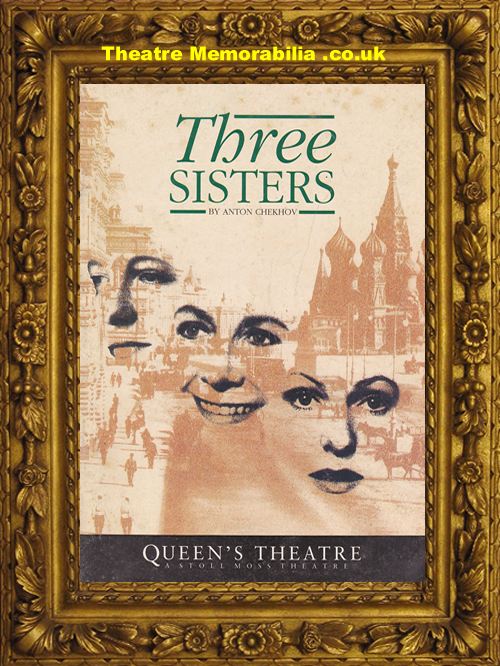
Her 1991 television remake of Whatever Happened to Baby Jane? with Lynn and Vanessa in the Bette Davis and Joan Crawford roles respectively, is a collector’s item. The sisters also starred together in a riotous and emotionally raw 1990 revival of Chekhov’s Three Sisters at the Queen’s Theatre, directed by Robert Sturua of the Rustaveli theatre in Tbilisi, Georgia. Vanessa played Olga, and the sisters’ niece Jemma Redgrave (Corin’s daughter) played Irena. Lynn’s Masha was an unforgettable, frustrated bundle of nervous energy seeping through her cigarette smoke, musical wails and sudden cries.
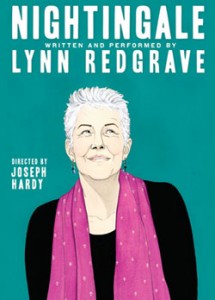
In her touring solo show, Shakespeare for My Father (1994-96), she exorcised her feelings of distance from the imperious Michael Redgrave by relating how she reached him only by becoming an actor herself. The lonely, lumpy child was transformed by her talent, and the evening, full of wonderful vignettes and speeches, reached a moving climax in the reconciliation scene of Lear with Cordelia. She turned her attention to her mother’s life in a 2001 play for seven actors, The Mandrake Root. In her later one-woman show Nightingale, which won the LA Drama Critics Circle award for best solo performance, she again explored the life of her mother, as well as her maternal grandmother, and also touched upon her own failed marriage.
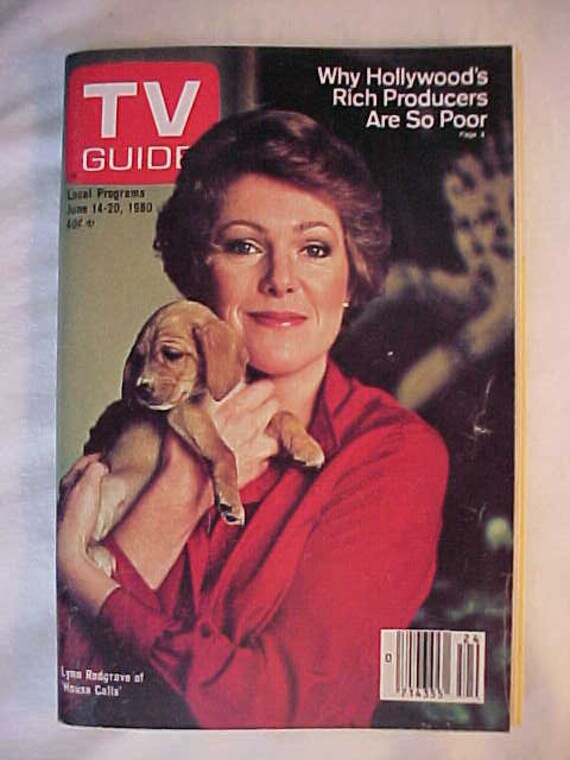
Lynn’s legal battles and marital upheavals were the stuff of soap opera. In 1967 she married John Clark, a former child actor who played the title role in Just William on BBC radio. She settled happily in California in 1974, with Clark as her manager. In 1981 she sued Universal Television for wrongful dismissal and claimed she was not allowed to breast-feed her third child, Annabel, in her dressing-room during the filming of the CBS sitcom House Calls. The litigation lasted 13 years; she lost the suit and was declared bankrupt.
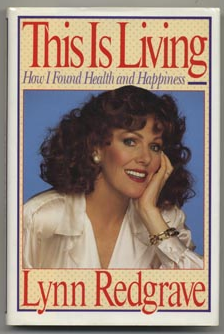
Her marriage to Clark was dissolved in 2000, two years after he revealed that he had had an affair with her personal assistant, Nicolette Hannah, and that Lynn’s supposed grandson Zachary was in fact Clark’s own son by Hannah, who had married (and subsequently divorced) their son Benjamin. Lynn battled with her weight and was a spokesperson for WeightWatchers in the 1980s. She was diagnosed with breast cancer in 2002, had a mastectomy the following year and wrote a journal of her recovery with photographs by her daughter Annabel.
Lynn was born in London and, like Vanessa before her, attended Queen’s Gate school, Kensington, and the Central School of Speech and Drama. Her first job was at the Royal Court in A Midsummer Night’s Dream (1962). The director Tony Richardson (Vanessa’s then husband) told her to play Helena “as a giraffe”.
She was one of the original 12 contract artists in Laurence Olivier’s National Theatre, tragic as the daughter Kattrin in Mother Courage and hilariously dim as the gormless flapper Jackie Coryton in Noël Coward’s own 1964 revival of Hay Fever – the one which had a cast, Coward said, that could play the Albanian telephone directory. (Her co-stars were Edith Evans, Robert Lang, Maggie Smith, Robert Stephens and Derek Jacobi.)
Before she left for California, she appeared in the West End transfer of David Hare’s Slag in 1971 and at Greenwich in 1973 with Dave King in Garson Kanin’s Born Yesterday. But her career, to British eyes at least, became unfocused. None of her films really matched the charm of early work in Tom Jones (1963) with Albert Finney; The Girl With Green Eyes (1964) with Rita Tushingham and Peter Finch; and, of course, Georgy Girl, with Alan Bates and Charlotte Rampling.
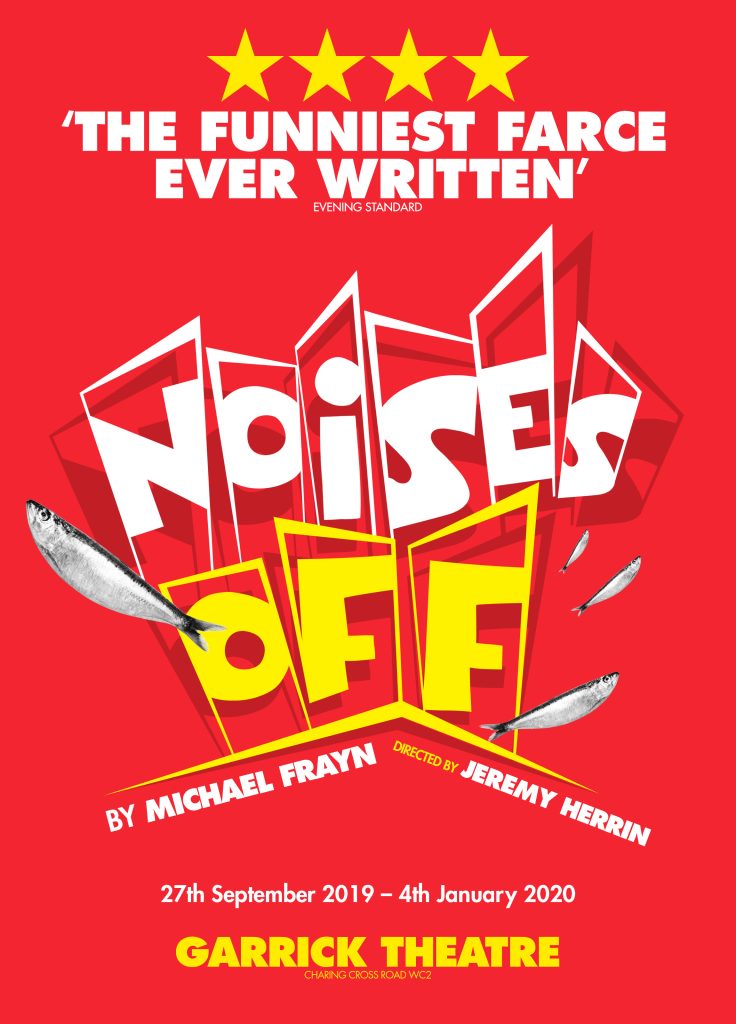
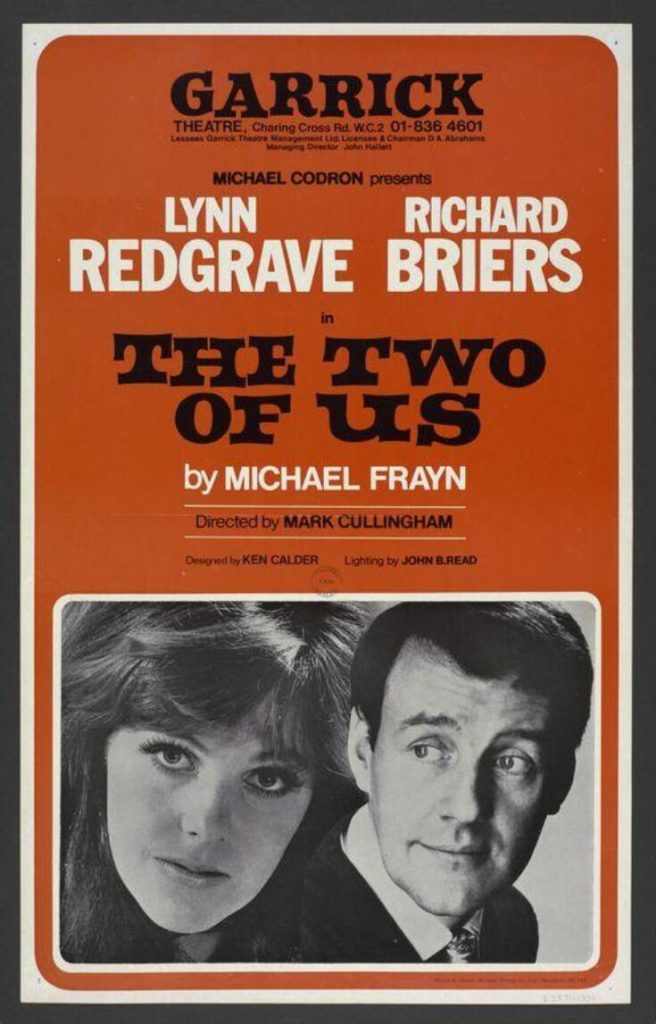
There was the odd sighting on Broadway, from Peter Shaffer’s Black Comedy with Michael Crawford in 1966 to Alan Bennett’s Talking Heads in 2003. A London visit in 2001, when she took over Patricia Hodge’s role as Dotty Otley in a revival of Michael Frayn’s sensationally funny backstage farce Noises Off, reminded audiences of her zany brilliance.
Lynn played Dotty, the fast-fading rep actress in a floral housecoat, like some ridiculous parody of Gloria Swanson in Ashton-under-Lyne, refusing grandly to speak when constrained by a neck brace and dark glasses, or cutting loose maniacally in a symphony of hilarious postures and stricken pretensions, bearing plates of sardines around the stage as if they were the crown jewels. No Dotty was ever dottier, or funnier.
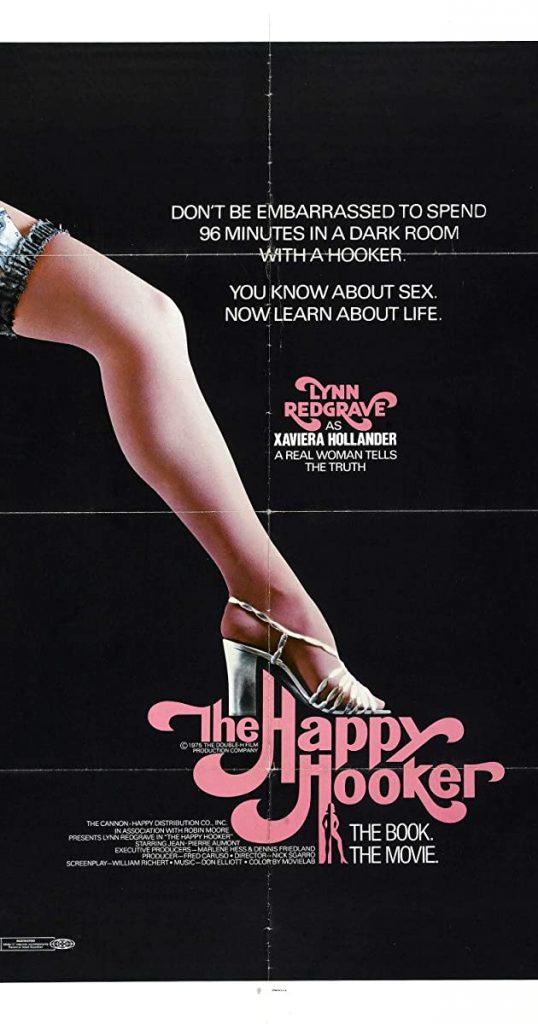
Her films included such oddities as Woody Allen’s 1972 version of a sex manual, Everything You Always Wanted to Know About Sex (But Were Afraid to Ask) and the title role in a low-budget version of Xaviera Hollander’s The Happy Hooker (1975). One of her best screen roles was the jaded London hostess in Getting It Right, adapted by Elizabeth Jane Howard from her own novel, in 1989.
She had fine and graceful supporting appearances in Shine (1996), opposite Geoffrey Rush as the tortured pianist, and in Gods and Monsters (1998), with Ian McKellen as the eccentric film director James Whale. Her performance as Whale’s longtime housekeeper was nominated for a best supporting actress Oscar. Later on, she appeared in such diverse films as the romantic comedy The Next Best Thing (2000), David Cronenberg’s Spider (2002), Peter Pan (2003) and Kinsey (2004).
The occasional glimpses and rare stage appearances only served to whet the appetite. For surely, in her own and very different way, Lynn was as great an actress as Vanessa. It just never really seemed like it. In an interview in the New York Times in 2003, she described her recurring stage nightmare, in which she starred in a production of Turgenev’s A Month in the Country: “I walk through a door of a Russian house and suddenly I’m in the Colosseum in Rome. And there are huge crowds and I can’t be heard. They’re yelling, ‘We can’t hear you!’ It’s awful. They keep yelling, ‘We can’t hear you.'”
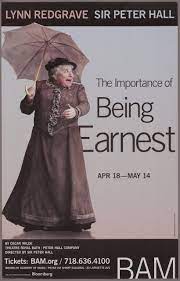
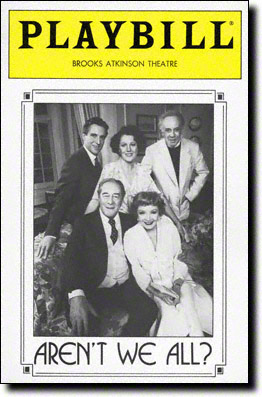
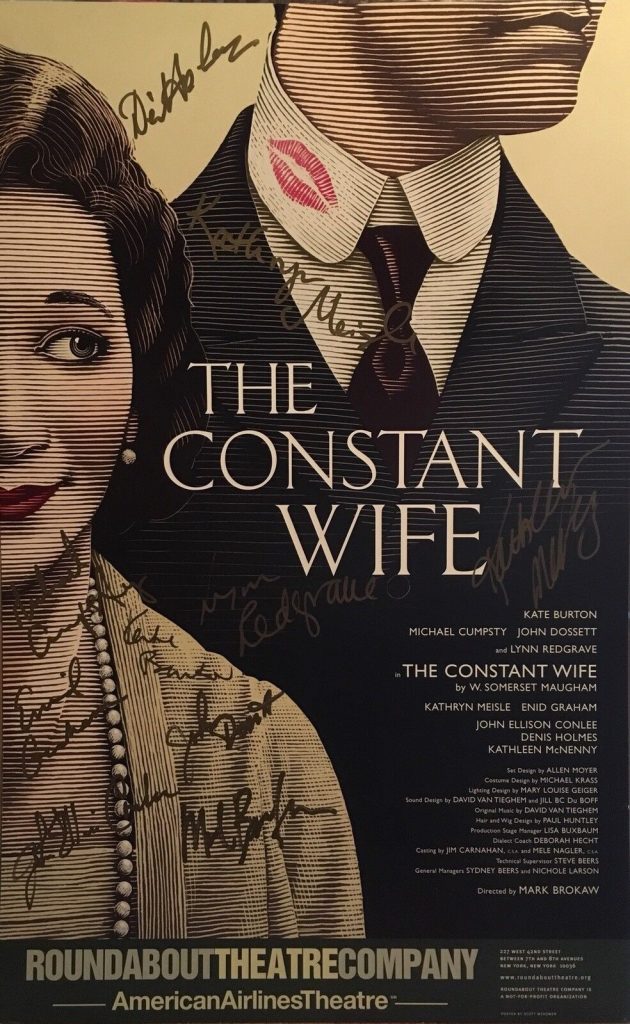
She appeared on Broadway in 2005 at the same time as both Natasha (in A Streetcar Named Desire) and Vanessa (in Hecuba), receiving the best reviews for her performance as Mrs Culver in Somerset Maugham’s The Constant Wife at the Roundabout theatre. “Every night, for a couple of hours,” she said, “I wasn’t a person with cancer. You almost feel like yourself when there’s so much evidence, mainly the mirror, to show you you aren’t. It was true ‘Doctor Theatre’.”
She was appointed OBE in 2002. Lynn is survived by her children Ben, Pema and Annabel, sister Vanessa, and six grandchildren.
• Lynn Rachel Redgrave, actor, born 8 March 1943; died 2 May 2010
This “Guardian” obituary can also be accessed on-line here.



Comments
Ed
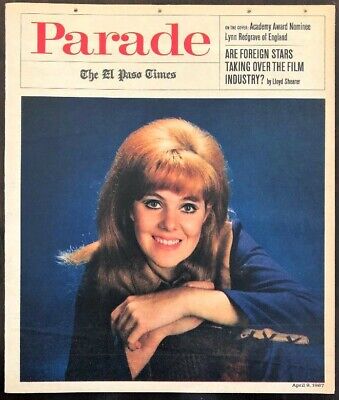
What film or TV series was the second from top photo (in the blue dress) taken from, if you don’t mind me asking? Thanks.
Liam
Sorry Ed, I do not know what film or TV show it comes from.