

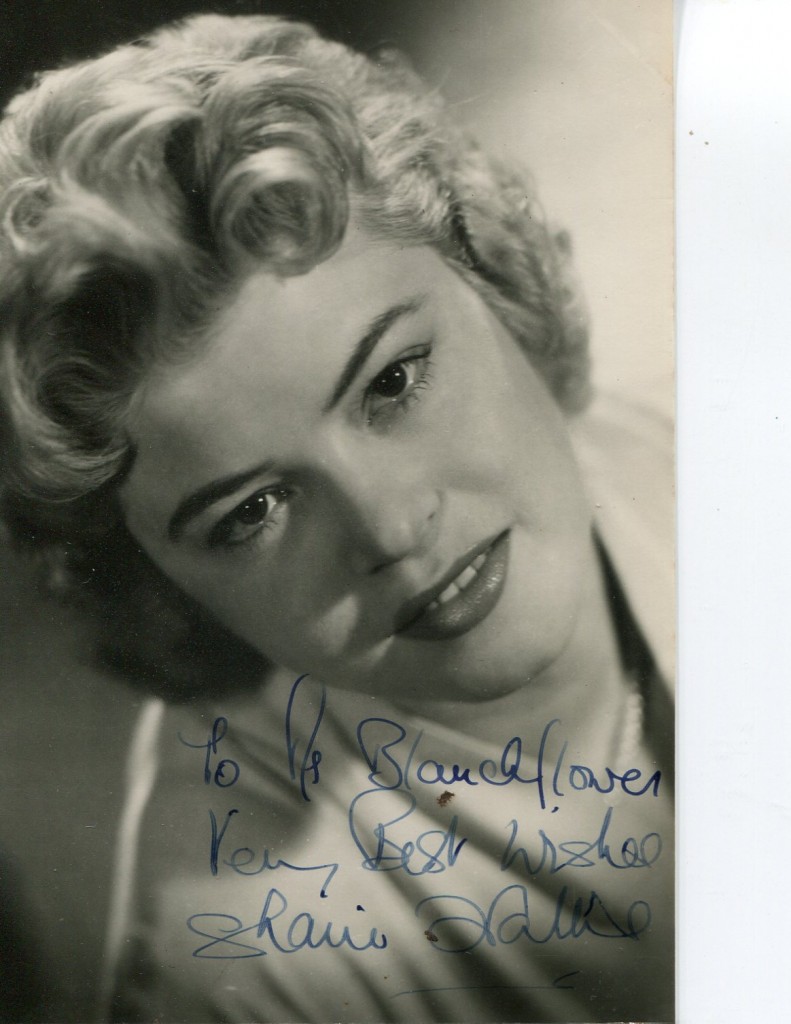
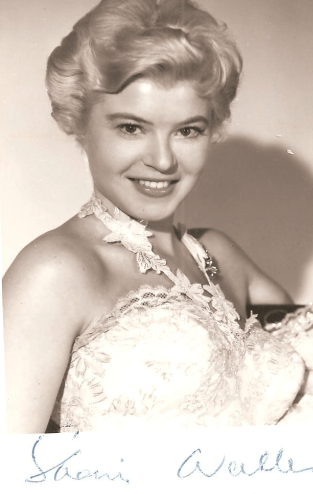
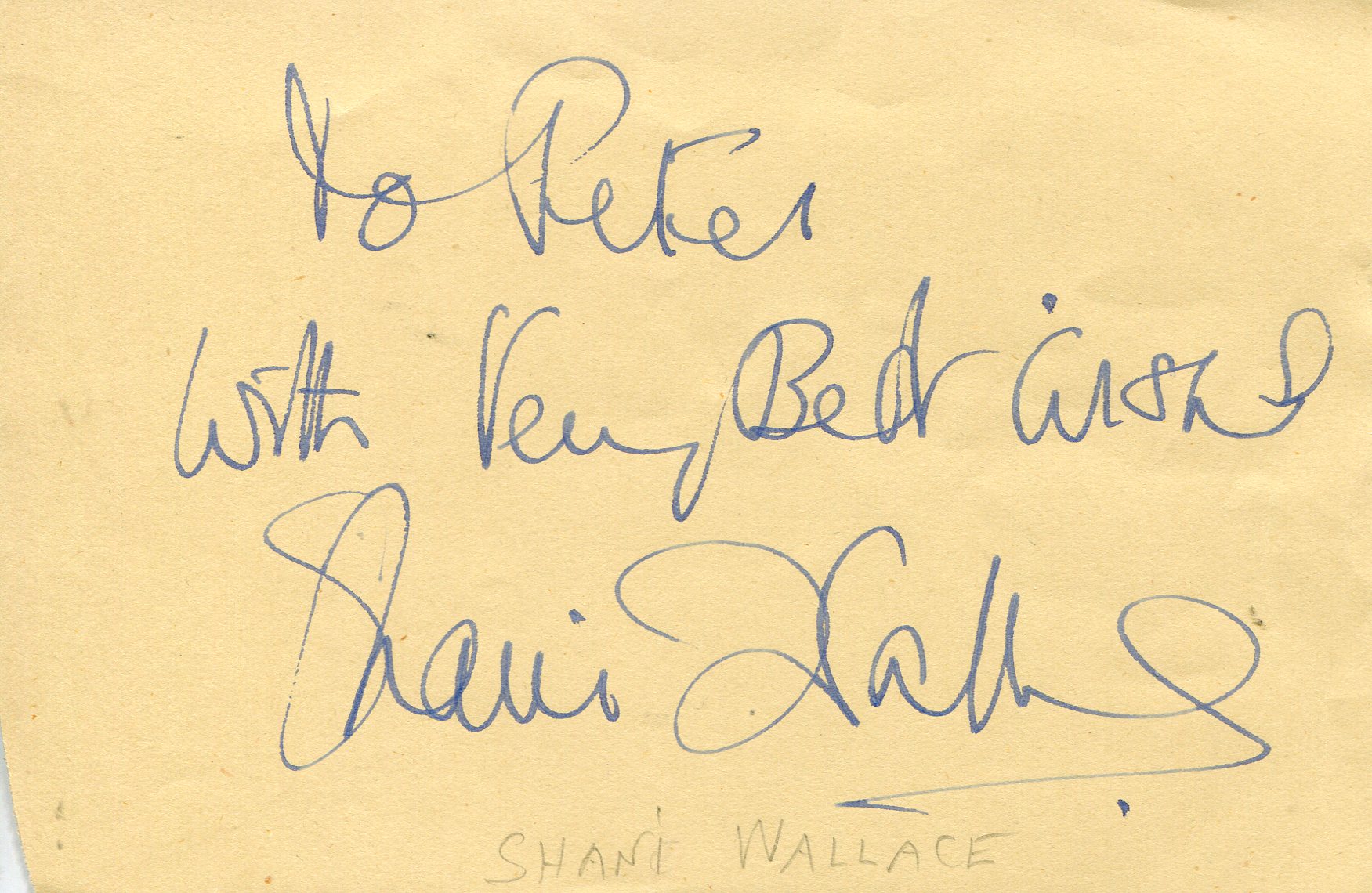
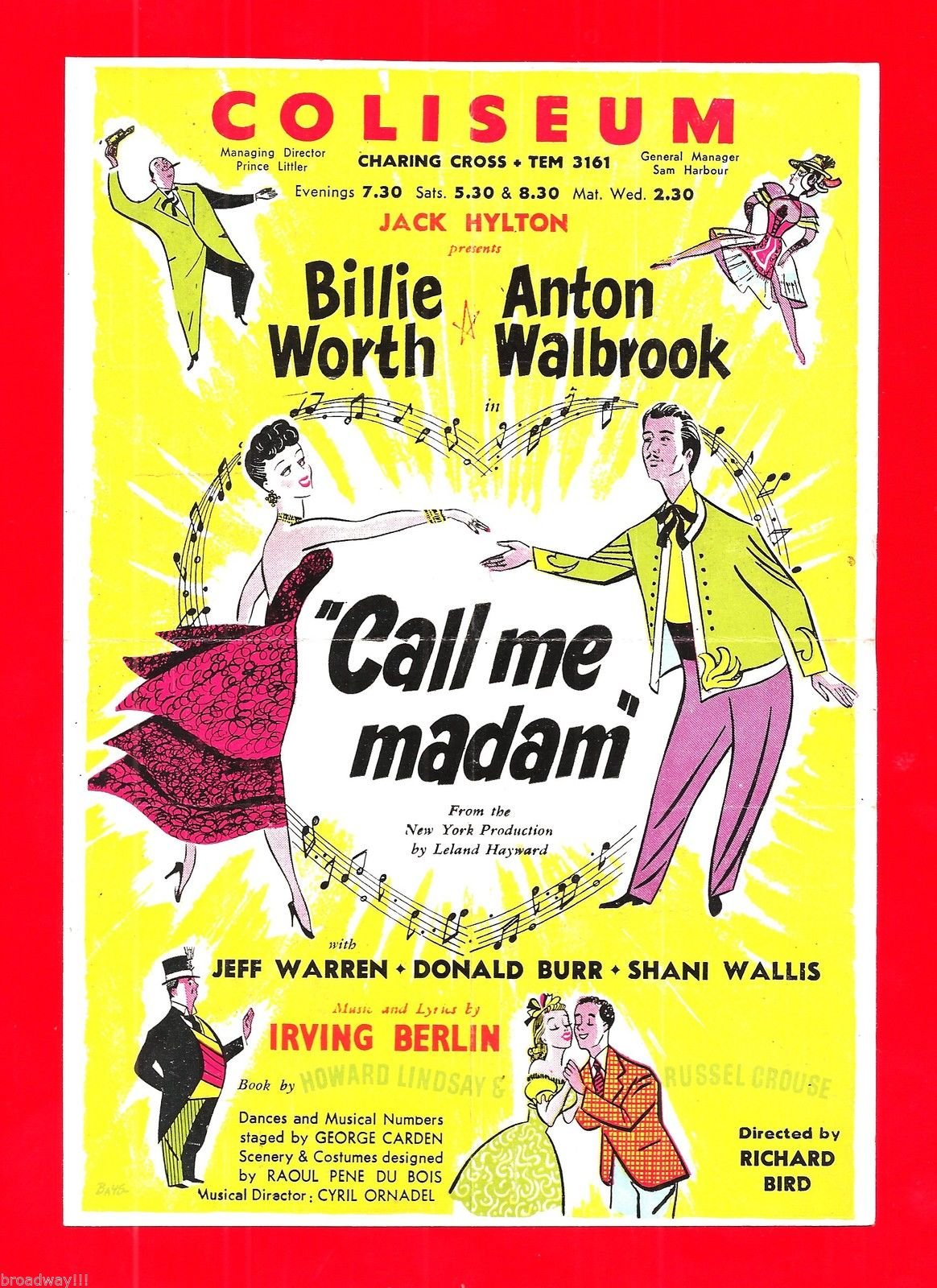
A popular musical name noted on film for one delightfully feisty Cockney lass, Shani Wallis was born in 1933 in Tottenham (North London), England and initially studied at the Royal Academy of Dramatic Art on a scholarship. On stage from age 4 and performing in repertory as a young teen, she became one of the brighter young singing voices of her day. She made her West End musical debut at 18 with “Call Me Madam” at the Coliseum in 1952, and immediately established herself in the role of Princess Maria, the leading ingénue. Following other starring roles in the mediocre musicals “Happy as a King” and “Wish You Were Here,” she scored again in “Wonderful Town” (1955) playing a comic soubrette, and as another spirited ingénue in “Finian’s Rainbow” (1958). In-between were a number of musical-revue shows. In 1960 she replaced Tony winner Elizabeth Seal in the title role of “Irma La Douce” at London’s Lyric Theatre. After the show closed, few offers came her way, so she decided to try her luck in America.
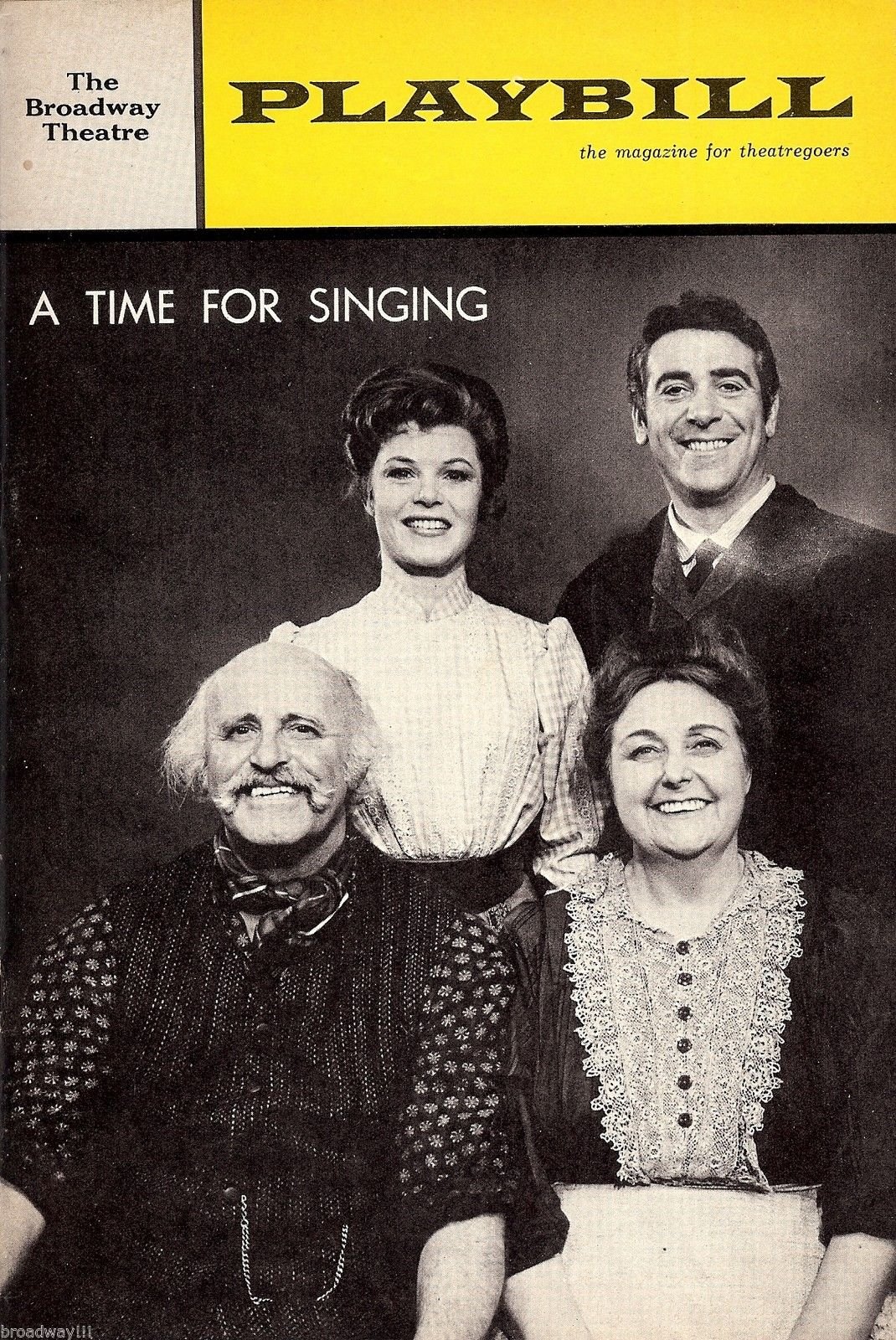
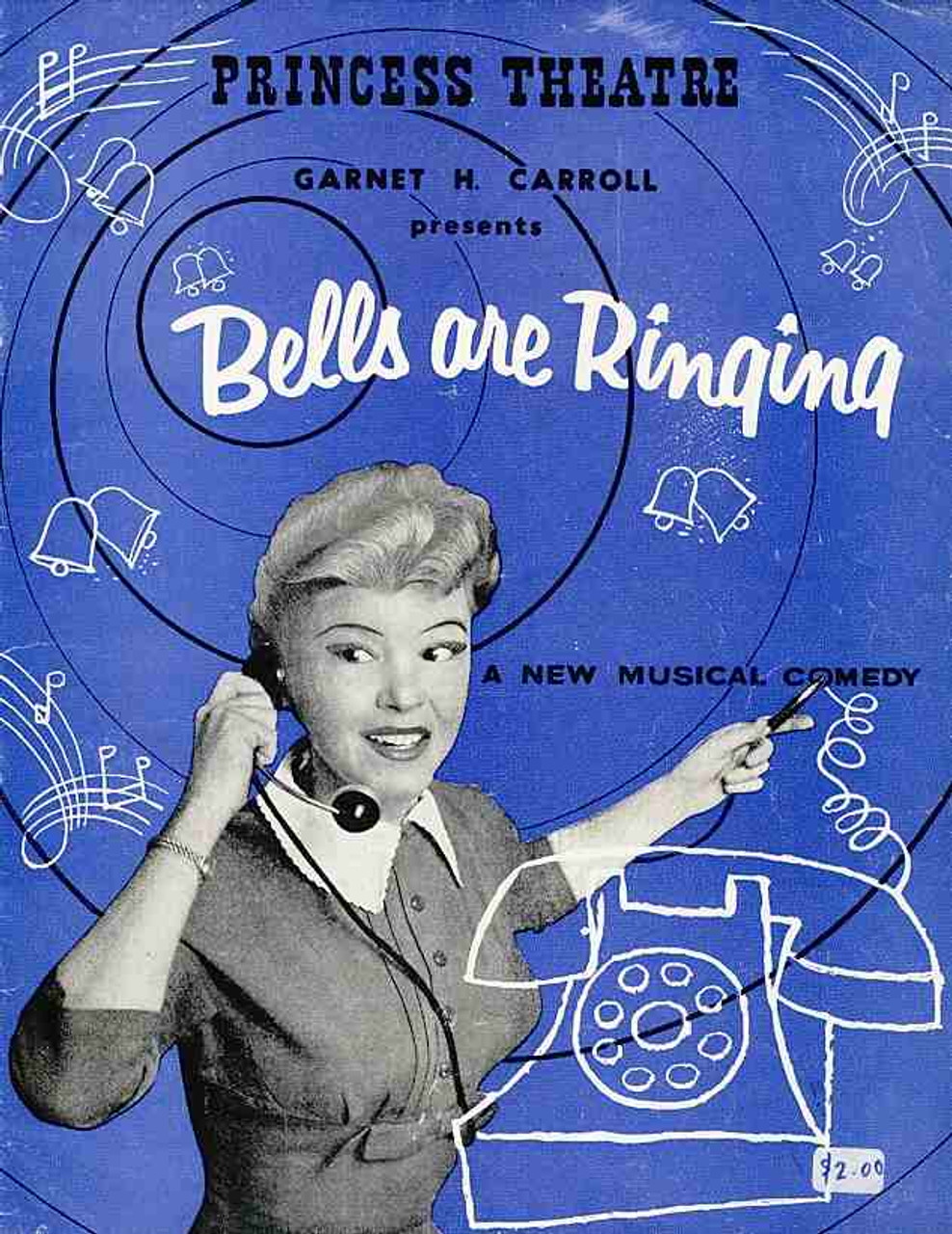
She went about rebuilding her name on the cabaret, concert, and club circuits, and added more musical roles such as “South Pacific,” “The King and I” and “Bells Are Ringing” to her credits. She finally made it to Broadway in 1966, co-starring with the legendary Tessie O’Shea in “A Time For Singing,” a musical version of “How Green Was My Valley.” Backed by three strong numbers, she had a chance to shine in the Maureen O’Hara colleen role, but the show closed after a disappointing run of 41 performances.
A few inconsequential film roles had come her way earlier in England, including The Extra Day (1956) and Ramsbottom Rides Again (1956), not to mention a minor singing bit in Charles Chaplin’s A King in New York (1957). Other than assorted variety show appearances and a televised performance supporting Carol Burnett in Once Upon a Mattress (1964), she found only a modicum of on-camera work, so it was all the more astounding when she nabbed the role of a lifetime as the ill-fated Nancy in the Oscar-winning picture Oliver! (1968). Successfully replacing the seemingly-irreplaceable Georgia Brown, Shani made a durable marquee name for herself while giving her all in the rousing “Oom-pah-Pah” number and putting her own indelible stamp on the show-stopping “As Long as He Needs Me, which is now considered her signature song. She went on to perform Nancy on the theatre stage as well.
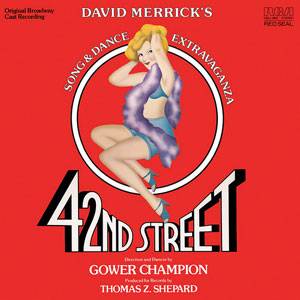
Shani was seen only sporadically in films following this breakthrough, including the horror opus Terror in the Wax Museum (1973), for the live stage was still her first love. Over the years she has gamely performed in a number of musical staples, including “42nd Street” and “Follies,” and toured with Liberace for five years during the 1980s. In 1996, she returned to England to appear in the musical “Always” at the Victoria Palace Theatre.
Shani’s most recent on-camera appearances were a 2004 recurring nanny-type role on the daytime soap The Young and the Restless (1973) and a small role in the film Mojave Phone Booth (2006).
Long is married to agent and former actor Bernard Rich; their daughter Rebecca Rich is a costume designer.
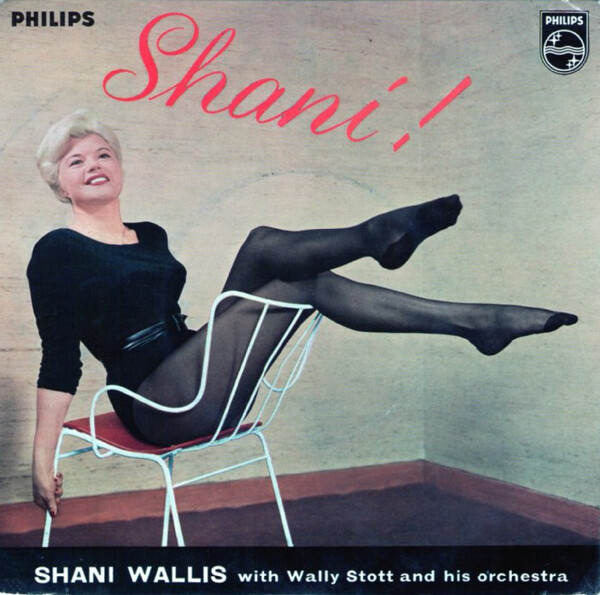
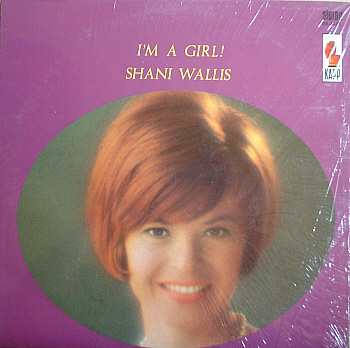
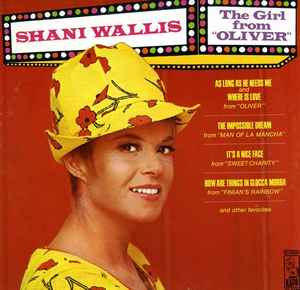
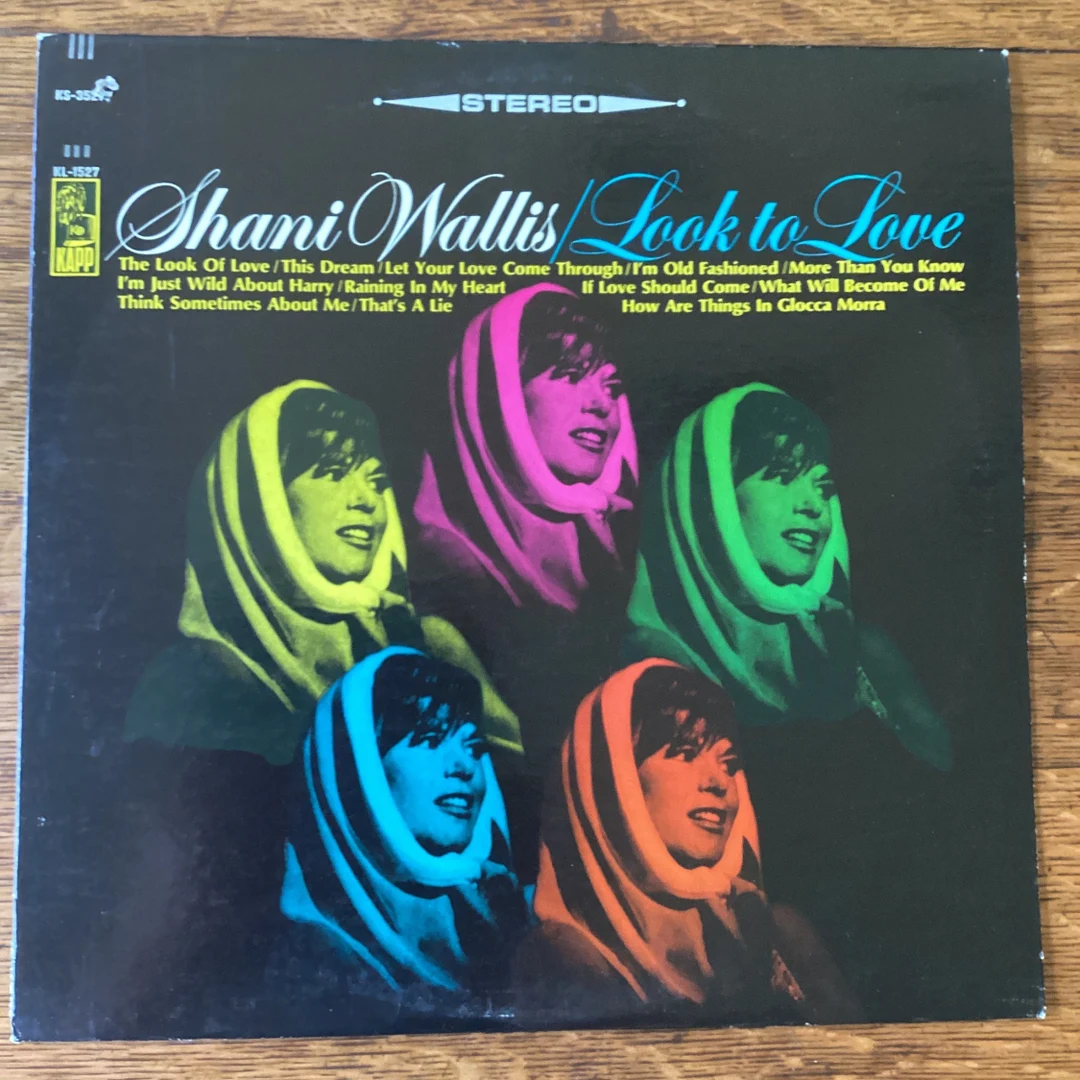
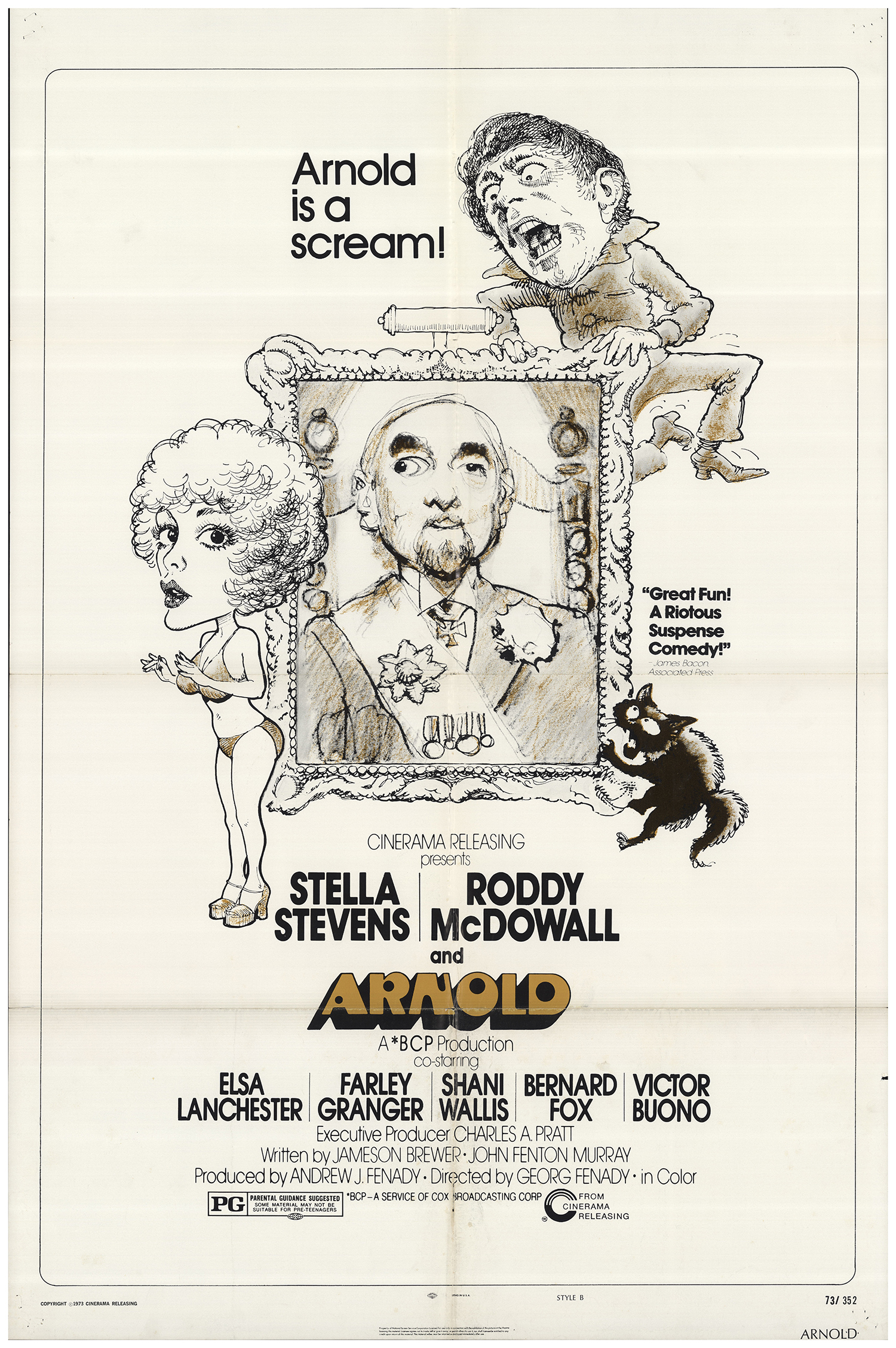
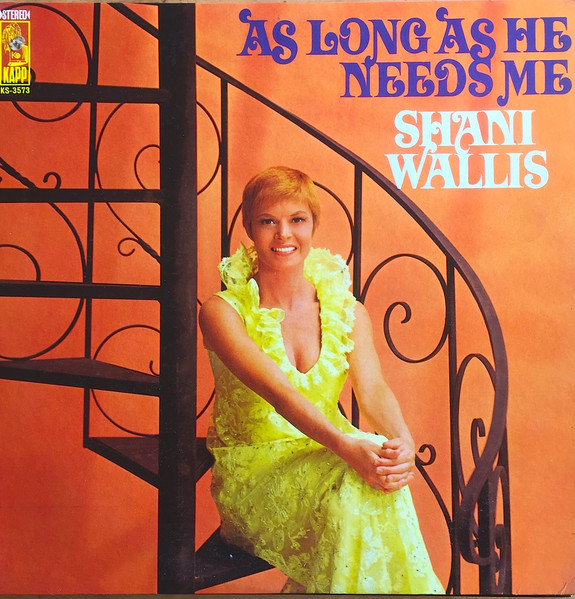
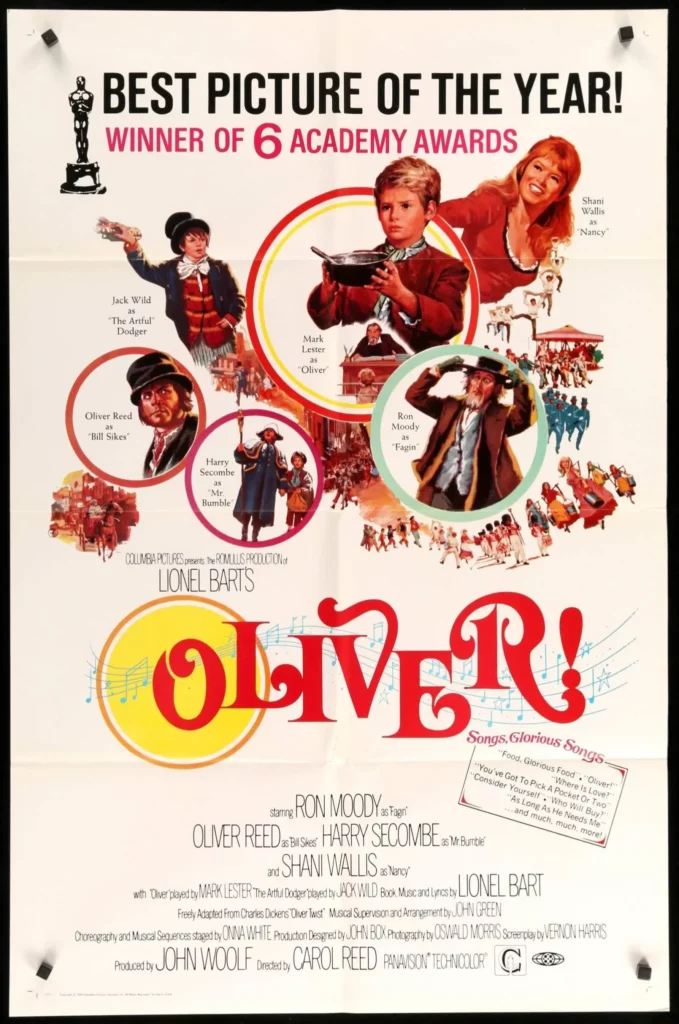
Shani Wallis (born 1933) is a performer whose career serves as a bridge between the classic West End “Showstopper” tradition and the gritty, realistic “New Wave” of 1960s musical cinema. While she was a celebrated stage star in London for over a decade, she achieved global immortality for a single, definitive performance that remains the gold standard for its role.
Career Overview: The Road to Oliver!
1. The West End Ingenue (1950s)
Wallis began her career with a “triple threat” skill set—acting, dancing, and a powerful, clear soprano-to-belt range. She became a staple of British musical theatre, starring in productions like Call Me Madam, Wonderful Town, and Irina. Her early career was defined by her ability to play the “sparky,” sophisticated lead with effortless vocal precision.
2. The Global Breakthrough: Nancy (1968)
After years of stage success, Wallis beat out several high-profile Hollywood stars (including reportedly Shirley MacLaine and Elizabeth Taylor) to play Nancy in the film adaptation of “Oliver!” directed by Carol Reed. The film won the Oscar for Best Picture, and Wallis’s performance became the emotional heartbeat of the movie.
3. The Las Vegas and TV Era (1970s–1980s)
Following the success of Oliver!, Wallis moved to the United States. She became a popular fixture on the cabaret and variety show circuit, appearing frequently on The Ed Sullivan Show and The Dean Martin Show. She also transitioned into voice acting and guest spots on American television series like Columbo and Murder, She Wrote.
Detailed Critical Analysis: The “Believable” Belter
1. The Subversion of the “Prostitute with a Heart of Gold”
In Oliver!, the role of Nancy is fraught with clichés. Wallis, however, avoided the “Stage Cockney” caricature that often plagues the role.
Analysis: Critics praised Wallis for her physicality. She brought a weary, lived-in toughness to Nancy that made her eventual sacrifice feel earned rather than sentimental. She portrayed Nancy as a woman trapped in a cycle of domestic abuse, adding a layer of social realism to a Technicolor musical.
2. Vocal Architecture: “As Long as He Needs Me”
Wallis’s rendition of this song is considered the definitive version, largely due to her technical control.
Technical Analysis: Unlike many singers who approach the song as a pure “torch song,” Wallis used a dynamic arc. She began the song with a hushed, conversational tone—almost as if she were convincing herself—before building to a powerful, desperate belt. Critics noted her “sobbing” vocal quality, where her vibrato suggested a breaking heart without losing the pitch.
3. The “Stage-to-Screen” Precision
Wallis was one of the few stage actresses who successfully adjusted her “scale” for the camera.
Critical Insight: Theatre actors often “over-project” in film, but Wallis utilized the micro-expressions of the face. In her scenes with Oliver (Mark Lester), her eyes conveyed a maternal longing that was subtle and quiet, contrasting sharply with her boisterous energy during “It’s a Fine Life.” This range allowed her to anchor the film’s most disparate moods.
4. The “Vegas” Sophistication
In her post-Nancy career, Wallis redefined herself as a glamourous cabaret stylist.
Analysis: She moved away from the “Nancy” aesthetic into a style that showcased her versatility in jazz and Great American Songbook standards. Critics on the Vegas circuit praised her for her “unfailing pitch” and “sophisticated phrasing,” proving she was a musician of high caliber, not just a musical theatre character actress.
Key Credits & Critical Milestones
| Year | Title | Role | Note |
| 1953 | Call Me Madam (Stage) | Princess Maria | Established her as a West End leading lady. |
| 1968 | Oliver! (Film) | Nancy | Her most iconic role; defined the character for generations. |
| 1970 | The Dean Martin Show | Guest Star | Showcased her transition to American Variety TV. |
| 1986 | The Great Mouse Detective | (Voice) | Demonstrated her longevity in character voice work. |
| 1994 | 42nd Street (Stage) | Dorothy Brock | A late-career return to her musical theatre roots. |
Shani Wallis remains the “Soul of the 60s Musical.” She brought a grit and a vocal power to the screen that bridged the gap between old-school glamour and modern psychological depth. While many remember her for the red dress and the tragic end of Nancy, her career as a whole reflects a technician of the highest order who mastered the difficult art of the “dramatic song.”
After the massive global success of Oliver!, Shani Wallis transitioned from the “tragic gamine” of the London stage to a sophisticated, versatile presence on American television. Her TV career is a fascinating study in the professionalism of the “Variety Era,” where she successfully pivoted from musical performance to character acting and voice-over work.
The Variety Show Era (1969–1975)
During the late 60s and early 70s, Wallis was a high-demand guest on the major American variety hours. This was the “bread and butter” of her career transition to the U.S.
The Dean Martin Show & The Ed Sullivan Show: Wallis appeared numerous times, often performing a medley of Broadway standards.
Critical Analysis: Critics noted that Wallis possessed a “technical sparkle” that worked perfectly for the fast-paced, live-to-tape format of variety TV. Unlike many film stars who struggled with the lack of retakes, Wallis’s decade of West End discipline meant she was “pitch perfect” every time. She represented a bridge between British theatricality and American “Cool” jazz-pop.
Guest Starring: The “Sophisticated Brit” (1970s–1990s)
As the variety show format faded, Wallis reinvented herself as a reliable character actress for American episodic dramas and comedies.
1. The Cult Classics (Columbo, The Young and the Restless)
Wallis often occupied the role of the refined, intelligent, or slightly mysterious British woman.
Analysis: In her Columbo appearance (“The Conspirators,” 1978), she displayed a sharp, understated wit. Critics noted that she had shed the “Nancy” persona for a polished, mid-Atlantic sophistication. She used her voice—now deeper and more resonant—to command authority in dialogue-heavy scenes.
The Soap Opera Pivot: Her stint on The Young and the Restless as Gretchen Richards showed her ability to handle the “high-stakes” emotionalism of daytime drama. She brought a theatrical gravity to the role that elevated the material, proving she hadn’t lost her “dramatic engine.”
2. The Voice Acting Renaissance
One of the most critically overlooked parts of her TV work is her contribution to animation.
The Great Mouse Detective & Beyond: While technically a film, this role led to a flurry of voice work in television animation.
Critical Insight: Animators and directors favored Wallis because of her vocal characterization. Even without her physical presence, she could convey “maternal warmth” or “high-society frostiness” through inflection alone. This work allowed her to maintain a career longevity that many of her 1960s contemporaries lacked.
Notable Television Appearances
| Show | Year | Significance |
| The Ed Sullivan Show | 1968–1971 | Multiple musical performances at the height of her fame. |
| Columbo | 1978 | A notable dramatic turn as Pauley Sellers. |
| The Young and the Restless | 1980s | A recurring role that showcased her “Americanized” range. |
| Murder, She Wrote | 1989 | A classic “guest star” turn in the mystery genre. |
| Silk Stalkings | 1993 | Demonstrated her continued relevance in 90s procedurals. |