Jill Ireland was born in London in 1936. Her flm debut was in 1955 in “Simon and Laura”. Her other films include “Carry on Nurse”, “Robbery Under Arms” and “Three Men in a Boat”. In the early 60’s she went to Hollywood with her then husband David McCallum. After her divorce, she married actor Charles Bronson and made many films with him including “The Mechanic”, “Hard Times”, “Breakout” and “Love and Bullets”. Jill Ireland died in Malibu in 1990.
TCM Overview{
Attractive blonde professional dancer turned actor who made her screen debut in 1955. Ireland has often been paired with actor/husband Charles Bronson and was formerly married to actor David McCallum. Late in life she attracted considerable attention and respect for her lengthy and courageous battle with breast cancer, as well as with her other personal and family misfortunes.
Her IMDB entry:
Jill Ireland was an Anglo-American actress best-known for her appearance as “Leila Kalomi”, the only woman Mr. Spock ever loved (in the Star Trek (1966) episode, Star Trek: This Side of Paradise (1967)) and for her many supporting roles in the movies ofCharles Bronson, her second husband. She is also known for her battle with breast cancer, having written two books on her fight with the disease and serving as a spokesperson for the American Cancer Society.
She was born Jill Dorothy Ireland on April 24, 1936 in London, England, to a wine merchant and his wife, Dorothy, who was fated to outlive her daughter. Young Jill started her entertainment career as a dancer and made her credited screen debut, in 1955, inMichael Powell‘s Oh… Rosalinda!! (1955), after a bit part in another movie. Two years later, she married actor David McCallum, with whom she co-starred in the Stanley Bakeraction picture, Hell Drivers (1957). In the mid-1960s, they moved to the United States so McCallum could star as agent “Ilya Kuryakin” in the TV series, The Man from U.N.C.L.E.(1964). She got steady work on American TV and would co-star with her husband in five episode of the series in 1964, 1965 and 1967.
Ireland divorced McCallum, with whom she had three sons, in 1967. The following year, she married Charles Bronson, who was several years away from superstar status. They had first met when McCallum introduced them on the set of The Great Escape (1963). With Bronson, she had two children, a daughter born to the couple, and an adopted daughter.
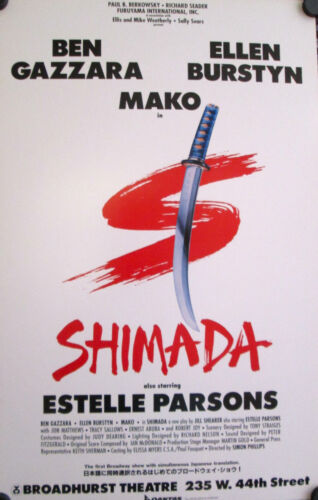
They first co-starred together in the French movie, Rider on the Rain (1970) (“Rider on the Rain”), in 1970 (she had first played an uncredited bit part in his movie, Lola (1970), released that same year), a movie that made Bronson a major star in Europe. They starred in 13 more pictures in the next 17 years, a period during which Bronson rivaledClint Eastwood as the biggest movie star in the world in the early and mid-1970s before his star waned in the 1980s. Ireland only appeared in one TV episode, one TV-movie and one theatrical picture that didn’t star Bronson in that time.
She was diagnosed with cancer in her right breast in 1984 and underwent a mastectomy. She wrote about her battle with the disease and her advocacy for the the American Cancer Society led to the organization giving her its Courage Award. Ireland was presented with the award from President Ronald Reagan.
Jill Ireland died of breast cancer at her home in Malibu, California on May 18, 1990. She was 54 years old.
– IMDb Mini Biography By: Jon C. Hopwood
The above IMDB entry can also be accessed online here.
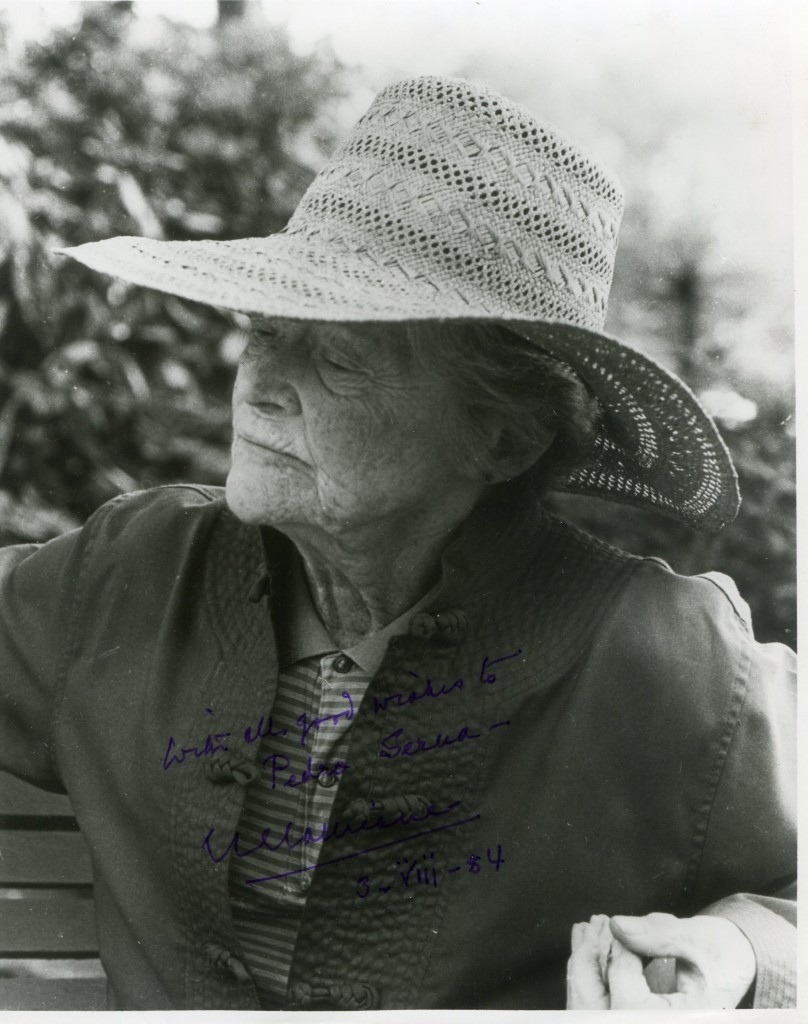
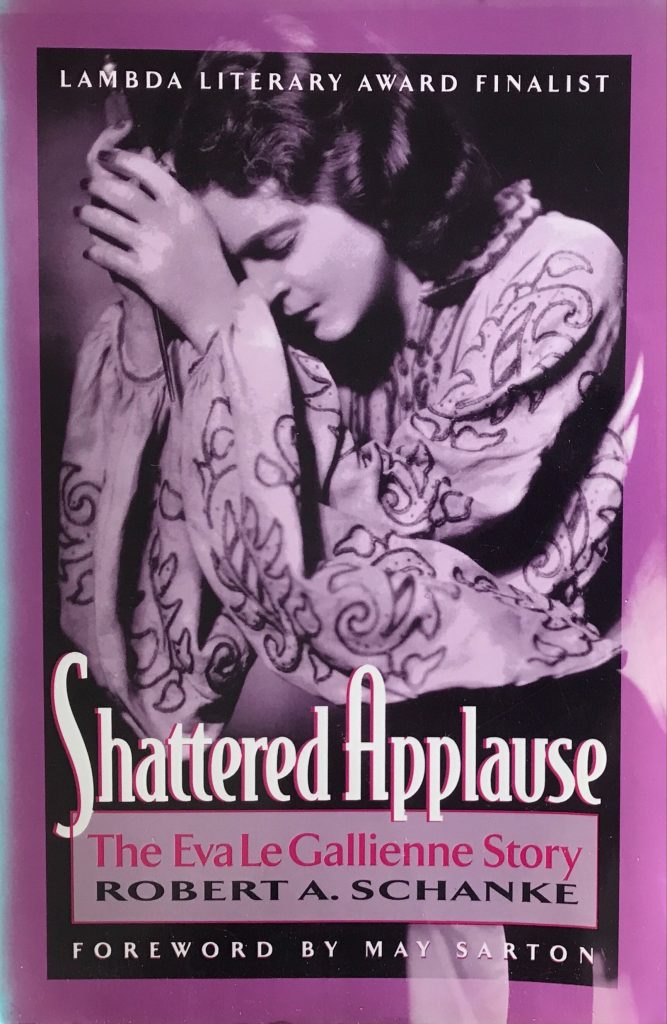
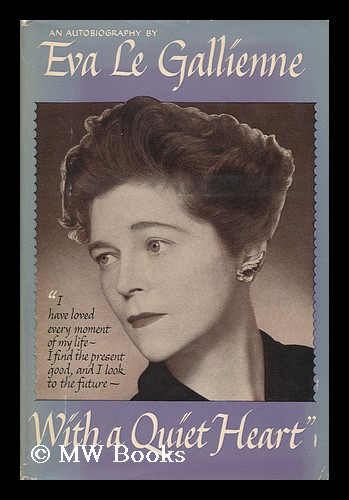
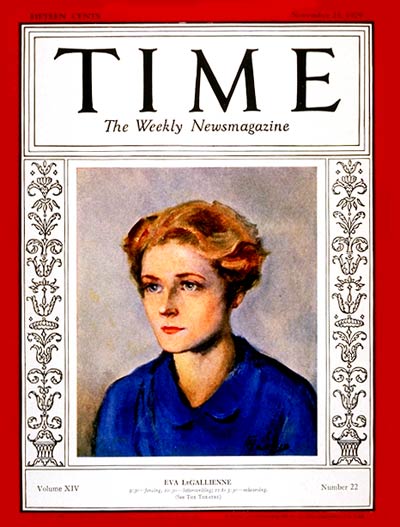
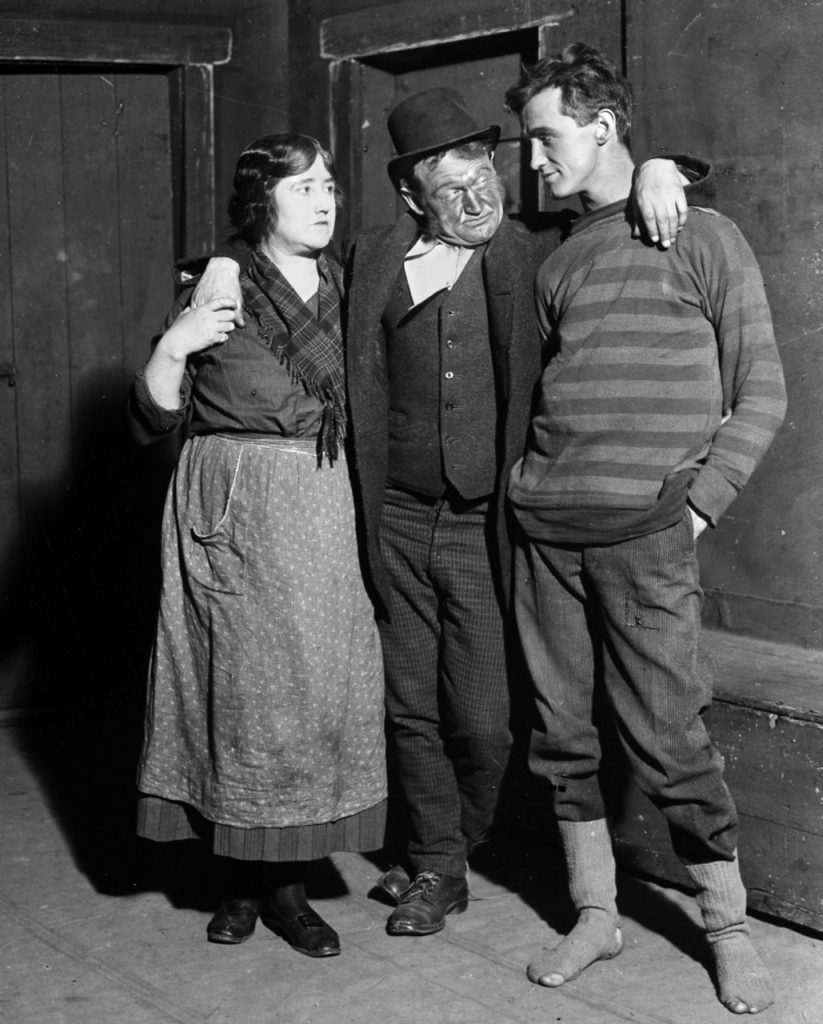
Eva La Gallienne was born in London in 1899. Her father was the British poet Robert La Gallienne and her mother was a Danish journalist. She made her stage debut at the age of 15 on the London stage in “Monna Vanna”. In 1915 she went to New York and virtually all of her acting career was in the U.S. In 1921 she had a stunning success in Ferenc Molnar’s “Liliom”. She had many trumphs on Broadway and on the stage in the U.S. over the years. Her film appearances are few but choice. Of particular interest are “Prince of Players” with Richard Burton in 1955 and in 1980, “Resurrection” with Ellen Burstyn and Sam Sheperd. She guest starred on “St Elsewhere” with Brenda Vaccaro in 1984. Eva la Gallienne died in 1991 at the age of 92.
TCM Overview:
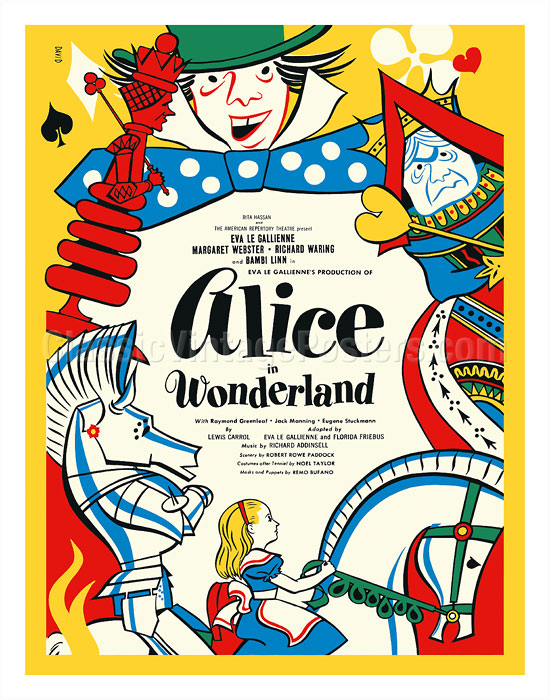
This legendary stage star won renown for her performances on Broadway, in productions by the repertory theater she founded, including “Liliom” (1921) and “The Swan” (1923). In the 1930s, she played the lead in “Peter Pan,” the White Queen in “Alice in Wonderland,” Juliet in “Romeo and Juliet,” and the lead in a summer production of “Hamlet” (1937) which she also staged.
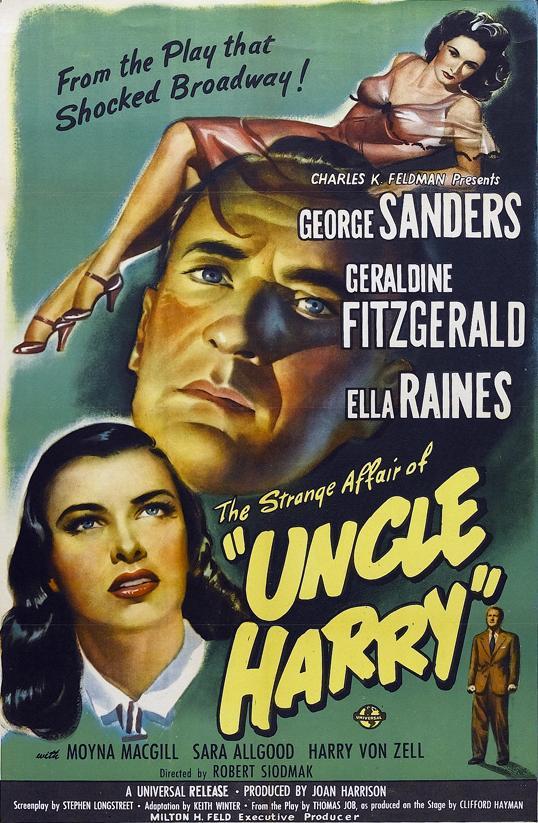
In 1926, Le Gallienne founded a national repertory theater, the Civic Repertory Theater in New York, similar to England’s Old Vic, which presented the classics at popular prices ($1.50 top ticket price). She not only starred in the majority of productions, until the company folded in 1933 as a consequence of the Depression, but she also staged, translated and produced most of the plays. Le Gallienne then lectured at colleges and toured the country, returning to Broadway in “Uncle Harry” and “The Cherry Orchard.” In 1946, she organized the short-lived American Repertory Theater with Margaret Webster and Cheryl Crawford. Later stage triumphs included “Mary Stuart” in which she toured from 1957 to 1962 and “The Royal Family” (1976). Le Gallienne reprised her role (the matriarch of a theatrical family modeled on the Barrymores) in an acclaimed television production which earned her an Emmy. She also produced and starred in an acclaimed TV version of “The Bridge of San Luis Rey” (1958). Le Gallienne appeared in a handful of films, perhaps most memorably as Ellen Burstyn’s grandmother in “Resurrection” (1980), for which she received an Oscar nomination as Best Supporting Actress.
The above TCM Overview can also be accessed online here.
Gary Brumburgh’s entry:
Legendary stage actress Eva Le Gallienne’s life began just as grandly as the daughter of poet Richard Le Gallienne. Sarah Bernhardt was her idol growing up and, at age 18, was brought to New York by her mother. Making her London debut with “Monna Vanna” in 1914, she proved a star in every sense of the word. She appeared on Broadway first in “Liliom” in 1921 and lastly at the Biltmore Theatre in 1981 with “To Grandmother’s House We Go,” which won her a Tony nomination at age 82. Noted for her extreme boldness and idealism, she became a director and muse for theatre’s top playwrights, a foremost translator of Henrik Ibsen, and a founder of the civic repertory movement in America. A respected stage coach, director, producer and manager over her six decades, Ms. Le Gallienne consciously devoted herself to the Art of the Theatre as opposed to the Show Business of Broadway and dedicated herself to upgrading the quality of the stage. She ran the Civic Repertory Theatre Company for 10 years (1926-1936), producing 37 plays during that time. She managed Broadway’s 1100-seat Civic Repertory Theatre (more popularly known as The 14th Street Theatre) at 107 14th Street from 1926-32, which was home to her company whose actors included herself, J. Edward Bromberg, Paul Leyssac,Florida Friebus, and Leona Roberts. Her gallery of theatre portrayals would include everything from Peter Pan to Hamlet. Sadly, she almost completely avoided film and TV during her lengthy career. However, toward the end of her life, she did appear in a marvelous 1977 stage version of “The Royal Family” on TV and rendered a quietly touching performance as Ellen Burstyn‘s grandmother in Resurrection (1980), for which she received an Oscar nomination.
– IMDb Mini Biography By: Gary Brumburgh / gr-home@pacbell.net
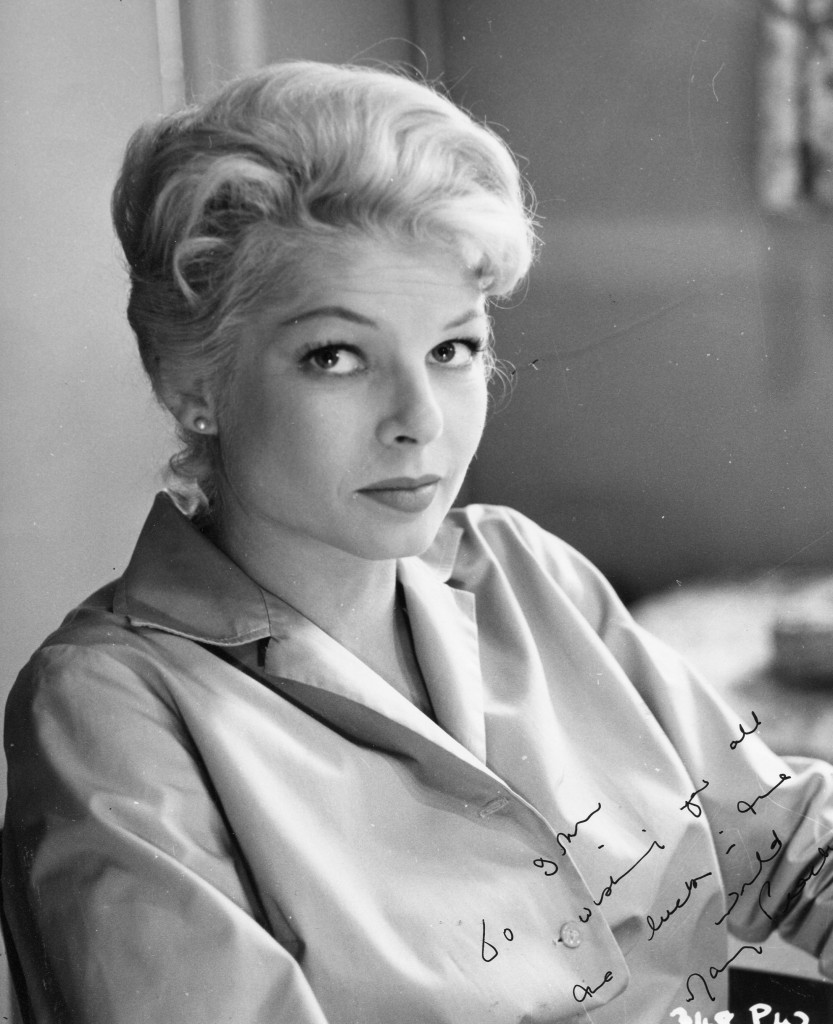
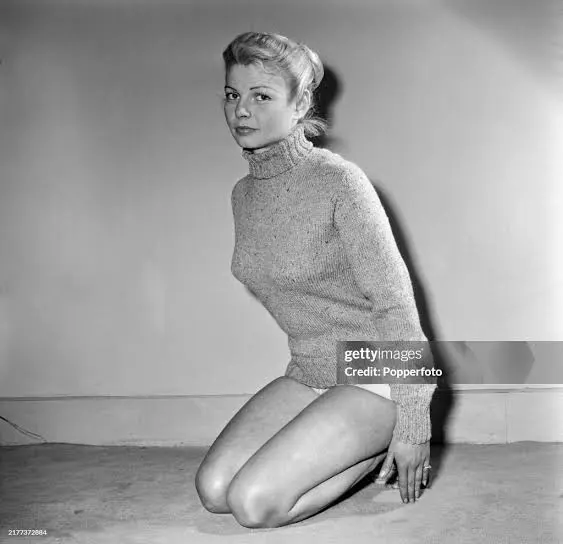
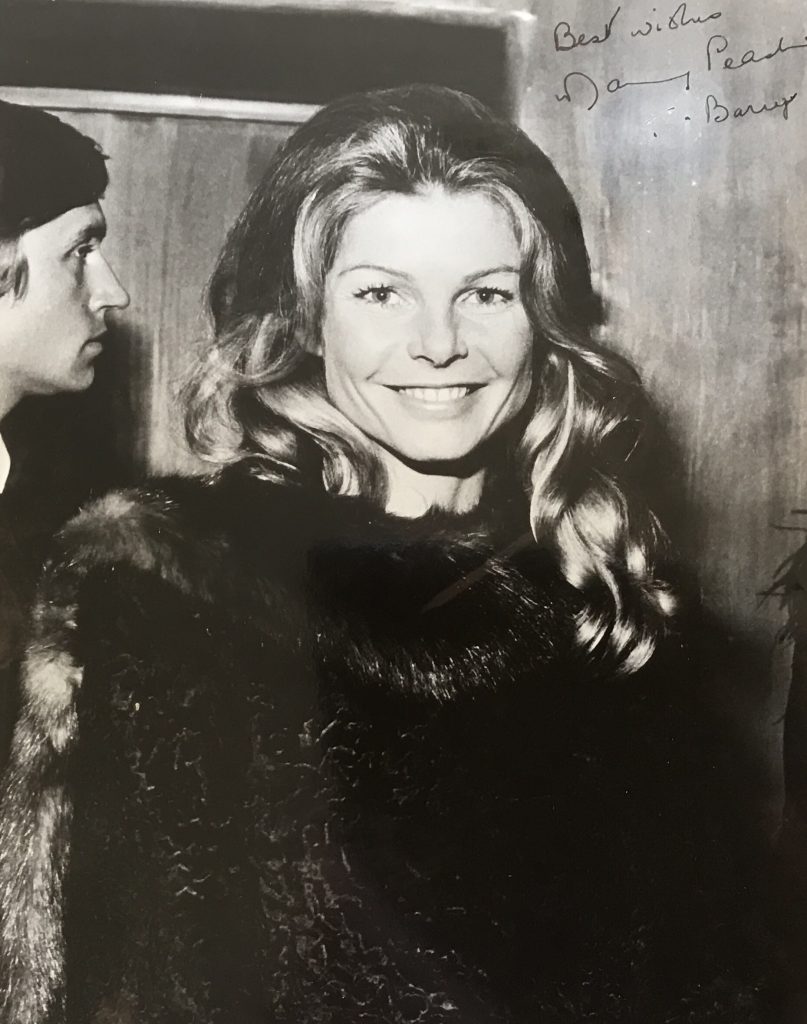
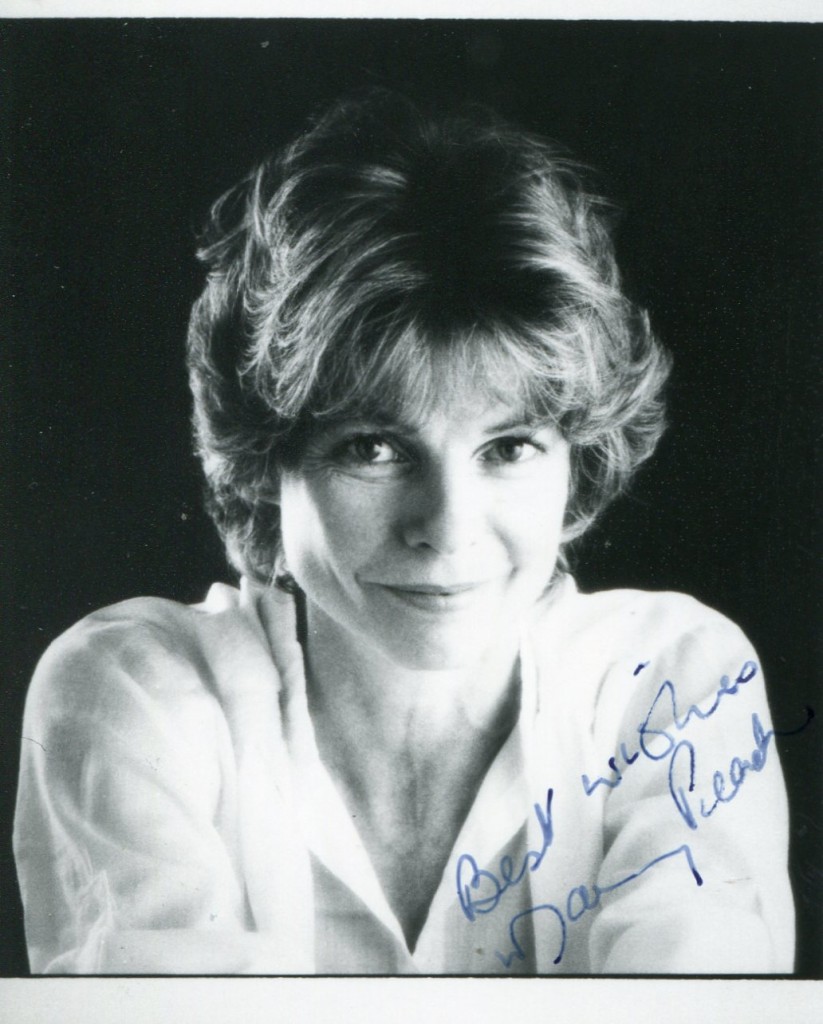
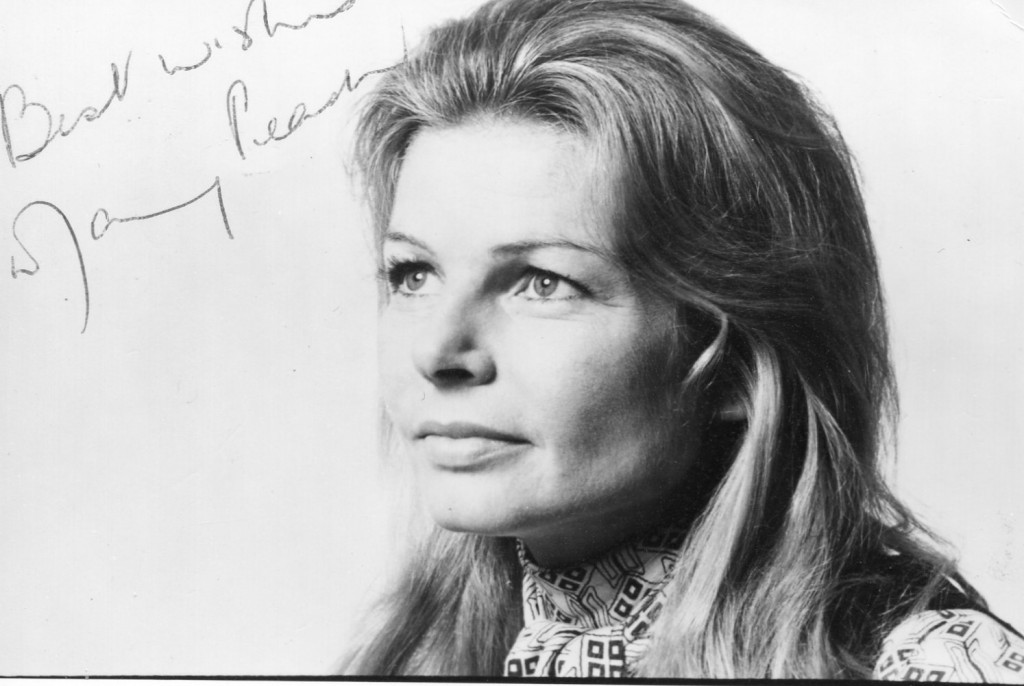
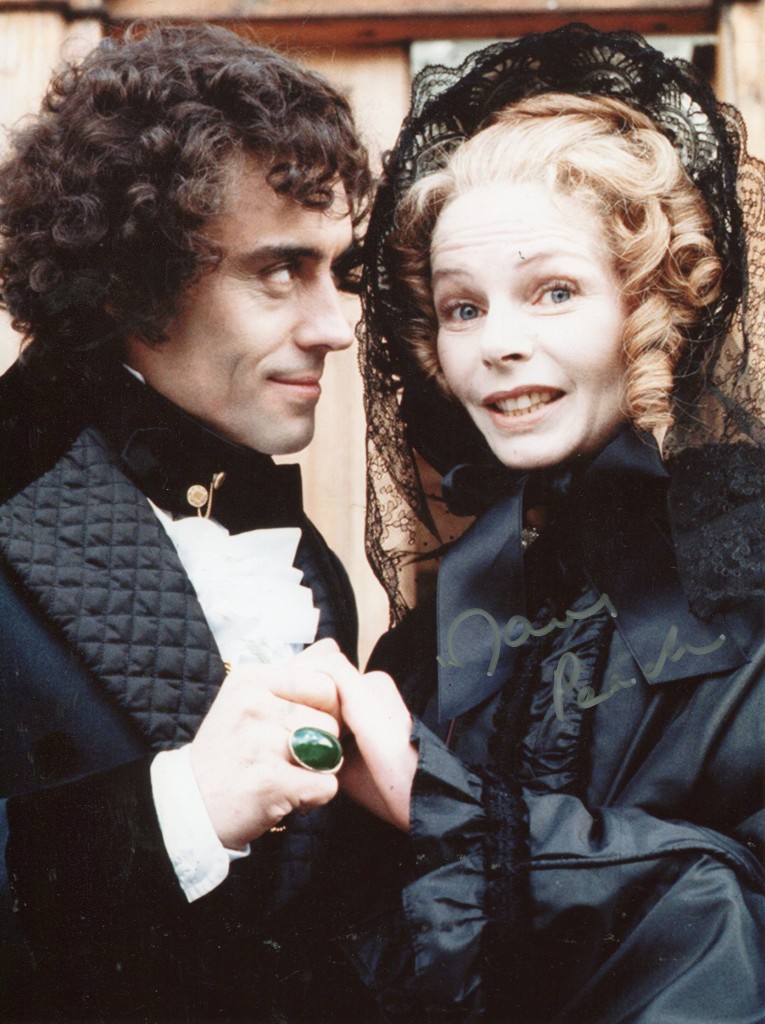
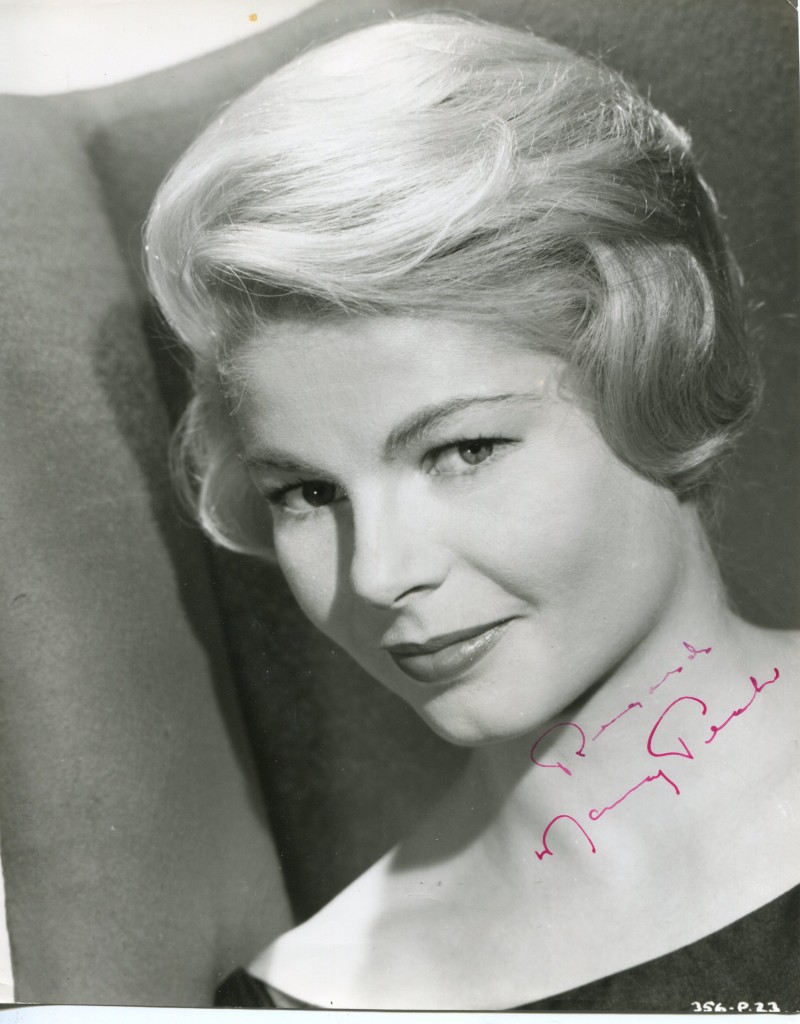
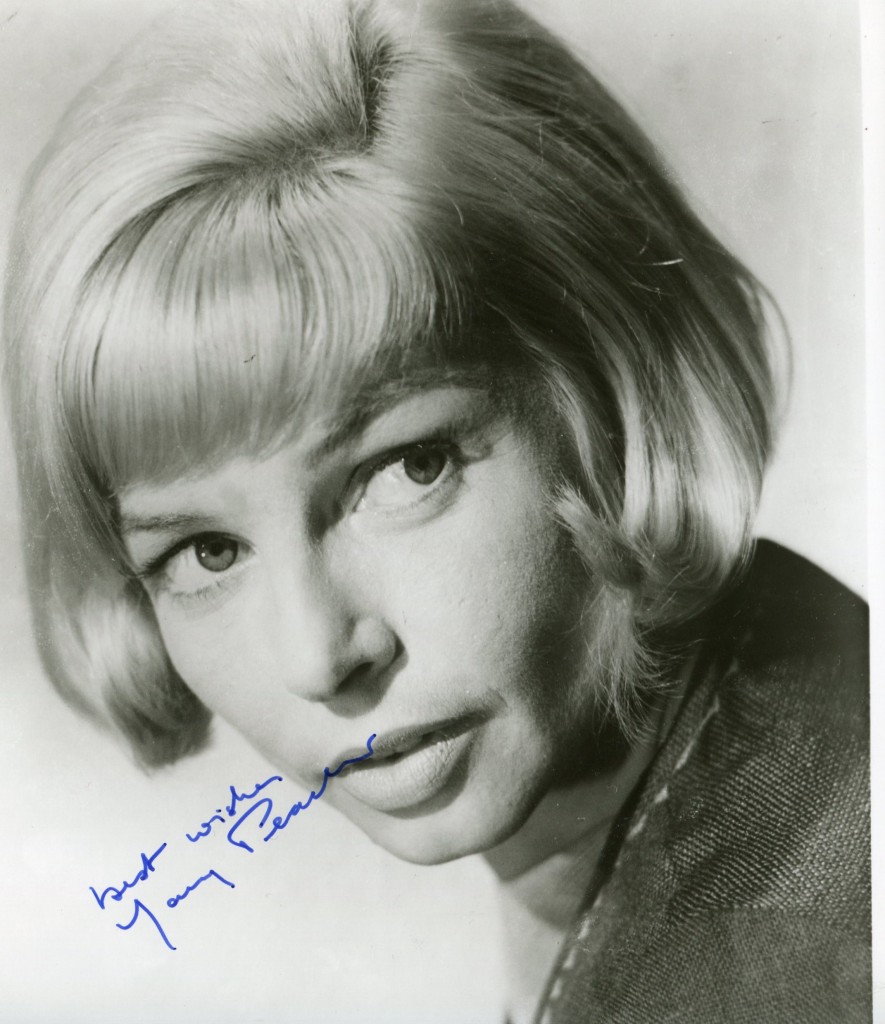
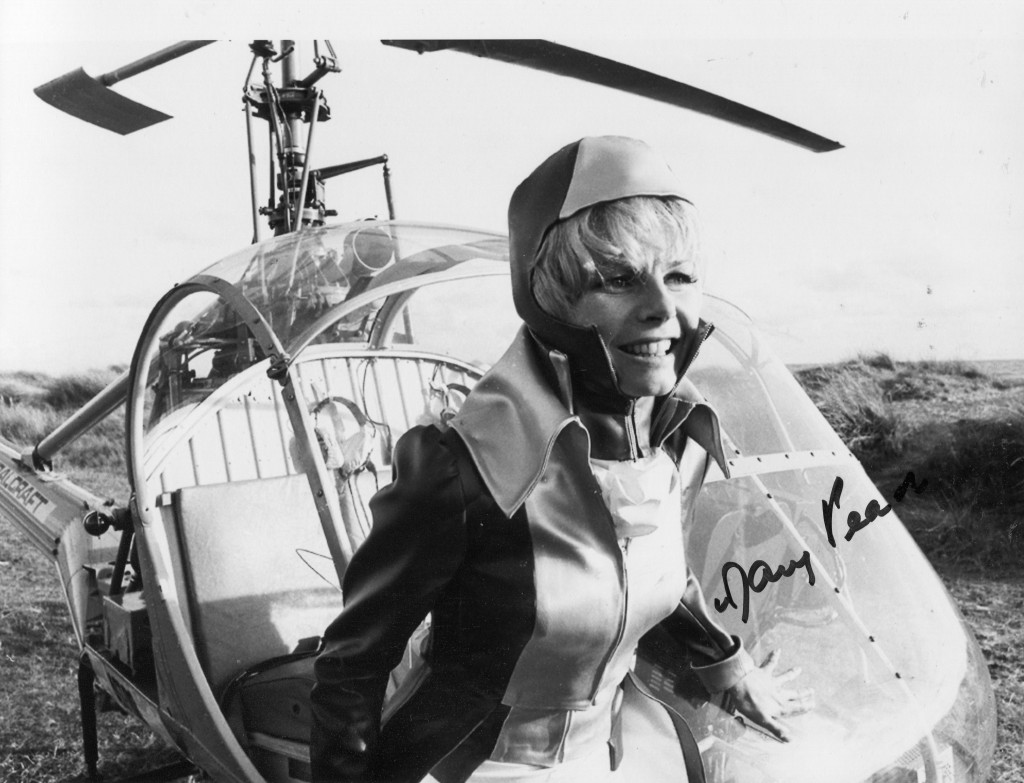
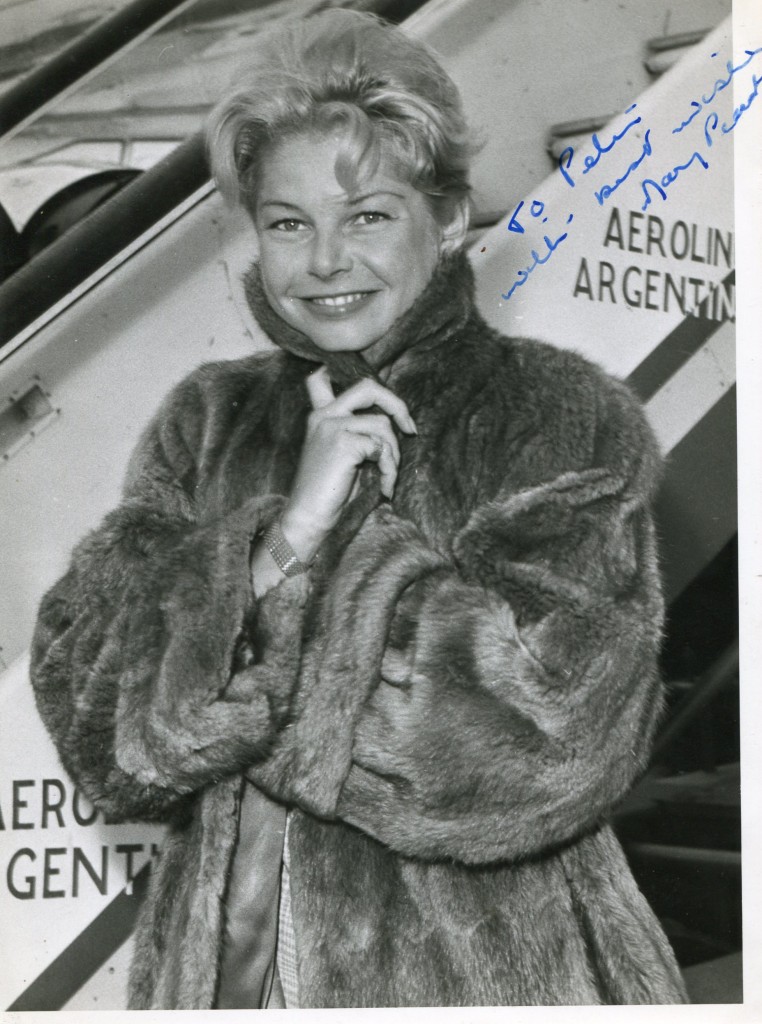
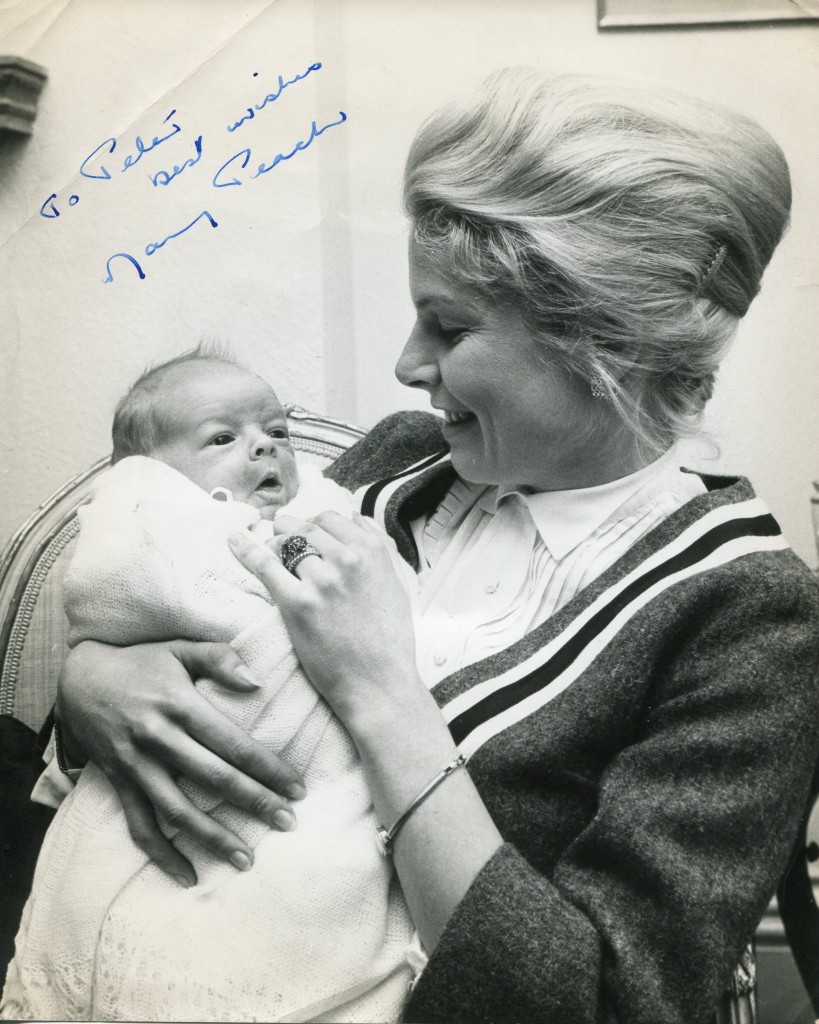
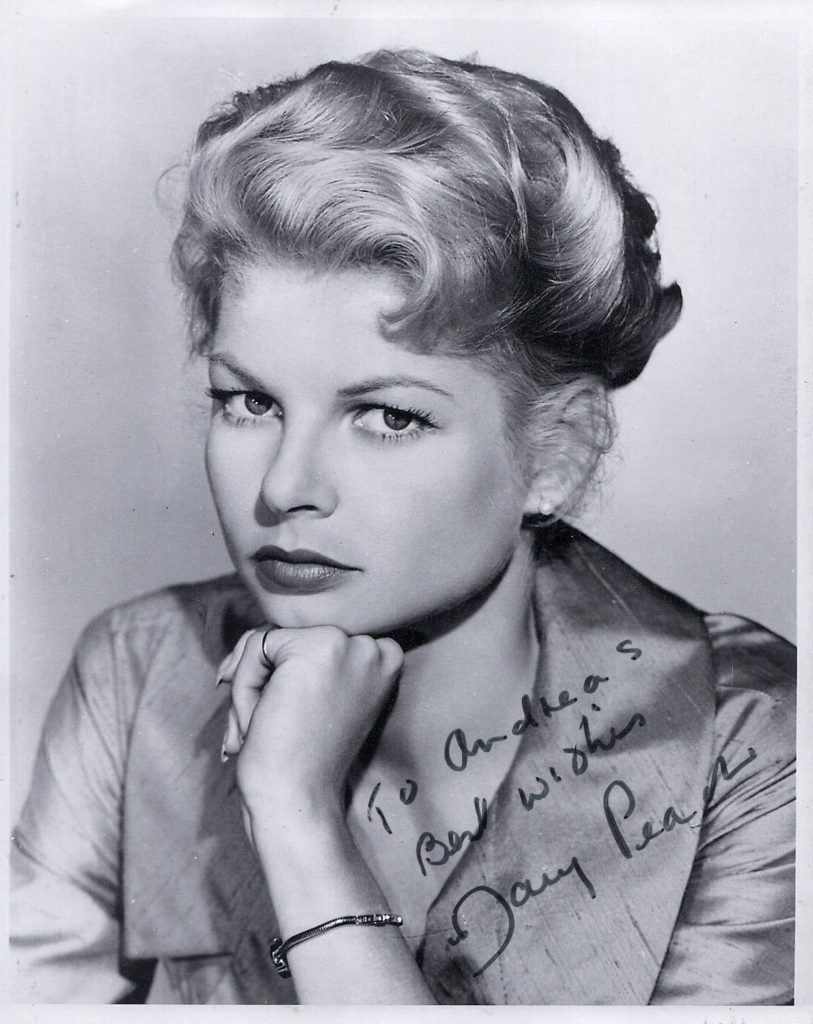
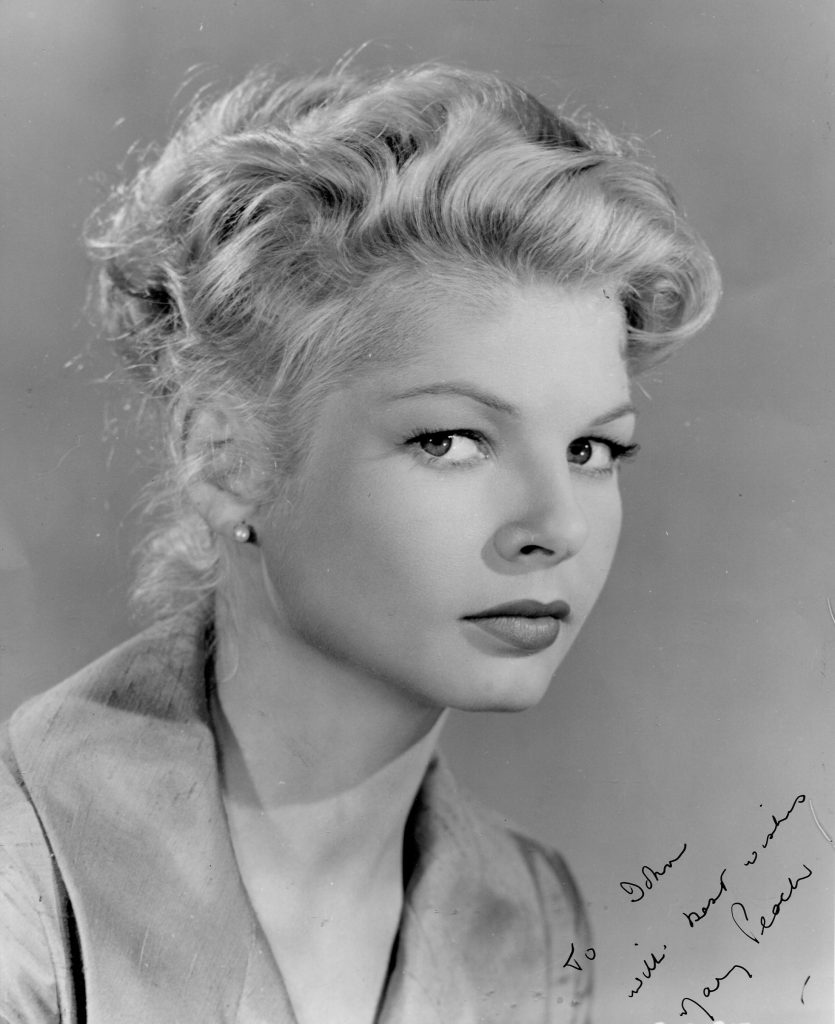
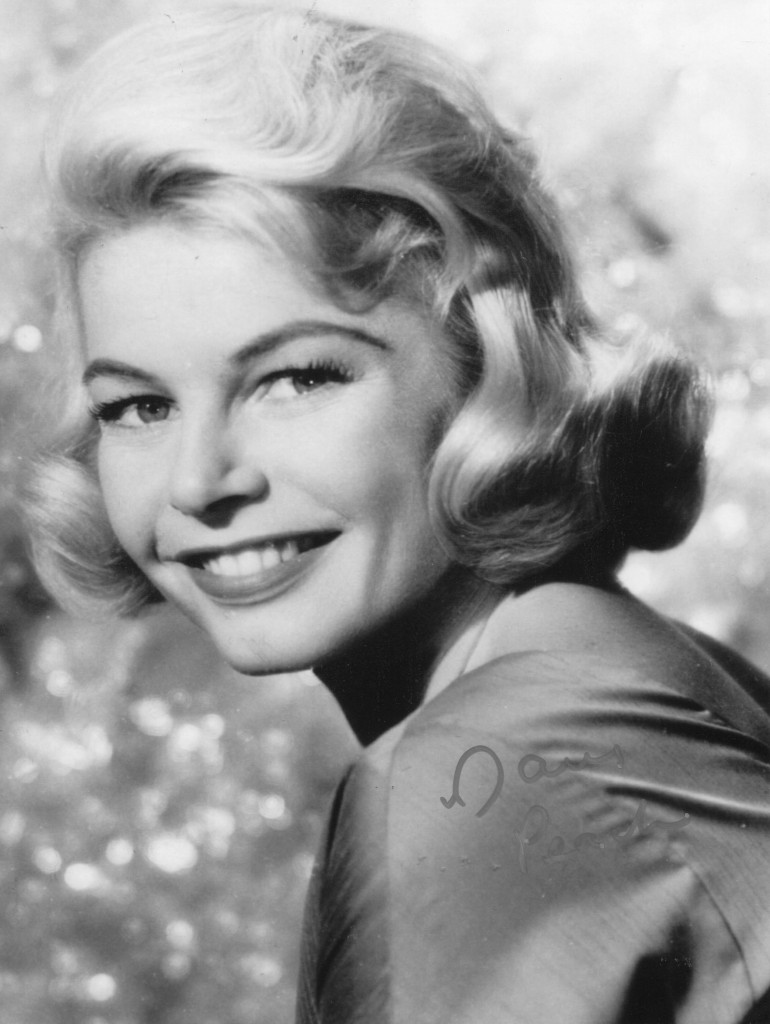
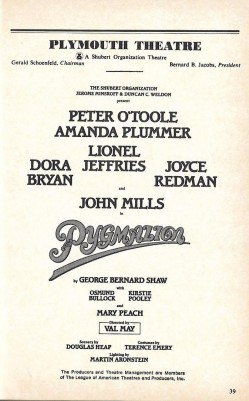
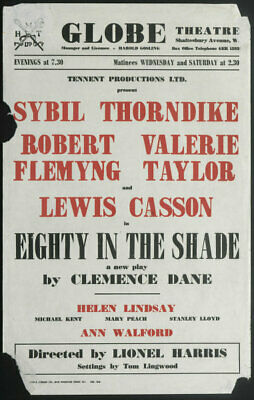
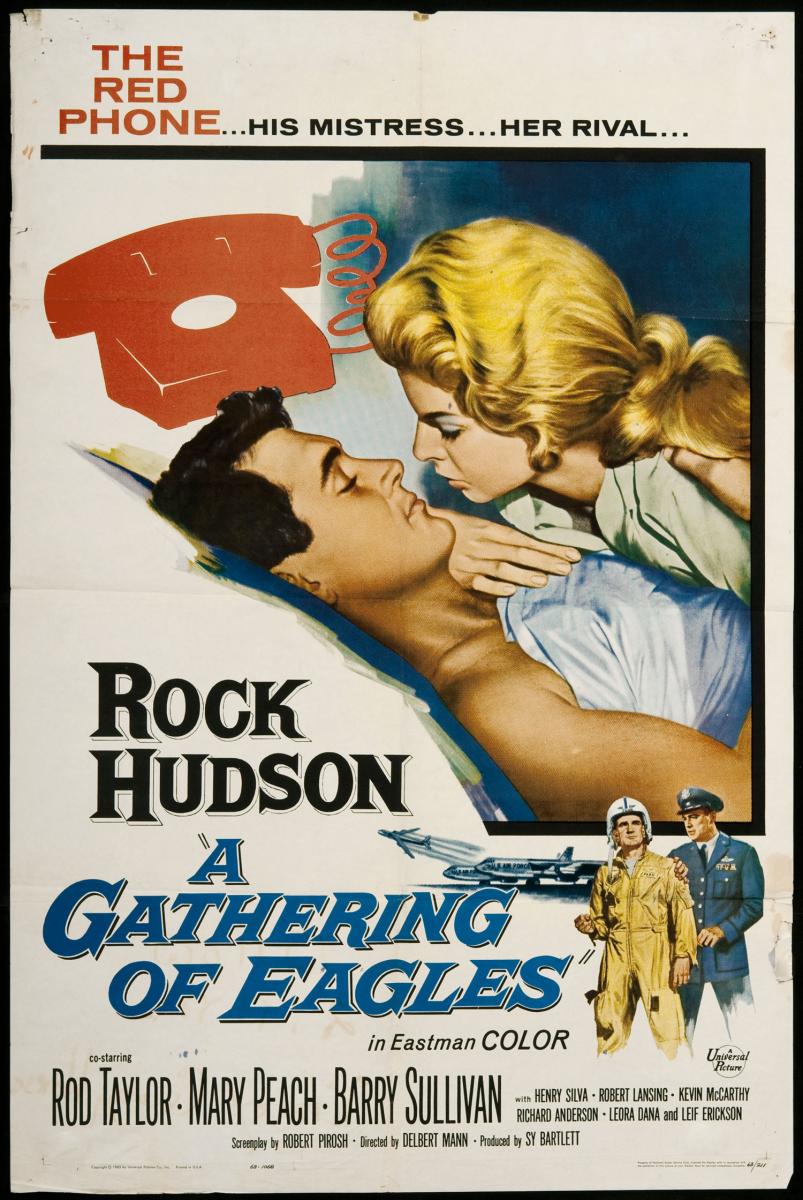
Mary Peach is a South African-born British film and television actress who was born on October 20, 1934, in Durban, South Africa. She is known for her roles in films such as Cutthroat Island (1995), Scrooge (1970), and The Projected Man (1966). She has also appeared in numerous British films and television series over the years, including A Gathering of Eagles (1963) which was made in Hollywood opposite Rock Hudson and Rod Taylor and the BBC adaptation of The Three Musketeers (1966). Peach was married to film producer Thomas Clyde from 1961 until their divorce, and they had two children together. She later married screenwriter and director Jimmy Sangster in 1995, and remained married to him until his death in 2011. Peach was also considered for the role of Steed’s new assistant in The Avengers (1961) after Diana Rigg left the show
Sadly Mary Peach passed away in January 2025 at the age of 90.
Career overview
Mary Peach (b. 1934, Durban, South Africa) is a South African‑born British film and television actress whose career (1957–1995) traced a distinctive arc from new‑wave breakthrough to reliable small‑screen versatility. Intelligent, attractive, and instinctively poised, she moved easily between romantic leads in British cinema and authoritative character work on television, her combination of warmth and composure making her a representative—and sometimes underestimated—face of post‑war British screen acting.
Early life and emergence
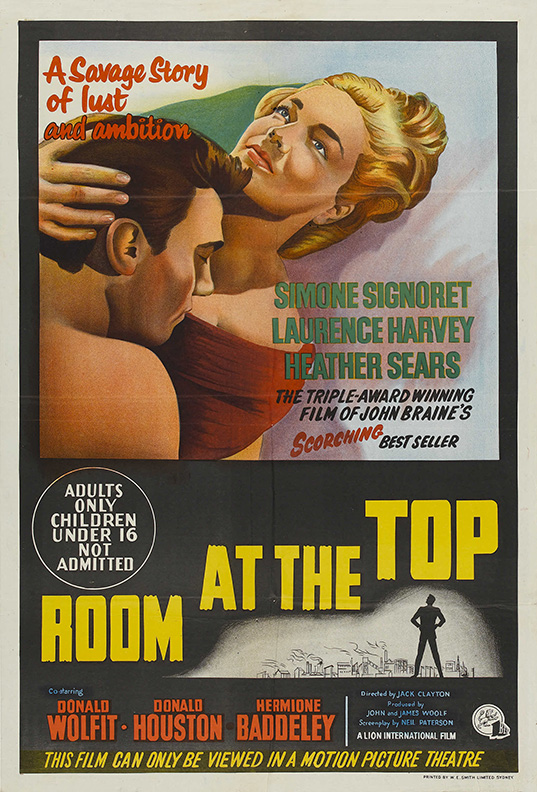
Born to South African parents and raised in Durban, Peach moved to Britain in the 1950s to study acting. Her early stage work in repertory led quickly to television appearances on Armchair Theatreand ITV Playhouse ( ). In 1959 she was cast in Room at the Top, the groundbreaking “kitchen‑sink” drama that helped launch the British New Wave. Her small but memorable role as June Samson earned her a BAFTA nomination for Most Promising Newcomer . That debut positioned her among a cohort of young performers—like Heather Sears and Rita Tushingham—expanding the emotional vocabulary of British social realism.
Film work and transatlantic recognition (1959–1966)
Following her debut Peach alternated between comedies and prestige dramas that showcased her natural modernity:
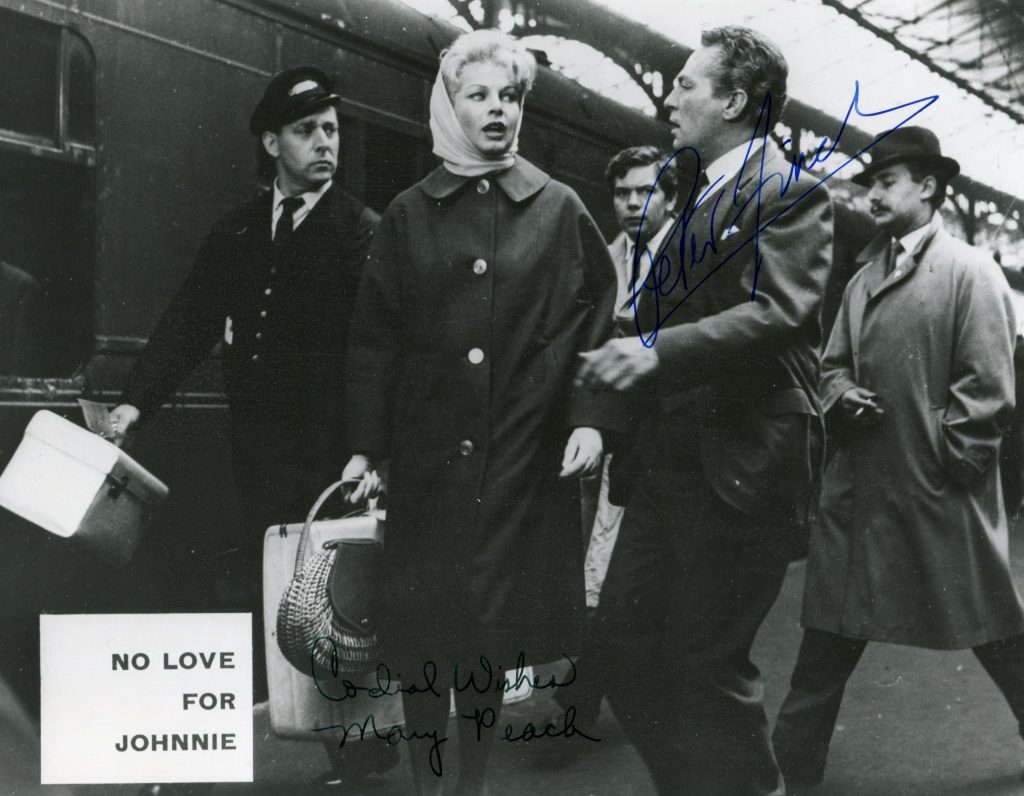
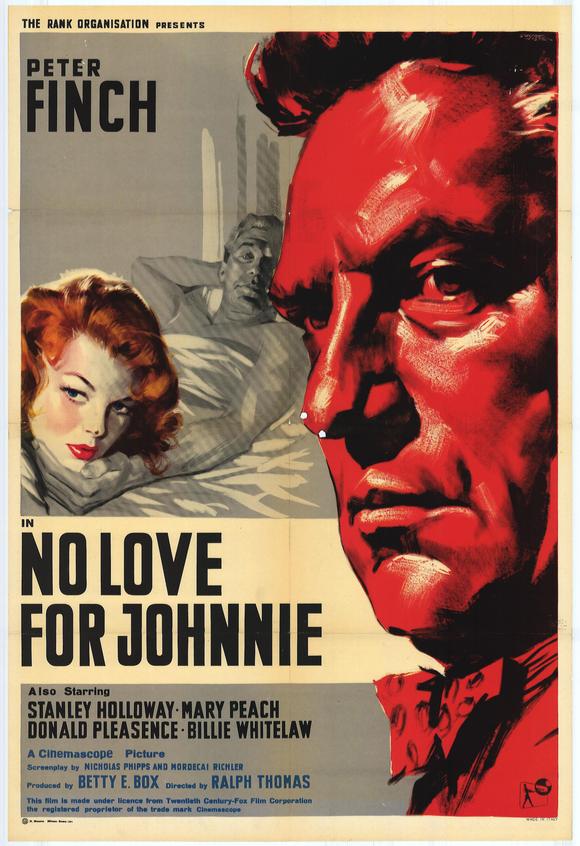
No Love for Johnnie (1961) – opposite Peter Finch; she gave the political melodrama its emotional ballast, playing a self‑possessed woman disillusioned by cynicism in public life.
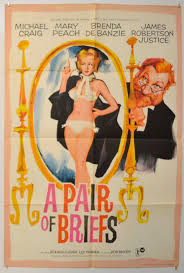
A Pair of Briefs (1962) – a courtroom comedy in which her mix of irony and poise made her one of British cinema’s more credible “career women” of the early 1960s.
A Gathering of Eagles (1963, Universal) – her Hollywood debut beside Rock Hudson as the wife of an American Air Force officer; U.S. critics cited her for “quiet authority bridging English delicacy and American directness” .
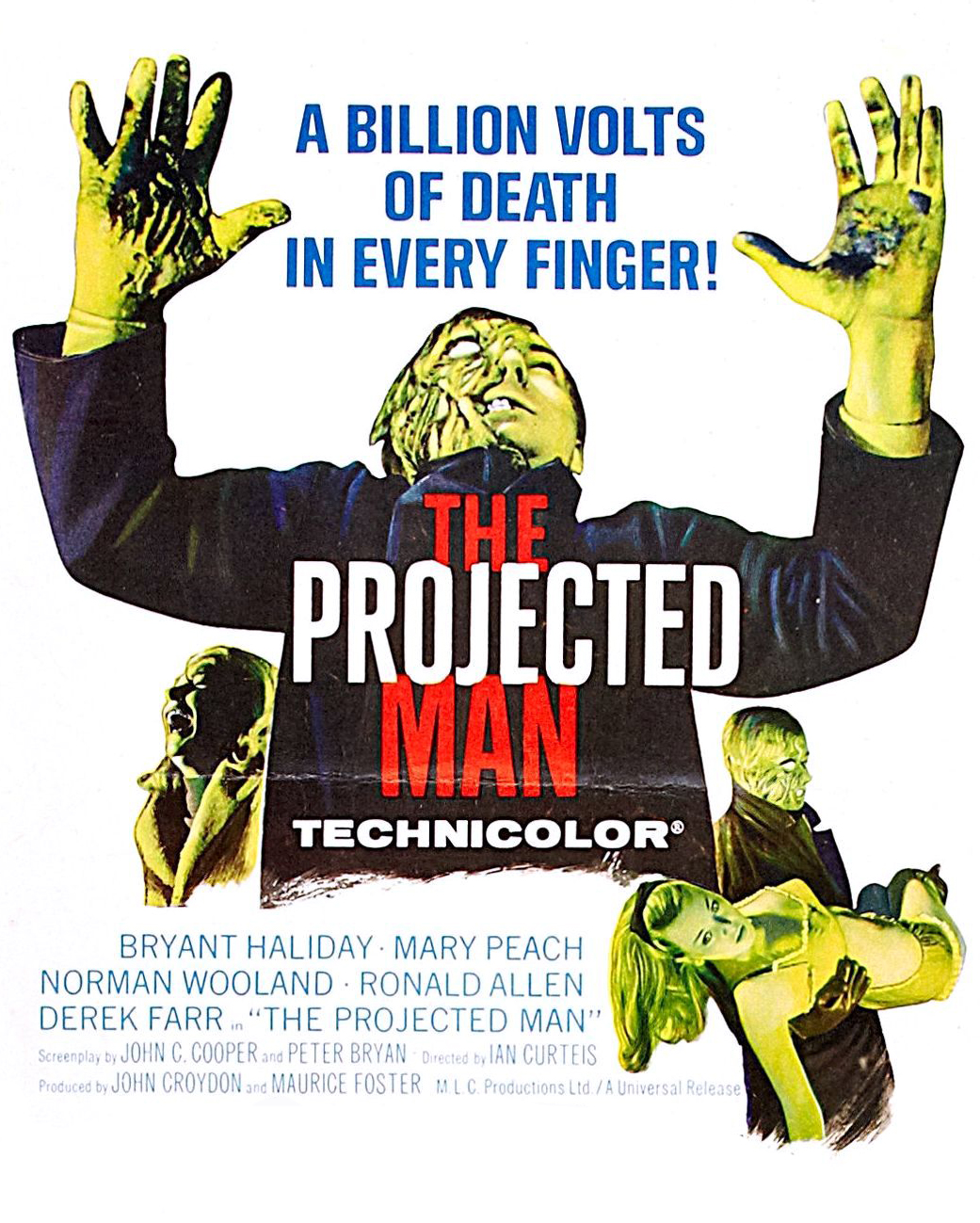
The Projected Man (1966) – a science‑fiction film now best known among cult audiences (and even featured on Mystery Science Theater 3000). Peach’s intelligent calm amid pulp material typified her professionalism in uneven projects.
Though never promoted as a glamour star, she struck a balance between the accessible “girl next door” and the articulate modern woman—qualities that made her one of the period’s most adaptable leading ladies.
Television prominence (1960s–1980s)
By the late 1960s Peach became a fixture of British television drama at precisely the time TV was overtaking film as the medium of quality writing in Britain. Key appearances include:
Astrid Ferrier in Doctor Who: The Enemy of the World (1967), notable for her resourceful, courageous characterization of a female companion figure during an era when women were rarely written with such agency .
The BBC’s The Three Musketeers (1966), as Milady de Winter—a role that played to her elegance and latent irony.
The Saint episode “The Gadget Lovers” (1967), in which she held her own as Russian spy Colonel Tanya Smolenko opposite Roger Moore’s urbane hero.
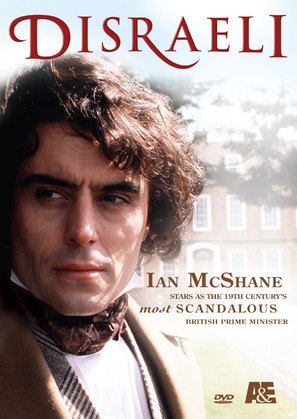
1970s and 1980s miniseries such as Disraeli (1978), Fox (1980), The Far Pavilions (1984), and A.D. Anno Domini (1985), where she matured into composed matriarchal and aristocratic figures.
Television suited her disciplined craft and clarity of speech. She became one of those actors who lent prestige and steadiness to episodic drama without distracting star mannerisms.
Later career and personal life
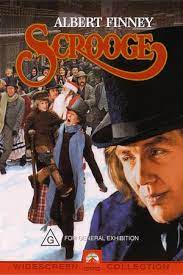
Peach appeared sporadically in film thereafter—small parts in Scrooge (1970) and Cutthroat Island (1995) bookend her screen career—but remained a valued television presence through the mid‑1990s ( ). Off‑screen, she married film producer Thomas Clyde (1961–div.), with whom she had two children, and later married screenwriter‑director Jimmy Sangster, best known for his work with Hammer Films, a partnership that lasted until his death in 2011 .
Acting style and screen persona
Composure and intelligence: Peach’s hallmark was emotional control that hinted at complexity beneath the surface. Even in minor roles she projected thought and decisiveness.
Modern naturalism: Emerging from the New Wave, she rejected melodramatic affectation; her performances look contemporary even beside today’s understated styles.
Versatility: Equally at ease in glossy Hollywood assignments and BBC realism, she bridged two acting traditions—American immediacy and British restraint.
Voice and diction: Her clear, musical delivery made her ideal for period and literary adaptations.
Critical evaluation
Strengths - Consistency and intelligence: rarely miscast, always credible. - An ability to suggest interior conflict without overt drama. - A remarkably smooth transition from ingénue to mature authority on television.
Limitations - Lack of a single defining star vehicle limited public recognition. - Her professionalism and poise sometimes read as emotional reserve, making it harder to command publicity in an era favoring showier personalities.
Nevertheless, critics and colleagues acknowledged her as an actor who raised the level of any ensemble she joined—a “working actress” in the best sense.
Legacy
Mary Peach’s career reflects the evolution of British screen acting from the late‑1950s social realism to the character‑driven television drama of the 1970s and ’80s. She occupies an important transitional place: part of the generation that replaced the old studio glamour with middle‑class candor, yet retained classical polish. Her work demonstrates how intelligence, restraint, and emotional truth produce longevity even without star hype.
In retrospection, Peach stands as a subtle craftsman of modern performance—a capable leading lady who aged into a reliable character actress, maintaining credibility and grace for nearly four decades.
Mary Peach died in 2024.
Mary Peach (1934–2025) was a British‑born South African actress whose career bridged the end of the studio‑era British film industry and the rise of 1960s–80s television drama. She is best known for her early supporting role in the landmark British “angry young man” drama Room at the Top (1959), but she went on to build a steady, varied career in both film and episodic TV, often playing intelligent, emotionally grounded women in middle‑class and professional settings.
Early career and breakthrough in Room at the Top
Born Mary E. Peach in Durban, South Africa, she moved to Britain and entered the industry at a moment when the British New Wave was beginning to reshape screen realism. Her first major film role came in Jack Clayton’s Room at the Top (1959), where she plays June Samson, the first‑sighted wife whom Joe Lampton (Laurence Harvey) abandons on his way up the class ladder. Her performance is not showy, but critics and later analyses of the film consistently note that she adds a quiet, heartfelt realism to June, making her rejection by Joe feel not just dramatic but socially and psychologically authentic.
She was nominated for a BAFTA for Most Promising Newcomer to Film, an honor that signaled her arrival as a serious screen presence rather than a glamorous type. [web|59] In the context of the film’s central love triangle, Peach’s June functions as the moral and emotional counterweight to Simone Signoret’s role; where Signoret’s character is more complex and self‑destructive, Peach’s June embodies conventional but sincere domestic values.
1960s British films and genre work
After Room at the Top, Peach became a familiar face in mid‑budget British cinema. She appeared in No Love for Johnnie (1961), a bittersweet political drama starring Peter Finch, in which she plays Pauline, a quietly anxious, emotionally vulnerable woman caught in the orbit of a self‑absorbed MP. Critics often describe her work in this period as “unobtrusive but affecting”: she does not dominate the frame, but she underlines the emotional cost of the male anti‑hero’s trajectory.
Other notable 1960s film roles include:
A Pair of Briefs (1962), a light‑heart bartender‑bedroom farce in which she plays Frances, one of several middle‑class women whose lives intersect with postwar consumer‑driven fantasy.
A Gathering of Eagles (1963), a Cold‑War‑era US Air Force drama with Rock Hudson, where she plays Victoria Caldwell, the wife of a bomber‑commander coping with military‑family pressures.
Ballad in Blue (1965), a jazz‑centred drama around blind pianist Ray Charles, in which she plays Peggy Harrison, supporting Charles’s character without sentimentalizing his blindness.
The Projected Man (1966), a British sci‑fi/horror film about a scientist who becomes a glow‑eyed, disfigured monster, in which she plays Dr. Patricia Hill, a rational, morally ambivalent colleague.
From a critical‑analysis standpoint, her work in the 1960s shows a pattern of pairing with strong male leads while playing women who are observant, anxious, and often quietly constrained by social expectations. In the sci‑fi and genre pieces, she helps anchor the speculative material with a naturalistic domesticity, making the films feel more grounded than they might otherwise be.
Television and stage‑style small‑screen work
From the mid‑1960s onward, Peach became increasingly active on British television, where she found a longer‑term home than in the fluctuating film industry. She appeared in episode after episode of anthology and series drama such as ITV Sunday Night Theatre, Play for Today, Love Story, and Menace, often playing middle‑class wives, mothers, or professional women in morally fraught or emotionally charged situations.
She was also a regular or recurring presence in series such as:
Couples (1976), a relationship‑driven drama where she played Tricia Roland, a woman navigating modern marital and romantic dilemmas.
The Three Musketeers (BBC, 1966–67), a ten‑episode serial adaptation in which she appeared in multiple roles, displaying a comfortable stage‑like presence in costume drama.
The Saint (episode “The Gadget Lovers”, 1967), where she played Colonel Tanya Smolenko, a Russian counter‑espionage agent, briefly stepping into 1960s spy‑drama glamor while still holding on to her more naturalistic style.
Critics and fans of British TV drama of this period often single her out as a “reliable character actress” who could bring emotional weight to a single episode without over‑acting or dominating the ensemble. In Play for Today‑style social‑realist pieces, in particular, her restrained delivery and middle‑class vocal precision made her ideal for roles that required psychological nuance rather than melodrama.
Later work and Scrooge, Cutthroat Island
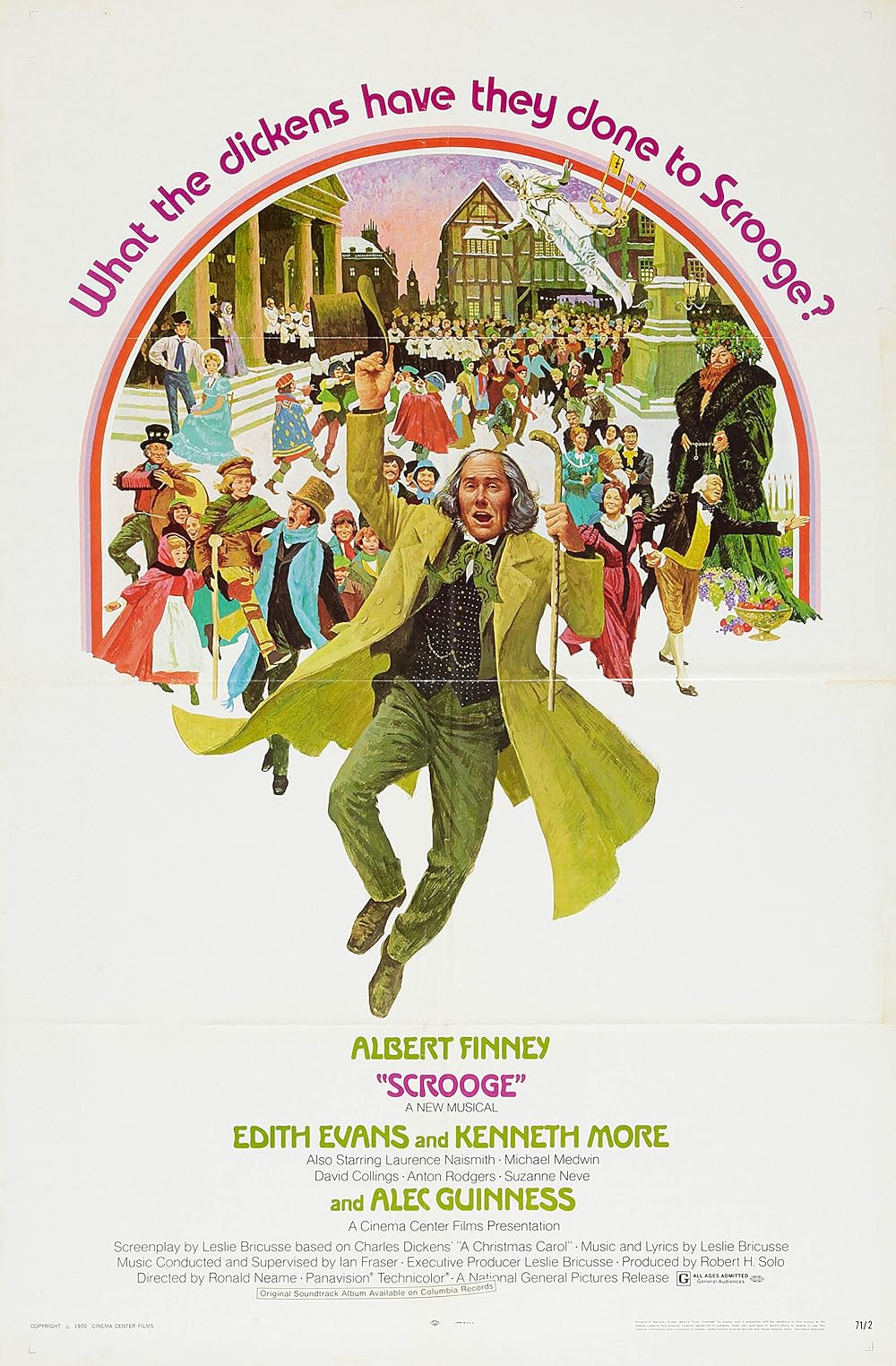
In the 1970s and beyond, Peach continued to move between film and television, including a notable role in the 1970 musical adaptation Scrooge, starring Albert Finney. She plays Harry’s wife, a small but warmly observed part that underlines the film’s domestic‑values theme without drawing attention away from the central performance. Critics of the film tend to note that these supporting roles—often played by actors like Peach—are what give the Christmas fantasy a sense of authentic middle‑class life.
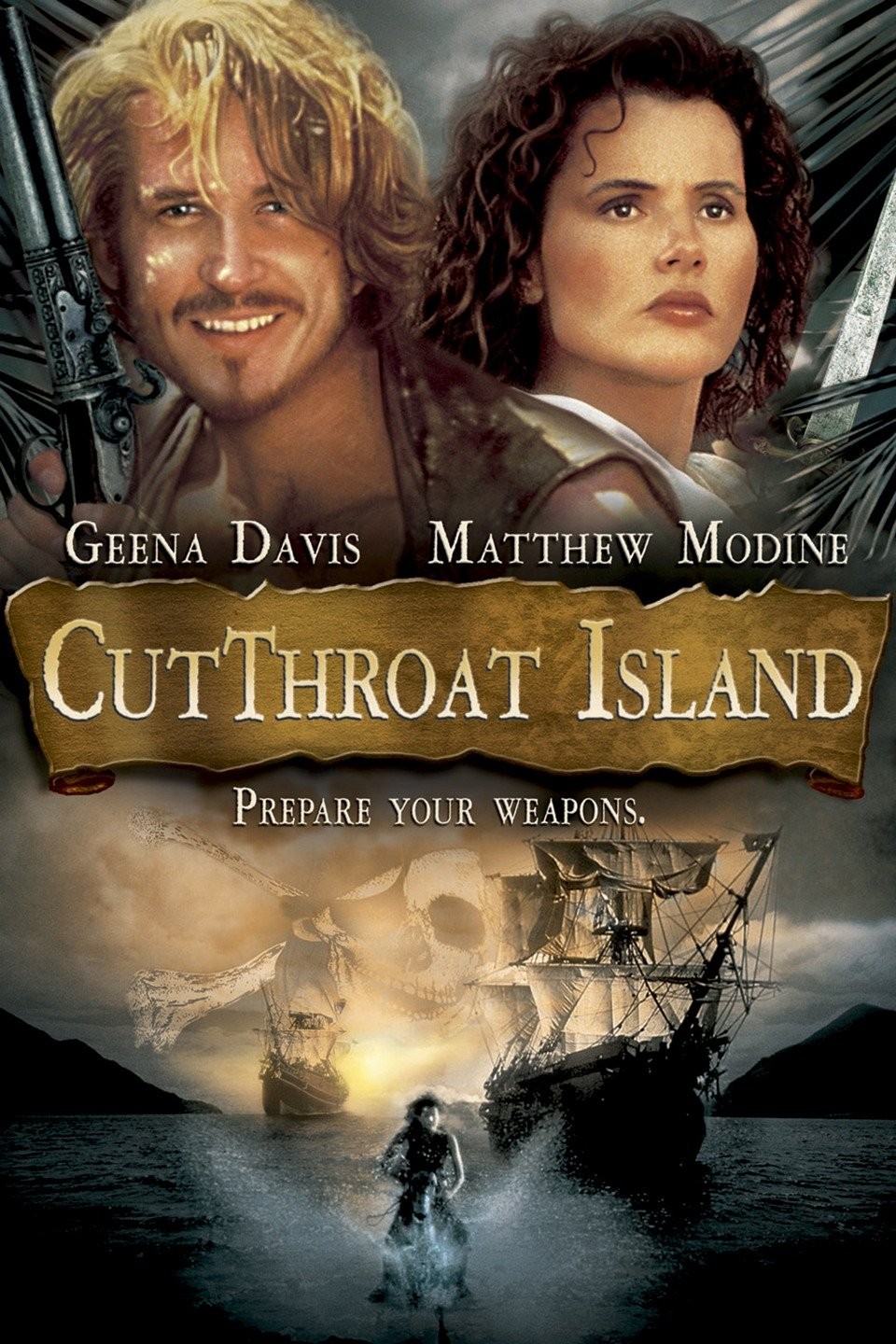
Her later film work culminated, somewhat incongruously, with a role in the 1995 action‑adventure Cutthroat Island, starring Geena Davis. Here she plays a minor aristocratic “Lady” figure, more a period‑dress cameo than a substantial character; in that context, she functions as a quietly solid presence amid the film’s over‑scaled spectacle and box‑office notoriety. Viewers and commentators often read her late‑career appearances as a kind of bookend: from the restrained realism of Room at the Top in the late 1950s to the flamboyant, effects‑driven pirate‑film conclusion in the 1990s, her career thus traces a quiet arc through changing British and international genre tastes.
Critical reputation and performance style
Critically, Mary Peach is generally regarded as a serious, under‑celebrated character actress whose peak came early but whose work remained consistently professional and emotionally truthful. She is rarely described as a glamour star or a naturalistic “method” powerhouse, but rather as a planted, middle‑class presence who could convey anxiety, duty, and quiet resilience without fuss.
Her typical style is low‑volume and verbally precise, relying more on facial nuance and vocal shading than on dramatic gestures. This makes her especially effective in social‑realist drama and in genre films where the audience must believe in the “normal” world that the plot eventually upends. In that sense, her career represents a kind of behind‑the‑scenes backbone of postwar British screen culture: she never became a household name, but her repeated appearances in key films and TV plays make her a quietly important figure in the texture of British drama across four decades
Reasons for her career decline after the 1960s
Mary Peach’s career did not collapse after the 1960s so much as gradually shift from regular leading‑supporting roles in mid‑budget British films to more sporadic, often smaller parts in film and television, with fewer high‑profile vehicles. Several overlapping factors help explain why her visibility declined from the 1970s onward.
Typecasting and shifting star systems
Peach became associated with a particular kind of “middle‑class Englishwoman” on screen—intelligent, slightly anxious, emotionally grounded—which served her well in social‑realist dramas but offered limited range as genres and tastes changed. By the 1970s, British cinema and TV were moving toward younger, more rebellious, or more overtly sexy types, and her poised, mature presence was less in demand than it had been in the late 1950s and 1960s.
At the same time, the old studio‑era and early‑New‑Wave structures that had sustained character‑lead roles like hers were fragmenting; producers favoured either younger unknowns or established stars, leaving experienced but non‑headlining actors like Peach with fewer substantial offers.
Age, changing roles, and industry bias
As she moved into her 40s and 50s, the kinds of roles available to women in British film and TV narrowed, especially in leading‑woman positions. Many of the scripts that had once cast her as a wife, mother, or colleague in emotional dilemmas were now going to younger actresses, while older‑woman roles remained underwritten or stereotyped. Peach continued to work, but her parts became briefer and more functional (e.g., supporting wives, aristocratic cameos, or one‑off TV‑drama guest roles).
There is also evidence that, like many actresses of her generation, she was quietly sidelined once she was no longer seen as “romantic lead” material, even though she remained a capable and credible performer. In later films such as Scrooge (1970) and Cutthroat Island(1995), her function is more of a reliable, low‑drama presence than a character driving the narrative, which reflects a broader industry pattern of using older actresses as background “normality” rather than central figures.
Market and personal choice in television work
Although her film roles thinned, Peach remained active in British television through the 1970s and 1980s, appearing in series such as Couples and anthology dramas like Play for Today. These jobs often paid less and were less visible nationally than the films that had first made her name, so her public profile waned even as she continued working.
There is no clear documentation that she “retired” early or withdrew from the industry of her own accord; instead, the pattern suggests a professional drift: fewer offers, increasingly smaller parts, and gradual absorption into the broad pool of recurring British TV character actors rather than a maintained lead‑or‑support status. In that sense, her decline is less about a single dramatic exit and more about the quiet erosion common to many non‑A‑list actresses once the 1960s film‑production model faded and demographics shifted
Mary Peach’s marriage to Jimmy Sangster, the prolific Hammer‑Horror scribe and director, had a subtle but real impact on her career: it placed her within the orbit of British genre cinema and gave her professional stability, but it did not translate into a sustained rise in star status or a major shift in the kinds of roles she was offered. They married in 1966 (she his third wife), after his earlier marriage to Monica Hustler ended, and remained together for the rest of his life.
Network and project access
Sangster was one of the key architects of Hammer Films’ early horror and thriller cycle, having written classics like The Curse of Frankenstein, Horror of Dracula, and many follow‑ups, as well as later directing films such as The Horror of Frankenstein and Lust for a Vampire. As his wife, Peach operated in the same milieu—British studio‑based genre and television production—giving her easy access to scripts, executives, and crew familiar with her work.
However, she did not become a “Hammer regular” or a horror‑movie lead in the way that might be expected from such a union. Her post‑1960s roles were still scattered across mainstream drama, TV, and occasional odd‑genre items rather than a concentrated run of Hammer‑style parts, suggesting that Sangster’s influence helped maintain her professional contacts more than it reshaped her casting profile.
Career impact: stability but not type‑reinvention
Biographical notes emphasize that Peach and Sangster lived together in London and that she was his longtime, surviving spouse, framing her life as more domestic and quietly professional than that of a high‑flying, self‑promoting star. In that context, marriage to a working‑class‑background Welsh writer turned genre‑studio figure likely gave her financial and emotional security, which may have reduced pressure to chase big‑budget, image‑driven vehicles later in her career.
Critically, this can be read as a double‑edged situation:
Positive aspect: She remained in a supportive marriage to a respected writer and director, which insulated her from some of the worst aspects of the “declining actress” narrative and allowed her to keep working steadily in TV and smaller‑scale films.
Limiting aspect: She did not use her connection to Hammer or genre circles to rebrand herself as a major horror or thriller star, so her fame never ballooned in the way that might have offset the age‑related narrowing of roles in the 1970s.
In sum, her marriage to Jimmy Sangster seems to have contributed less to a dramatic boost in her career than to a steady, somewhat protected, behind‑the‑scenes continuation of it within the same British‑film‑and‑TV ecosystem she had already occupied
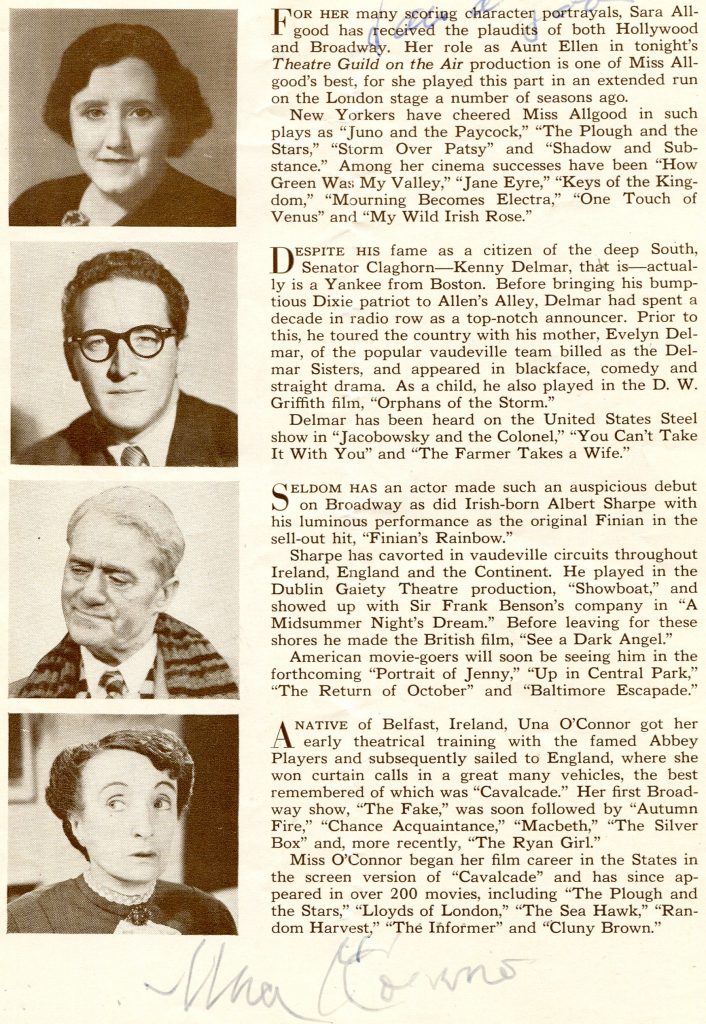
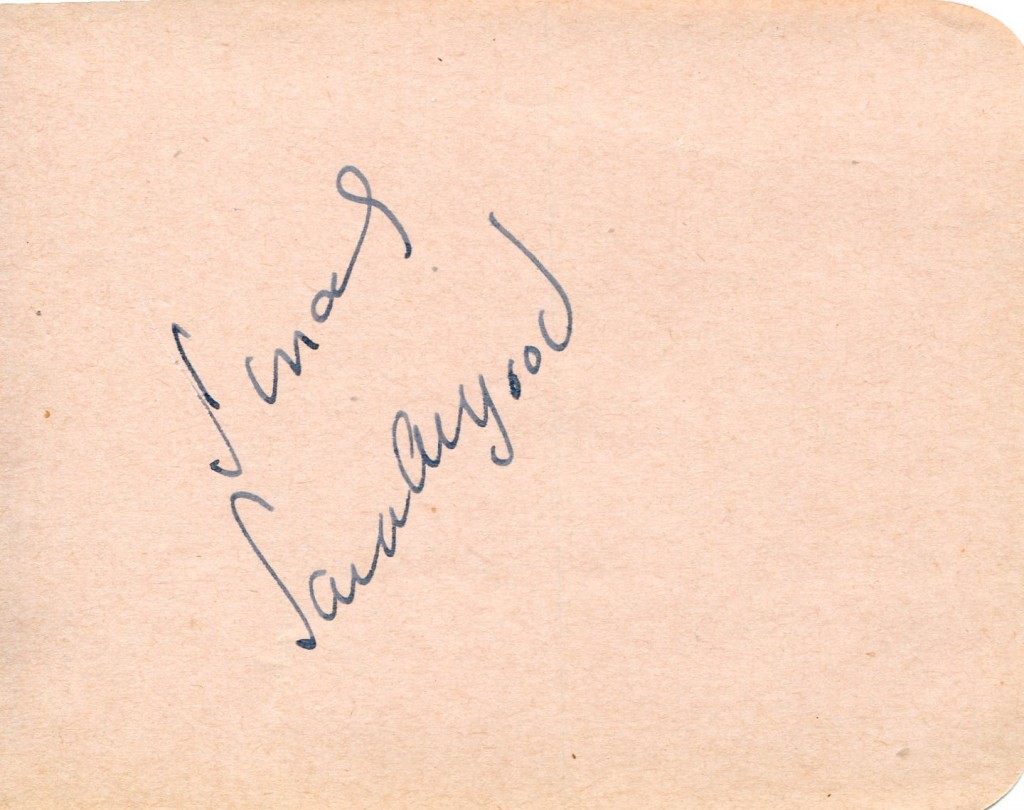
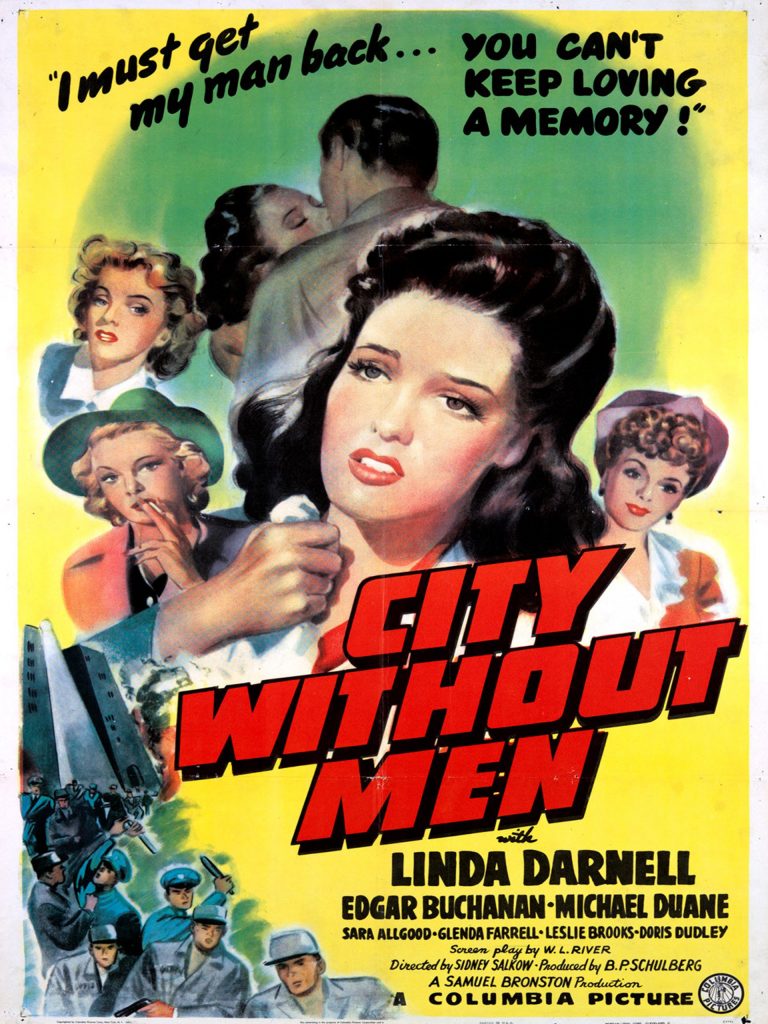
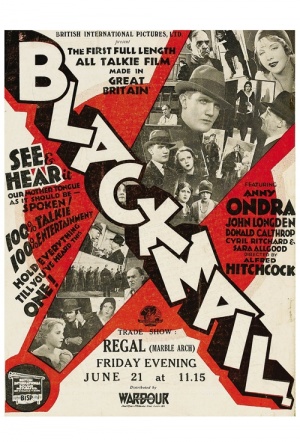
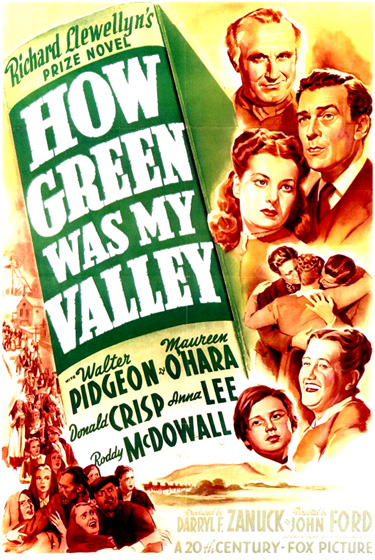
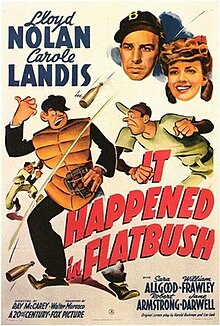
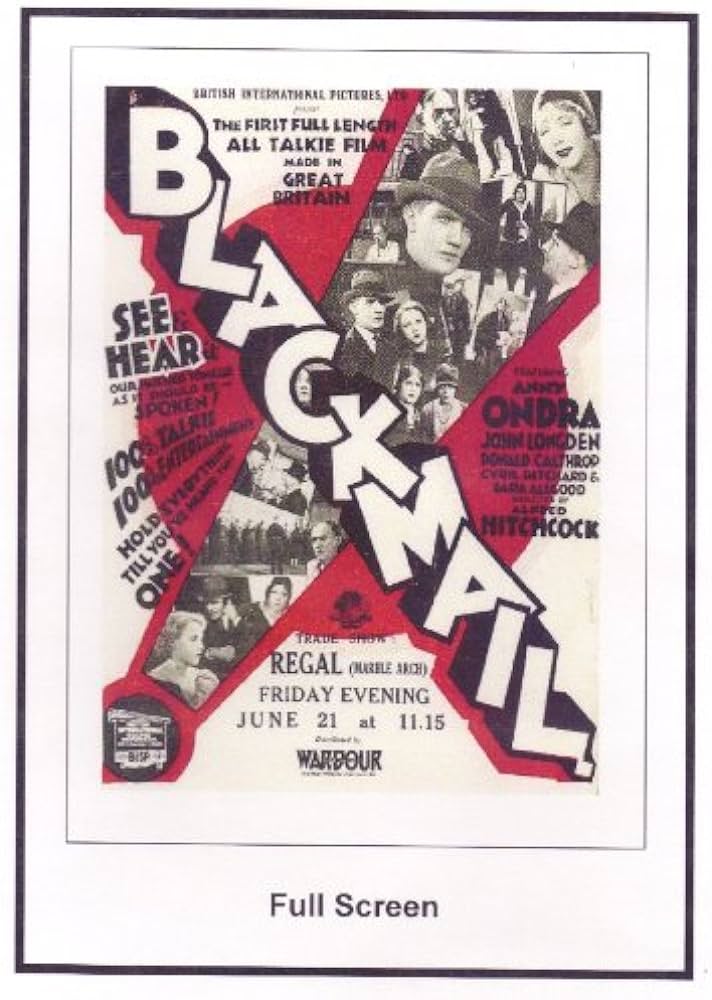
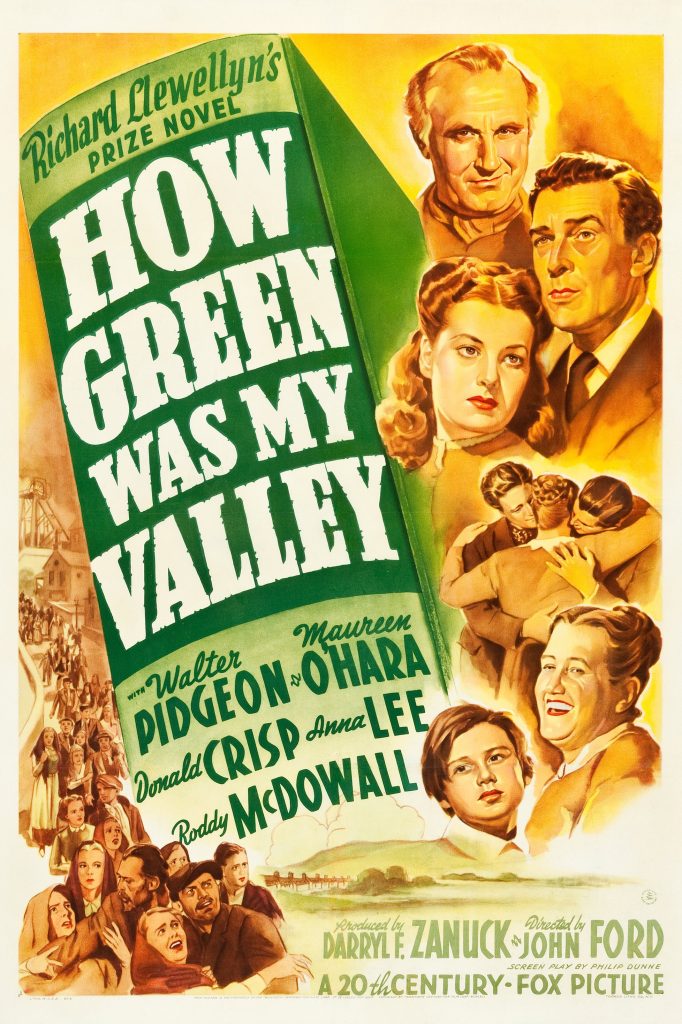
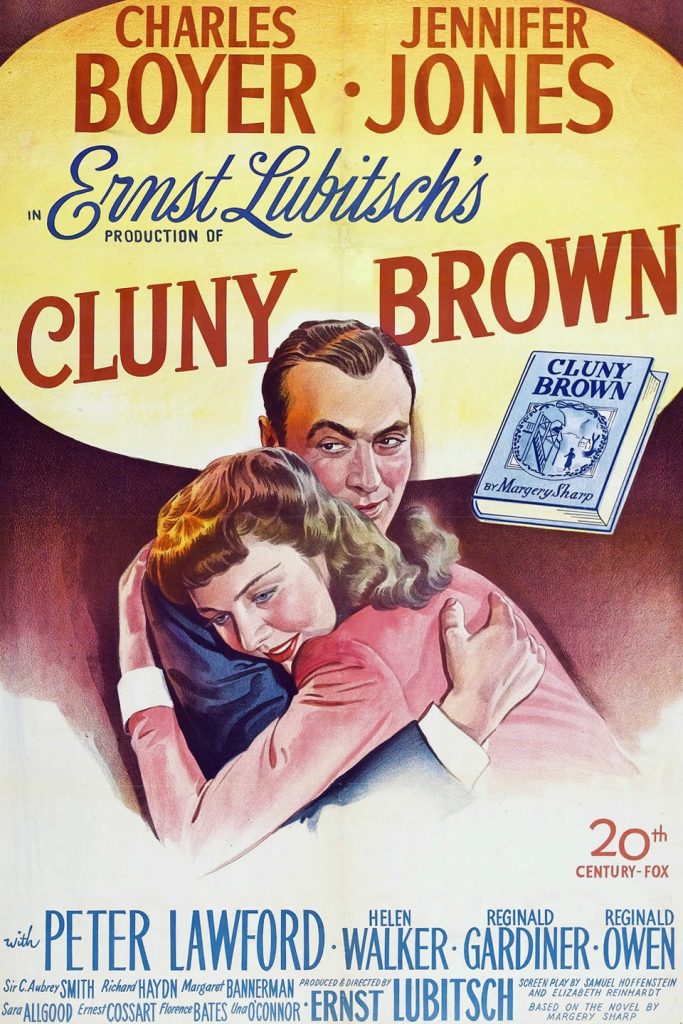
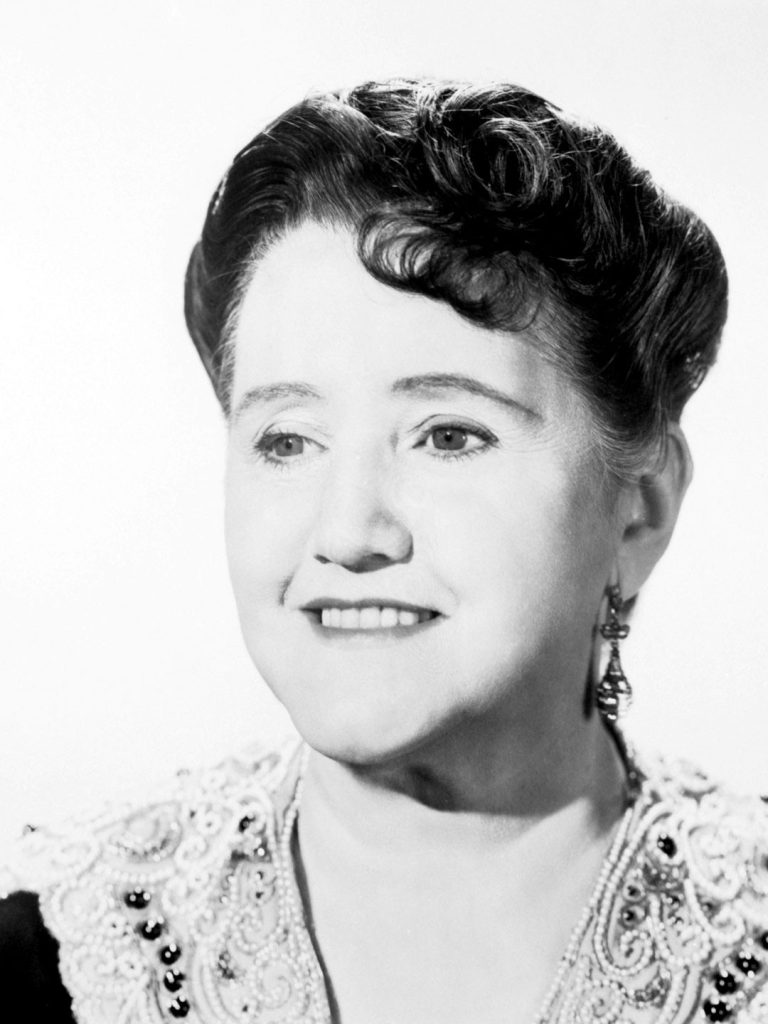
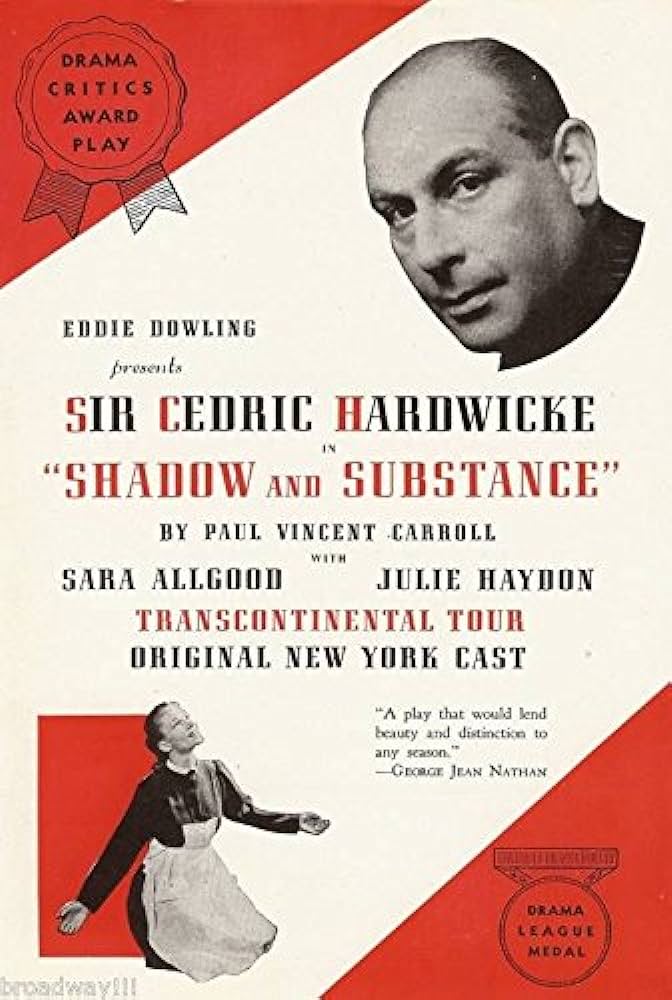
Sara Allgood was one of Ireland’s greatest actresses. She was a member of the Abbey Theatre Players and the first person to play Pegeen Mike in “The Playboy of the Western World in 1904. She was born in 1879 in Dublin. Her sister was the actress Marie O’Neill, the love of John Millington Synge. Sara Allgood made her film debut in 1929 in a leading role in Alfred Hitchcocks “Blackmail” which was made in Britain. In 1940 she went to Hollywood where she became one of it’s most profilic character actresses. She was nominated for an Oscar for her peformance in John Ford’s “How Green Was My Valley” in 1941. Other films of note are “Lady Hamilton”, “Kitty”, “Cluny Brown”, “Between Two Worlds” and “The Spiral Staircase”. Sara Allgood died in 1950 at the age of 70.
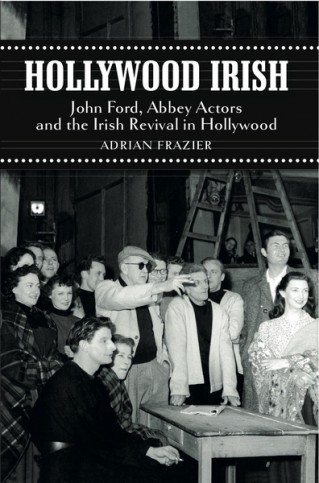
Sara Allgood features extensively in Adrian Frazier’s “Hollywood Irish”.
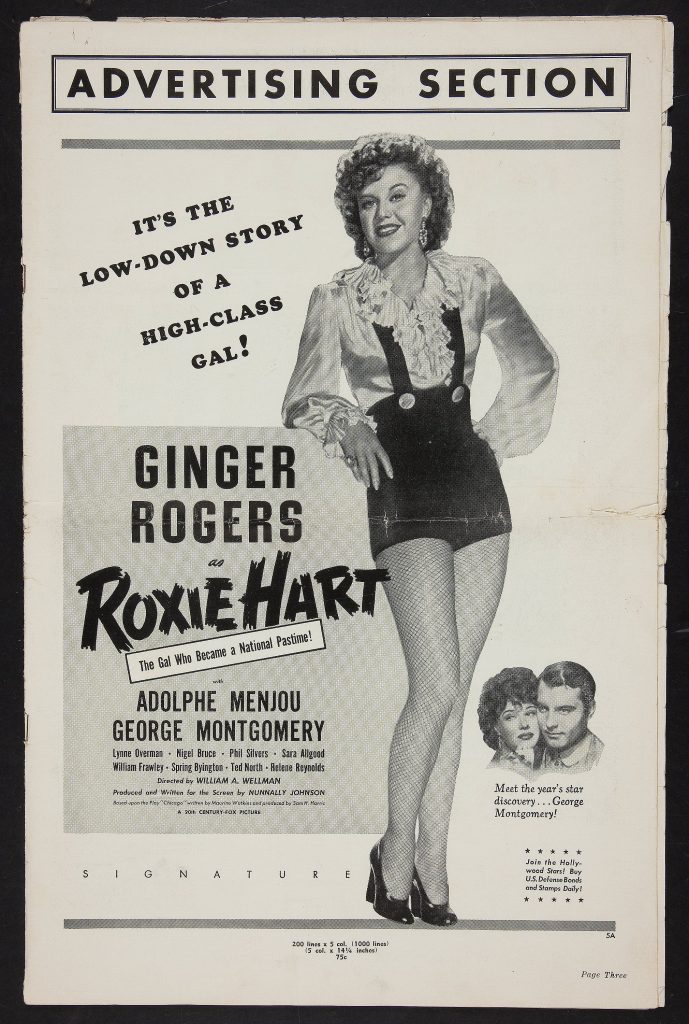
“Short, rotund, apple-cheeked and extremely Irish, Sara Allgood joined Dublin’s Abbey Players in 1904 but it was nearly 40 years before she was asked to come to Hollywood. Once there she immediately made an impression as the strong and loving matriarch of the Welsh coal mining family in ‘How Green Was My Valley’. The role won her an Oscar nomination and led to a career as a busy character player. TheM majority of her work was at 20th Century Fox, where she performed in ‘Roxie Hart’ as a prison matron and ‘Jane Eyre’ as a kindly housekeeper, to name but two of her assignments.” – Barry Monush in “The Encyclopedia of Hollywood Film Actors” . (2003).
IMDB entry:
Dublin-born Sara Allgood started her acting career in her native country with the famed Abbey Theatre. From there she traveled to he English stage, where she played for many years before making her film debut in 1918. Her warm, open Irish face meant that she spent a lot of time playing Irish mothers, landladies, neighborhood gossips and the like, although she is best remembered for playing Mrs. Morgan, the mother of a family of Welsh miners, in How Green Was My Valley (1941), for which she was nominated for an Academy Award for Best Supporting Actress. Her sister Maire O’Neill was an actress in Ireland, and famed Irish poet William Butler Yeats was a family friend. Sara Allgood died of a heart attack shortly after making her last film, Sierra (1950).
– IMDb Mini Biography By: frankfob2@yahoo.com
UNSPECIFIED – JANUARY 01: (AUSTRALIA OUT) Photo of FILM POSTERS; Poster for Mother Wore Tights (Photo by GAB Archive/Redferns)
In 1915 Allgood was cast as the lead in J. Hartley Manners‘ comedy Peg o’ My Heartwhich toured Australia and New Zealand in 1916. She married her leading man, Gerald Henson, in September 1916 in Melbourne. She played the lead role opposite her husband in J. A. Lipman‘s 1918 silent film Just Peggy, shot in Sydney. Her happiness was short lived. She gave birth to a daughter named Mary in January 1918, who died just a day later, then her husband died of the flu in the outbreak of 1918 in November of that same year. After her return to Ireland Allgood continued to perform at the Abbey Theatre. Her most memorable performance was in Seán O’Casey‘s Juno and the Paycock in 1923. She won acclaim in London when she played Bessie Burgess in O’Casey’s The Plough and the Stars in 1926.
After many successful theatre tours of America she settled in Hollywood in 1940 to pursue an acting career. Allgood was nominated for a Best Supporting Actress Academy Award for her role as Beth Morgan in the 1941 film How Green Was My Valley.
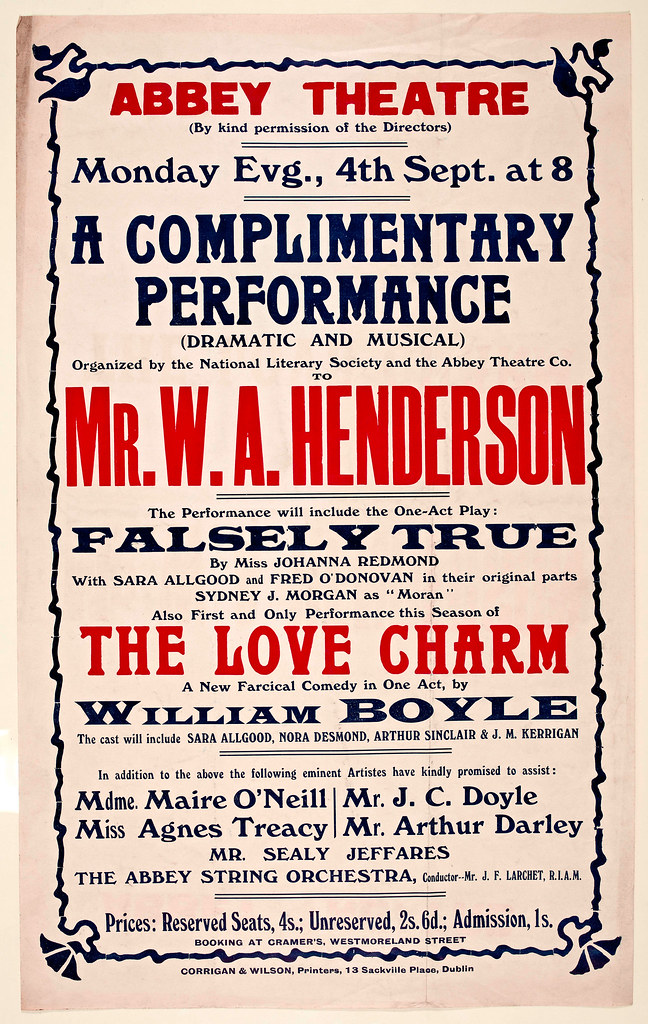
Allgood, Sara (1883–1950), actress, was born 31 October 1883 in Dublin, daughter of George Allgood and Margaret Allgood (née Harold). Her father was a protestant printing compositor, son of an English army officer; her mother’s family were catholic, owners of a junk shop. There were four sons and four daughters. After her father’s death Sara was apprenticed to an upholsterer, and joined Inghinidhe na hÉireann, a group of revolutionary women founded by Maud Gonne MacBride (qv). She took part in amateur dramatics and was a founder member of the Irish National Theatre Society. Her first appearances (1904), while still in her daytime job, were in ‘The king’s threshold’ by W. B.Yeats(qv) and ‘Riders to the sea’ by J. M. Synge (qv). She stayed with the group which became the Abbey Theatre, and after successful appearances in the first Abbey play, Lady Gregory‘s ‘Spreading the news’, she became a professional actress (1905).
After disputes within the company Sara Allgood’s main rivals, Maire Quinn and Máire Ní Shiubhlaigh (qv), resigned and she was able to play some of the most important roles in the Abbey’s repertoire. It was claimed that she could, at short notice, perform sixty-five parts, including Deirdre in Yeats’s play of that name; she was Widow Quin in the first production of Synge’s ‘Playboy of the western world’ (1907). She was especially celebrated in tragedy, but in 1915 she played the heroine in an Irish-American romantic comedy, ‘Peg o’ my heart’ by John H. Manners, produced by a touring company in Australia. It proved very popular. Her stay in Australia was protracted until 1920, partly because she had married (September 1916) her leading man Gerald Henson, and the death (January 1918) of their only child Mary, shortly after her birth, was followed by Henson’s death in the devastating ’flu epidemic (November 1918).
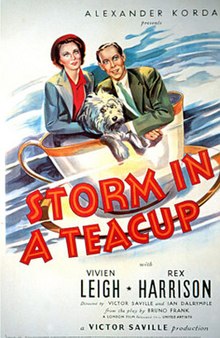
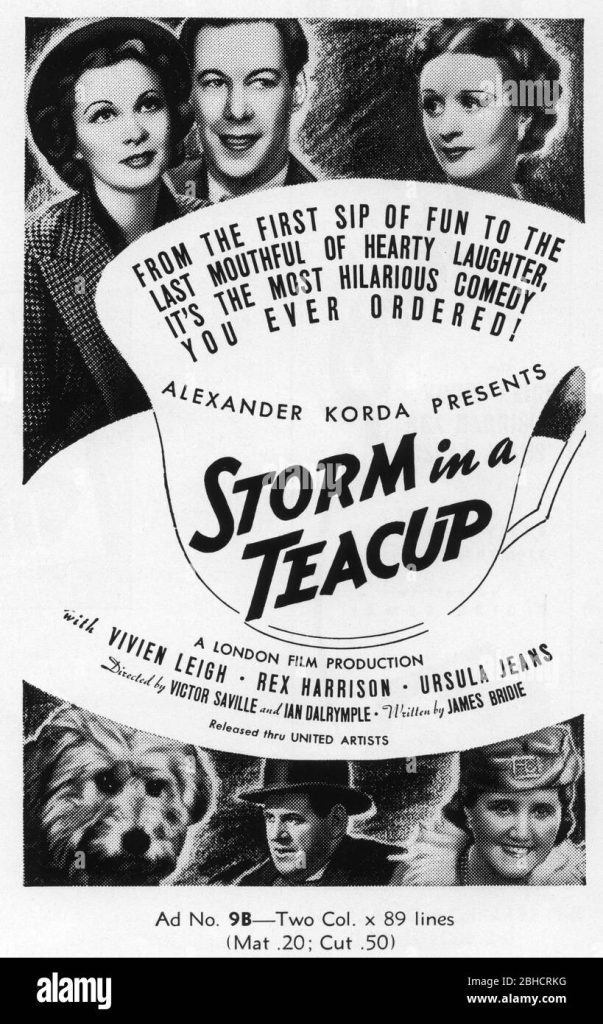
The Abbey Theatre’s difficulties during the civil war were not resolved until the great success of ‘The shadow of a gunman’ and ‘Juno and the paycock’ by Sean O’Casey (qv). Allgood gave the finest performances of her life as Juno (1924) and as Bessy Burgess in ‘The plough and the stars’ (1926). Successful London productions and American tours of these plays followed, and she was very successful in London in James Bridie’s ‘Storm in a teacup’ (1936). From 1929 she increasingly relied on film work – she appeared in over forty films – and, living in Hollywood, California, took American citizenship (1945). She was nominated for an Academy Award as best supporting actress for her part in How green was my valley (1941); she was, however, only offered small parts (generally Irish characters) which did not make full use of her abilities. Her last years in Hollywood were spent in disappointment and poverty. She died 13 September 1950 of a heart attack in Woodland Hills, California. Her sister Molly (Mary) was a successful actress as Máire O’Neill (qv).
Sources
Times, 15 Sept. 1950; Who was who in the theatre 1912–1976, i: A–C(1978); Elizabeth Coxhead, Daughters of Erin: five women of the Irish renascence (1979); Phyllis Hartnoll (ed.), The Oxford companion to the theatre (1983); Evelyn M. Truitt, Who was who on screen (1983); E. H. Mikhail (ed.), The Abbey Theatre: interviews and recollections (1988)
Sara Allgood (1879–1950) was the quintessential “Mother of Ireland” on screen, but her career was built on a foundation of avant-garde theatrical rebellion. As a founding member of the Abbey Theatre, she was the muse of William Butler Yeats and J.M. Synge, possessing a voice so rich and resonant that Yeats once claimed it could “make the birds fall from the trees.”
1. Career Arc: From Celtic Twilight to Hollywood Matriarch
Allgood’s career represents the bridge between the literary Irish Renaissance and the Golden Age of Hollywood.
The Abbey Muse (1904–1920s): She was the original Maire in Cathleen ni Houlihan and the definitive Juno in Juno and the Paycock. Her style was born in the “static” school of Irish acting—minimal movement, maximum vocal power.
The Hitchcock Transition (1929): Like Una O’Connor, she was a pioneer of early sound, starring in Alfred Hitchcock’s Blackmail, the first British “talkie.”
The Hollywood Essential (1940–1950): Following her success in the 1940 tour of Juno and the Paycock, she moved to California. She spent the final decade of her life as the industry’s most beloved “Irish mother,” providing a grounding, soulful presence in films like How Green Was My Valley.
2. Critical Analysis of Key Performances
Juno and the Paycock (1930 & Stage) – The Stoic Matriarch
Playing Juno Boyle, a woman trying to hold her family together amidst the Irish Civil War.
Analysis: Allgood’s Juno was not a victim; she was a monument. Her performance was defined by a specific kind of “weary dignity.” She didn’t play for sympathy, which made her final lament over her son’s death one of the most devastating moments in theater history.
Critique: Critics often noted her vocal control. She could move from sharp-tongued domestic banter to high Shakespearean tragedy without changing her key, proving that the lives of the working class were worthy of epic treatment.
How Green Was My Valley (1941) – The Moral Center
As Beth Morgan, the matriarch of a Welsh coal-mining family.
Analysis: Though she was Irish playing Welsh, Allgood captured the universal “Celtic” spirit of the role. In a film of grand visual sweeps, her performance is found in the small gestures—the way she wraps a shawl or the fierce look in her eyes when defending her husband.
Critique: She received an Academy Award nomination for this role. Critics praised her for providing the “emotional glue” of the film. She represented the transition from the old world to the new, embodying a strength that was both maternal and fiercely political.
Blackmail (1929) – The Pioneer
As Mrs. White, the mother of the protagonist in Hitchcock’s sound debut.
Analysis: At a time when many actors were terrified of the microphone, Allgood was fearless. She treated the new technology with the same respect she gave the Abbey stage, using her voice to create a sense of domestic normalcy that made the film’s suspense more effective.
Critique: This performance is a fascinating look at her “pre-matriarch” years, showing a sharp, reactive actress who understood the technical requirements of the medium far better than her contemporaries.
3. Style and Legacy: The “Earth-Mother” Archetype
Sara Allgood’s style was characterized by a rare combination of heaviness and grace.
Attribute
Impact on Performance
The “Abbey” Voice
Her delivery was rhythmic and slightly formal, which gave even her most “ordinary” characters a sense of ancient authority.
Expressive Stillness
She understood that her face, which became increasingly craggy and soulful with age, could tell a story without a single line of dialogue.
Authentic Sentiment
Unlike the “stage-Irish” actors who relied on whimsy, Allgood’s emotion was always grounded in a sense of real, physical labor and survival.
The “Tragic” Shadow
Ironically, while she played the “Mother of Ireland,” Allgood’s personal life was marked by profound tragedy—the loss of her husband and infant daughter during the 1918 flu pandemic. This lived experience of grief is often cited by critics as the source of her “bottomless” emotional depth on screen. She didn’t have to “act” sorrow; she simply let the audience see the sorrow she already carried.
Critical Note: Sara Allgood and her sister, Maire O’Neill, were the two pillars of female acting in the early Abbey Theatre. While Maire was the “fire,” Sara was the “earth.” Hollywood only saw the earth-mother, but the history of theater remembers her as a radical who helped birth a new nation’s cultural identity
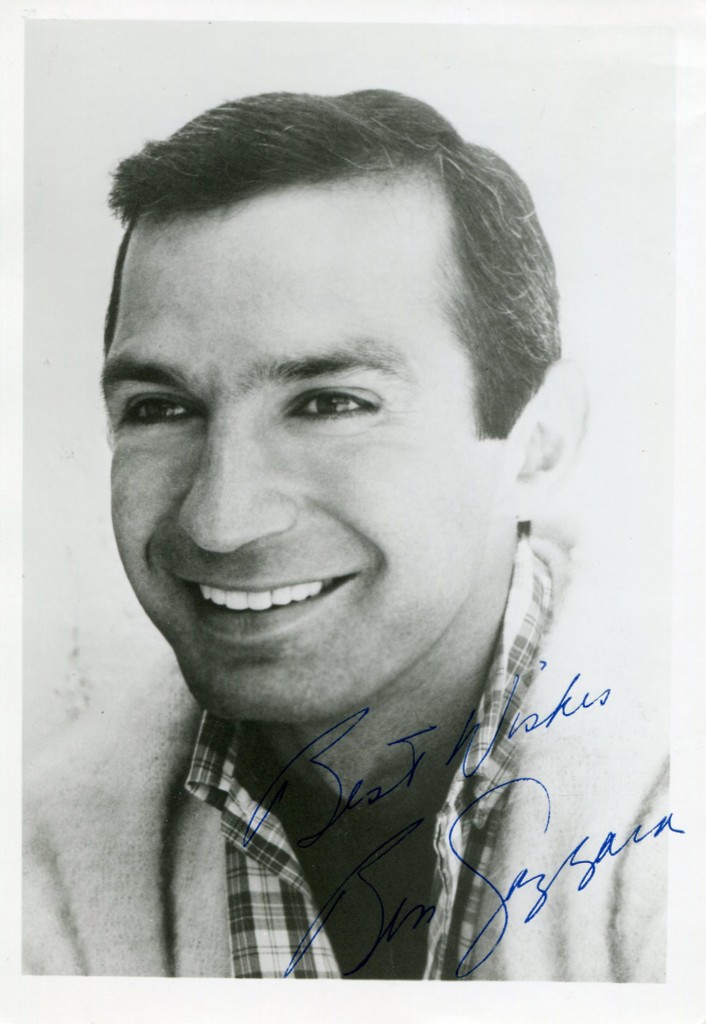
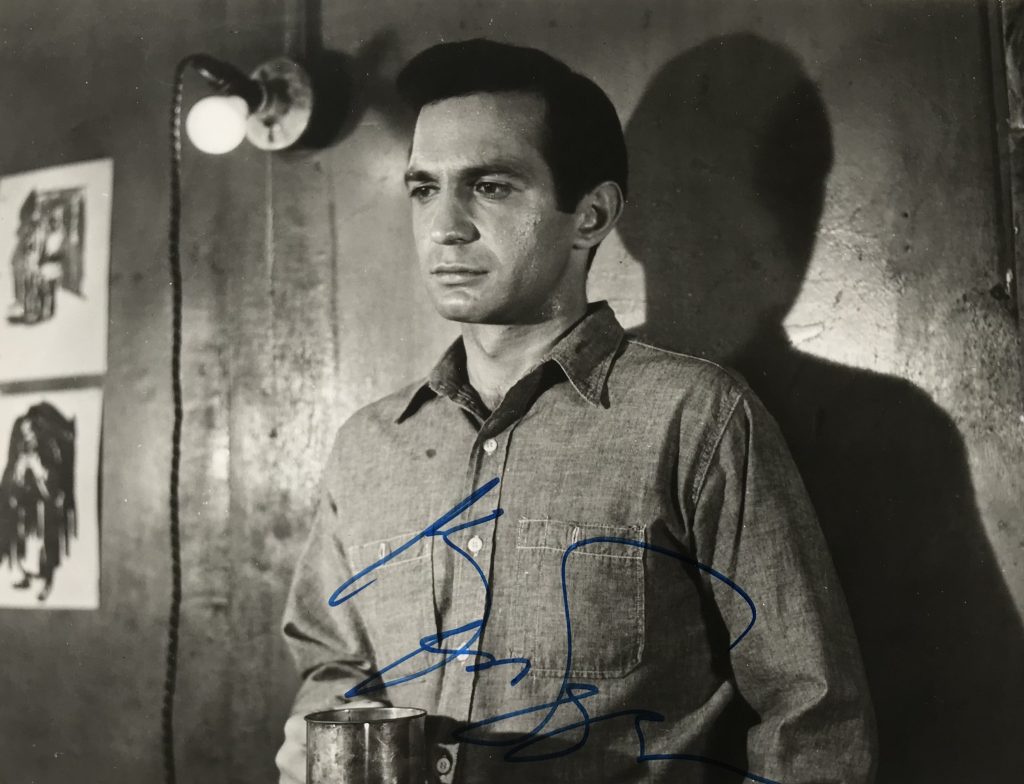
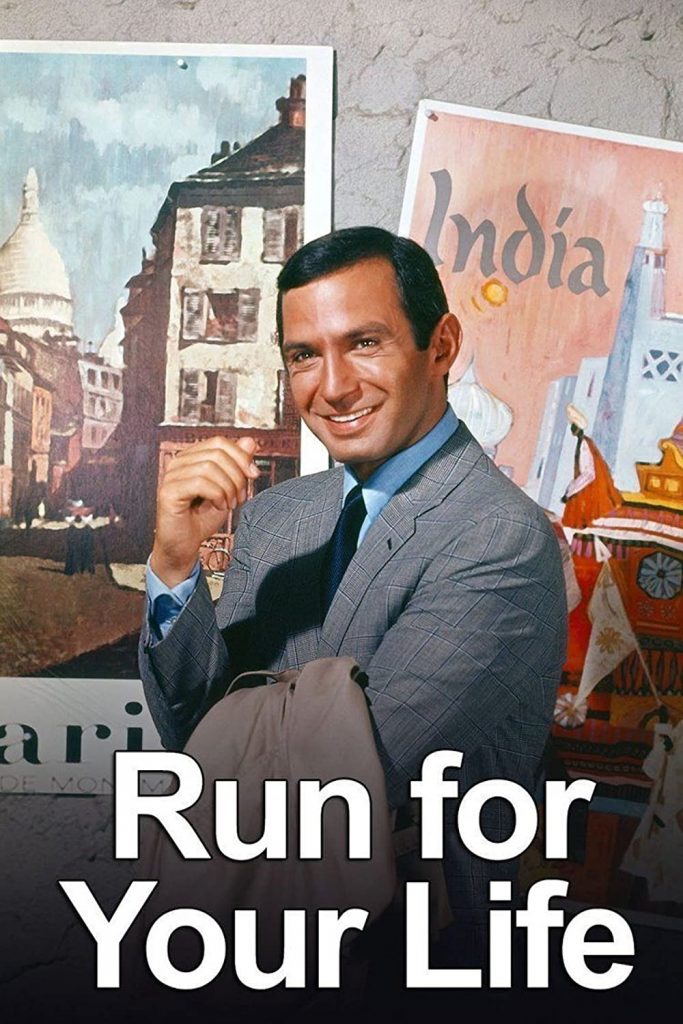
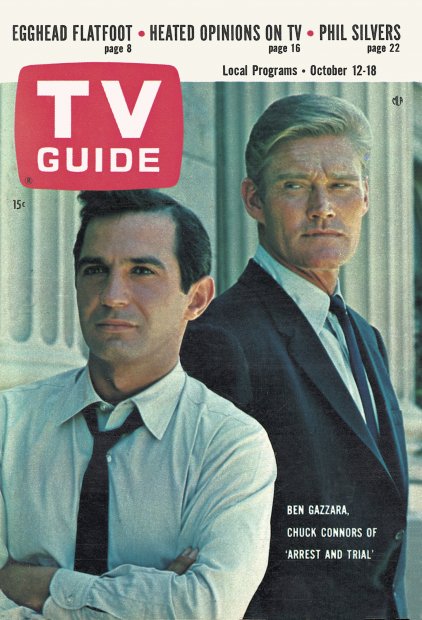
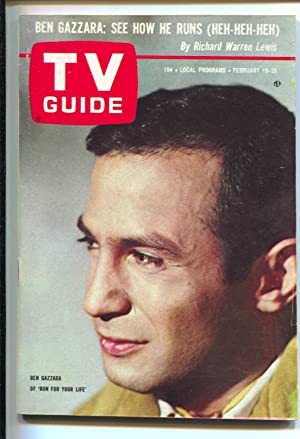
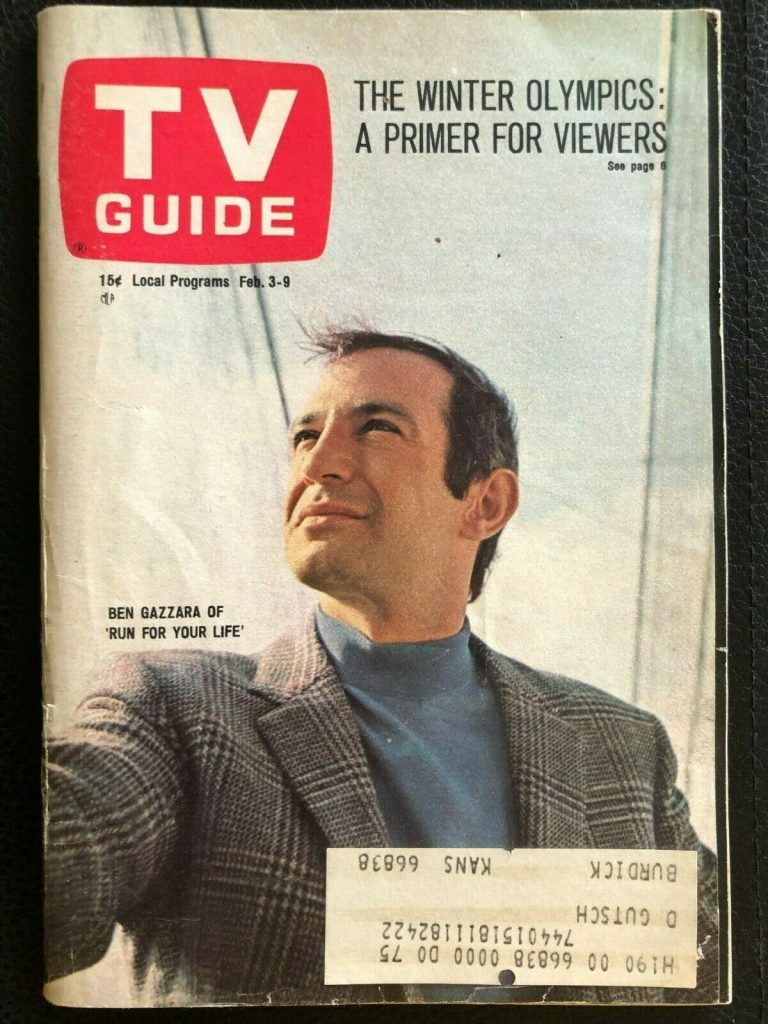
“Ben Gazzara is probably best known for his work in two television series – “Arrest and Trial” and “Run for Your Life” – which is ironic, because he does TV only for the money. He cares enough about films (or did) that in 1956 he turned down one of the leads in King Vidor’s “War and Peace” because he did not want to be merely part of a spectacle. He was then one of the cinema’s most promising new stars – and to date that promise has beeen largely unfulfilled. he is a sympathetic actor – but at that time he gave of the definitive great performances of evil” – David Shipman – “The Great Movie Stars- The International Years” (1972).
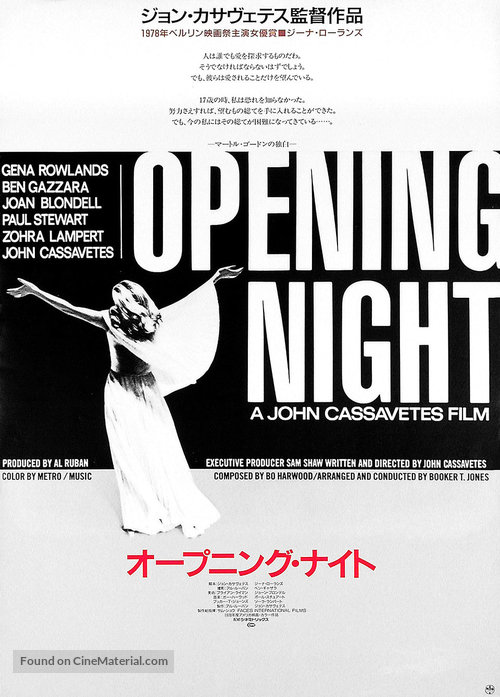
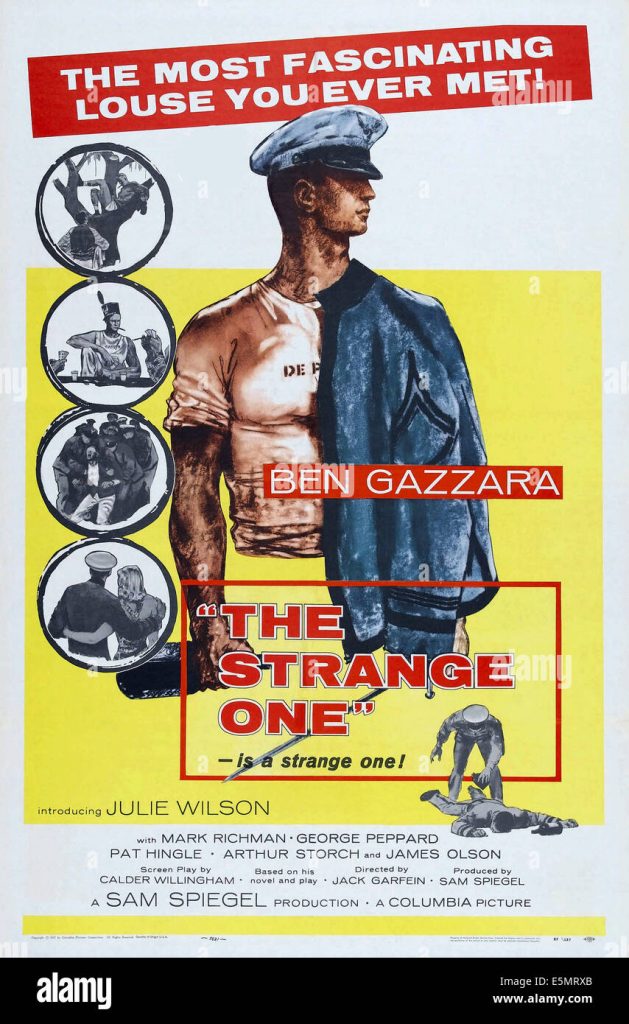
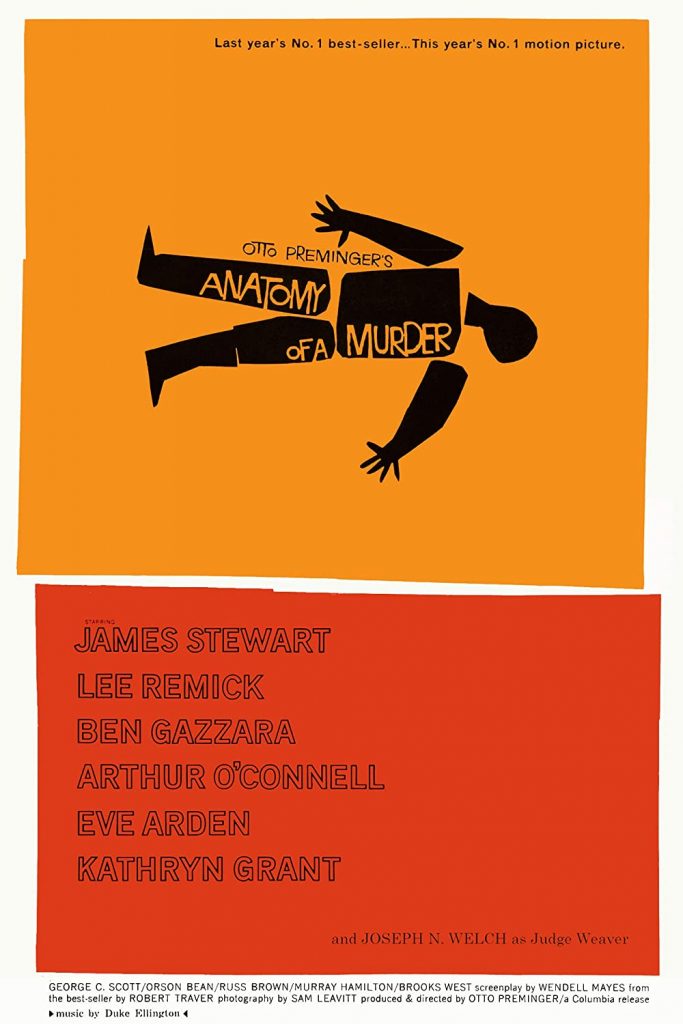
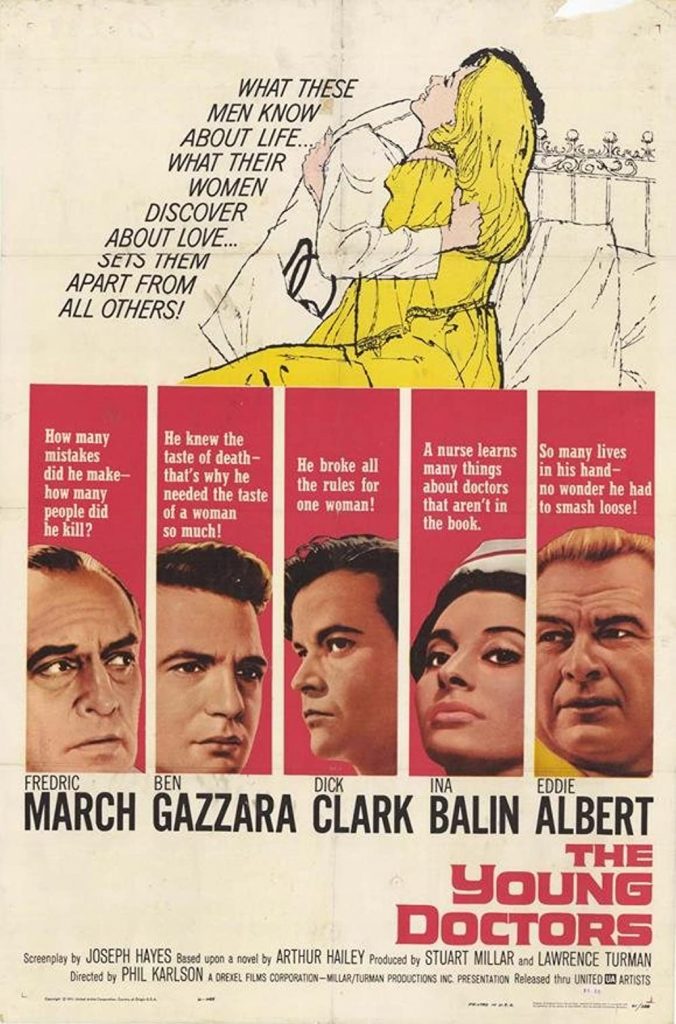
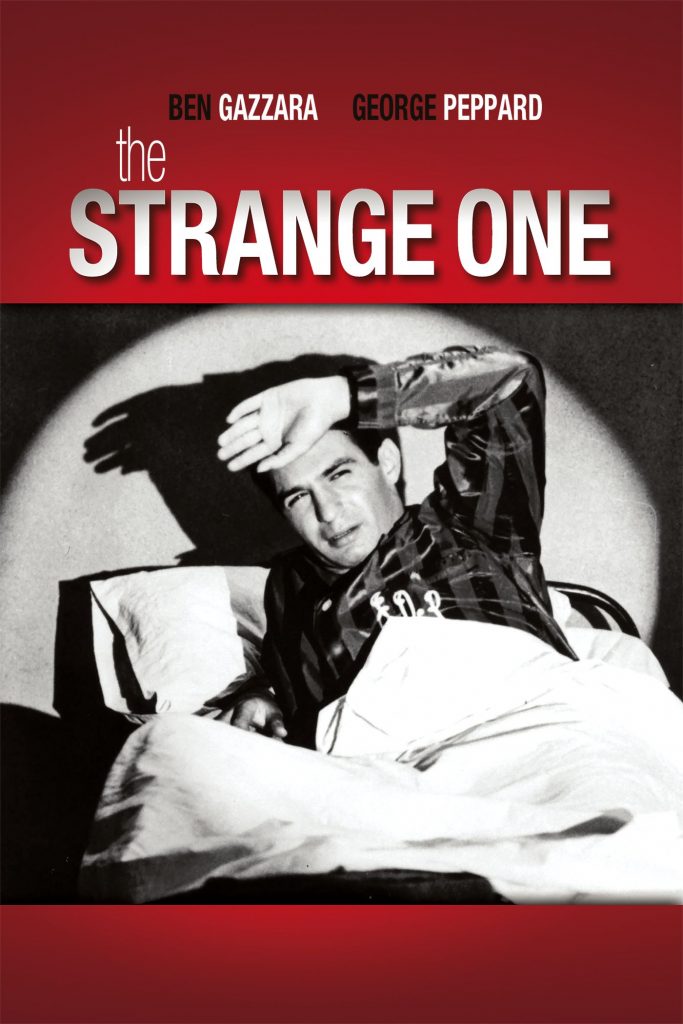
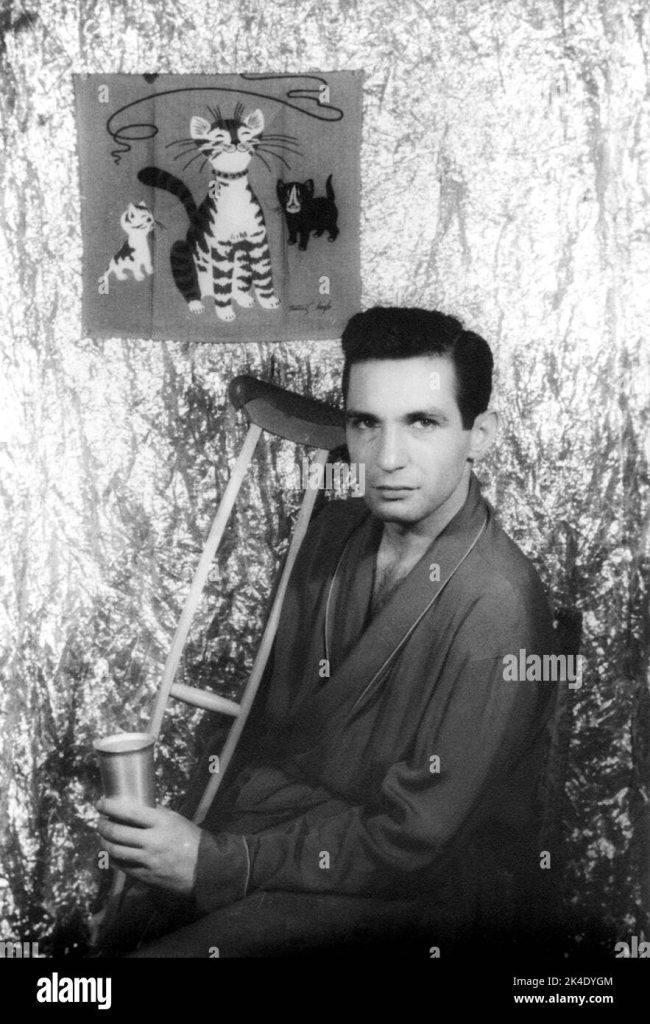
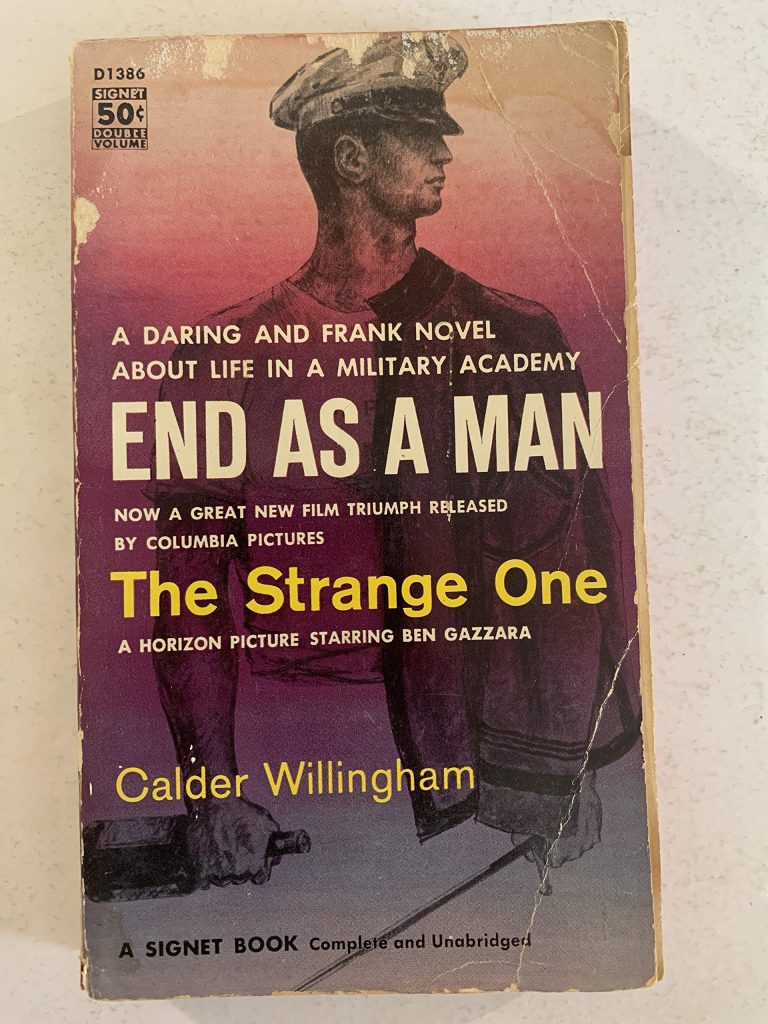
Ben Gazzara was born in 1930 in New York City. His parents were from Italy. He won early acclain on Broadway for is performance as Brick in “Cat On A Hot Tin Roof”. His film debut came in 1956 in “The Strange One”. He has some very impressive films to his credit, “Anatomy of a Murder” in 1959, “The Young Doctors”, “The Killing of a Chinese Bookie” and “Opening Night” directed by his friend John Cassavettes. In 1985 he starred in “An Early Frost”, one of the first dramas to deal with AIDS, starring with Aidan Quinn, Gena Rowlands and Sylvia Sidney. Ben Gazzara died in February 2012.
His “Guardian” obituary by Brian Baxter:
Few screen debuts have equalled the searing malevolence of Ben Gazzara’s Iago-inspired Jocko De Paris in The Strange One (1957). The role, which he had created on stage, became forever associated with this intense graduate of New York’s method school of acting.
Gazzara, who has died aged 81 of pancreatic cancer, continued his stage career in modern classics including Epitaph for George Dillon and as the humiliated and vengeful George in Who’s Afraid of Virginia Woolf? He also achieved popular acclaim through television series – notably Run for Your Life (1965-68) – and in movies for his friend John Cassavetes and other directors including Otto Preminger, Peter Bogdanovich, David Mamet, Todd Solondz and the Coen brothers.
Gazzara was born to Sicilian immigrants and grew up on Manhattan’s lower east side. He began acting at the Madison Square Boys Club and made a teenage debut in a TV dramatisation of a short play by Tennessee Williams. After gaining a scholarship to Erwin Piscator’s drama workshop, he eventually moved to the equally legendary Actors Studio headed by Lee Strasberg.
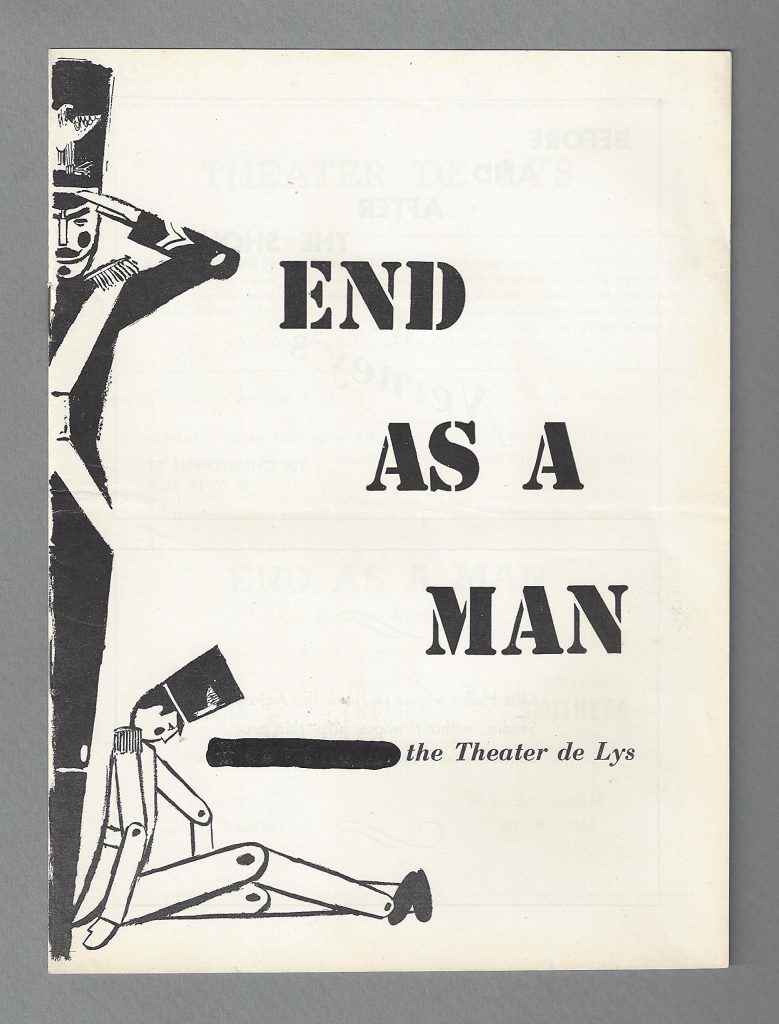
His stage debut came in Pennsylvania and then on tour, in Jezebel’s Husband, but his career took off when – aged 23 – he created Jocko in Calder Willingham’s adaptation of his own novel End As a Man. When a revised version of the play transferred to the Vanderbilt theatre in 1953, giving Gazzara his Broadway debut, he received the New York critics’ award as most promising young actor.
Its director, Jack Garfein, an assistant to Elia Kazan, took four years to get the movie version financed, and in the interim Gazzara gained more Broadway experience as the original Brick in Williams’s Cat on a Hot Tin Roof and as the drug-addicted Johnny in A Hatful of Rain, where his darkly handsome features and forceful acting were distinct assets.
Although The Strange One looked overly theatrical, Gazzara’s pared-down performance survived the lumpen direction, revealing a natural screen presence. The sombre work about a duplicitous cadet leader, who manipulates an army camp in the deep south, was not a popular success and Gazzara returned to the stage until cast as the equally venal, though more enigmatic, soldier Lieutenant Manion in Preminger’s courtroom masterpiece Anatomy of a Murder (1959).
These movies were hard acts to follow and Gazzara, who spoke Italian before he learned English, returned to his roots to star opposite Anna Magnani in The Passionate Thief (1960). It was the start of a lifetime affair with Italy, where he was to work and live for many months each year and where he eventually bought a villa in Umbria.
The following year Gazzara married Janice Rule – having divorced his first wife, Louise Erickson, in 1957 – and took the role of the idealistic pathologist in The Young Doctors. He then co-starred opposite David Niven in The Captive City, a lacklustre war movie set in Athens. A challenging role as the convicted murderer turned painter John Resko better reflected Gazzara’s ambitions, but Convicts Four was not a hit and he moved into television, first as the detective in Arrest and Trial and then as the dying Paul Bryan in Run for Your Life.
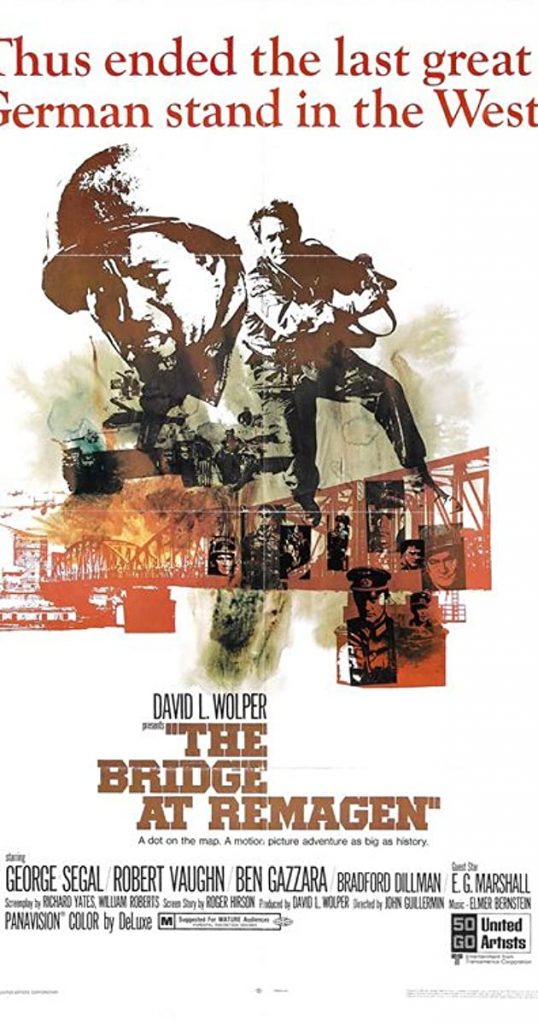
Filming in Czechoslovakia of the second world war story of The Bridge at Remagen was overtaken by the real-life Soviet invasion of August 1968. An escaping waitress hid behind the legs of Gazzara and Robert Vaughn as she crouched on the floor of their car when it crossed the border.
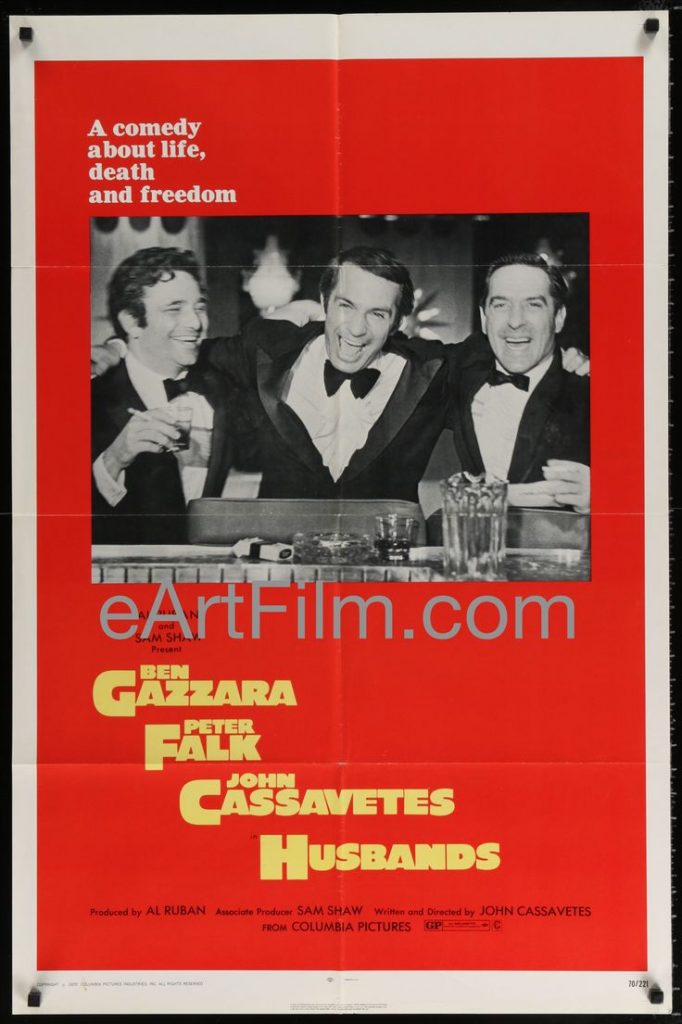
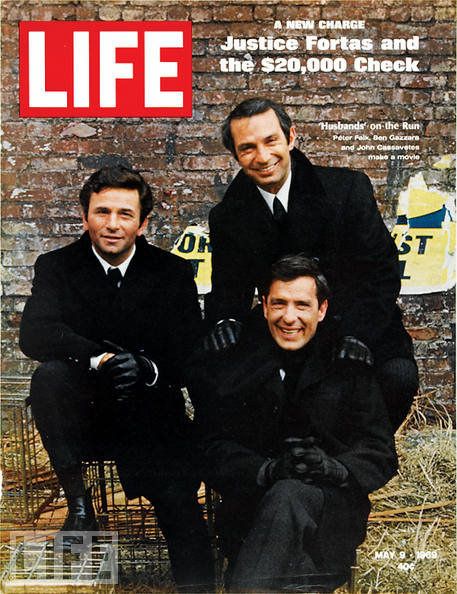
Gazzara was one of several stars coaxed into a cameo role in If It’s Tuesday, This Must Be Belgium (1969). Fortuitously, another was Cassavetes and, after working on the liberal documentary King: A Filmed Record … Montgomery to Memphis, Gazzara joined Peter Falk and Cassavetes as the eponymous Husbands (also 1970) in the latter’s improvised study of marital discord.
Gazzara played the murderous stripclub owner Cosmo Vitelli in Cassavetes’s edgy thriller The Killing of a Chinese Bookie (1976), and a year later Manny Victor in the director’s masterpiece, Opening Night. After Cassavetes’s untimely death in 1989, Gazzara appeared in several documentaries about his friend, notably Anything for John (1993), which reflected the admiration felt by his peers for that maverick film-maker.
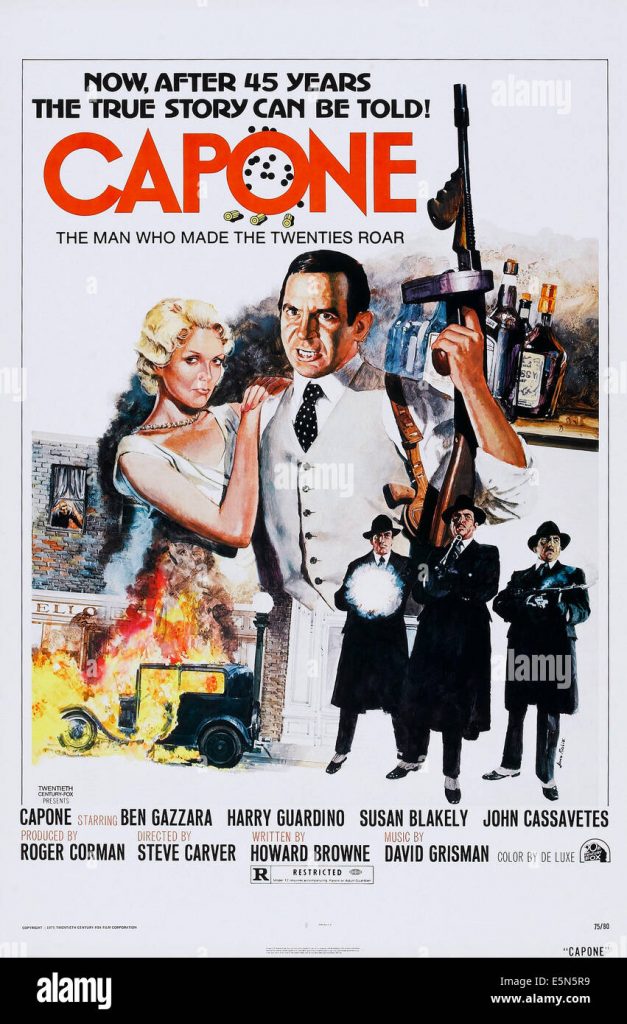
Gazzara had established a willingness to work outside the commercial mainstream, specialising in anti-social characters including a plumply brutish Al Capone in Capone (1975), but his career wavered between quality and dross, film and television, and work in the US, Italy and a few other countries, notching up more than 80 movies in the years following his initial collaboration with Cassavetes.
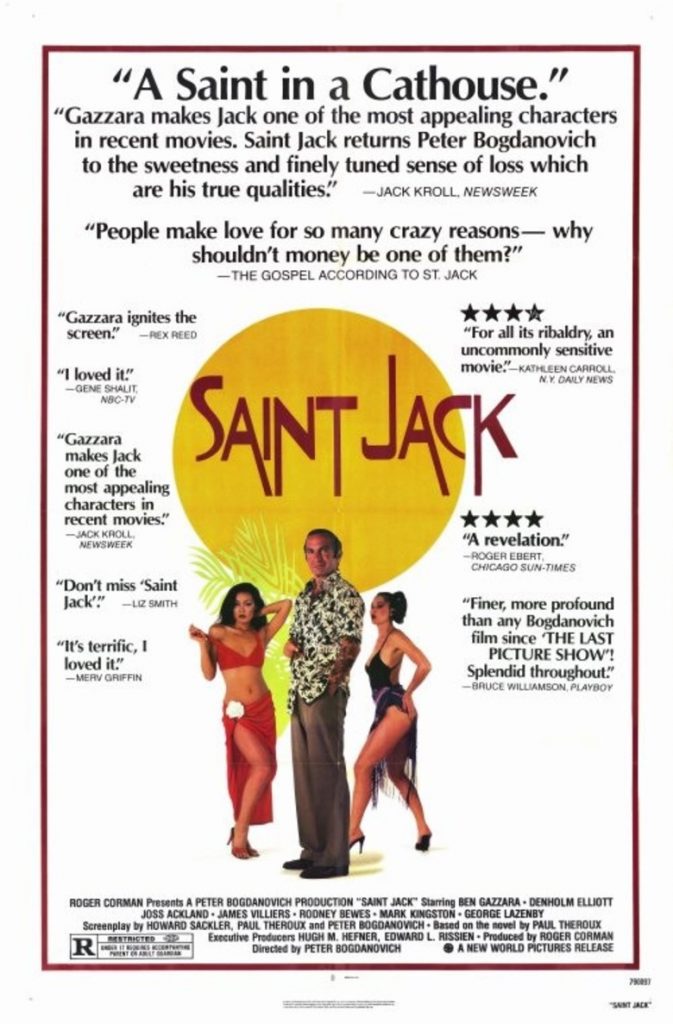
These included the free-spirited Saint Jack (1979) in Peter Bogdanovich’s elegant rendition of Paul Theroux’s novel and – two years later, also for Bogdanovich – a co-starring role opposite Audrey Hepburn in They All Laughed, an underrated but commercially disastrous variation on love’s roundabout.
Following a second divorce, Gazzara worked for a decade in Italy, returning to the US only for lucrative TV movies, including A Question of Honour (1982), A Letter to Three Wives and the Aids drama An Early Frost (both 1985), as well as the film Road House (1989).
In Europe he portrayed the disillusioned poet Charles Bukowski in Tales of Ordinary Madness (1981), was a professor in Il Camorrista (1985) and a less amiable don in Don Bosco (1988). Although he had directed episodes of Columbo for Falk, he graduated to the big screen only in 1990 with the little-seen Beyond the Ocean, shot in Bali.
Soon after that Italian-financed movie he again concentrated on work in America, averaging five films or TV movies each year, while dividing his time between homes in Umbria, New York City and Sag Harbor, New York state. Highlights of this busy period included Mamet’s The Spanish Prisoner (1997), where he played the mysterious Mr Klein; cult success Buffalo 66; the black comedy The Big Lebowski; and the controversial Happiness (all 1998). He was well cast as a gang leader in Spike Lee’s Summer of Sam and moved to the other side of the fence as a smooth lawyer in the glossy The Thomas Crown Affair (both 1999).
Dozens of other films were routine and he freely admitted that “these days I turn nothing down in order to maintain a comfortable and happy life with my third and last wife”. He had married the German-born Elke Krivat in 1982.
Despite debilitating treatment for throat cancer, in 1999 he published an autobiography and worked steadily for the next decade, notching up more than 30 credits, from television series to leading roles in features, many made in Europe, often in his beloved Italy. There he worked in TV, was on location in Calabria for Secret Heart (2003), in Umbria for a brilliant cameo in Christopher Roth (2010) and moved to Spain for Schubert (2005) and to Belgium for Chez Gino (2011). In 2008 he took the name role in Looking for Palladin, about a former Hollywood star who hides from fame in Guatemala.
He enjoyed his role as the Vatican’s banker in Holy Money (2009), but most rewarding of the many films were a short, Eve (2008), cleverly directed by Natalie Portman, with Lauren Bacall, and the two films with Gena Rowlands, echoing their Cassavetes days. He took a supporting cameo to her lead in the superior television movie Hysterical Blindness (2002), and four years later they played a two-hander as part of the portmanteau film Paris, Je t’aime, in a bittersweet episode where, as in later works, a recent stroke had affected his speech, though never his courage or professionalism.
Gazzara is survived by Elke; his daughter, Elizabeth, from his second marriage; and his brother, Anthony.
• Ben Gazzara (Biagio Anthony Gazzara), actor, born 28 August 1930; died 3 February 2012
The above “Guardian” obituary can be accessed online here.
Cyd Charisse was one of the greatest female dencers ever to grace the screen. She was born in Amarillo, Texas in 1922. She won a contract with MGM and dances with Fred Astaire in “Ziegfeld Follies” in 1944. She starred in some of the best MGM musicals of the 1950’s including “Singing in the Rain”, “The Band Wagon”, “Silk Stockings”, “Brigadoon” and “It’s Always Fair Weather”. She was long married to singer Tony Martin. Cyd Charisse died in 2008 at the age of 86.
Her “Guardian” obituary:
The camera seems to track forever along a pair of crossed female legs, extending almost beyond the frame. It moves up to reveal a femme fatale with a Louise Brooks hairdo, wearing a flapper-style emerald green dress and holding a mile-long cigarette holder. She is teasing Gene Kelly by balancing his straw hat on the end of her foot. It was in the Broadway Melody Ballet from Singin’ in the Rain (1952) that the beautiful, long-limbed, sexually dynamic dancer Cyd Charisse, who has died following a heart attack aged 87, first made an impact. Later in the ballet she is seen as a warm and inviting vision, her long white veil blowing in the wind. In a few minutes, Charisse’s film persona is encapsulated – at first cold and aloof, later melted by the love of the right man.
In Vincente Minnelli’s The Band Wagon (1953), she is the supercilious ballet dancer to Fred Astaire’s hoofer until they dance together sublimely to Dancing in the Dark. In the same movie, The Girl Hunt Ballet featured two faces of Charisse, dark-haired and tough, or blonde and vulnerable. As Astaire says in the pastiche private-eye narration: “She came to me in sections. She had more curves than a scenic railway.” In Silk Stockings (1957), she is the stern Russian commissar who gives in to Astaire’s American charms, and in It’s Always Fair Weather (1955), she is haughty and patronising to gambler Kelly until he corrects her Shakespeare.
Charisse (her brother called her Sid when trying to say sister) was born Tula Ellice Finklea in Amarillo, Texas. Her mother was a ballet fan who made her daughter take lessons from the age of eight. While still in her teens, she joined Colonel de Basil’s Ballet Russes de Monte Carlo and worked with David Lichine and Leonid Massine, using the names Felia Sidorova and Maria Istomina. In 1939, she married her former dance instructor, Nico Charisse, during a tour of Europe. On their return, they opened a dancing school together in Hollywood.
In 1943, Lichine asked her to appear in her first movie as a ballet dancer in Something to Shout About, in which she is credited as Lily Norwood. The same year, she appeared as a Bolshoi dancer in Mission to Moscow. This led to her signing a seven-year contract with MGM, for whom she made the majority of her movies.
With little hint of the sexiness that characterised her appearances just a few years later, Charisse was first seen smiling prettily and pirouetting through a number of dance cameos in Ziegfeld Follies (1946) – in the opening number, Meet the Ladies, with Astaire – and in Till the Clouds Roll By (1946), dancing with Gower Champion to Smoke Gets in Your Eyes. Crooner Tony Martin also appeared in the latter, whom Charisse would marry two years later. She had her first speaking role in The Harvey Girls (1946), in which she performed a charming number, It’s a Great Big World, with Judy Garland and Virginia O’Brien, all wearing nightdresses.
Because of what MGM considered her Latin looks, Charisse was paired with Mexican-born Ricardo Montalban in five films, notably supporting swimming star Esther Williams in Fiesta (1947) and On an Island With You (1948), in which they performed vigorous Mexican dances. They also enlivened the lame Frank Sinatra vehicle The Kissing Bandit (1948) with the excitingly-staged Dance of Fury, which was added after the film’s completion.
Charisse’s classical ballet training was to the fore in The Unfinished Dance (1947), choreographed by Lichine, in which vicious child Margaret O’Brien has a crush on her and plans to advance her idol’s career as a prima ballerina by causing an accident to her rival.
After Singin’ in the Rain, Charisse was given co-star billing for the first time in The Band Wagon. Her first pas de deux with Astaire, in the nocturnal setting of Central Park, recalls the best of the Astaire-Ginger Rogers duets. However, although she regarded Astaire as the “most perfect gentleman I have ever known”, he later recalled that of all his dance partners, she was the heaviest, and he came to dread the lifts.
Yet their second pairing in Silk Stockings worked like a dream. In the number Paris Loves Lovers, they blissfully glide to “the urge to merge with the splurge of the spring”, as Cole Porter’s lyrics put it. Even as the caricature Soviet commissar, Charisse, with severe hairstyle and little makeup, and in a relatively drab dress, hots up the cold war in The Red Blues. In a solo dance in her Paris hotel, she strips off her heavy, green velvet dress and black woollen stockings, dons silk and satin underwear, silver high-heel shoes, diamond earrings and a frivolous Paris hat. Clothes have transformed her into the incarnation of capitalist glamour.
Macho Kelly meets his match in Charisse in It’s Always Fair Weather, when he complains that she takes away his “male initiative” by being able to recite the names of all the heavyweight boxing champions. She also shows some nifty footwork in a boxing ring dance while being praised by a chorus of pugilists who sing Baby You Knock Me Out. In contrast, in Minnelli’s Brigadoon (1954), she was the lovely Scots lass “waiting for my dearie”, who comes in the shape of American tourist Kelly, romancing her as they dance through The Heather on the Hill. Charisse, who made a good shot at a Scottish accent, always had her songs dubbed.
With the decline of the musical, she took on a number of straight, dramatic parts such as in Twilight for the Gods (1958), an action picture with Rock Hudson; Two Weeks in Another Town (1962) as Kirk Douglas’s promiscuous ex-wife; and in Party Girl (1958), where she at least had a chance to dance in a leopardskin dress. But as her body was far more eloquent than her voice or face, she began to appear rarely on the big screen, although she continued to play several roles in TV series.
In 1976, she teamed up with Martin in a series of nightclub revues, and the couple wrote a dual autobiography called The Two of Us. Charisse’s belated Broadway debut was in 1992 in the musical Grand Hotel, when she played another role made famous by Garbo, an ageing ballerina in 1920s Berlin. In 1996 she went into business, marketing Arctic Spray, a formula she developed with a chemist after trying unsuccessfully to find a product to ease her mother’s arthritis pain.
She is survived by Martin and their son, and a son by her first marriage.
· Cyd Charisse (Tula Ellice Finklea), dancer and actor, born March 8 1921; died June 17 2008
The above “Guardian” obituary can be accessed online here.
George Winslow was a child actor who was born in Los Angeles in 1946. He made his debut in 1952 in “Room For One More”. His films include two with Marilyn Monroe, “Monkey Business” and “Gentlemen Prefer Blondes”. His other films include “The Rocket Man” and “Artists and Models” with Dean Martin and Jerry Lewis. He died in 2015.
“Telegraph” obituary:
George Winslow has died aged 69, was a Hollywood child actor with a dead-pan stare and “Buster Brown” haircut who appeared in several feature films of the 1950s, most notably Gentleman Prefer Blondes (1953), in which he played Marilyn Monroe’s precocious young admirer.
Winslow, whose real name was George Wentzlaff and who acquired the nickname “Foghorn” owing to a deep voice which belied his youthful appearance, was seven when he played the part of the pint-sized millionaire Henry Spofford III in Howard Hawks’s perennially popular musical comedy. In one of the funniest scenes in the film Marilyn Monroe, as the gold-digging blonde bombshell Lorelei Lee, is seen trying to squeeze her capacious behind through a porthole, assisted by Winslow, who explains there are two reasons why he has agreed to help: “The first is, I’m too young to be sent to jail. The second is, you’ve got a lot of animal magnetism.’’
In reality, Winslow recalled that of the two leading actresses in the film, he preferred Marilyn’s co-star, Jane Russell, who was willing to play with him when he got bored during shooting. By the age of 12 Winslow’s voice had broken – upwards – and his Hollywood career was over.
He was born on May 3 1946 in Los Angeles, and made his first public appearance aged six on Art Linkletter’s People are Funny radio show, where his bass voice and comic timing made him a hit with listeners. Spotted by Cary Grant, he made his film debut in 1952, co-starring with Grant and Betsy Drake in Norman Taurog’s Room for One More, about a couple with three children who foster two troubled orphans, one played by Winslow.
He appeared with Grant again later the same year as “Little Indian” in Howard Hawks’s Monkey Business (co-starring Ginger Rogers and Marilyn Monroe), and went on to win his only starring role as Gus Jennings, Richard Widmark’s brattish son in Robert Parrish’s My Pal Gus (1952), which won him a Critic’s Award.
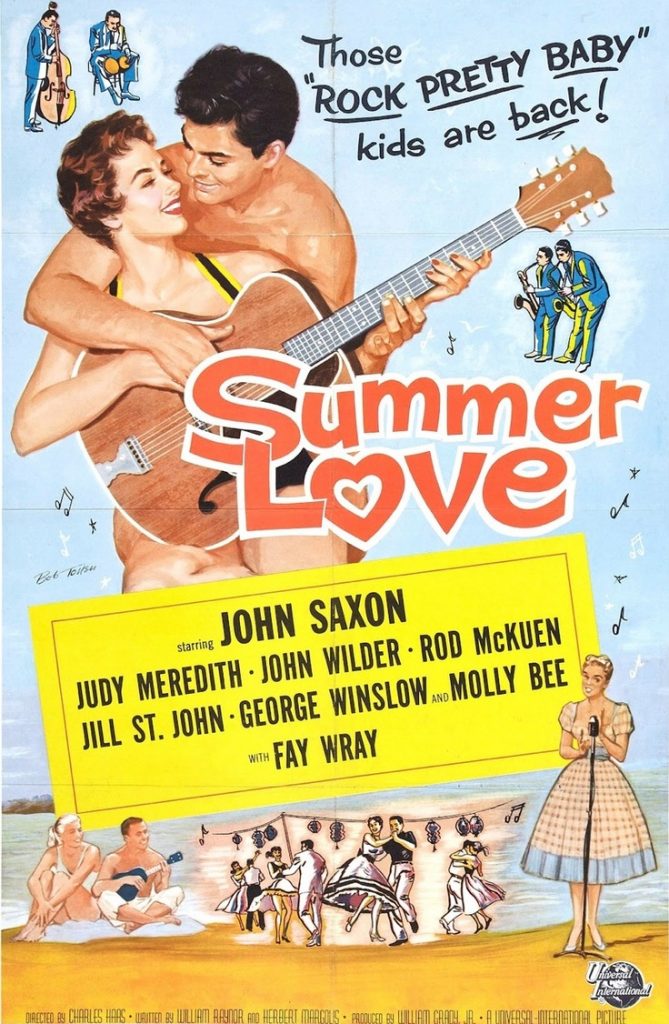
After Gentlemen Prefer Blondes, he co-starred in Henry Levin’s Mister Scoutmaster (1953) as a boy scout from the wrong side of the tracks who enjoys verbal jousts with the snobbish television star turned scoutmaster (Clifton Webb), and in Oscar Rudolph’s low-budget comedy The Rocket Man (1954), Winslow played a boy with a ray gun that compels anyone caught in its beam to tell the truth. That and later films such as Artists and Models (1955), An Affair to Remember (1957), and Rock, Pretty Baby (1956) only proved that the appeal of the cute little boy with the big voice was beginning to fade. After making his last screen appearance in Charles F Haas’s Western, Wild Heritage (1958), George Winslow retired from show business, re-adopted his birth name and vanished into anonymity.
After leaving school, he moved to Oregon, where he attended Lewis & Clark College. He served in the Navy during the Vietnam war, then returned to California, where he worked for the US postal service in Sonoma County until his retirement .
He never married, but shared his home with approximately 25 cats.
Debbie Reynolds was born in El Paso, Texas in 1932. Her family moved to California and she began her show business career as a teenager. Her first film was “June Bride” in 1948. She became a very popular MGM contract player during the 1950’s and scored a big success with “Singing In the Rain” with Gene Kelly and Donald O’Connor. She went on to make “Tammy and the Batchelor” in 1957, “The Unsinkable Molly Brown” in 1964 among many others. She is the mother of Carrie Fisher from her marriage to Eddie Fisher. She died in December 2016, just a day after the death of her daughter actress Carrie Fisher.
“Guardian” obituary:
When Debbie Reynolds, wearing a skimpy pink flapper’s dress, burst out of an enormous cake at a Hollywood party in Singin’ in the Rain (1952), she simultaneously burst into screen stardom. In fact, it was the sixth film appearance of Reynolds, who has died aged 84, but her first starring role. The casting of the inexperienced 19-year-old was a risk taken by Gene Kelly and Stanley Donen, the co-directors of the classic MGM musical about the early days of talkies. The gamble paid off, but not without some sweat and strain.
“There were times when Debbie was more interested in playing the French horn somewhere in the San Fernando Valley or attending a Girl Scout meeting,” Kelly recalled. “She didn’t realise she was a movie star all of a sudden.” Reynolds herself admitted later: “I was so confused. It seemed dumb to me … reporting to the studio at 6am, six days a week and shooting till midnight. I didn’t know anything about show business. “I learned a lot from Gene,” she added. “He is a perfectionist and a disciplinarian – the most exacting director I’ve ever worked for … Every so often, he would yell at me and make me cry. But it took a lot of patience for him to work with someone who had never danced before. It’s amazing that I could keep up with him and Donald O’Connor. This little girl from Burbank sure had a lot of spirit.”
Daughter of Maxene (nee Harmon) and Ray Reynolds, she was born Mary Frances Reynolds in El Paso, Texas. Her father was a railroad mechanic and carpenter, who lost his job at the height of the Great Depression. After living from hand to mouth for a while, the family moved to Burbank, California when her father got a job with the Southern Pacific railroad. While at high school, Reynolds entered and won the Miss Burbank beauty contest. One of the requirements was “talent”, which she fulfilled by lip-syncing to a record of Betty Hutton singing I’m a Square in the Social Circle, which earned her a Warner Bros contract. (It was Jack Warner who gave her the name of Debbie.) But after a bit part in the Bette Davis comedy June Bride (1948), and playing June Haver’s bubbly young sister in The Daughter of Rosie O’Grady (1950), she took up a contract with MGM, where she flourished, on and off, throughout the 50s and early 60s.
Prior to Singin’ in the Rain, Reynolds was noticed, in what amounted to a cameo, lip-syncing I Wanna Be Loved By You to the singer Helen Kane’s voice in Three Little Words (1950). In Two Weeks with Love (1950), as a younger sister again, this time Jane Powell’s, the cute 5 ft 2in Reynolds stopped the show with the 6ft 3in Carleton Carpenter in two numbers: Abba Dabba Honeymoon and Row, Row, Row, with her nifty tap dancing belying her statements of never having danced before Singin’ in the Rain.
Reynolds’s lively opening Charleston number in her breakthrough film has her singing and dancing All I Do Is Dream of You with a dozen other chorus girls; she keeps up brilliantly with Kelly and O’Connor in the cheery matinal greeting Good Mornin’, danced and sung around a living room – even though during some of the more challenging steps, she stands by and lets the two men dance around her – and she is touching in the lyrical duet You Were Meant For Me with Kelly, who switches on coloured lights and a gentle wind machine on a sound stage to create a make-believe atmosphere.
In the plot, a silent screen star, Lina Lamont (Jean Hagen, unforgettable), has a risibly squeaky voice for sound movies and, unknown to the public, is dubbed by Kathy Selden (Reynolds). In reality, however, Debbie’s singing voice was dubbed by the uncredited Betty Noyes, and Hagen herself provided the speaking voice for Debbie, dubbing her on screen because Reynolds was then handicapped by what Donen called “that terrible western noise”.
An effervescent Reynolds went on to star in a series of charming youthful musicals, this time using her own pleasant singing voice. I Love Melvin (1953) was one of the best, with Reynolds paired again with O’Connor. The film opens with A Lady Loves, a musical dream sequence in which Debbie sees herself as a big movie star courted by Robert Taylor. This gives her a chance to be classy, in a tongue-in-cheek manner. Later she features in a witty acrobatic number entitled Saturday Afternoon Before the Game in which she is dressed as a ball being tossed around by a football team.
There followed The Affairs of Dobie Gillis, Give a Girl a Break (both 1953), Susan Slept Here, Athena (both 1954), Hit the Deck and The Tender Trap (both 1955). In the latter, a romantic comedy, Frank Sinatra is a confirmed bachelor and Reynolds is determined to trap him into marriage. In the same year, 23-year-old Reynolds married the 27-year-old crooner Eddie Fisher. They became the darlings of the fan magazines, and co-starred in Bundle of Joy (1956), a feeble musical remake of the 1939 Ginger Rogers-David Niven comedy, which capitalised on their personalities as a happy young couple and the rumours of her pregnancy. (Reynolds gave birth to a daughter, Carrie, in October 1956.)
Meanwhile with the film musical in a moribund state, Reynolds showed that she could get by in straight acting roles, the first proof being in The Catered Affair (1956), a slice of Hollywood realism, with Reynolds as the daughter of working-class parents (Bette Davis and Ernest Borgnine). This failed at the box office, unlike Tammy and the Bachelor (1957), which was one of Reynolds’s greatest successes, the theme song of which (“I hear the cottonwoods whisp’rin’ above, Tammy! Tammy! Tammy’s in love!”) remained high in the hit parade for months. This entertaining piece of whimsy gave Reynolds, as a backwoods girl in love with a wealthy man (Leslie Nielsen), what was an archetypal role – a naive girl thrust into a sophisticated world … and triumphing.
In 1957, Eddie and Debbie were best man and matron of honour at the wedding in Acapulco of Fisher’s lifelong friend the impresario Mike Todd to Elizabeth Taylor. A little over a year later, Todd was killed in a plane crash, and Taylor sought solace in Fisher’s arms, causing a huge Hollywood scandal. Taylor, who had been cast as the Grieving Widow, now found herself in the role of the Vamp, while Reynolds was widely and sympathetically portrayed as the Wronged Woman. However, the outraged moralistic public was unaware that the Fisher-Reynolds marriage was already in tatters, although they continued to play America’s sweethearts in public, mainly because Debbie was pregnant with their son Todd (named after Mike) and they were worried that divorce would damage their popularity ratings. But divorce was inevitable and, on 12 May 1959, Taylor, who had converted to Judaism when she married Todd, married Fisher at a synagogue in Las Vegas.
Despite being the divorced mother of two small children, Reynolds was never more active. In 1959, she was among the top 10 Hollywood box-office stars and appeared four movies that year: The Mating Game, Say One for Me, The Gazebo and It Started With a Kiss. None were world-beaters, but they got by on her effortless charm.
In November 1960, Reynolds married the millionaire shoe-store magnate Harry Karl, and pursued her career with added vigour, though her roles hardly varied, whether she was playing Fred Astaire’s nubile daughter in The Pleasure of His Company or a feisty young widow with two children in The Second Time Around (both 1961) or a pioneer woman in the sprawling Cinerama western How the West Was Won (1962), in which she is the only character who makes it through from the first reel to the last, ageing from 16 to 90.
In The Unsinkable Molly Brown (1964), for which she was Oscar-nominated, Reynolds throws herself around energetically in the title role of the backwoods girl (shades of Tammy, but with added robustness) who enters high society and survives the Titanic, displaying everything she had learned from past musicals, especially in the dance numbers Belly Up to the Bar, Boys and I Ain’t Down Yet.
After playing a man resurrected as a woman in the tiresome Goodbye Charlie (1964), and the title role in The Singing Nun (1966), the mawkish biopic of the guitar-strumming Belgian nun who composed the hit song Dominique, she finally managed to bid farewell to her ingenue “tomboy” persona and portray a mature adult in Divorce American Style (1967). A rare Hollywood comedy with teeth, it cast Reynolds and Dick Van Dyke against type as a squabbling couple, who utter not a word as they prepare for bed in the best sequence. “That was a really hard part to get,” Reynolds commented. “The producer didn’t want me. He didn’t think I could play an ordinary married woman. I think he thought I had to be all ‘diva’d up’ and in a musical.”
When Reynolds, now in her mid-30s, saw her film career gradually slowing to a virtual halt, she reinvented herself as a cabaret performer, appearing most frequently on stage in Las Vegas. Reynolds also shifted her attention to US television starting with 18 episodes of The Debbie Reynolds Show (1969-70), a sitcom resembling I Love Lucy, in which she played a suburban housewife with ambitions to become a newspaper reporter. She continued to appear regularly on TV for the next four decades. What’s the Matter With Helen? (1971), a campy murder tale set in 1930s Hollywood in which Reynolds and Shelley Winters run a school for budding Shirley Temples, would be her last feature film for 20 years.
By the early 1970s, her marriage to Karl was heading for the rocks, mainly because of his infidelities but also because he had gambled away both their fortunes. Luckily, Reynolds was still bankable and, immediately after her divorce in 1973, she made her Broadway debut in a revival of the 1919 musical hit Irene. The show, which ran for 18 months, gained Reynolds a Tony nomination, and was the first of several stage musicals she would appear in over the years: Annie Get Your Gun, The Unsinkable Molly Brown and Woman of the Year among them.Reynolds returned to the big screen in the 90s, where she showed that she had lost none of her comic timing playing a number of sweet-voiced monster mums, having maintained her doll-like looks. These included Albert Brooks’s Mother (1996), her first leading film role for 27 years, In & Out (1997) and Zack and Reba (1998), as well as appearing in 10 episodes of Will and Grace on TV, portraying Grace’s mother, a would-be star whose propensity for breaking out into show tunes and impressions dismays her daughter. Reynolds was also known as Princess Leia’s mother, after Carrie Fisher found fame in the Star Wars movies Aside from performing, Reynolds had many other interests. In 1991, she bought a hotel and casino in Las Vegas, where she displayed part of her extensive collection of vintage Hollywood props, sets and costumes. But after her marriage to the real-estate developer Richard Hamlett ended in 1996, she was forced to declare bankruptcy the following year. She later reopened her museum in Hollywood. Reynolds was also an indefatigable fund-raiser for The Thalians (a charitable organisation that provides mental health services from pediatrics to geriatrics in Los Angeles).
Carrie Fisher died the day before her mother, after a suspected heart attack on a flight from London to Los Angeles. Reynolds is survived by her son, Todd.
Debbie Reynolds (Mary Frances Reynolds), actor and singer, born 1 April 1932; died 28 December 2016
TCM Overview:
Entertainer Debbie Reynolds embodied the cheerful bounce and youthful innocence of the post World War II era, buoying the genre’s goodnatured hokum with her sincere charm and energy. One of a long line of girls-next-door like Doris Day and June Allyson, Reynolds was never as sultry as Day could be, and was more of a showbiz cheerleader and less of a tomboy than either. In her most successful films like “Tammy and the Bachelor” (1957) and “Singin’ in the Rain” (1952), she was often cast as a sincere young adult in the throes of puppy love – never the virgin chased by rogues like Day or the placid housewife like Allyson. Her squeaky clean image came in handy when, in the biggest Hollywood scandal of the 1950s, her then-husband, crooner Eddie Fisher, left her and their two children, Carrie and Todd, for sultry screen goddess, Elizabeth Taylor. Not surprisingly, the public was more than on Reynolds’ side as the jilted wife. Once that furor died down, Reynolds was left to reinvent herself. In the late 1960s, when new sexual mores suddenly rendered the docile suburban female image a thing of the past, Reynolds shifted her focus to nightclub and theatrical stages. She was absent from the big screen for decades but settled into a comfortable presence in the American fabric by returning to film in the 1990s with funny mom roles in films like “Mother” (1996) and “In and Out” (1997) and hysterical guest appearances as the over-the-top mother of Grace Adler (Debra Messing) on “Will & Grace” (NBC, 1998-2006). Reynolds brought both self-mocking and nostalgia to these and other well-received comedic outings, using her persona as a perennially perky throwback to mine genuine laughs well into her 70s.
Mary Frances Reynolds was born in El Paso, TX, on April 1, 1932. Her railroad worker father moved the family to Southern California when Reynolds was young, and growing up in Burbank, Reynolds performed with the town symphony and was active in school plays. When she was 16, she was crowned Miss Burbank in a beauty contest and subsequently MGM and Warner Bros. courted her for a movie contract. The latter won out, but Reynolds mostly treaded water there for two years, playing only a modest part in “The Daughter of Rosie O’Grady” (1950). She moved to MGM in 1950 and made an instant impression in small roles in her first two films, impersonating 1920s “boop-oop-a-doop” singer Helen Kane in the biopic “Three Little Words” (195) and teaming with equally cute boy-next-door Carleton Carpenter in “Two Weeks with Love” (1950), which included a high-speed rendition of the novelty song “Aba Daba Honeymoon” that hit No. 3 on the Billboard charts. The studio and directors Gene Kelly and Stanley Donen responded by casting her in a leading role, complete with star billing, in the brilliant musical, “Singin’ in the Rain” (1952). Her pleasant alto sold several old-time song standards and Reynolds, not a trained hoofer, literally danced her feet raw to keep up buoyantly onscreen with Kelly and Donald O’Connor. Best of all, her acting conveyed the sincerity of the aspiring neophyte that was both the role and the performer. Just like her role in “Singin’ in the Rain,” a star was born.
During her tenure at MGM, Reynolds performed primarily in musicals; none of which approached the landmark status of her first big success. The underrated “Give a Girl a Break” (1953) was full of ideas and energy, but as was typical of MGM and the studio system, “Athena” (1954) and “Hit the Deck” (1955) were too formulaic. The lively and playful comedienne overdid the teen boisterousness in “Susan Slept Here” (1954) but had a more successful foray into romantic comedy with “The Tender Trap” (1955). A standout was her most sober film of the period – one of only two or three dramas she ever acted in – “A Catered Affair” (1956), where Reynolds provided tender and quietly touching work that her sis-boom-ba roles rarely called upon. As the studio system disintegrated, Reynolds turned to freelancing, enjoying a big hit with “Tammy and the Bachelor” (1957), whose theme song, the highly sentimental but equally memorable “Tammy,” gave Reynolds a second smash hit single (five weeks at No. 1). The film also marked one of the occasional “country girl” roles which she would also play in “The Mating Game” (1958). Reynolds had begun appearing on TV by this time, and was a semi-regular on “The Eddie Fisher Show” (NBC, 1953-57), starring the popular crooner Reynolds had wed in 1955. Together, Reynolds and Fisher were second only to Tony Curtis and Janet Leigh as “America’s Sweethearts.”
The first of several unsuccessful marriages showed its sour side in 1958, when Fisher announced that he was leaving Reynolds for Elizabeth Taylor, the widow of his recently deceased best friend, producer Mike Todd, who had perished in a plane crash. The attendant public sympathy for Reynolds – now a single mother of two – meshed well with her wholesome screen persona, which had fully matured by the time of “This Happy Feeling” (1958). At the time of the scandal of all scandals, Reynolds ranked as one of the top ten box office stars in both 1959 and 1960. In 1962, she joined the all-star cast of the Oscar-nominated epic “How the West Was Won” and two years later starred in the screen adaptation of the aptly titled musical, “The Unsinkable Molly Brown” (1964), one of her best vehicles, and one which earned her a Best Actress Oscar nomination. Raising her two children, future director Todd Fisher and future actress and author Carrie Fisher, kept Reynolds busy; her screen career, which relied to some extent on her youthful, girlish qualities, slowly began to decline. Worse, the new frankness in films began to date her image. When she finally did try a Doris Day-style sex farce with “Divorce American Style” (1967) and “How Sweet It Is” (1968), even that vogue was waning. A few TV spots and a first try at a series, “The Debbie Reynolds Show/Debbie” (NBC, 1969-1970) did little to stem the tide. Her last feature acting for over 20 years, though, was striking. “What’s the Matter with Helen?” (1971), a late entry in the often unpleasant “aging female star” horror subgenre, was redeemed by a very offbeat story, Curtis Harrington’s directorial flair, and fine acting.
Effectively out of films before age 40, Reynolds enjoyed smash success on Broadway with a revival of the old musical chestnut “Irene” in 1973, played the London Palladium in a 1975 revue, and polished to a lively sparkle the nightclub talent she had first tested earlier in her career. Live performing kept Reynolds busiest for the next 20 years, though she occasionally surfaced in a the recurring role of the title character’s acerbic mother on the sitcom “Alice” (CBS, 1976-1985) and did likewise on “Jennifer Slept Here” (NBC, 1983-84). She tried her hand at helming another series with the unsuccessful “Aloha Paradise” (ABC, 1981), a “Fantasy Island/Love Boat” rip-off with Reynolds as a female Ricardo Montalban, and enjoyed a feisty role as a woman cop teamed with her son in the TV movie, “Sadie and Son” (CBS, 1987). She also basked in the boom of nostalgia for her studio heyday when she purchased a Las Vegas hotel and casino and added a Hollywood Movie Museum packed with the memorabilia she had been collecting for decades. The largest collection of its kind in the world, Reynolds’ memorabilia included over 40,000 costumes including Dorothy’s ruby slippers and the white dress Marilyn Monroe wore in her infamous 1952 LIFE magazine photo spread. Ever the hard worker, Reynolds performed constantly at her own hotel’s nightclub to make the enterprise fly, and her love of the work and her finely honed presence kept her venture afloat.
After being known for decades as “the mother of Princess Leia” after daughter Carrie struck iconic status with her role in “Star Wars” (1977), Reynolds blithely withstood gossip surrounding her daughter’s 1987 novel, Postcards from the Edge when wags assumed it was actually about their actual relationship. Even Mike Nichols’ 1990 film version made the mother into something of a attention-craving gorgon. Fisher always said it was an homage to her mother, not an exact portrait of their sometimes strained relationship. The ensuing decade saw Reynolds own return to the big screen, first in Oliver Stone’s “Heaven and Earth” (1993). Her renaissance really began when, at her daughter’s suggestion, Albert Brooks cast Reynolds in the title role of his critically acclaimed “Mother” (1996). Reynolds received raves for her rich characterization of a sunny and loving but subtly disapproving and forbidding parent. The widespread attention she received helped pave the way for her casting as Kevin Kline’s mother in “In and Out” (1997). The following year, she starred as a magical matriarch in the Disney Channel Original Movie “Halloweentown” (1998) and went on to make regular guest appearances on the hit sitcom “Will & Grace” as Grace’s highly critical entertainer mother. She worked steadily as a voice actor in family fare, including “The Rugrats” (Nickelodeon, 1991-2004) and “Kim Possible” (Disney Channel, 2002-07) and well past the normal retirement age, Reynolds maintained a busy stage schedule as a song and dance gal on the casino and resort circuit.
The above TCM overview can also be accessed online here.
Martin Hewitt was discovered by Franco Zefferelli and starred in “Endless Love” opposite Brooke Shields in 1981. His other films include “Yellowbeard” and “Two Lane Junction”.
“Wikipedia” entry:
Martin Hewitt (born February 19, 1958 in San Jose, California) is an Americanactor. He is best known for his film debut as David Axelrod in Franco Zeffirelli‘s Endless Love (1981), as Dan in Yellowbeard and his role as Chad Douglas Fairchild in Zalman King‘s Two Moon Junction (1988). He also played the role of Michael in the film The Falling (1985). As of 2000, he was living in Los Osos, California developing and selling home inspection software and running his own home inspection business, but has appeared in television shows as recently as 2003. He has a daughter and a son with wife Kerstin.