
Gene Raymond was born in 1908 in New York City. In 1931 he made his film debut in “Personal Maid”. Other films include “Zoo in Budapest” with Loretta Young, “Flying Down to Rio” with Dolores Del Rio, Fred Astaire and Ginger Rogers and “Smilin Through” with his wife Jeanette MacDonald”. He died in 1998 at the age of 89.
Tom Vallance’s obituary in “The Independent”;
An actor who had a long career in film, television and theatre, Gene Raymond will nevertheless be best remembered as the husband of the singing star Jeanette MacDonald. Though Raymond made over 40 films, his career never equalled his wife’s in stature. Blond and dashingly handsome, he was a capable leading man in many movies, but tended to play second-leads in the really big ones – he was Mary Astor’s cuckolded husband in the Gable-Harlow Red Dust (1932) and third billed to Robert Montgomery and Carole Lombard in Hitchcock’s Mr and Mrs Smith (1941). One of the biggest hits in which he starred, Flying Down to Rio (1933), is notable more for the first teaming of Fred Astaire and Ginger Rogers, in supporting roles. The actor’s most fondly remembered film is Smilin’ Through (1941), the only time he played opposite his wife.
Born Raymond Guion in New York City in 1908 and educated at the Professional Children’s School, he made his theatrical debut at the age of five and had his first Broadway role at the age of 12. By the time he was 21 he had played major roles in five Broadway shows, including Cradle Snatchers (1925), in which young Humphrey Bogart was the juvenile lead. He was billed under his real name in all these shows, but Paramount rechristened him Gene Raymond in 1931 when they brought him out to Hollywood. His first two films, Personal Maid (1931), with Nancy Carroll, and Ladies of the Big House (1931), with Sylvia Sidney, set a pattern in which he was frequently overshadowed by strong leading ladies. In Ann Carver’s Profession (1933) he was the weakling husband of a lawyer (Fay Wray), who ends up defending him for murder; in Brief Moment (1933) a rich loafer reformed by the love of nightclub singer Carole Lombard, and he was also teamed with Bette Davis in Ex-Lady (1933), and Barbara Stanwyck in both The Woman In Red (1934) and the featherweight comedy The Bride Walks Out (1936). Among his best films were the lyrical, beautifully photographed Zoo in Budapest (1933), in which he displayed a rarely tapped sensitivity as an animal-loving young man who lives in the zoo where he works and falls in love with a runaway waif (Loretta Young) hiding there, and two films with Ann Sothern, the perky musical Hooray for Love (1935) and a comedy The Smartest Girl in Town (1936).
Raymond had a pleasant tenor voice, and introduced on screen two minor standards, Brown and Freed’s “All I Do Is Dream of You” in the Joan Crawford vehicle Sadie McKee (1933), and with Harriet Hillyard, “Let’s Have Another Cigarette” by Magidson and Wrubel. Smilin’ Through, shot in lush colour, was his last film before war service, during which he served as a pilot in the B-17 bomber group that inaugurated precision bombing. Resuming his career, he was the fiance of the kleptomaniac Laraine Day in the complex film noir The Locket (1946), then produced and directed a modest mystery movie, Million Dollar Weekend (1947), in which he played the starring role as an embezzler. The film was not a success, and Raymond concentrated on television and theatre. He was host, panellist or actor on many television shows including Fireside Theatre, Ironside and The Girl from U.N.C.L.E. and had appeared in touring or summer stock productions of popular plays like The Voice of the Turtle, Private Lives and the musical Kiss Me Kate. He also wrote several songs for his wife to perform on her concert tours. He returned to films with the thankless role of an ageing actor trying to seduce Jane Powell in the musical Hit The Deck (1957), but had a good role in the fine political drama written by Gore Vidal and directed by Franklin Schaffner, The Best Man (1964).
In 1967, as a colonel in the Air Force Reserve, he flew jets into South Vietnam on high- priority missions and won the Legion of Merit. His last film credit came in 1969 when he provided the Voice of Death in the western Five Bloody Graves. Apart from an occasional character role on television he concentrated during his final years on his investments and business interests. Always involved in the affairs of the industry, he was at various times a board member of the Screen Actors Guild and Academy of Television Arts and Sciences, president of the Motion Picture and Television Fund, president of the Los Angeles chapter of the Air Force Association and vice president of the Arthritis Foundation. He married Jeanette MacDonald in 1937 (her famous co-star Nelson Eddy sang “O Promise Me” at their wedding) and he was at her bedside when she died in 1965, her last words allegedly being “I love you”. Raymond married a second time in 1974 and was widowed again in 1995.
Raymond Guion (Gene Raymond), actor: born New York 13 August 1908; twice married; died Los Angeles 3 May 1998.
The above “Independent” obituary can also be accessed online here.
Marc Platt was born in 1913 in Pasadena, California. He was a brilliant dancer and his film debut was in 1945 in “Tonight and Every Night”. He was also featured in “Seven Brides for Seven Brothers” and “Oklahoma”
His “Guardian” obituary:
Marc Platt was one of the first Americans to join the Ballets Russes, and at the time of his death, aged 100, among the very last survivors. Tall and loose-limbed, with red hair and freckles, he must have seemed an unlikely addition to the ranks of the largely Russian company. But when Michel Fokine saw Platoff – as he had been hastily renamed – playing the role of Dodon, the archetypal foolish tsar in his ballet Le Coq d’Or, the choreographer exclaimed: “I didn’t think anyone could be more Russian.”
In 1943, Platt created the leading role of Curly in the dream ballet sequence of the Broadway hit Oklahoma!, and he also appeared as a minor character in the 1955 film version of the show. His two best-known film roles, however, were as brother Daniel Pontipee in the musical Seven Brides for Seven Brothers (1954) and in the Rita Hayworth film Tonight and Every Night (1945). In the latter, Platt is shown auditioning for a theatre similar to the Windmill in London. Having failed to bring music with him, he dances to music from the radio, changing styles as the theatre owner switches stations, moving instantly and effortlessly between classical, tap, swing and flamenco in a tour de force.
The son of a French violinist who had moved to the US and a soprano singer, Marcel Le Plat was born in Pasadena, California. The family travelled widely but eventually settled in Seattle, where Marcel studied first at the Cornish school (now Cornish College of the Arts) and then for eight years with the dancer and trainer Mary Ann Wells. It was Wells who, in 1935, arranged an audition for him with Wassily de Basil and Léonide Massine, respectively director and choreographer of the Ballets Russes. Once accepted, he immediately joined the company on its tour, making his stage debut a few days later.
By Platt’s own account, the occasion was little short of a disaster. He was taller than any of the troupe’s other men, and once he was on stage his ill-fitting costume began to fall apart. Worse was to come with the last ballet of the evening, the Polovtsian dances from Prince Igor. Equipped like all his fellow dancers with a genuine bow, crossing the stage at full speed he mistakenly turned right instead of left and caught his weapon in that of his neighbour, thus causing a major pileup of warriors. “What you were trying to do? Kill everybody?” hissed one of his fellow dancers, adding, “This is ballet. Not war.”
Platt soon found his place in the company, however, and when Massine broke away to form his own troupe in 1938, Platt was one of the artists invited to join it. Later that year, Massine choreographed his Beethoven ballet, Seventh Symphony, which Platt later recalled as giving him “the best role I ever had. I danced my fool head off.” He also created the part of the Devil in Frederick Ashton’s Devil’s Holiday, sadly never seen outside the US and now largely lost.
That same season saw Platt’s first attempt at choreography. Ghost Town had an American theme and a score by Richard Rodgers. It proved a disappointment, but his fellow dancer Frederic Franklin attributed at least part of the blame to Rodgers, who refused to alter his score to suit the scenario.
Platt left the company in 1942, having risen to the rank of soloist and drawn praise for his “superb character work”. But conditions were hard, the pay was poor and Platt now had a family to support, having married a fellow dancer, Eleanor Marra, with whom he had a son. At this time he abandoned his Russianised name, becoming Marc Platt.
In 1962, he became director of the ballet at Radio City Music Hall, a position he held for eight years before moving with his second wife, Jean Goodall – also a dancer – to Fort Myers, Florida, where together they opened a dance school. (His first marriage had ended in divorce.) Goodall died in 1994 and Platt returned to California to be nearer his family. Once settled, he took great interest in dance in the Bay area, guesting with several companies and always happy to watch rehearsals, coach and provide feedback. “Always do what you love as long as you can,” he told the San Francisco Chronicle in an interview published when he was 100.
When, in June 2000, a reunion of all the surviving Ballets Russes veterans was organised, Platt was among the attenders. He also played a prominent part in the subsequent 2005 documentary, his modesty, easy charm and sharp intelligence still very much in evidence.
Platt is survived by the son of his first marriage, the son and daughter of his second, and a grandchild.
• Marc Platt (Marcel Emile Gaston Le Plat), dancer, born 2 December 1913; died 29 March 2014
His “Guardian” obituary can also be accessed online here.
Gary Brumburgh’s entry:
One of Hollywood’s more high-flying dancers on film, dimpled, robust, fair-haired Marc Platt provided fancy footwork to a handful of “Golden Era” musicals but truly impressed in one vigorous 1950s classic.
Born to a musical family on December 2, 1913 in Pasadena, California as Marcel Emile Gaston LePlat, he was the only child of a French-born concert violinist and a soprano singer. After years on the road, the family finally settled in Seattle, Washington. Following his father’s death, his mother found a job at the Mary Ann Wells’ dancing school while young Marc earned his keep running errands at the dance school. He eventually became a dance student at the school and trained with Wells for eight years who saw great potential in Marc.
It was Wells who arranged an audition for Marc with the Ballet Russe de Monte Carlo when the touring company arrived in Seattle. The artistic director Léonide Massineaccepted him at $150 a week and changed his name to Marc Platoff in order to maintain the deception that the company was Russian. A highlight was his dancing as the Spirit of Creation in Massine’s legendary piece “Seventh Symphony”. Platt also choreographed during his time there, one piece being Ghost Town (1939), which was set to music byRichard Rodgers. While there he met and married (in 1942) dancer Eleanor Marra. They had one son before divorcing in 1947. Ted Le Plat, born in 1944, became a musician as well as a daytime soap and prime-time TV actor.
Anxious to try New York, Marc left the ballet company in 1942 and moved to the Big Apple where he changed his marquee name to the more Americanized “Marc Platt” and pursued musical parts. Following minor roles in the short run musicals “The Lady Comes Across” (January, 1942) with Joe E. Lewis, Mischa Auer and Gower Champion and “Beat the Band” (October-December, 1942) starring Joan Caulfield, Marc and Kathryn Sergavafound themselves cast in a landmark musical, the Rodgers and Hammerstein rural classic “Oklahoma!” Choreographer Agnes de Mille showcased them in the ground-breaking extended dream sequence roles of (Dream) Curly and (Dream) Laurey. Platt stayed with the show for a year but finally left after Columbia Pictures signed him to a film contract.
Aside from a couple of short musical films, he made his movie feature debut with a featured role as Tommy in Tonight and Every Night (1945) starring Rita Hayworth. From there he appeared in the Sid Caesar vehicle Tars and Spars (1946) and back with Rita Hayworth in Down to Earth (1947). Columbia tried Marc out as a leading man in one of their second-string musicals When a Girl’s Beautiful (1947) opposite Adele Jergens andPatricia Barry but did not make a great impression. Featured again in the non-musical adventure The Swordsman (1948) starring Ellen Drew and Larry Parks and the Italian drama _Addio Mimi! (1949) based on Puccini’s “La Boheme,” Marc’s film career dissipated.
After appearing on occasional TV variety shows such as “The Ed Sullivan Show” and “The Colgate Comedy Hour” and following a single return to Broadway in the musical “Maggie” (1953, Platt returned to film again after a five-year absence but when he finally did, he made a superb impression as one of Howard Keel‘s uncouth but vigorously agile woodsman brothers (Daniel) in MGM’s Seven Brides for Seven Brothers (1954). The film still stands as one of the most impressive dancing pieces of the “Golden Age” of musicals. He followed this with a minor dancing role (it was James Mitchell who played Dream Curly here) in the film version of Oklahoma! (1955).
When the musical film lost favor in the late 1950’s, Marc finished off the decade focusing on straight dramatic roles on TV with roles in such rugged series as “Sky King,” “Wyatt Earp” and “Dante”. By the 1960s Marc had taken off his dance shoes and turned director of the ballet company at New York’s Radio City Music Hall. He and his second wife, Jean Goodall, whom he married back in 1951 and had two children (Donna, Michael), also ran a dance studio of their own. Following this they left New York and moved to Fort Myers, Florida where they set up a new dance school.
Marc moved to Northern California to be near family following his wife’s death in 1994 and occasionally appeared at the Marin Dance Theatre in San Rafael. One of his last performances was a non-dancing part in “Sophie and the Enchanted Toyshop” at age 89. In 2000, Marc was presented with the Nijinsky Award at the Ballets Russe’s Reunion. He appeared in the 2005 documentary Ballets Russes (2005). Platt died at the age of 100 at a hospice in San Rafael from complications of pneumonia. He was survived by his three children.
– IMDb Mini Biography By: Gary Brumburgh / gr-home@pacbell.net
Marc Platt (1913–2004) was a multifaceted American performer whose career spanned stage, film, television, and especially musical theatre. Best known today for his dramatic turn in Seven Brides for Seven Brothers (1954), Platt’s work reflects the mid‑20th‑century evolution of performance from stage musicals to Hollywood song‑and‑dance spectaculars and, later, guest television and occasional character roles. Although he never became a marquee star, his technical versatility, charismatic presence, and expressive physicality made him a significant figure in American musical performance.
1. Early Life and Training
Born Marvin Jack Platt in Pasadena, California, he attended the University of California, Los Angeles (UCLA), where he excelled in theatre and dance. Platt’s background in stage performance, classical dance, and ensemble workprepared him for the demands of Broadway’s Golden Age.
He began his career in musical theatre in the 1930s and early 1940s, appearing in revues and stage musicals that enriched his musicality and dance technique—foundational strengths that would later distinguish him in Hollywood musicals.
Critical Insight: Platt’s theatrical foundation informed not only his dance abilities but also his nuanced approach to character within musical narratives—a skill often undervalued in performers pigeonholed as “dancers.”
2. Broadway and Early Stage Success
Before his film career, Platt performed in a number of Broadway productions:
His Broadway work showcased technical precision, rhythmic clarity, and expressive stage presence.
Platt’s roles were usually supportive rather than starring, yet his contribution to ensemble storytelling was frequently noted by critics of the era.
This period represents Platt as a classic ensemble artist—a performer whose strengths lay in collaboration and craft rather than personal theatrical spectacle.
3. Breakthrough on Film: Seven Brides for Seven Brothers (1954)
Platt’s best‑known and most celebrated screen performance was Frank Pontipee in Seven Brides for Seven Brothers, directed by Stanley Donen and choreographed by Michael Kidd.
Critical Analysis
Physical Expressiveness: Platt’s background in dance—especially athletic ensemble choreography—made him ideal for the highly physical Western‑inflected musical style of Seven Brides. His movements were dynamic, precise, and character‑inflected, contributing substantially to the film’s memorable energy.
Character Interpretation: As Frank Pontipee, Platt balanced folksy charm and emotional depth. Unlike many musicals where dance is ornamental, his movement served expressive purposes: conveys brotherly roughness, romantic yearning, and social transition.
On‑Screen Magnetism: Platt’s Frank is at once comic, romantic, and grounded—a rare blend that allowed him to stand out amid a large ensemble.
Film historians often point to Seven Brides as a kind of pinnacle of Hollywood musical storytelling—a film where choreography and narrative intersect seamlessly—and Platt’s performance is one of the central reasons for its enduring appeal.
4. Film and Television Work After Seven Brides
After the success of Seven Brides, Platt continued appearing in films throughout the 1950s and 1960s, though never in roles as prominent.
Notable Film Credits
The Great Caruso (1951) – early supporting role
The Unsinkable Molly Brown (1964) – ensemble musical
A Very Special Favor (1965) – comedy support (Various filmography sources)
Notable Television Appearances
During the 1960s–70s Platt became a familiar face as a guest star on a wide range of television series:
Perry Mason
Hawaii Five‑O
Gunsmoke
Bonanza
The Virginian
These roles typically cast him as authoritative, urbane, or quietly charismatic figures, often lawmen, doctors, or community leaders.
Critical Evaluation:
Platt’s work outside musicals highlights his versatility: adept in drama, comedy, and character parts.
His television career illustrates how actors with strong stage and musical backgrounds sustained long careers by adapting to the shifting landscape of American entertainment, from studio musicals to network TV dramas.
5. Acting Style and Screen Persona
Musicality and Embodied Performance
Platt’s greatest strength was his embodied expressiveness—the way physical movement, rhythm, and presence served not just choreography but characterization. In Seven Brides, for example, his dance is expressive of emotional stakes, not merely ornament.
Ensemble Sensibility
Platt was not a diva or soloist star figure; rather, his work was deeply rooted in ensemble dynamics—supporting a larger narrative while elevating ensemble cohesion. This makes him less visible in traditional stardom narratives but more critical to the structural success of musical and dramatic scenes.
Naturalism with Stylish Precision
Across his roles—whether in movie musicals or television dramas—Platt maintained a balanced style that married technical discipline (from dance and theatre) with approachable realism: gestures weren’t overly theatrical, rhythms weren’t showy for their own sake, and emotional beats landed with clarity.
6. Career Challenges and Constraints
Typecasting and Studio Conventions
Despite his talent, Platt frequently faced the kind of typecasting common to mid‑century musical performers:
Often cast in supportive musical roles rather than romantic leads.
Hollywood’s cautious approach to dancers’ transitions into straight dramatic work limited his opportunities to demonstrate deeper range in film.
Television offered variety, but rarely central arcs.
Shifts in Industry
By the late 1960s, Hollywood musicals were in decline; performers like Platt—whose strengths were rooted in that tradition—found fewer substantive film opportunities and increasingly relied on television guest work.
7. Legacy and Influence
Platt’s legacy is most intimately tied to Seven Brides for Seven Brothers, regarded today as one of the most exuberant, skilfully choreographed musicals in Hollywood history. Within that film:
Platt’s performance stands as one of the few in which dance is fully integrated with narrative psychology.
His Frank Pontipee remains a character that blends comic pathos, physical bravura, and romantic sincerity.
Beyond that, his long career in television shows how performers of his generation adapted from Hollywood’s studio era into the age of television, maintaining steady work and contributing richly to genre storytelling.
8. Critical Summary
Strengths
Embodied performance: Platt’s dancing and physical expressiveness served character and narrative, not just spectacle.
Ensemble artistry: His presence enriched stories structurally rather than dominating them.
Versatility: Across musicals and dramatic television, he brought reliability and craft.
Limitations
Market positioning: Never fully developed into a “leading man” identity in film.
Industry shifts: As American musicals waned, his strongest skill set became less central in mainstream cinema.
Overall Assessment
Marc Platt’s career exemplifies the holistic potential of a performer grounded in dance, musicality, and disciplined stage training. While not a major star in the conventional sense, his work—especially in Seven Brides for Seven Brothers—remains critically significant as an intersection of technical artistry, narrative function, and ensemble performance. He stands as a reminder that the success of musical cinema often depends on artists whose craft underpins the spectacle so that it resonates emotionally and narratively.
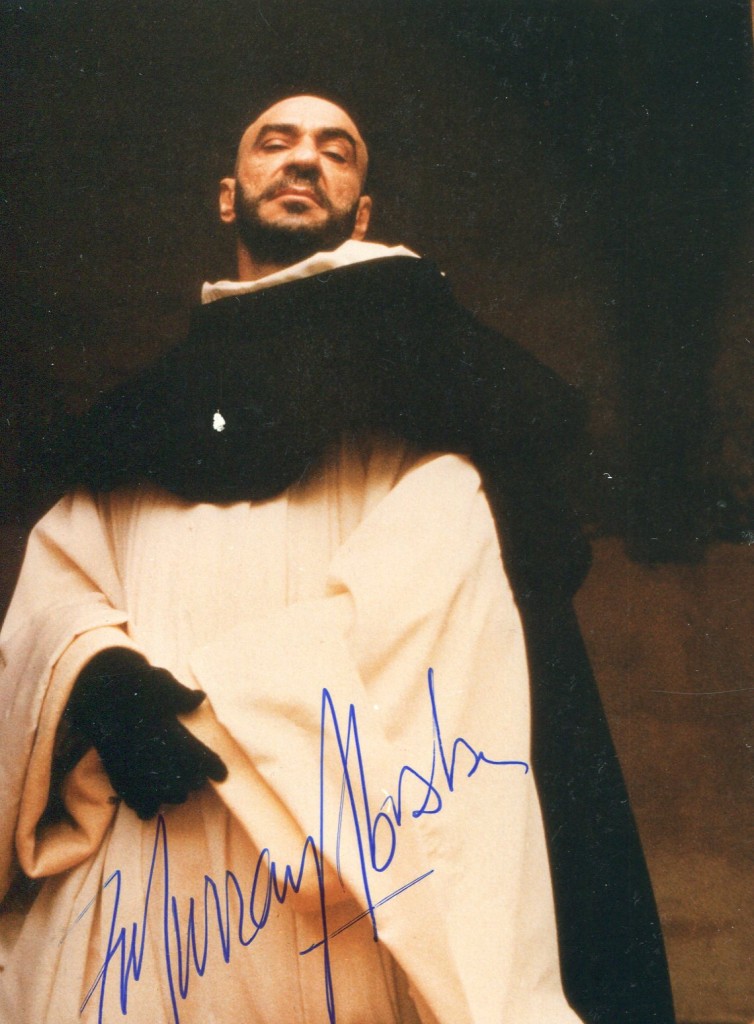
F. Murray Abraham was born in 1939 in Pittsburgh. He made his movie debut in the George C. Scott movie “They Might Be Giants”. He won an Oscar for “Amadeus” in 1984. Other films include “The Big Fix”, “Scarface”, The Name of the Rose” and “A House Divided”
IMDB entry:
Was educated at the University of Texas.
He was born in Pittsburgh, Pennsylvania, and brought up in El Paso, Texas. His father, Frederick Abraham, who was born in Pennsylvania, was from an Assyrian Christian (Antiochian) family, from Syria. His mother, Josephine (Stello) Abraham, was also born in Pennsylvania, to Italian parents.
In July 2004, during a ceremony in Rome, he was awarded the “Premio per gli Italiani nel Mondo”. This is a prize distributed by the Marzio Tremaglia foundation and the Italian government to Italian emigrants and their descendants who have distinguished themselves abroad.
Early in his career, he was one of the “Fruit of the Loom guys” (men dressed up as fruits) in the underwear commercials.
Has two children with his wife Kate Hannan: Mick and Jamili Abraham.
Studied drama under the tutelage of Uta Hagen at the HB Studio in Greenwich Village, New York City for a year in the early 1960s.
He filmed Scarface (1983) in Los Angeles at the same time as Amadeus (1984) in Prague, necessitating four round trip flights between the two.
One of his first plays in Los Angeles was a dramatization of a work by Ray Bradbury: “The Wonderful Ice Cream Suit”. He and Bradbury remained friends until Bradbury’s death.
Attended and graduated from El Paso High School in El Paso, Texas in 1958.
He continues to teach drama classes at Brooklyn College in New York City.
His first major success as an actor was as Antonio Salieri in Amadeus (1984) at age 45.
Learned to play the piano and to conduct for his role of Antonio Salieri in Amadeus(1984).
The above IMDB entry can also be accessed online here.
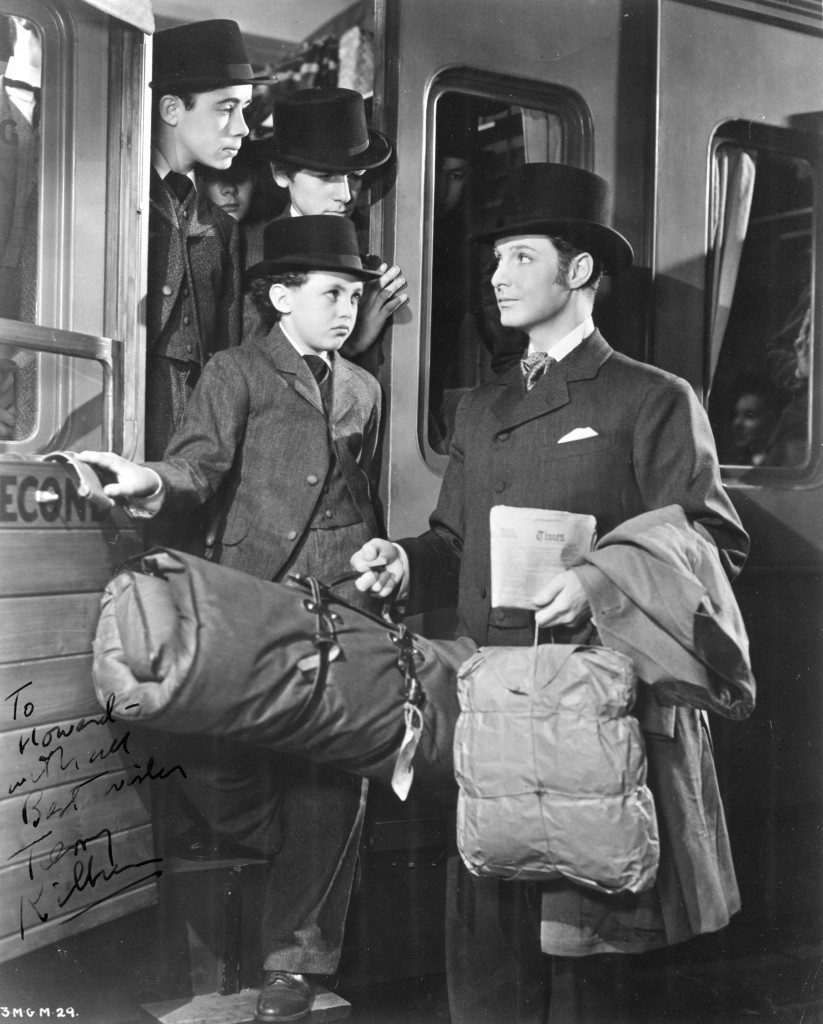
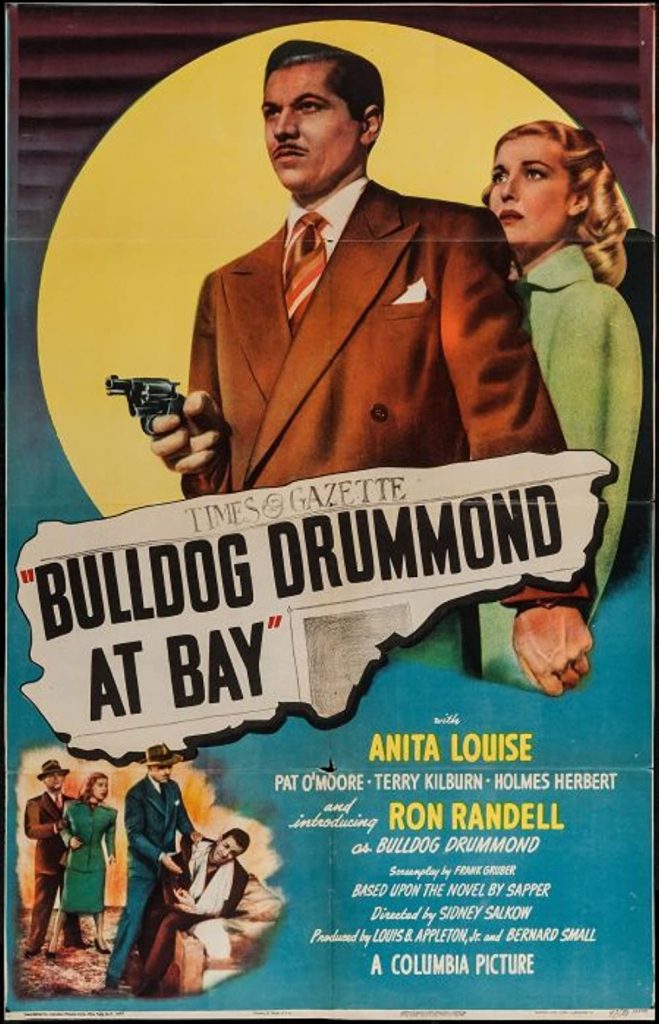
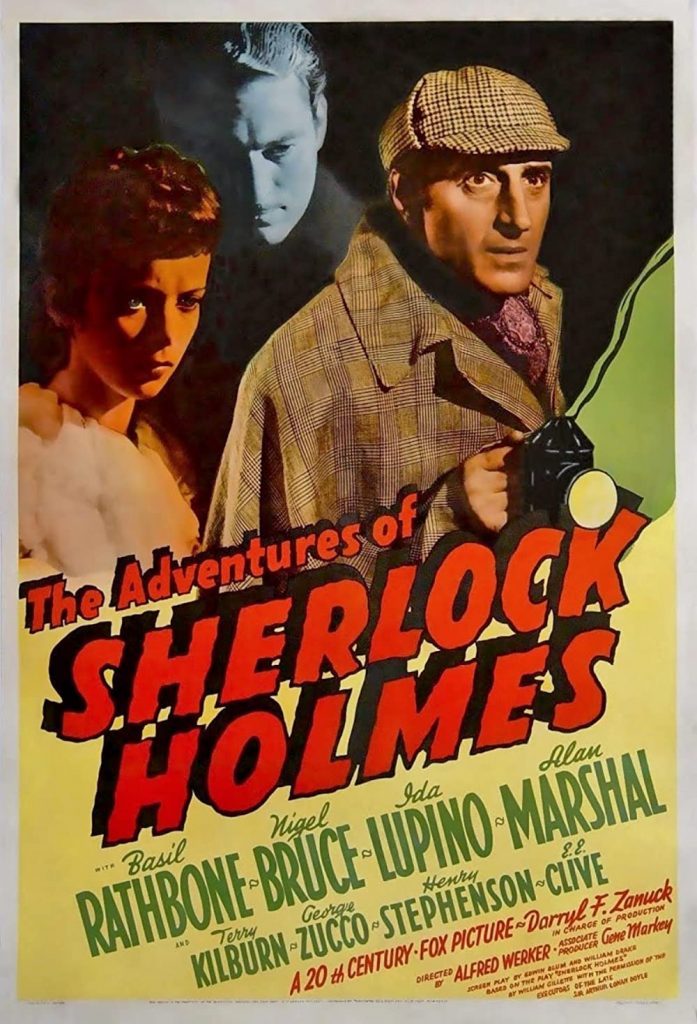
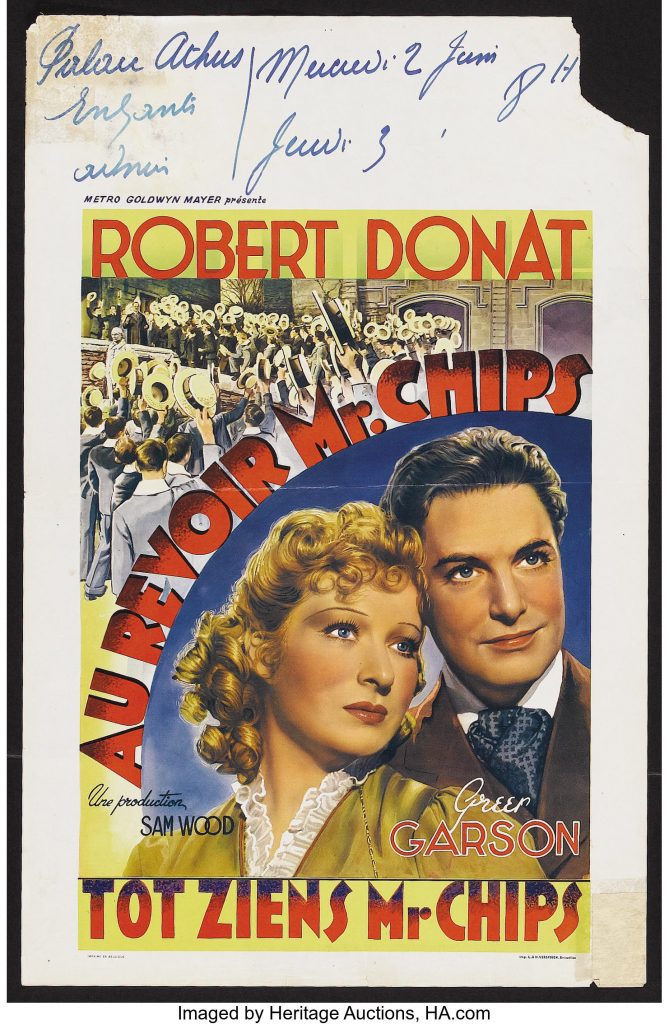
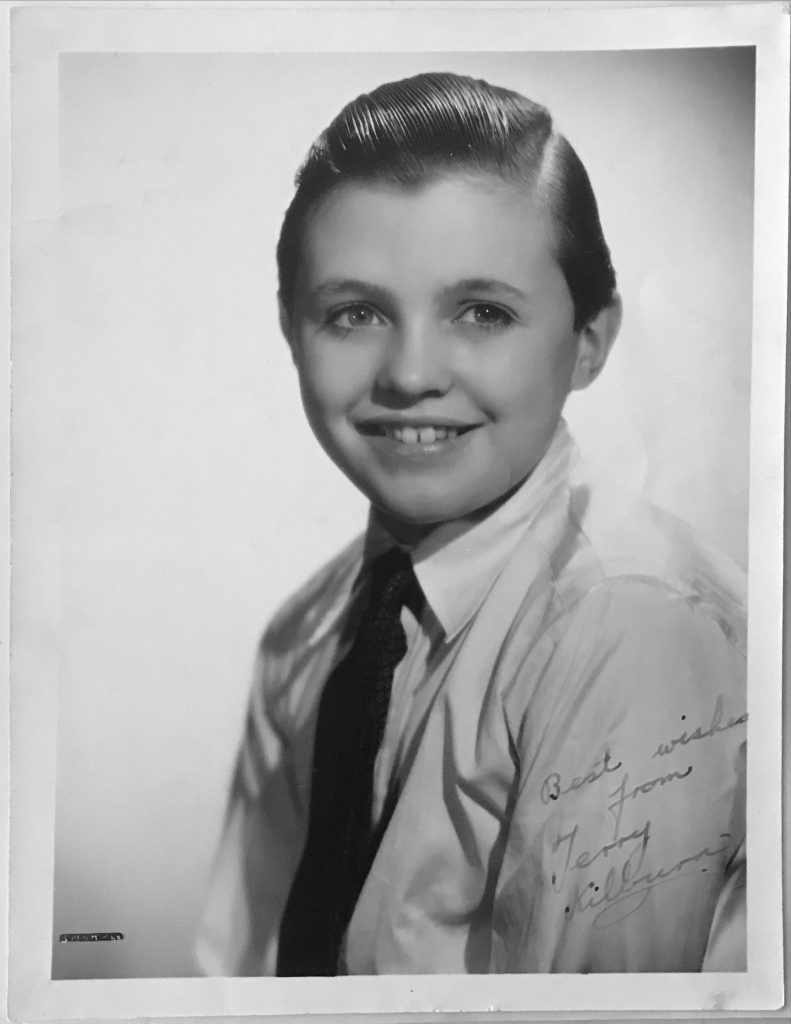
Terry Kilburn was born in England in 1926. He began his career as a child actor in British films and his roles included Tiny Tim in the 1938 version of “A Christmas Carol” and one of the pupils of Robert Donat in “Goodbye Mr Chips”. He then went to Hollywood and was featured in such movies as “The Adventures of Sherlock Holmes” with Basil Rathbone and “The Keys of the Kingdom”.
Interview in “Lavender Magazine”:
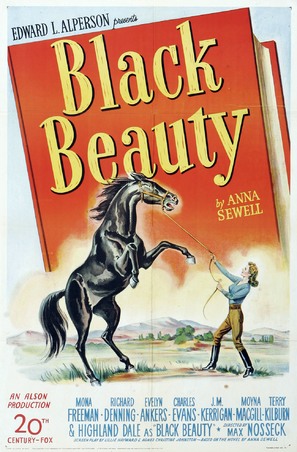
Terry Kilburn, actor, director, artistic director, recently talked at length with this Lavender writer about his early life, describing in cinematic detail how the only child of working class parents, Tom and Alice Kilburn, came to star in Hollywood at MGM delivering such coveted film lines as, “God bless us, every one,” and “Goodbye, Mr. Chips.” Born November 25, 1926 in London, he appeared in over 25 films, including, along with those mentioned here in detail, National Velvet (1944, with Liz Taylor), and Only the Valiant (1951, with Gregory Peck). His extensive stage work will appear in part two of this interview.
My father was a bus conductor, taking tickets on those big double-deck buses. He’d run up and down the stairs making jokes and entertaining– sometimes he’d have the whole bus laughing. I think he would liked to have gone on the stage, he was a natural entertainer.
My mother was a housewife, and in the summertime used to run a boarding house at Clackton-on-Sea, where working-class people went for their week’s holiday. She was in the kitchen and making the beds and setting tables from morning to night. My father stayed up in London and would come down on the weekends in a little baby Austin car about the size of this dining table. I had a lot of time to myself.
There was an amusement pier where a man called Clown Bertram ran a little theater. Children would come up on the stage and do a little something, then the one who got the most applause would get a prize. I was much too shy to do that although I loved watching the show.
One time, my mother had some friends who left their two children for her to take care of. The little girl sang a song and did a dance on Clown Bertram’s stage, and she won the first prize. The next day, I got over my shyness enough to go up and I sang a song. I was a big flop, but it broke the ice. I was about seven.
Without realizing it, little Terry had already been learning his craft.
My parents used to take me with them to the movies. Movies then were an incredible source of entertainment for poor and working class people. For a sixpence, or a shilling, you could see the main feature and a companion feature, a newsreel, a short subject, a cartoon. Most theaters still had a couple of stage acts from vaudeville, and on top of all that, up from the orchestra pit would come an organ, all lit up, and you’d have a community sing.
I started impersonating these people that I saw on the screen, Jean Harlow, Greta Garbo, Mae West, Zazu Pitts, Charles Laughton, and Ronald Colman. Sometimes, I’d do impersonations for relatives spontaneously, but usually, my shyness overcame me and I couldn’t. But when this girl won the first prize, that got my competitive spirit up. The second time, I went up and did some impersonations and won hands down. It was like an electric light going on over my head. Many actors will tell you of this experience, when they first realize that they have an ability to bring out that response from an audience. From then on, I was on that stage every day.
Terry neglected to tell his parents that Clown Bertram had added him, unpaid, to the regular show. Some guests finally enlightened his astonished mother.
My father was very interested, and when we got back to London he submitted me for amateur night competitions. I worked up a little act, doing my impersonations and I came on singing, “OK Toots,” an Eddie Cantor song. That’s kind of interesting because later on Eddie Cantor played an important part in my life, and I did a little tap dance that I taught myself, having seen Fred Astaire.
The first prize was something like ten pounds, while my father–this was in the Depression–was making two pounds a week. We started going around the circuit, to all these huge old variety houses that seated two thousand people. My big ending was a scene from David Copperfield, where Mr. Murdstone, the wicked stepfather, beats David. I did both parts, and ended sobbing and having hysterics on the floor as David, then standing up with a big smile and bowing.
Through what we today call “networking,” one thing led to another.
Into our lives came Freddie Newton. He was a Dickensian character, a little Cockney who wore checked suits and sharp hats. He had a candy store and was a bookmaker. He helped polish up my act and took me up to the West End of London to meet an actor, Hugh Wakefield. I did my act and Wakefield commented, “I don’t quite know what I just saw, but whatever it is I think he should meet my agent.’
This turned out to be a woman who went only by “Connie,” Ralph Richardson’s agent, who told his parents, “You’ve got to get him to Hollywood.” She then introduced them to a visiting Hollywood lawyer, Roger Marchetti.
Marchetti said, “If you come to Hollywood, you can count on me. I will do everything I can to see that you get auditioned.” Well, when I heard that! Can you think of a thing in your own childhood, the thing that just meant more to you than anything and obsessed your mind? I used to sit up in bed with a globe and spin it and make it stop on the United States.
I think none of this would have happened if it hadn’t been this particular time during the Depression. People had so little to lose. There was a sense of camaraderie and an atmosphere of, “Well, let’s try it!”
There was a great resistance by the U.S. Consulate in London to giving the whole family visas. In the end, after much finagling, Tom stayed behind while Alice and Terry traveled to the United States.
My mother was an amazing combination of guts and timidity. She would take chances that other women of her generation and education would never have dreamed of doing, but she was frightened to death of dogs and the ocean. She’d never been out of London, let alone England, so she would only go on the Queen Mary. We booked the cheapest third-class passage.
Finally, we arrived in Los Angeles. Now this is in April-May of 1937. In those days, the station in downtown Los Angeles was in Chinatown and it was just awful, an old shack that was falling apart. All of our dreams of Hollywood, and out of this glamorous vision we were seeing this terrible slum. And there, in bright, blooming sunshine, was Mr. Marchetti with a huge bunch of red roses, standing next to this immense Packard convertible and chauffeur. It was a surreal picture.
They had expected to stay with Marchetti and his family but were quickly disabused of that idea. He was very much a bachelor, as well as a handsomely paid celebrity divorce lawyer, e.g., (Myrtle) Hardy vs. (Oliver) Hardy.
He didn’t want some English lady and her little boy in his house, so we ended up in a bungalow court, with Murphy beds that pulled out of the wall. We started on the rounds, seeing producers and so forth, and Mr. Marchetti was good to his word. He certainly did his best, but the problem was me. The excitement of performing on stage, or for somebody in his dressing room, seemed to stimulate me and make me a good performer. Now, to have to go into these big offices with people sitting in big swivel chairs smoking cigars–it was too much for a little boy to cope with. And my personality, everything that had made people say “Yes! He’s got something!” just disappeared.
Even more so when they made screen tests. If Marilyn Monroe hadn’t ever gotten in front of a camera, she would have been working in a beauty parlor. She came to life in front of the camera. It was just the opposite for me. The tests were usually shot in the corner of a sound stage where no movie was being filmed at the time, huge, ghostly sound stages about the size of an airplane hangar. It was overwhelming.
A year went by, and the money had run out. Mr. Marchetti said we could move into an apartment over his garage. My mother agreed. She didn’t know what else to do. So we moved, not into his Florentine mansion, but into the garage apartment. He had two Doberman pinscher dogs. My mother was terrified of them, and the apartment was infested with mice.
The whole venture was coming to a bad end. My mother finally told me, “We have to go back, we can’t just stay here forever.” At that very time, my mother got a letter from my father: “I’m getting a ship and I’m coming to Canada, and I’m going to come through the border because I know people do it all the time. I’m on my way! By the time you get this, I be on the Atlantic.”
And then, the cavalry came riding.
Mr. Marchetti had pretty much given up, but his assistant took pity on us: “One thing we haven’t tried is radio. Let me see what I can do about getting an audition.” Eddie Cantor’s business manager said, “I think Eddie would love him.” I auditioned, and he did!
Cantor’s popular radio program also showcased stars and young actors like Deanna Durbin and Bobby Breen.
We were in rehearsal when a talent scout for MGM showed up. They were about to make a movie called Lord Jeff with Freddie Bartholomew and Mickey Rooney, based on the true story of those famous English orphanages, Doctor Bernardo’s Homes, where they trained young boys to go into the Royal Navy. There was a part for a little Lancashire boy, Albert Baker. The scout asked, “Can you do a Lancashire accent?” I said, “Aye I can, I can do it.” I’d learned “‘hae t’ talk like that,” sort of through my nose. “By goom, that’s champion!” “Oh my God!,” he said. “Sam Wood will just be thrilled.”
Even at that age, an actor will see a part and say, “Oh, that is my part.” Often they’re wrong, but sometimes they’re right, like Vivien Leigh thinking she was Scarlett. So I went to see director Sam Wood, and I did a thing for him, and he said, “The accent’s great, but I really wanted Alfalfa for this part.” Alfalfa could no more do that accent than fly, so that was out. But he wanted a kid like him. I was kind of a pretty little boy, so he said, “I’m sorry, but no.”
Fortunately, Terry’s mother had become friends with Lillian Rosine, MGM’s makeup specialist.
When I came back in tears Lillian said, “Oh, for God’s sake! What does Sam Wood think I’m here for? And she put me in her makeup chair, greased down my hair with Vaseline, blacked out one of my front teeth, put freckles on my face. I’d been crying, so I already looked horrible. Then she took me back and dragged me in and said, “There now, does he look ugly enough for you?” Sam Wood laughed and said, OK.”
One day while we were shooting, somebody came and said, “You’re wanted outside.” So I went out from the dark sound stage into the bright sunshine, and standing there was my father. I just ran and leaped into his arms, and we laughed and cried and it was incredible. Lord Jeff was quite a success. I got fabulous reviews that said, “The busman’s son from London steals the show.” It was thrilling. A dream come true–and my father was there, loving every minute of it.
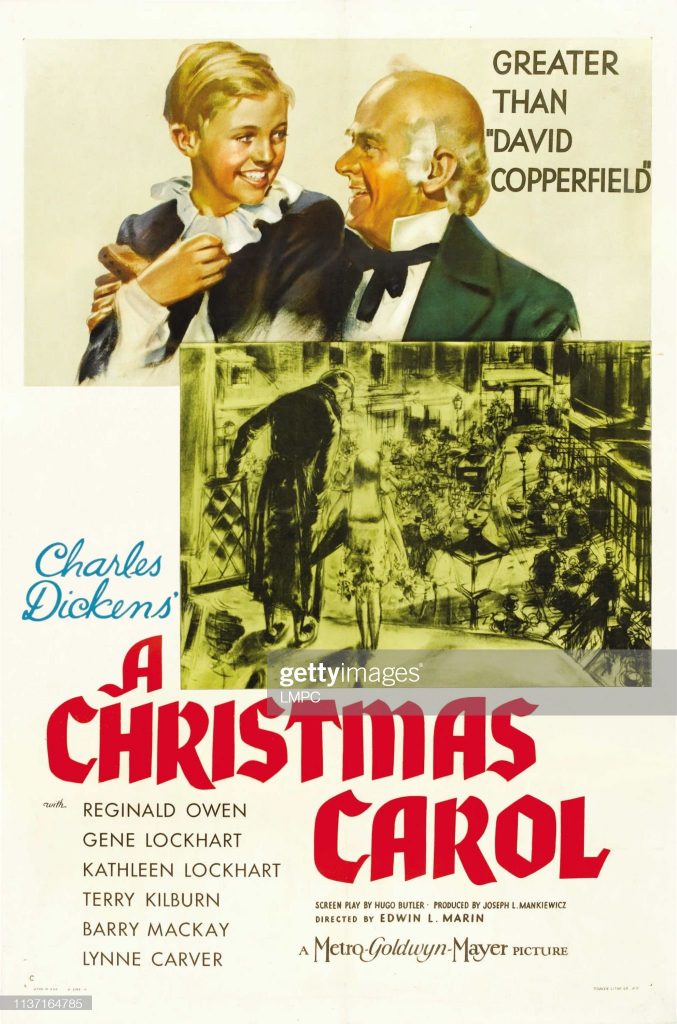
I also made A Christmas Carol in ’38, and played Tiny Tim. I’ll always remember going onto the set at the MGM lot the first day. I think it was London 1830, and the snow was coming down–they were actually Kellogg’s cornflakes, bleached or something, but it was so beautiful. Oh, you can imagine that for a kid who loved acting and being in fantasy, it was extraordinary.
He attended school at MGM, encountering Lana Turner, Kathryn Grayson, Anne Baxter–and, briefly, Judy Garland.
I sat next to Judy Garland for one day and just fell in love with her. She found my English accent absolutely hilarious. She had this wonderful laugh. And she had a charm bracelet with a tiny gold-framed picture of Clark Gable, because that song had made her a big success: “Dear Mr. Gable.”
He appeared in Sweethearts next, with Jeanette McDonald and Nelson Eddy, and was scheduled to be in a Topperfilm, when his part was cut.
That didn’t bother me because by this time, just before Christmas, 1938, I was cast in Goodbye Mr. Chips, and was being sent back to England. Robert Donat would not come to this country for tax reasons. Greer Garson had been cast as the wife; she was a total unknown, had never made a movie in Hollywood. We went back on the Normandie. Greer Garson was on the ship, but she was up in first class.
“Chips” was professor Charles Edward Chipping whose career at Brookfield School progresses from young, stuffy classics prof, to beloved “Mr. Chips,” to Head of Brookfield during the Great War. Terry played four generations of Colley boys, and, as the youngest, Peter Colley III, says his iconic line to the elderly Chips who passes in his sleep recalling “his boys.” With Robert Donat, Greer Garson, John Mills, Paul Heinreid, from James Hilton’s novel.
Donat was wonderful, fascinating. I was old enough to see and respect what he was doing. Movie sets are notorious for fooling around. If it’s not much of a movie it doesn’t matter, but Donat realized this was the part of a lifetime, and he was very serous. When he got into playing the old Chips, he stayed in character the whole time, even between shots.
I tried to make each one of the four boys somewhat different, but I could only do as much as the scene allowed. Of course, I got to say, “Goodbye, Mr. Chips,” in this huge, wonderful close-up. Actors would give their souls for a close-up like that.
About that final shot: I wasn’t even supposed to be there since it was against the law for children to work that late. They just looked the other way, and it was almost midnight when I had that close-up.
Actors, like their characters, exist at the whim of chance and happenstance. For instance: What if Terry had known how to swim? What if Mickey Rooney had been taller?
There was a sequence in Lord Jeff where they wanted me to fall in the water. I couldn’t swim. I was terrified, even though they put a life jacket under my little sailor suit. I finally got up enough nerve, but only by looking first and jumping. That wasn’t what they wanted. I was so humiliated, so ashamed that I had disappointed Mr. Wood that my parents got me into swimming. I used to swim all the time, and I think that probably caused me to grow.
When I came back to Hollywood after making Chips, I was scheduled to be in a number of pictures with Mickey Rooney, playing his sidekick. But suddenly, instead of being twelve and looking ten, I was now twelve looking fourteen, and was as tall or taller than Mickey. My option was not taken up, and that began the next period of my life.
The above article can also be accessed online at “Lavender Magazine” here.
A Christmas Carol, poster, Terry Kilburn, Reginald Owen, 1938. (Photo by LMPC via Getty Images)
Terry Kilburn is perhaps one of the most poignant examples of the “Golden Age” child star—an actor whose early career was defined by a specific kind of wide-eyed, innocent pathos that became iconic, yet whose later life reflects a successful, if quieter, transition into stage craft and artistic leadership.
Now 99 years old, Kilburn remains one of the last surviving links to the 1930s Hollywood studio system.
Career Overview
The MGM Child Star (1937–1944)
Born in London to a working-class family, Kilburn’s career began when he moved to Hollywood at age 10.He was quickly signed by MGM, where his “doe-eyed” look and naturalistic English accent made him the studio’s go-to for literary adaptations.
A Christmas Carol (1938): As Tiny Tim, Kilburn delivered the immortal line “God bless us, every one!” His performance established the cinematic standard for the character—fragile, saintly, and deeply empathetic.
Goodbye, Mr. Chips (1939): In a remarkable feat for a child actor, he played four generations of the Colley family (John, and Peter I, II, and III), serving as the emotional bridge through the film’s multi-decade timeline.
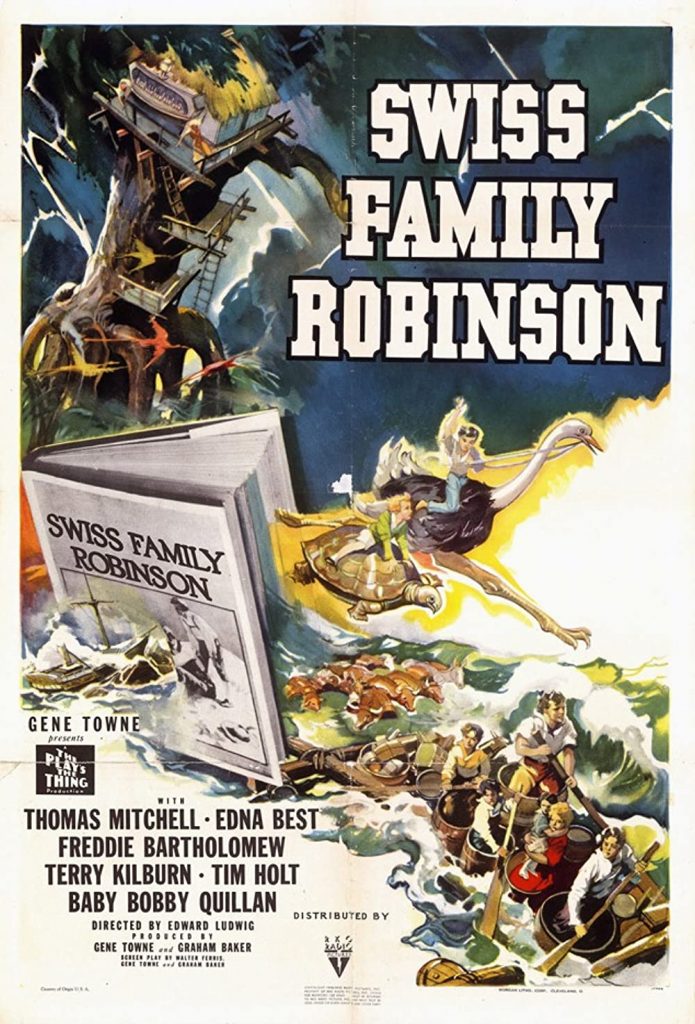
Ensemble Work: He frequently appeared alongside other young stars of the era, including Freddie Bartholomew (Lord Jeff, Swiss Family Robinson) and Mickey Rooney (National Velvet, A Yank at Eton).
Transition and Stage Career (1945–1969)
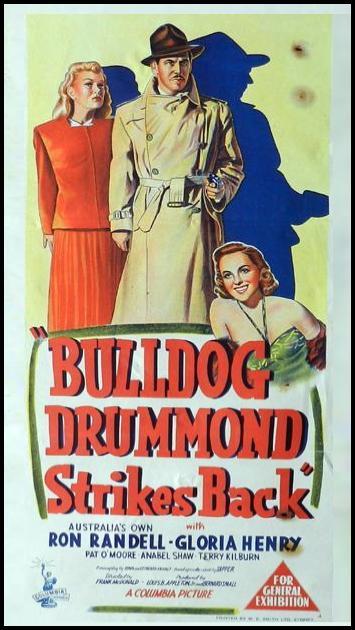
As Kilburn reached adulthood, the “innocent” roles naturally dried up. He spent the late 1940s in B-movies, including a stint as a reporter in the Bulldog Drummond series.He famously made his Broadway debut in 1952 as Eugene Marchbanks in Shaw’s Candida, signaling his shift toward the “legitimate” theater.His final notable film appearance was a small role in Stanley Kubrick’s Lolita (1962).
Artistic Leadership (1970–1994)
Kilburn found a second, highly influential act as the Artistic Director of the Meadow Brook Theatre in Michigan. For nearly 25 years, he shaped the regional theater landscape, moving from being the “face” of a production to the mind behind it.
Critical Analysis
1. The “Pathos” Specialty
Kilburn’s early work is characterized by a specific emotional frequency: unfiltered vulnerability. Unlike the “precocious” child stars who thrived on being clever (e.g., Shirley Temple), Kilburn’s strength was his ability to appear genuinely burdened. In A Christmas Carol, he avoids the “syrupy” trap of many child actors by leaning into a quiet dignity that makes the Cratchit family’s poverty feel real rather than theatrical.
2. The “Every-Boy” Archetype
Critically, Kilburn served as the essential “English boy” for American audiences during the lead-up to World War II. His performances in Goodbye, Mr. Chips and National Velvet reinforced a nostalgic, idealized version of British youth—stiff-upper-lip, polite, and soulful—which played directly into the cultural sympathies of the time.
3. The “Cursed” Transition
Historians often note that Kilburn “never quite made it as an adult” in Hollywood. However, a more modern critical view suggests this wasn’t a lack of talent, but a refusal to be typecast. His transition to UCLA to study drama and subsequent move to the stage suggests a conscious pivot away from the “washed-up child star” trajectory toward a career defined by longevity and artistic control.
4. Legacy and Personal Identity
Kilburn’s personal life—specifically his 50-year relationship with actor Charles Nolte—adds a layer of historical significance. In an era where Hollywood was strictly closeted, Kilburn’s ability to maintain a steady career and eventually lead a major theatrical institution speaks to a quiet resilience that mirrors the characters he played as a child
Mie Hama was born in Tokyo, Japan in 1943. She made her film debut in 1960 and virtually her entire cinema career has been in Japanese movies. Her sole English speaking film was the James Bond “You Only Live Twice” with Sean Connery in 1967.
IMDB entry:
Mie Hama was born in Tokyo, Japan on November 20, 1943. She first started out working as a bus fare collector. While working, she was spotted by producer Tomoyuki Tanaka , and was soon employed at Toho Studios. She appeared in a bevy of drama and sci-fi films, including Kingu Kongu tai Gojira (1962), where she became the Giant Ape’s “Damsel in Distress.” She is probably best known in Western Cinema as Bond girl Kissy Suzuki, starring alongside actor Sean Connery in the 007 film You Only Live Twice (1967). That same year, King Kong Escapes (1967) was released, thus, she portrayed the spellbinding “Bond-girlish” villainess Madamn Piranha. Her extended wardrobe and enchanted bed chambers contributed to the film’s “James Bond-ish” atmosphere. In addition, Hama would sometimes be referred to as “Funny Face,” due to her appearances in Japan’s “Crazy Cats” movies.
She became one of the most popular actresses in Japan’s “Golden Age” of Cinema, but has done little acting when Japan’s cinema world experienced severe financial problems. However, she did return to appear in a few films in the 1970s and 1980s, and she is seen, most recently, working as an active environmentalist.
Lilia Skala was born in 1896 in Vienna, Austria. With World War Two looming in Europe, she and her husband and two children fled to the U.S. She made many appearances on television and made her film debut with “Call Me Madam” in 1953. Other films include “Lilies of the Field” with Sidney Poitier in 1963, “Ship of Fools” with Vivien Leigh and “Caprice” with Doris Day and Richard Harris. Lilia Skala died in 1994 at the age of 98.
Gary Brumburgh’s entry:
Born and raised in Vienna, Austria, Lilia Skala would become a star on two continents. In pre-World War II Austria she starred in famed Max Reinhardt‘s stage troupe, and in post-war America she would become a notable matronly, award-worthy character star on Broadway and in films. Forced to flee her Nazi-occupied homeland with her Jewish husband and two young sons in the late 1930s, Lilia and her family managed to escape (at different times) to England. In 1939, practically penniless, they immigrated to the US, where she sought menial labor in New York’s garment district.
Lilia quickly learned English and worked her way back to an acting career, this time as a sweet, delightful, thick-accented Academy Award, Golden Globe and Emmy nominee. She broke through the Broadway barrier in 1941 with “Letters to Lucerne”, followed by a featured role in the musical “Call Me Madam” with Ethel Merman. In the 1950s she did an extensive tour in “The Diary of Anne Frank” as Mrs. Frank, and performed in a German-language production of Kurt Weill‘s “The Threepenny Opera.” Lilia became a familiar benevolent face on TV in several early soap operas, including Claudia: The Story of a Marriage (1952).
She won her widest claim to fame, however, as the elderly chapel-building Mother Superior opposite Sidney Poitier in Lilies of the Field (1963), for which she won both Academy Award and Golden Globe nominations. That led to more character actress work in films, most notably as the dog-carrying Jewish lady in the star-studded Ship of Fools(1965) and as Jennifer Beals‘ elderly German friend in Flashdance (1983). On TV she played Eva Gabor‘s Hungarian mother in Green Acres (1965) and earned an Emmy nomination for her work in the popular miniseries Eleanor and Franklin (1976)). Lilia died at the ripe old age of 98.
– IMDb Mini Biography By: Gary Brumburgh / gr-home@pacbell.net
David Shipman’s “Independent” obituary:
Lilia Skala was a remarkable woman, best known in Britain for a handful of movie appearances. Acting was not her original career, because her parents did not consider it respectable: she chose architecture, and as there were no facilities then fo r a woman to study the subject in her native Vienna, Lilia von Skalla (as she was born) trained at the University of Dresden – she subsequently became the first woman member of the Austrian Association of Engineers and Architects. When she married Erik S kala, however, he encouraged her to pursue an acting career; she joined the Max Reinhardt Repertory Theatre, playing throughout Germany and Austria with, among others, the great Albert Basserman.
Erik Skala was Jewish, and they left for the United States at the time of the Anschluss, in 1938. Partly because of her strong accent she was not able to resume her career till cast as the housekeeper in Letters to Lucerne, on Broadway in 1941. After th a t she worked steadily, but without great eclat, till she played the Grand Duchess of Lichtenburg in Irving Berlin’s Call Me Madam (1950), in which he spoofed President Truman’s decision to send the Washington hostess Perle Mesta as ambassador to as small European duchy. The Mesta role was played by Ethel Merman, who was joined by Skala for the movie version in 1953.
Skala did not make a mark in films till 1963, when she plays the headstrong German Mother Superior who encourages the handyman Sidney Poitier to build a chapel for her flock in Lilies of the Field. Ralph Nelson directed the picture, in which few Hollywood people had any faith: for that reason, Poitier worked for a percentage, and netted himself a fortune – and an Oscar. Skala won a Golden Globe and was Oscar-nominated, but earned only $1,000, the Actors Guild minimum fee, for her participation – because, as her son Peter explained, she was anxious not to appear greedy.
Thereafter she was much in demand, usually playing feisty elderly ladies of European origin – as, for instance, in the New York City Opera’s 1965 production of The Threepenny Opera, as Mrs Peachum, and as the old lady in Jewish Repertory Theatre’s 1986
m usical version of the Czech film The Shop on the High Street. She also played the landlady, Frau Schneider, in several productions of Cabaret; other appearances in stock include the role of Zsa Zsa Gabor’s mother in Forty Carats.
She appeared frequently on television, again playing a nun in Ironside (1967) with Raymond Burr, and its telefilm sequel, Split Second to an Epitaph. In movies, she played a bourgeois hausfrau in Stanley Kramer’s Ship of Fools (1965), from Katherine Ann Porter’s novel, and was directed by Ralph Nelson again in Charly (1968), in which she was a psychiatrist helping to rehabilitate the retarded protagonist, Cliff Robertson. She was a psychiatrist again, colleague of the heroine, Lindsay Crouse, in the first film both written and directed by David Mamet (who was then married to Ms Crouse), House of Games (1987).
Movie-goers may also remember her as the former dancer who trained Jennifer Beals in Adrian Lyne’s Flashdance (1983); and they are unlikely to forget her in one of the better Merchant-Ivory productions (before they were Merchant-Ivory), Roseland (1968). This was an episode film about the New York dance-hall, with Skala wonderfully propping up the last section, as an immigrant desperate to win the Peabody Contest while aware that her partner and would-be husband, David Thomas, is unlikely to help her to do so.

But her best screen work is in an unlikely screen venture,Richard Pearce’s Heartlands (1980), which was based on papers left by a widow who in 1910 advertised for a position as a housekeeper in Wyoming. Rip Torn played the dour, taciturn Scot who responds to the ad; Conchata Ferrell was the widow, strong and understanding but afraid that she had bitten off more than she could chew. Skala was her hardbitten neighbour, always ready with support and succour; and for learning to ride a horse in her mid-eighties she was entered into the Western Hall of Fame.
David Shipman Reute Lilia von Skalla, actress and architect: born Vienna 28 November 1896; married 1922 Erik Skala (deceased; two sons; marriage dissolved); died Bay Shore, Long Island 18 December 1994.
Jane Randolph was born in 1915 in Youngstown, Ohio. In 1942 she was given a contract with RKO Studios and made “Highways by Night”. She is best known for her roles ih the classics’ “Cat People” and “Curse of the Cat People” both which starred Simone Simon. She died in Switzerland in 2009.
“Guardian” obituary by Ronald Bergan:
Hollywood film star known for her role as Alice in Cat People
Ronald Bergan
Late at night, an attractive woman is walking home alone. The sound of her high heels echoes down the deserted, shadowy streets. She hears footsteps behind her. Terrified, she quickens her pace. A tree sways menacingly in the breeze. There is a sudden hissing noise. It is the sound of doors opening on a bus. The relieved woman hops on to it. This eerie sequence is from Jacques Tourneur’s classic noir Cat People (1942), and the woman was played by Jane Randolph, who has died aged 93.
Later in the film, Randolph goes for a swim in the indoor pool at her club. Again, she is alone. She hears what seems like the growling of some feline beast. She quickly dives into the pool and treads water. The light reflected from the surface of the pool causes unsettling patterns to creep along the walls. She screams for help. When she gets out of the pool, she discovers that her dressing gown has been torn to threads. What made these scenes so effective was the suggestion of horror rather than its depiction (a speciality of the producer Val Lewton), and the fact that Alice, played superbly by Randolph, is not a timid person, but an intelligent, level-headed, liberated woman. She is the audience’s surrogate – her screams are our screams. The blonde Randolph is the representative of normality, the antithesis of her nemesis, the mysterious, dark-haired cat-woman (Simone Simon). Inevitably, out of the 20 films Randolph made between 1941 and 1948, Cat People stands out. This was further stressed by her appearance in the Lewton-produced The Curse of the Cat People (1944), the quasi-sequel in which Randolph played the same character, now married and the mother of a young girl who has an invisible friend, the “ghost” of the cat-woman.
Born Jane Roemer in Youngstown, Ohio, to a steel-mill designer and his wife, she went to Hollywood in 1939 to study at the director Max Reinhardt’s school of acting. Two years later, aged 26, she was given a contract by Warner Bros, which sent her to its talent-grooming school, but gave her only bit parts in four movies. Randolph’s film career proper began in 1942 at RKO, for which she made five films, including Cat People.
In her first film for the studio, she landed the female lead as Marcia Brooks, the intrepid fashion reporter on the scent of a crime in The Falcon’s Brother (1942). The fourth in the enjoyable Falcon series, it was the last starring George Sanders, who was then replaced by his real-life lookalike, soundalike brother, Tom Conway. It was followed by The Falcon Strikes Back (1943), with Randolph as the same character but this time as Conway’s girlfriend, proving she could hold her own with both brothers. Around the same time, Randolph became the first pin-up for Yank, the weekly magazine of the US Army, and posed for one of two humans used for the ice-skating sequence in Bambi (1942). After leaving RKO, Randolph, as a freelance, found herself in several B pictures: supporting the Bowery Boys in In Fast Company (1946), Hopalong Cassidy in Fool’s Gold (1947), and Bud Abbott and Lou Costello Meet Frankenstein (1948). The best of the bunch was Anthony Mann’s Railroaded! (1947), in which Randolph plays a sultry femme fatale, who gets caught up in a fight with pure Sheila Ryan. In 1948, Randolph retired from show business when she married the business- man Jaime del Amo. The couple spent much of their time in Spain. After her husband’s death, Randolph returned to Los Angeles and kept a home in Switzerland, where she died.
She is survived by her daughter, Cristina.
The above “Guardian” obituary can also be accessed online here.
The Falcon’s Brother, poster, Jane Randolph, Tom Conway, George Sanders, 1942. (Photo by LMPC via Getty Images)
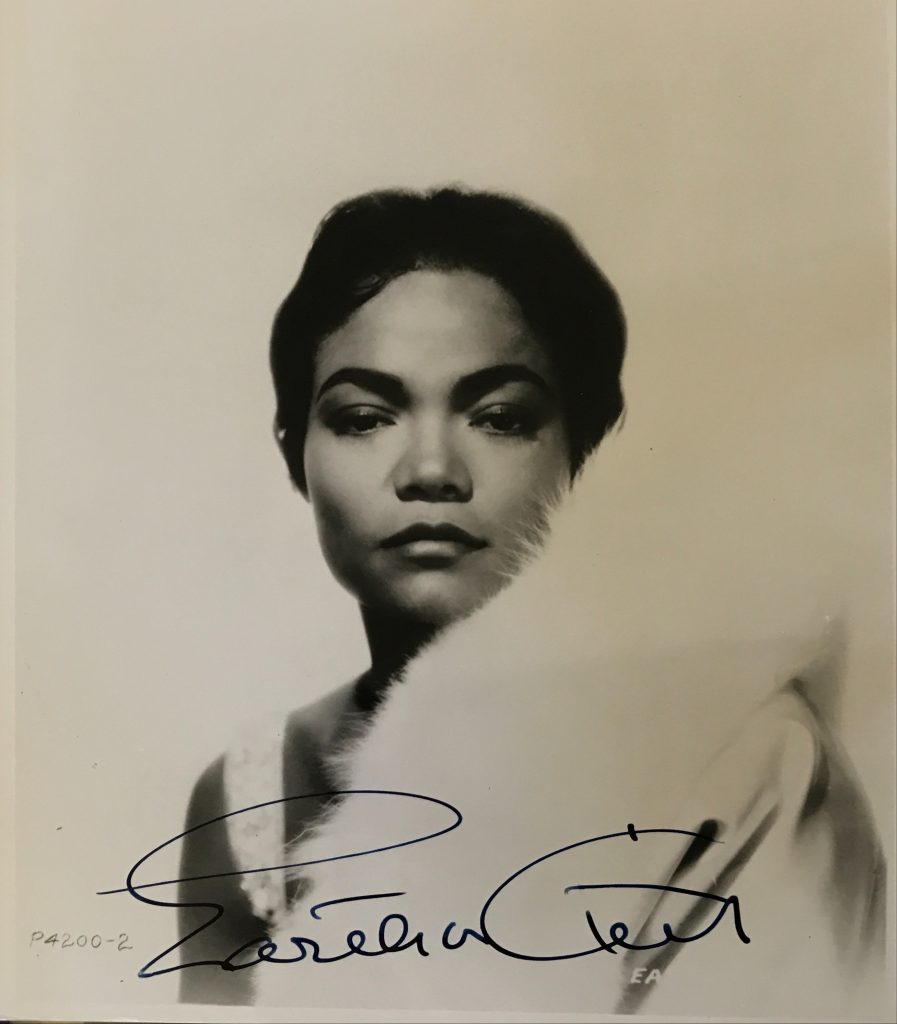
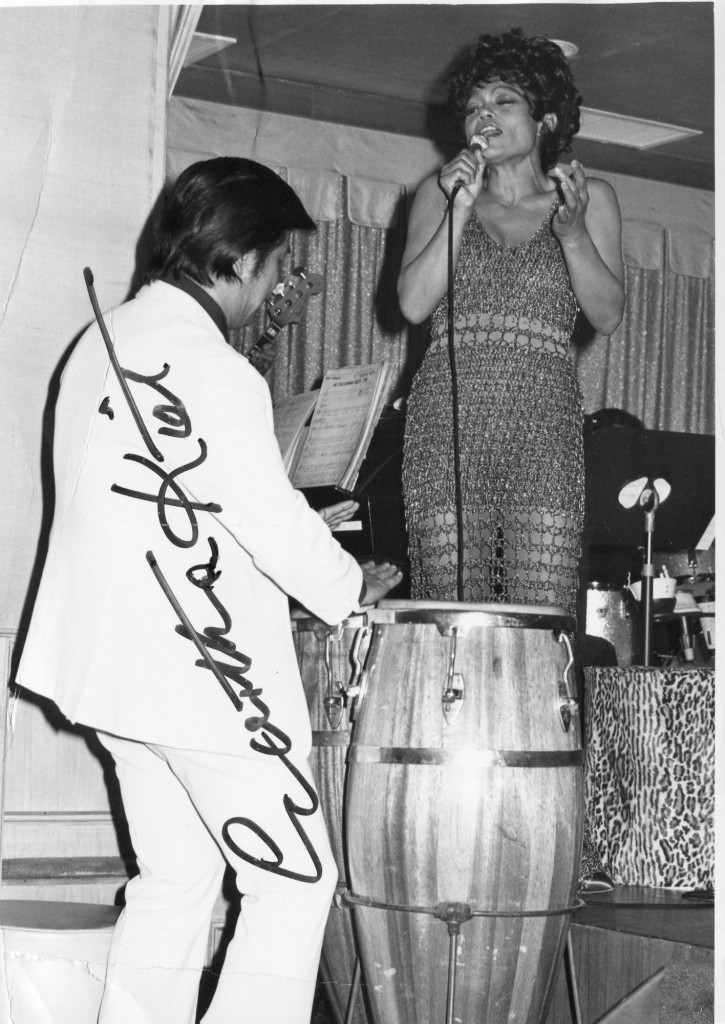
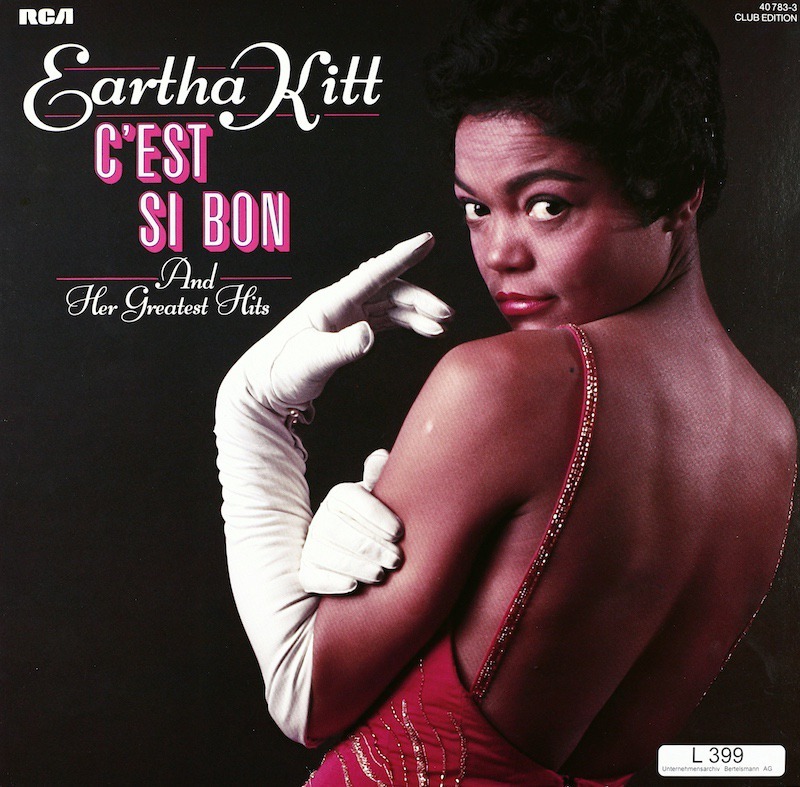
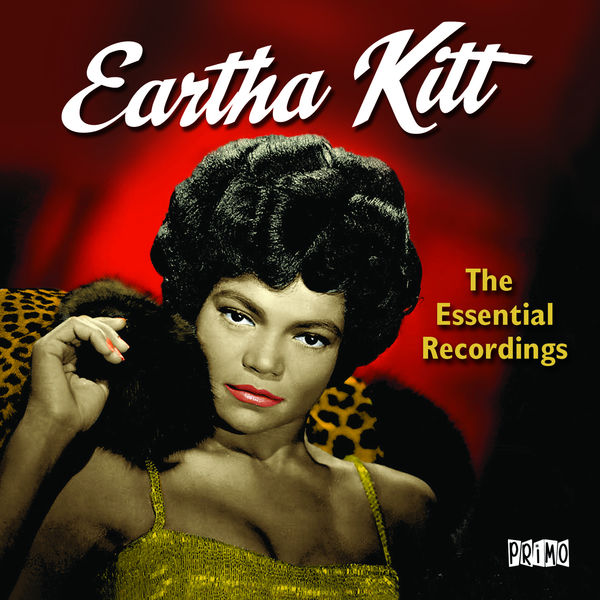
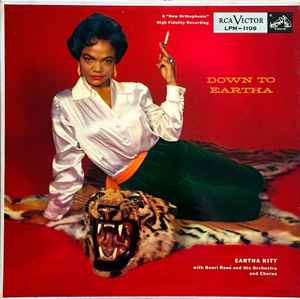
Eartha Kitt was born in South Carolina in 1927. She is forever remembered for the feline quality in her very distinctive voice. Her songs include “Old Fashioned Girl” and “Under the Bridges of Paris”. Her films include “New Faces of 1954” and “Anna Lucasta” in 1958. Eartha Kitt died in 2008 at the age of 81.
Adrian Jack’s “Guardian” obituary:
For six decades, the American entertainer Eartha Kitt, who has died aged 81 of colon cancer, was a showbusiness force of nature. At home, on stage and in the recording studio, and an effective performer on movie and television screens, she made an impact all the greater as an African-American woman breaking new ground.
Her official birth details were established in 1997, when she challenged a group of students to find the certificate that declared her to have been born Eartha Mae Keith in the town of North, South Carolina.
Her father, William Kitt, was a share-cropper in South Carolina and chose the Christian name, it is said, because Eartha was born the year of a good harvest. He left Eartha’s mother, Anna Mae Riley, less than two years later, and the destitute black-Cherokee woman persuaded black neighbours to take in Eartha and her younger half-sister Pearl. Pearl was black and pretty, but Eartha had bushy red hair, which she later dyed, and lighter skin; she was dubbed “that yella gal”.
Eventually, her aunt, Marnie Lue Riley, sent for her and gave her a home in the Puerto Rican-Italian part of Manhattan. Their relationship was difficult, but Eartha had piano lessons paid for as well as savings she knew of only later. She ran away several times, but once she achieved independence, Marnie became mother, and Eartha came to believe that she was really her biological mother.
Down south, Kitt had already impressed the local church congregation with her singing. At school in New York she won respect and popularity with her talent for reading aloud, and she was lucky enough to have teachers who were genuinely interested in her. She also went down well at the local Caribbean dances, where she picked up routines that were to stand her in good stead, not only as a professional entertainer, but also amusing her fellow-workers when she took factory jobs.
Just after her 16th birthday, she auditioned, more or less by accident, for the Katherine Dunham Dance Troupe, whose style was based on Afro-Caribbean folklore. She won a full scholarship to study ballet as well as Dunham’s own technique and her first appearance on Broadway was dancing in Blue Holiday with Ethel Waters and Avon Long. Dunham told “Kitty” she would never make a real dancer because her breasts were too large, but chose her for the troupe which toured the US, Mexico, South America and Europe; increasingly, Kitt took on solo roles, singing as well as dancing, and made her film debut, uncredited, in Casbah (1948).
When the Dunham company was in Paris, Kitt was offered her first nightclub engagement at Carroll’s, whose formidable lesbian owner Fred told the waitresses “this one must not be touched”. Kitt later claimed she had no act to speak of at that time, though she had been to the club and seen Juliette Greco’s show. Yet she quickly became a sensation, and when Carroll’s opened a new club, Le Perroquet, the café-au-lait performer was the main attraction, with songs in English, Spanish and French that she prepared with the help of the Cuban bandleader. Singing C’est Si Bon for the first time, she forgot the words and ad-libbed, with such success, she repeated her list of desirables, “mink coat, big Cadillac car” and so on, ever after.
Between the two club engagements, Kitt was cast by Orson Welles as Helen of Troy in his own version of the Faust story, Time Runs, sharing what limelight could be snatched from Welles himself with Michael McLiammoir and Hilton Edwards. If Welles thought her “the most exciting woman in the world”, Kitt later reflected, it was because they never went to bed together. He ate, she watched; he talked, she listened. She was always an admirer of Great Men, and went to considerable lengths to meet Albert Einstein and Jawaharlal Nehru.
After Le Perroquet, Kitt’s next night-club engagement was at the cosmopolitan Karavansari in Istanbul. There she learned a number of Turkish songs by ear, including Usku Dara, which she later recorded as her first single for RCA Victor. By the time she opened at La Vie En Rose in New York, she claimed to sing in seven languages.
Despite an inventive campaign of newspaper ads, which read “Learn to say ‘Eartha Kitt’ “, she was not a success, and her two-week contract was terminated after six days.
Whatever went wrong, La Vie En Rose’s loss was the Village Vanguard’s gain, and a short engagement at its sister club, The Blue Angel, was extended to 25 weeks. She was spotted by the producer of a long-established revue. For New Faces of 1952, she sang Monotonous while crawling catlike from one chaise-longue to the next. Thereafter, Kitt found it hard to do without at least one such piece of furniture, and for a Royal Variety Performance in the 1960s, she appeared on it through the stage trapdoor.
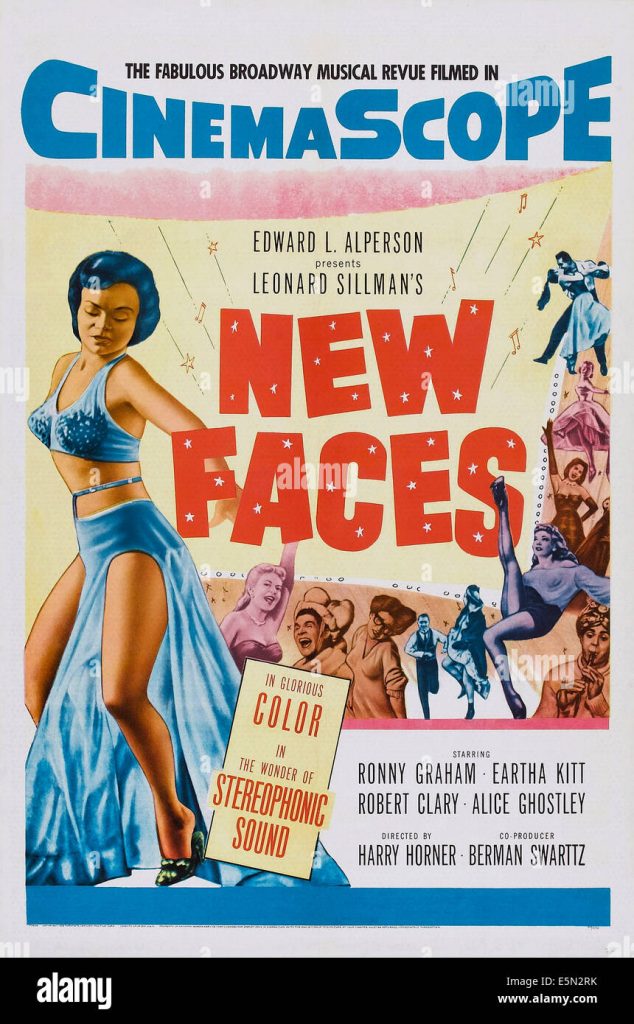
Kitt became the unquestioned star of New Faces and a film version followed in 1954. Meanwhile, she starred in Mrs Patterson, her first major Broadway success, and fell in love with Arthur Loew Junior, heir to a chain of cinemas. Feelings were mutual, but the affair never came to anything because his mother opposed it. In London, Kitt had appeared briefly at Churchill’s in the early 1950s, but she really arrived with her act at the Café de Paris, wearing an aquamarine silk satin dress designed by Pierre Balmain. Lord Snowdon photographed her.
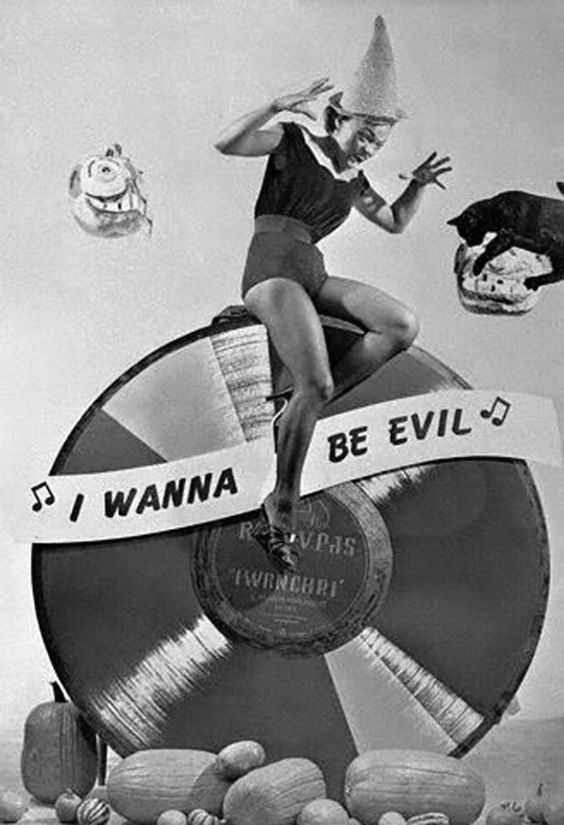
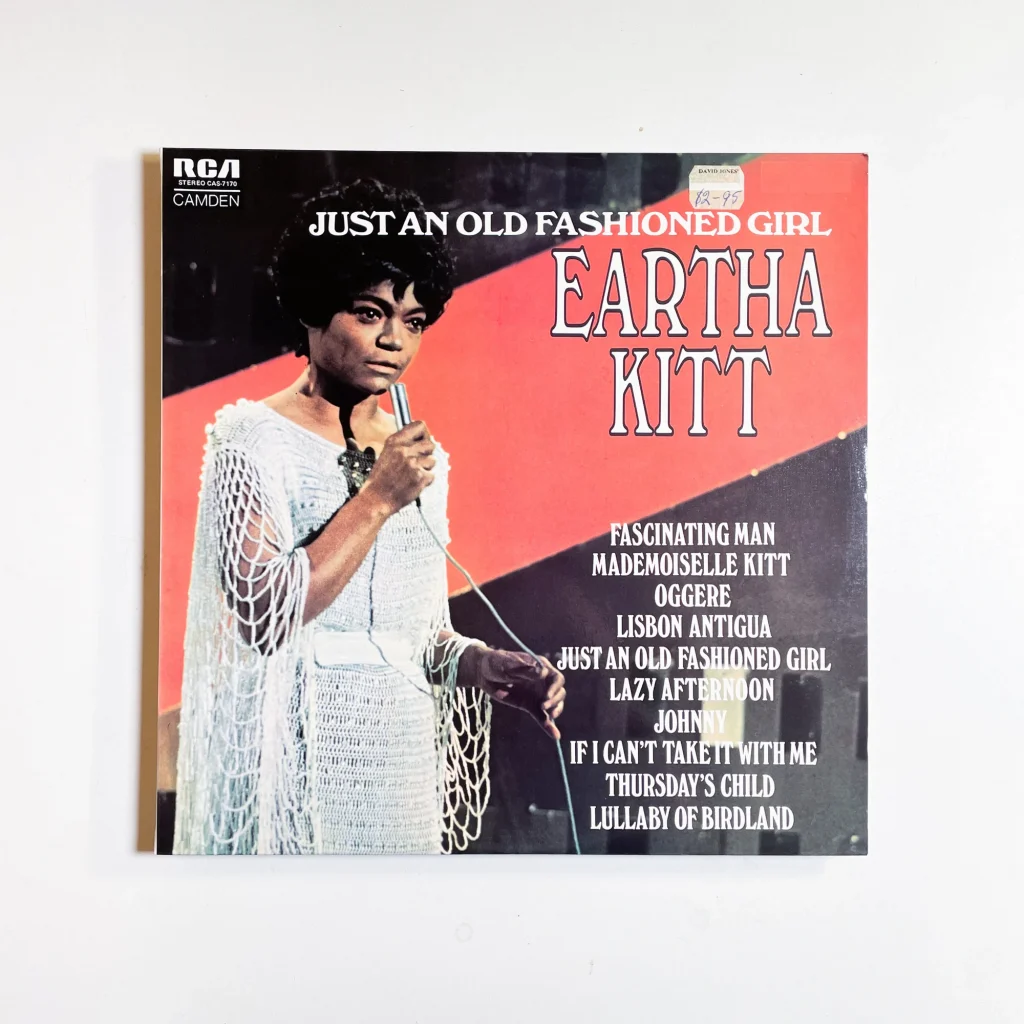
The 1950s were the golden decade of Kitt’s record hits. After Usku Dara came Monotonous, I Want To Be Evil and Santa Baby, among others, which established the image of a teasing, self-mocking “sex kitten”. She recorded Just An Old-Fashioned Girl, the song that became her signature tune in Britain, in 1955, but Thursday’s Child and The Day That The Circus Left Town, recorded a short while later, said more about her as the wistful waif people thought weird.
There have been many attempts to describe her extraordinary voice. Kenneth Tynan got it wrong when he spoke of her vibrato, for she hardly used it. Although she cultivated a tremor for special effect, her pitch was remarkably clean, and she would bend it, very often sharp, with slow deliberation. She said she understood everything her voice could and couldn’t do. She played off a gritty chest register against a cooing falsetto, and as she savoured its sound, she would experiment with verbal distortions. Welles complained that she seemed to come from nowhere.
Kitt’s very distinctive style made it hard for her to develop her career and diversify. If she was not 100% herself, you felt cheated. Yet she never stopped trying.
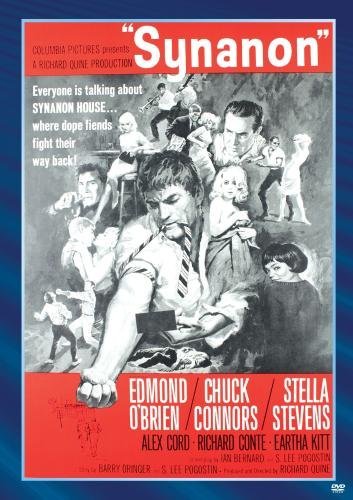
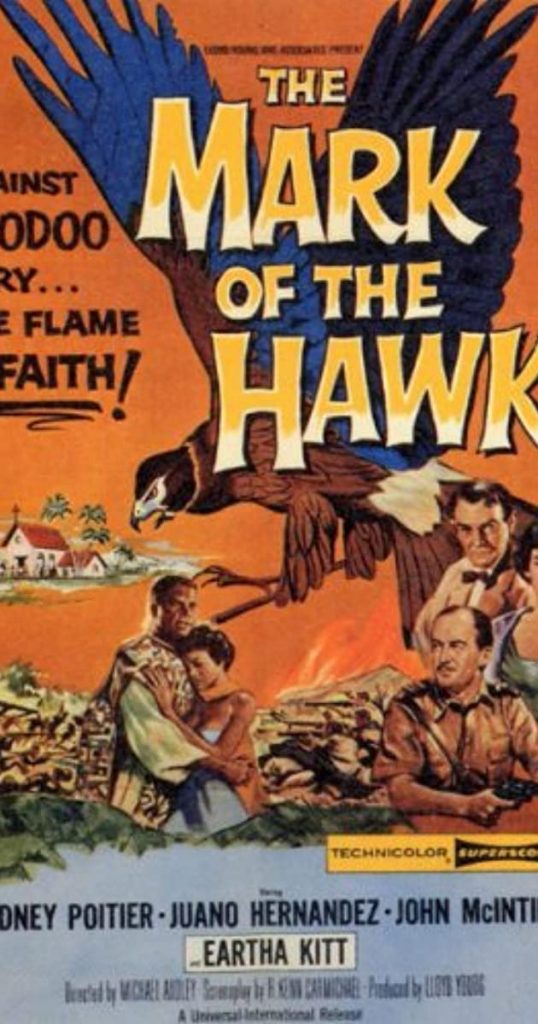
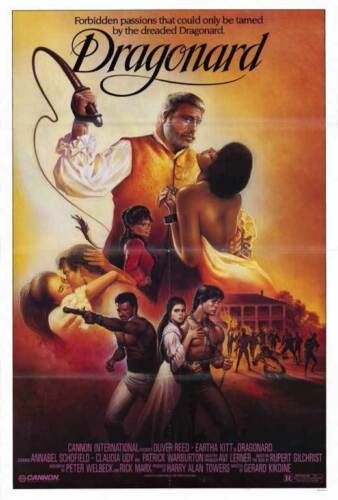
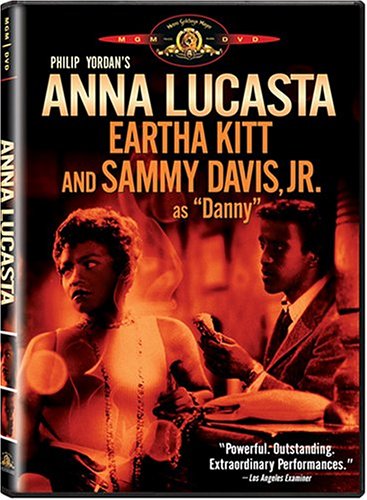
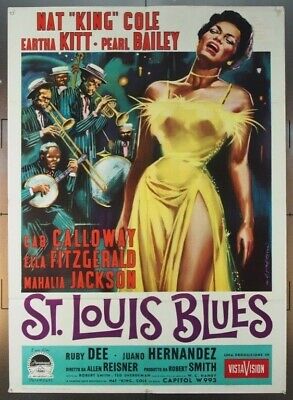
Her films included St Louis Blues (with Nat King Cole) and Accused (1957), Anna Lucasta (with Sammy Davis Jr) and Mark Of The Hawk (1958), Saint Of Devil’s Island (1961), Synanon (1965) and Dragonard (with Oliver Reed, 1971).
Apart from many celebrity appearances on TV, she found one role tailormade as Catwoman in Batman (1967-68). She took further parts on Broadway, in Shinbone Alley (1957) and Timbuktu (1978), an all-black musical based on Kismet. In London she played Mrs Gracedew in Henry James’s The High Bid (1970) and the title role in Bunny (1972).
In 1988 her appearance in Sondheim’s Follies at London’s Shaftesbury theatre — she spent most of it elegantly posed in a long mink coat until she stopped the show with I’m Still Here — led the following year to her first one-woman show, Eartha Kitt in Concert. Prancing around with three toy boys, she was pretty well as lissome as ever, and even more over the top. In Manchester, she even tried panto, as the Genie of the Lamp in Aladdin.
Also in 1989 came her autobiography, I’m Still Here: Confessions of a Sex Kitten. It retells and updates her earlier memoirs, the first volume of which, Thursday’s Child, was published in 1957. I’m Still Here ends with Kitt’s struggle to come to terms with the marriage of her only daughter, Kitt, of whom she was fiercely possessive.
Her own marriage to Kitt’s father, Bill McDonald, in 1960 soon fizzled out. Kitt made no bones about the fact that the thing she needed most, after the love of her daughter, was the applause of an audience: I once saw her give everything she’d got to what was virtually an empty house, at the New Theatre, Oxford, one weekday matinee.
She looked like almost losing her American public after she upset Lady Bird Johnson by speaking her mind about the Vietnam war at a 1968 luncheon at the White House. The CIA described her as “a sadistic nymphomaniac”. America’s temporary loss was Britain’s gain, for Kitt spent more time here, touring variety clubs in the north of England.
At the opposite cultural extreme, she made two extraordinary concert appearances in London with Richard Rodney Bennett, as pianist and arranger, and the Nash Ensemble, singing songs by Kurt Weill, Cole Porter and other American standards.
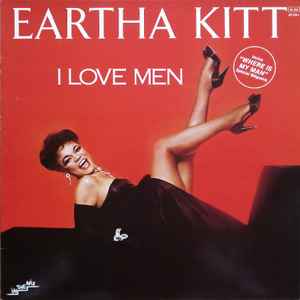
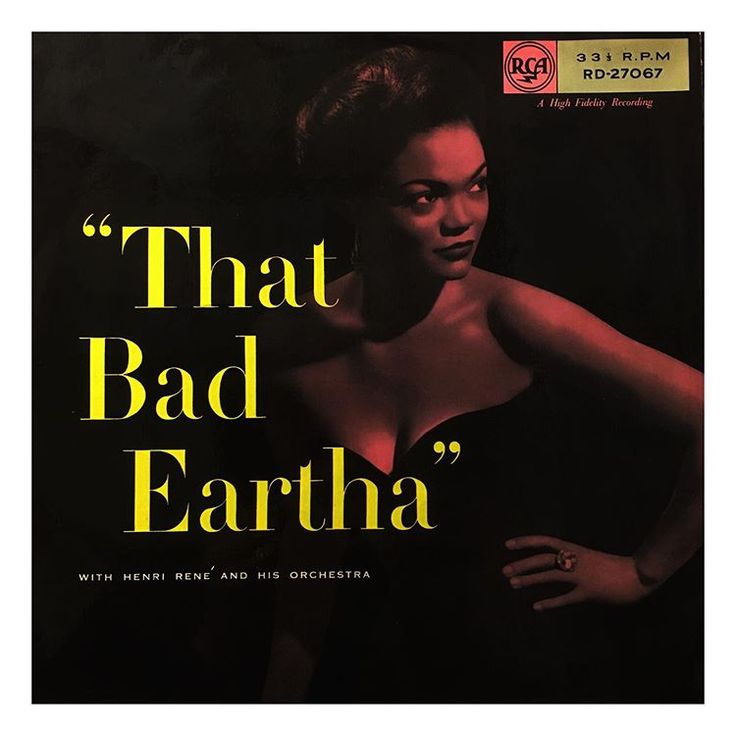
Kitt’s occasional attempts to move with the times — she even dipped into disco funk — had qualified success. In 1984 she was back in the charts with Where Is My Man and I Love Men. She did not need to update herself, and a live recording of a concert she gave with jazz musicians in Wuppertal, Germany, in 1992 shows that she was best given a tight format – never better than in the immaculate arrangements of Henri René and his Orchestra in the early days. An album called I’m Still Here came out the same year as the book, and in 1993 Rollercoaster issued a five-disc compilation representing her entire repertoire to date.
Her work continued, notably in cabaret: in 2000 she provided the voice of Yzma for the Disney animation The Emperor’s New Groove; her appearance at the Cheltenham jazz festival last April saw her in yet another medium, the live performance on DVD; and she continued to perform until last October.
Her album Back in Business (1995) had made a bid for the universal by dressing up old favourites by Cole Porter, Rogers and Hart, Duke Ellington, and Kurt Weill, not to mention Henry Mancini’s Moon River, in highly produced, sumptuous jazz arrangements. One of the more straightforward is the classic of the 1930s depression, Brother, Can You Spare a Dime?, and here Kitt rings true with raw anger.
Eartha Mae Kitt (Keith), singer and entertainer, born 17 January 1927; died 25 December 2008
The above obituary can also be accessed online here.
Eartha Kitt (1927–2008) was a performer of singular, almost predatory magnetism. Described by Orson Welles as “the most exciting woman in the world,” she was a polyglot, a classically trained dancer, and a dramatic actress who refused to be confined by the racial or gender scripts of the 1950s.
While she is often remembered for her “sex kitten” persona, a critical analysis reveals a deeply intellectual artist whose “feline” affectation was a carefully constructed mask for a survivor of extreme childhood trauma and systemic exclusion.
Career Overview
The Dunham Disciple (1943–1948): Kitt began her career as a member of the Katherine Dunham Company, the first self-supporting African American modern dance troupe. This gave her a foundation in “Afro-Haitian” movement and a worldly, cosmopolitan perspective through international touring.
The European Chanteuse: Staying in Paris after the troupe left, she became a nightclub sensation. She learned to sing in seven languages (and eventually spoke four fluently), creating an “international” persona that bypassed the narrow “blues singer” pigeonhole usually reserved for Black women at the time.
The “New Faces” Phenomenon (1952): Her Broadway debut in the revue New Faces of 1952 made her a superstar. Her rendition of “Monotonous” established her signature style: lounging on a chaise longue with a look of bored, aristocratic disdain.
The Blacklist (1968–1978): After criticizing the Vietnam War at a White House luncheon hosted by Lady Bird Johnson, Kitt was targeted by the CIA and effectively blacklisted in the U.S. for a decade. She spent these years performing in Europe and Asia, where her “world citizen” status remained untouched.
The Late Career Renaissance: Kitt returned to Broadway in Timbuktu! (1978) and found a new generation of fans in the 2000s as the voice of the villainous Yzma in Disney’s The Emperor’s New Groove, winning three Emmy Awards for her vocal work.
Detailed Critical Analysis
1. The Vocal “Growl” and Racial Modulation
Critically, Kitt’s voice is analyzed as a masterclass in “racial modulation.” She didn’t sound “traditionally” Black or white; she sounded “foreign.”
The Tight Vibrato: Kitt utilized a very fast, narrow vibrato and a nasal placement that mimicked French cabaret singers like Edith Piaf.
The “Purr”: Her signature growls and trills weren’t just gimmicks; they were used to punctuate lyrics about material wealth (“Santa Baby,” “C’est Si Bon”). Critics note this created a sardonic distance—she was playing the role of a “gold digger” while subtly mocking the consumerist desires of the audience.
2. Subverting the “Tragic Mulatto” Trope
Born to a mother of Cherokee and African descent and a white father she never knew, Kitt’s heritage was often a source of pain (she was rejected for being “too light” in the South and “too dark” elsewhere).
The “Exotic” as Shield: Rather than being a victim of her mixed heritage, Kitt leaned into an “Exotic Other” persona. By singing in Turkish (“Uska Dara”) or Spanish, she made her ambiguity a source of power.
Catwoman (1967): Taking over the role from Julie Newmar, Kitt’s Catwoman was revolutionary. She was the first Black woman to play a character who was sexually aggressive and a peer to a white male lead (Batman) without the relationship being a “racial problem” plot point.
3. The “Uncompromising” Performance
Sondergaard had her “stillness,” and Kitt had her “unwavering gaze.”
Intellectual Ferocity: Critics have revisited her 1968 White House confrontation not as a “lapse in judgment,” but as a peak performance of her true self. She spoke to the First Lady as an equal, refusing the “grateful entertainer” role.
Vulnerability vs. Steel: In her later cabaret work, critics noted a shift. While she still did the “hits,” her performances of songs like “I’m Still Here” or Jacques Brel’s “If You Go Away” revealed the “scared child” beneath the glamor. She turned her life story—abandonment and survival—into a high-art theatrical experience.
Major Credits & Recognition
Project
Role / Song
Significance
“Santa Baby” (1953)
Singer
The definitive “mercenary” Christmas anthem; sold millions.
New Faces of 1952
Performer
Established her as a Broadway icon and a “New York” star.
Batman (TV, 1967)
Catwoman
A landmark for Black female representation in pop culture.
Timbuktu! (1978)
Sahleem-La-Lume
Her “return from exile” role; earned a Tony nomination.
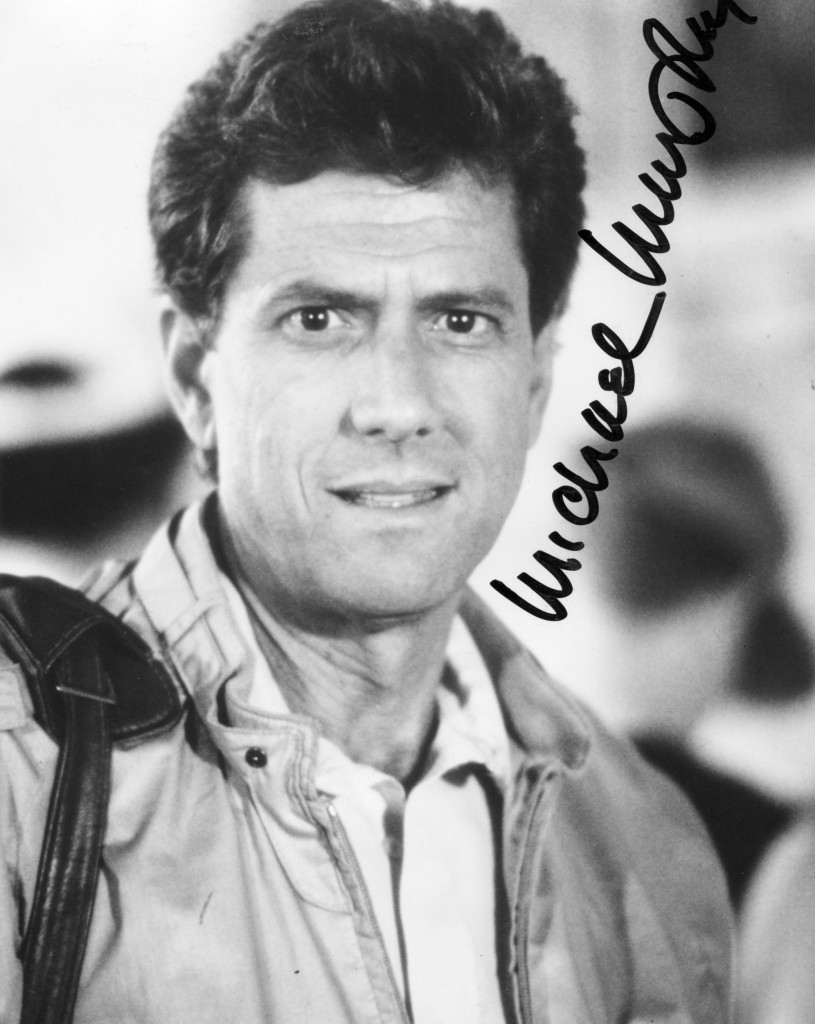
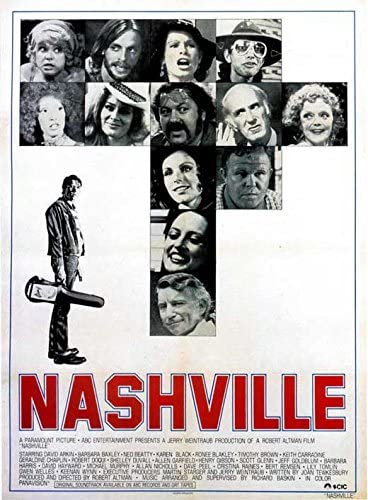
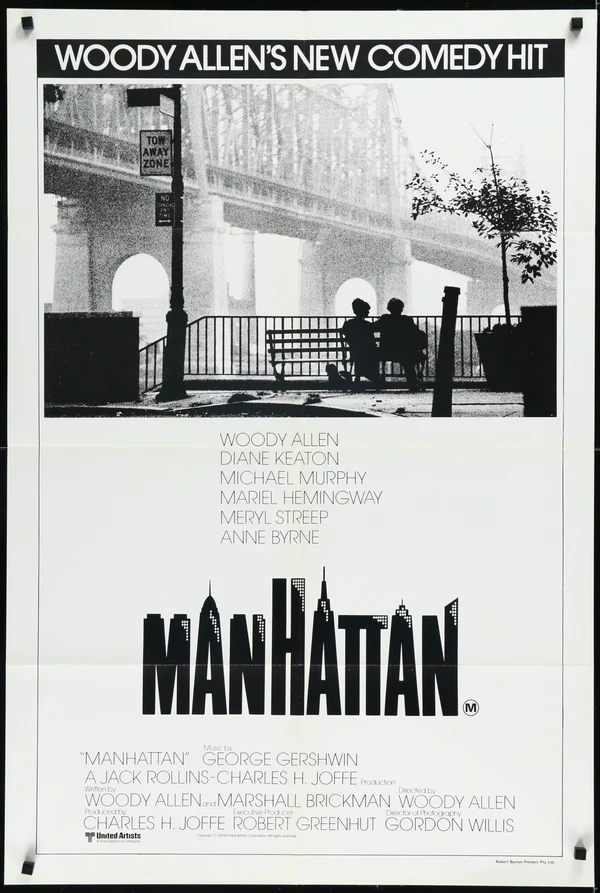
Michael Murphy was born in 1938 in Los Angeles. He has given excellent performances in such films as “Nashville” in 1975, “Manhattan”, “An Unmarried Woman” with Jill Clayburgh and “Away from Her” with Julie Christie .
TCM Overview:
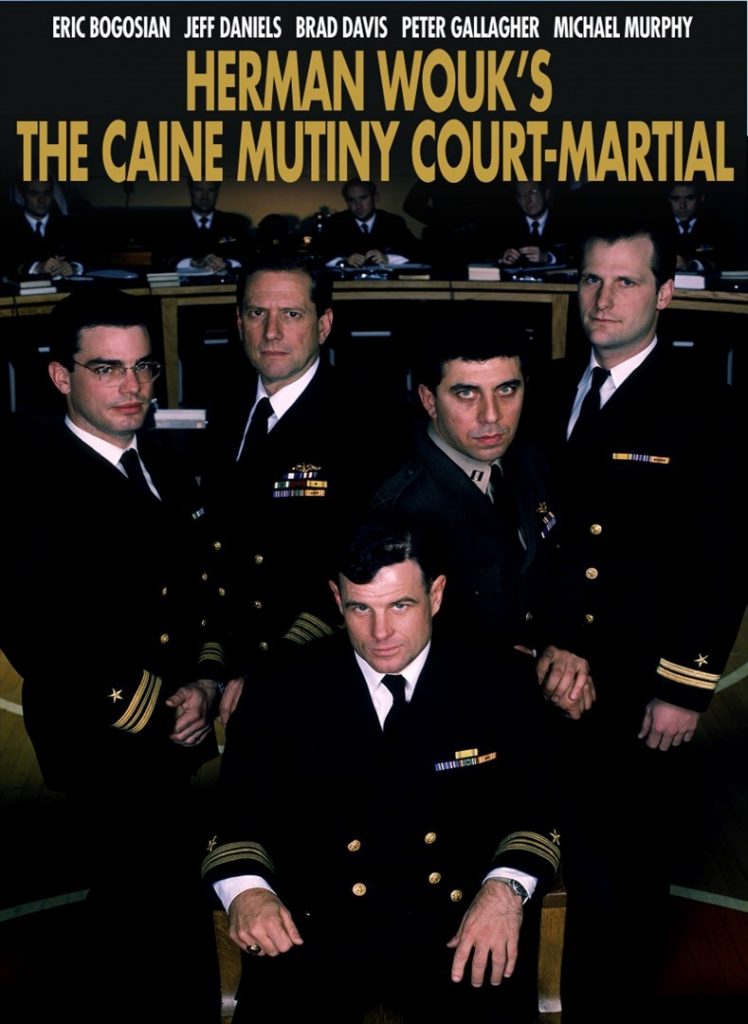
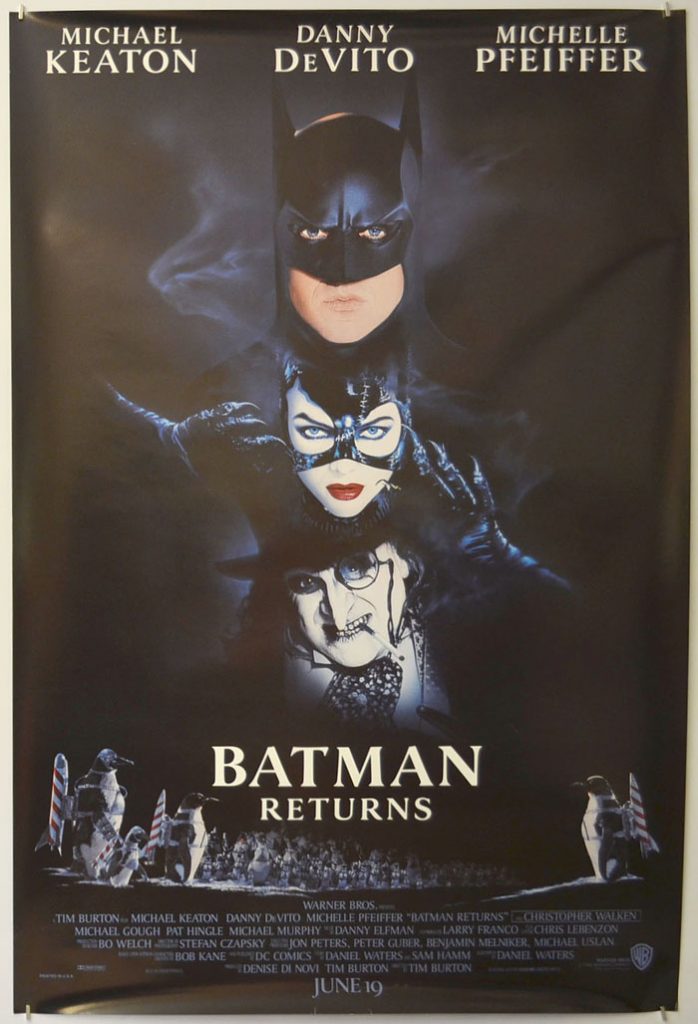
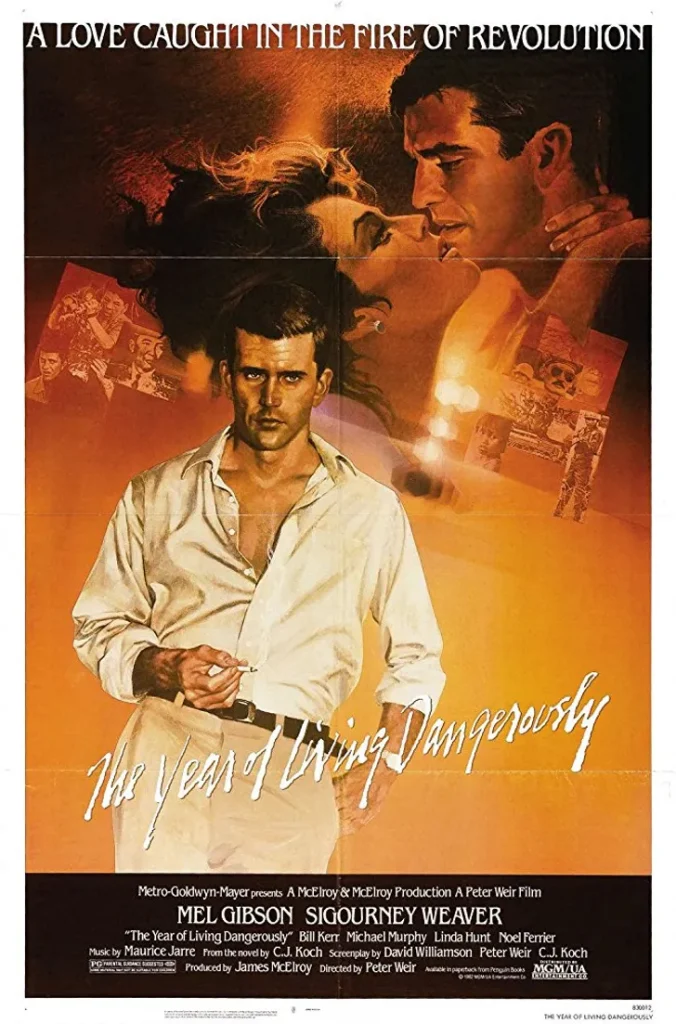
A high school teacher turned character actor, Michael Murphy began his collaboration with famed director Robert Altman on an episode of the 1960s TV series “Combat”. He made the first of several appearances in Altman films in “Countdown” (1968). Among his other Altman credits are “M*A*S*H” and “Brewster McCloud” (both 1970), “McCabe and Mrs. Miller” (1971), “Nashville” (1975) and “Kansas City” (1996). In addition, Murphy portrayed a presidential candidate in Altman’s satire of politics “Tanner ’88” (HBO, 1988) and was the chief judge in Altman’s “The Caine Mutiny Court Martial” (CBS, 1988).Murphy specializes in playing angst-ridden urban types, typified by his roles as cheating husbands in Paul Mazursky’s “An Unmarried Woman” (1978) and Woody Allen’s “Manhattan” (1979). His other film roles include a journalist in Peter Weir’s “The Year of Living Dangerously” (1982), an ambassador in Oliver Stone’s “Salvador” (1986), a cop tracking a serial killer in Wes Craven’s “Shocker” (1989) and the mayor of Gotham City in Tim Burton’s “Batman Returns” (1992).
One Sheet; Movie Poster; Film Poster; Cinema Poster;