
Hollywood Actors

Collection of Classic Hollywood Actors

Grace Zabriskie
Grace Zabriskie
Grace Zabriskie

Grace Zabriskie was born in New Orleans in 1942.   She came to prominence as Sally Field’s mother in the movie “Norma Rae” in 1979.   Her other films include “An Officer and a Gentleman” as the mother of Debra Winger, “Drugstore Cowboy” and “The Burning Bed”.

TCM Overview:

A character actress given to tasty bit parts, Grace Zabriskie vacillates between erotic exhibitionists and colorful, brassy mothers. Since making her feature debut in “Norma Rae” (1978), the New Orleans-born actress has gone on to leave an indelible mark on both the small and big screens. She has been particularly effective in movies playing mothers, albeit not the kind that would be embraced by June Cleaver. In “An Officer and a Gentleman” (1982), Zabriskie portrayed Debra Winger’s mom while in “Drugstore Cowboy” (1989), she was the rejecting parent of Matt Dillon. The actress drew on her roots as Dennis Quaid’s Cajun mom in “The Big Easy” (1986) and was another Southern mother, this time to Sissy Spacek, in “Even Cowgirls Get the Blues” (1994). Two of her most memorable feature parts were as a crazed killer (in a role tailored specifically for her) in David Lynch’s “Wild at Heart” (1990) and as Malcolm McDowall’s wife in “Chain of Desire” (1993), for which she donned a maid’s uniform and wig for a softly sadistic sex scene. Aong with a steady string of low-profile indie filsm, Zabriskie has appeared in “A Family Thing” (1996), “Armageddon” (1998), “Gone In Sixty Seconds” (2001), “The House on Turk Street” (2002) and, in a particularly effective turn, as the near catatonic victim of “The Grudge” (2004).

On the small screen, the actress has lent her unique talents to a variety of memorable roles. Zabriskie was effective as a snake-handler who attempts to romance a detective in a two-part 1986 installment of NBC’s “Hill Street Blues” and as the supportive wife of Admiral Elmo Zumwalt in the CBS biopic “My Father, My Son” (1988). Zabriskie went on to play the grandmother of a child stricken with AIDS in “The Ryan White Story” (ABC, 1989), and the therapist of a sexually abused teen in “A Deadly Silence” (ABC, 1989). The following year, David Lynch tapped her to portray the excessively sobbing mother of murder victim Laura Palmer in the quirky primetime serial “Twin Peaks” (ABC), which she reprised in the confusing 1993 feature prequel “Twin Peaks: Fire Walk With Me”. Zabriskie had the recurring role of the mother of Susan Ross, George Costanza’s ill-fated fiancee in several episodes of “Seinfeld”. She also offered an effective supporting turn as Jennifer Jason Leigh’s mother in the controversial but critically-praised “Bastard Out of Carolina” (Showtime, 1996). She also had a recurring stint as Yellow Teeth on the sci-fi series “John Doe” (UPN, 2002-2003) and appeared as The Crone on the popular WB witchcraft-lite series “Charmed.”

The above TCM overview can also be accessed online here.

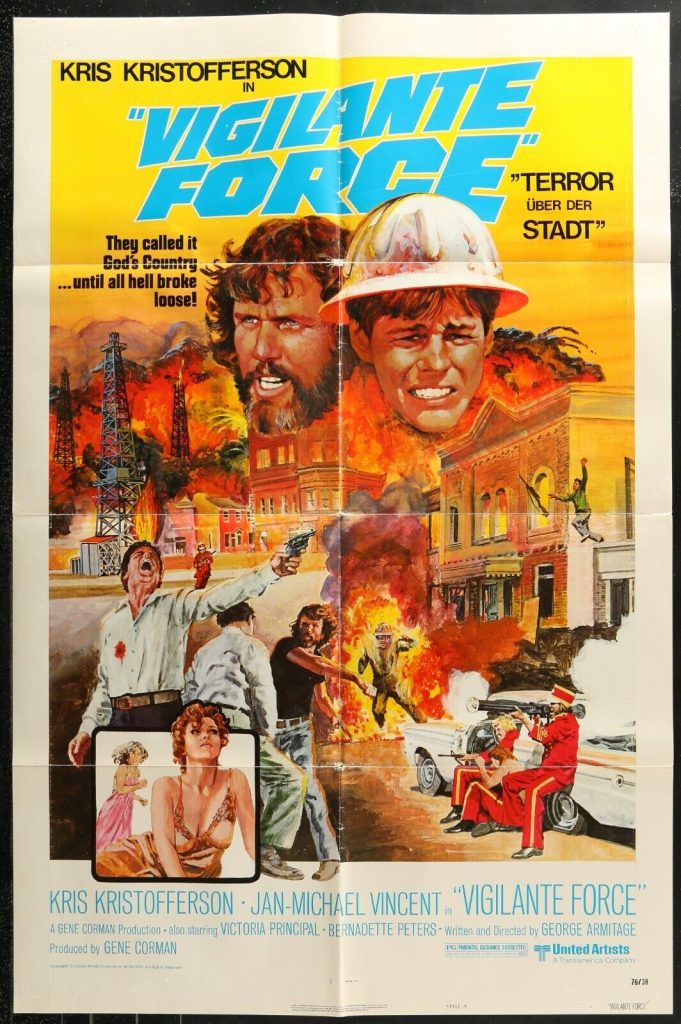
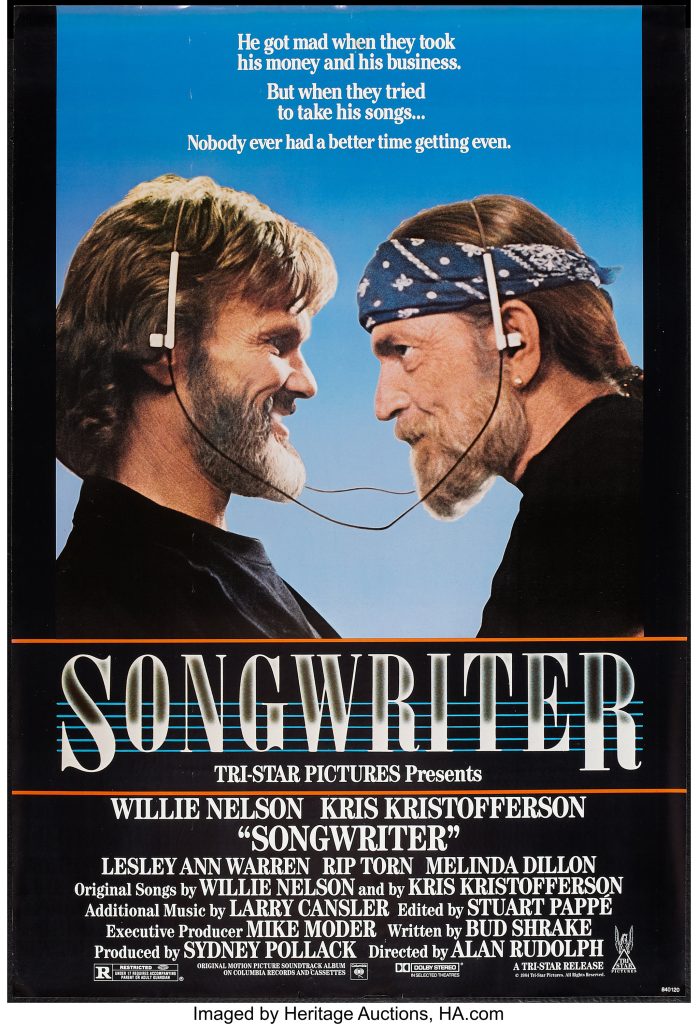
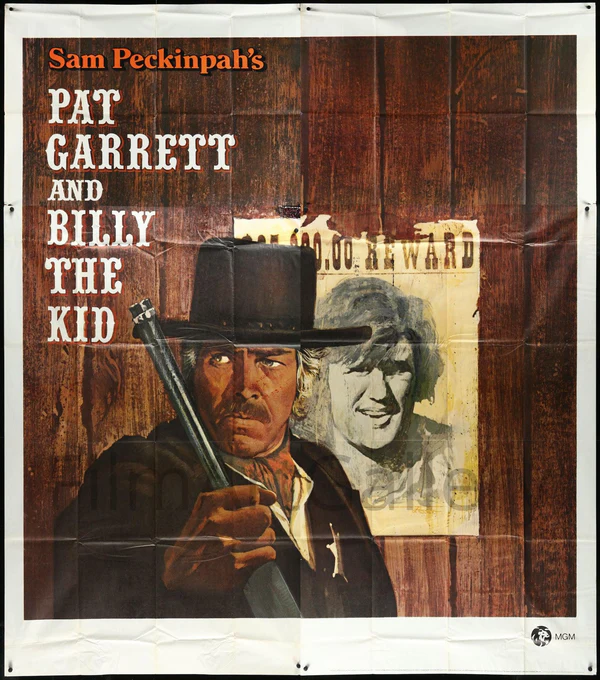
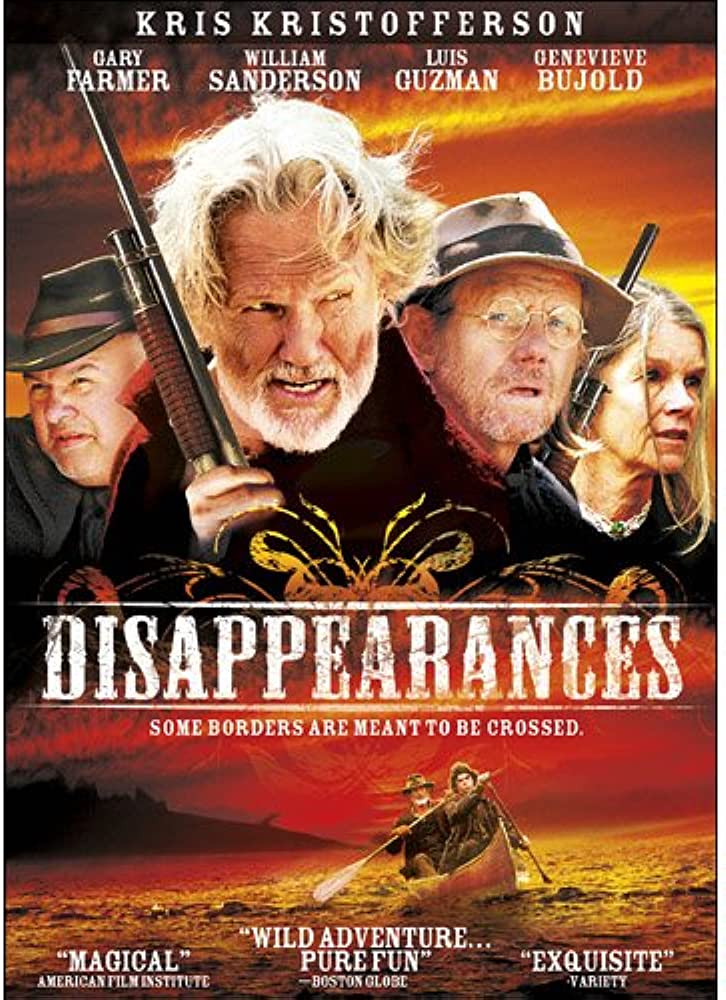
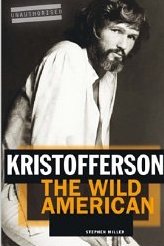
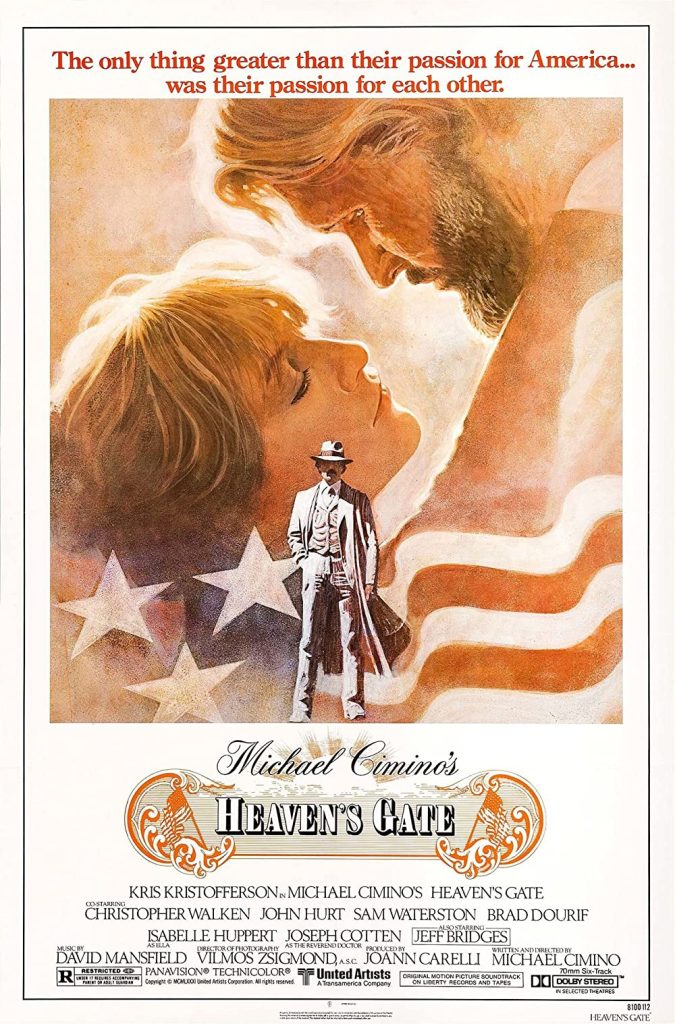
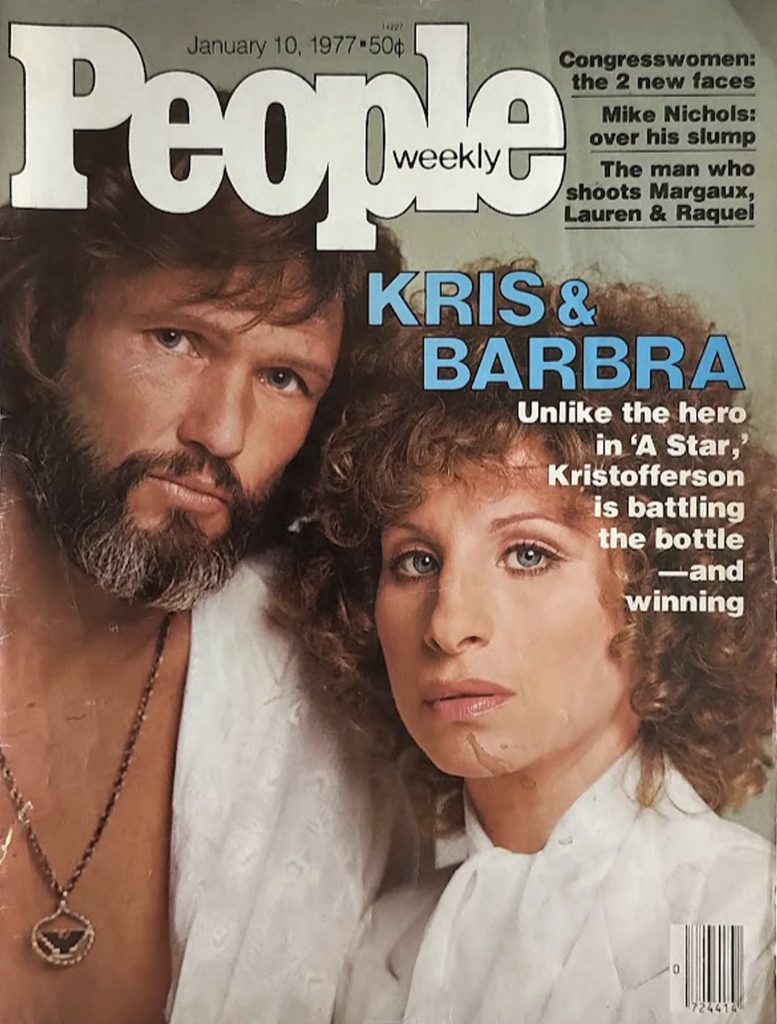
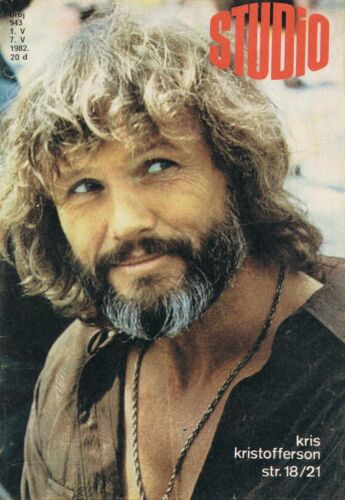
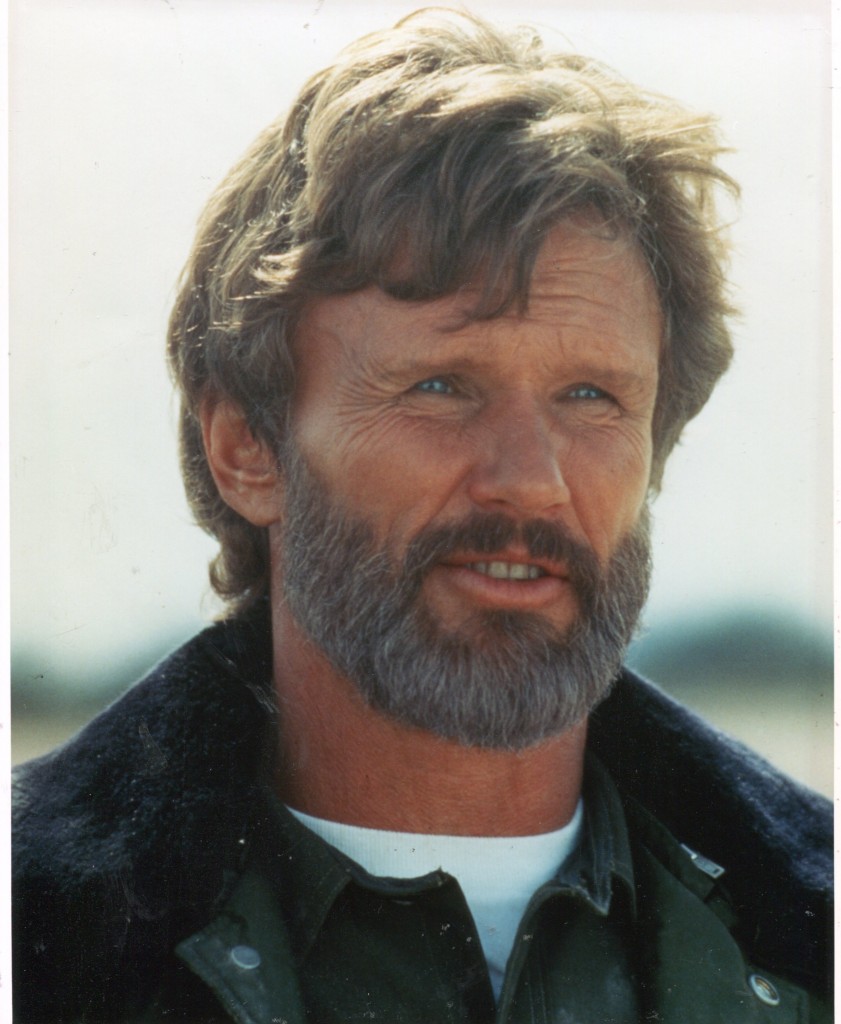
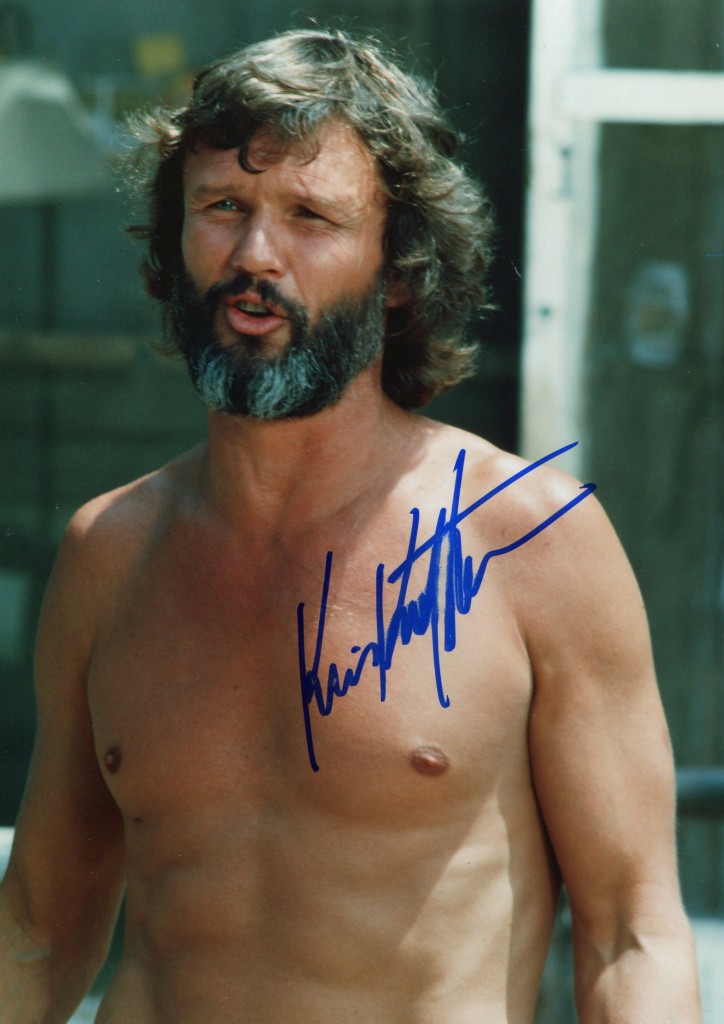
Kris Kristofferson
Kris Kristofferson
Kris Kristofferson

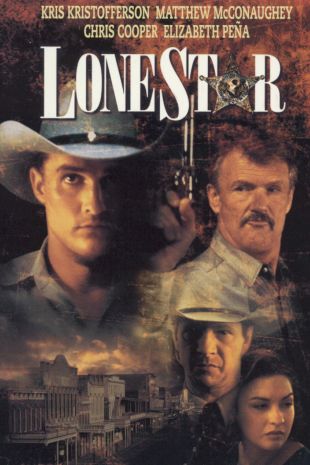
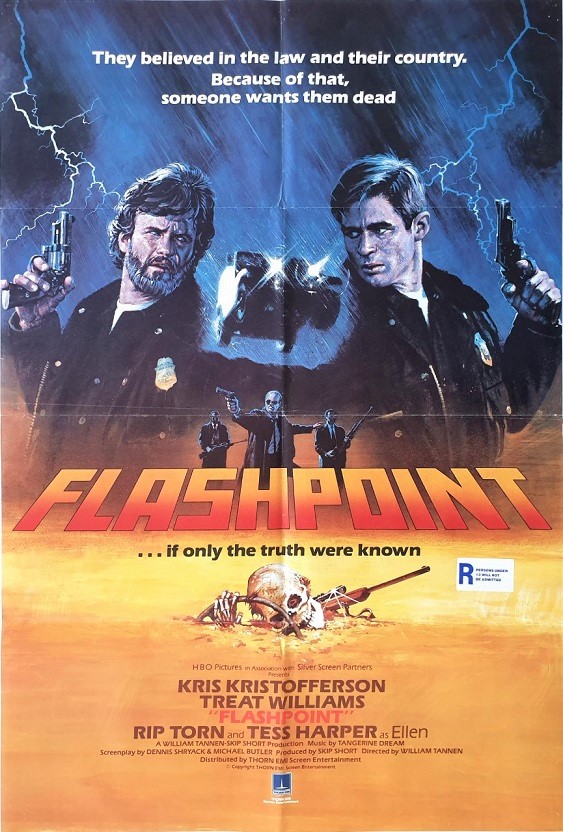
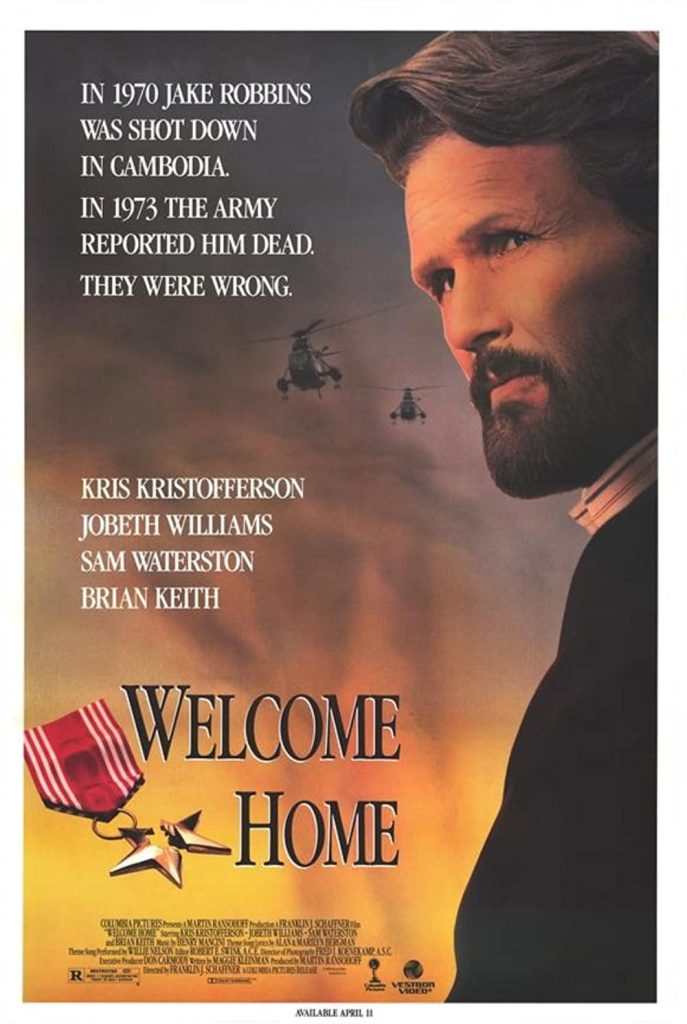
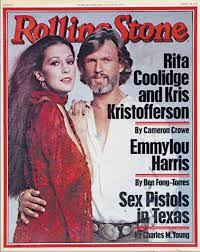
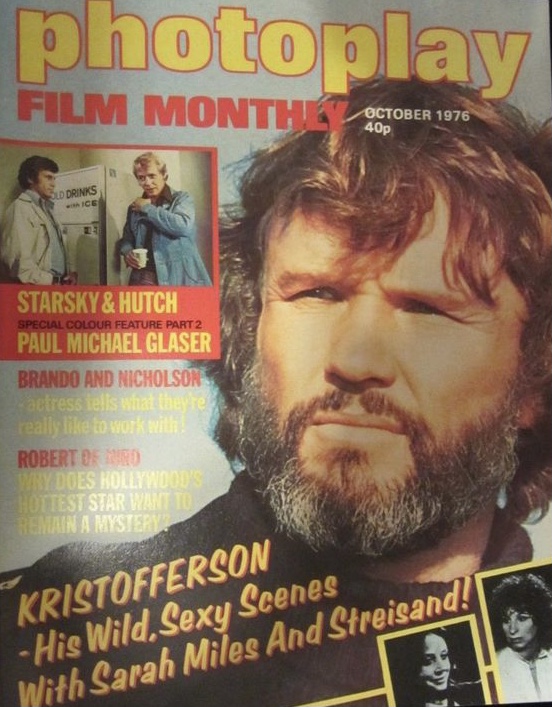
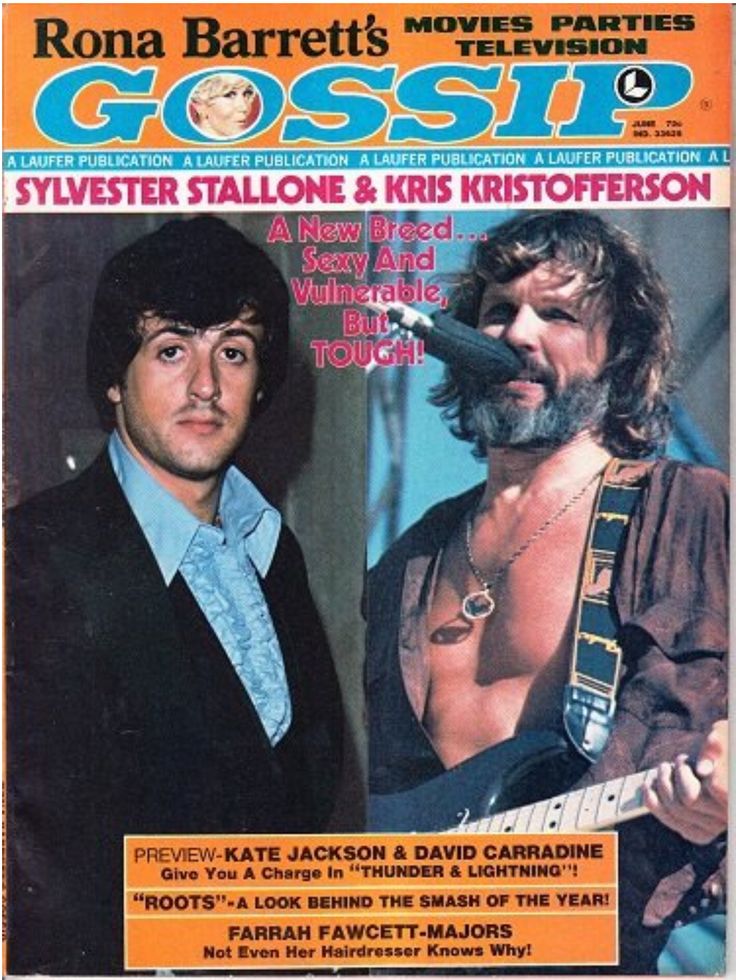
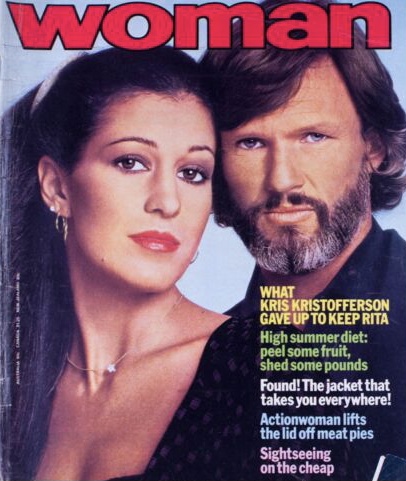
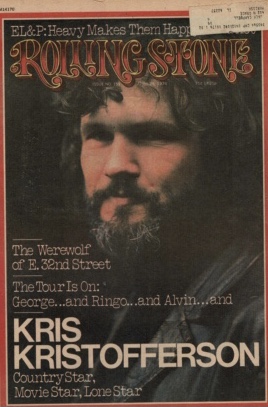
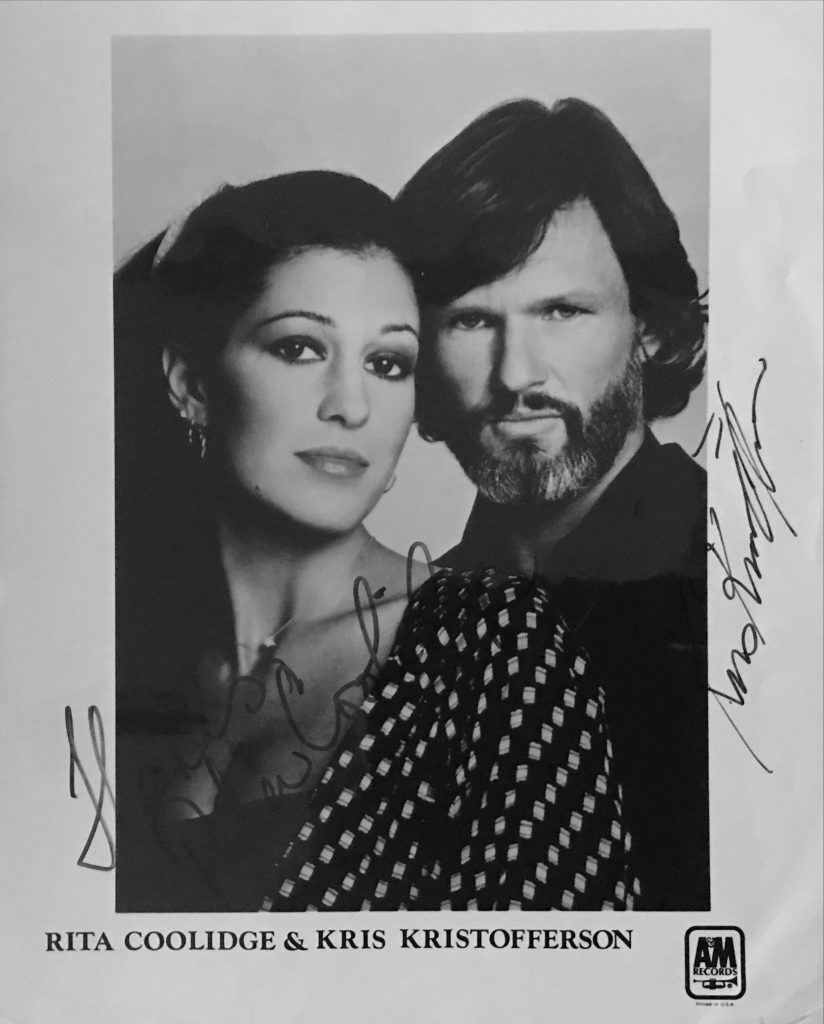
“Kris Kristofferson was the first big male star to sport a beard – but then it suited the times, like his denims and open necked shirts and the guitar he carried.   He was famous first as a singer-concert artist and recording star, a little bit older than most as these things go, but boyish-looking despite the beard.   The background was impossibly romantic – Rhodes scholar and army officer on the one hand, and janitor and barman on the other, with stints as football-player, prize-fighter, helicopter pilot and writer.   This was the ne lifestyle in excess: but had he not written ‘Help Me Make It Through The Night’.   Well this nice man shared his problems with us, we might help him, we might help him make it through the night but he looked so relaxed and relaxing, so confident and masculine in a profession of nonentities”. – David Shipman in “The Great Movie Stars – The Independent Years”. (1991).

Kris Kristofferson. IMDB

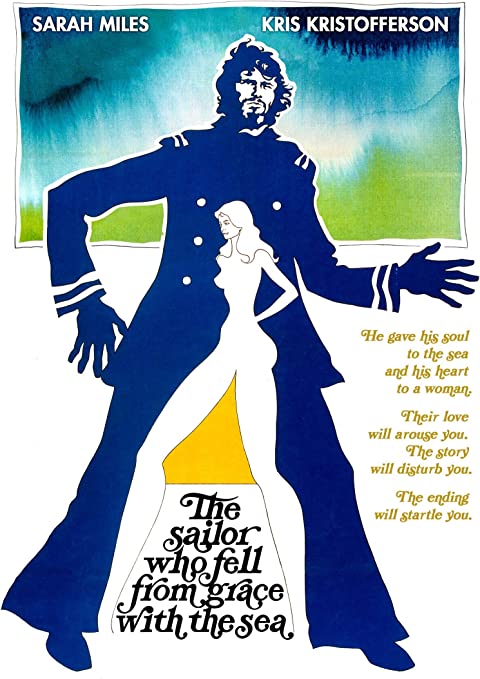
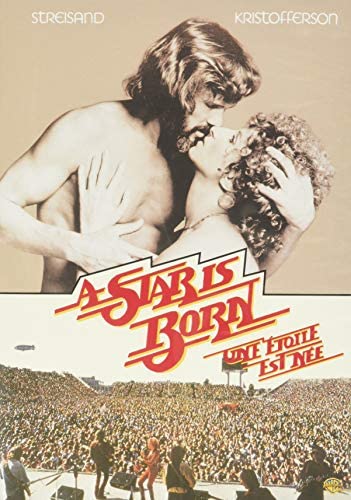
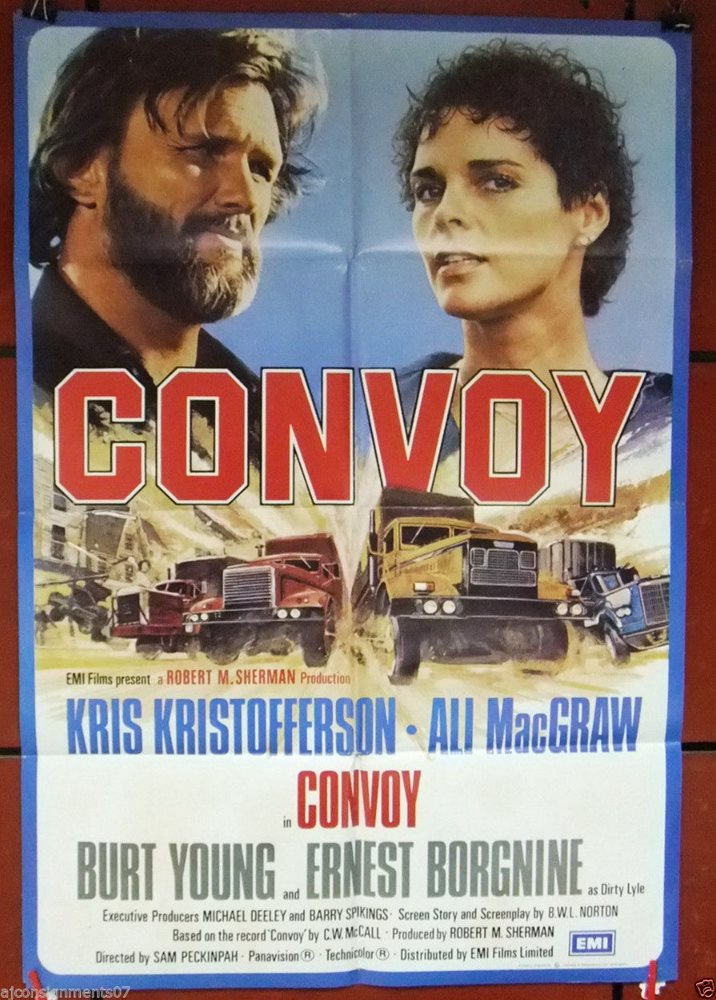
Kris Kristofferson was born in 1936 in Brownsville, Texas.   He had a sterling career as a singer/songwriter before he ventured into films.   His film debut came in “Blume in Love”.   Other films include “Bring Me the Head of Alfredo Garcia”, “Alice Dos’nt Live Her Anymore” with Ellen Burstyn, “The Sailor Who Fell From Grace with the Sea” , “Heaven’s Gate” and “A Star is Born”.

IMDB entry:
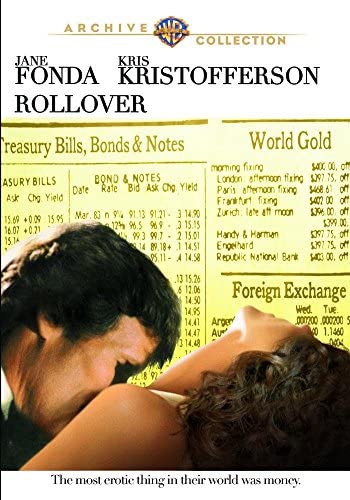
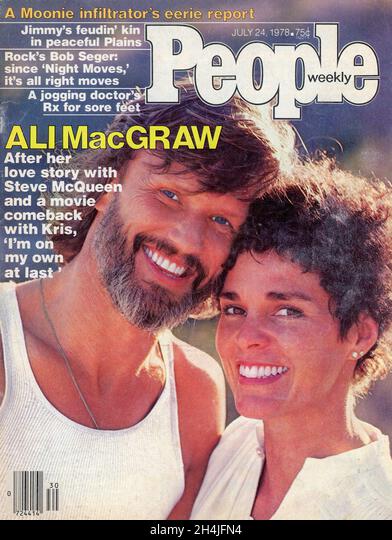
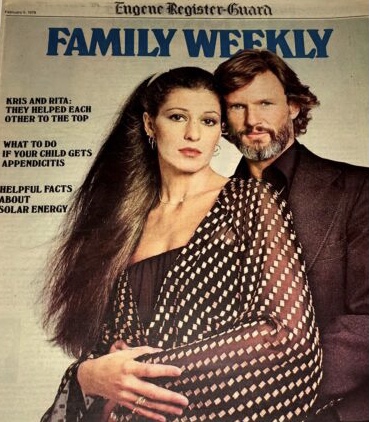
Kris Kristofferson’s father was a United States Air Force general who pushed his son to a military career. Kris was a Golden Gloves boxer and went to Pomona College in California. From there, he earned a Rhodes scholarship to study literature at Oxford University. He ultimately joined the United States Army and achieved the rank of captain. He became a helicopter pilot, which served him well later. In 1965, he resigned his commission to pursue songwriting. He had just been assigned to become a teacher at USMA West Point. He got a job sweeping floors in Nashville studios. There he metJohnny Cash, who initially took some of his songs but ignored them. He was also working as a commercial helicopter pilot at the time. He got Cash’s attention when he landed his helicopter in Cash’s yard and gave him some more tapes. Cash then recorded Kristofferson’s “Sunday Morning Coming Down”, which was voted the 1970 Song of the Year by the Country Music Association. Kris was noted for his heavy boozing. He lost his helicopter pilot job when he passed out at the controls, and his drinking ruined his marriage to singer Rita Coolidge, when he was reaching a bottle and half of Jack Daniels daily. He gave up alcohol in 1976. His acting career nose-dived after making Heaven’s Gate (1980). In recent years, he has made a comeback with his musical and acting careers. He does say that he prefers his music, but says his children are his true legacy.
– IMDb Mini Biography By: John Sacksteder <jsack@ka.net>

The above entry from IMDB can also be accessed online here.
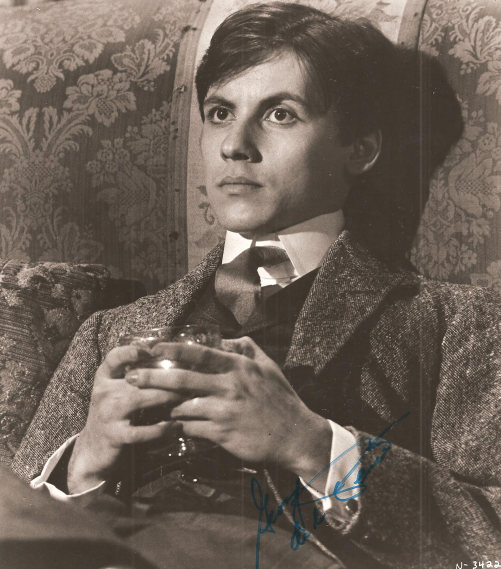
George de la Pena
George de la Pena
George de la Pena

George de la Pena was born in 1955 and is an American ballet dancer and actor.   He began acting when he was cast in the title role in 1980 in “Nijinsky”.   His other films include “Personal Best” and “The Flamingo Kid”.

Hugh O’Connor
Hugh O'Conor
Hugh O’Conor

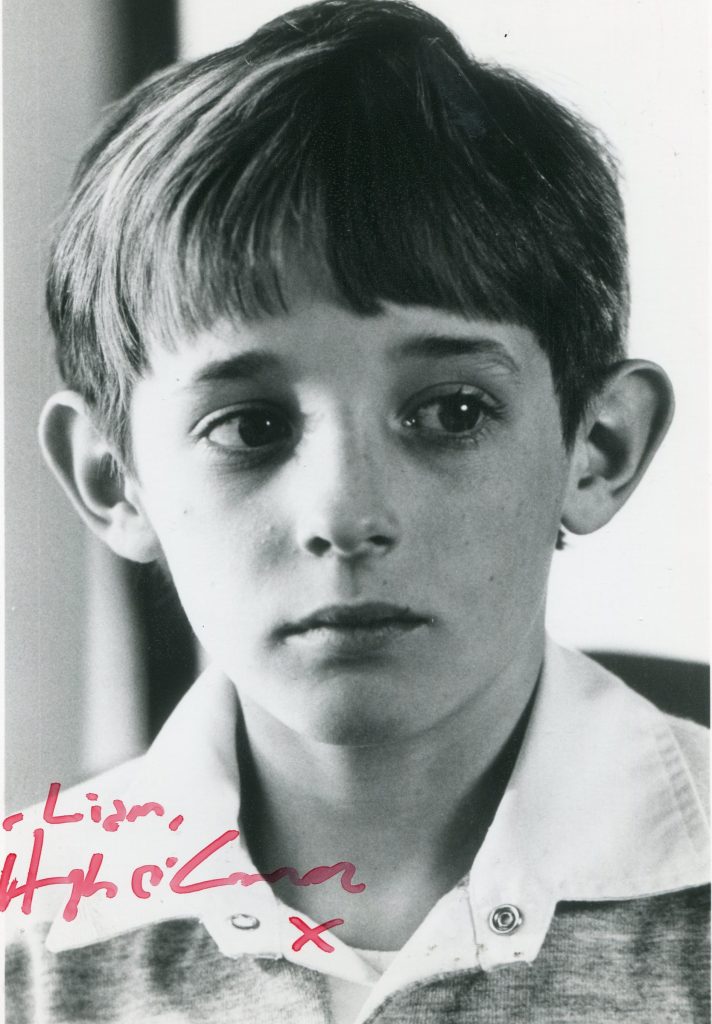
Hugh O’Connor was born in 1962 in Rome.   He was  the adopted son of actor Carroll O’Connor.   He acted with his father in the television series “In the Heat of the Night”.   He also acted in the film “Brass”.   He died in Los Angeles in 1995.

JoBeth Williams

JoBeth Williams was born in 1948 in Houston, Texas.   She had a supporting part in “Kramer versus Kramer” with Dustin Hoffman and Meryl Streep in 1979.   Other films included “Stir Crazy”, “Poltergeist”,  “The Big Chill”, and “Desert Bloom”.   She is currently President of the Screen Actors Guild.

Gary Brumburgh’s entry:

The product of a musical family, Houston-born Jobeth Williams was the daughter of an opera-singing father who encouraged her early interest in theater during high school. She made her professional debut at age 18 in a Houston-based musical production, then studied at Brown University in Providence, Rhode Island, with the intentions of becoming a child psychologist. The acting bug hit her again, however, and she decided to pursue theater after receiving her B.A. in English in 1970. Working intensely to lose her Texas twang, her early training came as a member of the Trinity Repertory Company, where she stayed for two-and-a-half years.

In New York the lovely Jobeth became a daytime regular in the mid-1970s on bothSomerset (1970) and in a vixenish role on Guiding Light (1952) before making a brief but memorable impact in a highly popular film at the end of the decade. In the Dustin Hoffman starring film Kramer vs. Kramer (1979), Jobeth plays Hoffman’s gorgeous sleepover who gets caught stark naked by his young, precocious son (Justin Henry) the following morning. She also impressed on the stage with major roles in “Moonchildren” and “A Coupla White Chicks Sitting Around Talking.”

Her star maker would could in the form of the strong-willed mother of three who fights to save her brood from home-invading demons in Steven Spielberg‘s humongous critical and box-office hit Poltergeist (1982), which also made a major star out of movie husbandCraig T. Nelson. Officially in the big leagues now, she joined the star ensemble cast ofThe Big Chill (1983), and appeared opposite Nick Nolte in Teachers (1984). Disappointing outcomes in the lackluster sequel Poltergeist II: The Other Side (1986) and the intriguing but overlooked American Dreamer (1984) prodded her to search for more challenging work on TV.

It is the small screen, in fact, that has particularly shown off the range of Jobeth’s talent over the years, particularly in domestic drama. Cast in some of the finest TV-movies served up, Jobeth won deserved Emmy nominations for her real-life mother of an ill-fated missing child in Adam (1983) and real-life surrogate mother in Baby M (1988). Other monumental mini-movie efforts include her nurse in the apocalyptic drama The Day After(1983); her magnetic performance opposite Terry Kinney as an adulterous worshiper and minister who carry out plans to kill their respective spouses in the gripping suspense show Murder Ordained (1987); alcoholic James Woods‘ long-suffering wife in My Name Is Bill W. (1989); a social worker trying to reach a deaf girl in Breaking Through (1996); and the overbearing mother whose son turns to drugs in Trapped in a Purple Haze (2000). She continues to balance both film and TV projects into the millennium.

Behind the scenes she was nominated for an Academy Award for her directorial debut of Showtime’s On Hope (1994)and continues to seek out other directing projects. It doesn’t hurt being married to a director for encouragement. She and John Pasquin, who directed her in the film Jungle 2 Jungle (1997) and on the short-lived TV series Payne (1999), have two children. More recent film roles include playing Drew Barrymore‘s mom in Fever Pitch (2005).

– IMDb Mini Biography By: Gary Brumburgh / gr-home@pacbell.net

JoBeth Williams
JoBeth Williams
Gale Sondergaard
Gale Sondergaard
Gale Sondergaard

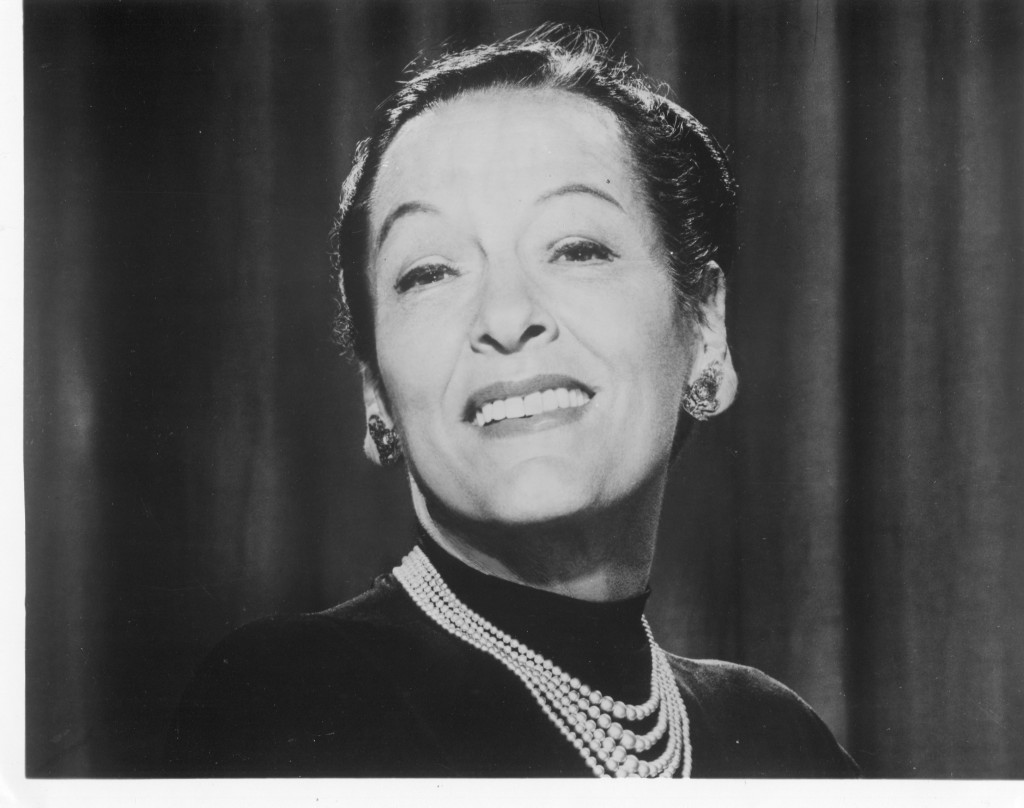
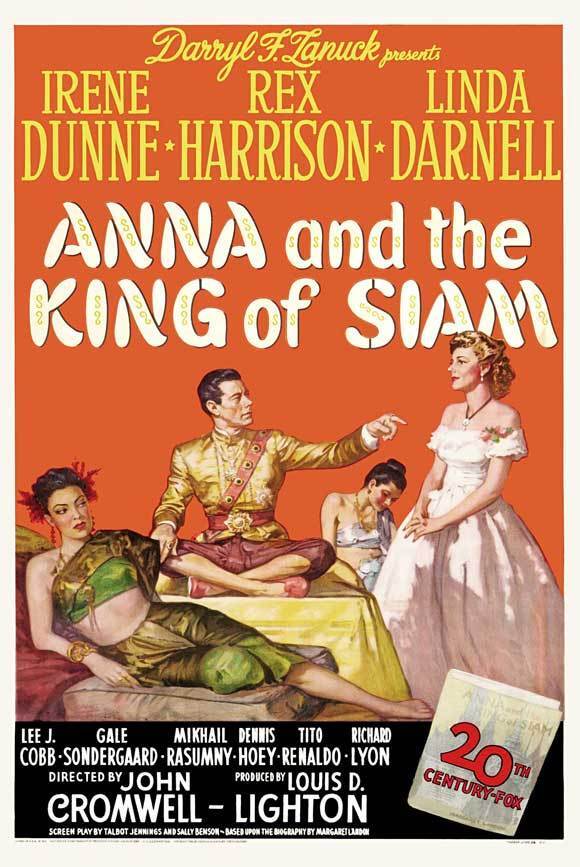
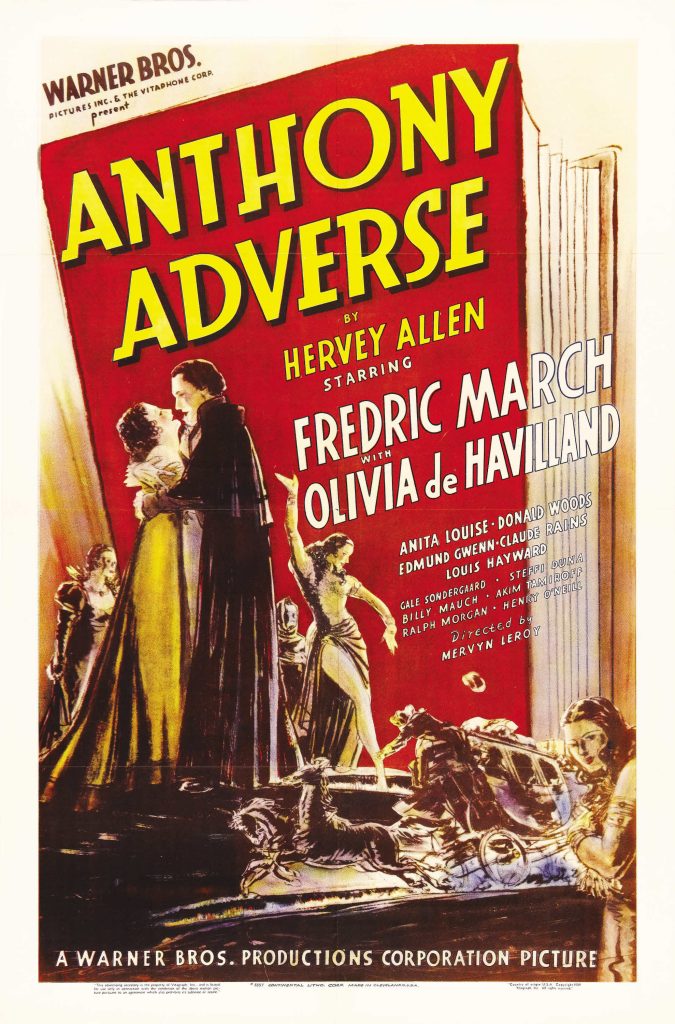
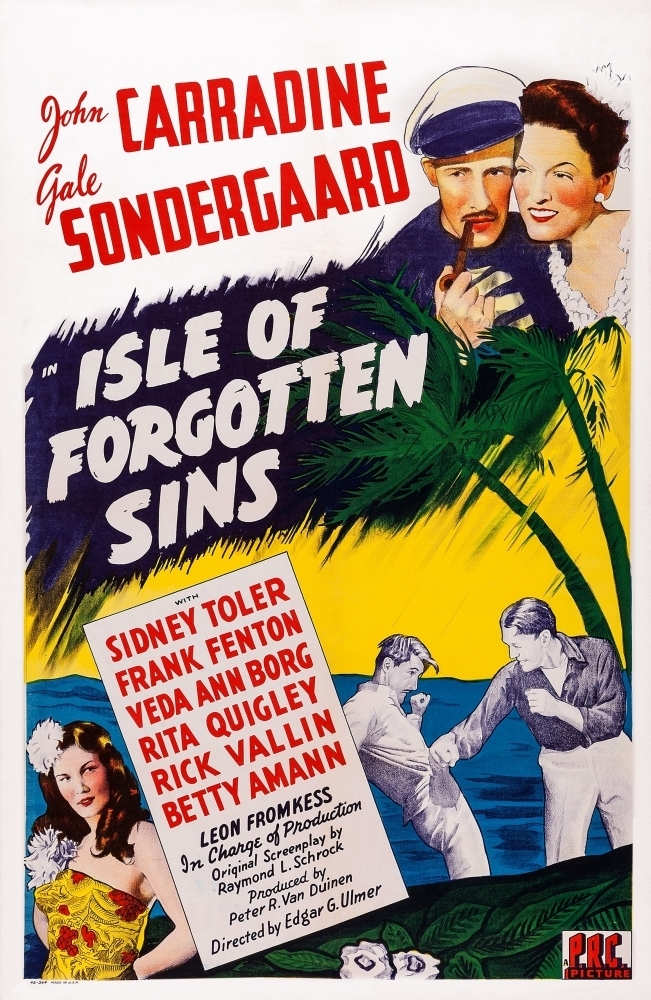
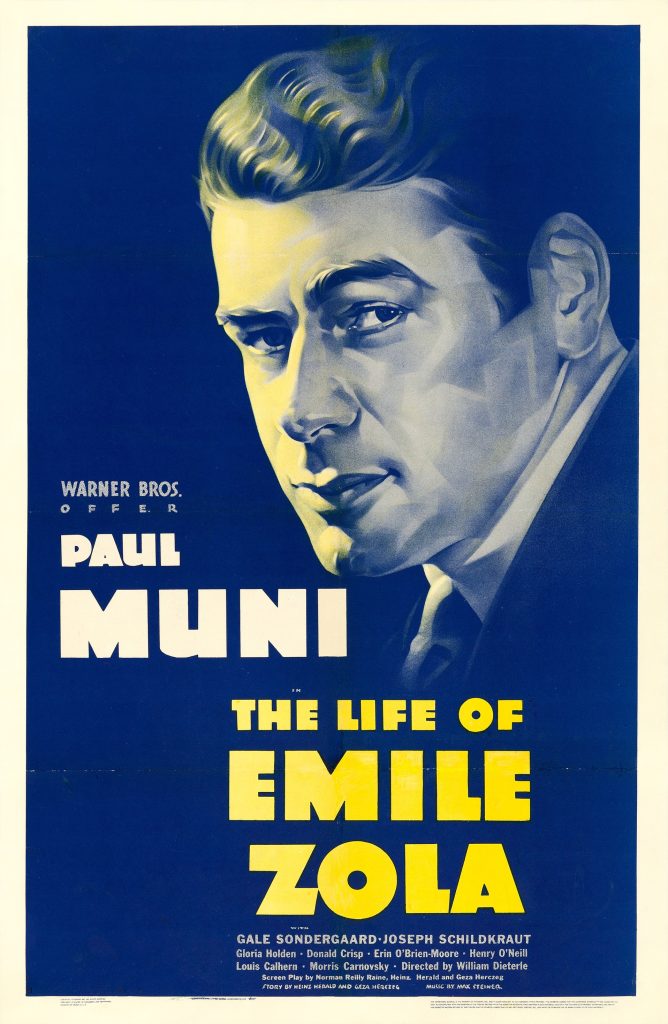
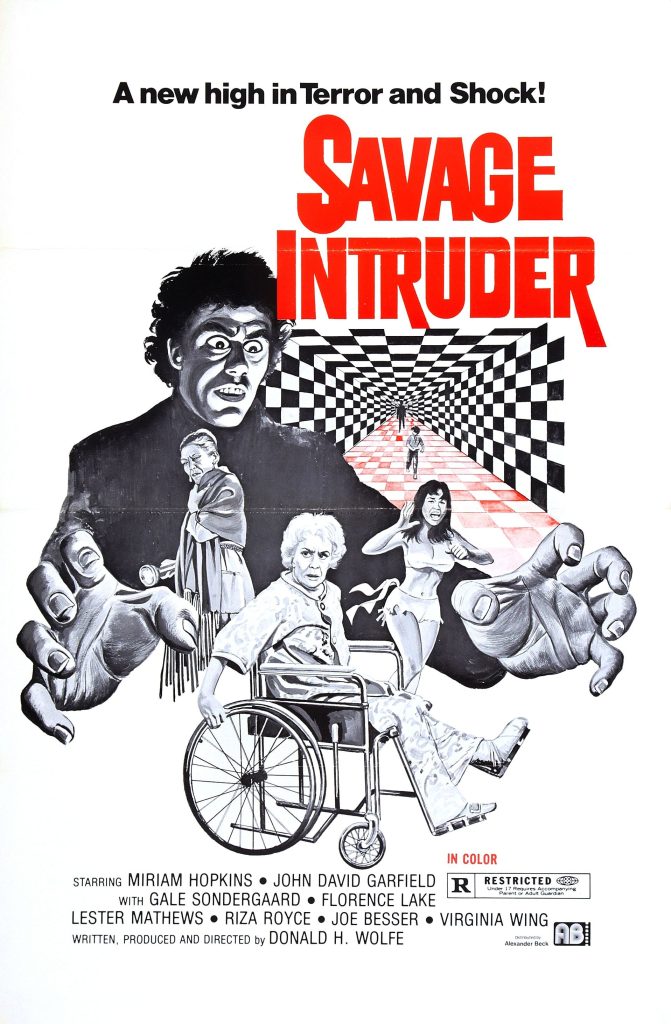
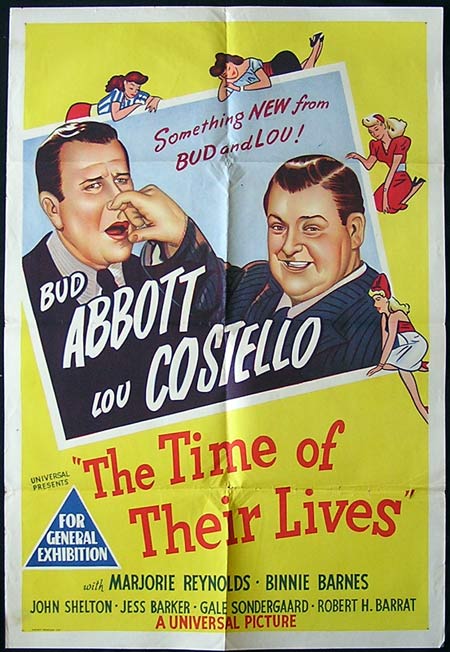
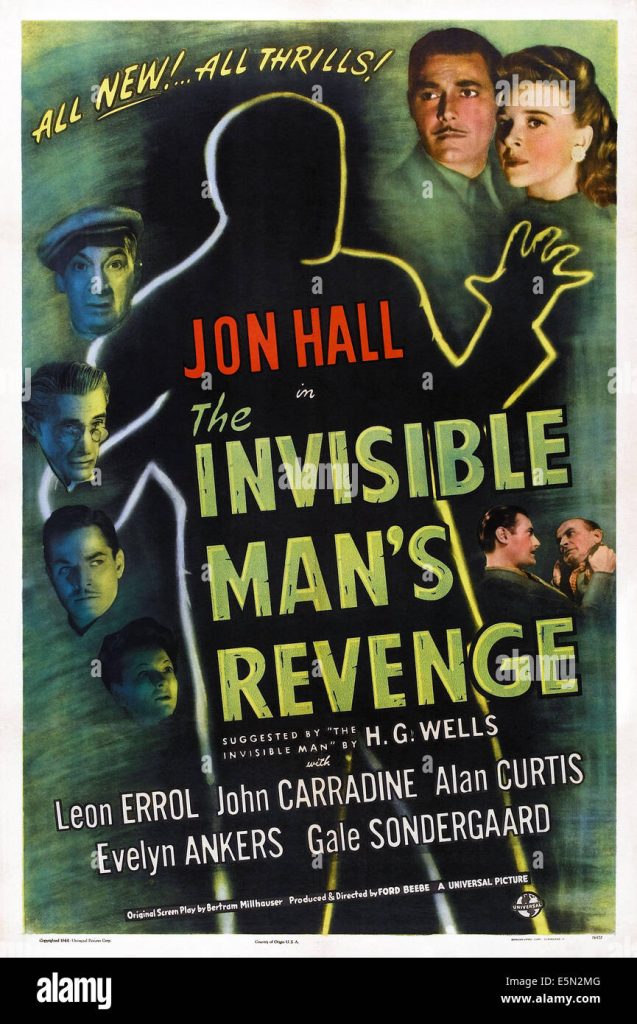
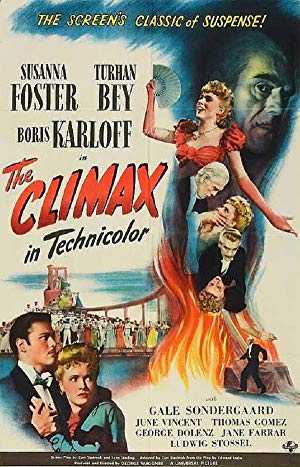
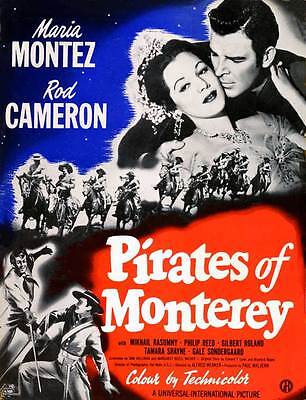
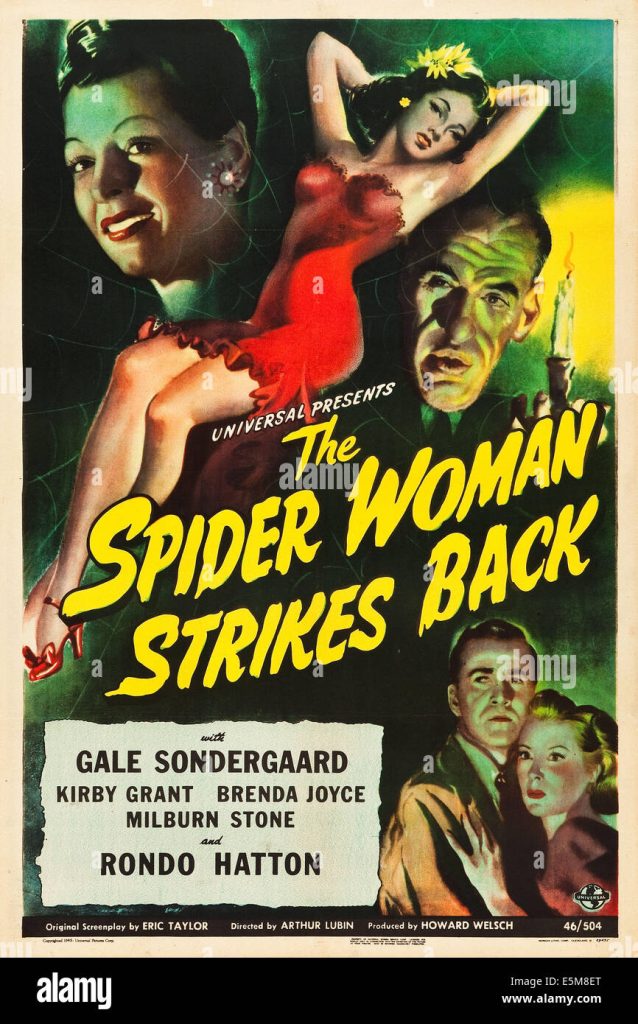
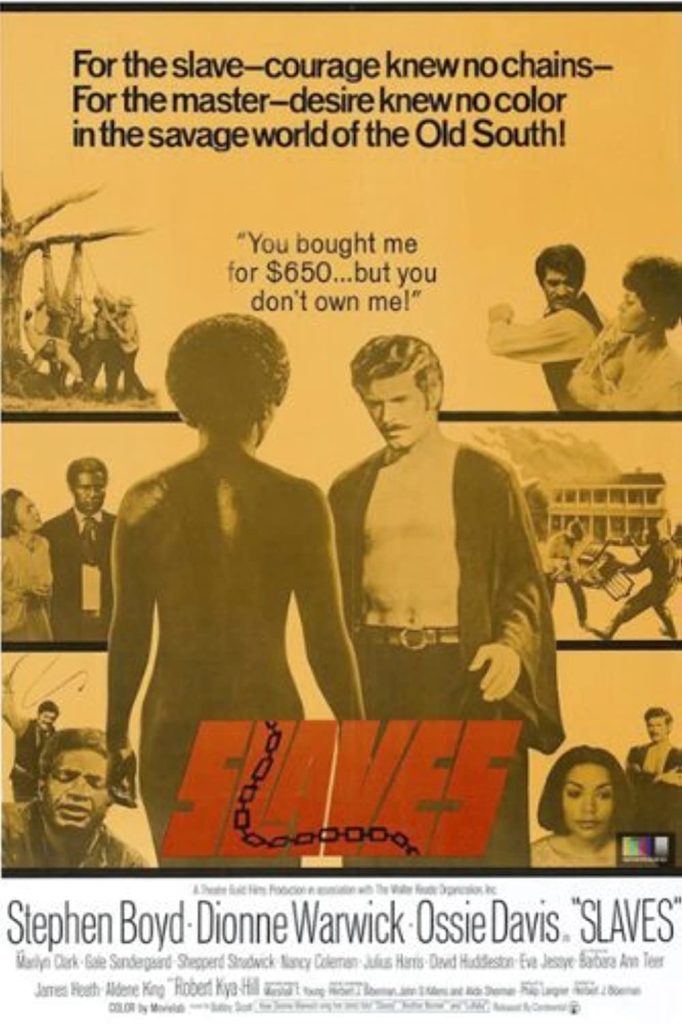
Gale Sondergaard was born in 1899 in Minnesota to parents of Dutch origin.   She won an Oscar for her first appearance on film in “Anthony Adverse” in 1936 and had a very successful movie career until the early 50’s when it was stalled by the Hous of Un-American Activities Committee.   In the 40’s she made such classic movies as “The Life of Emile Zola”, “The Letter” and “Anna and the King of Siam”.   In the 50’s she returned to New York and the stage only returning to films in 1969 in “Slaves”.   She was acting up to shortly before her death in 1985.

IMDB entry:

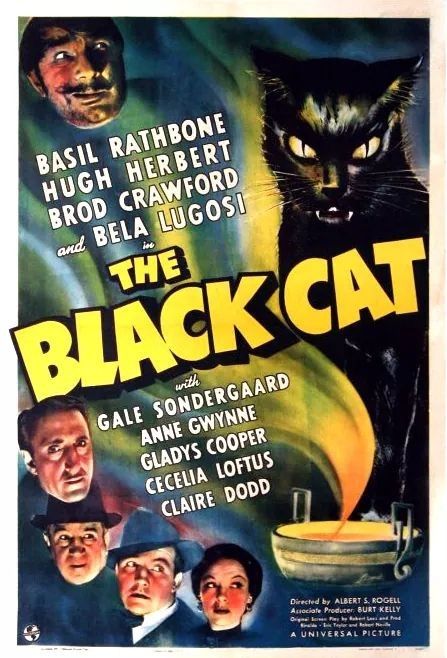
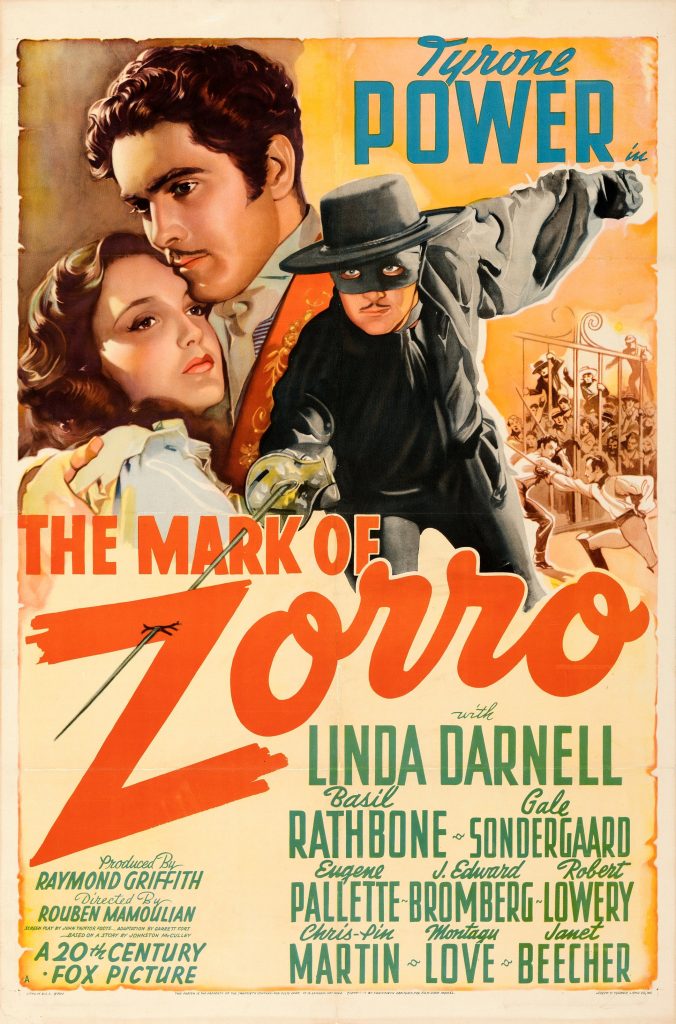
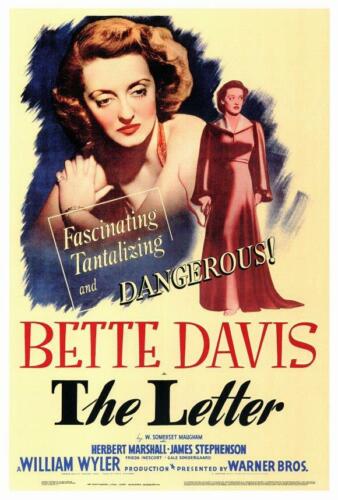
Sly, manipulative, dangerously cunning and sinister were the key words that best described the roles that Gale Sondergaard played in motion pictures, making her one of the most talented character actresses ever seen on the screen. She was educated at the University of Minnesota and later married director Herbert J. Biberman. Her husband went to find work in Hollywood and she reluctantly followed him there. Although she had extensive experience in stage work, she had no intention of becoming an actress in film. Her mind was changed after she was discovered by director Mervyn LeRoy, who offered her a key role in his film Anthony Adverse (1936); she accepted the part and was awarded the very first Academy Award as Best Supporting Actress. LeRoy originally cast her as the Wicked Witch in The Wizard of Oz (1939), but she felt she was not right for that role. Instead, she co-starred opposite Paul Muni in The Life of Emile Zola (1937), a film that won Best Picture in 1937. Sondergaard’s most-remembered role was that of the sinister and cunning wife of a husband murdered by Bette Davis‘ character in The Letter(1940). Sondergaard continued her career rise in films such as Juarez (1939), The Mark of Zorro (1940), The Black Cat (1941), and Anna and the King of Siam (1946). Unfortunately, she was blacklisted when she refused to testify during the McCarthy-inspired “Red Scare” hysteria in the 1950s. She eventually returned to films in the 1960s and made her final appearance in the 1983 film Echoes (1982). Gale Sondergaard passed away of an undisclosed illness at the Motion Picture and Television Hospital in Woodland Hills, California, at the age of 86.

– IMDb Mini Biography By: Blythe379@cs.com

The above IMDB entry can also be accessed online here.
Gale Sondergaard (1899–1985) was an actress of singular, sharp-featured intensity whose career serves as both a testament to the “prestige” villainess and a somber case study of the Hollywood Blacklist. Known for her “cobra-like” gaze and a voice that could cut like a silk-wrapped blade, she was the first-ever recipient of the Academy Award for Best Supporting Actress.

Career Overview

Sondergaard’s career is defined by a decade of total dominance in character roles followed by twenty years of forced professional silence.

  • The Oscar Debut (1936): After years in theater, Sondergaard made a stunning film debut in The Anthony Adverse. Her performance as the manipulative Faith Paleologus won her the inaugural Best Supporting Actress Oscar, immediately establishing her as Hollywood’s premier “woman of mystery.”


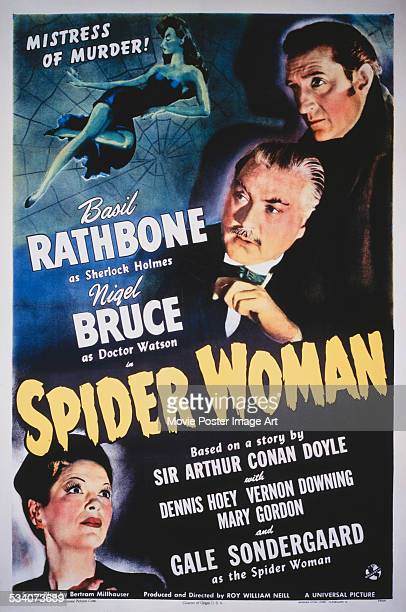
  • The “Dragon Lady” Archetype (1937–1946): She became the go-to actress for sinister aristocrats and calculating housekeepers. She was famously the original choice for the Wicked Witch in The Wizard of Oz(but left when the studio decided to make the witch ugly rather than glamorous). Her most iconic roles of this era include the sinister Mrs. Hammond in The Letter (1940) and the title role in The Spider Woman(1944).

  • The Blacklist (1949–1969): As the wife of director Herbert Biberman (one of the “Hollywood Ten”), Sondergaard refused to testify before the House Un-American Activities Committee (HUAC). She was effectively blacklisted for two decades, disappearing from the screen at the height of her powers.


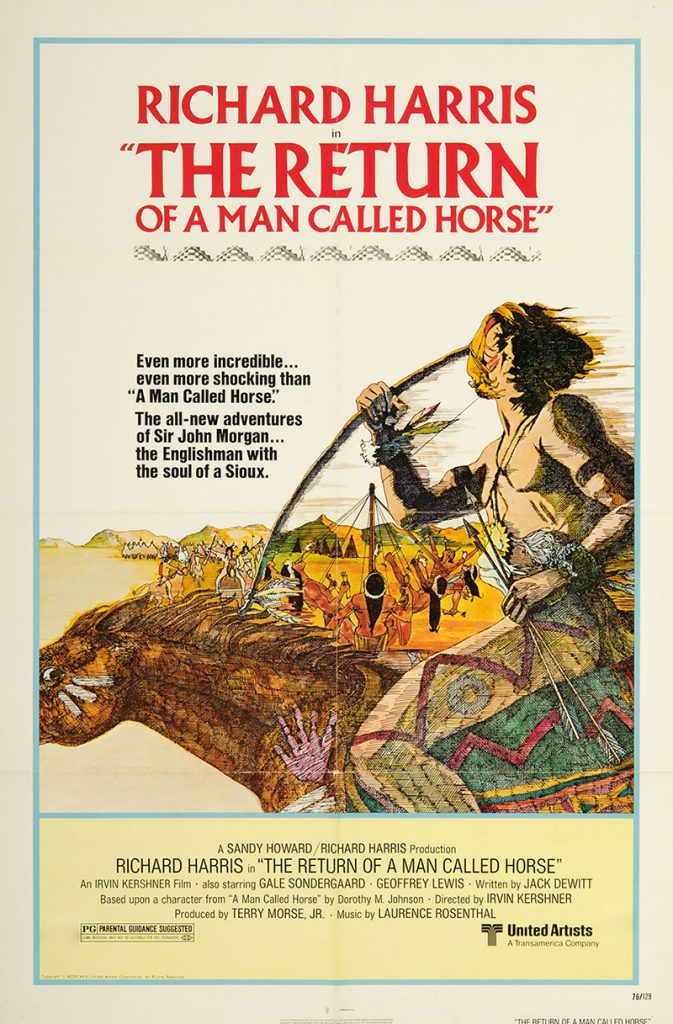
  • The Return (1969–1983): She made a dignified return to acting in her later years, appearing in films like A Man Called Horse and guest-starring on television (Ryan’s Hope), though she never regained the momentum of her early career.


Detailed Critical Analysis

1. The “Stillness” of the Antagonist

Critically, Sondergaard is analyzed for her physical and vocal economy. Unlike the melodramatic villains of the silent era, Sondergaard’s menace was rooted in a terrifying, motionless composure.
  • The Mask-Like Face: Critics often noted that she used her high cheekbones and hooded eyes to create a “statuesque” villainy. In The Letter, she barely speaks, yet her silent presence as the wronged Eurasian wife dominates every scene she is in.


  • Vocal Texture: Her voice was low, rhythmic, and devoid of “flutter.” She didn’t shout; she purred. This made her characters feel intellectually superior to the protagonists they were undermining.

2. Subverting the “Housekeeper” Trope

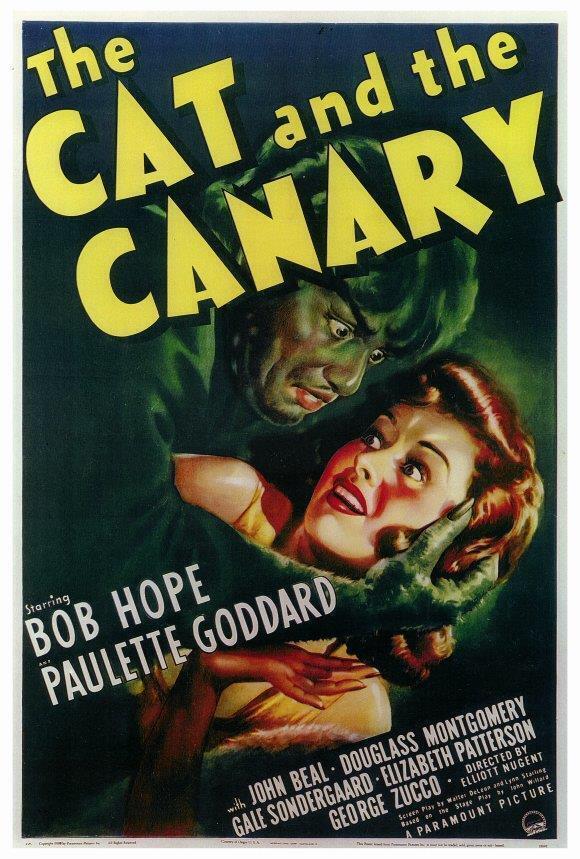
In films like The Cat and the Canary (1939), Sondergaard took the “spooky servant” trope and elevated it to high art.

  • Dignified Menace: She brought a sense of tragic history to her “help” roles. Critics point out that she never played a servant as subservient; she played them as the true keepers of the house’s secrets, often appearing more “noble” than the families she served.

  • The Spider Woman (1944): Playing Adelle Courtney (Sherlock Holmes’ female foil), she created the blueprint for the “Female Moriarty.” Critics praised her for being a villain who was motivated by pure, cold logic—a rarity for female roles in the 40s.

3. The “Wizard of Oz” That Never Was

One of the most analyzed “what-ifs” in film history is Sondergaard’s casting as the Wicked Witch.

  • Glamorous Evil: Sondergaard wanted to play the witch as a sleek, beautiful “Sultana” of evil (akin to the Evil Queen in Snow White). When MGM insisted on green skin and a prosthetic nose, she walked away.


  • Critical Insight: Historians argue that had she stayed, the film would have been a psychological thriller rather than a fantasy musical. Her refusal to be “ugly” for a role speaks to her critical view of herself as a sophisticated, cerebral performer rather than a character “hag.”

4. The Blacklist as Professional Erasure

Critically, the twenty-year gap in her resume is viewed as a massive loss to American cinema.

  • The “Hitchcock” Potential: Film scholars often lament that Sondergaard was unavailable during Hitchcock’s peak years in the 1950s. Her brand of “repressed, icy authority” would have been the perfect fit for his psychological thrillers.

  • The Return to Theater: During her exile, she returned to the stage. Critics who saw her during this period noted that her voice had deepened and her “stillness” had become even more profound—a reflection of the personal and political stoicism she maintained throughout her blacklisting.



Major Credits & Recognition

Project Role Significance
Anthony Adverse (1936) Faith Paleologus Won the first-ever Best Supporting Actress Oscar.
The Letter (1940) Mrs. Hammond A masterclass in “silent” dramatic presence opposite Bette Davis.
The Spider Woman Adelle Courtney Defined her as a “top-tier” cinematic mastermind.
Anna and the King of Siam Lady Thiang Earned her a second Oscar nomination for a complex, sympathetic role.

Gemini said 


The personal and political writings of Gale Sondergaard, particularly those following her 1951 refusal to testify before the House Un-American Activities Committee (HUAC), reveal a woman who viewed her silence not as a void, but as an active moral choice. While the Blacklist cost her two decades of her prime career, her critical reflections suggest she saw the “role” of the dissenter as the most important one she ever played.

The “Cobra” and the Constitution

Sondergaard’s justification for her silence was rooted in a very specific interpretation of American civil liberties. Unlike some who took the Fifth Amendment (protection against self-incrimination), she and her husband, Herbert Biberman, often emphasized the First Amendment—the right to free speech and, crucially, the right to not speak.

  • The “Script” of the Witness: Sondergaard critically analyzed the HUAC hearings as a form of “bad theater.” She wrote that the committee demanded a specific performance: the “repentant sinner” who names names. By refusing to play that part, she felt she was maintaining her integrity as a professional who only “performed” when the script was honest.

  • The Loss of the “Face”: In her private letters, she expressed a cold fury that her “mask”—the very face that won an Oscar—was being used by the press to depict her as a “subversive.” She argued that a performer’s political beliefs should be as private as their internal character preparations.


Critical Analysis: The Performance of Defiance

1. The 1951 Testimony

When Sondergaard finally appeared before the committee, she didn’t cower; she utilized the “stillness” that made her a star.

  • Acoustic Defiance: Observers noted that she used her “stage voice”—deep, resonant, and perfectly modulated—to deliver her refusals. She made the committee look like the “heavies” in one of her own melodramas.

  • The “Lady Thiang” Defense: She often referenced her role in Anna and the King of Siam (for which she was Oscar-nominated), noting that she had played a woman of dignity who stood up to a King. She saw her real-life defiance as a natural extension of the “strong, principled women” she sought to portray on screen.

2. The “Independent” Years (1951–1968)

During the Blacklist, Sondergaard was essentially erased from the Hollywood map. However, her writings from this era show a shift from “movie star” to “cultural activist.”

  • The Salt of the Earth (1954): Her husband directed this landmark independent film about striking miners. Sondergaard helped behind the scenes. She wrote that this was “real drama,” comparing the polished artifice of Hollywood to the “unvarnished truth” of independent political filmmaking.

  • The Monologue as Survival: To keep her craft alive, she developed a one-woman show. Critically, these performances were described as “distilled Sondergaard.” Without the studio lighting or costumes, she relied entirely on her vocal control and that famous, steady gaze.


The “Dignified” Return

When she finally returned to the screen in the late 1960s, the “villainess” label had been replaced by a “matriarchal” gravitas.

Period Critical Persona Industry Status
1936–1948 The “Spider Woman”; Lethal Sophistication. Academy Award Winner; A-List Character Lead.
1949–1968 The “Political Leper”; Silent Dissenter. Blacklisted (Professional Exile).
1969–1985 The “Elder Stateswoman”; Haunted Authority. Respected Veteran; Career Achievement Symbol.

Final Critical Legacy

Gale Sondergaard is often cited by film historians as the “conscience of the character actors.” Her career overview is a reminder that the very qualities that made her a great villain—unwavering focus, lack of sentimentality, and a refusal to be “pleasant” for the sake of the audience—were the same qualities that allowed her to survive one of the darkest periods in American entertainment history

The imprisonment of Herbert Biberman as one of the Hollywood Ten transformed Gale Sondergaard from a Hollywood “Dragon Lady” into a strategist of survival. When Biberman was sentenced to six months in federal prison in 1950 for Contempt of Congress, the family’s world collapsed—not just financially, but socially.

The “Hollywood Ten” Crisis (1947–1950)

The Hollywood Ten were a group of screenwriters and directors who refused to answer HUAC’s questions regarding their affiliation with the Communist Party. Biberman was among the most vocal.

  • The Financial Eviction: As soon as the “Ten” were cited for contempt, the major studios enacted the Waldorf Statement, which formalized the Blacklist. Sondergaard, despite her Oscar and immense bankability, was immediately stripped of her contract. The couple had to sell their home and move into much humbler accommodations, essentially becoming “personae non gratae” in the hills of Hollywood.

  • The Social Stigma: Sondergaard wrote poignantly about the “shunning.” Friends they had hosted for years would cross the street to avoid them. She noted with her characteristic dry wit that the “villains” she played on screen were often more honorable than the colleagues who abandoned them in real life.


Survival Strategies: The “Independent” Years

While Biberman was in the Federal Correctional Institution in Texarkana, Sondergaard became the sole pillar of the family, managing their two children and their dwindling resources.

1. The “Salt of the Earth” Campaign

After Biberman’s release, he remained unhireable. In a defiant move, he directed Salt of the Earth (1954), a film about a zinc miners’ strike in New Mexico.

  • Sondergaard’s Role: She didn’t act in the film (it used mostly non-professional actors), but she acted as its unofficial producer and morale officer.

  • The Sabotage: The film was suppressed by the industry; projectionists’ unions refused to show it, and the lead actress was deported. Sondergaard spent years helping to distribute the film “underground,” viewing it as a crusade for artistic truth.

2. The One-Woman Show as Sustenance

To keep the family afloat, Sondergaard utilized her most portable asset: her voice. She toured the country with a one-woman show titled Woman!.

  • The Critical Pivot: She performed excerpts from classical theater (Shakespeare, Ibsen) alongside contemporary political poetry. Critics who saw her in small town halls—rather than movie palaces—noted that her “menace” had evolved into a “granite-like strength.” She wasn’t playing a spider woman anymore; she was playing the archetype of the resilient survivor.


Critical Analysis: The Psychological Toll

Historians who have studied the Biberman-Sondergaard letters note a fascinating psychological shift in Gale during the 1950s.

  • The Loss of “Beauty”: In Hollywood, she was a glamorous enigma. During the Blacklist, she stopped prioritizing her appearance for the camera. By the time she returned to the screen in the 1960s, she looked significantly older than her peers who had spent those decades in the “studio spa.”

  • The “Honorary” Exile: She reportedly felt a sense of pride in her husband’s imprisonment. She wrote that being “rejected by a corrupt system was the highest award the industry could give.” This stoicism became her defining character trait for the rest of her life.

Legacy Table: The Blacklist Impact

Category Before the Blacklist During/After the Blacklist
Living Standard Luxury Estate; A-List Social Circle. Modest living; Community of political outcasts.
Artistic Output High-budget Studio Melodramas. Independent films; Political Theater.
Public Image The “Dangerous” Sophisticate. The “Principled” Dissenter.
Relationship The Power Couple of the Left. Survivors of Federal Prosecution.

Sondergaard and Biberman remained married until his death in 1971. Her return to Broadway in the late 60s was met with a standing ovation—less for a specific role, and more as a critical acknowledgment of a woman who had “outstayed” the system that tried to break

The return of Gale Sondergaard to the stage in the late 1960s was less a standard “opening night” and more a collective act of cultural atonement by the New York theater community. After twenty years in the professional wilderness, her 1967 appearance in the Off-Broadway play Kicking the Castle Down and her 1969 return to the posh world of the Playhouse Theatre were met with reviews that analyzed her as a living monument.

The Critical “Absolution” (1967–1969)

When Sondergaard stepped onto the stage at the Village South Theatre in 1967, the atmosphere was electric. The critics, many of whom had been children when she won her Oscar, treated her with a reverent curiosity.

  • The “Unchanged” Voice: The New York Times critic Dan Sullivan noted that the most striking thing about her return was that her voice—that famous, “dark-velvet” instrument—had lost none of its authority. He described her as having a “commanding, stylized dignity” that made the younger actors on stage look “blurred” by comparison.

  • The “Granite” Matriarch: Critics began to use architectural metaphors for her. She was no longer described as “serpentine” or “lethal” (her 1940s descriptors). Instead, she was “monolithic,” “granite,” and “unshakeable.” The press recognized that the Blacklist had etched a new kind of gravity into her features.

  • The Standing Ovation: In 1969, when she appeared in The Goodbye People, the audience reportedly stood and cheered for several minutes before she could speak her first line. This was critically interpreted as a public apology for the industry’s two-decade silence.


Detailed Critical Analysis: The “Second Act” Style

1. Transition from “Villain” to “Conscience”

In her later roles, such as the mother in Kicking the Castle Down, Sondergaard played characters who were difficult and austere, but fundamentally principled.

  • Refining the Menace: Critics noted that she had successfully “weaponized” her age. She used her stillness not to suggest a hidden dagger, but to suggest a hidden, painful truth.

  • The “Method” vs. The “Classic”: By the late 60s, the “Method” (Brando, Dean) had become the standard. Sondergaard’s highly controlled, precise, and classical technique felt “new” again. Critics praised her “technical brilliance,” noting that she could hold an audience’s attention just by the way she adjusted a shawl.

2. The Television “Validation”

Her return to the screen came via the soap opera Ryan’s Hope and guest spots on shows like Police Story.

  • Elevating the Material: Even in daytime drama, Sondergaard refused to “phone it in.” Critics remarked that she brought a “Lady Macbeth-like intensity” to suburban storylines. She treated every script with the same technical rigor she had applied to The Letter or Anthony Adverse.

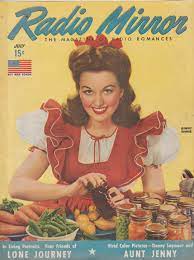
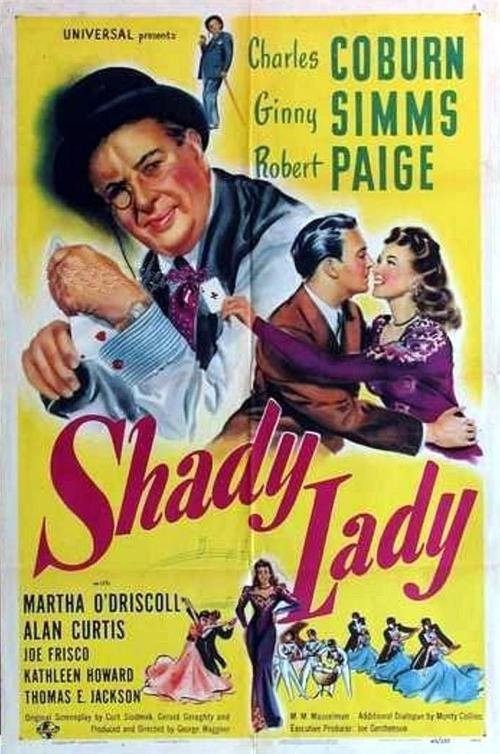
Ginny Simms
Ginny Simms
Ginny Simms


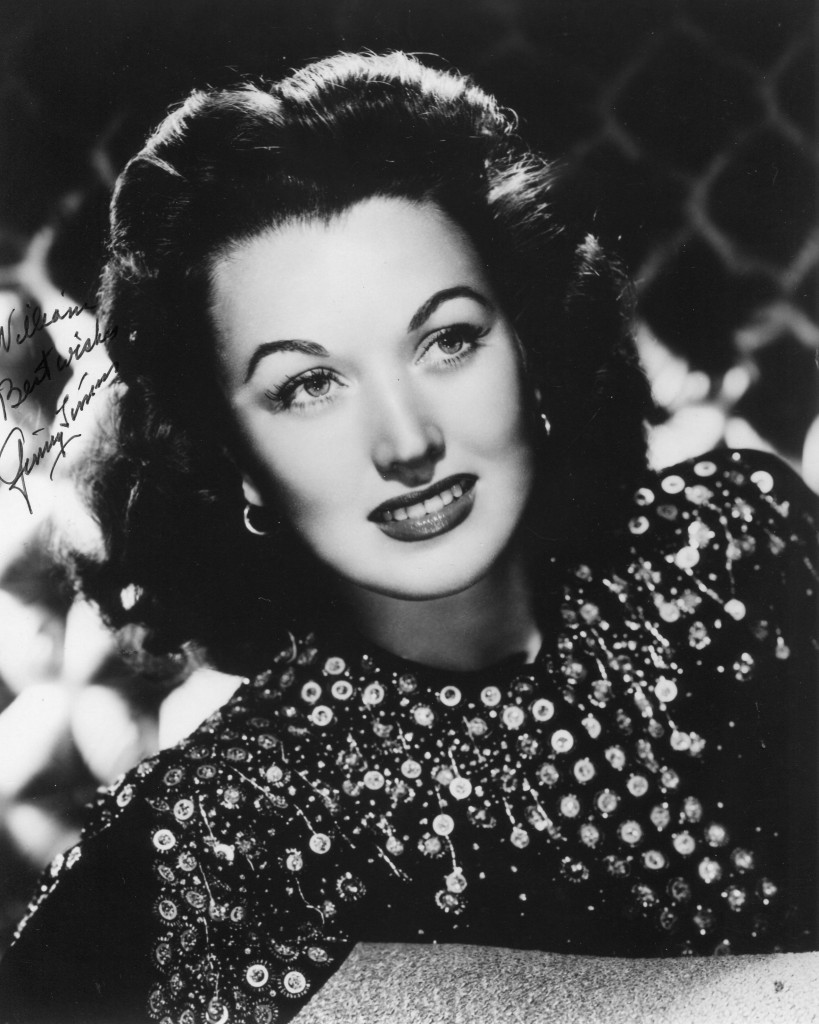
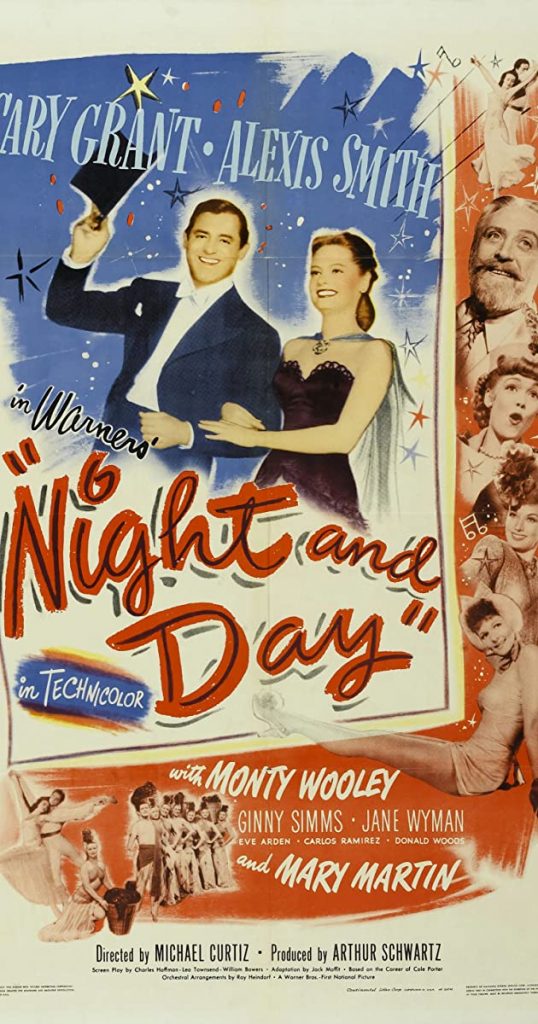
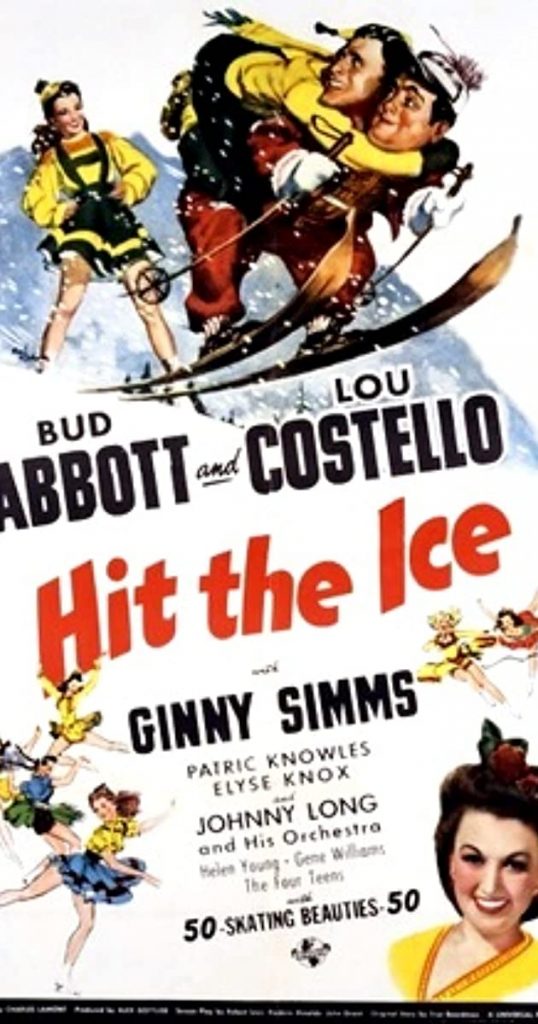
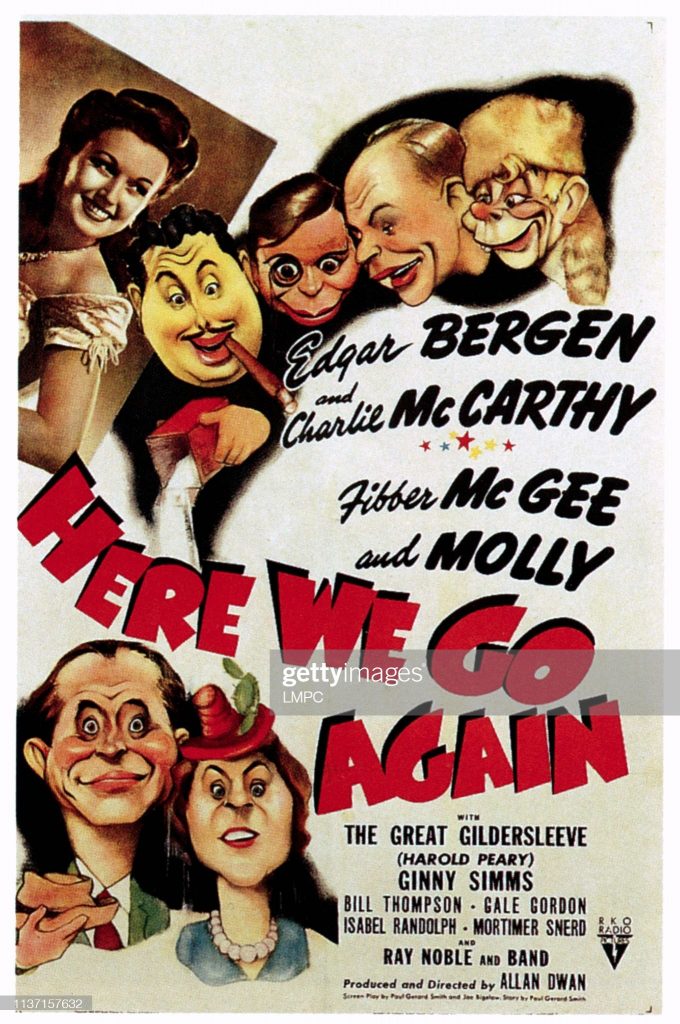
Ginny Simms was born in 1915 in San Antonio ,Texas.   She was a big band singer who also acted on film.   Her films include “Here We Go Again” with Edgar Bergen and Charlie McCarthy, “Hit the Ice” with Abbott and Costello and “Night and Day” with Cary Grant, Alexis Smith and Dorothy Malone in 1946.   S

War-era songstress Ginny Simms was born Virginia Simms on May 23, 1913, in Texas but was raised in California, which accounts for her lack of a Southern accent in her speaking/singing voice. Though she studied piano as a child, it was her vocal gifts that launched her career, which started when she formed a singing trio while studying at Fresno State Teachers College. Ginny was performing at a club in San Francisco when she was heard by bandleader/radio star Kay Kyser. She became his featured singer and the big attraction of Kay Kyser’s Kollege of Musical Knowledge, a comedy revue done in the style of a quiz show with music. They also became a romantic item. In addition to radio, she kept busy recording swing and pop albums.

After Ginny broke into films as a guest vocalist in three of Kyser’s films for RKO–That’s Right – You’re Wrong (1939), You’ll Find Out (1940) and Playmates (1941), she decided to stay in Hollywood, abandon the tour scene with Kyser, and seek solo fame and fortune. Kyser would replace Ginny with Georgia Carroll both professionally and personally and they later married. Ginny earned her own popular radio show and involved herself deeply in the war effort, earning praise for her tireless work. Some of her well-known recordings (with and without Kyser) include “Deep Purple,” “Indian Summer,” “I’d Like to Set You to Music,” “I Can’t Get Started,” “I Love Paris,” and “Stormy Weather.” A dazzling beauty with high cheekbones and megawatt smile, Ginny seemed made for the screen. She co-starred with Bud Abbott and Lou Costello in one of their earlier and funniest comedies, Hit the Ice (1943), and scored some important second-lead roles over at MGM with Broadway Rhythm (1944) with George Murphy and Gloria DeHaven, in which she played a movie star who sang “All the Things You Are,” and the Cole Porter biopicNight and Day (1946) starring Cary Grant and Alexis Smith, in which she sang some of Porter’s best loved standards (“I’ve Got You Under My Skin,” “Just One of Those Things,” “I Get A Kick Out of You” and “You’re the Top”), but her career lost momentum rather quickly (the story at the time was that she had turned down a marriage proposal by newly divorced MGM head Louis B. Mayer, who retaliated by immediately dropping her contract at the studio).

Ginny left Hollywood altogether in 1951 and her recording career ended not long after. She subsequently retired and ran a travel agency for a time while developing an interest in interior decorating (her first husband, Hyatt Dehn, was the man who started the Hyatt Hotel chain, for which she did much of the interior decorating). She also was involved in real estate with third husband Donald Eastvold. The mother of two sons from her first marriage, Ginny died of a heart attack in 1994 at age 78.

– IMDb Mini Biography By: Gary Brumburgh / gr-home@pacbell.net

She died in 1994.

Gary Brumburgh’s entry:


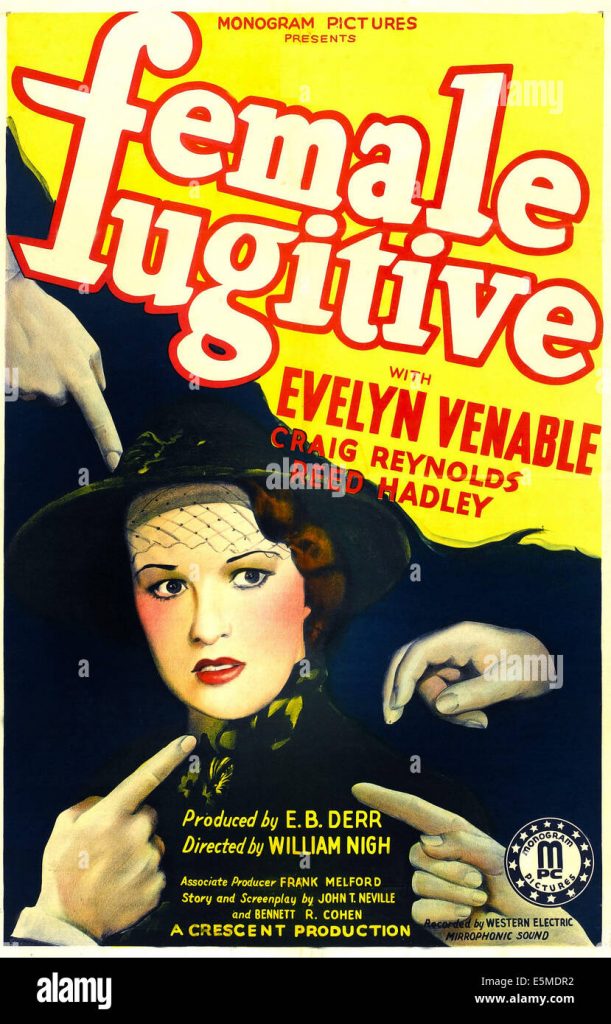
Evelyn Venable
Evelyn Venable
Evelyn Venable
Evelyn Venable
Evelyn Venable

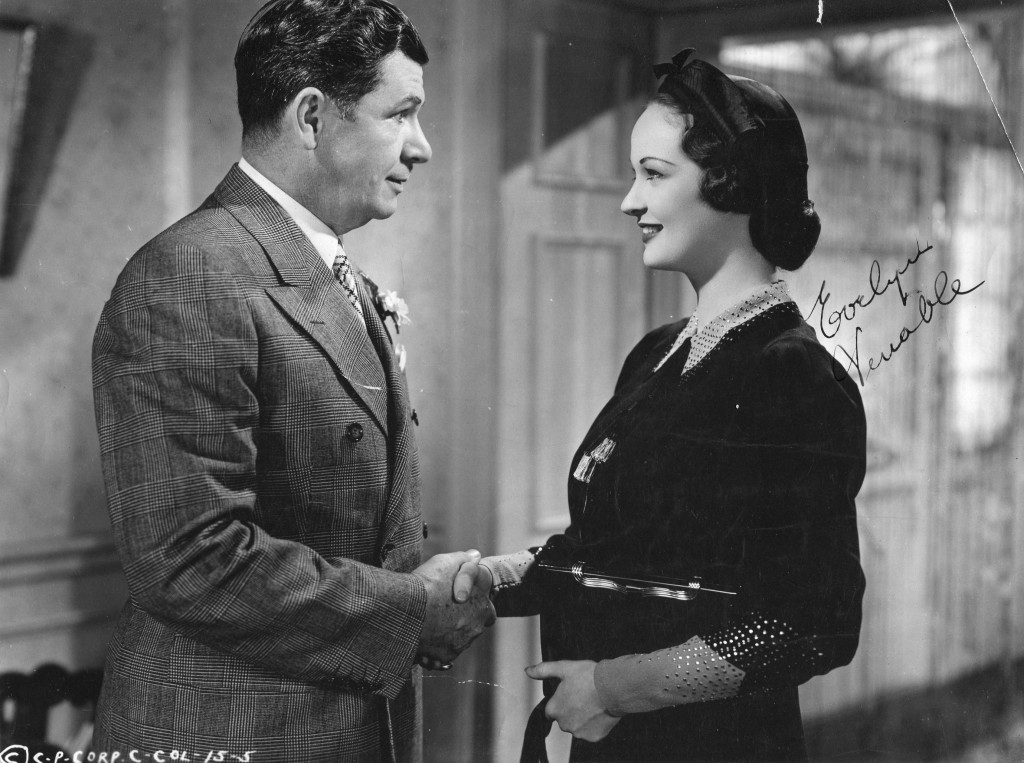
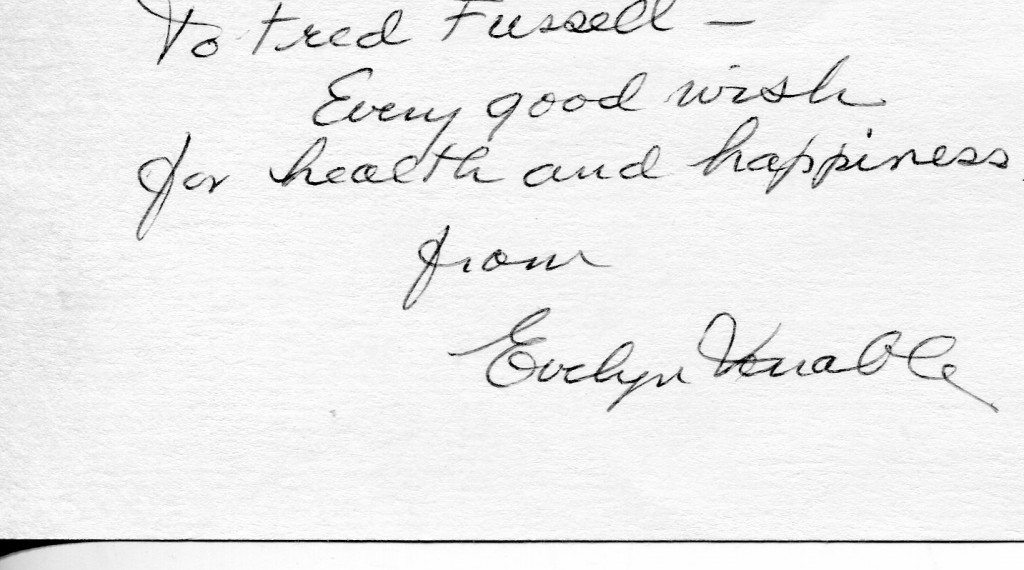
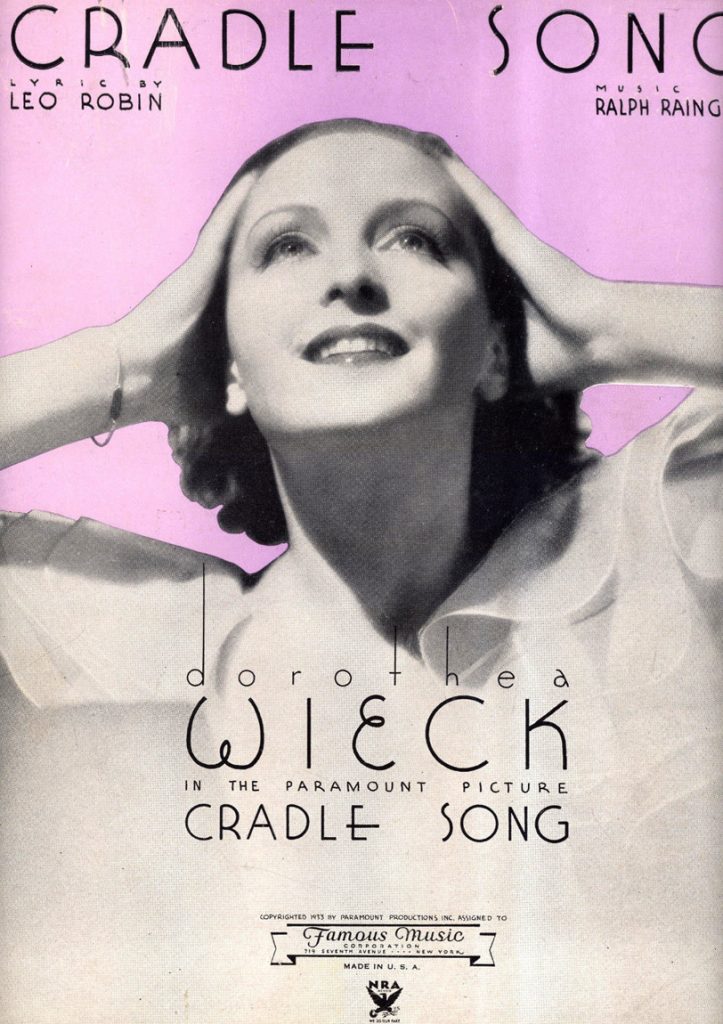
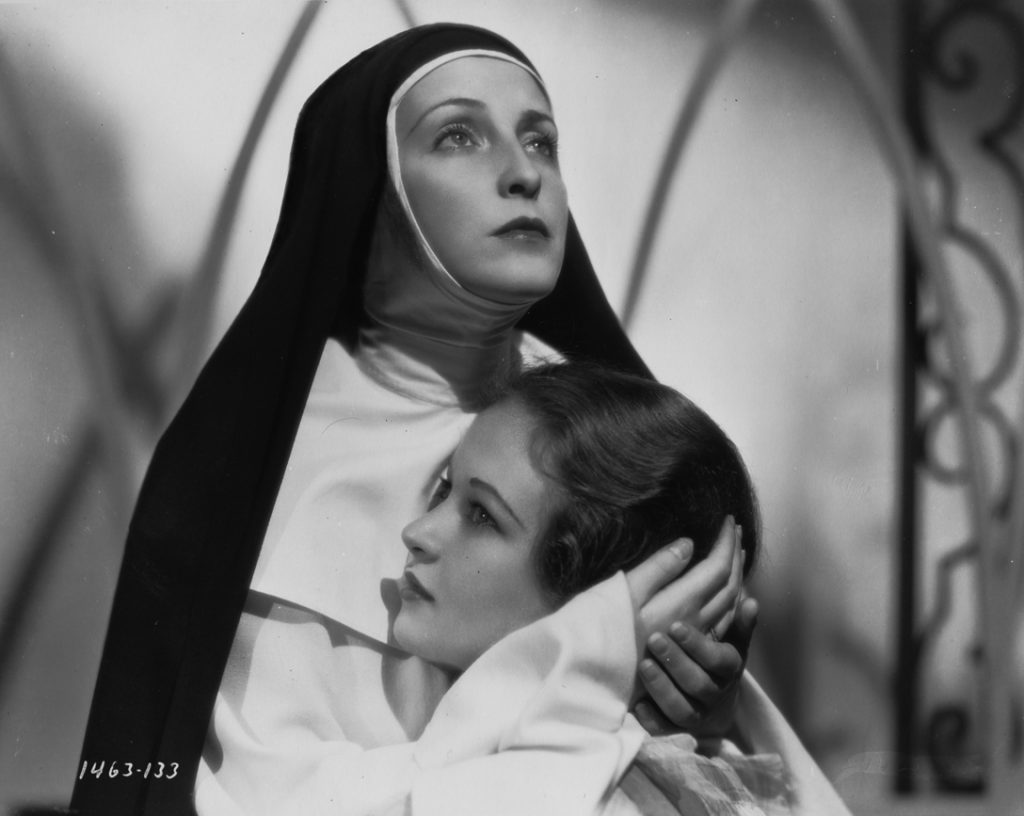
Evelyn Venable was born in 1913 in Cincinnati, Ohio and made her film breakthrough  in “Death Takes a Holiday” in 1934 opposite Fredric March.   Her other film of note is “Cradle Song”.   She retired in 1943 to spend more time with her family.   Evelyn Venable died in 1993 at the age of 80.

Gary Brumburgh’s entry:

Lovely and ethereal in looks, and quite unassuming in nature, 1930s actress Evelyn Venable was born in 1913 in Cincinnati, Ohio, where she grew up and received her schooling. Both her father, Emerson Venable, and grandfather were writers/teachers. In her high school drama department, Evelyn played the top leads in their productions of “Romeo and Juliet” (Juliet) and “As You Like It” (Rosalind). Critics were so bowled over by her performances that she was cast in a professional production of “Dear Brutus” in the nearby area. Following graduation, she earned a four-year non-acting scholarship to Vassar but left after the first year to study at the University of Cincinnati. After college the acting bug returned. Encouraged by classical actor/director Walter Hampden, who was a family friend, he invited her to join his touring company where she eventually performed Ophelia to his Hamlet and Roxanne to his Cyrano. Film scouts at Paramount caught these productions and invited her to Hollywood.

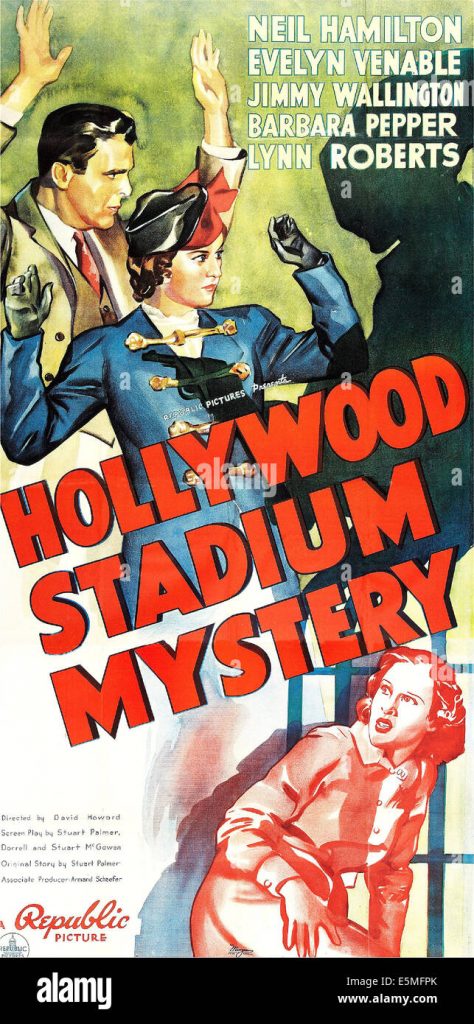
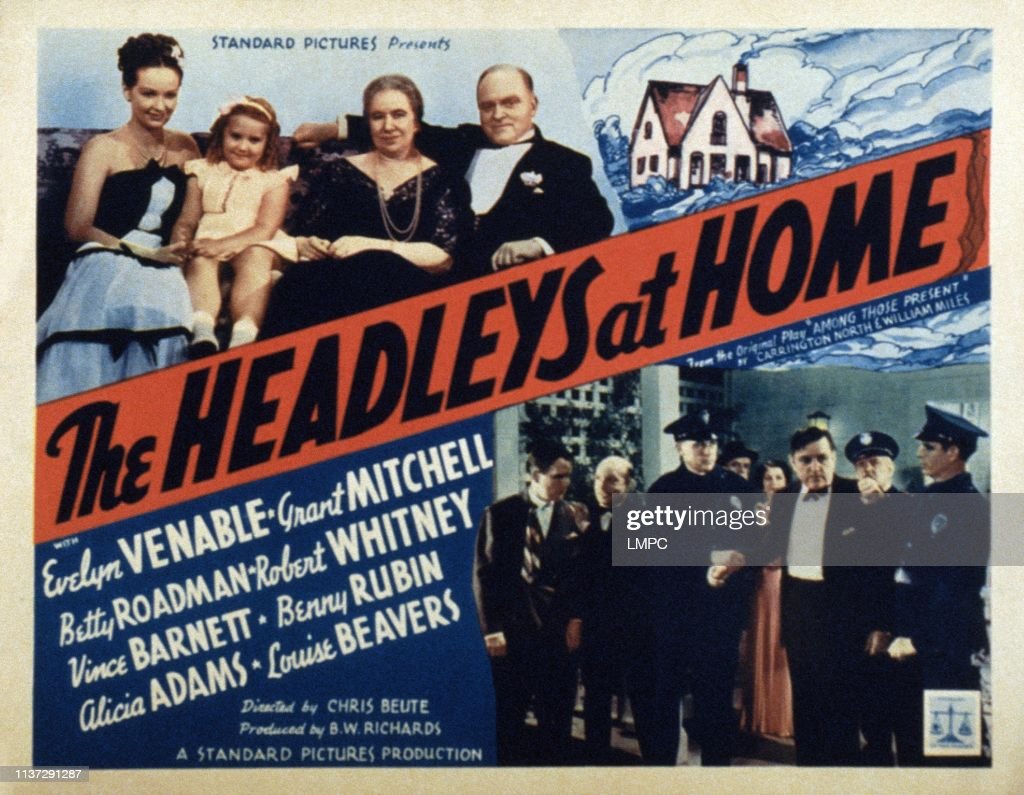
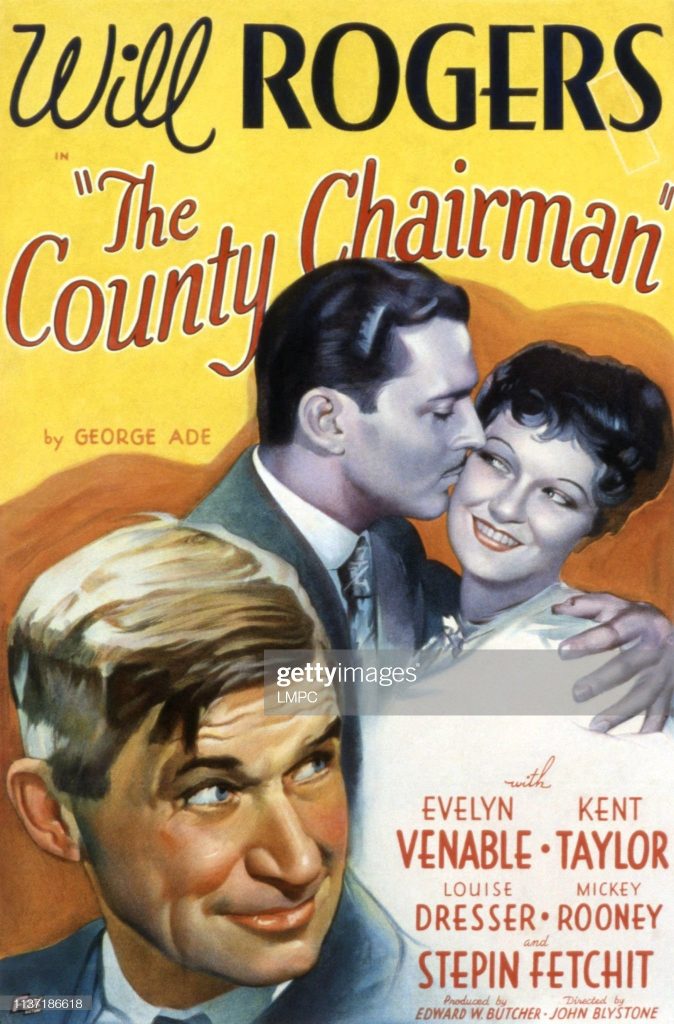
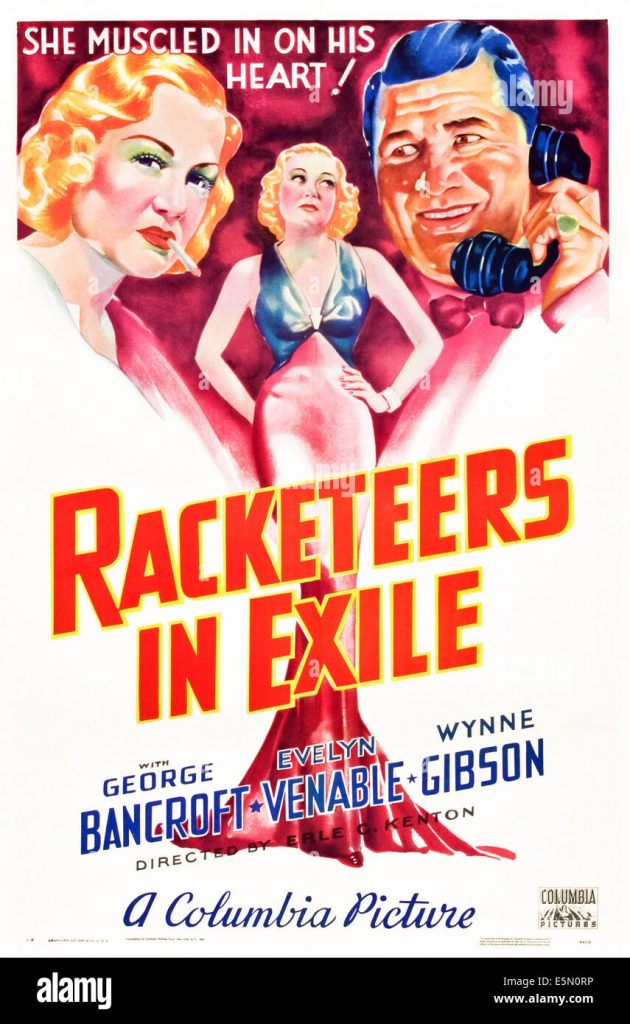
Evelyn made her film debut with Cradle Song (1933) and proceeded to take on sensitive, soft-spoken leads or second leads in a number of “A” class fare including Mrs. Wiggs of the Cabbage Patch (1934) with Pauline Lord; the classic fantasy Death Takes a Holiday(1934) starring Fredric March, which is deemed her best role; David Harum (1934) andThe County Chairman (1935), both Will Rogers‘ vehicles; and Alice Adams (1935) starringKatharine Hepburn in the title role. In each of these Evelyn looked simply luminous and proved most able, but perhaps her modest, rather delicate nature didn’t carry off enough weight to make her a star. In any event, she was thereafter relegated to working at “poverty-row” studios. She started appearing in movies with titles that indicated a downhill slide was imminent — Vagabond Lady (1935), Streamline Express (1935), North of Nome (1936), Racketeers in Exile (1937), The Headleys at Home (1938) and Hollywood Stadium Mystery (1938). One bright spot would be her sooth voicing of the “Blue Fairy” in the Disney animated classic Pinocchio (1940).

By this time, Evelyn had married Hal Mohr, the Oscar-winning cinematographer she had met on the set of one of Will Rogers‘ films, and bore him two daughters, Dolores and Rosalia. Interest waned for the actress, who decided that family came first and completely retired after appearing opposite Stuart Erwin Jr. in the light comedy He Hired the Boss (1943). Evelyn gamely returned to college (UCLA) where she studied Greek and Latin and attained a Master’s degree. Invited to join the UCLA staff as a drama instructor, she stayed there contentedly for decades. She and Mohr lived in Brentwood, California in later years and enjoyed a 40-year marriage that lasted until his death in 1974. Evelyn died in Idaho of cancer in 1993.

– IMDb Mini Biography By: Gary Brumburgh / gr-home@pacbell.net

Independent obituary in 1993:

Evelyn Venable, actress: born Cincinatti, Ohio 8 October 1913; married 1934 Hal Mohr (died 1974; two daughters); died Post Falls, Idaho 16 November 1993.

ALTHOUGH she retired after only 10 years on the screen, Evelyn Venable was seen in more films than most superstars; she was the first model for Columbia Pictures’ Statue of Liberty logo.

Her father was Emerson Venable, a college professor and noted Shakespearean authority. Evelyn began acting in high school plays, and at 15 played Juliet at the Cincinatti Civic Theater. She attended Vassar, but stayed only briefly at the University of Cincinatti, leaving to join a stock company run by the actor Walter Hampden, with whom she appeared in Cyrano de Bergerac and Hamlet. When the company played Los Angeles, her Ophelia impressed a talent scout, and she was signed to a Paramount contract. In her first film, Cradle Song (1933), she was liked as the foster daughter of a nun (Dorothea Wieck, the German star of Madchen in Uniform). In Death Takes a Holiday (1934), she played the sensitive Grazia, with whom Death (Fredric March) falls in love. Mordaunt Hall wrote in the New York Times: ‘Miss Venable lends to her acting a praiseworthy earnestness.’ A loan-out to Fox for David Harum (1934) changed her life; she and Hal Mohr, the film’s cinematographer, fell in love and were married that same year.

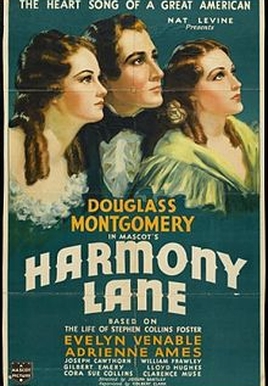
After austere roles in Mrs Wiggs of the Cabbage Patch (1934), Will Rogers’s The County Chairman (1935), The Little Colonel (1935), Alice Adams (1935) and the Stephen Foster biopic Harmony Lane (1935), she was given a rare chance to let her hair down in Hal Roach’s farcical Vagabond Lady (1935). Variety enthused: ‘She plays with a dash and genuine comedy spirit that will amaze those who have seen her in her previous assignments. She’s entitled to the right sort of parts.’ She didn’t receive them, but her mellifluous tones made her the ideal for the voice of the Blue Fairy in Disney’s Pinocchio (1940). ‘I recorded it line by line, emphasising different words each time,’ she said. ‘Then they chose whichever recording captured the dramatic feeling they wanted.’ She retired from the screen in 1943 to concentrate on her growing family. Mohr died in 1974, after which his widow finally completed her college education. She spent her last years teaching at the University of Southern California.

Evelyn Venable (1913–1993) is perhaps the most recognizable “unknown” face in cinema history. While her name might not carry the immediate weight of a Bette Davis, her likeness was used as the original model for the Columbia Pictures “Torch Lady” logo, and her voice provided the moral compass for generations as the Blue Fairy in Disney’s Pinocchio (1940).

Critically, Venable is analyzed as an actress of “ethereal intellect”—a performer whose classical background and refusal to play the Hollywood “glamour game” made her the definitive choice for roles requiring purity, wisdom, and a touch of the supernatural.


I. Career Overview: The Academic Actress

Act 1: The Shakespearean Prodigy (1930–1932)

The daughter of a distinguished Shakespearean scholar, Venable was performing in touring productions of Romeo and Juliet and Hamlet by her late teens. Her transition to film was reluctant; she famously had a “no-kissing” clause in her early contracts, a reflection of her father’s protective influence and her own desire to maintain a “dignified” stage-bred persona.


Act 2: The Paramount Peak (1933–1940)

Signed by Paramount, she debuted in Cradle Song (1933) alongside Dorothea Wieck. She quickly became the go-to lead for high-minded dramas and literary adaptations. Her most significant live-action role was in Death Takes a Holiday (1934), where she played the only woman capable of loving Death himself.


Act 3: Voice and Legacy (1940–1943)

In 1940, she provided the voice and live-action reference for the Blue Fairy in Pinocchio. Shortly after, at the age of 30 and at the height of her beauty, she walked away from Hollywood to return to academia. She became a beloved professor of Greek and Latin at UCLA, a role she held for decades.

II. Critical Analysis: The Aesthetics of the Ideal

1. The “Death Takes a Holiday” Archetype


Venable’s performance as Grazia in Death Takes a Holiday is her most scrutinized work.

The Technique: To play a woman attracted to the personification of Death (Fredric March), Venable utilized a dreamlike detachment. She didn’t play the role with gothic gloom, but with a “radiant curiosity.”


Critical Impact: Critics note that Venable possessed a “transparent” quality. She was one of the few actresses who could make a character’s spiritual longing feel more real than their physical desires. Her performance anchored the film’s metaphysical premise, making the impossible romance believable.


2. The Blue Fairy: The Voice of Conscience

In Pinocchio, Venable had to create a character that was both a mother figure and a magical being using only her voice.

Vocal Analysis: Her voice was characterized by impeccable mid-Atlantic diction and a warm, resonant vibrato.

Analysis: Modern critics of animation point to her performance as the gold standard for “benevolent authority.” She managed to be firm without being frightening, providing the necessary emotional weight to the film’s moral lessons.

3. The “Anti-Star” Persona

Venable was an anomaly in 1930s Hollywood. She avoided nightclubs, rarely granted interviews, and spent her time on set reading Virgil or Homer in the original Latin.

The Performance of Class: Critics of the era often described her as “patrician.” This limited her range—she could never convincingly play a “working-class” character—but it made her indispensable for period pieces like The Little Colonel (1935), where she played Shirley Temple’s mother with a serene, aristocratic grace.

III. Major Credits and Cultural Pillars

Work Role Medium Significance

Death Takes a Holiday (1934) Grazia Film Her definitive live-action dramatic performance.

The Little Colonel (1935) Elizabeth Lloyd Sherman Film Established her as the “ideal” maternal figure of the 30s.

Alice Adams (1935) Alice Palmer Film Showcased her ability to play “socially superior” foils.

Pinocchio (1940) The Blue Fairy Voice Her most enduring global contribution to culture.

Columbia Pictures Logo The Torch Lady Image Her physical likeness became a permanent cinematic icon.

Final Reflection


Evelyn Venable was a woman who conquered Hollywood on her own terms and then left it behind when it no longer challenged her intellect. Her legacy is one of purity of form. Whether as a Greek scholar or a Disney fairy, she represented a specific kind of American ideal: the marriage of beauty and profound intelligence. She remains the “ghost in the machine” of the film industry—a face and voice everyone knows, but a woman few truly understood.

Bob Mathias
Bob Mathias
Bob Mathias

Bob Mathias was an American athlete who was a two time Gold medal winner who also acted on film.   He starred as himself in “The Bob Mathias Story” and appeared on television in “The Troubleshooters”.   He died in 2006 at the age of 75.

“Guardian” obituary:

Bob Mathias, who has died of cancer aged 75, was the greatest in the long line of American decathletes who dominated the event at international level for the four middle decades of the 20th century. He was the first athlete successfully to defend an Olympic decathlon title, and he remains the youngest man ever to win a track and field gold medal.
Mathias’s emergence as a decathlete on to the postwar scene was the stuff of schoolboy fiction. His high-school track coach in Tulare, an unremarkable town in central California, was sufficiently impressed by the raw strength and speed of his football and basketball that he suggested, as late as the spring of 1948, that his pupil might be happy with the challenge of the decathlon, the ultimate test of all-round athletic prowess and usually the province of experienced and hard-grained campaigners.   Mathias was already an accomplished sprinter, high-jumper and discus-thrower, but had never in his life thrown the javelin or long-jumped seriously – and had not even attempted the pole-vault. However, within a few weeks, working mainly from training manuals, he had made enough progress to win the Southern Pacific Amateur Athletic Union title in Los Angeles.   Hectic fundraising in Tulare enabled him and his coach to travel to Bloomfield, New Jersey, and the US national championships, which doubled as the Olympic selection trials. His field-event techniques improving by the day, Mathias beat the reigning champion by a clear 123 points, and the rest of the field by a lot more to earn his place on the US Olympic team.

At the games in London, still three months short of his 18th birthday, he overcame two nervous moments to finish the first day’s competition (100 metres, long jump, shot-put, high jump, 400 metres) in third place. But he unwittingly broke a technical rule in the shot-put, which annulled his best throw, and he came close to elimination at a very modest height in the high jump.   The second day (110 metres hurdles, discus, pole vault, javelin, 1500 metres) confronted all the athletes at Wembley stadium with English summer weather at its worst. The competition, already unwieldy because of an unexpectedly high entry – and now handicapped by constant heavy rain – fell disastrously behind schedule. After eight events Mathias had forced his way into the lead, but he was desperately tired and the last two events were among his weakest. By the time the javelin began, officials were using hand-held torches to illuminate the competitors’ run-up; for the culminating 1500 metres, which did not start until 10.30 in the evening, the knee-high lights around Wembley’s dog-track had to be augmented by commandeered cars with headlights blazing to give the runners some idea of where they were putting their feet. Despite grinding out a painfully slow time over the sodden cinder track, Mathias held on to his lead and beat the world’s best.

The tiny knot of spectators who had stayed on to cheer him home included his parents and two brothers. Nine time zones away and clustered for the past two days round every available wireless set, the people of Tulare erupted in celebration; factory whistles and sirens blared for three-quarters of an hour, and a spontaneous parade of cars and trucks clogged up the town and the interstate highway for three hours. The hero himself was so exhausted that he had to be woken by team officials the next afternoon to ensure he reached the medal ceremony on time.   Later that year Mathias received the annual Sullivan award as the outstanding amateur sportsman in the US and took his place at Stanford University, where his athletics shared the stage with gridiron football; as fullback he featured prominently in Stanford’s victory over the University of Southern California which took them to the 1952 Rose Bowl, a further manifestation of his extraordinary sporting versatility.   By now the rough edges of Mathias’s teenage track performance had been smoothed out, and he was indisputably the most accomplished decathlete in the world. He had broken the 14-year-old world record in 1950, and he improved on it at his own home track a month before the 1952 Olympic Games in Helsinki. Here there was never a doubt. Mathias broke his own world record yet again to take his second decathlon gold medal – a double that has been achieved by only one other athlete, Britain’s Daley Thompson – by the almost unbelievable margin of 912 points.

Mathias retired from international athletics at the absurdly young age of 21, quickly made $50,000 from advertising appearances, served for a while as an officer in the US marines, took up acting – his six undistinguished films included The Bob Mathias Story (released in Britain as The Flaming Torch), in which he played the lead – and married his childhood sweetheart.   In the 1960s he turned to politics. He served four terms as a Republican congressman for California – concentrating on environmental affairs, but displaying a breadth of interests that saw him serve on the house agriculture and foreign affairs committees – until, like many of his Republican colleagues, he lost his seat in the 1974 Democrat landslide in the wake of Watergate. He was subsequently appointed director of the US Olympic Training Centre, and before his retirement he ran the National Fitness Foundation. He is survived by his second wife and four children.

· Robert Bruce Mathias, athlete and politician, born November 17 1930; died September 2 2006.

The above “Guardian” obituary can also be accessed online here.