Hollywood Actors

Collection of Classic Hollywood Actors

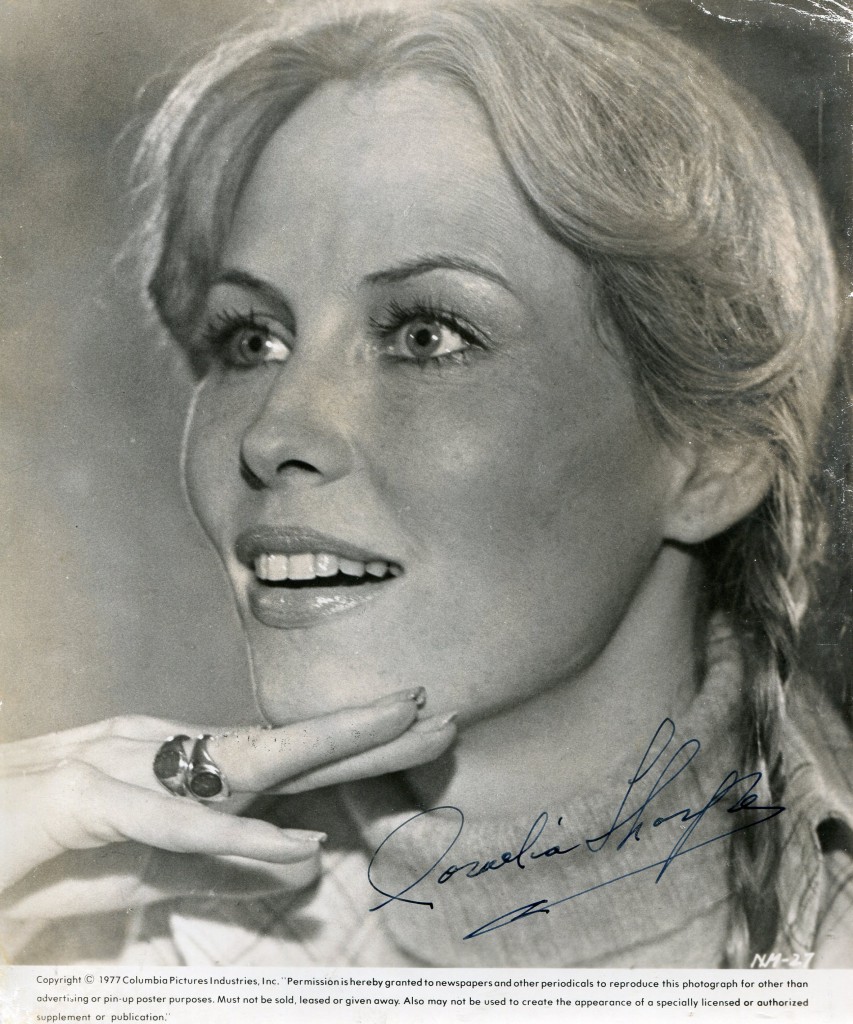
Cornelia Sharpe
Cornelia Sharpe
Cornelia Sharpe

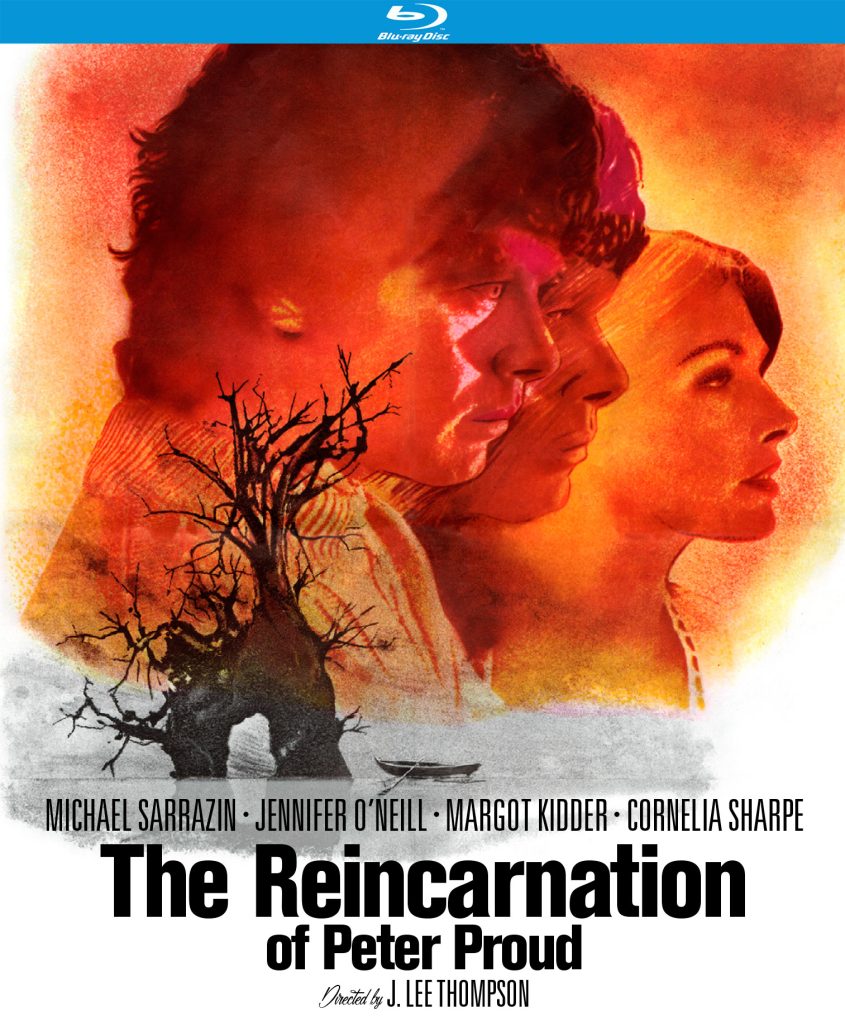
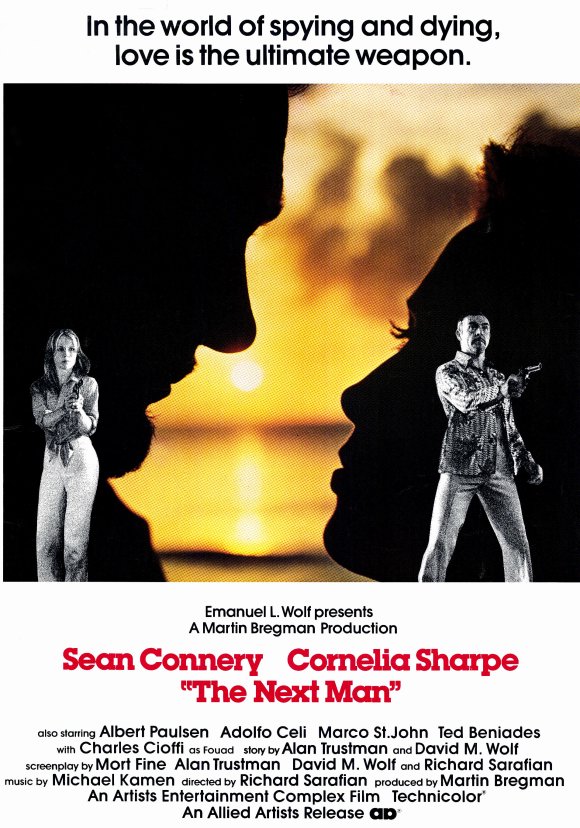
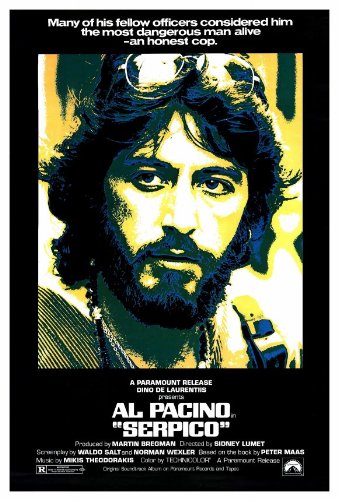
Cornelia Sharpe was born in 1943 in Selma, Alabama.   For a time in the 1970’s she had some leading roles in major movies opposite such famous actors as Al Pacino in “Serpico” in 1932 and Sean Connery in “The Next Man” in 1976.

IMDB entry:

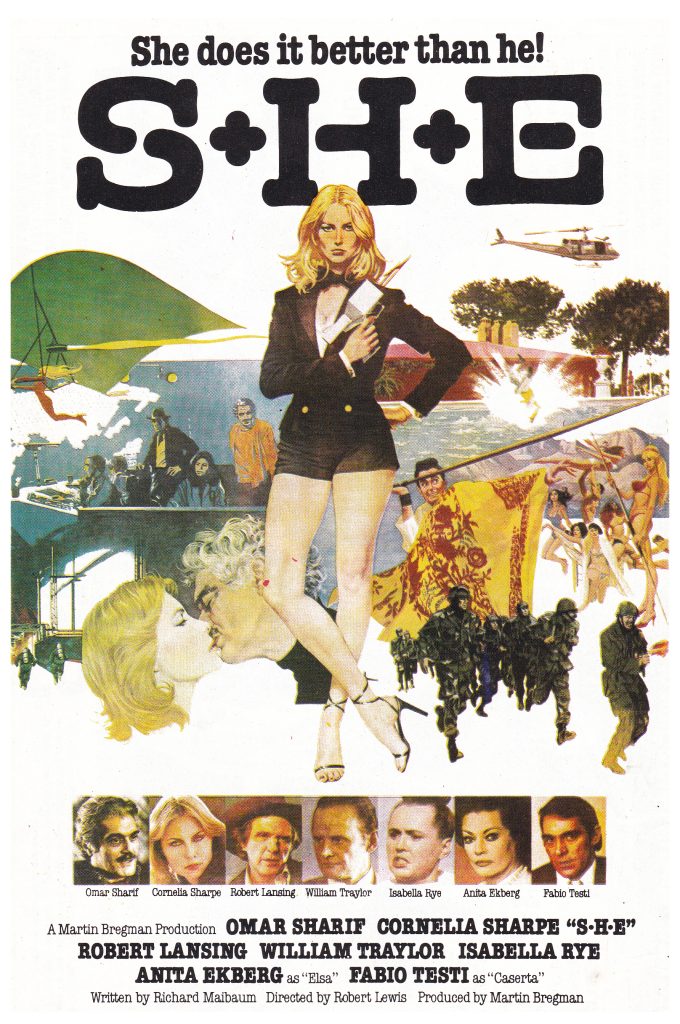
Cornelia Sharpe was born on October 18, 1943 in Selma, Alabama, USA. She is an actress, known for Serpico (1973), The Next Man (1976) and S+H+E: Security Hazards Expert (1980). She has been married to Martin Bregman since 1981. They have one child.   Former fashion model.   Her father is Warner Jack Sharpe, Jr., a dental supplier and her mother is Evelyn Horne Sharpe, a dental assistant and secretary. She was raised in Jacksonville, Florida and graduated from Robert E Lee High School in Jacksonville in 1961.   Her daughter with husband Martin Bregman Marissa Cornelia Bregman was born in 1982.   Mother of Marissa Bregman.   Stepmother of Michael Bregman and Christopher Bregman.

Cass Daley


Cass Daley

Cass Daley

Cass Daley

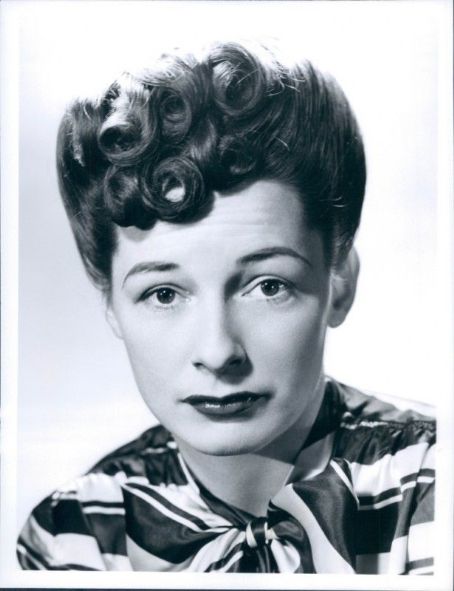
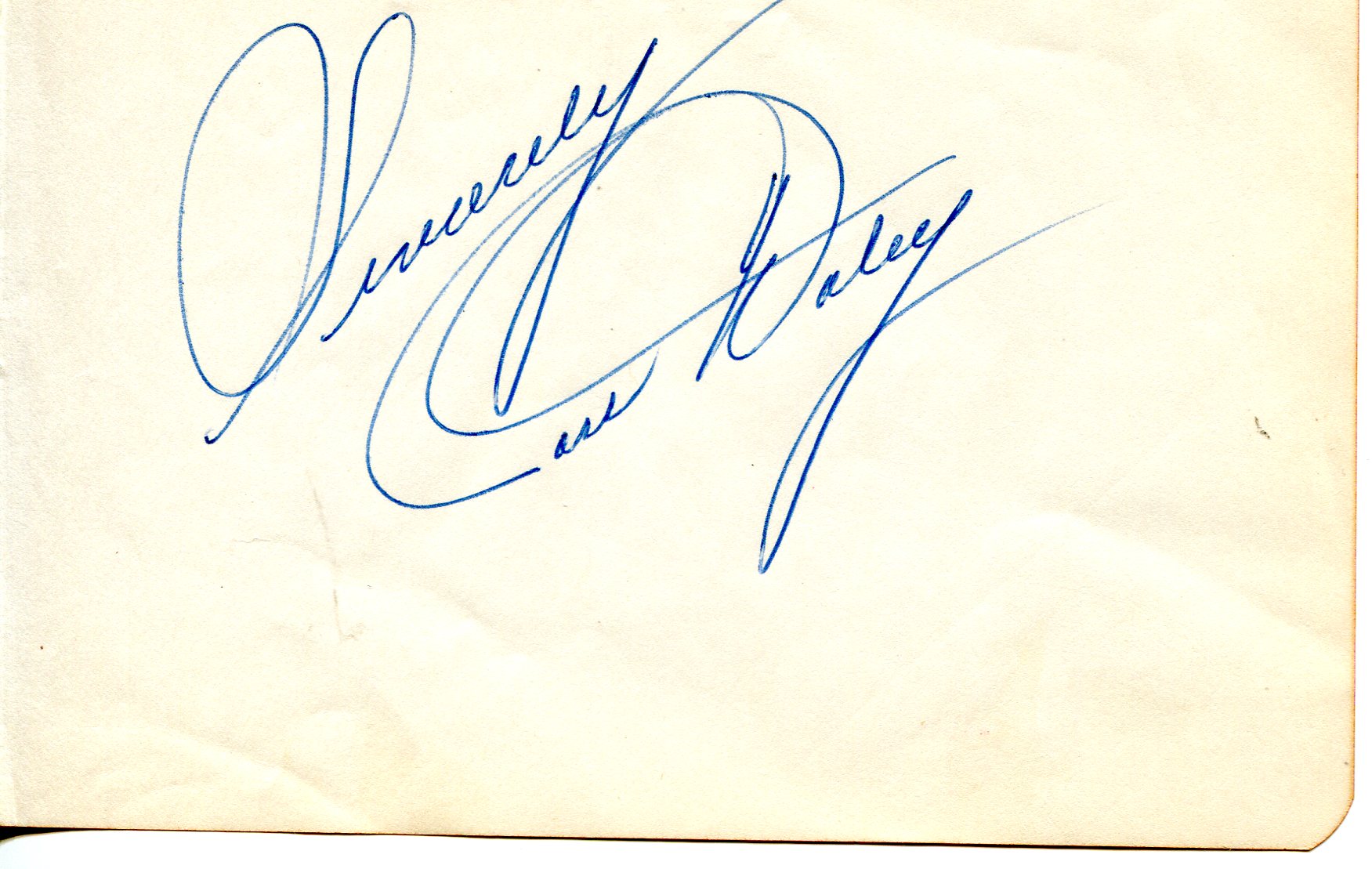
Cass Daley was born in 1915 in Philaadelphia.   She was a populat supporting player in Hollywood films of the 1940’s.   Her movies include “The Fleet’s In” in 1942 with Dorothy Lamour and Betty Hutton and “Duffy’s Tavern”.   She died in 1975 as a result of a fall in her home.

IMDB entry:

Brassy, gangly Cass Daley, the daughter of a streetcar conductor, started her career as a band vocalist. She displayed a flair for zany comedy that made her a big hit in nightclubs and on radio, and she started working in films in the early 1940s. Her eccentric, off-the-wall singing and dancing combined with her gawky, buck-toothed appearance endeared her to movie audiences in the 1940s and 1950s, most notably in knockabout comics Ole Olsen and Chic Johnson‘s Crazy House (1943), in which she played both herself and a goofy lookalike, “Sadie Silverfish”. She retired from films in the 1950s and made only occasional appearances into the 1970s. She died in a freak accident at home when she fell over a glass table and a shard of broken glass slashed her neck, causing her to bleed to death.

– IMDb Mini Biography By: frankfob2@yahoo.com

John McGiver
John McGiver
John McGiver

John McGiver was born in 1913.   He was well into middle-age before he became a popular character actor on film.   His debut was as the salesman in “Breakfast at Tiffany’s ” with Audrey Hepburn.   Other movie roles include “The Manchurian Candidate” in 1962 and “Midnight Cowboy” in 1969 with Jon Voight.   He died in 1975 at the age of 61.

IMDB entry:

John Irwin McGiver came to acting relatively late in life. He held a B.A. and Masters degrees in English from Fordham, Columbia and Catholic Universities and spent his early years teaching drama and speech at Christopher Columbus High School in the Bronx. He had an early flirt with the acting profession in 1938 as actor/director for the Irish Repertory Theatre but found his weekly income of $26.42 insufficient to live on. He enlisted the next year and saw action during World War II, fighting with the U.S. 7th Armored Division in Europe (including the Battle of the Bulge). When he was demobbed after six years in the army, he held the rank of captain. He returned to teaching drama, with occasional forays into off-Broadway acting. In 1947, he married Chicago scenic designer Ruth Shmigelsky and settled down to live in a converted 19th century former Baptist church.

There are conflicting stories as to how McGiver ended up becoming a film and television actor, but it happened sometime after one of his part-time acting performances in September 1955, either through the offices of an old University classmate, turned stage producer, or through the persuasive abilities of an agent from the Music Corporation of America. In any case, the portly, balding, owl-like and precisely-spoken McGiver quickly developed an inimitable style as a comic (and occasionally serious) actor on television and in films. He was most memorable as the obtuse landscape contractor in The Gazebo(1959), a pompous jewelry salesman in Breakfast at Tiffany’s (1961) and an inept twitcher in Mr. Hobbs Takes a Vacation (1962). He also played “Mr. Sowerberry” in a television version of The DuPont Show of the Month: Oliver Twist (1959) and starred in his own (sadly short-lived) TV show, Many Happy Returns (1964) as the complaints manager of a department store. His dramatic roles included a senator in The Manchurian Candidate (1962) and, on television, the corrupt mayor in The Front Page (1970), plus a rare villainous role in the TV episode The Man from U.N.C.L.E.: The Birds and the Bees Affair (1966). Among his numerous guest starring roles on television, he was at his best as the self-absorbed “Roswell Flemington”, who learns a moral lesson in Twilight Zone: Sounds and Silences (1964) (1964).

– IMDb Mini Biography By: I.S.Mowis

The above IMDB entry can also be accessed online here.

John McGiver
John McGiver
Joseph Hindy

Joseph Hindy

Joseph Hindy

Joseph Hindy


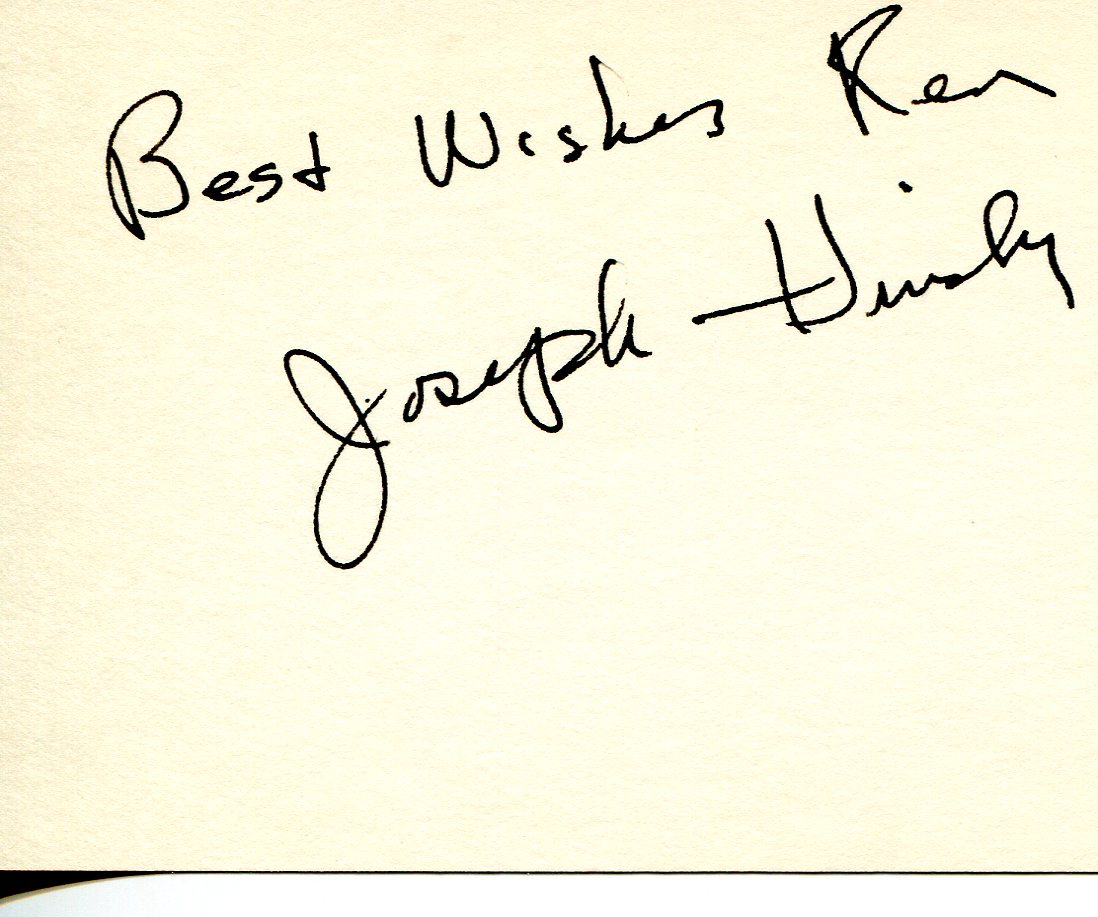
Joseph Hindy was born in 1939.   His first role in 1970 is perhaps his best known opposite Diane Keaton in the wonderful comedy “Lovers and Other Strangers”.   He has guest starred in many TV shows such as “Streets of San Francisco” and “Kojack”.

Mary Robin-Redd

Mary Robin

Mary Robin-Redd
Mary Robin-Redd

Mary Robin-Redd was born in 1939.   She made her TV debut in 1958 in “Highway Patrol”.   She is primarily know for her role in Sidney Lumet’s “The Group” in 1966.   Her other movies include “J.W. Coop” and “The Great Northfield Minnesota Raid”.

IMDB entry:

Mary-Robin Redd was born on March 18, 1939 in Los Angeles, California, USA. She is an actress, known for The Group (1966), Airplane II: The Sequel (1982) and Quarterback Princess (1983).

Daughter of Gogo De Lys
Richard Benjamin
Richard Benjamin

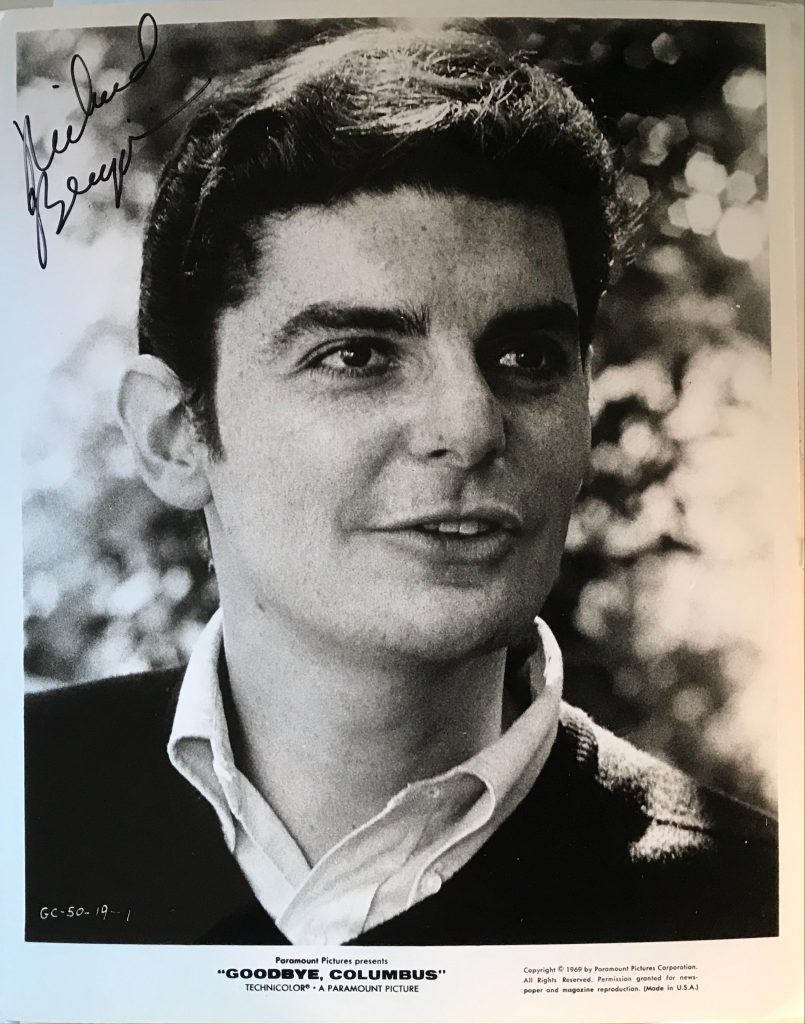
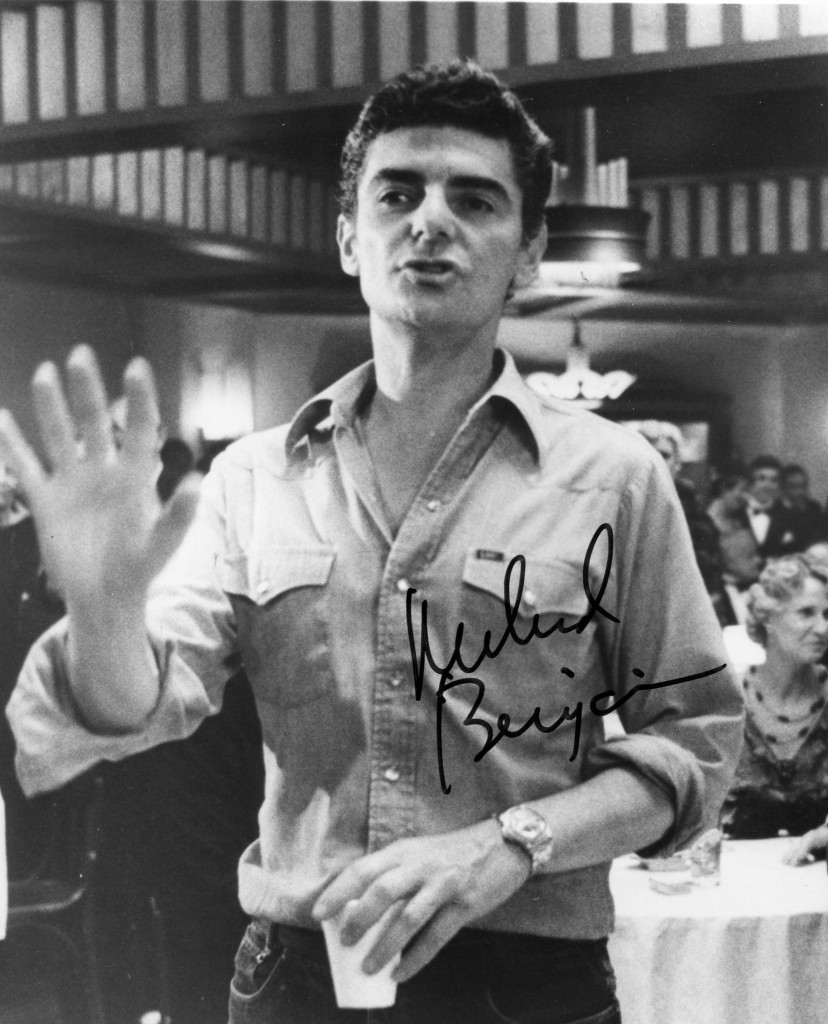
Richard Benjamin was born in 1938 in New York City.   He is now a film director but in the late 1960’s and early 1970’s he gave some terrific performances in such films as “Goodbye Columbus” in 1969 with Ali MacGraw, “The Sunshine Boys” with Walter Matthau and George Burns and “Westworld” with Yul Brynner in 1974.   He is married to Paula Prentiss.

TCM overview:

Best known for his characterizations of two Philip Roth characters, in “Goodbye Columbus” (1969) and “Portnoy’s Complaint” (1972), Benjamin had walk-on juvenile parts in some 1950s films and first earned adult recognition on Broadway, starring in Neil Simon’s “Star-Spangled Girl” (1966). He had directed “Barefoot in the Park” in London the previous year. Other off-beat acting highlights include “Catch-22” (1970) and “The Sunshine Boys” (1975).

Benjamin made a promising directorial debut with “My Favorite Year” (1982), a comic look at the early days of TV featuring a glorious performance by Peter O’Toole. However his subsequent directorial efforts have not been comparable commercially or critically. A conventional storyteller, Benjamin has worked with a wide assortment of actors in several genres. His second film, “Racing With the Moon” (1984), was a war romance starring Sean Penn and Elizabeth McGovern. Benjamin followed up with a pair of undistinguished comedies: “City Heat” (1984), a period detective comedy starring Burt Reynolds and a surprisingly funny Clint Eastwood and “The Money Pit” (1986), featuring Tom Hanks, Shelly Long, and a collapsing house in a Steven Spielberg-produced comedy which confused laughs with special effects. Benjamin’s spy drama, “Little Nikita” (1988), offered the intriguing pairing of Sidney Poitier and River Phoenix, but audiences steered clear. Benjamin also tried his hand at high-concept comedy with “My Stepmother Is an Alien” (1988) with Dan Aykroyd and Kim Basinger and moved on to an action comedy, “Downtown” (1990), with Anthony Edwards and Forest Whitaker. Benjamin regained some degree of critical success that same year with “Mermaids”, a touching mother-daughter comedy starring Cher, Winona Ryder, and Bob Hoskins. After a hiatus, he directed Whoopi Goldberg and Ted Danson in the romantic comedy, “Made in America” (1993) and helmed the pallid “Mrs. Winterbourne” (1996), which starred Ricki Lake and Shirley MacLaine.

The above TCM overview can also be accessed online here.

Richard Benjamin
Richard Benjamin
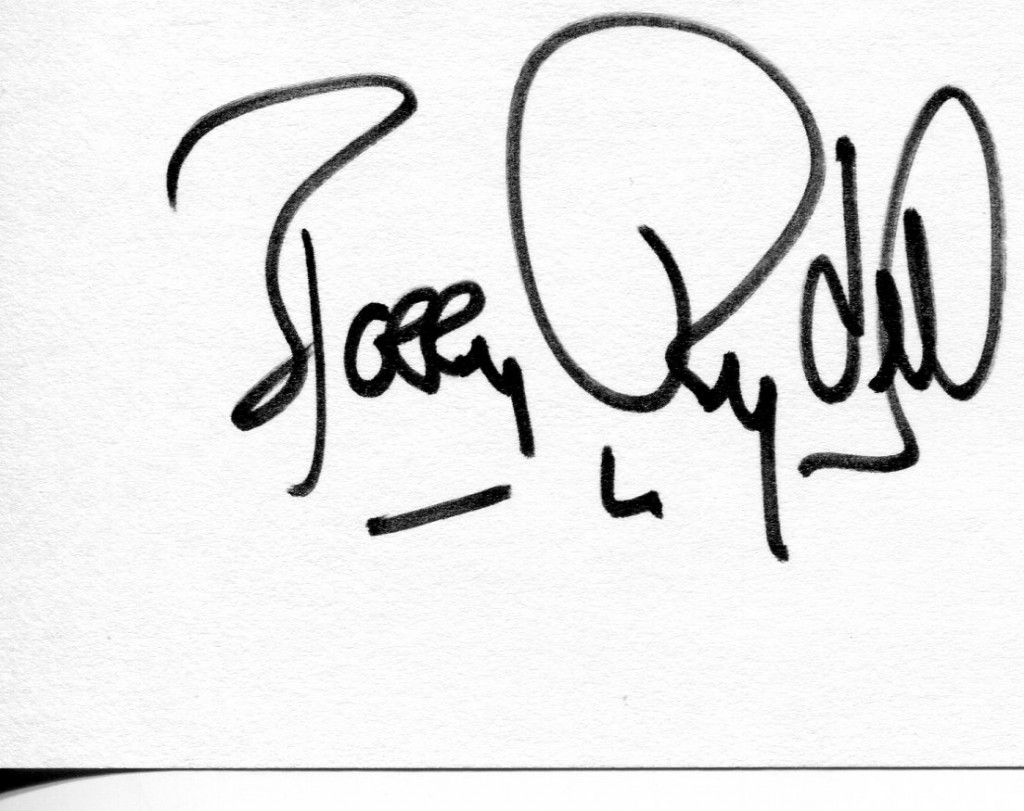
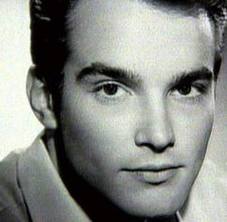
Bobby Rydell
Bobby Rydell...
Bobby Rydell…
Bobby Rydell
Bobby Rydell

 Bobby Rydell was born in 1942 in Philadelphia.   He was a popular singer in the early 1960’s and appeared in the film musical “Bye Bye Birdie” with Ann-Margret and Dick Van Dyke in 1963.   In 1970 he starred with John Wayne andMaureen O’Hara in “Big Jake”.

IMDB entry:

Part of the Philadelphia music scene which also spawned Frankie Avalon and Fabian, Rydell was undoubtedly the most talented of the teen idols. After a number of song hits, including “Wild One” and “Volare”, he starred in Bye Bye Birdie (1963) before hitting the nightclub circuit. He still appears regularly on “oldies” shows, although he hasn’t had a hit since the early 1960s.

– IMDb Mini Biography By: <anthony-adam@tamu.edu>

Phillippe Forquet

Phillipe Forquet

Phillipe...
Phillipe…Phillipe Forquet
Phillipe Forquet was born in Paris in 1940.   He made his film debut in 1960 in “La Menance”.   In 1963 he starred opposite Jean Seberg in “In the French Style”.   In the same year he travelled to Hollywood to make the comedy “Take Her, She’s Mine” with James Stewart and Sandra Dee.   He returned to filmmaking in France.   In 1971 he made another trip to Hollywood to make “The Young Rebels”.
IMDB entry:

In 1962, as a member of the celebrated Theatre Moufftard in Paris, young Phillipe Forquet was discovered by American director, _Robert Parrish, who gave him an important role in a movie based on Irwin Shaw’s novel, In the French Style (1963). Learning English as he went along, he played the handsome and somewhat naive younger boyfriend ofJean Seberg, who had won popular acclaim in France when she starred in the Otto Preminger film Saint Joan (1957). She was very popular in France.

Attractive French movie stars were very prevalent in Hollywood throughout the 50s and 60s. Maurice ChevalierYves Montand and Brigitte Bardot were household names and a new generation of new European ‘hotties’ were coming up such as Jean ‘Paul Belmondo’,Alain DelonCatherine Deneuve and Louis Jourdan. Highly regarded for his extraordinary good looks, Forquet was spotted by producers at Twentieth Century Fox, and was offered a contract. In 1962 he was flown to Hollywood to be groomed into the new French Heartthrob.

His first role was as a French artist and love interest in _Take Her, She’s Mine (1963)_, also starring James Stewart and Sandra Dee, a very popular teen star at the time who was married to Bobby Darin. Rather shy and introspective, intelligent and well read, the young Philippe began life as a rising movie star. His dark good looks, sharp wit and Gallic charm caused quite a flurry among the ladies. He received thousands of fan letters a week and was featured in fan magazines. He was being hailed as a new Montgomery Clift.

While working on the film, he fell in love with a young starlet, Sharon Tate, who was also under contract to a studio and they became formally engaged. They eventually broke the engagement as the pressures of her rising career began to interfere with their personal lives. As a result, he broke his contract and decided to go back to Europe.

He was type cast several times as a French aristocrat. In the cult film Camille 2000, he played the darkly handsome and dangerous Count De Varville. He played against ‘Rod Steiger (I)’ in the Russian co-production, _Waterloo_ as the Duc De LaBedoyere, the Generals aide De camp.

He did return to Hollywood in 1970 to star in the ABC TV Series, The Young Rebels(1970) produced by Aaron Spelling. As yet another French nobleman, he played the American Revolutionary War hero, General Marquis De Lafayette. He received thousands of fan letters and was featured in many fan magazines as the new French heartthrob again. Girls found his dimples and French accent “devastating.” They sent for posters of him and entered contests to win a date. The series, which was running against Lassie and Disney, rated third in the 7:00 time slot on network TV. It was canceled after one season.

He and Linda Morand took time off and got married. They traveled throughout Europe. Forquet paid less attention to his acting career and became involved with his family businesses. By the mid-Seventies he was retired from acting. The couple divorced amicably in 1976. He now he lives a quiet life in France, remarried with three children

– IMDb Mini Biography By: Emerald Alexander

This youthful, darkly handsome actor played smooth, continental lovers in the 60s but his career lost steam come the decade’s end. Was for a time engaged to Sharon Tate.
He is a titled count. His full title is Phillipe Forquet Viscount de Dorne.
Has a great sense of humor and delighted in playing jokes on his friends.
Philippe is an excellent chef, accomplished equestrian, and student of languages. His English, learned in about a month of cramming for his first major role, was perfected and he speaks, reads and writes it fluently.
Long retired from show business, he lives in San Quentin, France, where he manages the family estate.
He succeeded his struggle against a cancer.
The above IMDB entry can also be accessed online here.
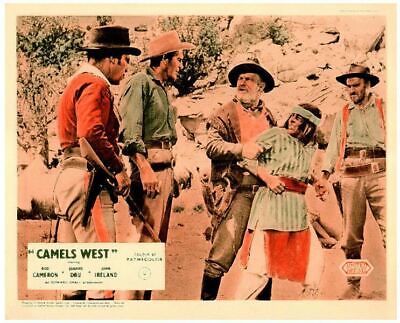
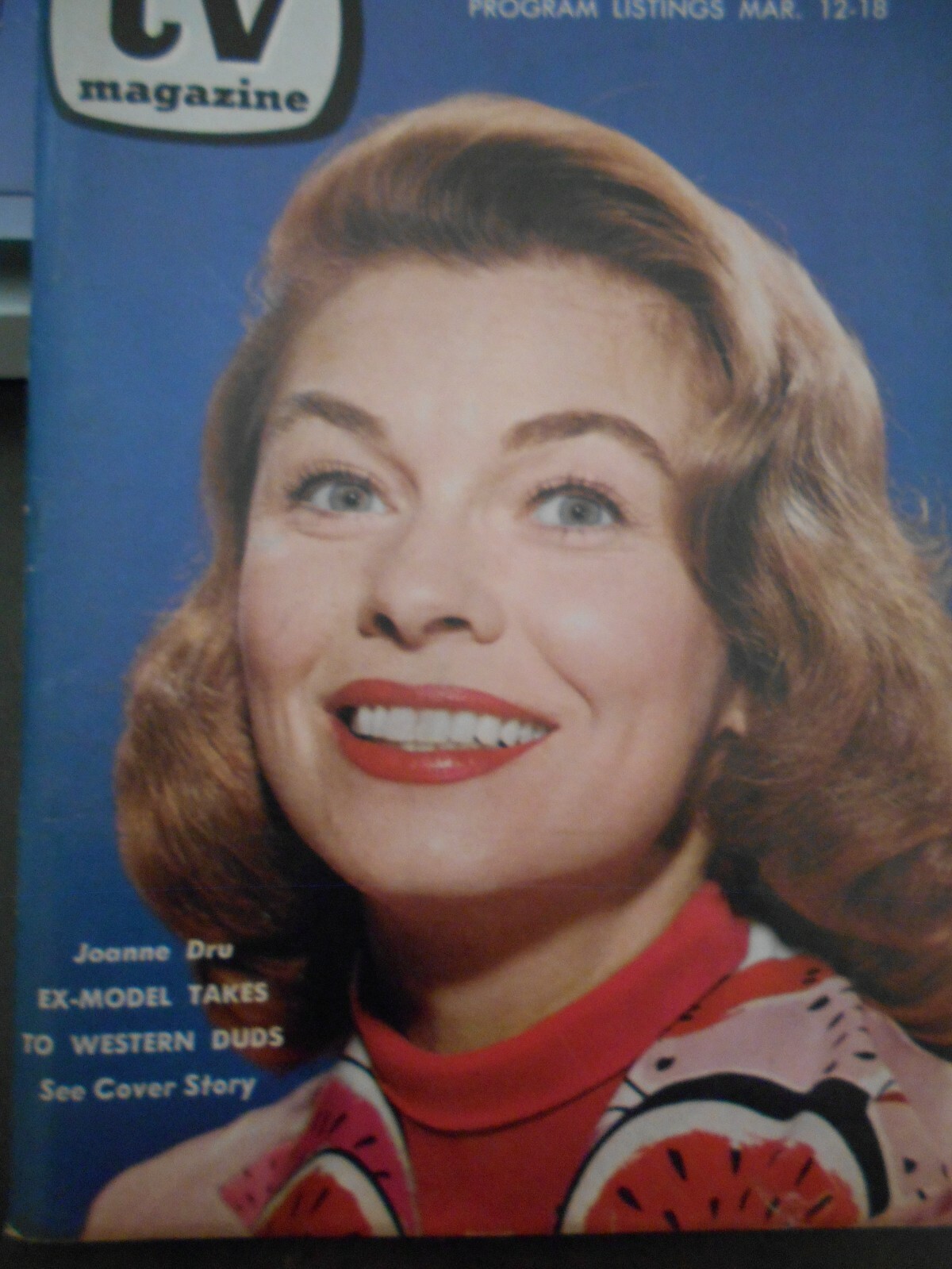
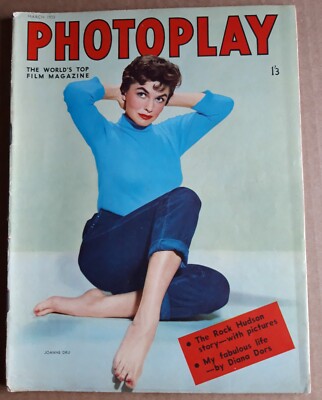
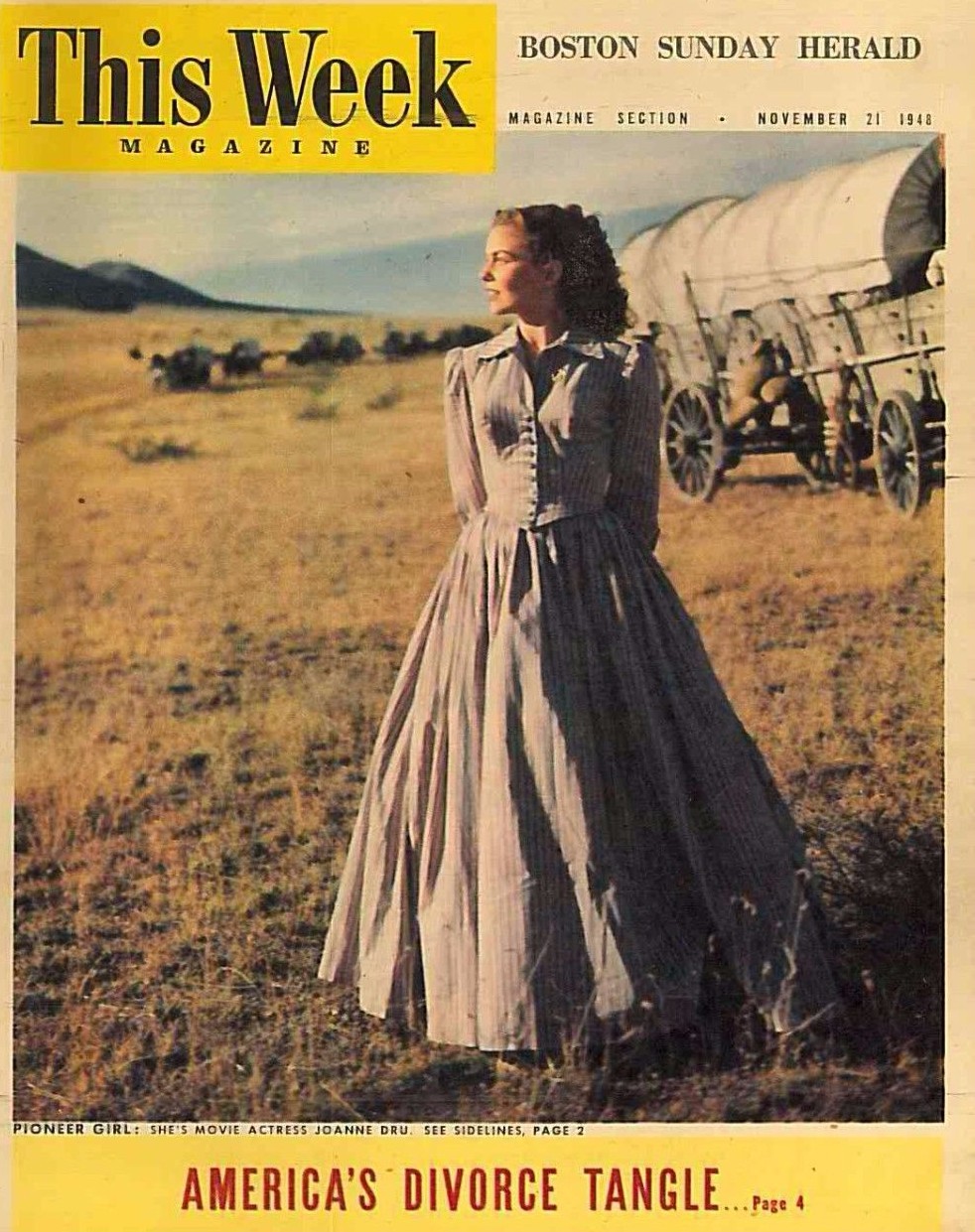
Joanne Dru
Joanne Dru
Joanne Dru
Joanne Dru
Joanne Dru

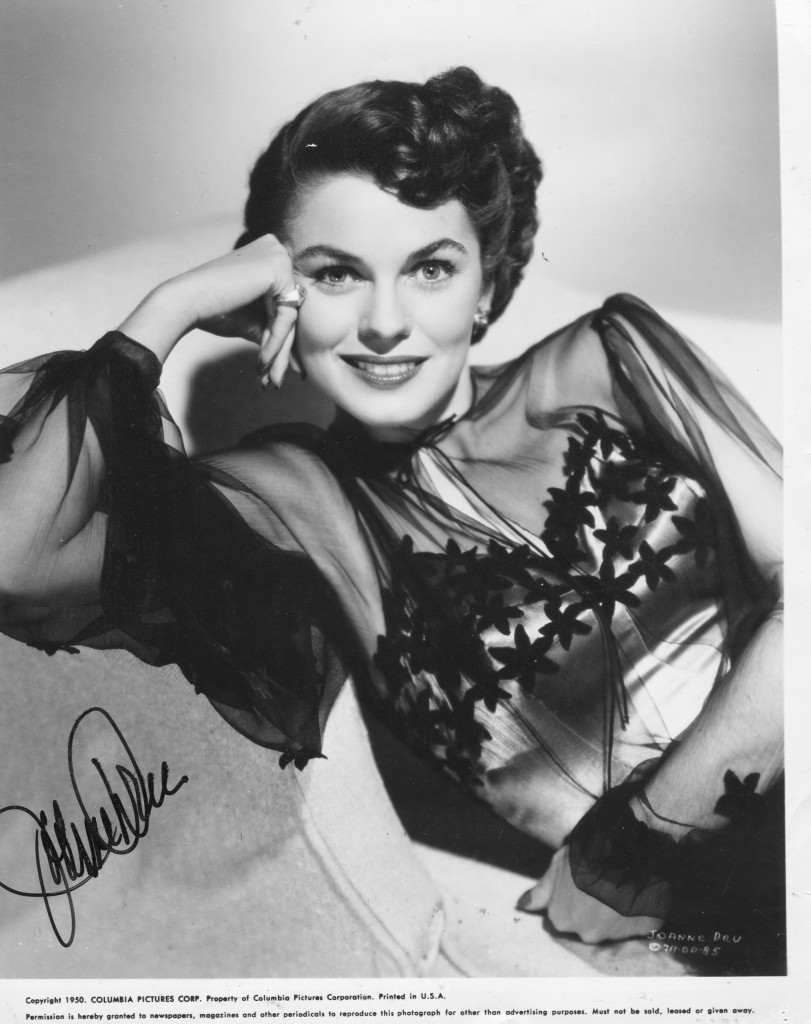
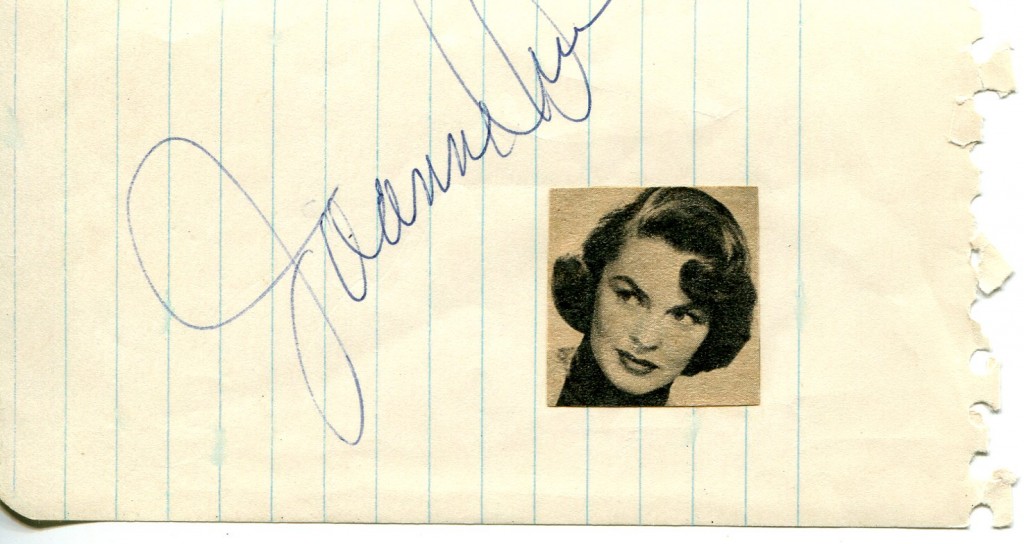
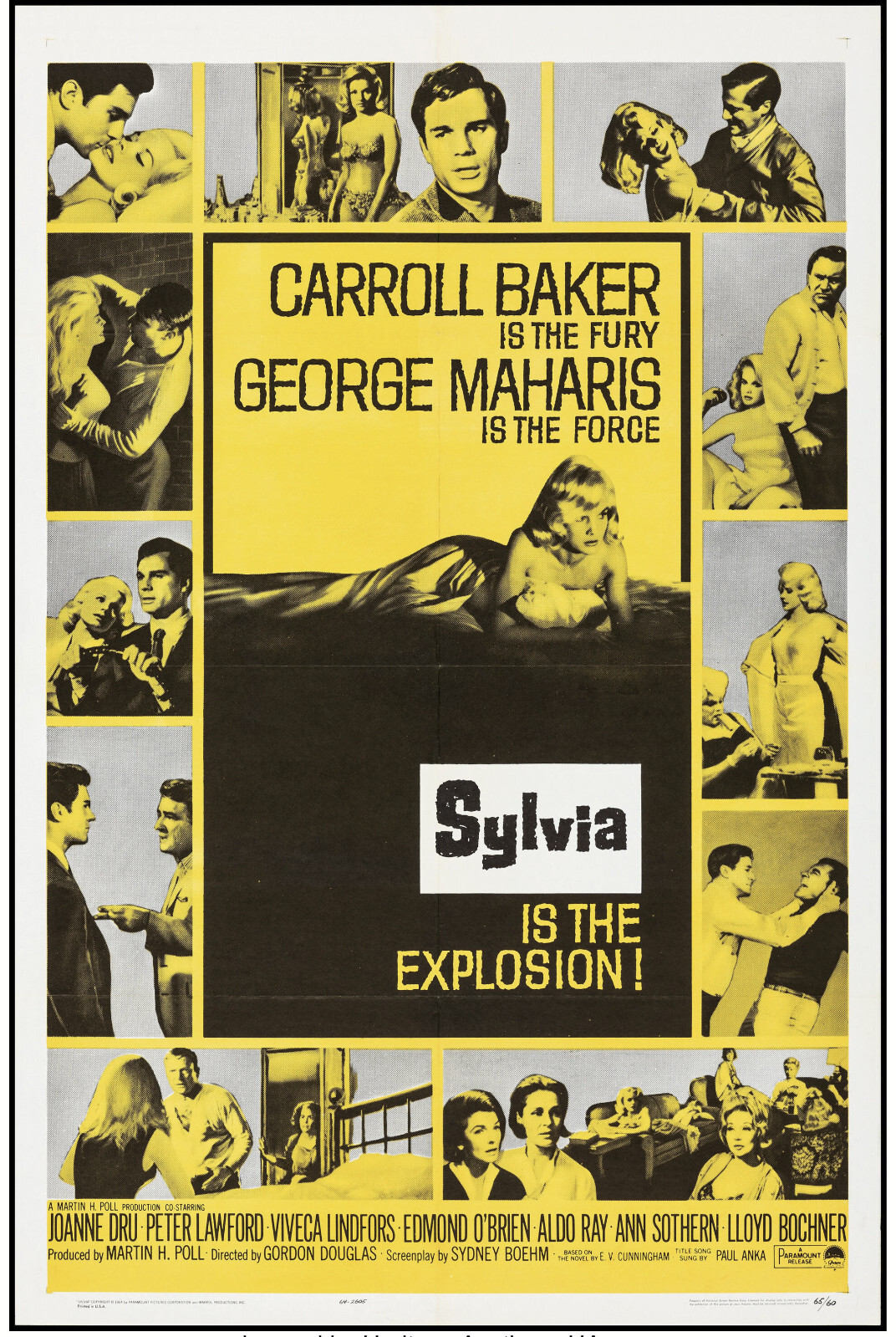
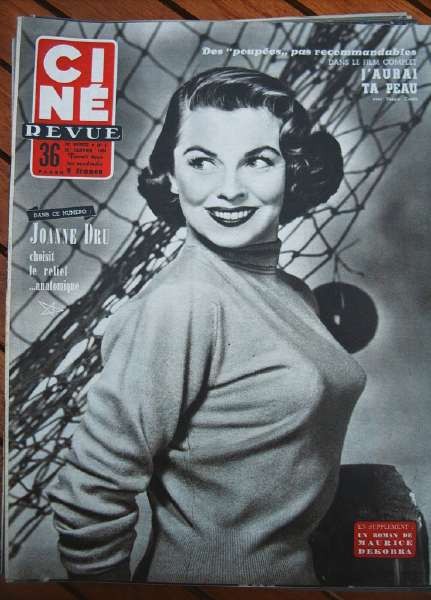
Joanne Dru was born in Logan, West Virginia in 1922.   She was a very popular leading lady in many genres of Hollywood movies of the late 1940’s up to the mid 1950’s.   She came to attention in both “Abie’s Irish Rose” and “Red River” opposite Montgomery Clift in 1948.   She was also very effective in John Ford’s “She Wore A Yellow Ribbon”.   One of her later movies was “Sylvia” in 1965 which starred Carroll Baker.   Joanne Dru died in 1996.

Tom Vallance’s obituary in “The Independent”:

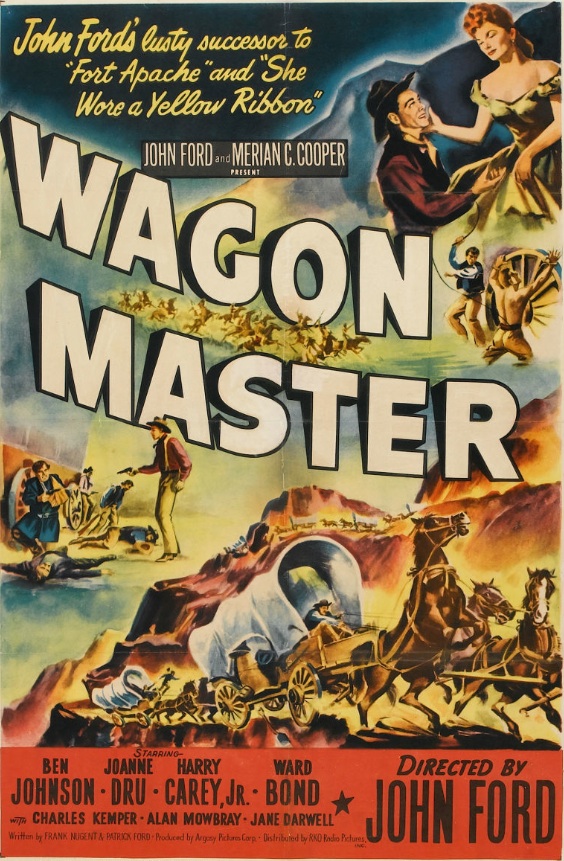
In 1948-50 Joanne Dru starred in three of the finest Hollywood westerns and an Academy Award-winning drama. Though never a major star, her work in these films – Howard Hawks’s Red River, John Ford’s cavalry western She Wore a Yellow Ribbon and his elegiac Wagonmaster, plus Robert Rossen’s powerful political drama All the King’s Men – has ensured her a permanent place in film history. A beautiful brunette with high cheekbones and a provocative personality, she provided the sort of feistiness that both Hawks and Ford sought in their leading ladies.
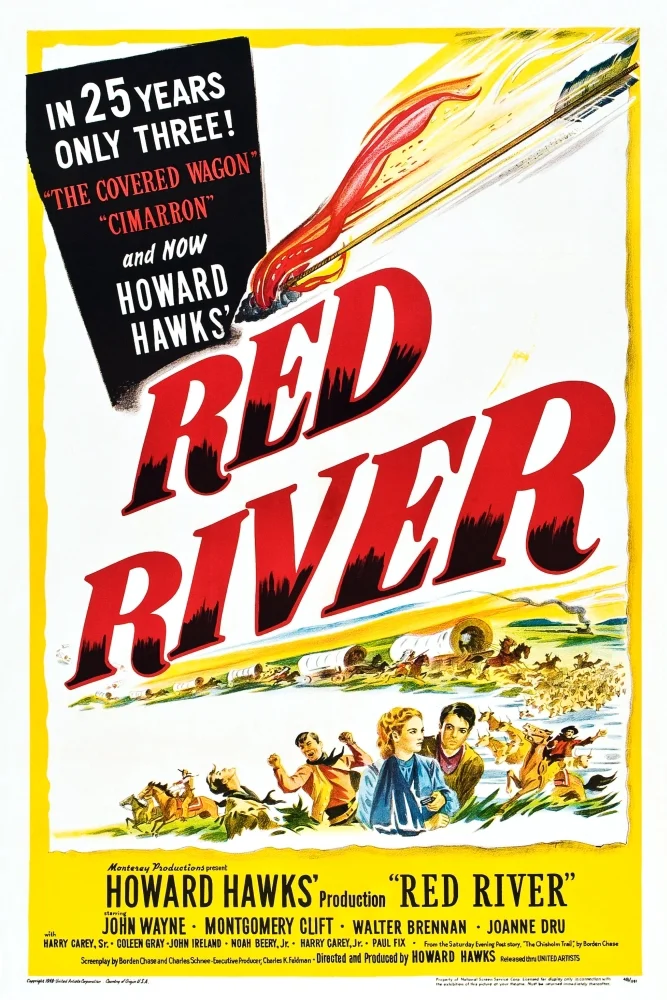
Her real name was Joanne LaCock and she was born in West Virginia in 1923. She entered show business via a modelling career and was performing in a night-club chorus when she met the crooner Dick Haymes, who took her to Hollywood when he was signed for movies and helped her start an acting career. She made her screen debut inauspiciously as star of Abie’s Irish Rose (1946). Based on a 1922 play which had confounded critics by running for five years, its tale of Jewish and Irish families trading racial insults while feuding over the romance of their son and daughter was hopelessly old-fashioned and tasteless and the film received limited distribution. Two years later she was luckier when Hawks chose her to play opposite John Wayne and Montgomery Clift in his western classic Red River. In this sprawling saga which dramatised the first cattle drive from Texas to Kansas, John Wayne and Montgomery Clift (in his first film) played a ruthless rancher and his rebellious adopted son whose tempestuous relationship climaxes with a violent brawl in which they almost kill one another. Dru was the resolute pioneer who refuses to be separated from Clift whatever the hardships. After the climactic fight, Dru delivers an emotional tirade rebuking the two men and provoking a reconciliation, an ending despised by Clift “because Joanne Dru settles the matter and it makes the showdown between me and John Wayne a farce”.

Ford’s She Wore a Yellow Ribbon (1949) was another classic in which Wayne poignantly played an ageing cavalry officer unable to come to terms with a changing way of life. As a young woman being escorted across country by the military troupe, Dru was courted by two of the officers (John Agar and Harry Carey Jnr). The same year she starred in Robert Rossen’s Oscar-winning All the King’s Men, based on the life of the former Louisiana governor Huey Long (here called Willie Stark) and an uncompromising portrait of an initially idealistic politician who turns corrupt and fascistic. Dru was a respectable girl who is blackmailed into becoming Stark’s mistress then abandoned, provoking Stark’s assassination by her brother. The story was seen through the eyes of a reporter played by John Ireland, who became Dru’s second husband. (The writer of Red River, Borden Chase, once recounted that he had been told to reduce Ireland’s role in that film because he was “messing with Hawks’s girl”.)

Both her marriages were reportedly stormy, and she continued to fight Haymes for alimony throughout his ensuring courtship of Rita Hayworth. John Ford’s Wagonmaster (1950; the director’s favourite of his films) was shot in Monument Valley and beautifully depicted the journey of a group of Mormons being guided by a tough cowboy (Ben Johnson) to their “promised land” in the unexplored west. Dru was a spirited medicine-show performer who becomes part of the wagon train in the film, which was a financial failure but is now regarded as a masterpiece.

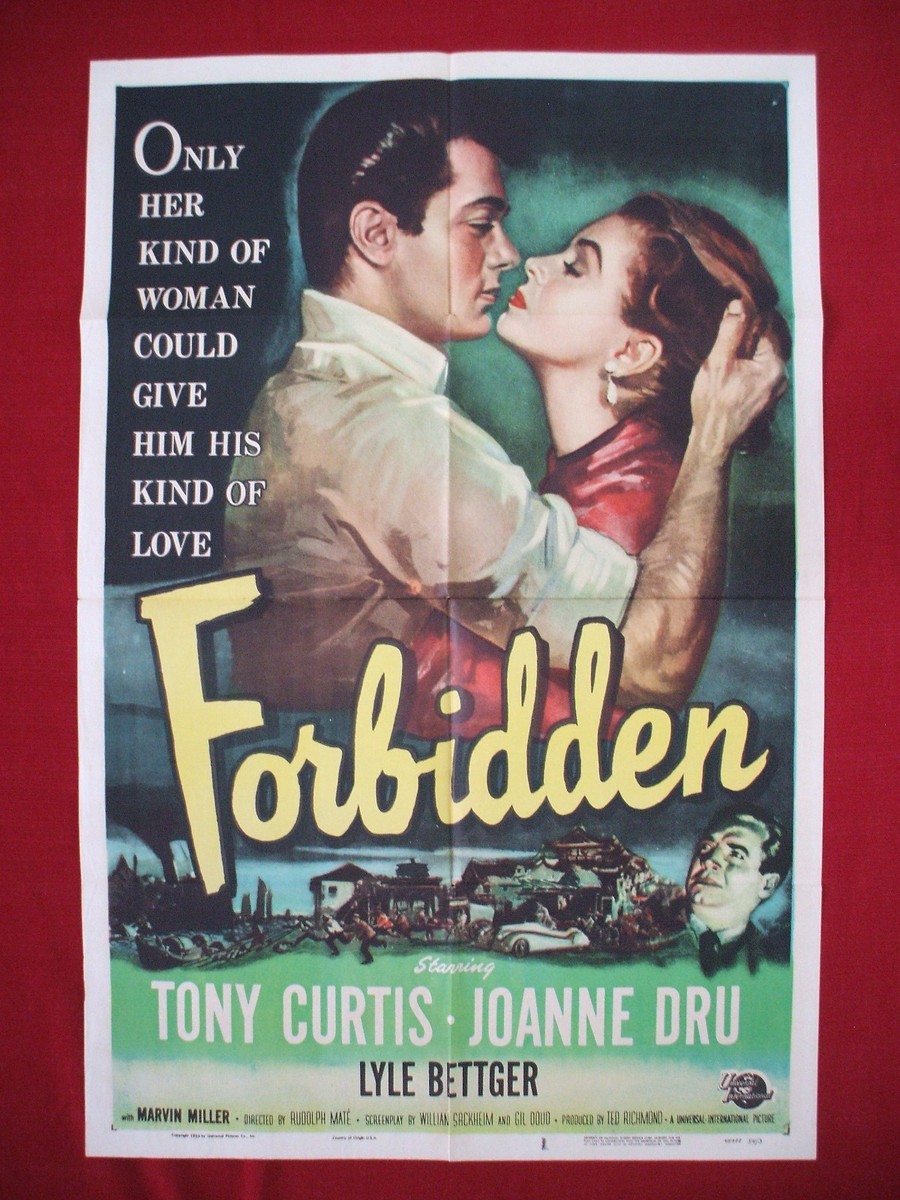
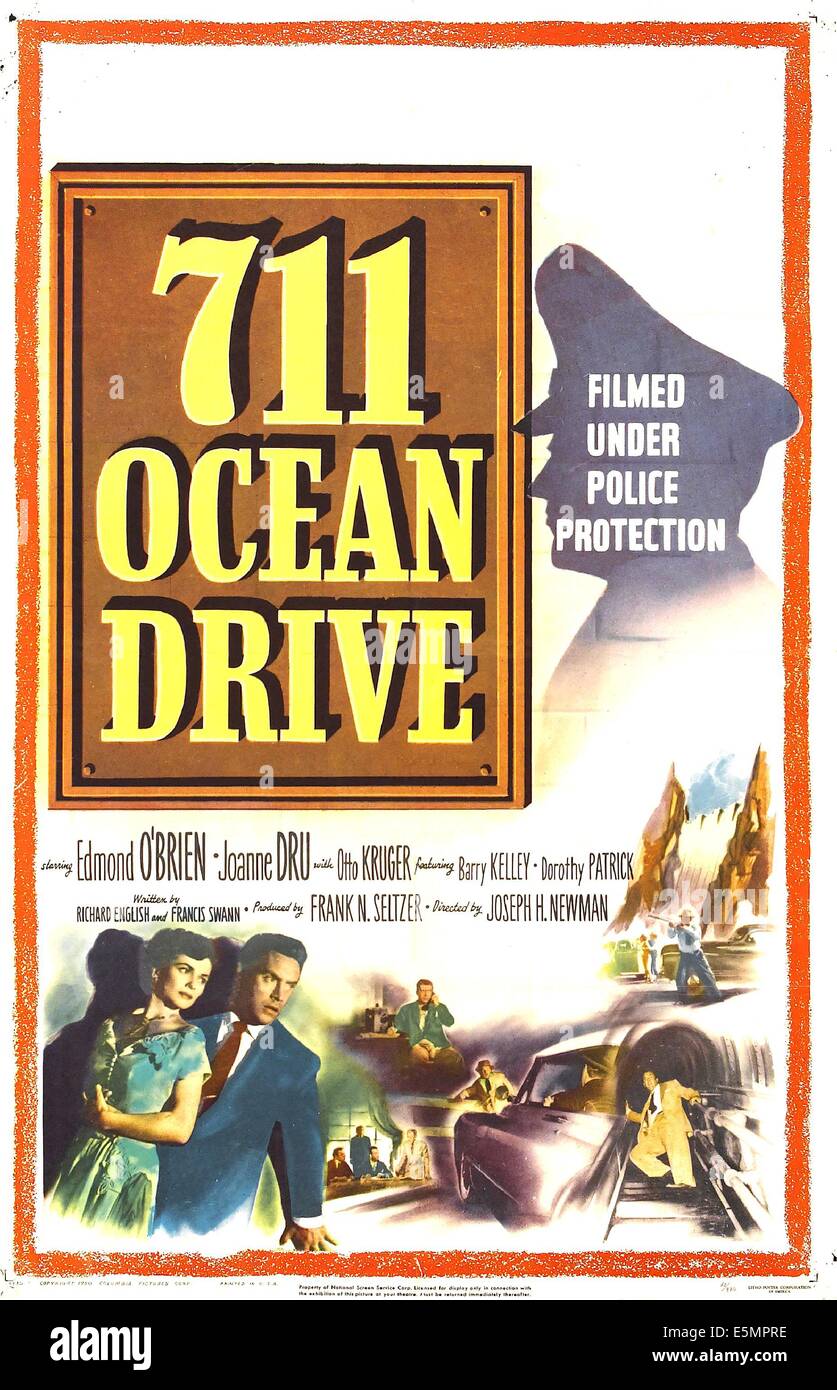
None of Dru’s subsequent films approached the quality of these four, but Joseph H. Newman’s 711 Ocean Drive (1950) was an efficient film noir (allegedly shot under police guard) exposing gambling syndicates. Dru was the wife of a syndicate boss who falls in love with a former telephone engineer who has ruthlessly risen to be head of the gang. Rudolph Mate’s Forbidden (1953) was a sleek thriller in which a hoodlum (Tony Curtis) journeys to Macao to find Dru, a racketeer’s widow, and bring her back to the US with the incriminating evidence she possesses.

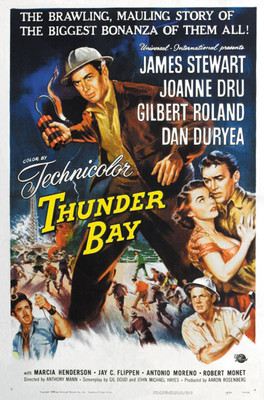
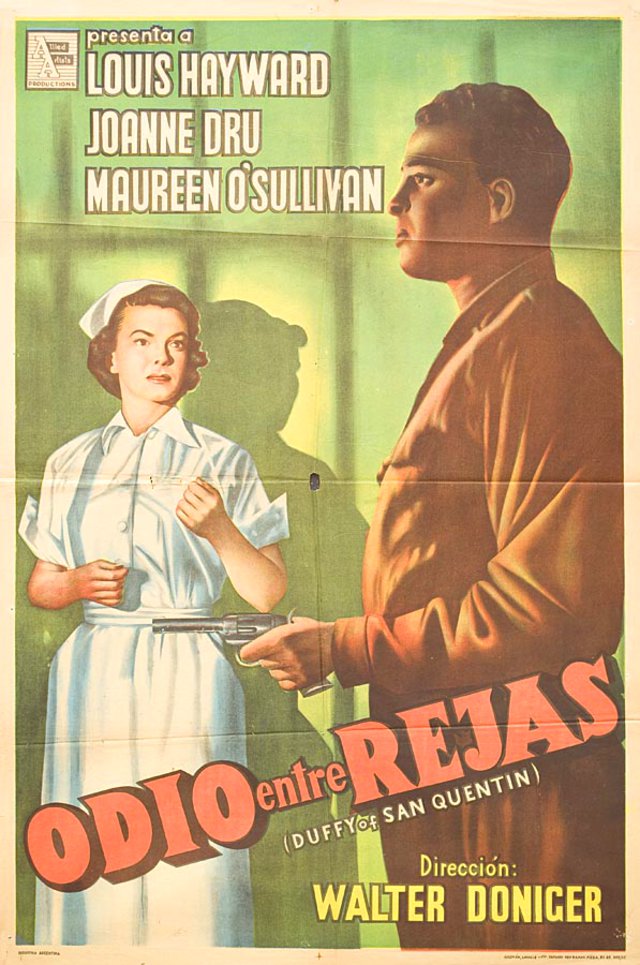
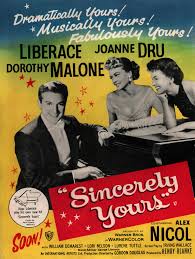
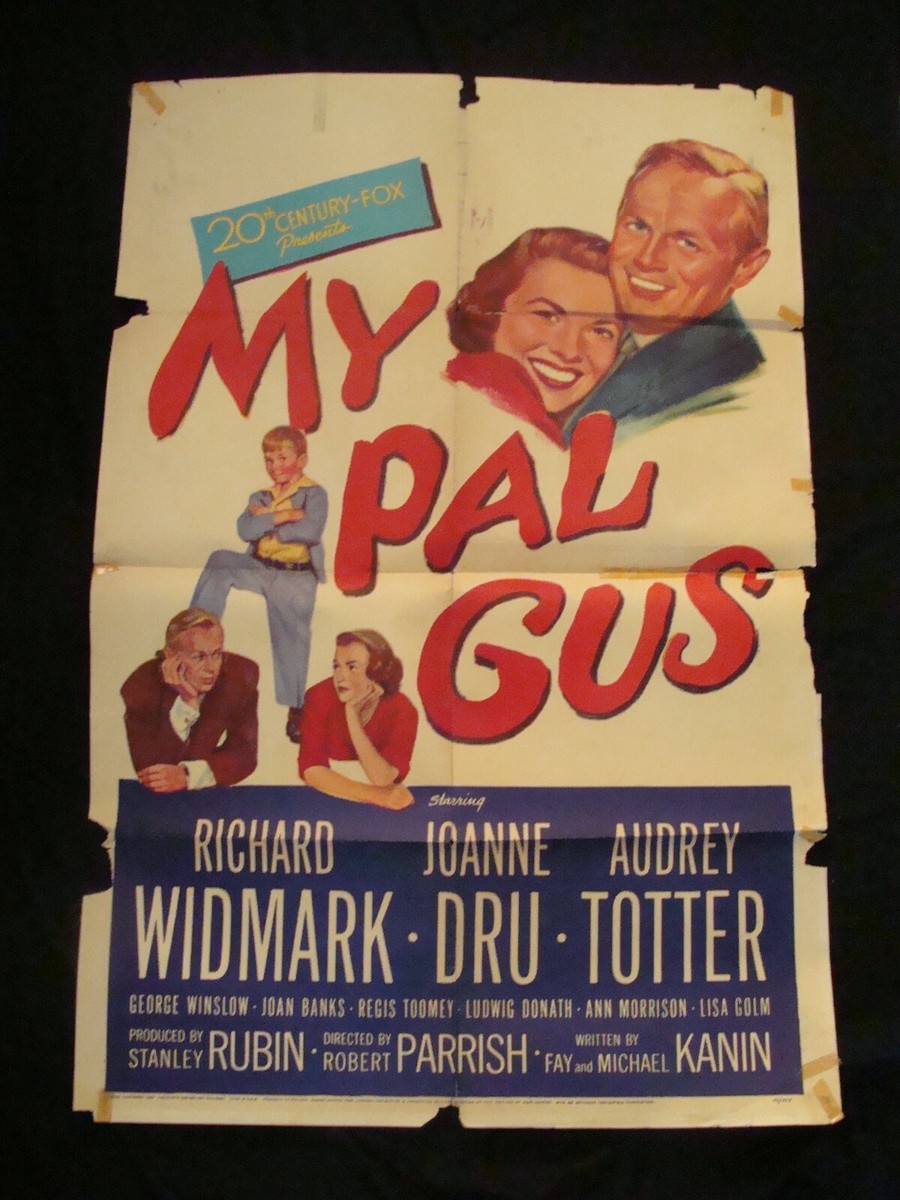
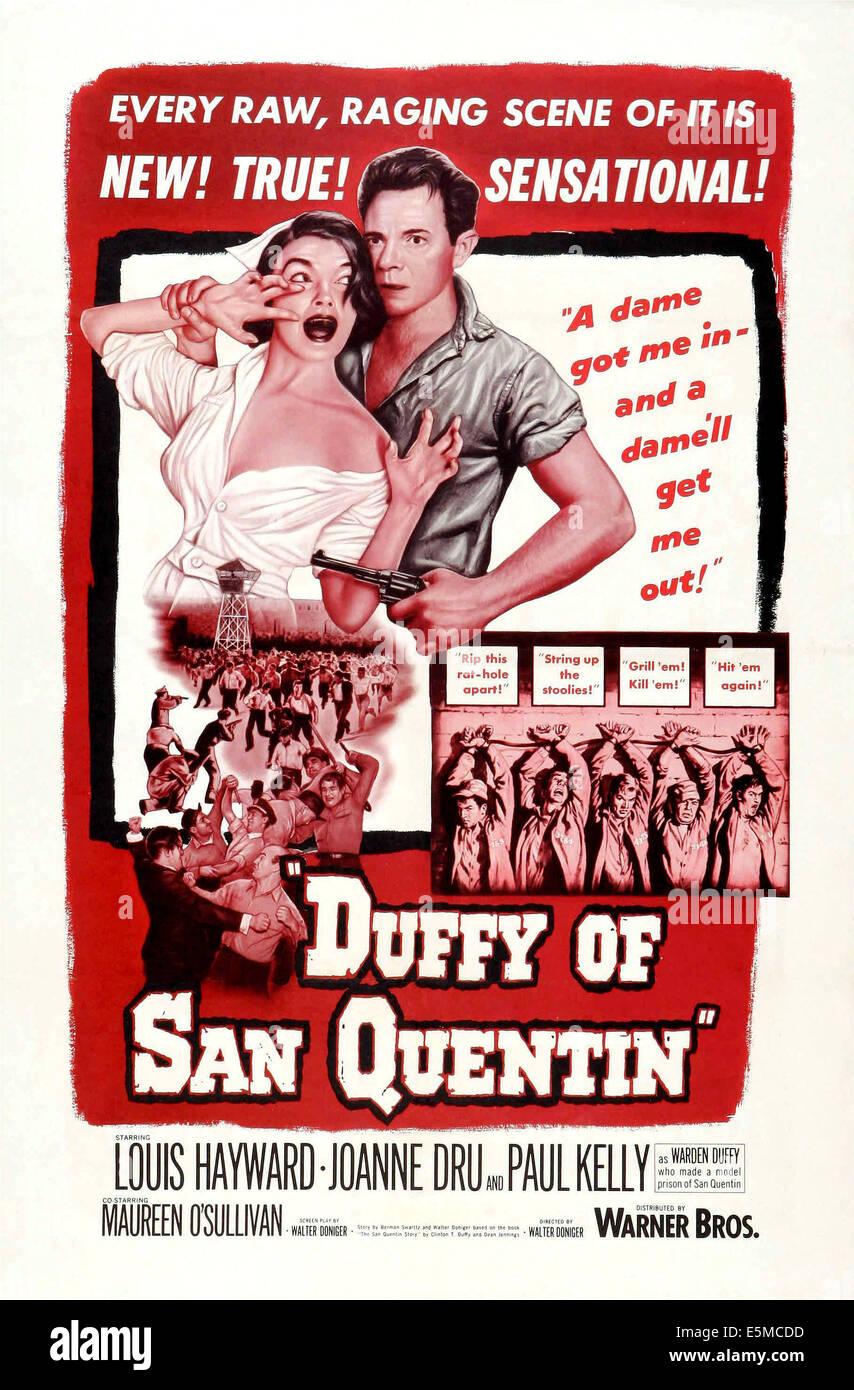
Many of Dru’s roles were, though, becoming blander – she was a social worker whose fiance takes her for granted in Mr Belvedere Rings the Bell (1951), a schoolteacher who brings a father and son closer in My Pal Gus (1953), the sweetheart of an oil-man prospecting in the Gulf of Mexico in one of Anthony Mann’s lesser pieces, Thunder Bay (1953), a nurse taming a troublesome convict in Duffy of San Quentin (1954), and a faithful secretary to Liberace as a concert pianist stricken deaf in the disastrous Sincerely Yours (1956).

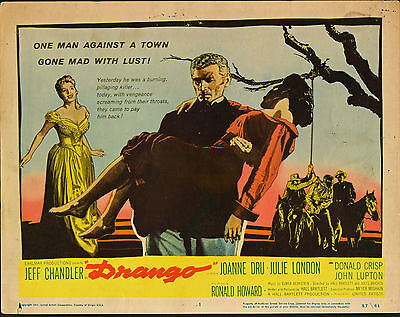
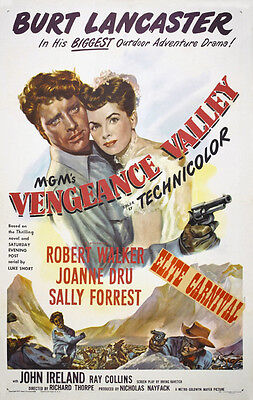
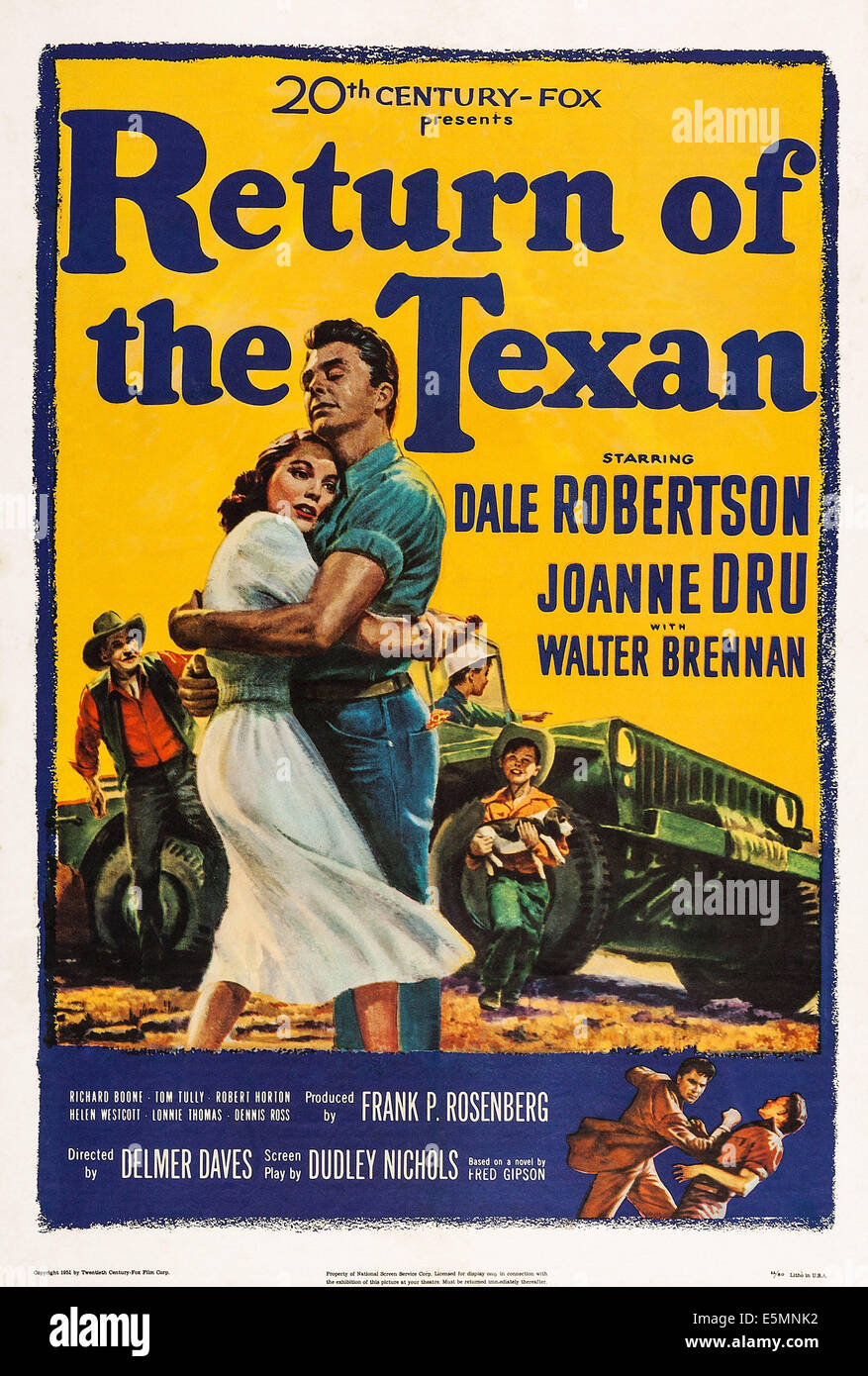
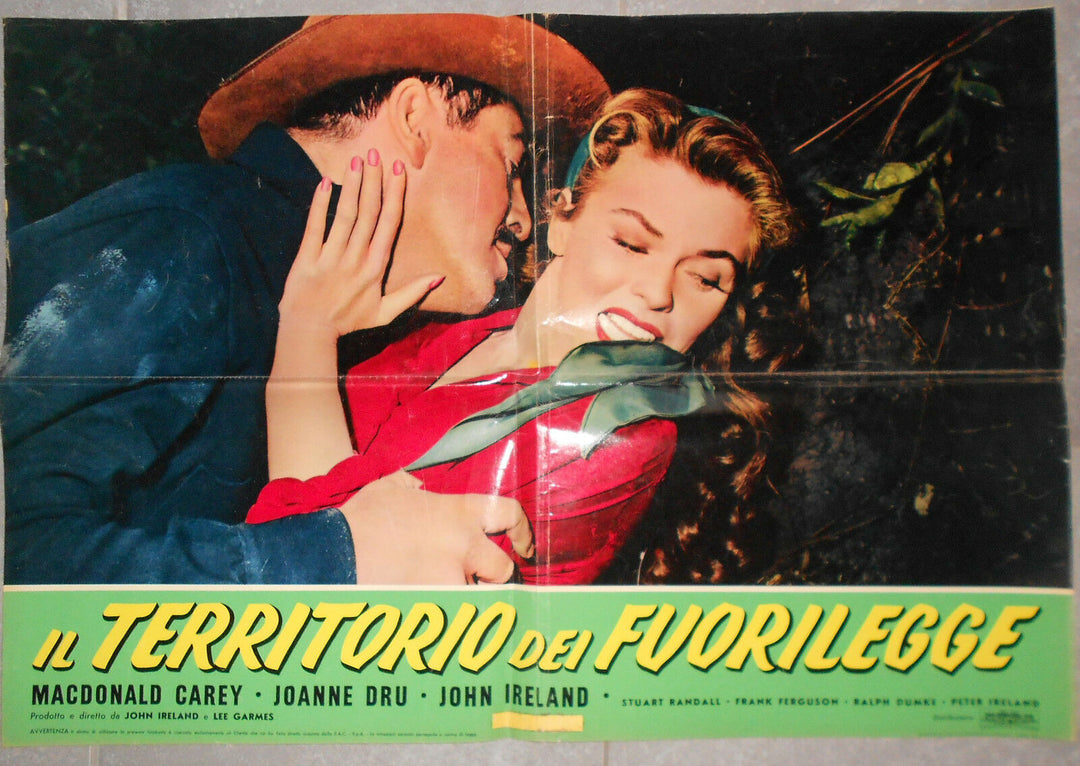
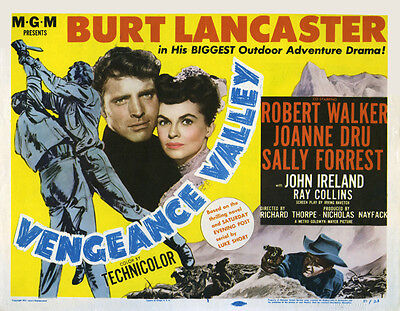
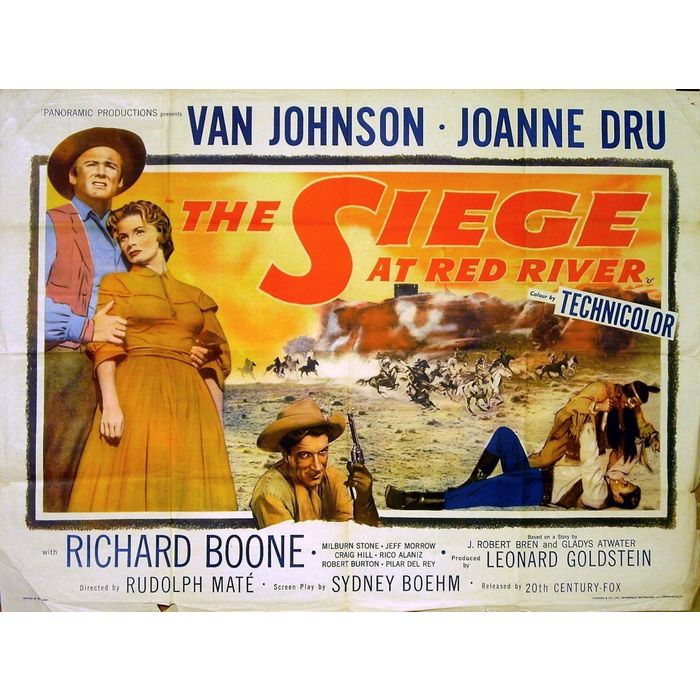
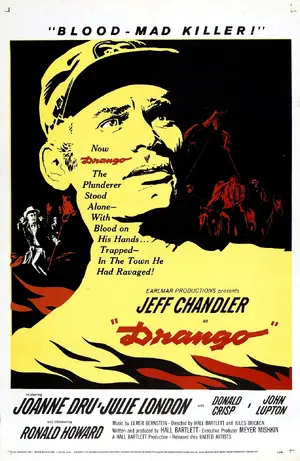
She continued to appear in westerns – Vengeance Valley (1951), Return of the Texan (1952), Outlaw Territory (1953) and The Siege at Red River (1954), but these were routine affairs. The best of her later journeys west was Hall Bartlett’s Drango (1957), an interesting account of the reconstruction period after the Civil War, made by the star Jeff Chandler’s own production company and superbly photographed by James Wong Howe, with Dru effective as a Union sympathiser whose father is lynched by a Southern mob. She was active in television throughout the Fifties, guesting on many anthology shows including Wagon Train and Lux Video Theatre.

In 1981 she returned to the screen after a 16-year absence to star in Super-Fuzz, a low- budget action comedy, but she did not do it for the money. Since 1972 she had been married to C.V. Wood Jnr, a Texas multi-millionaire, the owner of an oil company and the Silver Lakes Nightclub, and a prime investor in the original London Bridge which was profitably reconstructed at Lake Havasu in Arizona.

Tom Vallance

The above “Independent” obituary can also be accessed online here.

Joanne Dru (1922–1996) was the “Gentle Matriarch” of the classic American Western. While her contemporaries were often relegated to being the damsel in distress or the dance-hall floozy, Dru carved out a niche as the resilient, intelligent woman of the frontier. She possessed a grounded, earthy beauty—dark hair, high cheekbones, and a steady gaze—that made her the perfect cinematic anchor for the era’s most legendary directors, particularly John Ford and Howard Hawks.


Career Overview: From Showgirl to Frontier Icon

1. The New York Beginnings (1940s)

Born Joan Letitia LaCock, she began her career as a “Samba Siren” in the Copacabana nightclub and a model in New York. This background gave her a physical poise that translated well to the screen. She was “discovered” and brought to Hollywood, making her debut in Abie’s Irish Rose (1946).

2. The Western Trilogy (1948–1950)

Dru’s career reached its zenith through a trio of landmark Westerns that redefined the genre:

  • “Red River” (1948): Directed by Howard Hawks, where she famously took an arrow to the shoulder and kept talking.

  • “She Wore a Yellow Ribbon” (1949): Directed by John Ford, where she played the romantic interest caught between two cavalry officers.

  • “Wagon Master” (1950): Again with Ford, playing a more cynical, weary traveler.

3. The Noir and Melodrama Shift (1950s)

As the Western craze evolved, Dru moved into contemporary dramas and noirs. She delivered a sharp, cynical performance in the Academy Award-winning All the King’s Men (1949) and starred in the gritty 711 Ocean Drive (1950).

4. The Television Transition (1960s)

Like many of her peers, she found a second life in television, starring in her own sitcom, Guestward, Ho!(1960), and making guest appearances on shows like The Green Hornet and Marcus Welby, M.D.


Detailed Critical Analysis: The “Pragmatic” Beauty

1. The “Hawksian” Woman

In Howard Hawks’ Red River, Dru delivered a performance that epitomized the “Hawksian Woman”—someone who is as tough, witty, and capable as the men.

  • Analysis: In the famous scene where she is wounded by an Indian arrow, she remains remarkably stoic. Critics have noted that Dru didn’t play “feminine vulnerability”; she played competence. She was one of the few actresses who could trade barbs with John Wayne or Montgomery Clift without losing her screen authority. Her chemistry with Clift was praised for its modern, intellectual edge.
2. The “Fordian” Muse

In John Ford’s cavalry trilogy, Dru occupied a different space. She was the “Civilizing Influence.”

  • Critical Insight: Ford used Dru’s face as a symbol of the home the men were fighting to protect. However, Dru brought a layer of “spunk” to these roles. In She Wore a Yellow Ribbon, her character, Olivia Dandridge, isn’t just a prize to be won; she is a playful, observant participant in the military life. Critics noted her ability to convey nostalgia and longing through a simple glance, a key requirement for Ford’s sentimental visual style.

3. The “Cynical Modernist” in All the King’s Men

Playing Anne Stanton, Dru showcased her range outside of the saddle.

  • Technical Analysis: As the daughter of a prestigious family seduced by the power of a corrupt politician, Dru utilized a refined, tragic dignity. Critics hailed her for showing the “slow rot” of idealism. She moved away from the “outdoorsy” energy of her Westerns to a more constricted, interior style that reflected the film’s noir sensibilities.

4. The “Stately” Physicality

Dru had a specific way of moving—shoulders back, head high—that suggested an aristocratic background even when she was playing a pioneer.

  • Critical View: This “stature” allowed her to play characters who were morally upright but never “boring.” She had a low, resonant voice that carried a sense of history and experience. Critics often remarked that Dru felt like a “real woman” rather than a Hollywood construction; she looked like someone who could actually survive a trek across the plains.


Key Filmography & Critical Milestones

Year Title Role Significance
1948 Red River Tess Millay Her breakout; defined her “Tough-Girl” persona.
1949 All the King’s Men Anne Stanton Proved her dramatic weight in a Best Picture winner.
1949 She Wore a Yellow Ribbon Olivia Dandridge Iconic role in one of the most beautiful Westerns ever filmed.
1950 Wagon Master Denver A more gritty, nuanced performance in a Ford cult classic.
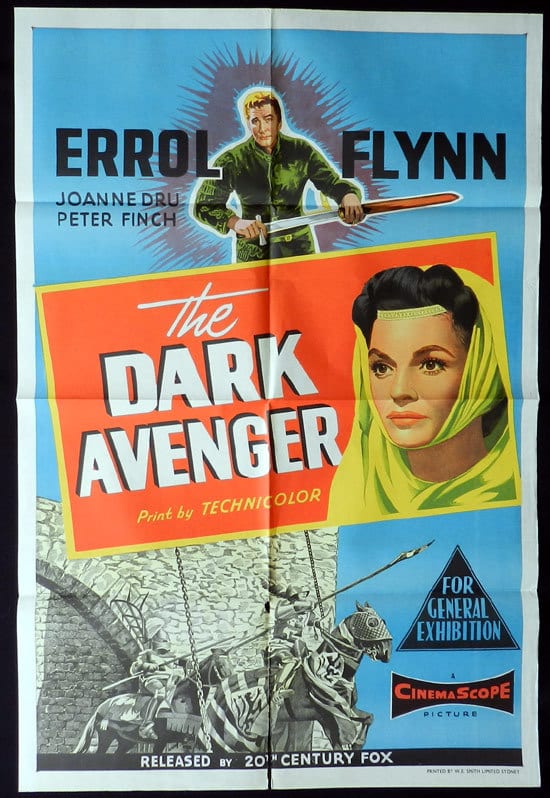
1955 The Dark Avenger Lady Joan Holland Showcased her “Stately” grace in a medieval setting.

Joanne Dru brought an intelligence and a sense of humor to the Western that helped the genre transition from simple “oaters” into psychological dramas. While she may not have had the explosive fame of a Marilyn Monroe, her work remains the gold standard for the Western heroine: a woman who could handle a rifle, a romance, and a rainstorm with equal parts grace and grit