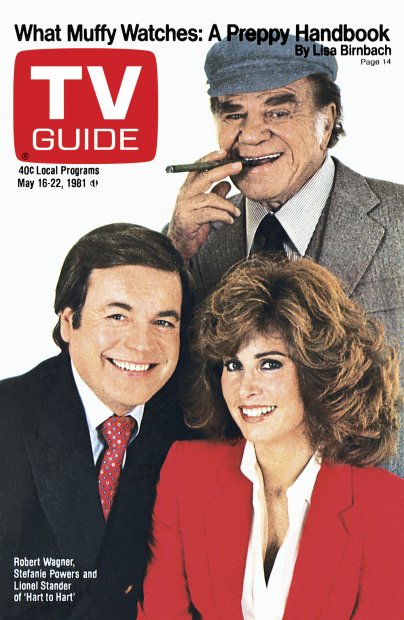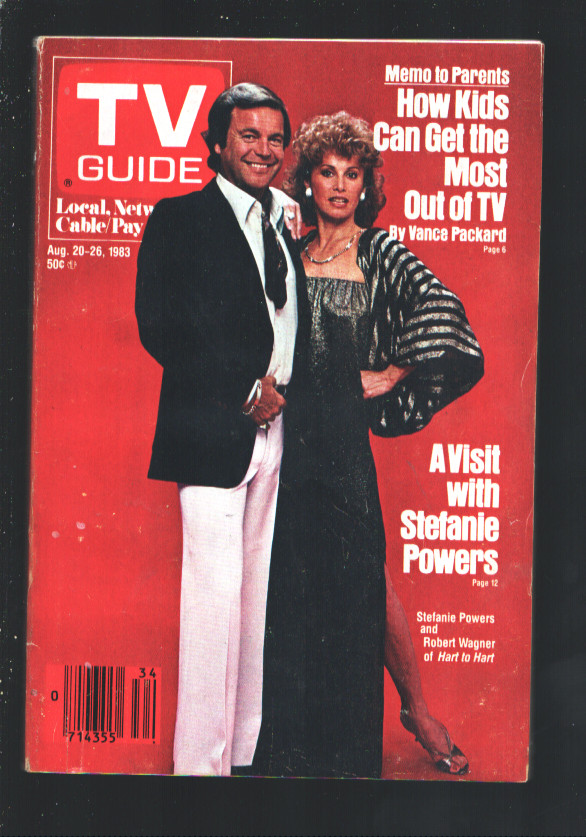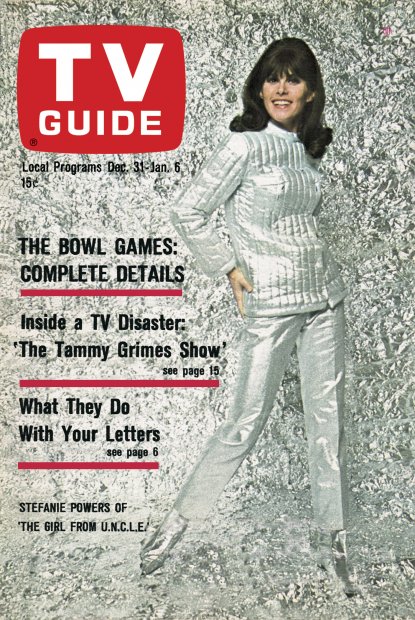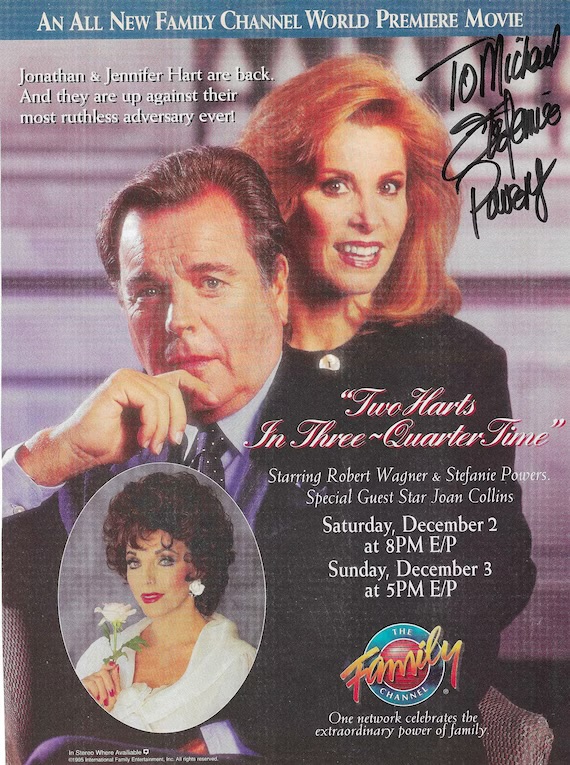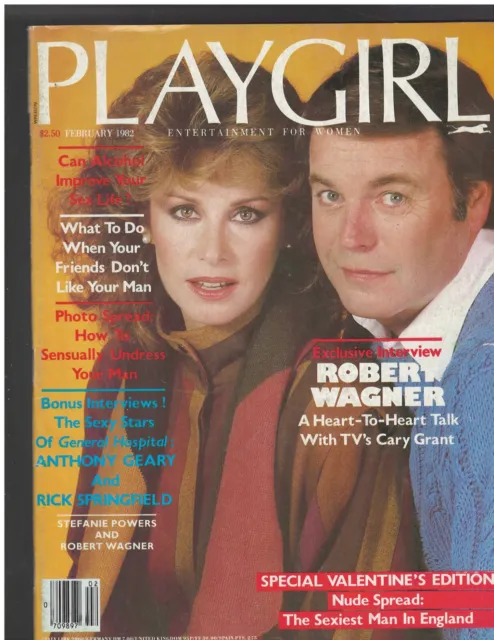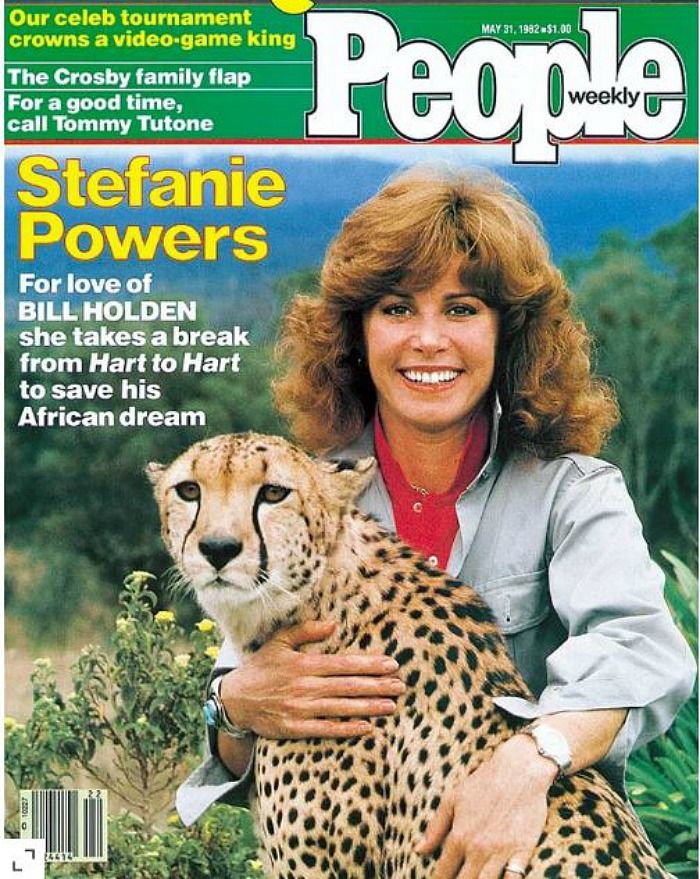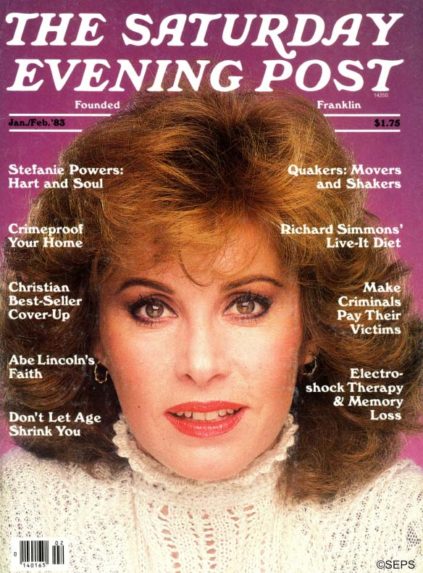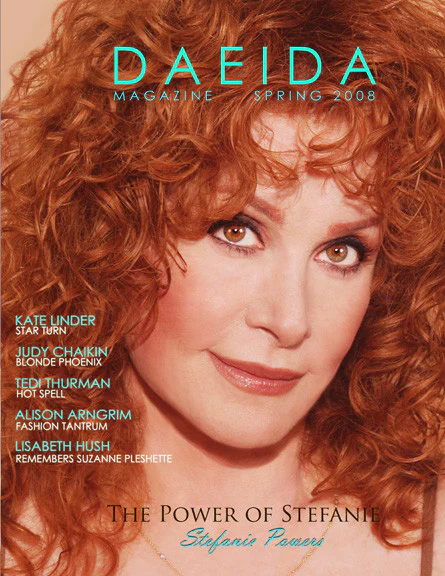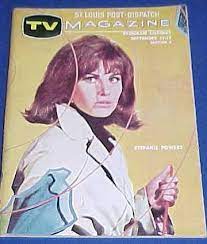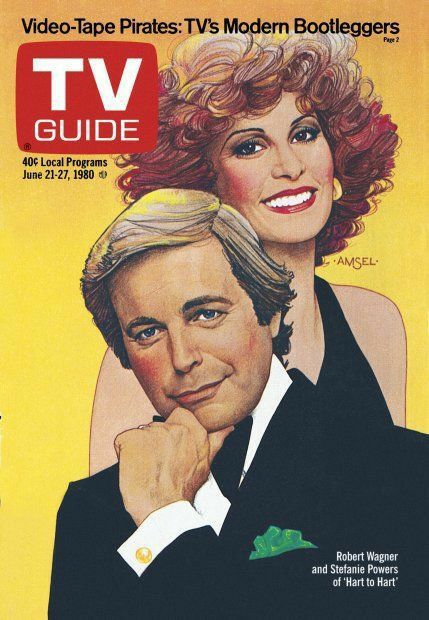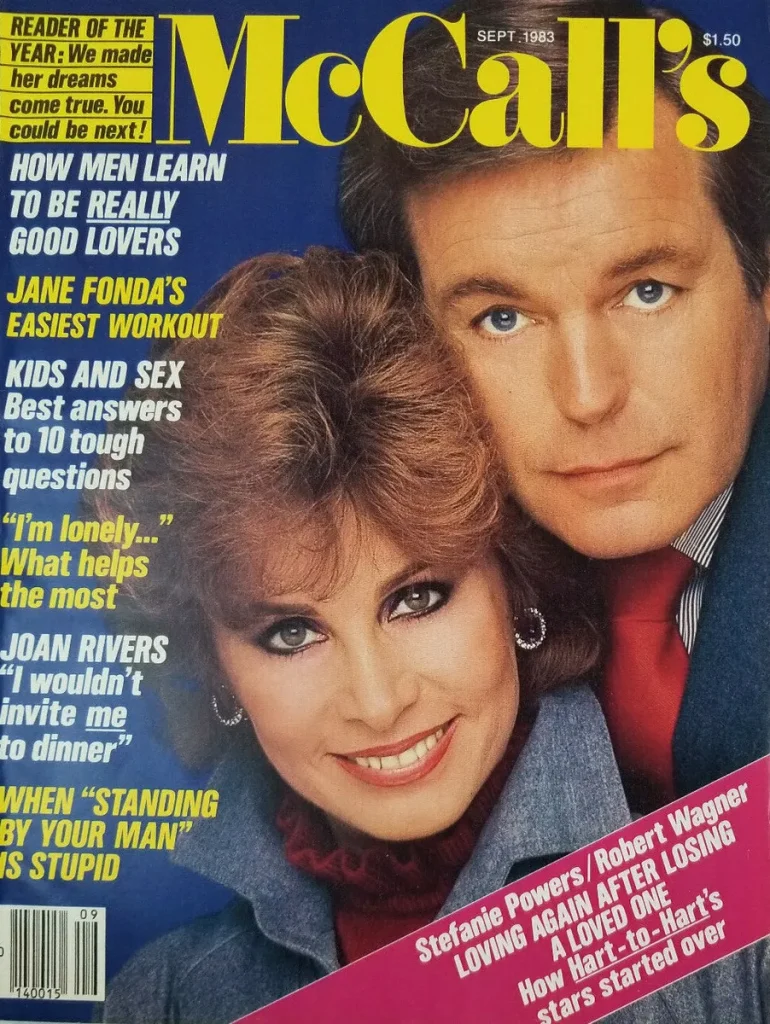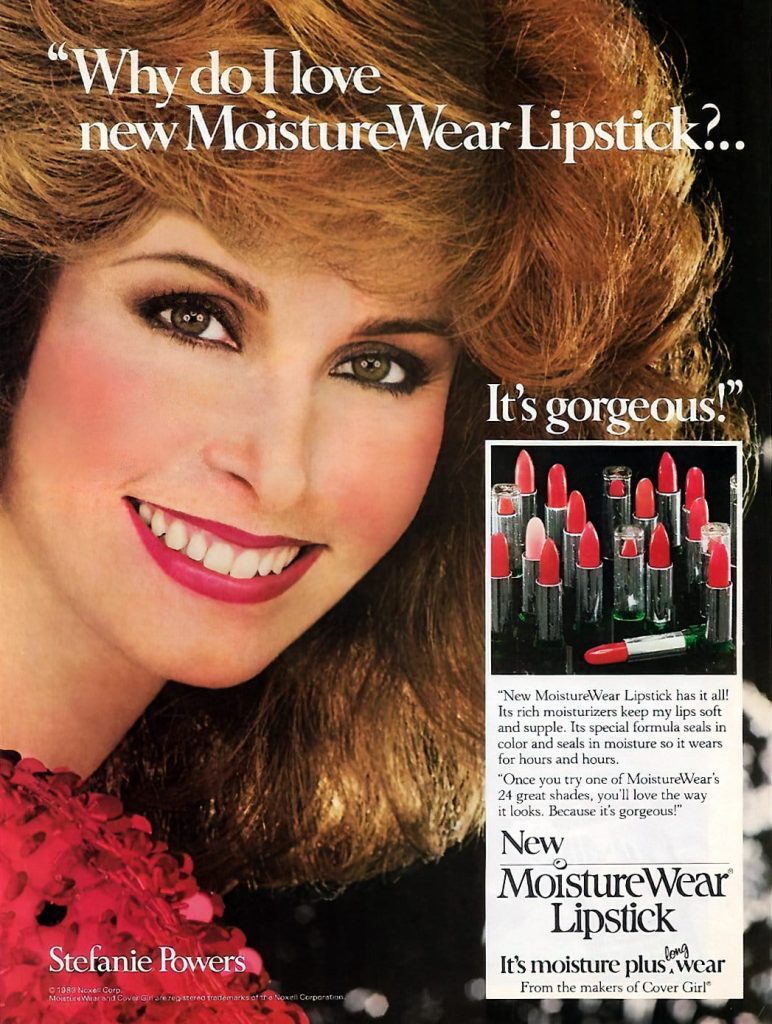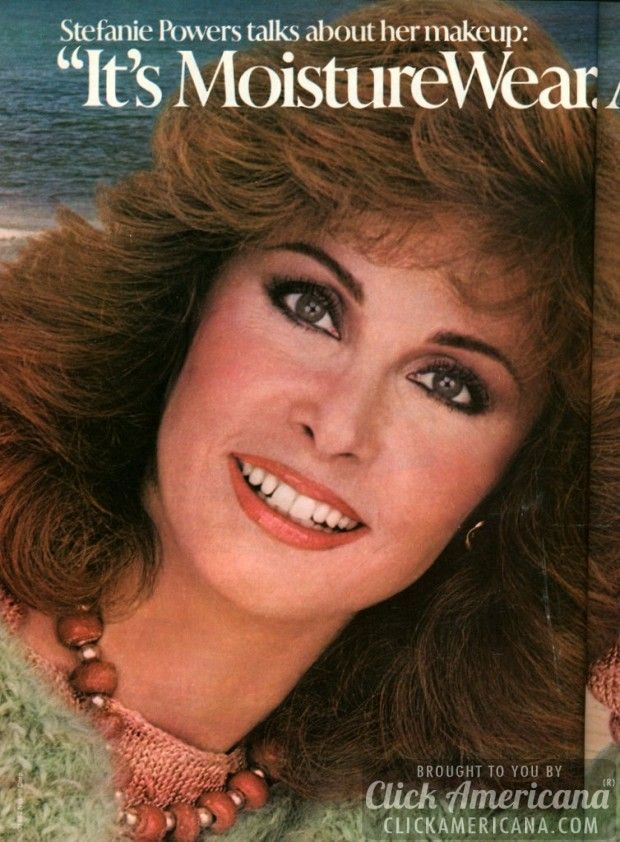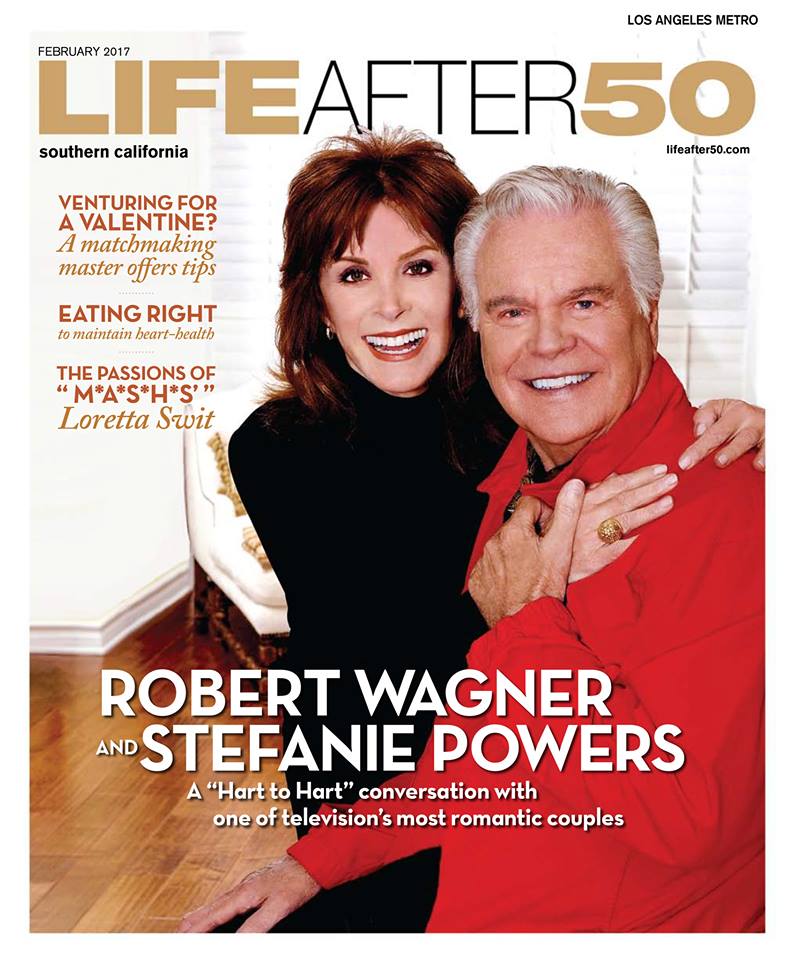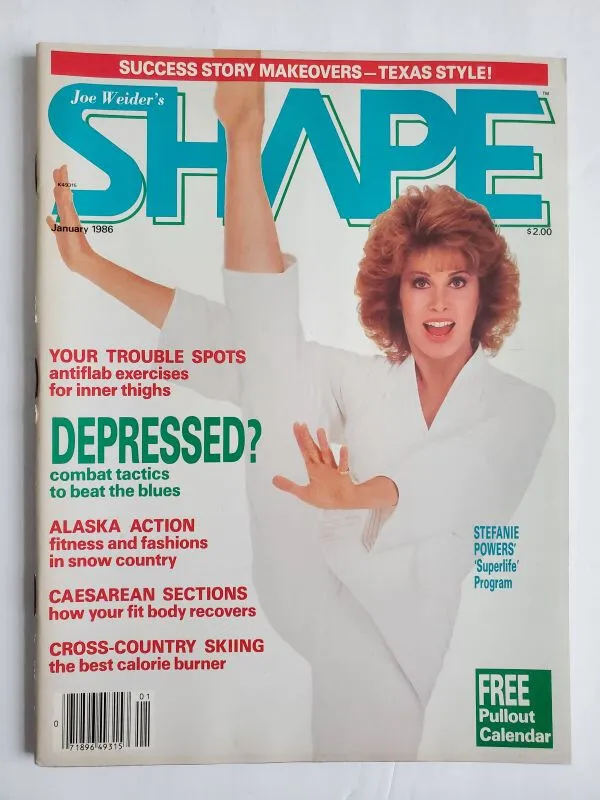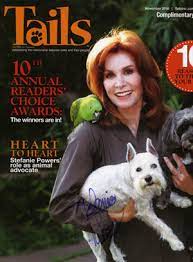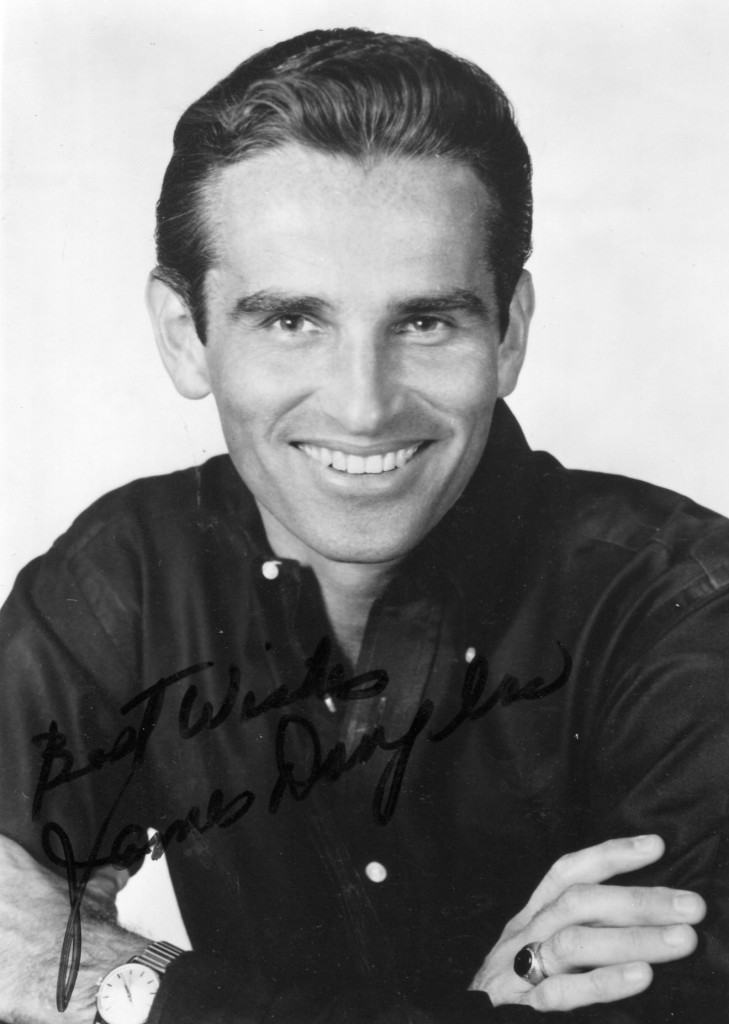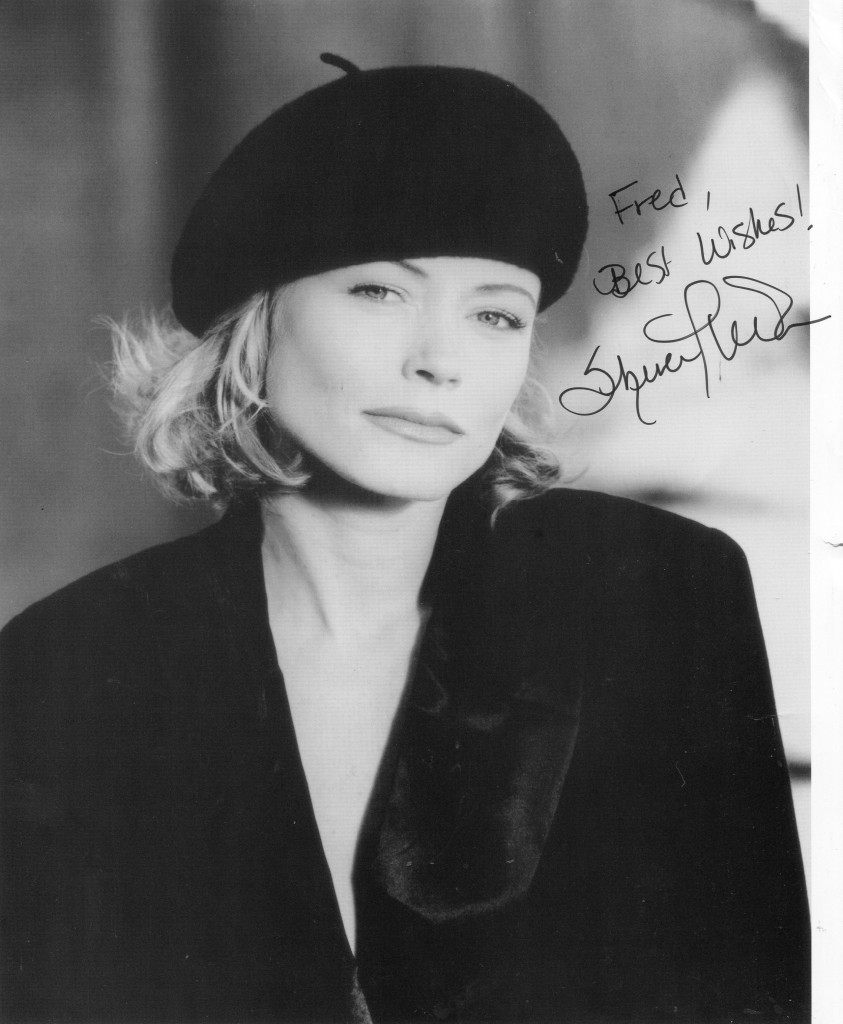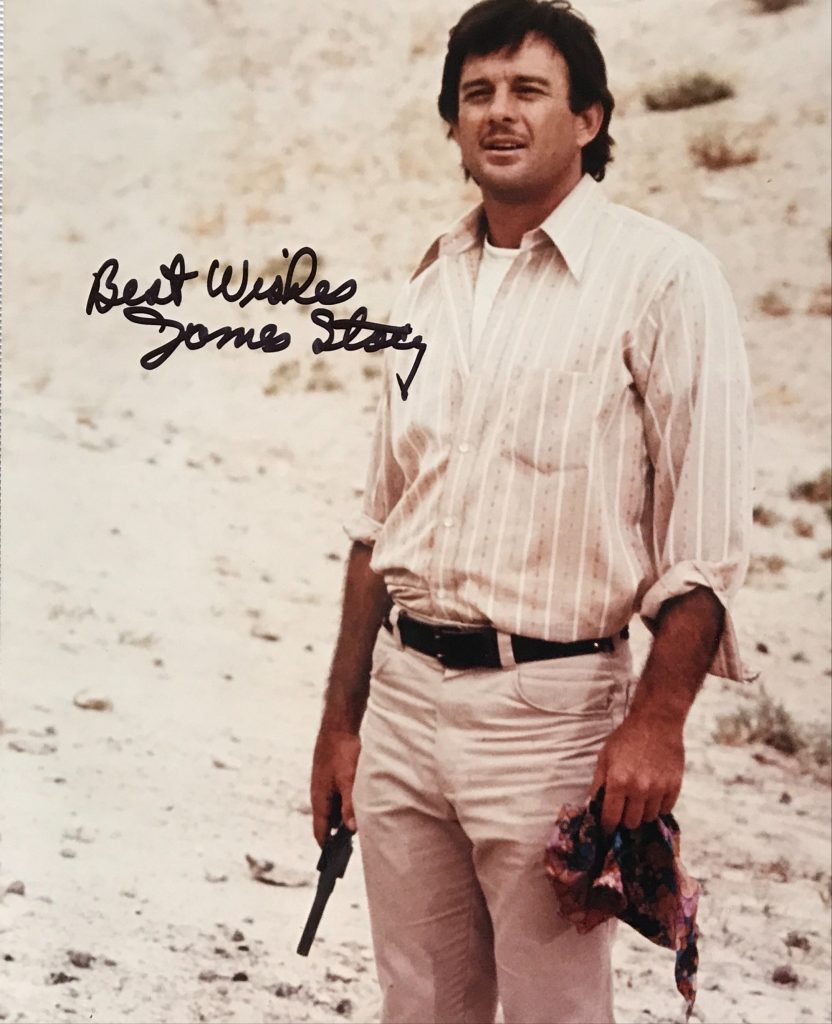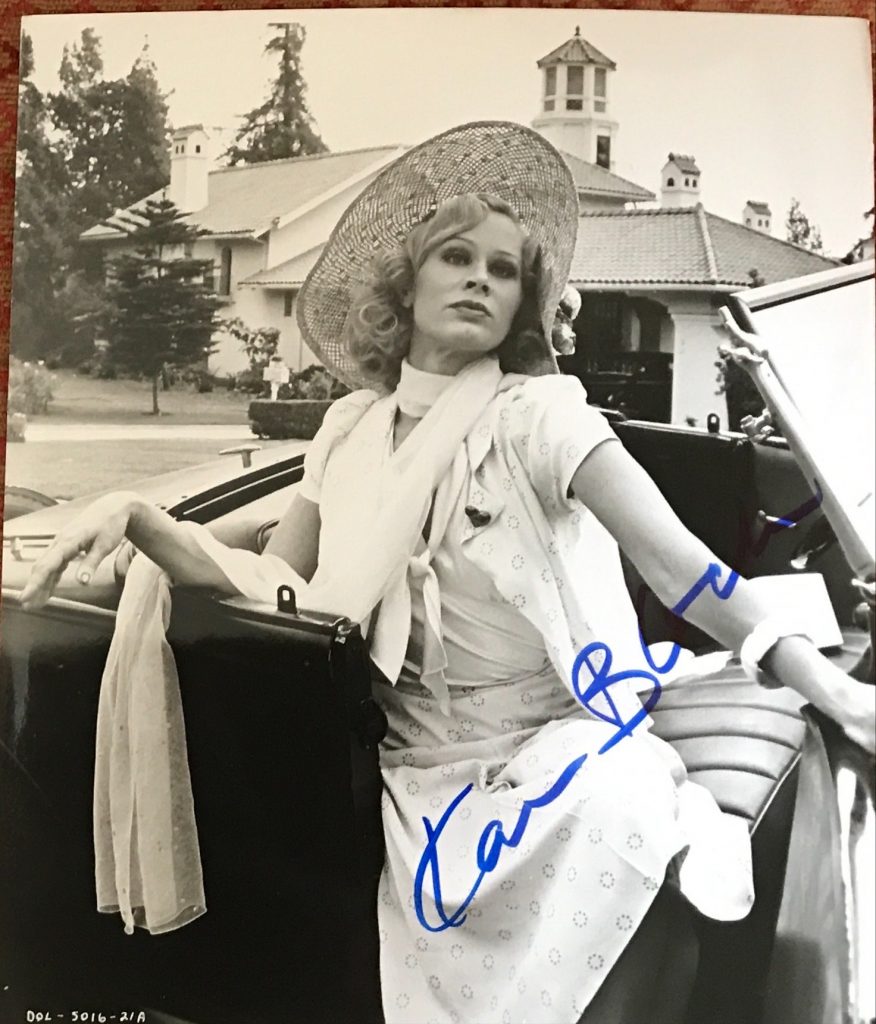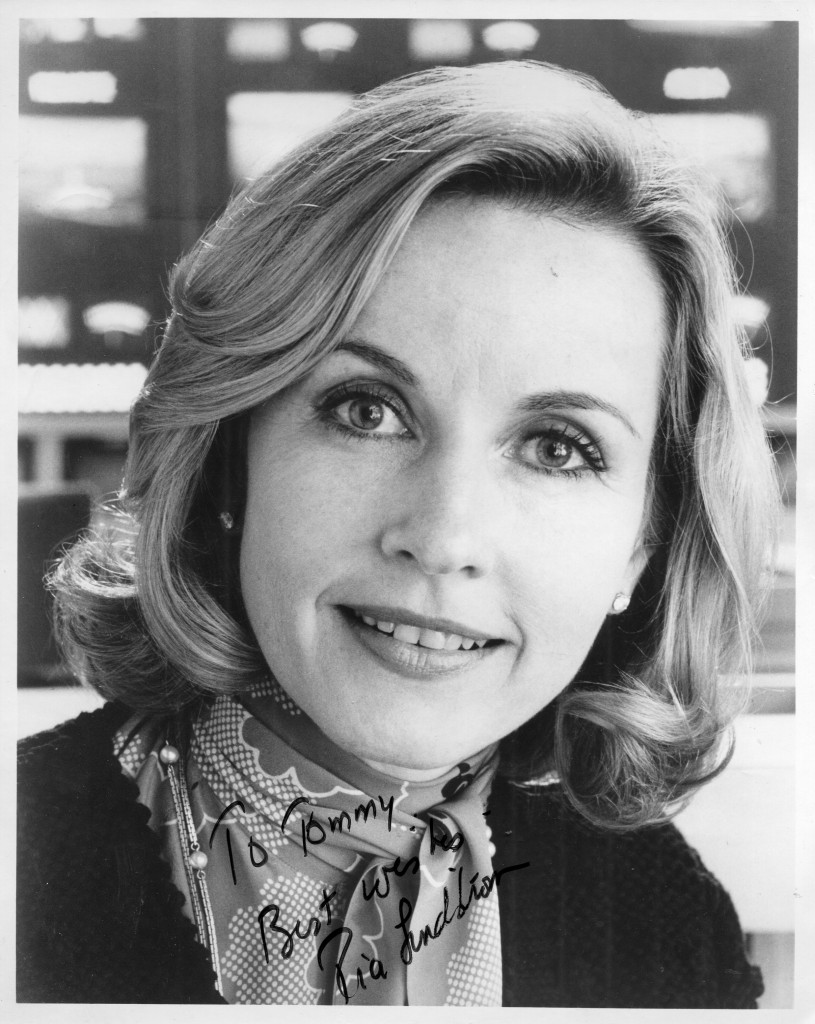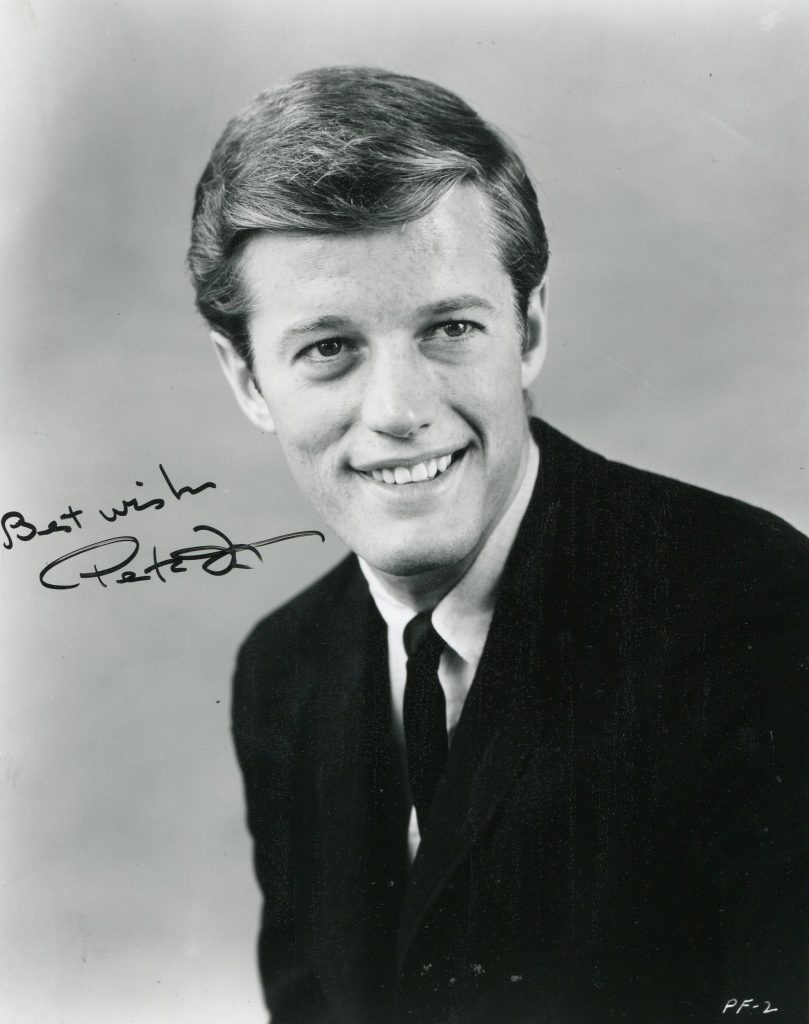

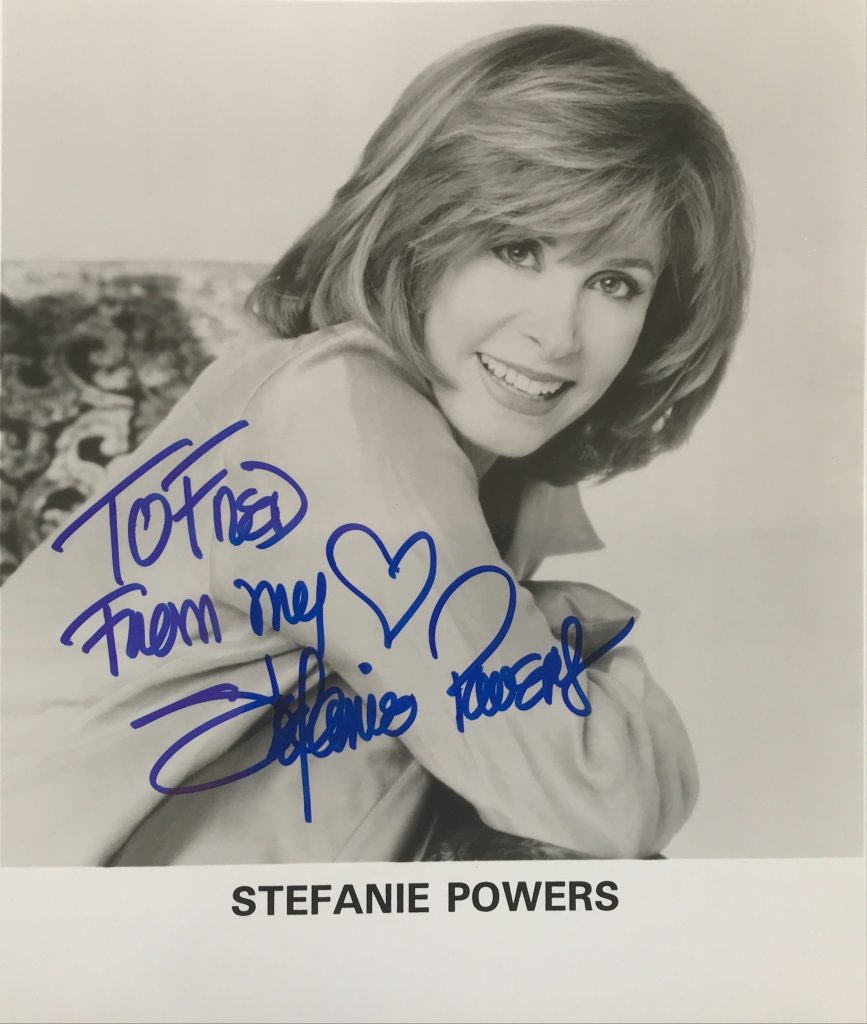


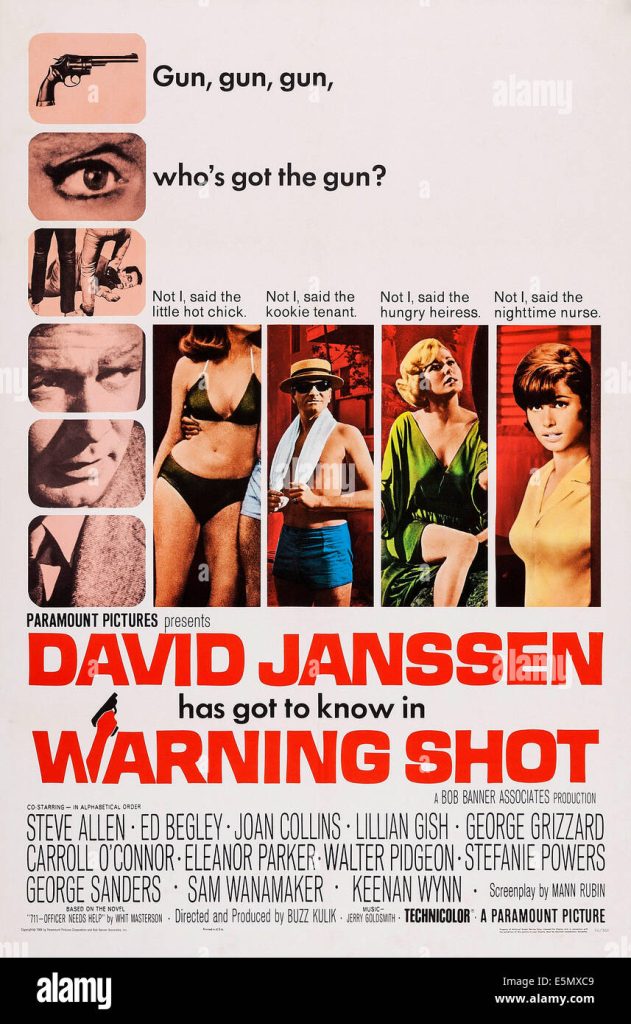
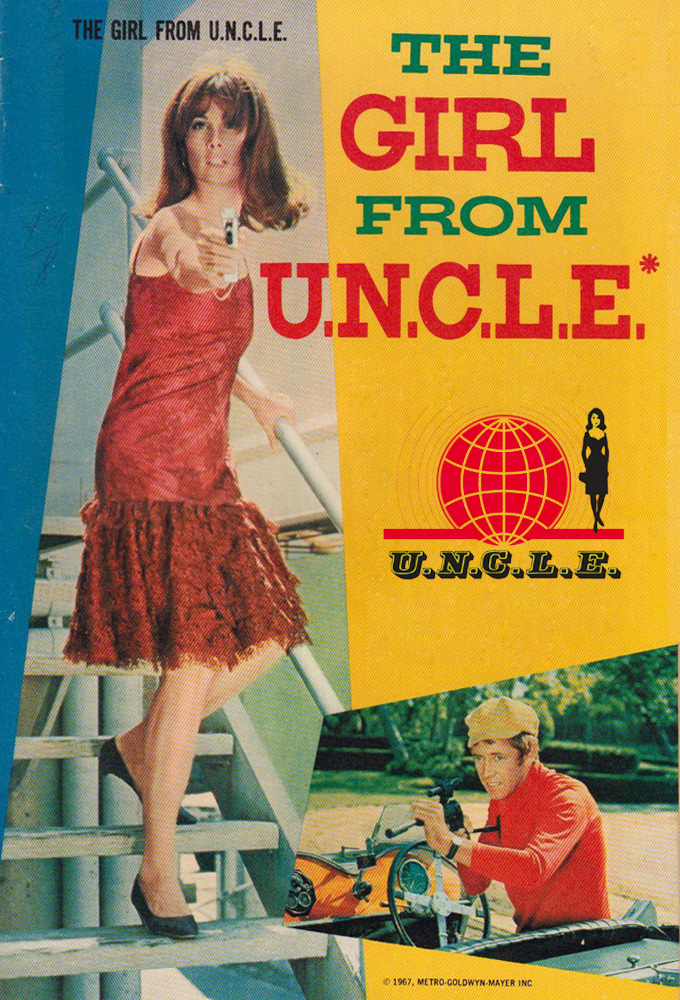
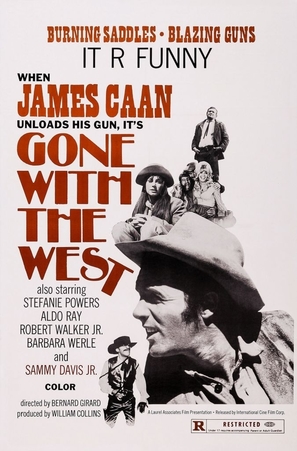
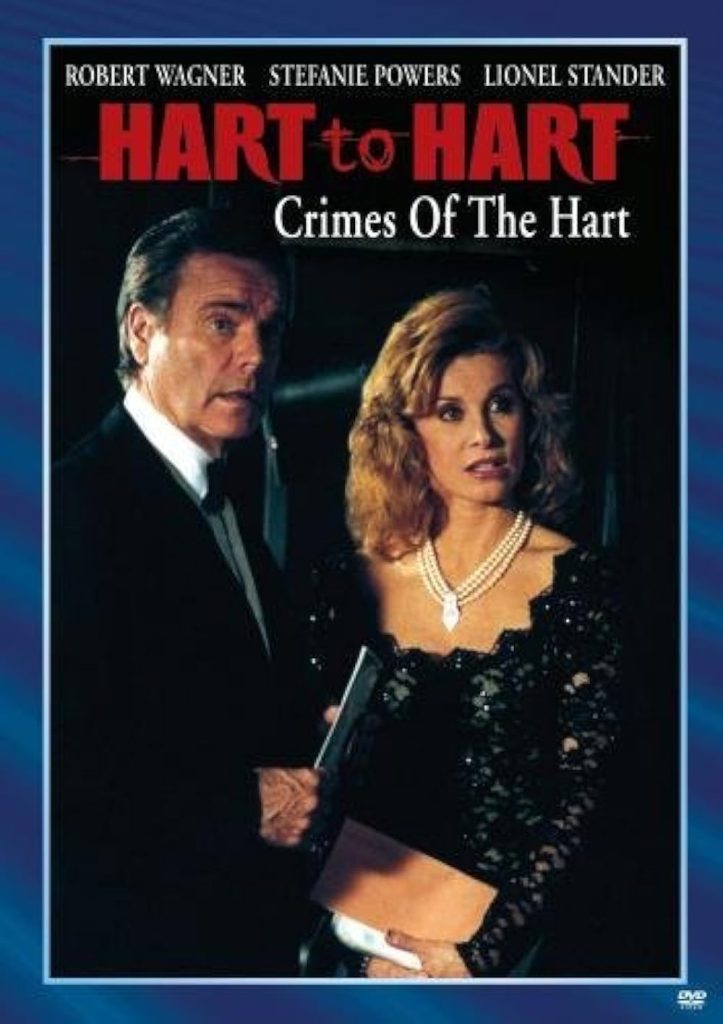
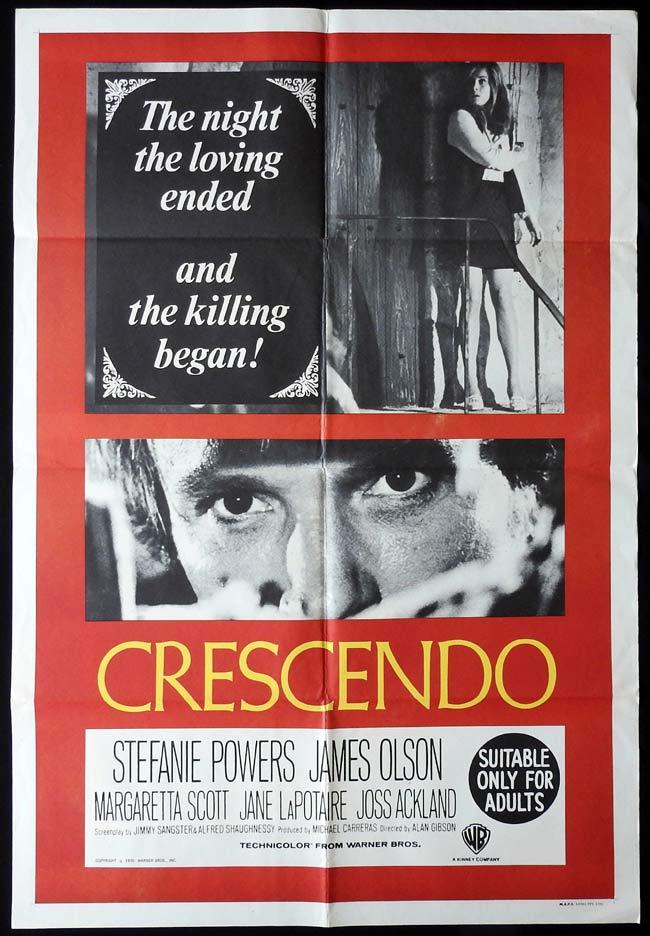
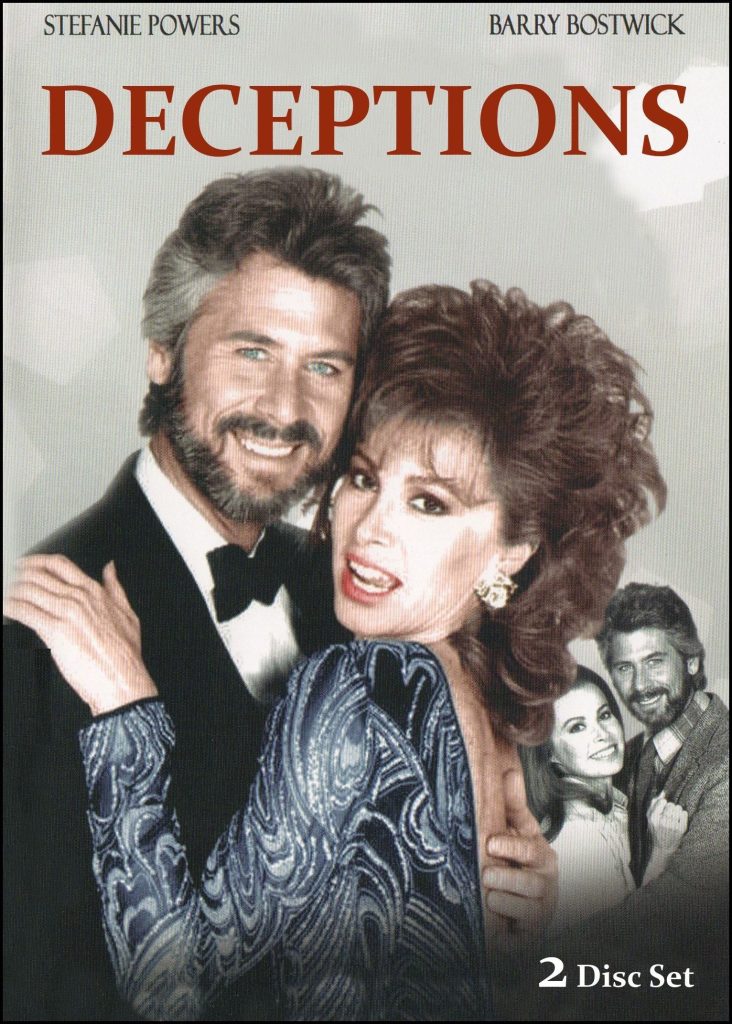
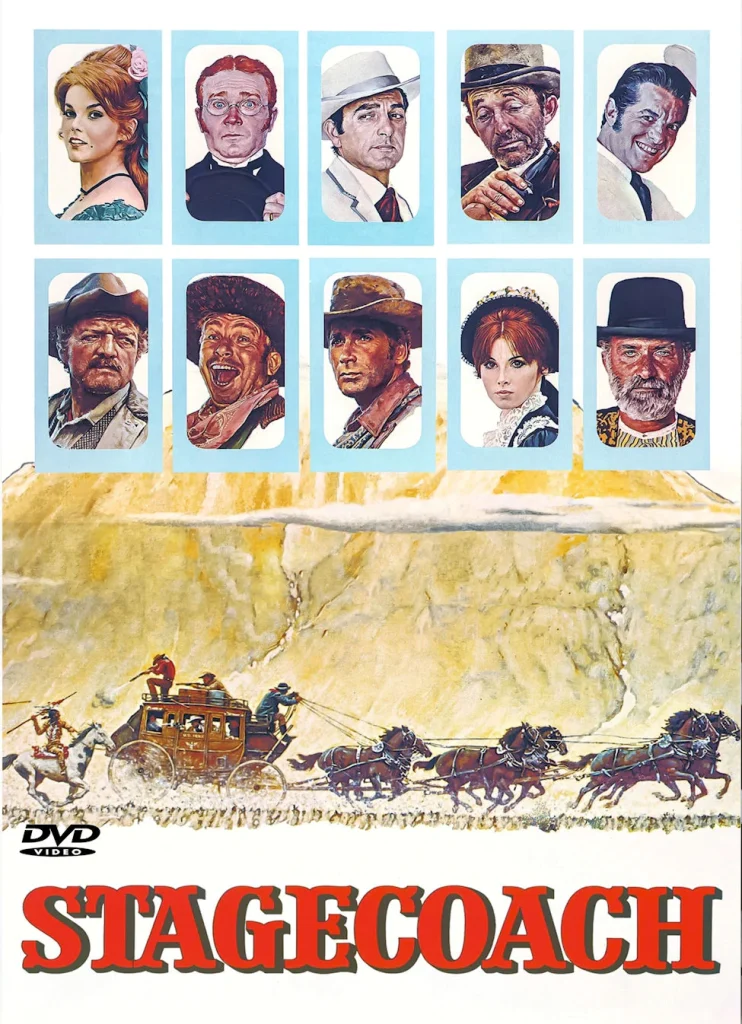
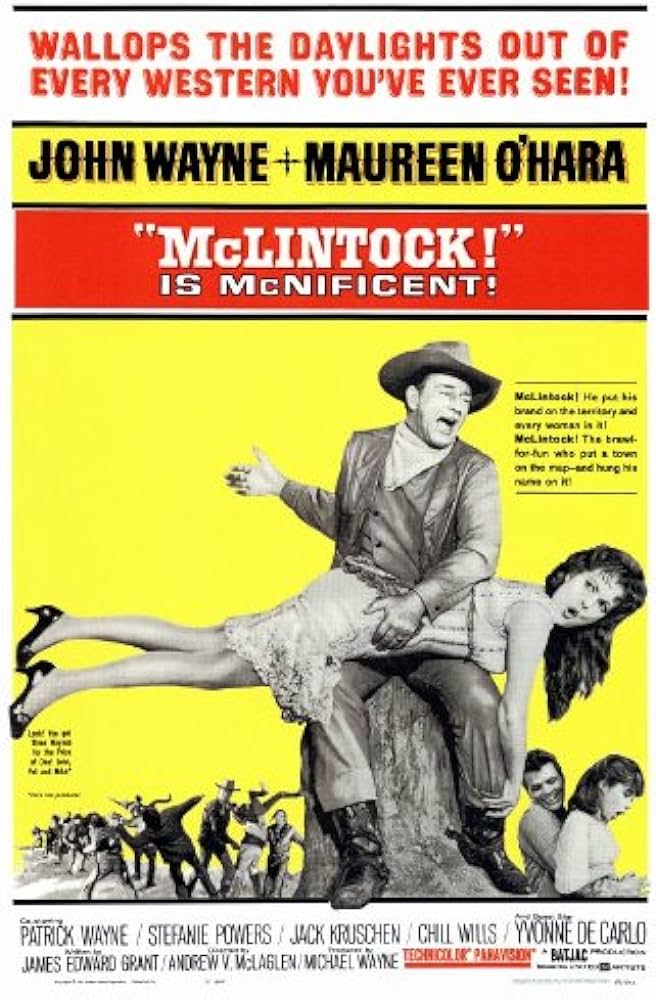
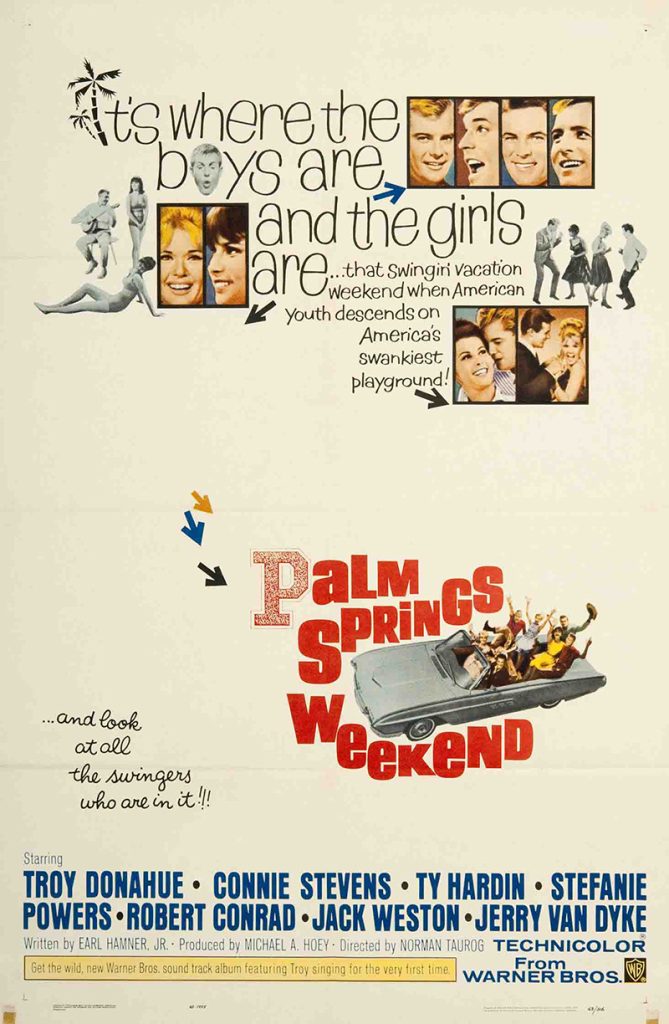
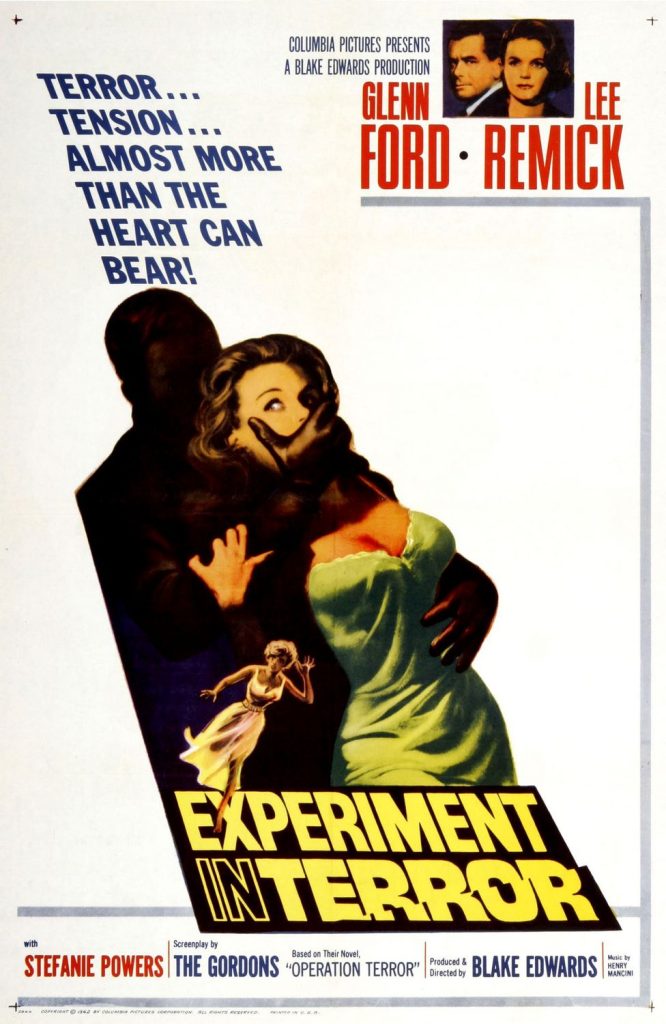
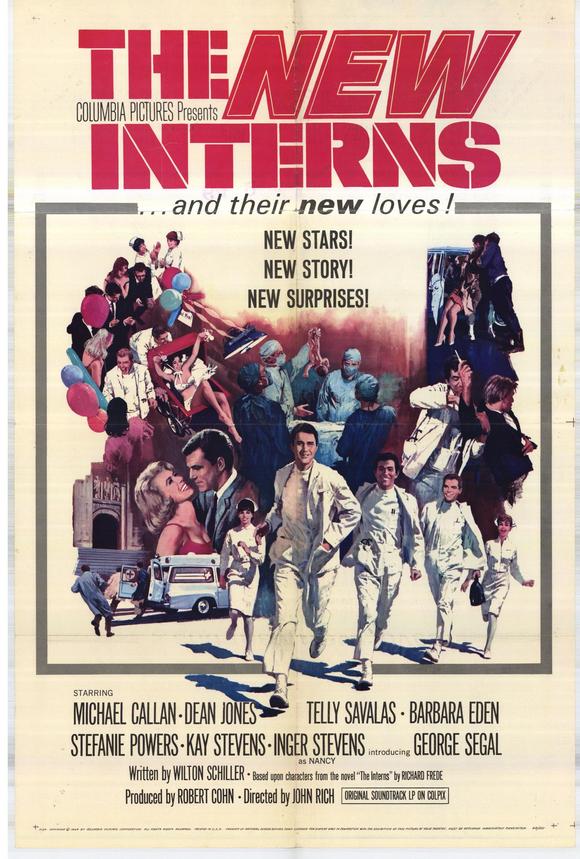
Stefanie Powers was born in 1942 in Hollywood. Her film debut came in “Grip of Fear” in 1962 directed by Blake Edwards where she played the sister of Lee Remick. Other movies included “McLintock” with John Wayne and Maureen O’Hara, “Palm Springs Weekend” with Troy Donahue and “The Interns” with Suzy Parker and Haya Harayeet. She starred in the television series “The Girl from U.N.C..L.E. in 1966 and of course “Hart to Hart” with Robert Wagner which ran from 1979 until 1984 and was followed by several TV movies of the Harts.
TCM Overview:
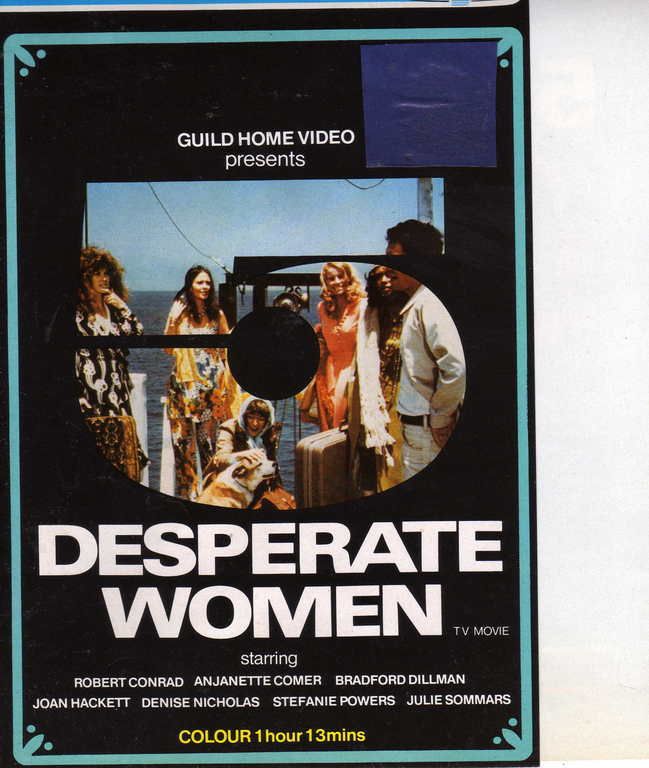
A near constant presence on television throughout the 1970s and 1980s, actress Stephanie Powers became known for her always reliable portrayals of smart, sexy and intelligent women. A native of Hollywood, Powers began pursuing her career while still a teenager, landing early roles in films that included “Experiment in Terror” (1962) and “McClintock!” (1963). Her eponymous role as “The Girl From U.N.C.L.E.” (NBC, 1966-67) nearly made her a household name, despite being canceled after only one season. Soon after, Powers flourished during the heyday of made-for-television movies, appearing almost weekly, it seemed, in such fare as “Five Desperate Women” (ABC, 1971) and “A Death in Canaan” (CBS, 1978). It was, however, in her role as the elegant and erudite Jennifer Hart opposite Robert Wagner on the adventure series “Hart to Hart” (ABC, 1979-1984) that she would be most associated for the remainder of her career. In 1981, the sudden deaths of her companion, William Holden, and Wagner’s wife, Natalie Wood, within weeks of each other, came as devastating blows at the height of the show’s popularity. In the years that followed, Powers continued the wildlife preservation efforts that she and Holden had been so passionate about, even as she continued to act – albeit less frequently – on select television projects, including a return as Jennifer Hart alongside Wagner in several made-for-TV movies. Boasting a personal life as fulfilling as her vast acting repertoire, Powers continually explored new roles in film, theater, television, and, most importantly, the world at large.
Born Stephania Zofia Federkiewicz on Nov. 2, 1942 in Hollywood, CA, she was the daughter of Polish immigrants. Shortly after changing the family surname to Paul, her father divorced her mother Julie while Stephanie and her older brother Jeff were still quite young. Her mother remarried when Stephanie was about eight years old to Jack Robinson, a jovial man who bred race horses at a nearby ranch. As a young girl, Powers displayed a natural gift for dance and performance, talents that she developed further with instruction at the popular dance studio, Kiddies Ballet Company. It was there that Powers met and trained with two other young girls – Natalie Wood and Jill St. John – whose lives would parallel hers in more ways than she could ever have imagined. Studies at Hollywood High School quickly fell by the wayside, as the 15-year-old Powers began to focus more and more on dancing and acting. Occasionally, she would land a bit part in the odd television series, at that time going by the rather silly stage name of Taffy Paul. Initially cast alongside Wood as a member of the chorus in “West Side Story” (1961), she met Wood’s handsome husband Robert Wagner for the first time, just before being let go from the production.
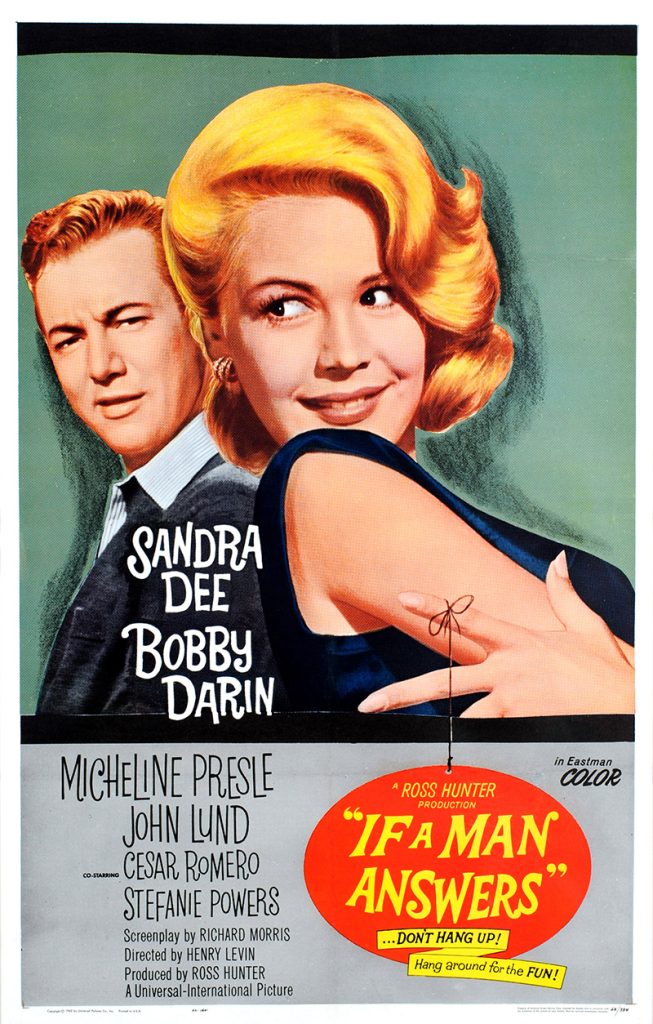
Powers’ disappointment at being fired from the Oscar-winning film was soon assuaged when she was cast in “Tammy, Tell Me True” (1961), her feature film debut. Although her role in the Sandra Dee comedy was small, it was enough to earn her an invitation to study at Columbia Pictures’ Actors Workshop, a training ground for young talent. It was there that Powers, quite literally, bumped into director Blake Edwards, who offered her a substantial role in the film he was working on at the time, “Experiment in Terror” (1962), a thriller starring Glenn Ford and Lee Remick. In the final years of the long-standing Hollywood system, Powers became one of the last generation of film actors to be signed to an exclusive contract with a major studio – in her case, Columbia. From there it was on to a string of supporting roles in both film and television projects, including the medical drama “The Interns” (1962), starring Cliff Robertson, another romantic comedy featuring Sandra Dee and Bobby Darrin called “If a Man Answers” (1962), as well additional appearances on such popular series as “Bonanza” (NBC, 1959-1973) and “Route 66” (CBS, 1960-64).
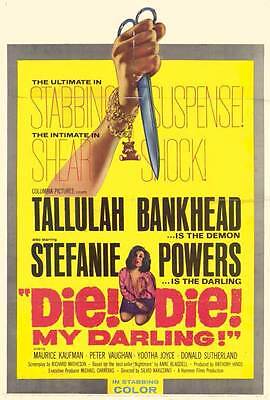
The opportunity of a lifetime for any young actress, Powers landed the role of John Wayne’s daughter in the comedic Western “McClintock!” (1963), prior to reprising her portrayal of nurse Gloria Mead in the sequel “The New Interns” (1964). Steadily building her film résumé, she worked with Robertson once again in the Acapulco-set potboiler “Love Has Many Faces” (1965), which starred 1940s sex symbol Lana Turner as an aging socialite with a taste for attractive younger men. That same year, Powers traveled to the U.K., where she landed a leading role opposite the great Tallulah Bankhead and a young Donald Sutherland in the Hammer horror feature “Die! Die! My Darling!” (1965), as a woman terrorized by the fanatical mother (Bankhead) of her dead fiancé. While her feature film career was progressing fairly well, it would be on television where Powers would become a fan favorite. Attractive, athletic and adventuresome, she was the perfect choice to play super-agent April Dancer on the espionage spin-off series “The Girl From U.N.C.L.E.” (NBC, 1966-67). Far campier than its more successful predecessor, Dancer’s battle against the terrorist organization T.H.R.U.S.H. lasted only a single season. Regardless, it was more than enough time for the spirited Powers to endear herself to audiences.
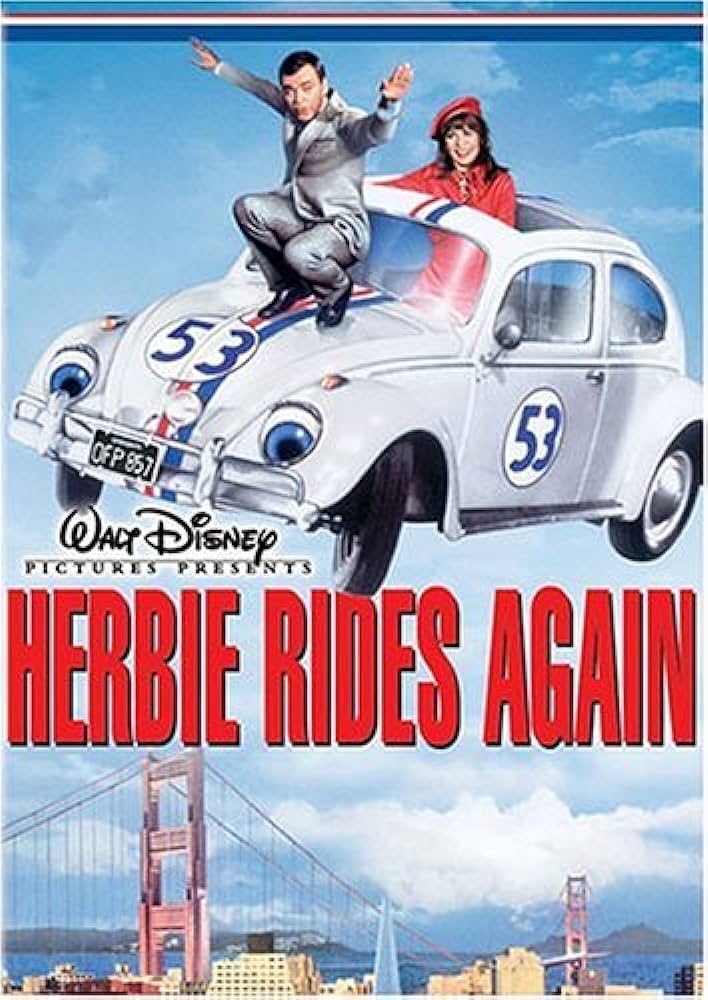
Powers worked onscreen for the first time with Robert Wagner in a 1970 episode of his adventure series “It Takes a Thief” (ABC, 1968-1970), before starring alongside Robert Morse in the nautical comedy “The Boatniks” (1970), the first of two family films the actress would make for Walt Disney Productions. As TV movies became a weekly staple in the early 1970s, Powers proved to be one of its more popular stars, most frequently placed in modestly entertaining thrillers like “Five Desperate Women” (ABC, 1971), “Sweet, Sweet Rachel” (ABC, 1971) and “Paper Man” (CBS, 1971). On the personal front, however, things were not progressing as smoothly. Having recently appeared with him in an episode of the comedy series “Love, American Style” (ABC, 1969-1974), Power’s six year marriage to actor Gary Lockwood came to an end in 1972. In movie theaters that year, she saddled up with Western tough guy Lee Van Cleef for “The Magnificent Seven Ride!” (1972), then two years later hopped a ride on another family-friendly Disney offering, “Herbie Rides Again” (1974).
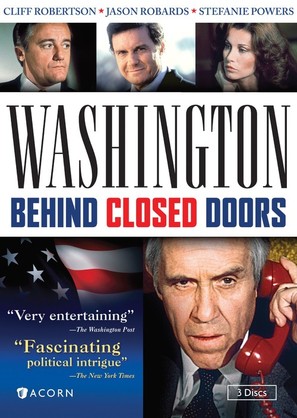
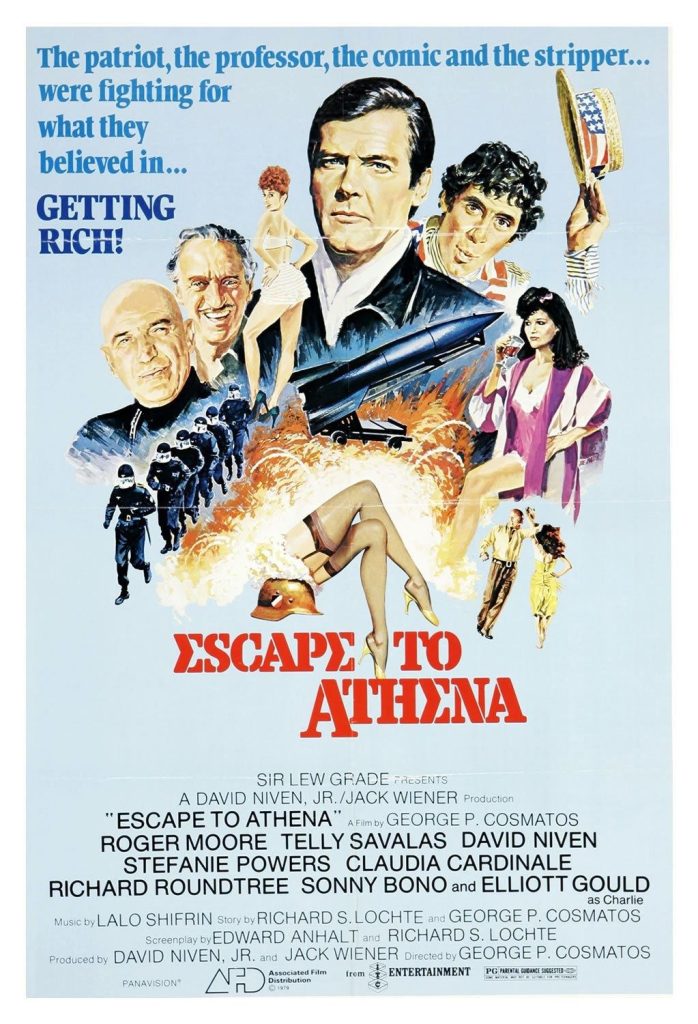
By now one of the more familiar faces on television, Powers had become a nearly ubiquitous presence on the small screen. In addition to dozens of other appearances, the prolific period saw her making a guest spot on one of the more popular story arcs of “The Six Million Dollar Man” (ABC, 1974-78), in which Steve Austen (Lee Majors) comes face-to-face with the urban legend, Bigfoot (André the Giant). She later joined the cast of the short-lived mystery series “The Feather and Father Gang” (ABC, 1977), in which she played the crime-solving attorney daughter of a former con man (Harold Gould). Powers enjoyed favorable notices for her featured role – once again opposite Cliff Robertson – in the Watergate-inspired miniseries “Washington: Behind Closed Doors” (ABC, 1977), based on the novel by former Nixon aide John Ehrlichman. The following season she played non-fiction author Joan Barthel in the highly praised docudrama “A Death in Canaan” (CBS, 1978), about a Connecticut town that rallies around a teen accused of murdering his mother. Powers next joined stars Roger Moore, David Niven and Elliott Gould for the tongue-in-cheek WWII adventure “Escape to Athena” (1979), in what would be her last feature film appearance for nearly 30 years.
That same year, Powers was cast in what was to become her signature role, that of Jennifer Hart, journalist-turned-sleuth in the mystery-romance series “Hart to Hart” (ABC, 1979-1984). The chemistry between Powers and her co-star Robert Wagner, as ultra-wealthy industrialist Jonathan Hart, was palpable and a joy to watch. Their portrayals of an ’80s version of classic rich amateur detectives Nick and Nora Charles from the “Thin Man” films of the 1930s delighted audiences and helped make ABC the top-rated network for several seasons. Then, at the height of her professional career, tragedy struck close to home for Powers. Throughout most of the previous decade, she had been in a romantic relationship with the much older William Holden, one of Hollywood’s brightest stars of the 1950s. The couple, who had shared a love for adventure and wilderness conservation over the years, spent a great deal of time at his wildlife preserve in Africa. His decades-long battle with alcoholism, however, was becoming more and more of a problem, causing Powers to threaten to leave Holden in 1981 in an effort to push him toward recovery. Sadly, it would not be enough, as on Nov. 12, 1981, Holden, who was intoxicated at the time, died after severely lacerating his head due to a fall in his Santa Monica home.
Utterly devastated, racked with guilt and angry at the press’ focus on Holden’s alcoholism, Powers nonetheless pushed through with her duties on “Hart to Hart,” only to be dealt a second crushing blow mere weeks later. Compounding the current personal tragedy to an almost unbearable degree was the sudden drowning death of Natalie Wood, her childhood friend and the wife of her co-star, Wagner. Determined to move forward and honor the memory of her dear departed companion, Powers founded The William Holden Wildlife Education Center in Kenya in 1982. For his part, Wagner found solace with an old acquaintance, actress Jill St. John – Powers’ and Wood’s childhood chum from ballet class – who he began a seeing in 1982. Wagner and St. John would marry eight years later. When to the surprise of many – including Powers and Wagner – “Hart to Hart” was cancelled in 1984, the actress became far more selective in her choice of television projects, and was inclined to focus more on travel and her ongoing wildlife preservation efforts.
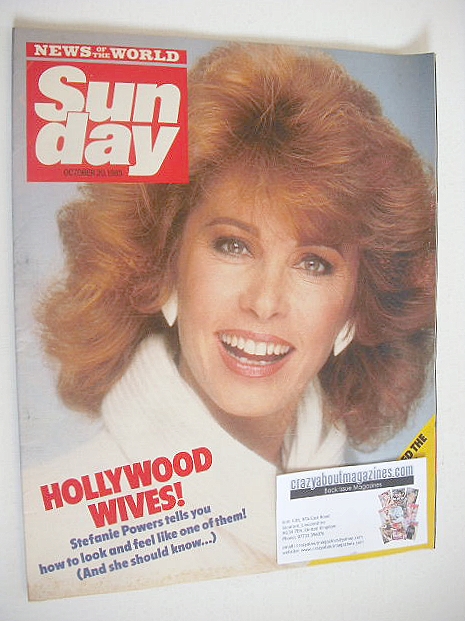
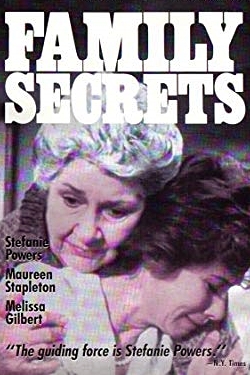
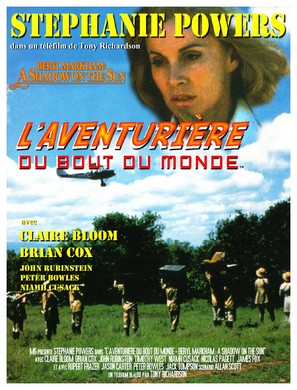
She did, however, accept roles that appealed to her, such as a turn as the mother of Melissa Gilbert and daughter of Maureen Stapleton in the relationship drama “Family Secrets” (1984), a project that marked Powers’ debut as both producer and writer. Other notable roles from this period include screenwriter Montana Gray, the most respectable of a rather scandalous lot in the highly-rated guilty pleasure “Hollywood Wives” (ABC, 1985). Powers won the favor of critics and audiences alike with her turn as Frances Schreuder, a manipulative mother who coerces her son into killing his father for the inheritance in the fact-based “At Mother’s Request” (CBS, 1987). Powers was now producing much of what she starred in, including “Beryl Markham: A Shadow of the Sun” (CBS, 1988). The role of the pioneering adventurer Markham seemed tailor-made for Powers’ real life, reflecting her love of adventure and exotic travel. Hoping to help set the record straight, the actress participated in the bio-documentary “William Holden: The Golden Boy” (Cinemax, 1988). In 1991, Powers made her West End debut in the London production of the musical “Matador,” portraying a character loosely based on Ava Gardner. Her ease on stage may have surprised some, but not Powers, who had honed her theatrical skills previously in such musicals as “Oliver” and “Annie, Get Your Gun.”
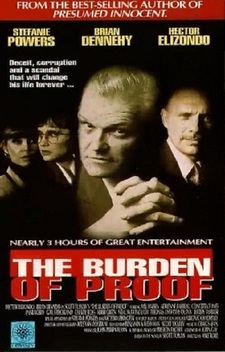
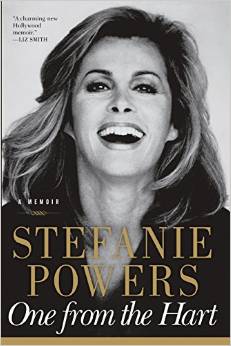
After turns on such projects as the courtroom thriller “The Burden of Proof” (ABC, 1992), Powers and Wagner reprised their favorite roles in “Hart to Hart Returns” (NBC, 1993), much to the delight of fans. The pairing, still charming and effortless nearly a decade after the original show’s cancelation, proved popular enough to merit seven more consecutive outings over the next three years. Powers’ rapport and chemistry with Wagner spilled over to work in live theater, as well, when the duo starred in a well-received London production of A.R. Gurney’s “Love Letters” during their breaks from the “Hart to Hart” movies. Reinvigorated by the recent stage work, Powers stepped into the role of Margo Channing (created on film by Bette Davis and on stage by Lauren Bacall) in a pre-Broadway tour of the award-winning musical “Applause” in 1996. Back on the small screen, she appeared with Margo Kidder in the made-for-TV supernatural thriller “Someone is Watching” (Lifetime, 2000), then enjoyed a recurring role for several episodes of the long-running British medical drama “Doctors” (BBC, 2000- ) in 2001. Powers made a rare return to film with a supporting role as the mother of a woman addicted to a revolutionary new “personal massager” in the British sex comedy “Rabbit Fever” (2006). Health concerns came to the fore, when Powers, a smoker for two decades, was diagnosed with lung cancer in November of 2008. Thankfully, the resilient actress experienced an admirable recovery following surgery and months of intense physical therapy. In 2010, Powers released her memoir, Stefanie Powers: One from the Hart.
By Bryce Coleman
The above TCM overview can also be accessed online here.