
Hollywood Actors

Collection of Classic Hollywood Actors

Irene Worth
Irene Worth
Irene Worth

Irene Worth was a higly respected stage actress who did star in a few films. She was born in 1916 in the U.S.    She began her acting career on Broadway and then in 1944 moved to London.   Her career was concentrated on the stage in the UK.   Her few movies include “The Scapegoat” with Alec Guinness and Bette Davis in 1959, “Nicholas and Alexandra” in 1971 and “Lost In Yonkers” in 1993.   She died in 2002.

Eric Shorter’s obituary in “The Guardian”:

Irene Worth, who has died aged 85, was an actor of a quality that no self-respecting playgoer would voluntarily miss, in anything. Original and intelligent, she played havoc with an old critical rule that to think too hard is to be lost.

Her Goneril, to Paul Scofield’s King Lear, in the 1962 Peter Brook production at the Aldwych theatre, London, established her importance once and for all. She somehow turned her every move and murmur into an erotic signal, even towards the servants. At the same time, she tilted the tragedy’s sympathy away from the tetchy old monarch – because her Goneril became the daughter who had once loved him.

Worth was happiest in the avant-garde, or at a run-through in a gloomy rehearsal hall – “Why should we suddenly have to be perfect on the first night?” She relished improvisation, and preferred the experimental. There had been, in 1953, Tyrone Guthrie’s All’s Well That Ends Well and Richard III in a tent at Stratford, Ontario, where “the rain poured down, and there were no critics, and the people came, and it was all very basic – but they loved it”.

Anything unexpected or unpredictable attracted Worth more than the West End’s “horrendous banality”. But although she flourished in French farce and Italian tragedy, Shakespearean comedy or American sex drama, she could also do so in Coward and Shaw, in whose Heartbreak House she gave a definitive performance as Hesione Hushabye, at Chichester in 1967.

A year earlier, with Lilli Palmer and Noel Coward in Coward’s Suite In Three Keys, Worth won an Evening Standard award – as if to prove herself in drawing rooms – but she was glad to get back to Brook’s bleak version of Seneca’s Oedipus, at the Old Vic in 1968. Worth was Jocasta and John Gielgud Oedipus. In Iran in 1972, again with Brook, she played in Ted Hughes’ Orghast, which tried out nothing less than a new language.

Born in Omaha, Nebraska, Worth took an education degree at the University of California, and spent five years teaching before deciding to act professionally. She made her first appearance in 1942, in Escape Me Never, touring with Elizabeth Bergner, learning to hold the stage – so Bergner said – by listening to the other actors and playing to them, instead of to the audience. Having debuted on Broadway the following year, in The Two Mrs Carrolls, she studied at Elsie Fogerty’s famous Central school in London for six months in 1944-45.

No stint in repertory followed. Worth found regular work at outlying London theatres and was critically acclaimed for her incisive style, emotional force and sharply comic – and powerfully tragic – sense.

During the next half century, she played mainly in London, but sometimes on Broadway or at the Canadian Stratford, rarely drawing a discouraging notice. It was as the doomed “other woman” Celia Coplestone, to Alec Guinness’s psychiatrist in TS Eliot’s The Cocktail Party, that she returned to New York in 1950. A year later, in Othello at the Old Vic, she was perhaps the most heart-rending Desdemona of her generation.

After an orthodox West End run in NC Hunter’s A Day By The Sea (1953), she joined the Midland Theatre Company in Coventry for Ugo Betti’s The Queen And The Rebels. Her transformation from “a rejected slut cowering at her lover’s feet into a redemption of regal poise” ensured a transfer to London, where Kenneth Tynan wrote of her technique: “It is grandiose, heartfelt, marvellously controlled, clear as crystal and totally unmoving.” But the audience exploded with cheers.

As if to demonstrate her range, Worth then joined Alec Guinness in Feydeau’s Hotel Paradiso (1956), jamming a top hat over her chin as an adulterous Parisian wife. As Schiller’s Mary Stuart (1958), her deep, rich, plummy voice reflected that unhappy woman’s pride, sensuality – and joie de vivre.

A host of other performances stick in the mind: the giggly Portia, in The Merchant Of Venice (1953); the enigmatic seductress in the title role of Edward Albee’s Tiny Alice (New York 1964, London 1970). Her Princess Kosmonopolis, in Tennessee Williams’s Sweet Bird Of Youth (1975), gained a Tony award, and on Broadway she also played Winnie, in Beckett’s Happy Days (1979).

Worth loved sharing the spoken word with an audience “before television gobbles it up”, yet she did award-winning work on TV in Britain, the US and Canada, and on film from the early 1950s into the 1990s. The latter ranged from Orders To Kill (1957) to A Piece Of Cake (1997).

She was revered. At the National in her 70s, when she felt dissatisfied with her delivery, she stopped, apologised, and said she would start again. Her stage authority permitted it. She went on acting into her 80s with that authority and intellectual assurance that had climaxed as Volumnia, to Ian McKellen’s Coriolanus (National, 1984), and as Hedda Gabler, at Stratford, Ontario (1970).

London saw her as an old pupil of Matisse, in David Hare’s The Bay at Nice (National, 1987) and in Chère Maître (Almeida, 1996), compiled by Peter Eyre from the letters of George Sand and Gustave Flaubert.

She rated herself “very much the homemaker”, but marriage and children were out of the question. “It would have been impossible to have been a good actress, a good mother and a good wife.”

She was made an honorary CBE in 1975.

· Peter Eyre writes: When Irene Worth walked into my dressing room at the Mermaid theatre in 1967, after a performance of Robert Lowell’s Benito Cereno, in which I played the title role, she looked at me, wagged her finger almost in admonishment, and said, “Difficult part. Good performance.”

How could I know then that my working life as an actor would be so tied up with her? Not long after that, I played her son in The Seagull, at Chichester, where I learnt that she was a unique actor of her generation in her ability to recreate her performance every night, as if for the first time.

One day before a performance, she said to me, “Do you like improvising? Let’s improvise,” – and that night, in the scene where Konstantin and Madam Arkadina berate each other, Irene covered the stage with a range of new movements and readings of the text, as if possessed. It was thrilling.

Acting with Irene was like jamming with a great jazz musician. She knew the tune and the rhythm, but one never knew what was going to happen. It was as if, when she performed, she was a deep sea diver, diving into the subtext and inner life of a piece. On the nights it worked, it was difficult for me to say my lines. I wanted to stand and shout, “Bravo. You’re a genius!”

She was a great artist, and an extraordinarily warm and humorous personality. In Melbourne, in the middle of rehearsal, she suddenly said, “Have you ever seen a kangaroo? I saw one yesterday. He was eating a piece of cake, and playing with himself at the same time.” Irene, aged 80, leapt and hopped across the room. She was the kangaroo; she was improvising.

· Irene Worth, actor, born June 23 1916; died March 10 2002

Her Guardian obituary can be accessed here.

Laraine Day
Laraine Day
Laraine Day
Laraine Day
Laraine Day
Laraine Day
Laraine Day

Obituary from the Independent Newspaper in the UK.

A reliable leading lady of Forties cinema, the fresh-faced and demure Laraine Day acted opposite such stars as Cary Grant and Robert Mitchum, and starred in the fine Hitchcock thriller Foreign Correspondent (1940), but she was most identified with the role of Nurse Mary Lamont, the hero’s sweetheart in seven of the popular Dr Kildare films. When her character was killed off, it created a furore similar to that aroused today by such drastic departures in the most popular television soap operas.

But she could also portray hidden anguish, such as her destructive psychotic in the disturbing film noir The Locket (1946). Though a contract player at MGM for nearly a decade, she was taken for granted by her studio – one executive memorably described her as “attractively ordinary” – and found her best roles when on loan-out to other studios.

Christened La Raine Johnson, she and her twin brother Lamar were born in Roosevelt, Utah, to a prominent Mormon family, in 1917. Her great-grandfather Charles C. Rich had been one of the pioneers who crossed the plains to establish the Mormon church. Laraine was later to reveal that she never smoked, and she never drank alcohol, tea or coffee. Her father was a grain dealer and government interpreter for the Ute Indian tribe.

When she was six, her family moved to Long Beach, California, where she later trained at the Long Beach Players’ Guild under Elias Day (whose surname she later took) along with another aspiring actor, Robert Mitchum. Spotted by a talent scout, she was given a minor role, billed as Lorraine Hayes, in the crime drama Tough to Handle (1937), starring Frankie Darro, followed by several B westerns plus a small role (four lines) in a soda-fountain scene in King Vidor’s Stella Dallas (1937).

After briefly renaming herself Laraine Johnson for two westerns with George O’Brien, she was signed by MGM, took the name Laraine Day, and was given small roles in Sergeant Madden (1939), starring Wallace Beery, and I Take This Woman (1939), the Spencer Tracy-Hedy Lamarr romantic drama that had such a convoluted history (four directors and endless alterations) that it was joked that it should have been called I Re-Take This Woman. Day later said that the studio head, Louis B. Mayer, wanted another contract player, Lana Turner, for the role, and that his resentment affected her career. “MGM never really gave me a break. They loaned me out for leading roles, but cast me in programme pictures.”

Calling Dr Kildare (1939), in which she played Mary Lamont, a nurse who becomes involved in a murder case with Dr Kildare (Lew Ayres), was the second of the studio’s series featuring the young doctor and his gruff mentor Dr Gillespie (Lionel Barrymore), and Day remained as Kildare’s love interest for six more films until, in Dr Kildare’s Wedding Day (1941), Mary was fatally struck by a truck on the day she was to wed the doctor.

Other MGM films included Tarzan Finds a Son (1939), in which a baby survives a plane crash that kills his mother (Day) and is discovered by Tarzan, and And One Was Beautiful (1940), in which she was one of two sisters in love with the same man. She had better roles on loan-out in Charles Vidor’s My Son, My Son (1940) and in her greatest film, Alfred Hitchcock’s tale of espionage and murder Foreign Correspondent.

Remembered for such set pieces as the assassination midst a sea of umbrellas, the fight in a windmill and a frighteningly effective plane crash into the ocean, the film featured Day as a woman who helps a reporter, Joel McCrea, uncover a spy ring, not knowing that it is led by her father. “Hitchcock was a character,” she recalled.

In one particularly scary scene I had to sneak down a dark corridor. When I got to the end there was Mr Hitchcock, sticking out his tongue and flapping his hands in the back of his ears. I didn’t dare laugh, because the cameras were turning. But he certainly eliminated any tension I felt.

At MGM, she was the wise-cracking pal of a newspaperman, Edward G. Robinson, in Unholy Partners (1941) then was awarded top billing as a show girl accused of murder in The Trial of Mary Dugan (1941), a remake of a 1929 Norma Shearer vehicle, but censorship restrictions diluted the story’s power and it paled beside the original. She was oddly cast as the wife of Herbert Marshall, who was noticeably many years her senior, in the Shirley Temple vehicle Kathleen (1941), but effectively played a woman who agrees to adopt a war orphan (Margaret O’Brien) in the popular drama Journey for Margaret (1942).

A Yank on the Burma Road and Fingers at the Window (both 1942) preceded two prestigious loan-outs, firstly to RKO for Mr Lucky (1943), in which she reforms a playboy gambler, Cary Grant, who plans to appropriate money she has raised for the war effort. “Cary would arrive on the set and everybody’s morale immediately lifted,” she said.

The crew were crazy about him and so was I. But, curiously, I never felt the male-female chemistry that you sometimes experience on a set. I could have been talking to my best girl-friend.

Day than went to Paramount for Cecil B. DeMille’s The Story of Dr Wassell (1944), starring Gary Cooper as the heroic real-life physician.

Gary turned out to be the surprise of my young life. He was so convincing with his stuttering, stammering awkward little boy manners. When the action called for Dr Wassell to kiss me, I got all set for a bashful boy kiss. Well, it was like holding a hand grenade and not being able to get rid of it! I was left breathless.

At MGM, Day was surprisingly effective as a tough, by-the-book WAC officer who conflicts with a former playgirl Lana Turner in Keep Your Powder Dry (1945). “I didn’t want to do it, but they said if I did it they would give me Undercurrent with Robert Taylor,” she said. “Then they gave Undercurrent to Katharine Hepburn, so I left MGM.”

Day’s next film was to be her personal favourite, John Brahm’s moody, haunting melodrama The Locket (1946), which also featured her old friend Robert Mitchum.

My character was the greatest challenge I ever had – a destructive young woman who’s a kleptomaniac. The form of the film – flashbacks within flashbacks within flashbacks – was criticised by some reviewers of the time as too confusing. Today, though, its style is highly regarded by film historians. . . Many movie fans seem to remember me best from the Dr Kildare series but, first and foremost, I remember The Locket.

Day was leading lady to John Wayne in the sprawling drama Tycoon (1947), and starred opposite Kirk Douglas in My Dear Secretary (1948), but after I Married a Communist (1949, called The Woman on Pier 13 in the UK), she virtually retired, returning to the screen when John Wayne, producer and star of William Wellman’s hit suspense movie The High and the Mighty (1954), asked her to play an unhappily married woman who is contemplating divorce but reconciles with her husband (John Howard) when the aeroplane on which they are travelling seems headed for disaster. Though Day was competent, she was overshadowed by the Oscar-nominated performances of Claire Trevor and Jan Sterling.

Day’s second marriage, in 1947, was to Leo Durocher, manager of the Brooklyn Dodgers and later of the New York Giants. She took such an active interest in her volatile husband’s career that she became known as “The First Lady of Baseball”, hosting a radio sports programme and in 1953 writing a book, Day with the Giants.

In 1971 she wrote another book, The America We Love, and she devoted much of her time in later years to the Mormon church. Day’s third husband was a television producer, and she continued to act occasionally on television, her last appearance being a Murder, She Wrote episode in 1986.

Tom Vallance

Bobby Sherman
Bobby Sherman
Bobby Sherman
 

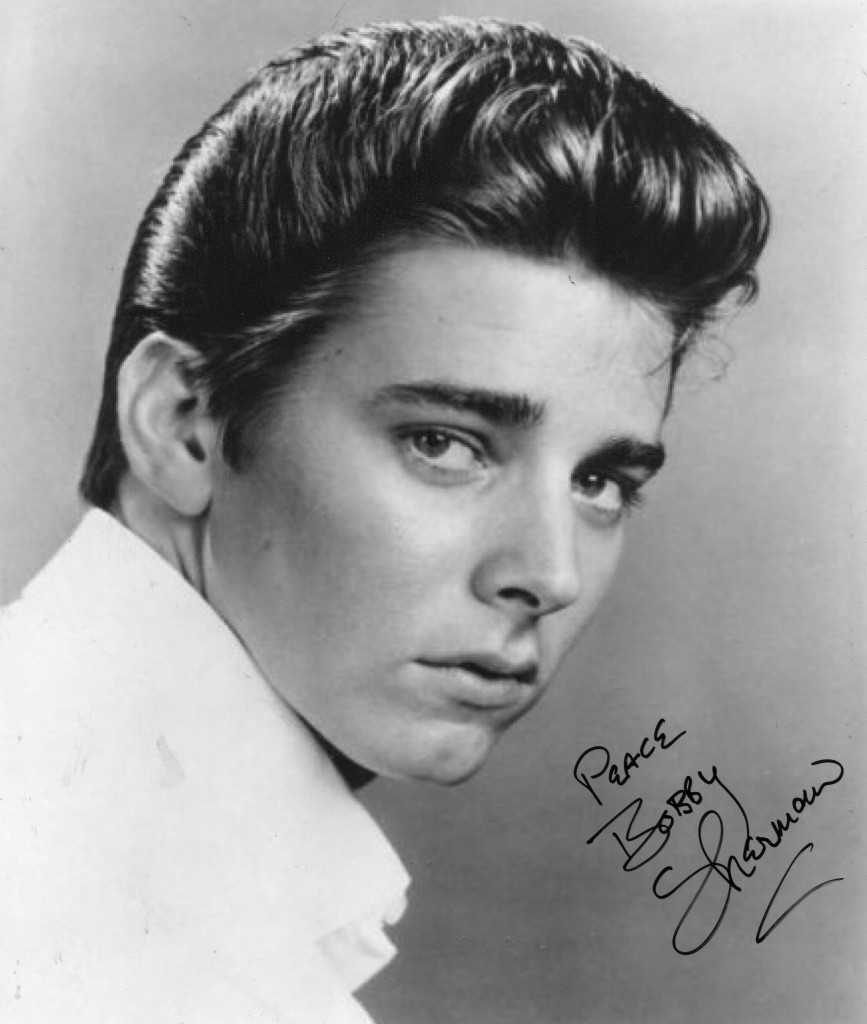
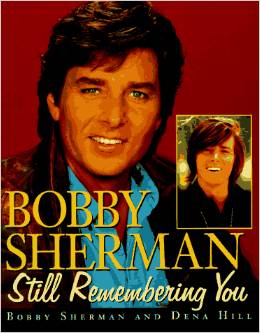
Bobby Sherman was born in 1943 in Santa Monica, California.   He starred in the TV series “Here Comes the Bride” in 1968 and 1969 and then “Getting Together” in 1971 and 1972.   He had a number of Top Ten Hits including “Julie, Do You Love Me”.

IMDB entry:

Bobby started in the hit television program Here Come the Brides (1968) from 1969-71. He also performed in an episode of The Partridge Family (1970) – The Partridge Family: A Knight in Shining Armor (1971)

    • which was used as a pilot for his spin-off series

Getting Together (1971). In the ’80s, he was a regular on the short-lived Sanchez of Bel Air(1986).

Bobby was promoted to Captain on the Los Angeles Police Department, where he taught CPR and life saving techniques to incoming academy recruits. For a few years, he was also one of the members of the Teen Idol Tour, which also included Peter NooneDavy Jonesand, then later, Micky Dolenz replacing Jones. Bobby is the father of two grown sons, both of them following their famous father into the music industry.

– IMDb Mini Biography By: Chris Lawenstein

Bobby Sherman
Bobby Sherman

Bobby Sherman obituary: The Times


Singer from the bubblegum pop era who said he found more satisfaction in his later career as an emergency medic, dies aged 81.

Long after his days as a blue-eyed teen idol were over, Bobby Sherman was working as an emergency medic with the Los Angeles Police Department. Called out to tend to a woman who was haemorrhaging and had passed out, he noticed that her husband was staring intently at him. Finally, the man blurted out, “Look, honey, it’s Bobby Sherman!” With that, the woman opened her eyes, saw the now middle-aged one-time heart-throb and started fiddling with her hair. “Oh great, I must look a mess!” she told her husband. Sherman reassured her that she looked just fine.

It was a perfect example of how baby boomers who grew up in 1960s America never forgot the pin-up whose image had graced bedroom posters, teenage magazines, T-shirts and even lunch boxes. “My audience was so young and impressionable, they would buy everything and anything associated with Bobby Sherman,” he recalled. “I could have sung Auld Lang Syne and they would have bought it.” 


The lasting impact he left on those of a certain age was reflected in popular culture with a namecheck in The Simpsons in which Marge confessed to her daughter Lisa that she had once had a crush on Sherman. There was also a 1997 appearance as himself in the sitcom Frasier.

At his peak at the end of the 1960s, he had on four occasions within 12 months achieved million-selling singles that made the American Top Ten. The No 3 hit Little Woman was followed by La La La (If I Had You), Easy Come, Easy Go andJulie, Do Ya Love Me. 

The songs, which were simple, cheerful, catchy and disposable, helped to define the bubblegum pop phenomenon, alongside hits such as Sugar Sugar by the Archies and Yummy Yummy Yummy by Ohio Express, and earned him the nickname “Bubblegum Bobby

Many similar acts were one-hit wonders but Sherman had a multimedia appeal. While he was scaling the charts, he also had a TV special on ABC, appeared on The Ed Sullivan Show, guested on The Sonny and Cher Comedy Hour, had cameos in episodes of The Monkees and The Partridge Family and sang on the Johnny Cash and Andy Williams shows.

He also starred in the TV comedy western Here Come the Brides, playing the shy, stuttering younger brother of his co-star David Soul (obituary, January 5, 2024). “I’d film five days a week, get on a plane on a Friday night and go someplace for matinee and evening concerts Saturday and Sunday, then get on a plane and go back to the studio to start filming again,” he recalled. “It was so hectic for three years that I didn’t know what home was

In Britain Sherman’s only chart entry came in 1970 when Julie, Do Ya Love Memade a modest entry in the lower reaches of the Top 30 while the British bubblegum act White Plains had a bigger hit with a cover of the song that got to No 8.

As with all teen acts, Sherman’s musical career faded as his young female fans grew up, found boyfriends and went to college. By 1972 his records were not even making the Top 100 and he had been eclipsed by younger stars such as David Cassidy and Donny Osmond. It was then that he embarked on a career teaching first aid and CPR at the Los Angeles Police Academy and working as an emergency medic

When my two sons, Christopher and Tyler, were growing up, I had visions of them falling out of trees and off bikes, and I wanted to be prepared for any emergency, so I took first aid and just fell in love with it,” he explained. “The more I learnt, the more I wanted to know, and the next thing I know I’m an instructor..

His sons survive him together with his second wife Brigitte Poublon, whom he married in 2010. His first marriage in the 1970s to Patti Carnel, the mother of his children, ended in divorce and she went on to marry David Soul. 

Robert Cabot Sherman Jr was born in 1943 in Santa Monica, California, the son of Juanita (née Freeman) and Robert Cabot Sherman, who ran a dairy and rose at 3am to deliver milk to more than 1,000 customers every day. From an early age Sherman played guitar, piano and trumpet and was studying child psychology at Pierce College when in 1964 a girlfriend whose family had Hollywood connections invited him to a July 4 party at a beachside home filled with movie stars

The band booked for the evening included a friend he had known in high school and he was invited to sing a couple of numbers. “After it was all over, Jane Fonda and Natalie Wood came up to me and said, ‘We think you’re talented, are you being managed?’ I said, ‘No, not really.’ And they said, ‘Well you should do something about it’.’”

Wood arranged meetings for him with MGM and an agent, and in no time he had been booked to appear on the TV teen show Shindig! At the audition he did not even sing and lip-synced to Freddy Cannon’s hit Palisades Park but was immediately contracted to do 26 shows on which he sang covers of hits by “British invasion” groups such as Herman’s Hermits, accompanied by squeals from adoring girls in the audience

In later life he enjoyed being recognised by the matronly figures who had once been his teenage fans. “Any time I go out, I don’t try to hide from them. I don’t wear disguises. I’m just as eager to see them as they are to see me,” he said

Yet after he had traded hit records and magazine covers for CPR, he rated his second career as the more rewarding. “There’s not a better feeling in the world than when you’re responsible for saving someone’s life,” he said.

Bobby Sherman, teen idol, was born on July 22, 1943. He died of cancer on June 24, 2025, aged 81.

 
Jim Kelly
Jim Kelly
Jim Kelly

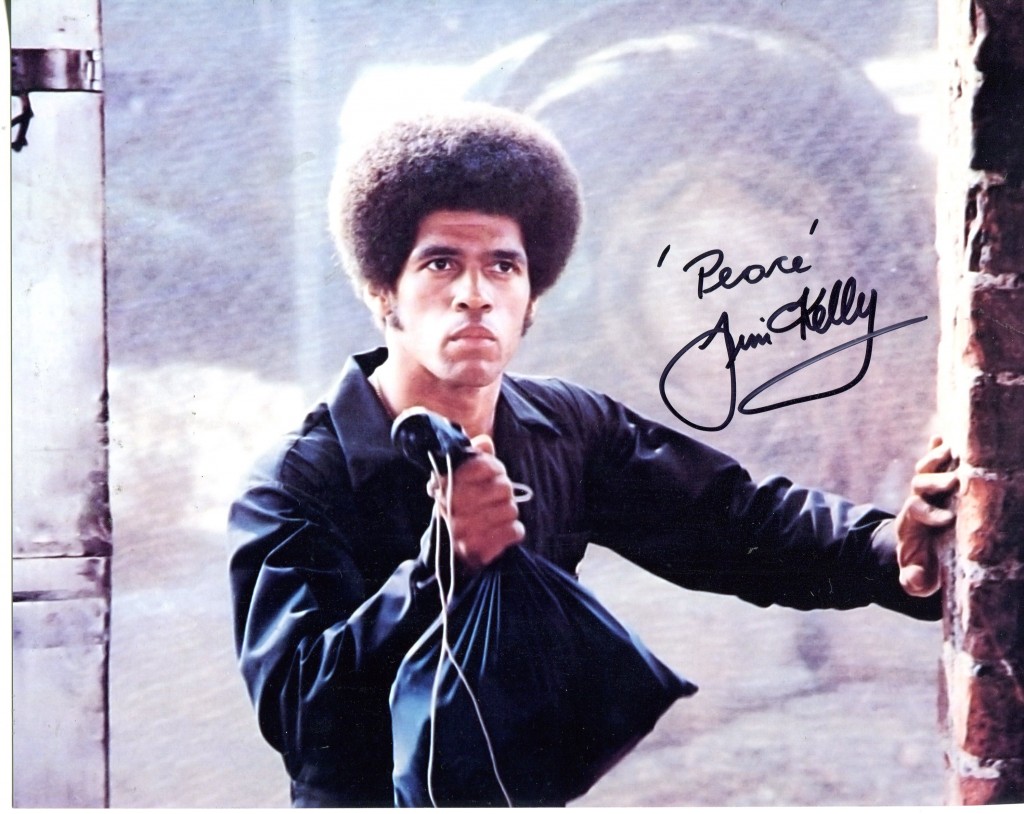
Jim Kelly was a great martial artist who made movies in the 1970’s.   He died in 2013 at the age of 67.   Here is his Guardian obituary.

The martial artist and actor Jim Kelly, best known for his nonchalant turn in the Bruce Lee film Enter the Dragon, has died at the age of 67.   Kelly was picked to star in the martial arts classic two years later. He plays the arrogant, insouciant Williams, who competes alongside Lee in a sinister competition organised by the mysterious Mr Han on a James Bond-style island. Kelly’s impressive afro, sideburns and good looks made him the perfect choice for a film shot at the height of blaxploitation.

Kelly has since become a huge cult figure, though his acting career never quite took off despite a good deal of success in similar 1970s fare. Appearances in films such as Black Belt Jones, Three the Hard Way (both 1974) and Black Samurai usually played on the novelty of an African American who practices martial arts. He was little seen on the big screen after 1982’s late-era blaxploitation martial arts effort One Down, Two to Go, and later pursued a career in tennis.

“It was one of the best experiences in my life,” Kelly told salon.com in 2010 when asked whether he enjoyed his time on Enter the Dragon. “Bruce was just incredible, absolutely fantastic. I learned so much from working with him. I probably enjoyed working with Bruce more than anyone else I’d ever worked with in movies because we were both martial artists. And he was a great, great martial artist. It was very good.”

In a separate interview with the LA Times the same year, Kelly said he had “never left the movie business”, adding: “It’s just that after a certain point, I didn’t get the type of projects that I wanted to do. I still get at least three scripts per year, but most of them don’t put forth a positive image. There’s nothing I really want to do, so I don’t do it. If it happens, it happens, but if not, I’m happy with what I’ve accomplished.”

Kelly died on Saturday at his home in San Diego and had been suffering from cancer, according to his ex-wife Marilyn Dishman, who broke the news on Facebook. “Yesterday, June 29, 2013, James Milton Kelly, better known as Jim Kelly, the karate expert, actor, my first husband and Sabrena Kelly-Lewis’s biological father died,” she wrote in a note.

Kelly’s best-remembered line in Enter the Dragon is probably the one where he is challenged by Shih Kien’s villainous Han to prepare himself for inevitable defeat. “I don’t waste my time with it,” sneers Williams. “When it comes I won’t even notice … I’ll be too busy looking good.

The Guardian obituary can be access on-line here.

:

Terry Thomas
Terry-Thomas
Terry-Thomas

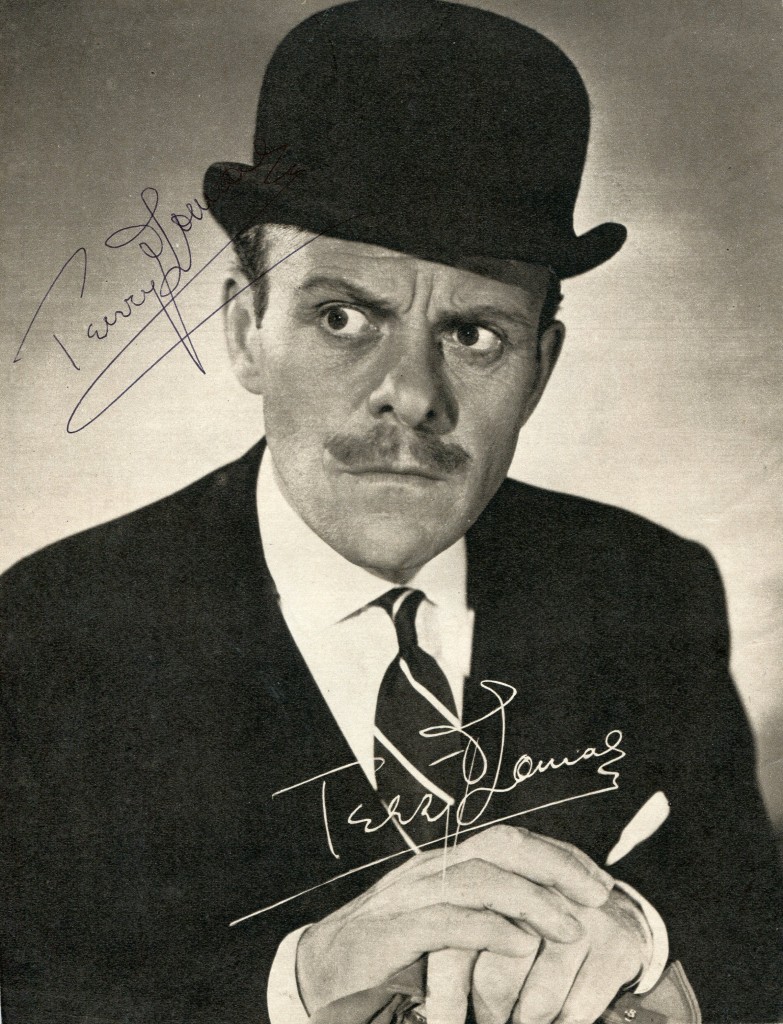
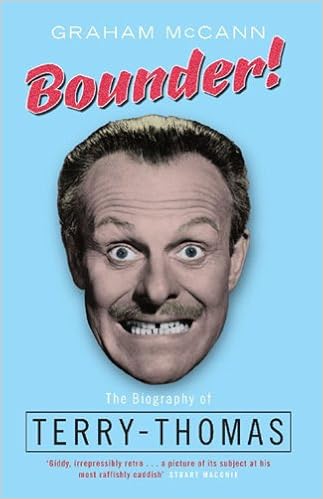
Terry Thomas was one of Britain’s best loved comedians who went on to have a major Hollywood career in the 1960’s. He was born in 1911 in London and after World War Two became popular on BBC Radio. Sadly his later life was marred by ill health and poverty and he died in London

TCM overview:

Gap-toothed comic player who used his expressive eyes, mobile eyebrows and Royal Guards’ mustache to create a variety of asinine British characters, usually in supporting roles, occasionally in leads. His antic personae ranged from the comically malevolent to the naive in “I’m All Right, Jack” (1959), “It’s a Mad, Mad, Mad, Mad World” (1963) and, perhaps his signature role, Sir Percival War-Armitage in “Those Magnificent Men in Their Flying Machines” (1965

Interesting article on the beloved Terry-Thomas in the Mail On-Line, can be accessed here.

Bonnie Bedelia
Bonnie Bedelia
Bonnie Bedelia

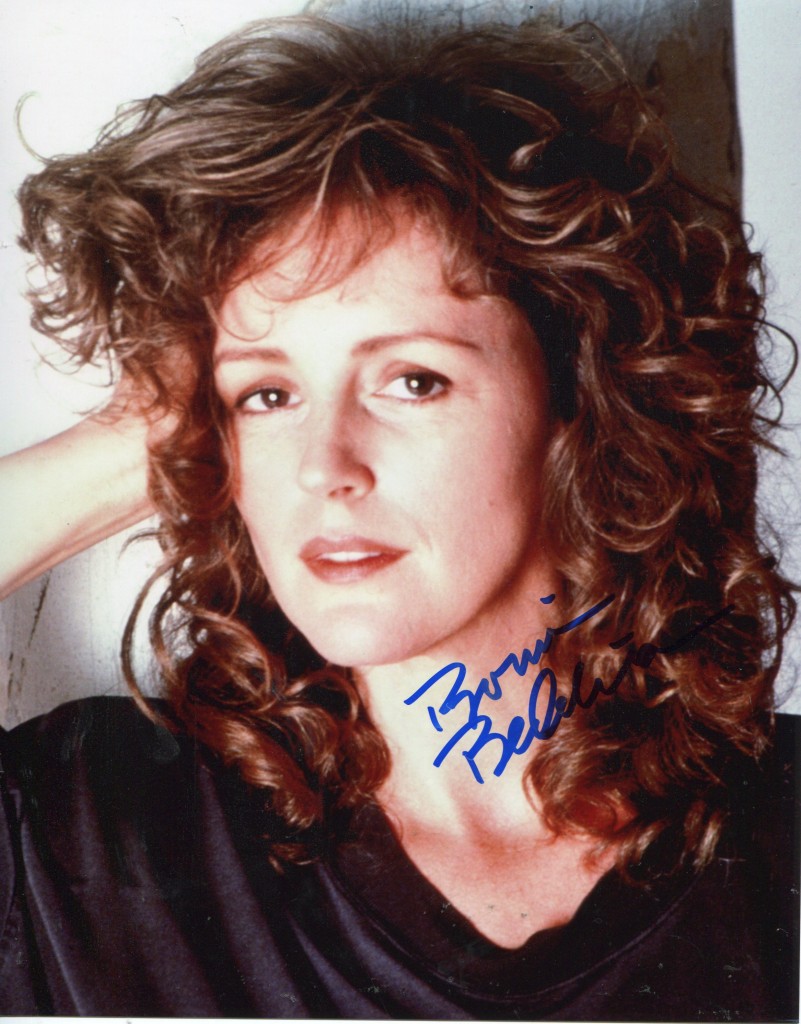
Bonnie Bedelia was born in 1948 in New York City.   By the age of twenty, she was being featured in such films as “The Gypsy Moths” with Burt Lancaster and Deborah Kerr and “They Shoot Horse’s Don’t They” as the dancing partner of Bruce Dern.  She is best remebered as the wife of Bruce Willis in “Die Hard”.

Gary Brumburgh’s entry:

he native New Yorker was born Bonnie Bedelia Culkin on March 25, 1948, the daughter of Phillip Harley Culkin, a journalist, and Marian Ethel Wagner Culkin, a writer and editor. Trained in ballet, her parents guided all of the children at one time or another into acting (which included Christopher (Kit), Terry and Candace Culkin). Bonnie herself attended Quintano School for Young Professionals in New York at one point and Bonnie and Kit went on to appear on the local stage and TV. Brother Kit would later be known more for siring a handful of talented child actors and/or stars (Macaulay CulkinKieran Culkin, and the rest).

It was Bonnie who was first spotted among the other acting siblings by a talent scout who happened to catch her in a school production of “Tom Sawyer”, and encouraged her. She made her professional debut at age 9 in a 1957 North Jersey Playhouse production of “Dr. Praetorius” and then was handed a full scholarship to study at George Balanchine‘s New York City Ballet. But the acting bug had bitten and after dancing in only four productions (including playing the role of Clara in “The Nutcracker”), she decided to hang up her ballet slippers. She proceeded to study at both the HB Studio and Actors Studio in New York.

Bonnie nabbed a five-year role as young teen “Sandy Porter” in the New York-based daytime soap Love of Life (1951) starting in 1961. During that time, she took her first Broadway bow in “Isle of Children”, a show that lasted but a week in March of 1962. She was also a replacement in the established hit comedy “Enter Laughing”, a year later. After appearing in the stage play “The Playroom” in 1965, she earned strong reviews for her touching performance in “My Sweet Charlie”, for which she won the 1967 Theatre World Award for “promising new artist”. In it, she played a pregnant young Southern girl on the lam with a black lawyer. Patty Duke recreated the role a few years later on TV and captured an Emmy.

Films beckoned at this point and Bonnie made her debut lending topnotch support in The Gypsy Moths (1969) which reunited From Here to Eternity (1953) stars Burt Lancaster andDeborah Kerr. She earned even better marks in her next two films, one performance simply haunting and the other one hilarious. Once again playing pregnant and once again delivering a touching pathos, she played the dirt-poor marathon dancer who pitches songs for pennies and the almost-mother of Bruce Dern‘s child in the superb, award-winning, Depression-era drama They Shoot Horses, Don’t They? (1969). On the other end of the acting spectrum, she played the lovable bride-to-be in the side-splitting comedy classic Lovers and Other Strangers (1970).

By this time, Bonnie had started concentrating on family values. She married scriptwriterKen Luber on April 24, 1969, and bore him a son, Yuri, the following year. The time off to focus on motherhood (she had second son, Jonah Luber, in 1976) proved detrimental to her rising star. The remaining decade was uneventful at best, despite some fine showings in a splattering of TV-movies. Her big comeback came again on the movie trail in the early 1980s when she absolutely nailed the role of race car driver Shirley Muldowney in Heart Like a Wheel (1983). She was surprisingly overlooked at Oscar time, however, despite the praise she received. Despite respected work in subsequent movies such as Violets Are Blue… (1986), The Prince of Pennsylvania (1988), Presumed Innocent(1990) and a running role as Bruce Willis‘s put-upon wife in Die Hard (1988) and its sequel, she found better and more frequent parts on TV. She found her niche in TV-movies with social themes and tugged at more hearts in Switched at Birth (1991), A Mother’s Right: The Elizabeth Morgan Story (1992), Any Mother’s Son (1997) and To Live Again (1998).

In a change of pace, Bonnie joined the ensemble cast of the low-budget cult comedySordid Lives (2000), as “Latrelle”, a homophobic woman dealing with her mother’s death, the imprisonment of her gay brother and her own son’s “coming out”. The movie has recently evolved into a TV series, which is scheduled for some time in 2008 and reunites her with original cast members Leslie Jordan and Olivia Newton-John.

-MDb Mini Biography By: Gary Brumburgh / gr-home@pacbell.net

Bonnie Bedelia
Bonnie Bedelia
Danny Kaye
Danny Kaye
Danny Kaye

Although little remembered today, Danny kaye was one of the most popular movie stars of the 1940’s & 50’s. He was born in 1913 in Brooklyn, New York. His first major movie was “Up in Arms” in 1944. He has starred in such classics as “The Secret Life of Walter Mitty” with Virginia Mayo in 1947.”hans Christian Anderson” in 1952, the brilliant “The Court Jester” in 1956 with Glynis Johns and Angela Lansbury and “The Five Pennies”. He spent much of his later years as a goodwill Ambassador for UNICEF.   He died in 1987.

TCM profile:

An entertainer of prodigious gifts, Danny Kaye blended dance, popular song, classical music, tongue-twisting lyrics and mimicry into a personal style that was at once unique and irresistibly lovable. This exuberant redhead conquered practically every form of show business, ranging from vaudeville, nightclubs and radio to the Broadway stage, television and movies.

Born David Daniel Kaminski in Brooklyn in 1913 to Russian Jewish immigrants, Kaye dropped out of high school to work the “Borscht Circuit” in New York’s Catskill Mountains as a clowning busboy. After performing as part of a dance act and making some two-reel movie shorts, he made his Broadway debut in 1939 in The Straw Hat Revue. Two years later he created a sensation in Broadway’s Lady in the Dark, supporting Gertrude Lawrence and stopping the show nightly with a number called “Tchaikovsky” in which he rattled off the names of more than 50 Russian composers in 39 breathless seconds.

In 1940 Kaye had married Sylvia Fine, who began managing his career and helped create many of the routines, gags and specialty songs that cinched his stardom.

Kaye was signed for films by Samuel Goldwyn and made his feature-film debut in the starring role of Up in Arms (1944), playing a hypochondriac World War II soldier who ends up single-handedly capturing a platoon of Japanese soldiers and wooing songstress Dinah Shore. Two songs co-authored by Fine — “The Lobby Number” and “Melody in 4-F” — spotlight Kaye’s ability with tongue-twisting lyrics.

Goldwyn’s other film showcases for Kaye’s irrepressible personality include The Kid from Brooklyn (1946), a remake of the 1934 Harold Lloyd comedy in which Kaye plays a shy milkman who goes into boxing after accidentally knocking out a champion fighter; and The Secret Life of Walter Mitty (1947), with Kaye as James Thurber’s daydreaming would-be hero. Kaye’s last film for producer Goldwyn was the box-office smash Hans Christian Andersen (1952), a fictionalized biography of the great Danish storyteller with a tuneful score by Frank Loesser.

Another huge hit was Paramount’s Irving Berlin musical White Christmas (1954), starring Kaye and Bing Crosby as pals who rescue a failing inn by staging a big musical show. For MGM, Kaye made The Court Jester (1956), a rousing spoof of medieval swashbucklers in which he plays a royal babysitter who poses as a jester in order to help overthrow an evil pretender to the throne. The songs are by Fine and Sammy Cahn, and Kaye performs his justly famous “Pellet with the Poison” routine: “The pellet with the poison?s in the vessel with the pestle; the chalice from the palace has the brew that is true.” Kaye’s final film part was that of The Ragpicker in The Madwoman of Chaillot (1969), but he earned great notices for a dramatic role as a Holocaust survivor in the television movie Skokie (1981). Earlier he had enjoyed a great success with his own TV series,  which ran for four years beginning in 1963 and brought him an Emmy award.

Awarded an honorary Academy Award in 1954 and the Jean Hersholt Humanitarian Award in 1982, Kaye worked extensively with the United Nation’s Children’s Fund, raising millions in benefit concerts. He died of a heart attack in Los Angeles in 1987.

by Roger Fristoe

The above TCM profile can be accessed online here.

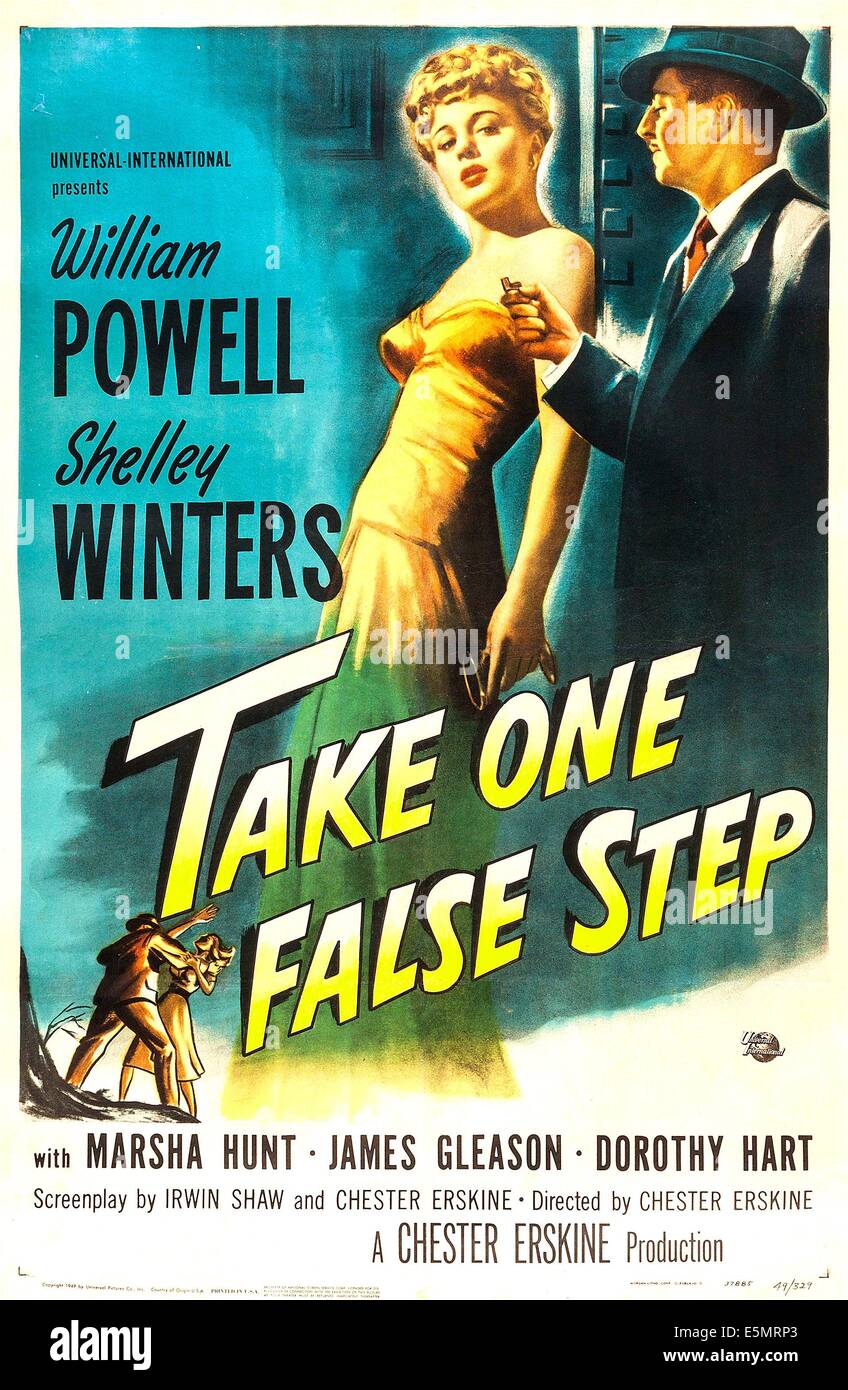
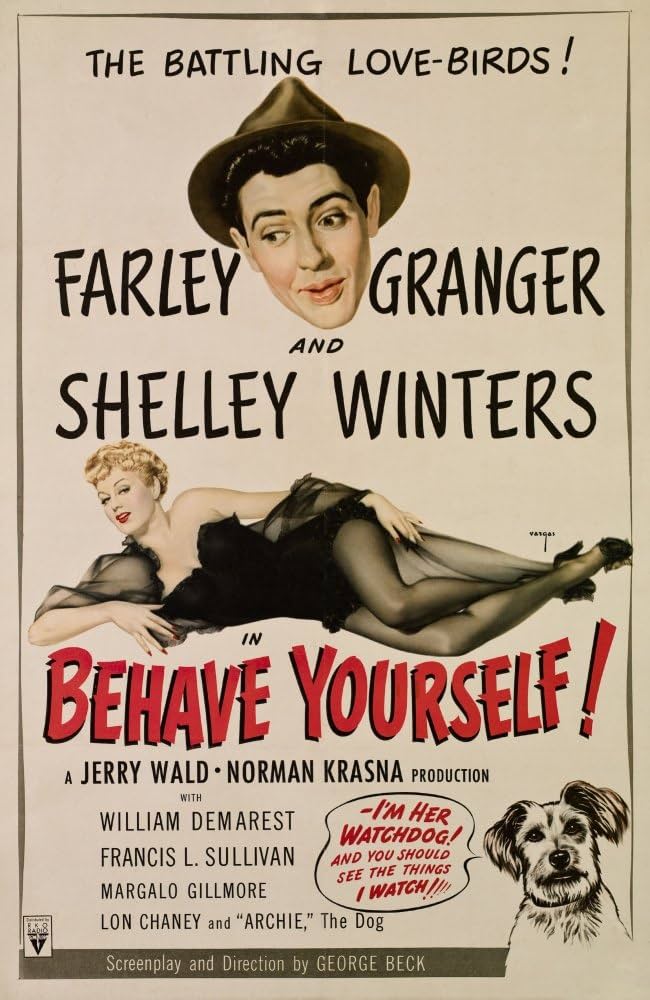
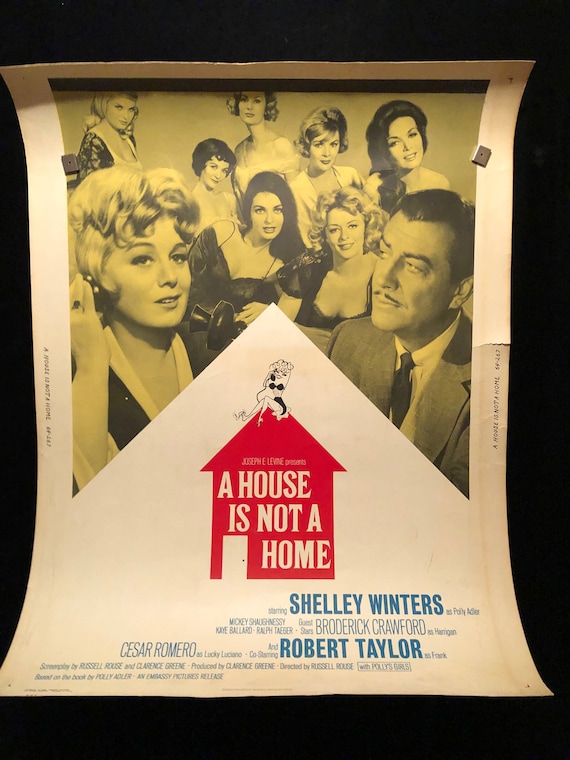
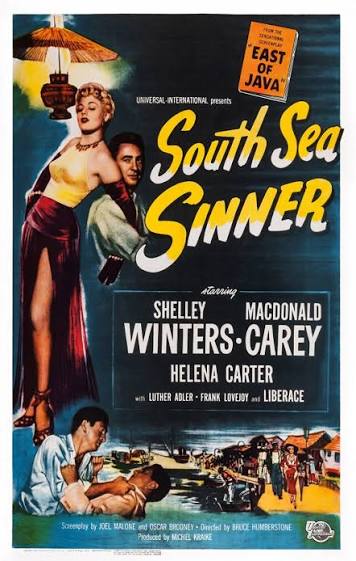
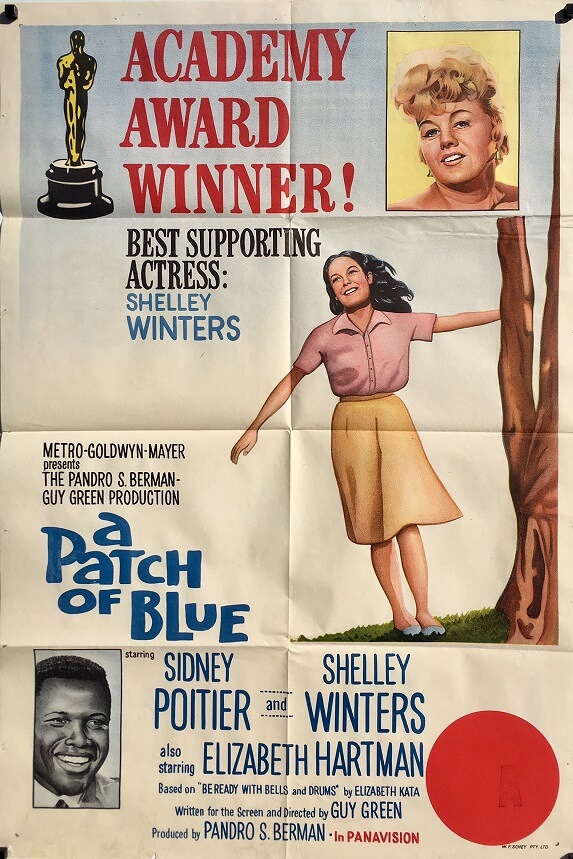
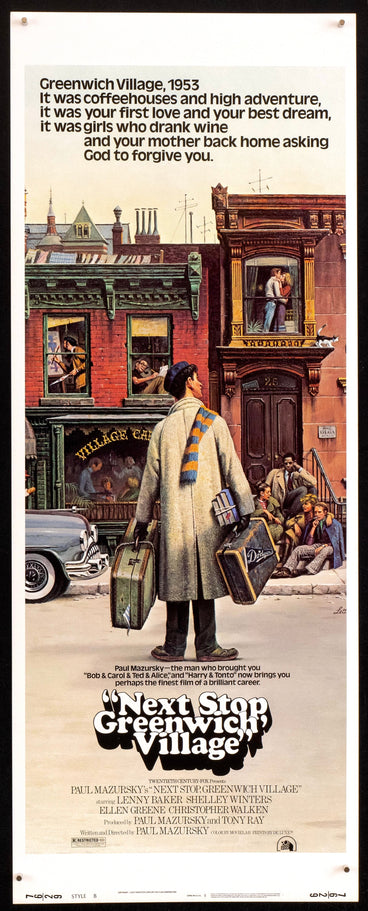
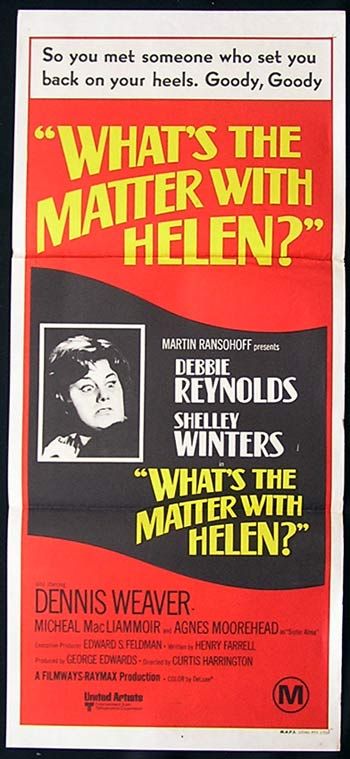
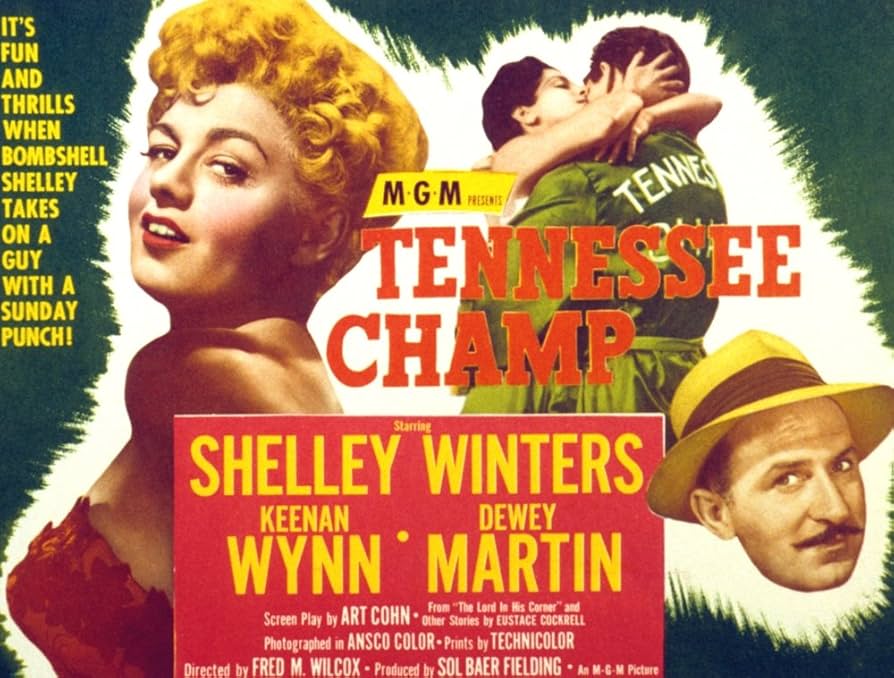
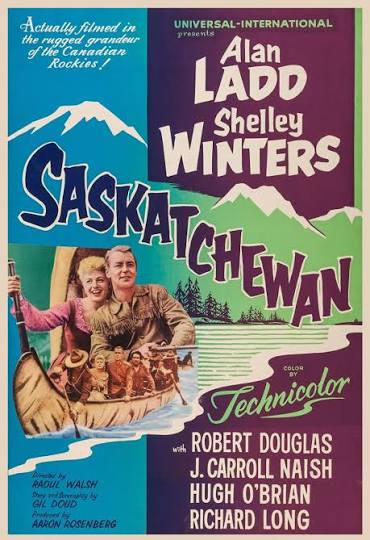
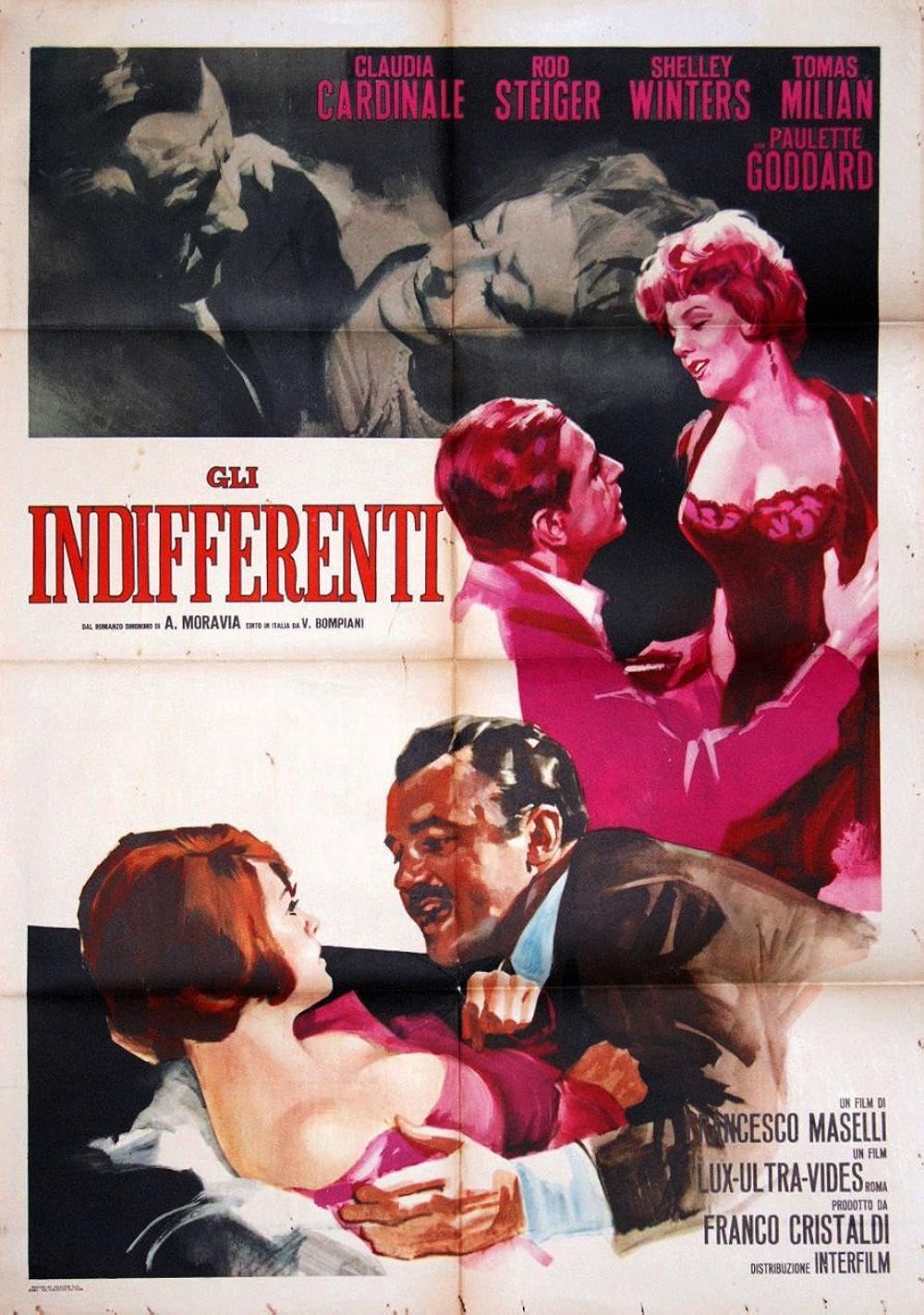
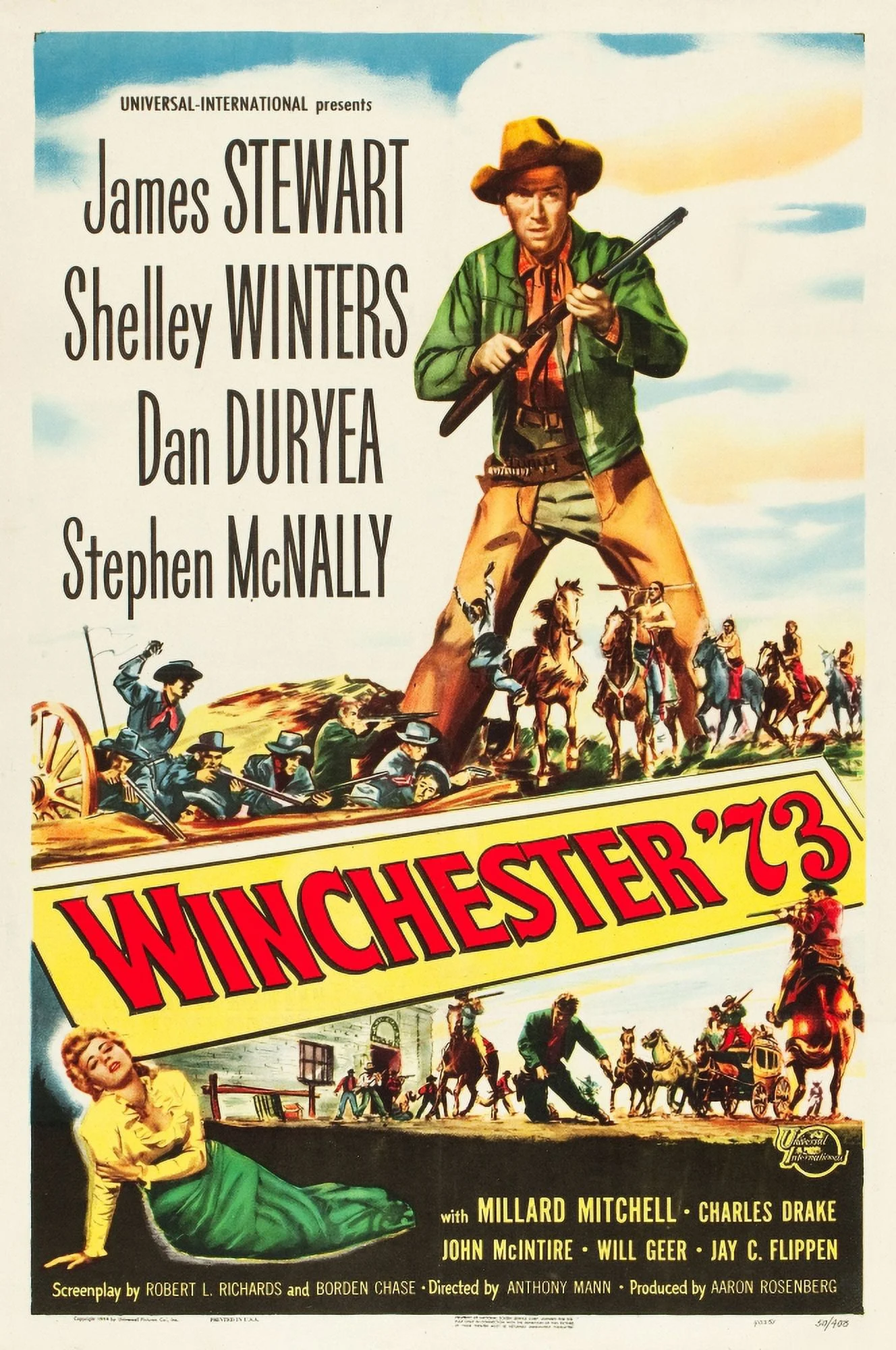
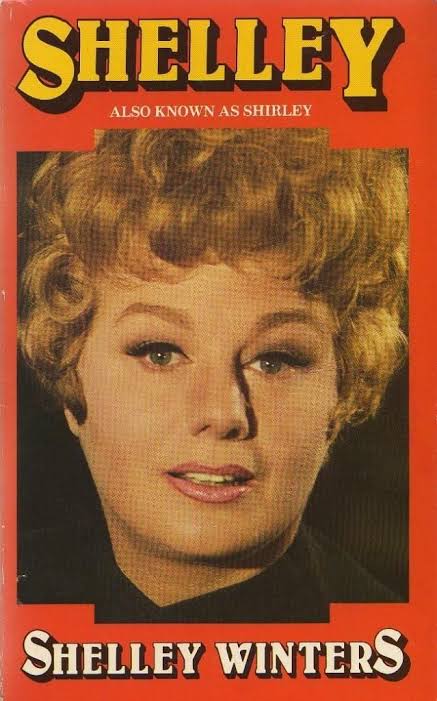
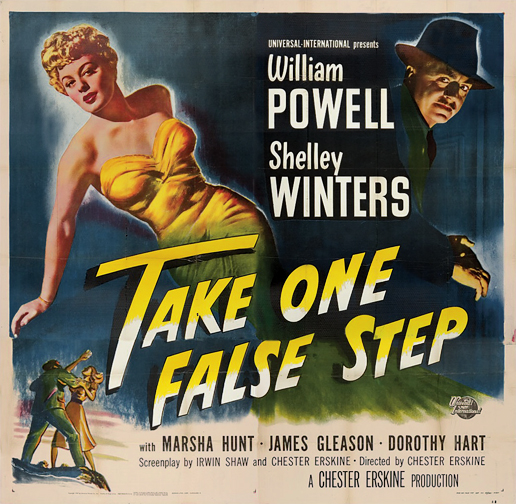
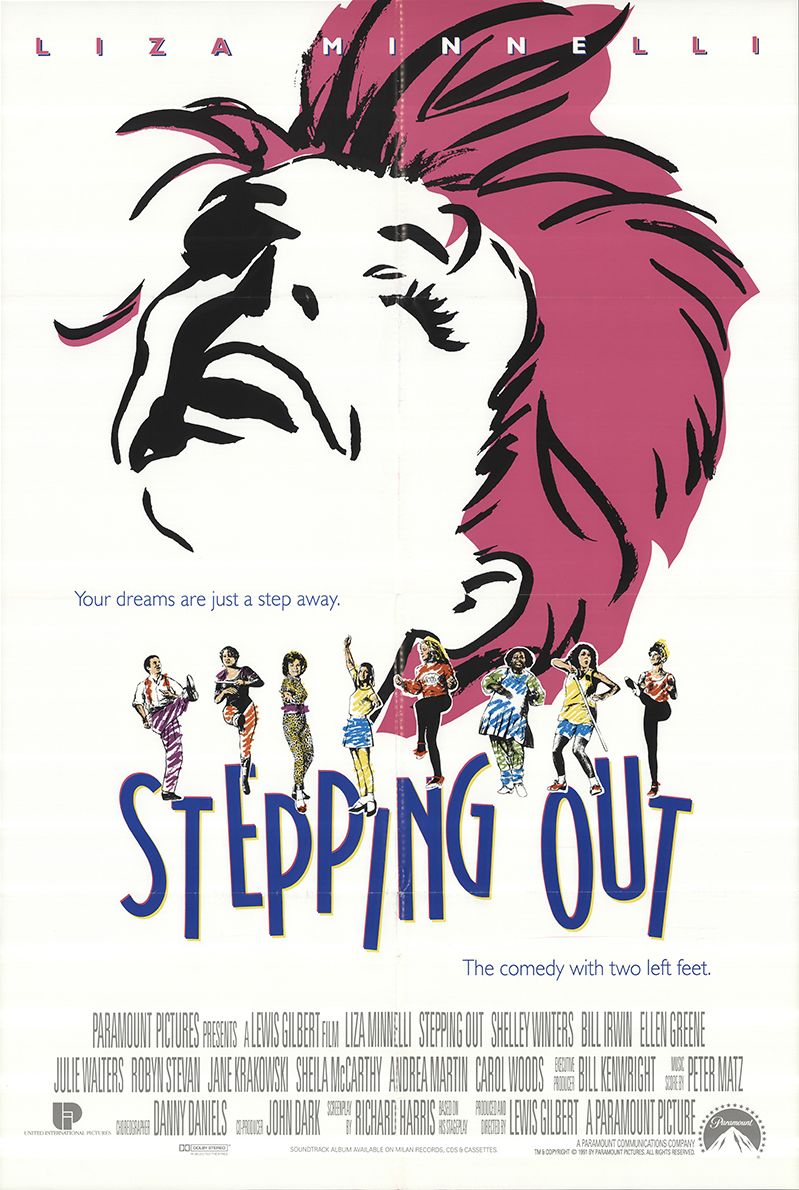
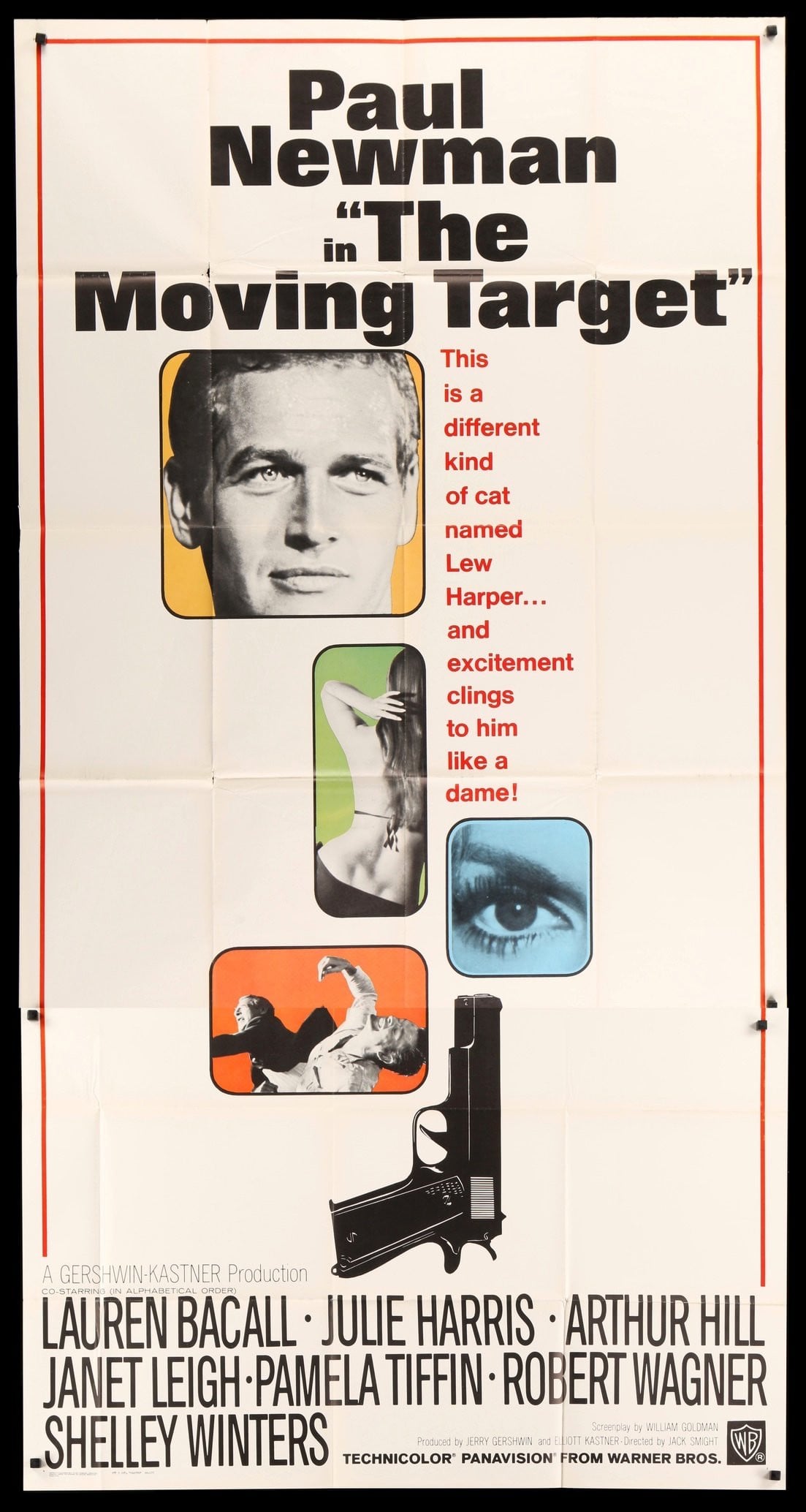
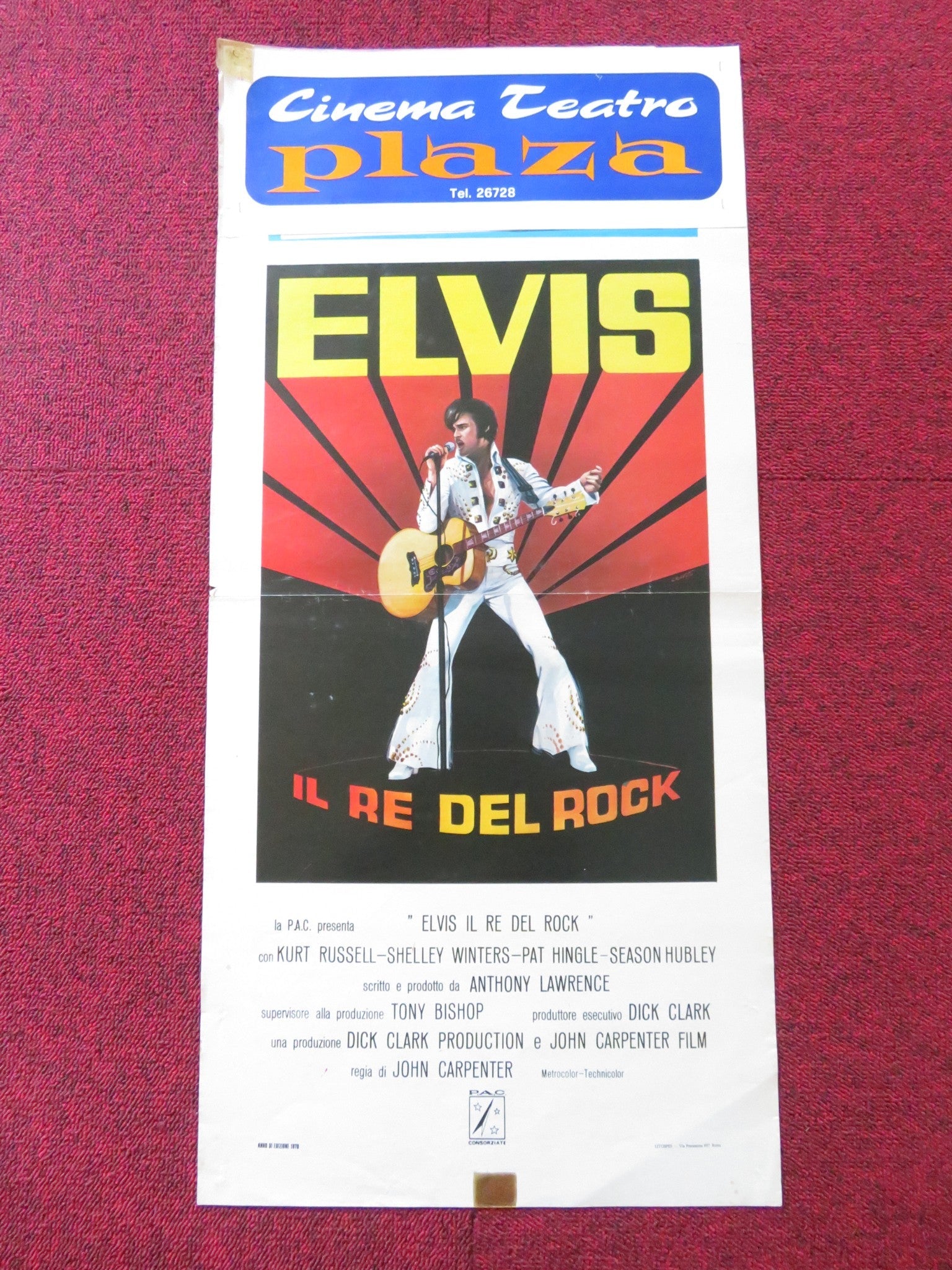
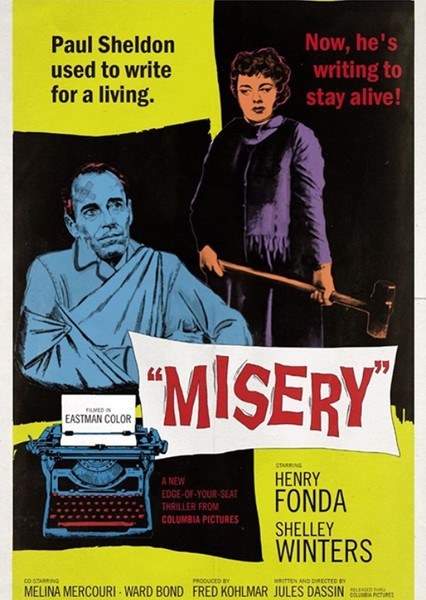
Shelley Winters
Shelley Winters
Shelley Winters

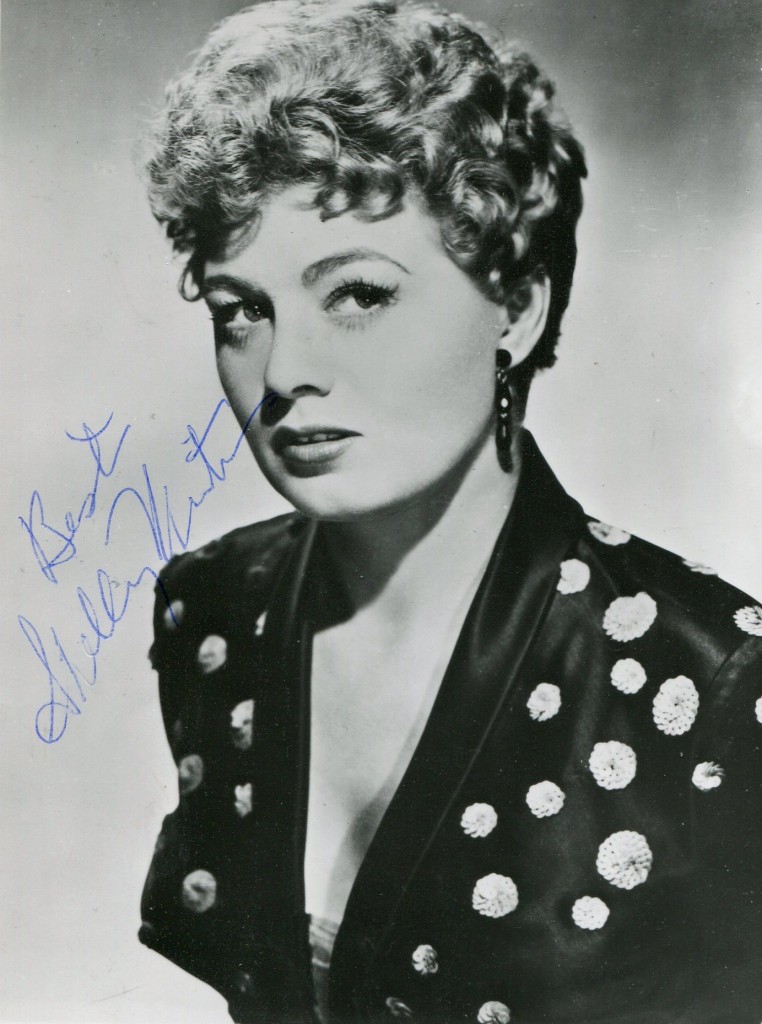
Shelley Winter’s obituary by Veronica Horwell from 2006 in “The Guardian”:

Two blondes paid the rent at 8573 Holloway Drive, Los Angeles, a block south of Sunset Boulevard, in 1951. Both were starlets on studio contracts, and they commiserated with each other over the bones in basque bodices, diets and other career impositions. On Saturday mornings, they played classical records and read the accompanying booklets about composers, and once they sat down to list the famous men they dreamed of fucking.

The younger, Marilyn Monroe, listed Albert Einstein and Arthur Miller among her hunks. The wiser woman, Shelley Winters, who has died of heart failure aged 83, stuck to movie studs. She lived to make most of them, and hang out with a couple of Oscars as well.

She was born Shirley Schrift in St Louis, officially in 1922 (though some sources still say 1920) and the family soon moved to Brooklyn. Her father was jailed for arson – and later cleared – when she was nine. On Wednesdays, she would slip into the Broadway theatres to catch the matinees, and as a teenager she competed with half of America for the part of Scarlett O’Hara in Gone With The Wind. Director George Cukor bought her a Coke and asked her about her acting ambitions, which were serious.

She worked in Woolworth’s – “I wasn’t pretty enough for the candy department so they put me to work selling hardware” – where she led the other girls in a strike for unrestricted access to toilets. They won, but Woollies would not re-employ her. “I’d have made a damn good union organiser,” she said years later. “Look at the facts. There are no more padlocks on the loos in Woolworth’s.”

She went to acting school, took the advice of her opera singer mother, Rose, and stumped round the borscht circuit; she was appearing in the musical Rosalinda on Broadway in the early 1940s when the president of Colombia Pictures, Harry Cohn, went backstage and said, “Listen kid, you think you could do the same thing in front of a camera?”

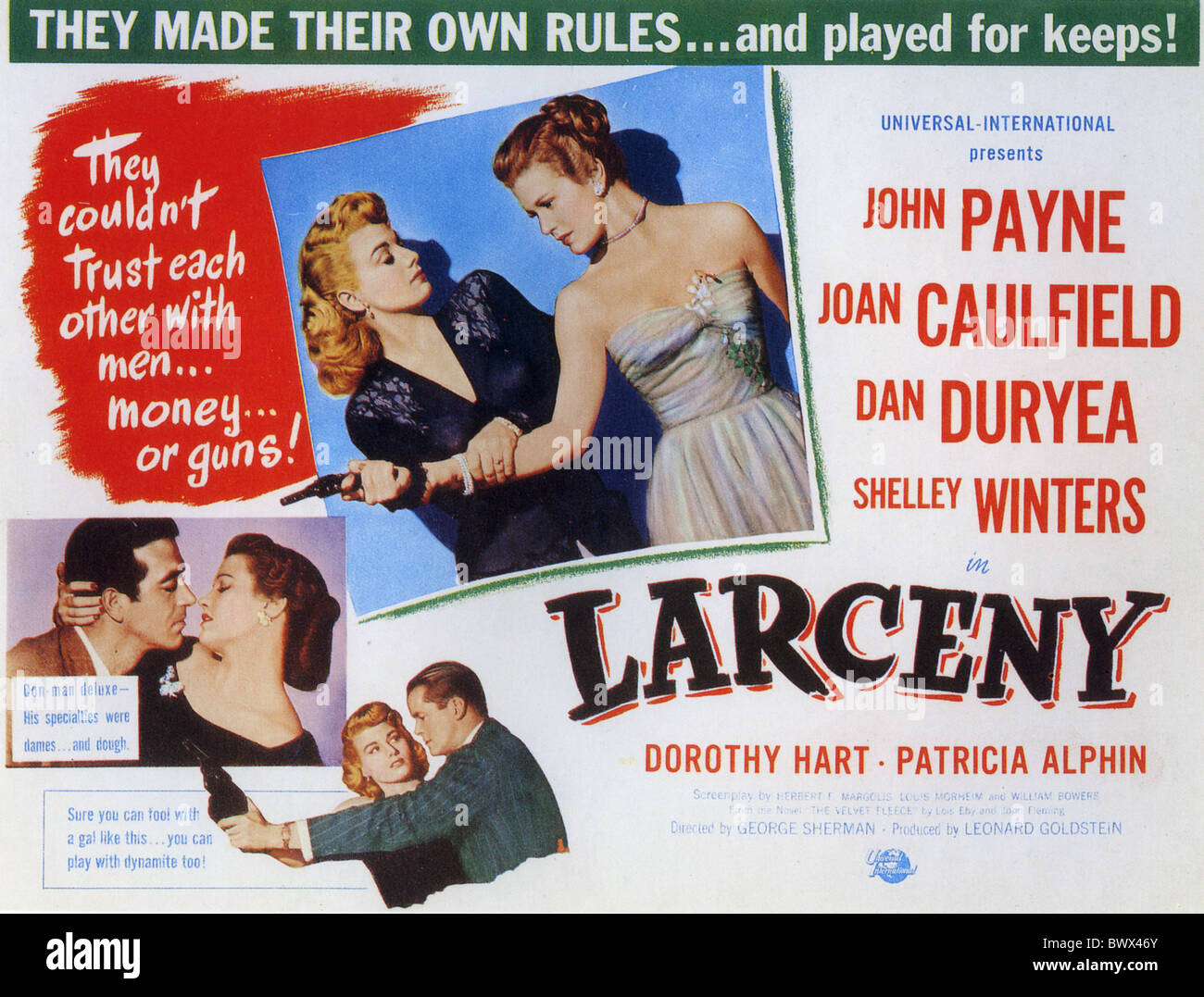
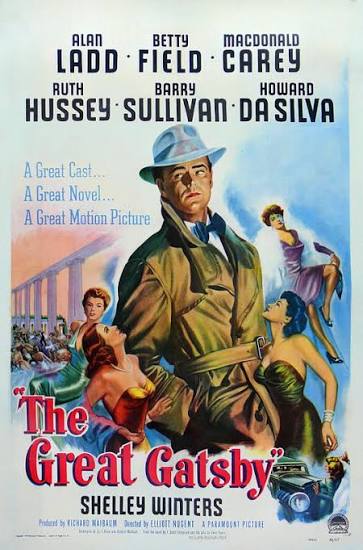
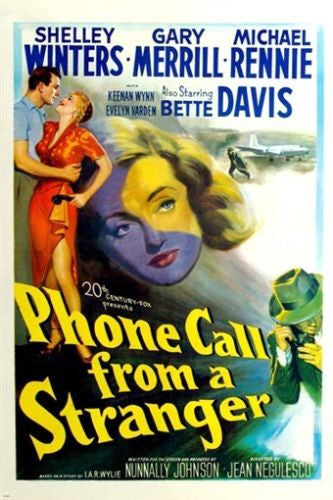
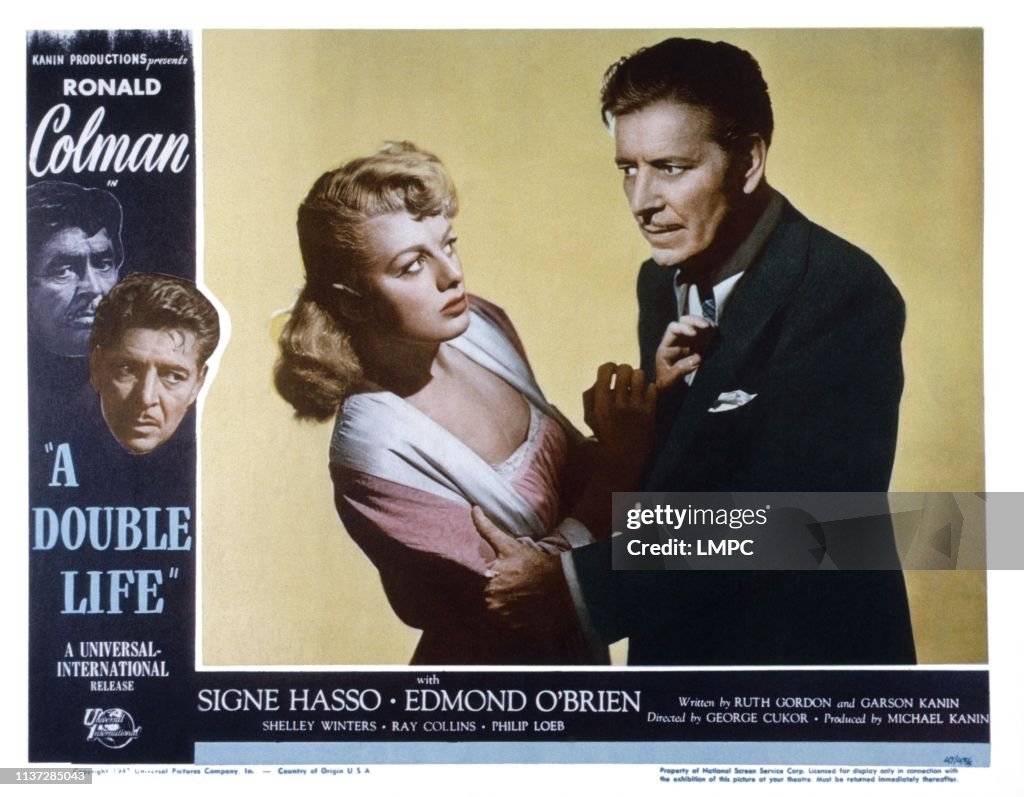
Her first screen appearance was in What a Woman! (1943). But it took “Shelley” (from her favourite poet) “Winters” (her mother’s maiden name plus a publicist’s “s”) seven years to “climb out of the studio wastebasket”. She did it by way of lowclass victimhood – as a waitress strangled by Ronald Colman in George Cukor’s A Double Life (1947), a gas station Myrtle run over by Gatsby’s car in The Great Gatsby (1949) and a factory girl drowned by the man who got her pregnant in A Place in the Sun (1951), her first Oscar nomination.

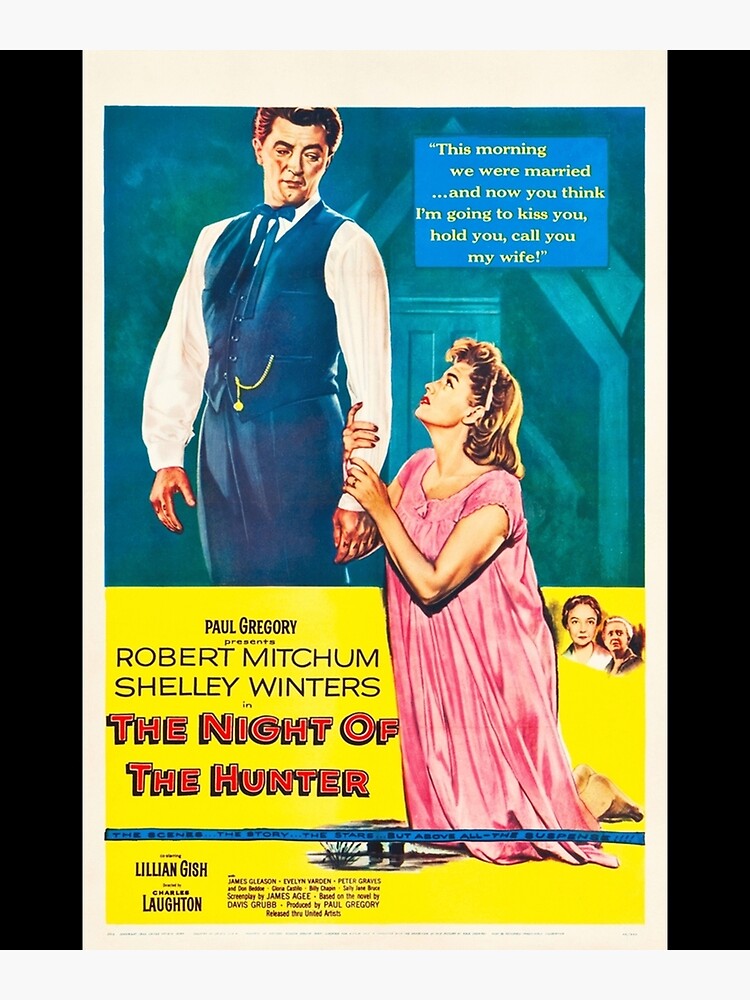
Her southern widow, in The Night of the Hunter (1955), was about as far as Winters could develop that persona: “she has a rich body” is the character’s introduction in the screenplay, although she ends up as a dead body, her hair drifting in the river. As Ian Cameron once wrote, Winters too easily played the female equivalent of Peter Lorre, her quivering pathos inviting martyrdom.

While playing an extra in The Big Knife (1955), she said, “Those lousy studios, they louse you up and then they call you lousy.” She seemed to be describing her relative movie non-progress: she had displayed the clavicles and the lips just fine, but her attitude was too visible.

With her press agent, she began to make herself over into “this personality, a dumb blonde with a body and a set of sayings”. She scripted her own wisecracks (“I did a film in England in the winter and it was so cold I almost got married”). Dylan Thomas had sent her letters, and she had sent him to a shrink who failed to cure the drink; on a visit, she “asked why he’d come to Hollywood, and, very solemnly, he said to touch a starlet’s tits. Ok, I said, but only one finger.” Her other literary buddy, Tennessee Williams, didn’t even peek.

But Winters was also a pro, who studied with Lee Strasberg at the Actors’ Studio, working towards the “ability to reveal myself, the willingness … you act with your scars … if you want the best, you have to fight for it”. In the year of The Night of the Hunter, she left for the Broadway stage, and did not return to cinema until 1959, when she came back a changed woman – her truer self.

“Overeaters anonymous, it’s my only religion,” she said of her expanded flesh. This emphasised her kept-woman-of-the-Hapsburg-empire appearance, although the calorie intake was all-American, her favourite meal being tuna on rye with a chocolate milk shake.

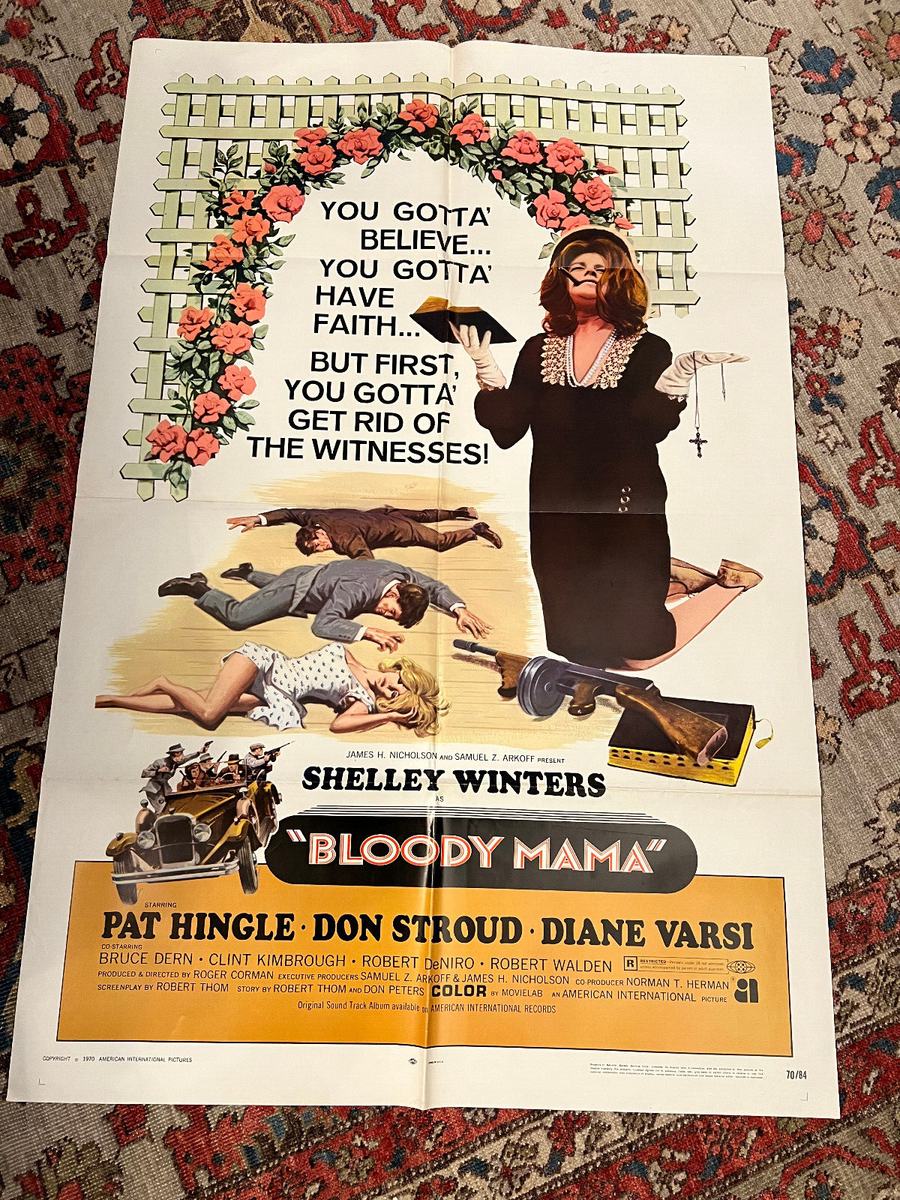
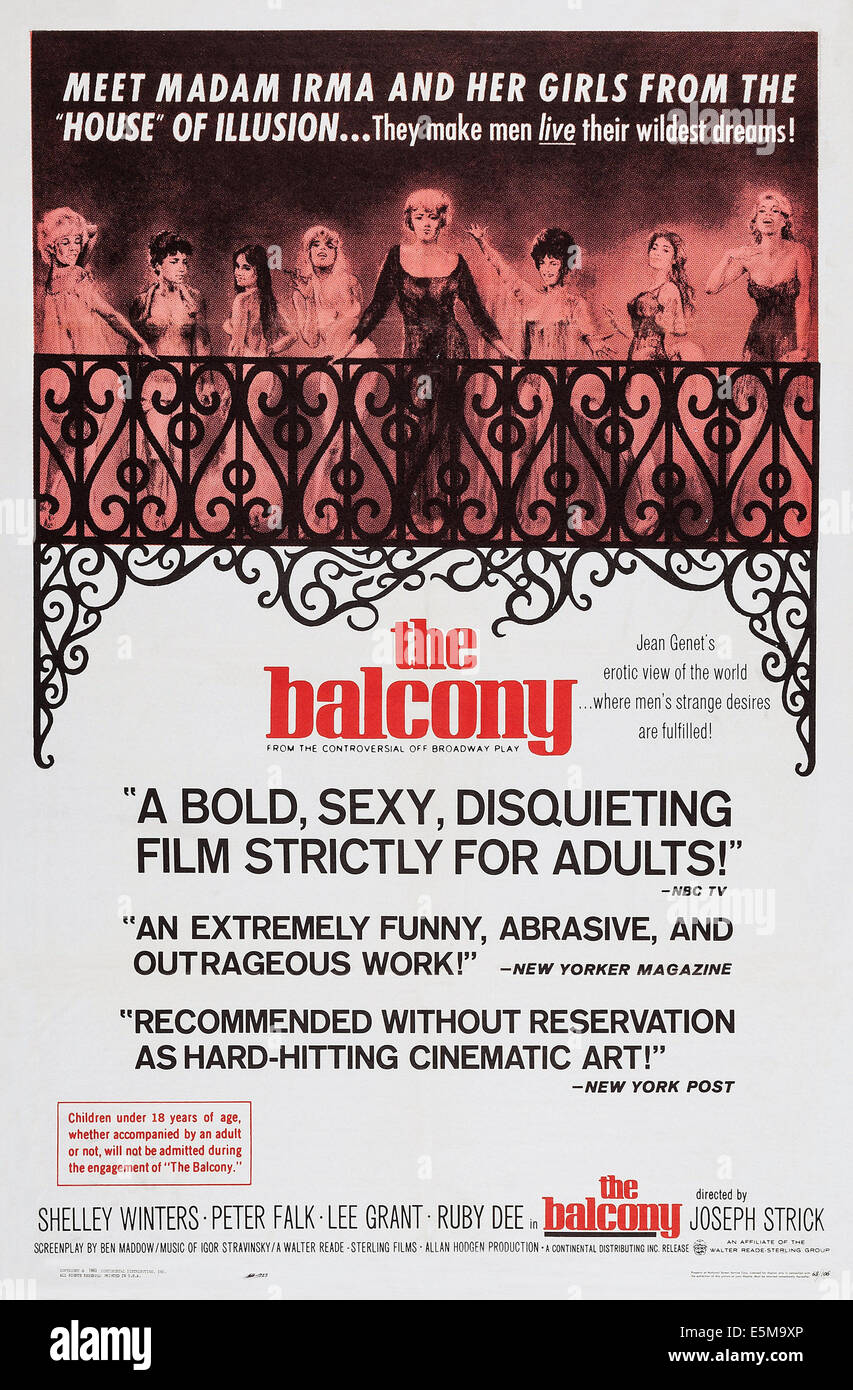
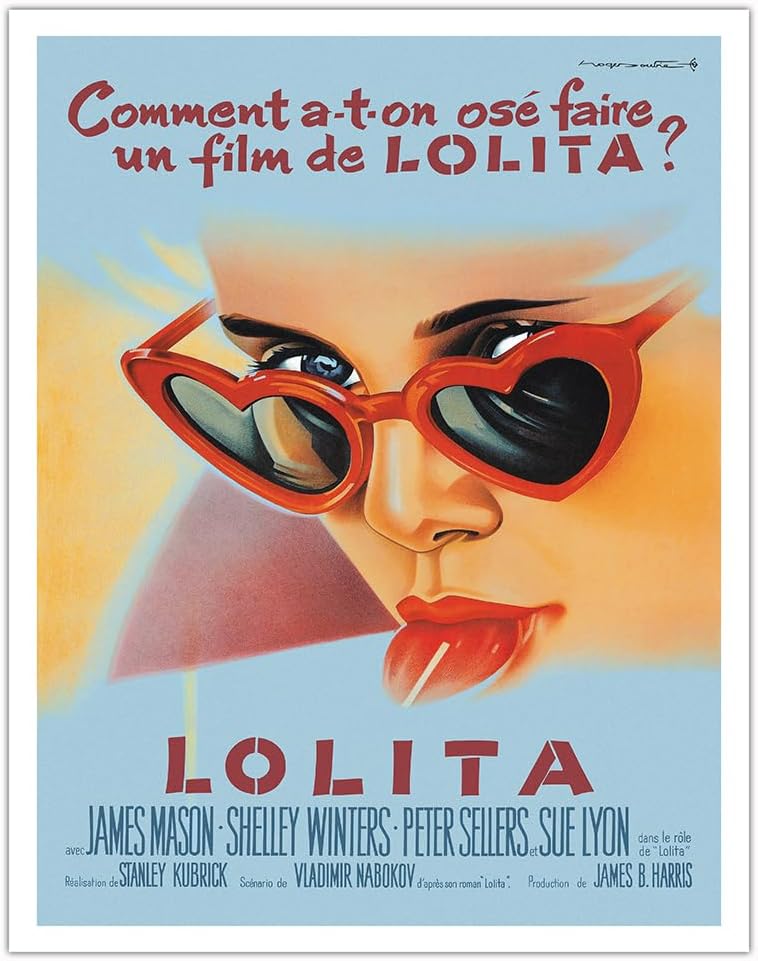
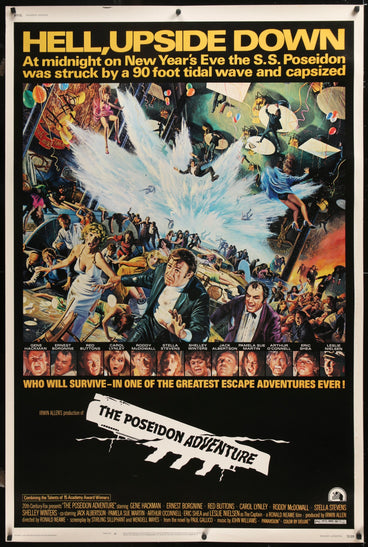
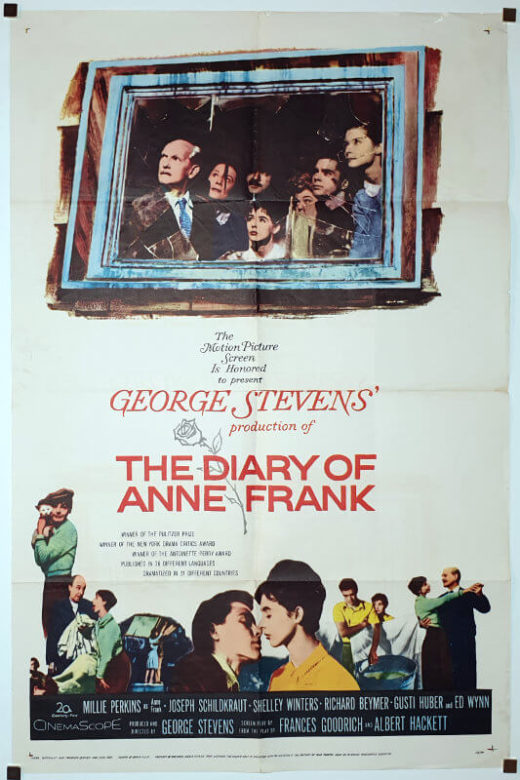
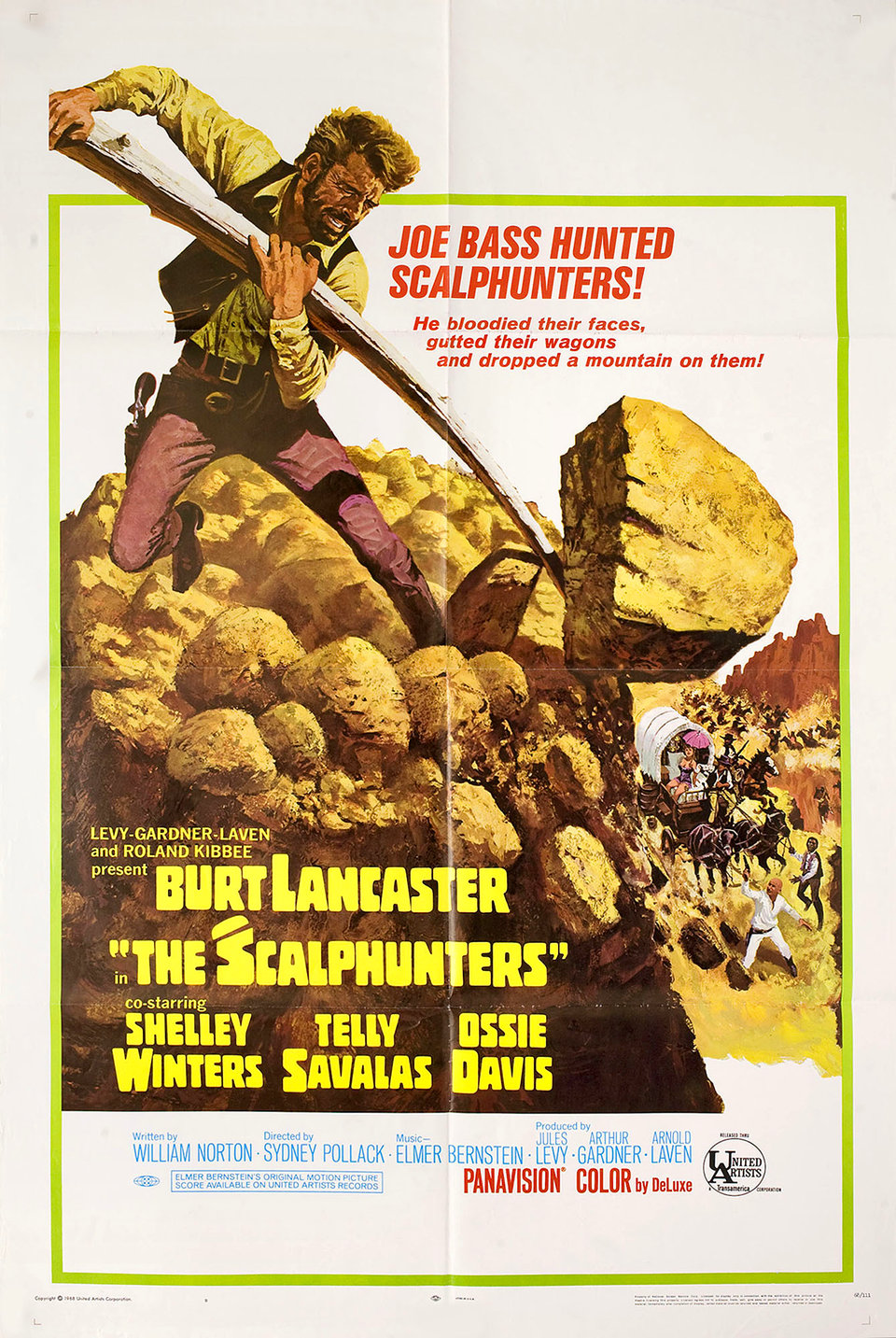
She won an Oscar for her first substantial role in this mother-matron-madam mode for The Diary of Ann Frank (1959), and made the embonpoint and dirty laugh work for her through the 1960s: a slut of a mum in Stanley Kubrick’s Lolita (1963); the racist mom in A Patch of Blue (1965, another best-supporting Academy award); the bordello boss Polly Adler in A House is not a Home (1964) – a variation on her whore-for-intellectuals in The Balcony (1963); a Tommy-gun-wielding Bloody Mama (1970); and a passenger in The Poseidon Adventure (1972). Only a few films utilised her ability to distance herself funnily – pulling the alarmed Alfie (1966), or unafraid of falling among Indians in The Scalphunters (1968) because “they’re only men”.

For all her lack of the camera-ready face of her friend Liz Taylor, Winters was desired. Maybe it was that rich body. Her under-age affair with a fellow thespian ended in pregnancy, an abortion and her refusal of a marriage offer because “you’re a bit-part actor and I’m a potential star”. There were three brief marriages: the first, in wartime, was to Paul Mayer, a US army air force captain; the others were to an Italian actor, Vittorio Gassman (with whom she had a daughter) from 1952 to 1954, and an Italian-American actor, Anthony Franciosa, from 1957 to 1960.

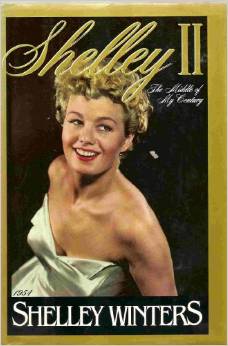
Winters published two volumes of autobiography, Shelley, Also Known as Shirley (1980) and Shelley II: The Middle of My Century (1989). In those brash works, she consumed much of the beefcake on that 1951 wish list. “The only way to keep warm in this apartment is to get into bed. My body generates a great deal of heat,” mumbled Marlon Brando. “Fuck me please and send a copy of your speech later,” she demanded of a prosy Burt Lancaster. She ended up in bed five times with William Holden after Christmas studio parties.

Winters thought masculine star attempts at style hilarious, and would say so, with her mink eased off the shoulder and a glass of fizz in hand. She once described how, during a private movie showing at Errol Flynn’s house, a bed slipped into the room, complete with small bar, icebox and the top sheet turned back, as the ceiling mirror rolled away to to reveal the heavens through a magnolia tree in flower. She was more a faux-leopard-skin couch gal herself.

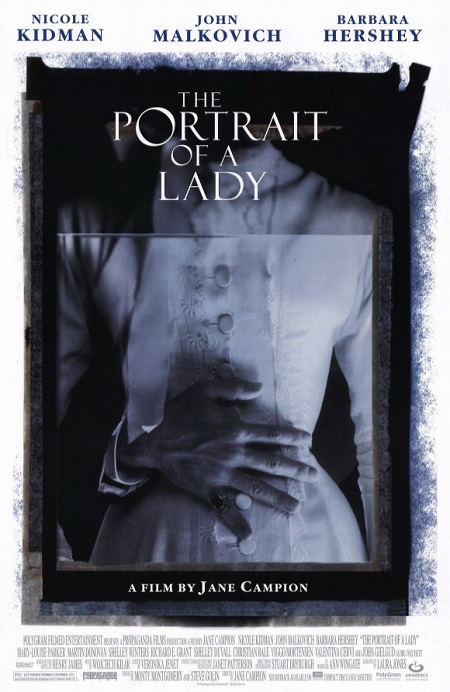
In all, there were 150-odd films (“Have you seen them all, honey?” she inquired of a gushy interviewer), including an artistic production shot in Italy but never released as they lost the soundtrack, and a wicked scene in A Portrait of a Lady (1996), where she nearly upstaged John Gielgud on his “death-bed”. She was a success on Broadway in Minnie’s Boys (1970), playing the mother of the Marx Brothers, had variable reviews for her off-Broadway playwriting debut, One Night Stands of a Noisy Passenger (1970), and recurred as TV sitcom Roseanne Barr’s grandmother in kaftan and watch cap. Roseanne did look and sound as if she had inherited granmaw’s motormouth.

Towards the end, Winters lunched with her camp court almost daily in Los Angeles’s Silver Spoon Schwabs, complaining about the hernias those basques had caused and recalling Marilyn fondly. She transported a visiting journalist around town in her limo – “See,” she said, pointing to her gold star in the pavement, “I’m there with all the communists.”

“I could face respectability over 60,” she confided, secure among multiple chins, fur coats and Impressionist paintings: ” I think on-stage nudity is disgusting, shameful … But if I were 22 with a great body, it would be artistic, tasteful, patriotic and a progressive religious experience.” She is survived by Jerry DeFord, her companion since the early 1980s and her daughter.

· Shelley Winters (Shirley Schrift), actor, born August 18 1922; died January 14 2006

The above “Guardian” obituary can also be accessed online here.
Shelley Winters
Shelley Winters
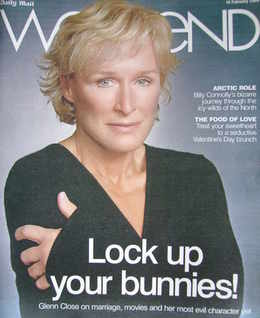
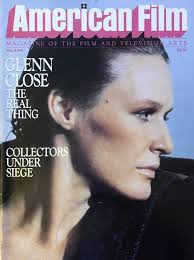
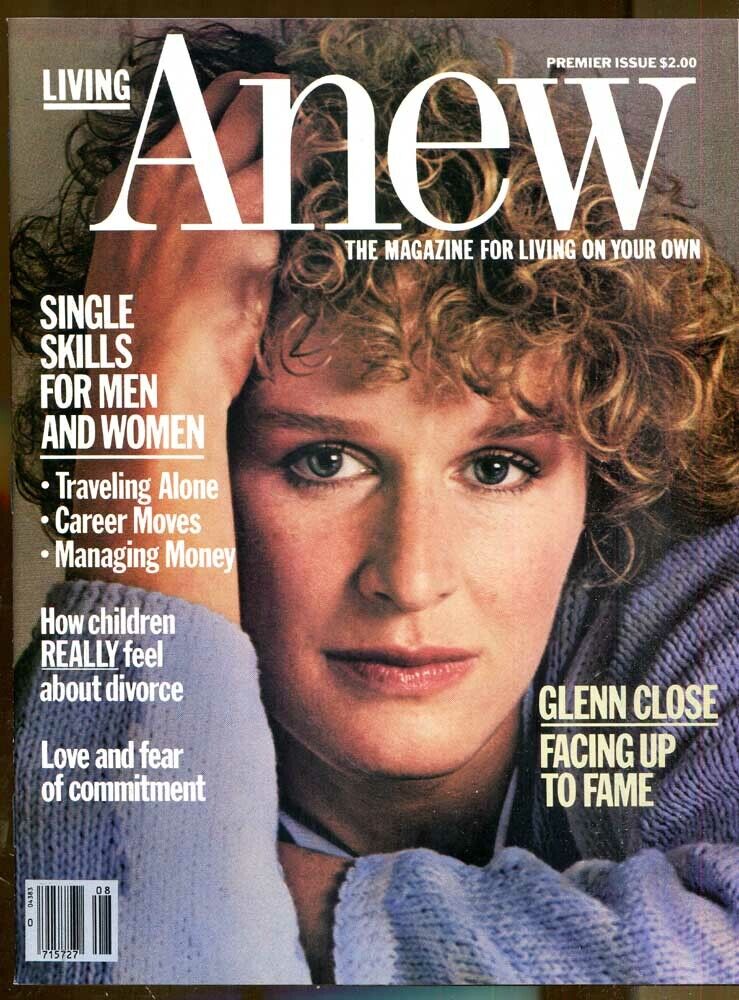
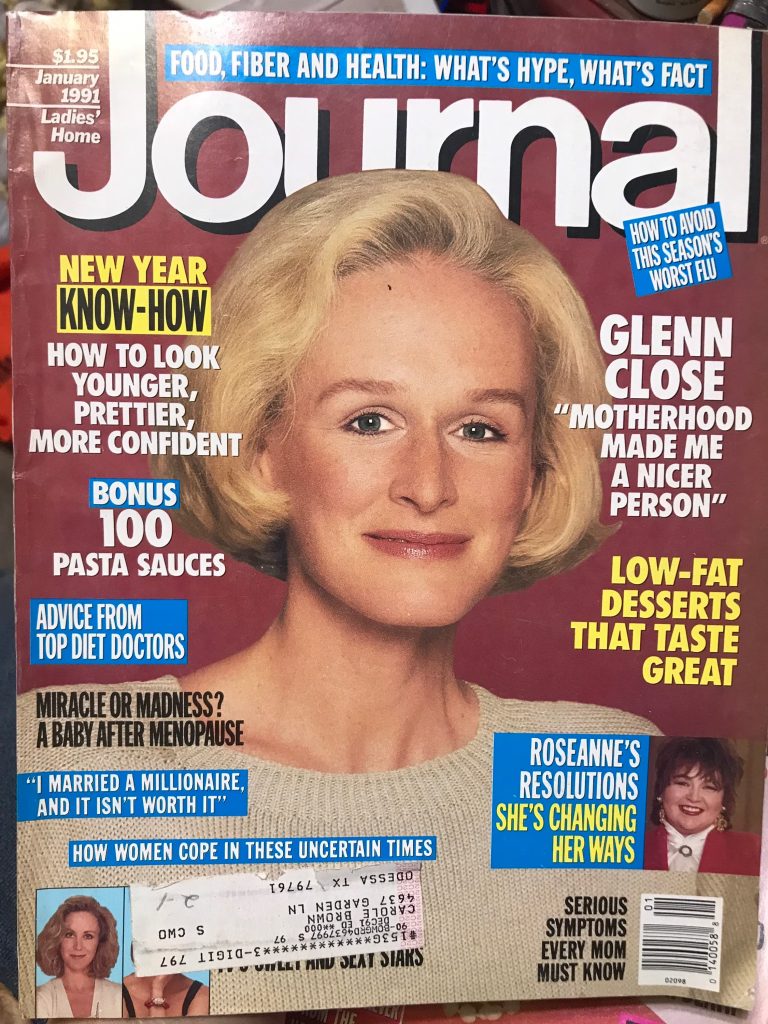
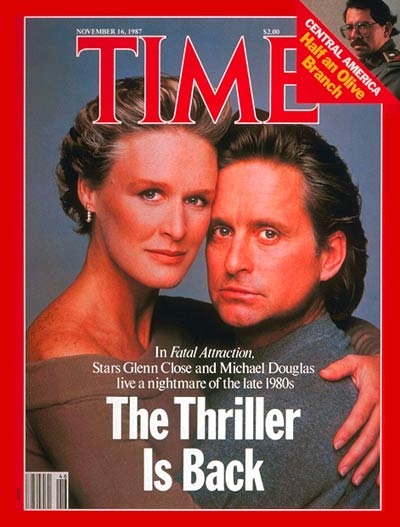
Glenn Close
Glenn Close
Glenn Close

TCM overview:

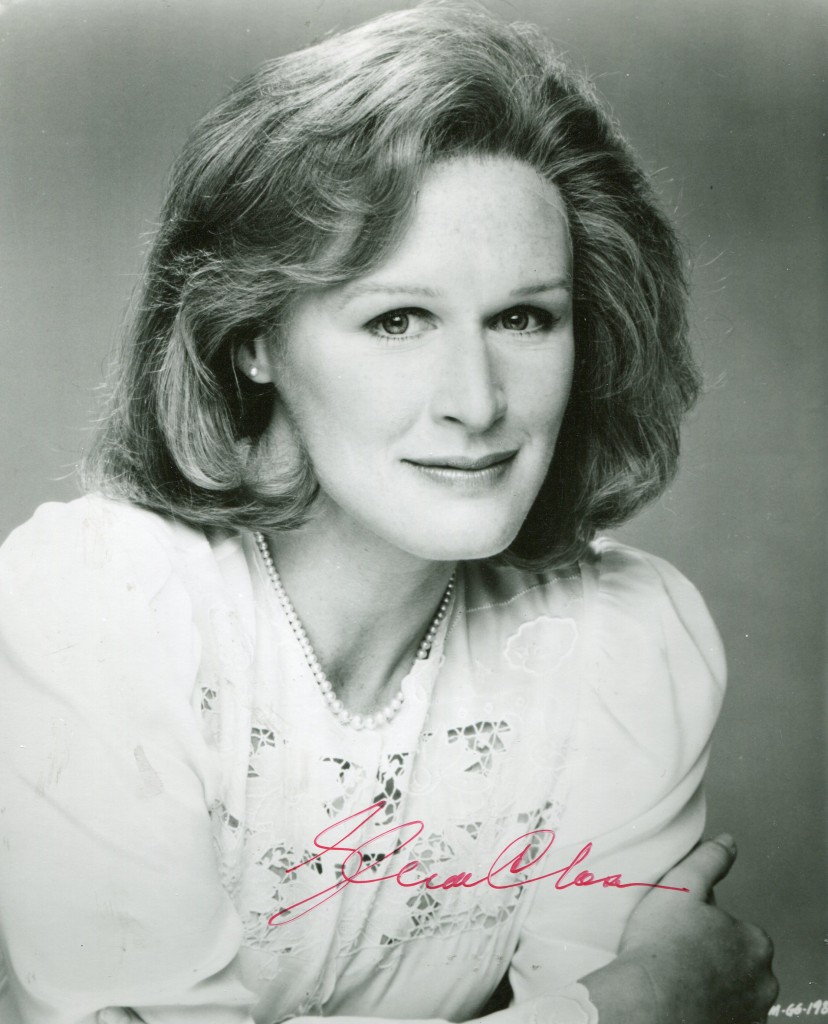
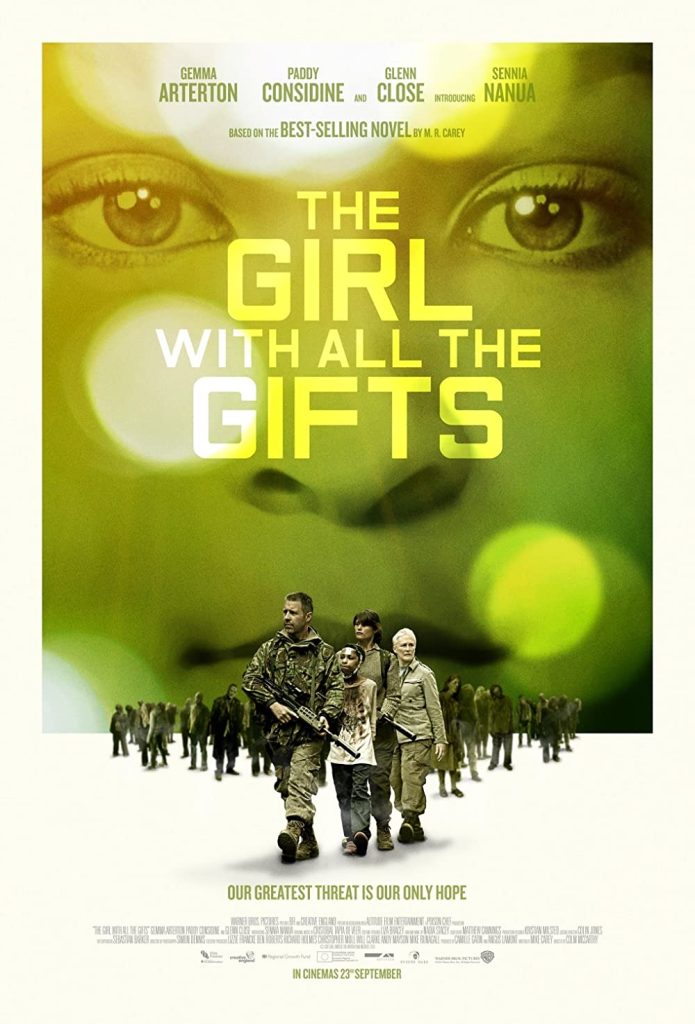
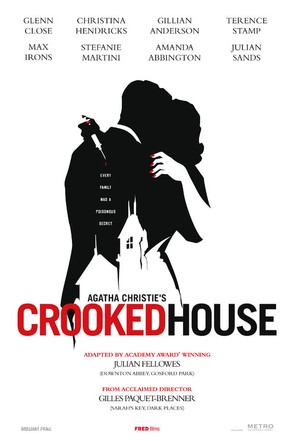
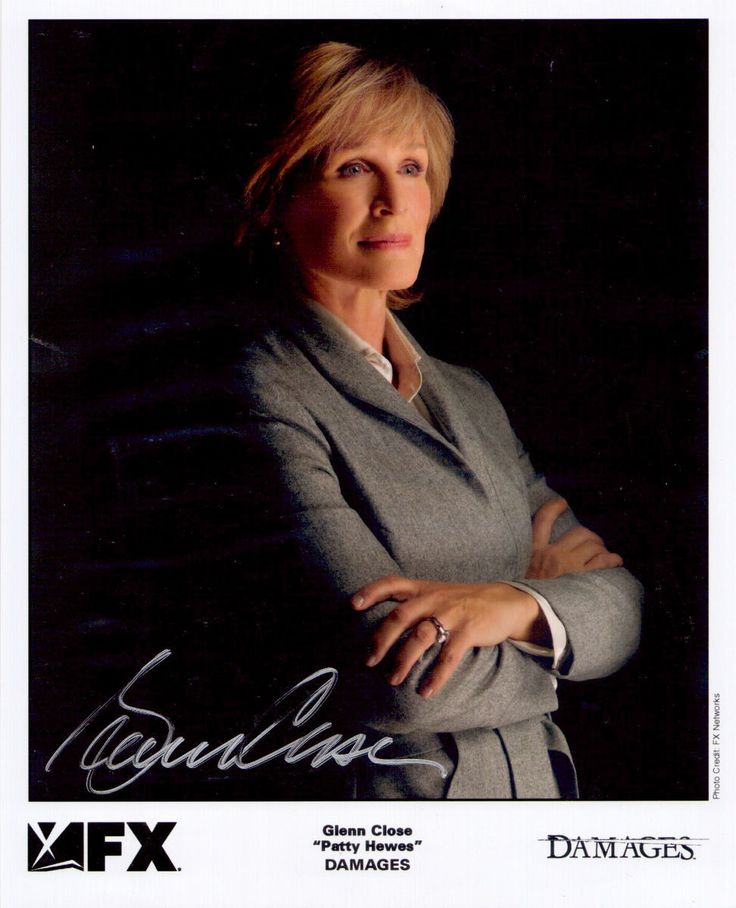
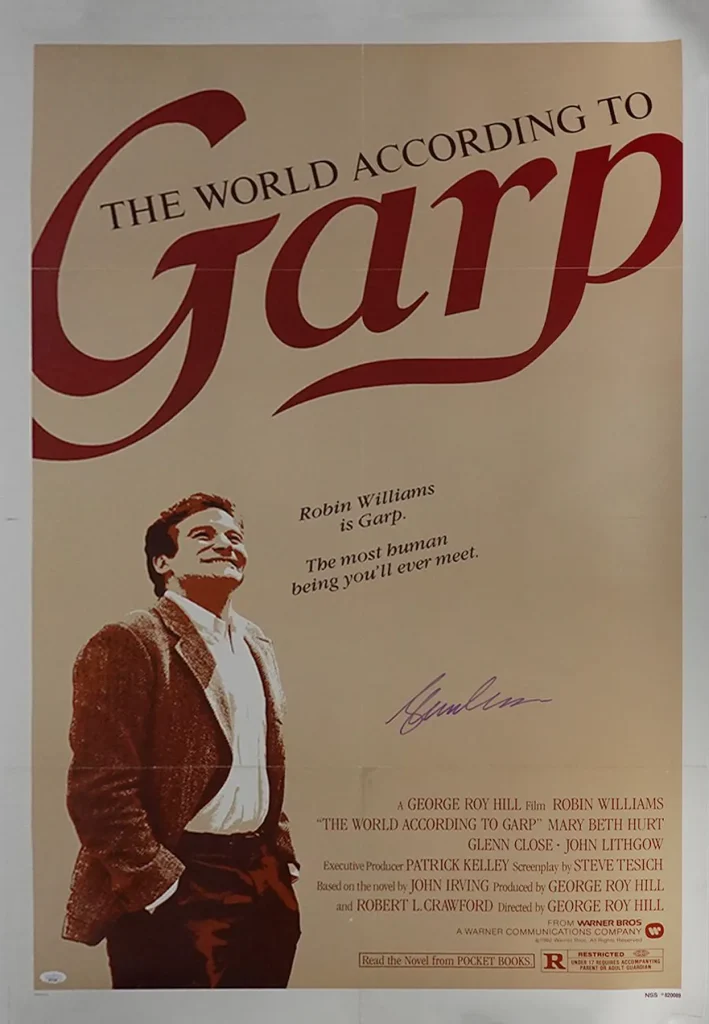
Seemingly born atop the Hollywood A-list, actress Glenn Close established herself as one of the finest performers of her generation – or any other, for that matter – with her first film, “The World According to Garp” (1982), for which she earned the first of several Oscar nominations. For the rest of the 1980s, Close quickly became a top leading lady who eventually achieved infamy with her portrayal of a psychotic woman avenging a lost affair in one of the decade’s most notorious movies, “Fatal Attraction” (1987). Unlike most film stars, however, Close was more than happy to oscillate from the big screen to television to Broadway; often with even more critical and award success. She played Queen Gertrude to Mel Gibson’s “Hamlet” (1990) and voiced Cruella de Vil in the animated classic, “101 Dalmatians” (1996). Close earned critical acclaim as well as Tony Awards for her work on Broadway in “Death and the Maiden” (1992) and the musical “Sunset Boulevard” (1994). Following quality turns in “Things You Can Tell Just by Looking at Her” (2000) and “Nine Lives” (2005), Close was Emmy-nominated for her portrayal of Capt. Monica Rawling on season four of “The Shield” (FX, 2002-08). But it was her performances as high-stakes litigator Patty Hewes on “Damages” (FX/Audience Network, 2007- ) that proved to be her most significant small screen role. Regardless of the medium, Close remained one of Hollywood’s premier actresses.
Born on March 19, 1947 in tony Greenwich, CT, Close was raised one of four children in an upper-middle class family headed by William Close, a surgeon whose affiliation with the conservative salvation group Moral Re-Armament led him to relocate the family to the Belgian Congo where he ran several medical clinics. At the time, Close was 13 years old and subsequently received her education at boarding schools in Switzerland, followed by Choate Rosemary Hall back in Greenwich. During high school, she took an interest in theater, joining a repertory group called The Fingernails. After she graduated, Close spent several years touring with the folk-singing group Up With People, before leaving to attend the drama school at William and Mary in Virginia. Close graduated late from William and Mary – she was 27 years-old – but immediately found work in New York City with the Ph nix Theatre Company, appearing in “Love for Love” and “The Member of the Wedding.” Close was cast as Mary Tudor in the Richard Rodgers’ musical “Rex” (1976), then jumped to television, making her small screen debut as a homewrecker in the made for television movie, “Too Far to Go” (NBC, 1979).

Close made her breakthrough on Broadway with a supporting role in the musical “Barnum” (1980), playing the patient wife of the famed 19th century showman. Thanks to her performance, acclaimed director George Roy Hill became aware of Close – he was attracted to her sense of composure, the exact quality he was looking for in an actress to play Jenny Fields in “The World According to Garp” (1982). Though nervous about starring in her first feature after years on stage, Close nonetheless was spot-on in her performance as the prim, hard-nosed mother of an aspiring novelist (Robin Williams), whose own novel about her life raising a son as a single mother becomes a feminist rallying cry. Due to her impressive work, Close earned an Academy Award nomination for Best Actress in a Supporting Role, triggering a run for several Oscar nods in the 1980s – including three consecutive – that ultimately netted zero wins. She next co-starred in the Baby Boomer ensemble comedy-drama “The Big Chill” (1983), earning her second Oscar nod for Best Supporting Actress for her performance as one of seven college friends gathered together to reminisce after the suicide of one of their own.

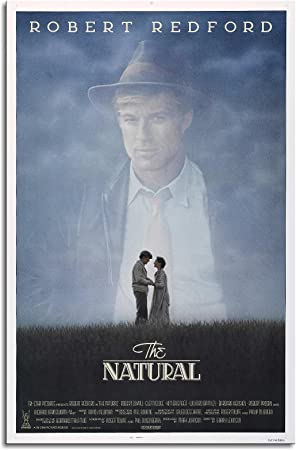
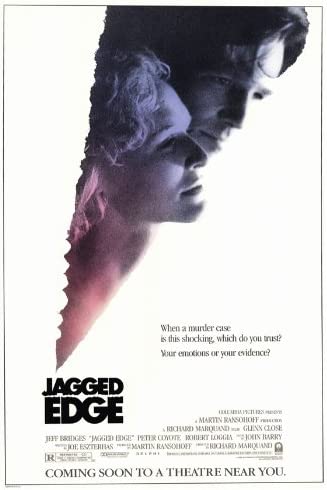
A third Oscar nomination for Best Actress in a Supporting Role followed her performance in “The Natural” (1984), starring as the childhood sweetheart of a former bush league ballplayer (Robert Redford) finally getting his chance to play in the big leagues. Returning to Broadway, Close won a Tony Award for Best Actress in a Mike Nichols’ staging of Tom Stoppard’s romantic comedy, “The Real Thing.” With firm footing on stage, television and the silver screen, Close was able to alternate between the three throughout the 1980s, all the while attempting to undertake parts with depth on her path to becoming one of Hollywood’s top leading ladies. In the groundbreaking TV special “Something About Amelia” (ABC, 1984), Close played a woman who gradually comes to realize her husband (Ted Danson) has been having sex with their daughter (Roxanne Zal). She kept alive her award nomination streak, earning a nod for Outstanding Lead Actress in a Limited Series or Special. Her status as a lead actress was confirmed with a solid performance as a lawyer romantically entangled with a client in “Jagged Edge” (1985) and as a woman sharing her home and her body with a ghost of a silent film star (Ruth Gordon) in “Maxie” (1985).

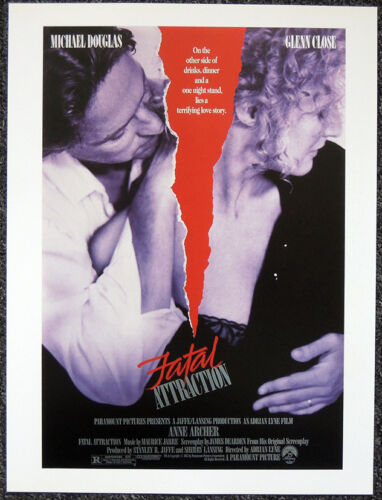
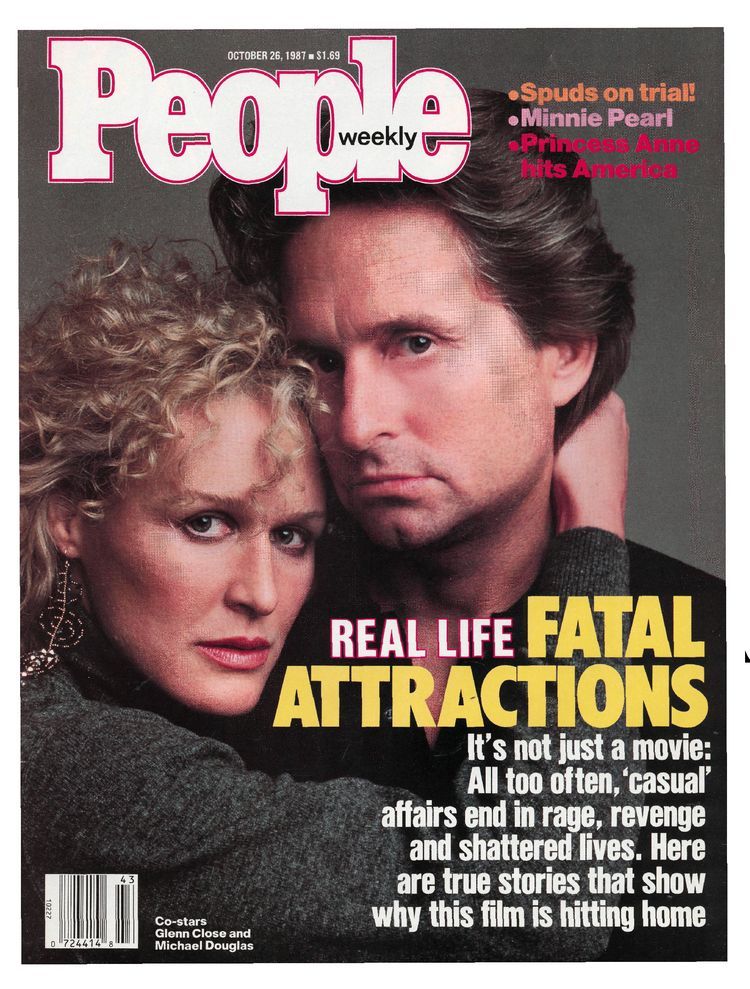
While she steadily earned a reputation as an actress of the highest caliber, Close gained a great deal of notoriety for what became her most controversial role. In “Fatal Attraction” (1987), Adrian Lyne’s dynamic and enormously successful psychological thriller, Close achieved infamy playing Alex Forrest, an obsessive woman with whom a family man (Michael Douglas) engages in a one night stand when the wife and kids are away. When the married man tries to break off the affair, Alex starts to terrorize him and his family in a bizarre and psychotic attempt to win back his affections. For two-thirds of the film, “Fatal Attraction” was a compelling look at the cause and effect of infidelity, until the final third when it digressed into standard revenge thriller territory, complete with a double-scare death scene straight from the horror movie cliché handbook. It was later revealed that Lyne was forced to reshoot the original ending – which depicted Alex committing suicide and framing the cheating husband for murder – after test audiences rejected it. Close later expressed her disappointment with the reshoot, claiming that her portrayal of a damaged, but sympathetic character was undermined by the more fantastical redo. Nonetheless, Close earned an Academy Award nomination for Best Actress in a Leading Role and a whole lot of notoriety, as people often acted afraid of her on the streets, so powerful and frightening was her portrayal.
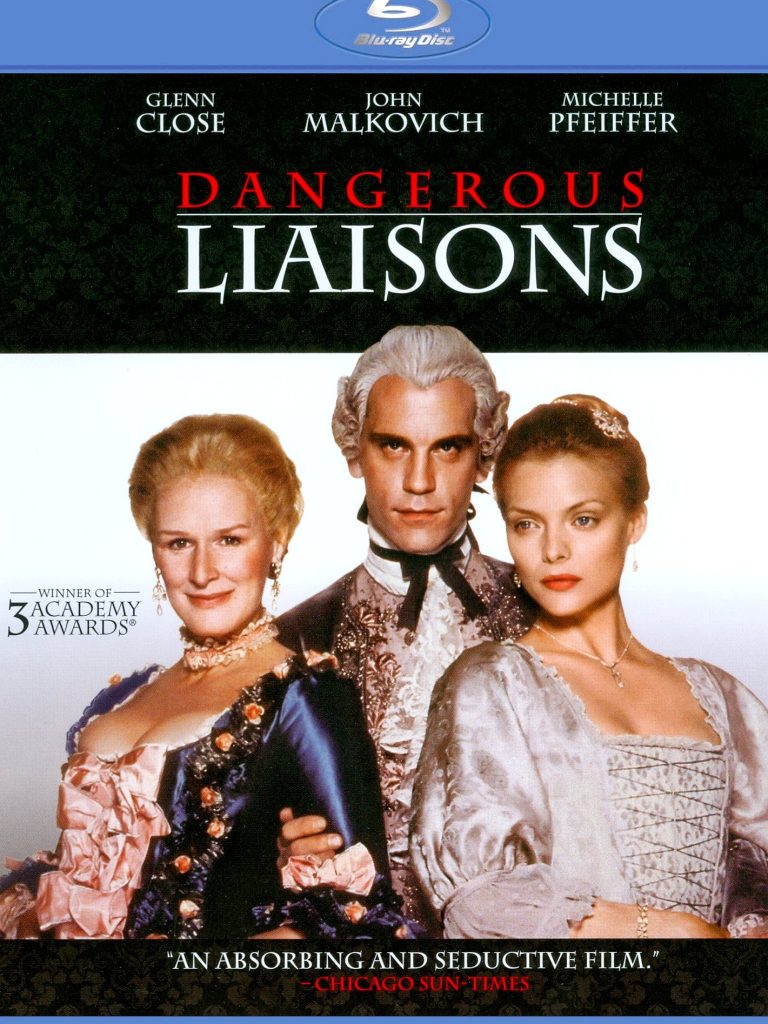
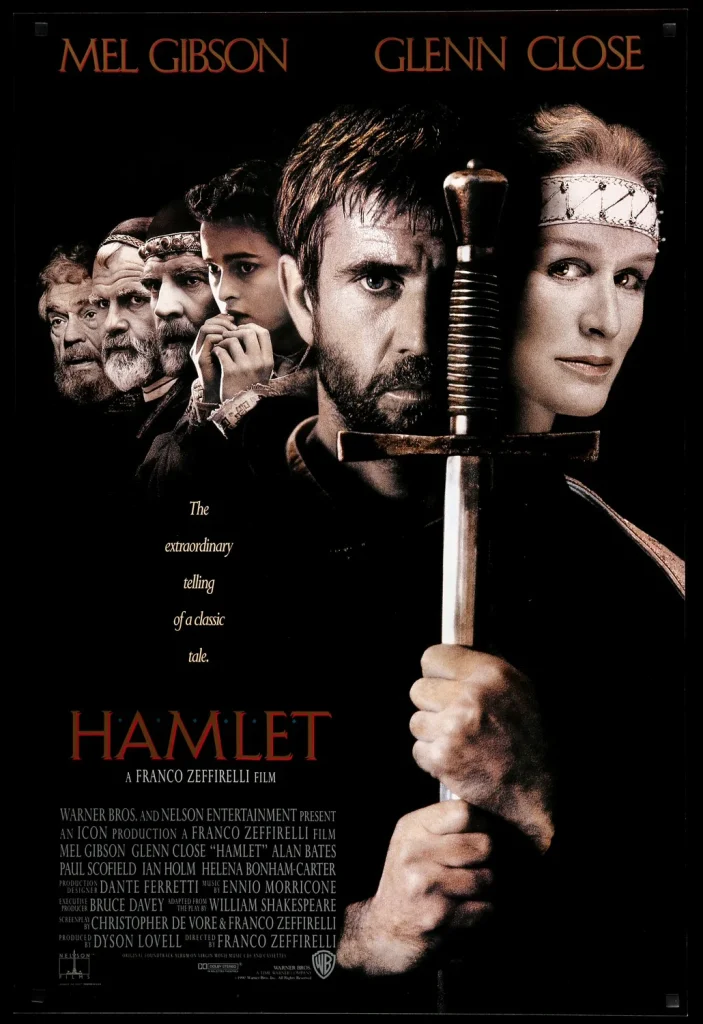
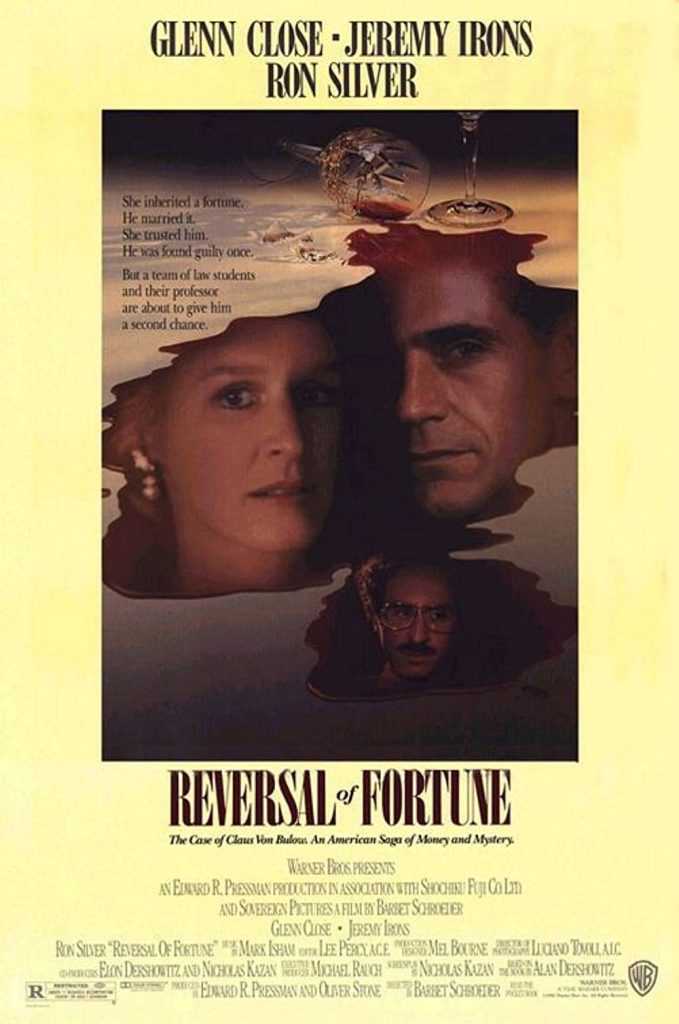
Close followed her “Fatal Attraction” performance as a sexually manipulative aristocrat in the “Dangerous Liaisons” (1988), which again earned her a nomination for Best Actress in a Leading Role. She brought surprising sympathy to the role of the pathetic, frivolous society matron Sunny von Bulow in the darkly humorous “Reversal of Fortune” (1990), then proved rather effective as a youthful Gertrude to Mel Gibson’s mature “Hamlet” (1990). In 1991, Close made her first foray into TV movie-producing with “Sarah, Plain and Tall” (CBS, 1991), a touching drama that depicted Close as a woman who answers a widowed farmer’s newspaper ad for a new wife and mother to his two children. Close earned two Emmy Award nominations; one for Outstanding Lead Actress in a Miniseries or Special; the other, as a producer for Outstanding Drama or Comedy Special and Miniseries. Back on stage, she won her second Tony Award for her performance on Broadway in the politically charged “Death and the Maiden” (1992), though she subsequently lost out to Sigourney Weaver when the play was adapted to film.

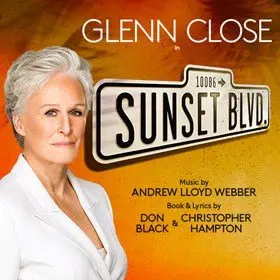
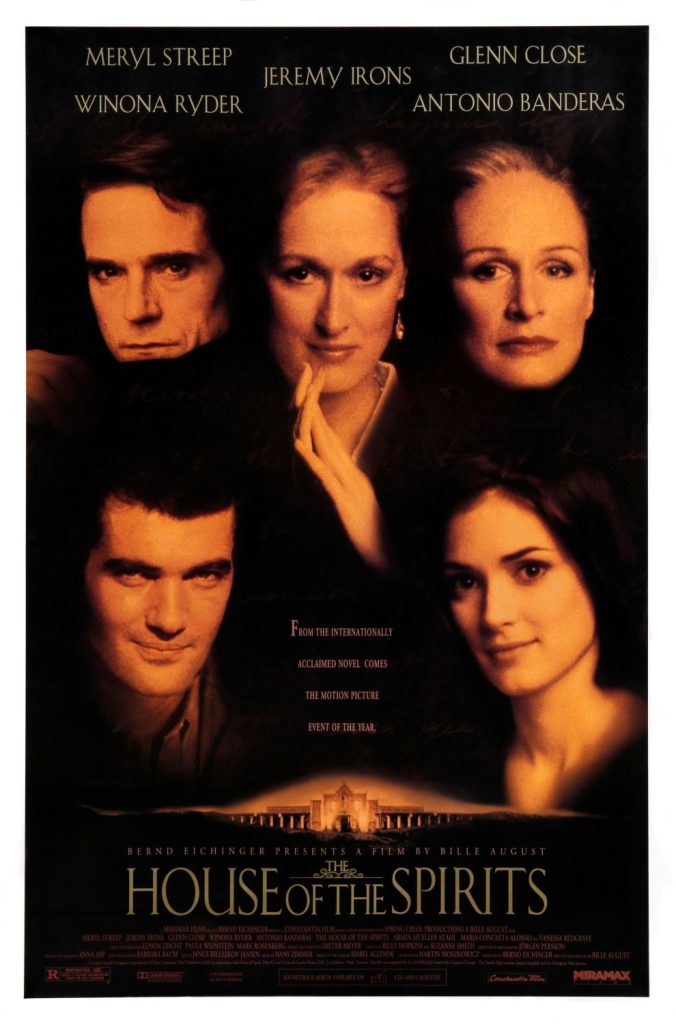
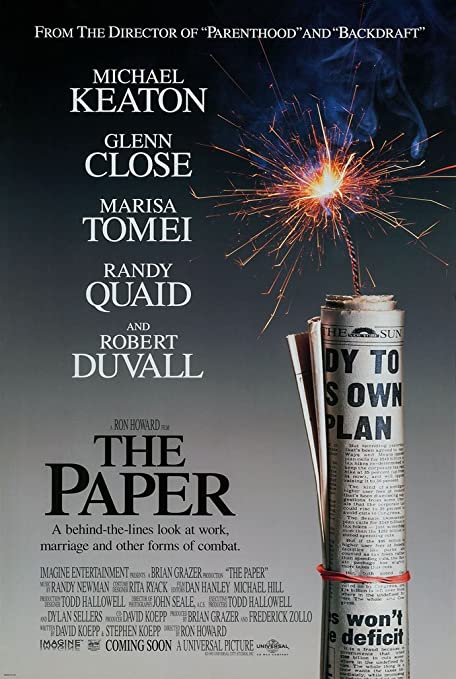
Because of the popularity and success of “Sarah, Plain and Tall,” Close revived her role of replacement wife and mother in “Skylark” (CBS, 1993). On the big screen, Close seemed to be settling into a bit of a rut, starring in “House of the Spirits” (1993), a sweeping melodrama that tried in vain to mimic the sexual tensions of “Dangerous Liaisons” and “Reversal of Fortune.” She bounced back with “The Paper” (1984), playing the power-hungry publisher of a New York City tabloid that is host to an assorted cast of characters, including a beleaguered editor (Michael Keaton) struggling between family and career, an editor (Robert Duvall) with prostate cancer, and an alcoholic columnist (Randy Quaid) who winds up passing out on the couch. Attempting her first leading musical role, Close played silent screen star Norma Desmond in the Andrew Lloyd Webber Broadway musical “Sunset Boulevard.” In reincarnating this larger-than-life character immortalized onscreen by Gloria Swanson in Billy Wilder’s 1950 classic, Close achieved a personal and creative triumph, though not without controversy. Patti LuPone, who originated the role in London, had been slated for the Broadway production. But Close received better reviews for her characterization in Los Angeles, leading to her taking over the New York production. Though some critics found fault with her singing and over-the-top acting, Close nonetheless won her third Tony Award for Best Actress.

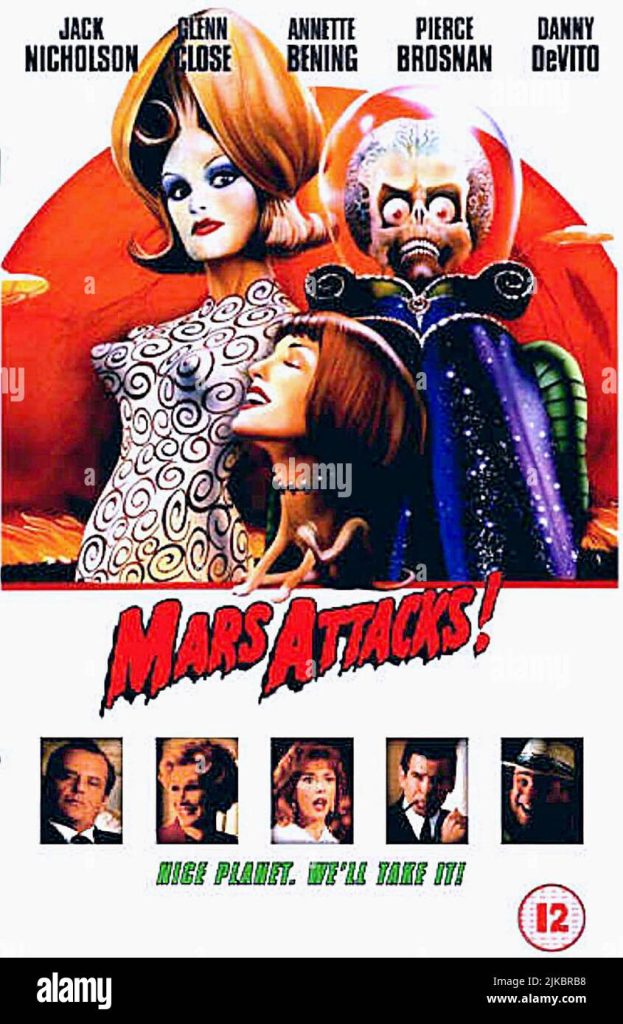
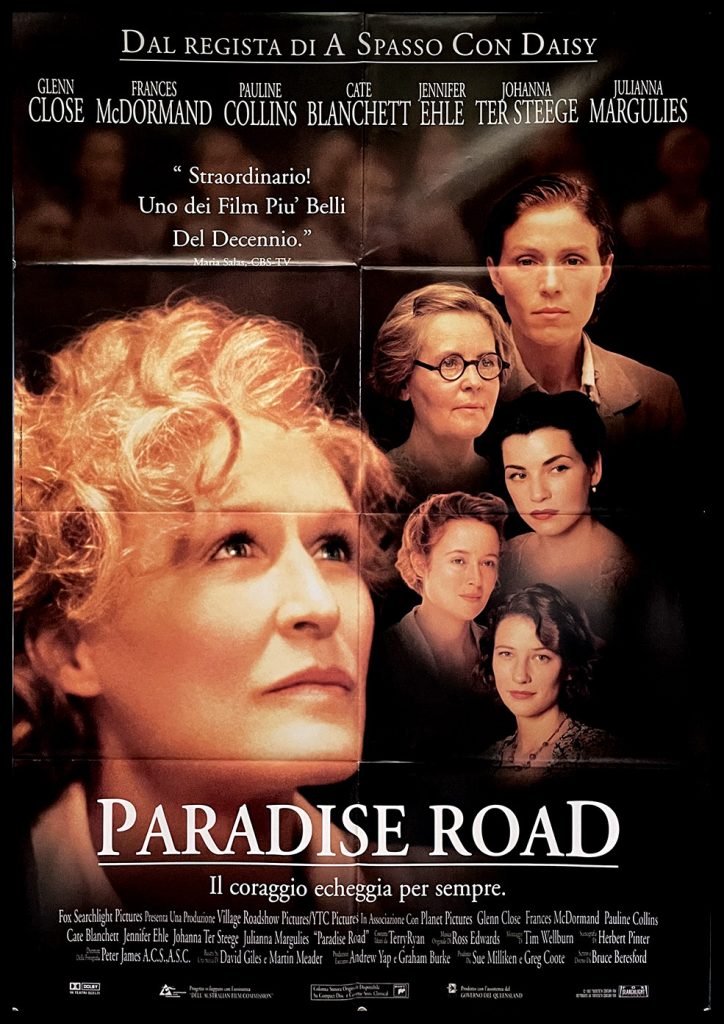
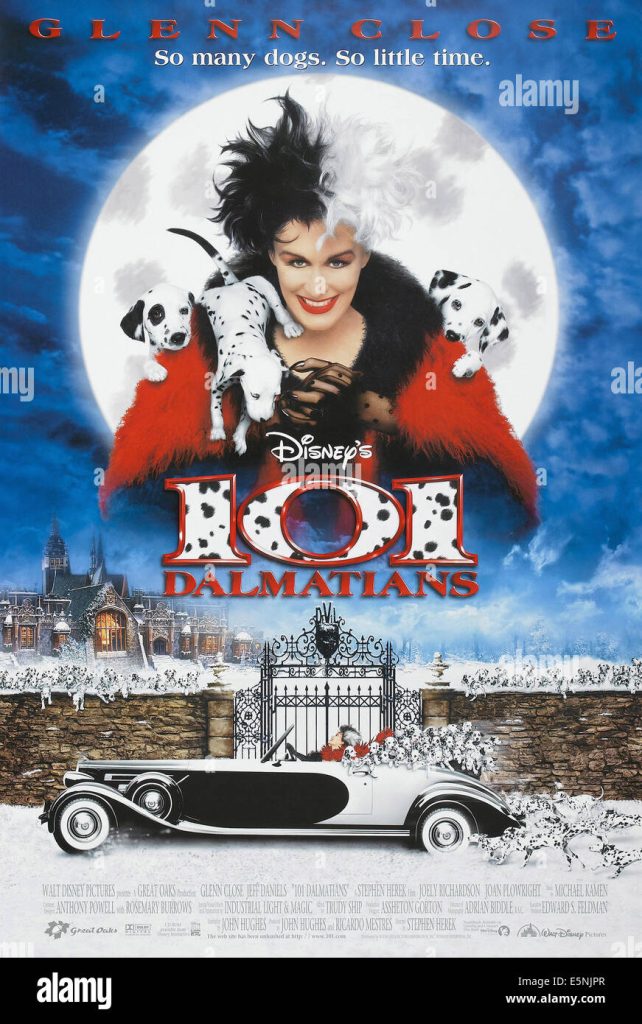
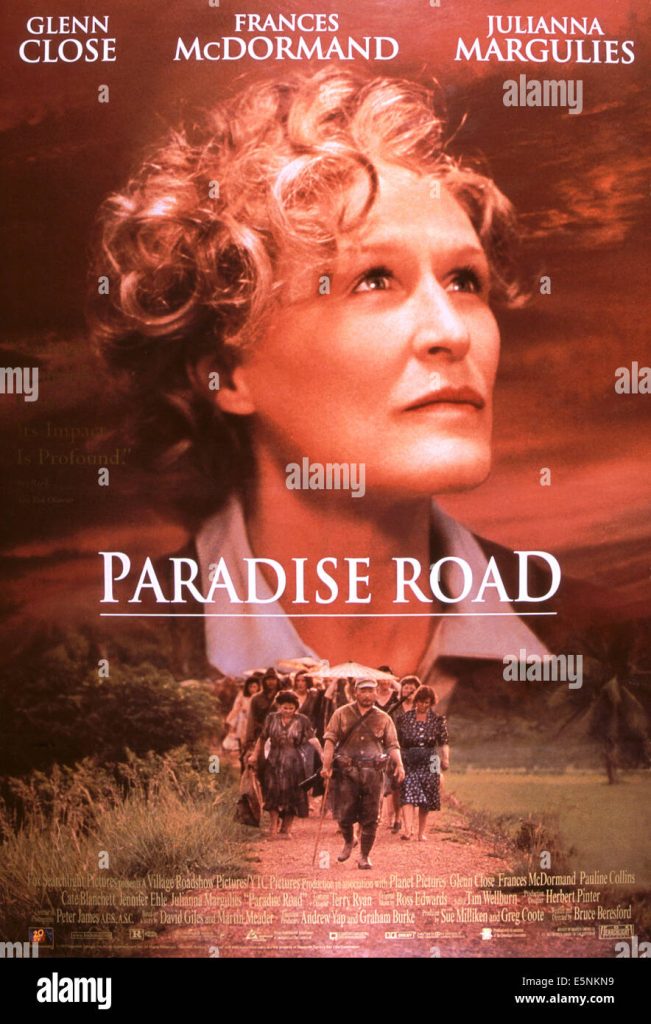
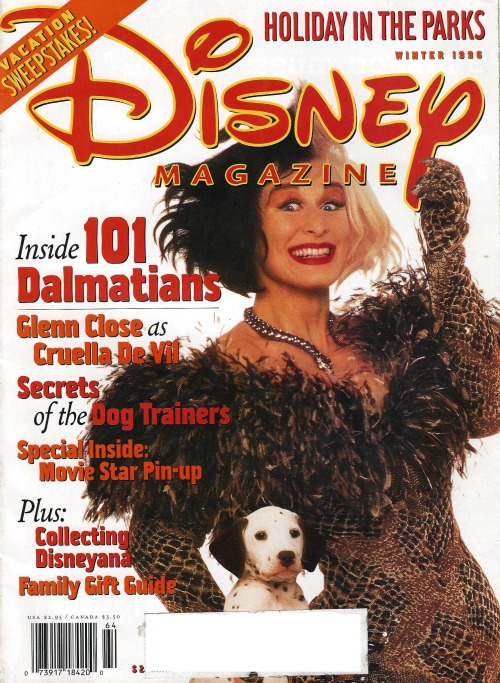
On the heels of her Tony triumph, Close won her first Emmy for her nuanced portrayal of a real-life U.S. Army colonel who disclosed her lesbianism and fought to stay in the military in “Serving in Silence: The Margarethe Cammermeyer Story” (NBC, 1995). Perhaps as a nod to Norma Desmond, Close chewed the scenery as a Nancy Reagan-like first lady in Tim Burton’s ode to 1950s sci-fi B-movies, “Mars Attacks!” (1996). She carried the Desmond vibe over to her depiction of Cruella De Vil in Disney’s live action take on the cartoon classic, “101 Dalmatians” (1996), a role she also reprised in the sequel “102 Dalmatians” (2000). Close delivered an emotional performance as a mother whose AIDS-afflicted son has come home to die in “In the Gloaming” (HBO, 1997), a role that earned her a fifth Emmy Award nomination. After playing a female prisoner of war in “Paradise Road” (1997), she was a U.S. vice president coping with the kidnapping of the president in Wolfgang Petersen’s goofy action thriller, “Air Force One” (1997).

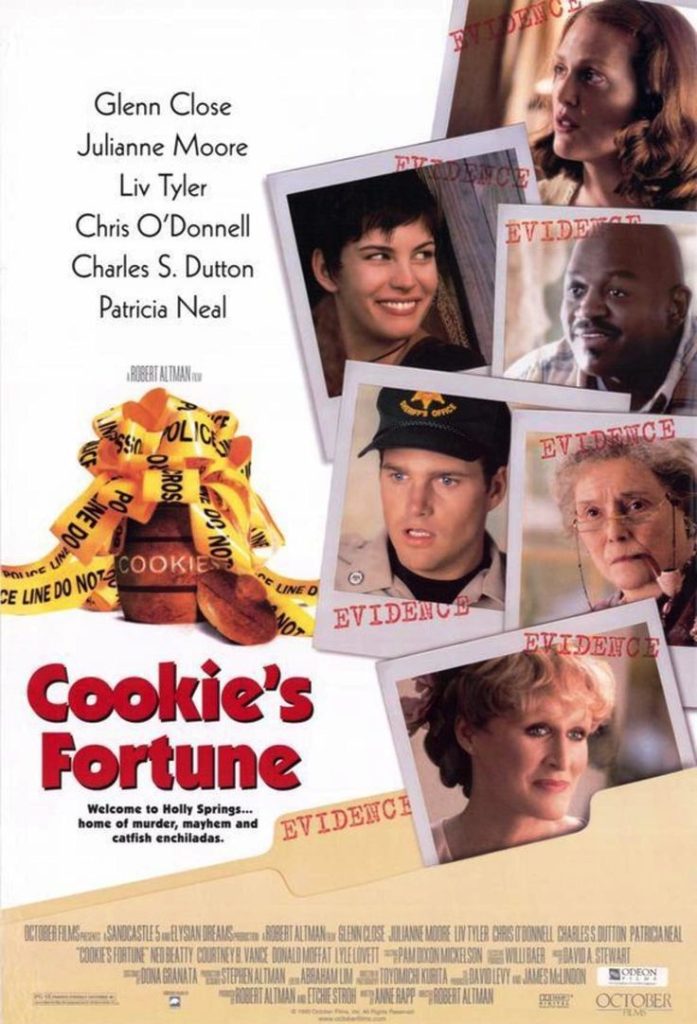
After a third go-round playing a fill-in wife and mother in “Sarah, Plain and Tall: Winter’s Edge” (CBS, 1999), Close further proved her ability for depicting forceful women in Robert Altman’s sunny ensemble comedy “Cookie’s Fortune” (1999), playing the niece of a widowed family matriarch (Patricia Neal) who discovers her body after a suicide and rearranges the death scene to make it look like a murder. In “Things You Can Tell Just by Looking at Her” (2000), Rodrigo Garcia’s engaging anthology of loosely connected stories about five very different women dealing with various life problems, Close played a successful physician in the segment “This is Dr. Keener,” who cares for an ailing mother while contending with her own loneliness. When a remarkably accurate tarot card reader (Calista Flockhart) makes a house call, Dr. Keener begins to assess the true emptiness of her own condition.

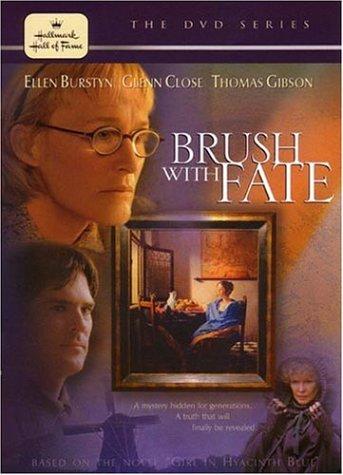
Despite Close’s venerable career as a lead actress, she recognized that major roles were harder to come by for an actress her age. Further retreating into independent and low-budget films seemed to confirm that her time as a top box office draw was at an end. She did, however, experience a rebirth on television, where she once again found challenging roles. In “The Ballad of Lucy Whipple” (CBS, 2001), Close played a widowed mother of three who travels to California during the Gold Rush of 1850 to start a new life, clashing with her spirited 13-year-old daughter who d s not share her mother’s dream. Meanwhile, she tackled the role of Nelly Forbush in an adaptation of the famed musical “South Pacific” (ABC 2001); had a hilariously high camp guest spot as an eccentric photographer on “Will & Grace” (NBC, 1998-2006), which earned her yet another Emmy nod; and starred in “Brush with Fate” (CBS, 2003), an adaptation of Susan Vreelands’ collection of stories that trace the history and ownership of what may be an undiscovered painting by 17th century Dutch painter Jan Vermeer.

Back on the big screen, she essayed a couple of supporting roles, appearing as a dutiful mother obsessively tending to her comatose son in “The Safety of Objects” (2001), then as an American academic in Paris who quietly observes her naive assistant (Kate Hudson) have an affair with a married Frenchman in “Le Divorce” (2003). In 2005, Close tackled a role made famous by Katharine Hepburn, playing Eleanor of Aquitaine in “The Lion in Winter” (Showtime, 2004), the wife of King Henry II (Patrick Stewart) who is newly released from prison after staging a coup. Close earned her first Golden Globe Award for this dynamic portrayal, winning the category of Best Performance by an Actress in a Miniseries or a Motion Picture Made for Television. She also chalked up Best Actress wins at the Screen Actors Guild Awards and the Emmys. Close followed with a part in the ensemble “Strip Search” (HBO, 2004), a look at how crime and punishment had changed in the wake of the Sept. 11, 2001 terrorist attacks.

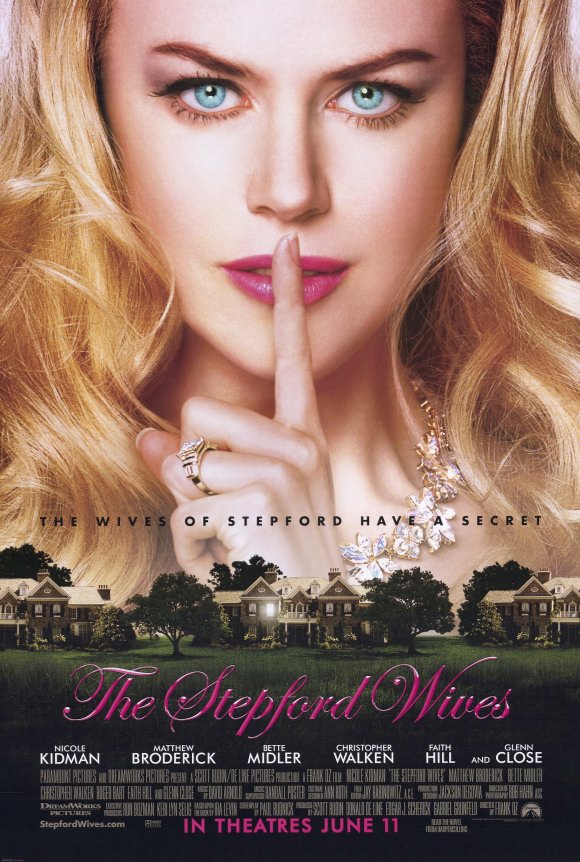
Taking a rare foray into a full-blown comedy, Close grandly hit all the right notes as too-perfect Claire Wellington, the grand dame of the Stepford society of subservient spouses in the otherwise failed satirical remake of the thriller, “The Stepford Wives” (2004). The actress then took on her first regular role in a television series, joining the cast of the gritty crime drama “The Shield” (FX, 2002-08) in its fourth season, playing the shrewd new precinct commander Capt. Monica Rawling, who offered redemption to the series’ antihero Vic Mackey (Michael Chiklis). Producers credited a 30 percent rise in viewers due to her presence, but the actress chose to depart at the conclusion of her first season so she could be closer to her East Coast family. Nonetheless, she earned heaps of critical praise, the admiration of the regular cast, and an Emmy nomination for Outstanding Lead Actress in a Drama Series in 2005. Stepping back into the more comfortable realm of character-driven drama, she appeared in the weighty “Heights” (2005), playing the mother of a New York City photographer (Elizabeth Banks) who begins to rethink her open marriage, while her daughter has second thoughts about her pending nuptials with her lawyer fiancé (James Marsden).

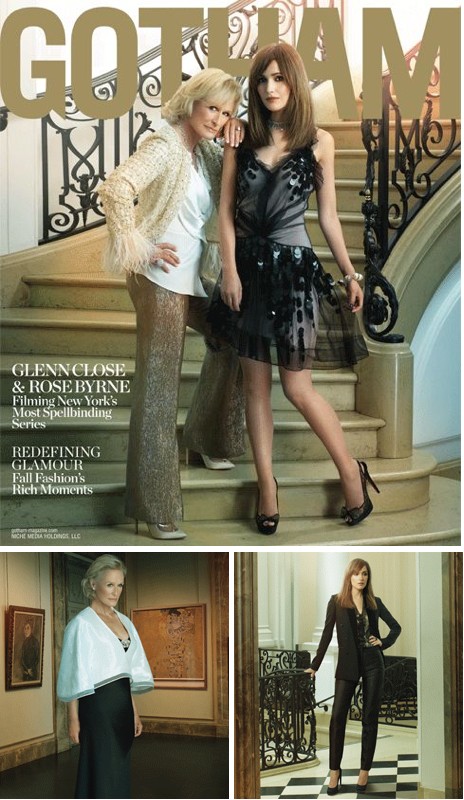
Comfortable shifting from television to film, as she had been throughout most of her career, Close gave a typically strong performance in the ensemble anthology “Nine Lives” (2005), playing a widowed mother whose life has been taken over by her precocious young daughter (Dakota Fanning). After matriarchal supporting roles in “The Chumscrubber” (2005) and “Evening” (2007), Close made a triumphant return to series television with “Damages” (FX, 2007- ), playing the simultaneously revered and reviled Patty Hewes, a high-stakes litigator in New York City who takes on a bright and ambitious protégé (Rose Byrne) during a major class action lawsuit targeting a ruthless corporate CEO (Ted Danson). Hewes shows her protégé exactly what it takes to win at all costs, making it clear that often fortunes – and lives – are at stake. Close’s gritty portrayal earned the actress a Golden Globe Award for Best Performance by an Actress in a Drama and an Emmy for Outstanding Lead Actress in a Drama Series, both in 2008. Close repeated the triumph when she won the Emmy in the same category the following year. While “Damages” found new life on the Audience Network after being let go by FX, Close found the time to return to movies. She starred in Rodrigo García’s indie drama, “Albert Nobbs” (2011), in which she played a 19th century woman who disguises herself as a man to gain employment in poverty-stricken Ireland, only spend the next 30 years growing increasingly confused about her own identity. The role earned Close a Oscar and Independent Spirit Award nominations for Best Actress.

Thed above TCM overview can also be accessed online here.