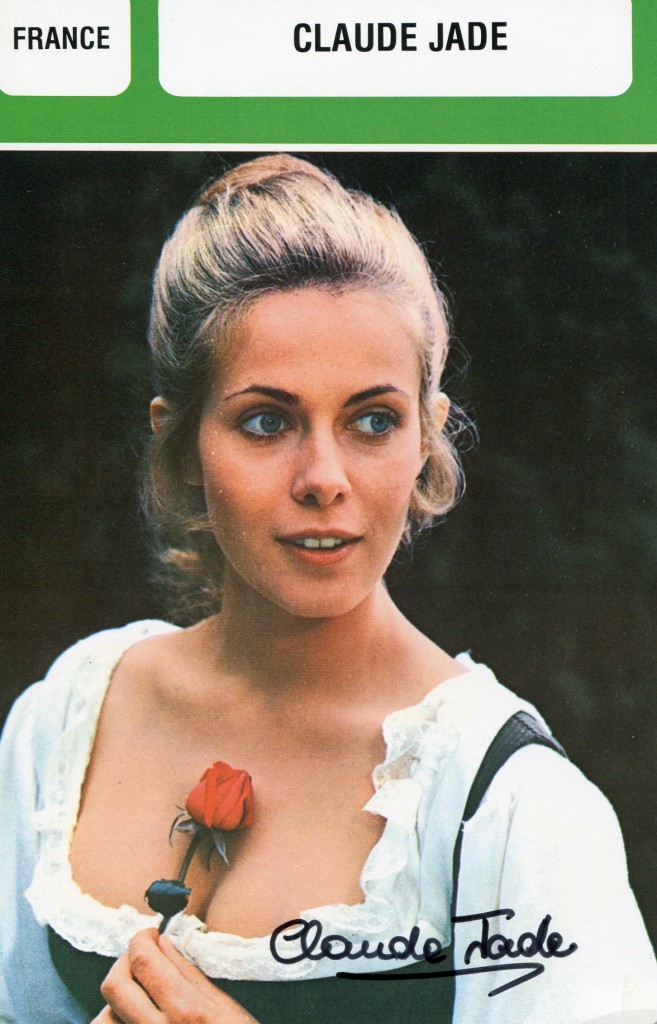
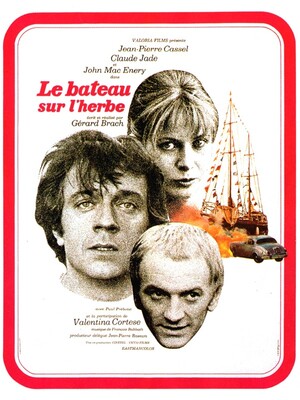
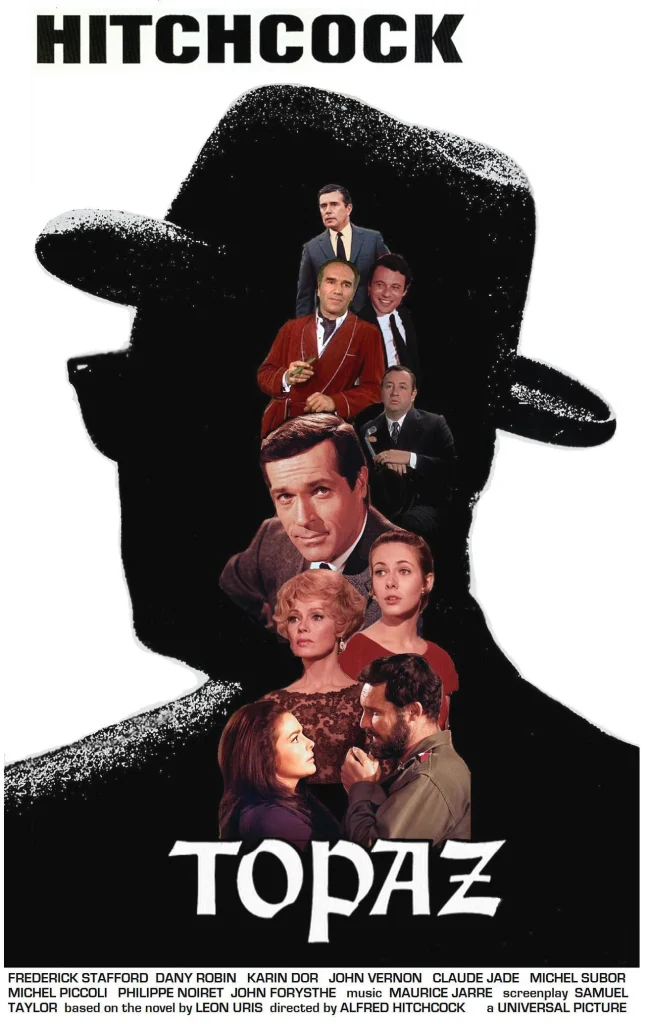
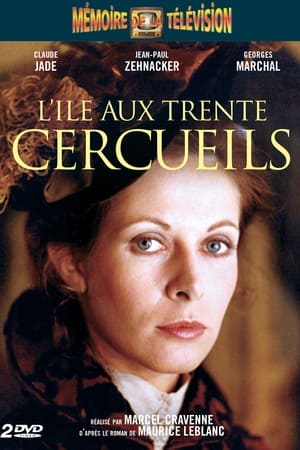
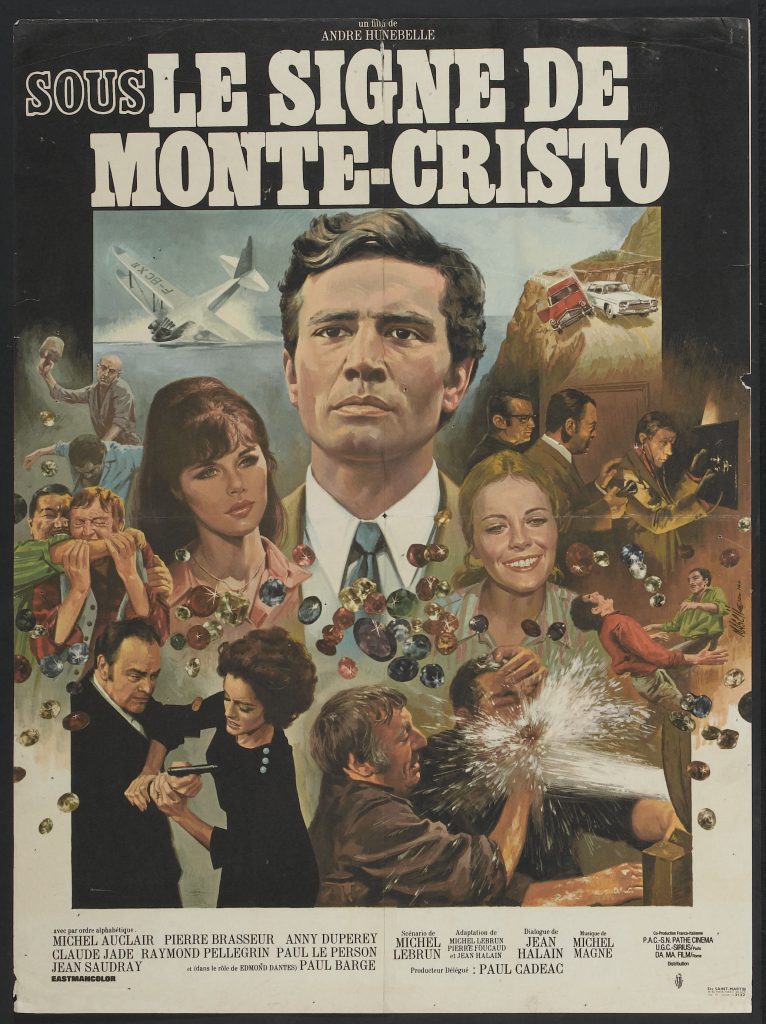
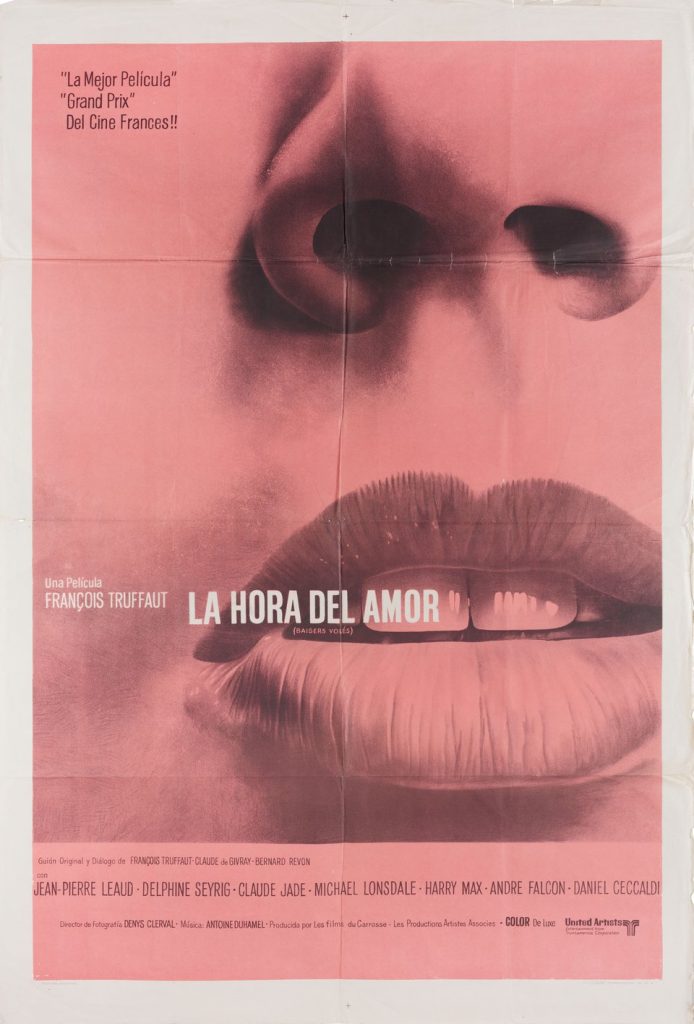
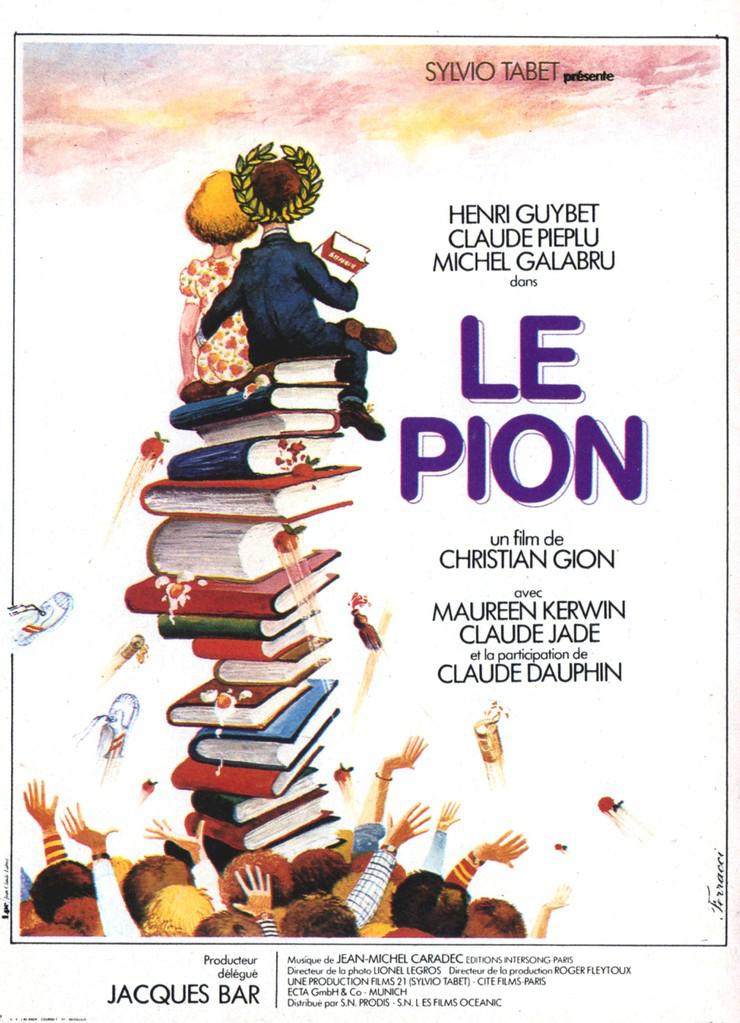
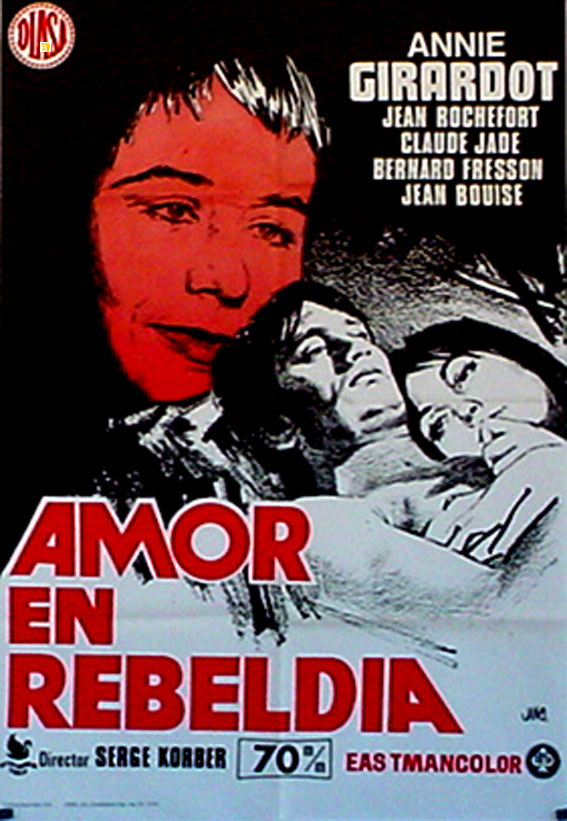
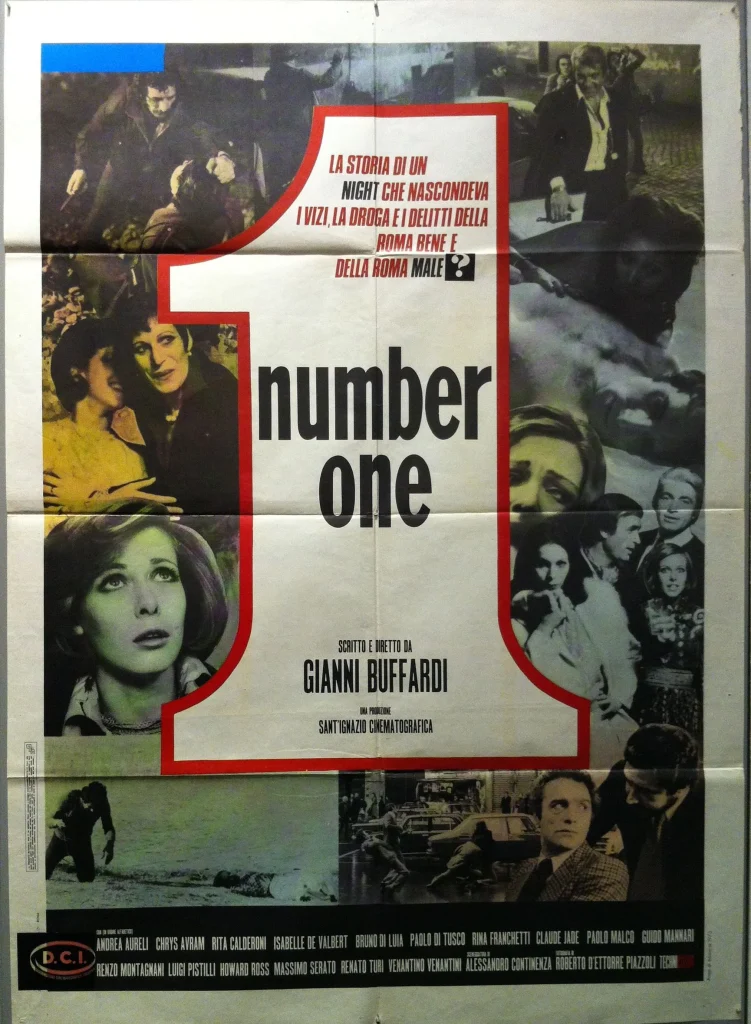
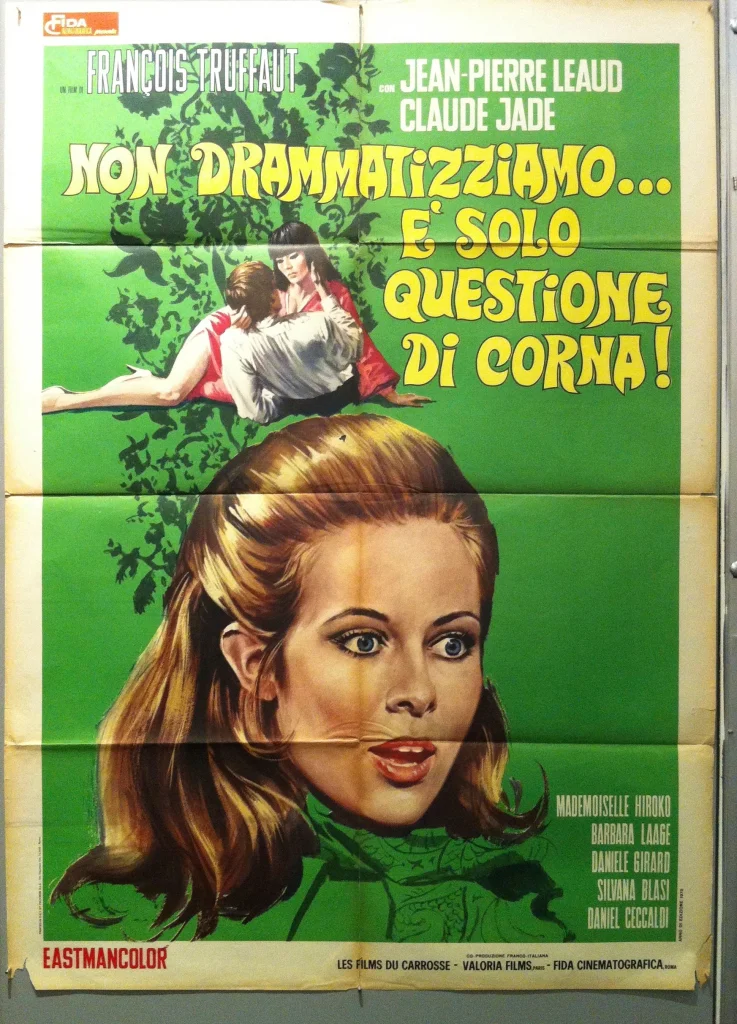
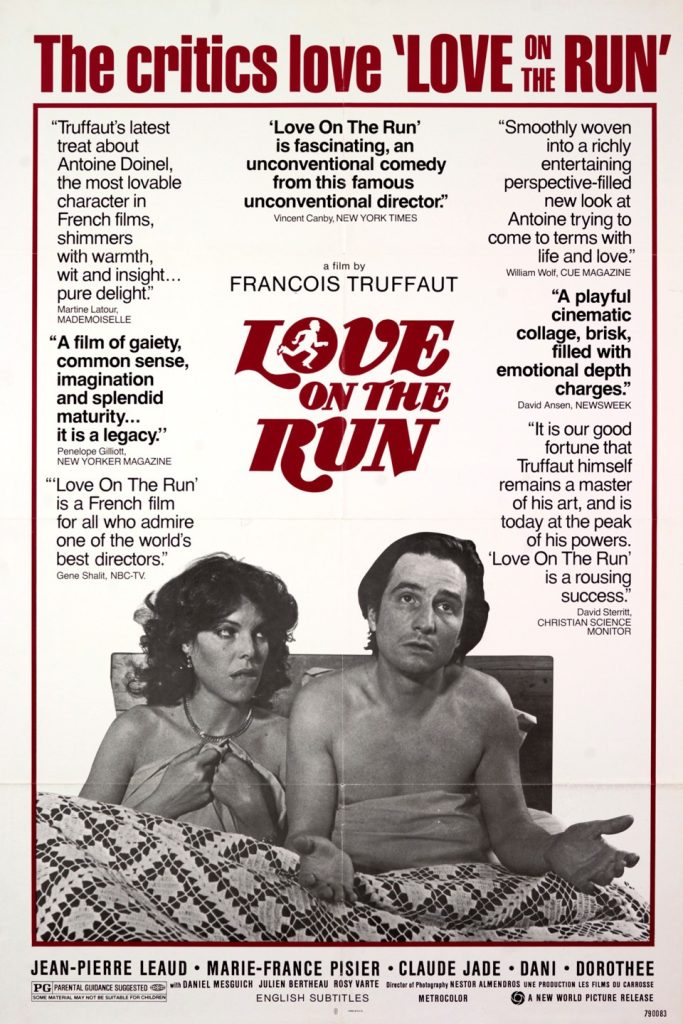
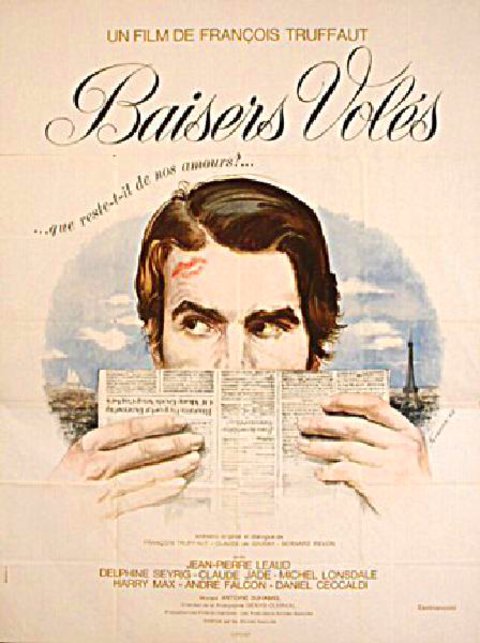
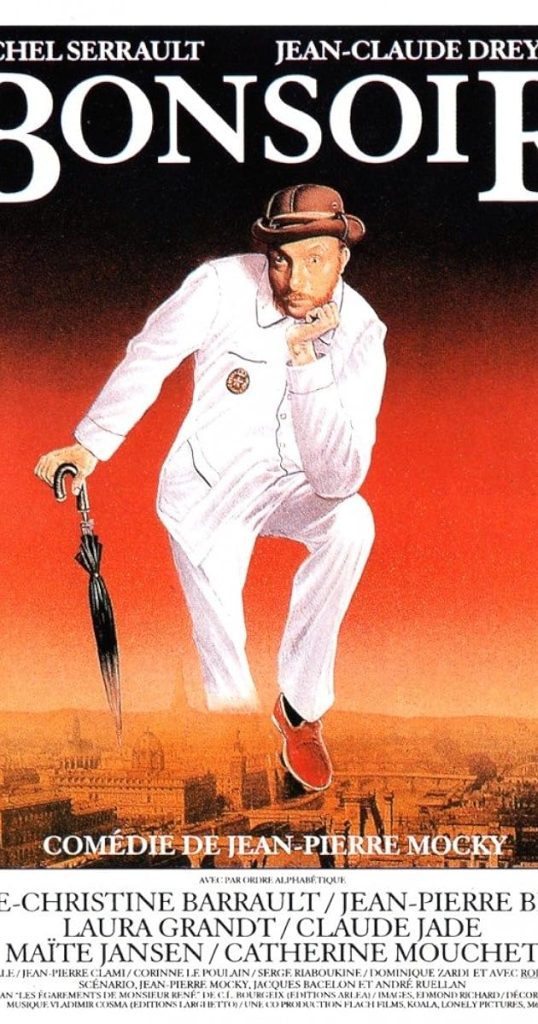
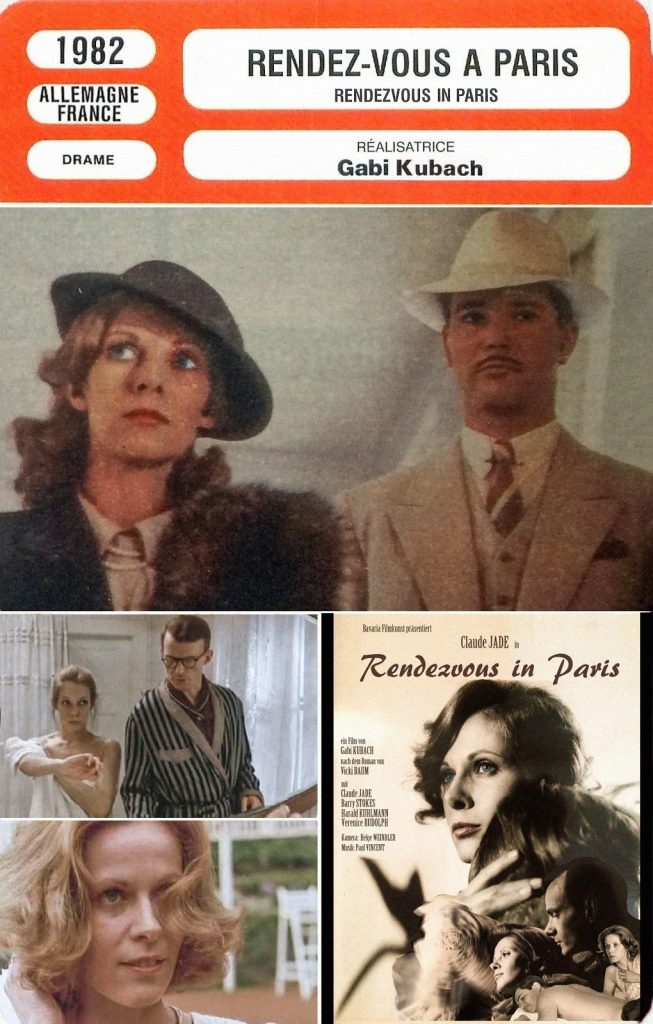
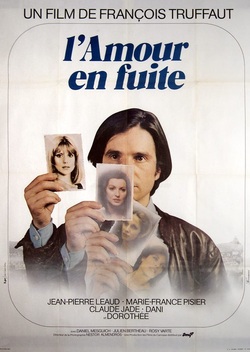
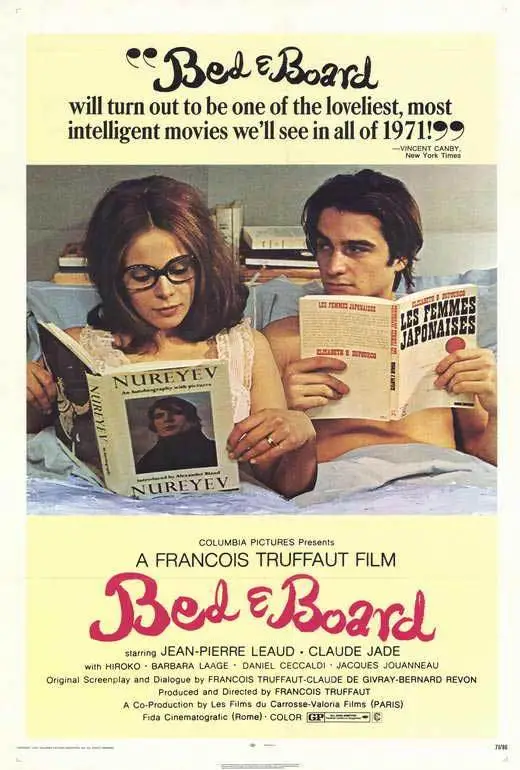
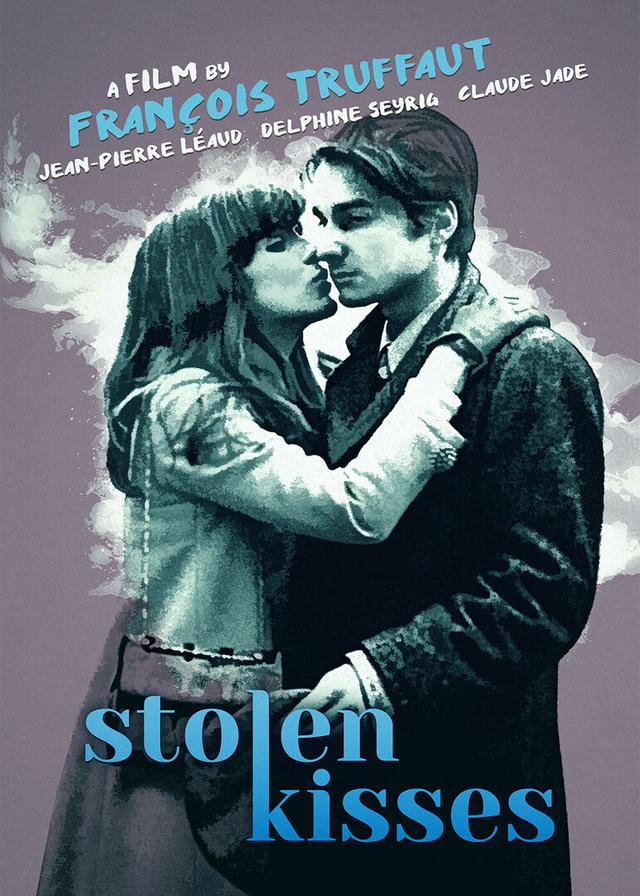
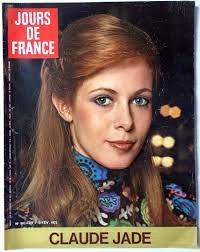
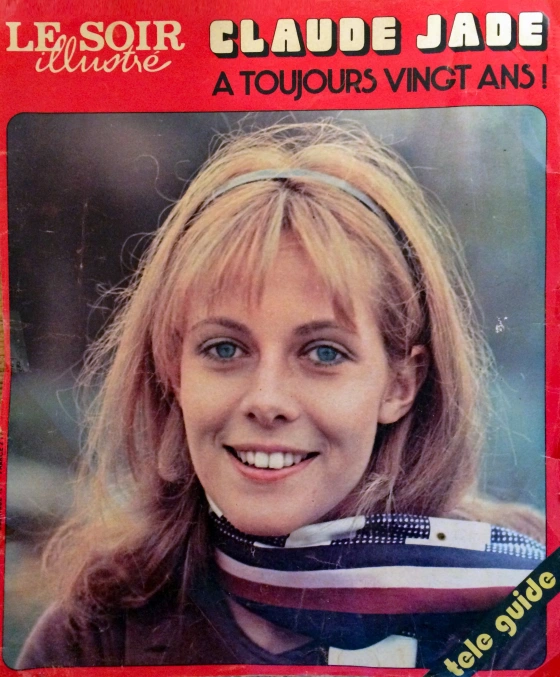
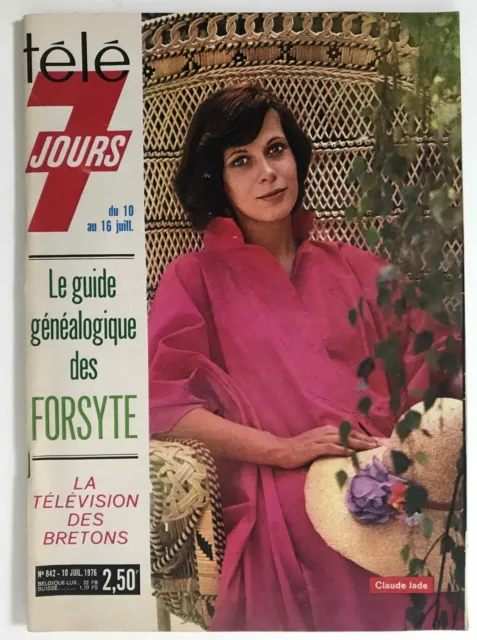
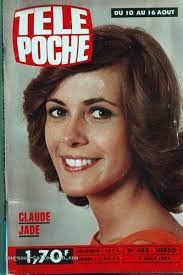
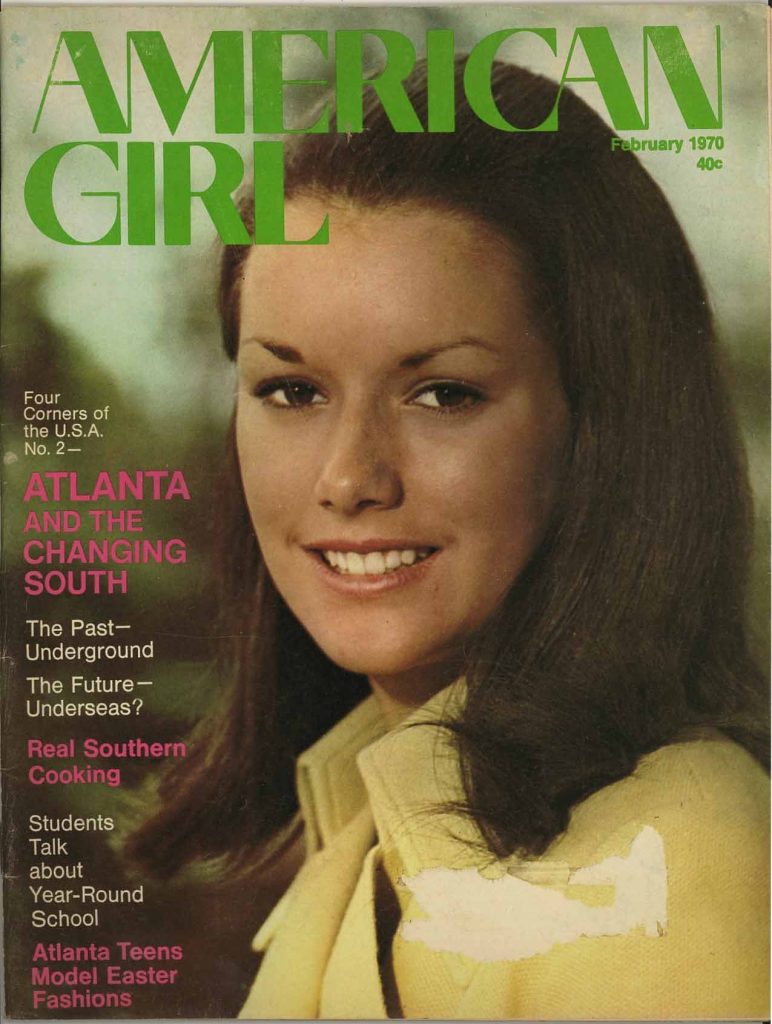
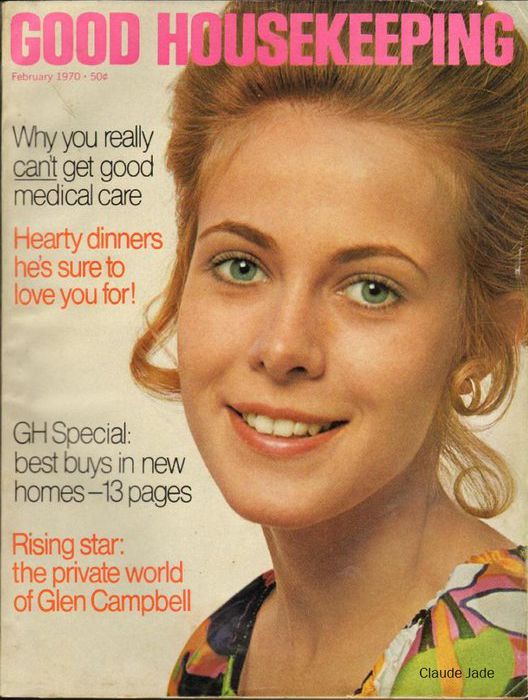
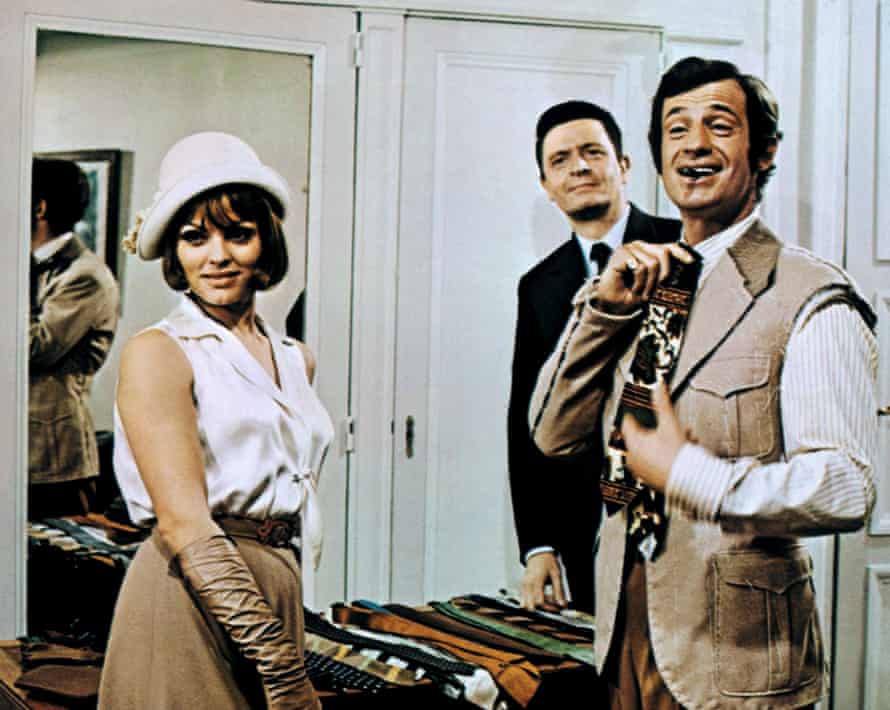
Claude Jade was born in 1948 in Dijon, France. Francois Truffaut cast her in 1968 in “Stolen Kisses” and her career was launched. The following year Alfred Hitchcock cast her in “Topaz”. Her other films include “Bed and Board” in 1970 and in 1979 “Love on the Run”. She died in 2006 at the age of 58.
Her obituary in “The Guardian”:
Claude Jade, the 20-year-old who plays the heroine of the film I’ve recently completed, Stolen Kisses, is eight years younger than Catherine Deneuve, and has something of Grace Kelly-Joan Fontaine about her,’ wrote François Truffaut in a letter to Alfred Hitchcock on July 4 1968, recommending his young discovery for a role in Topaz (1969). Thanks to Truffaut, Jade, who has died of cancer aged 58, did get a leading role in that film, and went on to have a distinguished career on stage and screen. Above all, Jade will be remembered for the three films she made for Truffaut, part of his bittersweet semi-autobiographical cycle, following the romantic adventures of Antoine Doinel (Jean-Pierre Léaud) from the ages of 12 to 30.
When Truffaut saw Jade as Frida in Sacha Pitoeff’s production of Luigi Pirandello’s Henry IV at the Theatre Moderne, he was “completely taken by her beauty, her manners, her kindness, and her joie de vivre,” and cast her as Christine Darbon, the violin student Antoine would court, marry and divorce but always love. Truffaut fell in love with her, and there was talk of marriage.
The director’s love shines through his alter-ego Doinel in Stolen Kisses (1968), Bed and Board (Domicile Conjugal, 1970) and Love on the Run (1978), as Christine puts up with Antoine’s foibles and affairs, patiently waiting for him to face up to the adult consequences of being a husband and father. Memorable scenes pass through the mind like a montage: her teaching Antoine the best way to butter toast in the morning, their writing each other little notes, his calling her “my little mother, my little sister, my little daughter” in a taxi, and she replying she would rather be his wife; her attempts to guess Antoine’s latest job, amusingly suggesting cab driver or water taster, her reaction when Antoine hangs a scissors on her ring finger, his affectionate response to her wearing glasses in bed, the medium tracking shot of her legs as she stops at a shop for tangerines then heads up the stairs, as one of the neighbourhood men longingly admires them.
Born Claude Marcelle Jorré in Dijon, the daughter of university professors, she spent three years at the Dijon Conservatory of Dramatic Art, winning the prix de comédie for her performance as Agnès in Molière’s School of Wives. In 1967, she moved to Paris and studied under Jean-Laurent Cochet and Mary Marquet, in a class with Gérard Depardieu. It was not long before she was discovered by Truffaut.
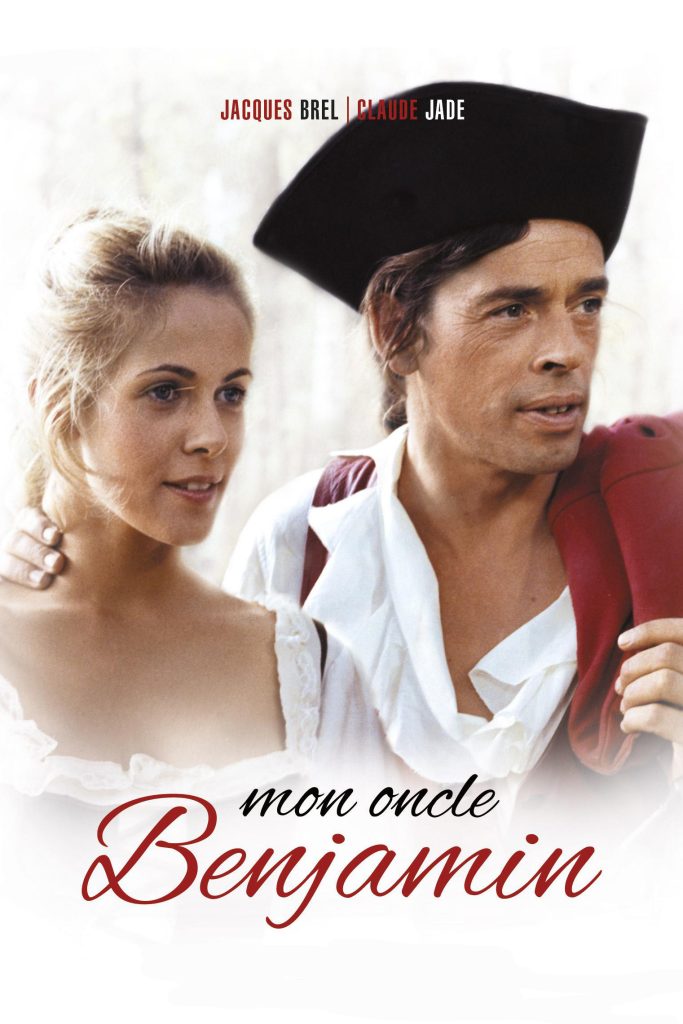
By 1969, Jade was playing Helena in Jean-Christophe Averty’s A Midsummer Night’s Dream on television; was the spirited lover of Jacques Brel in Eduard Molinaro’s 18th-century romp My Uncle Benjamin; and she also appeared as a French secret agent’s anxious daughter in Topaz, one of Hitchcock’s weakest efforts. Some of her best scenes were edited out when the film was released (they have been restored in the director’s cut). At the same time filming of Tony Richardson’s Nijinsky, with Rudolf Nureyev in the title role and Jade as his wife Romola, was cancelled by producers Albert R Broccoli and Harry Saltzman.
But Jade was kept fairly active mostly on television (notably in the series The Island of 30 Coffins), and in minor French films in the 1970s. At the same time, she was a member of Jean Meyer’s theatre company in Lyons, appearing in plays by Jean Giraudoux (La guerre de Troie n’aura pas lieu [The Trojan War Will Not Take Place] and Intermezzo), Henry de Montherlant (Port Royal), James Joyce (The Exiles) and Jean Racine (Britannicus).
In 1980, she moved to the Soviet Union with her French diplomat husband Bernard Coste, whom she had married in 1972 to Truffaut’s chagrin. In Moscow, she played the Bolshevik Inessa Armand in Sergei Yutkevich’s Lenin In Paris (1980), though it was not possible to show Lenin in love with her, and starred in Tegeran-43 (1981), a spy thriller with Alain Delon among an international cast. On her return to France, Jade appeared in a number of television series and the odd film, such as Jean-Pierre Mocky’s Bon Soir (1992) in the role of a shy lesbian.
In 1998, Jade became a chevalier de la légion d’honneur, and in 2004, published her autobiography Flying Kisses (Baisers envolés). Her last stage role was in Jacques Rampal’s Celimene and the Cardinal, performed in Paris and at festivals this summer. Suffering cancer of the liver, which had spread, she wore a plastic eye for her performances. She is survived by her son.
· Claude Jade (Claude Marcelle Jorré), actor, born October 8 1948; died December 1 2006
he above “Independent” by Ronald Bergan obituary can also be accessed online here.
Mario Adorf was born in Zurich, Switzerland. He made his film debut in 1954 in “08/15”. He has made many fims on the European continent with very occasional forays into international film including “Station Six-Sahara” with Carroll Baker in 1962 and three years later “Major Dundee” with Charlton Heston and Richard Harris.
IMDB entry:
Mario Adorf, a tell-tale name indeed. Mario calls to mind the actor’s Italian roots (his father was a Calabrian surgeon) whereas Adorf reveals his German origins (his mother was a radiologist from German-speaking Alsace). As for the full name Mario Adorf it echoes to perfection the international character of this living legend’s long career. Born in 1930, Mario Adorf was still studying drama at the famous Otto Falkenberg School in Munich when he landed his first role in the first installment of the “O8/15” series in 1954. It was a small part but it didn’t go unnoticed and got him new roles in German films, the most remarkable of which being that of Bruno Lüdke, the mentally retarded serial killer in Robert Siodmak’s 1957 masterpiece “Nachts, wenn der Teufel kam”. It earned him his first prize (the German Film Award of the outstanding young actor of 1958). After this Mario Adorf’s career turned international. His Mediterranean looks, his rugged face, his dark oily frizzy hair and his volubility made him an ideal villain in European-made westerns, spy or mafia films. These flicks – made in the 1960s – were mostly just commercial and Adorf hammed his parts but he did it so brilliantly that he alone made them watchable. From the 1970s on, the quality of his films improved and Adorf could lend his remarkable acting talents to more ambitious works such as “Il Delitto Matteotti”, in which he was a striking Mussolini, or “Die Blechtrommel”, where he was terrifying as a boorish grocer contaminated by Nazism. The list of great directors he worked with is impressive: Robert Siodmak, Volker Schlöndorff, Wolgang Staudte, Michel Deville, Dino Risi, Mikhaïl Kalatozov, Luigi Comencini, Peter Fleischmann, Billy Wilder, John Frankenheimer, Claude Chabrol, Fassbinder… Likewise he served many a great author, either in the theatre (Shakespeare, Tennessee Williams, Richard Nash) or the big or small screen (Grass, Böll, Schnitzler, Heny Miller, Joseph Conrad, Gorky, Patrick Süskind…). He also sang and wrote books (five novels and one memoir). Hyperactive for more than fifty-five years now, Mario Adorf, still in fine form at the age of seventy-eight, is still … hyperactive!
Sami Frey was born in 1937 in Paris. He made his film debut in 1956 with “Pardonnez nos offenses”. His other films include “Cesar et Rosalie” with Romy Schneider in 1972 and “Black Widow” in 1987. His most recent film “Mensch” was released in 2009.
TCM Overview:
A handsome dark-haired French actor, Sami Frey began his career as a teen actor on stage and in features. His screen profile increased in tandem with the rise of the French New Wave and he enjoyed early success in Agnes Varda’s “Cleo From 5 to 7/Cleo de 5 a 7” (1962) and Jean-Luc Godard’s “Bande a Part/Band of Outsiders” (1964). A prolific actor with more than 50 films to his credit, Frey often was cast as the eccentric. During his long career, he worked for some of the leading filmmakers including Jean-Paul Rappeneau (“Les Marie de l’an II” 1971), Marguerite Duras (“Jaune le soleil” 1972) and Colinne Serreau (“Pourquoi Pas!” 1978). In 1984, Frey made his American film debut as the target for Diane Keaton’s “The Little Drummer Girl”. Bob Rafelson tapped him to play a suave entrepreneur whom both Debra Winger and Theresa Russell find attractive in the noirish “Black Widow” (1987). The actor also was impressive in a pivotal role as a French Zionist in the epic ABC miniseries “War and Remembrance” (1988). Frey has continued to appear onstage in France and more recently earned critical praise for his portrayal of poet Antonin Artaud in “My Life and Times with Antonin Artaud” (1993; released in the USA in 1995) and as a knight banished from court who finds romance with a peasant in “L’Amour Conjugal/Conjugal Love” (1995).
The TCM overview can be accessed also online here.
‘New blood, new looks, new vitality, new fluidum, new eroticism, new normality for that malady-ridden strain of to-day’s neurotic actors’ – Marlene Dietrich’s ‘ABC’ under B for Belmondo. – David Shipman in “The Great Movie Stars – The International Years”. (1972)
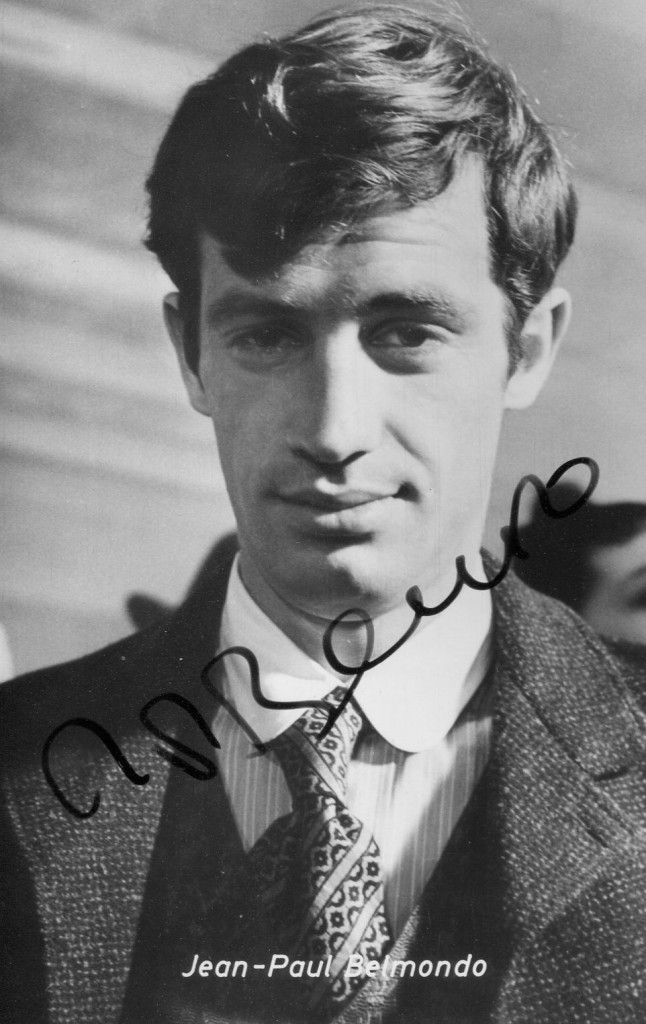
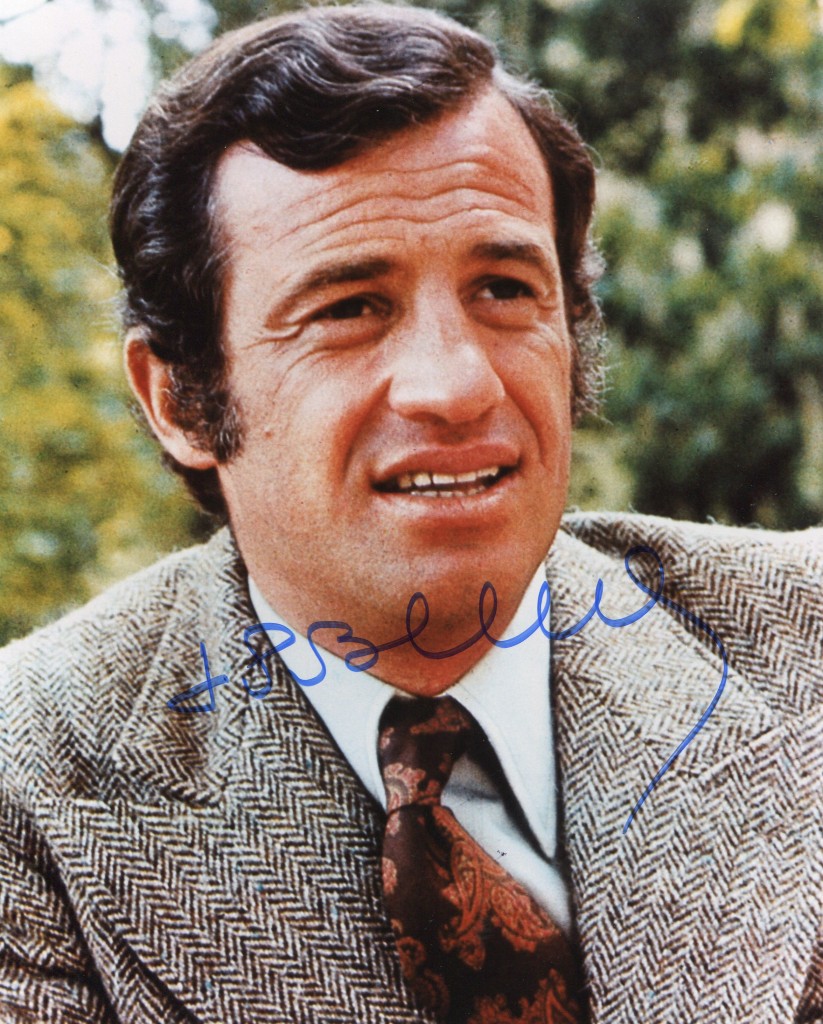
Jean-Paul Belmondo was born near Paris in 1933. In his youth he was a boxer and a footballer. In 1960 he had a huge success in French cinema with his performance in “Breathless” with Jean Seberg. He went on to make “Leon Morin, Priest” and “That Man From Rio”. In 1970 he starred with Alain Delon in “Borsalino”. He has acted also on the stage.
TCM Overview:
For generations of French filmgoers and lovers of international cinema, few actors defined the Gallic male on screen more succinctly than Jean-Paul Belmondo. Though rugged and unconventionally handsome, Belmondo’s innate charm and physicality captured the world’s attention with his turn as a doomed small-time crook in Jean-Luc Godard’s “Breathless” (1960), one of the vanguards of the French New Wave. The film’s global popularity minted him as an icon of cinematic cool, an image he would underscore for the next four decades in arthouse-minded projects like Godard’s “Pierrot le Fou” (1965) and Francois Truffaut’s “Mississippi Mermaid” (1969). At the same time, he proved himself as a capable and highly athletic action star, often providing his own daring stunts in “That Man from Rio” (1964), “Borsalino” (1970) and “The Professional” (1981). He returned to stage work and more sedate fare in the late 1980s and ’90s, earning a Cesar for “Itinéraire d’un enfant gâté” (1988) and high praise for a modern-day take on “Les Misérables” (1995) before suffering a paralyzing stroke. Though physically limited, he returned to features in 2008 for the melancholy “A Man and His Dog” (2008). Though no longer the robust, roguish figure of his youth, Belmondo’s inherent strength and spirit remained intact, providing an inspiring reminder of why he remained a French national treasure for nearly half a century.
Born April 9, 1933 in the Parisian suburb of Neuilly-sur-Seine, Jean-Paul Belmondo was the son of sculptor Paul Belmondo. A poor student, he channeled his energies into boxing and football, but by his twenties, decided that acting would be his true calling. He was reluctantly accepted at the Paris Conservatory, whose educators felt that his prospects as a professional actor were slim. Belmondo would spend much of the 1950s in theater before making his screen debut in the 1957 comedy “A pied, a cheval et en voiture” (“On Foot, On Horse and By Carriage”). He eventually worked his way up to starring roles with “Sois Belle et Tais-Toi” (“Be Beautiful But Shut Up”) (1957), a crime picture co-starring another up-and-coming leading man, Alain Delon. Belmondo’s breakthrough coincided with the rise of the French New Wave cinema. His young, reckless but romantic thief in Jean-Luc Godard’s “A bout de soufflé” (“Breathless”) (1960) epitomized the movement’s rejection of old standards of storytelling and characterization. The film’s popularity among young moviegoers on both sides of the Atlantic helped to make Belmondo an international star with the same cultural impact as James Dean or Marlon Brando, with young men adopting his casual slouch and rough-hewn charm.
Belmondo soon became the actor of choice for other New Wave directors, playing daring, forward-thinking young men who challenged the establishment in Vittorio De Sica’s “Two Women” (1960) and Jean-Pierre Melville’s “Léon Morin, Priest” (1961), which earned him a BAFTA nomination as a young priest who inspired both faith and emotion in Emmanuelle Riva’s disillusioned war widow. He would also reunite twice with Godard, first for the musical comedy tribute “A Woman is a Woman” (1961) and later, as the lead in his postmodern, genre-bending “Pierrot le Fou” (1965). At the same time, Belmondo was finding great success as the athletic hero of mainstream features like the period swashbuckler “Cartouche” (1962) with Claudia Cardinale and Philippe De Broca’s action-thriller “That Man from Rio” (1964). These films, along with the comedy-romance “La chasse à l’homme” (“Male Hunt”) (1964) with sisters Catherine Deneueve and Francoise Dorleac, soon replaced arthouse fare as Belmondo’s projects of choice. Belmondo also served as president of the French actors’ union in 1963, the same year he published his autobiography, 30 Years and 25 Films.
Belmondo soon settled into a string of energetic action features like “Les tribulations d’un Chinois en Chine” (“Up to His Ears”) (1965), many of which were produced through his own company, Cerito. There were occasional forays into English-language filmmaking, like “Is Paris Burning?” (1966), in which he and other young lions of French cinema like Delon and Jean-Pierre Cassel played leaders of the French Resistance, and a cameo in the overblown “Casino Royale” (1967). But Belmondo remained resolutely faithful to French cinema, and continued to divide his time between popular entertainment like the caper film “The Brain” (1968) and “Borsalino” (1971) with Delon, and collaborations with New Wave mainstays like Louis Malle with “The Thief of Paris” (1967), Francois Truffaut with “Mississippi Mermaid” (1969) and Claude Chabrol with “Docteur Popaul” (“High Heels”) (1972).
Alain Resnais’ “Stavisky” (1974) earned Belmondo some of the best reviews of his career as the real-life embezzler whose elaborate surety scheme unseated Prime Minister Camille Chautemps in the 1930s. But its failure at the box office seemed to sour the actor on arthouse projects, so he devoted himself to action and crime thrillers for much of the next two decades. He began a profitable collaboration with director Georges Lautner as the anti-hero of such action-packed films as “Flic ou Voyou” (“Cop or Hood”) (1979) and “The Professional” (1981), which frequently featured Belmondo performing his own stunts. In the late ’80s, with his status as an action star on the wane due to age, Belmondo returned to the stage, and soon divided his time between popular tours in Cyrano de Bergerac, among other productions, and more arthouse-minded film projects. In 1988, he won the Cesar as a wealthy man who staged his own death in Claude Lelouch’s “Itinéraire d’un enfant gâté” (1988).
Belmondo continued to work well into the 1990s, most notably in Lelouch’s “Les Misérables” (1995) as the film’s modern-day Jean Valjean figure. He spent much the decade reaping national rewards for his body of work, including appointment as Officer of the Legion of Honor in 1991 and Commander of the National Order of Merit in 1994. In 2001, he suffered a debilitating stroke that left him partially paralyzed. Belmondo spent the next seven years recuperating, but returned in 2008 for “A Man and His Dog” (2008), a semi-remake of De Sica’s “Umberto D.” (1952) with Belmondo as an aging, debilitated pensioner who was cast out by his landlady lover after she decided to marry another man. The film generated controversy in the European press, with critics alternately praising Belmondo’s courageous performance or condemning the film for showing a national icon in such an unkind light.
By Paul Gaita
This TCM overview can also be accessed online here.
Jean-Paul Belmondo died aged 88 in September 2021.
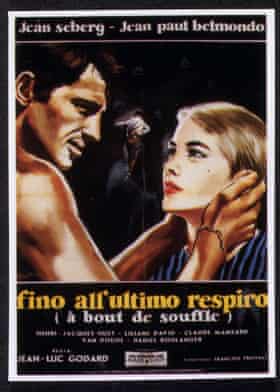
What struck one immediately were the thick, sprawling lips – on to which was stuck a Gauloise – the broken nose, and the sunglasses, suit, tie and hat worn as a homage to the great US gangster prototypes, especially Humphrey Bogart. At one stage, Poiccard looks at a film poster, runs his fingers over his lips and sighs: “Bogie.”
Despite the tough exterior, Belmondo gave the impression of fragility, with his pale, delicate skin and soft voice. The New York Times reviewer found him “hypnotically ugly” and “the most effective cigarette-mouther and thumb-to-lips rubber since time began”.
An Italian poster for Breathless (À Bout de Souffle, 1960).Photograph: Snap/Rex/Shutterstock
Because of Belmondo’s relaxed, naturalistic acting technique, it was assumed that the dialogue had been improvised, but it was written by the film’s director, Jean-Luc Godard, who nevertheless would not allow the actor to learn his lines but cued him during takes. In the final sequence, the camera chases Belmondo as he continues to run after being shot. As he dies, he looks up at his girlfriend, smiles knowingly and says: “C’est dégueulasse!” (“It’s shitty!”).
Because Belmondo projected an anti-conformist image, he was immediately dubbed “le James Dean français”, and after Paul Newman saw him in Paris in the early 1960s he commented: “Why, he’s one of us.” When Jean Gabin, from the golden age of prewar French cinema, co-starred with Belmondo, the darling of the New Wave, in Un Singe en Hiver (A Monkey in Winter) in 1962, he told him: “Kid, you’re me at 20.”Advertisementhttps://41fff71a0ef42e5734925b483b8ce969.safeframe.googlesyndication.com/safeframe/1-0-38/html/container.html
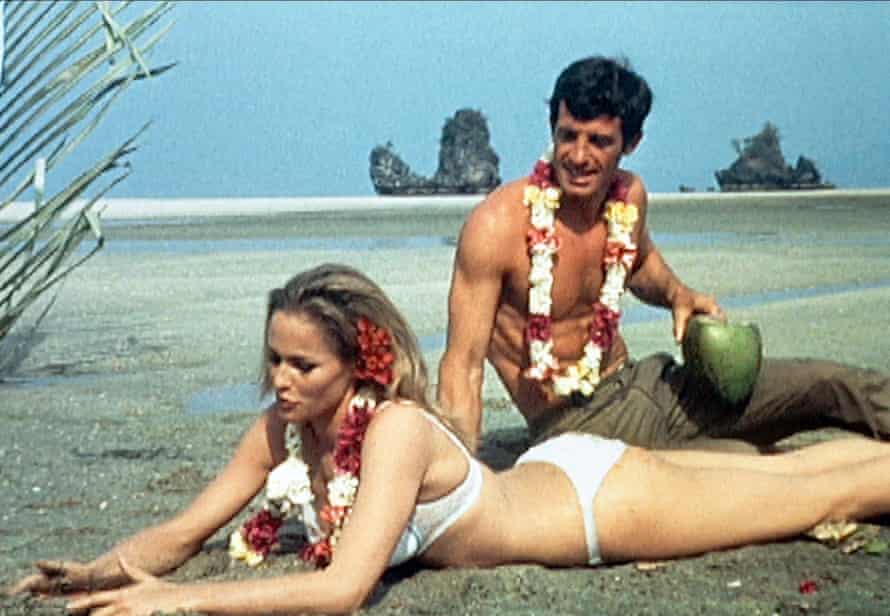
There was even a wave of “Belmondism”, manifesting itself in a particular style of offhand, narcissistic behaviour. Of hisjoli-laidlooks, Belmondo commented, “Hell, everybody knows that an ugly guy with a good line gets the chicks.” At the age of 19, he had married a dancer, Élodie Constantin. In 1966 while starring in Philippe De Broca’sUp to His Ears, he and Ursula Andress fell for each other, and Élodie, the mother of their three children, filed for divorce.
In a way, it is absurd that, following Breathless, Belmondo soon chose to withdraw more and more from the New Wave directors and go into commercial films with few artistic demands – vehicle thrillers, adventure movies and acrobatic comedies, in which he became repetitious and self-parodic. The actor Claude Brasseur remarked: “Despite everything, I think it’s a pity for him making popular films because he could enjoy his métier so much more. I remember at the Conservatoire he did astonishing things. Alas, now he has become a sort of stunt man de luxe.”
Catherine Rouvel, Mario David and Jean-Paul Belmondo in Borsalino, an American-type gangster movie, 1970.Photograph: Paramount/Allstar
Advertisement
What was most dispiriting about his career was that French audiences seemed to prefer it that way. When reproached, Belmondo replied: “My public expects a certain type of picture, and I’m not going to let them down.” Secure in his pre-eminence, producing many of his films himself, “Bebel”, as he was affectionately known in France, all but guaranteed a hit a year, few of which crossed the Channel or the Atlantic. Belmondo, who did not speak English, never made it to Hollywood, preferring to make American-type gangster movies such as Borsalino (1970), opposite Alain Delon, who shared top place in the box-office polls.
“Nothing impresses him. No danger, no risk, nothing serious, nothing important, nothing explained,” said the journeyman director Henri Verneuil, with whom Belmondo made eight pictures. “He never reads a scenario ahead of time. Never thinks out his role. Never says, ‘How was I in the last scene?’ Never makes suggestions.”
He was born in Paris, the grandson of an Italian workman from Piedmont who had emigrated to French Algeria. His father, Paul Belmondo, was a leading academic sculptor and a professor at the École Nationale Supérieure des Beaux Arts, and his mother, Sarah (nee Rainaud-Richard), was a painter. The rebellious Jean-Paul, whose schooldays were turbulent, studied drama at the Paris Conservatory following a brief career as an amateur boxer, and for several years performed in the classics on stage in the provinces before entering the Comédie-Française.
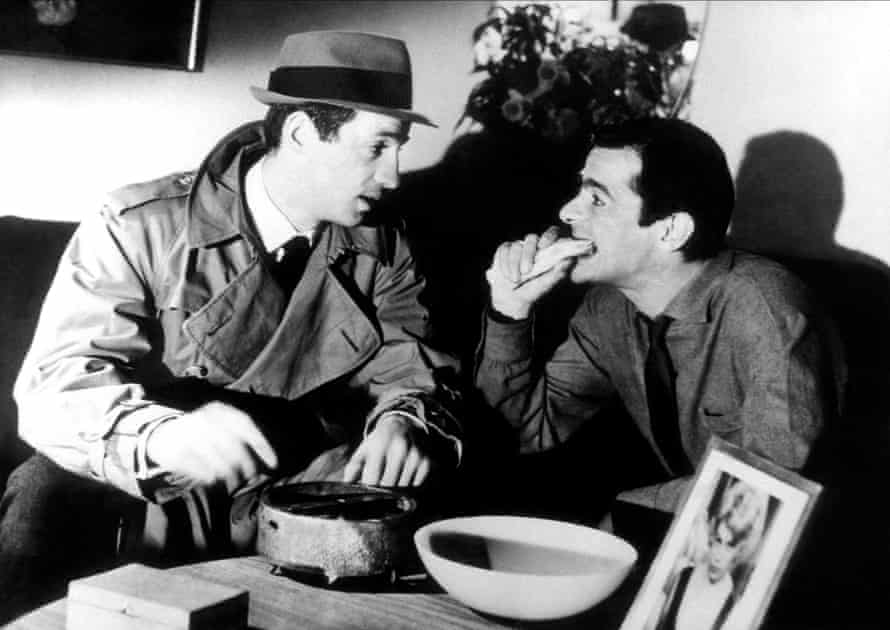
Jean-Paul Belmondo and Serge Reggiani in Jean-Pierre Melville’s Le Doulos (The Finger Man), 1962. Photograph: The Criterion Collection/Allstar
As Breathless was Godard’s first feature, it was assumed, by some critics, that it was also Belmondo’s. In fact, Belmondo appeared in supporting roles in nine films before his “overnight” rise to fame. One of his first roles was for Marcel Carné in Les Tricheurs (The Cheaters, 1958), and the following year his portrayal of Bernadette Lafont’s uncouth Hungarian fiance in Claude Chabrol’sÀ Double Tour (Web of Passion) prefigured the Breathless character.Advertisement
So strong was the impact of his persona in Breathless that his restrained performances as affectionate and humane characters in Vittorio De Sica’sTwo Women (1960), Peter Brook’s Moderato Cantabile (1960) and Jean-Pierre Melville’sLéon Morin, Priest (1961) came as a surprise, revealing an actor of a wider range than his subsequent filmography acknowledges. “He is the most accomplished actor of his generation,” claimed Melville. “He can play any given scene in 20 different ways, and all of them will be right.”
Belmondo made two further films for Melville, both in 1963: Le Doulos (The Finger Man) and L’Aîné des Ferchaux (Magnet of Doom). In the former, he suppressed his magnetic charm in the part of a sly, safecracking stool pigeon. But it was Godard who gave him his last great role, in Pierrot le Fou (1965). Belmondo as Ferdinand, dissatisfied with Parisian life, and with his wife, sets off on a picaresque journey to the south with Marianne (Anna Karina), getting involved with her criminal activities on the way.
There was a similarity between Ferdinand and Michel Poiccard – both are on the run, both are unable to assimilate into society, and each is betrayed by the woman he loves. However, Ferdinand is a more romantic and intellectual figure, acting out an existential tragedy of the transience of love. At the end, having fatally shot Karina and her boyfriend, Belmondo paints his face blue, places sticks of dynamite around his head and lights the fuse. He has second thoughts, but it is too late. “Damn, it’s too absurd!” he says before being blown up.
Jean-Paul Belmondo and Ursula Andress started an affair while they were filming Up to His Ears, 1965.Photograph: United Artists/Allstar
With challenging opportunities becoming rarer and rarer after Breathless, his acceptance of roles in François Truffaut’s Mississippi Mermaid (1969) and Alain Resnais’s Stavisky (1974) reminded audiences of his qualities. In the latter, Resnais cleverly subverted Belmondo’s charm and virility, the source of his success as a popular star, to play the notorious real-life conman.Advertisement
In 1987 he returned to the stage to play the title role in Kean, the Dumas drama reinvented by Jean-Paul Sartre, and was an excellent Cyrano de Bergerac three years later, also appearing in Feydeau’s A Flea in Her Ear for his own theatre company at the Théâtre Marigny in Paris. One of his last films to have received an international distribution was Les Misérables(1995), Claude Lelouch’s effective updating of the Victor Hugo classic to the Nazi occupation, with Belmondo in his most challenging screen role since the 60s as an uneducated ex-boxer who befriends an intellectual Jewish family.
In 2001, Belmondo suffered a stroke, which kept him off the stage and screen until his brief return in A Man and His Dog (2008), based on De Sica’s 1952 film Umberto D. Although he had difficulty walking and speaking, he played a character with the same disabilities. However, no matter what Belmondo did, most serious film commentators would continue to see him as the young rebel who rode in on the New Wave.
His second marriage, to the dancer Nathalie Tardivel, ended in divorce in 2008. Their daughter, Stella, survives him, along with a daughter, Florence, and son, Paul, from his first marriage. Another daughter from his first marriage, Patricia, died in a fire in 1994.
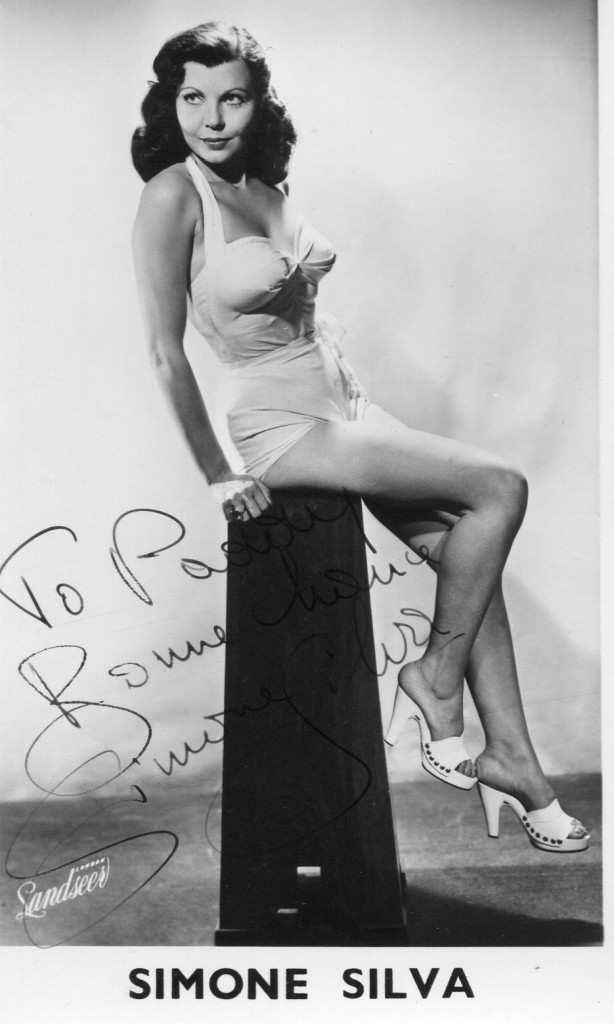
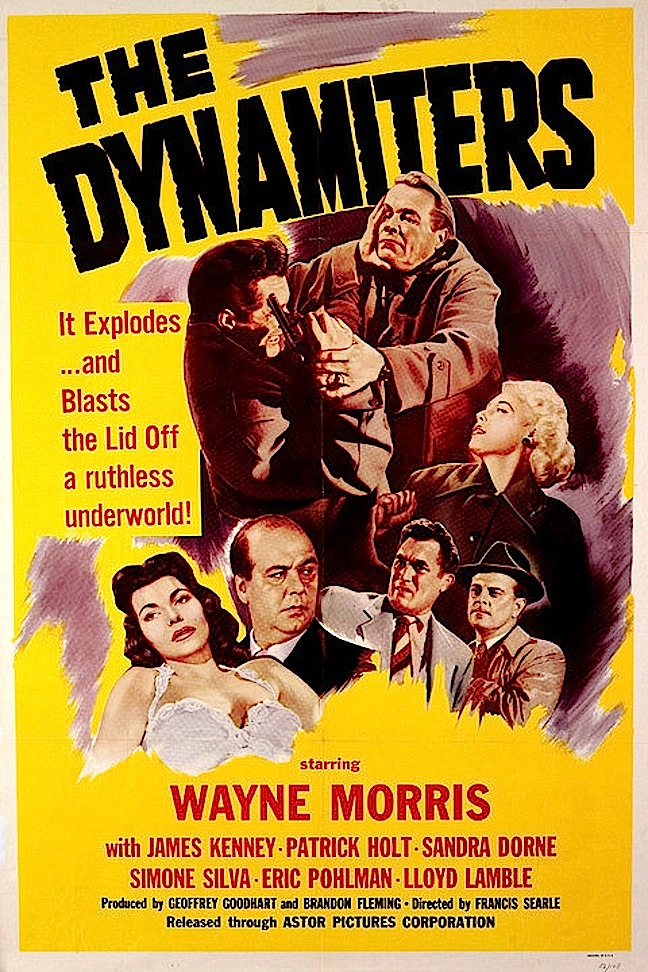
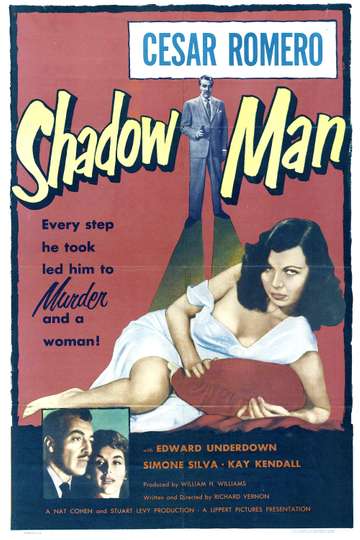
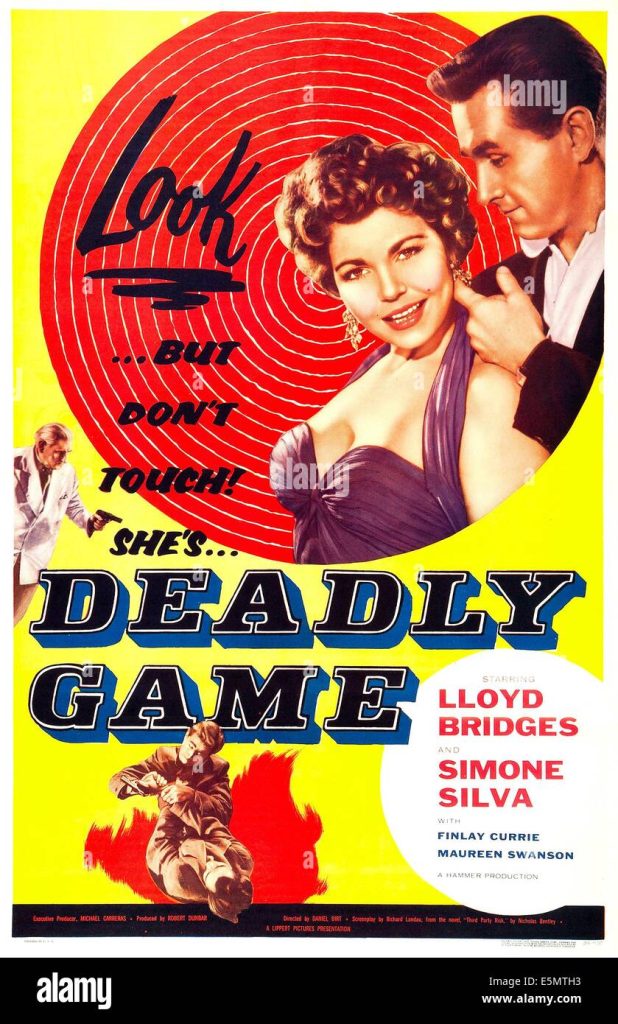
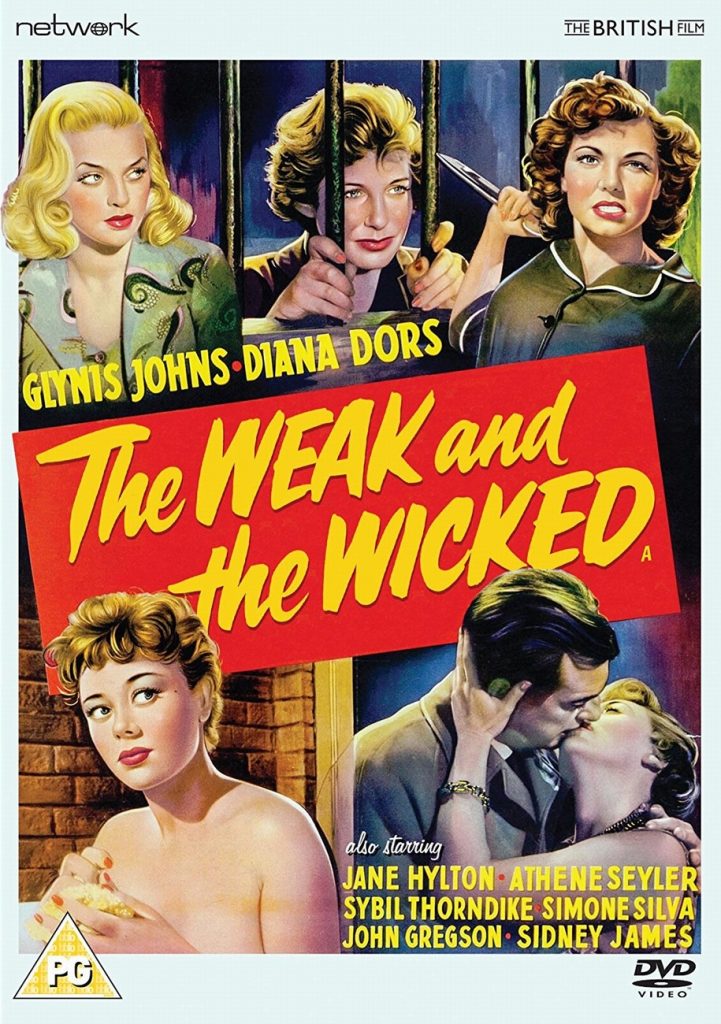
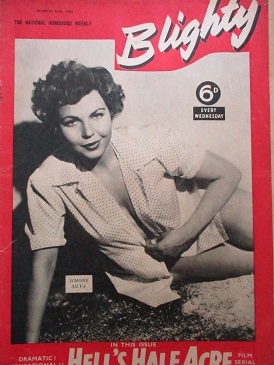
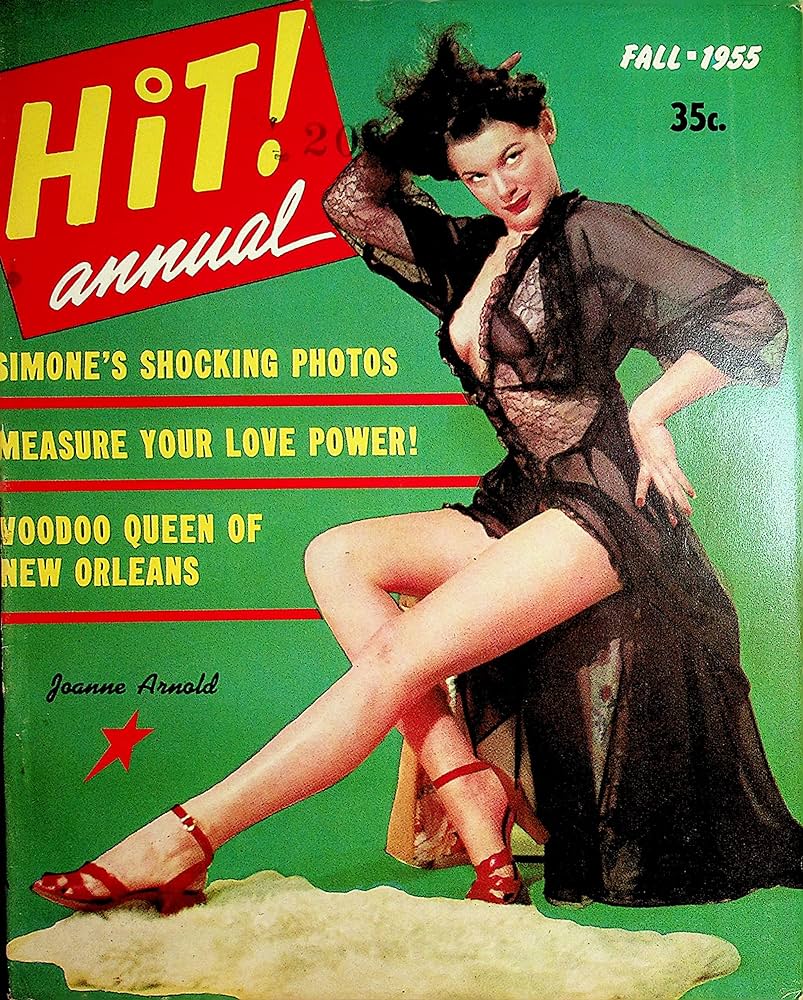
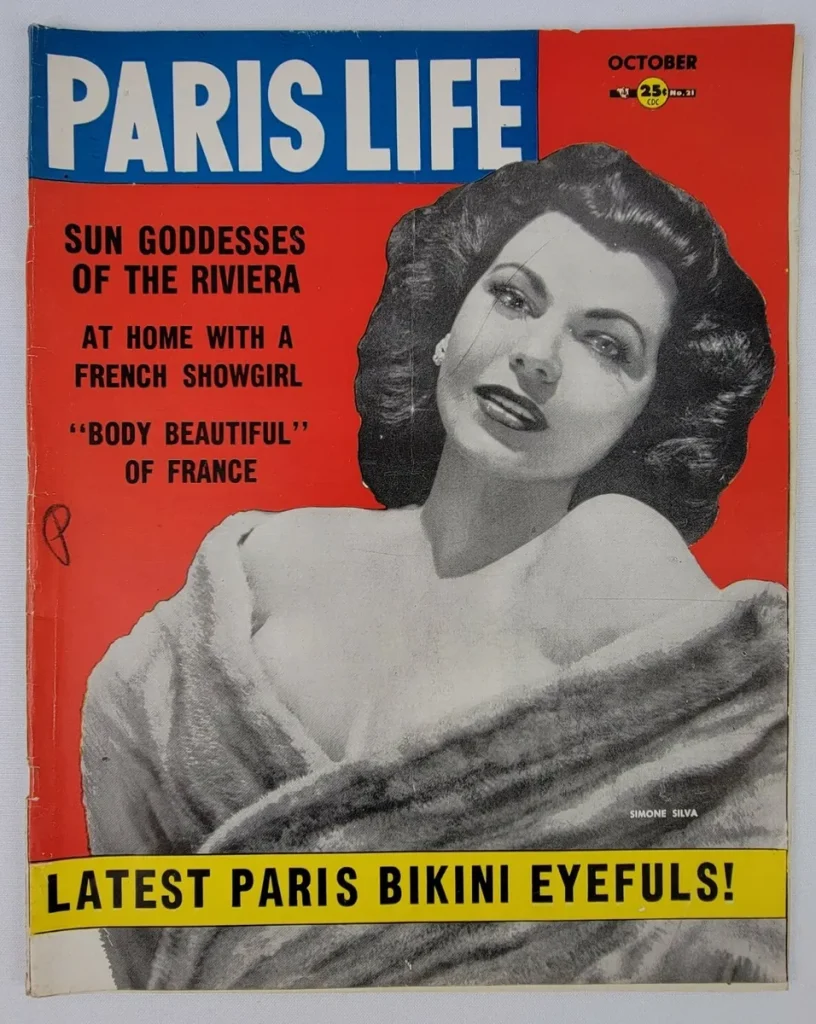
Simone Silva was born in Cairo, Egypt to French parents in 1928. She came to Britain in the late 1940’s and virually all of her acting career was in British films. Her first film was in 1951 in “Lady Godiva Rides Again”. Her other films include “South of Algiers”, “The Weak and the Wicked” and “Third Party Risk”. She died in 1957 at the age of 29 in London.
IMDB entry:
Simone Silva was born to French-Italian parents in Cairo as Simone de Bouillard. She was known mainly in England, where the great majority of her films were produced, as an actress of B-movies, who usually played supporting roles and bit parts.This mostly forgotten actress in some ways was more bright in life than in her very short career. Her tragic death was not entirely the result of natural causes. She was found dead in London’s fashionable Mayfair district after having apparently suffered a stroke likely brought on by a severe diet, as she struggled desperately to return to the screen in perfect shape.
– IMDb Mini Biography By: Yuri Suassuna de Medeiros: yuri.medeiros@gmail.com
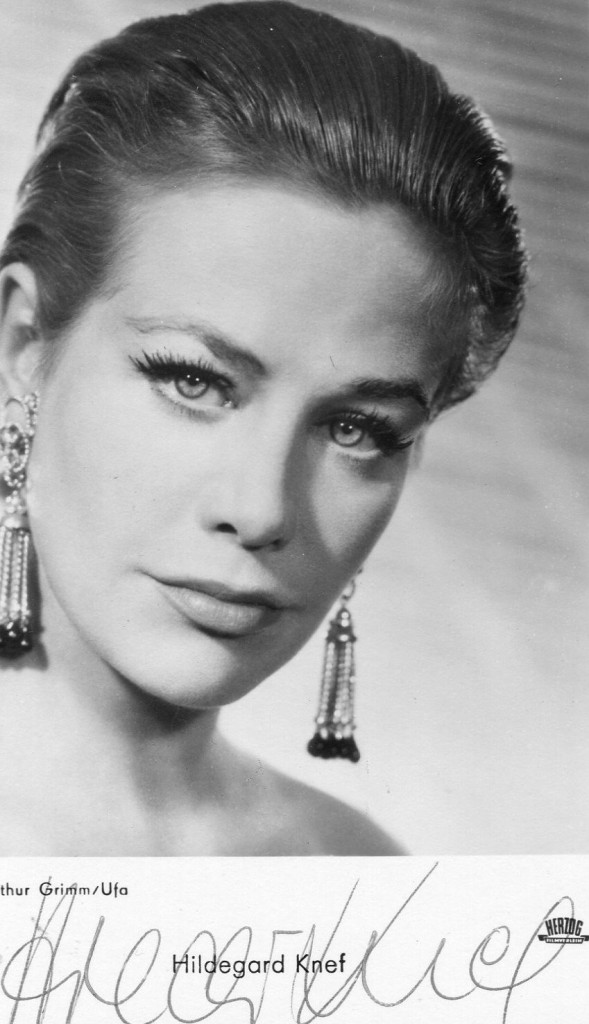
Hildegard Knef was born in 1925 in Ulm in Germany. She began studying actiong in 1940 and made some films before the fall of the Third Reich. Her first international film was in 1951 in “Decision Before Dawn” with Oscar Werner. She won a contract with 20th Century Fox and in Hollywood she made “The Snows of Kilimanjaro” with Gregory Peck, Ava Gardner and Susan Hayward” and “Diplomatic Courier” with Tyrone Power. She starred on Broaway in “Silk Stockings” in 1955 and also had a successful career as a singer. Knef was also an acclaimed writer. She died in 2002 at the age of 76.
IMDB entry:
Hildegard Frieda Albertine Knef was born on December 28, 1925 in Ulm, Germany. In 1940, she began studying acting. Even before the fall of the Third Reich, she appeared in several films, but most of them were only released after the war. To avoid being raped by Soviet soldiers, she dressed like a young man and was sent to a camp for prisoners of war. She escaped and returned to war-shattered Berlin where she played her first parts on stage. The first German movie after World War II, Murderers Among Us (1946), made her a star. David O. Selznick invited her to Hollywood and offered her a contract – with two conditions: Hildegard Knef should change her name into Gilda Christian and should pretend to be Austrian instead of German. She refused both and returned to Germany. In 1951, she provoked one of the greatest scandals in German film history when she appeared naked on the screen in the movie Sunderin (1951). The Roman Catholic Church protested vehemently against that film, but Hildegard just commented: “I can’t understand all that tumult – five years after Auschwitz!”
With the support of her first husband, the American Kurt Hirsch, she tried a second time to launch a Hollywood career, changed her family name from Knef to Neff (because Americans could not pronounce Knef), but the only worthwhile part she got was a supporting role in the Hemingway adaptation of The Snows of Kilimanjaro (1952). She became a leading lady in German, French and British films. Finally, America offered her another chance, this time on the stage. She achieved a kind of stardom as Ninotchka in the very popular Broadway play, “Silk Stockings”. In 1963, she began a new career as a singer and surprised the audience with her typical, deep, smoky voice and the fact that many lyrics of her songs were written by herself. In 1970, she wrote the autobiographical bestseller “Der Geschenkte Gaul”. She got sympathy from all over the world for her fight against cancer, which she defeated several times.
The above IMDB entry can also be accessed online here.
Elke Sommer was born in 1940 in Berlin. She came to film prominence in the early 1960’s and starred opposite the leading men of the time including Paul Newman in “The Prize” in 1963 , Peter Sellers in “A Shot in the Dark” in 1964, “The Art of Love” with Dick Van Dyke and James Garner and “The Oscar” opposite Stephen Boyd. In the 1970’s she starred in some classic Italian horror films and in the UK starred in a “Carry On”, “Carry On Behind”. She currently lives in Los Angeles.
Gary Brumburgh’s entry:
This gorgeous Teutonic temptress was one of Hollywood’s most captivating imports of the 1960s. Blonde and beautiful, Berlin-born Elke Sommer, with her trademark pouty lips, high cheekbones and sky-high bouffant hairdos, proved irresistible to American audiences, whether adorned in lace or leather, or donning lingerie or lederhosen. She was born in Berlin-Spandau on November 5, 1940 with the unlikely name of Else Schletz-Ho to a Lutheran minister and his wife. The family was forced to evacuate to Erlangen, during World War II in 1942, a small university town in the southern region of Germany. It was here that her parents first introduced her to water colors and her lifelong passion for painting was ignited. Her father’s death in 1955, when she was only 14, interrupted her education and she relocated to Great Britain, where she learned English and made ends meet as an au pair. She eventually attended college back in Germany and entertained plans to become a diplomatic translator but, instead, decided to try modeling.
After winning a beauty title (“Miss Viareggio Turistica”) while on vacation in Italy, she caught the attention of renowned film actor/director Vittorio De Sica and began performing on screen. Her debut film was in the Italian feature, Men and Noblemen(1959), which starred DeSica and was directed by Giorgio Bianchi. Following a few more Italian pictures, which included her first starring role in Love, the Italian Way (1960), also directed by Bianchi, Elke began making a name for herself in German films, as well, and gradually upgraded her status to European sex symbol. A pin-up favorite, she appeared fetchingly in both dramas and comedies, with such continental features asDaniella by Night (1961), Sweet Ecstasy (1962) and her first English-speaking picture,Why Bother to Knock (1961), to her credit.
Hollywood naturally became intrigued and she moved there in the early 1960s to try and tap into the foreign-born market. Her sexy innocence made a vivid impression in the all-star, war-themed drama, The Victors (1963), the Hitchcock-like thriller, The Prize (1963), for which she won a “Best Newcomer” Golden Globe Award, and, especially, A Shot in the Dark (1964), the classic bumbling comedy where she proved a shady and sexy foil toPeter Sellers‘ Inspector Clousseau. She grew in celebrity, which was certainly helped after showing off her physical assets, posing for spreads in Playboy Magazine. In the meantime, she was appearing opposite the hunkiest of Hollywood actors including Paul Newman, James Garner, Glenn Ford and Stephen Boyd.
The multilingual actress, whose career took her to scores of different countries over time and benefited from speaking seven languages fluently, resorted to a number of low-budget features in Europe, including two Italian horror movies directed by Mario Bavathat have now gone on to become cult classics: Baron Blood (1972) and The Exorcist(1973) rip-off, Lisa and the Devil (1972). The latter movie actually was a guilty pleasure. “Lisa” was re-released in 1975 as “The House of Exorcism” and added more footage of a demonic Elke, Linda Blair style, spewing frogs, insects, green pea soup and a slew of cuss words! In England, she good-naturedly appeared in the “comedy” films, Percy(1971), and its equally cheeky sequel, It’s Not the Size That Counts (1974), which starred Hywel Bennett (later Leigh Lawson) as the first man to have a penis transplant(!). She also showed up in one of the later “Carry On” farces, entitled Carry on Behind (1975).
Elke fared better on television, where she appeared in the television pilot, Probe (1972), opposite Hugh O’Brian, as well as the well-made 1980s miniseries, Inside the Third Reich(1982), Jenny’s War (1985), Anastasia: The Mystery of Anna (1986) and Peter the Great(1986). A delightful personality on the talk show circuit, the lovely Elke also made appearances as a cabaret singer and, in time, put out several albums. She found a creative outlet on stage too with such vehicles as “Irma la Douce”, “Born Yesterday”, “Cactus Flower”, “Woman of the Year” and “Same Time, Next Year”.
The veteran actress has since focused more time on book writing and painting than she has on acting. Holding her first one-woman art show at the McKenzie Galleries in Beverly Hills in 1965, her artwork bears an exceptionally strong influence to Marc Chagall and she, at one point, hosted a mid-1980s PBS series (“Painting with Elke”), that centered on her artwork, which has now exhibited and sold for more than 40 years. Nevertheless, on occasion, she tackles an acting role, often in her native Germany. Divorced from writer and journalist Joe Hyams, whom she met when he interviewed her for a Hollywood article (he recently died in November 2008), she has been married since 1993 to hotelier Wolf Walther.
– IMDb Mini Biography By: Gary Brumburgh / gr-home@pacbell.net
Career overview of Elke Sommer
Elke Sommer (born 1940) is a German-born actress whose career reflects the internationalization of European film talent in the 1960s, particularly within Hollywood’s search for continental glamour. Unlike many contemporaries who were absorbed into rigid studio archetypes, Sommer developed a career defined by genre mobility, comedic timing, and transatlantic adaptability, though often at the cost of consistent dramatic centrality.
Early career: European discovery and Hollywood transition (late 1950s–early 1960s)
Sommer began her career in European cinema, appearing in German and Italian productions before attracting Hollywood attention. Her early visibility led to a contract with Columbia Pictures.
Early films include:
The Prize (with Paul Newman)
A Shot in the Dark (directed by Blake Edwards, alongside Peter Sellers)
Critical analysis: arrival as “continental glamour” type
Sommer is initially positioned as:
Exotic European presence
Romantic or decorative lead
Comedic foil in Anglo-American productions
Key performance traits:
Strong physical expressiveness
Light comedic timing
A slightly stylised, theatrical delivery in early English-language roles
Insight: Hollywood in this period often cast European actresses as aesthetic and tonal contrasts to American leads, and Sommer initially fits this model.
Breakthrough in comedy: A Shot in the Dark (1964)
Sommer’s breakout role comes in the second Pink Panther installment.
Critical analysis of performance
She plays Maria Gambrelli, a maid wrongly suspected of murder
The role depends on:
Physical comedy
Misunderstanding and misdirection
Sexualized but playful screen presence
Strengths:
Excellent timing in slapstick sequences
Ability to shift between innocence and implied suspicion
Strong visual chemistry within ensemble comedy
Critical insight: Sommer’s performance works less through psychological depth and more through precision in comic rhythm and physical clarity, aligning her with Blake Edwards’ visual comedy style.
Hollywood career: genre diversification (1960s–1970s)
Sommer appeared across a wide range of genres:
Boy, Did I Get a Wrong Number!
The Oscar
The Wrecking Crew
Critical observation:
Sommer is not confined to one genre:
Comedy
Spy parody
Drama
However, she is most effective in light, stylized material
Stylistic identity in this period
Her screen persona stabilizes around:
Glamour with self-awareness
Playful sensuality
Comedic agility
Key insight: She increasingly functions as a genre stabilizer—a performer who keeps tone light and accessible rather than dominating narrative gravity.
European return and international work (1970s–1980s)
As Hollywood shifted toward grittier realism, Sommer worked more frequently in European productions and television, including Italian and German films.
Critical analysis:
This phase reflects:
Reduced Hollywood centrality
Greater flexibility in European markets
Roles become more varied but less globally visible
Insight: Sommer transitions from Hollywood “face” to international utility actress, maintaining visibility without consistent prestige positioning.
Acting style and screen persona
Sommer’s acting is defined by:
Physical expressiveness over psychological introspection
Strong comedic timing
Controlled glamour with occasional self-parody
Her persona includes:
European sophistication
Light sensuality
Playful irony
Critical analysis of her career
1. The “continental import” system
Sommer’s early Hollywood career reflects a broader studio pattern:
European actresses cast as stylistic contrast to American leads
Strength:
Immediate visibility and marketability
Limitation:
Risk of typecasting as decorative or secondary presence
2. Comedy as her strongest register
Her most effective work occurs in:
Slapstick
Ensemble comedy
Parody films
Insight: Sommer excels when:
Timing matters more than psychological depth
Physicality drives narrative meaning
3. Range vs. identity tension
Sommer demonstrates:
Wide genre participation
But a relatively stable screen persona
Critical observation:
She is versatile in context
But not transformative in character construction
4. Comparison with contemporaries
Compared to actresses like:
Ursula Andress
Claudia Cardinale
Sommer:
Shares European international appeal
But leans more toward comedy and light entertainment than dramatic gravitas
5. Longevity through adaptability
Sommer’s long career is sustained by:
Willingness to move between film industries
Flexibility in genre participation
Continued recognition as a glamorous character presence
Overall evaluation
Strengths:
Strong comedic timing and physical expressiveness
Effective ensemble performer
Successful international career across decades
Distinctive blend of glamour and humor
Limitations:
Limited dramatic depth in major prestige roles
Typecasting in light or decorative roles
Fewer iconic standalone performances compared to dramatic contemporaries
Conclusion
Elke Sommer’s career is best understood as a study in transnational cinematic utility and comedic adaptability:
She emerges as part of Hollywood’s 1960s European glamour wave
Finds her strongest expression in stylized comedy
Maintains a long career through flexibility rather than reinvention
Ultimately:
Her significance lies in her ability to function across cinematic systems—Hollywood, European genre cinema, and television—while sustaining a consistent screen identity rooted in lightness, charm, and controlled theatricality
Below is a comparative analysis of Elke Sommer with several contemporaneous European actresses who were similarly “imported” into Hollywood during the 1950s–1970s: Ursula Andress, Claudia Cardinale, and Senta Berger. The comparison highlights how studio systems shaped different trajectories for broadly similar “continental glamour” archetypes.
1. Shared starting point: the “European import” model
All four actresses emerged during a period when Hollywood actively recruited European talent to:
Refresh star images in the post-studio era
Add “continental sophistication” or erotic appeal
Compete with growing international film markets
But this system tended to flatten individuality into archetypes:
The sensual exotic figure
The aristocratic beauty
The comic or light romantic foil
Elke Sommer fits this system most closely in its comedic-glamour variant, while the others diverged in different directions.
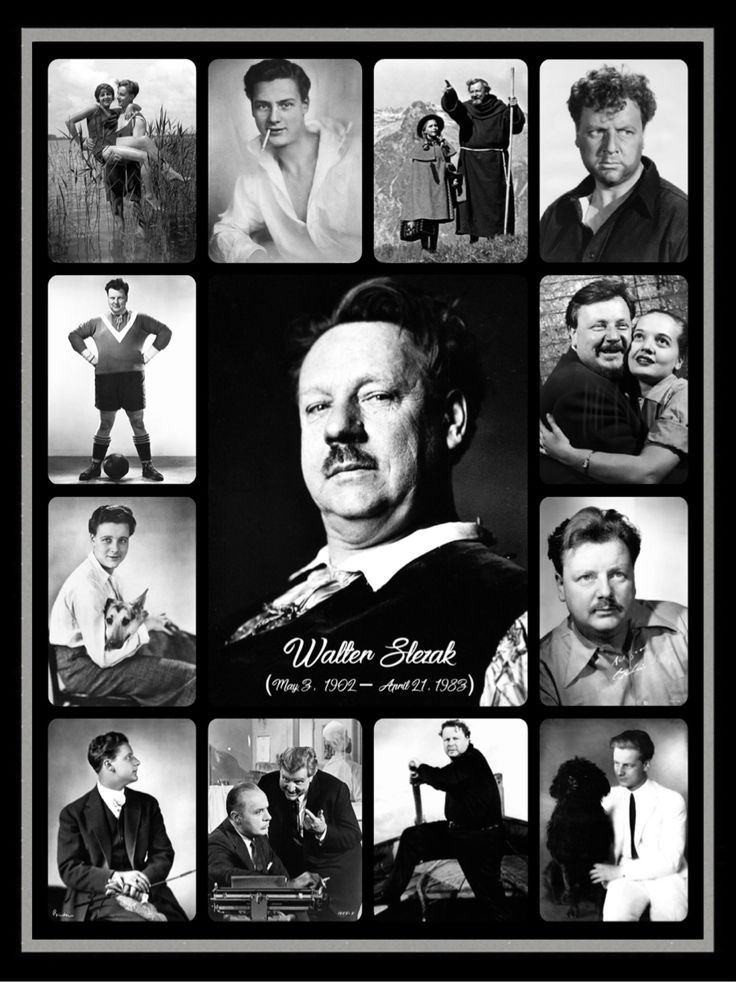
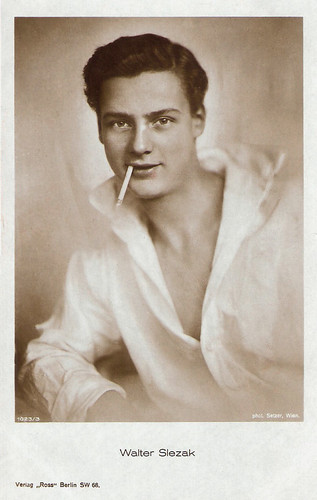
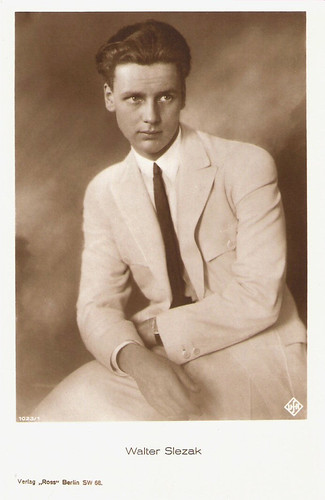
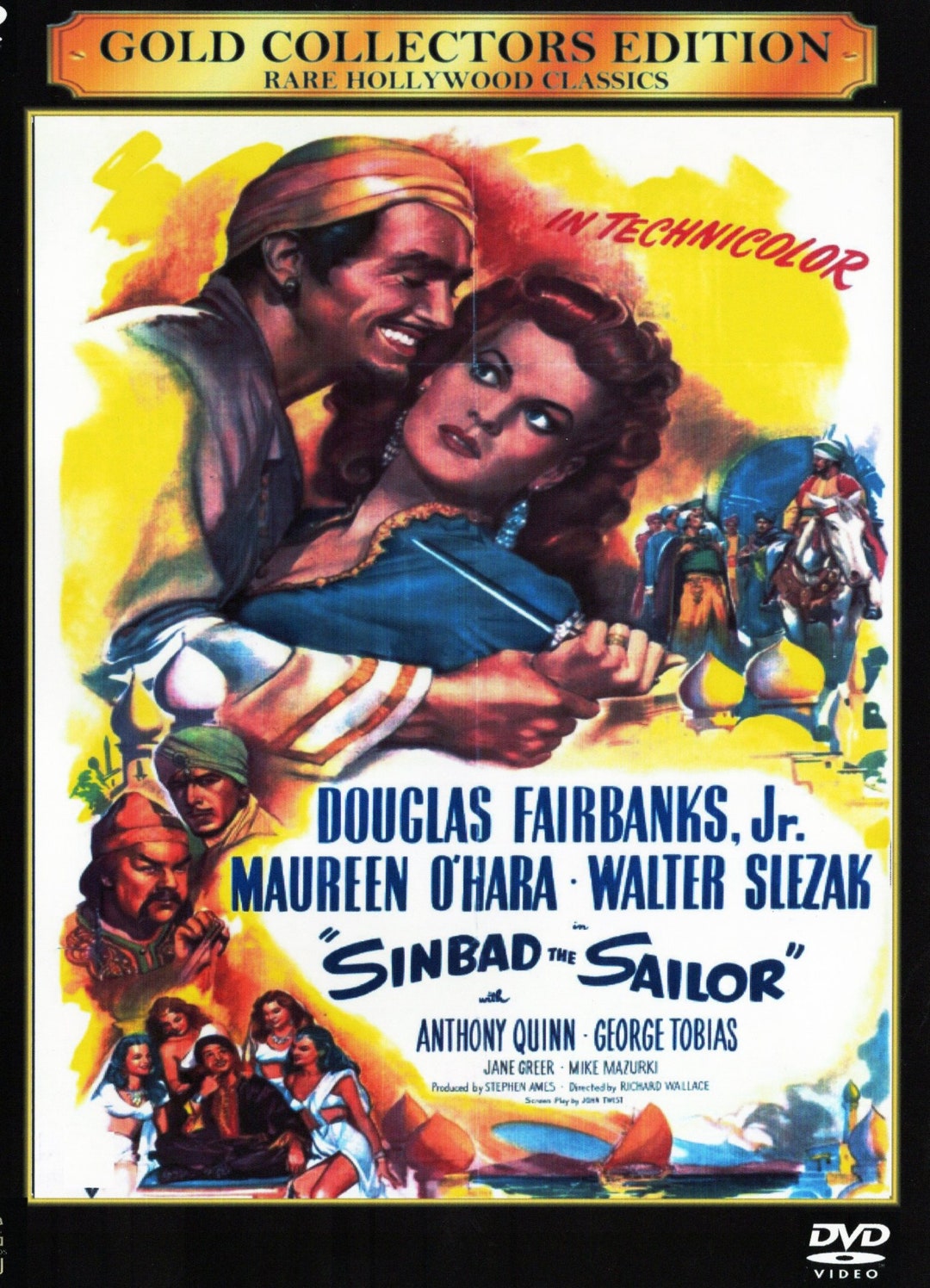
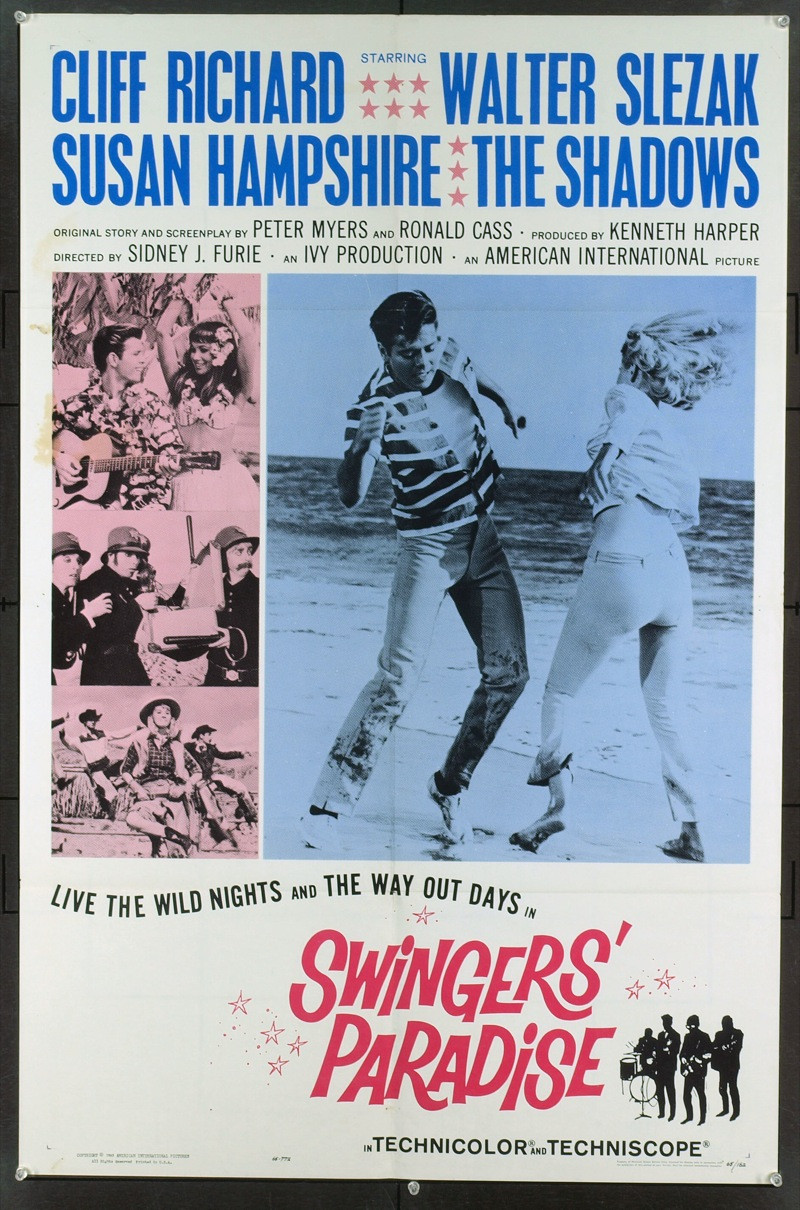
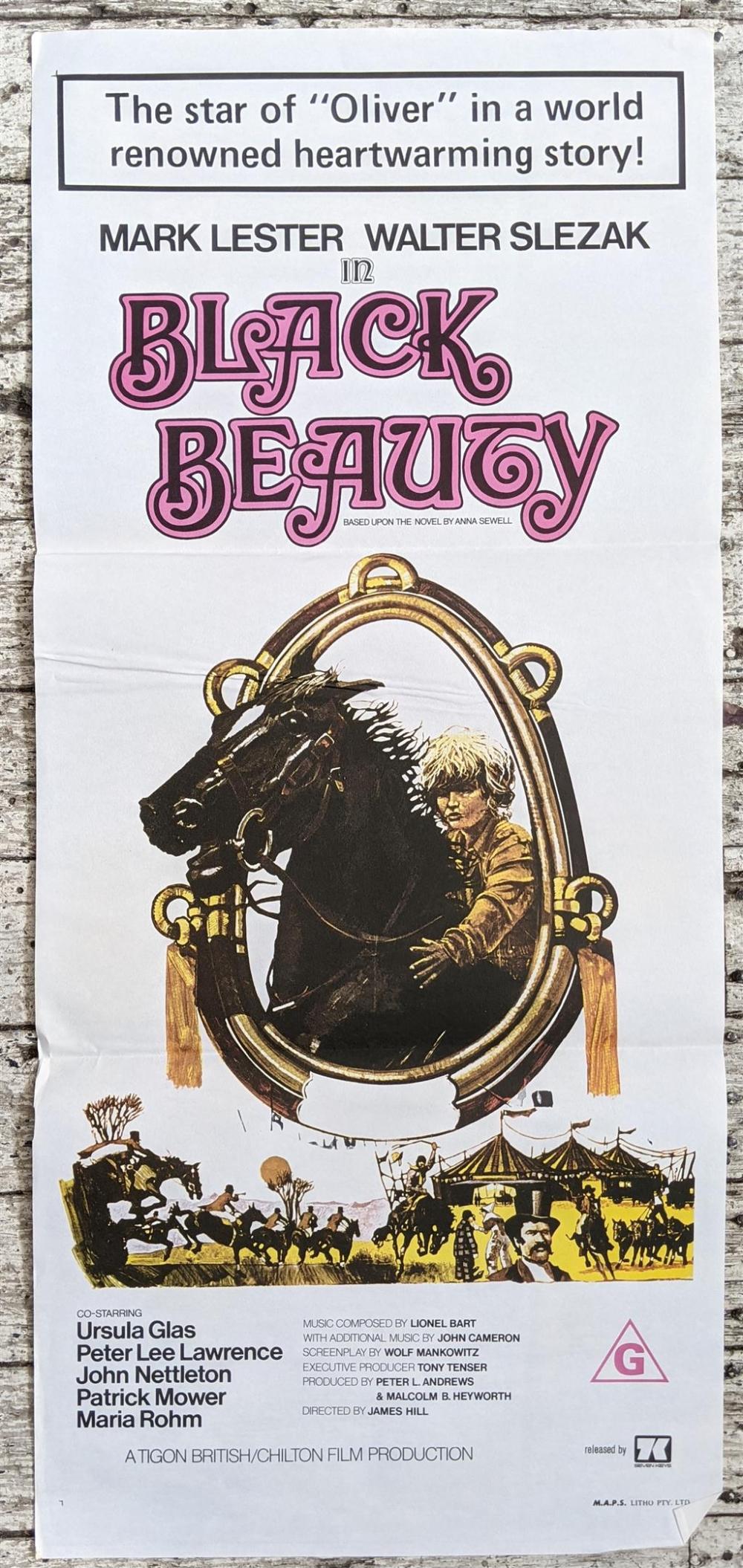
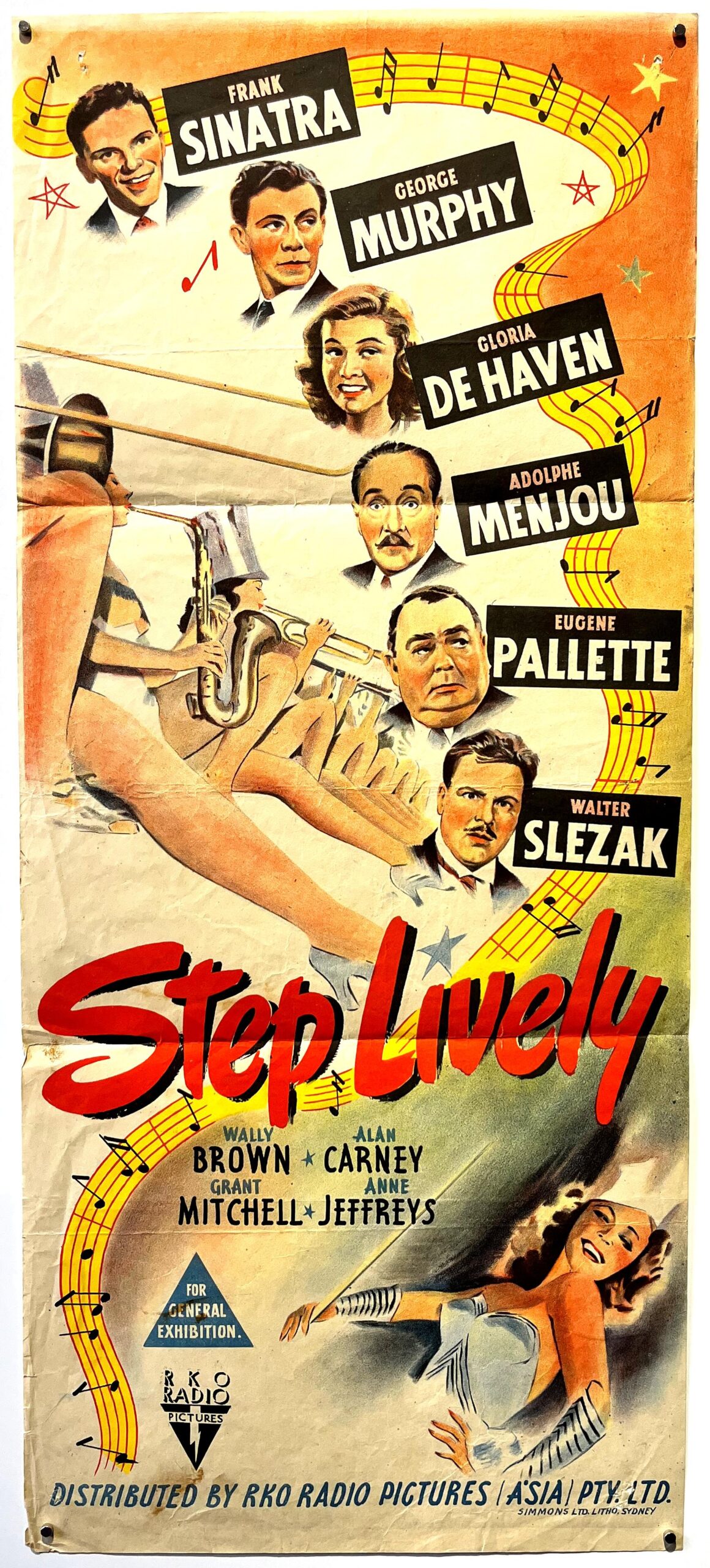
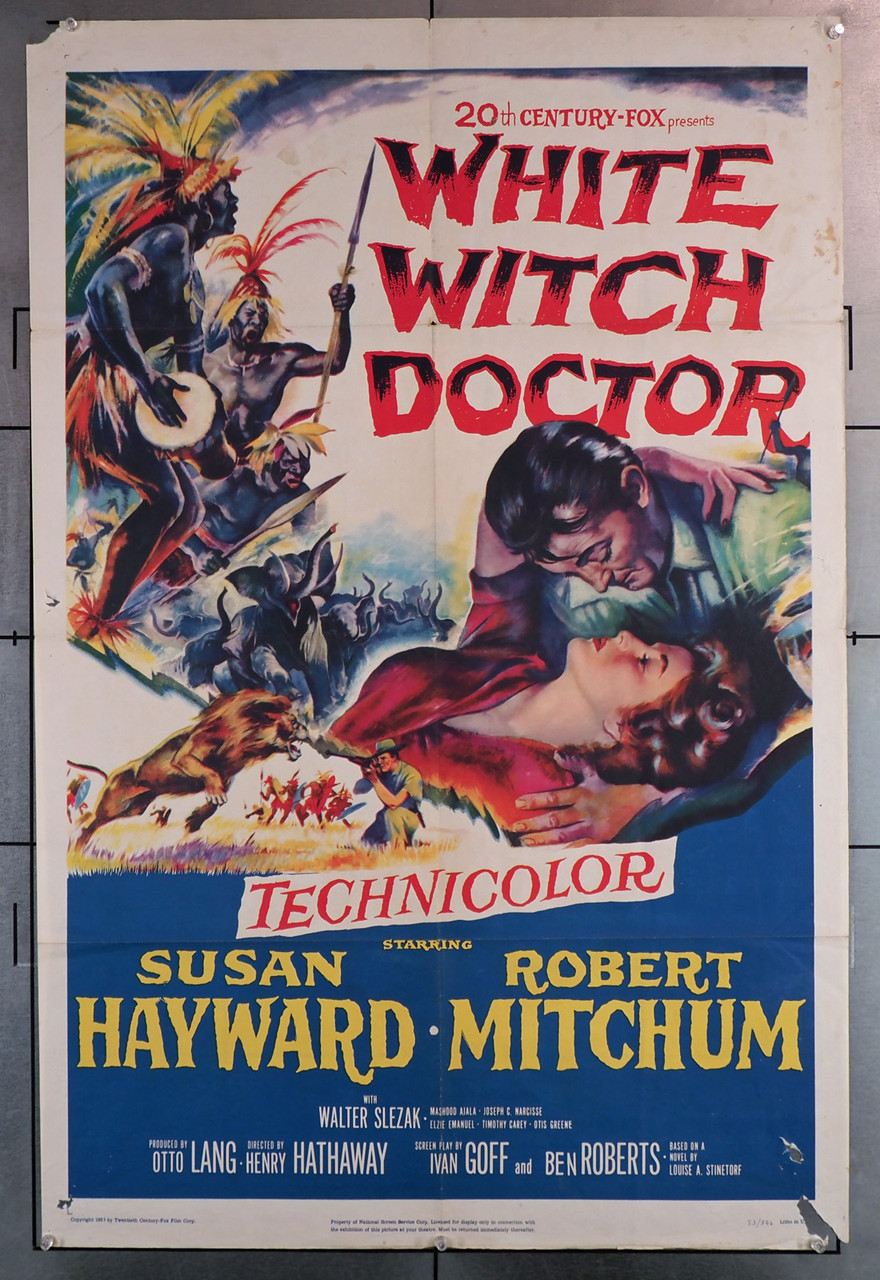
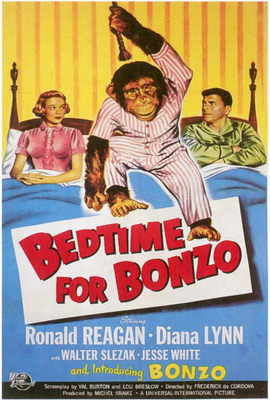
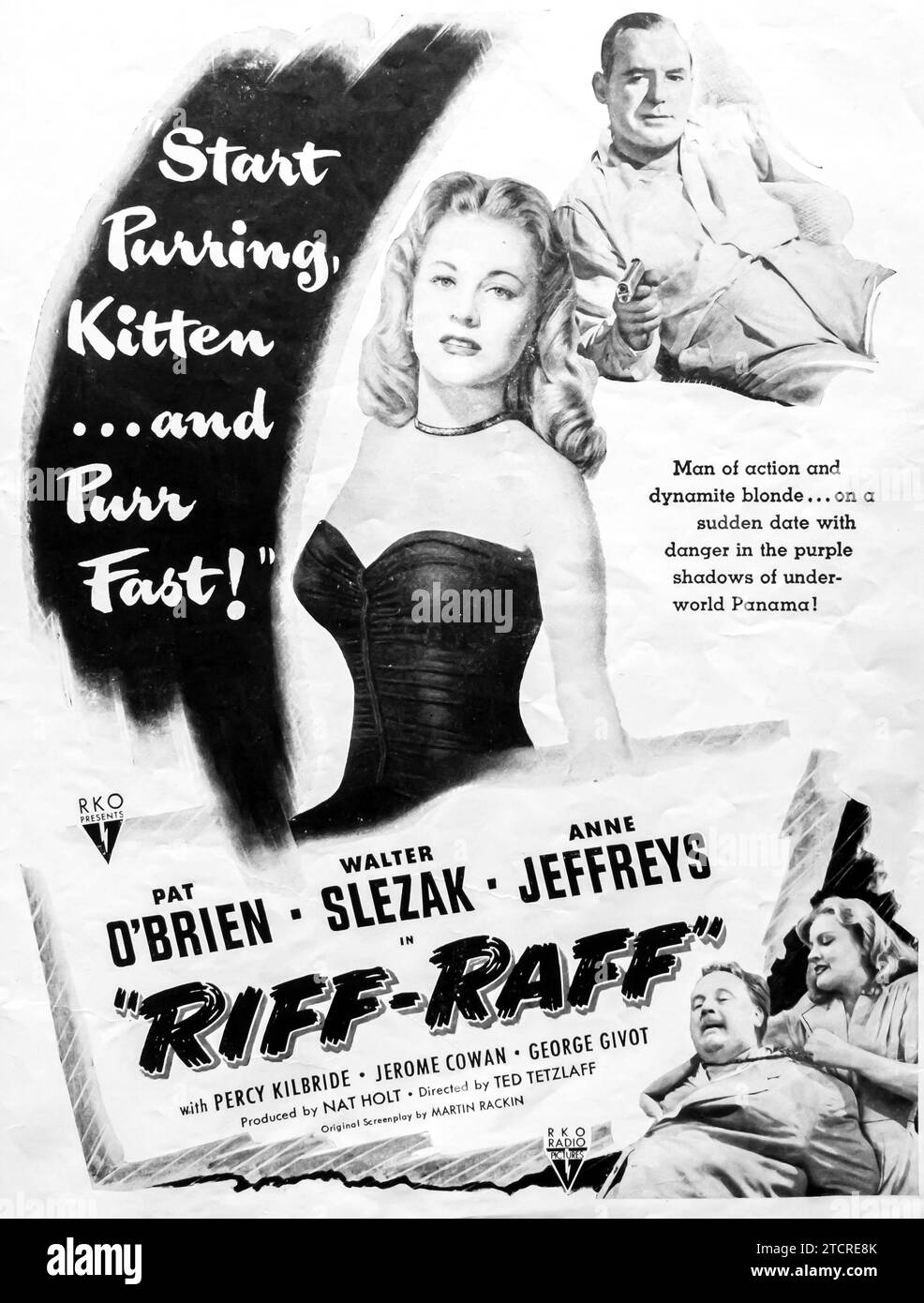
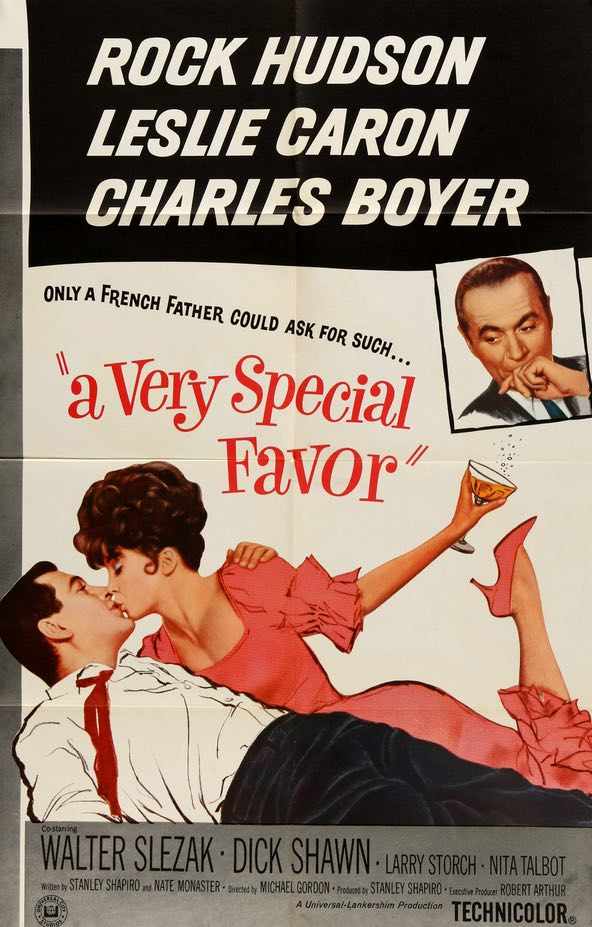
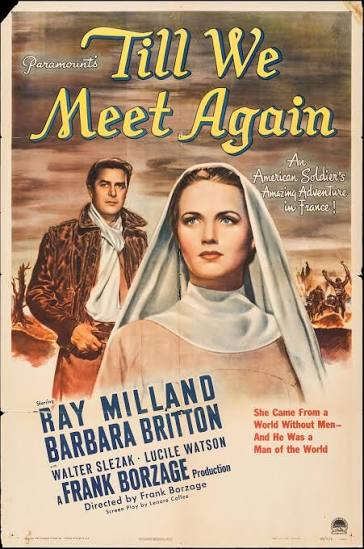
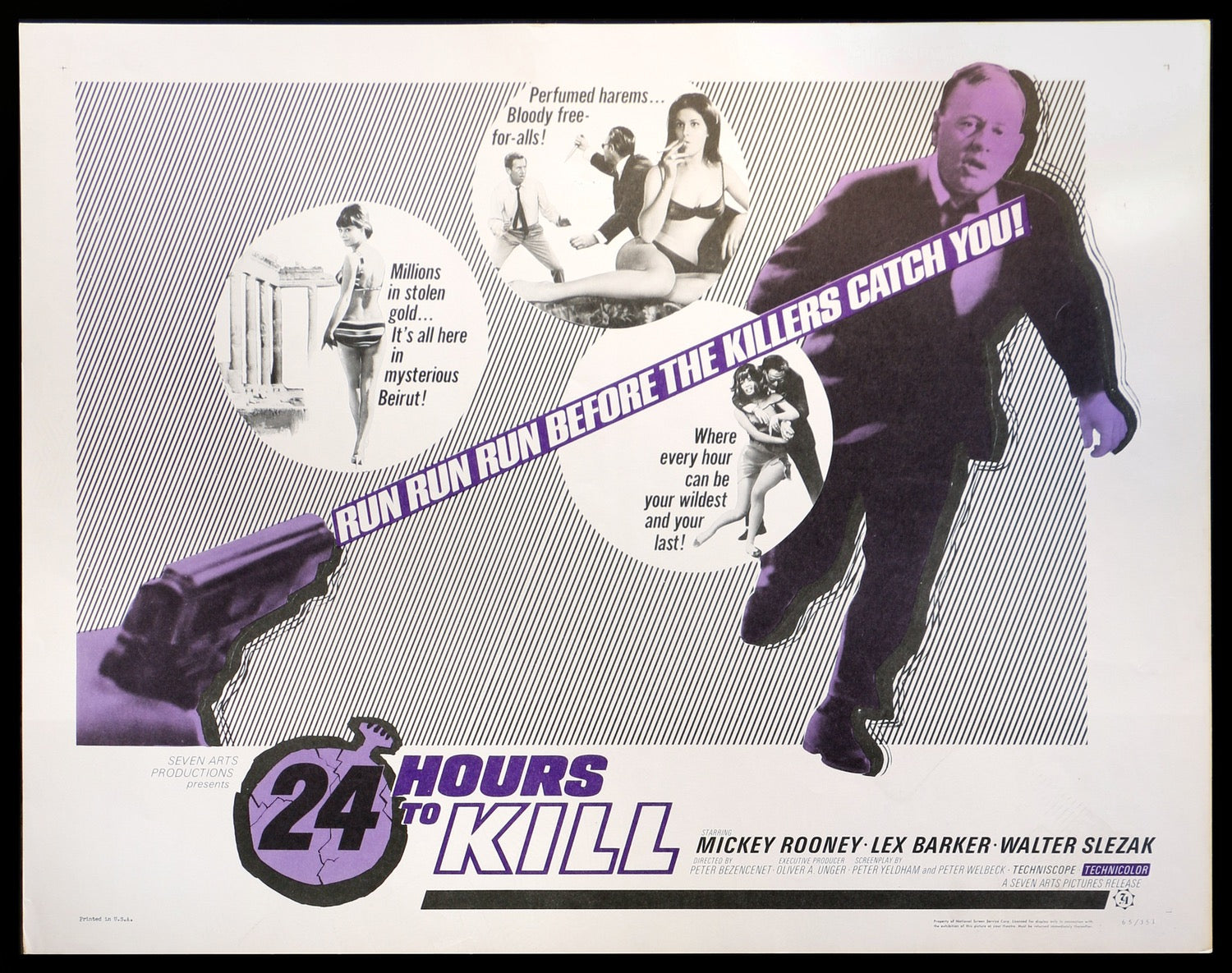
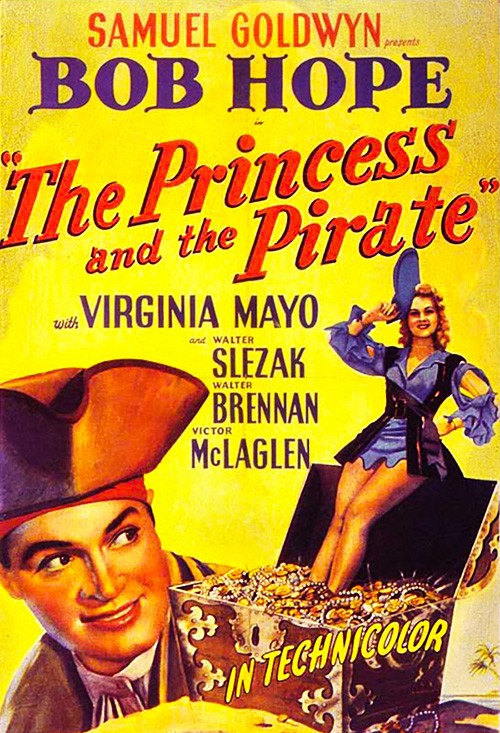
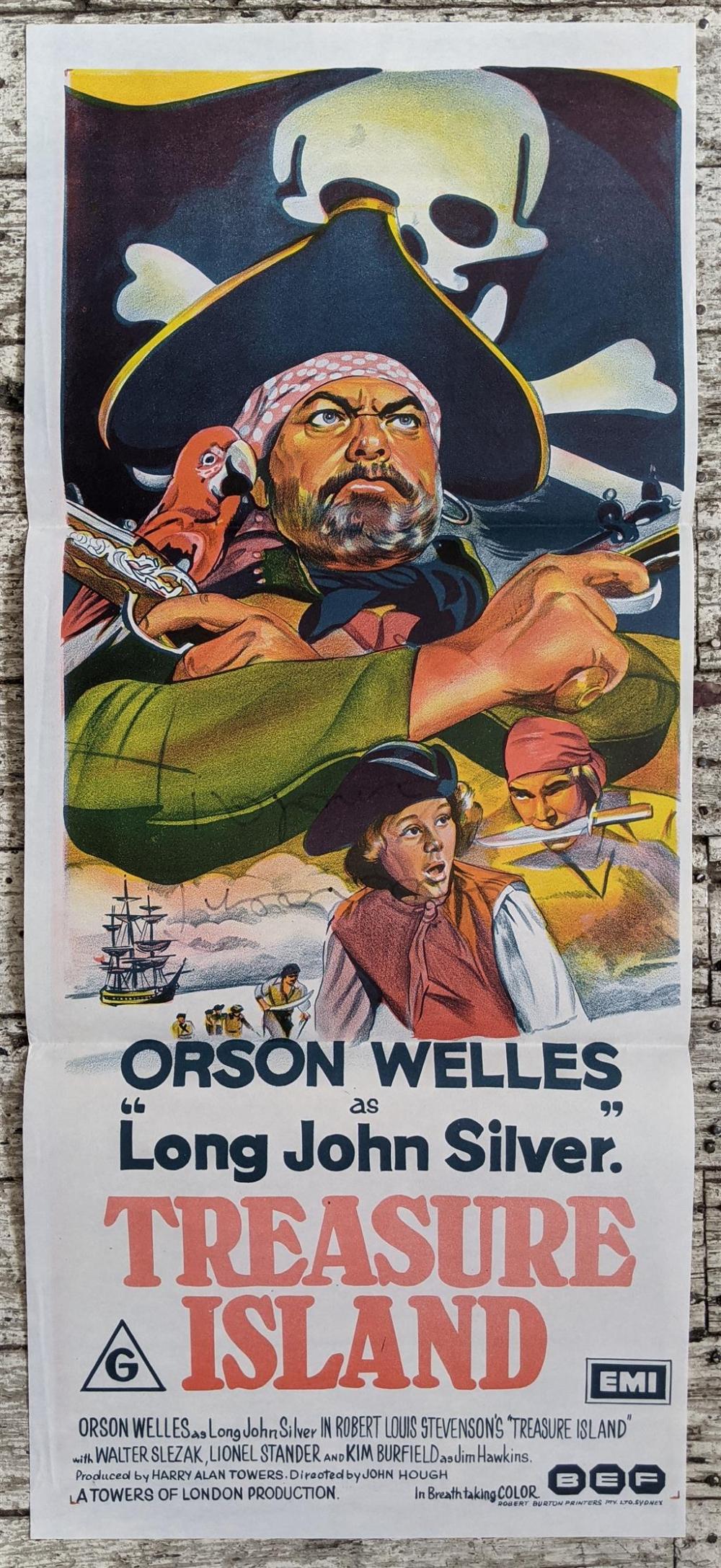
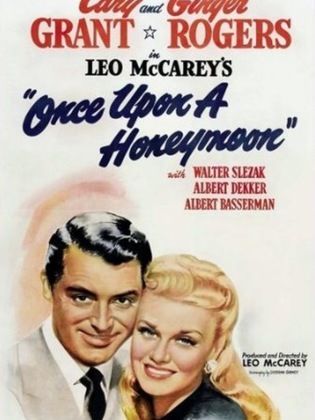
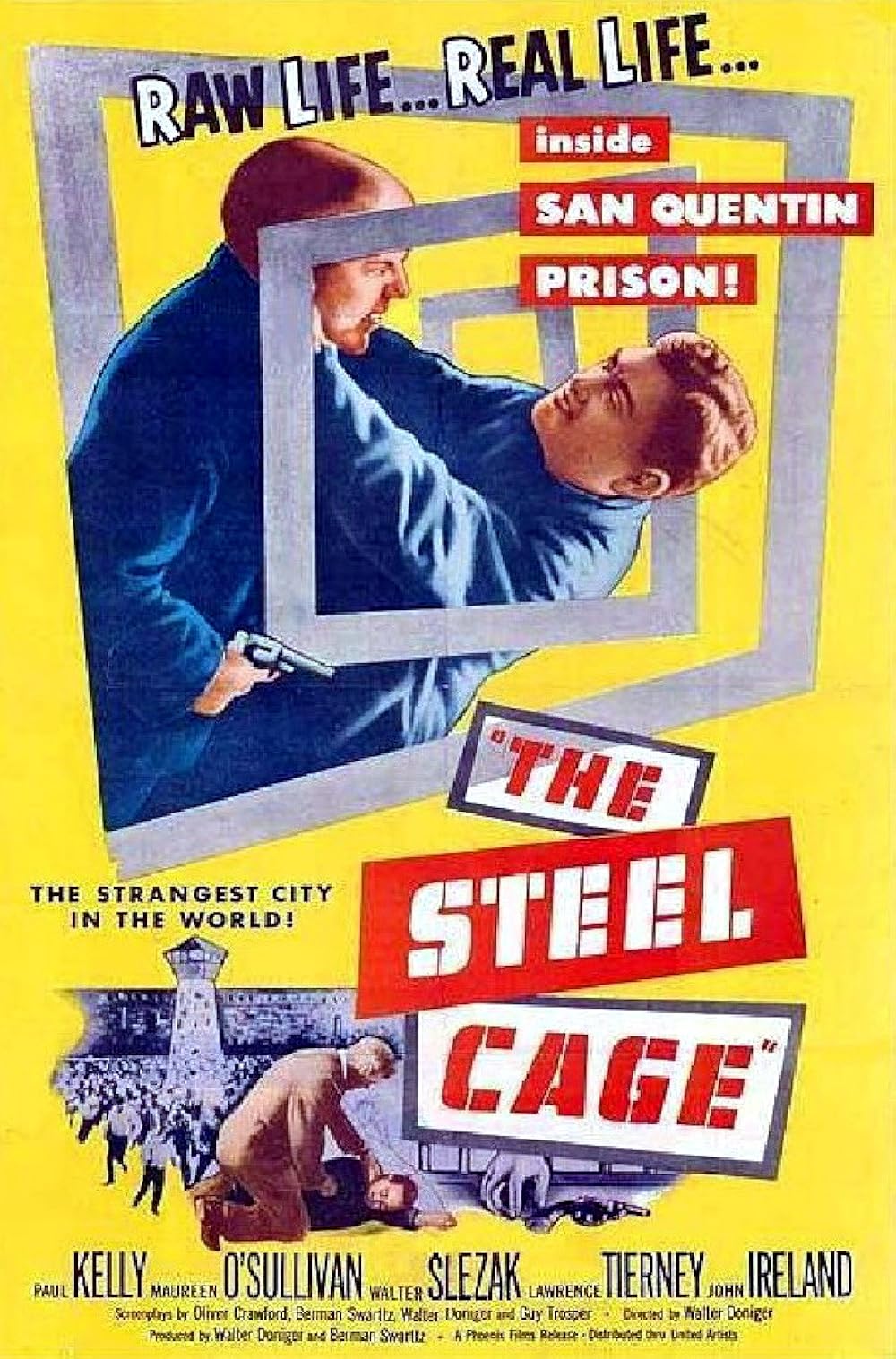
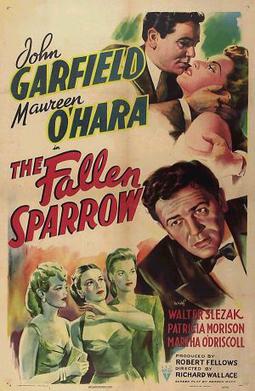
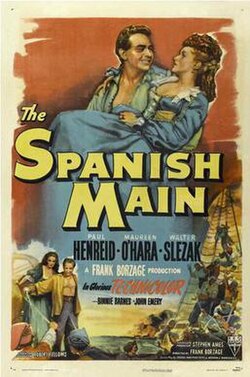
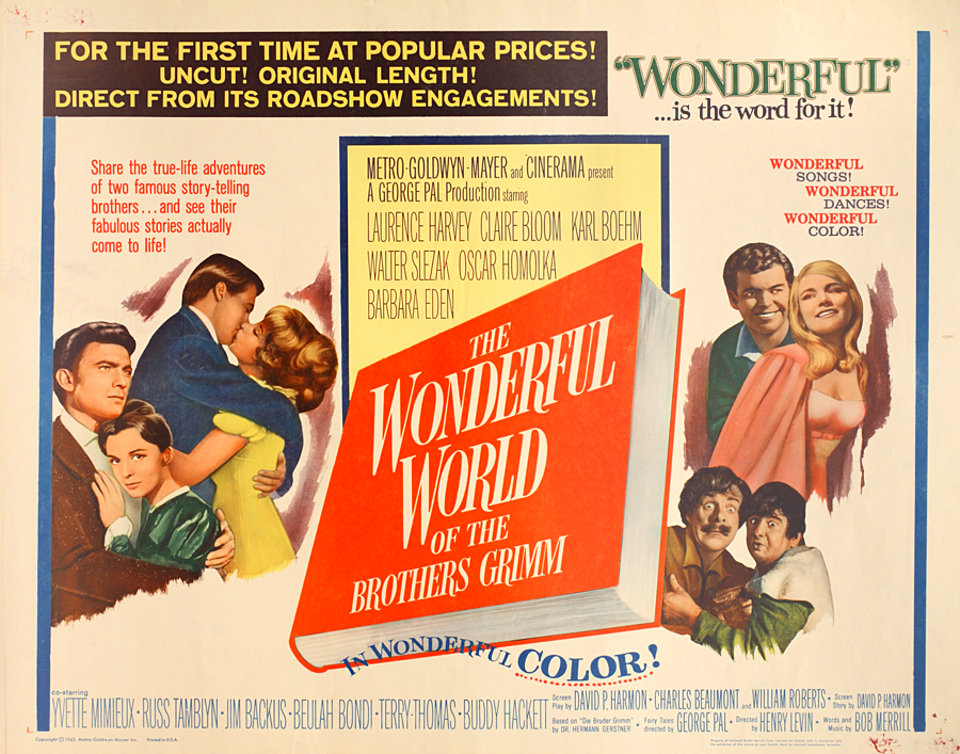
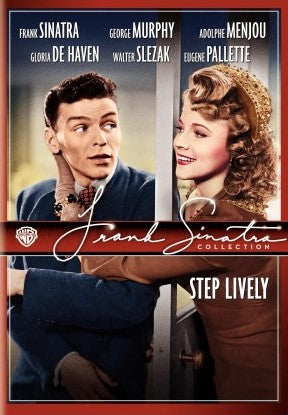
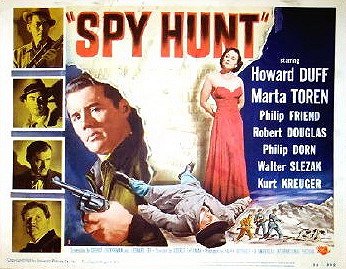
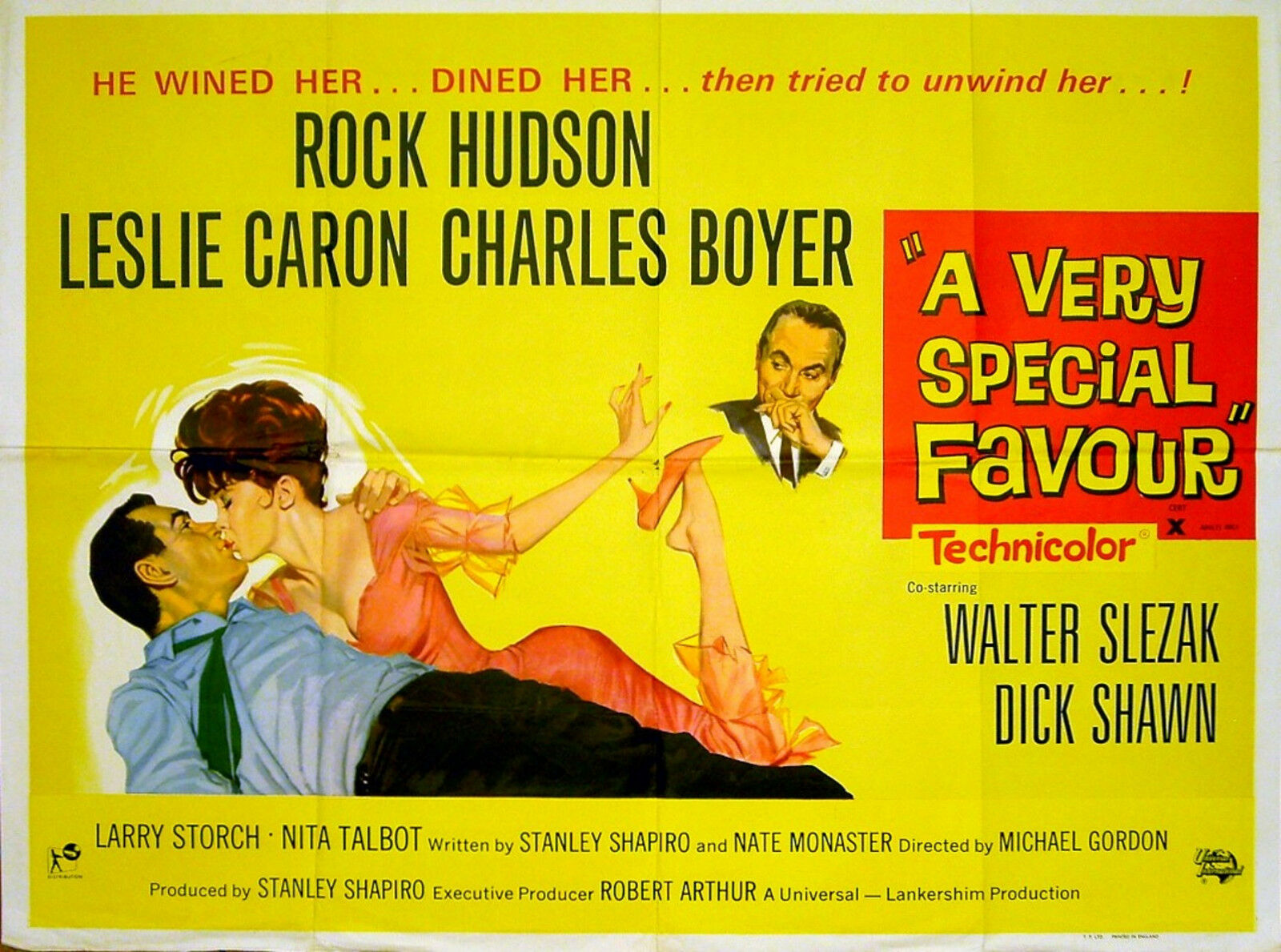
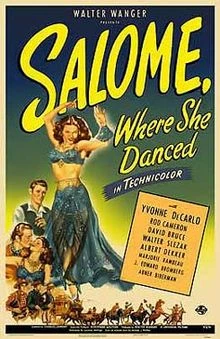
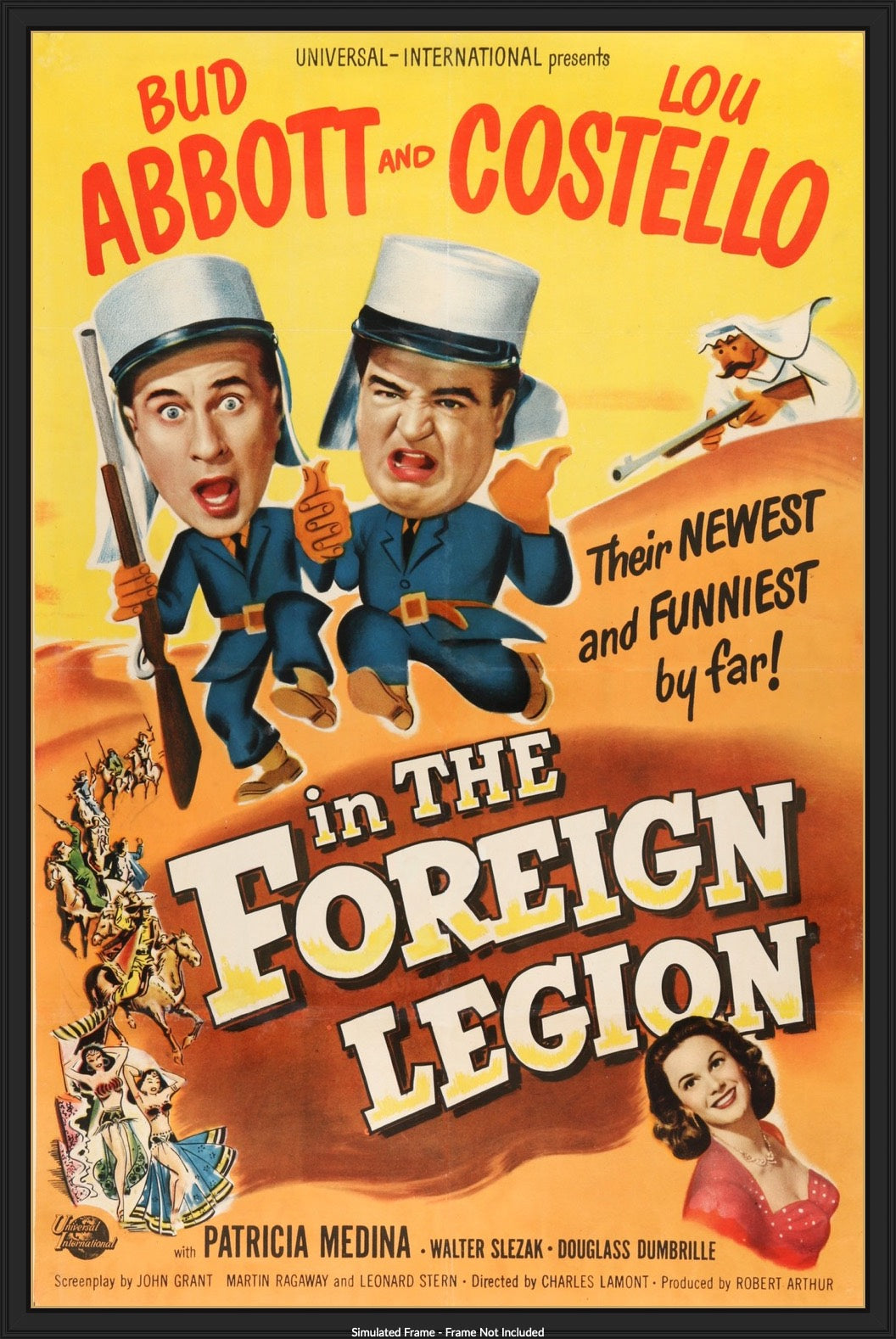
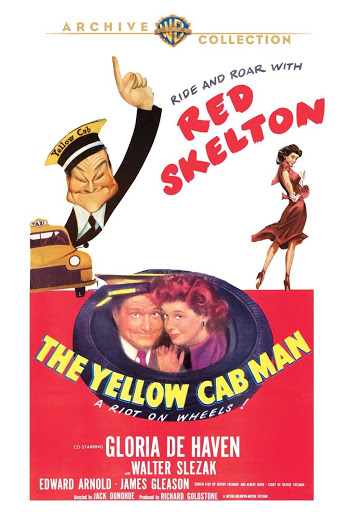
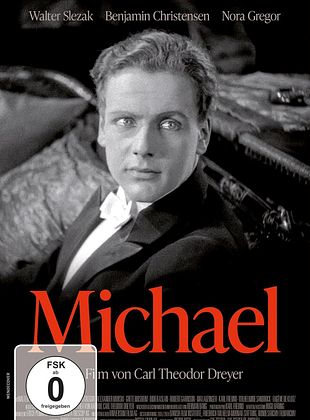
Walter Slezak was born in Vienna in 1902. His father was a famous opera singer Leo Slezak. He acted as a leading man in German silent films. He made his Broadway debut in 1941. The following year he made his first Hollywood film “Once Upon A Honeymoon” with Ginger Rogers and Cary Grant. Amonh his other films are “Sinbard the Sailor”, “The Princess and the Pirate” and “Come September”. He died in 1983.
TCM Overview:
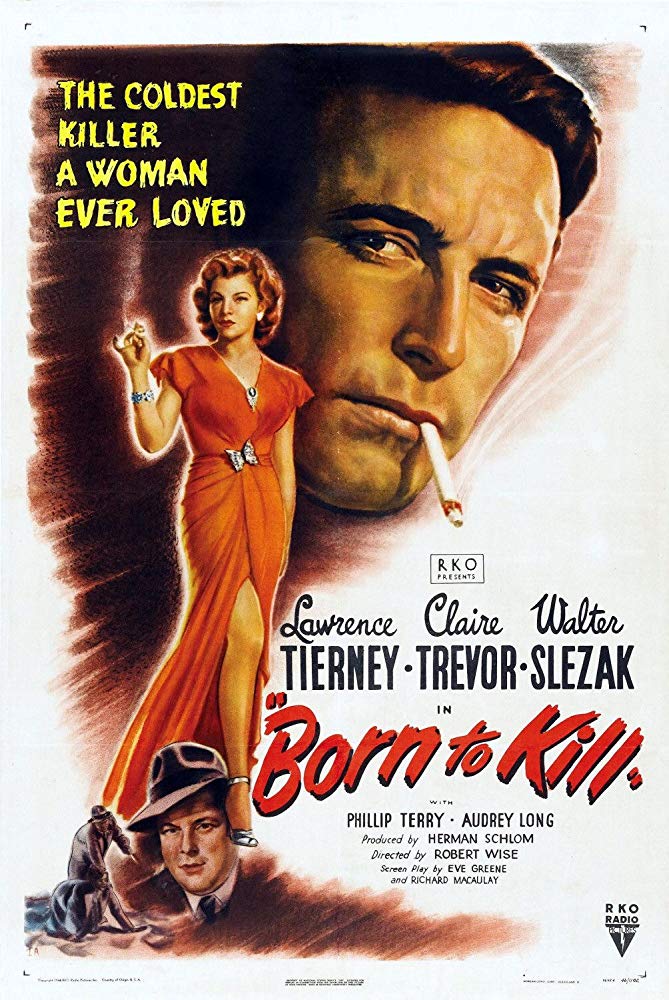
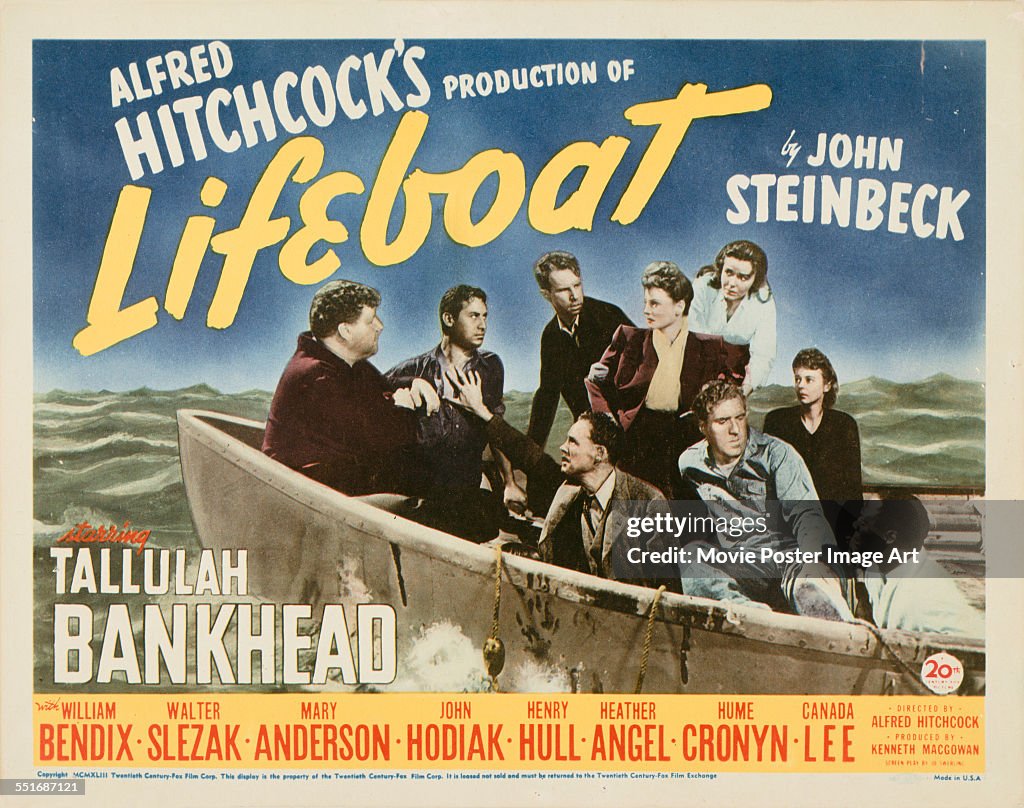
Romantic lead and then (due to his increasing weight) character player, discovered by Michael Curtiz in Hungary in 1922. Slezak began appearing in German films that year and moved to the US, initially as a stage actor, in 1930. His screen roles were often as heavies, notably in “This Land is Mine” (1943) and “Lifeboat” (1944). Like his father, Leo Slezak (1873-1946), he was also a gifted opera singer. Daughter Erika Slezak has appeared on daytime soaps.
Walter Slezak (1902–1983) was a performer of extraordinary versatility who successfully navigated three distinct lives in the arts: a silent-film heartthrob in Europe, a Broadway musical star, and one of Hollywood’s most sophisticated “villains with a smile.” The son of world-renowned opera tenor Leo Slezak, Walter inherited a musicality and stage presence that allowed him to dominate any scene through sheer personality and precise comic timing.
Career Overview
Slezak’s career is a fascinating study in physical and professional evolution.
The European Romantic (1920s): Discovered by director Michael Curtiz, Slezak began as a slim, handsome lead in German silent films, most notably in Carl Theodor Dreyer’s Michael (1924).
The Broadway Transition (1930s): Fleeing the rise of the Nazi party, Slezak moved to the U.S. and reinvented himself on the stage. As his waistline grew, so did his talent for character work. He became a fixture in musical comedies like Music in the Air.
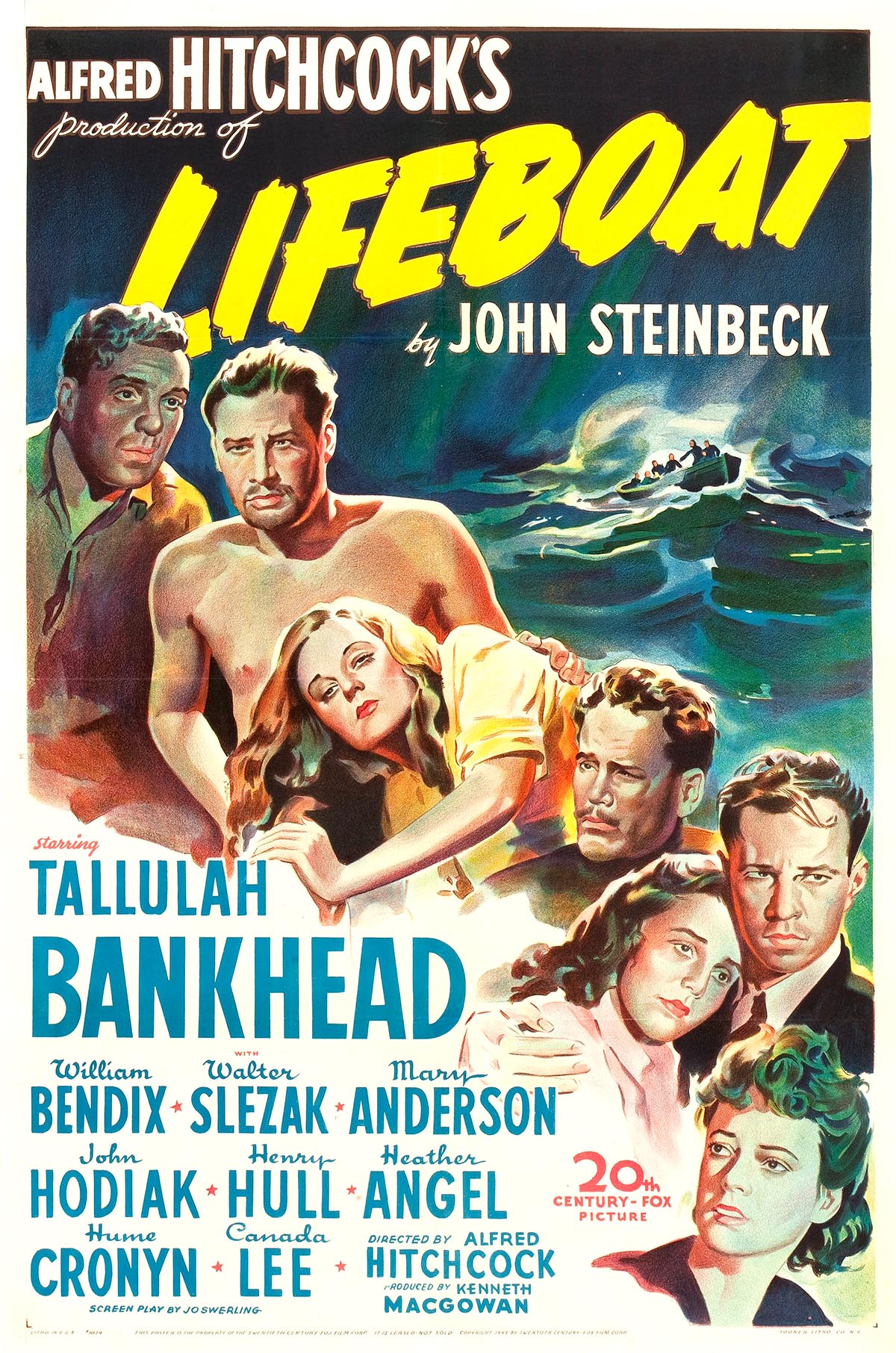
The Hollywood Heavy (1942–1950s): He debuted in American film as a chilling Nazi in Once Upon a Honeymoon. This led to his most famous screen role as the U-boat commander in Alfred Hitchcock’s “Lifeboat” (1944).
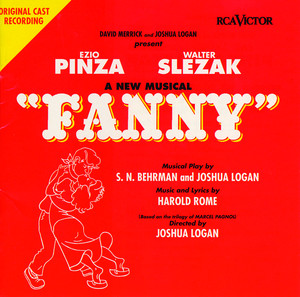
The Tony Winner & TV Guest (1950s–1970s): He won a Tony Award for the musical Fanny (1955) and became a ubiquitous presence on television, famously playing the “Clock King” in the 1960s Batmanseries.
Critical Analysis of His Work
1. The Aesthetics of “Genteel Menace”
Slezak’s greatest contribution to the “Golden Age” of Hollywood was his ability to play villains who were impeccably mannered, intellectual, and physically soft, making their underlying cruelty even more shocking.
Analysis: In “Lifeboat”, Slezak’s performance is a masterclass in psychological manipulation. While the other characters are frantic and divided, his Captain Willi remains calm, calculating, and deceptively helpful. Slezak used his girth to project a sense of unmovable authority and his gentle, melodic voice to mask his character’s social-Darwinist ruthlessness. Critics noted that he managed to represent the “banality of evil” long before the term became a cliché.
2. The “Cuddly” Rogue and Comic Timing
Despite his success as a villain, Slezak was a gifted comedian who understood how to play “the lovable scoundrel.”
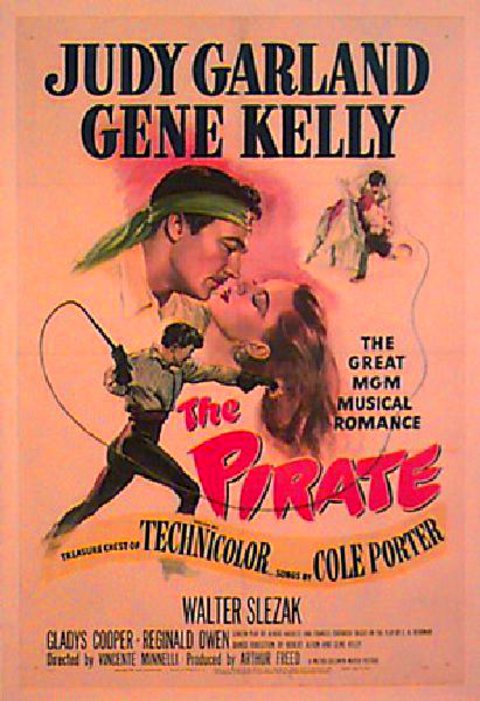
Analysis: In films like “The Inspector General” (1949) with Danny Kaye, or “The Pirate” (1948) with Gene Kelly, Slezak utilized a “twinkle in the eye” technique. He mastered the art of the “slow burn” and the expressive shrug. He understood that for a large man, comedy often comes from unexpected lightness—moving with surprising grace and using a delicate, almost “tiptoeing” vocal delivery that contrasted with his physical presence.
3. Operatic Grandeur on the Broadway Stage
Slezak’s stage work was characterized by a warmth and humanity that his film roles often lacked.
Analysis: In the musical “Fanny”, Slezak played Panisse, a role that required him to balance broad comedy with genuine pathos. Critics hailed his performance as the “soul of the show.” His ability to sing with character-driven accuracy (leveraging his operatic heritage without being “stuffy”) allowed him to bridge the gap between high art and popular entertainment.
4. The European Sensitivity
Even in his most “Hollywood” roles, Slezak retained a European sensibility—a certain world-weariness and cynicism that added layers to his characters.
Analysis: He often played characters who were “citizens of the world,” comfortable in their skin regardless of the setting. This made him an excellent foil for the more “earnest” American leading men of the time, such as John Wayne or Cary Grant. He represented an older, more complicated world, providing a necessary grit to the glossy studio productions.
Key Performances for Study
Work
Year
Role
Significance
Michael
1924
Michael
A landmark of silent cinema; shows his early “romantic lead” phase.
Lifeboat
1944
Willi
His definitive film performance; a chilling study of fascist ideology.
The Pirate
1948
Don Pedro Vargas
Showcased his ability to blend villainy with high-style musical comedy.
Fanny(Stage)
1954
Panisse
Won the Tony Award for Best Actor; proved his leading-man status.
Batman (TV)
1966
The Clock King
A campy, cult-classic role that introduced him to a new generation.
In summary: Walter Slezak was a “High-Definition” actor long before the technology existed. Every gesture was precise, and every line was delivered with a rhythmic awareness. He transformed the “fat man” archetype from a comic relief or a grotesque into a figure of high intelligence, deep emotion, and—when necessary—terrifying power
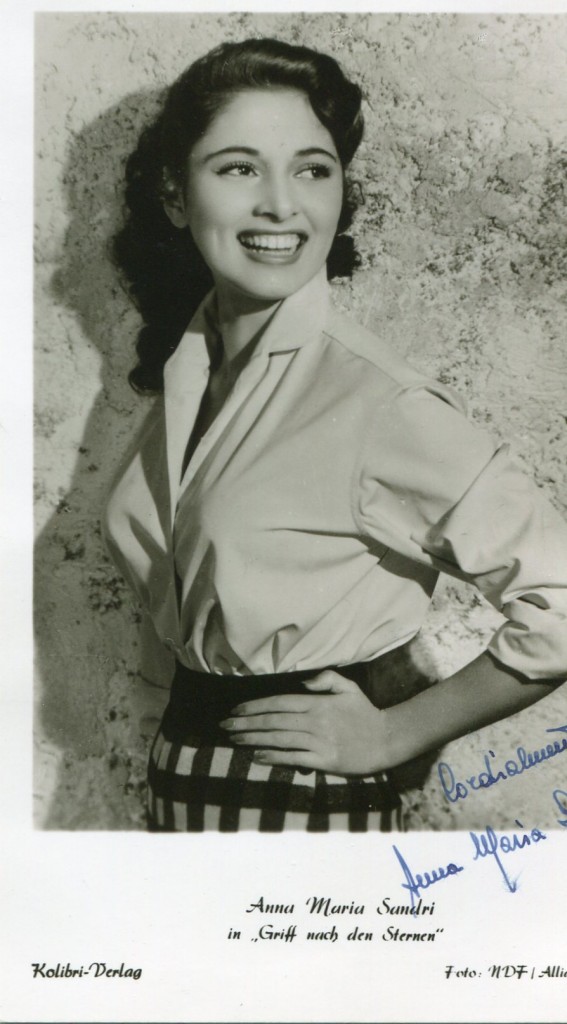
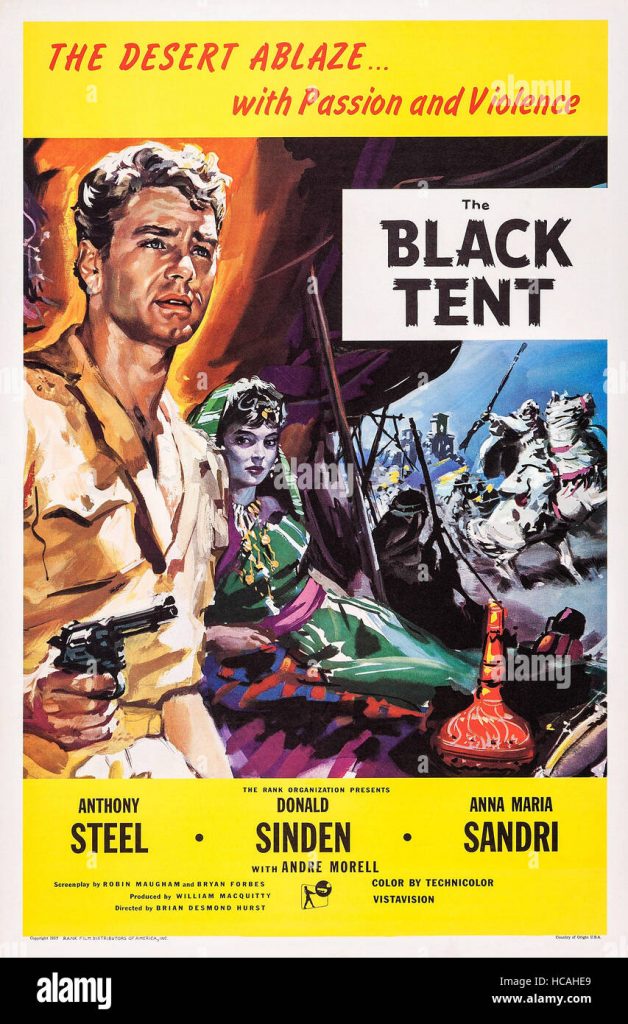
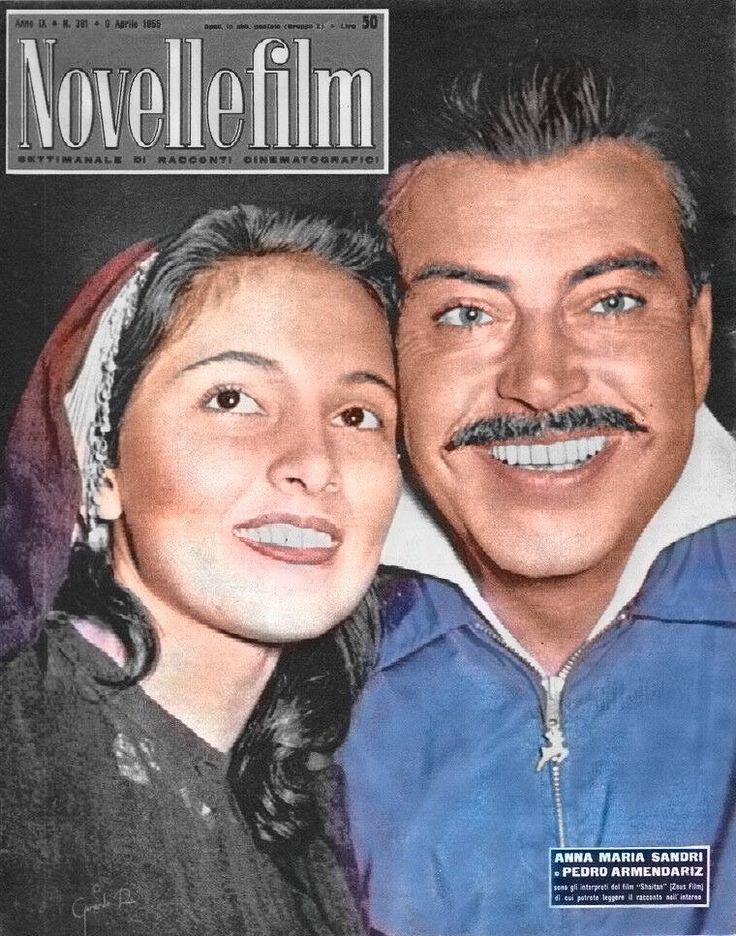
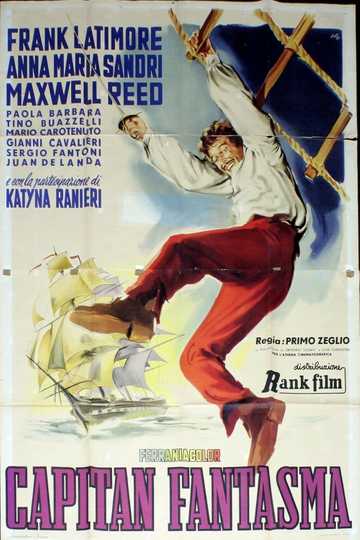
Anna Maria Sandri was born in 1936 in Rome. Her first film was as a child in “La Morte Civile” in 1942. She only made a few films, the best known being “The Black Tent” in 1956 with Donald Sinden and Anthony Steel. It seems to have also been her final film to date.