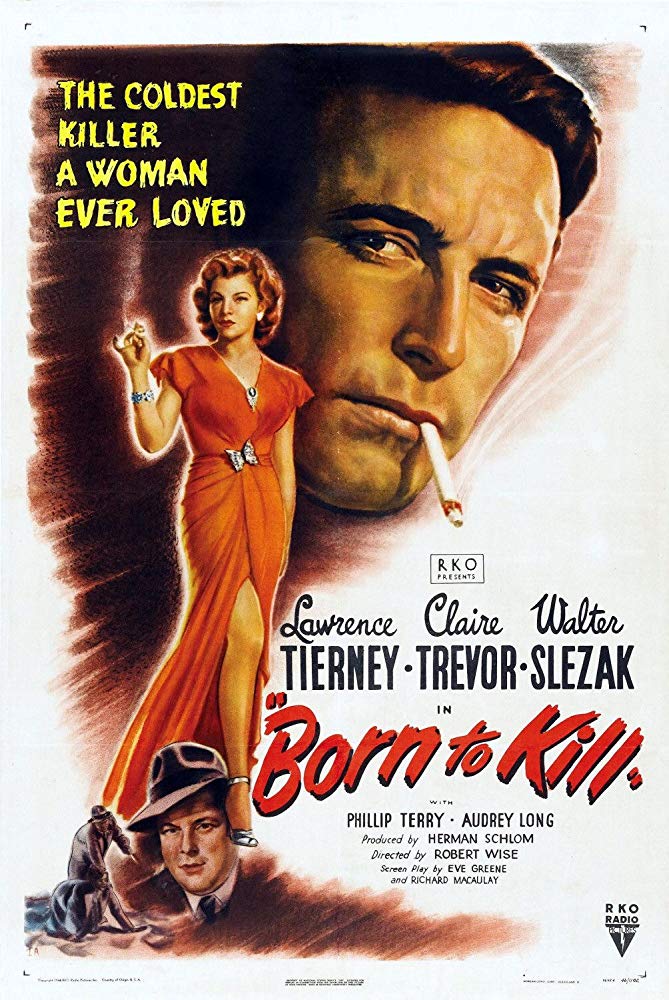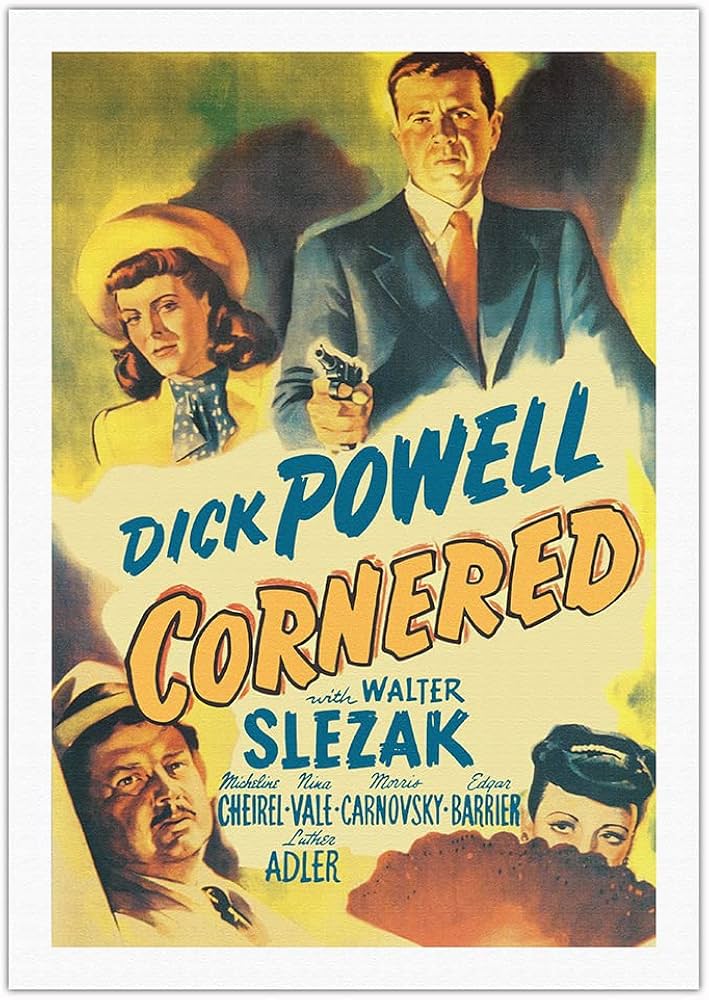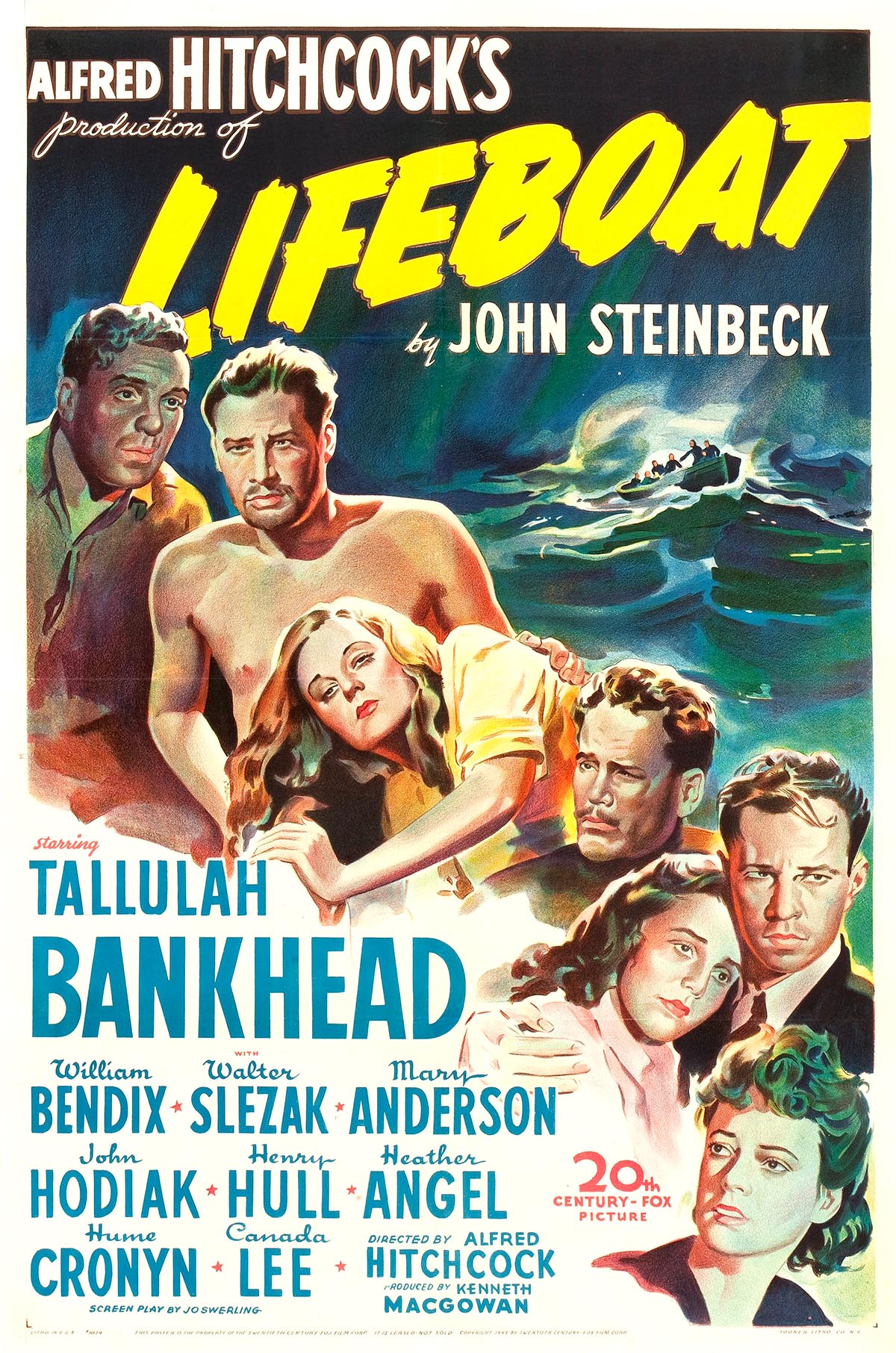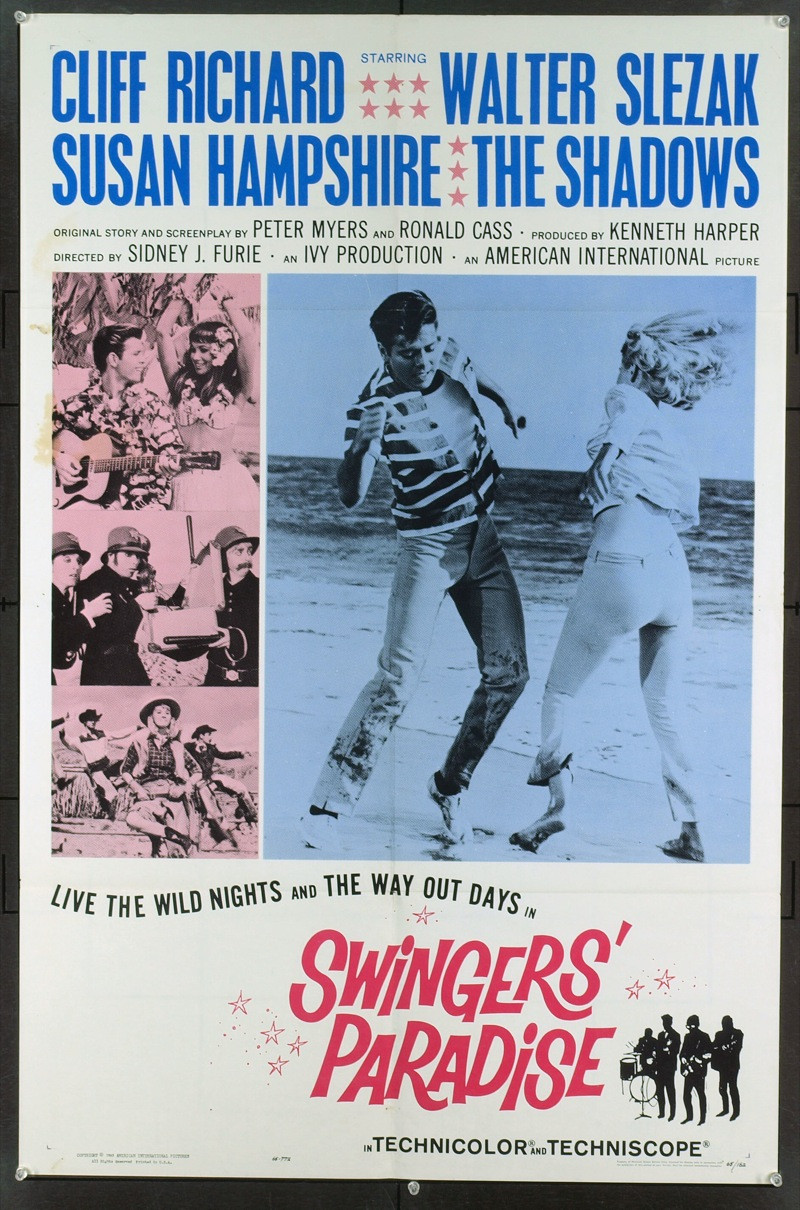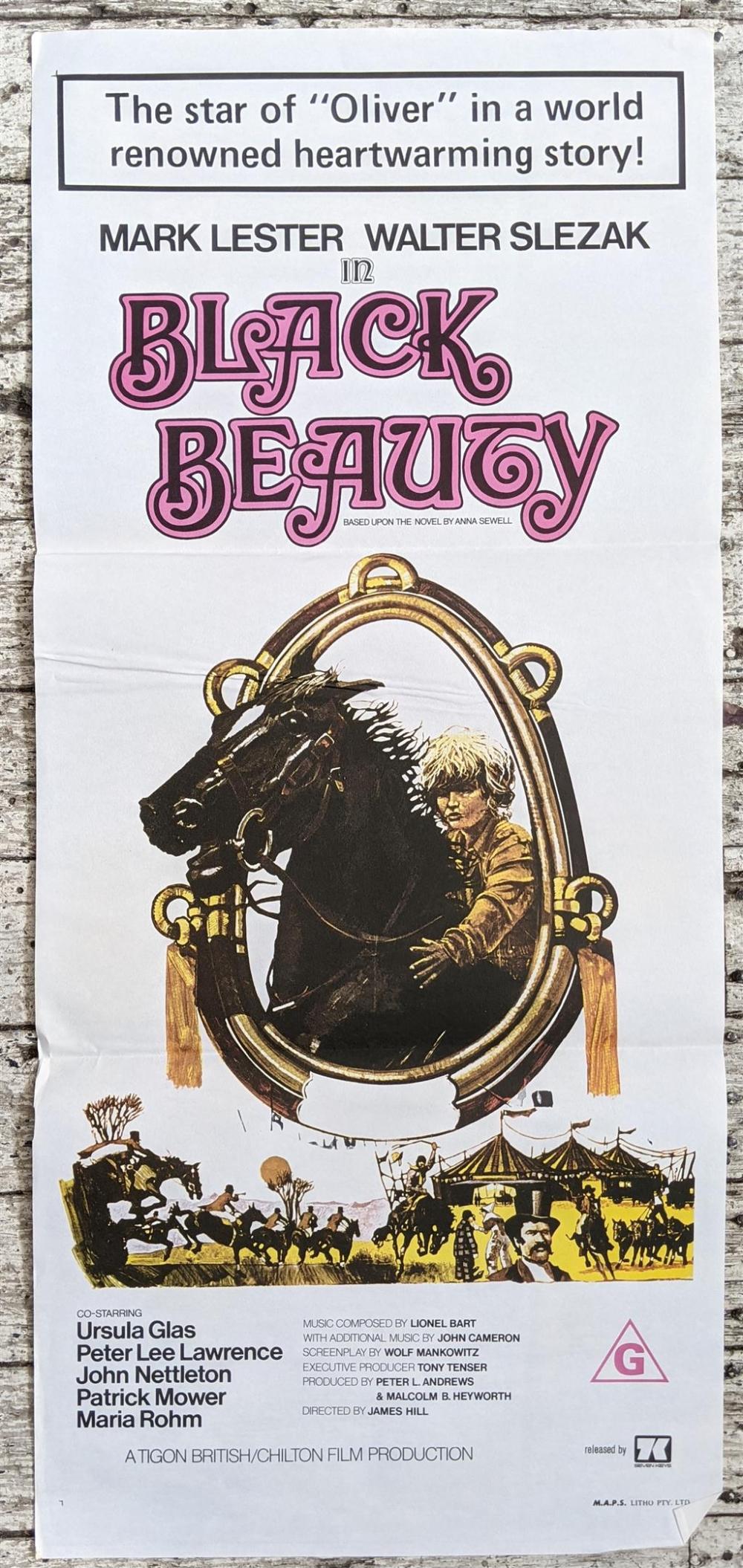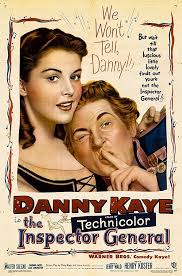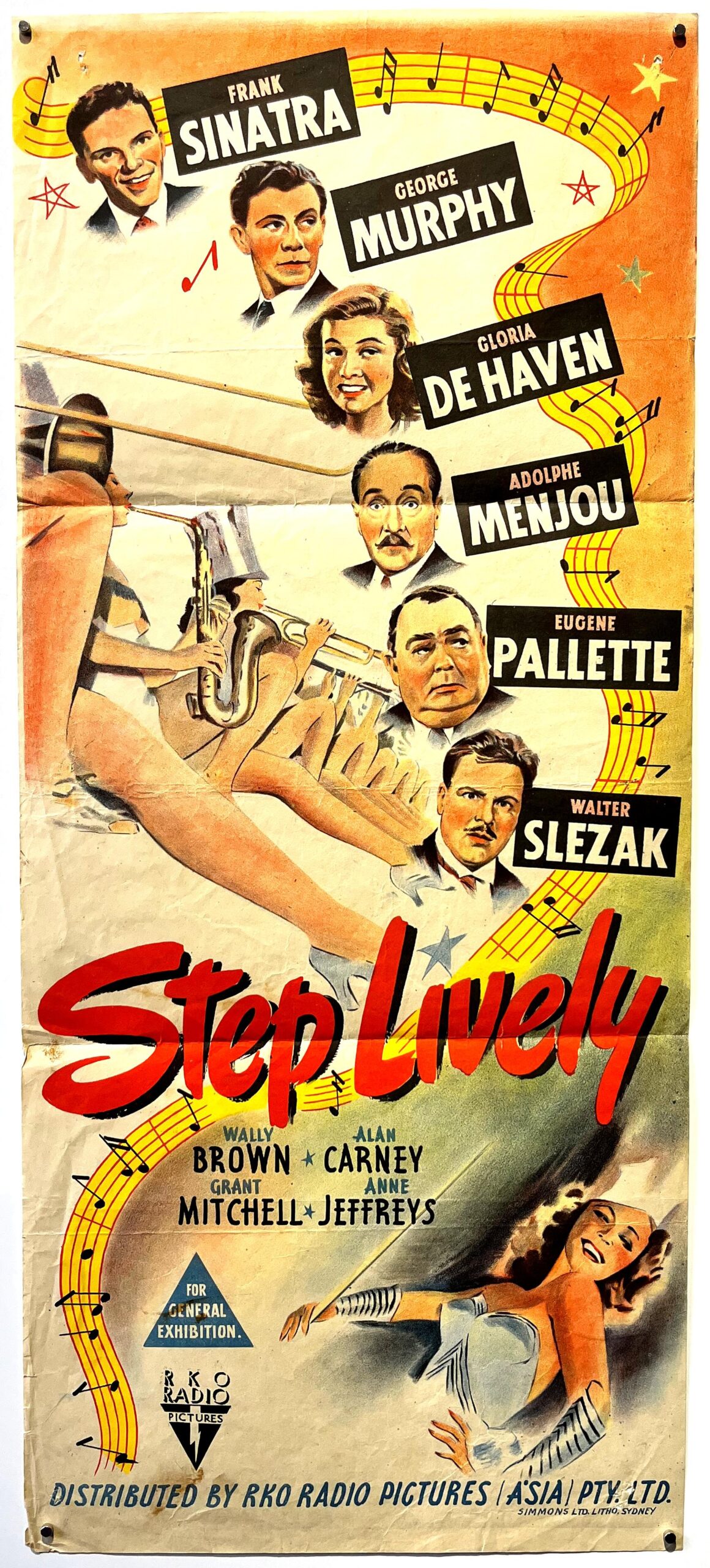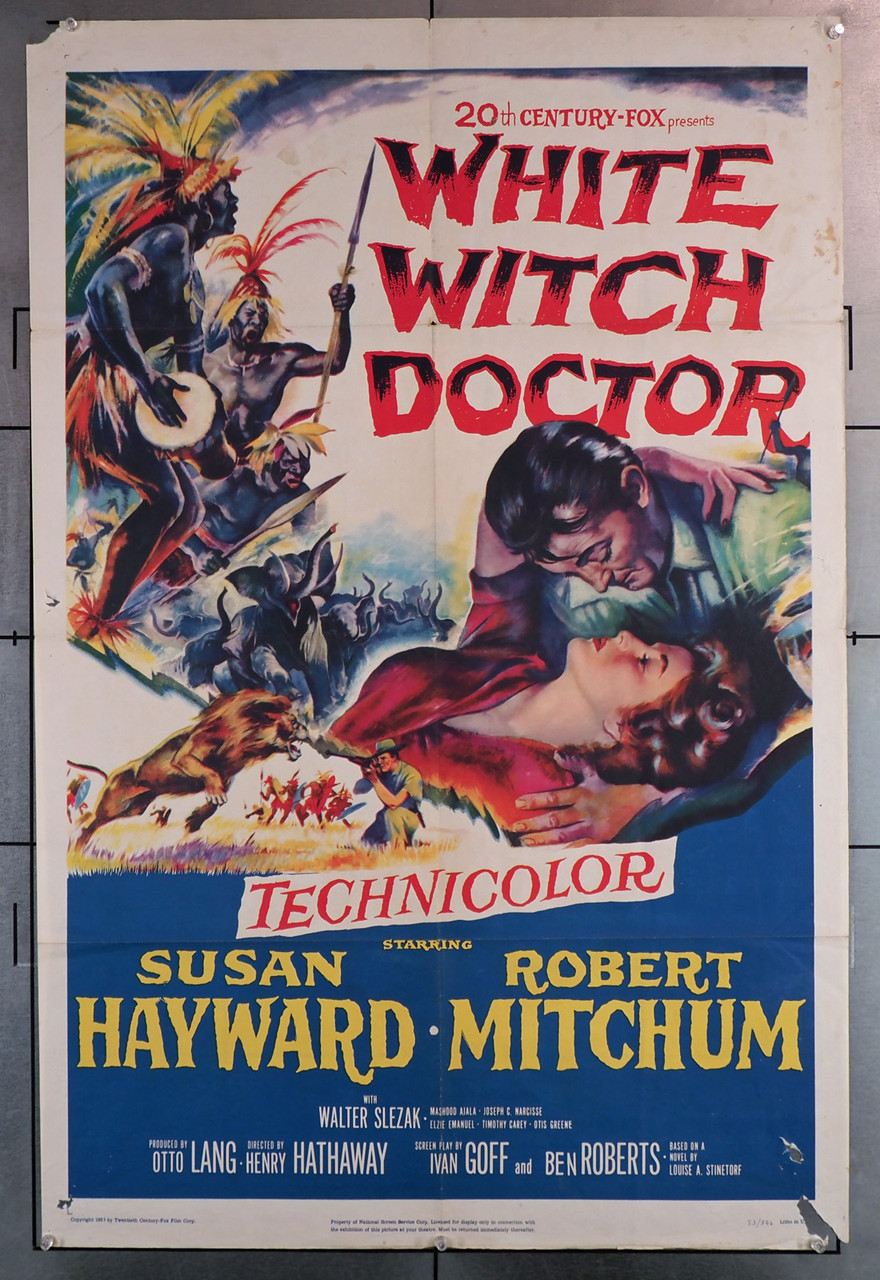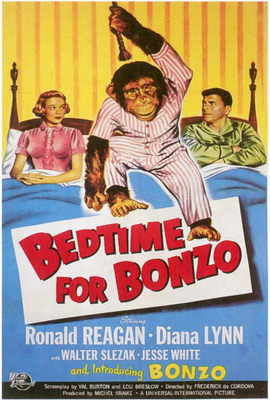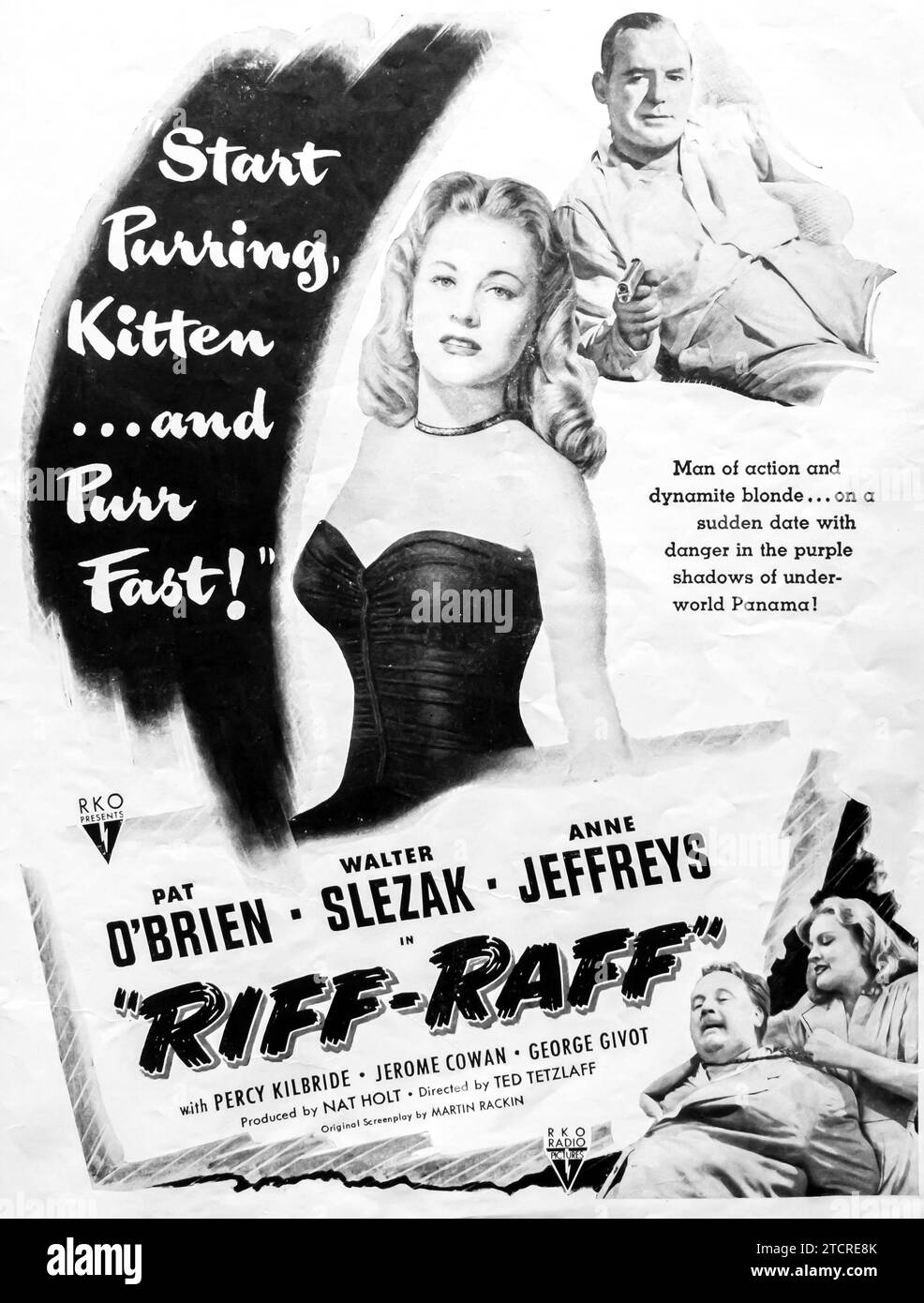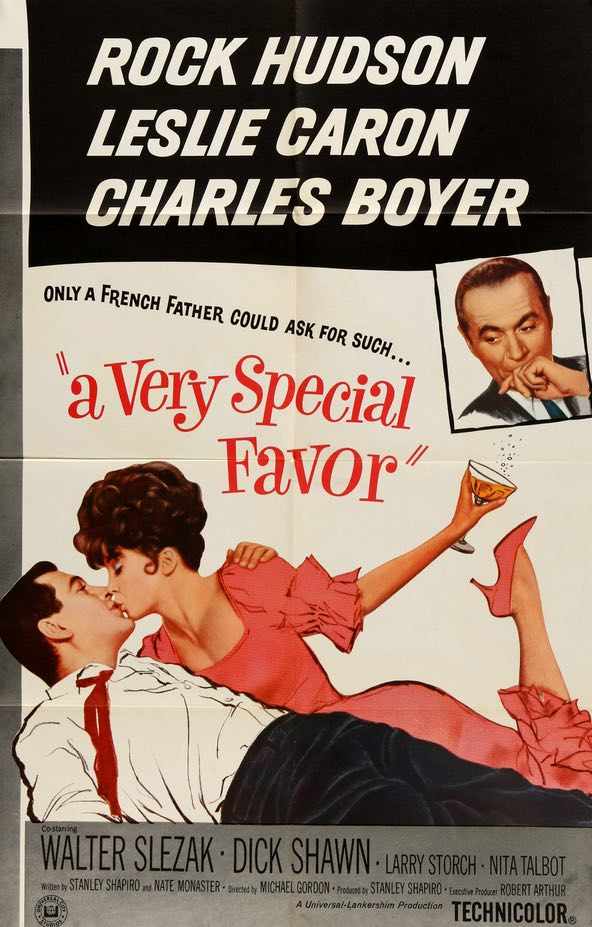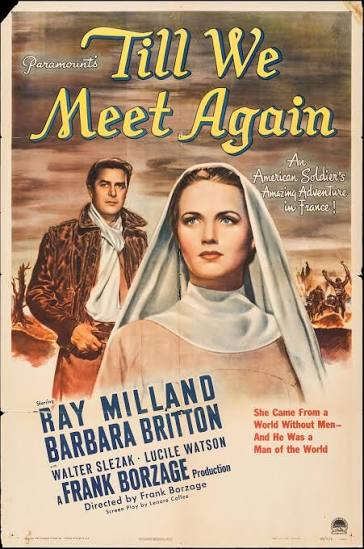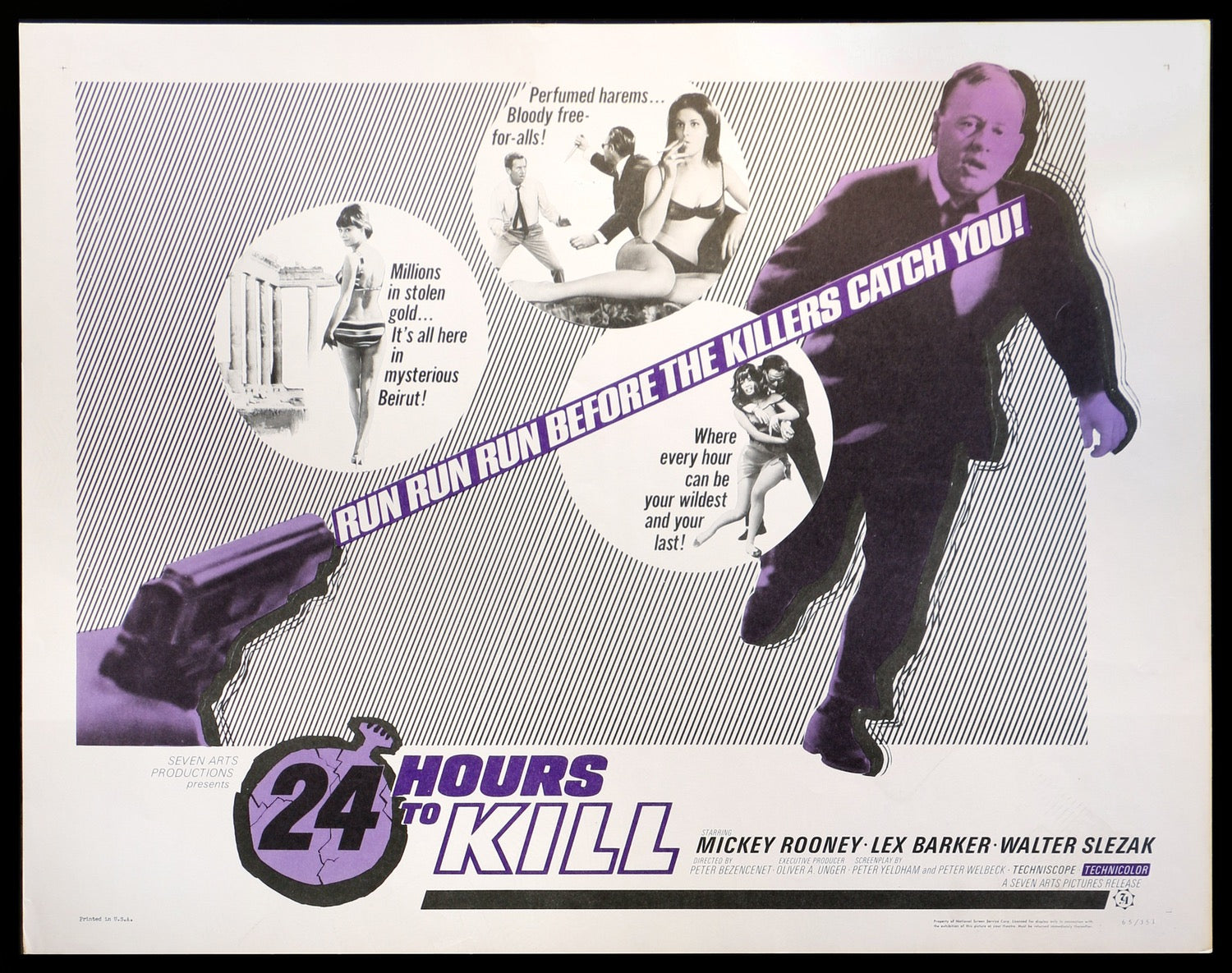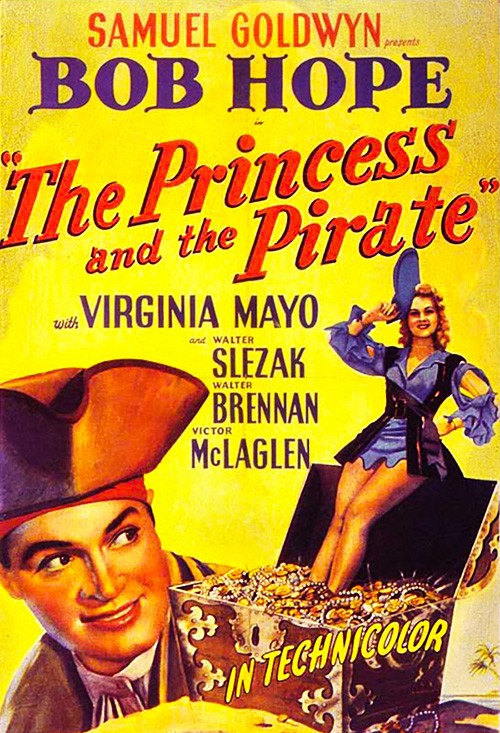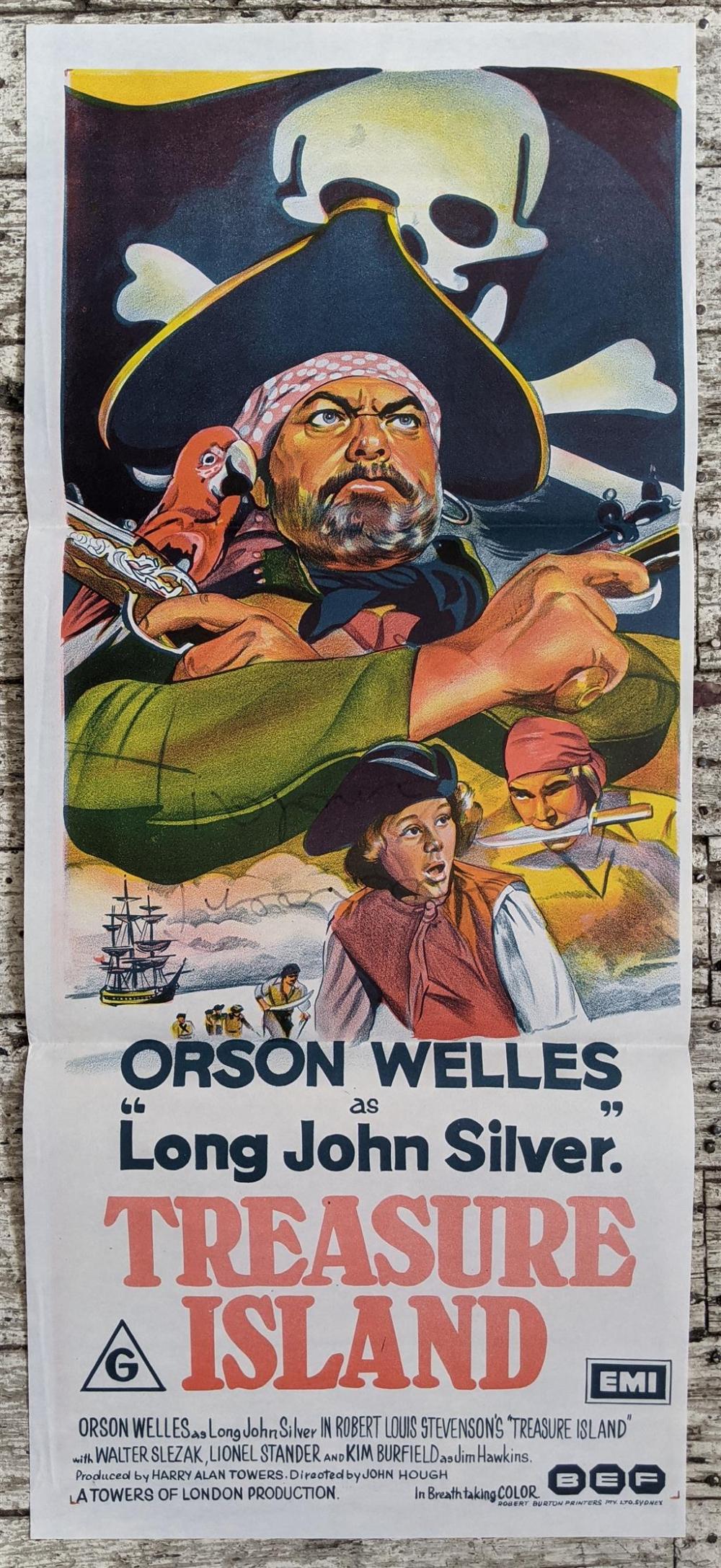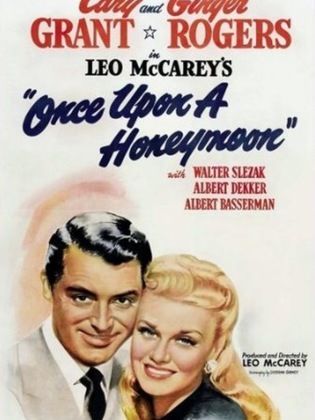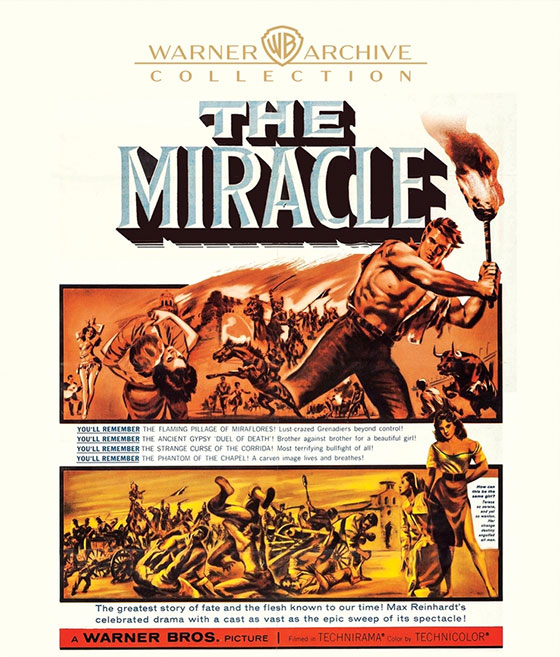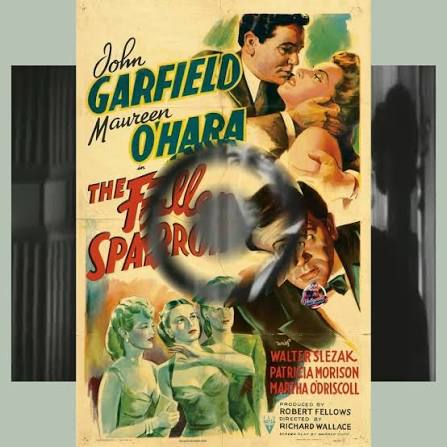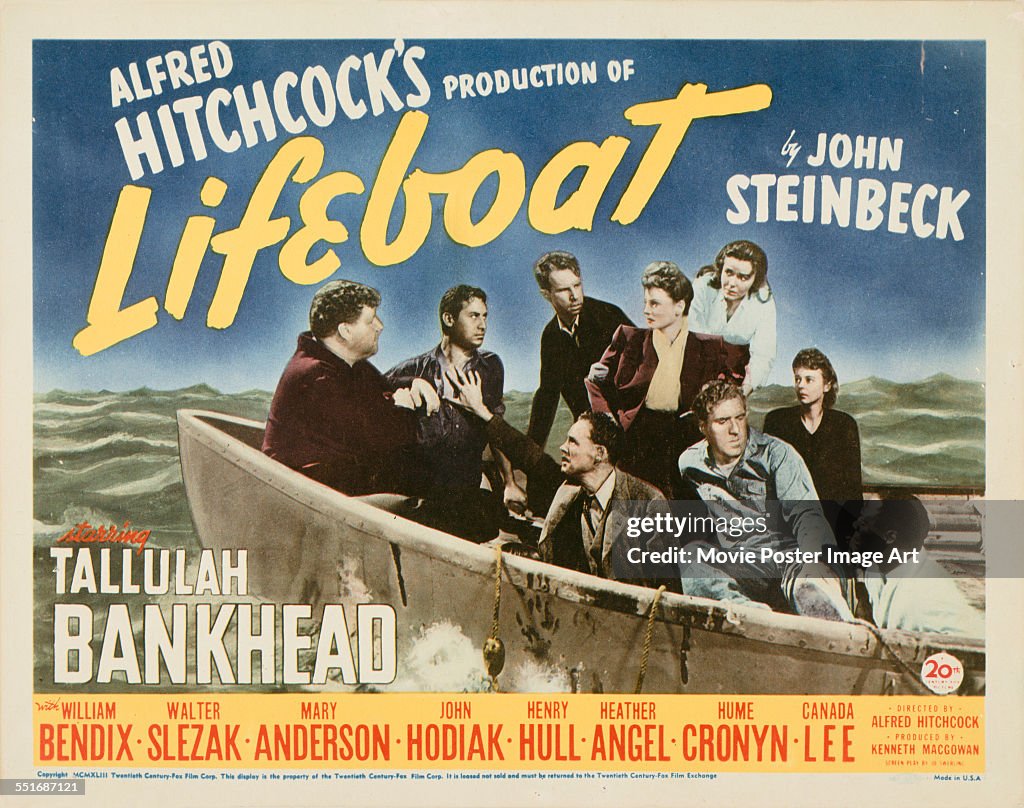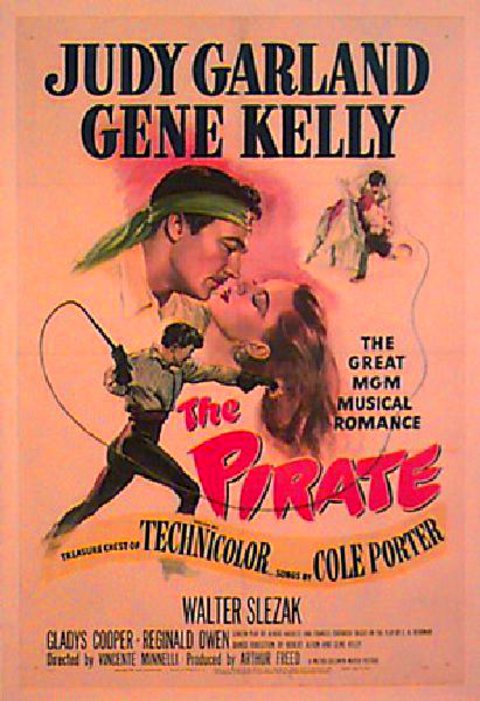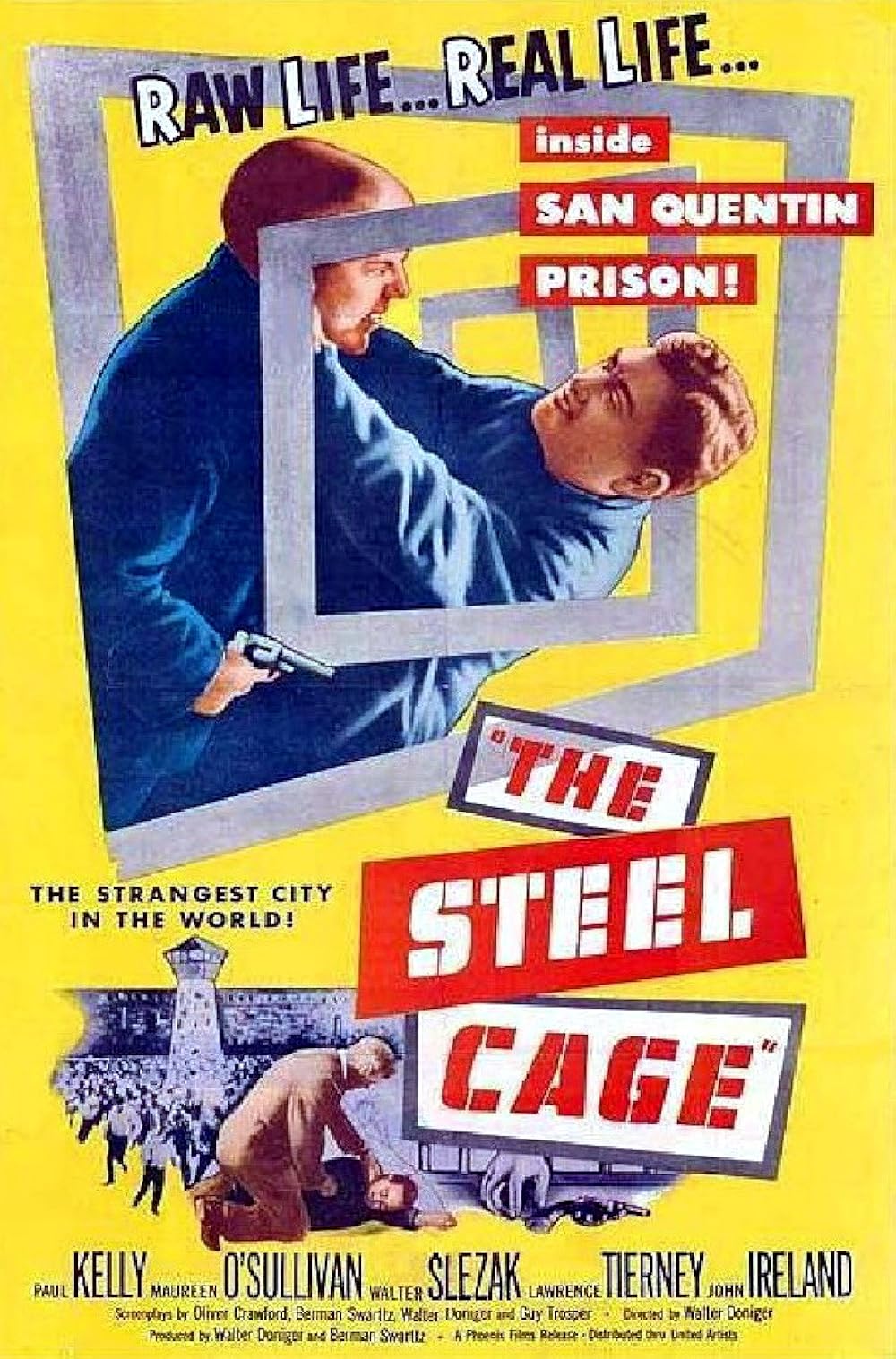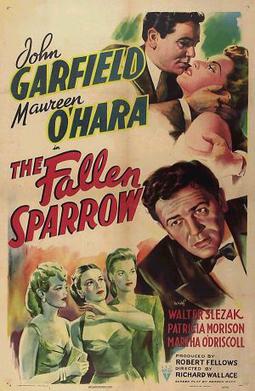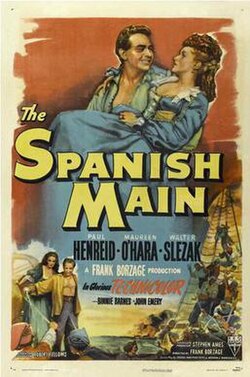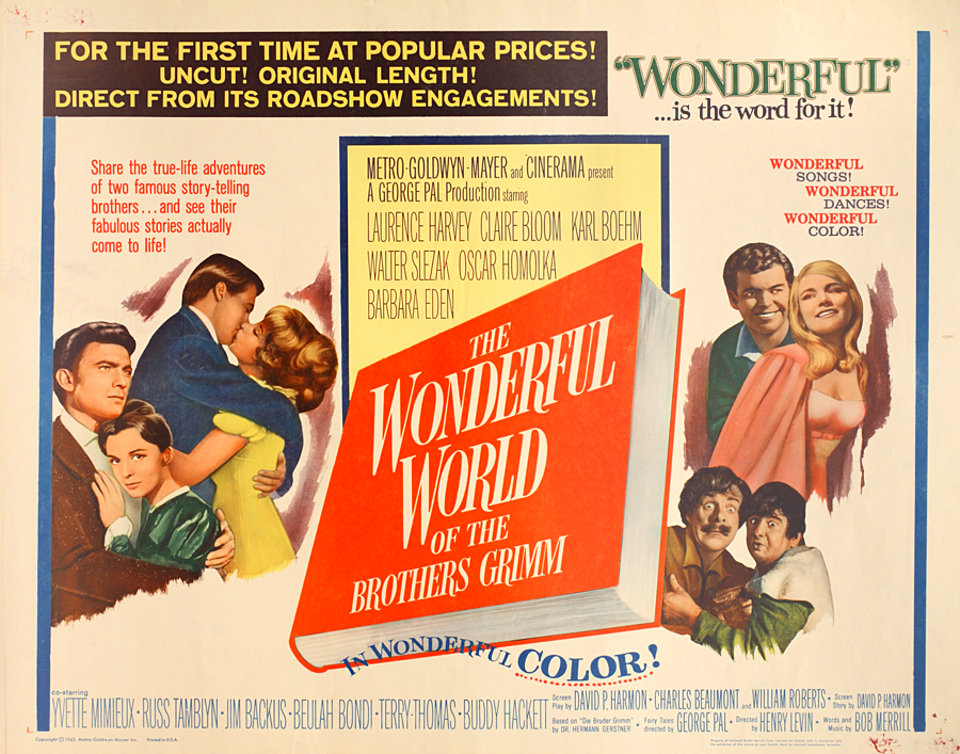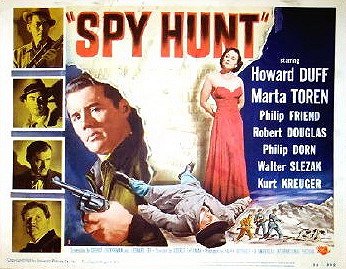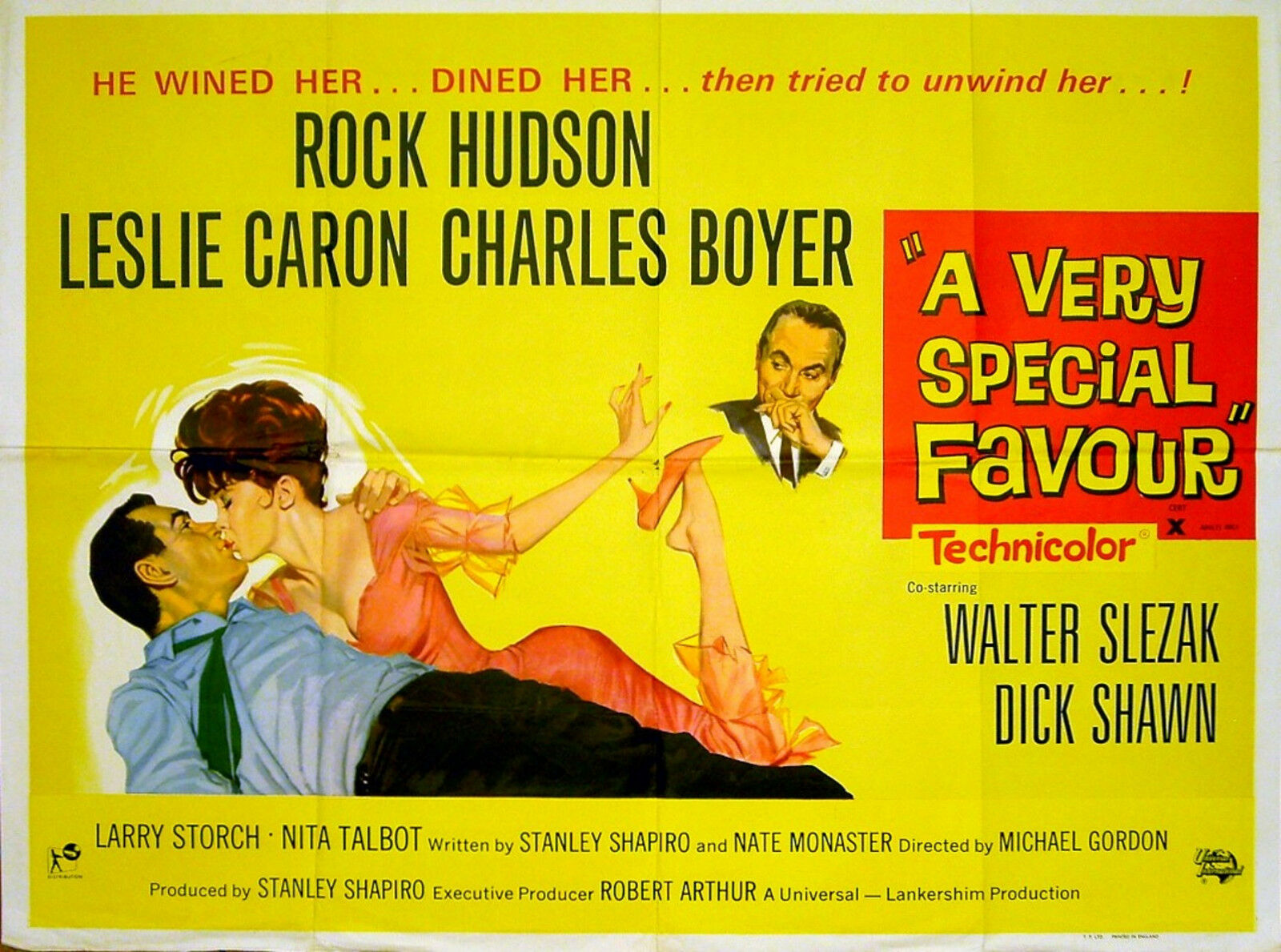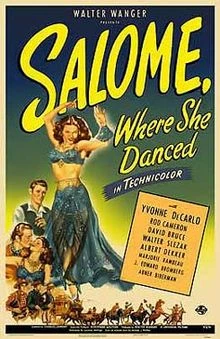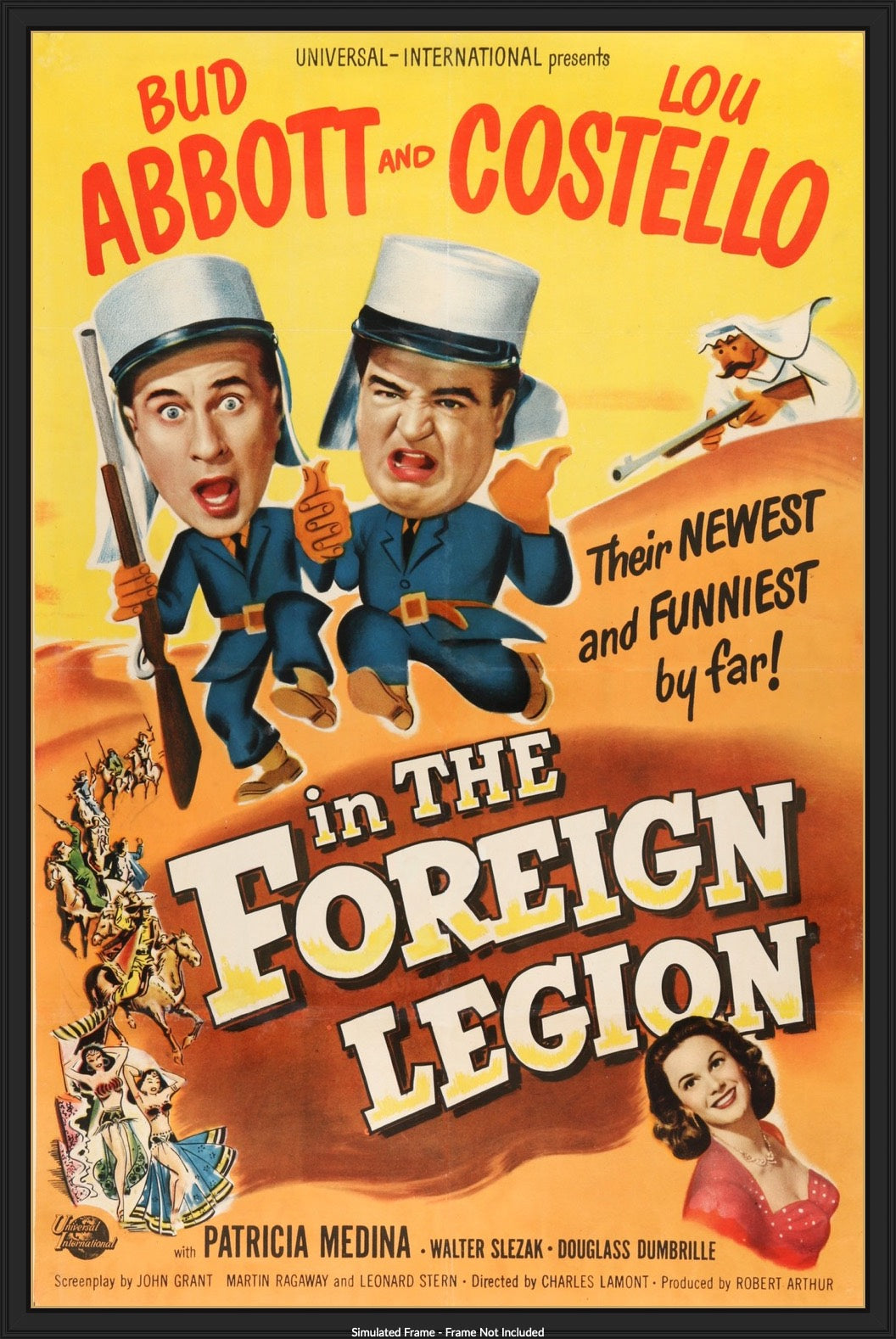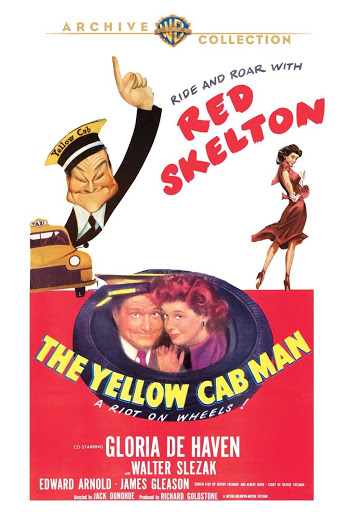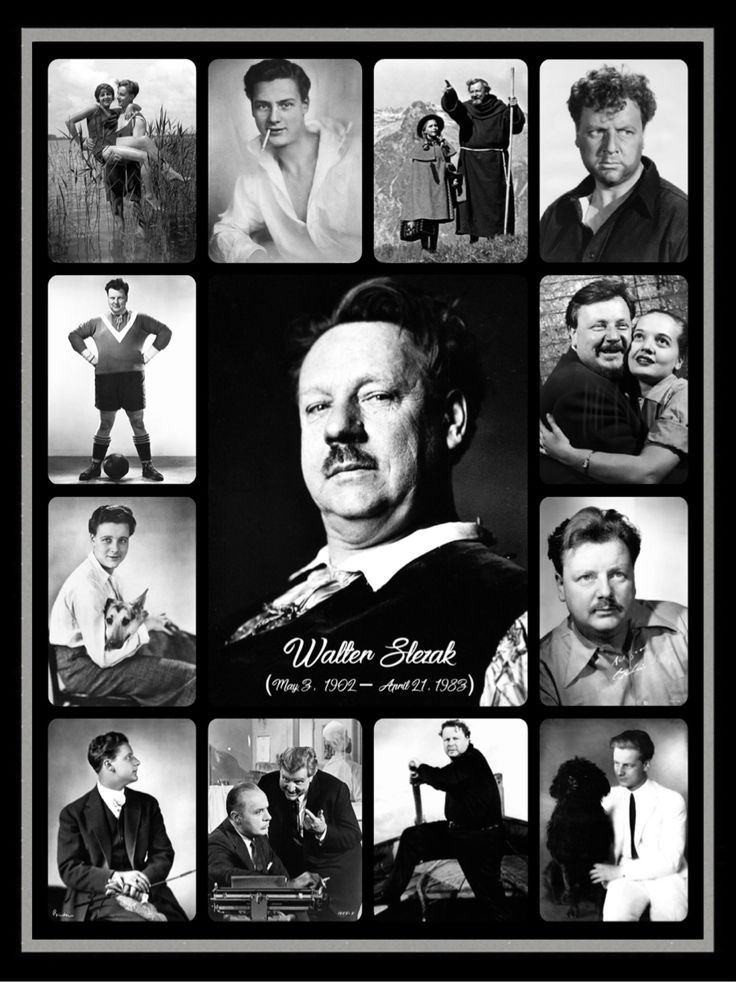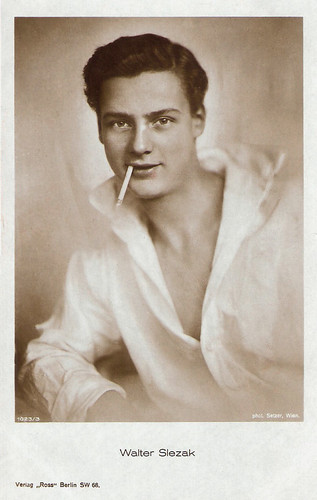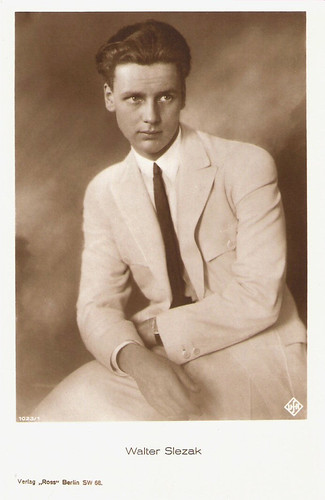

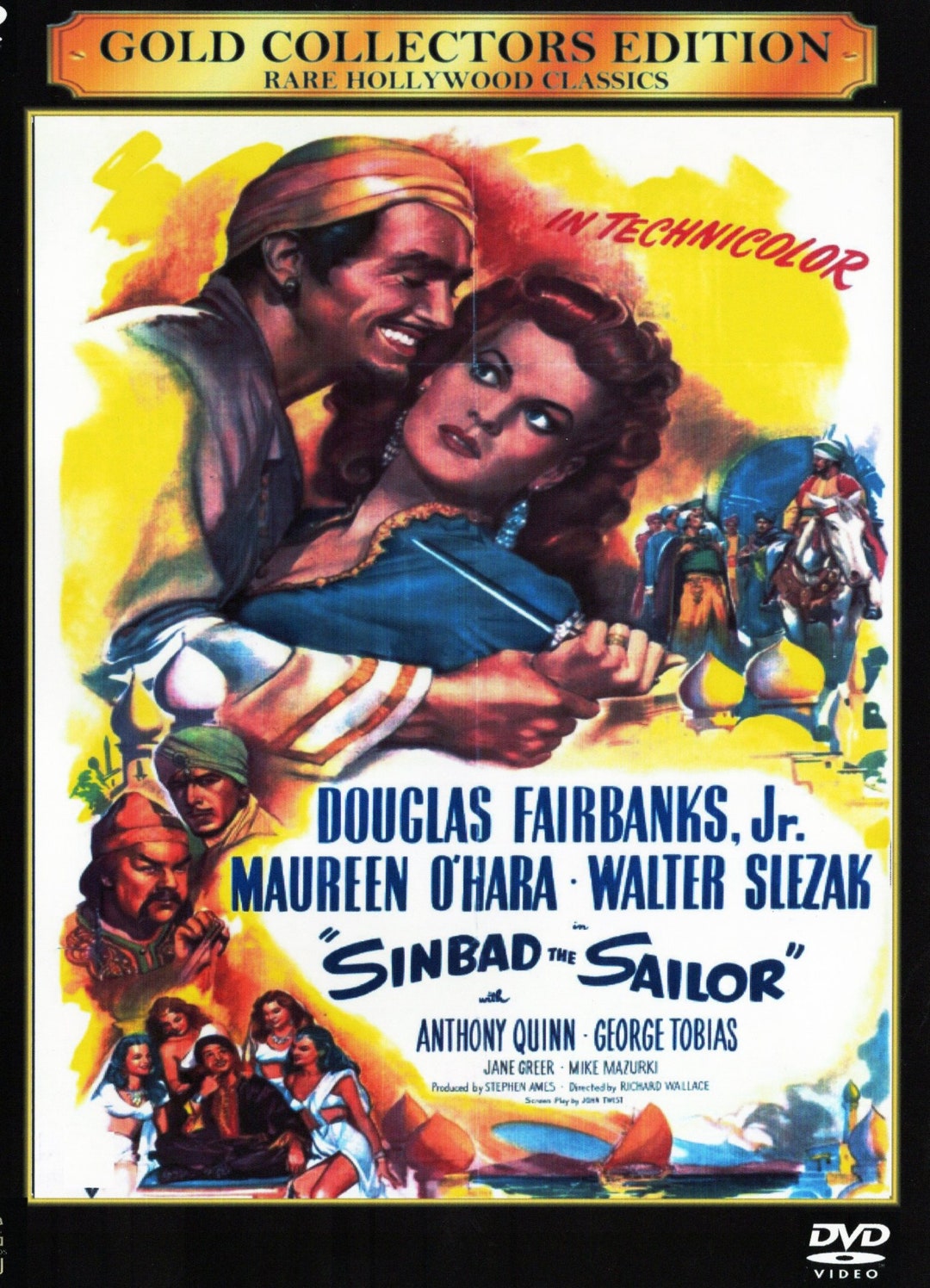
Walter Slezak was born in Vienna in 1902. His father was a famous opera singer Leo Slezak. He acted as a leading man in German silent films. He made his Broadway debut in 1941. The following year he made his first Hollywood film “Once Upon A Honeymoon” with Ginger Rogers and Cary Grant. Amonh his other films are “Sinbard the Sailor”, “The Princess and the Pirate” and “Come September”. He died in 1983.
TCM Overview:
Romantic lead and then (due to his increasing weight) character player, discovered by Michael Curtiz in Hungary in 1922. Slezak began appearing in German films that year and moved to the US, initially as a stage actor, in 1930. His screen roles were often as heavies, notably in “This Land is Mine” (1943) and “Lifeboat” (1944). Like his father, Leo Slezak (1873-1946), he was also a gifted opera singer. Daughter Erika Slezak has appeared on daytime soaps.
Walter Slezak (1902–1983) was a performer of extraordinary versatility who successfully navigated three distinct lives in the arts: a silent-film heartthrob in Europe, a Broadway musical star, and one of Hollywood’s most sophisticated “villains with a smile.” The son of world-renowned opera tenor Leo Slezak, Walter inherited a musicality and stage presence that allowed him to dominate any scene through sheer personality and precise comic timing.
Career Overview
Slezak’s career is a fascinating study in physical and professional evolution.
-
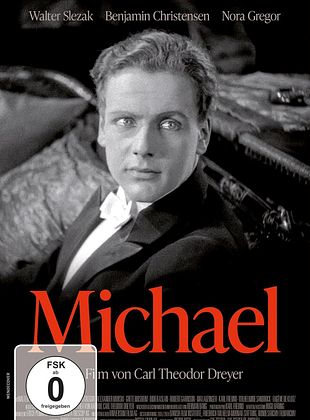
The European Romantic (1920s): Discovered by director Michael Curtiz, Slezak began as a slim, handsome lead in German silent films, most notably in Carl Theodor Dreyer’s Michael (1924).
-
The Broadway Transition (1930s): Fleeing the rise of the Nazi party, Slezak moved to the U.S. and reinvented himself on the stage. As his waistline grew, so did his talent for character work. He became a fixture in musical comedies like Music in the Air.
-
The Hollywood Heavy (1942–1950s): He debuted in American film as a chilling Nazi in Once Upon a Honeymoon. This led to his most famous screen role as the U-boat commander in Alfred Hitchcock’s “Lifeboat” (1944).
-
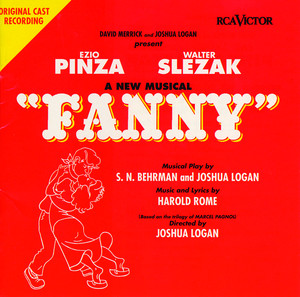
The Tony Winner & TV Guest (1950s–1970s): He won a Tony Award for the musical Fanny (1955) and became a ubiquitous presence on television, famously playing the “Clock King” in the 1960s Batmanseries.
Critical Analysis of His Work
1. The Aesthetics of “Genteel Menace”
Slezak’s greatest contribution to the “Golden Age” of Hollywood was his ability to play villains who were impeccably mannered, intellectual, and physically soft, making their underlying cruelty even more shocking.
-
Analysis: In “Lifeboat”, Slezak’s performance is a masterclass in psychological manipulation. While the other characters are frantic and divided, his Captain Willi remains calm, calculating, and deceptively helpful. Slezak used his girth to project a sense of unmovable authority and his gentle, melodic voice to mask his character’s social-Darwinist ruthlessness. Critics noted that he managed to represent the “banality of evil” long before the term became a cliché.
2. The “Cuddly” Rogue and Comic Timing
Despite his success as a villain, Slezak was a gifted comedian who understood how to play “the lovable scoundrel.”
-
Analysis: In films like “The Inspector General” (1949) with Danny Kaye, or “The Pirate” (1948) with Gene Kelly, Slezak utilized a “twinkle in the eye” technique. He mastered the art of the “slow burn” and the expressive shrug. He understood that for a large man, comedy often comes from unexpected lightness—moving with surprising grace and using a delicate, almost “tiptoeing” vocal delivery that contrasted with his physical presence.
3. Operatic Grandeur on the Broadway Stage
Slezak’s stage work was characterized by a warmth and humanity that his film roles often lacked.
-
Analysis: In the musical “Fanny”, Slezak played Panisse, a role that required him to balance broad comedy with genuine pathos. Critics hailed his performance as the “soul of the show.” His ability to sing with character-driven accuracy (leveraging his operatic heritage without being “stuffy”) allowed him to bridge the gap between high art and popular entertainment.
4. The European Sensitivity
Even in his most “Hollywood” roles, Slezak retained a European sensibility—a certain world-weariness and cynicism that added layers to his characters.
-
Analysis: He often played characters who were “citizens of the world,” comfortable in their skin regardless of the setting. This made him an excellent foil for the more “earnest” American leading men of the time, such as John Wayne or Cary Grant. He represented an older, more complicated world, providing a necessary grit to the glossy studio productions.
Key Performances for Study
| Work | Year | Role | Significance |
| Michael | 1924 | Michael | A landmark of silent cinema; shows his early “romantic lead” phase. |
| Lifeboat | 1944 | Willi | His definitive film performance; a chilling study of fascist ideology. |
| The Pirate | 1948 | Don Pedro Vargas | Showcased his ability to blend villainy with high-style musical comedy. |
| Fanny(Stage) | 1954 | Panisse | Won the Tony Award for Best Actor; proved his leading-man status. |
| Batman (TV) | 1966 | The Clock King | A campy, cult-classic role that introduced him to a new generation. |
In summary: Walter Slezak was a “High-Definition” actor long before the technology existed. Every gesture was precise, and every line was delivered with a rhythmic awareness. He transformed the “fat man” archetype from a comic relief or a grotesque into a figure of high intelligence, deep emotion, and—when necessary—terrifying power