
European Actors

Collection of Classic European Actors

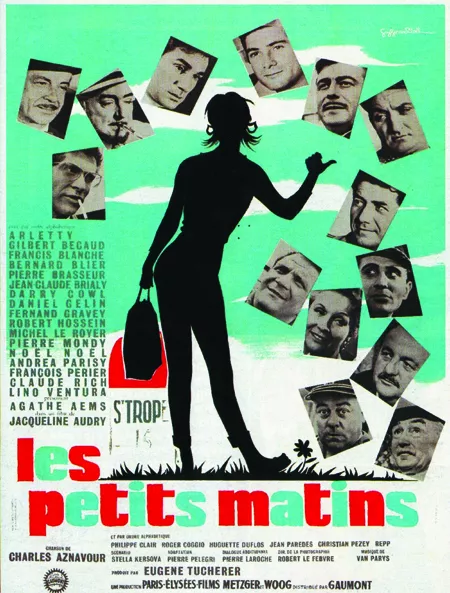
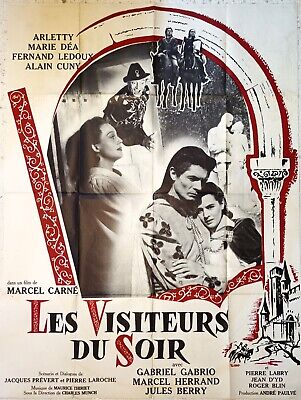
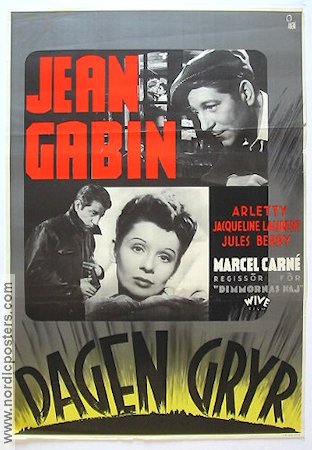
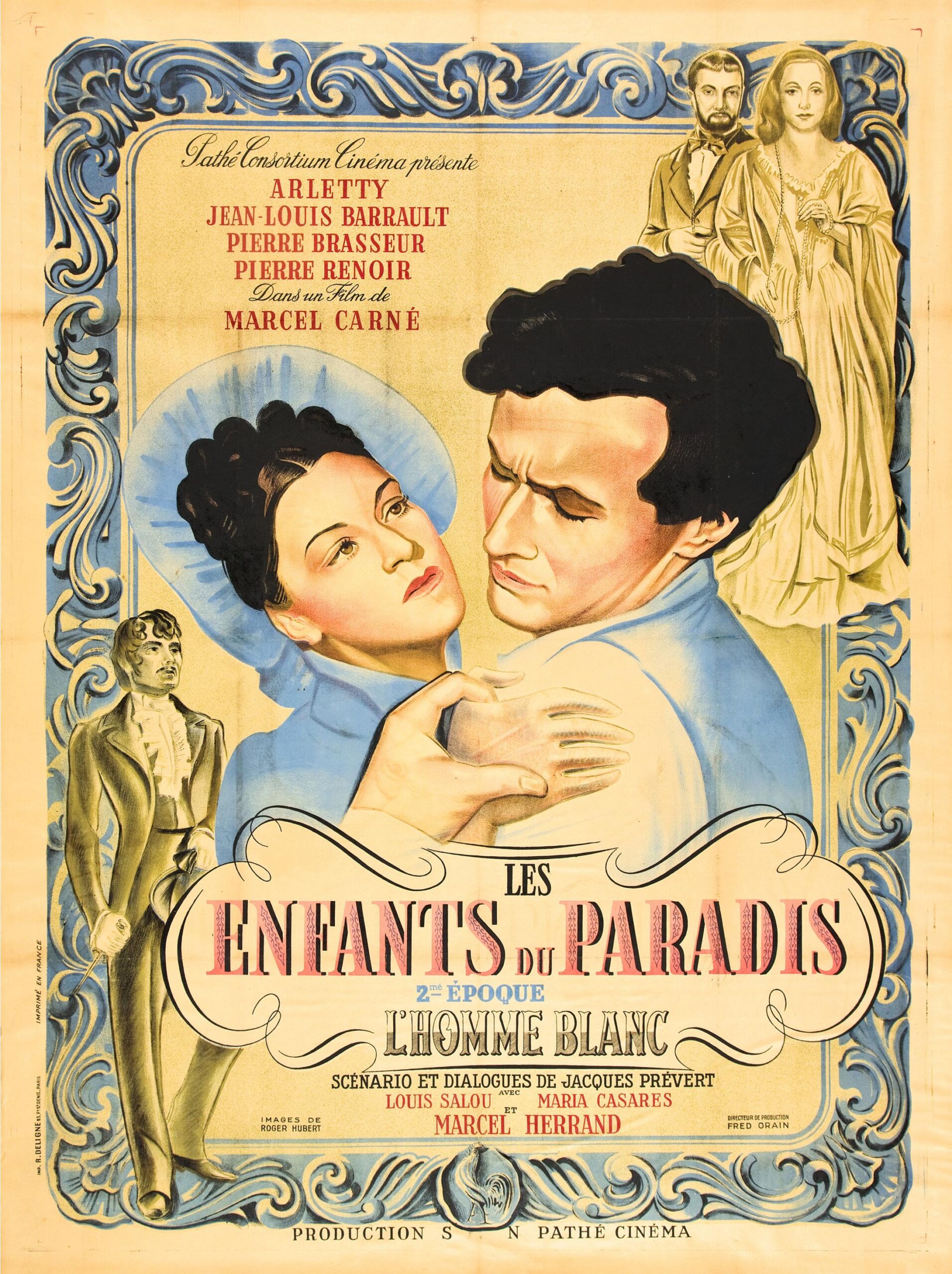
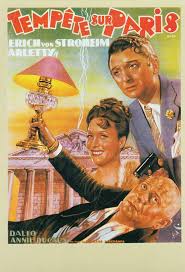
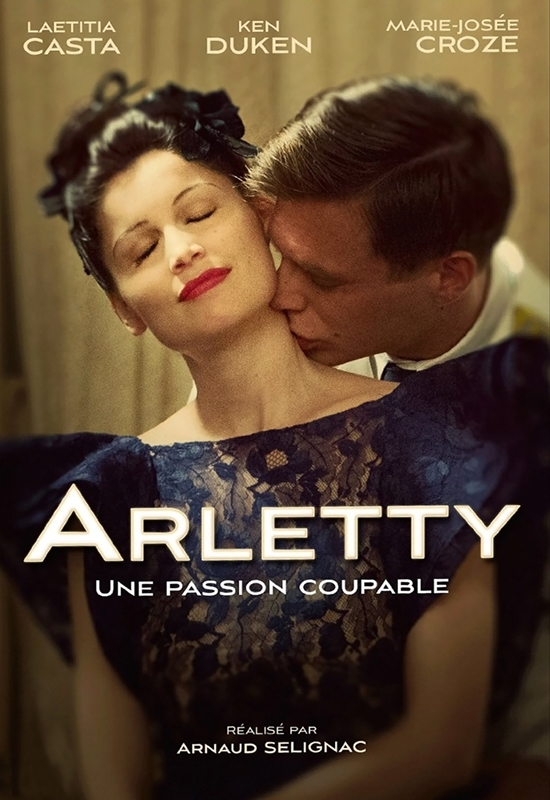
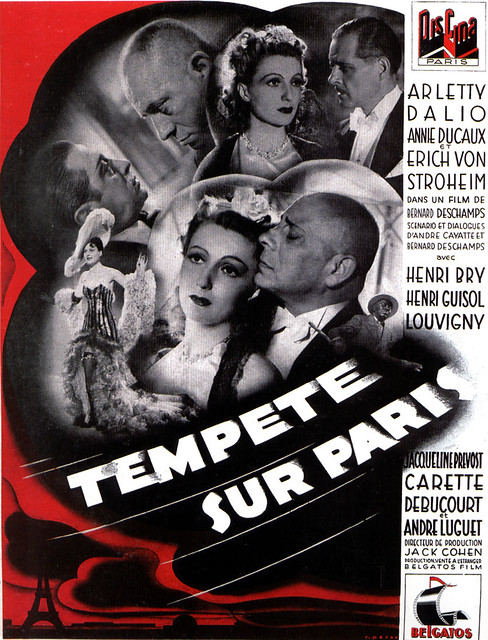
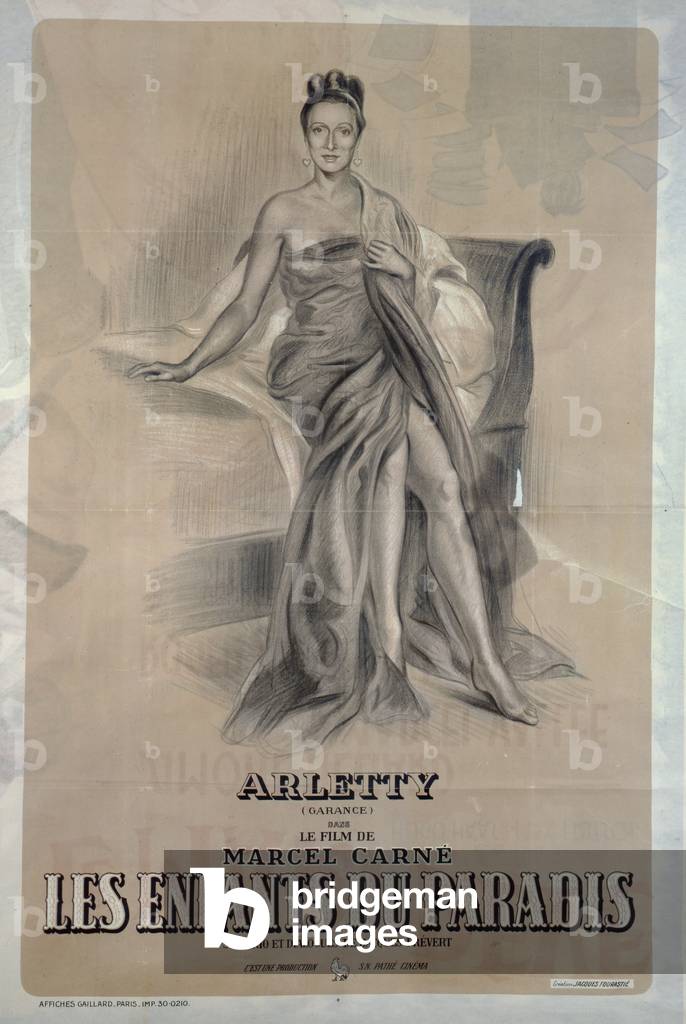
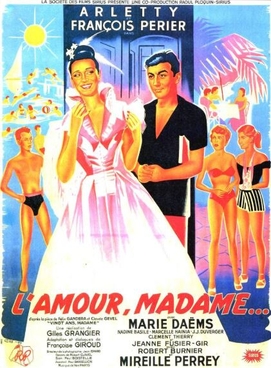
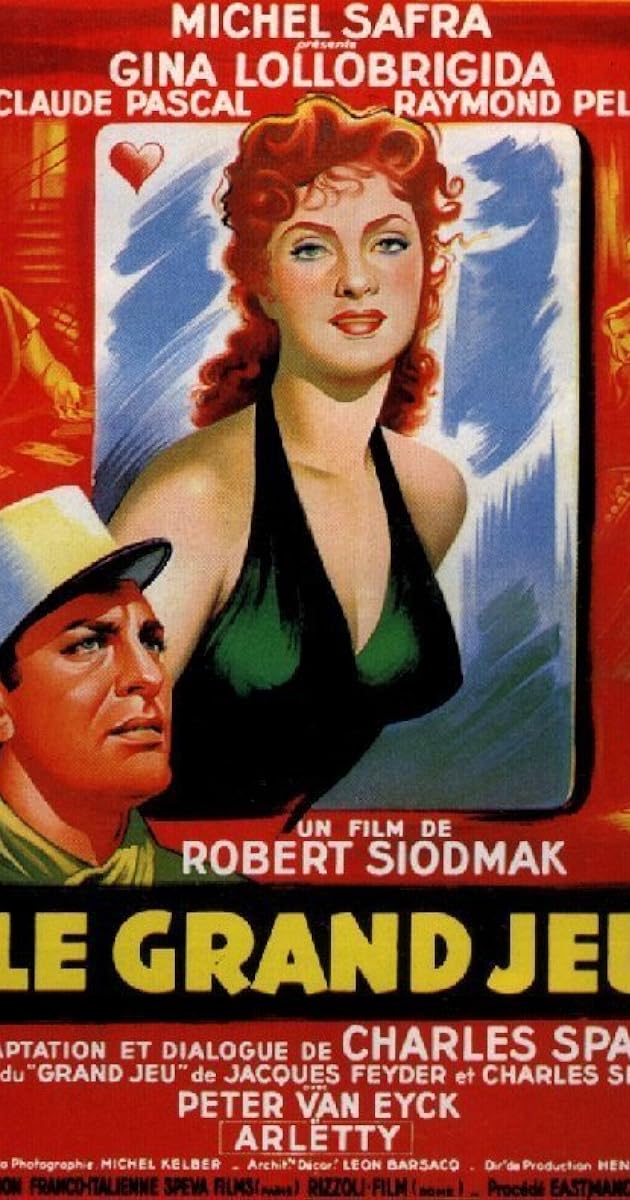
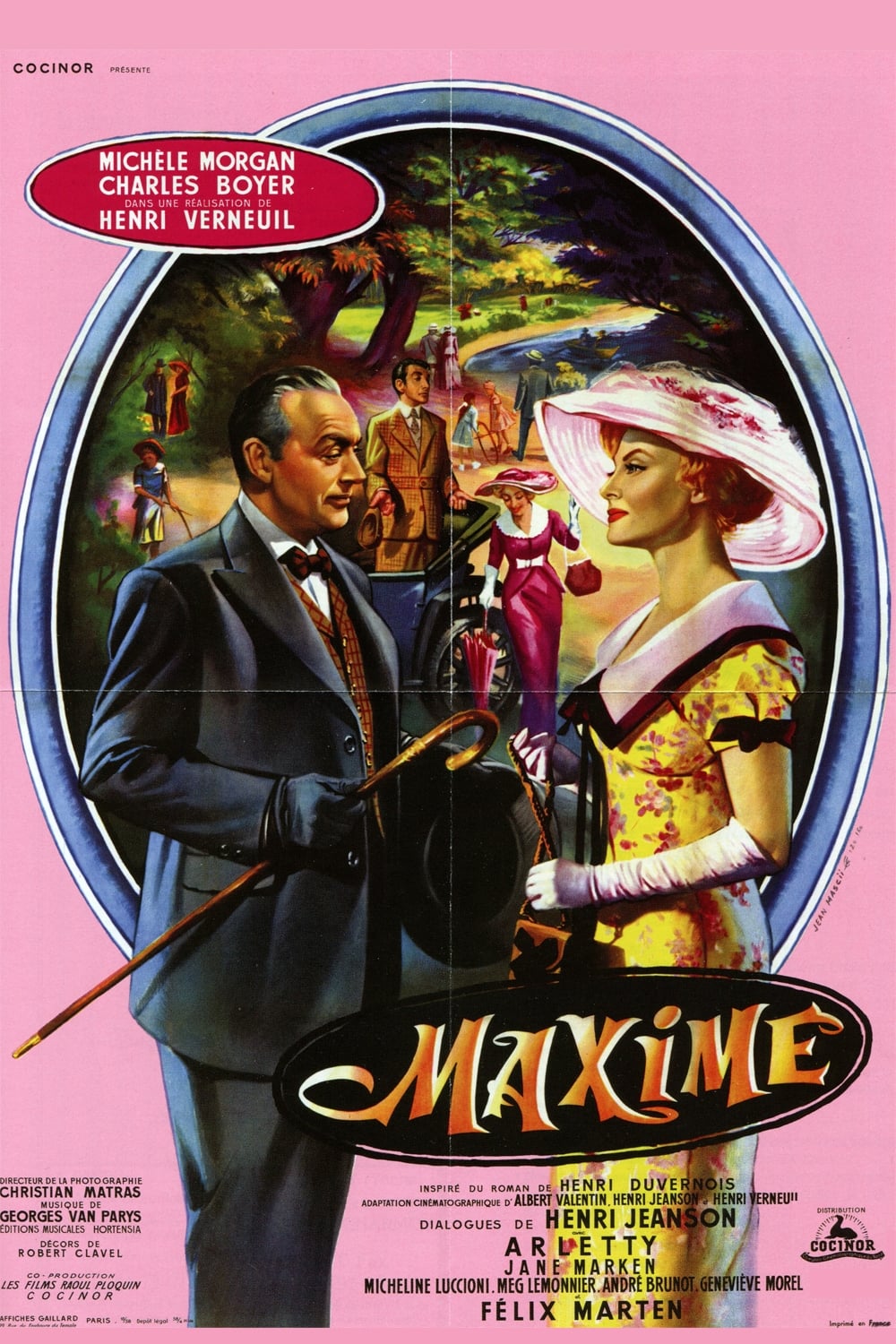
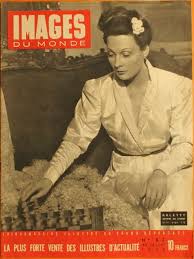
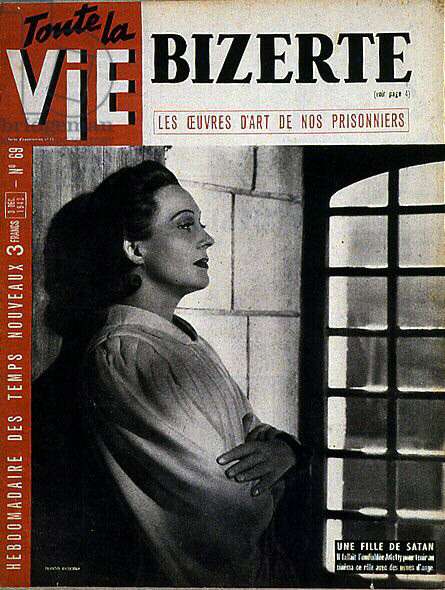
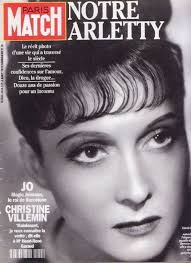
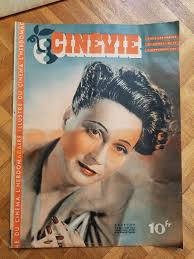
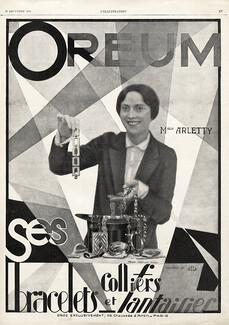
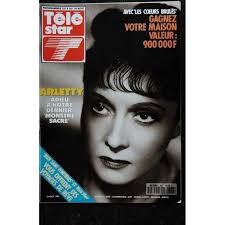
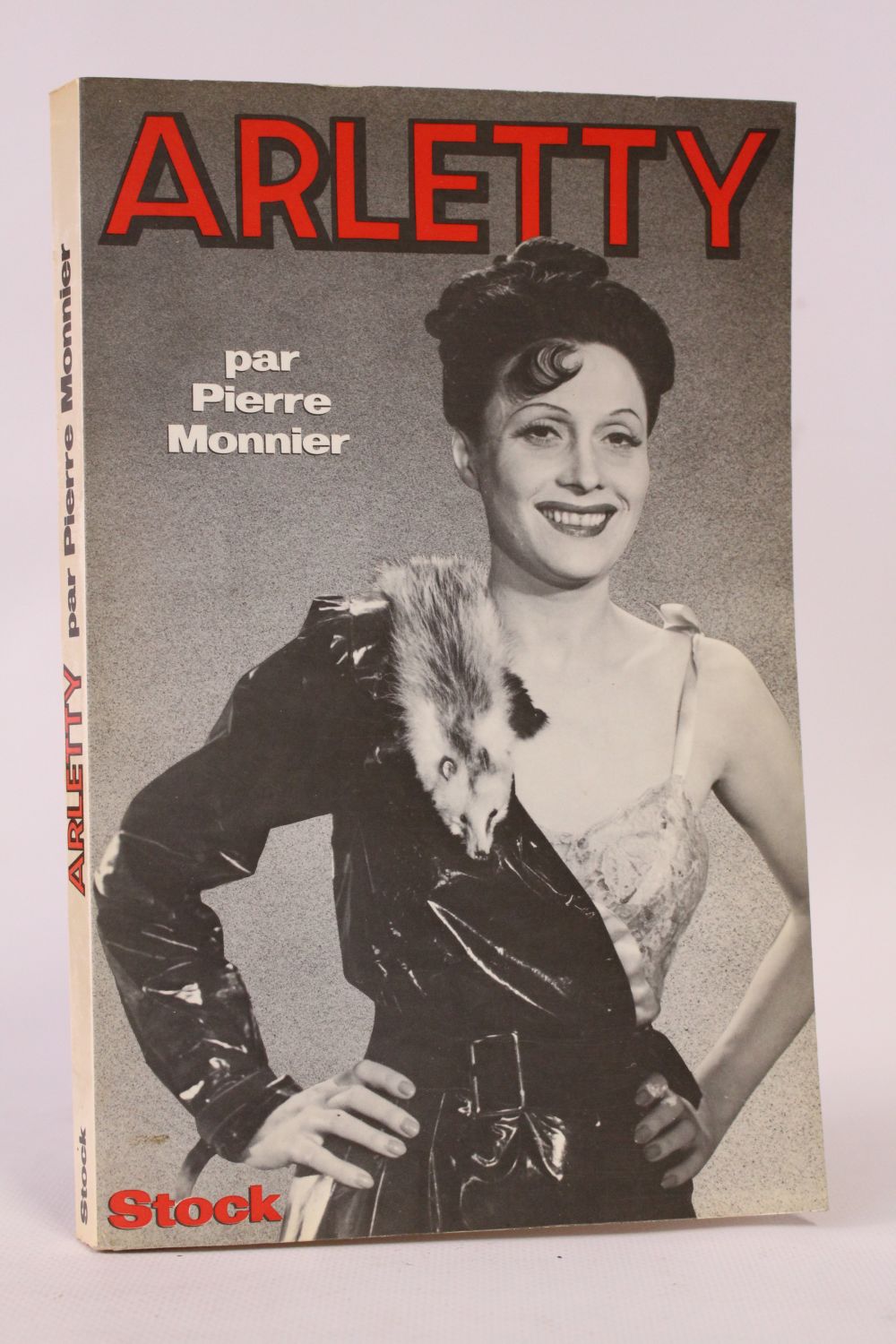
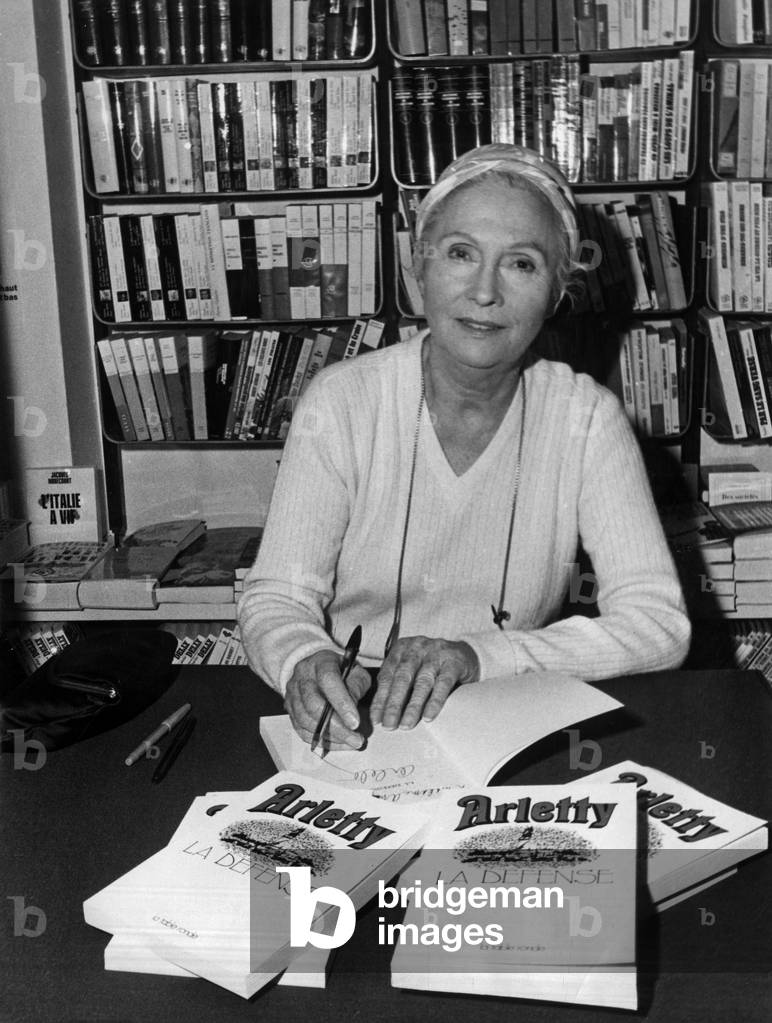
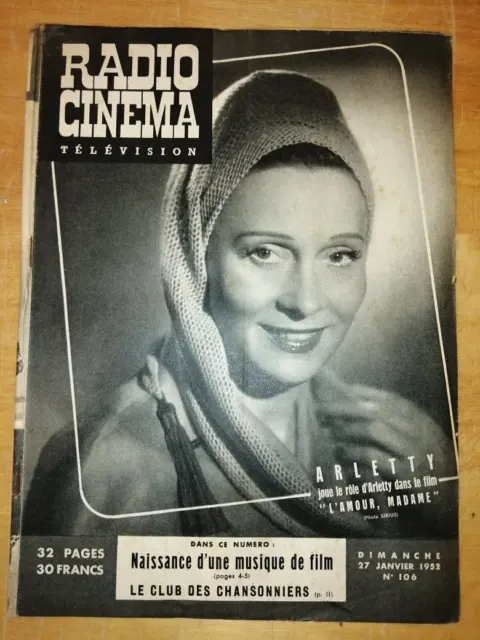
Arletty
Arletty

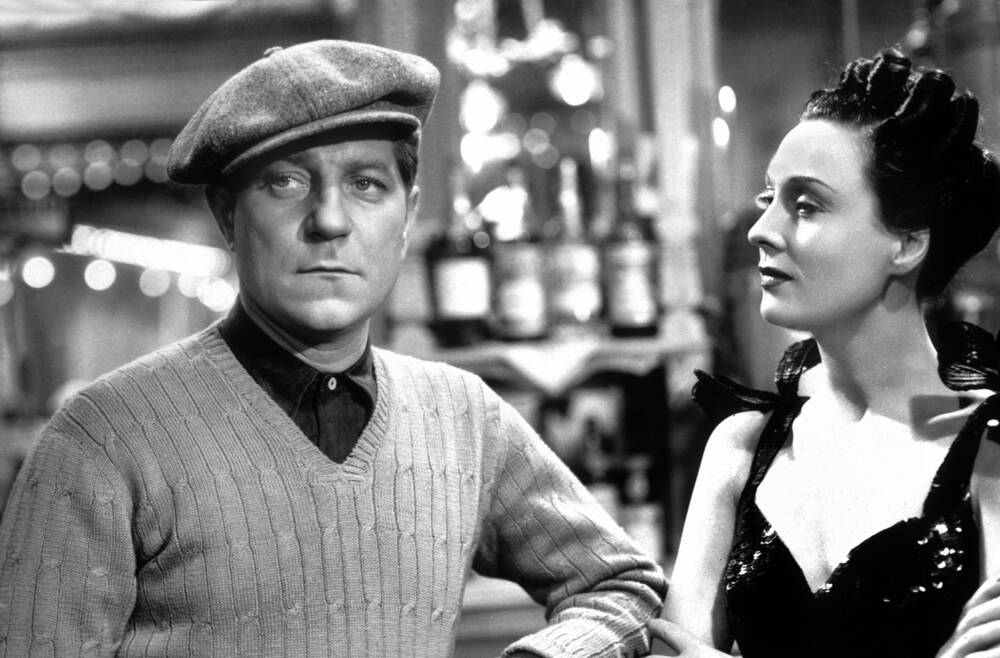
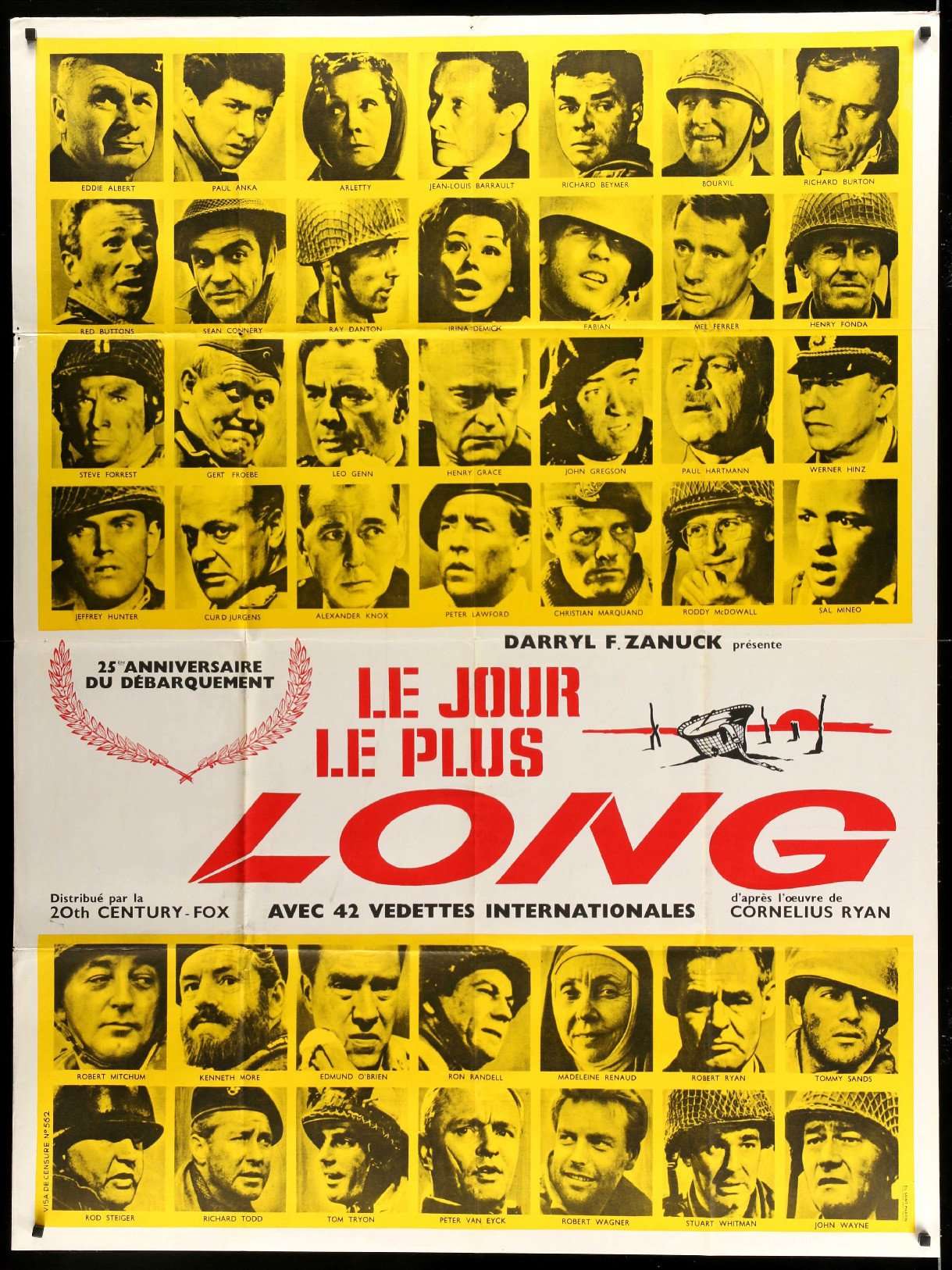
Arletty was born outside of Paris in 1898.  She began her career on the Paris stage and made her first film in 1930.   Her most famous movie was”Les Enfants du paradis” in 1945.   Her last film was “The Longest Day” .

  Her “Independent” obituary by Gilbert Adair:

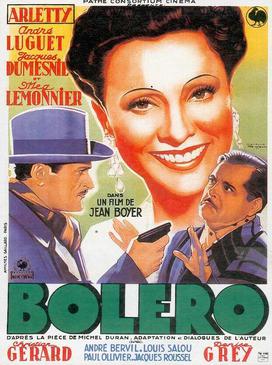
In her native France the statuesquely tall, dark and minxish Arletty was known and cherished above all for her gouaille – a colloquialism defying any too precise translation but corresponding more or less to ‘backtalk’, lip or ‘sauce’. This gouaille was her fortune, and one would not have been too astonished to discover that, like Betty Grable’s legs, it had been insured by Lloyd’s at some colossal premium. For even if British moviegoers continue to associate her almost exclusively with the role of Garance, the elegant, worldly courtesan of Marcel Carne’s classic melodrama of 1945, Les Enfants du Paradis (where she is pursued by Pierre Brasseur, Marcel Herrand and Jean-Louis Barrault before being engulfed by a carnivalesque crowd of boulevardiers at the film’s climax), she projected a rather less diaphanous image to her own countrymen, who found her both ethereal and earthy, inaccessibly lovely and eminently beddable.

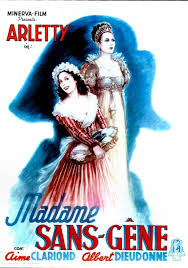
Arletty was no sissy (women too, after all, can be sissies, as witness such genteel and insipid actresses as Greer Garson and Norma Shearer). She more than held her own amid satirical male banter and tended to play the kind of heroine who would succeed in keeping her feet on the ground throughout a film until either teased or forced on to tiptoe for a climactic embrace. Sex came naturally to her – or rather, she met it halfway. Her sexuality, which was healthy, extrovert and ineradicable, she wore so lightly that both she and her public appeared to take it for granted. In 1941 she played the title-role in the best of the umpteen film versions of Sardou’s play Madame Sans-Gene, as the Marseillais laundress whom Napoleon takes as his mistress, and Madame Sans-Gene (or ‘devil-may-care’) she would remain throughout her long life.

Her birth, as Leonie Bathiat, in Courbevoie, a working-class suburb of Paris, preceded by two years that of the century. At the age of 16 she had left school and gone to work in a local factory. If by nothing else, however, her ultimate vocation would seem to have been predetermined by her already exceptional beauty, and she soon gravitated to the cinema via modelling and music-hall experience. (It was for the latter that she adopted her bizarre stage-name.) Though her film career started in 1931, in a forgettable potboiler entitled Un chien qui rapporte, her first notable appearance would be in Jacques Feyder’s Pension Mimosas (1935, starring the director’s wife, Francoise Rosay); and she can also be glimpsed in a pair of feathery entertainments by Sacha Guitry: Faisons un reve (‘Let’s Dream Together’, 1936), a lovingly chiselled soap-bubble of a comedy, and the exact French equivalent of Coward’s Private Lives, Les Perles de la couronne (The Pearls of the Crown, 1937), a trilingual toast to the Entente Cordiale in which she was deliciously improbable as a dusky Abyssinian snake-charmer.

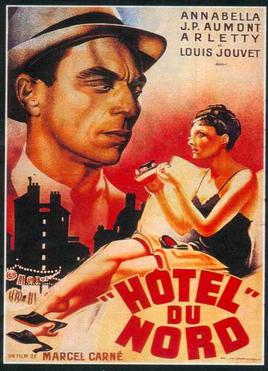
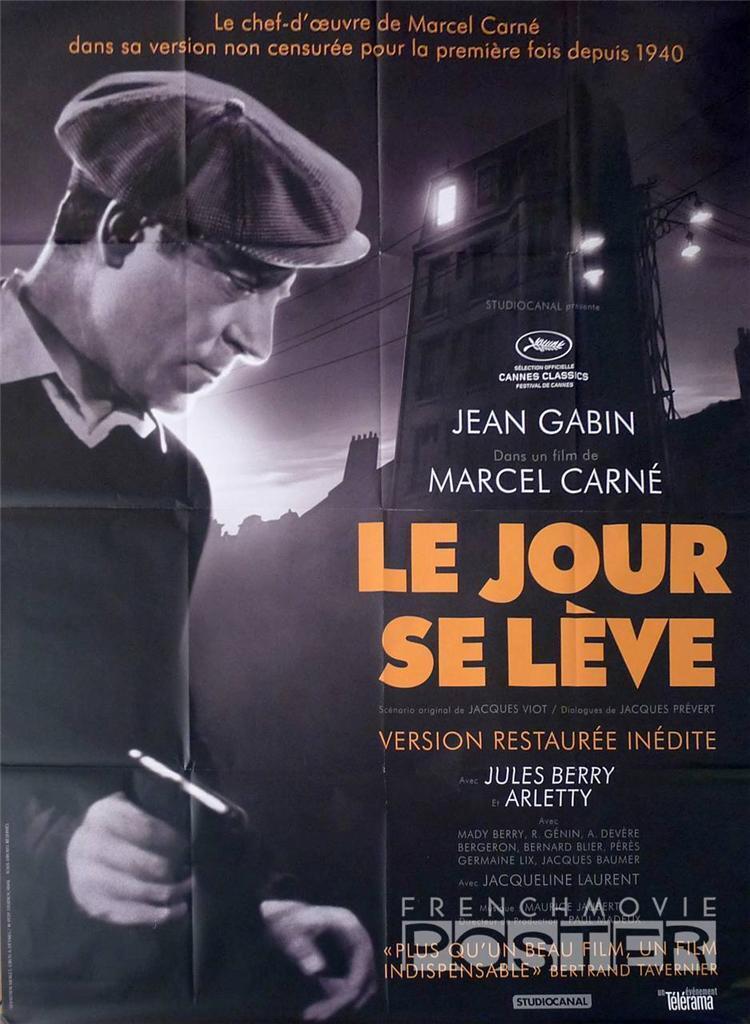
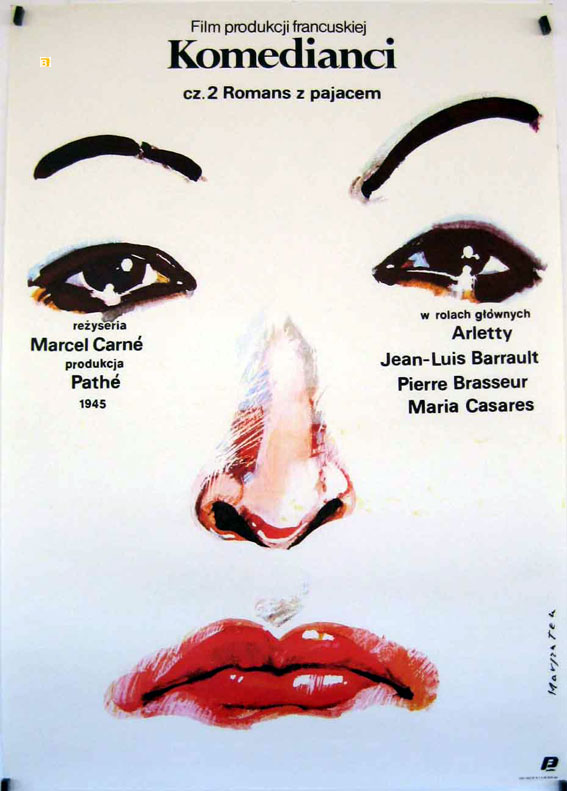
Since, unfortunately, both Feyder and Guitry had already made Galateas out of the women they married (respectively, Rosay and Jacqueline Delubac), it was not until Arletty met Carne that she was able to claim a Pygmalion of her very own. The five films on which they collaborated between 1938 and 1954 – Hotel du Nord (1938, with Annabella, Louis Jouvet and Jean-Pierre Aumont), Le Jour se leve (1939, with Jean Gabin as a sympathetic killer holed up in an attic while the police implacably close in on him), Les Visiteurs du Soir (1942, a stilted cod-medieval fantasy with Jules Berry as a Mephistophelian Devil), Les Enfants du Paradis and the belated, relatively minor, and now forgotten L’Air de Paris (1954) – have retained most of their capacity to enchant precisely because of Arletty’s sexy nonchalance.

Like a breath of air, the air, indeed, of Paris, she contrived to dispel much of the cobwebby filigree of pessimism and despair peculiar to what was then called ‘poetic realism’. And even though it was pronounced at the very height of their critical and public popularity, her unforgettably husky disgusted cri de coeur, ‘Atmosphere, atmosphere . . .’, addressed to Jouvet on the meticulously studio-reconstructed Canal St Martin bridge in Hotel du Nord, may with hindsight have sounded the joyful if premature death-knell of those often sententiously doomy melodramas in which Carne and his regular scenarist, the poet Jacques Prevert, were for so long to specialise.

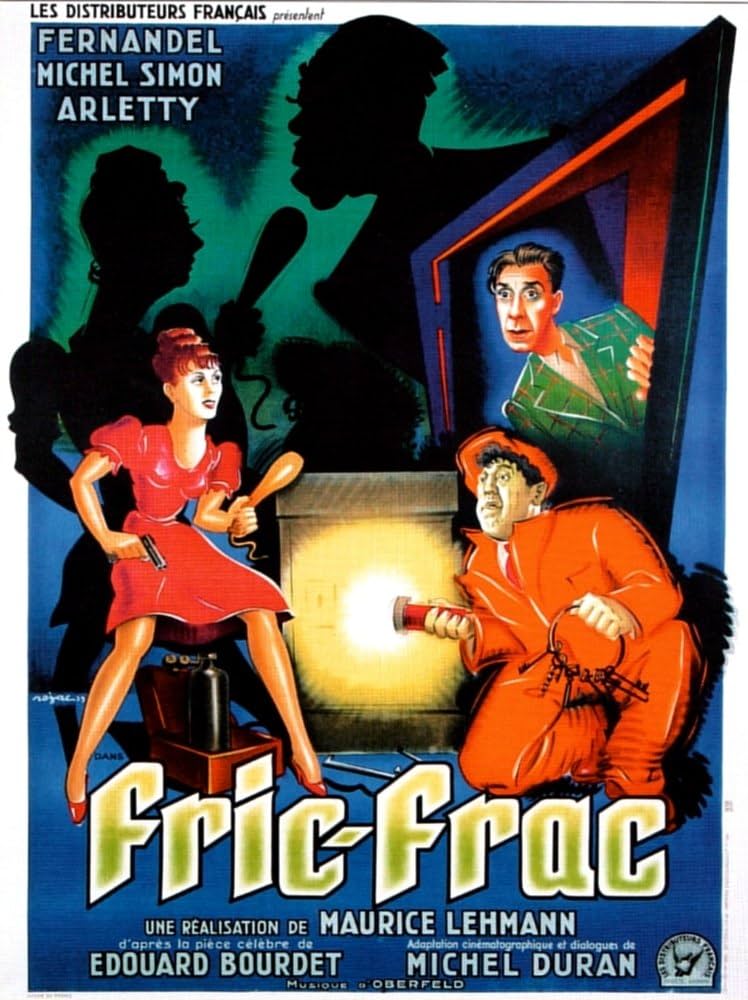
A very different highlight of her pre-war period was Claude Autant-Lara’s extremely funny Fric-Frac (1930, based on the popular Boulevard comedy by Edouard Bourdet), a film whose impenetrably slangy dialogue is such that, since it cannot be translated into English, the English spectator must somehow endeavour to translate himself into French. By contrast with the icon of idealised femininity that Carne had made of her in Les Enfants du Paradis, the Arletty of Fric-Frac is an impudent, bawdy street-urchin, her gouaille very much to the fore.

Aside from a curious performance as the Lesbian in Jacqueline Audry’s sombre, self- consciously ‘existentialist’ adaptation of Sartre’s Huis Clos (No Exit, 1954) and a brief cameo in The Longest Day (1962) – her sole venture into English-language cinema – Arletty achieved little of note after the war. If she continued to be newsworthy, it was primarily by virtue of her eventful private life. An indiscreet liaison with a high-ranking officer of the Wehrmacht had tarnished her reputation during the Occupation and resulted in her serving a two-month prison sentence in the early days of the Liberation. Later, a serious accident gradually caused her to go blind.

Writing the obituary of a great film-star is ultimately as foolish and futile an exercise as writing the obituary of Lazarus. The cinema remains, and absolutely nothing in the celluloid image of Arletty, the only one most of us have ever known of her, will have been altered by her death. She is still, as she always was, one of the medium’s most ravishing, most vital, most human ghosts.

The above “Independent” obituary can also be accessed online here.
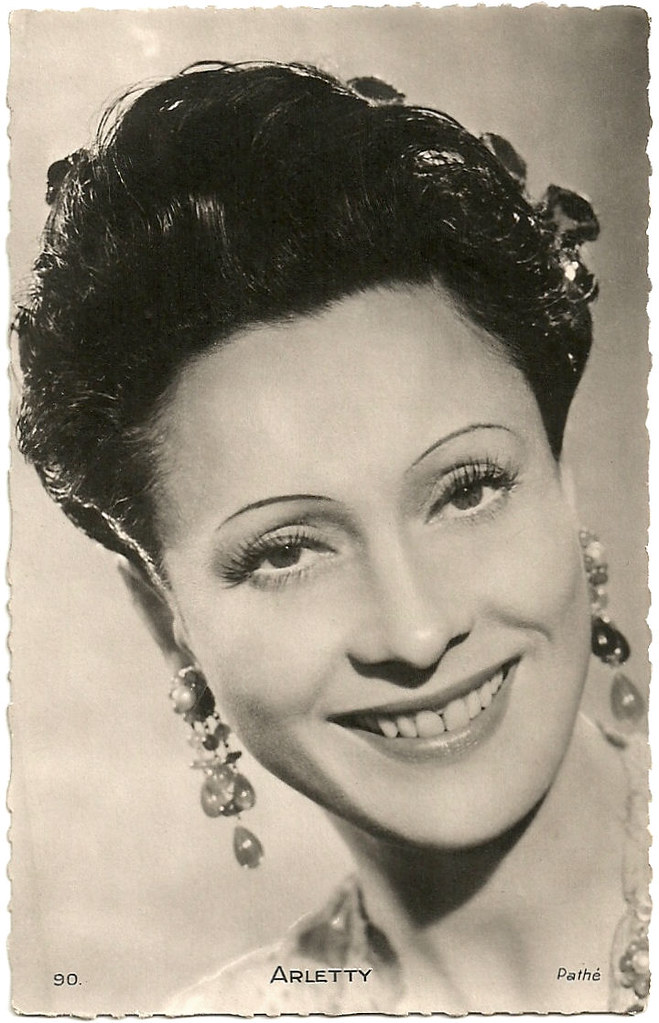
Arletty (born Léonie Bathiat, 1898–1992) was the definitive face of French “Poetic Realism.” If Terry Kilburn represented the innocent heart of the studio system and Barbara Everest its reliable moral anchor, Arletty was its sophisticated, street-wise soul—a woman who famously declared, “My heart is French, but my ass is international.”


Career Overview

The Music Hall and “La Femme Moderne” (1920–1935)

Arletty began as a factory worker and a fashion model before finding her footing in Parisian cabarets and music halls. Her early career was defined by a specific “modern woman” persona: independent, intellectually curious, and sexually liberated.


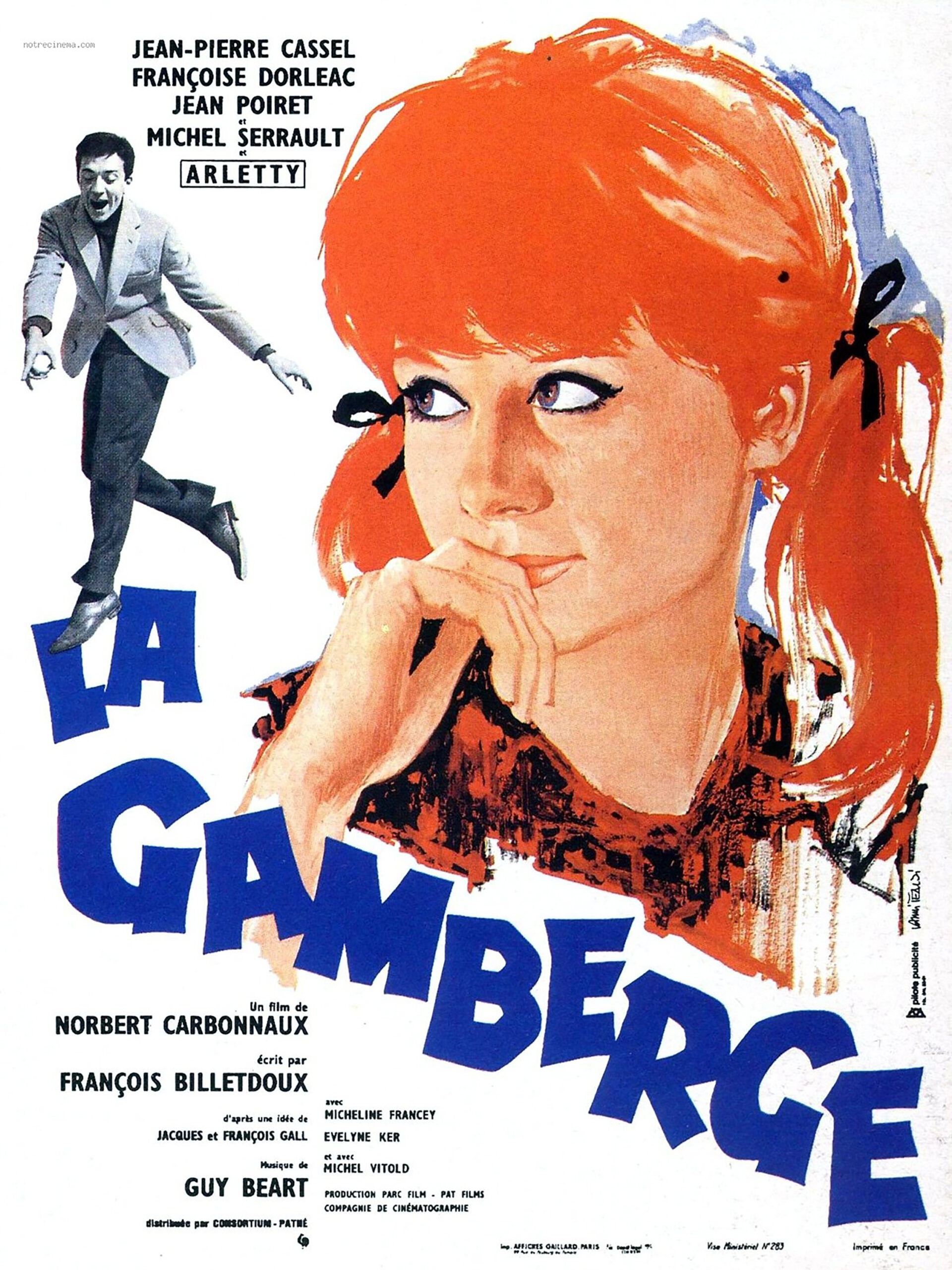
  • The Stage: She spent a decade mastering comedic timing in operettas like Yes (1928) and plays like Fric-Frac (1936), where she perfected the “Gouaille”—the sharp, witty, working-class Parisian slang that would become her trademark.


  • Early Film: Her transition to sound cinema allowed her voice—a high-pitched, melodic, yet cynical instrument—to become as famous as her long-limbed, elegant physique.

The Marcel Carné Masterpieces (1938–1945)

Arletty’s legacy is inextricably linked to director Marcel Carné and screenwriter Jacques Prévert. Together, they created the “Poetic Realist” style—films that were gritty and working-class in setting but lyrical and fatalistic in tone.


  • Hôtel du Nord (1938): As the prostitute Raymonde, she delivered the iconic line, “Atmosphère!Atmosphère! Est-ce que j’ai une gueule d’atmosphère?” (Atmosphere! Do I look like an atmosphere?). It remains one of the most famous moments in French cinema history.


  • Les Enfants du Paradis (1945): Widely considered the greatest French film of all time, it features Arletty as Garance, an enigmatic courtesan who is the object of four men’s obsession. She portrayed Garance with a serene, almost untouchable dignity that came to symbolize the spirit of France itself during the Occupation.


Post-War Controversy and “Streetcar” (1946–1960s)

Her career was nearly ended by “horizontal collaboration” due to her wartime affair with a German officer. After a brief imprisonment and a ban from filming, she pivoted back to the stage.


  • A Streetcar Named Desire (1949): She played the first French Blanche DuBois on stage, translated by Jean Cocteau, a role that bridged her transition into mature, psychologically complex characters.


  • Final Roles: She appeared in Sartre’s No Exit (1954) and had a cameo in the Hollywood epic The Longest Day (1962) before progressive blindness forced her retirement.


Critical Analysis

1. The “Gouaille” and Class Fluidity

Arletty was unique because she occupied two worlds simultaneously: she had the elegance of a high-fashion model but the mouth of a Parisian street urchin. Critically, she subverted the “fallen woman” trope. In her hands, a prostitute or a mistress wasn’t a victim; she was a philosopher of the pavement. She used her working-class roots not as a handicap, but as a source of armor and wit.

2. Anti-Romantic Femininity

While her contemporaries like Michèle Morgan were often cast as fragile romantic ideals, Arletty was anti-domestic. Her characters rarely sought marriage or motherhood; they sought freedom. Analysis of her work often highlights her “modernness”—she represented a woman who belonged to herself, even when her body was technically “for sale” in a script.

3. The “Garance” Archetype: Truth vs. Image

In Les Enfants du Paradis, Arletty’s performance is often described as “luminous but distant.” Critically, Garance is a character who refuses to be “known” or “owned” by the men around her. Arletty played her with a deliberate lack of sentimentality, making Garance a symbol of Truth (as her character is literally billed in a carnival sideshow). She doesn’t act for the audience’s sympathy; she demands their respect.

4. Political Iconography

Because Les Enfants du Paradis was filmed under the noses of the Nazi occupiers, Arletty’s Garance became a retroactive symbol of the “hidden France”—silent, beautiful, and enduring. However, the irony of her personal life (her affair with a German officer) creates a fascinating critical tension: she was the face of the nation’s cinematic resistance while simultaneously being a pariah for its social reality.


Arletty’s performance as Blanche DuBois in the 1949 French premiere of Un tramway nommé Désir is one of the most fascinating “clashes of style” in theatrical history. Directed by Raymond Rouleau and adapted by Jean Cocteau, the production was a massive cultural event in post-war Paris, but it presented a version of Blanche that was radically different from the American original.


The “Parisian” Blanche: A Critical Breakdown

1. The Cocteau Reimagining

Jean Cocteau did not simply translate Tennessee Williams; he “Cocteau-ized” him. He stripped away much of the Southern Gothic humidity and replaced it with a lean, surrealist French poeticism.

  • Class vs. Race: In this version, the conflict between Blanche and Stanley was framed less as a clash of “Old South vs. New Industrialism” and more as a European class war.

  • Stanley as the “Other”: Cocteau’s adaptation emphasized Stanley’s status as an immigrant “outsider,” using him as a mirror for the racial and social prejudices boiling in post-liberation France.

2. Arletty’s “Gouaille” vs. Blanche’s Fragility

The most significant critical tension was Arletty’s own persona. As discussed, she was the queen of the Gouaille—the sharp, cynical, street-wise Parisian.

  • The “Tough” Southern Belle: Critics and audiences found it difficult to reconcile Arletty’s natural strength with Blanche’s supposed “moth-like” fragility. While Jessica Tandy (on Broadway) played Blanche as a woman already broken, Arletty played her as a woman fighting a duel.

  • The Vocal Disconnect: Her famously melodic, mocking voice lent Blanche a sense of irony that made her seem more in control of her “illusions” than her American counterparts. She wasn’t a victim of her fantasies; she was their architect.

3. The Shadow of Collaboration

Critically, the performance was inseparable from Arletty’s real-life context. Having only recently returned from her post-war “purgatory” (due to her affair with a German officer), her portrayal of a woman with a “soiled past” seeking refuge in a hostile environment felt uncomfortably autobiographical.

  • Meta-Theatricality: When Arletty’s Blanche spoke of being “run out of town” for her indiscretions, the Parisian audience didn’t just see a character in Mississippi; they saw the actress herself. This added a layer of defiance to the role that gave it a harder edge than Williams likely intended.


Critical Legacy

Historians often view Arletty’s Blanche as a “beautiful mistake.” * The “Antiseptic” Production: Critics at the time noted that the French production lacked the “sweat and grime” of Elia Kazan’s version. It was too elegant, too stylized, and Arletty was too “un-crushable.”

  • A New Archetype: However, she paved the way for a specifically European interpretation of Williams—one where the characters are tragic not because they are weak, but because the world is too vulgar for their refined (if dishonest) sensibilities.

“She didn’t play a victim; she played a fallen queen who refused to abdicate.” — A contemporary French summary.

Cecile Paoli
Cecile Paoli
Cecile Paoli
John Nettles & Cecile Paoli

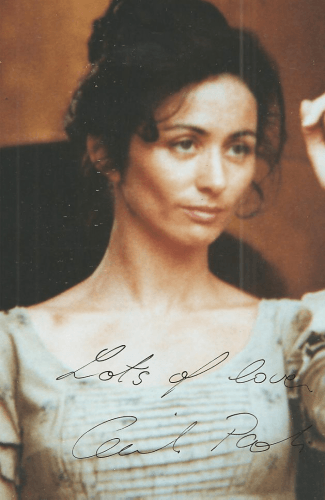
Cecile Paoli is a French actress who is well known in Britain and Ireland for her roles in such television series as “Bergerac”, “Sharpe” and “Holby City”.   She had made her television debut in 1978.   In 1980 she gave an excellent performance in the mini-series “Fair Stood the Wind for France”.      Great to see her in “Endeavour” on TV in 201

Peter Van Eyck
Peter Van Eyck
Peter Van Eyck

Peter Van Eyck. TCM Overview.

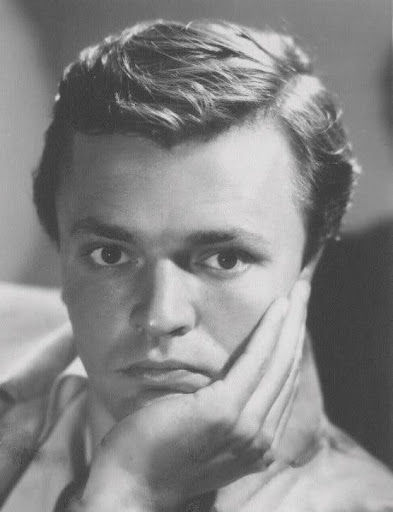
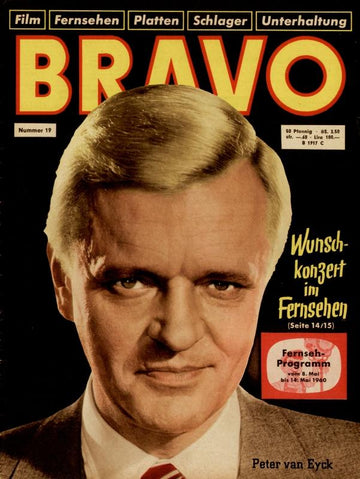
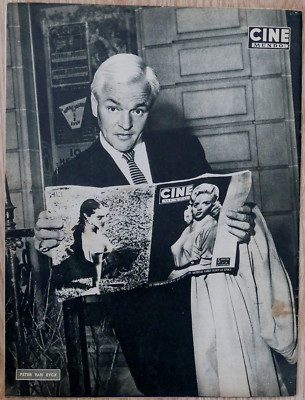
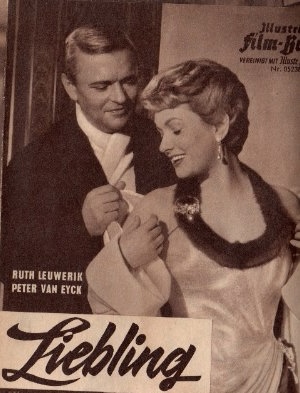
Peter Van Eyck was born in Germany in 1911.   In 1931 he left Germany and came eventually to New York where he worked for Orson Welles’s Mercury Theater.   He was in Hollywood by 1943 where he made such films as “The Moon is Down”, “Five Graves to Cairo” and “Action in the North Atlantic”.   Among his later films was “The Snorkel” with Betta St John and Many Miller in 1959.   He died in Switzerland in 1969.

TCM Overview:
Peter van Eyck, born Götz von Eick (16 July 1911, Steinwehr, Pomerania, Germany (now Kamienny Jaz, Poland) – 15 July 1969, Männedorf bei Zürich, Switzerland), was a German-American actor. After graduating from high school he studied music. In 1931 he left Germany, living in Paris, London, Tunis, Algiers and Cuba, before settling in New York. He earned a living playing the piano in a bar, and wrote and composed for revues and cabarets. He then worked for Irving Berlin as a stage manager and production assistant, and for Orson Welles Mercury Theatre company as an assistant director. Van Eyck went to Hollywood where he found radio work with the help of Billy Wilder, who later gave him small film roles. In 1943 he took US citizenship and was drafted into the army.

The above TCM overview can also be accessed online here.

He gained international recognition with a lead role in the 1953 film The Wages of Fear. He went to appear in episodes of several US TV series including The Adventures of Ellery Queen and Alfred Hitchcock Presents. In English-language films he was most often typecast as a Nazi or other unsympathetic German type, while in Germany he was a popular leading man in a wider range of films, including several appearances in the Dr. Mabuse thriller series of the 1960s. Van Eyck was married to the American actress Ruth Ford in the 1940s. With his second wife, Inge von Voris, he had two daughters, Kristina, also an actor, and Claudia.

Paula Wessley
Paula Wessley
Paula Wessley

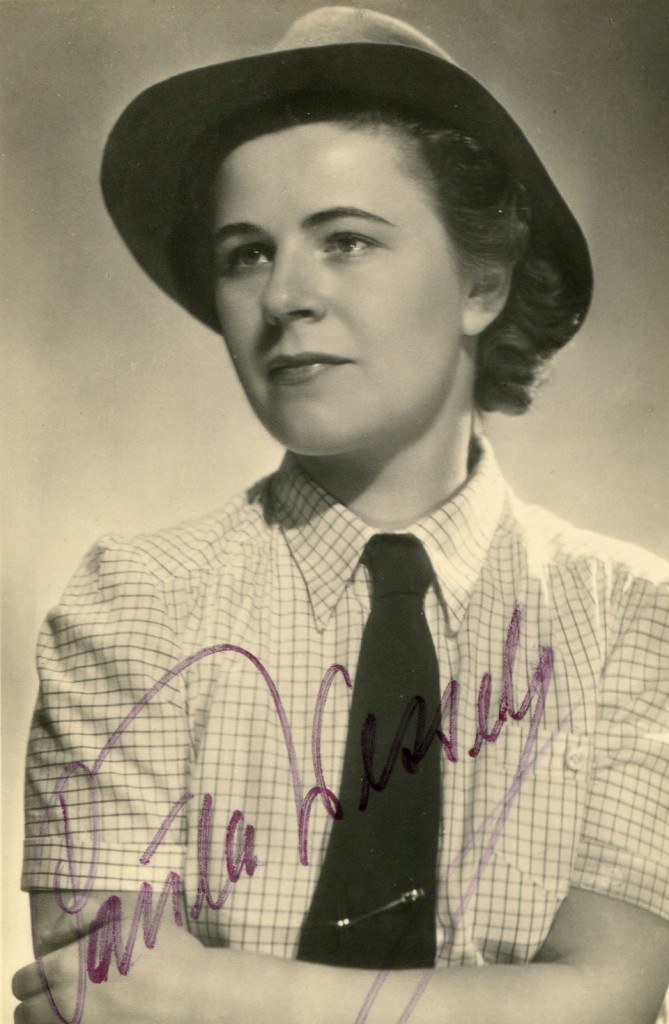
Paula Wessley was born in Vienna in 1907.   “Maskarade” in 1934 was her first major film.  Her most famous role was in “Homecoming” in 1941.   She died in 2000.

IMDB entry:

Wessely trained for acting at the Reinhardt Seminar and made her theatrical debut in 1924 with the Vienna Deutsches Volkstheater in a play by Sudermann. Specialising in sophisticated comedy, she became a prominent actress of the stage, appearing in Prague (1926), Salzburg, Berlin and the Vienna Burgtheater. She was permanently contracted from 1929 to 1945 by the Theater in der Josefstadt. From the 1930’s, she developed into a more serious actress, handling roles like Gretchen in “Faust” (1935) and Joan of Arc in “Die heilige Johanna” (1936), a part which she was associated with for the rest of her career. Wessely was noted for her unaffected, natural manner. She became a screen actress at the height of her theatrical fame.

The above TCM overview can be accessed online here.

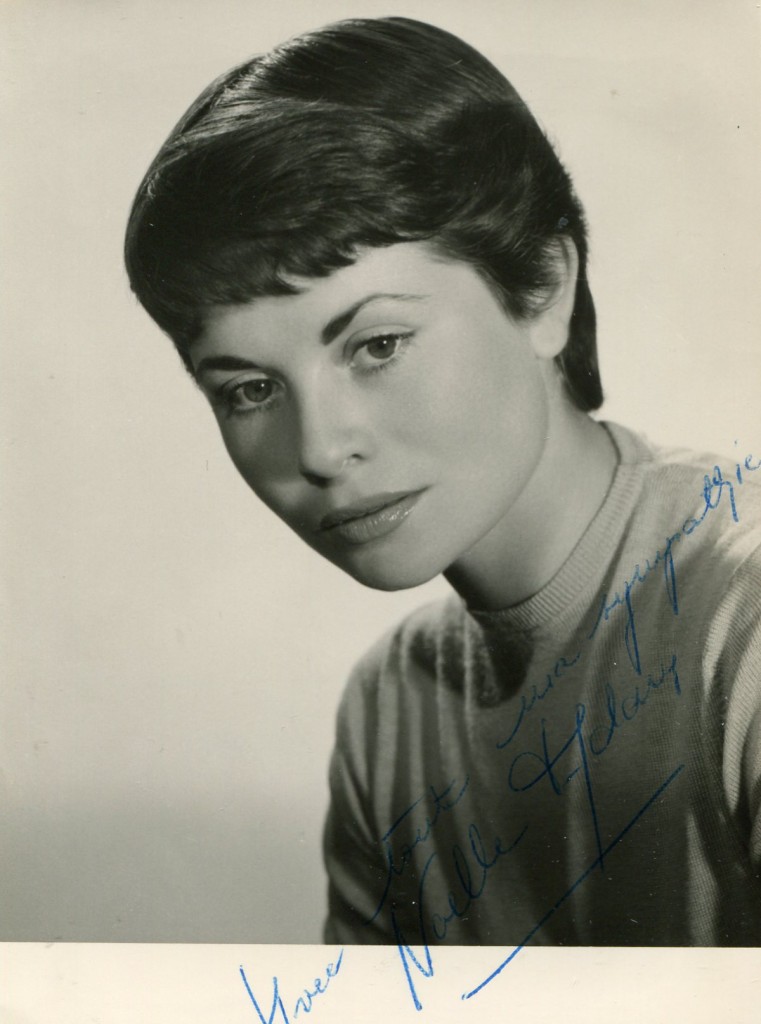
Noelle Adam
Noelle Adam
Noelle Adam

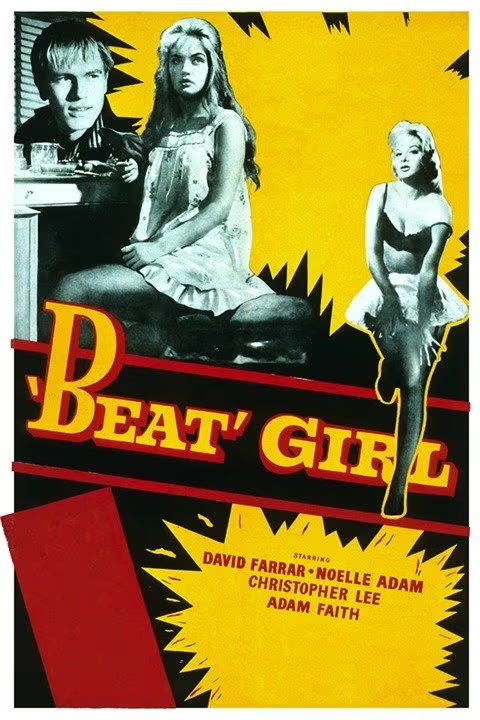
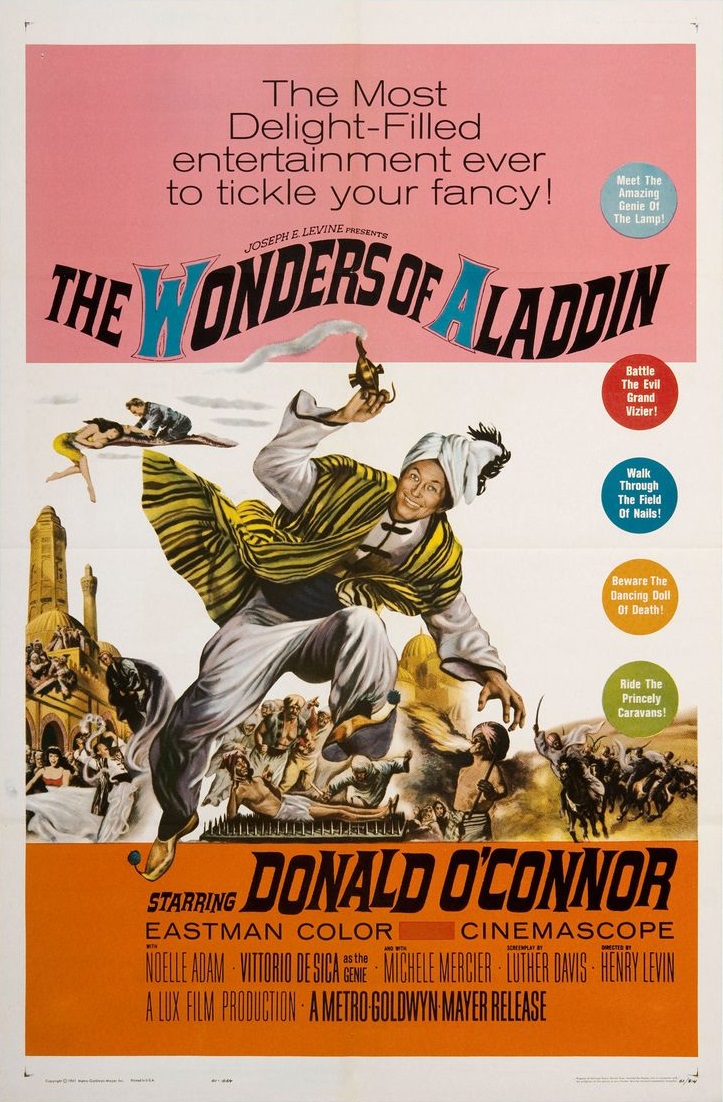
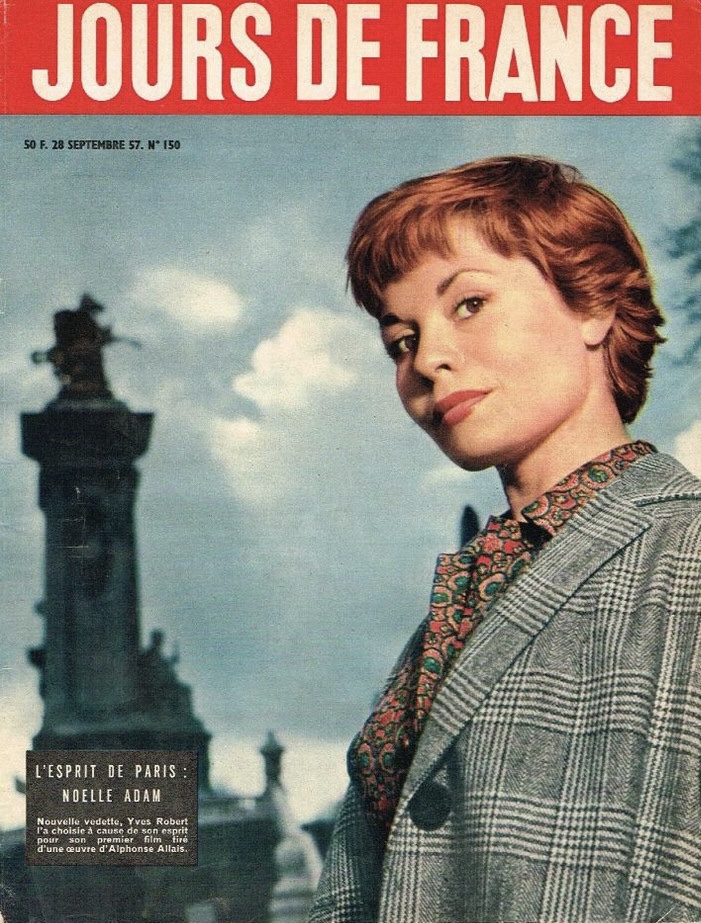
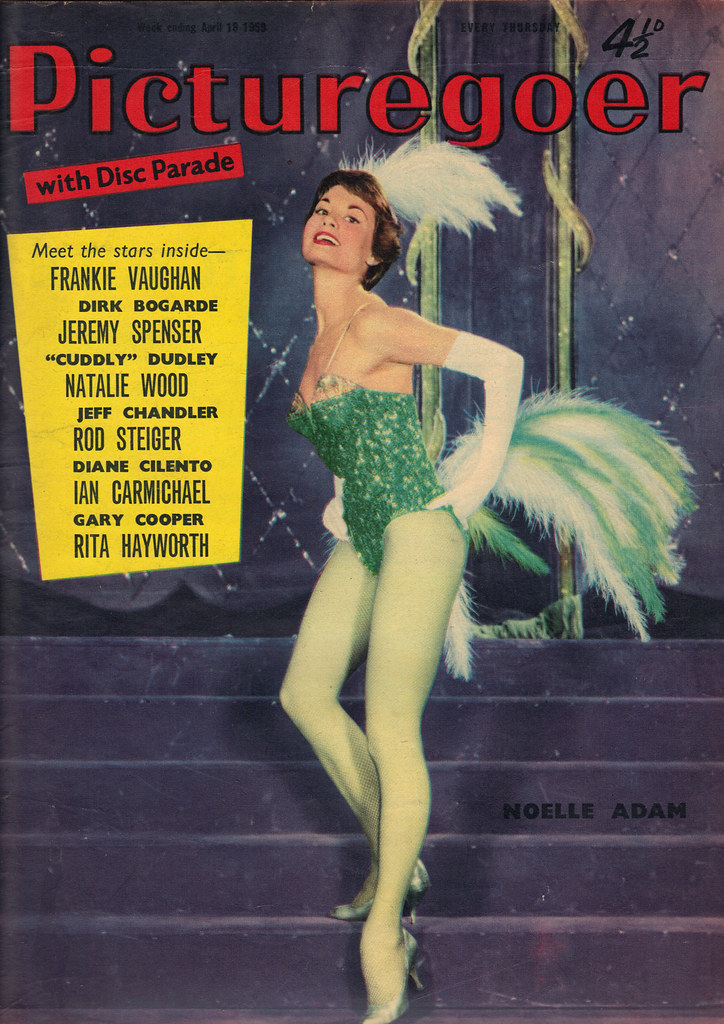
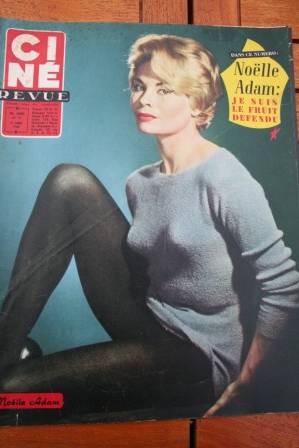
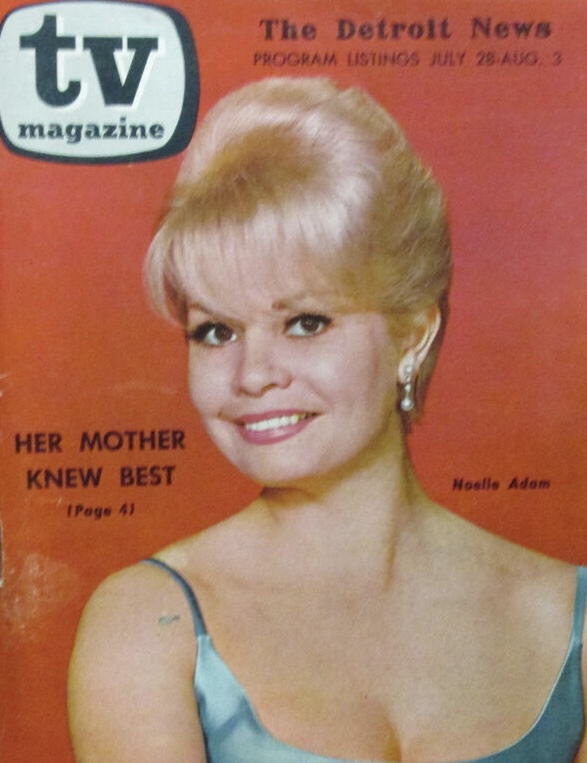
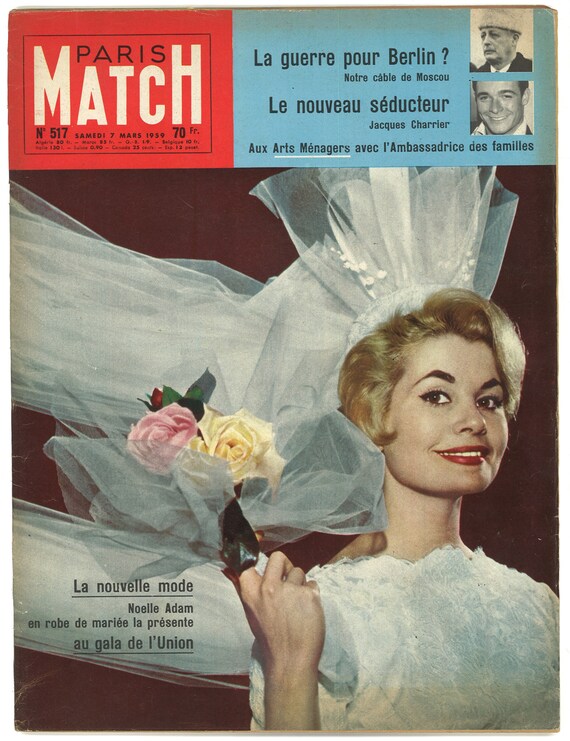
Noelle Adam was born in 1933 in La Rochelle, France.   She made her film debut in 1957 and then made “Beat Girl” in the UK in 1960.   In the U.S. she guest starred in “The Trials of O’Brien” in 1965.   She was picked by Richard Rodgers to star in the Broadway musicak “No Strings”.

IMDB entry:

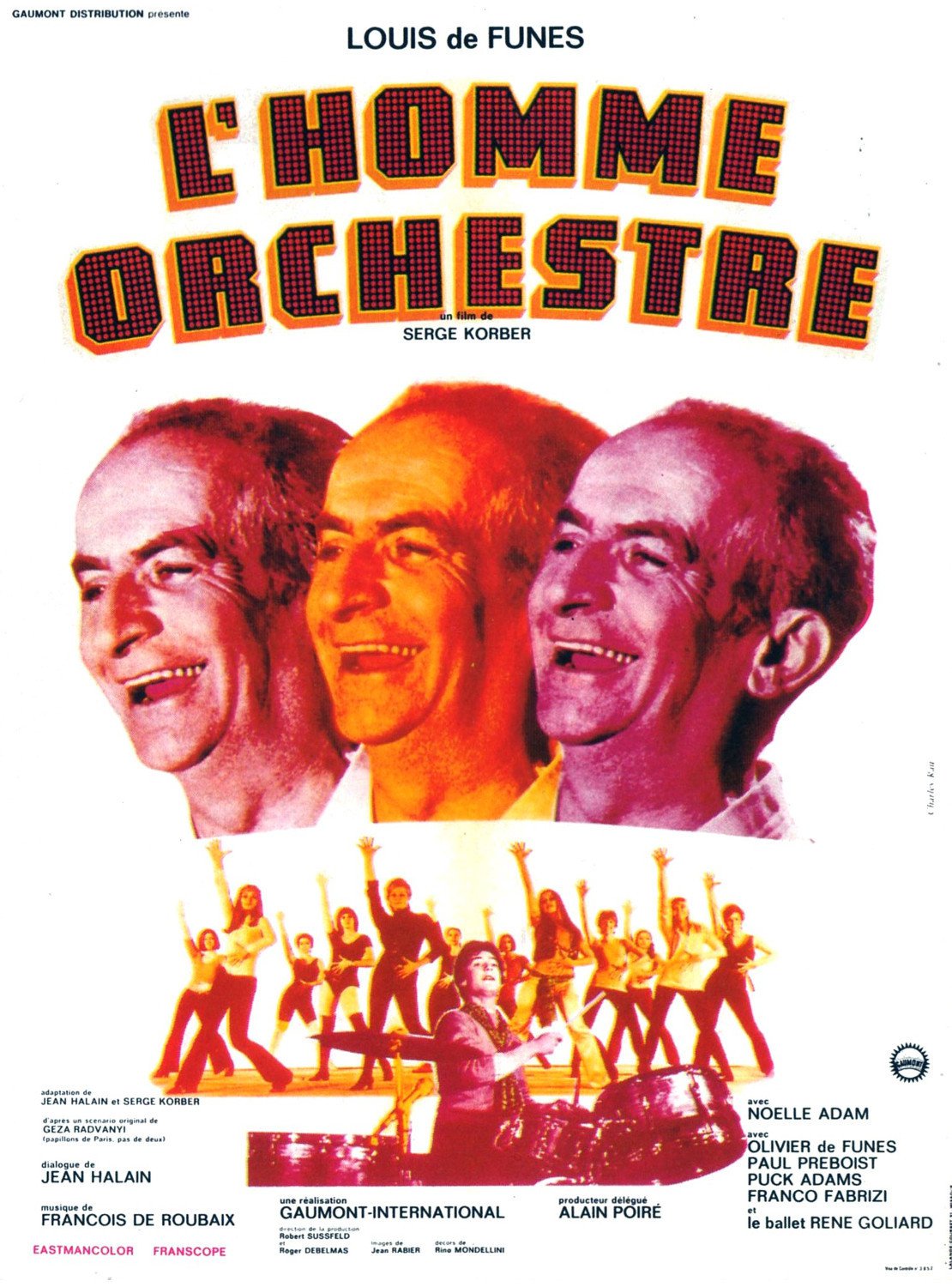
Noëlle Adam was born on December 24, 1933 in La Rochelle, Charente-Maritime, France. She is an actress, known for L’homme orchestre (1970), Wild for Kicks (1960) and Neither Seen Nor Recognized (1958).

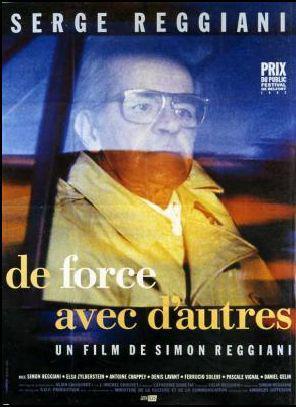
Once wed to actor Sydney Chaplin and much later became the longtime partner of actor/singer Serge Reggiani. Together for almost 20 years, they married in 2003, a year before his death.
A former ballerina, she has been dancing since age 8.
In 1962, Noelle was appearing in “No Strings” at the same time her then-husband was appearing just down the street in “Subways Are for Sleeping.”.
Cast as Jeannette, a photographer’s assistant, in the musical “No Strings,” Richard Rodgers actually had the part largely rewritten once he had seen Noelle. She had never sung before so he had her take singing lessons.
The above IMDB entry can also be accessed online here.
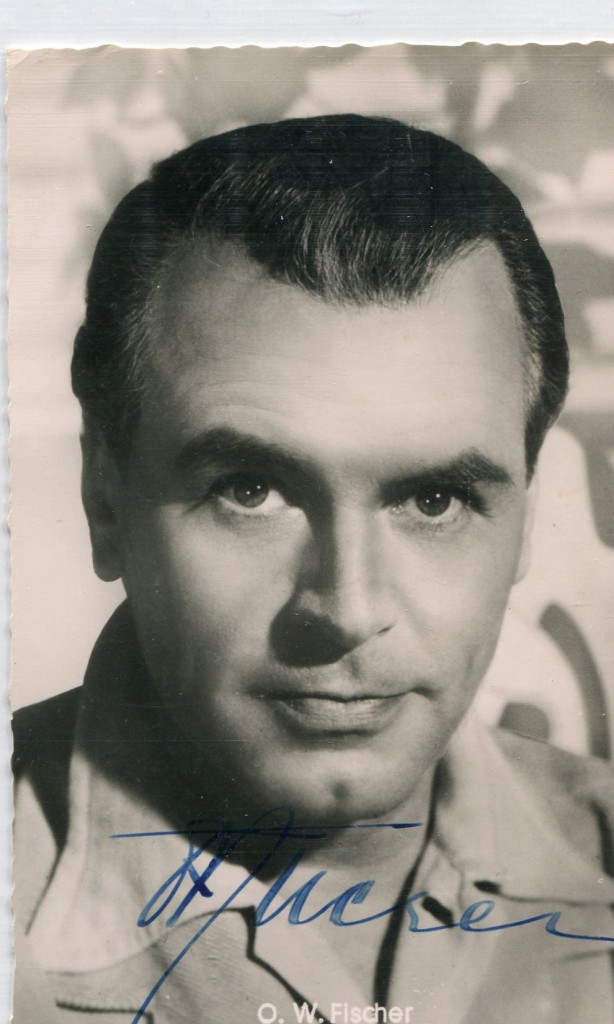
O.W. Fischer
O.W.Fischer
O.W.Fischer
 

O.W. Fischer was born in 1915 in Austria.   His career was confined to European films.   His one try at Hollywood did not work and he was replaced by David Niven in the film “My Man Godfrey”.   In 1955 he made “Ludwig the Second”.   He died in Lugano, Switzerland in 2004 at the age of 88.

IMDB Entry:

O.W. Fischer was born on April 1, 1915 in Klosterneuburg, Austria-Hungary as Otto Wilhelm Fischer. He was an actor and director, known for Ludwig II: Glanz und Ende eines Königs (1955), Helden (1958) and Ich suche dich (1956). He was married to Anna Usell. He died on January 29, 2004 in Lugano, Ticino, Switzerland.  Began his career with Max Reinhardt‘s stage compais breakthrough in Hollywood failed, although he was signed to star with June Allyson in My Man Godfrey (1957). When he reportedly lost his memory during filming, he was replaced by David NivenBeing one half of German cinema’s dream couple with Maria Schell in the 1950s, he became the best paid actor in Germany at that time.   Moved to Vernate, Switzerland with his wife Anna in the 1960s.  Ensemble member at the famous Vienna Burgtheater from 1945 to 1952.   Retired from acting to lecture and publish books on linguistics and philosophy in the early 1970s.   Was a member of the ensemble of the Deutsches Volkstheater in Vienna from 1938 to 1945, and of the Burgtheater from 1945 to 1952.   He was notorious for mumbling in many of his films. It has also been stated that he seemed incapable of suppressing a certain amount of narcissism and arrogance. A popular leading actor of German films and international co-productions in the 1950’s and 60’s. He appeared opposite all the leading female stars of the period, usually as the handsome bon vivant or likeable rogue.   O.W. Fischer experienced an enormous popularity jump in the 50’s once more. He played himself to the top of the German actor guild again.From the middle of the 60’s he also made movies in Italy and Spain besides Germany. This was also the time when he retired from the film business gradually. He only appeared occasionally in TV productions from the 70’s. He got first engagements at the Theater in der Josefstadt and at the Münchner Kammerspiele. From 1938 to 1944 he belonged to the company of the Deutsches Volkstheater Wien where he was also convincing in character roles.
Klaus Maria Brandauer
Klaus Maria Brandaur

“As a world star, Klaus Maria Brandauer has only one problem: his accent.   It is not a new one as fas as continental actors are concerned.   Only one, Charles Boyer, achieved a long career in Hollywood, though Anton Walbrook was successful in Britain for a while.   A more recent outstanding German-speaking actor Maximilian Schell, won an Oscar in Hollywood but had to work in a dozen countries to keep his career going – as have Max Von Sydow and Erland Josephson, both introduced to us  in the films of Ingmar Bergman.   The pity of it is that Brandeaur is a superb actor – imaginative, electrifying, versatile: the pity of it is that world audiences may have to be content to experience his talent intermittently”. – David Shipman in “The Great Movie Stars – The Independent Years”. (1991).

Klaus Maria Brandaure was born in 1944 in Austria.   He came to international notice in “Mephisto” in 1981.   He was the villian opposite Sean Connery’s James Bond in “Never Say Never Again”.   He starred with Meryl Streep and Robert Redford in “Out of Africa”.   Other movies include “The Russia House” and “White Fang”.

Klaus Maria Brandauer was a music student and studied drama at Stuttgarter Hochschule. He was a true stage actor and therefore didn’t like to work in movies except for two small parts in The Salzburg Connection (1972) and A Sunday in October (1979). This changed when Hungarian director István Szabó gave him a leading part in Mephisto(1981). Brandauer received the actors award in Cannes and that opened door to international films. Together with the movies Colonel Redl (1985) and Hanussen (1988), all directed by István Szabó, these three movies formed the ‘German trilogy’ of Brandauer. He received a Golden Globe and Oscar nomination for his role of Bror Blixen inOut of Africa (1985). The first movie he directed himself was Seven Minutes (1989). He also played the leading role in this movie.

– IMDb Mini Biography By: Wladimir van Heemst <j.j.w.van.heemst@dv.agro.nl>

IMDB entry:

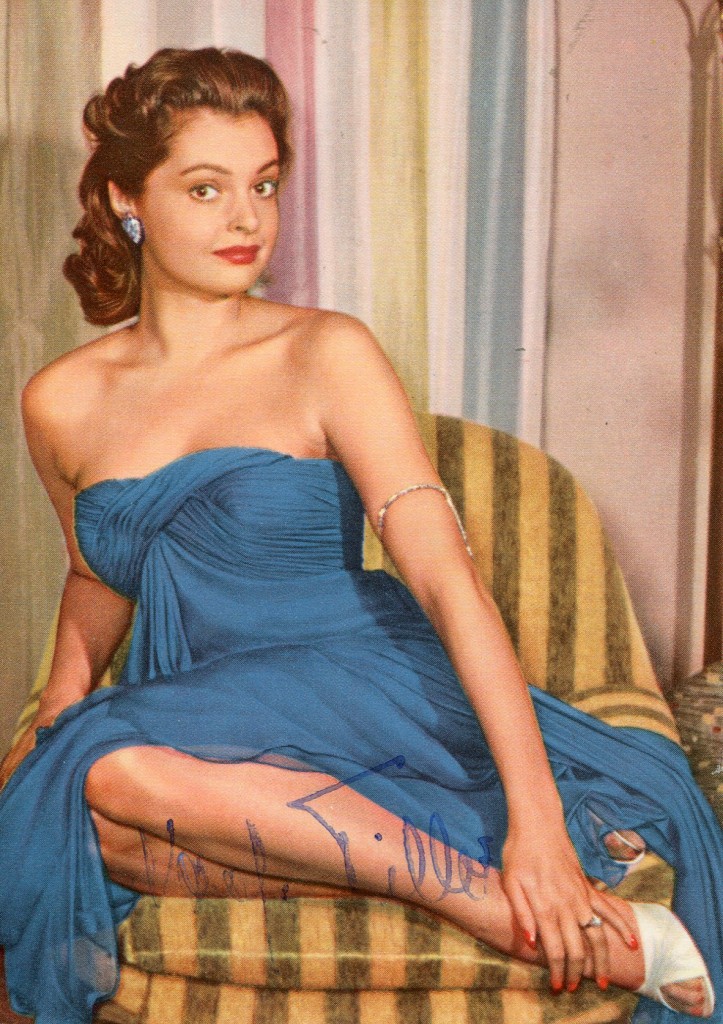
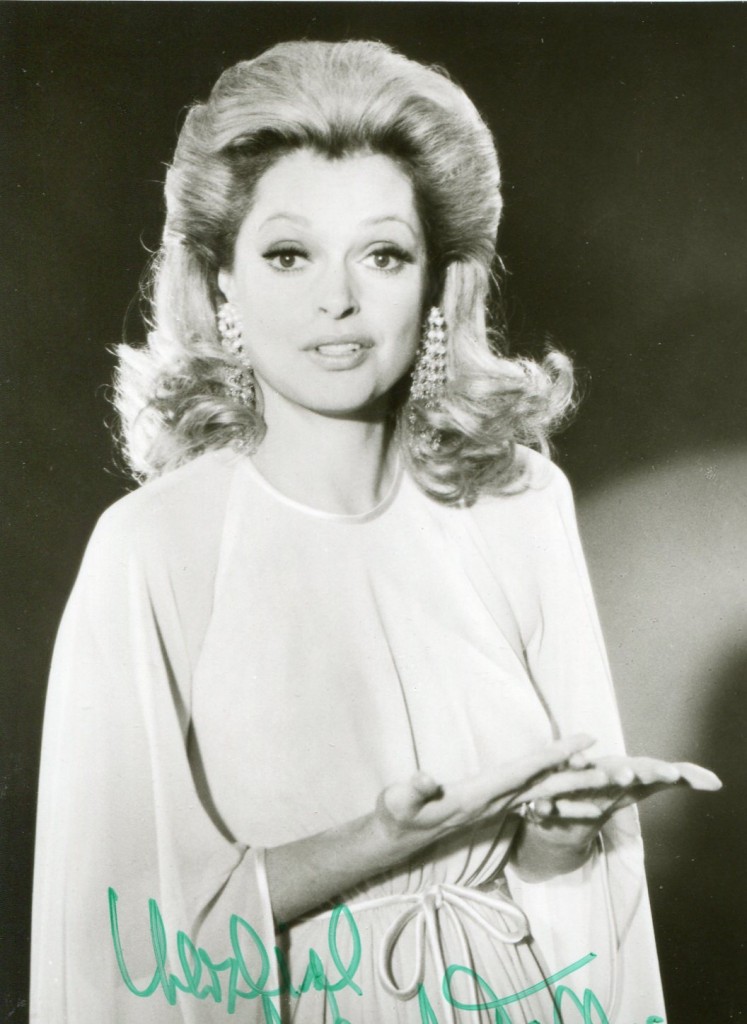
Nadja Tiller
Nadja Tiller
Nadja Tiller
Nadja Tiller
Nadja Tiller

Nadja Tiller was born in 1929 in Vienna.   She won the Miss Austria contect in 1949 he same year she made her movie debut.   Other films include “Empress of China” in 1953, “Mozart” and “O Happy Day” in 1970.