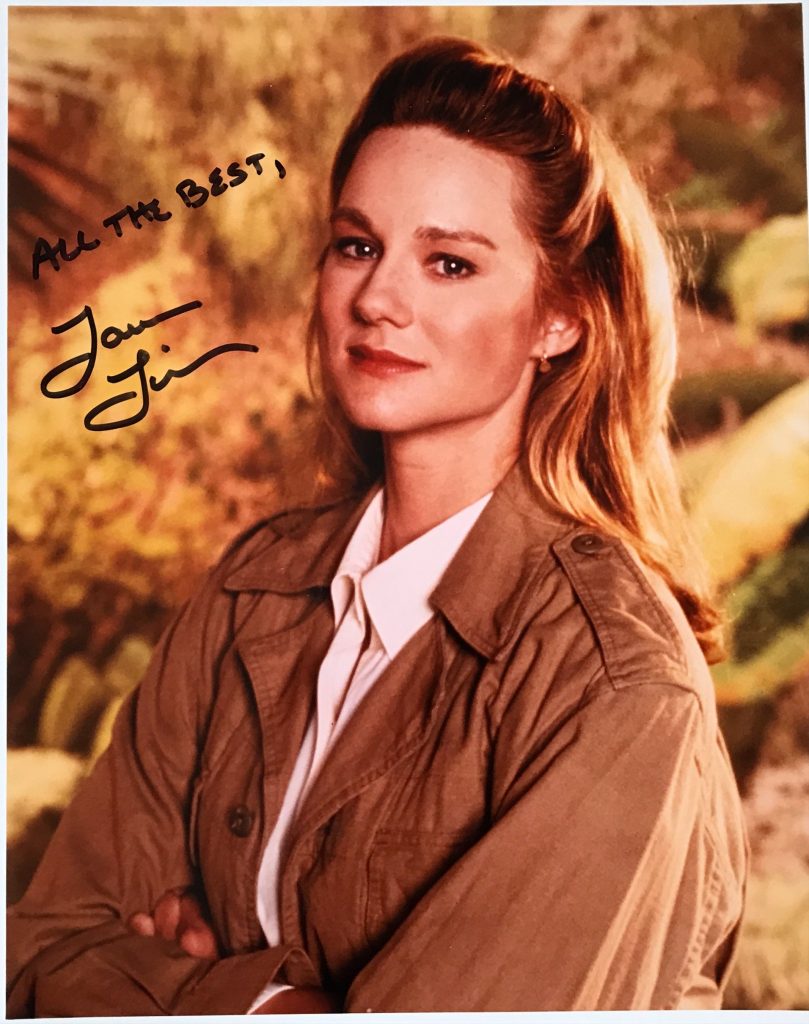
Laura Linney was born in 1964 in New York. Her breakthrough role came in the television mini-series “Tales of the City”. She went on then to have leading roles in such movies as “Congo”, “Primal Fear”, “The Truman Show” and “Absolute Power”. Recent films include “Savages” with Philip Seymour Hoffman.
IMDB entry:
Laura Linney was born in New York City on February 5, 1964, into a theatre family. Her father is the prominent playwright Romulus Linney. Although she did not live in her father’s house (her parents having divorced when she was an infant), Linney’s world revolved, in part, around his profession from the earliest age. She graduated from Brown University in 1986 and studied acting at Juilliard and the Arts Theatre School in Moscow and, thereafter, embarked on a career on the Broadway stage receiving favorable notices for her work in such plays as “Hedda Gabler” and “Six Degrees of Separation”.
Always a strong performer, Linney truly came into her own after 2000, starting the decade auspiciously with her widely-praised, arguably flawless performance in You Can Count on Me (2000). She found herself nominated for an Academy Award for this, her first lead role, for which her salary had been $10,000. Linney won numerous critics’ awards for her role as Sammy, a single mother whose life is complicated by a new boss and the arrival in town of her aimless brother. On the heels of this success came her marvelous turn as Bertha Dorset in The House of Mirth (2000), clearly the best performance in a film of strong performances. Since then, Linney has frequently been offered challenging dramatic roles, and always rises to the occasion, such as in Mystic River (2003), in which she worked again with Clint Eastwood, and Kinsey (2004), for which she received another Academy Award nomination.
– IMDb Mini Biography By: Larry-115
The above IMDB entry can also be accessed online here.
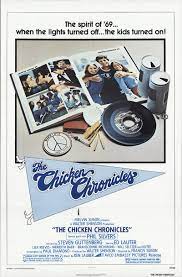
Ed Lauter is an accomplished character actor who was born in 1940 in Long Beach, Long Island. Among his films are “The Last American Hero” in 1973, “The Longest Yard”, “Magic” and “Raw Deal”. He died in 2013.
TCM Overview:
As one of Hollywood’s hardest working character actors, Ed Lauter appeared in small supporting roles in more than 200 movies and television shows, in the process becoming an instantly recognizable face though never a household name. His imposing height, fierce squint and effortlessly intimidating demeanor made him a natural for playing authority figures of both the benign and malevolent variety, and his near constant output yielded a number of unforgettable film performances, from the sadistic yet ultimately honorable Captain Knauer in Robert Aldrich’s “The Longest Yard” (1974), to Maloney, the arsonist-turned-gas station owner in Hitchcock’s final film, “The Family Plot” (1976), to Peppy Miller’s dutiful butler in the Academy Award winner for Best Picture, “The Artist” (2011). Lauter was also a familiar face on television, playing the stern Captain Cain on “B.J. and the Bear” (NBC, 1979-1981) and its spin-off, “The Misadventures of Sheriff Lobo” (NBC, 1979-1981), as well as the uncharacteristically sympathetic role of Fire Captain Dannaker on “ER” (NBC, 1998-2002), in addition to scores of guest appearances on other series and supporting roles in TV movies. Though audiences may have struggled to remember his name, Ed Lauter’s tough, authoritarian image was a familiar and reliable staple of American film and television.
Edward Matthew Lauter II was born on Oct. 30, 1938 in Long Beach, Long Island, NY, where he was raised by his mother, a former stage actress who had worked with legends like Al Jolson, Fred Astaire and the Marx Brothers. Lauter heeded the call of the stage himself, following a two-year stint in the U.S. Army, working as a stand-up comic and impressionist while studying drama at New York’s Herbert Berghof School. He made his Broadway debut in 1968 in the Pulitzer Prize- and Tony award-winning production of “The Great White Hope” starring James Earl Jones, and his performance caught the attention of casting director Lynn Stalmaster. After “Hope” closed in 1970, Lauter moved to Los Angeles, where Stalmaster immediately put his steely, intimidating look to work in supporting tough guy roles in the feature cop drama “The New Centurions” (1972) starring George C. Scott and in the Westerns “The Magnificent Seven Ride!” (1972) and “Bad Company” (1972), starring Jeff Bridges. Lauter also began appearing in very similar roles on television, playing hardnosed character roles on series including Robert Culp’s detective drama “Hickey & Boggs” (NBC, 1972), “Mannix” (CBS, 1967-1975), Ironside (NBC, 1967-1975), and “Streets of San Francisco” (ABC, 1972-77), rapidly becoming one of America’s most employable character actors.
Much as Lauter had listened to the stories of his mother’s legendary cohorts growing up in the midst of New York’s theater community, he was an apt pupil of Hollywood’s elder statesmen, such as Jack Warner, Burt Lancaster and David Niven, and always eager to take advice. His humble manner and impressive work ethic ingratiated Lauter to many of his cast mates and directors, who frequently recommended Lauter for roles in future films. After working with Lauter on “The New Centurions,” George C. Scott cast him in his own directorial work, “Rage” (1972). Similarly, after working with him in “Bad Company,” Jeff Bridges recommended Lauter for roles in “Lolly-Madonna XXX” (1973) and “The Last American Hero” (1973). In 1974, Lauter landed his most memorable part to date, the sadistic but ultimately honorable Captain Knauer in Robert Aldrich’s “The Longest Yard” (1974). The film’s star, Burt Reynolds, sent a print of the film to director Alfred Hitchcock in the hope of being cast in Hitchcock’s “The Family Plot” (1976). Hitchcock had delayed production while seeking the right actor to play Maloney, the film’s third lead. After screening “The Longest Yard,” Hitchcock found his Maloney, but in Lauter, not Reynolds. Thoroughly impressed, Hitchcock would also cast Lauter in his next film, but died before production could begin.
Lauter would put the “good bad guy” character he had developed in “The Longest Yard” and “Family Plot” to work in films such as “King Kong” (1976) and Richard Attenborough’s “Magic” (1978), but began to find more and more work on television, appearing in TV movies and miniseries such as “How the West Was Won” (ABC, 1979) and “Guyana Tragedy: The Story of Jim Jones” (CBS, 1980), and landing a recurring role as the draconian Captain Cain on “B.J. and the Bear” (NBC, 1979-1981) and its spin-off series, “The Misadventures of Sheriff Lobo” (NBC, 1979-1981). When Lauter did appear on the big screen, it was often at the invitation to work with an old friend, as he did with Charles Bronson on “Death Hunt” (1981) and later in “Death Wish 3” (1985). Occasionally Lauter landed substantial roles in memorable films, as he did playing the unfortunate owner of the titular killer dog in “Cujo” (1983), but more often than not, his apparent drive for constant employment meant taking roles in a number of forgettable films and TV series – from Fred Williamson’s hackneyed “The Big Score” (1983) to “The A Team” (NBC, 1983-87). For every popular drama or big-budget action film like “Youngblood” (1986) or “Raw Deal” (1986), Lauter also worked in a negligible film like “Revenge of the Nerds II: Nerds in Paradise” (1987) or “Gleaming the Cube” (1989).
In 1989, Lauter was cast as Whitney Ashbridge, the commanding officer at the Los Alamos army post, in Rolland Joffe’s “Fat Man and Little Boy” (1989), starring Paul Newman. Lauter’s military background, coupled with his ramrod physique, stern glare and bullet-like bald head, made him ideal for portraying staunch authority figures, particularly military and law officers. He would play variations on that theme in Oliver Stone’s “Born on the Fourth of July” (1989), “My Blue Heaven” (1990), “The Rocketeer” (1990), the Steven King miniseries “Golden Years” (1991), “Star Trek: The Next Generation” (CBS, 1987-1994), “True Romance” (1993), and “The X-Files” (Fox, 1993-2002), only occasionally stepping out of uniform as he did quite effectively as Brandon Fraser’s sympathetic but strict father in “School Ties” (1992). As he had done since he first began acting professionally, Lauter took advantage of typecasting to maintain steady work, though this frequently meant appearing in films and television of questionable quality. During the mid- to late-1990s, Lauter turned in credible supporting performances in Mike Figgis’ acclaimed “Leaving Las Vegas” (1995) and Lee Tamahori’s “Mulholland Falls” (1996), but otherwise his work continued to largely consist of bit parts in forgettable films and made-for-television movies.
A recurring role as Fire Captain Dannaker on “ER” (NBC, 1994-2009) provided Lauter with better material than he had found in film for much of the 1990s, but in 2003, Lauter returned to form with “Seabiscuit,” playing Charles Strub, the investor in the Santa Anita racetrack who brought the famed race horse to Southern California. In 2005, Lauter made another sort of return when he was, with Burt Reynolds, one of the only two original cast members to appear in the remake of “The Longest Yard.” Lauter’s nostalgic appearance in the latter film led to roles in “Talladega Nights: The Ballad of Ricky Bobby” (2006) and the Western “Seraphim Falls” (2006), starring Liam Neeson and Pierce Brosnan, but the seemingly workaholic Lauter would continue to appear in lesser features, apparently with little or no regard for the quality of the finished product. As the record of his long career had proven, however, the law of averages would still provide Lauter with finer material in which to perform. After several years working in video fodder like “Godspeed” (2009) and “The Prometheus Project” (2010), Lauter once again landed a plum role in the winner of the Academy Award for Best Picture, “The Artist” (2011). He maintained that quality streak in 2012 by playing a fellow baseball scout alongside Clint Eastwood in “Trouble with the Curve.” In May 2013, Lauter was diagnosed with mesothelioma, a form of lung cancer; he died on October 16, 2013.
By John Crye
The above TCM overview can also be accessed online here.
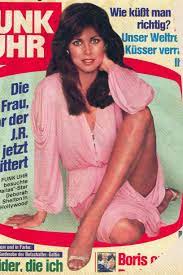
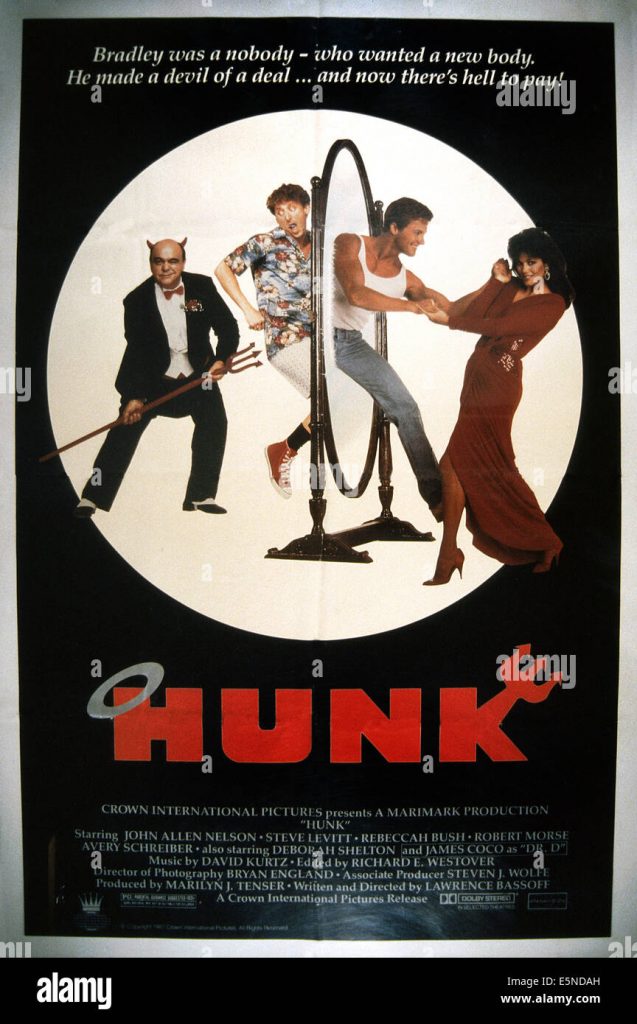
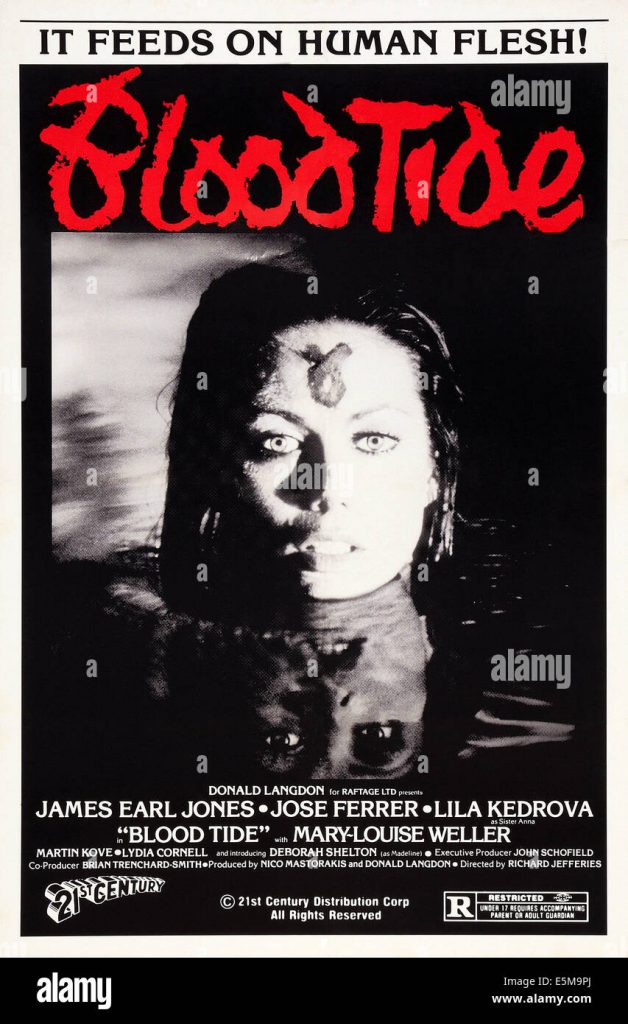
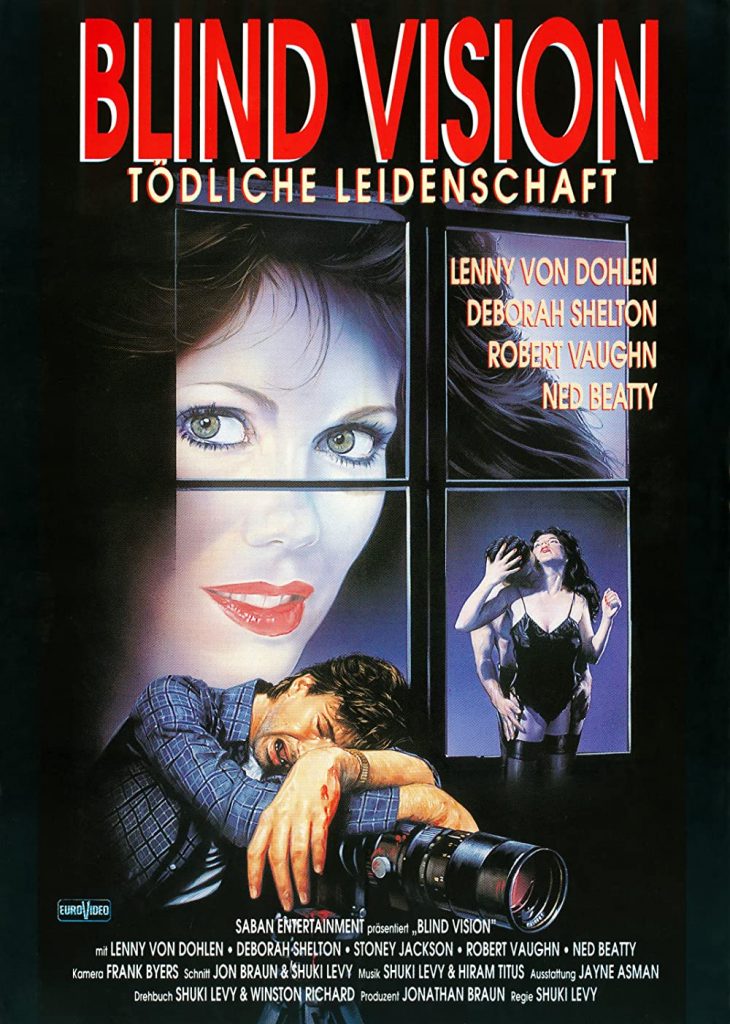
Deborah Shelton was born in 1948 in Washington D.C. She starred in the 1984 film “Body Double” with Melanie Griffith. On television she has guest starred in “T.J. Hooker”, “The Fall Guy” and “The Love Boat”.
1984 “People” magazine article: The voluptuous brunette in a satin robe is being chased around her boudoir. She is about to be turned into Swiss cheese by a psycho who is dressed as an American Indian and is wielding a mighty power drill with a 12-inch bit. Though the violent, bloody scene is only from a movie—Brian DePalma’s latest shockeroo, Body Double—the terrified expression on the face of Deborah Shelton (Miss U.S.A. of 1970) is real. That’s because De-Palma, who goose-bumped his way to fame with Carrie, Dressed to Kill and Scarface, used the real thing. No drill double. No siree. “At one point the drill was an inch from my nose,” recalls Shelton. “When they turned that drill on, all the hairs on my spine stood up.”
So did her dander, which disproves the theory that all Miss U.S.A. winners are beautiful but, knock-knock, nobody home. Throughout the filming Shelton and DePalma had heated discussions about the drill scene and why her character shouldn’t fight back. “Who stands around like that?” Shelton asked. “Brian kept saying, ‘Pathos, Debbie, pathos,’ and I’m thinking, ‘Stupidity, Brian, stupidity.’ “
But Shelton went along. A veteran of TV guest shots, Shelton, 32, saw a big budget DePalma film as a way to the big time. “Even if it’s terrible, it’s going to be seen,” she says. Shelton is not sure how she feels about DePalma. “I keep comparing Brian to Vincent Price. He had a sort of evil look.” But, like a lot of feminists and critics, Shelton is not afraid to speak out against the man who might make her a star. “Brian makes women victims,” she says. “He’s into commerciality and what sells—and what people want to see. But I don’t like to see women represented that way. When I see it, it creates anger in me.” DePalma responds: “It’s a sad state of affairs when you can’t make a murder mystery and kill anybody because you’re going to offend some group. You have to, I guess, pick a Martian as the victim.”
Deborah is happier talking about her new role on Dallas, TV’s No. 1 series. Last spring the producers auditioned actresses for the part of model Mandy Winger. Although Mandy was described as “a really young blonde, an ex-hooker with a heart of gold,” the dark-haired Shelton won a reading and ultimately the part (she debuted on October 12). “So far I think I’m a good girl,” she says, laughing. “I’m not blonde and there’s no mention of her being an ex-hooker, though I keep waiting to find out that it’s true.”
When it came time to meet the illustrious cast, she “didn’t sleep all night, but everybody was just wonderful.” Although destined to become involved with Cliff Barnes (Ken Kercheval) and J.R. Ewing (Larry Hagman), Deborah says, “I don’t want to be kept as somebody’s little pet. I’m smart.” At least it’s not Body Double all over again. “The thing I love about Dallas is they don’t make me do bathing suit pictures.”
Like it or not, it was in a bathing suit that Shelton first won public notice. In 1970, while attending Old Dominion University in Norfolk, Va., her hometown, Shelton, who had always wanted a career in medicine, entered the Miss Virginia contest. She won and a month later she took the Miss U.S.A. crown. Three months later Deborah, the only child of a Southern Baptist dentist and his wife, became first runner-up in the Miss Universe contest.
When she passed her crown to her successor, Shelton found that life for an ex-beauty queen could be brutal. Her experience as a model in New York sounds nearly as harrowing as that ofVanessa Williams: “I had one photographer jump on me. I had another say, ‘Come on over and we’ll smoke some dope and look through your pictures. Another said, ‘What you need is a friendly——.’ ” Shelton tried marriage in 1971. She had a son, but wedlock didn’t work out.
Shelton then teamed up with a New York gynecologist. They had plans to open a clinic for women with diet and cellulite disorders. But those plans never paid off. In December 1976, Deborah met her current husband, Shuki Levy, 38, an Israeli-born, Paris-based singer-composer-record producer who was on holiday in America. They were together only two days, then spent $4,500 burning up phone wires to get better acquainted. Four months later they wed in Switzerland.
Shelton and Levy live in the Hollywood Hills, with Deborah’s son and their daughter. Neighbors describe Shelton as a “Kool-Aid mom” because of the hospitality the kids on the block enjoy at her house. Since 1977 she has been writing the lyrics for her husband’s compositions (their song Magdalena may be featured on Julio Iglesias’ next LP). Luckily, Shuki is not too upset about all the exposure his wife gets in Body Double. “I don’t like it but I can’t take it seriously,” he says. “Soon she’ll be able to be more selective.” Deborah laughs at being thought of as a sex symbol: “I’m a regular kind of person.” But to keep her body gorgeous, Shelton endures rigorous exercise routines at home three to five times a week with Pete Steinfeld (brother and partner of coach-to-the-stars Jake Steinfeld). For that, Shelton says, she has DePalma to thank: “He wanted everybody in perfect shape for the film. He’d say, ‘That’s not a DePalma body!’ Let me tell you, that got under my skin. Why didn’t I turn around and say, ‘You’re damned right. It’s a Shelton body.’ ” Maybe she will the next time. “Megalomania,” she says, rolling her eyes, “has its limits.”
The above “People” magazine can also be accessed online here.
Richard Gautier was born in Culver City, California in 1931. He began his career on television and his first film was “Ensign Pulver” in 1964. Subsequent movies include “Divorce American Style” in 1967, “Maryjane” and “Wild in the Sky”. He has appeared in nearly all the well known television shows in the 1960’s. 70’s and 80’s.
Richard Gautier
Obituary
Dick Gautier, who starred on Broadway in the original production of Bye Bye Birdie and then famously played Hymie the Robot on the sitcom Get Smart, has died. He was 85.
Gautier died Friday night at an assisted living facility in Arcadia, Calif., after a long illness, his daughter Denise told The Hollywood Reporter.
Gautier, who started his career as a stand-up comic, received a Tony nomination for playing Conrad Birdie, the character based on Elvis Presley, in the memorable, original 1960 production of Bye Bye Birdie, starring Dick Van Dyke.
The handsome actor appeared as Hymie on just six episodes of Get Smart over four seasons, yet he was one of the spy spoof’s most popular characters.
Hymie, who was incredibly strong and had a supercomputer for a brain and wires and components in a compartment in his chest, originally was built for the evil organization KAOS but came over to CONTROL (the good guys) because Max (Don Adams) was the first one to treat him like a real person.
“When I met with the powers that be, I told them that when I was a kid in Canada I saw a man in a storefront window acting like a manikin to drum up business,” he said in 2013. “If you could make him smile, you’d get $10. So, I tried, but not by acting crazy — I merely imitated his movements. I didn’t win the $10, but I got the part of Hymie, which was a little better.”
Eventually, Max picked Hymie to be his best man for his wedding with Agent 99 (Barbara Feldon), and Gautier returned as the robot for a 1989 Get Smart TV movie.
In 1975, Gautier starred as Robin Hood on the short-lived ABC series When Things Were Rotten, co-created by Mel Brooks, who, of course, had launched Get Smart as well.
Gautier was a veteran stand-up performer and working at The Blue Angel nightclub in New York as an opener for headliner and singer Margaret Whiting when he was spotted by Bye Bye Birdiedirector Gower Champion and Charles Strouse, who did the music for the production.
“They asked me to read for this thing,” he recalled in a 2014 interview with Kliph Nesteroff. “I was a little put off because I didn’t like rock and roll. Not at that point. I said, ‘I don’t think it’s for me. I like Jerome Kern and George Gershwin.’
“They said, ‘Will you at least come in and audition?’ I went in and they said, ‘Would you sing an Elvis song?’ I said, ‘I don’t know any Elvis songs.’ So they just played some blues and I ad-libbed and I guess they liked it. Couple months later they called.”
Gautier told his agent, “‘It’s not for me. I feel very inhibited and very intimidated by this whole Elvis thing because it’s not me.’ He said, ‘It’s a satire.’ Then I went, ‘Ohhhhh.’ When he said that, then I got it. Suddenly it was OK. I got the part, got a Tony nomination, and my career was in a whole different place. I didn’t work nightclubs anymore.”
Jesse Pearson played Conrad in the 1963 movie version.
Gautier was born on Oct. 30, 1931, in Culver City, and his father, a French-Canadian, worked as a grip at MGM. He spent some time growing up in Montreal and sang and did a comedy act with a band that wound up on a local TV show in Los Angeles.
Gautier served in the U.S. Navy, where he booked acts, including a young Johnny Mathis. When he got out of the service in San Francisco, he hung out at the hungry i nightclub and decided to try stand-up. He and the legendary Mort Sahl were among the first comics to be booked at the club, which would go on to become a renowned breeding ground for stand-ups.
The charming Gautier played clubs all over the country and for a time toured with the folk act The Kingston Trio. When he was looking for material for an act in Las Vegas, he paid Jay Leno and David Letterman $100 an hour to write jokes for him, he said in the chat with Nesteroff.
Gautier appeared in a guest stint on The Patty Duke Show and was in the Joshua Logan-directed Ensign Pulver (1964), and he had regular roles on the short-lived series Mr. Terrific and Here We Go Again, starring Larry Hagman. He also played an amorous sportscaster on an episode of The Mary Tyler Moore Show.
He co-wrote the 1968 pot movie Maryjane (1968) with Hollywood Squares host Peter Marshall and the 1972 film Wild in the Sky (1972), starring Georg Stanford Brown.
Gautier also appeared in such films as Divorce American Style (1967) — playing Van Dyke’s attorney — Fun With Dick and Jane (1977) and Billy Jack Goes to Washington (1977) and on TV shows including Charlie’s Angels; The Love Boat; Murder, She Wrote; Silk Stalkings; and Nip/Tuck.
He also was a guest on many game shows, including Tattletales, on which he appeared with his then-wife, actress Barbara Stuart.
Starting in the mid-1980s, Gautier worked often as a voice actor, heard on such shows as Galtar and the Golden Lance, G.I. Joe,The Transformers, The New Yogi Bear Show and The Addams Family.
An accomplished artist, Gautier also wrote and illustrated several books about drawing and how to become a cartoonist.
“Cartooning has been my hobby, my therapy, a delicious pastime and on occasion my salvation — it got me through some tight financial spots when I was a struggling actor,” he wrote in the introduction to his 1989 book, The Creative Cartoonist.
In addition to Denise, survivors include his former wife Tess; daughter Chris and son Rand; grandchildren Darby, Brandon, Megan and Elisa; and great-grandchildren Reya, Bella, Odette, Jade and Avery.
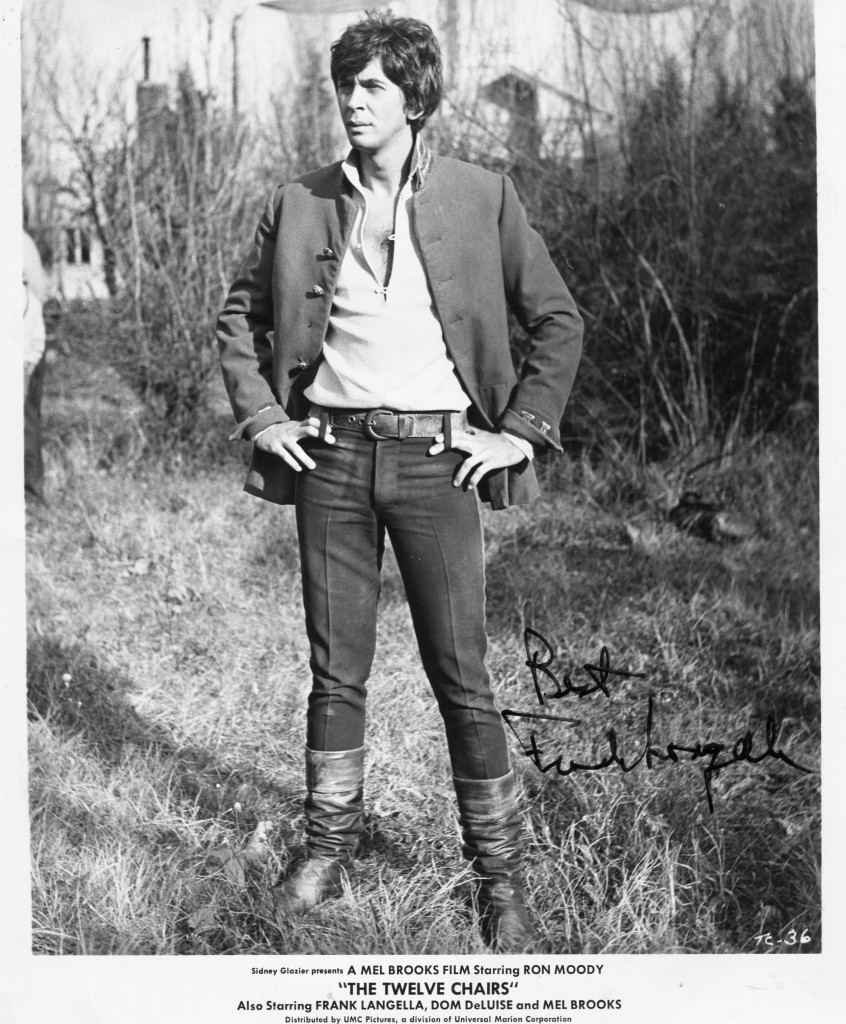
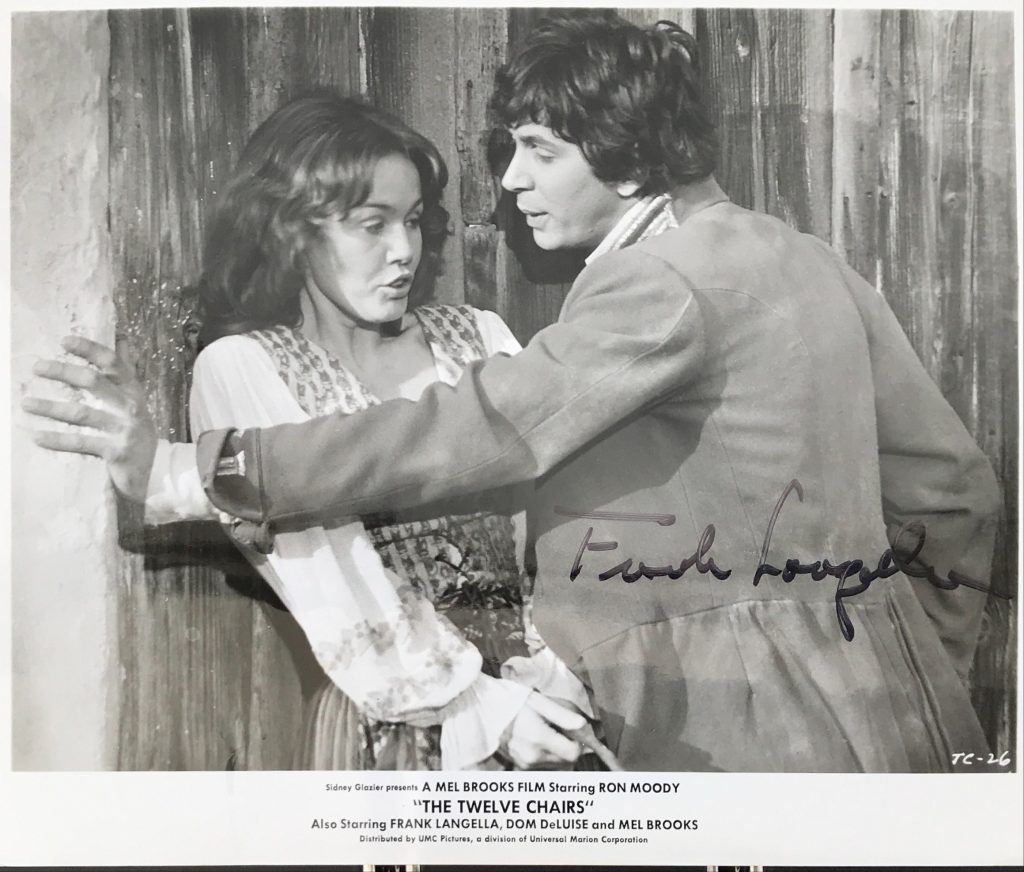
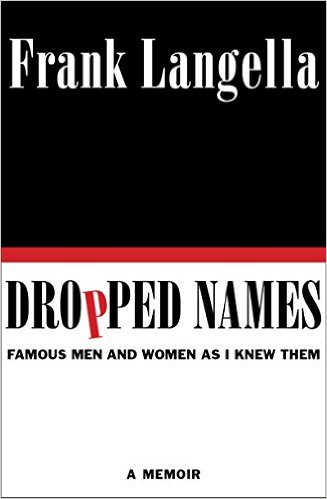
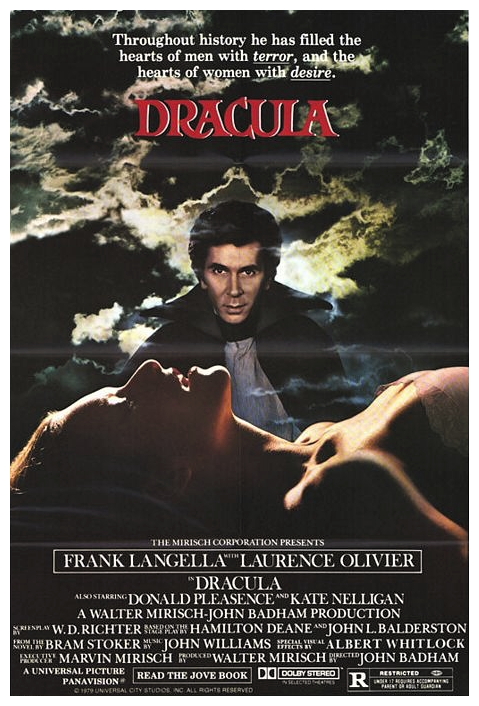
Frank Langella was born in 1938 in Bayonne, New Jersey. He made his film debut in 1970 with Mel Brook’s “The Twelve Chairs” and “The Diary of a Mad Housewife”. He scored a success on Broadway in the title role in “Dracula” a role he repeated on film. Recently he has won widespread acclaim for his role in “Frost/Nixon”.
TCM Overview:
Frank Langella’s status as one of the most highly regarded actors of the American stage was well-deserved, as his grand presence earned two Tony Awards by the time he was 30 years old. During his career of 75-plus stage plays and three dozen films, Langella, with his penchant for bold, romantic leads and chilly villains, was entrusted with such classic characters as Count Dracula, Sherlock Holmes and Cyrano de Bergerac. He favored period classics during his early years, but middle age found him more at ease in contemporary film drama, where he earned critical notice for “Dave” (1993), “Good Night and Good Luck” (2005) and a portrayal of Richard Nixon that migrated from the West End to Broadway to movie screens in “Frost/Nixon” (2008). Even as high profile film roles eventually brought the actor mainstream recognition, Langella maintained his residency in the world of professional thespians rather than being a Hollywood commodity.
Born Nov. 1, 1938, Frank Langella was raised in Bayonne, NJ. From a childhood love of listening to opera and taking the stage in school plays, Langella went on to study drama at Syracuse University. After several years of performing in regional repertory and summer stock, he joined the Lincoln Center Repertory Company as one of its original members, studying under Elia Kazan. He made his New York City stage debut in “The Immoralist” in 1963 and spent much of the remainder of the decade onstage, building his reputation with OBIE-winning turns in “The Old Glory” (1964), “Good Day” (1965) and “The White Devil” (1965). He also appeared frequently at the Williamstown Theatre Festival and the Berkshire Theatre Festival, where he created the role of Will Shakespeare in “A Cry of Players” (1968), earning another Drama Desk Award. Langella made an excellent feature film debut as a swaggering, self-centered amoralist afraid of serious relationships in Frank Perry’s “Diary of a Mad Housewife” (1970). That same year, he also came up aces as a Russian con man in Mel Brooks’ “The Twelve Chairs,” winning the Best Supporting Actor Award from the National Board of Review for the two performances.
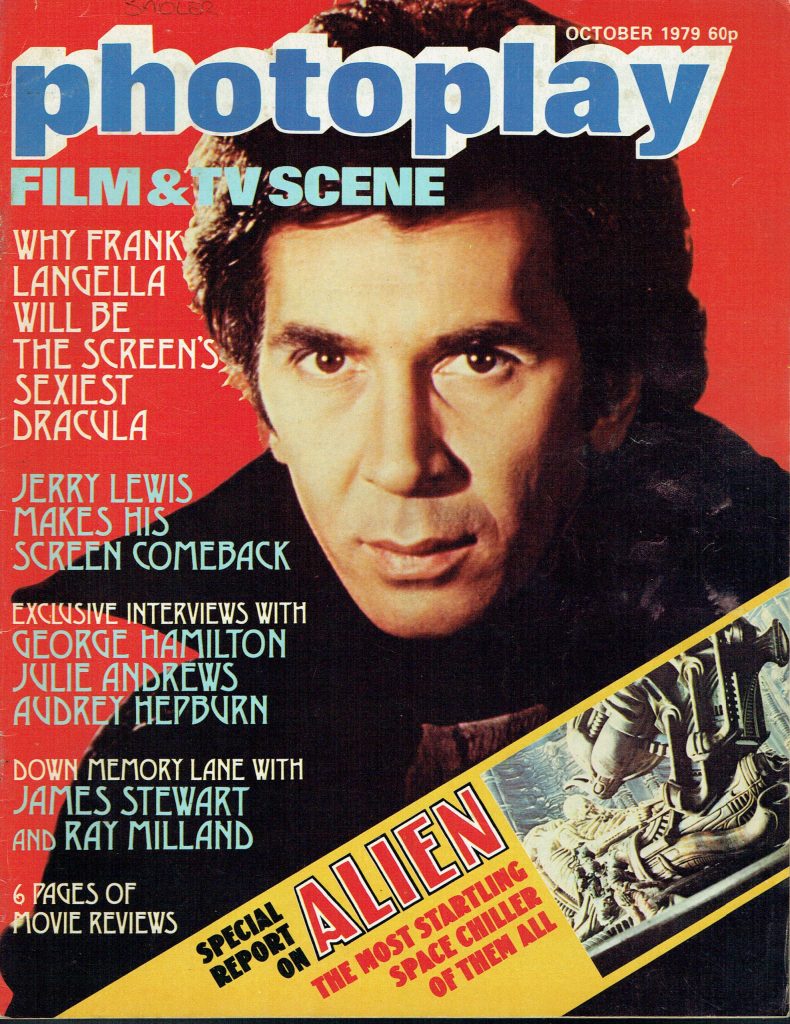
After his role as the deranged counter-revolutionary son of Rita Hayworth in the Love Goddess’ swan song, “The Wrath of God” (1972), Langella boldly inhabited the charismatic title character in the ABC TV movie, “The Mark of Zorro” (1974). He went on to spend the majority of the 1970s on stage, earning a Tony Award for his Broadway debut as a slithering lizard in Edward Albee’s Pulitzer-winner, “Seascape” (1975). His legendary smoldering performance in the Broadway smash “Dracula” (1977) led to another Tony nomination – a significant accomplishment as the actor shared the spotlight with illustrator Edward Gorey’s magnificent sets. Langella’s acclaimed stage work reached larger audiences when tapings of his Williamstown Theatre Festival performances in Chekhov’s “The Seagull” and Tennessee Williams’ “Eccentricities of a Nightingale” aired on PBS’ “Theater in America” series in 1975 and 1976. He reprised his immensely seductive “Dracula” on the big screen in 1979, and while some thought the trendy horror gimmicks employed by director John Badham upstaged Langella’s acclaimed Broadway characterization, the film did fine with both blood-thirsty audiences and swooning female fans at the box office. What followed was a burst of sex-symbol mania over Langella’s brooding good looks, which he rode into the next decade.
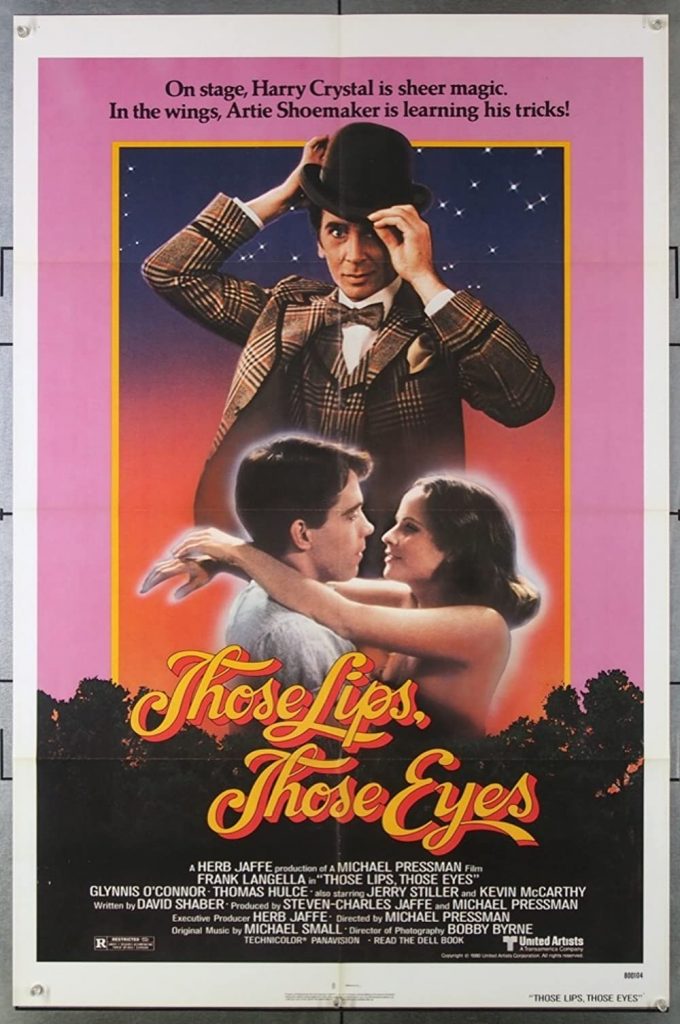
The seasoned Broadway actor branched out into directing at the helm of Albert Innaurato’s “Passione” on Broadway in 1980, and on the big screen he was quite good as a down-on-his-luck actor in Michael Pressman’s sleeper “Those Lips, Those Eyes” (1980). In one of several of Langella’s portrayals of famous artists, he essayed famous Italian composer Antonino Salieri in Sir Peter Hall’s stage production of “Amadeus” (1982). The following year, he tackled painter Leonardo Da Vinci in the PBS show “I, Leonardo: A Journey of the Mind” (PBS, 1983). Langella produced and starred in a 1984 off-Broadway revival of “After the Fall,” and appeared in George C. Scott’s production of Noel Coward’s “Design for Living” (1984) and Mike Nichols’ 1985 staging of “Hurlyburly.” On the small screen, he portrayed famed sculptor Frederic Auguste Bartholdi in the historic made-for-television offering, “Liberty” (NBC, 1986). For the most part, worthy big screen roles continued to elude him and he landed in questionable movies like “The Men’s Club” (1986), the tedious, imitative fantasy “Masters of the Universe” (1987), and in Roger Vadim’s ill-advised remake of “And God Created Woman” (1988). He rebounded with one of his more famous roles, starring as British literary hero Sherlock Holmes in a Broadway production of “Sherlock’s Last Case” (1987). He revived the role to an excellent reception in HBO’s “Sherlock Holmes” (1991).
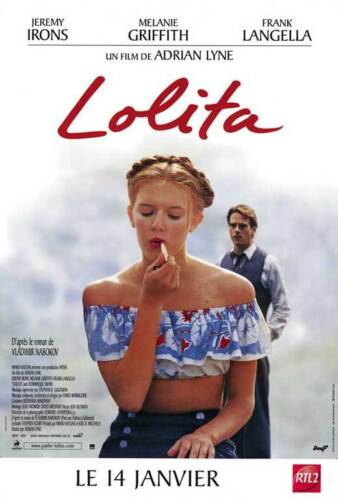
Now white-haired and enjoying a comfortable position as a highly regarded stage and screen thespian, Langella’s career reached new heights in the 1990s. He gave a tremendously villainous performance as a duplicitous White House chief of staff in “Dave” (1993), and was equally ominous as the brilliant, cynical arms designer of HBO’s “Doomsday Gun” (1994). In a rare appearance in broad comedy, he was seen as a department administrator in support of Arnold Schwarzenegger in Ivan Reitman’s “Junior” (1994). Langella returned to the New York stage to play family patriarch Junius Brutus Booth in Austin Pendleton’s “Booth” (1994), and hit theaters in double duds “Cutthroat Island” (1995) and the sports comedy “Eddie” (1996), which begat a long-term relationship with co-star Whoopi Goldberg. He rebounded by tackling another historical figure, playing the Pharaoh to Ben Kingsley’s “Moses” (TNT, 1996), while on stage he garnered acclaim for what Variety called a “hair-raising” performance as August Strindberg’s “The Father” (1996). He also gave a delicious turn as the perpetually preening matinee idol Garry Essendine in a revival of Noel Coward’s “Present Laughter” (1996). His role as a playwright vying for the affections of a seductive teenager in the second film adaptation of Vladimir Nabokov’s “Lolita” (1997) met with mixed reviews, and the controversial film was banned from feature release in the U.S., but aired on Showtime in 1998.
Dusting off a character he had played twice on stage in Williamstown, Langella scripted, directed and starred off-Broadway as “Cyrano de Bergerac” (1997) in a scaled-down adaptation of his own vision. He appeared in the NBC miniseries “Jason and the Argonauts” (2000) before essaying the role of a cable network owner for ABC’s “The Beast” (2001), a short-lived series about the 24-hour World News Service (WNS) network. The following year, he gave a Tony Award-winning turn in Ivan Turgenev’s “Fortune’s Fool” at the Stamford Center for the Arts in Connecticut. Roles in a string of minor films followed before Langella resurfaced in a major way with his magnetic portrayal of the demanding, compelling and sometimes hypocritical acting teacher Goddard Fulton in the George Clooney-Steven Soderbergh-produced improvised series, “Unscripted” (HBO, 2005). He remained on the air in a recurring role as Pino, the mercurial owner of a high class New York restaurant, in the short-lived sitcom “Kitchen Confidential” (Fox, 2005). In one of Langella’s best known film roles, he portrayed legendary CBS head William S. Paley, forced to find the delicate balance between allowing journalist Edward R. Murrow to take on Sen. Joseph McCarthy but also maintaining safe network business sense, in Clooney’s “Good Night and Good Luck” (2005). The critical fave was a nominee for both Oscar and Golden Globe Best Pictures.
In a follow-up coup, Langella was cast in the role of Daily Planet newspaper editor Perry White in Bryan Singer’s blockbuster “Superman Returns” (2006). In the summer of that year, he flew to London for a long stage run portraying Richard Nixon in the West End production “Frost/Nixon,” a drama based on the televised interviews the former president did with British broadcaster David Frost in 1977. After receiving an overwhelmingly positive response, the show was exported to Broadway where Langella’s performance earned him a Tony Award, Drama Desk Award, and Outer Critic’s Circle Award for Best Actor. On movie screens that year Langella earned multiple film festival nominations for his starring role as a fading novelist in the indie drama “Starting Out in the Evening” (2007), based on the novel by Brian Morton. The following year, he reprised his Nixon characterization in Ron Howard’s film adaptation of “Frost/Nixon” (2008), which earned him a Golden Globe nod for Best Performance by an Actor, as well as his first ever Academy Award nomination.
After a starring run on Broadway in “A Man for All Seasons,” Langella’s flair for the ominous was again used with good measure in the 2009 horror film “The Box.” He went on to play a financial manager whose tragic end unearths the shady practices of the head of an investment bank (Josh Brolin) in Oliver Stone’s disappointing follow up, “Wall Street: Money Never Sleeps” (2010), starring Shia LaBeouf and Michael Douglas. From there, he was a wealthy real estate magnate whose son and heir (Ryan Gosling) is accused of murdering his wife (Kirsten Dunst) in the true crime thriller, “All Good Things” (2010), a loosely re-imagined telling of the real-life case involving billionaire Robert Durst. After a supporting turn opposite Liam Neeson and January Jones in the action thriller “Unknown” (2011), Langella was an aging ex-con whose given a robot (voiced by Peter Sarsgaard) to care for him, only to use it to perform a heist in the indie comedy “Robot & Frank” (2012).
The above TCM overview can also be accessed online here.
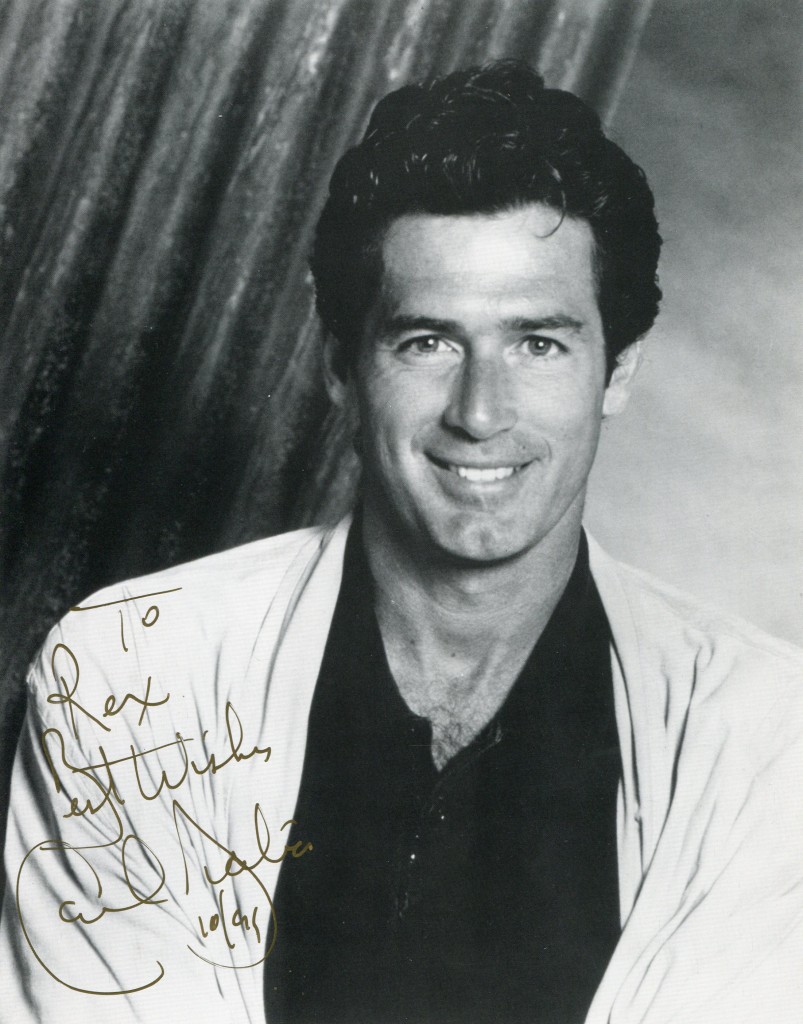
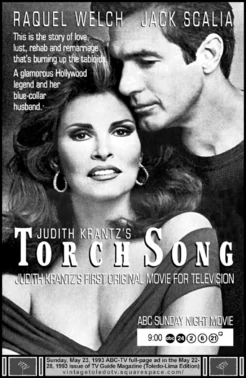
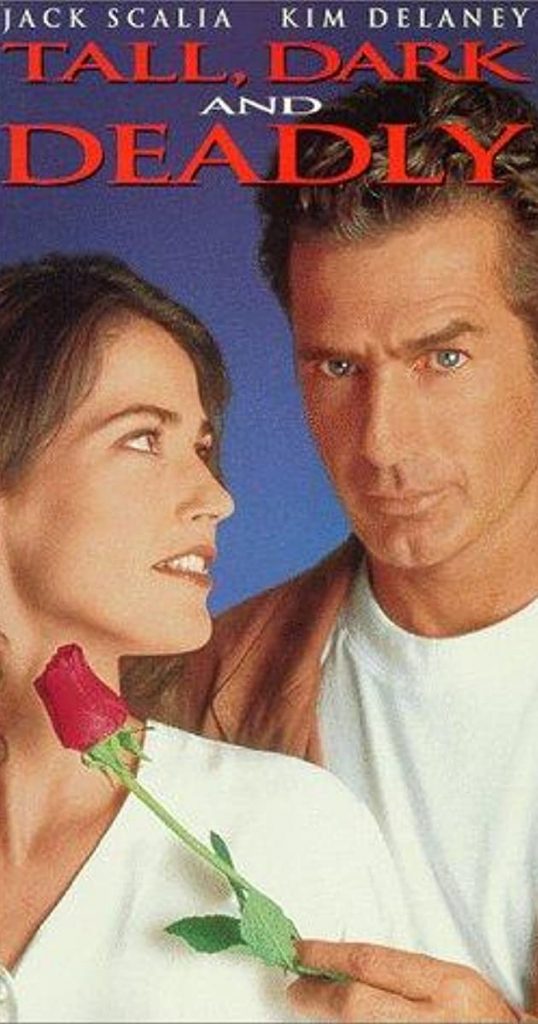
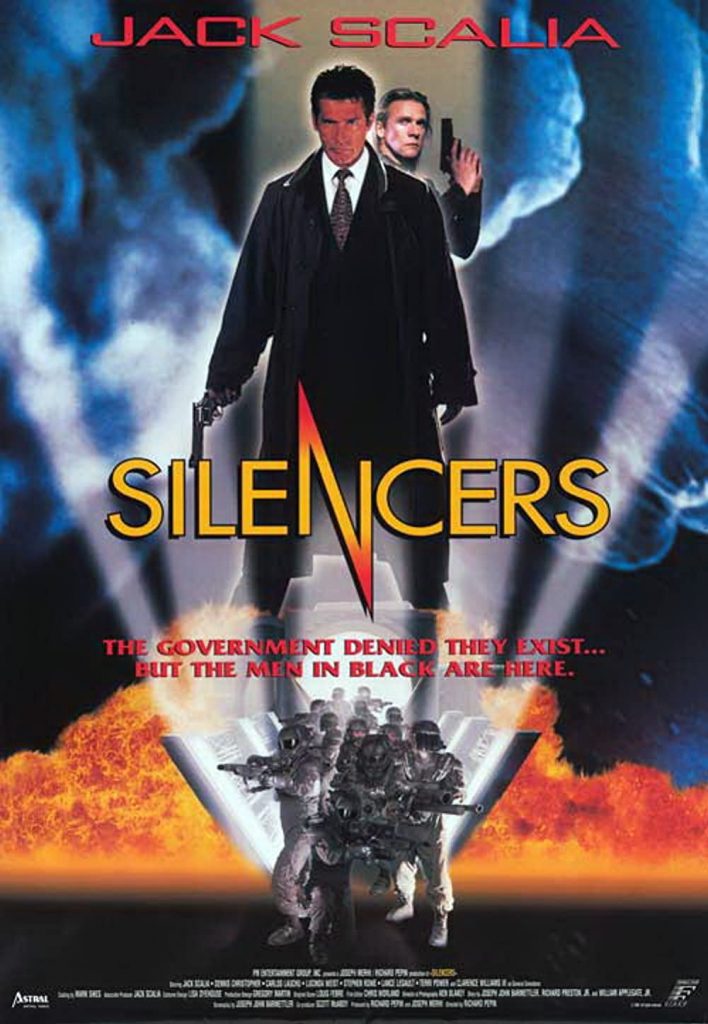
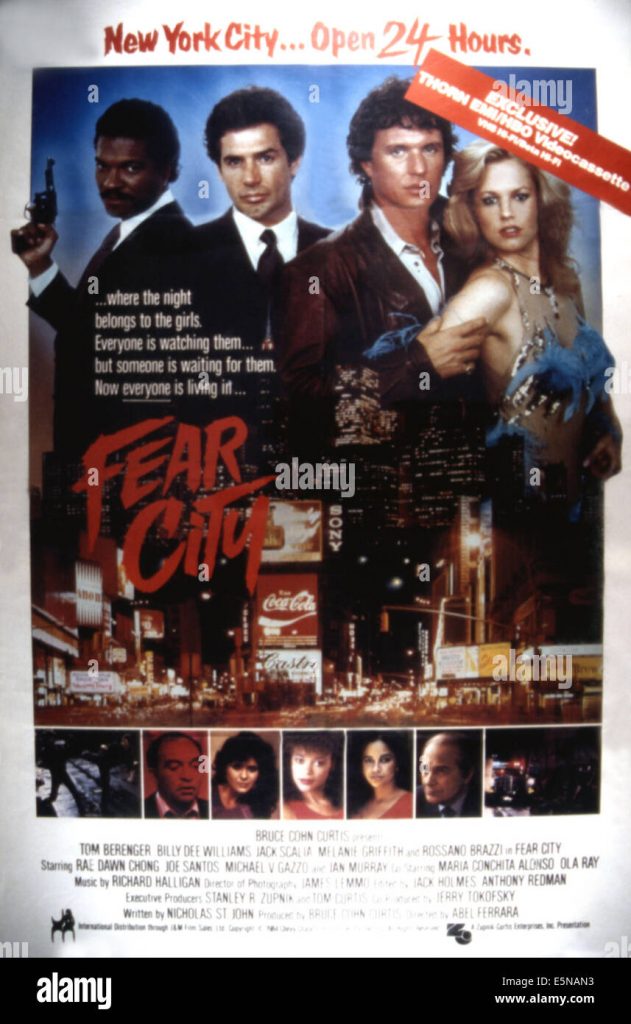
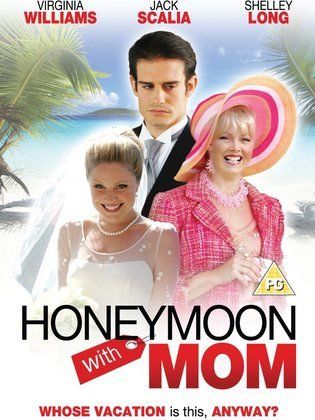
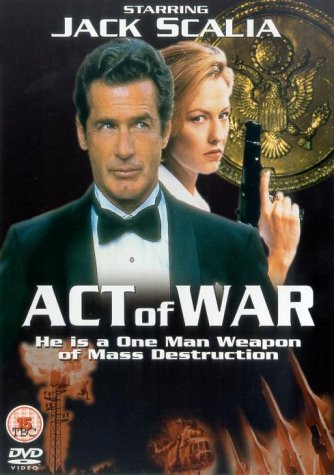
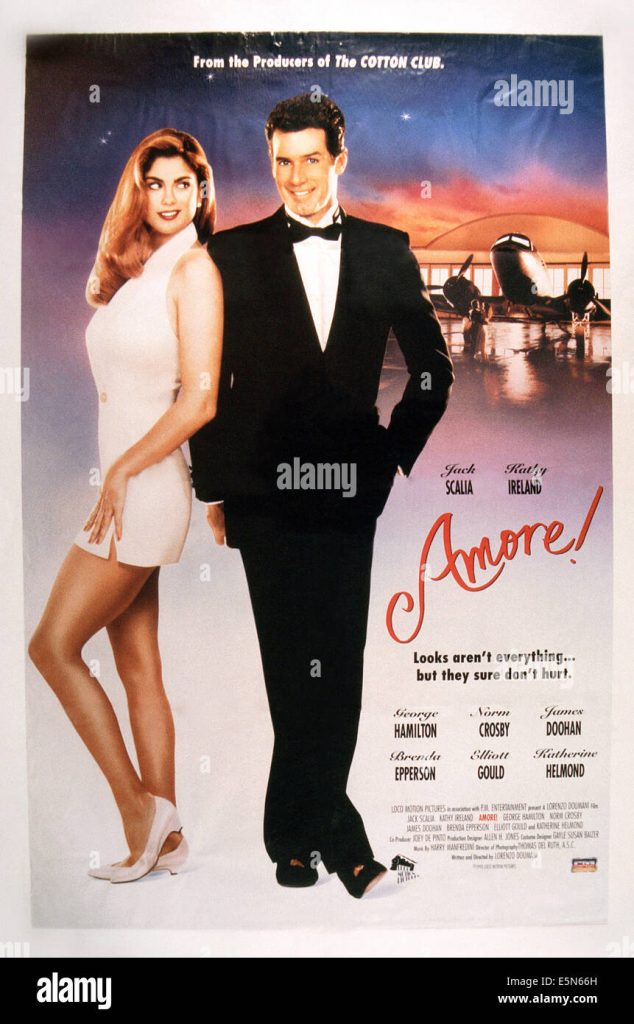
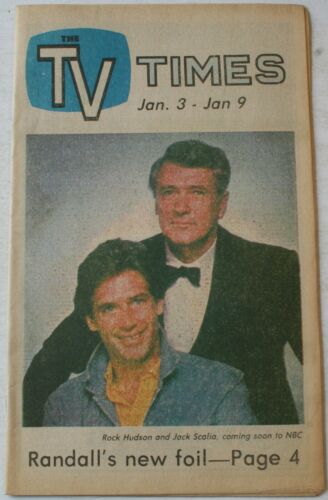
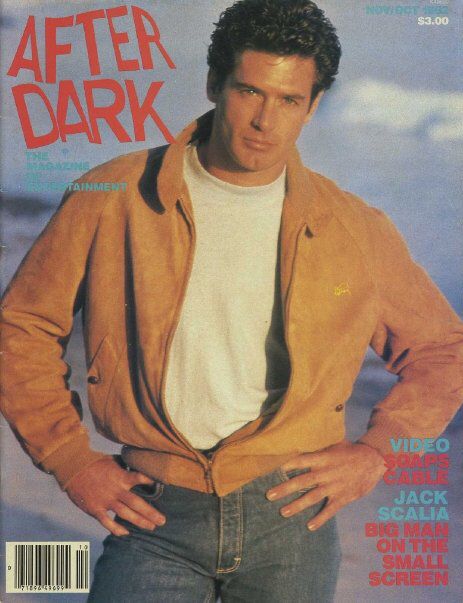
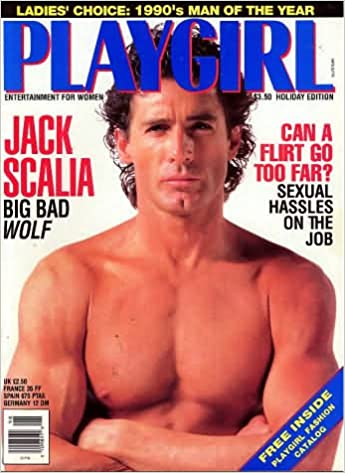
Jack Scalia was born in Brooklyn, New York in 1950. In 1982 he played Rock Hudson’s son in “The Devlin Connection” on television. He also had a featured role in “Dallas”. His films include “Black Tuilip” and “The Genius Club”.
Gary Brunburgh’s entry:
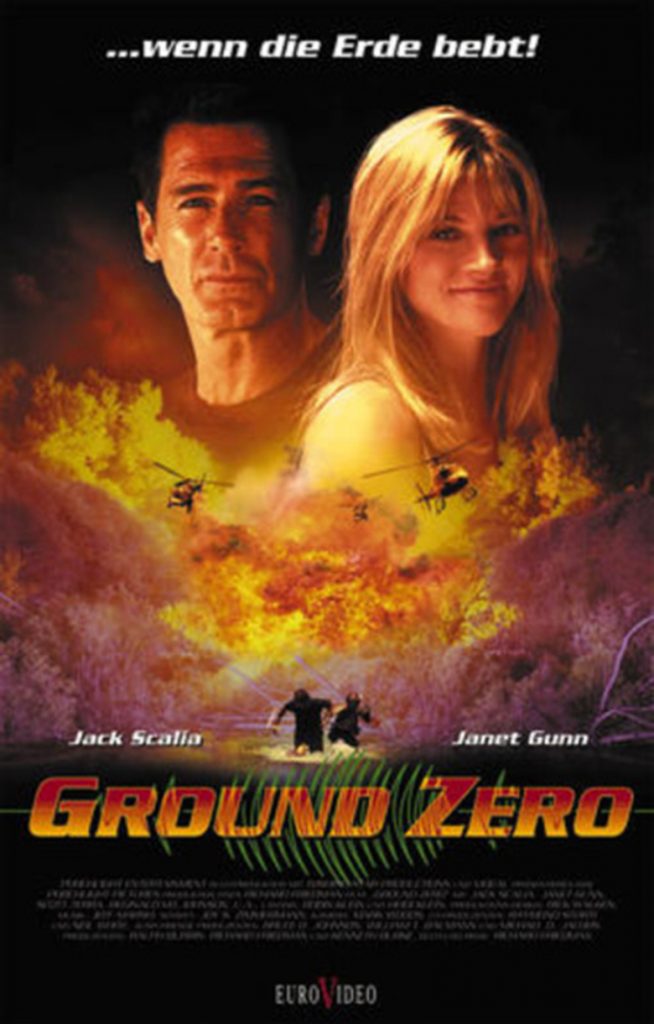
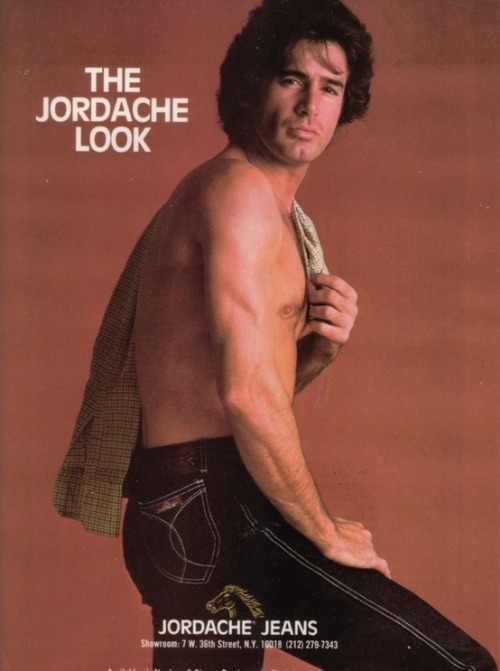
Actor Jack Scalia, a Brooklyn native, was an All-American athlete in high school, playing three sports through college, while participating in four triathlons and six marathons. He decided to attempt Hollywood stardom as an actor after an injury ended a pro-baseball career. In 1975, he took advantage of his muscular build and macho good looks by modeling with Armani, later joining the Ford Modeling Agency and signing on as the “Jordache Jeans Man”. In January 1980, Scalia made the transition into acting, which led to his first film role in the mini-movie, The Star Maker (1981), starring the late Rock Hudson. Scalia got his first taste of series stardom as an unshaven, rough-and-tough detective who joins forces with his slick and debonair father (Hudson again) in the TV series, The Devlin Connection (1982). Though the series had a short life, Scalia received scads of attention. His more popular telefilm credits included I’ll Take Manhattan (1987),Ring of Scorpio (1991), Lady Boss (1992) and Casualties of Love: The Long Island Lolita Story (1993), playing infamous tabloid newsmaker Joey Buttafuoco, with Alyssa Milano as his teenage object of desire. Though Scalia never scaled to the heights of a Tom Selleckor Pierce Brosnan with that one smash series, he would headline a near-record eleven TV shows that kept him constantly in the running. In 2001, he joined the cast of All My Children (1970) for a time and won a daytime Emmy nomination in the process. He’s also been an active hero and villain in low-budget thrillers, such as The Rift (1990) (aka “Endless Descent”), T-Force (1994), Act of War (1998) and Ground Zero (2000). More recently, he returned from living in Rome, Italy while filming a remake of his American TV series, Tequila and Bonetti (1992). He made his stage debut as the lead in the Pulitzer Prize-nominated play, “Red River Rats”, in Los Angeles. The tall, dark and hirsutely handsome Scalia has remained a durable “ladies’ man” and “man’s man” for over two decades.
– IMDb Mini Biography By: Gary Brumburgh / gr-home@pacbell.net
Dianne Wiest was born in 1948 in Kansas City. She made her movie debut with Jill Clayburgh in “It’s My Turn” in 1980. She made several films with Woodt Allen and won two Oscars in his films, “Hannah and her Sisters” and “Bullets Over Broadway”. She also stars in the television series !In Treatment” as Gabriel Byrne’s analyst.
TCM Overview:
Academy Award-winning actress Dianne Wiest was a highly respected New York stage veteran who initially carved out a reputation for intense dramatic chops, but found herself more frequently cast in comedy when her career expanded to include feature films. A favorite of filmmaker Woody Allen, the director offered her every stage actress’ dream of playing complex, well-developed characters which she brought to sparkling life in films including “Hannah and Her Sisters” (1986), “Radio Days” (1987) and “Bullets Over Broadway” (1994). Hollywood generally gave the versatile actress less adventurous work and Wiest obliged with innumerable supporting roles as underwritten moms, though some of Tinseltown’s more visionary directors captured her quirky qualities in “The Lost Boys” (1987), “Parenthood” (1989) and “Edward Scissorhands” (1990). Wiest’s steady Hollywood offers financed the actress’ frequent returns to the New York stage, and she remained a figure both on- and off-Broadway throughout her film and eventual primetime television career, culminating in the revered role of a therapist on HBO’s “In Treatment” (2008- ), all which helped cement her status as one of Hollywood’s most esteemed and beloved character actresses.
Wiest was born on March 28, 1948, in Kansas City, MO, but as the eldest child of a pilot and a nurse she was an “Army brat” who grew up in several communities in the U.S. and Germany. While a teenager, she studied at the School of American Ballet, but abandoned dance at the age 16 in favor of acting. She dropped out of the University of Maryland when she was offered a slot in a touring Shakespeare company, eventually landing a four-year gig as a member of the Arena Stage in Washington, DC. By the mid-1970s, Wiest had settled in New York City and found employment in productions at the New York Shakespeare Festival’s Public Theatre. Wiest broke through with a multiple award-winning comic turn in the off-Broadway play “The Art of Dining” in 1979. She played Desdemona to James Earl Jones’ “Othello” in 1982 and made her first significant film appearance that year, supporting Jill Clayburgh in “I’m Dancing as Fast as I Can.” She also began to land a handful of small screen productions, turning in stage-quality work in “The Wall” (CBS, 1982), a fictionalized account of Jewish Resistance to Nazis in WWII Warsaw, and “The Face of Rage” (ABC, 1983), where she gave a moving depiction of a rape survivor.
Wiest began making inroads in features by playing routine roles, including the long-suffering wife of a preacher (John Lithgow) in “Footloose” (1984), but it took joining Woody Allen’s unofficial stock company and being given the freedom to showcase her capabilities for her profile to rise. In “The Purple Rose of Cairo” (1985), the writer-director cast her in the small but memorable role of a hard-bitten prostitute. Wiest picked up her first Academy Award for her scene-stealing turn as Mia Farrow’s younger sister, a neurotically unfocused aspiring actress in “Hannah and Her Sisters” (1986). She also lent a similar garrulous charm to man-chasing spinster Aunt Bea in Allen’s nostalgic “Radio Days” (1987). In his turgid “September” (1987), she again gave a command performance as an unhappily married woman competing with her best friend (Farrow) for the attentions of the same man (Sam Waterston). It was doubtful that another actress could have telegraphed the character’s sexual desire mixed with apprehension in the way that Wiest effectively did.
After the Oscar win and string of strong Allen outings, Hollywood predictably began to tap Wiest for maternal roles. She played the clueless mom of a budding vampire in the cult hit, “The Lost Boys” (1987), the sainted Madonna of “Bright Lights, Big City” (1988), and the wholesome Avon Lady and adoptive mom of outcast “Edward Scissorhands” (1990). Ron Howard’s “Parenthood” (1989) netted Wiest a second Academy Award nomination and a Golden Globe nomination for playing the harried, divorced parent of teenagers – one pregnant; one a morbid loner. In the span of some seven years, only “Little Man Tate” (1991) offered a slight change of pace, casting her as a caring child psychologist in conflict with the mother of a boy genius. It was Woody Allen who again provided a meaty and decidedly different character for Wiest: a narcissistic, tempestuous actress past her prime in “Bullets Over Broadway” (1994). Using her “stage voice” – a bit deeper, more sensual, and in Allen’s words “more pretentious” – she inhabited the skin of this campy grande dame and amassed another set of trophies, including a second Oscar for Best Supporting Actress.
Another pedigree director – this time, Mike Nichols – paired Wiest with Gene Hackman as the conservative parents of a daughter marrying into an unconventional family in the laugh-out-loud comedy “The Birdcage” (1996). She added an Emmy to her collection for a 1996 guest appearance on “Avonlea” (The Disney Channel) before Robert Redford tapped into her maternal traits for “The Horse Whisperer” (1998). But the actress seemed to stumble a bit in her over-the-top interpretation of an eccentric aunt training her nieces, Sandra Bullock and Nicole Kidman, in witchcraft in “Practical Magic” (1998). Wiest picked up an Emmy nomination for a supporting role as a diner owner and friend to a seemingly ageless carpenter in “The Secret Life of Noah Dearborn” (CBS, 1999), and was tapped to play a wicked queen who plots to usurp the throne of mythical monarchy in the big-budget miniseries “The 10th Kingdom” (NBC, 2000). She remained a presence on the small screen for the next two years, taking on the role of a district attorney on the acclaimed legal drama “Law & Order” (NBC, 1990-2010).
A return to the big screen found Wiest playing the agoraphobic neighbor of a mentally retarded man (Sean Penn) fighting for custody of his seven-year-old daughter in “I Am Sam” (2002). Wiest lent her voice to Mrs. Copperbottom in the animated family blockbuster “Robots” (2005), and appeared next in “A Guide to Recognizing Your Saints” (2006), an independent film adaptation of Dito Montiel’s memoir about growing up in Queens, NY during the 1980s. The film was a favorite on the festival circuit, winning a special Jury Prize for its ensemble cast at the Sundance Film Festival. In a great onscreen pairing with John Mahoney as parents to a widower (Steve Carell) with three daughters, Wiest contributed to the top notch performances in the offbeat comedy “Dan in Real Life” (2007).
Next up for the ever dependable player, Wiest won an Emmy Award for Best Supporting Actress in a Drama Series the following year for her return to primetime in HBO’s “In Treatment” (HBO, 2008- ) a smart, character-driven drama starring Gabriel Byrne as a psychotherapist and Wiest as his therapist. She followed with a 2008 Golden Globe nomination for Best Performance by an Actress in a Supporting Role in a Series, Miniseries or Motion Picture Made for Television category. The actress also appeared on limited film screens that year as part of the reality-bending directorial debut from Charlie Kaufman, “Synecdoche, New York.” In 2009, Wiest added to her long list of career accolades with another Best Supporting Actress Emmy nomination for “In Treatment.”
The above TCM overview can also be accessed online here.
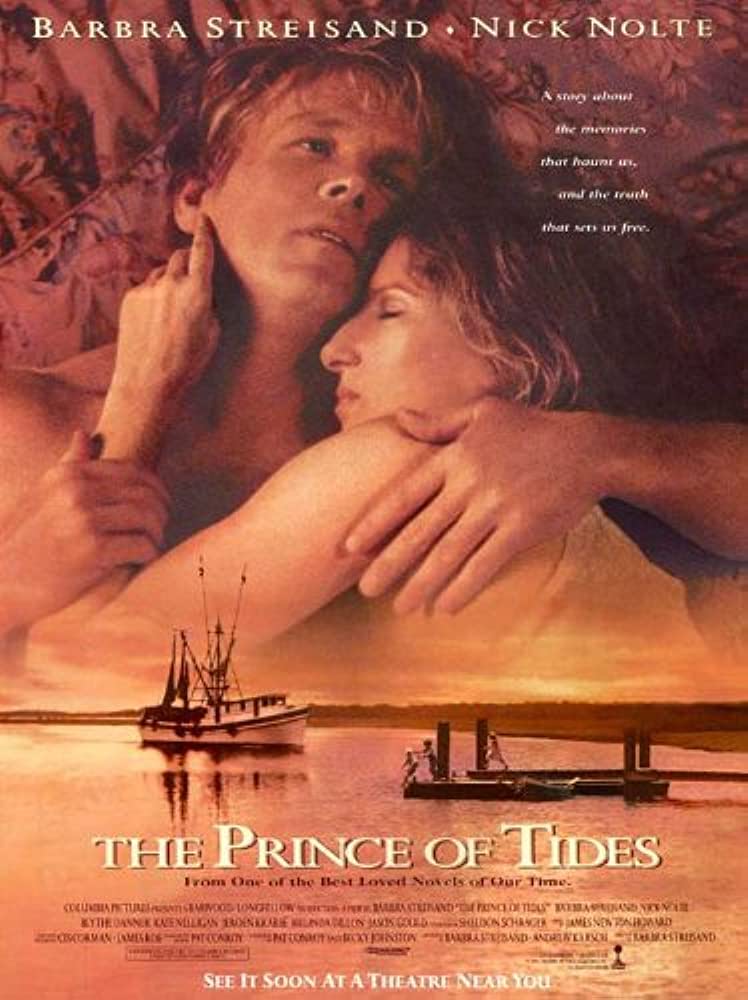
Blythe Danner was born in 1943 in Philadelphia. She first won acclaim on Broadway in “Butterflies Are Free”. In 1972 she starred as Martha Jefferson in “1776”. Other films include “The Great Santini”, “The Prince of Tides” in 1991 and opposite Robert De Niro in “Meet the Parents” and it’s sequels. She is the mother of Gwyneth Paltrow.
IMDB entry:
Blythe studied acting and got her degree from Bard College and began her career in Boston theater companies. By 25, she won the Theater World Award for her work in Molière‘s “The Miser”, at Lincoln Center. She also won the 1970 Tony award for her role in “Butterflies Are Free”. She made her film premiere in the same year in the television production of Dr. Cook’s Garden (1971). For 25 years, she has been a regular performer at the Williamstown Summer Theater Festival. She has also been nominated for Tonys for performances in “A Streetcar Named Desire” and “Betrayal”. Married to director Bruce Paltrow, she is the mother of two acting children, Gwyneth Paltrow and Jake Paltrow.
– IMDb Mini Biography By: John Sacksteder <jsack@ka.net>
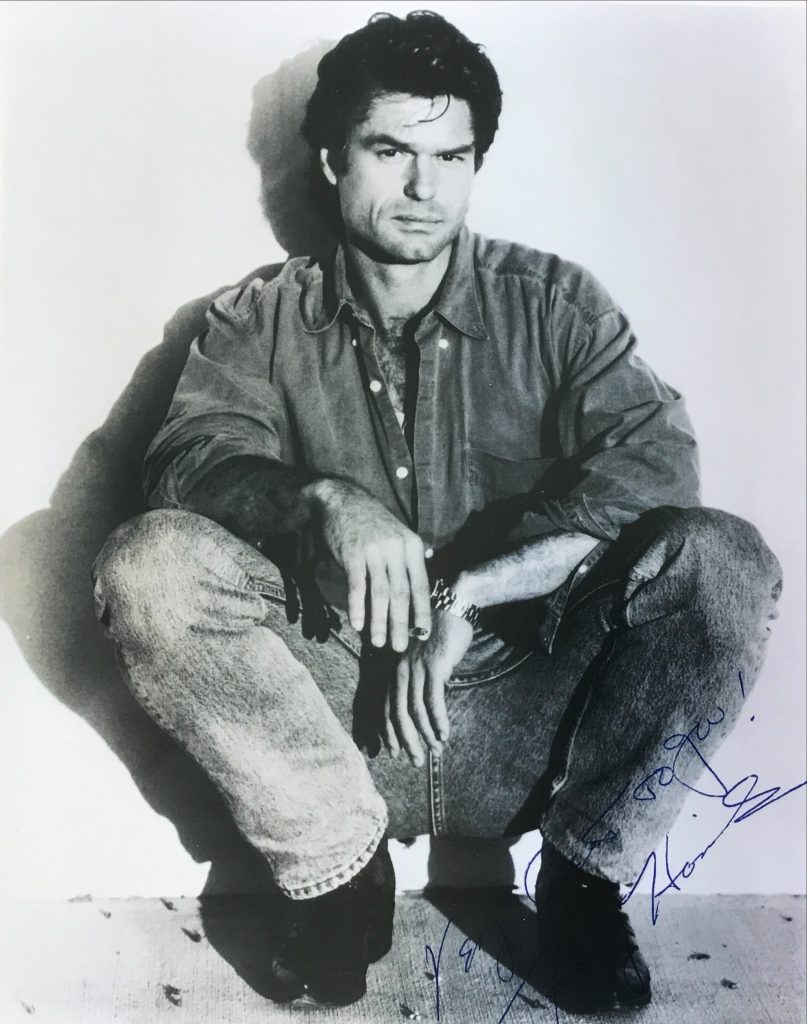
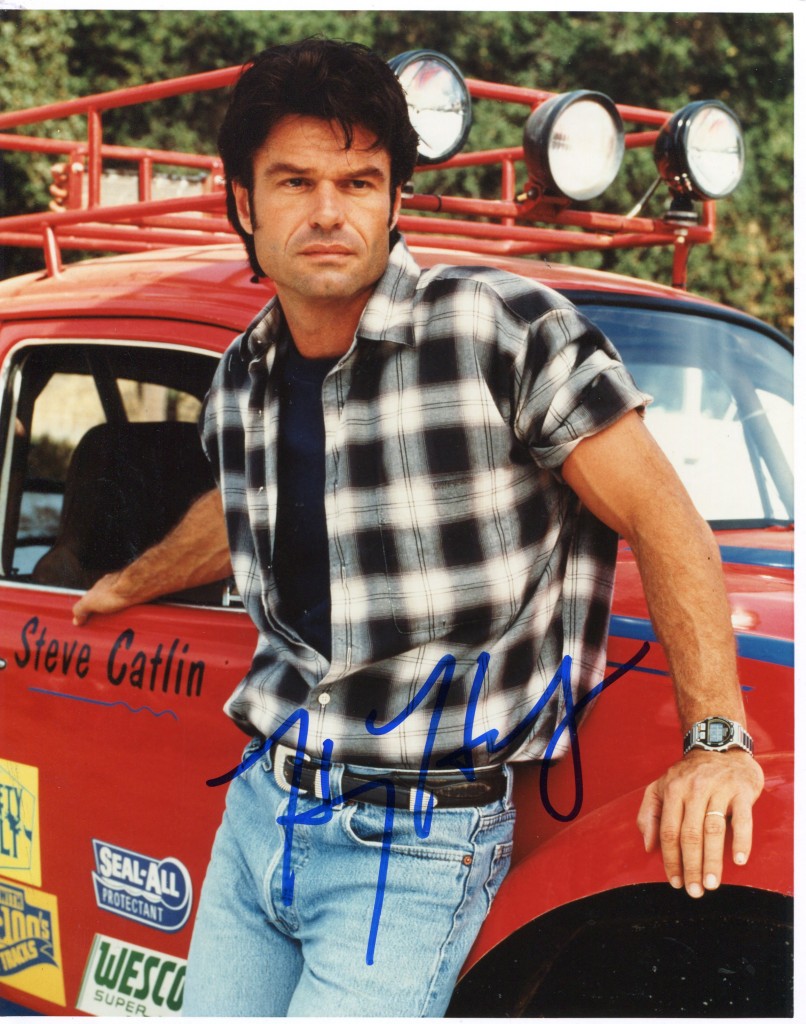
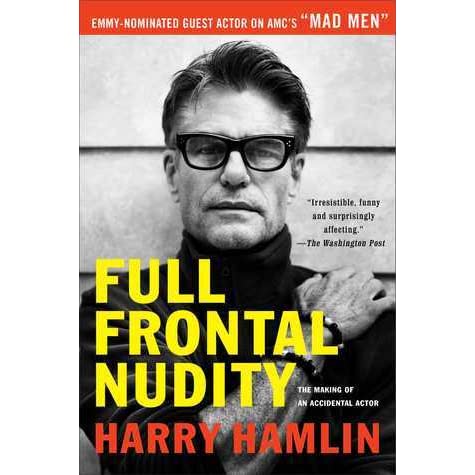
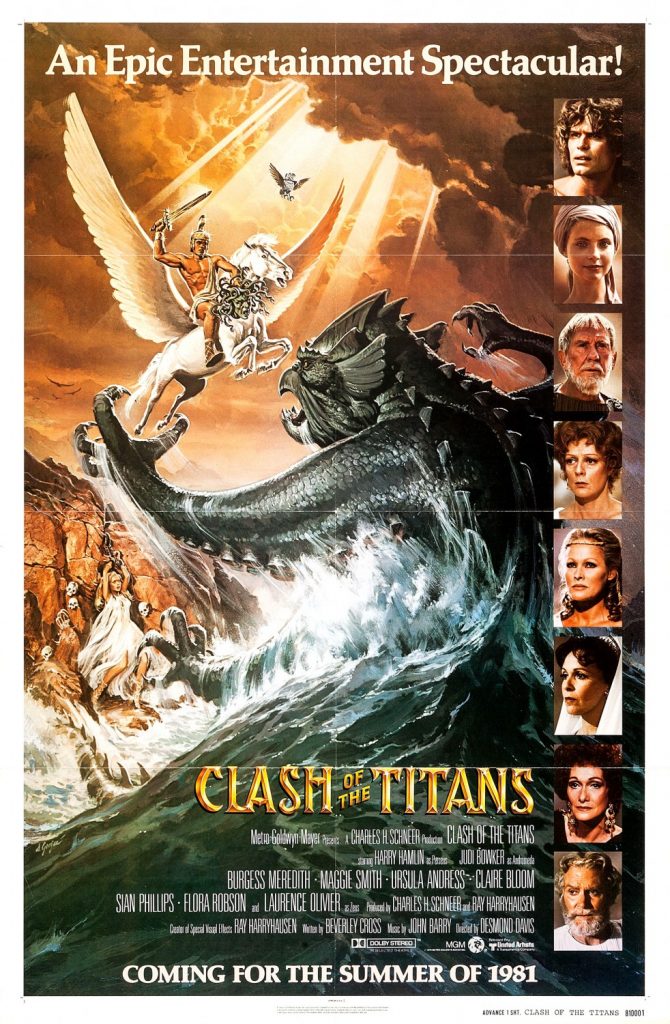
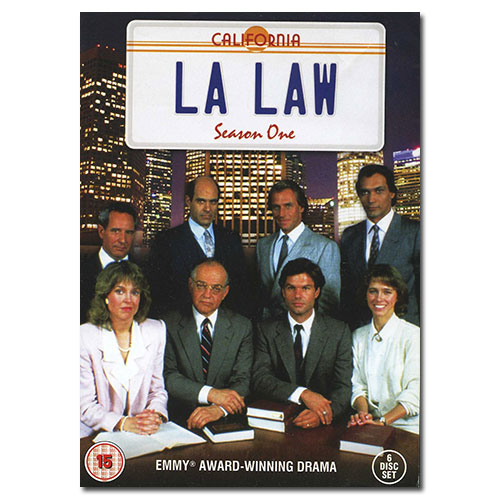
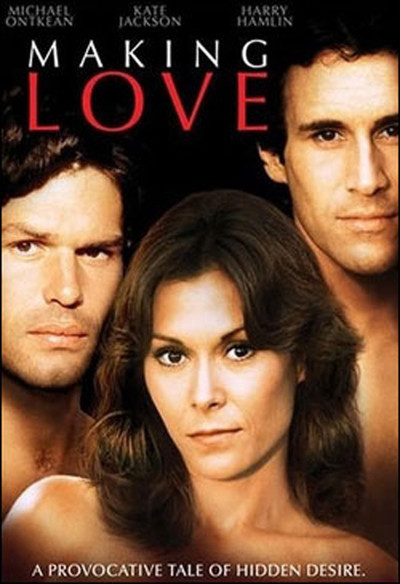
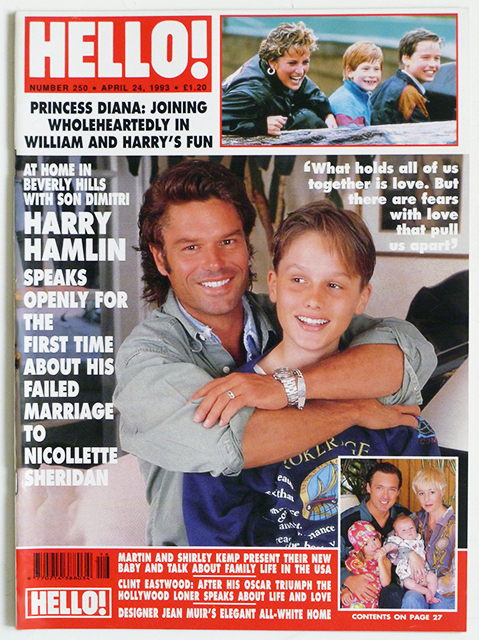
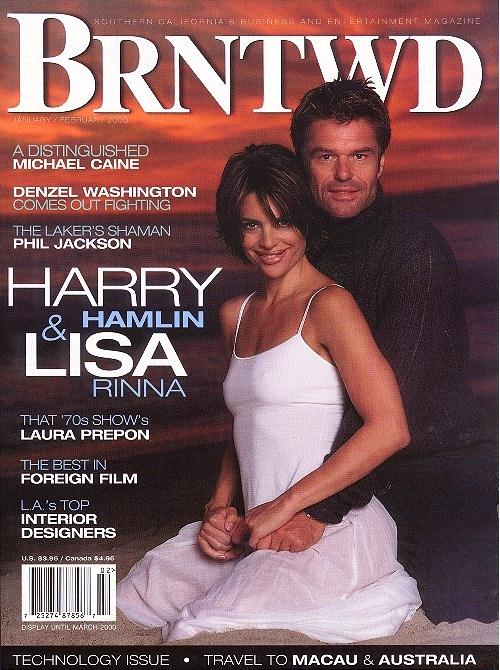
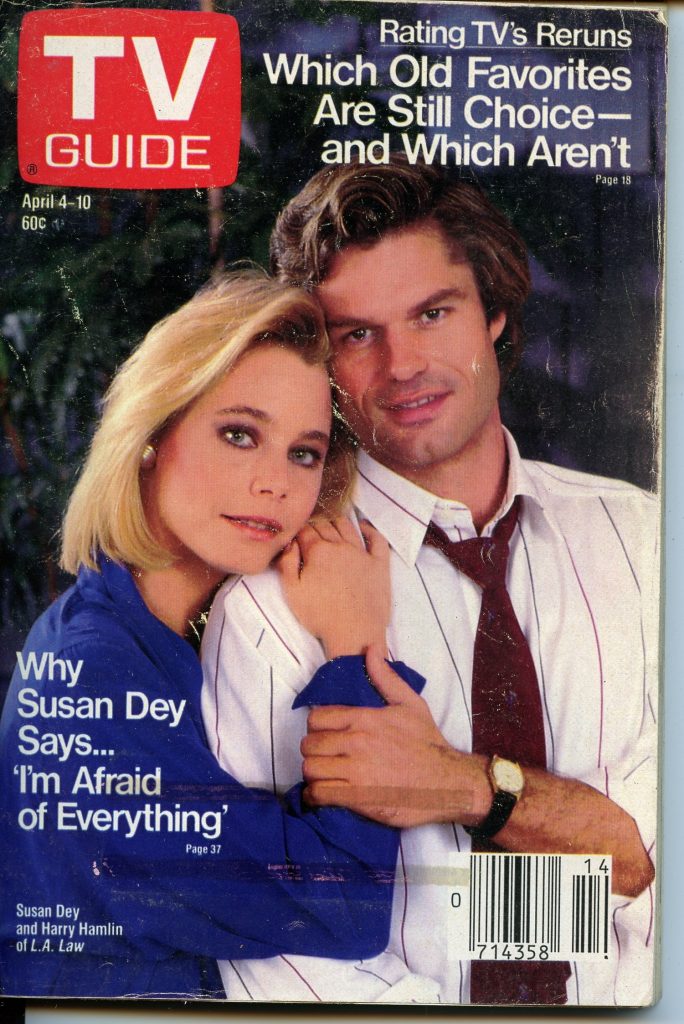
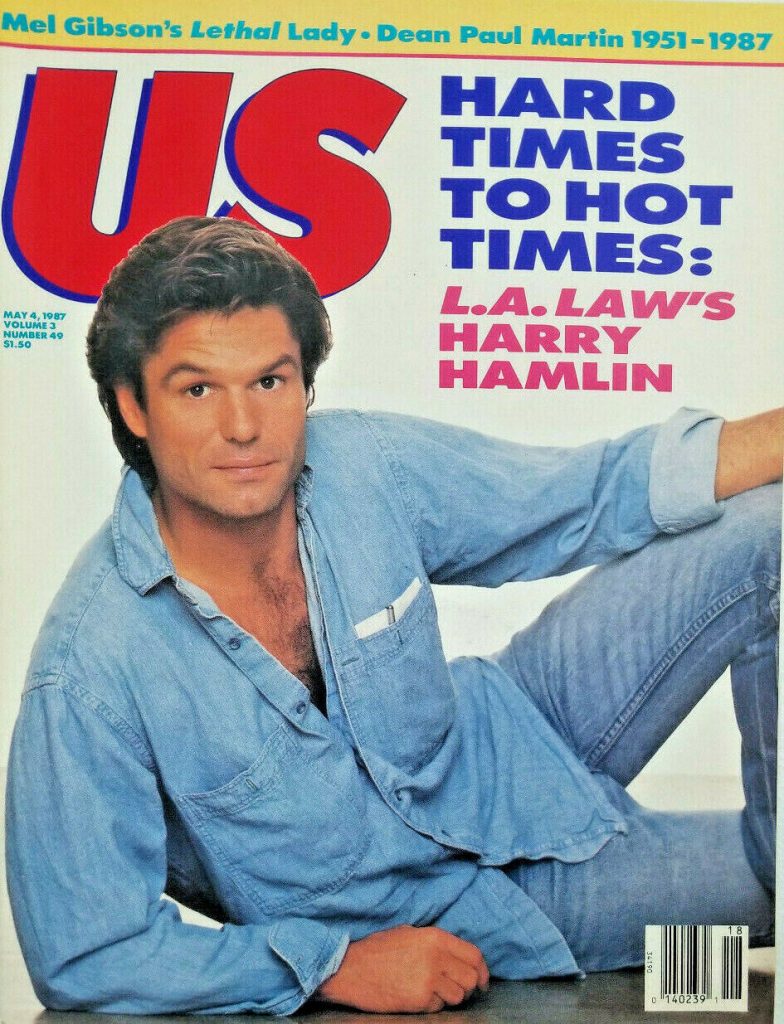
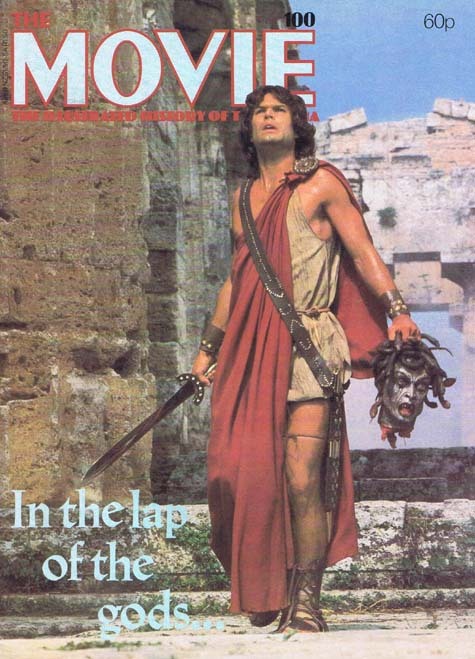
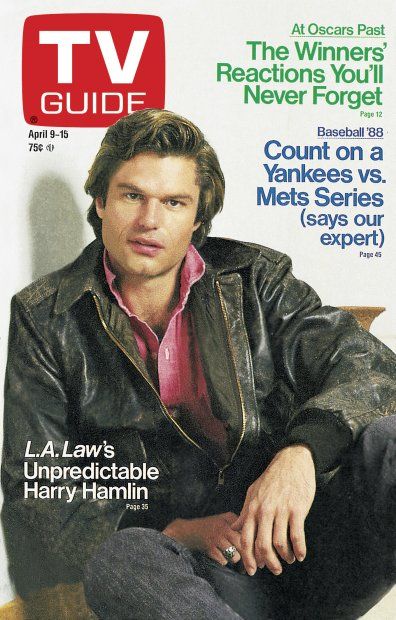
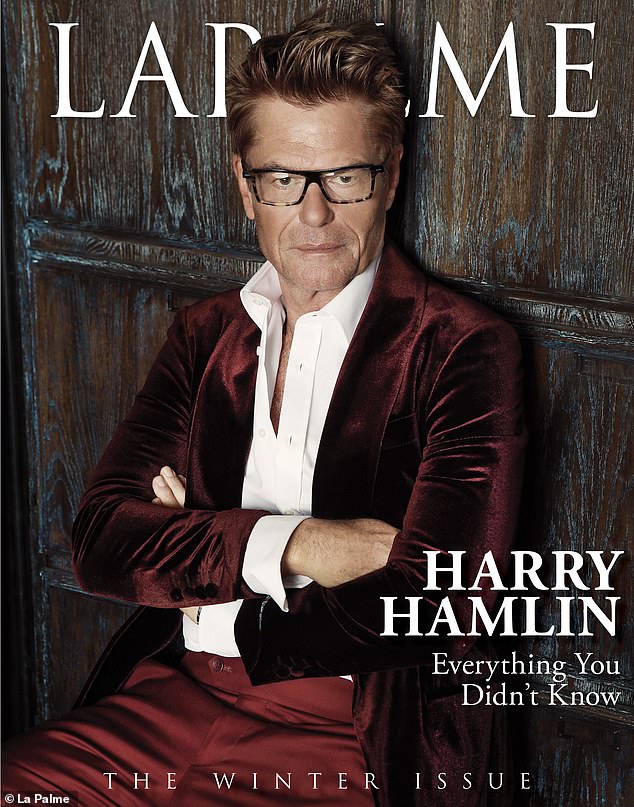
Hamlin was born in 1951 in Pasadena, California. In 1979 he played the title role in the miniseries “Studs Lonnigan”. In 1982 he starred with Michael Ontkean in “Making Love”. Other films include “Clash of the Titans”, “Movie, Movie” and was one of the stars of the very successfeul television series “LA Law”.
TCM Overview:
With a résumé often overshadowed by his relationships with several Hollywood sex symbols, Harry Hamlin’s acting career began promisingly and peaked with a hugely successful television series, but he ironically found its niche in the role of husband to a former soap opera star. After studying drama at Yale and earning his M.F.A. from San Francisco’s American Conservatory Theater, Hamlin quickly made the leap to feature films, appearing in 1978’s “Movie Movie,” and nabbing the title role in the NBC miniseries “Studs Lonigan” (1979). He made a splash with the special effects-laden feature “Clash of the Titans” (1981), and went on to major stardom as part of a stellar ensemble on one of the biggest TV series of the 1980s, “L.A. Law” (NBC, 1986-1994). However, poor choices in both projects and women ultimately relegated Hamlin to sub-par direct-to-video fare and serving as fodder for the tabloids, respectively. Oddly enough, it was his celebrity marriage to onetime soap opera star Lisa Rinna that allowed Hamlin to once again enjoy both his offscreen life and the spotlight as one-half of a celebrity couple to a degree he had not known in well over a decade.
Born on Oct. 30, 1951, in Pasadena, CA, Hamlin attended the Flintridge Preparatory School in nearby La Cañada before continuing on to the prestigious boarding academy, The Hill School in Pottstown, PA. At the University of California, Berkley, Hamlin enrolled in the school’s theater program only after the courses for his intended major were filled, but was soon enamored with the stage and chose to seriously pursue an acting career. In 1972, much to the dismay of his family, Hamlin transferred to Yale University where he earned a B.A. in drama in 1974. A scholarship to the American Conservatory Theater brought him back West to San Francisco, where Hamlin’s real transformation into an actor occurred in the Advanced Actor Training Program. There, Hamlin starred in a production of “Equus,” attracting the attention of director Stanley Donen, and receiving his M.F.A in acting in 1976. That year, he was awarded a Fullbright Scholarship, but turned it down after landing his first feature film role as naïve boxer Joey Popchick in Donen’s nostalgic comedy “Movie Movie” (1978), starring alongside the likes of George C. Scott and Red Buttons. Barely out of college, Hamlin was already off to a promising Hollywood start.
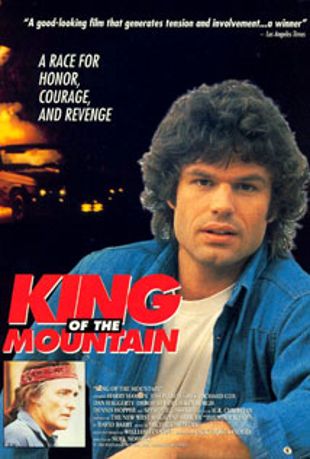
Around this time, Hamlin began a four-year relationship with original “Bond Girl,” Ursula Andress, with whom he would father a son, Dmitri, in 1980. The couple remained a favorite subject of the gossip columns throughout their May-September romance. On television, Hamlin won the title role in the miniseries “Studs Lonigan” (NBC, 1979), for which the young actor received favorable notices. With “King of the Mountain” (1981), Hamlin won his first leading role in a feature film. Unfortunately, the tale of illegal street racing on Mulholland Drive stalled at the box office. Hamlin’s next feature, however, would secure him a place in the hearts of fantasy-loving fanboys for decades to come. As the mortal Perseus in the Greek mythology adventure epic “Clash of the Titans” (1981), Hamlin would once again share screen time with film legends such as Laurence Olivier and Burgess Meredith, in addition to girlfriend Ursula Andress, who, naturally, took the role of Aphrodite. His bare-chest-laden exposure in “Clash of the Titans” resulted in more feature offers, but 1982’s “Making Love” proved to be a poor follow-up choice. Directed by Arthur Hiller, the drama focused on a loving husband (Michael Ontkean) suddenly realizing he is in love with another man (Hamlin) and the resulting emotional turmoil as he struggles to tell his wife (Kate Jackson). For all its good intentions, less-than-accepting audiences stayed away in droves, effectively killing Hamlin’s movie career.
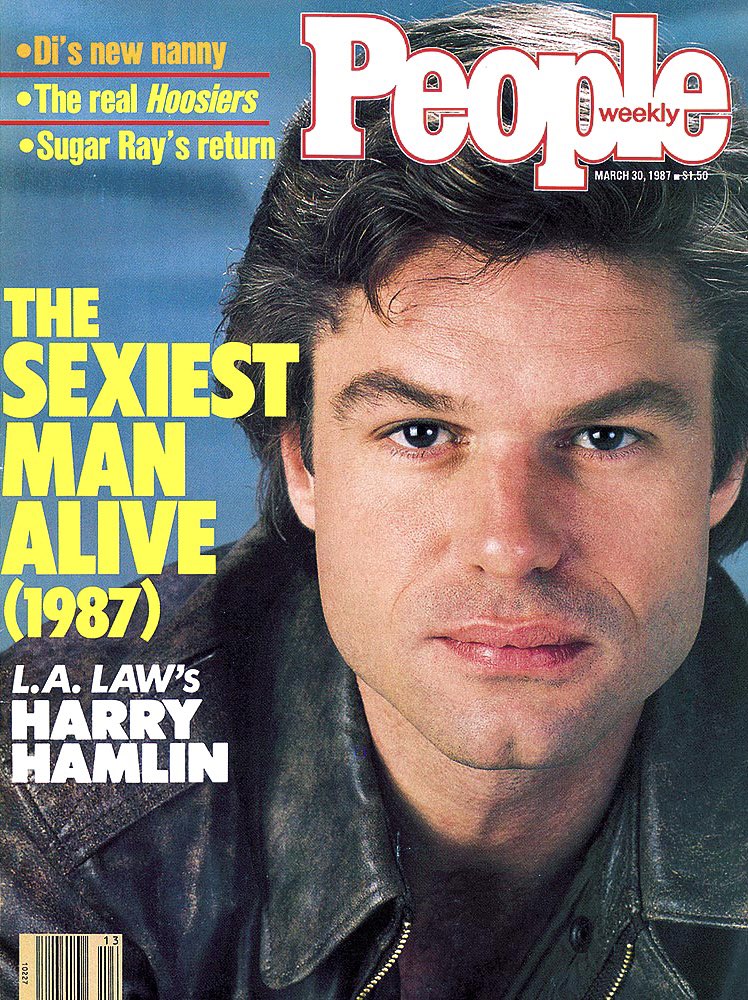
After one more stab at the big screen in the box office bomb “Blue Skies Again” (1983), Hamlin returned to television with two more literary-inspired miniseries, “Master of the Game” (CBS, 1984), based on the Sidney Sheldon melodrama, and “James A. Michener’s ‘Space'” (CBS, 1985). In a continuing theme, Hamlin’s personal life would continue to outshine his career. His relationship with aging sex symbol Andress had ended a few years earlier, and in 1986 Hamlin married actress Laura Johnson, a regular on the primetime soap “Falcon Crest” (CBS, 1981-1990). It was a tumultuous romance that would end in a messy divorce a few years later, once again salaciously covered in the tabloids. Suddenly, everything changed for Hamlin when he was cast as the brooding, intense attorney, Michael Kuzak, on the breakout hit series “L.A. Law” (NBC, 1986-1994). The show became the prototype for what would be a mainstay of episodic television – the legal drama. Hamlin’s character was considered the show’s moral lynchpin. With his chiseled good looks and onscreen chemistry with co-star Susan Dey, Hamlin’s popularity exploded overnight, culminating in him receiving the dubious honor of being named People magazine’s “Sexiest Man Alive” in 1987. The personal and professional upswing would not last, however, when, shortly after his ugly split from Johnson, Hamlin chose to exit the vehicle that had made him a household name, leaving the cast of “L.A. Law” in 1991.
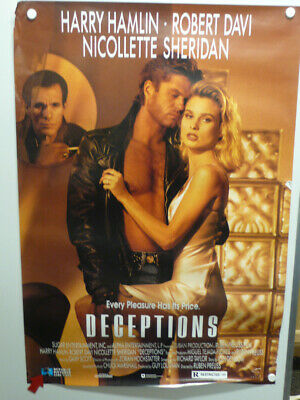
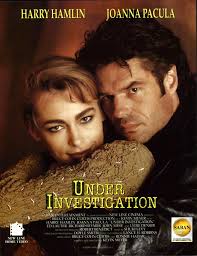
The intent for leaving a No. 1 program was invariably to go on to bigger and better projects, however, the decade that followed was anything but stellar for Hamlin. In 1991, he married for a second time to yet another primetime soap vixen, Nicollette Sheridan of “Knots Landing” (CBS, 1979-1983). It did not last, and by 1993 the couple was divorced quite acrimoniously, to the delight of tabloid editors. In fact Hamlin took the split exceptionally hard, particularly after his bombshell ex took up with singer Michael Bolton almost immediately. Over the course of the 1990s, the former TV heartthrob appeared in an uneven string of direct-to-video erotic thrillers like “Under Investigation” (1993); television movies of a similar vein, “Her Deadly Rival” (CBS, 1995); and failed attempts at headlining another episodic series, “Movie Stars” (The WB, 1998-2000). Still, there was one bright spot in this otherwise faith-shaking period for Hamlin.
Shortly after rebounding from his breakup with Sheridan, he began dating Lisa Rinna, another actress known for her roles on daytime and primetime soaps, particularly “Days of our Lives” (NBC1965- ) and “Melrose Place (Fox, 1992-99), respectively. Apparently, the third time was a charm for Hamlin, as the couple married in 1997 and produced two daughters, Delilah and Amelia. Art imitated life, when Hamlin and Rinna took on recurring roles as a celebrity couple on the critically acclaimed crime-drama “Veronica Mars” (UPN, 2004-07). After cheering on Rinna from the sidelines the previous season, Hamlin strutted his stuff in 2006 as a celebrity cast member on season three of “Dancing with the Stars” (ABC, 2005- ). However, his less than graceful moves failed to impress, and he was voted off much earlier in the competition than his wife. In 2009, Hamlin made a brief appearance in the torturous murder mystery “Harper’s Island” (CBS, 2008-09). The following year, the low-key Hamlin and the extroverted Rinna capitalized on the interest in their celebrity marriage with the launch of a reality series “Harry Loves Lisa” (TV Land, 2010- ). Balancing out the good with the bad was the break in and burglary of the couple’s Sherman Oaks boutique clothing store twice within the span of a week in early October 2010.
Hamlin returned to more credible television work with brief arcs on the military drama “Army Wives” (Lifetime 2007-2013) and the American adaptation of the black comedy “Shameless” (Showtime 2011- ). In 2013, he joined the cast of the Emmy-winning drama “Mad Men” (AMC 2007- ) as the straitlaced ad executive Jim Cutler, who clashes with the partners of Sterling Cooper Draper Pryce when his agency suddenly merges with theirs.
The above TCM overview can also be accessed online here.