Contemporary Actors

Collection of Contemporary Actors

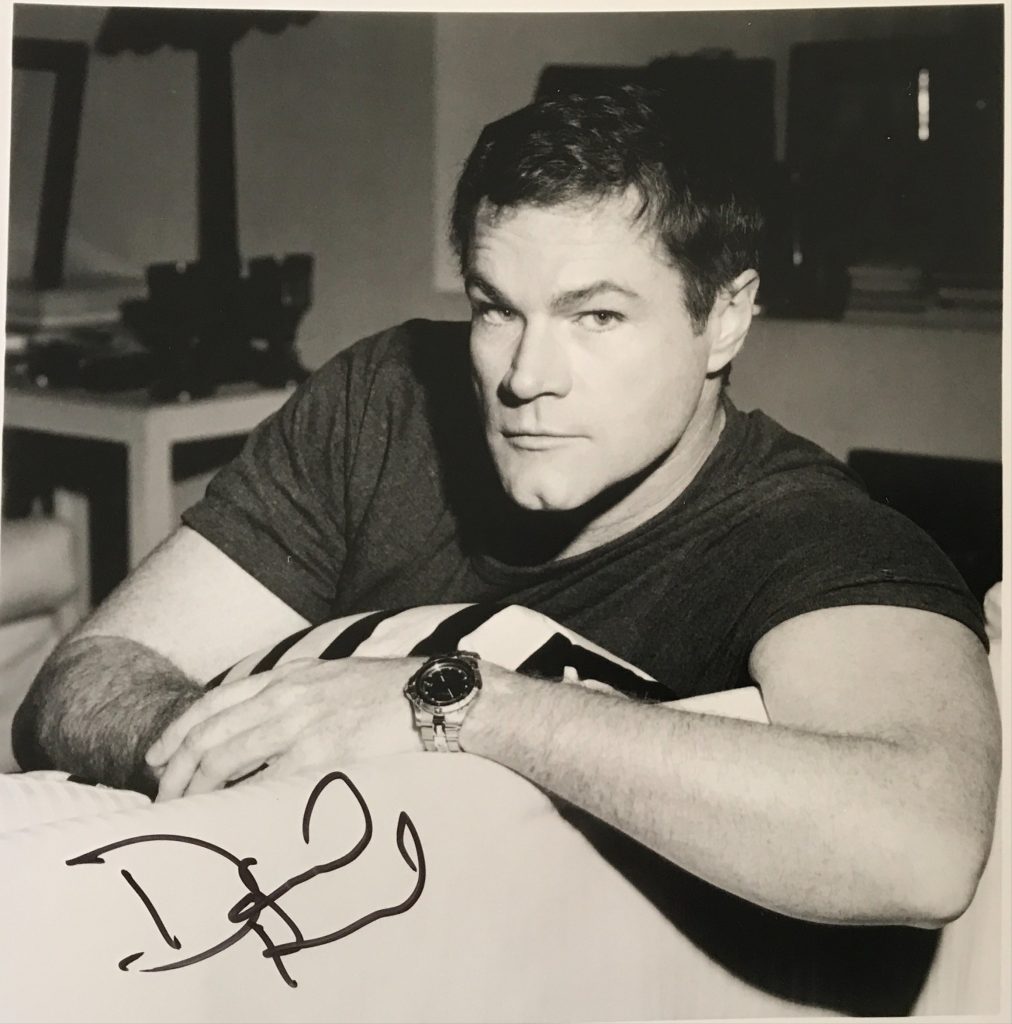
David Rasche
David Rasche
David Rasche

David Rasche was born in 1944 in St Louis, Missouri.   He made his film debut in 1977 in “An Unmarried Woman”.   His other films include “Manhatten” and “Honky Tonk Freeway”.

TCMOverview:

A tall, blond, ruggedly handsome actor of stage, film and TV, David Rasche may be best remembered by sitcom cultists as the dim-witted but gung ho hero cop of “Sledge Hammer!” (ABC, 1986-88), a likably broad parody of Clint Eastwood’s “Dirty Harry,” and as Jack Trenton, the crooked financier doing court-ordered hospital community service, from 1992-94 on the NBC’s “Nurses.”

Born in St. Louis but raised in Illinois, Rasche received his theatrical training at Chicago’s celebrated Second City. He eventually replaced John Belushi in the company that also included Gilda Radner, Bill Murray and Harold Ramis. By 1974, the actor had forged ties with playwright David Mamet by appearing in Mamet’s “Sexual Perversity in Chicago.” Over the next two decades, Rasche amassed a number of distinguished stage credits in productions ranging from Michael Cristofer’s Pulitzer Prize-winning “The Shadow Box” (1977) to the genial comedy “Lunch Hour” (1980). In the latter, he co-starred with Gilda Radner under Mike Nichols’ direction. Like William H Macy, Rasche has also emerged as one of the premiere interpreters of Mamet’s plays. He won high praise for putting his own spin on the shark-like film executive in “Speed-the-Plow” in 1988, replacing original star Ron Silver and as the lead in a 1997 revival of “Edmond.”

On the small screen, Rasche has successfully played off his Midwestern charm and cherubic countenance to generally play schemers and smarmy professionals. While his extensive credits include guest shots on “Miami Vice” and “Kate & Allie,” he has also had regular or recurring roles on several series, notably “L.A. Law,” “Sara” and “The Trials of Rosie O’Neill.” More recently, he was the slick co-owner of a publishing house on the short-lived CBS comedy “High Society” (1995-96). He has fared somewhat better in longforms, appearing in such prestige productions as NBC’s experimental “Special Bulletin” (1983) and HBO’s stunning “Barbarians at the Gate” (1993). Rasche has also done voice work for animated projects, including the CBS Saturday morning “Santo Bugito” in 1995.

Features have provided fewer opportunities for the stage veteran. Rasche debuted playing an actor in Woody Allen’s TV show in “Manhattan” (1979) and went on to play bit parts and supporting roles in “Native Son” (1986), as the district attorney who prosecutes Bigger Thomas, in Alan Rudolph’s “Made in Heaven” (1987), as a naked man who encounters prospective homeowner Kelly McGillis, “An Innocent Man” (1989), as a cop who helps frame Tom Selleck, and “Delirious” (1991), as a morally ambiguous denizen of John Candy’s soap opera world. He had one of his best feature film roles playing Bette Midler’s “Let’s feel good” shrink husband in “That Old Feeling” (1997).

The above TCM Overview can also be accessed online here.

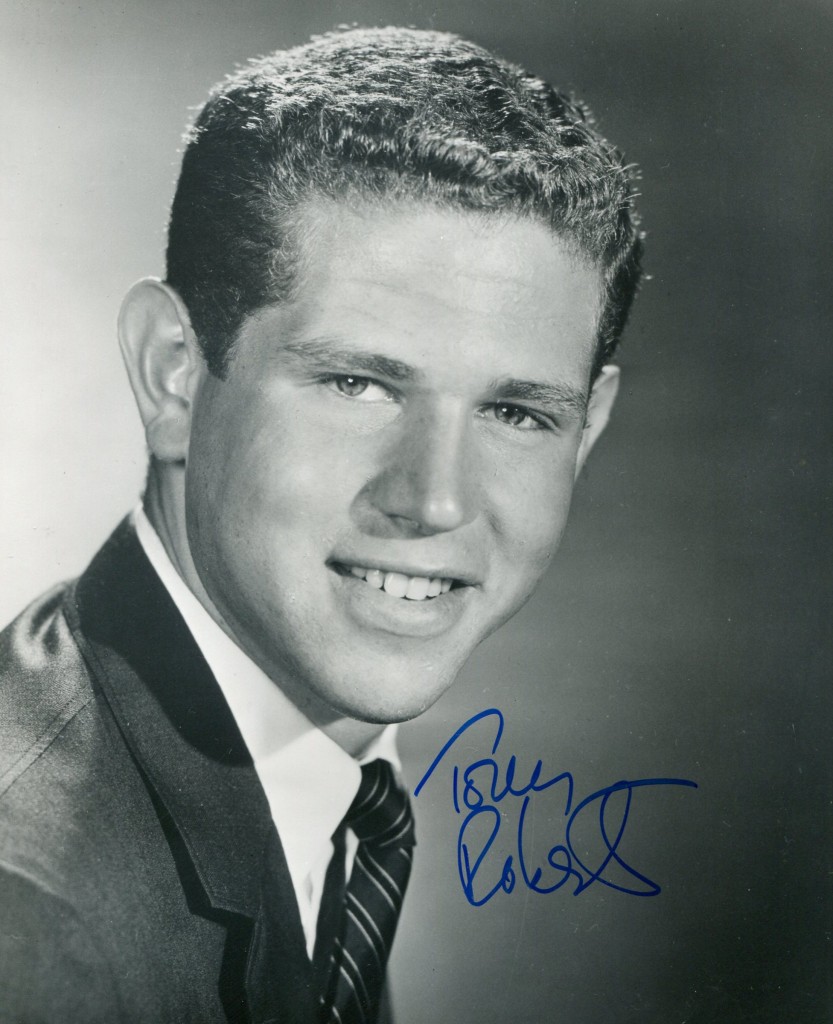
Tony Roberts

Tony Roberts was born in New York in 1939.   After attending Northwestern University be made his Broadway debut in 1962 in “Something About A Soldier”.   He is best known or his work in the films of Woody Allen including “Play It Again Sam”,  “Annie Hall” and “Hannah and her Sisters”.

TCM Overview:

This tall, curly-haired son of longtime CBS radio announcer Ken Roberts debuted on Broadway in “Something About a Soldier” (1962). Twice-nominated for Tony Awards, Tony Roberts has had notable collaborations with Neil Simon (appearing in three Broadway productions, a film and a national tour) and Woody Allen (two plays and six films). Although Roberts’ stage credits have outnumbered his film appearances, he is perhaps best recalled for his work with Allen. He reprised his stage success as the businessman and best friend whose wife (Diane Keaton) Allen covets in “Play It Again, Sam” (1972). Roberts’ command of upwardly mobile mannerisms and affectations made him the perfect WASP foil to Allen’s nebbish persona as evidenced by the best-friend roles he played in such films as “Annie Hall” (1977), “A Midsummer Night’s Sex Comedy” (1982) and “Hannah and Her Sisters” (1986).

Roberts has acted in other films, including Sidney Lumet’s “Serpico” (1973, again as an intimate of the title character), “The Taking of Pelham One, Two, Three” (1974, as a mayoral aide) and Lumet’s “Just Tell Me What You Want” (1980, as a gay film executive). As the star of “Amityville 3-D” (1983), Roberts turned in a solid performance that complemented the competence at all levels that kept that sequel from being trashy. He took a few days’ leave from the hit musical “Jerome Robbins’ Broadway” (1990) to rush to L.A. to film his role as a nasty advertising executive in Blake Edwards’ “Switch” (1991).

Despite his frequent Broadway appearances, Roberts has rarely been the first choice, originating few musical roles like his Tony-nominated turn in the unsuccessful “How Now, Dow Jones” (1967). While he was the first to play the parts on stage, he inherited two well-known roles, both involving drag: Joe/Josephine, the role originated by Tony Curtis in Billy Wilder’s 1959 classic “Some Like It Hot”, in “Sugar” (1972), and Toddy, the gay mentor of a down and out singer, in Blake Edwards’ 1996 stage version of “Victor, Victoria”. Roberts has also appeared in non-musical roles, most notably in “Absurd Person Singular” (1974) and in the revival of “Arsenic and Old Lace” (1986). He also tried his hand at directing with the 1992 Off-Broadway staging of Charles Grodin’s comedy “One of the All-Time Greats”.

But whatever qualities that made him Woody Allen’s favorite WASP for a while never translated to the small screen. His featured work as Lee Pollack on “The Edge of Night” (1963-67) and his starring turns on the short-lived series “Rosetti and Son” (NBC, 1977), “The Four Seasons” (CBS, 1984), “The Lucie Arnaz Show” (CBS, 1985) and “The Thorns” (ABC, 1988) all failed to captivate the public. The nondescript actor persevered all the same, carving out his niche as a working actor. In the 90s, he teamed with his future “Victor, Victoria” co-star Julie Andrews in her TV-movie debut “Our Sons” (ABC, 1991) and also acted in the ABC movie “Not in My Family” (1993), “Arthur Miller’s American Clock” (TNT, 1993) and NBC’s “Perry Mason Mystery: The Case of the Jealous Jokester” (1995). He also provided voices for PBS documentaries “Buckminster Fuller: Thinking Out Loud” (1996) and “The Trial of Adolph Eichmann

The above TCM overview can also be accessed online here.

Tony Roberts
Tony Roberts

The Times obituary in 2025

Ruggedly handsome, broad-shouldered and suavely self-assured, Tony Roberts was perhaps everything Woody Allen would have liked to be.

Allen cast Roberts as his tall, confident wingman in no fewer than six of his films, including Annie Hall (1977) in which he portrayed Rob, a Hollywood actor and best friend and tennis partner of Allen’s Alvy Singer. In one memorable scene Allen’s character ranted about finding antisemites everywhere. “You know, I was having lunch with some guys from NBC and I said, ‘Did you eat yet?’ and [they] said, ‘No, Jew?’ Not, ‘Did you?,’ but ‘Jew eat? Jew?’ Not ‘Did you?,’ but ‘Jew eat?’ ”. To which Roberts’s character laconically replied, “You see conspiracies in everything.” The exchange seemed to sum up their relationship — the nervous, insecure Allen and his good-looking, urbane, nonchalant companion trying to keep his tortured friend’s neuroses in check

Best friends off-screen as well as on it, Roberts played similar types in other Allen films. In Stardust Memories (1980), he was a brash, street-smart actor who brought a Playboy model to a film festival while Allen played an angst-ridden move director.  In A Midsummer Night’s Sex Comedy (1982), he was a jovial womanising bachelor who declares that “Marriage, for me, is the death of hope” and in Hannah and Her Sisters (1986), he was the effortlessly cool sperm donor who gives Mia Farrow and her infertile husband twin boys. It was not lost on critics that Farrow and Allen, her partner at the time, had attempted to conceive a child together before adopting.

Christopher Isherwood noted that Allen created Roberts’s characters as a foil to “epitomise suave charm in contrast to his own hapless shrubbery”. Roberts himself was less certain about why they worked so well together. “I don’t know what chemistry we lucked upon,” he said. “Woody said people like our schmoozing..  If it was a case of opposites attract and Roberts fulfilled the role of a fantasy alter ego for Allen, then Roberts admitted that in turn there were times when he wished he were Allen.“I would like to have his gift and his genius and his brain. He’s as knowledgeable on most subjects as anyone I know whether you’re talking music or painting or history or politics. That’s a pleasure to be around. But I wouldn’t want his deeper neuroses,” he said of the friend he called “Max” after Allen had asked him not to use his real name in public.

His loyalty to Allen was evident in 2015 when he wrote Do You Know Me?, his autobiography. Several publishers told him they would publish the memoir if it included details about Allen’s personal life. Roberts refused and had the book published independently, forgoing the usual publisher’s advance.

At times when he was not working, he feared that his serial collaborations with Allen might have typecast him. “I was always so vividly the guy Woody wrote that everybody in the business would think of me that way,” he said in 1997. “The persona I was for Woody is a hard thing to break out of.”

The comment suggested a touch of his friend’s insecurity had rubbed off, for in reality, away from the films he made with Allen, he was a prolific actor on stage and screen. Asked if he ever took a vacation, he replied, “No, I crack under leisure.”

His memoir began with a stranger interrupting him one afternoon when he was sitting on a bench in Central Park before saying, “I’ve seen you in something, but I can’t place it. What have I seen you in?” If it was not one of the six films he made with Allen, it might have been in a range of other hit movies from Sidney Lumet’s Serpico (1973), in which he played alongside Al Pacino, to his lead role in Amityville 3-D as the tabloid journalist who buys the infamous haunted house — or in one of the two dozen plays in which he starred on Broadway.

Indeed, it was on the New York stage that Roberts first encountered Allen in 1966 when he auditioned for his play Don’t Drink the Water. It ran for nearly 600 performances over a year and a half, although Roberts claimed that in all that time they hardly exchanged “more than two sentences”.

They grew closer when Roberts appeared on Broadway again in Play It Again, Sam, written by and starring Allen. Roberts received a best actor Tony nomination for his performance and he and Allen reprised their roles in the 1972 movie version directed by Herbert Ross.

David Anthony Roberts was born in Manhattan in 1939, the son of Norma (née Finkelstein), an animator, and Ken Roberts, a radio announcer. His father claimed he knew his son was destined to be an actor when at the age of four he was transfixed by hearing Laurence Olivier in Shakespeare’s Henry V on the radio.

To show his son how a radio station operated, he started taking him to work with him. “We would sit in a room and I would watch grown-ups in suits and ties pretend to be cops, robbers, astronauts, politicians,” recalled Roberts. “They would act in front of a little piece of metal on a stand, but their bodies and their expressions were so invested in their story. It was like watching grown-ups behave like children. That is what did it for me.”

He went on to major in speech and theatre at Manhattan’s High School of Music & Art and at Northwestern University. He later married Jennifer Lyons, a former dancer, but the marriage ended in 1975; he is survived by their daughter, Nicole Burley.. After graduating he returned to New York and his breakthrough came fortuitously in the first Broadway run of Neil Simon’s Barefoot in the Park as the back-up to the understudy to Robert Redford.

When Redford took a two-week vacation, the understudy promptly broke his ankle playing softball. “His break was my big break,” Roberts said. It was while filling in for Redford that Allen saw him and recruited him to appear in Don’t Drink the Water.

“We were friends and had identifiable repartee,” he said of their long collaboration. “The intimacy you saw was real.” There was also some gentle teasing. While making Annie Hall, Roberts returned to his dressing-room trailer to find he had been robbed. The first thing Allen wanted to know was had Roberts’s copy of the script been stolen..

About a week later, they found it in a garbage pail a mile away,” he recalled. “It was my pleasure to make him aware that the thieves thought the script was garbage.”

Tony Roberts, actor, was born on October 22, 1939. He died of lung cancer on February 7, 2025, aged 85




Gary Busey

Gary Busey was borin in 1944 in Goose Creek, Texas. In 1978 he starred in the title role in “The Buddy Holly Story”. That same year he also starred with Jan-Michael Vincent and William Katt in the iconic classic “The Big Wednesday”.

IMDB entry:

A blond-haired, fair-complexioned actor with a toothy grin and capable of an unsettling glint in his eyes, Gary Busey was born in Goose Creek, Texas, and was raised in Oklahoma. He is the son of Sadie Virginia (Arnett), a homemaker, and Delmar Lloyd Busey, a construction design manager. He has English, as well as Irish, Scottish, and German, ancestry. He graduated from Nathan Hale High School in Tulsa, Oklahoma in 1962 and for a while was a professional musician. A talented drummer, he played in several bands, including those of country-and-western legends Leon RussellKris Kristofferson and Willie Nelson.

Busey’s first film appearance was as a biker in the low-budget Angels Hard as They Come(1971) and, over the next few years, he landed several film roles generally as a country hick/redneck or surly, rebellious types. His real breakthrough came in the dynamic filmThe Buddy Holly Story (1978), with Busey taking the lead role as Buddy Holly, in addition to playing guitar and singing all the vocals! His stellar performance scored him a Best Actor nomination and the attention of Hollywood taking overcasting agents. Next up, he joined fellow young actors William Katt and Jan-Michael Vincent as surfing buddies growing up together in the cult surf film Big Wednesday (1978), directed by John Milius. However, a string of appearances in somewhat mediocre films took him out of the spotlight for several years, until he played the brutal assassin Mr. Joshua trying to kill Los Angeles cops Mel Gibson and Danny Glover in the runaway mega-hit Lethal Weapon(1987). Further strong roles followed, including alongside Danny Glover once again inPredator 2 (1990). He was back on the beaches, this time tracking bank robbers with FBI agent Keanu Reeves, in Point Break (1991) and nearly stole the show as a psychotic Navy officer in league with terrorists led by Tommy Lee Jones taking over the USS Missouri in the highly popular Under Siege (1992).

The entertaining Busey has continued to remain busy in front of the cameras and has certainly developed a minor cult following among many film fans. Plus, he’s also the proud father of accomplished young actor Jake Busey, whose looks make him almost a dead ringer for his famous father.

– IMDb Mini Biography By: firehouse44@hotmail.c

The above IMDB entry can also be accessed online here.

Craig McLachlan
Craig McLaughlan
Craig McLaughlan

Craig McLachlan was born in 1965 in New South Wales, Australia. He began his acting career on Australian TV soaps such as “Neighbours” and “Home and Away”. In 2005 he starred in “Hating Alison Ashley” on film and currently he is on TV in “At Home With Julia”.

IMDB entry:

Craig McLachlan is one of Australia’s most versatile actors and a household name both in Australia and the U.K. He has been the recipient of the top Australian television accolade, the coveted Gold Logie and his stage production of Grease held the U.K. West End all time box office record from 1993 right up to 2010.

He is an actor of huge range who is equally comfortable in film, television or stage productions. He not only carries with him huge personal charisma but is also not afraid to use it, which might account for his singular popularity across a wide range of audience demographics both in Australia and internationally.

Craig first appeared on television in a guest role on the TV drama Sons And Daughters in late 1986. He became famous in 1987 in the role of Henry Ramsay, brother of Kylie Minogue’s character Charlene, in Neighbours, a role which not only garnered him significant praise both in Australia and the UK but also led to an offer two years later to play schoolteacher Grant Mitchell on Home And Away, thereby becoming one of the few actors to achieve popularity in all of the major Australian television dramas.

Craig has also had Major success as a singer and songwriter, achieving Australian and UK hit singles with such songs as “Amanda” (AUS#23 / UK#19, 1990), and “On My Own” (AUS#23, 1991) and the now classic remake of the Bo Diddley song “Mona” (AUS#3 / UK#2, 1990),

In 1993 he was invited to London and starred as Danny Zuko in the popular West End revival of the musical Grease alongside Deborah Gibson, a role he played to great acclaim .If this wasn’t enough in 1995 Craig appeared in the popular British television series BUGS, as a free-lance agent and electronics expert, who along with his colleagues worked covertly to combat terrorist threats. Proving that his abilities extended beyond television series and stage productions he appeared in the major television movie Catherine The Great alongside Catherine Zeta-Jones, Jeanne Moreau and Omar Sharif.

In 2001, Craig had a breakthrough with the American movie Superfire, The first of many US attached performances and in 2004, was asked to take the role of Kane Morgan in the popular show, McLeod’s Daughters.

In 2005 he starred as Jeff Kennard in the successful Australian film Hating Alison Ashley, with fellow Neighbours star Delta Goodrem, and then returned to London to take over the role of Caracticus Potts in the London Palladium Production of Chitty Chitty Bang Bang, with Richard O’Brien as the Child Catcher, who had long been a fan of Craig’s ever since Craig played Richards greatest creation, Fran ‘N Furter In The Rocky Horror Show, in 2003.

Craig continues to be popular and his star shows no sign of diminishing as is demonstrated by his appearance as Billy Flynn in Australia and Asia in Chicago as well as roles in the hit series City Homicide, The Cut, and the number one Australia TV series Packed To The Rafters. Combine this with his stand out performances in the feature films Savage Crossings and Amar A Moir and it becomes clear that Craig is not only here to stay but is rapidly becoming a force to be reckoned with in all aspects of his profession.

Craig is thrilled to be working back in Australia with the hit show Rescue Special Opps during 2010.

– IMDb Mini Biography By: S and J Management

The above IMDB entry can also be accessed online here.

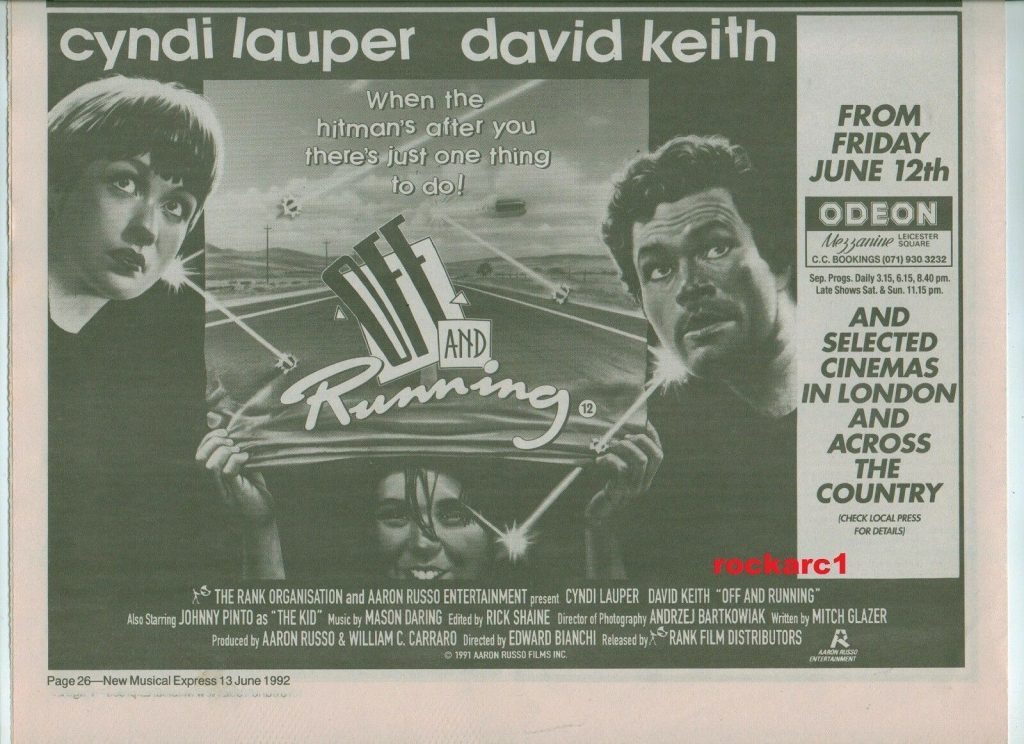
David Keith
David Keith

David Keith was born in 1954 in Knoxville, Tennessee.   His first film was “The Great Santini” in 1979.   He won wide praise for his performance as Richard Gere’s army friend in “An Officer and a Gentleman”.   His other films include “The Two Jakes”, “Running Wild”, and “Unrequited” in 2010.

IMDB entry:

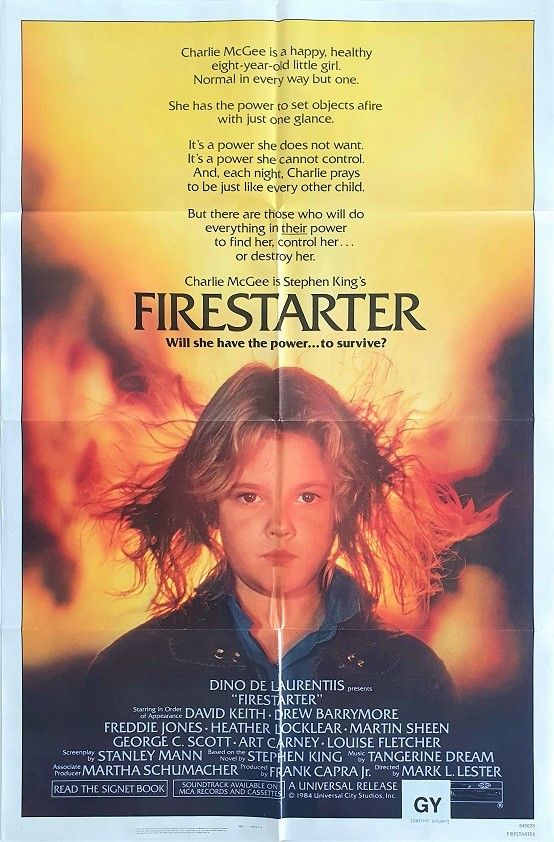
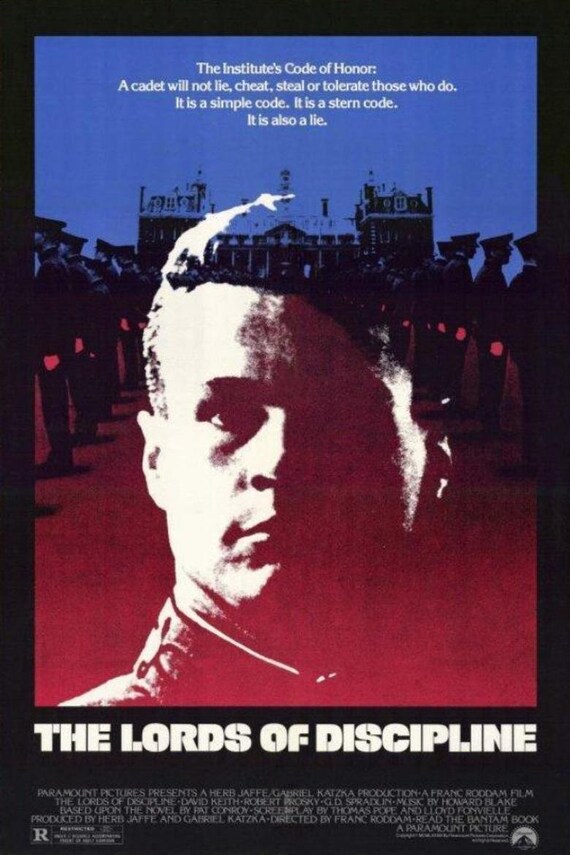
David Lemuel Keith was born on May 8, 1954 in Knoxville, Tennessee, the son of Lemuel Grady Keith Jr. and Hilda Earle. He graduated from the University of Tennessee with a Bachelor of Arts in Speech and Theater. Keith had a supporting role in The Rose (1979) starring Bette Midler, had a supporting role in Brubaker (1980), and co-starred withRichard Gere in An Officer and a Gentleman (1982). He played a local thug in The Great Santini (1979), starred in The Lords of Discipline (1983) and White of the Eye (1987), and held a prominent supporting role opposite Matthew McConaughey in U-571 (2000). He played opposite Drew Barrymore in the science fiction horror film Firestarter (1984), and opposite Brooke Shields and Martin Sheen in Running Wild (1995).

Keith played Elvis Presley in Chris Columbus‘ Heartbreak Hotel (1988), the cowboy “Boo-Hoo” Boone in Frank Oz‘s The Indian in the Cupboard (1995), and the leading role of Nate Springfield in the horror film Hangman’s Curse (2003). He also co-starred in the sitcom The Class (2006) as Yonk Allen, a retired professional football player. He has appeared in the horror remake Carrie (2002), Daredevil (2003), Raise Your Voice (2004) starring Hilary Duff, and Expiration Date (2006). He has also appeared on the television series Law & Order: Special Victims Unit (1999), Law & Order: Criminal Intent (2001),CSI: Miami (2002), NCIS (2003), and Hawaii Five-0 (2010). He also co-starred as Robert Allen’s father John Allen on the short-lived Fox drama series Lone Star (2010).

David Keith married realtor Nancy Clark in 2000 and the couple reside in Knoxville, Tennessee.

– IMDb Mini Biography By: <smonso61@maine.maine.edu>

The above IMDB entry can also be accessed online here.

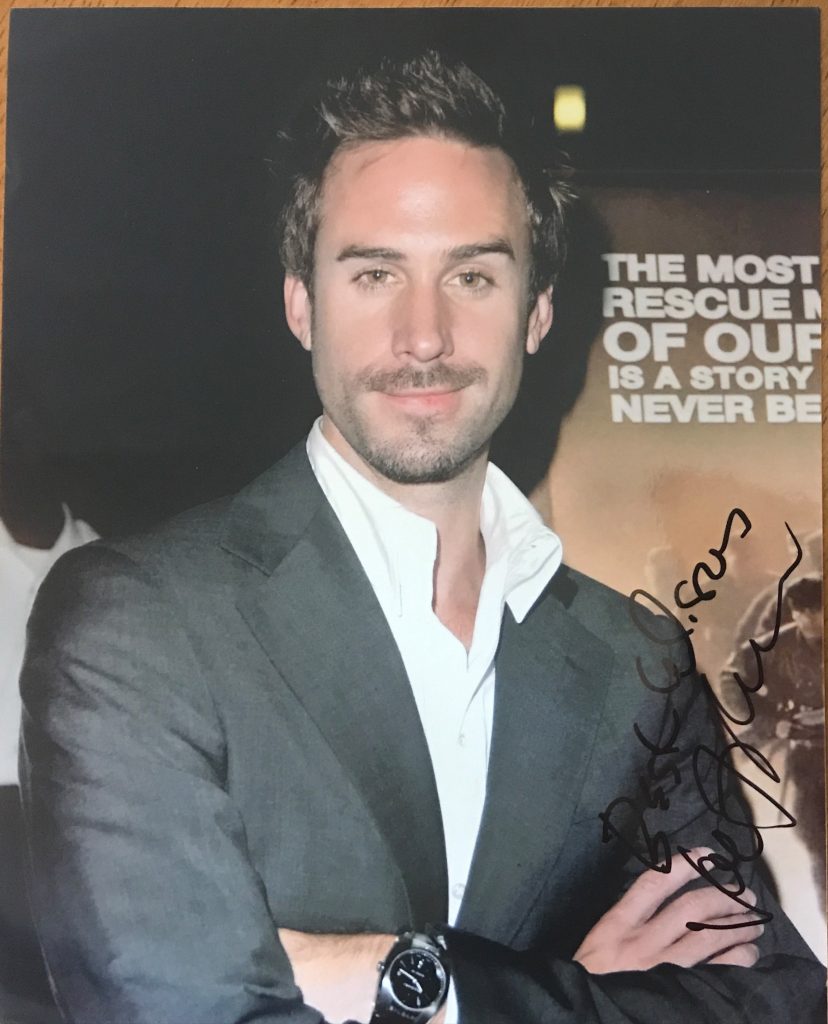
Joseph Fiennes

Joseph Fiennes was born in 1970 in Wiltshire.   He is the younger brother of Ralph Fiennes.   In 1973 he moved to Ireland with his family and was educated there for some years.   His film debut was in 1996 in “Stealing Beauty”.   His other films include “Shakespeare in Love”, “Elizabeth””Killing Me Softly” and “The Darwin Award

Despite the long shadow cast by his older brother, Ralph Fiennes, actor Joseph Fiennes carved out a comfortable niche in compelling independent and foreign features. Like many actors from England, Fiennes studied theater, particularly Shakespeare, where he delved into the finer nuances of his craft while performing the classics. He did struggle, however, in those early years, living hand-to-mouth while performing on the stage for the Royal Shakespeare Company. But he finally emerged to become an international star with his winsome portrayal of a young and lovesick Bard in “Shakespeare in Love” (1998). The Oscar-winning film propelled his profile into the stratosphere, giving Fiennes his pick of projects at that time. But instead of enhancing his newfound stardom, he followed his own path by returning to the stage while churning out a string of often little-seen independents, only to occasionally emerge in larger films like “Enemy at the Gates” (2001), “The Great Raid” (2005) and “Running with Scissors” (2006). Ironically, Fiennes often found himself accosted by the tabloid press for his exploits with various models and actresses, including Naomi Campbell and Catherine McCormack, despite being intensely private; perhaps a result of him casting off the typical trappings of being a successful and talented performer.

Born on May 27, 1970 in Salisbury, Whiltshire, England, Fiennes was the youngest of six siblings and one half of fraternal twins born to Mark, a farmer and photographer, and his mother, Jini (a.k.a. Jennifer Lash), author of The Burial (1961), The Dust Collector (1979) and Blood Ties (1998). The Fiennes family moved around the British Isles quite a bit, which included a stay in West Cork, Ireland. By his own count, Fiennes had changed schools some 14-odd times. When he was 16, he finished school and attended art college in Suffolk, only to switch to working at the National Theatre as a dresser and eventually performing with the Young Vic Youth Theatre. Fiennes received a grant to attend the Guildhall School of Music and Drama and after graduating in 1993, embarked on his performing career in earnest. He spent two seasons with the Royal Shakespeare Company, which proved to be a mixed blessing. While receiving excellent notices for his performances, including a portrayal of Jesus Christ in Dennis Potter’s “Son of Man” (1995), Fiennes was suffering financial distress, paying out more than he was taking in.

Despite the early struggle, he managed to advance his career with turns opposite Helen Mirren in “A Month in the Country” (1994) and Bernard Hill in “A View From the Bridge” (1995). He finally began to climb out from his doldrums with his television acting debut on “The Vacillations of Poppy Carew” (ITV, 1995), which he followed with a noted performance as a young gay man in Bernardo Bertolucci’s romantic drama “Stealing Beauty” (1996). Following well-regarded theatrical turns as Troilus in “Troilus and Cressida” (1996) and Silvius in “As You Like It” (1996), Fiennes gained some much-needed momentum when he landed leading roles in three high profile features. In “The Very Thought of You/Martha, Meet Frank, Daniel and Laurence” (1998), a low-budget comedy about three friends who fall for an American expatriate, he was cast as the sensitive Laurence, who passes his time teaching elderly women how to play bridge. He followed as Robert Dudley, Earl of Leicester, who is the childhood love of the eventual Queen of England (Cate Blanchett) in the somewhat controversial biopic “Elizabeth” (1998). In this version, directed by Shekhar Kapur, the relationship between the monarch and her favorite is depicted as a carnal one, which belied the established history.

Fiennes was launched to international stardom with his next film, “Shakespeare in Love” (1998), in which he played a lovesick William Shakespeare struggling to write “Romeo and Ethel, the Pirates Daughter” while embarking on a forbidden love with the daughter (Gwyneth Paltrow) of a wealthy merchant. Written by acclaimed playwright Tom Stoppard, “Shakespeare in Love” won a surprise Academy Award for Best Picture. But instead of capitalizing on the film’s success, the atypical star balked at major Hollywood features and instead returned to the London stage to star in “Real Classy Affair” (1998). He rounded out a banner year with a starring role in the romantic comedy of errors, “The Very Thought of You” (1998), but suffered a creative step back with the outlandish comedy thriller “Rancid Aluminum” (2000). Following another acclaimed return to the stage in the title role of Christopher Marlowe’s “Edward II” (2001) at the Crucible Theatre, Fiennes was cast opposite Jude Law and Rachel Weisz to form a triangular romance in the WWII-era drama “Enemy at the Gates” (2001). Playing a Russian soldier adept at propaganda, who uses Law’s exploits as a marksman to create a hero during the siege of Stalingrad, the actor handled a difficult role with aplomb. He was better served with a leading role in the erotically-charged drama of sexual obsession “Killing Me Softly” (2001).

After strong turns playing a recently released political prisoner in the long-delayed British-made drama “Leo” (2002), Fiennes returned to the historical biopic when he played the German monk and activist Martin Luther in the European production of “Luther” (2003). Expanding his horizons to animation, he voiced Prince Proteus, the best friend of the legendary sailor “Sinbad: Legend of the Seven Seas” (2003). After portraying Berowne in Trevor Nunn’s superb production of “Love’s Labour’s Lost” (2003) for the Royal National Theatre, Fiennes made a welcome return to the world of Shakespeare on the big screen, adroitly playing the role of Bassanio opposite Al Pacino’s Shylock in “The Merchant of Venice” (2004). He next played an army officer stricken by disease after surviving the Bataan Death March in “The Great Raid” (2005), based on the true story of the liberation of the Cabanatuan Prison Camp in the Philippines during World War II. In “Running With Scissors” (2006), he was the 33-year-old son of an unorthodox psychiatrist (Brian Cox) who enters into a sexual relationship with a young boy (Joseph Cross) sent to live with them after leaving his dysfunctional family.

Continuing to take on roles in independent films rather than reach for superstardom, Fiennes starred in “The Darwin Awards” (2007), playing a paranoid obsessive-compulsive former detective a la “Monk” who becomes an insurance assessor and falls in love with his partner (Winona Ryder) while investigating a series of bizarre accidents. Following a turn as the real-life James Gregory, the censor officer and prison guard for Nelson Mandela (Dennis Haysbert) in “Goodbye Bafana” (2007), he played a tough, but muted convict who helps a career criminal (Brian Cox) bust out of prison in the intelligent, but little-seen crime thriller “The Escapist” (2009). That fall, Fiennes made a surprising move to American primetime on “FlashForward” (ABC, 2009-2010), a sci-fi series starring Fiennes as the head of an FBI unit investigating the cause of a mass time travel incident that has shaken up the planet. After that show was canceled following large scale promotion declaring it the next “Lost,” Fiennes starred as Merlin on “Camelot” (Starz, 2011), a well-received retelling of the King Arthur tale that was not renewed due to the cable network’s logistical challenges with production. Undeterred, Fiennes stayed on the small screen and joined the second season of Ryan Murphy’s popular horror series, “American Horror Story: Asylum” (FX, 2012- ), where played an ambitious priest in 1964 who founded a sanitarium run by a sadistic nun (Jessica Lange).

The above TCM overview can also be accessed online here.

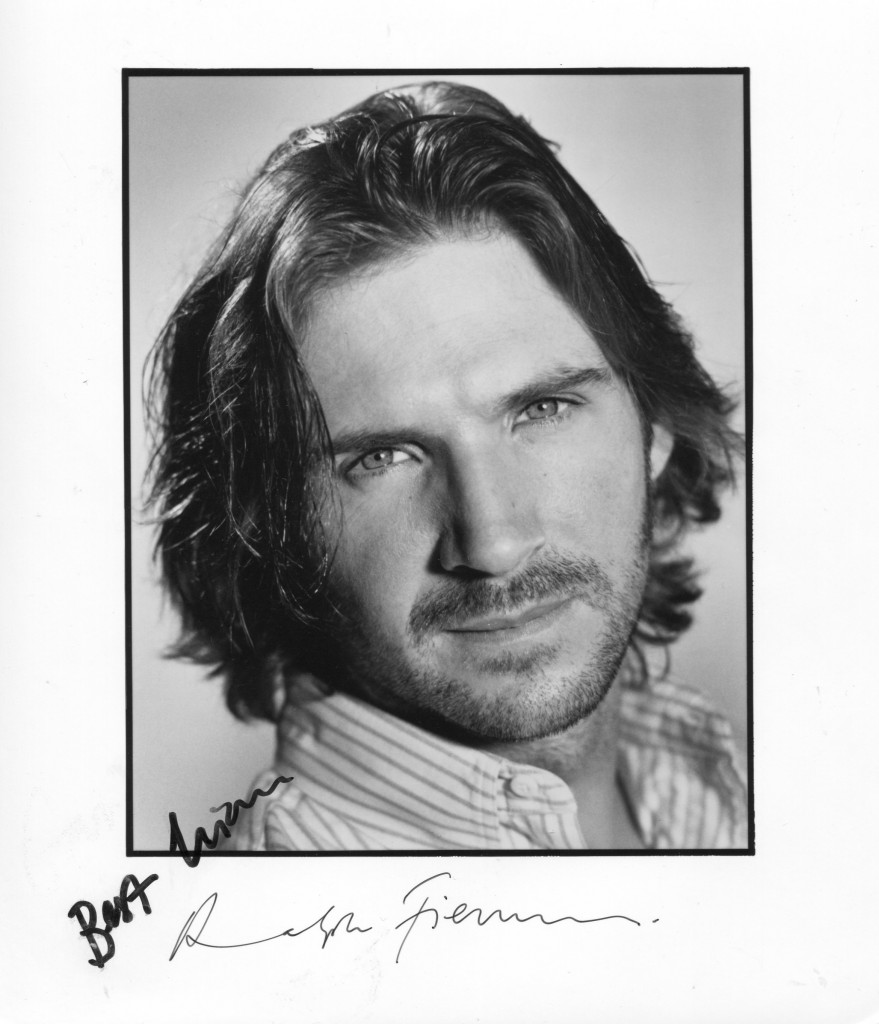
Ralph Fiennes
Ralph Finnes
Ralph Finnes

Ralph Fiennes was born in 1962 in Suffolk.   In 1973 his family moved to Ireland where he was educated for some years.   He first came to film fame with his evil performance in “Schindler’s List” and then in 1994 he starred in the U.S. in “Quiz Show”.   Other films include “The English Patient”, “Red Dragon” and “The End of the Affair”.

His IMDB entry:

Ralph Twisleton Wykeham Fiennes was born on December 22, 1962 in Suffolk, England to Mark Fiennes, a photographer, and Jennifer Lash, a novelist, the eldest of six children. Four of his siblings are also in the arts: Martha Fiennes, a director; Magnus Fiennes, a musician; Sophie, a producer; and Joseph Fiennes, an actor.

Fiennes has been honored with two Academy Award nominations, the first in 1994 for his performance in Steven Spielberg‘s Oscar-winning Best Picture, Schindler’s List (1993). Fiennes’ chilling portrayal of Nazi Commandant Amon Goeth also brought him a Golden Globe nomination and a BAFTA Award, as well as Best Supporting Actor honors from numerous critics groups, including the National Society of Film Critics, and the New York, Chicago, Boston and London Film Critics associations. Four years later, Fiennes earned his second Oscar nomination, for Best Actor, in another Best Picture winner, Anthony Minghella‘s The English Patient (1996). He also garnered Golden Globe and BAFTA Award nominations, as well as two Screen Actors Guild (SAG) Award nominations, one for Best Actor and another shared with the film’s ensemble cast.

His long list of film credits also includes the award-winning drama The Reader (2008), co-starring Kate WinsletKathryn Bigelow‘s Oscar®-winning The Hurt Locker (2008); theNeil Jordan-directed films The End of the Affair (1999) and The Good Thief (2002); István Szabó‘s Sunshine (1999); Maid in Manhattan (2002); the animated The Prince of Egypt(1998); Oscar and Lucinda (1997); Robert Redford‘s Quiz Show (1994); and Wuthering Heights (1992), which marked his film debut. Fiennes notably portrayed of the evil Lord Voldemort in the Harry Potter blockbuster film franchise. His nephew, Hero Fiennes-Tiffinplayed Tom Riddle, the young Lord Voldemort, in Harry Potter and the Half-Blood Prince(2009).

Fiennes made his feature film directorial debut with a contemporary version of Shakespeare’s political thriller Coriolanus (2011), in which he also starred with Gerard Butler and Vanessa Redgrave. He will star next in Mike Newell‘s screen adaptation ofCharles Dickens‘ Great Expectations (2012), with Helena Bonham Carter and Jeremy Irvine, and in the highly anticipated Skyfall (2012), the next film in the Bond series, from director Sam Mendes.

– IMDb Mini Biography By: Anonymous

The IMDB entry above can also be accessed online here.

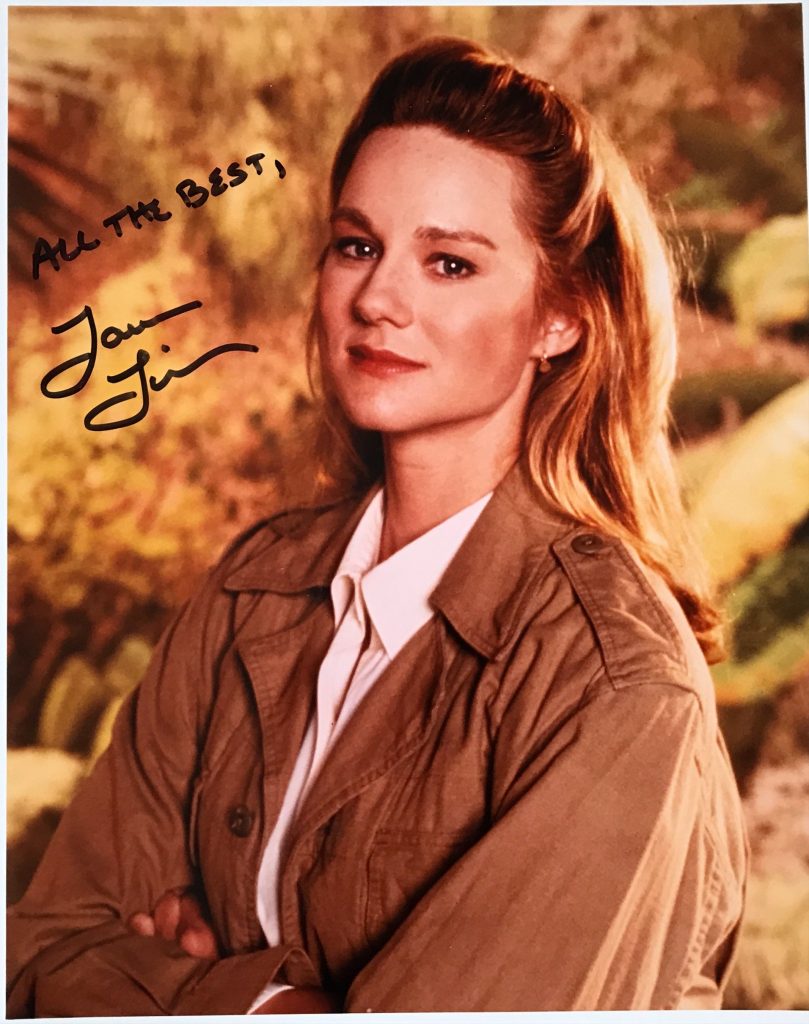
Laura Linney
Laura Linney

Laura Linney was born in 1964 in New York.   Her breakthrough role came in the television mini-series “Tales of the City”.   She went on then to have leading roles in such movies as “Congo”, “Primal Fear”, “The Truman Show” and “Absolute Power”.   Recent films include “Savages” with Philip Seymour Hoffman.

IMDB entry:

Laura Linney was born in New York City on February 5, 1964, into a theatre family. Her father is the prominent playwright Romulus Linney. Although she did not live in her father’s house (her parents having divorced when she was an infant), Linney’s world revolved, in part, around his profession from the earliest age. She graduated from Brown University in 1986 and studied acting at Juilliard and the Arts Theatre School in Moscow and, thereafter, embarked on a career on the Broadway stage receiving favorable notices for her work in such plays as “Hedda Gabler” and “Six Degrees of Separation”.

Linney’s film career began in the early 1990s with small roles in Lorenzo’s Oil (1992) andDave (1993). She landed the role of Mary Anne Singleton in the PBS film adaptations ofArmistead Maupin‘s “Tales of the City” series, playing her in Armistead Maupin’s Tales of the City (1993), Armistead Maupin’s More Tales of the City (1998) and Further Tales of the City (2001). Linney’s first substantial big-screen role was as the ex-girlfriend ofRichard Gere‘s character in Primal Fear (1996) and her superb performance brought her praise and a better selection of roles. Clint Eastwood chose Linney to play his daughter, another prominent role, in 1997’s Absolute Power (1997), followed by another second billing in the following year’s The Truman Show (1998).

Always a strong performer, Linney truly came into her own after 2000, starting the decade auspiciously with her widely-praised, arguably flawless performance in You Can Count on Me (2000). She found herself nominated for an Academy Award for this, her first lead role, for which her salary had been $10,000. Linney won numerous critics’ awards for her role as Sammy, a single mother whose life is complicated by a new boss and the arrival in town of her aimless brother. On the heels of this success came her marvelous turn as Bertha Dorset in The House of Mirth (2000), clearly the best performance in a film of strong performances. Since then, Linney has frequently been offered challenging dramatic roles, and always rises to the occasion, such as in Mystic River (2003), in which she worked again with Clint Eastwood, and Kinsey (2004), for which she received another Academy Award nomination.

– IMDb Mini Biography By: Larry-115

The above IMDB entry can also be accessed online here.

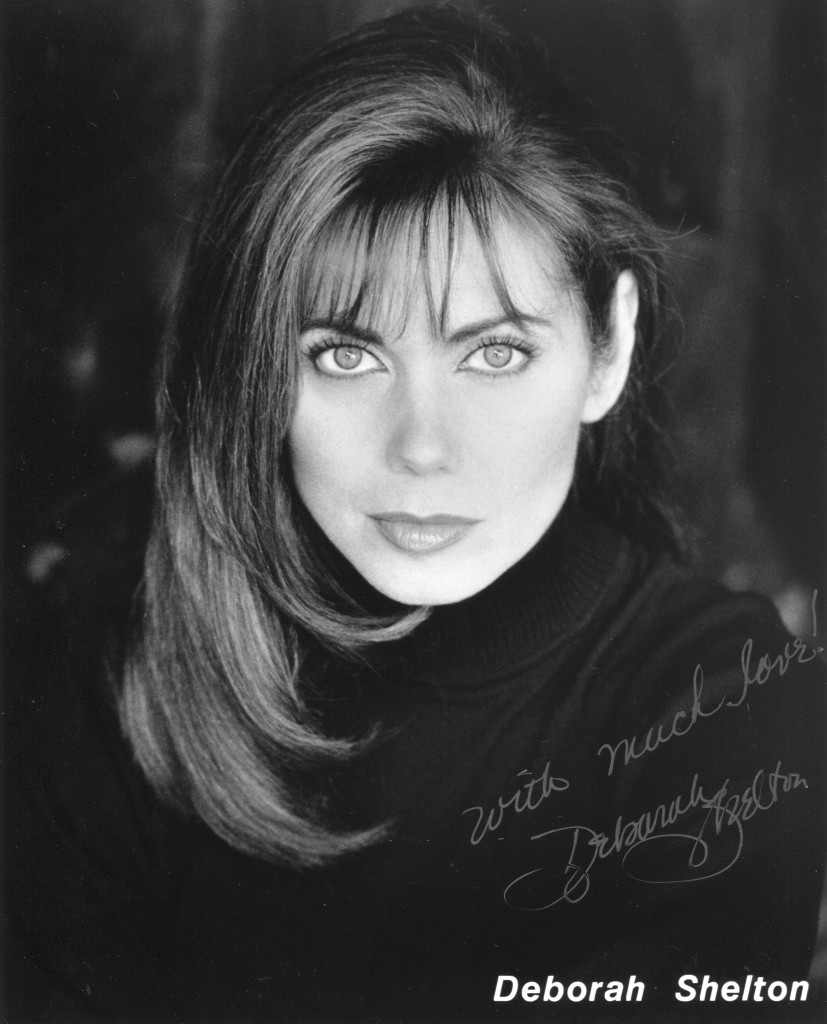
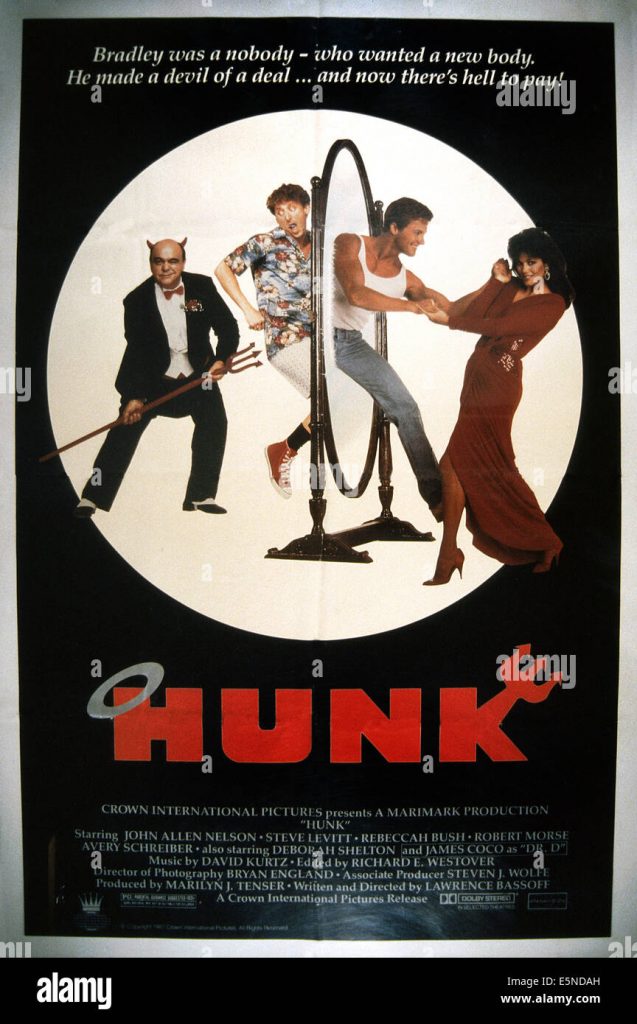
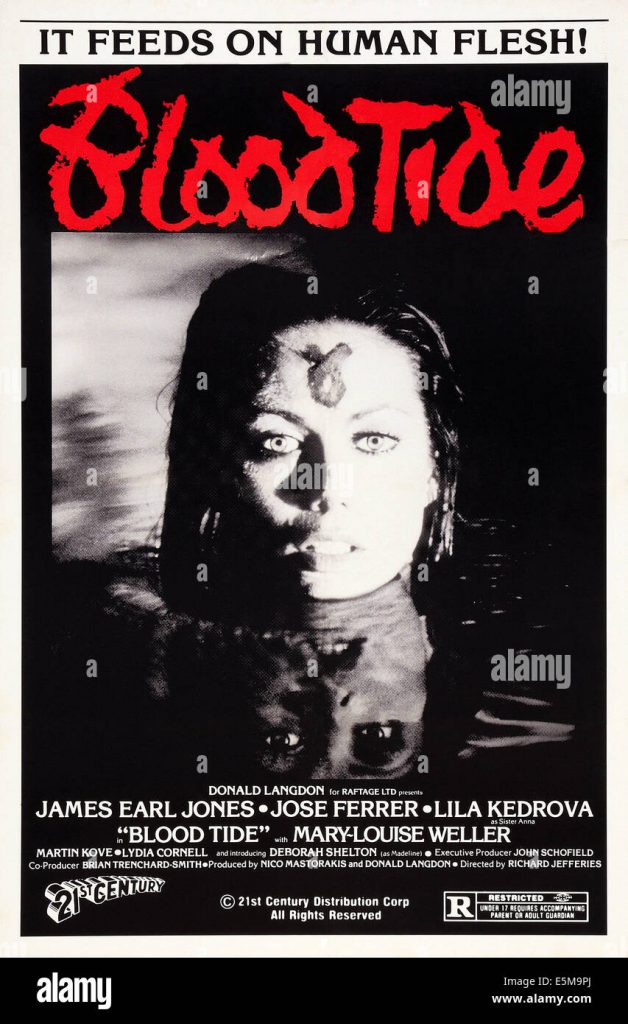
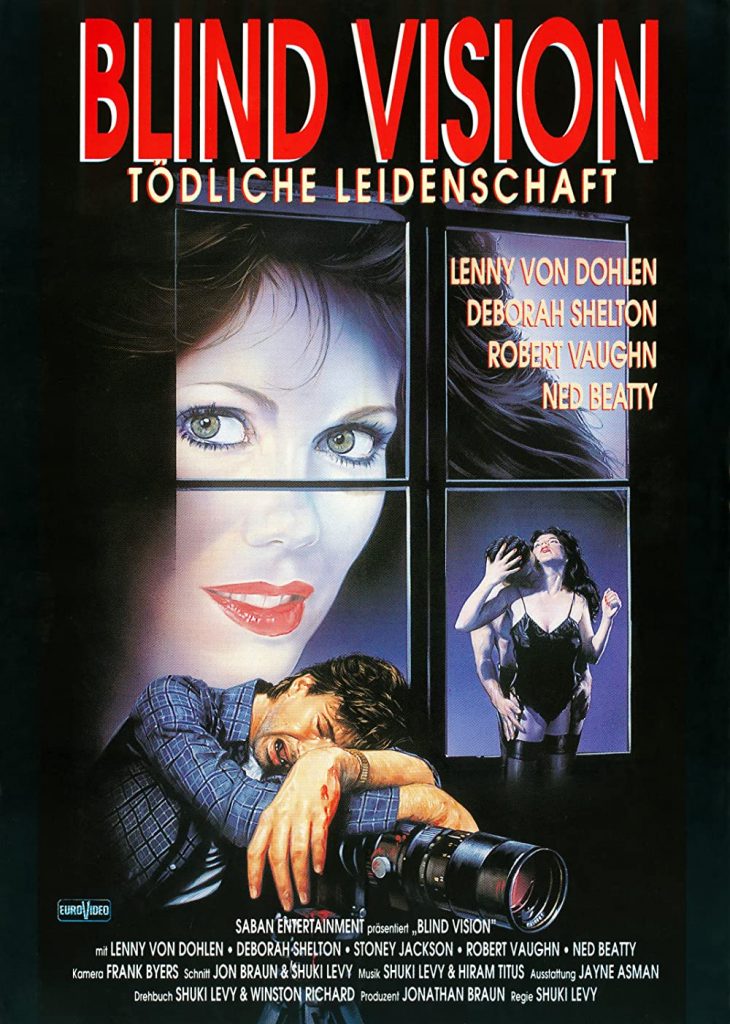
Deborah Shelton
Deborah Shelton
Deborah Shelton

Deborah Shelton was born in 1948 in Washington D.C.   She starred in the 1984 film “Body Double” with Melanie Griffith.   On television she has guest starred in “T.J. Hooker”, “The Fall Guy” and “The Love Boat”.

1984 “People” magazine article:
The voluptuous brunette in a satin robe is being chased around her boudoir. She is about to be turned into Swiss cheese by a psycho who is dressed as an American Indian and is wielding a mighty power drill with a 12-inch bit. Though the violent, bloody scene is only from a movie—Brian DePalma’s latest shockeroo, Body Double—the terrified expression on the face of Deborah Shelton (Miss U.S.A. of 1970) is real. That’s because De-Palma, who goose-bumped his way to fame with Carrie, Dressed to Kill and Scarface, used the real thing. No drill double. No siree. “At one point the drill was an inch from my nose,” recalls Shelton. “When they turned that drill on, all the hairs on my spine stood up.”

So did her dander, which disproves the theory that all Miss U.S.A. winners are beautiful but, knock-knock, nobody home. Throughout the filming Shelton and DePalma had heated discussions about the drill scene and why her character shouldn’t fight back. “Who stands around like that?” Shelton asked. “Brian kept saying, ‘Pathos, Debbie, pathos,’ and I’m thinking, ‘Stupidity, Brian, stupidity.’ “

But Shelton went along. A veteran of TV guest shots, Shelton, 32, saw a big budget DePalma film as a way to the big time. “Even if it’s terrible, it’s going to be seen,” she says. Shelton is not sure how she feels about DePalma. “I keep comparing Brian to Vincent Price. He had a sort of evil look.” But, like a lot of feminists and critics, Shelton is not afraid to speak out against the man who might make her a star. “Brian makes women victims,” she says. “He’s into commerciality and what sells—and what people want to see. But I don’t like to see women represented that way. When I see it, it creates anger in me.” DePalma responds: “It’s a sad state of affairs when you can’t make a murder mystery and kill anybody because you’re going to offend some group. You have to, I guess, pick a Martian as the victim.”

Deborah is happier talking about her new role on Dallas, TV’s No. 1 series. Last spring the producers auditioned actresses for the part of model Mandy Winger. Although Mandy was described as “a really young blonde, an ex-hooker with a heart of gold,” the dark-haired Shelton won a reading and ultimately the part (she debuted on October 12). “So far I think I’m a good girl,” she says, laughing. “I’m not blonde and there’s no mention of her being an ex-hooker, though I keep waiting to find out that it’s true.”

When it came time to meet the illustrious cast, she “didn’t sleep all night, but everybody was just wonderful.” Although destined to become involved with Cliff Barnes (Ken Kercheval) and J.R. Ewing (Larry Hagman), Deborah says, “I don’t want to be kept as somebody’s little pet. I’m smart.” At least it’s not Body Double all over again. “The thing I love about Dallas is they don’t make me do bathing suit pictures.”

Like it or not, it was in a bathing suit that Shelton first won public notice. In 1970, while attending Old Dominion University in Norfolk, Va., her hometown, Shelton, who had always wanted a career in medicine, entered the Miss Virginia contest. She won and a month later she took the Miss U.S.A. crown. Three months later Deborah, the only child of a Southern Baptist dentist and his wife, became first runner-up in the Miss Universe contest.

When she passed her crown to her successor, Shelton found that life for an ex-beauty queen could be brutal. Her experience as a model in New York sounds nearly as harrowing as that ofVanessa Williams: “I had one photographer jump on me. I had another say, ‘Come on over and we’ll smoke some dope and look through your pictures. Another said, ‘What you need is a friendly——.’ ” Shelton tried marriage in 1971. She had a son, but wedlock didn’t work out.

Shelton then teamed up with a New York gynecologist. They had plans to open a clinic for women with diet and cellulite disorders. But those plans never paid off. In December 1976, Deborah met her current husband, Shuki Levy, 38, an Israeli-born, Paris-based singer-composer-record producer who was on holiday in America. They were together only two days, then spent $4,500 burning up phone wires to get better acquainted. Four months later they wed in Switzerland.

Shelton and Levy live in the Hollywood Hills, with Deborah’s son and their daughter. Neighbors describe Shelton as a “Kool-Aid mom” because of the hospitality the kids on the block enjoy at her house. Since 1977 she has been writing the lyrics for her husband’s compositions (their song Magdalena may be featured on Julio Iglesias’ next LP). Luckily, Shuki is not too upset about all the exposure his wife gets in Body Double. “I don’t like it but I can’t take it seriously,” he says. “Soon she’ll be able to be more selective.” Deborah laughs at being thought of as a sex symbol: “I’m a regular kind of person.” But to keep her body gorgeous, Shelton endures rigorous exercise routines at home three to five times a week with Pete Steinfeld (brother and partner of coach-to-the-stars Jake Steinfeld). For that, Shelton says, she has DePalma to thank: “He wanted everybody in perfect shape for the film. He’d say, ‘That’s not a DePalma body!’ Let me tell you, that got under my skin. Why didn’t I turn around and say, ‘You’re damned right. It’s a Shelton body.’ ” Maybe she will the next time. “Megalomania,” she says, rolling her eyes, “has its limits.”

The above “People” magazine can also be accessed online here.