
Contemporary Actors

Collection of Contemporary Actors

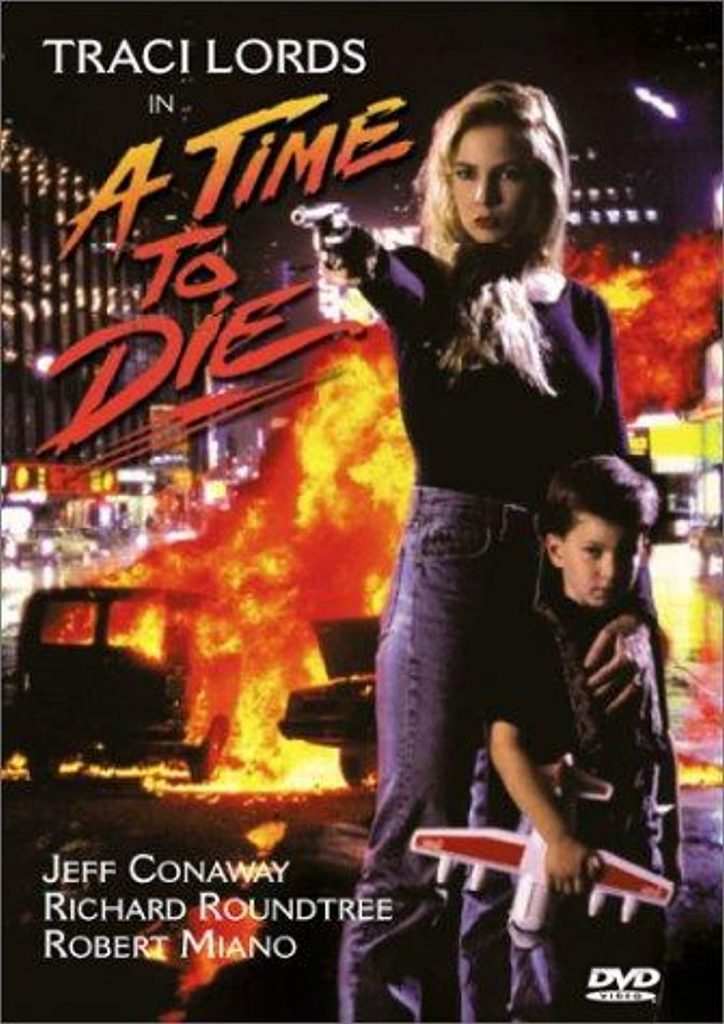
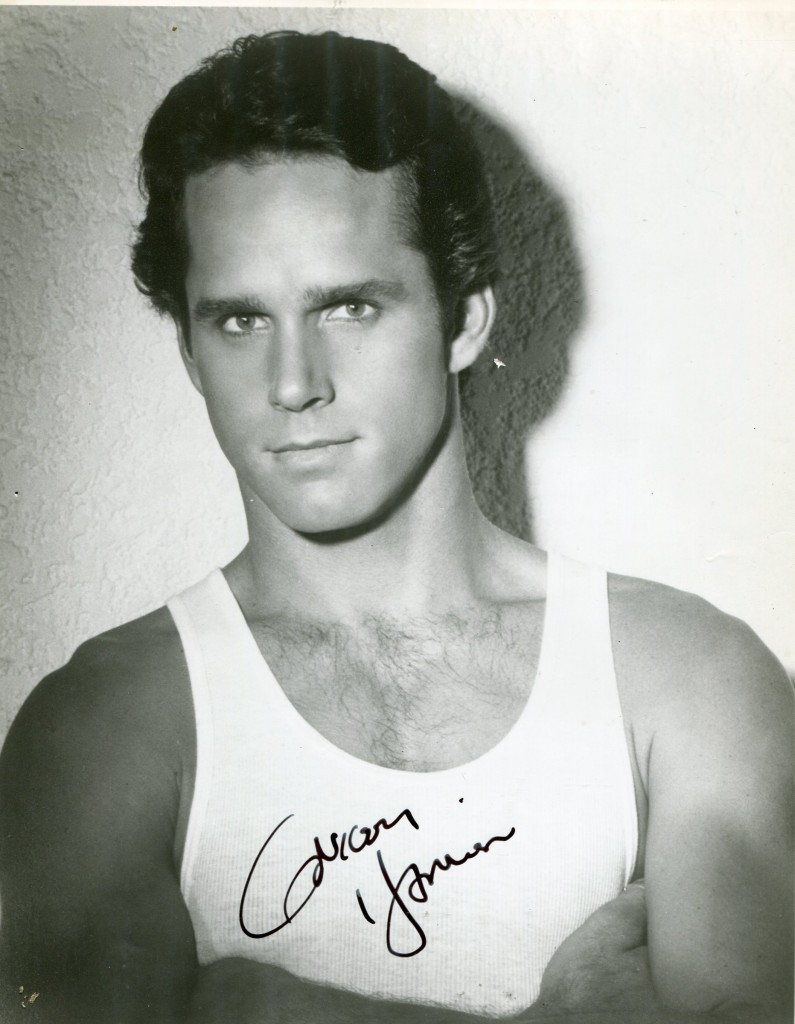
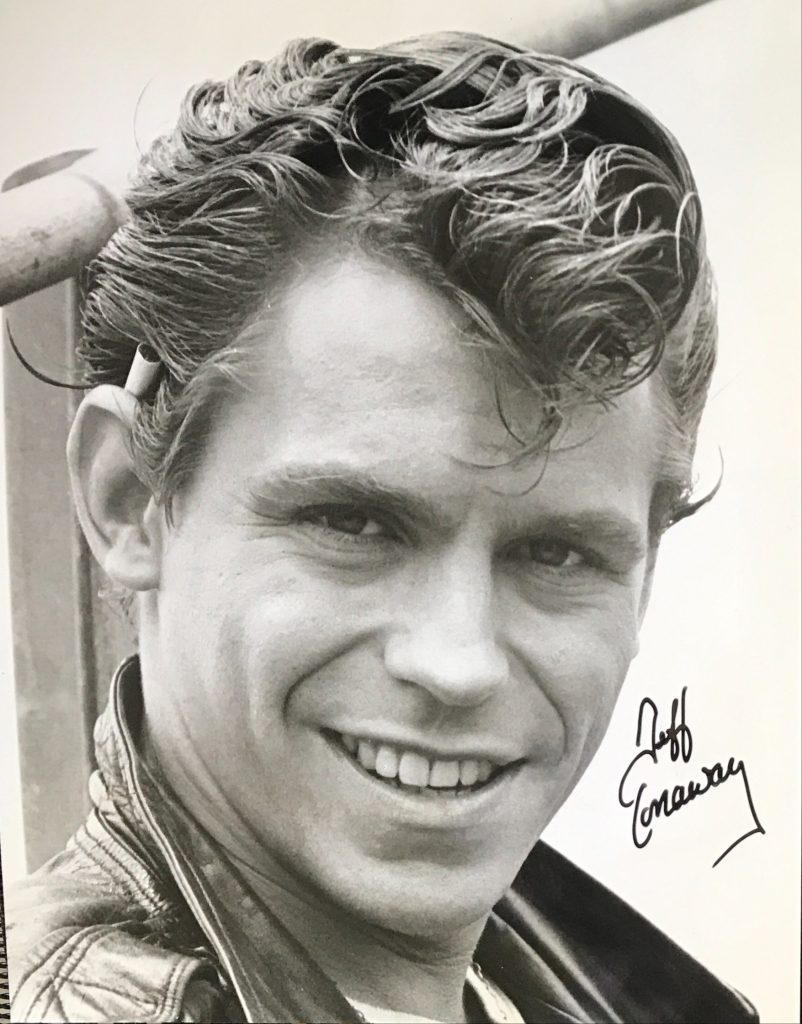
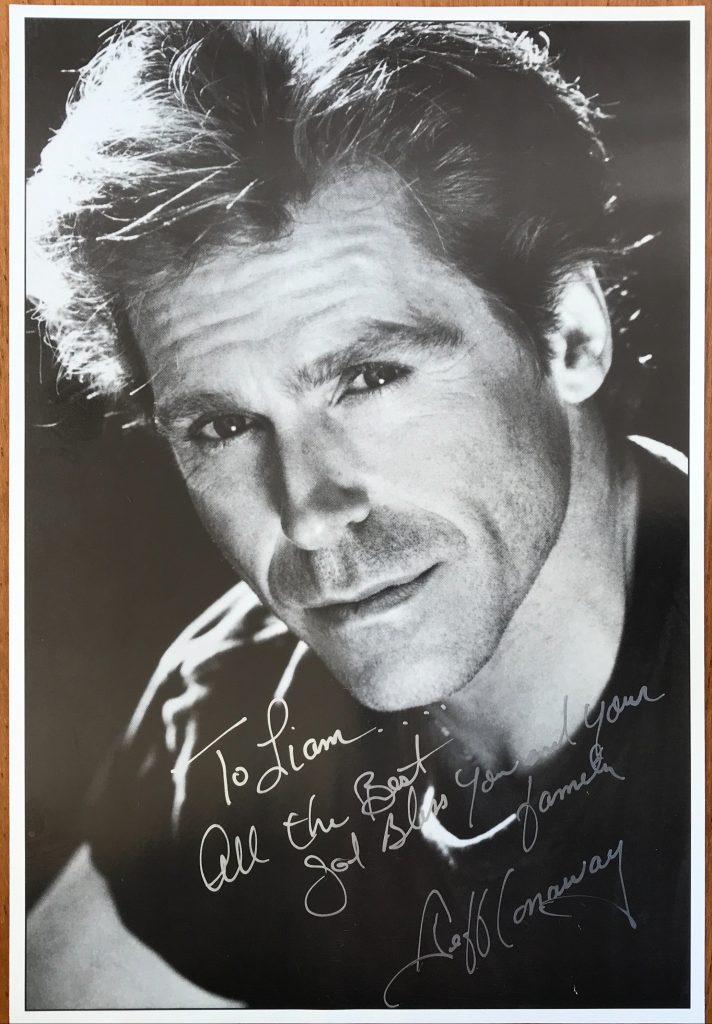
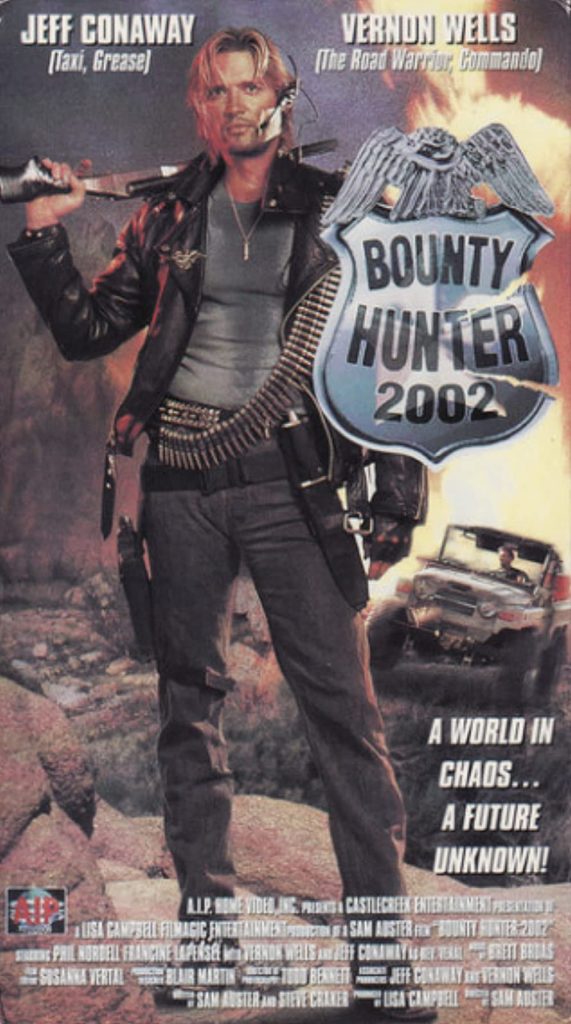
Jeff Conaway

Ronald Bergan’s obituary in “The Guardian”:

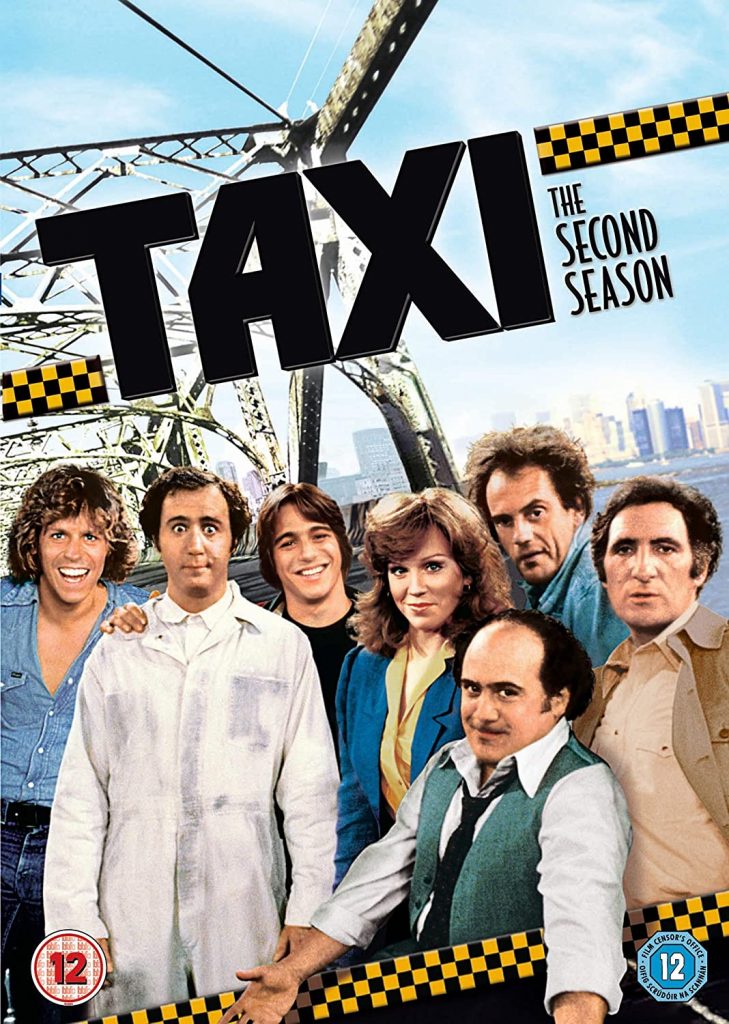
In the late 1970s and early 80s, Taxi was one of the best American sitcoms. It won 18 Emmy awards and its stars, among them Jeff Conaway, who has died in hospital aged 60, became household names. Conaway played the narcissistic, “resting” actor Bobby Wheeler, one of the characters working for the Sunshine cab company, all hoping for better jobs to turn up. In a way, the role mirrored Conaway’s own struggle for greater recognition as an actor, which was not helped by his having been addicted to alcohol, cocaine and analgesics since he was a teenager.

In Taxi, the handsome Conaway , sporting the feathered hairstyle popular in the 1970s, had to compete with more fascinating characters in the avuncular Alex Reiger (Judd Hirsch), obnoxious Louie De Palma (Danny DeVito), sexy divorcee Elaine Nardo (Marilu Henner), unvictorious boxer Tony Banta (Tony Danza), and English-impaired immigrant Latka Gravas (Andy Kaufman). Most of the cast of the popular show went on to bigger things, while Conaway’s one moment of glory in the cinema was already in his past.

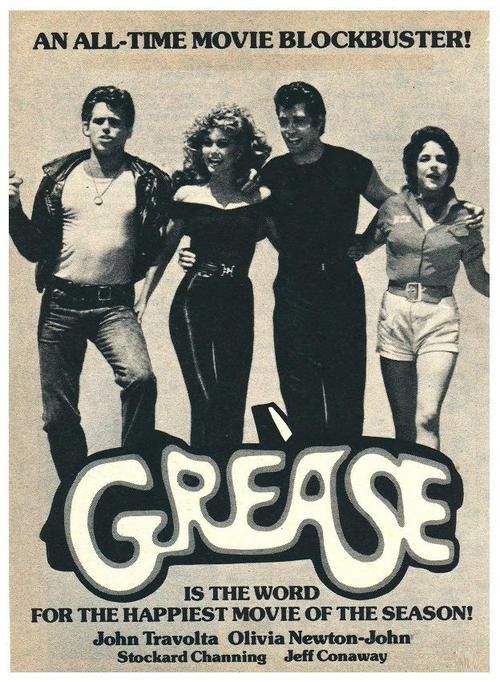
He first made an impact as Kenickie in Grease (1978), released a few months before his debut in Taxi. As John Travolta’s sidekick in the high-school gang called the T-birds, Conaway is a finger-snapping, leather-jacketed greaser, a comb and a witticism always at the ready. He says things like “You’re cruisin’ for a bruisin’ ” and “A hickie from Kenickie is like a Hallmark card, when you only care enough to send the very best!” He also does some nifty acrobatic dancing, especially in Greased Lightning, on top of a car – this resulted in a back injury that dogged him for most of his life. The cast were too old to play high-school students, but Conaway, at 28, was more convincing than most.

Conaway had already played the Travolta part in the Broadwayproduction of Grease the year before, after starting as an understudy. In fact, Conaway had been on Broadway at the age of 10 in All the Way Home (1960) – based on James Agee’s novel A Death in the Family – set in Tennessee in the early 1900s. The young Conaway, as a boy trying to come to terms with the death of his father in a car accident, was at the heart of the play. Although he was born in New York, the childhood summers spent with his South Carolina grandparents proved handy when auditioning for the part, because the director, Arthur Penn, wanted a boy with a southern accent.

He later enrolled in North Carolina School of the Arts, then studied drama at New York University. “I left three months before graduation,” Conaway recalled. “There were hard feelings because I had the lead in a school production of The Threepenny Opera. But I was offered Grease on Broadway. Broadway! I couldn’t turn it down.”

After Taxi, Conaway was seldom out of work, though he found himself trapped in a vicious circle of trashy erotic thrillers in which he usually played a stud, and gradually, with age, detectives, fathers of teens (as in Jawbreaker, 1999) and strip-club owners as in Sunset Strip and It’s Showtime (both 1993). His one directorial effort was Bikini Summer II (1992), a sex farce ending with a rock concert on the beach.

Conaway was much better served by TV, appearing in series such as Murder, She Wrote, Burke’s Law and Matlock, and in 74 episodes of the science-fiction series Babylon 5 (1994-98) as Zack Allan, the tough security chief.

While he continued to act, Conaway was suffering from substance abuse problems, which came to a head in 1985 following his divorce from Rona Newton-John, the sister of Grease star Olivia, after five years of marriage. In 1990, he married Kerri Young, and had a subsequent fiery six-year relationship with Victoria Spinoza, a singer known as Vikki Lizzi. Earlier this year they filed restraining orders against each other, trading accusations of theft and violence, but were eventually reconciled.

Though Conaway sought treatment, he relapsed from time to time. In 2008 he appeared in the reality TV series Celebrity Rehab, in which he revealed his long-term addictions.

Conaway was found unconscious on 11 May due to a combination of legally prescribed painkillers to treat back problems and other medications. The adverse reaction caused him to contract pneumonia. He was put into a medically induced coma intended to aid his recovery, but was eventually taken off life support. He is survived by Vikki and his sisters Carla and Michele.

• Jeffrey Charles William Michael Conaway, actor, born 5 October 1950; died 27 May 2011

The above “Guardian” obituary can also be accessed online here.
Kristoffer Tabori
Kristopher Tabori

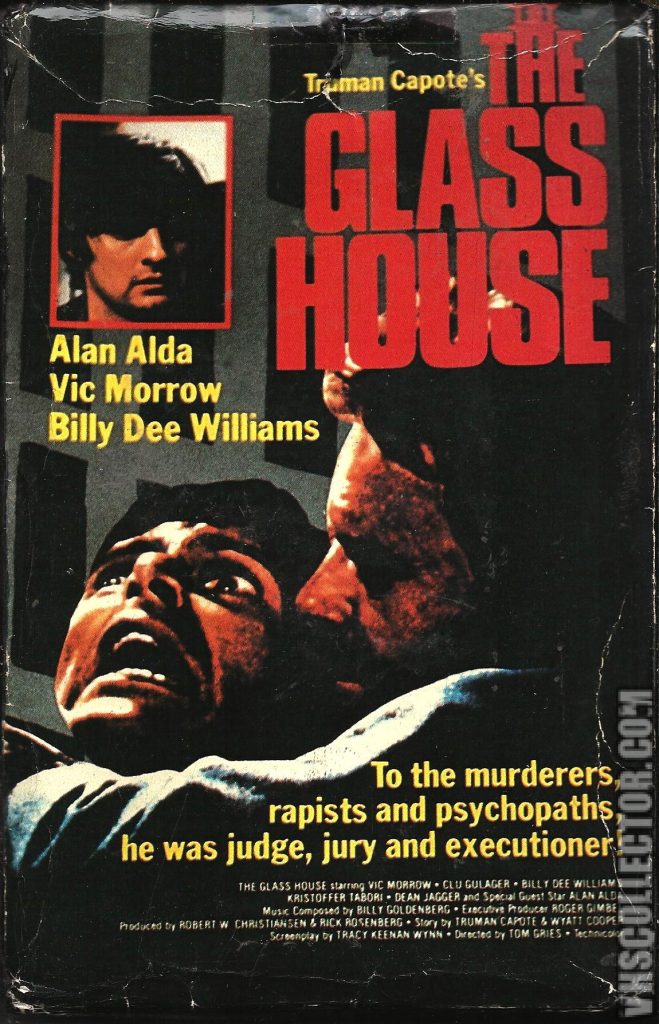
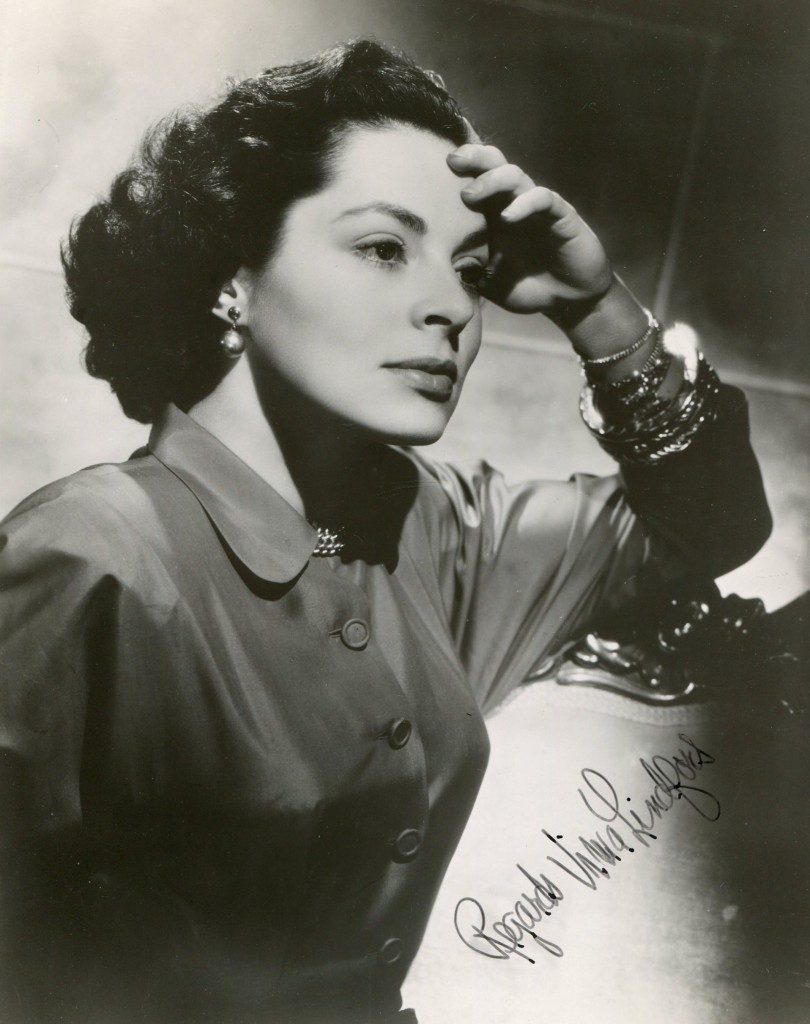
Kristoffer Tabori was born in Malibu, California in 1952.   He is the son of the director Don Siegal and Swedish actress Viveca Lindfors.   He had a small part in “John & Mary” with Dustin Hoffman & Mia Farrow in 1969.   He gave a terrific performance in “The Glass House” with Alan Alada and Vic Morrow.   Other movies include “Girlfriends” and “Last Summer in the Hamptons”

Gary Brumburgh’s entry:

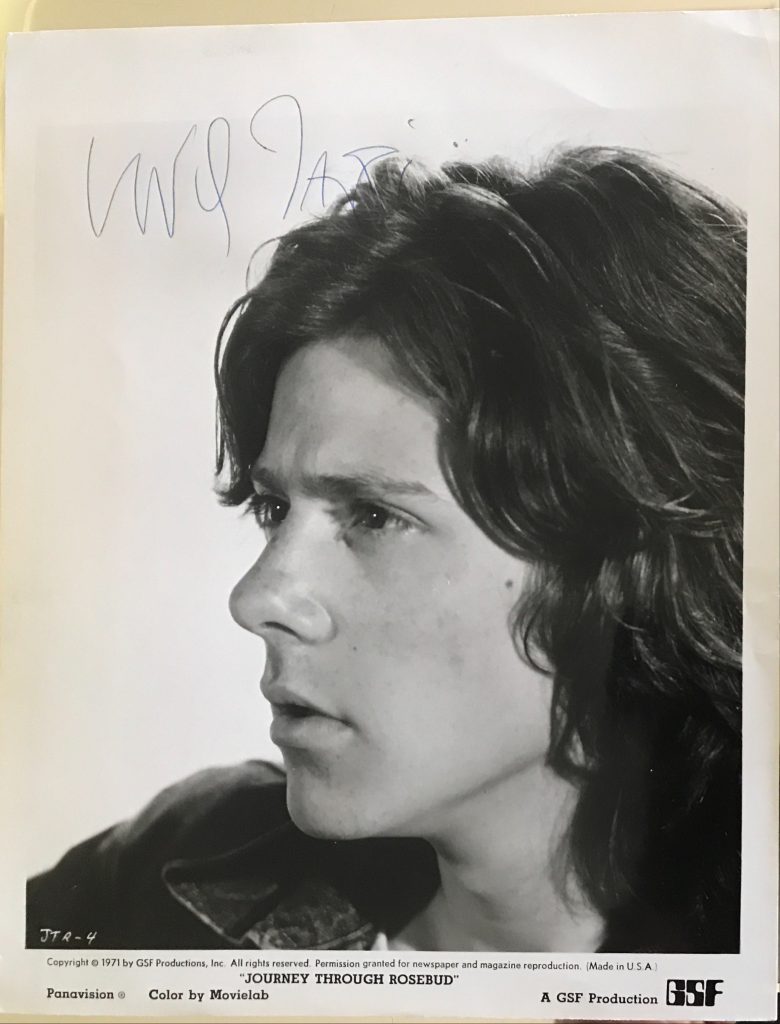
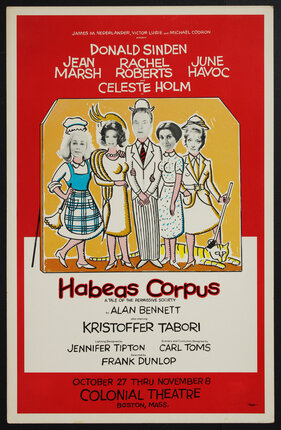
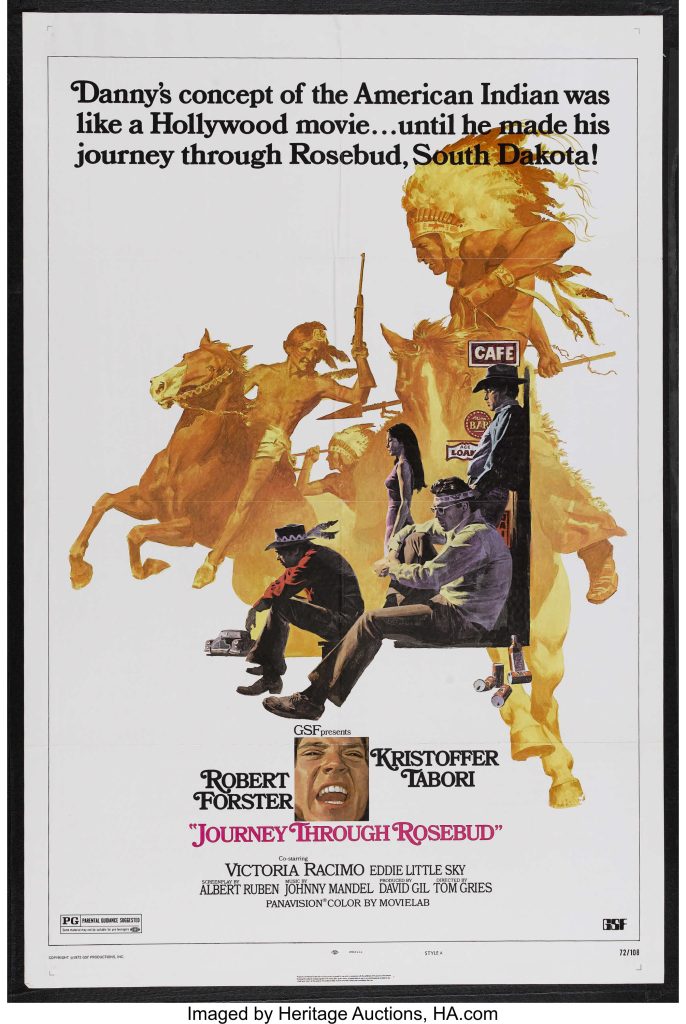
A natural progression to entertain the thought of entering show business as the son of Swedish actress Viveca Lindfors and American director Don Siegel. Actor Kristoffer Tabori was born in Malibu in 1952 and appeared in one of his mother’s films Weddings and Babies (1958) as a youngster. His parents divorced when he was barely a year old and his mother subsequently married Hungarian writer/director George Tabori. Kristoffer would use the name “Tabori” for his own. He started making the theater rounds in the late 60s, and took his first official stage bow with “The Merchant of Venice” at the Berkshire Theatre Festival in 1966. He debuted on Broadway with “The Guns of Carrar” two years later. Other plays followed (“Habeas Corpus,” “Hamlet,” “Dreams of a Blacklisted Actor”) and in 1970 he won the Theatre World Award for “How Much How Much.” Kristoffer became a product of his generation playing lean hippie and liberal thinker types. In movie bits as a late teen, one of those was an unbilled appearance in his father’s cop action drama Coogan’s Bluff (1968), one of several that had Siegel directing Clint Eastwood. Tabori’s stage success led to progressive strides in 70s film. He earned strong reviews for his first lead in _Makin’ It (1971)_ as a sex-obsessed 17-year-old who suffers a heavy, traumatic experience with his mother, played by Joyce Van Patten. Such films as _Pigeons (1971)_ and Journey Through Rosebud (1972) did not pave the way to stardom, however, and he started impressing on TV instead with quality mini-movies including “The Glass House (1972), “QBVII” (1974), “The Lady’s Not for Burning” (1974) and “A Memory of Two Mondays (1974). He turned more and more to the stage in the mid-70s and joined the Arena Stage theater company in Washington, D.C. from 1976-1978, and California’s South Coast Repertory and National Shakespeare Festival the following decade. He married British actress Judy Geeson in 1984 and they appeared notably on stage together in “The Common Pursuit” before divorcing a few years later. Tabori focused on directing in the 90s, predominantly on TV, helming episodes for such series as “Picket Fences,” “Chicago Hope,” “Providence” and “Judging Amy.” Shortly before his mother’s death in 1995, he appeared as her son in the film Last Summer in the Hamptons (1995). He has also lent his crisp voice to a number of video games in the “Battlestar Galactica” and “Star Wars” target area.

– IMDb Mini Biography By: Gary Brumburgh / gr-home@pacbell.net

Jim Dale
Jim Dale

Jim Dale Overview

Jim Dale
Jim Dale

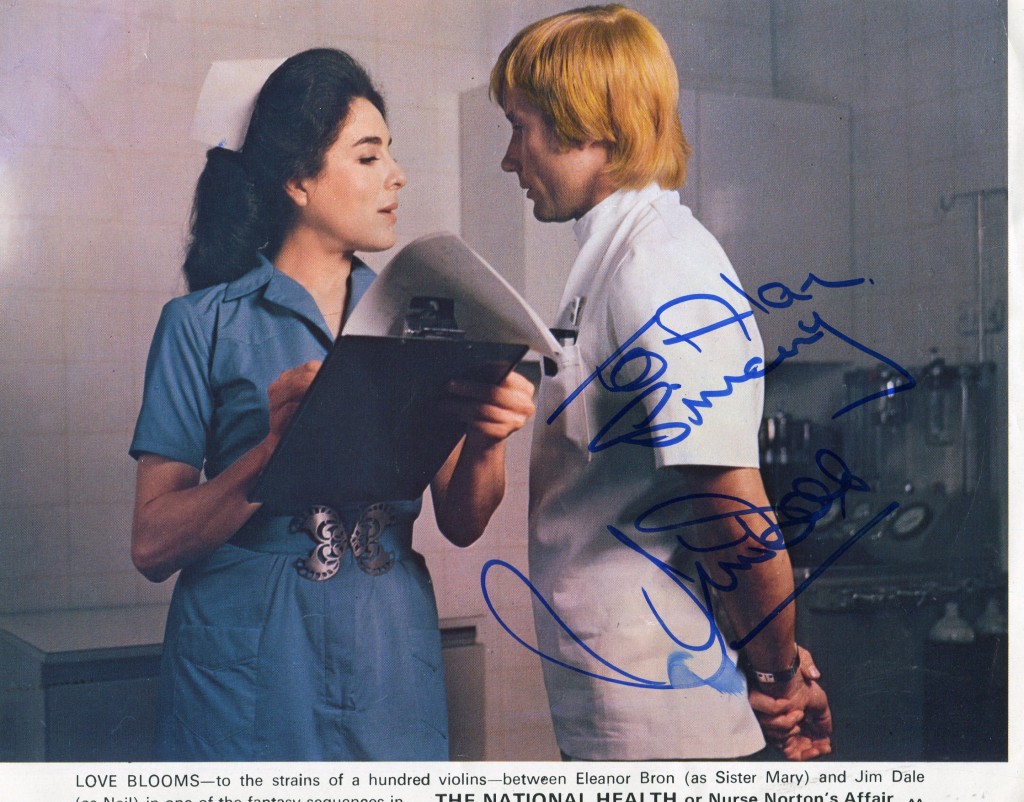
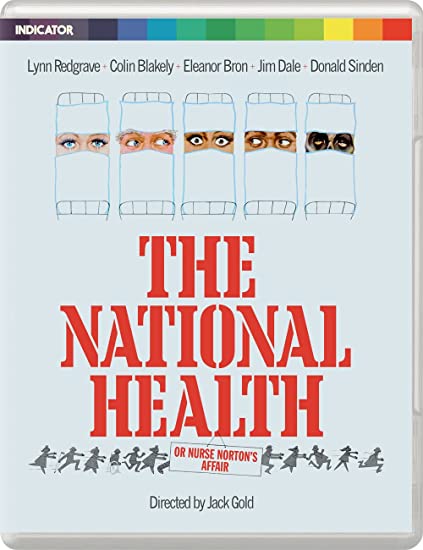
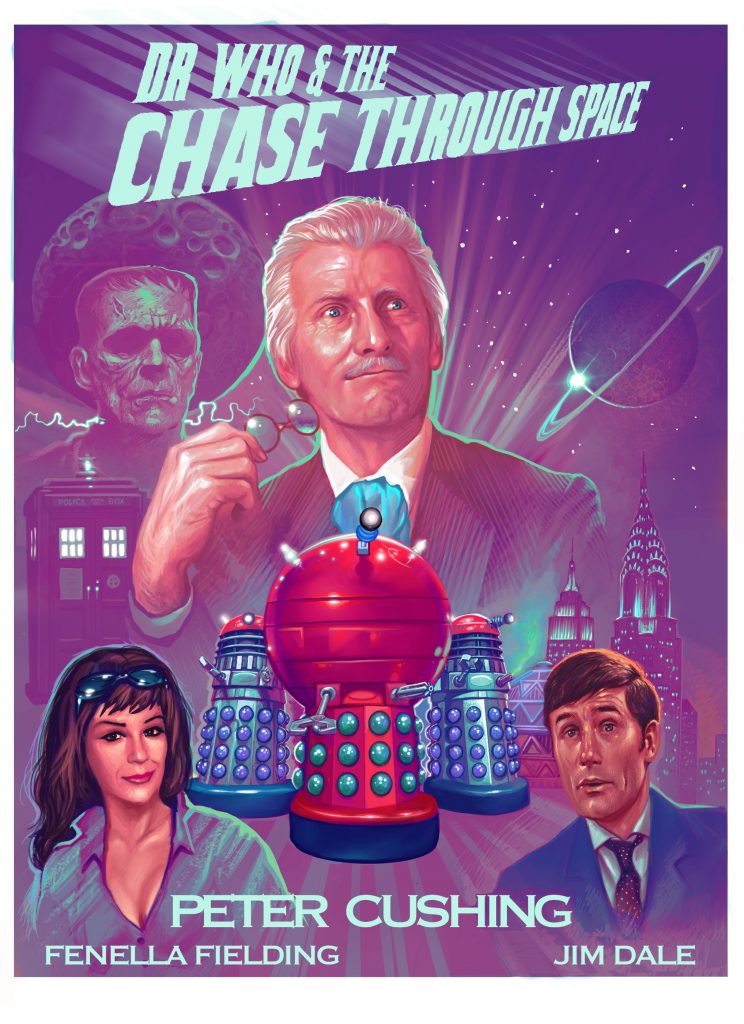
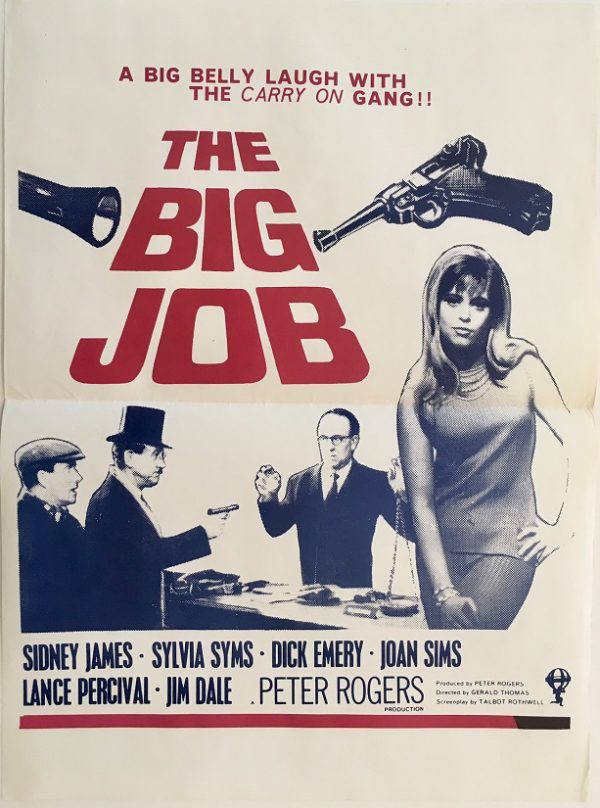
Jim Dale was born in 1935 in Northamptonshire.   He started his career on the stage of the British music halls.   His film debut came in 1961 in “Raising the Wind”.   His inital (of many appearances)contribution to the Carry On series was in 1963 in “Carry On Cabby”.   He made nine further appearances in the series.   Other films include “The National Health” and “Pete’s Dragon”.   He has been very popular in stage musicals both in the U.S. and Britain.

TCM Overview:

Best known for his stage work in Britain and on Broadway, Jim Dale starred in New York as “Barnum!”, the musical about the circus impresario, for two years (1979-81), winning a Tony Award for his efforts. He also racked up an Academy Award nomination for writing the title song for the 1966 film “Georgy Girl”. Dale trained in acrobatics and ballet as a youth, and made his professional debut while still a teen in Kettering, England, working as a comedian.

When he was 19, Dale performed in a production of “The Wayward Way,” and when he was 22, made his London debut playing the title role in a production of “The Burglar”. In 1974, he traveled to the Brooklyn Academy of Music with the Young Vic Company’s production of “The Taming of the Shrew” and remained in Brooklyn to direct, score and star in “Scapino” (1974), which eventually moved across the East River to Broadway. “Barnum!” (which featured Glenn Close as Barnum’s wife) followed and, in 1984, Dale toured the US as “The Music Man”.

He settled in on Broadway again to star with Stockard Channing and Joanna Gleason in the revival of “A Day in the Death of Joe Egg”. In 1995, he was Off-Broadway in an all-male version of “Travels With My Aunt”. In the latter, Dale was Aunt Augusta, the role Dame Maggie Smith had portrayed in the 1972 film version of the Auntie Mame-ish tale.

Dale first appeared in films with “Raising the Wind” (1961). He was an aptly-named sailor called “Lusty” in the unsuccessful 1969 farce “Lock Up Your Daughters!”, the peddler in “Joseph Andrews” (1977), and the villainous Dr. Terminus that same year in Disney’s unsuccessful “Pete’s Dragon”.

Dale did have the title role in “Carry on Columbus” (1992), a take on the explorer’s history. TV roles have also been sporadic, with Dale frequently appearing on variety programs, such as hosting “Sunday Night at the London Palladium” (1973), and “The 116th Edition of the Ringling Bros. & Barnum & Bailey Circus” (1986). He played The Duke in the “The Adventures of Huckleberry Finn” (PBS, 1985) and also had a supporting role in TNT’s 1993 rendition of “Arthur Miller’s ‘The American Clock'”.

The above TCM overview can be accessed also online here.

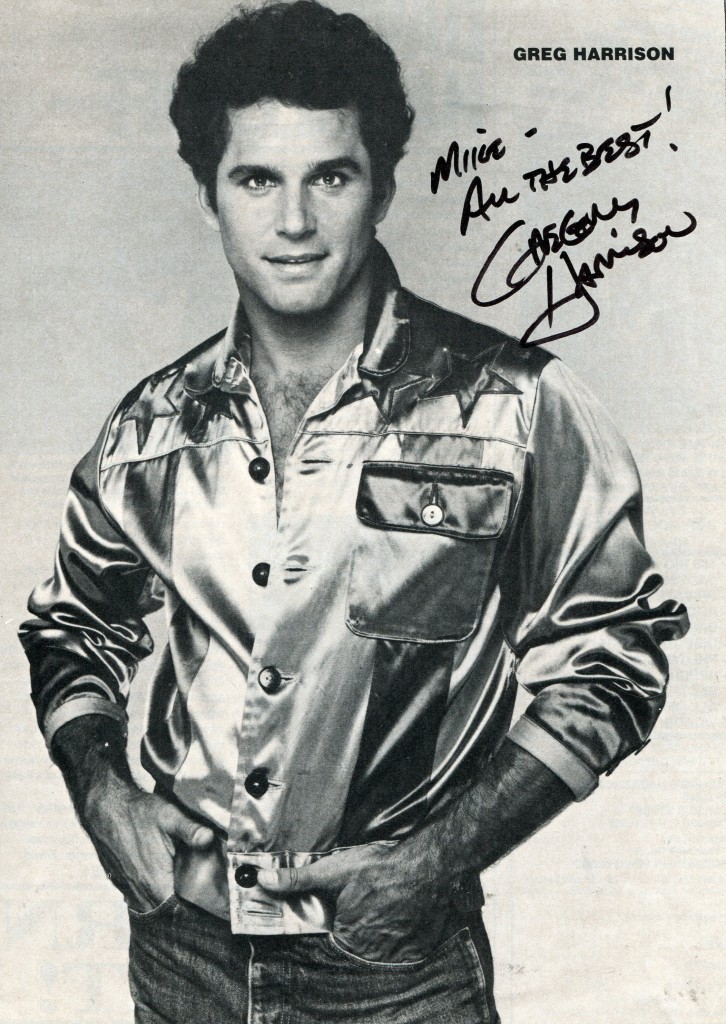
Gregory Harrison
Gregory Harrison
Gregory Harrison

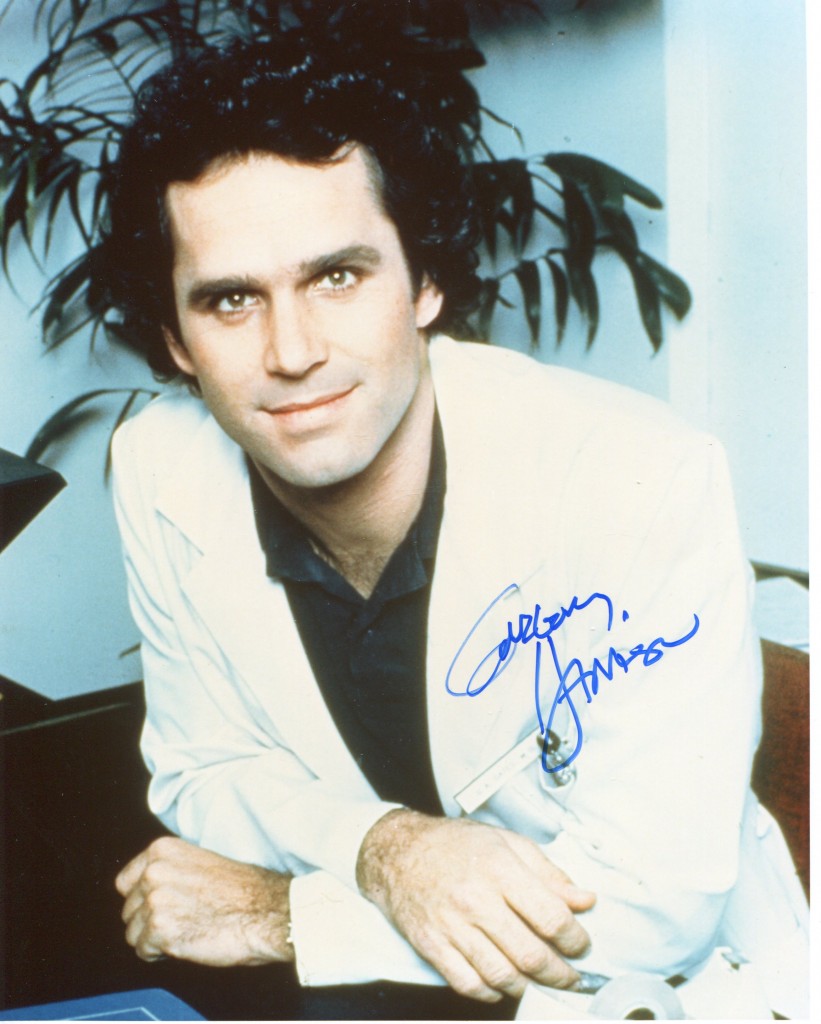
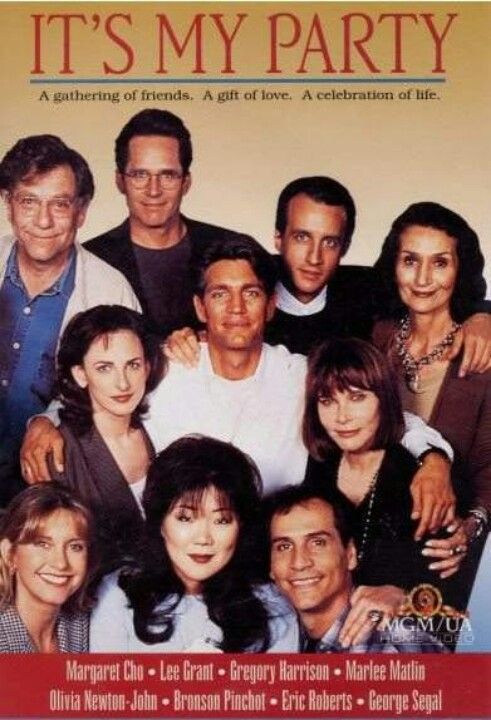
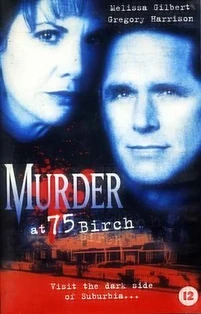
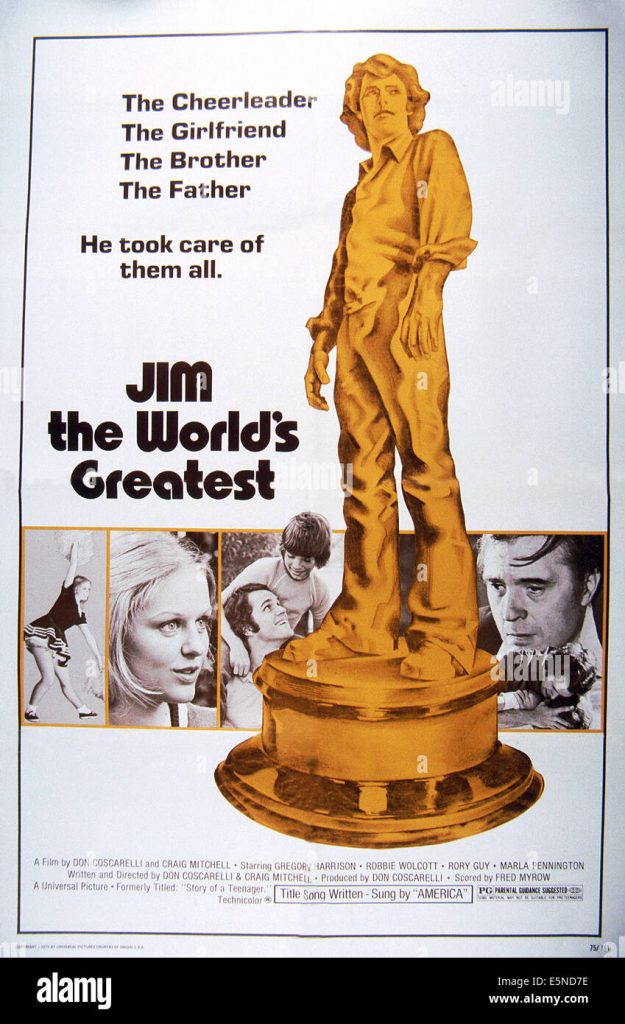
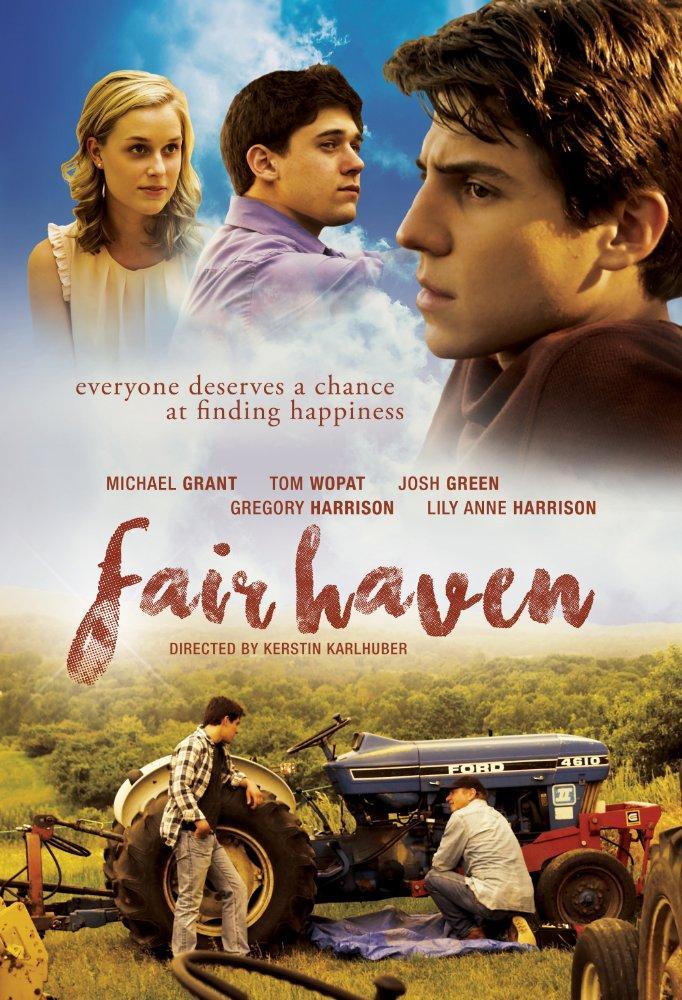
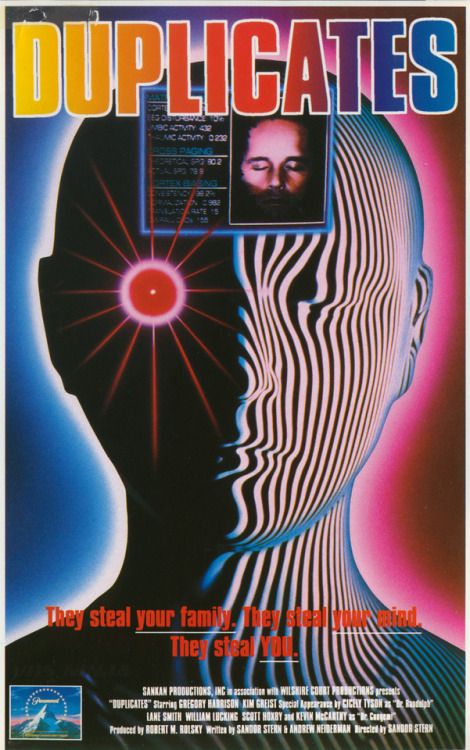
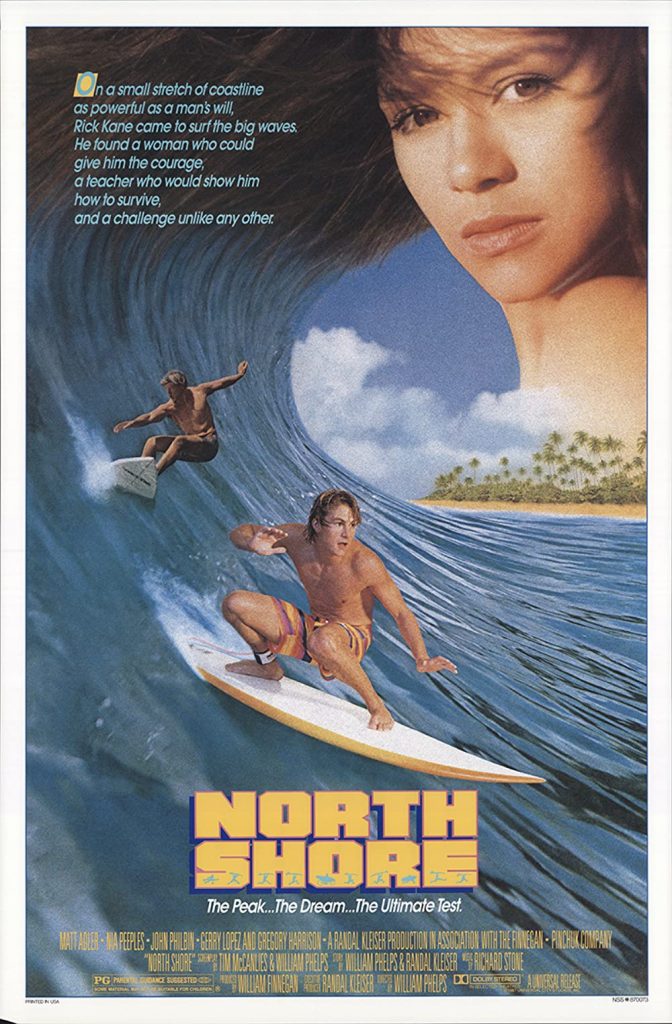
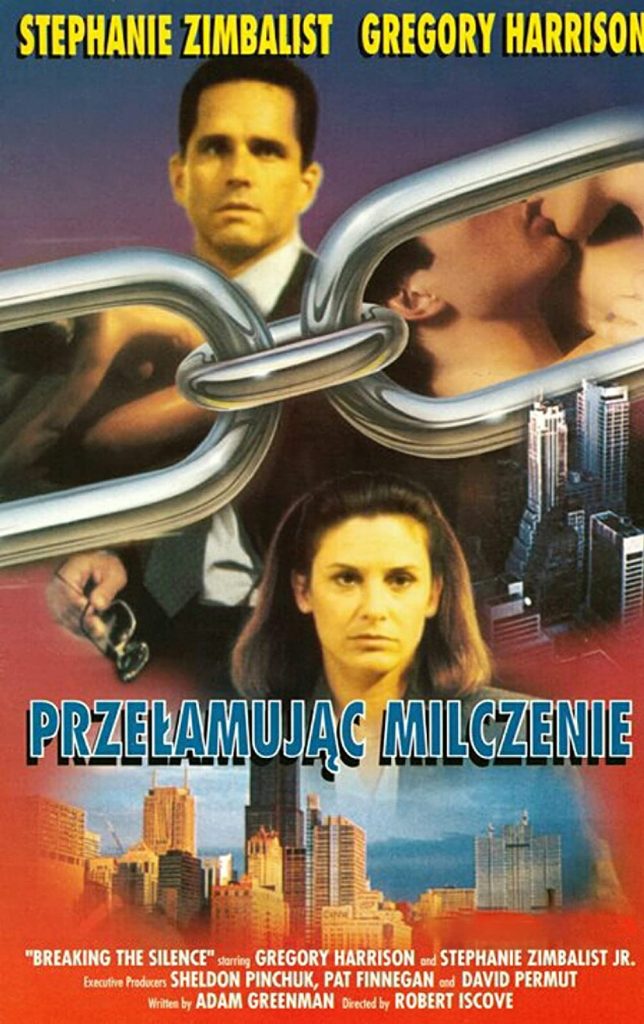
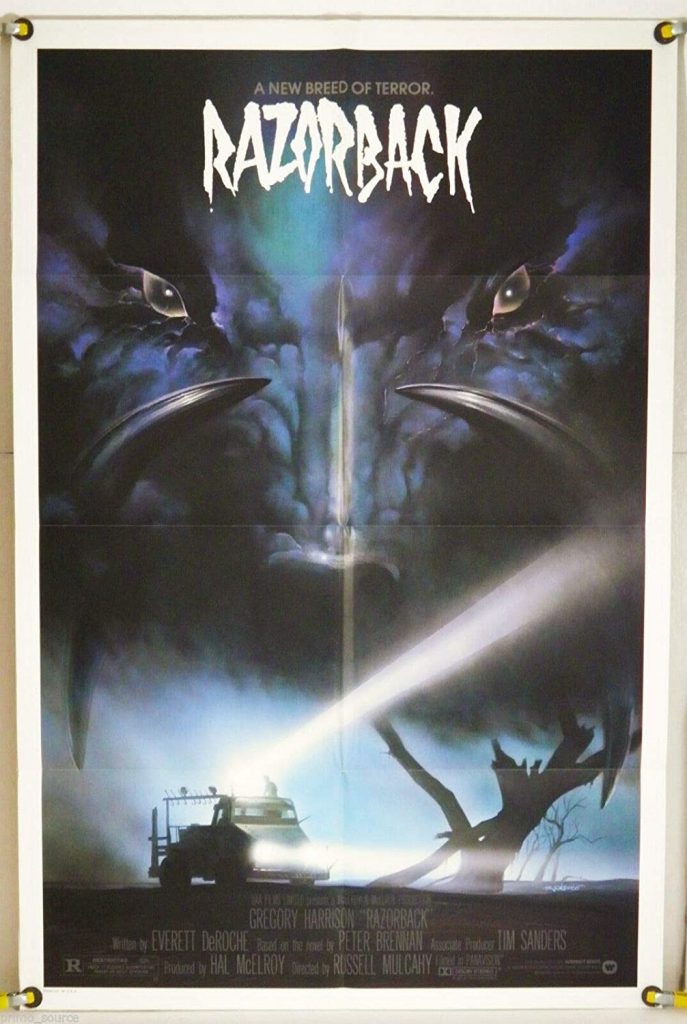
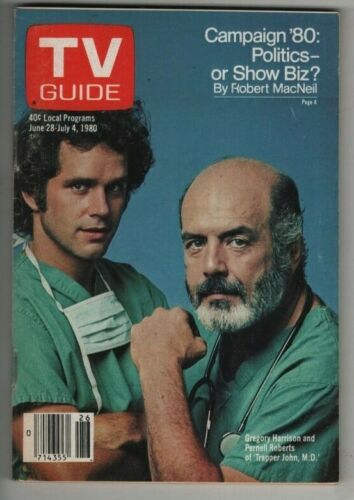
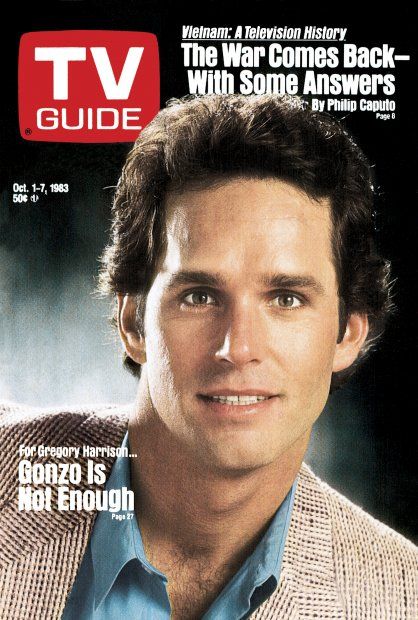
Gregory Harrison was born in California in 1950.   He is best known for two iconic television series “North Shore” and “Trapper John M.D.”.   In 1996he starred with Eric Roberts in “It’s My Party”.

TCM overview:

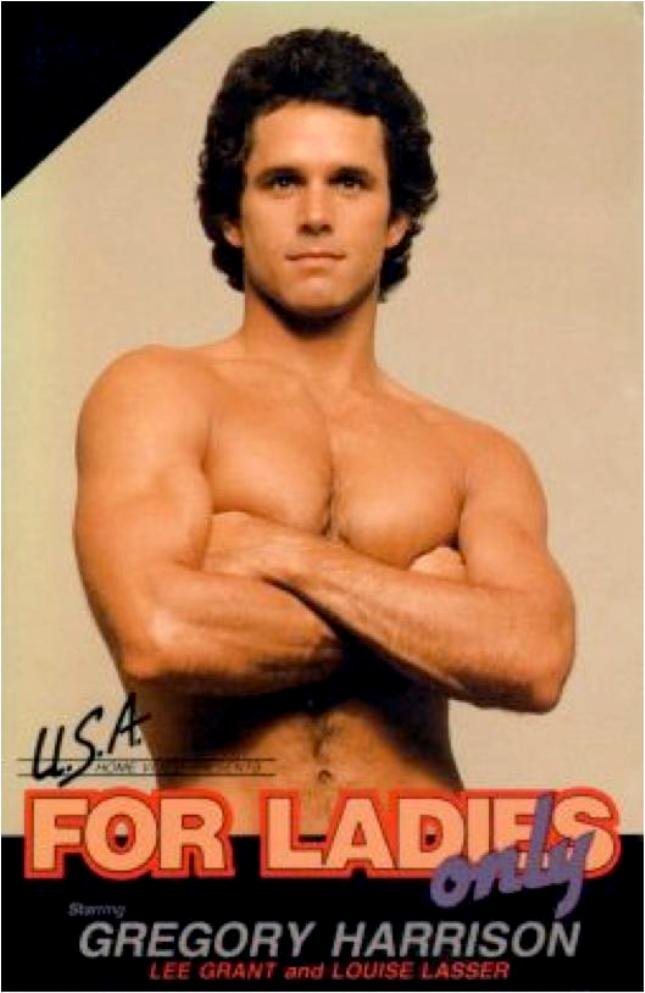
Handsome, likable leading man, almost exclusively on TV, best known as the playful Dr. G. Alonzo ‘Gonzo’ Gates on the long-running dramatic series, “Trapper John, M.D.” Besides trying his hand at several other series, the athletic, curly-haired Harrison has also kept busy in many “Battles of the Network Stars”, TV-movies and miniseries, including “Centennial” (1978-79), “For Ladies Only” (1981, as a male stripper), “Picnic” (1986) and “Breaking the Silence” (1992). He has also played leading roles in such feature films as “Razorback” (1984), “Dangerous Pursuit” (1990) and “It’s My Party” (1996). In 1997, he made his Broadway musical debut as the disreputable emcee of a marathon dance in the Kander and Ebb musical “Steel Pier”.

Michael Ontkean

Michael Ontkean. TCM Overview.

Michael Ontkean was born in 1946 in Vancouver.   He is best known for his film performances in “Slap Shot” with Paul Newman in 1977, “Making Love” in 1982 and for the cult television series “Twin Peaks”.

TCM Overview:

A former child actor with the National Shakespeare Festival Ontkean first came to prominence in the TV series “The Rookies” (ABC, 1972-74).

He has appeared in several films, notably opposite Paul Newman in “Slap Shot” (1977) and in the tame homosexual love story “Making Love” (1982), which reunited him with his TV wife Kate Jackson.

He is best known to contemporary audiences as straight-arrow police chief Harry S. Truman in David Lynch’s TV soap-opera-with-a-twist, “Twin Peaks” (1990). He reprised the role in Lynch’s 1992 feature “Twin Peaks: Fire Walk With Me”.

Ontkean also has appeared in many TV movies including opposite Jodie Foster in the WWII thriller “The Blood of Others” (HBO, 1984) and memorably as an accused murderer in “In a Child’s Name” (CBS, 1991).

Michael Ontkean. Wikipedia.

Michael Ontkean is a retired Canadian actor. Born and raised in Vancouver, British Columbia, Ontkean relocated to the United States to attend the University of New Hampshire on a hockey scholarship before pursuing a career in acting in the early 1970s.

He initially came to prominence portraying Officer Willie Gillis on the crime drama series The Rookies from 1972–74, followed by lead roles in the hockey sports comedy film Slap Shot (1977) and the romantic comedy Willie & Phil (1980). In 1982, he had a starring role opposite Harry Hamlin and Kate Jackson in the drama Making Love, in which he portrayed a married man who comes to terms with his homosexuality. Ontkean continued to appear in films, such as Clara’s Heart (1988) and Postcards from the Edge(1990) before being cast as Sheriff Harry S. Truman on David Lynch‘s Twin Peaks(1990–1991).

Ontkean was born and raised in Vancouver, British Columbia, the son of Muriel (néeCooper), an actress, and Leonard Ontkean, a boxer and actor. He was a child actor in Vancouver, appearing on the Canadian television series Hudson’s Bay (1959). His family later relocated to Toronto, where he attended St. Michael’s Choir School and Holy Rosary Catholic School before attending St. Michael’s College School. He grew up playing hockey and he earned a hockey scholarship to the University of New Hampshire, a Division I program playing in the ECAC. In his three years on the varsity program, Ontkean scored 63 goals and 111 points in 85 games played. He led the team in goal scoring his junior year with 30 goals, and was second behind fellow Canadian Louis Frigon his senior year.

Ontkean began in Hollywood by guest starring in The Partridge Family in 1971, and he was a television guest player on such shows as Ironside and Longstreet, but his break was in the ABC series The Rookies (1972–1976),[1] in which he played Officer Willie Gillis for the first two seasons.[citation needed] Ontkean’s hockey skill played a large role in his landing the role of Ned Braden in Slap Shot (1977),[1] as he performed all of his on-ice shots himself. In 1979, he appeared in the first episode of Tales of the Unexpected.

Other early movie roles included Necromancy (1972) with Orson WellesVoices (1979) with Amy IrvingWillie & Phil (1980) with Margot KidderThe Blood of Others (1984); The Allnighter and Maid to Order (both 1987) (the latter with Ally Sheedy); Clara’s Heart (1988) with Whoopi Goldberg, and Bye Bye Blues (1989).

Making Love (1982) is about a married man who discovers his homosexuality. Ontkean was not the director’s first choice for the film: Arthur Hiller had previously approached Tom BerengerMichael DouglasHarrison FordWilliam Hurt and Peter Strauss to play the lead, before finally approaching Ontkean. According to Hiller, the reaction of most actors was to tell him not to even consider them for the role.  The film reunited Ontkean with Kate Jackson; the two had previously co-starred together in The Rookies.

Ontkean appeared as Sheriff Harry S. Truman in David Lynch and Mark Frost‘s Twin Peaks (1990).  He filmed scenes for Twin Peaks: Fire Walk with Me but, like many others from the original TV series, his scenes were deleted from the final film.

Ontkean subsequently appeared in many film and television productions including Kids Don’t Tell (1985) with JoBeth WilliamsThe Right of the People (1986); In Defense of a Married Man (1990); In a Child’s Name (1991) with Valerie BertinelliLegacy of Lies (1992); Raptureand Vendetta II: The New Mafia (both 1993); Swann: A Mystery and The Stepford Husbands (both 1996); Summer of the Monkeys and A Chance of Snow (both 1998; the latter again with JoBeth Williams); Bear with Me (2000), and Mrs. Ashboro’s Cat (2003).

Ontkean had a recurring role on Fox’s short-lived series North Shore in 2004, and also appeared in the 2008 comedy TV show Sophie. He was featured in the 2011 film The Descendants, which was his last role before he decided to retire from acting.

Ontkean was approached to reprise his role as Sheriff Truman for the 2017 revival of Twin Peaks. At first, Ontkean was excited about returning to the role, and enlisted Twin Peaks authority Brad Dukes to help him find the jacket which his character once wore on the show. Dukes located a suitable replica, bought it and sent it to Ontkean. 

However, in 2015, Ontkean officially dropped out of the Twin Peaks revival, for reasons which were never made public. Dukes recalled: “We last spoke in August and he informed me he wasn’t going to Washington after all. I told him I was heartbroken to hear that. Aside from being heartbroken, I am puzzled. Twin Peaks is not Twin Peaks without Michael Ontkean as Sheriff Harry S. Truman.”

Ontkean’s role was replaced by Robert Forster, playing Sheriff Truman’s brother Frank.

He is married to Jamie Smith Jackson, an actress and design director and owner of Jamie Jackson Design, and they reside in Hawaii. Together they have two daughters, Jenna Millman and Sadie Sapphire Ontkean.

Peter Coyote

Peter Coyote. TCM Overview.

Peter Coyote was born in 1941 in New York City.   He started his career with the San Francisco Mime Troupe.   He has become one of the most popular character actors on American film.   His movies include “Souther Comfort”, “E.T.”, “Cross Creek” , “Jagged Edge”, and “Erin Brockovich”.

TCM Overview:

A handsome actor who has made a career playing dark, seductive, often intellectually complex characters, Peter Coyote also has leant his distinctive voice–which sounds as if it has been delicately scratched with sand–as narrator of numerous documentary programs. As a leading man and screen villain, Coyote is best recalled as the object of the competition between Shelley Long and Bette Midler in “Outrageous Fortune” (1987) and as the emotionally abusive expatriate in Roman Polanski’s “Bitter Moon” (1994), a role considered by some to be based on Polanski himself.

Peter Coyote
Peter Coyote

A self-styled nonconformist who has eschewed the commercial, Coyote (born Peter Cohon) has had three bouts with hepatitis brought on by the intravenous drug use he has conquered. Born in New York and raised in suburban New Jersey and on his family’s Pennsylvania farm, he moved to San Francisco in 1963 to attend college, but dropped out of the Masters Degree writing program to pursue work with a radical mime group and in the theater. Coyote had his first taste of show business for real in 1967 when he directed “The Minstrel Show” with Dick Gregory. The show originated in San Francisco, toured the USA and eventually played Off-Broadway where it earned an OBIE Award. Despite this flush of success, Coyote dropped out of both show business and urban life for a 10-year period, during which he traveled cross-country, supporting himself by killing birds and selling their feathers. He also assisted his mother in the operation of the family farm.

Peter Coyote
Peter Coyote

After kicking his drug habit and adopting Zen Buddhism, Coyote returned to acting in 1975 with Paul Sills’ San Francisco production of “Story Theatre”. He continued to act onstage and was appointed by then-governor Jerry Brown to the California Council for the Arts. Within a year he was named co-chair and fought hard to raise its budget from $1 million to $13 million. Coyote finally broke into films with a bit part in “Sgt. Pepper’s Lonely Hearts Club Band” (1978), but it was not until 1982 that he had a part of note–playing the scientist, Keys, in Steven Spielberg’s “E.T. The Extraterrestrial”. He was then in demand as a leading man in Hollywood, but seemed awkward opposite Mary Steenburgen in “Cross Creek” (1983). Coyote hit a new stride playing the tenacious prosecutor in “Jagged Edge” (1985) and finally seemed to have found his screen persona, that of the antagonist who may be right. He had such a role alongside Dustin Hoffman and Sharon Stone in Barry Levinson’s “Sphere” (1998), played against Robin Williams in the dramedy “Patch Adams” (1998) and opposite Harrison Ford and Kristin Scott Thomas in “Random Hearts” (1999).

Coyote first began appearing in TV-movies and miniseries with “Alcatraz: The Whole Shocking Story” (NBC, 1980), but found better roles as a bizarre, murderous teacher in “Ech s of the Darkness” (CBS, 1987) and as Buffalo Bill Cody in “Buffalo Girls” (CBS, 1995). He played against type as the almost milquetoast husband married to manipulative psychotic Ann-Margret in “Seduced By Madness: The Diane Borchardt Story” (NBC, 1996). Coyote began doing narration and voice work in the 80s, often for projects with adventure, outdoor, wildlife, or Western themes, like the NATIONAL GEOGRAPHIC specials “The Grizzlies” (PBS, 1987) and “African Odyssey” (PBS, 1989). An accomplished writer, Coyote had his short fiction “Carla’s Story” published in the award-winning “Pushcart Prize” literary anthology in 1993 and has posted other chapters of his work-in-progress, “The Freefall Chronicles”, on the Internet at www.diggers.org.

Coyote developed a lucrative side-career as a voiceover artist for many commercials and a narrator for several documentaries. Perhaps his best-known voice work was as the official television announcer for the Academy Awards telecast. But Coyote continued to appear in visible roles in major motion pictures, including “Erin Brokovich” (2002). He was very effective as Mandy Moore’s overprotective father in the teen sleeper hit “A Walk to Remember” (2002) and was recruited to play Rebecca Romijn-Stamos’ ideal husband in Brian De Palma’s neo-noir “Femme Fatale” (2002). After playing the father of a dancer (Larisa Oleynik) who wants to attend Julliard despite having cancer in “A Time for Dancing”(2002), Coyote co-starred in the made-for-TV, “Phenomenon II” (ABC, 2003), the sequel to the feature film starring John Travolta. In “Northfork” (2003), the enchanting and mythic drama from the Polish brothers, Coyote played an FBI man sent to remove hangers-on from a town emptied of its citizens to make room for a massive hydr lectric plant.

Coyote hammed it up in “The Hebrew Hammer” (2003), playing the eye-patch-wearing head of the Jewish Justice League who recruits a private investigator (Adam Goldberg) to track down Santa Claus’ evil son (Andy Dick) before he destroys Hanukkah forever. After playing a famous American director who arrives in Paris looking for the lead role in his Yiddish adaptation of The Merchant of Venice in the French-subtitled comedy “Le Grand Role” (2003), he was seen in the comedic war epic “Bon Voyage” (2003), also dubbed in French. Segueing back into television, Coyote appeared on episodes of “Deadwood” (HBO, 2004- ), “The 4400” (USA, 2004- ) and “Law & Order: Trial By Jury” (NBC, 2004-2005) before landing a regular part on “The Inside” (Fox, 2004-2005) as the boss of an FBI profiler (Rachel Nichols) who is part of a secret rogue division of the bureau.

Coyote went on to narrate the three-part miniseries “Guns, Germs and Steel (PBS, 2005), a historical documentary based on Jared Diamond’s book about how geographical advantage and developed immunity to disease-not race-contributed to Europeans conquering large parts of the world. He also narrated “Enron: The Smartest Guys In the Room” (2005), a documentary that probed the business scandal involving Enron, the energy behemoth that used favorable deregulation laws to bilk California out of billions of dollars only to crumble under the weight of enormous debt hidden in numerous offshore accounts and the hubris of its corporate leadership. Coyote landed another regular television role on “Commander In Chief” (ABC, 2005- ), playing the new vice president of a female president (Geena Davis) sworn into the highest office in the land after her predecessor died in office.

The above TCM overview can be accessed online here.

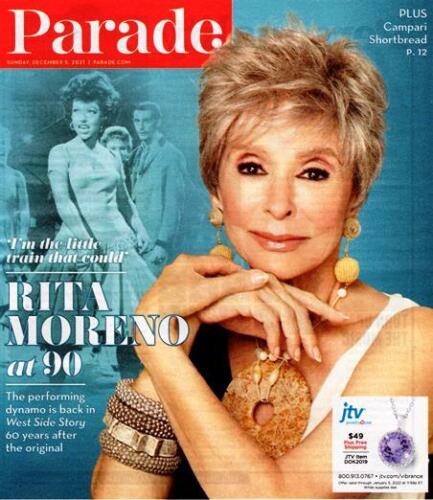
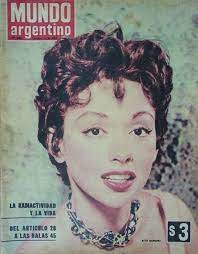
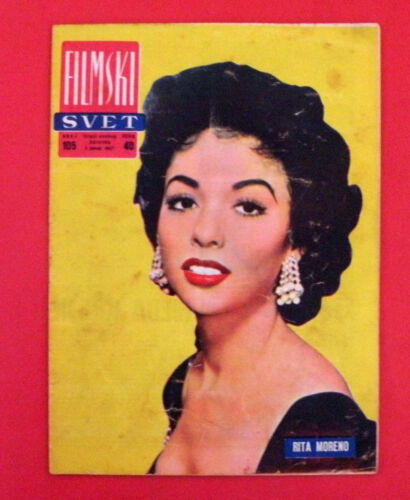
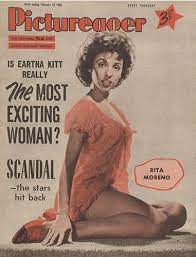
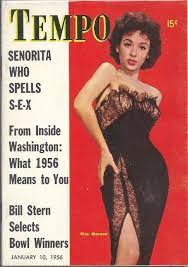
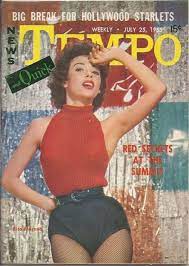
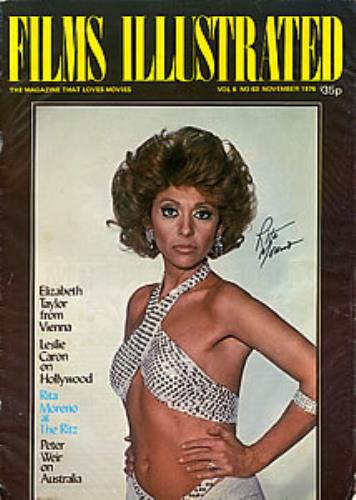
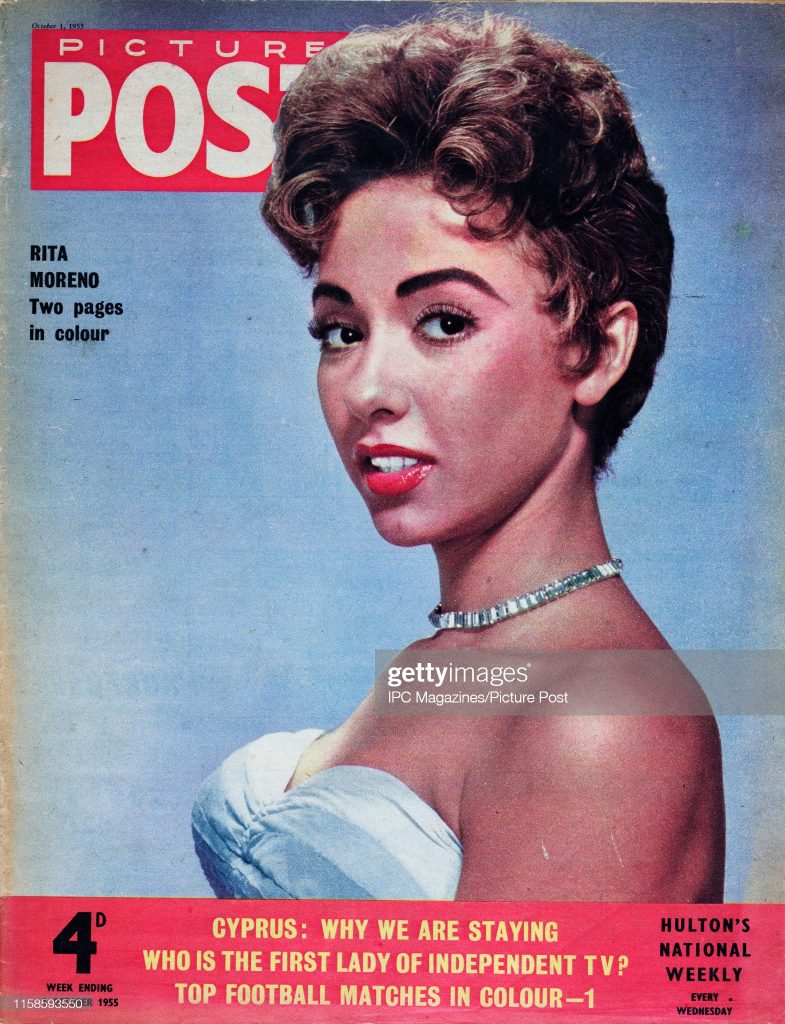
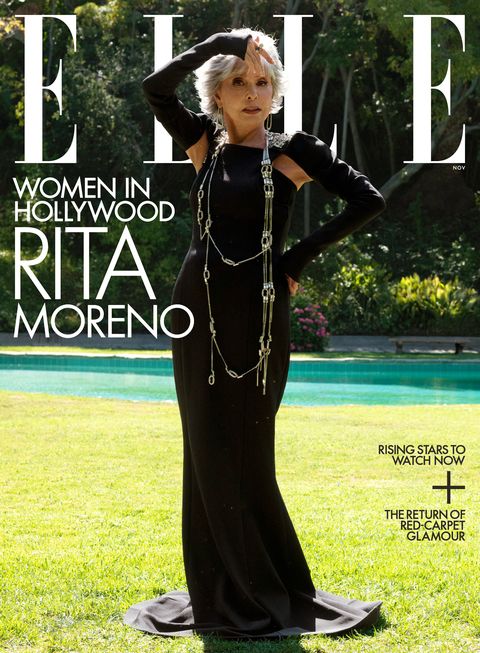
Rita Moreno
Rita Moreno
Rita Moreno
Carlos Rivas & Rita Moreno

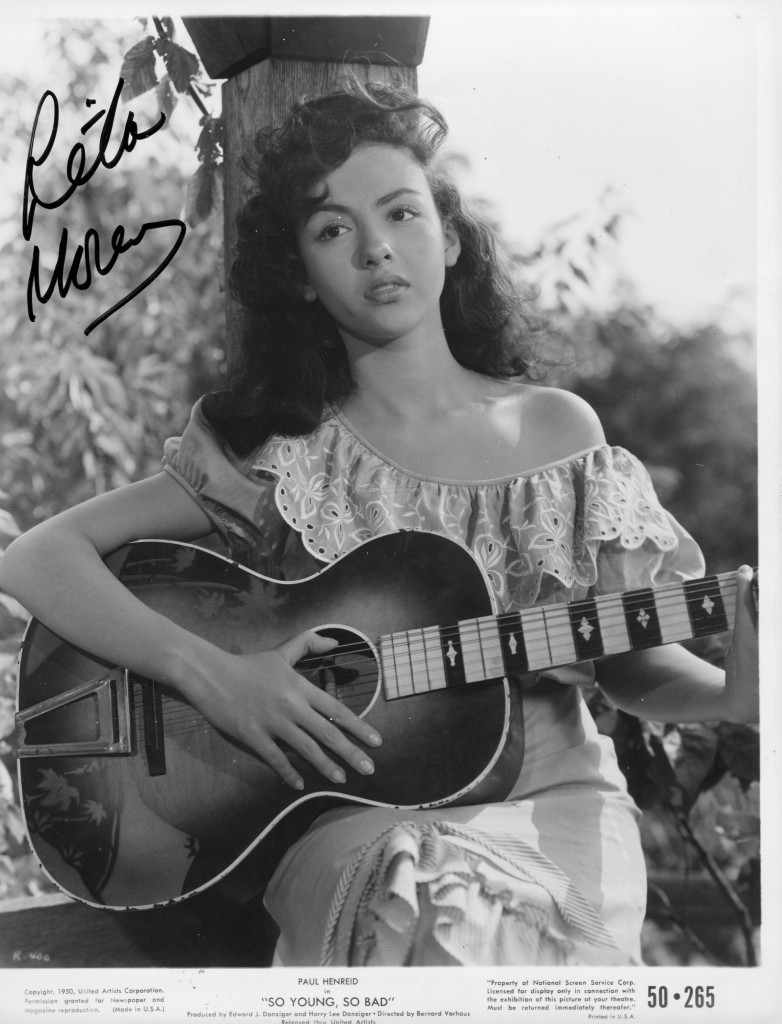
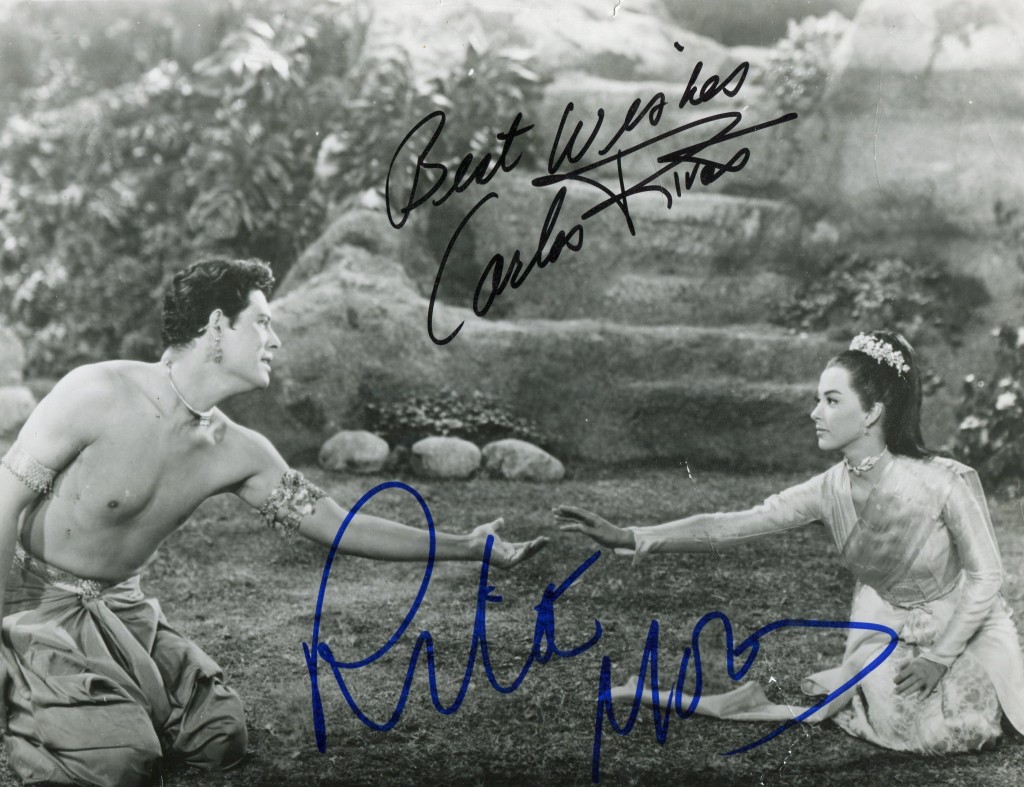
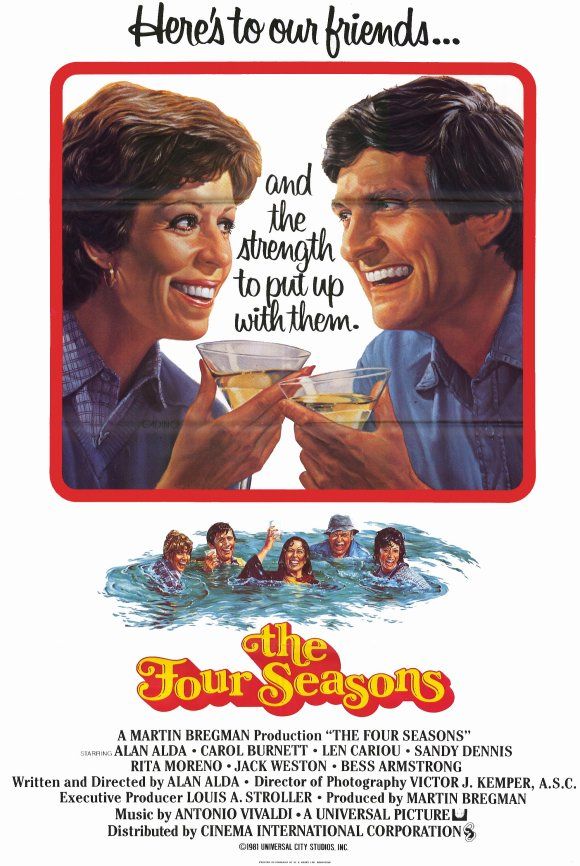
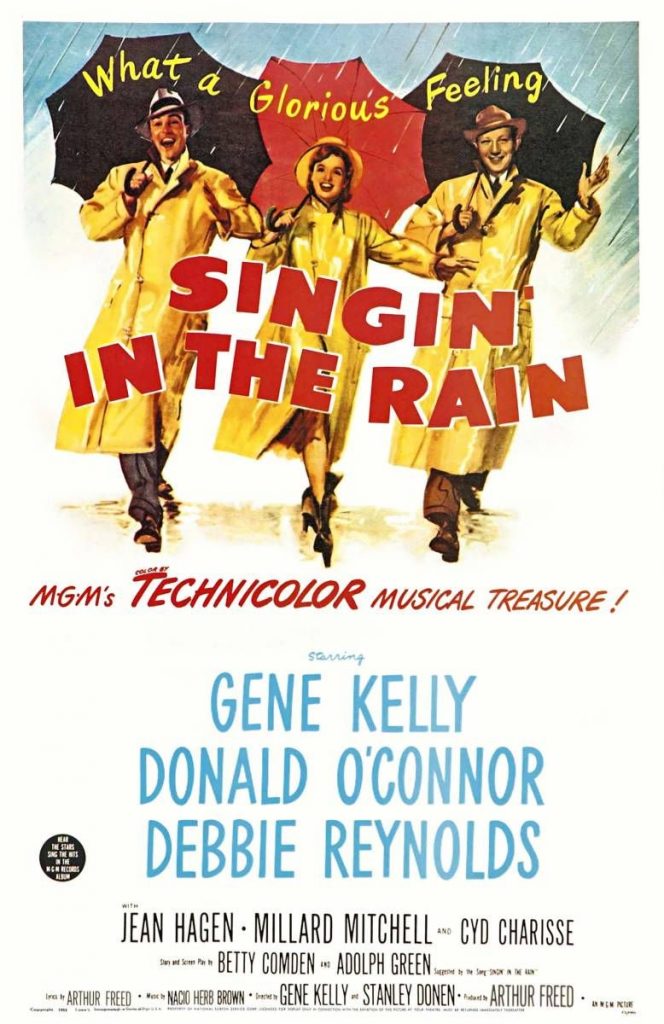
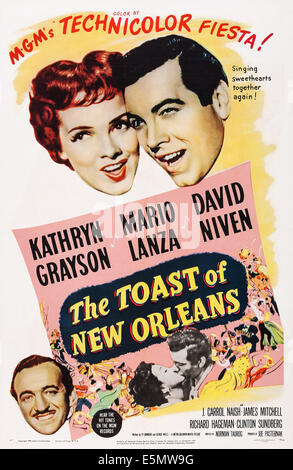
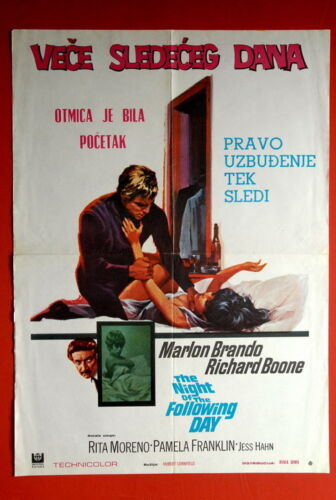
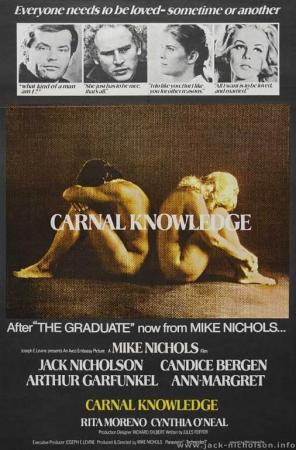
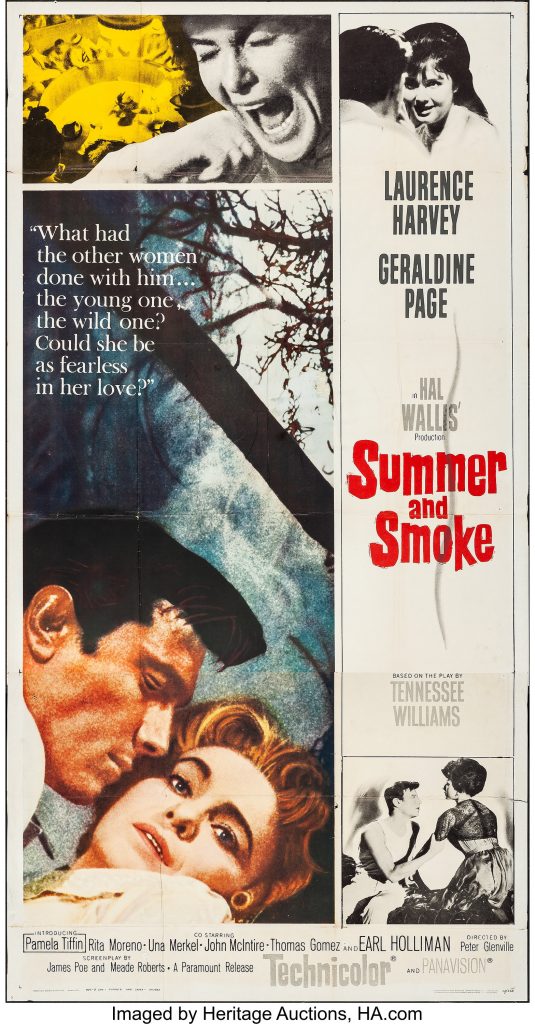
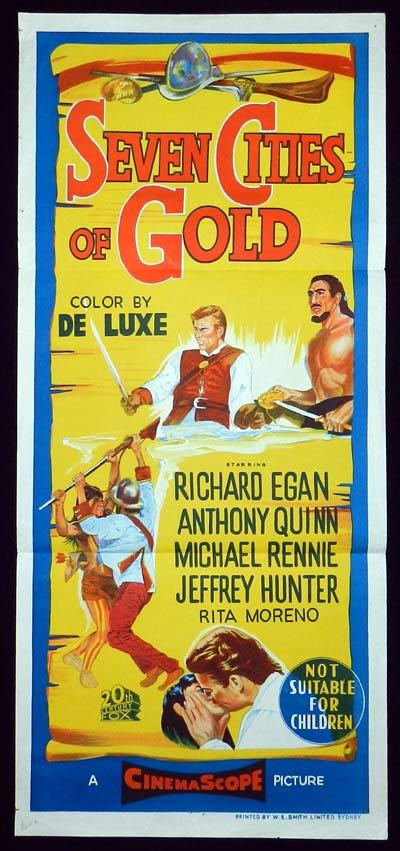
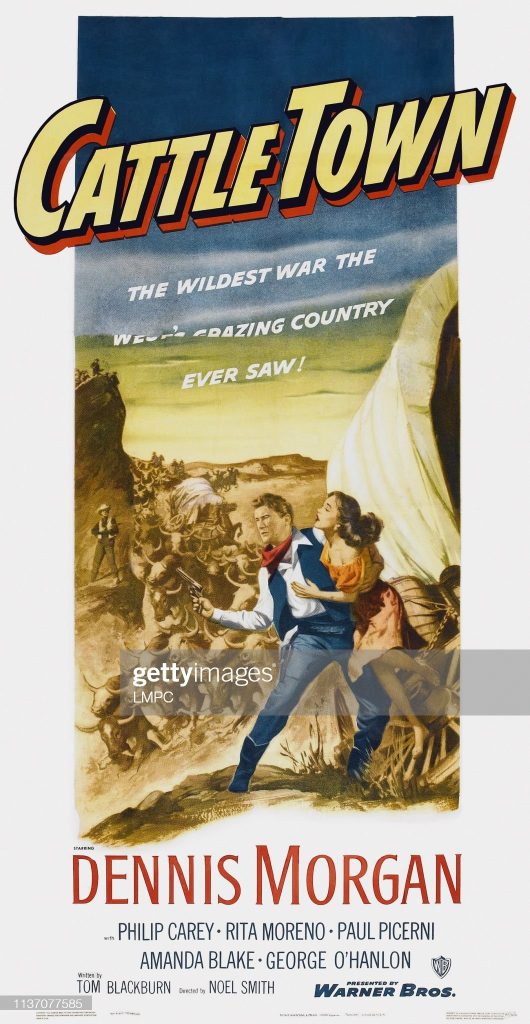
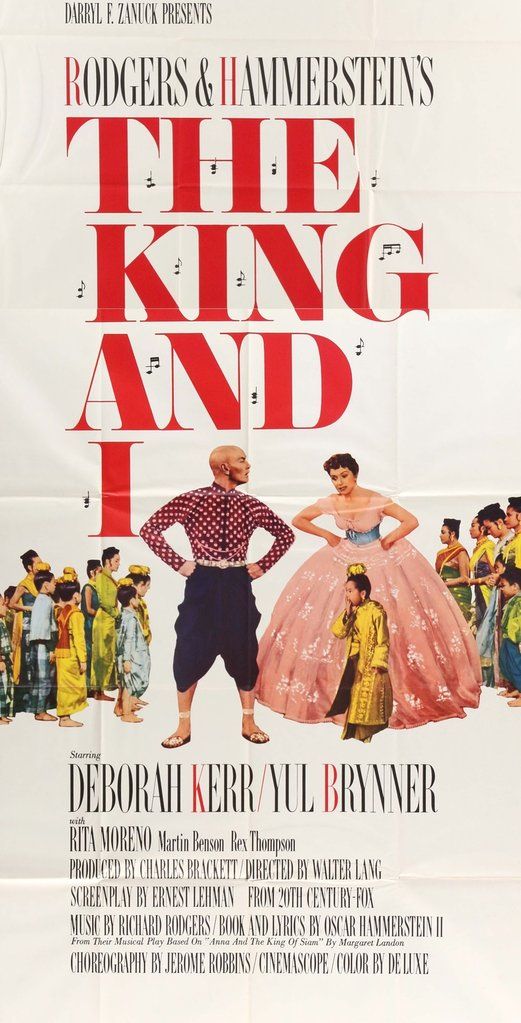
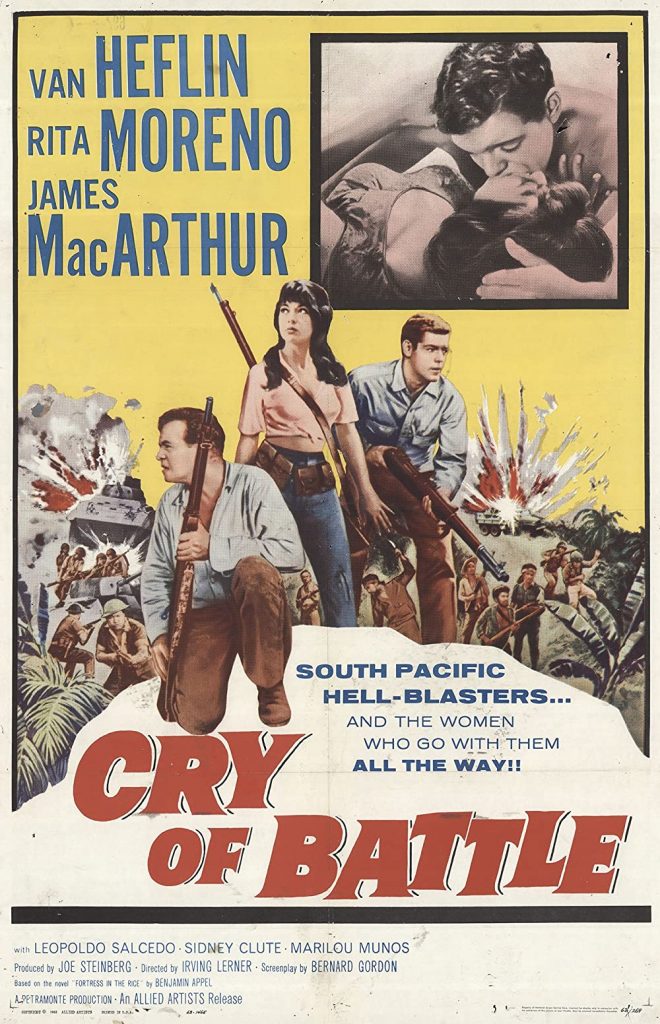
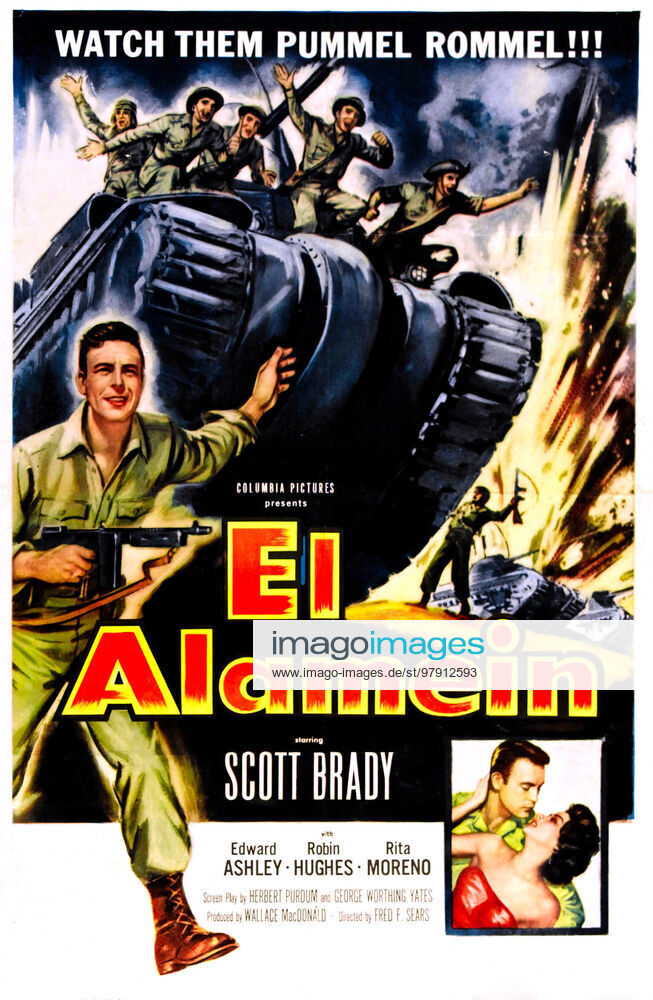
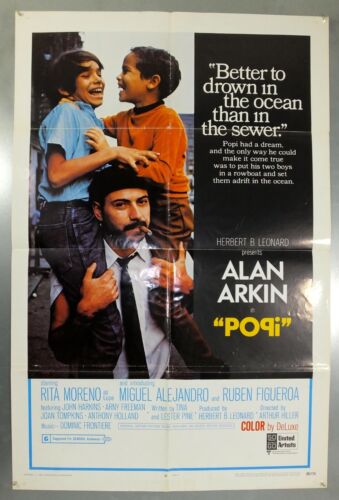
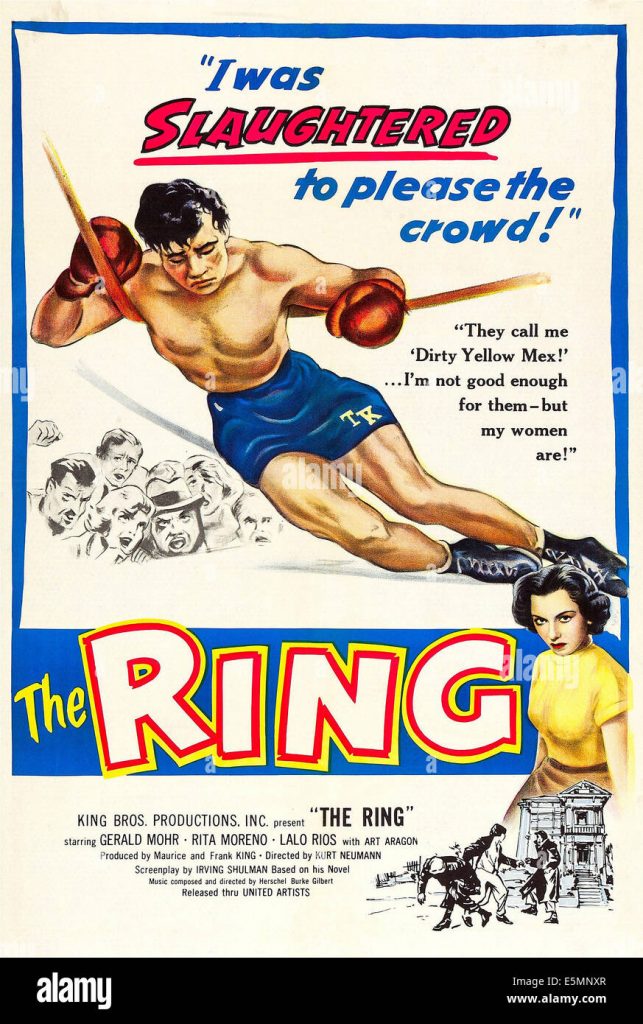
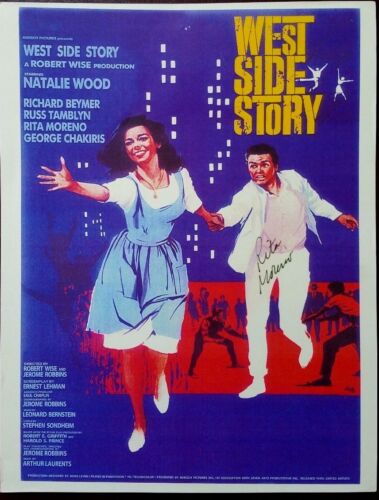
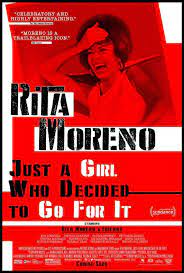
Rita Moreno has had an amazingly long career winninh an Oscar, Tony, Emmy and Grammy.   She was born in 1931 in Puerto Rico.    In 1951 she was featured in “The Toast of New Orleans” with Mario Lanza and “Singin in the Rain”.   She was featured as one of the young lovers in “The King and I” in 1956.   She played the fiery Anita in “Wst Side Story” in 1961.   Other film roles “The Ritz”, “The Night of the Following Day”, “Carnal Knowledge” and “The Four Seasons”.   On television she played the nun Sister Peter Marie from 1997 until 2003 in “Oz”.   She published her autobiography

IMDB entry:

U.S. actress Rita Moreno has had a thriving acting career for the better part of six decades. Moreno, one of the very few (and very first) performers to win an Oscar, an Emmy, a Tony, and a Grammy, was born Rosita Dolores Alverío in Humacao, Puerto Rico on December eleventh, 1931. She moved to New York City in 1937 along with her mother, where she began a professional career before reaching adolescence. The eleven-year-old Rosita got her first movie experience dubbing Spanish-language versions of U.S. films. Less than a month before her fourteenth birthday on November eleventh, 1945, she made her Broadway debut in the play “Skydrift” at the Belasco Theatre, costarring withArthur Keegan and the young Eli Wallach. Although she would not appear again on Broadway for almost two decades, Rita Moreno, as she was billed in the play, had arrived professionally.

The cover of the March first, 1954 edition of “Life Magazine” featured a three-quarters, over-the-left-shoulder profile of the young Puerto Rican actress/entertainer with the provocative title “Rita Moreno: An Actresses’ Catalog of Sex and Innocence.” It was sex-pot time, a stereotype that would plague her throughout the decade. If not cast as a Hispanic pepper pot, she could rely on being cast as another “exotic”, such as her appearance on Father Knows Best (1954) as an exchange student from India. Because of a dearth of decent material, Moreno as an actress had to play roles in movies that she considered degrading. Among the better pictures she appeared in were the classic Singin’ in the Rain (1952) and The King and I (1956).

Filmmaker Robert Wise, who was chosen to codirect the movie version of the smash hit Broadway musical West Side Story (1961) (a retelling of Shakespeare’s “Romeo & Juliet” with the warring Venetian clans the Montagues and Capulets reenvisioned as Irish/Polish and Puerto Rican adolescent street gangs, the Jets and the Sharks), cast Moreno as “Anita”, the Puerto Rican girlfriend of Sharks’ leader Bernardo, whose sister Maria is the piece’s Juliet.

However, despite her proven talent, roles commensurate with that talent were not forthcoming in the 1960s. The following decade would prove kinder, possibly as the beautiful Moreno had aged and could now be seen by film-makers, T.V. producers and casting directors as something other than the spit-fire/sex-pot that Hispanic women were supposed to conform to. Ironically, it was in two vastly diverging roles — that of a $100 hooker in director Mike Nichols brilliant realization of Jules Feiffer‘s acerbic look at male sexuality, Carnal Knowledge (1971) (1971) and that of Milly the Helper in the children’s T.V. show The Electric Company (1971) (1971) — that signaled a career renaissance.

During the seventies, Moreno won a 1972 Grammy Award for her contribution to “The Electric Company” soundtrack album, following it up three years later with a Tony Award as Best Featured Actress in a Musical for The Ritz (1976), a role she would reproduce on the Big Screen. She then won Emmy Awards for “The Muppet Show” and “The Rockford Files”.

Thereafter, she has continued to work steadily on screen (both large and small) and on-stage, solidifying her reputation as a national treasure, a status that was officially ratified with the award of the Presidential Medal of Freedom by President George W. Bush in June 2004.

– IMDb Mini Biography By: Jon C. Hopwood

The above IMDB entry can also be accessed online here.
 

Steven Bauer
Steven Bauer
Steven Bauer

Steven Bauer was born in Havana, Cuba in 1956.   He was featured in the 1980 miniseries of “From Here to Eternity”.   He had a major role in “Scarface” with Al Pacino in 1983.   Other films include “Running Scared” with Melanie Griffith, “Raising Cain” and “The Learning Curve”.

TCM overview:

A darkly handsome, swarthy actor, Steven Bauer made an auspicious feature debut as Al Pacino’s right hand man and short-lived brother-in-law in Brian De Palma’s “Scarface” (1983). But, due to personal difficulties and seemingly bad career choices, he was not able to parlay that role into leading man status.

Born in Havana, Cuba, Bauer moved with his family to the US as a toddler in 1959. Originally intending to become a musician, he turned to acting while attending junior college. While studying, Bauer, then billed as Rocky Echevarria, won his first TV role on the PBS series “Que Pasa U.S.A.?” He was signed by Columbia TV, moved to the West Coast and began appearing in guest shots on shows like “One Day at a Time”. In 1980, he landed the regular role of Private Ignacio Carmona on the NBC series “From Here to Eternity”.

Moving to NYC, Bauer studied under famed acting teacher Stella Adler and appeared in off-Broadway productions, including a revival of Clifford Odets’ “Waiting for Lefty”. He changed his name again to Rocky Bauer and landed roles in TV-movies and busted pilots like “She’s in the Army Now” (ABC, 1981) and “An Innocent Love” (CBS, 1982). By late 1982, now known as Steven Bauer, he landed the showy role of Manny Ray in “Scarface”. Attempting to move into leading roles, he played the title character in Douglas Day Stewart’s “Thief of Hearts” (1984), a slick thriller that was not a box-office hit.

Most of his subsequent features have been uneven and relatively unsuccessful. Bauer gave a strong performance as an Afghan rebel in Kevin Reynolds’ “The Beast” (1988) and reteamed with Brian De Palma as the unwitting victim of a frame-up in “Raising Cain” (1992). He was again cast as an underworld figure in Gregory Hoblit’s “Primal Fear” (1996).

Bauer has also continued to amass small screen credits, notably as a one-season replacement for Ken Wahl in “Wiseguy” (CBS, 1990-91). He earned praise as a US drug enforcement agent whose death exposes the South American underworld and government corruption in the Emmy-winning miniseries “Drug Wars: The Camarena Story” (NBC, 1990). He has often played detectives in various TV-movies, ranging from “False Arrest” (ABC, 1991) to “Stranger by Night” (HBO, 1994).

The above TCM overview can also be accessed online here.

Paul Koslo
Paul Koslo
Paul Koslo

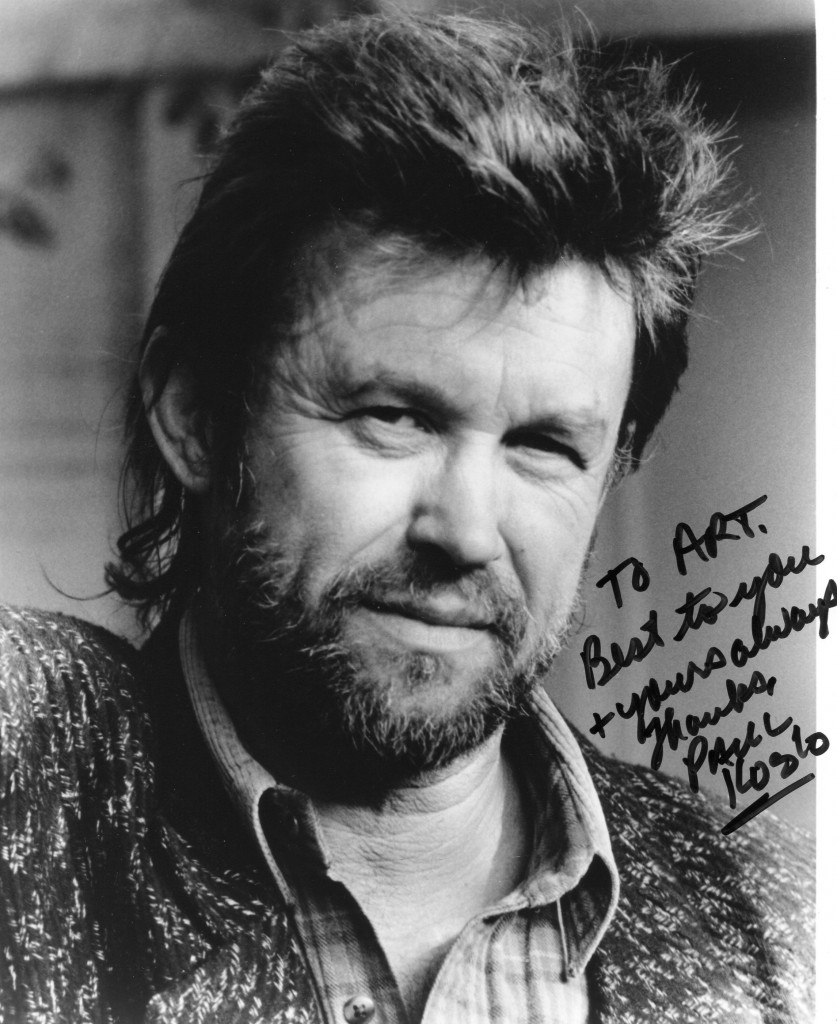
Paul Koslo was born in 1944 in Germany.   He has been featured in many U.S. films including “Nam’s Angels”, “Mr Majestyk” in 1974, “Vanishing Point”, and “Joe Kidd”.

IMDB entry:

Lean-faced, intense-looking, German-born, Canada-raised Paul Koslo was at his busiest during the 1970s, usually playing shifty, untrustworthy and often downright nasty characters. He first broke into films at age 22 in the low-budget Little White Crimes(1966), and then appeared in a rush of movies taking advantage of his youthful looks, including cult favorites Vanishing Point (1971) and The Omega Man (1971), and the western Joe Kidd (1972), martial arts blaxploitation flick Cleopatra Jones (1973) and crime thriller The Stone Killer (1973). After working alongside such stars as John Wayne,Clint EastwoodWalter Matthau and Charles Bronson, Koslo’s career drifted towards television, and in the 1980s he regularly guest-starred on such TV series as The Incredible Hulk (1978), The A-Team (1983), Matlock (1986), MacGyver (1985) and The Fall Guy (1981). Unfortunately, most of his film work in the 1990s and beyond was “straight-to-video” fare, such as Chained Heat II (1993) and Desert Heat (1999). Koslo is well remembered by many as smart-mouthed small-time hood Bobby Kopas, trying to shake down melon grower Charles Bronson in Mr. Majestyk (1974).

– IMDb Mini Biography By: firehouse44

The above IMDB entry can also be accessed online here.
The family of actor, director and producer Paul Koslo is deeply saddened to announce that he died January 9, 2019, at home in Lake Hughes from pancreatic cancer. Koslo was 74.

Koslo leaves behind his daughter, Chloe; his wife, actress Allaire Paterson Koslo; sister Karin, brother Georg, nephews, nieces, cousins, a very loving family and a wonderful body of work as an actor. 

Born Manfred Koslowski on June 27, 1944, in Germany, Koslo became a dad, husband, actor, director, producer and mentor. He co-founded the MET Theatre in Hollywood. His latest producing credit was the 2015 JFK documentary “A Coup in Camelot.”

“He was very passionate about that project,” Allaire Koslo said.

Koslo was also the owner of Lake Hughes’ historic Rock Inn. He purchased the landmark in 1975 but leased it out in 1995.

As a character actor, Koslo played an assortment of mostly nefarious characters, with more than 100 film and television credits to his name.
Not so in “The Omega Man,” the 1971 Cold War-style sci-fi film starring Charlton Heston as one of the few survivors of biological warfare between China and the Soviet Union, based on the 1954 novel “I Am Legend” by Richard Matheson.
Koslo played Dutch, the wild-haired, motorcycle-riding former med student who saved Heston’s Army colonel character, Dr. Robert Neville, from being burned at the stake in Dodger Stadium by a band of hooded, nocturnal, albino mutants.

Dutch, carrying two pearl-handed pistols, rushes to save Neville. While filming the scene, Koslo accidentally hit Heston in the head with one of the guns, breaking the skin and causing the star to bleed.
“But I didn’t stop,” Koslo said in a 2014 interview with the Antelope Valley Press. Heston uttered an un-Moses-like expletive and later praised the apologetic Koslo for his professionalism.

Dutch was one of Koslo’s favorite characters.”I like Dutch, he’s kind of a cool guy,” Koslo said in the interview.

Koslo later starred in three films with Charles Bronson: “Mr. Majestyk” (1974), “The Stone Killer” (1973) and “Love and Bullets” (1979). Additional film credits include “Rooster Cogburn” (1975) with John Wayne, “Heaven’s Gate” (1980), “Vanishing Point” (1971) and “Cleopatra Jones” (1973).

“I’ve been so fortunate to work with some of the greatest actors in the world, from Oskar Werner to Max von Sydow to Orson Welles,” Koslo said in the interview.

His TV credits include “The Incredible Hulk,” “MacGyver,” “The A-Team,” the original “Hawaii Five-O,” “Mission: Impossible” and “The Rockford Files.”