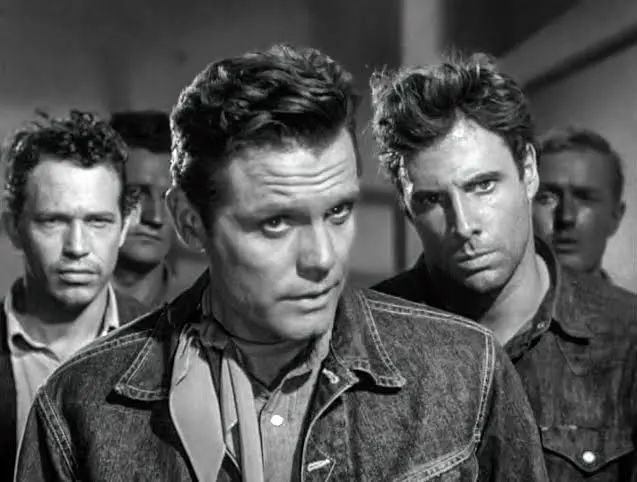
Contemporary Actors

Collection of Contemporary Actors

Anthony Geary
Anthony Geary
Anthony Geary


Anthony Geary was born in 1947 in Utah.   He is best known for his role in the long running television series “General Hospital”.   His films include “Johnny Got His Gun”, “Blood Sabbath” and “Carpool Guy”.

IMDB entry:

Mr. Geary has come a long way from Coalville, Utah, the small mountain community of 800 where he was born. Tony was a gifted student, attending the University of Utah as a Presidential Award Scholar in theater. Jack Albertson saw Tony perform there, a nd cast him in “The Subject Was Roses.” The production, starring Albertson and Martha Scott, toured Hawaii and settled at the Huntington Hartford Theater in Los Angeles, where Tony decided to establish himself. His ensuing musical theater credits comprise a catalog of classics. A highlight in this period was his co-starring engagement with Sid Caesar and Imogene Coca at the Frontier Hotel in Las Vegas in “Your Show of Shows.” Mr. Geary has performed in more than 50 stage productions throughout the United States. His extensive theatrical credits include roles in productions of “The Wild Duck, ” “The Inspector General, ” “The Cat’s Paw, ” “The Glass Menagerie, ” and “Barabbas” a t the Los Angeles Theater Center. In addition, he toured with a production of “Jesus Christ Superstar, ” portraying the title role. He also portrayed Octavius Caesar, opposite Lynn Redgrave and Timothy Dalton, in a production of Shakespeare’s “Antony and C leopatra” for PBS and the BBC. Mr. Geary has made guest appearances on more than 40 television shows. Among his TV credits are roles on “Starsky & Hutch, ” “Barnaby Jones, ” “The Streets of San Francisco, ” “The Blue Knight, ” “All in the Family, ” “The Six Million Dollar Man, ” “The Par tridge Family, ” “Most Wanted, ” “Mannix, ” “The Mod Squad, ” “Room 222, ” “Doc Elliot, ” “Temperatures Rising, ” “Marcus Welby, M.D., ” Arthur Hailey’s “Hotel” and “Murder, She Wrote.” He also performed in the television movies, “Perry Mason and the Case of the Murdered Madam, ” “Kicks, ” “Sins of the Past, ” “The Imposter, ” “Intimate Agony” and “Do You Know the Muffin Man?” and in the daytime dramas, “Bright Promise” and “The Young and the Restless.” As a producer, Mr. Geary received a Cindy Award for the drama, “Sound of Sunshine, Sound of Rain, ” a children’s story for Public Radio. He has also taught improvisation and story-theater techniques. Mr. Geary competed in track and field and swimming events as a college student, and also raced horses. He is a certified scuba diver as well as an accomplished rollerblader. Tony also claims to be “the world’s oldest Hip Hop dancer.” As portrayed by Anthony Geary, Luke Spencer was described as the most popular character in soap opera history. One critic said, “Geary’s individualism, uniqueness and awesome range is the most notable in daytime (television) history, ” a statement that is typical of the actor’s reviews. He added to his laurels by winning the 1981 Emmy Award as Outstanding Actor in a Daytime Drama Series. In January, 1991, Mr. Geary returned to “General Hospital” in the role of Bill Eckert, a cousin of Spencer’s, and a man of many, often dark, colors. Mr. Geary was seen on-screen as both Bill Eckert and Luke Spencer as the story progressed, until the death of Eckert.

– IMDb Mini Biography By: Gisele Herbert <gisele@ptd.net>

The above IMDB entry can also be accessed online her

Bruce Dern
Bruce Dern
Bruce Dern

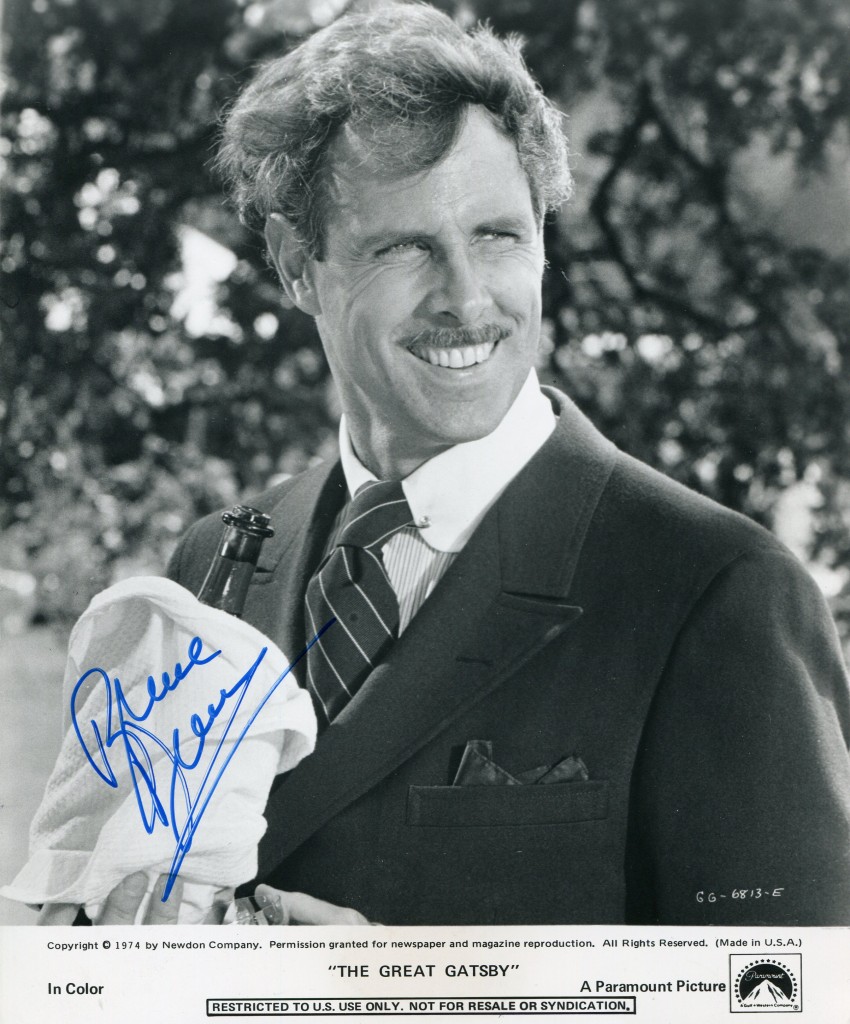
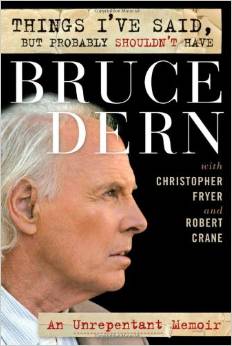
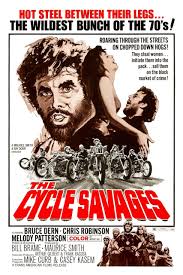
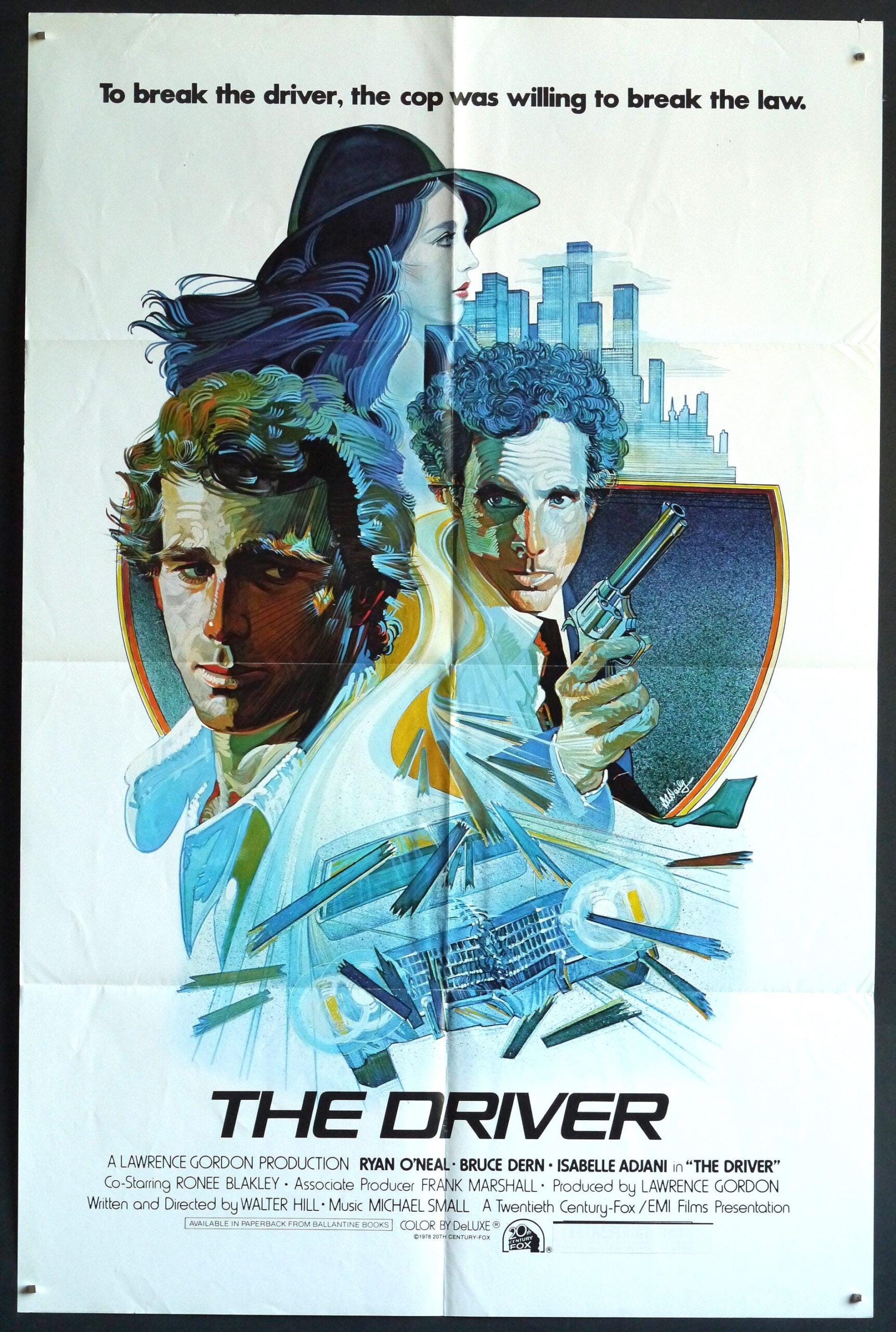
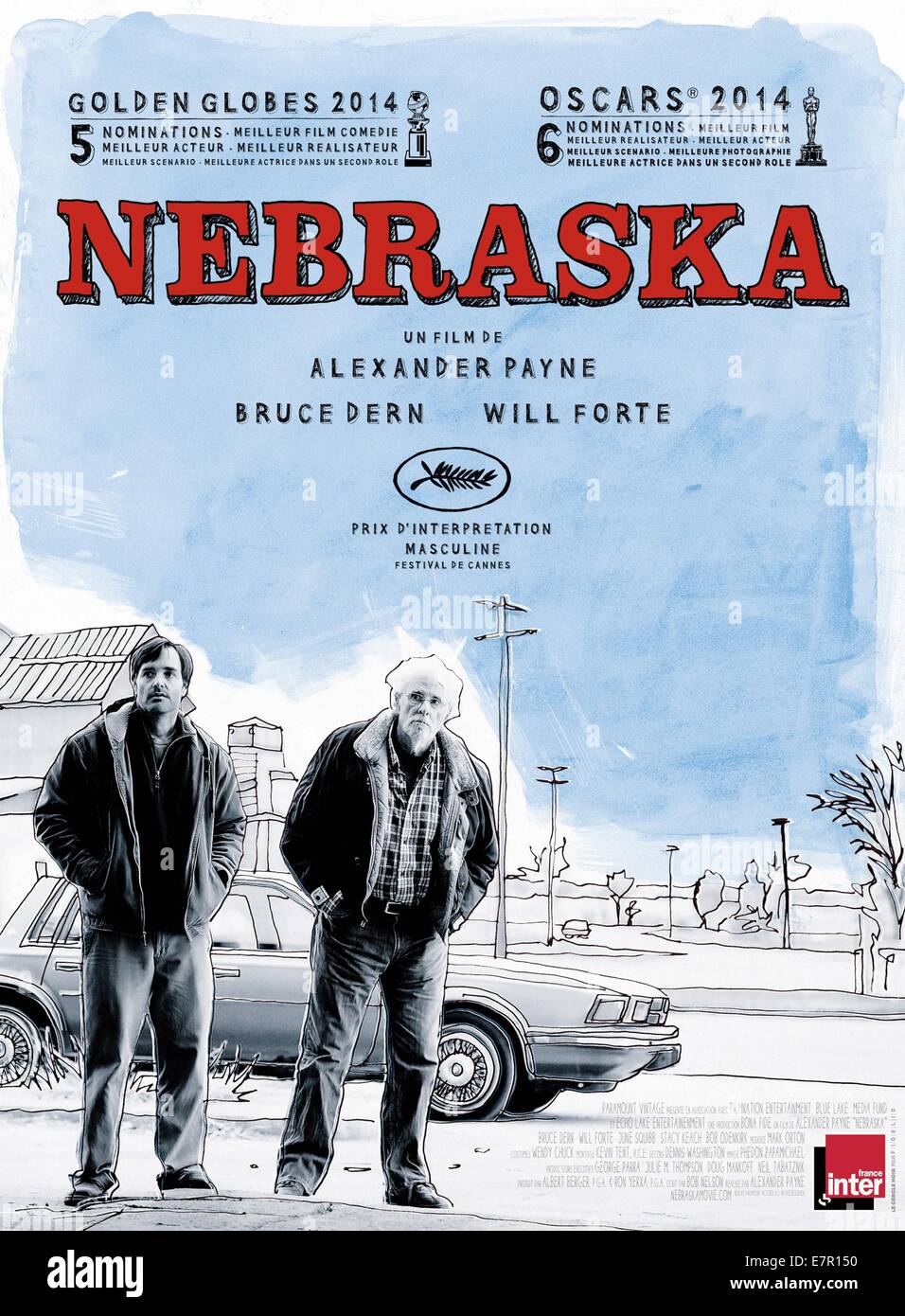
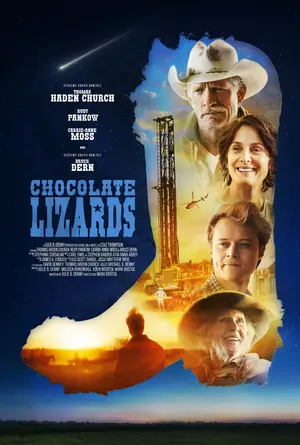
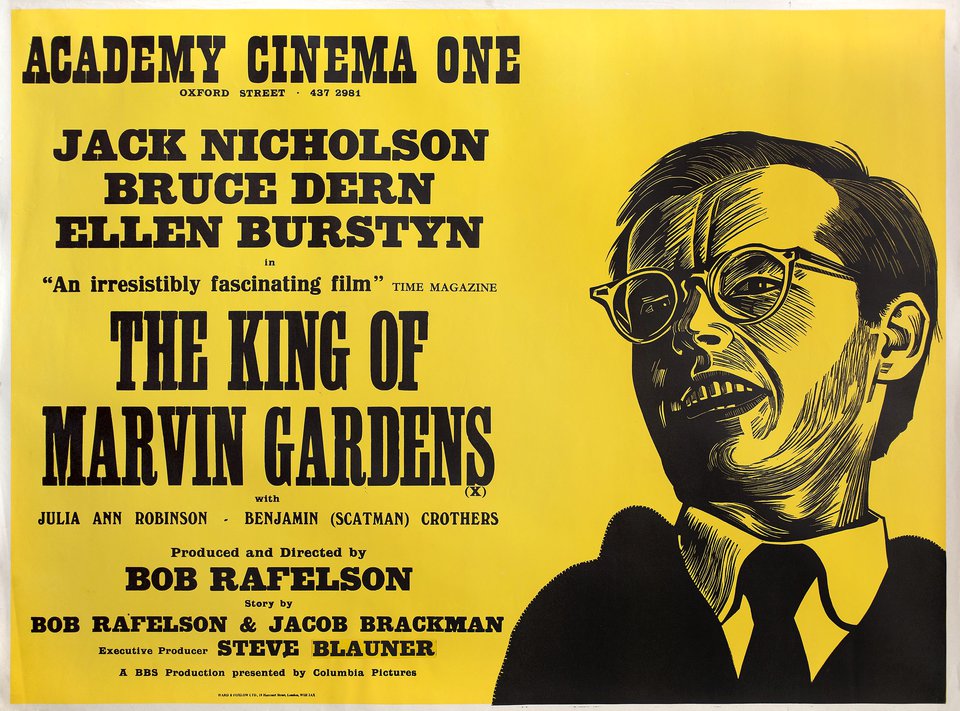
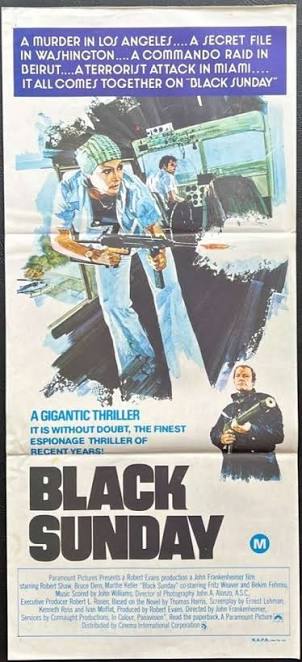
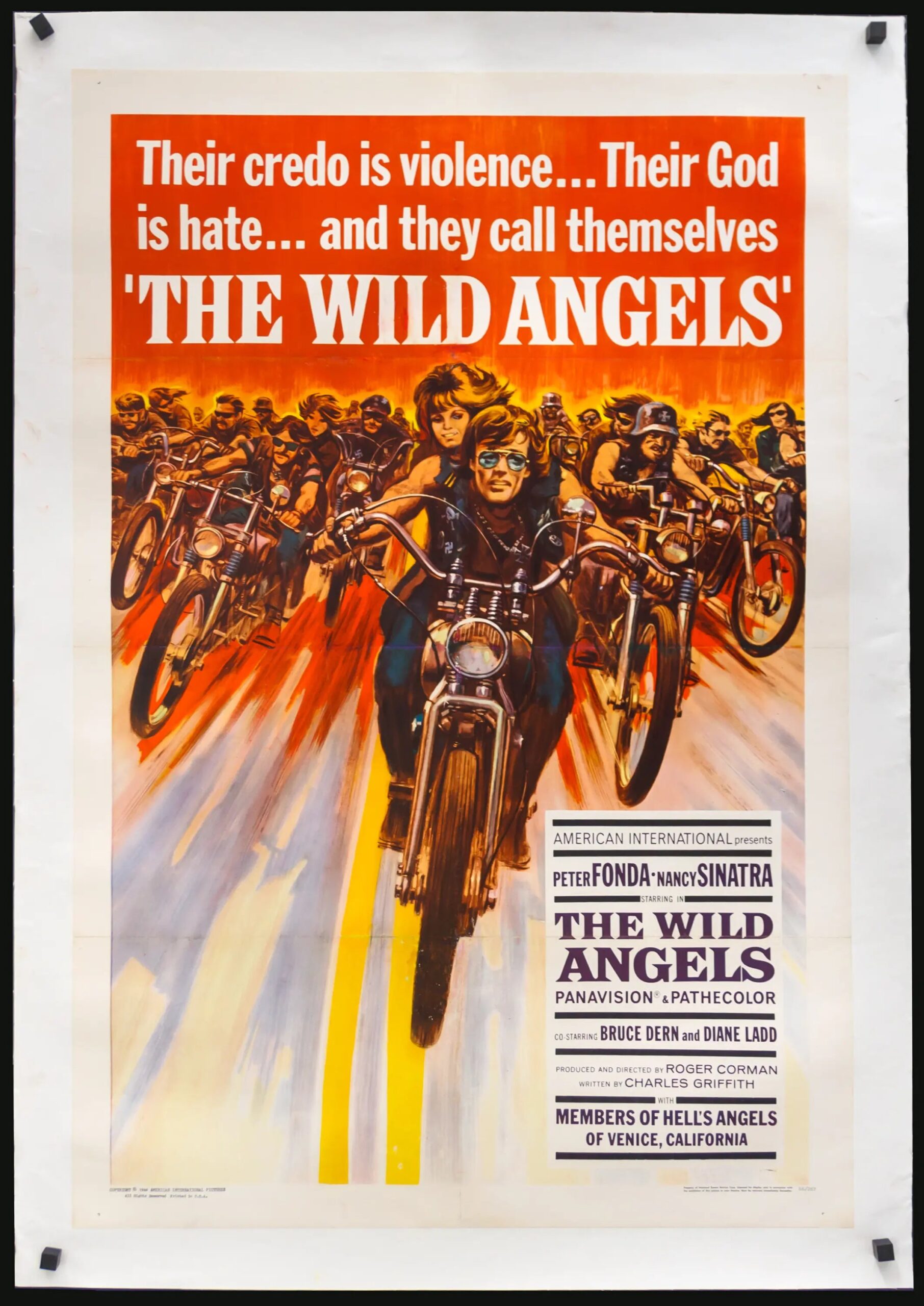
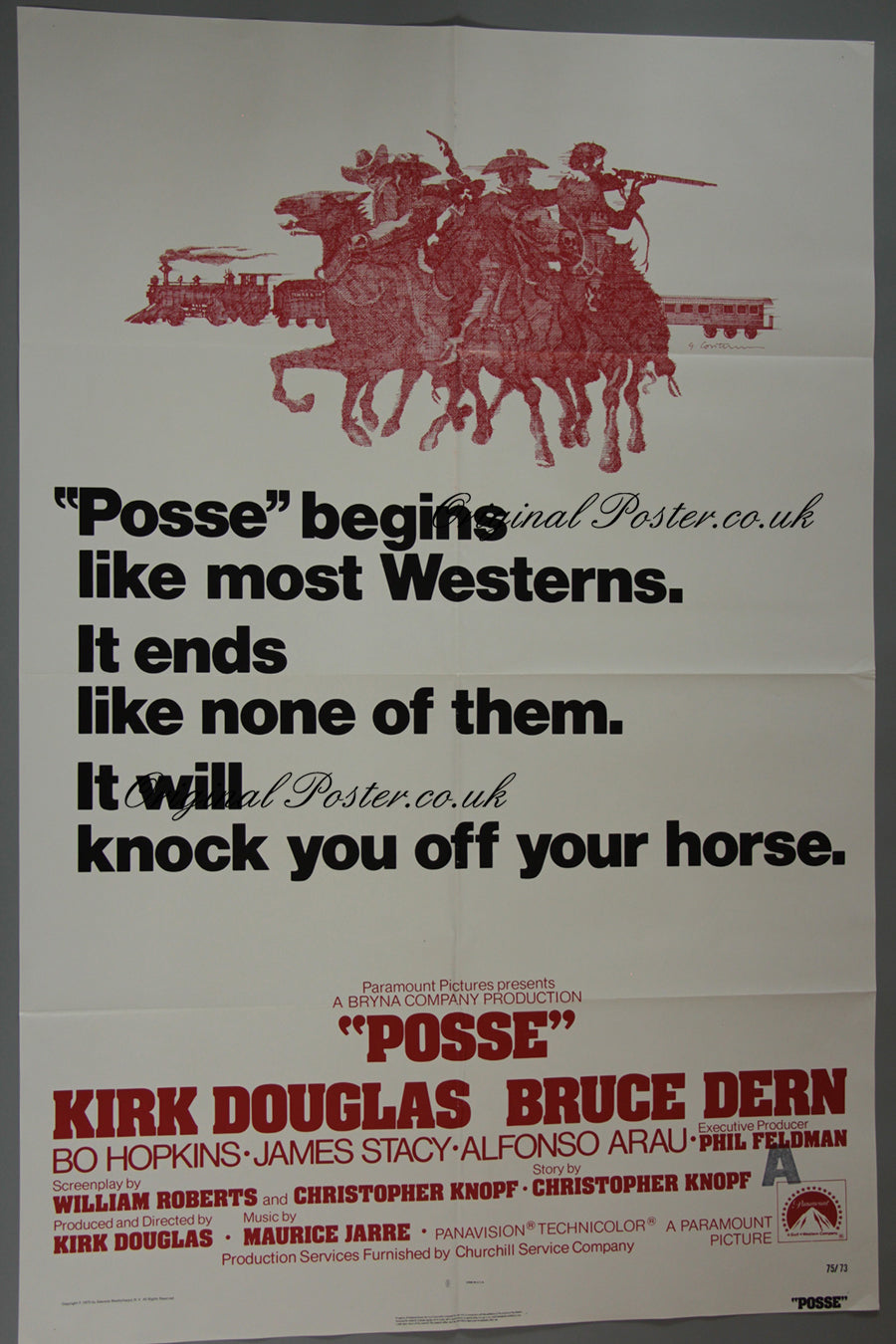
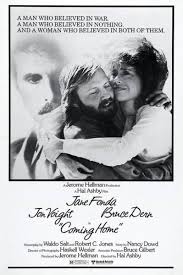
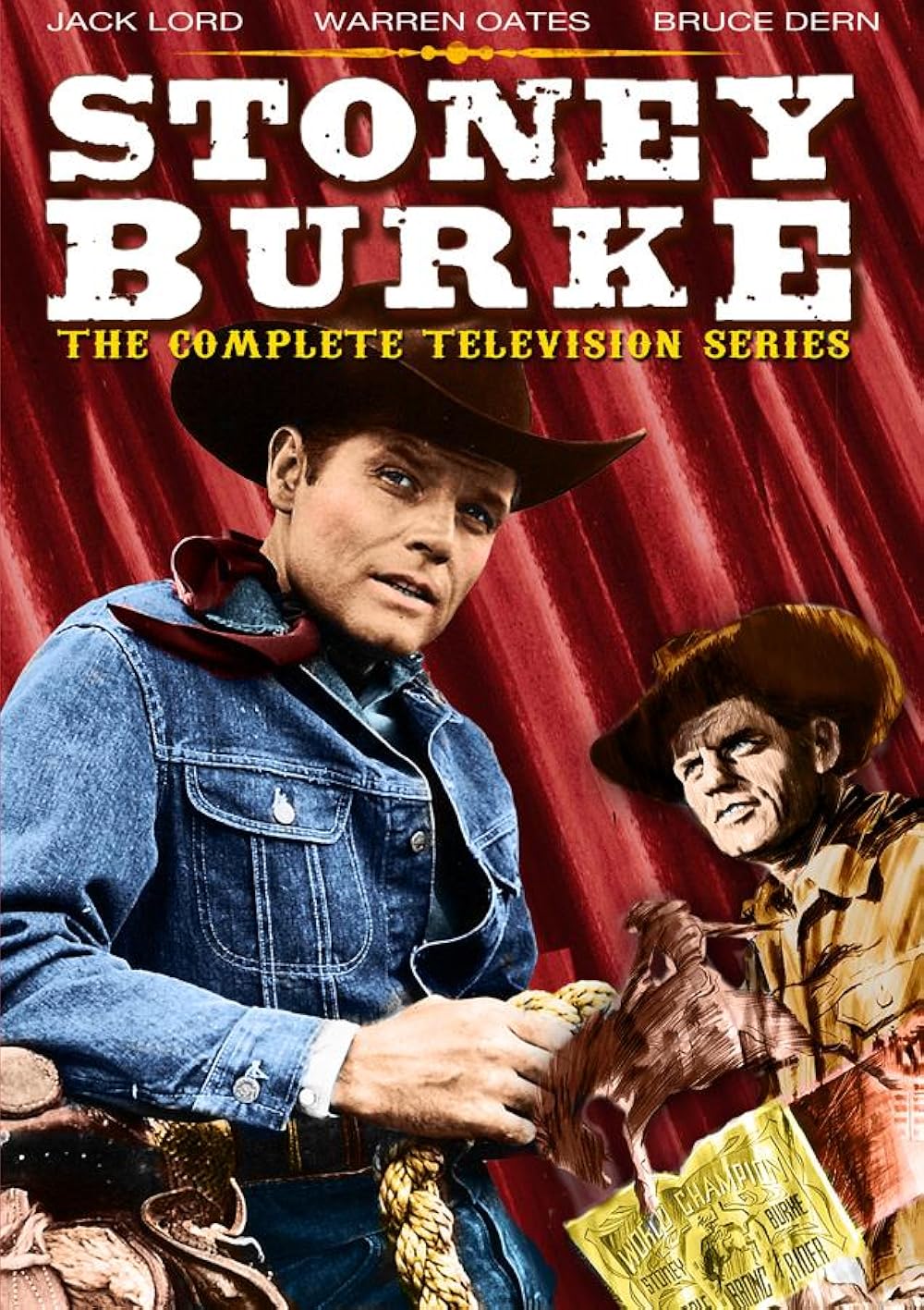
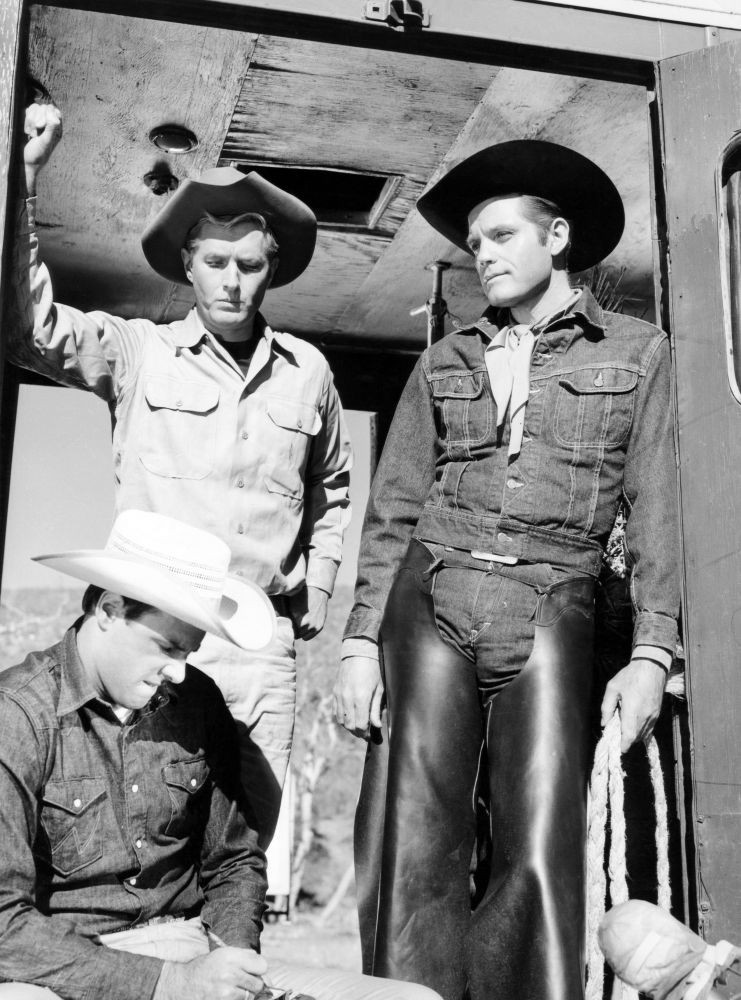
Bruce Dern was born in Illinois in 1936.   His uncle was the famous poet Archibald MacLeish.   He made his film debut in 1960 in “Wild River” which starred Montgomery Clift and Lee Remick.    He was in the cast of the television series “Stoney Burke” which starred Jack Lord.   He was featured in 1964 in “Hush, hush Sweet Charlotte”, “The Wild Angels” and “Hang E’m High”.   In 1969 he won critical acclaim for his performance in “They Shoot Horses Don’t They” and then onto starring roles in major films.   These movies included “The King of Marvin Gardens”, “The Great Gatsby””Black Sunday” and “Coming Home”.   He gave a terrific performance in “Coming Home” with Jane Fonda and Jon Voight in 1978.   Recent films include “Choose” and “The Lightkeepers”.   Nominated for an Oscar in 2013 for “Nebraska”.

TCM Overview:

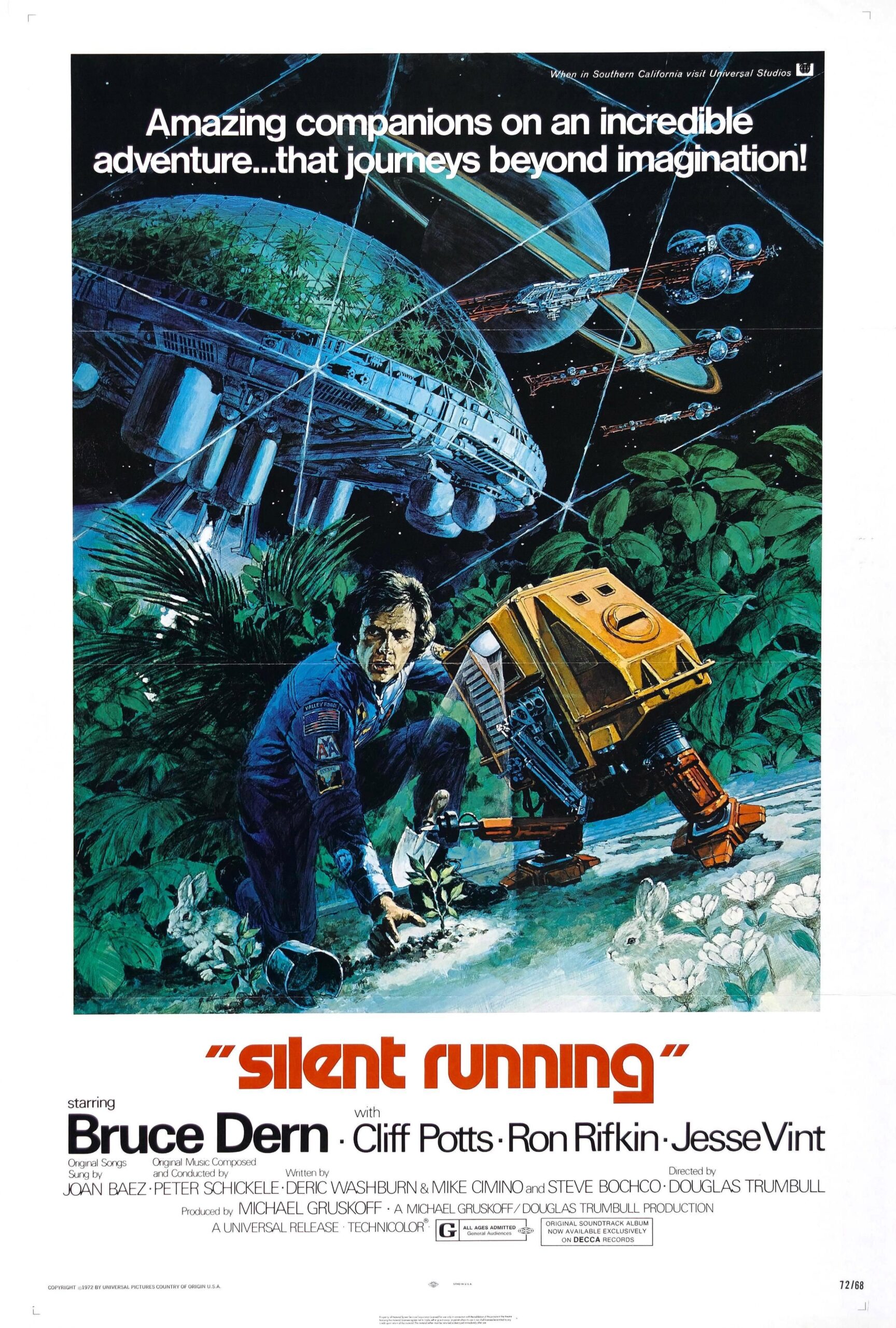
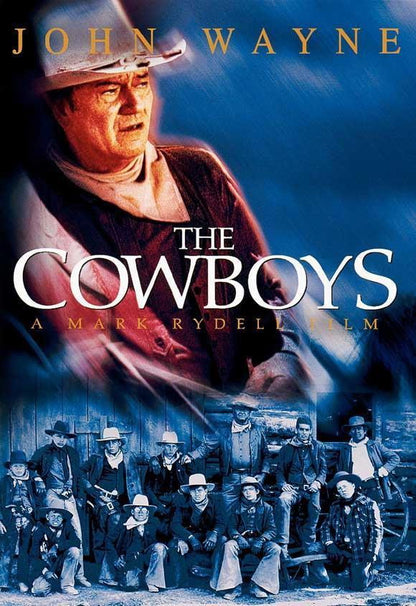
An intense character actor who was frequently typecast as a psycho or villain, Bruce Dern started on television with credits on multiple Westerns. He scored film success with roles in Hitchcock’s “Marnie” (1964), Bette Davis’ “Hush Hush, Sweet Charlotte” (1964), and a string of projects with Roger Corman, including “The Wild Angels” (1966). A genre star, Dern was most recognizable for his committed turns in lower quality but vivid productions including the mad scientist film “The Incredible 2-Headed Transplant” (1971), the sci-fi proto-environmental picture “Silent Running” (1972), and the deranged mastermind behind a blimp bombing of the Super Bowl in “Black Sunday” (1977). Other notable film work included “They Shoot Horses, Don’t They?” (1969), “Support Your Local Sheriff!” (1969), and his infamous turn as a cattle rustler who kills John Wayne in “The Cowboys” (1972). He garnered award recognition as the spoiled Tom Buchanan in “The Great Gatsby” (1974) and as a disillusioned Vietnam vet in “Coming Home” (1978). The ex-husband of fellow actor Diane Ladd and the father of actress Laura Dern, he continued to book roles into later age, including a chilling turn as the domineering father of polygamist Bill (Bill Paxton) on “Big Love” (HBO, 2006-2011). Although he never fully broke out of his typecasting as a genre heavy, Bruce Dern proved he possessed impressive enough acting chops to build a long-lasting career.

Born June 4, 1936 in Chicago, IL, Bruce MacLeish Dern came from a powerful patrician family. He received his start in the theater, where he caught the eye of director Elia Kazan in a 1959 production and was subsequently invited to train at the Actors Studio. After falling in love with Diane Ladd, one of his theatrical co-stars, the two married in 1960, with Ladd giving birth to a daughter, Laura Dern, in 1967. The couple divorced two years later. His first film appearance was an uncredited bit part in Kazan’s “Wild River” (1960), and for the remainder of the decade, Dern moved easily between TV and features. He made guest appearances on “The Fugitive” (ABC, 1963-67) and many Westerns, including episodes of “Wagon Train” (NBC, 1957-1962; ABC, 1962-65), “The Virginian” (NBC, 1962-1971) and a regular role on “Stoney Burke” (ABC, 1962-63), but made his biggest impression as a psycho on “Alfred Hitchcock Presents” (CBS, 1955-1960, 1962-64; NBC, 1960-62, 1964-65), an image he would find difficult to shake professionally.

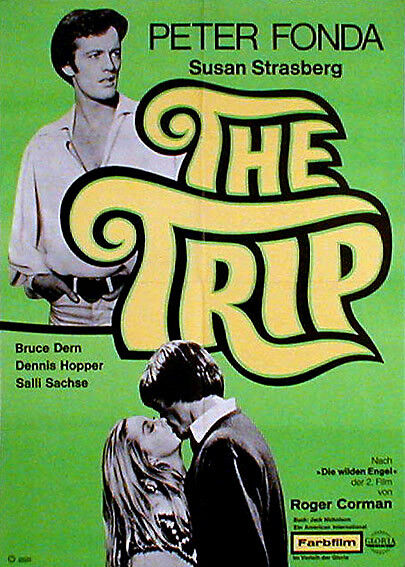
On the big screen, he played a sailor in Hitchcock’s “Marnie” (1964) and the doomed, married lover of Bette Davis in the Southern gothic horror film “Hush Hush, Sweet Charlotte” (1964). His success in genre projects, especially his longtime association with B-movie king Roger Corman, ensured steady paychecks with roles in the biker drama “The Wild Angels” (1966), the gangster biopic “The St. Valentine’s Day Massacre” (1967), and the LSD-fueled thriller “The Trip” (1967), but these parts damaged his reputation as a “serious” actor. On TV, he continued to play heavies, especially in law enforcement and Western roles, making multiple appearances on “The F.B.I.” (ABC, 1965-1974), “The Big Valley” (ABC, 1965-69), “Gunsmoke” (CBS, 1955-1975) and “Bonanza” (NBC, 1959-1973).

Dern revealed more versatility with a role as a desperate dance marathon contestant in the taut, Depression-set drama “They Shoot Horses, Don’t They?” (1969) alongside Jane Fonda, as well as his hotheaded gunslinger in the Western spoof “Support Your Local Sheriff!” (1969). But genre work was never that far away, with roles in the Cline Eastwood Western “Hang ‘Em High” (1968), the Ma Barker shoot-’em-up “Bloody Mama” (1970), and the mad scientist flick “The Incredible 2-Headed Transplant” (1971). He earned a National Society of Film Critics Best Supporting Actor award for his role as a zealous basketball coach in the polarizing Jack Nicholson-helmed drama “Drive, He Said” (1971) and made an indelible mark for many fans as a rebellious botanist in the sci-fi “Silent Running” (1972). Oddly enough, he received real-life death threats for doing the unthinkable: killing John Wayne onscreen in “The Cowboys” (1972).

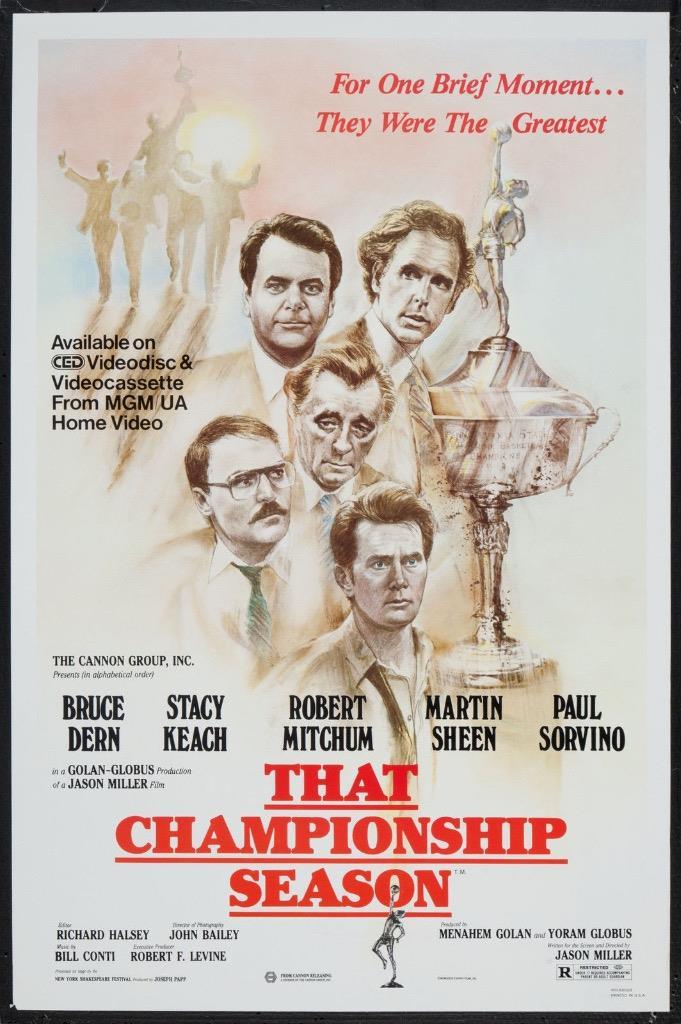
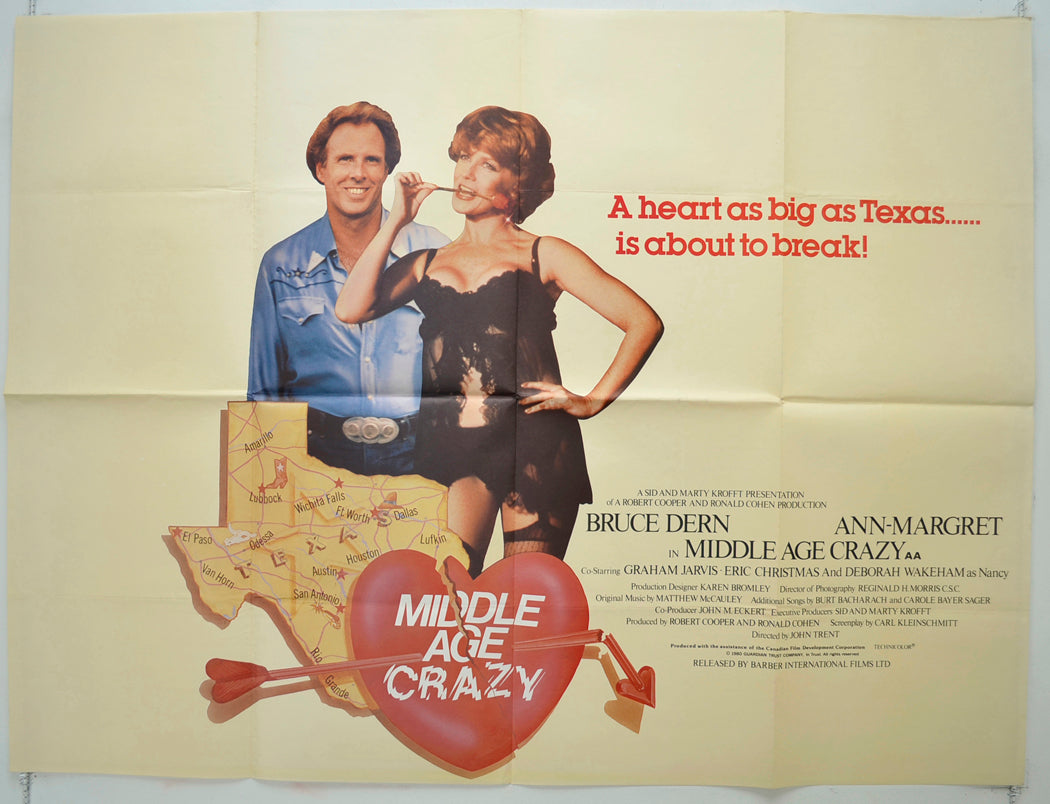
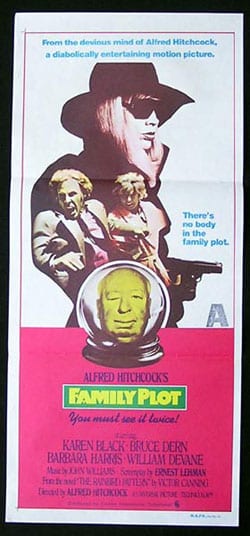
Achieving a hard-earned reputation as one of the era’s most talented character actors among his peers if not always with critics, Dern reteamed with Jack Nicholson to play a con man in “The King of Marvin Gardens” (1972) and received a Golden Globe nomination as the spoiled Tom Buchanan in the high-profile flop “The Great Gatsby” (1974). The actor reteamed with Hitchcock for the director’s final film, “Family Plot” (1976) and played a deranged blimp pilot intent on suicide bombing the Super Bowl in “Black Sunday” (1977). Critics and fans who thought they knew the extent of Dern’s range, however, were bowled over by his wrenching turn as a disillusioned Marine struggling with PTSD and the unfaithfulness of his wife (Jane Fonda) with a paraplegic Vietnam vet-turned-antiwar protestor (Jon Voight) in the Oscar-winning drama “Coming Home” (1978). Dern earned nominations for a Best Supporting Actor Oscar and Golden Globe for his work. His subsequent bid for leading man stardom, “Middle Age Crazy” (1980), flopped, and he retreated to more familiar ground, playing a psycho. His turn as a crazed tattoo artist obsessed with a model (Maud Adams) in the sexually-charged disaster “Tattoo” (1981) was universally reviled, earning him a Razzie nomination, and he further damaged his reputation by claiming that he and Adams had actually had sex on camera during the film. Dern next played a mayor desperately trying to win re-election in “That Championship Season” (1982), but despite its impressive pedigree, the film had little impact. His career slowed as the 1980s wore on, although he appeared in a small role in the dark Tom Hanks comedy “The ‘Burbs” (1989) and briefly sparked some Oscar buzz as a con man in the desert noir flick “After Dark, My Sweet” (1990).

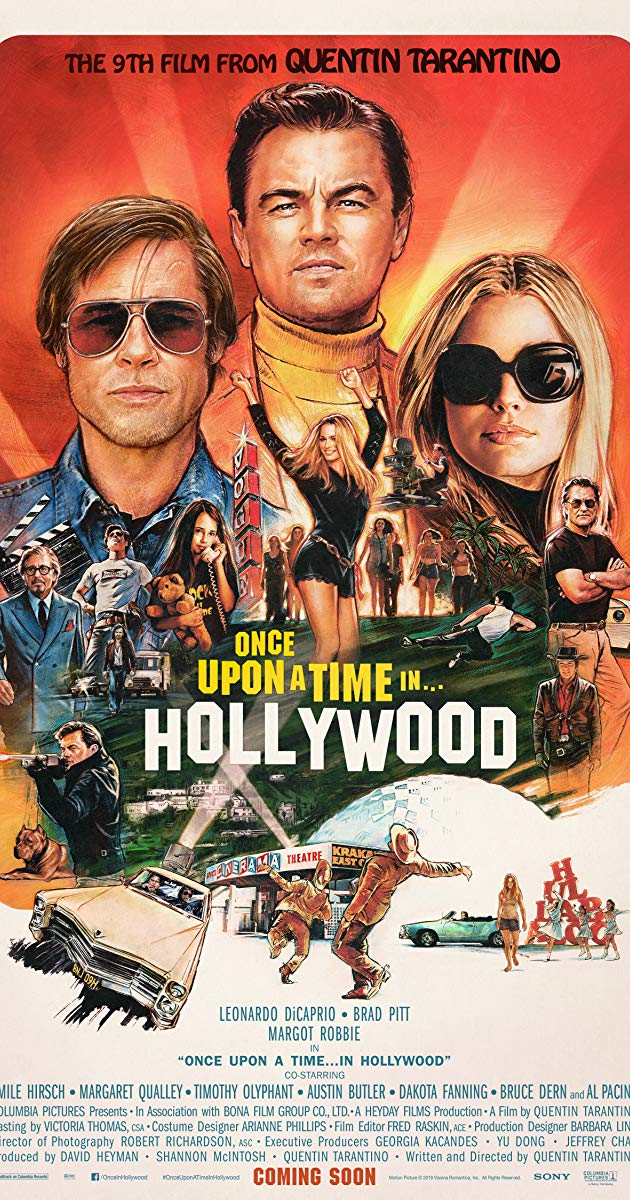
Balancing out small roles in made-for-TV projects, Dern continued to book film work at a slower pace, appearing in the submarine comedy “Down Periscope” (1996), the Western “Last Man Standing” (1996), the supernatural horror film “The Haunting” (1999), the Cormac McCarthy adaptation “All the Pretty Horses” (2000) and the evil stepparents thriller “The Glass House” (2001). He played one of the only supportive male figures in the life of serial killer Aileen Wournos (Charlize Theron) in Patty Jenkins’ Oscar-winning biopic “Monster” (2003) and essayed likable turns opposite Billy Bob Thornton in “The Astronaut Farmer” (2006) and Kristen Stewart in “The Cake Eaters” (2007). On television, he recurred as the domineering and abusive father of polygamist Bill (Bill Paxton) on “Big Love” (HBO, 2006-2011), and was honored in November 2010 with a star on the Hollywood Walk of Fame, the same day that his daughter Laura Dern and ex-wife Diane Ladd received their stars. More significantly, Dern earned an Emmy Award nomination for Outstanding Guest Actor in a Drama Series for his portrayal of Frank Harlow on “Big Love.” Back in features, Dern had roles in the little-seen horror thriller “Twixt” (2011), starring Val Kilmer, and the critically-savaged crime thriller “Inside Out” (2011), with pro wrestler Paul “Triple H” Levesque. From there, he had a supporting turn in Quentin Tarantino’s “Django Unchained” (2012), which starred Jamie Foxx as an escaped slave who hunts down two ruthless killers with a white bounty hunter (Christoph Waltz). In 2013, Dern received rave reviews for his role as the surly Woody Grant in director Alexander Payne’s thoughtful road drama, “Nebraska.” Dern’s performance in the film earned him the Best Actor Award at the 2013 Cannes Film Festival, thus making the 77-year-old actor an early favorite to receive an Academy Award nomination.

The above TCM overview can also be accessed online here.


Bruce Dern
Bruce Dern

A product of Elia Kazan’s Actors Studio, Dern bypassed the traditional “leading man” trajectory to become Hollywood’s most sophisticated specialist in instability, obsession, and moral decay.


1. The Villainous Architect (1960–1972)

Dern’s early career was defined by a string of high-intensity antagonists who were dangerous not because of their muscles, but because of their unpredictable intellect.

  • The Cowboys (1972): As Asa Watts.


    • Detailed Critical Analysis: This is a landmark in “Antagonist Realism.” Dern achieved a rare level of infamy by being the actor who killed John Wayne on screen.


    • Technique: He utilized “Sociopathic Playfulness.” Instead of playing a standard “black hat,” he gave Watts a high-pitched, mocking giggle and a restless physicality. Critics noted that he brought a modern, nihilistic cruelty to the traditional Western, making the violence feel personal and chaotic rather than choreographed.

2. The New Hollywood Auteur Phase (1972–1978)

As the 1970s embraced the “Anti-Hero,” Dern’s ability to portray internalized pressure made him a favorite for directors like Bob Rafelson and Hal Ashby.

  • Silent Running (1972): As Lowell.


    • Analysis: In this sci-fi cult classic, Dern proved he could carry a film almost entirely alone. Critics lauded his “Maternal Intensity” toward his plants and drones. He used a nervous, fluttering hand-movement to suggest a mind snapping under the weight of ecological grief.


  • Coming Home (1978): As Captain Bob Hyde.


    • Detailed Critical Analysis: This Oscar-nominated performance is a study in “Rigid Fragility.” * The “Cracking Mask”: Dern played a Marine returning from Vietnam whose identity is tied to a military structure that no longer makes sense.

    • Technique: He utilized “Staccato Vocalization”—speaking in short, clipped bursts that suggested he was holding back a tidal wave of trauma. Critics point out that he humanized the “villain” of the love triangle by making his suffering more palpable than his anger.

3. The Late-Career Renaissance: Nebraska (2013)

After decades of character work, Alexander Payne’s Nebraska provided the definitive summation of the “Dern Persona.”

  • The Role: Woody Grant, a cantankerous, senile father convinced he’s won a million dollars.


  • Detailed Critical Analysis: Critics hailed this as a masterpiece of “Minimalist Pathos.” * The “Erasure” of Technique: Gone were the “Dernsies” (the frantic twitches and fast talk). Instead, Dern used “Profound Vacancy.” * Technique: He mastered the “slack-jawed stare.” By stripping away his usual high-energy tools, he allowed the audience to see the dignity in delusion. It was a performance of “subtractive acting,” where what he didn’t do was as powerful as what he did.


Detailed Critical Analysis: Style and Technique

The “Dernsies”

Dern famously developed a repertoire of character flourishes—a sudden look away, a stuttered word, a physical tic—to make his characters feel like they had a life before the camera started rolling. Technically, this was a form of “Behavioral Improvisation.” He didn’t just say lines; he inhabited the physical restlessnessof a man who was uncomfortable in his own skin.

The “Wild Eye” and Facial Geometry

Dern possesses a lean, angular face that naturally catches shadows. Critically, he is analyzed for his “Asymmetrical Acting.” He often uses one side of his face to convey a “polite” social mask while the other side (usually through a narrowing of the eye) signals suspicion or madness. This created an inherent tension in every scene.

The “High-Strung” Vocal Register

Technically, Dern’s voice has a thin, reedy quality that he weaponizes. He can move from a “good old boy” drawl to a piercing, intellectual screech in seconds. This vocal elasticity made him the perfect choice for characters who were one “bad day” away from a total breakdown.


Key Career Milestones

Work Year Role Significance
The Cowboys 1972 Asa Watts Solidified his reputation as Hollywood’s most hated (and respected) villain.
Silent Running 1972 Freeman Lowell Proved his “Leading Man” capability in a solo performance.
The Great Gatsby 1974 Tom Buchanan A masterclass in “Arrogant Insecurity.”
Coming Home 1978 Bob Hyde Oscar Nominee; the peak of his “Broken Soldier” archetype.
Nebraska 2013 Woody Grant Cannes Best Actor; a late-career masterpiece of restraint.
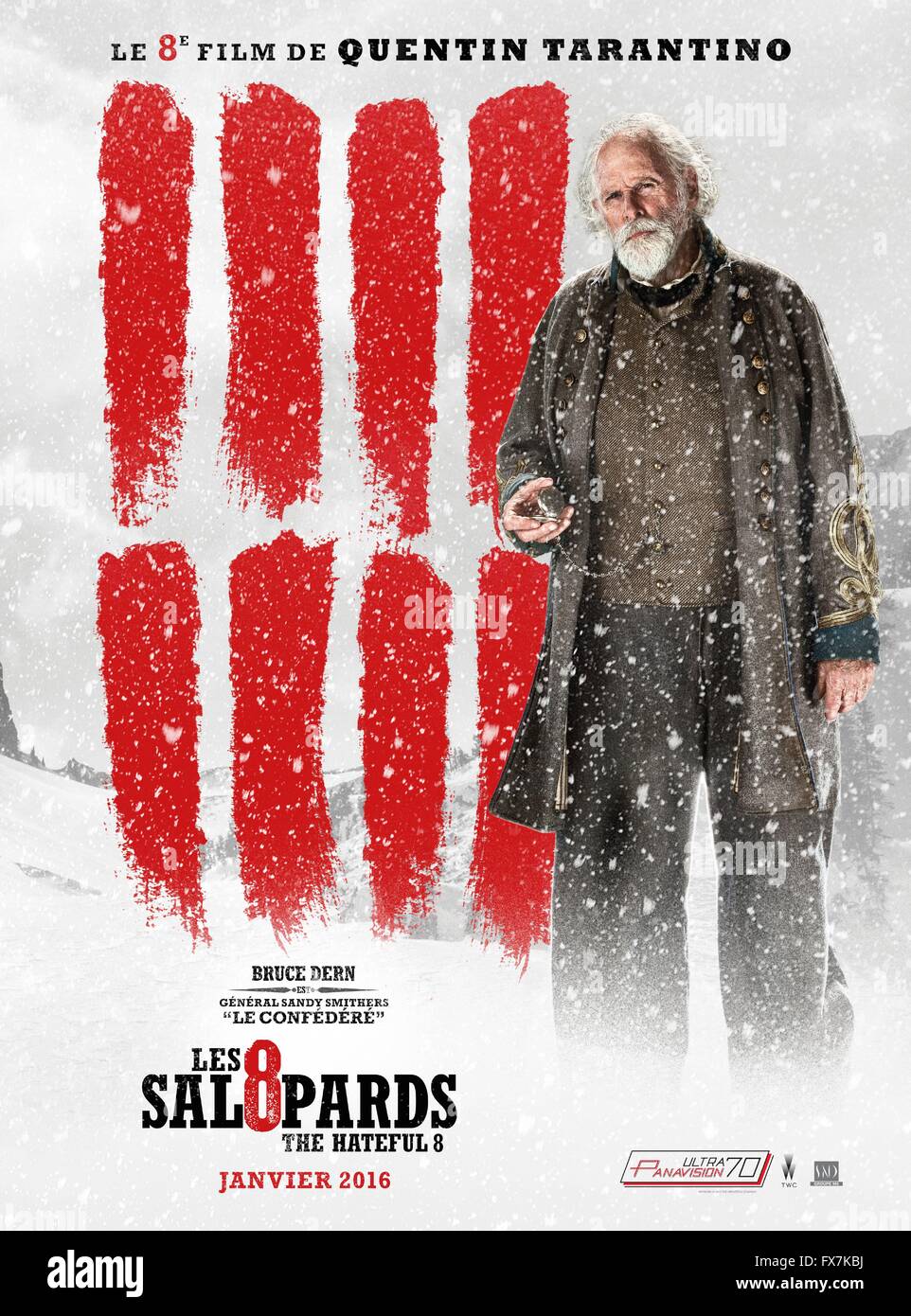
The Hateful Eight 2015 Gen. Smithers Reunited with Tarantino to play “Grizzled History.”
Louis Gossett
Louis Gossett

IMDB entry:

Louis Cameron Gossett Jr. was born on May 27, 1936 in Brooklyn, New York City. He made his professional acting debut at age 17, winning the Donaldson Award as best newcomer to theatre. He went to New York University on a basketball scholarship and was invited to try out for the New York Knicks, yet he decided to continue his acting career with a role in the Broadway production of “A Raisin in the Sun”. Gossett stepped into the world in cinema in the Sidney Poitier version of A Raisin in the Sun (1961). His role as the tough drill sergeant Emil Foley in An Officer and a Gentleman (1982) showcased his talent and won him an Academy Award for Best Supporting Actor. He was the first African-American male to win an Academy Award in a supporting role, the second to win for acting, and the third to win overall. He also starred as United States Air Force pilot Colonel Charles “Chappy” Sinclair in the action film Iron Eagle (1986) and its sequels.

– IMDb Mini Biography By: Tak

The above entry can also be accessed online here.

Telegraph obituary in 2024.

Louis Gossett Jr, who has died aged 87, was the first black man to win an Oscar for best-supporting actor after putting naval aviation cadet Richard Gere through his paces in An Officer and a Gentleman (1982); he was only the third black person to win any Oscar after Hattie McDaniel in Gone With the Wind (1939) and Sidney Poitier in Lilies of the Field (1963).

The role also brought him the first of two Golden Globes, the other being for The Josephine Baker Story (1991) in which he played an army officer who bonds with the eponymous singer and actress. Previously he received an Emmy award as the enslaved elderly musician Fiddler on an 18th-century plantation in the television series Roots  in 1977.

Standing 6ft 4in, prematurely balding and with an athletic figure, Gossett was the ideal drill sergeant in An Officer and a Gentleman, mercilessly knocking Gere and his fellow new recruits into shape with memorable lines as: “Stop eye-balling me, man!” Before playing the role he first underwent 30 days’ training of his own with the US Marine Corps.

Elsewhere he was a hot-headed activist with a penchant for indoor archery in The Landlord (1970); played the Bahamian drug dealer Cloche in The Deep (1977); was the only actor to appear in all four of Sidney Furie’s Iron Eagle films as Colonel Charles “Chappy” Sinclair leading a series of dangerous rescue missions; and received a worst supporting actor nomination in the Golden Raspberry Awards for Calvin the park manager in Jaws III (1983).

Gossett also had the unusual distinction of being the first man to give birth on screen when playing Jerry, from the self-fertilising Dracs species, in Wolfgang Petersen’s science-fiction drama Enemy Mine (1985), a box-office flop that later acquired a cult following.   Louis Cameron Gossett Jr was born in Coney Island, New York, on May 27 1936, the only child of Louis Gossett Sr, a porter, and his wife Hellen (née Wray), a maid. An uncle served in a US Army division that helped to liberate German concentration camps and Gossett later narrated a documentary about the soldiers’ experiences.

At school he excelled in sports until an injury forced his transfer into an acting class, which in turn landed him a role in the 1953 Broadway play Take a Giant Step. More stage appearances followed during his studies at New York University, though after service as a ranger in the US Army he dreamt of playing basketball professionally.

That was abandoned when he played George Murchison in Lorraine Hansberry’s play A Raisin in the Sun on Broadway with Poitier; later he reminisced about matinee-day poker games with Poitier and Paul Newman. He reprieved the role for Daniel Petrie’s 1961 film of the same name, for which Poitier and Claudia McNeil both received Bafta and Golden Globe nominations.

It was some years before Gossett returned to Hollywood, this time for The Bushbaby (1969) in which his character Tembo is suspected of kidnapping an English girl in Kenya. While driving in from the airport he was stopped six times “for DWB (driving while black)”, one of many experiences that led to him establishing the anti-racism foundation Eracism. His last major role was as Ol’ Mister Johnson in a musical remake of The Colour Purple (2023).

For the past two decades he suffered with ill health, compounded by many years of substance abuse. In 2010 he was diagnosed with prostate cancer and in 2020 he was admitted to hospital with Covid-19.

Gossett, whose memoir was aptly titled An Actor and a Gentleman (2010), married Hattie Glascoe in 1967, Christina Mangosing in 1973 and Cyndi James-Reese in 1987. All three marriages were dissolved and he is survived by two sons.

Louis Gossett Jr, born May 27 1936, died March 29 2024


Stephen McHattie

Stephen McHattie


Stephen McHattie

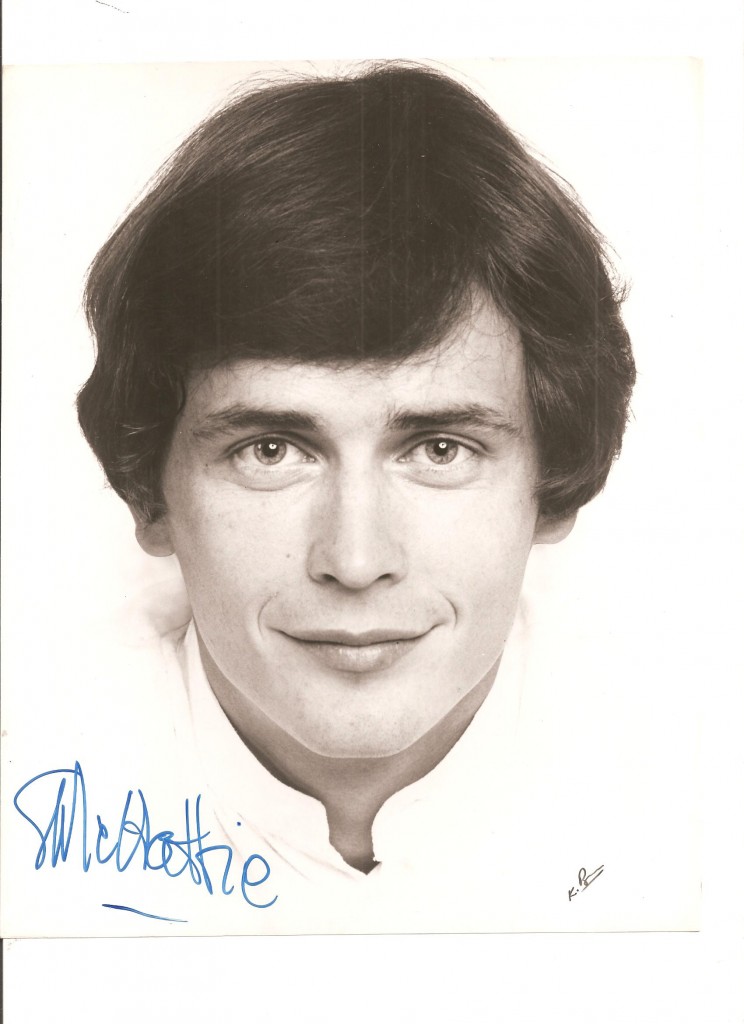
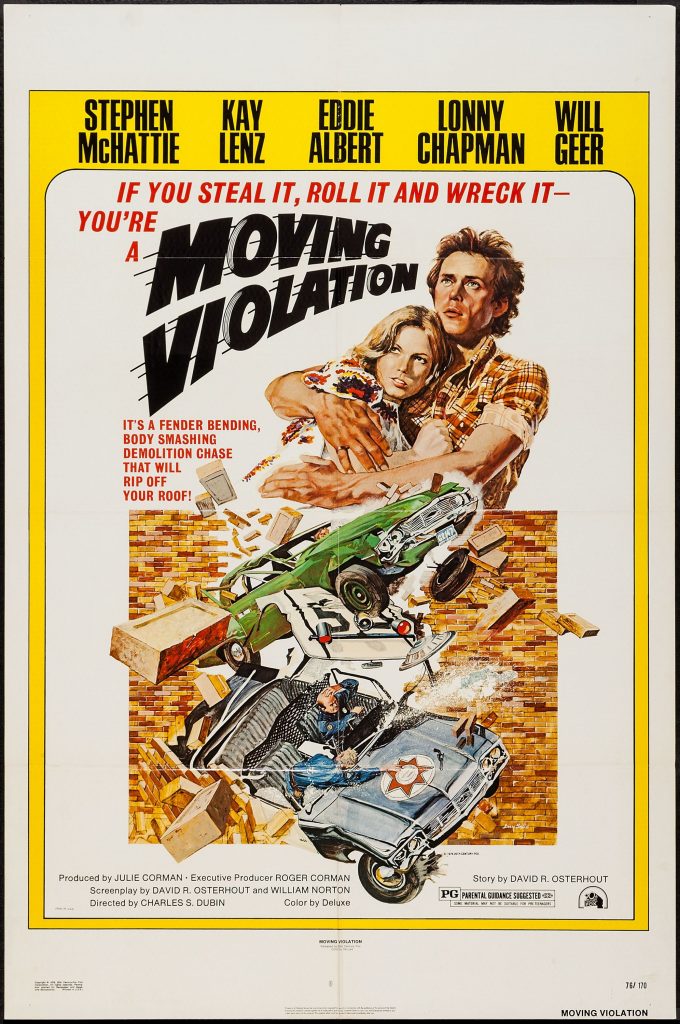
Stephen McHattie was born in 1947 in Nova Scotia, Canada.   He made his film debut in 1970 in “The People Next Door”.   Other films include “The Ultimate Warrior”, “Gray Lady Down” and “Tomorrow Never Comes”.   He had a leading role in the very popular miniseries “Centennial”..   His most recent role is in “Haven”.

TCM Overview:

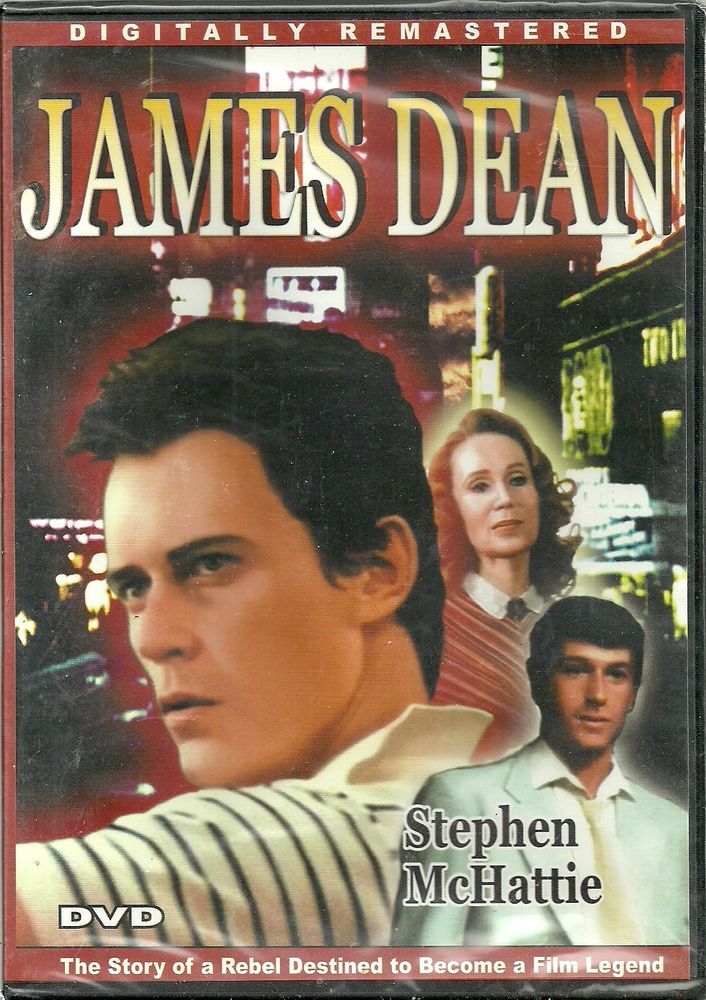
Good-looking, with thin lips and searing eyes, Stephen McHattie alternated between leads on stage, supporting roles in films, and character parts, generally as petty criminals, on television. A familiar face due to his numerous guest shots on TV series, the Canadian-born actor began his career on the stage in the Broadway production of “The American Dream” (1968). While he made his TV debut in an episode of the CBS limited series “Benjamin Franklin” (1975), it was his portrayal of the iconic movie star “James Dean” in the 1976 NBC biopic which was supposed to be his breakthrough. Despite a valiant try, McHattie failed to find stardom. He was also well-cast as the grown-up son of the devil in the small screen sequel “What Ever Happened to Rosemary’s Baby?” (ABC, 1976) and as a French-Canadian trapper in the NBC miniseries “Centennial” (1978-79). He tried his hand at regular roles on two series (“Highcliff Manor” NBC, 1979; “Mariah” ABC, 1987) but neither caught on with viewers.

The actor was also unable to find the right big screen vehicle to propel him to stardom. “Gray Lady Down” (1977) put him in the thick of the action and he offered fine support to Armand Assante in “Belizaire the Cajun” (1985) and to Eddie Murphy in “Beverly Hills Cop III” (1994). Between his film and TV assignments, McHattie has returned to the stage where he has won praise for his work, At San Diego’s Old Globe Theatre, he appeared in 1983 productions of “Henry IV” and “Macbeth”. McHattie appeared in support of Rex Harrison and Amy Irving in an acclaimed Broadway revival of George Bernard Shaw’s “Heartbreak House” at Circle in the Square (although he was unavailable when the production was filmed for Showtime in 1985). More recently, in addition to guest roles on such series as “The X-Files” and “Seinfeld”, he has found steady employment in a series of TV-movies, ranging from “Convict Cowboy” (Showtime, 1995), with Jon Voight, to “Mary Higgins Clark’s ‘Remember Me'” (CBS, 1999)

The above TCM overview can also be accessed online here.

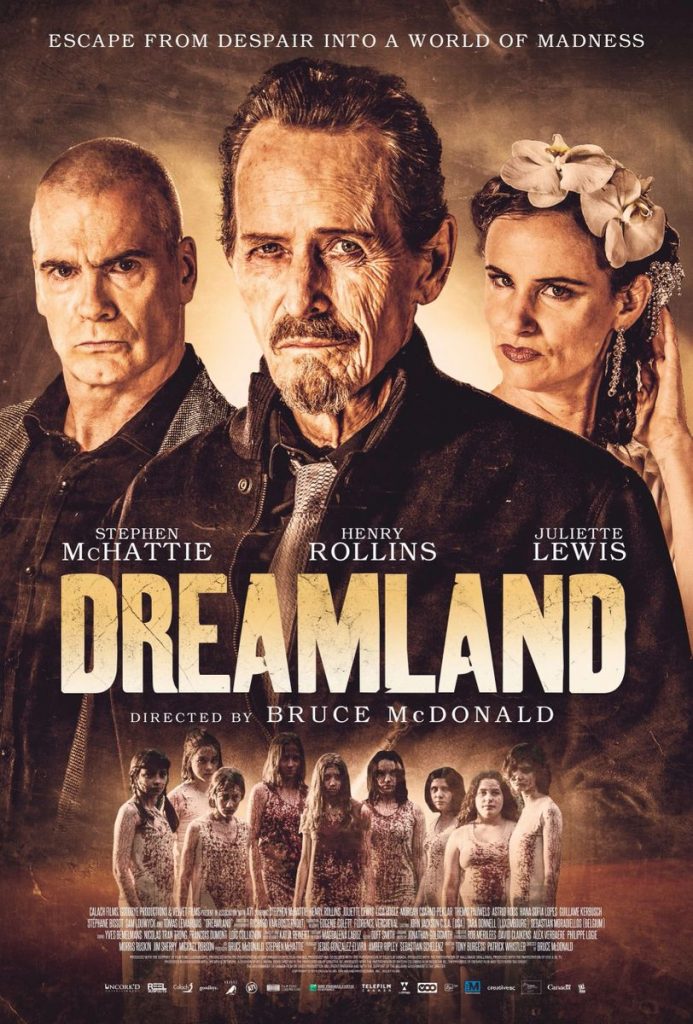
Stephen McHattie is a Canadian actor born in 1947, renowned for his chameleon-like versatility across over 200 film, TV, and stage roles since the late 1960s. With collaborations alongside directors like David Cronenberg, Darren Aronofsky, and Bruce McDonald, he’s built a cult reputation for intense, brooding characters.

Career Overview

McHattie debuted on Broadway in The American Dream (1968) and film with The People Next Door (1970), earning Drama Desk nods for Ghetto (1989). He gained traction in 1970s TV movies like James Dean (1976) and miniseries (Centennial), transitioning to Hollywood supports in Beverly Hills Cop III (1994), 300 (2006), and Watchmen (2009) as Hollis Mason. Canadian staples include Pontypool (2009), The Strain (2014), Orphan Black (2017), and recent genre work like October Faction (2020); he’s wed to actress Meg Foster.

Key Roles

  • Grant Mazzy (Pontypool, 2009): A shock-jock facing a linguistic zombie virus; McHattie’s modulation from cynical bluster to horrified urgency anchors the film’s eerie conceit.

  • Hollis Mason (Watchmen, 2009): The original Nite Owl, blending grizzled heroism with vulnerability; his death scene in the director’s cut exemplifies quiet pathos.

  • Captain Healy (Jesse Stone TV movies, 2005-2012): A no-nonsense homicide commander, showcasing reliable authority in procedural grit.

Critical Analysis

McHattie’s gravelly timbre and thousand-yard stare excel in dualities—cynic-to-hero in Pontypool or haunted everyman in Dreamland (2020), where he doubles as hitman and junkie trumpeter, channeling Chet Baker’s decay. Strengths: Effortless gravitas elevates B-movies (Shoot ‘Em UpSecretary) and arthouse (The Fountain), with stage roots fueling nuanced menace in A History of Violence. Critics praise his scene-stealing economy, as in Cronenberg’s ensembles, though steady supporting status limits leads; typecasting in genre suits his intensity without diminishing range. A consummate pro whose subtlety thrives in chaos, rewarding fans of underseen gems

Peter Sarsgaard

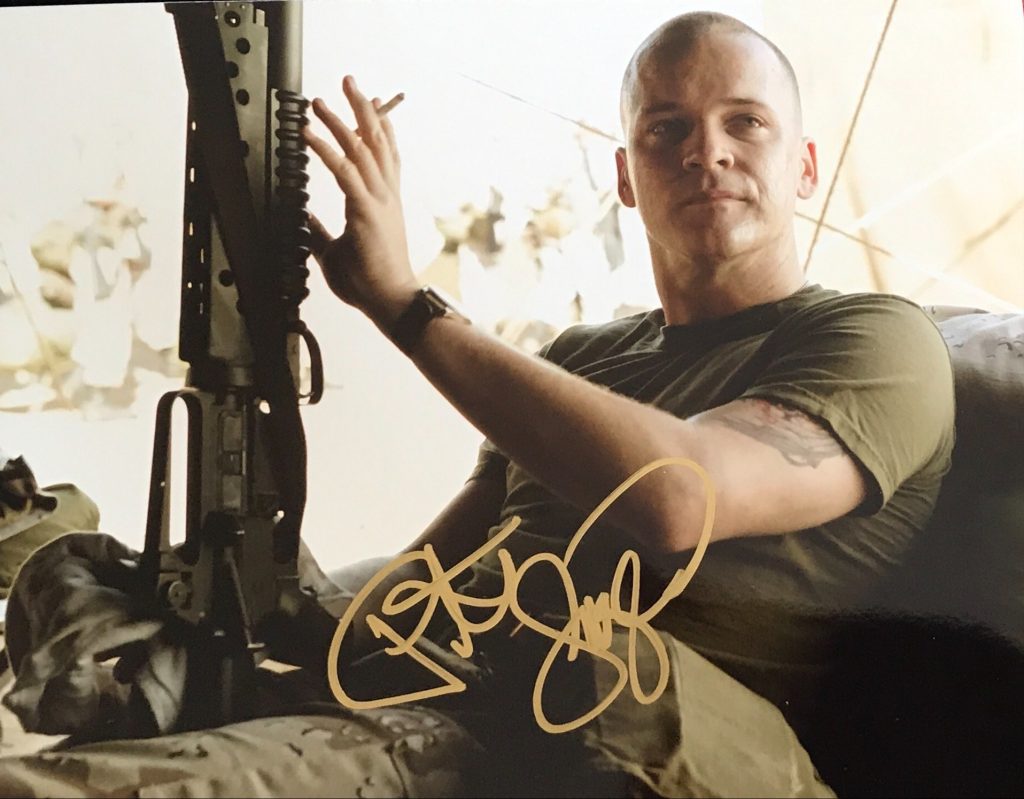
Peter Sarsgaard was born in 1971 in Illinois.   He began his career in small parts on such television in such shows as “Law & Order”.   His first film was  “Dead Man Walking” in 1995.   Other films include “Another Day in Paradise”, “Desert Blue” and “Boy’s Don’t Cry”.   His leading films include “The Salton Sea”, ” “Year of the Dog”, “Rendition” and “An Education”.

TCM Overview:

An atypical actor who easily adapted himself in a variety of film and television projects, Peter Sarsgaard built a career disappearing into challenging and sometimes outright difficult roles most other actors might have avoided. Prior to his breakthrough playing a charming, but ultimately violent rapist and murderer in the indie drama “Boys Don’t Cry” (1999), he quietly earned an impressive reputation on the New York theater scene, acting onstage in productions that including the Signature Theatre’s “Laura Dennis” and his own play “The Greatest And Most Exciting Gratuitous Exhibition Ever Exploited.” Sarsgaard made his biggest impression, however, with a subtle performance as a news magazine editor in “Shattered Glass” (2003), which gave the young, talented actor his first true taste of critical success. From there, he easily alternated between studio features like “Flightplan” (2005), “Jarhead” (2005) and “Knight & Day (2010), as well as independents like “Year of the Dog” (2007) and the Oscar-nominated “An Education” (2009). His 2009 marriage to equally indie-respected Maggie Gyllenhaal cemented Sarsgaard’s reputation as an intelligent, devoted actor pursuing art over fame.

Born on March 7, 1971 on Scott Air Force Base near Belleville, IL, Sarsgaard was raised an only child in a Catholic family that moved around the country numerous times, due to his father’s work as an Air Force engineer. When he was young, Sarsgaard aspired to be a soccer player and took ballet after learning football players took dance to improve their game. When he attended Fairfield College Preparatory School in Connecticut, Sarsgaard was exposed to the film world courtesy of the Jesuit priests who exposed students to foreign cinema like the Italian neorealists of the 1950s. Meanwhile, too many concussions playing soccer forced him to pursue other interests, which he found in writing and later, the theater. After Fairfield Prep, he attended Bard College for two years before transferring to Washington University, where he began performing on stage and formed the comedy improv group, “Mama’s Pot Roast.” He later moved to New Haven, where his then-girlfriend, Malerie Marder, studied photography. He became a frequent subject of her work, including a bizarre nude pictorial of him and Marder’s mother.

Sarsgaard soon made his big screen debut with a small role as one of the murder victims of death row inmate Matthew Poncelet (Sean Penn) in director Tim Robbins’ gripping prison drama, “Dead Man Walking” (1995). After moving to Los Angeles with Marder, only to break up with her and head back to New York, Sarsgaard appeared off-Broadway in “Kingdom of Earth” (1996) and was featured in a segment of the anthology series “Subway Stories: Tales From the Underground” (HBO, 1997). Following episodes of “Law & Order” (NBC, 1990- ), he had a small, but pivotal role in “The Man in the Iron Mask” (1998), playing the doomed Raoul, son of Athos (John Malkovich) and suitor of Christine (Judith Godreche) whose death on the frontlines of war waged by King Louis XIV (Leonardo DiCaprio) leads to a mutiny led by three of the four Musketeers. Sarsgaard landed more small roles in gritty independents like “Another Day in Paradise” (1998) and “Desert Blue” (1998), with the charismatic actor turning in strong performances with little screen time.

With previous film work including turns as innocent victim and noble hero, Sarsgaard switched gears and essayed a disturbing supporting turn in Kimberly Peirce’s powerful “Boys Don’t Cry” (1999). This acclaimed and moving feature was based on the 1993 murder of Teena Brandon (Hilary Swank), a young woman living as a man in Falls City, NE. Sarsgaard’s talents were showcased in the film by his appropriately intense and unnerving portrayal of John Lotter, the unstable friend convicted of raping and murdering Brandon after her identity as a biological female is exposed. He impressed both critics and audiences in the harrowing role, conveying both Lotter’s winning charm as well as the underlying violence, which were evidenced by the character’s erratic outbursts and the alarming brutality of his attack on Brandon. Taking a career step up, at least in terms of visibility, Sarsgaard co-starred opposite Jennifer Lopez and Vince Vaughn in the thriller “The Cell” (1999), and alongside Rupert Everett and Kathy Bates in “Unconditional Love” (1999), directed by P.J. Hogan.

Though he was making strides in his career, Sarsgaard was careful to avoid taking on roles that were less-than-challenging. Instead, he developed early on in his career a taste for starring in films most other actors would dismiss or seriously amend. He landed the leading role in Wayne Wang’s erotic drama “The Center of the World” (2001), playing a successful dotcom entrepreneur whose technological immersion has left him devoid of human connection. But when he meets a stripper and rock drummer (Molly Parker), he embarks on a three-day trek to Las Vegas where the two explore the limits of their sensuality, despite her hard and fast rules of avoiding emotional involvement. He also had a noticeable turn as a meth addict in the kinetic indie crime drama “The Salton Sea” (2002), while supporting Harrison Ford and Liam Neeson as a cowardly nuclear reactor technician in the Soviet submarine thriller “K-19: The Widowmaker” (2002). Meanwhile, he co-starred in the urban crime drama “Empire” (2002), playing a slick stock market investor who draws drug dealer (John Leguizamo) into a world of trouble.

Sarsgaard had a major breakthrough with his performance in writer-director Billy Ray’s compelling, but understated taken-from-the-headlines drama “Shattered Glass” (2003). In a well-measured story of journalistic ethics woven around the true case of wunderkind reporter Stephen Glass (Hayden Christensen), who fabricated several articles for major publications, Sarsgaard’s nuanced performance as New Republic editor Chuck Lane served as the story’s moral compass. The actor’s realistic, uncompromising portrayal earned him considerable praise, as well as several critics’ awards and a Golden Globe nomination for Best Performance by an Actor in a Supporting Role in a Motion Picture. Meanwhile, he deftly played the eccentric high school buddy of an emotionally numbed young man (writer-director-star Zach Braff) who returns home upon learning his mother has just passed away in the charming, off-kilter indie dramedy “Garden State” (2004). Sarsgaard had a memorable supporting role in “Kinsey” (2004), playing the bisexual assistant of the famed sexologist, Alfred Kinsey (Liam Neeson). He attracted considerable media attention not only for his performance, but also because of several scenes where he and Neeson kissed. When asked if his scenes were difficult, he said that he would rather do something awkward than physically exhausting.

Atypically, the usually restrained Sarsgaard was borderline over-the-top in his next film, playing a Southern lawyer in the gothic thriller “The Skeleton Key” (2005), starring Kate Hudson. In an effort to attempt something different, he provided a welcome presence as a U.S. air marshal who attempts to alternately calm and humor a frantic mother (Jodie Foster) who believes she’s lost her daughter on an airline in “Flightplan” (2005). In “Jarhead” (2005), director Sam Mendes’ insightful adaptation of former U.S. Marine Anthony Swofford’s best-selling memoir of his service during the 1990 Gulf War in Iraq, Sarsgaard was pitch-perfect as Troy, scout to sniper Swoff (Jake Gyllenhaal) and a die-hard member of the Marine Corps who hopes to prove himself in combat. Offscreen, Sarsgaard became strong friends with Gyllenhaal prior to “Jarhead,” thanks to his romantic relationship with the actor’s sister, actress Maggie Gyllenhaal. Meanwhile, he earned critical kudos for “The Dying Gaul” (2005), in which he was a novice screenwriter who writes a love story about his partner dying of AIDS-related complications. In 2006, Gyllenhaal gave birth to the couple’s first child, Ramona.

After a supporting turn as an asexual animal rights activist in “Year of the Dog” (2007), Sarsgaard reunited with “Jarhead” co-star Jake Gyllenhaal for “Rendition” (2007), a political thriller that focused on the questionable CIA practice of transporting international terrorists to third world countries to be tortured and interrogated. He next co-starred in “Elegy” (2008), a psychological drama about a respected college professor who indulges himself in a relationship with a beautiful graduate student (Penélope Cruz). Sticking with independent cinema, Sarsgaard was finally seen in “The Mysteries of Pittsburgh” (2009), an indie drama in which he played a young man returning home for the first time after having been away at college. The film was shot three years prior to its release and was previously shown at the 2008 Sundance Film Festival. In 2009, Maggie Gyllenhaal and Sarsgaard married in Italy. The same year, he appeared as the male lead in the successful “An Education” (2009). Playing a mysterious older man who bewitches an intelligent British teenager (Carey Mulligan) on the cusp of womanhood, Sarsgaard received good reviews and the film itself was showered with critical praise, strong box office and awards. His next film, the horror film “Orphan” (2009), was successful as well, but most certainly not equally beloved by critics. In the movie, Vera Farmiga and Sarsgaard adopt the mysterious Esther, who is hiding a shocking secret. The actor followed this up with the big-budget “Knight & Day” (2010), as a federal agent opposite stars Tom Cruise and Cameron Diaz.

In 2011, Sarsgaard continued his Hollywood stint as Dr. Hector Hammond, a misguided scientist who clashes with Ryan Reynolds’ title superhero in “Green Lantern,” a comic-book adaptation that was heavily dismissed. Revisiting far subtler small-scale fare, he voiced an endearing automaton in the dramedy “Robot & Frank” (2012), starring Frank Langella. In a notable about-face, Sarsgaard then portrayed manipulative pornographer Chuck Traynor in the biopic “Lovelace” (2013), featuring Amanda Seyfried in the titular role. Continuing a busy year, he also appeared in Woody Allen’s acclaimed dramedy “Blue Jasmine” and turned up in episodes of “The Killing” (AMC, 2011- ) as imprisoned murderer Ray Seward.

 The above TCM overview can also be accessed online here.

Gary Brumburgh’s entry:

Illinois-born actor Peter Sarsgaard is a graduate of St. Louis’ Washington University where he majored in history and literature. He was a co-founder of the comedy improvisational group Mama’s Pot Roast and trained initially with the Actors’ Studio in New York. Such off-Broadway productions included Horton Foote‘s “Laura Dennis” andJohn Cameron Mitchell‘s “Kingdom of Earth.”

He made his screen debut in Tim Robbins‘ Dead Man Walking (1995) and was given more sizable roles in Desert Blue (1998) and The Man in the Iron Mask (1998), as the ill-fated son of the Musketeer Athos, played by John Malkovich. Peter then started gracing the art-house circuit, making a violent, searing impression as a homophobic killer in Boys Don’t Cry (1999) starring two-time Oscar-winner Hilary Swank as a trans-gendered teen.

Other impressionable offbeat roles for Peter that have thrilled critics from coast to coast include Shattered Glass (2003), which earned him a slew of awards including the prestigious National Society of Film Critics Award. Prior to that, he showed off his versatility with portrayals ranging from a Russian nuclear reactor officer in K-19: The Widowmaker (2002) to a drug addict in The Salton Sea (2002). Other heralded performances in Garden State (2004) and Kinsey (2004) only prove that, at this rate, it is only a matter of time before the Oscar comes rapping on this man’s door.


– IMDb Mini Biography By: Gary Brumburgh / gr-home@pacbell.net

Michael Nader
Michael Nader
Michael Nader

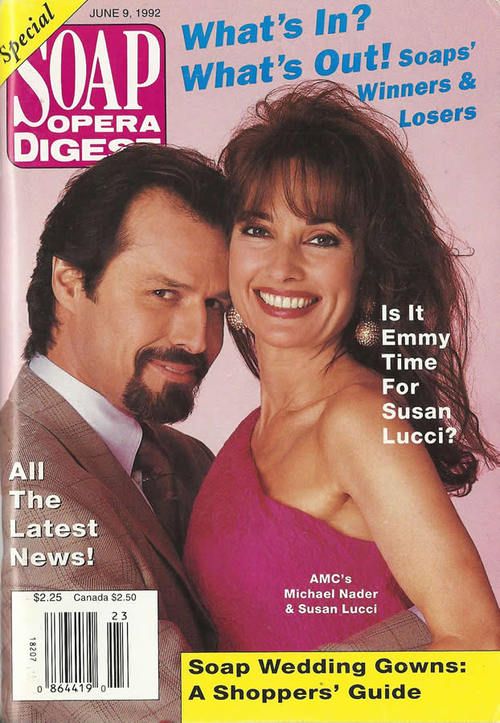
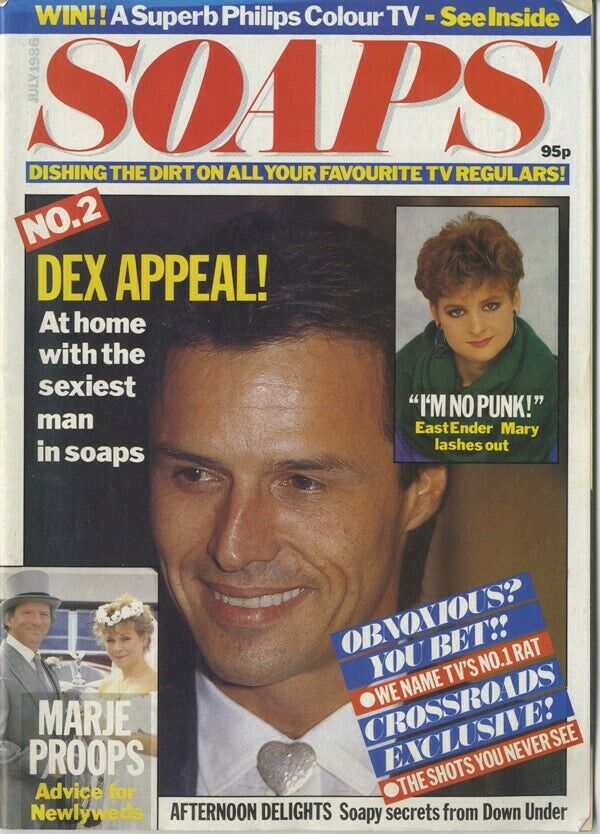
Michael Nader was born in 1945 in Los Angeles.   He is the nephew of actor George Nader.   He studied at the Actor’s Studio in New York.   He made his movie debut in 1963 in “Beach Party”.   He went on to make “Muscle Beach Party”, “For Those Who Think Young”, “The Trip”, “Blue” and “Fled”.   He had great success on television as Dex Dexter in “Dynasty” from 1983 until 1989.   In recent years has been active guest starring on such television shows as “Law & Order SVU.   Michael Nader died aged 76 in 2021.

Michael Nader obituary in Guardian in 2021.

Actor who starred as Dex Dexter, a match for Alexis Carrington Colby, in the glamorous 1980s TV soap Dynasty

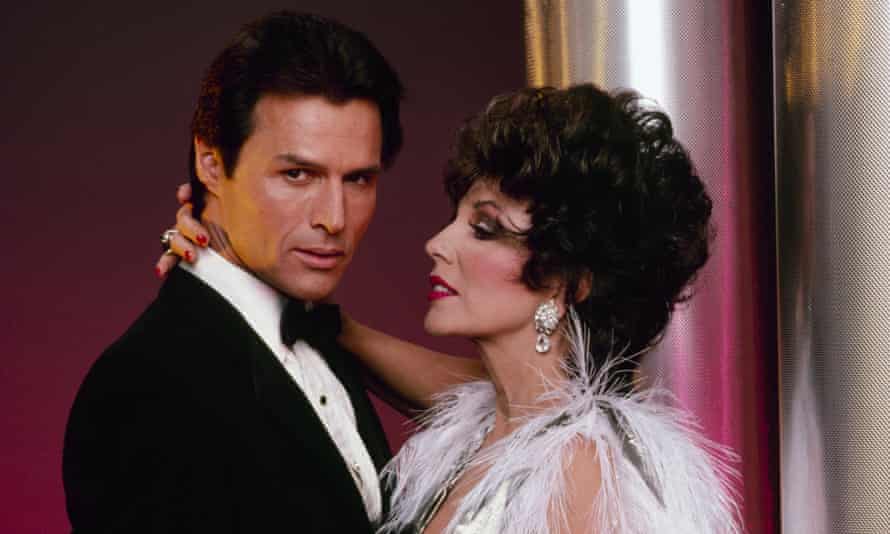
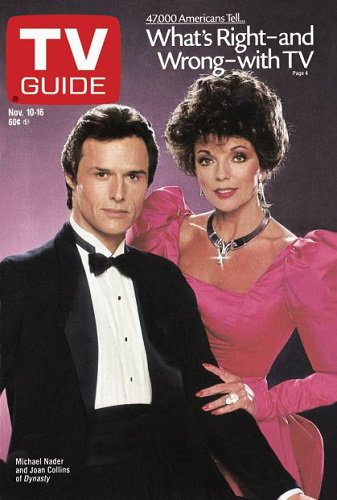
Michael Nader with Joan Collins in a scene from Dynasty, 1985.
Michael Nader with Joan Collins in a scene from Dynasty, 1985. Photograph: ABC Photo Archives/Walt Disney Television via Getty Images

Anthony HaywardThu 9 Sep 2021 17.38 BST

Michael Nader, who has died of cancer aged 76, was a TV heart-throb of the 1980s, appearing in the glitzy American soap Dynasty as Dex Dexter, who for a while “tamed” Alexis, the “superbitch” played by Joan Collins, in the TV-speak of the time. Dynasty’s ratings had soared with the introduction of Collins at the start of the programme’s second series in 1981. Her character was seeking revenge on her first husband, the ruthless oil business billionaire Blake Carrington (played by John Forsythe).

In 1983, after her short-lived marriage to Blake’s business competitor, Cecil Colby (Lloyd Bochner) – he died of a heart attack minutes after the wedding – Nader arrived in Denver, Colorado, as the tall, broad-shouldered, square-jawed mining engineer Dex, acting for his family’s company. Advertisementhttps://a3776aee5ab55d37f0728859b71e6725.safeframe.googlesyndication.com/safeframe/1-0-38/html/container.html

Dex and Alexis were immediately drawn to one another and the two became lovers. Their relationship was tempestuous and Nader added to the already edge-of-your-seats drama when he showed that Dex – notable most of the time for being honest, unlike most of those around him – had the measure of Alexis.

Dex later slept with her daughter, Amanda (Catherine Oxenberg), when the pair were snowed in at a ski lodge, before marrying Alexis in 1985. For a while, such increasingly sensational storylines saw Dynasty overtake Dallas, its rival American soap featuring Larry Hagman as the satan in a stetson JR Ewing, in both the American ratings and worldwide viewing figures.

While Collins battled for the upper hand with the other rich, glamorous women, Nader’s character, a former Green Beret, swung into action when Moldavian rebels launched an attack on the chapel where Amanda was marrying the Prince of Moldavia (Michael Praed).

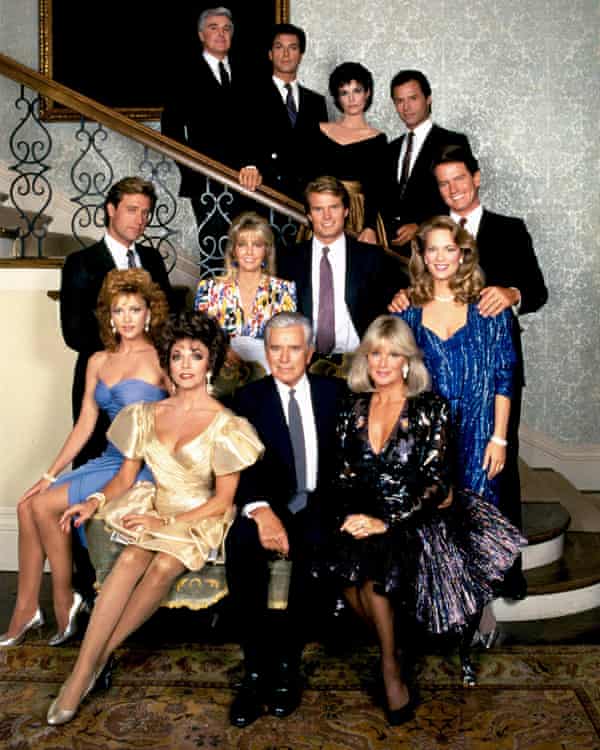
Michael Nader, back row, right, with the cast of Dynasty in 1981; the show’s sensational storylines helped it overtake the rival soap Dallas in the ratings.
Michael Nader, back row, right, with the cast of Dynasty in 1981; the show’s sensational storylines helped it overtake the rival soap Dallas in the ratings.Photograph: Sportsphoto Ltd/Allstar

Alexis eventually filed for divorce in 1987 after walking in on Dex and Amanda in bed together, but he stayed in Denver to work on a Carrington-Colby pipeline project. The couple could never completely break their ties as Dex continued to look out for Alexis – and they briefly resumed their relationship. “He remains the most caring and yet the most macho of the males,” wrote the TV critic Hilary Kingsley.

The fate of the pair was literally left hanging in the balance in Dynasty’s final episode, in 1989, when Alexis tackled Dex about his affair with her cousin Sable (Stephanie Beacham) and they both fell from a hotel balcony.

Nader was born in St Louis, Missouri, to Minnette (nee Glogovac) and John Nader, a descendant of Lebanese immigrants. His uncle was George Nader, a B-movie actor whose partner, Mark Miller, later became Rock Hudson’s personal secretary.

Several months after Michael’s birth, his parents split up and he moved to Los Angeles with his mother, who became a backing singer for Lena Horne. He was struck by a drink-drive motorist when he was six and underwent cosmetic surgery but was left with a scar on his cheek.

A rebel at Palisades Charter high school, he found a release in surfing in Malibu. “You got a pair of trunks, the ocean, a board under you – and no regulations,” said Nader.

On leaving school at 18, his surfing skills and tall, slim, athletic build led him to be cast in the film Beach Party (1963), a musical comedy marketed with the line: “It’s what happens when 10,000 kids meet on 5,000 beach blankets!”

It launched the big screen’s colourful teen “beach party” phenomenon starring the popular actor-singers Frankie Avalon and Annette Funicello. Over the next two years, Nader appeared in a further seven films in the series, including Beach Blanket Bingo (1965), with Linda Evans playing a “beach bunny” and up-and-coming singer. He went from being one of the crowd to featured roles.

He then landed a semi-regular part in the sitcom Gidget (1965-66) as Siddo, a school friend of Sally Field’s surfing, boy-mad teenager.

Apart from Dynasty, Nader was best known in his homeland for parts in two daytime soap operas, first as Kevin Thompson, a mining company worker, in As the World Turns (1976-78). Later, he played the mysterious Hungarian count Dimitri Marick in All My Children (1991-2001) but was sacked after being arrested in possession of an illegal substance, which resulted in him going into rehab. Years earlier, he had admitted to using marijuana and psychedelic drugs in his teens as a “spiritual quest”. He made a comeback as Dimitri for more than 40 episodes in 2013.

Nader’s first two marriages, to Robin Weiss (1984-90) and Beth Windsor (1992-94), ended in divorce. He is survived by his third wife, Jodi Lister, whom he married in 2004, and Lindsay, the daughter from his first marriage.

 Michael Robert Nader, actor, born 19 February 1945; died 23 August 2021

Michael Nader (1945–2021) was the definitive “Sophisticated Heavy” of the 1980s and 90s. While he possessed the classic, rugged handsomeness that could have easily relegated him to the role of a standard romantic lead, Nader infused his characters with a sharp, calculating intelligence and a hint of dangerous vulnerability.

His career is a fascinating case study in the evolution of the “TV Star,” as he moved from the carefree surfing films of the 1960s to becoming a pillar of the American soap opera epic.


1. Career Arc: From Beach Blanket to Boardroom

  • The “Beach Party” Beginnings (1963–1967): Nader began his career as a recurring face in the popular American International Pictures beach movies, such as Beach Party and How to Stuff a Wild Bikini. In these roles, he was the quintessential California youth—athletic, tan, and largely decorative.

  • The Prime-Time Breakthrough (1983–1989): After a decade of guest spots and a role in the soap As the World Turns, Nader landed the role that would define his career: Dex Dexter on the global phenomenon Dynasty. He was brought in to be the only man capable of truly “handling” Alexis Colby (Joan Collins).

  • The Daytime Icon (1991–2001): Following the end of Dynasty, Nader moved to All My Children, where he played Dimitri Marick. This role solidified his status as “Daytime Royalty,” playing a character that blended European aristocracy with modern American business grit.

  • The Later Challenges: Nader’s career faced significant hurdles due to personal struggles with substance abuse, which led to a hiatus in the early 2000s, followed by a poignant return to the screen in the final years of his life.


2. Critical Analysis of Key Performances

Dynasty – The “Anti-Hero” Husband

As Farnsworth “Dex” Dexter, the corporate raider and soldier of fortune.

  • Analysis: Nader’s casting was a pivot point for the series. Unlike the “softer” men who had previously surrounded Alexis Colby, Dex was physically and intellectually imposing. Nader used a low-key, simmering intensity that allowed him to command a scene without raising his voice.

  • Critique: Critics often noted that Nader brought a “Noir” sensibility to the high-glamour world of Dynasty. He played Dex with a certain weariness—the look of a man who had seen combat and wasn’t impressed by social standing. This gave the character a grounded masculinity that made the soap opera’s melodrama feel more consequential.

All My Children – The Romantic Intellectual

As Count Dimitri Marick, the lord of Wildwind.

  • Analysis: This role required a more sophisticated, operatic range. Nader had to balance the character’s aristocratic arrogance with a deep, soulful capacity for love. He utilized his vocal cadence—a rich, deliberate baritone—to suggest a man of high culture and ancient lineage.

  • Critique: Nader was praised for his chemistry with co-star Susan Lucci (Erica Kane). While many soap opera actors relied on broad gestures, Nader relied on stillness. He understood that in the medium of the “close-up,” the most effective acting happens in the eyes. His Dimitri was a man of “secrets,” making him perpetually captivating to the audience.


3. Style and Legacy: The “Modern Classicist”

Michael Nader’s acting style was defined by a specific sculptural physicality. He didn’t just walk into a room; he inhabited it.

Attribute Critical Impact
The “Masculine Vulnerability” Nader had a rare ability to let a character’s “mask” slip, showing a flash of pain or insecurity that made his “tough guy” roles more sympathetic.
Vocal Authority His voice was a major instrument; he used silence and pauses as effectively as dialogue to build tension.
Stylistic Consistency Whether in the 19th-century setting of a period piece or a modern boardroom, Nader maintained a sense of timeless elegance.

The “Dex Dexter” Benchmark

In the history of prime-time soaps, the “Dex Dexter” archetype is frequently cited as the gold standard for a romantic lead. Nader proved that a male character could be a sex symbol while also being morally complex and intellectually formidable. He helped move the genre away from “cardboard” heroes into a space of more nuanced character studies.

Critical Note: Michael Nader was an actor who excelled in the “Grand Format.” He understood the heightened reality of the soap opera and the prime-time epic, but he approached it with the discipline of a classical actor. His legacy is that of a performer who brought a high degree of dignity and “weight” to popular entertainment

Gabriel Kaplan
Gabriel Kaplan
Gabriel Kaplan

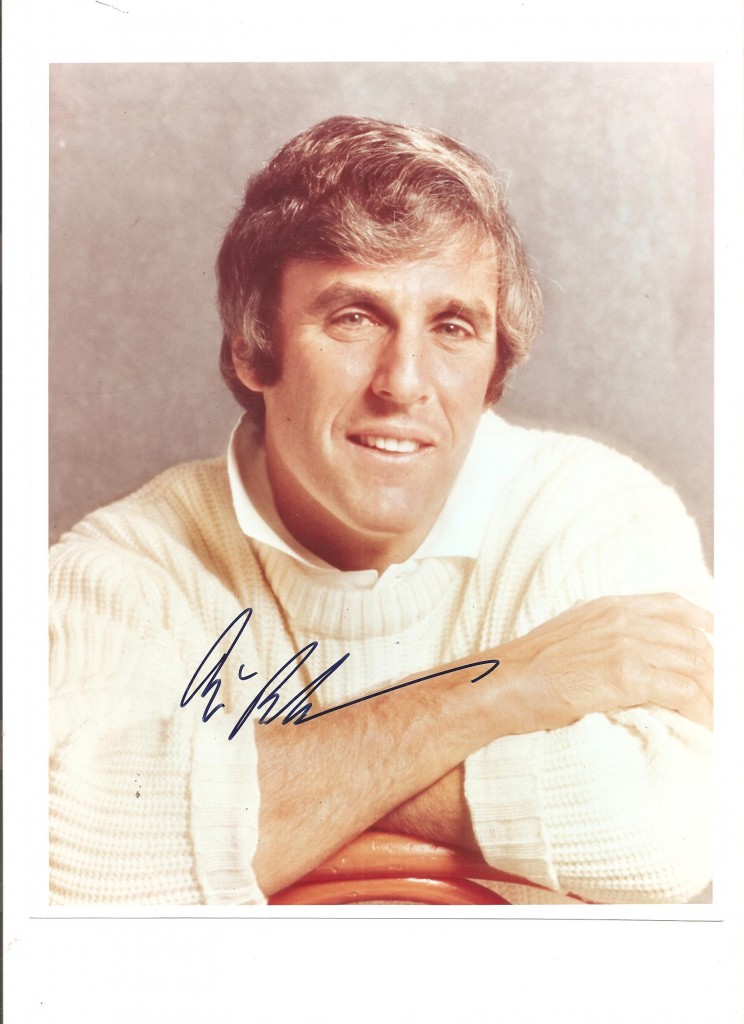
Gabriel Kaplan was born in New York in 1945.   He made his television debut in an episode of “The Love Boat” in 1976.   His film debut was in “Fast Break” in 1979.   His other films include “Nobody’s Perfect”, “Tuilip”and “Groucho”.

Michael Sheen
Michael Sheen
Michael Sheen

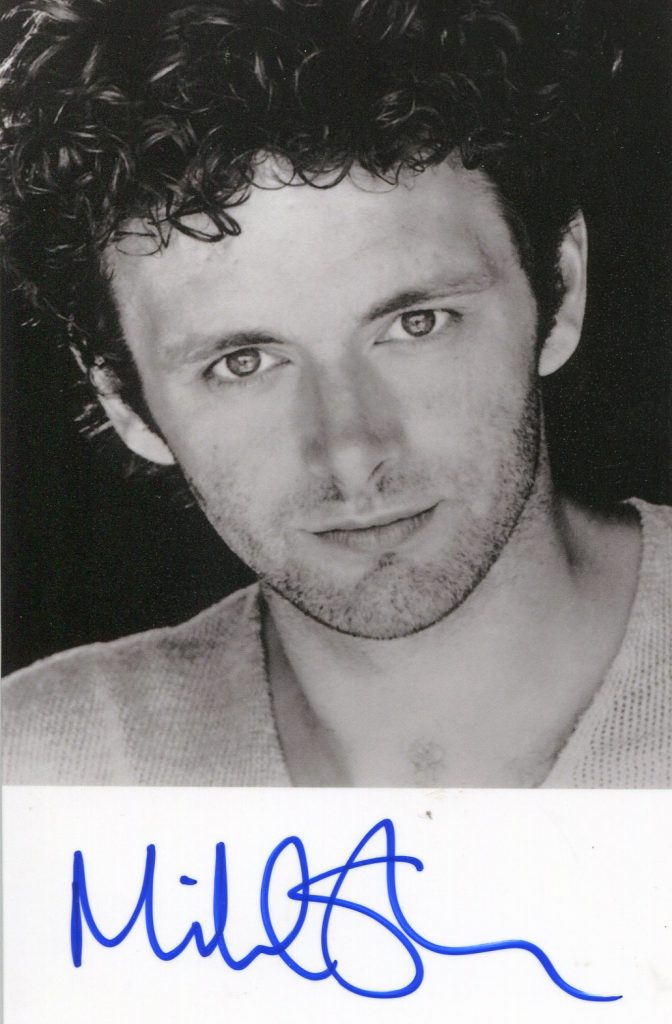
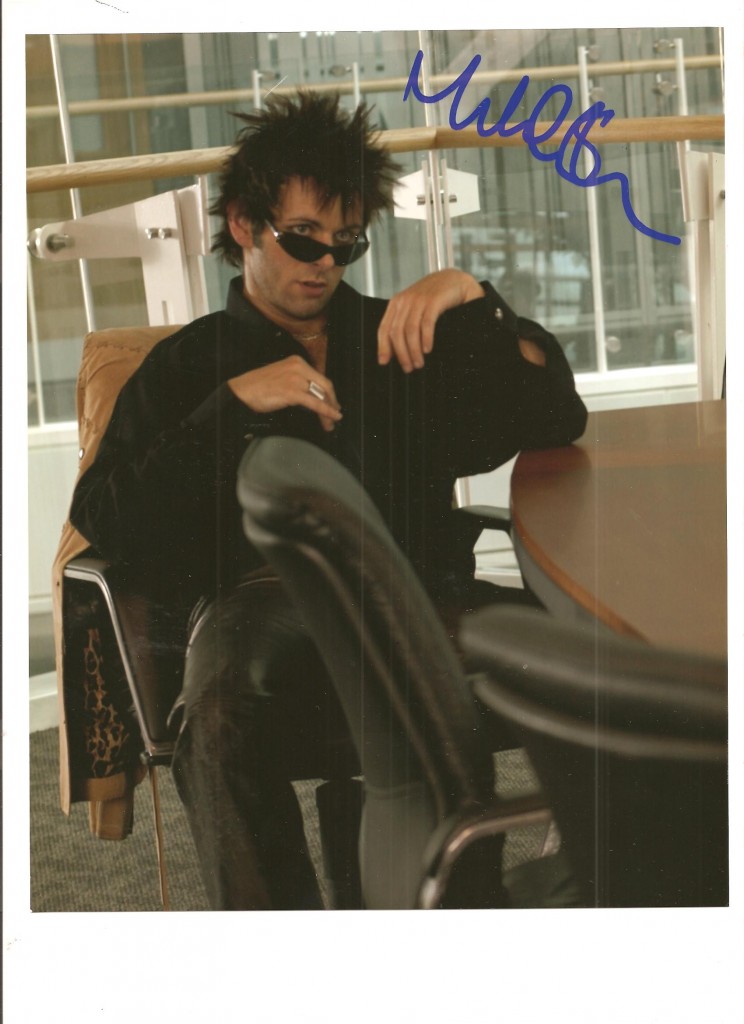
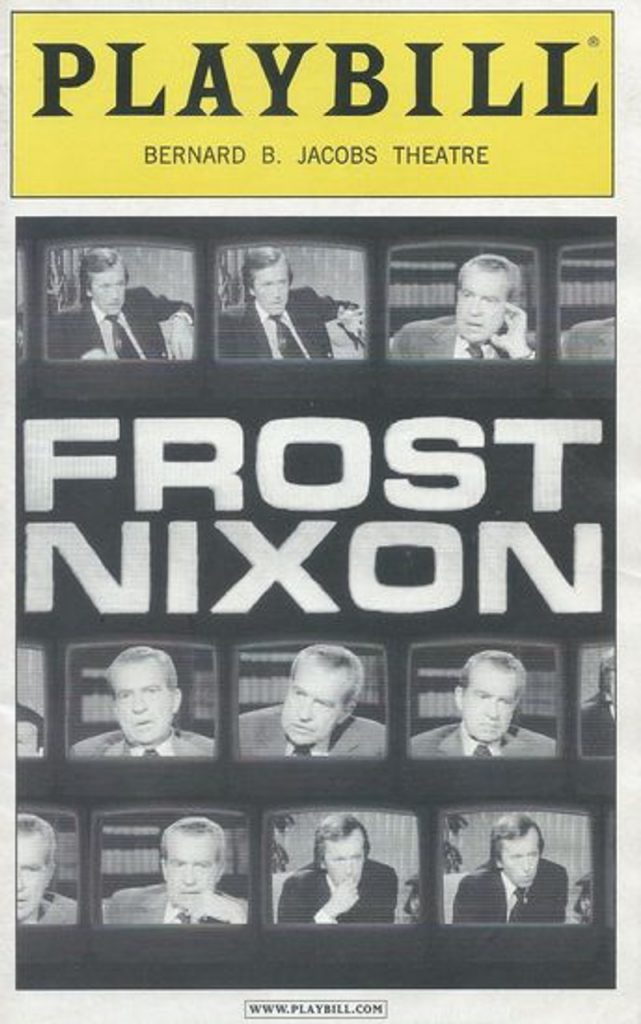
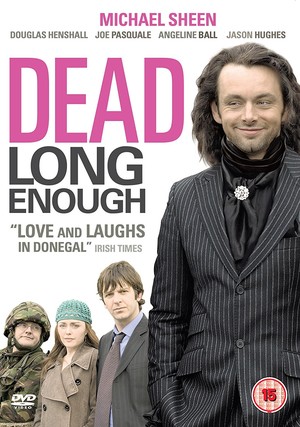
Michael Sheen was born in 1969 in Newport, Wales. He gave a brilliant performance as Tony Blair opposite Helen Mirren as Queen Elizabeth in “The Queen”. He has also starred in a repeat of his Broadway performance as David Forst in “Frost/Nixon” with Frank Langella as Richard Nixon.

TCM Overview:

1999) unleashed one of the U.K.’s best kept secrets on international audiences. The West End continued to be his anchor, with acclaimed roles in “Look Back in Anger” and “Caligula,” but Sheen grew increasingly more familiar to filmg rs with supporting roles in the gothic horror film series “Underworld” (2003) and the romantic comedy “Laws of Attraction” (2004). His collaborations with writer Peter Morgan were among his best-known, including his memorable portrayal of British Prime Minister Tony Blair in Morgan’s “The Queen” (2006), and as political interviewer David Frost in “Frost/Nixon.” The resounding success of the latter Morgan work led to a run on Broadway and a Hollywood film adaptation by Ron Howard (2008), both of which co-starred Sheen and Frank Langella. From there his career skyrocketed, as he starred in “Underworld: Rise of the Lycans” (2009), “Twilight: New Moon” (2009) and “Alice in Wonderland” (2010). For the third time in his career, he played Tony Blair, this time in “The Special Relationship” (HBO, 2010), before co-starring with Jeff Bridges in “Tron: Legacy” (2010) and opposite Rachel McAdams in Woody Allen’s “Midnight in Paris” (2011). Whether he was appearing in historical dramas, big budget fantasies or small indies, Michael Sheen was an intense and passionate performer who was one of the few Welsh exports to make it big in America.

Sheen was born Feb. 5, 1969, and grew up a middle-class boy in the working class town of Port Talbot, Wales. Although his parents worked in personnel, they shared with their two children a deep appreciation for acting, with his father enjoying some success later in life as a Jack Nicholson impersonator. As a young man, Sheen turned down the opportunity to pursue a possible professional football career, opting to follow in the footsteps of fellow Port Talbot natives Richard Burton and Anthony Hopkins by attending the Royal Academy of Dramatic Art in London. During his second year, he won the coveted Laurence Olivier Bursary for consistently outstanding performances. While Sheen was still studying, he landed a pivotal role opposite stage legend Vanessa Redgrave in Martin Sherman’s “When She Danced” (1991). In 1993, Sheen joined the theater troupe Cheek By Jowl and was critically acclaimed for his performance in “Don’t Fool with Love.” That same year, he played opposite Ian Holm onstage in Harold Pinter’s “Moonlight” and excelled in his role as a mentally unstable man who becomes enmeshed in a kidnapping plot in “Gallowglass,” a three-part BBC serial.

In Yukio Ninagawa’s 1994 international tour of “Peer Gynt,” a critic from The London Times panned the multimedia production, but singled out Sheen for his ability to express “astonishing vitality despite lifeless direction.” The actor nabbed his first feature film role in 1994, playing Dr. Jekyll’s footman in “Mary Reilly” opposite John Malkovich and Julia Roberts. The film did not make it into theaters until 1996, a year after Sheen’s second movie, “Othello” (1995), starring Kenneth Branagh, was filmed and released. Sheen appeared onstage twice in 1995, opposite Kate Beckinsale in a staging of “The Seagull” and as star and director of “The Dresser.” In the first of his major big screen roles, he was memorable as Robert Ross, Oscar Wilde’s erstwhile lover, in the 1997 biopic “Wilde.” Sheen also managed to set critics’ tongues wagging with a deft stage performance in the role of “Henry V;” not a part traditionally given to a slight, boyish-looking actor. One writer raved “Sheen, volatile and responsive in an excellent performance, showed us the exhilaration of power and conquest.”

Sheen next tackled one of history’s more colorful artists, composer Wolfgang Amadeus Mozart, in the West End production of “Amadeus” and followed the production’s success to Broadway the following year. His reputation soared, with the addition of his role as Jimmy Porter in a London revival of “Look Back in Anger.” For his performance, Susannah Clapp of The Observer hailed his “luminous quality” and ability to be goaded, fiery and defensive all at the same time. Hot off the success of “Amadeus,” Sheen began racking up more film credits, including in the British road film “Heartlands” (2002) opposite Mark Addy and in the 19th century military drama “The Four Feathers” (2002), starring Heath Ledger, Wes Bentley and Kate Hudson. Sheen enjoyed a supporting role in Stephen Fry’s directorial debut, “Bright Young Things” (2003), and from that satirical British production, landed a major role opposite Beckinsale again in the gothic horror actioner, “Underworld” (2003). His film career barreled ahead in 2003 with a supporting role in Richard Donner’s tanker “Timeline” (2003) and an impressive portrayal of British Prime Minister Tony Blair in director Stephen Frears’ telepic, “The Deal” (2003).

Next, he grabbed positive notices for playing a divorce-embattled rock star, stealing scenes from Pierce Brosnan and Julianne Moore, in the romantic comedy “Laws of Attraction” (2004). Back on the London stage, Sheen earned raves for his performance in “Caligula,” winning the Evening Standard Award and Critics Circle Award for Best Actor, along with a nomination for the prestigious Olivier Award. More critical recognition was forthcoming for Sheen’s supporting role in “The Queen” (2006) where his tested and true take on Tony Blair practically guaranteed a BAFTA supporting actor nomination. Sheen reprised his “Underworld” role in the sequel “Underworld: Evolution” (2006) before essaying Roman emperor Nero in the BBC miniseries “Ancient Rome: The Rise and Fall of an Empire” (2006). He followed up with another heady TV offering, “H.G. Wells: War With the World” (2006), in which he starred as the iconic science fiction author. Sheen set the West End buzzing again in the summer of 2006 in Peter Morgan’s “Frost/Nixon,” based on a series of televised interviews that British television presenter David Frost conducted with impeached American president Richard Nixon in 1976. Sheen played Frost and fellow stage vet Frank Langella essayed Nixon. The pair’s glowing reviews led to a six-month run on Broadway, as well as a nomination for Distinguished Performance from the Drama League Awards for Sheen.

Sheen appeared onscreen twice during his stage runs: in a supporting role in the acclaimed drama “Blood Diamonds” (2006) and a co-starring role as a wheelchair-bound genius in the solid indie character study “The Music Within” (2006). In 2008, he and Langella re-teamed to reprise their stunning portrayals in Ron Howard’s screen adaptation of “Frost/Nixon,” which overwhelmingly impressed film critics. The following year, Sheen starred in the “Underworld” prequel, “Rise of the Lycans,” and headed up the cast of the fact-based British football drama, “The Damned United” (2009), appearing in the role of Leeds team manager, Brian Clough. He received the vast majority of attention that year, however, for his portrayal of the vampire Aro in the second installment of the “Twilight” film series, “New Moon” (2009). Many Twi-hard teens obsessed with the film and novels were discovering Sheen’s brilliance for the first time, so with this extremely lucrative film – it made over $200 million in a matter of days – he reached an audience he might not have otherwise. Sheen also joined the cast of Tim Burton’s fantastical “Alice in Wonderland” (2010) in the role of the Cheshire Cat, alongside Johnny Depp’s Mad Hatter. Meanwhile, Sheen maintained his lock on playing Tony Blair with “The Special Relationship” (HBO, 2010), a look at the British prime minister’s intimate relationship with President Bill Clinton (Randy Quaid), for which he was nominated for an Emmy for Outstanding Lead Actor in a Miniseries or a Movie. After reprising Aro for “The Twilight Saga: Breaking Dawn – Part 1” (2011), he was a boorish pseudo-intellectual friend who is friends with the fiancé (Rachel McAdams) of a successful, but dissatisfied Hollywood screenwriter (Owen Wilson) in Woody Allen’s successful surrealist romantic comedy “Midnight in Paris” (2011). During the production, Sheen began an off-camera romance with McAdams in July 2010.

The above TCM overview can also be accessed online here.