

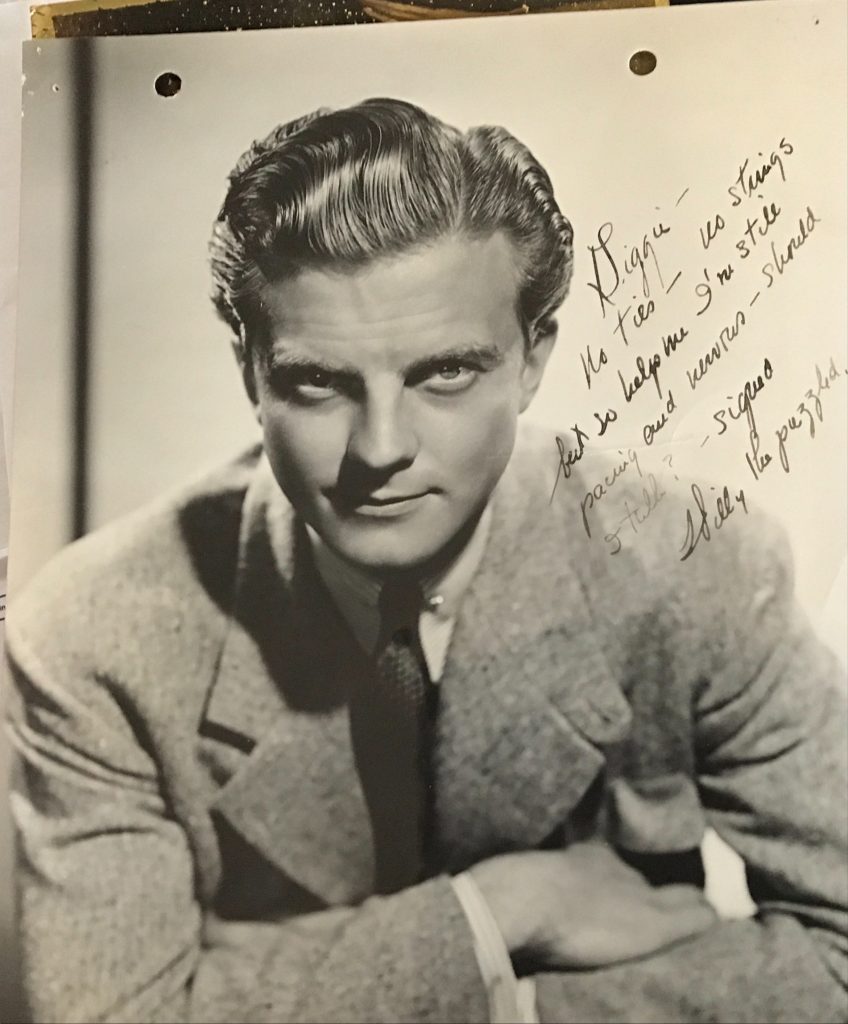
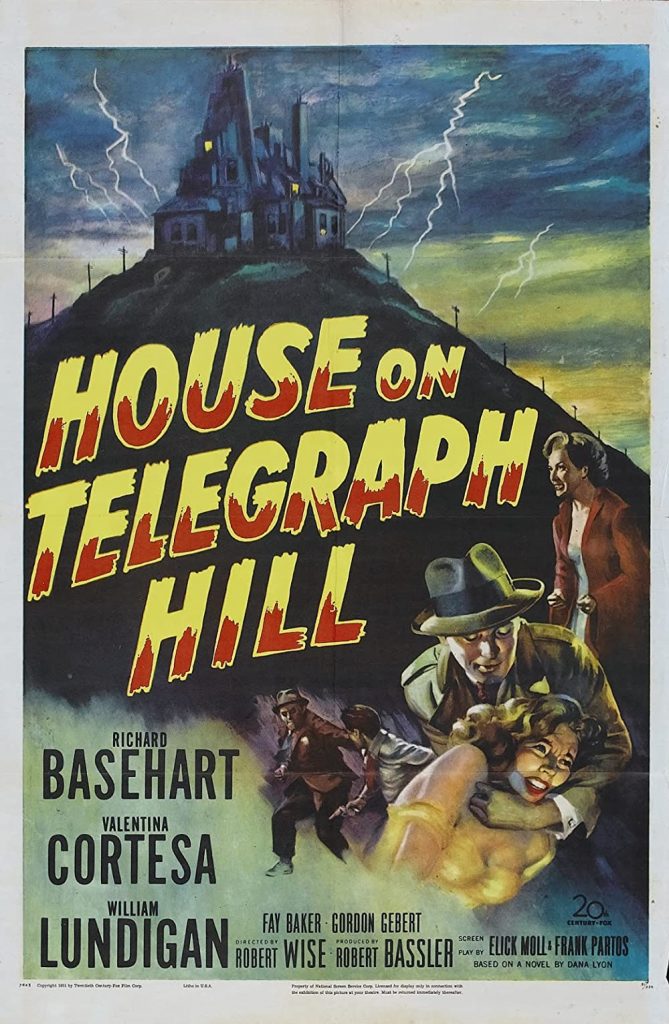
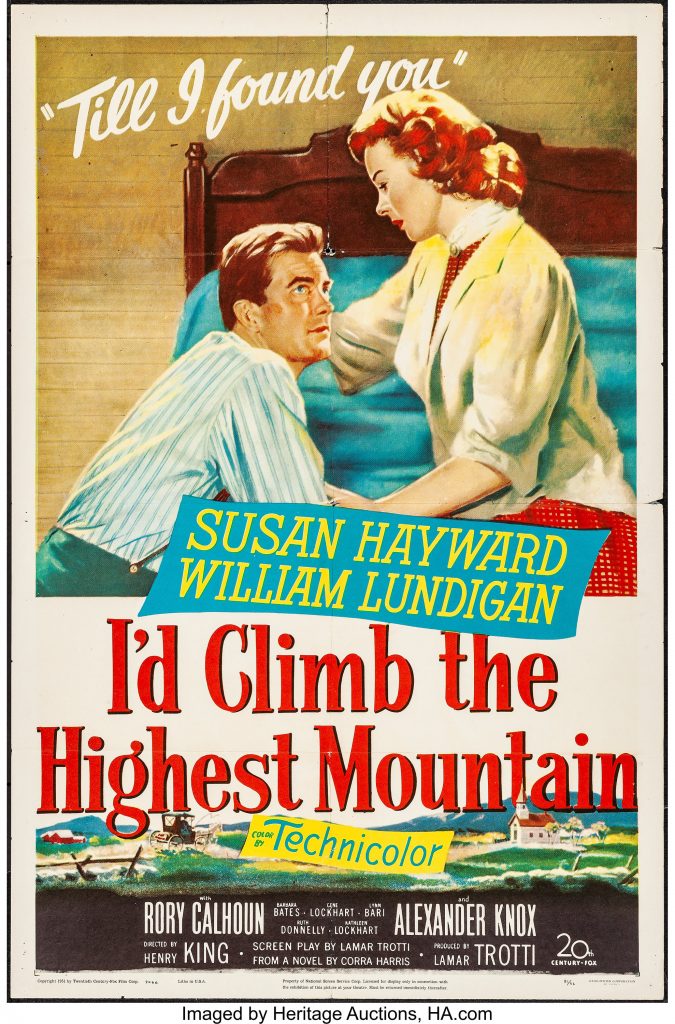
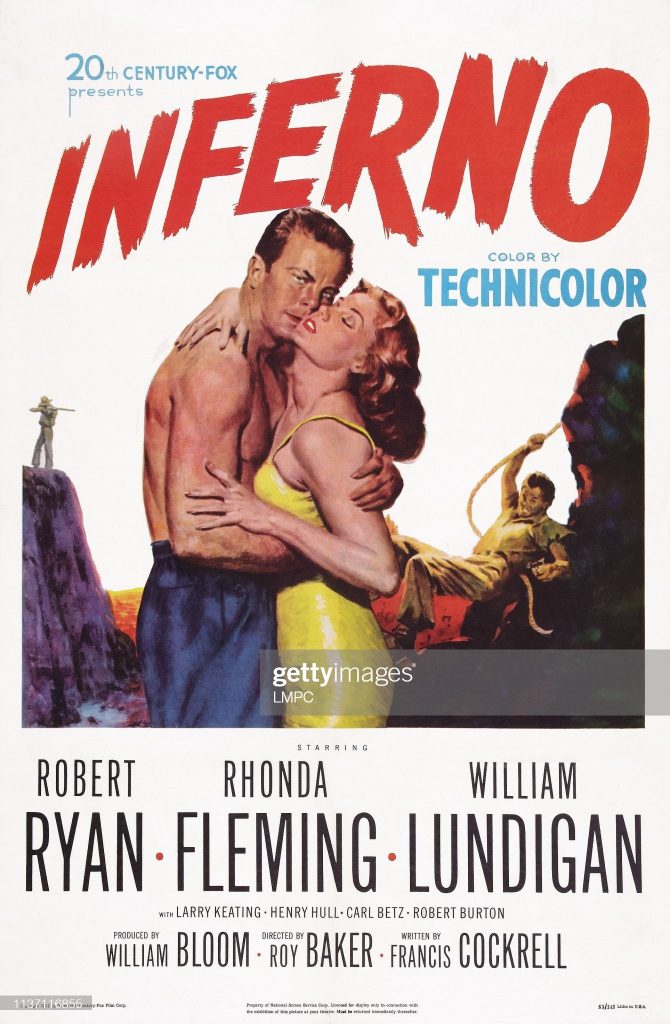
William Lundigan (June 12, 1914 – December 20, 1975) was an American film actor. His more than 125 films[1] include Dodge City(1939), The Fighting 69th (1940), The Sea Hawk (1940), Santa Fe Trail (1940), Dishonored Lady (1947), Pinky (1949), Love Nest (1951) with Marilyn Monroe, The House on Telegraph Hill (1951), I’d Climb the Highest Mountain (1951) and Inferno (1953).
Growing up in Syracuse, New York, Lundigan was the oldest of four sons. His father, Michael F. Lundigan, owned a shoe store (at which Lundigan worked)[4] in the same building as a local radio station, WFBL. Becoming fascinated by radio, he was playing child roles on radio and producing radio plays at 16.
A graduate of Nottingham High School, Lundigan studied law at Syracuse University, earning money as a radio announcer at WFBL. He graduated and passed the bar examinationbefore events changed his career path. Charles Rogers, a Universal Pictures production chief, heard Lundigan’s voice, met him, arranged a screen test and signed him to a motion picture contract in 1937.
He was in Armored Car (1937) billed as “Larry Parker”. Then his name was changed to “William Lundigan” for West Bound Limited (1937).
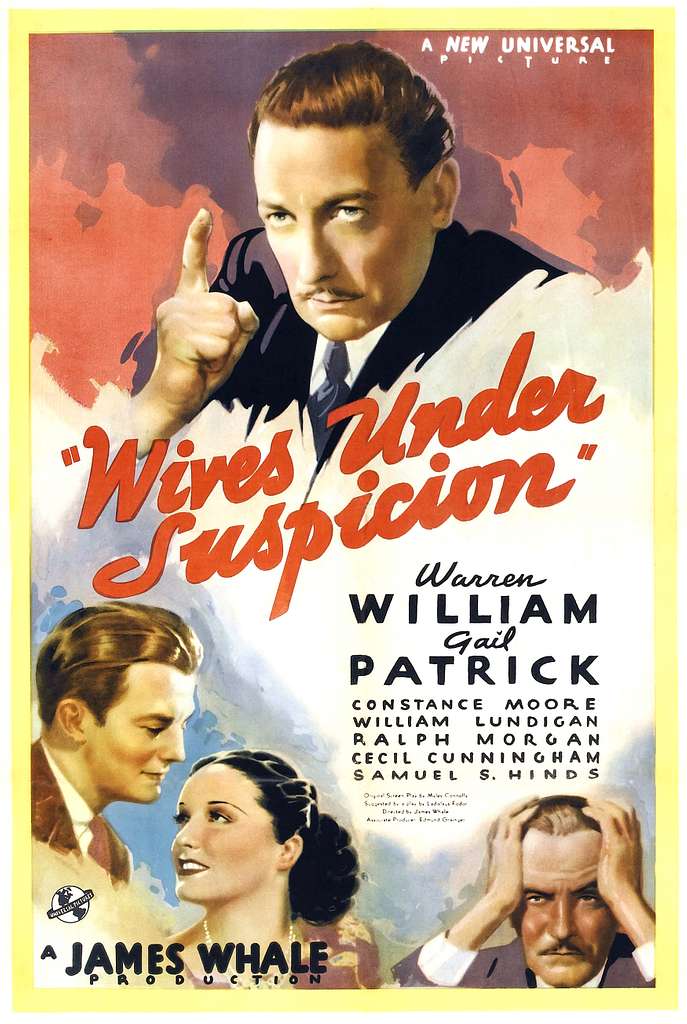
Lundigan was billed third in The Lady Fights Back (1937) then promoted to male lead for That’s My Story! (1937). He was back down the cast list for The Black Doll (1938) and Reckless Living (1938) but was the male lead for State Police (1938). He had support parts in Wives Under Suspicion (1938) directed by James Whale, Danger on the Air (1938), The Missing Guest (1938), and Freshman Year (1938).
Lundigan was one of the romantic leads in Three Smart Girls Grow Up (1939). He was borrowed by Warners for a support part in Dodge City (1939).
Lundigan was top billed in They Asked for It (1939) then was Sigrid Gurie’s leading man in The Forgotten Woman (1939). He supported in Legion of Lost Flyers (1939). He said “nothing much happened” of his time at Universal and left the studio.
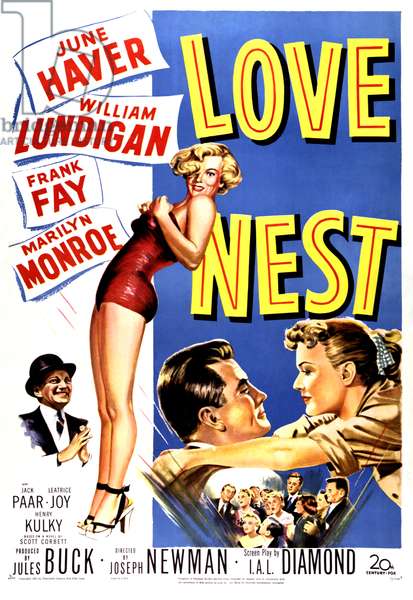
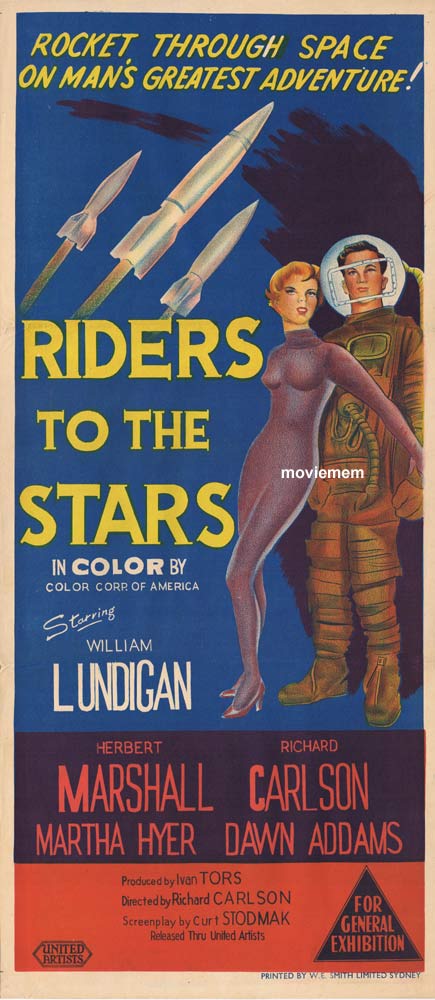
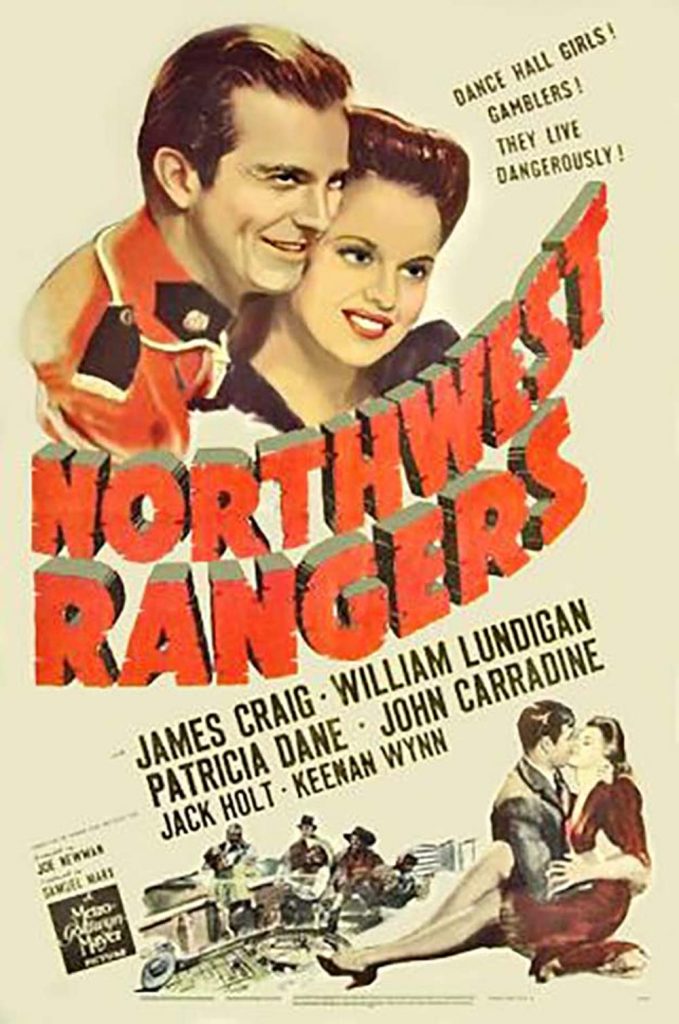
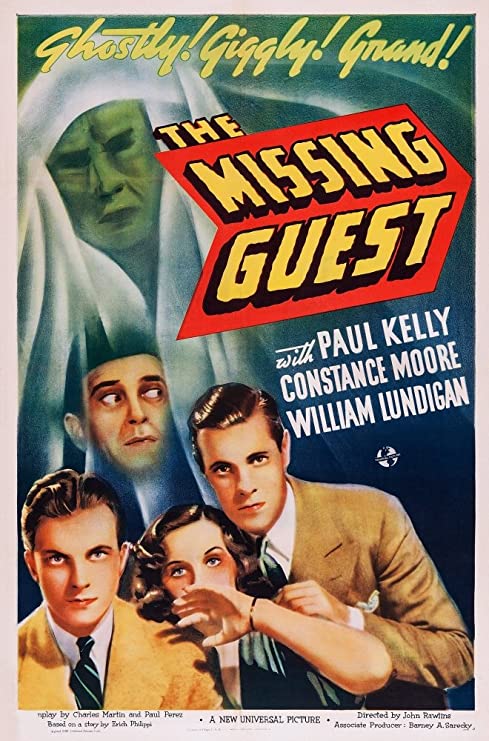
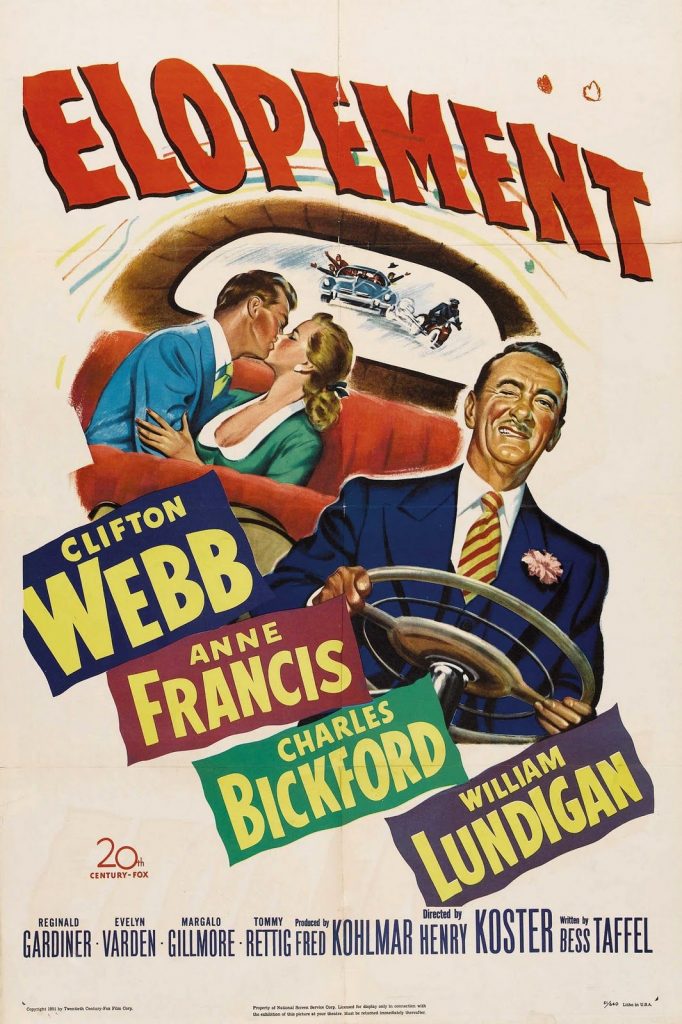
Lundigan signed with Warner Bros, where he had support roles in The Old Maid (1939), The Fighting 69th (1940), 3 Cheers for the Irish (1940), The Man Who Talked Too Much (1940), Young America Flies (1940, a short), The Sea Hawk (1940), Service with the Colors (1940, a short), East of the River (1940), and Santa Fe Trail (1940).
Lundigan later described this period as “I was always turning up as Olivia de Havilland’s weak brother. Well, I got in a rut – that old bugaboo, type casting – and made one quickie after another.”
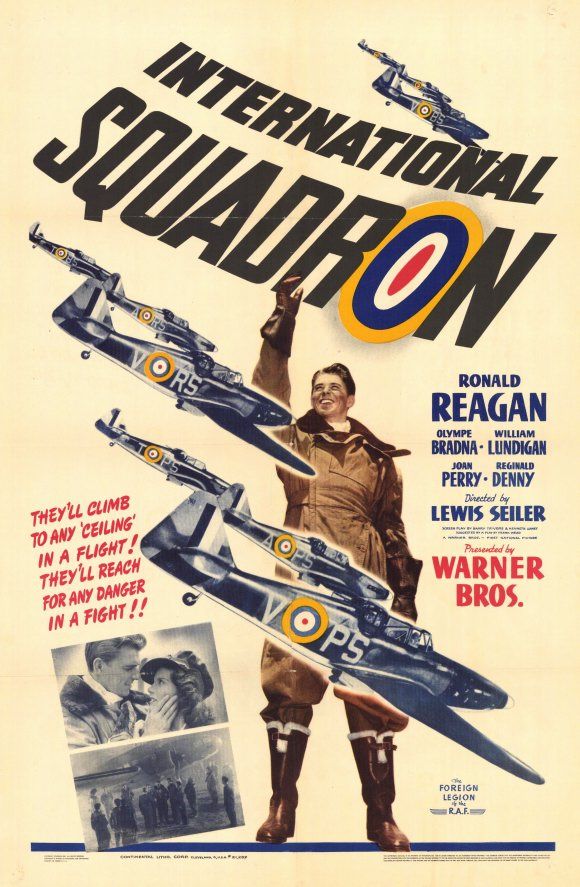
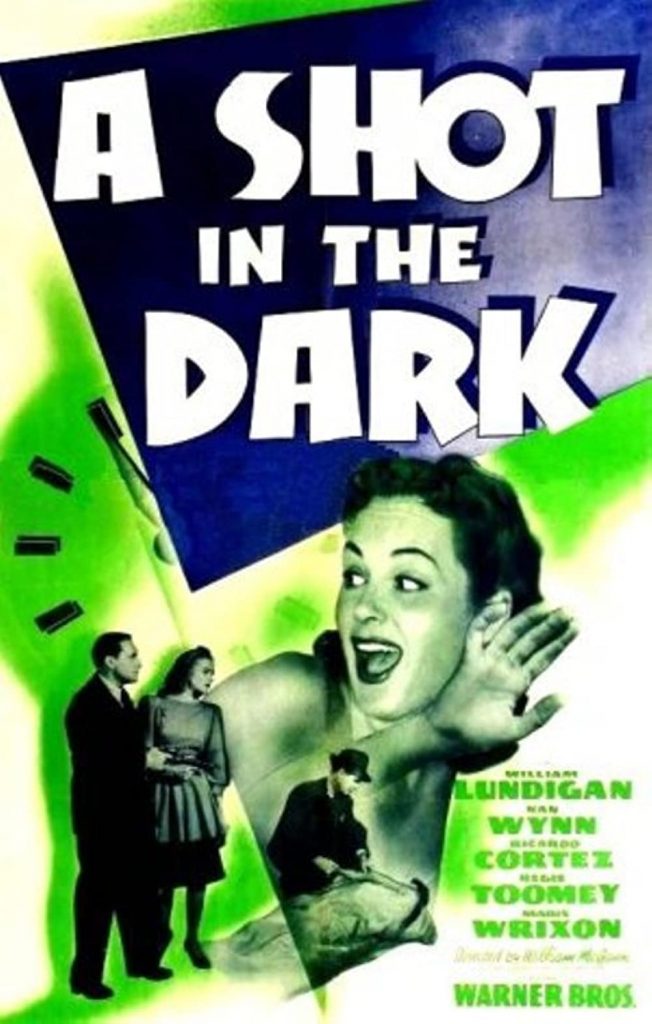
Warners promoted him to the lead of some “B”s, The Case of the Black Parrot (1941) and A Shot in the Dark (1941); he was support in The Great Mr. Nobody (1941), Highway West(1941) and International Squadron (1941).
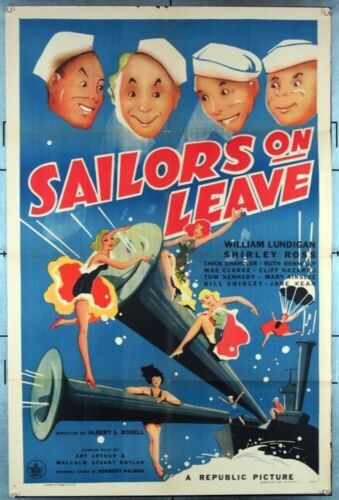
Lundigan then had a lead in Sailors on Leave (1941) for Republic Pictures.
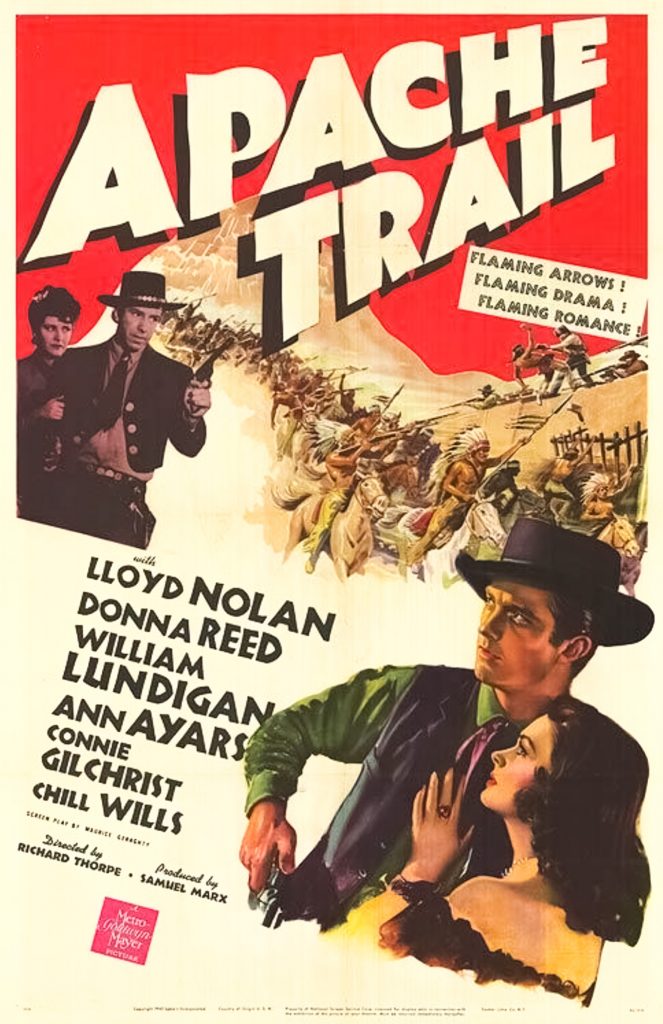
Lundigan went to MGM where he had support roles in The Bugle Sounds (1942) and The Courtship of Andy Hardy (1942). He was promoted to the lead of a “B”, Sunday Punch (1942) and had the second lead in Apache Trail (1942) and Northwest Rangers (1942).
He reprised his role from the Andy Hardy series in Andy Hardy’s Double Life (1942) and supported in Dr. Gillespie’s Criminal Case (1943) and Salute to the Marines (1943). Republic asked him back to play the lead in Headin’ for God’s Country (1943).
He enlisted in the U.S. Marine Corps for World War II and served as a combat cameraman in the Battle of Peleliu and the Battle of Okinawa, returning at war’s end as a Corporal. He was wounded on Okinawa.
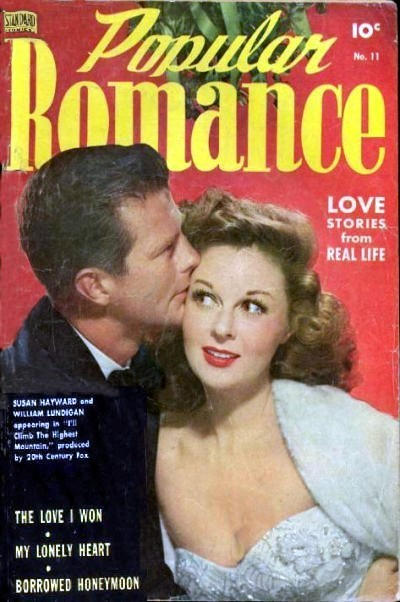
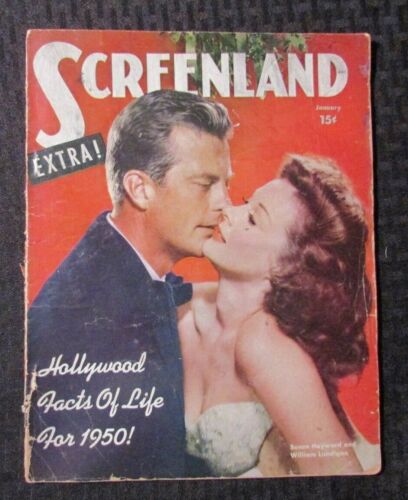
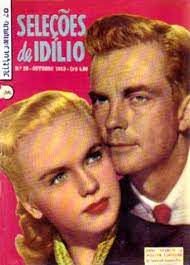
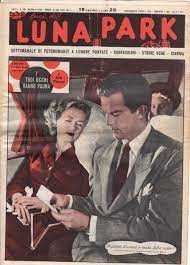
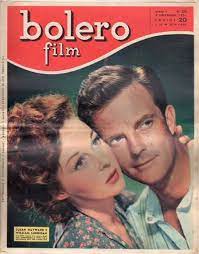
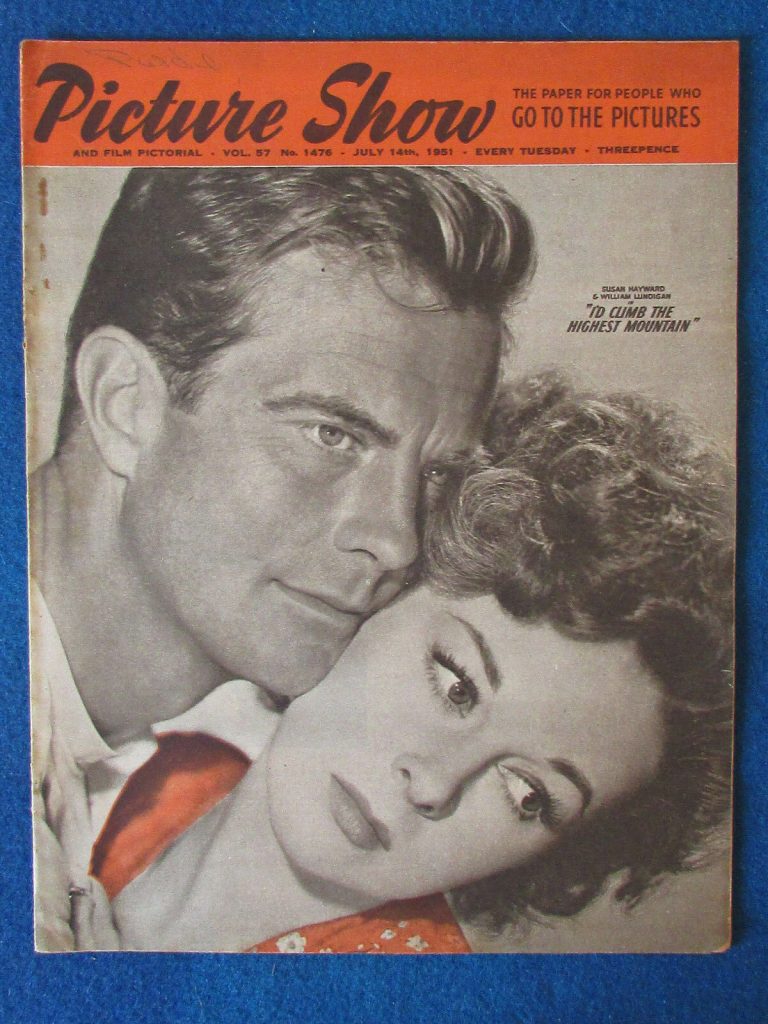
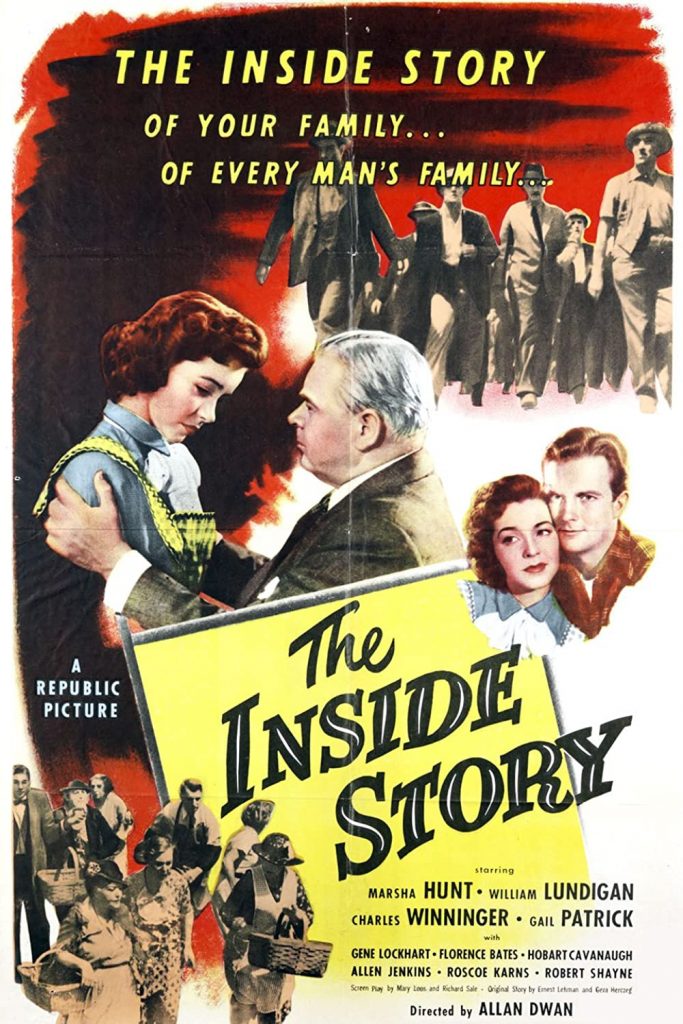
Lundigan returned to Hollywood and tried freelancing. He had support roles in some independent movies, The Fabulous Dorseys (1947) and Dishonored Lady (1947). He was the leading man in Republic’s The Inside Story (1948) and was top billed in Mystery in Mexico (1948), State Department: File 649 (1948) and Follow Me Quietly (1949). He decided to try acting on stage and was cast by John Ford in a revival of What Price Glory?.
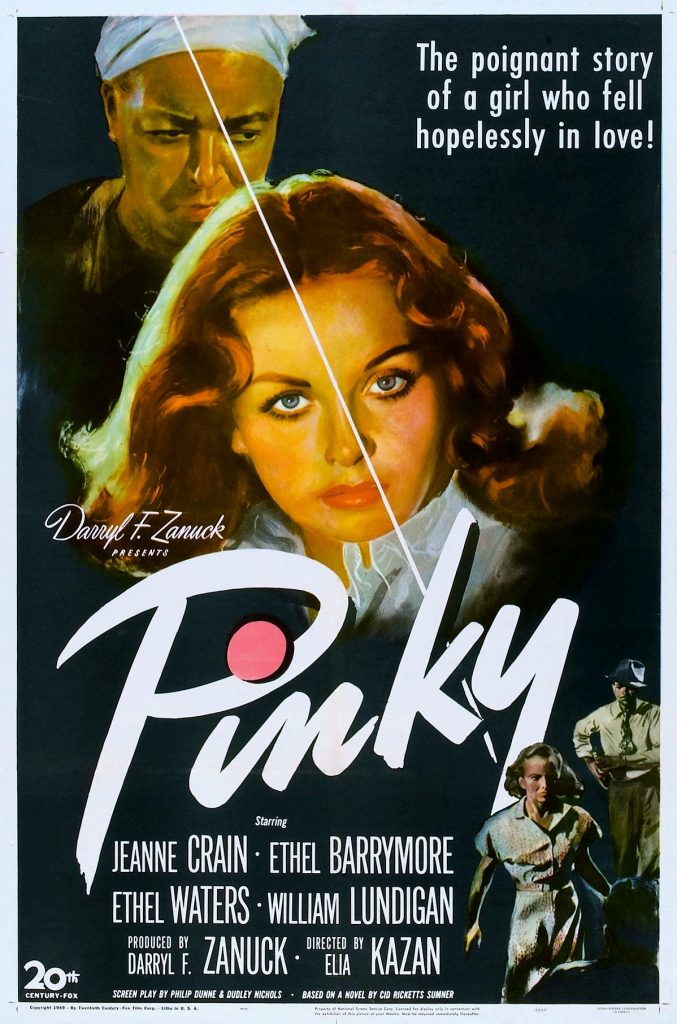
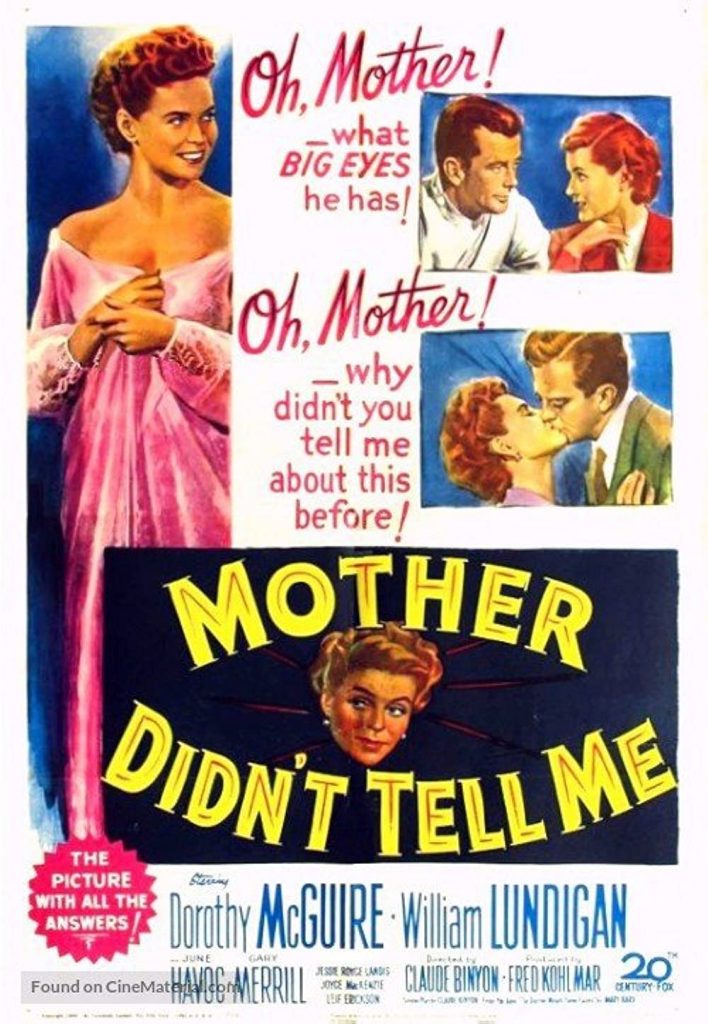
Lundigan’s career revived when he successfully auditioned for the role of Jeanne Crain‘s romantic interest in Pinky (1949) at 20th Century Fox, initially directed by Ford (Elia Kazan took over). The movie was a huge hit and the studio signed him to a long term contract. He went on to be leading man to Dorothy McGuire in Mother Didn’t Tell Me (1950), June Haver in I’ll Get By (1950) and Love Nest (1951), Susan Hayward in I’d Climb the Highest Mountain (1951).
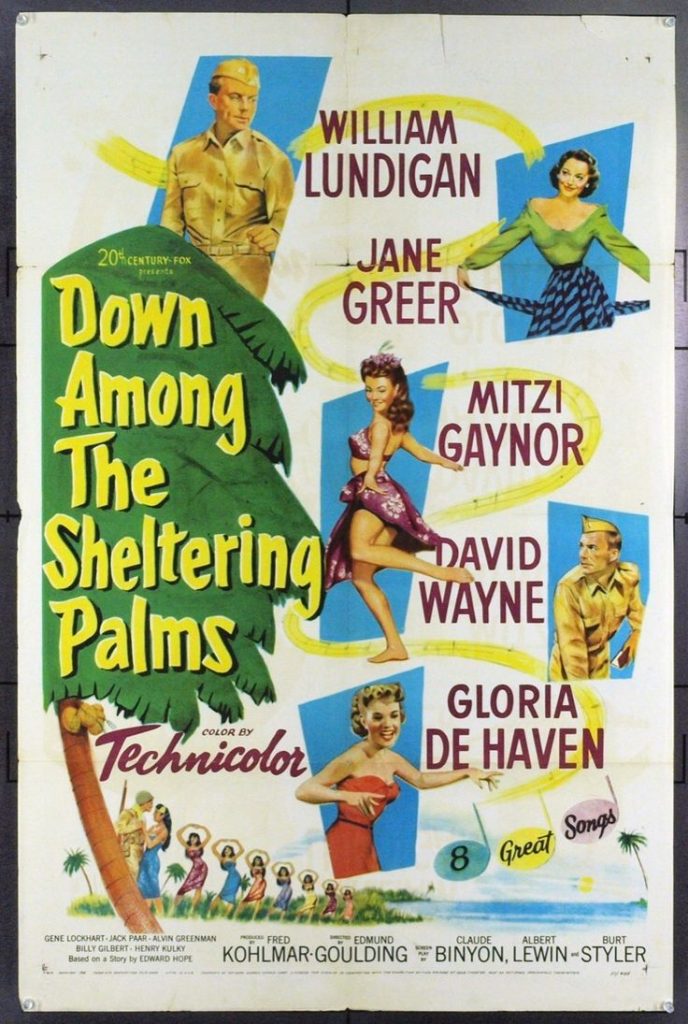
He was also in The House on Telegraph Hill (1951) and Elopement (1951), and was the male lead in Down Among the Sheltering Palms (1952) and Serpent of the Nile (1953). The New York Times called him “the male counterpart to the girl next door”.
He had a good part in Inferno
In an episode of Desilu Playhouse, “K.O. Kitty”, L-R: William Lundigan, Aldo Ray, and Lucille Ball (1958).

Lundigan began appearing on TV shows like Lux Video Theatre, Schlitz Playhouse, General Electric Theater, The Ford Television Theatre, and The Star and the Story and was host for Climax! and Shower of Stars.
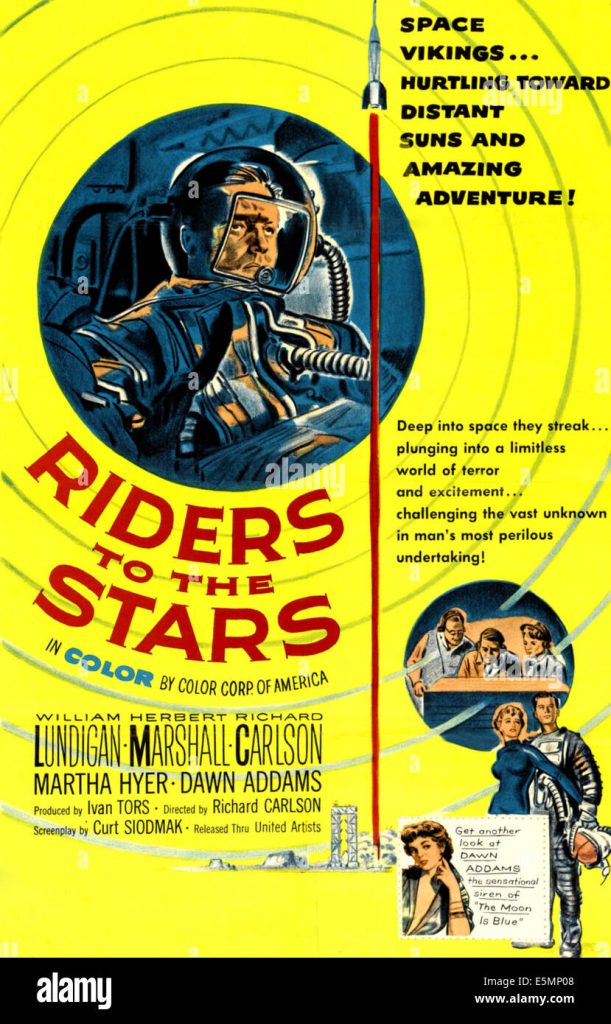
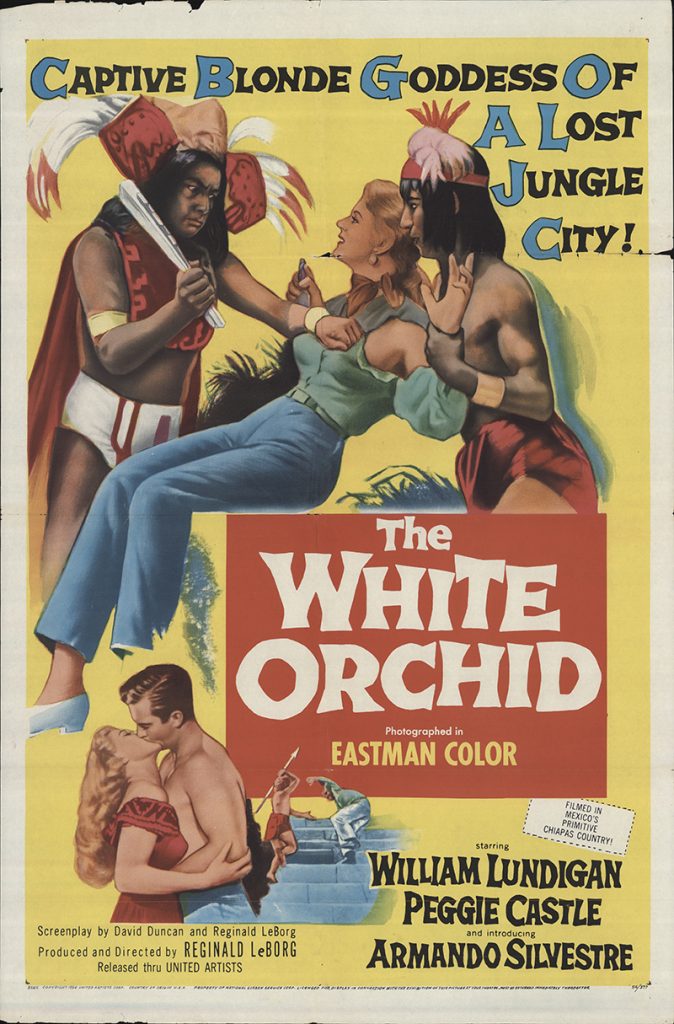
He had the lead in some low budget films like Riders to the Stars (1954), Terror Ship (1954) and The White Orchid (1954), the latter for Reginald Le Borg. He mostly worked on television now, such as episodes of Science Fiction Theatre, Playhouse 90 and Westinghouse Desilu Playhouse, and travelled the country extensively selling automobiles.
From September 30, 1959, to September 7, 1960, Lundigan portrayed Col. Edward McCauley in the CBS television series, Men into Space.
In 1961, Lundigan was cast as Nathaniel Norgate in the episode, “Dangerous Crossing”, on the syndicated anthology series, Death Valley Days, hosted by Stanley Andrews. The story focuses on religious settlers who encounter outlaws operating an illegal tollgate.
He had the lead in The Underwater City (1962) and guest starred on The Dick Powell Theatre , Run for Your Life, Medical Center and Marcus Welby, M.D.. His last film was The Way West (1967).
In 1963 and 1964, Lundigan joined fellow actors Walter Brennan, Chill Wills, and Efrem Zimbalist, Jr., in making appearances on behalf of U.S. Senator Barry M. Goldwater, the Republican nominee in the campaign against U.S. President Lyndon B. Johnson.
Lundigan himself waged an unsuccessful campaign for a nominally non-partisan seat on the Los Angeles City Council.
Lundigan married Rena Morgan, and they had a daughter, Anastasia.[2]
Lundigan died at the age of 61 of apparent heart failure at City of Hope Medical Center in Duarte, California in 1975.