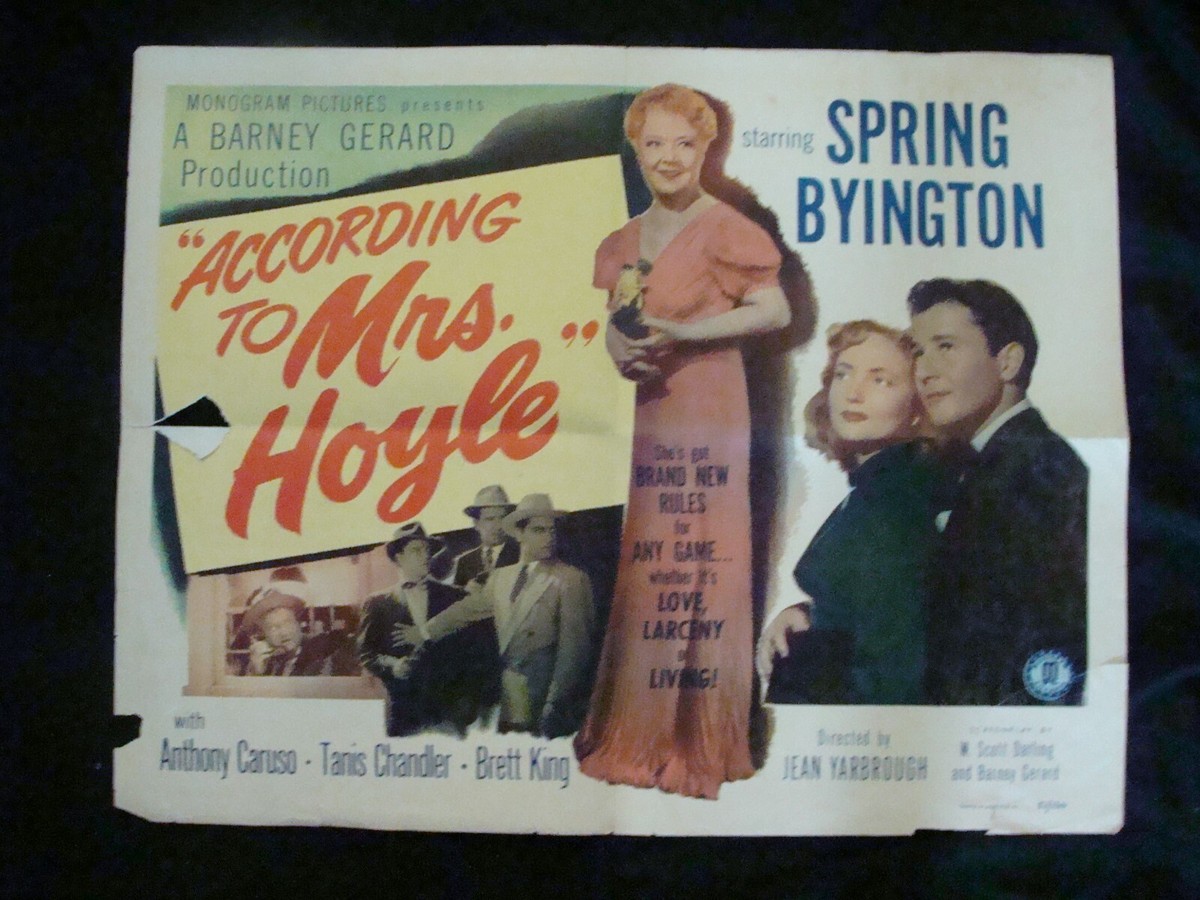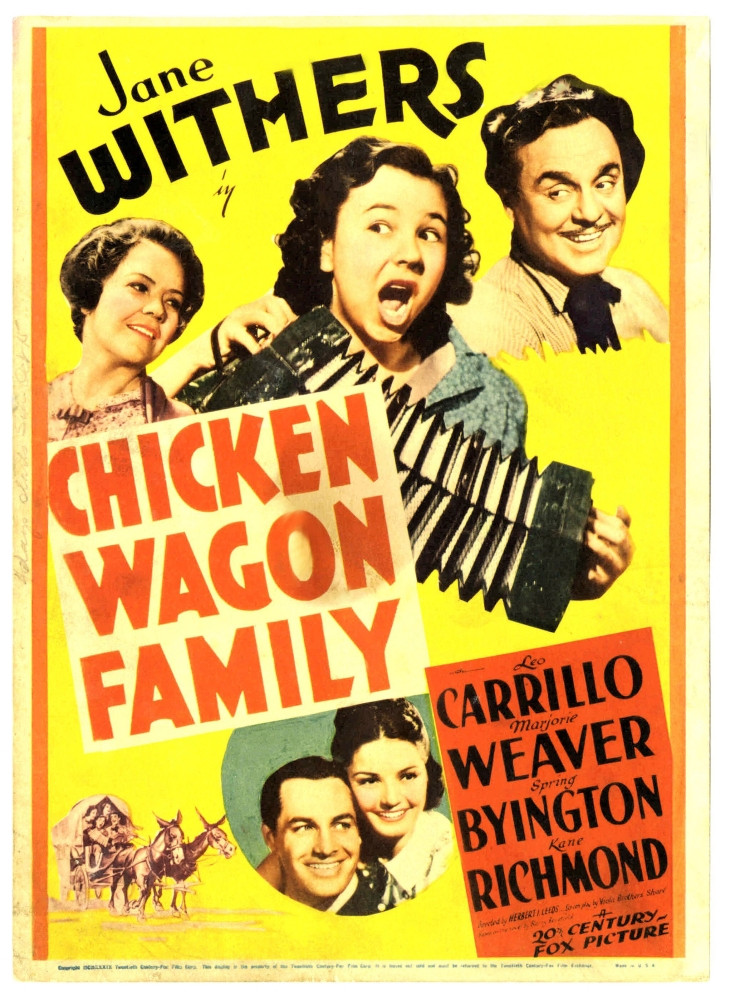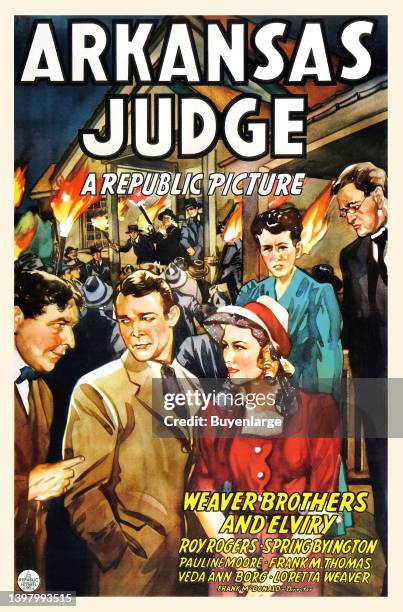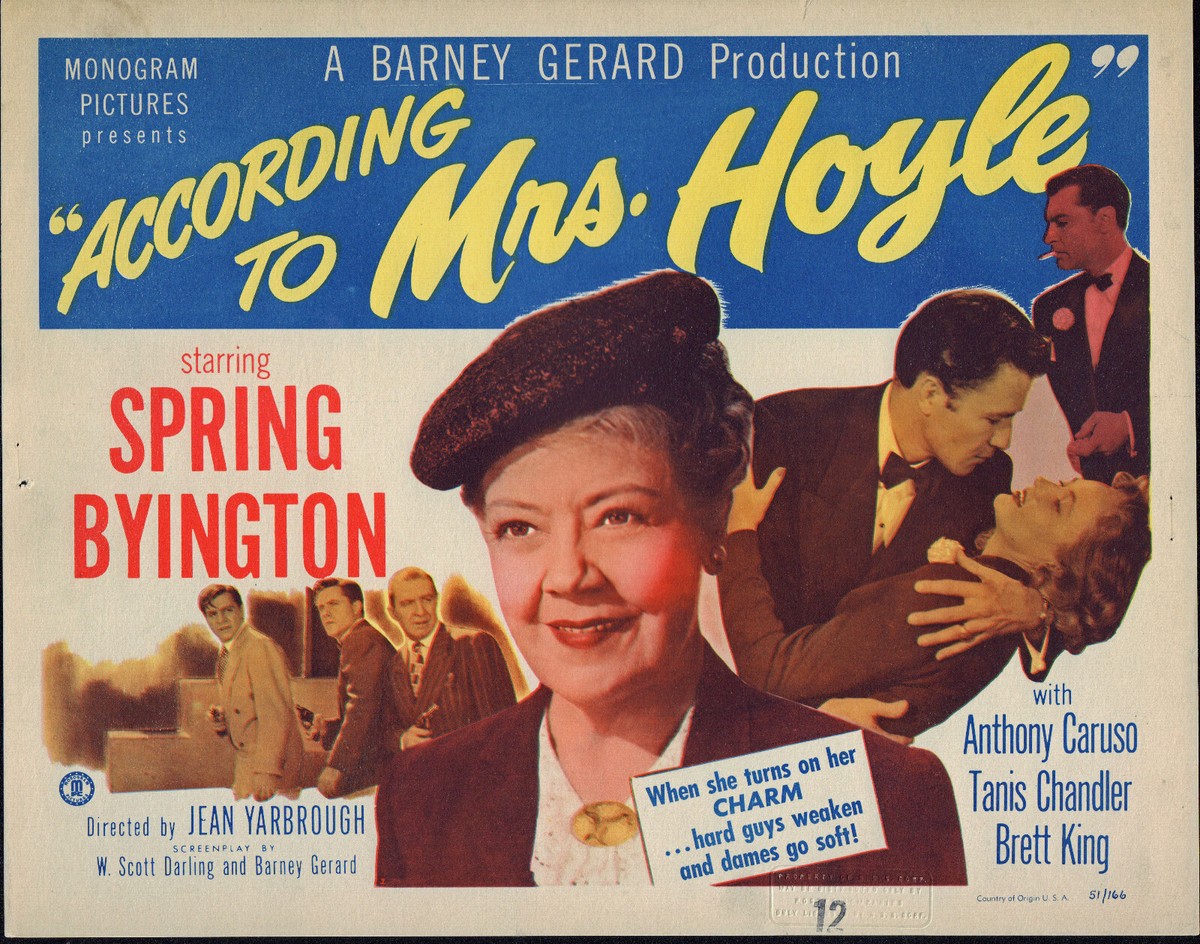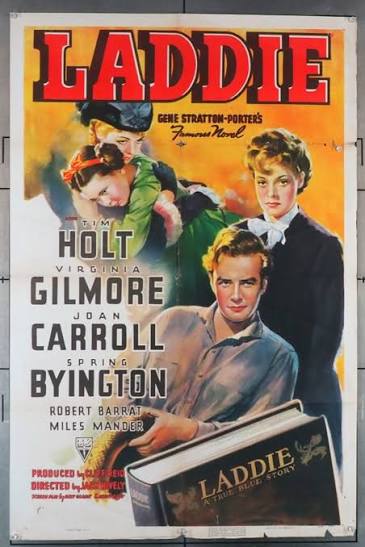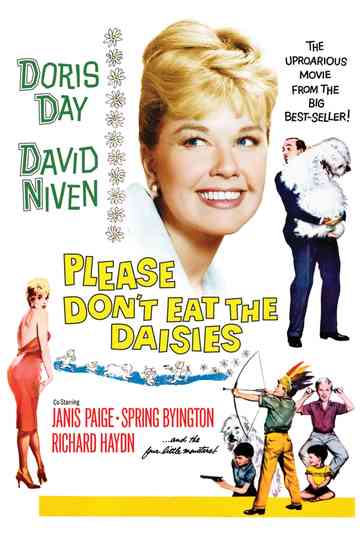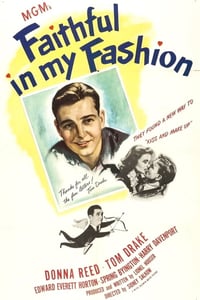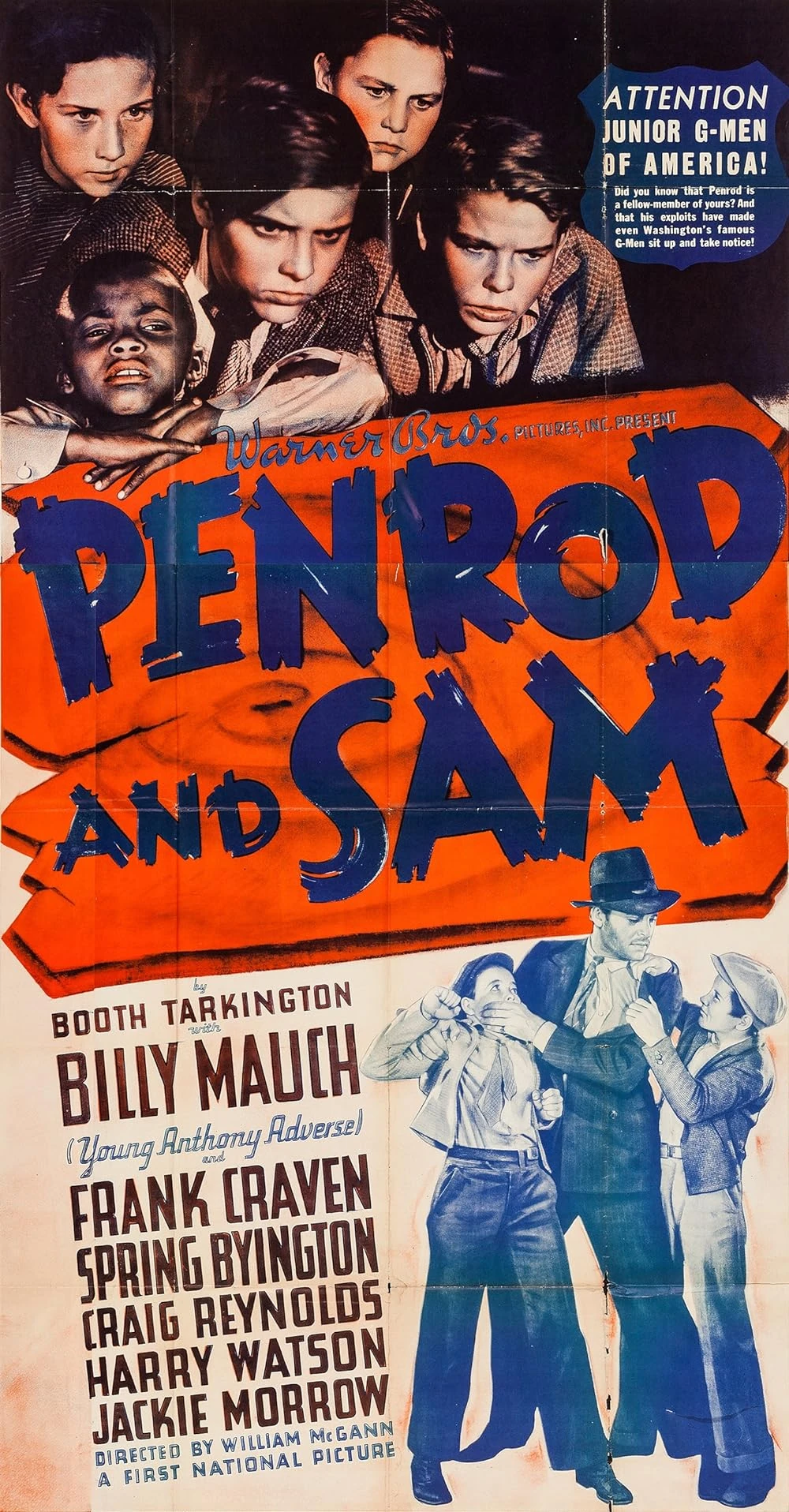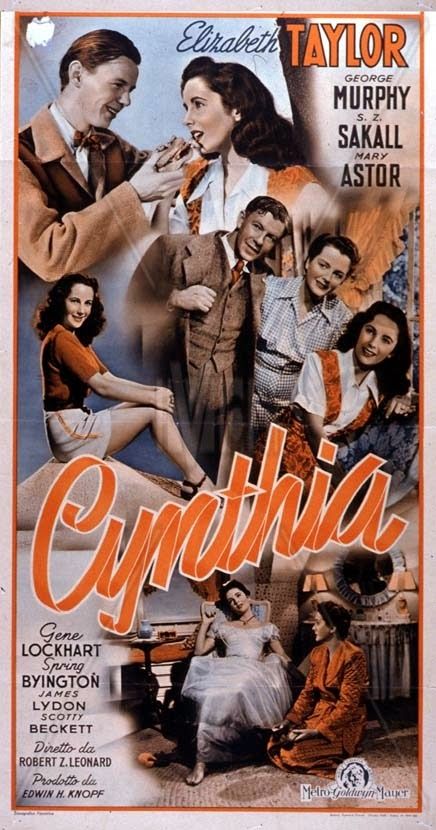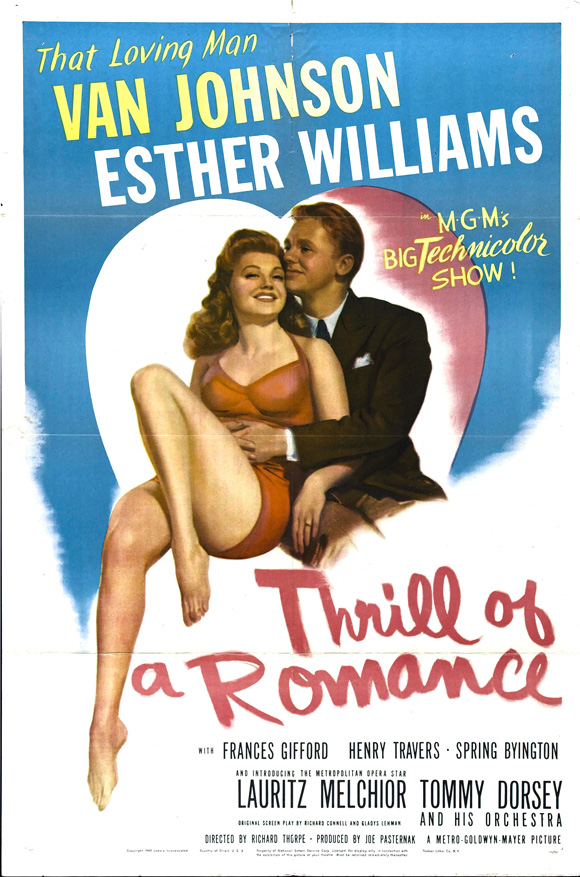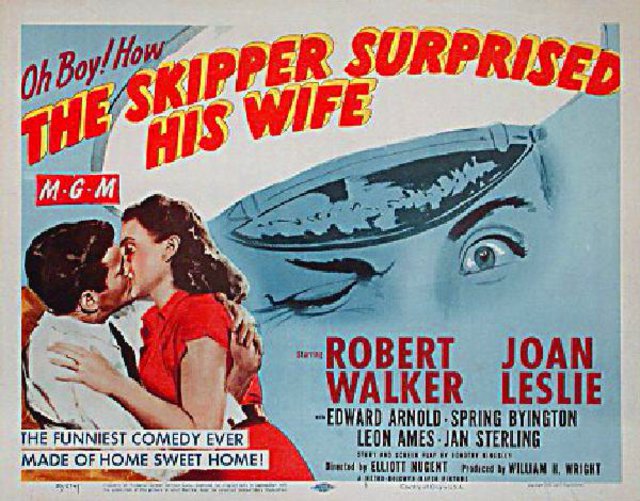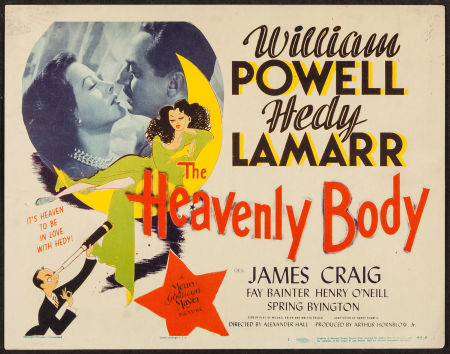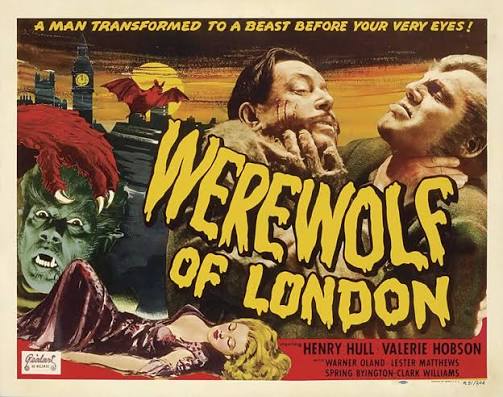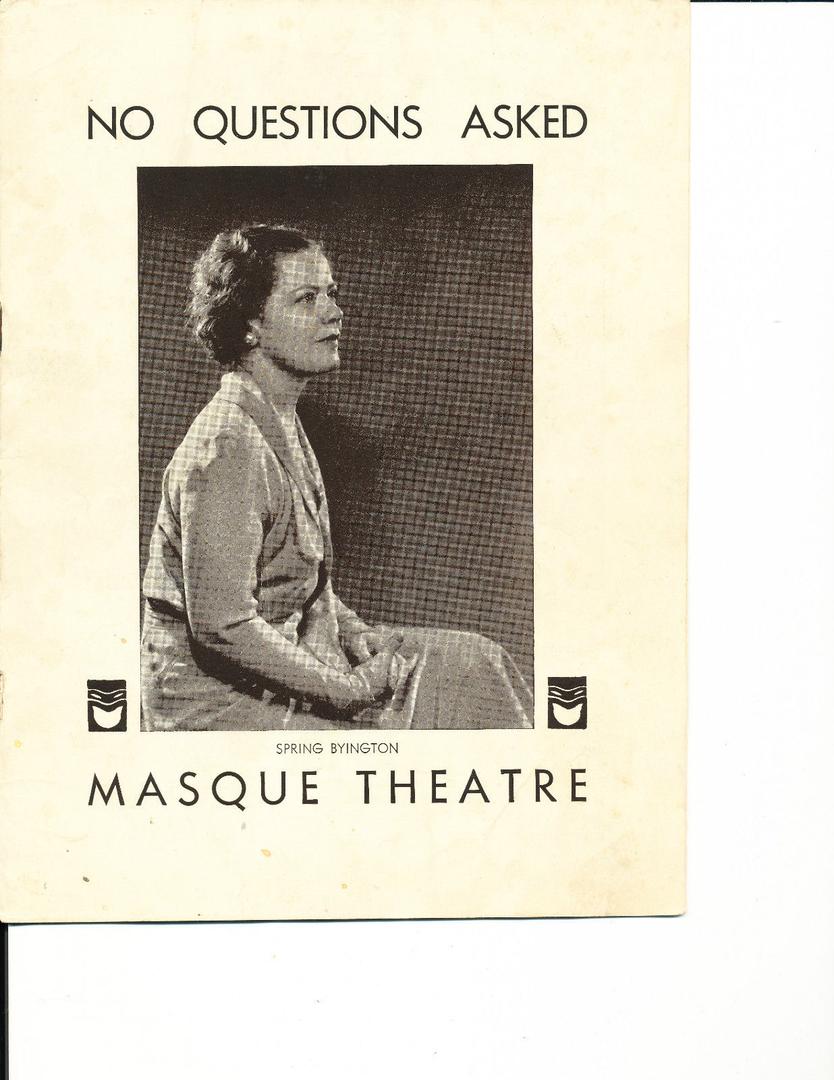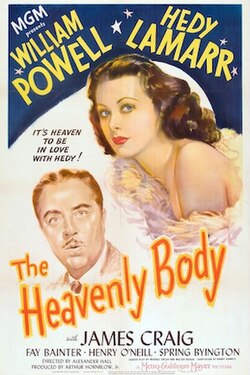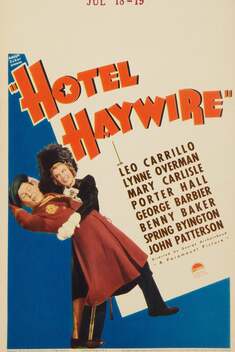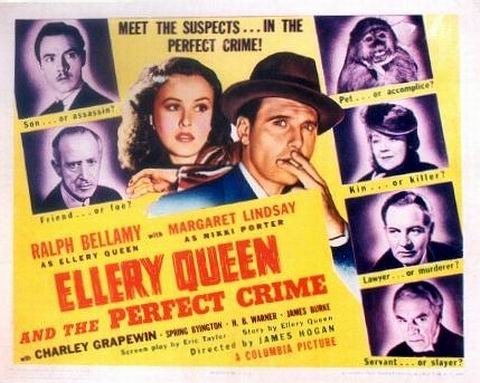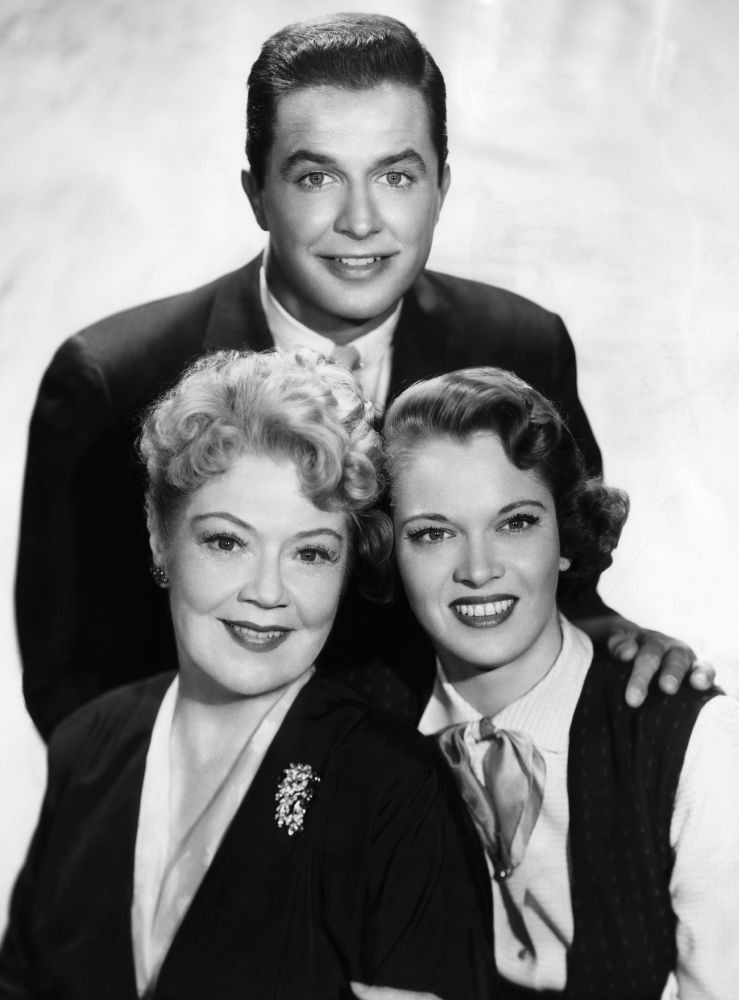

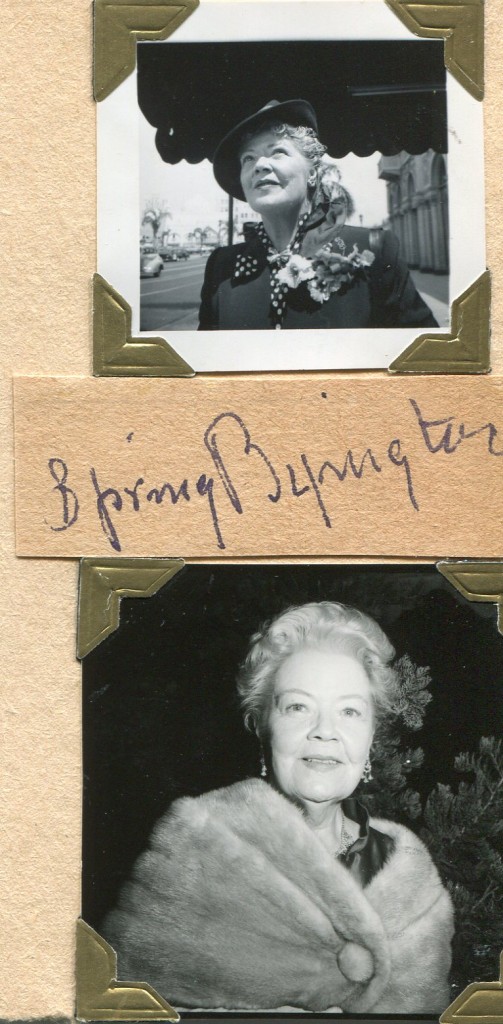
Spring Byington was born in 1886 in Colorado. She specialised in mother roles. Her first movie was “Pap’s Slay Ride” in 1930. Other films included “Werewolf of London” with Valerie Hobson, “Mutinyon the Bounty” and in 1960, “Please Don’t Eat the Daisies” with Doris Day. In 1954 she starred in a very sucessful television series “September Bride”, She died in 1971.
Gary Brumburgh’s entry:
The possessor of one of Hollywood’s gentlest faces and warmest voices, and about as sweet as Tupelo honey both on-and-off camera, character actress Spring Byington was seldom called upon to play callous or unsympathetic (she did once play a half-crazed housekeeper in Dragonwyck (1946)). Although playing the part of Mrs. March in Little Women (1933) was hardly what one could call a stretch, it did ignite a heartwarming typecasting that kept her employed on the screen throughout the 1930s and 1940s. Her first name said it all: sunny, sparkling, flowery, energetic, whimsical, eternally cheerful. She was a wonderfully popular and old-fashioned sort. By the 1950s, Spring had sprung on both radio and TV. The petite, be-dimpled darling became the star of her very own sitcom and, in the process, singlehandedly gave the term “mother-in-law” a decidedly positive ring.
She was born in Colorado Springs, Colorado, on October 17, 1886 (some sources list the year as 1893), one of two daughters born to a college professor/school superintendent. Her father Edwin died when she was quite young, and mother Helene placed the children with their maternal grandparents while she studied to become a doctor. Spring developed an early interest in the theater as a high-school teenager and ambitiously put together an acting company that toured mining camps in the Colorado Springs area. Her professional career materialized via the stock company circuit in both the U.S. and Canada. At the onset of WWI she joined a repertory company that left for Buenos Aires. There she married the company’s manager, Roy Carey Chandler, and had two children by him: Phyllis and Lois. The couple remained in South America and Spring learned fluent Spanish there. About four years into the marriage, the couple divorced and Spring returned to New York with her children. She never married again.
Spring took her first Broadway bow at age 31 with a role in the comedy satire “A Beggar on Horseback”, a show that lasted several months in 1924. She returned to the show briefly the following year. Other New York plays came and went throughout the 1920s, but none were certifiable hits. She did, however, gain a strong reputation playing up her fluttery comic instincts. Other shows included “Weak Sister” (1925), “Puppy Love” (1926), “Skin Deep” (1927), “To-night at Twelve” (1928) and “Be Your Age” (1929). She also played the role of Nerissa in “The Merchant of Venice” on Broadway alongside George Arliss and Peggy Wood in the roles of Shylock and Portia, respectively.
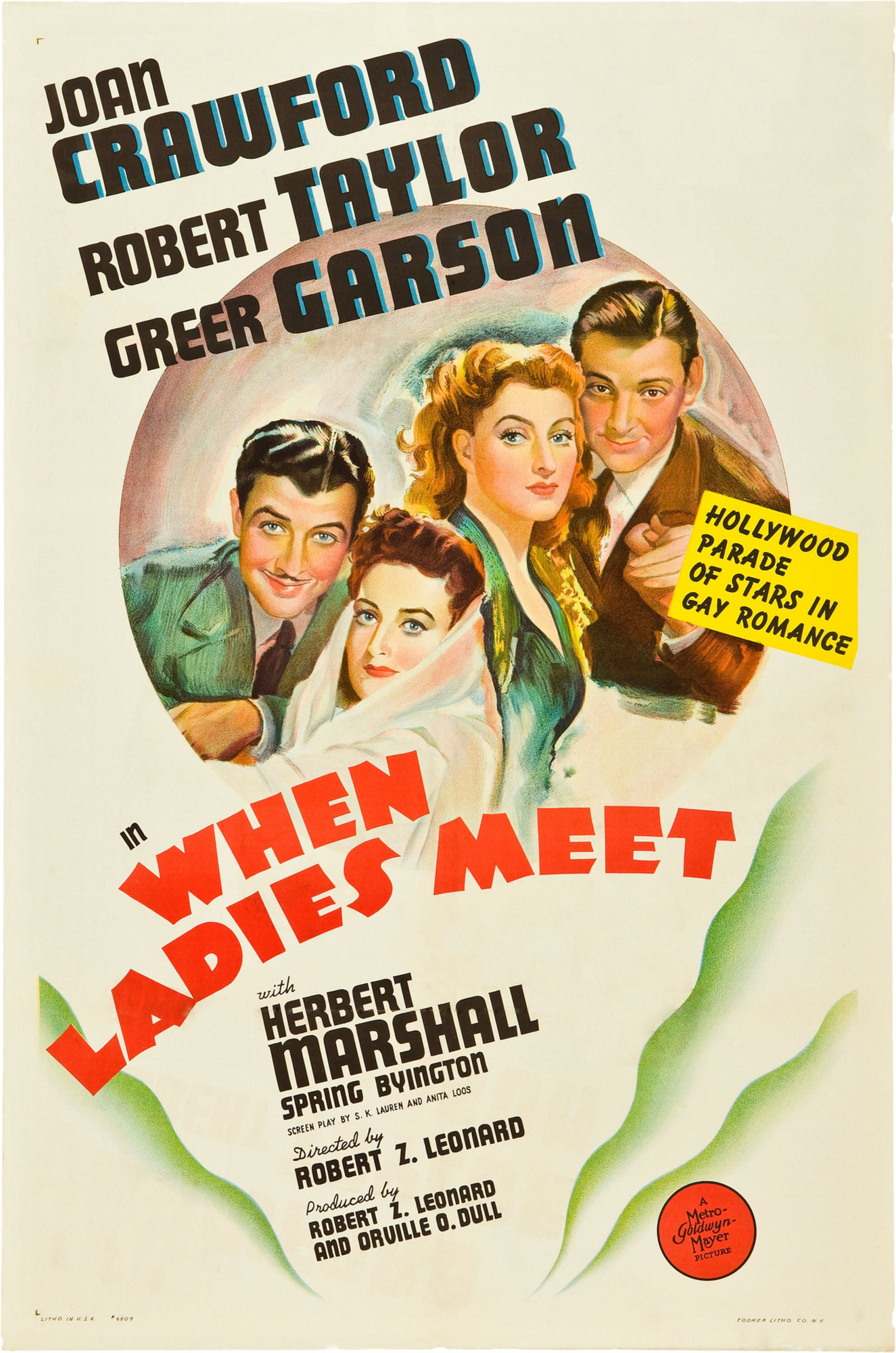
By the 1930s, Spring had established herself as a deft comedienne on stage but had made nary a dent in film. In early 1933, following major hits on Broadway with “Once in a Lifetime” (1930) and “When Ladies Meet” (1932), Spring was noticed by RKO, which had begun the casting for one of its most prestigious pictures of the year, Louisa May Alcott‘s classic Little Women (1933). As a testament to her talents and graceful appeal, the studio took a chance on her and gave her the role of Marmee. As mother to daughtersKatharine Hepburn, Joan Bennett, Jean Parker and Frances Dee in what is still considered the best film version of the novel, Spring was praised for her work and became immediately captivated by this medium. She never returned to Broadway.
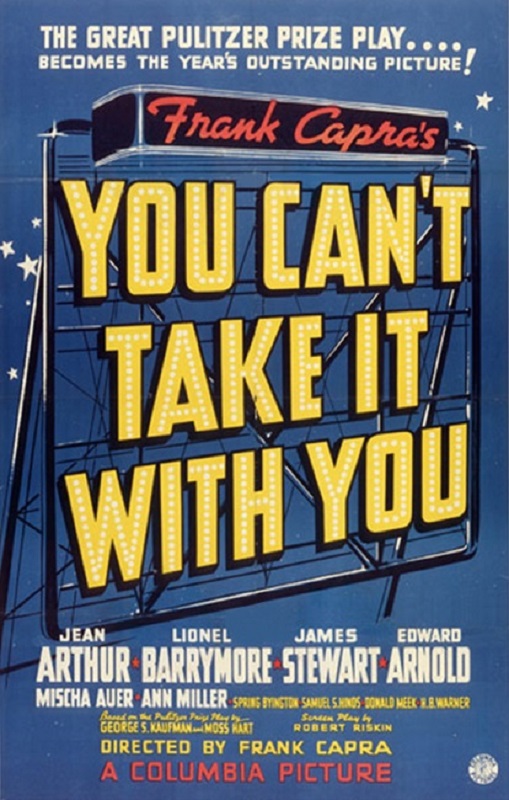
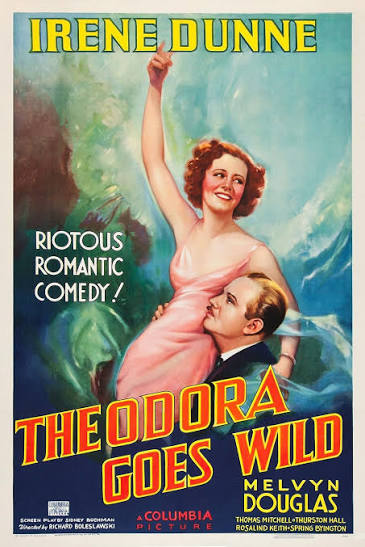
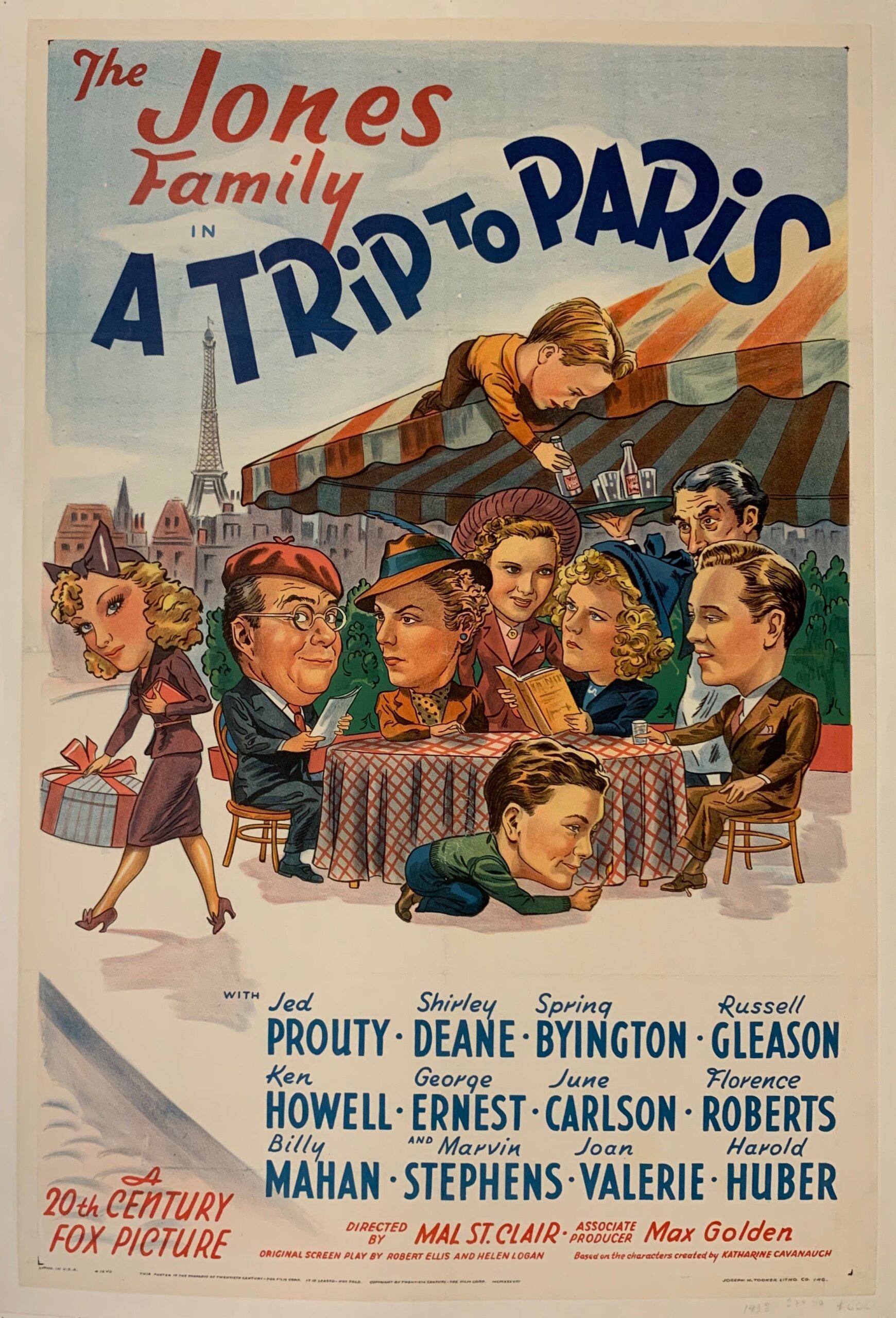
She became the quintessentially wise, concerned and understanding mother/relative in scores of films, often to her detriment. The roles were so kind, polite and conservative that it was hard for her to display any of her obvious scene-stealing abilities. As a result, she was often overlooked in her pictures. Her best parts came as a bewildered parent, snooty socialite, flaky eccentric, inveterate gossip or merry mischief-maker. From 1936 to 1939, she did a lot of mothering in the popular “Jones Family” feature film series from 1936 to 1940. but the flavorful roles she won came with her more disparate roles inDodsworth (1936), Theodora Goes Wild (1936), The Adventures of Tom Sawyer (1938) (as the Widow Douglas), When Ladies Meet (1941) (in which she recreated her Broadway triumph), and Roxie Hart (1942) (in which she played the sob sister journalist). Spring’s only Oscar nomination came with her delightful portrayal of eccentric Penny Sycamore inYou Can’t Take It with You (1938).
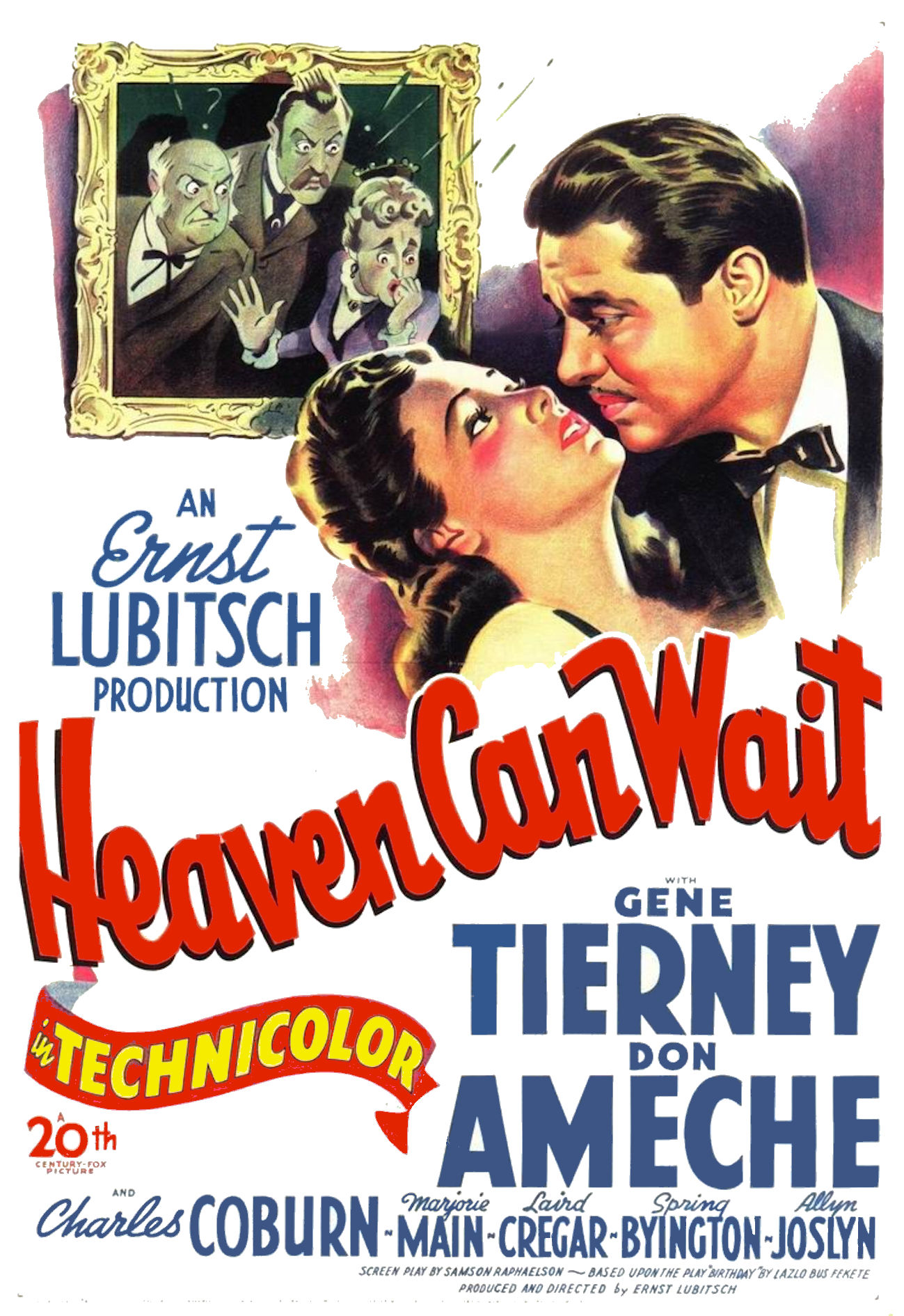
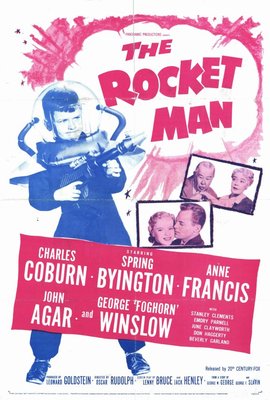
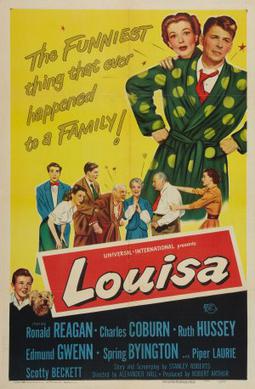
Throughout the war years, she lent her patented fluff to a number of Hollywood’s finest comedies, including The Devil and Miss Jones (1941), Rings on Her Fingers (1942) andHeaven Can Wait (1943). Her career began to die down in the 1950s, and, like many others in her predicament, she turned to TV. Her sparkling performance in the comedyLouisa (1950), in which she played an older lady pursued by both Edmund Gwenn andCharles Coburn, set the perfect tone and image for her Lily Ruskin radio/TV character.December Bride (1954) was initially a popular radio program when it transferred to TV. The result was a success, and Spring became a household name as everybody’s favorite mother-in-law. As a widow who lived with her daughter and son-in-law, complications ensued as the married couple tried to set Lily up for marriage–hence the title. Brash and bossy Verna Felton and the ever-droll Harry Morgan were brought in as perfect comic relief.
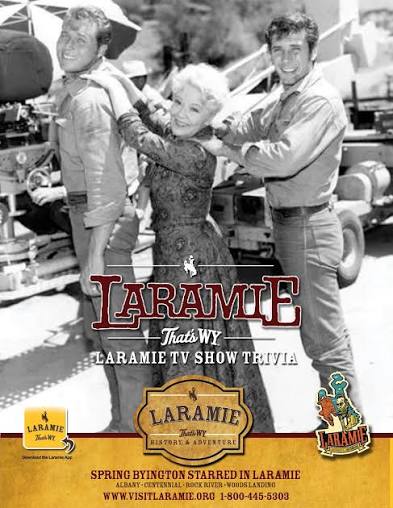
The show ran for a healthy five seasons, and Spring followed this in 1961 with the role of Daisy Cooper, the chief cook and surrogate mother to a bunch of cowpokes in the already established western series Laramie (1959). Making her last film appearance in the comedy Please Don’t Eat the Daisies (1960) as, of course, a spirited mom (this time toDoris Day), Spring, now in her 70s, started to drop off the acting radar. She eventually retired to her Hollywood Hills home after a few guest spots on such ’60s shows asBatman (1966) (playing a wealthy socialite named J. Pauline Spaghetti) and I Dream of Jeannie (1965) (as Larry Hagman‘s mother). A very private individual in real life, Spring enjoyed traveling and reading during her retirement years. She passed away in 1971 from cancer and was survived by her two daughters, three grandchildren and two great-grandchildren.
– IMDb Mini Biography By: Gary Brumburgh / gr-home@pacbell.net