
Hollywood Actors

Collection of Classic Hollywood Actors

George Segal
George Segal
George Segal

George Segal

George Segal was born in 1934 in Great Neck, New York.   He is a 1955 graduate of Columbia University.   In 1961 he made his movie debut in “The Young Doctors”.   Other films in which he had leading roles include “Ship of Fools”, “King Rat”, “Who’s Afraid of Virginia Woolf” and “Lost Command”.    He gave a terrific performance in “No Way  to Treat A Lady”.   George Segal died in 2021 aged 87.

‘Guardian’ obituary in 2021

George Segal, who has died aged 87, was among the leading Hollywood stars from the mid-1960s until the mid-70s, and possessed the gift, as Jack Lemmon did, of making neurotic behaviour not only funny but sympathetic.

In 1965, as the eponymous King Rat in Bryan Forbes’s film set in a Japanese PoW camp, Segal was in his element as a smart-alec American among the stiff-upper-lip British, surviving by conning his fellow prisoners and camp officers. The following year, he was Oscar-nominated as best supporting actor for his role in Mike Nichols’s adaptation of Edward Albee’s play Who’s Afraid of Virginia Woolf? Richard Burton and Elizabeth Taylor were magnificent as the tired middle-aged academic and his wife who vent their long-simmering frustrations on two hapless guests, a young lecturer in biology and an understandably nervous wife. Segal and Sandy Dennis in the latter roles were not overshadowed by the virtuoso seasoned performers.

In the same year, Segal was Biff Loman in a CBS television production of Death of a Salesman, opposite Lee J Cobb (the original Willy Loman), and starred in an intriguing espionage thriller about the activities of neo-Nazis in contemporary Germany, The Quiller Memorandum. It was intriguing partly because Segal’s nervy acting style clashed fruitfully with the dry, understated sarcasm of his co-star, Alec Guinness.

In 1968, he appeared as George to Nicol Williamson’s Lennie in a TV production of John Steinbeck’s Of Mice and Men, and in Sidney Lumet’s Bye Bye Braverman, a New York comedy about a group of Jewish intellectuals who meet at the funeral of an old friend. As the latter proved, Segal’s forte was urbane neuroticism. This was seen to advantage in two films in which he played Jewish sons: No Way to Treat a Lady (1968), as a cop whose girlfriend (Lee Remick) meets disapproval from his mother (Eileen Heckart); and Where’s Poppa? (1970), in which Segal tries to give his mother (Ruth Gordon) a heart attack by dressing in a gorilla suit and jumping on to her bed. “You almost scared me to death,” she cries. “Almost is not good enough,” he replies.

In Loving (1970), Segal was amusing as a New York illustrator who finds that his family life, professional ambitions and extramarital involvements are settling into parallel ruts; and in The Owl and the Pussycat (also 1970), a pleasantly raunchy farce, Segal as a reserved wannabe writer was teamed successfully with Barbra Streisand as a garrulous part-time sex worker.

But his happiest pairing was with Glenda Jackson in the delightful A Touch of Class (1973), the kind of witty sex-war saga that was popular in the 70s, and in which Segal excelled. 

The film boosted Segal’s career even further, but by the time the partnership was resumed in Lost and Found (1979), a so-called comedy in which Segal and Jackson played a pair of academics who meet and squabble on the ski slopes, it was heading downwards.

However, back in 1973, Segal was still on a roll with Paul Mazursky’s Blume in Love, a comedy both romantic and satirical, and Robert Altman’s California Split (1974), a freewheeling study of compulsive gambling. Despite having proved he had the emotional weight for drama, Segal decided thereafter to opt for light comedy, though his choices could be misguided. His comic flair failed to rescue The Black Bird (1975), a limp send-up of The Maltese Falcon and the 40s private-eye genre, nor could he do much to salvage The Duchess and the Dirtwater Fox (1976), a charmless jumble of western parodies and slapstick in which he was teamed with Goldie Hawn, or Fun With Dick and Jane (1977), with Jane Fonda and Segal as yuppie bank robbers.

Although Segal continued to work regularly throughout the following decades, even scaling some heights, his star power had burned itself out. In 1979, he turned his back on a film that might have rejuvenated his career. He walked off the lot on the first day of shooting Blake Edwards’s 10, protesting at the amount of control he felt his co-star, Julie Andrews, wife of the director, had over the film. He also insisted that his wife, Marion Sobel, should participate in the editing and production. Orion Pictures filed a legal action seeking damages and Segal counter-sued. With the crew and cast standing by, Edwards summoned Dudley Moore to take over the romantic lead, and the film was a huge hit.

Segal was born in New York, the youngest of four children of George Segal, a hop and malt agent, and Fannie (nee Bodkin), and grew up in Great Neck, Long Island. Although the family was Jewish, he was educated at a Quaker boarding school in Pennsylvania. An accomplished banjo player, Segal played with Bruno Lynch and his Imperial Jazz Band before enrolling at Columbia University to study drama. After graduation, he joined the off-Broadway company Circle in the Square. Following three years’ military service, Segal resettled in New York, becoming one of the original members of Theodore J Flicker’s satirical revue The Premise in 1960.

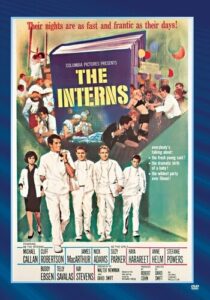
His film debut was in the entertaining hospital soap opera The Young Doctors (1961), as a rather bland intern. In The New Interns (1964), he was far better as a grim-faced ex-con doctor, and in the same year played a bitter civil war veteran, whom Yul Brynner is contracted to kill, in Invitation to a Gunfighter. In 1965, Segal held his own among a starry cast as a tortured artist in Stanley Kramer’s Ship of Fools, and moved into the most successful period of his career.

In the 80s and 90s, as his film roles declined, Segal found work mainly in TV dramas. In a 1994 episode of The Larry Sanders Show, Larry (alias Garry Shandling), a talkshow host, tries to stay awake while Segal (self-mockingly) reels off the titles of all the movies he has acted in recently that have had difficulty getting released. Afterwards, Larry is heard backstage telling everyone that he has got to start getting some fresh new guests.

Yet Segal did pop up in excellent supporting roles, mainly as fathers, in several films, such as the boorish businessman father of Kirstie Alley’s precocious baby in Look Who’s Talking (1989) and Look Who’s Talking Now (1993); Ben Stiller’s neurotic father in David O Russell’s Flirting With Disaster (1996); and Matthew Broderick’s father in The Cable Guy (1996).

From 1997 to 2003, Segal was looking sharp and playing, with comic finesse, the fashion magazine owner Jack Gallo in the TV sitcom Just Shoot Me!, and had another long-running TV role from 2013 onwards as Albert “Pops” Solomon in The Goldbergs. He was back on Broadway in Art in 1999, and in the same role at Wyndham’s theatre in London in 2001.

His marriage to Marion ended in divorce in 1983, after 27 years. His second wife, Linda Rogoff, whom he married in 1983, died in 1996. Later that year he married Sonia Schultz Greenbaum, his high-school sweetheart, whom he ran into at a class reunion. She survives him, as do two daughters, Polly and Elizabeth, from his first marriage.

 George Segal, actor, born 13 February 1934; died 23 March 2021

 Ronald Bergan died in 2020

George Segal (1934–2021) was an American actor whose career spanned more than six decades, encompassing film, television, and stage. His work occupies a crucial—and sometimes underappreciated—space in modern screen acting: the transition between the old Hollywood leading-man model and the psychologically nuanced, ironic tone of the post‑1960s “New Hollywood.” With a career that moved fluidly between drama and comedy, Segal emerged as a prototype for the modern, self‑questioning male protagonist—urbane, intelligent, flawed, and aware of his own contradictions.

Career Overview

Early Training and Stage Roots

Born in Great Neck, New York, in 1934, George Segal studied music and acting, graduating from Columbia University before joining the Actors Studio. This background grounded him in Method‑era naturalism, though he tempered its intensity with a light comic sensibility. He began on stage—appearing in off‑Broadway and Broadway productions during the 1950s—and served in the military before moving into film and television work by 1960.

His early television appearances and minor film roles quickly revealed his versatility: he combined plausible everyman appeal with an educated, ironic wit. His ability to oscillate between charm and moral unease made him appealing to directors seeking a new kind of post‑war leading man—one less heroic, more psychologically textured.

1960s: Breakthrough and Critical Acclaim

Segal’s breakthrough came with King Rat (1965), adapted from James Clavell’s war novel. As the morally ambiguous Corporal King, he projected intelligence, cynicism, and wit, refusing traditional heroism. Critics praised his modern, naturalistic performance—cool, ironic, and morally uncertain—qualities that distinguished him from old‑fashioned war movie leads.

He followed this with two powerful supporting turns that consolidated his reputation:

  • Ship of Fools (1965) – As a cynical American facing existential despair, he matched seasoned actors like Vivien Leigh and José Ferrer with understated intensity.
  • Who’s Afraid of Virginia Woolf? (1966) – Cast as the ambitious biologist Nick opposite Richard Burton and Elizabeth Taylor, Segal delivered a precise study of ambition and humiliation. His restrained performance balanced the ferocity of the film’s leads and earned him an Academy Award nomination for Best Supporting Actor.

By the late 1960s, Segal had become one of Hollywood’s most respected younger actors—capable of carrying both serious drama and the new wave of adult‑themed comedies emerging from a rapidly changing studio system.

1970s: Stardom and the “Anxious Modern Man”

The 1970s marked Segal’s peak as a leading man. He came to embody the post‑counterculture professional, a figure caught between success and dissatisfaction. His performances often fuse comedy and melancholy, capturing the decade’s fascination with disillusioned masculinity.

Key films include:

  • The Owl and the Pussycat (1970) – opposite Barbra Streisand, a sharp romantic comedy where his bookish intellectual sparred with Streisand’s brash actor. Segal’s dry humor and subtle timing grounded the film’s exuberance.
  • Where’s Poppa? (1970) – a dark comedy showcasing Segal’s willingness to enter morally risky territory; his quicksilver shifts between exasperation and affection anchored the film’s absurd tone.
  • A Touch of Class (1973) – opposite Glenda Jackson; his performance as Steve Blackburn, a married man in an affair that turns unexpectedly heartfelt, earned him a Golden Globe Award for Best Actor and an Oscar nomination. He deftly balanced cynicism and vulnerability, making the adulterous hero oddly sympathetic.
  • Blume in Love (1973) – perhaps his most incisive role, directed by Paul Mazursky. As Stephen Blume, a self‑absorbed divorce lawyer who cannot reconcile self‑love with empathy, Segal created one of the decade’s definitive “flawed male” portraits—simultaneously self‑lacerating and charming, embodying 1970s moral confusion.

These performances define Segal’s screen identity: urbane neuroticism, marked by heightened self‑awareness, gentle irony, and emotional honesty. Unlike his contemporaries Al Pacino or Dustin Hoffman, he approached alienation not through intensity but through detachment and vulnerability. His characters are rarely tragic; they are uncomfortable realists, aware of their failings and still capable of laughter.

1980s–1990s: Character Work and Television

As the leading‑man roles shifted to a younger generation, Segal transitioned gracefully into supporting and character roles, as well as television work. Highlights include:

  • Fun with Dick and Jane (1977) leading into the 1980s’ lighter comedies, where his deft irony and intellectual presence often counterbalanced farcical material.
  • Carbon Copy (1981) – opposite a young Denzel Washington; the interracial father‑son story underscores Segal’s openness to material engaging with social satire.
  • Stage and TV work – He remained an active stage actor and guest-starring presence, evident in his Broadway work and appearances on popular TV movies.

In the 1990s, he found a new home in television:

  • Just Shoot Me! (1997–2003) – as Jack Gallo, the charmingly narcissistic magazine editor, Segal entered a new phase of recognition. This role—arrogant, affectionate, and self‑parodying—let him channel decades of suave persona into self-aware comedy. It earned him two Golden Globe nominations and introduced him to a younger audience.

Late Career: Warmth, Reassessment, and Legacy Work

In his final decades, Segal continued to work steadily, adapting his comic intelligence to the medium’s evolving tones. On The Goldbergs (2013–2021) he played Albert “Pops” Solomon, the genial grandfather whose wit and warmth offered both levity and wisdom. Critics noted that Segal brought effortless authenticity to a role that could have been sentimental; his lived-in humor and light irony lent the character emotional truth.

This late-career recognition reaffirmed what had always been true of Segal’s craft: a balanced intuition between irony and empathy. His performances aged elegantly because they were built on emotional candor, not style.

Critical Analysis

Acting Style and Technique

  • Naturalism with irony: Segal’s performances reject the declamatory theatricality of old Hollywood. His rhythm and phrasing are conversational, spontaneous. He uses hesitation and deflection—laughter at the wrong moment, an abrupt change of tone—to convey interior conflict.
  • Intellectual physicality: While not an overtly physical actor, he used posture and gesture to express unease—slouching, running a hand through his hair, small deflections that communicated contemporary male insecurity.
  • Comic realism: Few actors could blur comedy and drama as fluidly. Segal’s technique lies in treating humor as emotional truth; even in farce, he played the stakes seriously.

Thematic Throughline

Segal repeatedly explored male self-awareness and emotional displacement—men sophisticated enough to understand their moral failures but too self‑involved to transcend them. His characters often live in tension between romantic desire and existential boredom, success and guilt, intellect and vulnerability.

This psychological complexity made him emblematic of the 1970s’ new masculinity, where charm coexisted with disarray. In tone and persona, he anticipated later screen figures like Jeff Goldblum, Albert Brooks, or even George Clooney—men who combine wit, sensuality, and a faint insecurity.

Limitations

Segal’s cool intelligence sometimes worked against him: in genres requiring raw intensity, he could appear detached. His understated acting style—and the 1970s’ fickle shifts in star paradigms—meant that he never reached the mythic status of Pacino or De Niro. Yet his emotional accessibility and comedic instinct filled a space they could not: domestic, literate realism.

Legacy and Reappraisal

George Segal’s career offers a study in continuity through evolution. Few actors maintained relevance across such distinct eras: from black‑and‑white studio drama to the neurotic 1970s auteur cinema, and finally to multi‑camera sitcoms.

Critics now view him as a bridge figure—between classical Hollywood male glamour and contemporary emotional irony. His characters’ blend of humor and self‑doubt helped redefine what masculine charm could mean onscreen.

Although seldom attached to a single auteur, Segal collaborated with directors—Mike Nichols, Paul Mazursky, Robert Altman, Peter Yates—who valued his ability to bring moral texture to middle‑class life. His filmography represents a sustained exploration of ethical ambivalence with wit as armor.

Summary

George Segal’s body of work constitutes one of the most subtle evolutions in modern American screen acting: from rugged naturalism to ironic introspection to warm comic authority. His best roles—Who’s Afraid of Virginia Woolf?Blume in LoveA Touch of Class, and Just Shoot Me!—reveal a performer fluent in the emotional complexity of modern life.

He captured the contradictions of his generation: sophistication and insecurity, love and detachment, laughter as self‑defense. Segal’s legacy endures as that of an actor who gave neurotic charm a soul and made imperfection look entirely—and beautifully—human

Karl Malden
Karl Malden
Karl Malden

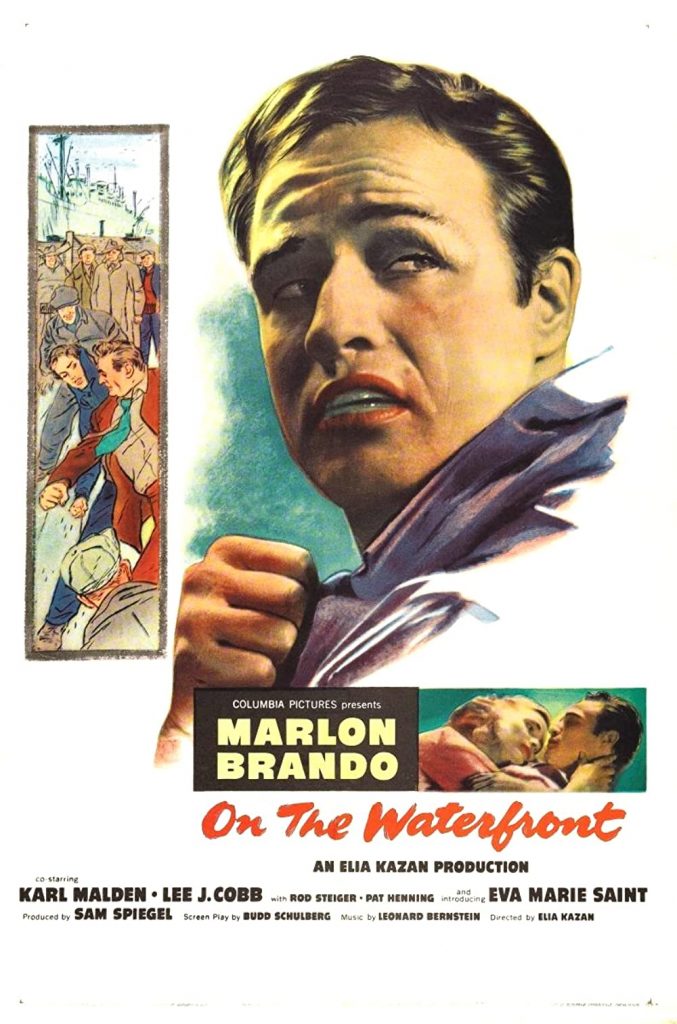
Karl Malden was born in 1912 in Chicago.   In 1934 he began trainig to be an actor at the Goodman School in his native city.   He began acting on Broadway in 1937.   He scored a big success in Artur Miller’s “All My Sons”.   He began his film career in Moss Hart’s “Winged Victory” in 1945 and a few years later had a very profilic career in film.   His movie highlights include “A Streetcar Named Desire”, “Halls of Montezuma”, “I Confess”, “On the Waterfront”, “Baby Doll”, “Fear Strikes Out”, “Pollyanna”, “Come Fly With Me” and “Patton”.   He had a spectactular television success with Michael Douglas in “The Streets of San Francisco”.   Karl Malden died in 2009 at the age of 97.

His “Guardian” obituary by Ronald Bergan:

For more than six decades Karl Malden, who has died at the age of 97, brought his Method-trained acting talents to bear on powerhouse performances on screen, notably for Elia Kazan in A Streetcar Named Desire (1951), for which he won an Oscar, and On The Waterfront (1954), as well as his mature cop in the long-running TV series The Streets of San Franscisco in the 1970s.

Like WC Fields and Jimmy Durante, Malden had one of the most celebrated non-Roman noses in cinema. But whereas those of the two former entertainers produced a comic effect — Fields’s bibulous one looked as if it were stuck on like a clown’s, and Durante’s schnozzle was like a carnival mask — Malden’s proboscis seemed to add dramatic intensity to his performances. The more impassioned he became, the more the nose seemed to go on red alert.

This particularity of Malden’s appearance came about because he broke his nose twice as a high school American footballer. He had won a scholarship to Arkansas state teachers college, but had to leave to support himself and his family by working in a steel mill in Gary, Indiana. Born Mladen Sekulovich in Chicago, he was brought up in Gary, where his father, Peter Sekulovich, who had been a provincial actor in Yugoslavia, was working in the mill. Karl also delivered milk to make money to go to New York, where he hoped to satisfy his ambition to become an actor.

In New York, in the late 1930s, Malden joined the leftist Group Theatre, which was devoted to social realities and ensemble acting inspired by Stanislavsky at the Moscow Arts Theatre. Its leading light was the playwright Clifford Odets, in whose Golden Boy (1937) Malden appeared as a boxing manager. Also in the play was future director Kazan, with whom Malden was to work several times on stage and screen.

After Malden returned from army service during the second world war, he became a member of the newly formed Actors’ Studio, among whom were Marlon Brando and Richard Widmark. In 1947, on Broadway, Kazan, one of the founders of the Actors’ Studio, directed Malden in both Arthur Miller’s All My Sons and Tennessee Williams’s A Streetcar Named Desire. The latter, in which Malden played Mitch opposite Brando and Jessica Tandy, led to a contract with 20th Century-Fox.

At the studio, Malden played vivid supporting roles in gritty thrillers such as Henry Hathaway’s 13 Rue Madeleine and The Kiss Of Death, Kazan’s Boomerang (all 1947) and Otto Preminger’s Where The Sidewalk Ends (1950). He also added realism to the Henry King western The Gunfighter, and Lewis Milestone’s war drama Halls Of Montezuma (both 1950).

During the same period, Malden appeared on Broadway as the Button Moulder in Lee Strasberg’s production of Ibsen’s Peer Gynt, with John Garfield in the title role, and in Eugene O’Neill’s Desire Under the Elms, as the domineering patriarch.

In 1951, Malden won the best supporting actor Oscar for reprising his stage role of Mitch, the shy, sweaty, balding middle-aged suitor of Blanche DuBois (Vivien Leigh) in A Streetcar Named Desire, again directed by Kazan. The most pitiless moment comes when Malden snaps on the naked bulb to expose Blanche’s ageing, powdered face to “reality”. “I don’t want the light, I want magic,” she entreats. “Oh, I knew you weren’t 16. But I was fool enough to believe you was straight,” he replies, his voice trembling with emotion.

The following year, he was playing a man caught in the clutches of a femme fatale (Jennifer Jones) in King Vidor’s Ruby Gentry and then the persistent cop who suspects Montgomery Clift’s priest of murder in Alfred Hitchcock’s I Confess (1953). If it were not already evident from his performances, the intelligence of an actor like Malden could be deduced from the number of major directors with whom he worked. In his best and most personal work he succeeded in exploring depths of moral ambiguity rare in the commercial cinema.

He gave two further powerful performances for Kazan. In On The Waterfront, he was Oscar-nominated for his role as the tough, crusading dockland Catholic priest, Father Barry, who helps bring an end to crooked waterfront politics. Even better was his wonderful portrayal of Archie Lee, the cotton-mill owner husband of a backward thumb-sucking virgin child bride (Carroll Baker) in Baby Doll (1956).

Driven frantic by her refusal to allow him into her bed, even though it is a child’s cot, too small for her ample proportions, the boorish, white-trash character is turned by Malden into a tragicomic figure uttering a sustained cry of sexual frustration. “Most actors want to be heroic, sexy and noble. Karl doesn’t mind if you to make him look silly. He is more a real person than an actor,” Kazan remarked at the time.

In Robert Mulligan’s Fear Strikes Out (1956), he played a well-meaning but domineering father who drives his highly strung son (Anthony Perkins) to the edge of madness — the two leads successfully vying with each other in the emotional stakes.

Apart from having taken over much of the direction from Delmer Daves of the Gary Cooper western The Hanging Tree (1958), in which he had the role of a lecherous half-wit, Malden was credited with one film as director, Time Limit (1957), starring his friend Richard Widmark. This Korean war drama was as taut and gripping as one of his performances, containing many of the pros and cons of his acting style, fervent but sometimes overemphatic.

Brando also directed one film, One Eyed Jacks (1961), a rambling self-indulgent revenge western in which Malden played the heavy, a former outlaw who has betrayed Brando, and who had become a respectable sheriff. Brando’s brooding, somnolent performance was counter-balanced by Malden’s grinning, extrovert one.

Included among Malden’s many varied roles in the 1960s were in two films by John Frankenheimer; as the drunken father in All Fall Down, and the prison warder in Birdman of Alcatraz (both 1962), and was utterly charming in his only musical, Mervyn LeRoy’s Gypsy (1962), though the one number which he got to sing, Together, with Rosalind Russell and Natalie Wood, was cut from the final print. He was also the weak double-dealer in Norman Jewison’s The Cincinnati Kid (1965).

For much of the 1970s Malden was busy playing the veteran police officer Detective Lieutenant Mike Stone in The Streets of San Francisco on television. A widower with 23 years’ experience of the force, he was partnered by Michael Douglas as the 28-year-old Steve Keller, a college graduate.

This lively combination — wise old head versus eager young enthusiast — produced enough sparks to keep it going for five seasons. Before the series began, Kirk Douglas told his son, “If anyone can teach you how to act it’s Karl”.

The rest of his film career was rather patchy; he made up the cast of a few disaster films, turned up in Blake Edwards’s misconceived “existential” western The Wild Rovers (1971), appeared in the dire sequel The Sting II (1982), but made a convincing General Omar Bradley in Patton (1970), having spent some time with the general before taking on the role. His last appearance on screen was as a priest in an episode of The West Wing (2000).

From 1989 Malden was president of the Academy of Motion Picture Arts and Sciences. Ten years later, he urged the academy to award an honorary Oscar to Elia Kazan. This was bitterly opposed by many who had never forgiven Kazan for being a “friendly witness” before the House Un-American Activities Committee in 1952. However, the apolitical Malden prevailed. “If anyone deserved this honorary award because of his talent and body of work, it was Kazan,” he remarked.

Malden, who is survived by his wife of more than 70 years, the former actor Mona Graham, and two daughters, once commented: “I’ve been incredibly lucky. I always knew I wasn’t a leading man — take a took at this face! But I felt: if I can make it the way I look, others can.”

The “Guardian” obituary can also be accessed here.


Karl Malden (1912–2009) was the “working-man’s virtuoso,” an actor who brought a granite-hewn authenticity to every frame. A critical analysis of his work reveals a performer of profound moral weight; he specialized in men of conscience, often serving as the “spiritual anchor” for more volatile co-stars like Marlon Brando or Michael Douglas.

In the context of the 1950s Method Realism and 1970s Police Procedurals you enjoy, Malden was the “Reliable Professional.” He represented the face of the American Everyman—weathered, honest, and utterly unshakeable.


I. Career Overview: From the Steel Mills to the Streets of San Francisco

1. The Group Theatre and the “Method” (1930s–1950)

The son of a Serbian father and Czech mother, Malden worked in the Gary, Indiana steel mills before finding his way to the stage.

  • The Kazan Connection: He became a favorite of director Elia Kazan, originating roles in landmark plays like All My Sons and A Streetcar Named Desire.

  • The Oscar Breakthrough: He reprised his role as Mitch in the film version of A Streetcar Named Desire(1951), winning the Academy Award for Best Supporting Actor. Critically, he was praised for his “gentle clumsiness,” providing the only moment of genuine tenderness in a brutal story.

2. The Moral Force of the 1950s and 60s

Malden became the definitive “Secondary Lead” who could carry the ethical burden of a film.

  • On the Waterfront (1954): As Father Barry, he delivered one of the most powerful “calls to conscience” in cinema history. His “sermon in the hold” remains a masterclass in “Kitchen Sink” spirituality.

  • One-Eyed Jacks (1961): He re-teamed with Brando (who directed) to play Dad Longworth. This was a Western-Noir performance of chilling complexity—a man who hides his past villainy behind a badge of respectability.

3. The Television Icon (1972–1977)

Malden achieved a new level of fame as Lt. Mike Stone in The Streets of San Francisco.

  • The Mentor: Pairing with a young Michael Douglas, Malden brought a “Fatherly Authority” to the screen. Critics noted that he made the police procedural feel “Savoury” and grounded, focusing on the “shoe-leather” detective work rather than just the action.


II. Detailed Critical Analysis

1. The “Aesthetic of the Bulbous Nose”

Malden famously joked that his twice-broken nose gave him a “natural character.” Critically, his face was his “Documentary Evidence.” * The Anti-Glamour: Unlike the “High-Gloss” of Richard Beymer, Malden’s face told the story of a man who had lived, worked, and suffered. Analysts note that he used his physicality to represent the “Blue-Collar Integrity” of the post-war era. He didn’t “act” being a worker; he was the work.

2. The “Symmetric” Supporting Actor

Malden had a rare ability to absorb the energy of his co-stars without being overshadowed.

  • The “Foil” to Brilliance: Whether he was playing against Brando’s mumbles or George C. Scott’s roars (in Patton), Malden remained the “Still Center.” Critics point out that he provided the “Realism” that made the “Stars” look human. He was the “Security Blanket” of the script—the person who kept the story on the tracks.

3. The “Method” of Common Sense

While trained in the “Method,” Malden rejected the self-indulgence often associated with it.

  • The Professionalism: He believed in “the homework”—knowing the lines, showing up on time, and respecting the craft. This brought a “Structural Stability” to his performances. He played his characters from the “inside out,” but always with a sense of Practical Realism. He was the “Major Dundee” of the set—the seasoned officer who knew how to get the mission done.


Iconic Performance Highlights

Work Role Year Critical Achievement
A Streetcar Named Desire Mitch 1951 Won an Oscar for “Vulnerable Masculinity.”
On the Waterfront Father Barry 1954 Defined the “Socially Conscious Leader.”
Patton Gen. Omar Bradley 1970 The perfect “Stoic Counterpoint” to ego.
The Streets of San Francisco Lt. Mike Stone 1972–77 Created the blueprint for the “Gentle/Tough Mentor.”
Charles Dierkop

Charles Dierkop was born in 1936 in Wisconsin.   He is best known for his role with Angie Dickinson in television’s “Police Woman”.   His films include “The Hustler” and “Blood Red”.

Dennis Weaver
Dennis Weaver
Dennis Weaver

Dennis Weaver was born in 1924 in Missouri.   His first role on Broadway was as understudy in William Inge’s “Come Back Little Sheba” .   In 1952 he got a contract with Universal studios and made his movie debut in “The Redhead from Wyoming” which starred Maureen O’Hara.   He went on to make “Touch of Evil” with Charlton Heston and Orson Welles in 1958 and in 1967 in “Duel at Diable” a Western with James Garner, Sidney Poitier and Bill Travers.   It is though on television that he achieved his greatest fame, in “Gunsmoke” as Chester Goode and as the title character in “McCloud” which began in 1970.   He died in 2006 at the age of 81.

Anthony Hayward’s obituary of Dennis Weaver in “The Independent”:

Dennis Weaver was familiar in his Stetson to television viewers worldwide – first as the limping deputy sheriff, Chester Goode, to James Arness’s Matt Dillon in the classic western series Gunsmoke, then as the cowboy- lawman causing mayhem in the big city in McCloud. “McCloud was the kind of role I left Gunsmoke to get,” he said. “I wanted to be a leading man instead of a second banana.”

But the second banana was part of one of the biggest success stories in television’s so-called Golden Age. He played the sheriff’s number two during Gunsmoke’s early years (1955-64), speaking with a twang and always calling his 6ft 7in boss “Muster Dellon”.

The series, set in Dodge City during the late 19th century and styled as an “adult” western, but effectively a weekly morality play, began on radio and was given John Wayne’s seal of approval on screen when the film star – who turned down the lead role but recommended Arness – introduced the first episode. (In Britain, the programme was entitled Gun Law.) It continued until 1975, making it television’s longest-running western, but Weaver – whose performance won him an Emmy Best Supporting Actor award in 1959 – left halfway through, looking to be top banana himself.

He eventually resurfaced in McCloud (1970-77), as the law enforcer from Taos, New Mexico, despatched to New York to study policing methods in the Big Apple’s 27th Precinct. But, wearing a cowpoke hat, sheepskin jacket and boots, Deputy Marshal Sam McCloud went his own way and treated Manhattan like the Wild West.

Inspired by the 1968 Clint Eastwood film Coogan’s Bluff, the series had its tongue firmly in its cheek. McCloud was watched over by Police Chief Peter B. Clifford (J.D. Cannon), who was bemused as he watched his horse-riding subordinate bring rush-hour traffic to a halt on the streets of New York. Talking in a folksy, “down on the range” manner, McCloud brought with him from down south the catchphrase “There you go”.

Weaver was himself from south-west Missouri, born in 1924 in Joplin, where his father worked for the electric company and farmed 10 acres during the Depression. Weaver excelled as a track and field athlete, served in the US Navy during the Second World War, then graduated from the University of Oklahoma with a fine arts degree.

Although, in 1948, he came sixth in the United States’s decathon trials for the London Olympics, he opted for a stage career and studied at the Actors Studio, New York. After making his professional début as understudy for the role of a college athlete, Turk, in the Broadway production of Come Back, Little Sheba (Booth Theatre, 1950), he toured in that play with Shelley Winters and Sidney Blackmer, before gaining further stage experience in Tennessee Williams’s The Glass Menagerie and A Streetcar Named Desire (as Stanley Kowalski), and Arthur Miller’s All My Sons.

On the recommendation of Winters, Universal signed Weaver to a film contract and he made his screen début in the western Horizons West (alongside Robert Ryan and Rock Hudson, 1952). Twenty pictures followed, many of them westerns, as well as five bit parts in the television police series Dragnet (1954-55), before Weaver landed the role of Chester Goode in Gunsmoke.

He then had moderate success in two family dramas, as a vet and horse trainer who adopts a Chinese orphan in Kentucky Jones (1964-65) and the park ranger, Tom Wedloe, in Gentle Ben (1967-69), featuring a friendly, 600lb black bear.

While he was taking off as McCloud, Weaver also made waves in an American television film that gained cinema screenings around the world. Directed by Steven Spielberg, Duel (1971) starred the actor as a salesman driving along California backroads who finds himself in a nightmare tussle with a menacing petrol tanker.

He never quite left his western background behind, starring in the television series Buck James (1987-88) as a Texas hospital doctor who has a passion for ranching and the patriarch, Henry Ritter, trying to save his ranch from financial ruin while offering a new life to an 18-year-old girl out of a teen detention centre in Wildfire (2005).

Weaver was President of the Screen Actors Guild, 1973-75, and donned his western gear for Great Western Bank commercials from 1982, a role he took over from John Wayne after “The Duke’s” death.

A keen environmentalist, he had his solar-powered, 8,500sq ft, 16-room Colorado home built out of 3,000 recycled tyres and 3,000 aluminium cans and called it his “Earthship”. He also founded the Institute of Ecolonomics to tackle both economic and environmental problems. Appropriately, when he reprised one of his most famous characters in the television film The Return of Sam McCloud (1989), the law enforcer had become a New Mexico senator fighting for new environmental laws.

Anthony Hayward

The above “Guardian” obituary can also be accessed online here.

Betty Garde
Betty Garde
Betty Garde

Betty Garde was born in 1905 in Philadelphia.   She played Aunt Eller in the 1945 Broadway production of “Oaklahoma”.   Her film roles were few but choice.   In 1950 she was one of the inmates in “Caged”.   She was also featured in “Call Northsie 777” and “Cry of the City”.   Betty Garde died in 1989 at the age of 84.

Her IMDB entry:

Betty Garde was a versatile actress, who began in show business after winning a playwriting competition at high school. Joining Actor’s Equity in 1922, she became a noted performer on stage in Boston and Philadelphia, eventually making her debut on Broadway in 1925. Betty, at least early in her profession, was particularly noted for her penchant for comedy, often receiving high praise from the critics. During the 1930’s and 40’s, she became a prolific radio actress, at the same time maintaining a busy career in the theatre. In addition to voice acting, she also produced and directed her own drama series on CBS, entitled “Another Chance”. She starred in and directed the soap opera “My Son and I” in 1939. Additionally, she featured on Eddie Cantor‘s show, in specials forOrson Welles and in the radio anthology series “Theater Guild on the Air”.

Her film and television roles became more frequent from the late 1940’s. She was effectively reprehensible as Wanda Skutnik, the key witness who sends innocent Richard Conte to jail in the gripping drama Call Northside 777 (1948). Another ‘tough’ role was her prison inmate Kitty Stark in Caged (1950), a minor film noir. Her most famous role was as Aunt Eller in the original Broadway production of “Oklahoma!” (1943). Among many guest-starring roles on the small screen, her stand-out performance has to be that of Lois Nettleton‘s overwrought landlady, Mrs. Bronson, in the seminal Twilight Zone(1959) episode ‘The Midnight Sun’.

– IMDb Mini Biography By: I.S.Mowis

The above IMDB entry can also be accessed online here.

Betty Garde (1905 – 1989) was a remarkable and versatile American actress whose career spanned radio, Broadway, film, and early television. Although never a conventional star, she exemplifies the character actor as craftsman—shaping every role, however small, with intelligence, precision, and authenticity. Across four decades, Garde built a body of work distinguished by vocal authority, psychological acuity, and an unflinching realism that bridged the sentimental theatricality of the interwar stage with the naturalism of postwar screen acting.

Early Background and Stage Emergence (1920s–1930s)

Born Kathryn Elizabeth Garde in Philadelphia, she entered professional theatre in her late teens. By the early 1920s she was performing in touring repertory companies before joining Broadway, where her physical presence—tall, broad‑shouldered, and formidable—defied the ingénue mold.

Broadway Highlights

  • “Let Us Be Gay” (1929) and “Strange Interlude” (revival, 1930) displayed her aptitude for both urbane comedy and psychological drama.
  • On Broadway she was often cast as strong, outspoken women—domestic realists rather than romantic ideals.

Critics praised her unforced vocal delivery and emotional spontaneity. The New York Herald Tribune in 1931 called her “the rare actress who speaks plain dialogue as though she invented it.”

By the 1930s she had become a fixture of the American repertory movement, admired by directors for reliability and keen interpretative intelligence.

Radio and the Birth of American Naturalism (1930s–1940s)

As theatrical employment declined during the Depression, Garde found lasting success in radio drama, where her deep, controlled voice became instantly recognizable. She alternated from urbane light comedy (The Aldrich Family) to crime and suspense anthologies like Lights Out and Inner Sanctum.

Her voice: contralto in range, edged with irony, capable of warmth or menace. This mastery of vocal modulation—the ability to suggest interior consciousness without stage gesture—prepared her perfectly for the close‑up demands of screen and television acting that would follow.

Radio contemporaries such as Agnes Moorehead and Mercedes McCambridge often cited Garde as a craftsperson of linguistic detail, her diction carrying emotional truth rather than declamatory style.

Hollywood and Film Work (1947–1956)

Garde arrived relatively late to motion pictures, at a moment when character parts for mature women had become crucial to Hollywood’s new realism.

Call Northside 777 (1948)

Her film debut for Henry Hathaway’s semi‑documentary noir showcased her ability to inhabit working‑class settings with precision. Playing a weary stenographer in a police office, she lent natural texture to the procedural environment; critics noted how such minor roles expanded the film’s authenticity.

Caged (1950)

This remains her signature screen performance. As Kitty Stark, the cynical, street‑smart inmate, Garde brought tough humor and moral intelligence to a film otherwise steeped in melodrama. Her scenes flank Eleanor Parker’s naïve protagonist and Hope Emerson’s sadistic matron, embodying the unvarnished survivor.

  • The New York Times praised her “combination of authority and compassion,” while Variety highlighted her “sharp wit and total believability.”
  • Later feminist film critics have cited Garde’s Kitty as one of cinema’s early examples of a coded lesbian confidante, reading her pragmatic solidarity with other women as subtextually queer.

Garde’s performance prefigures the gritty naturalism of later prison dramas: she underplays emotion, relying on vocal rhythm and stillness. In a genre prone to exaggeration, she makes despair ordinary and resilience unglamorous.

The Big Night (1951)

Under Joseph Losey’s direction, Garde appeared as the hard‑edged barwoman—a small role that yet contributed to Losey’s world of moral ambiguity. Her scenes with John Drew Barrymore carry a tangible sexual tension that contrasts motherly concern with latent threat—a hallmark of her ability to complicate female stereotypes.

Cry of the Hunted (1953) and The Cobweb (1955)*

Both featured brief but telling roles where Garde supplied no‑nonsense realism amid stylized melodrama. Her grounded screen manner—direct gaze, clipped phrasing—acted as an anchor within Hollywood’s more mannered storytelling.

Television: From Anthology Drama to Sitcoms (1950s–1970s)

Garde became one of the small‑screen’s most dependable presences as live TV drama rose in the 1950s. She adapted easily to the intimacy of early broadcasts, delivering emotionally precise character portrayals under the constraints of tight rehearsal schedules.

Anthology Appearances

  • Studio OneKraft Television Theatre, and Philco Television Playhouse featured her in roles that mirrored middle‑class American life: pragmatic mothers, nursing supervisors, landladies, and teachers.
  • Critics often described her realism as “reportorial”—an actor who made ordinary speech rhythmically musical without stylization.

Episodic Guest Roles

By the 1960s, she appeared in classic television series across genres:

  • The Twilight Zone (“The Midnight Sun,” 1961) – as a no‑nonsense neighbor, grounding its apocalyptic premise.
  • Perry Mason (multiple episodes) – using her commanding stillness to project moral certainty or suspicion as required.

She also turned up in comedies such as One Day at a Time and All in the Family, her timing as crisp in humor as in high drama.

Acting Technique and Artistic Identity

1. Vocal Mastery

Garde developed a technique rooted in radio discipline. Her speech carried texture—slightly nasal yet resonant—which allowed her to suggest class, temperament, and subtext through inflection alone. Even in ensemble scenes, the ear found her immediately.

2. Realism over Glamour

Her acting rejects artifice. She was uninterested in the gesture of performance; instead, she aimed for behavioral truth. On film her stillness could outweigh another actor’s movement. In Caged, the way she props her elbow and listens creates as much drama as dialogue.

3. Women of Substance

She specialized in characters defined by moral intelligence—secretaries who know more than their bosses, prisoners with internal codes, tough landladies or aunts. Her portrayals reclaimed working or aging women from caricature through humor and awareness.

4. Working‑Class Sensibility

Unlike many actresses of her generation schooled in drawing‑room idioms, Garde projected everyday American speech. This authenticity kept her relevant as media taste shifted toward the socially conscious 1940s–50s realism.

Critical and Cultural Assessment

While Hollywood granted her only limited screen time, contemporary and later critics have consistently recognized her as emblematic of a certain vernacular truth‑teller—actors like Mildred Dunnock or Thelma Ritter who grounded studio narratives in recognizable humanity.

  • Film historian Jeanine Basinger (A Woman’s View, 1993) noted that Garde gave Caged “a moral nerve… the normal woman’s conscience confronting the melodramatic extremes.”
  • Television scholar Horace Newcomb (in Encyclopedia of Television, 2004) described her as “one of the invisible architects of American TV realism—a face audiences trusted to tell the truth.”

Her acting contributed significantly to the establishment of a naturalistic performance idiom in both radio and early television, influencing how character actors approached middle‑American roles long before “method” became a buzzword.

Later Years and Legacy

By the mid‑1970s Garde gradually withdrew from acting, appearing occasionally until around 1978. She lived quietly in Los Angeles until her death in 1989.

Though never a household name, her influence endures through the credibility she lent to her media environments. Whether as a sardonic inmate, sensible secretary, or pragmatic neighbor, Betty Garde represented a bridge between expressive stagecraft and restrained screen naturalism.

Summary Evaluation


Aspect Critical Characteristics
Voice / Delivery Rich contralto; impeccable timing; emotional range through tone not gesture
Screen Presence Grounded realism; unshowy honesty; physical authority
Thematic Persona Empathetic yet unsentimental women—moral anchors or truth‑tellers
Contribution Early exemplar of the American “everywoman” character actor; crucial in shaping radio and television realism
Defining Work Caged (1950) – a touchstone of grounded performance within melodramatic form

In essence:
Betty Garde’s artistry lay in the power of understatement. She could command empathy or fear with a single inflection, making realism quietly heroic. Her body of work, scattered across media, endures as a testament to the oft‑overlooked scaffolding of classic American performance—the actors whose steady authenticity allowed stars to shine and stories to feel true

Bebe Daniels & Ben Lyon

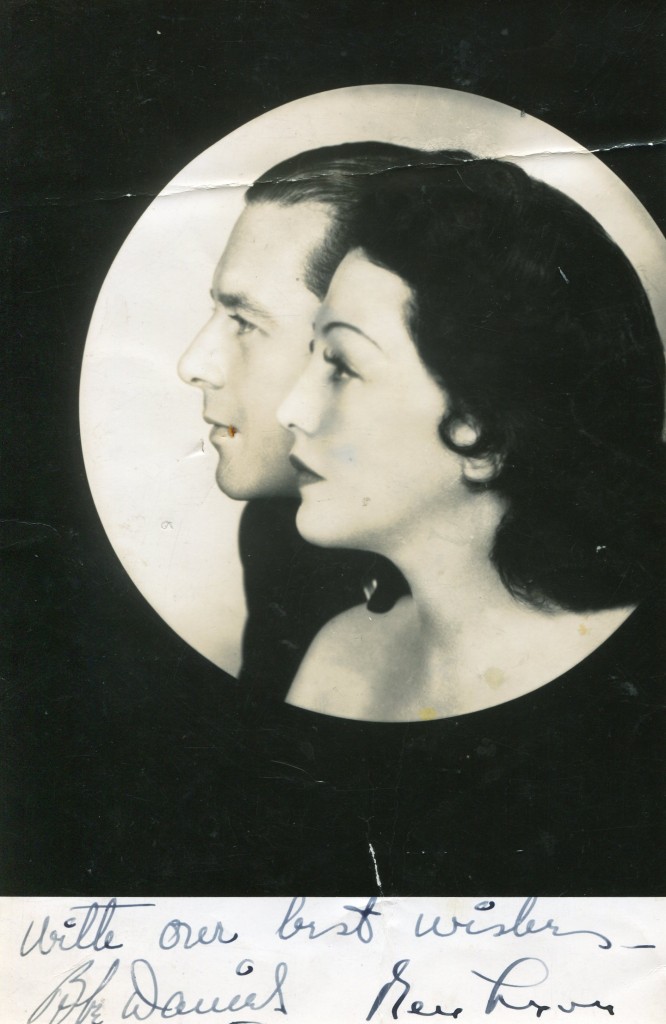
Bebe Daniels was born in 1901 in Dallas, Texas.   At the age of 10 she starred in the silent film “The Wonderful Wizard of Oz”.   In the 1920’s she was under contract to Paramount Studios.   Her talkie pictures included “My Past” in 1931 and “42nd Street” in 1933.   In 1935  she moved to London and rebuilt her career there with her husband Ben Lyon with considerable success.   They had a very popular BBC radio series “Life With the Lyons” which later made the transition to television.   She died in 1971.   Ben Lyon was born in 1901 in Atlanta, Georgia.   “Flaming Youth” in 1923 bright him to fame.   “Hell’s Angels” in 1930 is his most popularly remembered role.

Ben Lyon’s IMDB entry:

Ben Lyon was your average boyish, easy-going, highly appealing film personality of the Depression-era 1930s. Although he never rose above second-tier stardom, he would enjoy enduring success both here and in England. Born Ben Lyon, Jr. in Atlanta, Georgia, the future singer/actor was the son of a pianist-turned-businessman and youngest of four. Raised in Baltimore, he started performing in amateur productions as a teen before earning marquee value on Broadway opposite such stars as Jeanne Eagels.

Hollywood took notice of the baby-faced charmer and soon Ben was ingratiating filmgoers opposite silent film’s most honored leading ladies. He appeared with Pola Negri in Lily of the Dust (1924), Gloria Swanson in Wages of Virtue (1924), Barbara La Marr in The White Moth (1924), Mary Astor in The Pace That Thrills (1925) and Claudette Colbert, in her only silent feature, in For the Love of Mike (1927). He advanced easily into talkies and was particularly noteworthy as the dashing hero in Howard Hughes‘ Hell’s Angels (1930), in which Ben actually piloted his own plane (Ben had trained as a pilot during WWI) and filmed some of the airborne scenes for Hughes himself. That same year was also a banner year for him in his personal life after marrying Paramount Pictures film star Bebe Daniels, with whom he had appeared in Alias French Gertie (1930).

As both of their movie careers started to decline, the talented twosome decided to work up a husband-and-wife music hall and vaudeville act. They took their show to England and became a hit at the London Palladium. At one point he served in the U.S. Army Air Force and rose to the rank of Lt. Colonel in charge of Special Services for the U.S. Air Corps in England. Soldiers, sailors and airmen (from 1939) listened to Ben and Bebe weekly on the air waves with their popular, long-running BBC broadcast “Hi, Gang!” The couple remained in England throughout WWII performing on stage and doing their valid part to entertain and honor the troops.

After a brief postwar stay in Hollywood in 1946, where Ben had taken an executive position with Fox, the couple returned to England and headlined another popular 1950s radio show, “Life with the Lyons,” which spawned two family-styled films that included children Barbara Lyon and Richard Lyon. In the early 1960s Bebe suffered multiple strokes and left the limelight, passing away in 1971. Ben remarried (to former actressMarian Nixon) and settled in the US, where he died in 1979 of a heart attack while on vacation.

– IMDb Mini Biography By: Gary Brumburgh / gr-home@pacbell.net

Bebe Daniels’s IMDB entry:

Bebe Daniels already had toured as an actor by the age of four in a stage production of Richard III the US, she had her first leading role at the age of seven and started her film career shortly after this in movies for Imperial, Pathe and others. At 14 she was already a film veteran, and was enlisted by Hal Roach to star as Harold Lloyd‘s leading lady in his “Lonesome Luke” shorts distributed by Pathe. Lloyd fell hard for Bebe and seriously considered marrying her— but her drive to pursue a film career along with her sense of independence clashed with HL’s Victorian definition of a wife. The two eventually broke up but would remain lifelong friends. Bebe was sought out for stardom by Cecil B. DeMille, who literally pestered her into signing with Paramount. Unlike many actors, the arrival of sound posed no problem for her; she had a beautiful singing voice and became a major musical star, with such hits like Rio Rita (1929) and 42nd Street (1933). In 1930 she married Ben Lyon, with whom she went to England in the mid-30s, where she became a successful Westend stage star and with her husband, a famous radio team. Her movie career drifted away after the mid-30s.

– IMDb Mini Biography By: Stephan Eichenberg <eichenbe@fak-cbg.tu-muenchen.de>

Buddy Ebsen
Buddy Ebsen
Buddy Ebsen

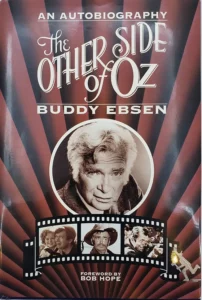
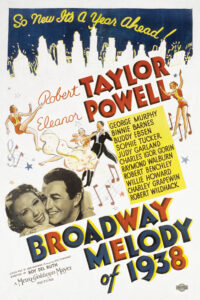
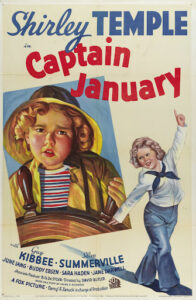
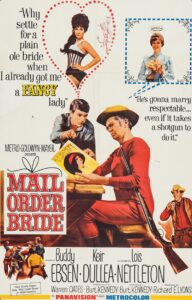
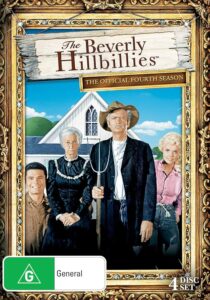
Buddy Ebsen was born in 1908 in Illinois.   In 1935 he was awarded an MGM< contract and made “Captain January” with Shirley Temple and “Broadway Melody of 1938”.   He was cast at the tinsman in “The Wizard of Oz” but became ill and had to relinquish the part.   He had two massive television sucesses, “The Beverly HillybilliesLike his most famous character – the hillbilly who found oil on his land – Buddy Ebsen, who has died of respiratory failure aged 95, finally struck it rich as the star of The Beverley Hillbillies. After three decades in show business, from 1962 to 1971 he delighted television viewers as the unkempt and unwilling billionaire Jed Clampett, the bane of all those who tried to take advantage of his naivety, dismissive of the lotus-eating life in Los Angeles and wanting to return to his shack in the Ozarks.

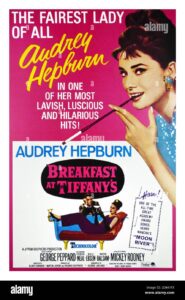
Ironically, he got the part when he was thinking of retiring from acting, at the age of 54. He had just appeared as Audrey Hepburn’s husband in Breakfast At Tiffany’s (1961), having made his name in the 1930s as a gangling eccentric dancer in a number of endearingly silly film musicals. He might also have been remembered as the Tin Man in the classic Judy Garland film of The Wizard Of Oz (1939), but for an accident that nearly killed him.

Ebsen was initially cast as the Scarecrow, alongside Ray Bolger’s Tin Man. He then good-naturedly accepted Bolger’s plea to switch roles, only to find that when the make-up people covered him with aluminium paint, it got into his lungs. Ten days into production, he recalled, “after dinner, I took a breath – and nothing happened.”

Ebsen was rushed to LA’s Good Samaritan hospital, while irate studio chiefs complained that a major picture was behind schedule. Unwilling to wait for him to recover, MGM replaced him with the far less talented Jack Haley, and allowed his contract to lapse.

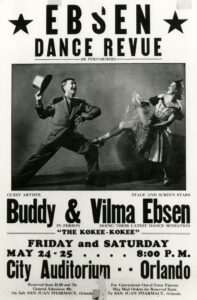
Curiously for an actor who came to typify American hickdom, Ebsen was born the son of a Danish father and Latvian mother who spoke German as their home language. He trained in his father’s dance school in Belleville, Illinois, before forming a song-and-dance act with his sister Vilma and toured in vaudeville.

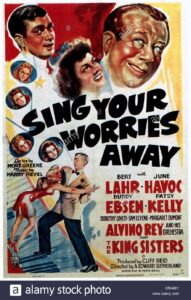
In 1928, he was part of the cowboy chorus in the Eddie Cantor hit show Whoopee, and went to other Broadway shows, often with Vilma. They reached the screen in Broadway Melody Of 1936 (1935), in which they did a sprightly rooftop number called Sing Before Breakfast, soon after which Vilma retired.

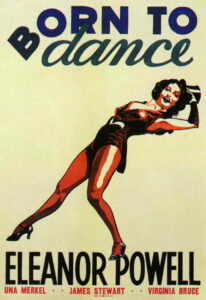
Ebsen’s leisurely hoofing, smooth singing and unsophisticated persona were seen at their best when he was dancing with Shirley Temple in Captain January (1936), romancing Frances Langford in Born To Dance (1936) and dueting with the 15-year-old Judy Garland in Broadway Melody Of 1938. He also provided light relief in The Girl Of The Golden West (1938), as Jeanette MacDonald’s donkey-riding friend who sings The West Ain’t Wild Anymore.

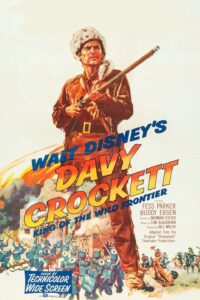
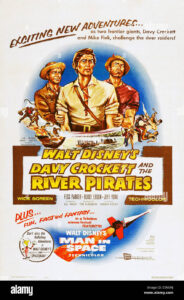
After MGM dropped him in 1939, Ebsen appeared in several B-pictures, before joining the US navy in 1943. Emerging as a lieutenant in 1945, he attempted to revive his screen career, though it was only rescued from the doldrums in Walt Disney’s Davy Crockett (1955), playing the hero’s sidekick George Russell, which, in 1956, spawned a television series.

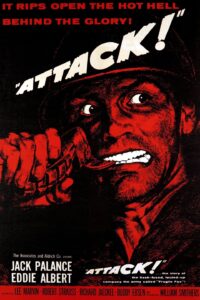
That same year, Ebsen was superb as a grizzled, respected soldier in a platoon under siege in Attack!, Robert Aldrich’s hard-hitting depiction of the perfidious attitude of certain officers in the second world war.

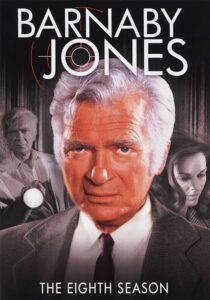
From 1973 to 1980, he was seen on television as the soft-spoken, milk-drinking Barnaby Jones, a retired private detective who takes over the practice when his son is killed. According to Ebsen, “Barnaby Jones encouraged men not to give up at 65.”

This was followed in the 1980s with Matt Houston, another popular series in which he played the private-eye hero’s uncle, a retired investigator. His last screen appearance was a cameo in The Beverley Hillbillies (1994), a feature-film version of the television series which only proved that there was no substitute for the original Jed Clampett.

When not appearing in television westerns, Ebsen relaxed by sailing his 35ft catamaran, with which he won a number of races. He also painted in oils, and his romantic novel Kelly’s Quest (2001) was a big seller.

He had two daughters from his first marriage, and four daughters and a son from his second marriage. The children all survive him, as does his third wife, Dotti.

· Christian Rudolph ‘Buddy’ Ebsen, actor and dancer, born April 2 1908; died July 6 2003

The above “Guardian” obituary can also be accessed online here.

” in the 1960’s and “Barnaby Jones” in the 1980’s.   Buddy Ebsen died in 2003 at the age of 95.

His “Guardian” obituary by Ronald Bergan:

David Clennon
David Clennon

David Clennon was born in 1943 in Illinois.   His first film was “Being There” in 1979.   His other films include “The Thing”, “Missing”, “Sweet Dreams” and “Syriana”.

TCM Overview:

This lean, often bearded, character player of stage and screen since the 1970s gained some measure of celebrity as the cold, cunning Miles Dentrel on the acclaimed dramatic series “thirtysomething” (ABC). As the resident yuppie scum from 1989-1991, Clennon portrayed the calculating character who seemed to represent the fears and reservations of the show’s more sympathetic figures. That his prior stints as a TV regular–“Rafferty” (CBS, 1977), a medical drama and “Park Place” (CBS, 1981), a short-lived legal sitcom–had him playing a surgeon and an eager, idealistic legal aide lawyer, respectively, testify to Clennon’s versatility.

After several years of anti-war activism during the Vietnam era, Clennon established himself Off-Broadway and in regional theater, racking up credits at the New York Shakespeare Festival, Long Wharf Theatre and the Actor’s Theater of Louisville. He entered films with bit parts in several noteworthy American films of 70s, including “The Paper Chase” (1973), “Bound for Glory” (1976), and “Coming Home” (1977), before landing the substantial supporting role of an ambitious attorney in “Being There” (1979). Clennon amassed additional feature credits, usually in supporting roles, in a wide variety of films. He was the tight-lipped US consul in Chile who cannot help Jack Lemmon and Sissy Spacek find John Shea in “Missing” (1982) and Meryl Streep’s seemingly passionless husband in “Falling in Love” (1984). He received more screen time than usual in Paul Schrader’s “Light Sleeper” (1992), as a drug dealing colleague of Susan Sarandon and Willem Dafoe. More recently, he portrayed a doctor in Allison Anders’ “Grace of My Heart” (1996).

The small screen has also offered a variety of opportunities for the actor. Clennon’s first appearance in a TV longform was a small role in “The Migrants” (CBS, 1974). He could be seen in the miniseries “Helter Skelter” (CBS, 1976) and alongside Henry Fonda in “Gideon’s Trumpet” (CBS, 1980). Clennon frequently found himself cast as professionals; an exception was his turn as the American general (and future president) William Henry Harrison in “Tecumseh: The Last Warrior” (CBS, 1995). Among his many guest appearances, the most notable was as a writer suffering with AIDS in an affecting episode of the HBO comedy “Dream On”, for which he won an Emmy in 1993. Clennon returned as a series regular on “Almost Perfect” (CBS, 1995-96), as a laid-back, bohemian writer for a TV cop show.

 This TCM overview can also be accessed online here.
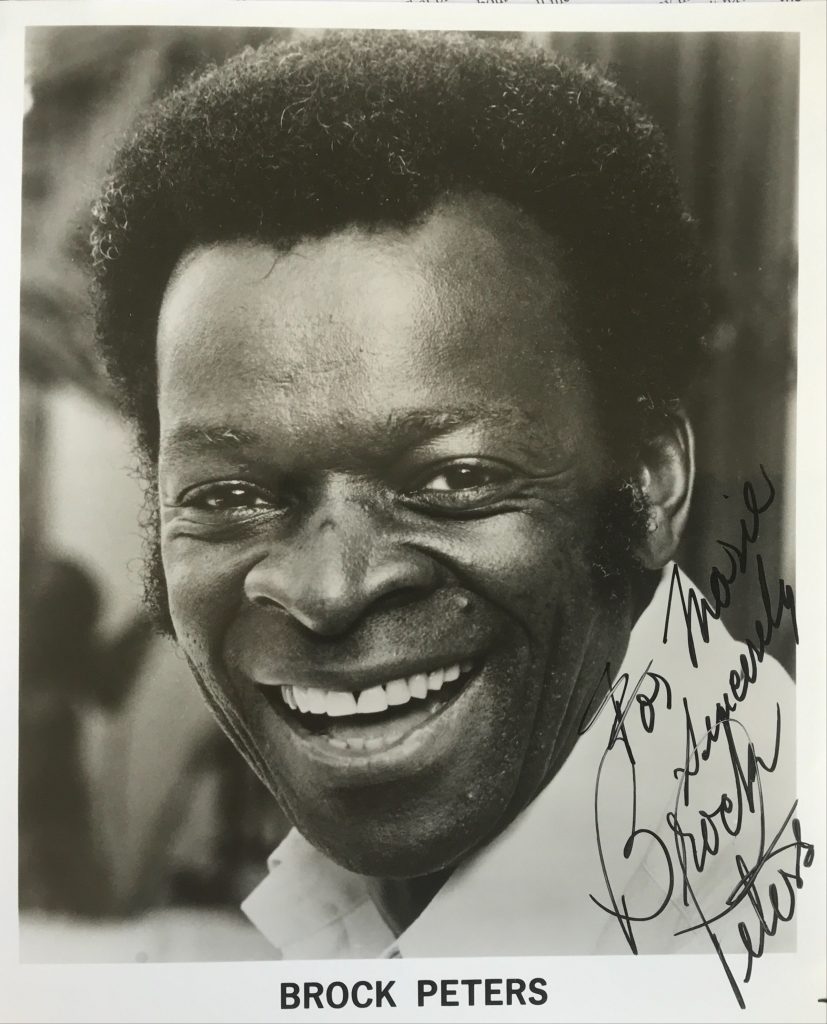
Brock Peters
Brock Peters

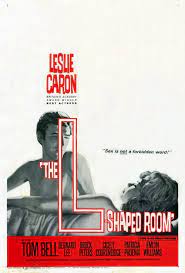
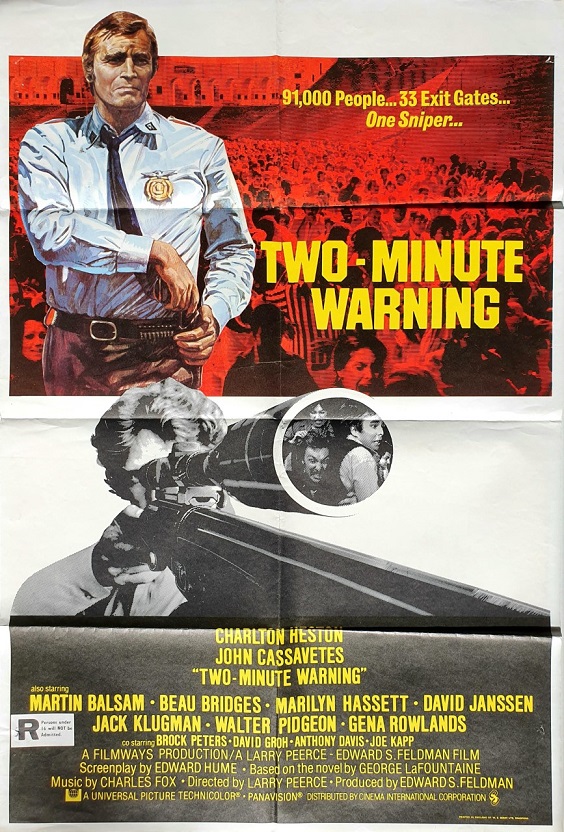
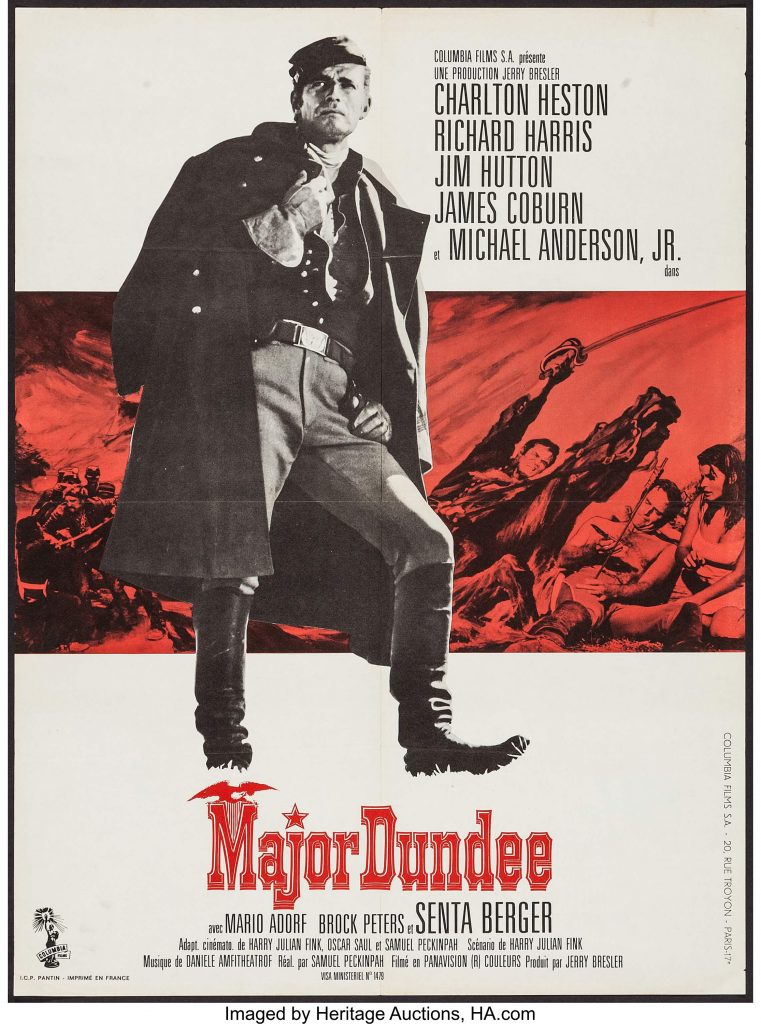
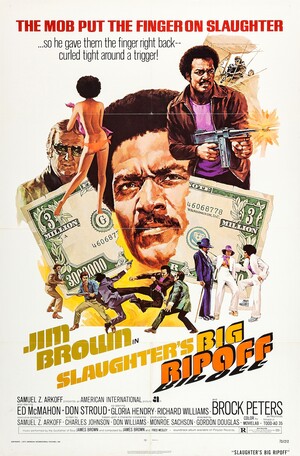
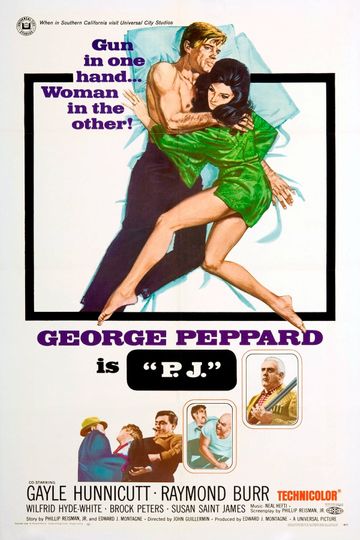
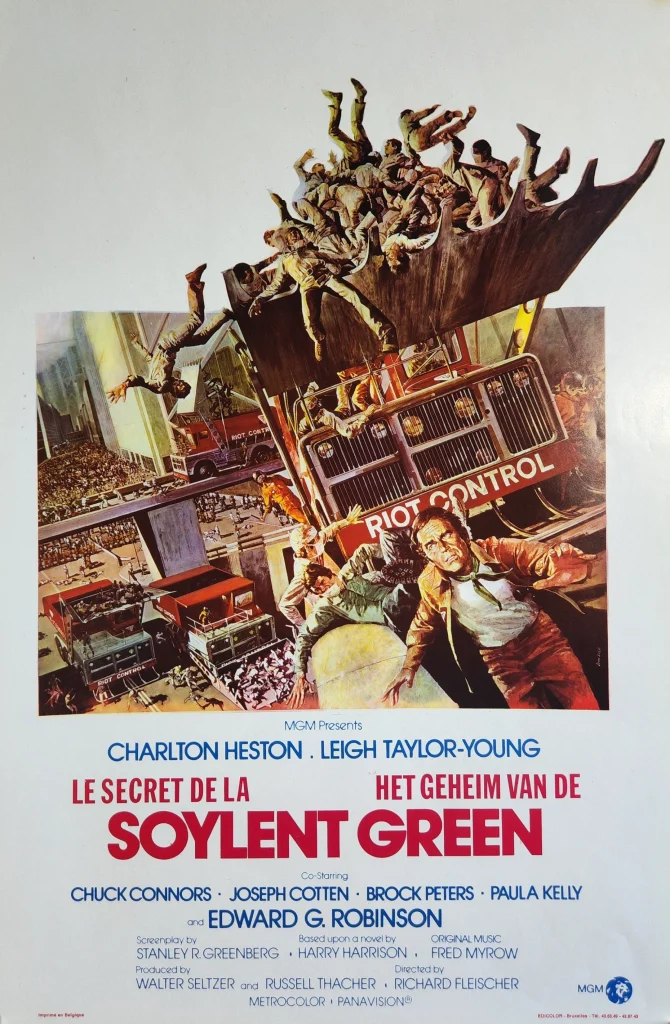
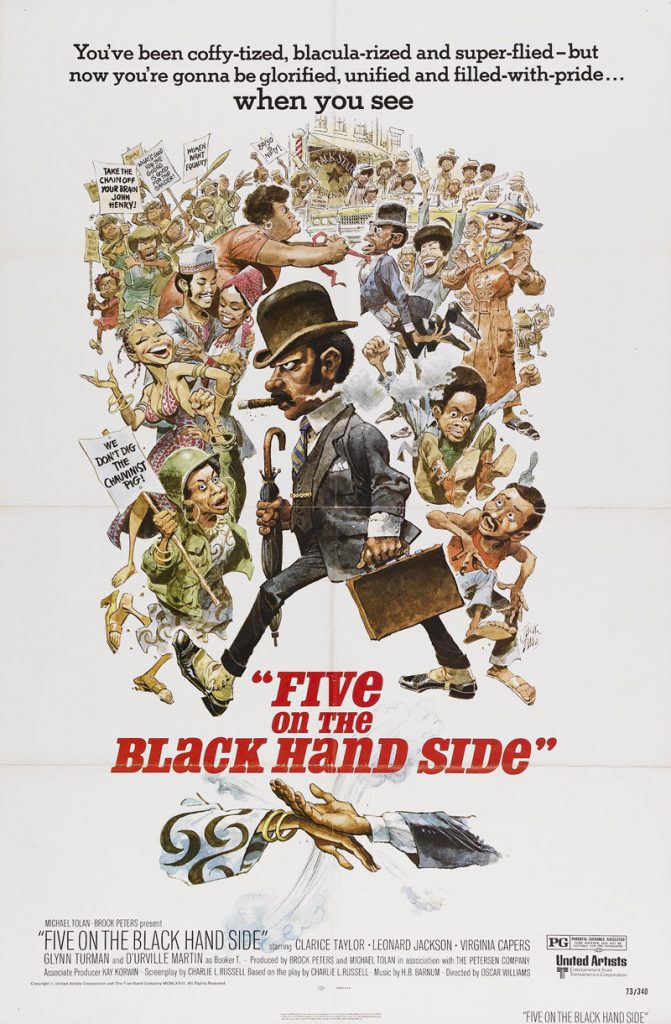
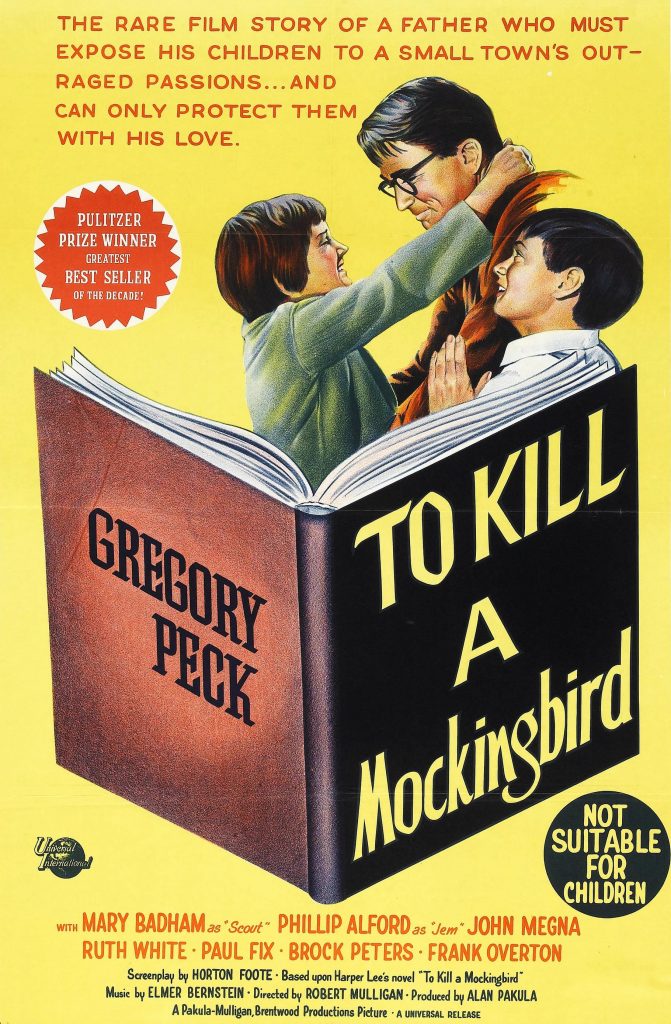
Brock Peters was born in 1927 in New York City.His movie debut was in 1954 in “Carmen Jones”.   1962 was a major year with two terrific performances, Tom Robinson in “To Kill A Mockingbird” and John in “The L Shaped Room” which was made in Britain.   Other films include “Major Dundee””The Pawnbroker”, “The Incident” and “Two-Minute Warning”.    He died in 2005.

Ronald Bergan’s “Guardian” obituary:

Brock Peters, who has died of pancreatic cancer aged 78, emerged at the time when black actors were beginning to get more assertive and dominant roles in Hollywood movies. Yet, he made his name and is most remembered for the pivotal but passive character of Tom Robinson, the man accused of raping a white girl that liberal lawyer Atticus Finch (Gregory Peck) defends in court in Robert Mulligan’s To Kill A Mockingbird (1962).

A few years ago, Peters related how he got the part. “I found myself the last of two people being considered for this role. And I was really worried because my competition was one of our finest actors: James Earl Jones. My agent called me and said we have a meeting for you to talk with the producers, the director and all those concerned, and after this meeting a decision will be made. Well, of course, I was scared out of my wits. I went into the meeting and I tried not to appear frightened but I wanted to look cool and calm and still suggest the character of Tom Robinson, and do that dressed in a suit.”
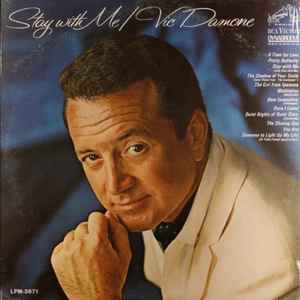
Peters went on to describe how as Tom Robinson, he cried on cue. “From day one I had to arrive at a point where I burst into tears, could not contain them, had to try to stifle them, and that’s not easy to do. Once we were on track I needed to go only to the places of pain, remembered pain, experienced pain and the tears would come, really at will.”

Born of African and West Indian parentage as George Fisher in Harlem, New York, he aimed for a showbusiness career from the age of 10. A product of New York’s Music and Arts High School, he made his stage debut at the age of 15 playing one of the children in Catfish Row in a 1943 Broadway revival of Gershwin’s Porgy And Bess, a work in which he was to appear again later on stage and on film.

He continued training for the stage while working as a hospital orderly and shipping clerk. Once, out of despair, he decided to take up physical education studies; until a break came when the 21-year-old was offered a role in a touring company of Porgy And Bess in 1949. He made his television debut in 1953 as a winner on Arthur Godfrey’s Talent Scouts show, and the following year he was cast by the director Otto Preminger in the screen version of Carmen Jones, as the brutal Sergeant Brown. He also used his rich baritone to dub the singing voice of the actor Roy Glenn for the number Whizzin’ Away Along De Track.

He initially clashed with the autocratic director. “One day he chewed me out in front of a lot of people,” said Peters. “I lost my temper and I went for him. Later I discovered he was a charming social personality and very warm, and I was surprised to learn that he was a life member of the NAACP (the National Association for the Advancement of Colored People).”

In 1959, Peters was in Preminger’s screen version of Porgy And Bess in which he played Crown, Bess’s former lover who runs away after killing a man, meets her again during a picnic and tries to rape her after singing the duet What You Want Wid Bess? with Dorothy Dandridge (dubbed by Adele Addison).

Peters was 6ft 3ins, with a powerful voice, piercing eyes and flaring nostrils, and was once described by the Los Angeles Times as a “geyser of an actor who never errs on the side of restraint”. He found himself playing dozens of villains. “It was almost disastrous,” he explained. “Producers didn’t want to see me. They had liked my performances but couldn’t see me as anything but a heavy.”

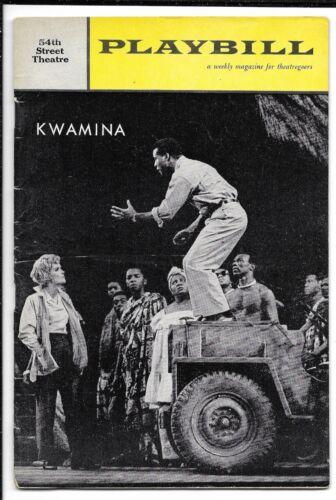
In the meantime, on stage, Peters appeared less menacingly in three short-lived shows, Mister Johnson (1956) and the musicals The Body Beautiful (1958) and Kwamina (1961) before getting the role in To Kill A Mockingbird, in which he was seen as a gentle janitor.

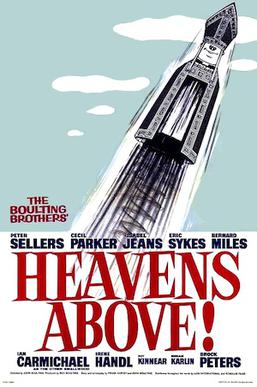
This led to sympathetic roles in two British films in 1963, Bryan Forbes’s The L-Shaped Room, where he was a gay jazz trumpeter whose best friend falls in love with a pregnant French girl (Leslie Caron), and in the Boulting brothers’ Heavens Above! in which he was a Christian dustman who is appointed churchwarden by the idealistic priest Peter Sellers, much to the consternation of the congregation.

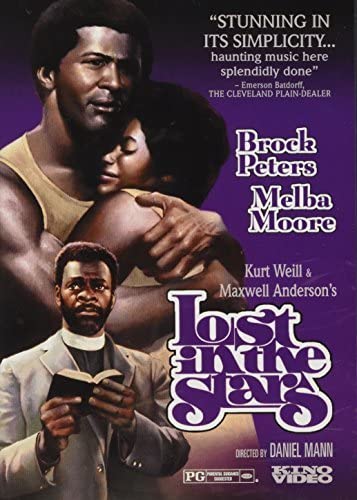
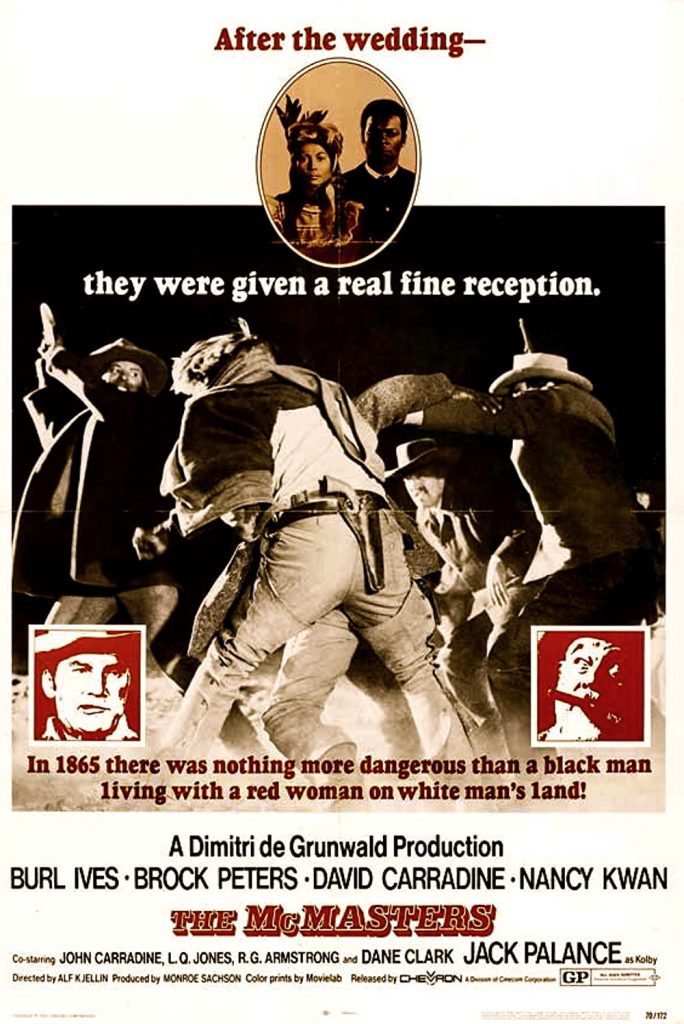
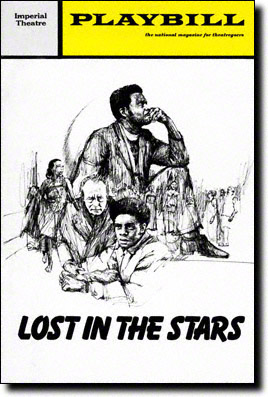
Back in the US he returned as a ghetto gangster in Sidney Lumet’s The Pawnbroker (1965), unusual at the time because black actors seldom played such unsympathetic roles. This was followed by Sam Peckinpah’s Major Dundee, as the leader of a troop of black soldiers. In The Incident (1967), he and Ruby Dee were the only black passengers on a subway train terrorised by two teenagers. In 1970, he had one of his few opportunities to play a leading role in The McMasters, a western in which he was an former slave who inherits property. Back on stage, Peters was nominated for a Tony for his performance as Reverend Stephen Kumalo, the priest in apartheid South Africa in the 1972 revival of the Kurt Weill-Maxwell Anderson musical Lost In The Stars, adapted from the Alan Paton novel, Cry, The Beloved Country. (It was a role he recreated in the film version the following year.)

Peters was kept busy in television series such as Roots: The Next Generations (1979) and The Young and The Restless (1982-1989) to Star Trek: Deep Space Nine (1997 and 1998). He also starred in two feature film spinoffs, Star Trek IV: The Voyage Home (1986) and Star Trek VI: The Undiscovered Country (1991) as a Starfleet admiral whose disapproval of a Klingon peace treaty leads him to take action.

Peters, a widower, is survived by his companion, Marilyn Darby, and his daughter.

· Brock Peters, actor; born July 2 1927; died August 23 2005

The above “Guardian” obituary can also be accessed online here.