Hollywood Actors

Collection of Classic Hollywood Actors

Bo Hopkins

Bo Hopkins

Bo Hopkins was born in 1942 in Greenville, South Carolina. An appealing character actor he has featured in mmany Westerns and gang films and television series. Films include “The Wild Bunch” in 1969, “The Getaway” and “Midnight Express”. He had recurring roles in both “The Rockford Files” with James Garner and as Matthew Blaisdale in “Dynasty”.

TCM Overview:

Bo Hopkins’ acting background started at the infamous Desilu Playhouse under the guidance of Uta Hagen. His first major film acting role was in the western classic The Wild Bunch (1969) with acclaimed director Sam Peckinpah playing opposite the likes of a few other Hollywood notables – Ernest Borgnine, William Holden and Edmond O’Brien. From there his career was on the fast track to stardom. He gave a memorable performance in the Universal Pictures film AMERICAN GRAFFITI (1973) playing the role as the intimidating leader of the Pharaohs and he continues to amass notoriety for his clever portrayal still today.

With over one hundred acting credits to his name, Bo Hopkins continues to draw in the crowds when he finds time in his active schedule to make it to a select few car shows around the country. Always one to grant a photo op or sign an autograph for admirers of his work, he remains humble in his success.

Bo Hopkins obituary in 20222.

Character actor who specialised in a combination of good ol’ boy affability and latent violence

Bo Hopkins, far left, in The Wild Bunch (1969) as Crazy Lee.
Bo Hopkins, far left, in The Wild Bunch (1969) as Crazy Lee. Photograph: Kobal/Rex/Shutterstock

Bo Hopkins, who has died aged 84, established his credentials as a character actor early in his film career. But he was already 31 when, in The Wild Bunch(1969), his third film role, he played Crazy Lee, left behind by the gang with their hostages as they escape an ambush. His glee as he marches the terrified captives around at gunpoint singing Shall We Gather at the River? highlighted the violent absurdity of the director Sam Peckinpah’s opening scene. In American Graffiti (1973), directed by George Lucas, he played the leader of a greaser gang, the Pharoahs, who frightens Richard Dreyfuss’s strait-laced Curt into pulling off a spectacular prank on the police. His reward, Hopkins tells him with a wily grin, will be membership of the Pharoahs, complete with “car coat and blood initiation”.

This combination of good ol’ boy affability and latent violence came to define Hopkins’s presence in more than 100 films and television roles, typecasting he escaped only occasionally, most notably perhaps in the soap Dynasty. His recurring part in this, as the geologist Matthew Blaisdel – former lover of Krystle Carrington (Linda Evans), and married to Claudia, who is having an affair with Blake Carrington’s son – was crucial enough for him to be brought back after being written out of the show.

His younger life may have prepared him for such roles. He was born in Greenville, South Carolina, named William, and adopted by Johnnie Hopkins, a mill worker, and his wife. But Johnnie died of a heart attack on the family’s front porch in front of Billy, then aged nine, and his mother, who dragged him inside trying to revive him. He lived with his mother and maternal grandparents, but when his mother remarried, he rebelled against his stepfather and returned to his grandparents. Having learned of his adoption, he met his birth mother and half-siblings.

Hopkins with Richard Dreyfuss in American Graffiti (1973).
Hopkins with Richard Dreyfuss in American Graffiti (1973). Photograph: Lucasfilm/Coppola Co/Universal/Kobal/Rex/Shutterstock

A delinquent teenager, at 17 he enlisted in the US army rather than be sent to reform school. He served in the 101st Airborne Division and after his discharge returned to Greenville, where he married Norma Woodle and in 1960 had a daughter, Jane.

His wife disagreed with his desire to pursue acting and left, taking their daughter; they divorced in 1962. He played in a local production of The Teahouse of the August Moon and won a scholarship for summer stock at the Pioneer Playhouse in Danville, Kentucky. “I didn’t even know what summer stock was,” he recalled. After his season, he went to New York, and was playing in an off-Broadway production of Bus Stop, when the producer wanted him to change his name. He took the name Bo from his character.

He moved to Los Angeles, attending classes at the Actors Studio, and won another scholarship, to Desilu-Cahuenga Studios (now Red Studios Hollywood), where he studied under Uta Hagen. His first television role came in 1966 on the Phyllis Diller Show, a comedy, followed by three westerns and the Andy Griffith Show. In some ways he resembled Griffith, an easy-going character with a dark side, which Griffith had demonstrated so well in A Face in the Crowd (1957).

His break in The Wild Bunch came not through TV, but because William Holden saw him on stage in Picnic, and recommended him to Peckinpah. His next part was in an underrated war film, The Bridge at Remagen (1969). He went back to South Carolina and took his mother and grandmother to see it, and The Wild Bunch, and recalled how “everyone who said I was gonna end up in prison said they always knew Billy was gonna make something of himself”.

Hopkins with Brad Davis in Alan Parker’s Midnight Express (1978).
Hopkins with Brad Davis in Alan Parker’s Midnight Express (1978). Photograph: Columbia/Allstar

Parts followed in interesting movies including Monte Walsh (1970), The Moonshine War (1970) and The Culpepper Cattle Co (1972), roles that Slim Pickens or Jack Elam might once have filled. Peckinpah cast him again in The Getaway (1972) as the robber double-crossed by Al Lettieri before Lettieri tries the same on Steve McQueen. In White Lightning (1973) he was the moonshiner whom Burt Reynolds chases.

His turn in American Graffiti landed him a recurring role in the TV series Doc Elliot, and by 1975 he seemed on the verge of a breakthrough, with substantial roles in The Day of the Locust and Peckinpah’s The Killer Elite, an eye-catching part as a would-be gangster dressed as a cowboy in Robert Mulligan’s off-beat Nickel Ride, and playing Pretty Boy Floyd in a TV movie, The Kansas City Massacre. Soon, however, his career’s pattern was set: he played Jim Rockford’s lawyer in The Rockford Files, but his bigger parts were in lesser films or TV movies; his engaging turns came in bigger films, for instance playing the mysterious Tex, who ensures Brad Davis is sent to prison, in Alan Parker’s Midnight Express (1978).

Hopkins became enough of a cult figure that Quentin Tarantino cast him in a leading role as a sheriff in the early straight-to-video From Dusk Till Dawn 2 (1999). His final appearance came in Hillbilly Elegy (2020), directed by his American Graffiti co-star Ron Howard.

Hopkins is survived by his second wife, Sian Green, whom he married in 1989, their son, Matthew, and his daughter, Jane.

 Bo (William Mauldin) Hopkins, actor, born 2 February 1938; died 28 May 2022Bo

Gemini said 


Bo Hopkins (1938–2022) was one of Hollywood’s most reliable and recognizable character actors, a “good ol’ boy” with a sharp, often dangerous edge. While he never became a traditional leading man, his career spanned over 130 credits and saw him work with some of the greatest directors of the 20th century.

Below is a career overview and critical analysis of his work.

Career Overview: The Quintessential Supporting Player

Hopkins’ career is a masterclass in the “working actor” ethos. Raised in South Carolina, his background in the military and a troubled youth provided him with a reservoir of authenticity that he brought to his Southern-tinged roles.

1. The Sam Peckinpah Connection

Hopkins broke into the mainstream through a fruitful collaboration with director Sam Peckinpah.

  • The Wild Bunch (1969): As “Crazy Lee,” Hopkins made an indelible impression in the opening scene, playing a high-strung outlaw with a mixture of boyish glee and lethal instability

  • The Getaway (1972) & The Killer Elite (1975): He continued to be Peckinpah’s go-to for characters who were physically capable but often ethically compromised or doomed

2. The Iconic Outlaw: American Graffiti (1973)

Perhaps his most famous role, Hopkins played Joe Young, the leader of the “Pharaohs” greaser gang.

  • Analysis: Hopkins avoided the cliché of the “one-dimensional thug.” He gave Joe a charismatic, almost older-brother quality that balanced intimidation with a surprising sense of honor, helping to anchor the film’s nostalgic but grounded tone.

3. Television and Later Career

In the 1980s, Hopkins became a household name on the small screen.

  • Dynasty: He played Matthew Blaisdel, the geologist and former lover of Krystle Carrington, bringing a grounded, blue-collar contrast to the show’s opulence.

  • The Rockford Files: He played John Cooper, Jim Rockford’s disbarred lawyer friend

  • Hillbilly Elegy (2020): In his final film role, directed by his American Graffiti co-star Ron Howard, Hopkins returned to his roots, playing the patriarch of a struggling family.

Critical Analysis: The “Affable Menace”

Critics and film historians often categorize Bo Hopkins’ talent through his ability to manipulate his “Southern charm” into something unsettling.

The Duality of the “Good Ol’ Boy”

Hopkins’ primary tool was his Southern drawl and squinty-eyed gaze.

  • As the Hero: When playing lawmen (which he did frequently in his later career, such as in U-Turn or Uncle Sam), those traits suggested a weary, common-sense wisdom

  • As the Villain: Those same traits suggested a “smiling snake”—someone whose friendliness was a thin veil for sudden violence. A prime example is his role as the mysterious “Tex” in Midnight Express (1978), where he is both helpful and chillingly detached.

Versatility in Archetypes

Style Key Examples
The Loose Cannon The Wild Bunch (Crazy Lee)
The Charismatic Leader American Graffiti (Joe Young)
The Corrupt/Hardened Lawman A Small Town in TexasFrom Dusk Till Dawn 2
The Vulnerable Romantic Dynasty (Matthew Blaisdel)

Industry Impact

Hopkins occupied a specific niche: the “Western Modernist.” He carried the DNA of classic Western actors like Slim Pickens or Ben Johnson into the “New Hollywood” era of the 1970s. He was the bridge between the old-school cowboy and the modern anti-hero.

Key Filmography for Study

  • The Wild Bunch (1969): The birth of his “unhinged” persona

  • American Graffiti (1973): His most culturally significant role.

  • White Lightning (1973): Starring alongside Burt Reynolds, showcasing his chemistry in “hixploitation” action.

  • The Day of the Locust (1975): A reflexive role playing a cowboy stuntman in Hollywood.

  • Midnight Express (1978): A masterful turn as a man who is not what he seems

Guy Rolfe

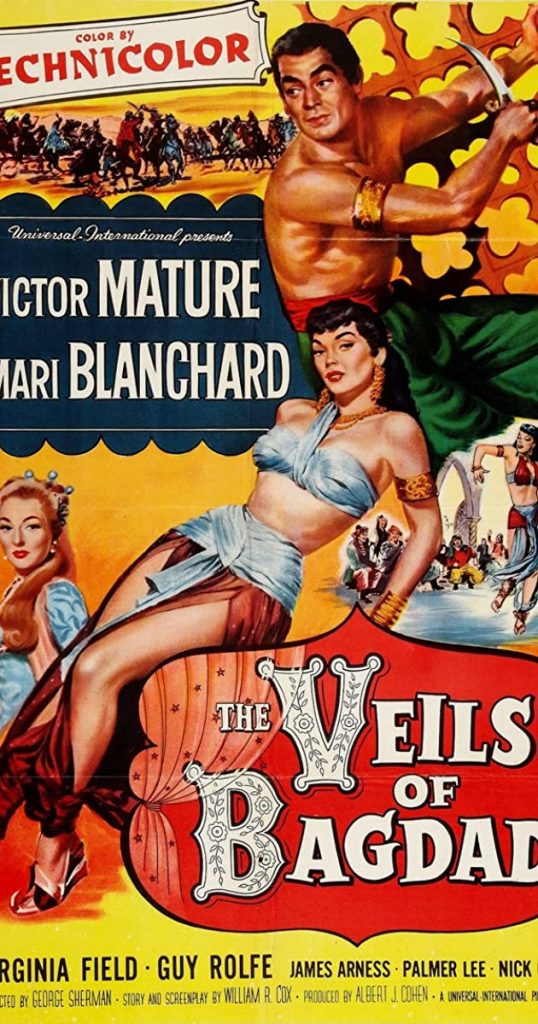
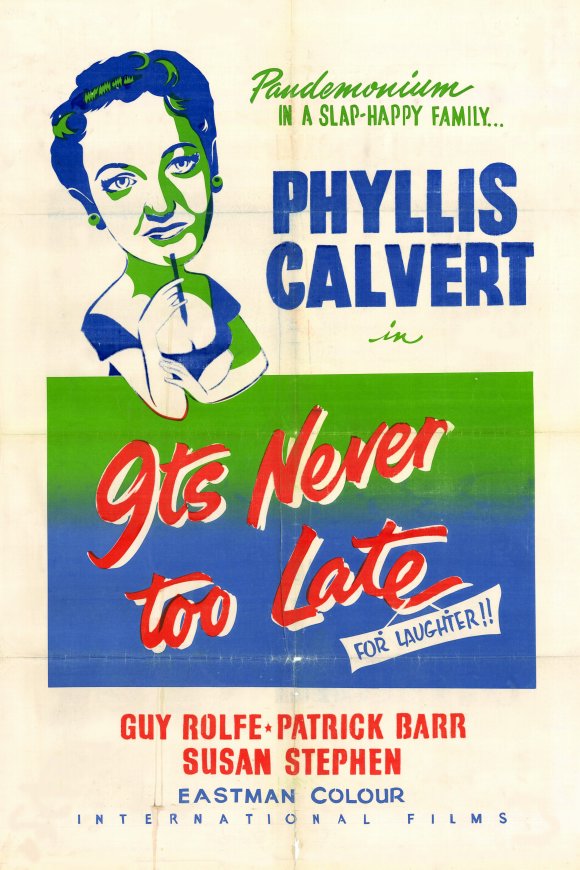
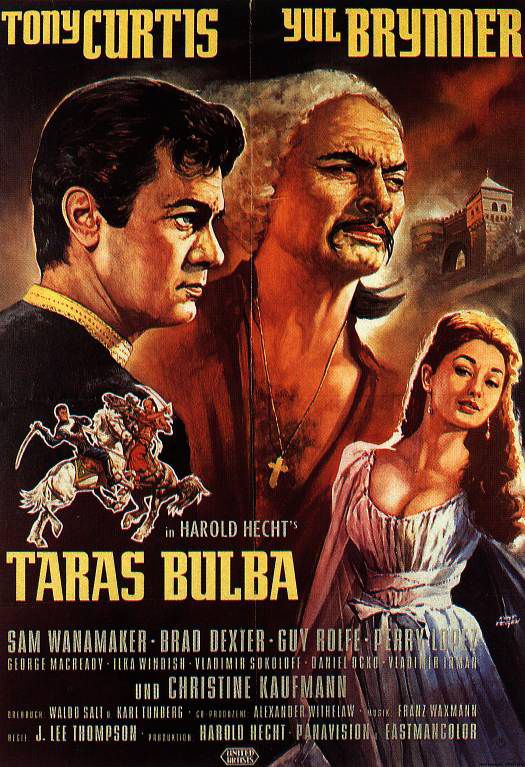
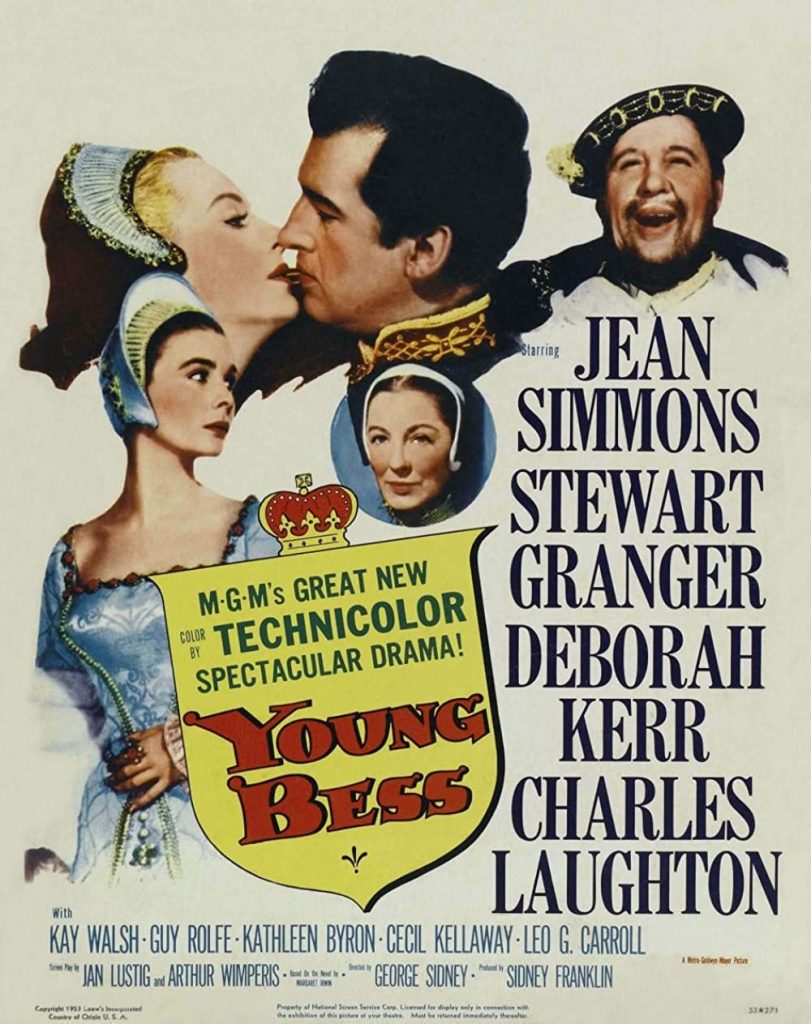
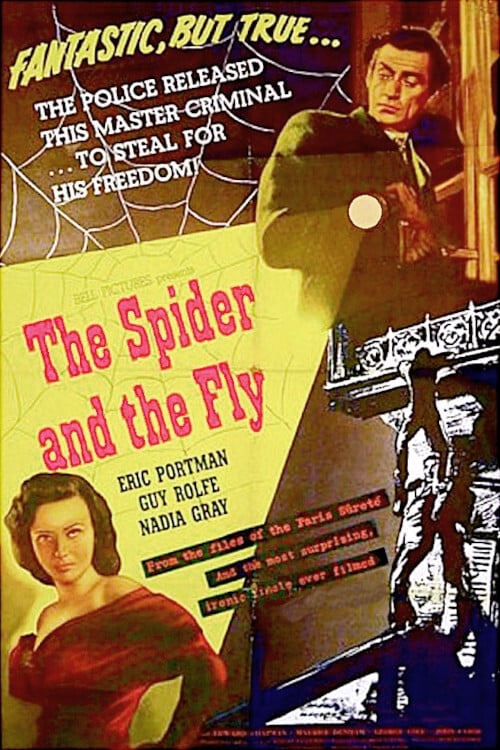
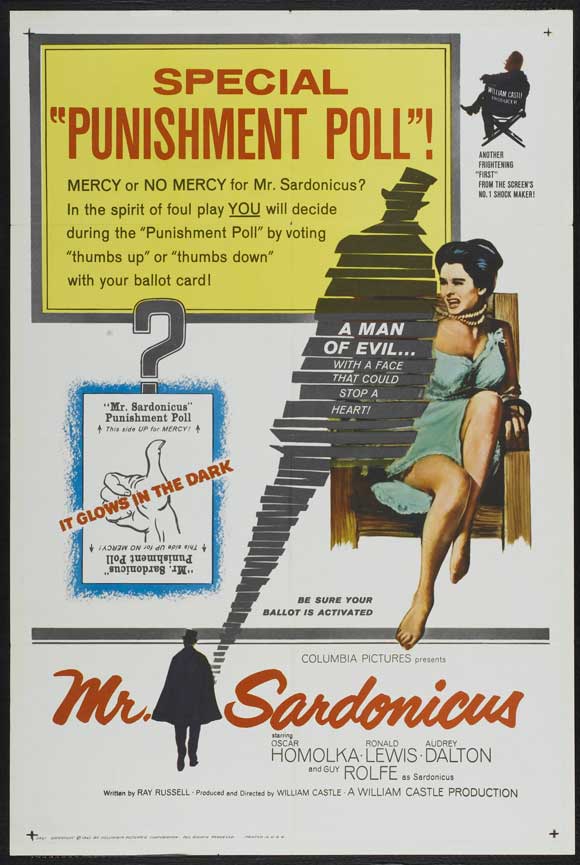
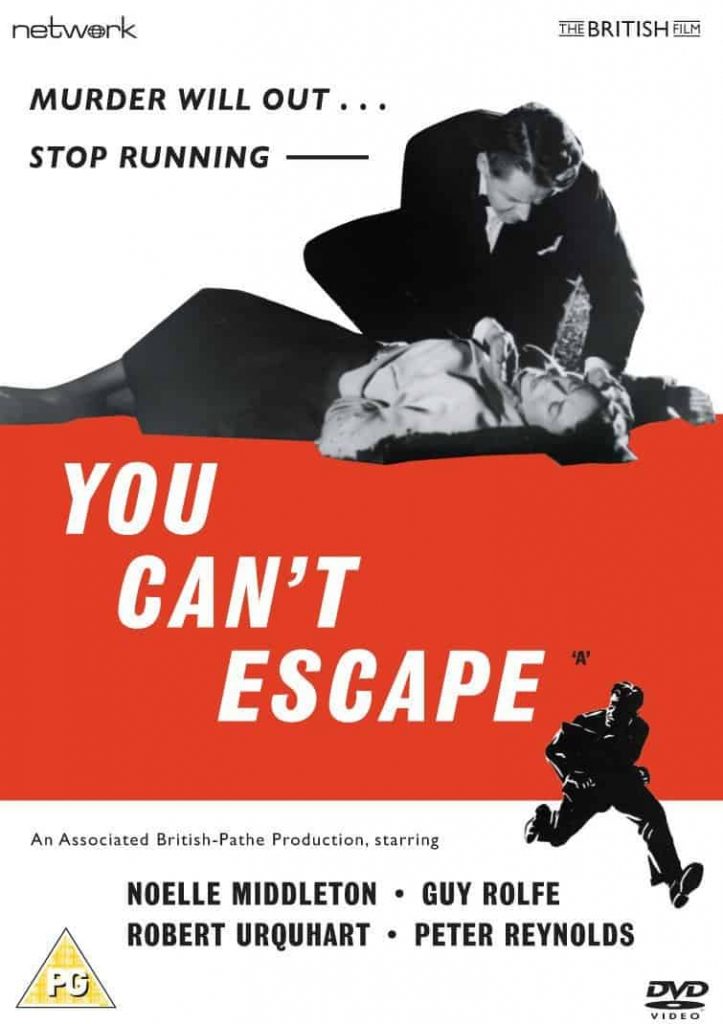
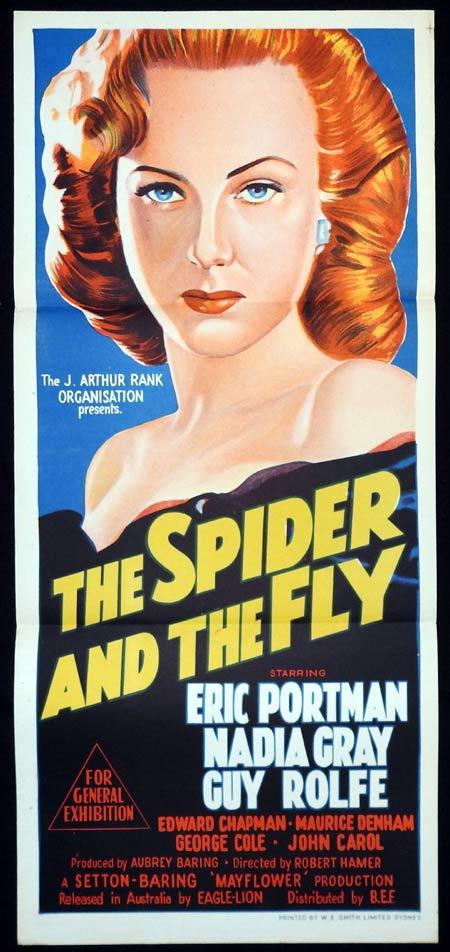
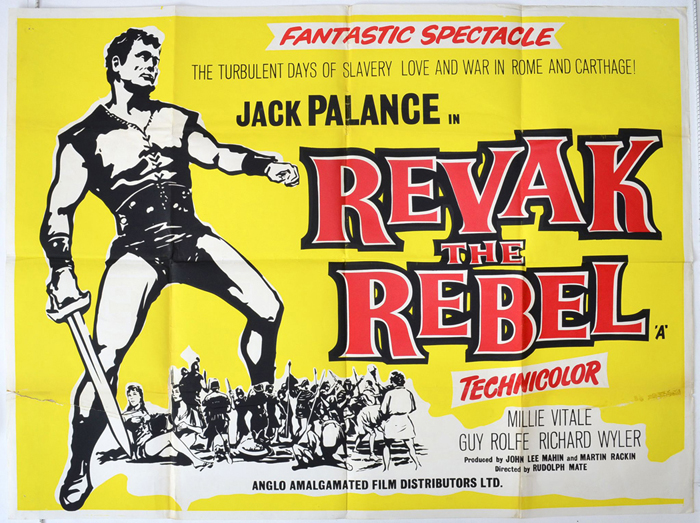
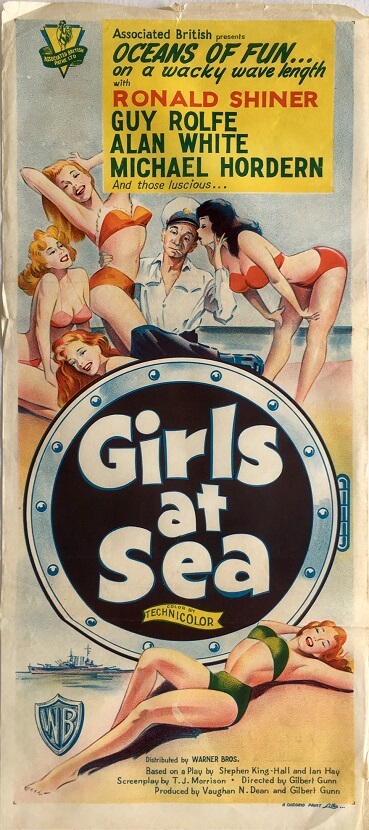
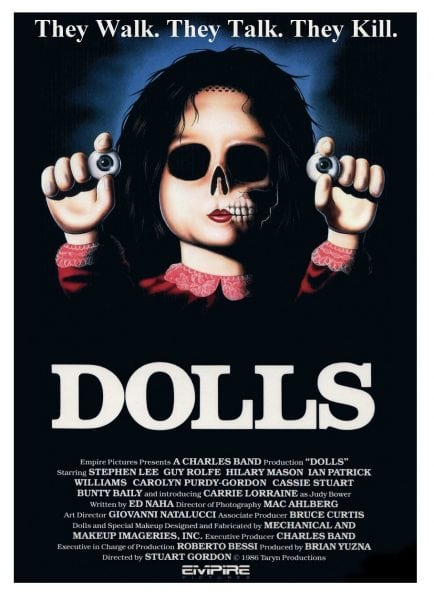
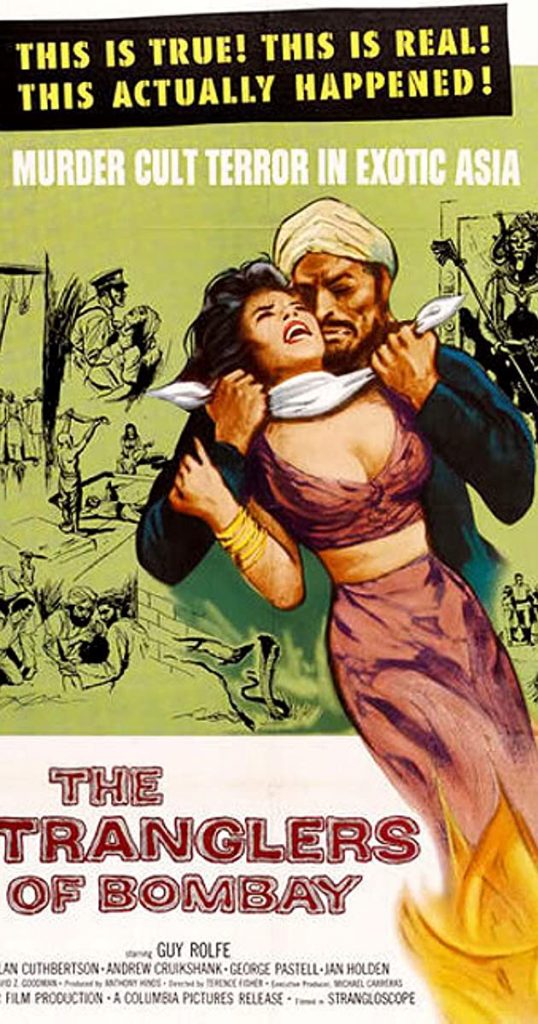
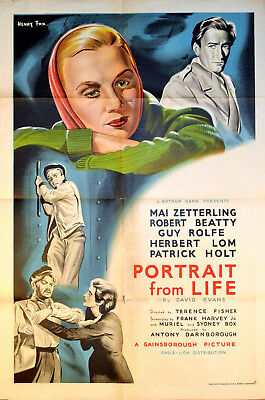
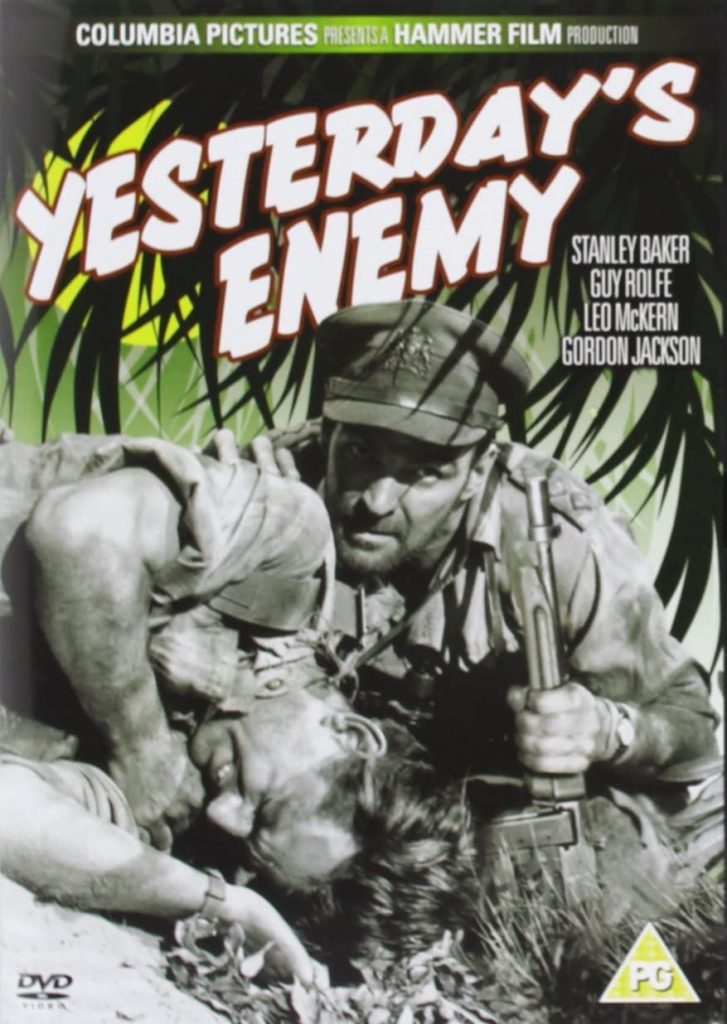
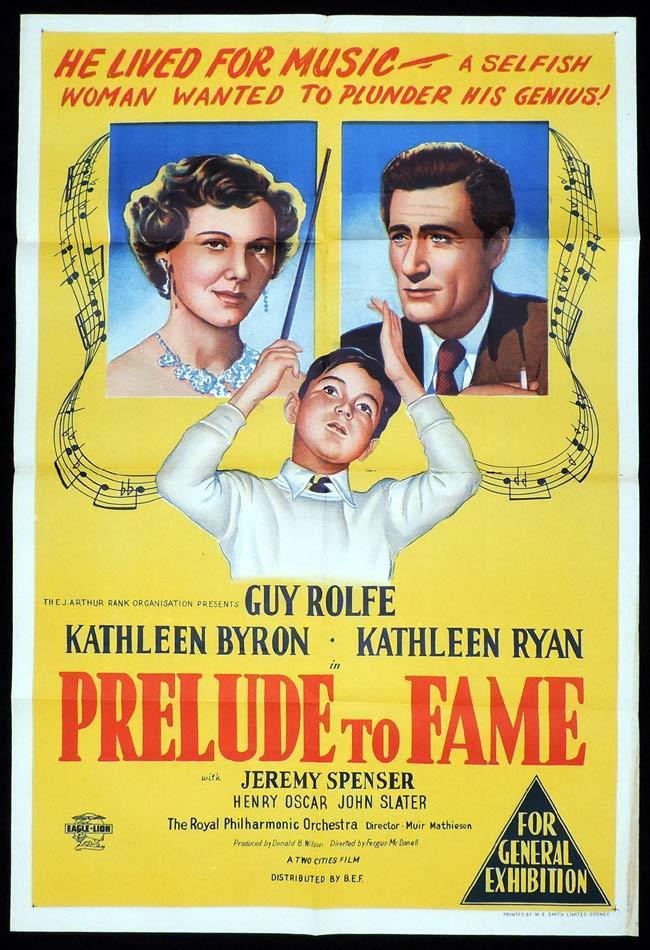
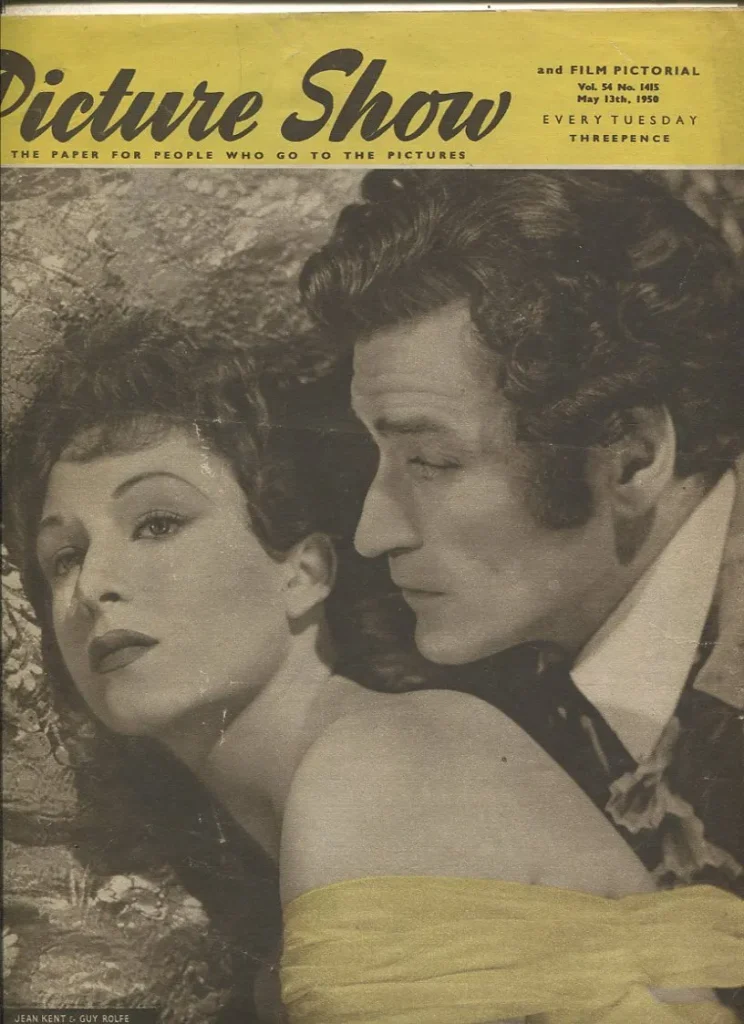
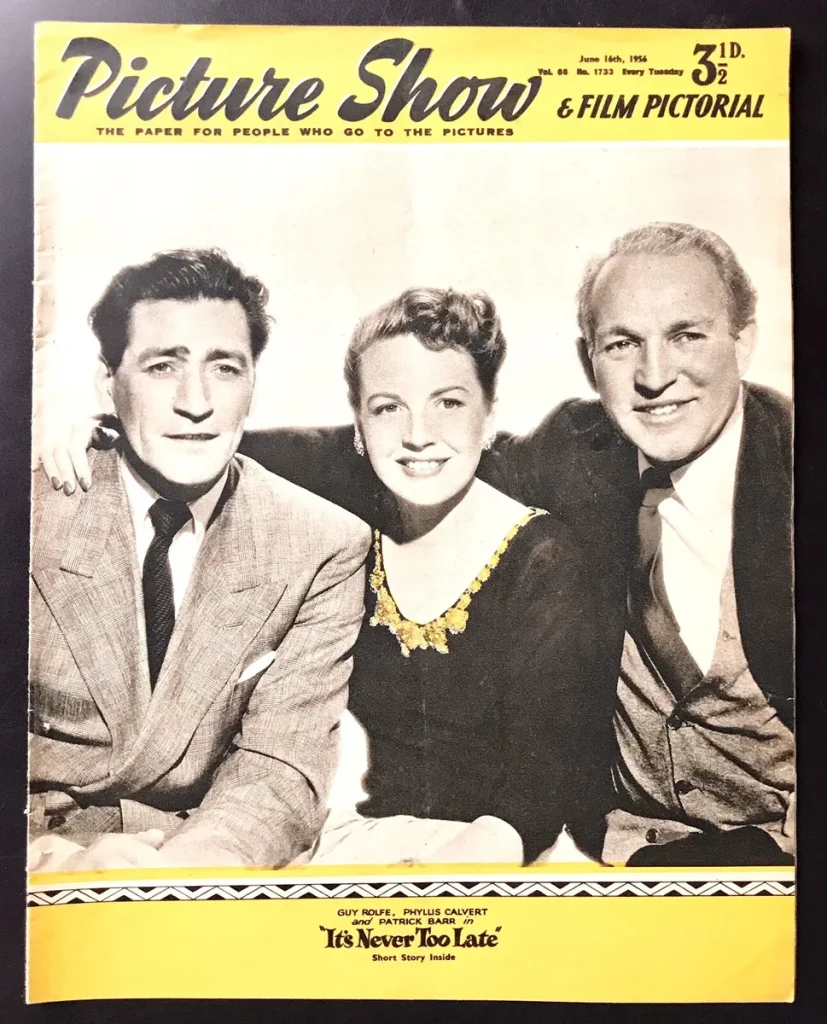
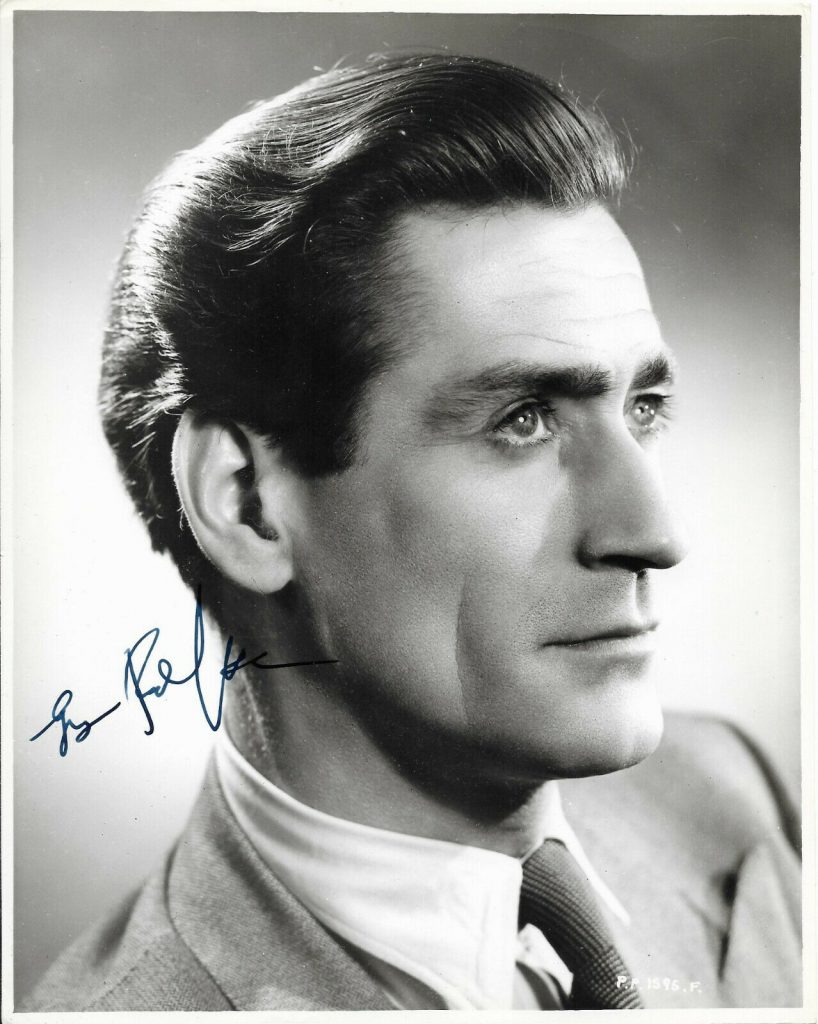
Guy Rolfe was a very tall, lean-featured English actor who enjoyed a lengthy career on film both in Britain and in Hollywood.   He was born in Kilburn, London in 1911.   His screen debut was in 1937 in “Knight Without Armour”.  He was particularily good at sneering villians and can be seen to good effect in “The Drum”, “Hungary Hill”,”The Spider and the Fly”,  “Oddman Out”, “Ivanhoe” and “Mr Sardonicus” in 1962.   At the age of 80 his acting career got a major lease of life with his portryal of Andre Toulan in the “Puppetmaster” movies which began for him in 1991 with “Puppetmaster 3 – Toulans Revenge” and continued until Puppet Master 5″ in 1994.   Guy Rolfe died in London in 2003.

Ronald Bergan’s “Guardian” obituary:

Among screen villains, one of the most hissable was Guy Rolfe, who has died aged 91. Often sporting a goatee-beard Rolfe, with his aquiline nose, gaunt and saturnine appearance, had something of the night about him. Although most of the roles he played were irredeemable baddies with little room for nuance, Rolfe was able to bring some dash and plausibility to them.

If he had not gone sinister in the 1950s, Rolfe might have continued in British films as another character actor playing staunch officers, kindly doctors and dependable policemen. He first shone in Robert Hamer’s atmospheric thriller The Spider And The Fly (1949) as a master thief turned spy.

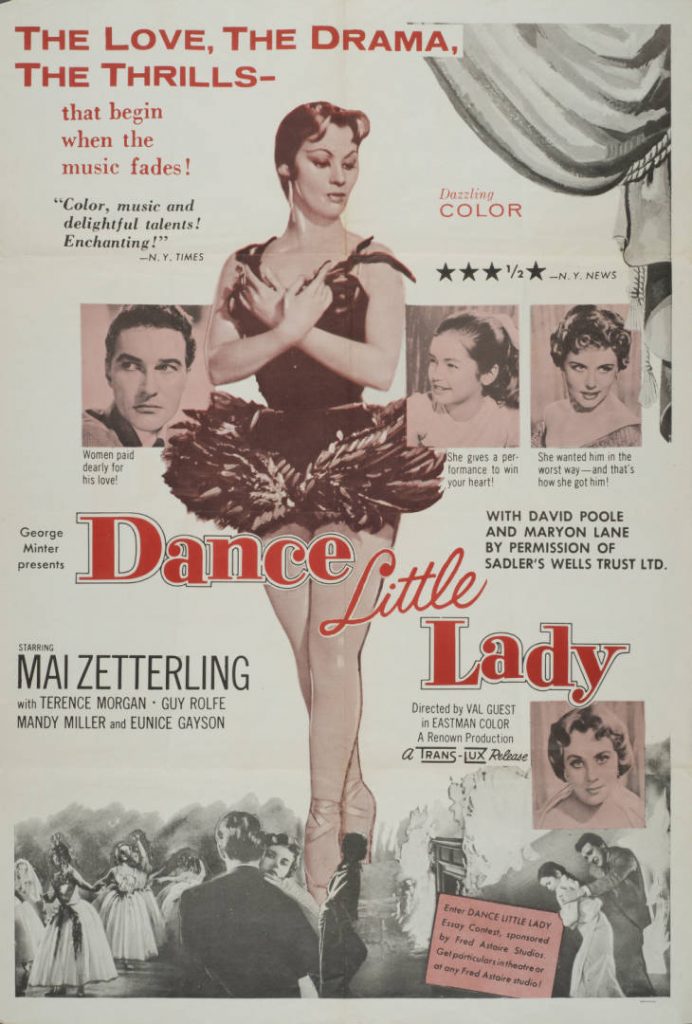
He played a few romantic leads which might have been more convincingly taken by Stewart Granger or Dennis Price. In Prelude To Fame (1950), he was a philosophy professor who discovers an Italian boy who is a musical genius (Jeremy Spencer), only to regret the negative results of what fame has done to his protegé. Dance Little Lady (1952) saw him as a doctor falling for ballet dancer Mai Zetterling, whom he helps to walk again after an accident.

It was Hollywood, in the tradition of using British actors as well-spoken nasty types, which brought out Rolfe’s evil side. It started with him cast as the sinuous Prince John pitted against Robert Taylor’s Ivanhoe (1952). He had a lip-smacking moment when he condemned Elizabeth Taylor’s Rebecca as a witch who was to be burned at the stake.

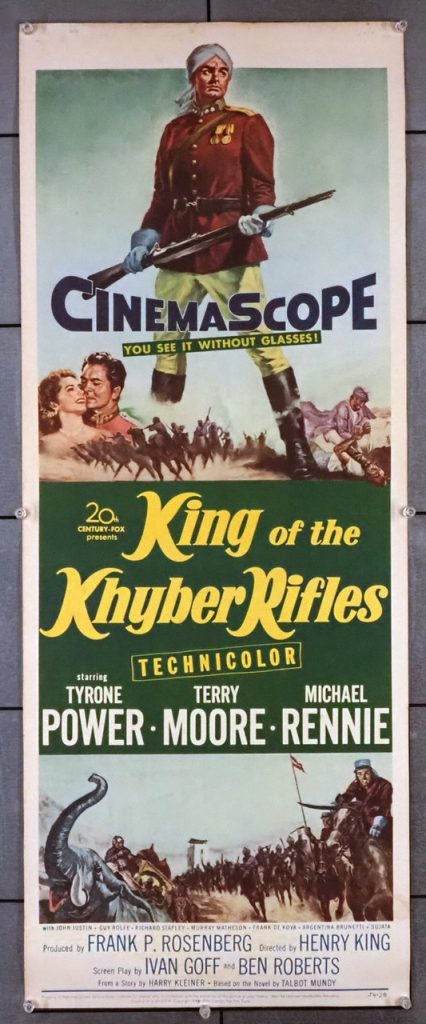
Rolfe did not actually get to Hollywood because the epic was mostly shot at Boreham Wood Studios. But the following year, he capitalised on his new wickedness by getting cast as the cunning Ned Seymour in Young Bess, filmed at MGM’s Culver City Studios, and then browning-up as wily oriental characters in two examples of Hollywood exotica: King Of The Khyber Rifles in which Rolfe is Karram Khan, a rebel tribesman causing problems for British officer Tyrone Power, and Veils Of Bagdad as Kasseim, an evil vizier plotting against beefy Victor Mature.

Actually Rolfe was as British as they come. He was born in north London and after education at a state school, became a professional boxer and then a racing-car driver before deciding, aged 24, to take up acting. After provincial repertory came his walk-on film debut in Jacques Feyder’s Knight Without Armour (1937).

After the second world war, Rolfe was offered the role of the consumptive retired army officer who falls in love with a dying fellow patient (Jean Simmons) in Sanatorium, the last of the Somerset Maugham stories in Trio (1950), but ironically had to pull out when he himself contracted TB.

Rolfe, who was always elegantly dressed, and would often arrive at the studios in his chauffeur-driven Rolls-Royce, overcame his illness and continued to be in demand into his 80s, when he gathered a cult following of fans of schlocky slasher movies. This new lease of life came about in 1987, when the director Stuart Gordon tracked Rolfe down to Spain, where the actor had retired since the early 1970s, to appear in his film Dolls.

Gordon had remembered Rolfe from a low-budget William Castle shocker, Mr Sardonicus (1961). As Sardonicus, a decadent 19th-century aristocrat whose face has frozen into a hideous grin as a result of a frightening experience, Rolfe kidnaps Audrey Dalton to compel her surgeon lover, Ronald Lewis, to operate on his face.

In Dolls, Rolfe is benign in comparison as an aged doll-maker who lives with his wife in a gloomy mansion. In typical “old dark house” fashion, a number of strangers seek refuge from a storm. As the night progresses, the dolls come to life to take revenge on those who are mean and no longer children at heart.

The film led to his role as the insane puppeteer Andre Toulon, in a series of six Puppet Master movies, the last of which appeared in 1999. In this Rolfe managed to bring dignity and credibility to the thoroughly dislikable character who manipulates living dolls to do his bidding.

Rolfe is survived by his second wife, Margaret Allworthy.

· Guy (Edwin Arthur) Rolfe, actor, born December 27 1911; died October 19 2003
 The above “Guardian” obituary can also be accessed online here.
Beatrice Lillie
Beatrice Lillie
Beatrice Lillie
Beatrice Lillie

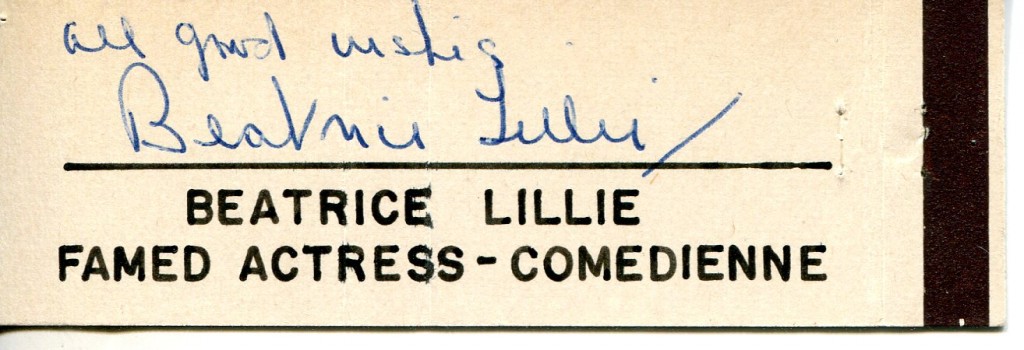
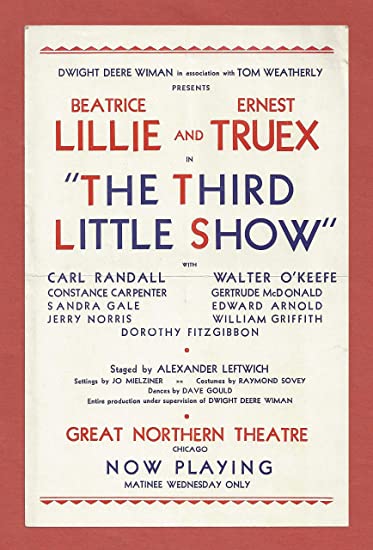
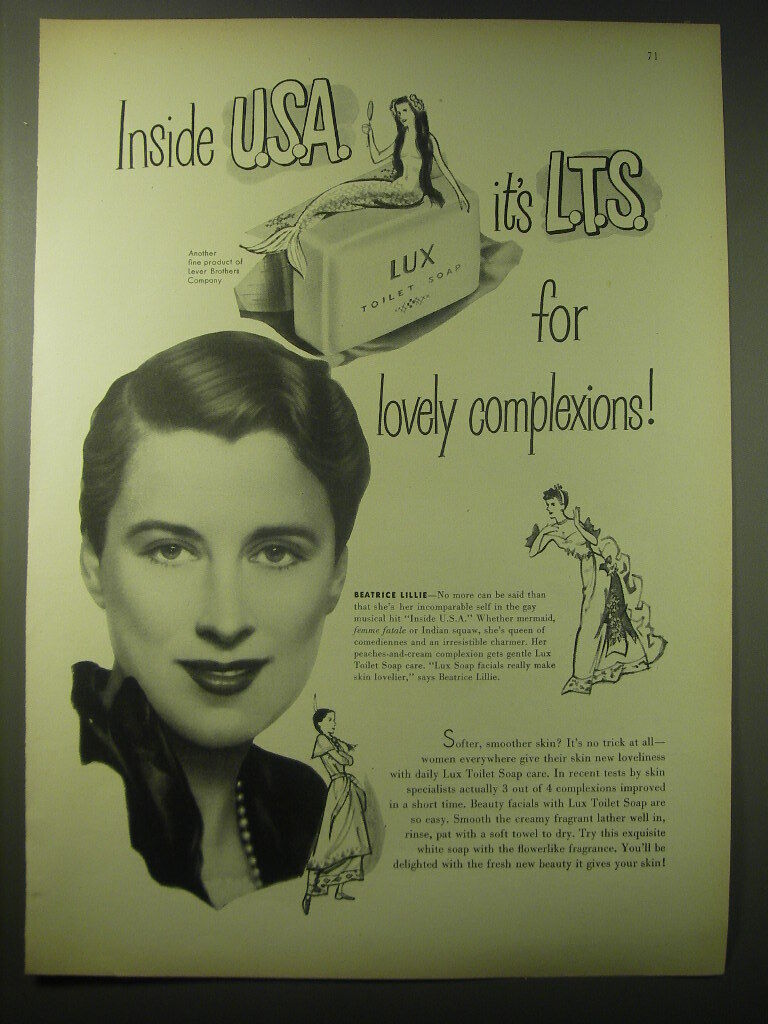
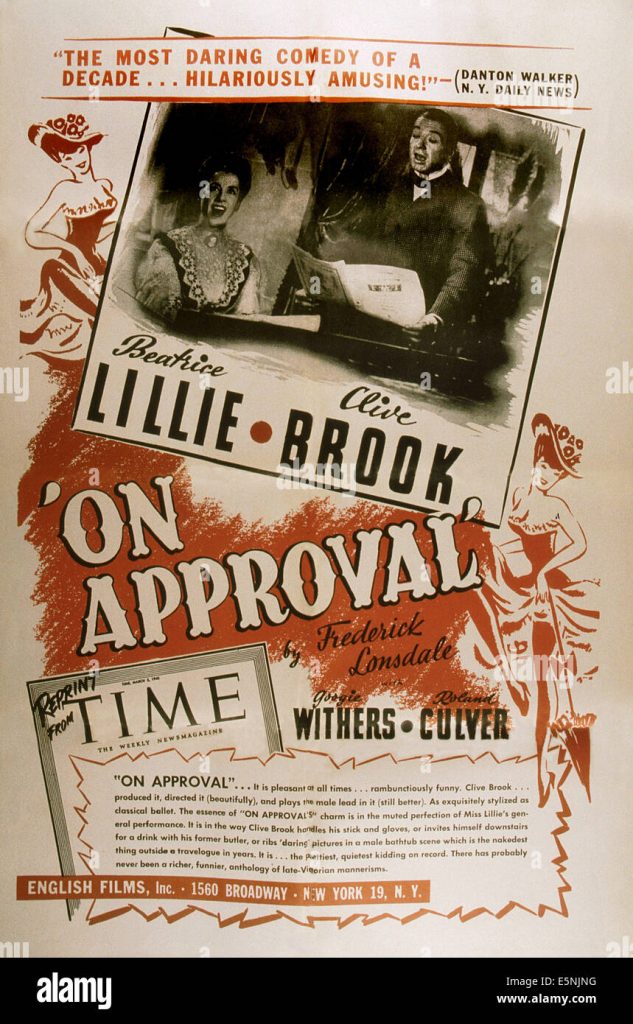
Beatrice Lillie was born in 1894 in Toronto, Canada. She made her stage debut in New York to stunning notices. She was a celebrated player on both the Broadway and London stages for many years. Her dilm appearances although infrequent were choice. Of particular note is “On Approval” in 1944 with Googie Withers and “Thoroughly Modern Millie” with Julie Andrews and Mary Tyler Moore in 1967. She died in England in 1989.

Gary Brumburgh’s entry:

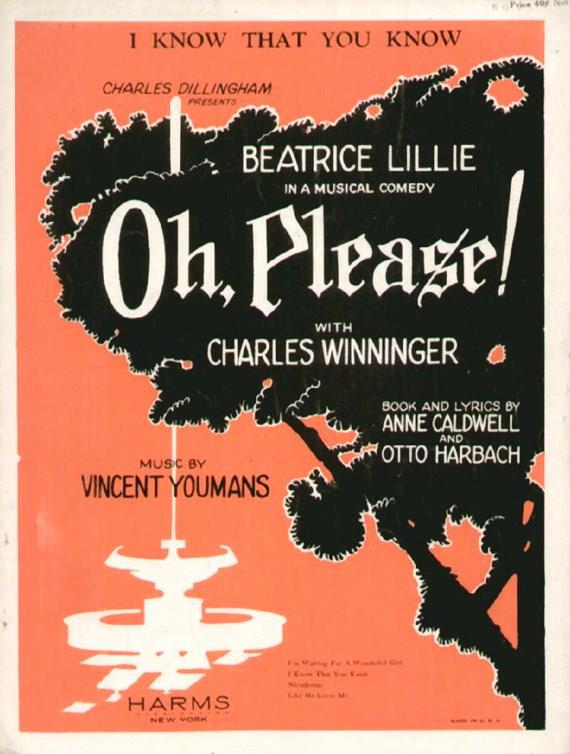
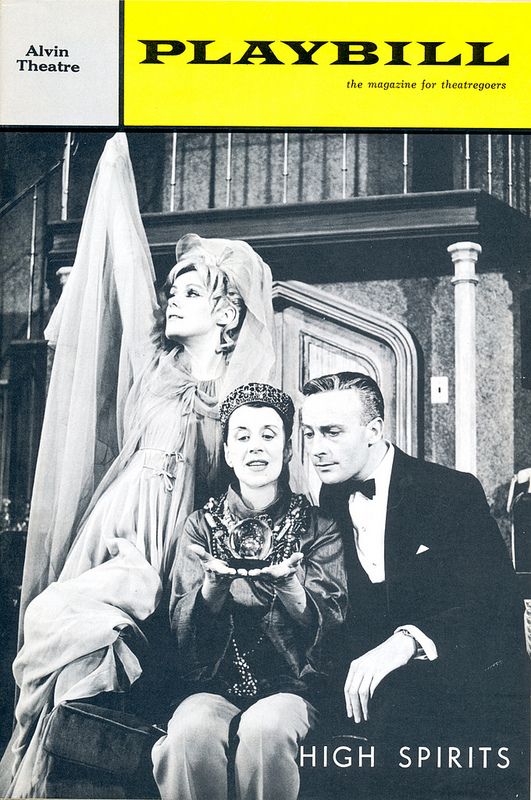
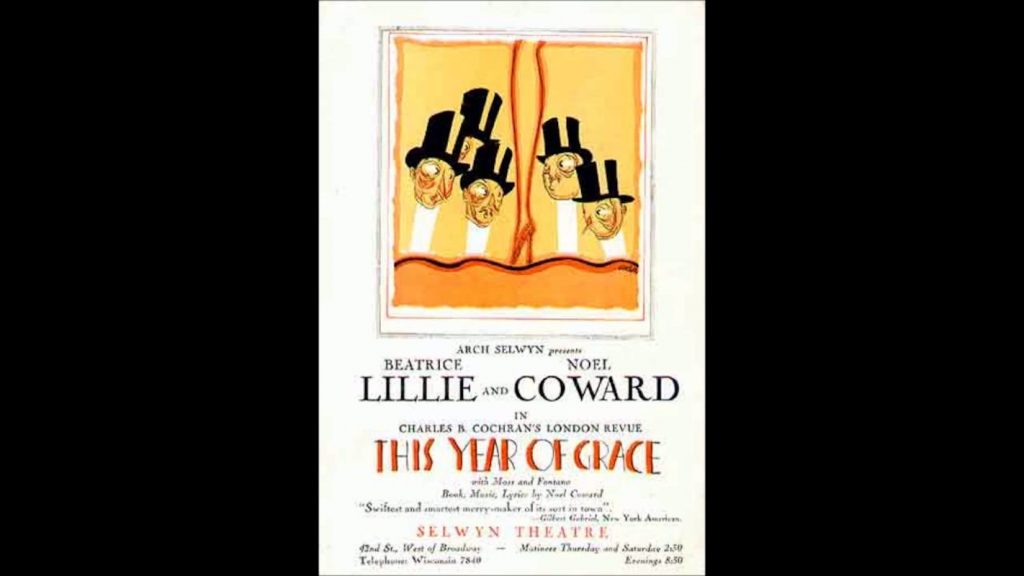
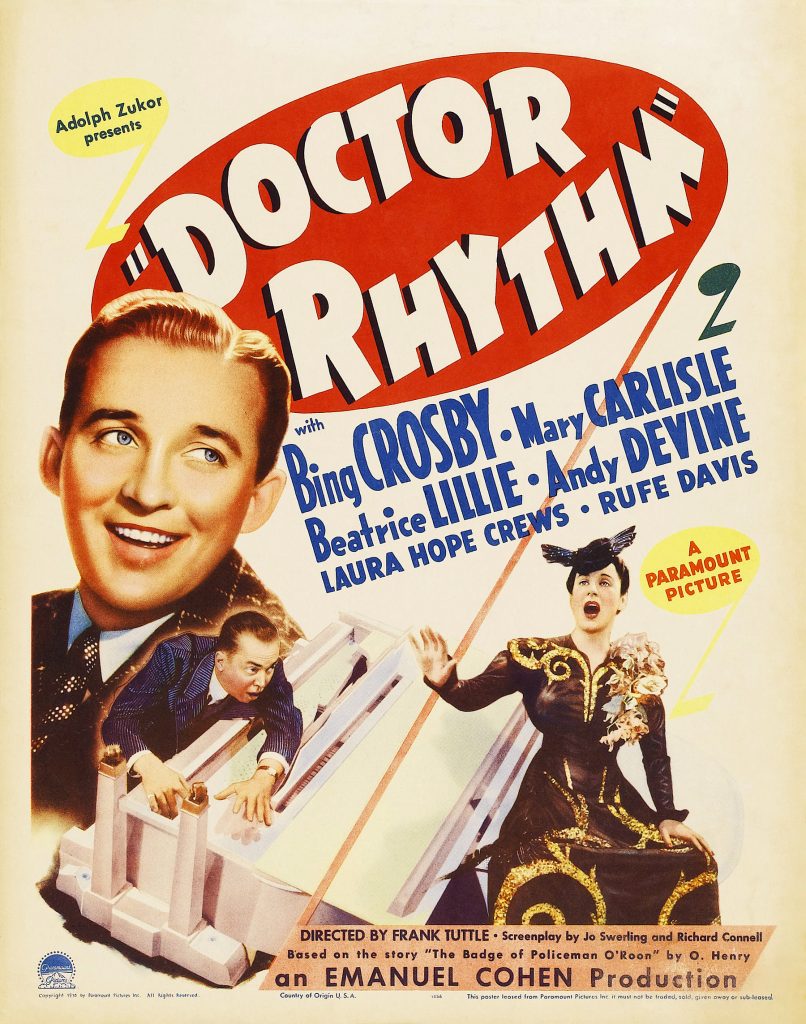
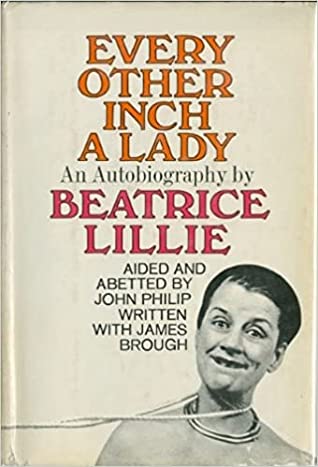
Dubbed “the funniest woman in the world”, comedienne Beatrice Lillie was born the daughter of a Canadian government official and grew up in Toronto. She sang in a family trio act with her mother, Lucy, and her piano-playing older sister, Muriel. Times were hard and the ambitious mother eventually took the girls to England to test the waters. In 1914, Bea made her solo debut in London’s West End and was an immediate hit with audiences. A valuable marquee player as a droll revue and stage artiste, she skillfully interwove sketches, songs and monologues with parody and witty satire. In 1924, she returned to America and was an instant success on Broadway, thus becoming the toast of two continents. For the next decade, she worked with the top stage headliners of her day, including Gertrude LawrenceBert Lahr and Jack HaleyNoel Coward and Cole Porterwrote songs and even shows for her. A top radio and comedy recording artist to boot, Bea’s success in films was surprisingly limited, although she did achieve some recognition in such productions as Exit Smiling (1926) and Dr. Rhythm (1938). During the Second World War, Bea became a favourite performer with the troops and, in her post-war years, toured with her own show “An Evening with Beatrice Lillie”. Her rather eccentric persona worked beautifully on Broadway and, in 1958, she replaced Rosalind Russell in “Auntie Mame”. In 1964, she took on the role of “Madame Arcati” in the musical version of “Blithe Spirit”, entitled “High Spirits”. This was to be her last staged musical. Sadly, her style grew passé and outdated in the Vietnam era, and she quickly faded from view after a movie appearance in Thoroughly Modern Millie (1967). At this point, she had already begun to show early signs of Alzheimer’s disease, although she managed to publish her biography in 1973. A year later, Bea suffered the first of two strokes and lived the next decade and a half in virtual seclusion. She died in 1989 at age 94.

– IMDb Mini Biography By: Gary Brumburgh / gr-home@pacbell.net

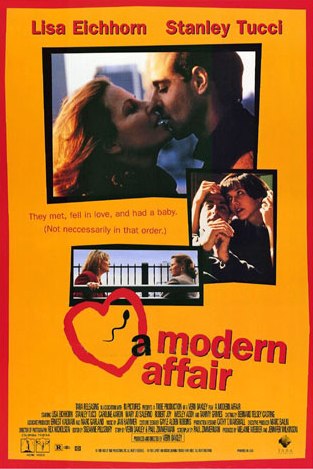
Lisa Eichhorn

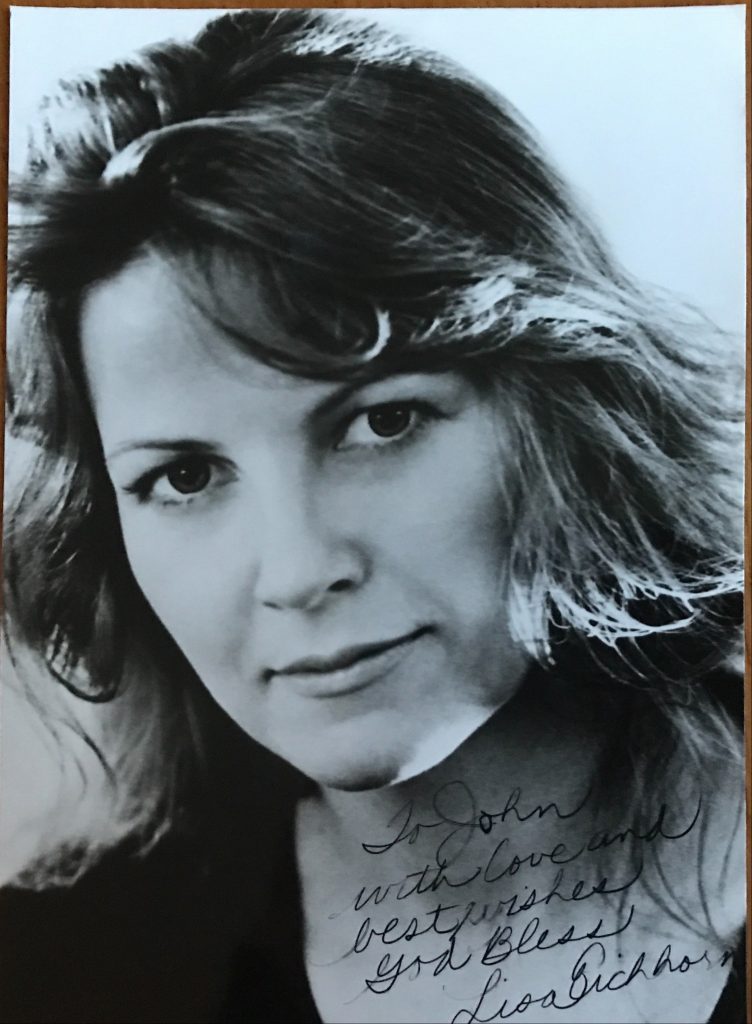
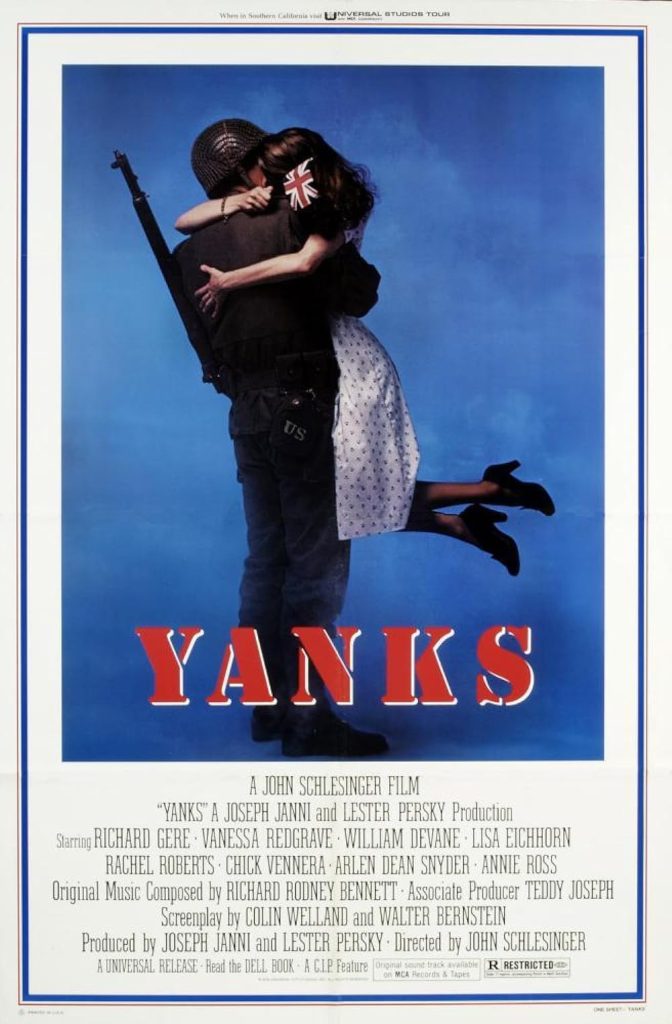
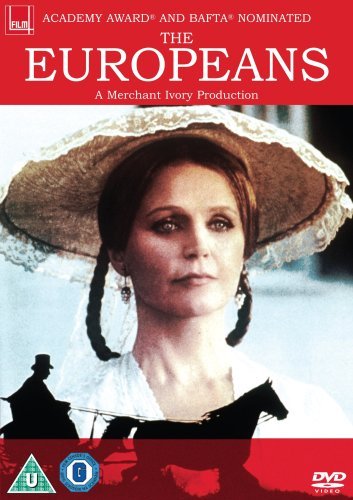
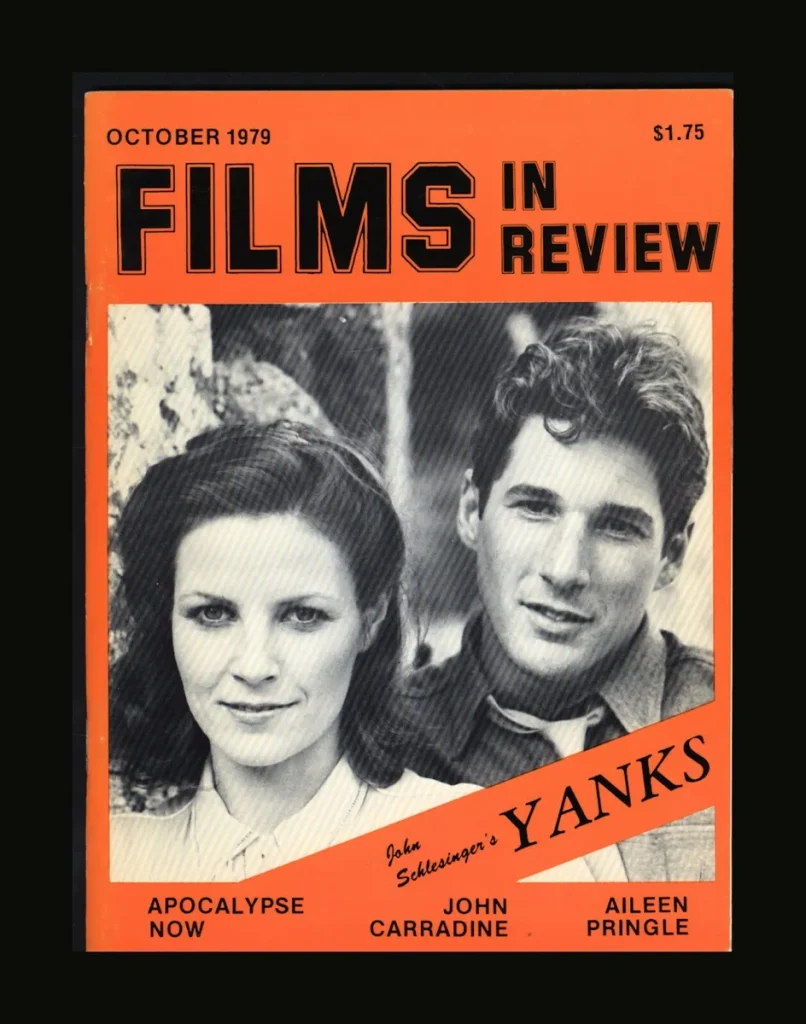
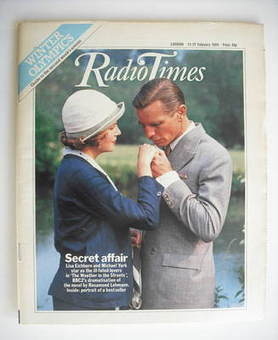
Lisa Eichhorn was born in 1952 in Glens Falls, New York.   She  got a major breakthrough when she was cast opposite Richard Gere in the excellent”Yanks” in 1979.   Other roles include in  “Inside Moves”, and “The Europeans” with Lee Remick.

TCM Overview:

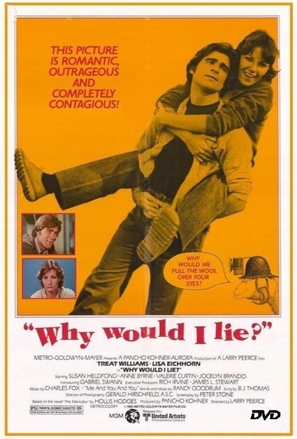
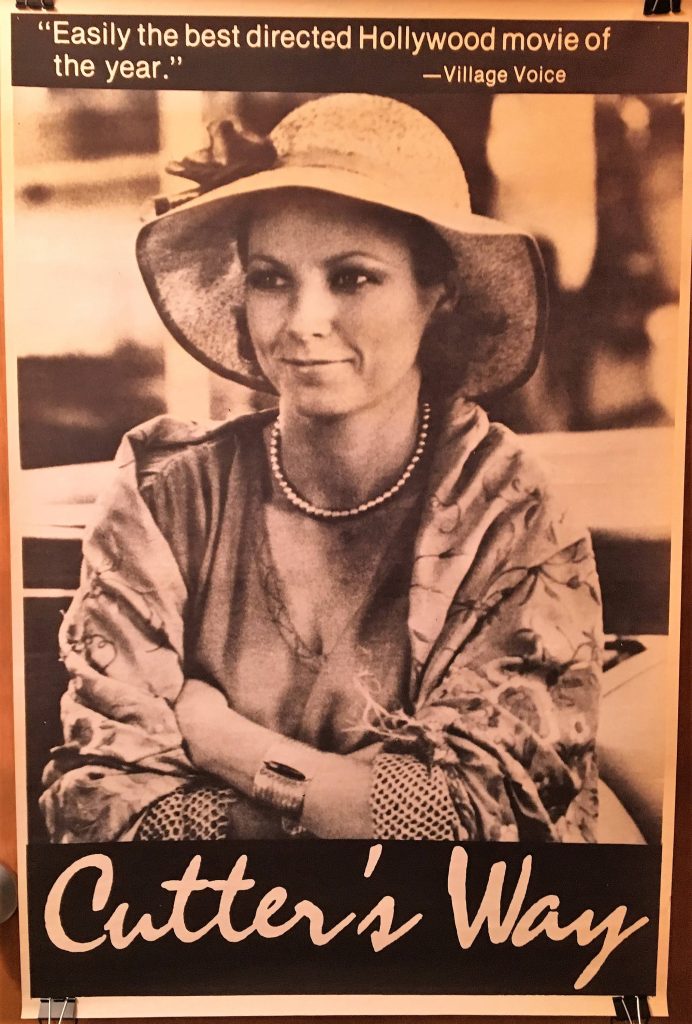
This talented leading lady has divided her time between stage and film roles in both England and the US. Lisa Eichhorn was first seen by American audiences opposite Richard Gere in the World War II romance, “Yanks” (1979), but her presence in her native land has been lessened by her decision to base in England. Nevertheless, Eichhorn has offered several critically-acclaimed feature film portrayals, even if she did not become a “box-office” commodity. She appeared alongside Lee Remick in the Merchant-Ivory production “The Europeans” (1979), opposite Treat Williams in “Why Would I Lie?” (1980) and was “Mo” Cutter in “Cutter’s Way” (1981), opposite Jeff Bridges and John Heard. In the 90s, Eichhorn has begun to play mother roles, notably Jesse Bradford’s mother, sent to a sanitarium, in Steven Soderbergh’s “King of the Hill” (1993) and the First Lady in the pallid comedy “First Kid” (1996).

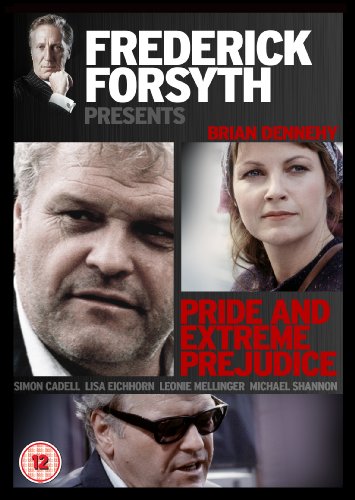
Her work on American TV has been sporadic. Eichhorn made her TV-movie debut in the celebrated 1982 CBS production of “The Wall” as a Jewish woman in the Warsaw ghetto who participates in the uprising and survives to reach freedom. She was a CIA operative in the USA Network movie, “Pride and Extreme Prejudice” (1990), and although she had never been on a primetime series as a regular, Eichhorn did appear on the ABC daytime drama “All My Children” as Elizabeth Carlyle in 1987. Eichhorn has made memorable guest appearances on “Miami Vice”, “The Equalizer” and two separate episodes of “Law & Order”. Additionally, she has worked on stage: as Ophelia in “Hamlet”, Rosalind in “As You Like It” and Nora in “A Doll’s House” in England; and in “The Hasty Heart”, “The Common Pursuit” and “The Speed of Darkness” in the US.

The above TCM overview can be also accessed online here.

Jay North
Jay North
Jay North
Jay North
Jay North

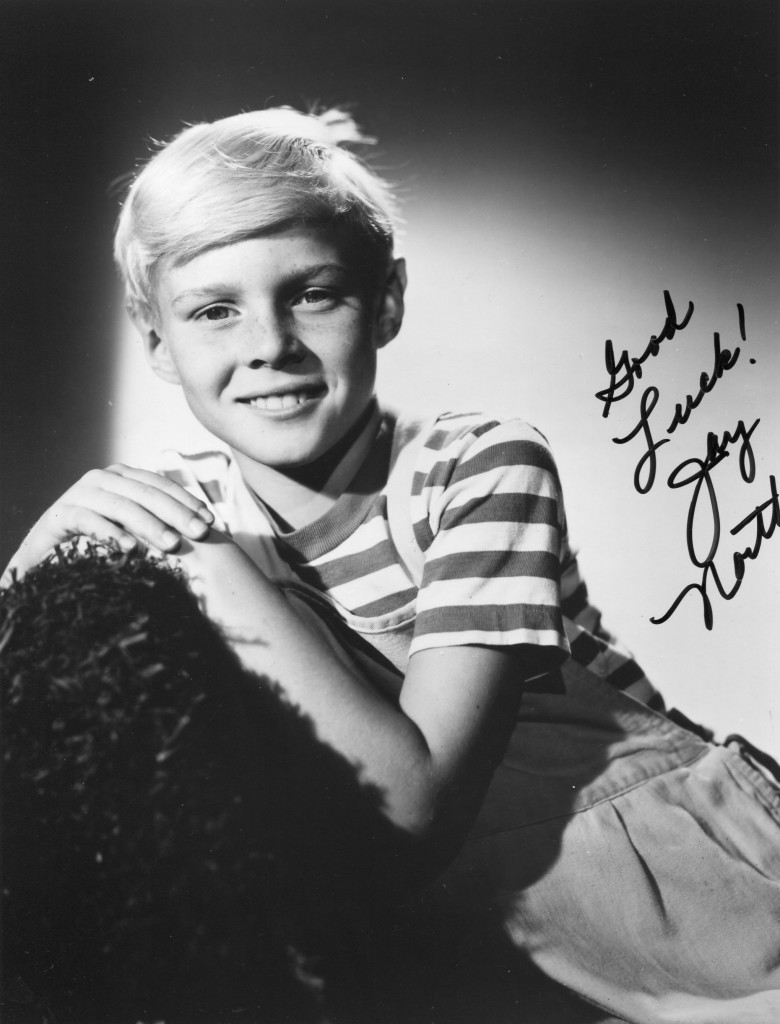
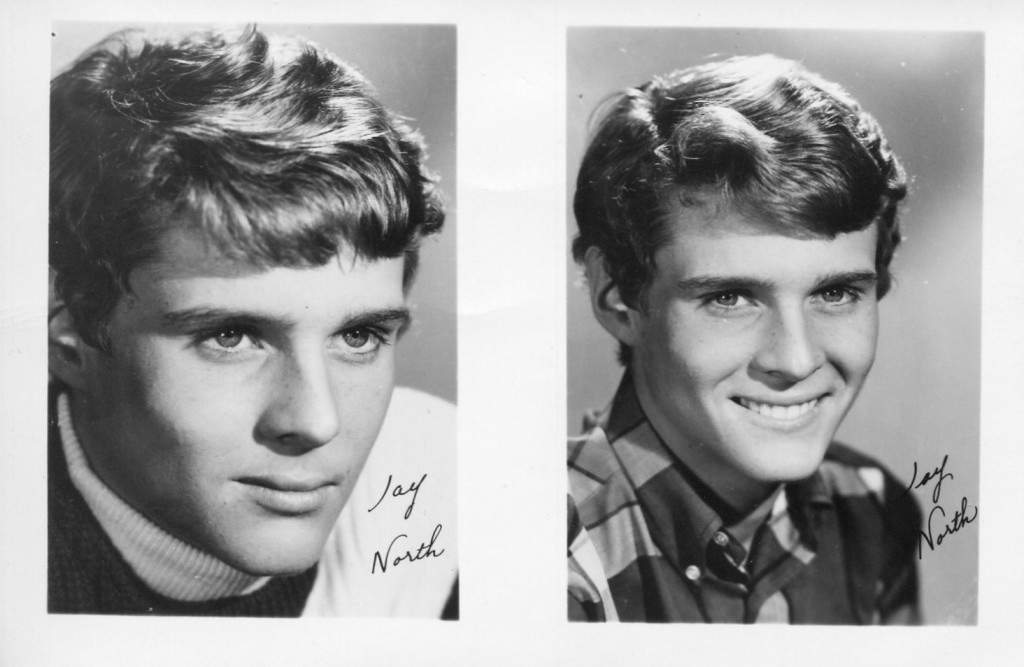
Jay North was born in 1951 in Hollywood and is perhaps best known for his playing of the title role in the television series “Dennis the Menace” from 1959 until 1963.   His films include “The Big Operator” in 1959 and “Maya” in 1966.

Gary Brumburgh’s entry:

Jay North will forever be remembered for giving life to the comic strip hellion Dennis the Menace (1959) on TV. Humanizing this little tornado would not only be his treasure, it would be his torment. Born in 1951, Jay was first seen on TV in 1958 and moved eagerly to minor filming the next year. With over 500 children auditioning, Jay was selected by Dennis’ creator Hank Ketcham himself for the star-making title role, appearing in 146 episodes over a four-year period (1959-1963). During this TV peak he also appeared in countless variety programs, including those hosted by Dinah ShoreMilton Berle andTennessee Ernie Ford. He guest starred in episodes of My Three Sons (1960) and The Lucy Show (1962), among others. However, after the cancellation of his own show, the now active teenager noticed a major tapering off. He found himself badly typecast and efforts to forge ahead with film projects and other series work proved difficult. At first things looked promising. He perpetuated his wholesome image with the family film Zebra in the Kitchen (1965) and, more notably, the exotic adventure Maya (1966), which spun off into a mildly popular TV series, but then all offers dried up. He went from top child star to has-been teen in only a few short years, and had a terrible time adjusting. Despite voicing the popular character Bamm-Bamm in the animated series The Flintstones (1960) and other animated characters in the late 1960s, Jay all but disappeared save a few glimpses here and there. He went through years of personal turmoil and emotional anguish (divorces, drug experimentation, weight gain) before his recovery. Reportedly abused and mishandled during his peak years by on-set relatives/caretakers, Jay has since been instrumental in providing advice and counseling to other professional child/teen stars in the same boat. From time to time these days, Jay has been glimpsed at nostalgia conventions.

– IMDb Mini Biography By: Gary Brumburgh / gr-home@pacbell.net

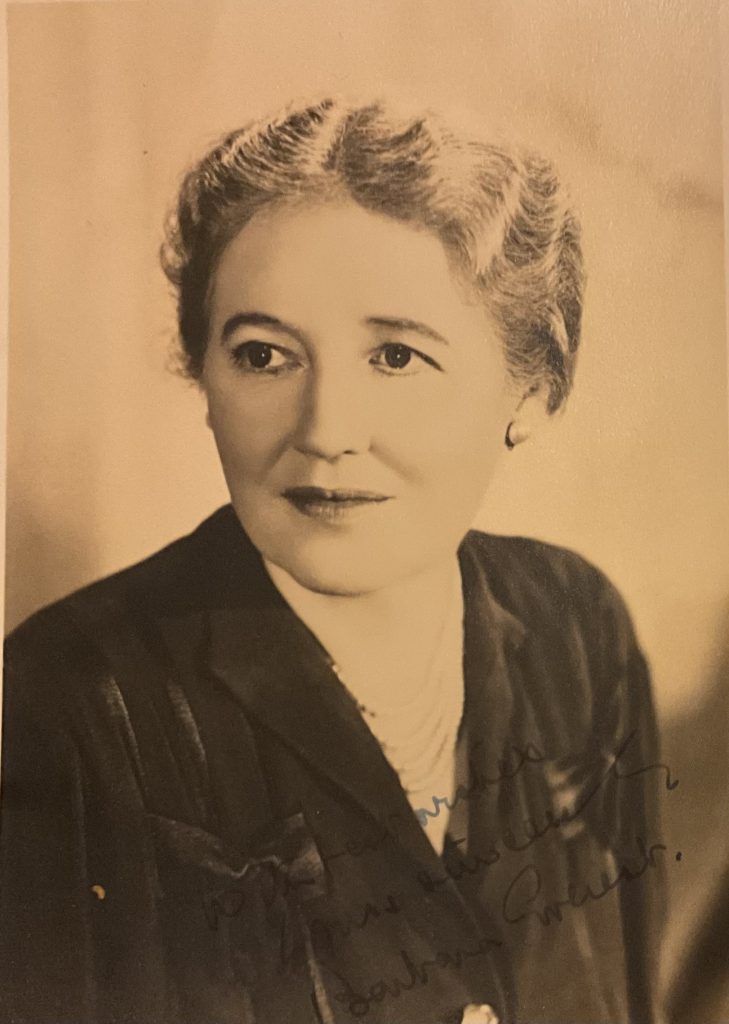
Barbara Everest

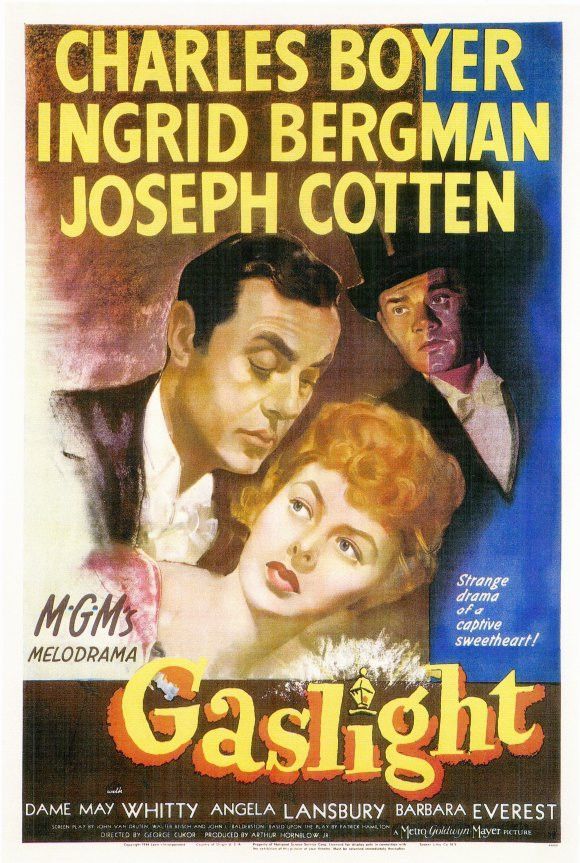
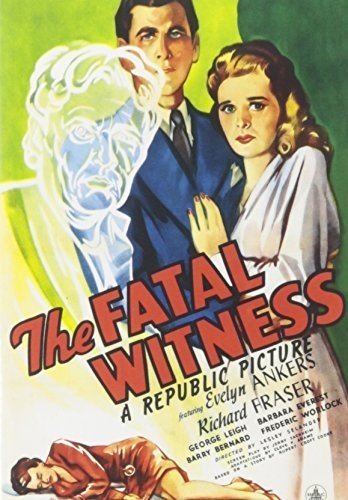
Barbara Everest was born in Southfields, London in 1890. She made her film debut in the silent movie “The Man Without A Soul” in 1916. In 1943 she continued her career in Hollywood where she made “Mission to Moscow”, “Gaslight” with Ingrid Bergman and Angela Lansbury and “The Valley of Decision”. By 1947 she was back in Britain and she continued acting until 1965 when she made her final film “Rotten to the Core”. She died in 1968.

TCM Overview:

.

Barbara Everest was an actress who had a successful Hollywood career. In her early acting career, Everest appeared in such films as “Love in Exile” (1936), “Jump For Glory” (1937) and the drama “Commandos Strike at Dawn” (1942) with Paul Muni. She also appeared in the Anthony Collins drama “Forever and a Day” (1943) and “Mission to Moscow” (1943) with Walter Huston. She continued to work steadily in film throughout the forties, appearing in “The Phantom of the Opera” (1943) with Nelson Eddy, the Charles Boyer adaptation “Gaslight” (1944) and the Orson Welles dramatic adaptation “Jane Eyre” (1944). She also appeared in the thriller “The Uninvited” (1944) with Ray Milland and the drama “The Valley of Decision” (1945) with Greer Garson. Film continued to be her passion as she played roles in the dramatic adaptation “Frieda” (1947) with David Farrar, “The Safecracker” (1958) with Ray Milland and “El Cid” (1961). She also appeared in the Macdonald Carey adaptation “These Are the D*mned” (1962). Everest more recently acted in “Rotten to the Core” (1965). Everest passed away in February 1968 at the age of 78.

The above TCM Overview can also be accessed online here.


Barbara Everest (1890–1968) was a cornerstone of the British acting establishment, a “character actress” in the truest sense whose career spanned over fifty years and bridged the gap between Victorian-era stage traditions and the grit of the 1960s British New Wave.


While she never sought the leading-lady limelight, her presence was often the ballast that grounded some of cinema’s most heightened melodramas and thrillers.


Career Overview

The London Stage Origins (1912–1930s)


Everest began her career on the London stage, making her debut in The Voysey Inheritance (1912). She became a respected fixture in the West End, specializing in maternal figures, stern matriarchs, and historical personages.


Viceroy Sarah (1935): Her portrayal of Queen Anne was considered a masterclass in transformative acting. Critics noted how she used padding and distinct vocal affectations to convey a “petulant, abysmally stupid” yet oddly sympathetic monarch.

+1


The Hollywood Years & WWII (1941–1945)


Like many British actors during the war, Everest found a second wind in Hollywood. Her refined accent and “reliable” presence made her invaluable for MGM and Paramount’s wartime productions.


Gaslight (1944): Her most enduring role is Elizabeth, the deaf and observant cook. Amidst the psychological intensity of Ingrid Bergman and Charles Boyer, Everest provided a crucial sense of domestic reality (and subtle tension).

+1


The Uninvited (1944): She played Lizzie Flynn in this seminal ghost story, helping to establish the “creepy but grounded” tone that defined 1940s supernatural cinema.

+1


Jane Eyre (1943): She appeared as Lady Ingram, showcasing her ability to play high-society disdain with surgical precision.


The British Return & Final Years (1946–1968)


Everest returned to England post-war, continuing to work with top-tier directors until her death. She transitioned seamlessly into the “kitchen sink” and sci-fi eras of the 60s.


Madeleine (1950): Directed by David Lean, this gave her a chance to work within the rigorous visual style of one of Britain’s greatest auteurs.


The Damned (1962): In this cult sci-fi/thriller directed by Joseph Losey, her presence as Miss Lamont showed she hadn’t lost her edge in darker, more avant-garde material.


Critical Analysis

1. The Art of “Transformative Domesticity”


Everest’s greatness lay in her ability to make “servant” or “mother” roles feel like lived-in biographies rather than plot devices. In Gaslight, her deafness isn’t played for laughs or cheap pity; it’s a character trait that heightens the isolation of the household. She excelled at playing characters who knew more than they were saying, using subtle facial cues to suggest a complex inner life.


2. Physicality and Presence


One of the most praised aspects of her stage work—particularly as Queen Anne—was her physical commitment. She was known for her “actress’s magic,” contriving to appear physically different (larger, frailer, or more imposing) purely through posture and costuming choices. This translated to film as a “weightiness”; when Everest entered a scene, the reality of the setting felt reinforced.


3. The “Stiff Upper Lip” Subverted


While she often played the archetype of the reliable British woman, Everest was adept at subverting it. In her later roles, such as in The Damned, she leaned into a more unsettling, colder energy that proved she was more than just the “kindly aunt” figure she had played for Hollywood in the 40s.


4. Legacy: The “Reliable” Artist


Critically, Everest is often grouped with actresses like Gladys Cooper or May Whitty—women who provided the essential “Britishness” required by international cinema. However, Everest was arguably more versatile than her peers, moving between broad comedy (Old Mother Riley), historical drama, and psychological thrillers with a chameleon-like ease that kept her working steadily for 56 years.

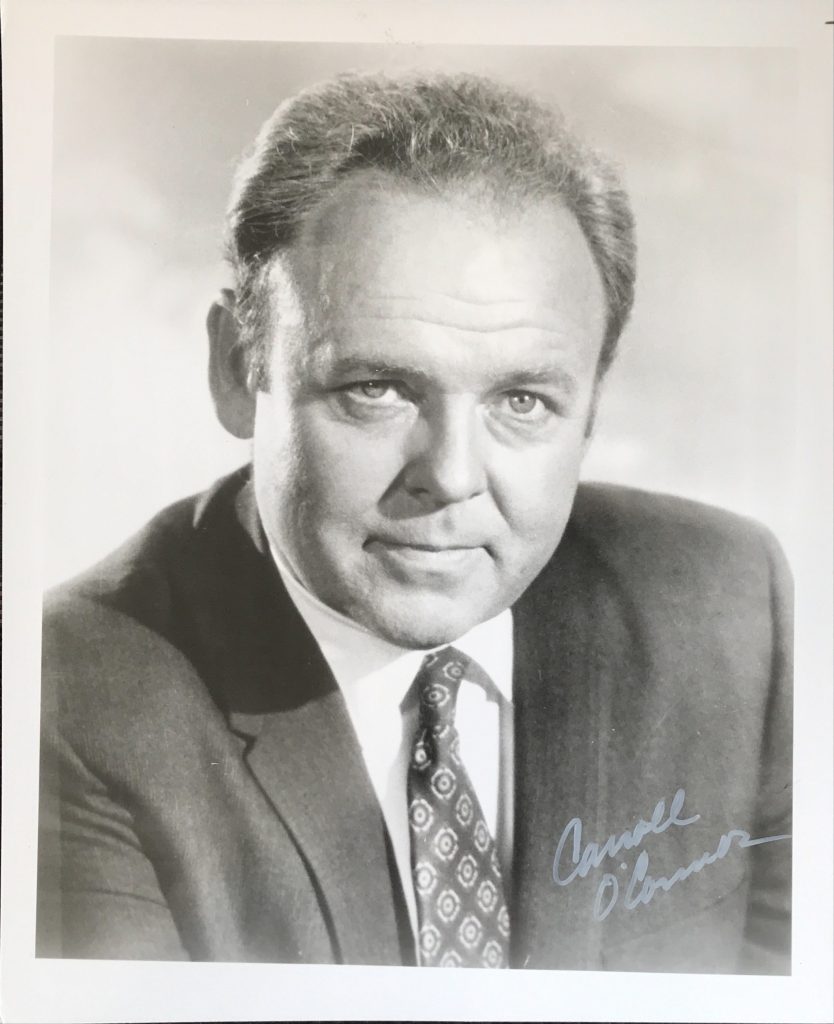
Carroll O’Connor

Carroll O’Connor is best known for his role as Archie Bunker in the American sitcom series “All in the Family” which ran from 1971 until 1979. He was born in Manhatten in 1924. After military service during World War Two he studied acting in Dublin. Among his films was “Kelly’s Heros” with Clint Eastwood. Carroll O’Connor died in 2001.

Ronald Bergan’s obituary in “The Guardian”:

A few years ago, I gave a couple of lectures on the QEII, sailing from New York to Southampton. In the dining room, I was at a table with the Supremes and a quietly spoken, middle-aged American couple. I was surprised when many of the American passengers, almost ignoring the three female singers, came up to the shy, thick-set man, and greeted him as “Archie”.

It turned out that my table companion was one of the most famous actors in America. Carroll O’Connor, who has died of a heart attack aged 76, played Archie Bunker in the long-running TV series, All In The Family, from 1971 to 1979, and was then in Archie’s Bunker, from 1979 to 1983.

The show, which had an average of 50m viewers a week, was adapted from Till Death Do Us Part, and Bunker was as loud-mouthed, reactionary and misogynistic as his British equivalent, Alf Garnett. Tame as it was by today’s American TV standard, the series was a breakthrough after decades of bland sitcoms featuring wise and loveable parents, and it made O’Connor a household name.

During our voyage, I also discovered that O’ Connor, who was with Nancy, his wife since 1951, was nothing like his alter ego, being introverted, intellectual and liberal. “I never heard Archie’s kind of talk in my own family,” he said. “My father was in partnership with two Jews, and there were black families in our circle of friends.”

Despite having a lawyer father and a schoolteacher mother, O’ Connor was an extremely bad student, both at high school and college. During the second world war, he became a merchant seaman, sailing the North Atlantic, Caribbean and Mediterranean. In 1946, he returned to his mother’s house in the New York suburb of Queens (his father had been jailed for fraud) and began working for an Irish newspaper. With a burning desire to catch up on his education, he went back to college, and later enrolled at University College, Dublin, where he took a BA in Irish history and English literature in 1952.

At the same time, he started acting professionally at the Gate Theatre, Dublin, working under the direction of Michael MacLiammoir and Hilton Edwards. He also appeared in productions at the Edinburgh festival and around Ireland. Unable to find work on his return to New York in 1954, he taught for four years, before getting a part in Burgess Meredith’s Ulysses In Nighttown, adapted from the James Joyce novel.

This led to him being offered the part of the ruthless Hollywood boss Stanley Hoff in an off-Broadway production of Clifford Odets’s The Big Knife, and it was not long before O’Connor was making a reputation as a reliable supporting actor in several overblown movies of the 1960s. He played mostly authoritarian figures, such as army officers, in Otto Preminger’s In Harm’s Way (1965), What Did You Do In The War, Daddy? (1966), Not With My Wife, You Don’t! (1966), The Devil’s Brigade (1968) and Kelly’s Heroes (1970) – and might have continued in the same vein had it not been for the offer by producer-writer Norman Lear to star in All In The Family.

Despite many of the character’s despicable views, O’ Connor managed to make Archie a complex, sometimes even likeable, human being. “I have a great deal of sympathy for him,” he once said in an interview. “As James Baldwin wrote, ‘The white man here is trapped by his own history, a history that he himself cannot comprehend, and therefore what can I do but love him?'”

Archie, a blue-collar worker in a dead-end job, called his long-suffering wife (Jean Stapleton) “a dingbat,” his son- in-law (Rob Reiner) “a pinko Polack,” and his daughter (Sally Struthers) “a weepin’ nellie atheist.” He thought the Democratic party was a front for communism, and that women and blacks were getting too uppity. He was also a prude.

After Archie, O’ Connor returned to the stage, but Broth ers (1983), which he directed and played in as a tough union leader dominating his four sons, closed after only one performance on Broadway. A year later, Home Front, a play about a family terrorised by their distressed Vietnam vet son, ran for 13 performances. O’ Connor only found success again in 1988 with In The Heat Of The Night, a TV series based on the 1968 film, in which he played the redneck police chief originally portrayed by Rod Steiger.
One of the supporting parts was played by O’ Connor’s adopted son, Hugh, who shot himself in March 1995 after battling against alcohol and drug addiction. This episode explained the O’ Connors’ rather melancholy air when I met them on a trip to Europe in the same year.

It also explained why Carroll had given up show business to devote himself to an anti-drugs crusade. I learned later that he had faced a writ for slander from a man he had accused of providing cocaine to Hugh – and of thus being “a partner in murder.” The case was thrown out by a California jury in 1997, and the drug supplier was jailed for a year.

O’ Connor, who made a final screen appearance last year, as Minnie Driver’s grandfather in the mawkish melodrama Return to Me, is survived by his wife and grandson.

• Carroll O’ Connor, actor, born August 2 1924; died July 21 2001.

The above “Guardian” obituary can also be accessed online here.

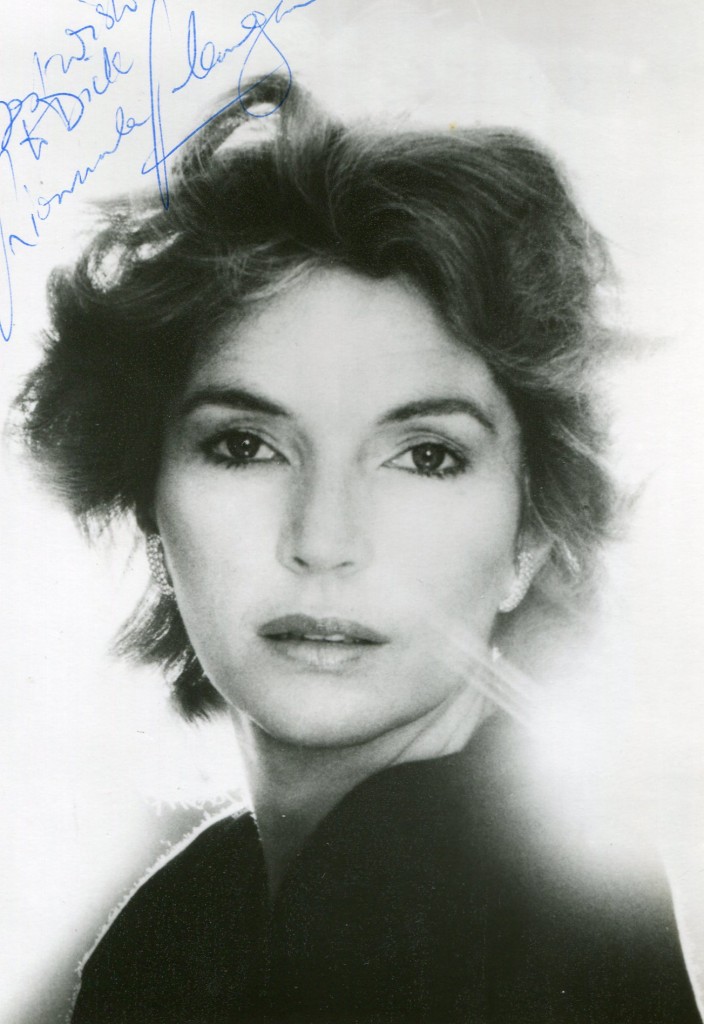
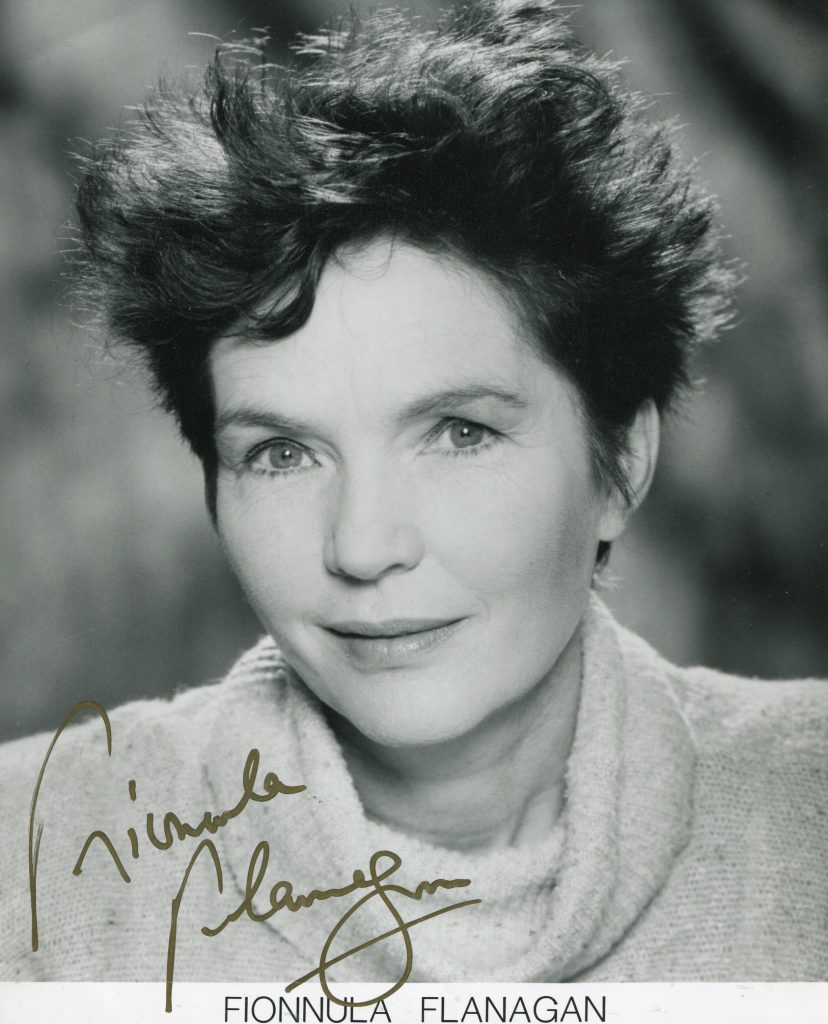
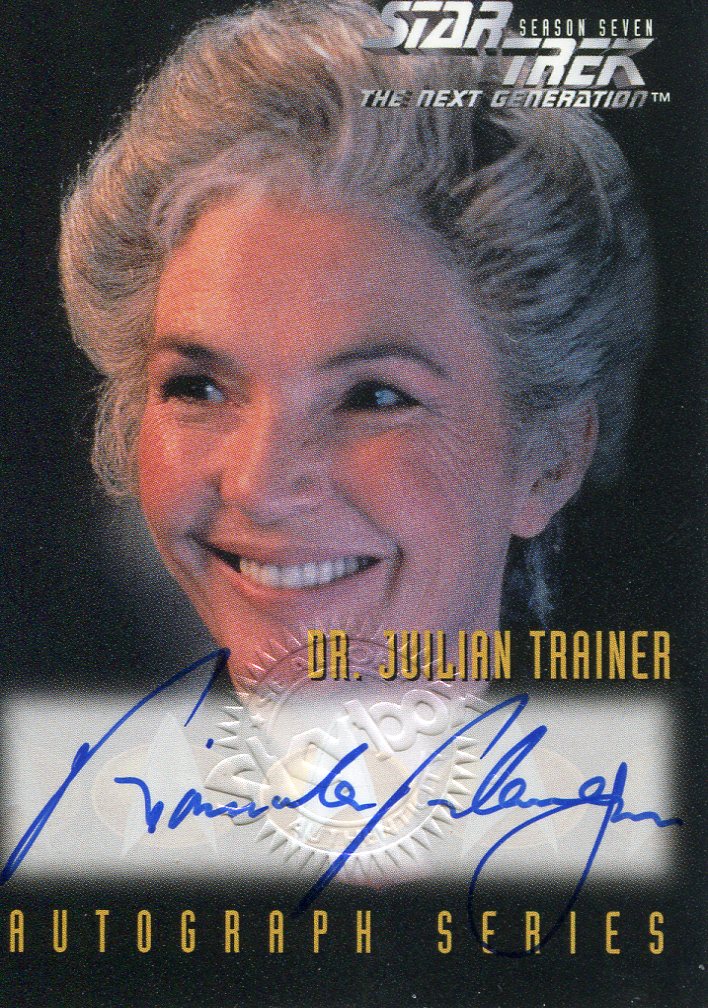
Fionnula Flanagan
Fionnala Flanagan
Fionnala Flanagan

Fionnuala Flanagan.

Fionnaula Flanagan was born in Dublin in 1941.   She made her film debut in 1967 in the Irish made “Ulysses”.   The same year she was on Broadway in Brian Friel’s “Lovers”.   She concentrated her career in the U.S. and settled in Hollywood.   Throughout the 1970’s and 80’s she was featured in many of the major television series such as “Bonanza”, “Mannix”, “Shaft”, “The Streets of San Francisco”, “Kojack” and “Marcus Welby M.D.   She won particular acclaim for her performance in the mini-series “Ricxh Man, Rich Man Poor Man”.  From the 1990’s onwards she has become a wonderful presence on film are “Some Mother’s Son”, “Waking Ned”, “The Others”, “Transamerica” and “The Guard”.

TCM Overview:

Fionnula Flanagan
Fionnula Flanagan

Before moving to the USA from her native Ireland, the intense, attractive Fionnula Flanagan made her feature debut as Gerty McDowell in Joseph Strick’s fascinating but uneven filming of James Joyce’s “Ulysses” (1967). On Broadway, she won critical acclaim and a Tony nomination as Molly Bloom in “Ulysses in Nighttown” (1974), co-starring Zero Mostel and staged by Burgess Meredith. Flanagan has also toured in her one-person show, “James Joyce’s Women,” in which she played among others, Nora Barnacle Joyce, Sylvia Beach, Harriet Shaw Weaver, and Molly Bloom. The play was adapted as a feature film in 1984, produced by Flanagan and her husband, Garrett O’Connor.

Her career, though, has not been limited to appearing in works by her countryman, but has also encompassed stage, screen and television. In 1968, the petite, auburn-haired Flanagan moved to America and landed her first stage role in “Lovers.” She segued to the small screen where she has had the most success to date. Flanagan has appeared in numerous TV longforms, beginning with the 1973 ABC remake of “The Picture of Dorian Gray.” She was the Irish maid of the famed, but acquitted suspected murderess in “The Legend of Lizzie Borden” (ABC, 1975), won an Emmy for a supporting role in the ratings winner “Rich Man, Poor Man” (ABC, 1976), and was the wife to writer William Allen White, mourning their teenaged daughter’s death “Mary White” (ABC, 1977). That same year, she created the role of Molly, a widow finding her way on the frontier in “How the West Was Won,” a role she reprised in the series spin-off. Flanagan was mother to Valerie Bertinelli in “Young Love, First Love” (CBS, 1979) and starred in George Lucas’ TV-movie, “The Ewok Adventure” (ABC, 1984). She played mother again, this time to one-armed baseball player Pete Gray (Keith Carradine) in “A Winner Never Quits” (ABC, 1986). Other notable roles include the tough-talking lieutenant in the short-lived drama series “Hard Copy” (CBS, 1987), was a smooth-talking madam in “Final Verdict” (TNT, 1991), and portrayed a widow seeking answers about her husband’s death in a rafting accident in “White Mile” (HBO, 1994).

While her feature film work has been sporadic, Flanagan did receive particular notice as a nun in the Oscar-winning short “In the Region of Ice” (1976). Her other credits have ranged from John Huston’s “Sinful Davey” (1969), as the daughter of the Duke of Argyll, to several maternal roles. Among the latter are as Molly Ringwald’s mom in “P.K. and the Kid” (lensed 1982, released in 1987), as Mary Stuart Masterson’s overbearing parent in “Mad at the Moon” (1992) and as John Cusack’s mother in “Money For Nothing” (1993). She had one of her best screen roles in another motherly part, as a gruff Irish Catholic whose son is imprisoned for terrorist activities in Northern Ireland in “Some Mother’s Son” (1996). After returning to series TV as the matriarch of an Irish-American family on the CBS drama series “To Have and To Hold” (1998), Flanaghan garnered additional praise as the morally grounded wife of a scheming villager (Ian Bannen) in the genial comedy “Waking Ned Devine” (1998). She offered perhaps one of her best turns as the slightly creepy housekeeper in “The Others” (2001). She added memorable humor to the role of Teensy Melissa Whitman in the independent feature “Divine Secrets of the Ya-Ya Sisterhood” (2002), a light-hearted film about a group of women who set out to mend a broken relationship between their “Ya-Ya Sister” and her daughter.

Fionnuala Flanagan
Fionnuala Flanagan

The following year, Flanagan displayed her serious side by taking on the role of Nurse Grace in Antione Fuqua’s “Tears of the Sun” (2003). An epic tale dedicated to, as director Fuqua stated, “all the men and women you protect us and go into places and do great things about which too little is said.” She then played the adoptive mother of four boys (two black, two white) seeking revenge for her murder after a grocery store robbery in “Four Brothers” (2005). Directed by John Singleton and starring Mark Wahlberg, Andre 3000, Tyrese Gibson and Garrett Hedlund as the avenging sons, “Four Brothers” was a straight-forward and often violent revenge thriller that either pleased or disappointed critics for its simplistic narrative. She then had a terrific supporting turn as the domineering, disapproving mother of a preoperative transexual (Felicity Huffman) who seeks shelter with her estranged family while traveling cross-country with the newly discovered son she fathered in her early life as a man in “Transamerica” (2005).

The above TCM Overview can also be accessed online here.

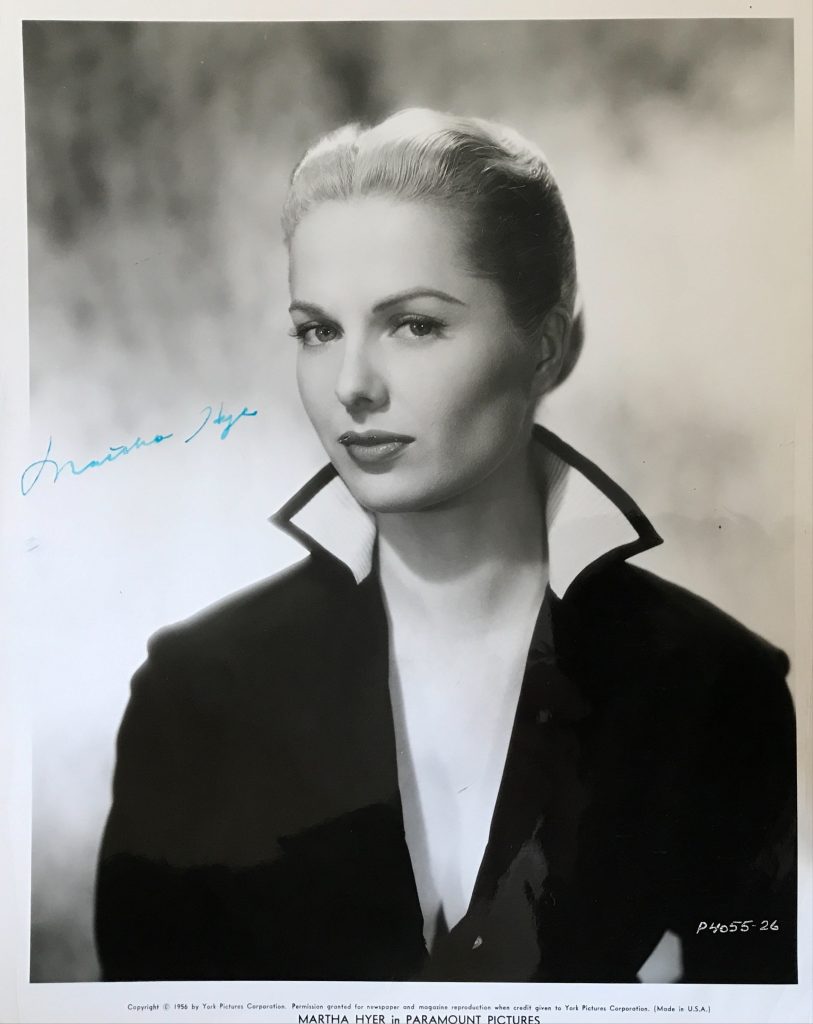
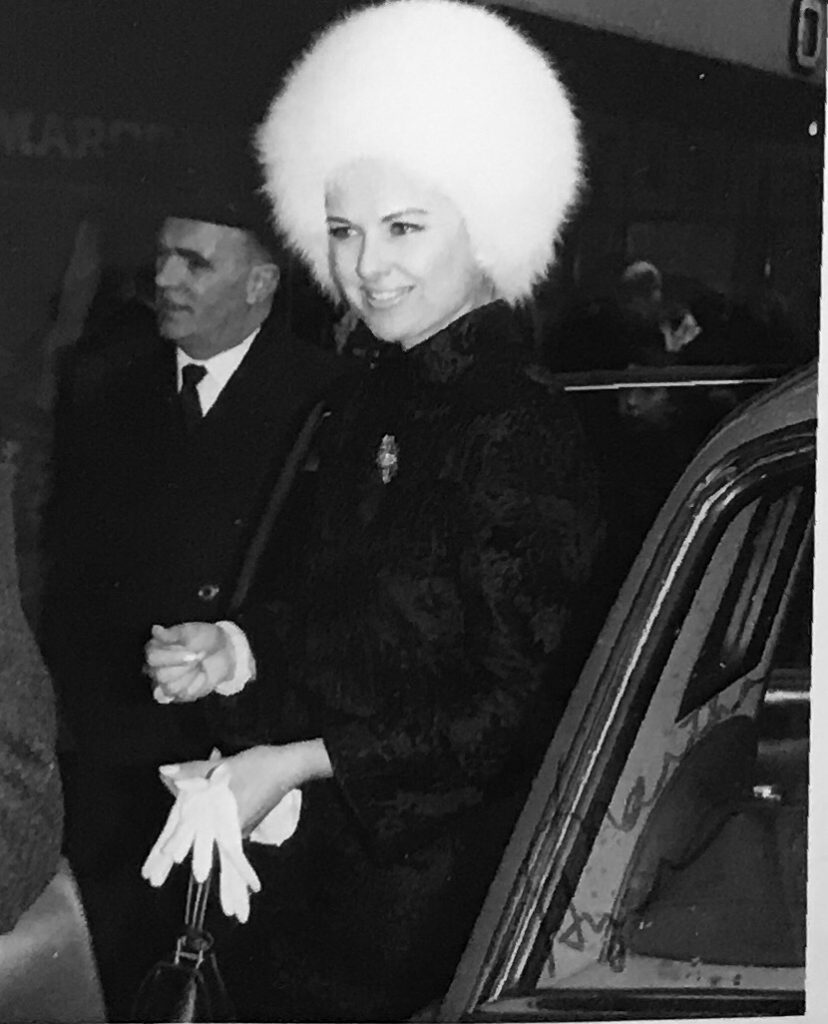
Martha Hyer

Martha Hyer obituary in “The Guardian” in 2014.

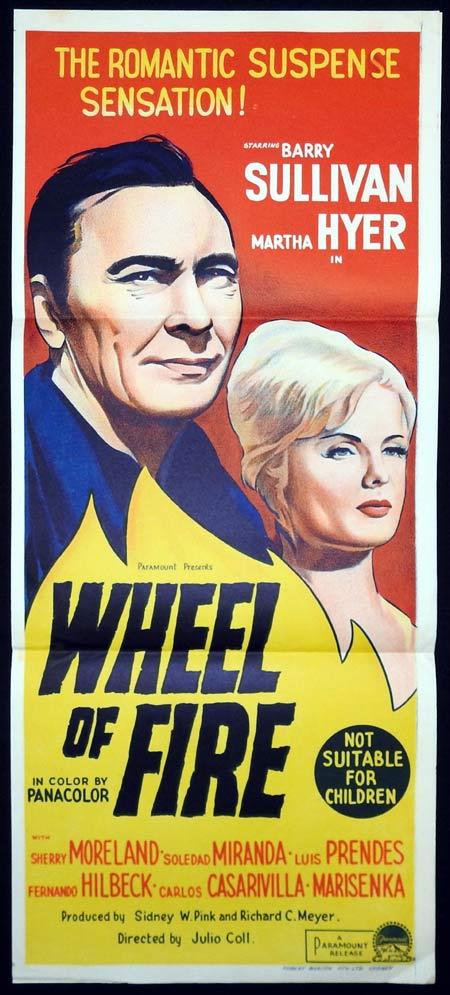
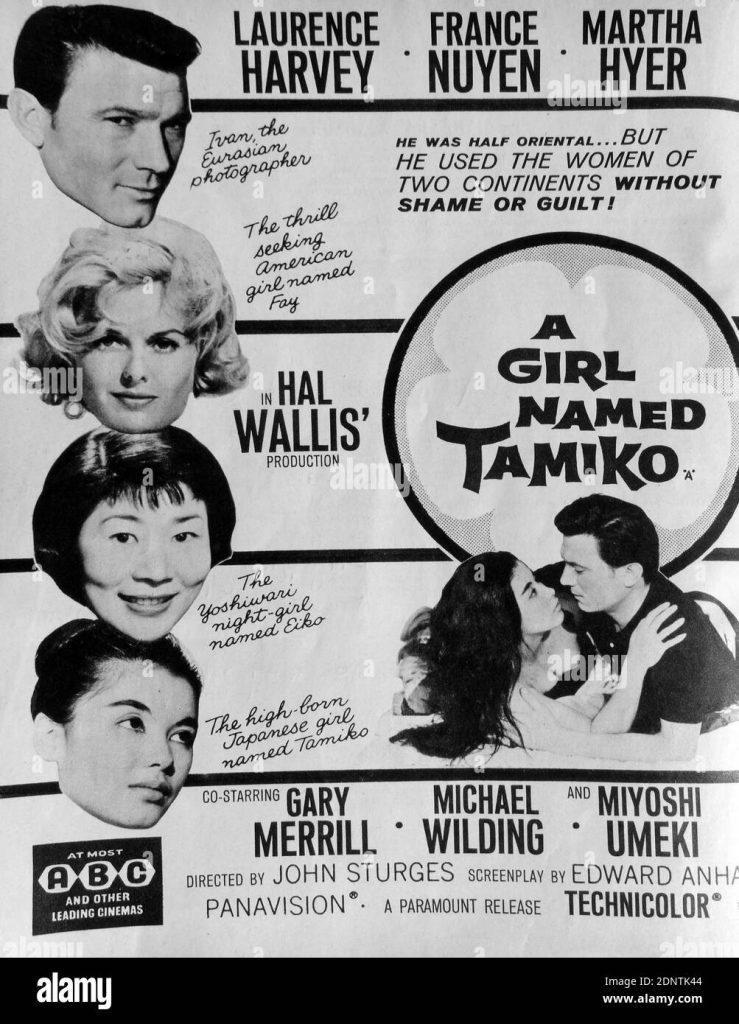
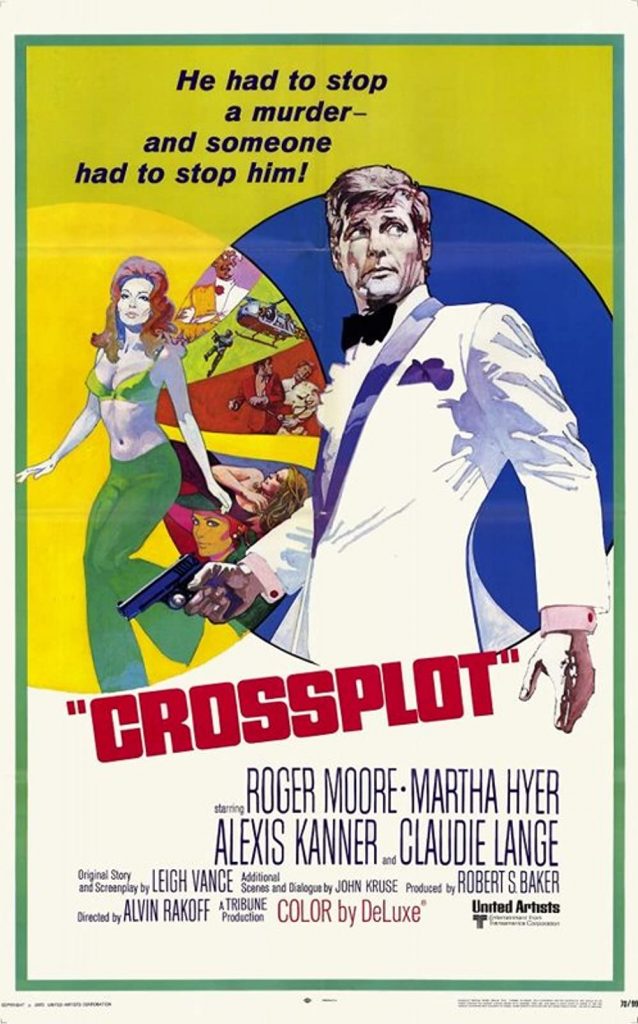
Martha Hyer was born in 1924 in Fort Worth, Texas.   She made her debut in “The Locket” in 1946.   She spent years in minor roles and then in the late 1950’s she stunned audiences with her strong performances in such films as “Some Came Running” in 1957 with Frank Sinatra, “Ice Palace” with Richard Burton and Carolyn Jones and “The Carpetbaggers” with Alan Ladd and Carroll Baker in 1964.   Her final fim was “Crossplot” in 1969.   Her husband was the producer Hal Wallis.  She died in Santa Fe in May 2014.

Ronald Bergan’s “Guardian” obituary:

There was a time in the 1950s and 60s when film buffs would have known what was meant by a “Martha Hyer role”. It evoked a classy, beautiful but cold woman, usually the one the hero aspires to, but realises, by the end, would not be good for him. This was typified by Hyer’s portrayal of the frosty schoolteacher in Vincente Minnelli’s Some Came Running (1958), for whom a would-be writer (Frank Sinatra) hopelessly falls. “Your hands on me aren’t the least persuasive,” she tells him, unpersuasively. Later, in the film’s most subtle sequence, she is seduced, sobbing in silhouette while Sinatra picks the pins out of her hair. Hyer, who has died aged 89, deservedly earned a best supporting actress Oscar nomination for her performance.

Hyer was born in Fort Worth, Texas, one of three daughters of Agnes (nee Barnhart) and Julien Hyer. Her father was a judge who later took part in the trials at Nuremberg after the second world war. She studied speech and drama at Northwestern University in Illinois, before going to the Pasadena Playhouse in California. After being rejected by both Paramount and 20th Century Fox, she was finally given a contract with RKO in 1946.

After a few bit parts, she played pretty and bland female leads in several routine westerns. After her RKO contract ended, she starred in the low-budget fantasy thriller Oriental Evil (1951), as an American woman in Tokyo looking for the dastardly opium runner responsible for the death of her brother. The producer was Ray Stahl. Hyer and Stahl soon married and spent a year in Japan where Stahl co-produced and co-directed Geisha Girl (1952), in which Hyer played a detective disguised as a flight attendant on the track of Japanese gangsters.

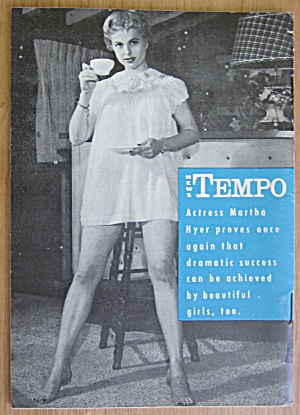
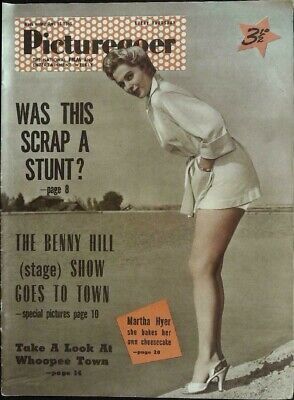
Although she was seen in many cheesecake poses in film fan magazines, her screen career failed to catch fire, mainly because of her association with the schlock produced by her husband. In 1953, after finishing her scenes for the lame colonial adventure The Scarlet Spear in Kenya, Hyer left Stahl in Africa and, realising that she would always come second to his mother in his affections, divorced him.

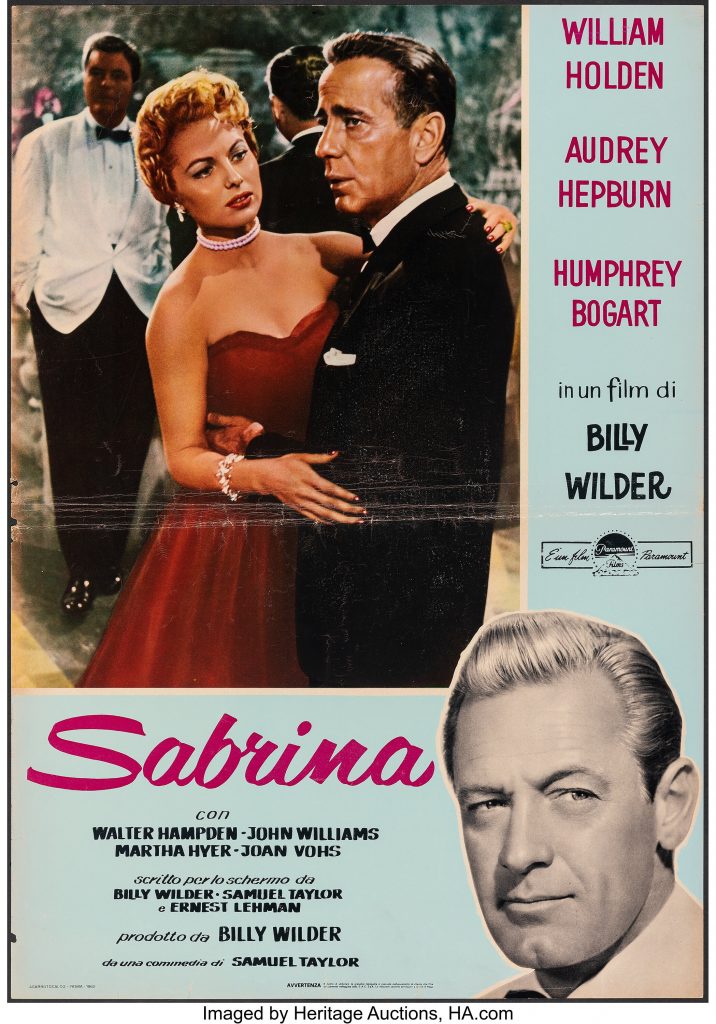
From the mid-50s, aside from playing straight woman to Abbott and Costello and Francis the Talking Mule, Hyer started to establish her snooty screen persona in better parts in better movies: in 1954 the heiress engaged to a playboy (William Holden) in Billy Wilder’s Sabrina, the antithesis of Sabrina (Audrey Hepburn), who steals Holden’s heart; and, in Lucky Me, an oilman’s snobbish daughter standing in the way of Doris Day and Robert Cummings. In a similar vein, Hyer was the socialite who employs a hobo (David Niven) as her butler in the remake of My Man Godfrey (1957) and attempts to prevent a widower (Cary Grant) from falling in love with his children’s nanny (Sophia Loren) in Houseboat (1958).

In the following years, the elegant Hyer was seen in a number of soapy sagas such as The Best of Everything (1959), Ice Palace (1960) and The Carpetbaggers (1964), hardly ever loosening her hairpins. She was the epitome of Alfred Hitchcock’s “cool blonde” who just lost out to Janet Leigh for the role of Marion Crane in Psycho (1960). If only she had got the part, she might have avoided Bikini Beach (1964), Pyro (1964), in which she is a jealous mistress who starts a fire that kills her lover’s wife, and Picture Mommy Dead (1966), in which she is a wicked stepmother. She had a chance to play a goodie in First Men in the Moon (1964), loosely based on HG Wells, in which Hyer and two male companions soar to the moon from Victorian England in a spherical capsule propelled by an anti-gravity element cooked up in the professor’s country lab.

In 1966, after being linked romantically to a number of handsome stars, including George Nader, who happened to be also seeing Rock Hudson at the time, Hyer married Hal Wallis, one of the biggest Hollywood producers. After the marriage, she cut down on acting, preferring to travel with Wallis and leading a ritzy social life. In fact, to finance her extravagant lifestyle, unbeknown to her husband she got into debt with loan sharks. But, in the early 1980s, Hyer was finally forced to confess. Wallis called in the FBI and the problems were solved with lawyers at great expense.

At the same time, Hyer found God among the glitz, a revelation she detailed in Finding My Way: A Hollywood Memoir (1990).

Wallis died in 1986.

The above “Guardian” obituary can also be accessed online here.

“MailOnline” obituary:

Martha Hyer, who was nominated for an Academy Award for her role as a schoolteacher in1958’s Some Came Running, has died at the age of 89.

A star of Hollywood’s Golden Age: Martha Hyer, Oscar nominee and Sabrina actress (pictured in 1956) has died at the age of 89

Hyer passed away at her home in Santa Fe, where she has lived since the mid 1980s, a representative from Rivera Funeral Home confirmed to the New Mexican newspaper, adding that no funeral service or memorial had been planned.Despite her Oscar nomination, the blonde beauty was most famous for her role as the stunning society fiancee of playboy David Larrabee (William Holden) in Audrey Hepburn’s 1954 romance Sabrina.   The actress – who was born in Texas in 1924 – never capitalised on her Oscar nod, after losing out to Wendy Hiller for her role in Separate Tables. 

A number of unsuccessful movies followed, Bikini Beach, House of 1,000 Dolls and Picture Mommy Dead , ‘all ones I’d rather forget,’ she wrote in her 1990 autobiography Finding My Way: A Hollywood Memoir.

However, during her career she worked with many of the Hollywood greats including Frank Sinatra, Dean Martin, Shirley MacLaine, Humphrey Bogart and Rock Hudson.

She also turned down the young Senator John F. Kennedy when he once asked her out.

She married The Scarlet Spear director C. Ray Stahl in 1951 but the marriage ended in divorce three years later.

Martha then tied the knot with her The Sons of Katie Elderdirector Hal B. Wallis in 1966 and was with him until his death in 1986.

However, the spendthrift actress did complain in her memoir about his tightfistedness with money.

Her own spending got her in trouble and she admitted in her memoir that in the 1980s she owed millions to loan sharks.

The New Mexican reports that Wallis called in the FBI to help her clear her financial problems.

Hyer – who found God in the 1980s – moved to Santa Fe following her husband’s death in 1986 where she lived a quiet life painting and hiking with friends.

Speaking about her desire to remove herself from the spotlight, she said: ‘When you live with fame as a day-to-day reality, the allure of privacy and anonymity is as strong as the desire for fame for those who never had it.’

The “MailOnline” obituary can also be accessed online here.

IMDB Entry:

Martha Hyer was born on August 10, 1924 in Fort Worth, Texas. Once she finished her formal schooling, Martha played a bit role in 1946’s The Locket (1946). Slowly, Martha began picking up roles with more and more substance. The best years for the beautiful actress began in 1954 when she played in films such as Down Three Dark Streets (1954),Showdown at Abilene (1956) and Battle Hymn (1957). Perhaps the best role of her long career was as “Gwen French” in 1958’s Some Came Running (1958) in which she starred opposite Frank SinatraDean Martin and Shirley MacLaine. As a result of her stellar role, Martha received an Academy Award nomination as Best Supporting Actress, but she lost out to Wendy Hiller in Separate Tables (1958). Afterwards, Martha’s stint on the US silver screen’s trailed off some. She did make a handful of foreign films, returning to appear in the US from time to time, but nothing compared to the pace she had in the fifties. Her last film was in 1973 in the film The Day of the Wolves (1971). In 1966, she married producer Hal B. Wallis and remained with him until his death in 1986.

– IMDb Mini Biography By: Denny JacksonThis placid blonde was once in the running for the role of Marion Crane in Hitchcock’sPsycho (1960), but lost out to Janet Leigh.Was once labeled “Universal’s answer to Grace Kelly“.Her classmates at Northwestern University included Cloris LeachmanPaul Lynde,Charlotte RaeCharlton HestonPatricia Neal and Agnes Nixon.In Italy, most of her films were dubbed by Rosetta Calavetta. At the beginning of her career she was occasionally dubbed by Miranda Bonansea and Giuliana Maroni. Towards the late fifties, Renata Marini and Anna Miserocchi also lent their voice to Hyer.Was discovered by an RKO talent agent while acting with the Pasadena Playhouse.Majored in drama and speech at Northwestern University.She is a staunch Republican and conservative.Member of Pi Beta Phi SororitThe above IMDB entry can also be accessed online here.

Martha Hyer (1924–2014) was the “Ice Queen with a Thaw” of post-war American cinema. A critical analysis of her work reveals an actress of sculptural elegance who specialized in the “Sophisticated Other Woman”—characters who possessed a high-gloss exterior that often masked a profound, quiet yearning.

In the context of the 1950s Westerns and Mid-Century Melodramas Hyer represented the “Civilizing Force.” She was often the woman from the “East” or the “Big City” who brought a sense of structured, modern morality to the rugged, “Noir” landscapes of the frontier.


I. Career Overview: The RKO Starlet to the Oscar Nominee

1. The Apprenticeship and Western Heroine (1946–1953)

Hyer began her career at RKO, often cast for her striking “Viking” beauty.

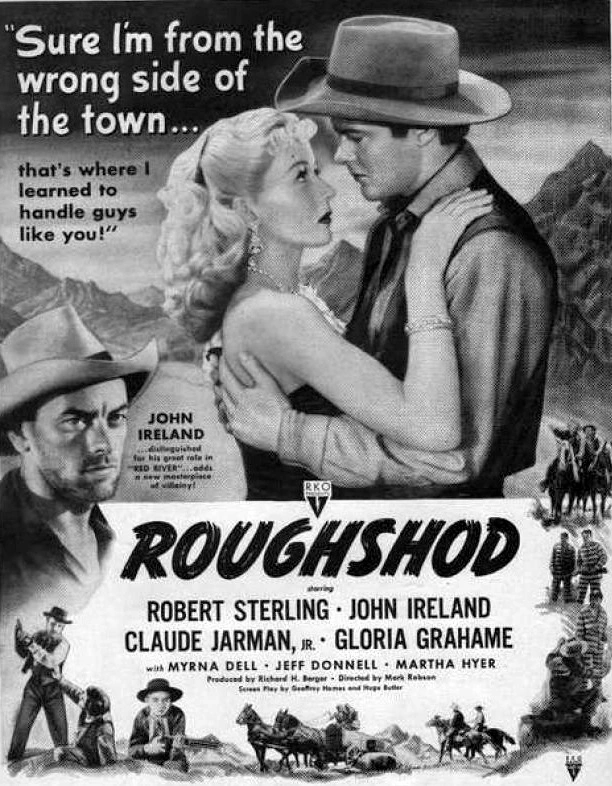
  • The “Rugged” Foundation: She cut her teeth in a string of B-Westerns and adventure films, including Gun Smugglers (1948) and Roughshod (1949). Critically, she was noted for her “Athletic Poise.” She didn’t just stand in the frame; she looked like a woman who could handle a horse and a household in the wilderness.

2. The Sophisticate and the Academy (1954–1960)

Hyer’s career shifted toward high-society roles as she matured into a “Grace Kelly-esque” archetype.

  • Sabrina (1954): As Elizabeth Tyson, she played the “Perfect Match” for William Holden. She provided the “Symmetric Balance” to Audrey Hepburn’s gamine energy.

  • Some Came Running (1958): In her most critically acclaimed role, she played Gwen French, the inhibited schoolteacher. She earned an Academy Award nomination, with critics praising her “internalized tension”—the way she portrayed a woman terrified of her own emotions.

3. The Genre Specialist and Producer (1960s–1970s)

Hyer remained a staple of “A-List” productions, often working with the era’s biggest stars.

  • The Sons of Katie Elder (1965): Opposite John Wayne and Dean Martin, she returned to the Westerngenre. She played the local woman who stands as the “Moral Anchor” for the rowdy Elder brothers.

  • The Literary Transition: She eventually married producer Hal B. Wallis (the man who discovered Geneviève Bujold) and shifted her focus toward writing and the arts, later publishing a well-regarded memoir, Finding My Way.


II. Detailed Critical Analysis

1. The “Architecture” of the Socialite

Critically, Hyer is analyzed for her Vocal and Visual Precision.

  • The Controlled Delivery: Hyer possessed a “velvet” voice and a mid-Atlantic accent that suggested a high social “Security Blanket.” Analysts note that she used her posture as a narrative tool; in Some Came Running, her rigid spine told the story of her repressed desires far better than the dialogue could. She was the “Still Center” of the screen—a counterpoint to the “Kitchen Sink” volatility of co-stars like Frank Sinatra or Shirley MacLaine.

2. The “Mirror” to the Hero

In many of her roles, Hyer acted as the “Aspiration” for the male protagonist.

  • The Civilized Frontier: In her Westerns, she didn’t play the “Damsel.” She played the “Future.” Critics have pointed out that her presence in a film like The Sons of Katie Elder represented the coming of law, order, and education. She brought a “Noir” complexity to these roles—she was the “Lady” who knew the world was dangerous but refused to lower her standards.

3. The “Method” of the Cool Exterior

Though not a “Method” actress in the style of Eli Wallach, Hyer practiced a form of “Reflective Naturalism.”

  • The Beauty of Restraint: She understood that in Technicolor cinema, a “cool” performance allowed the audience to project their own emotions onto her. This “blank canvas” quality made her the perfect foil for “hot” actors. She provided the “Savoury” stability that allowed the melodrama of the 1950s to feel grounded and real.


Iconic Performance Highlights

Work Role Year Critical Achievement
Sabrina Elizabeth Tyson 1954 Defined the “Elegant Socialite” of the 1950s.
Some Came Running Gwen French 1958 A masterclass in “Emotional Repression” (Oscar Nominated).
The Sons of Katie Elder Mary Gordon 1965 The definitive “Moral Anchor” of the late-period Western.
Houseboat Carolyn Gibson 1958 Showcased her “Comedic Sophistication” opposite Cary Grant.