Hollywood Actors

Collection of Classic Hollywood Actors

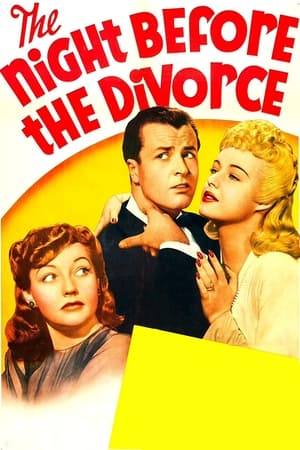
David Brian

David Brian was born in 1914 in New York City.   He was signed to a contract by Warner Brothers in 1949 and starred opposite Joan Crawford in “The Damned Don’t Cry.   His other films include “The High and the Mighty” in 1954 with John Wayne and “The Rare Breed” with James Stewart and Maureen O’Hara.   He was married to Adrian Booth.   David Brian died in 1993 at the age of 78.

IMDB entry:

New Yorker, who, after schooling at City College, found work as a doorman, before entering show business with a song-and-dance routine in vaudeville and in night clubs. He did a wartime stint with the Coast Guard and returned to acting on the New York stage after the war. Persuaded by Joan Crawford to try his hand at film acting, he joined her in Hollywood and, in 1949, signed a contract with Warner Brothers. In his feature debut, Flamingo Road (1949), he played a political boss infatuated with Crawford’s carnival girl. Brian’s most critically acclaimed performance was as the fair-minded, resourceful Southern lawyer defending condemned, but innocent Juano Hernandez from a vicious, bigoted lynch mob, in Intruder in the Dust (1949). For this role, he was nominated for a Golden Globe Award as Best Supporting Actor.

Brian portrayed a powerful gang leader in The Damned Don’t Cry (1950), again opposite Crawford. In spite of his commanding presence in the film, his performance was somewhat compromised by a cliche-laden script. In This Woman Is Dangerous (1952), it was Crawford who played the criminal, and Brian the role of her insanely jealous paramour. For the remainder of the decade and into the 1960’s, Brian played an assortment of western heavies on the big screen notably raider leader Austin McCool in Springfield Rifle (1952) and saloon owner Dick Braden in Dawn at Socorro (1954) – and did the same with equal verve on television, in Gunsmoke (1955). An incisive actor with sardonic looks and a hard-edge to his voice, Brian was more often than not typecast as ruthless or manipulating types. Somewhat against character, he essayed a weakling in the ground-breaking airborne drama The High and the Mighty (1954).

On the right side of the law, he starred as crusading D.A. Paul Garrett in his own courtroom drama series, Mr. District Attorney (1954), reprising his earlier role on radio. In 1968, he also made a contribution to Star Trek (1966), as John Gill, a Federation cultural observer on the planet Ekos, whose experiment in creating a government based on National Socialist principles goes disastrously wrong.

In private life, Brian was a noted fundraiser for the Volunteers of America, a well-known non-profit charitable organisation.

– IMDb Mini Biography By: I.S.Mowis

The above IMDB entry can also be accessed online here.

David Brian (1914–1993) was an American actor whose career is a fascinating study in the “authoritative heavy.” While he began as a song-and-dance man in vaudeville, he transitioned into a screen persona defined by a towering physical presence, a hard-edged voice, and a cynical, sophisticated air that made him one of the most effective noir antagonists of the late 1940s and early 1950s.


1. The Joan Crawford Connection & Warner Bros. Debut

Brian’s film career was famously jumpstarted by Joan Crawford, who discovered him and insisted Warner Bros. sign him. This partnership defined his early critical standing.

  • Flamingo Road (1949): In his debut, he played Dan Reynolds, a political boss.

    • Critical Analysis: Brian bypassed the usual “learning curve” for new actors. Critics noted he possessed an immediate, seasoned gravitas. He didn’t play the “heavy” with thuggery; instead, he used a “refined ruthlessness” that made him a believable romantic interest for Crawford while maintaining his status as a formidable power player.

  • The Damned Don’t Cry (1950): Playing George Castleman, a sophisticated crime syndicate leader.

    • Analysis: This is arguably his most iconic “villain” role. Brian utilized a “lizard-like stillness”—often reclining and watching his costars with a smug, detached intensity. Critics praised his ability to blend “oily” charm with genuine sadism, providing a perfect foil to Crawford’s high-octane emotionalism.

2. The High-Water Mark: Intruder in the Dust (1949)

Despite his reputation for playing “cads,” Brian’s most critically acclaimed work was a departure into heroism.

  • The Role: John Gavin Stevens, a Southern lawyer defending a Black man (Juano Hernandez) against a lynch mob in this Faulkner adaptation.

  • Critical Analysis: Brian received a Golden Globe nomination for this performance. He was lauded for his resourceful, fair-minded portrayal, stripping away his usual sardonic edge to play a man of quiet, moral steel. His performance is often cited by historians as a vital piece of “social realism” in post-war cinema, proving he could lead a prestige drama with intellectual weight.

3. Genre Transition: Westerns and Television

As the noir era faded, Brian’s “hard-boiled” persona translated seamlessly into the Western genre and the burgeoning medium of television.

  • Springfield Rifle (1952) & The Rare Breed (1966): He became a staple “Western Heavy,” often playing the corrupt landowner or the raider leader.

    • Analysis: In these roles, he leaned into his vocal authority. His voice—described by critics as having a “sardonic rasp”—allowed him to dominate scenes even when sharing the screen with legends like Gary Cooper or John Wayne.

  • Mr. District Attorney (1954–1955): Brian moved to the “right side of the law” as the lead in this popular series.

    • Analysis: This role solidified his image as a pillar of the establishment. He brought a “crusading intensity” to the character, though some critics argued his natural “edge” was somewhat softened by the repetitive nature of 1950s procedural television.


Critical Analysis of Acting Technique

Technique Execution Impact
Sophisticated Menace Combined high-fashion tailoring with a cold, unblinking gaze. Redefined the “gangster” from a street thug to a corporate shark.
Voice as a Tool Utilized a crisp, rhythmic delivery with a hint of a sneer. Made him exceptionally effective in “talky” courtroom or political dramas.
Physical Stature At 6’3″, he used his height to loom over costars without being overtly aggressive. Created a sense of “passive dominance” that made his characters feel untouchable.
Ensemble Foil He was a “reactive” actor, specifically tailored to balance out “high-strung” leading ladies. His groundedness made the melodramatic performances of stars like Bette Davis and Joan Crawford feel more realistic.

Key Career Milestones

  • Golden Globe Nominee: Best Supporting Actor for Intruder in the Dust (1949).

  • Star Trek Iconography: Played John Gill in the 1968 episode “Patterns of Force,” a role that utilized his “authoritative figure” persona to explore the dangers of absolute power.

  • Hollywood Walk of Fame: Received a star in 1960 for his contributions to television.

Legacy Summary: David Brian was the “Suave Enforcer” of mid-century cinema. While he possessed the range for heroic drama (as seen in Intruder in the Dust), his greatest contribution was the creation of a literate, well-dressed villainy. He was the actor you hired when the antagonist needed to be just as smart, just as charming, and twice as dangerous as the hero.

Andrew Prine

Andrew Prine.

His IMDB entry:

Andrew Prine was born in 1936 in Florida.   He appeared in the 1959 Broadway production of Thomas Wolfe’s “Look Homeward Angel”.   In 1962 he starred on television with Earl Holliman in the series “The Wide Country”.   His films include “Texas Across the River” in 1966, “The Devil’s Brigade”and “Chisum” in 1970 with John Wayne.   He has starred and guest starred on most of the major television series over the past 40 years.

Appearing on Broadway, Andrew Prine soared to recognition in the leading role of the Pulitzer Prize winning play, Look Homeward Angel, and in his film role in the Academy award winner, The Miracle Worker (1962). He has worked with Hollywood legends such as John Wayne, Jimmy Stewart, William Holden, Glenn Ford, Dean Martin, Ben Johnson, Carl Reiner, Raquel Welch, and Anne Bancroft. When Westerns were king on television, he was the frequent guest star almost every week on the all the shows.

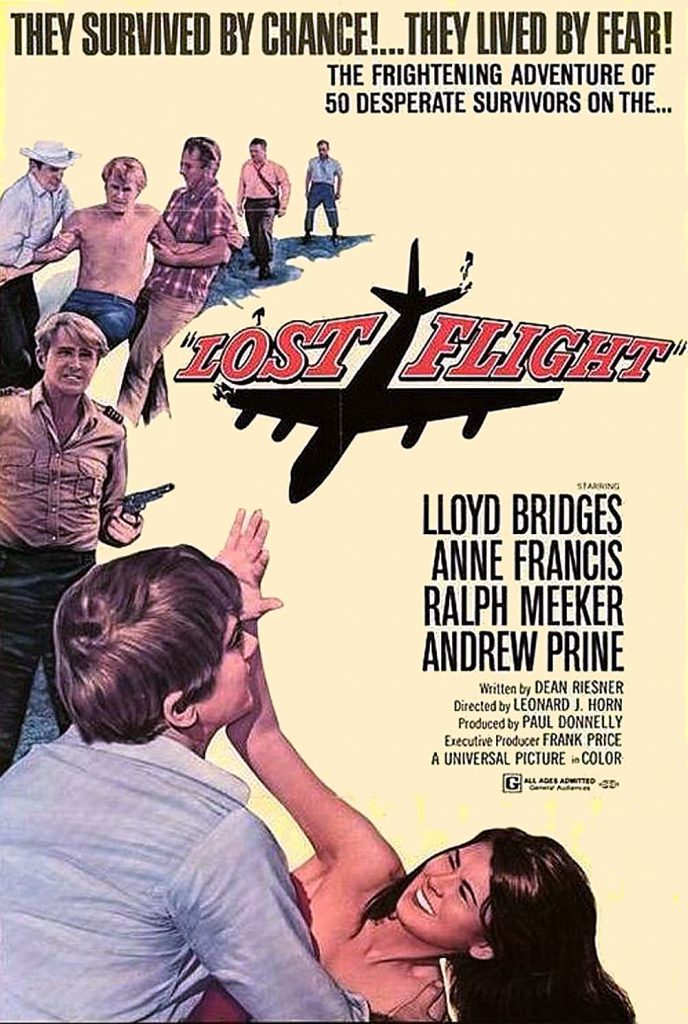
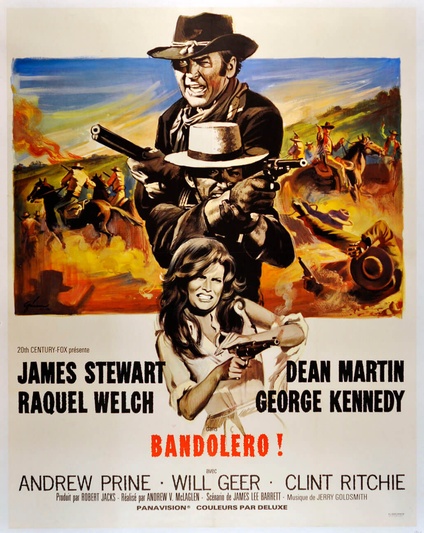
His appearance in Western theatrical feature films include Chisum (1970), Bandolero! (1968), Texas Across the River (1966), and Gettysburg (1993). Not only appearing on television in war dramas, Prine had to learn to ski while filming The Devil’s Brigade (1968), shot in Italy with an all star cast that included William Holden, Cliff Robertson, Richard Jaeckel and Claude Atkins. Andrew starred in several television series, beginning with Earl Holiman in the series,Wide Country (1962), and joined forces with Barry Sullivan in, The Road West(1966), and in W.E.B. (1978), he portrayed the network executive, Dan Costello.

Adept at comedy, he co-starred in the series, Room For Two (1992), and was featured in the cast of, Weird Science (1994). A member of the prestigious Actor’s Studio, Andrew’s work in theatre includes Long Day’s Journey Into Night with Charlton Heston and Deborah Kerr, The Caine Mutiny directed by Henry Fonda, and Sam Shepard’s Buried Child where he received his second Dramalogue Critics Award for Best Actor the leading role. Displaying his acting range by portraying a variety of characters in his long career, Andrew Prine has delighted fans of many genres; Westerns, Military, Science Fictions and Horror, and is considered one of Hollywood’s consummate actors.

– IMDb Mini Biography By: Author: Deborah Miller

The above IMDB entry cn also be accessed online here.

Andrew Prine died while on vacation in Paris at the age of 86.

Daily Star Trek News obituary in 2022:

NOVEMBER 7, 2022 – He was a self-described “working actor,” who made over 180 film and television appearances and “never met a film role [he] didn’t like.” Andrew Prine died of natural causes last Monday in Paris at the age of 86, according to The Hollywood Reprter.

Star Trek fans will remember Prine for his roles as the Tilonian military officer, Suna, in Star Trek: The Next Generation’s season six episode, “Frame of Mind” and as the Cardassian, Legate Turrel, in Star Trek: Deep Space Nine’s season three episode, “Life Support.”

Prine started out on Broadway, taking over for Anthony Perkins in Look Homeward Angel, about which he said, “Fortunately, I did Look Homeward for two years, and what I did while playing the lead and being paid was learn how to act. The stage manager came backstage every night with copious notes, and his job was to keep me on target. I learned how to act, really, on Broadway.”

He soon made his way to Hollywood after being scouted for a role in Wide Country, with Earl Holliman. He appeared in many westerns, both in film and on television, and received a Golden Boot Award in 2001. The Golden Boots were sponsored and presented by the Motion Picture & Television Fund from 1983 – 2007 to honor actors, actresses, and crew members who made significant contributions to the genre of Westerns in television and film.

Prine also made many appearances outside the western genre, ranging from Doctor Kildare and Gene Roddenberry’s The Lieutenant to the Weird Science TV series and Boston Legal.

Prine’s wife, actress-producer Heather Lowe, said of Prine, “He was the sweetest prince

Van Williams
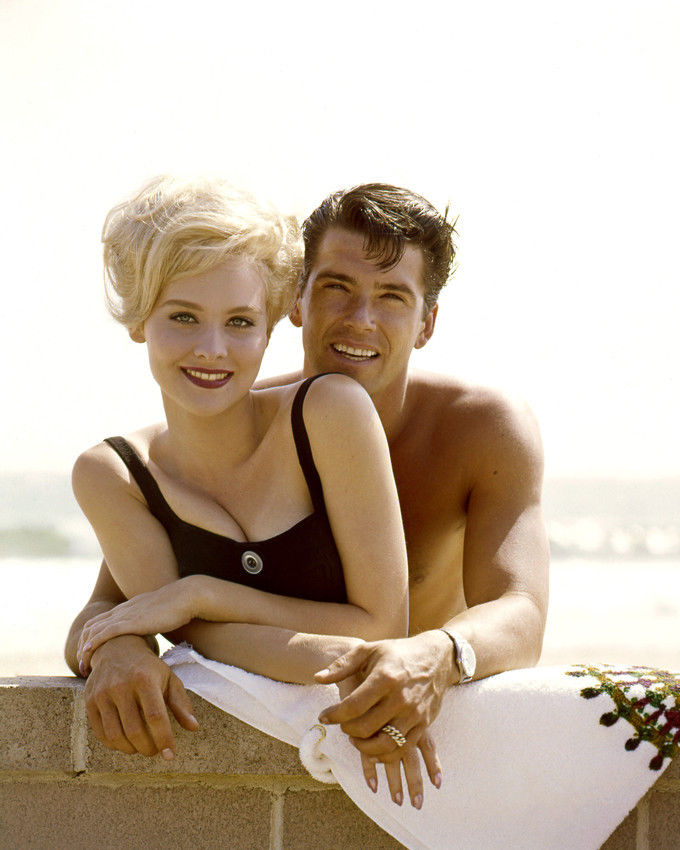
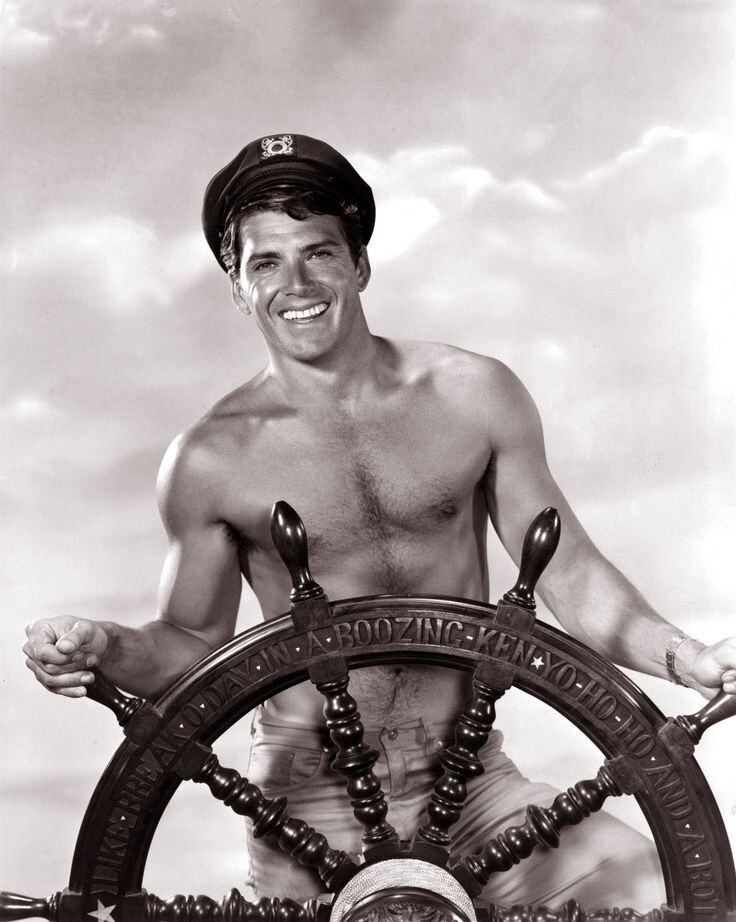
Troy Donahue, Lee Patterson, Van Williams

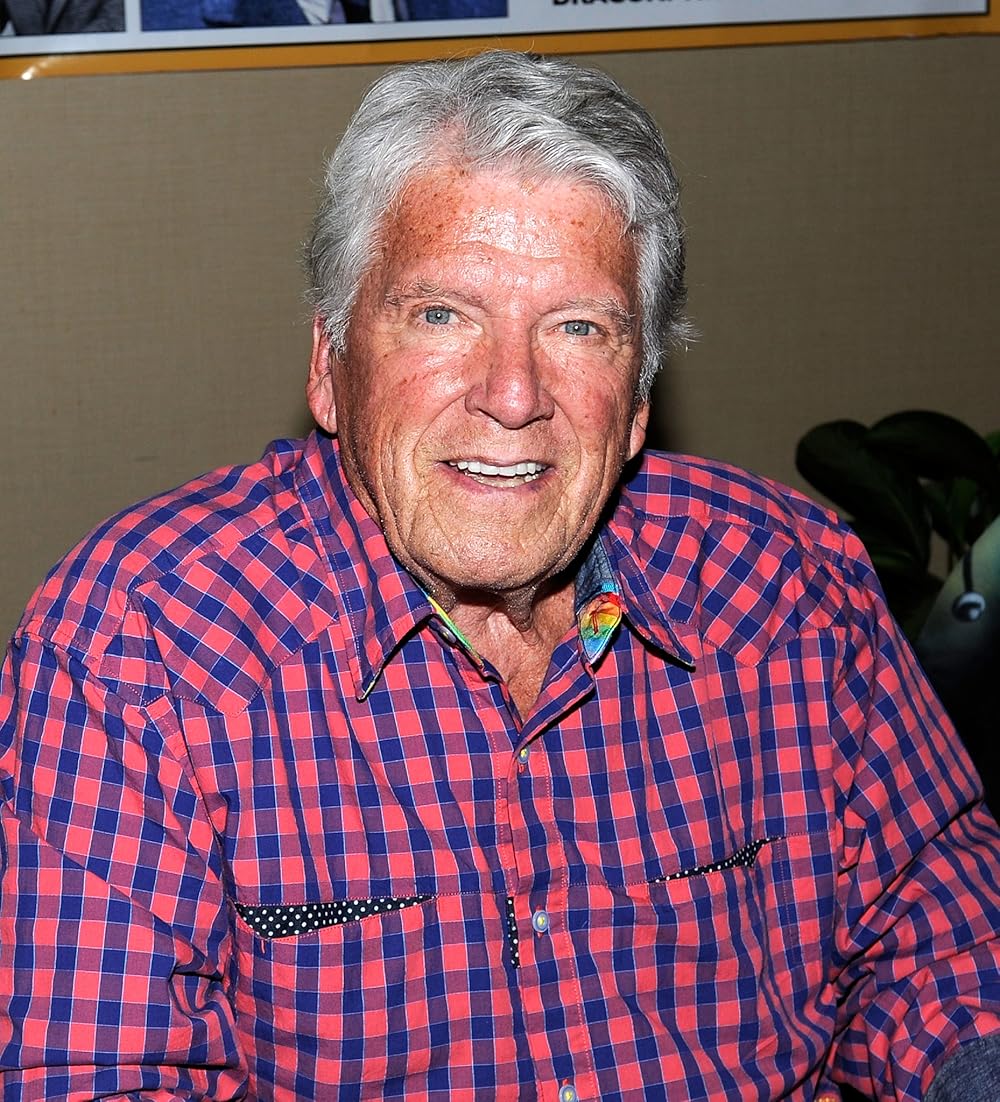
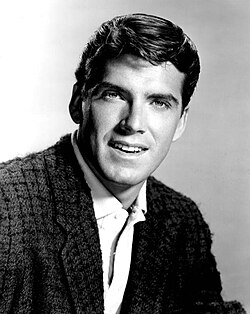
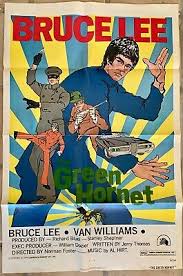
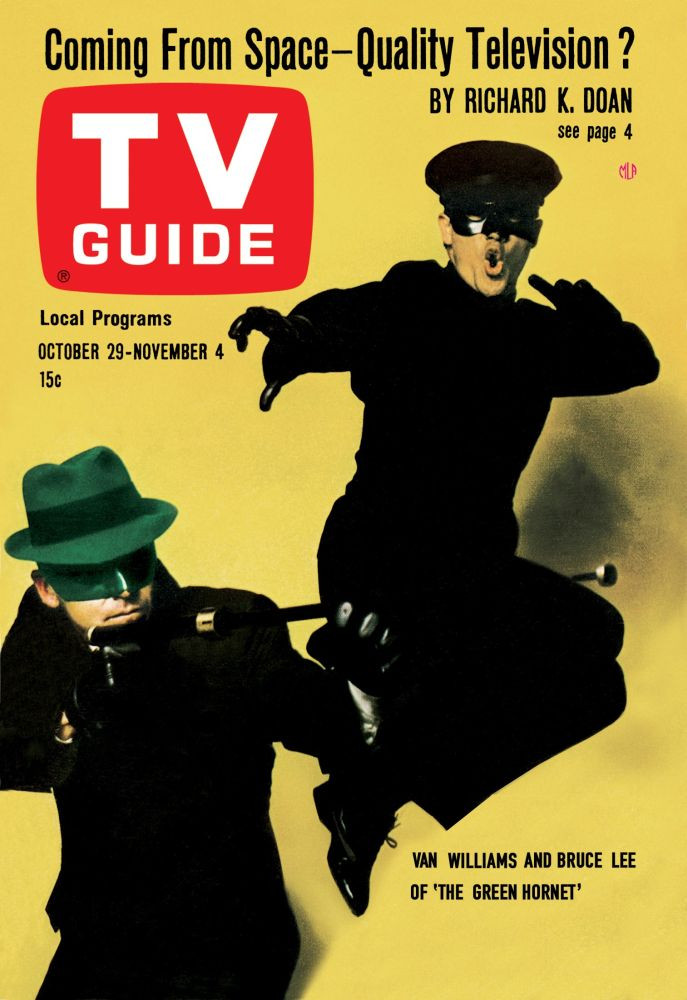
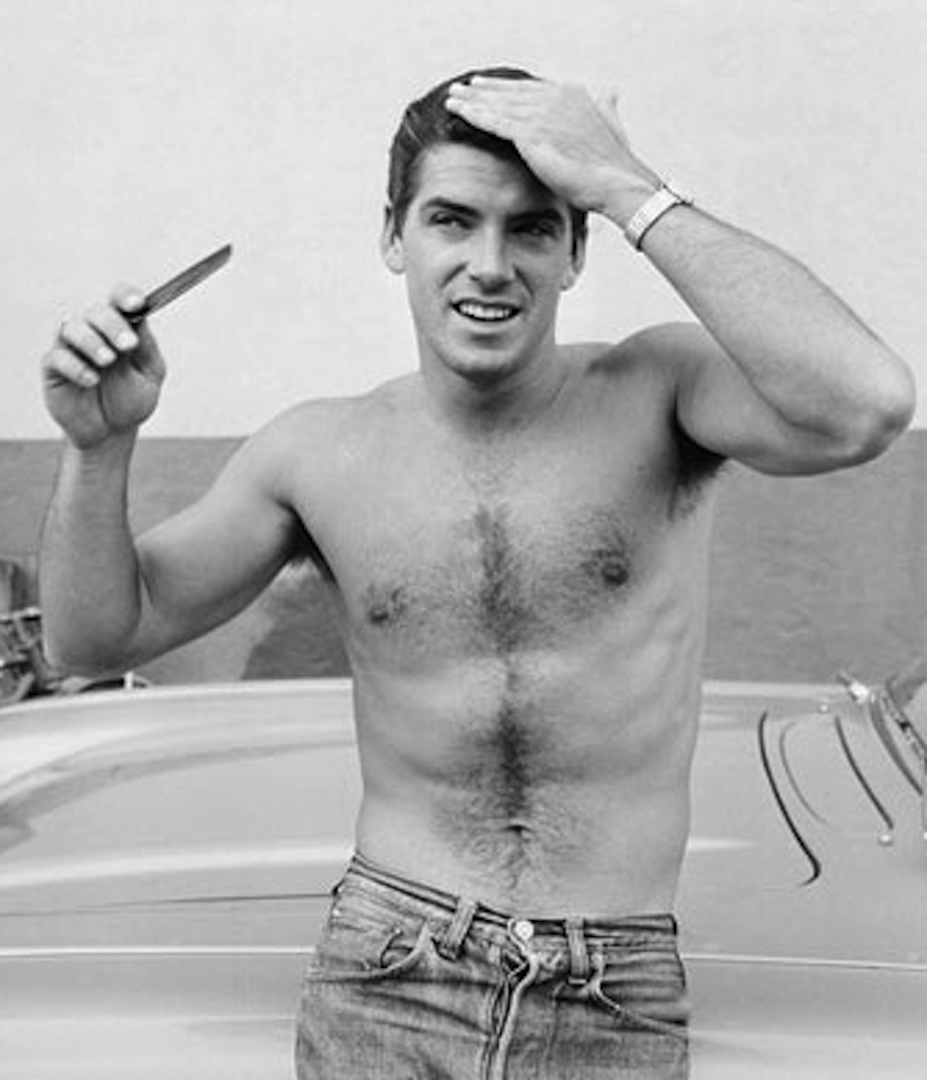
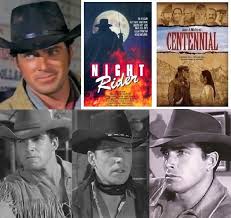
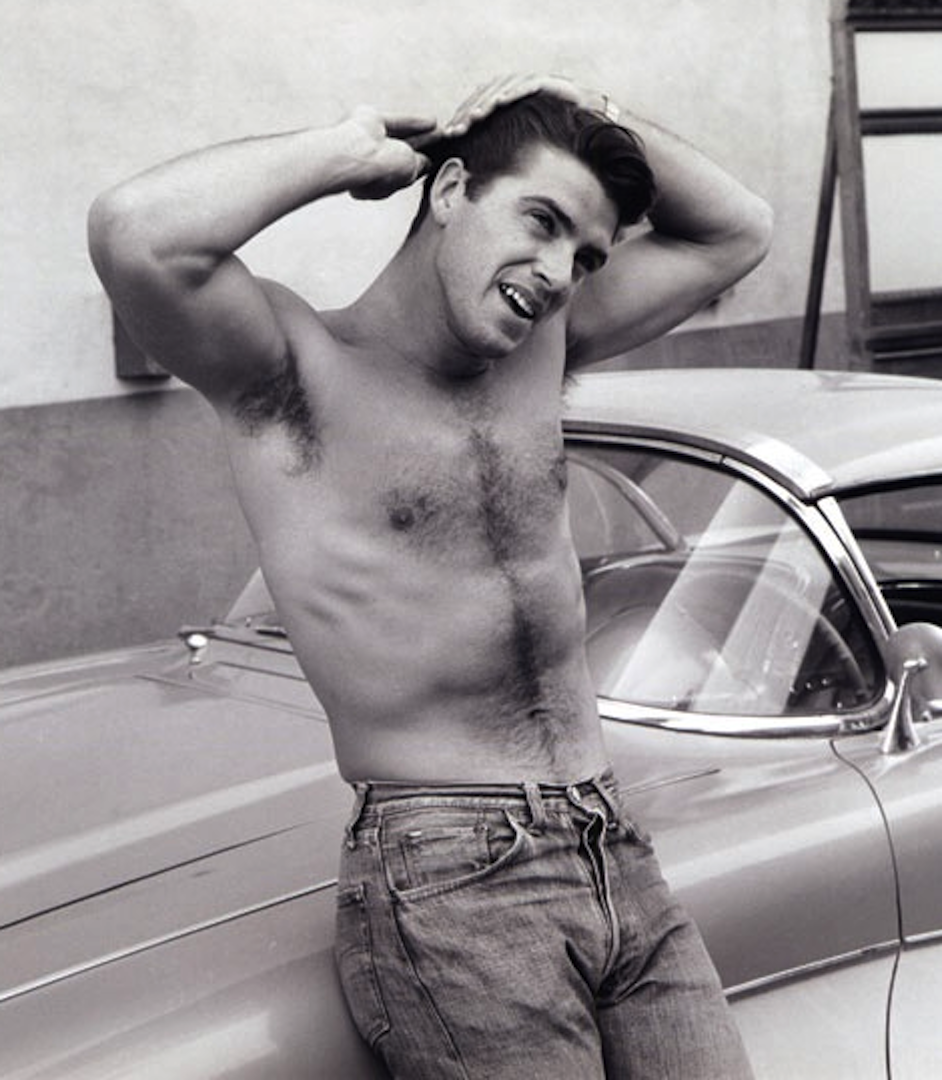
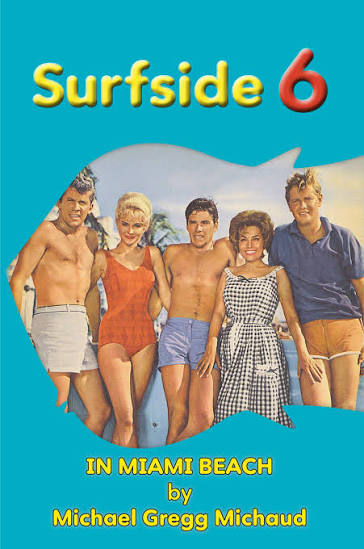
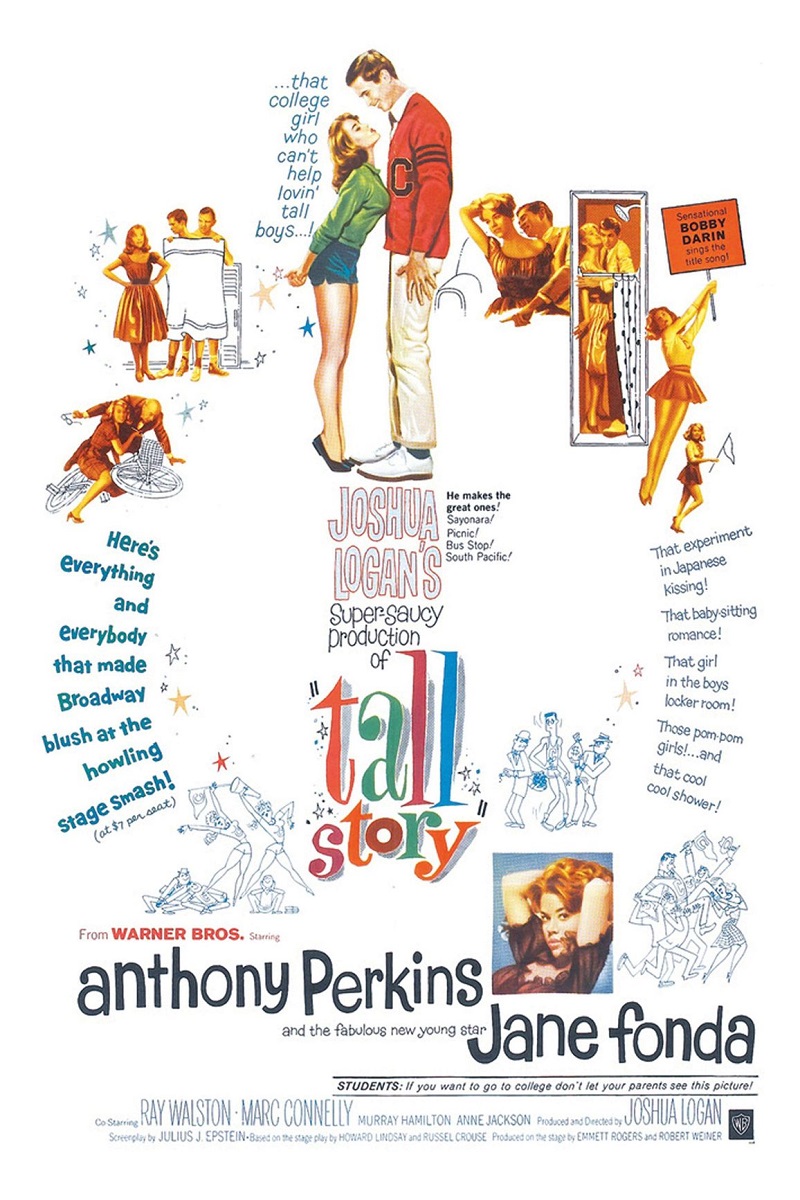
Van Williams was born in Fort Worth, Texas in 1934.   He is best remembered for his role in the 1960’s television series “The Green Hornet” which also featured Bruce Lee.   A prior television series of his was “Surfside Six” in 1960 which also featured Troy Donahue and Lee Patterson, all pictured above.   His films include “Tall Story” and “The Caretakers”.   He died in 2016 at the age of 82.

Gary Brumburgh’s entry:

You could shoehorn actor Van Williams right in there between the other tall, dark and drop-jaw gorgeous heartthrobs Tom Tryon and John Gavin of the late 1950s/early 1960s who conveyed a similar bland, heroic image. All three were too often given colorless heroes to play on film and/or TV — roles that played off their charm but seldom tested their talent.

Born on February 27, 1934 as Van Zandt Jarvis Williams, he was the son of a cattle rancher. He majored in animal husbandry and business at Texas Christian University but moved to Hawaii which changed the course of his life. While operating a salvage company and a skin-diving school during the mid-1950s, he was approached by Elizabeth Taylor and husband/producer Mike Todd, who were filming there. Encouraged by Todd to try his luck, Van arrived in Hollywood with no experience. Todd perished in a plane crash before he was able to help Van, but the young hopeful ventured on anyway, taking some acting/voice lessons, and was almost immediately cast in dramatic TV roles.

Warner Brothers had a keen eye for this type of photogenic hunk and smartly signed Van. Fitting in perfectly, he was soon showing just how irresistible he was as a clean-cut private eye on the series Bourbon Street Beat (1959). Although the show lasted only one season, Warners carried his Kenny Madison character into the more popular adventure drama Surfside 6 (1960) opposite fellow pin-up / blond beefcake bookend Troy Donahue. Series-wise, Van tried comedy next opposite Walter Brennan in The Tycoon (1964) . After his contract expired at Warners, 20th Century-Fox handed him his most vividly recalled part, that of the emerald-suited superhero The Green Hornet (1966) with the late Bruce Lee as his agile, Robin-like counterpart Kato. The show, inspired by the huge cult hitBatman (1966) enjoyed a fast start but, like its predecessor, met an equally untimely finish.

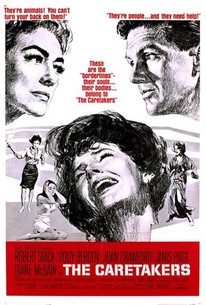
Never a strong draw in films, Van revealed quite a bit of himself (literally) in his debut inTall Story (1960) coming out of a shower. He was handed a typically staid second lead inThe Caretakers (1963). Continuing well into the 1970s to guest sporadically on the TV scene in classics like The Dick Van Dyke Show (1961), Love, American Style (1969),Mission: Impossible (1966), The Big Valley (1965)”, Nanny and the Professor (1970),Barnaby Jones (1973), and The Rockford Files (1974). Another starring series attempt with Westwind (1975) failed to make the grade and he soon let his career go. Van went on quite successfully in business with telecommunications, real estate and law enforcement supplies among his ventures. With his glossy, pretty-boy years far behind him, he has not felt the need to look back except for an occasional autograph convention.

– IMDb Mini Biography By: Gary Brumburgh / gr-home@pacbell.net

The guardian obituary in 2016

The actor Van Williams, who has died aged 82, achieved brief fame as the masked comic-book hero the Green Hornet in the 1960s US television series of the same name. As Britt Reid, a playboy media mogul who owns a newspaper and TV station, he was seen transforming into his alter ego to tackle criminals with hand-to-hand combat and two deadly weapons, a gas gun and the Hornet’s Sting sonic blaster. He was aided by Bruce Lee (in his first TV role) as Kato, his valet and martial arts expert, and Black Beauty, a customised Chrysler Crown Imperial sedan fitted with infra-green headlights, hood-mounted machine guns, a grille-mounted flame thrower and Stinger missiles stashed in the bumpers.

Unfortunately for Williams, the masked vigilante – created for radio in the 30s by George Trendle and Fran Striker – was unleashed on television viewers in 1966 shortly after the launch of the hugely popular, camped-up Batman TV series, from the same producers. “One of the things I absolutely insisted upon was that I was going to play it straight,” said Williams. “None of this ‘wham, bam, thank you, ma’am’ stuff that was going on with Batman.” But one critic described the star in costume as looking like an “overgrown grasshopper” and the drama was cancelled after just one run of 26 episodes

Williams was born in Fort Worth, Texas, the son of Priscilla (nee Jarvis) and Bernard Williams, who ran a ranch. After attending Arlington Heights high school and studying animal husbandry and business at Texas Christian university, Williams headed for the South Pacific in 1956 to work as a salvage diver.

The following year, Mike Todd, the theatre and film producer, spotted him and suggested he go into acting. He took vocal and drama lessons, worked on contract to Revue Studios for six months, soon landed bit parts on TV, then signed up for six years to Warner Bros. His big break came in the detective drama Bourbon Street Beat (1959-60) with the role of Kenny Madison, a private eye operating from above a restaurant in the French quarter of New Orleans. He reprised the role in another crime series, Surfside 6 (1960-62), featuring detectives with an office on a Miami houseboat.

Switching to sitcom, Williams played Pat Burns, assistant to the cantankerous billionaire Walter Andrews (played by Walter Brennan) and pilot of his private plane, in The Tycoon (1964-65). He later took the role of Steve Andrews, the father in a family on a journey around Pacific islands, in the children’s adventure series Westwind (1975) and appeared on and off (1976-78) as Captain MacAllister in How the West Was Won

The actor Van Williams, who has died aged 82, achieved brief fame as the masked comic-book hero the Green Hornet in the 1960s US television series of the same name. As Britt Reid, a playboy media mogul who owns a newspaper and TV station, he was seen transforming into his alter ego to tackle criminals with hand-to-hand combat and two deadly weapons, a gas gun and the Hornet’s Sting sonic blaster. He was aided by Bruce Lee (in his first TV role) as Kato, his valet and martial arts expert, and Black Beauty, a customised Chrysler Crown Imperial sedan fitted with infra-green headlights, hood-mounted machine guns, a grille-mounted flame thrower and Stinger missiles stashed in the bumpers.

Unfortunately for Williams, the masked vigilante – created for radio in the 30s by George Trendle and Fran Striker – was unleashed on television viewers in 1966 shortly after the launch of the hugely popular, camped-up Batman TV series, from the same producers. “One of the things I absolutely insisted upon was that I was going to play it straight,” said Williams. “None of this ‘wham, bam, thank you, ma’am’ stuff that was going on with Batman.” But one critic described the star in costume as looking like an “overgrown grasshopper” and the drama was cancelled after just one run of 26 episodes.

 
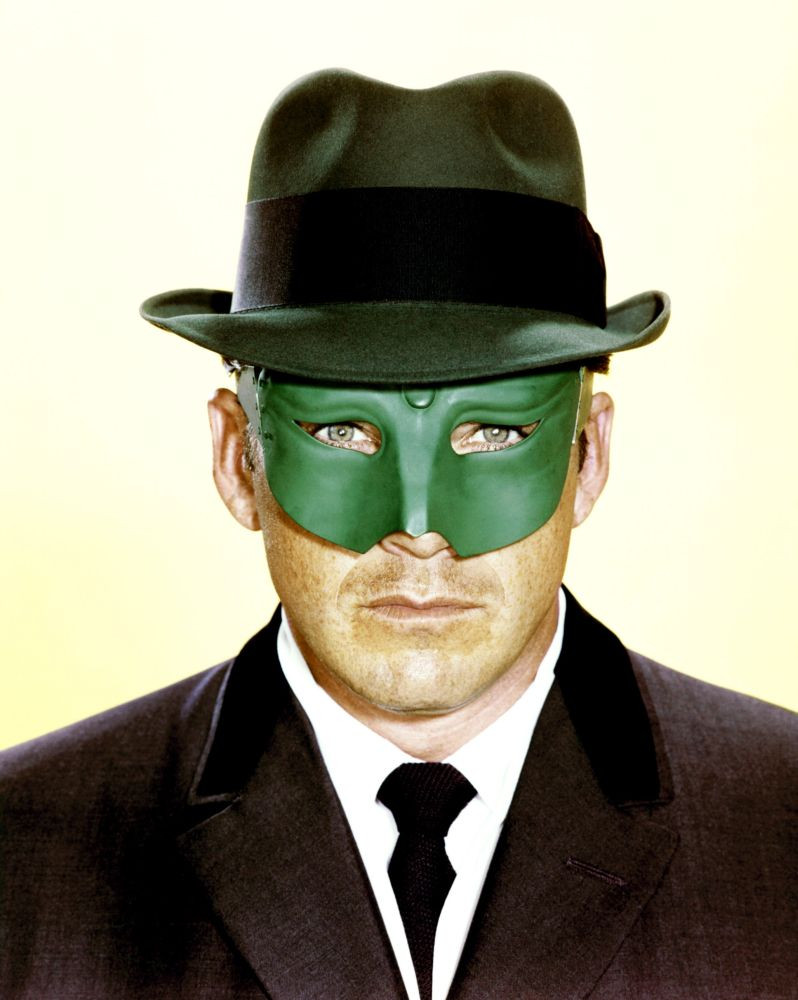
Van Williams as the Green Hornet

Williams was born in Fort Worth, Texas, the son of Priscilla (nee Jarvis) and Bernard Williams, who ran a ranch. After attending Arlington Heights high school and studying animal husbandry and business at Texas Christian university, Williams headed for the South Pacific in 1956 to work as a salvage diver.

The following year, Mike Todd, the theatre and film producer, spotted him and suggested he go into acting. He took vocal and drama lessons, worked on contract to Revue Studios for six months, soon landed bit parts on TV, then signed up for six years to Warner Bros. His big break came in the detective drama Bourbon Street Beat (1959-60) with the role of Kenny Madison, a private eye operating from above a restaurant in the French quarter of New Orleans. He reprised the role in another crime series, Surfside 6 (1960-62), featuring detectives with an office on a Miami houseboat.

Switching to sitcom, Williams played Pat Burns, assistant to the cantankerous billionaire Walter Andrews (played by Walter Brennan) and pilot of his private plane, in The Tycoon (1964-65). He later took the role of Steve Andrews, the father in a family on a journey around Pacific islands, in the children’s adventure series Westwind (1975) and appeared on and off (1976-78) as Captain MacAllister in How the West Was Won.

Van Williams, left, with Adam West, centre, and Bruce Lee in 1967. Photograph: Everett/Rex/Shutterstock

Williams became a reserve deputy in the Los Angeles county sheriff’s department in 1971, working part time at its Malibu station, where he also captained the mountain rescue team and was a volunteer firefighter. In 1982, he retired from acting to concentrate on running the telecommunications company he had set up in Santa Monica 13 years earlier. He was a partner in a 4,000-acre ranch in Hawaii and he enjoyed hunting geese, duck, elk and other game.

“I didn’t really care that much for the acting business,” Williams said. “I didn’t like the people in it, the way they operated and all the phoniness and back-stabbing. It was not a very pleasant education for a guy from Texas whose handshake was his word. Plus, I’d gone into acting looking at it as a business, not wanting necessarily to be a celebrity.”

Nevertheless, he jumped at the opportunity to take a cameo as the director of The Green Hornet in the film biopic Dragon: The Bruce Lee Story (1993).

Williams is survived by his second wife, Vicki Flaxman, whom he married in 1959, and their children, Nina, Tia and Britt; and by Lisa and Lynne, the twin daughters of his first marriage, to Drucilla Greenhaw, which ended in divorce.

 Van Zandt Jarvis Williams, actor, born 27 February 1934; died 29 November 2016


Gemini said 


Van Williams (1934–2016) was the “straight arrow” of 1960s television—an actor of rugged, traditional masculinity who became the face of the era’s sophisticated detective and superhero genres. While he is often remembered in the context of his legendary co-star, Bruce Lee, a critical look at his career reveals an actor who intentionally prioritized professional stability and personal ethics over the “phoniness” of Hollywood stardom.


I. Career Overview: The Warner Bros. Workhorse

1. The “Kenny Madison” Cycle (1959–1962)

Discovered while working as a diving instructor in Hawaii by producer Mike Todd, Williams was the quintessential Warner Bros. contract player.

  • The Recycled Hero: He played the same character, Kenny Madison, across two different series: Bourbon Street Beat (set in New Orleans) and its spin-off Surfside 6 (set in Miami).

  • The “Clean-Cut” P.I.: Alongside co-stars like Troy Donahue and Lee Patterson, Williams represented a new breed of televised detective: young, affluent, and impeccably dressed, moving the genre away from the grit of 1940s film noir into the “Jet Age” glamour of the early 60s.

2. The Green Hornet (1966–1967)

Williams’ most iconic role was Britt Reid/The Green Hornet. Produced by William Dozier (who also produced Batman), the show was a tonal anomaly.

  • The Masked Vigilante: Unlike the campy, “Wham! Pow!” style of Adam West’s Batman, Williams insisted on playing the Green Hornet as a serious, hard-edged crime fighter.

  • The Crossover: He appeared as the Hornet in a famous two-part crossover with Batman, which served as a fascinating study in contrasting acting styles—West’s theatrical irony vs. Williams’ stoic sincerity.

3. Retirement and Public Service (1970s–1982)

Dissatisfied with the “back-stabbing” nature of the industry, Williams walked away from acting at the height of his recognition. He became a successful businessman in telecommunications and a Reserve Deputy Sheriff for Los Angeles County, famously performing his duties with the same quiet competence he had portrayed on screen.


II. Detailed Critical Analysis

1. The “Straight Man” Aesthetic

Critically, Williams is often unfairly overshadowed by the charismatic “wilder” energy of his co-stars (Troy Donahue or Bruce Lee). However, he was the essential anchor of his productions.

  • The Foundation of Realism: In The Green Hornet, Williams provided the “gravitational pull” that made the show’s world believable. Without his rigid, earnest portrayal of Britt Reid, Bruce Lee’s revolutionary martial arts as Kato would have lacked a grounded context.

  • Minimalist Authority: His acting style was defined by a lack of affectation. He utilized his deep voice and steady gaze to project a “Texas-born” sense of authority that felt unforced and reliable.

2. The “Tycoon” and Financial Autonomy

A unique aspect of Williams’ critical legacy is his status as the “Banker with a Sting.”

  • Acting as Business: Unlike many actors who were desperate for fame, Williams viewed acting as a commercial venture. He invested his earnings into real estate and communications early on.

  • Critical Impact on Performance: This financial independence gave his performances a distinct quality of casual confidence. Because he didn’t “need” the job, he never appeared desperate for the camera’s attention, which translated into a cool, detached charisma that suited the mid-century leading man archetype.

3. The Tragedy of the “Batman” Comparison

Historians often analyze The Green Hornet as a victim of its own production stable.

  • The Tonal Clash: Critics argued that audiences in 1966 weren’t ready for a “straight” superhero show when Batman was satirizing the genre so successfully. Williams’ refusal to play for laughs was a bold artistic choice that may have led to the show’s early cancellation, but it has also ensured its enduring status as a cult classic for fans of “pulp” authenticity.


Iconic Performance Comparison

Character Work Archetype Key Critical Note
Kenny Madison Surfside 6 The Playboy P.I. Defined the “Warriors in Ivy League Suits” era of TV.
Britt Reid The Green Hornet The Masked Editor A masterclass in maintaining dignity within a “superhero” costume.
Pat Burns The Tycoon The Right-Hand Man Showed a softer, comedic chemistry with legend Walter Brennan.
Steve Andrews Westwind The Family Patriarch Represented his transition into “wholesome” late-career roles.

Would

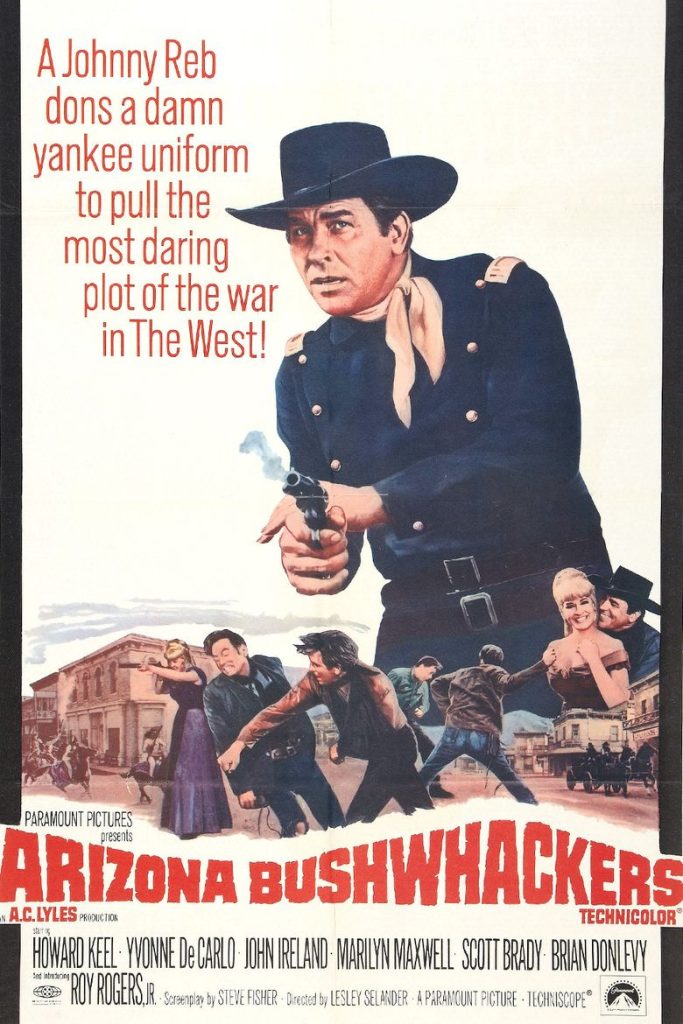
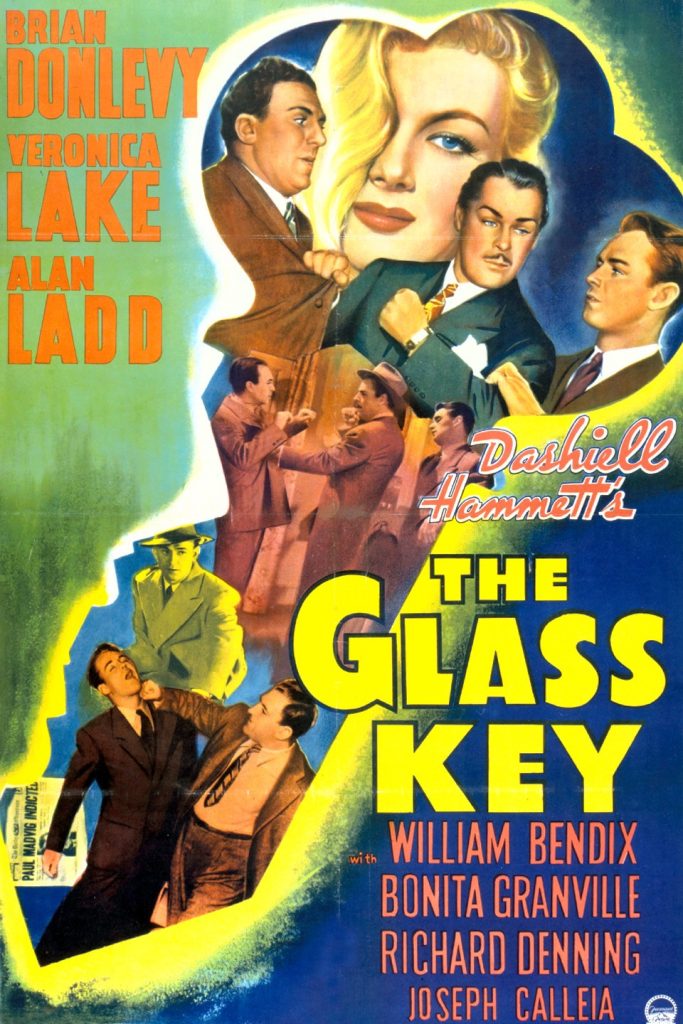
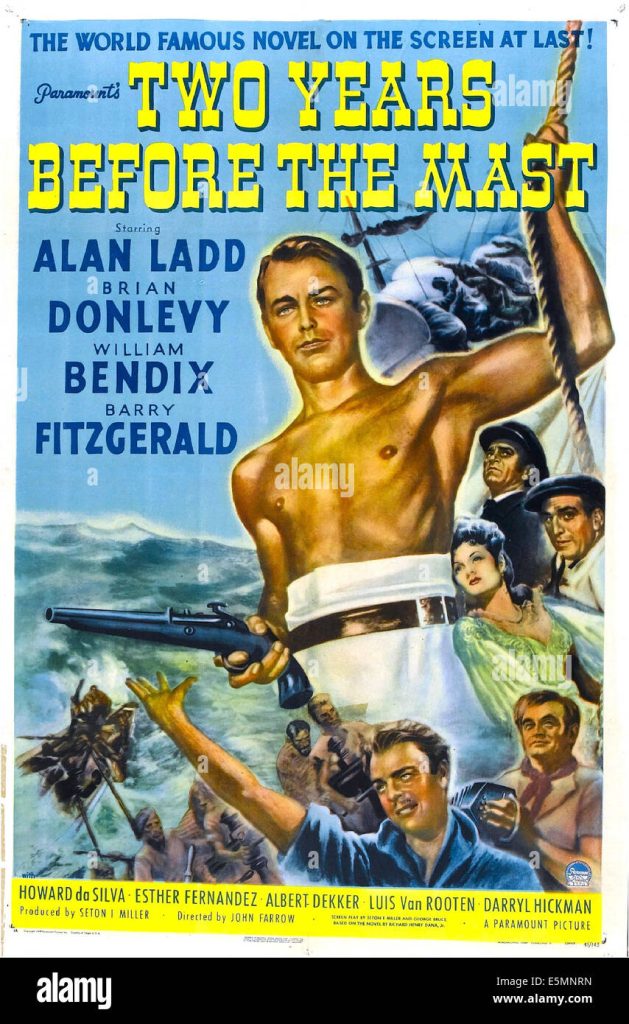
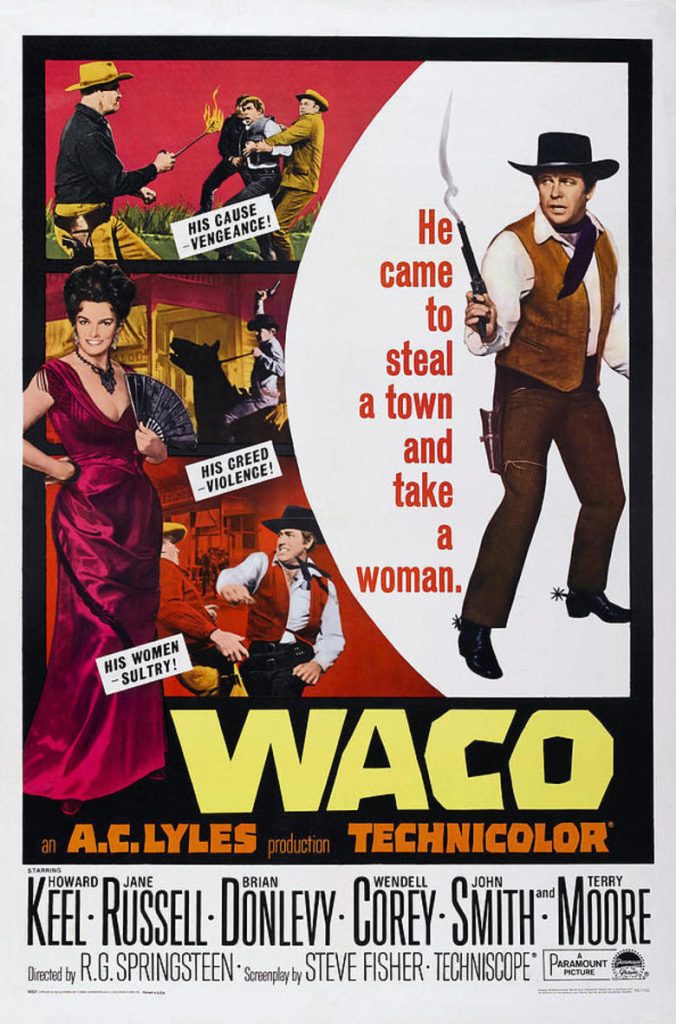
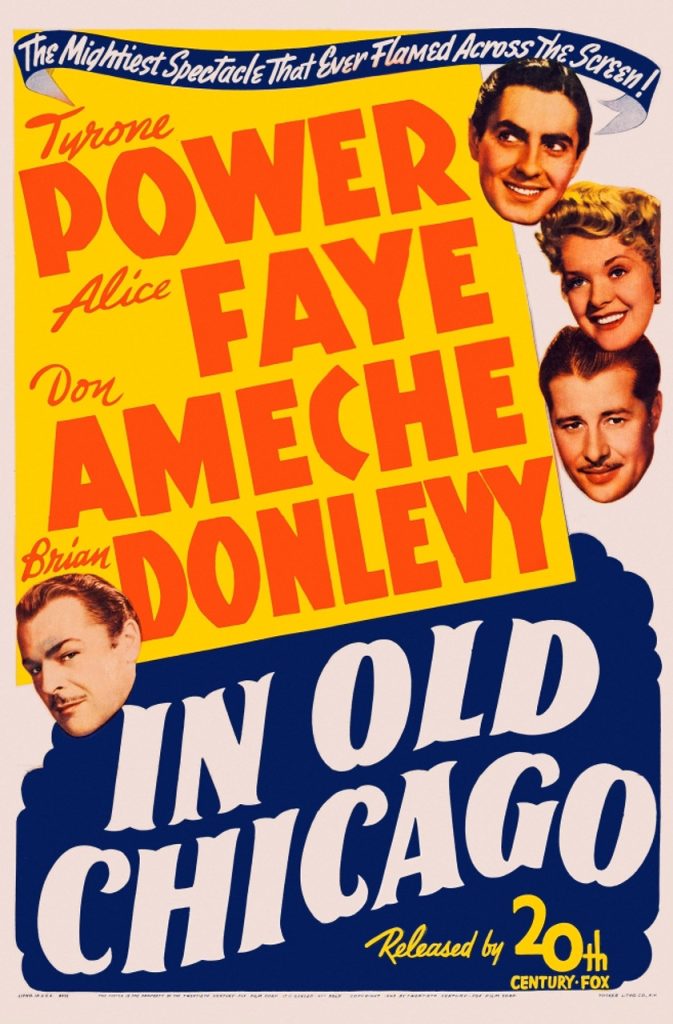
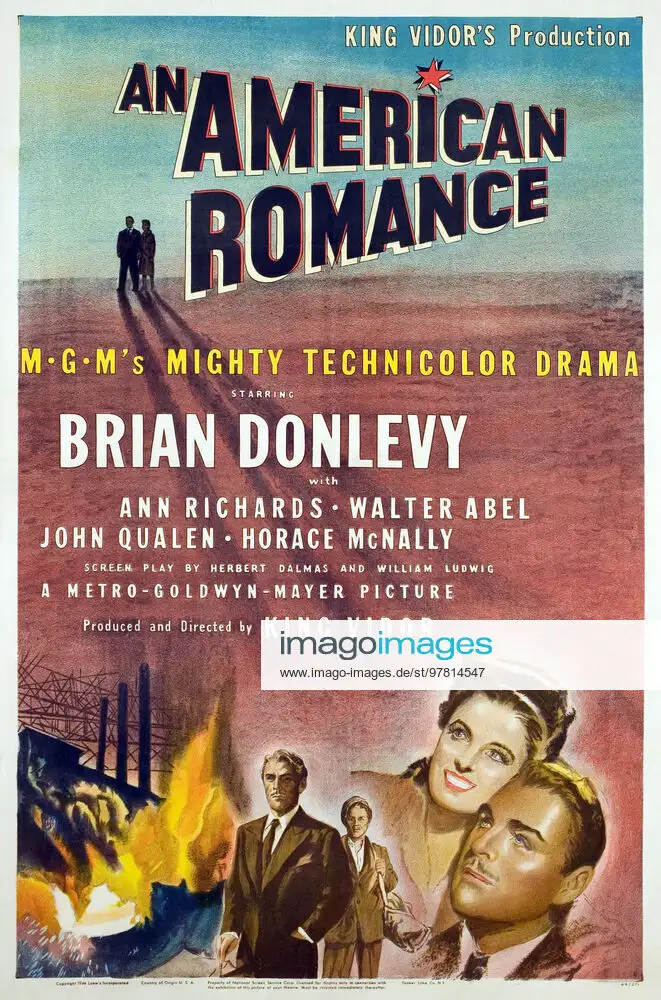
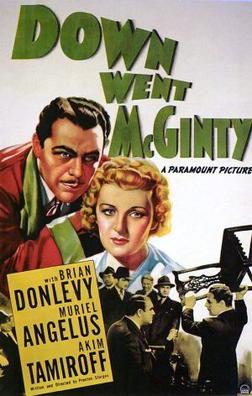
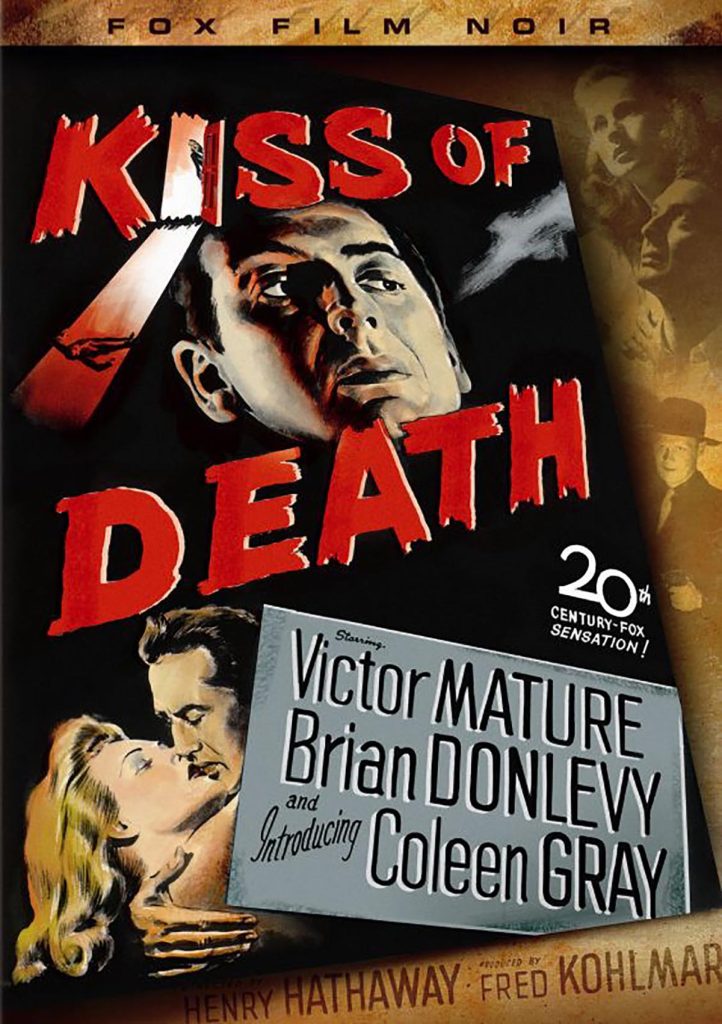
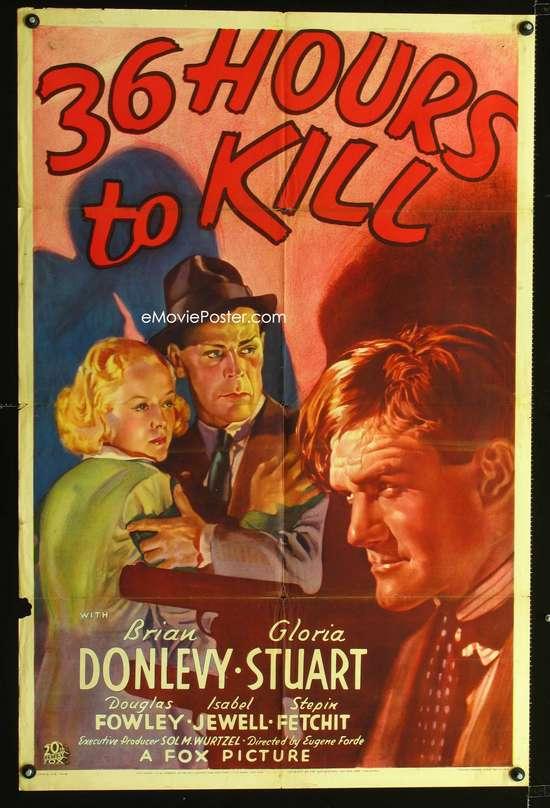
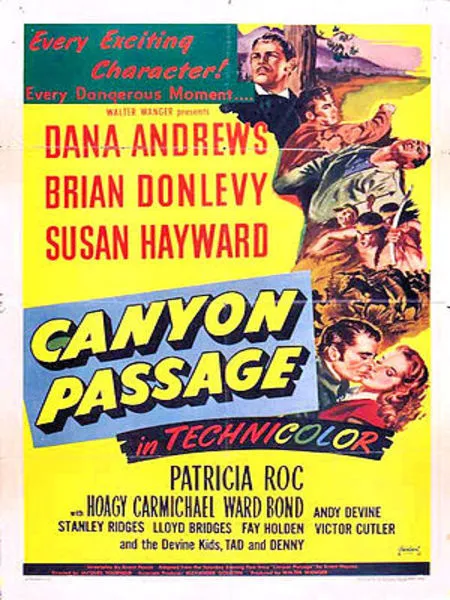
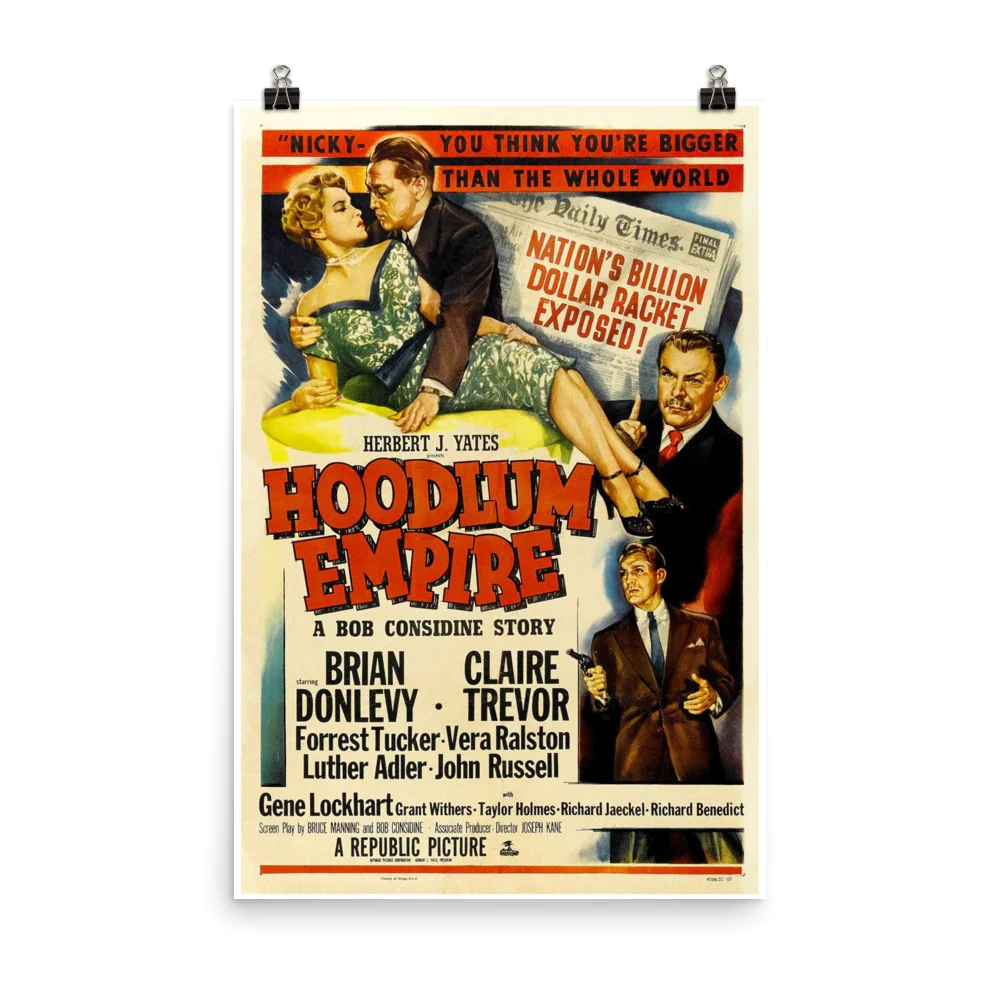
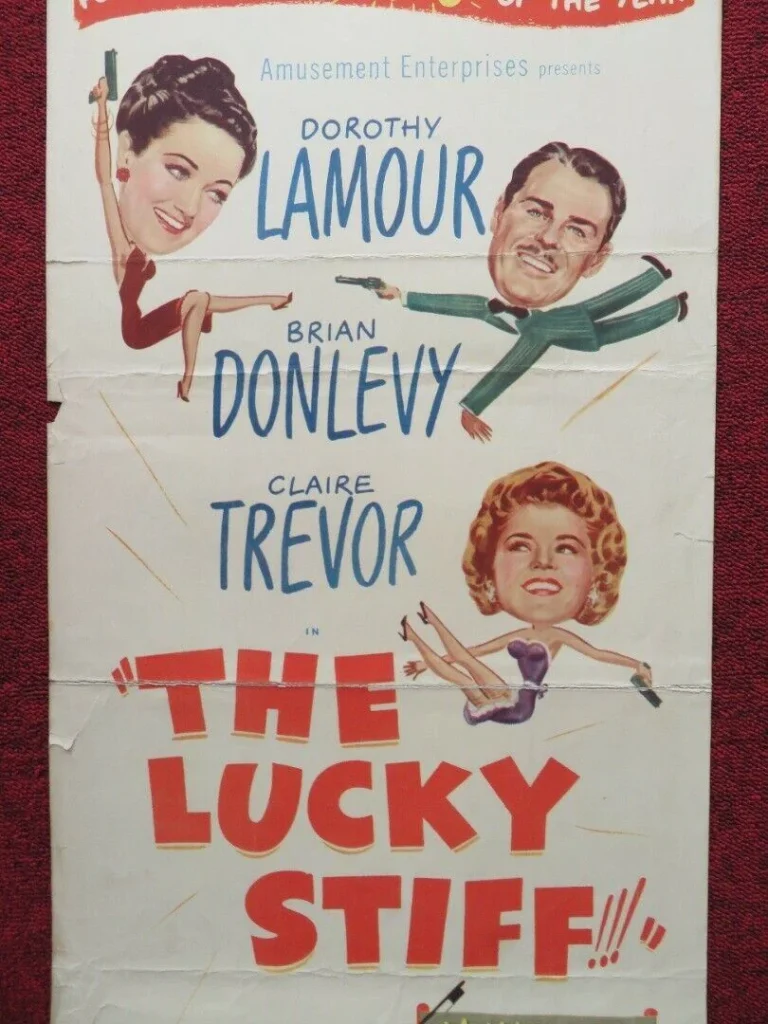
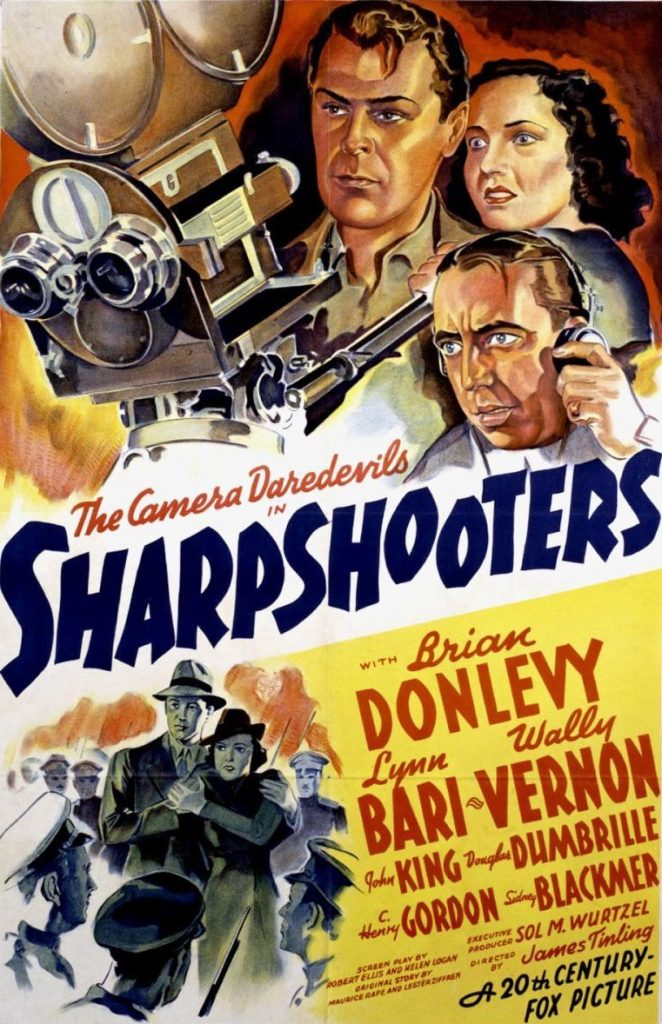
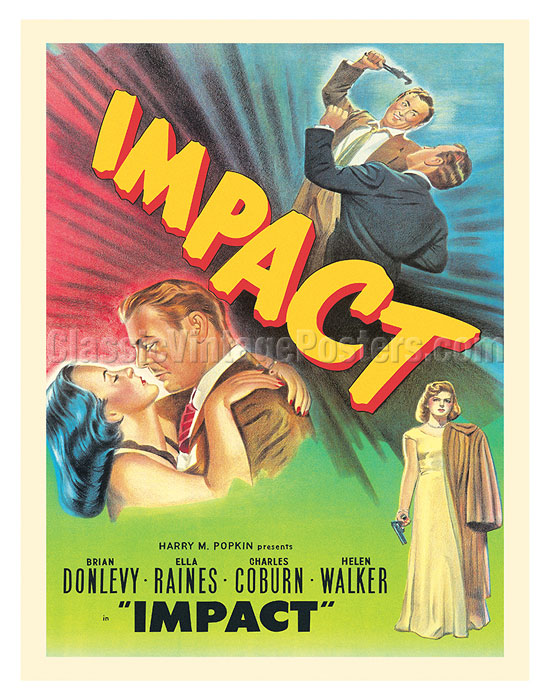
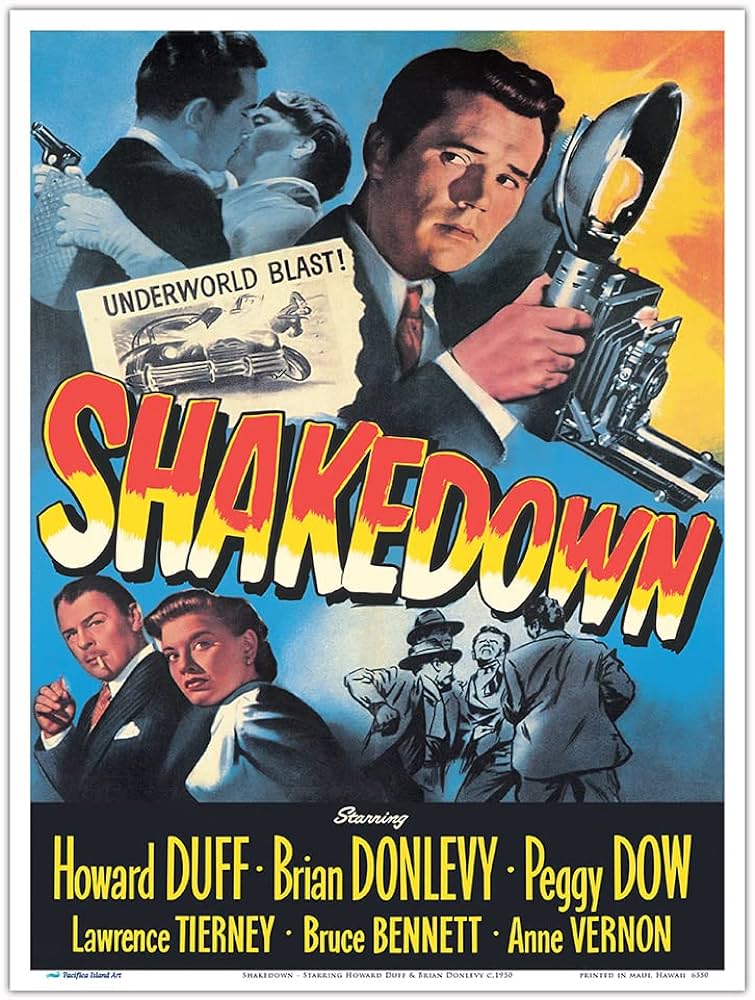
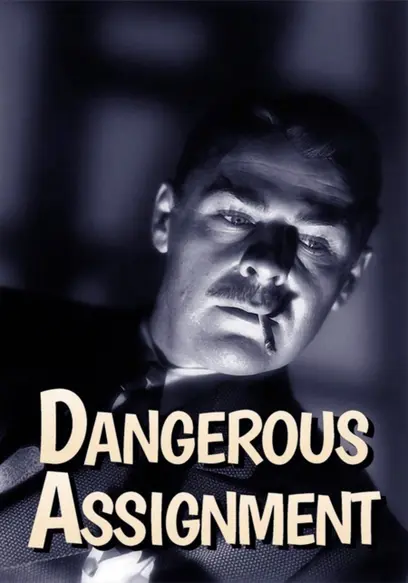
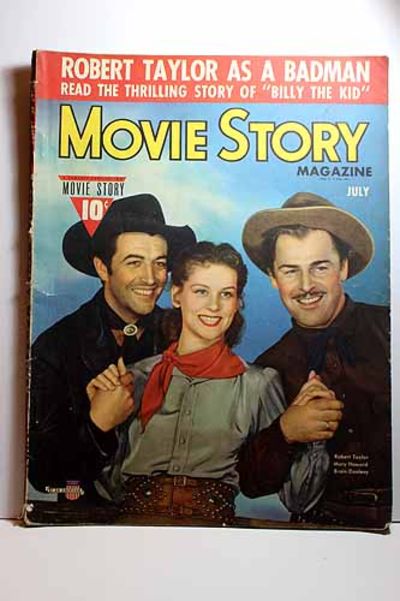
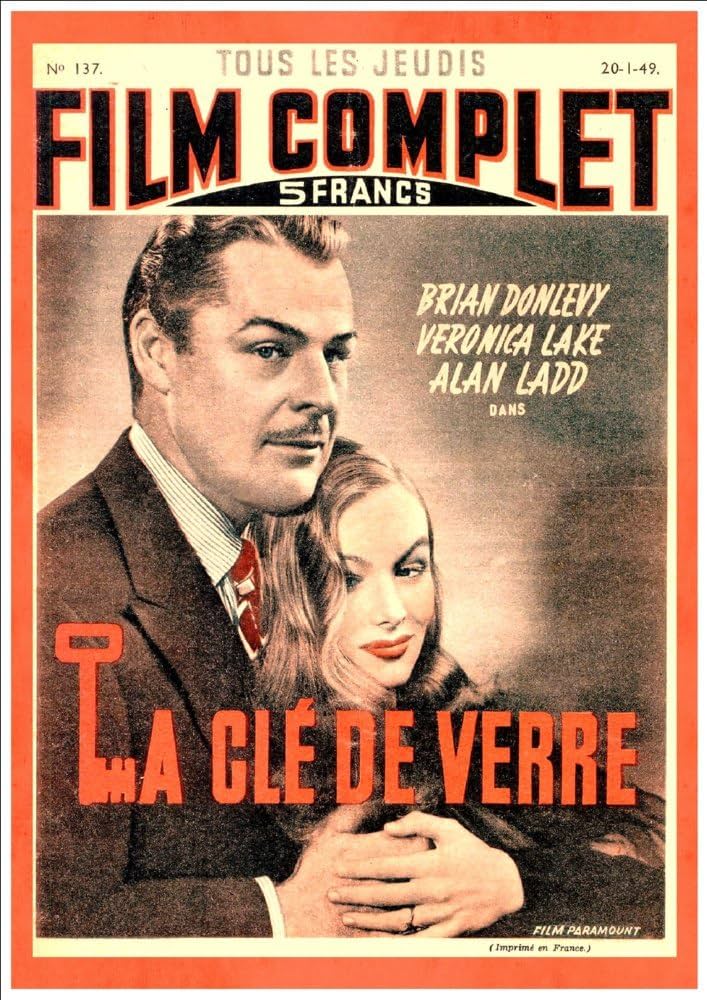
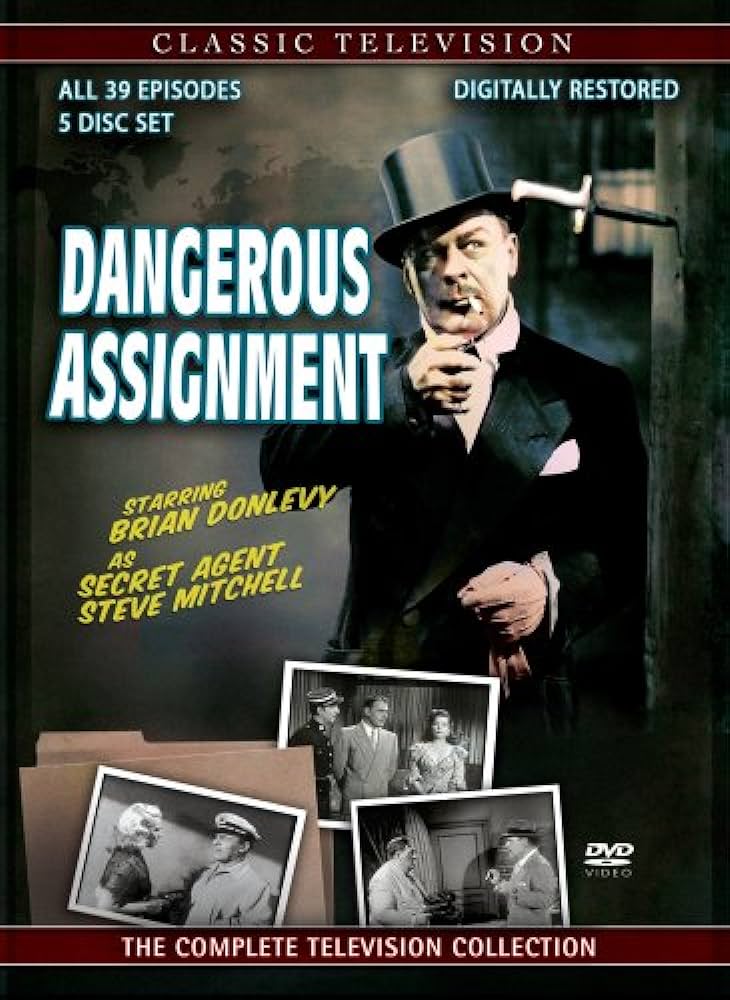
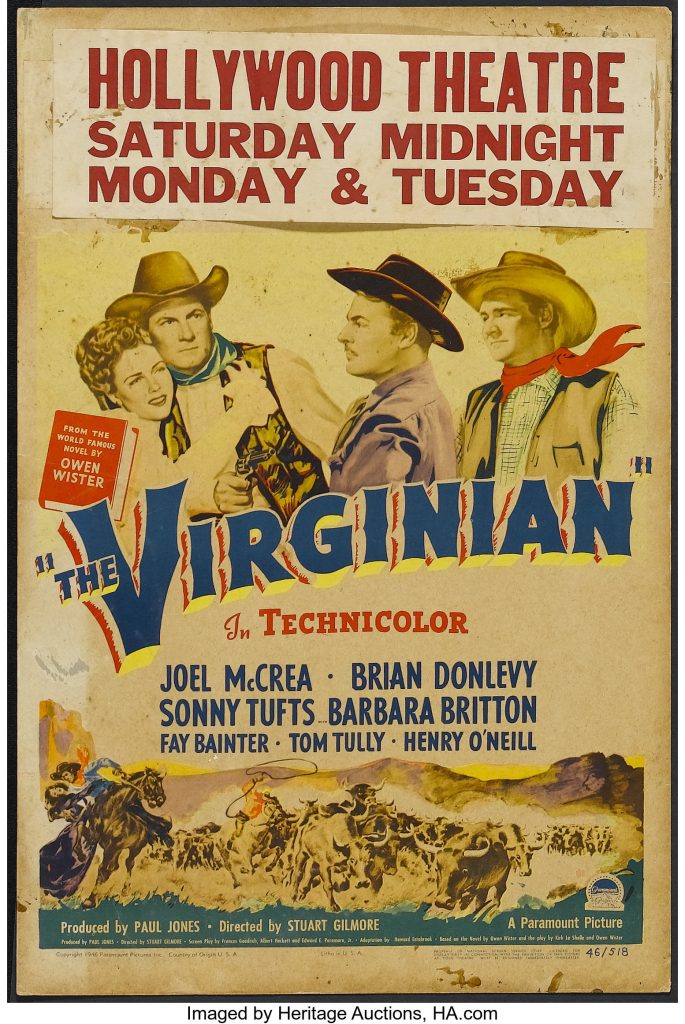
Brian Donlevy

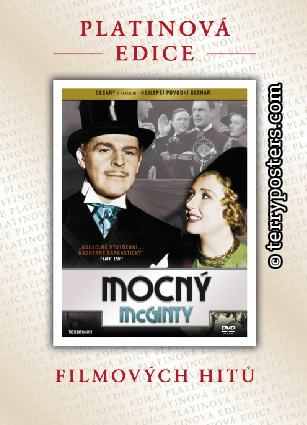
Brian Donlevy was born in 1901 in Northern Ireland.   His parents moved to the U.S. when he was an infant.   His breaththrough film role came in 1935 when he was cast with Edward G. Robinson in “Barbary Coast”.   He went on to star in “Beau Geste”, “The Great McGinty”, “An American Romance” and “The Miracle of Morgans Creek”.   He died in 1972 at the age of 71.

IMDB entry:

It seems that Brian Donlevy started out life as colorfully as any character he ever played on the stage or screen. He lied about his age (he was actually 14) in 1916 so he could join the army. When Gen. John J. Pershing sent American troops to invade Mexico in pursuit of Pancho Villa–Mexican rebels under Villa’s command raided Columbus, NM, and killed 16 American soldiers and civilians–Donlevy served with that expedition and later, in WW I, was a pilot with the Lafayette Escadrille, a unit of the French Air Force comprised of American and Canadian pilots. His schooling was in Cleveland, OH, but in addition he spent two years at the US Naval Academy at Annapolis, MD. However, he gave up on a military career for the stage. After having landed several smaller roles, he got a part in “What Price Glory” and established himself as a bona fide actor. Later such roles on stage as “Three for One”, “The Milky Way” and “Life Begins at 8:30” gave him the experience to head off to Hollywood. Donlevy began his Hollywood career with the silent film A Man of Quality (1926) and his first talkie was Gentlemen of the Press (1929) (in which he had a bit part). There was a five- to six-year gap before he reappeared on the film scene in 1935 with three pictures: Mary Burns, Fugitive (1935), Another Face(1935) and Barbary Coast (1935), which was his springboard into film history. Receiving rave reviews as “the tough guy all in black”, acting jobs finally began to roll his way. In 1936 he starred in seven films, including Strike Me Pink (1936), in which he played the tough guy to Eddie Cantor‘s sweet bumpkin Eddie Pink. In all, from 1926 to 1969 Donlevy starred in at least 89 films, reprising one of his Broadway roles as a prizefighter in The Milky Way (1940), and had his own television series (which he also produced), Dangerous Assignment (1952). In 1939 he received an Oscar nomination for Best Supporting Actor for his portrayal of the sadistic Sgt. Markoff in Paramount’s Beau Geste (1939), its remake of an earlier silent hit. The Great McGinty (1940), a Preston Sturges comedy about a poor homeless slob who makes it to Governor of a state with the mob’s help, is a brilliant character study of a man and the changes he goes through to please himself, those around him and, eventually, the woman he loves. A line in the film, spoken by Mrs. McGinty, seems a fitting description of the majority of roles Brian Donlevy would play throughout his career: “. . . You’re a tough guy, McGinty, not a wrong guy.” Donlevy’s ability to make the roughest edge of any character have a soft side was his calling card. He perfected it and no one has quite mastered it since. He later, in 1944, reprised that role in The Miracle of Morgan’s Creek (1944). By 1935 Donlevy was working for 20th Century-Fox and had just completed filming 36 Hours to Kill (1936) when he became engaged to young singer Marjorie Lane, and they married the next year. The marriage produced one child, Judy, but ended in divorce in 1947. It was 19 years before he remarried. In 1966, Bela Lugosi‘s ex-wife Lillian became Mrs. Brian Donlevy, and they were married until his death in 1972. Donlevy had always derived great pleasure from his two diverse interests, gold mining and writing poetry, so it was fitting that after his last film, Pit Stop (1969), he retired to Palm Springs, CA, where he began to write short stories and had his income well supplemented from a prosperous California tungsten mine he owned. Having gone in for throat surgery in 1971 he re-entered the Motion Picture County Hospital in Woodland Hills, CA, on March 10th, 1972. Less than a month later, on April 6, he passed away from cancer.

– IMDb Mini Biography By: Jane Byron Dean <McGinty@aol.com>

The above IMDB entry cn also be accessed online her

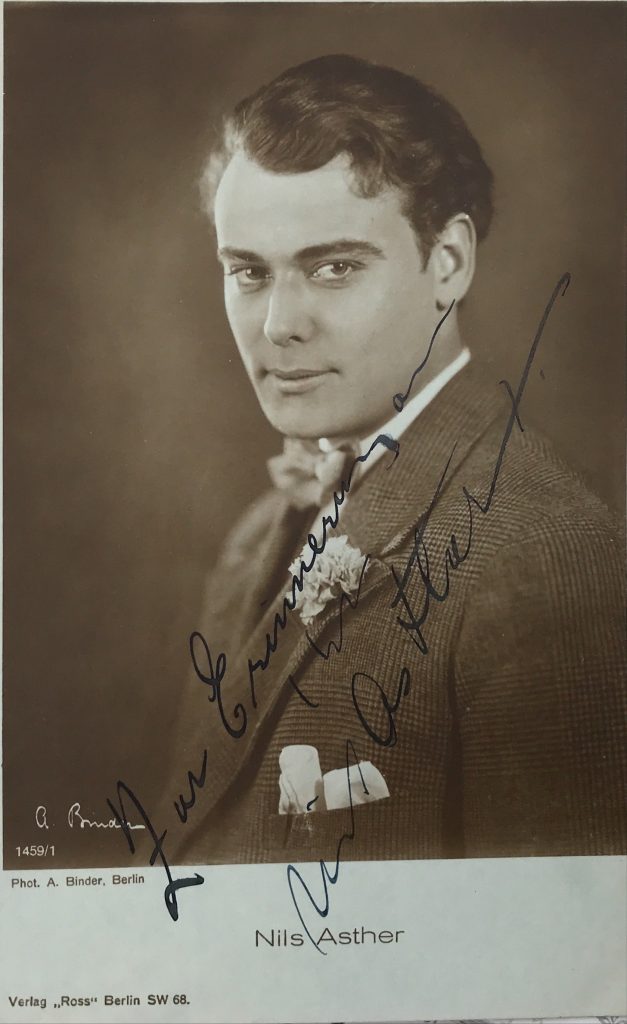
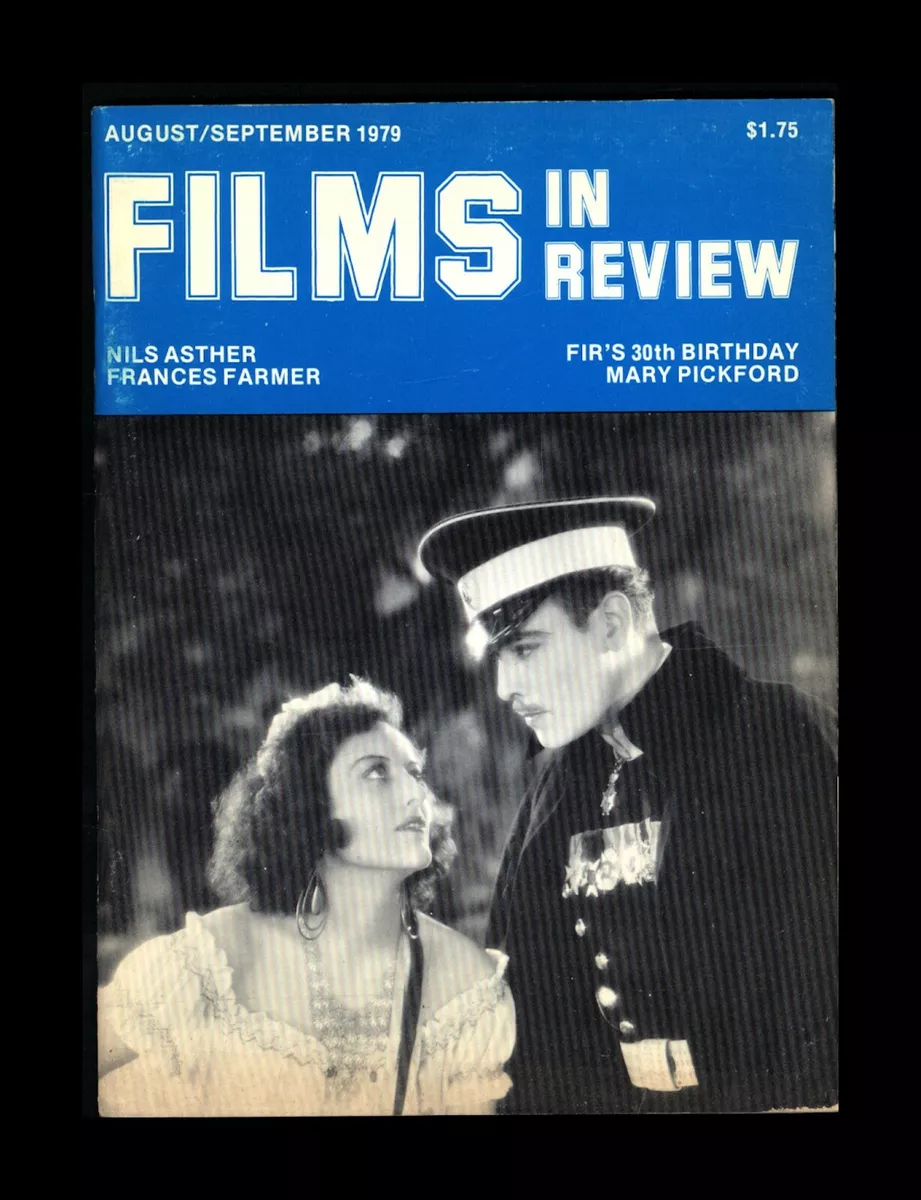
Nils Asther
Nils Asther

Nils Asther

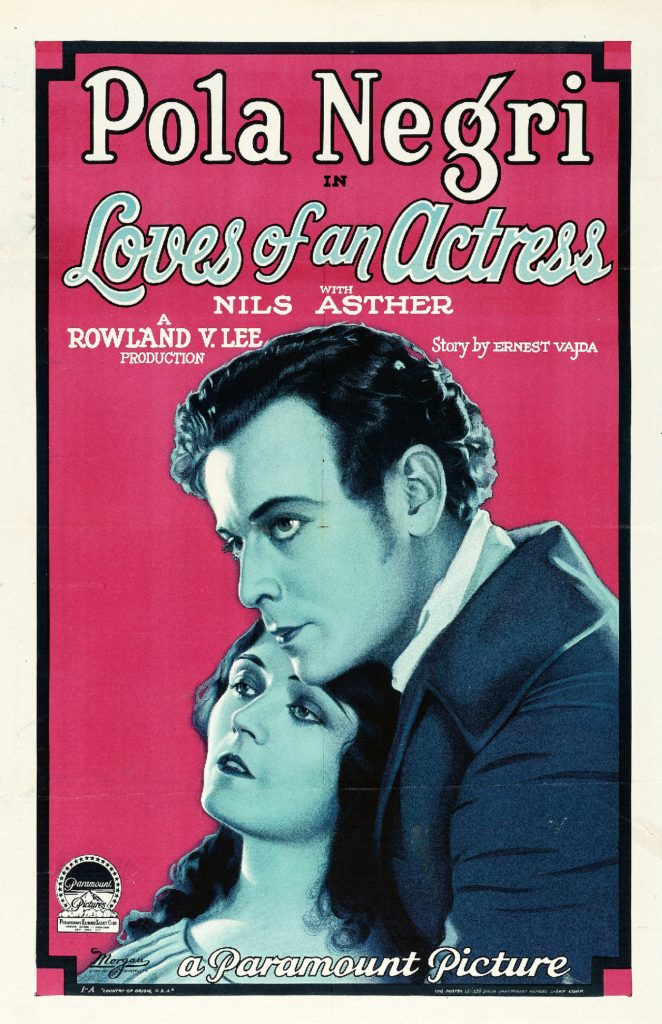
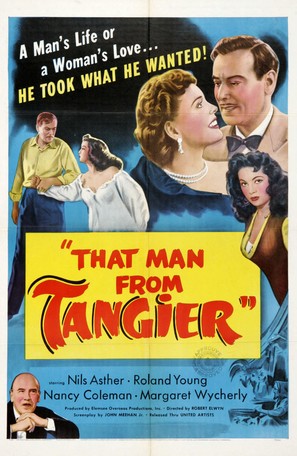
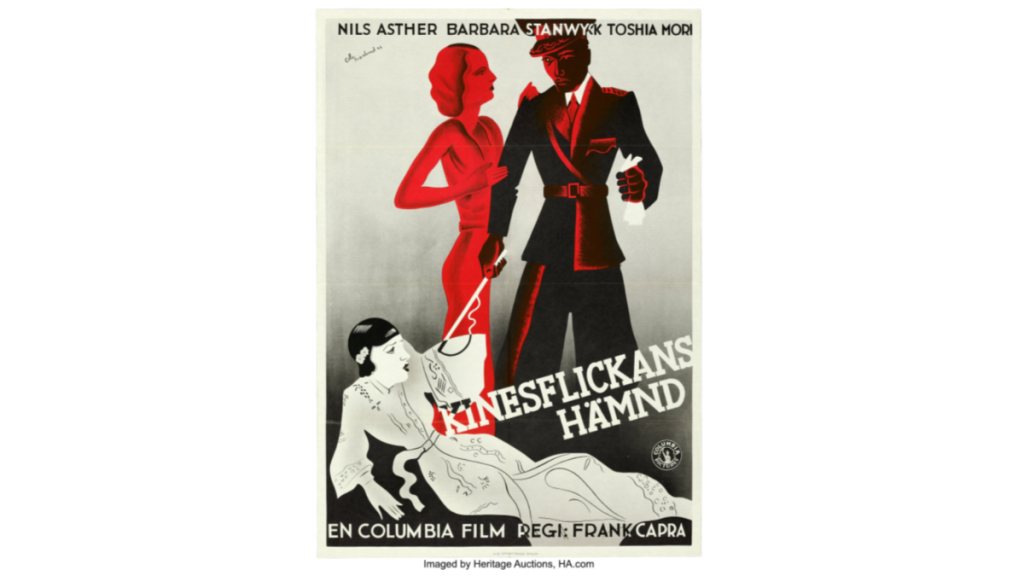
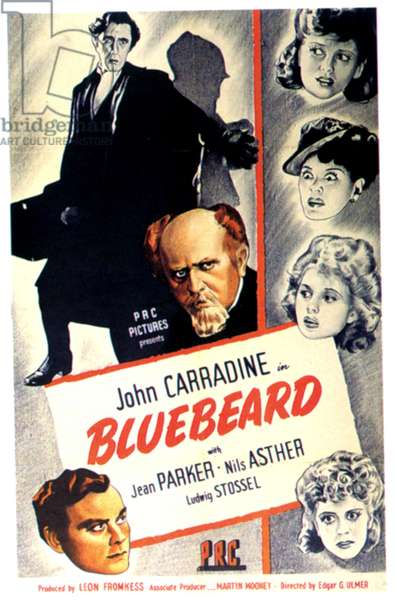
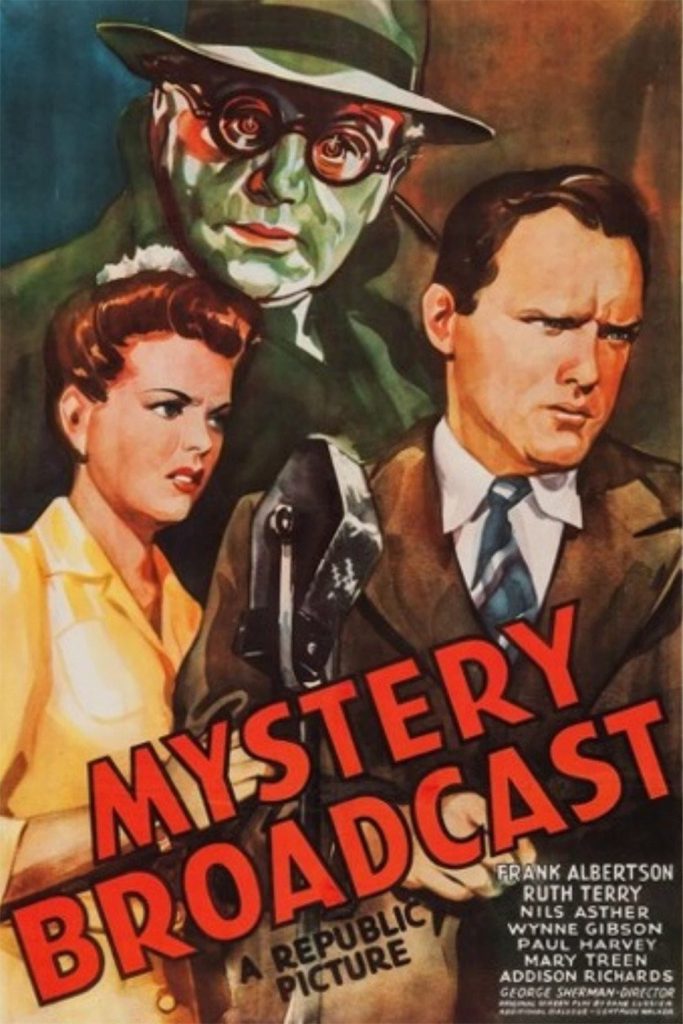
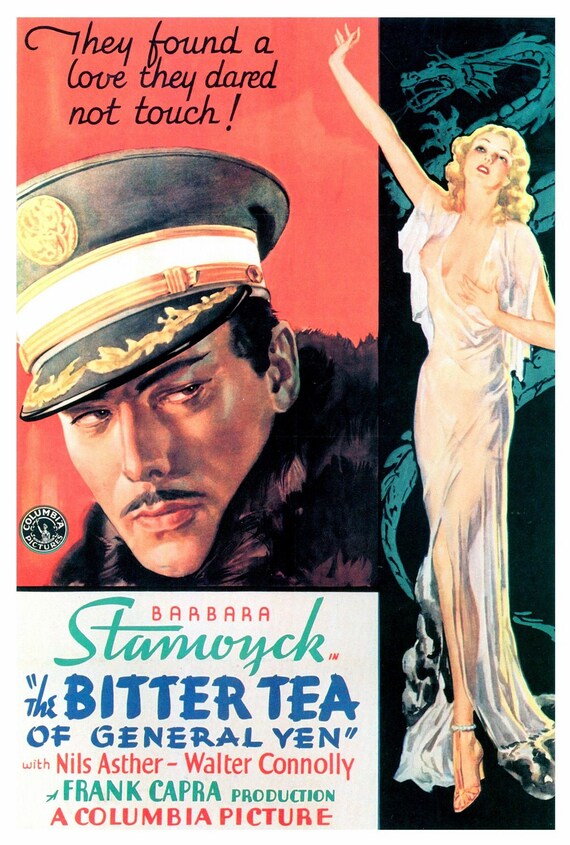
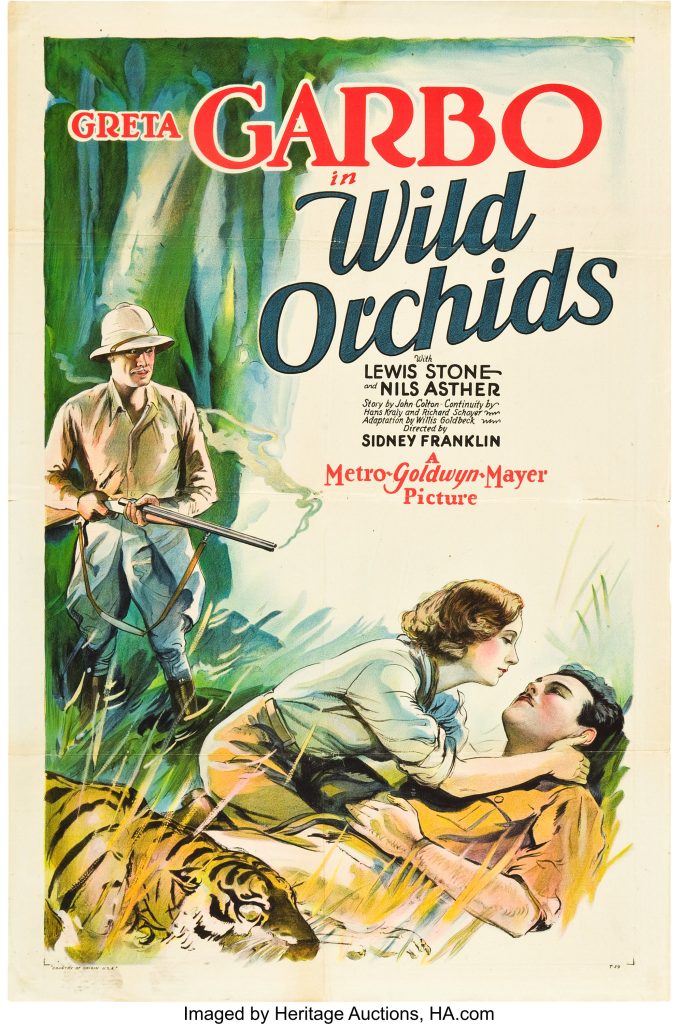
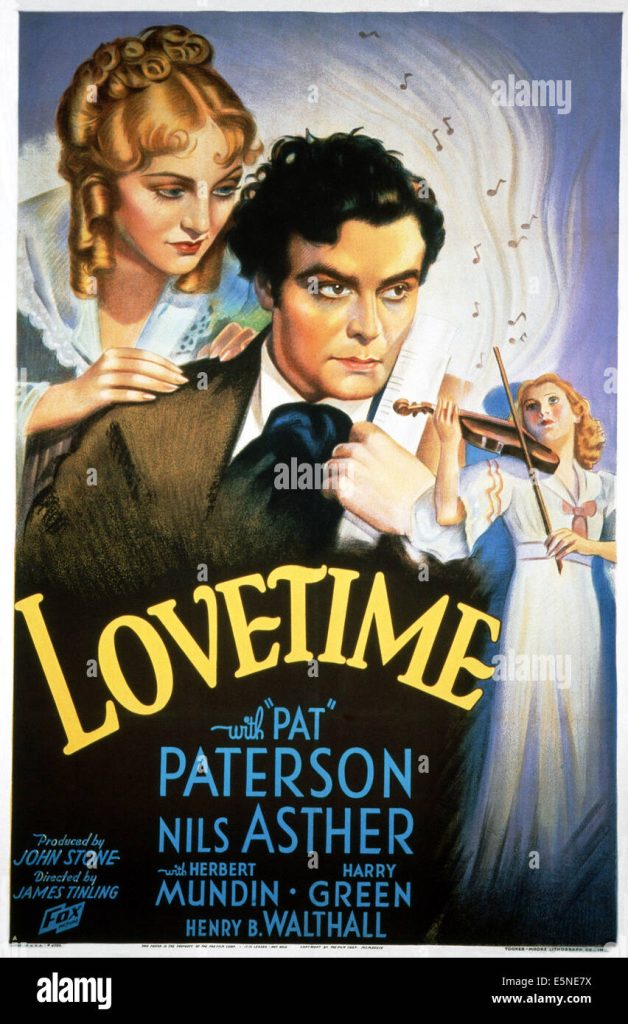
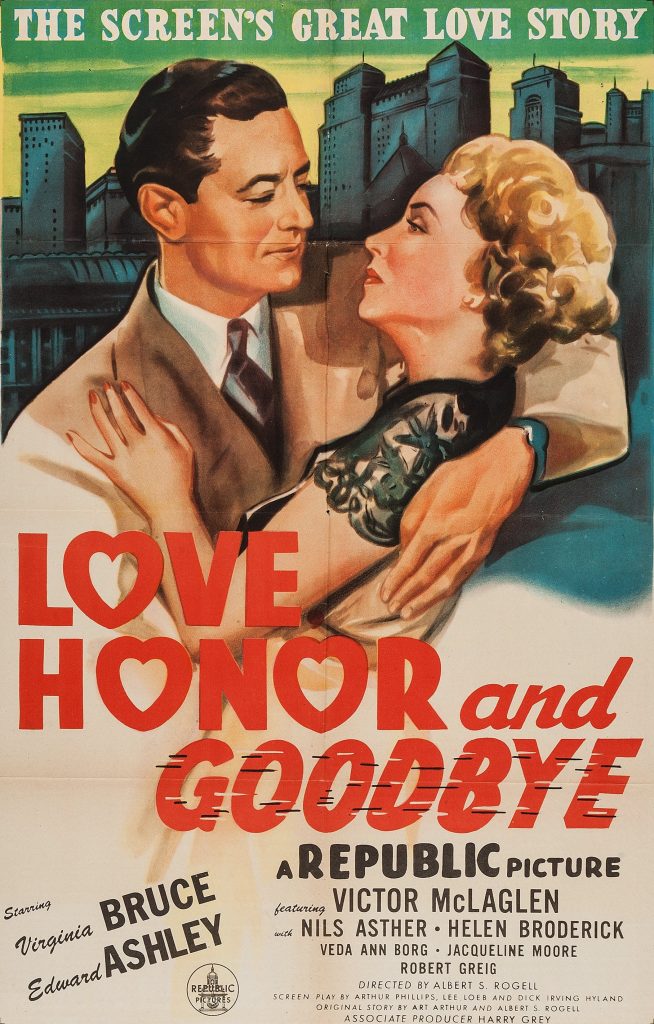
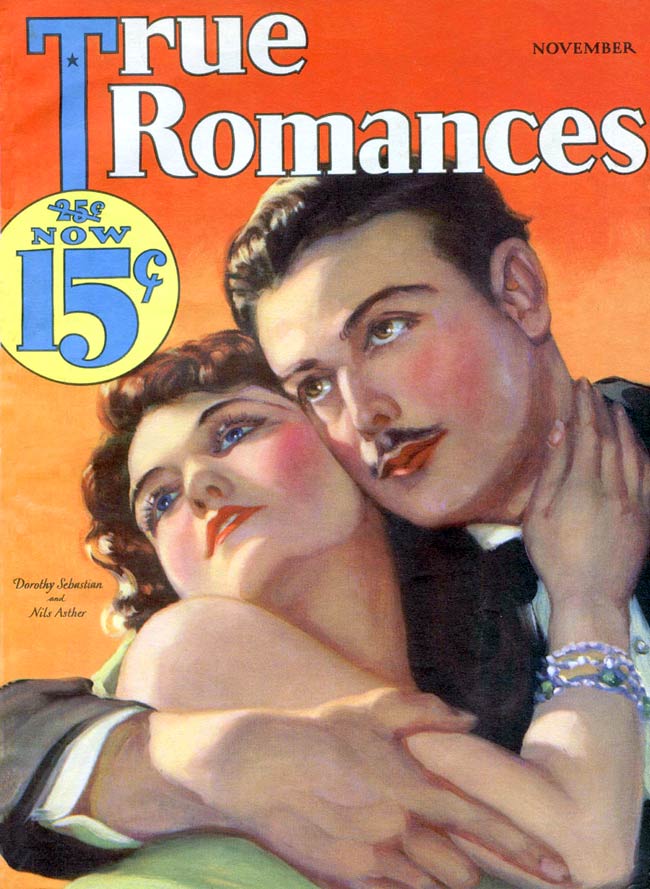
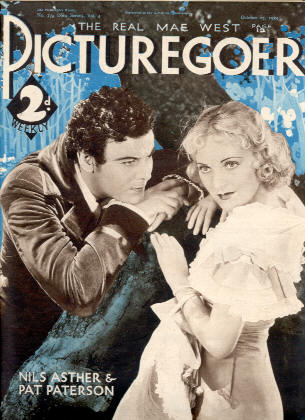
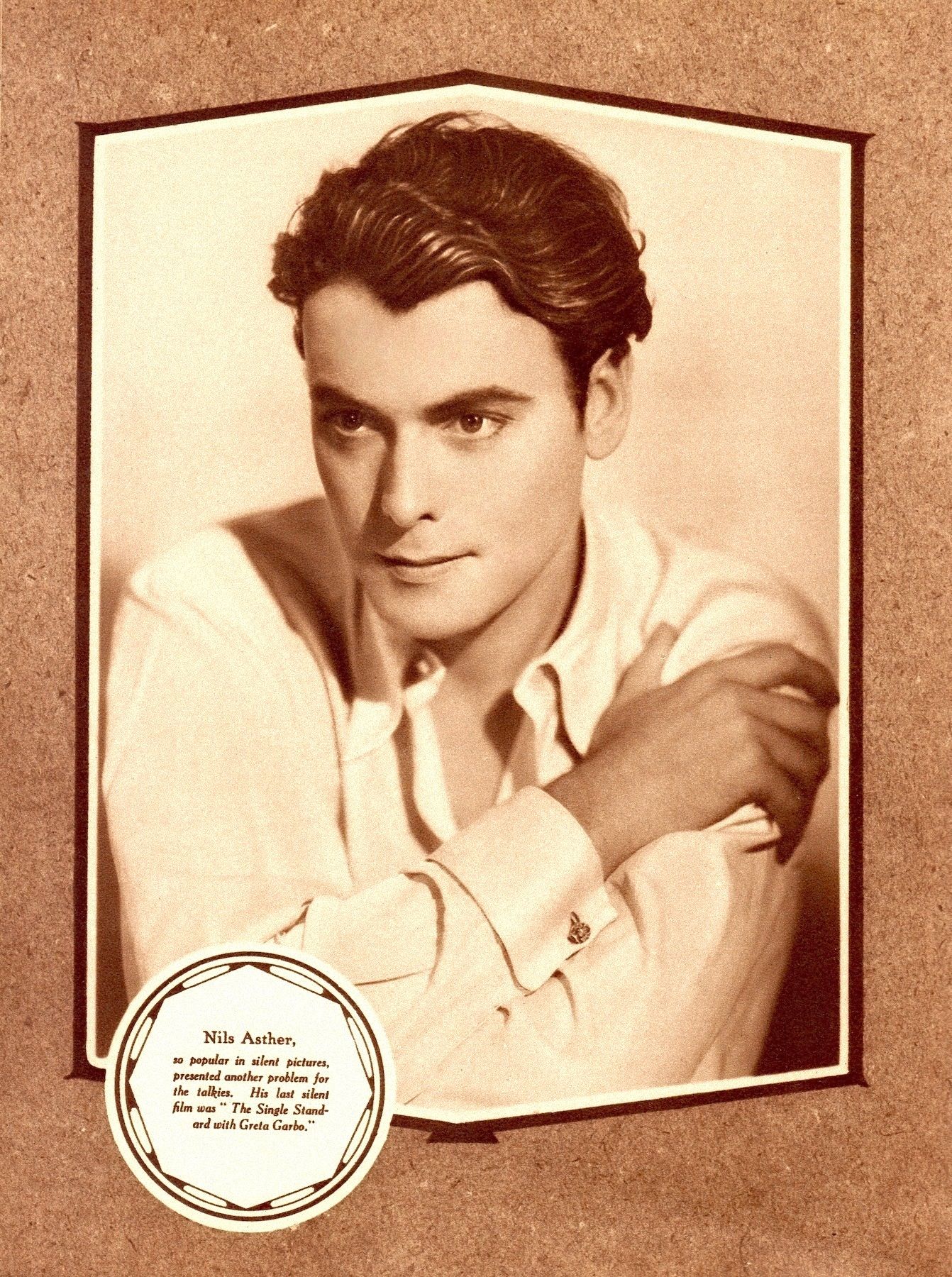
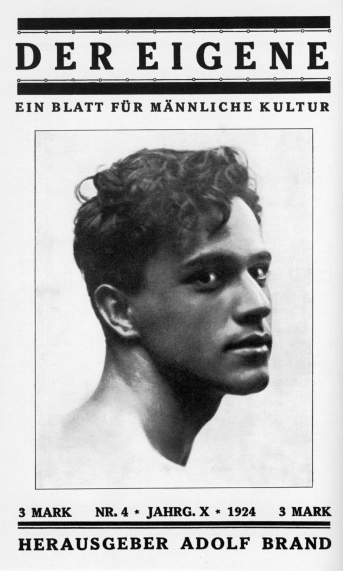
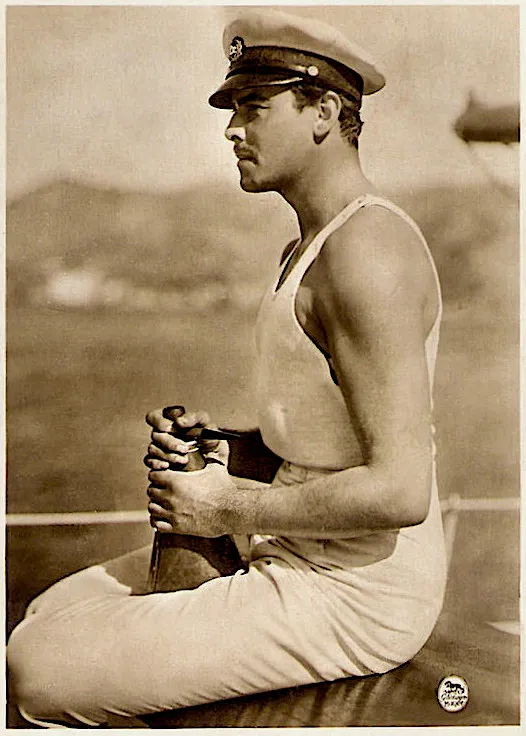
Nils Asther was born in Denmark in 1897.   He was brought up in Sweden.   He appeared in Swedish and German silent films from 1918 until 1926.   In 1927 he went to Hollywood where he made his first U.S. film “Topsy and Eva”.   He made films with Greta Garbo and Joan Crawford.   In 1933 he made “The Bitter Tea of General Yen” with Barbara Stanwyck.   Between 1935 and 1940 he made films in the U.K.   He then returned to Hollywood and made films there until 1949.   In 1958 he returned to Sweden where he died in 1981 at the age of 84.

IMDB entry:

Nils Asther was born in Copenhagen, Denmark, in 1897 and raised in Malmö, Sweden, by his wealthy Swedish parents. After attending the Royal Dramatic Theater School in Stockholm, he began his stage career in Copenhagen. His film debut came in 1916 when the director Mauritz Stiller cast him in the lead role (as an aspiring actor, appropriately enough) in the Swedish film Vingarne (1916). After working with Victor Sjöström in Sweden and Michael Curtiz in Germany, Asther moved to Hollywood in 1927, where his exotic looks landed him romantic roles with co-stars such as Greta GarboPola Negri, andJoan Crawford. Although his foreign accent was a hindrance in “talkies”, his Hollywood career continued until 1934 when he was blacklisted for breaking a contract and went to Britain for four years. After his return to Hollywood in 1938, his career declined and by 1949 he was driving a truck. In 1958, he returned to Sweden, where he remained until his death, making occasional appearances in television and on stage.

– IMDb Mini Biography By: Lyn Hammond

The above IMDB entry can also be accessed online here.

TCM Overview:

Dashing, smooth leading man of late silent films and the first decade of talkies, in the USA from 1927. Tall and often mustachioed, Asther proved a capable and attractive romantic lead opposite Greta Garbo in “The Single Standard” (1929) and Barbara Stanwyck in “The Bitter Tea of General Yen” (1933). He continued playing supporting roles into the 1940s.

Guy Stockwell
Guy Stockwell
Guy Stockwell

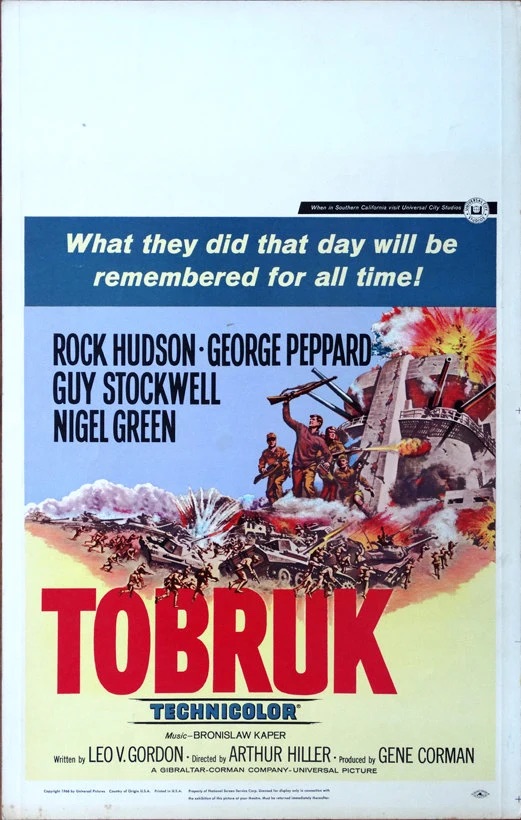
Guy Stockwell was born in 1934 in Hollywood.   He was the older brother of actor Dean Stockwell.   He appeared on many television shows in the 70’s and 80’s including “Murder She Wrote”, “Simon & Simon” and “Knight Rider”.   On film,  he was most profilic in the 1960’s and was featured in 1965 in “The War Lord”, “Tobruk”, “Blindfold” and “Beau Geste”.   Guy Stockwell died in 2002 at the age of 67 in Prescott, Arizona.

Gary Brumburgh’s entry:

Although younger brother Dean Stockwell is perhaps the better known actor of the two, Guy Stockwell was a seriously handsome, reliable performer over the years, appearing in over 30 films and 200 television shows. The son of singing performer Harry Stockwell andNina Olivette (she also went by the name Betty Veronica), their mother sent both Dean and Guy to an open call for a 1943 Broadway show entitled “The Innocent Voyage,” which was to star famed acting teacher Herbert Berghof. The play needed about a dozen children and, by chance, both boys were cast. Dean went immediately into films for MGM and became a popular post-war child star while Guy had to wait until adulthood before coming into his own. Following high school he attended the University of California where he majored in psychology and philosophy.

Guy started his career off in minor film and TV bits, then was given his big break in 1961 as a regular cast member of the outdoor sea adventure Adventures in Paradise (1959) as first mate to star Gardner McKay. He played the role for one season. Following that in 1963 he became one of 11 performers who made up the company for Richard Boone‘s television anthology series. Guy became a Universal contract player in 1965 and went straight into several standard tales of adventure and intrigue, including The War Lord(1965), Tobruk (1967) and Blindfold (1965). Initially promoted as a dashing Errol Flynntype in swordplay adventures and outdoor epics, the studio had him star in the remake ofGary Cooper‘s French Foreign Legion classic Beau Geste (1966) opposite another film up-and-comer Doug McClure. He co-starred with McClure again, this time as the villain, inThe King’s Pirate (1967) while vying for beauties Jill St. John and Mary Ann Mobley. He also earned the role of Buffalo Bill Cody in a remake of Cooper’s The Plainsman (1966). Playing a villain again in the glossy soaper Banning (1967) with Robert Wagner and Ms. St. John, most of Guy’s high-profile roles came off routine at best and the films failed at the box office. He made his last picture for Universal co-starring with Anthony Franciosain In Enemy Country (1968) before his contract ended.

Guy subsequently gravitated towards the small screen and local stage. He created the Los Angeles Art Theater along the way where he played leading roles in well-received productions of “Hamlet” and his own adaptation of “Crime and Punishment.”. Gaining respect in later years as an acting teacher, he wrote a textbook for actors called Cold Reading Advantage (1991) and taught acting (as an alumnus at the University of California) for two years in their masters program. Subsequent character parts in films were a bit offbeat to say the least, having gained some weight over time. He was also involved in extensive voice-over work.

Married and divorced three times, he had two children, Doug and Victoria, by first wife Susan; an adopted son, Kerry, by second wife Sandy; and had several stepchildren by his marriage to third wife Olga. Guy suffered from diabetes in later years and died of complications in 2002. He was 68.

– IMDb Mini Biography By: Gary Brumburgh / gr-home@pacbell.net

Carlos Thompson

Carlos Thompson. Wikipedia.

Carlos Thompson was born in Buenos Aires the Argentine to Swiss-German parents in 1923.   He began his career  in 1954 in Hollywood films such as “The Flame and the Flesh” with Lana Turner and Pier Angeli and “Port Afrique” with Yvonne de Carlo.   In the sixties he moved to German and concentrated on making European films.   He also became an established author.   He was married to the actress Lilli Palmer.   Carlos Thompson died in 1990 in Buenos Aires at the age of 67.

“Wikipedia” entry:

Of German Swiss descent, he played leading roles on stage and in films in Argentina. He went to Hollywood in the 1950s and was typically cast as a European womanizer.

His Hollywood films include Flame and the Flesh (1954) with Lana Turner and Pier Angeli,Valley of the Kings (1954), with Robert Taylor and Eleanor ParkerMagic Fire (1955) in which he played Franz Liszt, oppositeYvonne De CarloRita Gam, and Valentina Cortese.

He moved to Europe and appeared in a large number of German films. He was chiefly known to English speakers for his appearance as Carlos Varela in the 1963 ITC Entertainment series The Sentimental Agent.

In the late 1960s, Thompson left acting to become a writer and TV producer.

His first success on the European book market was The assassination of Winston Churchill (1969), a refutation of allegations byDavid Irving (Accident. The Death of General Sikorski, 1967) and the German playwright Rolf Hochhuth (Soldiers, premièred in the UK in 1968, London) that war time premier Winston Churchill had a part in the death of Polish General Władysław Sikorski, who perished in an air plane crash at Gibraltar on July 4, 1943, allegedly due to sabotage.   Carlos Thompson married German-born actress Lilli Palmer shortly after her divorce from Rex Harrison in 1957. They remained married until her death in 1986.   Four years after his wife’s death, Thompson committed suicide in Buenos Aires by a gunshot to his head.

The above “Wikipedia” entry can also be accessed online here.

Career Overview and Critical Analysis of the Work of Carlos Thompson

Carlos Thompson (1923–1990) was an Argentine film actor who achieved international recognition during the 1950s and early 1960s. Known for his elegant appearance, refined screen presence, and multilingual abilities, Thompson worked in Argentine, European, British, and American film productions. His career reflects the postwar expansion of international cinema and the emergence of cosmopolitan performers who moved between national film industries.

Although never a major Hollywood star, Thompson became a recognizable figure in international productions and a notable representative of Latin American actors working in European cinema during the mid-20th century.


Early Life and Argentine Film Career

Carlos Thompson was born Juan Carlos Mundin-Schaffter in Buenos Aires, Argentina. Before entering cinema, he studied medicine and worked briefly as a journalist, experiences that contributed to his intellectual and cosmopolitan persona.

He began acting in Argentine films in the late 1940s, a period when Argentina possessed one of the most active film industries in Latin America. His early roles established him as a romantic leading man with strong screen charisma.

Early screen qualities

From the outset, Thompson demonstrated several traits that defined his acting style:

  • controlled and cultivated vocal delivery
  • refined physical bearing
  • understated emotional expression

These qualities distinguished him from more overtly melodramatic actors common in Latin American cinema at the time.


Transition to European Cinema

Thompson’s international breakthrough came when he moved to Europe in the early 1950s. His multilingual abilities—particularly Spanish, English, and German—allowed him to work across several national film industries.

One of his most prominent European roles was in:

  • The Snows of Kilimanjaro

The film, based on a story by Ernest Hemingway, featured Thompson alongside major international actors.

Critical significance

Although Thompson’s role in the film was secondary, it placed him within the international prestige cinema of the period. His screen presence in such productions emphasized:

  • composure
  • cultured masculinity
  • romantic elegance

These qualities made him attractive to European directors seeking actors capable of portraying sophisticated international characters.


Hollywood and International Film Roles

Thompson also appeared in Hollywood productions during the 1950s. One notable example is:

  • Valley of the Kings

This adventure film starred Robert Taylor and featured Thompson as an Egyptian archaeologist.

Critical analysis

The role reflects Hollywood’s tendency during the period to cast international actors in exotic or cosmopolitan roles.

Thompson’s performance emphasizes:

  • calm intelligence
  • professional authority
  • understated romantic charm

However, the film’s narrative does not fully exploit his dramatic potential, using him primarily as a supporting figure in an adventure spectacle.

This pattern would recur throughout his Hollywood career.


European Genre Cinema

Thompson achieved greater prominence in European productions, particularly in Germany and Italy, where international co-productions flourished during the 1950s and 1960s.

These films often combined elements of melodrama, romance, and adventure. Thompson’s persona suited the genre perfectly: he projected a sense of cultivated sophistication that contrasted with more rugged male leads.
Acting approach in European films

In these roles, Thompson frequently portrayed:

  • aristocrats
  • diplomats
  • intellectual professionals
  • romantic protagonists

His performances relied less on dramatic intensity and more on controlled elegance and emotional restraint.


Acting Style

Understated masculinity

Unlike many leading men of his era who emphasized physical dominance or heroic action, Thompson’s screen presence is defined by composure and refinement.

He conveys authority through:

  • upright posture
  • measured speech
  • calm facial expression

This approach aligns him with a tradition of European actors whose appeal lies in intellectual charisma rather than physical aggression.


Vocal control

Thompson possessed a smooth, controlled speaking voice that enhanced his portrayal of sophisticated characters.

His dialogue delivery typically features:

  • careful articulation
  • moderate pacing
  • subtle emotional modulation

This vocal style reinforces the impression of a cultured and thoughtful character.


Emotional restraint

A defining feature of Thompson’s acting is restraint. His characters rarely express emotion through dramatic outbursts.

Instead, he suggests internal feelings through:

  • slight shifts in tone
  • thoughtful pauses
  • minimal gestures

This style reflects the mid-century European preference for psychological subtlety over melodramatic intensity.


Recurring Character Types

Throughout his career, Thompson frequently portrayed characters who were:

  • cosmopolitan and educated
  • morally composed
  • romantically sophisticated

These roles reflect both his natural screen persona and the international film industry’s perception of him as an elegant Latin leading man.


Cultural and Historical Context

Carlos Thompson’s career coincided with an important moment in film history: the rise of international co-productions in Europe.
During the 1950s and 1960s, film industries in countries such as Italy, Germany, and France increasingly collaborated on productions designed for international markets.

Actors like Thompson, who could move easily between languages and cultural contexts, became valuable assets in this system.

His career therefore illustrates the emergence of transnational cinema long before globalization became a dominant concept in film studies.


Later Life and Career

In later years Thompson gradually withdrew from acting and returned to Argentina. He later wrote memoirs reflecting on his experiences in international cinema.

His career remains notable for its cross-cultural reach and for his contribution to the presence of Latin American actors in European and American films during the mid-20th century.


Legacy

Although Carlos Thompson never achieved the enduring fame of major Hollywood stars, he occupies an important place in film history as a cosmopolitan actor who navigated multiple film industries.

His legacy rests on:

  • elegant and restrained screen performances
  • participation in international film productions
  • representation of Latin American talent in global cinema

Summary

Carlos Thompson built a distinctive international career characterized by elegance, restraint, and cultural sophistication. Beginning in Argentine cinema and expanding into European and Hollywood productions, he embodied the mid-century ideal of the cosmopolitan leading man. His performances emphasize intellectual authority and emotional subtlety, making him a representative figure of the international film culture that emerged in the decades following the Second World War

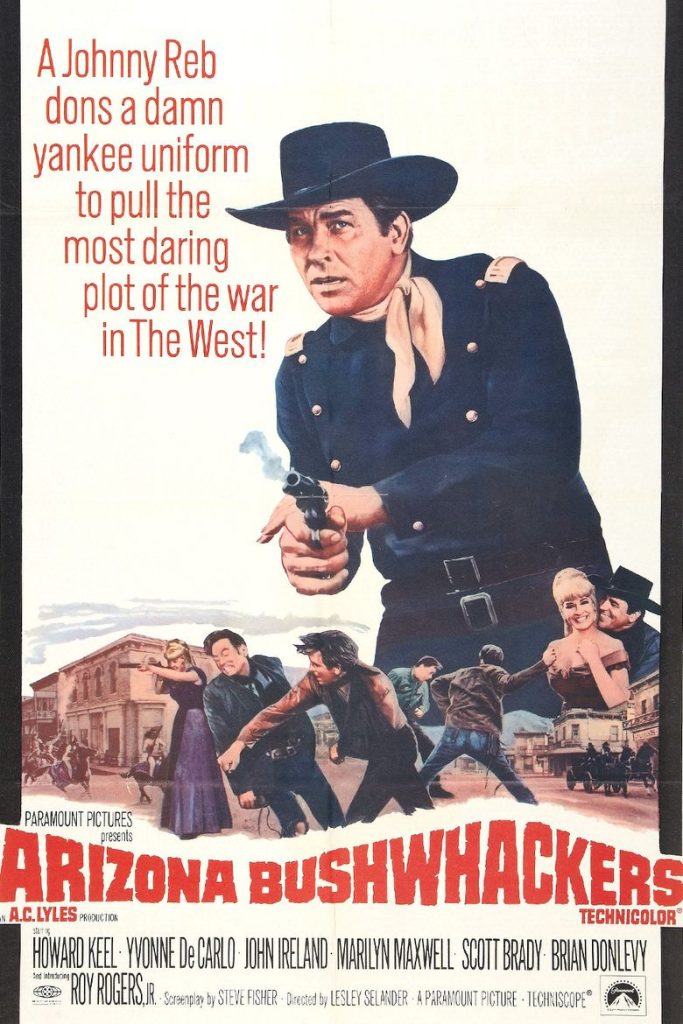
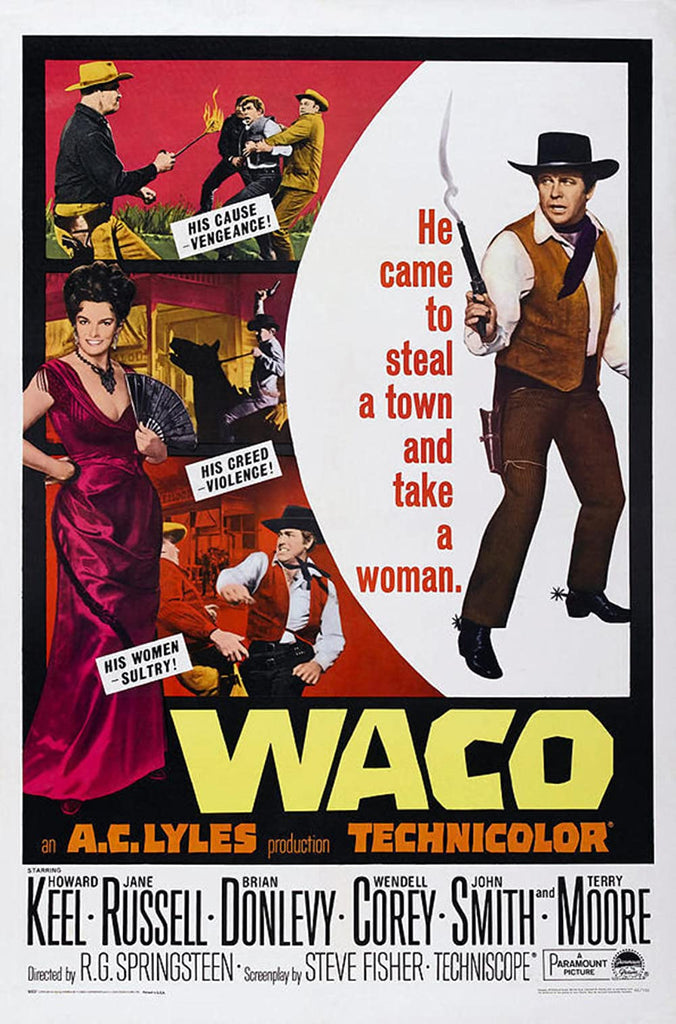
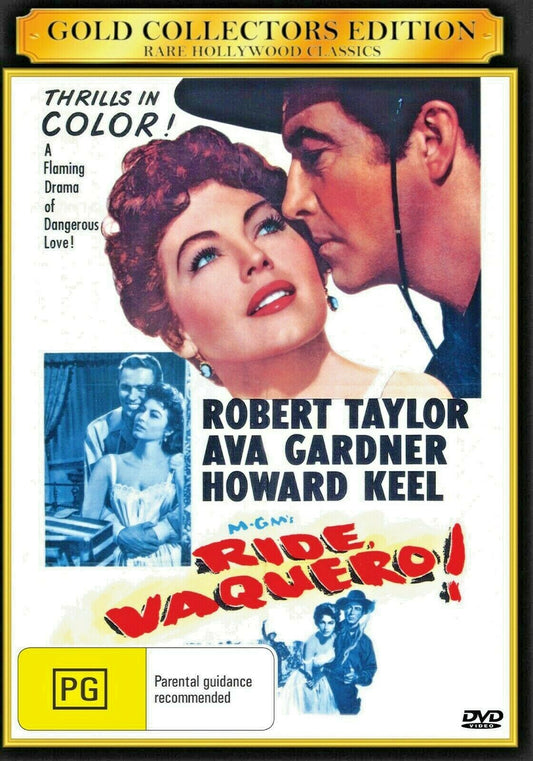
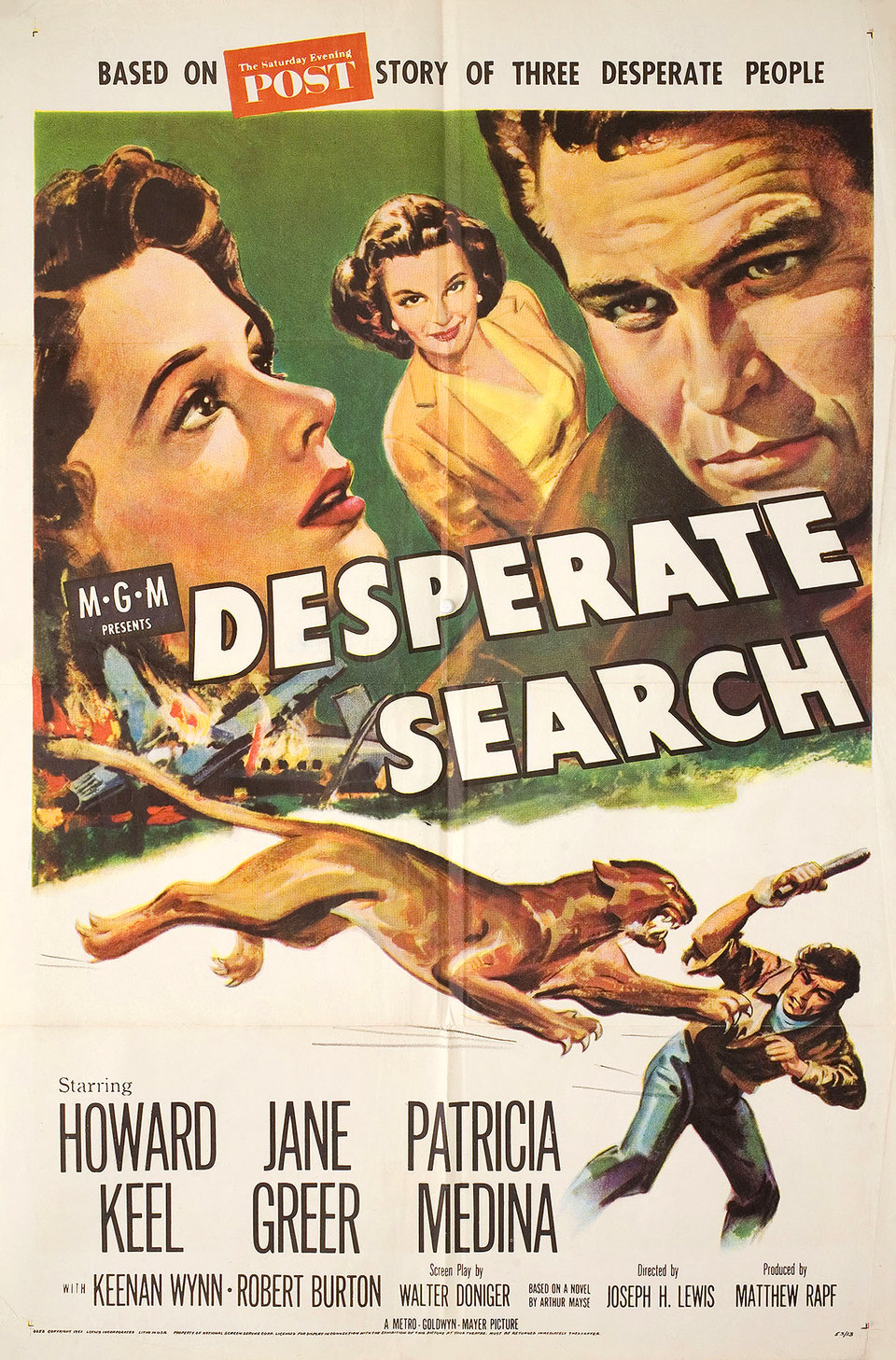
Howard Keel
Howard Keel
Howard Keel

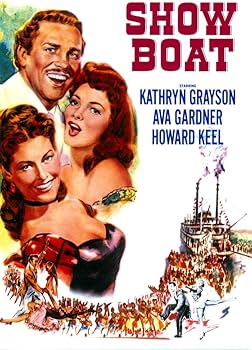
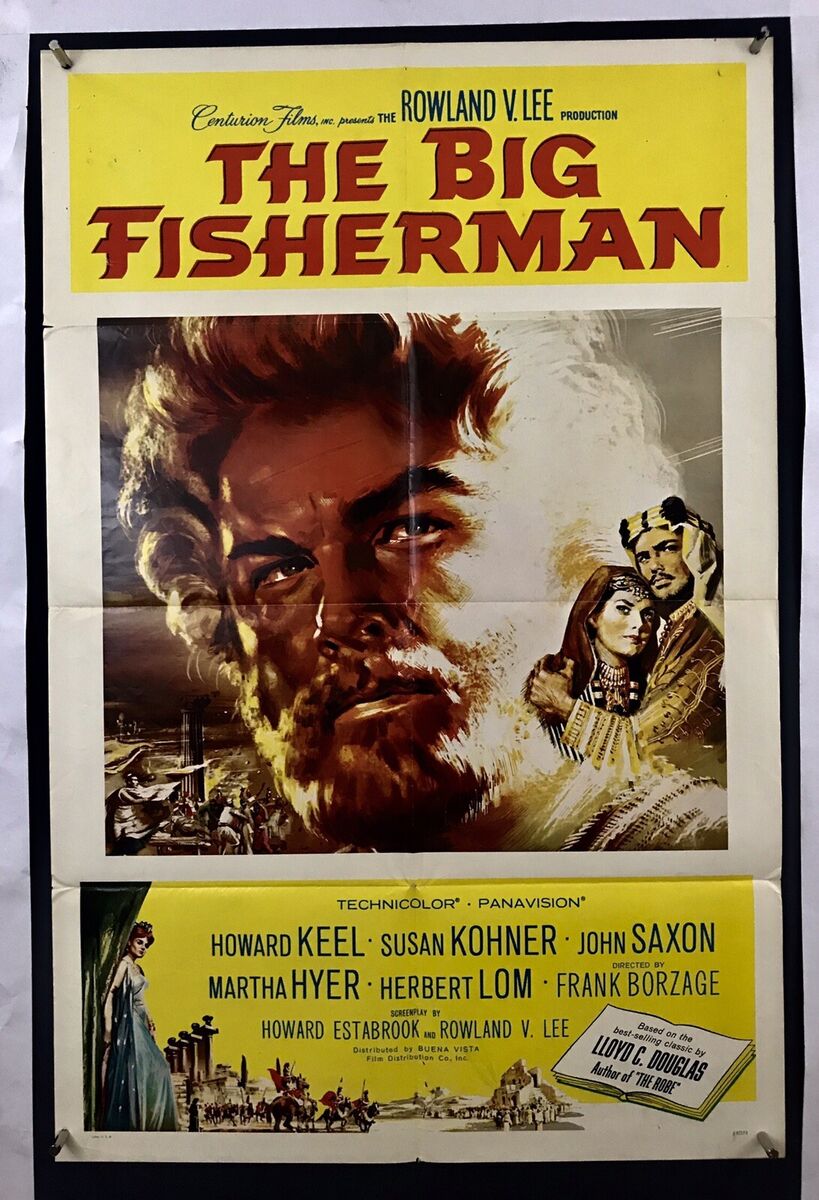
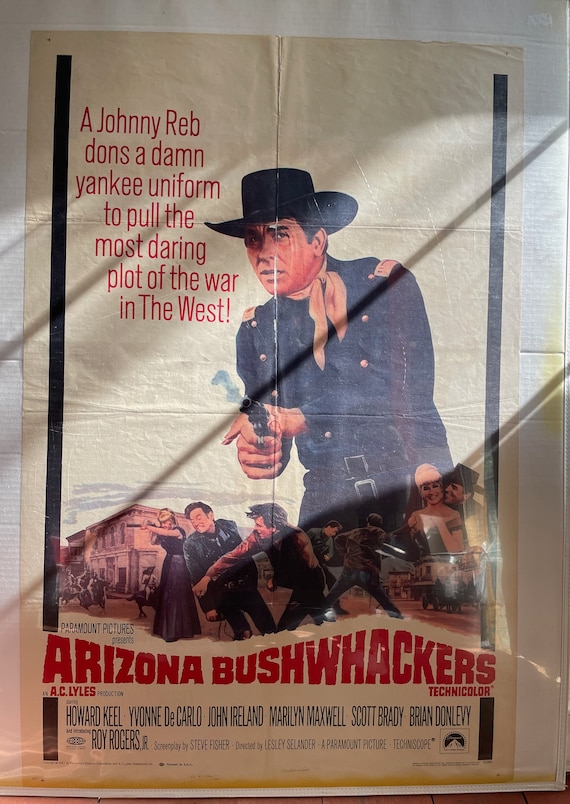
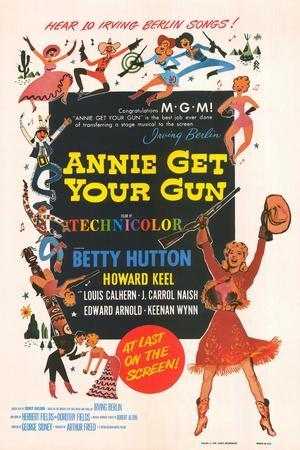
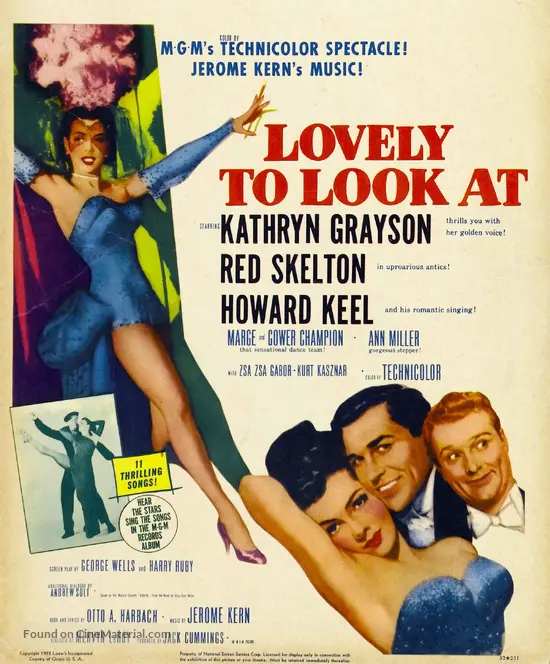
“Hollywood, or at least MGM, rather underestimated Howard Keel.   He was launched as a star in “Anne Get Your Gun” but then shuffled off sometimes into second-leads or into second features.  He was given boorish parts to play – modelled on his role in ‘Annie’ -or stood up as the conventional leading-man prop.   That he did so well despite this was due to the fact that this was the heyday of screen musicals, many of which he carried to success almost single-handedly.   There was no other big-voiced baritone in films at the time – at his best he outclassed all the others of like ilk –  Lanza, Eddy, Allan Jones.   His voice was warm and lusty.   He had a fetching grin and though few of his parts called upon him to do more than swagger  he did it  with a disarming ease.   In these days when the MGM musical is seen in all it’s achievement

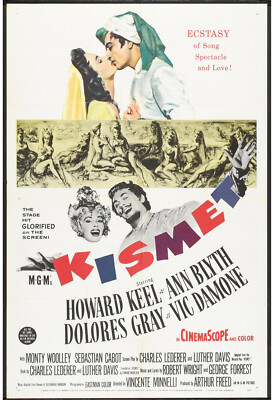
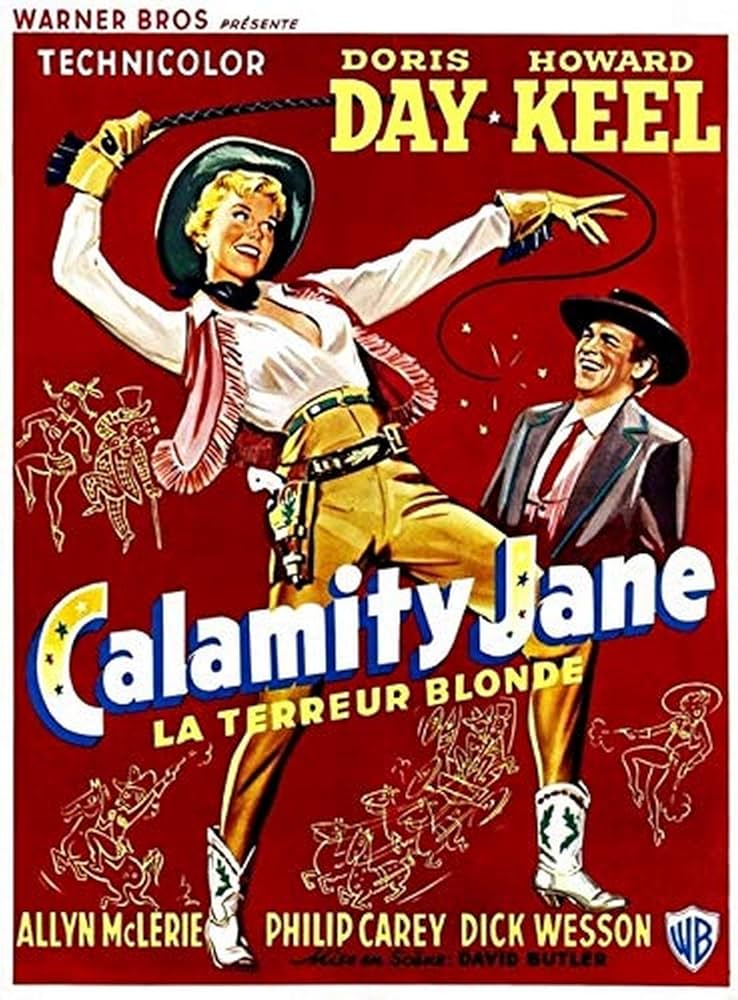
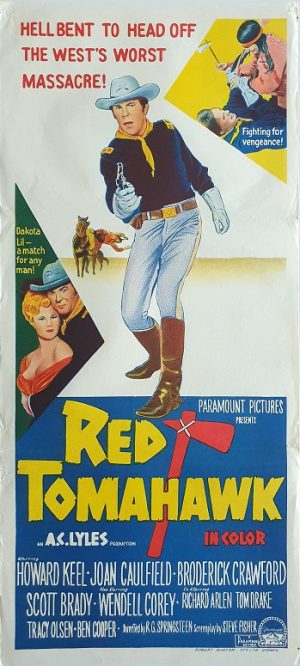
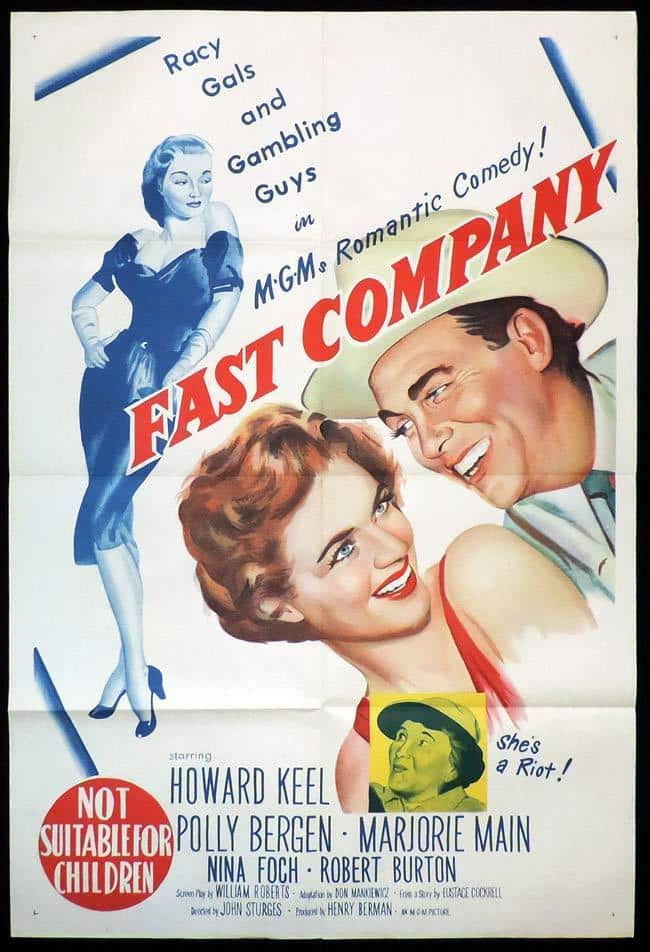
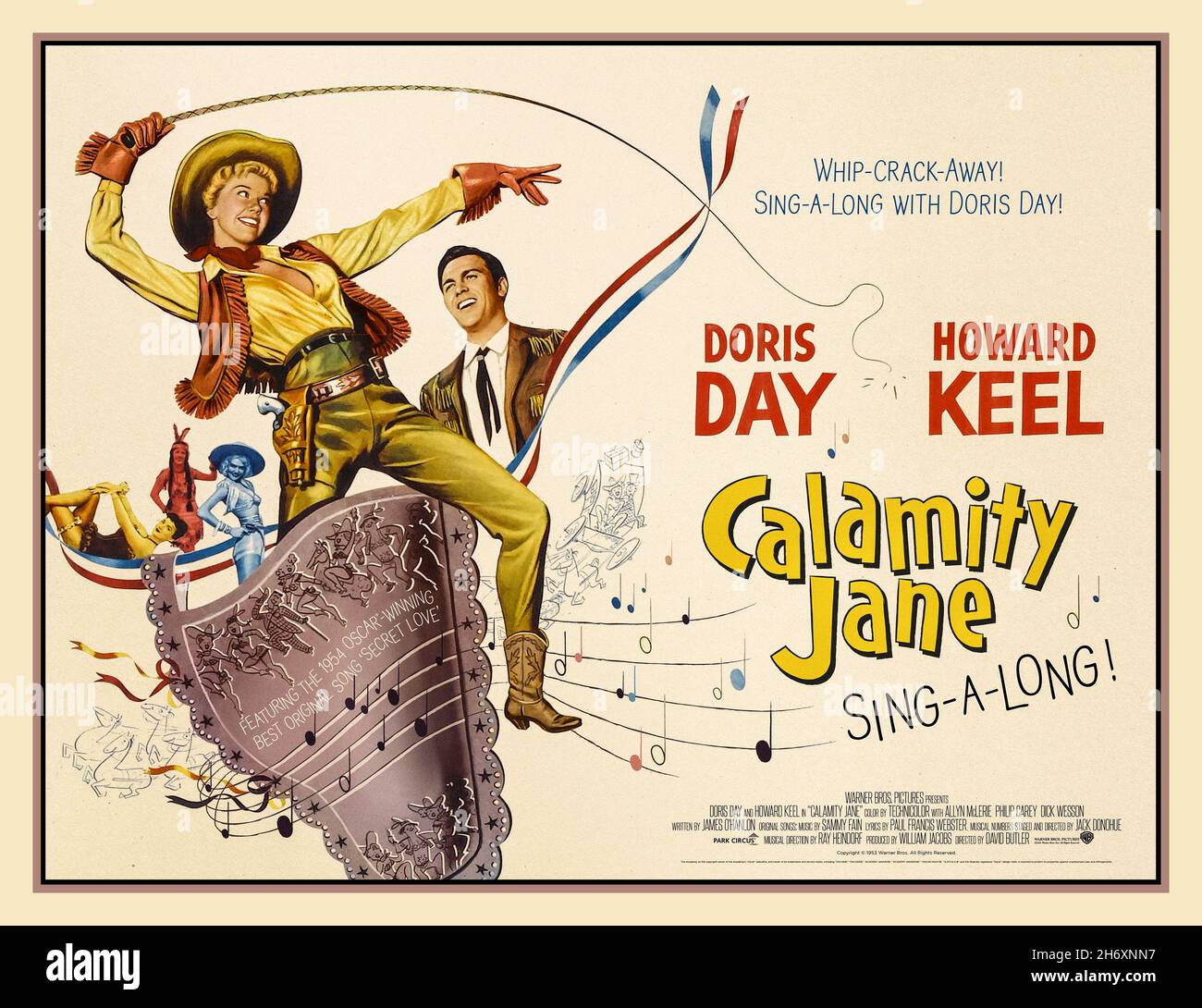
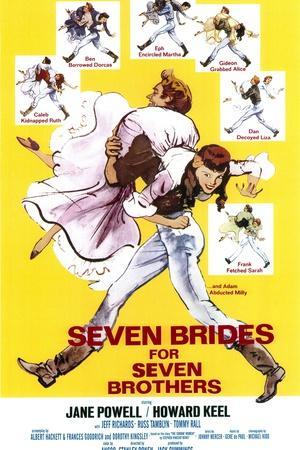
Howard Keel was born in 1919 in Gillespie, Illinois.   In 1947 he came to post-War London and captivated audiences with his stage performance as “Curley” in “Oaklaholma”.  While in Britian he made his film debut in “The Small Voice” opposite Valerie Hobson.      He won a contract with MGM starting with  “Annie Get Your Gun”.   He went on to make “Seven Brides for Seven Brothers”, “Kismet” “Kiss Me Kate” and “Rose Marie”.   For Warner Brothers he made “Calamity Jane” with Doris Day.   Witn the decline oif movie musicals in the late 50’s he began singing in supper clubs across the U.S.   He had a major career revival in the 1980’s with his role in the long running “Dallas”.   Howard Keel died in 2004 at the age of 85.

Gary Brumburgh’s entry:

Tough, virile, wavy-haired and ruggedly handsome with trademark forlorn-looking brows that added an intriguing touch of vulnerability to his hard outer core, actor Howard Duff and his wife-at-the-time, actress Ida Lupino, were one of Hollywood’s premiere film couples during the 1950s “Golden Age”. Prior to that, Duff had relationships with a number of the cinema’s most dazzling leading ladies, including Ava Gardner (just prior to her marriage to musician Artie Shaw) and Gloria DeHaven.

Duff’s talent first manifested itself on radio as Dashiell Hammett‘s popular private eye “Sam Spade” (1946-1950), and eventually extended to include stage, film and TV. While never considered a top-tier movie star and, despite his obvious prowess, never considered for any acting awards, Howard Duff was an undeniably strong good guy and potent heavy but perhaps lacked the requisite charisma or profile to move into the ranks of a Burt LancasterKirk Douglas or Robert Mitchum. His career spanned over four decades.

His full name was Howard Green Duff and he was born in Bremerton, Washington on November 24, 1913. Growing up in and around the Seattle area, he attended Roosevelt High School where he played basketball. It was here that he also found an outlet acting in school plays and, following graduation, studied drama. He eventually became an acting member of the Repertory Playhouse in Seattle. Military service interrupted his early career and he served with the U.S. Army Air Force’s radio service from 1941 to 1945. Upon his discharge, he returned to his acting pursuits and won the role of “Sam Spade” on NBC Radio in the role Humphrey Bogart made famous in The Maltese Falcon (1941).Lurene Tuttle played his altruistic secretary “Effie” on the series. He eventually left the program when his film career settled in and Stephen Dunne took over the radio voice of the detective in 1950 for its final season.

Duff’s post-war movie career started completely on the right foot at Universal with the hard-hitting film noir Brute Force (1947), in which he received good notices as an ill-fated cellmate to Burt LancasterCharles Bickford and others. Quite well-known for his radio voice by this time, he was given special billing in the movie’s credits as “Radio’s Sam Spade”. This was followed by equally vital and volatile performances in the prescient semi-documentary-styled police drama The Naked City (1948) and in Arthur Miller‘s taut family drama All My Sons (1948) starring Lancaster, again, and Edward G. Robinson.

After such a strong showing, Howard career went into a period of moviemaking in which his films were more noted for its entertainment and rousing action than as character-driven pieces. A number of them were routine westerns that paired him opposite some of Hollywood’s loveliest ladies: Red Canyon (1949) with Ann BlythCalamity Jane and Sam Bass (1949) with Yvonne De Carlo and The Lady from Texas (1951) with Mona Freeman. Other adventure-oriented flicks that more or less came and went included Spaceways(1953), Tanganyika (1954), The Yellow Mountain (1954), Flame of the Islands (1956),Blackjack Ketchum, Desperado (1956) (title role), The Broken Star (1956) and Sierra Stranger (1957). Howard also began appearing infrequently on the stage in the early 1950s with such productions as “Season in the Sun” (1952) and “Anniversary Waltz” (1954).

Those films that rose above the standard included gritty top-billed roles in Johnny Stool Pigeon (1949), Illegal Entry (1949), Shakedown (1950), Spy Hunt (1950) and Woman in Hiding (1950), the last a film noir which paired him with Ida Lupino for the first time. Here, he plays the hero who saves Lupino from a murdering husband (Stephen McNally). In 1951, he married Ms. Lupino, already a well-established star at Warner Bros., who was coming into her own recently as a director. The couple had one daughter, Bridget Duff, born in 1952. Lupino and Duff co-starred in four hard-boiled film dramas during the 1950s — Jennifer (1953), Private Hell 36 (1954), Women’s Prison (1955) and While the City Sleeps (1956). The demise of the studio-guided contract system had an effect on Howard’s film career and offers started drying up in the late 1950s.

Fortunately, he found just as wide an appeal on TV, appearing in a number of dramatic showcases for Science Fiction Theatre (1955), Lux Video Theatre (1950) and Climax!(1954). And, in a change of pace, the married couple decided to go for laughs by starring together in the TV series Mr. Adams and Eve (1957). Here, they played gregarious husband-and-wife film stars “Howard Adams” and “Eve Drake”. Many of the scripts, though broadly exaggerated for comic effect, were reportedly based on a few of their own real-life experiences. They also guest-starred in an entertaining hour-long episode of theThe Lucy-Desi Comedy Hour (1957) in 1959 with the two couples inadvertently booked at the same vacant lodge, together. The show ends up a battle-of-the sexes, free-for-all with the two gals scheming to add a little romance to what has essentially become a fishing vacation for the guys. The 1960s bore more fruit on TV than in film. Sans Lupino, Duff went solo as nightclub owner “Willie Dante” in the tongue-in-cheek adventure seriesDante (1960), which lasted less than a season. A few years later, the veteran co-starred with handsome rookie Dennis Cole in what is perhaps his best-remembered series, the police drama Felony Squad (1966), which was filmed in and around Los Angeles. Duff directed one of those episodes, having directed several episodes of the silly sitcom Camp Runamuck (1965), a year or so earlier. In between series work were guest assignments on such popular primetime shows as Bonanza (1959), Twilight Zone (1959), Burke’s Law(1963) and Combat! (1962).

The marriage of Ida and Howard did not last, however, and the famous married couple separated in 1966 after 15 years of marriage. Ida and Howard didn’t officially divorce, however, until 1984. Howard later married a non-professional, Judy Jenkinson, who survived him. While much of Howard’s work in later years was standard, if unmemorable, every now and then he would demonstrate the fine talent he was. A couple of his better film performances came as a sex-minded, booze-swilling relative in A Wedding (1978) and as Dustin Hoffman‘s attorney in the Oscar-winning drama Kramer vs. Kramer (1979). He also enjoyed a villainous role in the short-lived series Flamingo Road (1980) and had a lengthy stint on Knots Landing (1979) during the 1984-1985 season. Duff died at age 76 of a heart attack, on July 8, 1990, in Santa Barbara, California.

– IMDb Mini Biography By: Gary Brumburgh / gr-home@pacbell.net

Howard Keel was the “Big Hunk of Masculinity” who served as the final, definitive baritone of the MGM musical’s golden age. While often compared to Nelson Eddy, a critical analysis of Keel’s work reveals a far more rugged, modern, and ironically self-aware performer. He wasn’t just a singer who could act; he was a dramatic actor with a powerhouse “basso cantante” voice who arrived in Hollywood just as the musical genre began its long fade into the sunset.


The Keel Archetype: The “Boisterous Alpha”

Keel’s screen presence was defined by his 6’4″ frame, barrel chest, and a voice that didn’t just sing—it commanded. Unlike the refined, sometimes stiff tenors of the 1930s, Keel brought a working-class virility to his roles. He specialized in playing “arrogant but redeemable” men—characters whose swagger was eventually softened by the leading lady.


Detailed Critical Analysis of Key Works

1. Annie Get Your Gun (1950)

  • The Role: Frank Butler.

  • Critical Analysis: This was Keel’s MGM debut, and it established his “Cocky Professional” persona.

  • The Technique: Keel used his physical height to project an air of effortless superiority. In his duets with Betty Hutton (notably “Anything You Can Do”), he utilized a staccato vocal delivery that emphasized his character’s competitive ego. Critically, he managed to make a potentially boorish character likable through a “fetching grin” and an underlying sense of fair play.

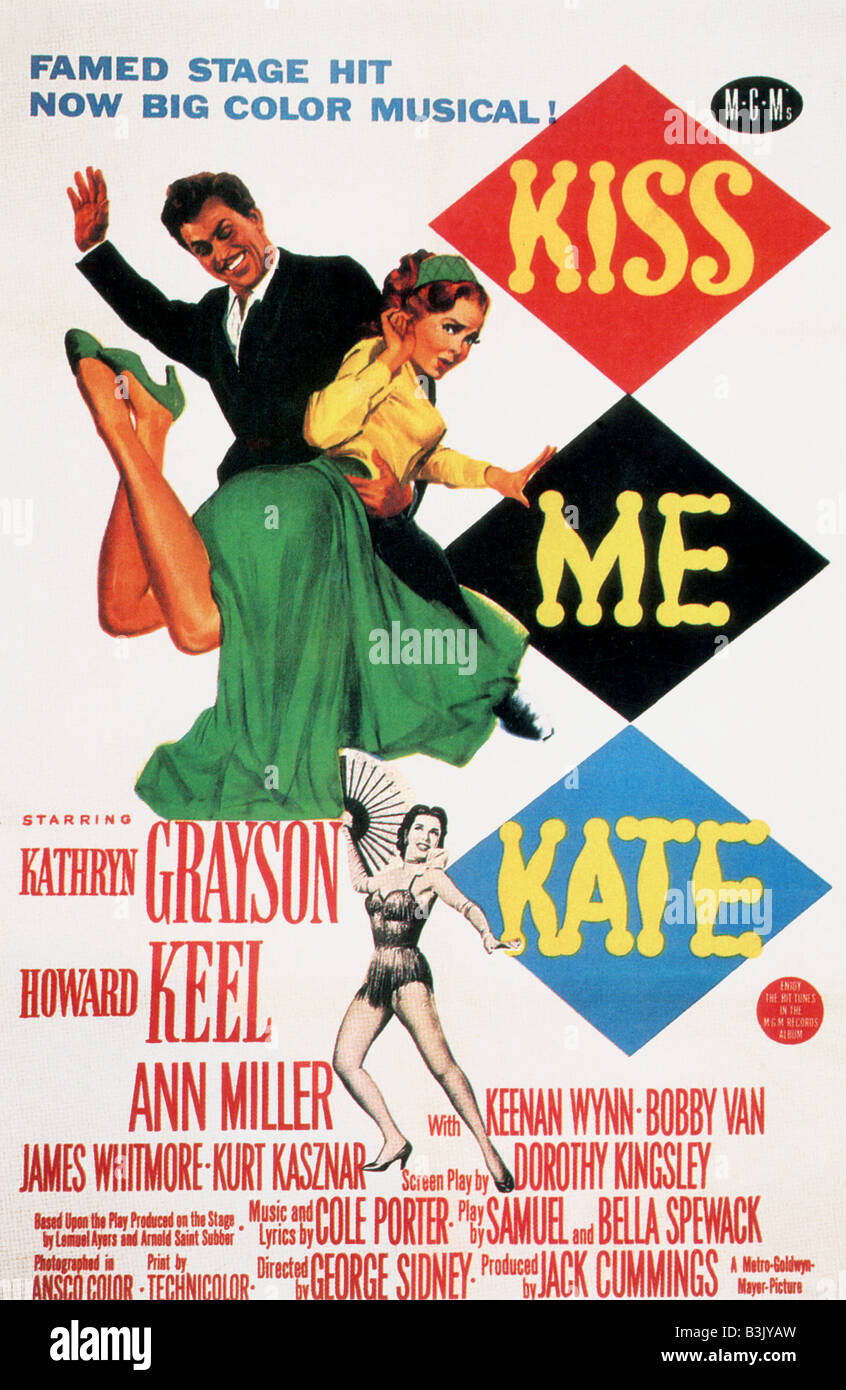
2. Kiss Me Kate (1953)

  • The Role: Fred Graham / Petruchio.

  • Critical Analysis: This is widely considered his most sophisticated performance.

  • The “Meta” Layer: Keel played a stage actor playing a Shakespearian character. He utilized a nicely ironic, “grandiloquent” style for the play-within-a-play, contrasting it with a more grounded, neurotic energy in the “backstage” scenes. His chemistry with Kathryn Grayson was built on “sparring” rather than sentimentality, proving he could handle complex, witty dialogue as effectively as a musical score.

3. Seven Brides for Seven Brothers (1954)

  • The Role: Adam Pontipee.

  • Critical Analysis: This is the pinnacle of the “Keel Archetype.”

  • The Impact: As the eldest of seven frontiersmen, Keel served as the film’s tonal anchor. While the younger brothers provided the kinetic dance energy, Keel provided the gravitas and vocal power. His rendition of “Bless Your Beautiful Hide” is a textbook example of how to use a baritone voice to convey “casual dominance.” Critically, he balanced Adam’s chauvinism with a burgeoning, confused tenderness for Jane Powell, humanizing a character that could have easily been unsympathetic.

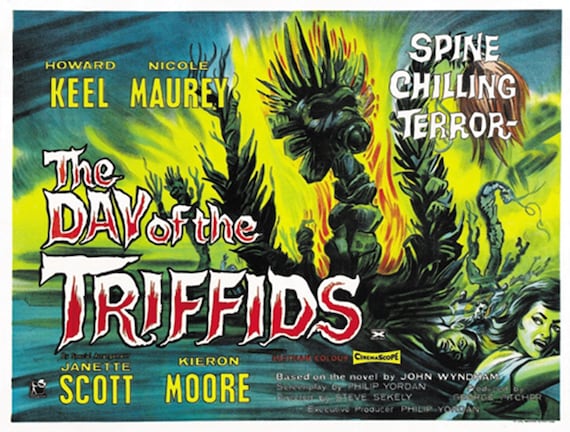
4. The Day of the Triffids (1962)

  • The Role: Bill Masen.

  • Critical Analysis: A rare and successful pivot into sci-fi/horror.

  • The Shift: Stripped of his singing voice, Keel relied on his physical authority. He played the “Competent Survivor” with a “steely-eyed” focus. Critics noted that even without music, he possessed a “naturally heroic” frequency that kept the audience grounded in an otherwise outlandish premise.


Technical Summary: The “Keel Profile”

Feature Howard Keel’s Style
Vocal Profile A resonant, “lusty” basso cantante; rich in the lower register but with a “ringing” top.
Physicality Stately and “barrel-chested”; he used his size to dominate the frame (often making leading ladies stand on boxes).
The Niche The “Swaggering Romantic”—men who learn humility through love.
Legacy He bridged the gap between the “Classical Operetta” style and the “Modern Broadway” belt.

The “Dallas” Resurgence: Clayton Farlow

In 1981, Keel experienced a massive career second act on the TV juggernaut Dallas.

  • The Transition: Replacing the late Jim Davis as the show’s patriarch figure, Keel played Clayton Farlow.

  • Critical Insight: He pivoted his earlier “Alpha” energy into a “Dignified Statesman.” He was the only character on the show who could realistically go toe-to-toe with Larry Hagman’s J.R. Ewing without losing his cool. This role introduced him to a global audience that had never seen his musicals, proving his longevity was rooted in his presence, not just his pipes.

Summary: The “Last of the Giants”

Howard Keel was an actor of unforced power. He arrived at MGM when the studio system was collapsing, yet he still managed to lead some of the most enduring musicals ever made. Critically, he was more than a singer; he was a “dramatic actor who happened to have a voice like a pipe organ.” He remains the gold standard for the “Leading Man” who could both fight a war and win the girl with a song.

James MacArthur
James MacArthur
James MacArthur
James MacArthur
James MacArthur

James MacArthur was born in 1937 in Los Angeles.   He is the adopted son of the great stage actress Helen Hayes and her husband playwright Charles MacArthur.   He made his stage debut as a boy actor in 1949 in “The Corn Is Green”.   He made his film debut with the major role in the 1856 movie “The Young Stranger” directed by John Frankenheimer.   He won a Disney contract and starred in such populasr favourites as “The Light in the Forest”, “Kidnapped”, “Third Man on the Mountain” and “Swiss Family Robinson”.   Throughout the 1960’s he was featured in routine films with the exception of “Spencer’s Mountain” with Henry Fonda and Maureen O’Hara and in 1968 “Hang E’m High” with Clint Eastwood.   That same year he began a twelve year stint on television in the long running and very popular “Hawaii 5 0” with Jack Lrod as Steve McGarrett and MacArthur as his trusty sidekick Danno.   After the series ended he made some television guest appearances but then virtually retired fromacting.   James MacArthur died in 2010 at the age of 73.

His “Independent” obituary:

The boyish-looking actor James MacArthur found his greatest fame as Detective Danny Williams in the television crime series Hawaii Five-O, a worldwide hit full of dramatic explosions and car chases, aided and abetted by swaying palm trees and turquoise-blue wave

The island law-enforcer was second-in-command to the self-righteous, humourless Detective Steve McGarrett (played by Jack Lord), head of the Five-O group, based at the Iolani Palace, in Honolulu, as part of the Hawaiian State Police. On arresting the criminals at the end of episodes, McGarrett would bark: “Book ’em, Danno!” MacArthur recalled three years ago: “It wasn’t anything we really thought about at first, but the phrase just took off and caught the public’s imagination.”

As well as playing the boss on screen, Lord firmly set himself up as the “star” of the series, which ran from 1968 to 1980, although MacArthur baled out a year before the final run. With a financial stake in the programme, Lord insisted that all other cast members were simply “featured guests” and only allowed MacArthur a credit preceded by the word “with”, not “co-starring”.

The fair, curly haired actor was the co-star – but was simply pleased to find success after years of roles in mostly forgettable films. One of his better big-screen parts was as Fritz, one of the sons of the shipwrecked family, in the Disney picture Swiss Family Robinson (1960). He also gave Hayley Mills her first screen kiss, in the light-hearted romance The Truth About Spring (1965).

Born in Los Angeles in 1937, MacArthur was adopted at the age of seven months by the actress Helen Hayes and her playwright husband, Charles MacArthur – who co-wrote The Front Page – and brought up on the bank of the Hudson River in Nyack, New York. His godmother was the actress Lillian Gish. He attended the city’s Allen-Stevenson School, New York, and the Solebury School, New Hope, Pennsylvania, where he excelled in basketball, football, baseball – and drama.

By then, he had professional acting experience. He had appeared with his mother aged 10 in a play in the Theatre Guild of the Air radio series (1948). A year later, he made his stage debut as Will Hughes in the Emlyn Williams play The Corn is Green, at the Olney Theatre, Maryland. Further stage appearances followed.

MacArthur’s screen career began promisingly, with the role of the troubled teenager Hal Ditmar in “Deal a Blow” (1955), a play in the television series Climax! He reprised it for the 1957 film version, The Young Stranger – earning him a Society of Film and Television Arts (now Bafta) nomination as Most Promising Newcomer – before studying for a history degree at Harvard University.

During summer vacations, MacArthur acted in Disney films. He played a young man who had been raised by a native American chief in The Light in the Forest (1958); Rudi Matt, aiming to climb the peak that killed his father, in Third Man on the Mountain (1959); and David Balfour in Kidnapped (1960), based on Robert Louis Stevenson’s novel, before Swiss Family Robinson (1960) came along.

MacArthur also took his one and only Broadway role, as Aaron Jablonski in the comedy Invitation to a March (Music Box Theatre, 1960-61), written by Arthur Laurents, with incidental music by Stephen Sondheim. Jane Fonda was in the cast and MacArthur’s performance won him the 1961 Theatre World Award as Best New Actor. A string of television plays during this period was followed by character roles in programmes such as The Untouchables (1961), Burke’s Law (1963), The Virginian (1965), Tarzan (1967) and Bonanza (1967).

Other film roles included that of a doctor in The Interns (1962), Henry Fonda’s eldest son in Spencer’s Mountain (1963) – based on the novel later developed into The Waltons on television – the spoiled son of a wealthy businessman joining Filipino commandos fighting the Japanese in Cry of Battle (1963), Ensign Ralston in the Cold War submarine drama The Bedford Incident (1965), Lieutenant Weaver in Battle of the Bulge (1965) and a travelling preacher in the low-budget Spaghetti Western Hang ’em High (1968), starring Clint Eastwood and written and produced by Leonard Freeman. Then, Freeman created Hawaii Five-O. Watching a pilot that was screened for a test audience, he considered Tim O’Kelly too young for the role of Danny Williams and offered it to MacArthur.

The actor invested his immense earnings from the programme in real estate, making him very wealthy by the time he left it in 1979. “I grew bored,” he explained. “The stories became more bland and predictable, and presented less and less challenge to me as an actor.”

Although MacArthur made guest appearances in Murder, She Wrote (1984) and The Love Boat (four roles, 1979-85), most of his later roles were on stage. During his television screen career, his mother appeared with him in episodes of Hawaii Five-O (1975) and The Love Boat (1980).

MacArthur returned to his most famous role when he played Danny Williams as the new governor of the isands in the 1997 television film Hawaii Five-O. Jack Lord was suffering from Alzheimer’s disease and close to death, but other previous cast members, Kam Fong, Kono and Herman Wedemeyer, returned as the detectives Chin Ho Kelly, Zulu and Duke, teaming up with a new Five-O team to search for the culprit when Governor Dan Williams is shot.

At the premiere of a new television version of Hawaii Five-O in the United States earlier this month, MacArthur sent the message: “I’m looking forward to making an appearance inthe new show when the time is right and I can’t wait to see what the writers have in store for me.” He did not live to see that.

His first two marriages, which ended in divorce, were to the actors Joyce Bulifant and Melody Patterson. He is survived by his third wife, the golf teacher and LPGA tour player HB Duntz, whom he met through his own interest in playing golf. MacArthur had three children from his first and third marriages, but the identity of his daughter Juliette’s mother has never been revealed.

James Gordon MacArthur, actor: born Los Angeles 8 December 1937; married 1958 Joyce Bulifant (marriage dissolved 1967; one son, one daughter), 1970 Melody Patterson (marriage dissolved 1975), 1984 Helen Beth Duntz (one son), and one daughter; died Jacksonville, Florida 28 October 2010.

The above “Independent” obituary can also be accessed online here.